
Movement
Mexican Muralism
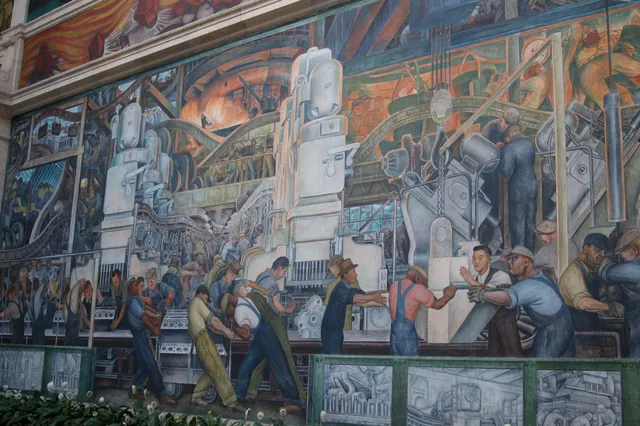
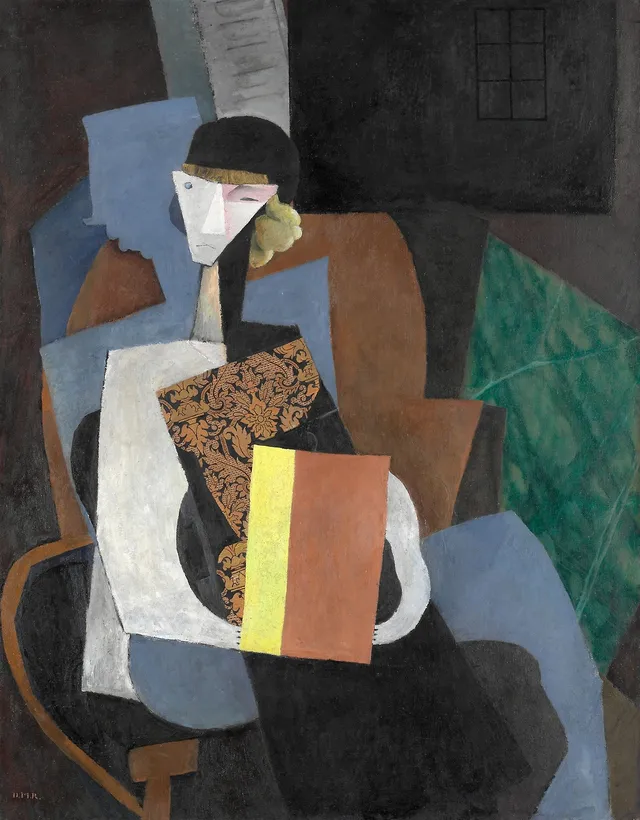
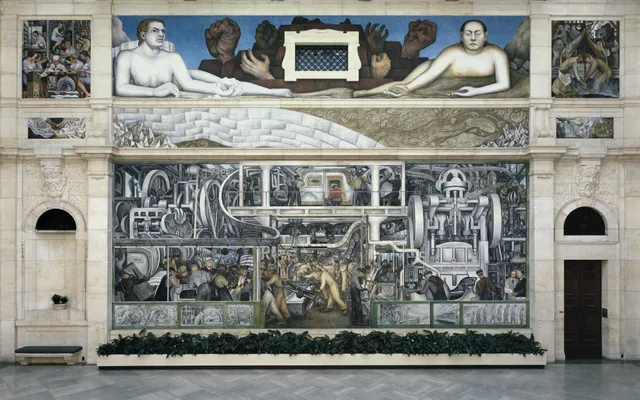
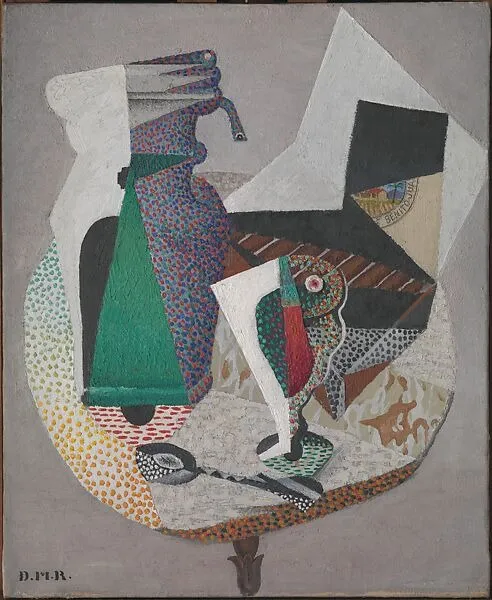
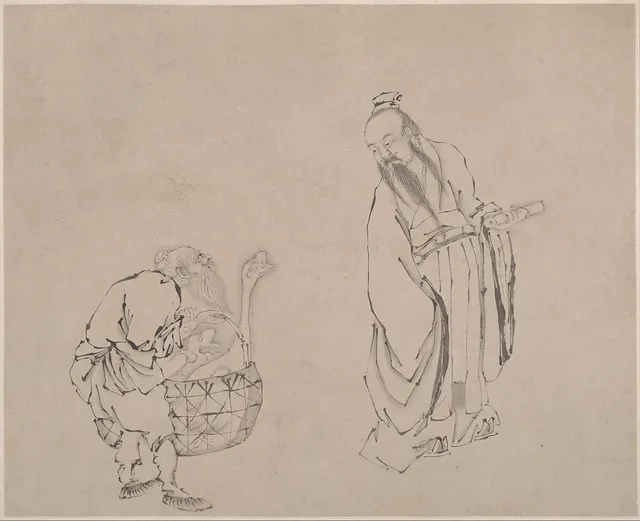
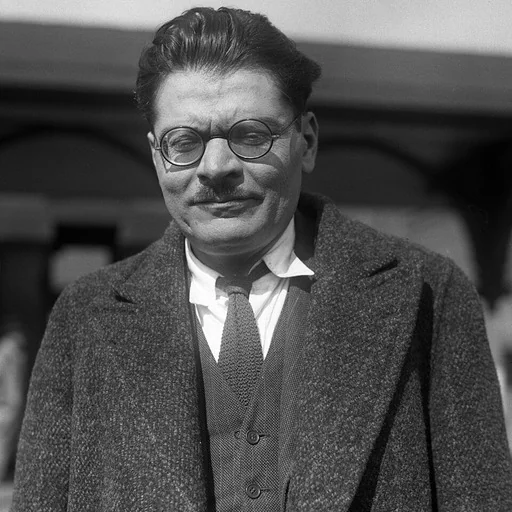
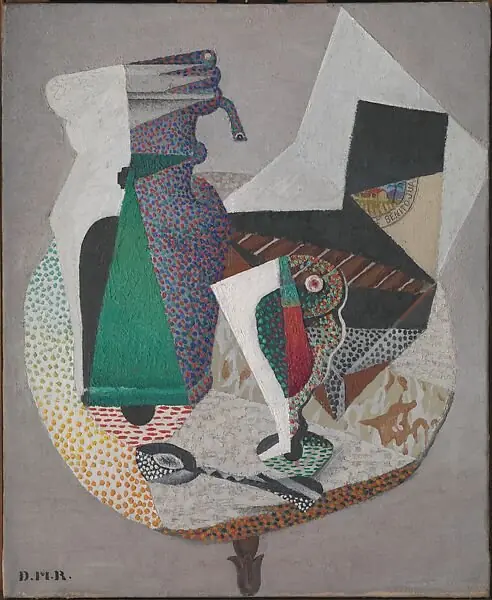
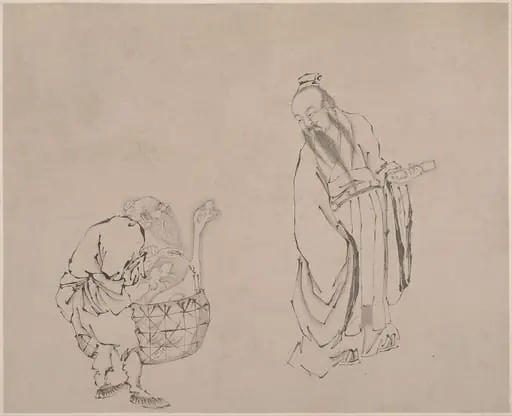
Mexican Muralism is an art movement dating from 1920. The gallery holds 30 works in this movement, including works by Diego Rivera, Gyula Derkovits and Dominguez Alvarez. Browse Mexican Muralism paintings, portraits, pictures and artworks from the world's public-domain museum collections.
Mexican Muralism emerged in the aftermath of the Mexican Revolution (1910–1920), as a fractured, largely illiterate nation searched for a unifying language. In 1920 President Álvaro Obregón appointed the philosopher José Vasconcelos as Minister of Public Education, and Vasconcelos championed monumental public painting—a medium reaching back to the country's Maya and Aztec ancestors—as a way to narrate national history and revolutionary ideals to ordinary people. The state commissioned artists to cover the walls of government buildings, beginning with the Escuela Nacional Preparatoria in Mexico City in the early 1920s. The movement was explicitly political: in 1923 a group of left-wing artists formed the Union of Technical Workers, Painters, and Sculptors, whose manifesto—drafted by David Alfaro Siqueiros and signed by Diego Rivera and Xavier Guerrero—rejected bourgeois easel painting and proclaimed art a collective weapon for workers, peasants, and Indigenous communities.
Visually, the muralists fused European training with native subject matter, painting vast wall cycles in true fresco—a technique revived in Mexico by Jean Charlot, who completed an early socio-political fresco at the Preparatoria in 1923. Their style favored monumental, simplified figures, sweeping historical narrative, and a frank embrace of Mexico's Indigenous past, the Conquest, labor, and machinery. Rivera and Siqueiros described the work as a kind of "team painting," a collective labor mirroring the revolution itself, and Siqueiros pushed further into industrial paints and experimental materials.
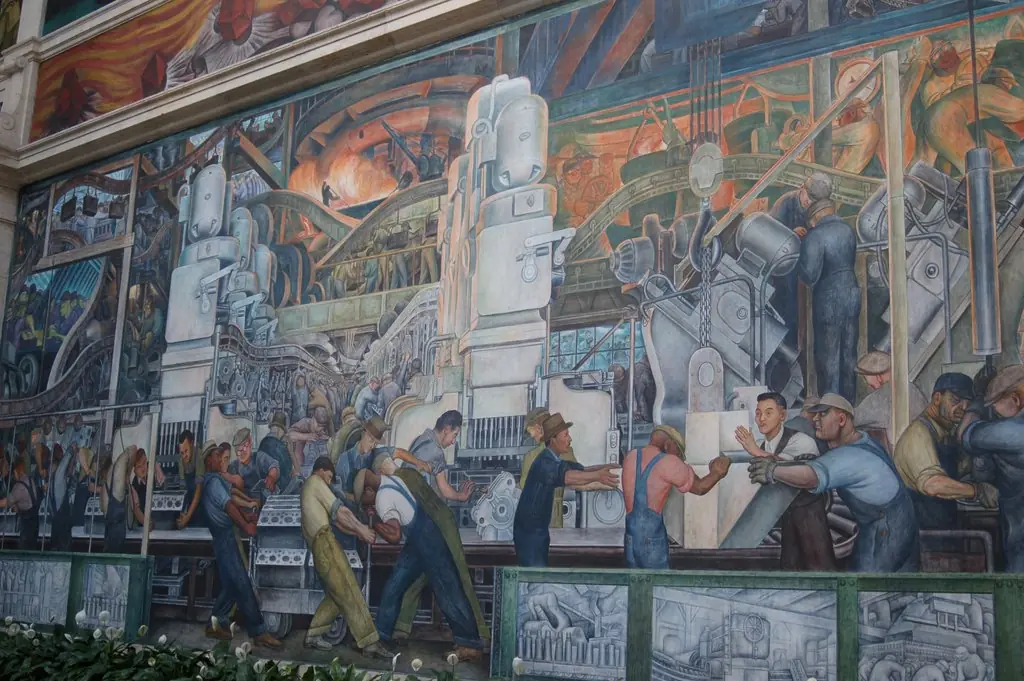
Three figures, known as Los Tres Grandes, dominate the canon: José Clemente Orozco (1883–1949), Diego Rivera (1886–1957), and Siqueiros (1896–1974). Rivera's twenty-seven-panel Detroit Industry Murals (1932–1933) at the Detroit Institute of Arts—several panels of which this collection holds—and his National Palace stairway depicting the history of Mexico are landmark works; Orozco's fresco cycle at the Hospicio Cabañas in Guadalajara (1937–1939), crowned by The Man of Fire, is among the movement's supreme achievements.
The muralists' influence radiated outward. Their model shaped the United States' New Deal public art under the Works Progress Administration, and Siqueiros's New York Experimental Workshop (1936) directly informed Jackson Pollock and the emergence of Abstract Expressionism. Decades later, their fusion of public scale and social protest inspired the Chicano mural movement of the 1960s and 70s, while artists like Rufino Tamayo dissented from the movement's didactic politics—testifying to its enduring, contested reach.
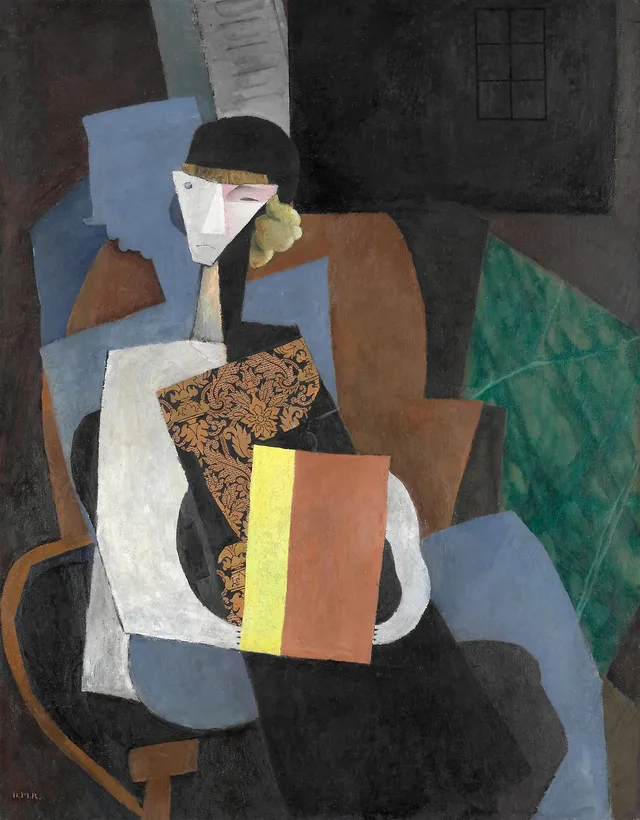
Key artists
Works
 The Café Terrace
 Untitled
 Man and Machinery
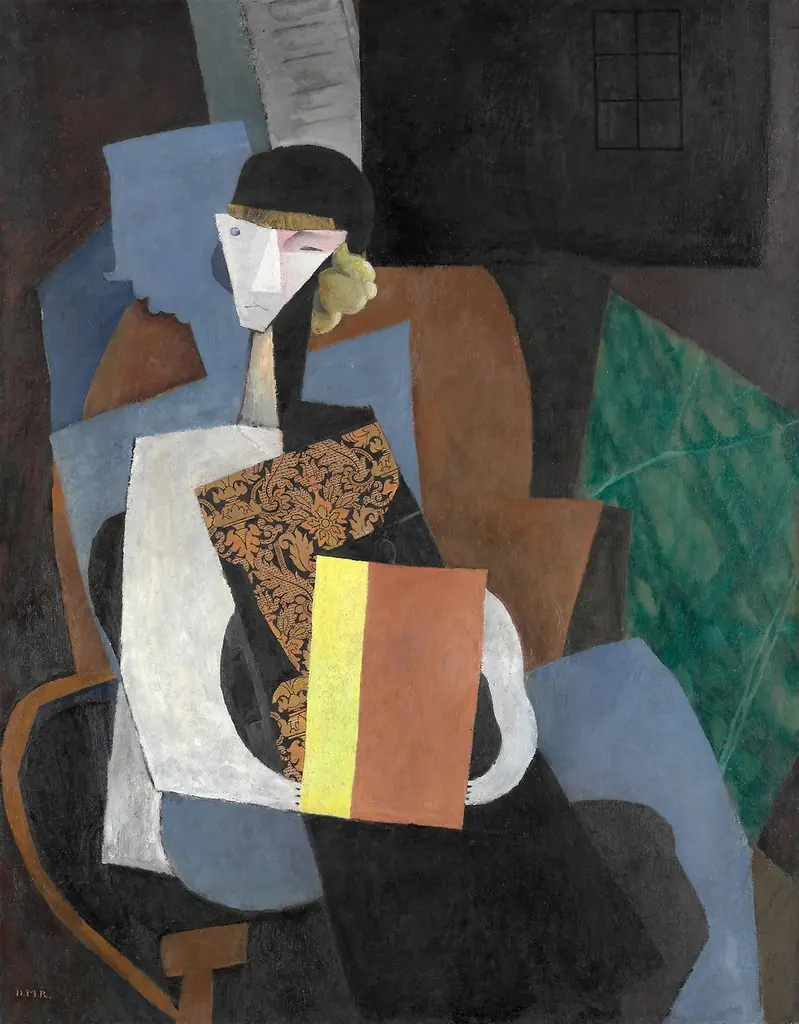 Portrait of Marevna
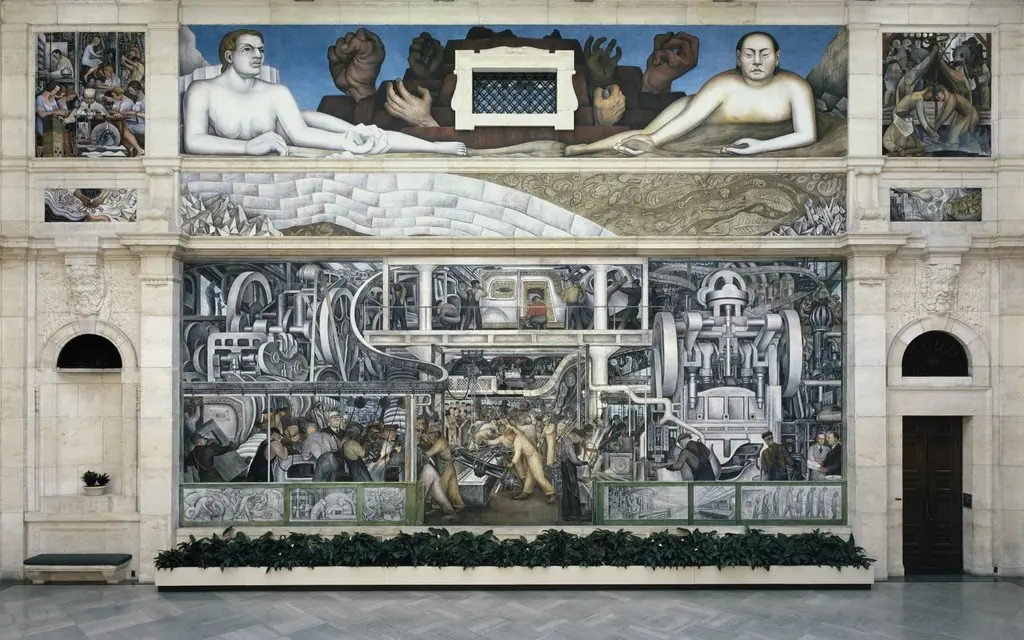 Detroit Industry, South Wall
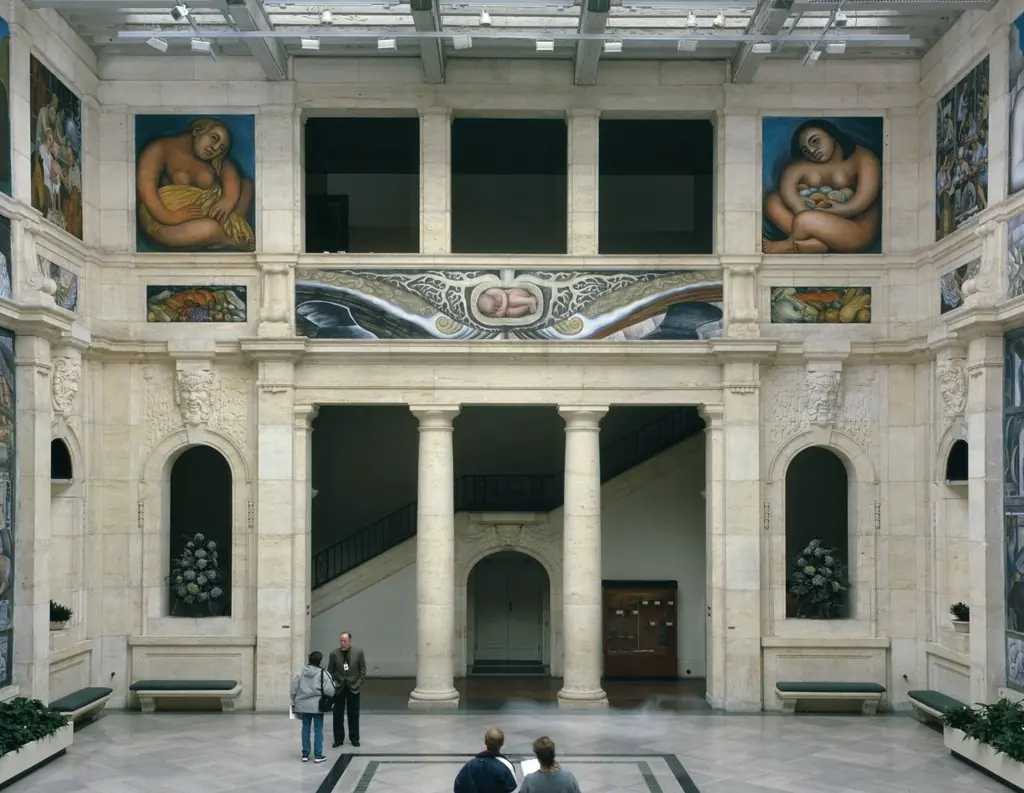 Detroit Industry: East Wall
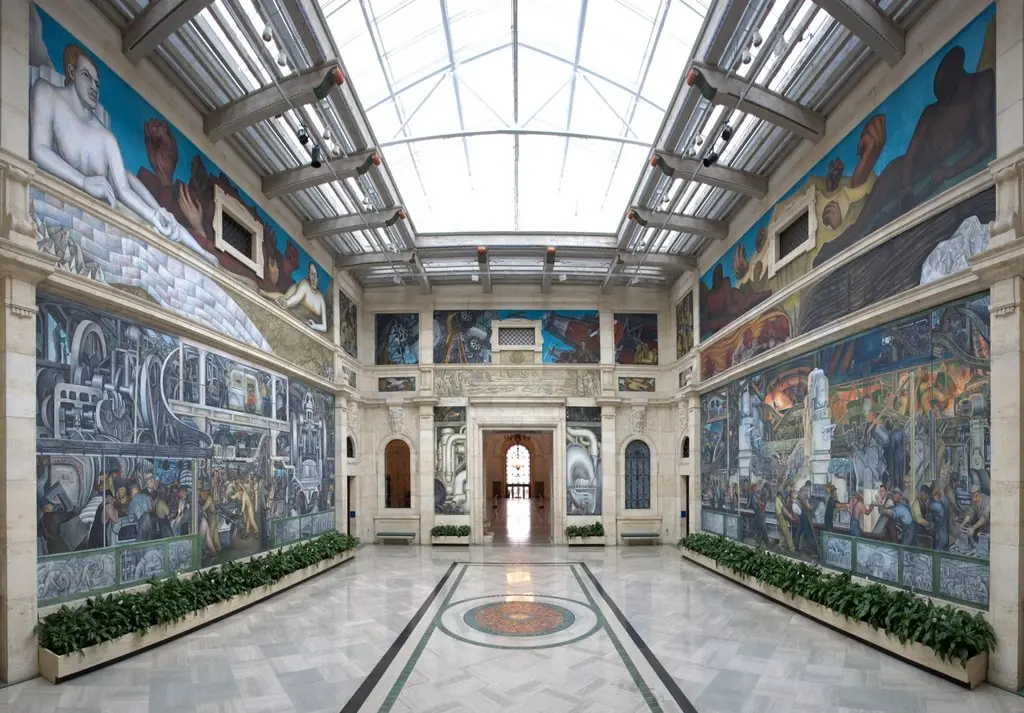 Detroit Industry, West Wall
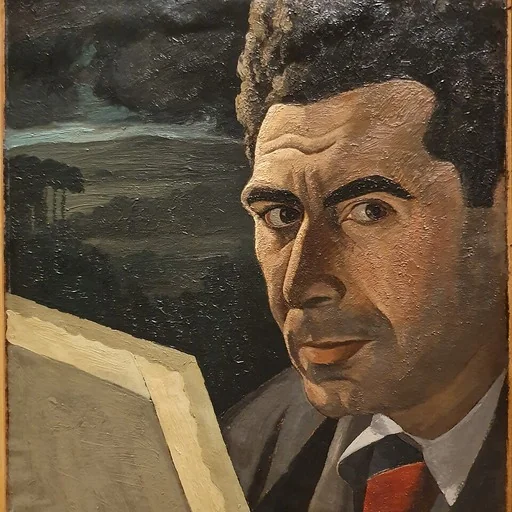
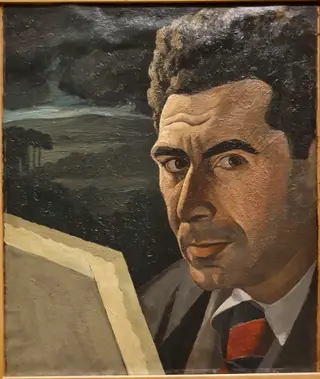 Auto-retrato
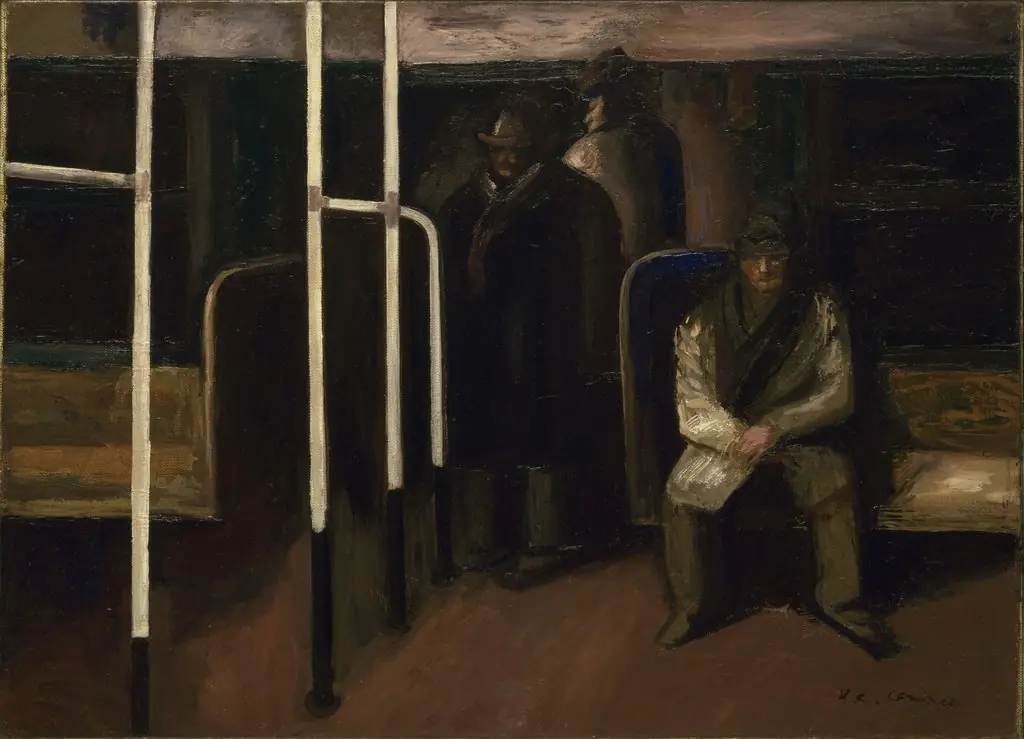 The Subway
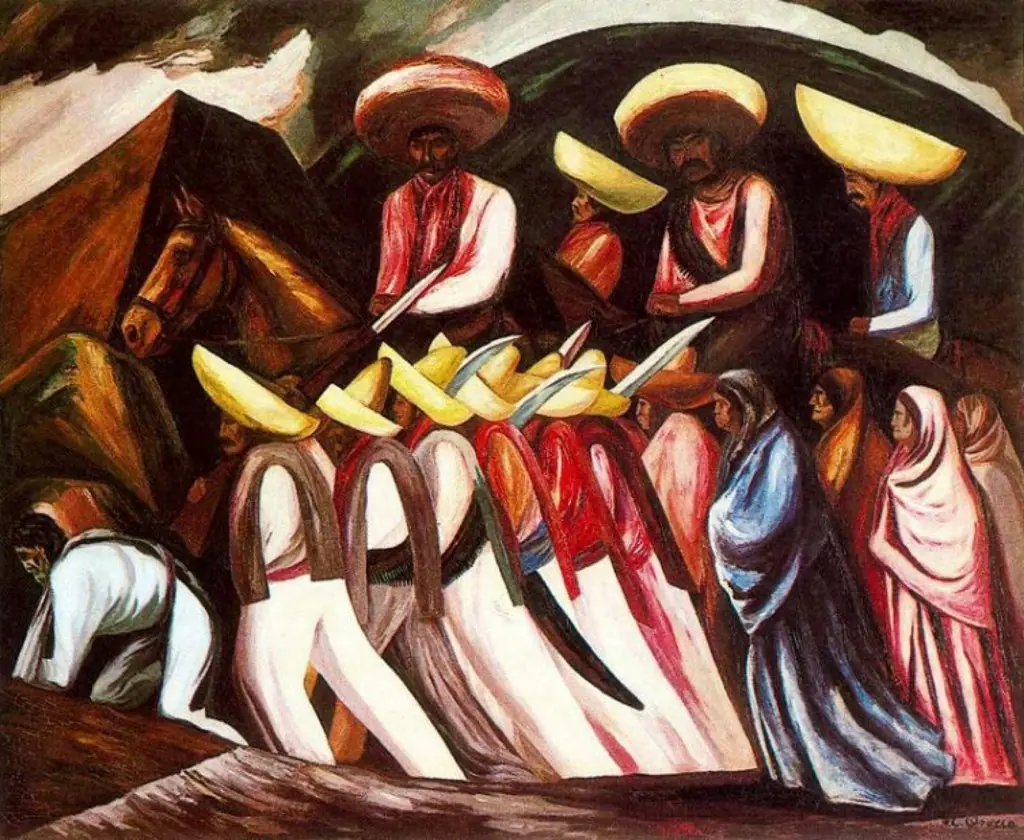 Zapatistas
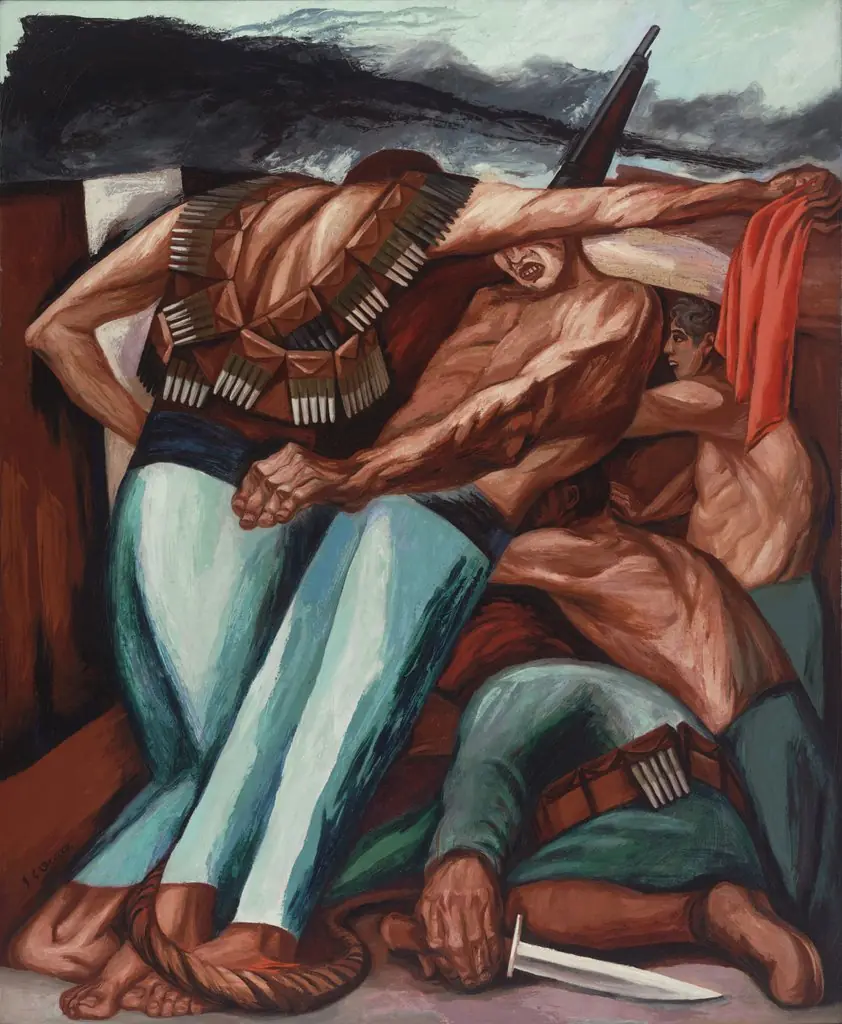 Barricade
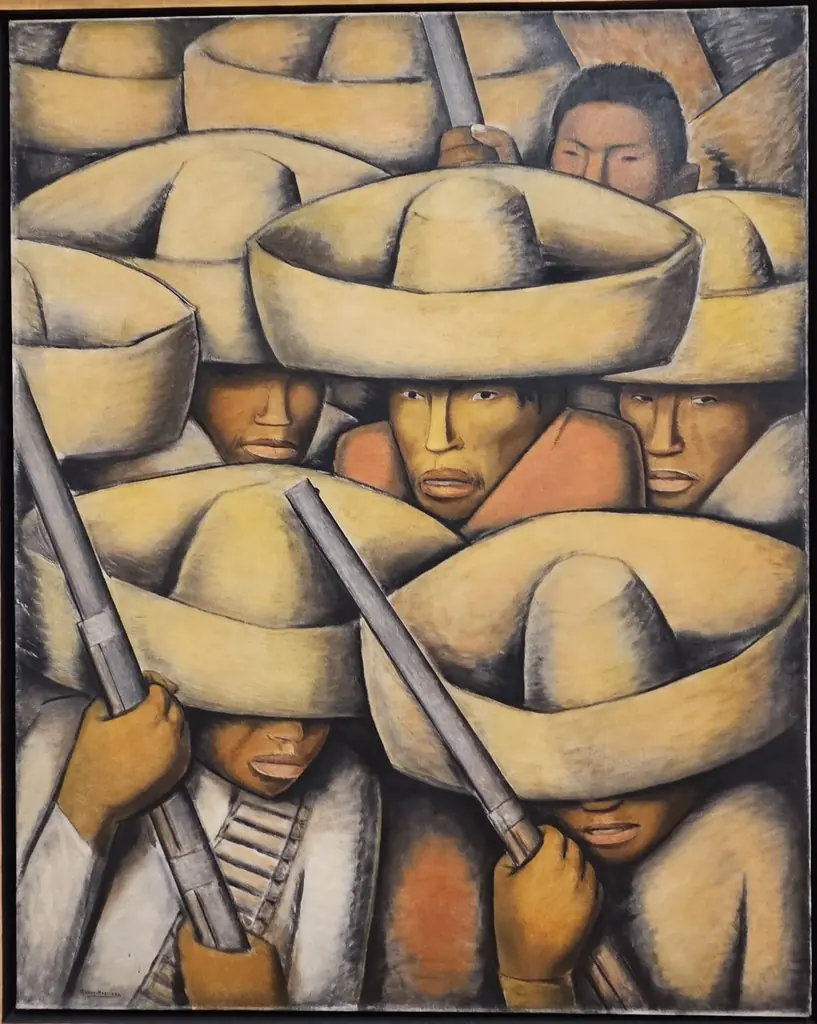 Zapatistas
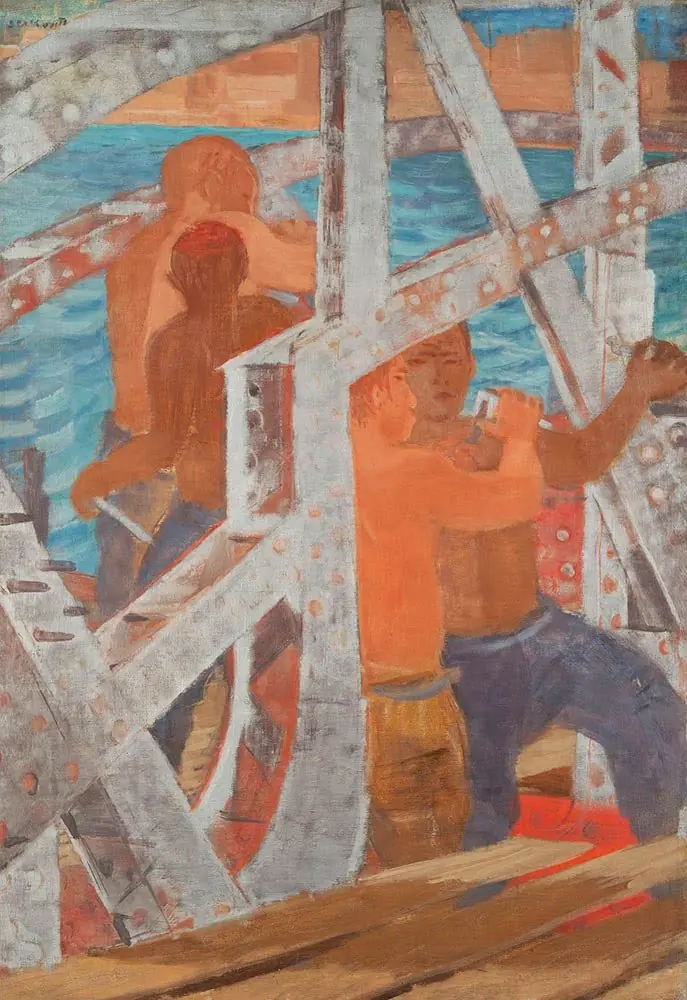 Bridge Builders
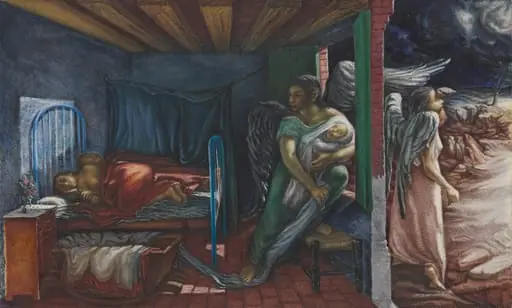 Untitled
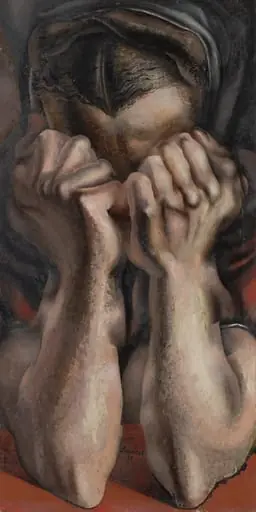 Untitled
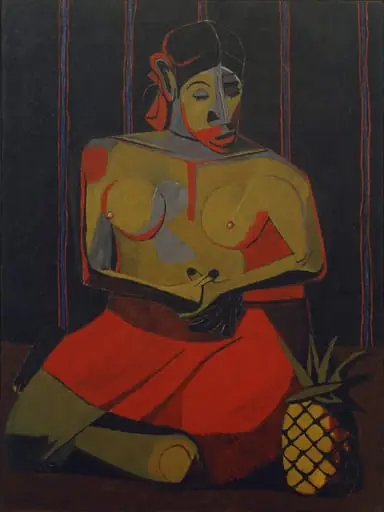 Untitled
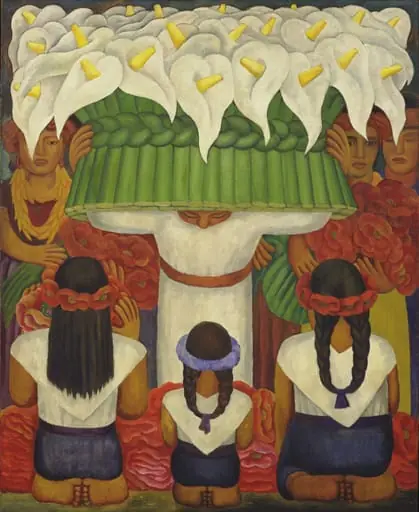 Untitled
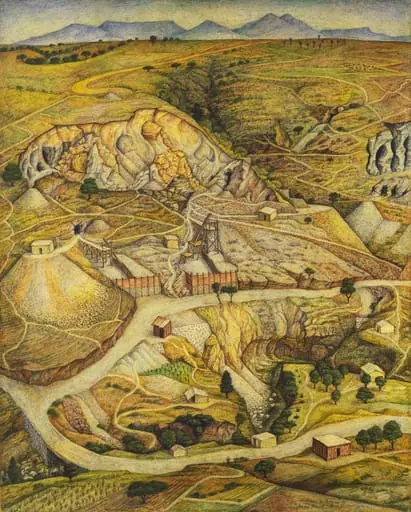 Untitled
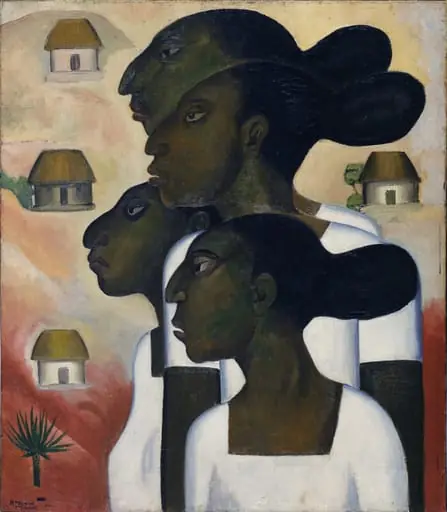 Untitled
 Untitled
 Untitled
 Untitled
 Untitled
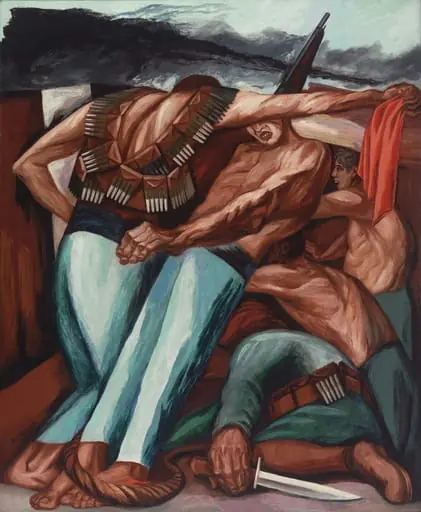 Untitled
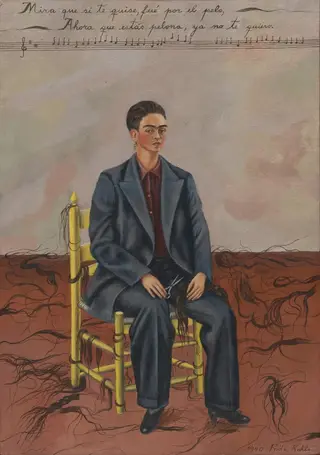 Untitled
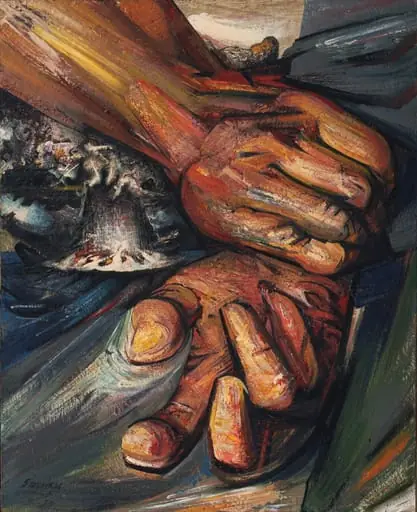 Untitled
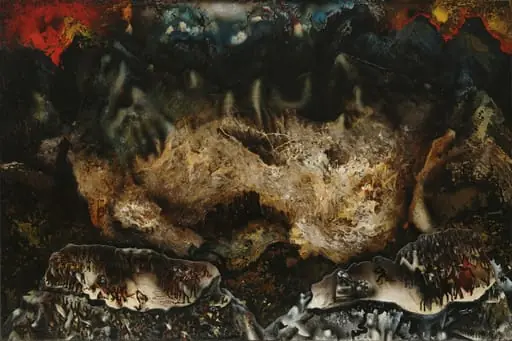 Untitled
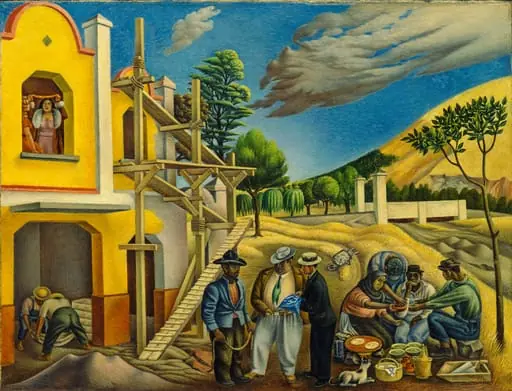 Untitled
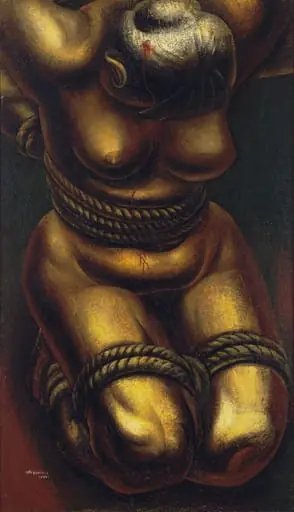 Untitled
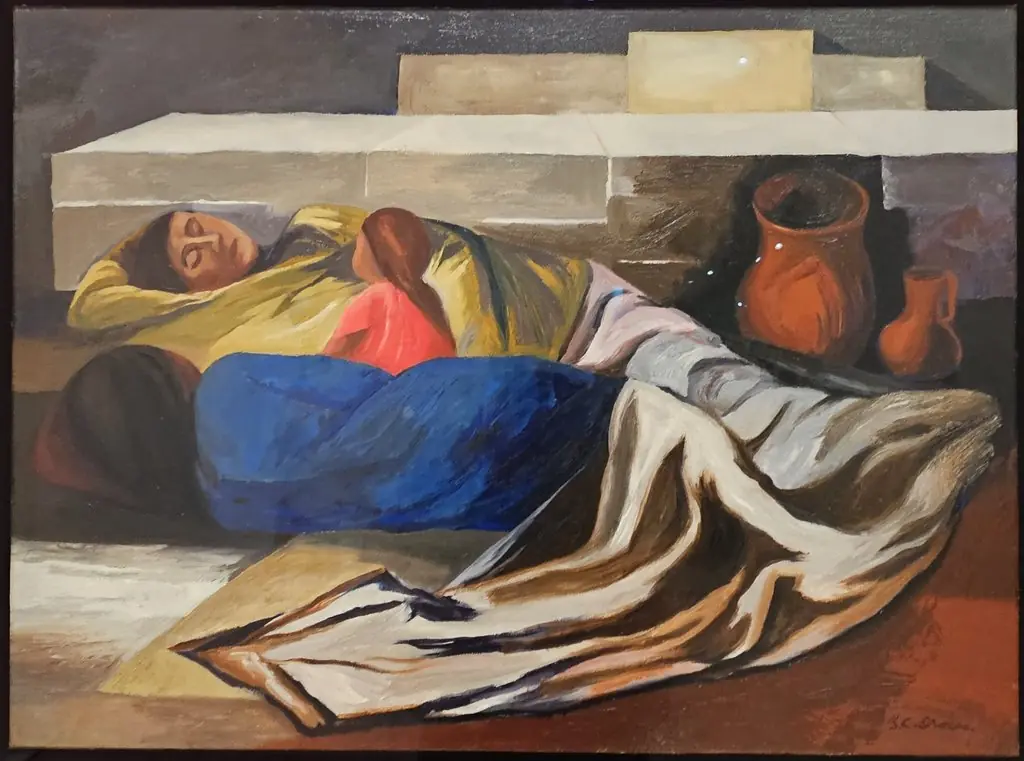 Dormindo
Frequently asked questions
What is Mexican Muralism?
Mexican Muralism is an art movement. A large-scale public art movement led by Diego Rivera, José Clemente Orozco, and David Alfaro Siqueiros following the 1910 Mexican Revolution.
How many Mexican Muralism works does Artifact World Gallery have?
Artifact World Gallery holds 30 public-domain Mexican Muralism works, all free to view and download.
Who are the key Mexican Muralism artists?
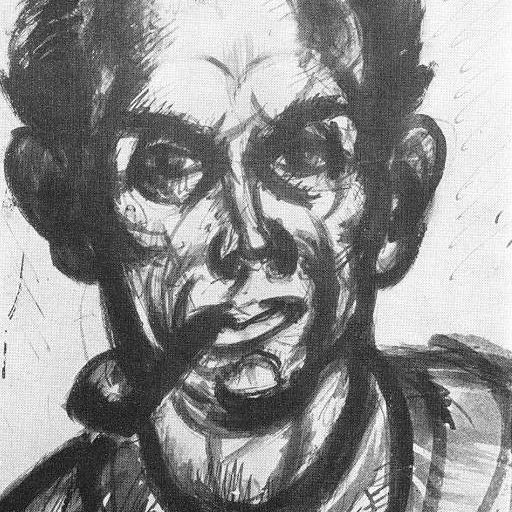
Key Mexican Muralism artists in the collection include Diego Rivera, Gyula Derkovits and Dominguez Alvarez.
When did Mexican Muralism take place?
Mexican Muralism dates from around 1920.
Where can I see Mexican Muralism works?
Mexican Muralism works in the collection are held by Museum of Modern Art, Detroit Institute of Arts and San Francisco Museum of Modern Art.