Artwork
Strasse auf Helgoland II
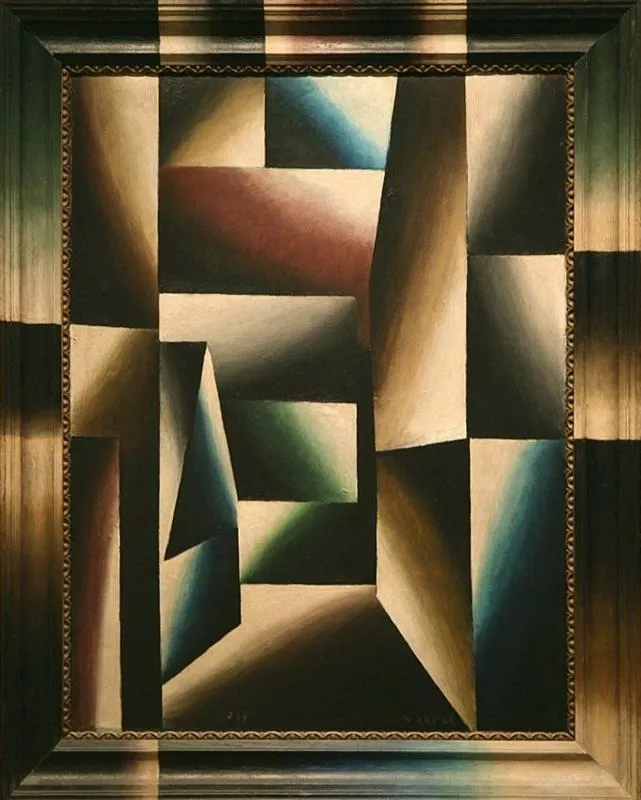
Strasse auf Helgoland II is an unspecified painting by Arthur Segal. It dates from 1924 and is held in the collection of the Metropolitan Museum of Art.
About this work
Subject & Meaning
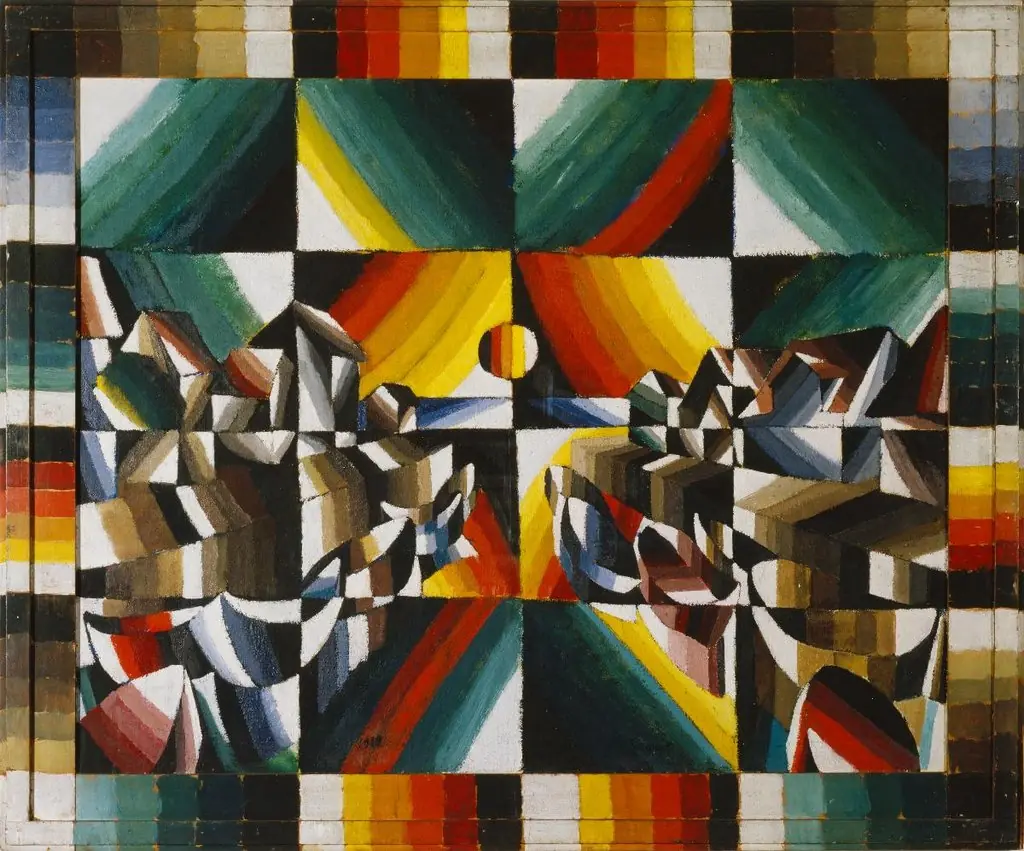
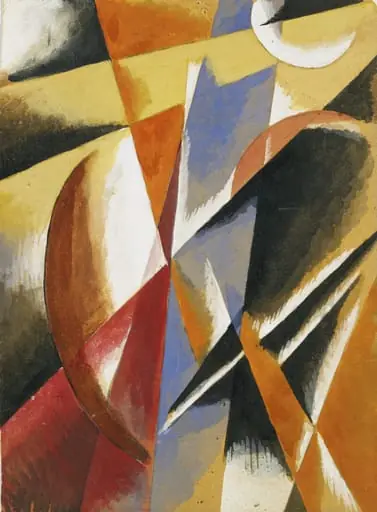
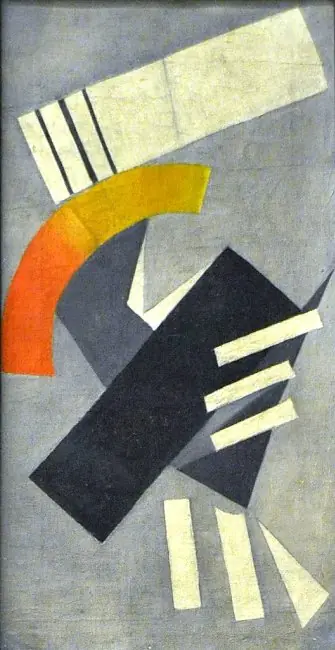
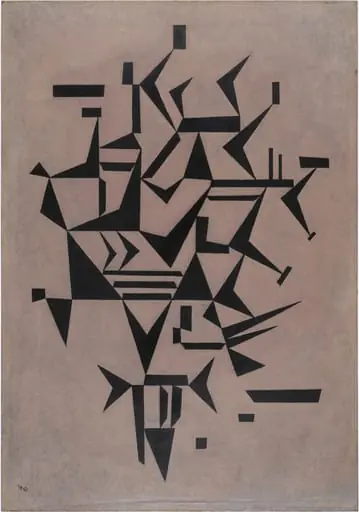
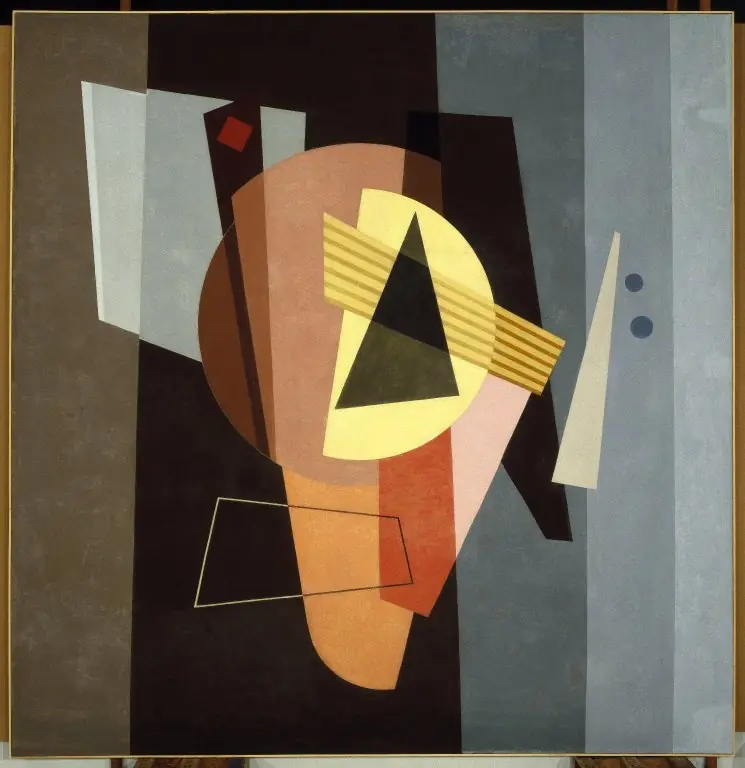
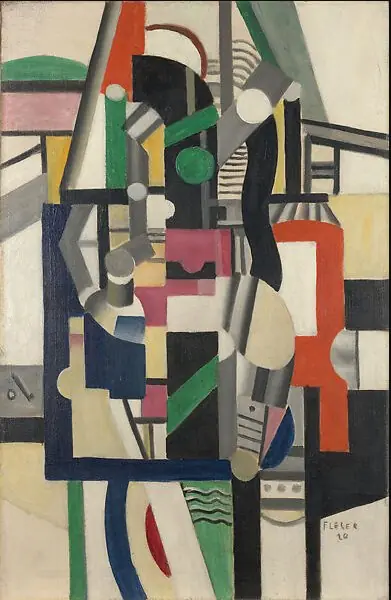
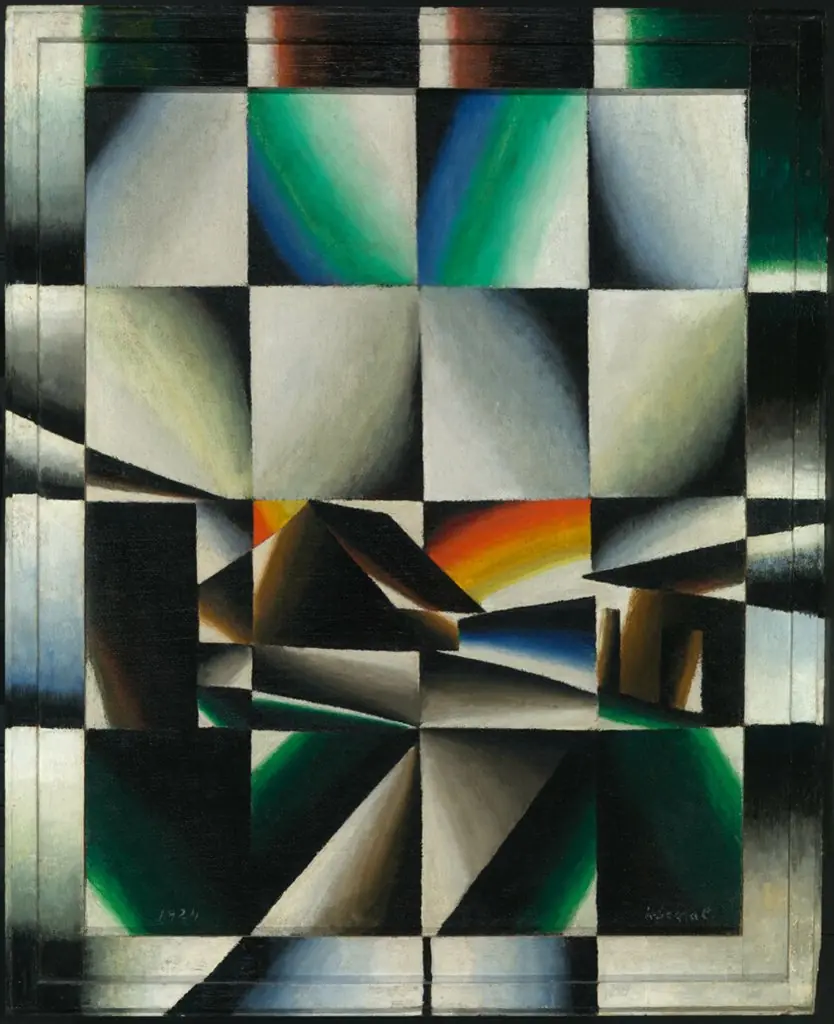
Strasse auf Helgoland II, painted by Arthur Segal in 1924, takes as its nominal subject a street scene on the island of Helgoland, yet the work is classified as an abstraction rather than a literal depiction of place. Any recognizable urban or coastal features are dissolved into non-representational form, so the painting functions less as a topographical record of the island than as a meditation on the visual experience of a streetscape reduced to its essential elements.
The shift from a concrete street motif to pure abstraction signals the work's broader meaning: the translation of observed reality into a constructed pictorial language. By stripping the Helgoland street of descriptive detail, Segal emphasizes structure, color, and rhythm over narrative or geographic specificity, inviting viewers to encounter the scene as an arrangement of formal qualities rather than as a documented location.
Technique & Style
The palette is subdued yet luminous, using earth tones punctuated by cooler accents to convey the island’s light and atmosphere.
Executed in 1924, Strasse auf Helgoland II is an oil on canvas measuring 98.4 cm in height and 80 cm in width. The handling reflects Segal’s post‑Impressionist roots filtered through a structured, rhythmic composition, with areas of thick impasto contrasting against more fluid passages to articulate the street and its setting. Stylistically, the work adopts a semi‑abstract idiom, flattening spatial recession and aligning forms along a pronounced diagonal that organizes the scene into interlocking geometric and organic shapes.
The palette is subdued yet luminous, using earth tones punctuated by cooler accents to convey the island’s light and atmosphere.
History & Provenance
Arthur Segal created the painting Strasse auf Helgoland II in 1924. The work is an abstract composition depicting a street scene, executed during a period when the artist was exploring geometric forms. It measures 98.4 cm in height and 80 cm in width. Currently, the painting is held in the collection of the Metropolitan Museum of Art.
Context
Arthur Segal painted 'Strasse auf Helgoland II' in 1924, a work reflecting his engagement with post-impressionist landscapes and early modernist abstraction. The painting is housed in the Metropolitan Museum of Art, where it is recognized as part of the artist's exploration of coastal environments through simplified forms and expressive color. Scholarship highlights its significance within Segal's oeuvre as a bridge between figurative and abstract tendencies in early 20th-century German art, situating it within broader discussions of modernity and artistic response to industrialization.
Overview
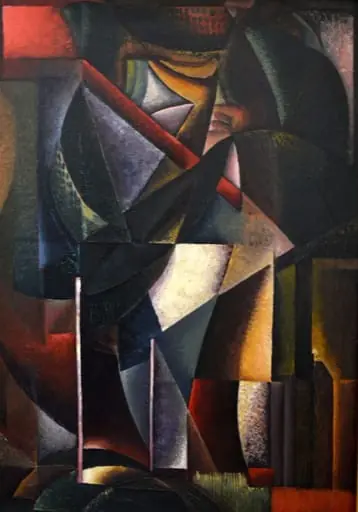
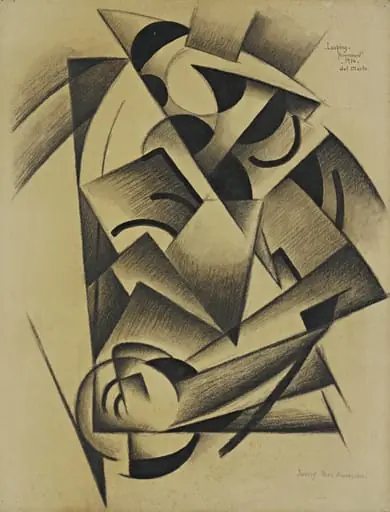
Arthur Segal’s 1924 canvas entitled Strasse auf Helgoland II presents an arrangement of geometric planes that interlock like a puzzle. The composition relies on a restrained palette of beiges, grays, and occasional deep reds and greens, punctuated by luminous highlights that suggest light striking flat surfaces. Though the work lacks a recognizable narrative, its layered forms generate a subtle illusion of depth and spatial tension.
Artist & collection