Artwork
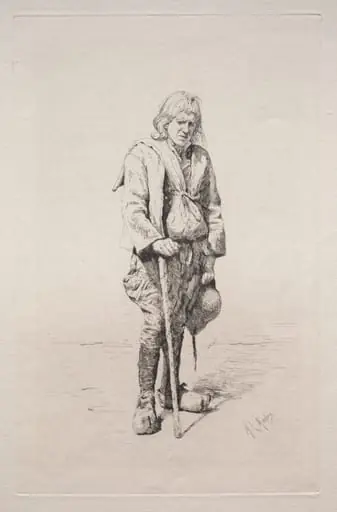
Man with Walking Stick
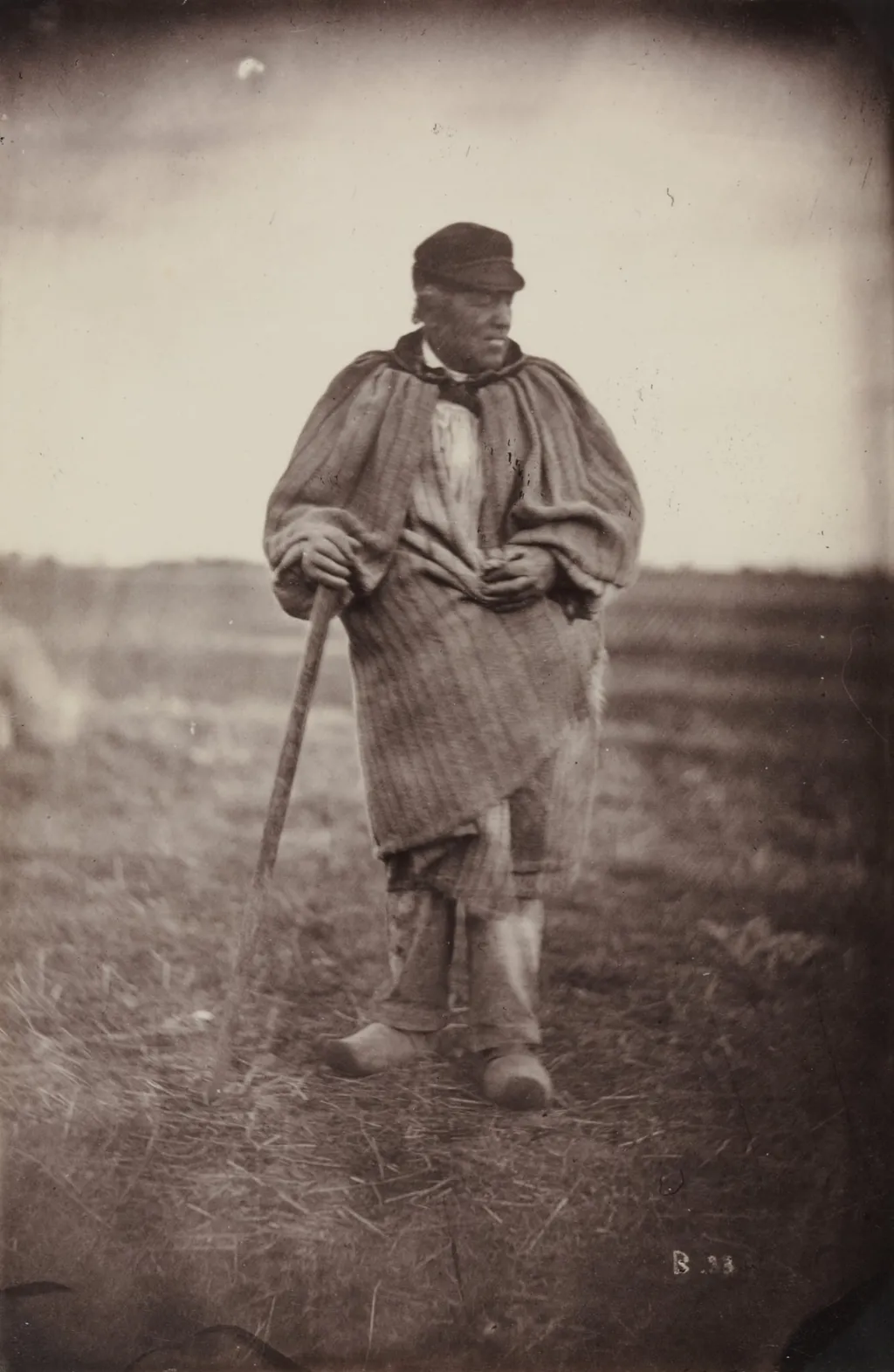
Man with Walking Stick is a photography by the Impressionist artist Auguste Giraudon's Artist. It dates from 1870 and is held in the collection of the Cleveland Museum of Art.
- Accession no.
- 2010.7
- Credit line
- Purchase from the J. H. Wade Fund
About this work
Overview
Man with Walking Stick is a photograph from the 1870s, part of a series commissioned by Giraudon featuring rural peasants, likely shot near Barbizon, France.
Subject & Meaning
The photograph depicts a man at ease in a landscape, dressed in simple attire, conveying a sense of human dignity through its relaxed pose.
Technique & Style
The image showcases skillful light management and integration of the subject within the landscape, characteristics reminiscent of 19th-century French art's emphasis on everyday life, with compositional simplicity being a key aesthetic element.
History & Provenance
Attributed to 'Giraudon's Artist', an anonymous French photographer specializing in rural figure studies for artists, with the location suggested to be near Barbizon, a hub for nature-inspired art.
Artist & collection

 Lord Burghersh, Earl of Westmorland
 A Man with a Staff, Thebes
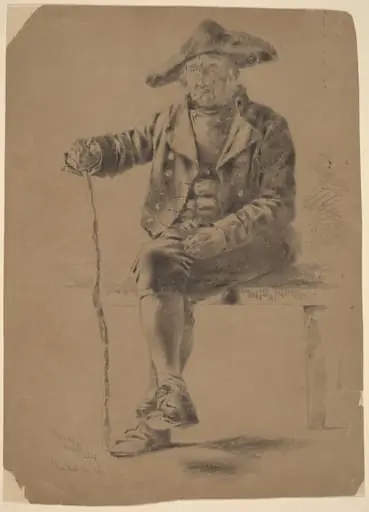 The Old Soldier - Berncastel
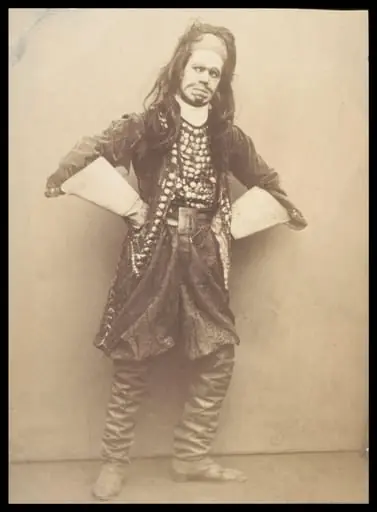 Guy Little Theatrical Photograph
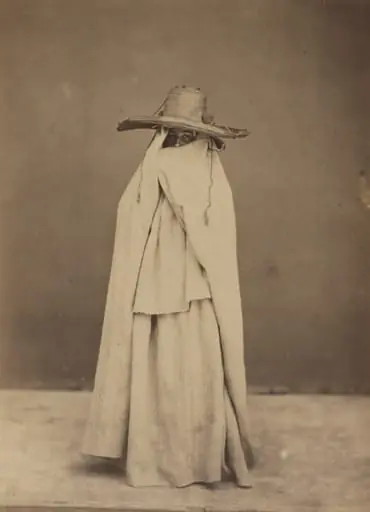 Algerian Woman
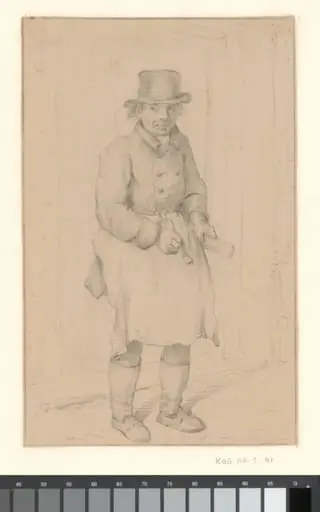 Untitled
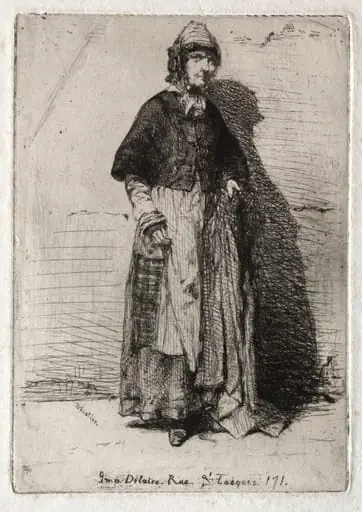 Twelve Etchings from Nature: La Mère Gérard
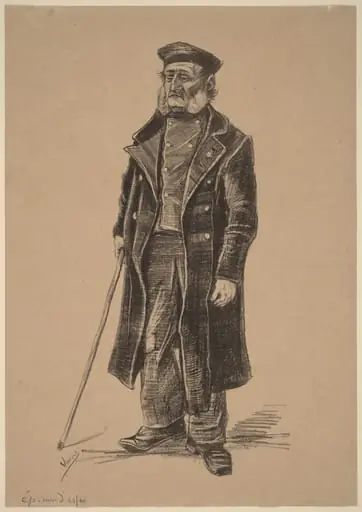 Orphan Man, Standing
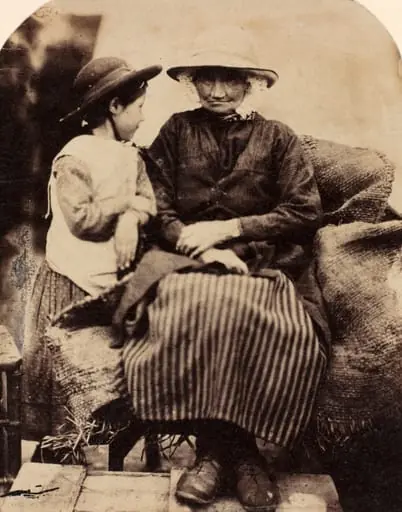 Servants at Rhagatt, Corwen, North Wales
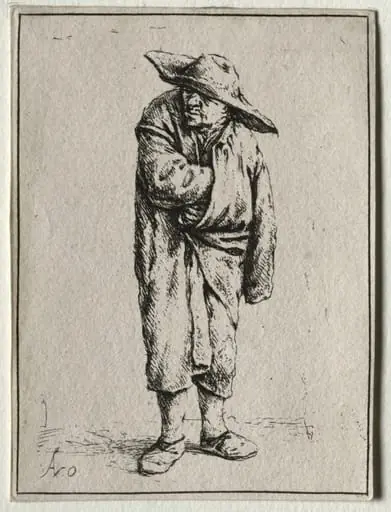 Peasant with his hand in his cloak
 Man with Walking Stick
 An Italian peasant boy