Artwork
H Beard Print Collection
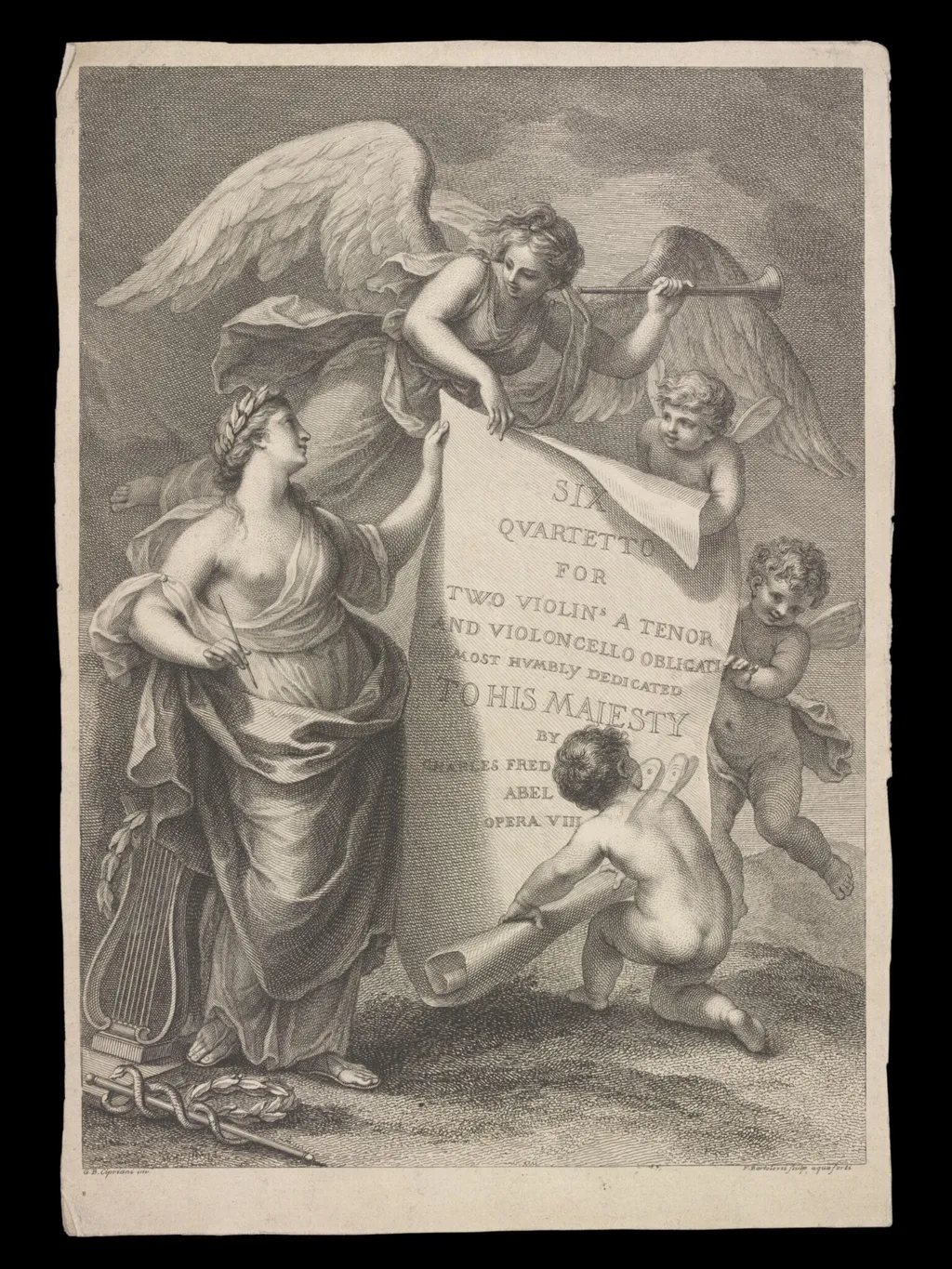
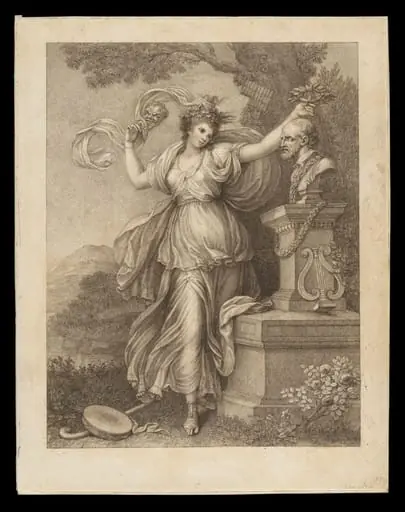
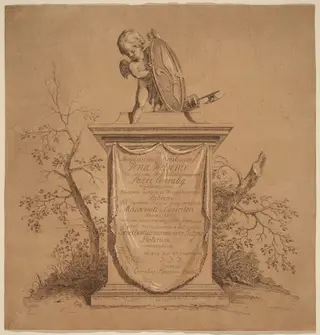
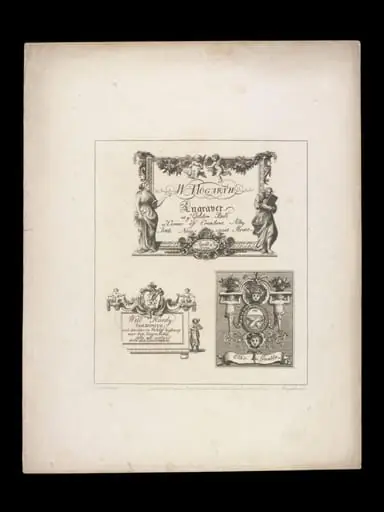
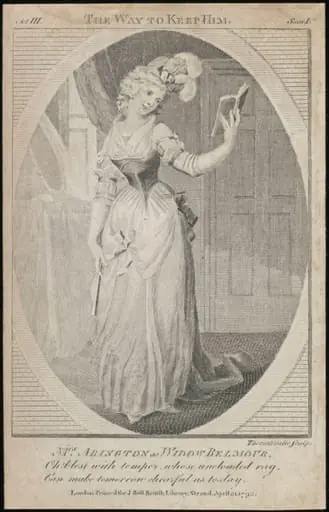
H Beard Print Collection is a print by Francesco Bartolozzi. It dates from 1750 and is held in the collection of the Victoria and Albert Museum.
About this work
Overview
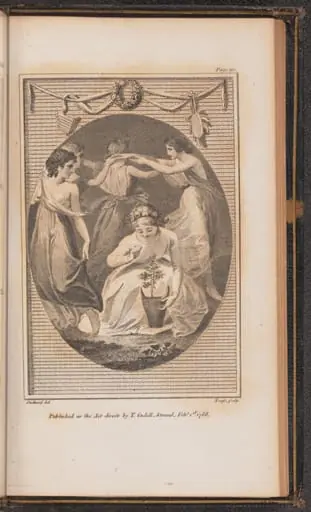
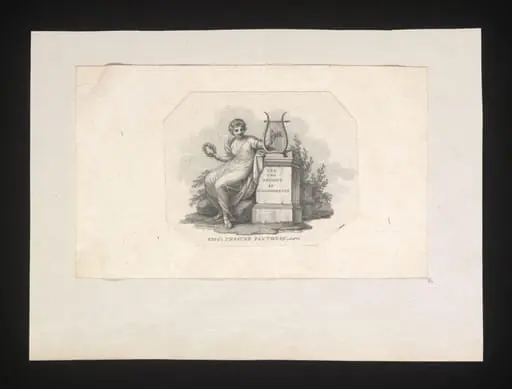
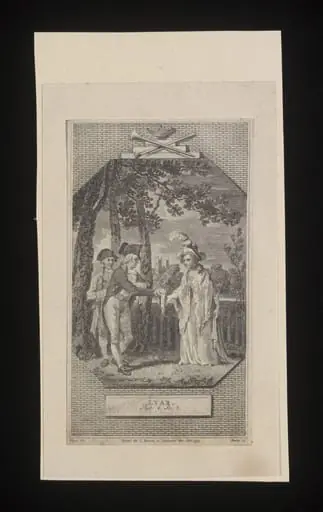
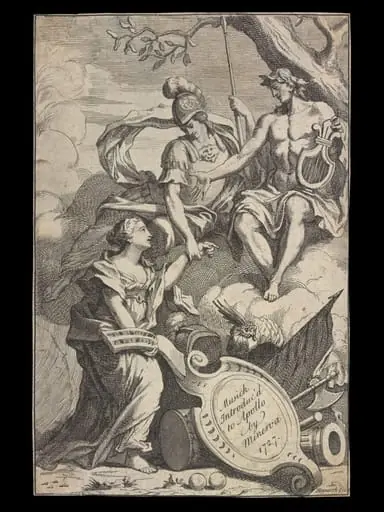
This 18th-century print, attributed to Francesco Bartolozzi, features an ornate oval frame adorned with floral motifs, enclosing a central vase surrounded by clustered flowers. Its design suggests a potential use as a decorative cover for sheet music.
Subject & Meaning
The print's inscription references 'Six Quartetto for two Violins, a Tenor, and Violoncello Obligati, dedicated to His Majesty', indicating a connection to royal musical performances. The floral and vase imagery may symbolize elegance and refinement, fitting for a dedication to royalty.
Technique & Style
Characterized by delicate lines and intricate floral patterns, the print exemplifies Bartolozzi's skill in translating drawings into engravings. The style aligns with late 18th-century English decorative arts, marked by neoclassical influences and meticulous craftsmanship.
History & Provenance
Created during Bartolozzi's active period in England (late 1700s), this print may have been used to decorate sheet music for performances at the royal court. Specific ownership history prior to its inclusion in the H Beard Print Collection is not detailed.
Context
Bartolozzi's work, including this print, reflects the cultural exchange and artistic trends of late 18th-century England. Similar pieces, such as those found in the Victoria and Albert Museum, highlight the era's emphasis on decorative elegance in both music and visual arts.
Legacy
As part of the H Beard Print Collection, this work contributes to the historical record of 18th-century printmaking and its intersection with musical culture. It remains a testament to Bartolozzi's enduring influence on the development of English engraving techniques.
Own this work as a print
Artist & collection
Artist
Francesco Bartolozzi (21 September 1727 – 7 March 1815) was an Italian engraver, whose most productive period was spent in London. He is noted for popularizing the "crayon" method of engraving.