Artwork
Title Page
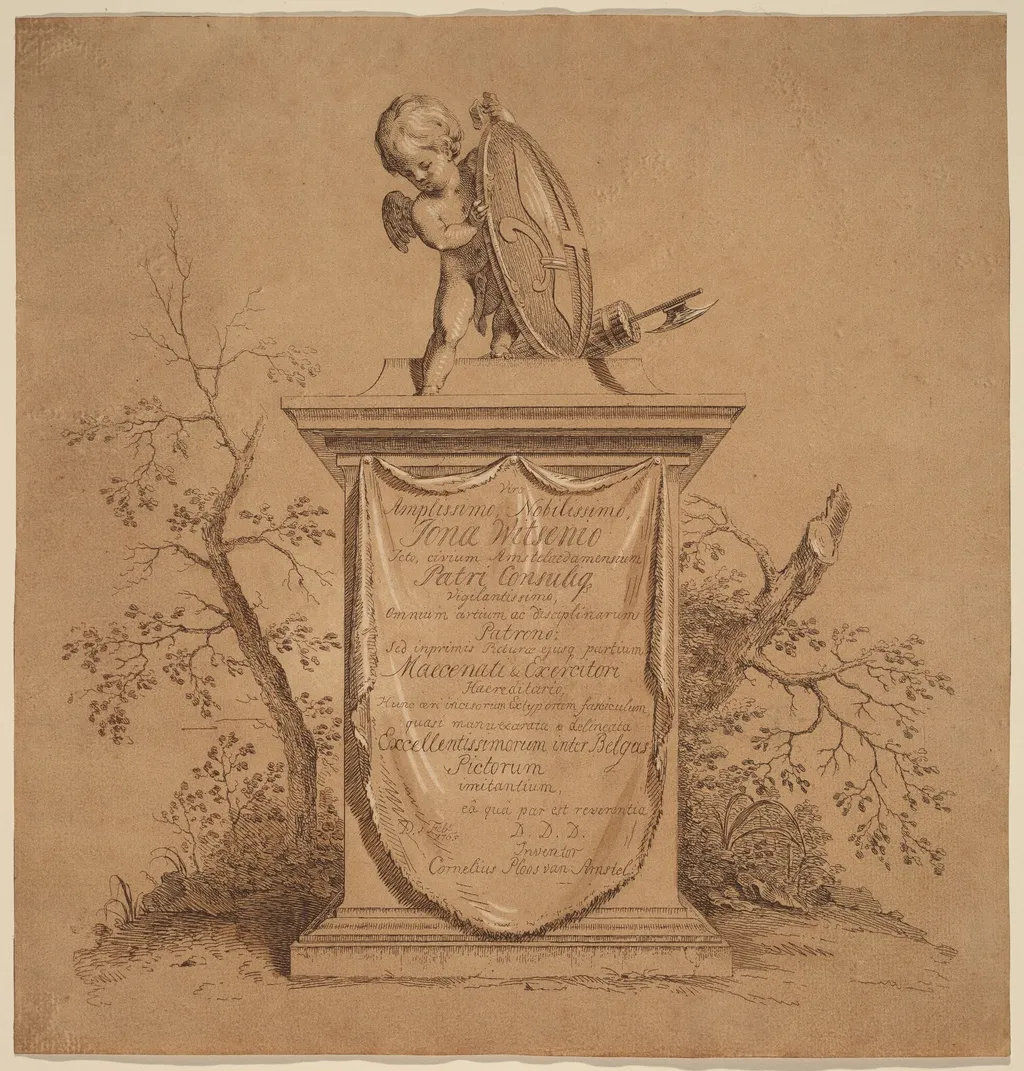
Title Page is an ink print by the Romanticist artist Cornelis Ploos van Amstel. It dates from 1765 and is held in the collection of the National Gallery of Art. The work is a print combining etching and woodcut, executed in two shades of brown ink.
- Inscription
- Inscribed:in image: Viro / Amplissimo Nobilissimo, / Jonæ Witsenio / Icto, civium Amstelædamensium / Patri Consuliq. / Vigilantissimo, / Omnium artium ac disciplinarum / Patrono: / Sed inprimis Picturæ ejusq. partium / Maecenati & Exercitori / Haereditario; / Hunc æri incisorum Extyporum fasciculum / quasi manu exarata & delineata / Excellentissimorum inter Belgas / Pictorum / imitantium, / ea qua par est reverentia / D.D.D. / Inventor / Cornelius Ploos van Amstel / D. 1 Febr. / 1765; verso along bottom in graphite: Geoffererd aan myne / zeer...Vriend . den Heer J. Lublink / ... / ... / Ploos v Amstel / Ploos van Amstel Fecit 176...
- Markings
- Marked:verso: artist's mark (Eusman 1)
About this work
Overview
The work is a print combining etching and woodcut, executed in two shades of brown ink. Produced in 1765, it presents a modestly sized composition that functions as a title page for a larger publication. The image is framed by a simple fence and sparse trees, creating an outdoor ambience that underscores the central figure.
Subject & Meaning
At the centre stands a youthful statue holding a lyre, positioned on a pedestal that bears a draped banner. The banner carries an elaborate Latin encomium addressed to Jonas Witsen, suggesting the print was intended to honor this individual, likely in connection with a scholarly or civic achievement.
Technique & Style
The artist employed both intaglio etching and relief woodcut methods, allowing for fine line work alongside broader tonal areas. The use of two brown inks creates subtle contrast, emphasizing the sculptural form of the boy and the textural quality of the surrounding foliage and fence.
History & Provenance
Signed by Cornelis Ploos van Amstel, the inscription is faint, reflecting the passage of time. Created in the mid‑18th century, the piece likely served as the frontispiece of a printed work circulated among learned circles, though its subsequent ownership history remains undocumented.
Context
Ploos van Amstel was active in the Dutch Republic during a period when prints were commonly used to disseminate scholarly and commemorative material. The inclusion of a classical statue and Latin praise aligns with the Enlightenment’s reverence for antiquity and the practice of honoring patrons through printed tributes.
Own this work as a print
Artist & collection

 Portrait of Cornelis Ploos van Amstel
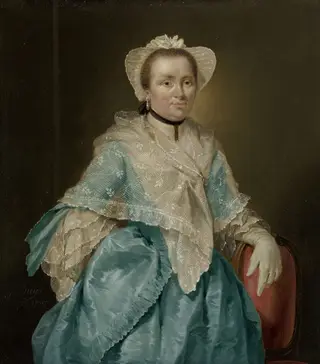 Portrait of Elisabeth Troost (1730-1790)
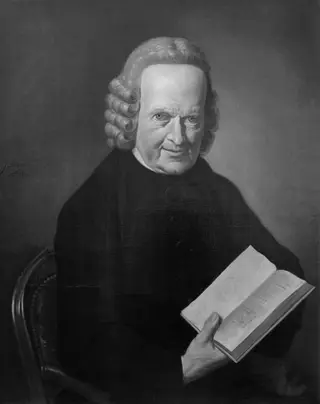 Johannes Monnikhoff (1707-1787)
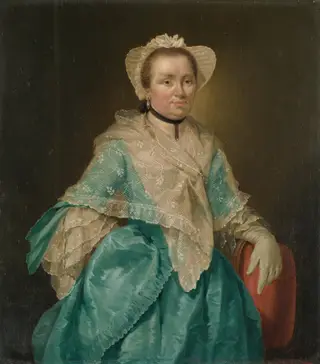 Portrait of Elisabeth Troost (1730-1790)
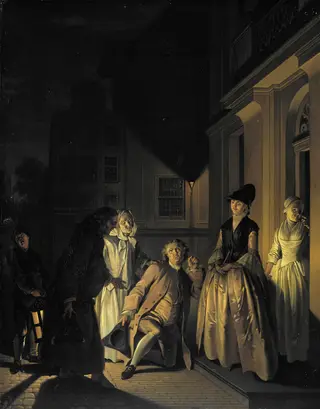 Scene from the Play 'Lubbert Lubbertse of de geadelde boer' by M. van Breda
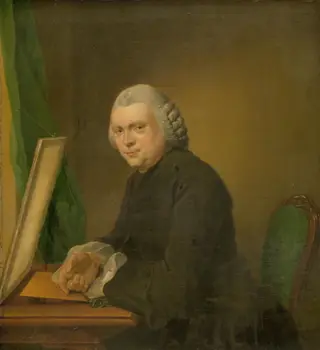 Portrait of Cornelis Ploos van Amstel
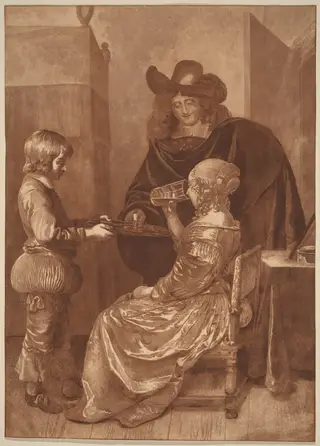 Cavalier and Lady with a Page
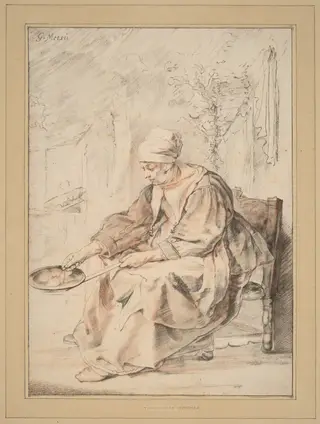 Pancake Woman
- Title Page
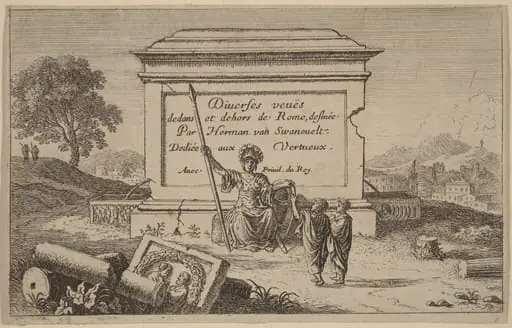 Title Page
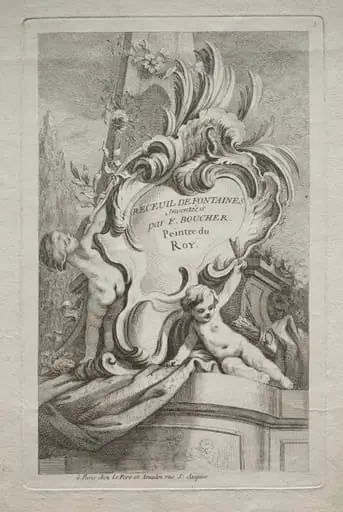 No. 1: Title Page
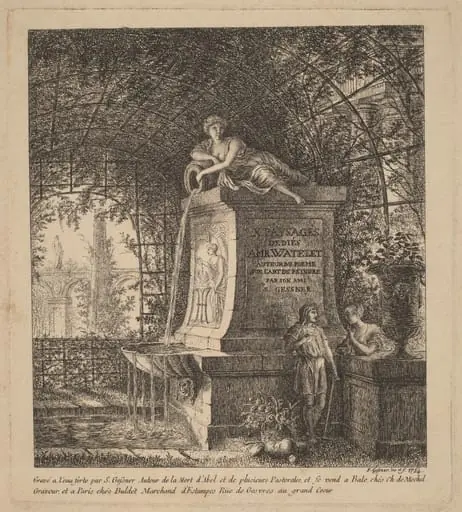 Fountain in a Summerhouse
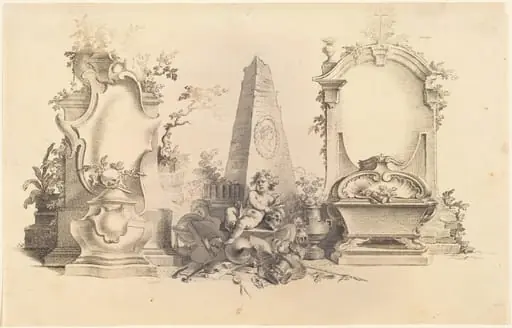 Cartouche Moderne with Emblems of Death
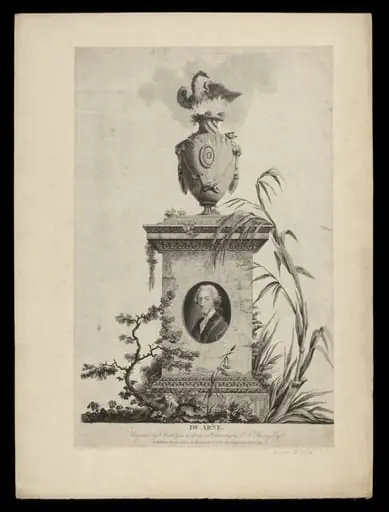 H Beard Print Collection
 Untitled
 Frontispiece for "Fountains"
 Personification of Architecture with the Genius of the Fine Arts
 Pierrot, Arabesque
 The Goddess, Diana on the Clouds
 Rococo Altar with a Reliquary Tomb