Artwork
A Girl on Her Deathbed with a Crown of Flowers
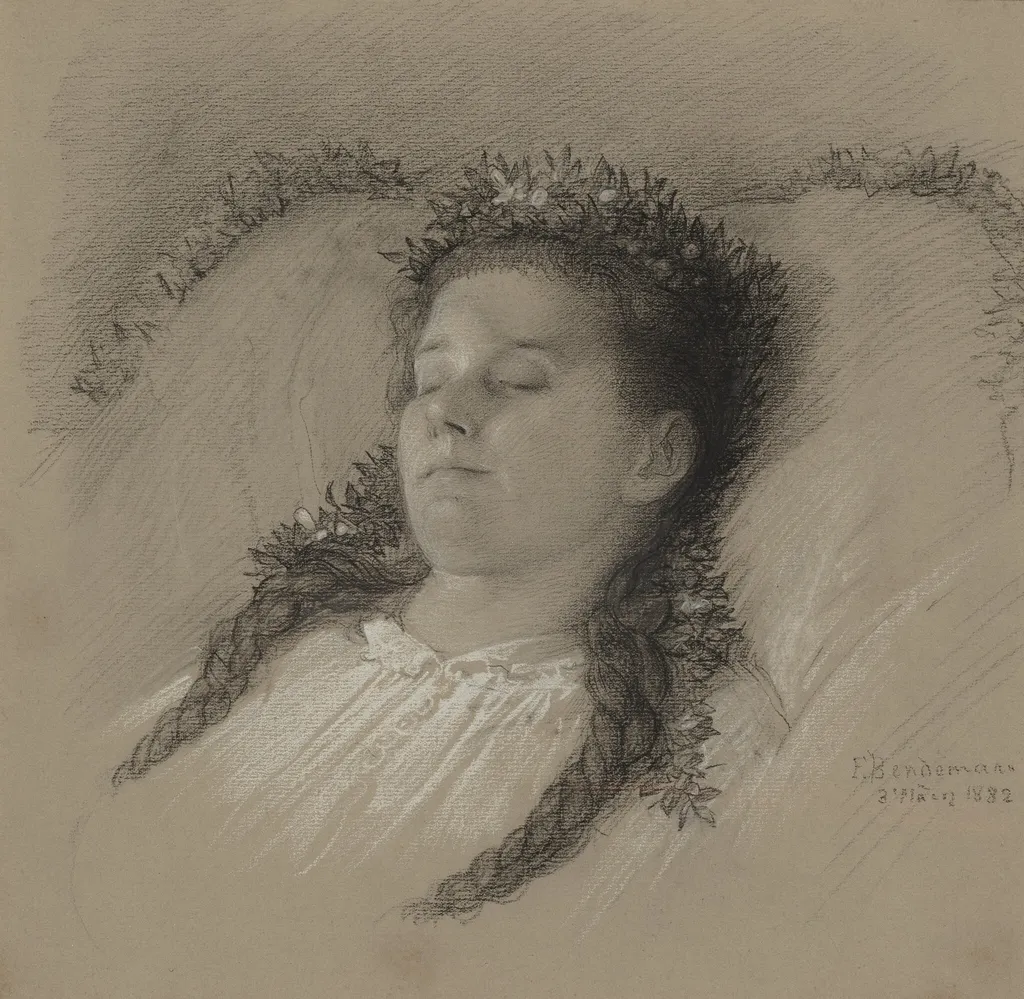
A Girl on Her Deathbed with a Crown of Flowers is a chalk drawing by the Impressionist artist Eduard Julius Friedrich Bendemann. It dates from 1882 and is held in the collection of the National Gallery of Art.
- Inscription
- Inscribed:lower right in black chalk: E Bendemann 3. März 1882
About this work
Overview
Executed in black and white chalk on brown paper, it captures a quiet, intimate scene: a young girl lying motionless on a bed, adorned with a floral crown.
Created in 1882, this drawing by Eduard Julius Friedrich Bendemann is his final known work, completed shortly before his death. Executed in black and white chalk on brown paper, it captures a quiet, intimate scene: a young girl lying motionless on a bed, adorned with a floral crown. The composition is restrained, avoiding dramatic gestures, and the medium lends a delicate, ephemeral quality to the image.
Subject & Meaning
The subject is a girl in repose, her eyes closed, surrounded by stillness. The crown of flowers may suggest purity, youth, or a symbolic coronation of the soul, though no definitive narrative is provided. The absence of overt emotion or religious imagery leaves interpretation open, emphasizing the private, unspoken nature of the moment rather than a doctrinal message.
Technique & Style
Bendemann employed subtle gradations of black and white chalk to model form with minimal lines, creating a soft, atmospheric effect. The brown paper serves as a mid-tone ground, allowing highlights and shadows to emerge with restraint. The technique avoids harsh contrasts, instead using gentle transitions to evoke a hushed, tender atmosphere, akin to a whispered memory.
History & Provenance
The drawing was completed in the year of Bendemann’s death and has remained in its original green leather folding frame since its creation. Its survival in this condition suggests it was carefully preserved, possibly by family or close associates. No public exhibition history is documented prior to modern archival records, reinforcing its private, personal character.
Context
Bendemann, a 19th-century German artist known for historical and religious subjects, turned here to a quiet, domestic moment. This shift from grand narratives to intimate observation reflects broader trends in late 19th-century art, where personal emotion and subtle realism gained traction. The work stands apart from his earlier, more monumental pieces.
Legacy
As Bendemann’s last work, the drawing holds a quiet significance in his oeuvre, offering a glimpse into his final artistic concerns. It is not widely reproduced or studied, but its sensitivity has drawn attention among scholars of German drawing traditions. Its understated power lies in its restraint, inviting contemplation rather than declaration.
Own this work as a print
Artist & collection
Artist
Eduard Julius Friedrich Bendemann
Eduard Julius Friedrich Bendemann (1882–1882) was an artist.

- Untitled
 Head of a Young Woman
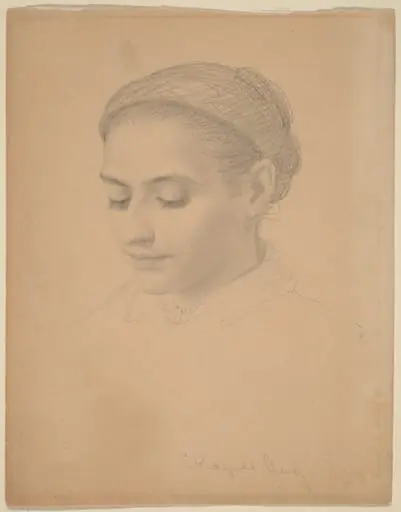 Head of a Young Woman
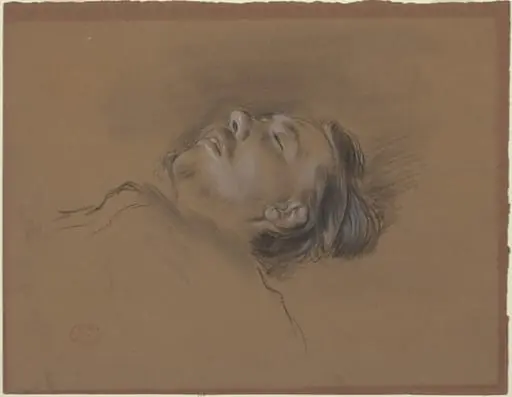 Head of the Fallen Jockey (study for "Scene from the Steeplechase: The Fallen Jockey")
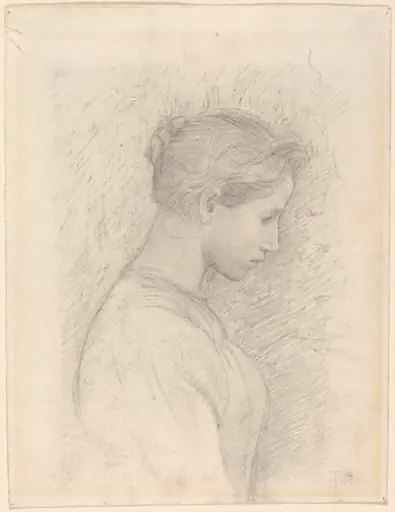 A Young Woman in Profile
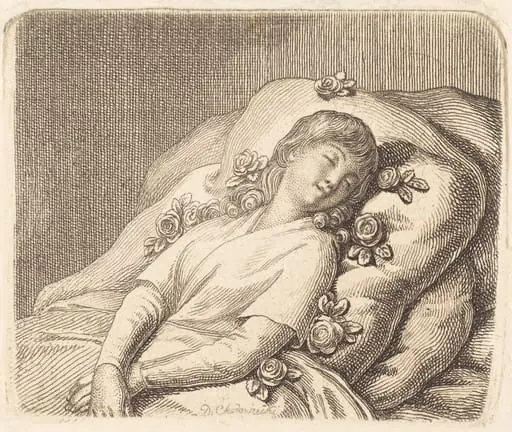 Dreaming on Roses
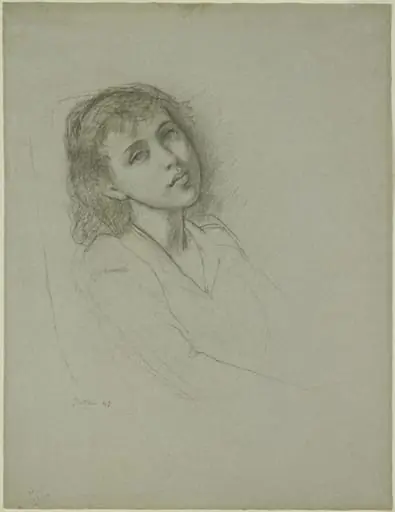 Untitled
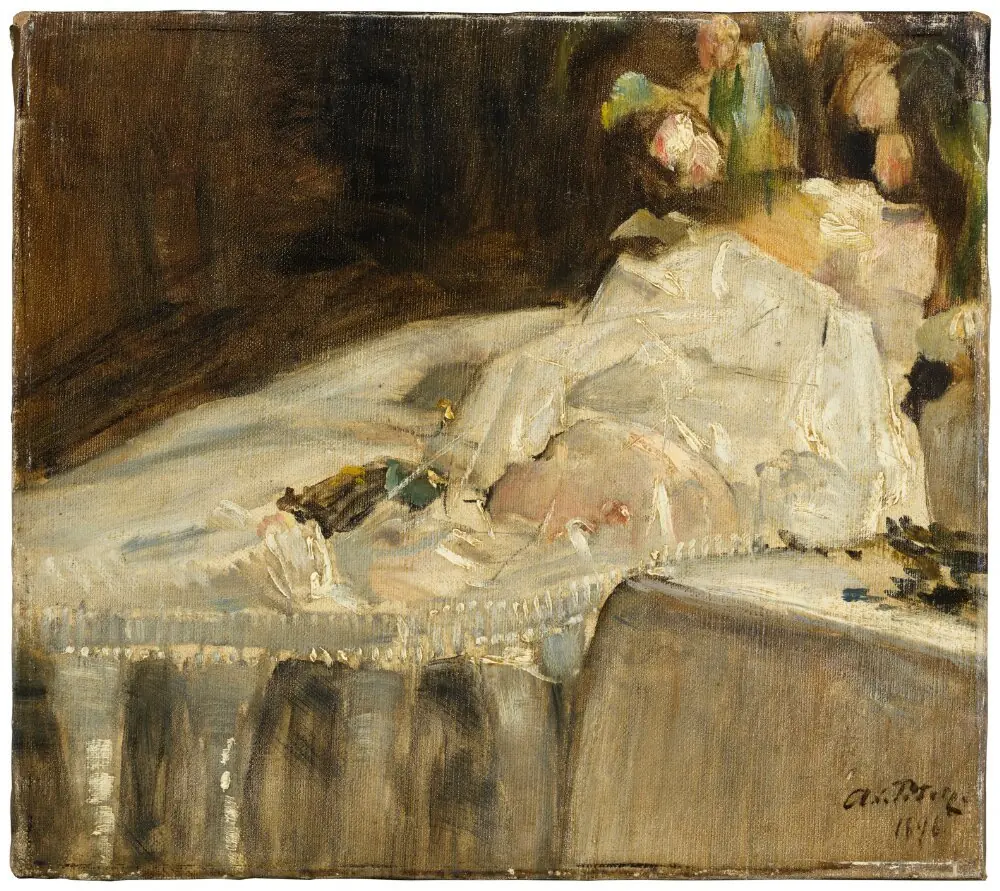 The Artist’s Son on lit de parade
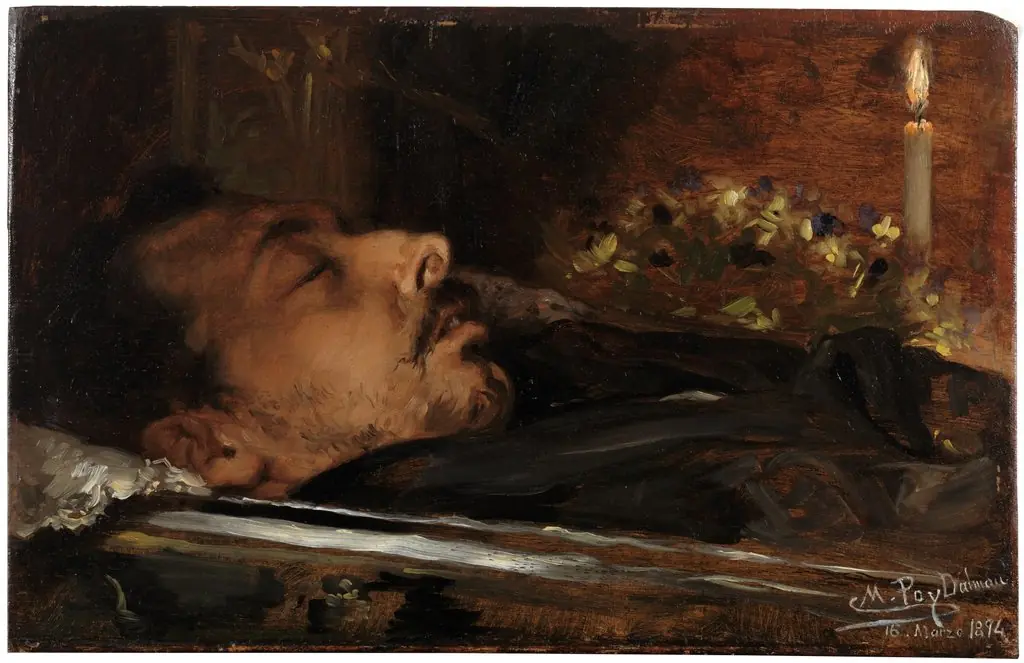 Retrato mortuorio del pintor Joaquín Araujo
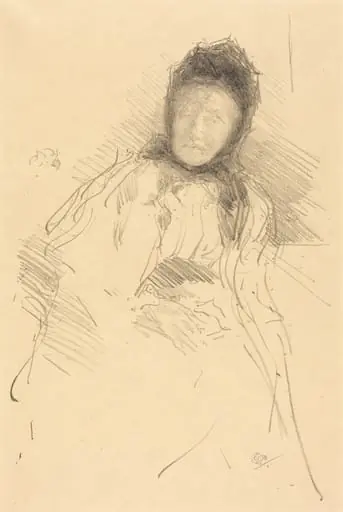 Unfinished Sketch of Lady Haden
 The Beauty of Death
 Study of a woman's head