Artwork
Un Miracle [A Miracle]
![Un Miracle [A Miracle], by Mosè Bianchi, ink, 1874](https://artifactworldgallery.com/img/mose-bianchi--un-miracle-a-miracle--274238d7058a4087-w1024.webp)
Un Miracle [A Miracle] is an ink print by the Impressionist artist Mosè Bianchi. It dates from 1874 and is held in the collection of the National Gallery of Art.
- Inscription
- Inscribed:lower left in reverse: Milano, Bianchi Mose 1874
About this work
Overview
Produced during the height of Bianchi's career, the piece reflects his interest in genre scenes and his technical experimentation with light and shadow.
Un Miracle (A Miracle), created in 1874 by the Italian artist Mosè Bianchi, is an etching with aquatint executed on Japanese paper. The work depicts a solitary, shadowy figure kneeling beside a dark pool, with hands raised in a gesture of prayer. Bianchi utilizes the aquatint technique to generate a grainy, speckled surface that mimics the soft tonal gradations of watercolor, allowing lines to dissolve into atmospheric blurs.
This specific application of printmaking serves to evoke the visual effects of moonlight, casting the scene in a mysterious, nocturnal ambiance. Produced during the height of Bianchi's career, the piece reflects his interest in genre scenes and his technical experimentation with light and shadow. The choice of Japanese paper enhances the delicacy of the ink, contributing to the ethereal quality of the composition.
As a work from 1874, it stands as a significant example of Bianchi's ability to translate painterly effects into the graphic medium, capturing a moment of spiritual intensity within a natural setting.
Subject & Meaning
The solitary figure appears enveloped in shadow, suggesting a moment of contemplation or supplication before a reflective water surface. The ambiguous setting and the figure’s near‑dissolving outline evoke a sense of spiritual yearning or a fleeting encounter with the divine, aligning with the title’s reference to a miracle.
Technique & Style
Bianchi employed the aquatint process alongside traditional etching to achieve soft, watercolor‑like gradations. The aquatint’s granular texture creates a speckled field of tone, while the etched lines fade into blurred edges, especially around the figure, producing the impression of moonlight shimmering on water and the figure’s edges dissolving into the surrounding darkness.
Context
Printed on Japanese paper, the work reflects a 19th‑century interest in Asian materials among European artists, valued for their absorbent fibers that capture ink differently from Western papers. This choice enhances the ethereal quality of the image, allowing the ink to settle unevenly and reinforce the work’s overall mood of quiet reverence.
![Un Miracle [A Miracle]](https://artifactworldgallery.com/img/mose-bianchi--un-miracle-a-miracle--333a12cf5ec140c5-w320.webp)
Own this work as a print
Artist & collection

 Study of the Figure and Head of Christ in "Christ on the Cross and Mary Magdalene"
 The Artist's Wife in Profile Facing Right
- Un Miracle [A Miracle]
![La lezione di violincello [The Violin Lesson], by Mosè Bianchi](https://artifactworldgallery.com/img/mose-bianchi--la-lezione-di-violincello-the-violin-lesson--409ab16368cea0c8-w320.webp) La lezione di violincello [The Violin Lesson]
La lezione di violincello [The Violin Lesson] Woods in the Park near Monza
![Intérieur d'église à Milan [Interior of a Church in Milan], by Mosè Bianchi](https://artifactworldgallery.com/img/mose-bianchi--interieur-d-eglise-a-milan-interior-of-a-church-in-milan--6e5465a8fb58e0ea-w320.webp) Intérieur d'église à Milan [Interior of a Church in Milan]
Intérieur d'église à Milan [Interior of a Church in Milan]![Ciociara [Peasant Woman of the Campagna], by Mosè Bianchi](https://artifactworldgallery.com/img/mose-bianchi--ciociara-peasant-woman-of-the-campagna--739d810783788157-w320.webp) Ciociara [Peasant Woman of the Campagna]
Ciociara [Peasant Woman of the Campagna]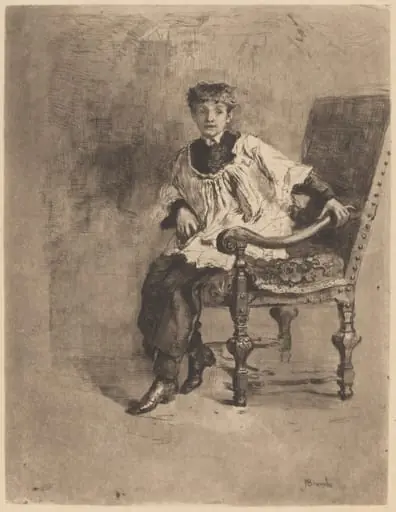 Seated Acolyte
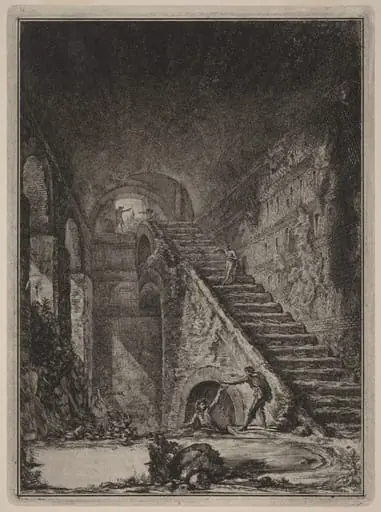 Prospettiva della Scala della conserva d'acqua de' già detti alloggiamenti, accennati in pianta nella Tav. XIII con la lett. G.
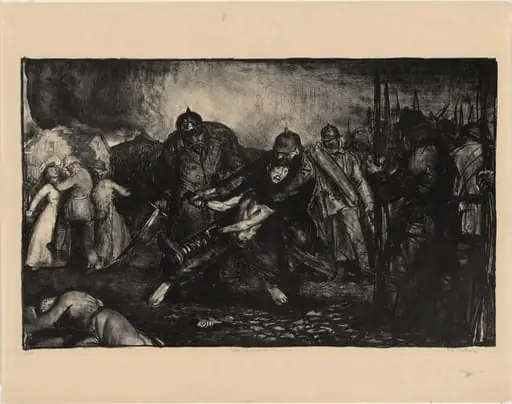 The Germans Arrive
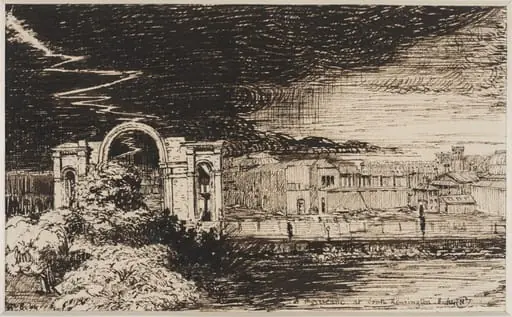 A hurricane at South Kensington
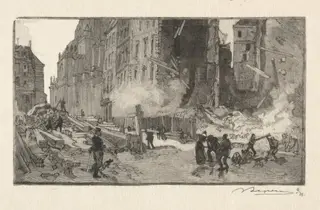 Place Gerson and Rue Restot
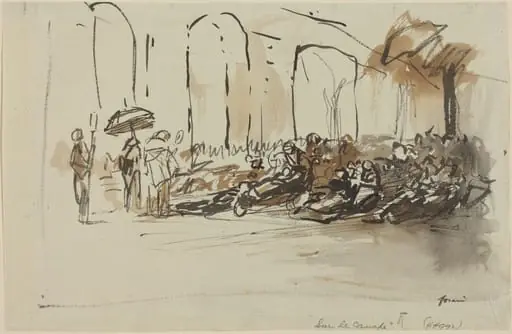 Sur le canape
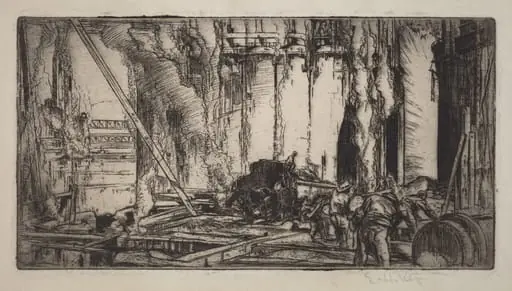 Smelters - Pittsburgh
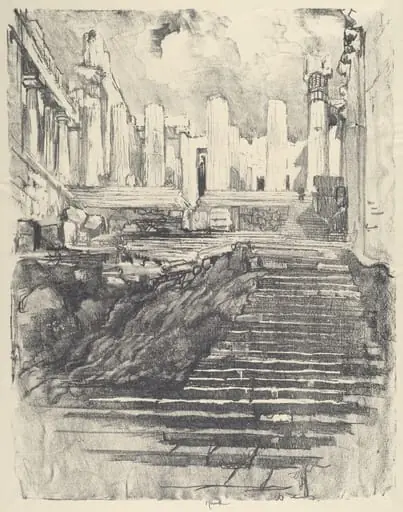 The Way up to the Acropolis
 Demolition of St. James Hall, Interior
 The Presses
 Herodias: Page 19, The ramparts were thronged with people when Vitellius entered the castle gates
 The Arch with a Shell Ornament