Artwork
The Cult of the Demon
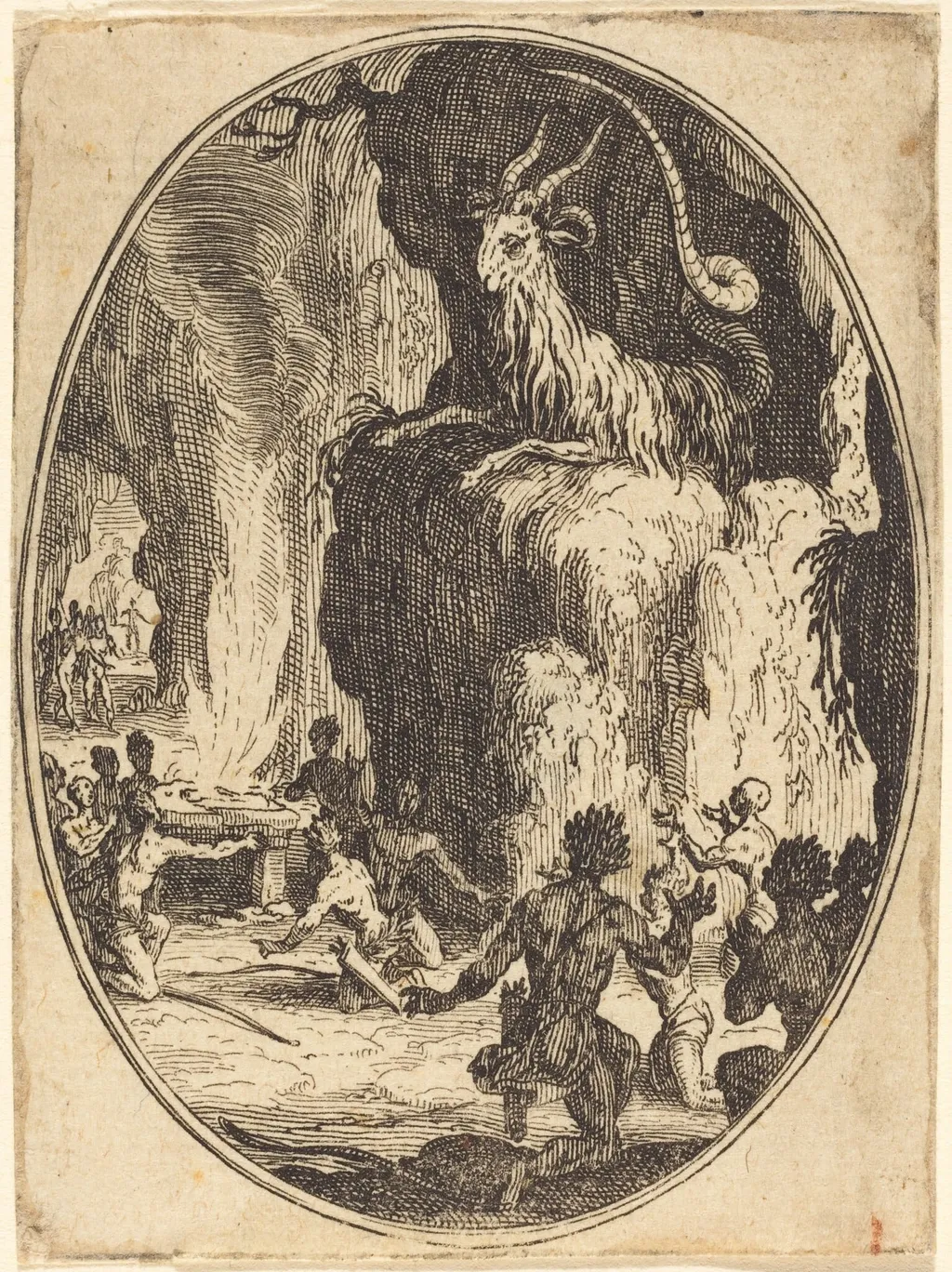
The Cult of the Demon is an ink print by the Baroque artist Jacques Callot. It dates from 1627 and is held in the collection of the National Gallery of Art.
About this work
Overview
This piece exemplifies his technical precision and thematic range, moving beyond portraiture and warfare into the realm of the fantastical.
Created around 1627 by Jacques Callot, this etching on laid paper is one of over 1,400 prints produced by the Lorraine-born artist. It belongs to a period when printmaking served as a primary medium for disseminating visual narratives across Europe. Callot’s work often captured the textures of daily and extraordinary life, blending observation with imaginative exaggeration.
This piece exemplifies his technical precision and thematic range, moving beyond portraiture and warfare into the realm of the fantastical.
Subject & Meaning
The scene centers on a towering, horned figure with wild hair and an agitated posture, surrounded by a disoriented crowd of figures and animals. The composition evokes a ritualistic gathering, possibly referencing folk beliefs or moral allegories about superstition and chaos. Though not tied to a specific myth, the image suggests a confrontation between the supernatural and the vulnerable, reflecting contemporary anxieties about magic, heresy, and the boundaries of the known world.
Technique & Style
Callot employed fine, incised lines to build texture and movement, using etching to achieve dramatic contrasts between light and shadow. The swirling, dense linework around the central figure generates a sense of turbulence, while the background, rendered with sparse, receding strokes, adds spatial depth. His mastery of the medium allowed him to convey both microscopic detail and sweeping atmosphere, a hallmark of his approach to narrative printmaking in the early 17th century.
History & Provenance
The work emerged during Callot’s mature period, when he was active in Florence and Paris, producing prints for collectors and publishers across Europe. While its early ownership is undocumented, it aligns with a broader trend of private collections assembling thematic series of etchings. Its survival in institutional holdings today reflects its status as a representative example of Baroque printmaking, valued for its craftsmanship rather than its religious or political message.
Context
In the 1620s, printmaking flourished as a tool for both information and entertainment, with artists like Callot documenting everything from court ceremonies to peasant uprisings. The depiction of demonic figures resonated with widespread cultural fears during the Counter-Reformation and the Thirty Years’ War. Though not overtly polemical, this image taps into the era’s fascination with the occult, the grotesque, and the liminal spaces between faith and fear.
Legacy
Callot’s etchings influenced generations of printmakers through their technical innovation and narrative richness. While The Cult of the Demon was not widely reproduced or celebrated in its time, it now stands as a testament to his ability to merge realism with fantasy. Scholars recognize it as part of a larger body of work that expanded the expressive potential of etching, bridging documentary observation with imaginative storytelling.
Own this work as a print
Artist & collection
Artist
Jacques Callot (French: ; c. 1592 – 1635) was a baroque printmaker and draftsman from the Duchy of Lorraine. He is an important person in the development of the old master print. He made more than 1,400 etchings that…

 Holy Family at supper
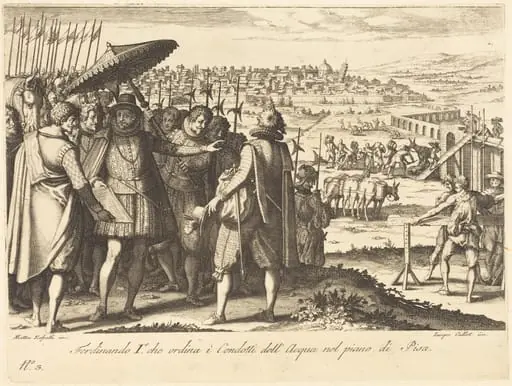 Restoration of the Aqueduct at Pisa
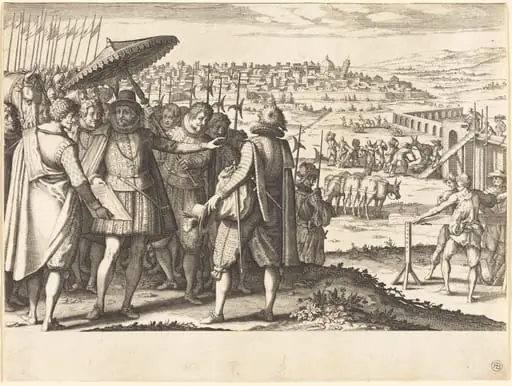 Restoration of the Aqueduct at Pisa
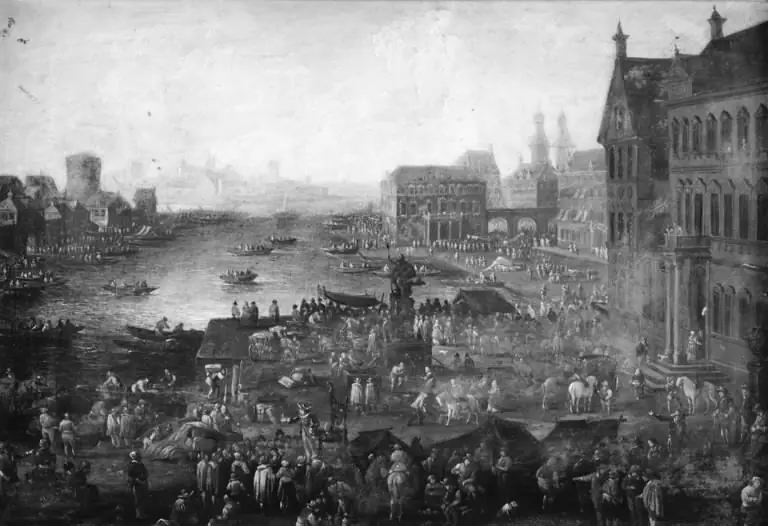 Square in Paris with Many Figures
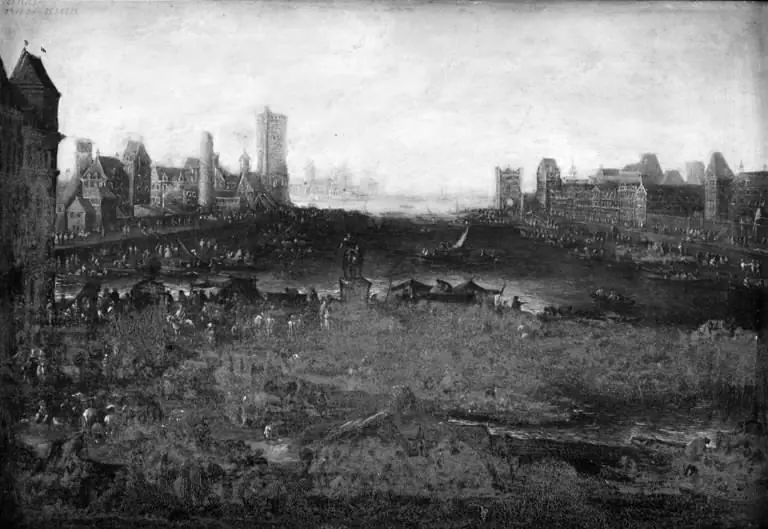 Square in Paris with Many Figures
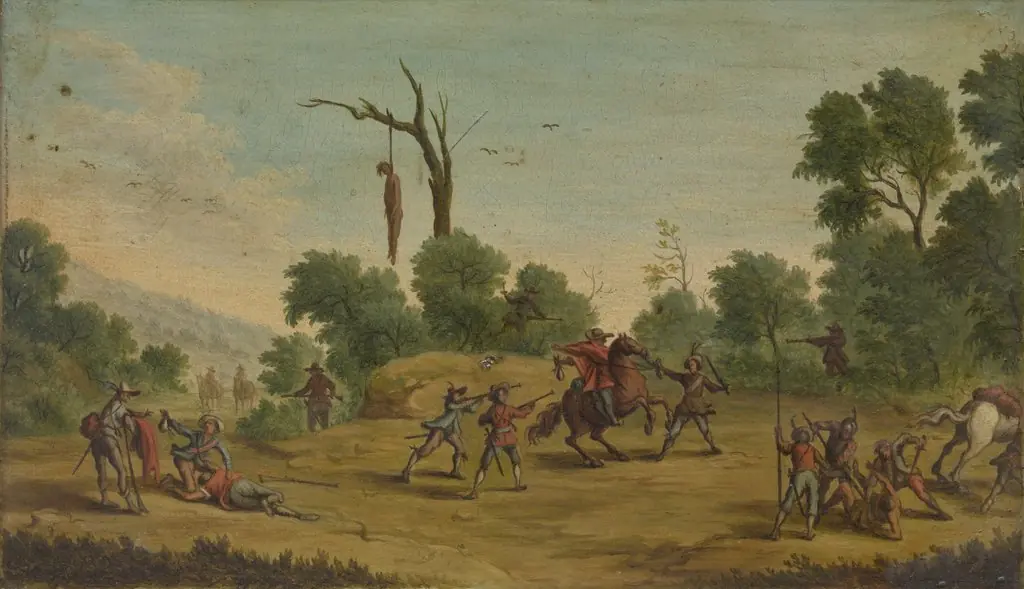 Horsemen Attacked by Robbers
 HOW WILL A COVERED PART BE CORRECTED?HOW WIKA A COVERED HEART DEED CORRECTED?
![Christ Walking on the Water [second plate], by Jacques Callot](https://artifactworldgallery.com/img/jacques-callot--christ-walking-on-the-water-second-plate--2069f3bfe4cb2126-w320.webp) Christ Walking on the Water [second plate]
Christ Walking on the Water [second plate]
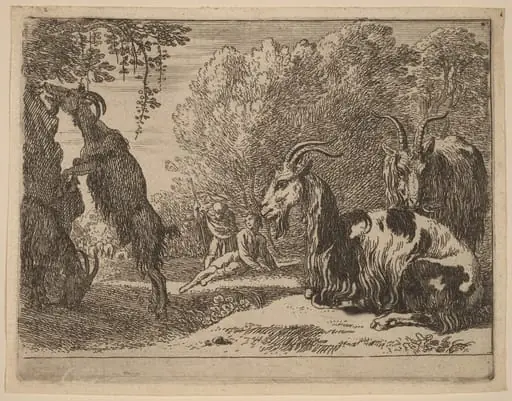 Goats
Goats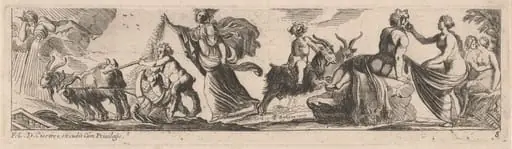 Satyr Driving a Pair of Goats
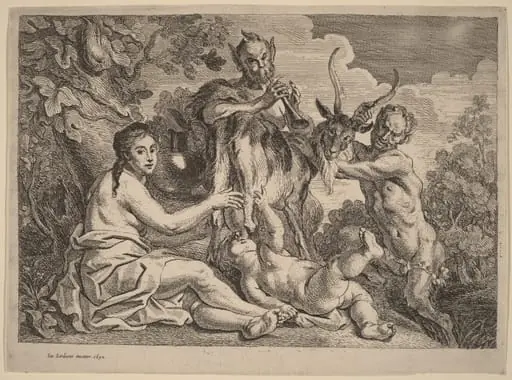 Jupiter Nourished by the Goat Amalthea
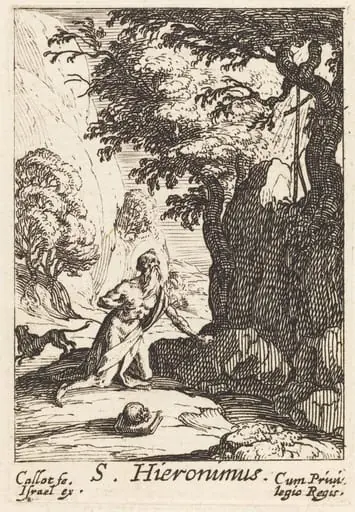 Saint Jerome
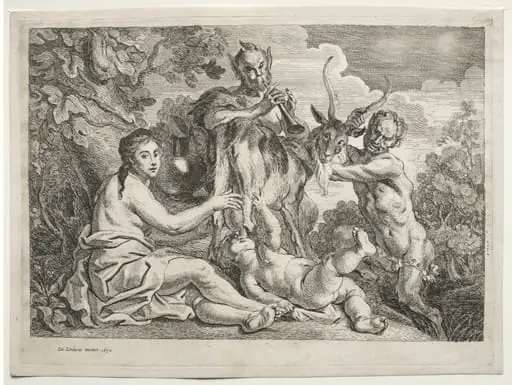 Jupiter Nourished by the Goat Almathea
![Envoy to M. de Saint-Denis by M. de Belle-Isle, Prisoner [left], by Gabriel de Saint-Aubin](https://artifactworldgallery.com/img/gabriel-de-saint-aubin--envoy-to-m-de-saint-denis-by-m-de-belle-isle-prisoner-left--014ced33d030578a-w320.webp) Envoy to M. de Saint-Denis by M. de Belle-Isle, Prisoner [left]
Envoy to M. de Saint-Denis by M. de Belle-Isle, Prisoner [left]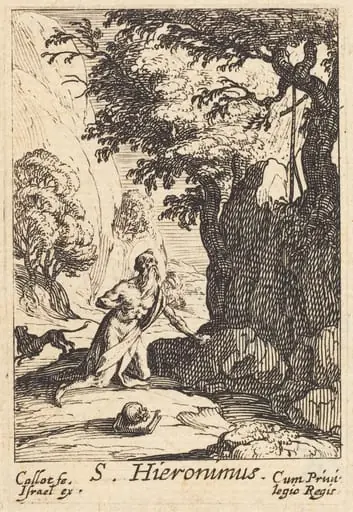 Saint Jerome
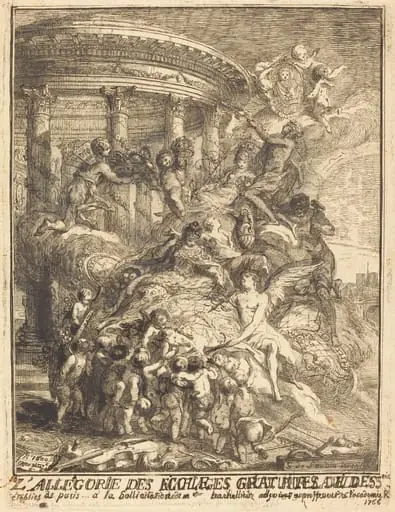 Allégorie des Ecoles gratuites du dessein (Allegory of the Free Drawing Schools)
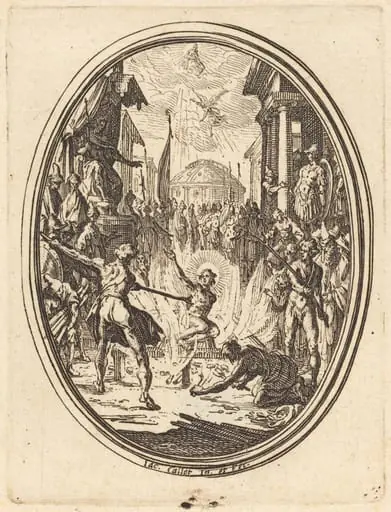 The Martyrdom of Saint Lawrence