Movement
Baroque
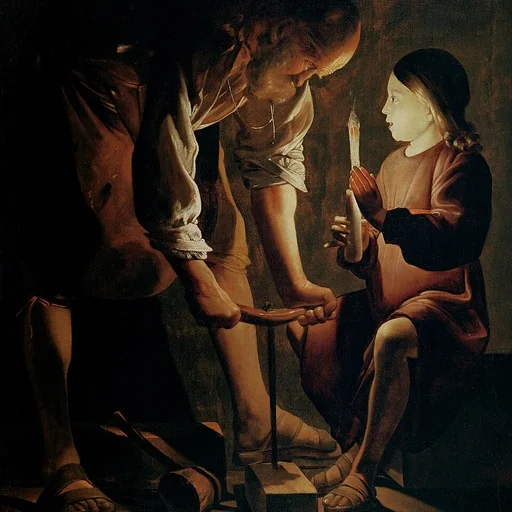
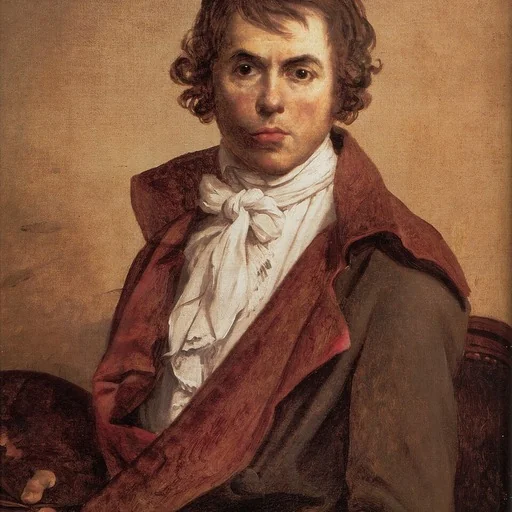
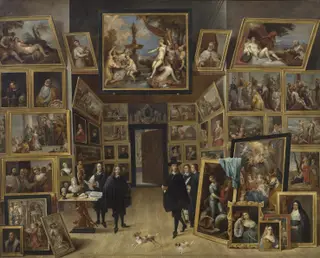
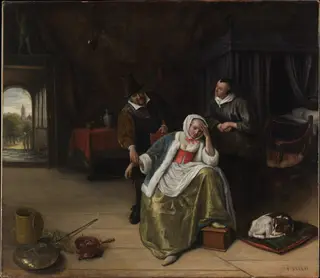
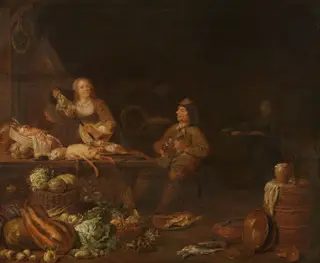
Baroque is an art movement of the 1600–1750 period. The gallery holds 15,170 works in this movement, including works by Georges de La Tour, Jean Honoré Fragonard and Jacques-Louis David. Browse Baroque paintings, portraits, pictures and artworks from the world's public-domain museum collections.
The Baroque emerged in Rome around 1600 and flourished across Europe until roughly 1750. Its rise was bound up with the Catholic Counter-Reformation: the Council of Trent, in its twenty-fifth session of December 1563, decreed that religious images be clear, truthful, and emotionally engaging, and the Baroque became the visual language of that mandate. Where the preceding Mannerism prized artifice and elongated elegance, Baroque artists pursued immediacy, persuasion, and spectacle, harnessing art to move the faithful and glorify church and crown alike. The name itself, derived from the Portuguese barroco—an irregular or "deformed" pearl—was originally a disparagement of the style's perceived excess before becoming a neutral period term.
Visually, the Baroque is defined by dynamic movement, theatrical lighting, and intense naturalism. Caravaggio pioneered tenebrism—violent contrasts of light and dark—in his Contarelli Chapel canvases, the Calling and Martyrdom of Saint Matthew (1599–1600), while Annibale Carracci offered a more classical, idealizing counter-current. Compositions favored diagonal energy, foreshortening, and the illusion of figures bursting into the viewer's space. Bold colour, rich texture, and a heightened sense of drama animated even quiet subjects, and the boundaries between painting, sculpture, and architecture often dissolved into unified, immersive ensembles.
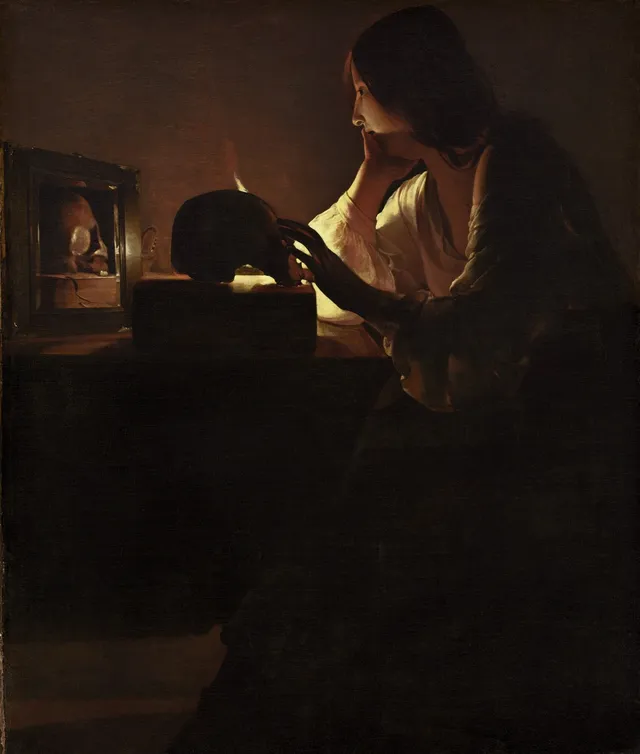
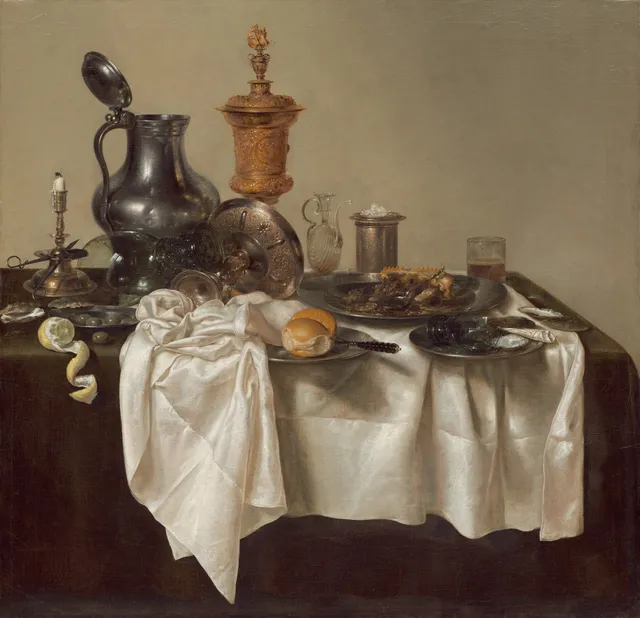
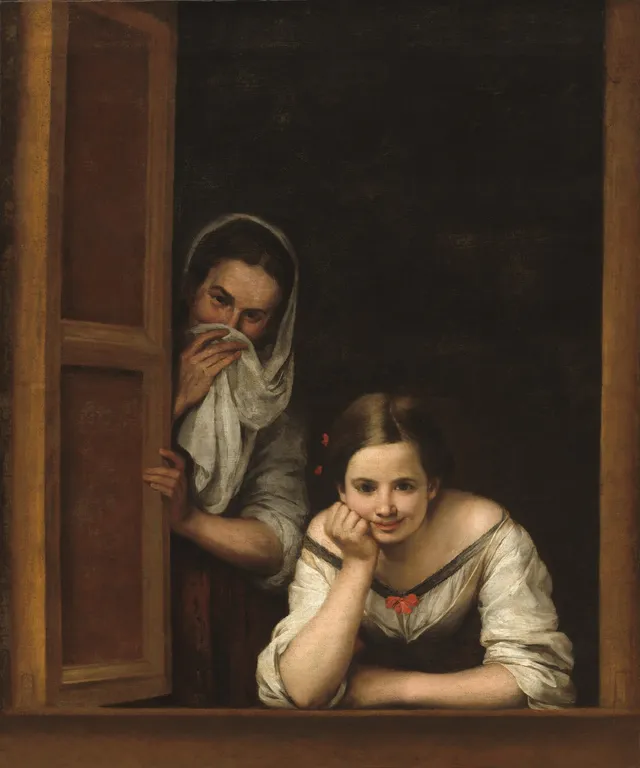
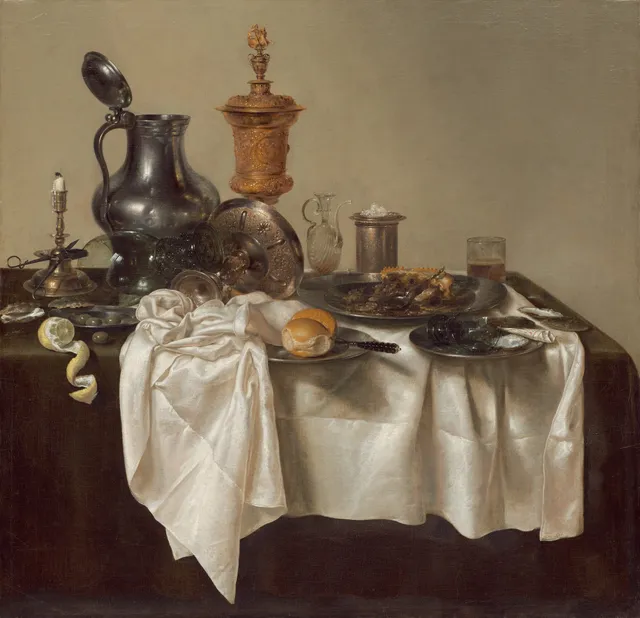
The movement's principal figures span Catholic and Protestant Europe. Gian Lorenzo Bernini (1598–1680) reinvented sculpture with works such as the Ecstasy of Saint Teresa (1647–52). Peter Paul Rubens (1577–1640) embodied the exuberant Flemish manner; Diego Velázquez painted Las Meninas (1656); and in the Dutch Golden Age, Rembrandt van Rijn produced The Night Watch (1642), while Johannes Vermeer perfected luminous domestic interiors. Our collection illustrates the era's breadth: Georges de La Tour's candlelit The Repentant Magdalen, Willem Claesz Heda's Banquet Piece with Mince Pie, Bartolomé Esteban Murillo's Two Women at a Window, and Emanuel de Witte's The Interior of the Oude Kerk, Amsterdam.
The Baroque's legacy is immense. In the early eighteenth century its grandeur softened into the lighter, more playful Rococo, and its theatrical naturalism shaped European painting until the austere reaction of Neoclassicism. Its command of light, emotion, and spatial drama continues to inform Western visual culture, marking the Baroque as one of art history's most consequential and far-reaching styles.
Key artists


Works
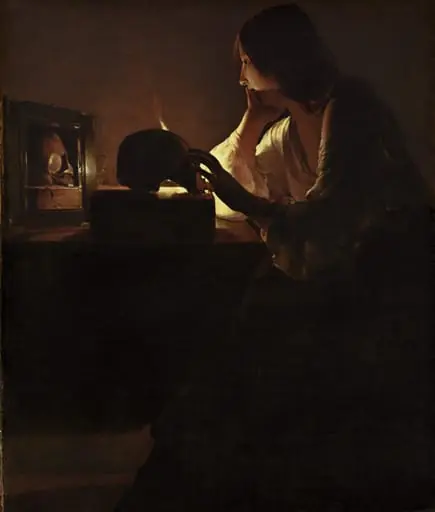 The Repentant Magdalen
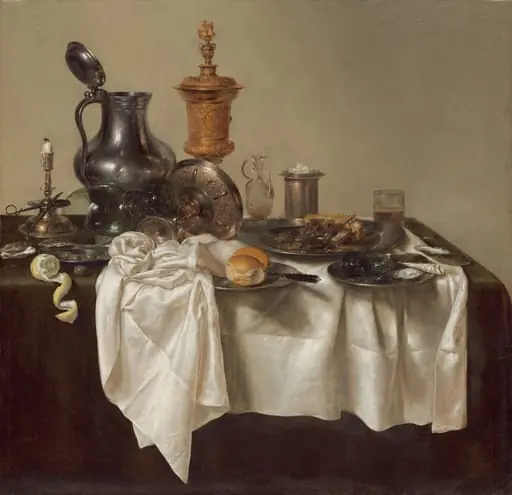 Banquet Piece with Mince Pie
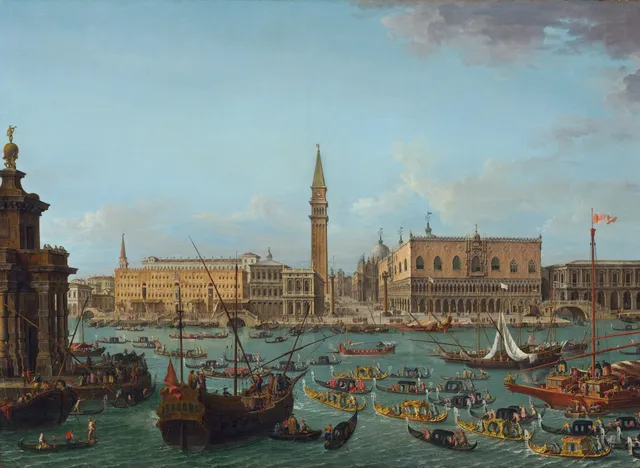
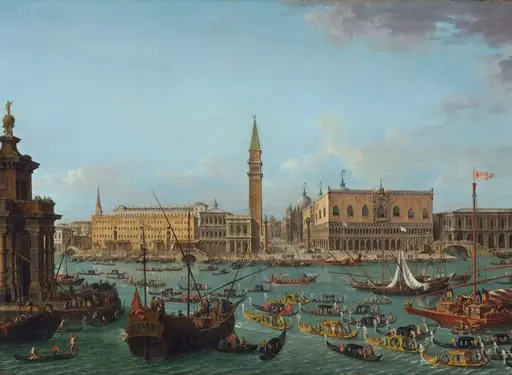 Procession of Gondolas in the Bacino di San Marco, Venice
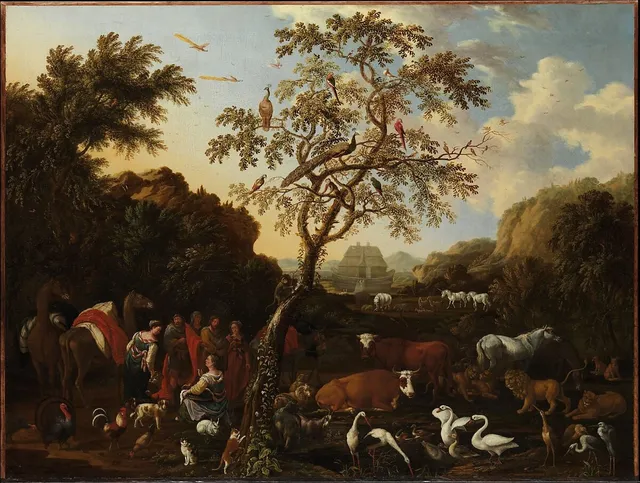
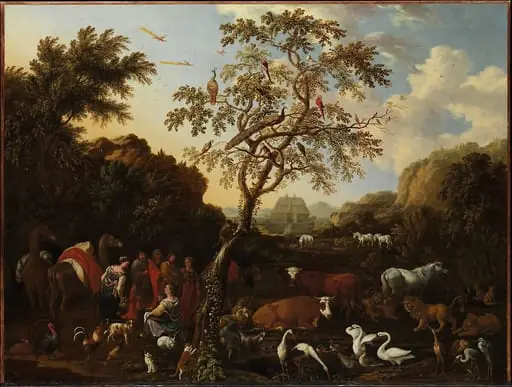 The Ark
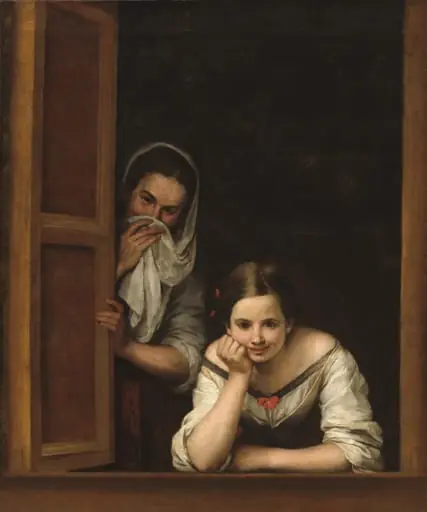 Two Women at a Window
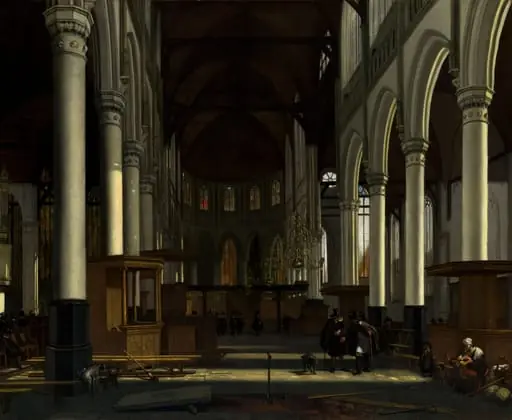 The Interior of the Oude Kerk, Amsterdam
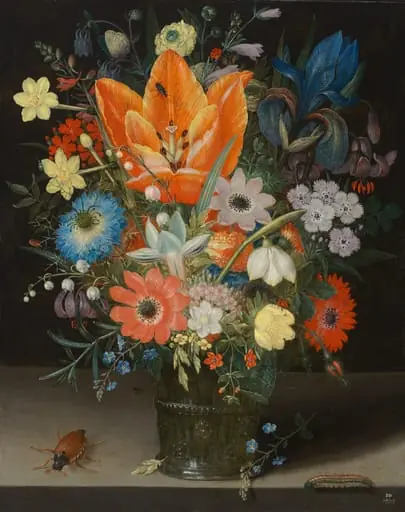 Still Life with Iris
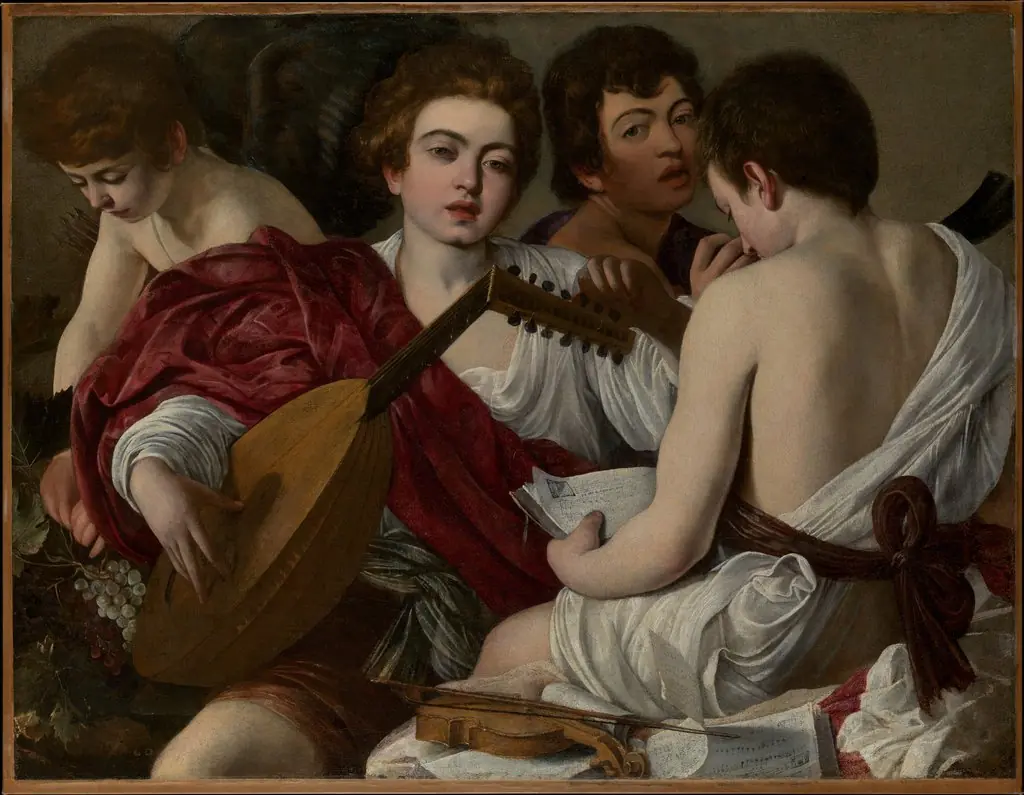 The Musicians
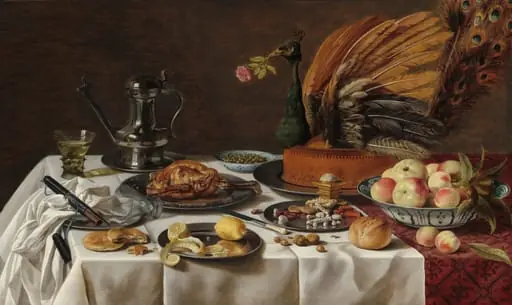 Still Life with Peacock Pie
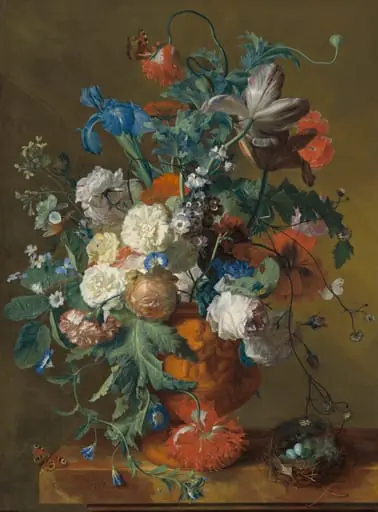 Flowers in an Urn
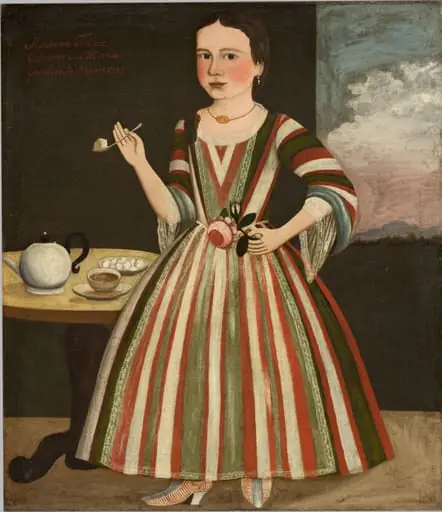 Susanna Truax
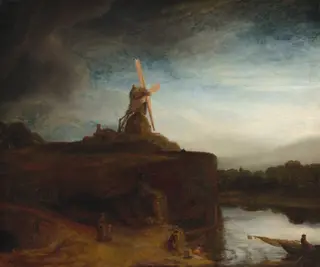 The Mill
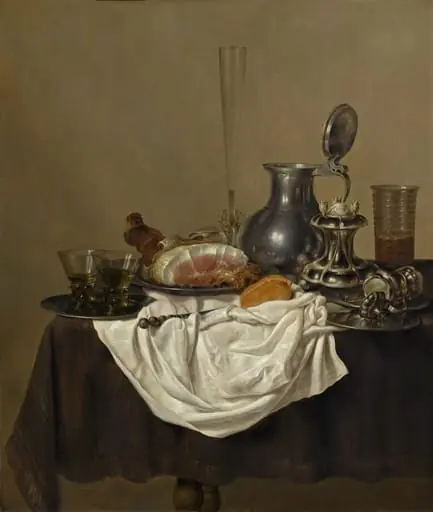 Still Life with Ham
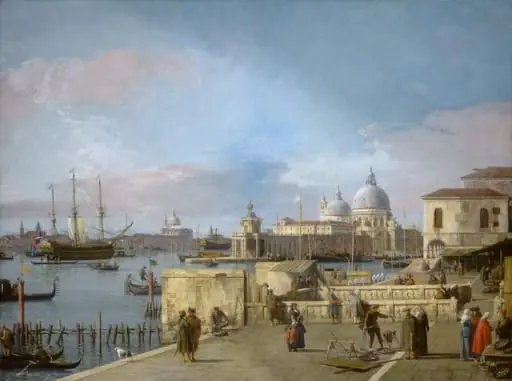 Entrance to the Grand Canal from the Molo, Venice
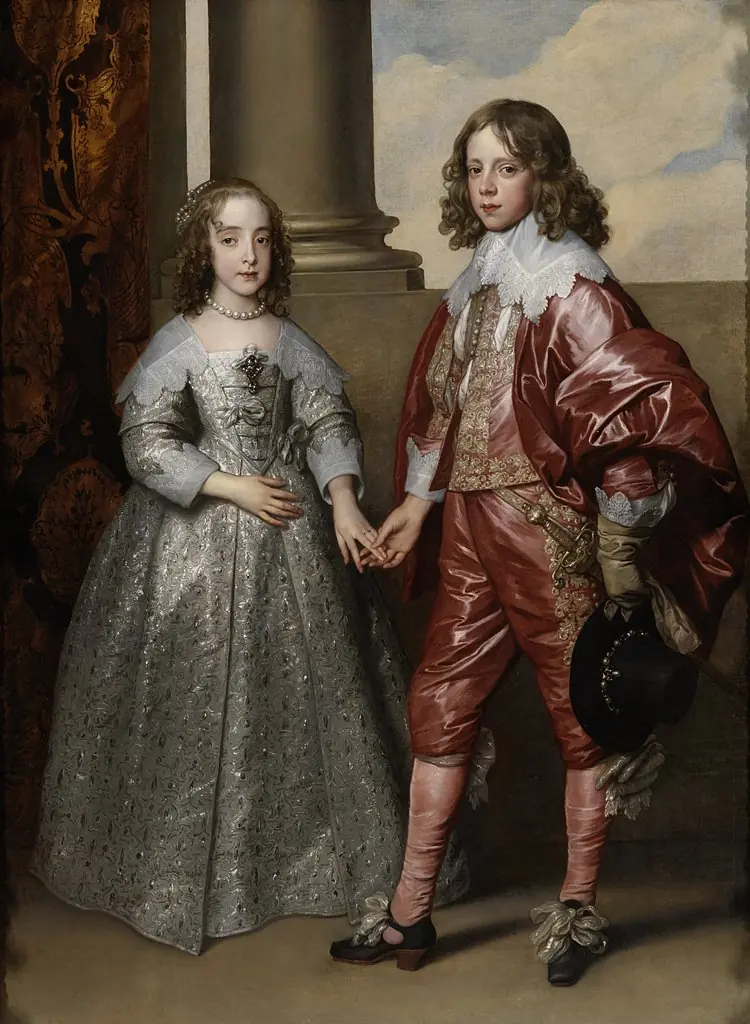 William II, Prince of Orange, and his Bride, Mary Stuart
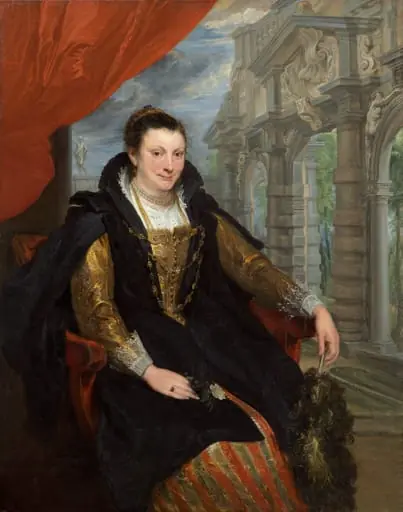 Isabella Brant
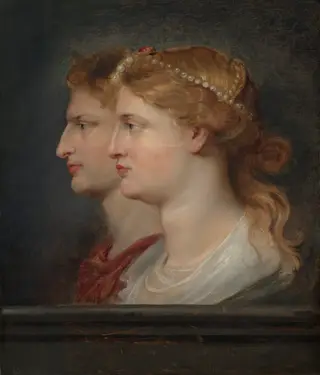 Agrippina and Germanicus
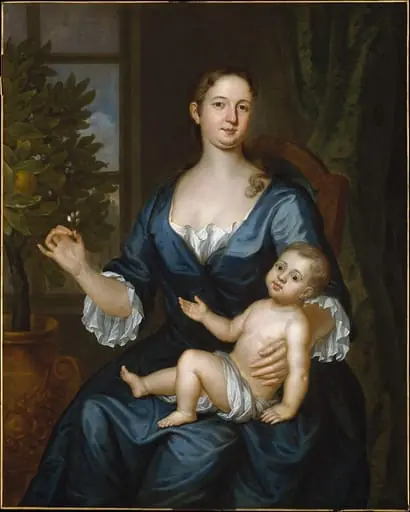 Mrs. Francis Brinley and Her Son Francis
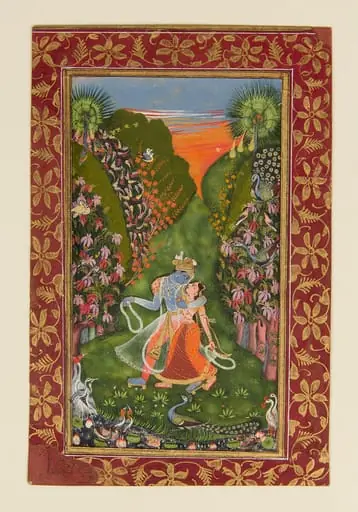 Untitled
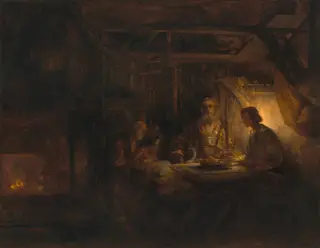 Philemon and Baucis
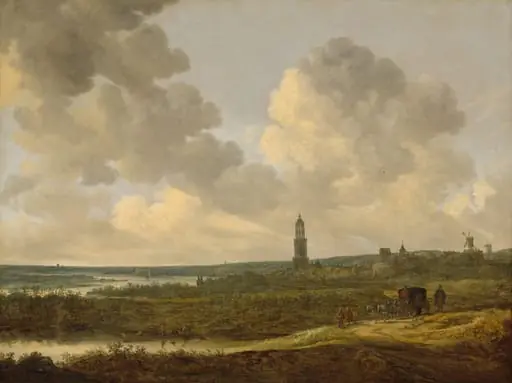 View of Rhenen
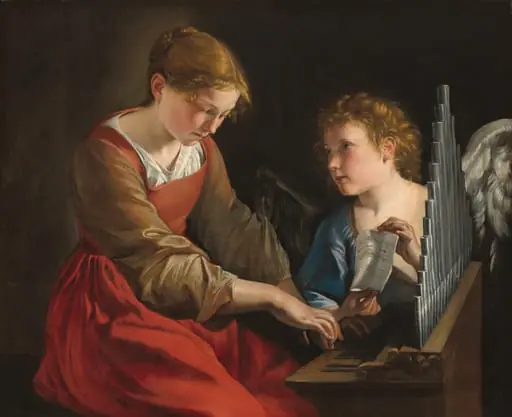 Saint Cecilia and an Angel
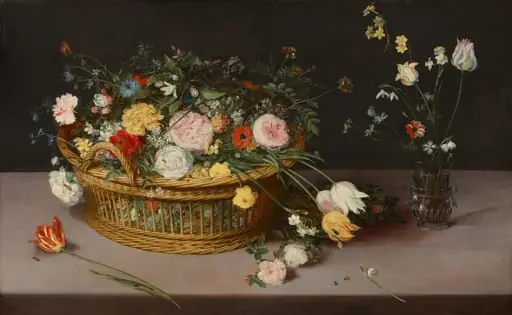 Flowers in a Basket and a Vase
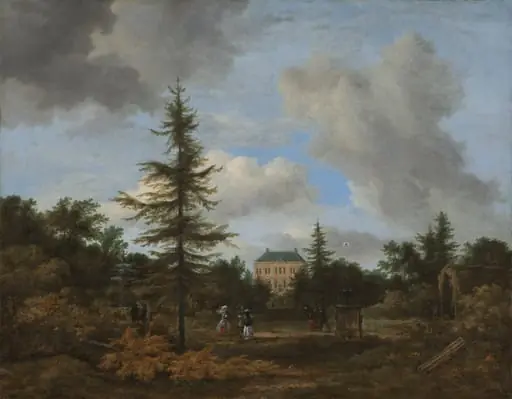 Country House in a Park
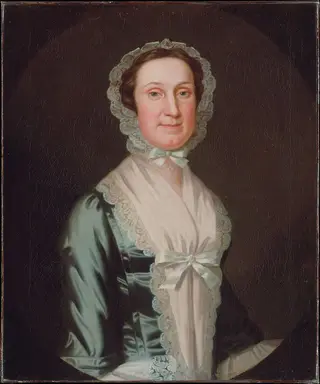 Mrs. Joseph Reade
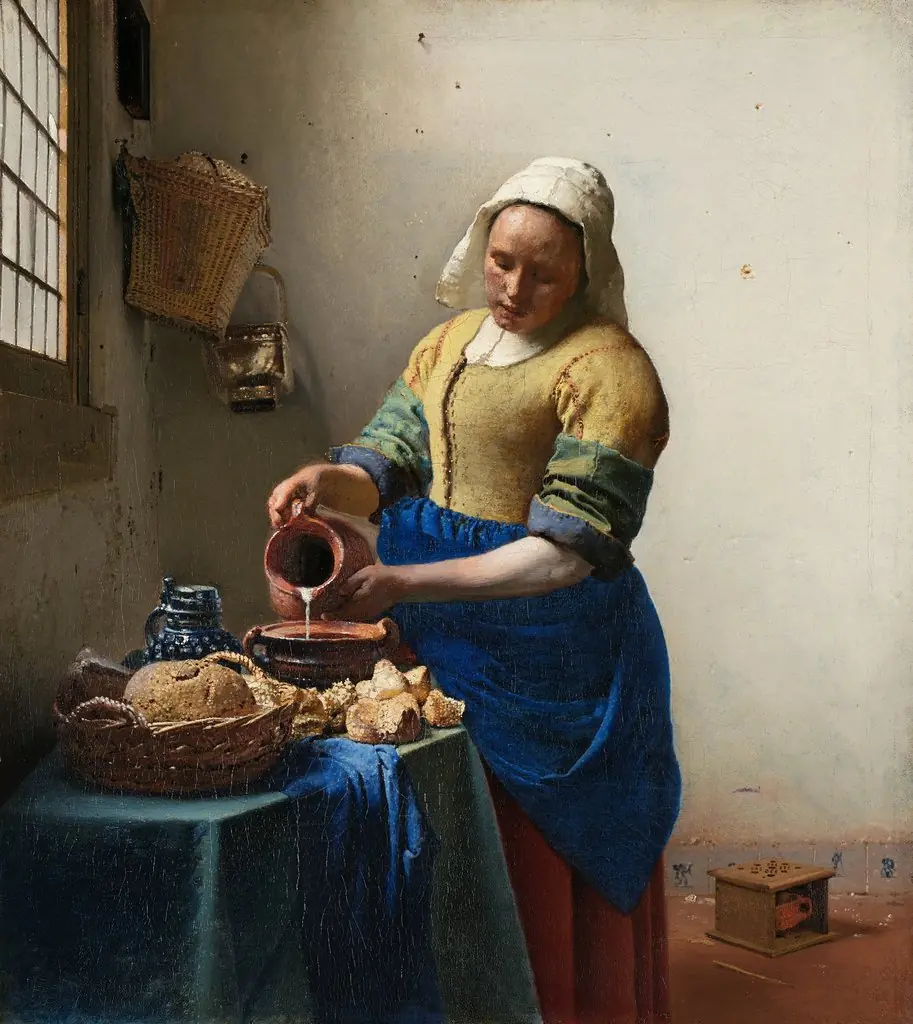 The Milkmaid
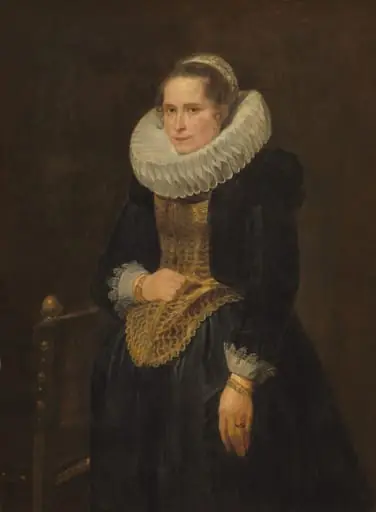 Portrait of a Flemish Lady
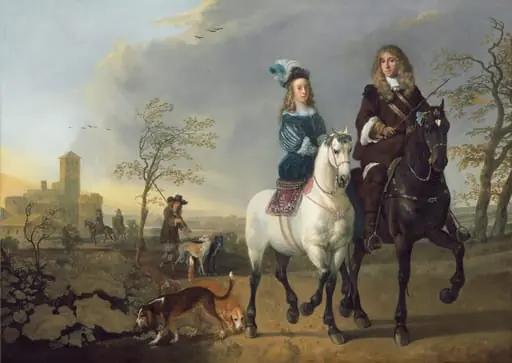 Lady and Gentleman on Horseback
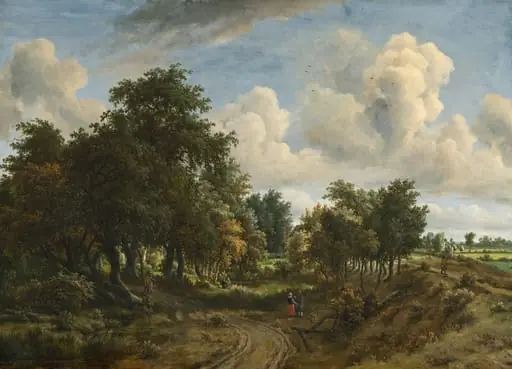 A Wooded Landscape
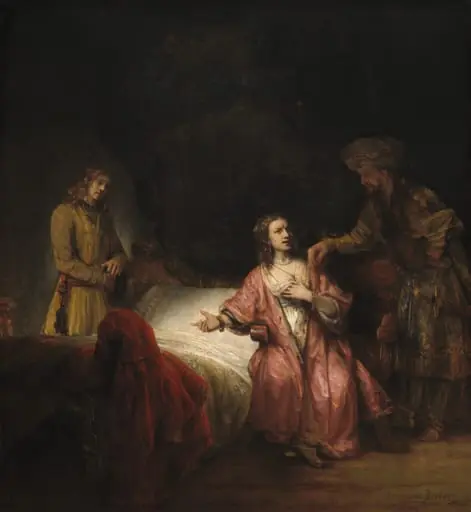 Joseph Accused by Potiphar's Wife
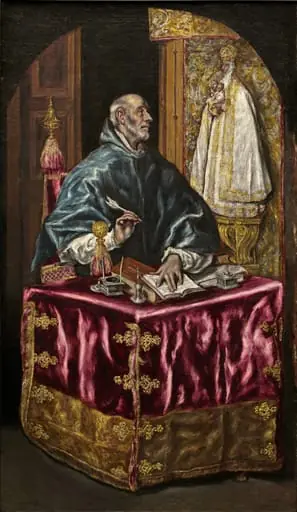 Saint Ildefonso
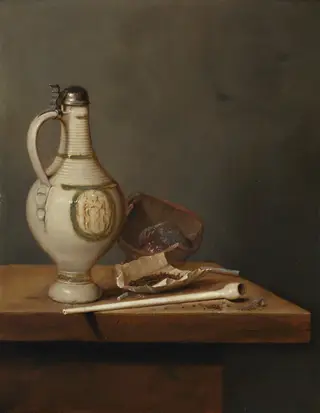 Still Life with Stoneware Jug and Pipe
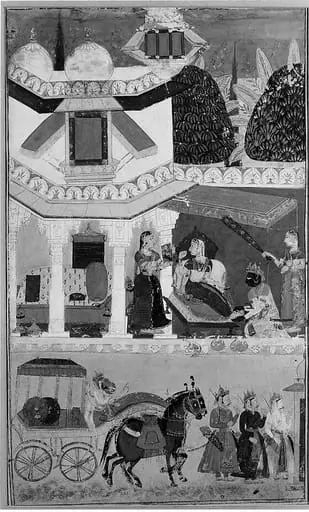 Untitled
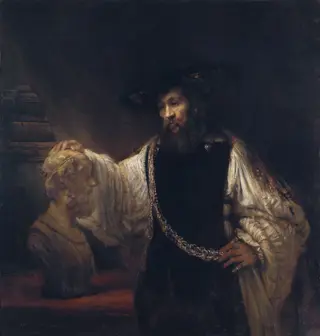 Aristotle with a Bust of Homer
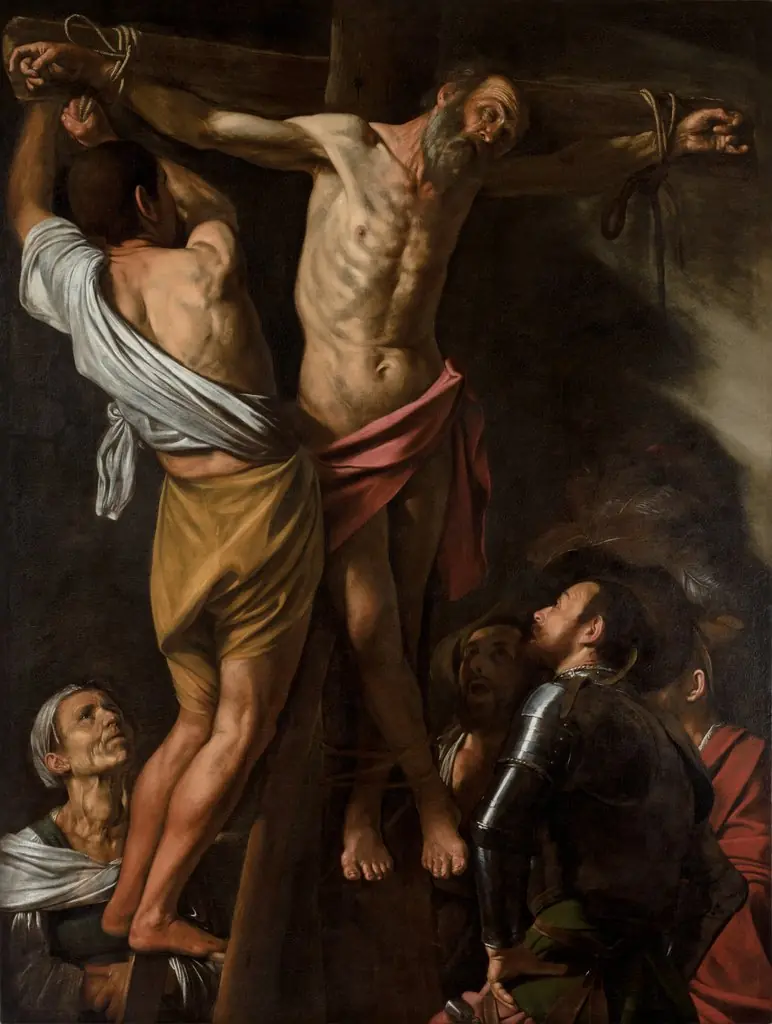 The Crucifixion of Saint Andrew
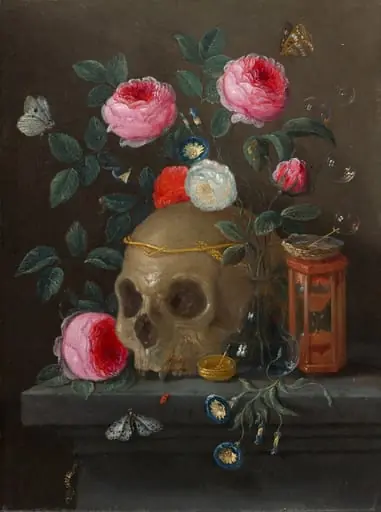 Vanitas Still Life
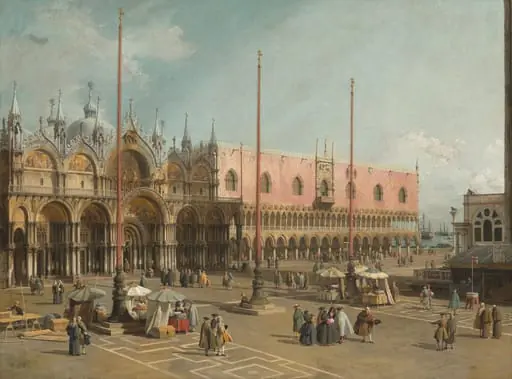 The Square of Saint Mark's, Venice
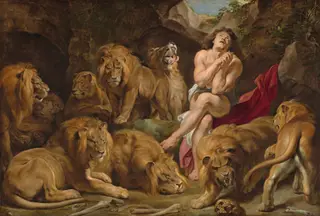 Daniel in the Lions' Den
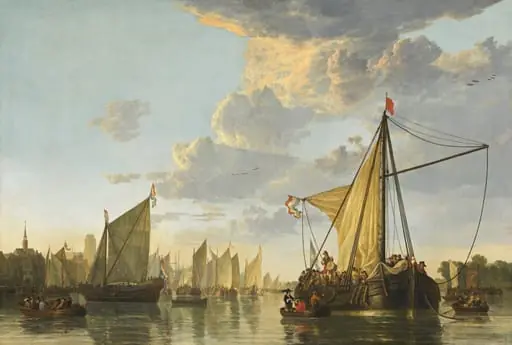 The Maas at Dordrecht
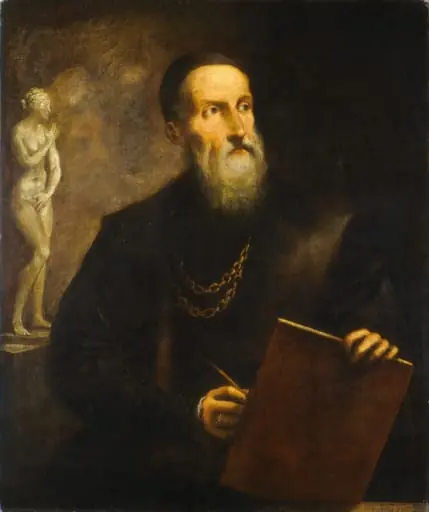 Imaginary Self-Portrait of Titian
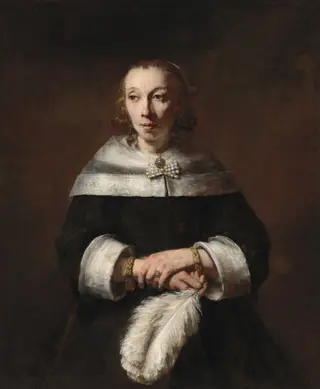 Portrait of a Lady with an Ostrich-Feather Fan
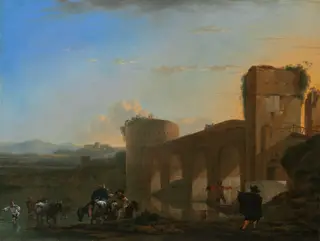
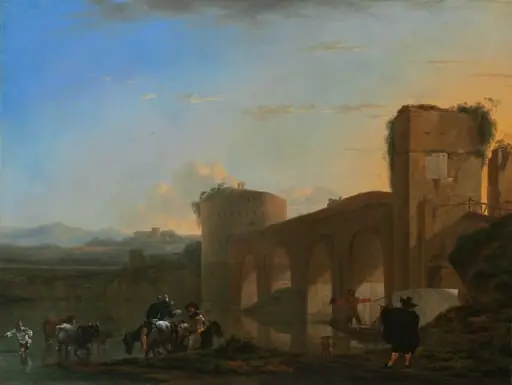 The Tiber River with the Ponte Molle at Sunset
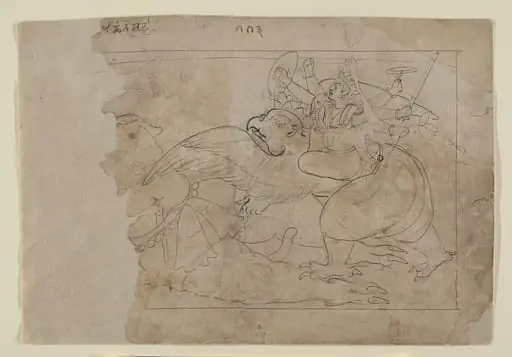 Untitled
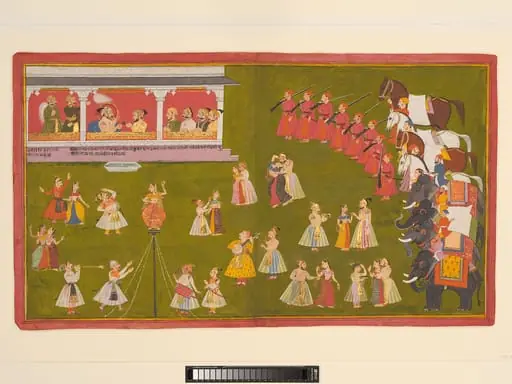 Untitled
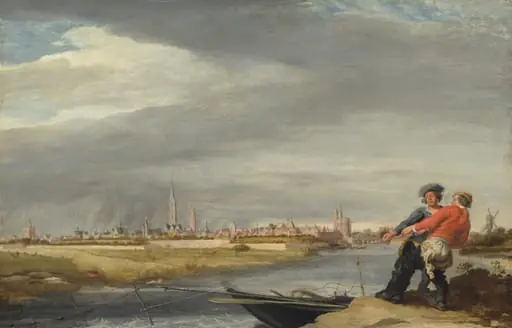 Hauling the Net
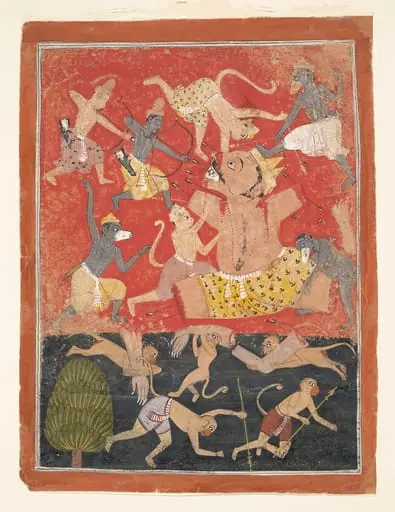 Untitled
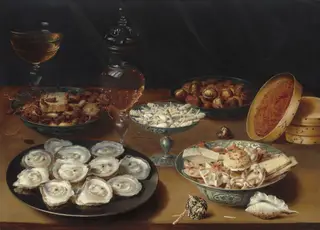 Dishes with Oysters, Fruit, and Wine
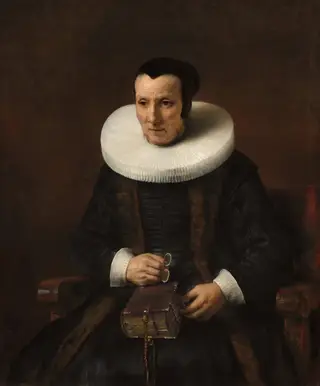 An Old Lady with a Book
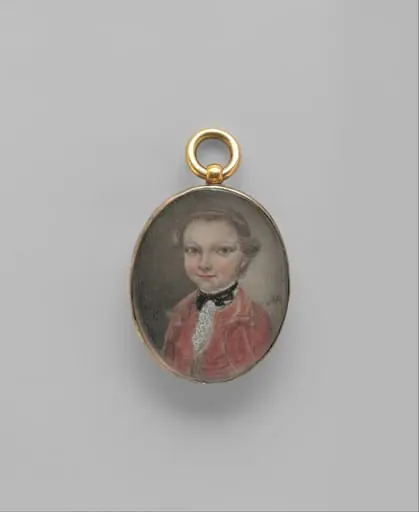 William Middleton
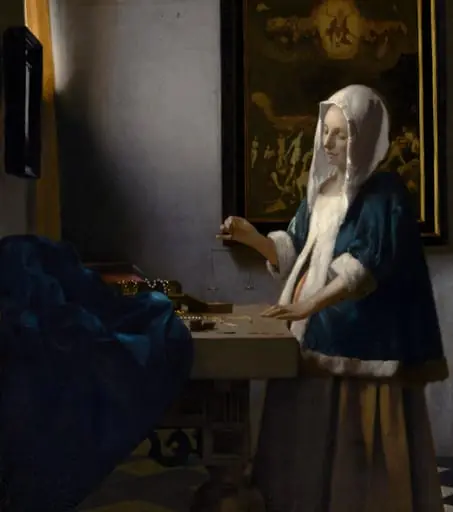 Woman Holding a Balance
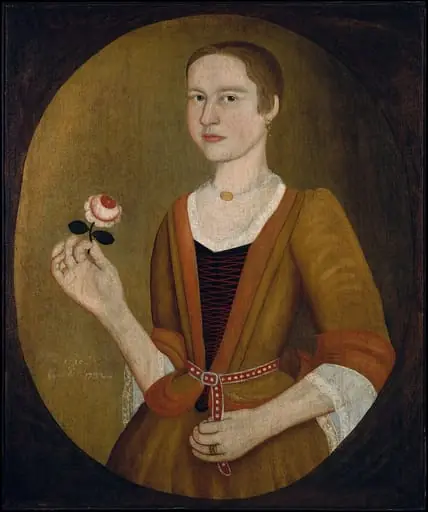 Young Lady with a Rose
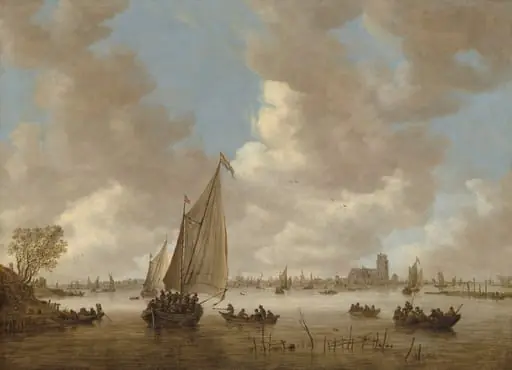 View of Dordrecht from the North
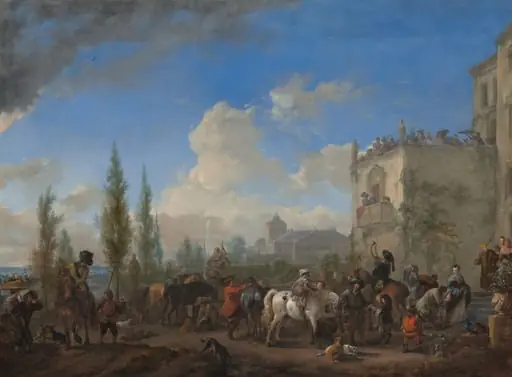 The Departure for the Hunt
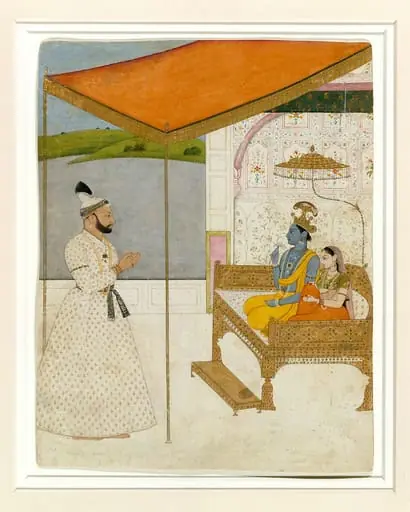 Untitled
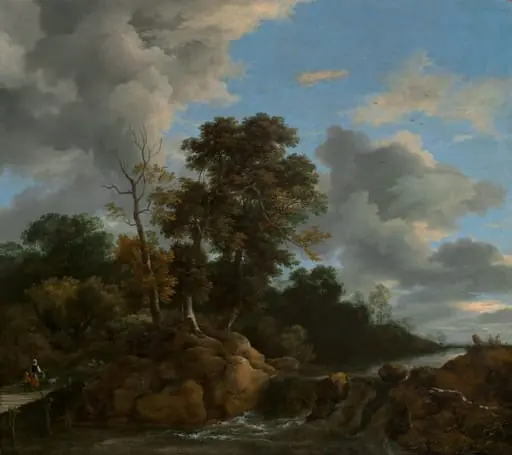 Landscape
 Antwerp Cathedral
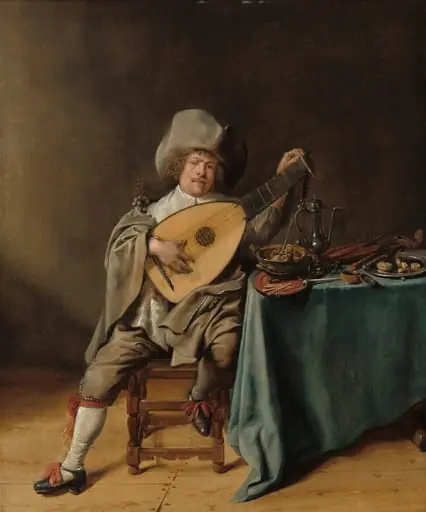 Self-Portrait as a Lute Player
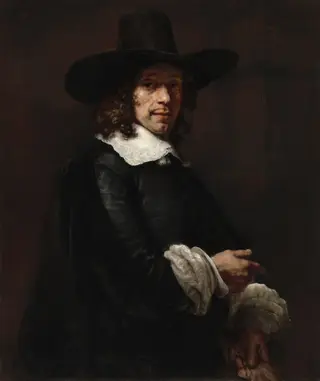 Portrait of a Gentleman with a Tall Hat and Gloves
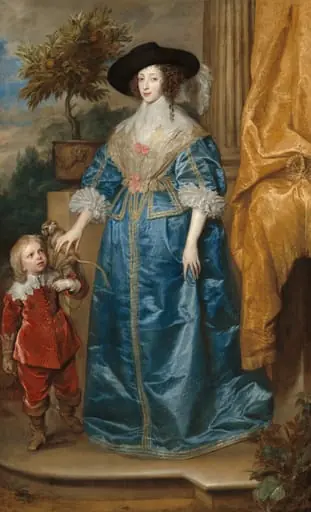 Queen Henrietta Maria with Sir Jeffrey Hudson
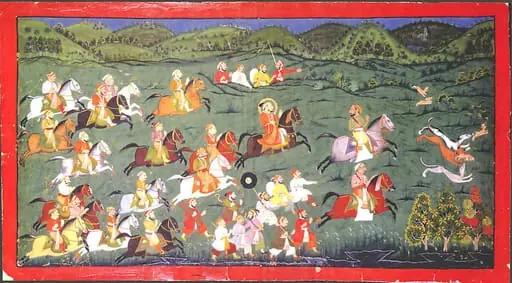 Untitled
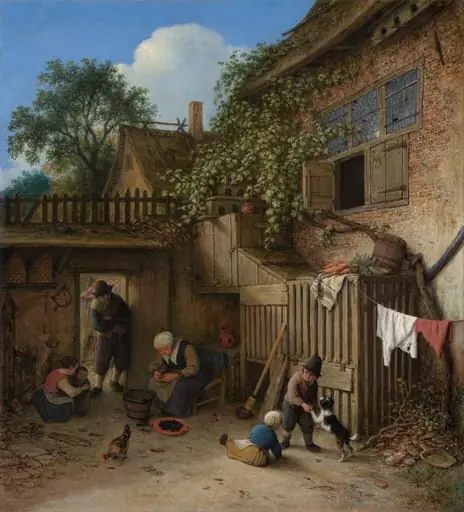 The Cottage Dooryard
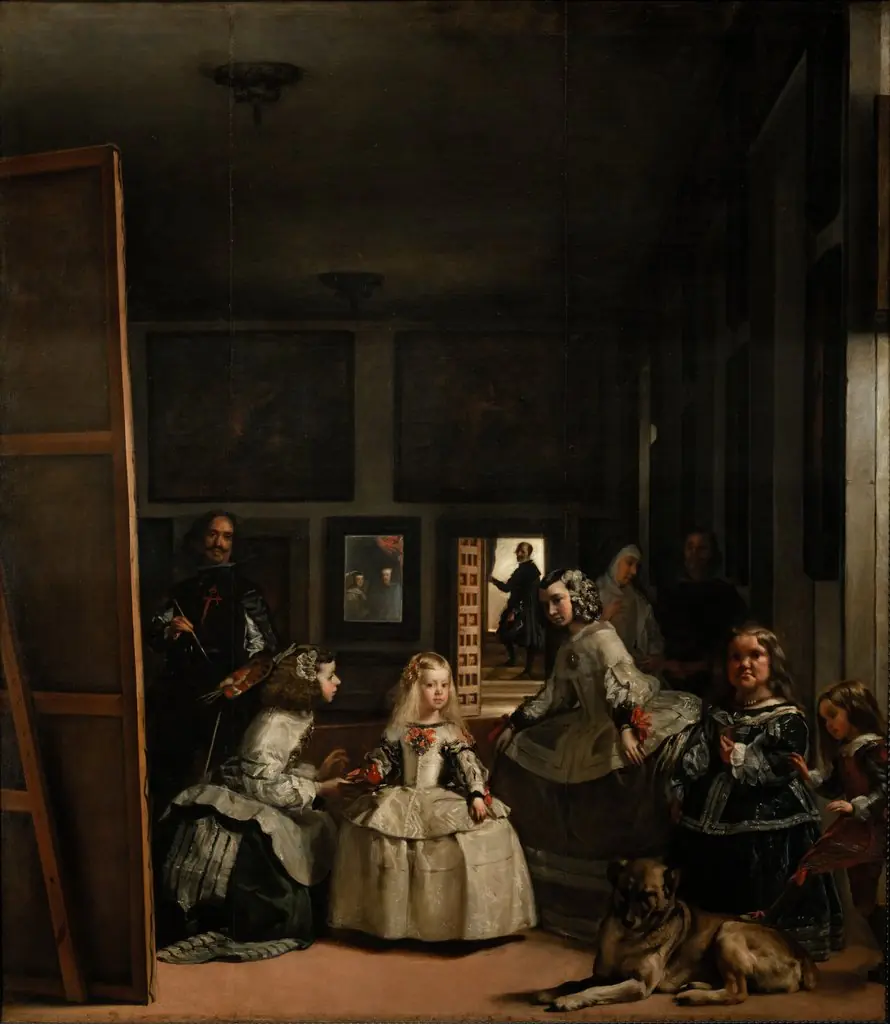 Las Meninas
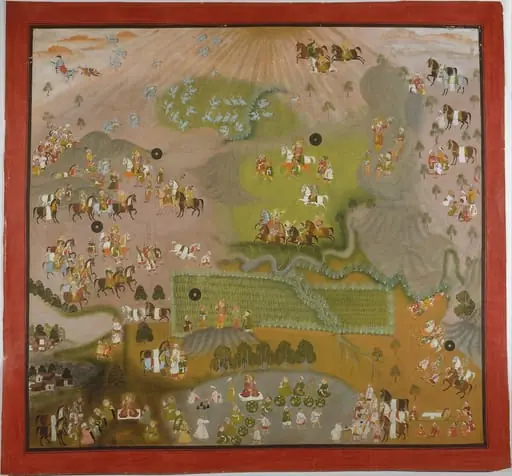 Untitled
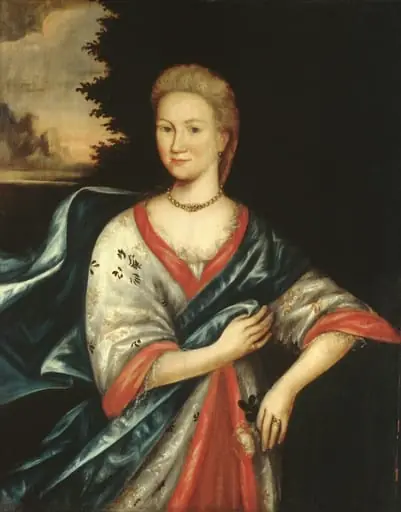 Portrait of a Lady
 Untitled
 Untitled
 Untitled
 Untitled
 Untitled
 Untitled
 Untitled
 Untitled
 Untitled
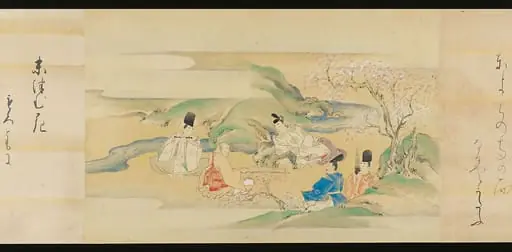 伝海北友雪筆 『源氏物語』 絵巻|The Tale of Genji
 Untitled
 Untitled
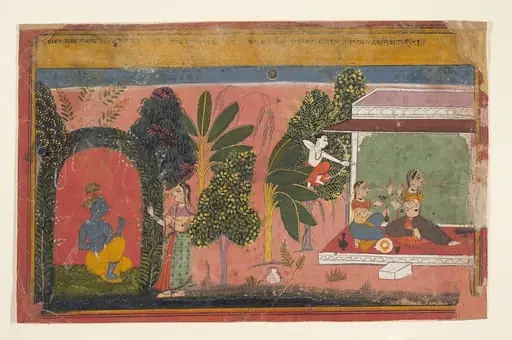 Untitled
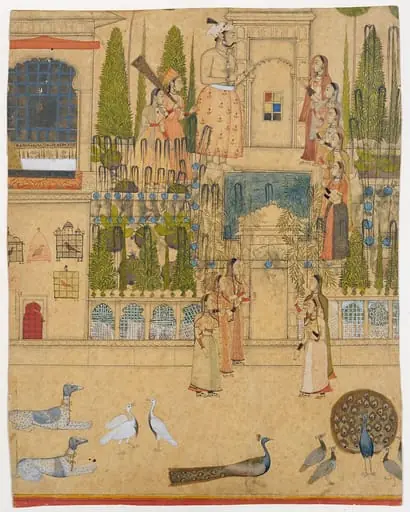 Untitled
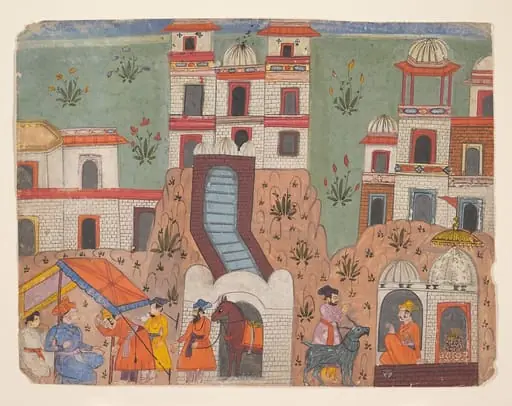 Untitled
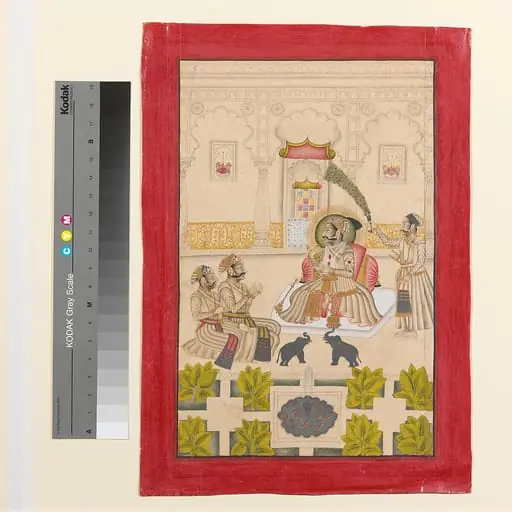 Untitled
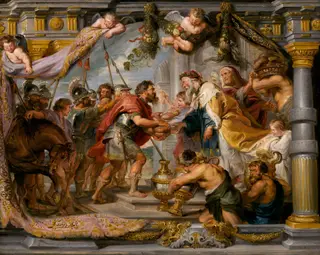 The Meeting of Abraham and Melchizedek
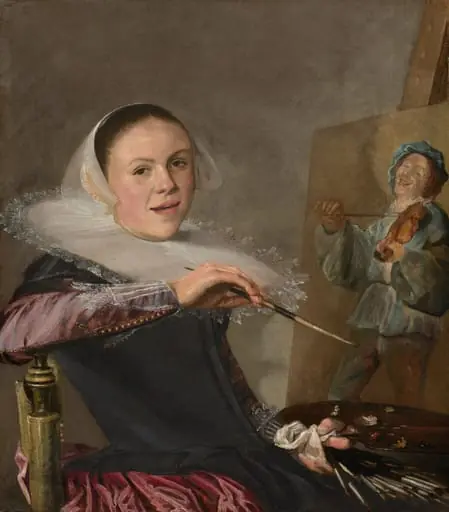 Self-Portrait
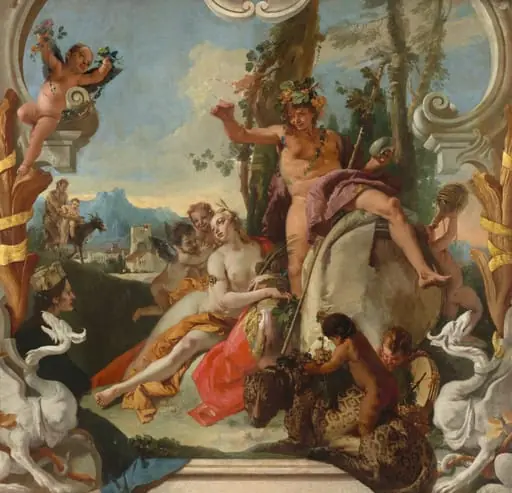 Bacchus and Ariadne
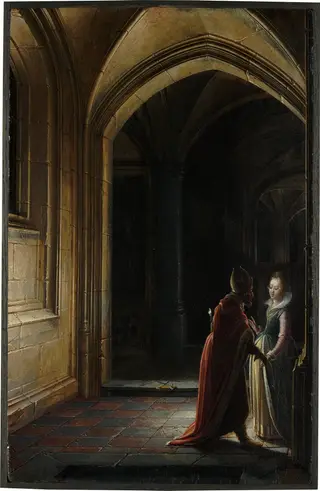 Esther and Mordecai
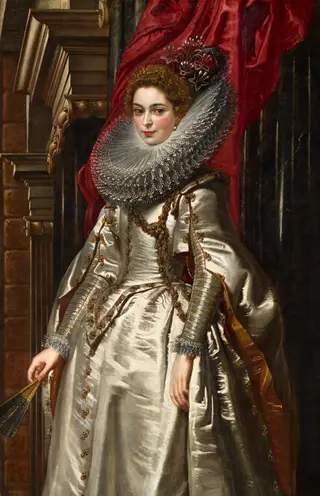 Marchesa Brigida Spinola Doria
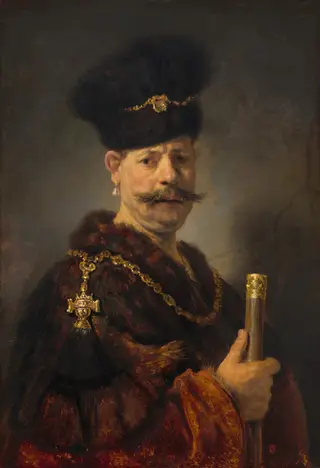 A Polish Nobleman
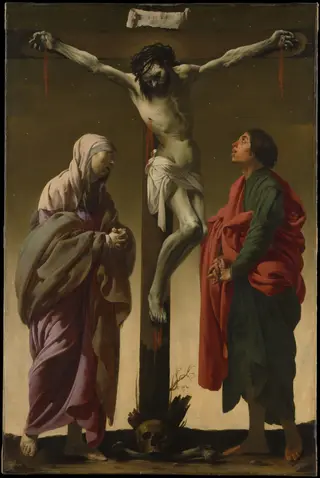
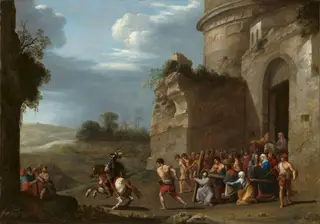 Christ Carrying the Cross
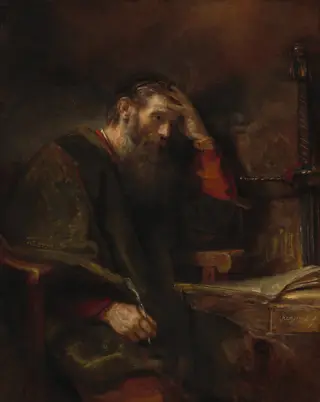 The Apostle Paul
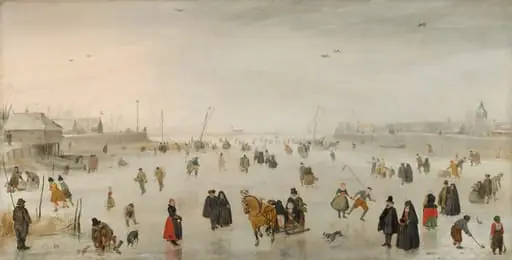 A Scene on the Ice
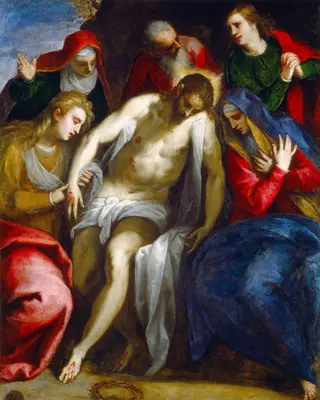 Lamentation
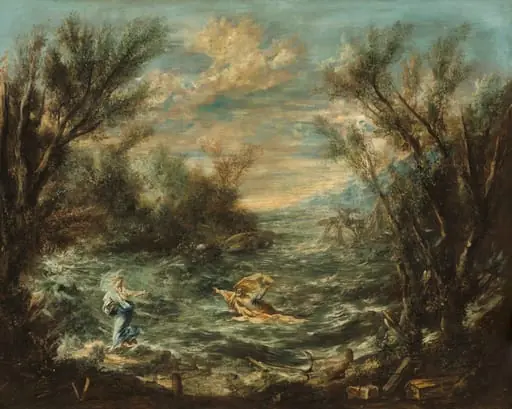 Christ at the Sea of Galilee
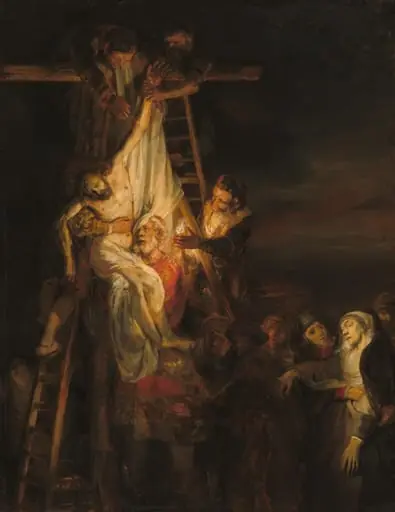 The Descent from the Cross
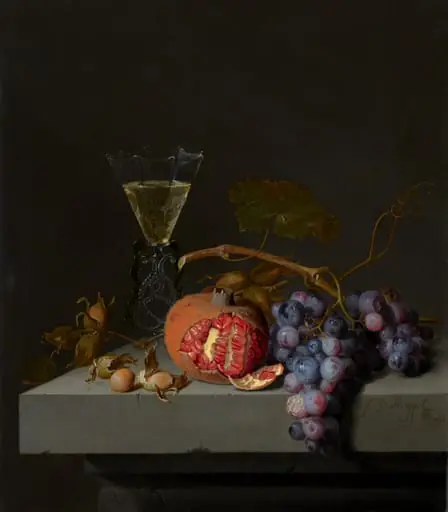 Still Life with Fruit
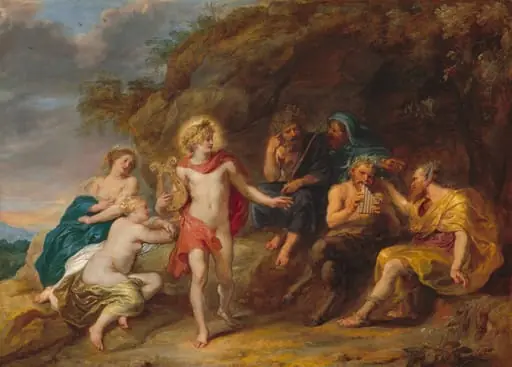 The Judgment of Midas
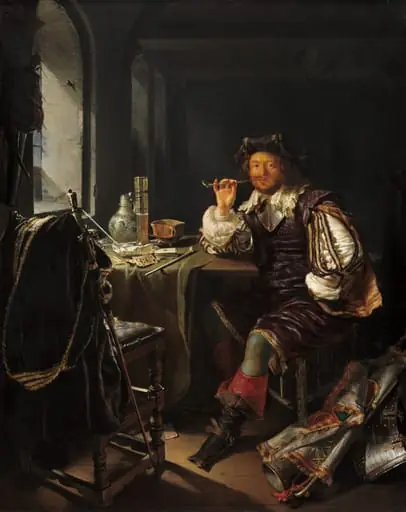 A Soldier Smoking a Pipe
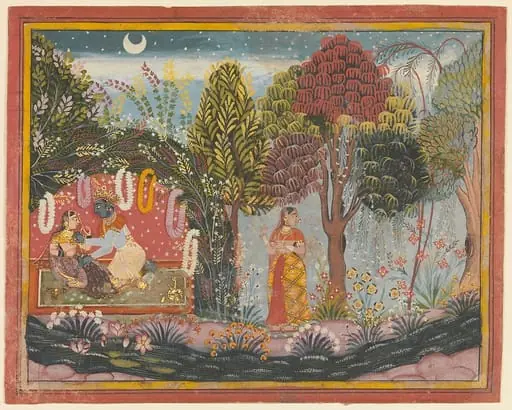 Untitled
 Untitled
 Untitled
 Untitled
 Untitled
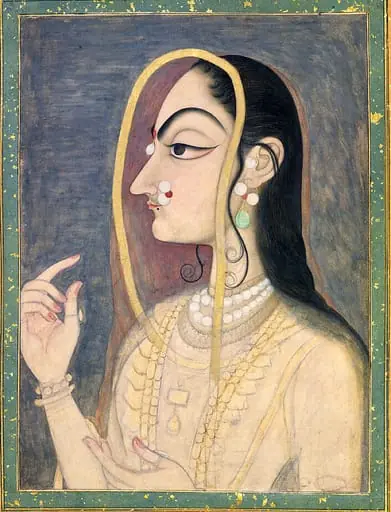 Untitled
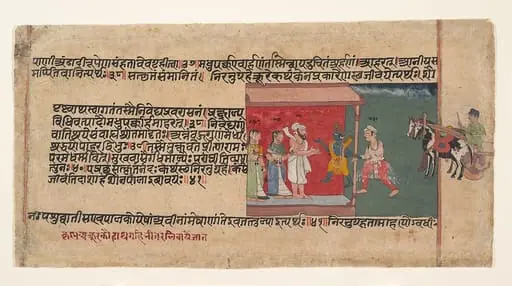 Untitled
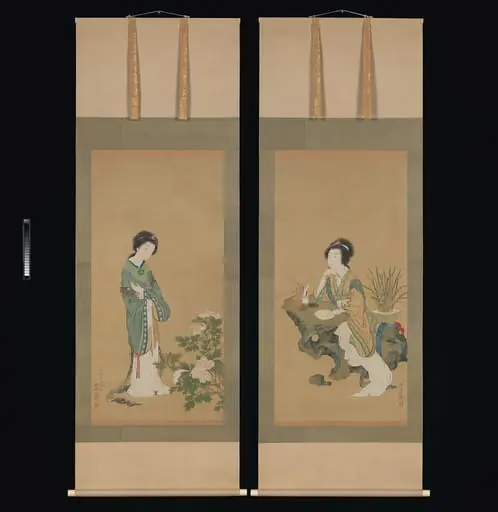 源琦筆 燕姞・楊貴妃図|Yanji with Orchids and Yang Guifei with Peonies
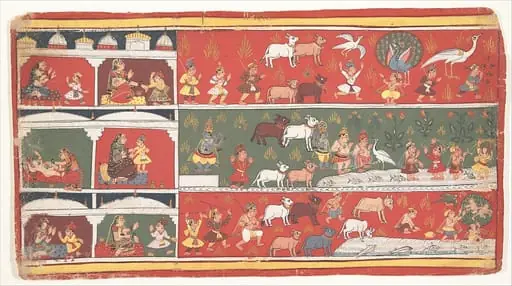 Untitled
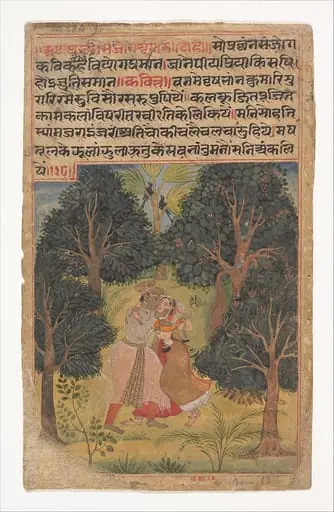 Untitled
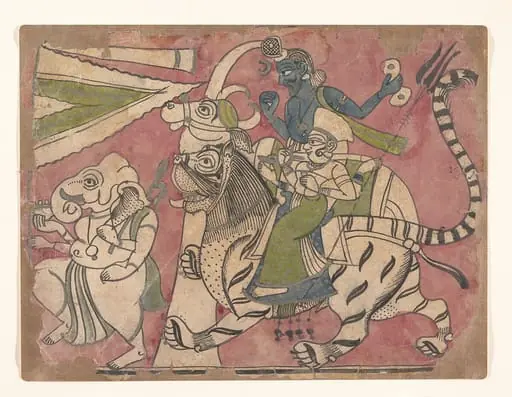 Untitled
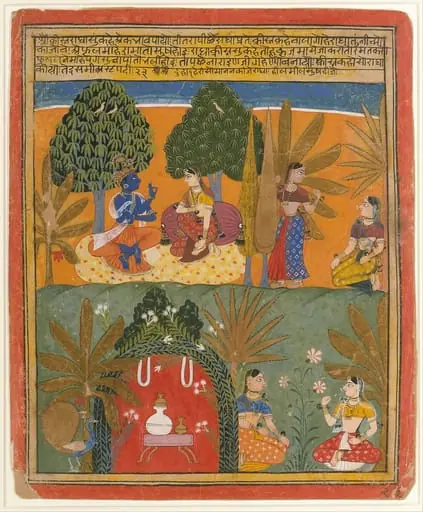 Untitled
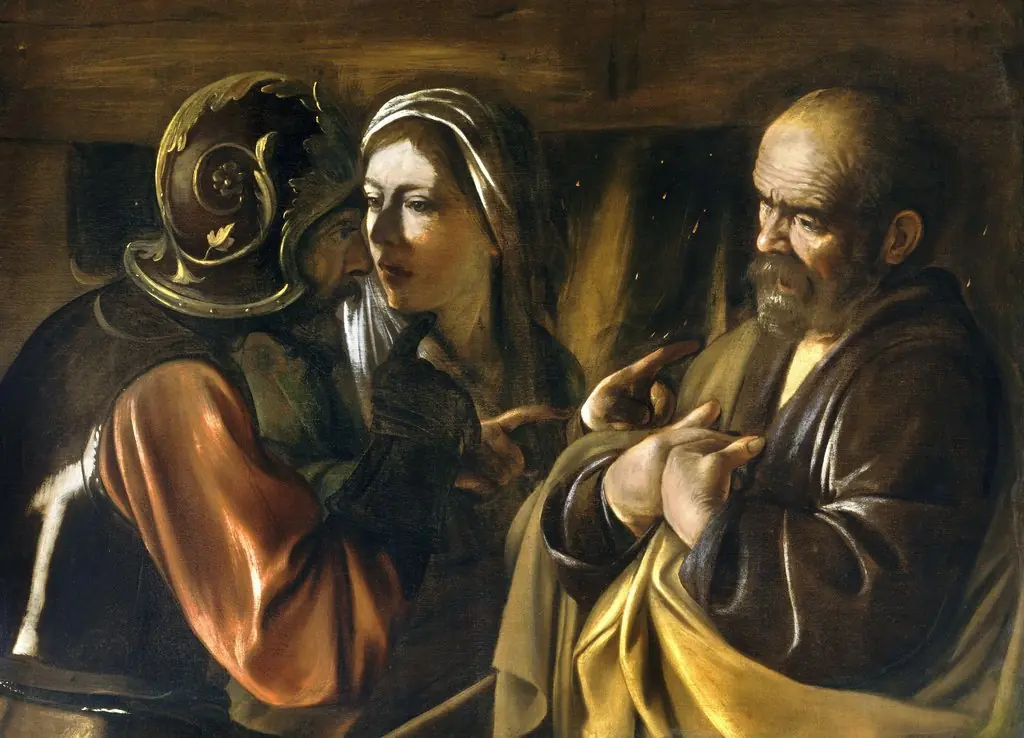 The Denial of Saint Peter
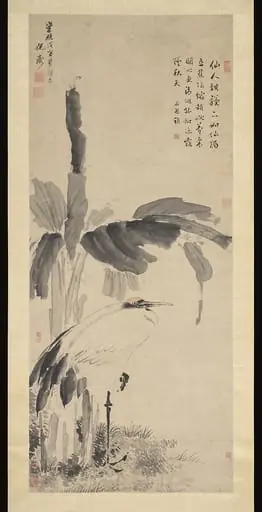 明 倪元璐 蕉鶴圖 軸|Crane Beneath a Banana Tree
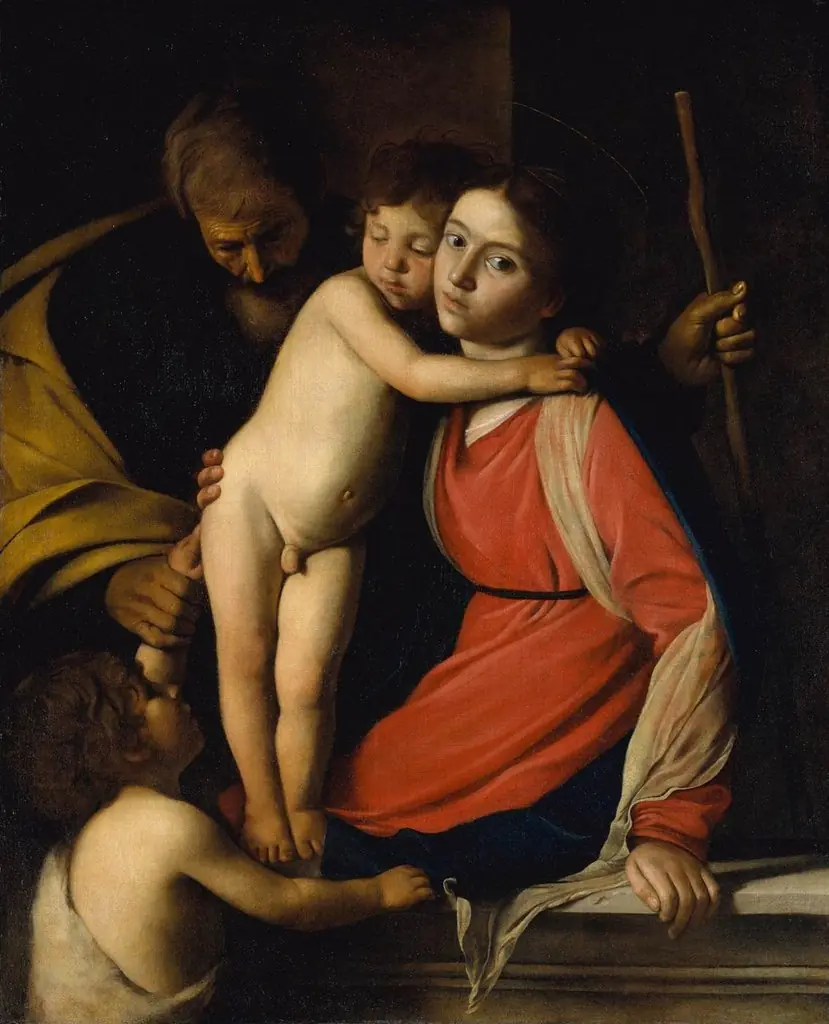 The Holy Family with Saint John the Baptist
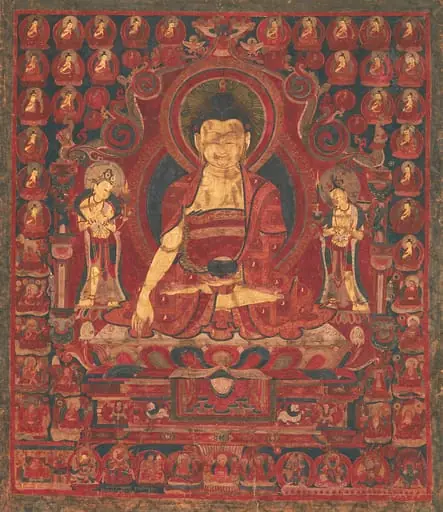 Untitled
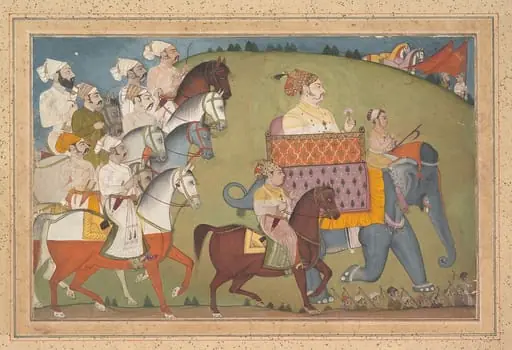 Untitled
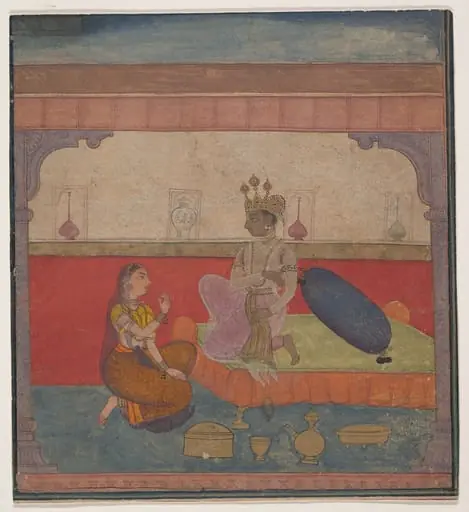 Untitled
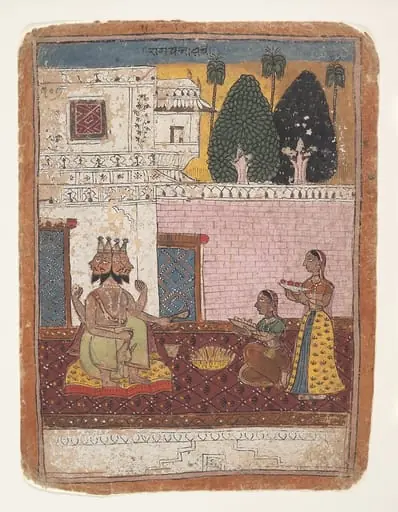 Untitled
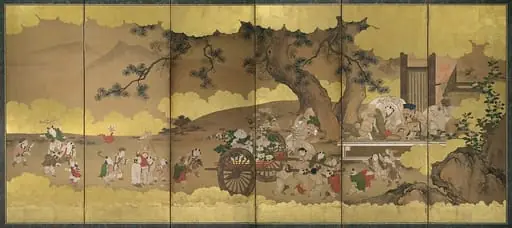 狩野周信筆 七福神唐子図屏風|Seven Gods of Good Fortune and Chinese Children
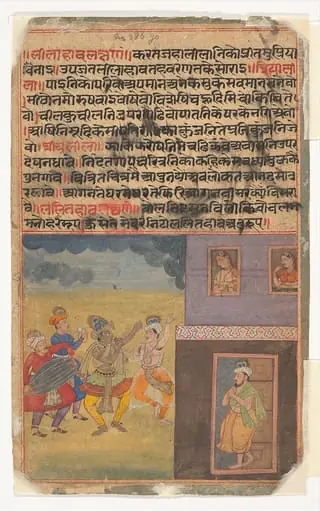 Untitled
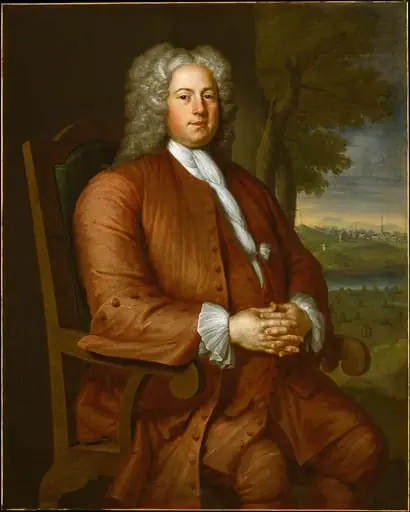 Francis Brinley
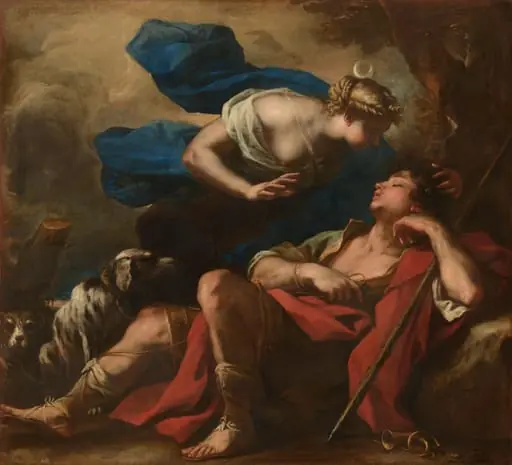 Diana and Endymion
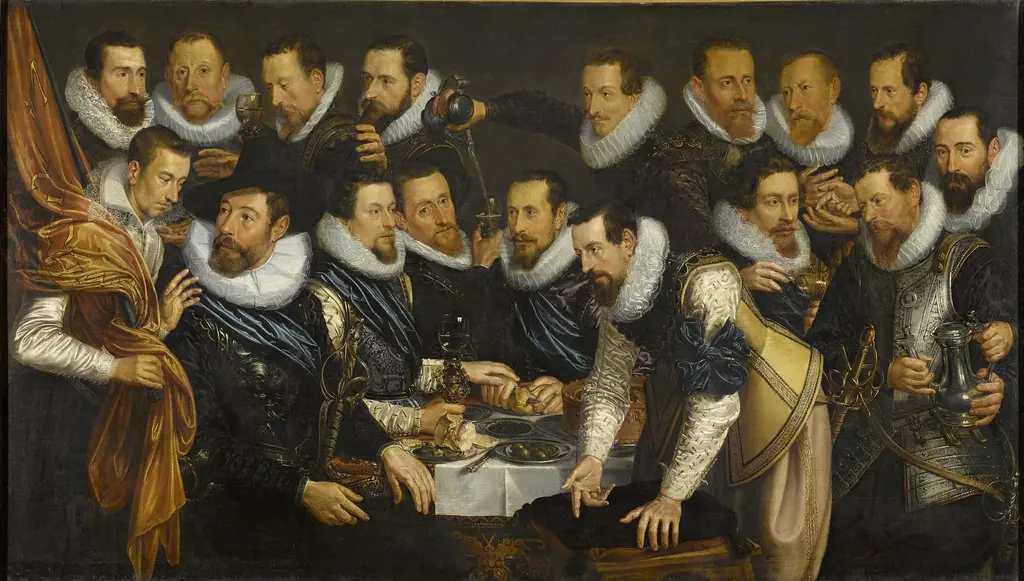
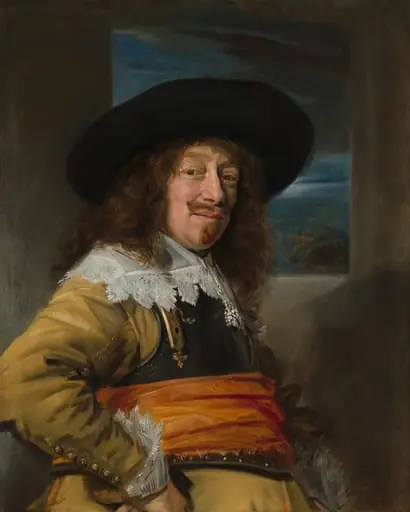 Portrait of a Member of the Haarlem Civic Guard
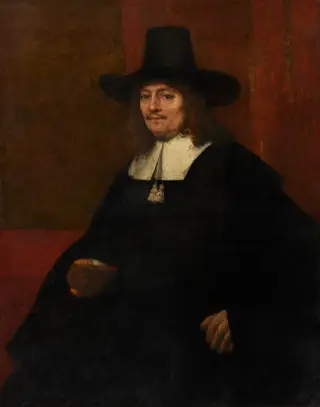 Portrait of a Man in a Tall Hat
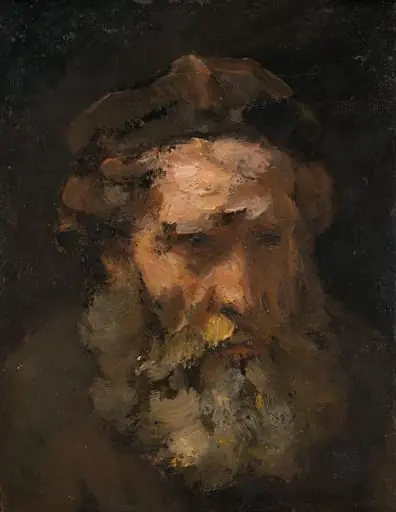 Head of Saint Matthew
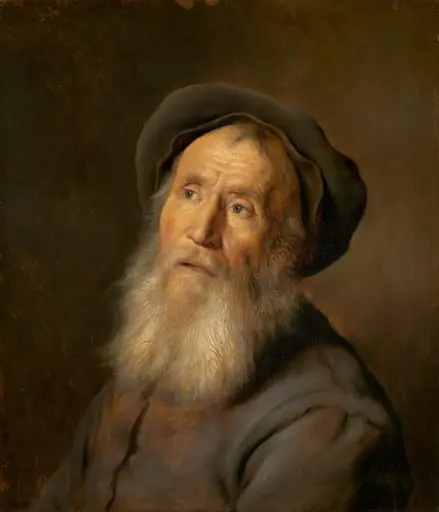 Bearded Man with a Beret
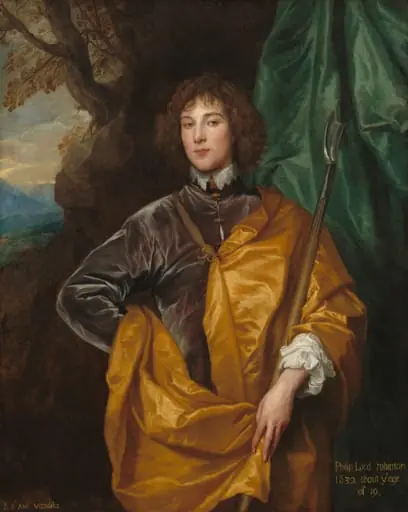 Philip, Lord Wharton
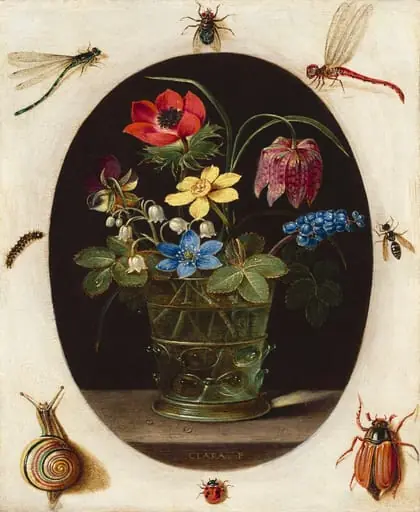 Still Life with Flowers Surrounded by Insects and a Snail
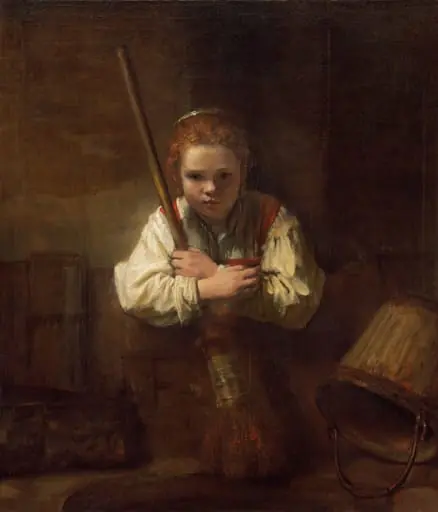 A Girl with a Broom
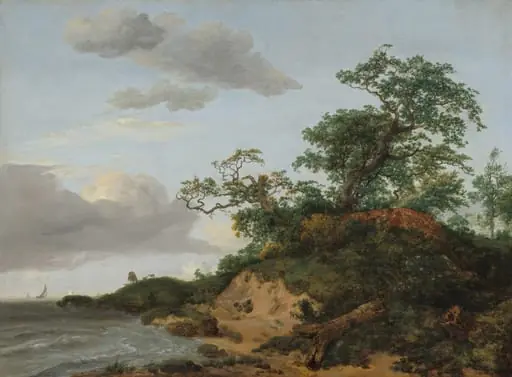 Dunes by the Sea
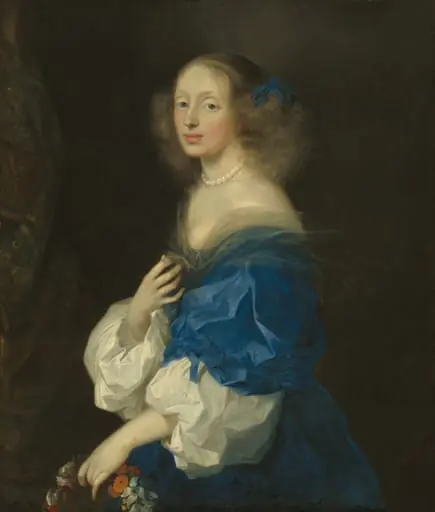 Countess Ebba Sparre
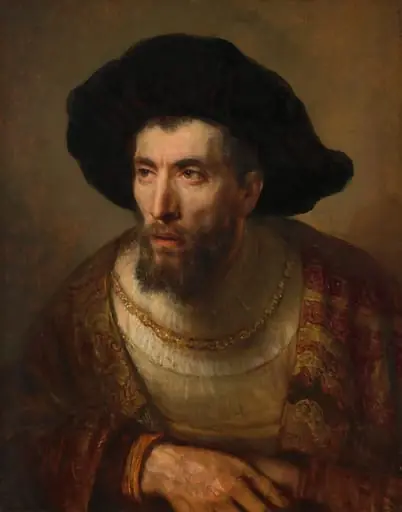 The Philosopher
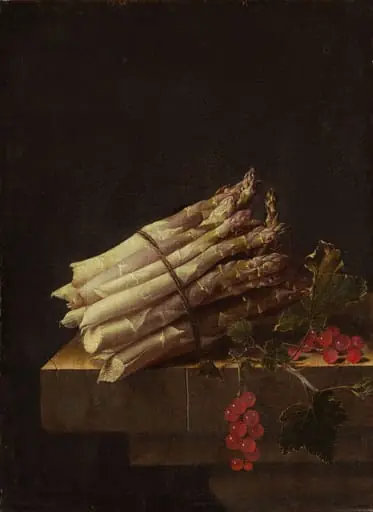 Still Life with Asparagus and Red Currants
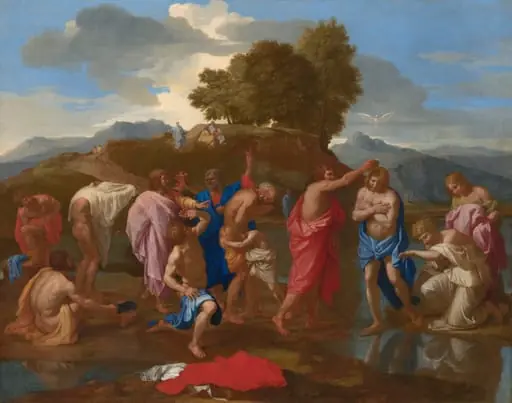 The Baptism of Christ
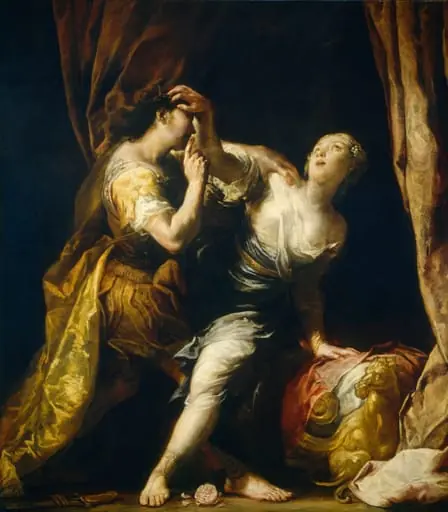 Tarquin and Lucretia
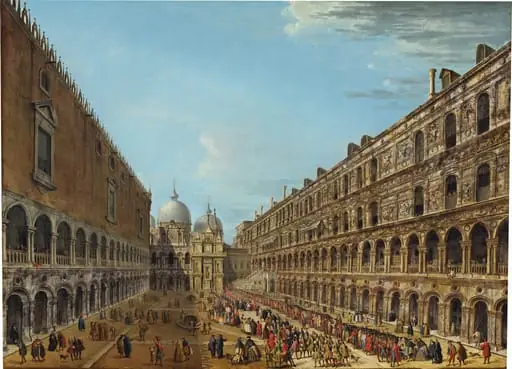 Procession in the Courtyard of the Ducal Palace, Venice
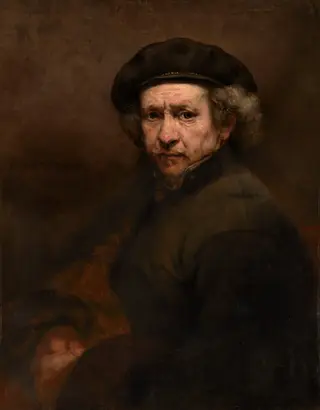 Self-Portrait
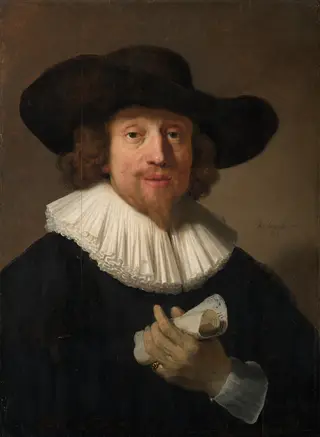 Man with a Sheet of Music
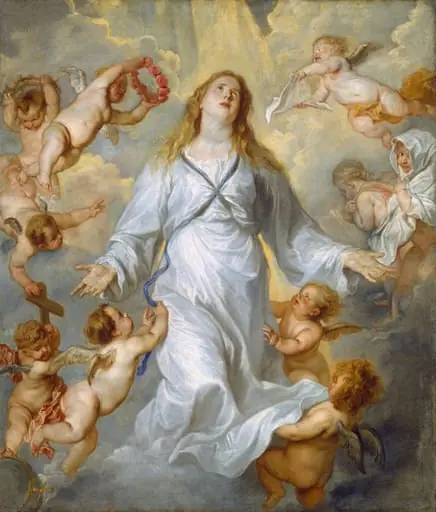 The Virgin as Intercessor
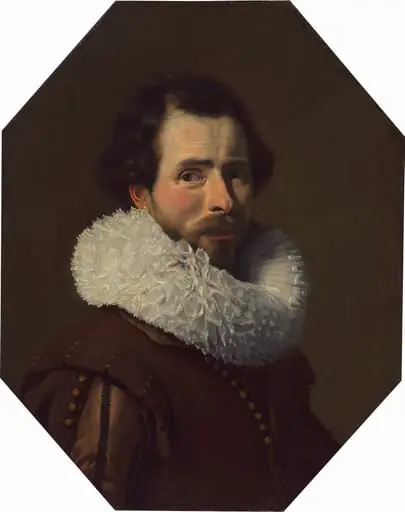 Portrait of a Gentleman Wearing a Fancy Ruff
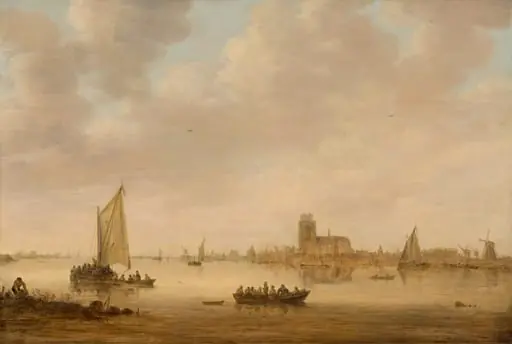 View of Dordrecht from the Dordtse Kil
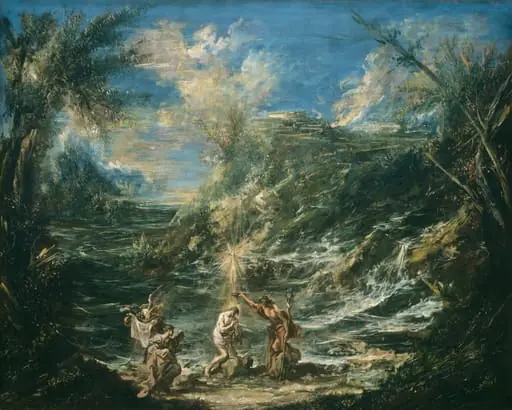 The Baptism of Christ
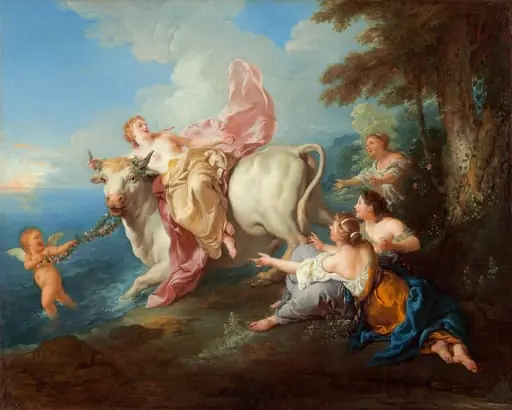 The Abduction of Europa
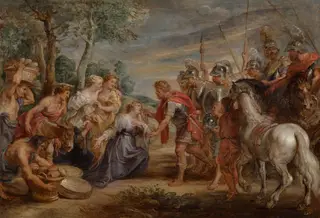 The Meeting of David and Abigail
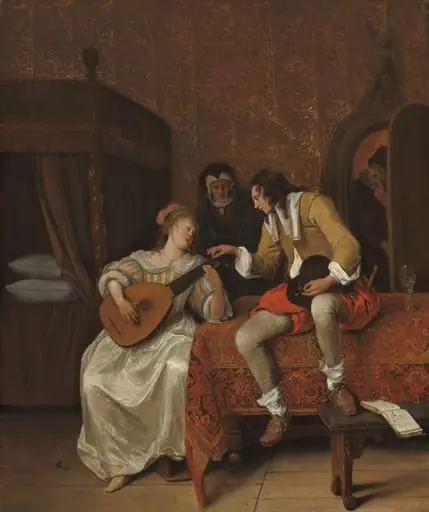 Ascagnes and Lucelle (The Music Lesson)
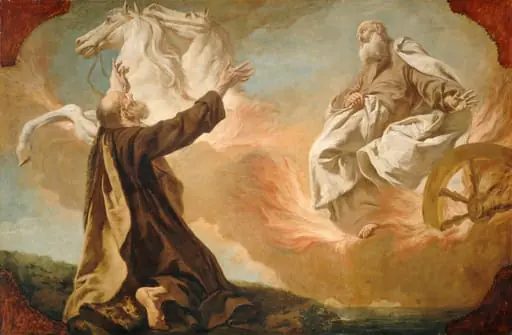 Elijah Taken Up in a Chariot of Fire
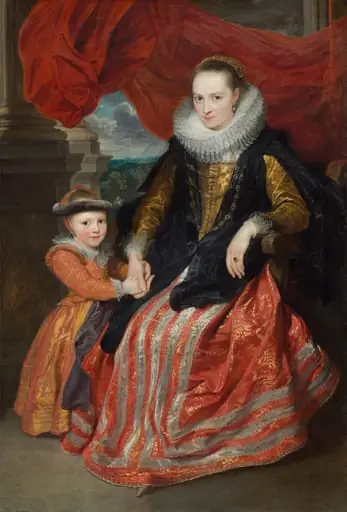 Susanna Fourment and Her Daughter
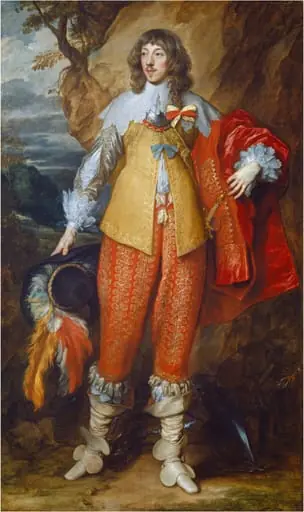 Henri II de Lorraine
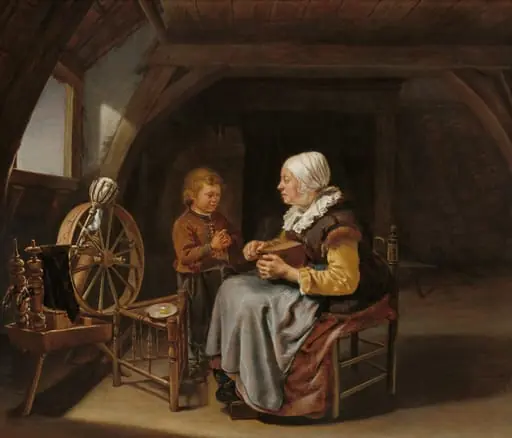 Saying Grace
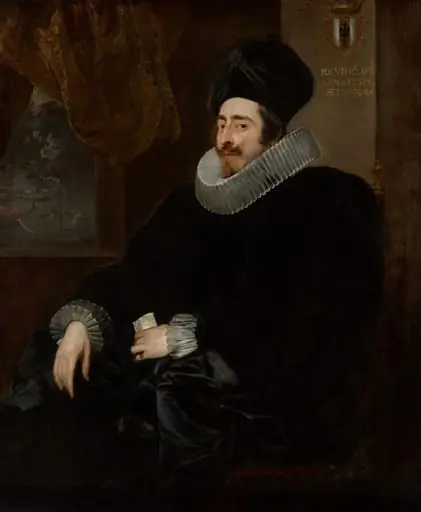 Giovanni Vincenzo Imperiale
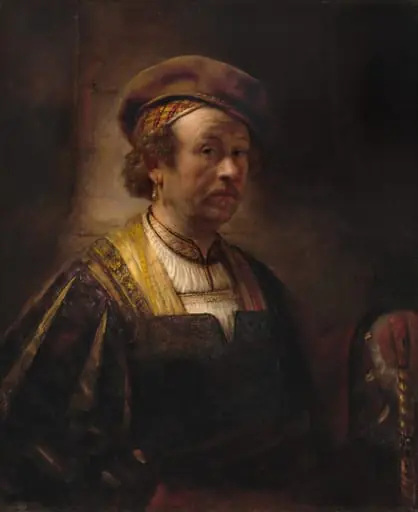 Portrait of Rembrandt
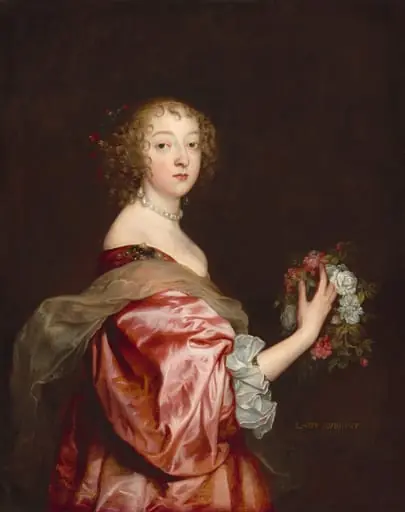 Catherine Howard, Lady d'Aubigny
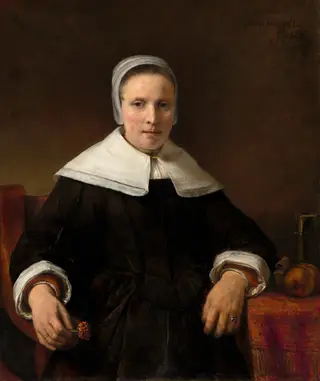 A Woman Holding a Pink
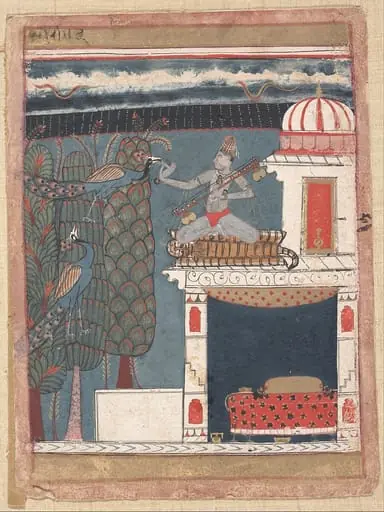 Untitled
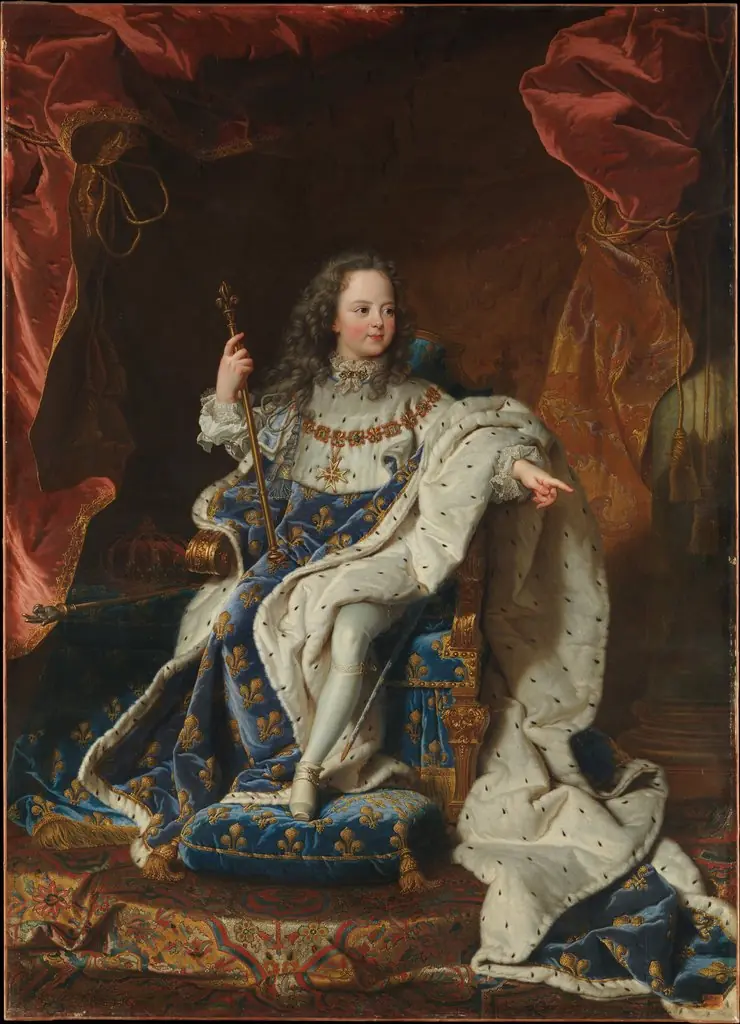 Louis XV at the Age of Five in the Costume of the Sacre
 Untitled
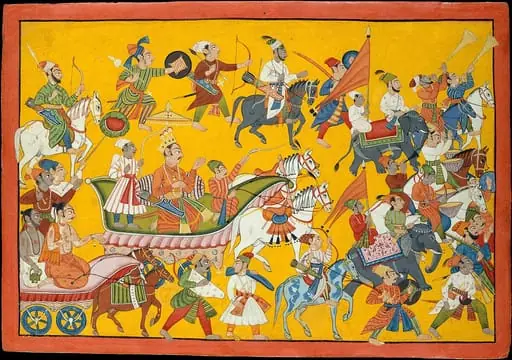 Untitled
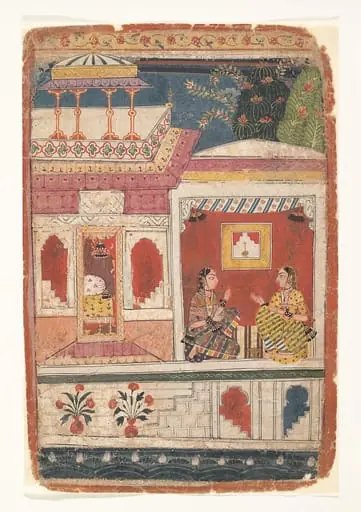 Untitled
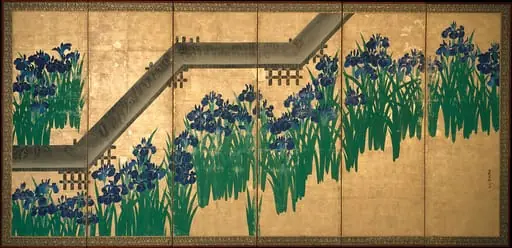 八橋図屏風 |Irises at Yatsuhashi (Eight Bridges)
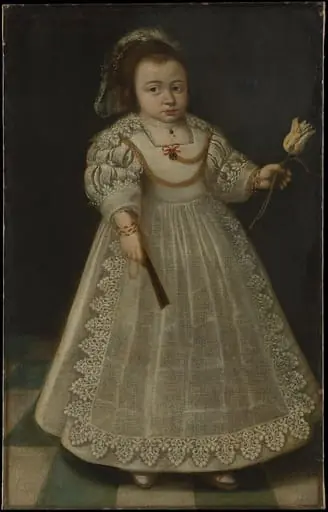 Sarra de Peyster
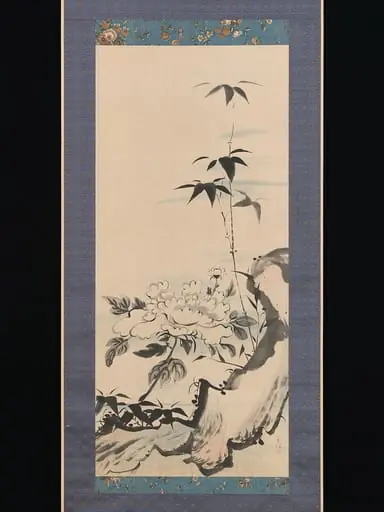 徳山玉瀾筆 牡丹に竹図|Peony and Bamboo
 Untitled
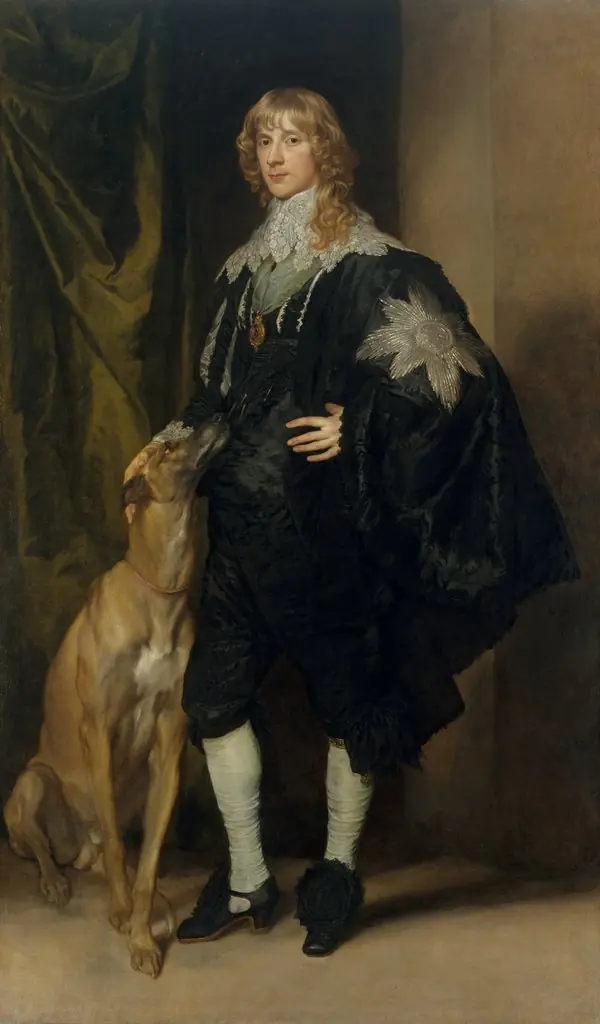 Portrait of James Stuart, Duke of Lennox and Richmond
 Untitled
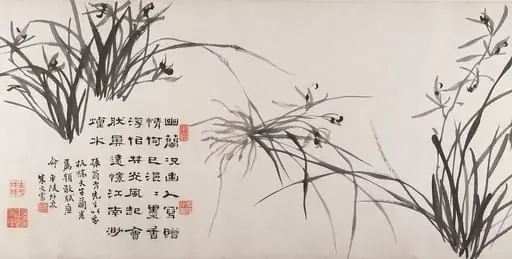 清 鄭燮 蘭竹圖 卷|Orchids and bamboo
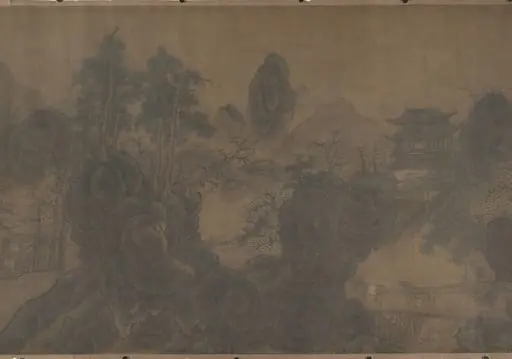 明/清 佚名 舊傳郭煕 關山行旅圖 卷|Traveling amid Mountains
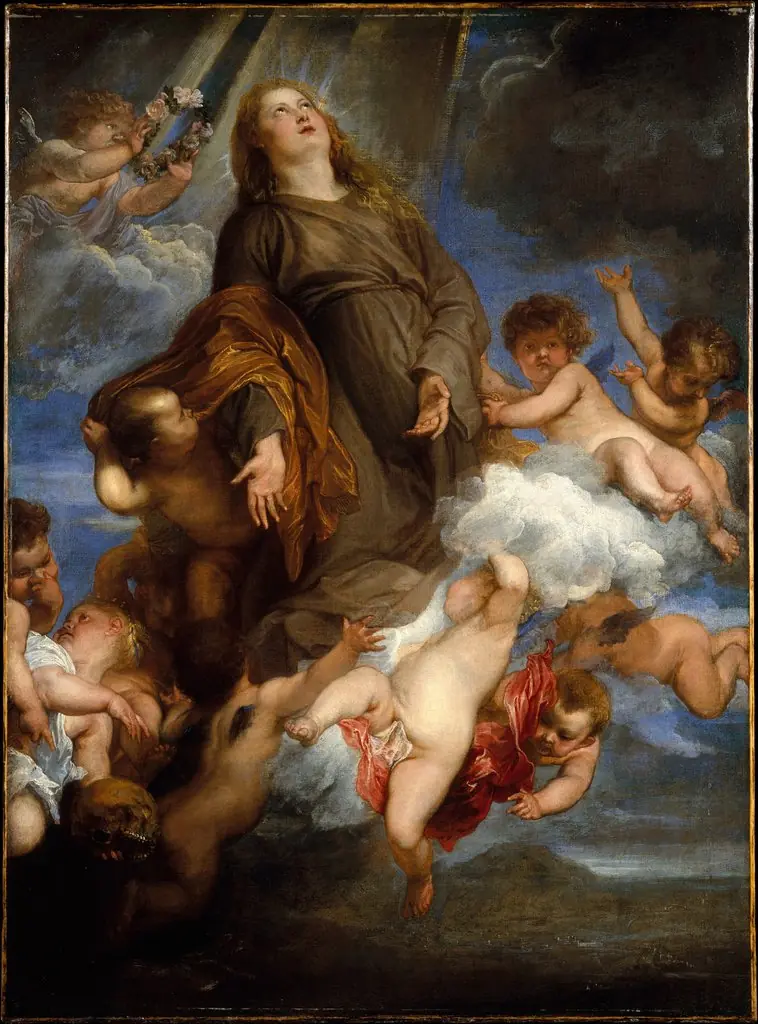 Saint Rosalie Interceding for the Plague-stricken of Palermo
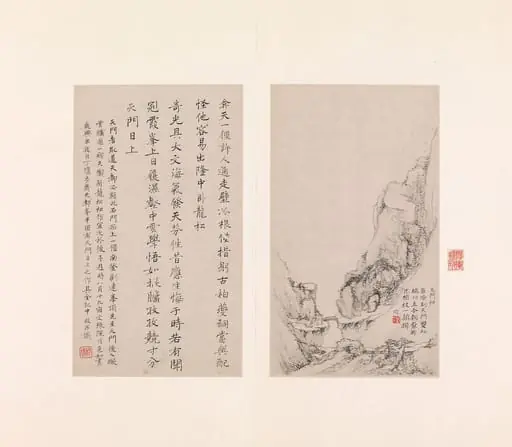 鄭旼 黃山八景 水墨紙本 九開冊|Eight views of the Yellow Mountains
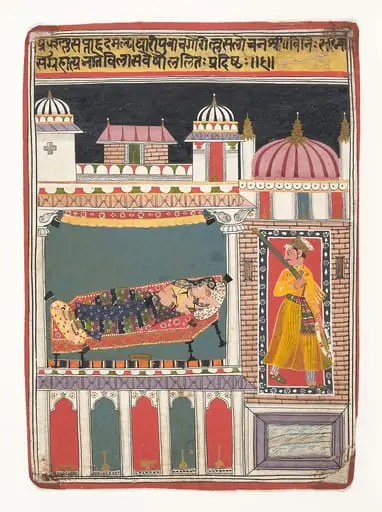 Untitled
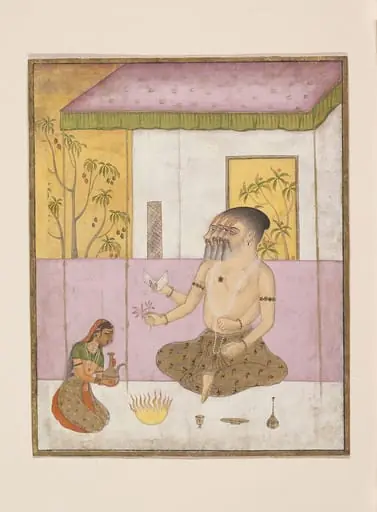 Untitled
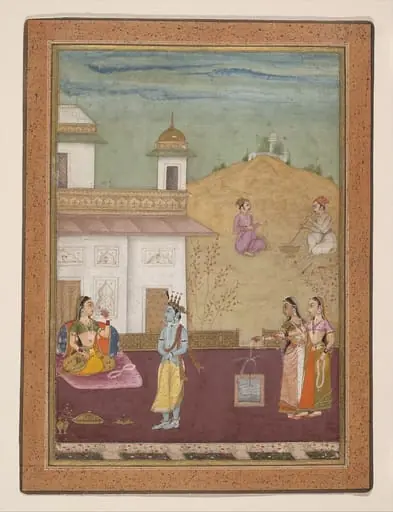 Untitled
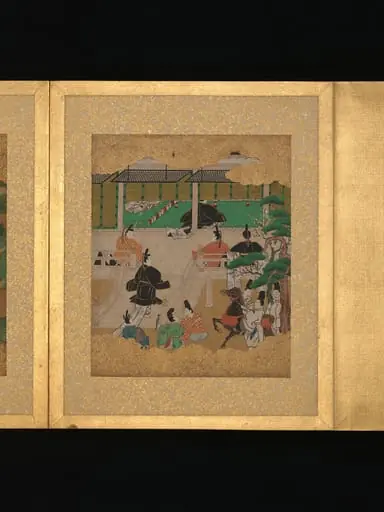 Untitled
 Untitled
 Untitled
 Untitled
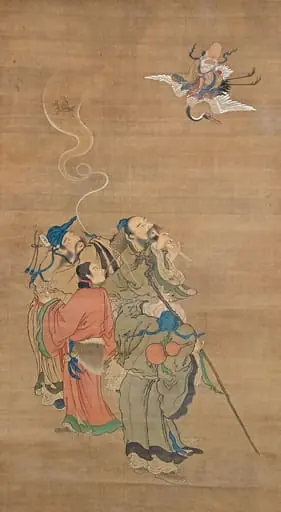 八仙図|Eight Daoist Immortals Welcoming Jurōjin
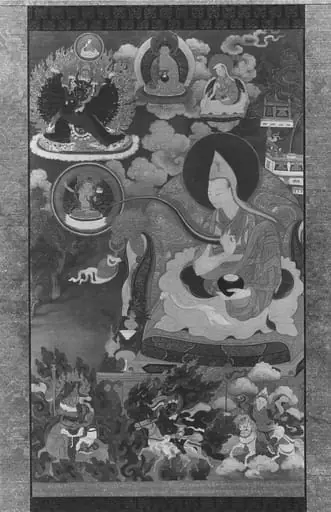 Untitled
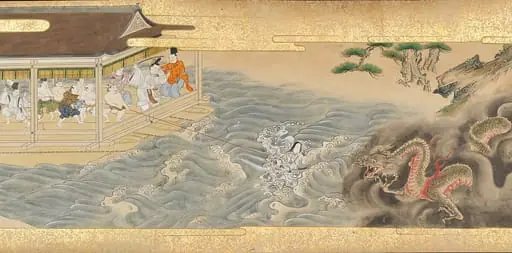 『大織冠』|The Great Woven Cap (Taishokkan)
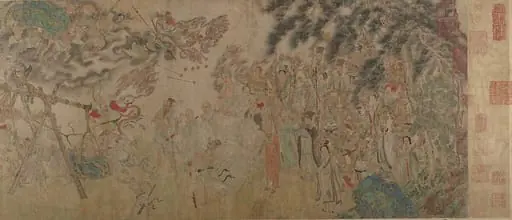 明/清 佚名 揭缽圖 卷|Raising the Alms-Bowl
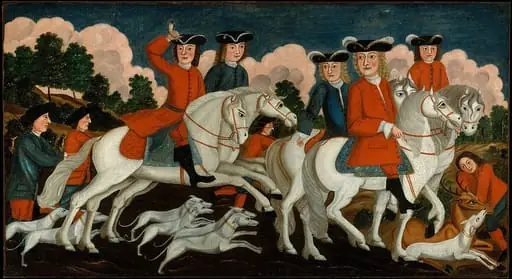 The Hunting Party—New Jersey
 Untitled
 Untitled
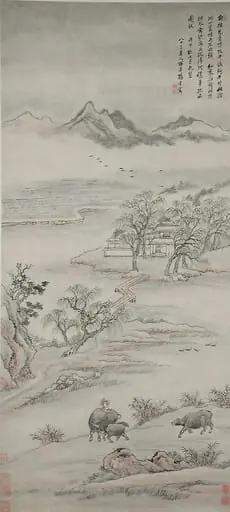 清 楊晉 滄洲牧牛圖 軸|Landscape with Figures
 Untitled
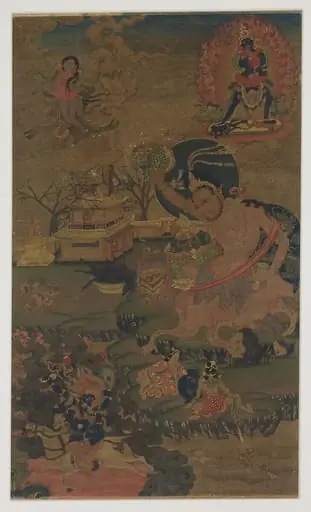 Untitled
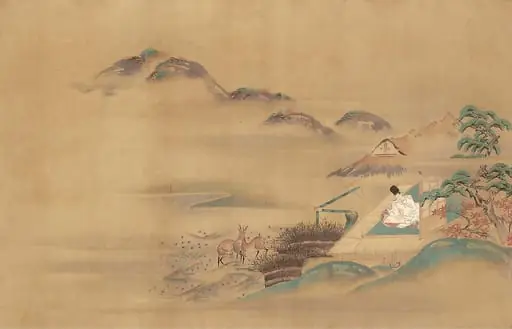 石山師香筆 源氏物語八景 絵巻|Eight Views from The Tale of Genji
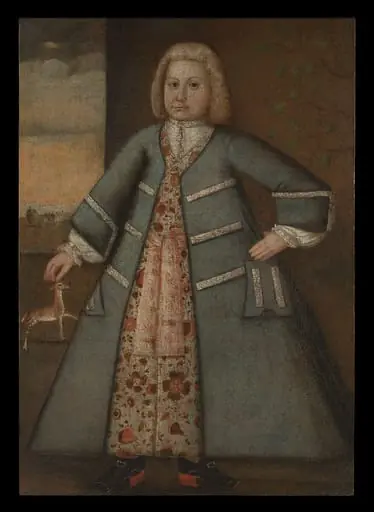 Boy with a Fawn
 Untitled
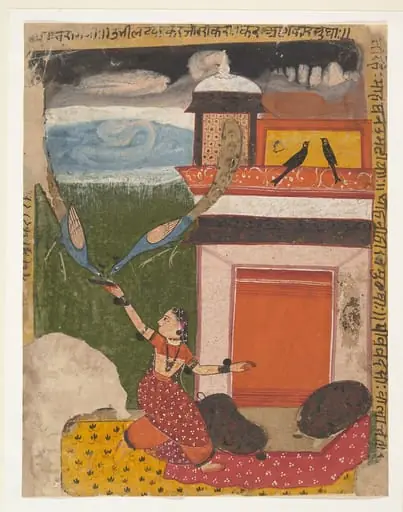 Untitled
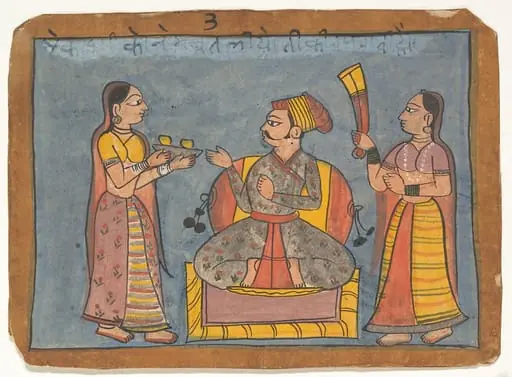 Untitled
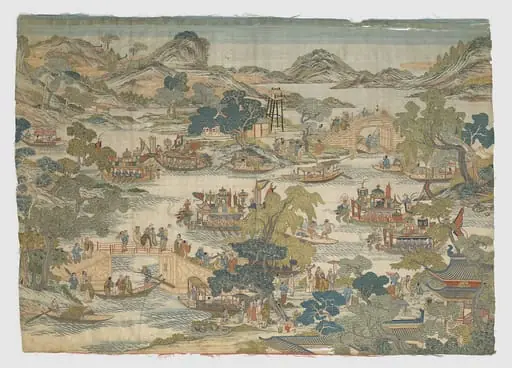 清 緙絲龍舟競渡圖|Dragon-boat festival performance
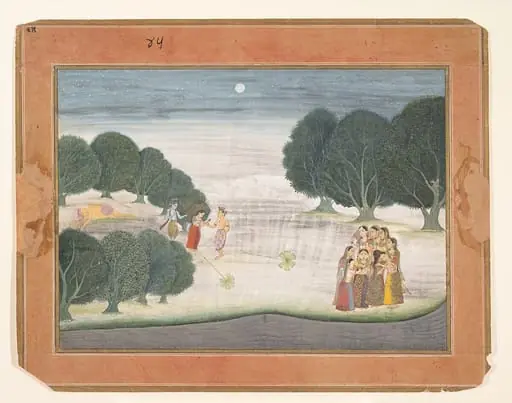 Untitled
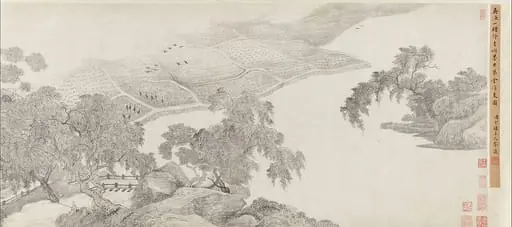 清 吳歷 墨井草堂消夏圖 卷|Whiling Away the Summer at the Ink-Well Thatched Hut
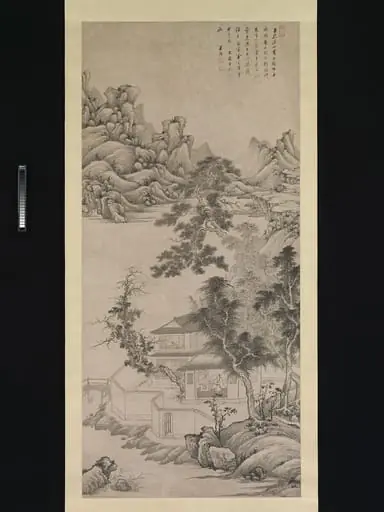 清 王鑑 倣巨然《溪山高士圖》 軸|Lofty Scholar among Streams and Mountains, in the manner of Juran
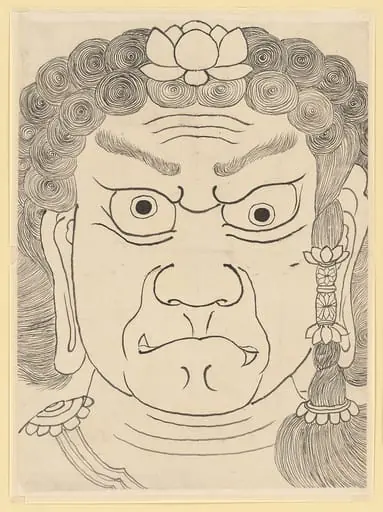 Untitled
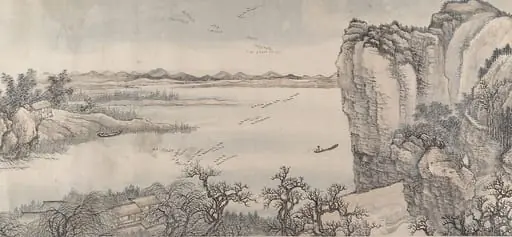 清 王翬 倣巨然燕文貴山水圖 卷|Landscape in the Style of Juran and Yan Wengui
 Untitled
 Untitled
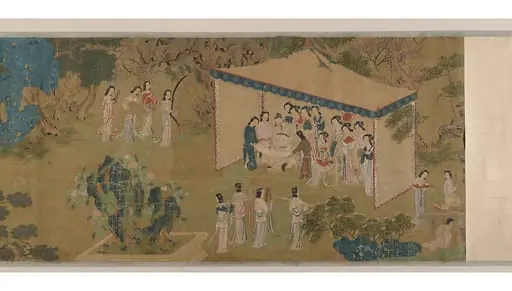 清 佚名 蘇蕙璇璣圖 卷|Lady Su Hui and Her Verse Puzzle
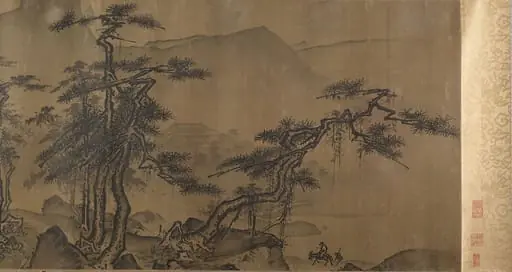 明/清 佚名 李遠(僞款) 仿夏珪江山清遠圖 卷|Landscape
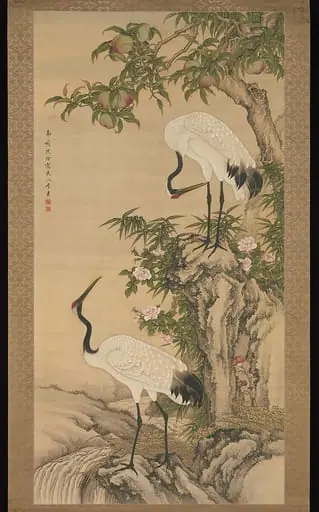 清 沈銓 月季桃鶴圖 軸|Cranes, peach tree, and China rose
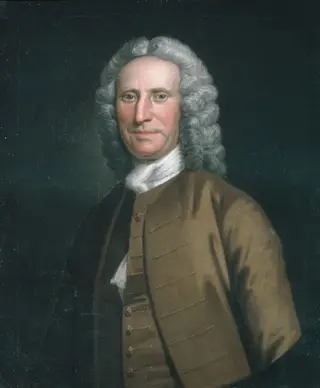 Cadwallader Colden
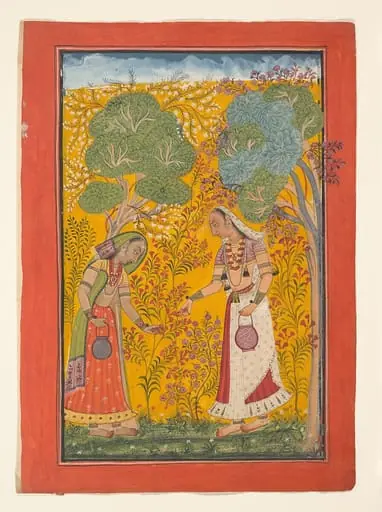 Untitled
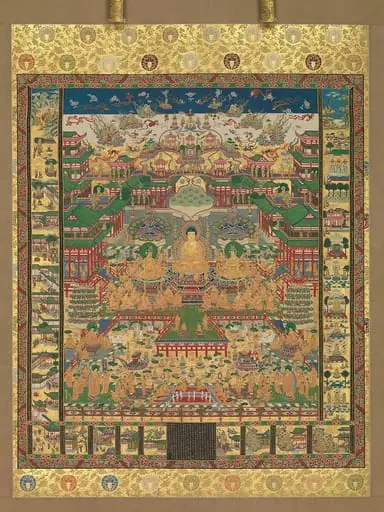 当麻曼荼羅|Taima Mandala
Groups & collectives
Learn this movement
-
 Featured in the course How to Look at a Painting Six timeless ways to see what is actually on the canvas.
 -
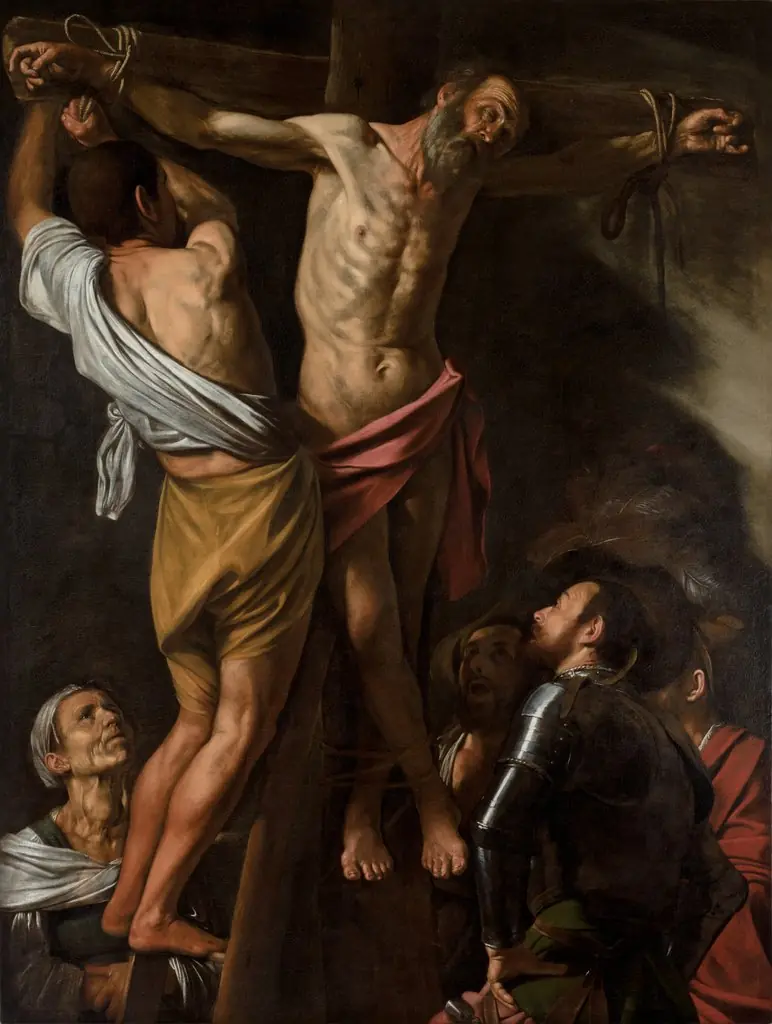 Featured in the course Caravaggio & Baroque Chiaroscuro as drama, tenebrism as truth, and the shockwave that tore through Europe.
 -
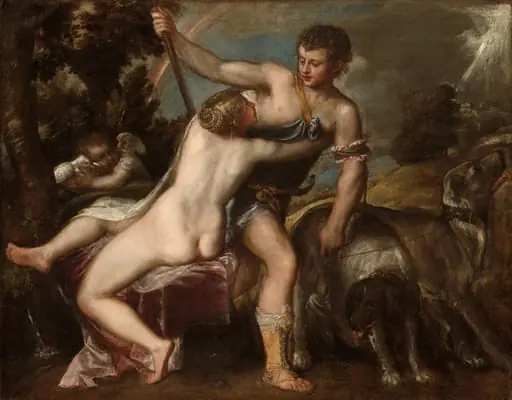 Featured in the course Mythology in Art From Botticelli's modesty to Boucher's boudoir, tracing how European masters reinvented the gods for five centuries.
 -
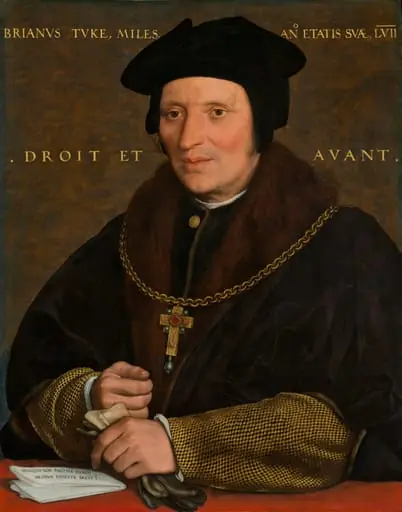 Featured in the course Portraiture Across Time From diplomatic precision to society's shimmer: five centuries of faces deciding how they want to be seen.
Frequently asked questions
What is Baroque?
Baroque is an art movement. The dominant style of European art from roughly 1600 to 1750, characterized by dramatic movement, intense emotion, and striking contrasts of light and shadow.
How many Baroque works does Artifact World Gallery have?
Artifact World Gallery holds 15,170 public-domain Baroque works, all free to view and download.
Who are the key Baroque artists?
Key Baroque artists in the collection include Georges de La Tour, Jean Honoré Fragonard and Jacques-Louis David.
When did Baroque take place?
Baroque dates from 1600–1750.
Where can I see Baroque works?
Baroque works in the collection are held by National Gallery of Art, Cleveland Museum of Art and Metropolitan Museum of Art.