Artwork
Still Life with Ewer and Fruit
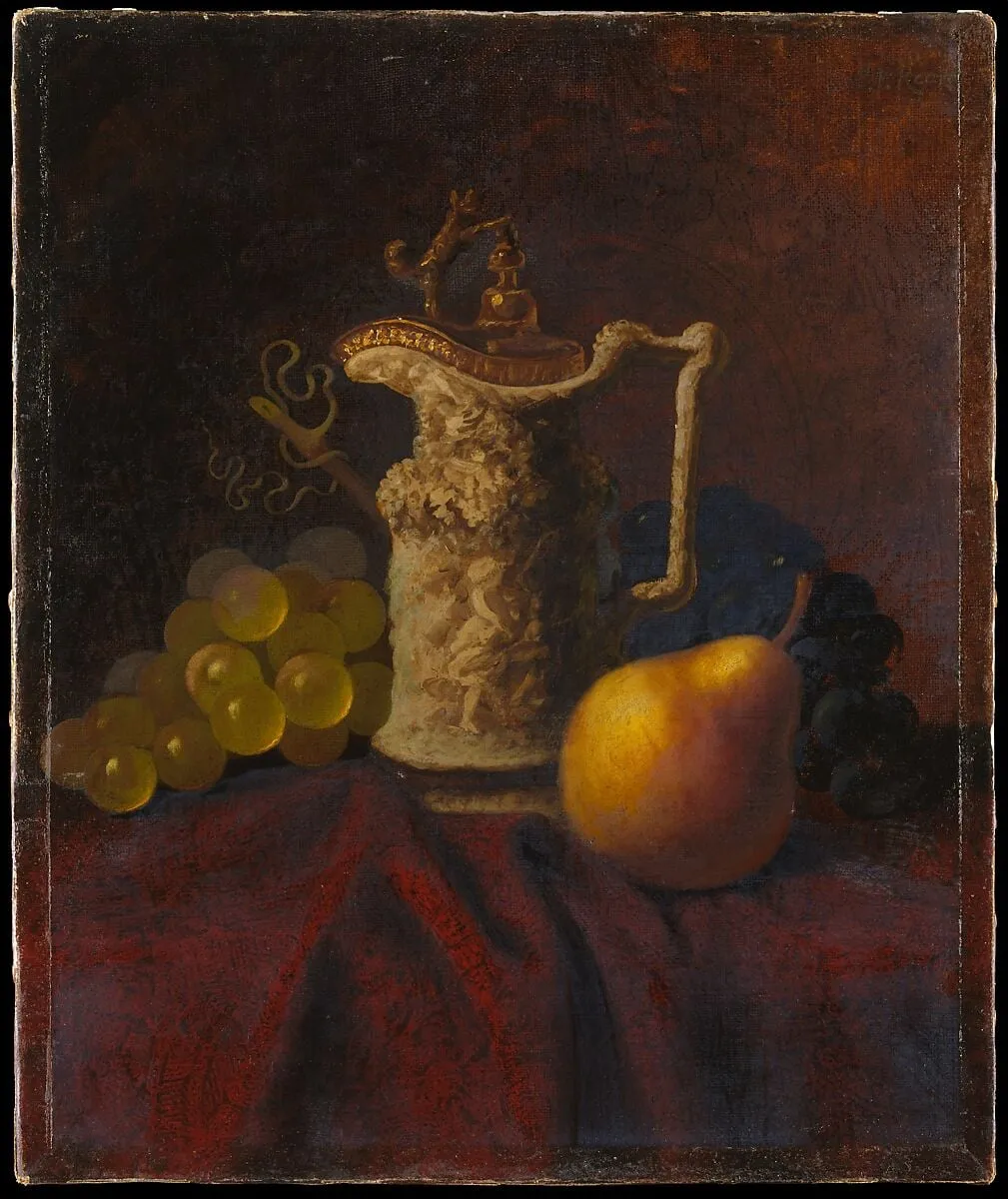
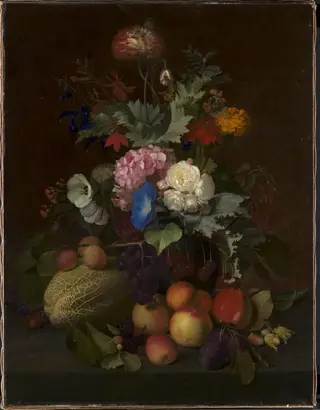
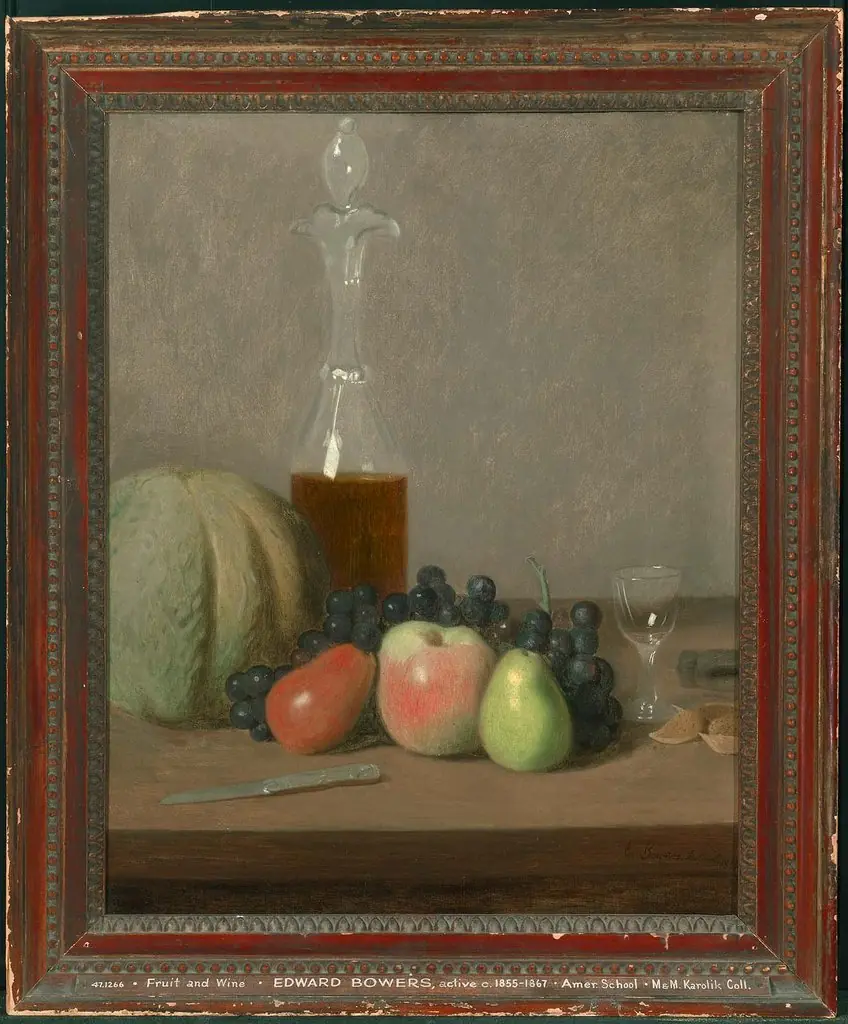
Still Life with Ewer and Fruit is an oil painting by the Realist artist Carducius Plantagenet Ream. It dates from 1877 and is held in the collection of the Metropolitan Museum of Art.
About this work
Subject & Meaning
While the provided sources identify the compositional elements, they do not ascribe specific allegorical meanings or complex iconography to the items.
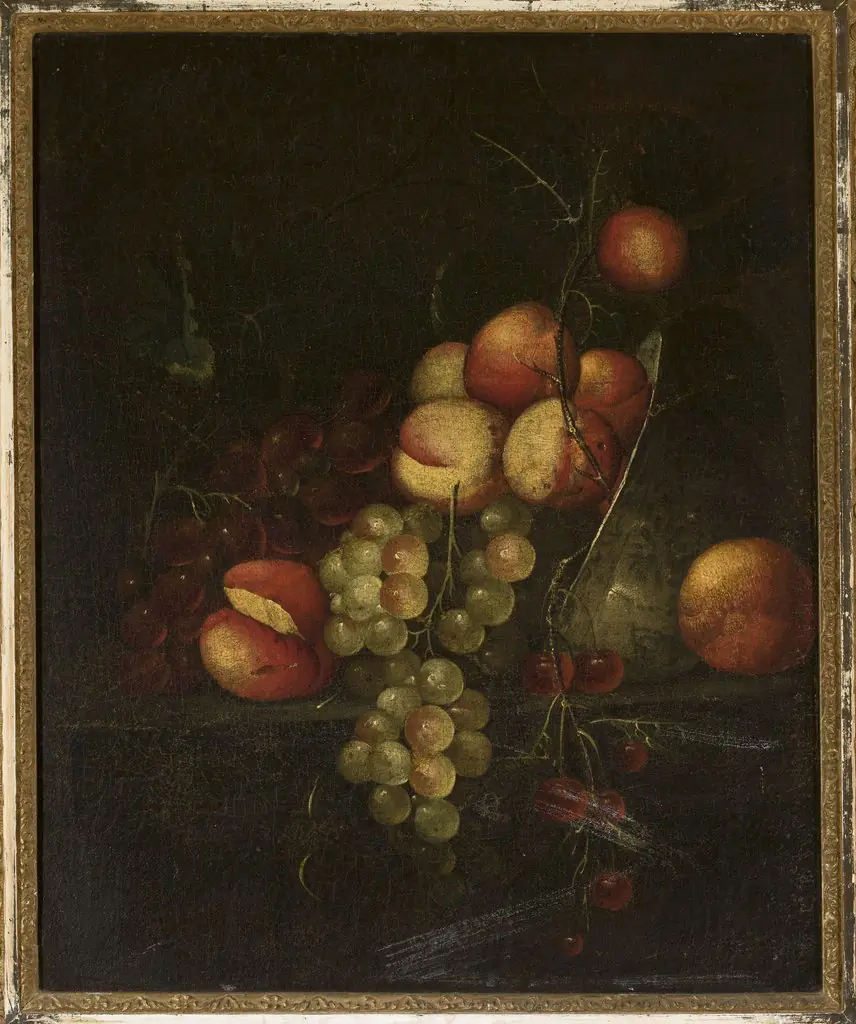
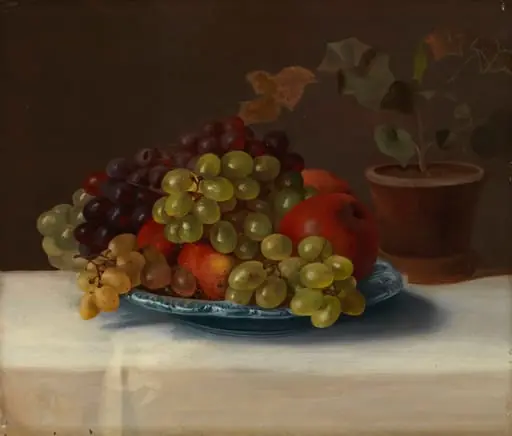
Carducius Plantagenet Ream's 1877 painting is a traditional still life composition that centers on the depiction of fruit, specifically featuring grapes and pears alongside an ewer. The artwork represents a study of everyday objects, focusing on the textures, forms, and natural qualities of its edible subjects paired with a decorative vessel. While the provided sources identify the compositional elements, they do not ascribe specific allegorical meanings or complex iconography to the items.
Consequently, the work's significance rests in its representation of the still life genre, emphasizing the realistic arrangement and depiction of harvested fruit and tableware rather than conveying an underlying symbolic narrative.
Technique & Style
Still Life with Ewer and Fruit is an oil painting on canvas, executed in 1877 by Carducius Plantagenet Ream. The work employs oil paint applied to a woven canvas support, typical of American academic practice of the period. As a still life, it presents a carefully arranged assortment of fruit, including grapes and pears, rendered with attention to texture and light.
The painting's technique reflects a realistic approach, emphasizing the tactile qualities of the objects through subtle modeling and color modulation.
History & Provenance
Carducius Plantagenet Ream executed the oil painting Still Life with Ewer and Fruit in 1877. The work, measuring 30.5 by 25.4 centimeters, depicts a composition of grapes, pears, and other fruit. While specific details regarding the original commission or intermediate ownership transfers are not provided in the available records, the painting is currently held in the collection of the Metropolitan Museum of Art, where it is classified within the American Wing.
The piece remains attributed to Ream as its sole creator since its inception in the late nineteenth century.
Overview
This oil on canvas painting, titled Still Life with Ewer and Fruit, depicts a domestic arrangement of objects. It features a ewer alongside various fruits, presented on a tabletop. The work exemplifies a common genre in American art, often associated with the American Wing collection, focusing on everyday items rendered with careful observation.
Context
The painting is attributed to Carducius Plantagenet Ream, an artist known for his contributions to the still life genre. His body of work frequently explores similar themes, showcasing domestic objects and natural produce with a consistent focus on realistic representation. This piece aligns with his characteristic style, emphasizing careful observation and detailed execution.
Artist & collection
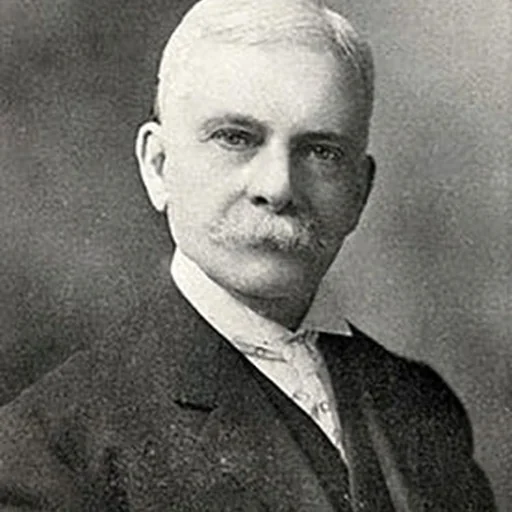
Artist
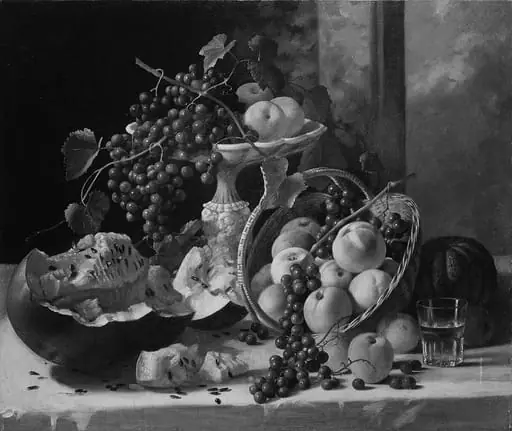
Cadurcis Plantagenet Ream, also referred to as Carducius Plantagenet Ream (May 8, 1838, Sugar Grove, Ohio - 20 June 1917, Chicago), was an American still-life painter who specialized in fruit.