Movement
Realism
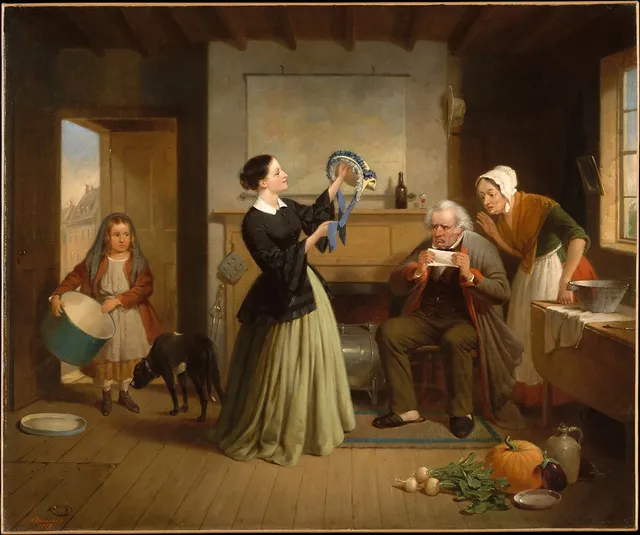
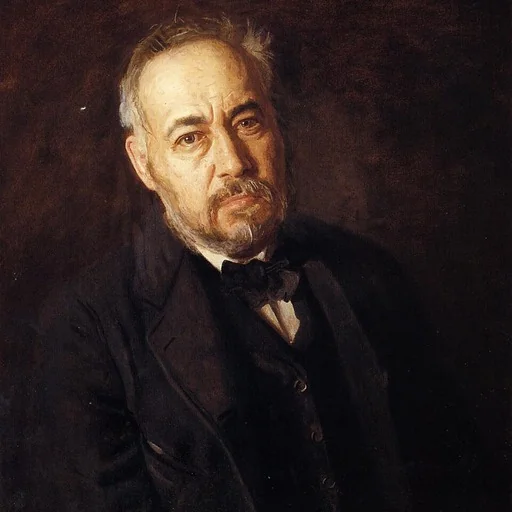
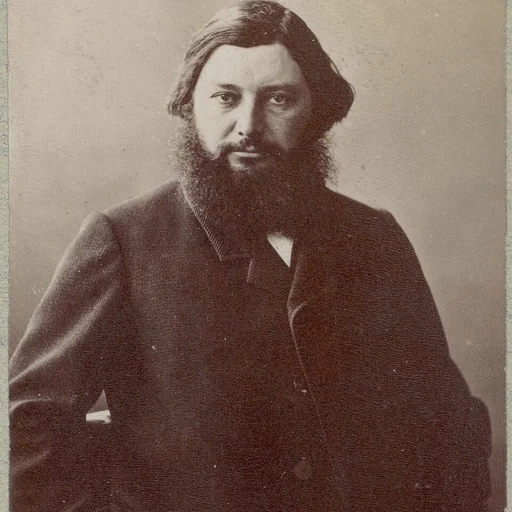
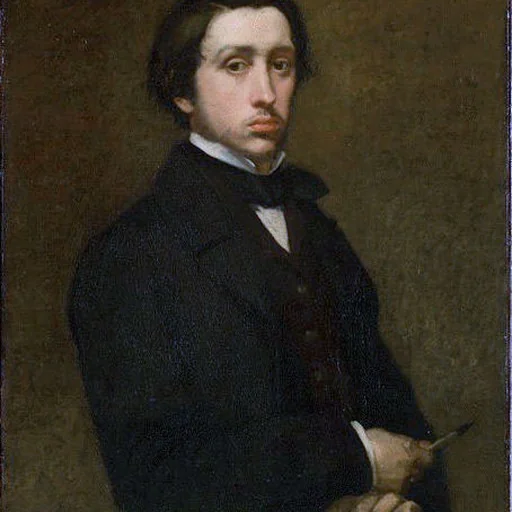
Realism is an art movement of the 1840–1870 period. The gallery holds 23,582 works in this movement, including works by Thomas Eakins, Jean Baptiste Camille Corot and Gustave Courbet. Browse Realism paintings, portraits, pictures and artworks from the world's public-domain museum collections.
Realism emerged in France around 1848–1850, a movement that set out to depict the everyday world with unidealized truth. It arose against the backdrop of the 1848 Revolution and the social upheavals of an industrializing Europe, rejecting both the heroic grandeur of academic history painting and the exotic, emotive subjects of Romanticism. Its founding figure, Gustave Courbet, declared in the "Realist Manifesto" accompanying his self-financed Pavilion of Realism at the 1855 Exposition Universelle that his aim was "to translate the customs, the ideas, the appearance of my epoch."
Realism's defining gesture was to grant ordinary subjects—peasants, laborers, provincial townspeople—the monumental scale and serious attention once reserved for myth and religion. Courbet's *The Stone Breakers* (1849) and *A Burial at Ornans* (1849–50), the latter nearly seven meters wide, treated a roadside laborer and a rural funeral with deliberate plainness, provoking an explosive reaction at the 1850–51 Salon. Technically, Realists favored direct observation, muted earth-toned palettes, and a frank, often rough handling of paint that emphasized material truth over polished finish.
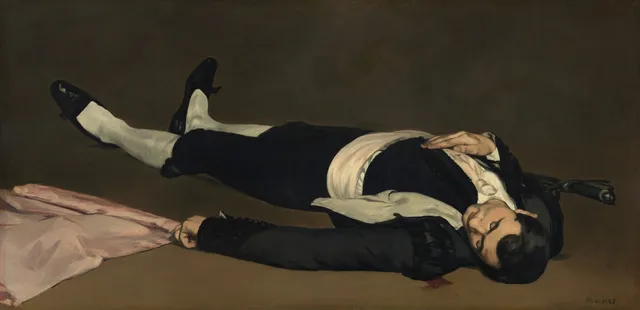
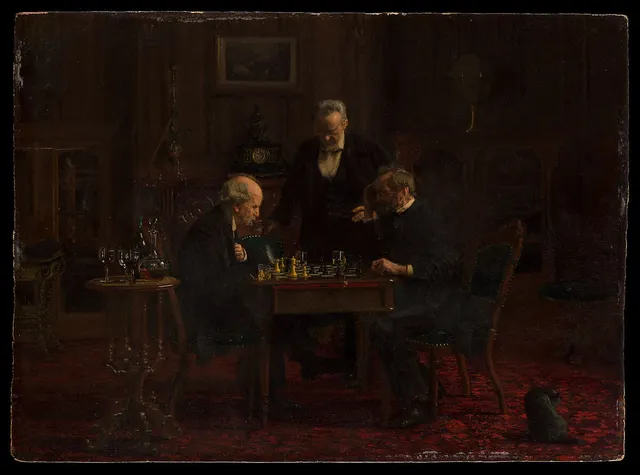
The movement gathered a distinct canon. Jean-François Millet, associated with the Barbizon painters, dignified peasant labor in works such as *The Gleaners*; Honoré Daumier turned a satirist's eye on modern urban life; and Camille Corot bridged naturalist landscape and the new sensibility. Édouard Manet, though independent, absorbed Realism's candor—his *The Dead Toreador* (c. 1864), steeped in Spanish models like Velázquez, exemplifies its stark, unsentimental drama. In the United States, Thomas Eakins pursued an uncompromising observational realism; his *The Chess Players* (1876) became, in 1881, the first gift the Metropolitan Museum accepted from a living artist.
Realism's insistence on contemporary life and direct perception proved foundational for what followed. It led directly into Impressionism—Monet, Degas, and others extended its commitment to modern subjects while loosening its handling toward light and color—and shaped later currents from the American Ashcan School to twentieth-century social realism. Positioned in our taxonomy beside Romanticism, which it repudiated, and Impressionism and Symbolism, which it preceded, Realism marks the decisive turn toward the modern: art as a clear-eyed record of the observable world.
Key artists
Works
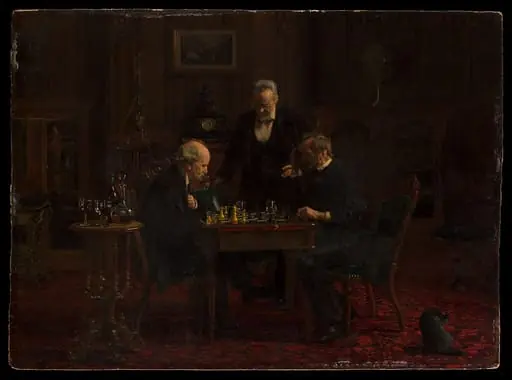 The Chess Players
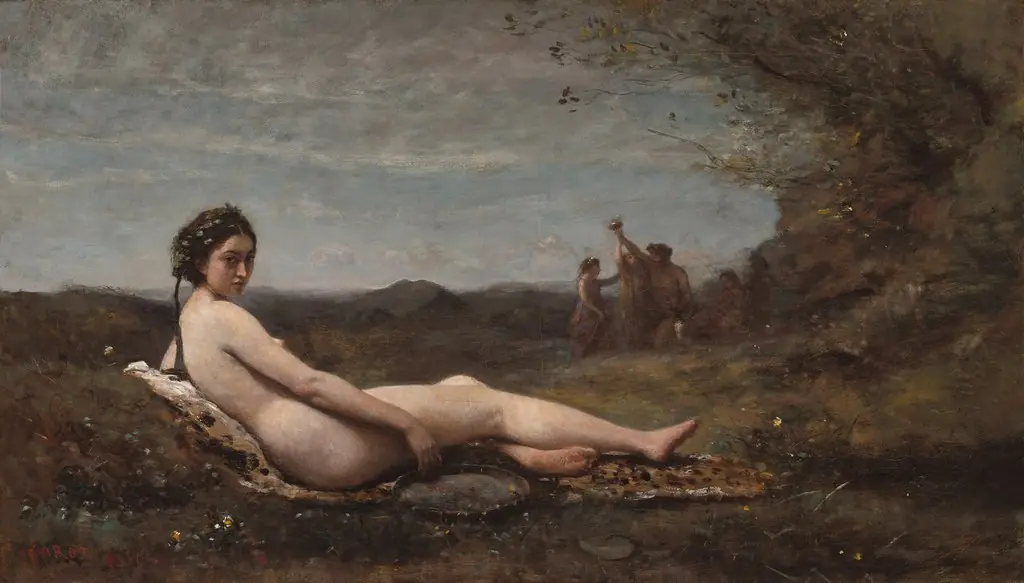 The Repose
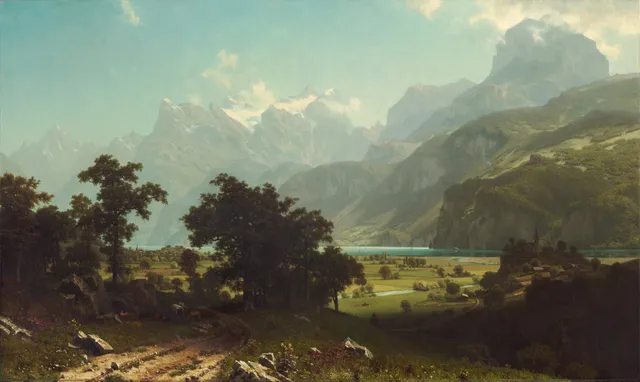
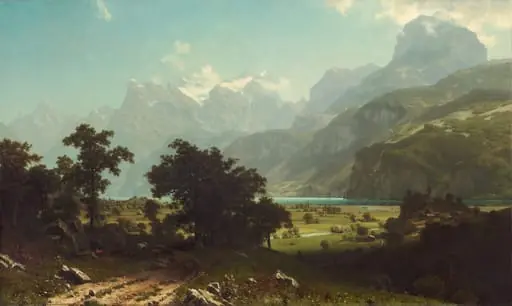 Lake Lucerne
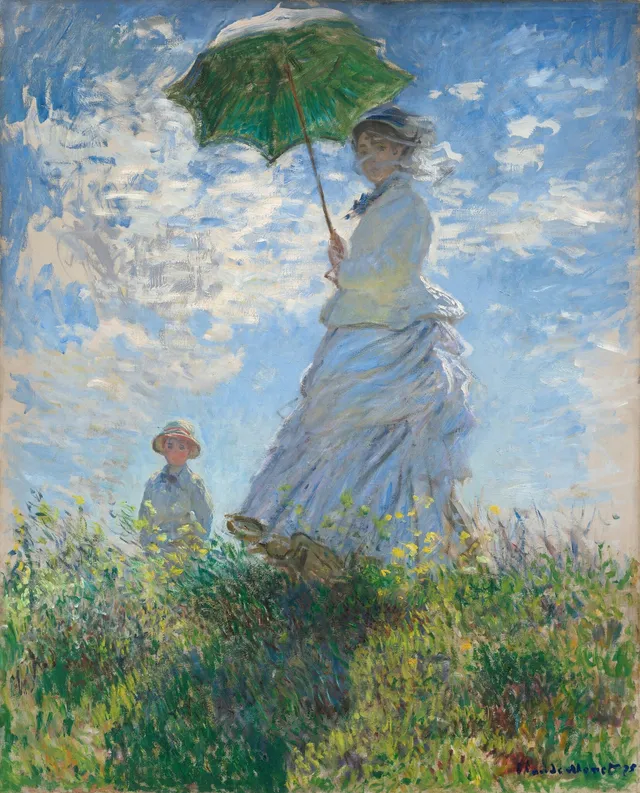
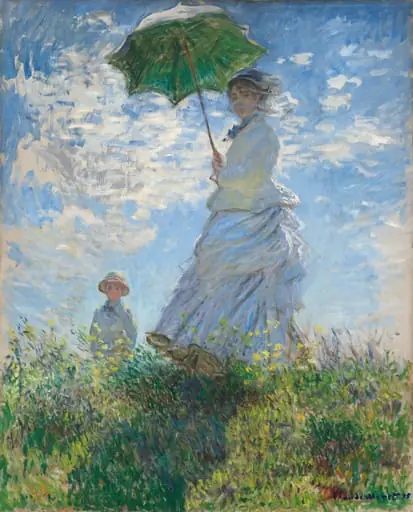
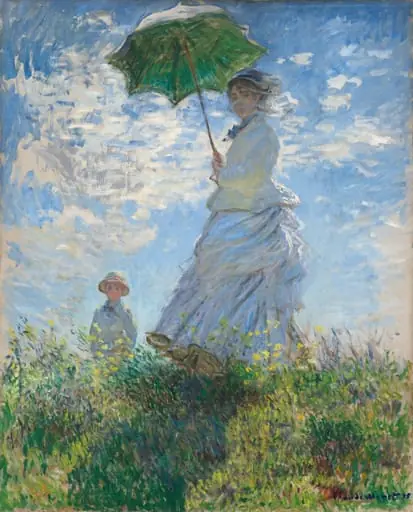 Woman with a Parasol - Madame Monet and Her Son
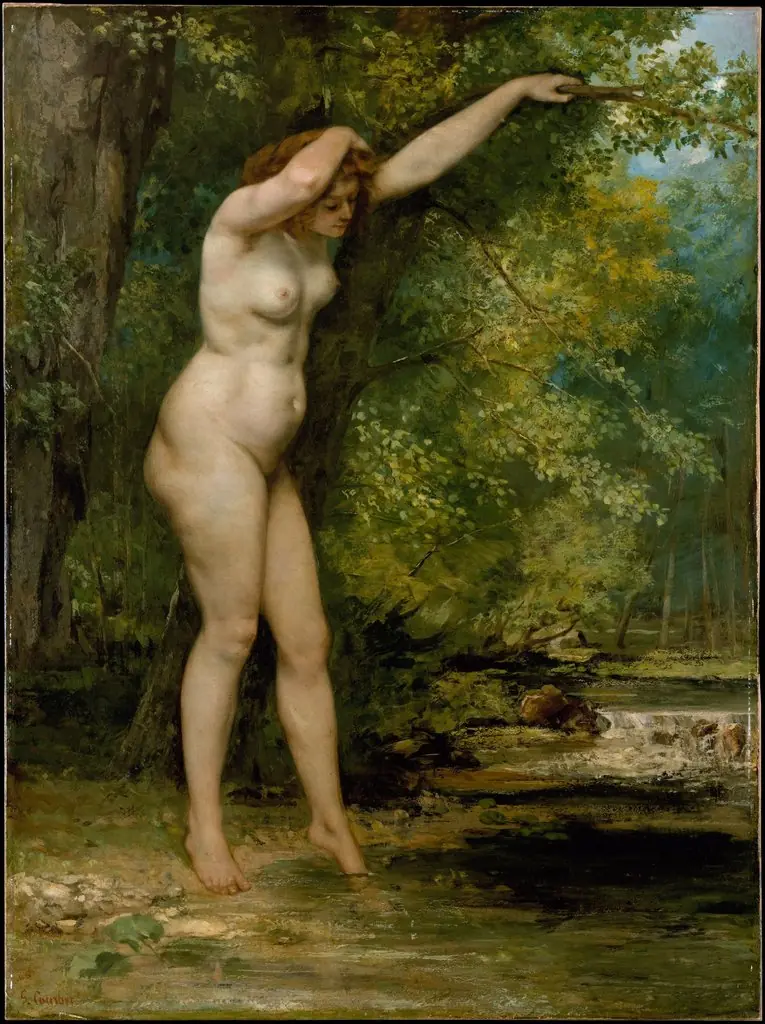 The Young Bather
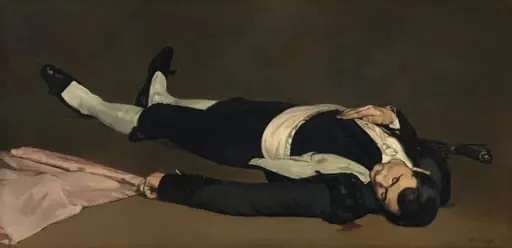 The Dead Toreador
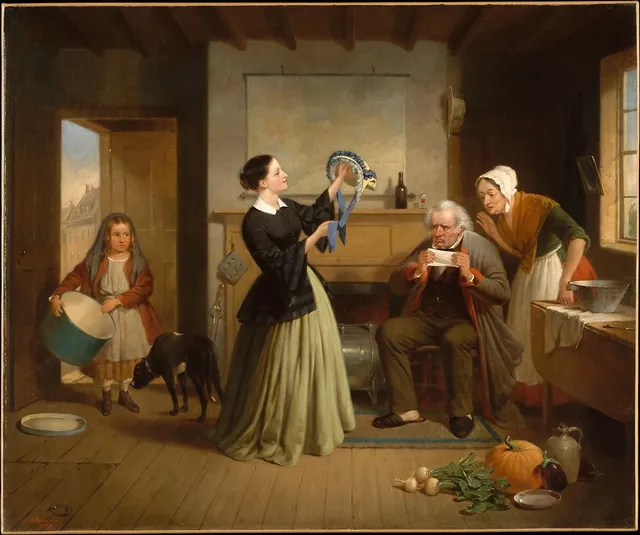
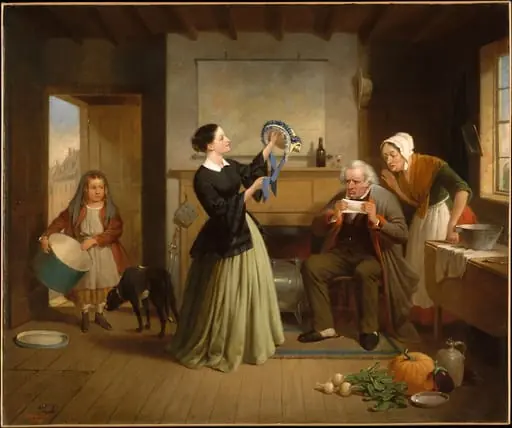 The New Bonnet
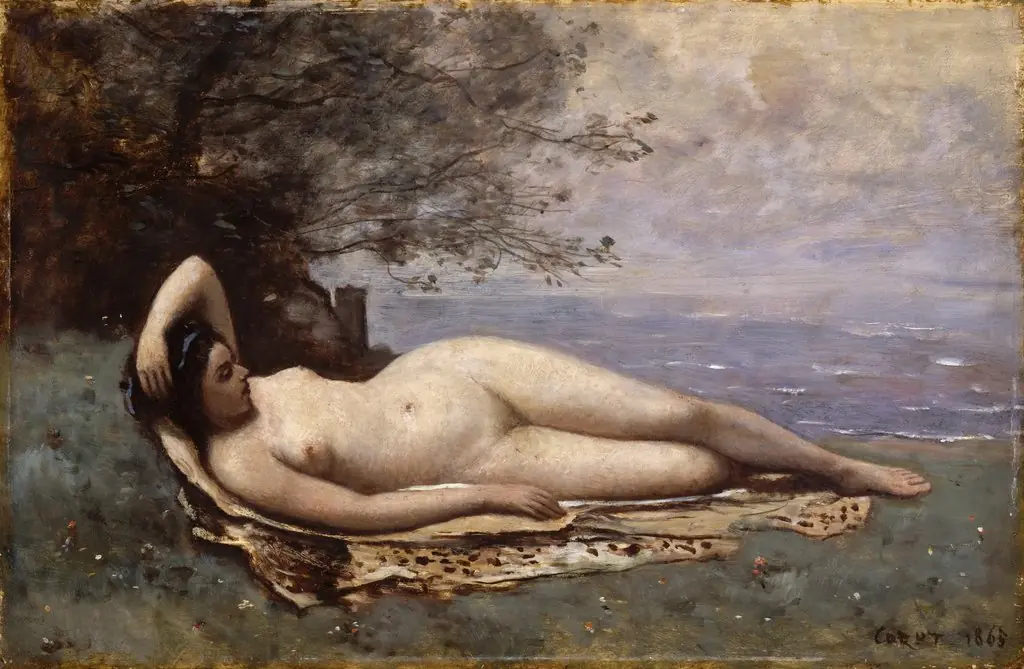 Bacchante by the Sea
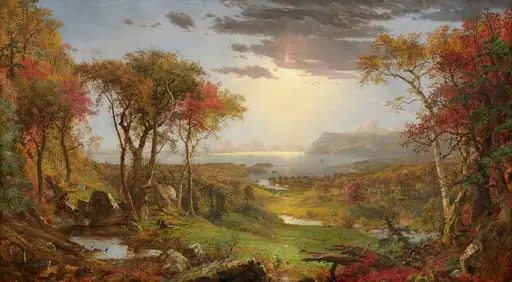 Autumn - On the Hudson River
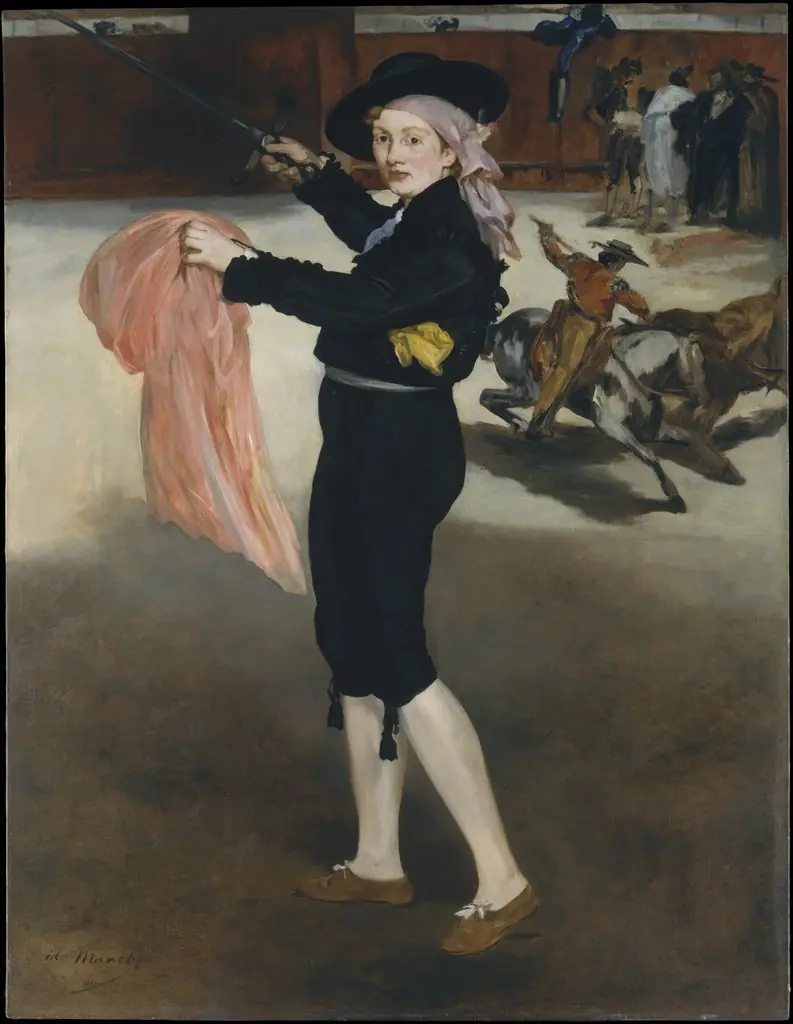 Mademoiselle V. . . in the Costume of an Espada
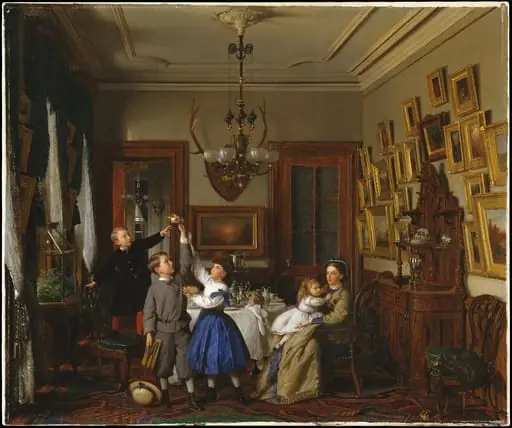 The Contest for the Bouquet: The Family of Robert Gordon in Their New York Dining-Room
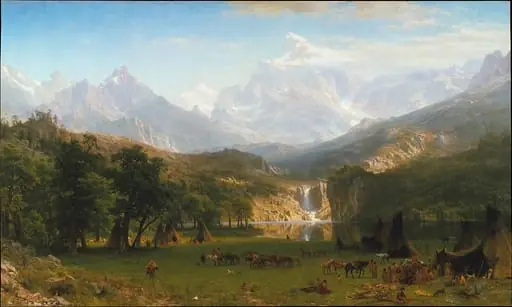 The Rocky Mountains, Lander's Peak
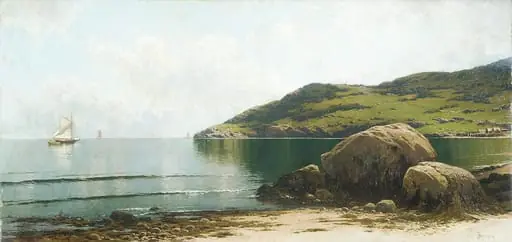 Marine Landscape
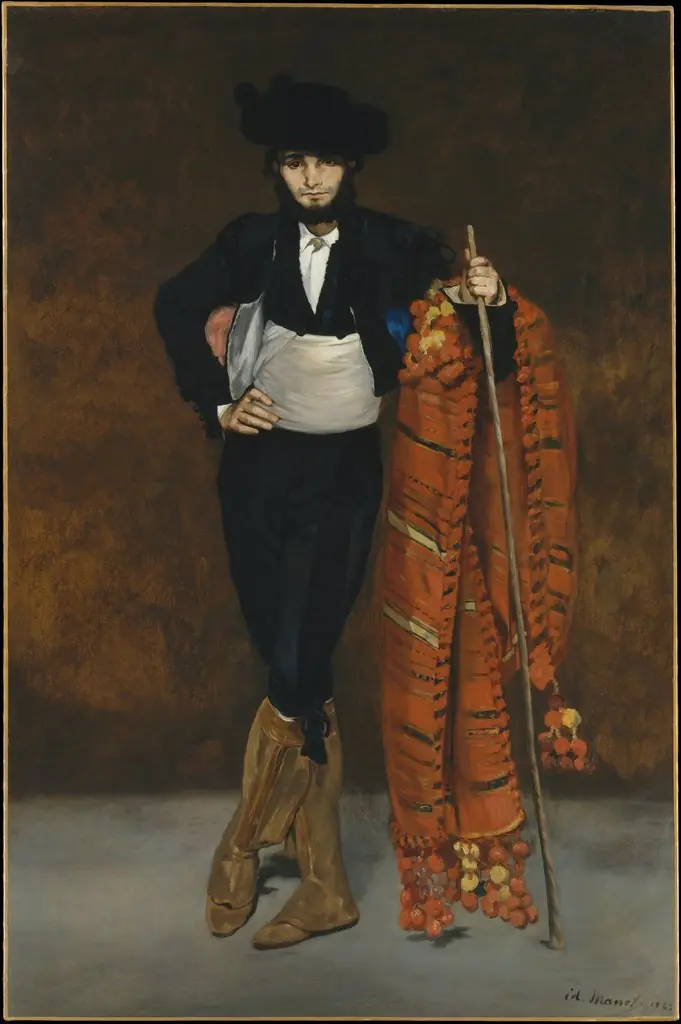 Young man in Mayo costume
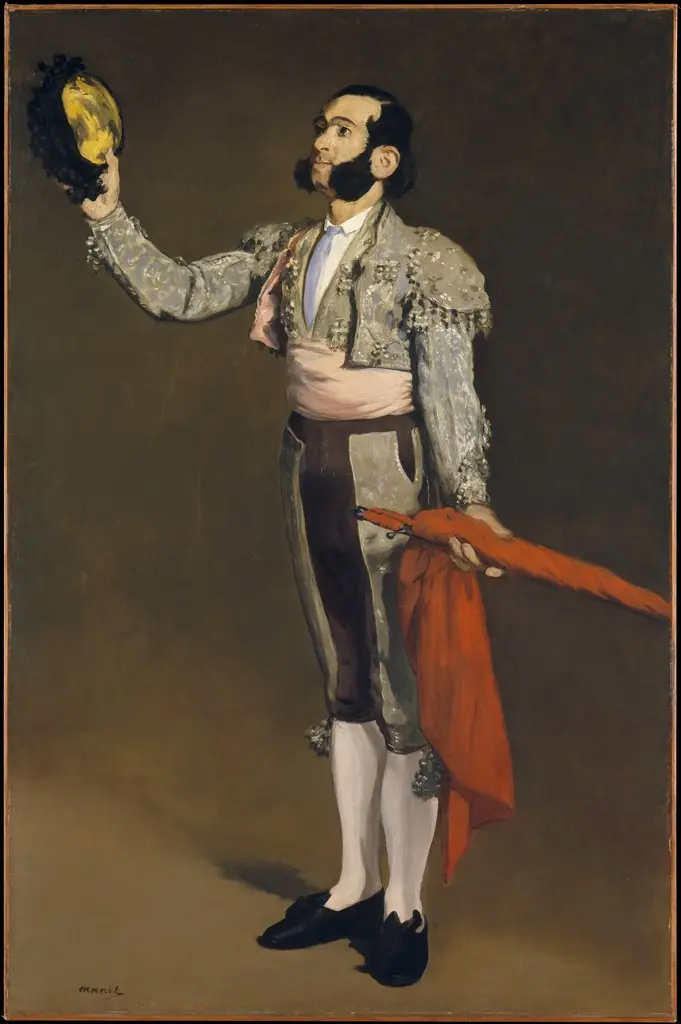 The Matador Saluting
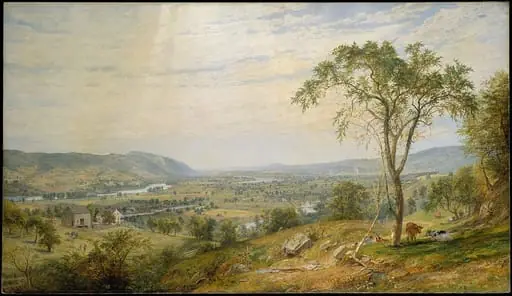 The Valley of Wyoming
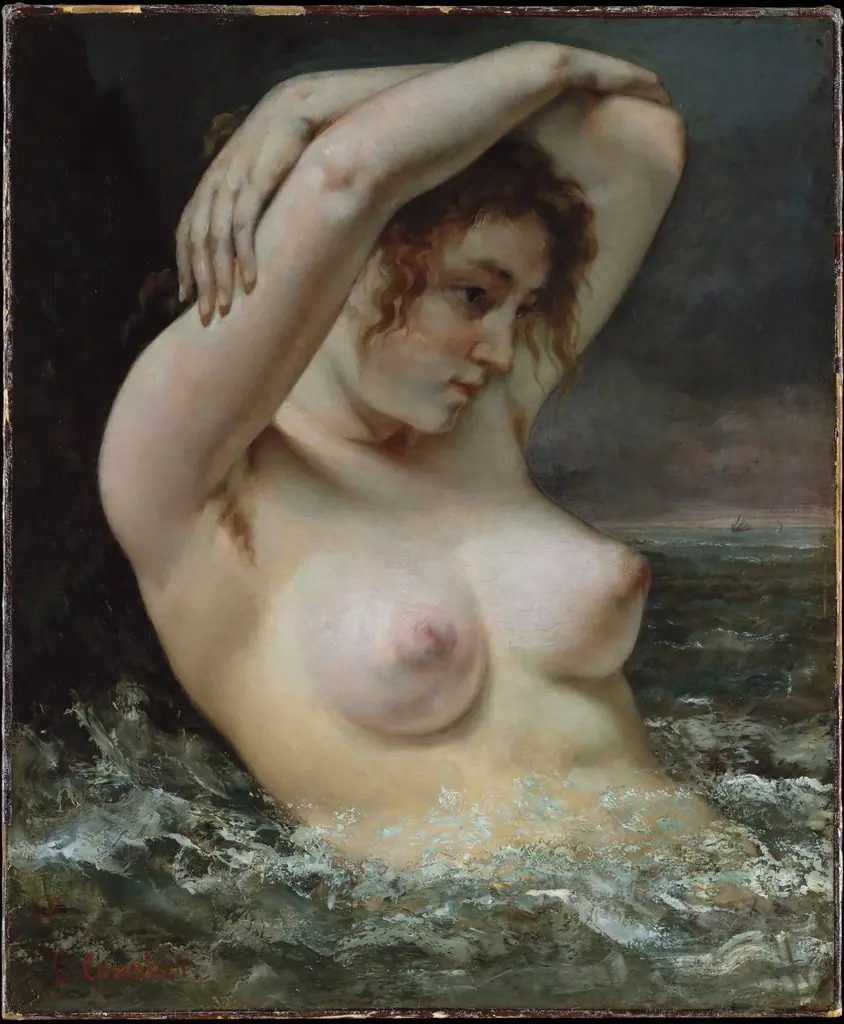 The Woman in the Waves
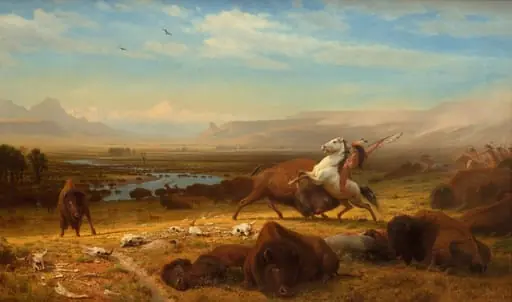 The Last of the Buffalo
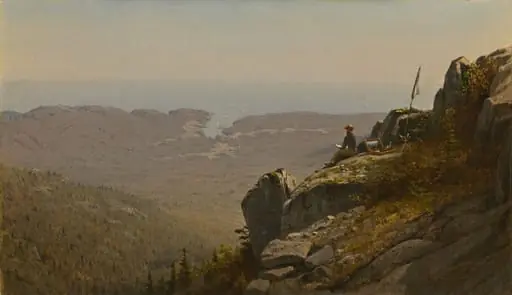 The Artist Sketching at Mount Desert, Maine
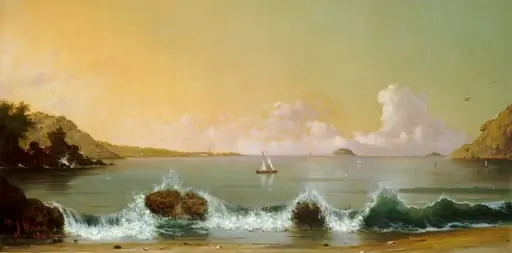 Rio de Janeiro Bay
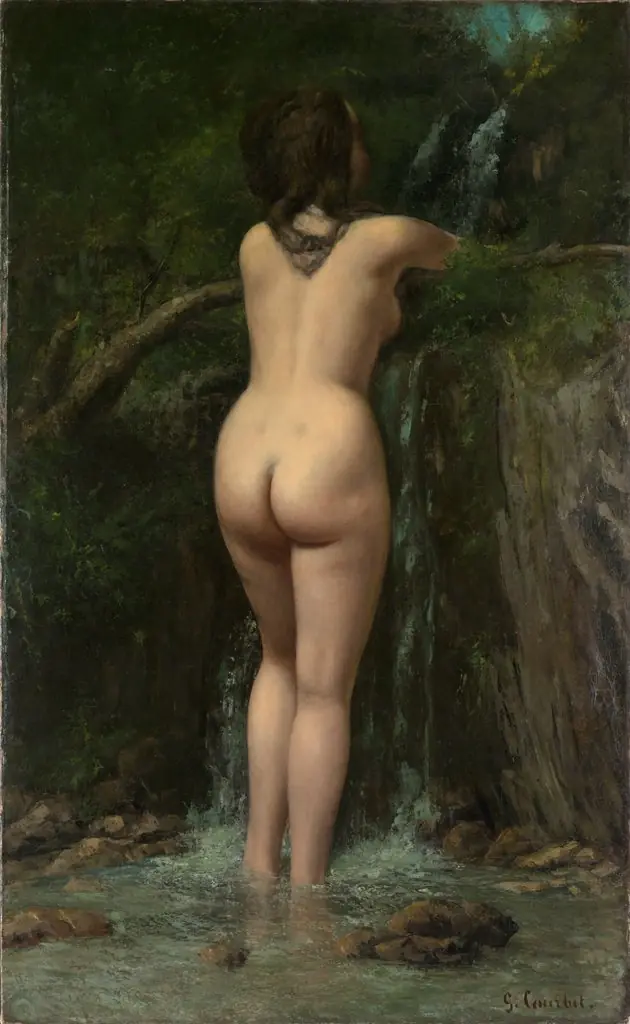 The Source
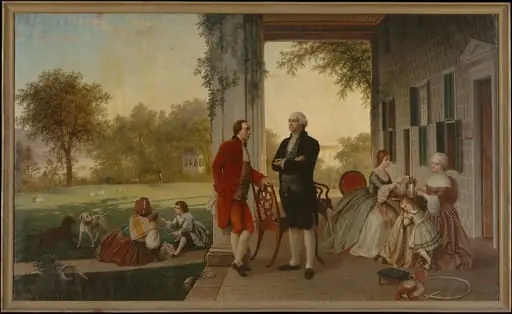 Washington and Lafayette at Mount Vernon, 1784 (The Home of Washington after the War)
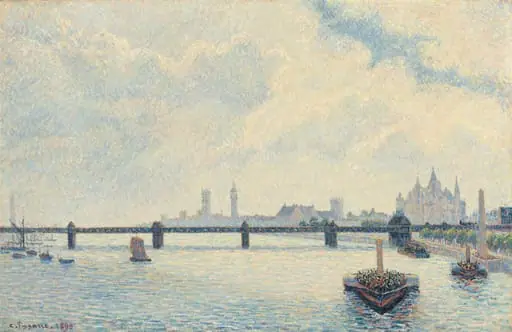 Charing Cross Bridge, London
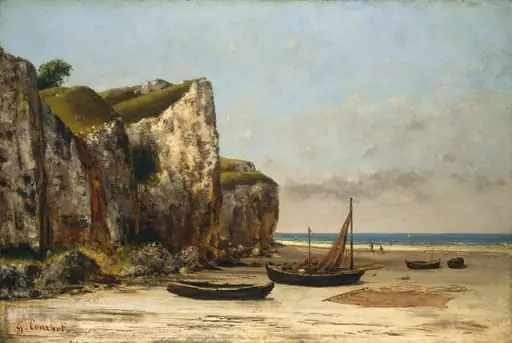 Beach in Normandy
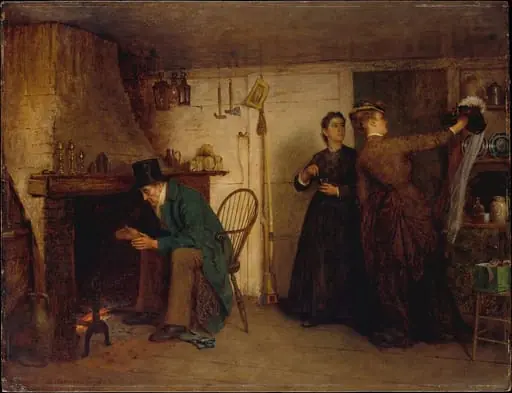 The New Bonnet
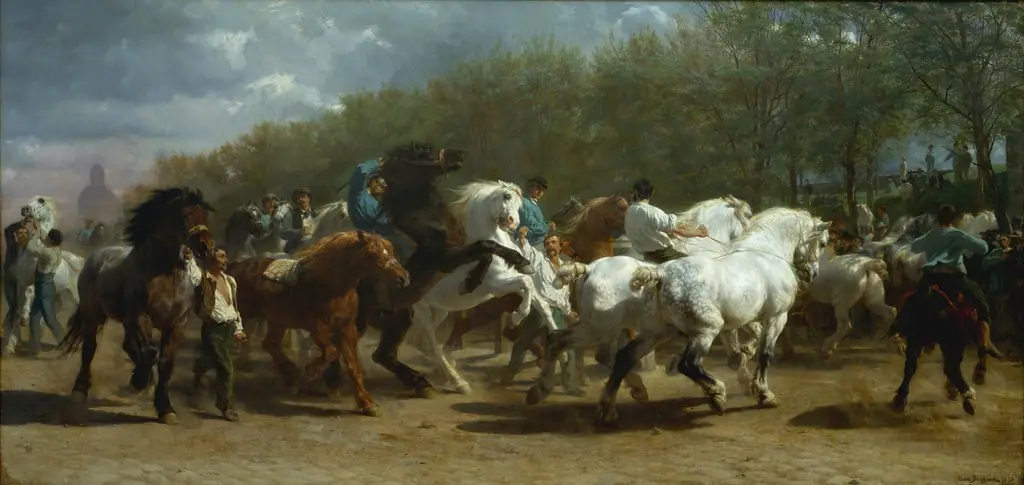 The Horse Fair
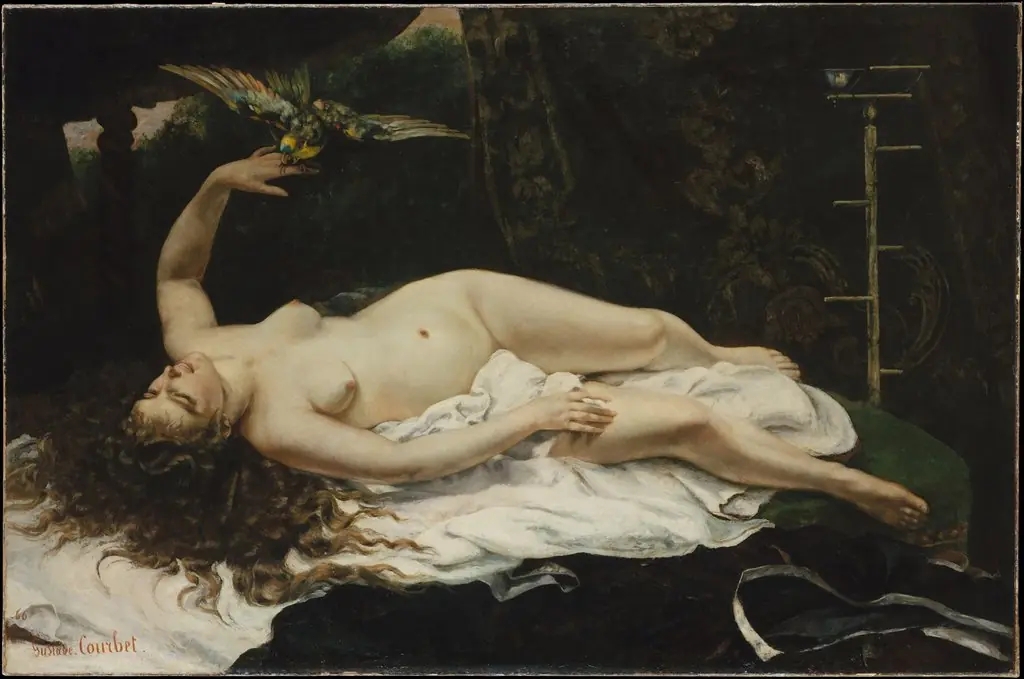 Woman with a Parrot
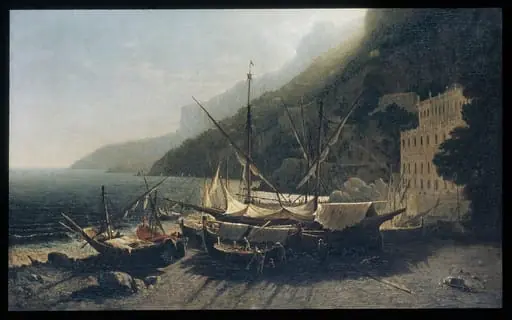 View at Amalfi, Bay of Salerno
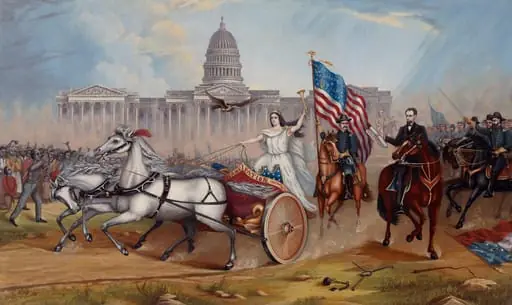 Emancipation Proclamation
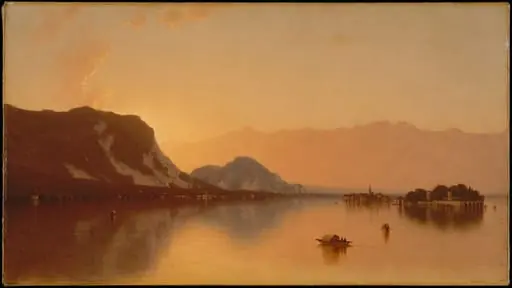 Isola Bella in Lago Maggiore
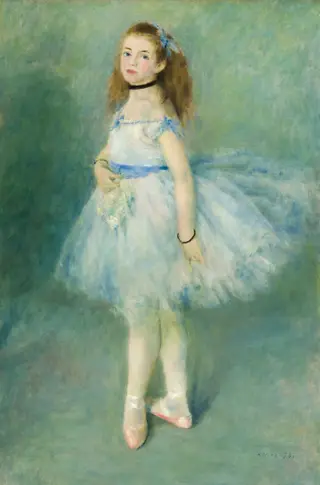 The Dancer
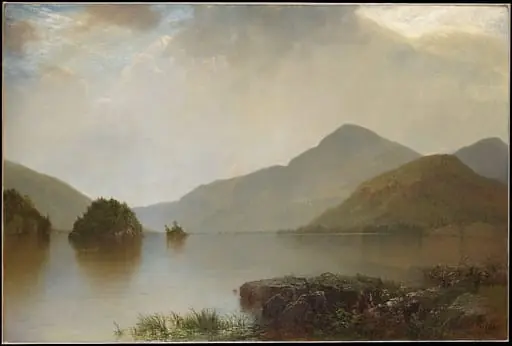 Lake George
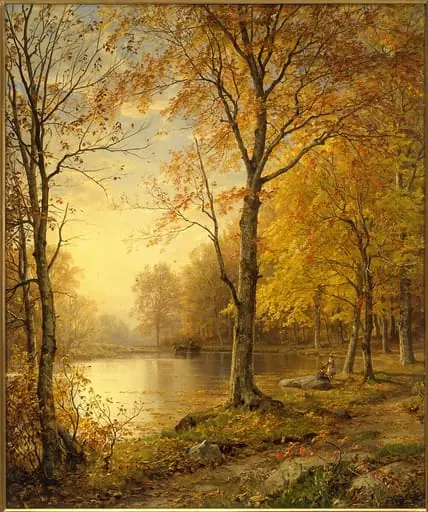 Indian Summer
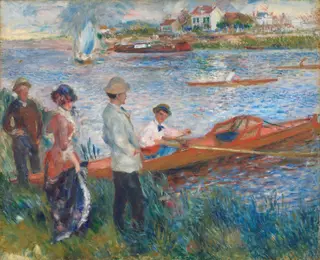 Oarsmen at Chatou
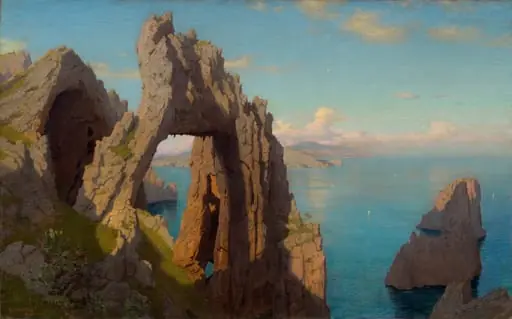 Natural Arch at Capri
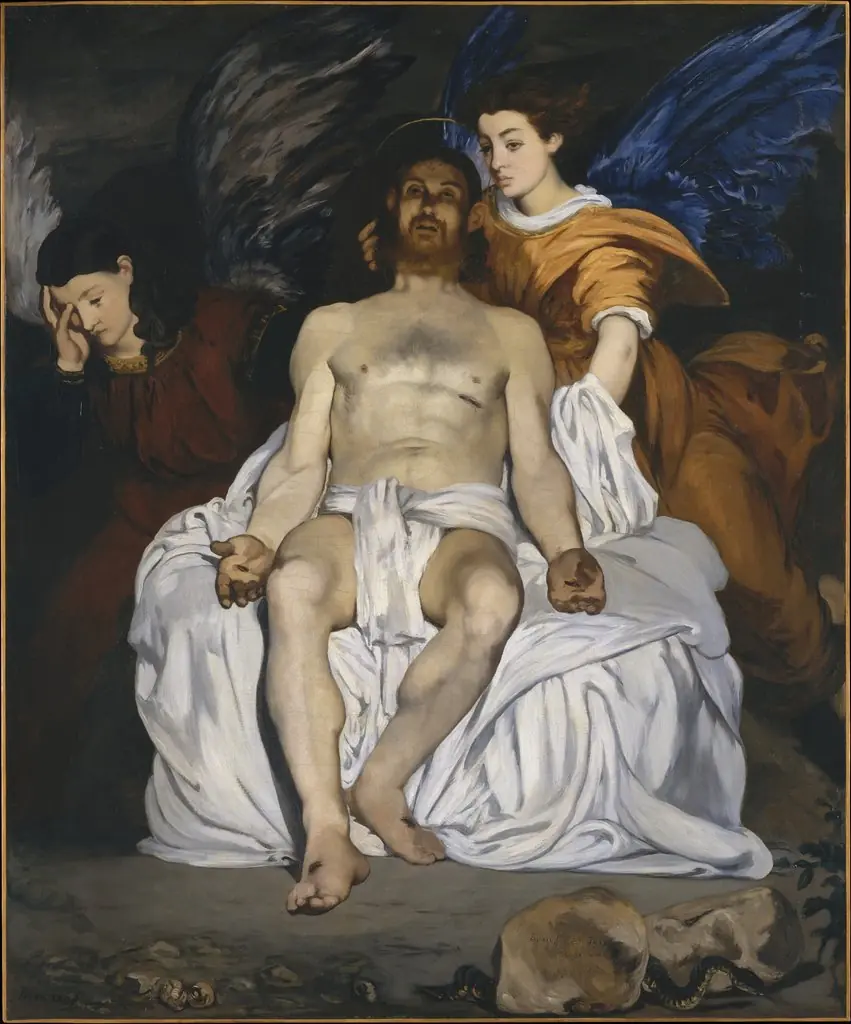 The Dead Christ with Angels
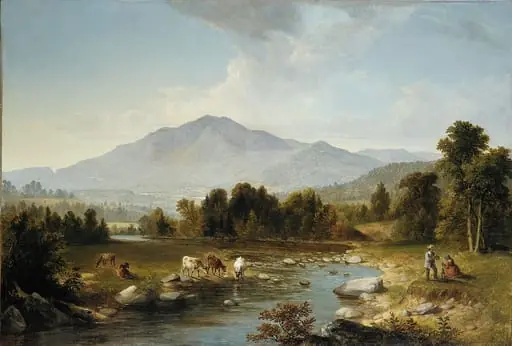 High Point: Shandaken Mountains
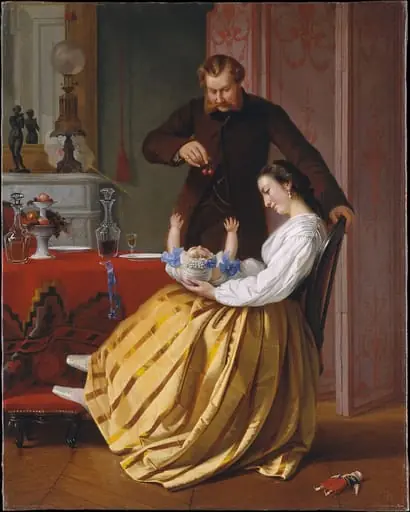 Conversation Piece
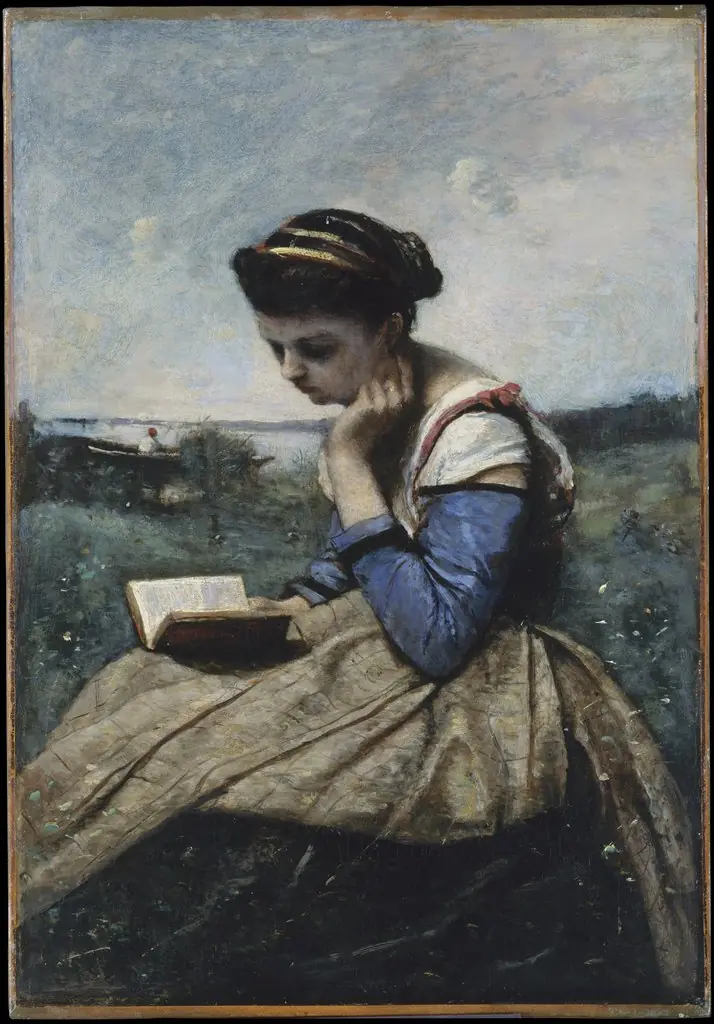 Femme Lisant
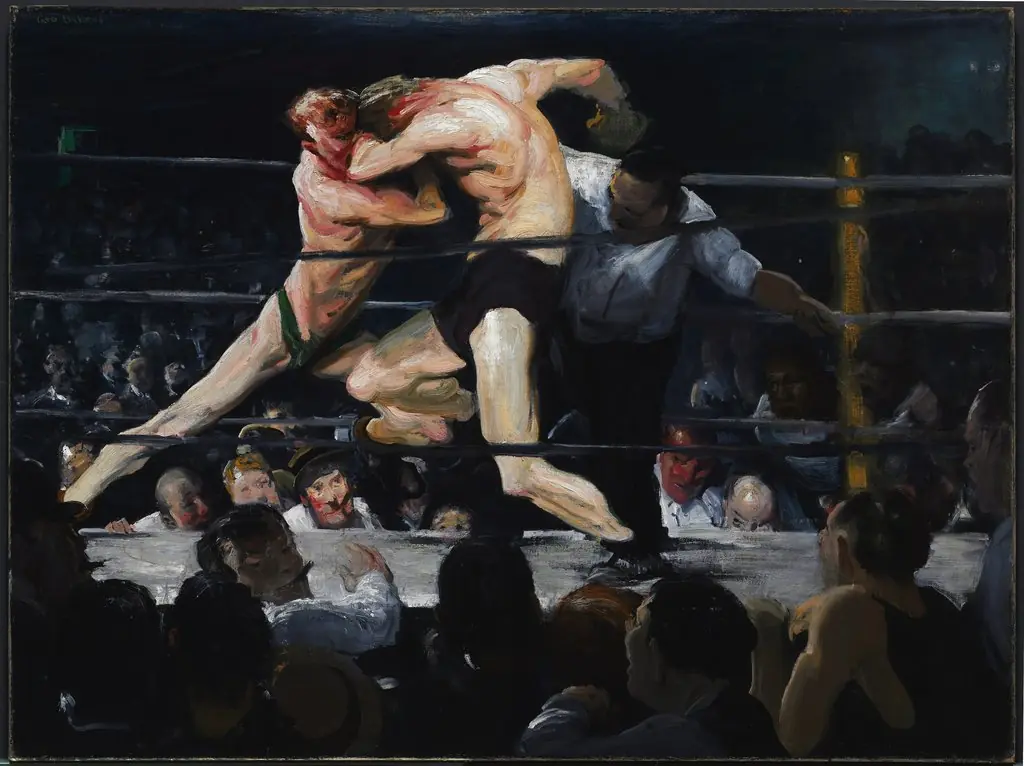 Stag at Sharkey's
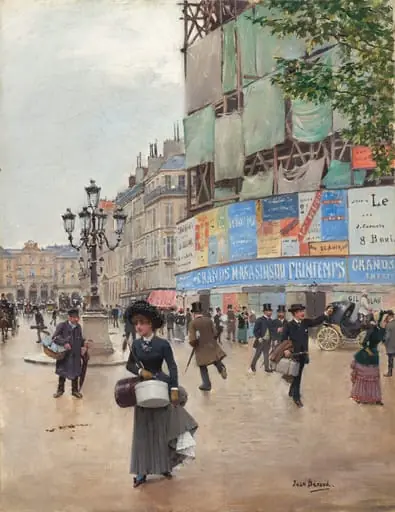 Paris, rue du Havre
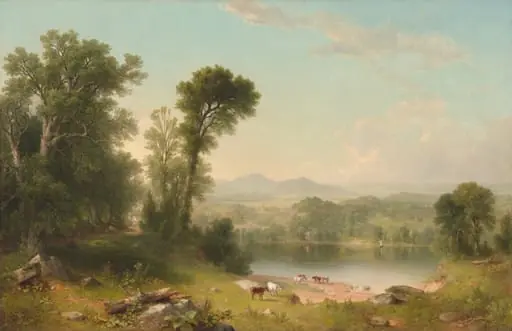 Pastoral Landscape
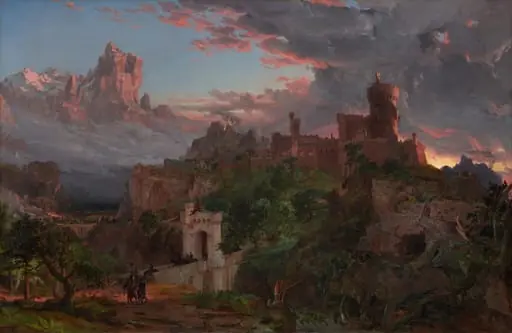 The Spirit of War
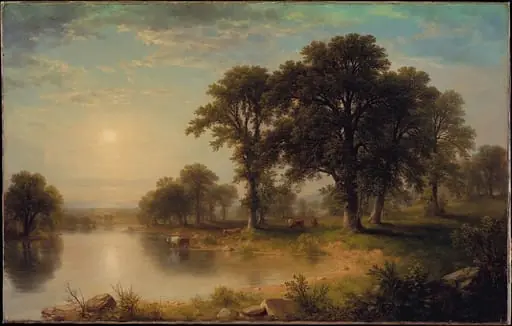 Summer Afternoon
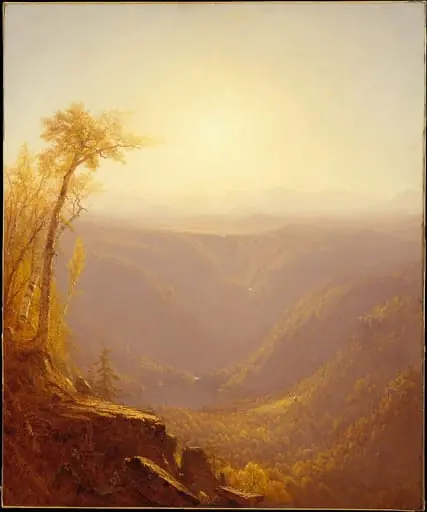 A Gorge in the Mountains (Kauterskill Clove)
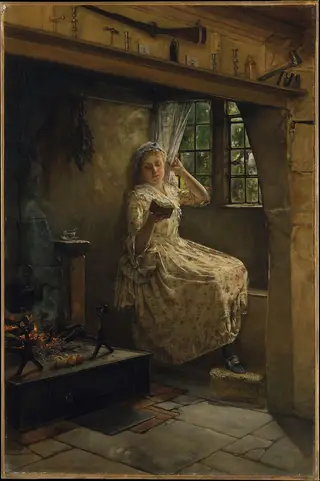 A Cosey Corner
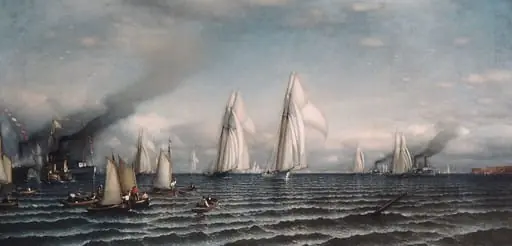 Finish—First International Race for America's Cup, August 8, 1870
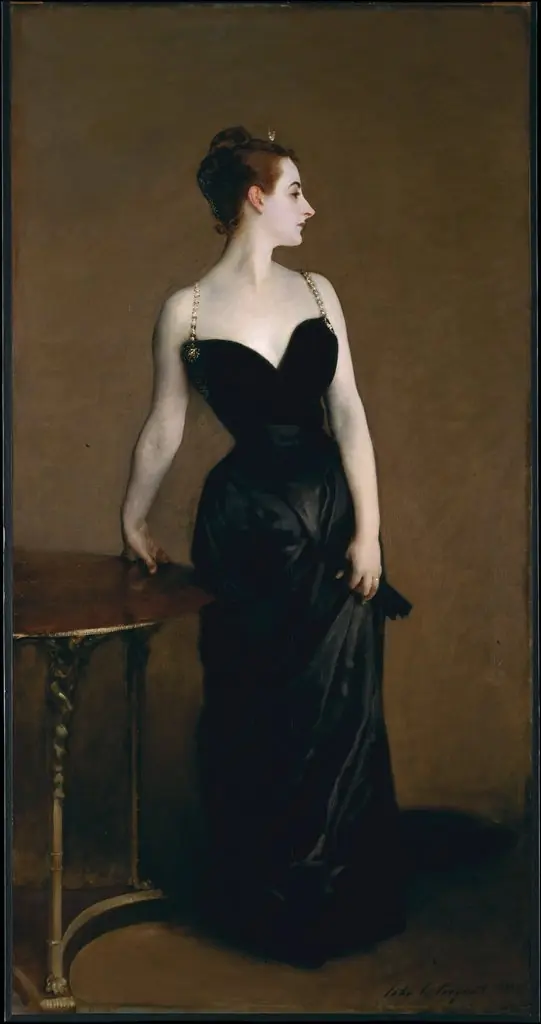 Madame X (Virginie Amélie Avegno Gautreau)
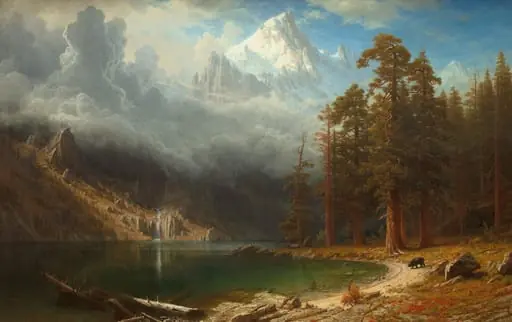 Mount Corcoran
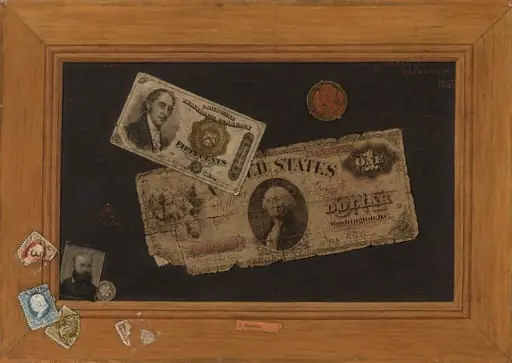 Imitation
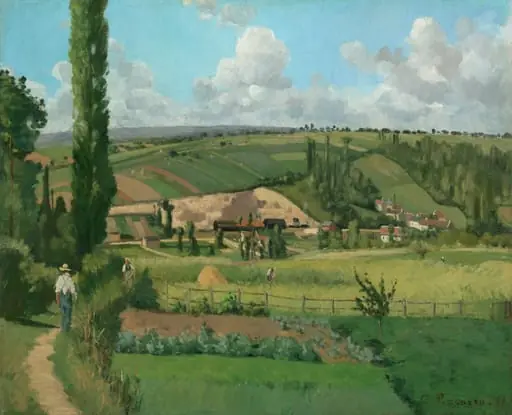 Landscape at Les Pâtis, Pontoise
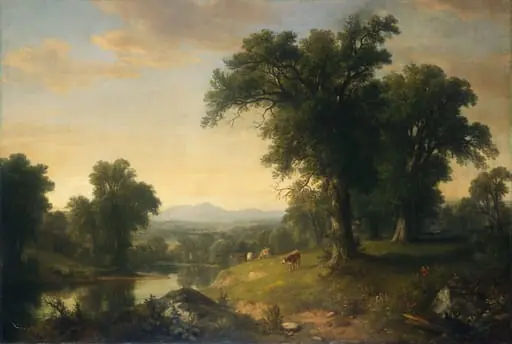 A Pastoral Scene
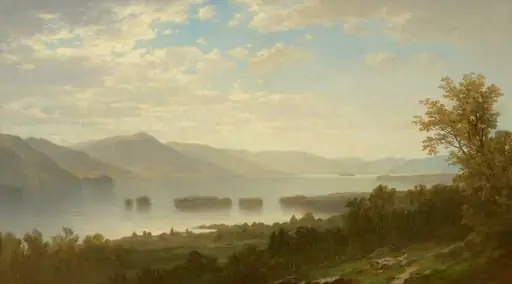 Lake George
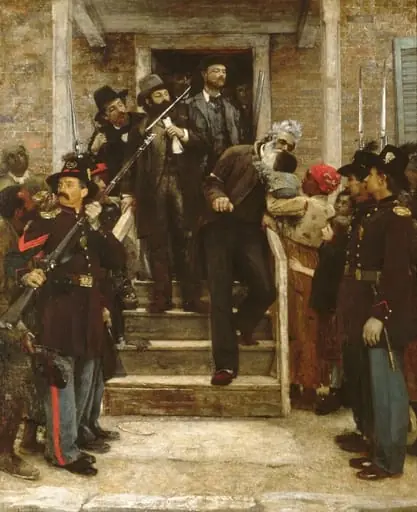 The Last Moments of John Brown
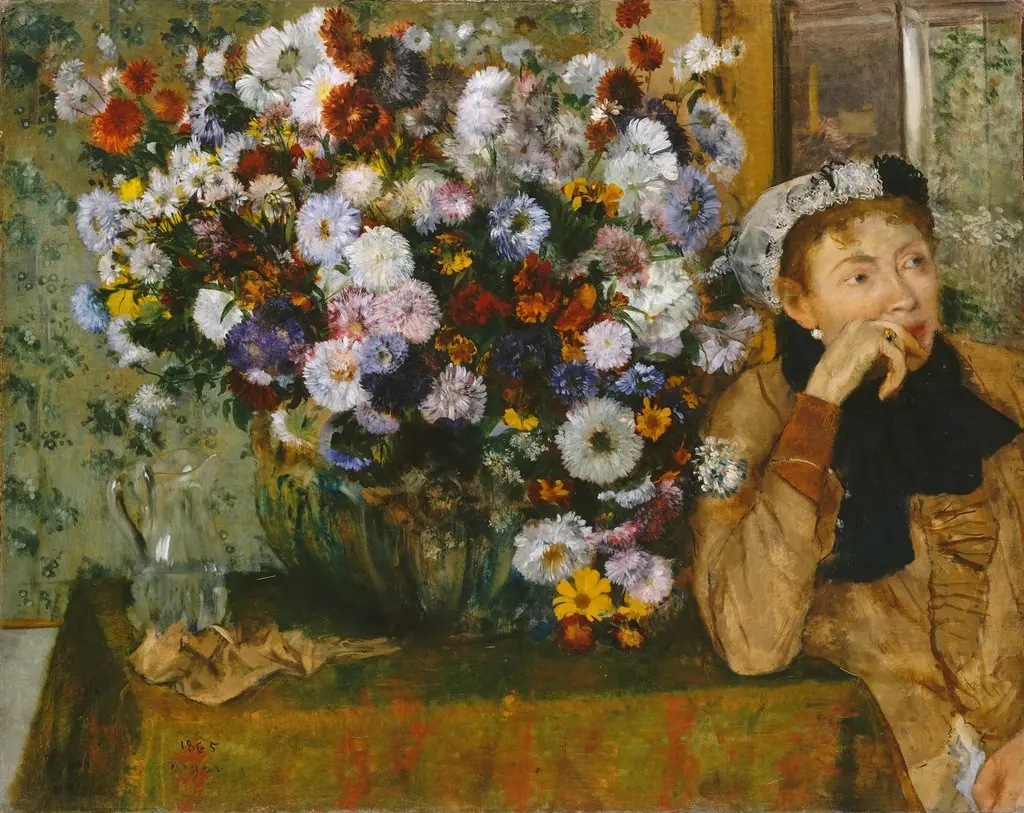 A Woman Seated beside a Vase of Flowers
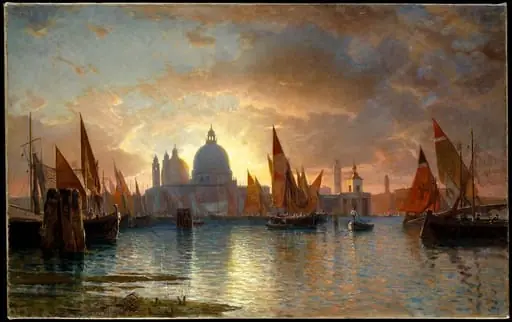 Santa Maria della Salute, Sunset
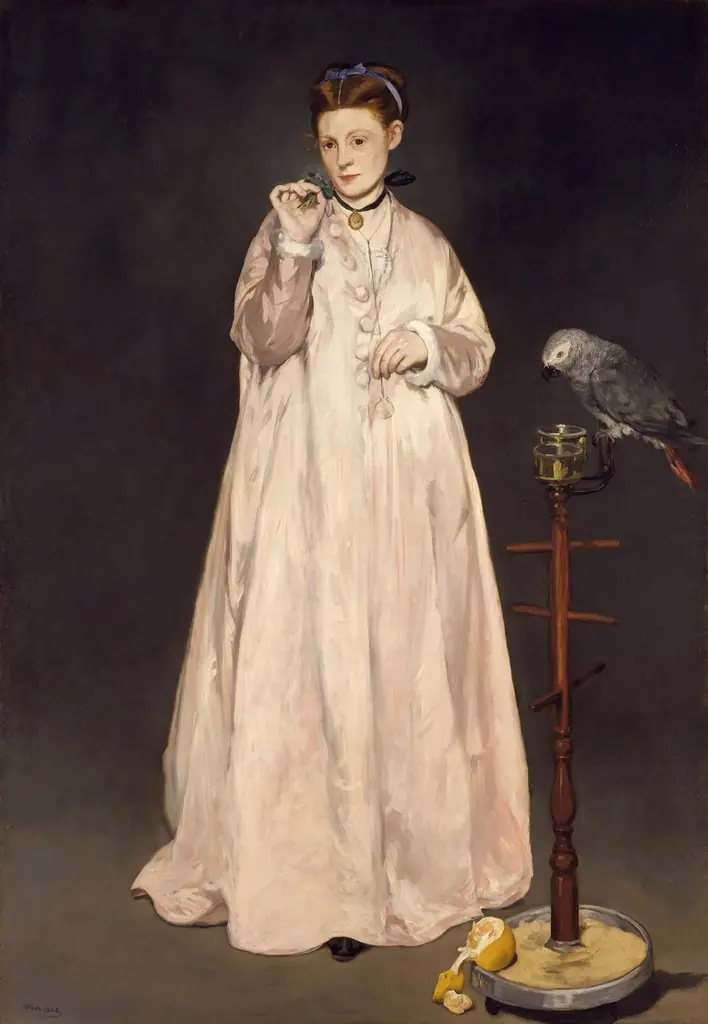 Young Lady in 1866
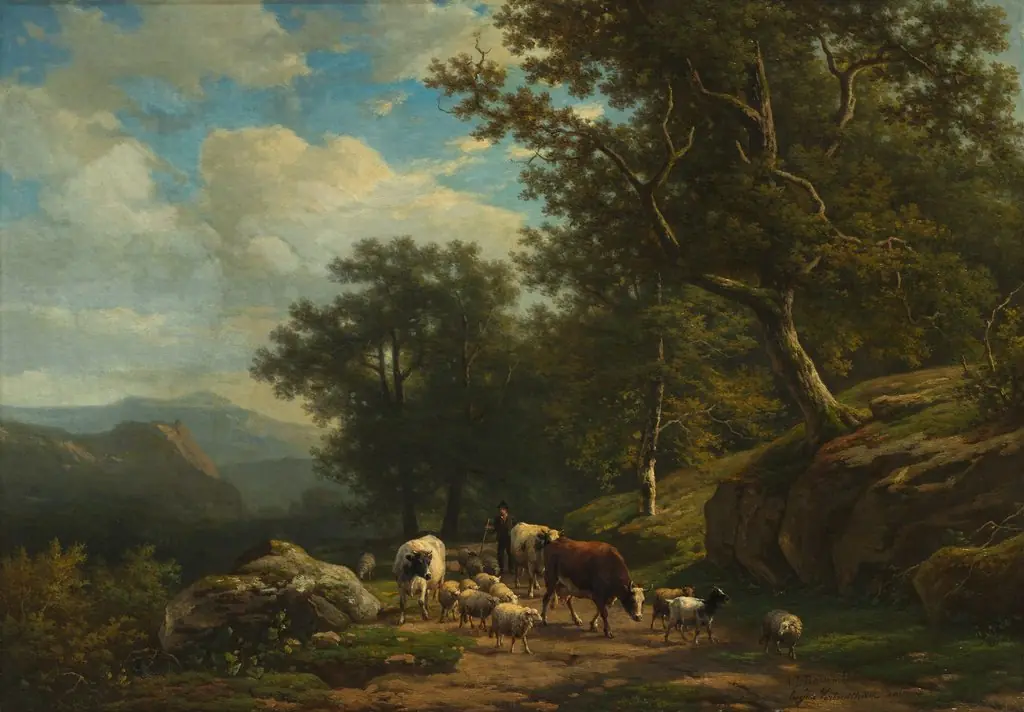 Landscape with a Peasant and His Flock
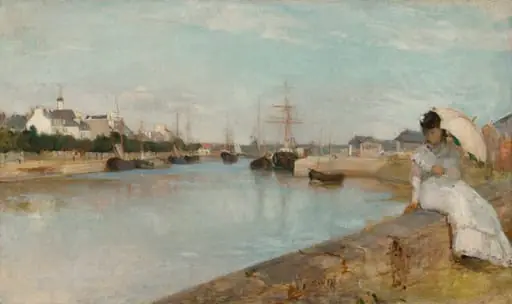 The Harbor at Lorient
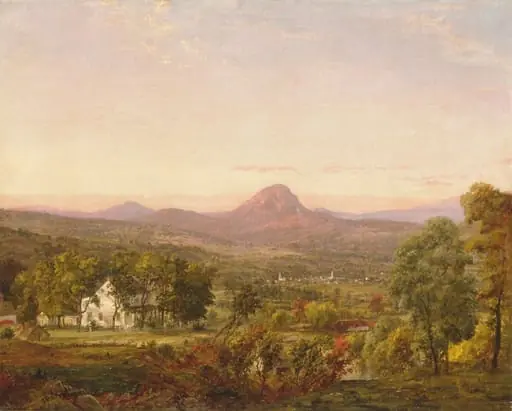 Autumn Landscape, Sugar Loaf Mountain, Orange County, New York
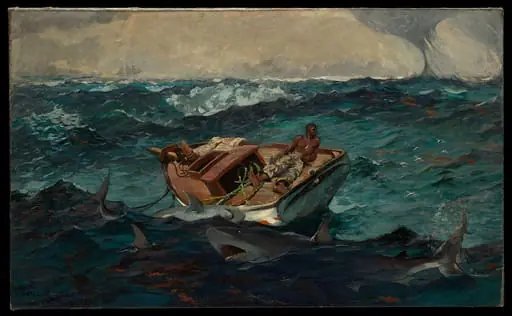 The Gulf Stream
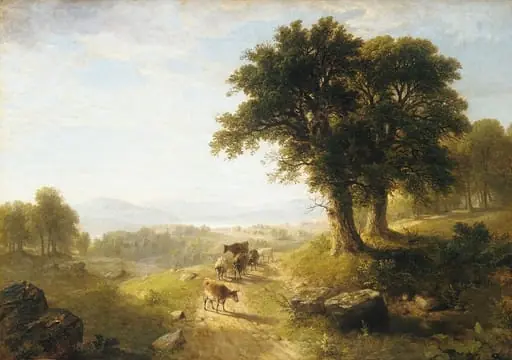 River Scene
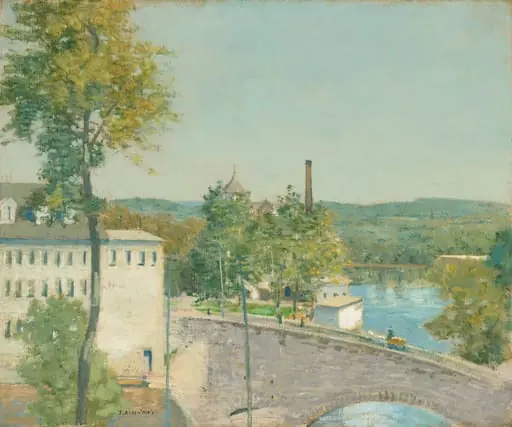 U.S. Thread Company Mills, Willimantic, Connecticut
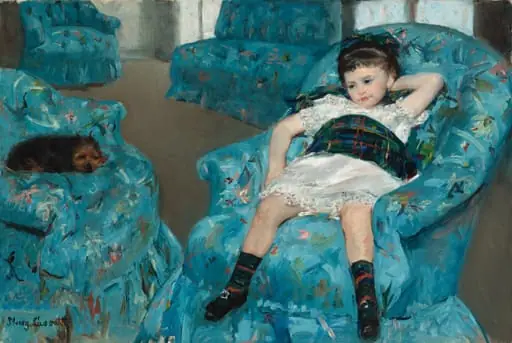 Little Girl in a Blue Armchair
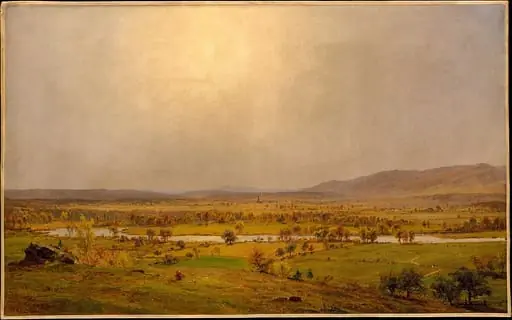 Pompton Plains, New Jersey
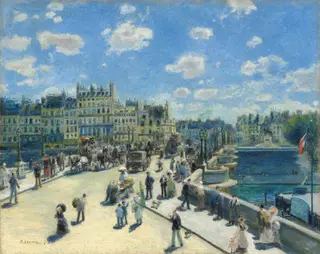 Pont Neuf, Paris
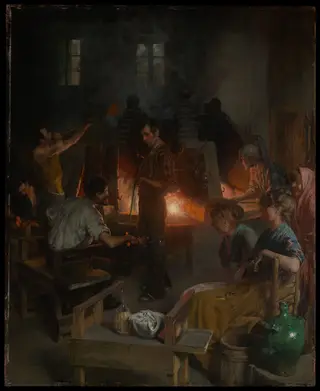 Glass Blowers of Murano
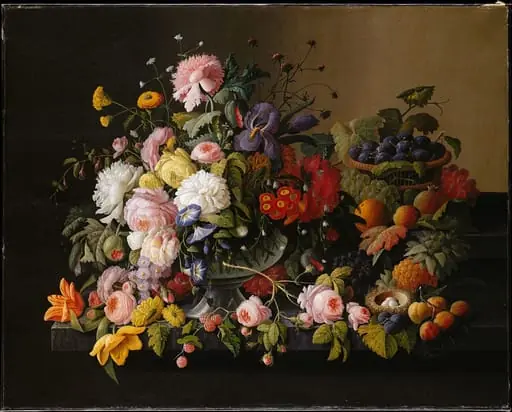 Still Life: Flowers and Fruit
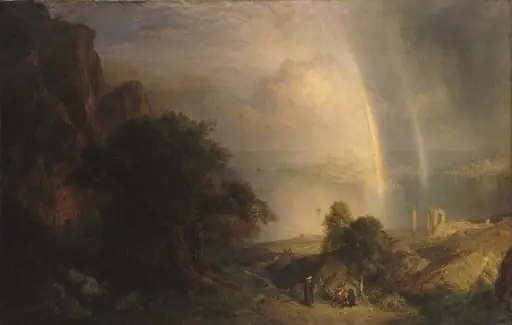 The Aegean Sea
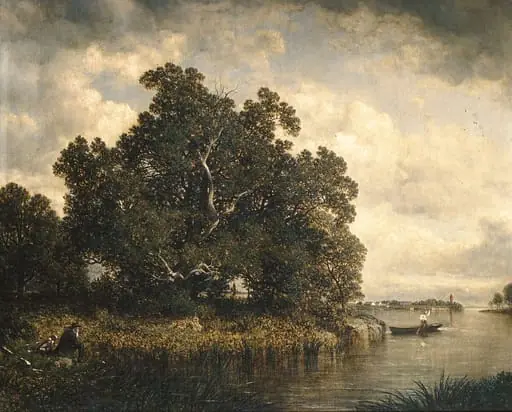 Bayside, New Rochelle, New York
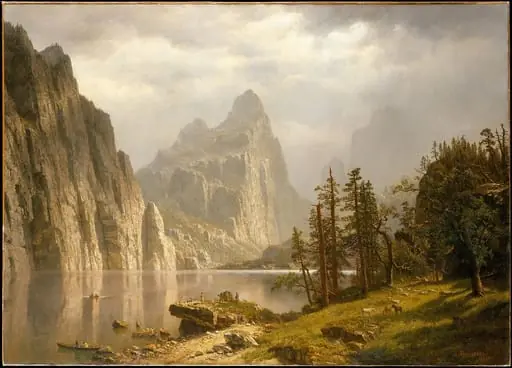 Merced River, Yosemite Valley
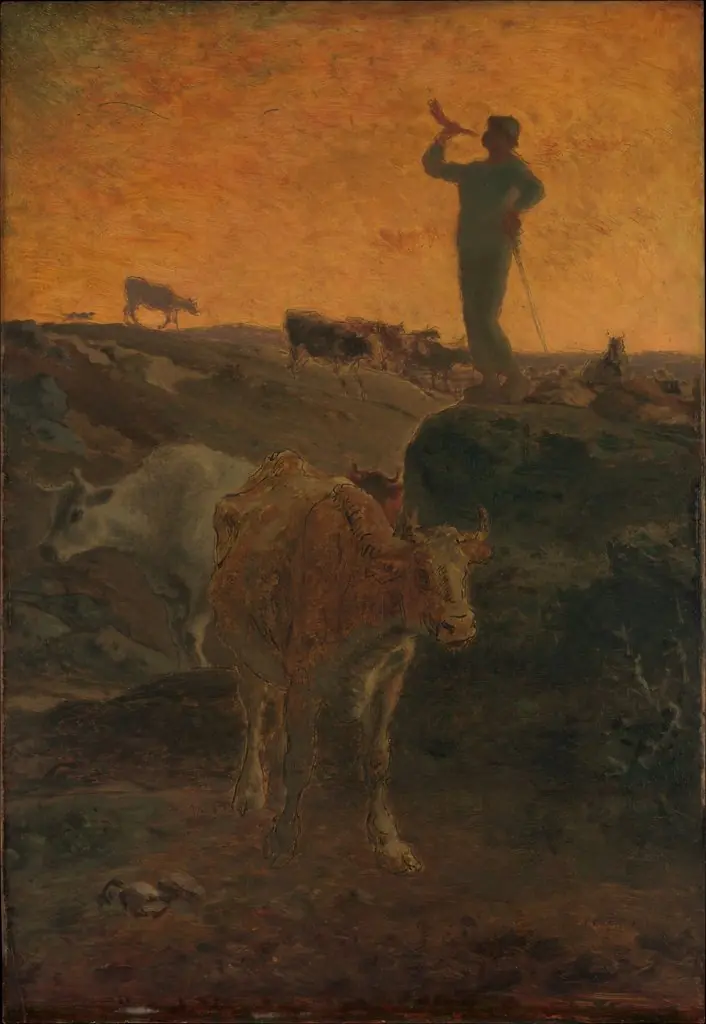 Calling the Cows Home
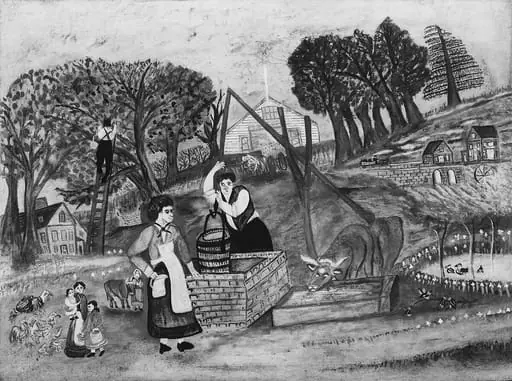 The Old Oaken Bucket which Hung in the Well
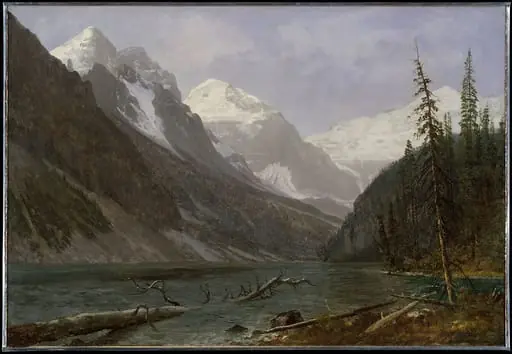 Canadian Rockies (Lake Louise)
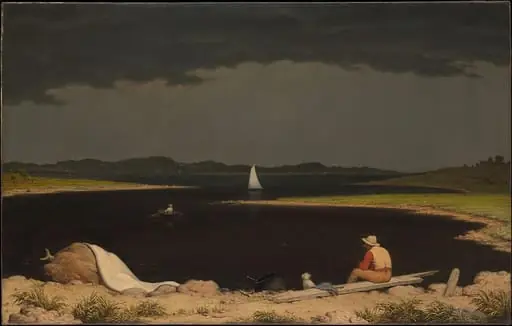 Approaching Thunder Storm
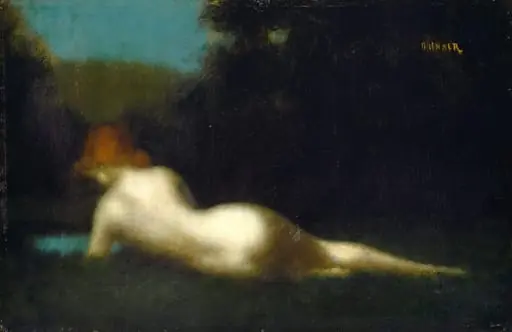 Reclining Nude
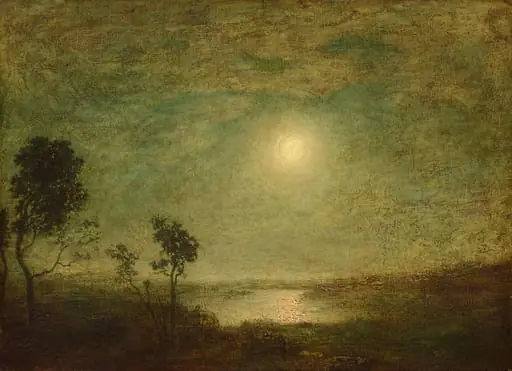 Moonlight
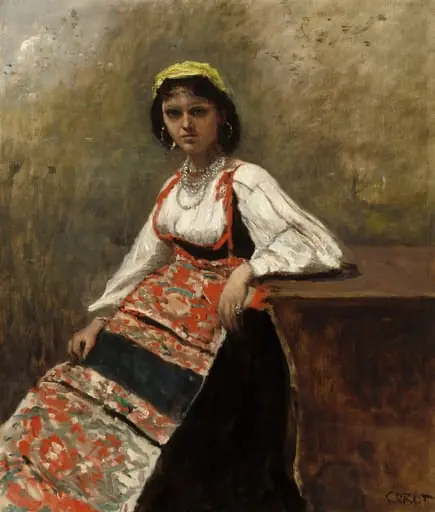 Italian Woman (La Morieri)
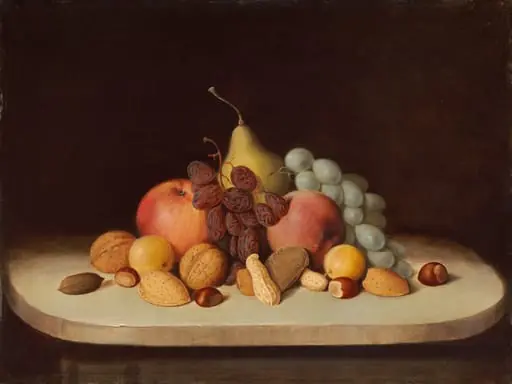 Still Life with Fruit and Nuts
 On the Jetty
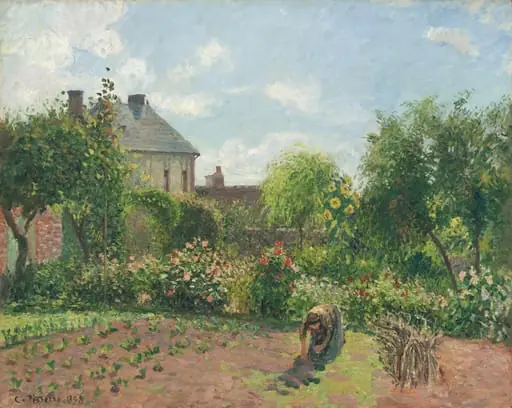 The Artist's Garden at Eragny
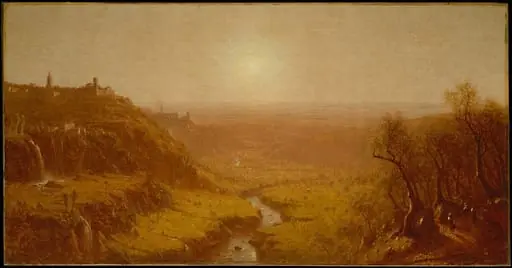 Tivoli
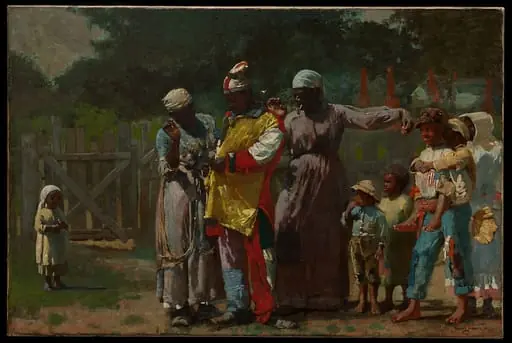 Dressing for the Carnival
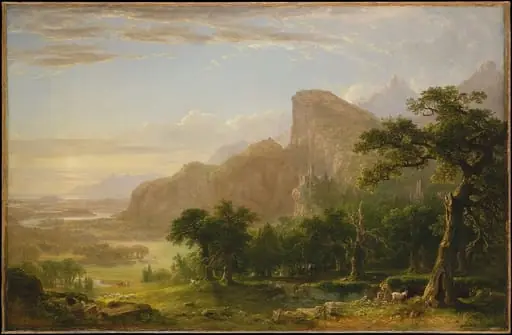 Landscape—Scene from "Thanatopsis"
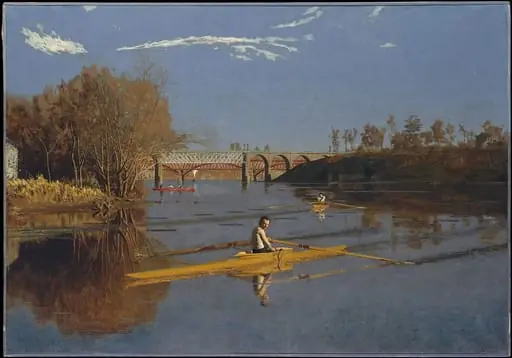 The Champion Single Sculls (Max Schmitt in a Single Scull)
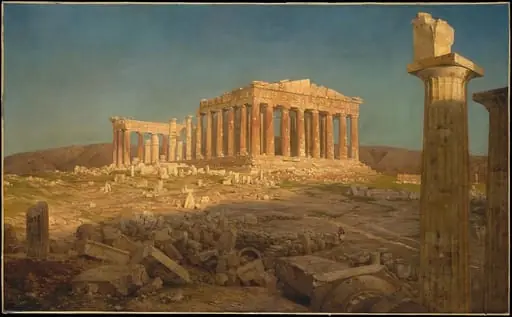 The Parthenon
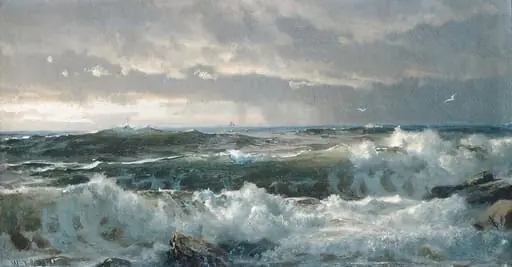 Surf on Rocks
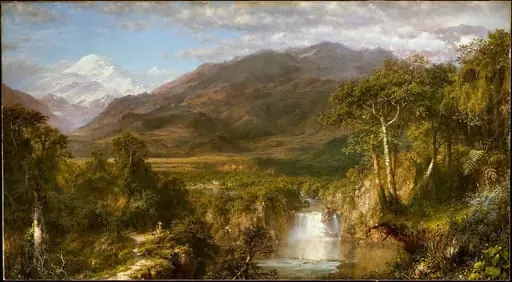 Heart of the Andes
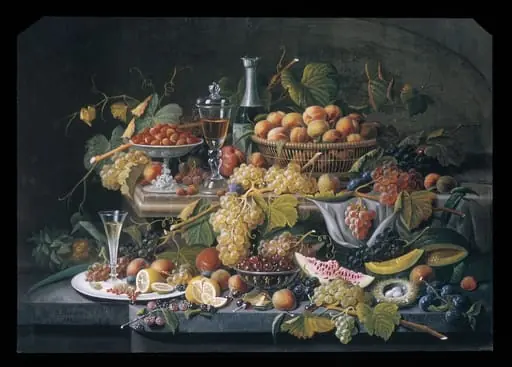 Still Life: Fruit
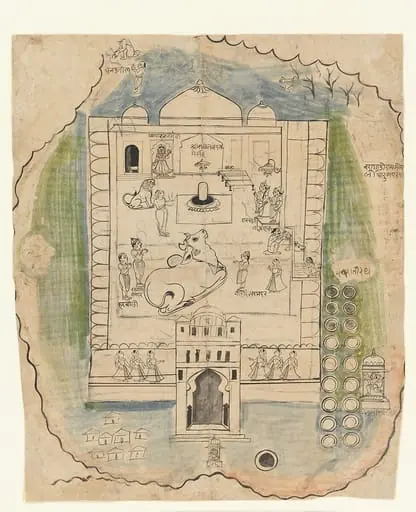 Untitled
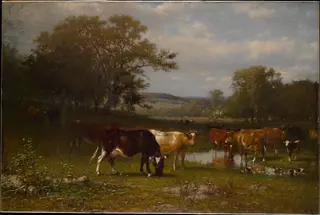 From Shifting Shade
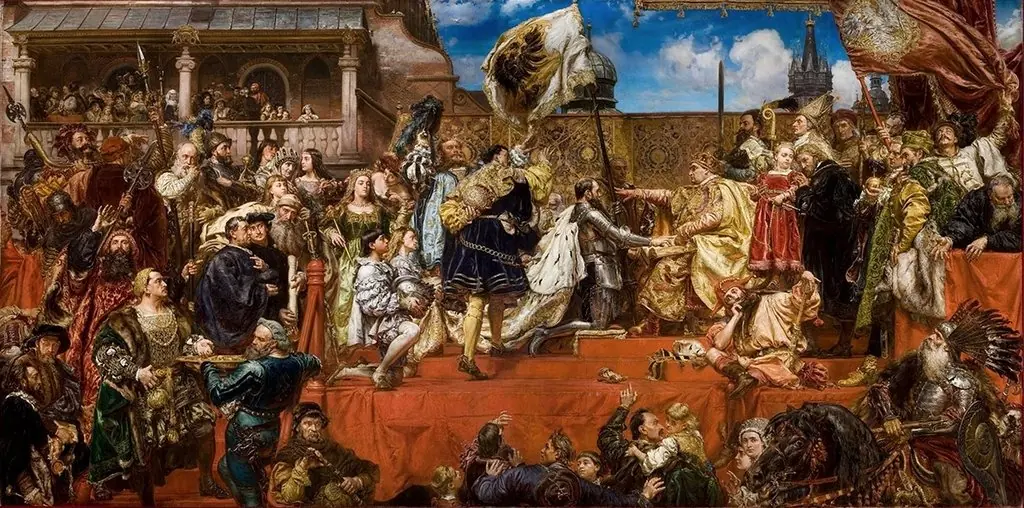 Prussian Homage
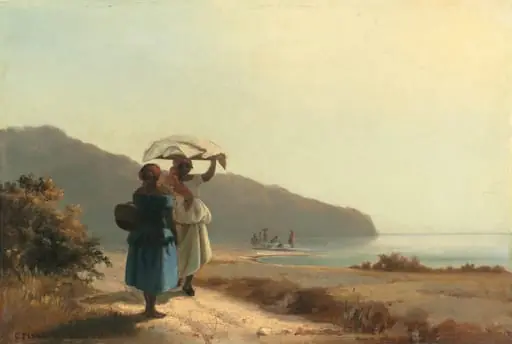 Two Women Chatting by the Sea, St. Thomas
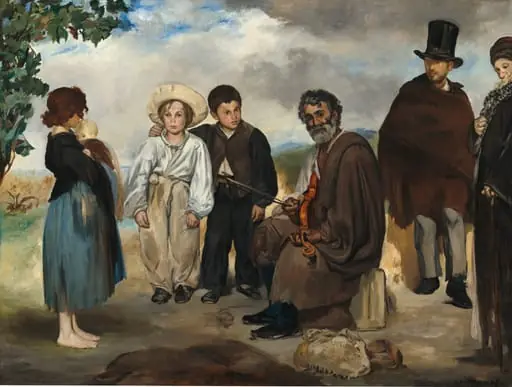 The Old Musician
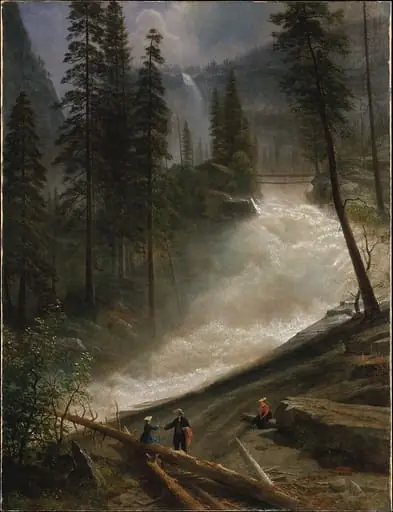 Nevada Falls, Yosemite
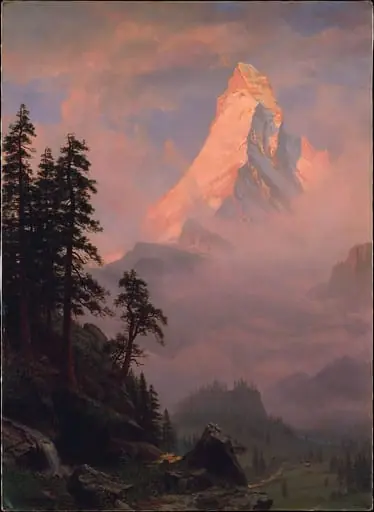 Sunrise on the Matterhorn
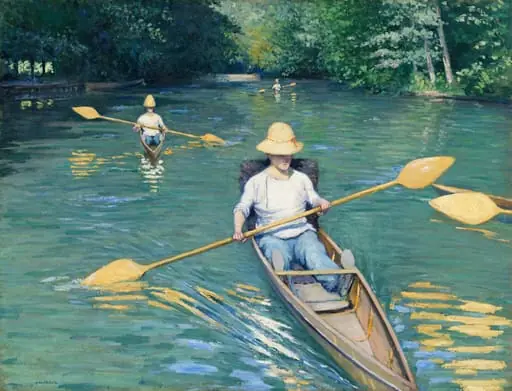 Skiffs
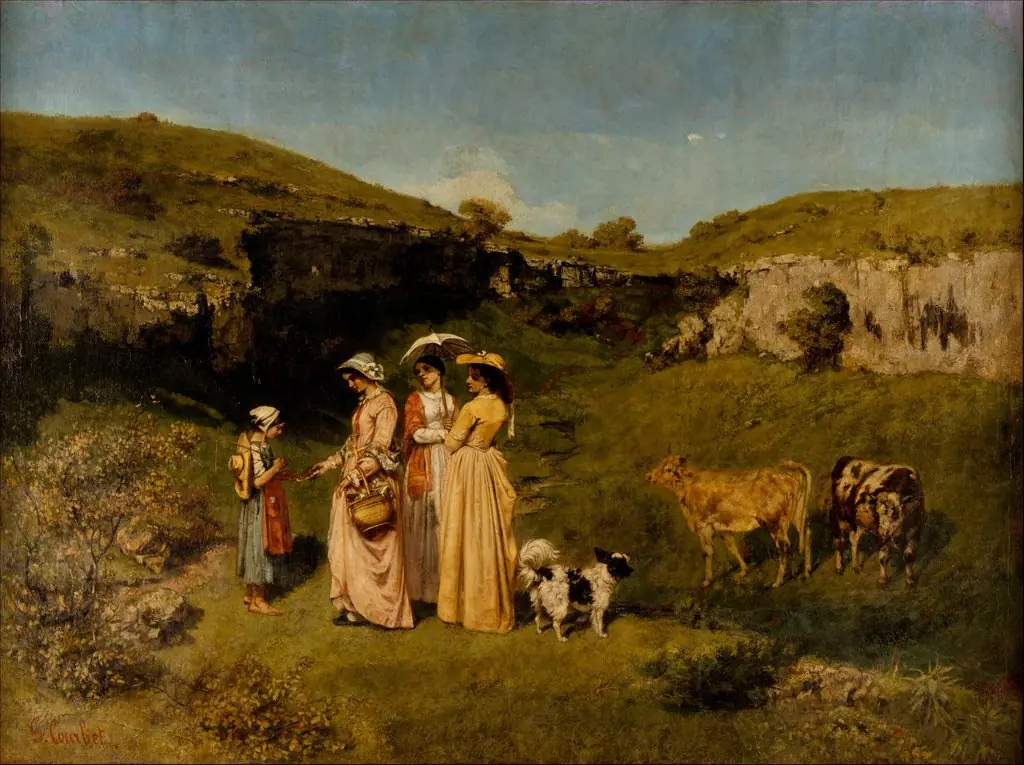 Young Ladies of the Village
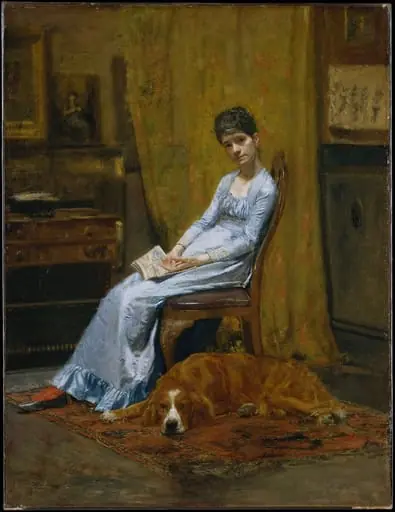 The Artist's Wife and His Setter Dog
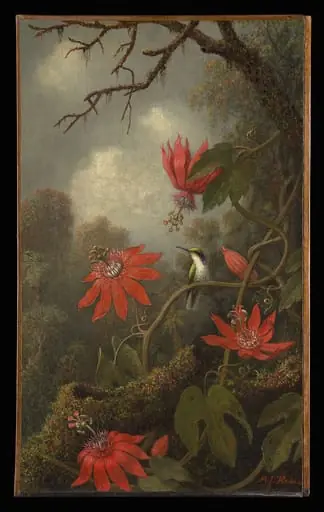 Hummingbird and Passionflowers
 Fur Traders Descending the Missouri
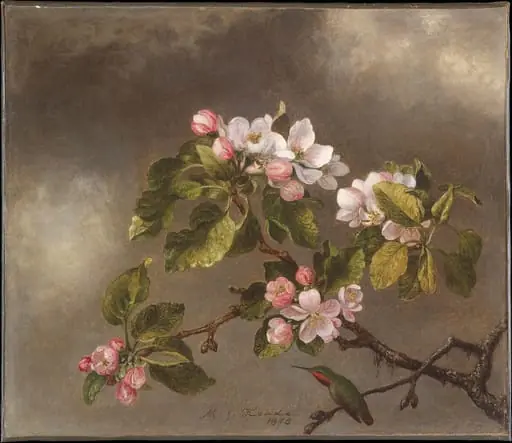 Hummingbird and Apple Blossoms
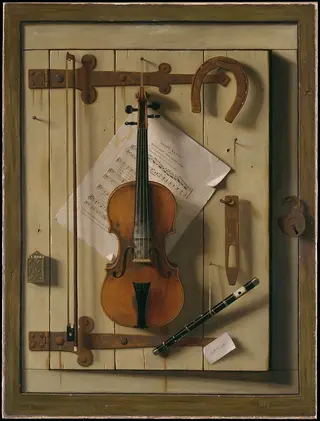 Still Life—Violin and Music
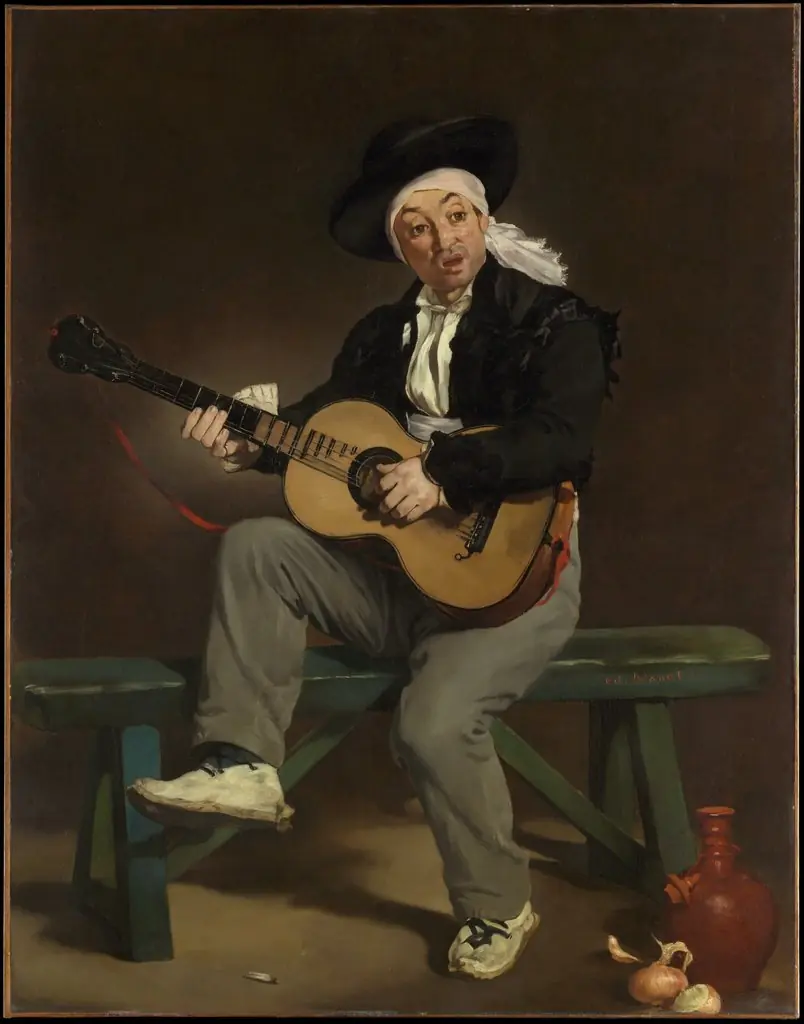 The Spanish Singer
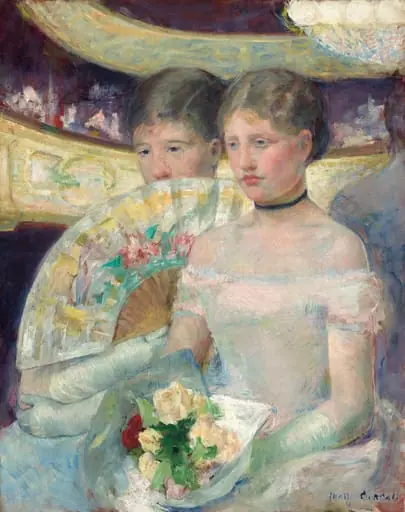 The Loge
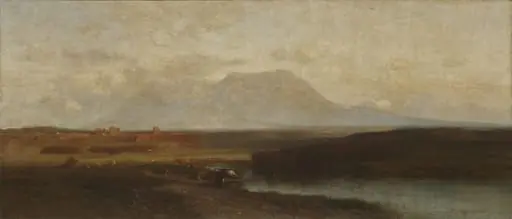 Spanish Peaks, Southern Colorado, Late Afternoon
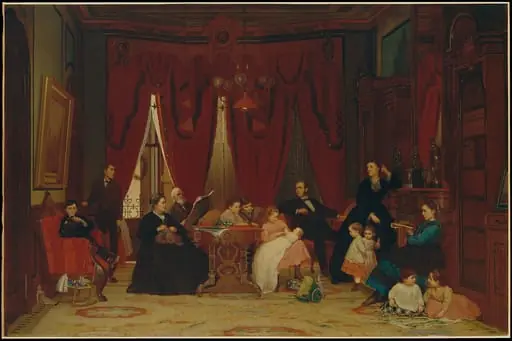 The Hatch Family
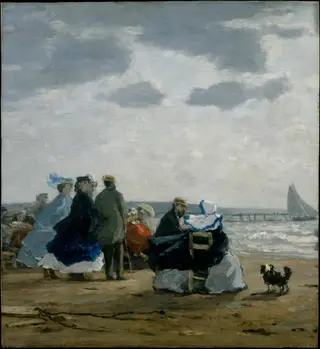 On the Beach, Dieppe
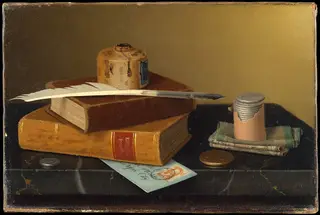 The Banker's Table
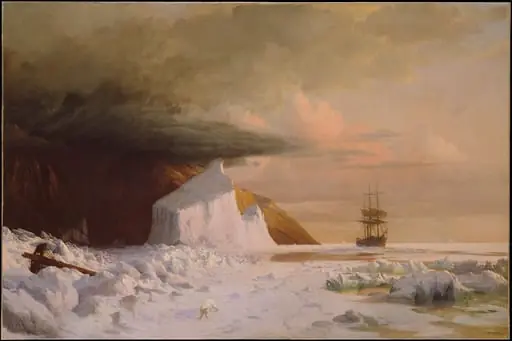 An Arctic Summer: Boring Through the Pack in Melville Bay
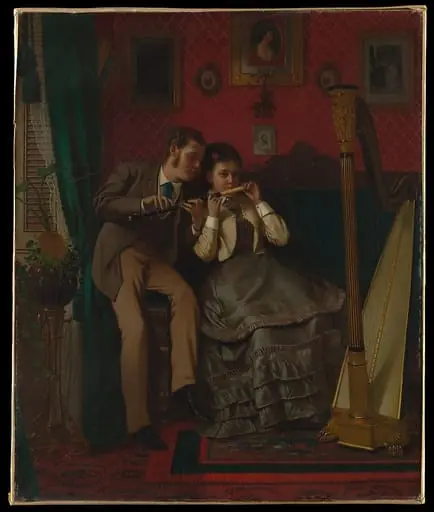 The Music Lesson
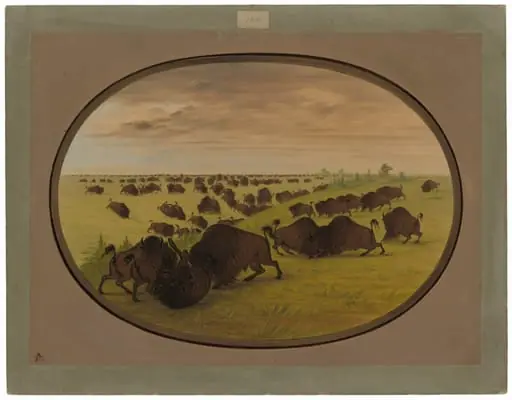 Bulls Fighting
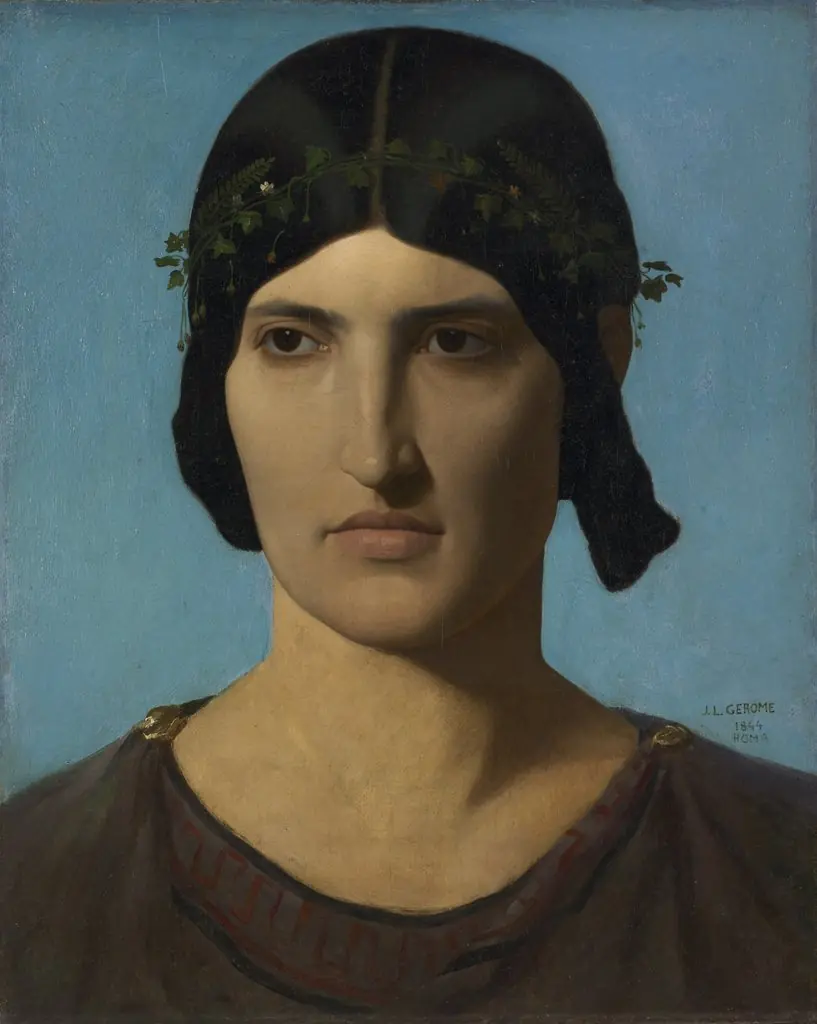 Head of an Italian Woman
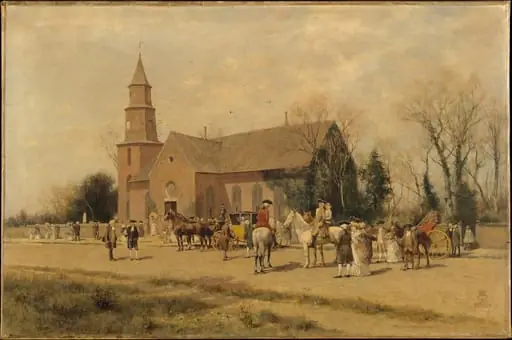 Old Bruton Church, Williamsburg, Virginia, in the Time of Lord Dunmore
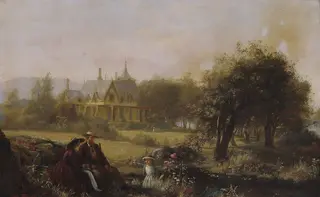 Summer Flowers
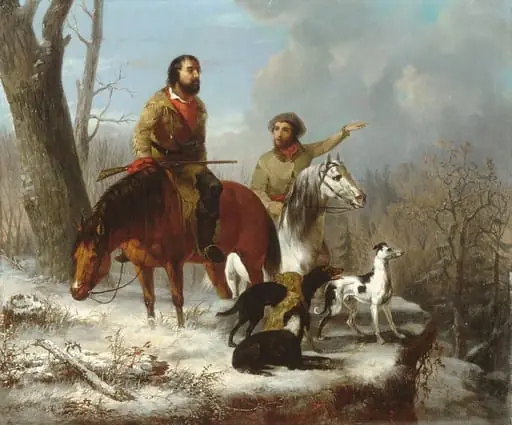 Trappers
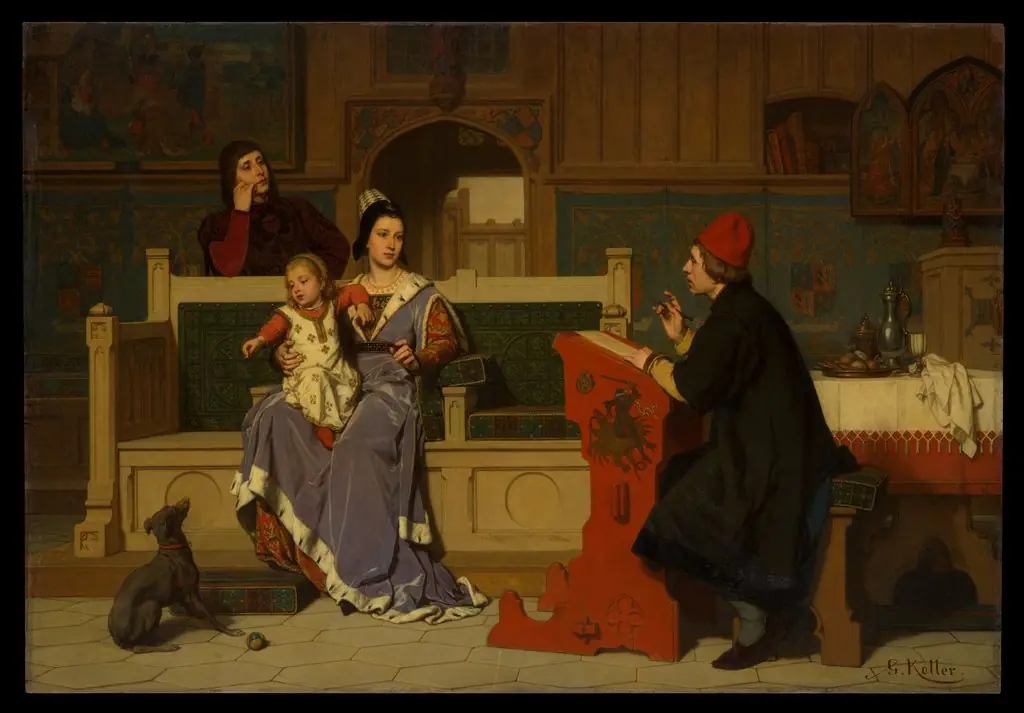 Hugo van der Goes Painting the Portrait of Mary of Burgundy
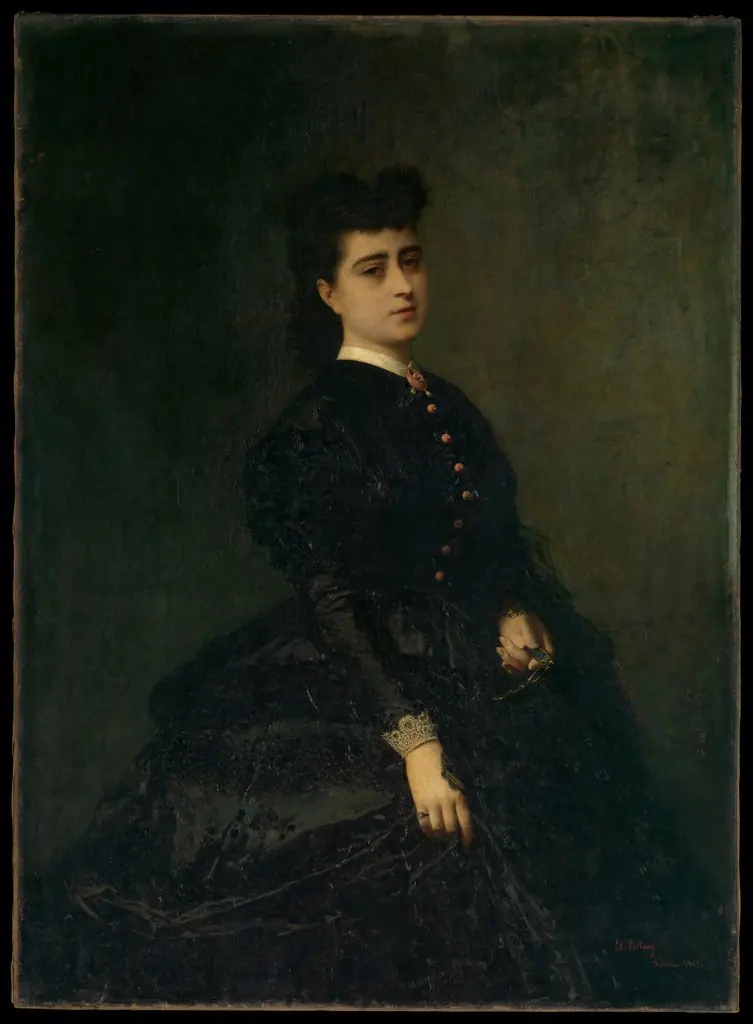 Madame Gaye
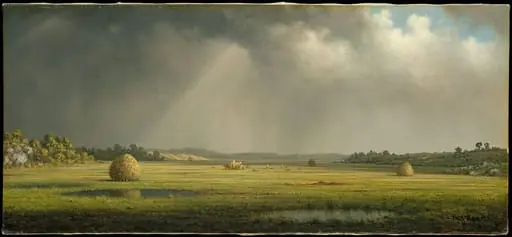 Newburyport Meadows
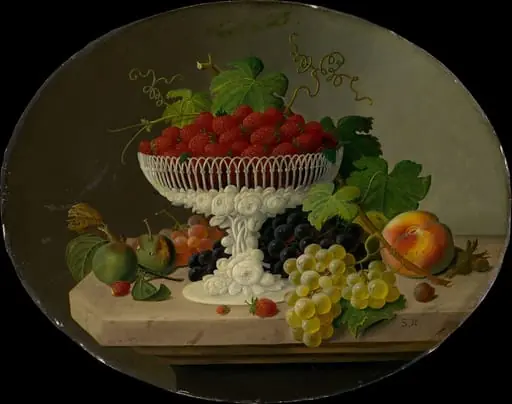 Still Life with Strawberries in a Compote
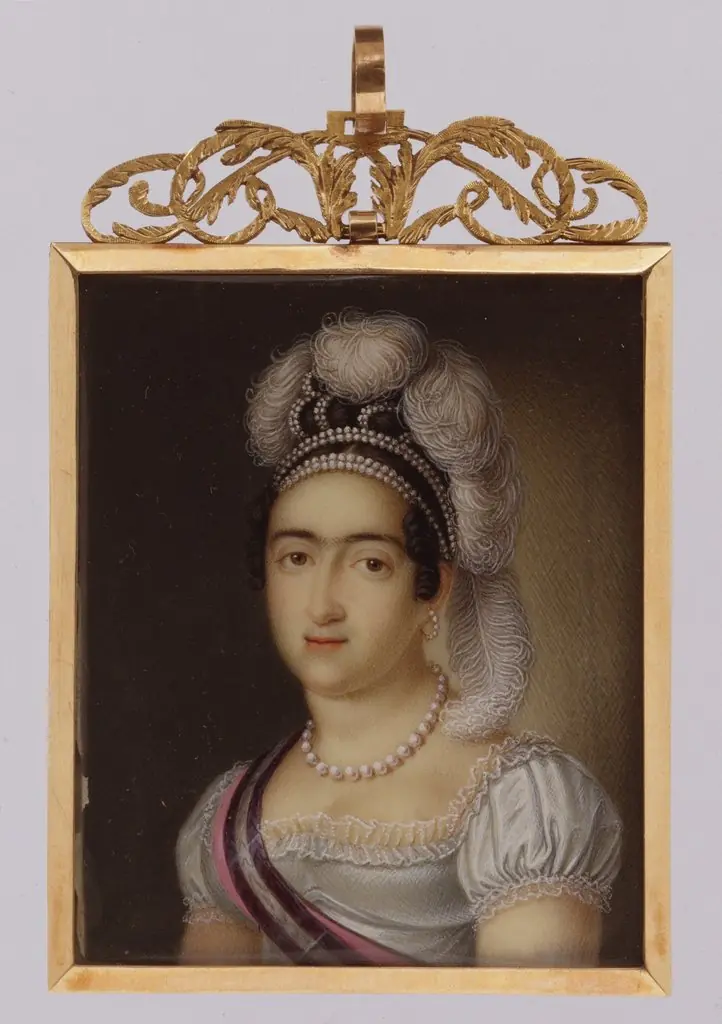 Princess María Francisca de Asis de Borbón and Her Son Infante Carlos Luis María Fernando de Borbón
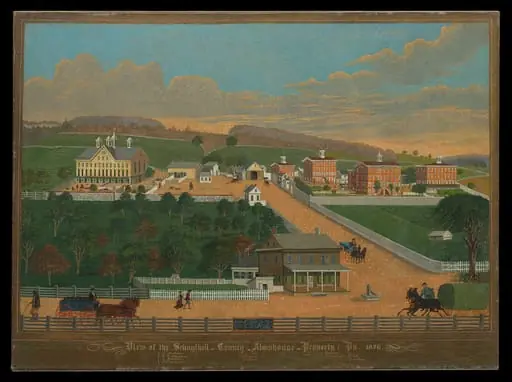 View of the Schuylkill County Almshouse Property
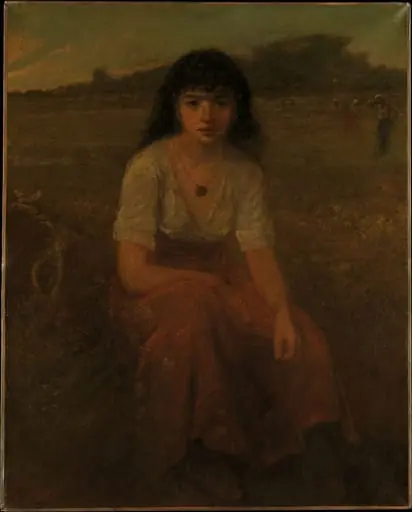 The Quadroon
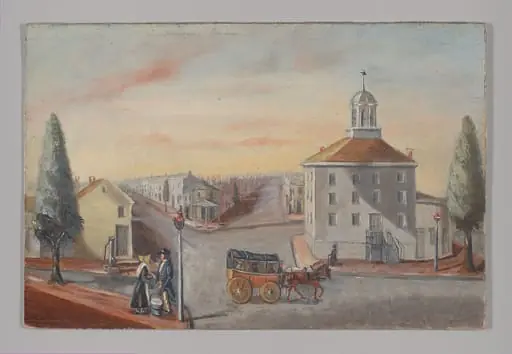 Hot Corn Seller
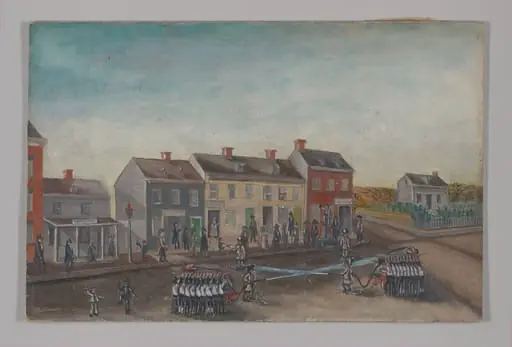 Firemen's Washing Day
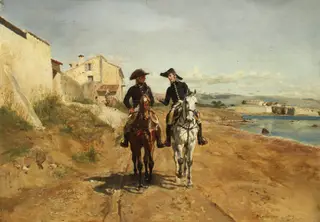 A General and His Aide-de-camp
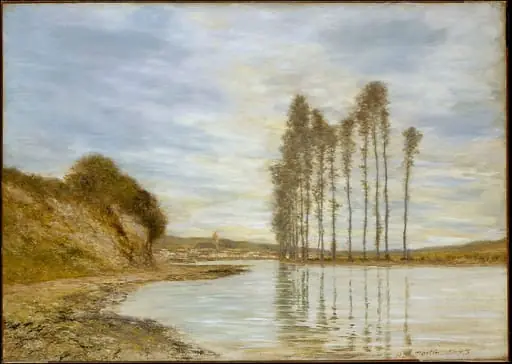 View on the Seine: Harp of the Winds
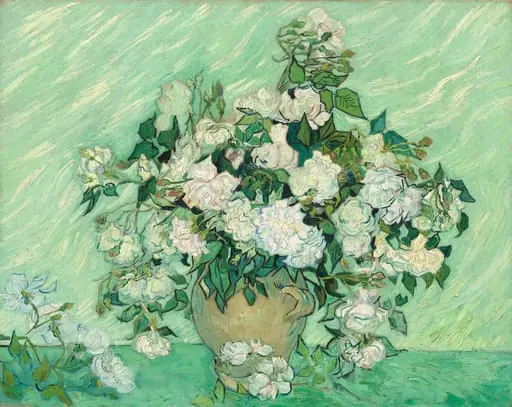 Roses
Roses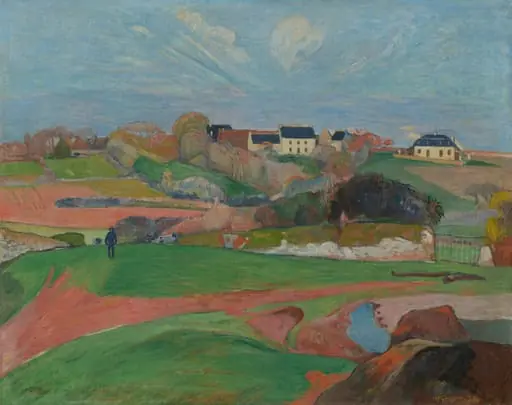 Landscape at Le Pouldu
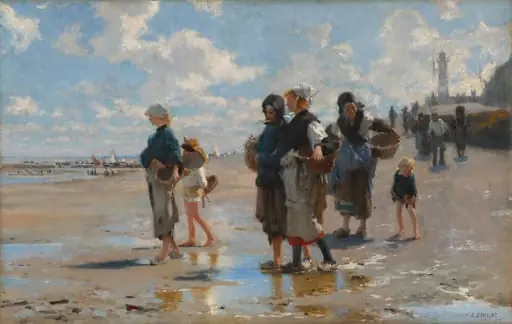 En route pour la pêche (Setting Out to Fish)
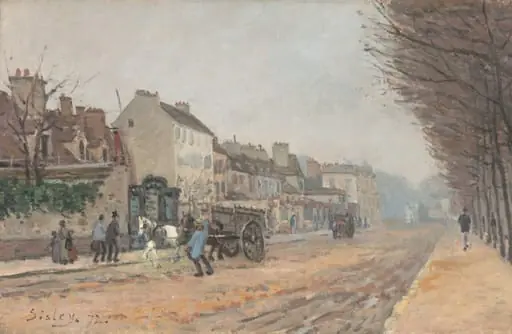 Boulevard Héloïse, Argenteuil
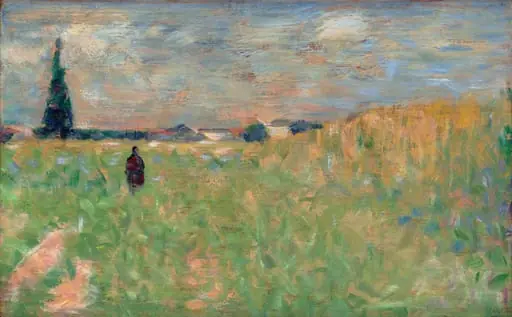 A Summer Landscape
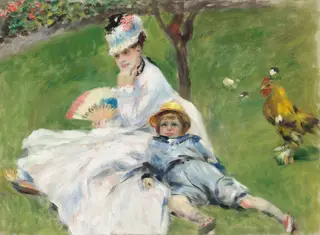 Madame Monet and Her Son
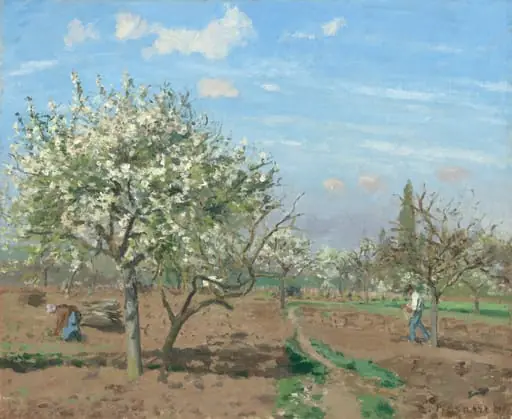 Orchard in Bloom, Louveciennes
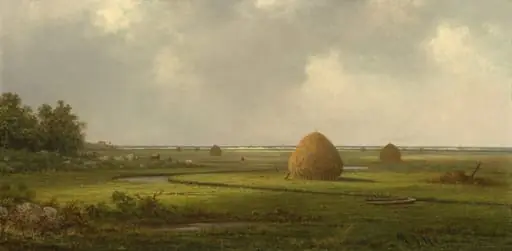 View of Marshfield
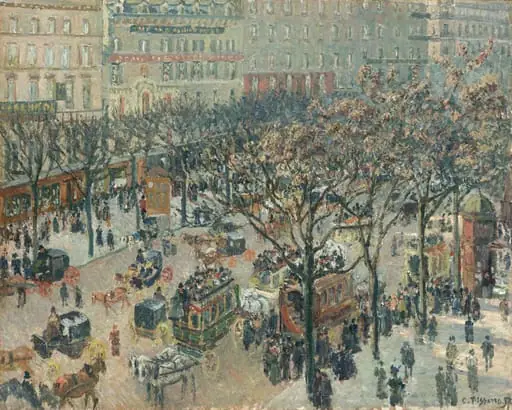 Boulevard des Italiens, Morning, Sunlight
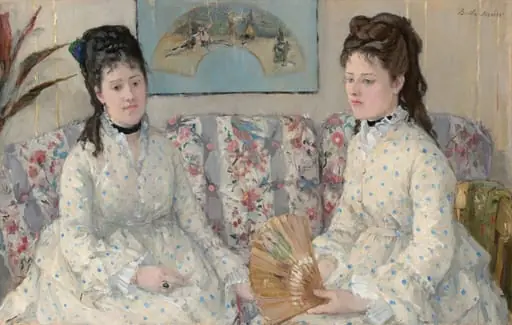 The Sisters
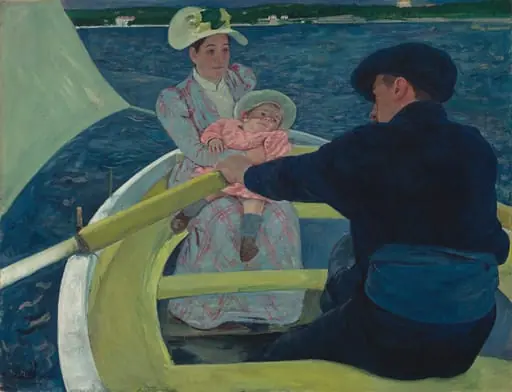 The Boating Party
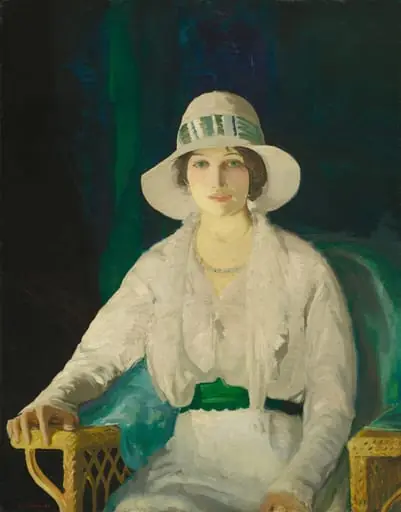 Florence Sittenham Davey (Mrs. Randall Davey)
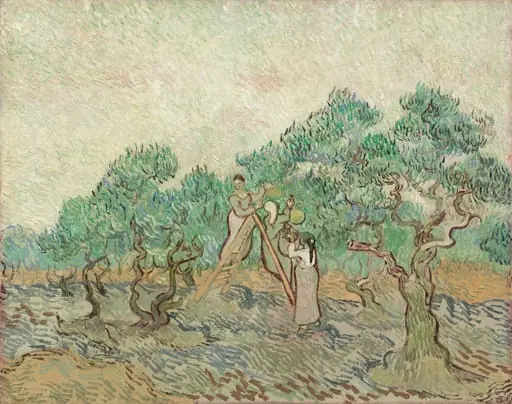 The Olive Orchard
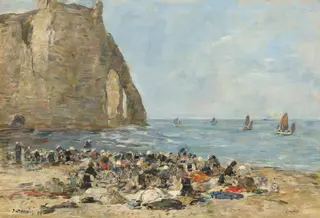 Washerwomen on the Beach of Etretat
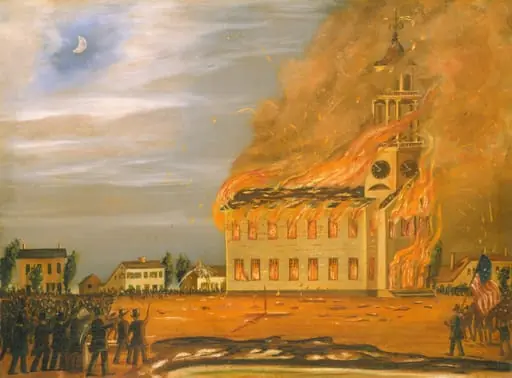 Burning of Old South Church, Bath, Maine
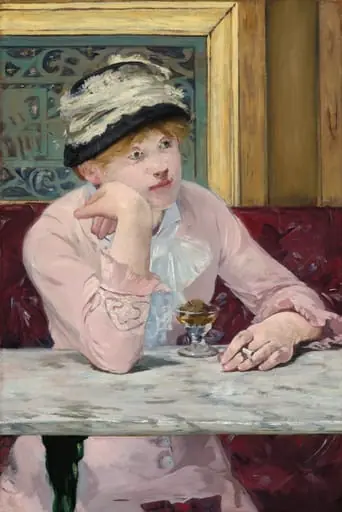 Plum Brandy
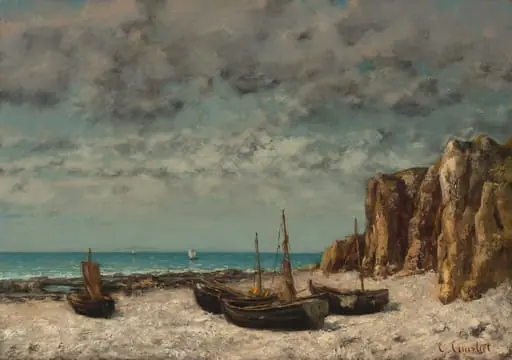 Boats on a Beach, Etretat
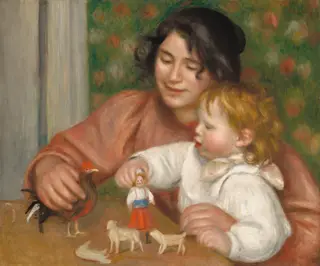 Child with Toys - Gabrielle and the Artist's Son, Jean
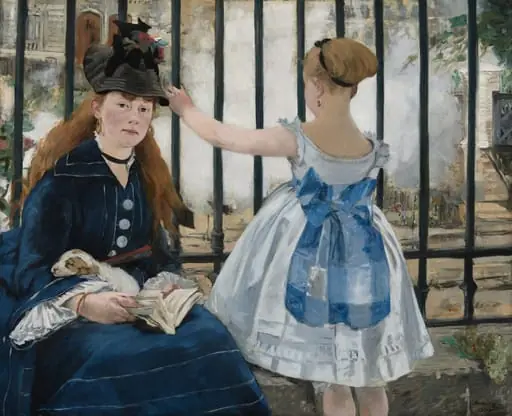 The Railway
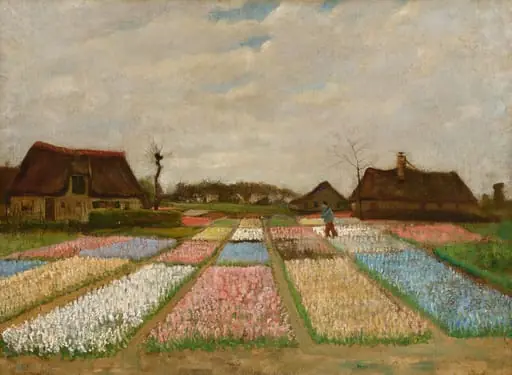 Flower Beds in Holland
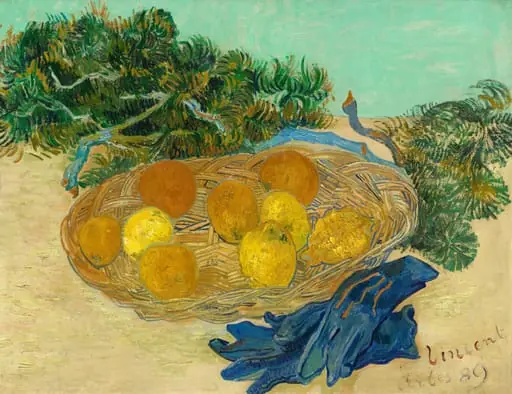 Still Life of Oranges and Lemons with Blue Gloves
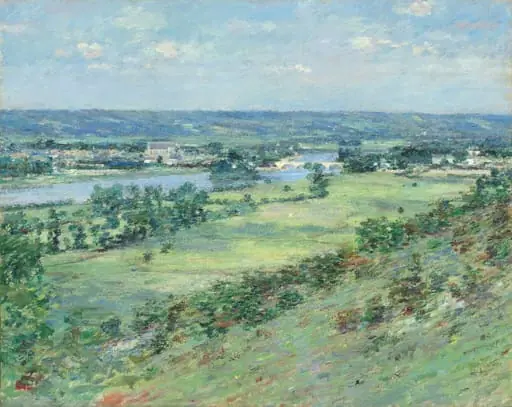 The Valley of the Seine, from the Hills of Giverny
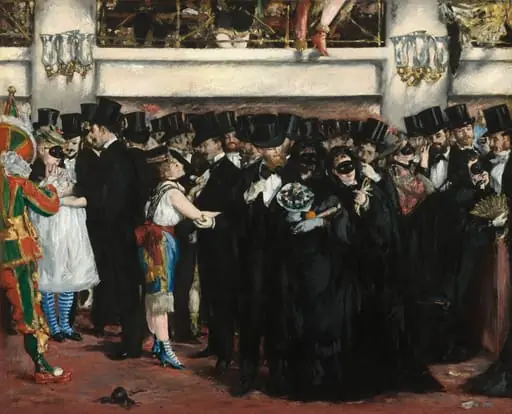 Masked Ball at the Opera
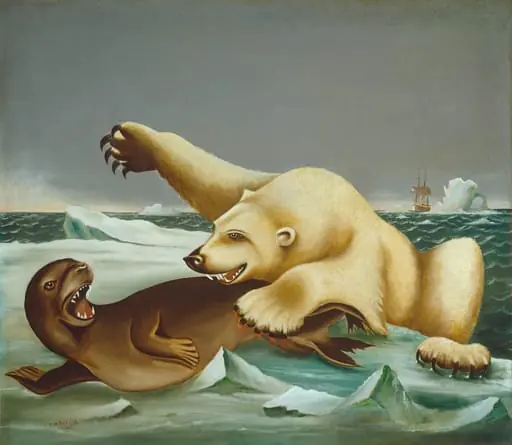 Law of the Wild
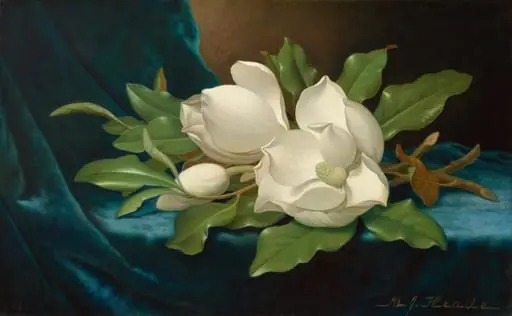 Giant Magnolias on a Blue Velvet Cloth
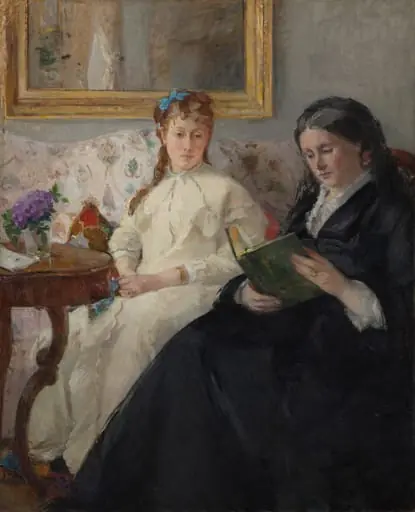 The Mother and Sister of the Artist
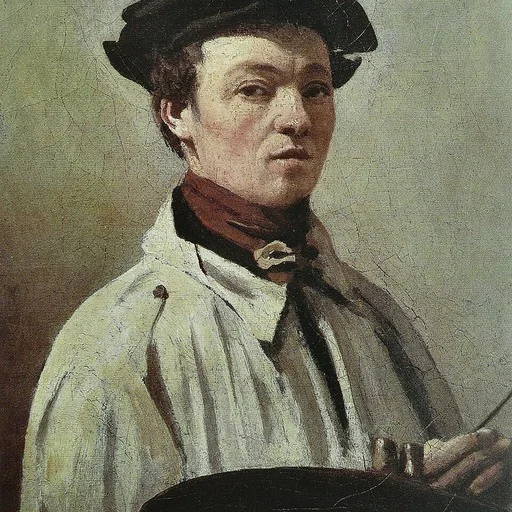
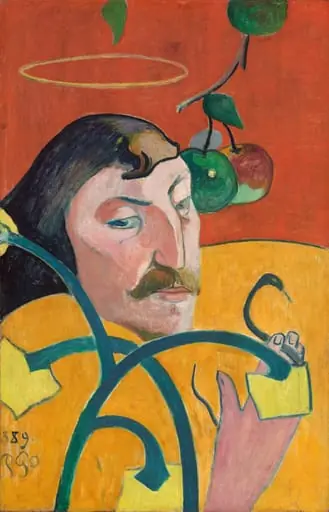 Self-Portrait
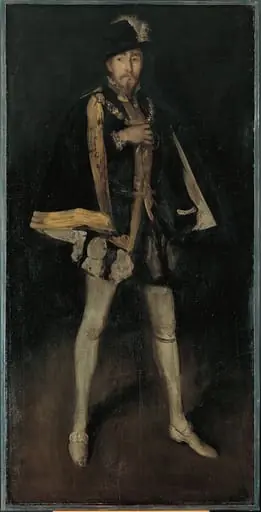 Arrangement in Black, No. 3: Sir Henry Irving as Philip II of Spain
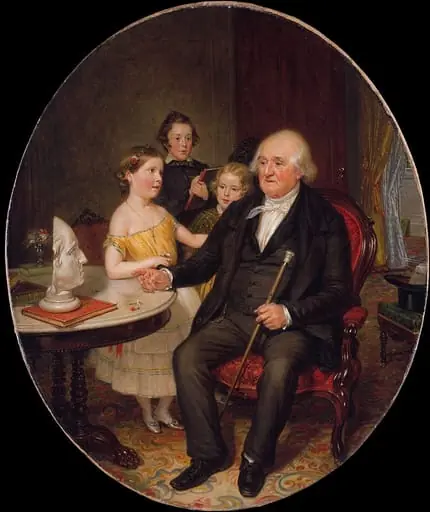 Great-Grand-Father's Tale of the Revolution—A Portrait of Reverend Zachariah Greene
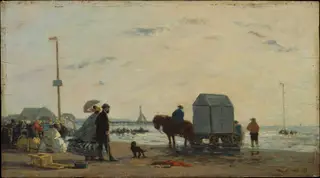 On the Beach at Trouville
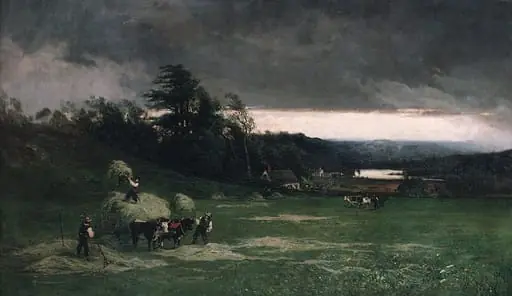 Approaching Storm
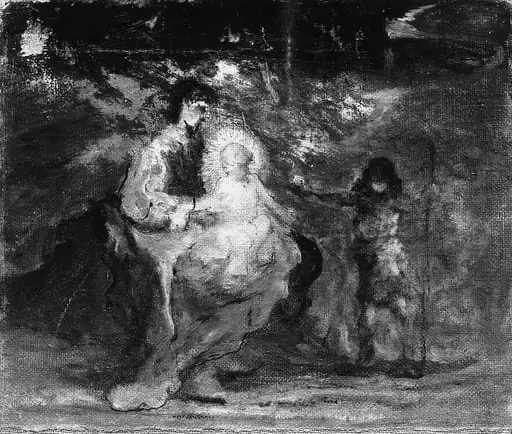 Madonna and Child and Little Saint John
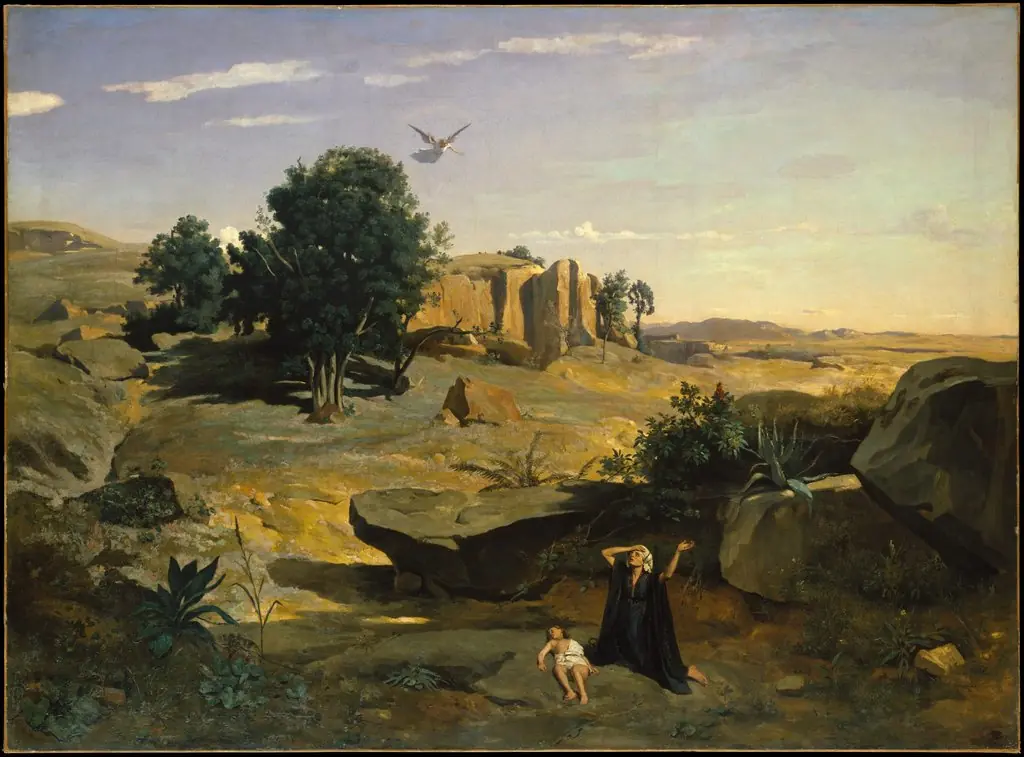 Hagar in the Wilderness
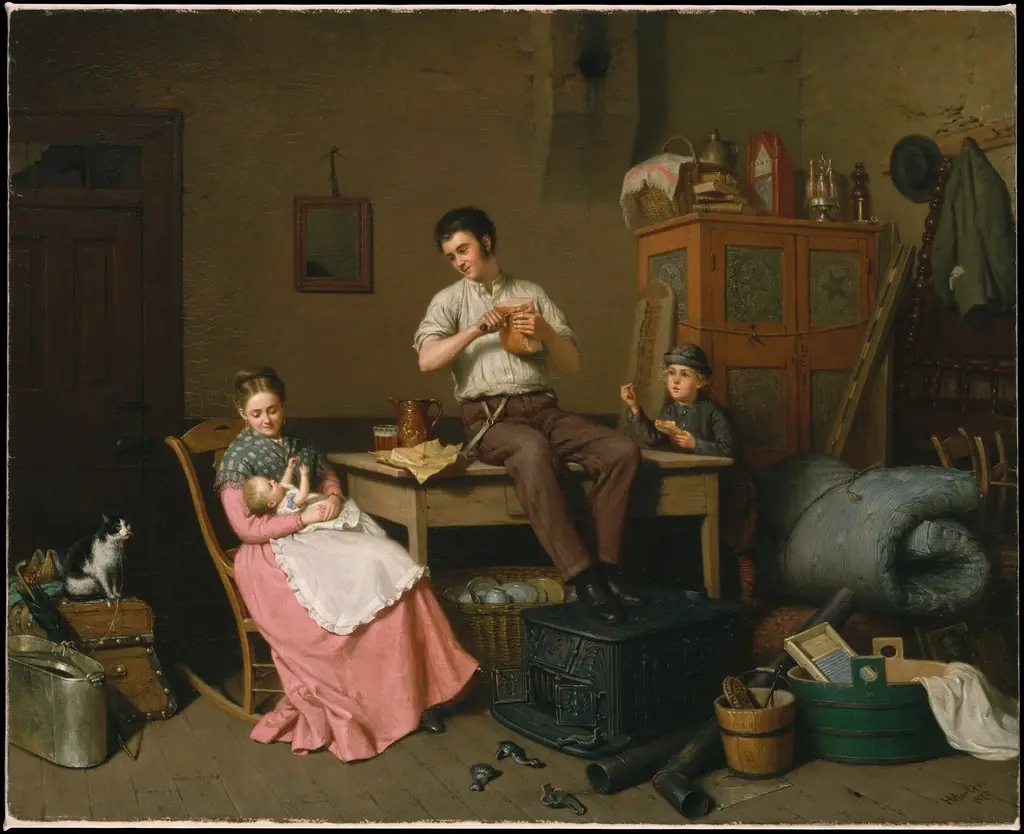 Just Moved
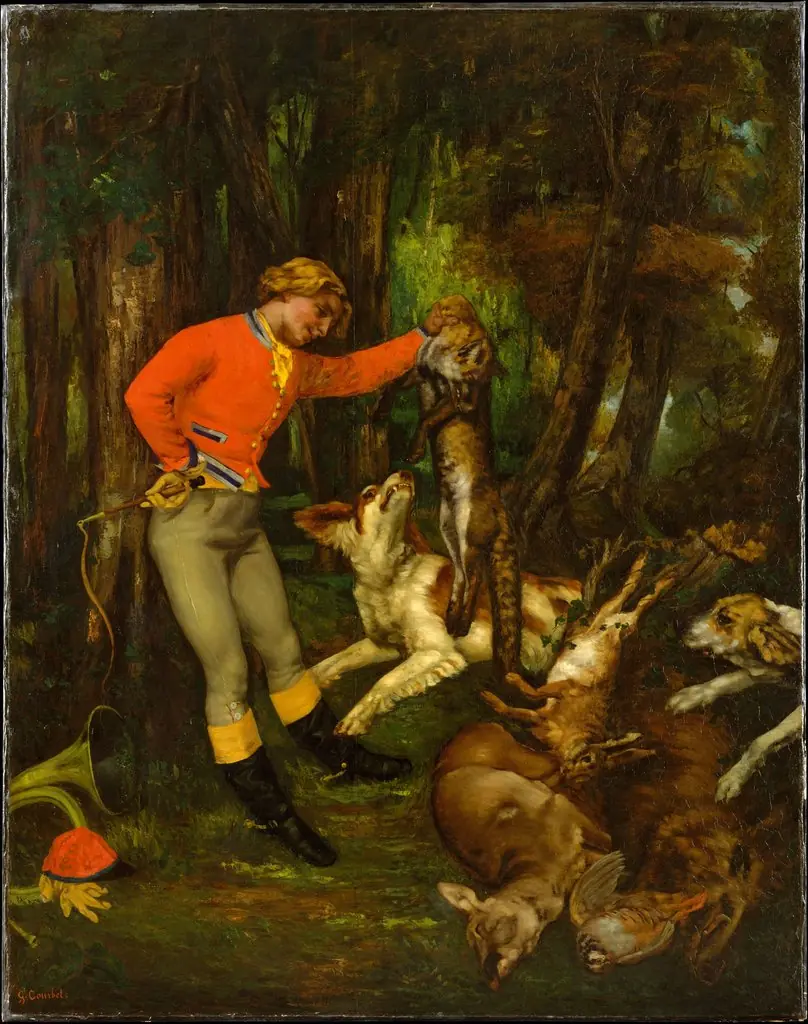 After the Hunt
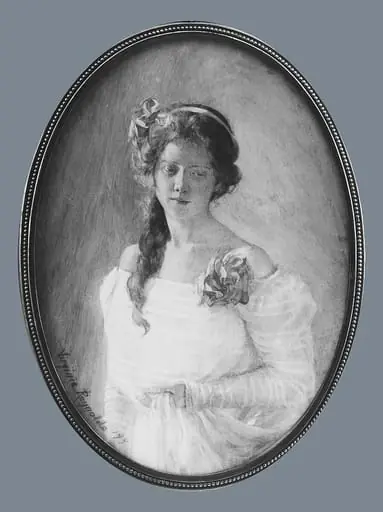 Bessie Moore
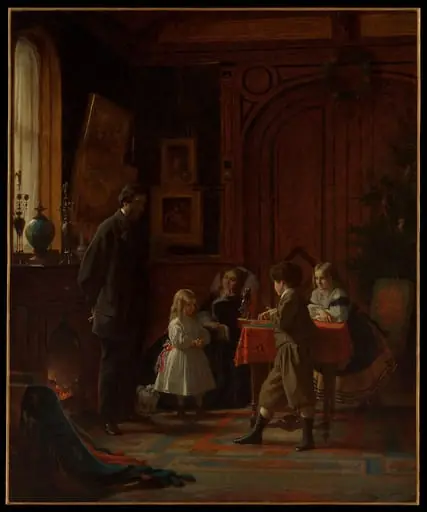 Christmas-Time, The Blodgett Family
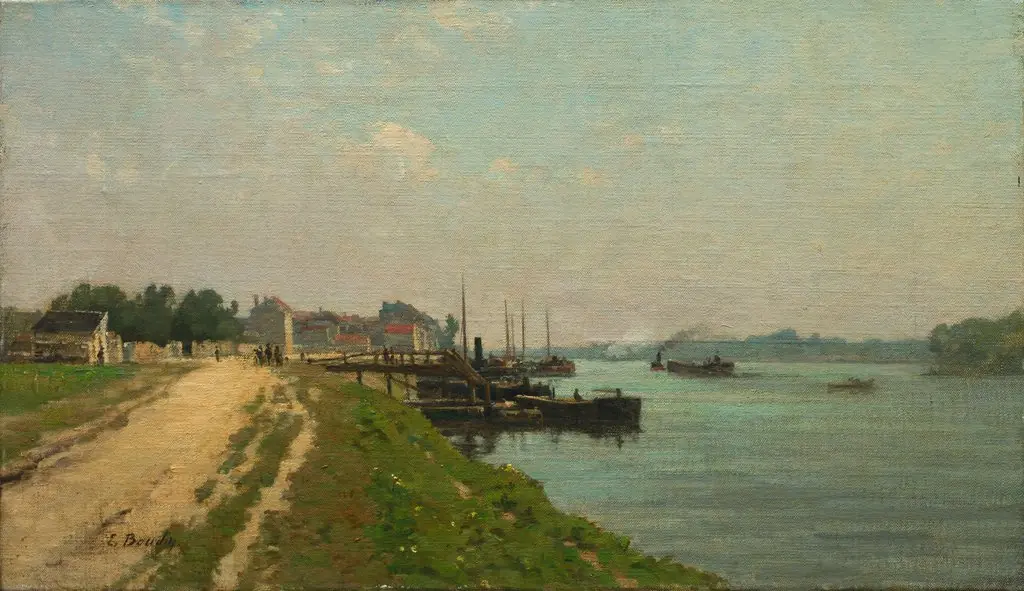 Banks of the Seine
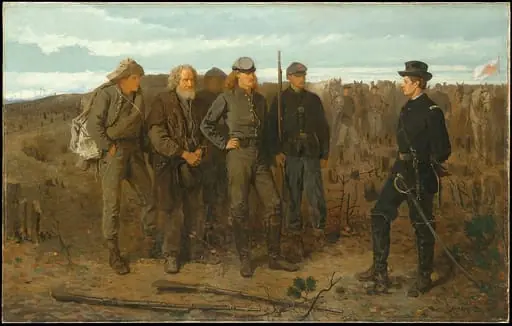 Prisoners from the Front
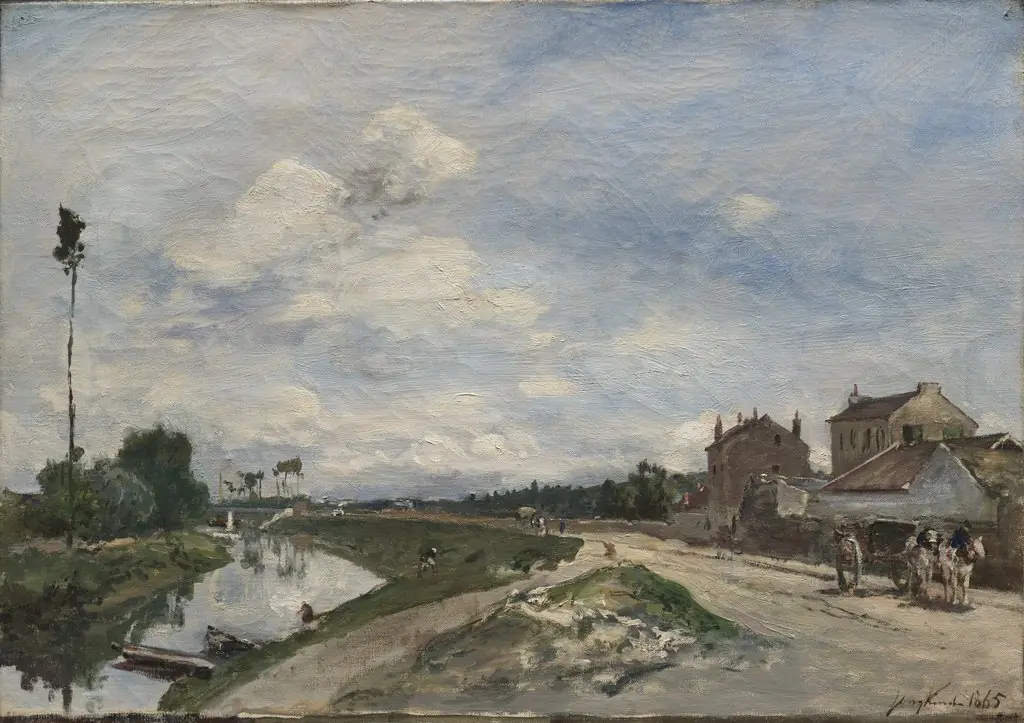 The Seine at Bas-Meudon
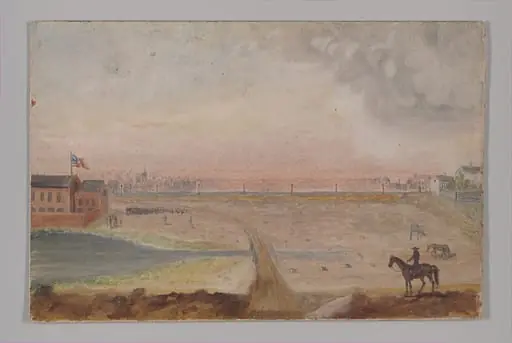 Militia Drilling
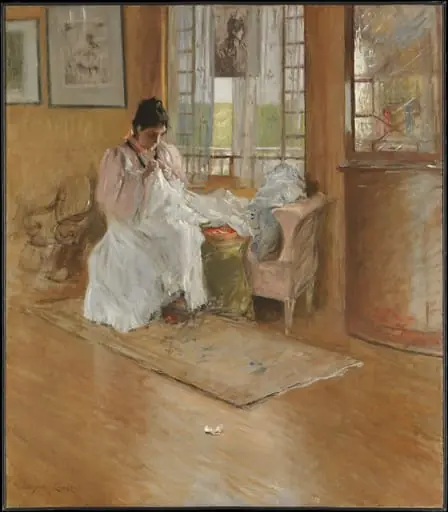 For the Little One
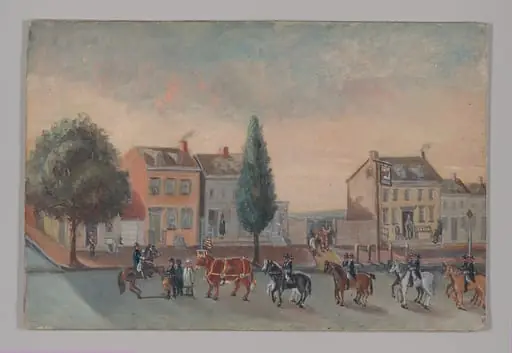 Bull's Head Tavern
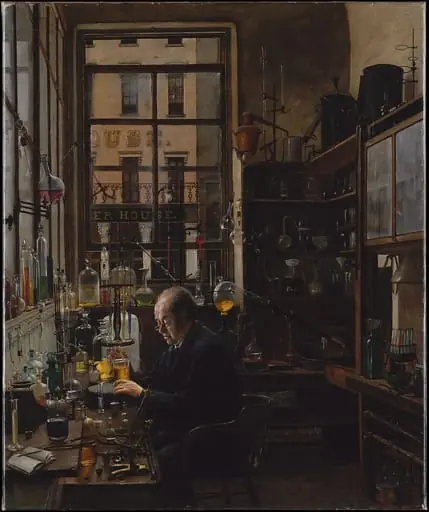 In the Laboratory
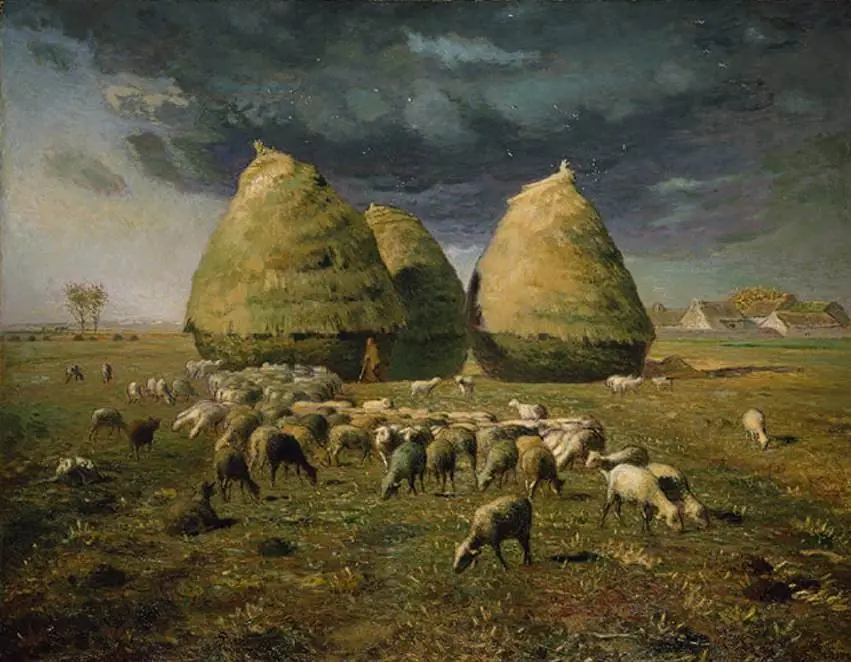 Haystacks: Autumn
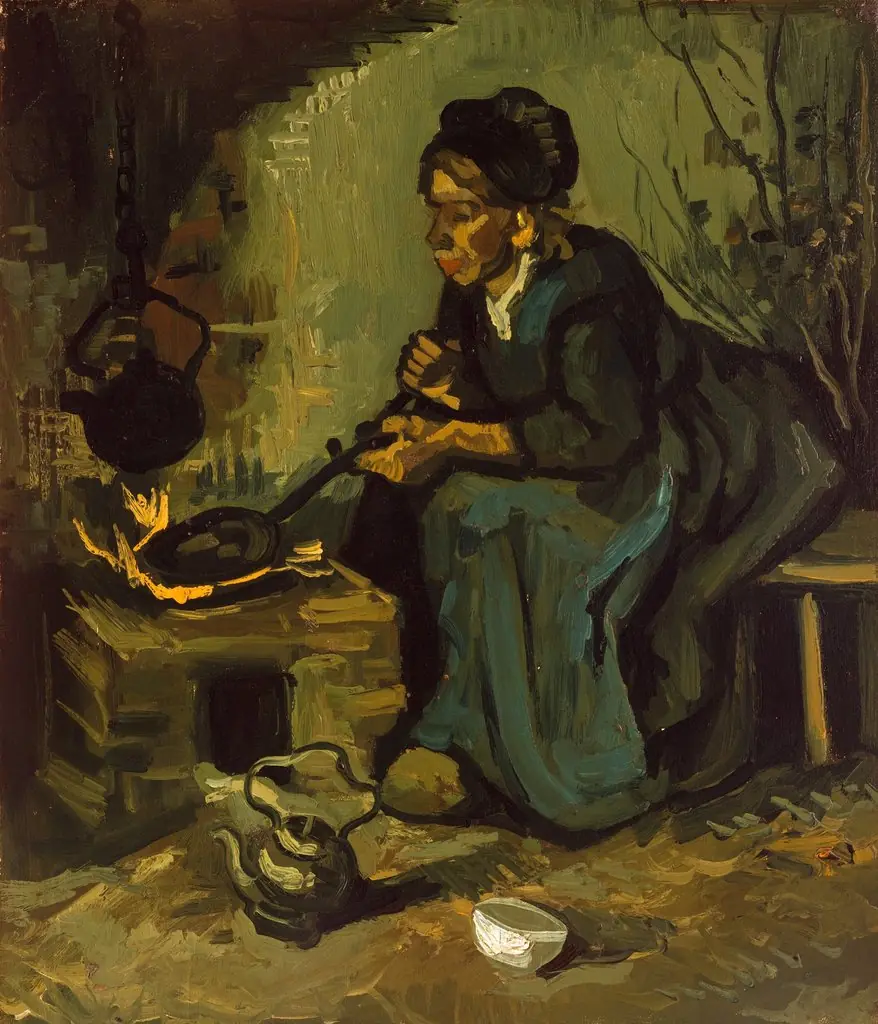 Peasant Woman Cooking by a Fireplace
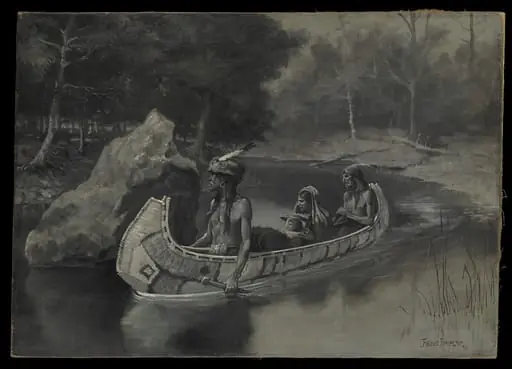 Pitched It Sheer into the River . . . Where It Still Is Seen in the Summer
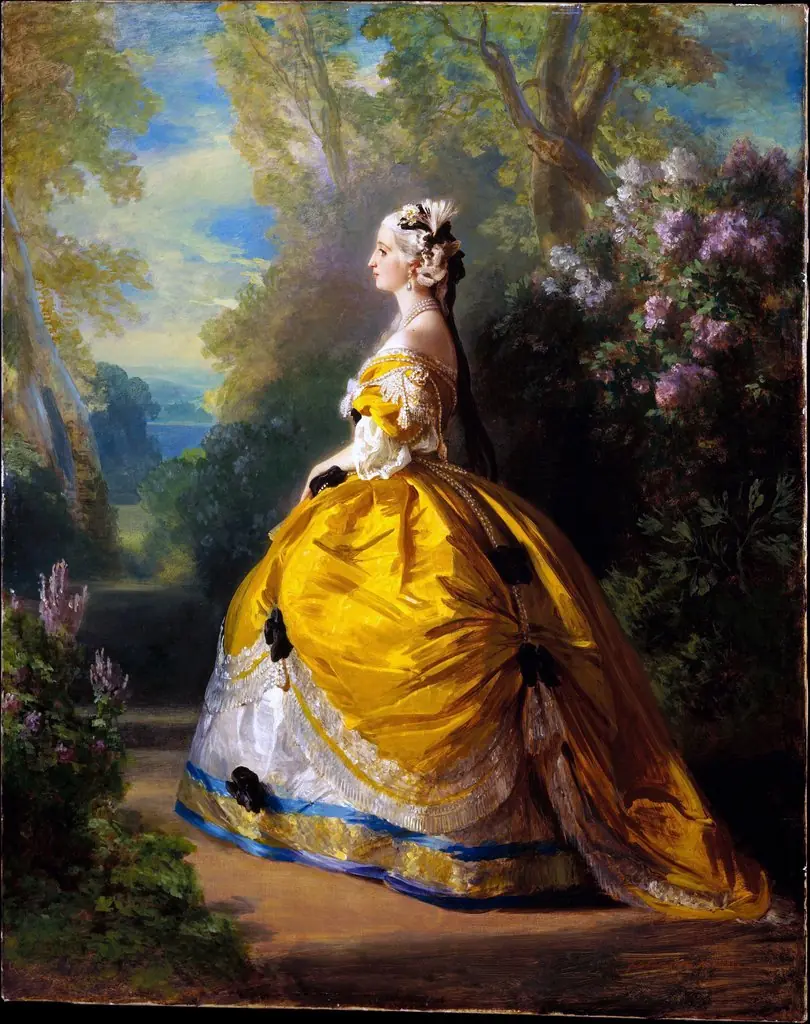 Portrait of Empress Eugénie de Montijo
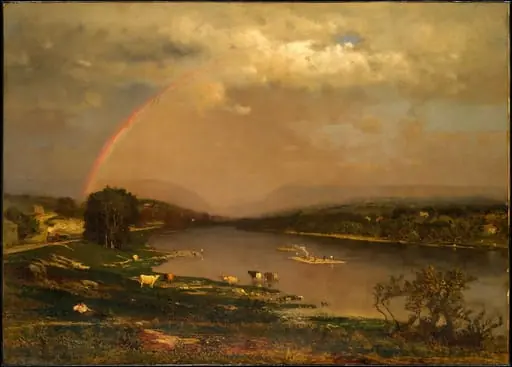 Delaware Water Gap
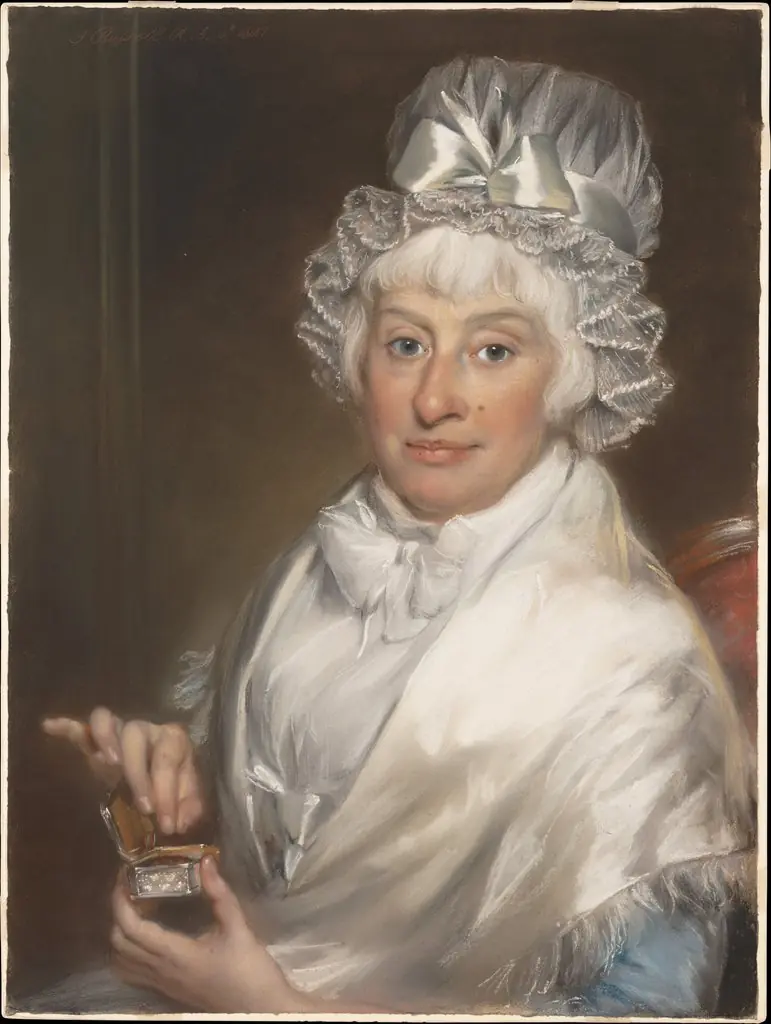 Mrs. Robert Shurlock Sr. (Ann Manwaring)
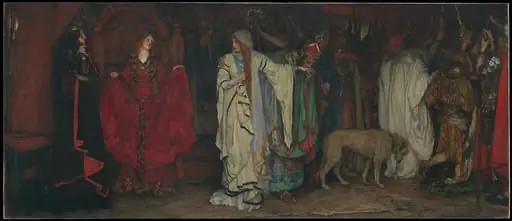 "King Lear," Act I, Scene I
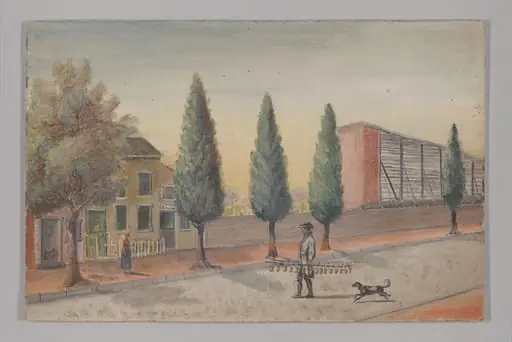 Strawberry Pedlar
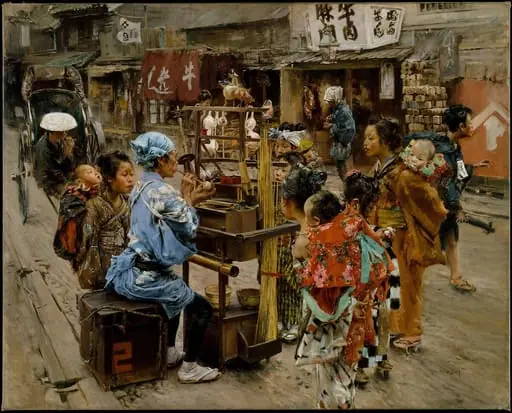 The Ameya
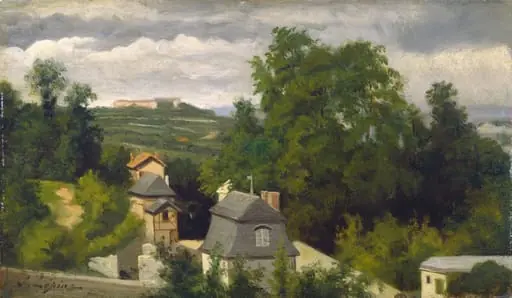 View on the Outskirts of Caen
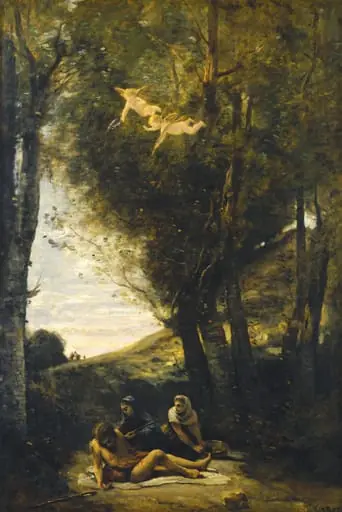 Saint Sebastian Succored by the Holy Women
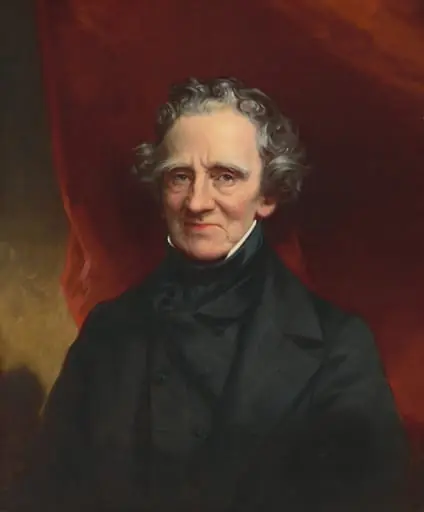 Self-Portrait
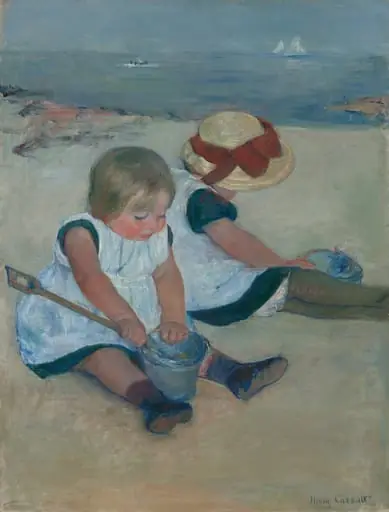 Children Playing on the Beach
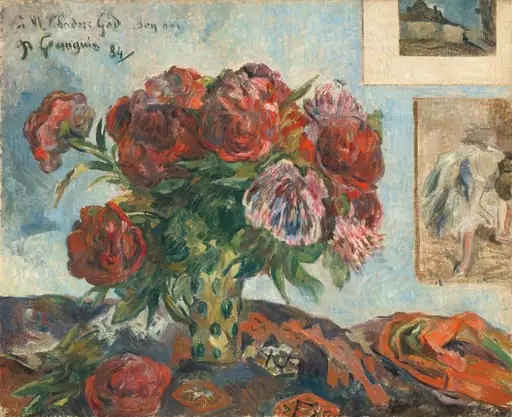 Still Life with Peonies
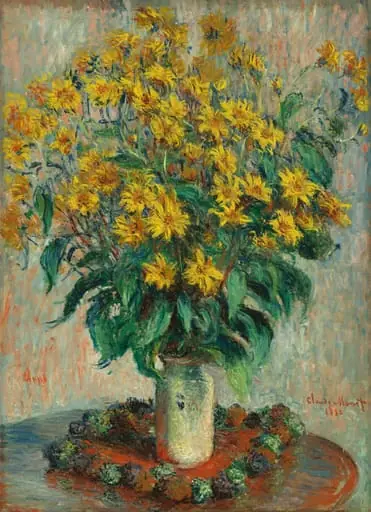 Jerusalem Artichoke Flowers
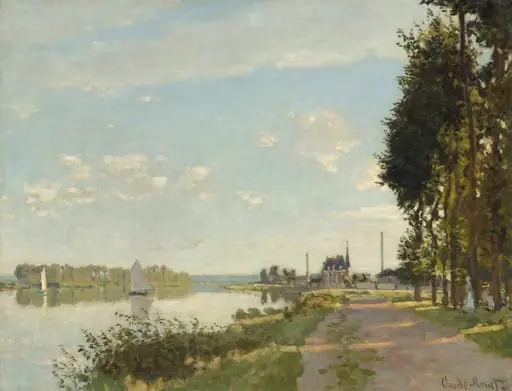 Argenteuil
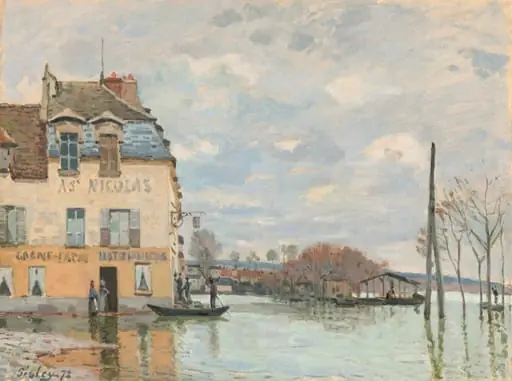 Flood at Port-Marly
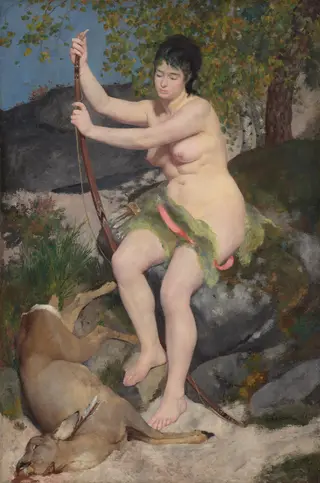 Diana
Diana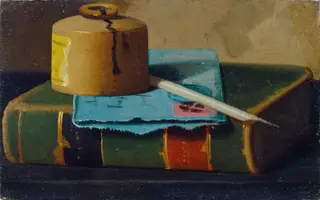 The Blue Envelope
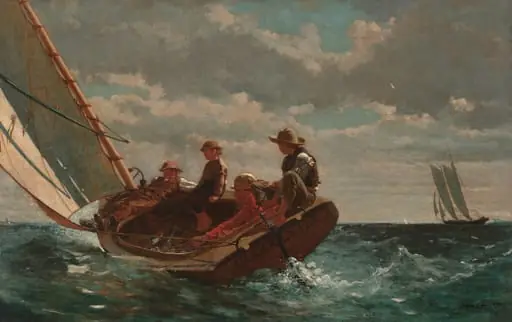 Breezing Up (A Fair Wind)
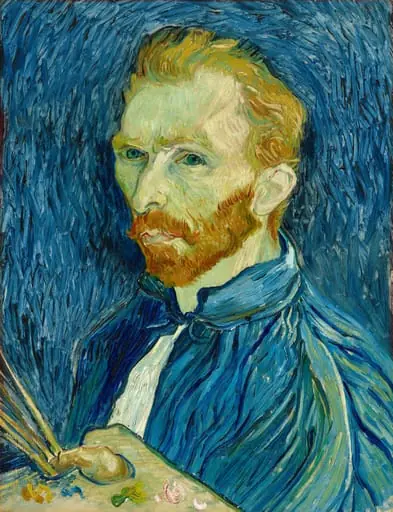 Self-Portrait
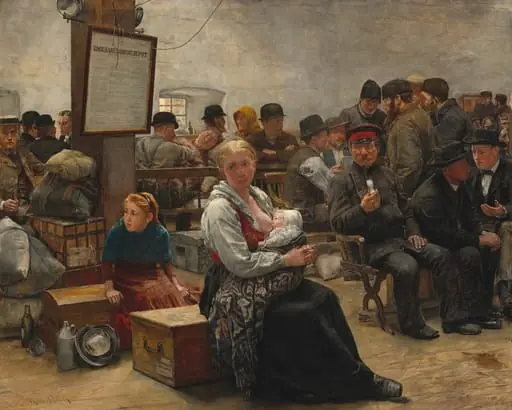 In the Land of Promise, Castle Garden
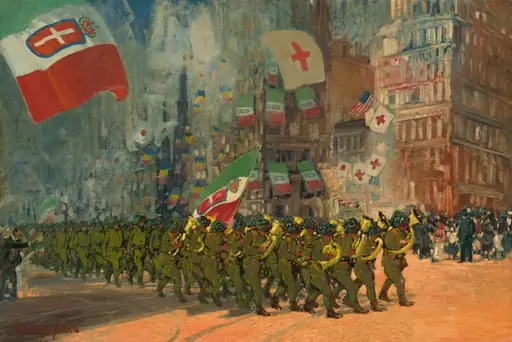 The Bersaglieri
 Landscape in Auvergne
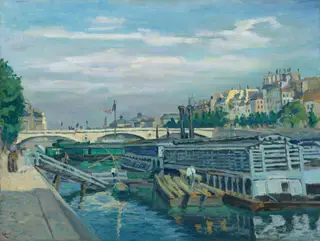 The Bridge of Louis Philippe
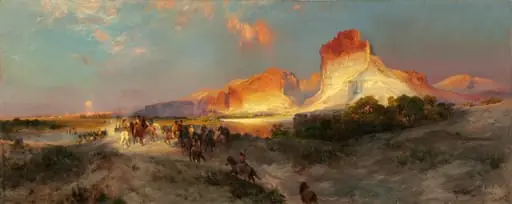 Green River Cliffs, Wyoming
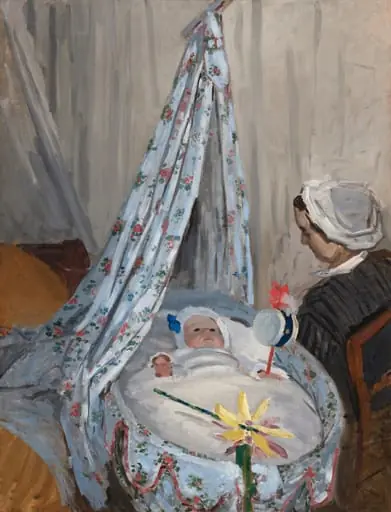 The Cradle - Camille with the Artist's Son Jean
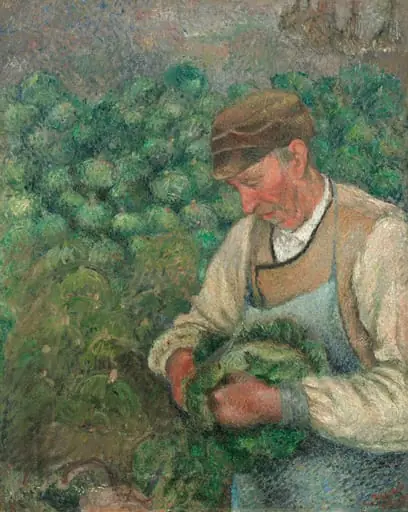 The Gardener - Old Peasant with Cabbage
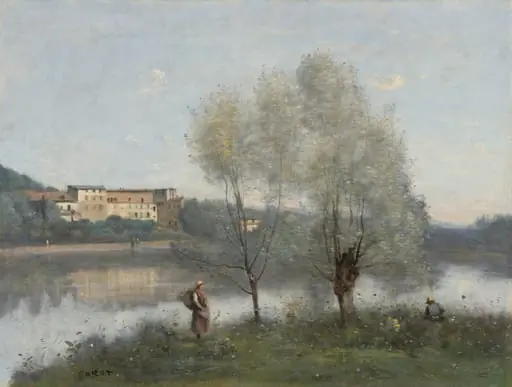 Ville-d'Avray
Groups & collectives
Learn this movement
Frequently asked questions
What is Realism?
Realism is an art movement. A broad tradition of representing the world as it actually appears, without idealization or romantic exaggeration.
How many Realism works does Artifact World Gallery have?
Artifact World Gallery holds 23,582 public-domain Realism works, all free to view and download.
Who are the key Realism artists?
Key Realism artists in the collection include Thomas Eakins, Jean Baptiste Camille Corot and Gustave Courbet.
When did Realism take place?
Realism dates from 1840–1870.
Where can I see Realism works?
Realism works in the collection are held by National Gallery of Art, Cleveland Museum of Art and Victoria and Albert Museum.