Artwork
Clarinette
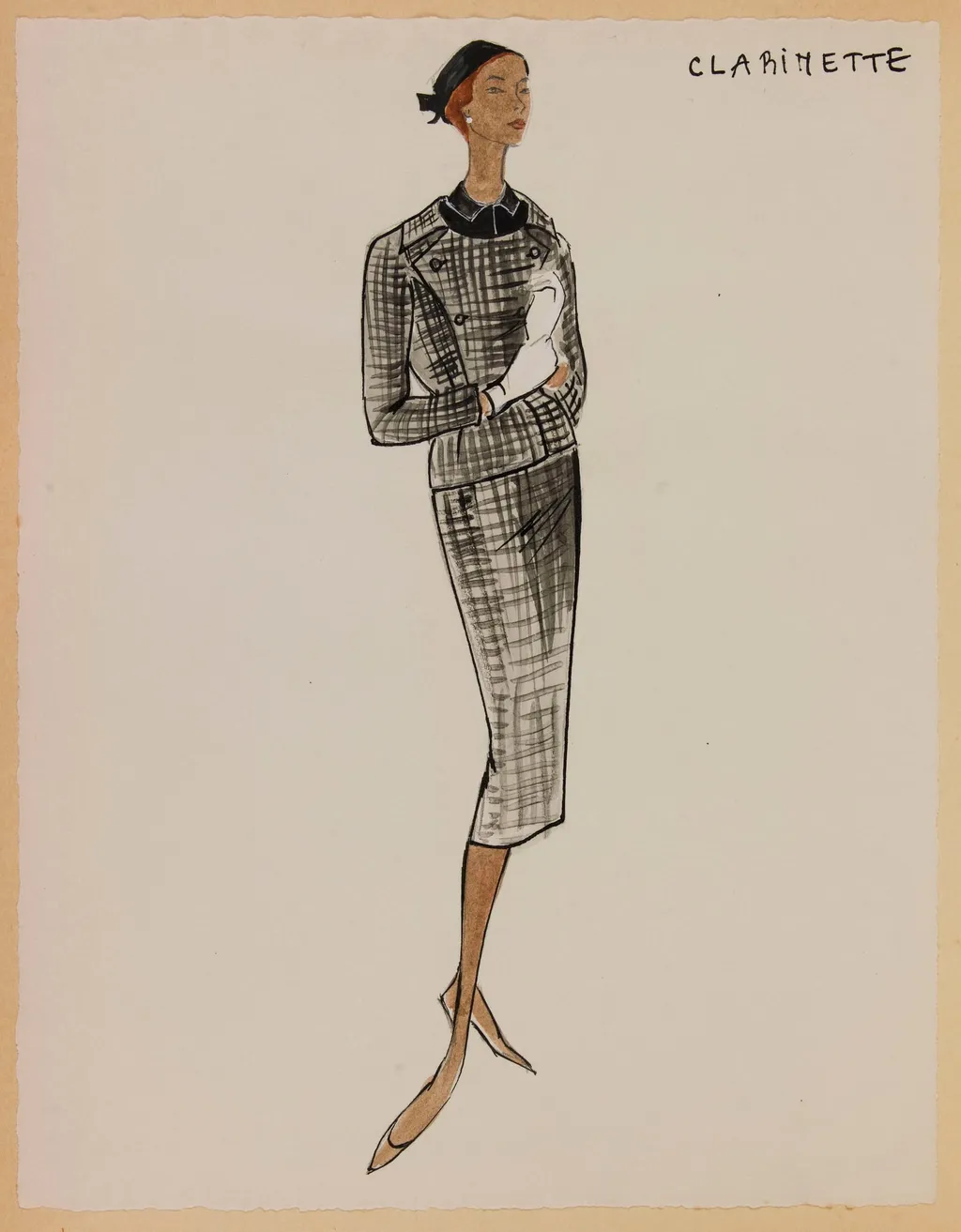
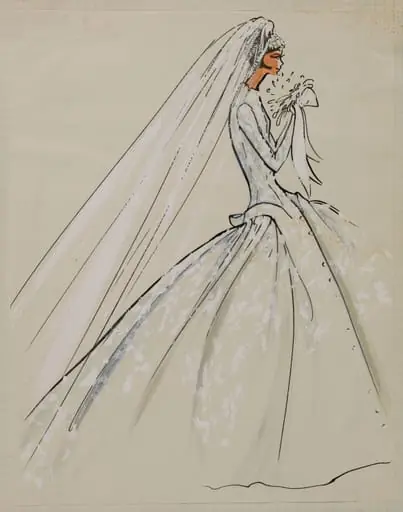
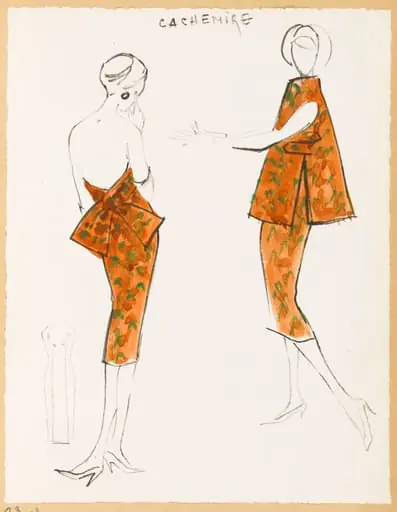
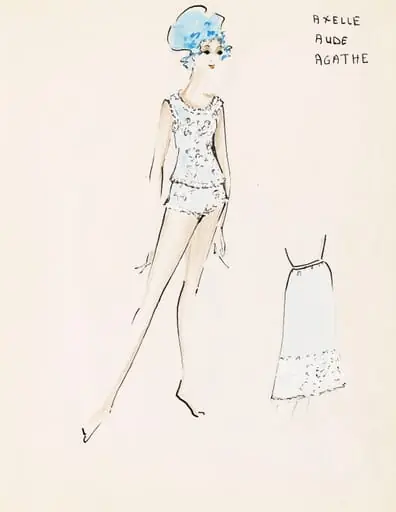
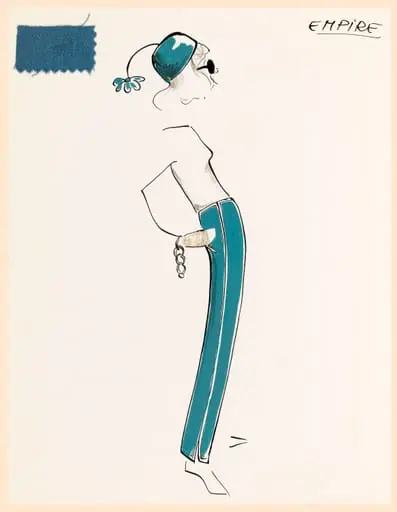
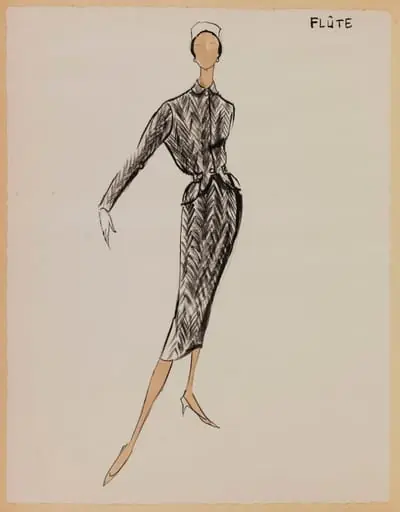
Clarinette is a drawing by Carven. It dates from 1956 and is held in the collection of the Palais Galliera - Musée de la Mode de la Ville de Paris.
About this work
Overview
It resides in the collection of the Museum of Ethnography, where it is cataloged as part of a broader study of everyday visual culture.
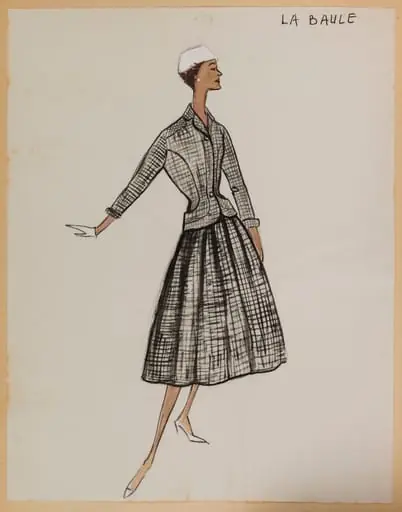
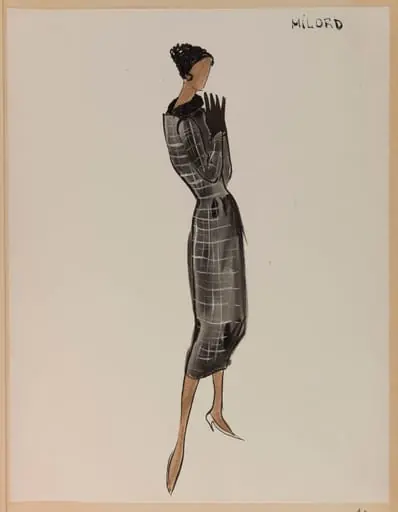
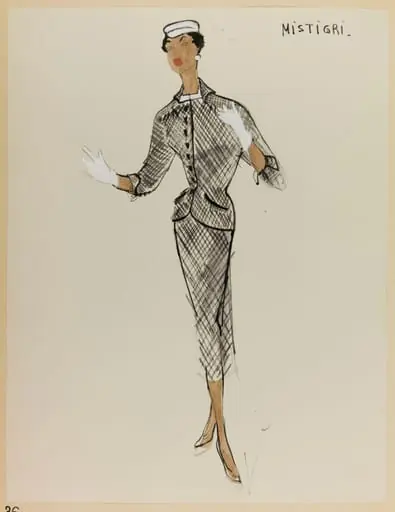
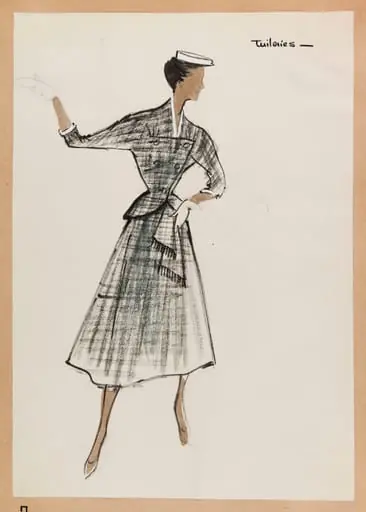
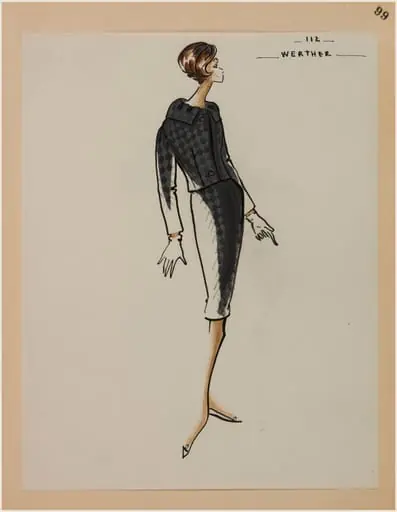
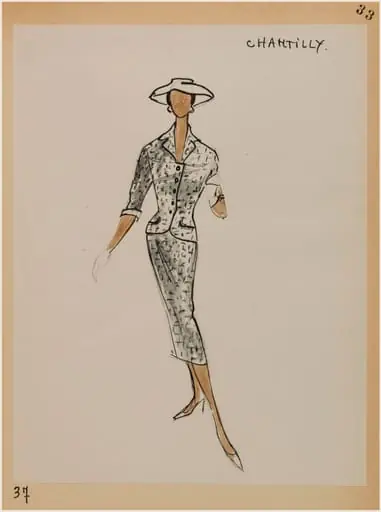
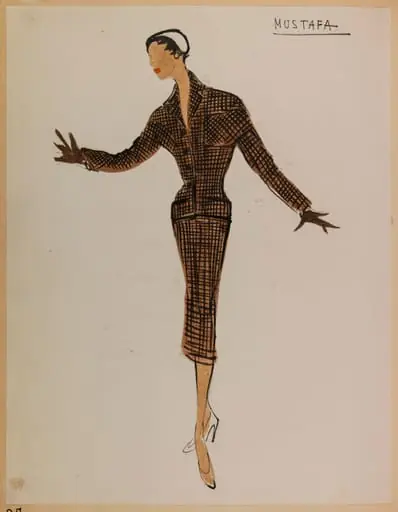
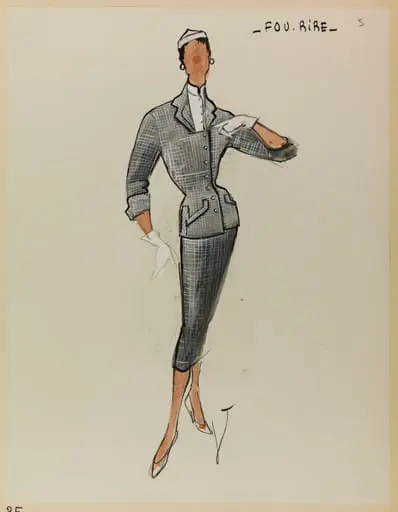
Clarinette is a pencil drawing from around 1956 by the artist Carven. It depicts a woman in a black-and-white plaid jacket and skirt, her hair neatly pulled back, holding a slender white object. Rendered with clean, bold outlines and little shading, the work emphasizes form and posture over detail.
It resides in the collection of the Museum of Ethnography, where it is cataloged as part of a broader study of everyday visual culture.
Subject & Meaning
The figure in Clarinette appears composed and self-assured, her upright stance and focused gaze suggesting quiet dignity. The absence of facial detail invites interpretation, shifting emphasis to her clothing and gesture. The white object she holds may be a musical instrument or a domestic tool, but its ambiguity preserves the work’s open-ended character, reflecting an interest in ordinary moments rather than narrative clarity.
Technique & Style
Carven employs minimal shading and strong, unbroken lines to define the figure and her attire. The plaid pattern is suggested through intersecting strokes rather than precise rendering, emphasizing rhythm over realism. The style is reductive, avoiding texture and depth, which aligns with a deliberate simplification of form. Cross-hatching is used sparingly, primarily to indicate shadow or volume without disrupting the drawing’s clarity.
History & Provenance
Clarinette entered the Museum of Ethnography’s collection in the late 1950s, likely acquired as part of a broader effort to document contemporary domestic life through visual art. Its origin as a personal sketch or study is unconfirmed, but its inclusion in the museum suggests it was selected for its representation of everyday aesthetics rather than artistic prestige.
Context
Created in postwar Europe, Clarinette reflects a period when artists increasingly turned to mundane subjects as subjects of artistic value. The drawing’s simplicity resonates with contemporaneous movements that valued directness and rejected ornamentation. Its focus on a woman in ordinary dress aligns with broader cultural shifts toward documenting the lives of non-elite individuals.
Legacy
Clarinette remains a quiet example of mid-century observational drawing, valued for its restraint and emotional subtlety. It has not been widely exhibited but continues to inform studies of vernacular art and gender representation in mid-20th-century visual culture. Its preservation in an ethnographic context underscores its role as a document of lived experience rather than artistic innovation.
Artist & collection
Artist
These delicate ink-on-paper drawings capture the quiet poetry of everyday things: pinecones, reeds, apples.
Museum
Palais Galliera - Musée de la Mode de la Ville de Paris
Continue through works from the same source collection.