Artist
Period
Contemporary is an art period dating from 1945. The gallery holds 12,975 works in this period, including works by Claude Monet, Pierre Bonnard and Henri Matisse.
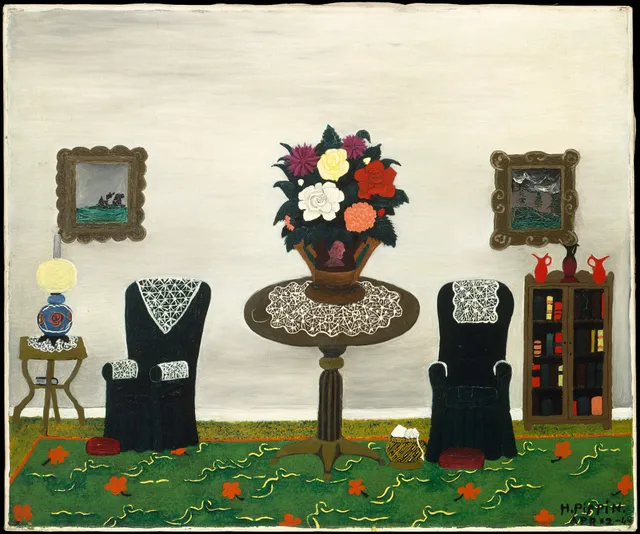
"Contemporary" denotes not a single style but a span of time — in most English-language art history, the period from roughly 1945, the end of the Second World War, to the present, with many scholars marking a sharper break in the 1960s with the arrival of Pop. Unlike a movement such as Cubism or Impressionism, it is defined by chronology rather than a shared visual language: any work of the era, in any medium, belongs to it. The category took shape as the war shifted the art world's center of gravity from Paris to New York and as artists, critics, and a rapidly expanding network of museums, biennials, galleries, and art fairs began to treat the new and the present-tense as a field in its own right. Our own collection's Horace Pippin, *Victorian Interior II* (1946), sits at this threshold.
If the period resists a single look, it is bound together by attitudes. Abstract Expressionism, the gestural, large-scale painting of Jackson Pollock and Mark Rothko, is often read as both the culmination of modernism and the opening of the contemporary. The decades that followed splintered into deliberate plurality: Pop Art's embrace of advertising and mass production, Minimalism's reduction to elemental form and the viewer's perception, Conceptual art's insistence that the idea outweighs the object, and the performance, installation, video, and digital practices that dissolved older boundaries between media. Postmodernism gave this its theory — a skepticism toward grand narratives, a taste for appropriation, irony, and the collapse of the line between high art and popular culture.
The period's canonical figures reflect that range. Andy Warhol turned Campbell's soup cans and celebrity portraits into icons of consumer culture; Cindy Sherman's *Untitled Film Stills* (1977–80) interrogated identity and the female image through staged photography; Jean-Michel Basquiat fused graffiti, text, and Neo-Expressionist energy. Later, Damien Hirst's *The Physical Impossibility of Death in the Mind of Someone Living* (1991) and Jeff Koons's polished readymades pushed spectacle and the market to new extremes, while Yayoi Kusama's mirrored infinity rooms and Ai Weiwei's *Sunflower Seeds* (Tate Modern, 2010) signaled the period's increasingly global and politically engaged reach.
Contemporary art is best understood as the still-open continuation of modernism rather than its repudiation — pluralistic, internationalized, and self-aware, absorbing the legacies of Dada, Surrealism, and abstraction even as it reaches beyond the West to artists working across Asia, Africa, and Latin America. It remains the living frame within which today's art is made and debated.
Artist
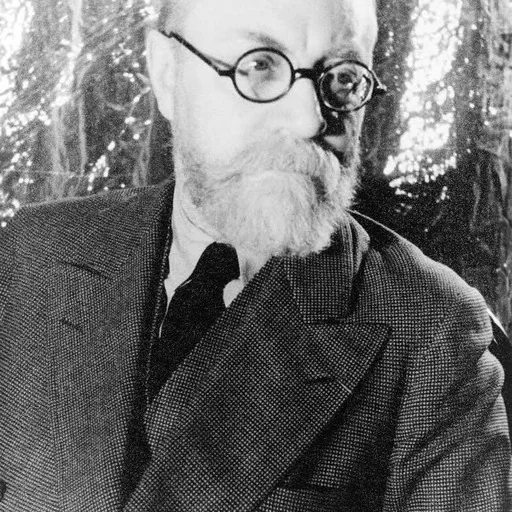

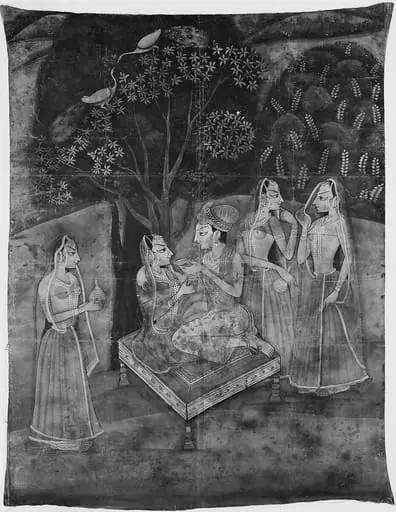 Untitled
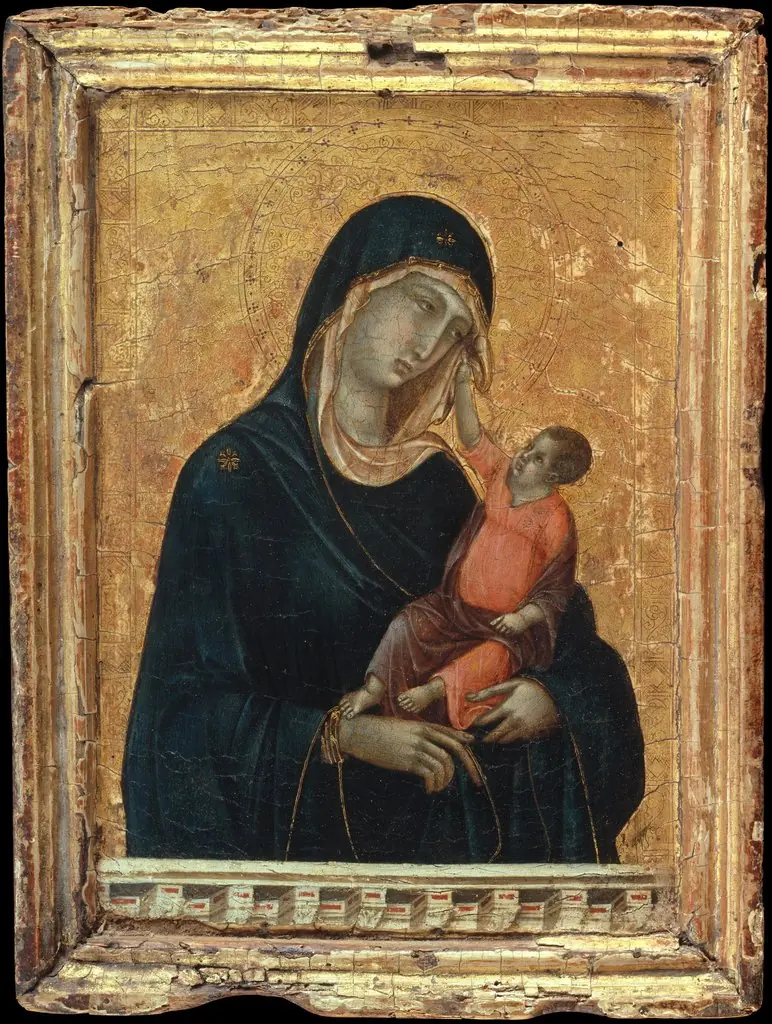 Madonna and Child
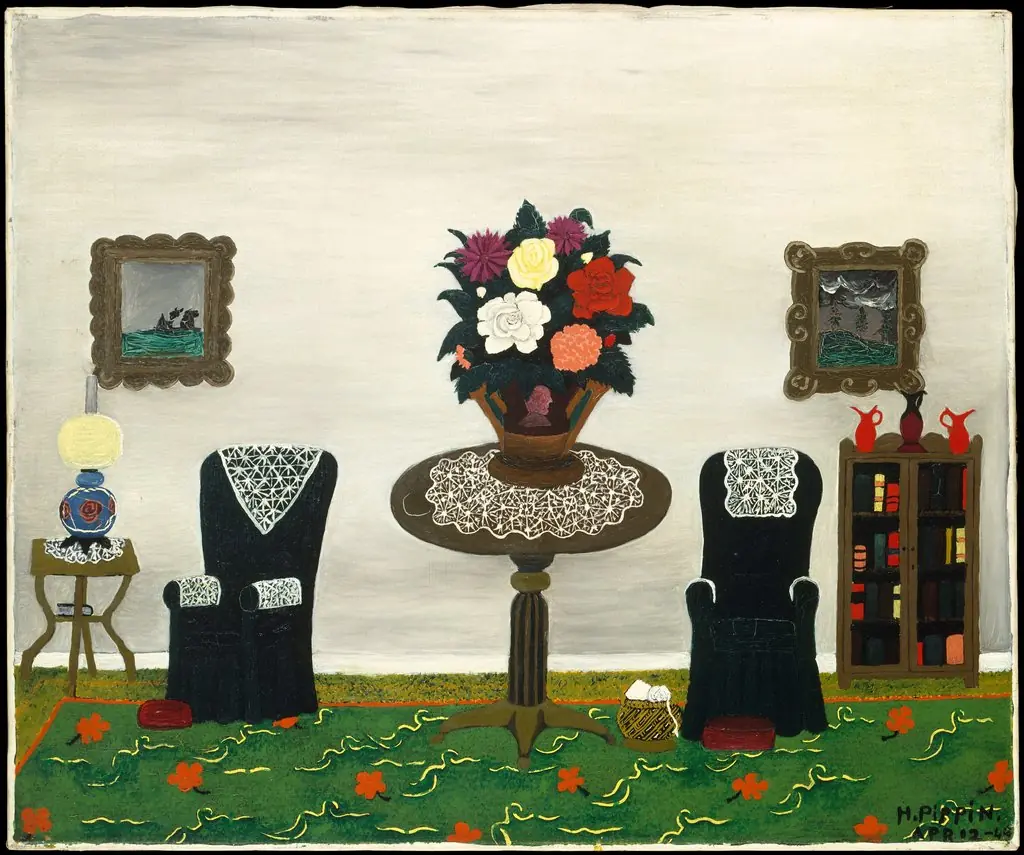 Victorian Interior II
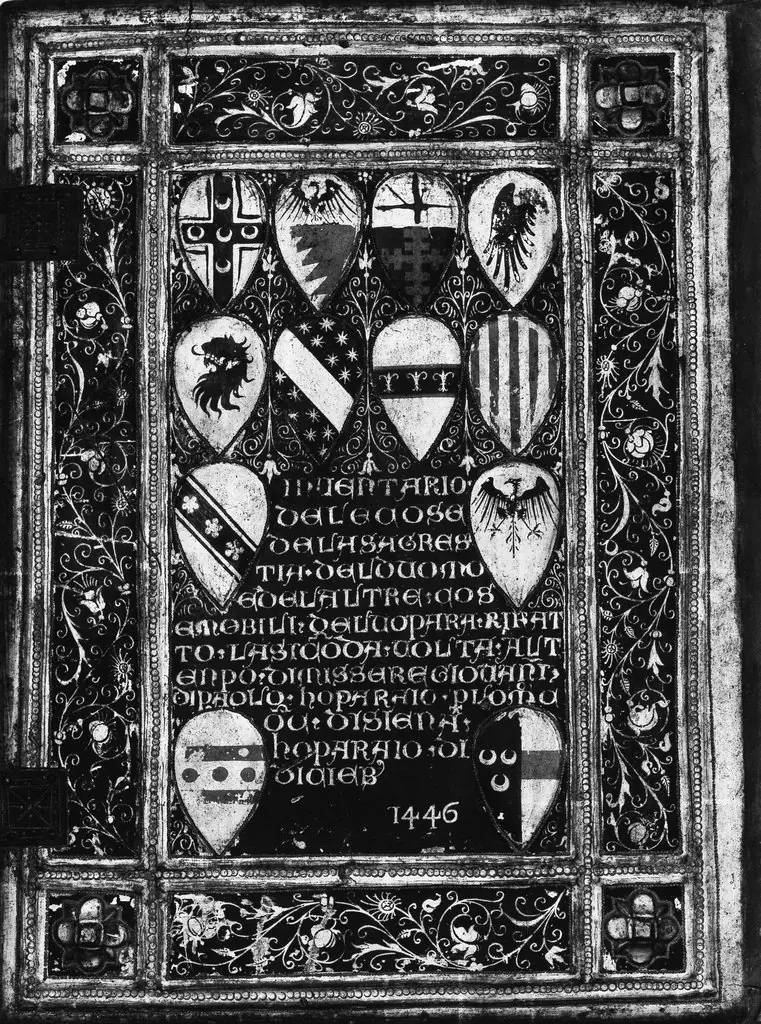 Saint Michael
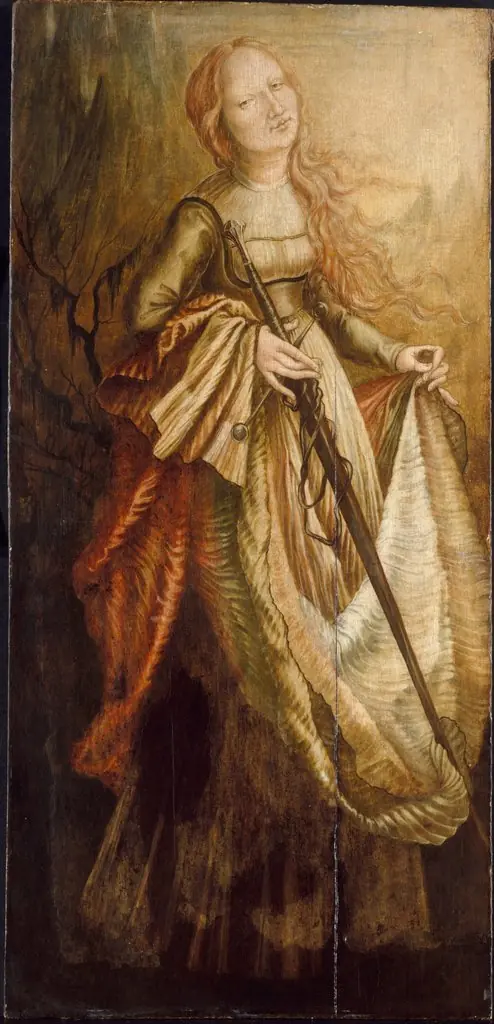 Saint Catherine
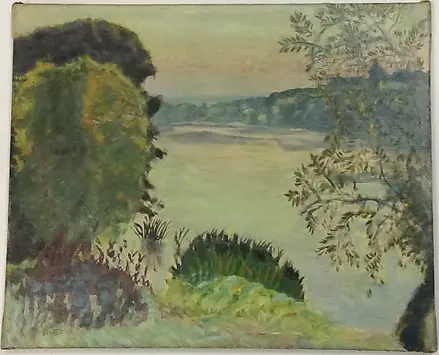 The Seine at Vernon
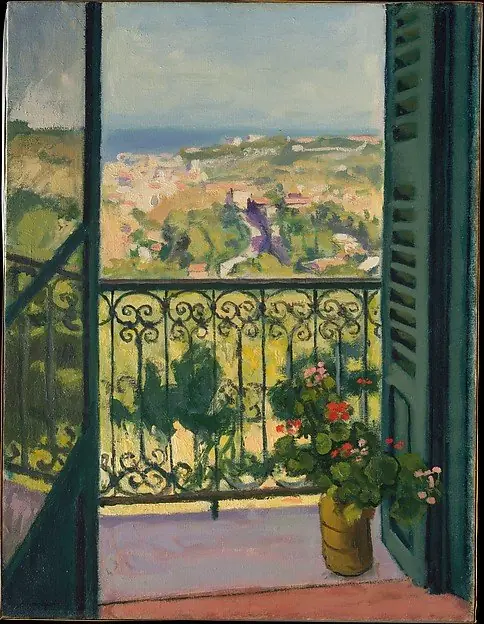 View from a Balcony
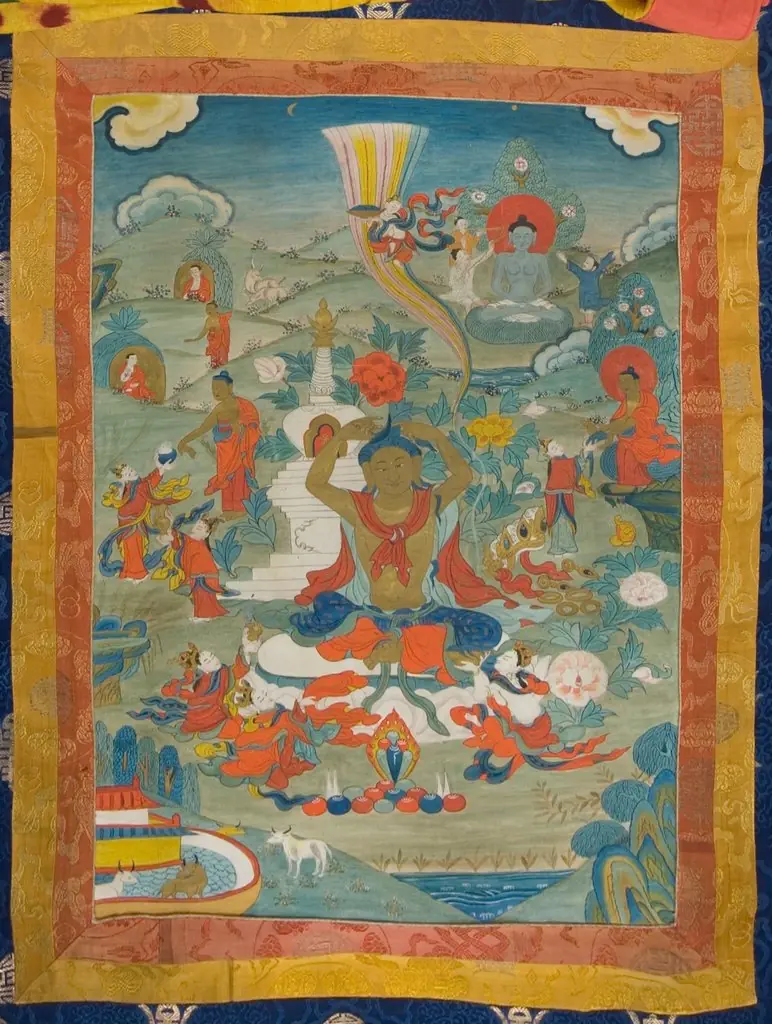 The Great Renunciation of Siddhartha
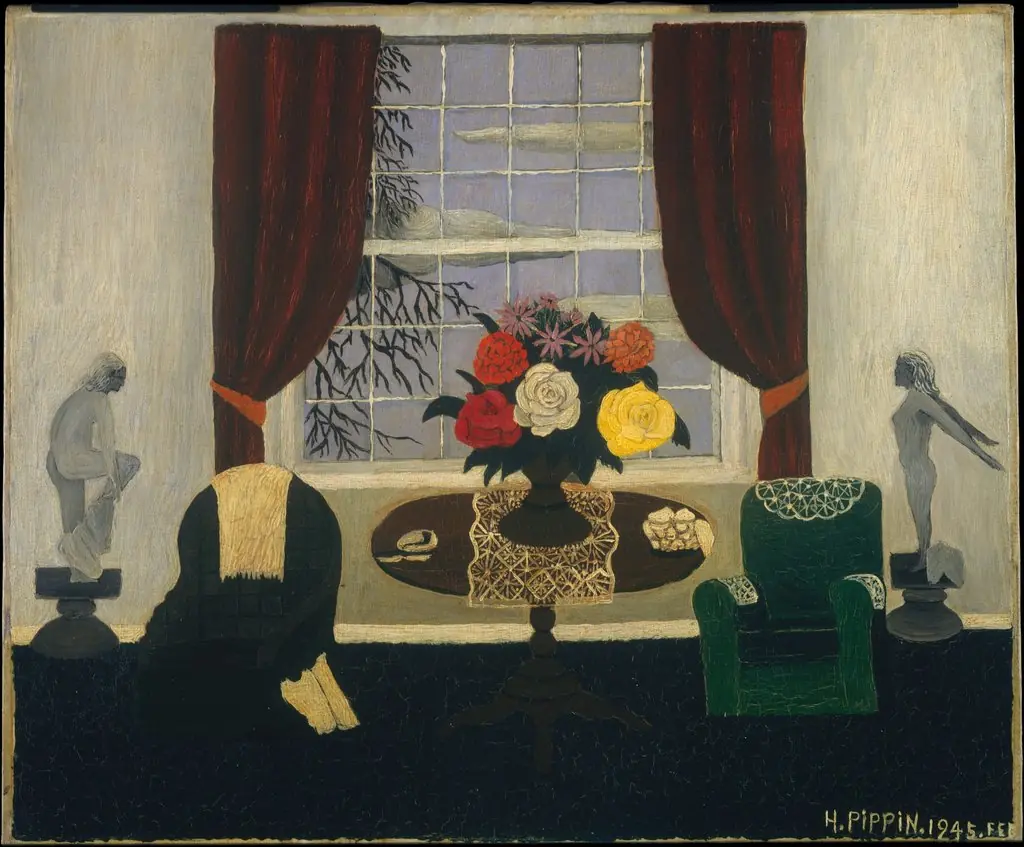 Victorian Interior I
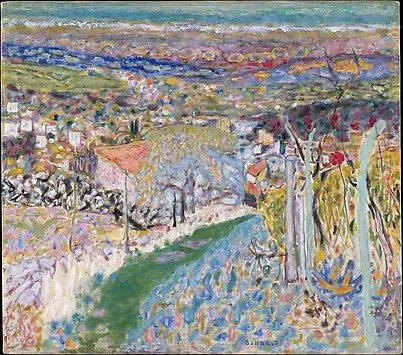 Landscape in the South (Le Cannet)
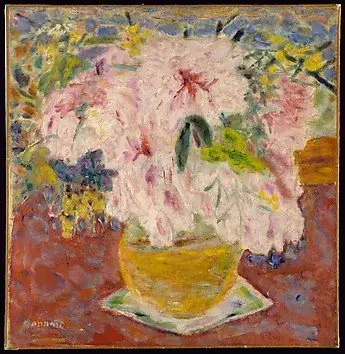 Pink Bouquet
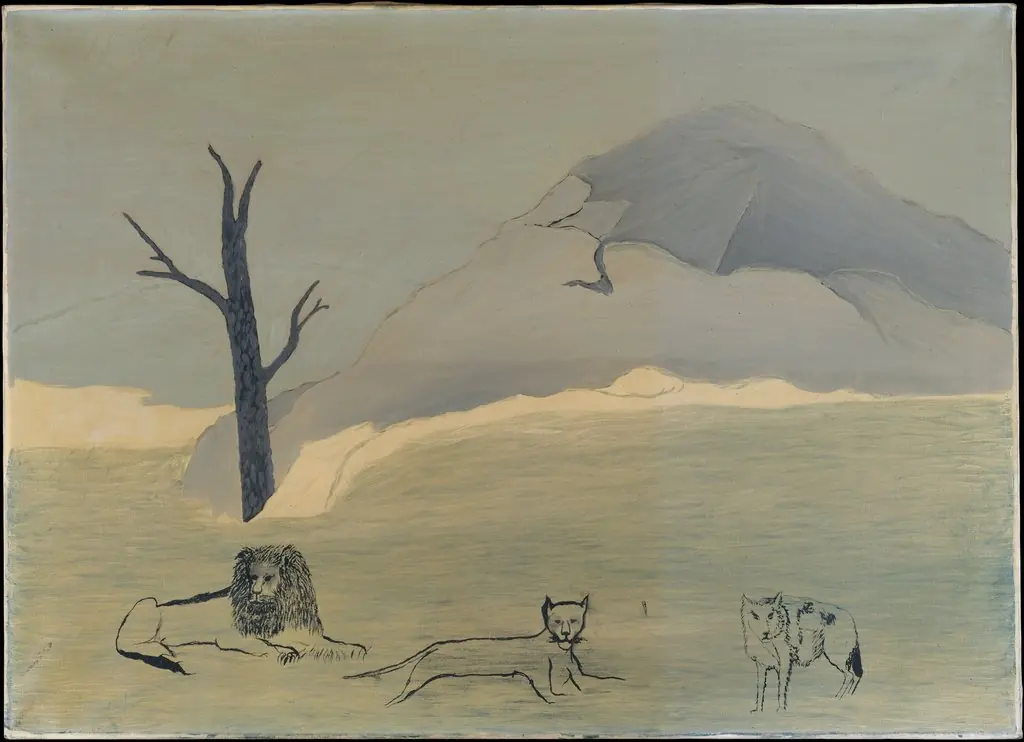 Holy Mountain IV
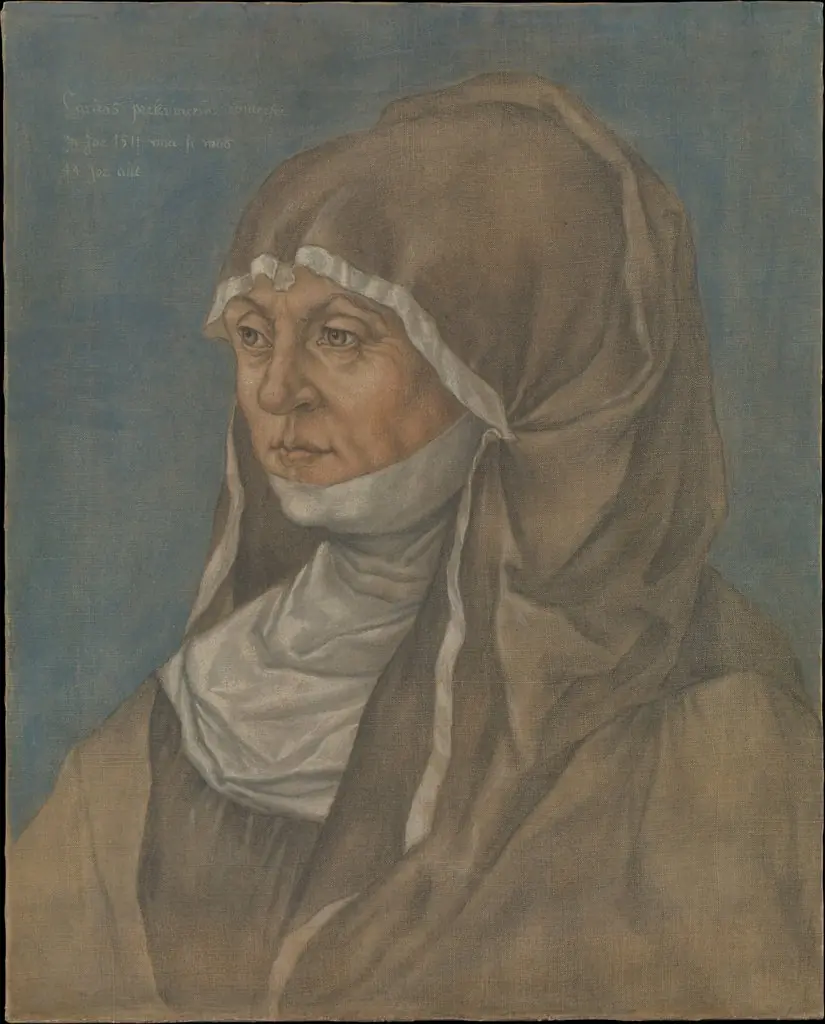 Portrait of a Woman, Said to Be Caritas Pirckheimer (1467–1532)
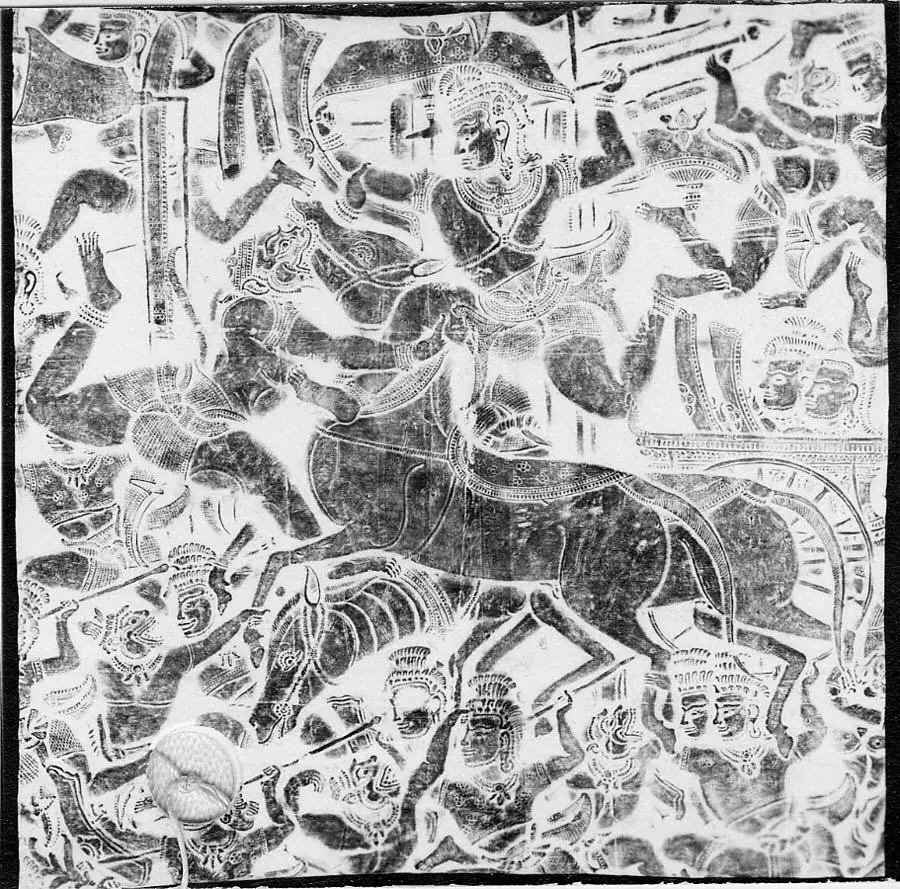 Scene from the Ramayana
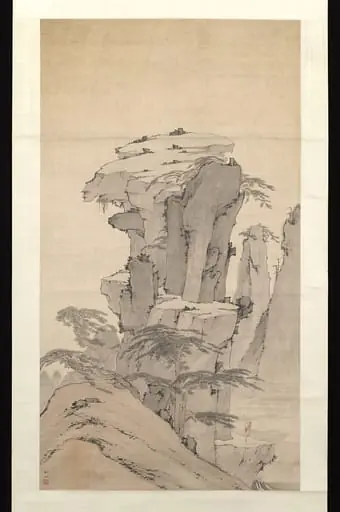 Untitled
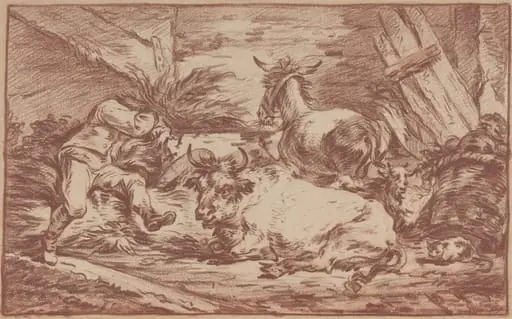 Animals in a Stable
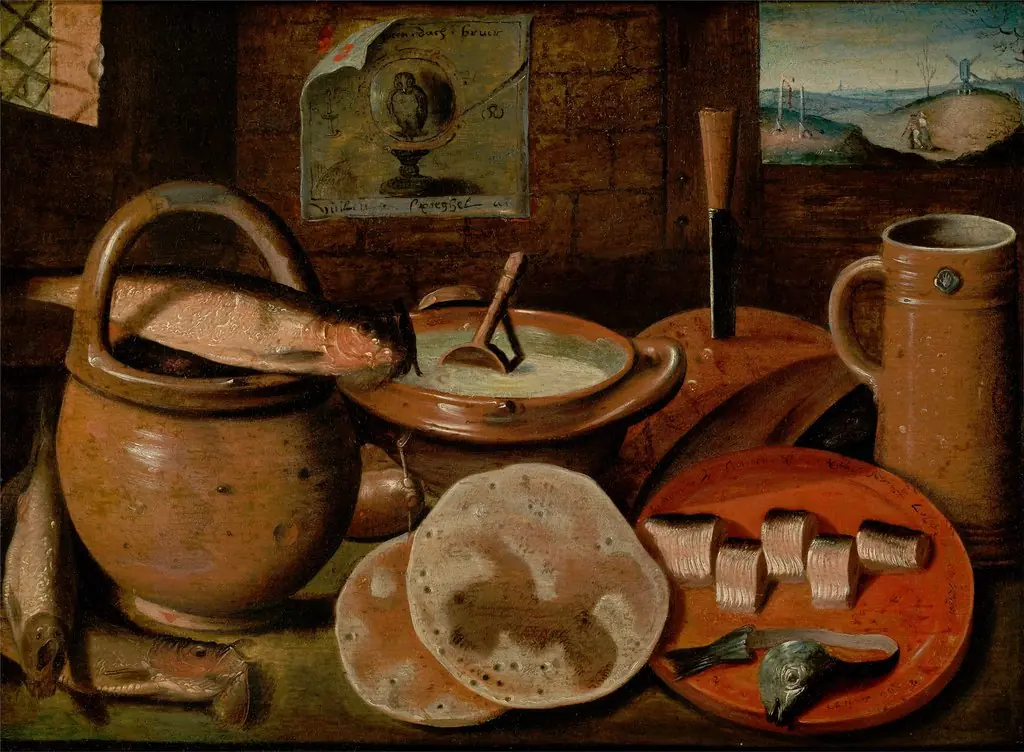 Still Life with a Poor Man's Meal of Porridge, Cheese, Herring and Pancakes
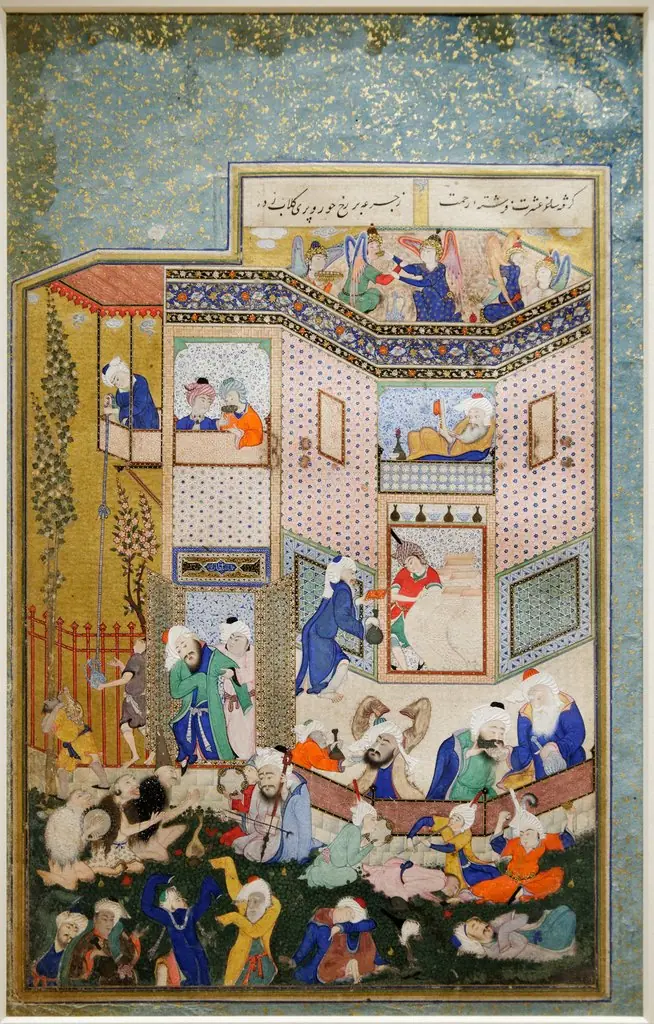 Samson (Bairds Carryout)
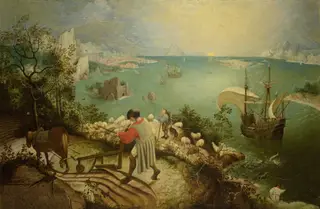 Landscape with the Fall of Icarus
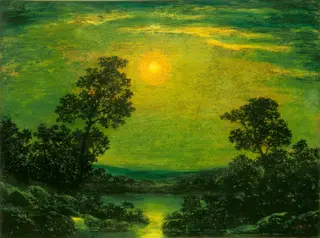 Moonlight
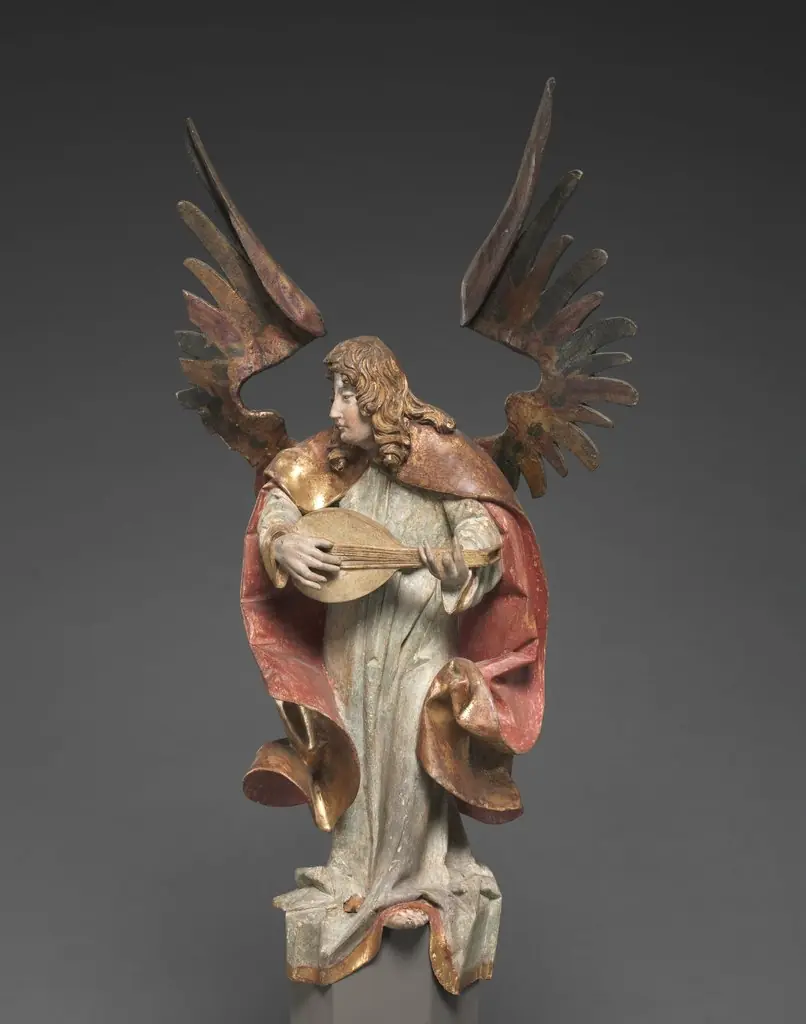 Venice-13
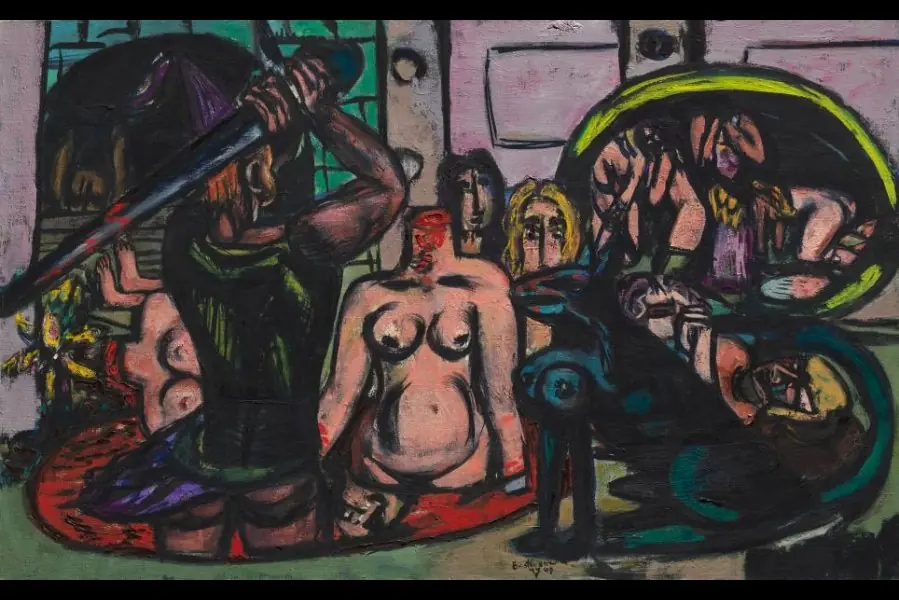 Perseus's Last Duty
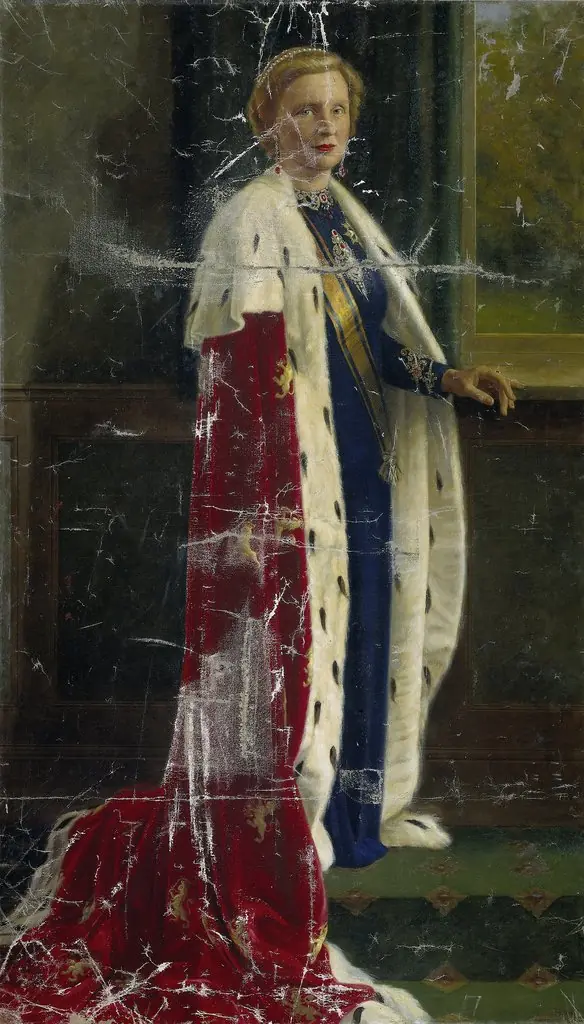 Queen Juliana of the Netherlands in Her Coronation Robes
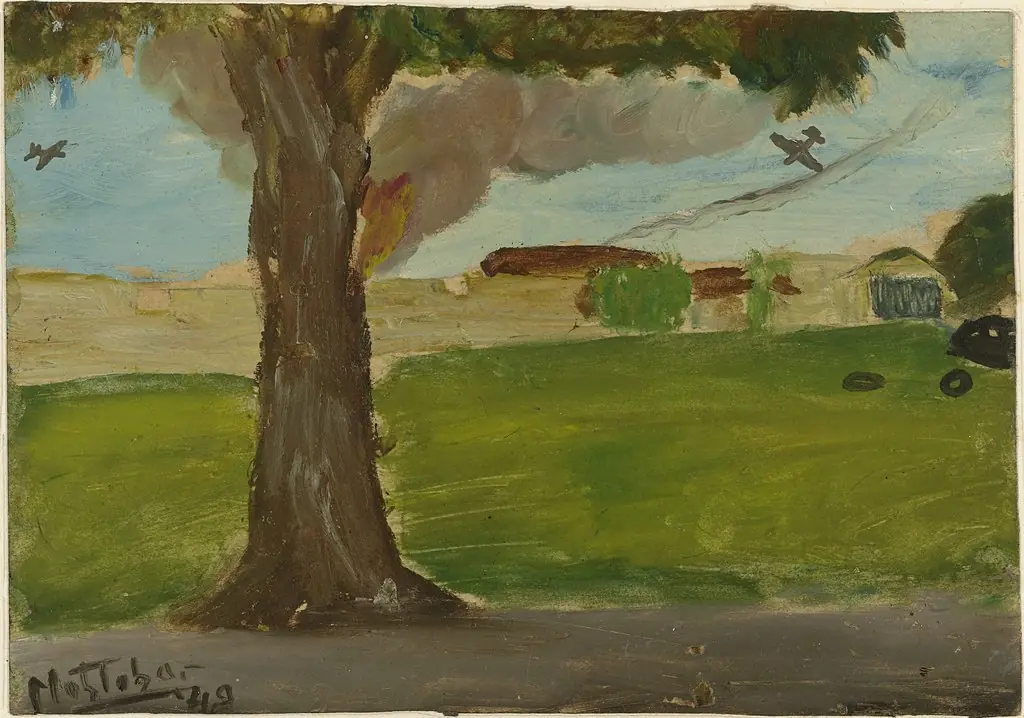 A Dutch Bomber Bombing the Fort in the Center of the City of Jogyakarta
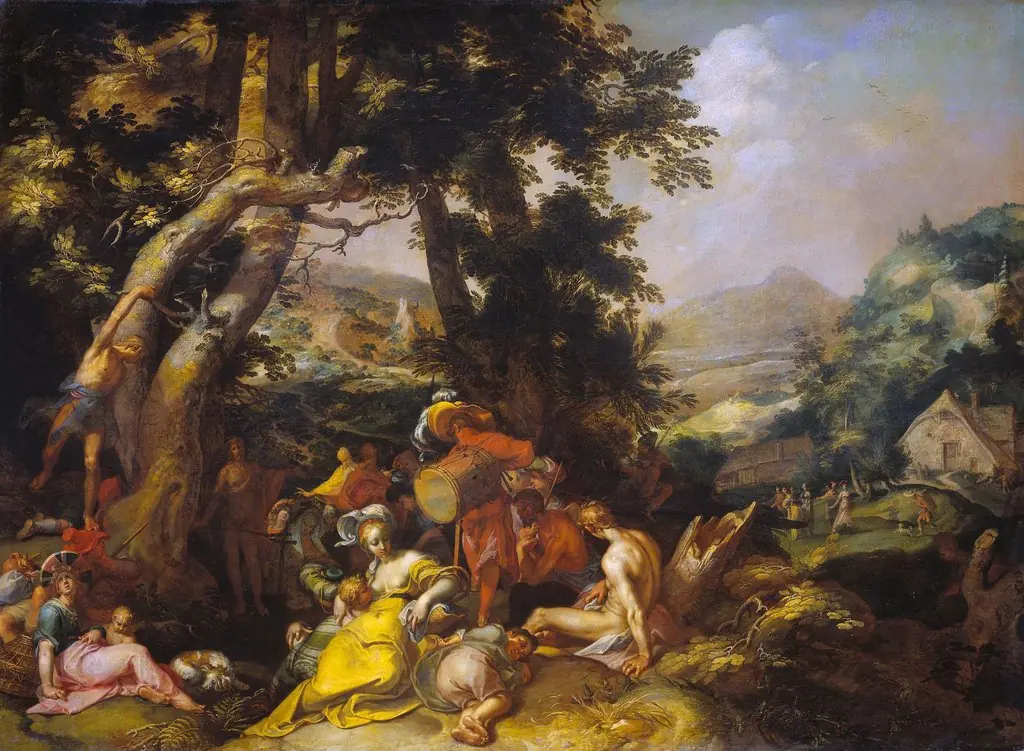 Landscape with the Ministry of John the Baptist
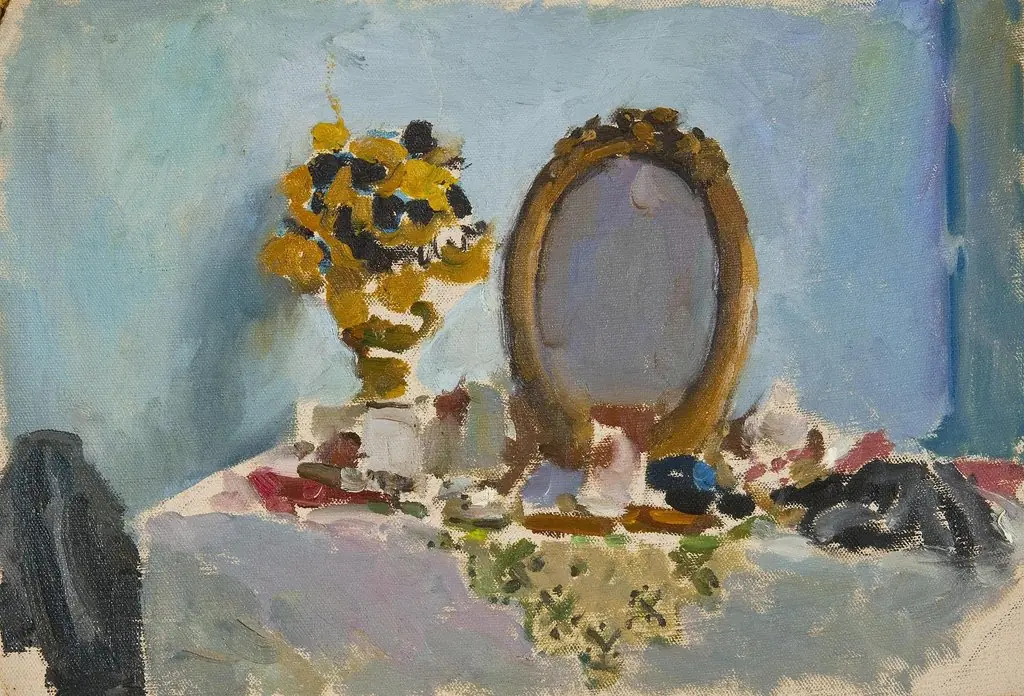 Still Life with a Mirror. Sketch
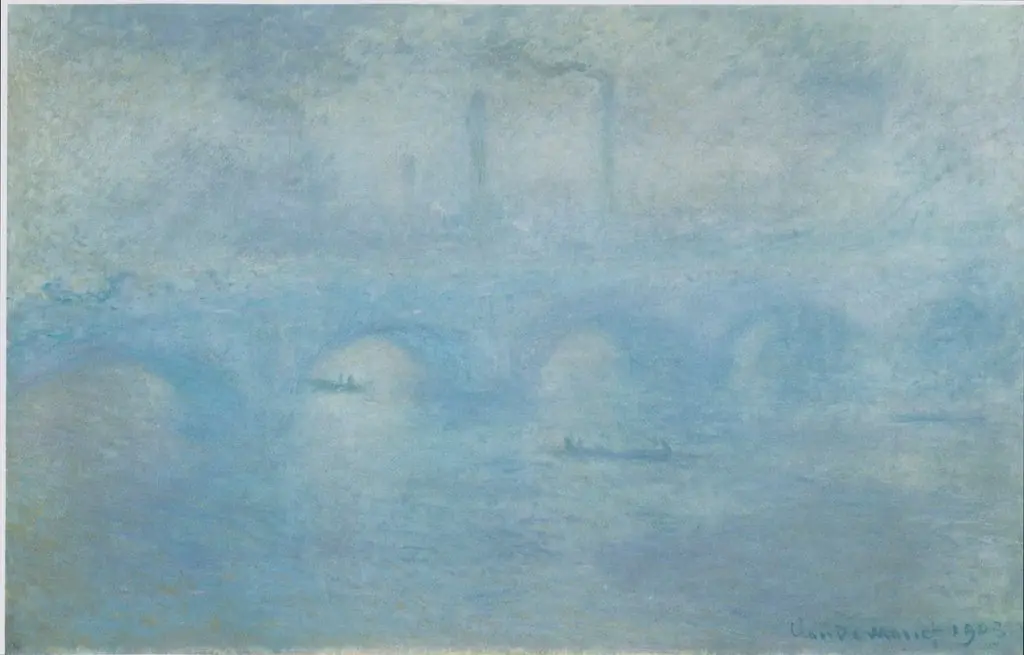 Waterloo Bridge. Effect of Fog
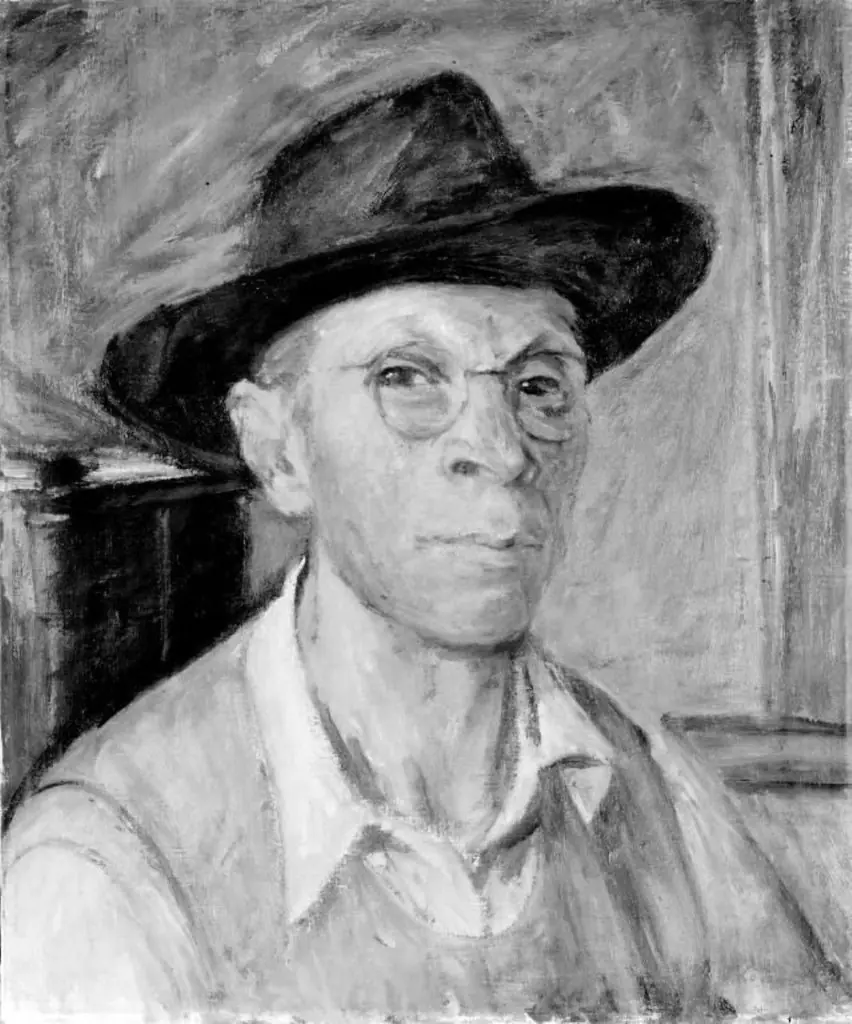 Self-Portrait
 Zulma
Zulma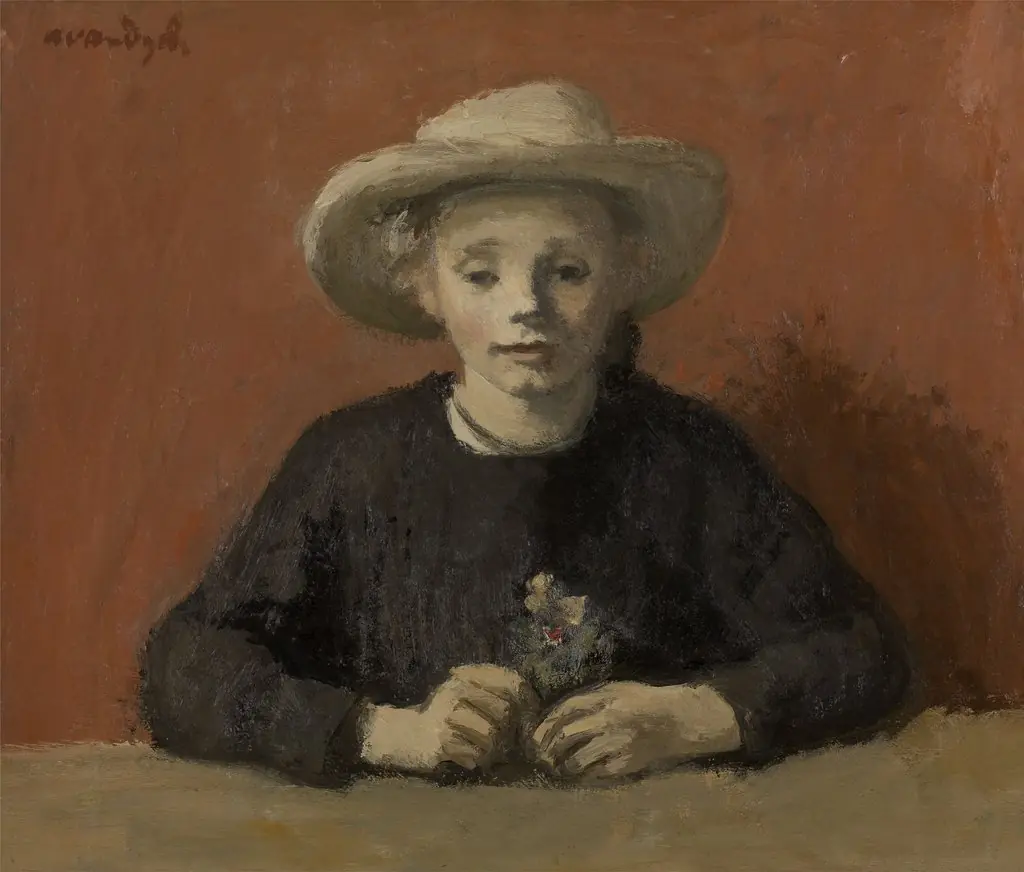 Gusta in a Little Hat
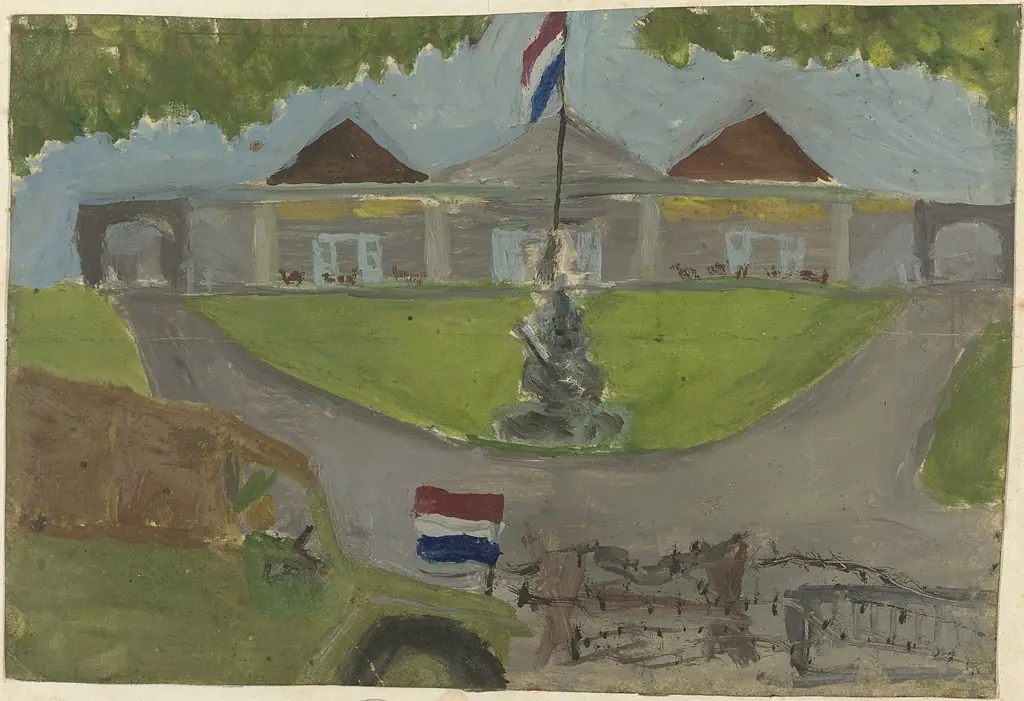 Dutch Troops Occupied the Presidential Palace
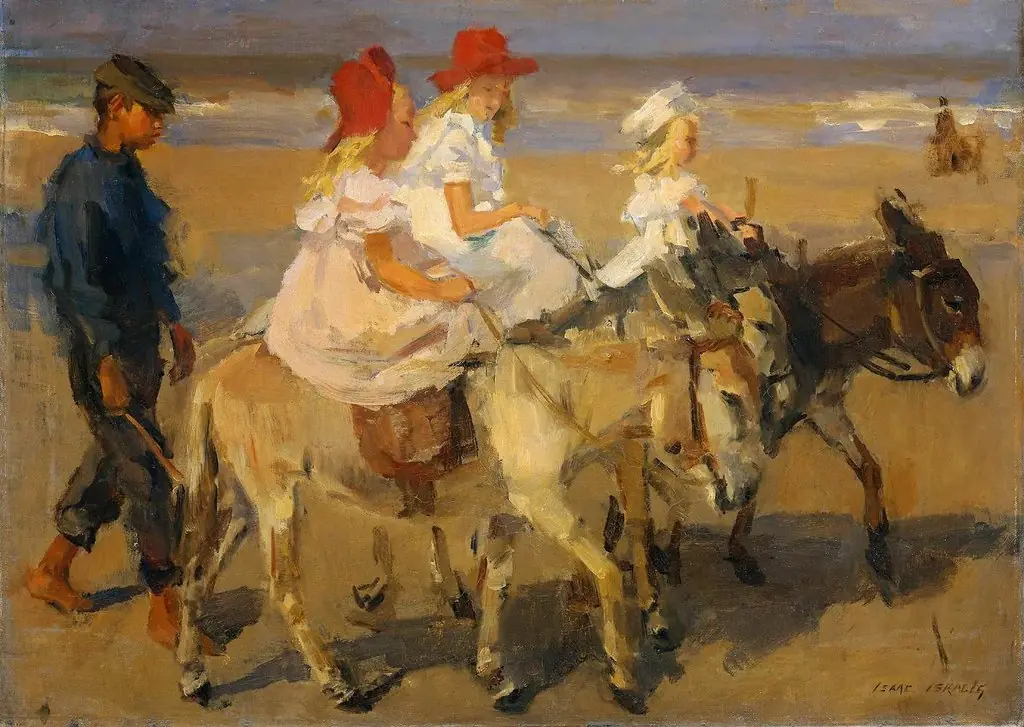 Donkeyrides on the Beach
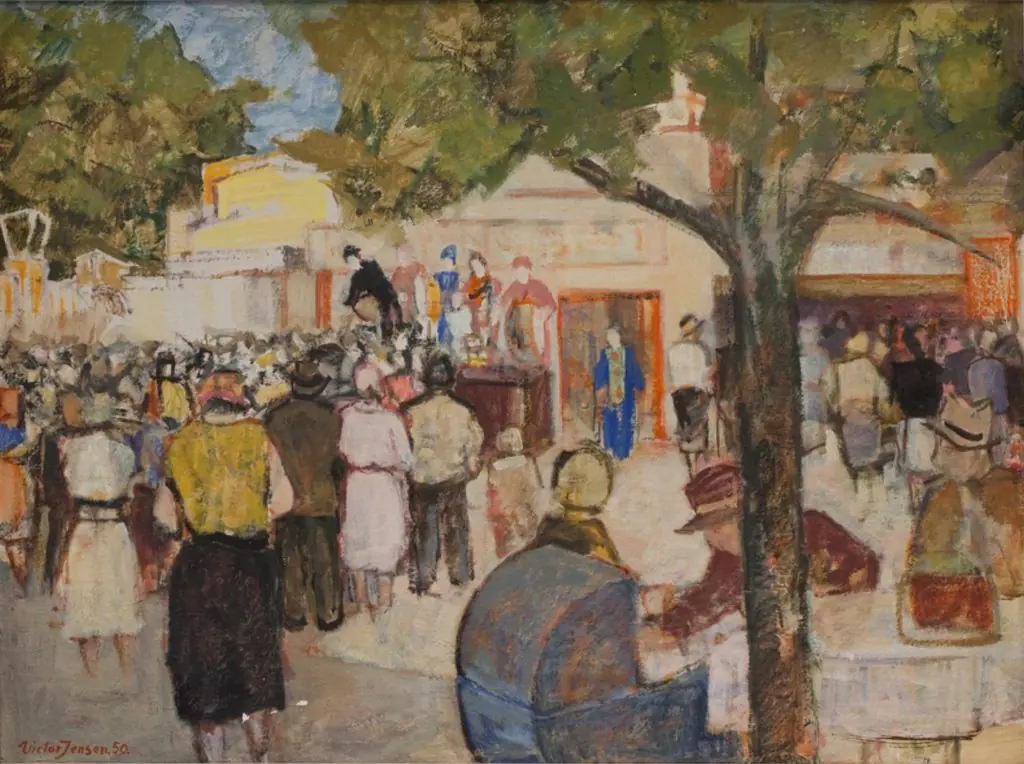 Resort in the Deerpark
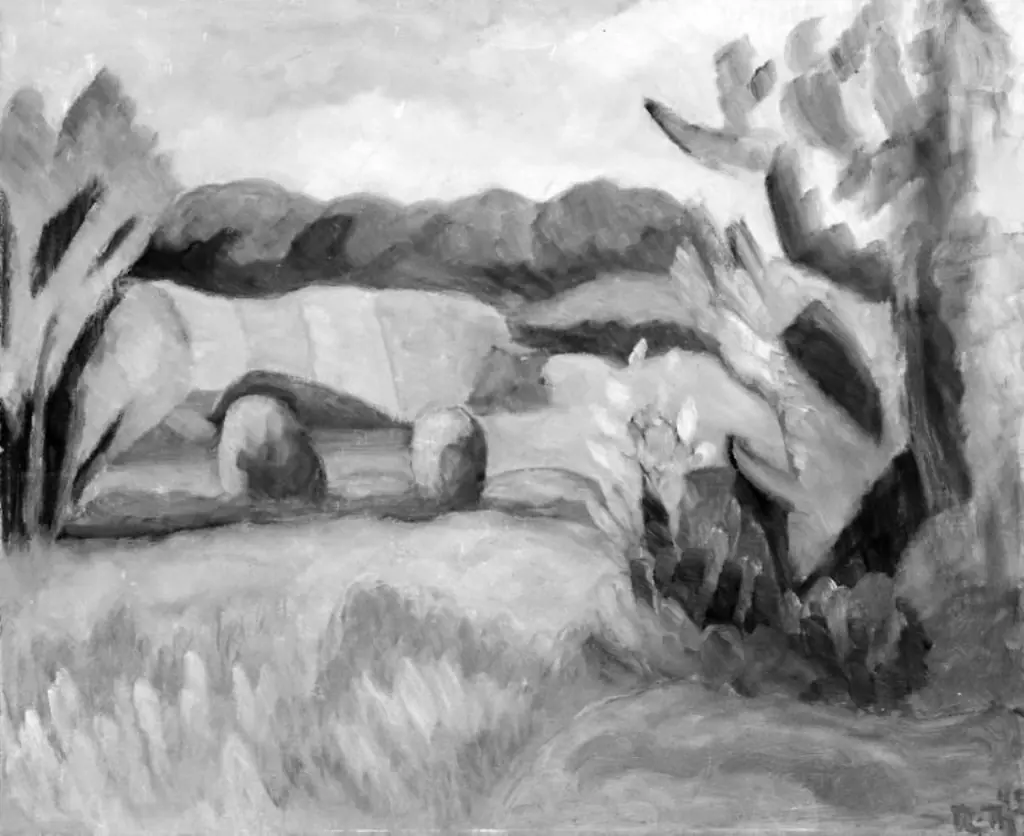 Summer Landscape
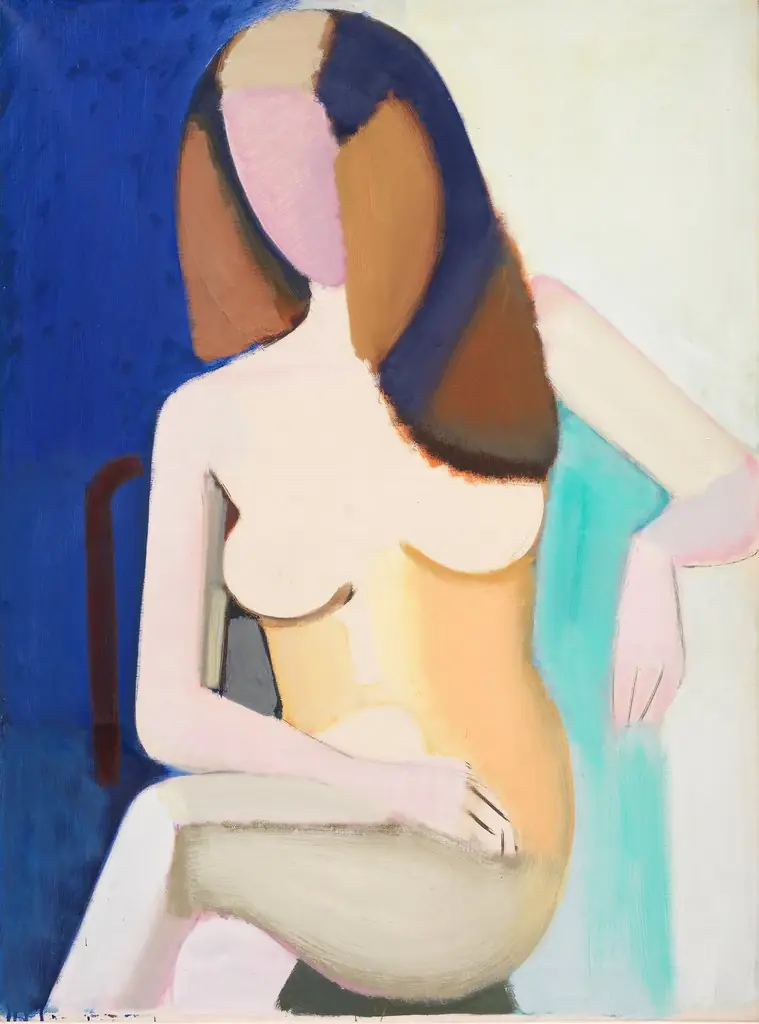 Seated Female Nude
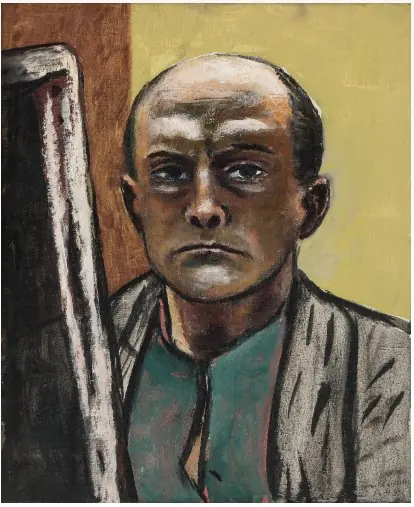 Self Portrait in Olive and Brown
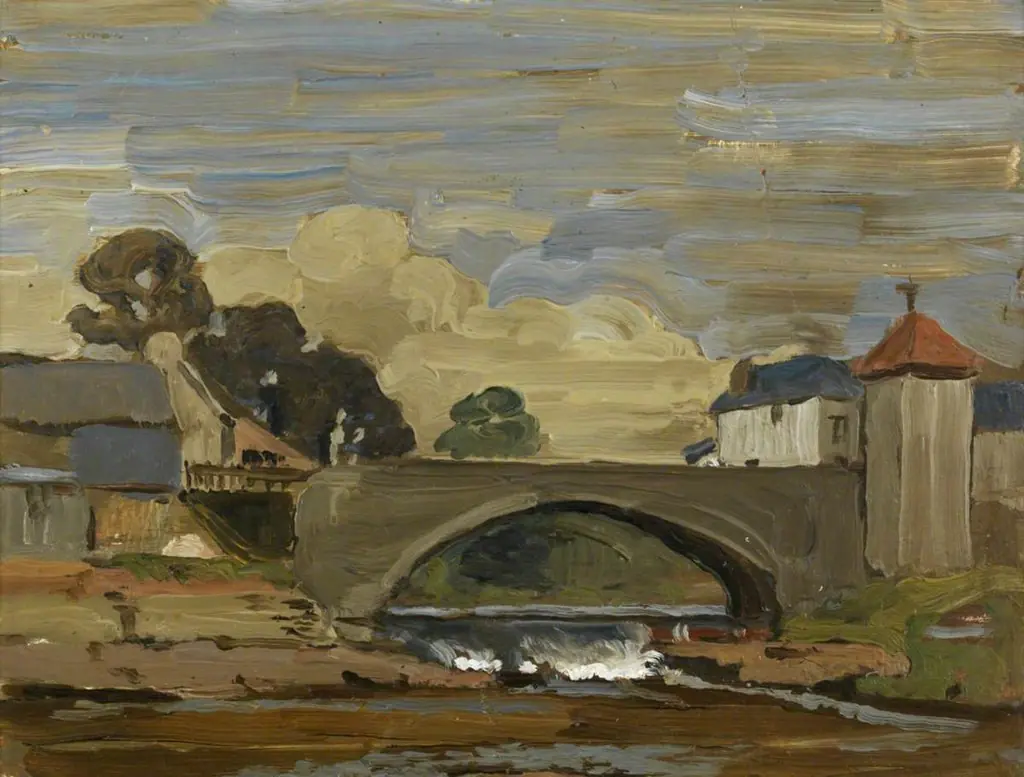 Senny Bridge, Brecon
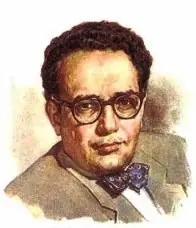 Portrait of Composer Gara Garayev
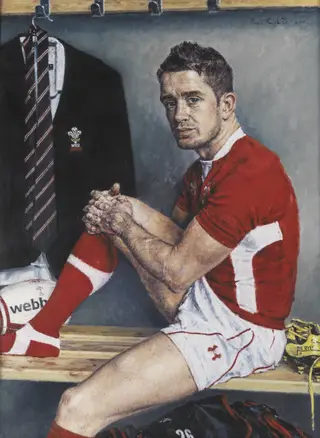 Shane Williams
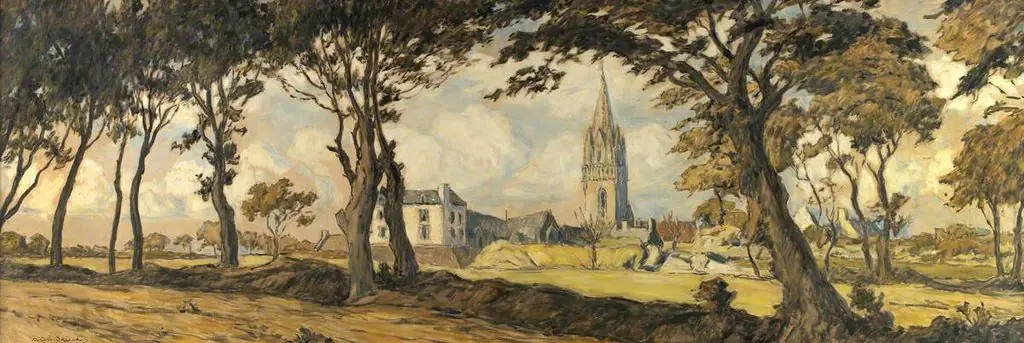 Ploare
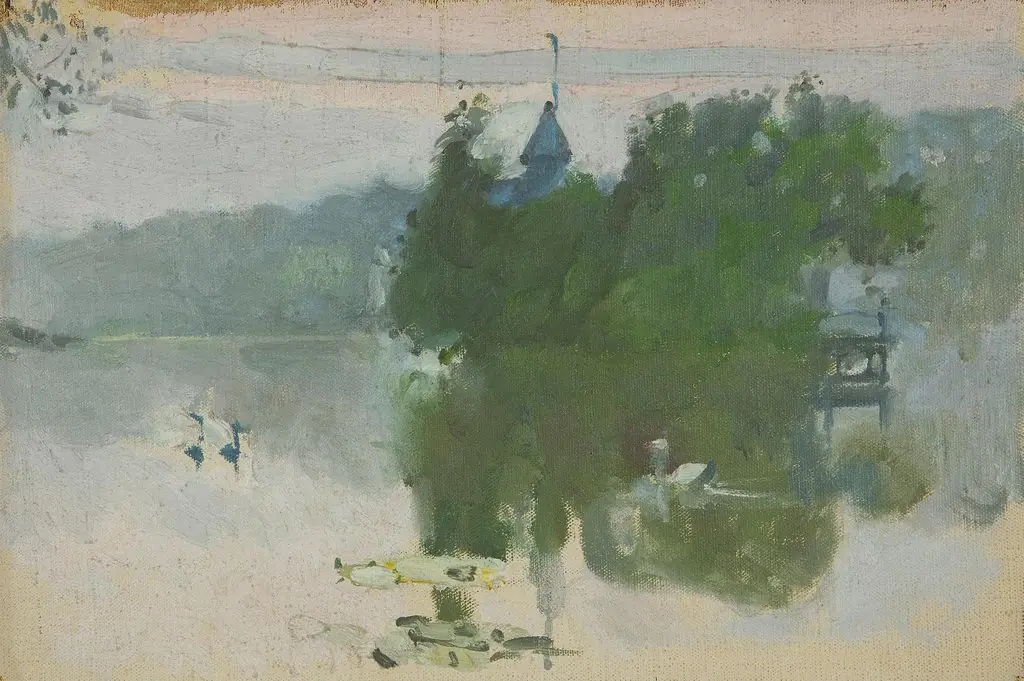 Landscape. Sketch
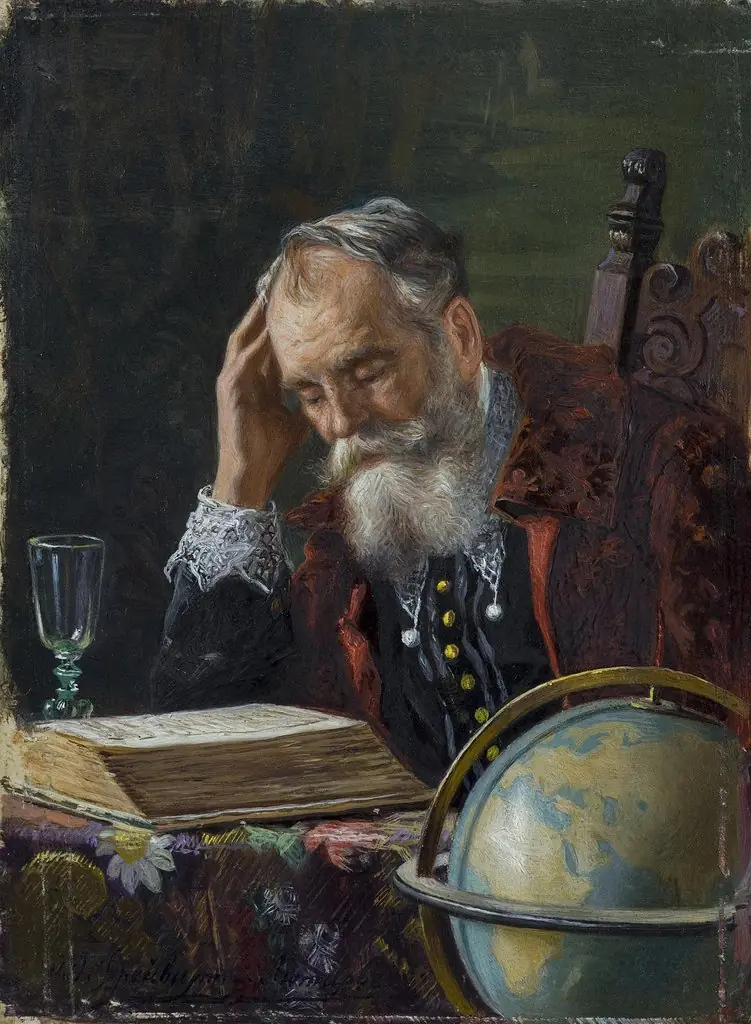 Portrait of Vasco da Gama
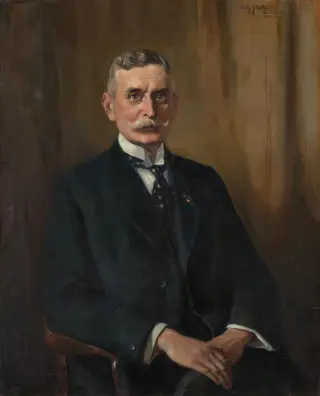 Jacob Christiaan Koningsberger (1867-1951). Chairman of the People's Council (1918-19)
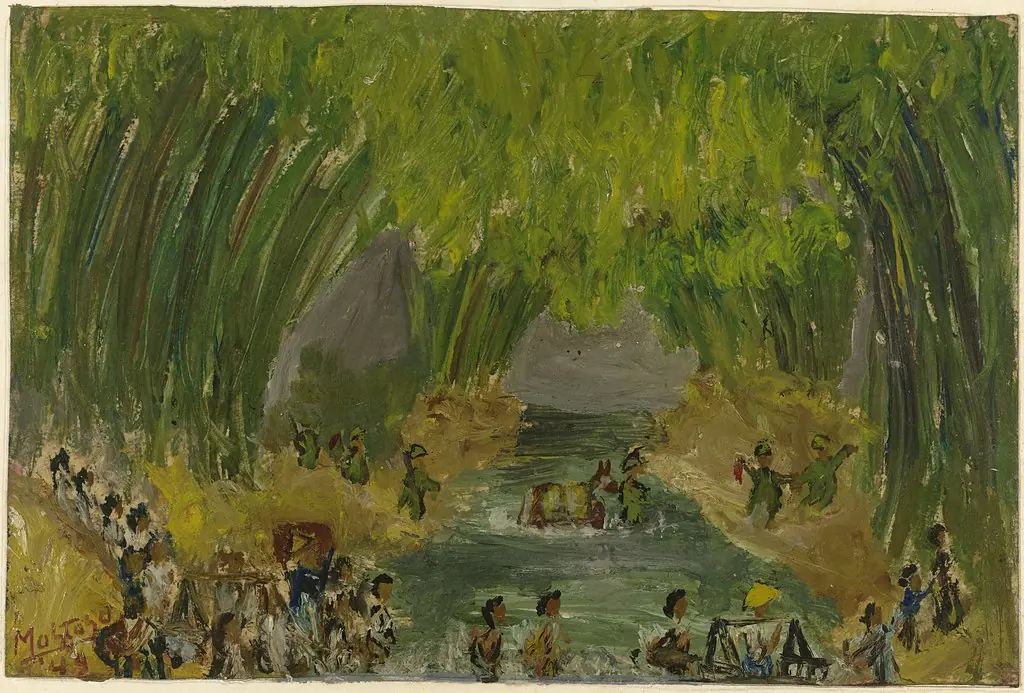 Republikeinse guerrilla's verlaten de stad en steken de rivier de 'Code' over samen met burgers die wegvluchten na de 'General Attack'
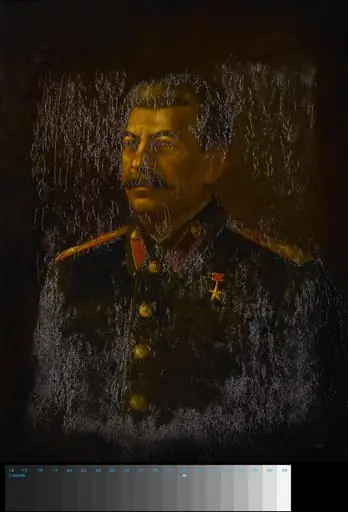 Untitled
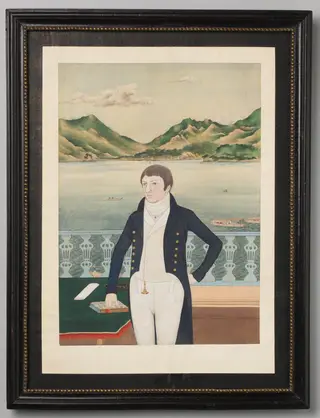 Portrait of Maarten Mak
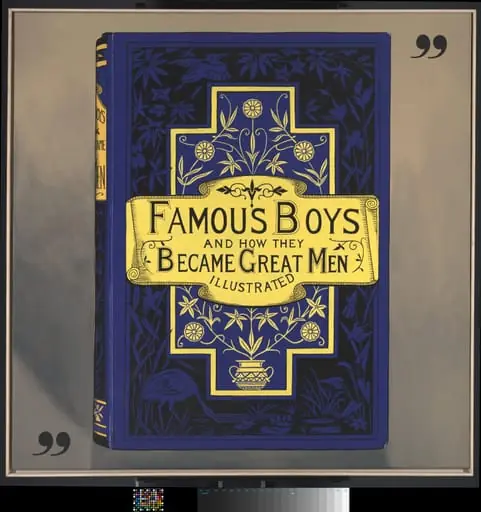 Illustration
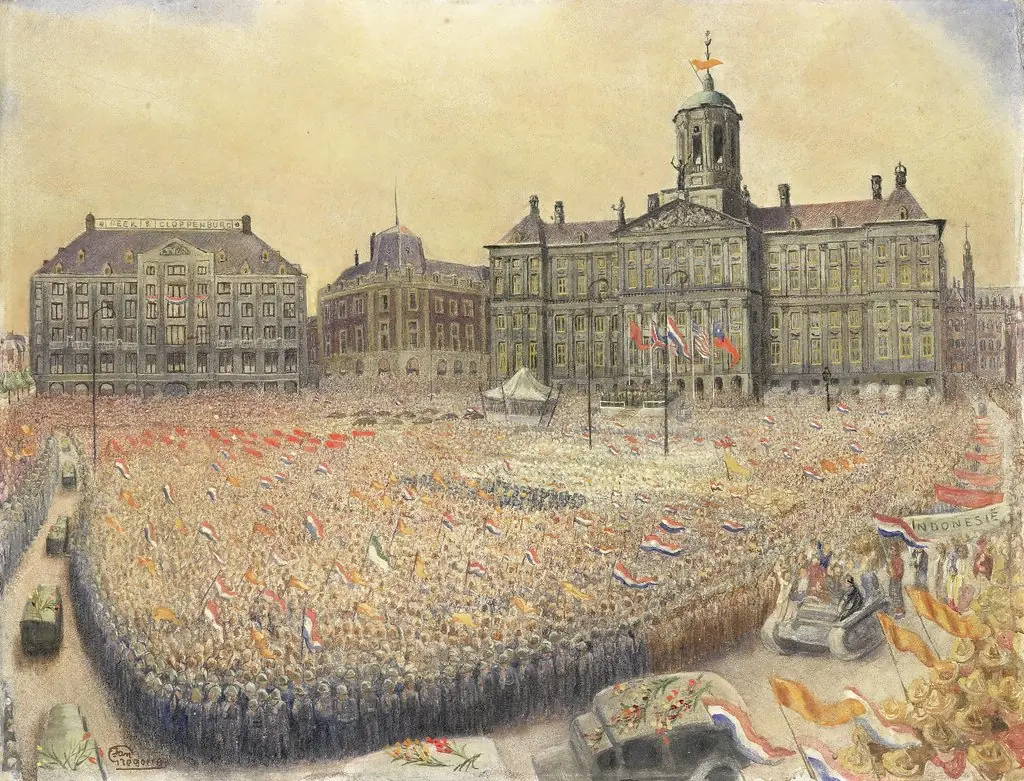 Het bevrijdingsfeest op de Dam op 9 mei 1945
 Drie gezichten op de Parelrivier: Kanton, Macao, Whampoa
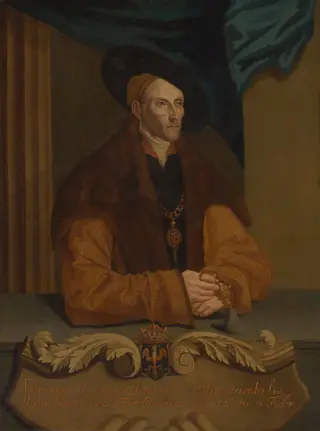 Edzard I (1462-1528), Count of East Friesland
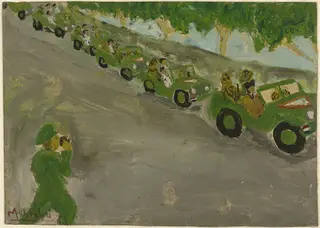 The President, the Vice President and Other Leaders are Banished to Sumatra
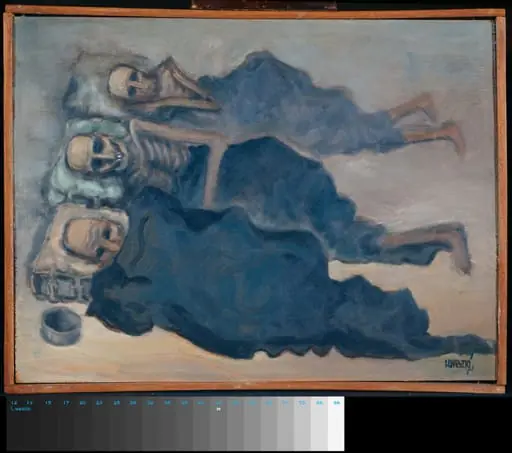 Untitled
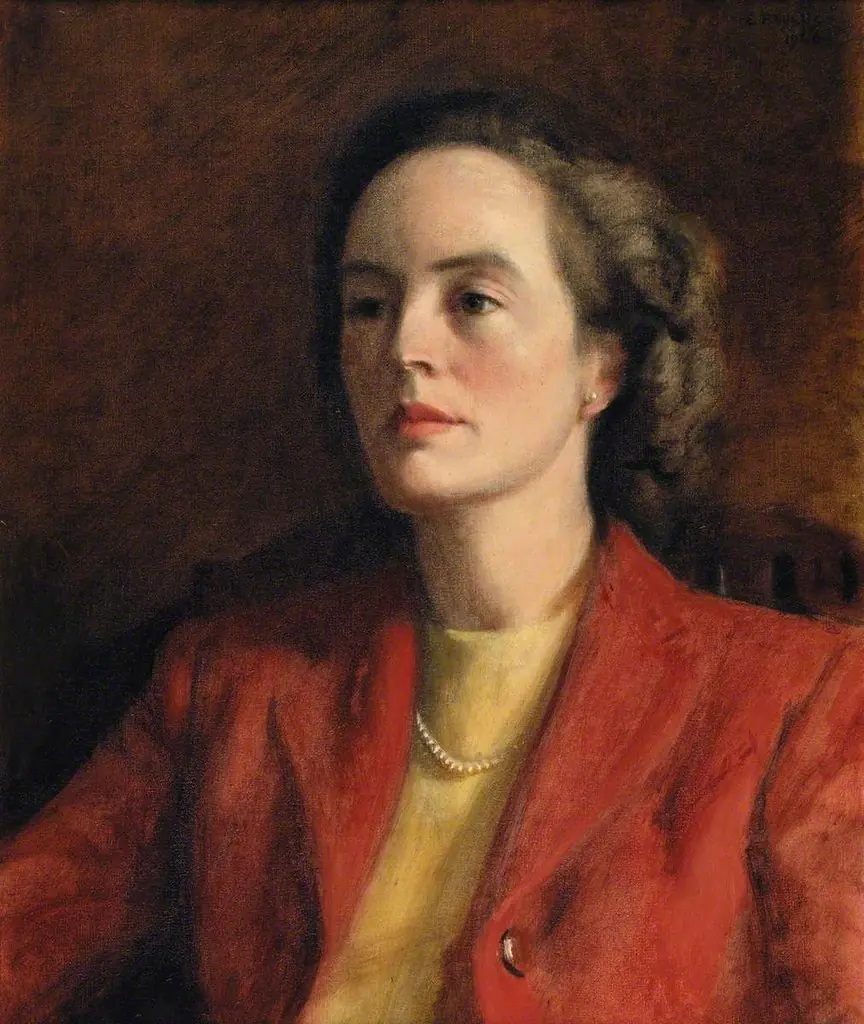 The Honourable Jane Walsh (1910–1996)
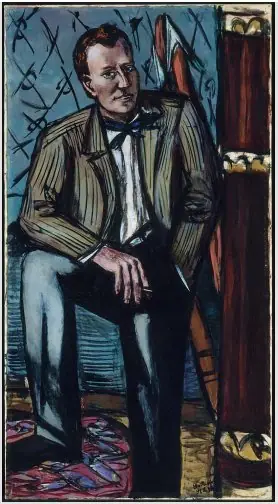 Perry T. Rathbone
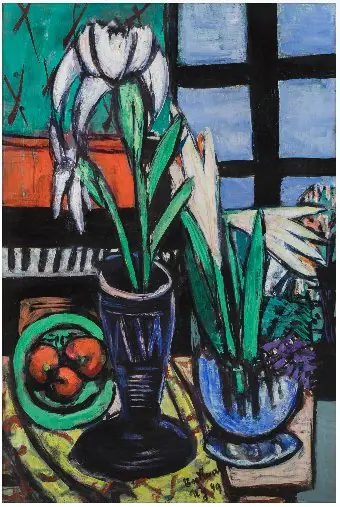 Still Life with Lilies
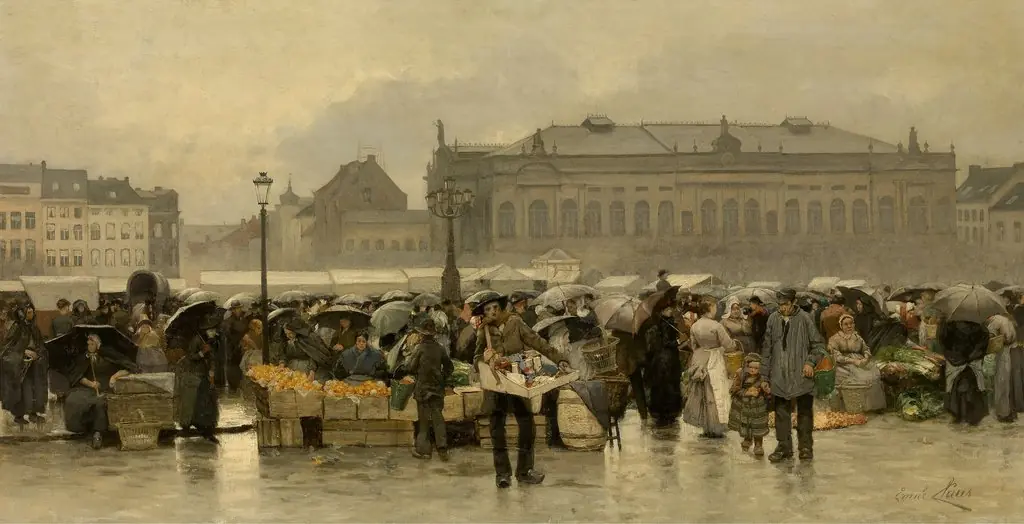 De markt voor de schouwburg in Antwerpen
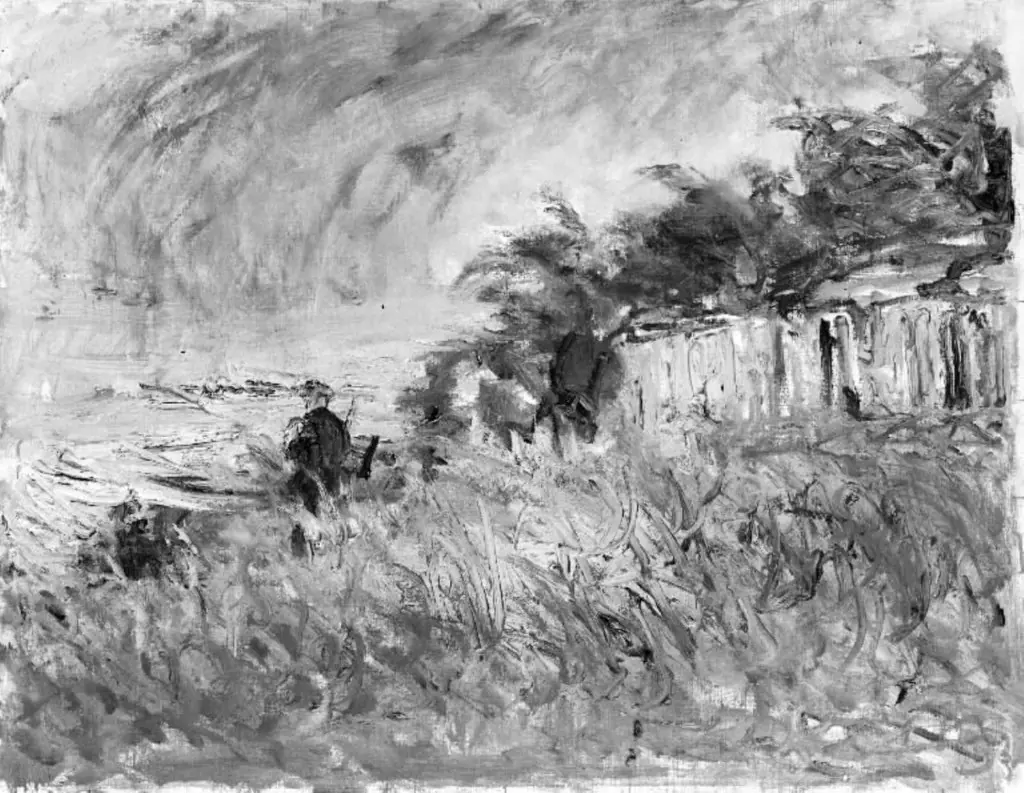 Gathering Thunderstorm, Gilleleje
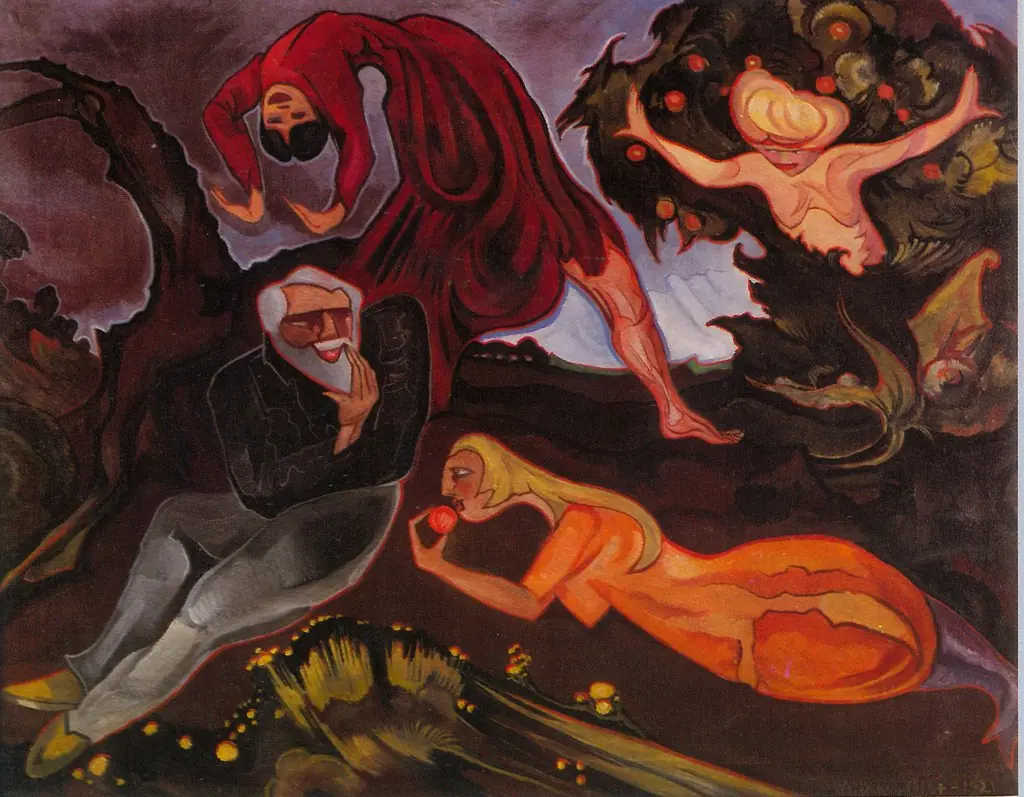 Temptation of St. Anthony 1.
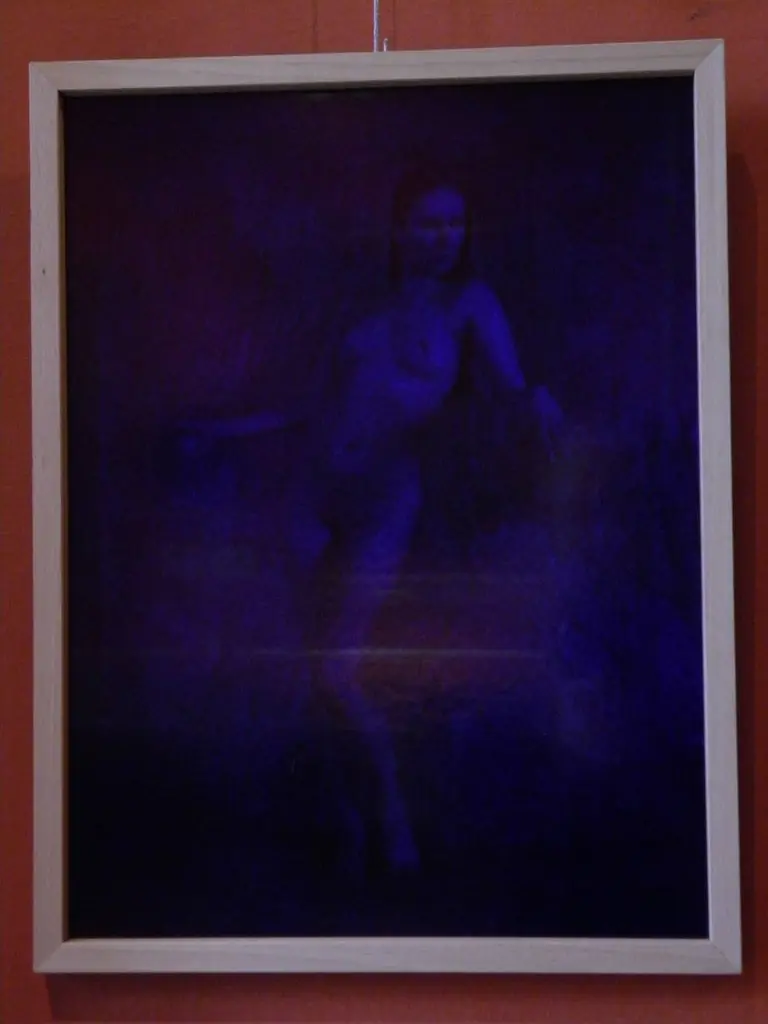 Untitled
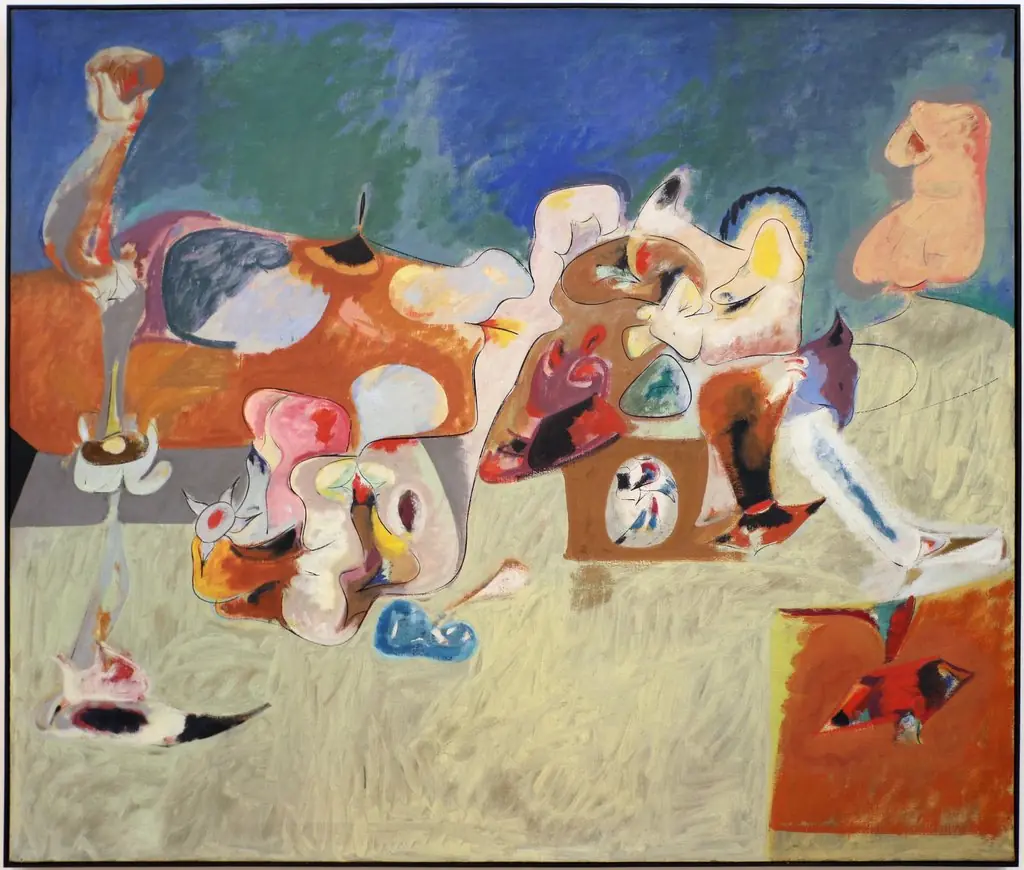 The Plough and the Song
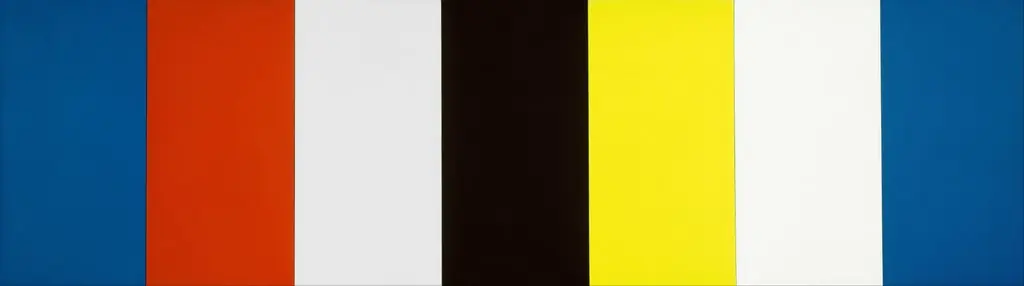 Red Yellow Blue White and Black
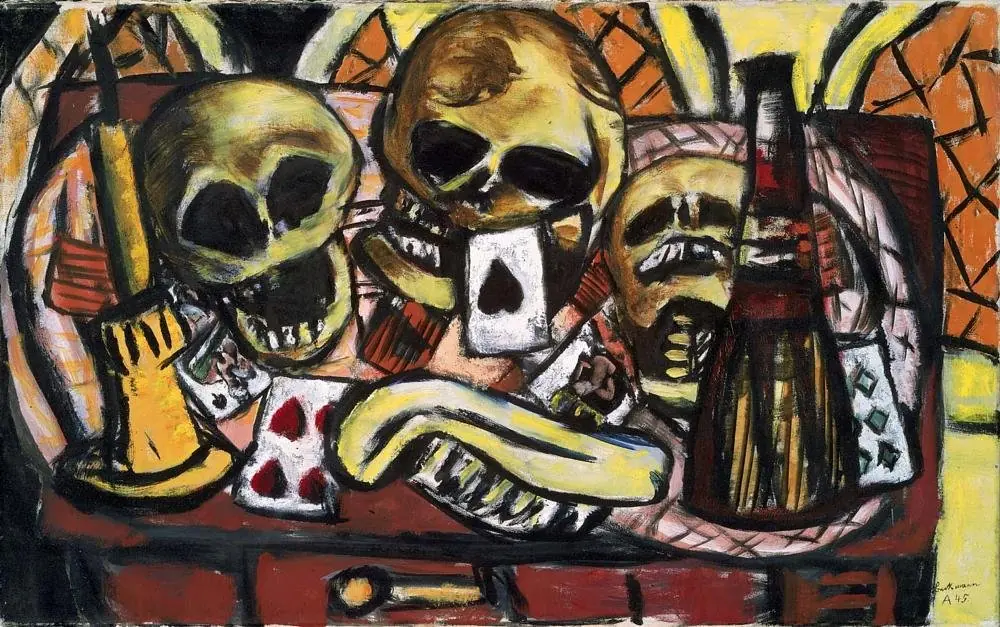 Still Life with Three Skulls
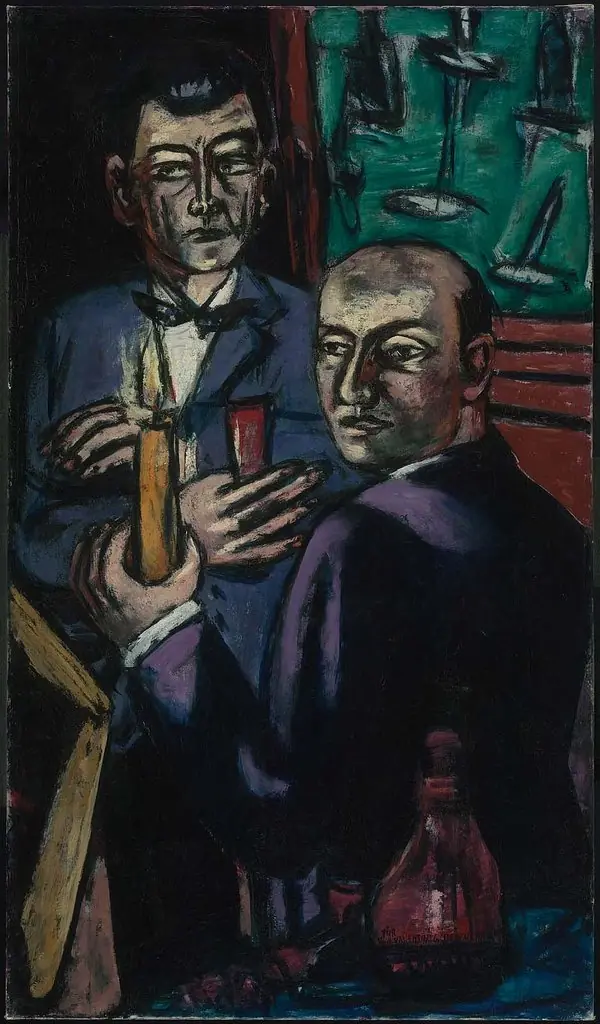 Double Portrait
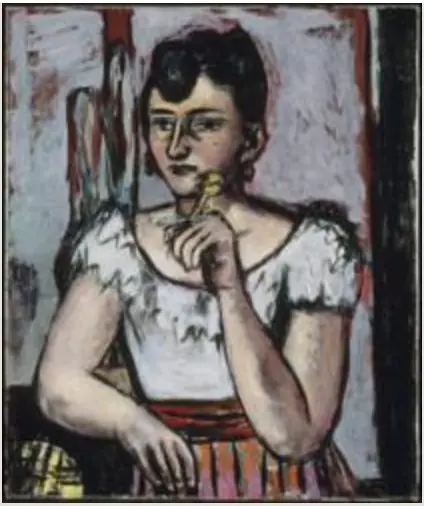 Euretta Rathbone
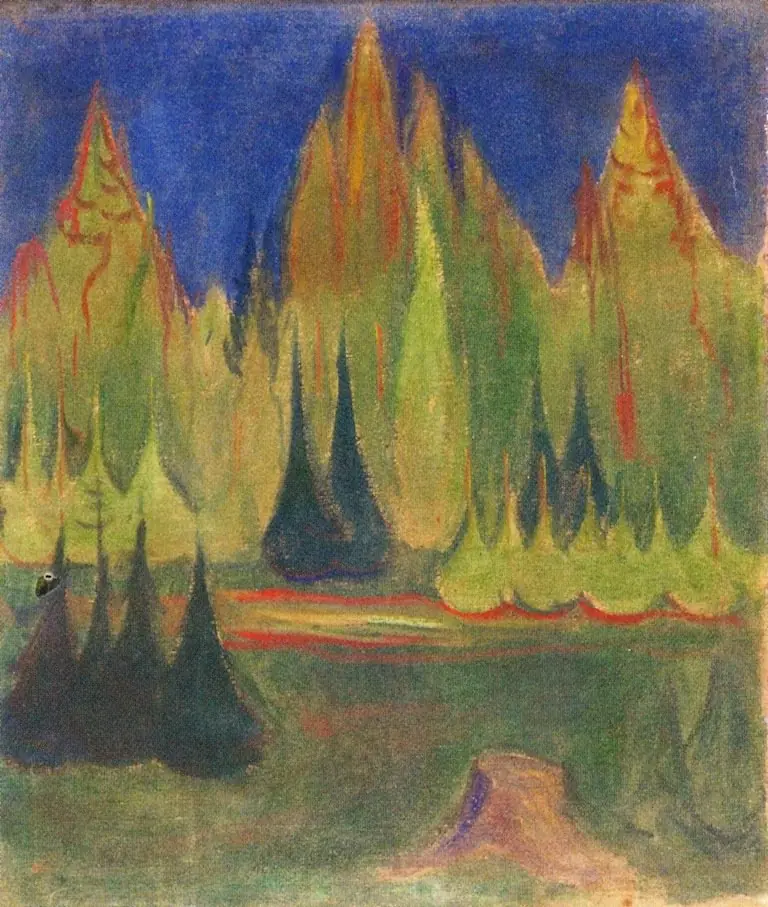 Dark Spruce Forest
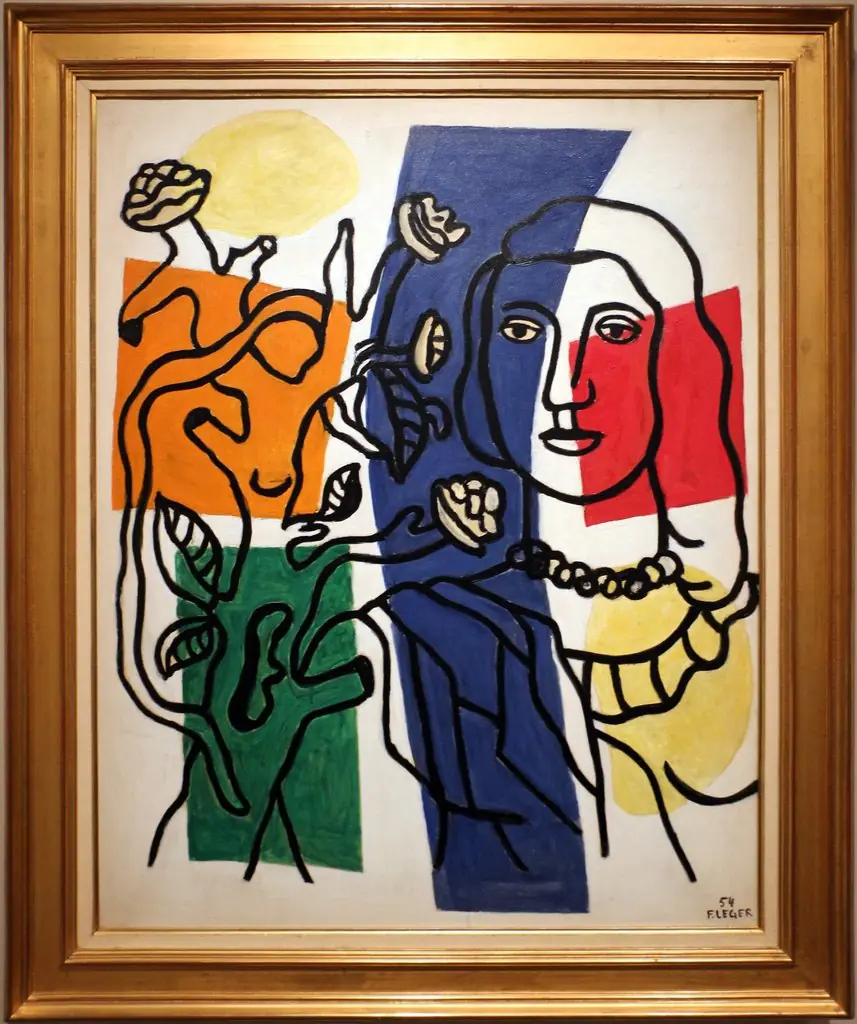 Girl with Plant
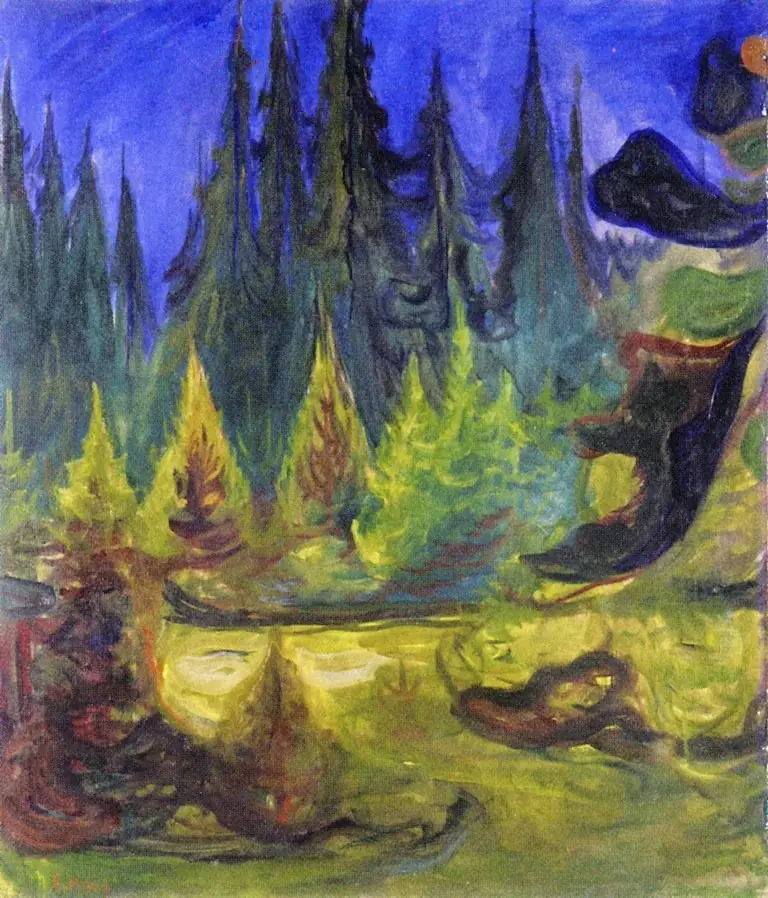 Dark Spruce Forest
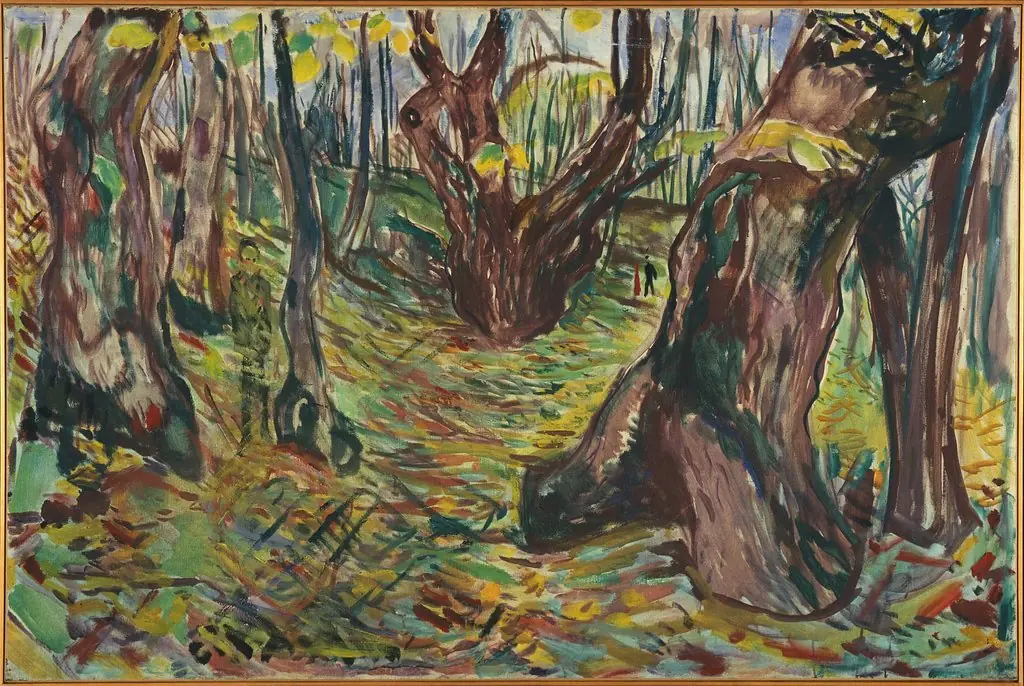 Rugged Trunks
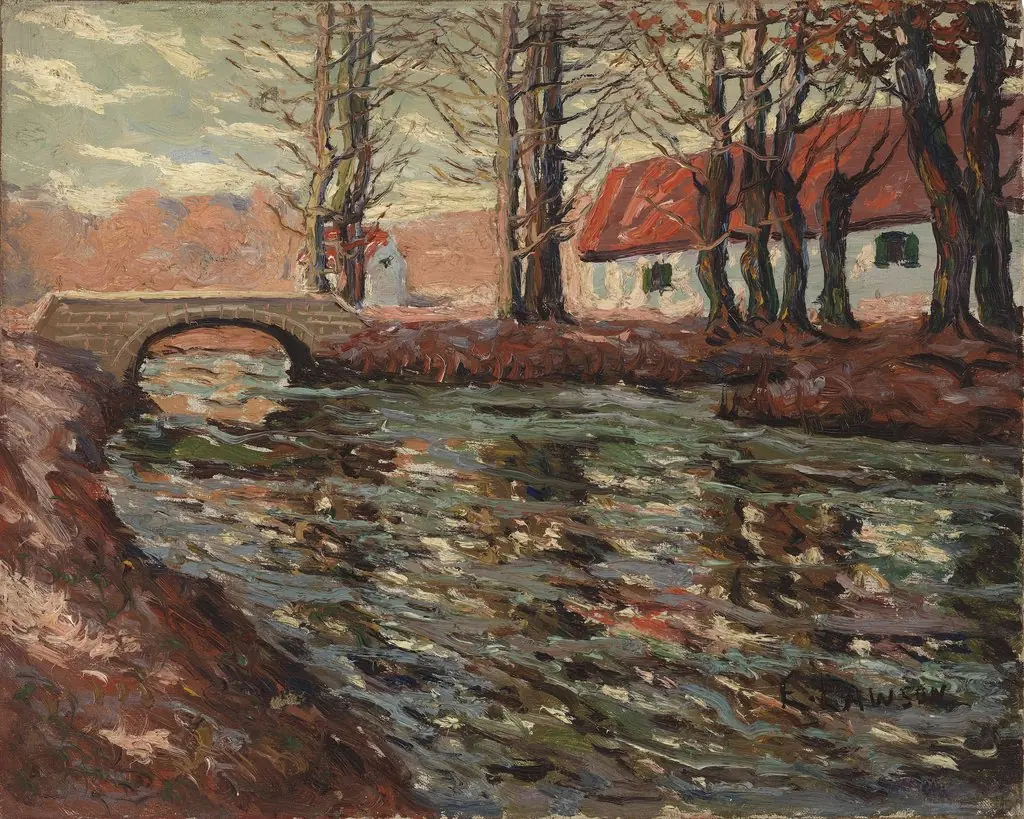 River Landscape
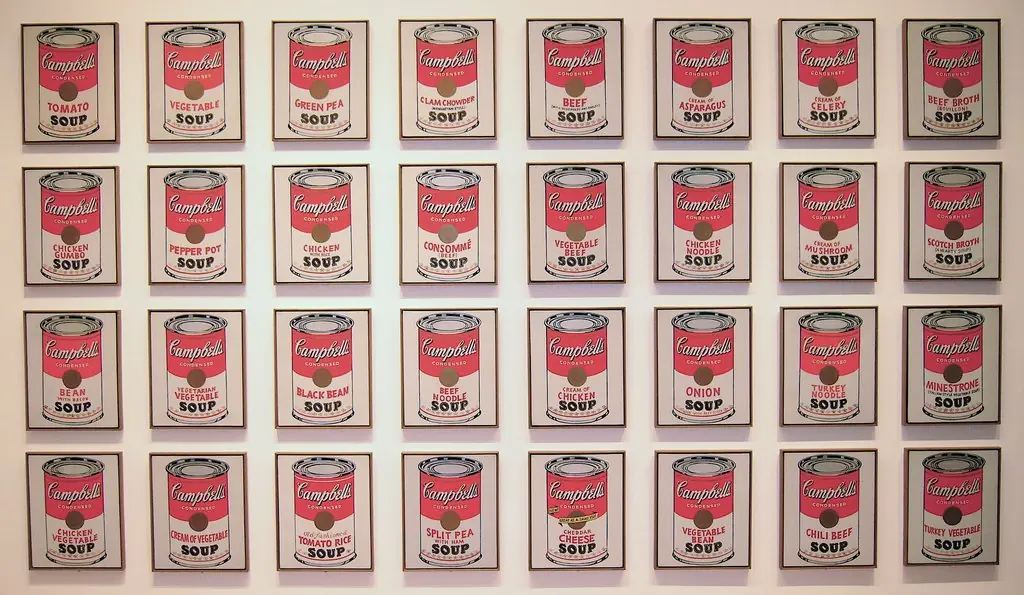 Campbell's Soup Cans
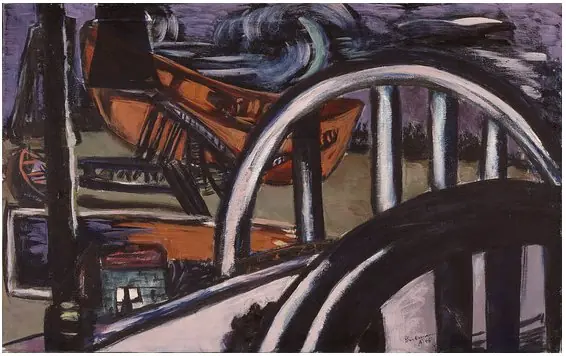 Bridge and Wharf
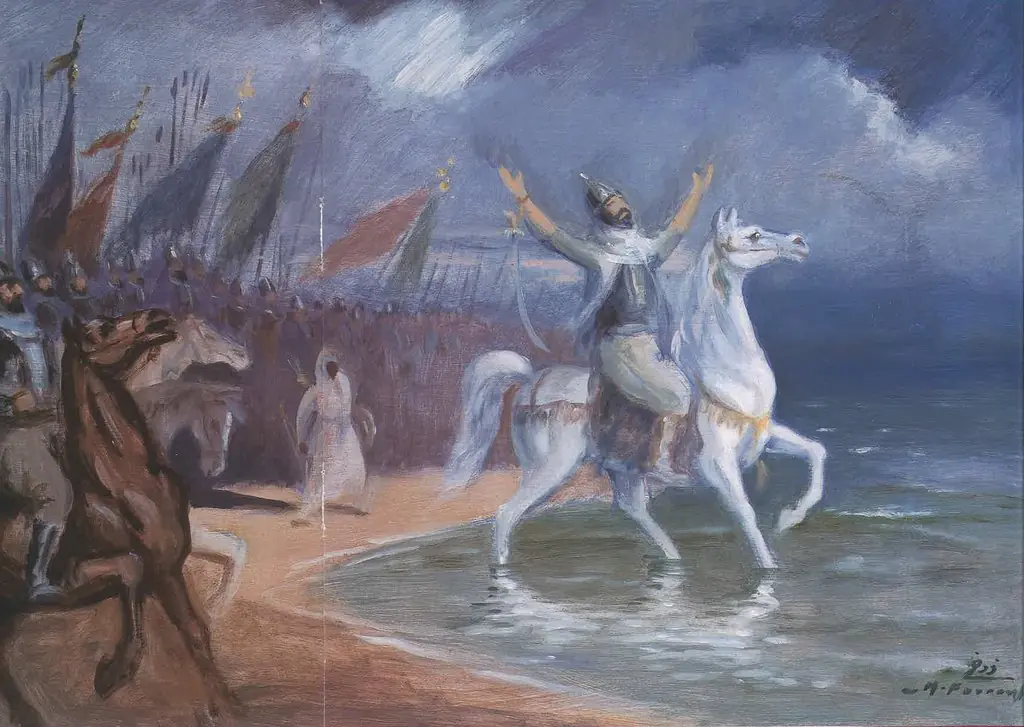 'Oqba ben Nafi' infront of the Atlantic
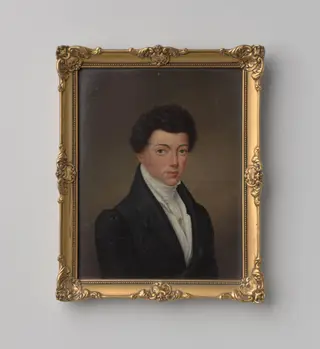 Untitled
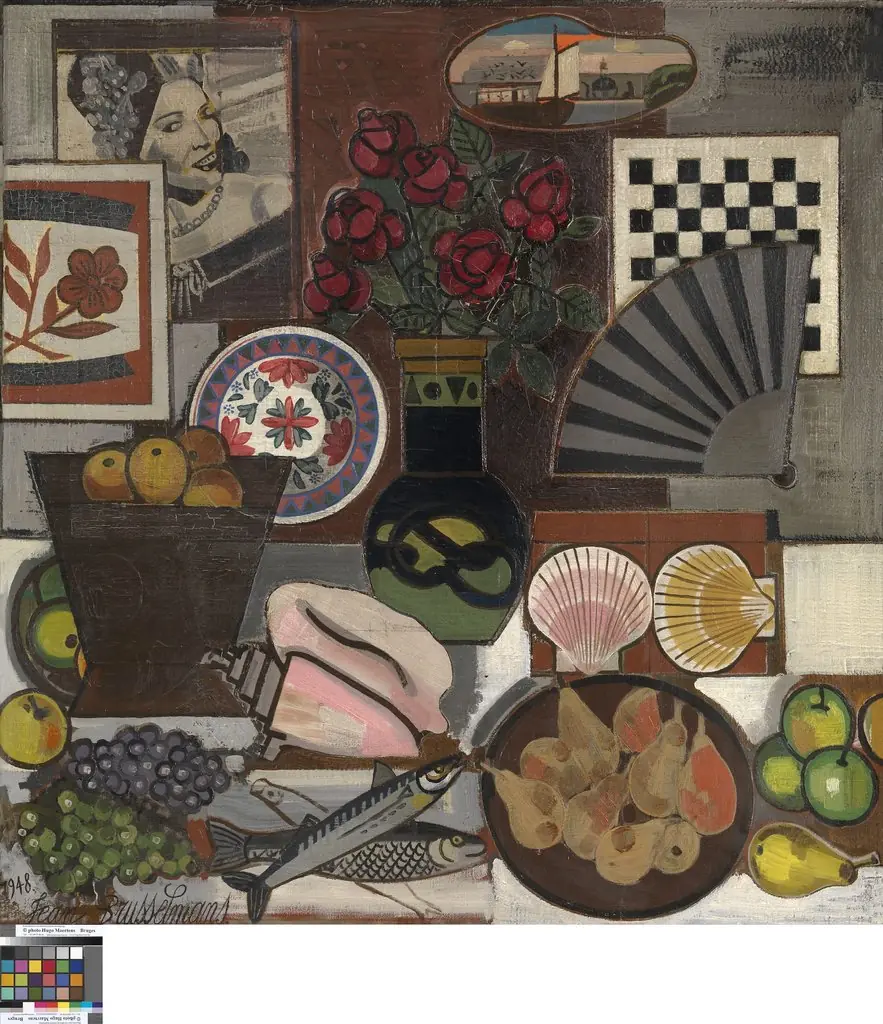 Stilleven met waaier
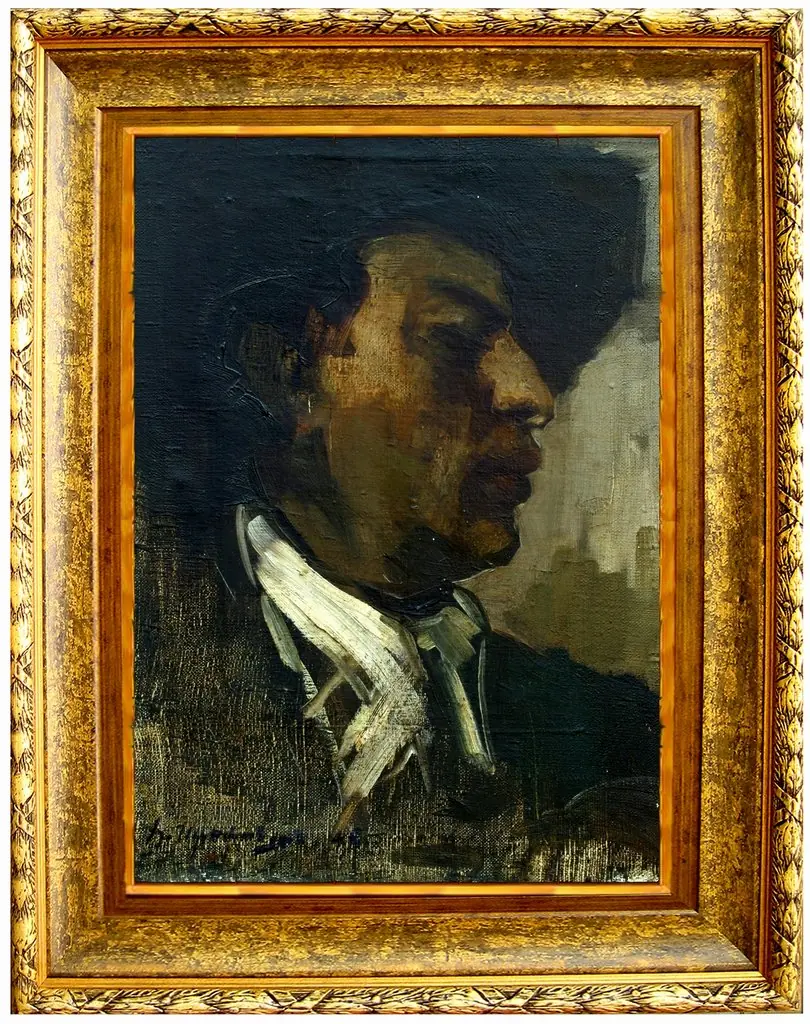 Self-portrait
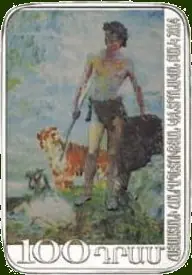 Young David
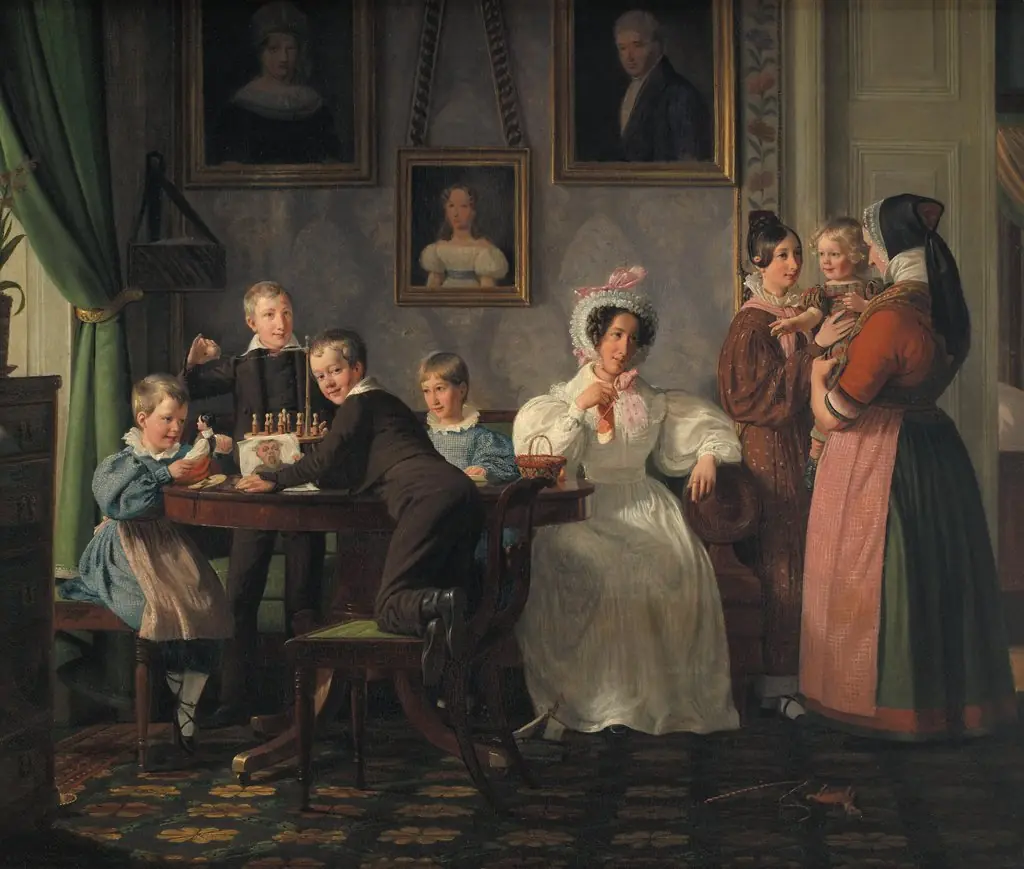 Familien Waagepetersen
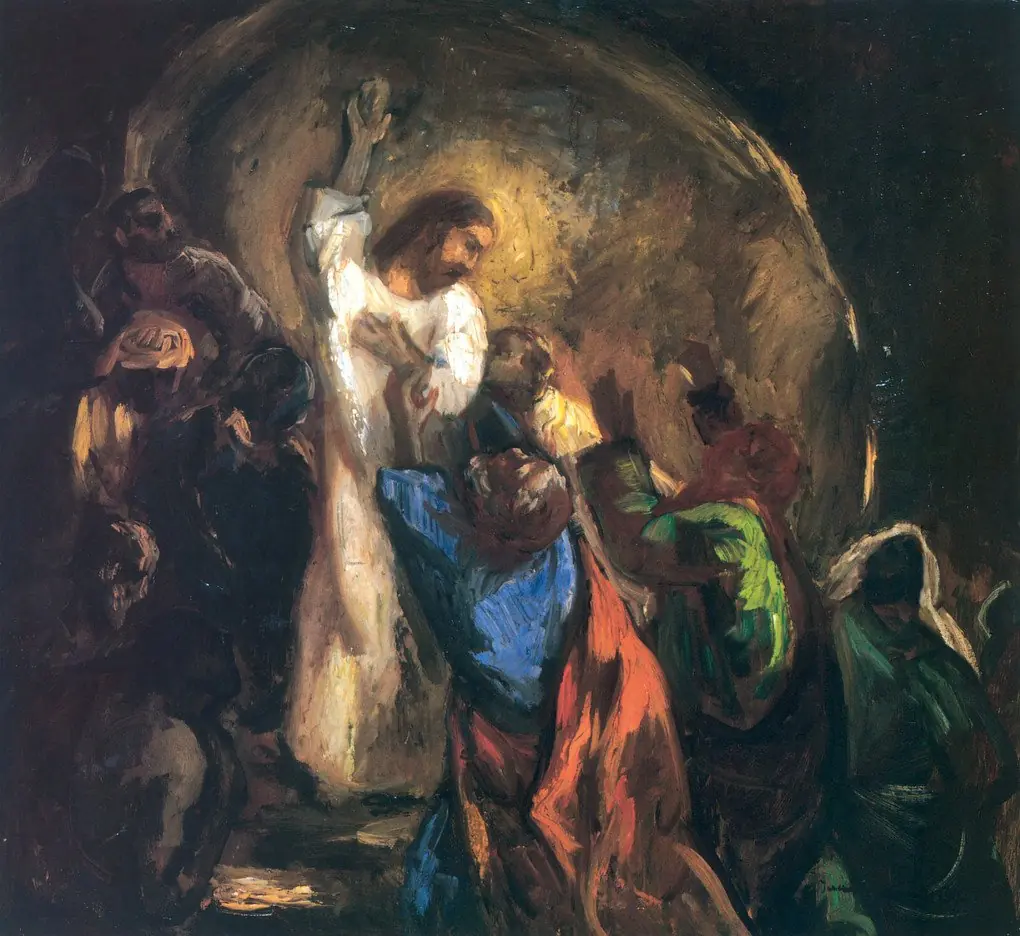 Thomas Touches Christ's Side
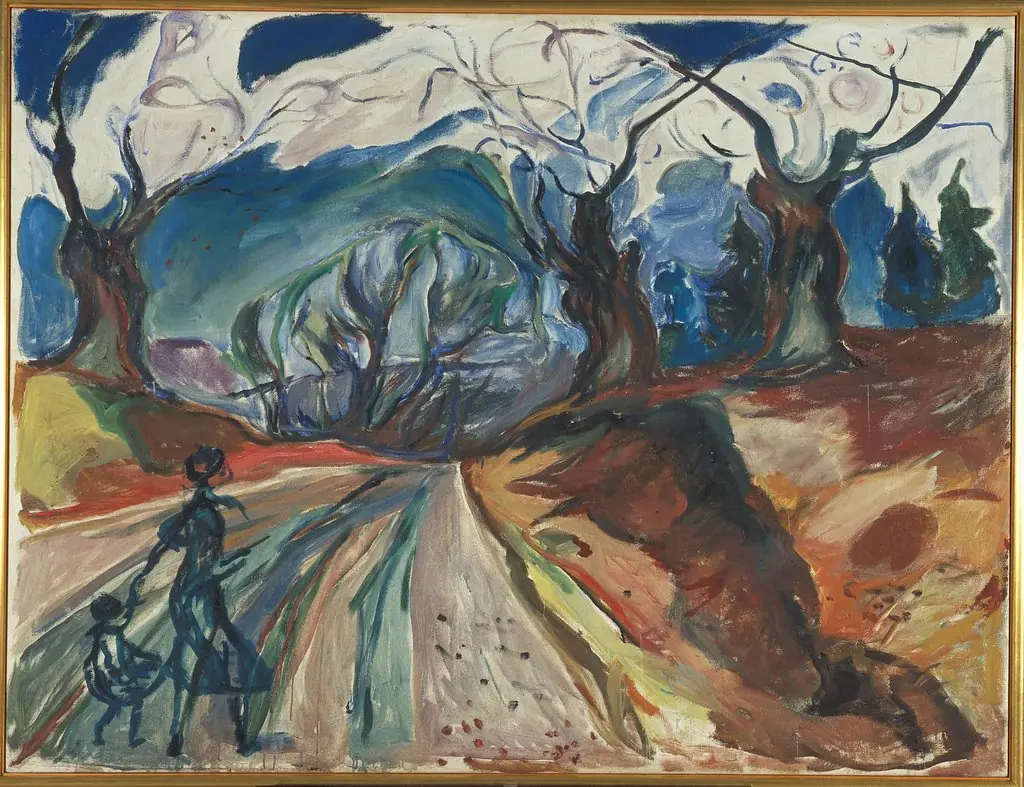 The Magic Forest
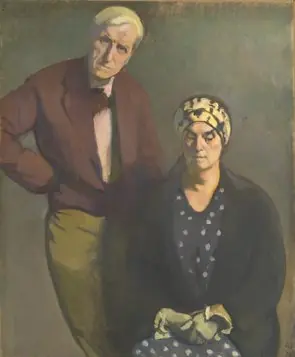 Portrait of the artist and his wife
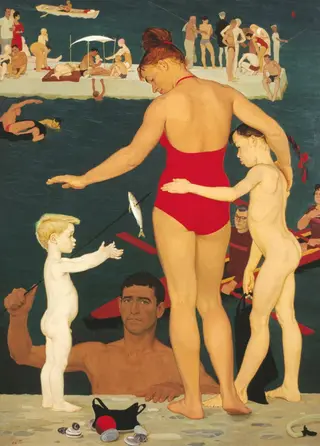 Family at the Sea
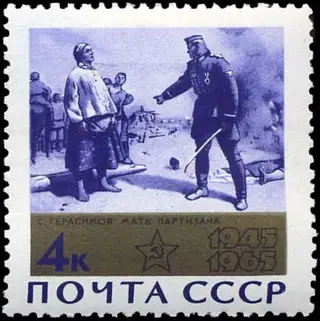 Мать партизана
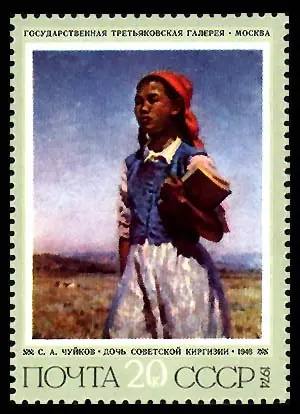 Daughter of Soviet Kirgizia
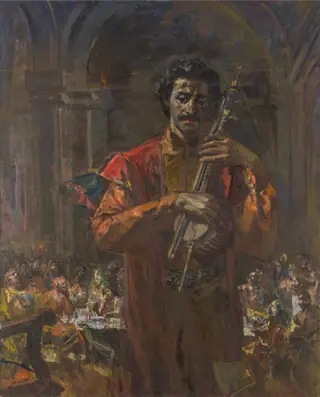 Sayat Nova
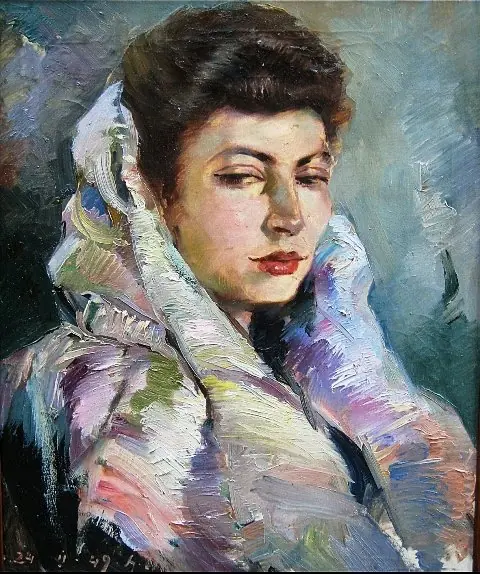 Portrait of painter's wife Olimpia Sargsyan
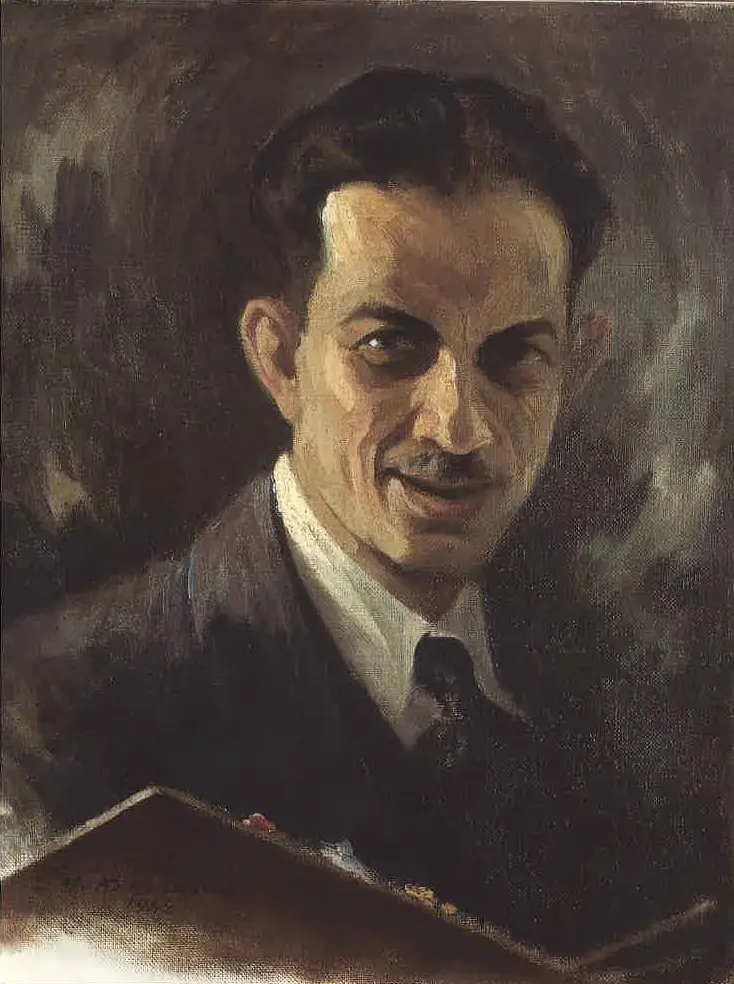 Autoportrait with the Palette
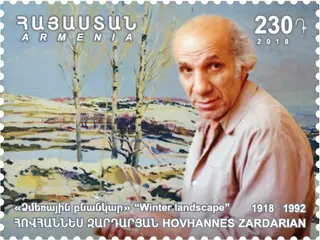 Winter Landscape
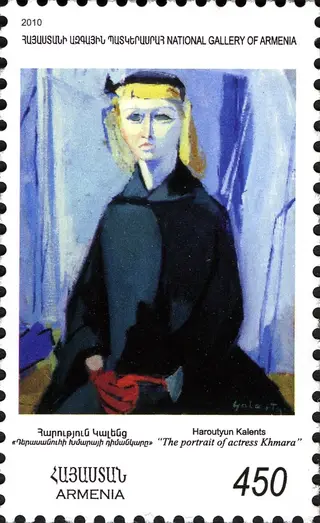 The Portrait of Actress Khmara
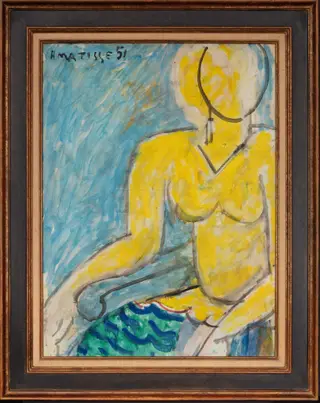 Katia à la chemise jaune
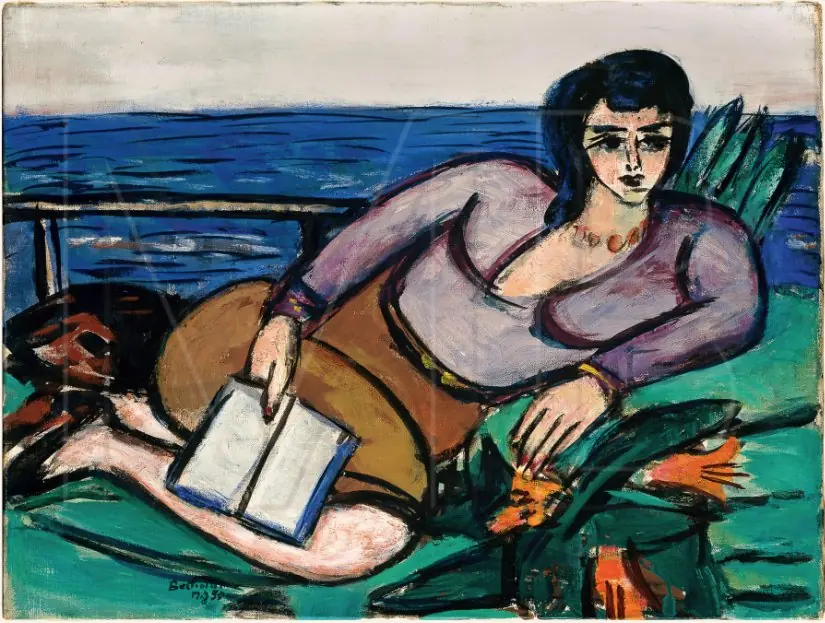 Reclining Woman by the Sea
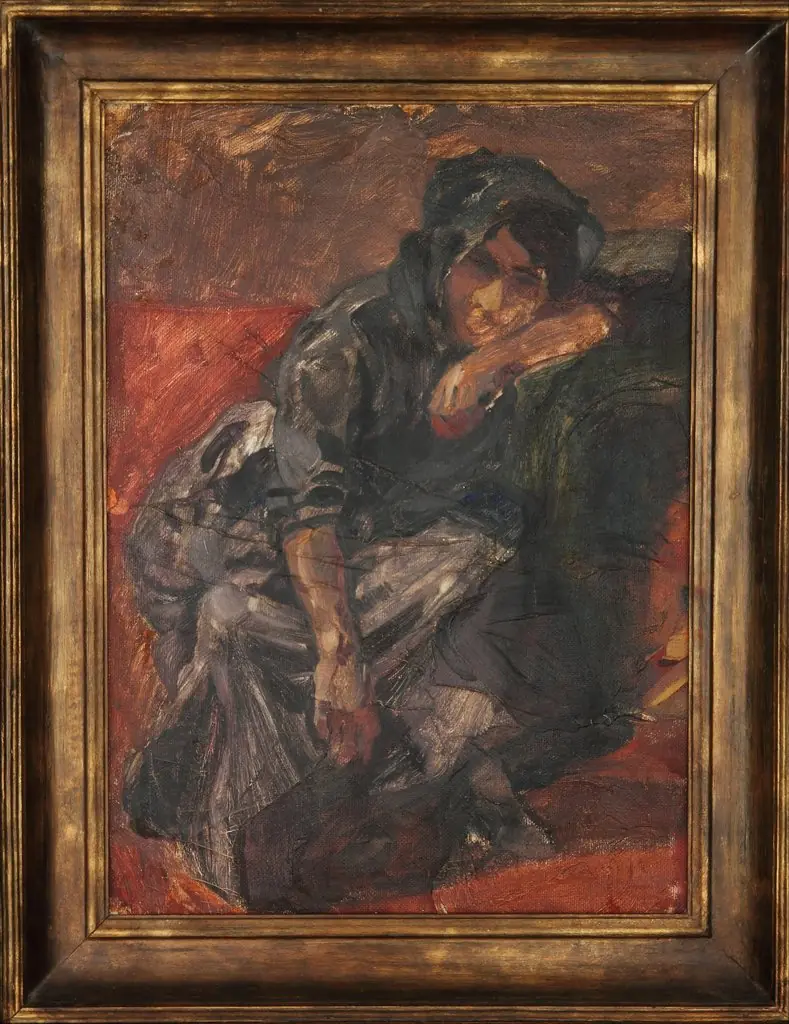 Estudio de mujer ó Retorno al hogar
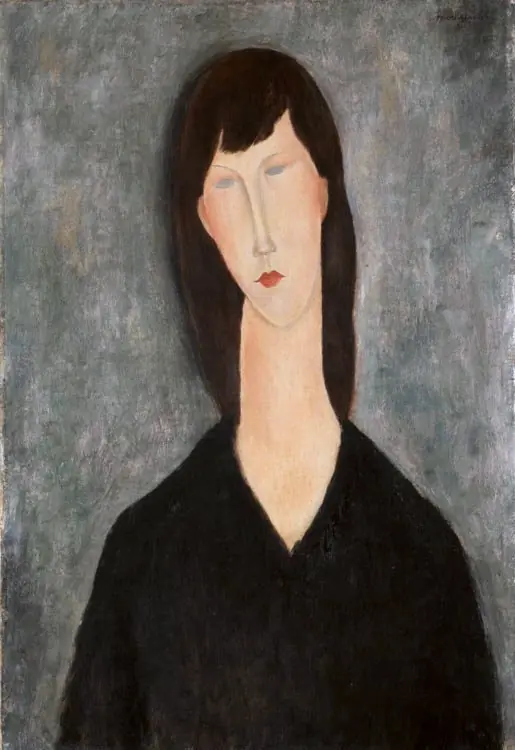 Bust of a Woman
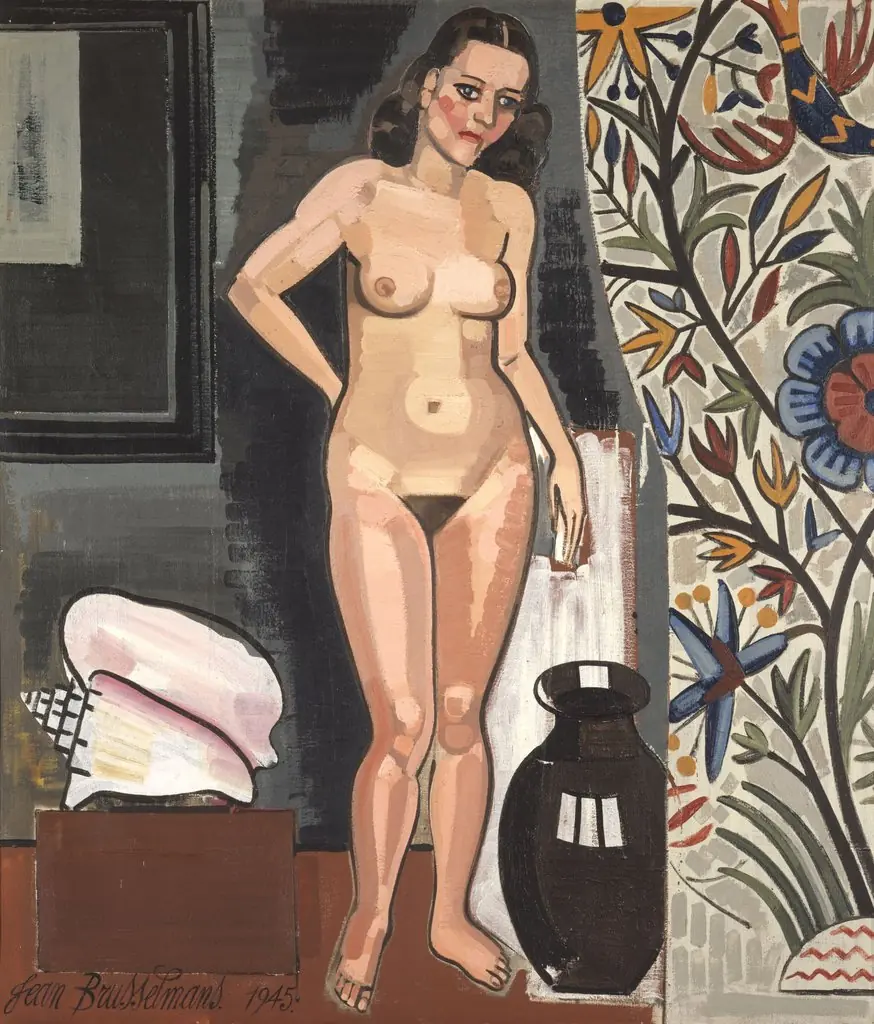 Naakt met schelp
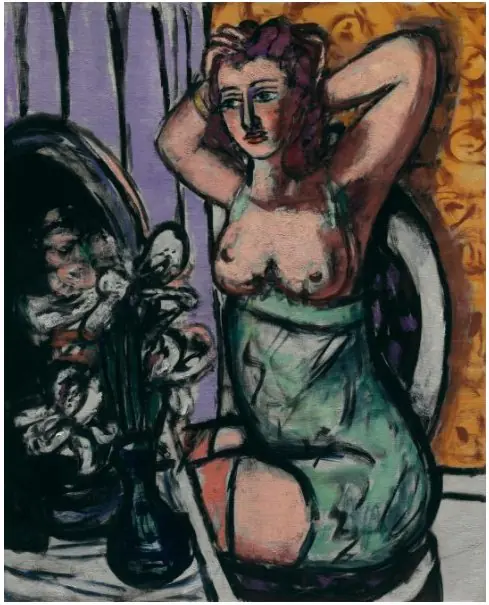 Woman with Mirror and Orchids
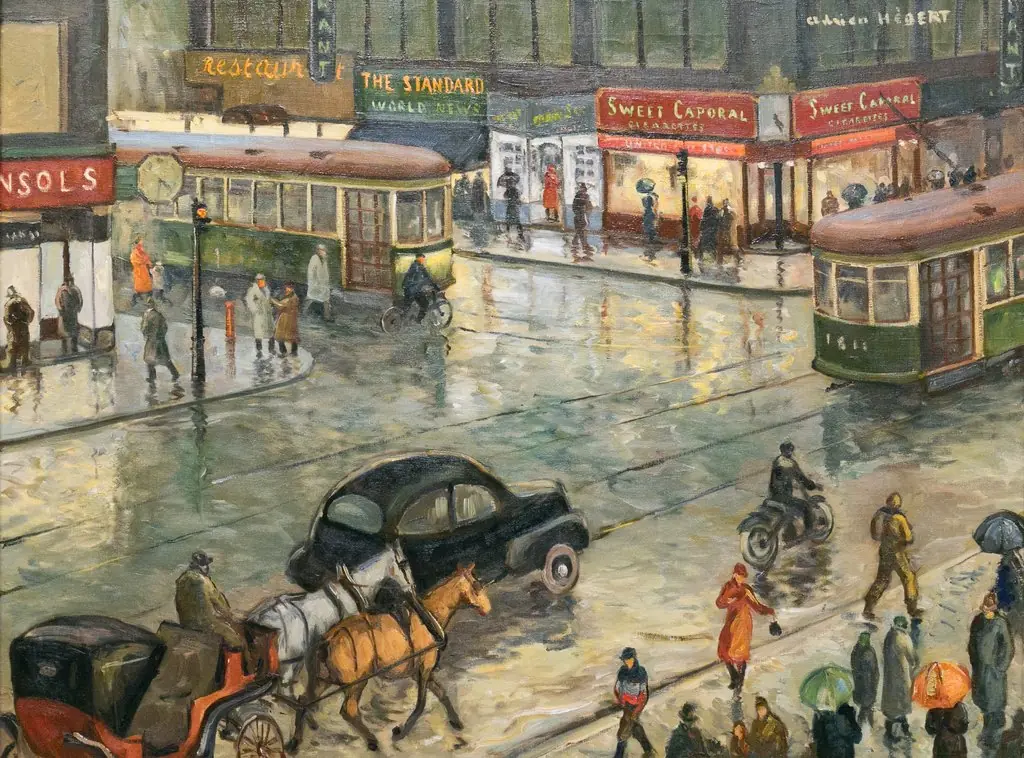 Corner Peel and Sainte-Catherine
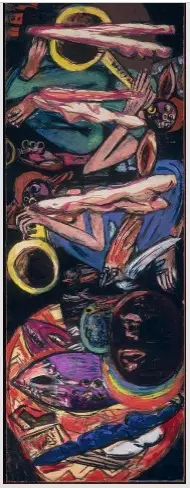 The Tempest
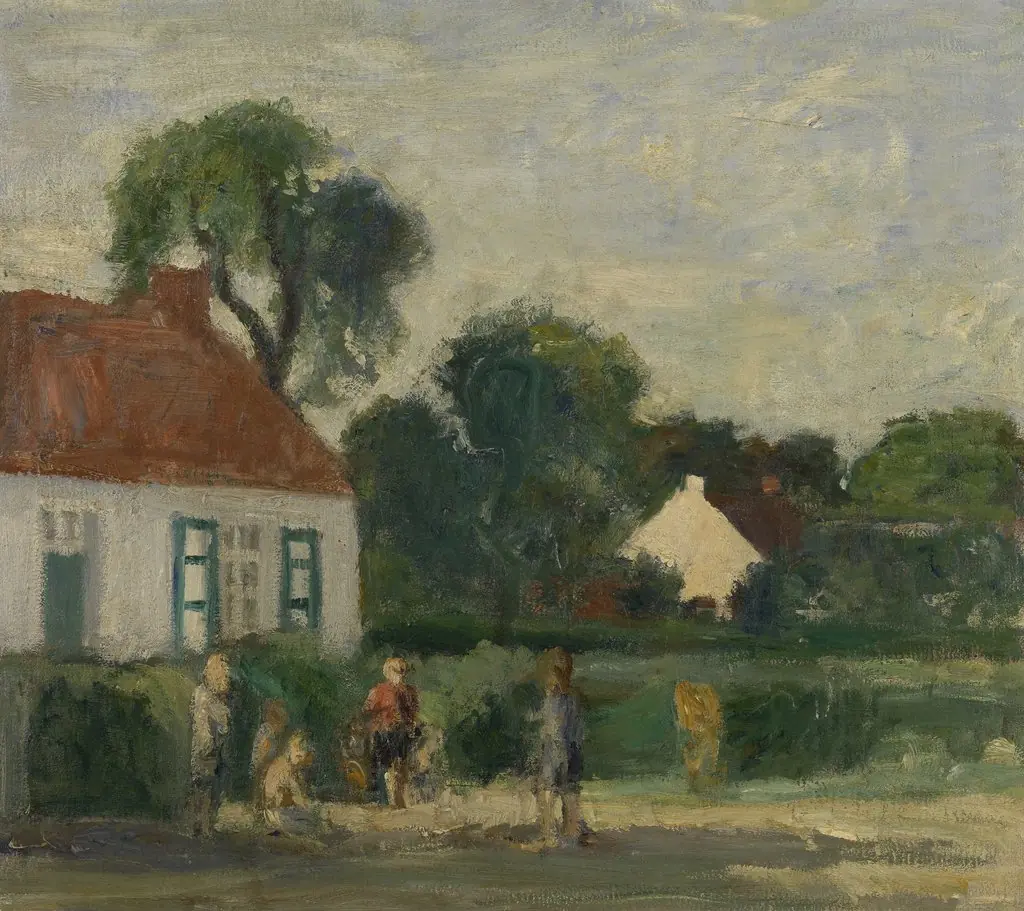 Oude baan in Schilde
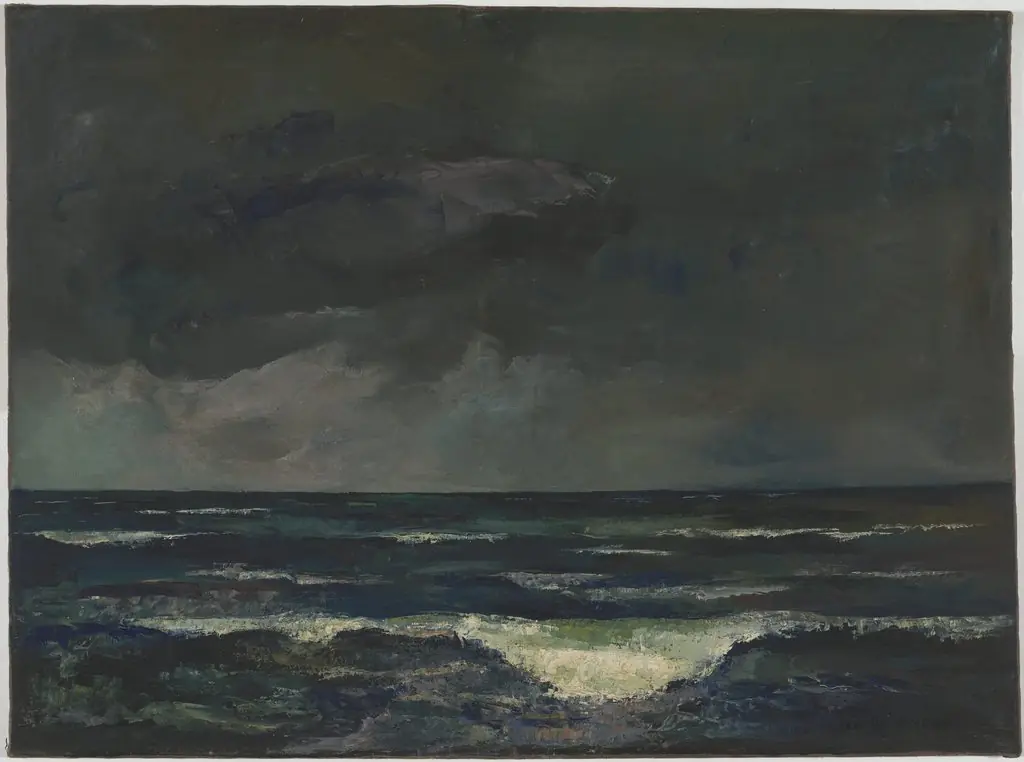 Golfslag
 The Plum Blossoms
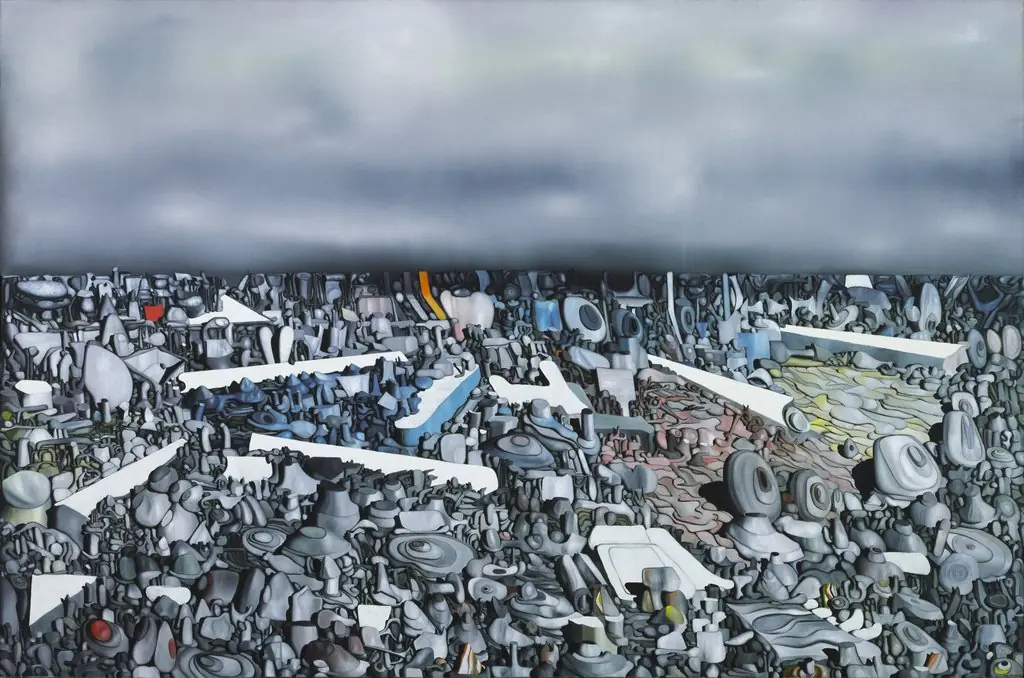 Multiplication of the Arcs
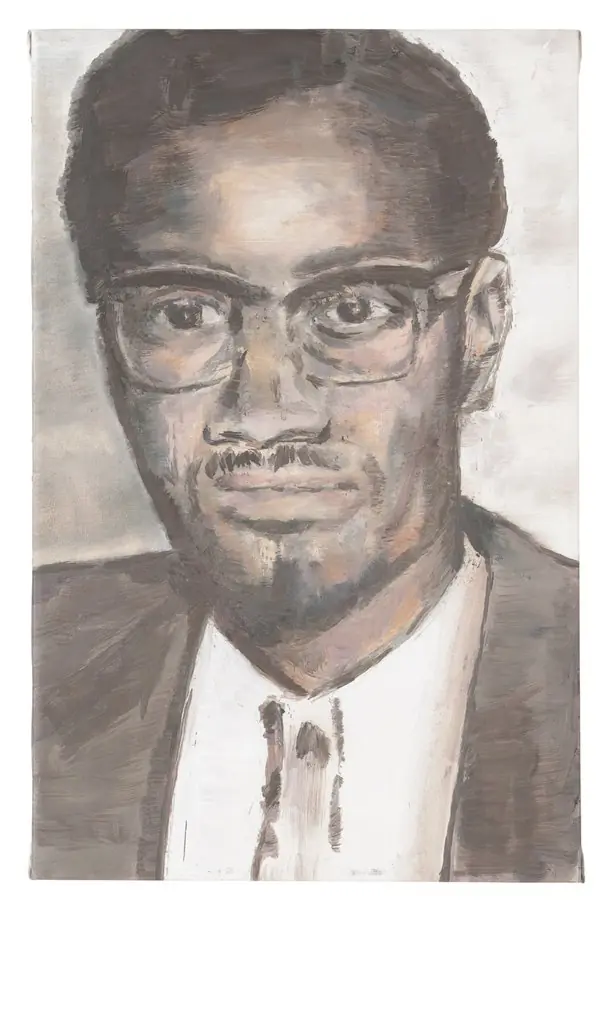 Lumumba
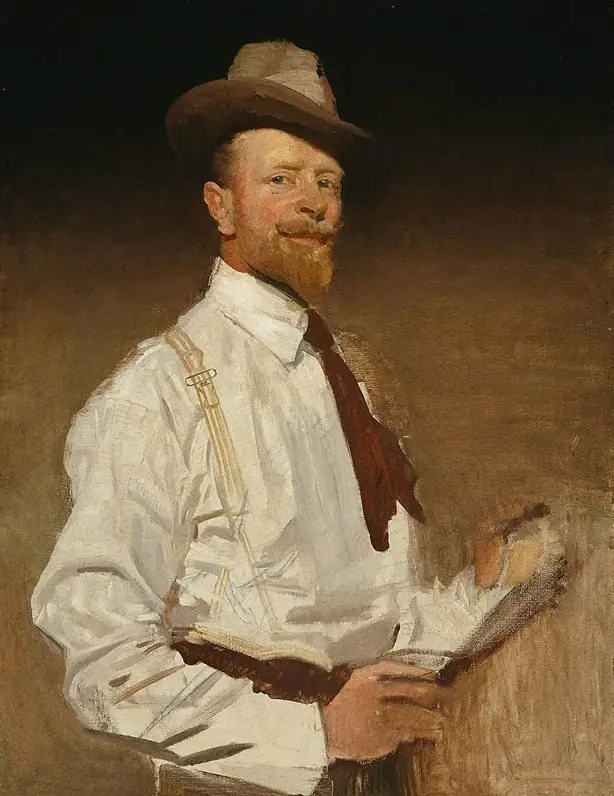 Self portrait
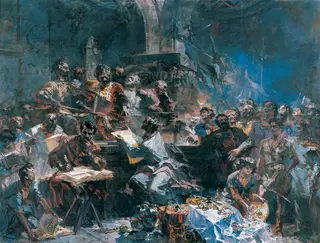 Reply to Hazkert
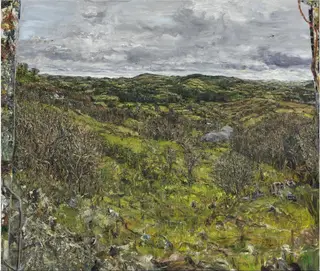 From Cogan's Shed
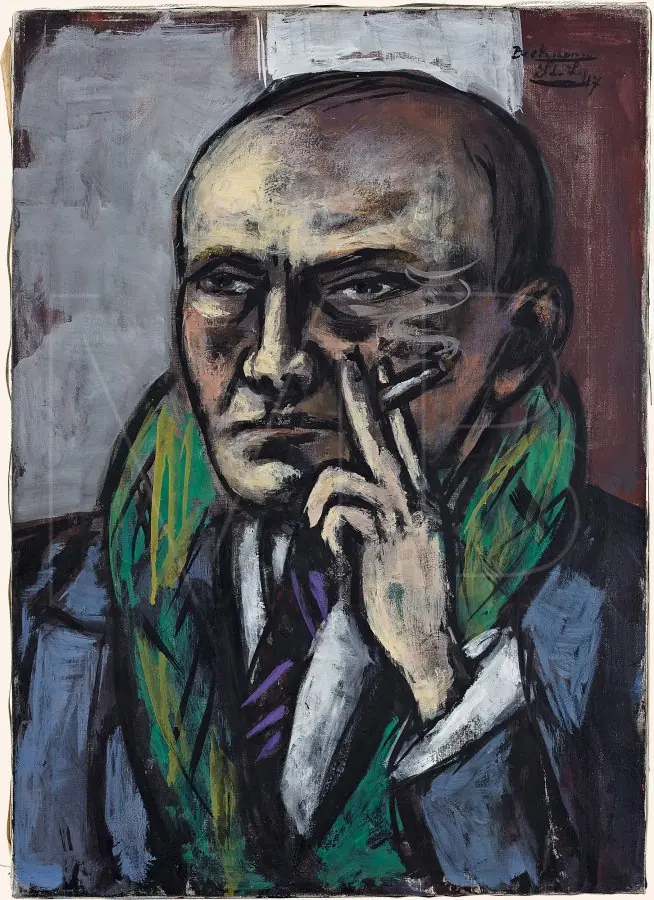 Self Portrait with Cigarette
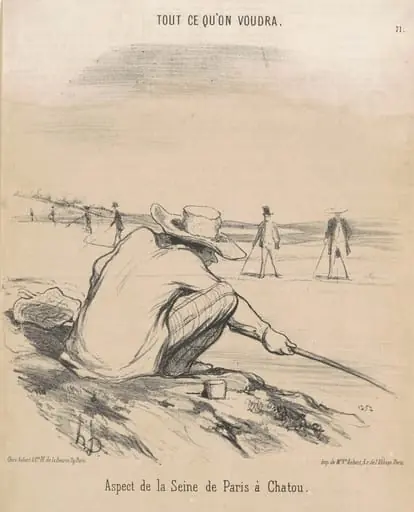 Aspect de la Seine de Paris a chatou
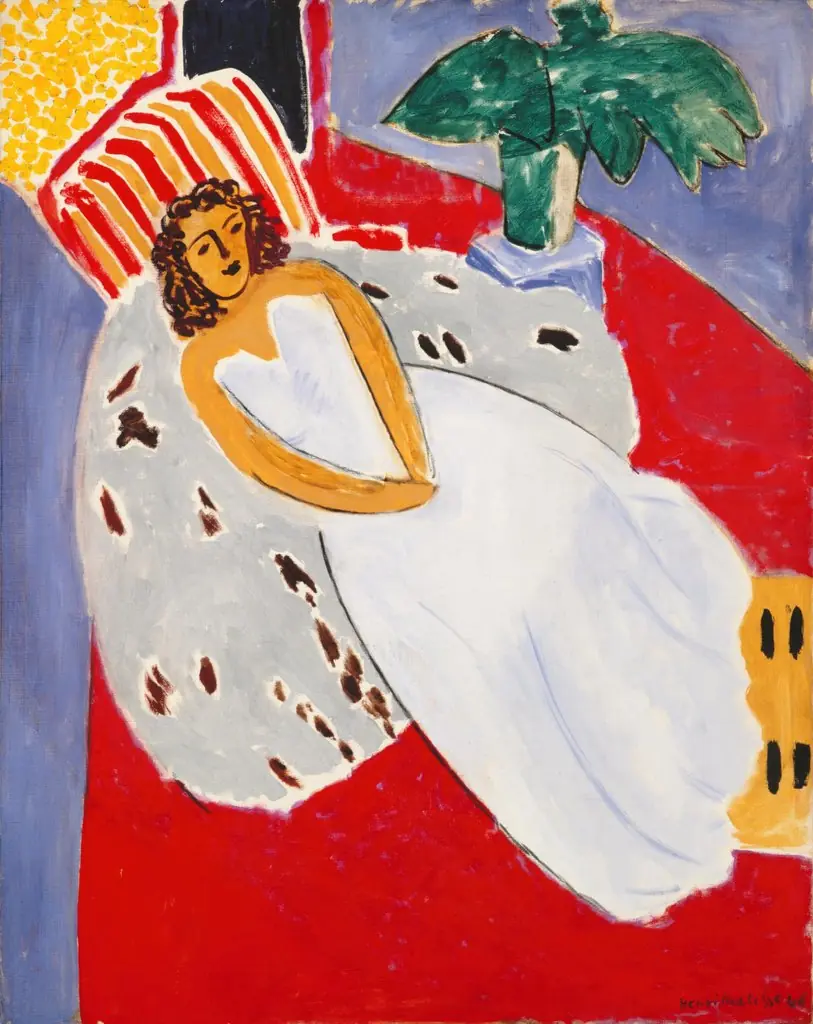 Young Woman in White on a Red Background
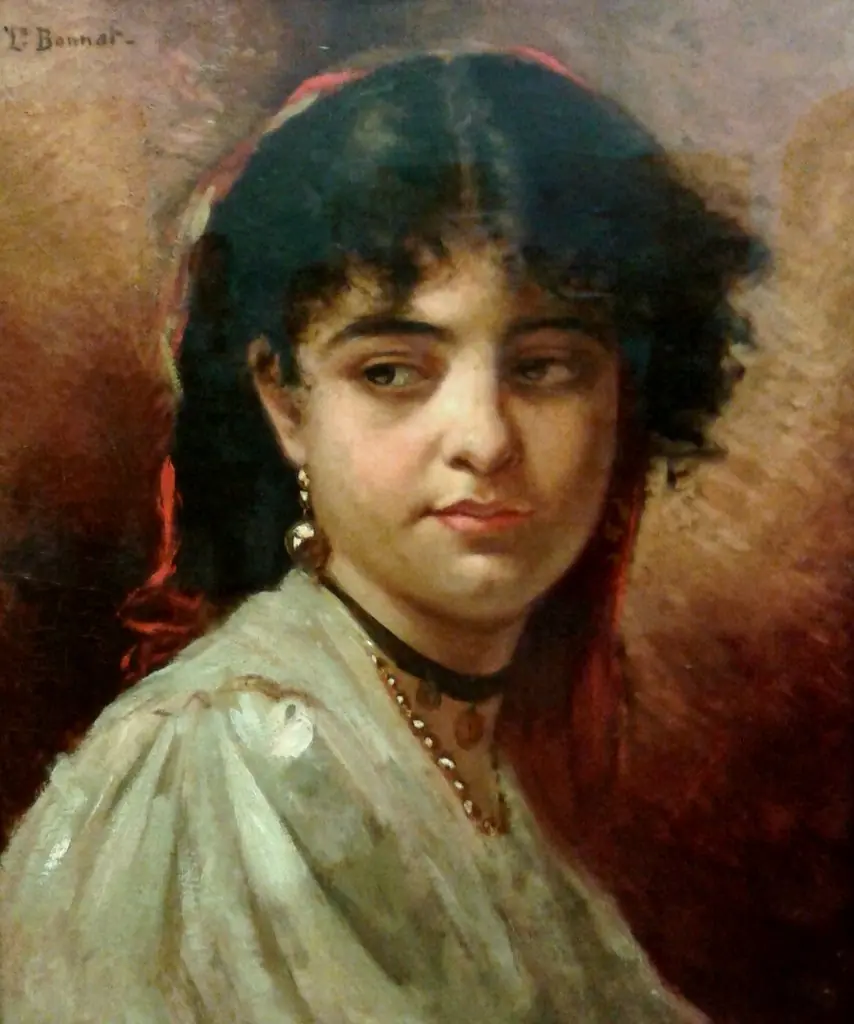 Head of a woman
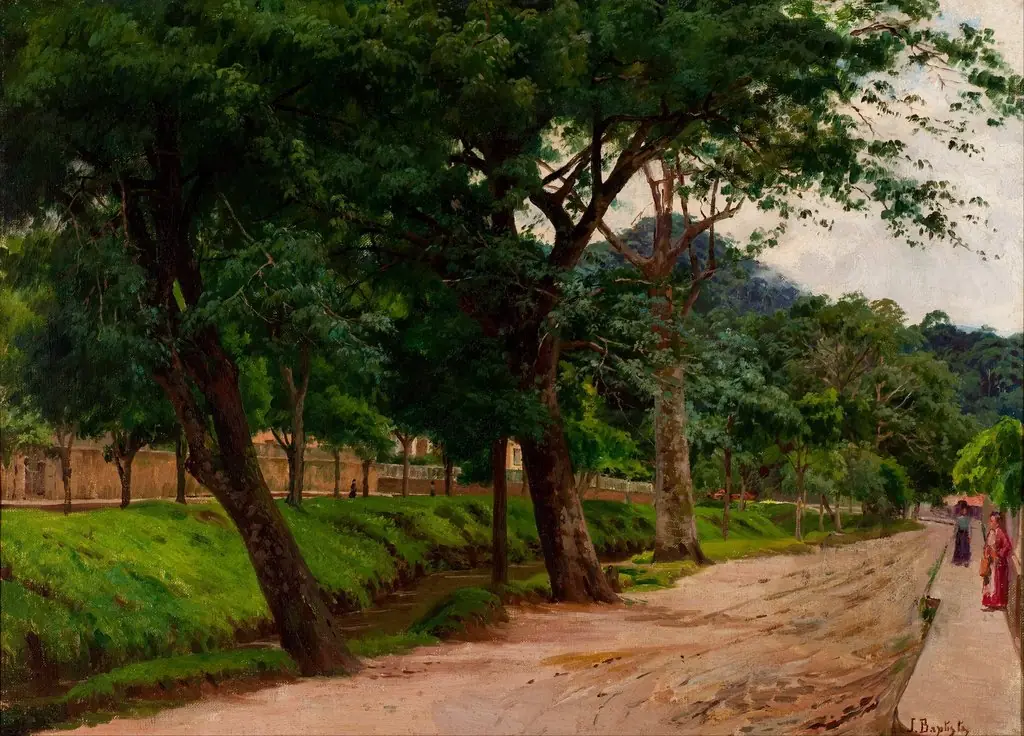 Petrópolis
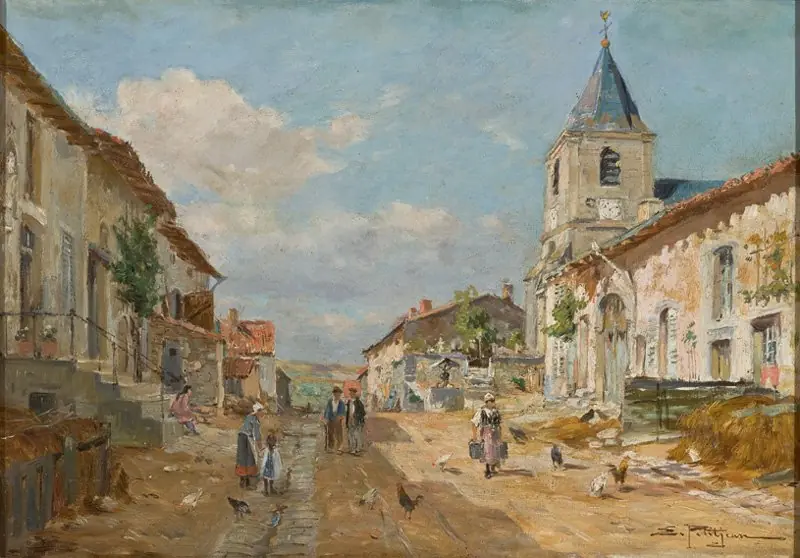 Street of a Village
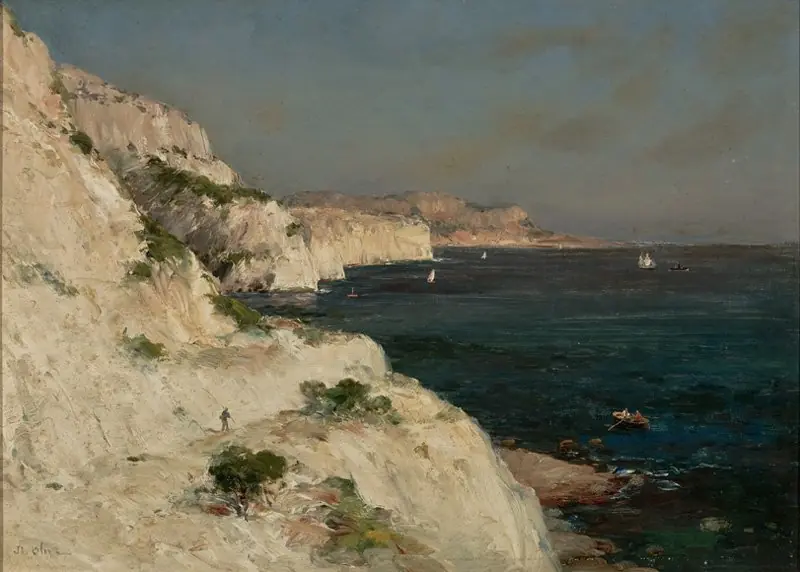 Seascape with Rocks
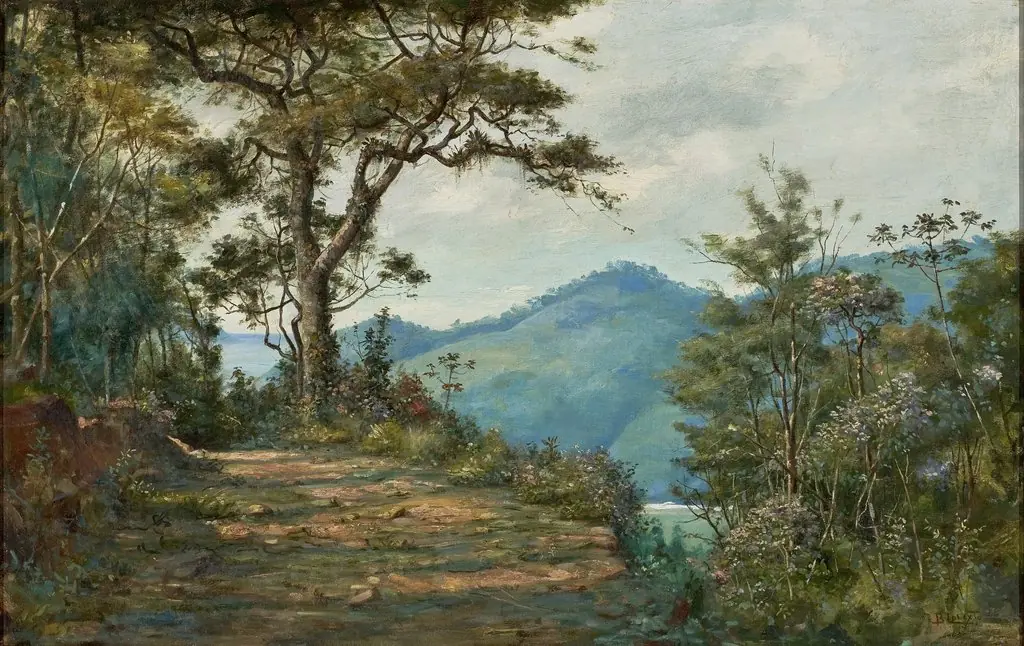 Paisagem (Da Série Mata)
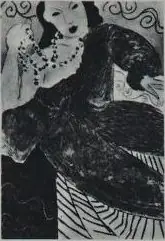 L'Asie
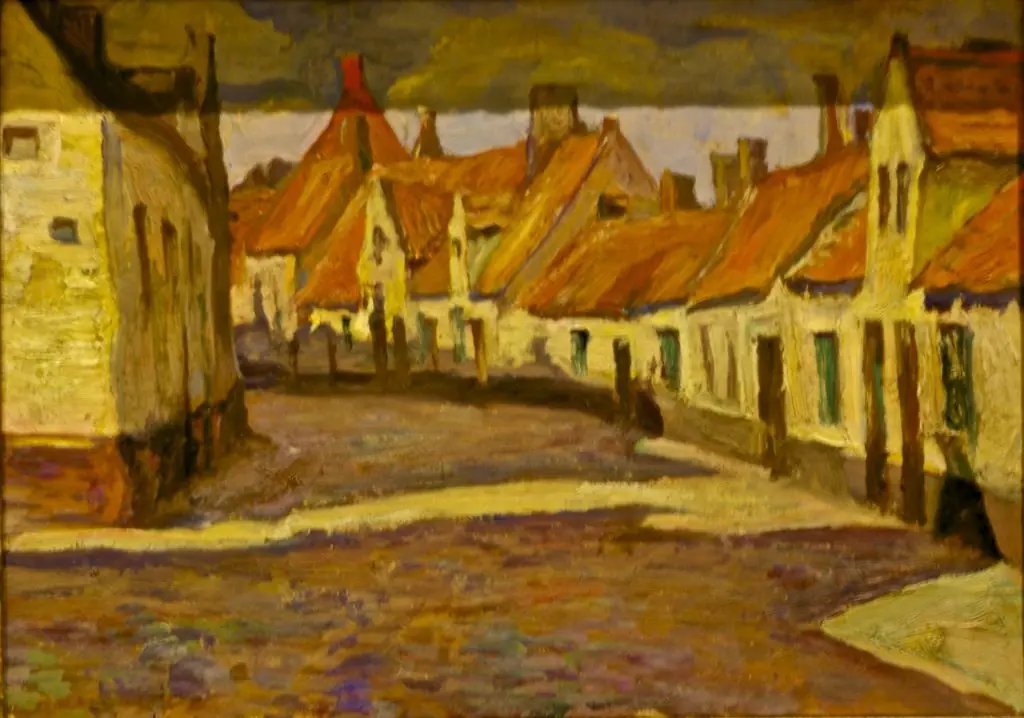 Bruges
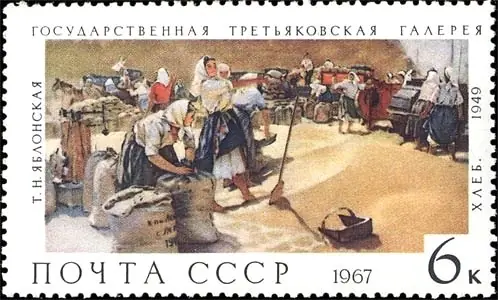 Хлеб (картина Яблонской)
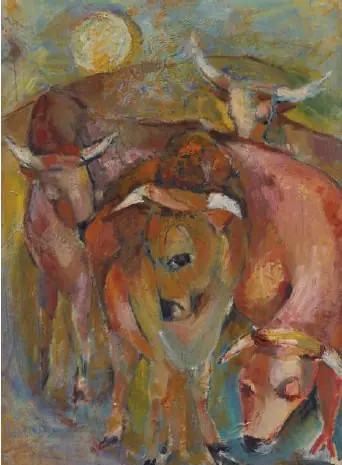 Cattle
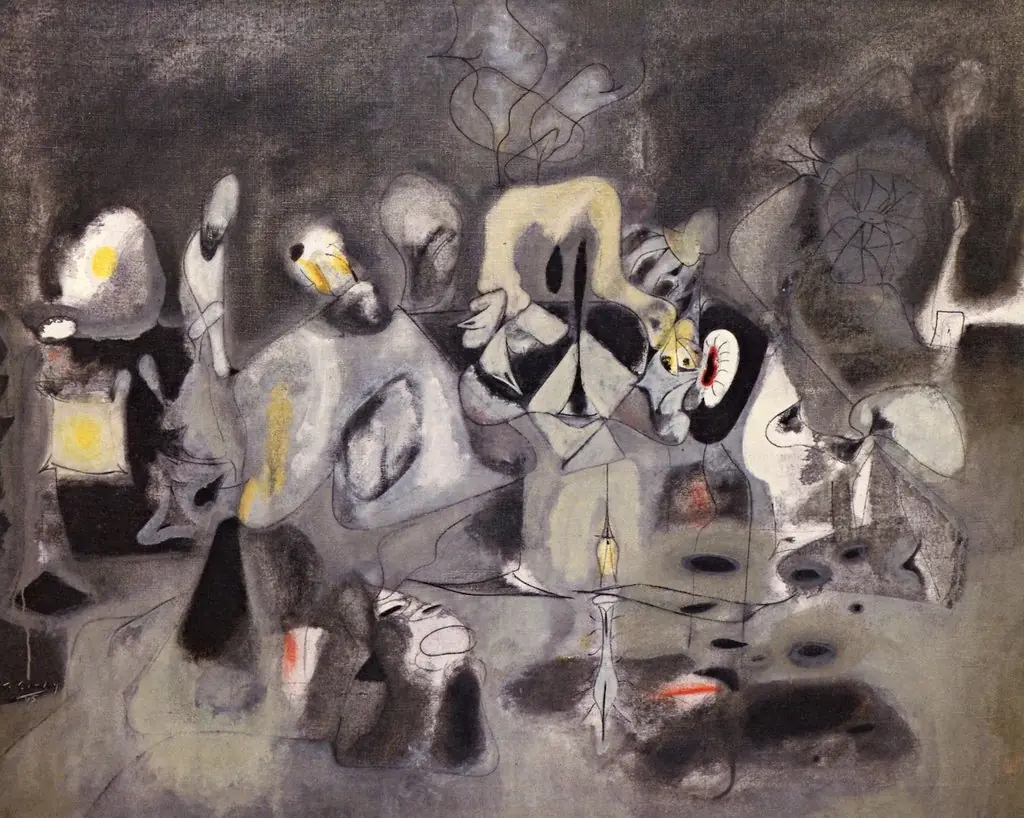 Diary of a Seducer
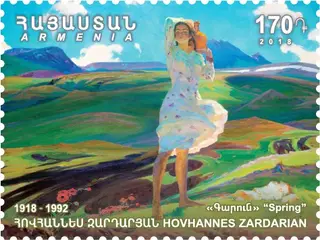 Spring
 Painting
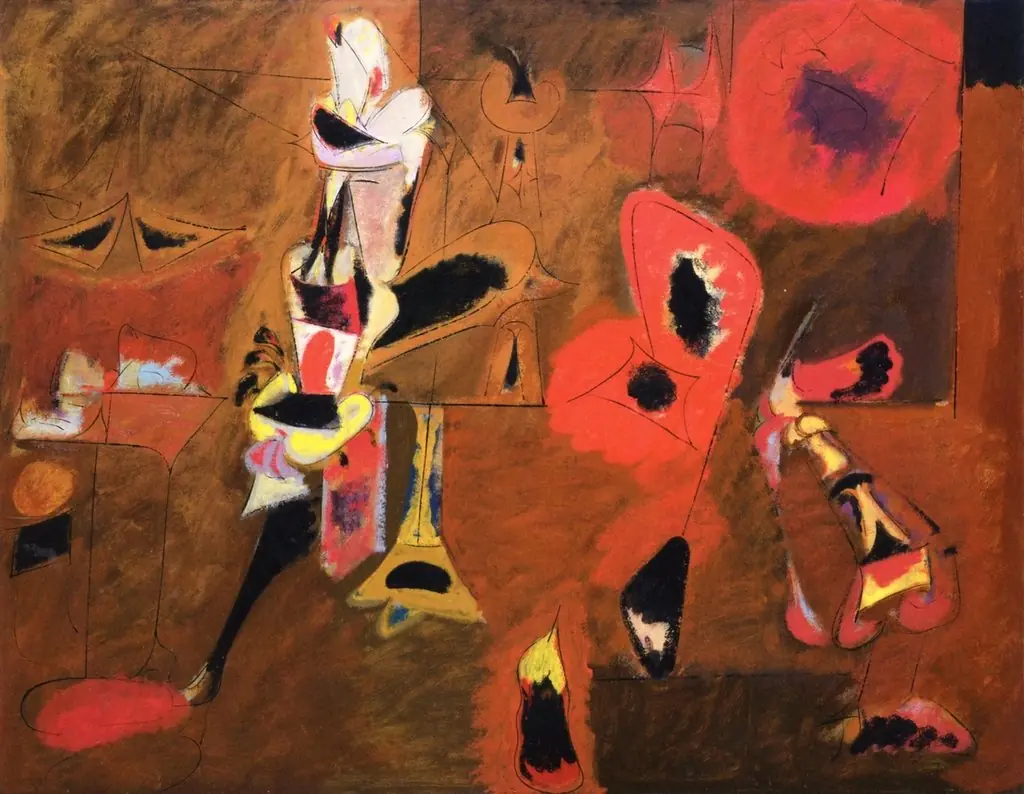 Agony
Agony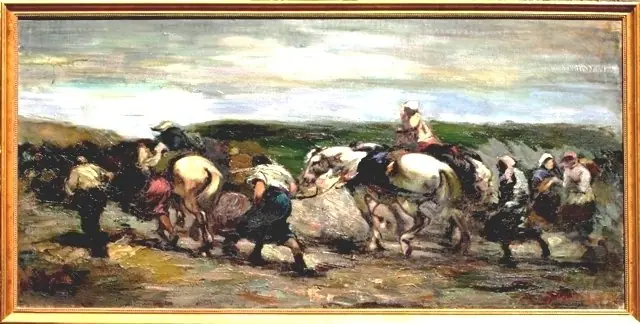 Migration of Armenians
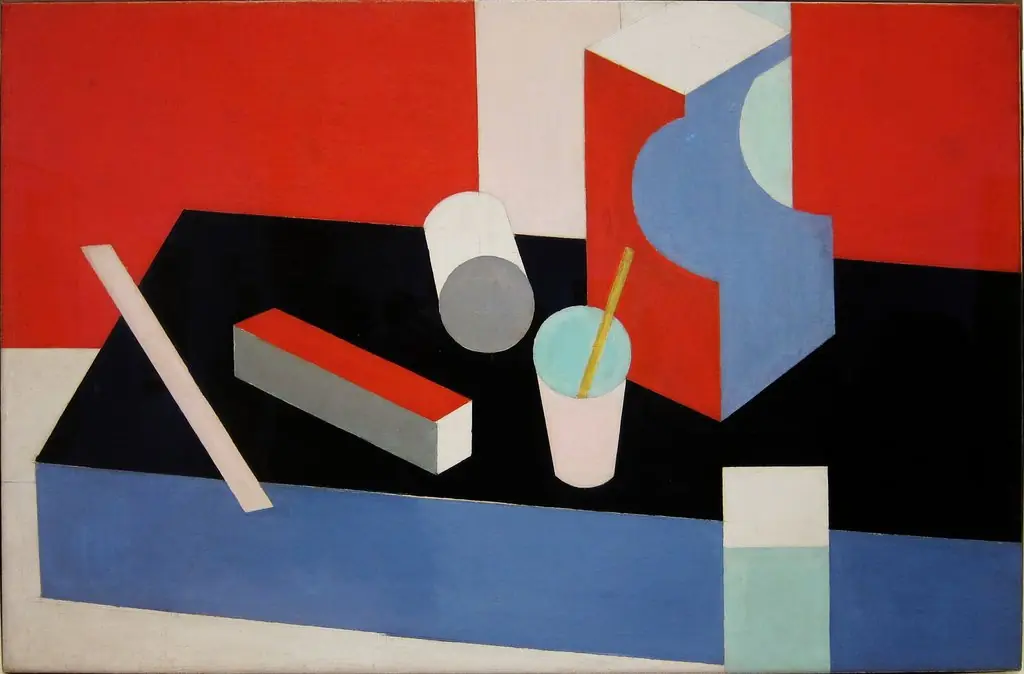 Painting
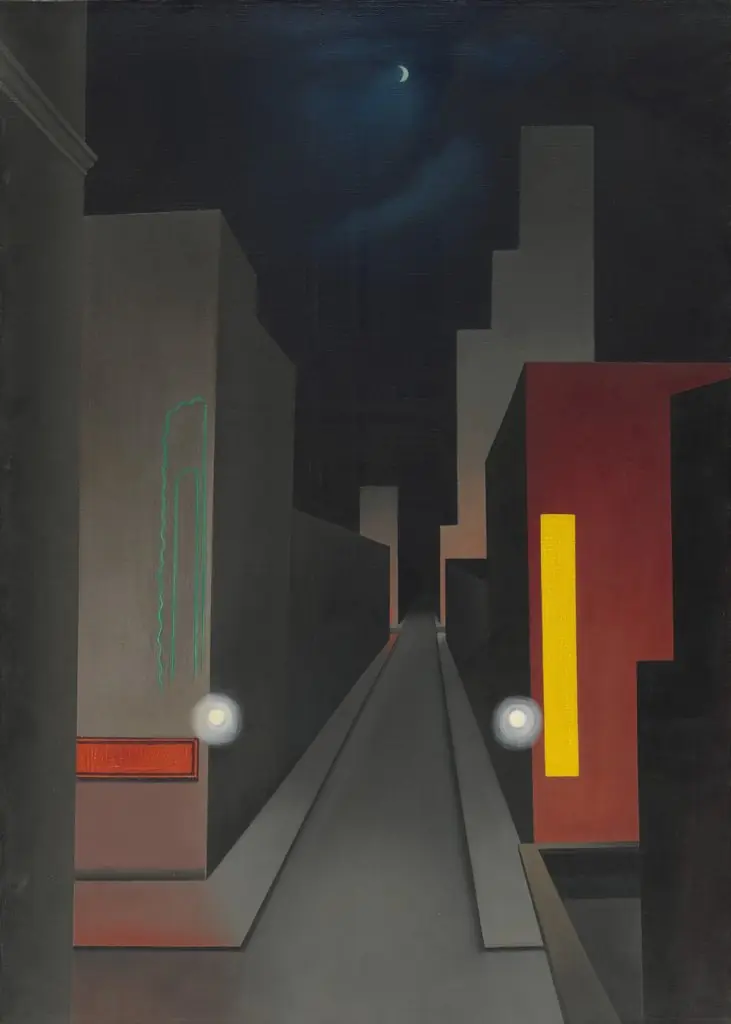 New Moon, New York
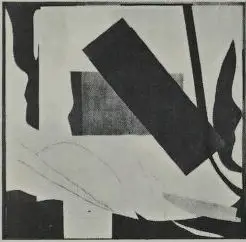 Memory of Oceania
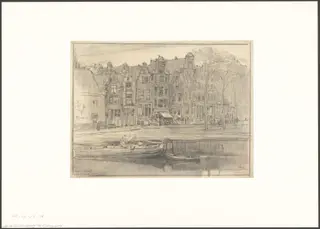 Untitled
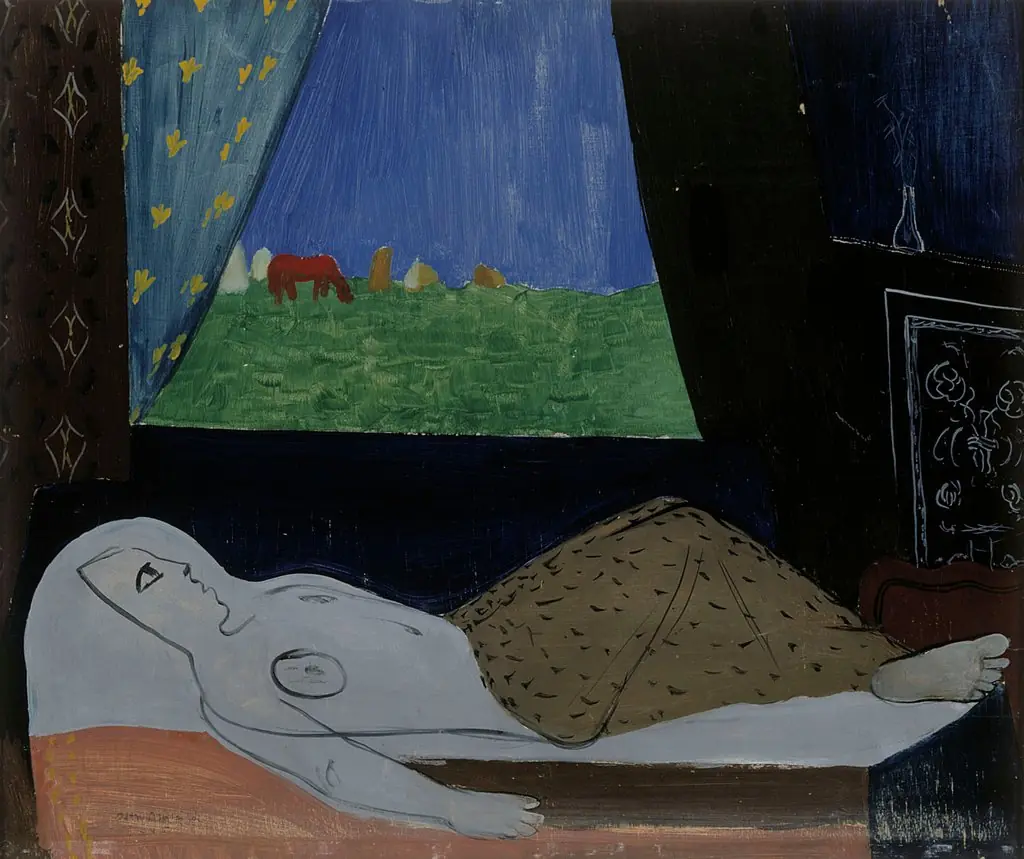 Omega I
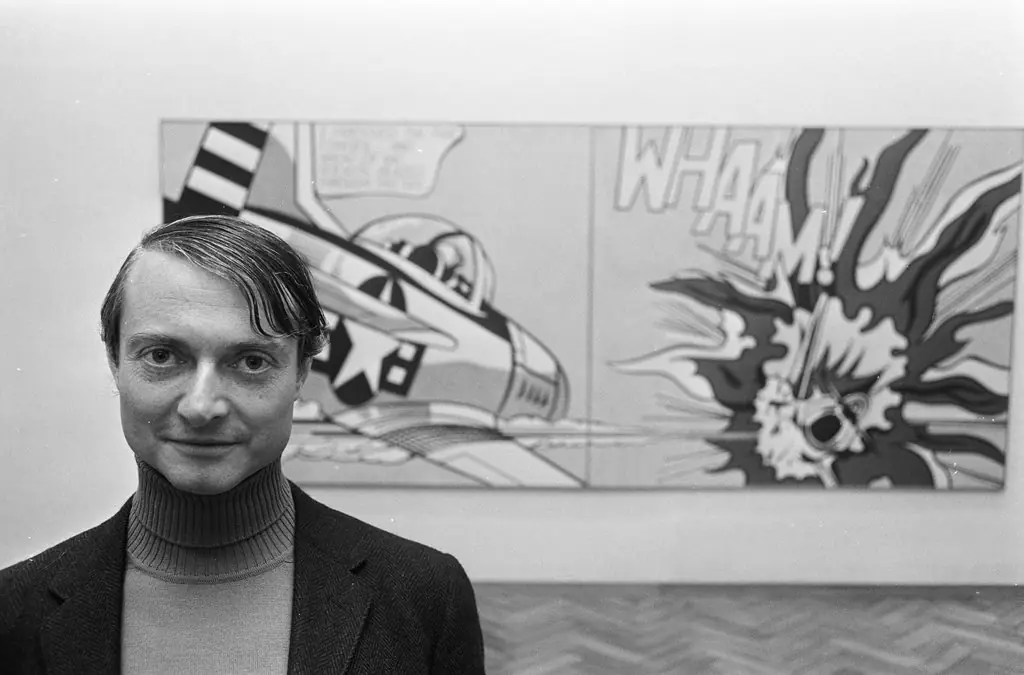 Whaam!
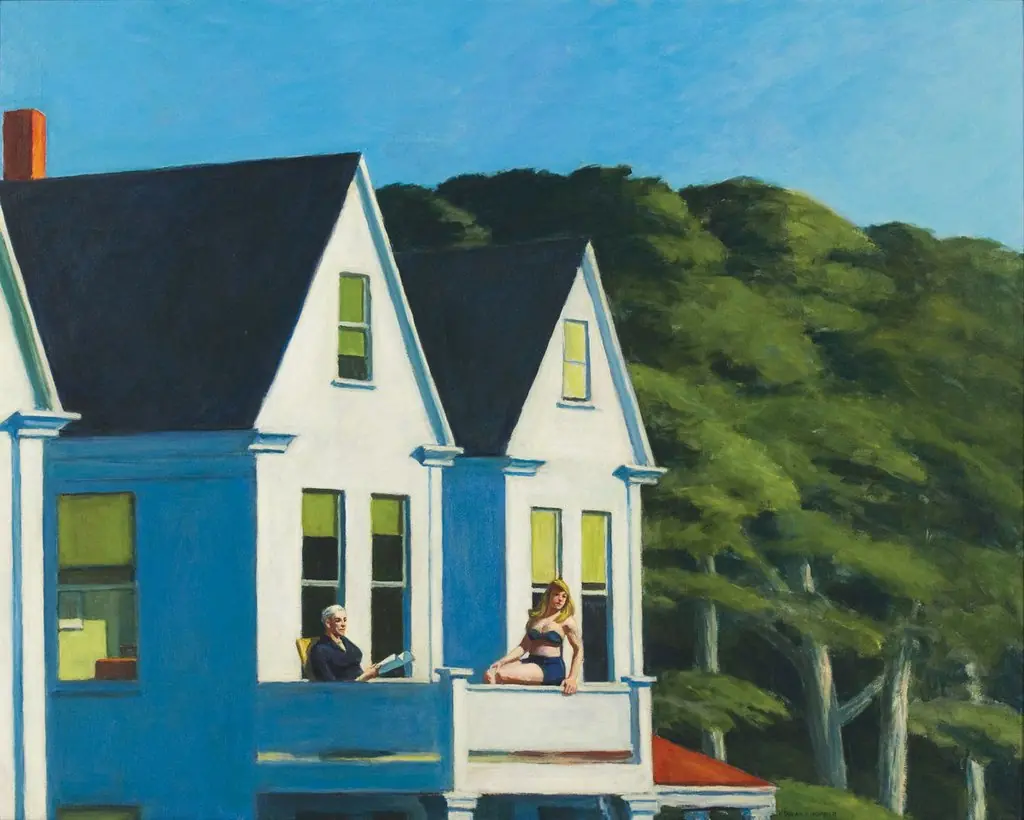 Second Story Sunlight
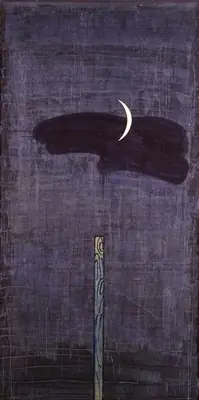 Column VII
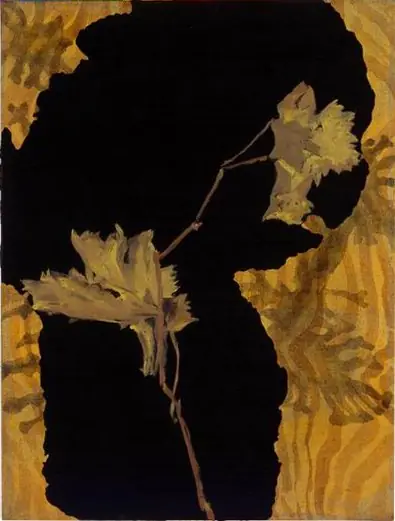 Beam XXIII (From the series "Beams")
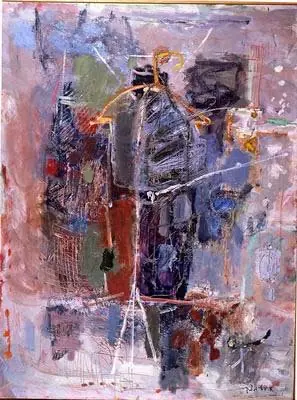 Gemälde
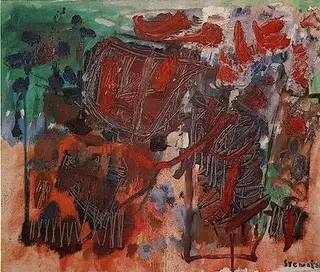 Etude
Etude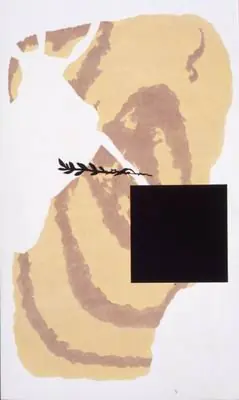 Return of the Black Square IV
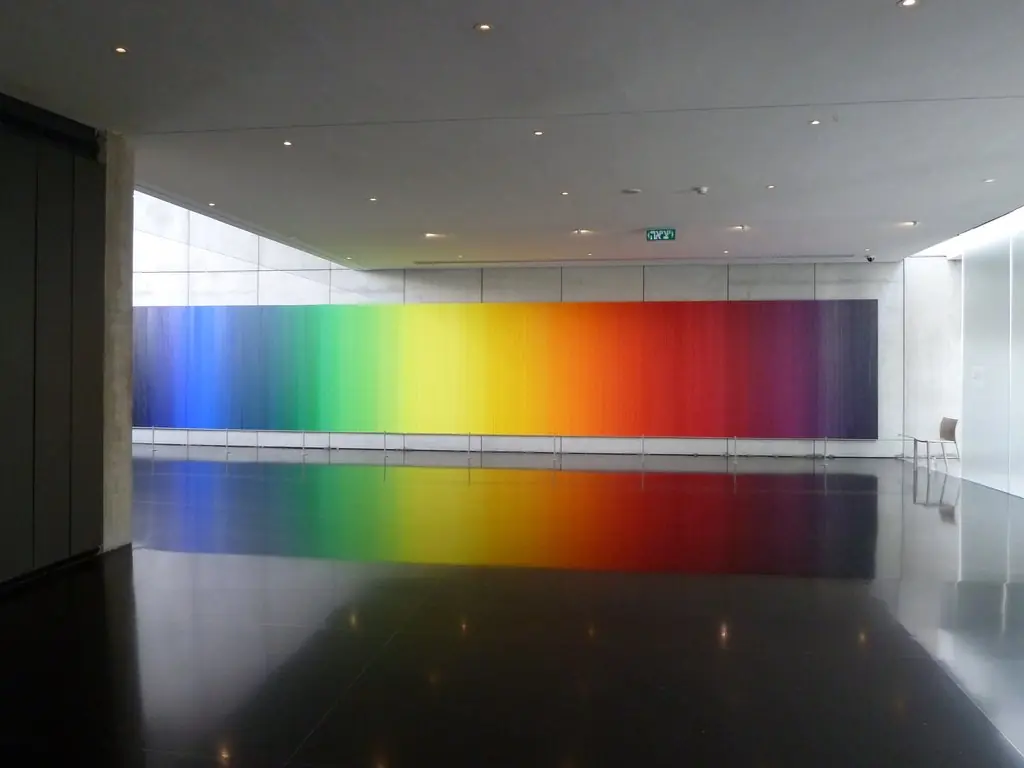 Whenever the Rainbow Appears
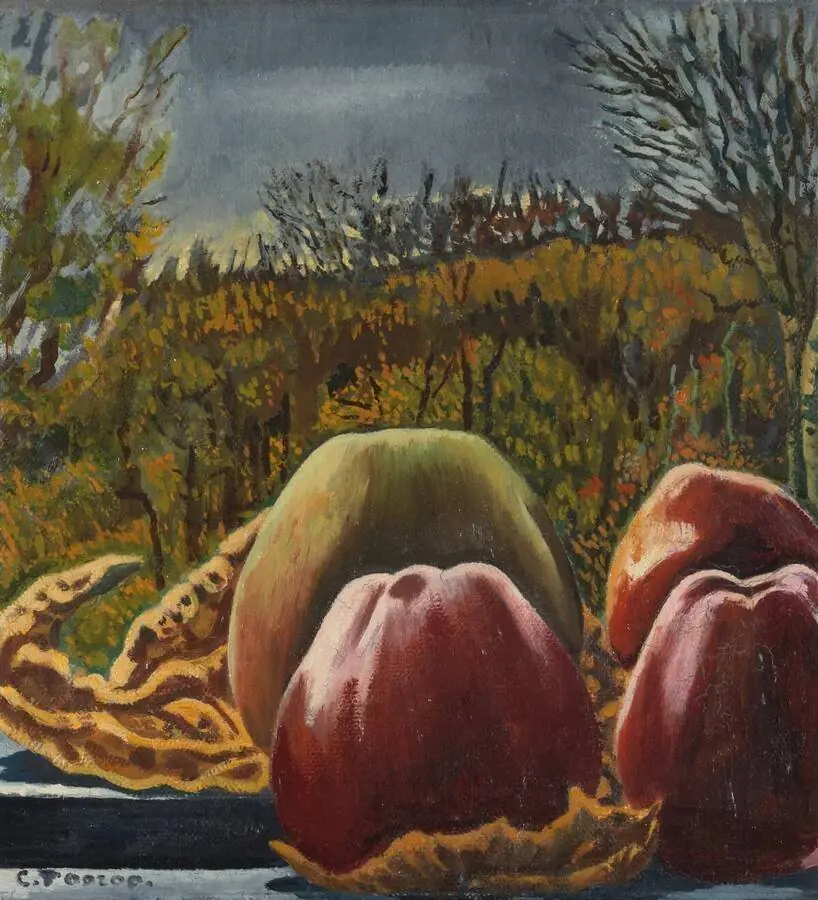 Appels met landschap
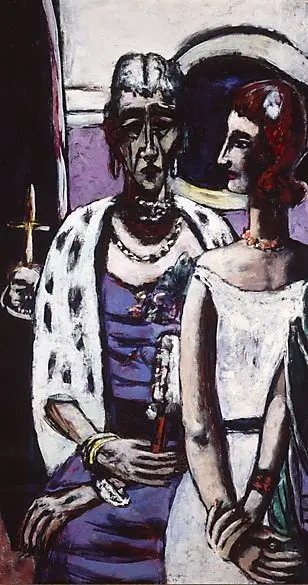 Mother and daughter
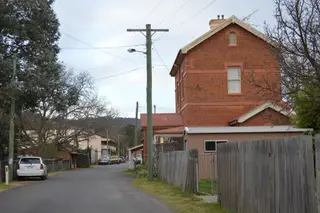 Sofala
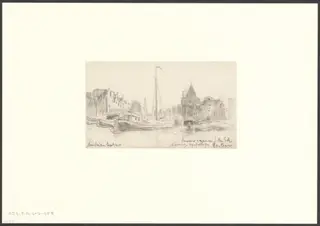 Untitled
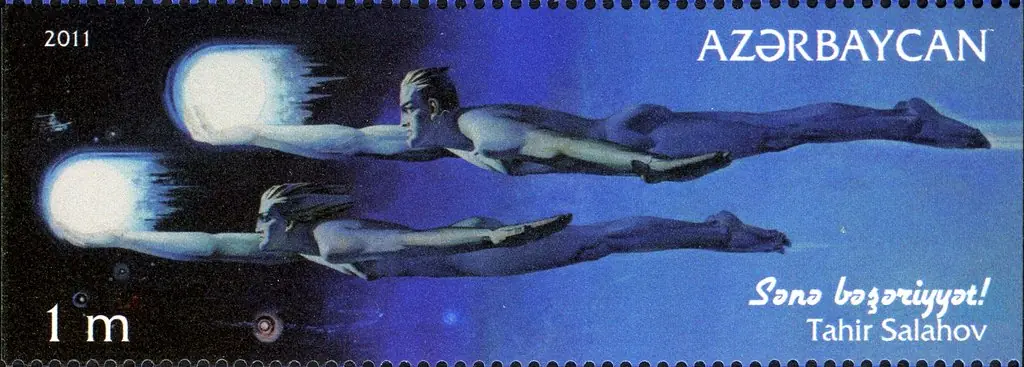 For You
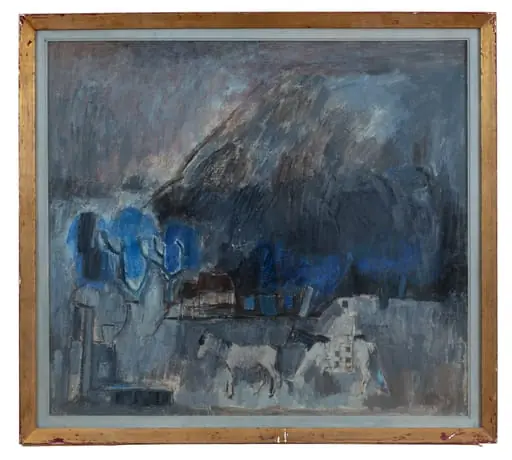 La adăpat
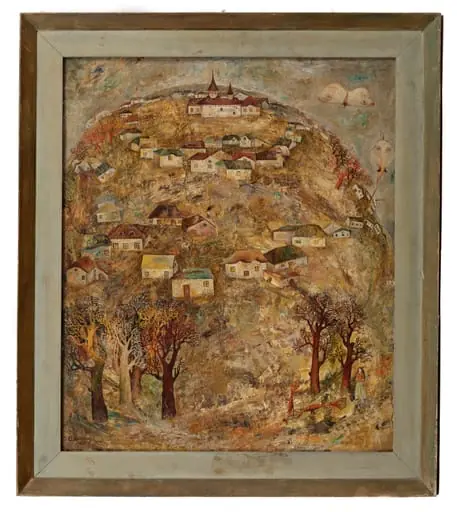 Dealul lui Dobrin
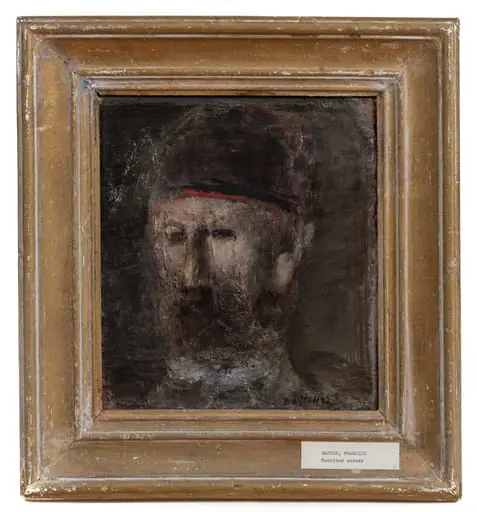 Pescar
 Edificiu în stil gotic
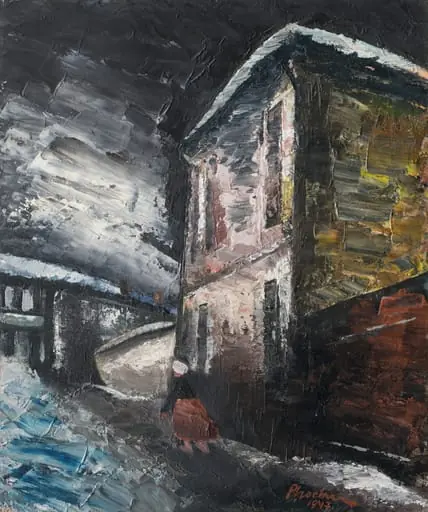 STRADĂ ÎN BUCUREȘTII VECHI
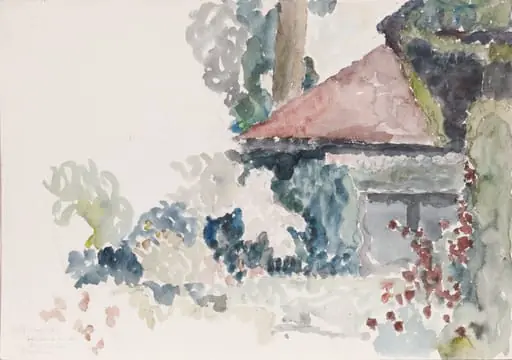 GRĂDINA DIN STRADA ROSMARIN
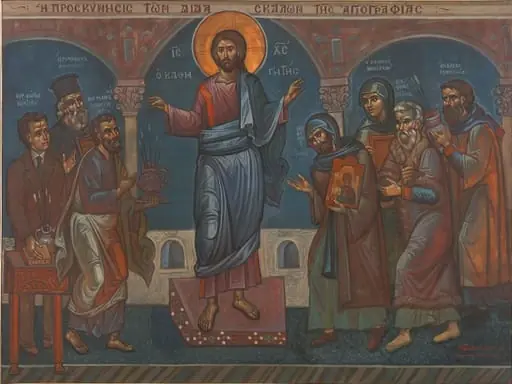 Η Προσκύνησις των διδασκάλων της αγιογραφίας
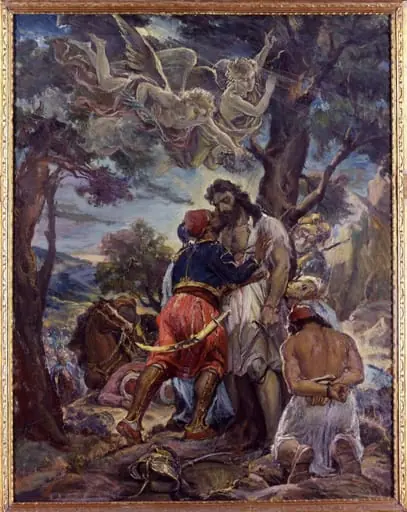 Ο Ιμπραήμ ασπάζεται το νεκρό Παπαφλέσσα μετά τη μάχη στο Μανιάκι
 Three Flags
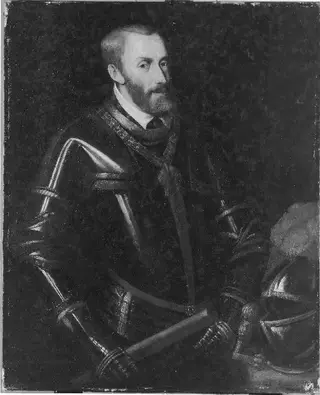 Portrait of Emperor Charles V in armour
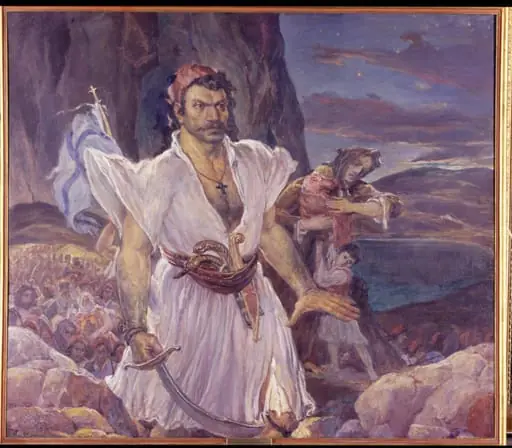 Σκηνή από την Έξοδο του Μεσολογγίου
 MOTIV VECHI BUCUREȘTEAN ( Str. TAICA LAZĂR)
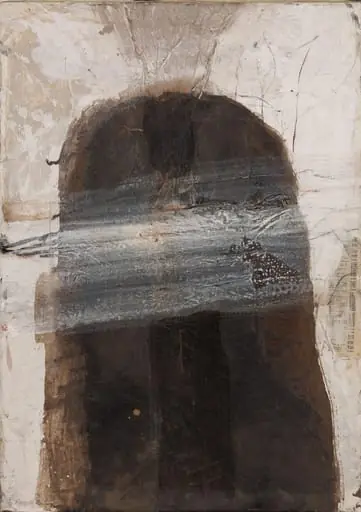 Ερωτικό.
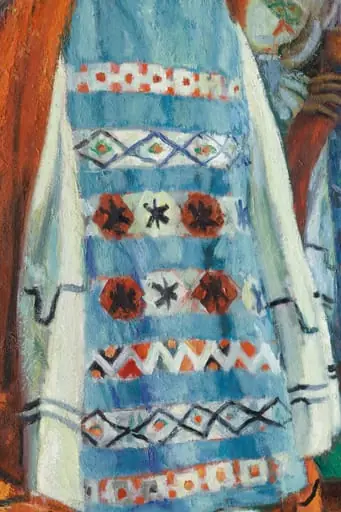 Dans românesc
 Peisaj urban
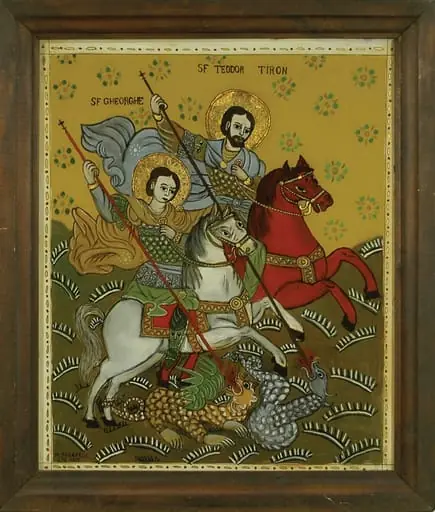 Sfinții Gheorghe și Teodor Tiron
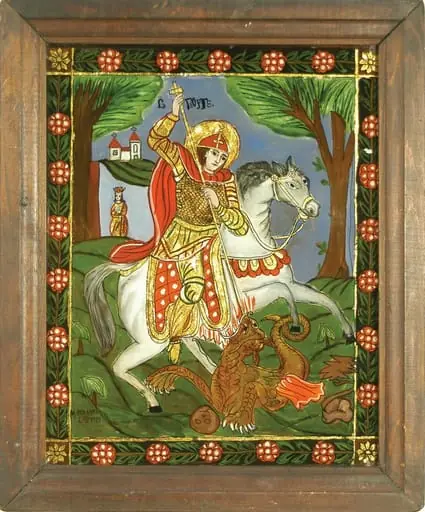 Sf. Mucenic Gheorghe, ucigând balaurul
 Cap de țăran
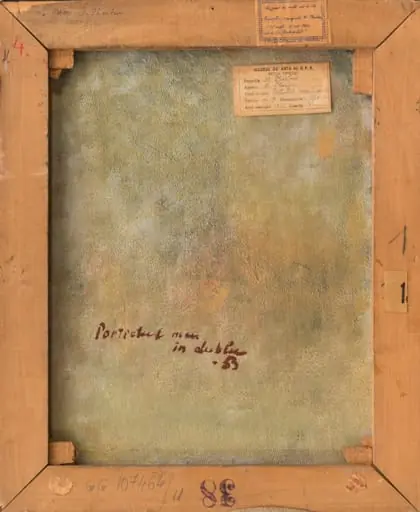 PORTRETUL MEU ÎN DUBLU
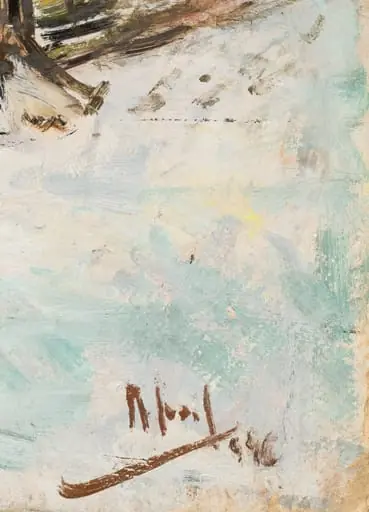 Peisaj de iarnă
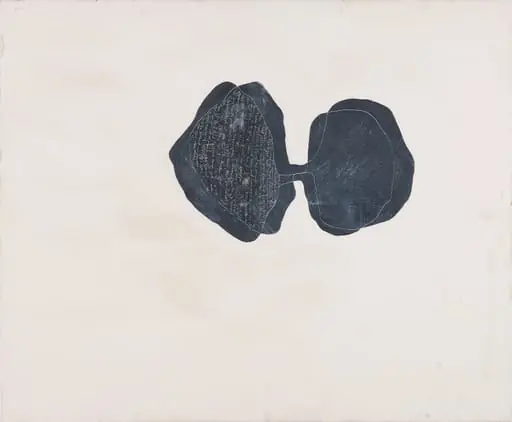 Χωρίς Τίτλο
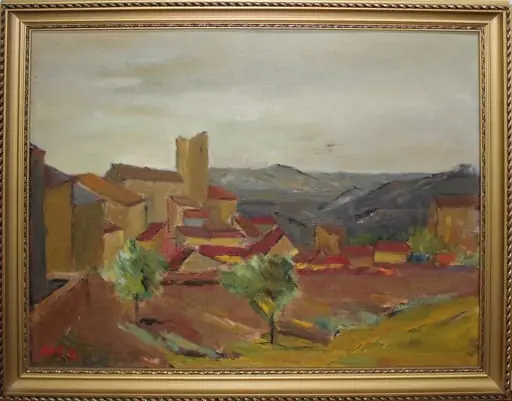 Peisaj constănțean (Peisaj din Constanța)
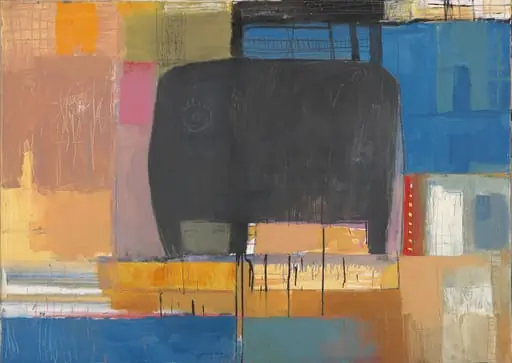 Χωρίς Τίτλο
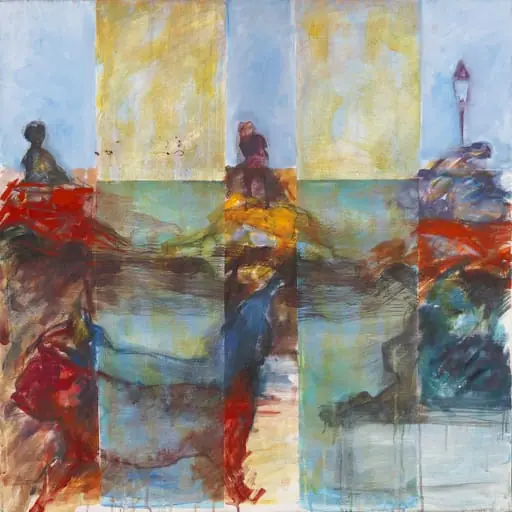 Χωρίς Τίτλο
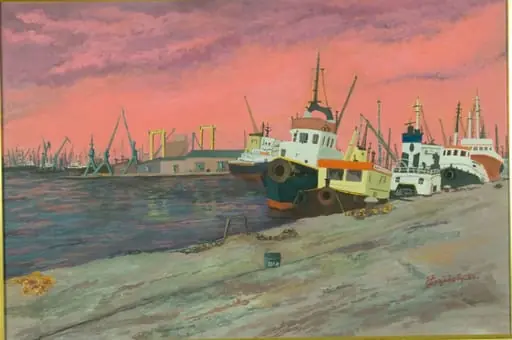 Λιμάνι
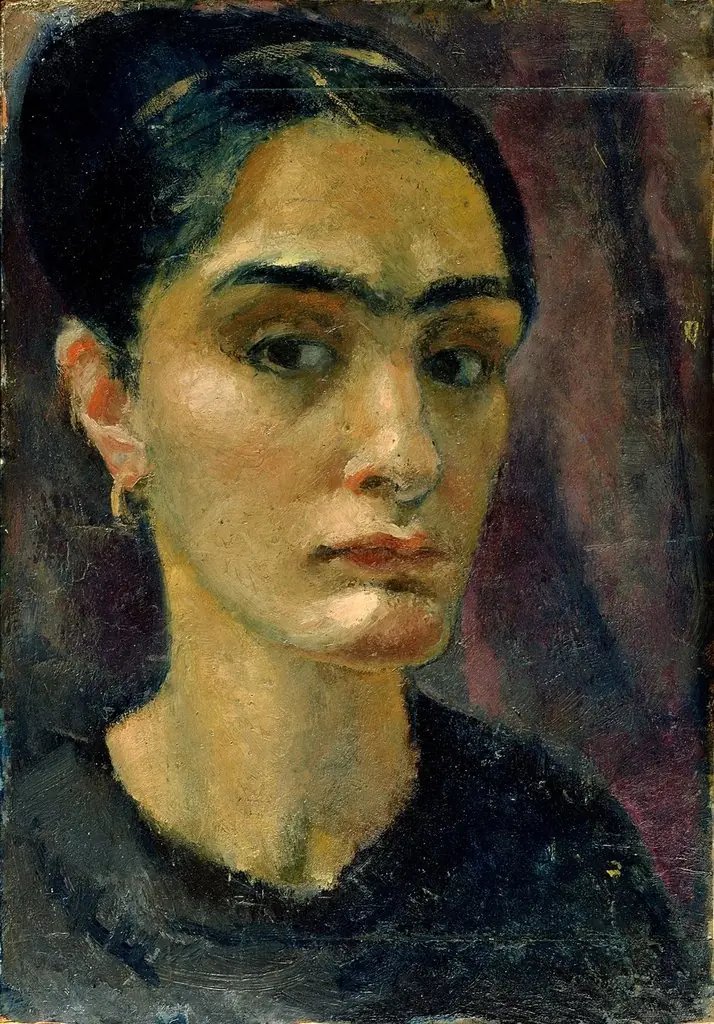 Self-portrait
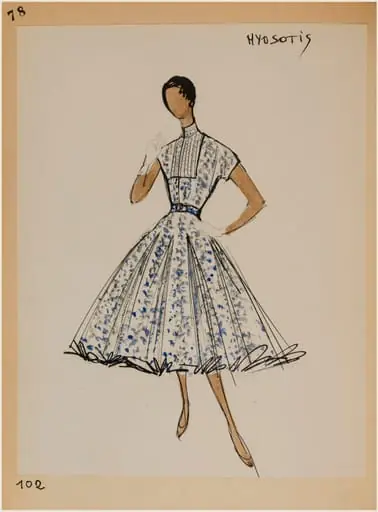 Myosotis
 Old Man
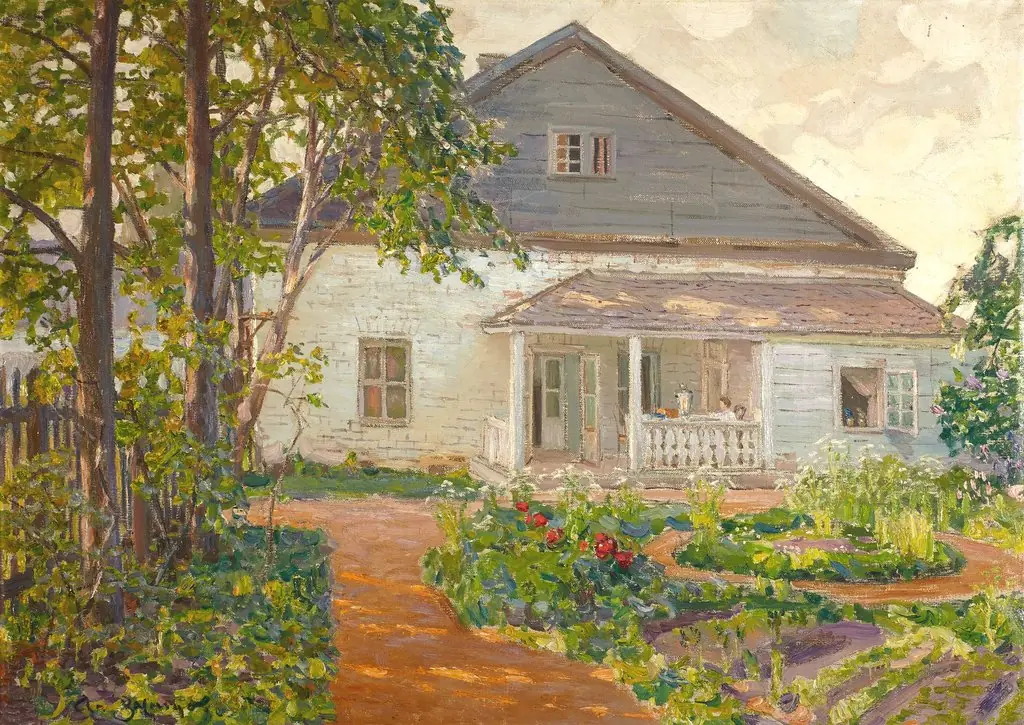 Summerhouse
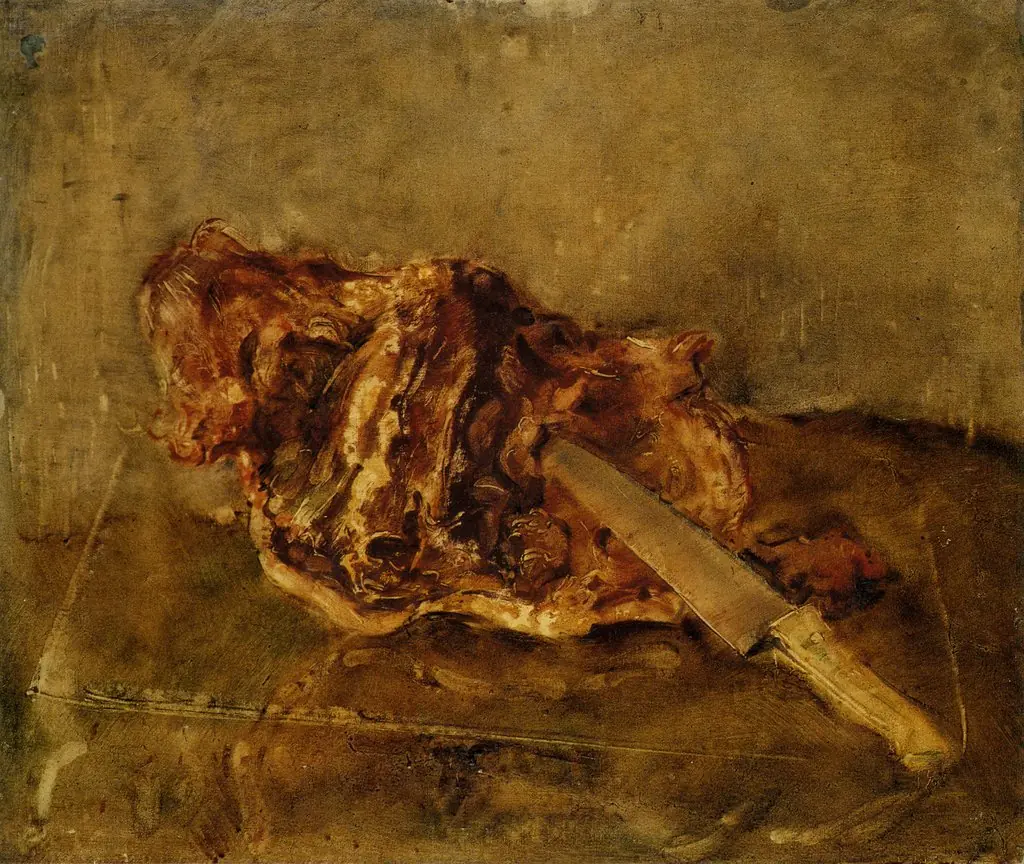 Meat
Meat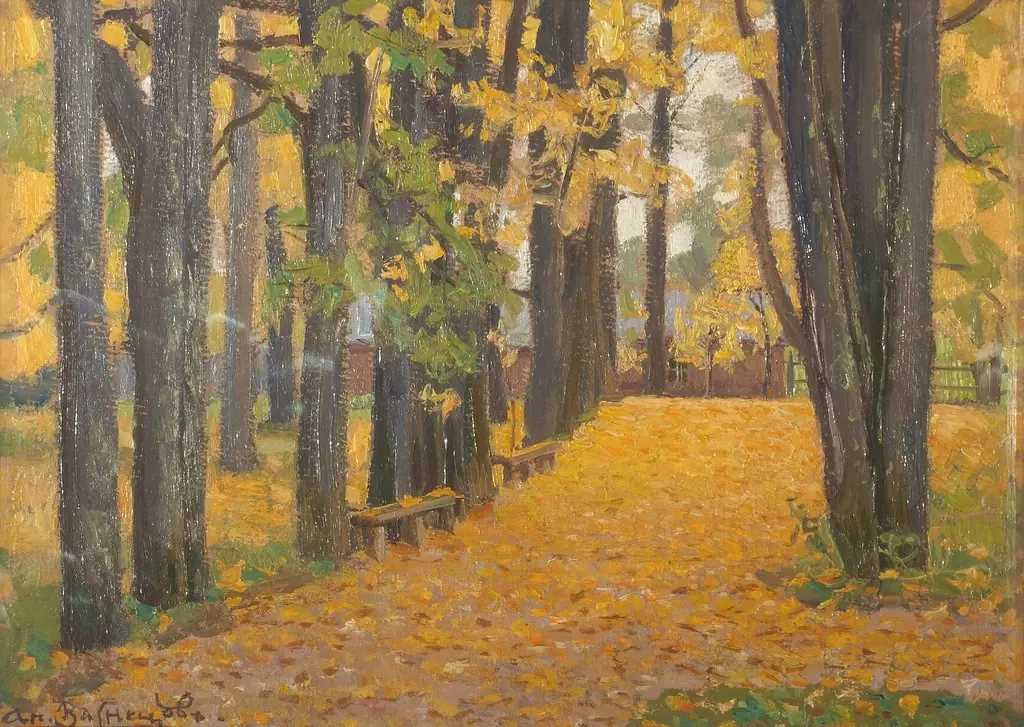 Autumn park
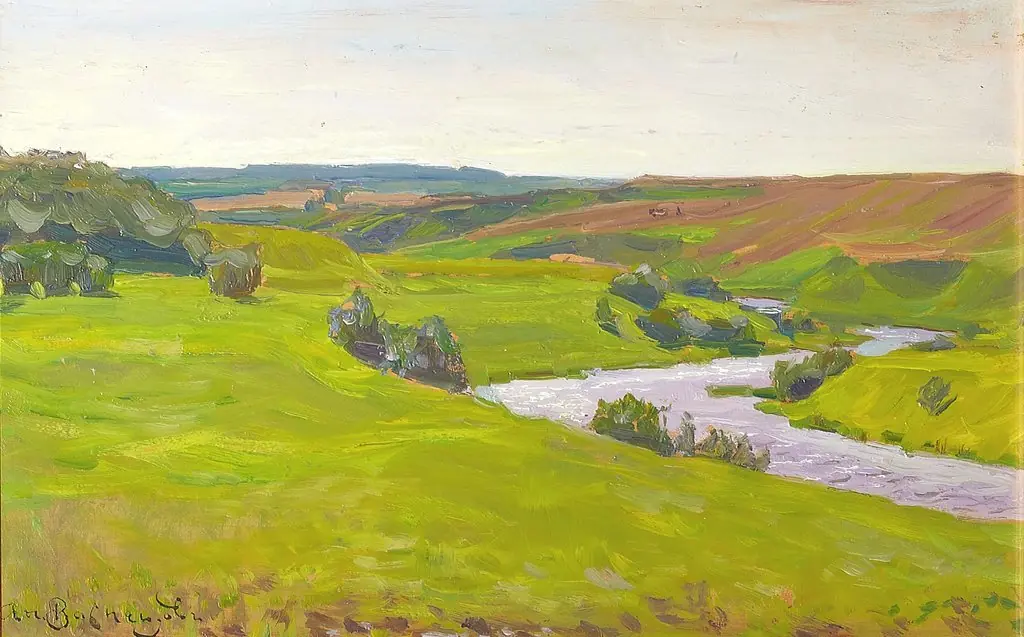 Sestra river
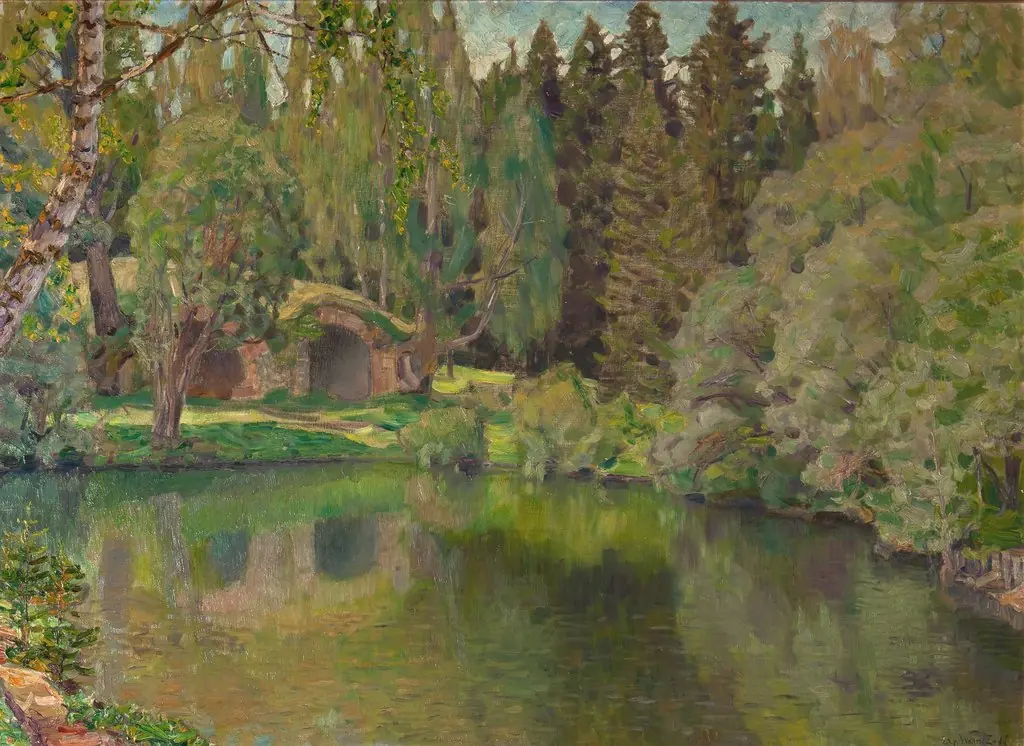 pond catacombs
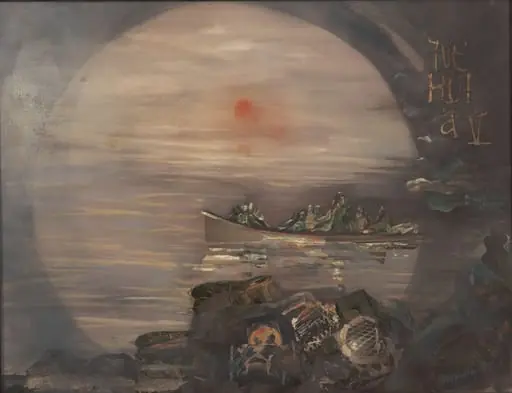 Νέκια V
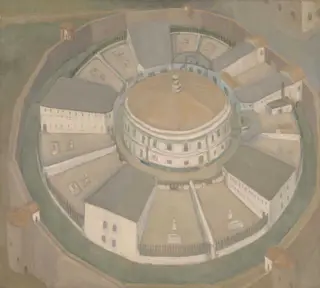 Φυλακές Κέρκυρας
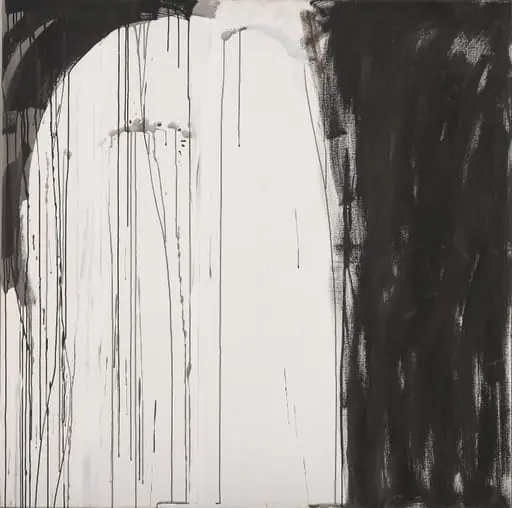 Χωρίς τίτλο
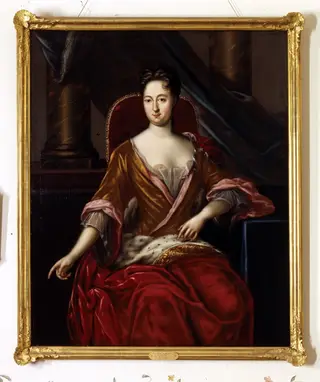 Painting
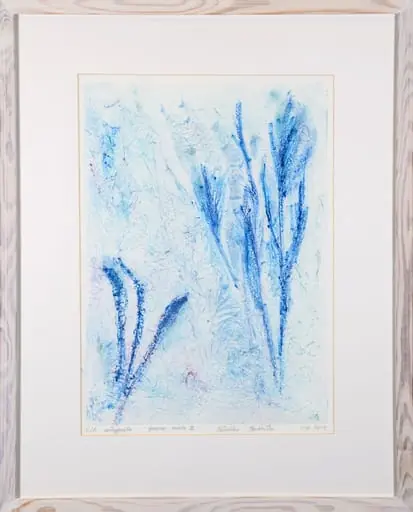 Landscape
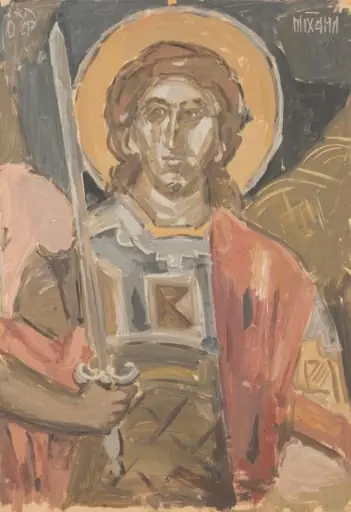 Archangel Michael
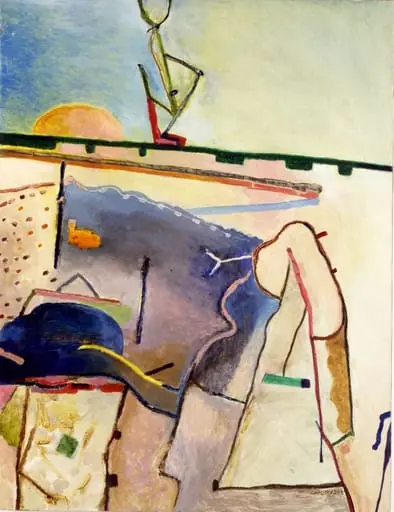 Painting
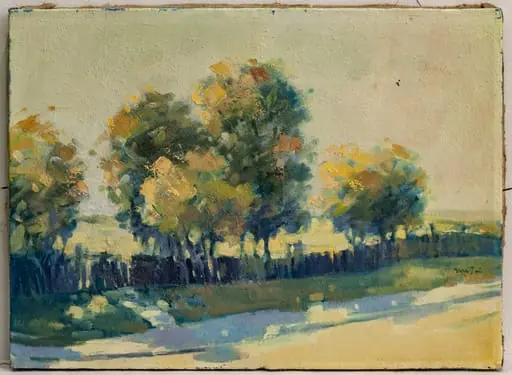 Iazurile
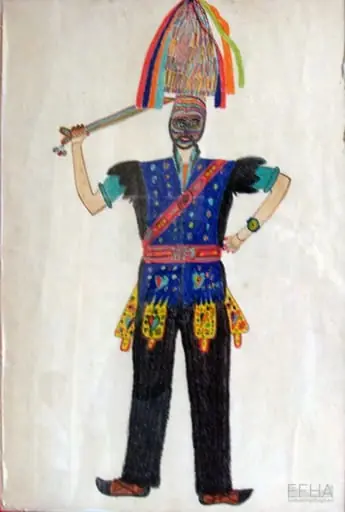 Painting
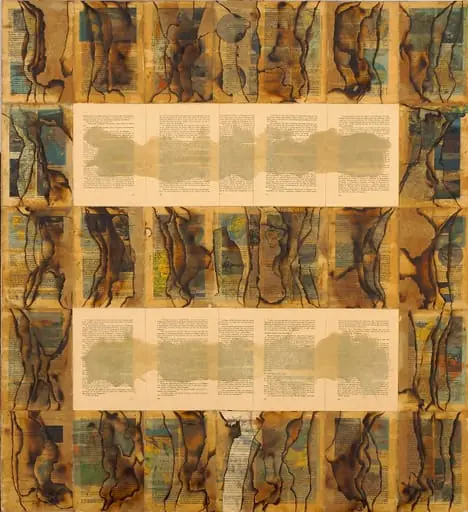 Λόγος
Λόγος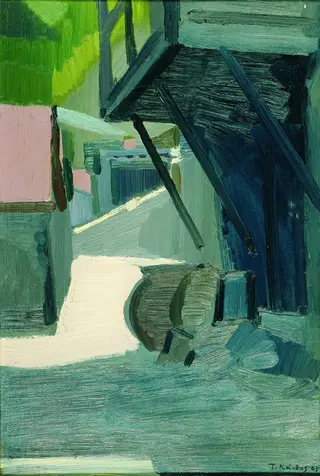 Σπίτια στον Άλωνα
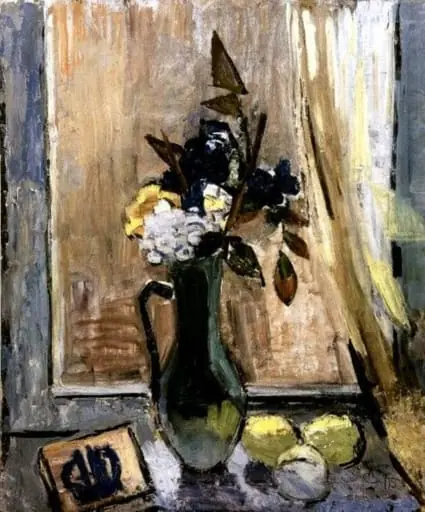 Natură statică cu lămâi
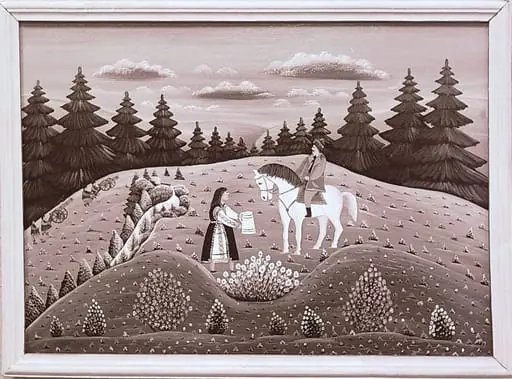 Sequences from the Village Museum, naive painting by Petru Mihuțe - Avram Iancu and Romania (1988)
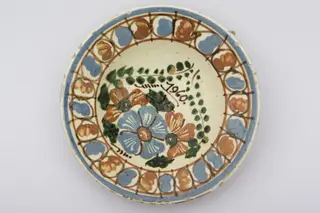 Recipient ceramic smălțuit, de formă tronconică, cu baza plată, pereții ușor ridicați și buza profilată. Peste stratul alb de angobă au fost realizate două registre ornamentate cu motive geometrizante și fitomorfe stilizate. Primul registru, situat pe fundul vasului este format din trei flori: una, centrală cu mijlocul maro și petalele albastre, celelalte două de culoare maro roșcat. Crenguțelor, pe care sunt poziționate florile, li se unesc vârfurile, deasupra cărora a fost trecută datare: „1960”. Marginal a fost realizat cel de-al doilea registru, format din boboci de culoare albastru și maro roșcat, despărțiți de linii verticale drepte. Două linii circulare drepte încadrează ultimul registru. Farfuria era utilizată în gospodărie pentru decorarea interioarelor. Prezintă uzură funcțională. Cromatică: fond: alb; motive: albastru; maro roșcat; verde.
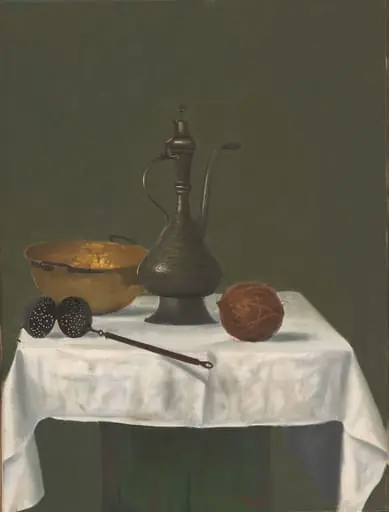 Νεκρή φύση.
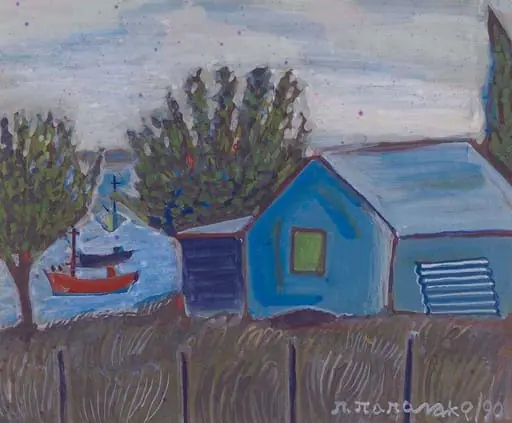 Παράγκα στη θάλασσα
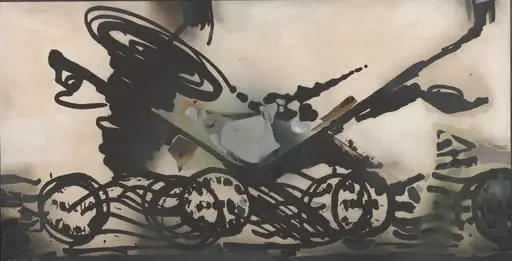 Ερινύα Δ
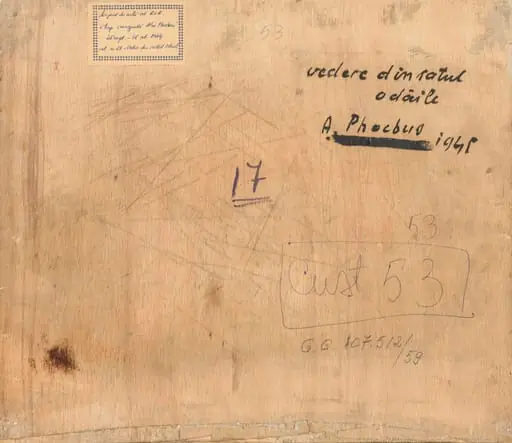 VEDERE DIN SATUL ODĂILE
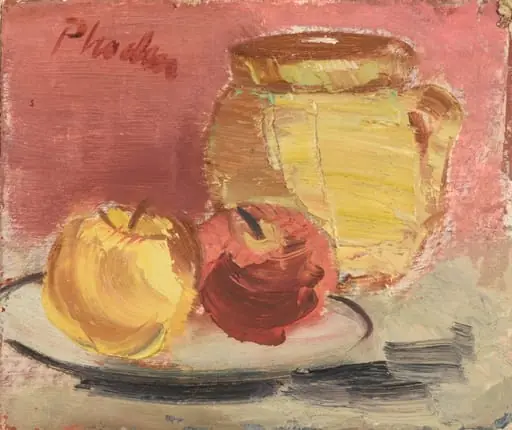 NATURĂ STATICĂ CU MERE
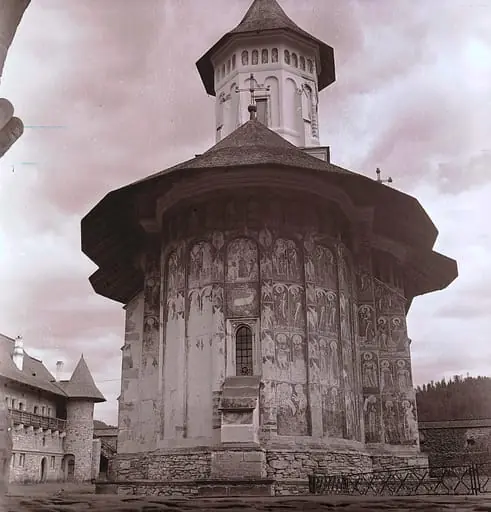 Research Bucovina, Vatra Moldovița. The Monastery And The Church - View With The Absida And The Turla Of The Church (1980)
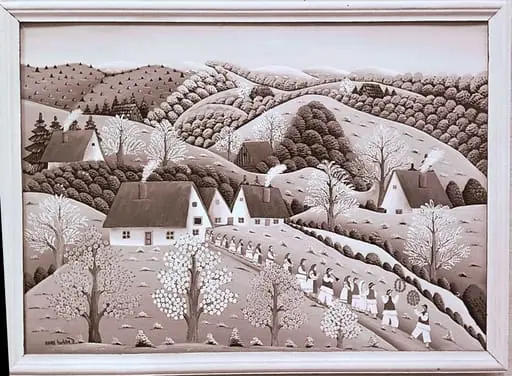 Sequences from the Village Museum, naive painting by Petru Mihuțe - Spring Wedding (1988)
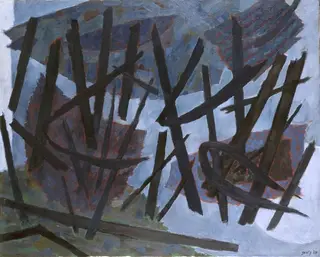 Painting
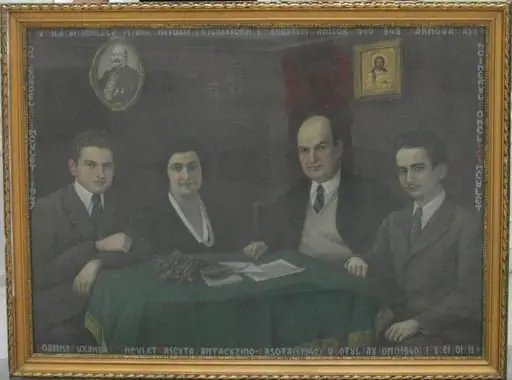 Familia Ion C Inculeț
 Painting no. XLV
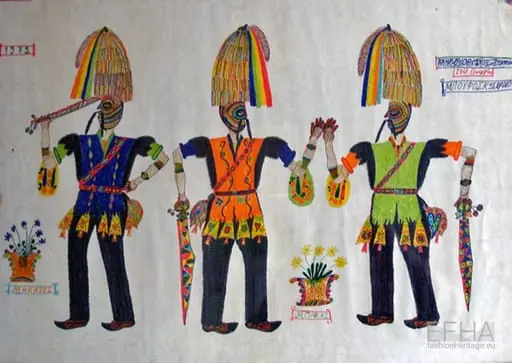 Painting
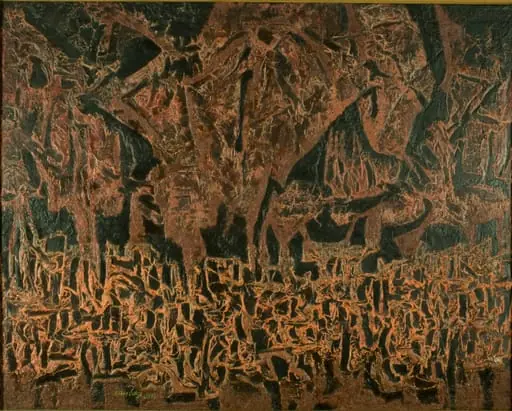 Χωρίς τίτλο
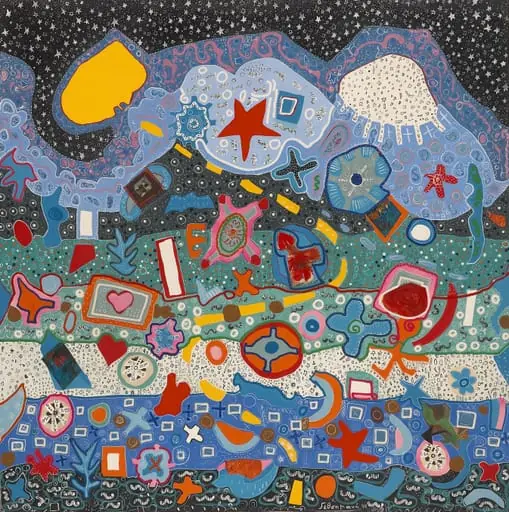 Είναι ευχάριστο να οδηγείς τη νύχτα, αρκεί να έχεις πολλά φώτα.
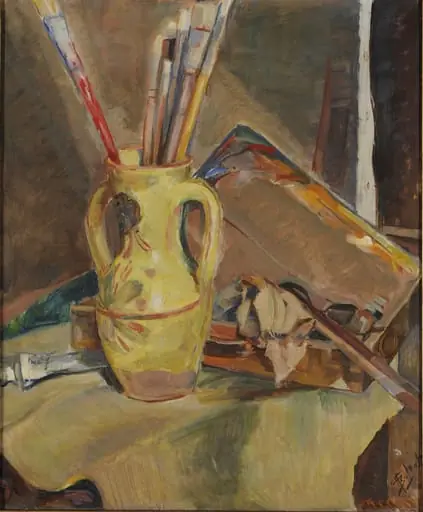 Πινέλα
Contemporary is an art period. Art made from roughly 1945 to the present, encompassing the rapid succession of movements — Abstract Expressionism, Pop Art, Minimalism, Conceptualism, and beyond — that have defined global artistic culture in the post-war era.
Artifact World Gallery holds 12,975 public-domain Contemporary works, all free to view and download.
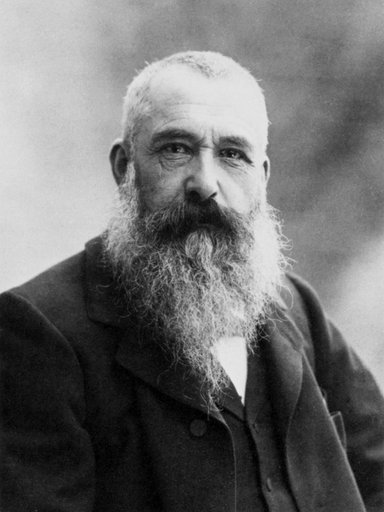
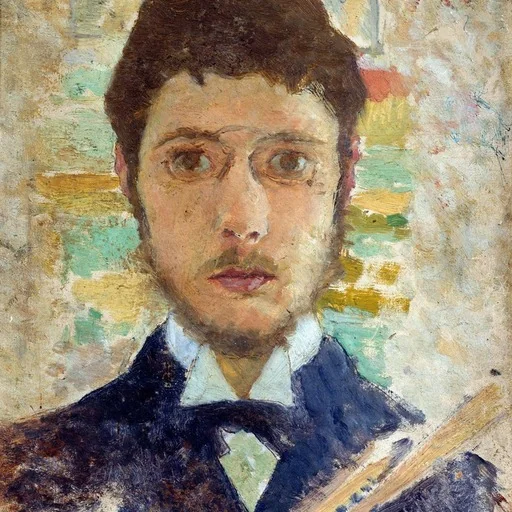
Key Contemporary artists in the collection include Claude Monet, Pierre Bonnard and Henri Matisse.
Contemporary dates from around 1945.
Contemporary works in the collection are held by Museum of Modern Art, Victoria and Albert Museum and Palais Galliera - Musée de la Mode de la Ville de Paris.
Your cart is empty
Browse artworks →