Artwork
Gênoise
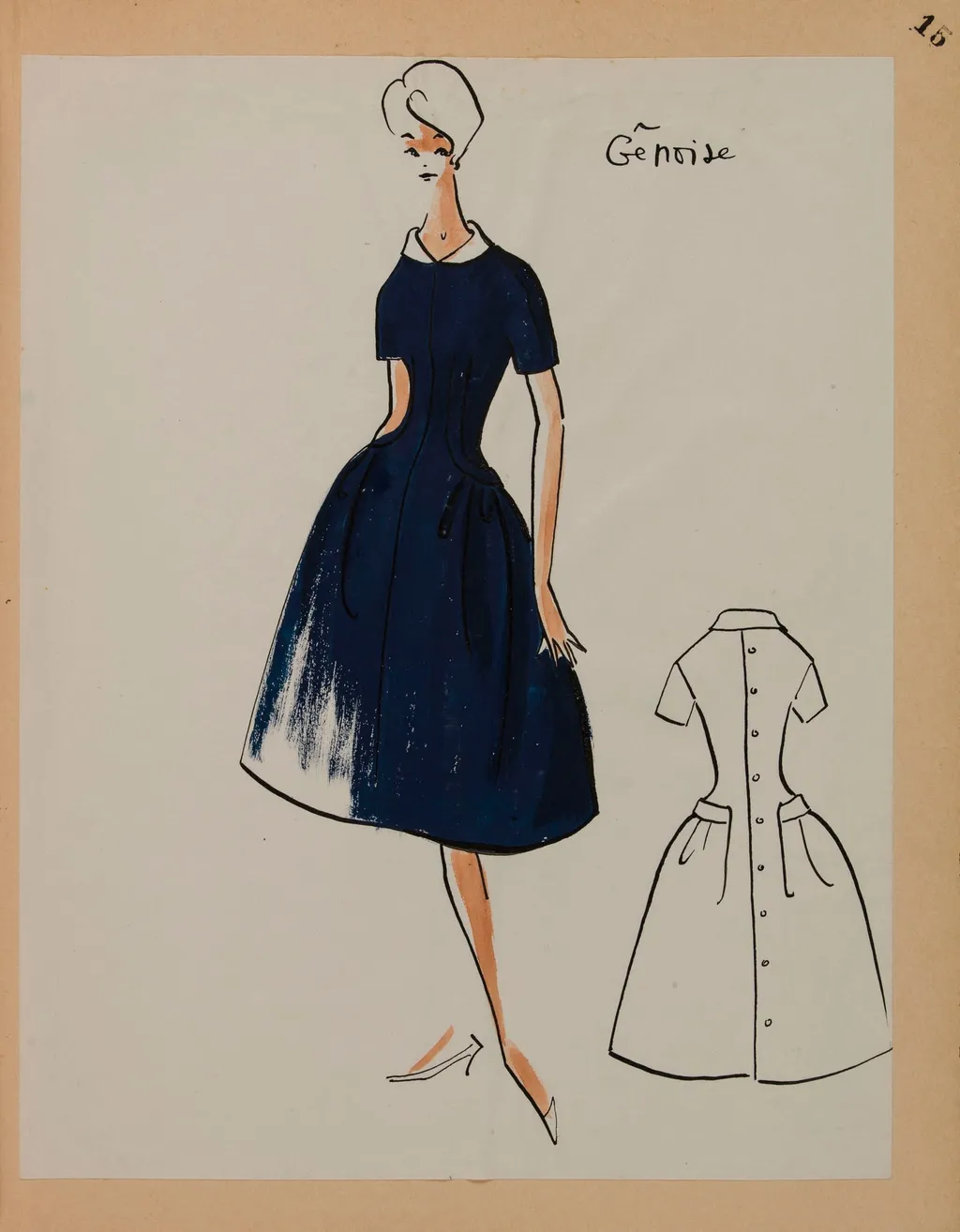
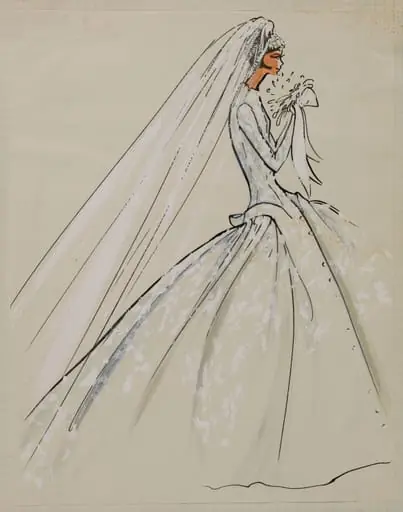
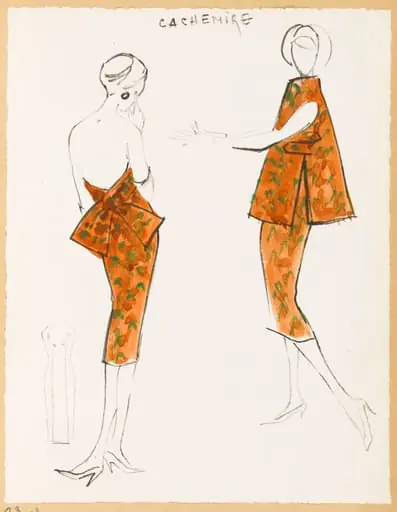
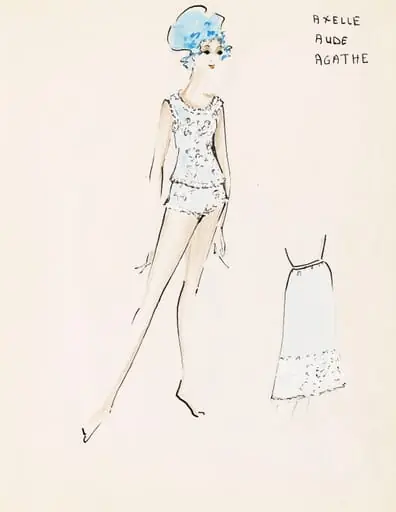
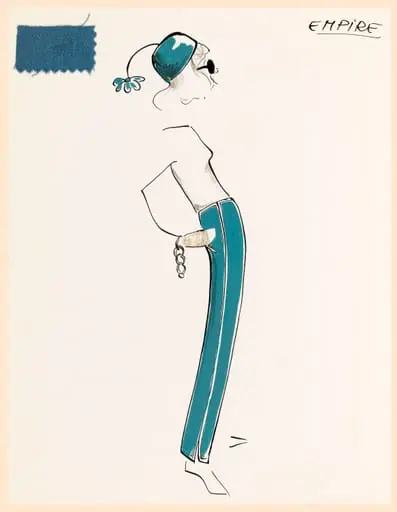
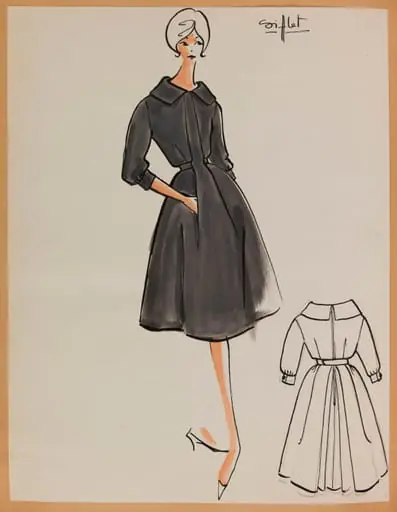
Gênoise is a drawing by Carven. It dates from 1958 and is held in the collection of the Palais Galliera - Musée de la Mode de la Ville de Paris.
About this work
Overview
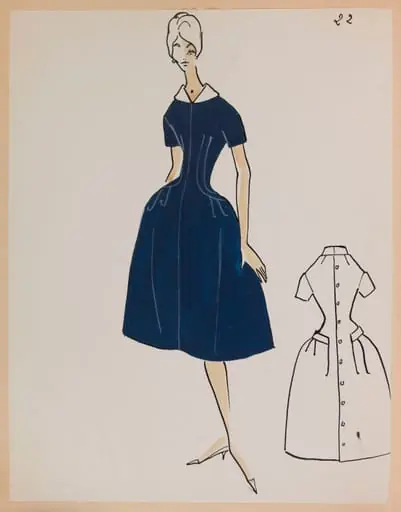
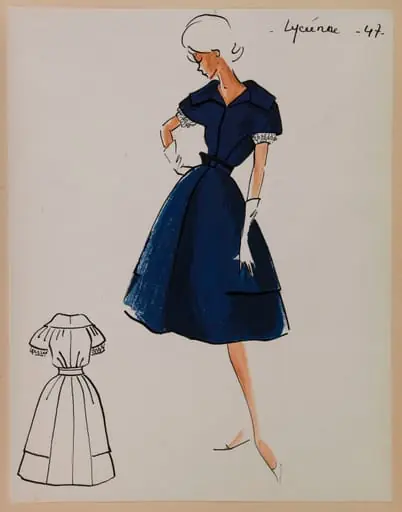
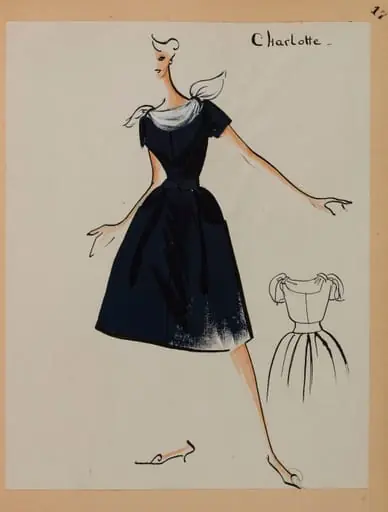
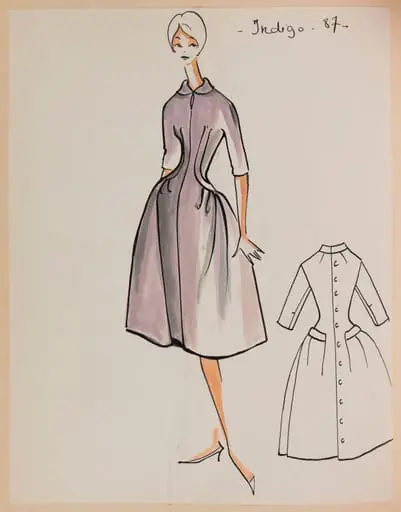
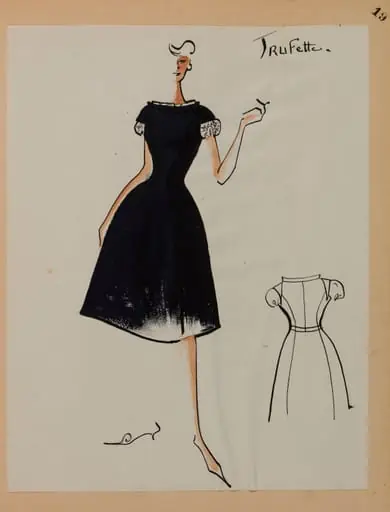
It presents a stylized portrait of a woman in a minimalist black dress, accompanied by a technical sketch of the garment’s front closure.
Gênoise is a pencil drawing by Carven, dated around 1958, held in the collection of the Museum of Ethnography. It presents a stylized portrait of a woman in a minimalist black dress, accompanied by a technical sketch of the garment’s front closure. The work blends observational portraiture with fashion documentation, reflecting mid-century design practices that valued clarity and precision over ornamentation.
Subject & Meaning
The figure depicted is a woman dressed in a modest, tailored black dress with short sleeves and a defined waist. The accompanying flat sketch of the garment suggests an intent to record both the wearer and the construction of the clothing. The title, Gênoise, may allude to a textile origin, a design name, or a geographic reference, though its precise significance remains unconfirmed. The image conveys quiet functionality rather than theatricality.
Technique & Style
Rendered in fine pencil lines, the drawing employs clean contours and restrained shading to define form without embellishment. The woman’s posture is neutral, her expression indistinct, directing focus to the garment’s structure. The flat pattern beside her is drawn with architectural precision, highlighting button placement and seam lines. This dual presentation reflects a design studio’s method of linking silhouette with construction.
History & Provenance
The drawing entered the Museum of Ethnography’s collection as part of a broader acquisition of mid-20th-century fashion materials. Its origin in Carven’s studio is documented, though no record of its initial commission or publication survives. It was likely used internally for production or client presentation, later preserved for its representation of postwar French design aesthetics.
Context
Created in the late 1950s, Gênoise aligns with a period when Parisian fashion houses emphasized clean lines and tailored silhouettes in response to wartime austerity and evolving women’s roles. The absence of decorative elements reflects a broader shift toward modernist simplicity in clothing design. Similar sketches from the era were used by designers to communicate structure to tailors and clients alike.
Legacy
Gênoise endures as a quiet example of how fashion was conceptualized and recorded in its time, not as spectacle, but as craft. It contributes to scholarly understanding of how design decisions were visualized before digital tools. The work remains a reference point for studies on mid-century French textile production and the role of drawing in fashion development.
Artist & collection
Artist
These delicate ink-on-paper drawings capture the quiet poetry of everyday things: pinecones, reeds, apples.
Museum
Palais Galliera - Musée de la Mode de la Ville de Paris
Continue through works from the same source collection.