Artwork
Oliver Cromwell (1599–1658)
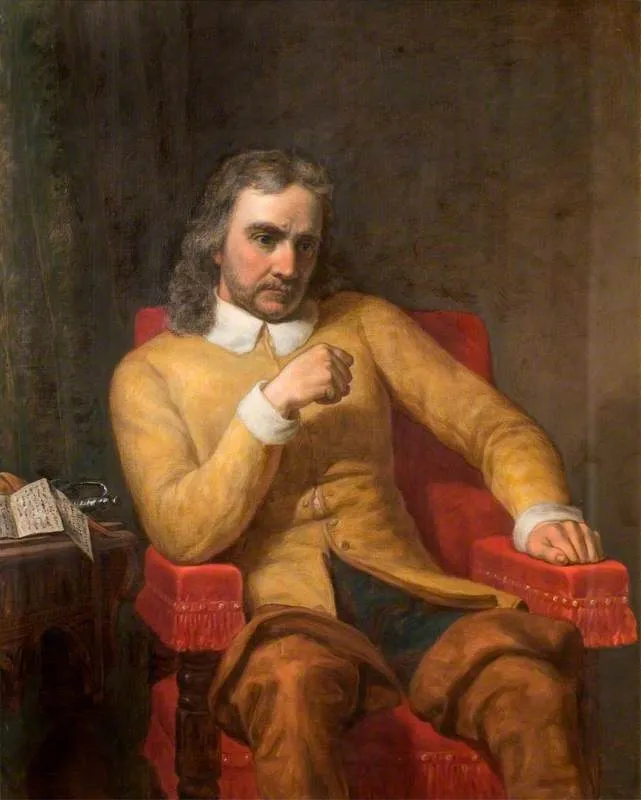
Oliver Cromwell (1599–1658) is an oil painting by the Pre-Raphaelite artist Charles Lucy. It dates from 1868 and is held in the collection of the Victoria and Albert Museum.
About this work
Overview
Charles Lucy’s 1868 oil painting presents a solitary figure in a yellow coat and white shirt, seated on a red chair against a dark, unadorned backdrop. The subject adjusts his cuff while a modest table behind him holds a book and spectacles, drawing attention to his contemplative demeanor.
Subject & Meaning
The work portrays Oliver Cromwell, the 17th‑century English statesman, rendered not from life but as a Victorian interpretation of his historical presence. The serious expression and poised gesture convey authority and introspection, reflecting the artist’s intention to emphasize Cromwell’s political gravitas.
Technique & Style
Executed in oil, the painting employs the rich coloration and meticulous detail associated with the Pre‑Raphaelite movement. Lucy’s handling of light accentuates the vivid yellow of the coat and the deep reds of the chair, while the plain background isolates the figure, enhancing visual focus.
History & Provenance
Charles Lucy, a British painter trained at the École des Beaux‑Arts and the Royal Academy, completed the piece during the Victorian era, a period marked by renewed interest in national history. The canvas entered the Victoria and Albert Museum’s collection, where it remains part of the institution’s holdings of 19th‑century historical portraiture.
Context
Created more than two centuries after Cromwell’s death, the portrait reflects 19th‑century attitudes toward the English Civil War and its leaders. Lucy’s choice to depict Cromwell in contemporary Victorian attire rather than period costume underscores a desire to connect past political authority with the values of Lucy’s own time.
Artist & collection
Artist
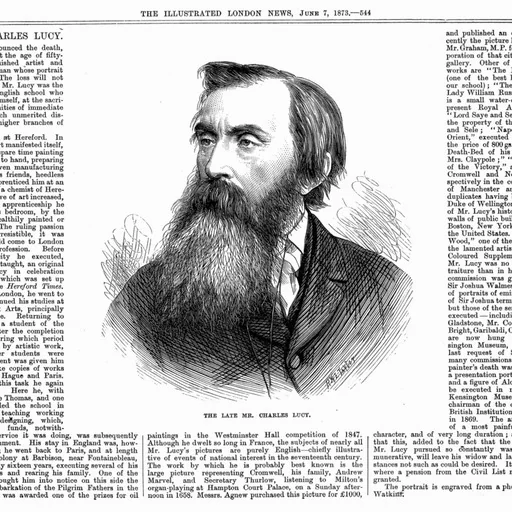
Charles Lucy (1814 – 18 May 1873) was a British historical painter active during the Victorian era.

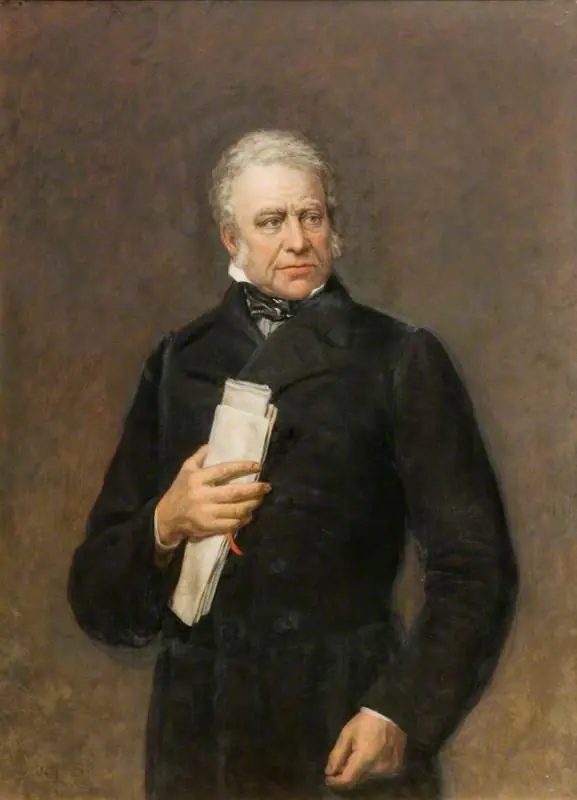 Joseph Hume (1777–1855), MP
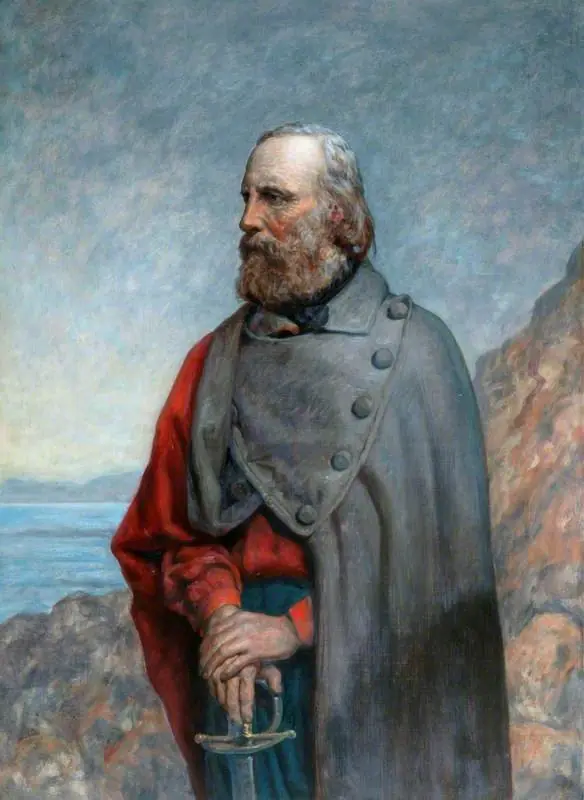 Giuseppe Garibaldi (1807–1882)
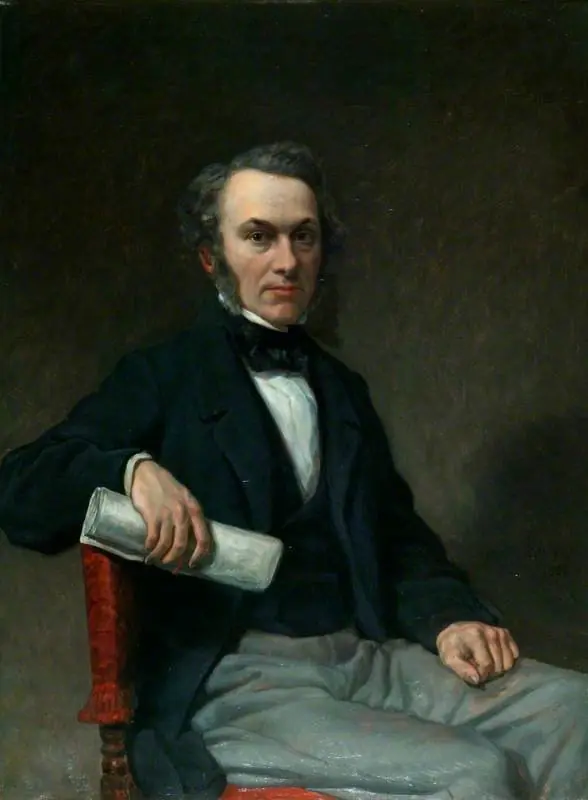 Richard Cobden (1804–1865), MP
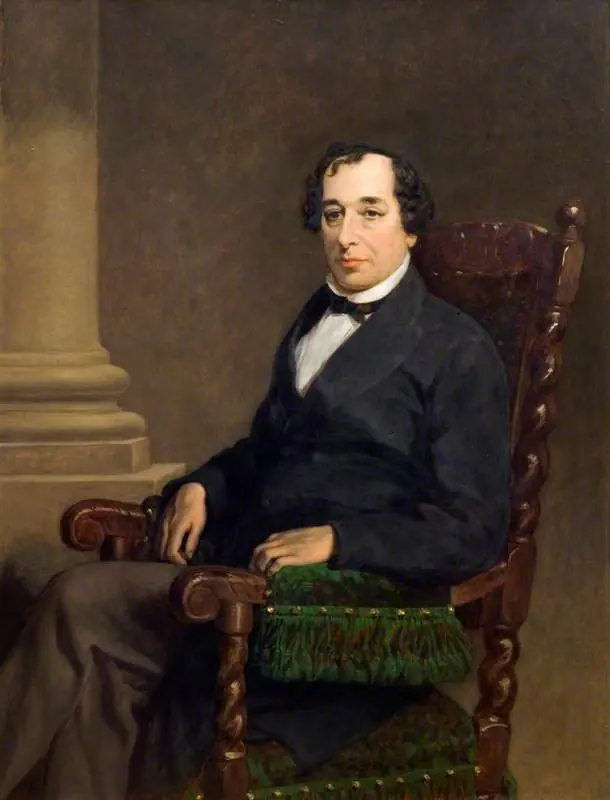 The Right Honourable Benjamin Disraeli (1804–1881), MP, Later Earl of Beaconsfield
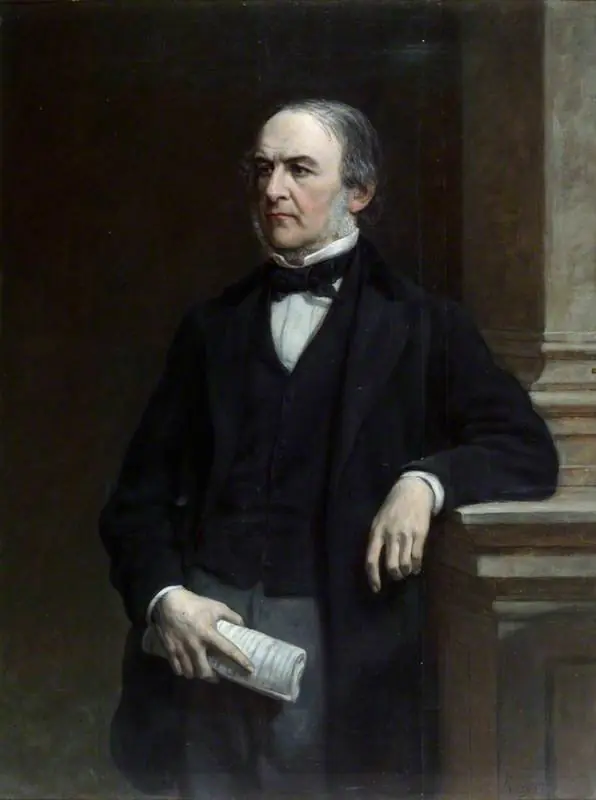 The Right Honourable William Ewart Gladstone (1809–1898), MP
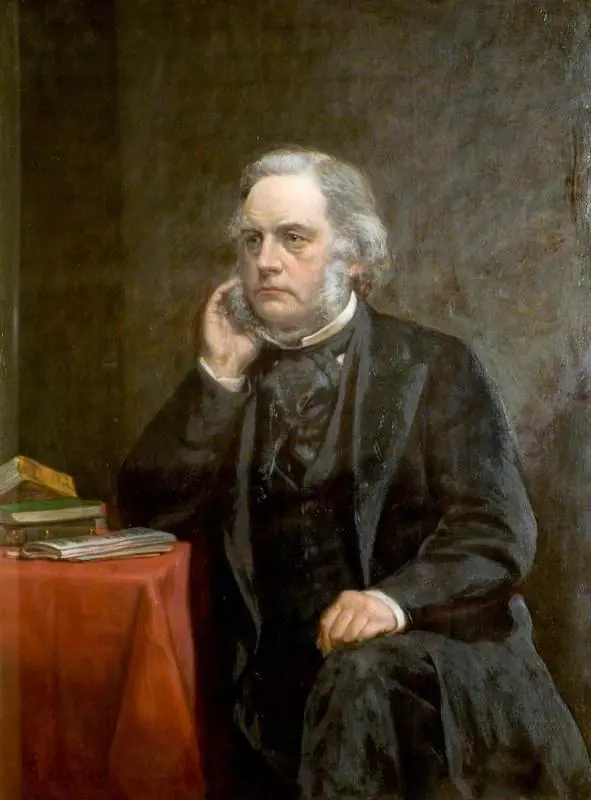 The Right Honourable John Bright (1811–1889), MP
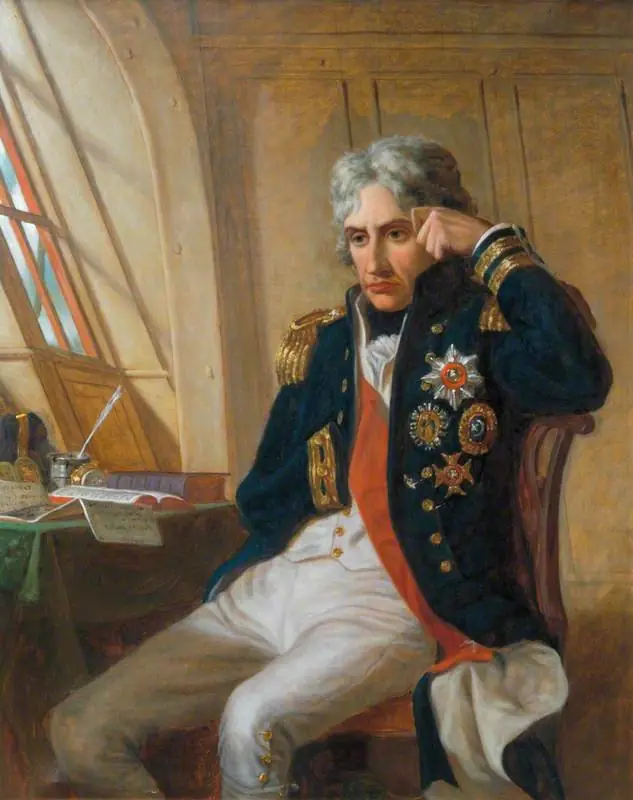 Vice Admiral Lord Nelson (1758–1805)
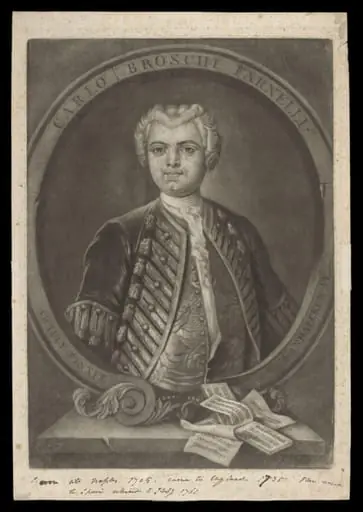 H Beard Print Collection