Movement
Pre-Raphaelite
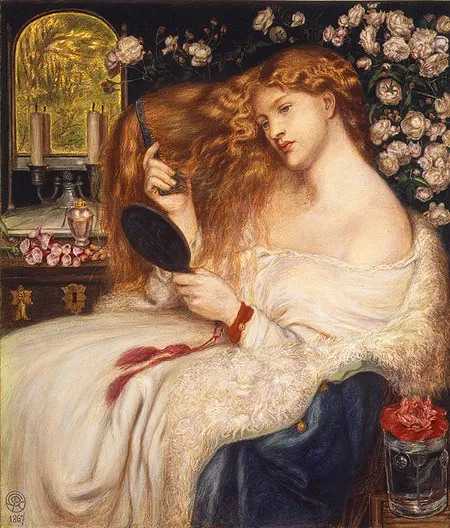
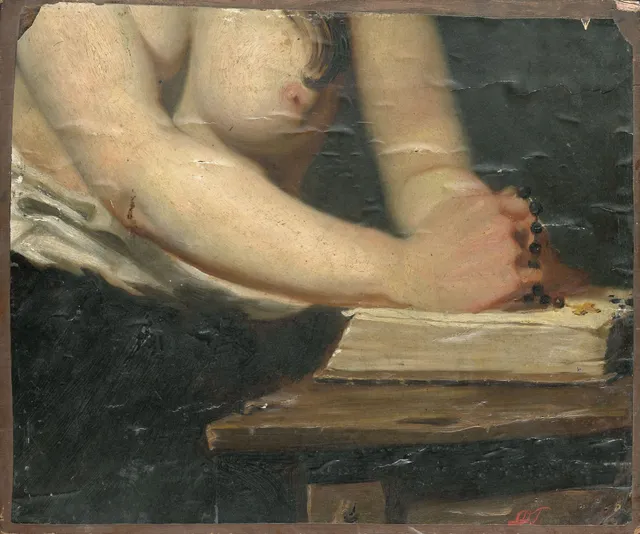
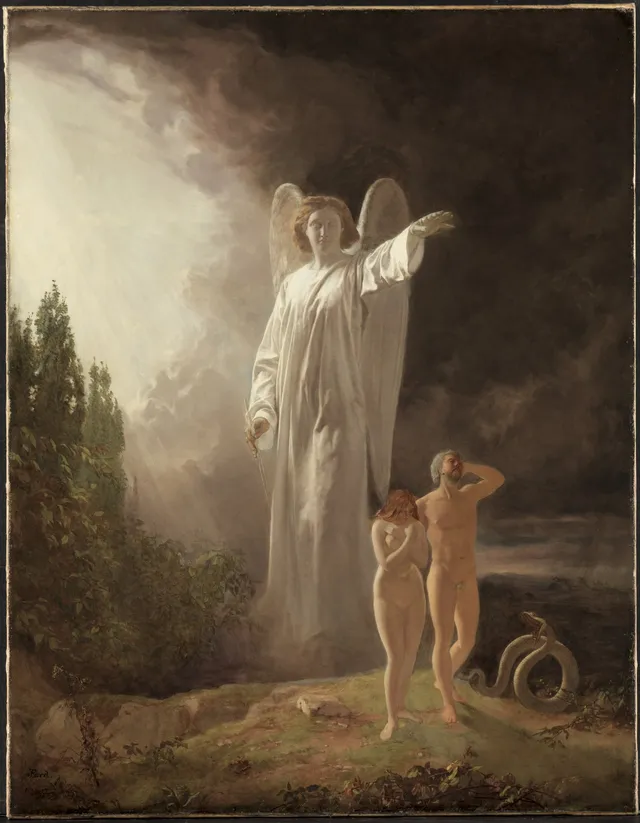
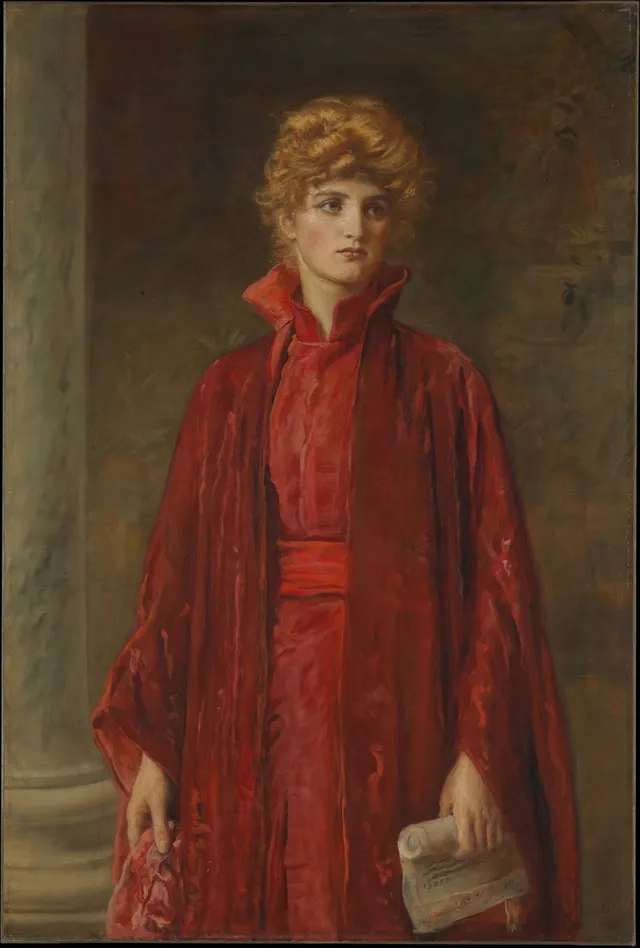
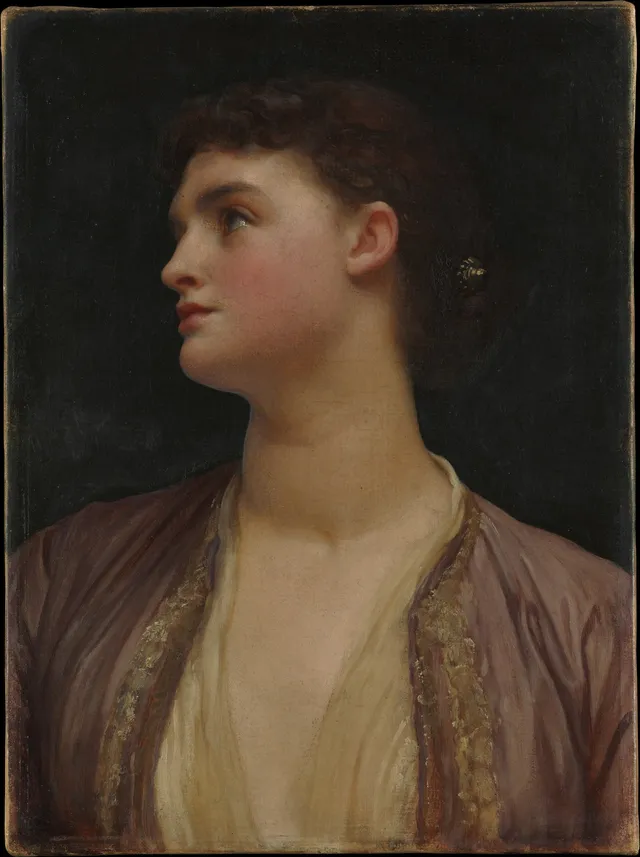
Pre-Raphaelite is an art movement of the 1840–1900 period. The gallery holds 204 works in this movement, including works by John Everett Millais, Frederic Leighton and John Atkinson Grimshaw. Browse Pre-Raphaelite paintings, portraits, pictures and artworks from the world's public-domain museum collections.
The Pre-Raphaelite Brotherhood was founded in London in 1848 by three young Royal Academy students — William Holman Hunt (1827–1910), John Everett Millais (1829–1896), and Dante Gabriel Rossetti (1828–1882) — who, with four other members, formed a secret society dedicated to reinventing British painting. The name announced their programme: they revered the clear, sincere art of Italy *before* Raphael and the High Renaissance, and rejected the formulaic chiaroscuro and idealised composition taught in the academies, which they traced to Raphael's later, much-imitated grandeur. Their revolt unfolded against a backdrop of European upheaval — the 1848 revolutions and Britain's Chartist agitation — and shared with the earlier German Nazarenes a yearning to recover a lost spiritual directness, though the English group pursued it with far sharper naturalism.
Technically the Brotherhood was radical. Working on a wet, brilliant white ground, they laid thin glazes of pure pigment so that light shone back through the paint, producing the jewel-like colour, crisp outline, and shadowless clarity that distinguish their canvases. Forms were rendered in obsessive, near-botanical detail, often painted out of doors directly from nature. Subjects were drawn from the Bible, Shakespeare, Dante, Tennyson, and medieval legend, charged with moral and emotional sincerity.
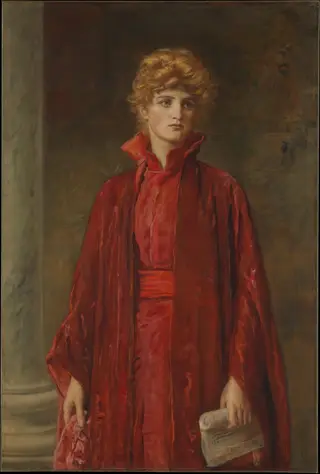
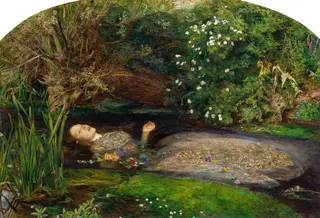
The results scandalised critics. Millais's *Christ in the House of His Parents* (1849–50) was savaged by Charles Dickens for its unidealised Holy Family, but the influential critic John Ruskin defended the group in print and in his 1851 pamphlet *Pre-Raphaelitism*. Canonical works followed: Millais's luminous *Ophelia* (1851–52), the movement's most famous image; Hunt's devotional *The Light of the World* (1851–53); and Rossetti's sensuous later pictures such as *Beata Beatrix* and *Lady Lilith*, held in this collection alongside his portrait-subjects and Millais's *Portia* and Frederick Sandys's *Susanna Anderson Rose*.
Though the original Brotherhood dissolved within about five years, its influence proved profound. A second generation — Rossetti with Edward Burne-Jones and William Morris — channelled Pre-Raphaelite medievalism into the Aesthetic Movement and, through Morris's 1861 design firm, the Arts and Crafts revival of decoration, textiles, and the printed book. Their fusion of literary romance, dense colour, and idealised beauty echoed across late-Victorian Symbolism and continues to shape popular images of myth and legend.
Key artists

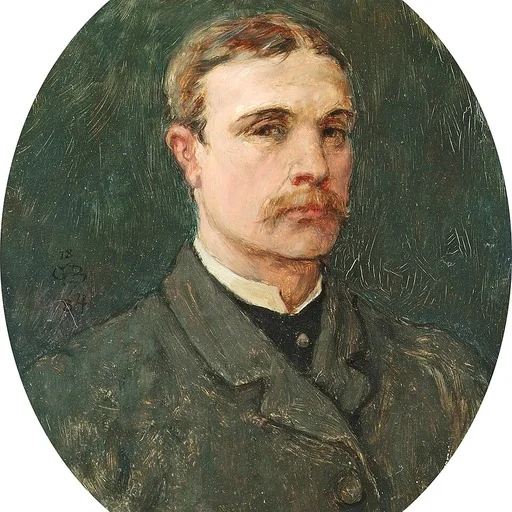
Works
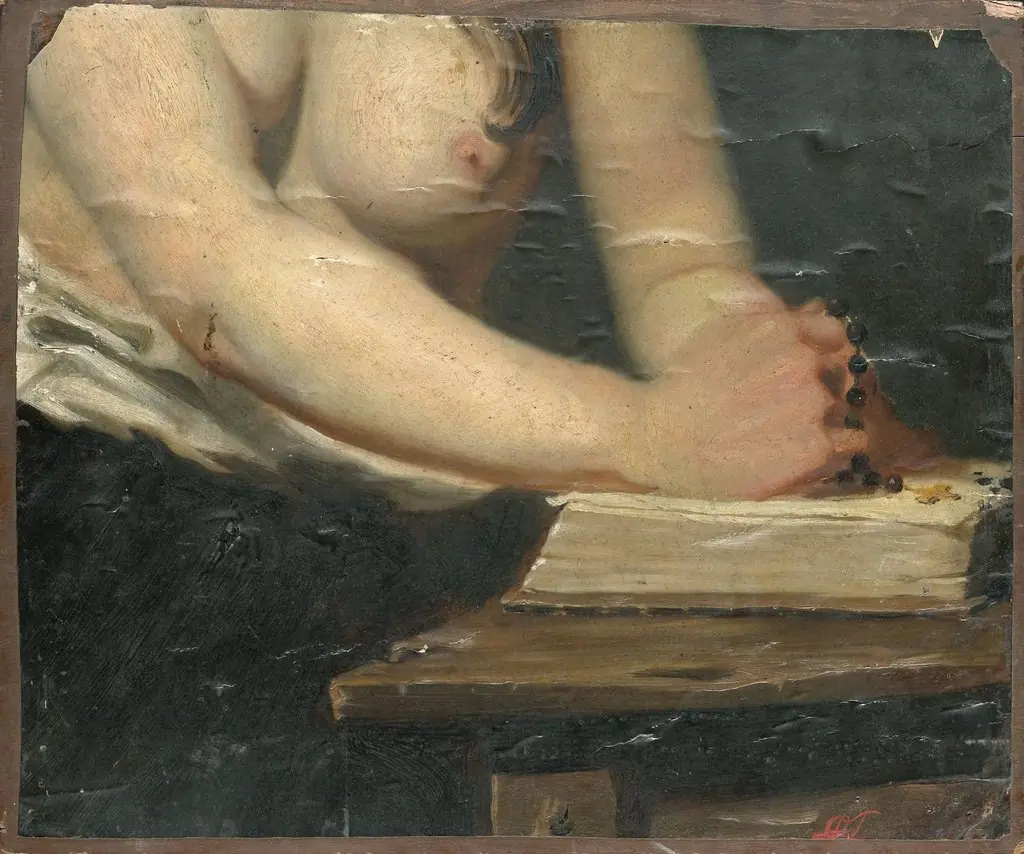 Mary Magdalene
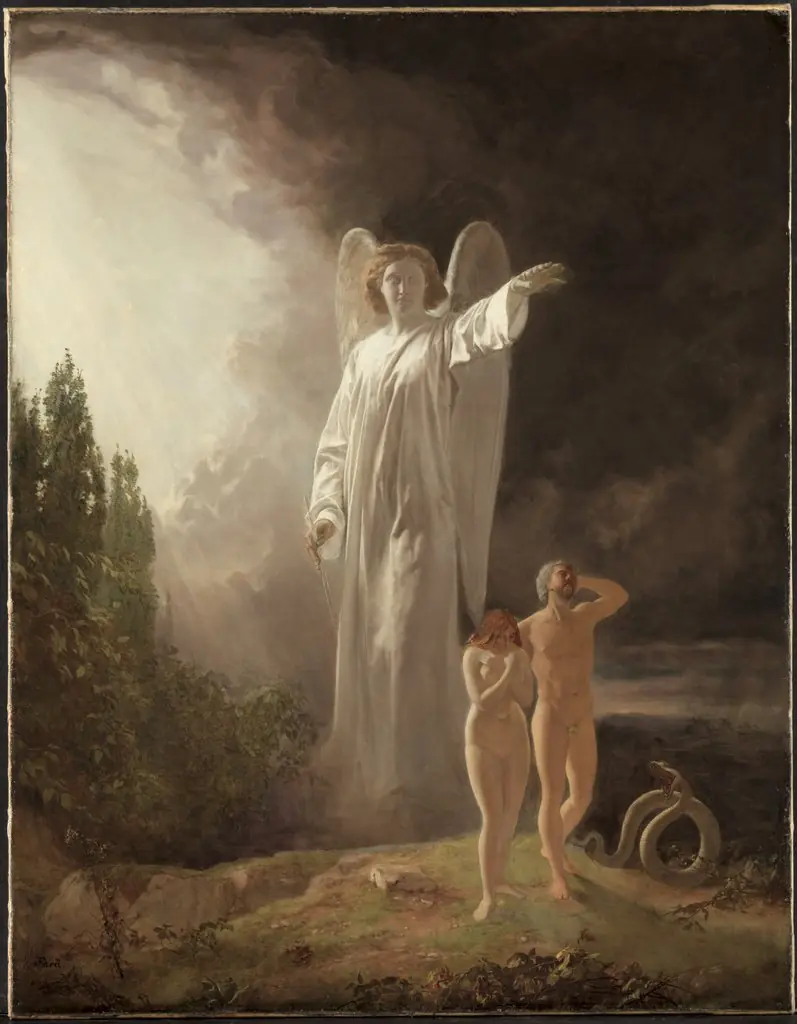 Expulsion of Adam and Eve
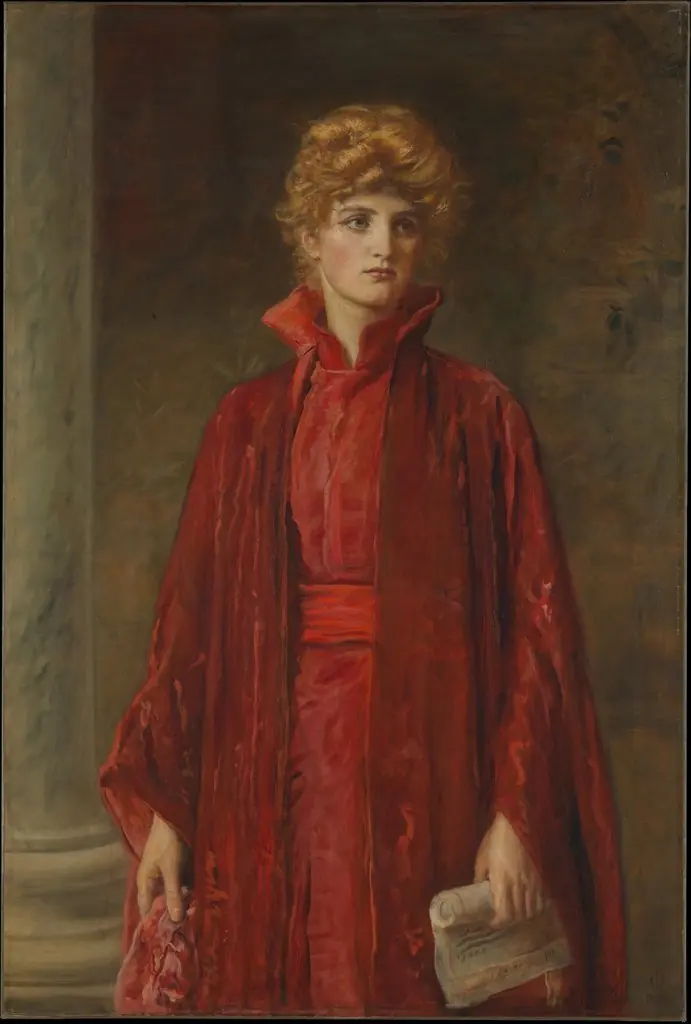 Portia
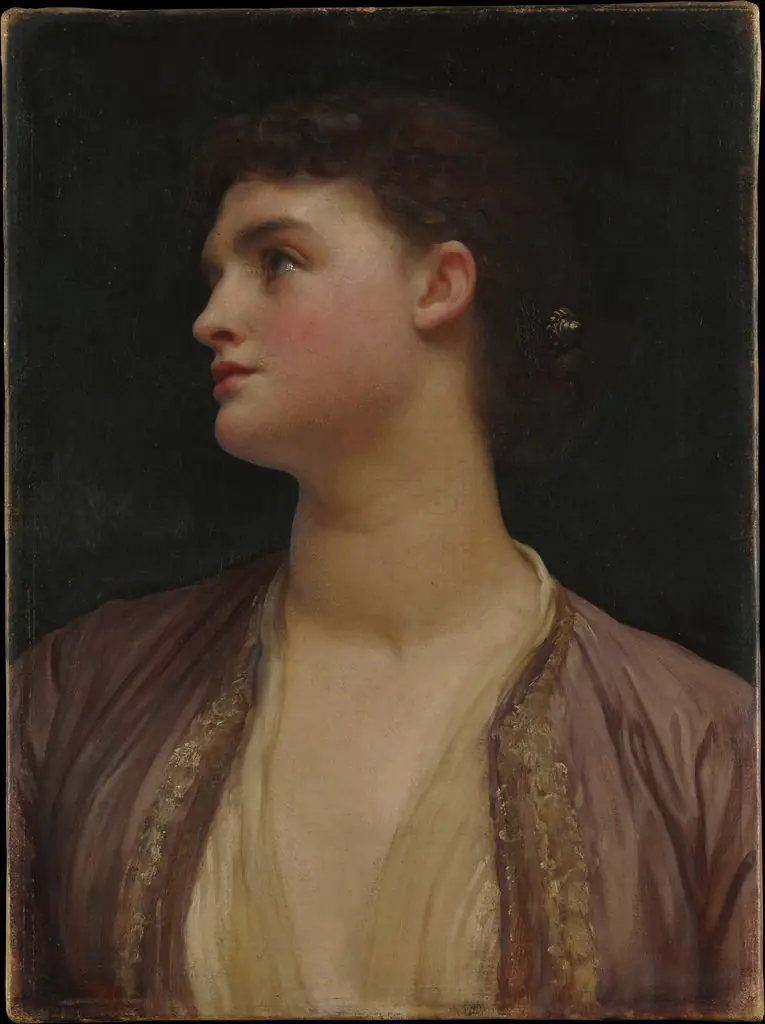 Lucia
Lucia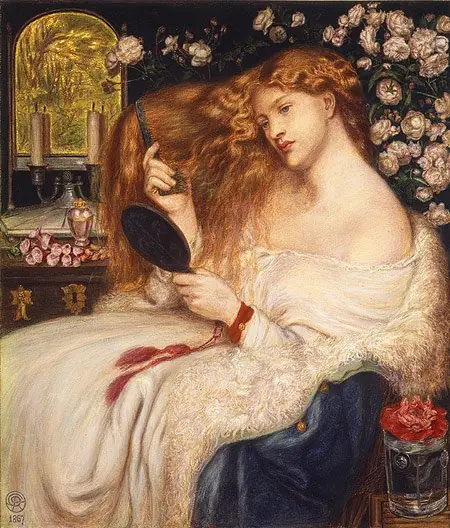 Lady Lilith
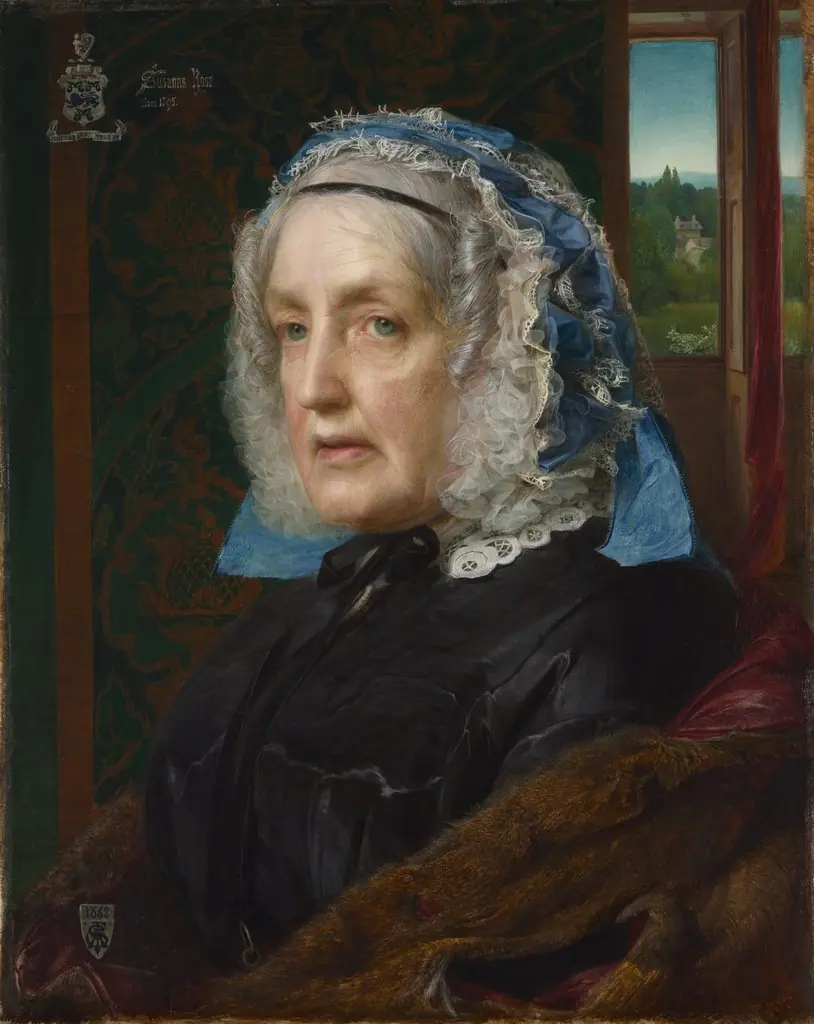 Susanna Anderson Rose
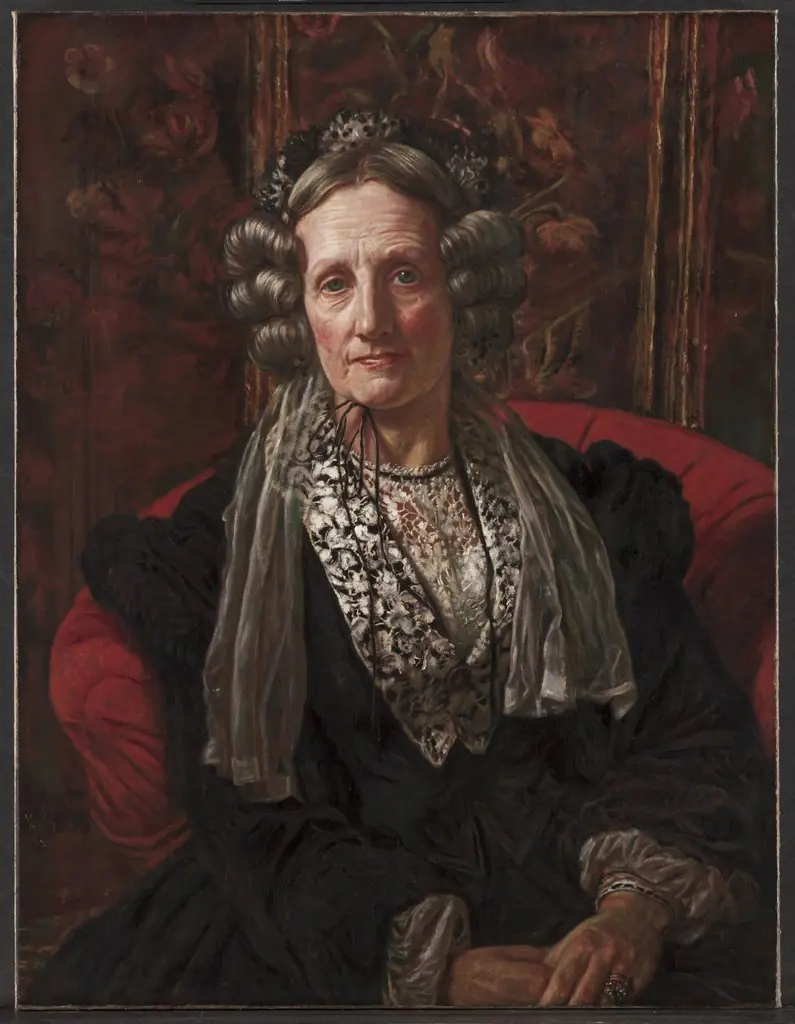 Mary Walker Waugh
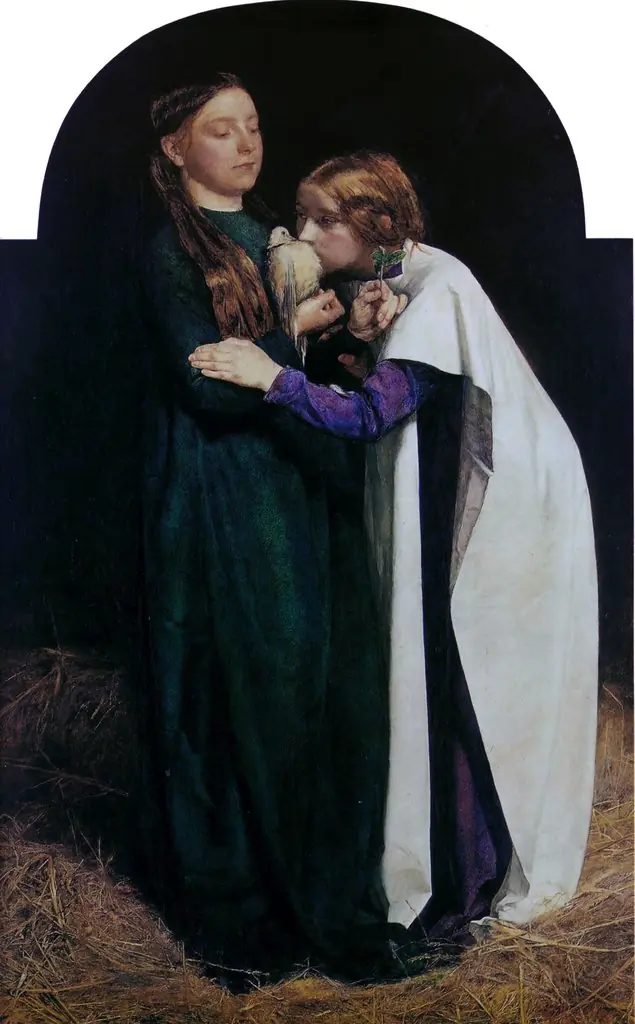 The Return of the Dove to the Ark
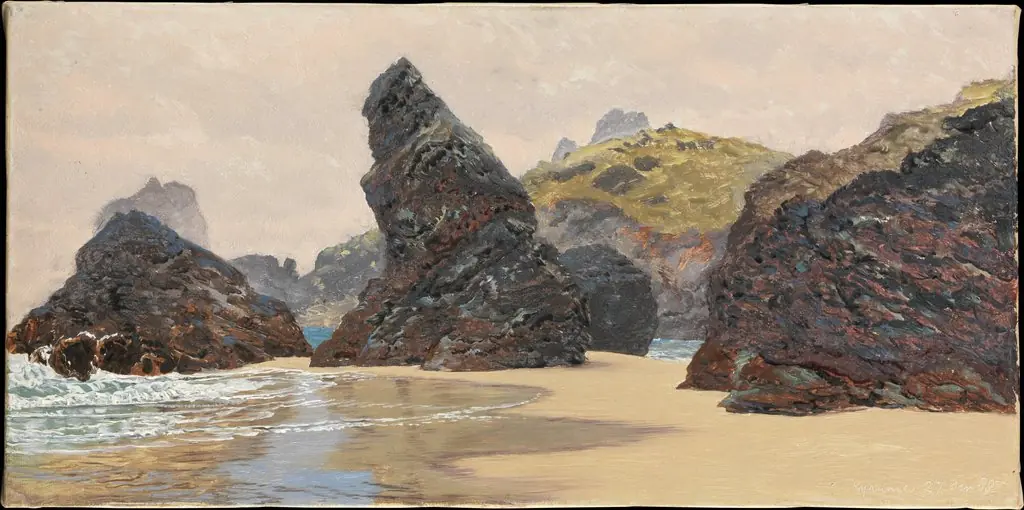 Kynance
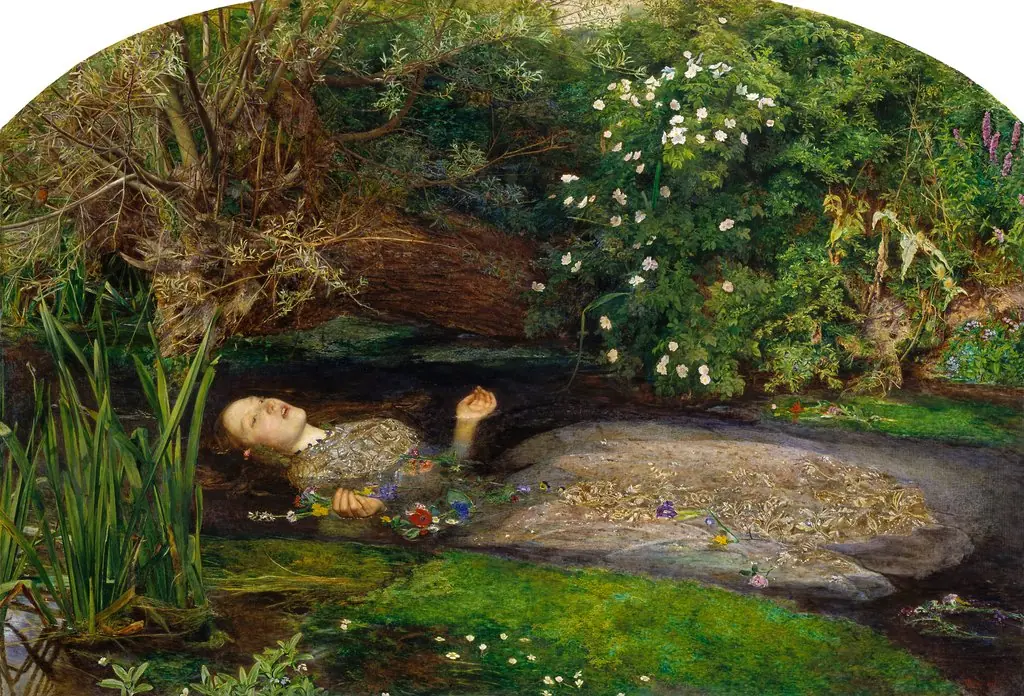 Ophelia
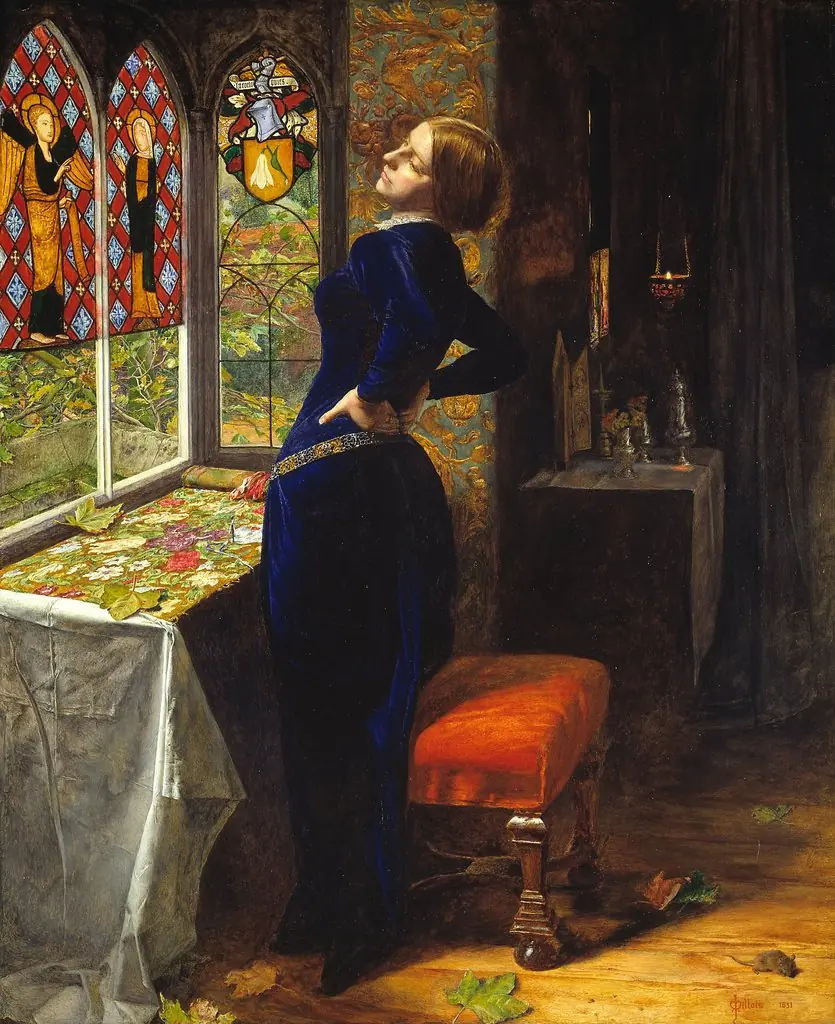 Mariana
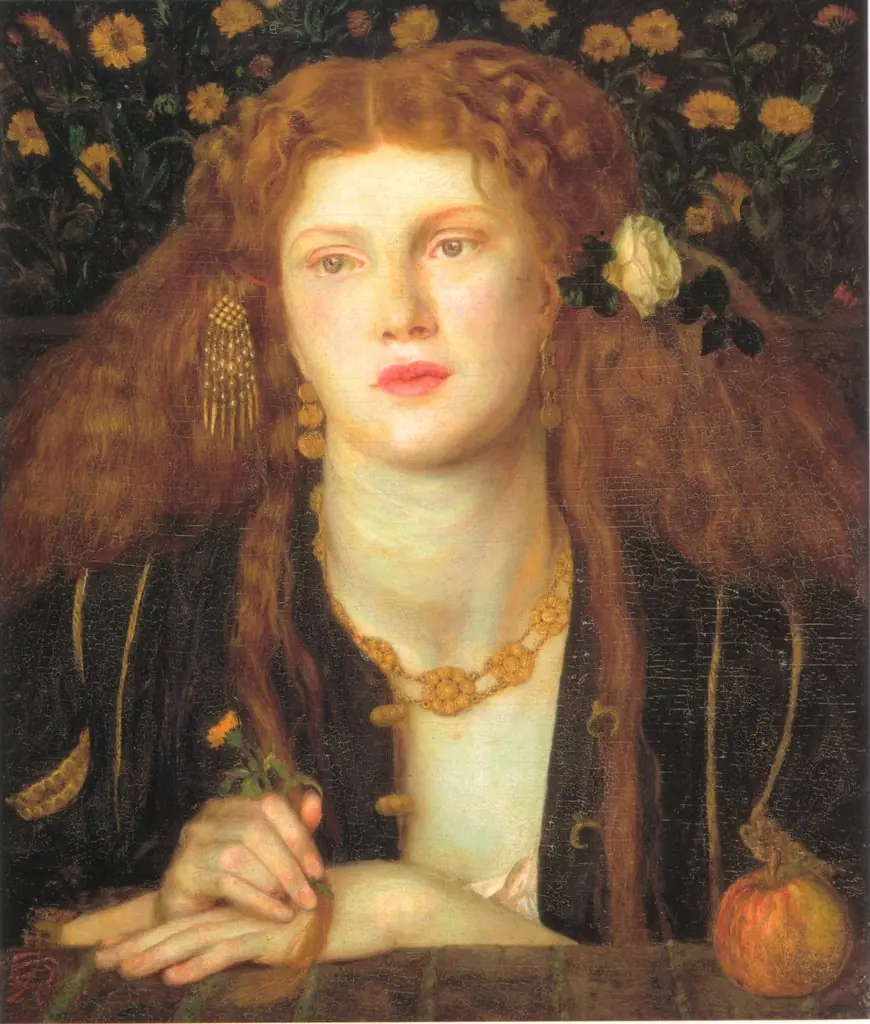 Bocca Baciata
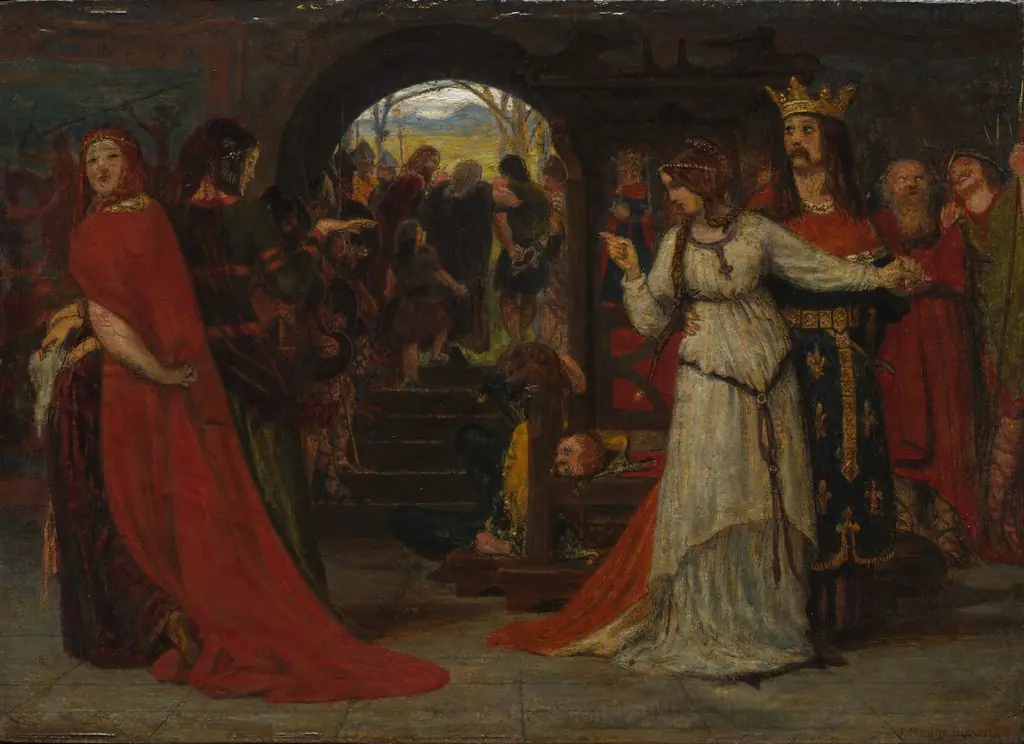 Cordelia Parting from her Sisters
 The Vision of St. Helen
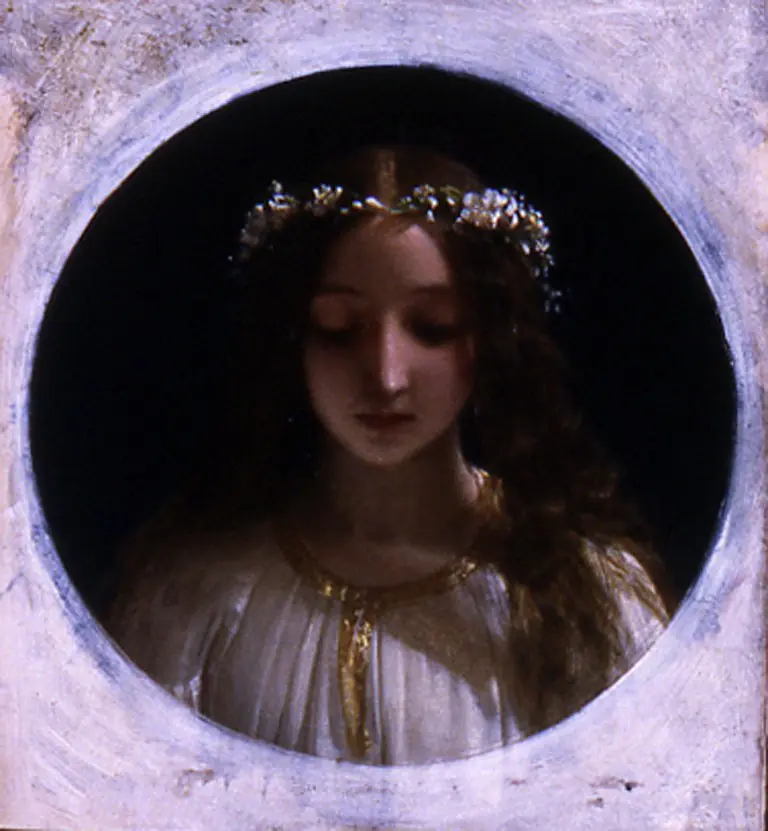 Ophelia
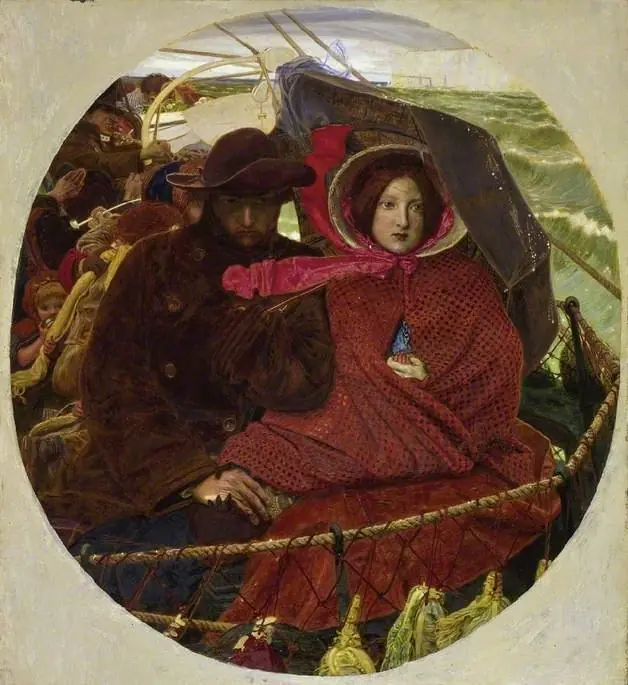 The Last of England
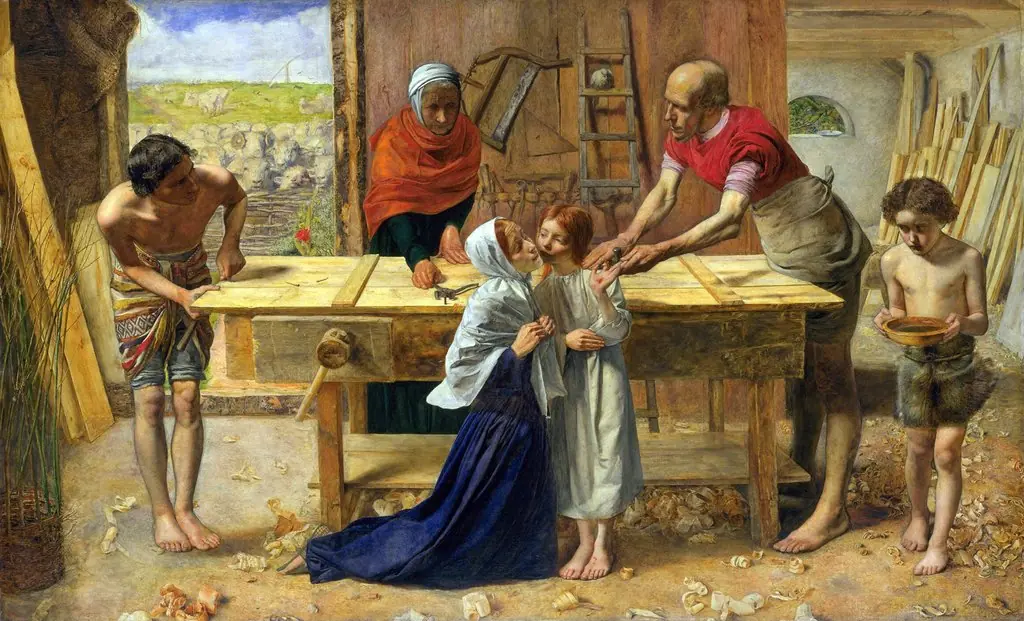 Christ in the House of His Parents
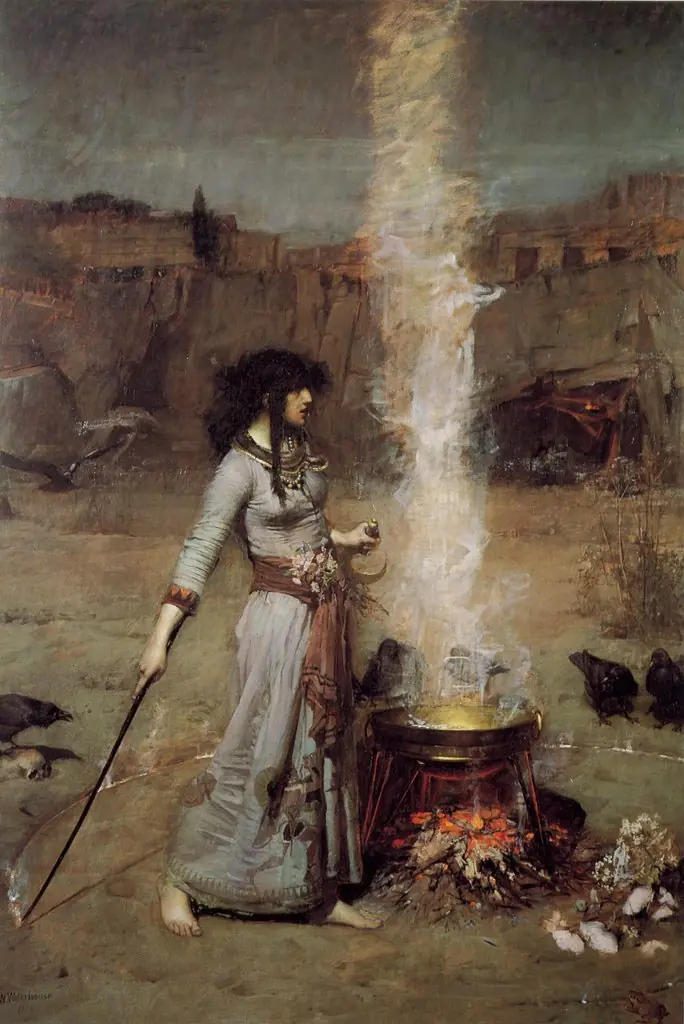 The Magic Circle
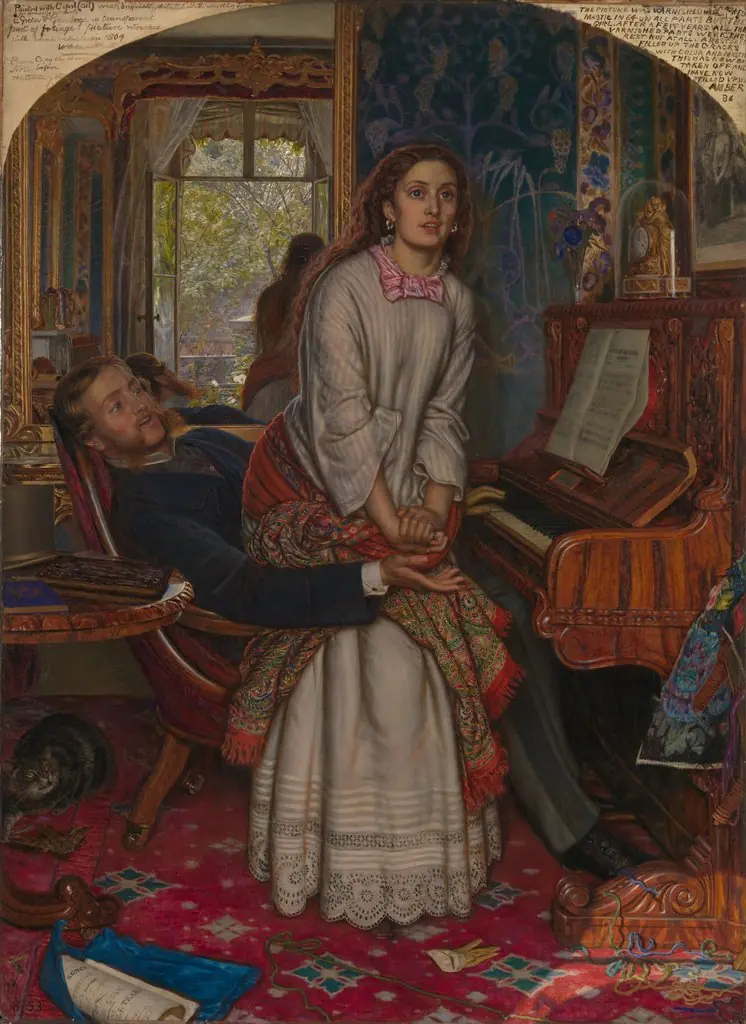 The Awakening Conscience
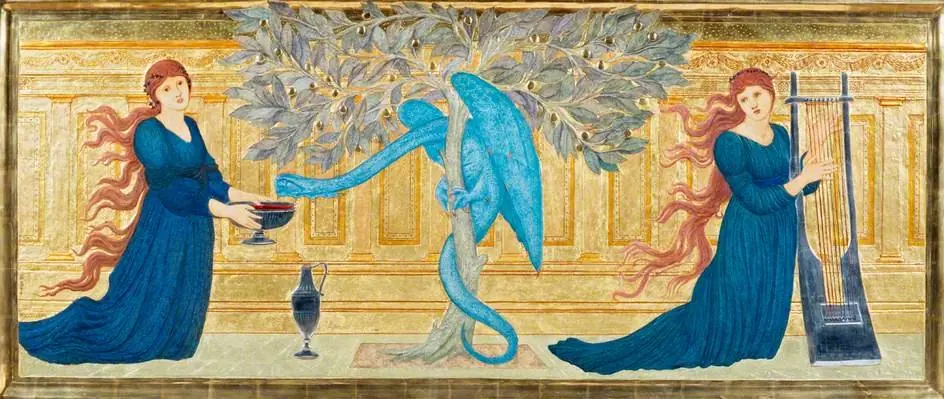 The Garden of the Hesperides
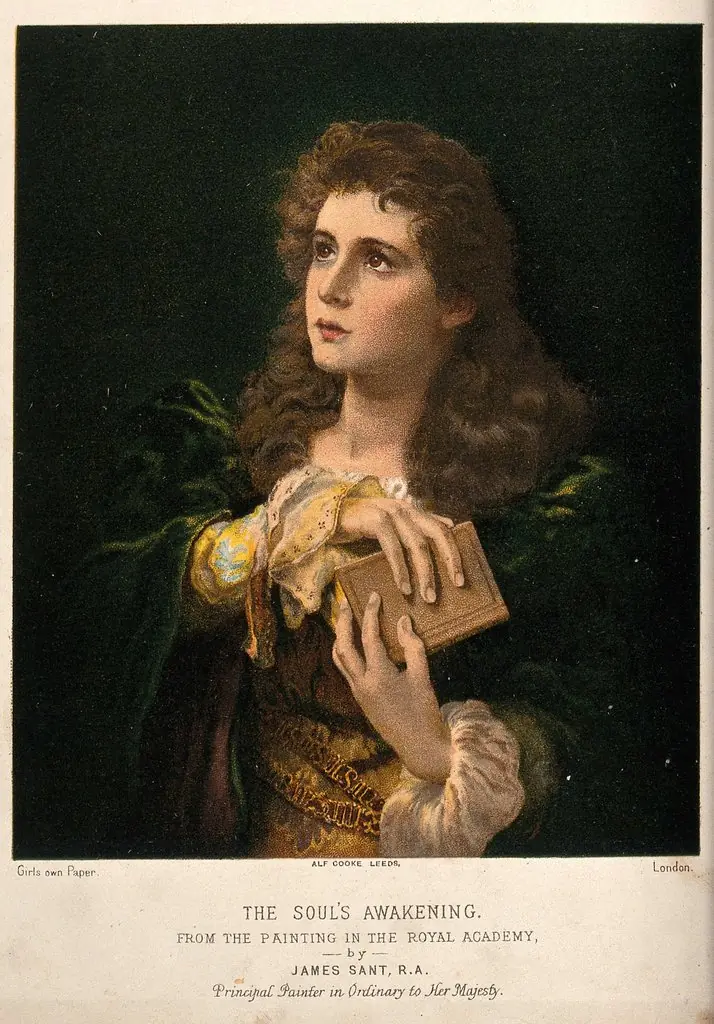 The Soul's Awakening
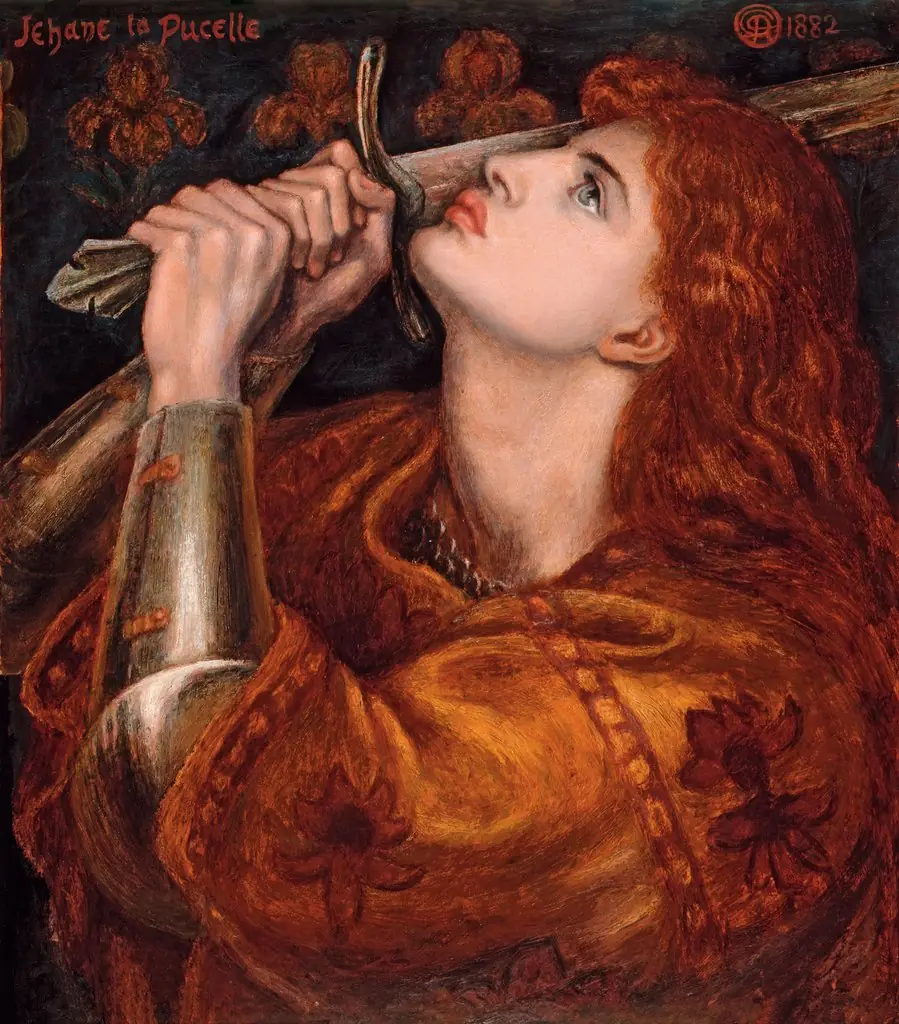 Joan of Arc
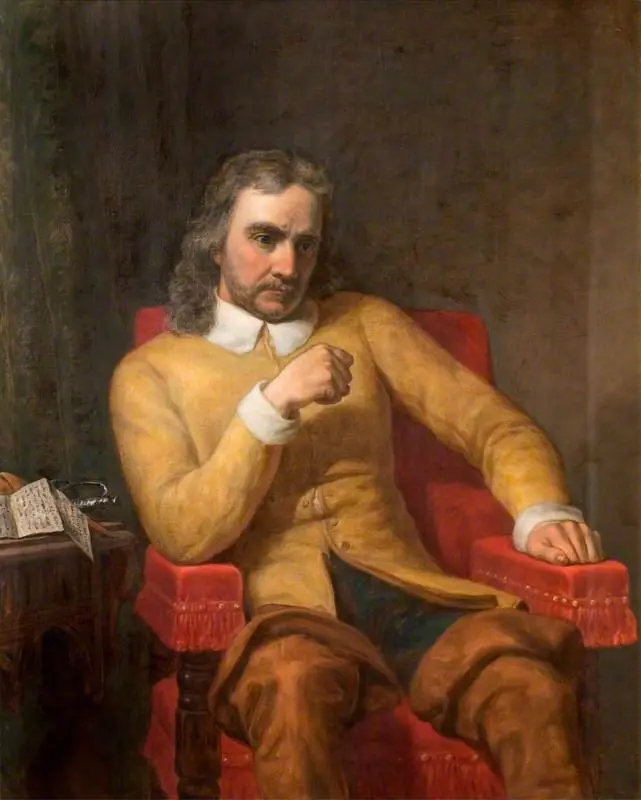 Oliver Cromwell (1599–1658)
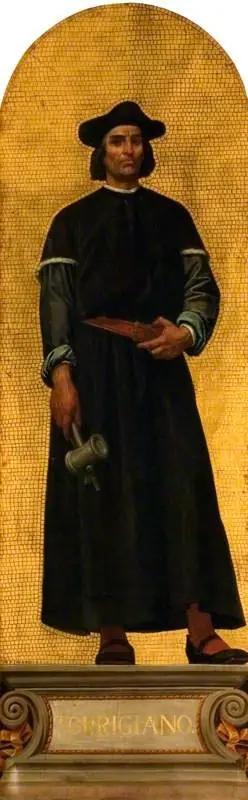 Pietro Torrigiano (1472–1522) (design for a mosaic in the Victoria and Albert Museum)
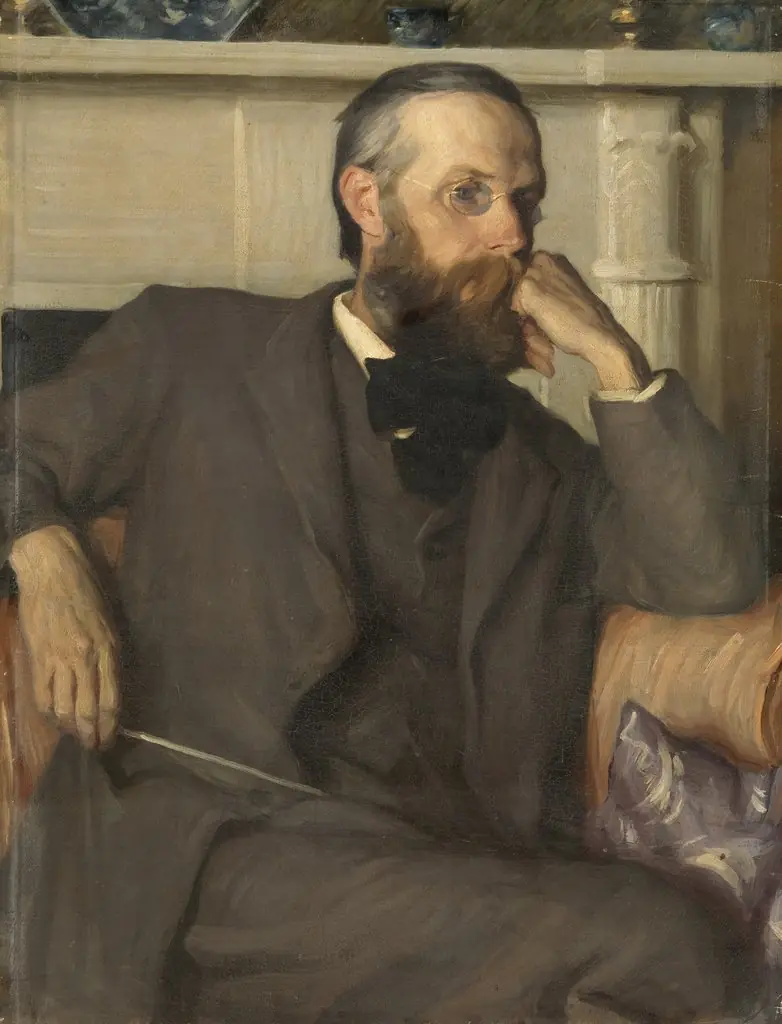 Portrait of Thomas Spring Rice, 2nd Baron Monteagle (1849-1926)
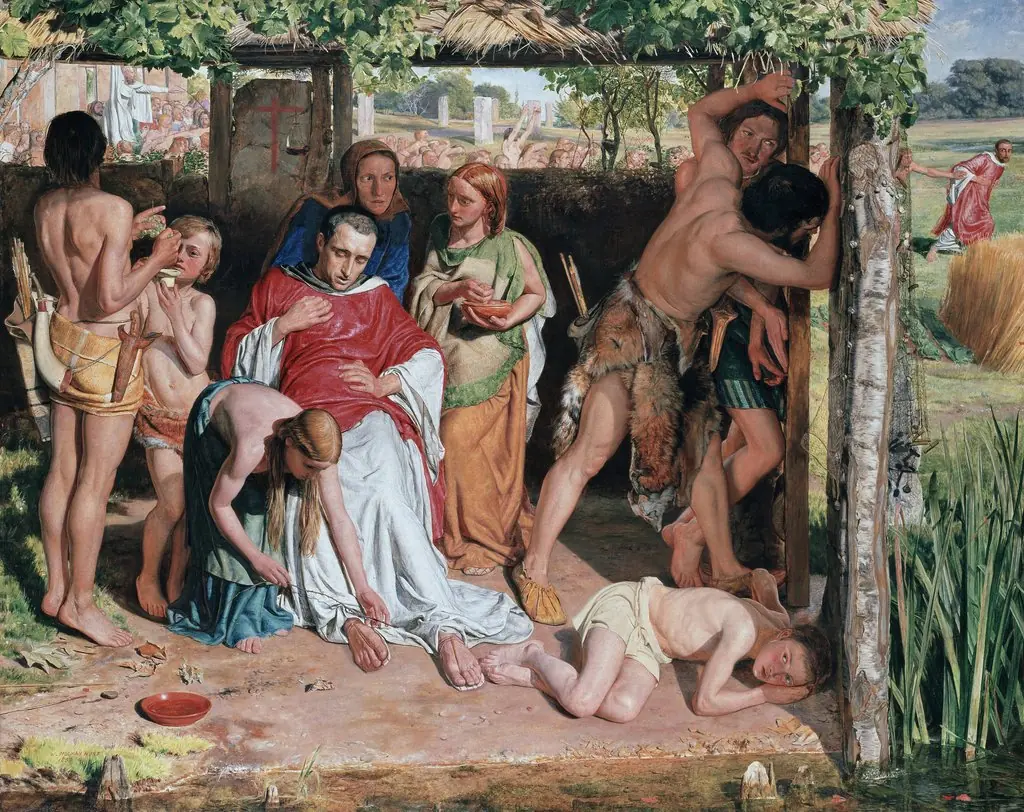 A Converted British Family Sheltering a Christian Missionary from the Persecution of the Druids
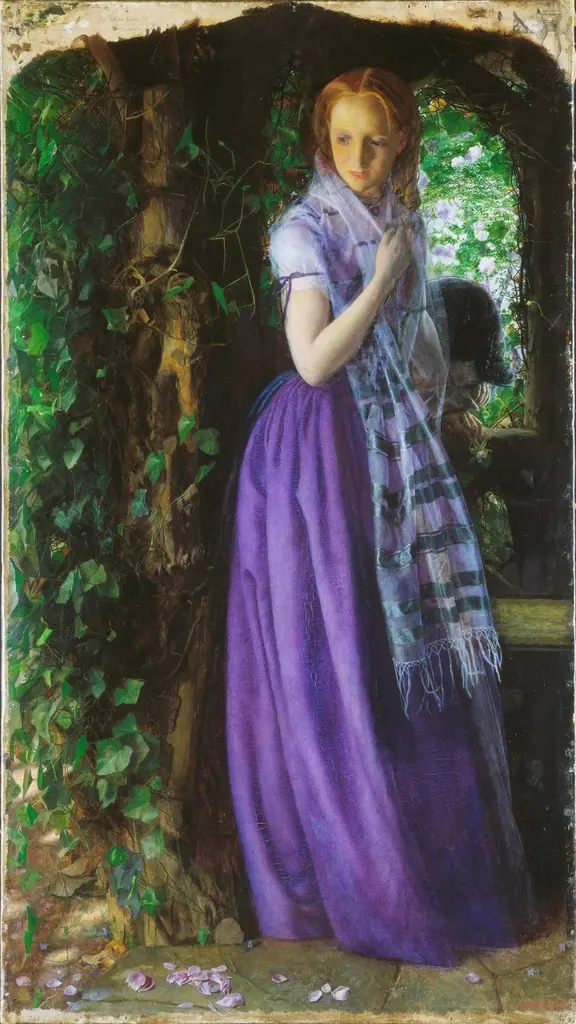 April Love
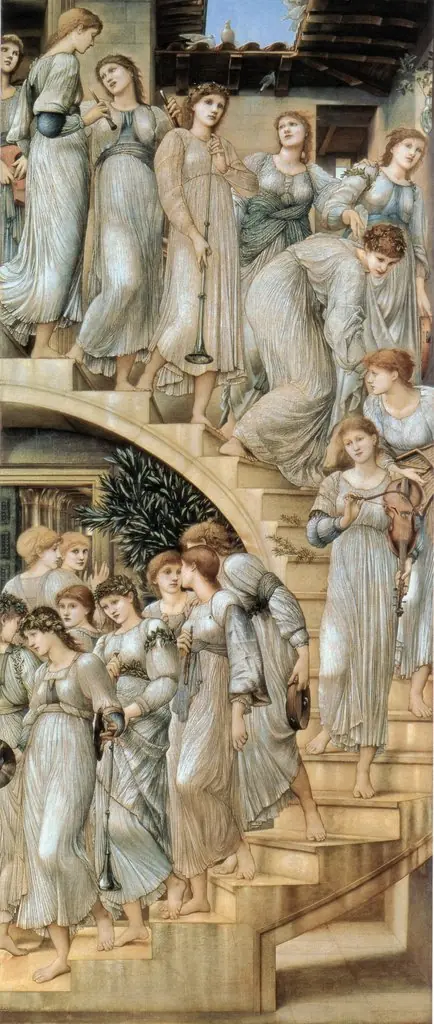 The Golden Stairs
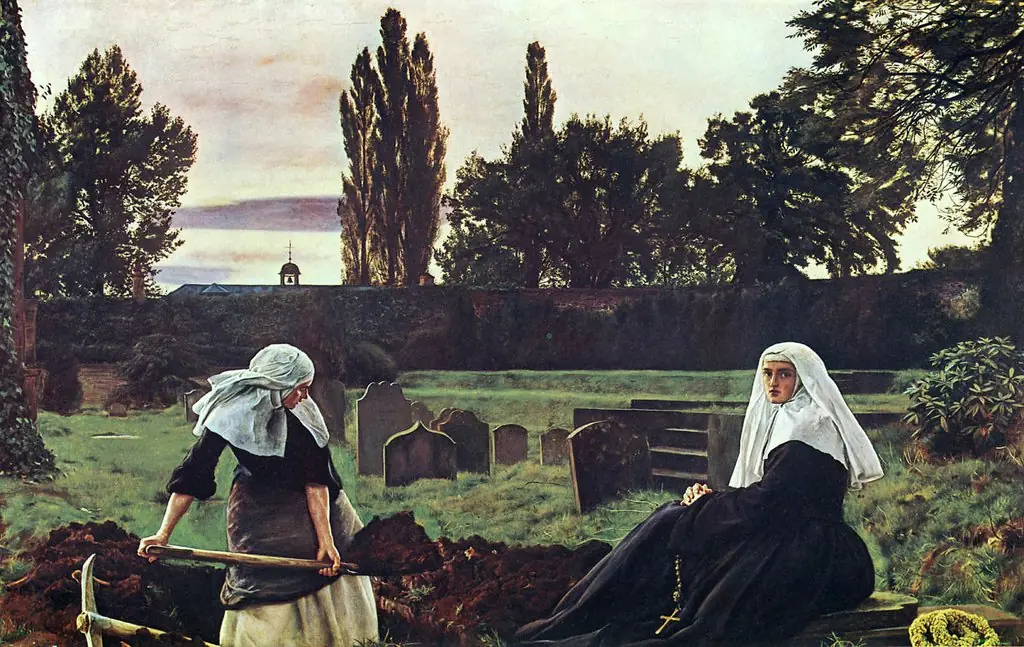 The Vale of Rest
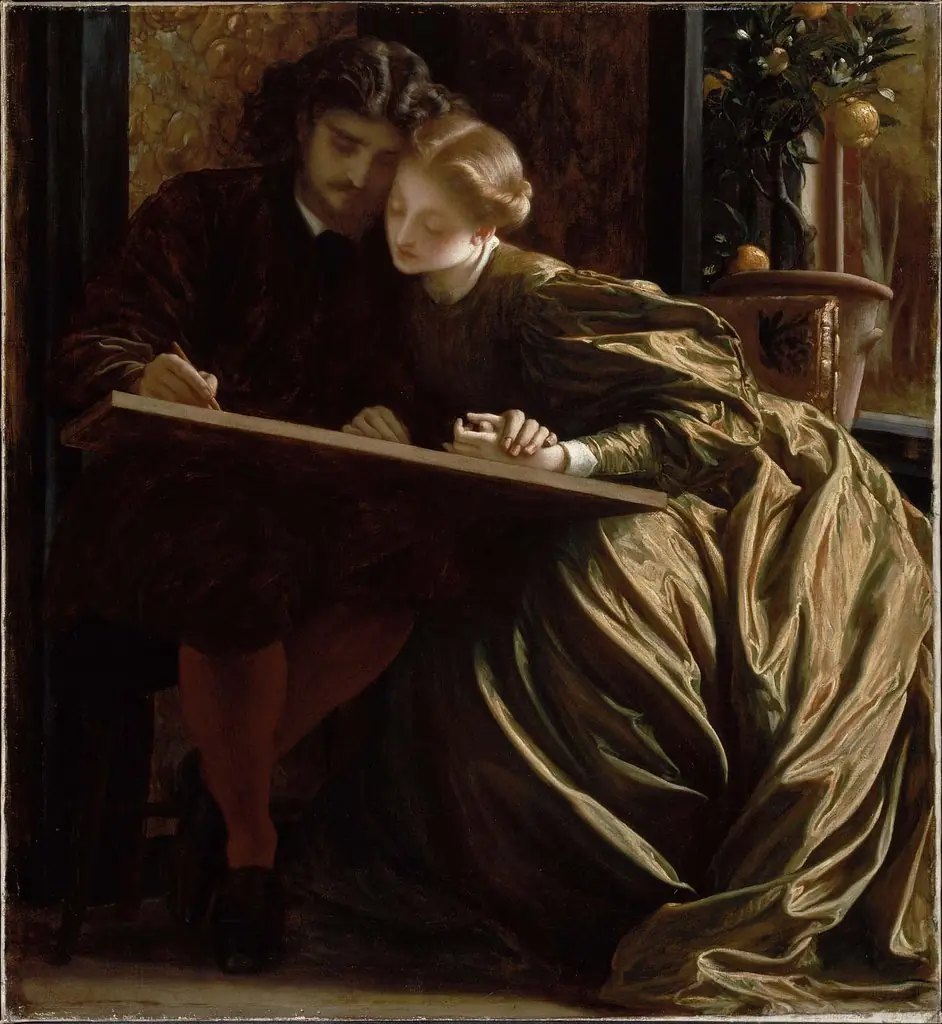 The Painter's Honeymoon
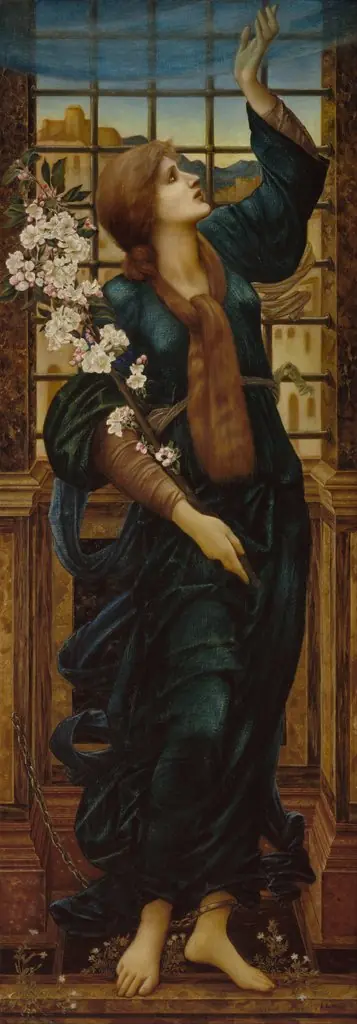 Hope
Hope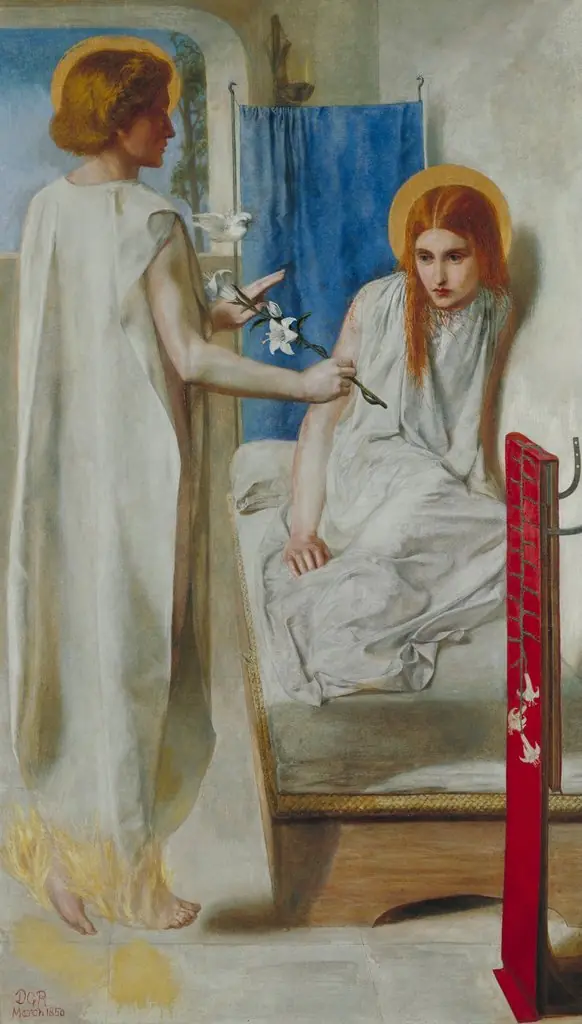 Ecce Ancilla Domini
![Study of Two Young Women [recto], by Valentine Cameron Prinsep, 1871](https://artifactworldgallery.com/img/valentine-cameron-prinsep--study-of-two-young-women-recto--3dfeb354d436ea17-w320.webp) Study of Two Young Women [recto]
Study of Two Young Women [recto]![The Virgin Swooning [recto], by Ford Madox Brown, 1844](https://artifactworldgallery.com/img/ford-madox-brown--the-virgin-swooning-recto--474c0d247da3d304-w320.webp) The Virgin Swooning [recto]
The Virgin Swooning [recto]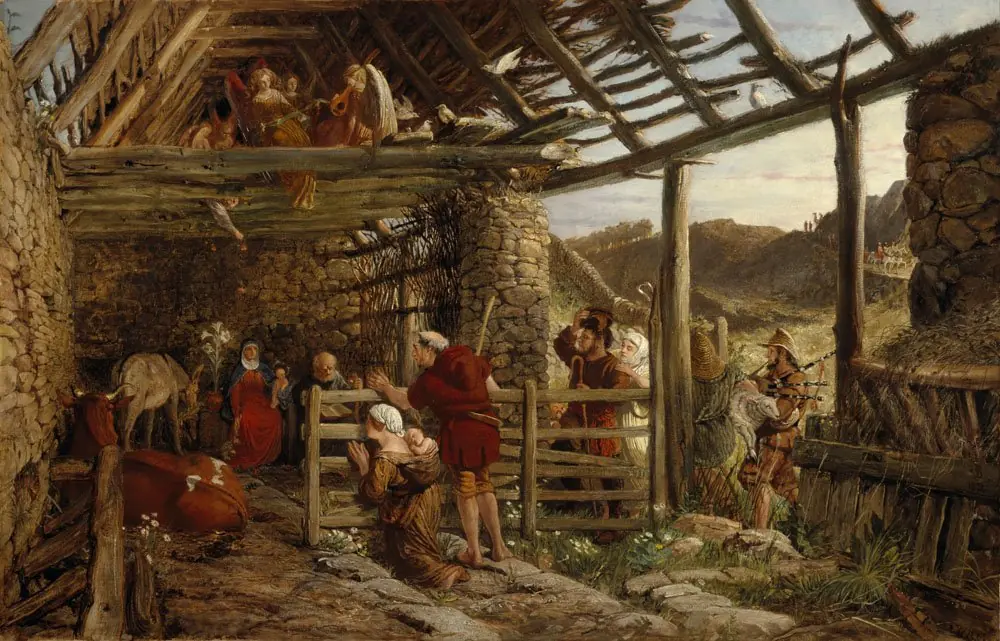 The Nativity
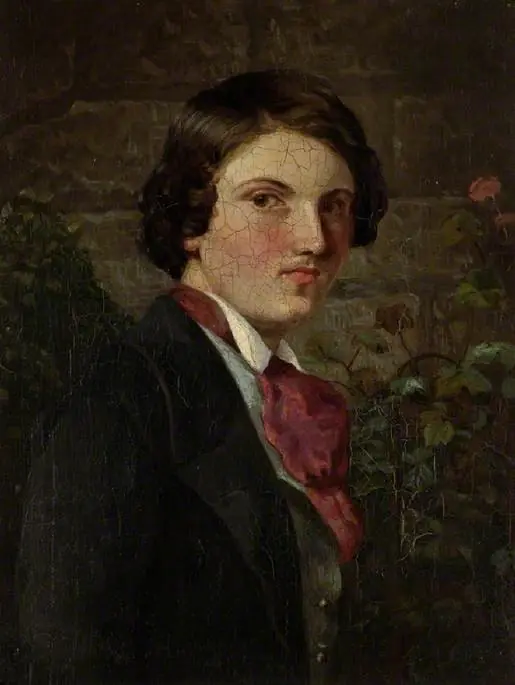 Self-portrait
![Figure Studies [verso], by Valentine Cameron Prinsep, 1871](https://artifactworldgallery.com/img/valentine-cameron-prinsep--figure-studies-verso--ecadfdfaae5c079d-w320.webp) Figure Studies [verso]
Figure Studies [verso]![Two Drapery Studies [verso], by Ford Madox Brown, 1844](https://artifactworldgallery.com/img/ford-madox-brown--two-drapery-studies-verso--ed4e964fa4716ed7-w320.webp) Two Drapery Studies [verso]
Two Drapery Studies [verso]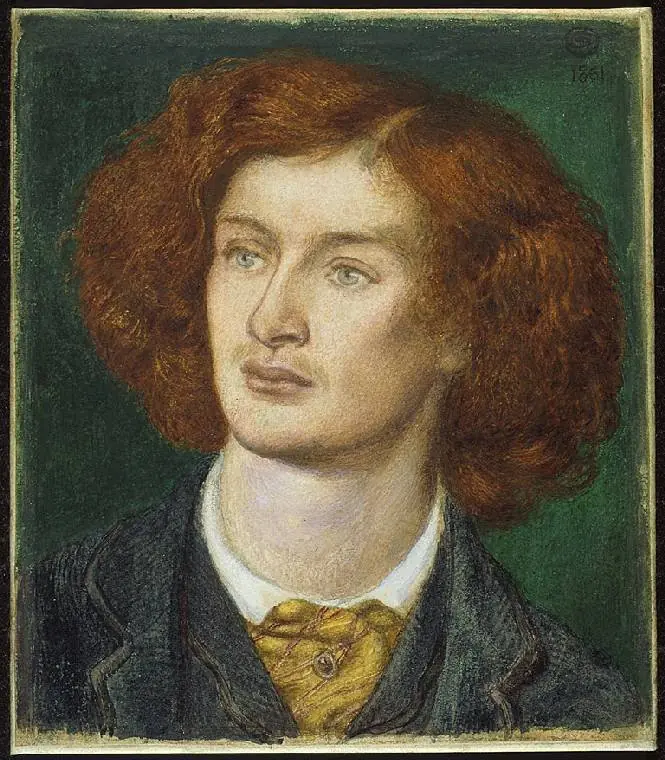 Algernon Charles Swinburne
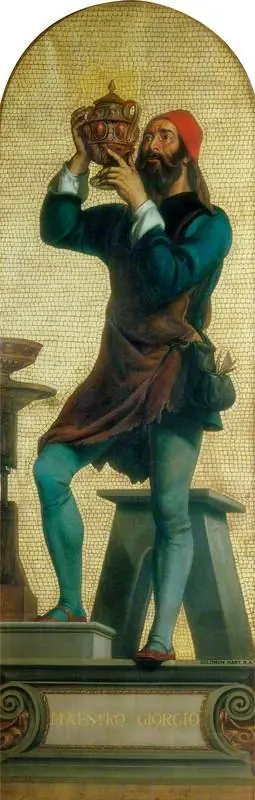 Maestro Giorgio of Gubbio (1465/1470–1555) (design for a mosaic in the Victoria and Albert Museum)
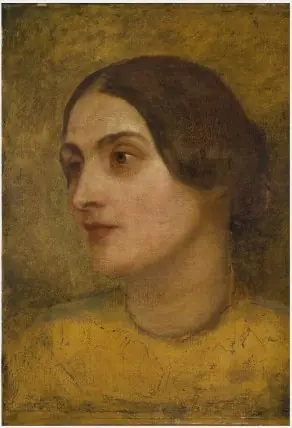 Portrait of Mrs Caroline Norton (née Sheridan), (1808-1877), Poet
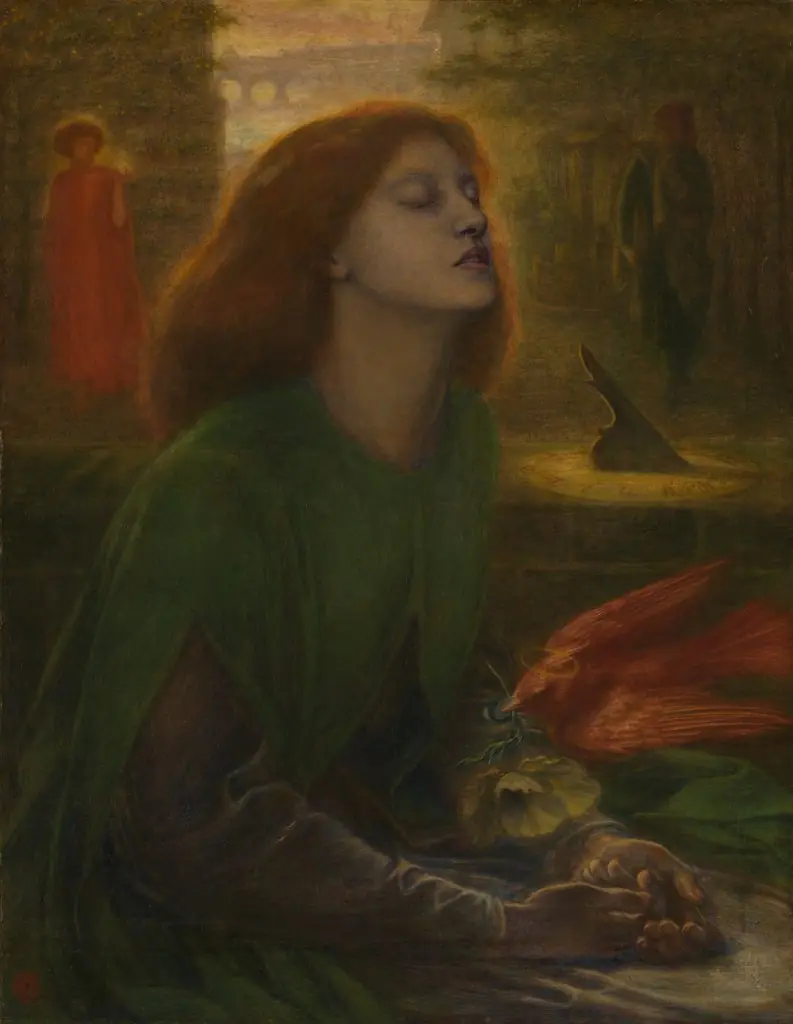 Beata Beatrix
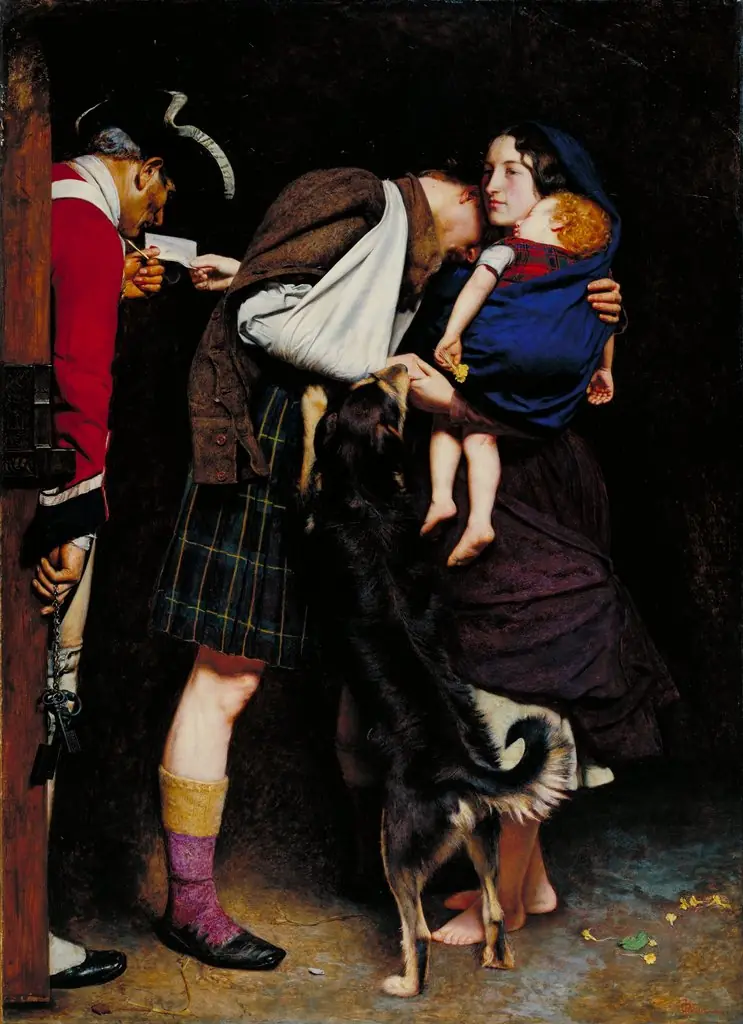 The Order of Release
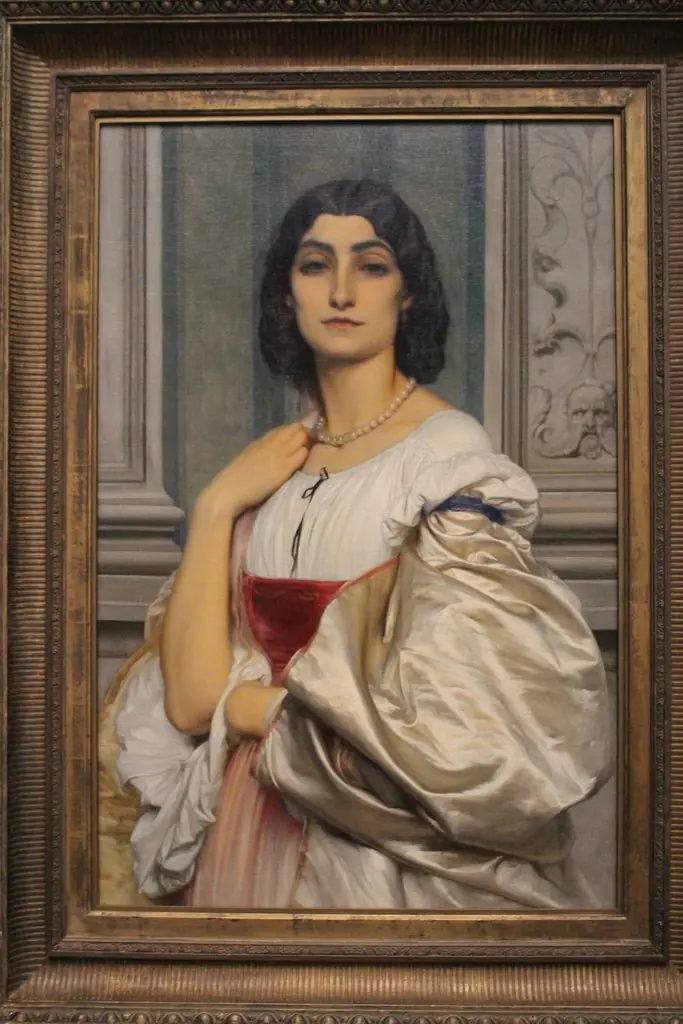 Portrait of a Roman Lady (La Nanna)
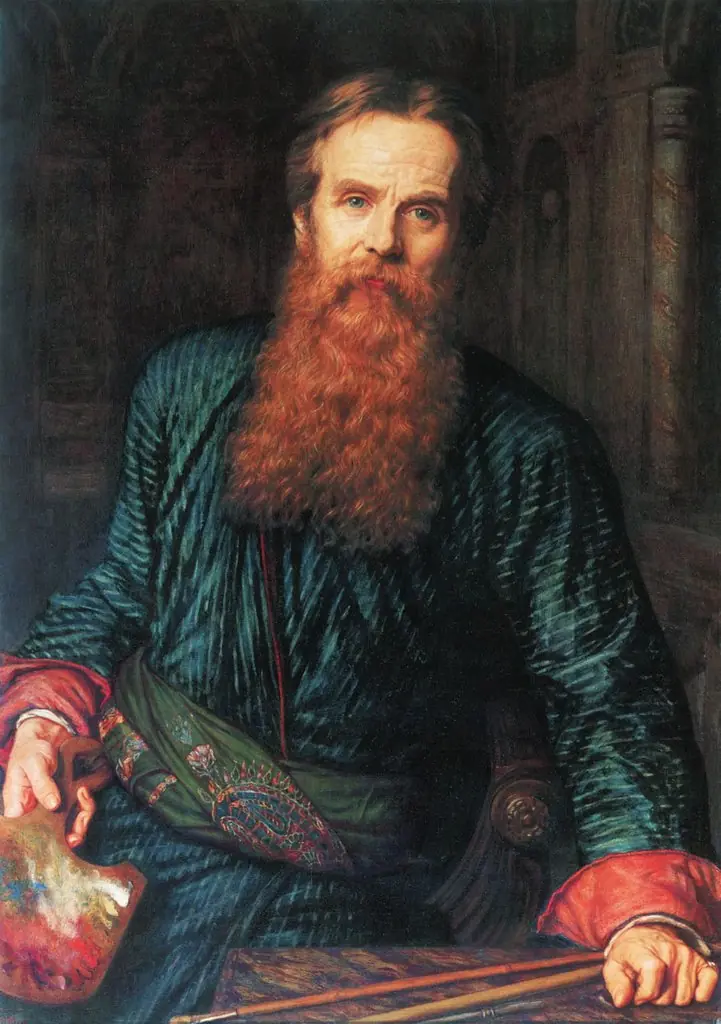 Self-portrait
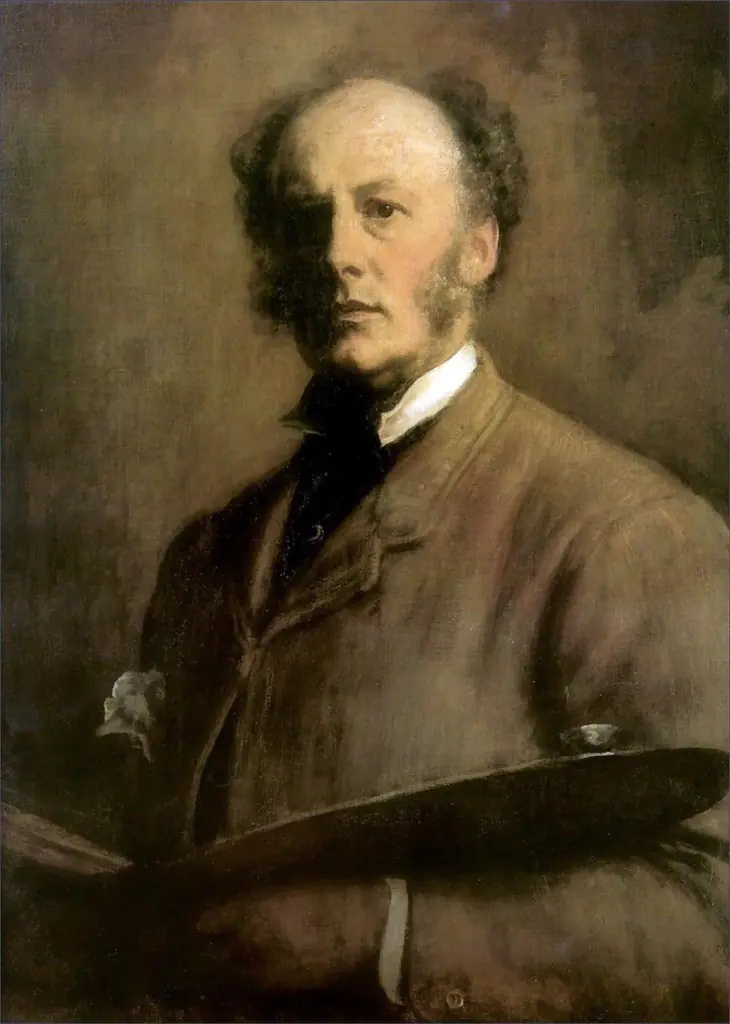 Self-portrait
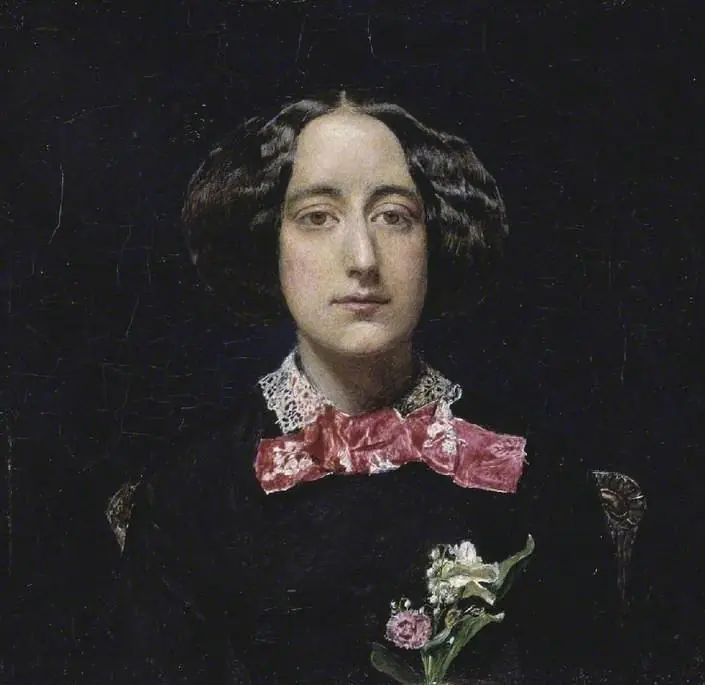 Mrs Coventry Patmore
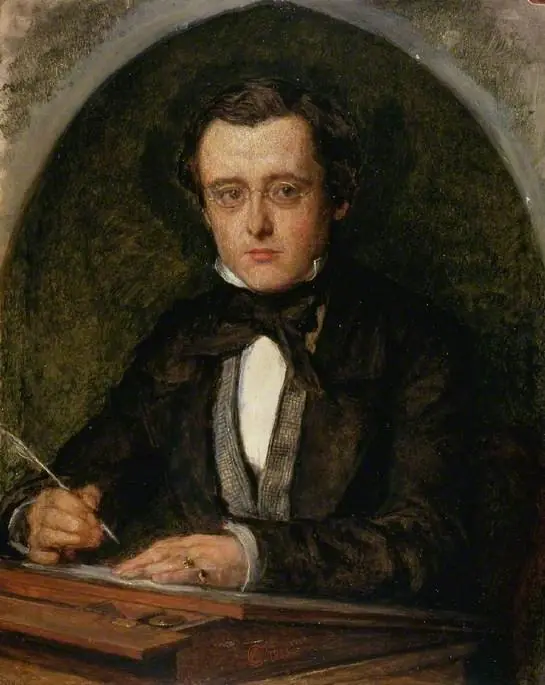 Wilkie Collins (1853)
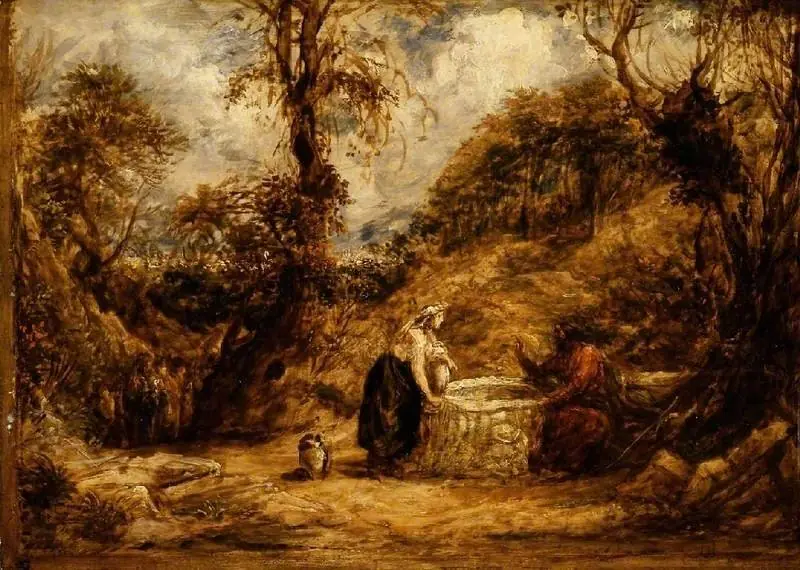 Christ and the woman of Samaria at Jacob's well
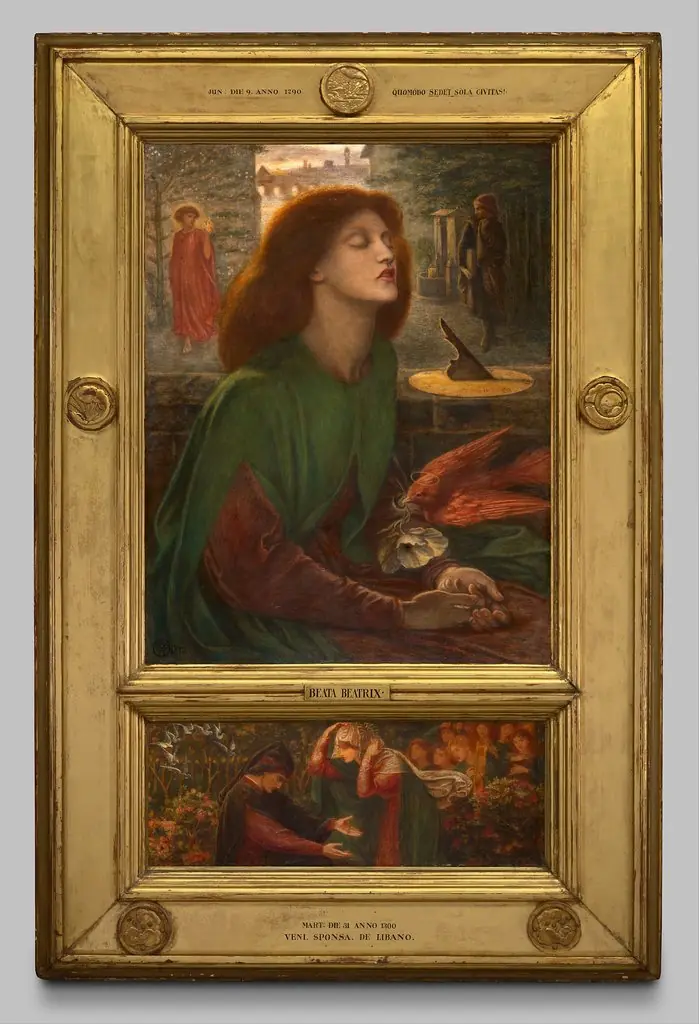 Beata Beatrix
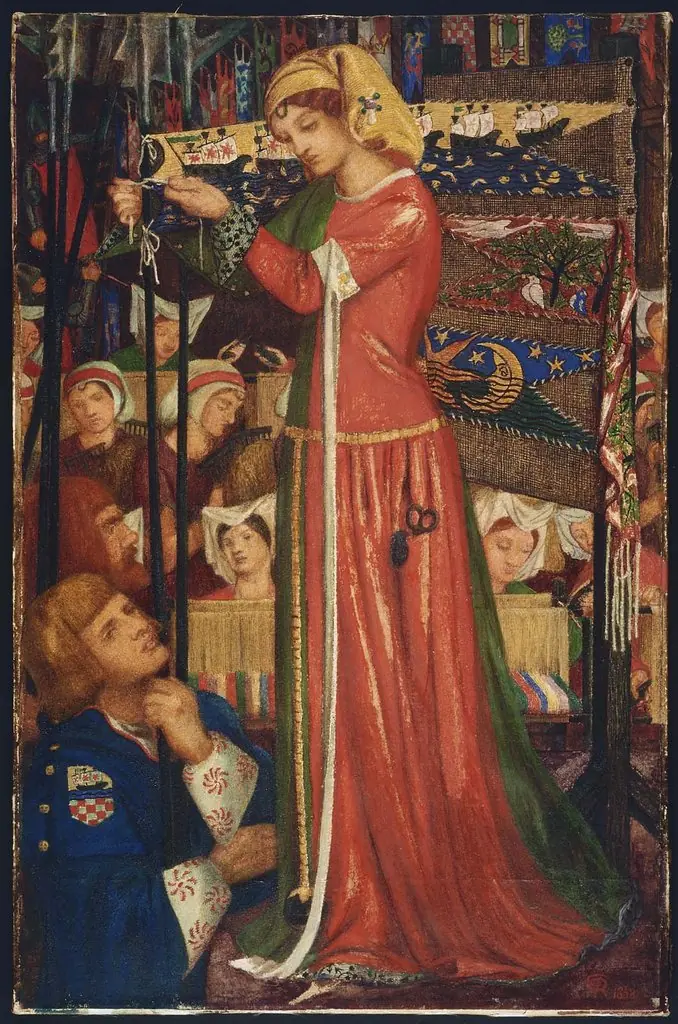 Before the Battle
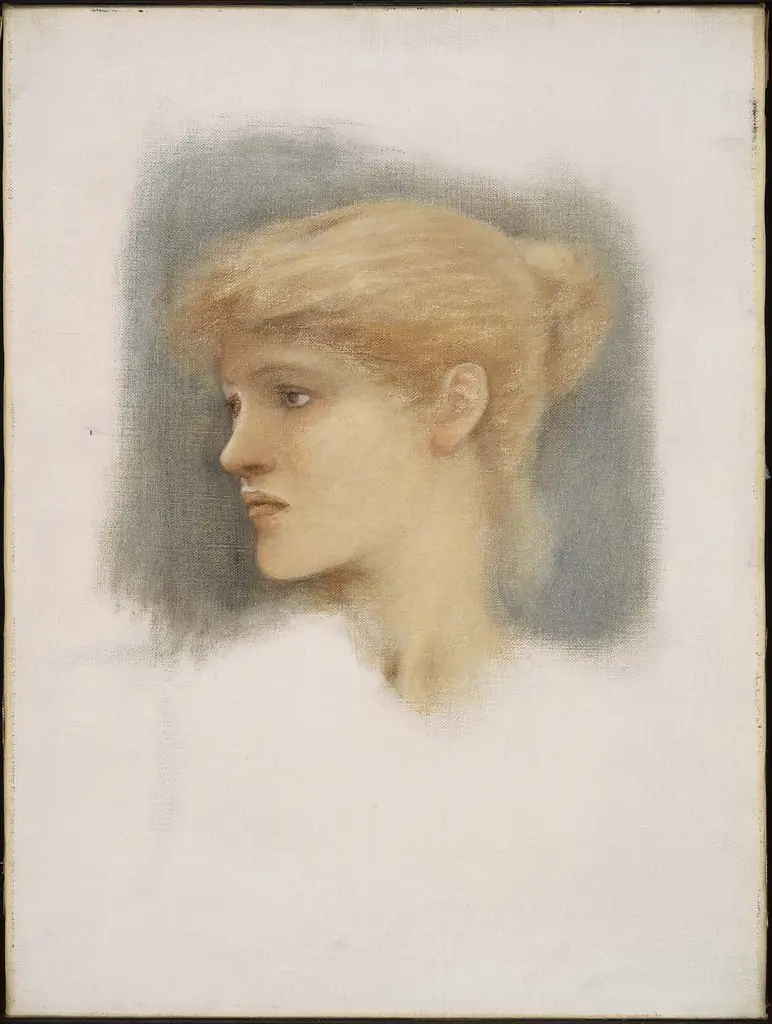 Study of a Young Woman's Head
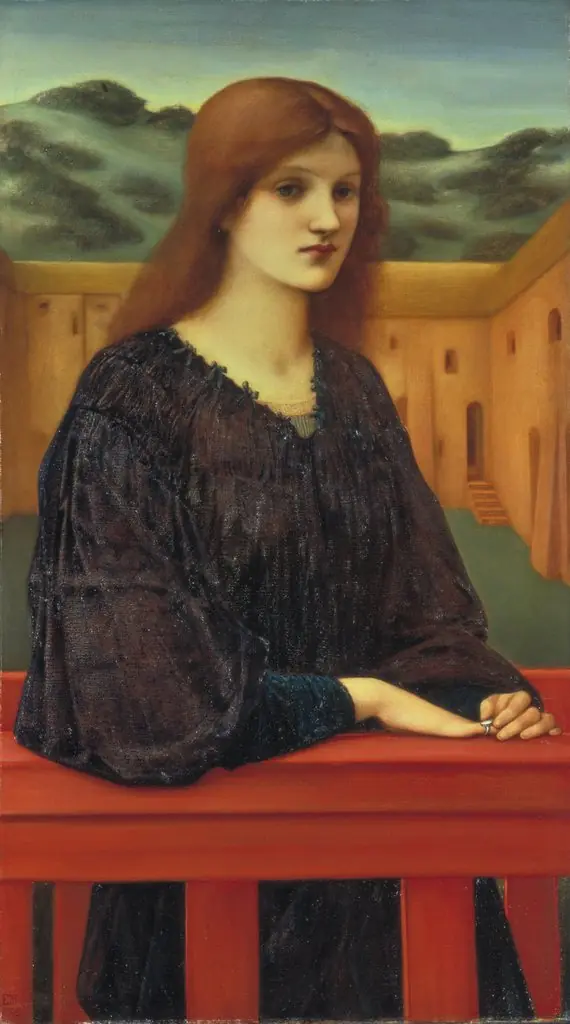 Vespertina Quies
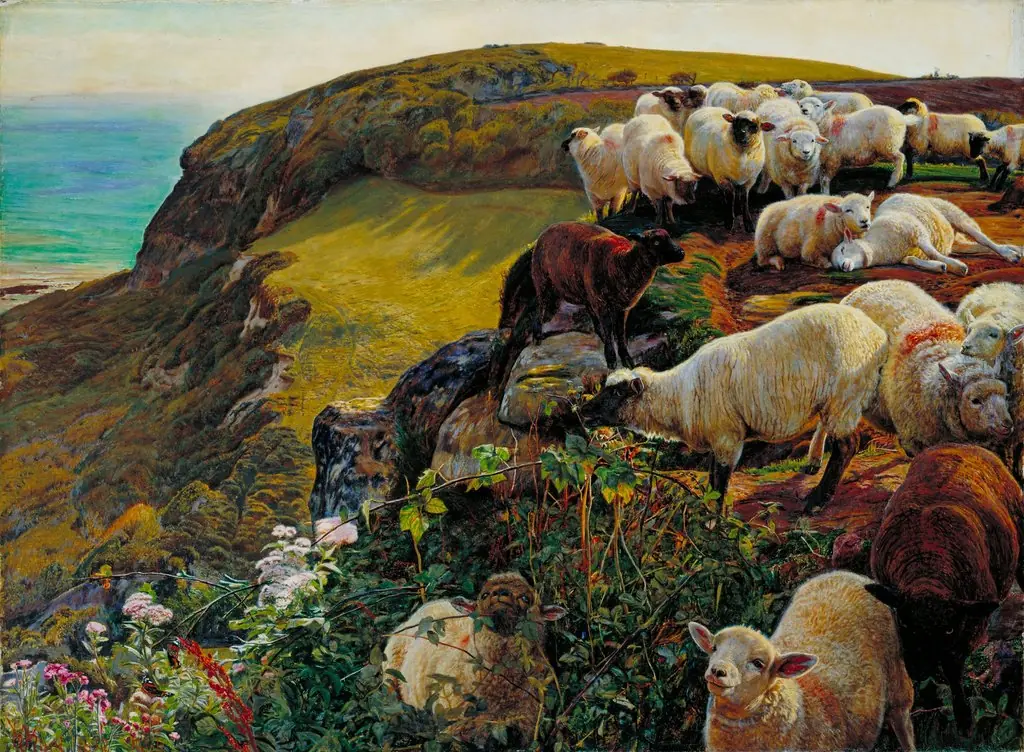 Our English Coasts
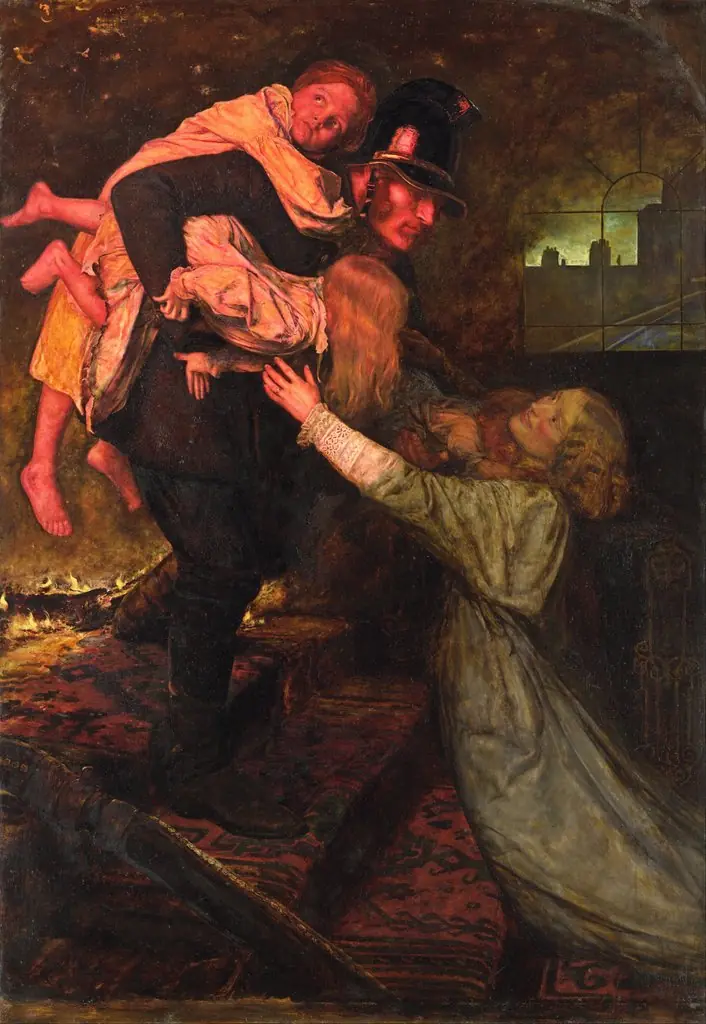 The Rescue
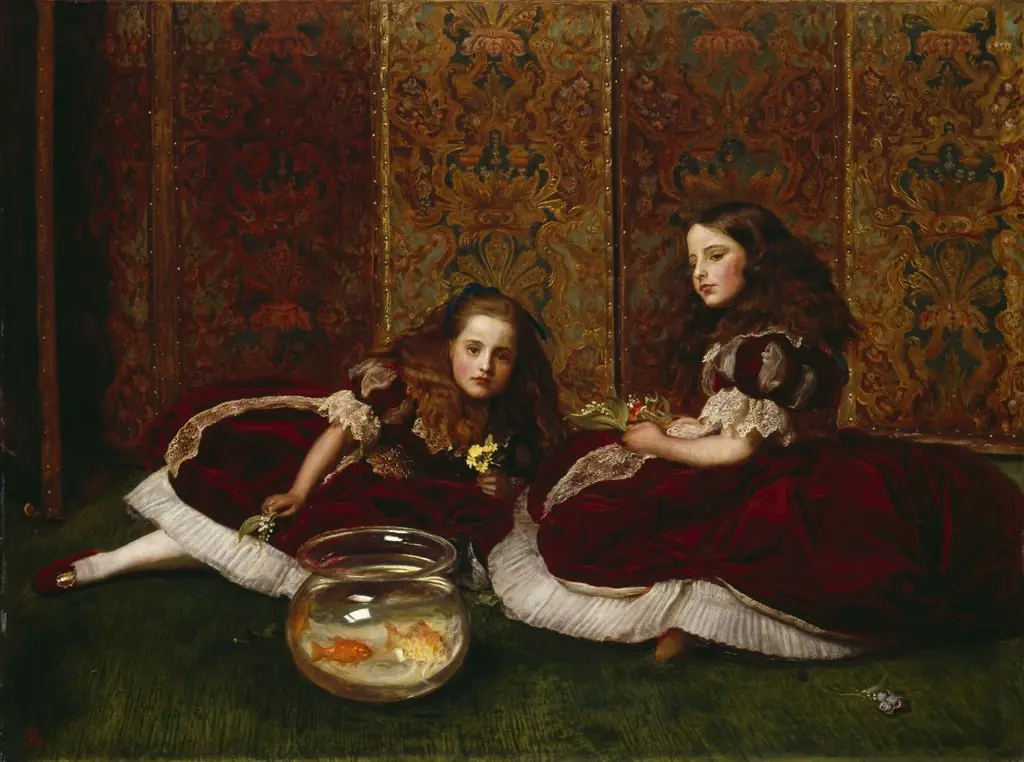 Leisure Hours
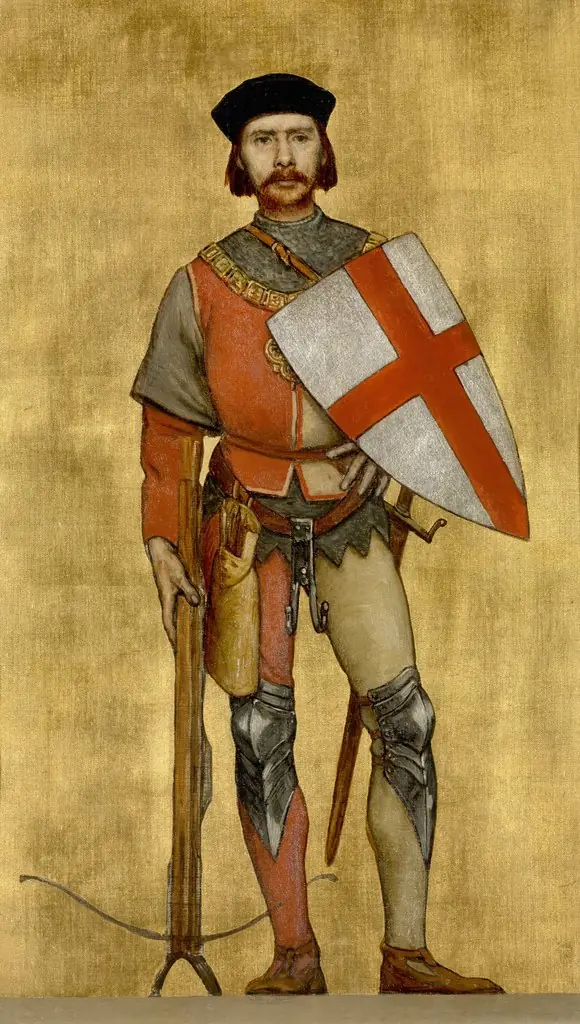 Dean of the Armed Guild of Saint George
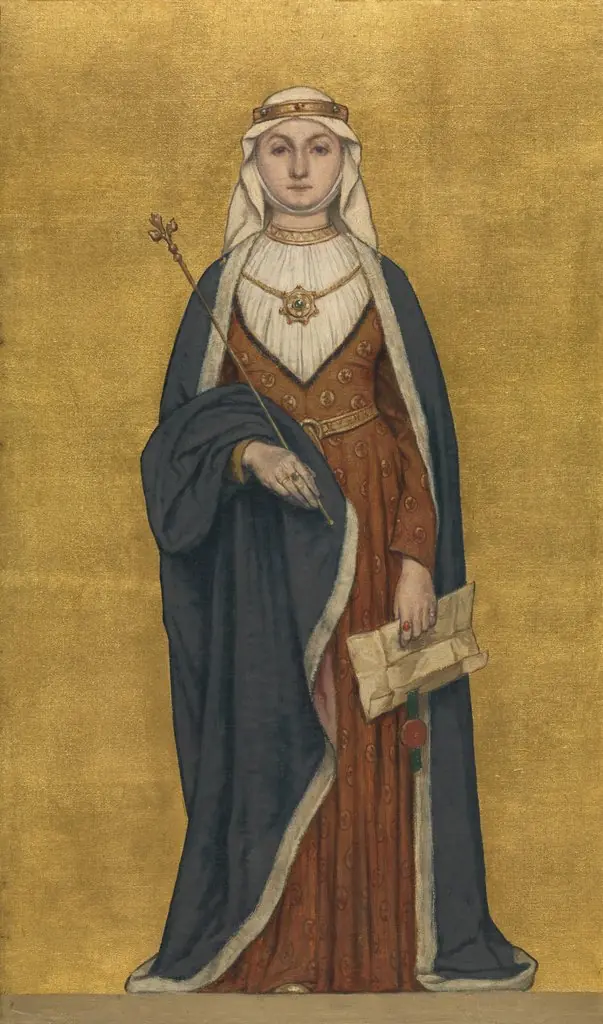 Joan of Flanders, Daughter of Baldwin of Constantinople
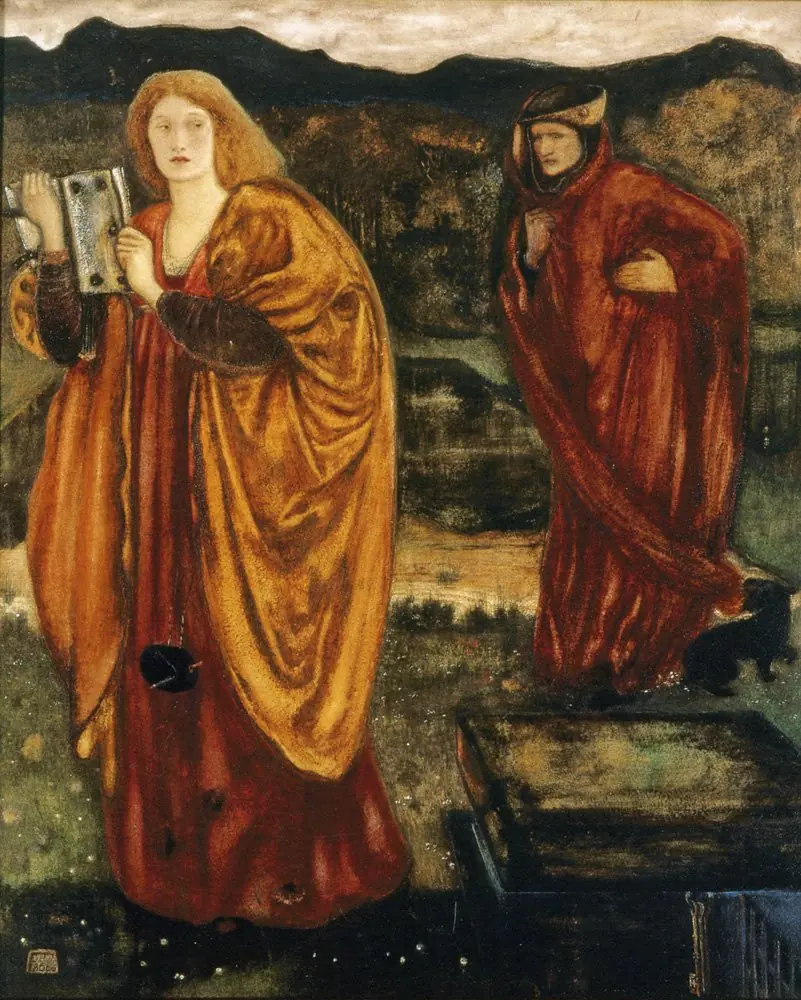 Merlin and Nimue
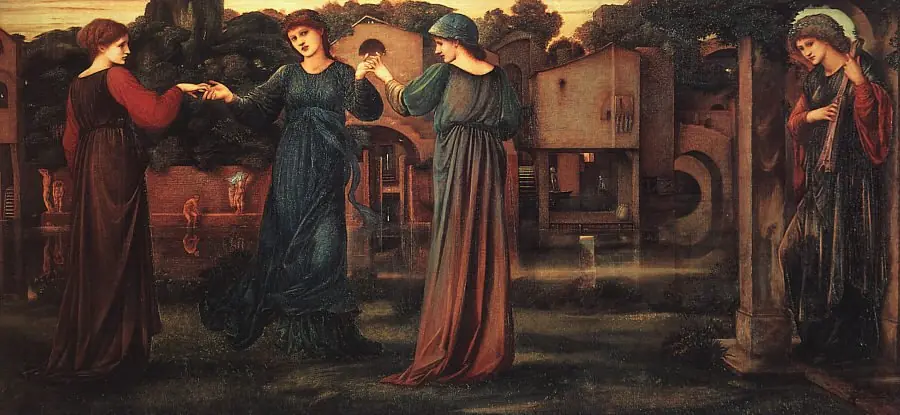 The Mill
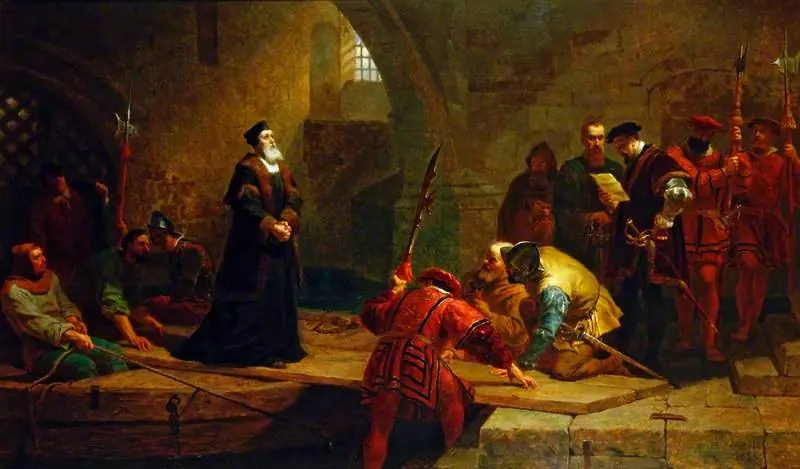 Cranmer at Traitor's Gate
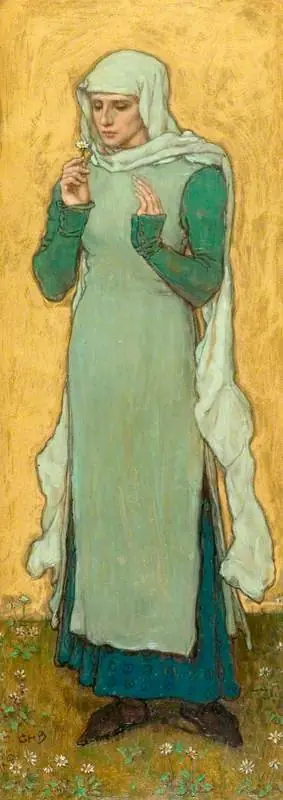 A Woman Holding a Marguerite
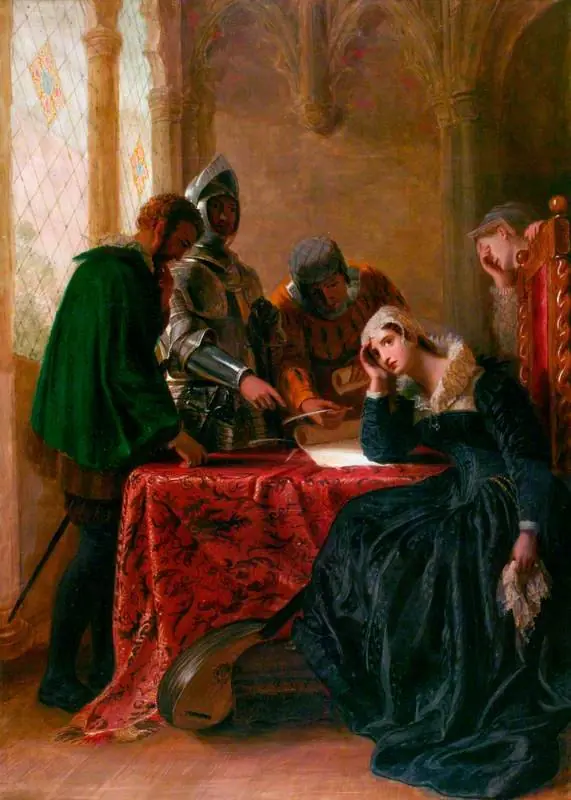 The Abdication of Mary, Queen of Scots
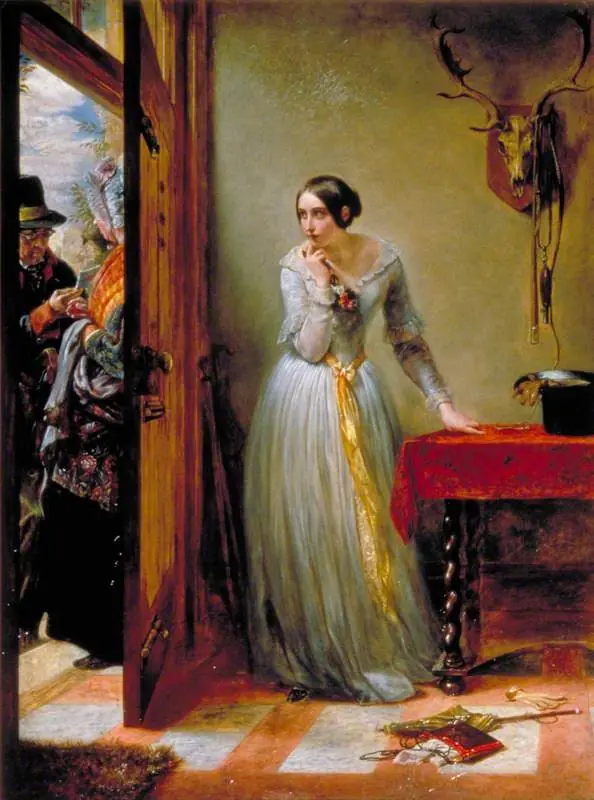 Palpitation
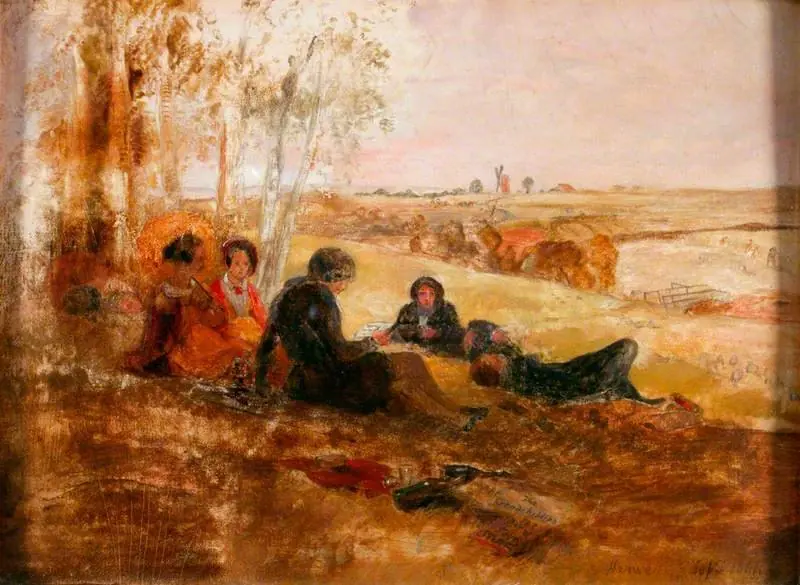 A Picnic at Hanwell
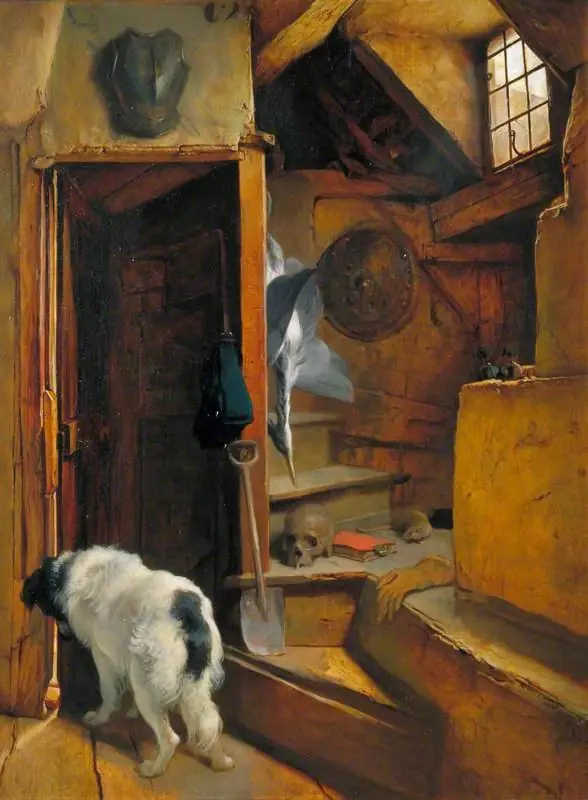 Shakespeare's House, Stratford-upon-Avon
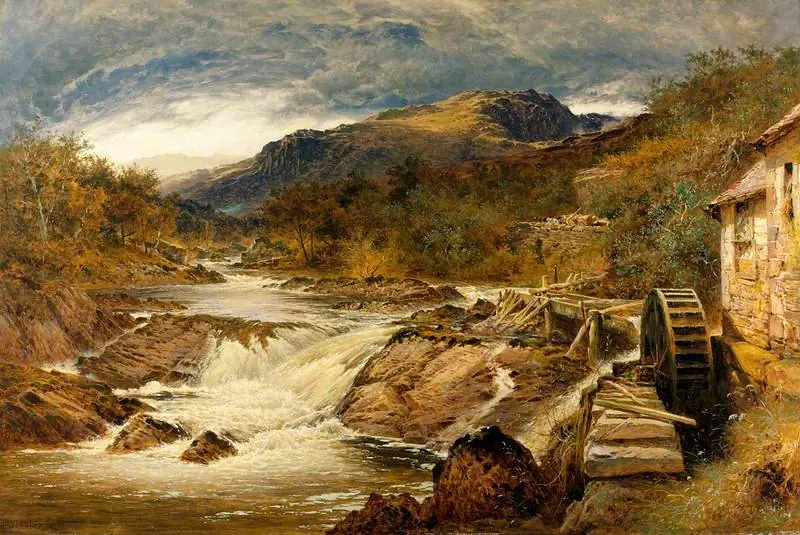 Rocky Landscape
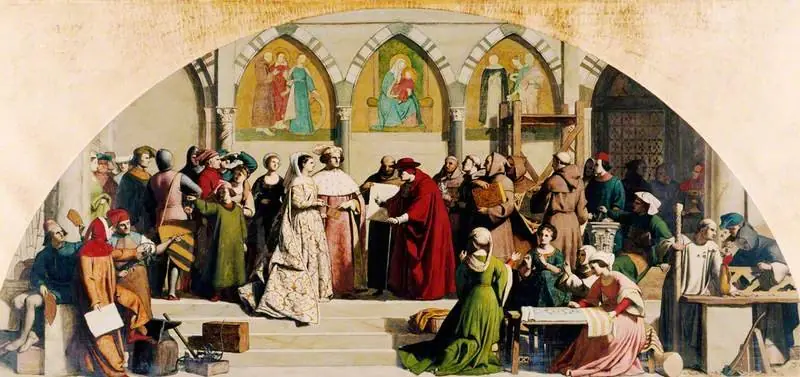 The Industrial Arts in Times of Peace
 Dorigen of Bretagne longing for the safe return of her husband
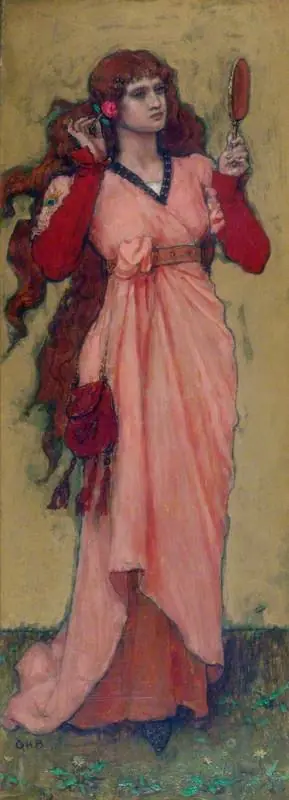 A Girl Holding a Mirror and a Rose
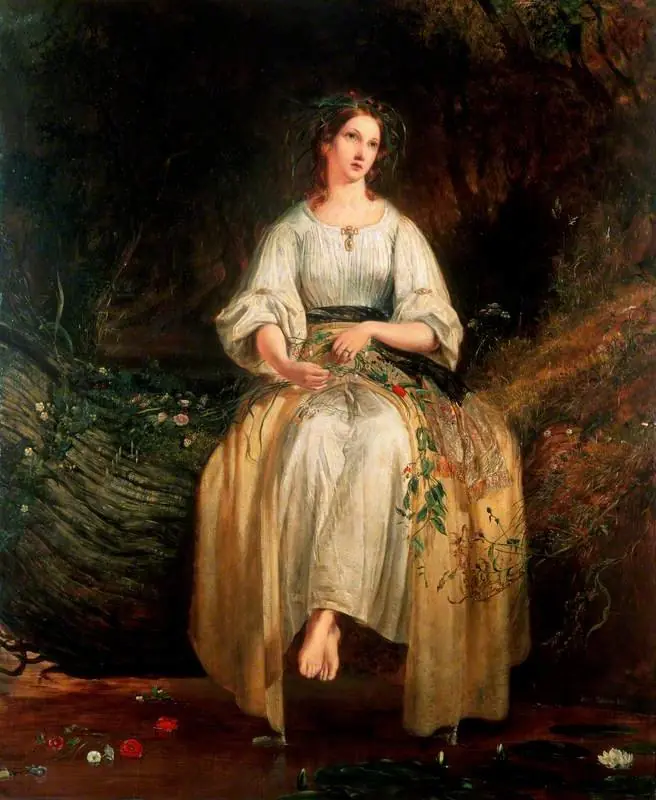 Ophelia Weaving Her Garlands (from William Shakespeare's 'Hamlet')
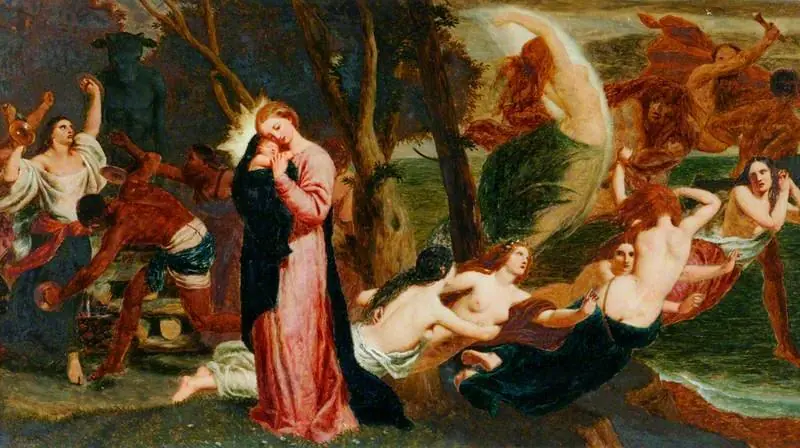 The Birth of Christianity
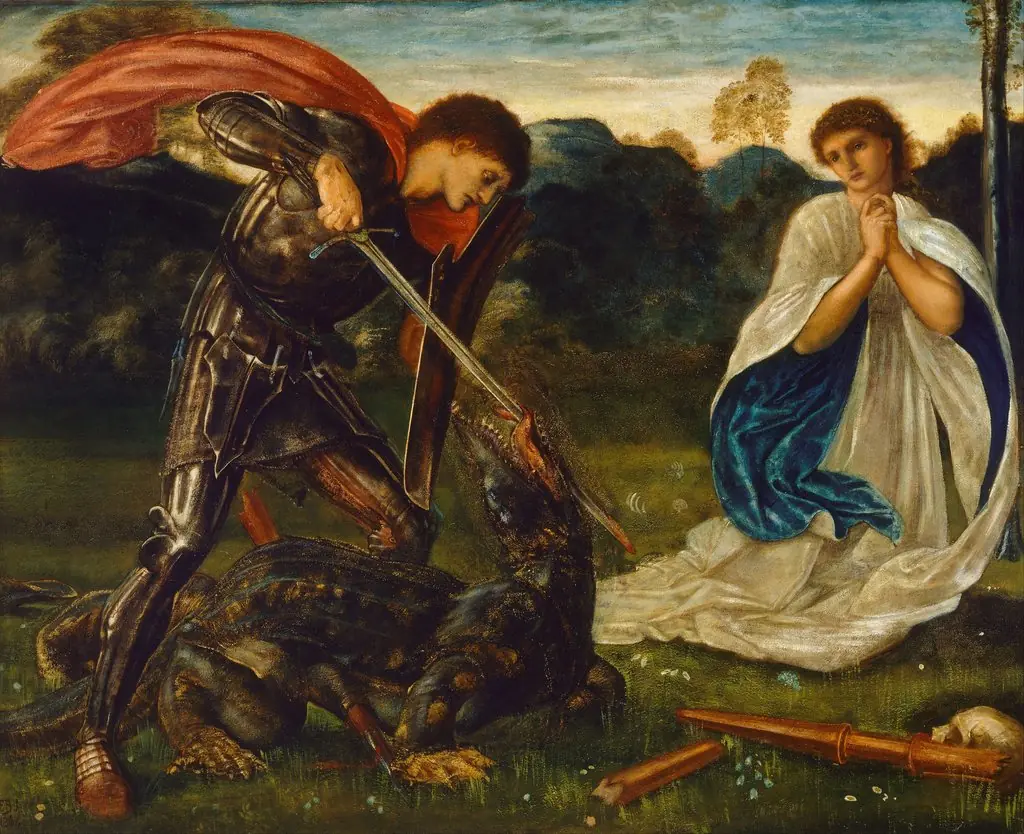 The fight: St George kills the dragon
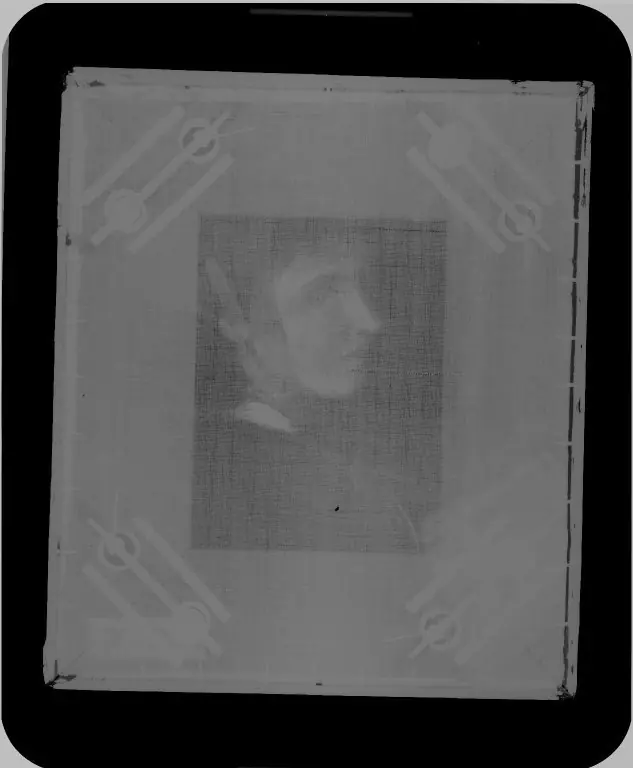 Portrait of Mary Baring Compton, later Fifth Marchioness of Northampton
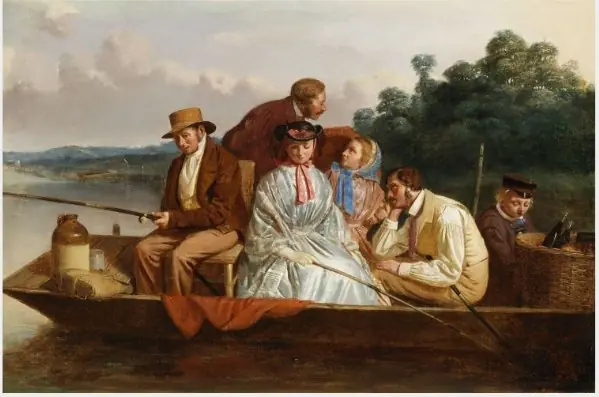 An Angling Party
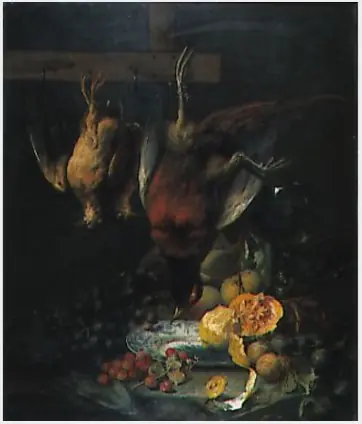 Fruit and Dead Game
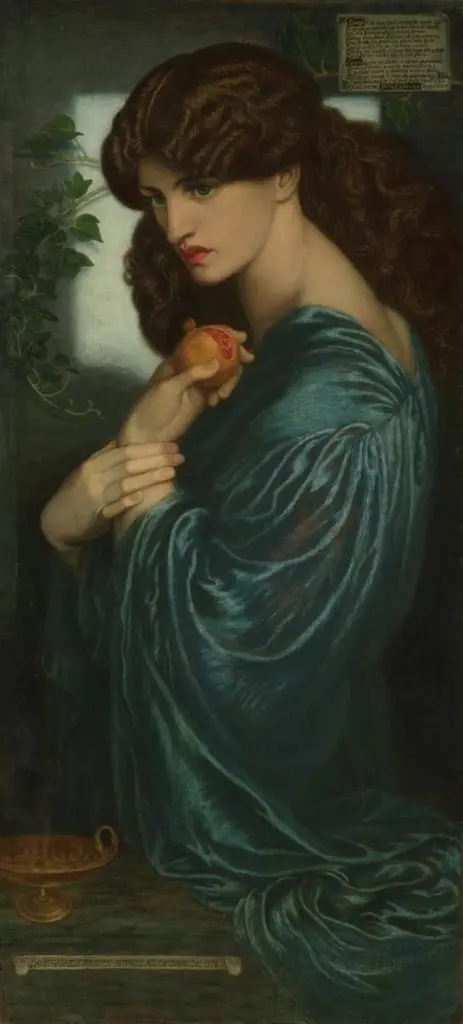 Proserpine
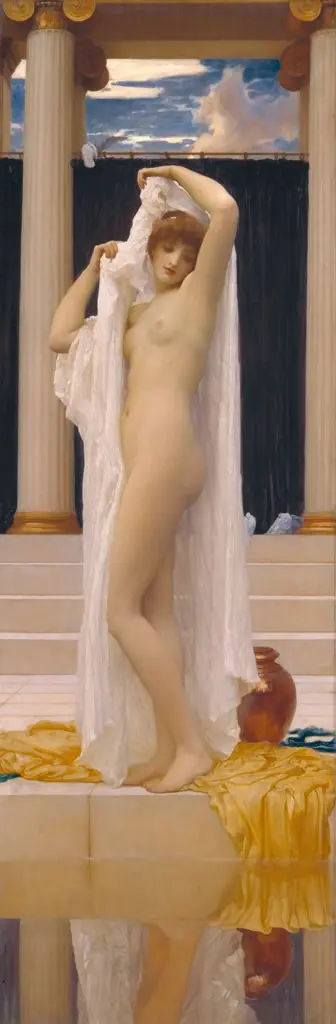 The Bath of Psyche
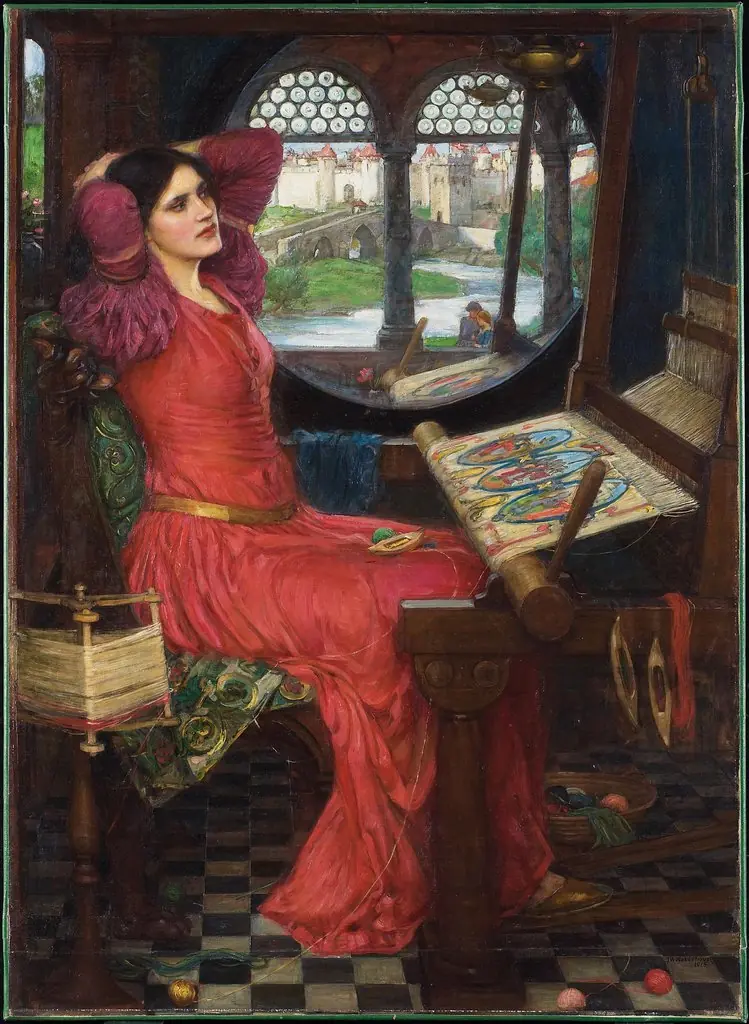 "I am half sick of shadows" said the Lady of Shalott
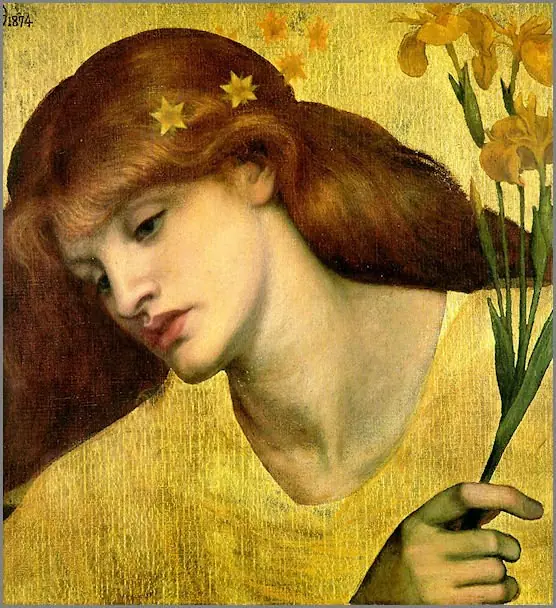 Sancta Lilias
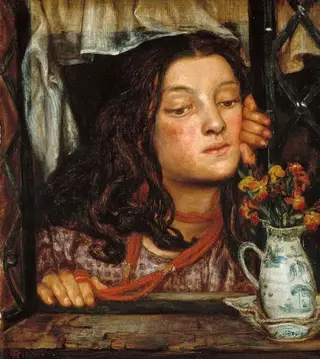 Girl at a lattice
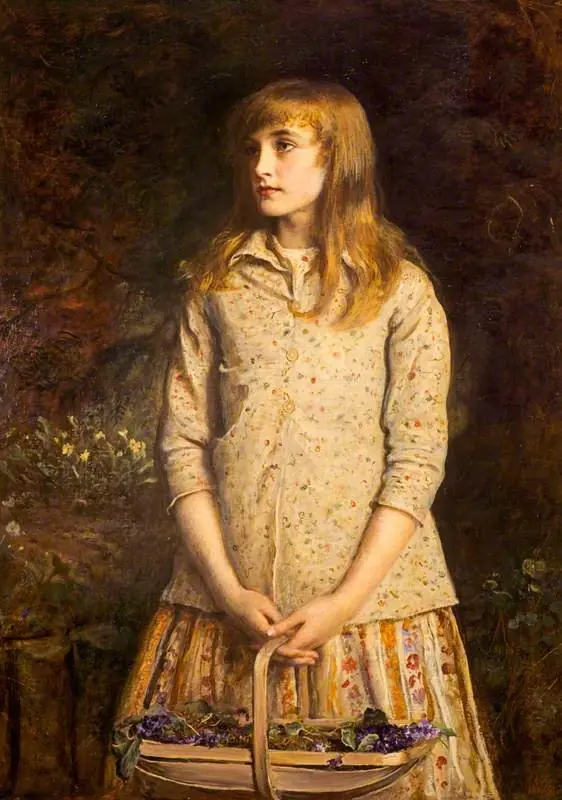 'Sweetest eyes were ever seen'
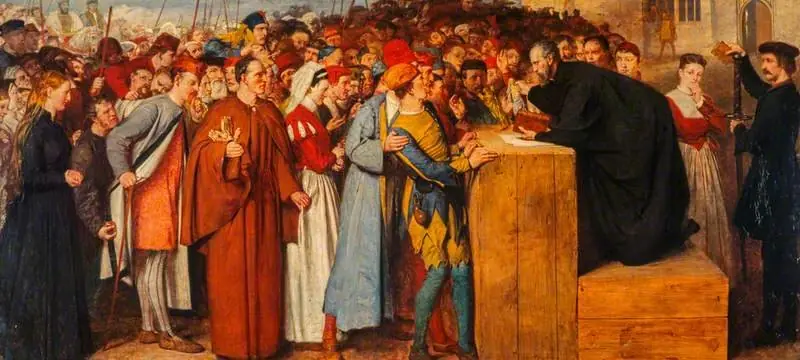 Wishart Preaching against Mariolatry
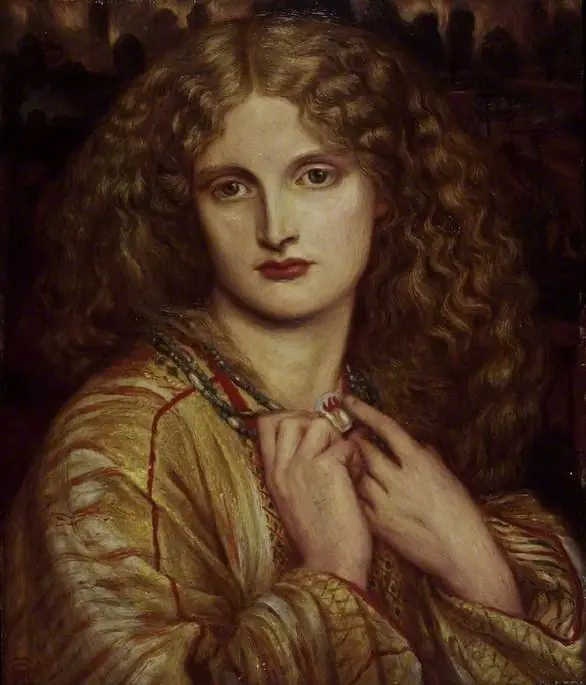 The flaming heart, after Rossetti
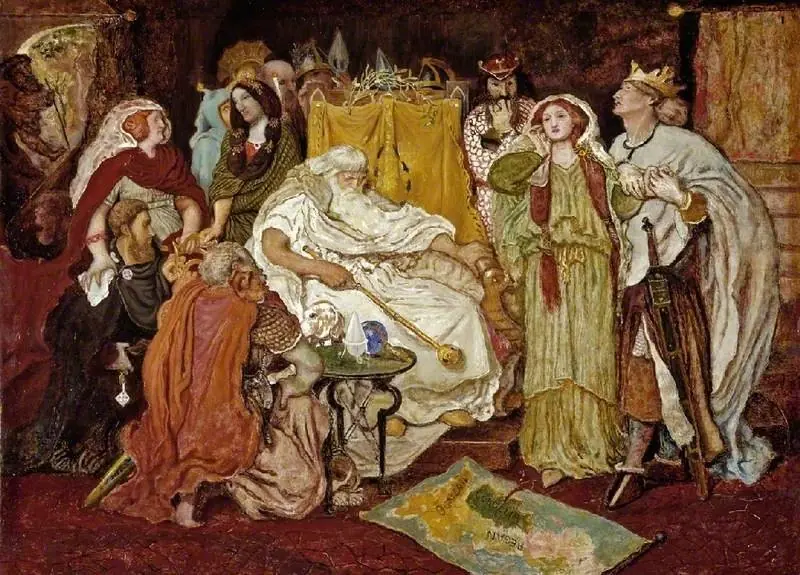 Cordelia's Portion
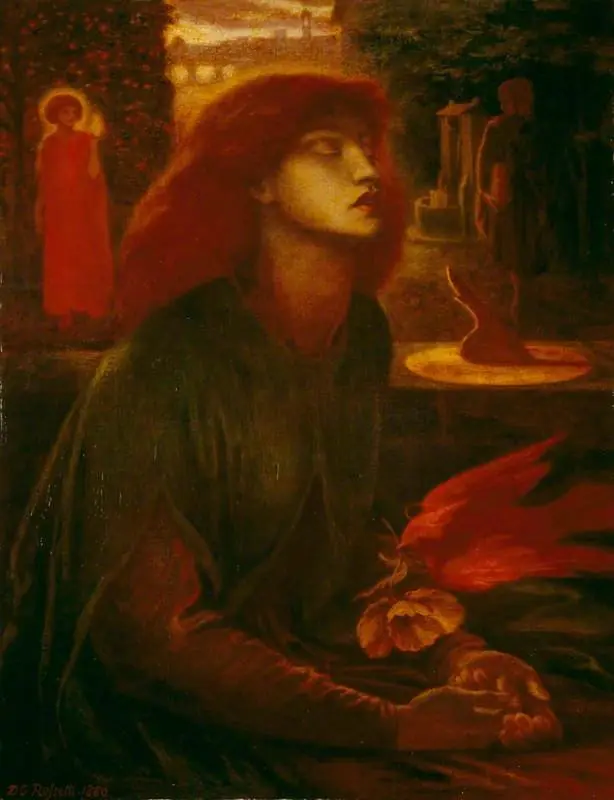 Beata Beatrix
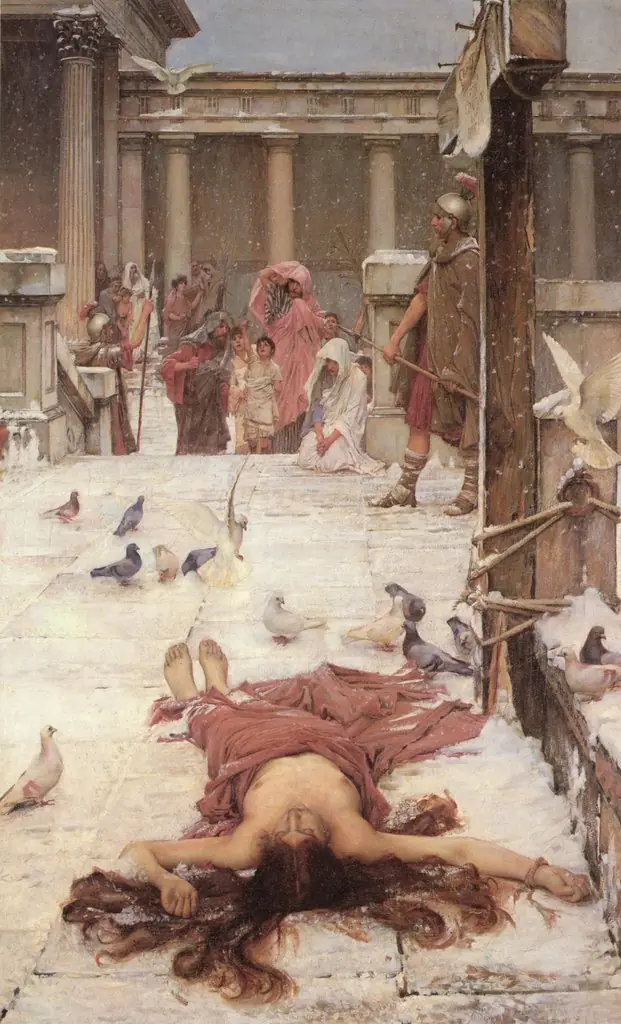 Saint Eulalia
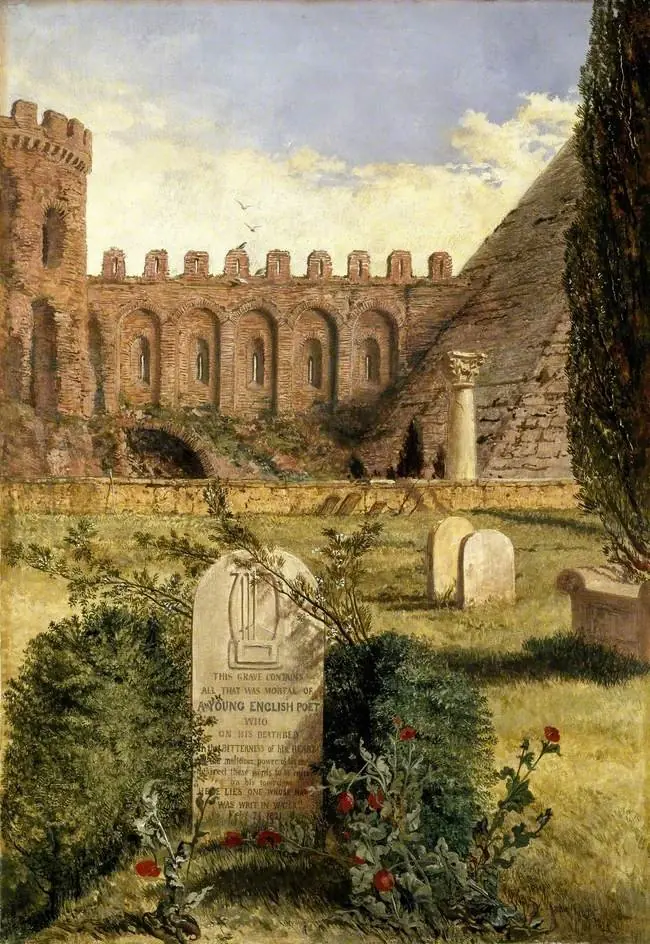 Keats's Grave
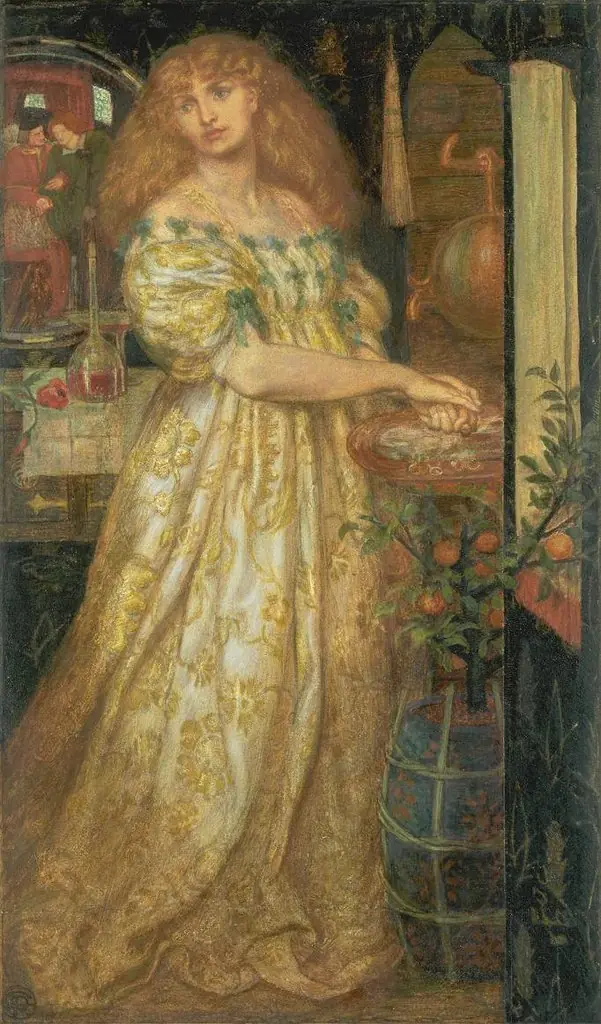 Lucrezia Borgia
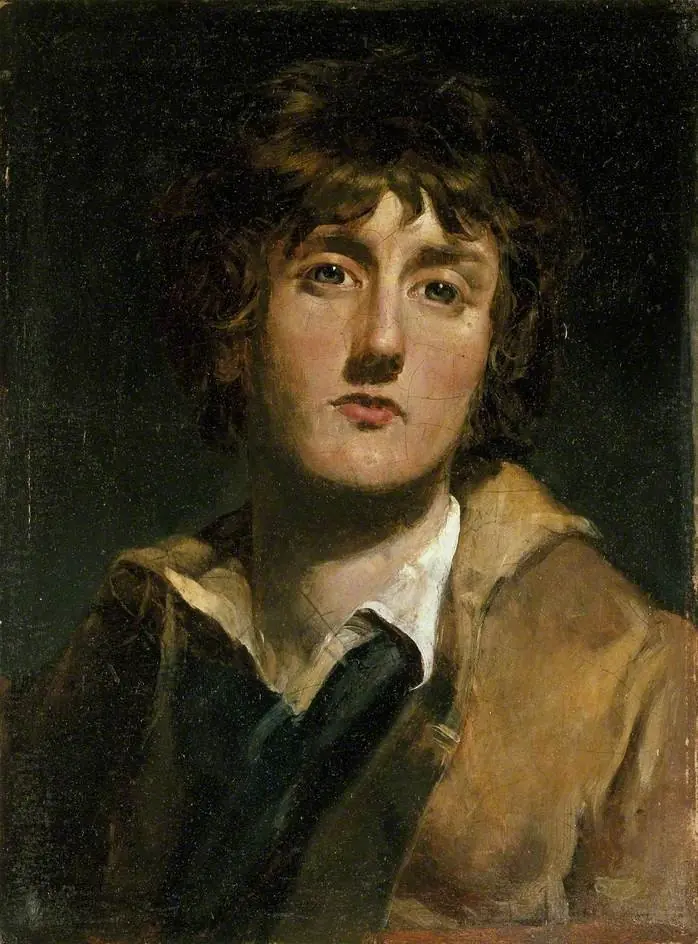 'Thoughts too deep for tears'
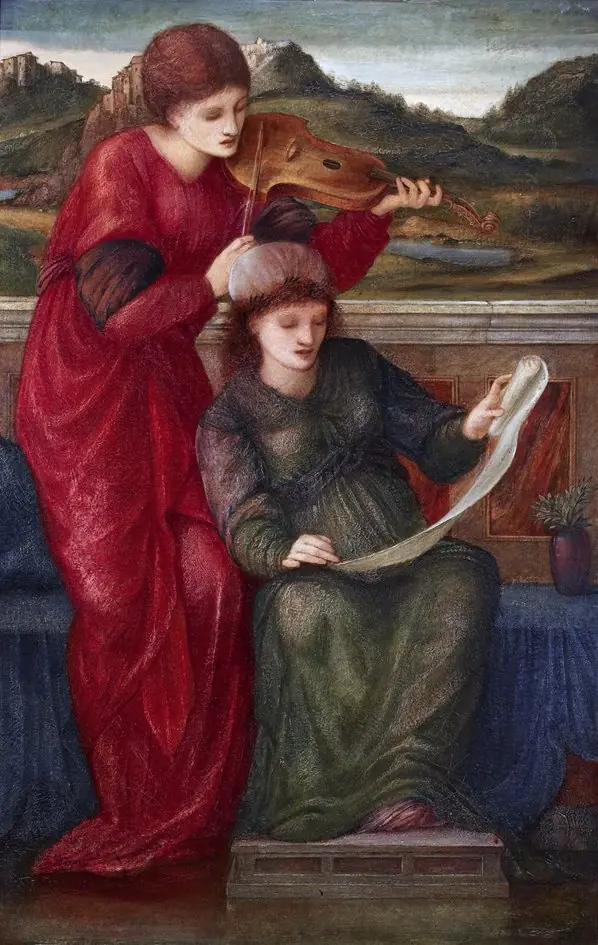 Music
Music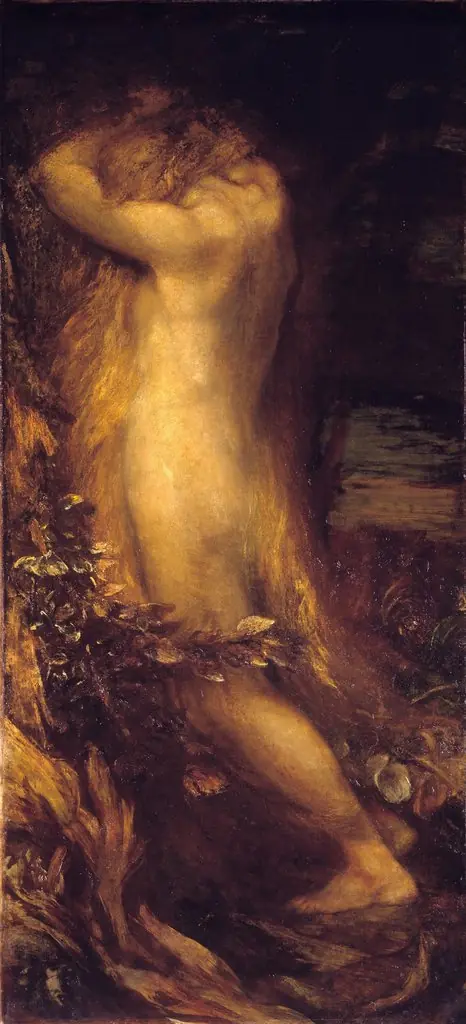 Eve Repentant
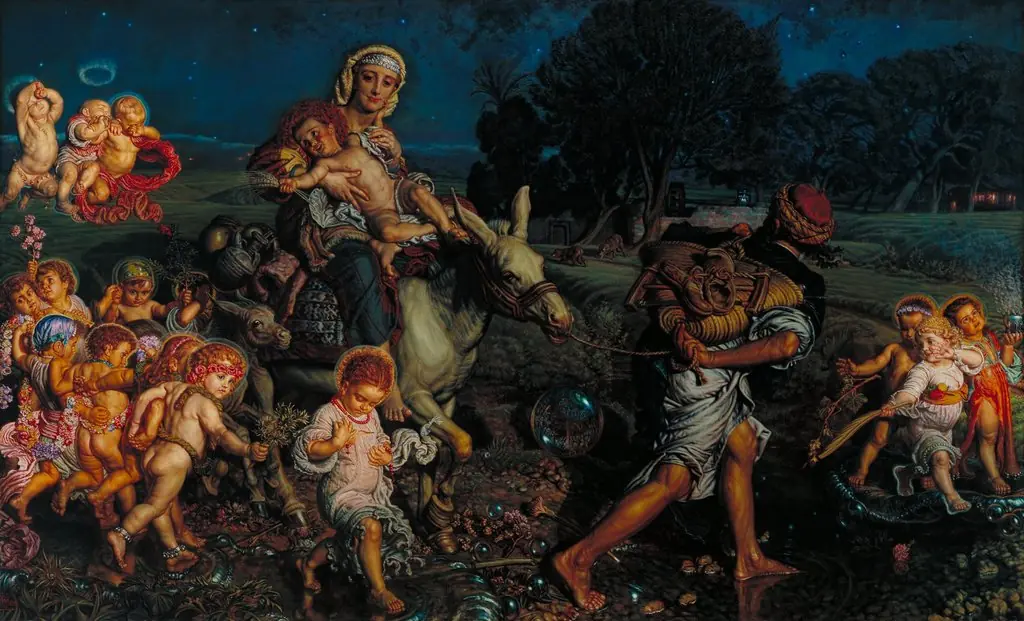 The Triumph of the Innocents
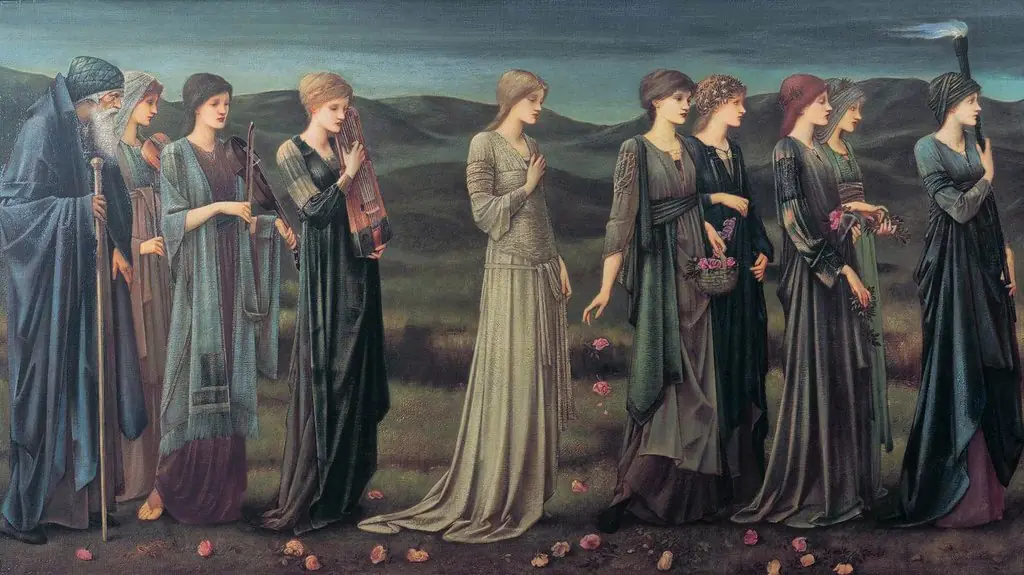 Psyche's wedding
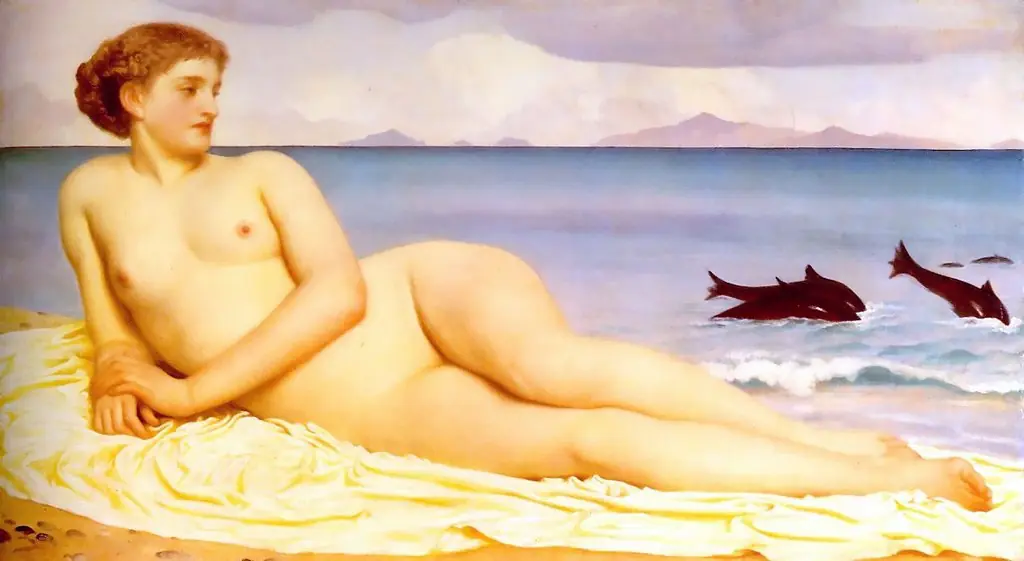 Actaea, the Nymph of the Shore
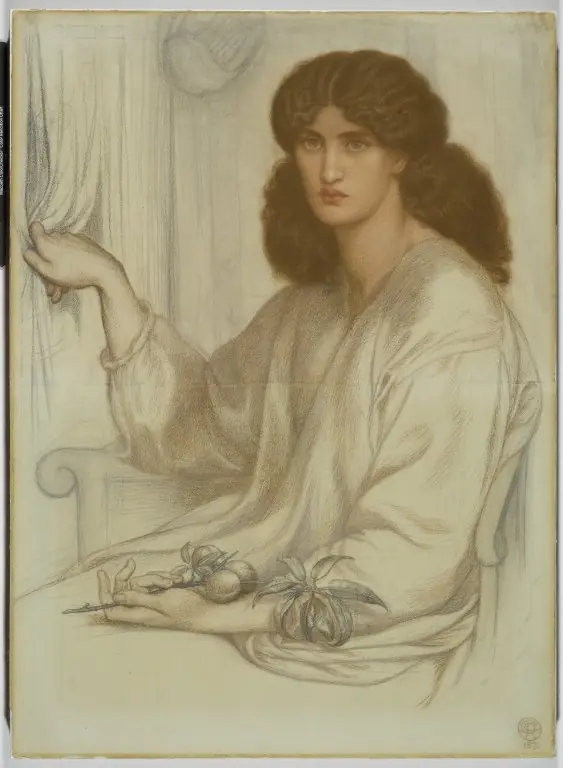 Silence
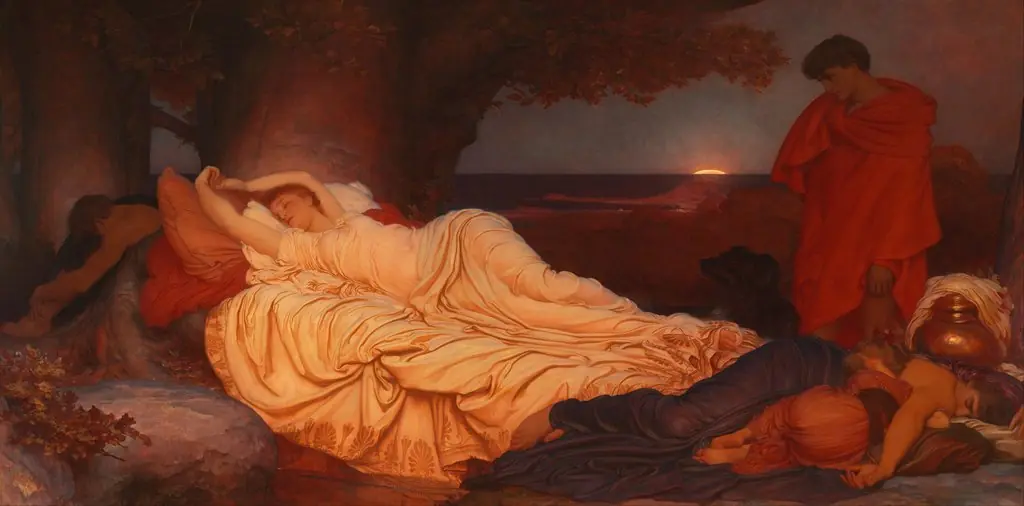 Cymon and Iphigenia
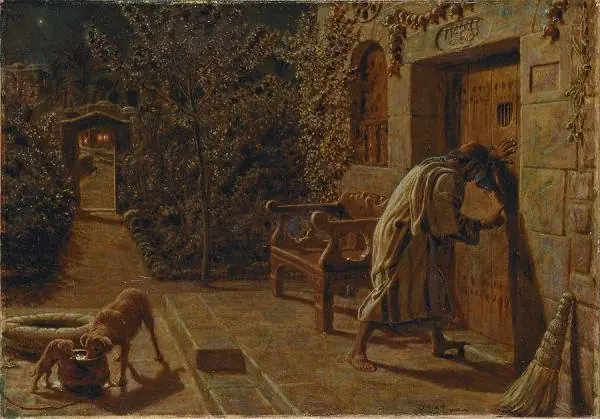 The importunate neighbour
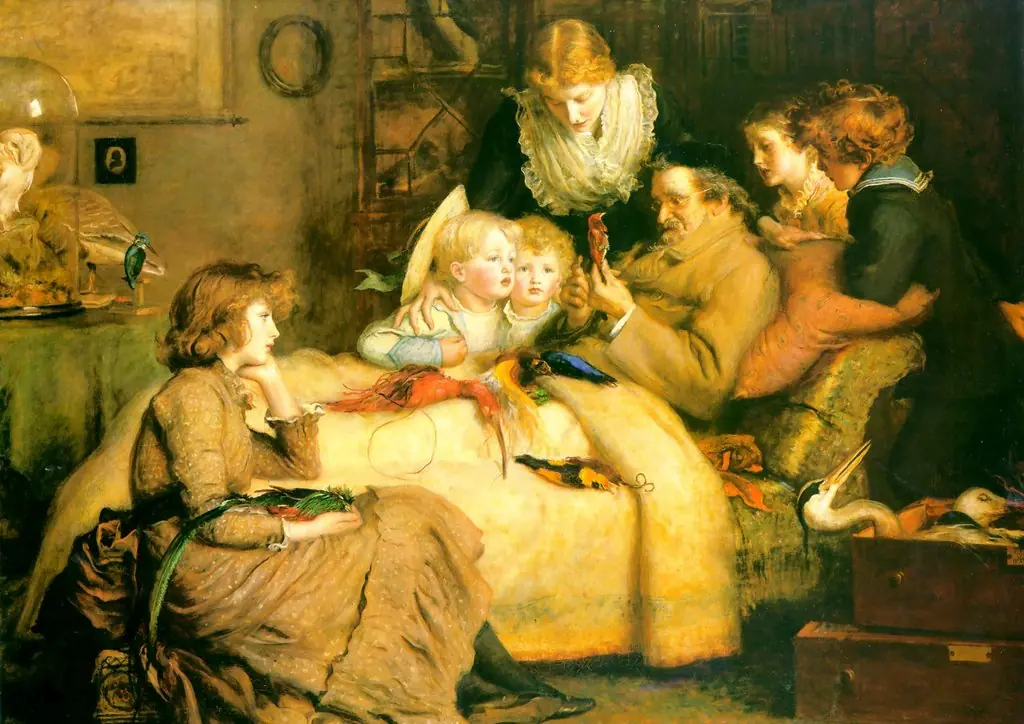 The Ruling Passion
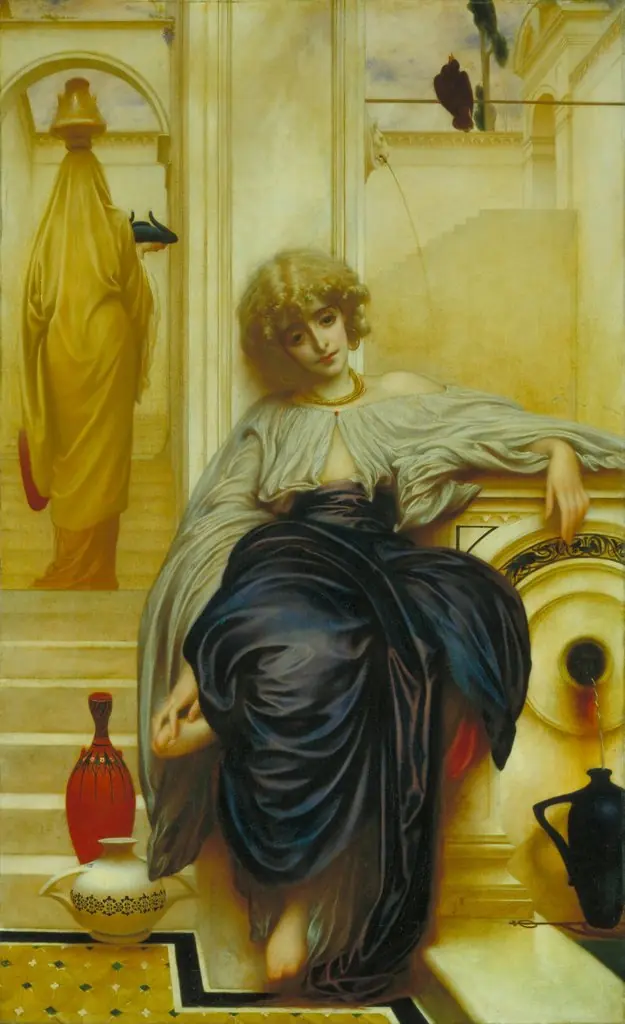 Lieder ohne Worte
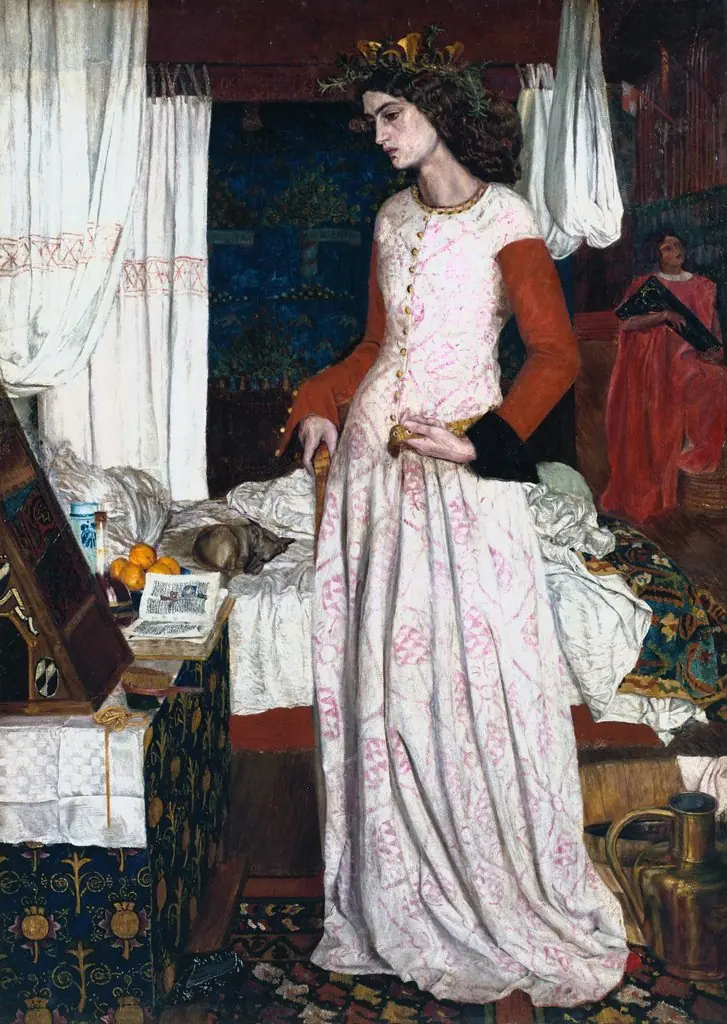 La Belle Iseult
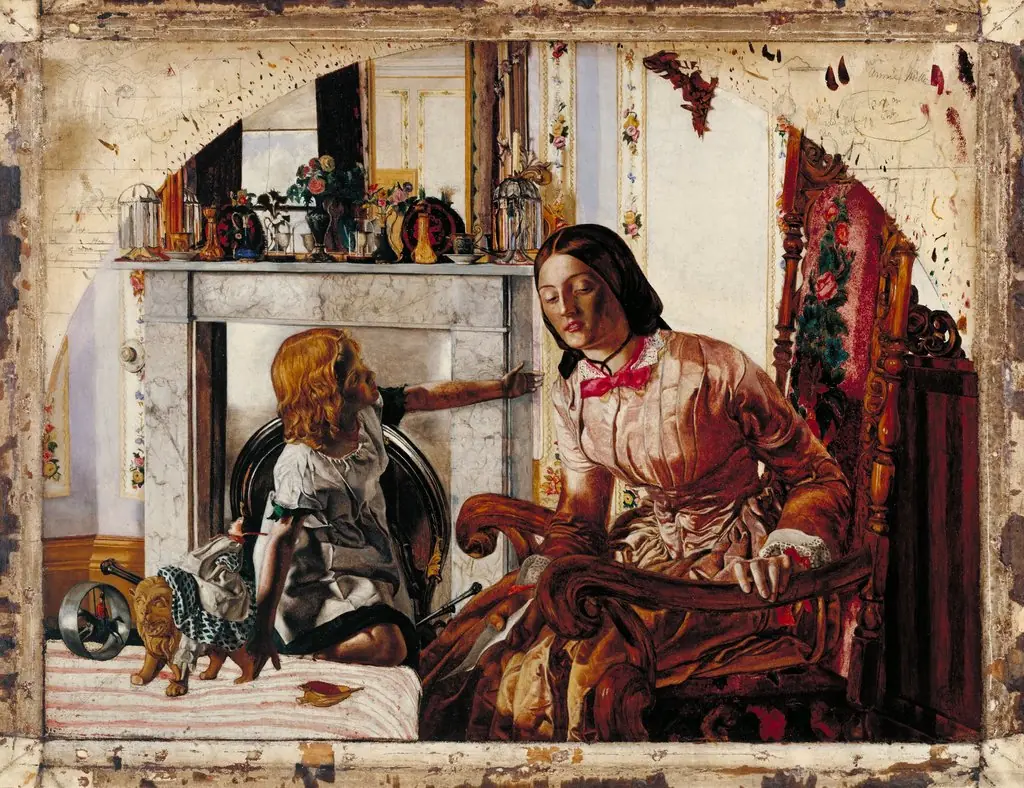 Mother and Child
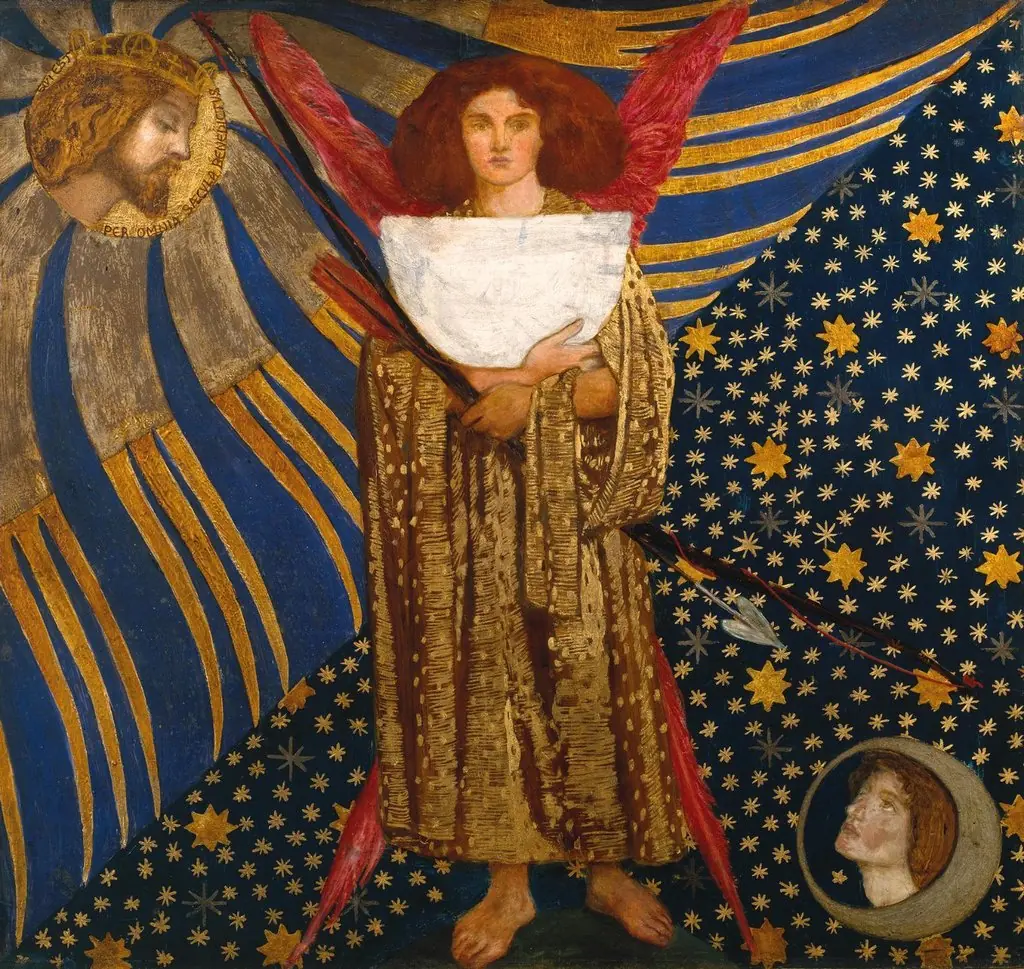 Dantis Amor
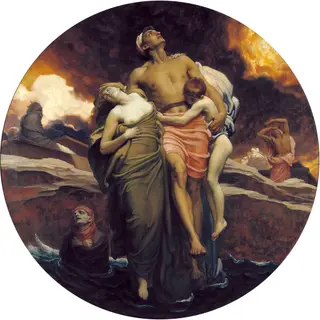 And the Sea Gave Up the Dead Which Were in It
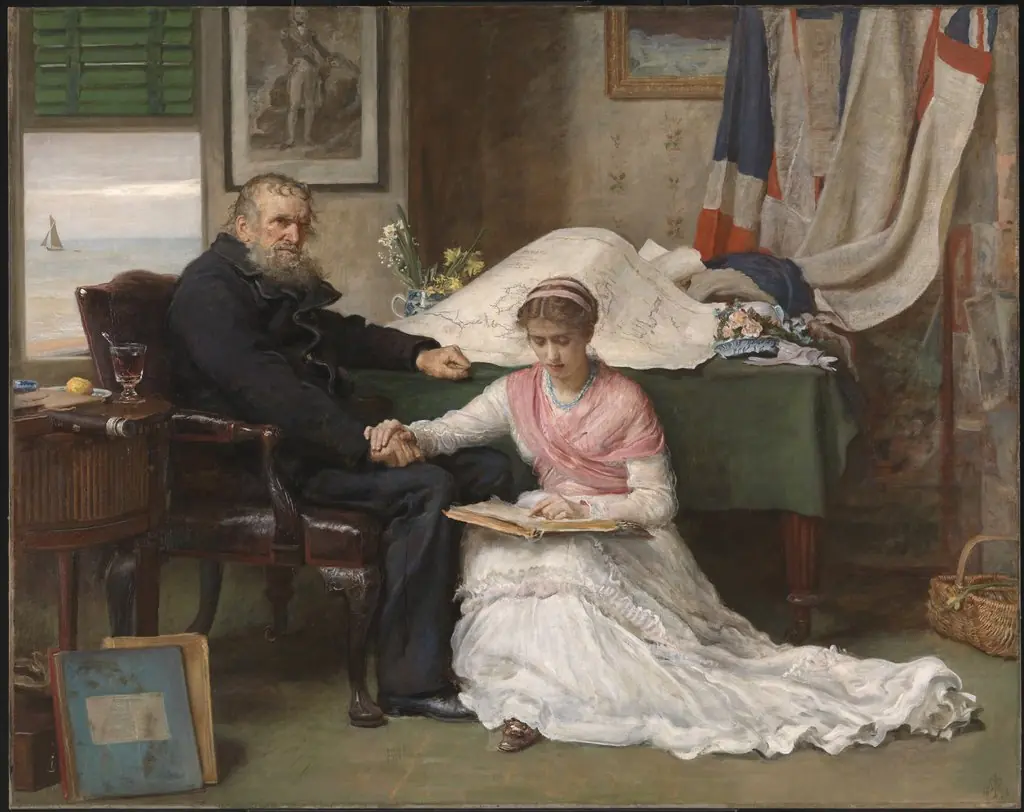 The North-West Passage
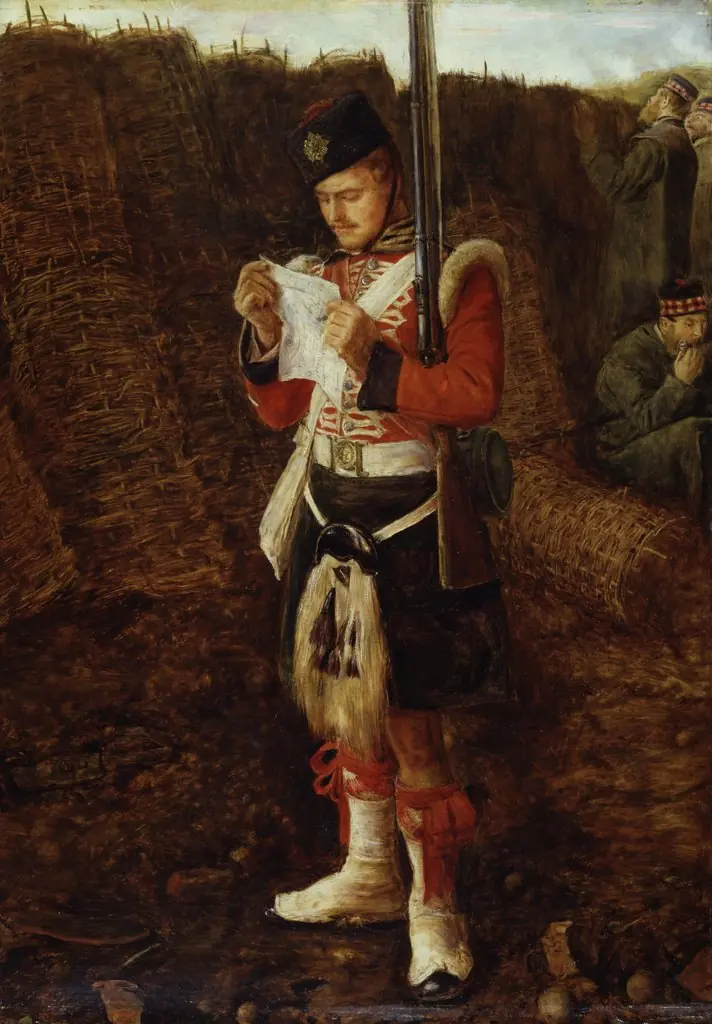 News from Home
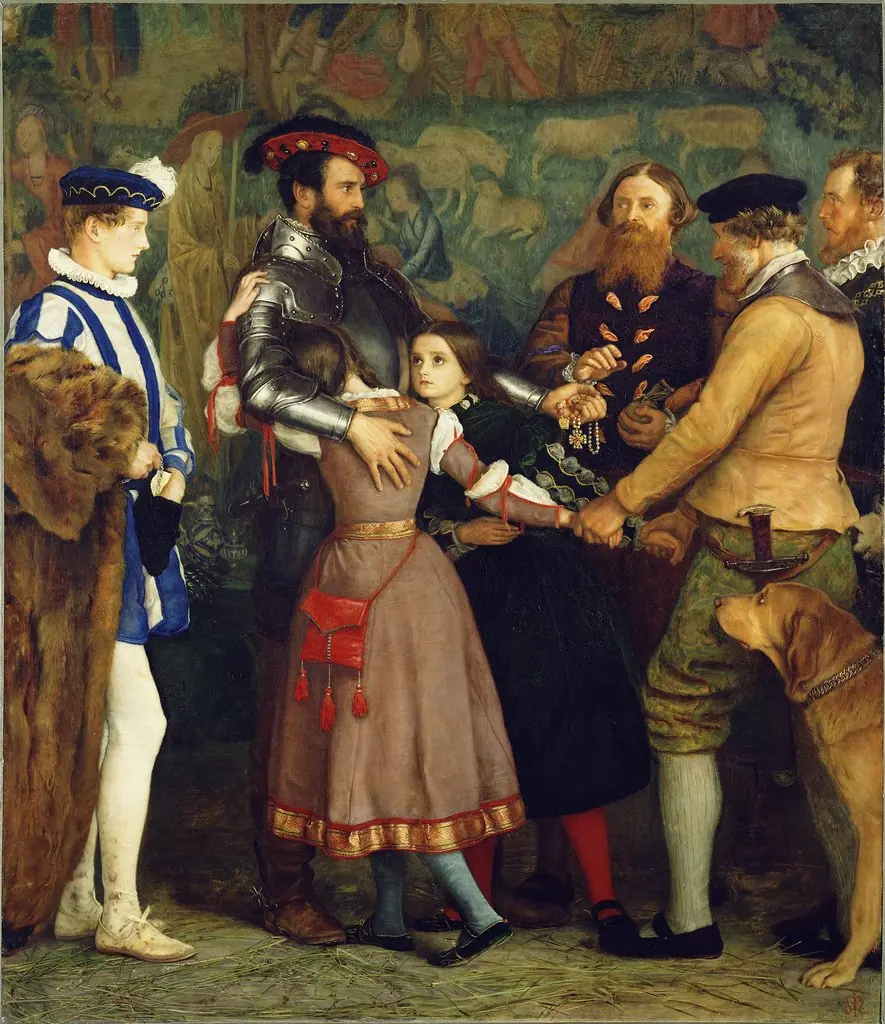 The Ransom
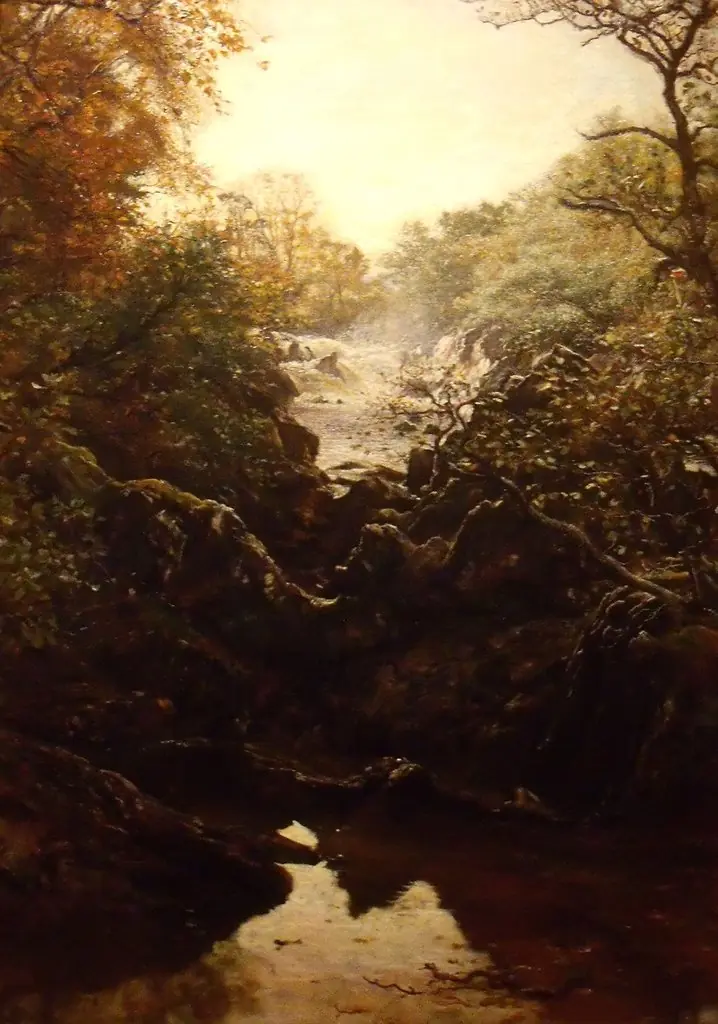 Saint Martin's Summer
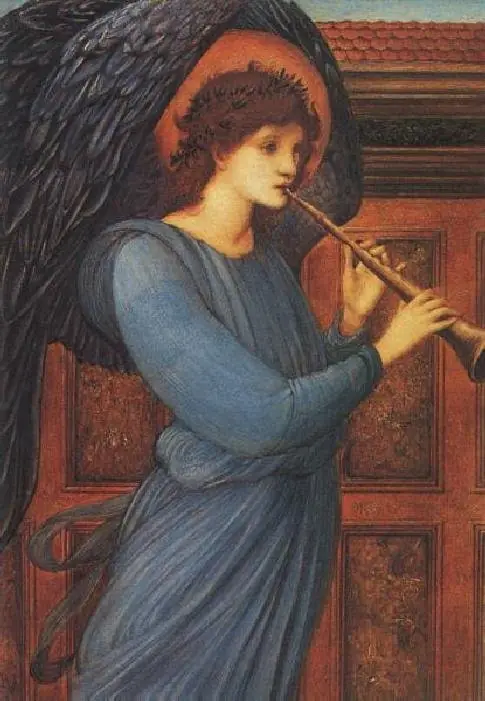 The Angel
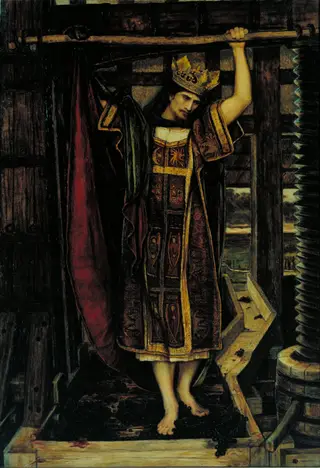 The Wine Press
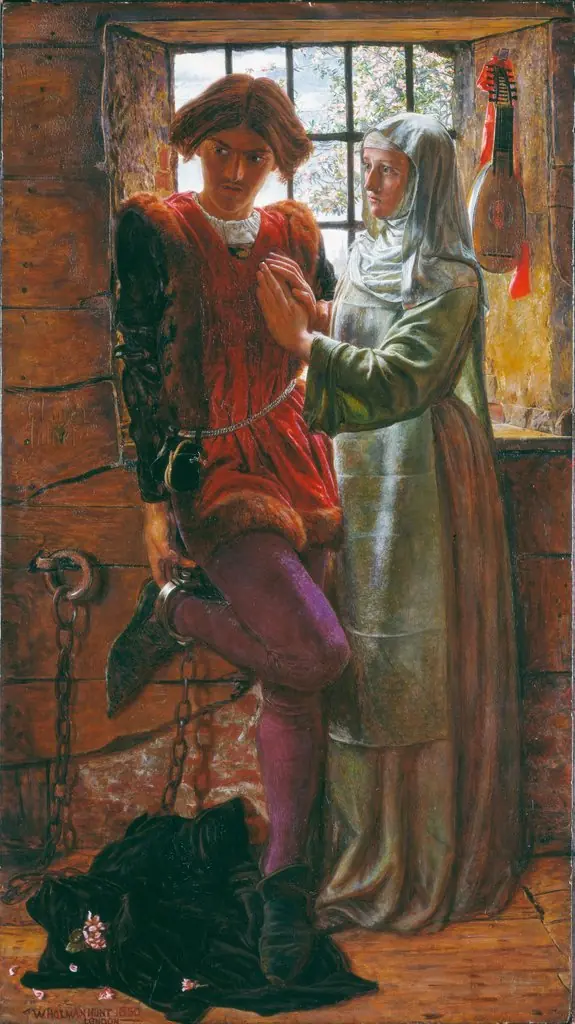 Claudio and Isabella
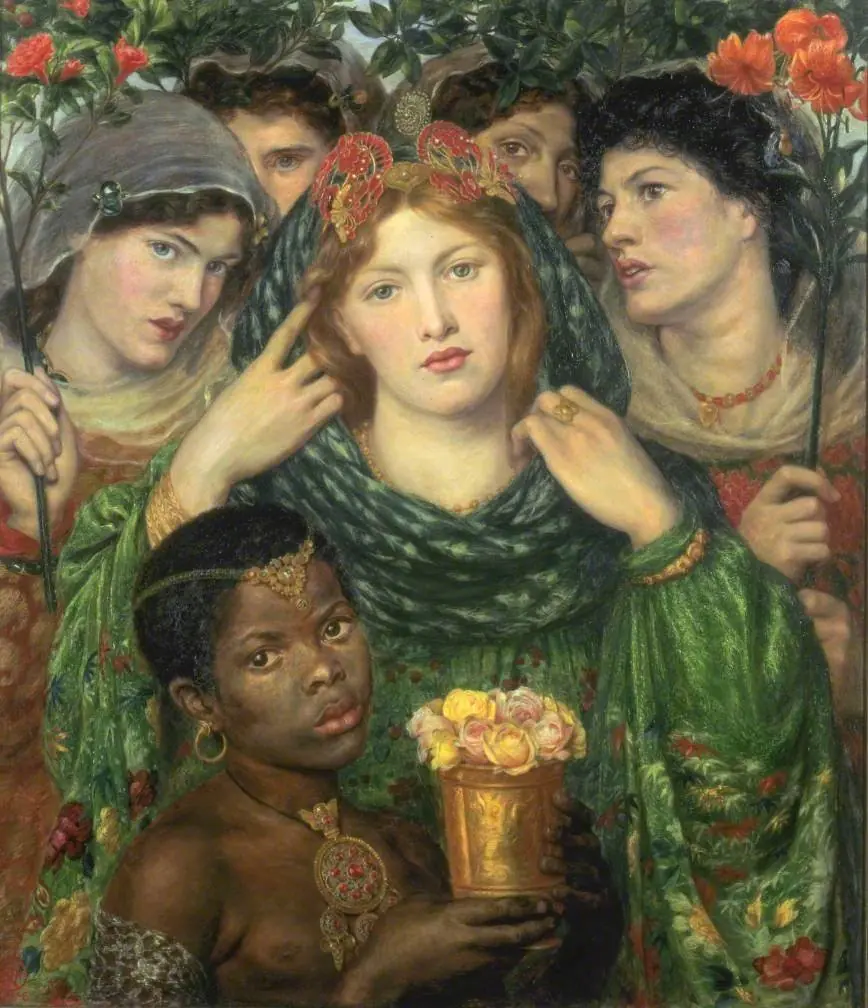 The Beloved
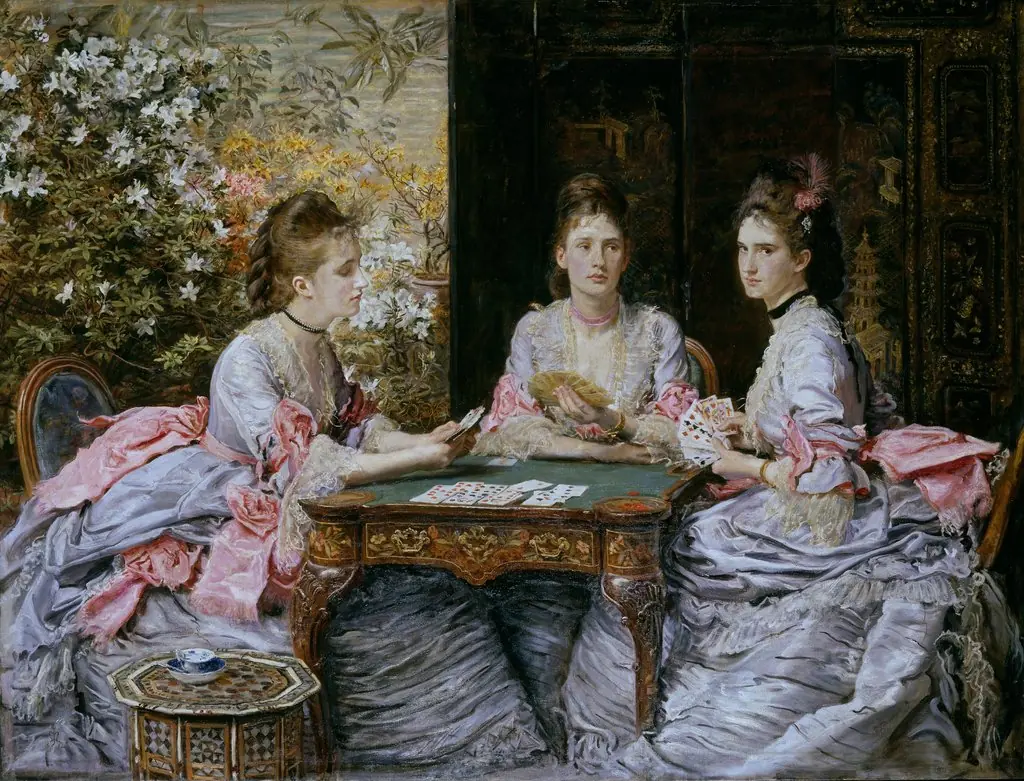 Hearts are Trumps
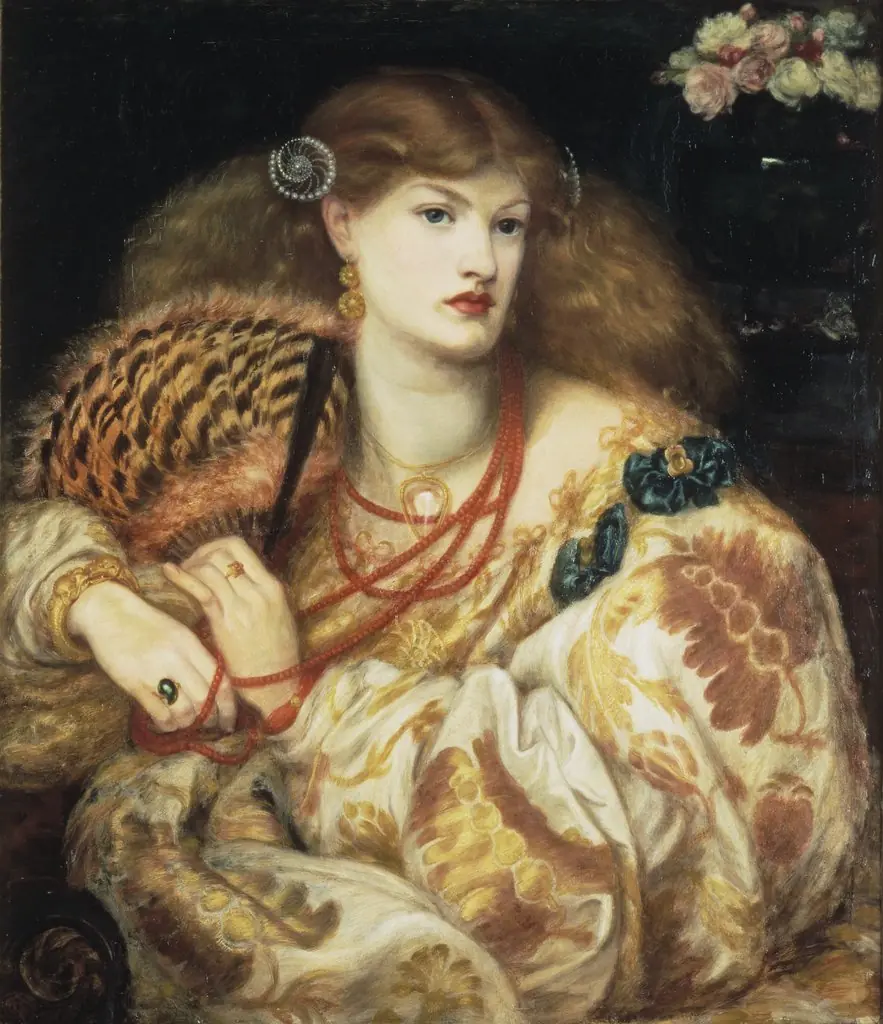 Monna Vanna
 Gretchen
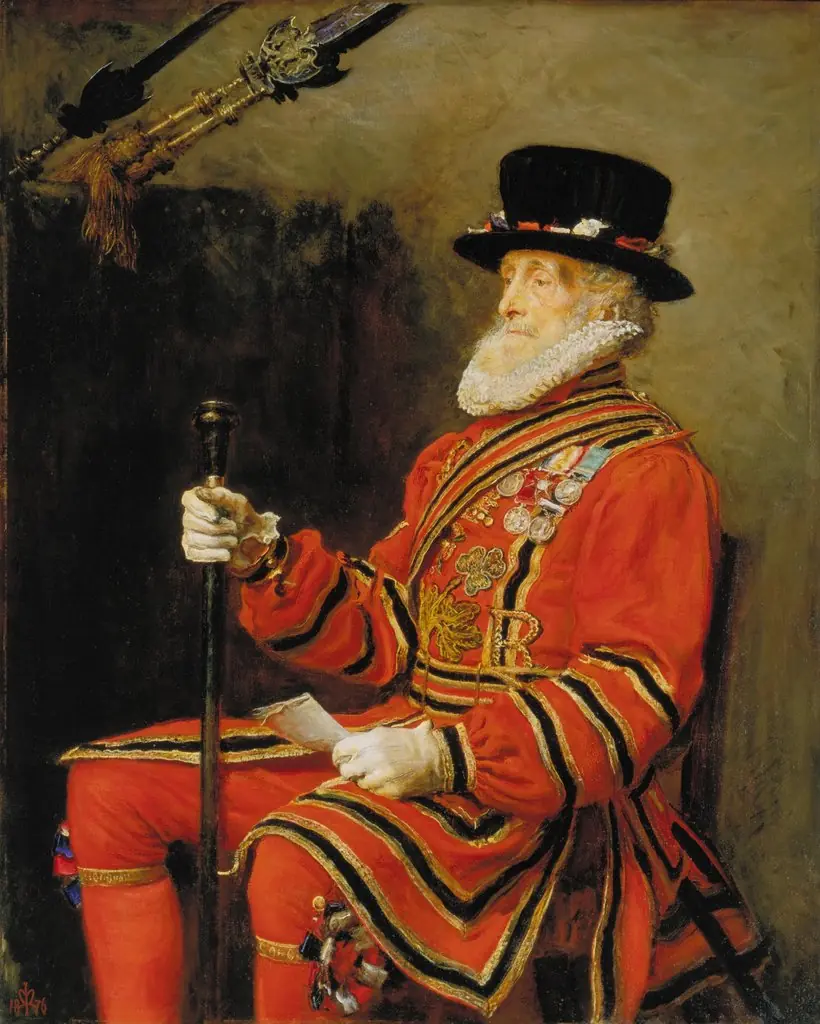 The Yeoman of the Guard
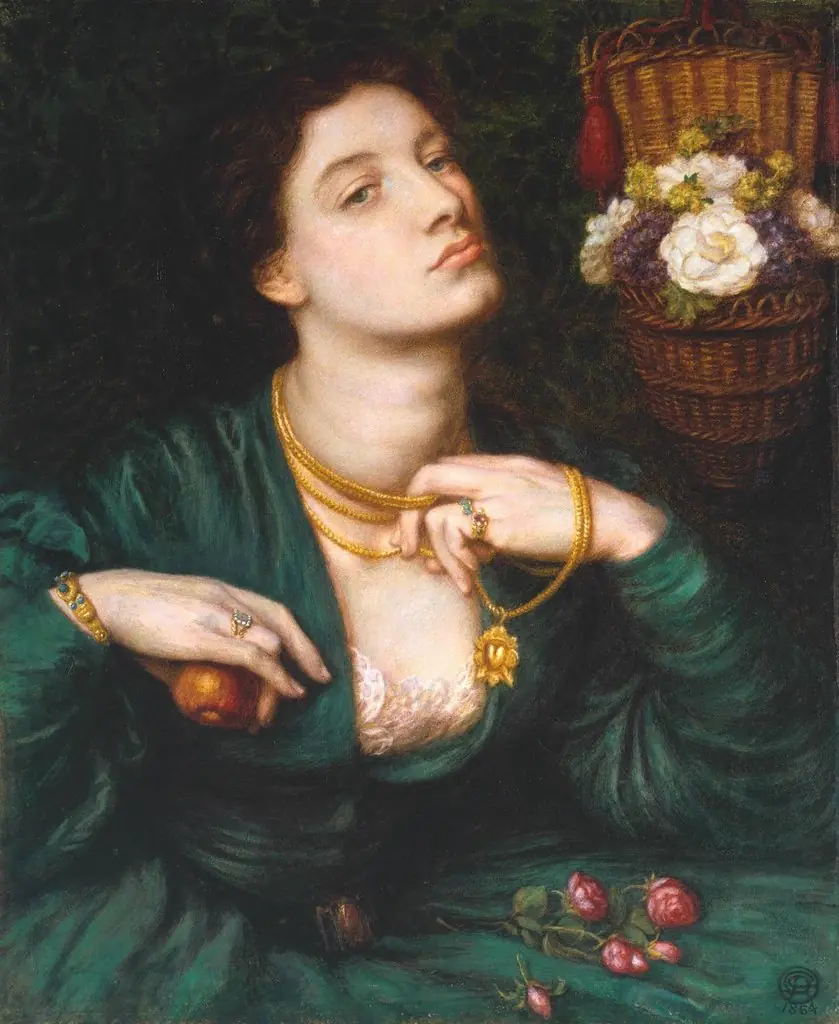 Monna Pomona
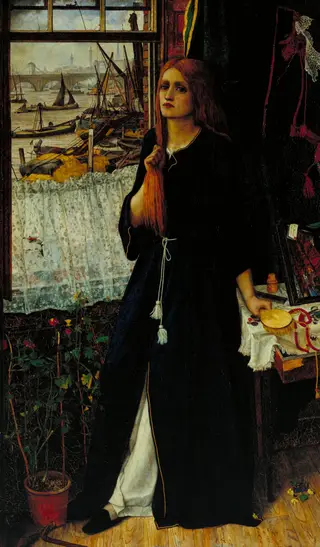 Thoughts of the Past
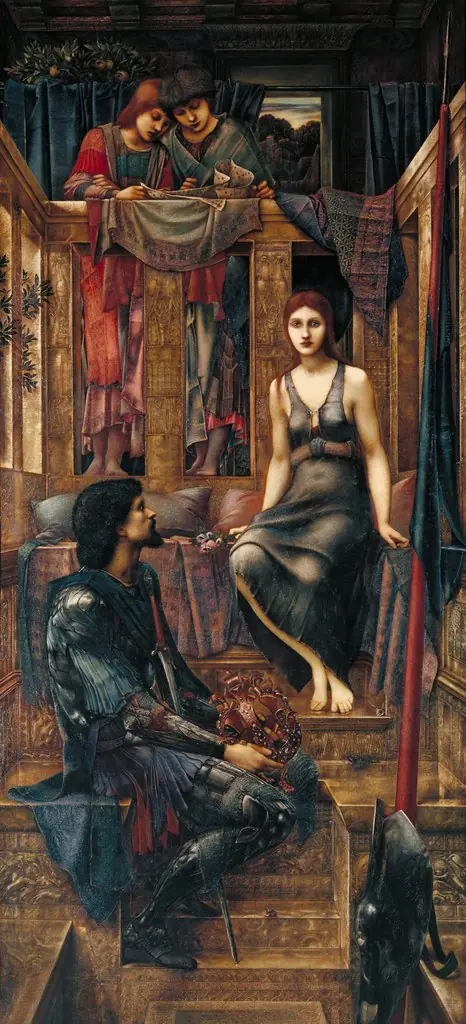 King Cophetua and the Beggar Maid
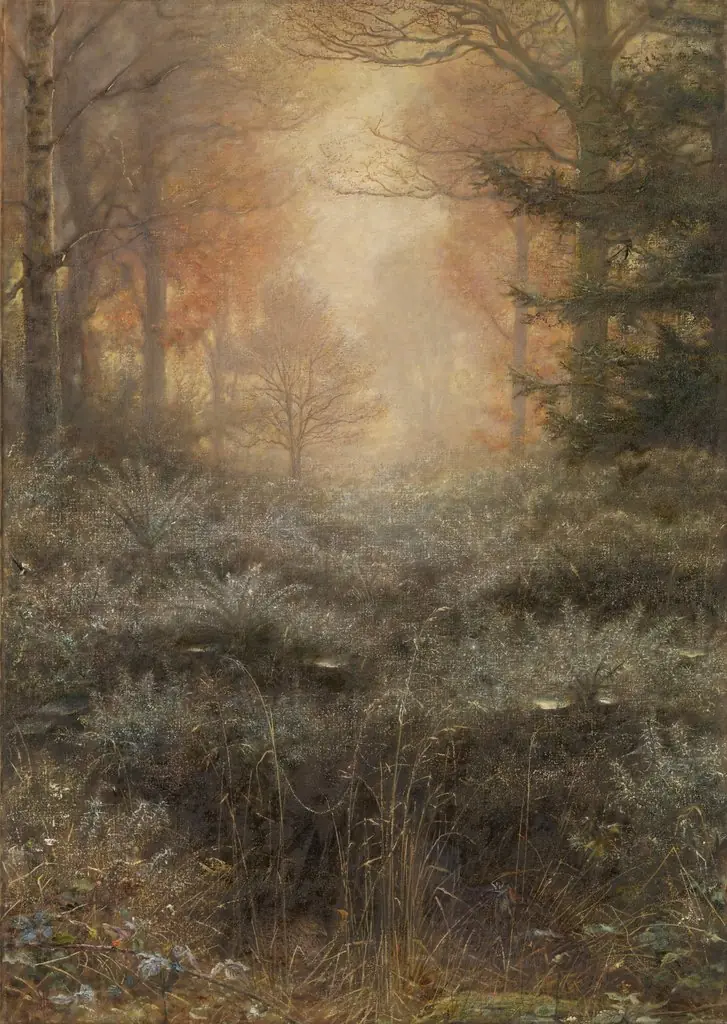 Dew-Drenched Furze
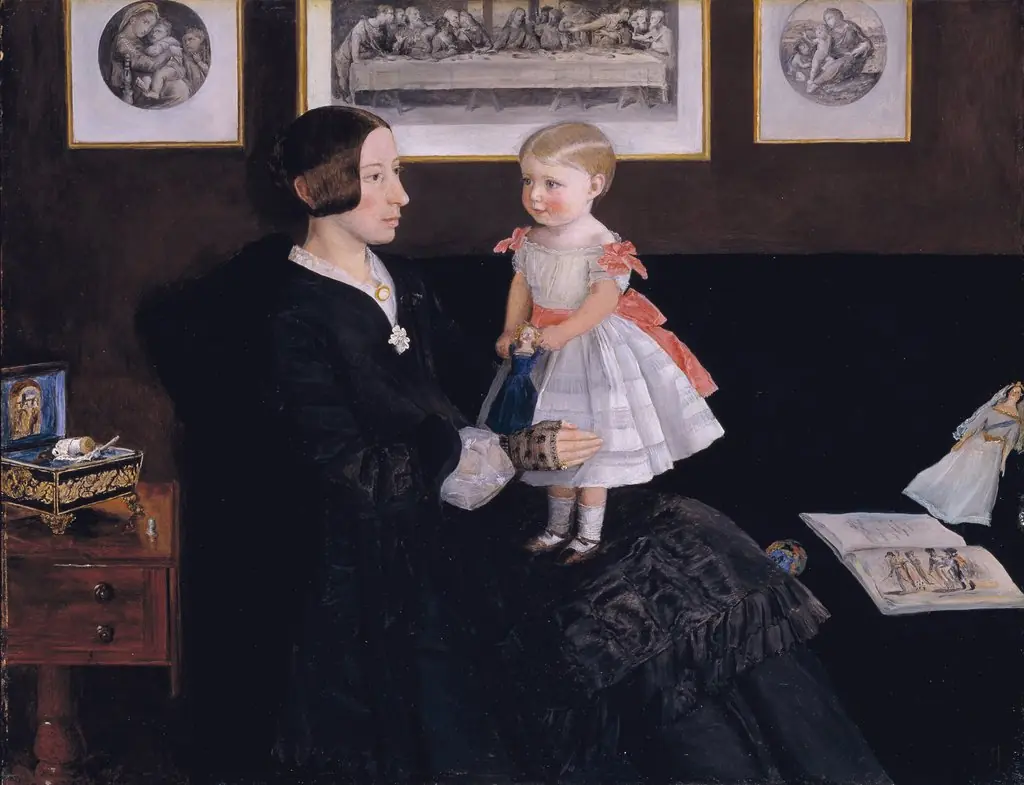 Mrs James Wyatt Jr and her Daughter Sarah
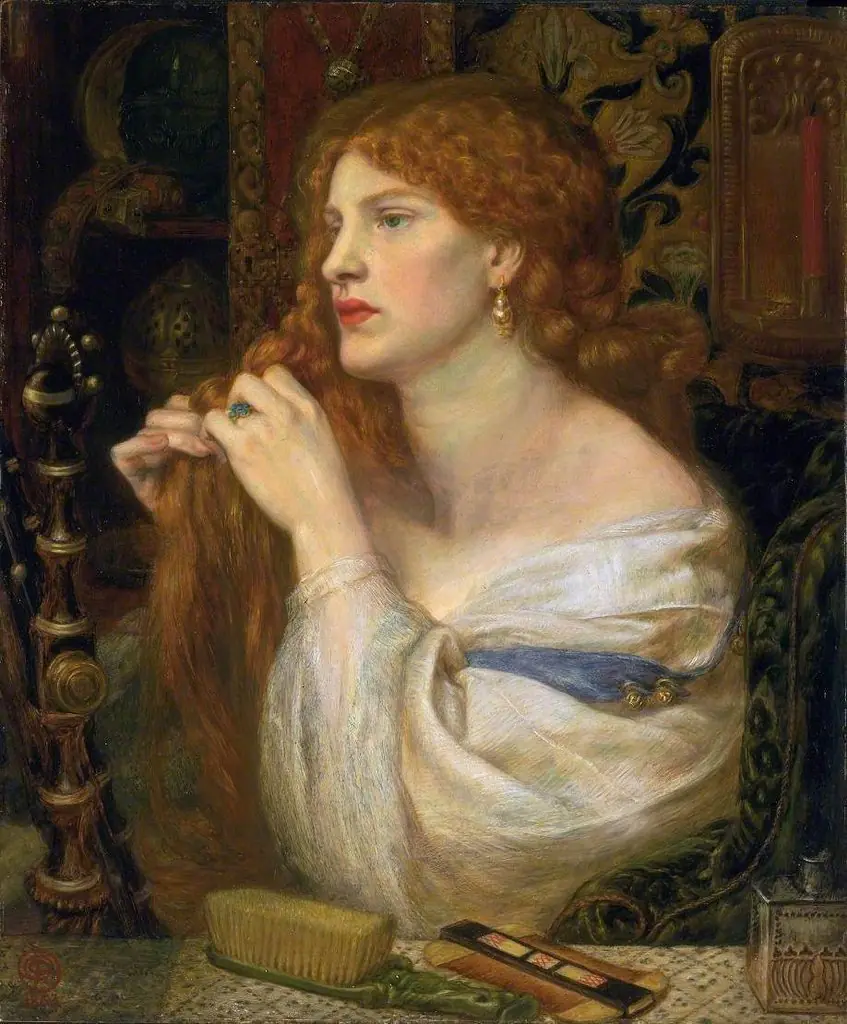 Fazio's Mistress
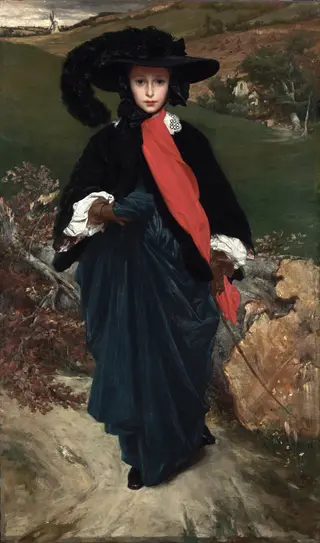 Portrait of May Sartoris
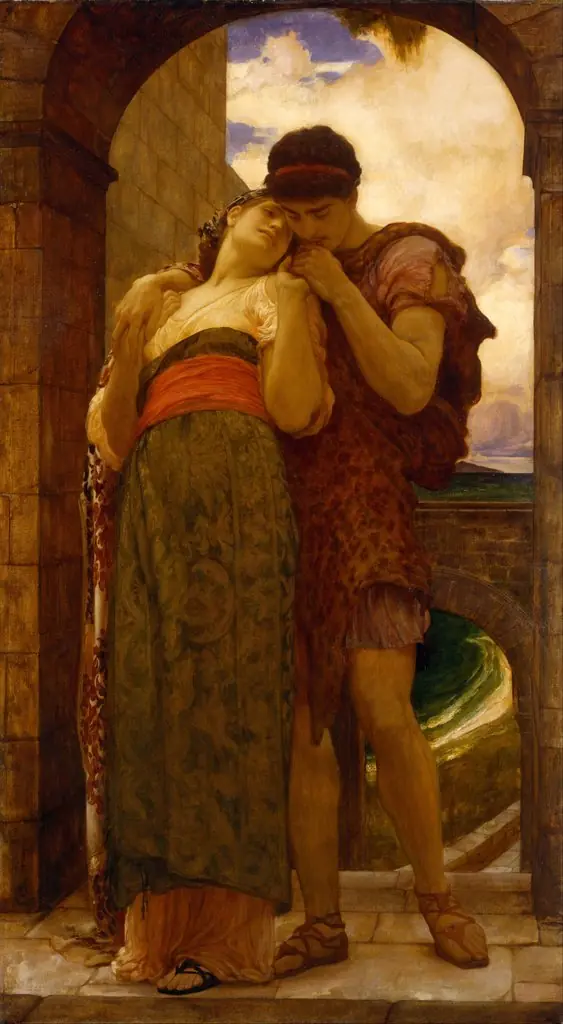 Wedded
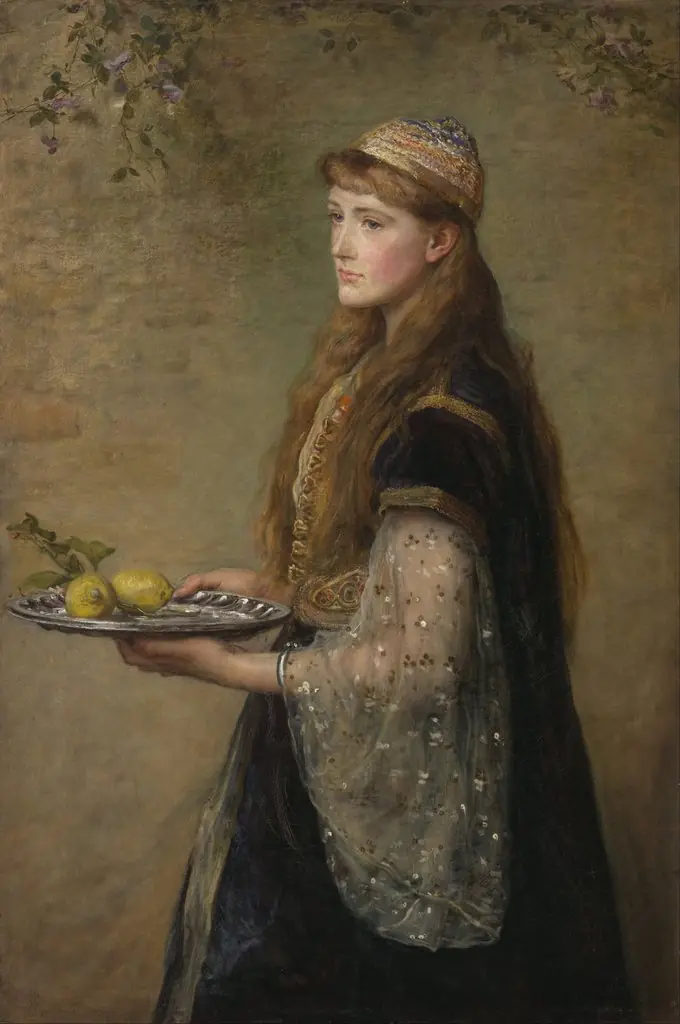 The captive
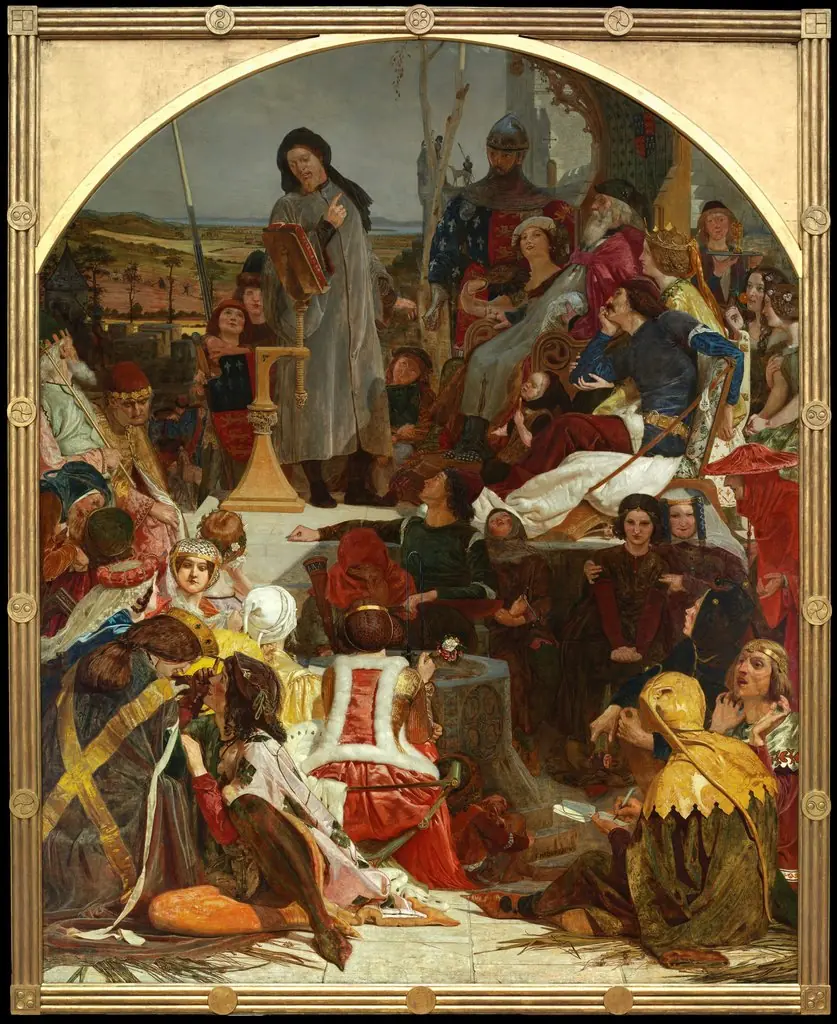 Chaucer at the court of Edward III
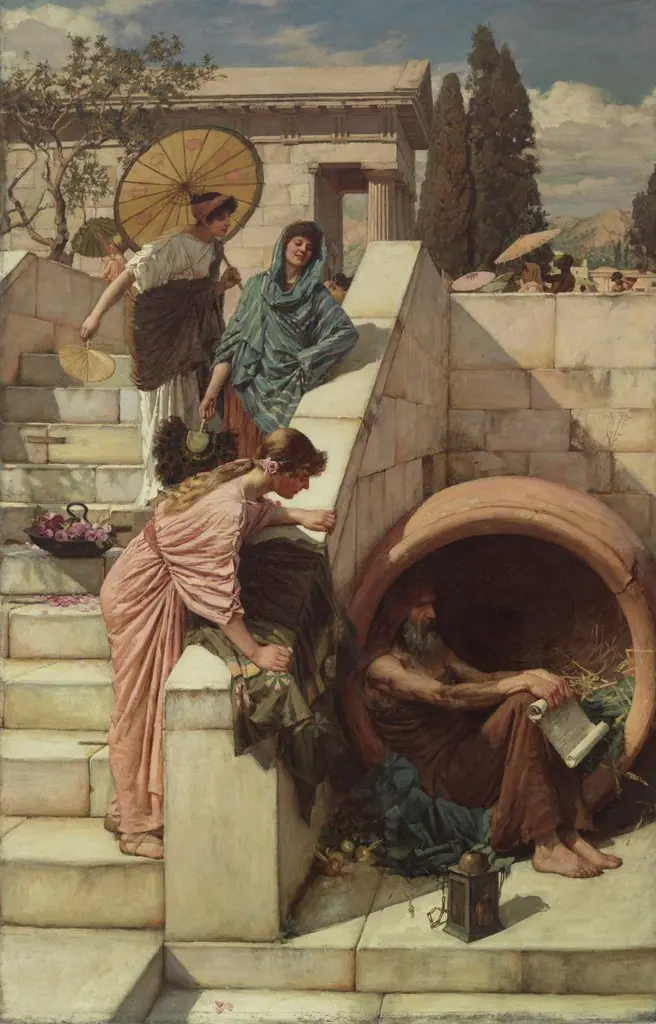 Diogenes
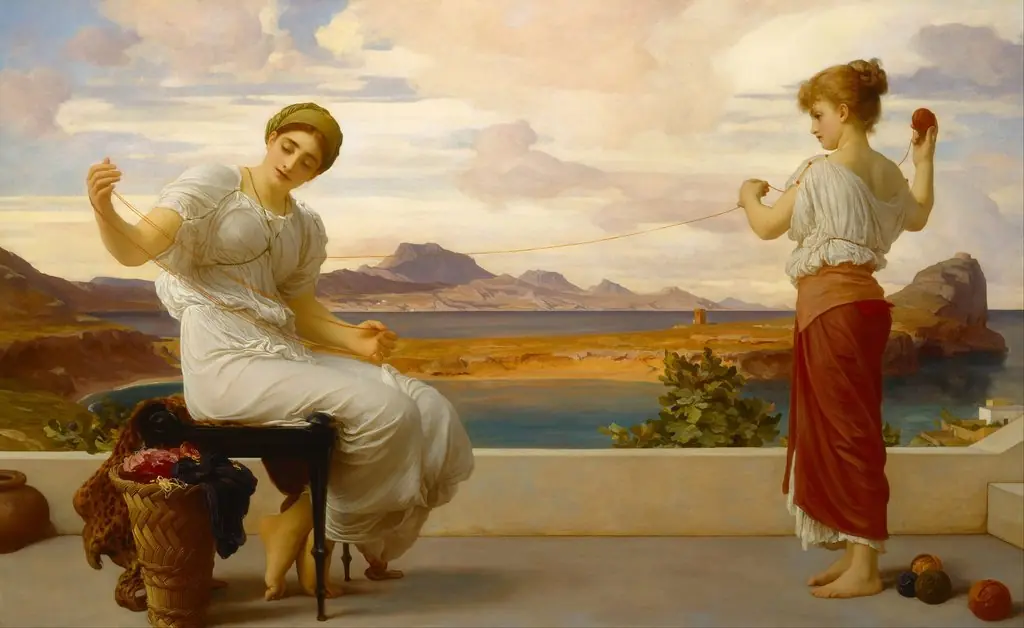 Winding the skein
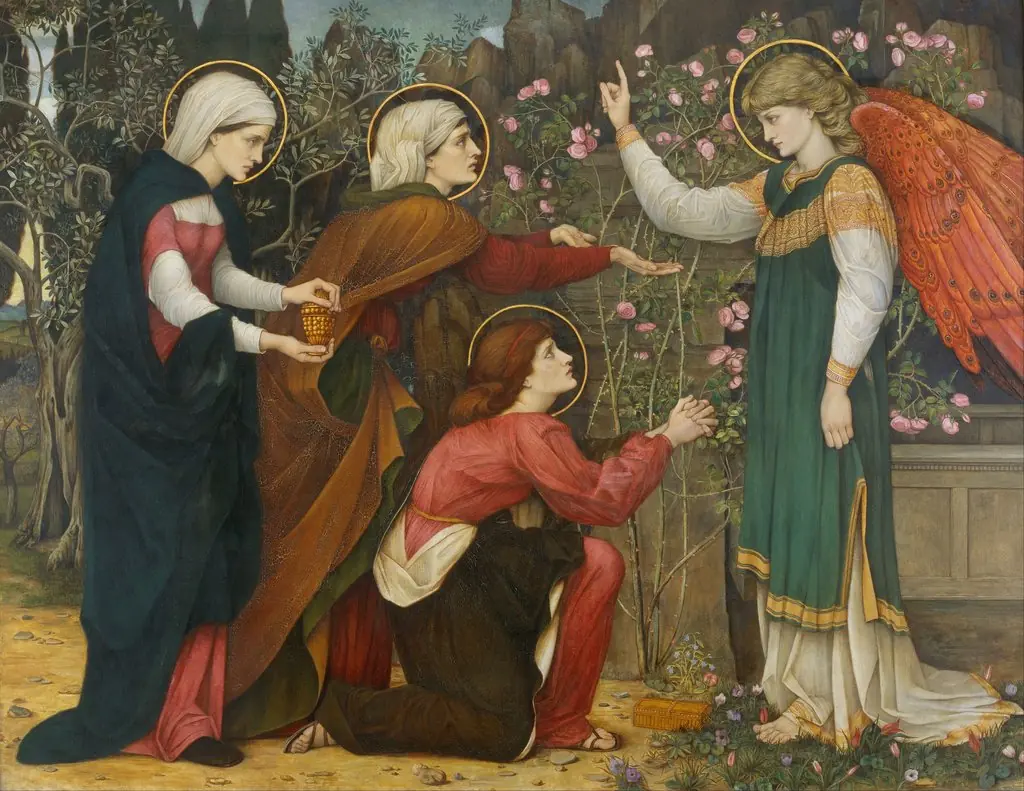 "Why seek ye the living among the dead?" ...
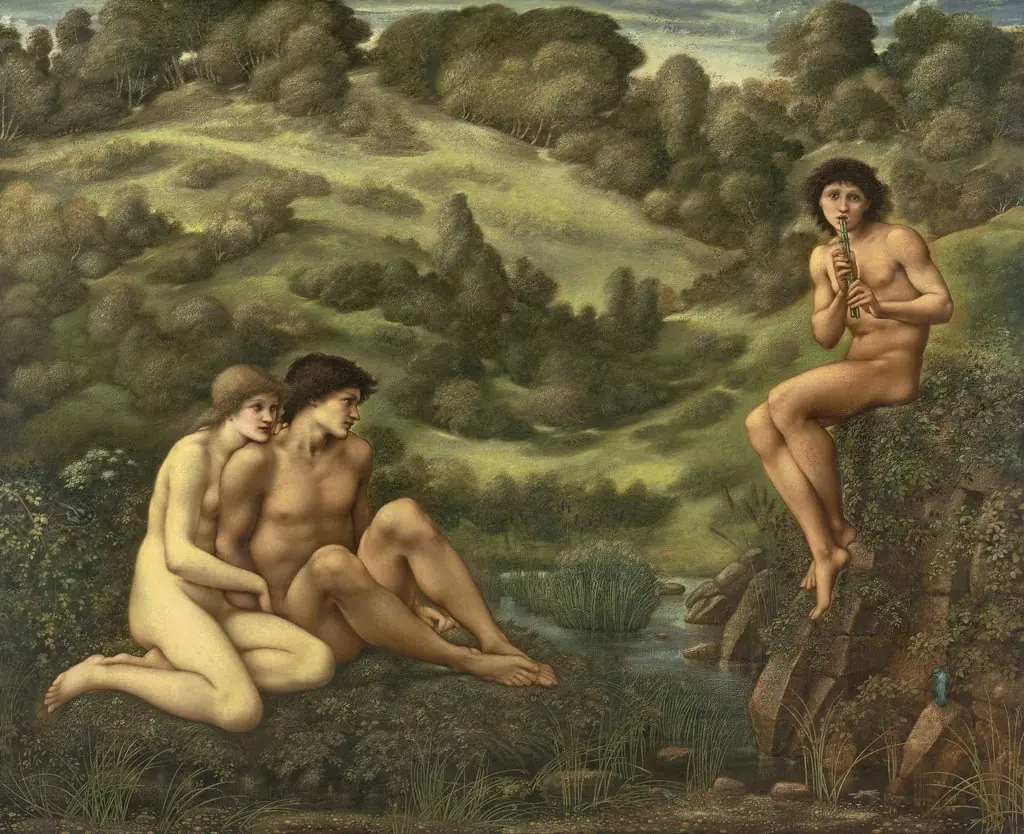 The Garden of Pan
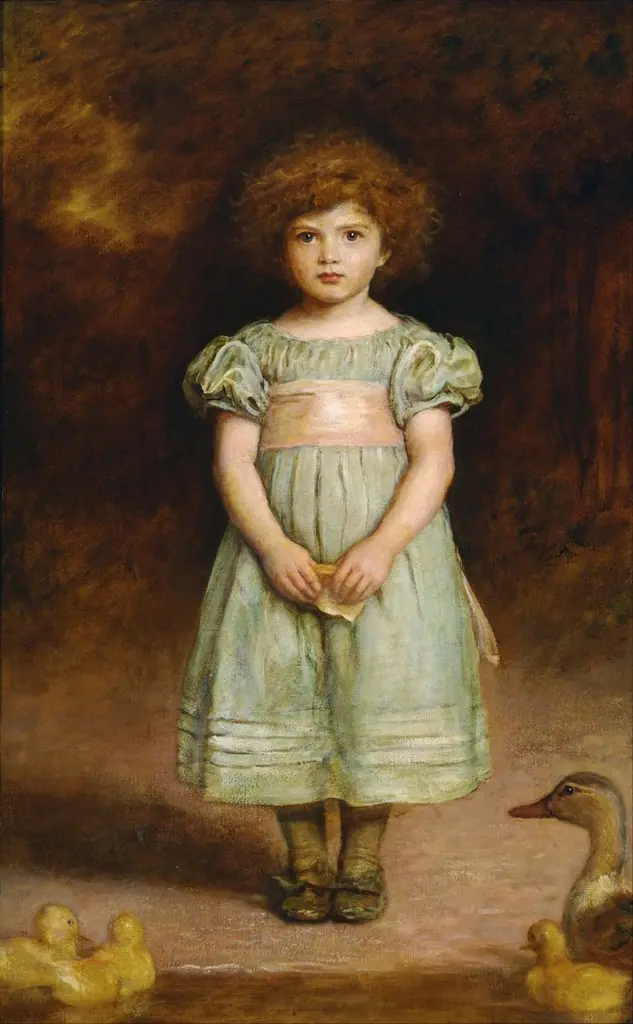 Ducklings
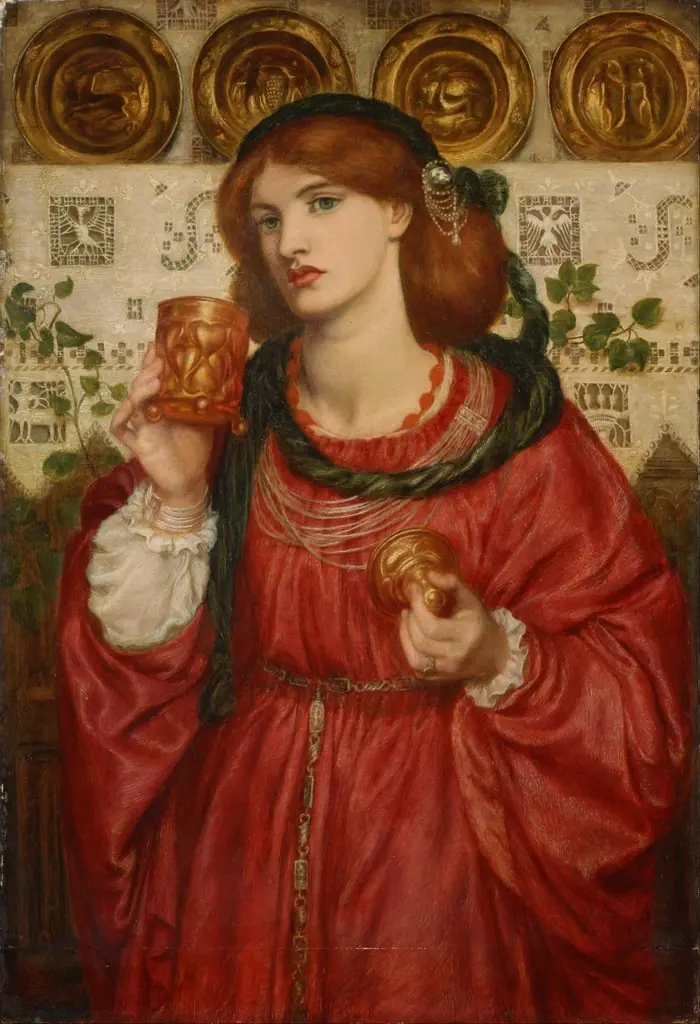 The Loving Cup
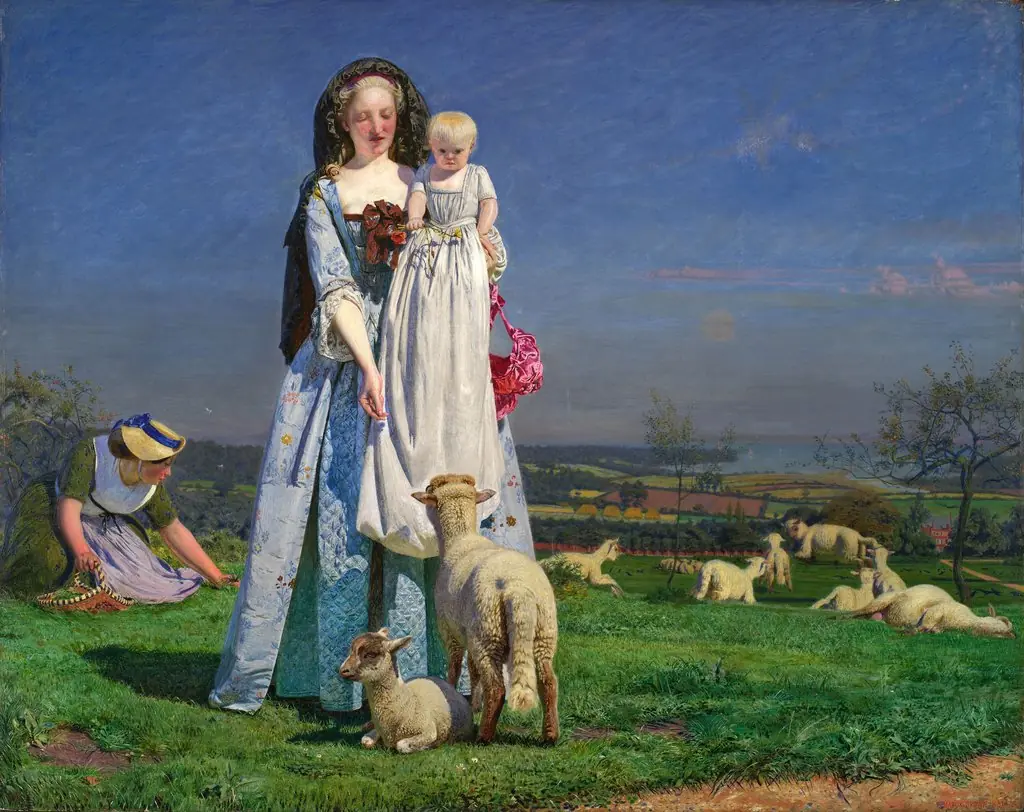 The pretty Baa-Lambs
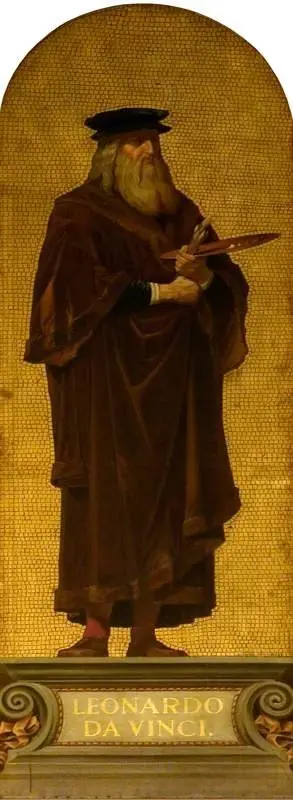 Leonardo da Vinci (1452–1519) (design for a mosaic in the Victoria and Albert Museum)
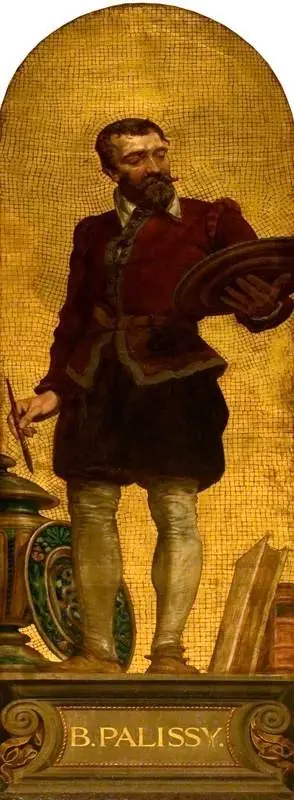 Bernard Palissy (1510–1589) (design for a mosaic in the Victoria and Albert Museum)
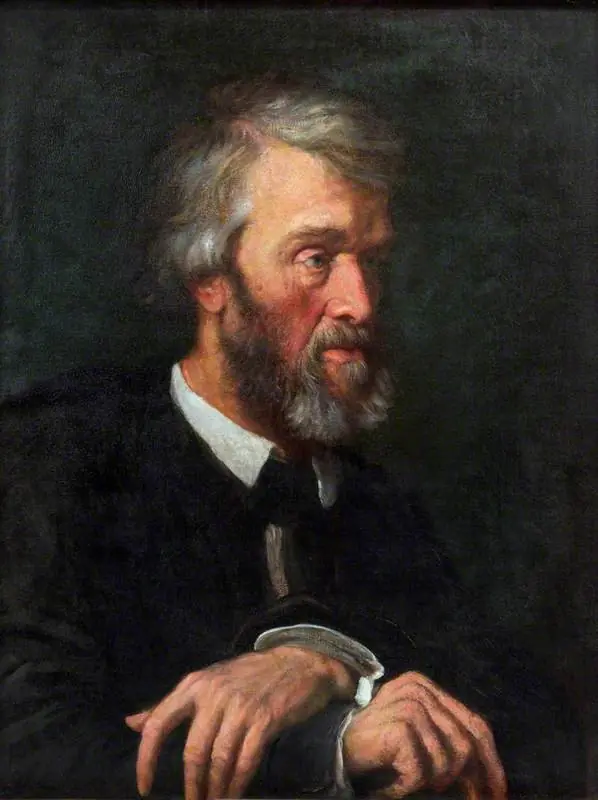 Thomas Carlyle (1795–1881)
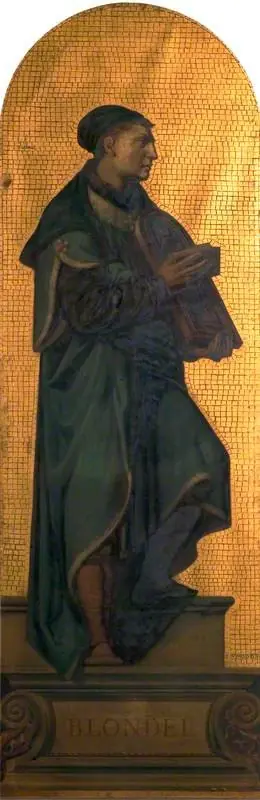 Lancelot Blondeel (1498–1561) (design for a mosaic in the Victoria and Albert Museum)
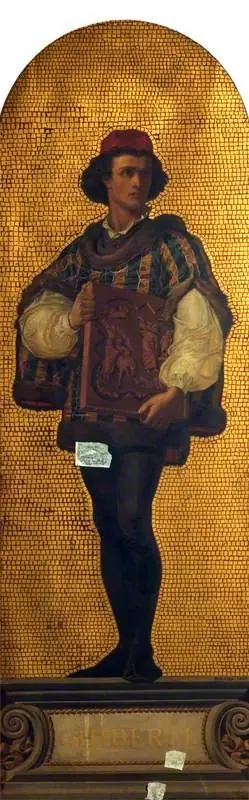 Ghiberti (1378–1455) (design for a mosaic in the Victoria and Albert Museum)
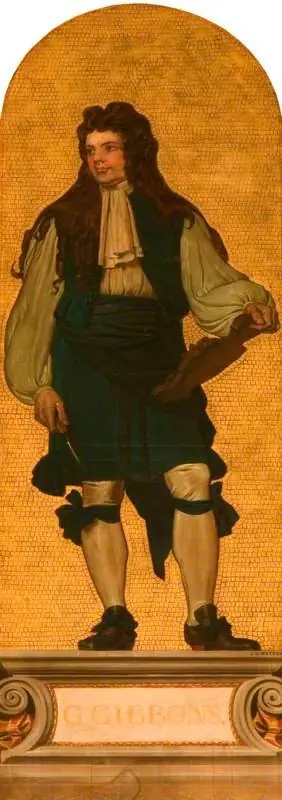 Grinling Gibbons (1648–1721) (design for a mosaic in the Victoria and Albert Museum)
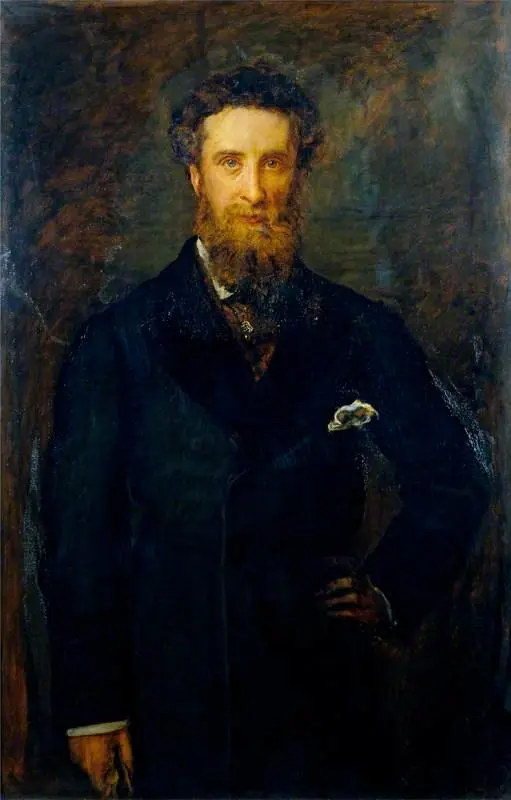 Edward Robert Bulwer Lytton (1831–1891), 1st Earl Lytton
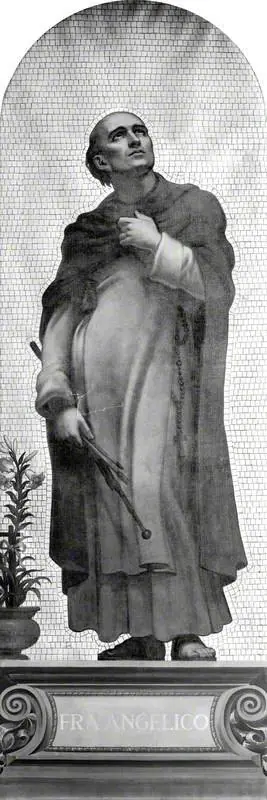 Fra Angelico (c.1395–1455) (design for a mosaic in the Victoria and Albert Museum)
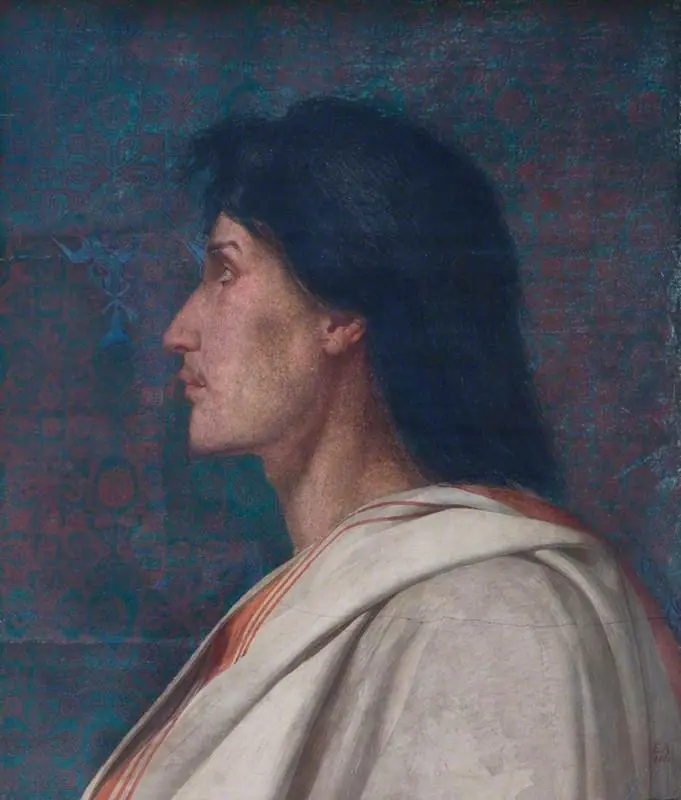 Saint Simon
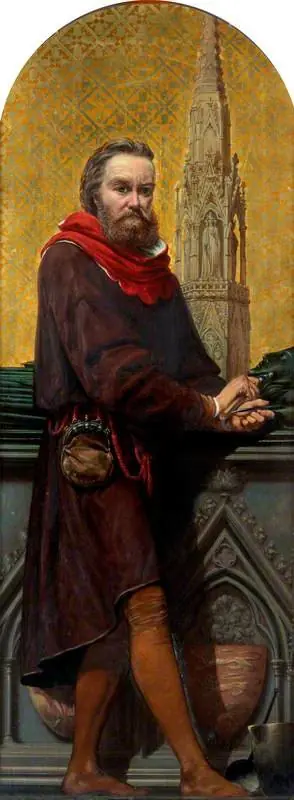 William Torrel (1291–1303) (design for a mosaic in the Victoria and Albert Museum)
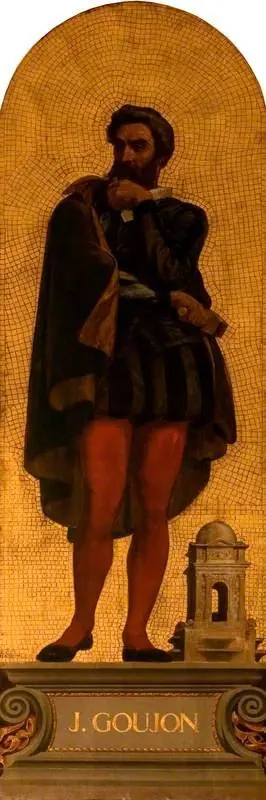 Jean Goujon (c.1510–1565) (design for a mosaic in the Victoria and Albert Museum)
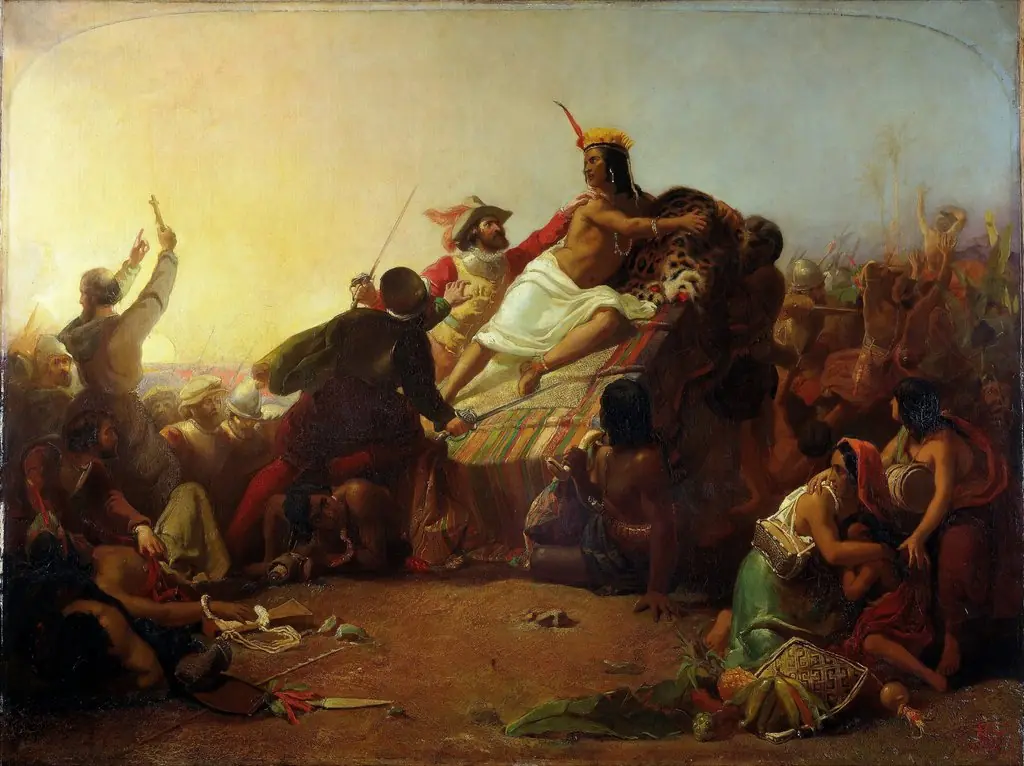 Pizarro Seizing the Inca of Peru
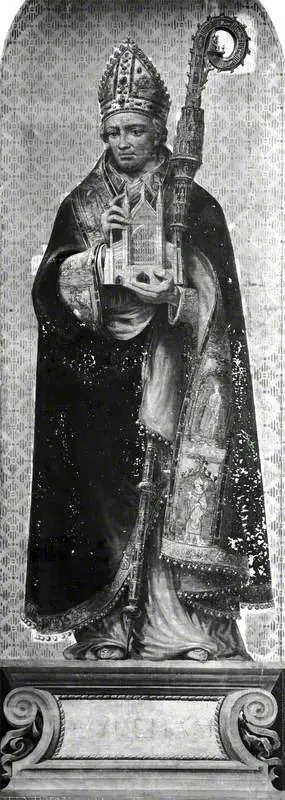 William of Wykeham (1320–1404) (design for a mosaic in the Victoria and Albert Museum)
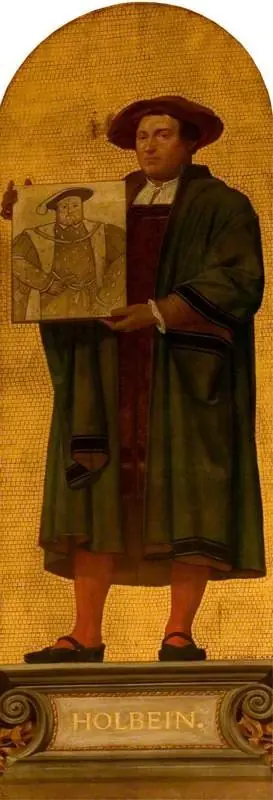 Hans Holbein (c.1497–1543) (design for a mosaic in the Victoria and Albert Museum)
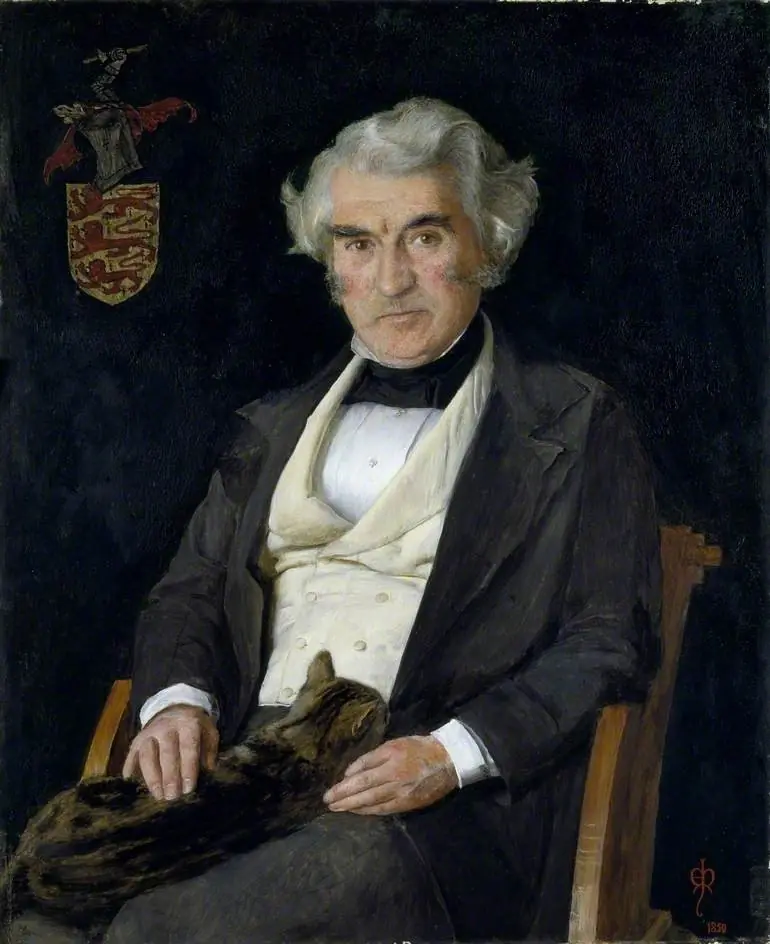 Thomas Combe (1796–1872)
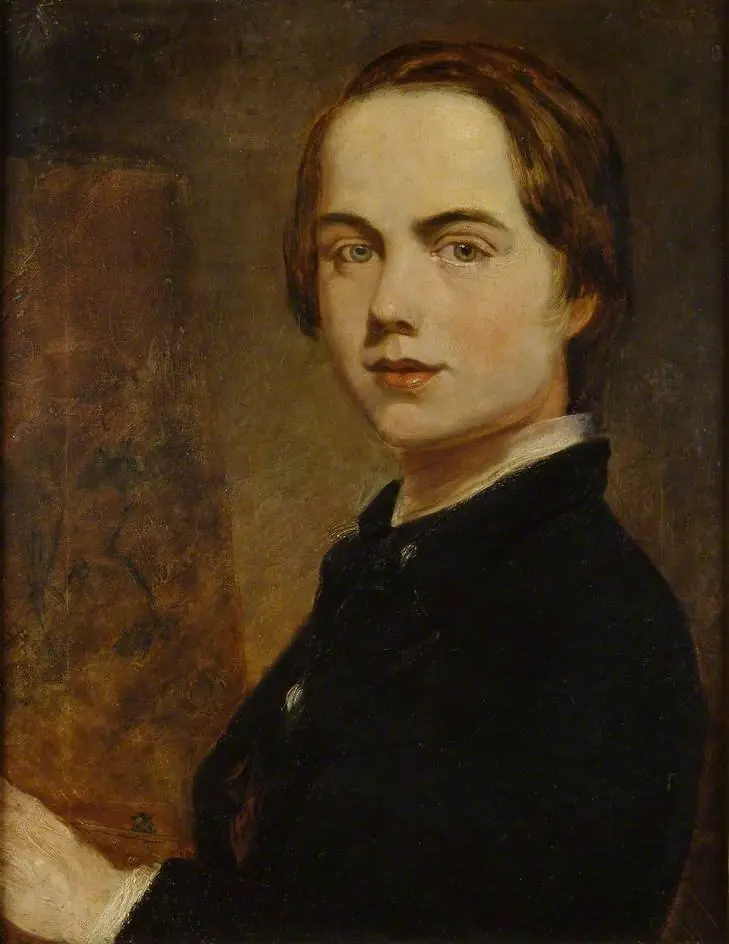 Self-portrait at the Age of 14
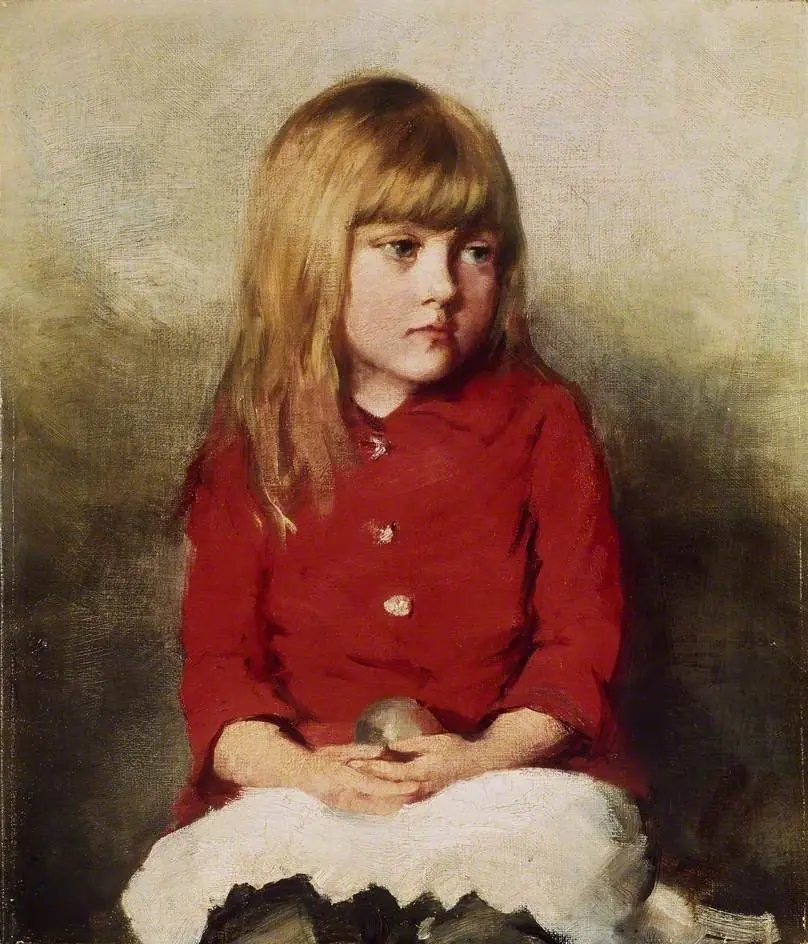 Portrait of a young Girl
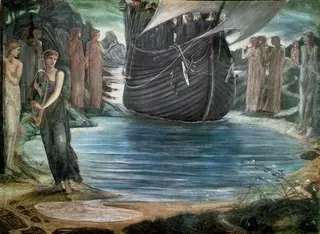 The Sirens
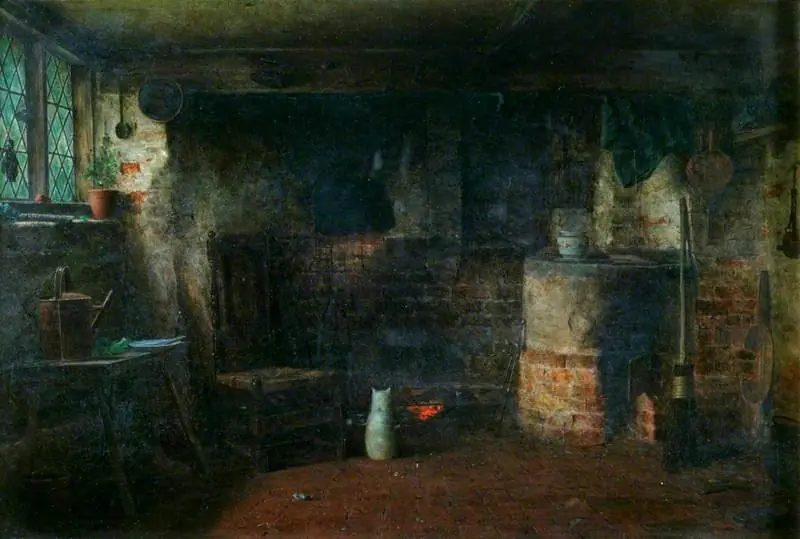 Cottage Interior
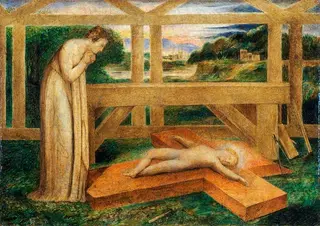 The Christ Child Asleep on the Cross (Our Lady Adoring the Infant Jesus Asleep on the Cross)
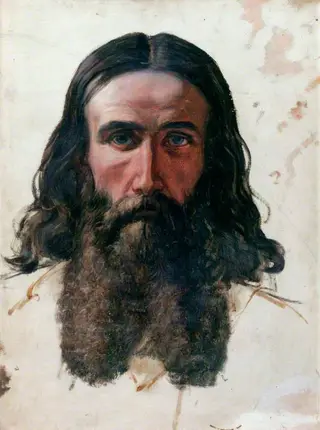 Life Study (Head of Christ)
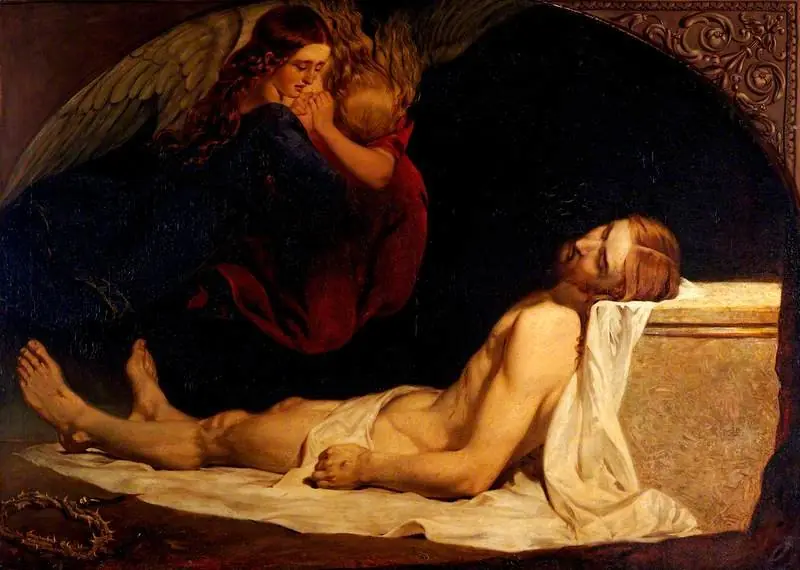 The Sepulchre
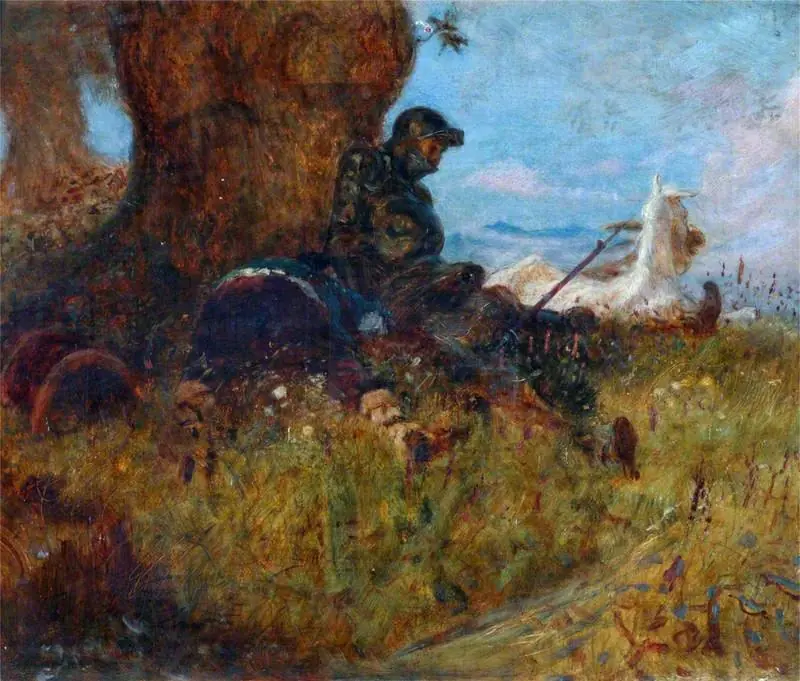 Don Quixote and Rosinante Reposing under a Tree (from Cervantes' novel)
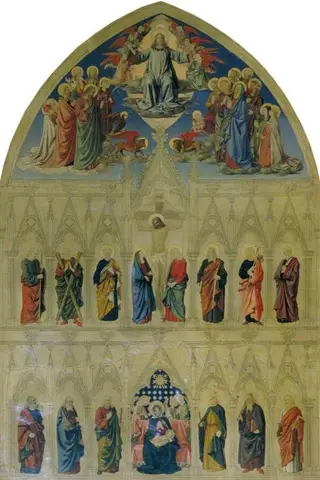 Christ Enthroned with Saints (design for a fresco for All Saints, Margaret Street)
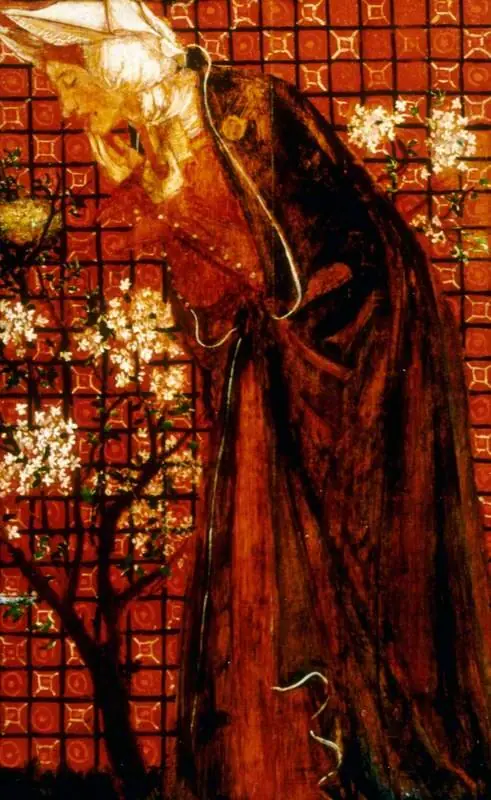 Woman Holding a Small Book
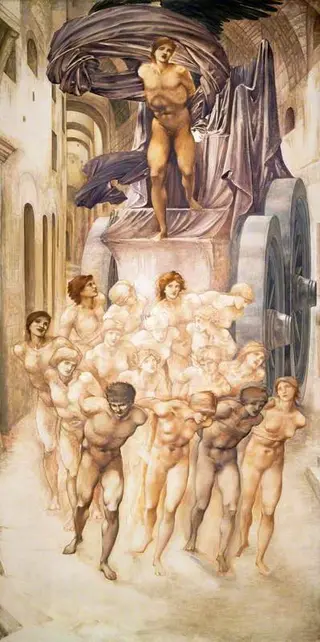 The Car of Love (Love's Wayfaring)
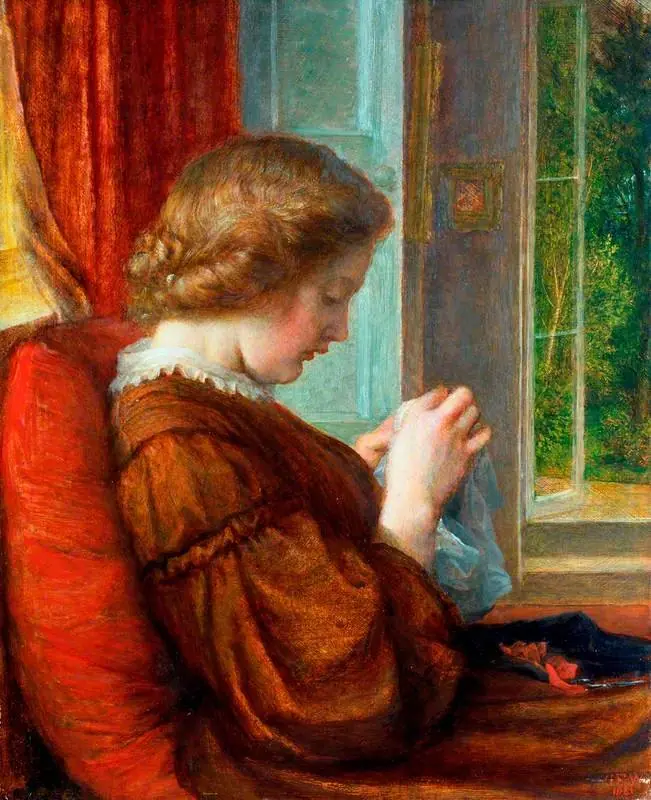 The Window Seat
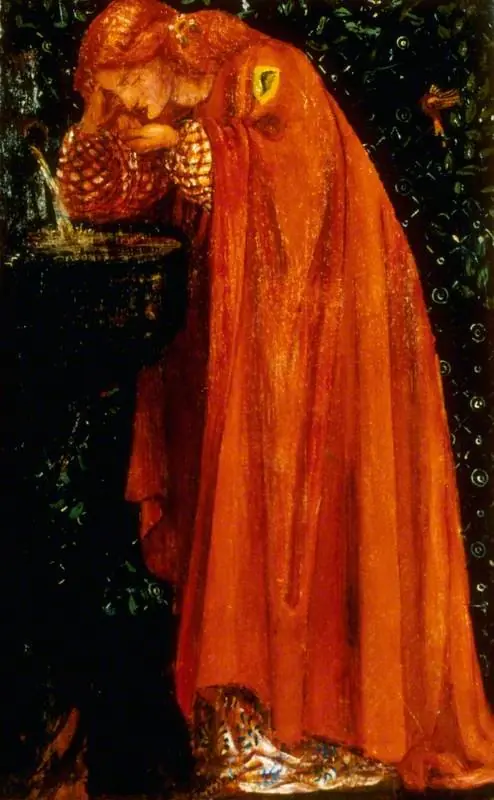 Woman Drinking from a Fountain
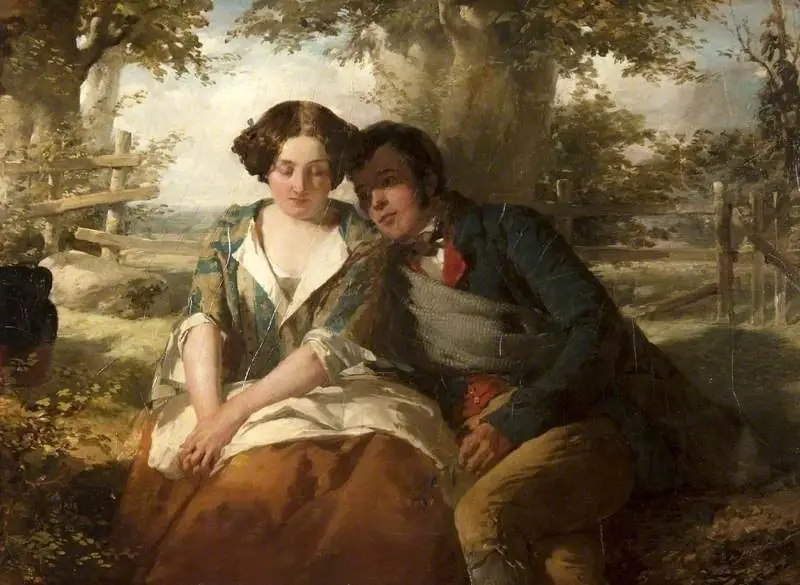 Burns and Highland Mary
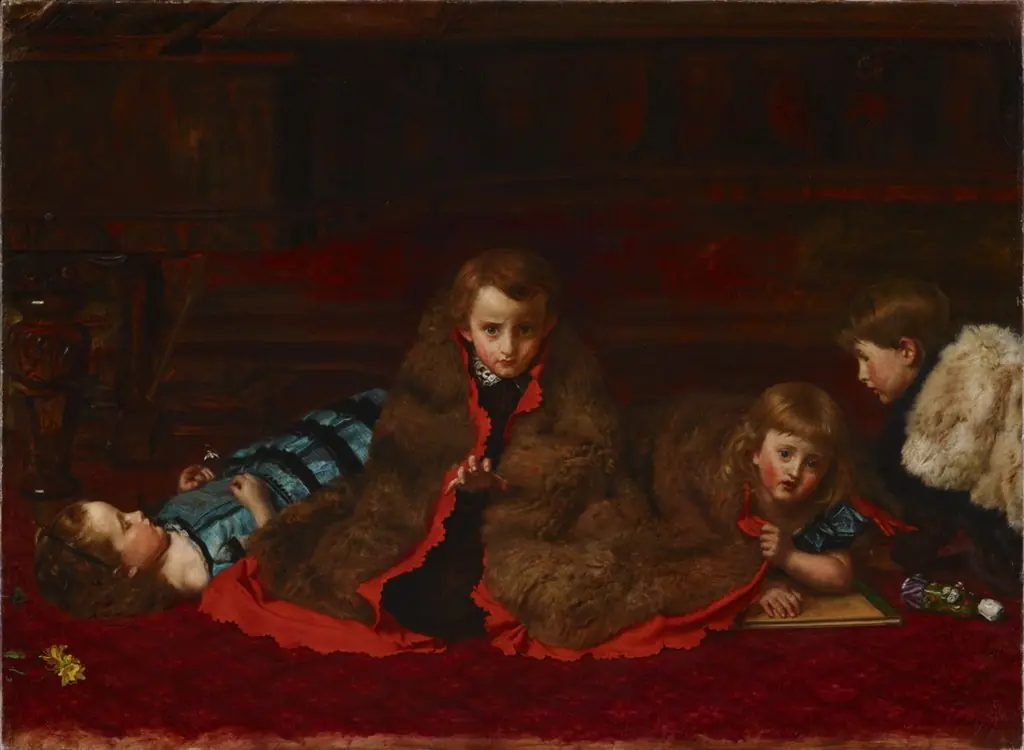 The Wolf’s Den
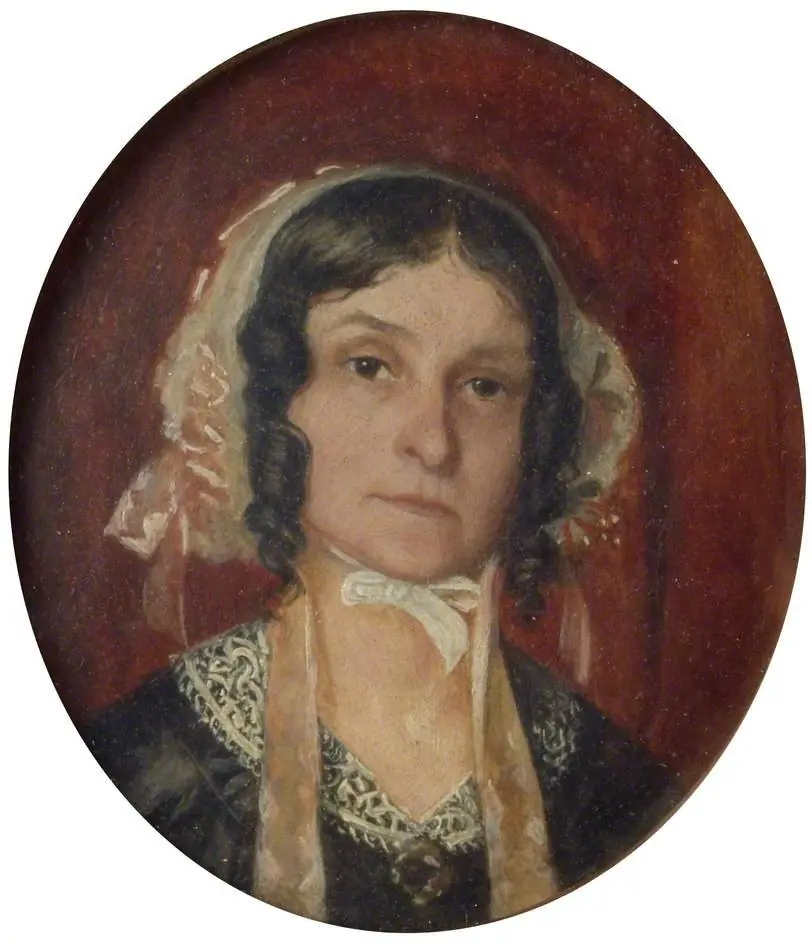 Mrs James Madox
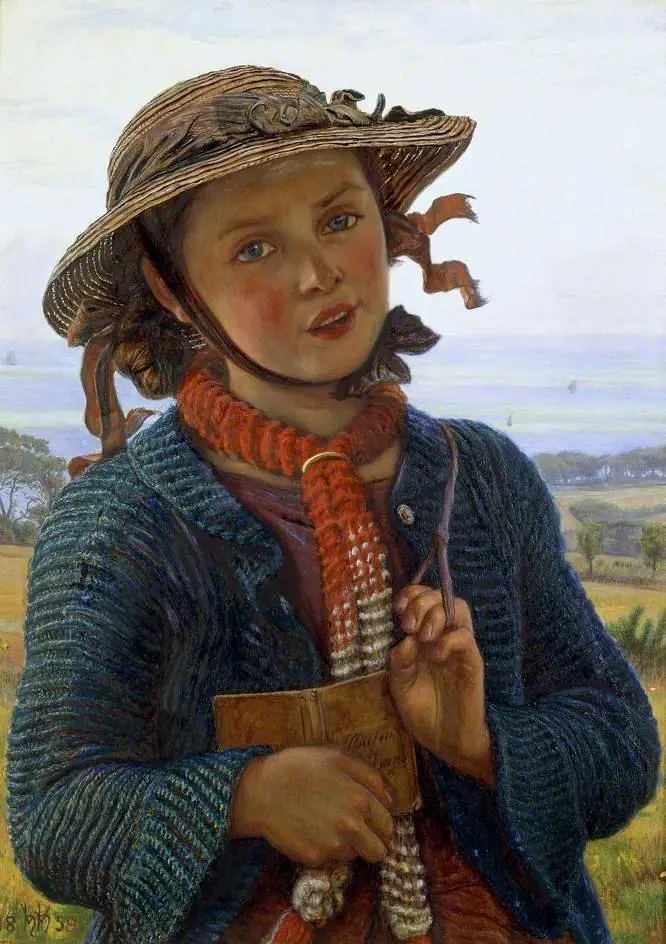 The School-Girl's Hymn
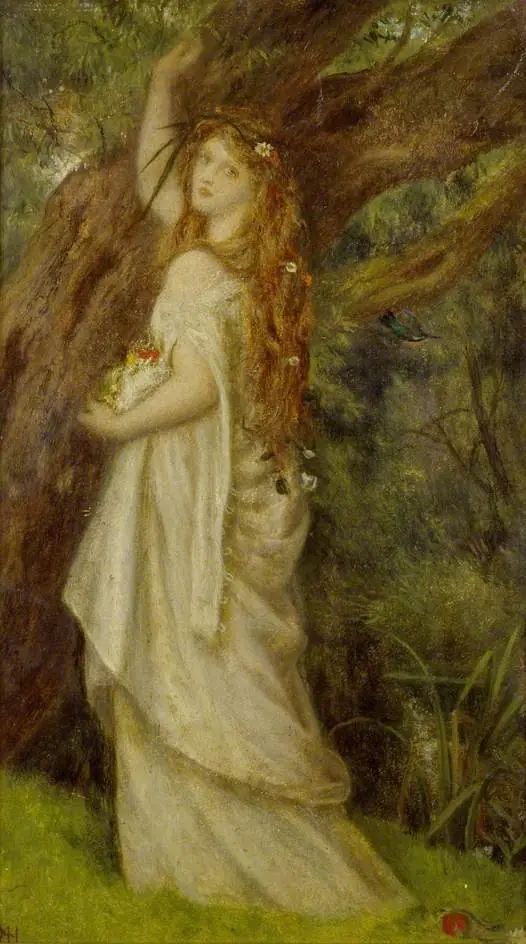 Ophelia
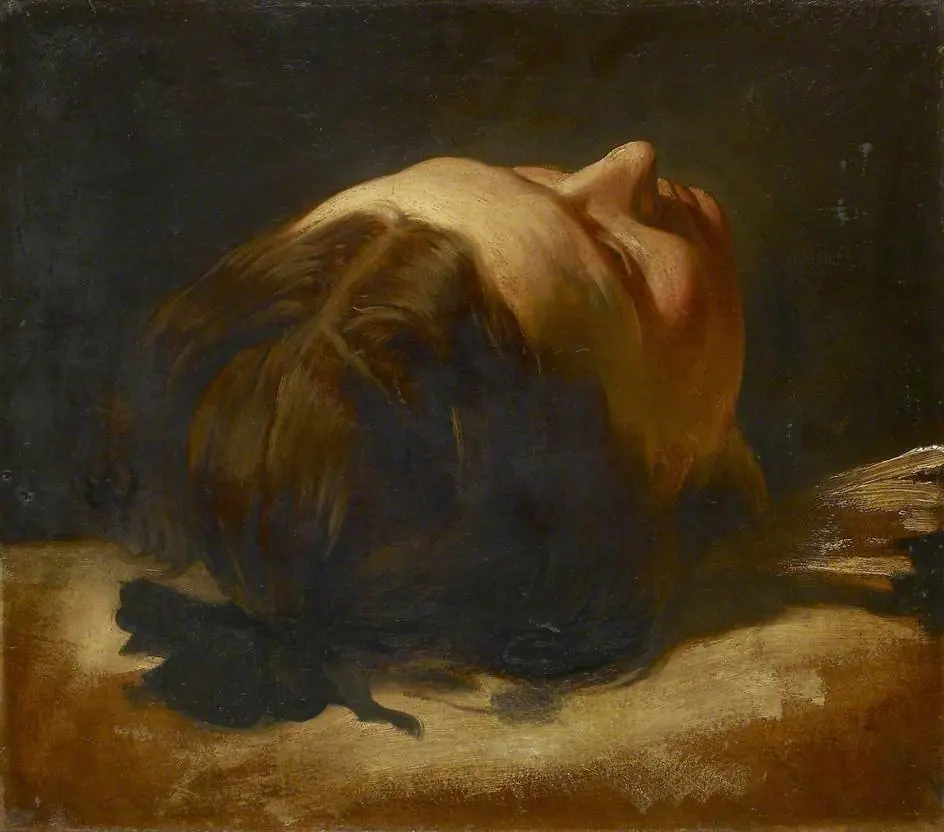 Study for 'The Execution of Mary, Queen of Scots'
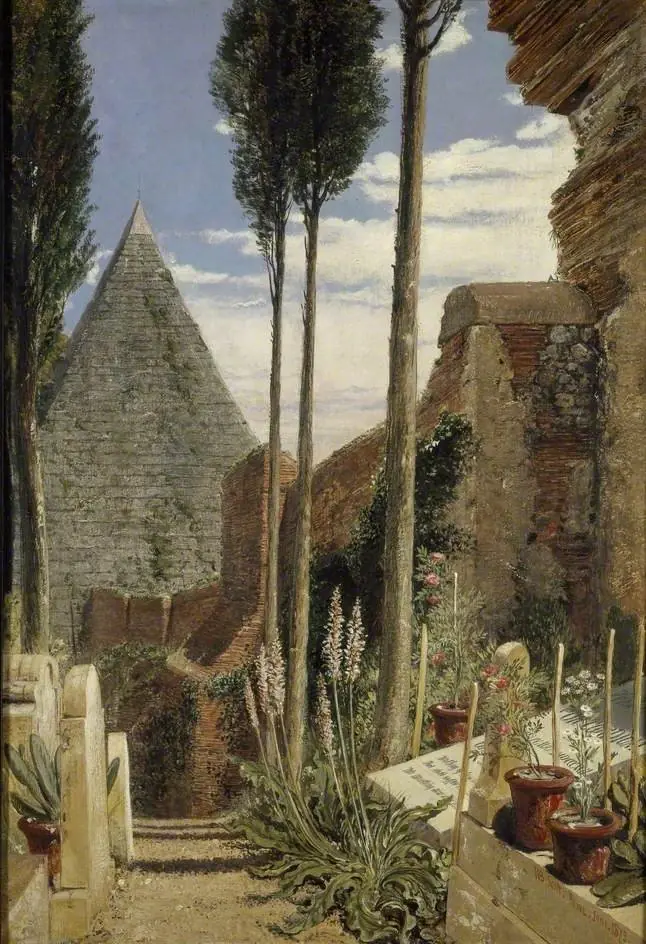 Shelley's Grave
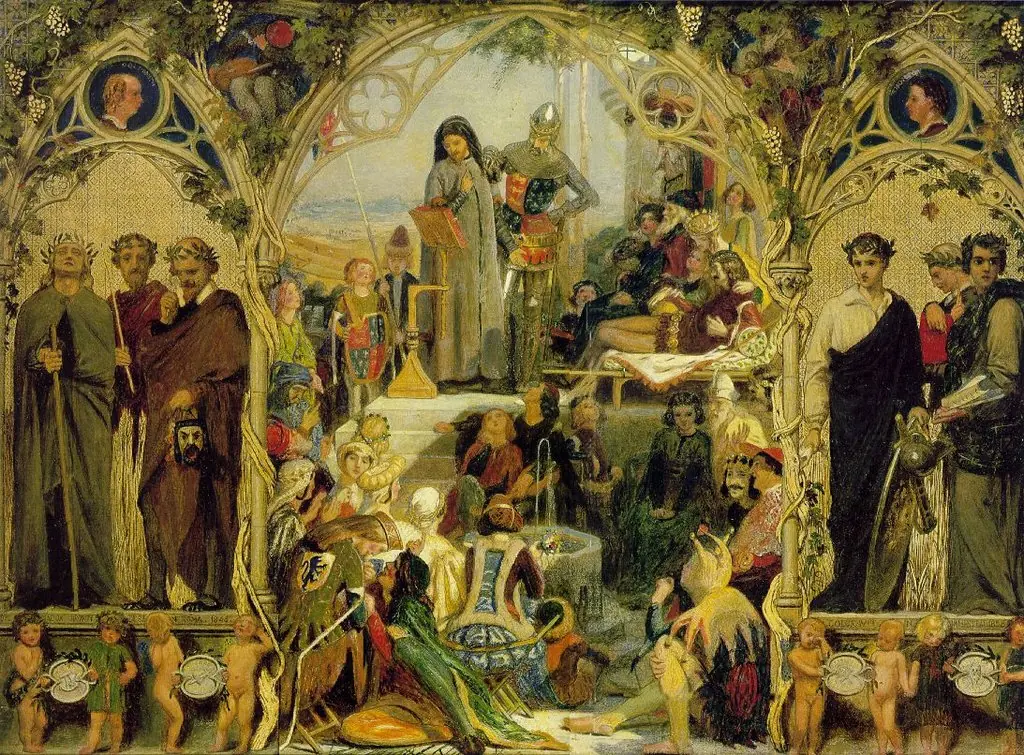 The Seeds and Fruits of English Poetry
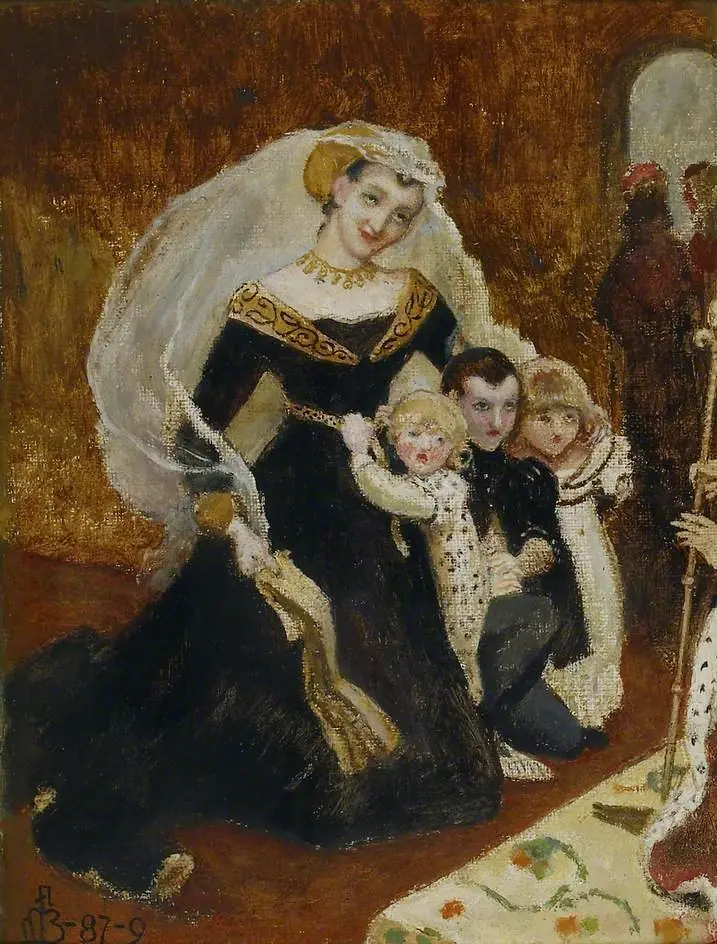 Lady Rivers and her Children
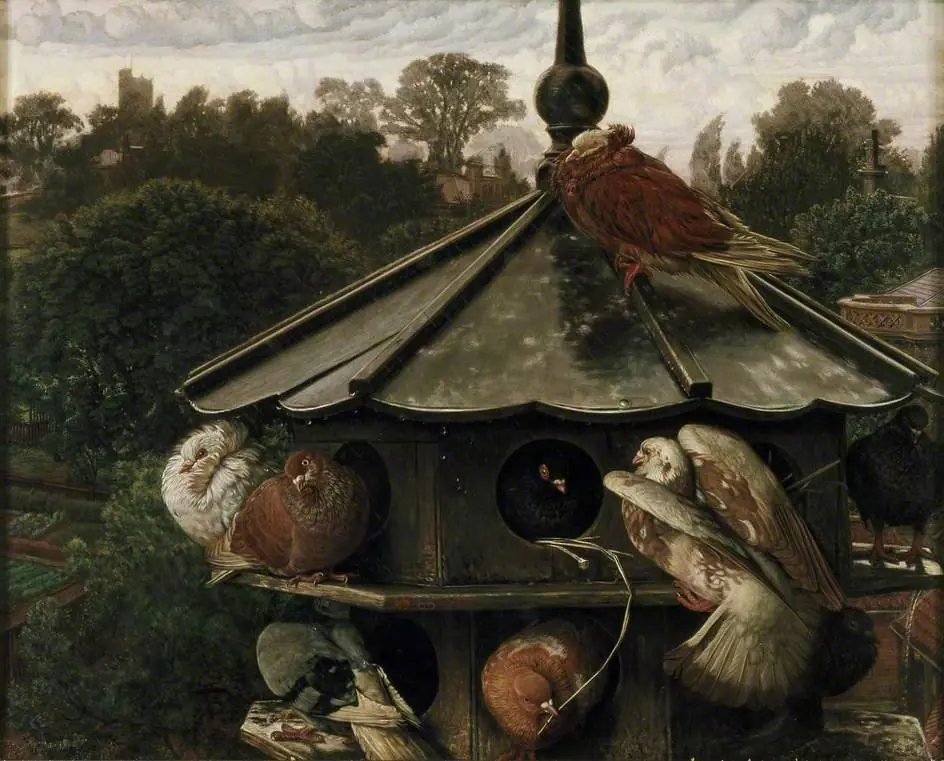 The Festival of St Swithin (The Dovecot)
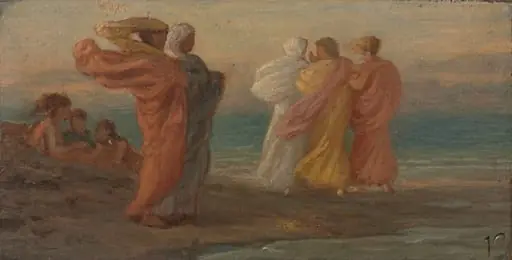 The Music Party
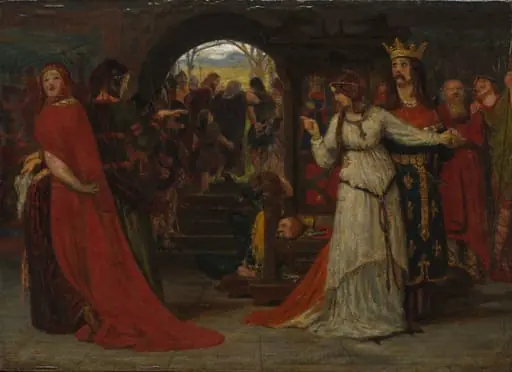 Cordelia Parting from her Sisters
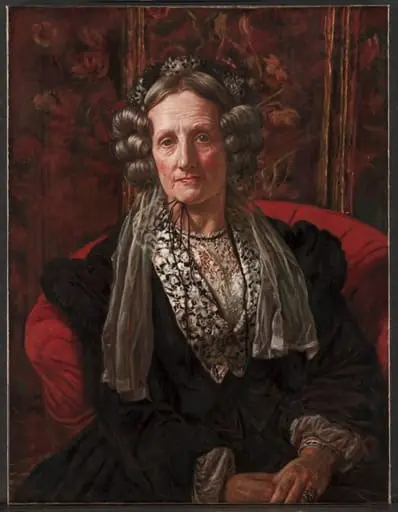 Mary Walker Waugh
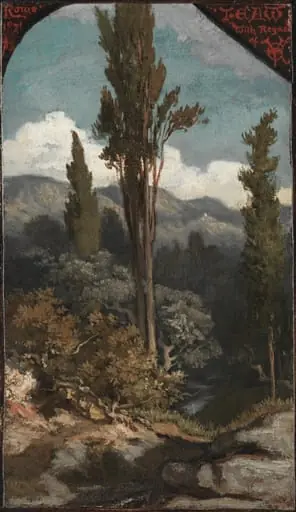 Three Trees: Italy
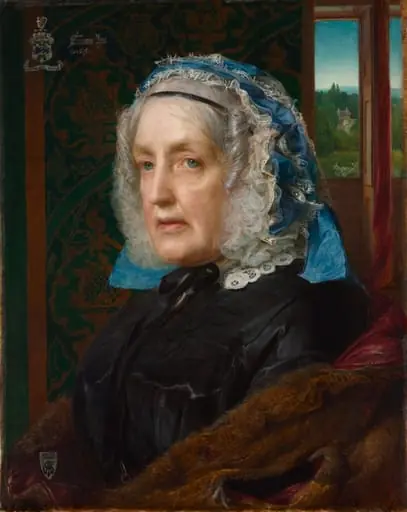 Susanna Anderson Rose
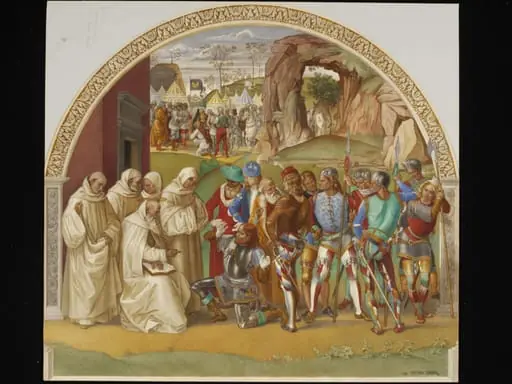 St Benedict and the False King Totila
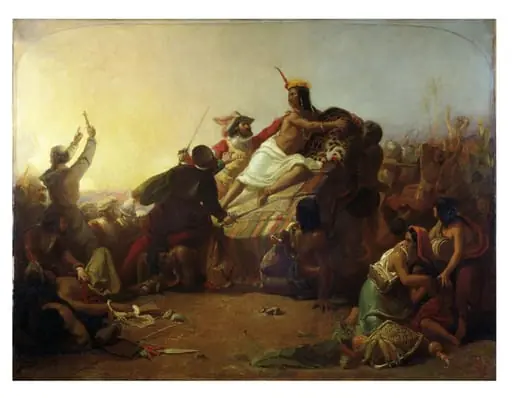 Pizarro Seizing the Inca of Peru
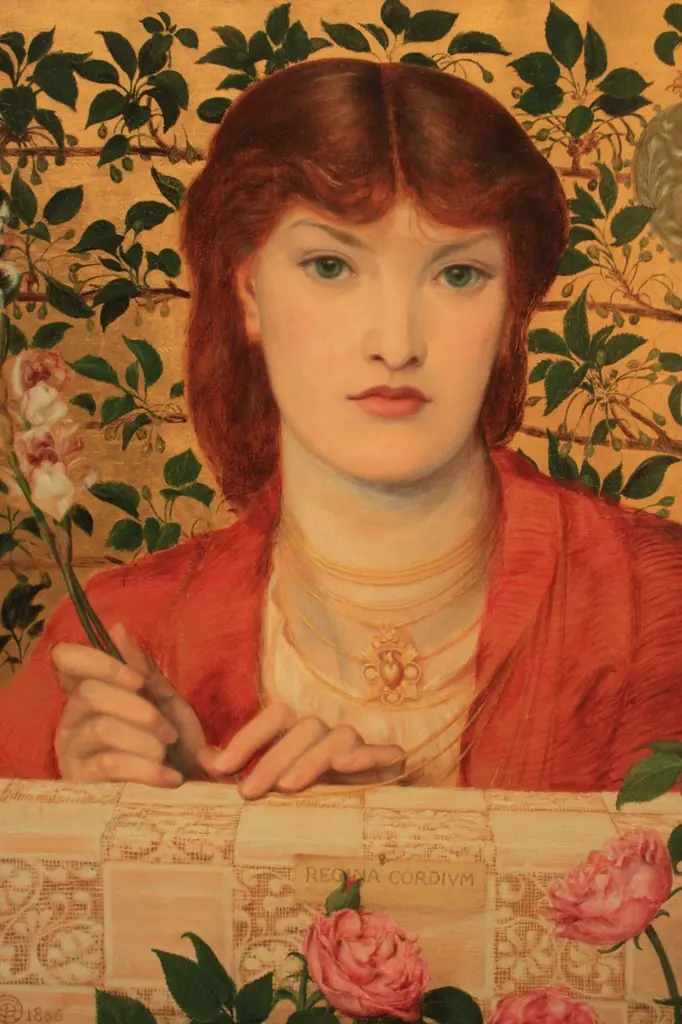 Regina Cordium
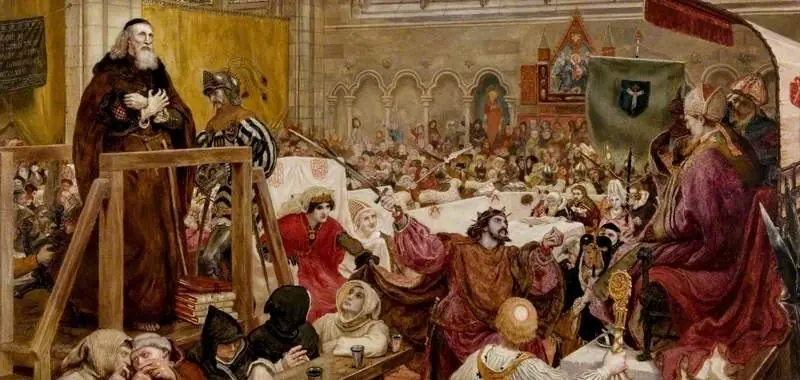 Wycliffe on Trial
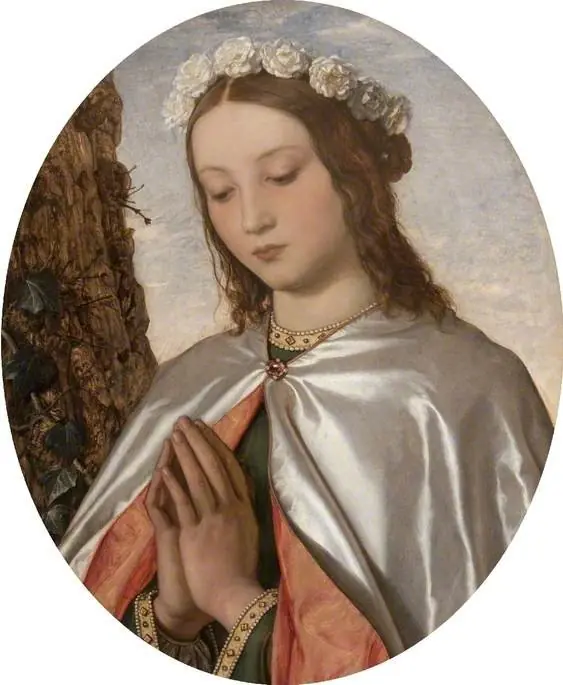 Christabel
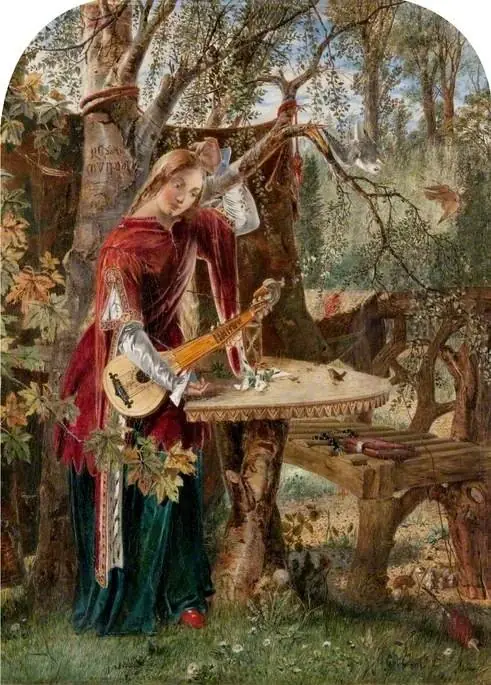 Fair Rosamond Alone in Her Bower
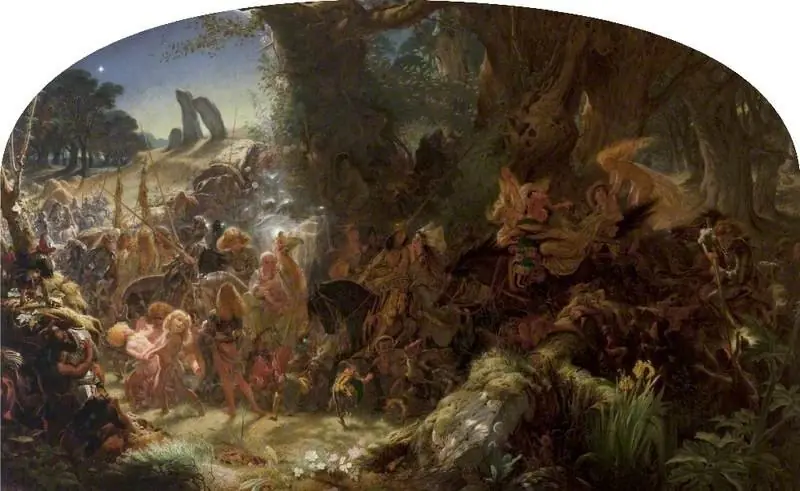 The Fairy Raid: Carrying Off a Changeling, Midsummer Eve
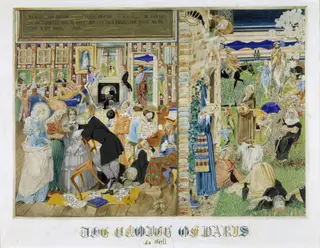 The Choice of Paris: An Idyll
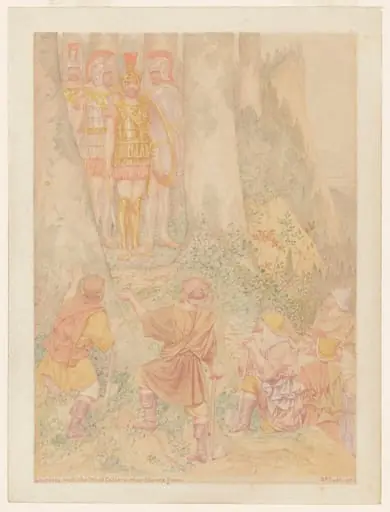 Leonidas with The Woodcutters
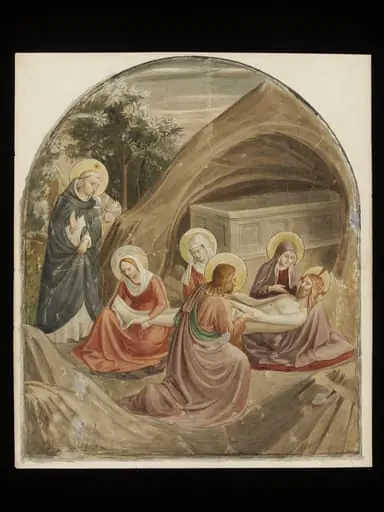 Copy after The Entombment (Lamentation over the Dead Christ), Fra Angelico in the Museo di San Marco (Florence)
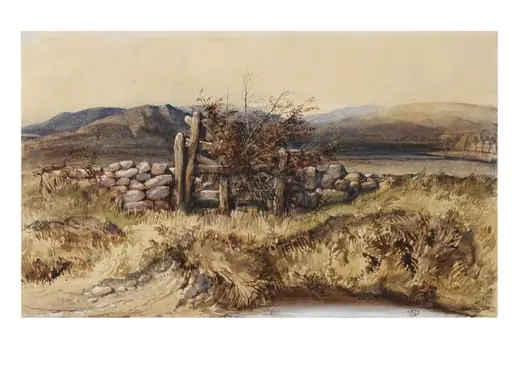 Glenlaer, Dumfriesshire
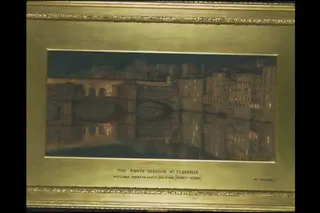 The Ponte-Vecchio, Florence
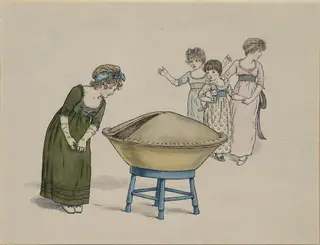 Peeped in it
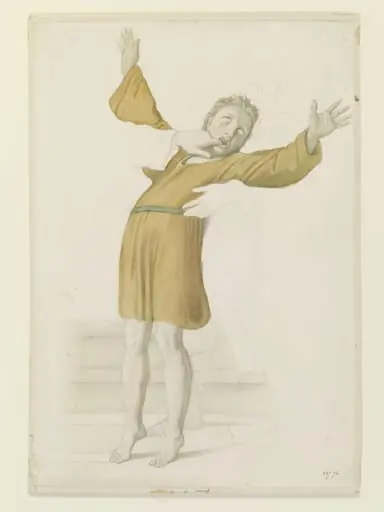 A figure copied from a fresco by Domenichino at the Monastery of Grotta Ferrata
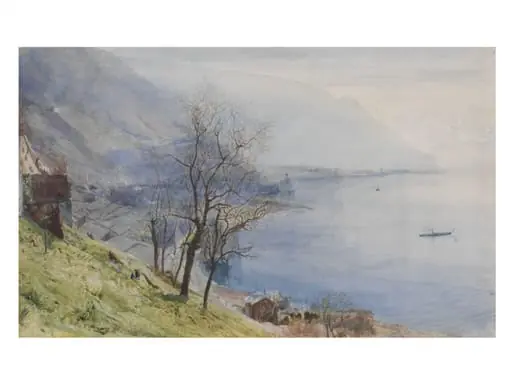 View above Montreux
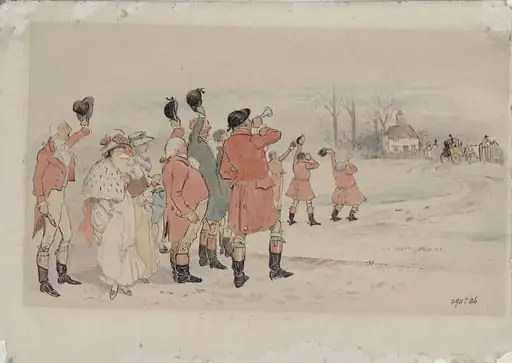 Diana Wood's Wedding : The Departure
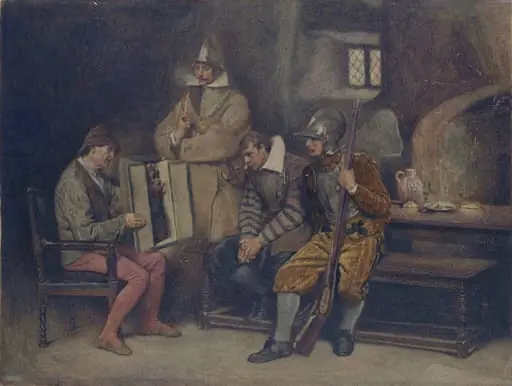 The Reliquary : An old man exhibiting a group of the Virgin and Child to Spanish soldiers
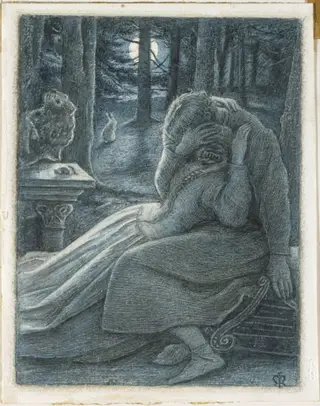 Love
Love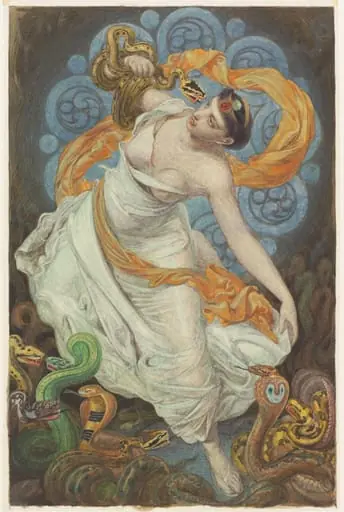 Bhanavar The Beautiful
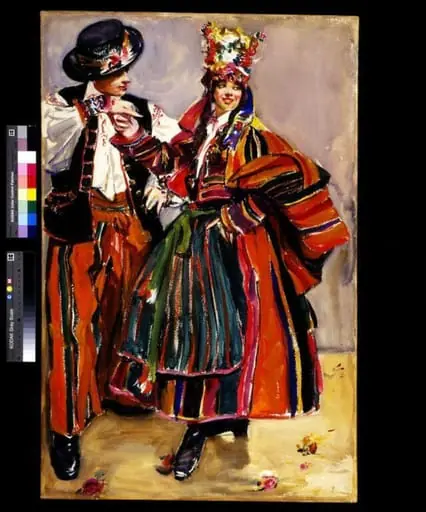 The Bride and Bridegroom
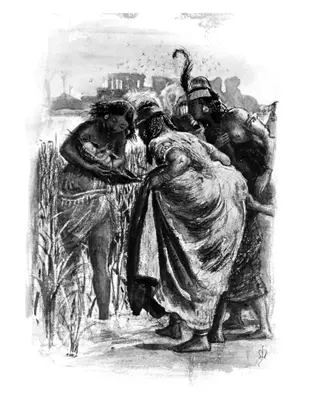 The Finding of Moses
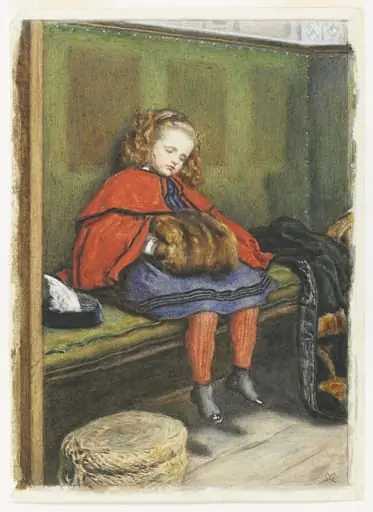 My Second Sermon
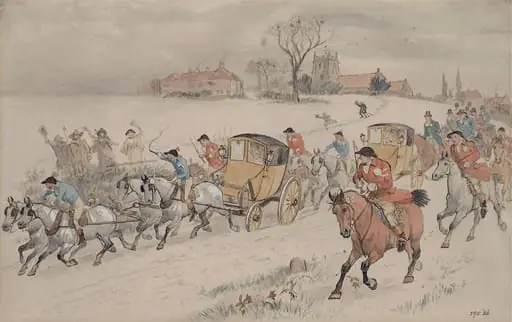 Diana Wood's Wedding : Returning from Church
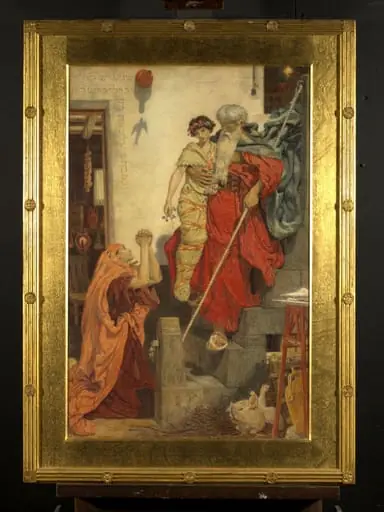 Elijah restoring the widow's son
Groups & collectives
Learn this movement
Frequently asked questions
What is Pre-Raphaelite?
Pre-Raphaelite is an art movement. A rebellious mid-19th-century English brotherhood — Rossetti, Millais, Hunt — who rejected academic convention for the bright color, sharp detail, and sincerity they admired in art before Raphael.
How many Pre-Raphaelite works does Artifact World Gallery have?
Artifact World Gallery holds 204 public-domain Pre-Raphaelite works, all free to view and download.
Who are the key Pre-Raphaelite artists?
Key Pre-Raphaelite artists in the collection include John Everett Millais, Frederic Leighton and John Atkinson Grimshaw.
When did Pre-Raphaelite take place?
Pre-Raphaelite dates from 1840–1900.
Where can I see Pre-Raphaelite works?
Pre-Raphaelite works in the collection are held by Victoria and Albert Museum, National Gallery and Ashmolean Museum.