Artwork
Armand-Jacques Leroy de Saint-Arnaud, Marshal of France
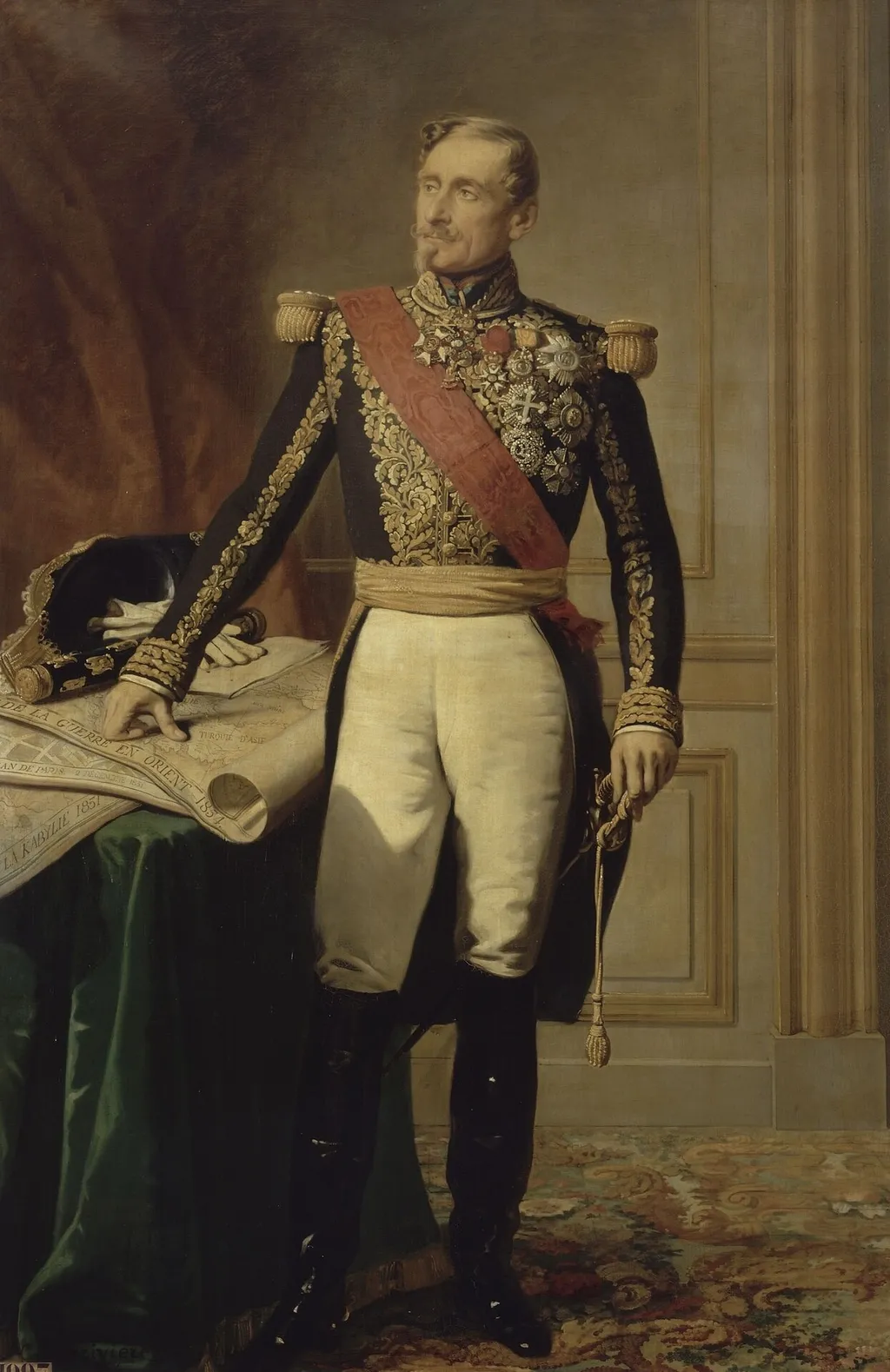
Armand-Jacques Leroy de Saint-Arnaud, Marshal of France is an oil painting by the French Romanticist artist Charles-Philippe Larivière. It dates from 1854 and is held in the collection of the Museum of the History of France. Charles‑Philippe Larivière’s 1854 oil portrait presents Armand‑Jacques Leroy de Saint‑Arnaud, a 19th‑century French marshal.
About this work
Subject & Meaning
Visual elements include a sword and a hat, traditional attributes of command, alongside a map which likely alludes to his strategic role or specific campaigns.
The painting depicts Armand-Jacques Leroy de Saint-Arnaud (1800–1854), identified explicitly as a Marshal of France. The composition functions as a formal state portrait, utilizing specific military iconography to signify his high rank and authority. Visual elements include a sword and a hat, traditional attributes of command, alongside a map which likely alludes to his strategic role or specific campaigns.
By presenting the subject with these emblems, the work serves as an official representation of his status within the French military hierarchy. The inclusion of the map alongside personal regalia underscores his identity not merely as a soldier, but as a high-ranking leader engaged in the governance and direction of military operations.
Technique & Style
The portrait was executed in oil paint on canvas, a medium typical of mid-nineteenth-century French academic portraiture. The work measures 215 cm in height by 140 cm in width, reflecting the large scale often employed for official state portraits. Brushwork demonstrates the smooth surface finish characteristic of Larivière’s Salon style, with precise modeling of facial features and the rich textures of the marshal’s uniform.
The composition balances formal rigidity with a subtle sense of immediacy, as the figure is positioned against a muted background that emphasizes the ceremonial elements of his regalia. These formal qualities align with the stylistic conventions of the 1855 Salon, where the painting was first exhibited.
History & Provenance
The portrait of Armand-Jacques Leroy de Saint-Arnaud was painted by Charles-Philippe Larivière in 1854 and first shown at the Salon of 1855. It entered the collection of the Museum of the History of France where it remains on display at the Château de Versailles. The work measures 215 cm by 140 cm and is executed in oil on canvas, depicting the marshal with his map, hat, and sword.
Its provenance traces a direct path from the artist’s studio to the French state, which acquired it for the national collections in the late nineteenth century.
The painting is catalogued in the Joconde database under inventory number MV 1997, INV 10225, MI 101, confirming its status as a museum-held object.
The painting is held by the musée national des châteaux de Versailles et de Trianon in Versailles, a component of the Museum of the History of France. Its inventory numbers are MV 1997, INV 10225, and MI 101.
The work was exhibited at the Salon of 1855.
Overview
Charles‑Philippe Larivière’s 1854 oil portrait presents Armand‑Jacques Leroy de Saint‑Arnaud, a 19th‑century French marshal. The figure stands before a table draped in green, his right hand resting on a spread map and his left gripping a sword, while his uniform, black with gold embroidery and a red chest sash, signals his high military rank. The composition is held by the Palace of Versailles collection.
Context
Larivière, known for his historical and military subjects, produced the painting during a time when France was consolidating its imperial identity under Napoleon III. Portraits of high‑ranking officers served both commemorative and propagandistic functions, reinforcing the prestige of the military elite within the broader narrative of national power.
Own this work as a print
Artist & collection
Artist
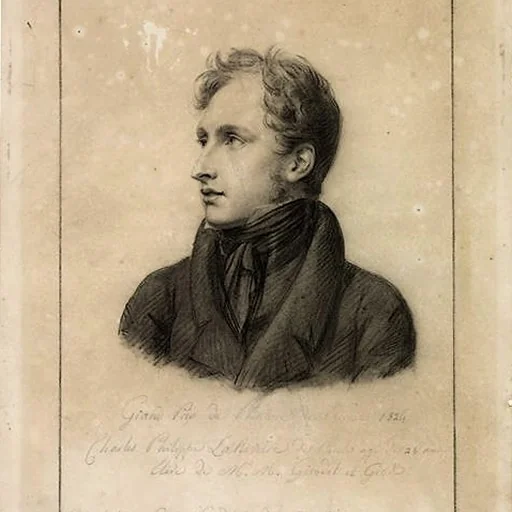
Charles-Philippe Larivière (28 September 1798 in Paris – 29 February 1876 in Paris) was a French academic painter and lithographer.

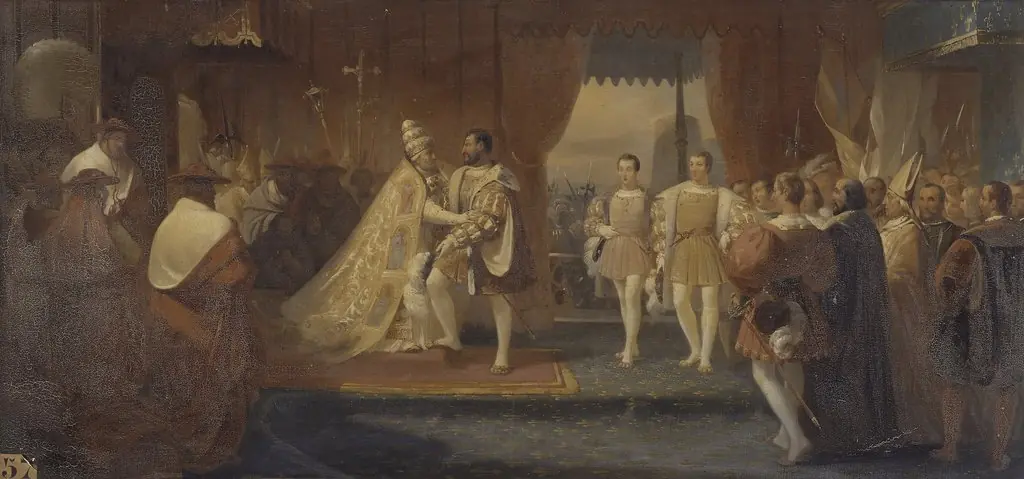 Meeting of Francis I and Pope Clement VII in Marseilles on 13 October 1533
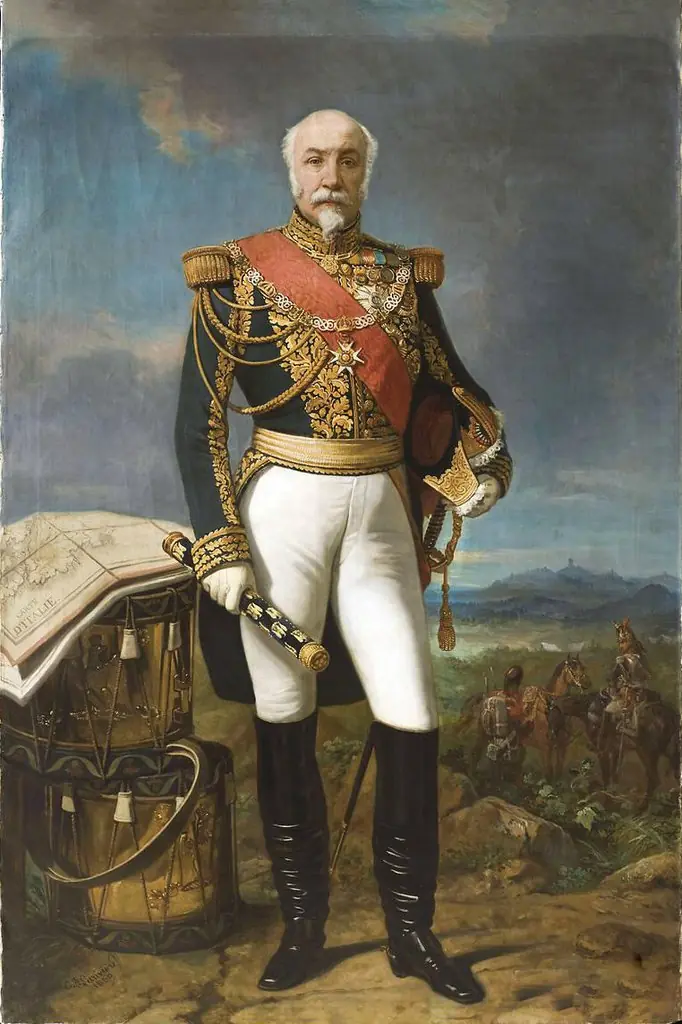 Auguste-Etienne Regnaud de Saint-Jean d'Angély, maréchal de France
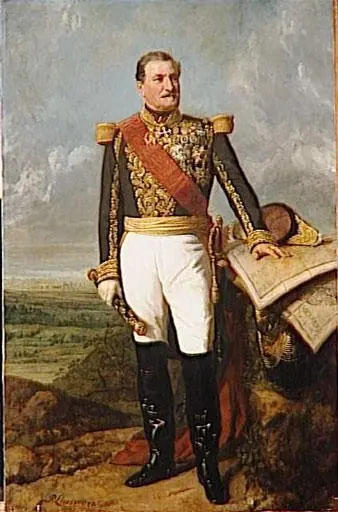 Elie-Frédéric Forey, Marshal
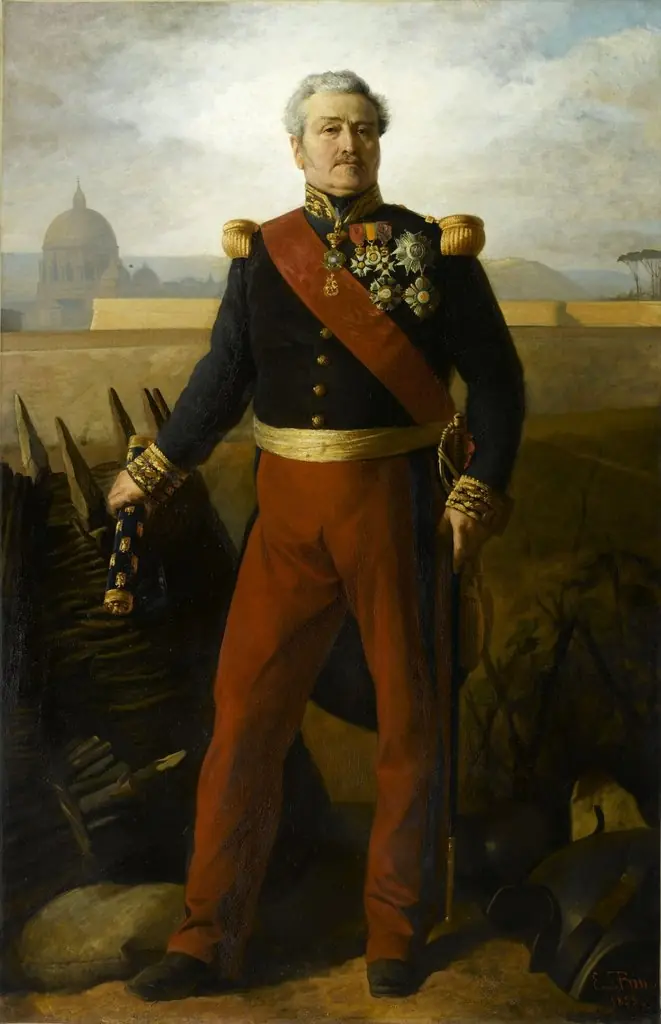
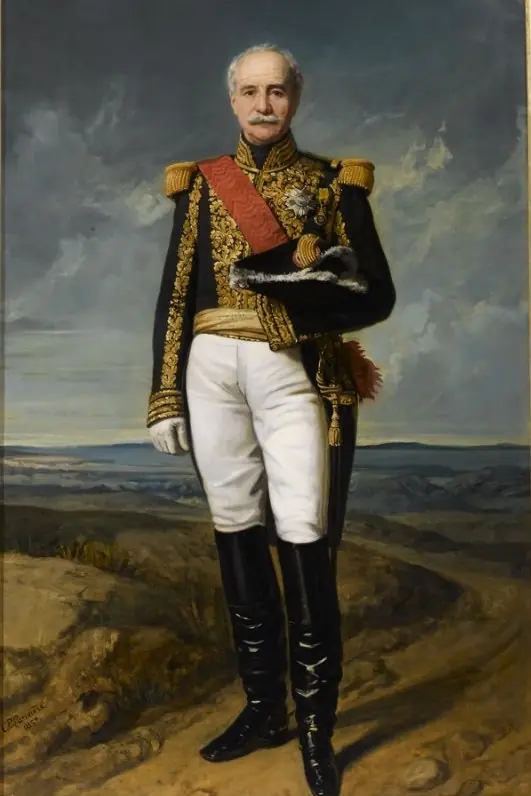 Achille, Marshal-Count Baraguey d'Hilliers
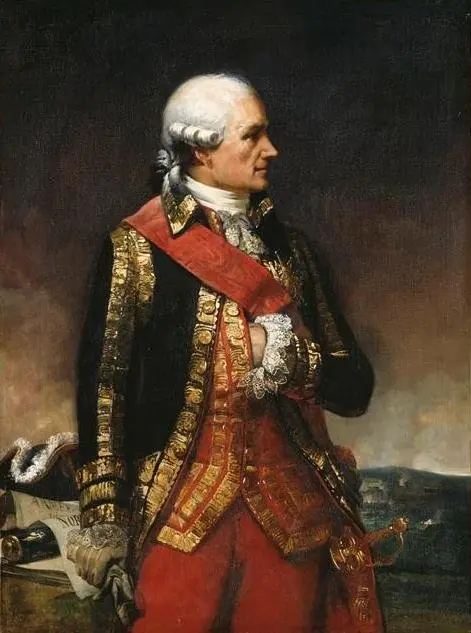 Jean-Baptiste-Donatien de Vimeur, comte de Rochambeau, maréchal de France (1725-1807)
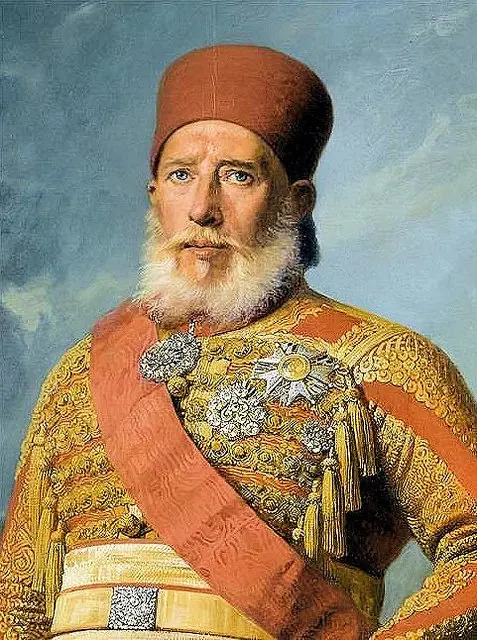 Portrait of Ibrahim Pasha of Egypt (1789–1848)
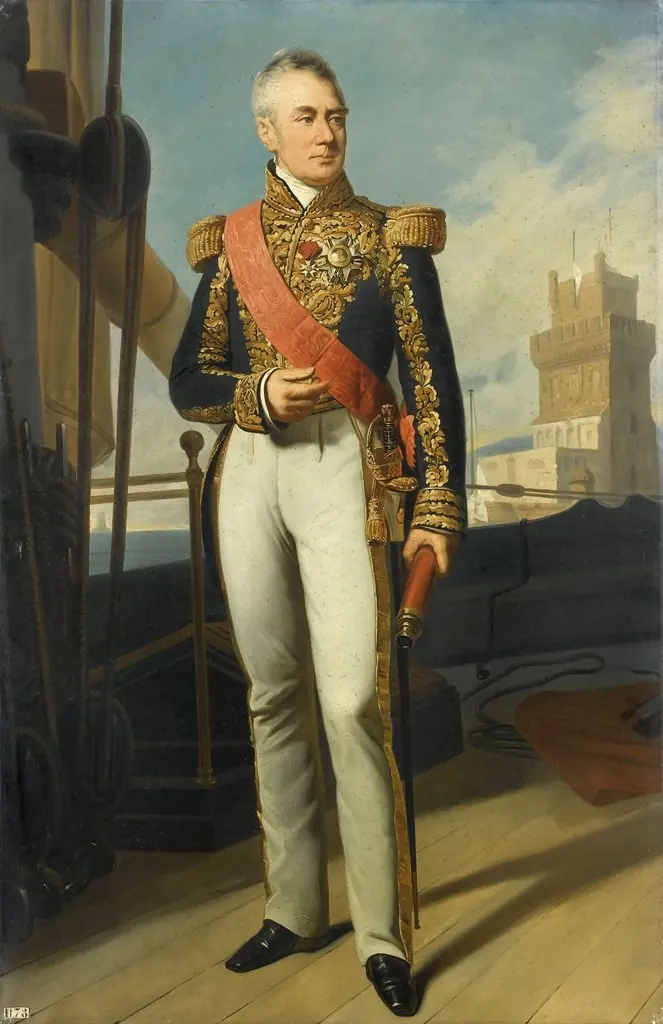 Albin-Reine, baron Roussin, admiral of France
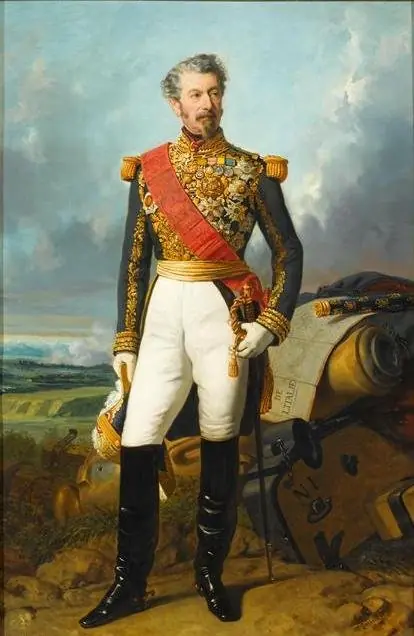 Adolphe Niel, maréchal de France (1802-1869)
- Jean-Baptiste-Philibert Vaillant, Marshal of France
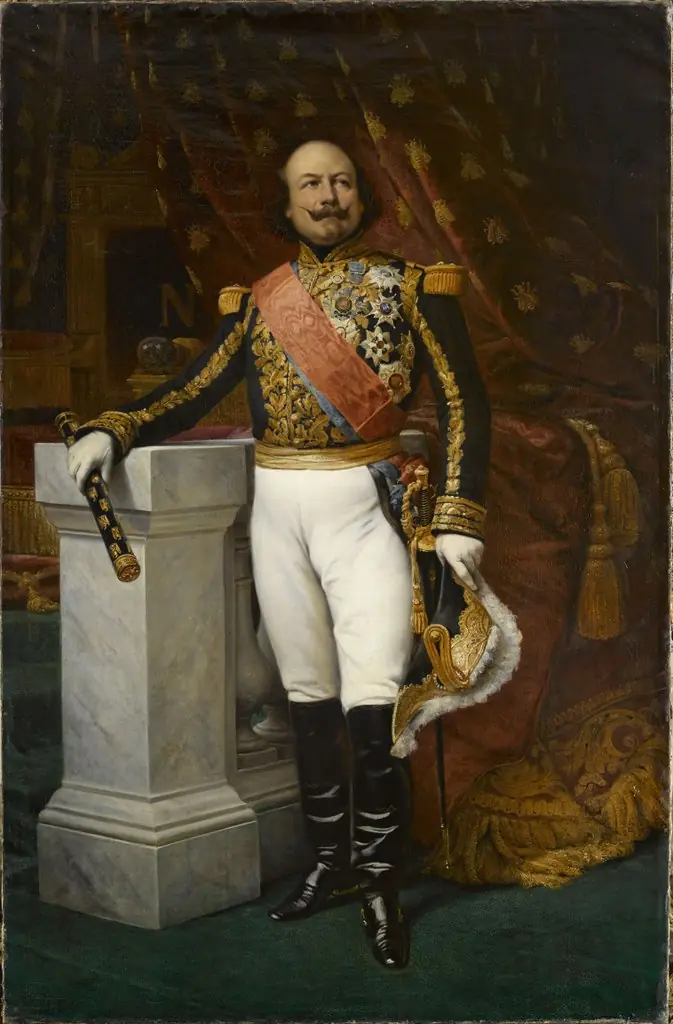 Portrait of Marshal Canrobert
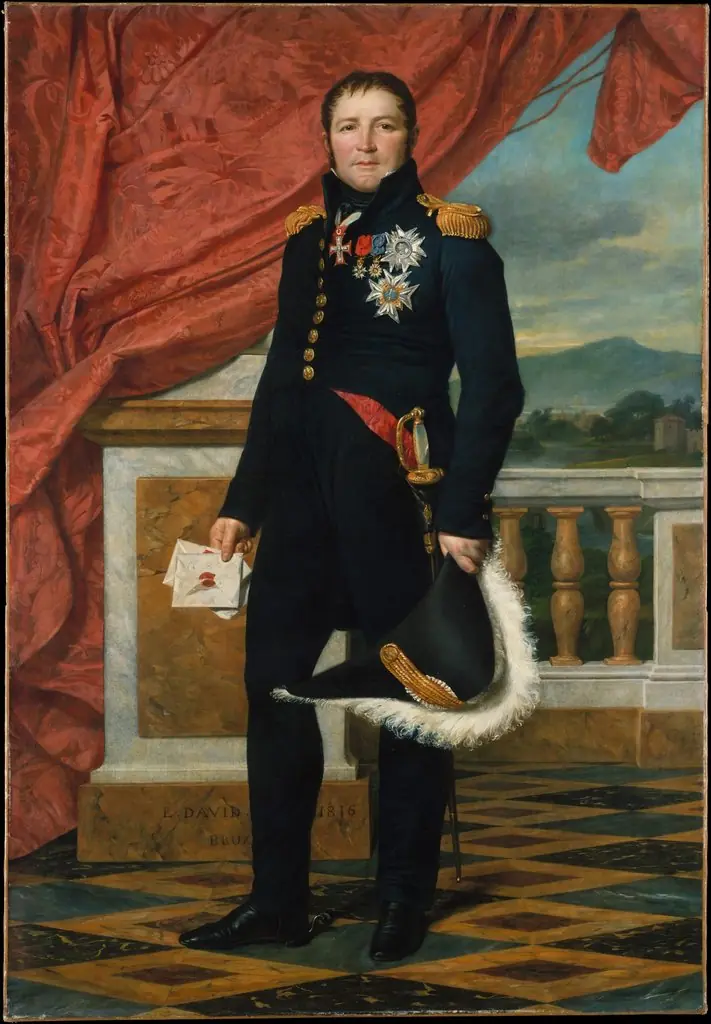 General Étienne-Maurice Gérard (1773–1852), Marshal of France
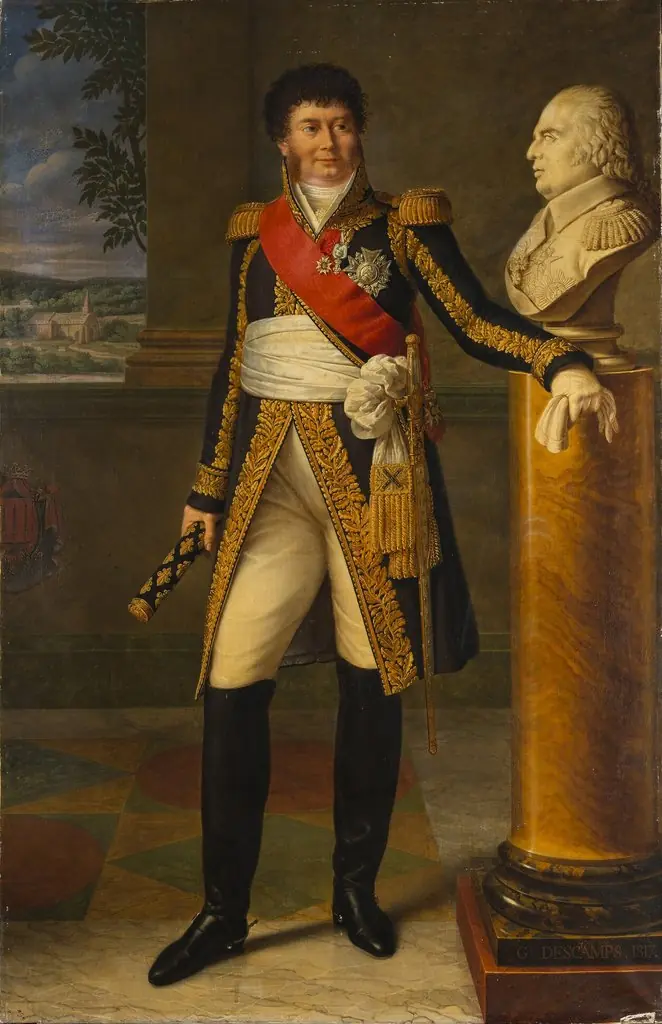 Henri-Jacques-Guillaume Clarke, Count of Hunebourg, Duke of Feltre, Marshal of France (1765-1818)
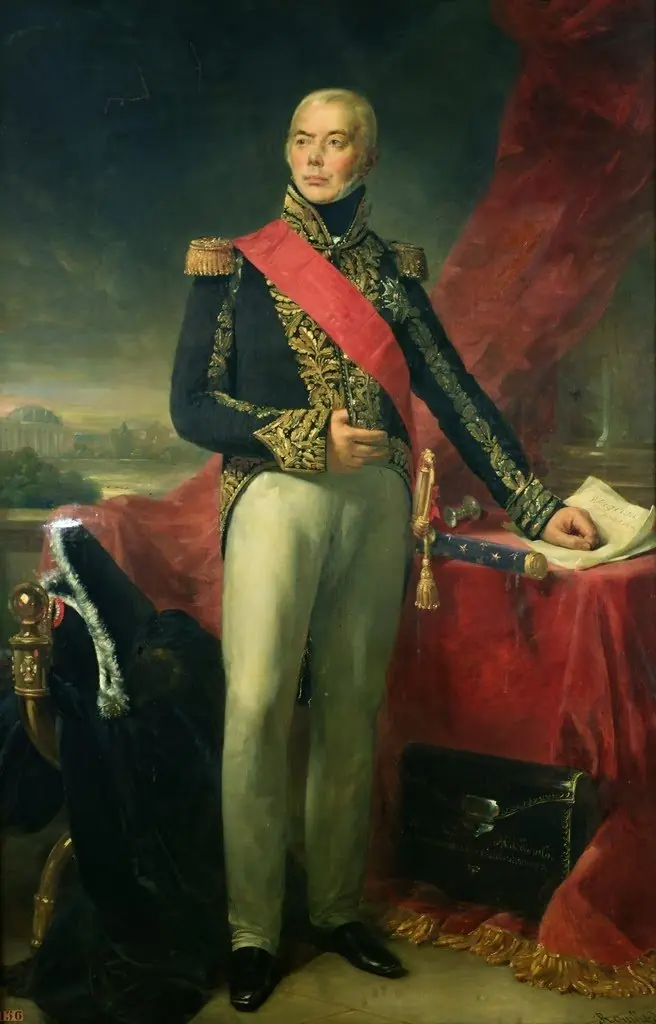 Etienne-Joseph-Jacques-Alexandre MacDonald, Duke of Taranto, Marshal of France (1765-1840)
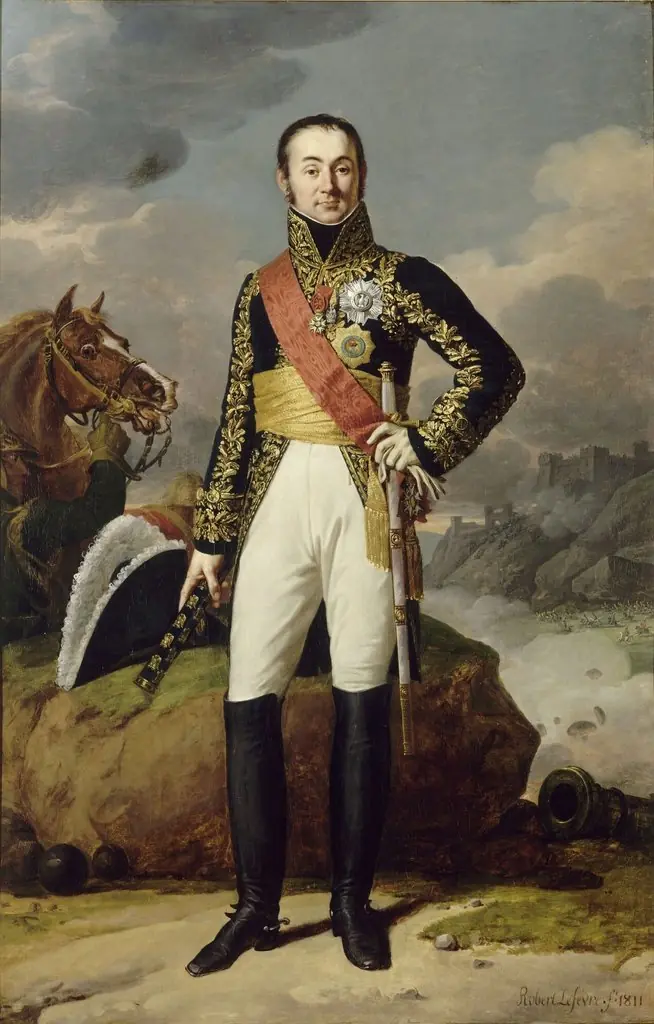 Nicolas-Charles Oudinot, Duke of Reggio, Marshal of France (1767-1847)
 Claude-Victor Perrin, Duke of Bellune, Marshal of France
 Aimable-Jean-Jacques Pélissier, Duke of Malakoff, Marshal of France
 Sylvain-Charles, Count Valée, Marshal of France (1773-1846)