Movement
French Romanticism
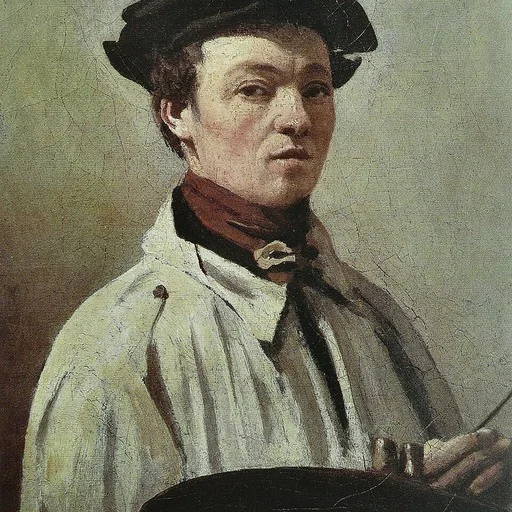
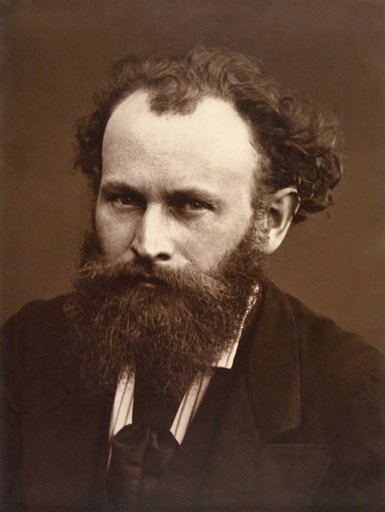
French Romanticism is an art movement of the 1800–1850 period. The gallery holds 564 works in this movement, including works by Jean Baptiste Camille Corot, Edgar Degas and Édouard Manet. Browse French Romanticism paintings, portraits, pictures and artworks from the world's public-domain museum collections.
French Romanticism emerged in the decades after the Napoleonic Wars as a revolt against the cool rationalism of Jacques-Louis David's Neoclassicism and the rule-bound aesthetics of the Académie. Rooted in the wider European Romantic sensibility that had taken hold by the turn of the nineteenth century, it prized passion, imagination, the sublimity of nature, and the inner life of the individual over classical restraint and idealized form. In France the movement was as much literary as pictorial: Victor Hugo's verse drama *Hernani*, which premiered at the Comédie-Française on 25 February 1830, provoked riots between young Romantics and defenders of neoclassical convention—the so-called "Battle of Hernani"—that crystallized the generational rupture playing out simultaneously on the walls of the Salon.
Visually, Romantic painting favored turbulent, dynamic compositions, dramatic chiaroscuro, loose and expressive brushwork, and a charged, saturated palette in which color carried emotion. Subjects were drawn from contemporary catastrophe, exotic travel, literature, and history rather than antique allegory. This privileging of color and movement set the Romantics against Ingres and the line-based draftsmanship of the academic camp.
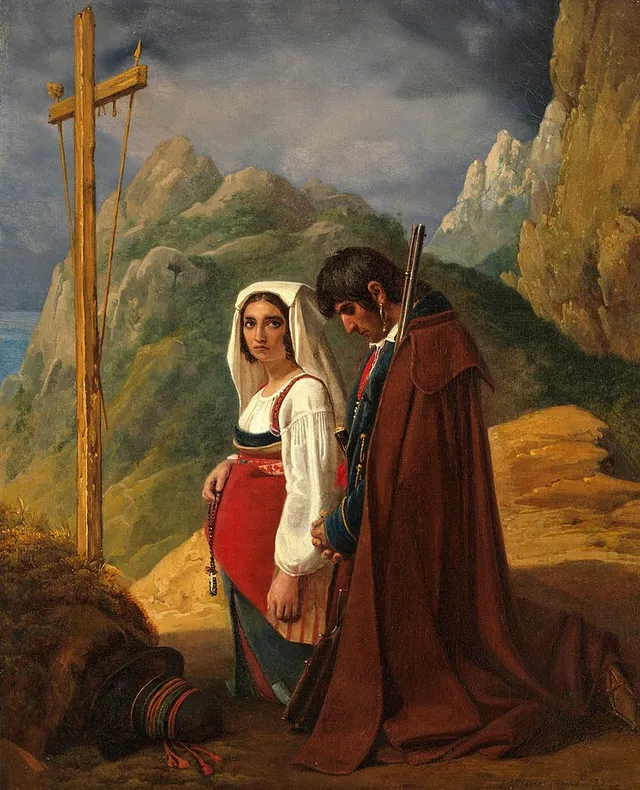
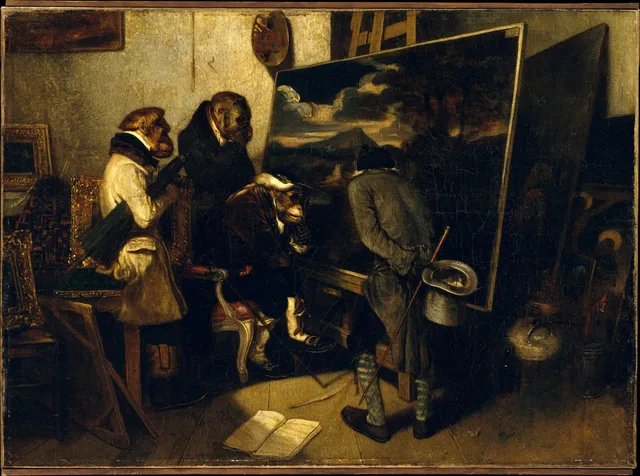
The movement's pioneer was Théodore Géricault (1791–1824), whose monumental *The Raft of the Medusa* (1818–19) transformed a recent shipwreck and government scandal into an icon of human suffering. Its impact galvanized Eugène Delacroix (1798–1863), who modeled for one of the raft's figures and emerged as the movement's leader, debuting *The Barque of Dante* at the Salon of 1822 and later painting *Liberty Leading the People* (1830), his allegory of the July Revolution. Antoine-Jean Gros bridged the Napoleonic and Romantic generations, while Alexandre-Gabriel Decamps—represented in our collection by *The Experts*—pioneered the Orientalist strain after his Salon successes of the early 1830s. The Swiss-born Léopold Robert, whose *Brigand and his Wife in Prayer* we also hold, exemplified the era's taste for picturesque Italian genre.
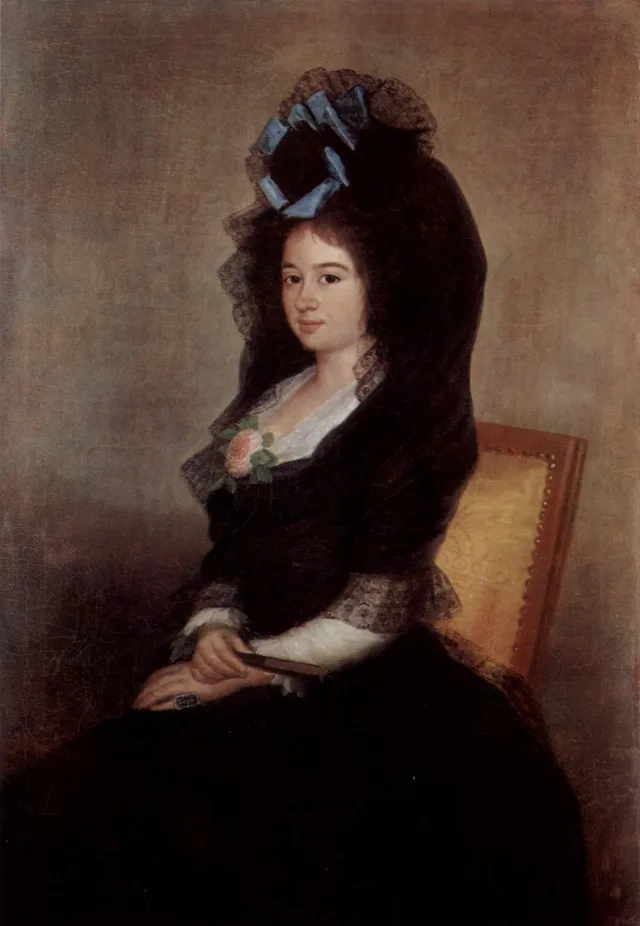
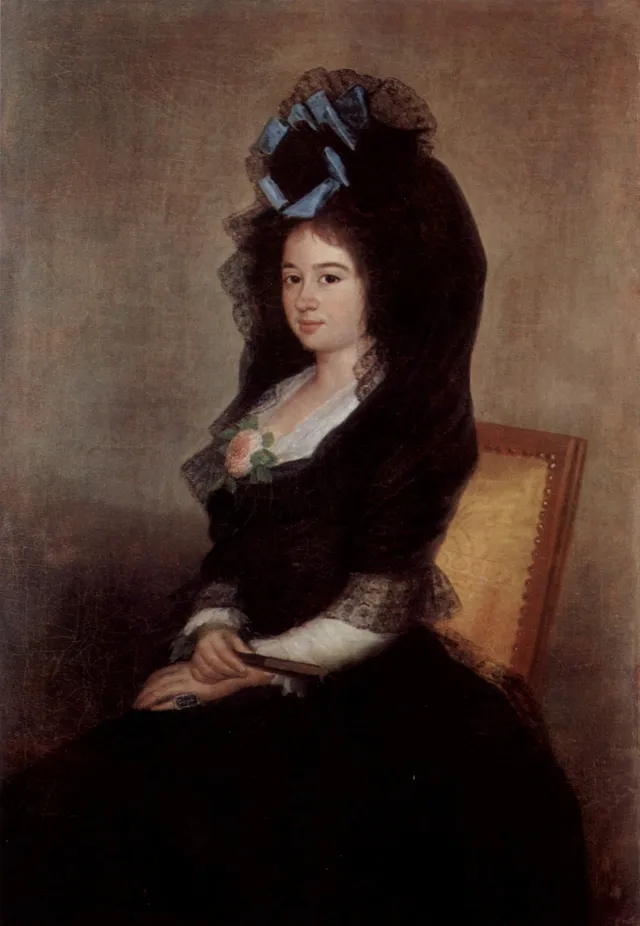
French Romanticism's legacy was profound: Delacroix's emphasis on color and gesture fed directly into the Barbizon landscapists, the Realism of Courbet, and ultimately the Impressionists. Goya, represented here by *Narcisa Barañana de Goicoechea*, stands as a foreign contemporary whose dark psychological intensity paralleled the Romantic spirit across the Pyrenees.
Key artists

Works
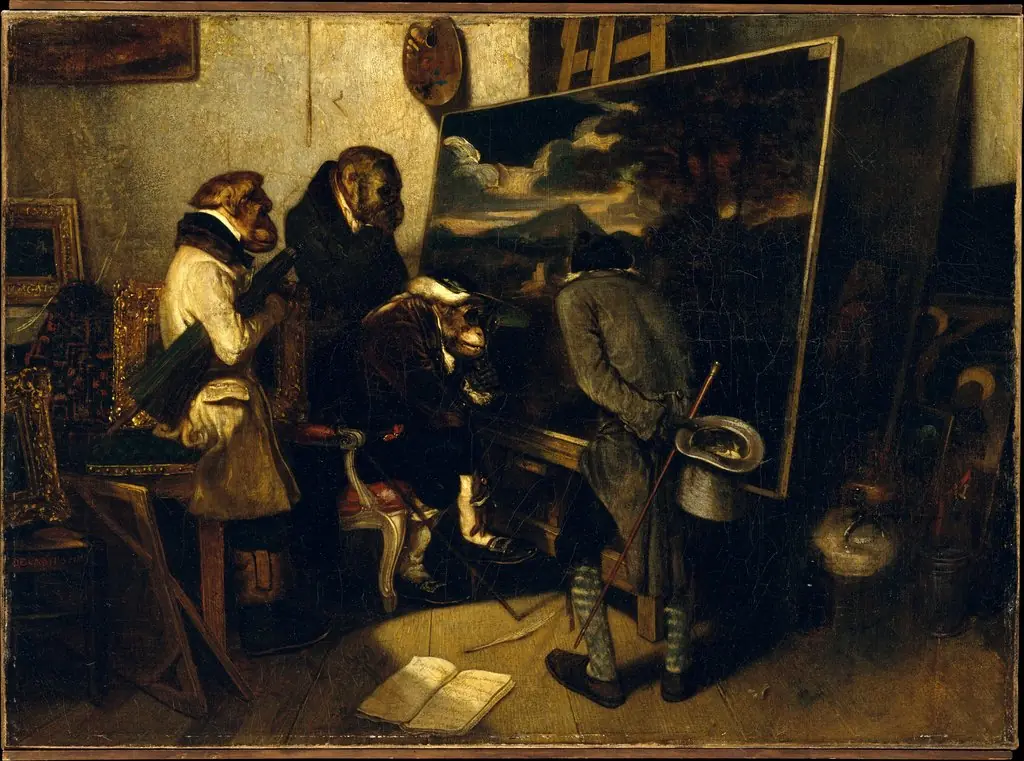 The Experts
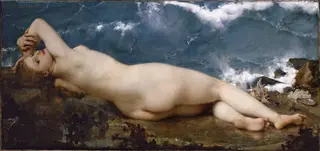 The Pearl and the Wave
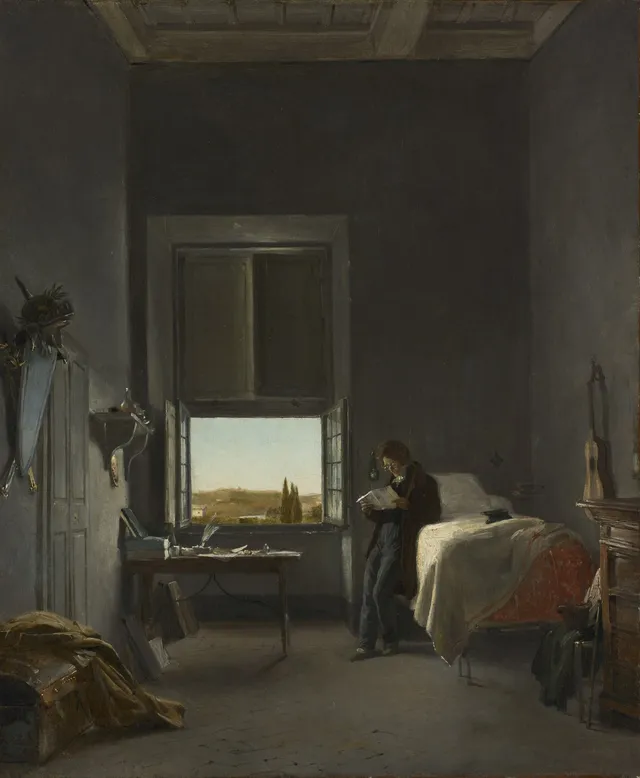
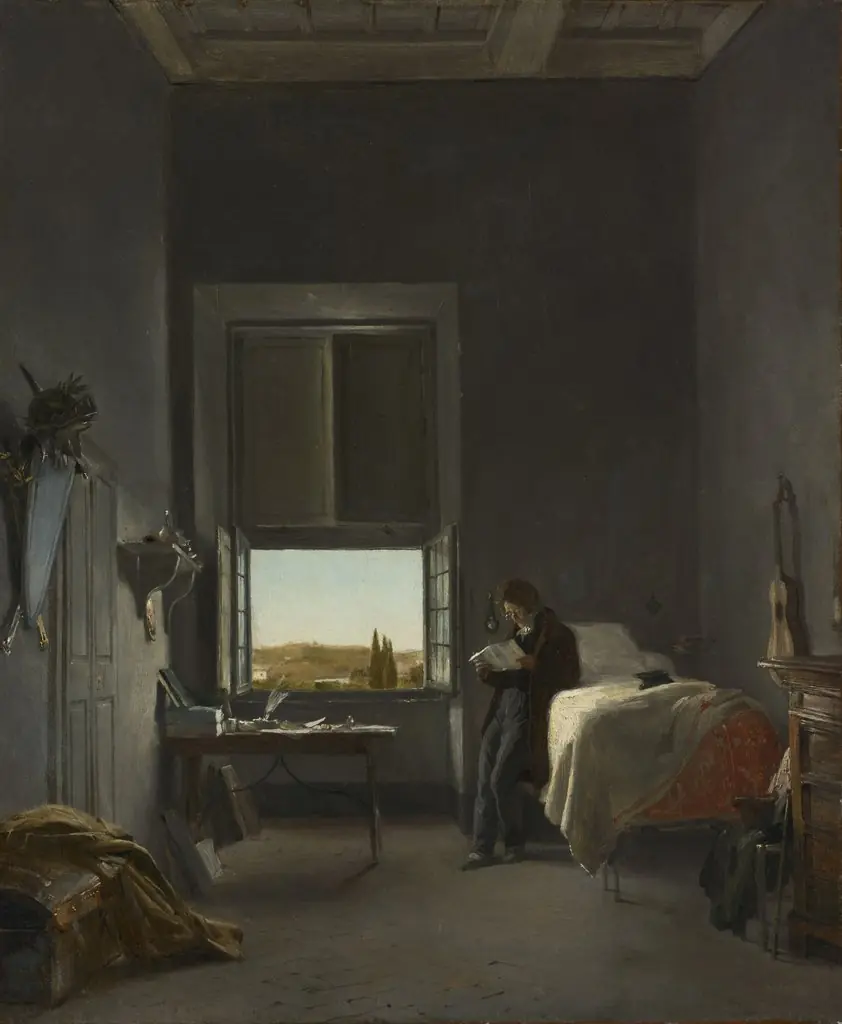 The Artist in His Room at the Villa Medici, Rome
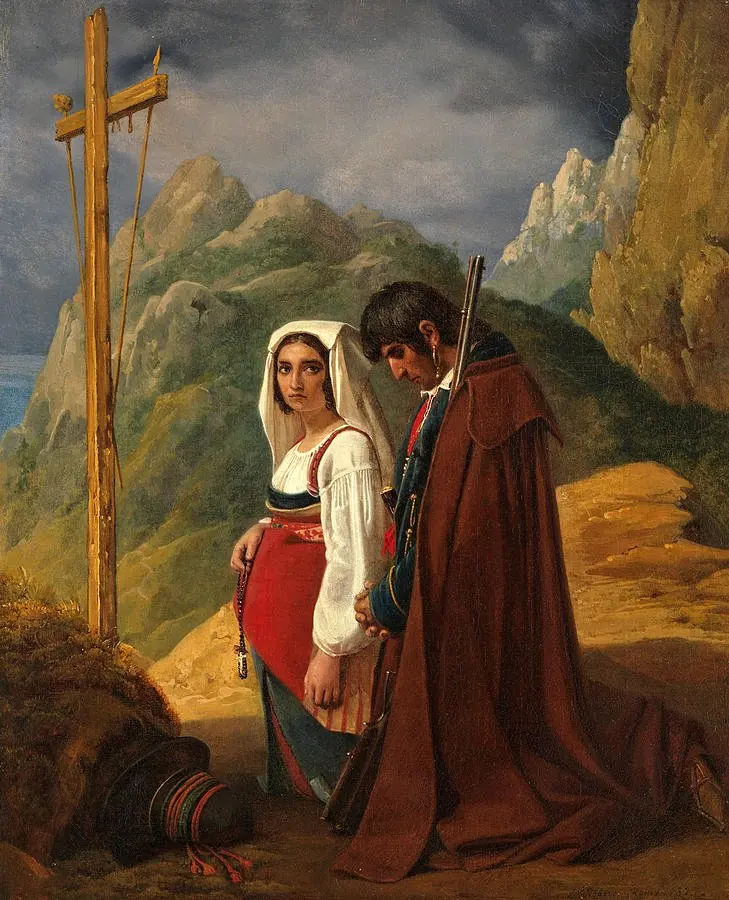 Brigand and his wife in prayer
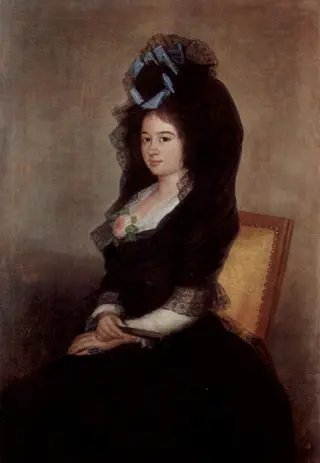 Narcisa Barañana de Goicoechea
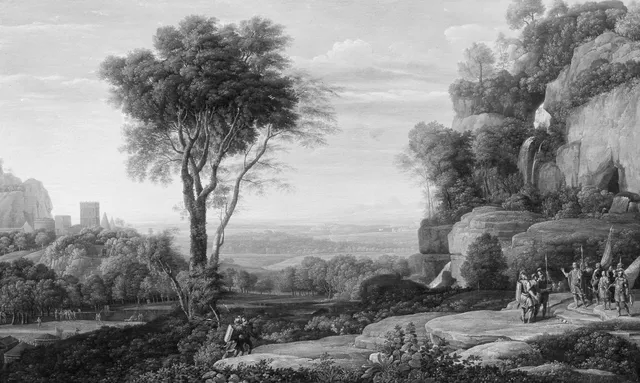
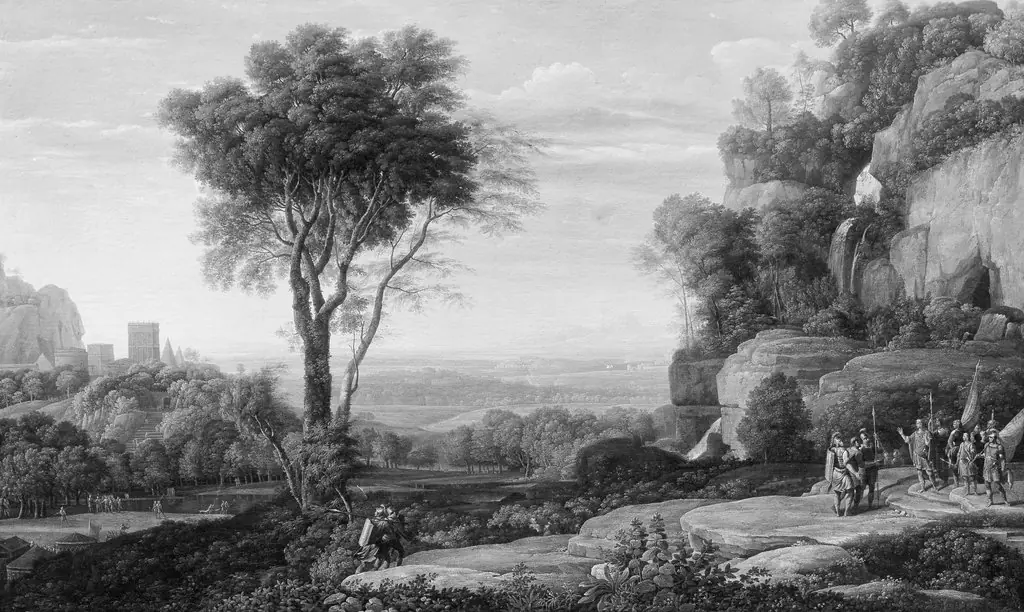 David at the Cave of Adullam
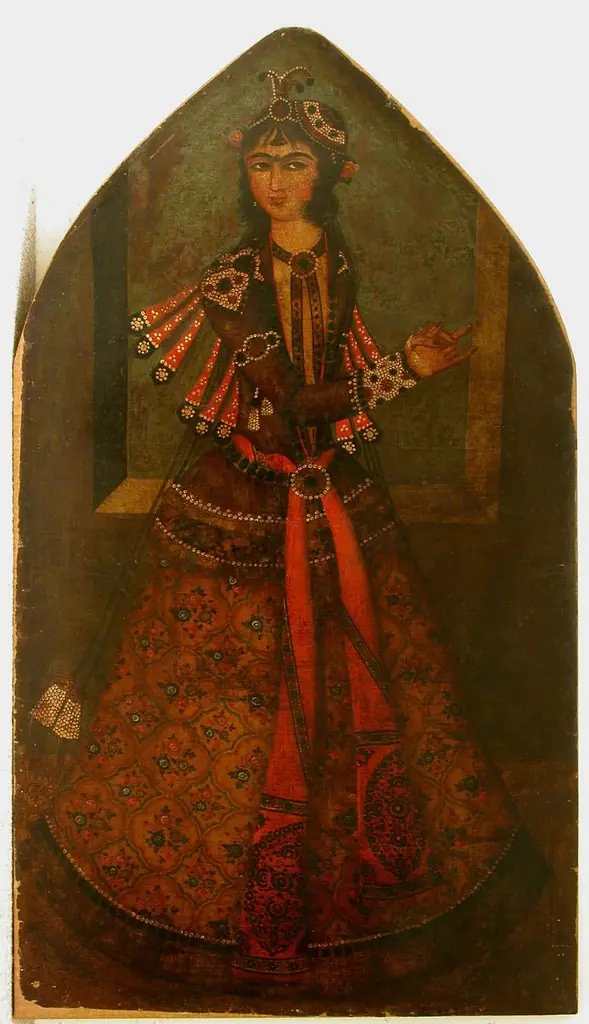 Painting of a Dancer
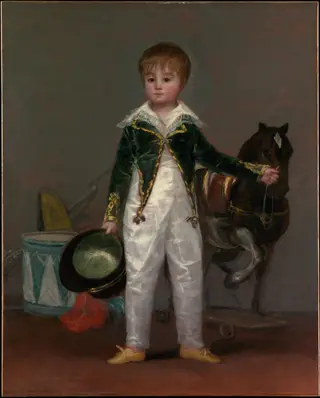 José Costa y Bonells, Called Pepito
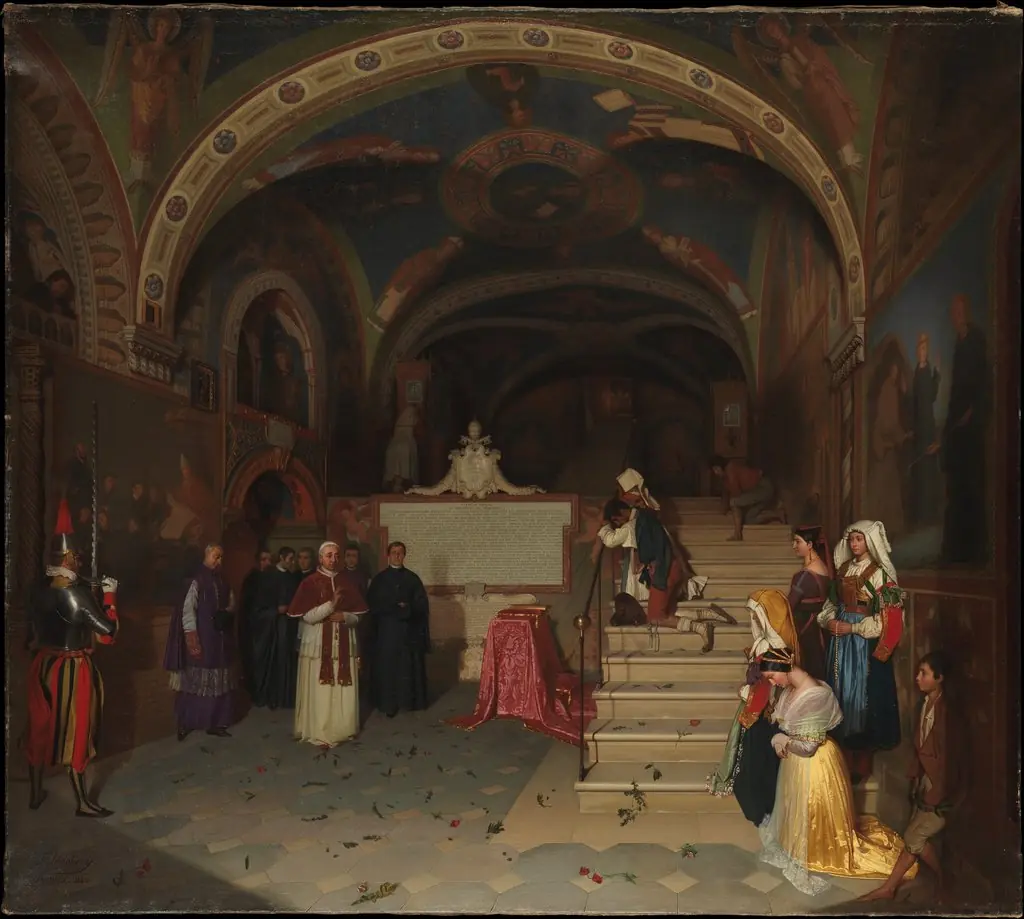 Pope Gregory XVI Visiting the Church of San Benedetto at Subiaco
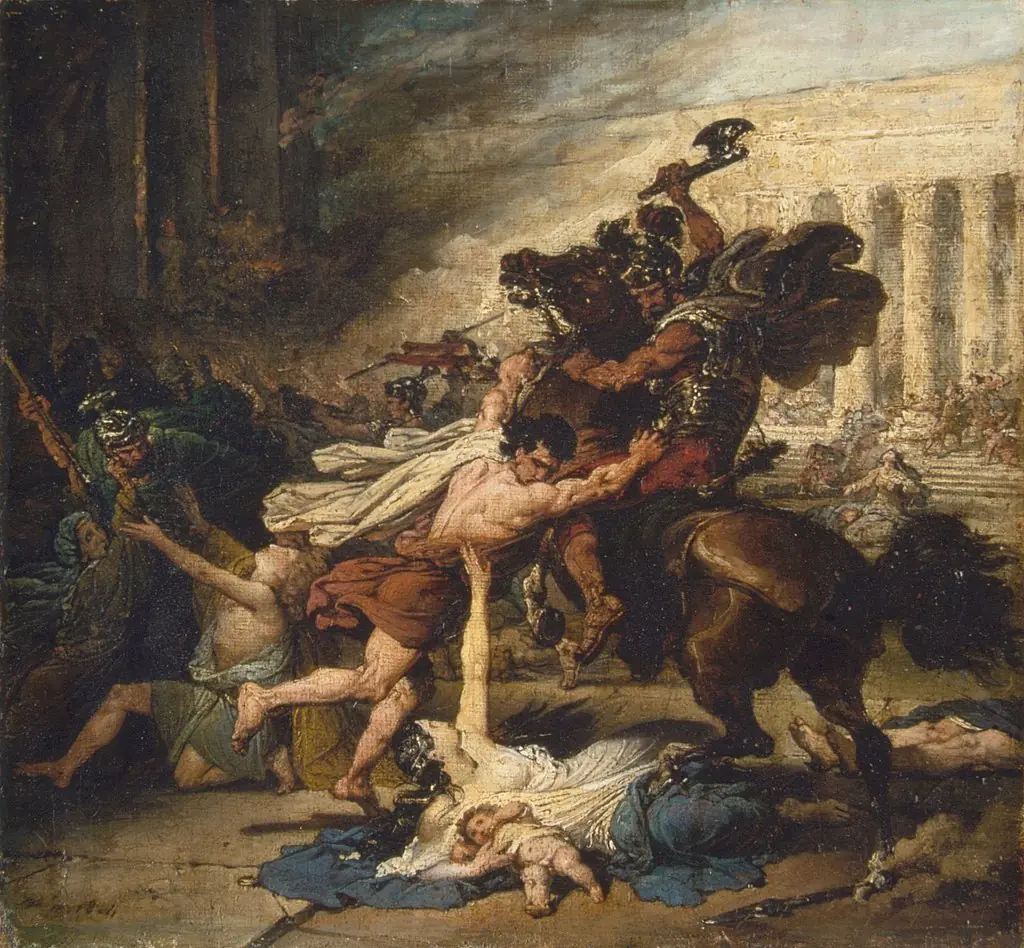 The Sack of Jerusalem by the Romans
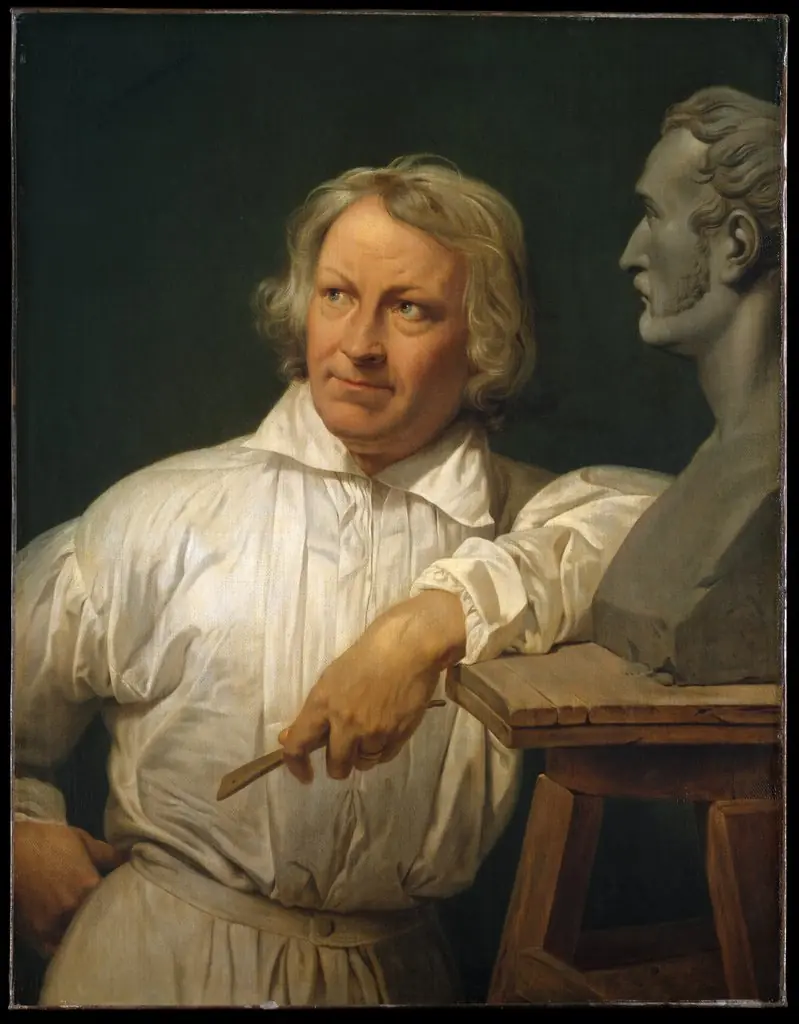 Bertel Thorvaldsen (1768–1844) with the Bust of Horace Vernet
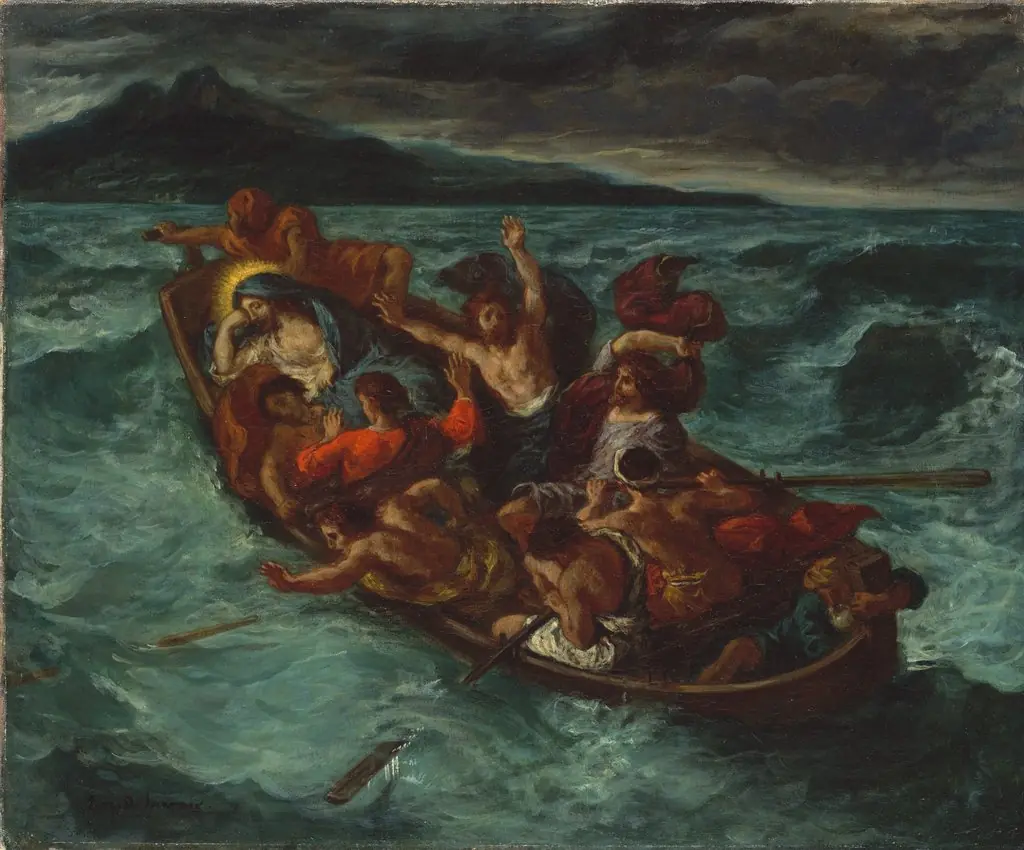 Christ Asleep during the Tempest
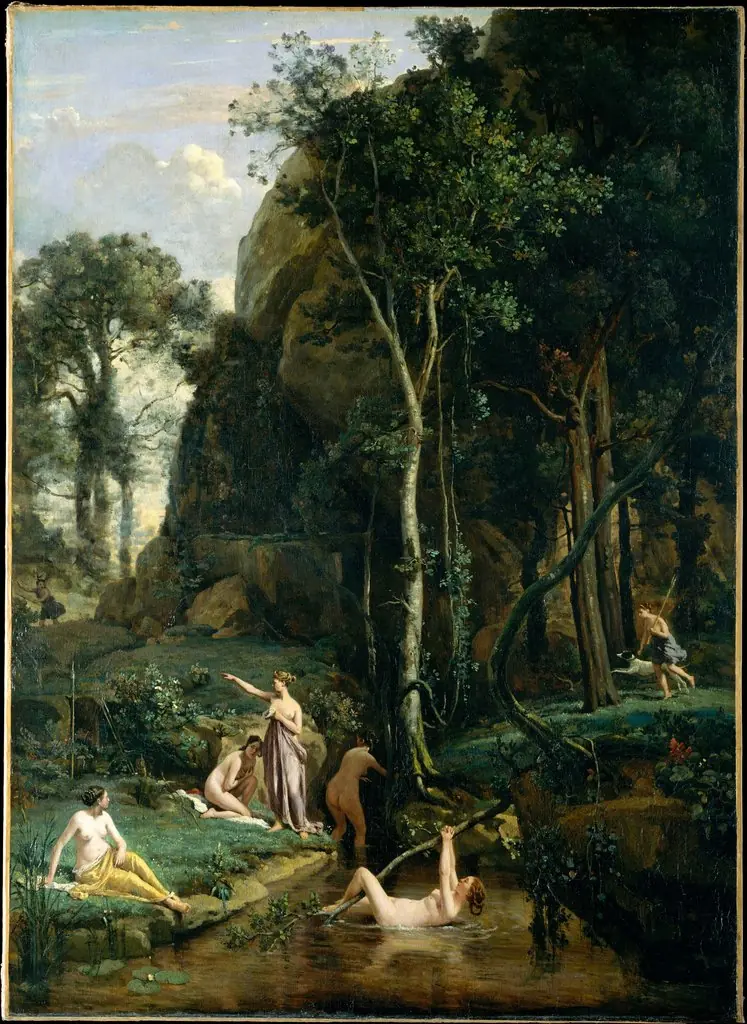 Diana and Actaeon (Diana Surprised in Her Bath)
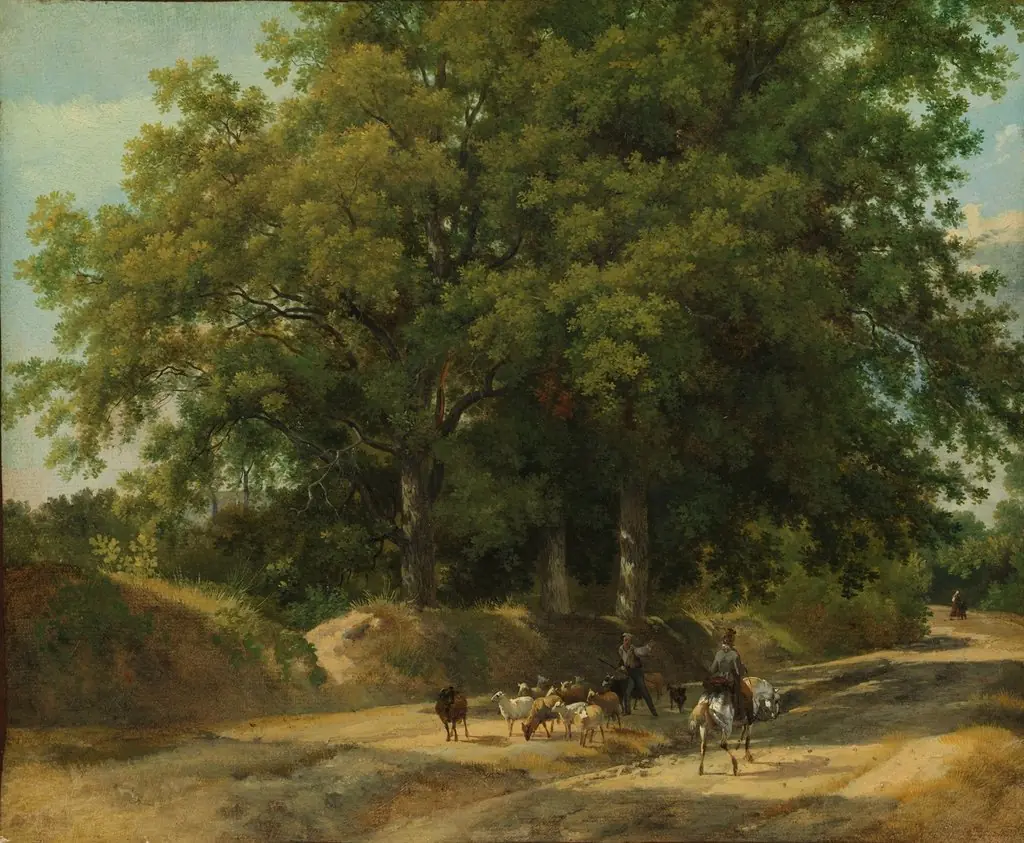 A Shepherd and a Rider on a Country Lane
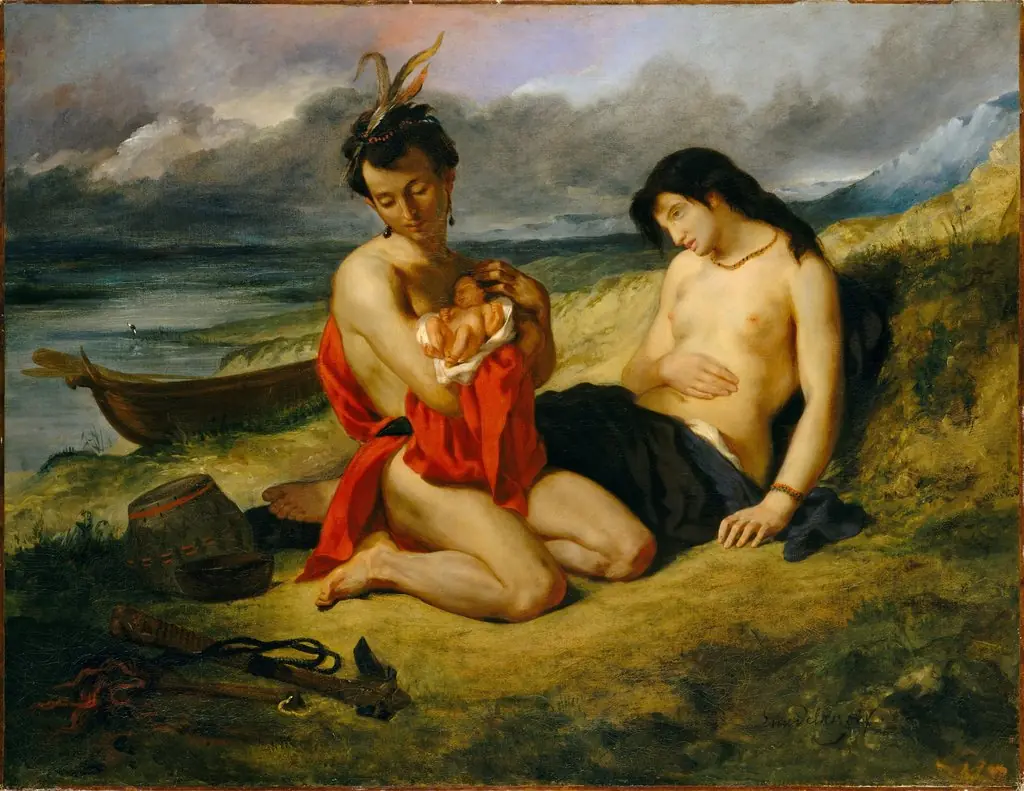 The Natchez
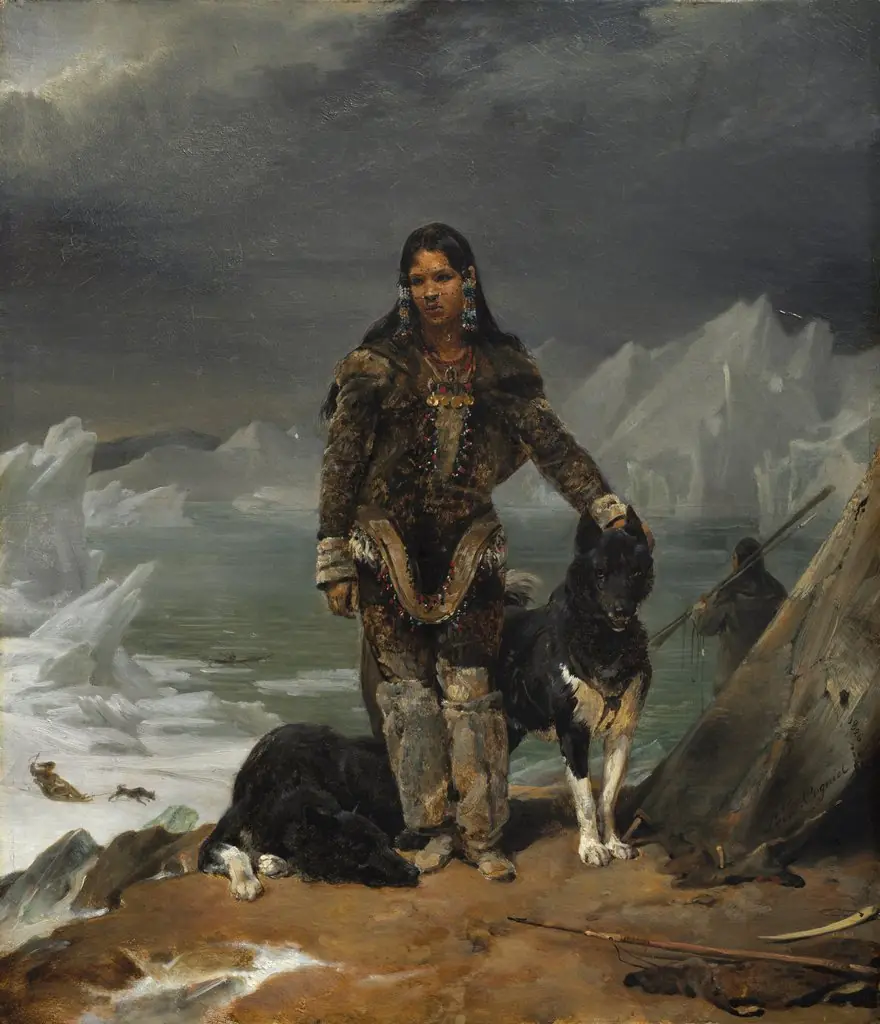 A Woman from the Land of Eskimos
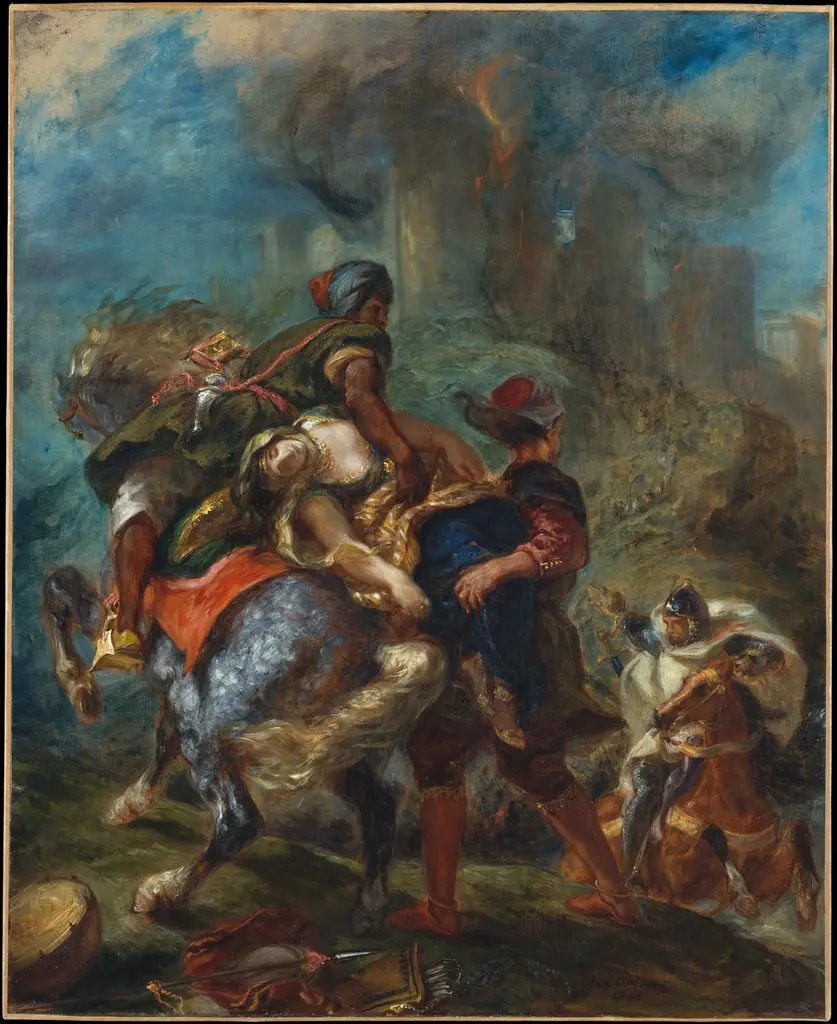 The Abduction of Rebecca
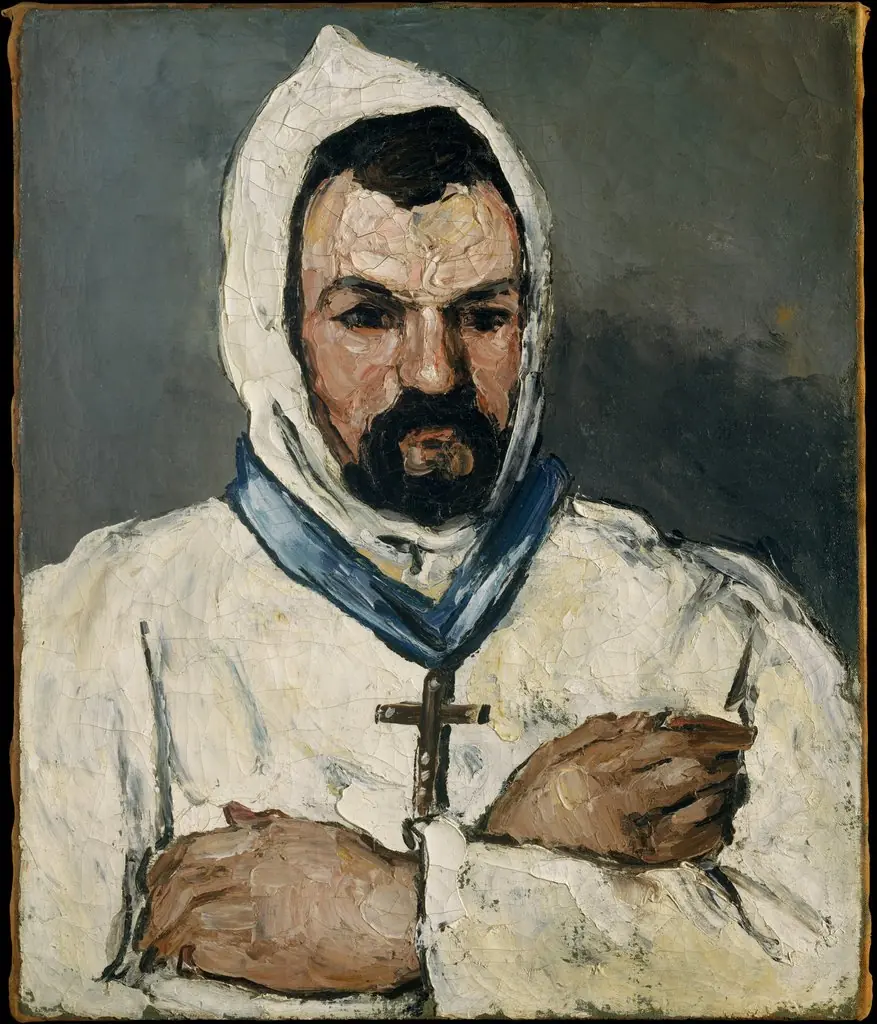 Portrait d'un moine (Monk's Portrait)
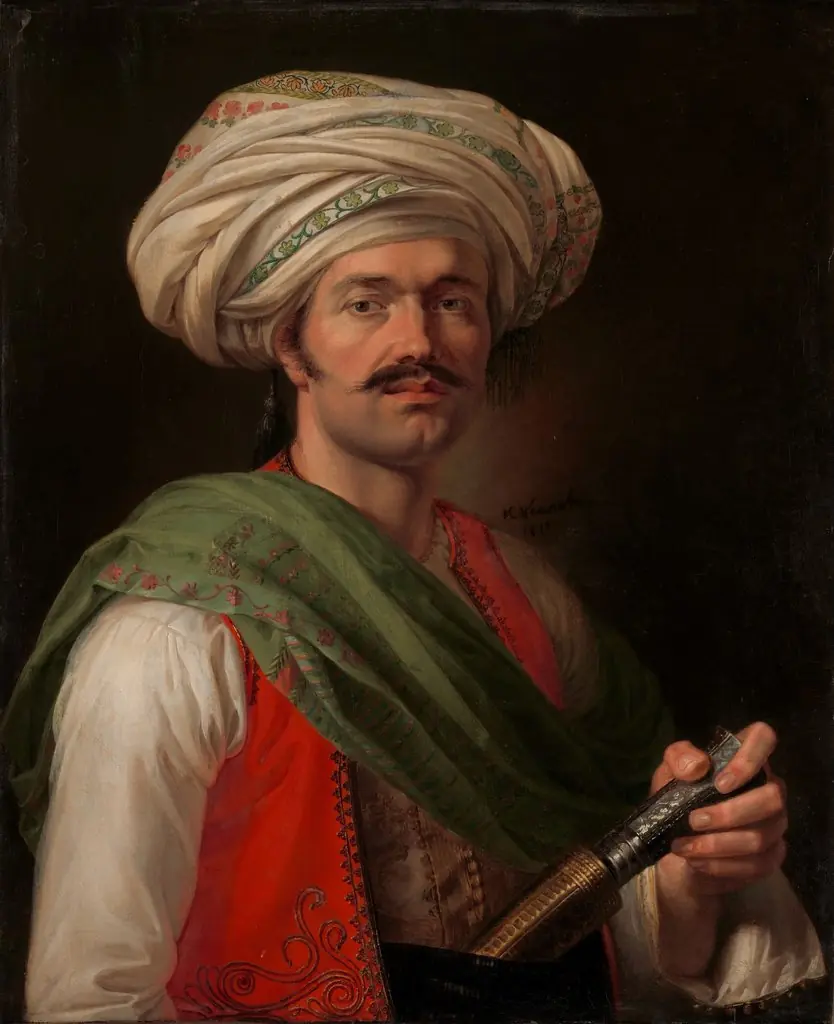 Portrait of a Mameluke, said to be Roustam Raza
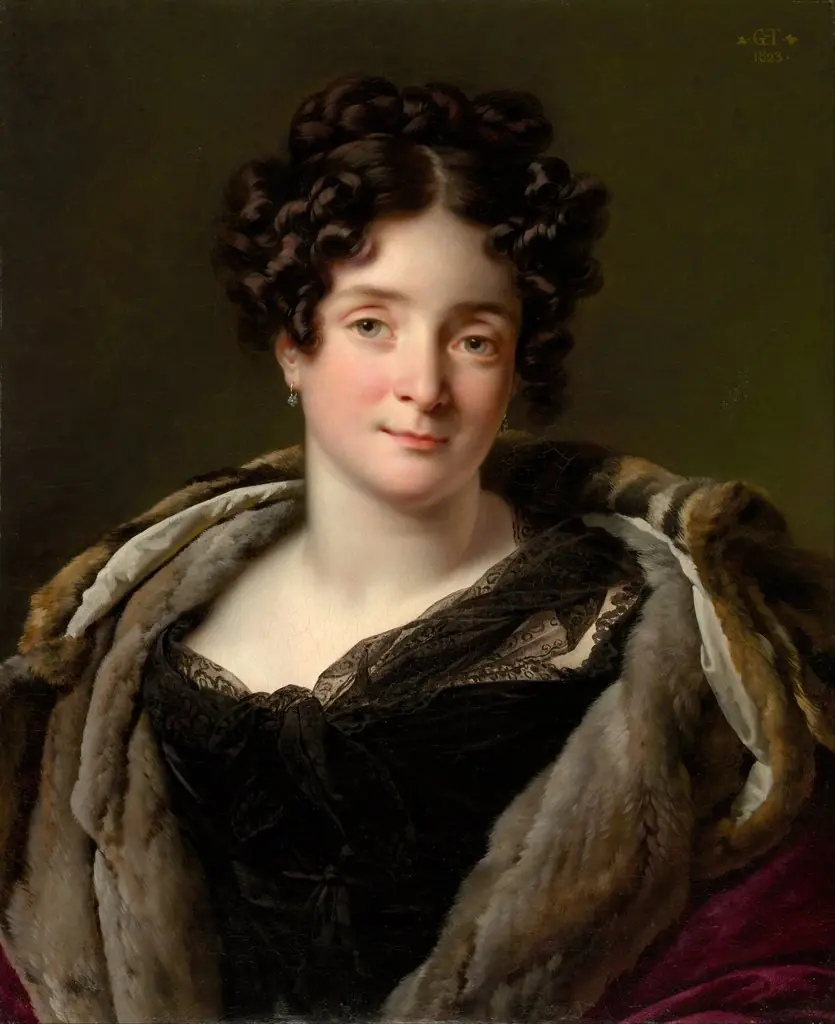 Madame Jacques-Louis-Étienne Reizet (Colette-Désirée-Thérèse Godefroy, 1782–1850)
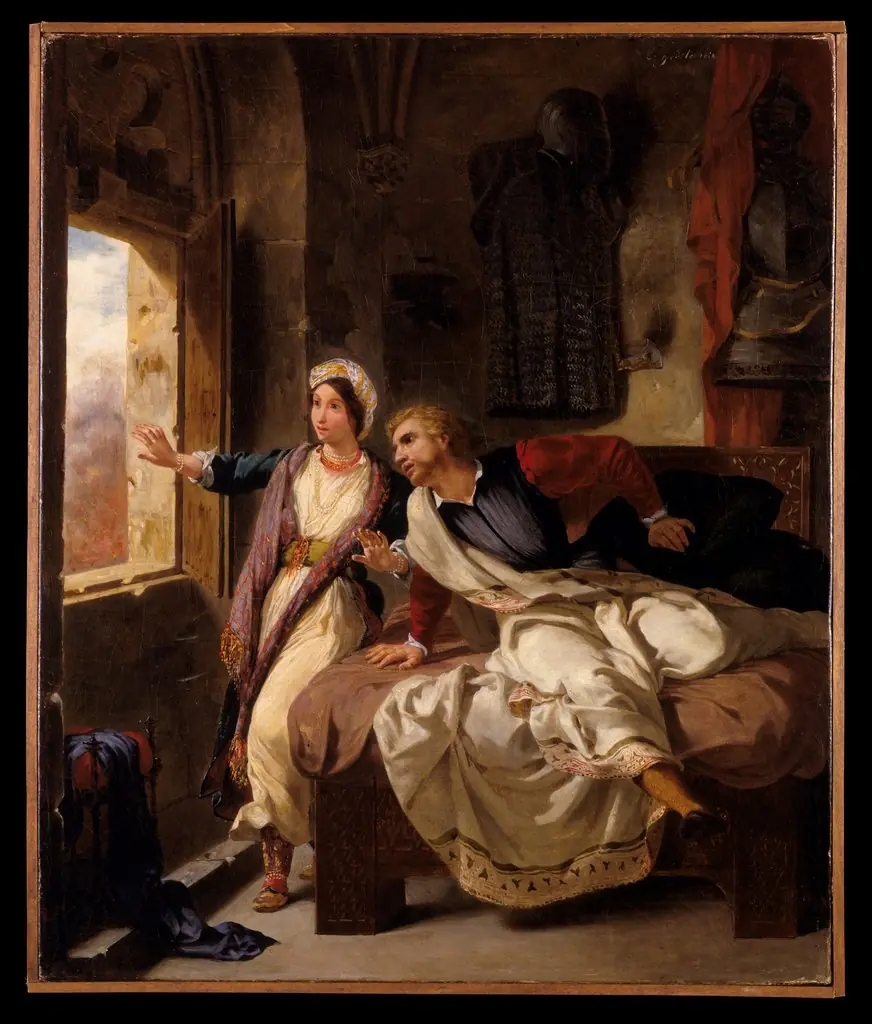 Rebecca and the Wounded Ivanhoe
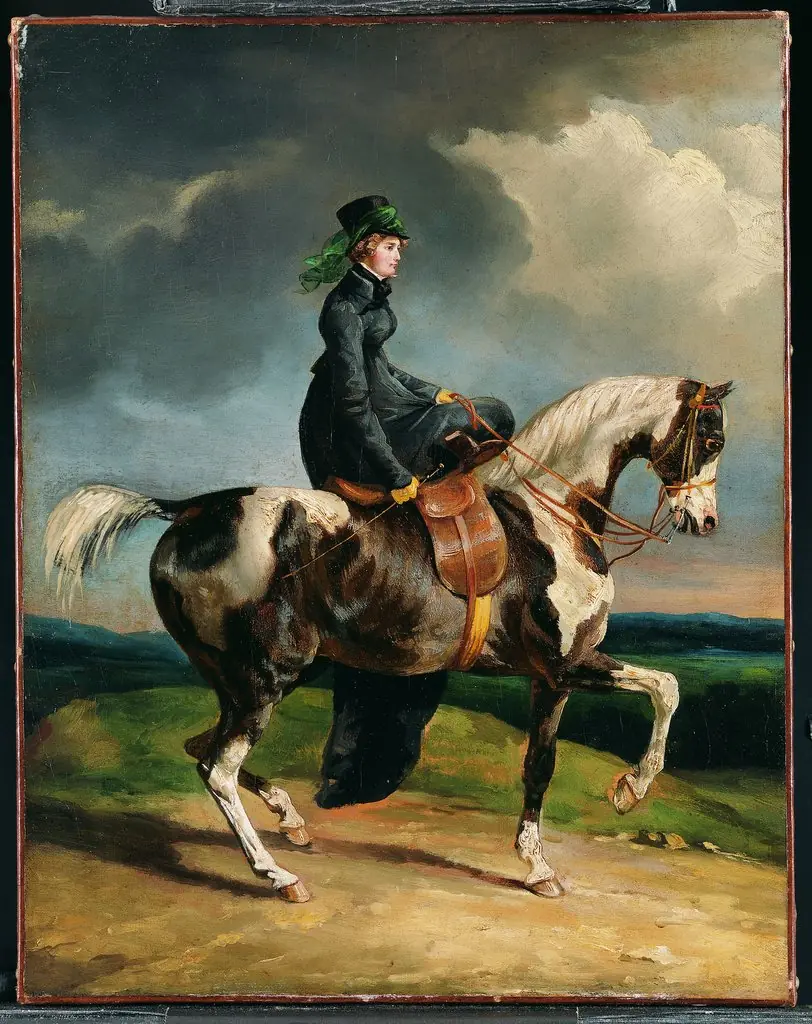 Horsewoman
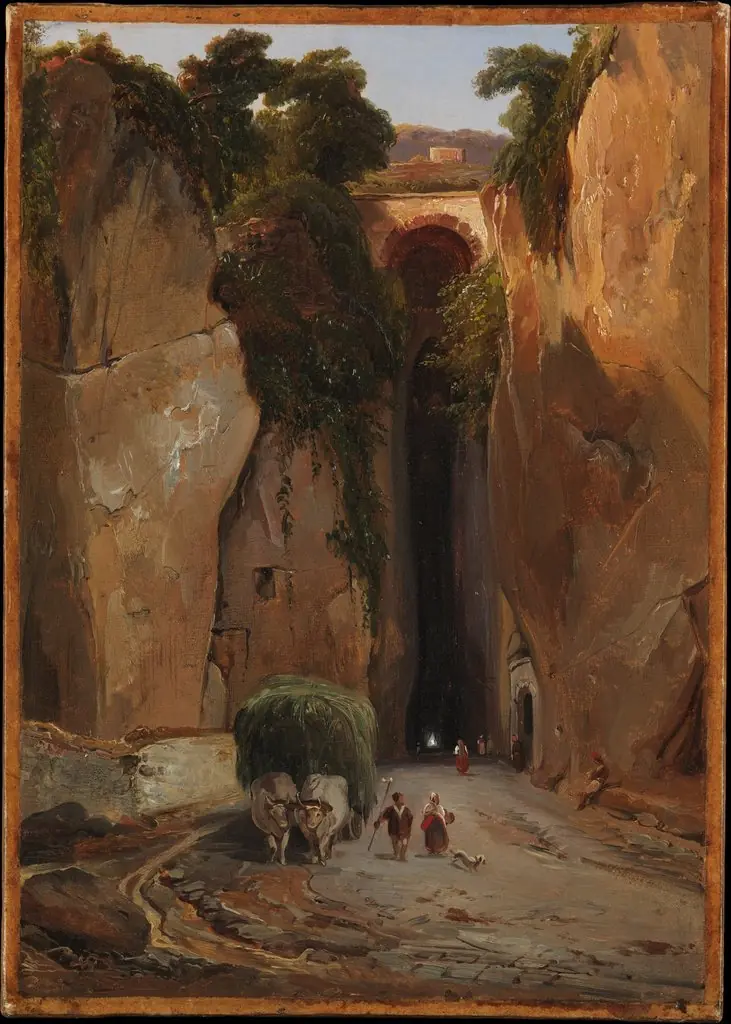 Entrance to the Grotto of Posillipo
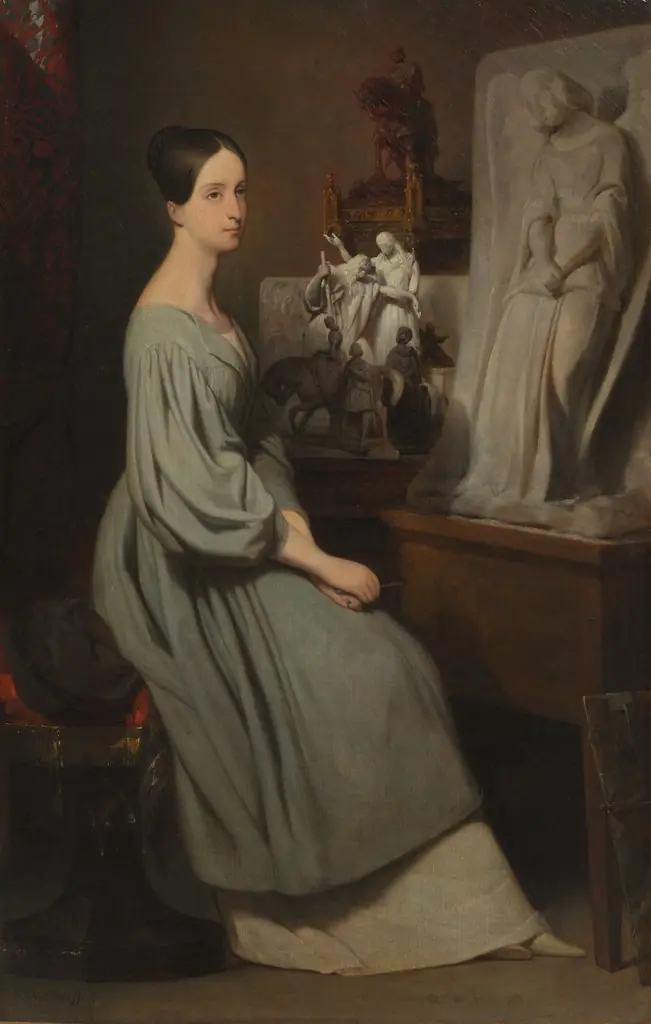 Princess Marie d'Orléans in Her Studio
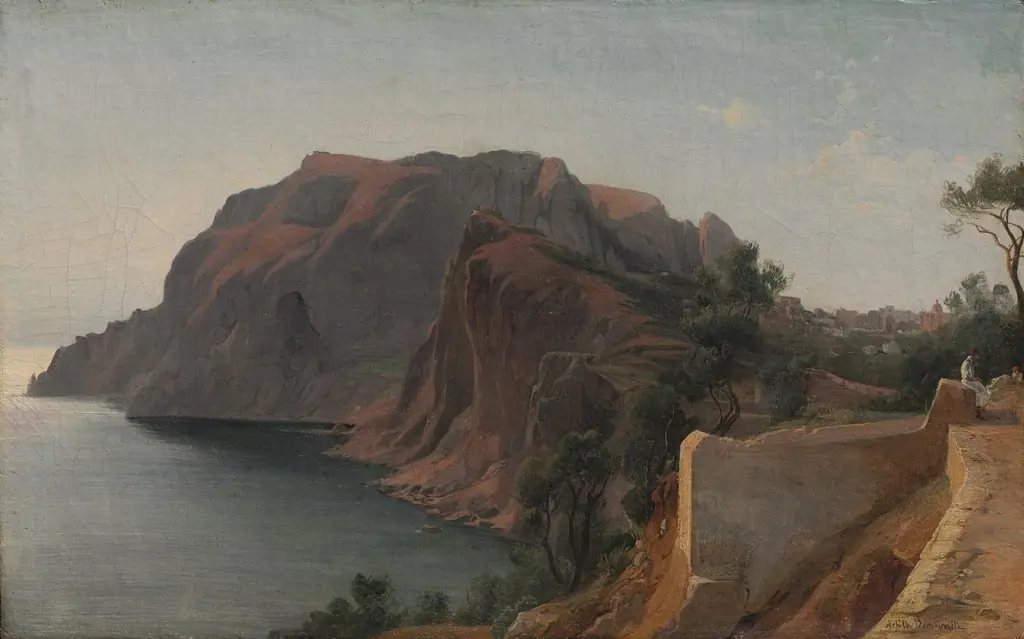 Capri
Capri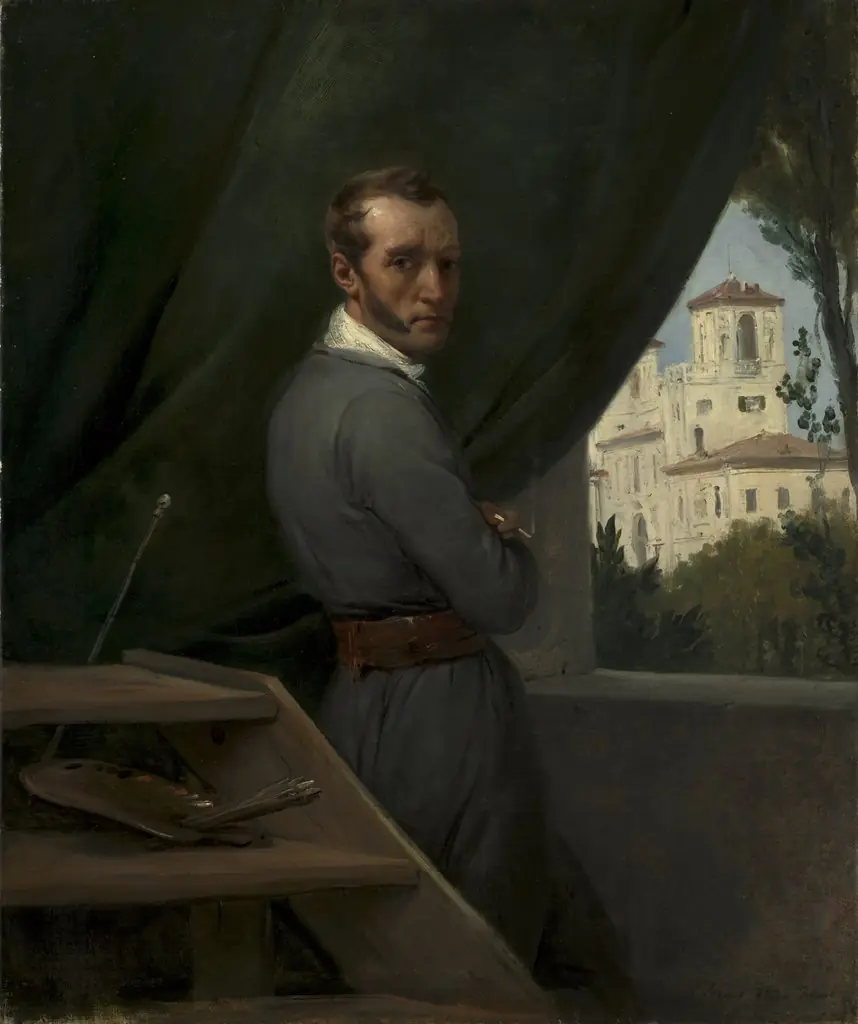 Self-Portrait in Rome
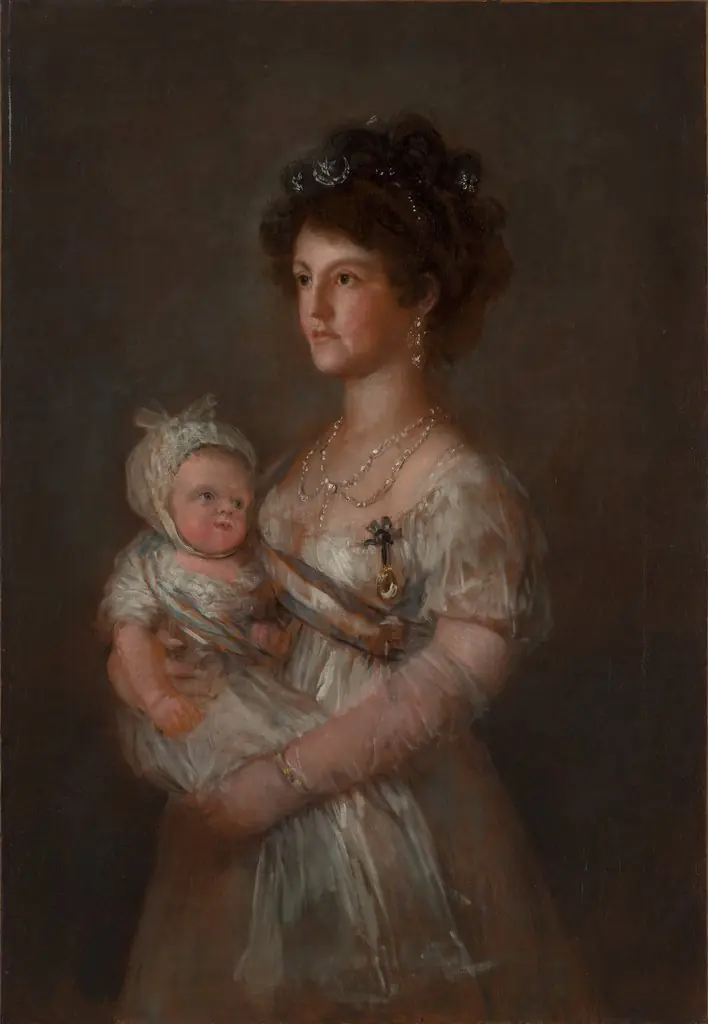 Infanta María Luisa (1782–1824) and Her Son Carlos Luis (1799–1883)
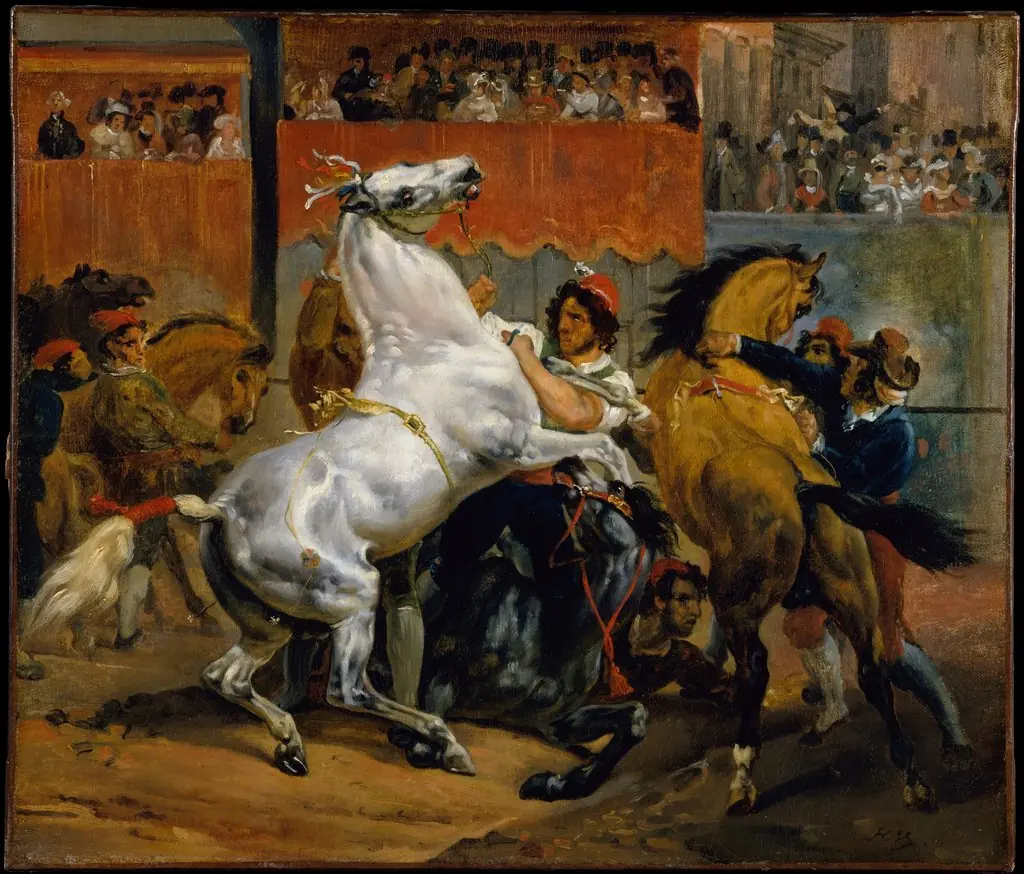 The Start of the Race of the Riderless Horses
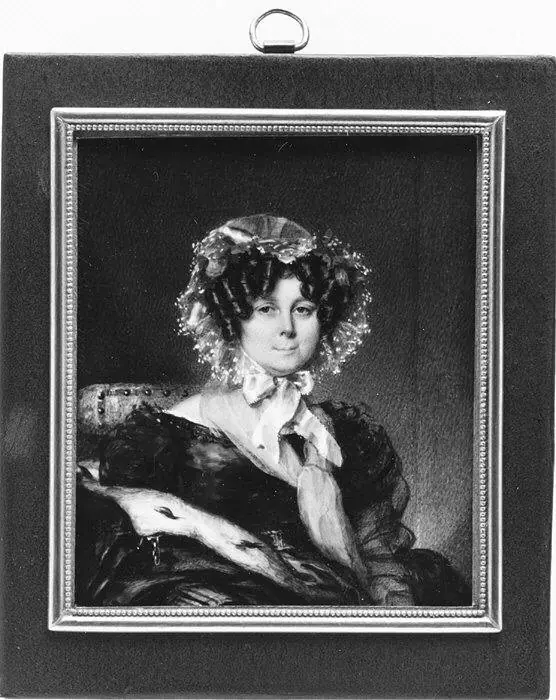 Portrait of a Woman
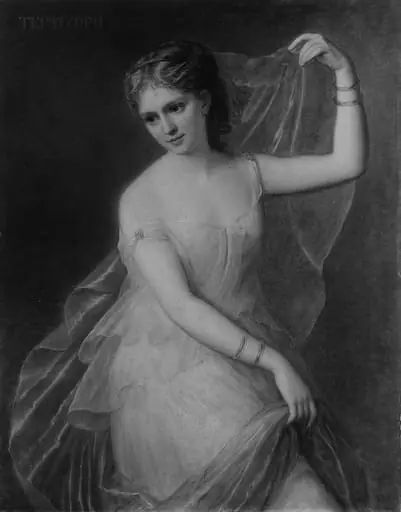 Terpsichore
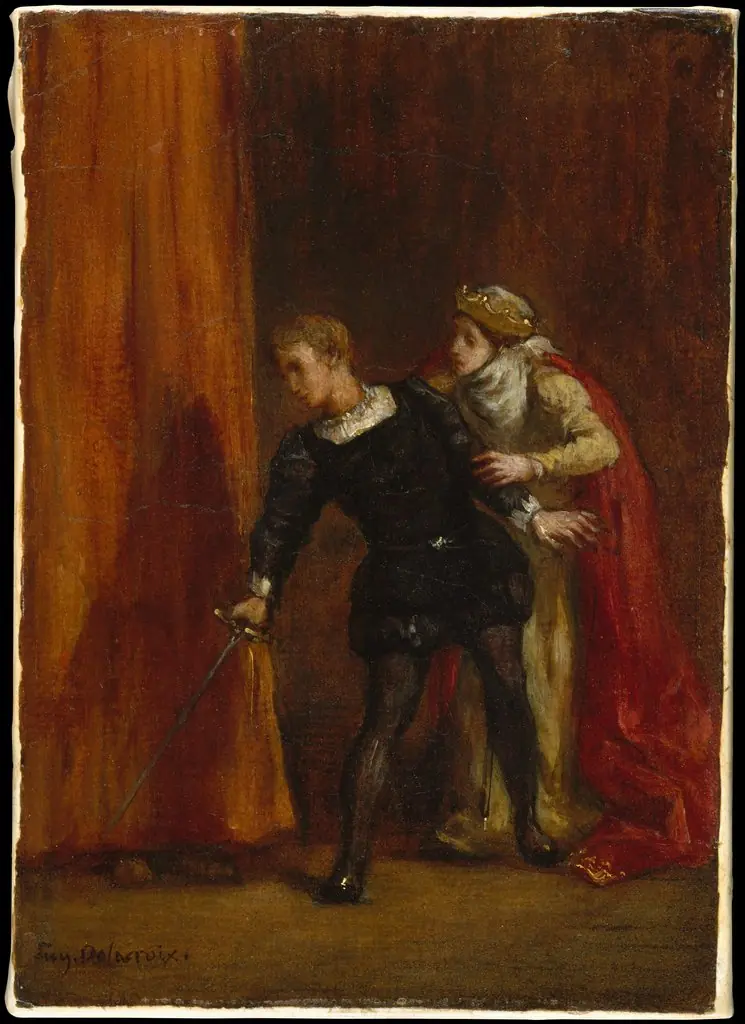 Hamlet and His Mother
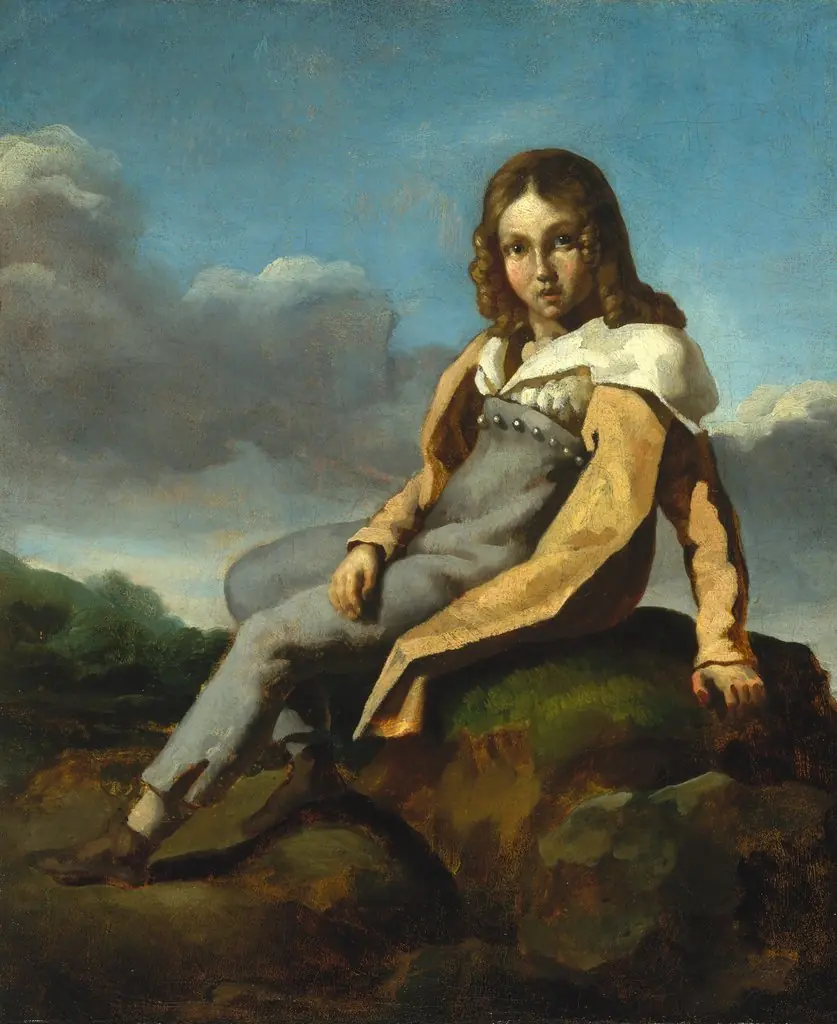 Alfred Dedreux (1810–1860) as a Child
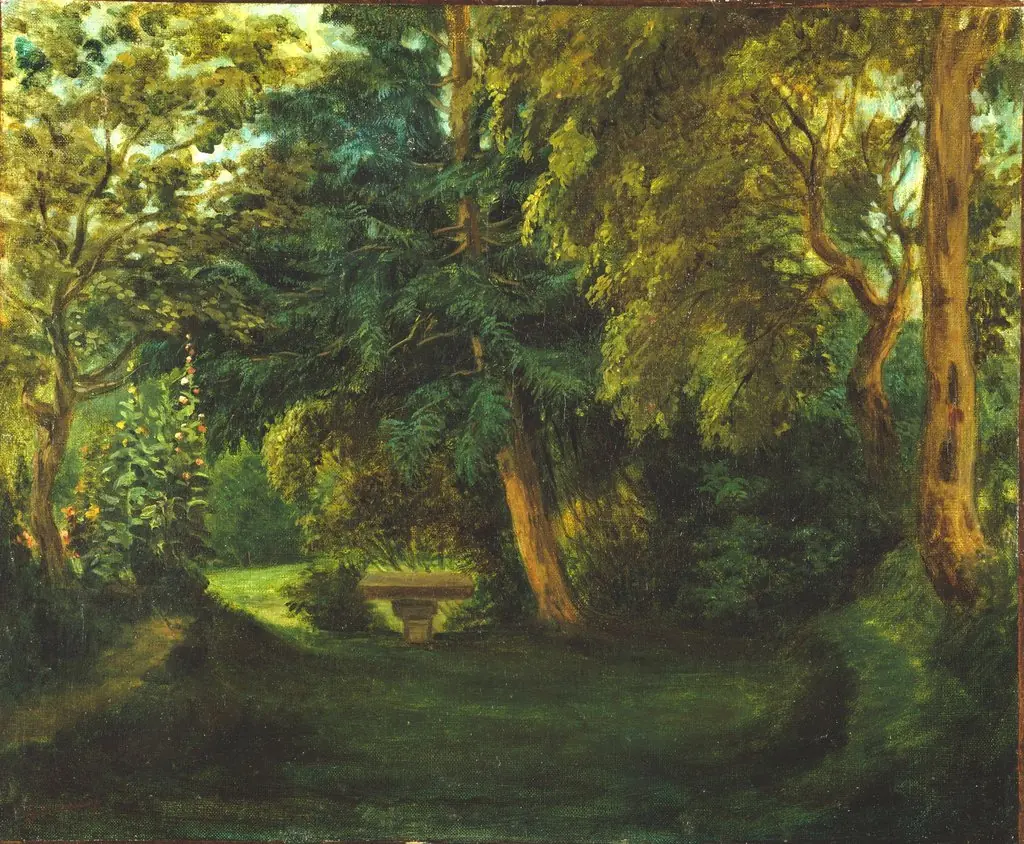 George Sand's Garden at Nohant
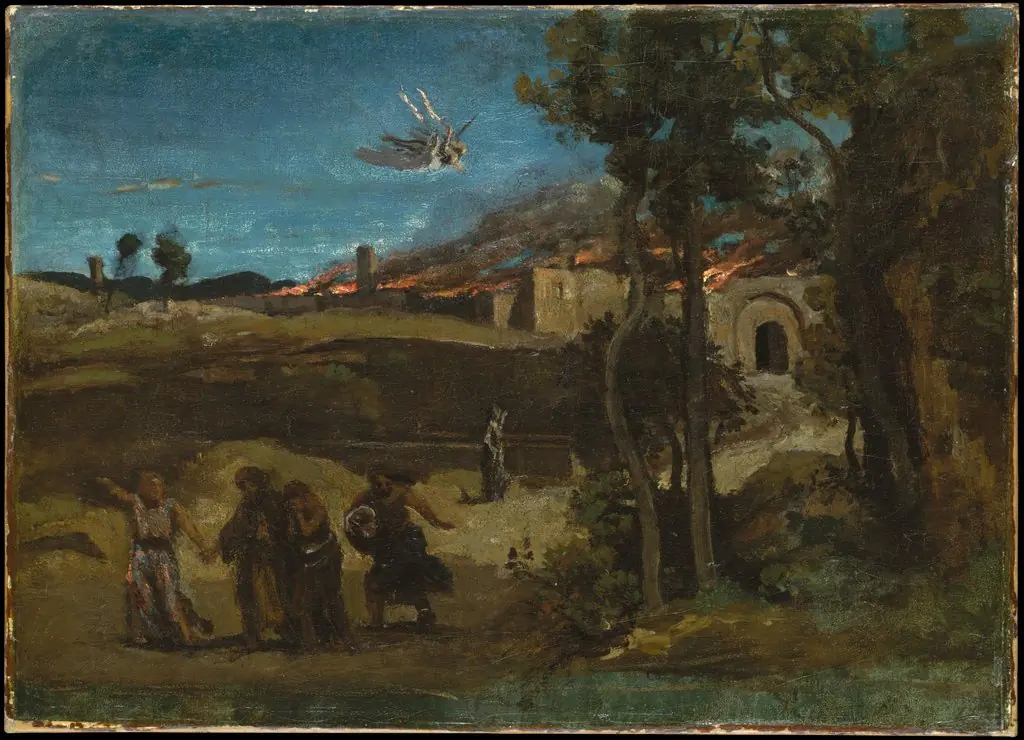 Study for "The Destruction of Sodom"
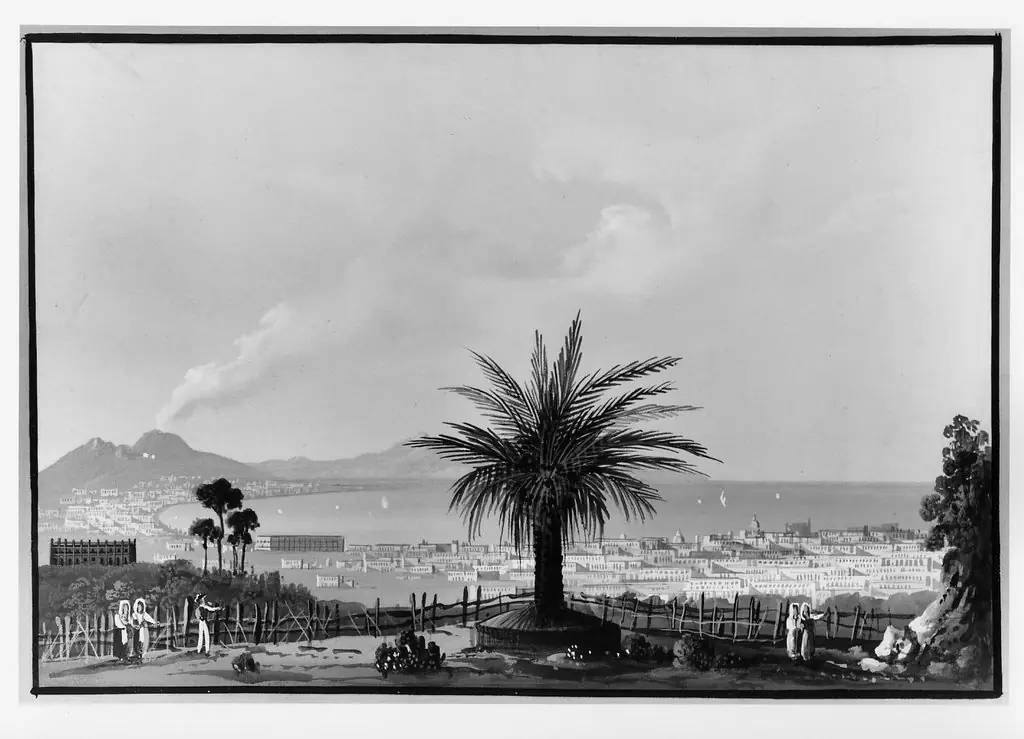 View of Naples from San Martino
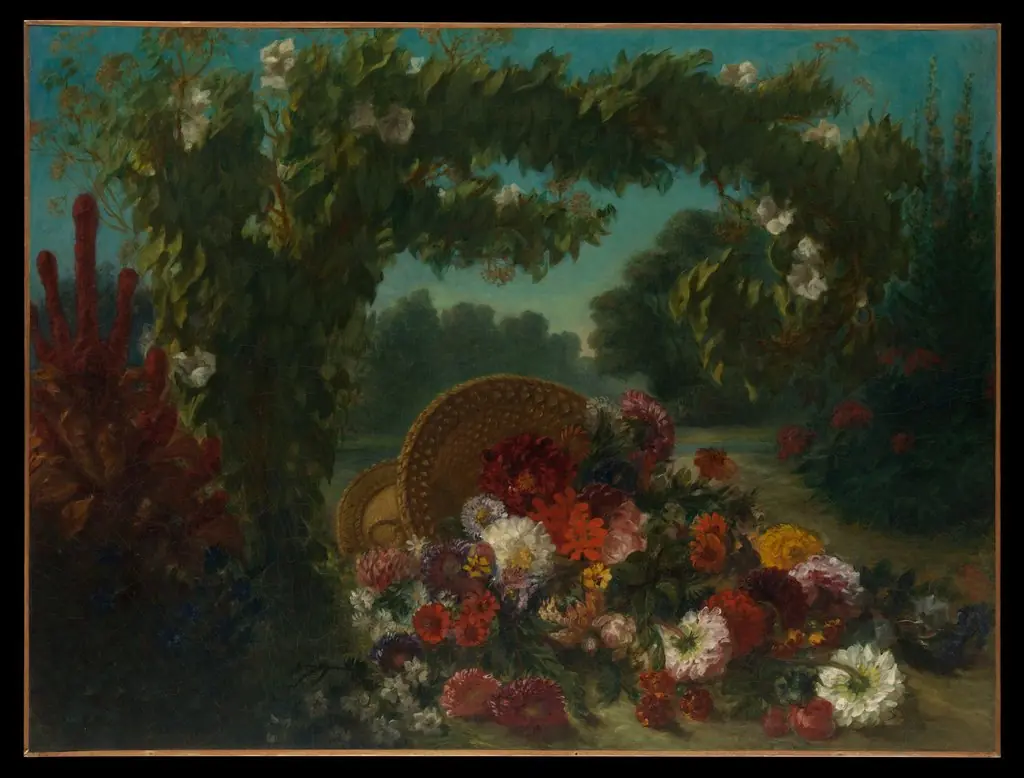 Basket of Flowers
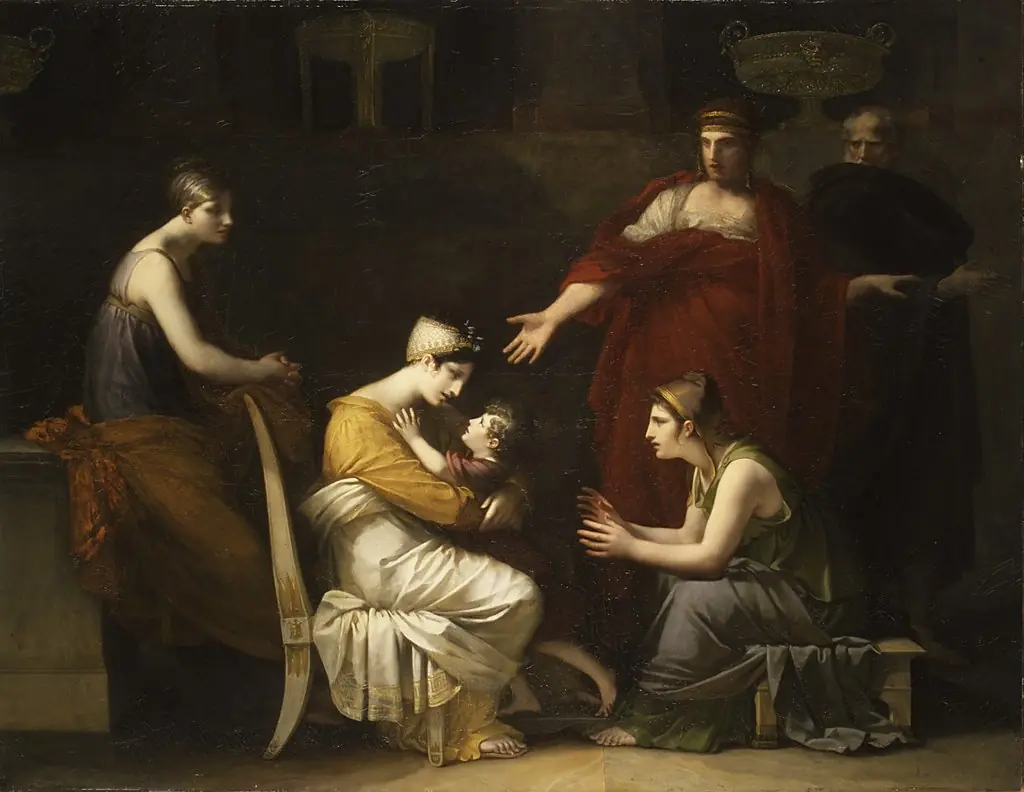 Andromache and Astyanax
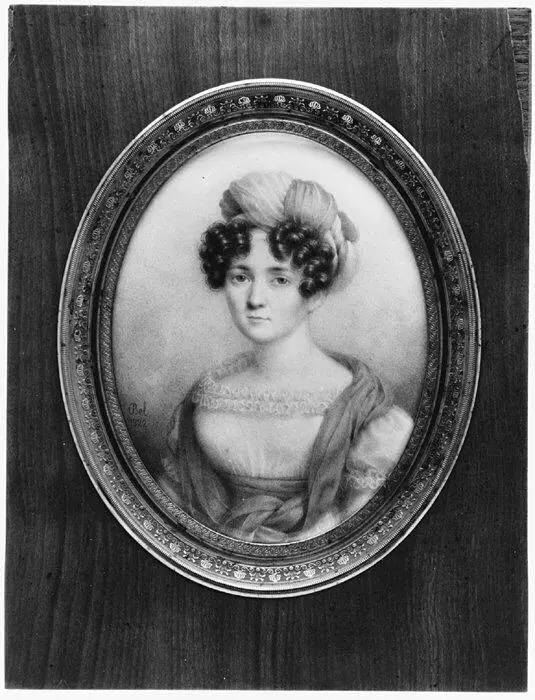 Portrait of a Woman
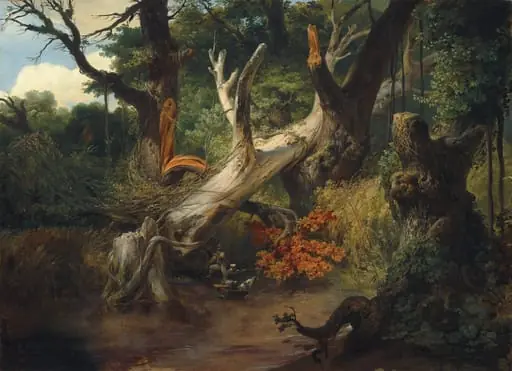 Hunting in the Pontine Marshes
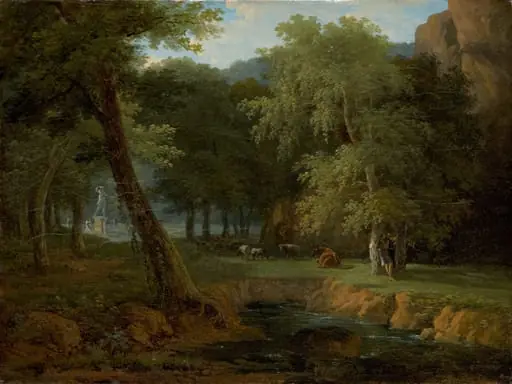 Woodland Scene with Nymphs and a Herm
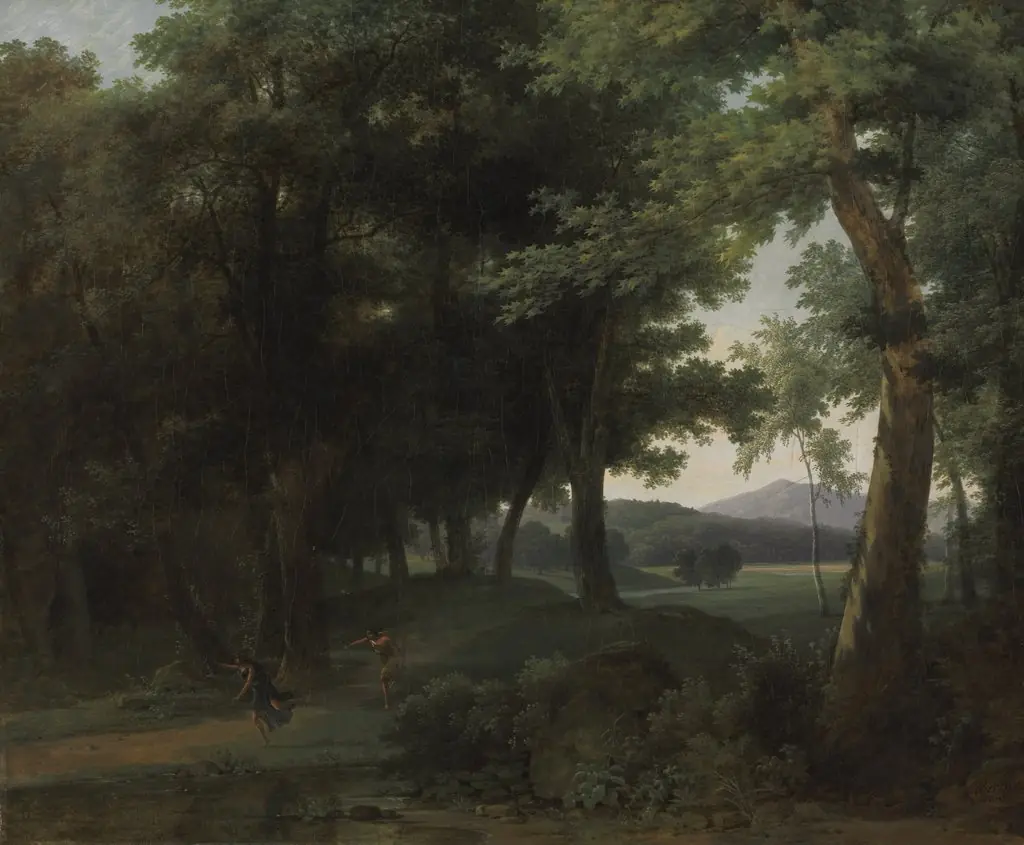 A Forest with Apollo and Daphne
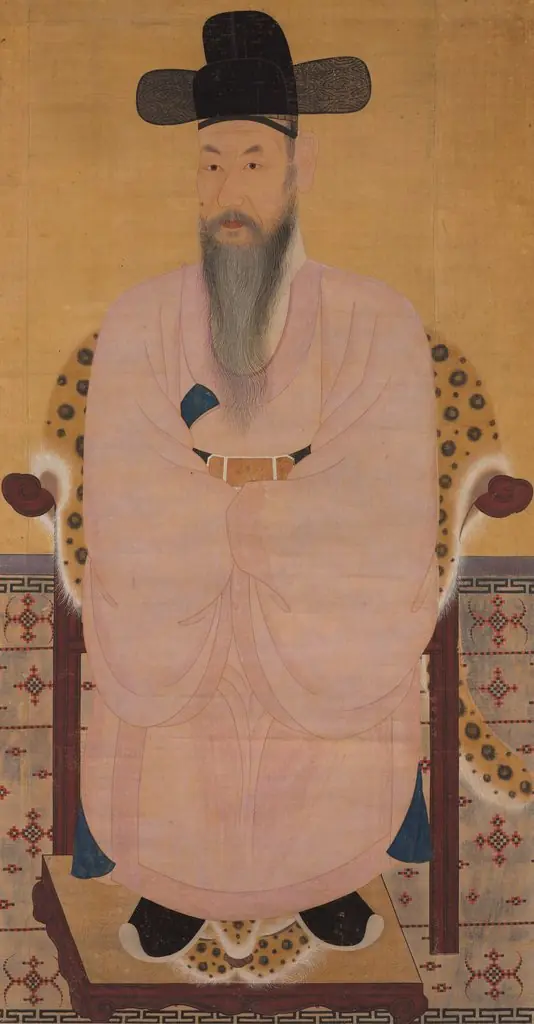 Portrait of an Official
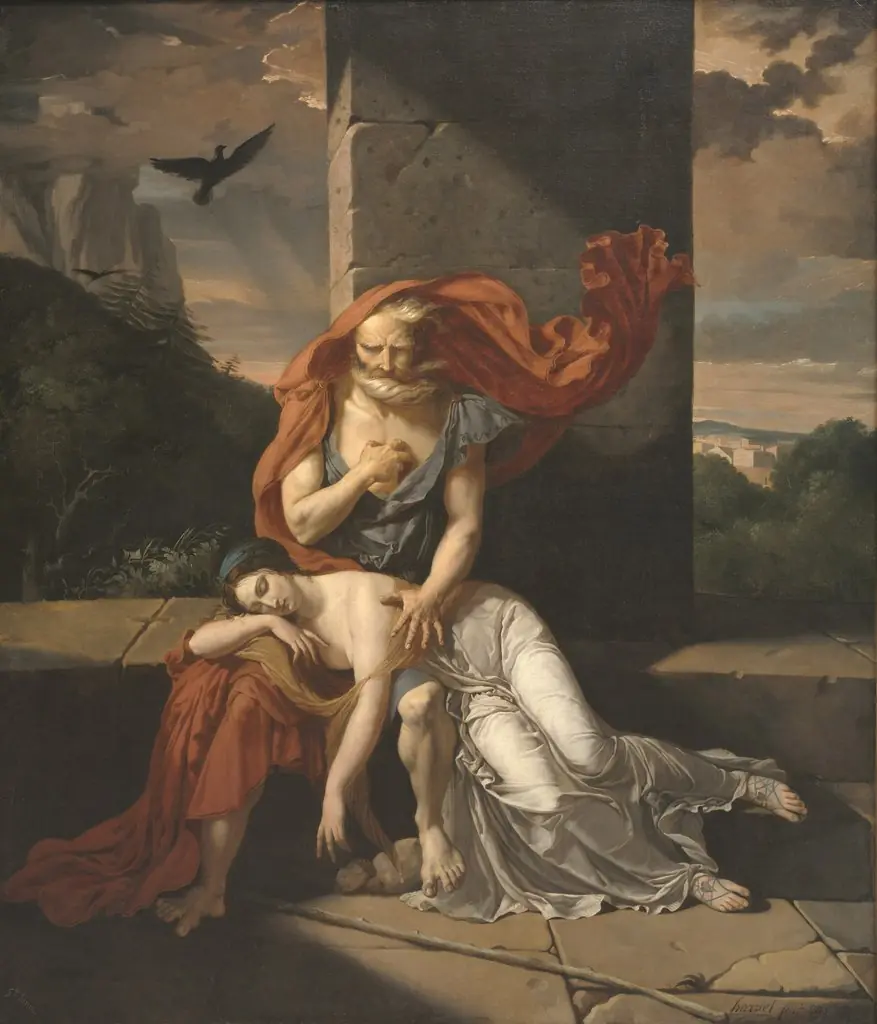 Oedipus at Colonus
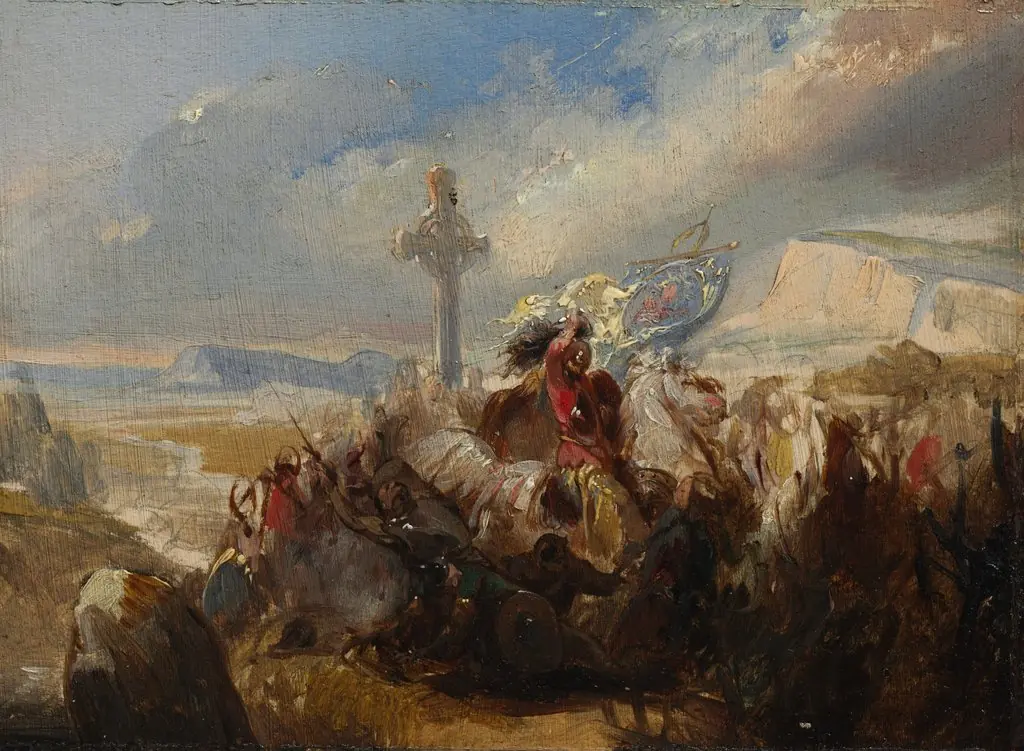 Battle of Poitiers, 25 October 732
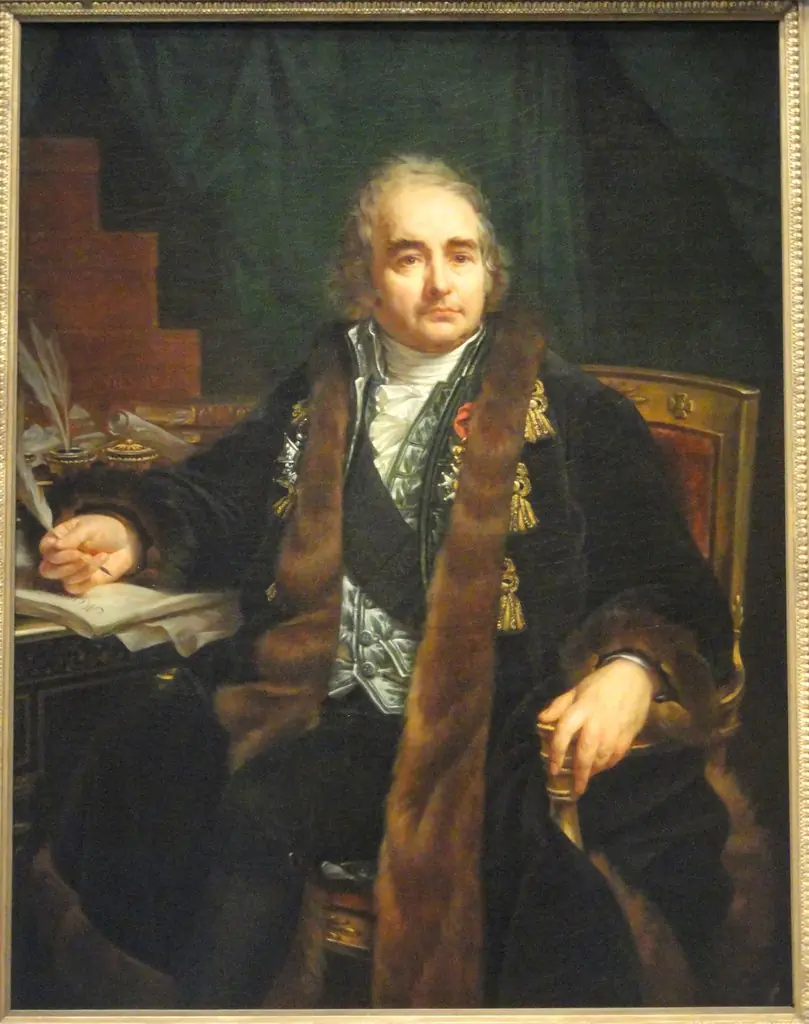 portrait of Jean-Antoine Chaptal
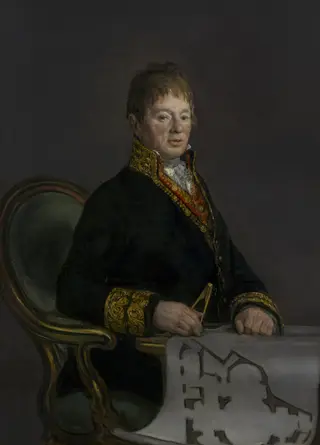 Portrait of Juan Antonio Cuervo
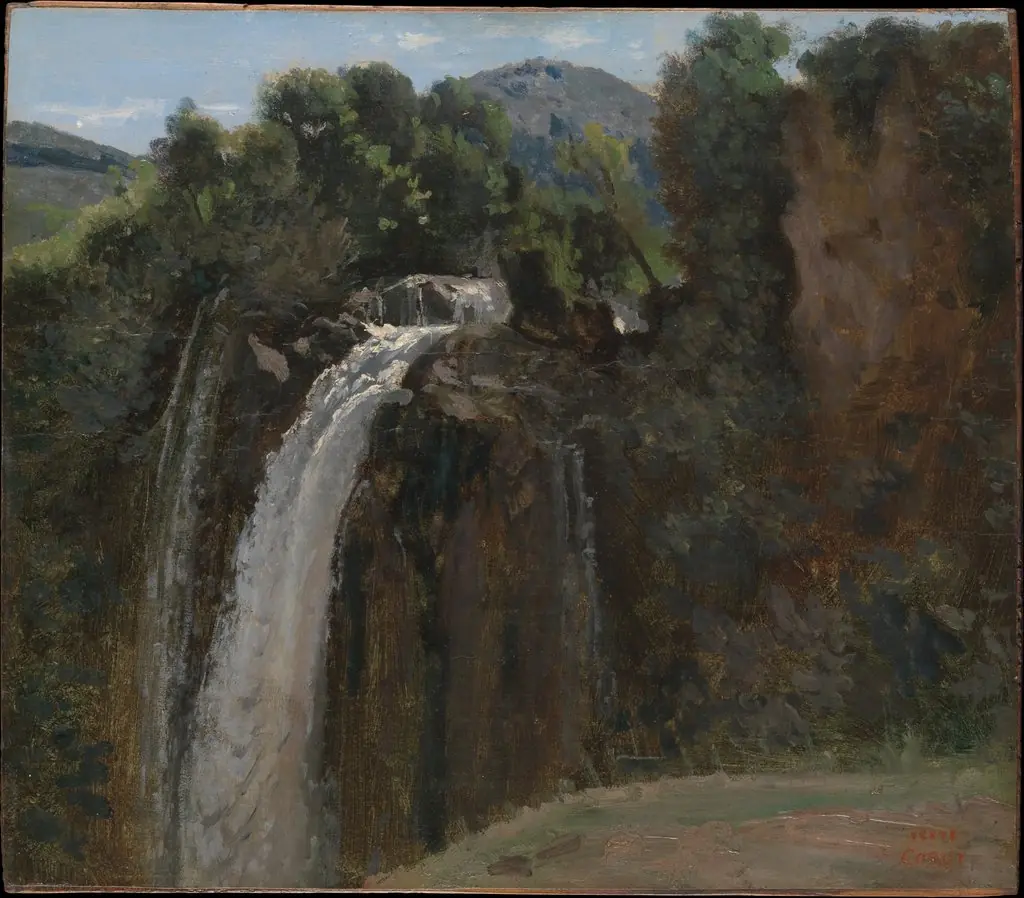 Waterfall at Terni
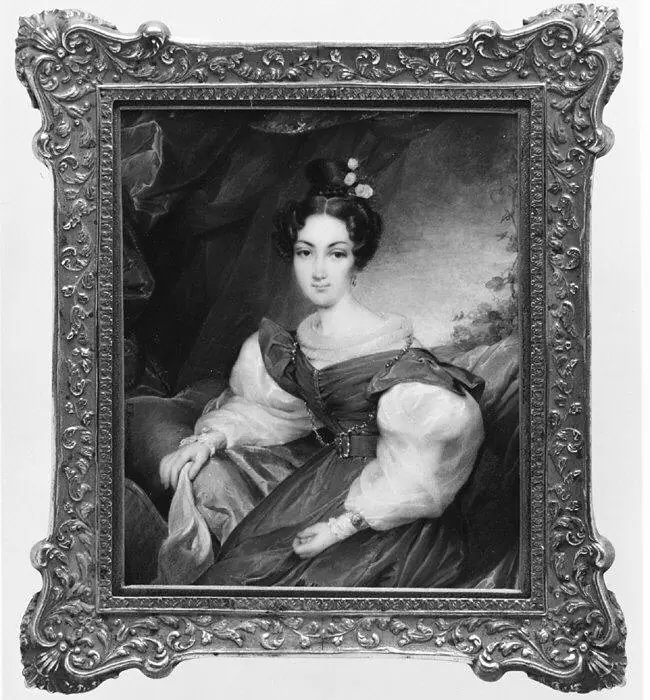 Portrait of a Woman
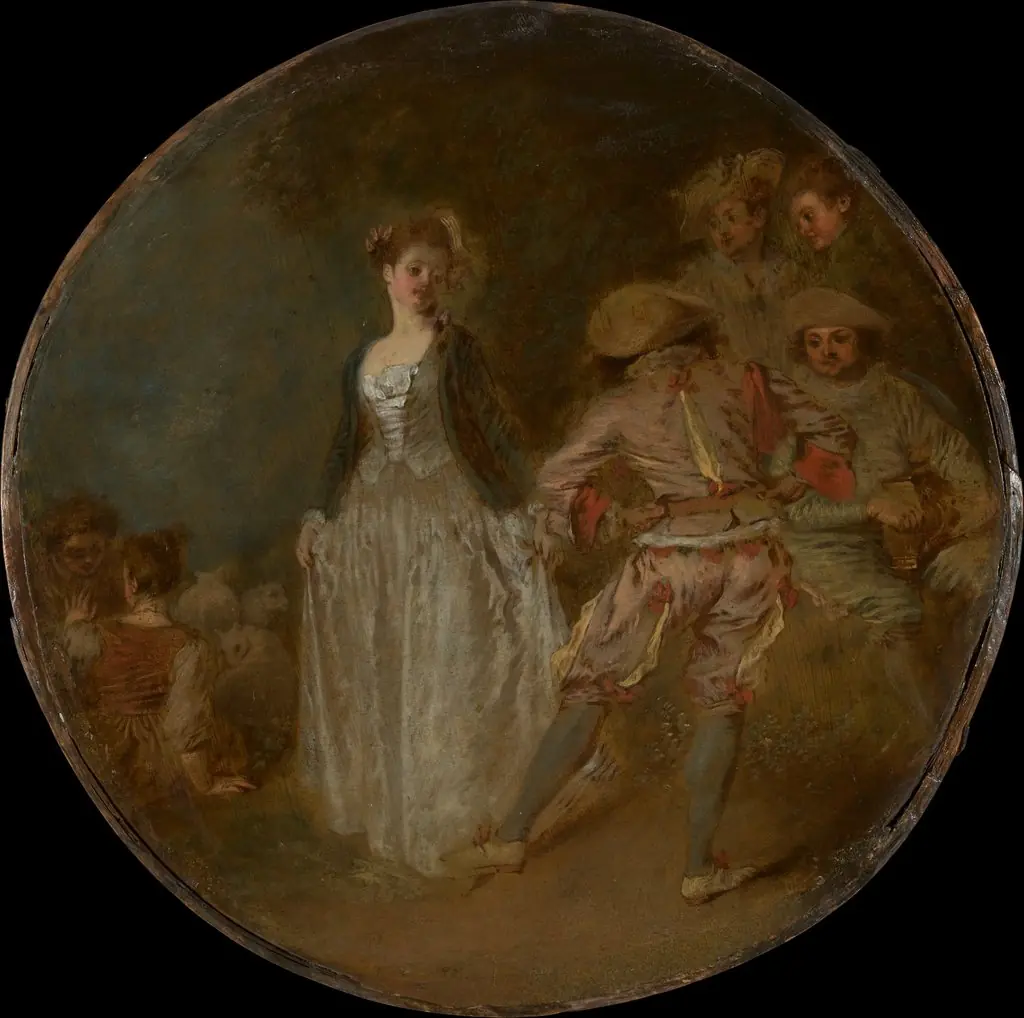 The Country Dance
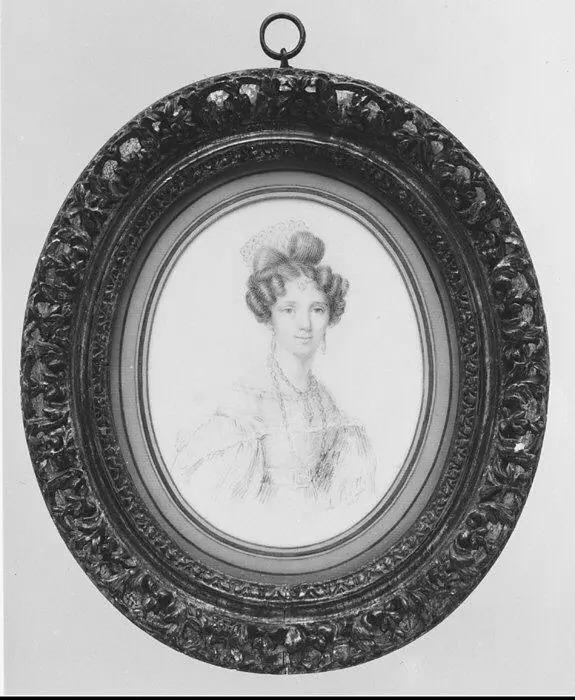 Portrait of a Woman
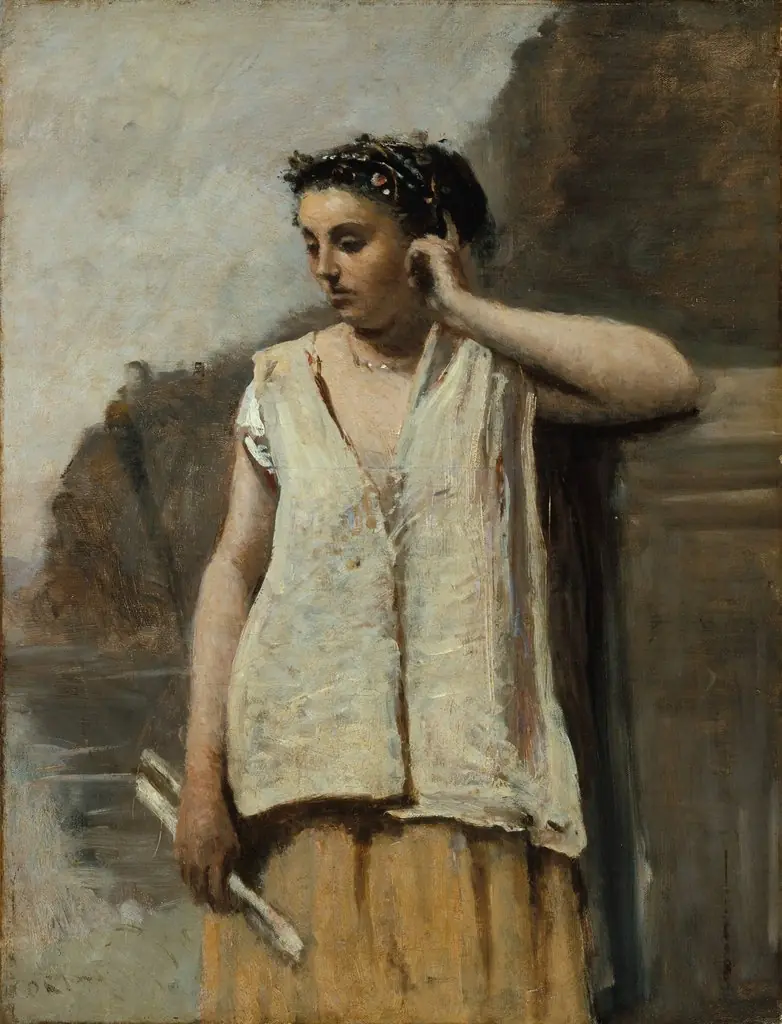 The Muse: History
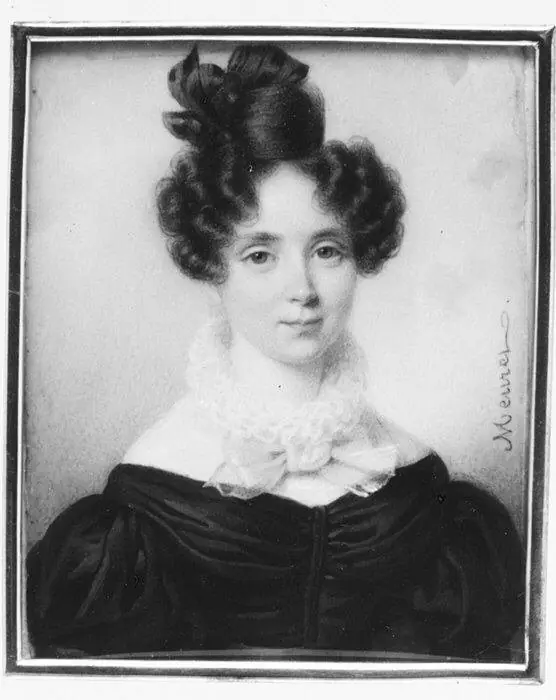 Portrait of a Woman, Said to Be Marie de Mautesson
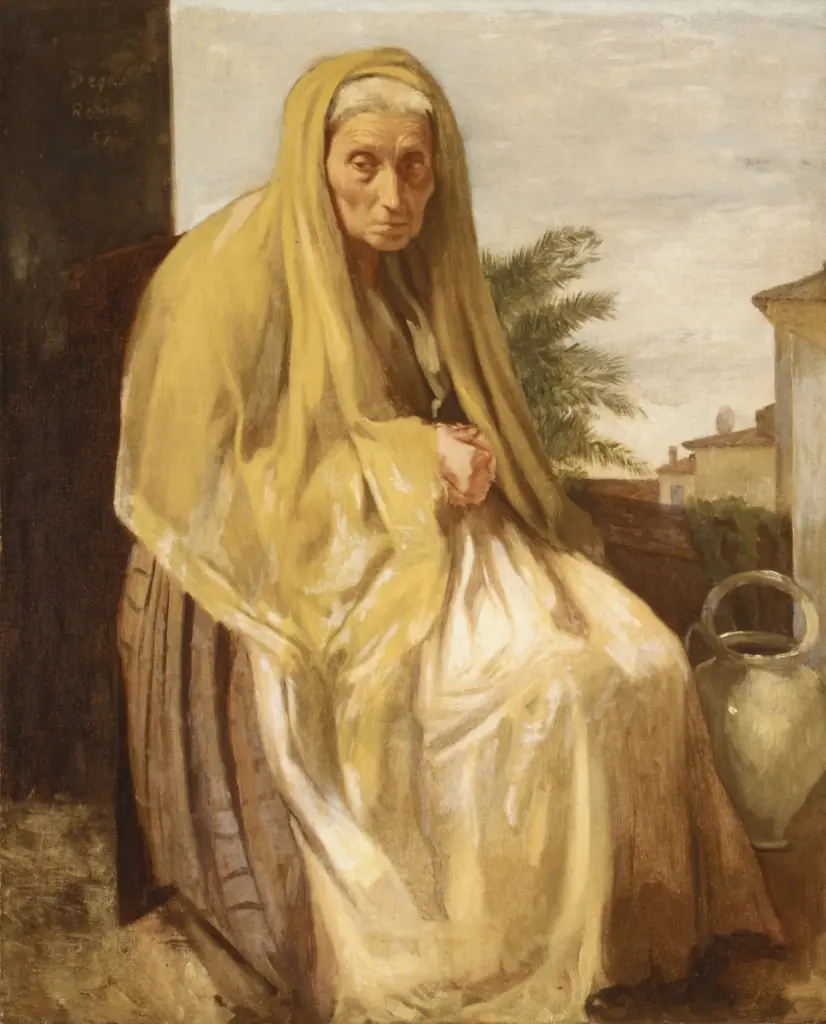 The Old Italian Woman
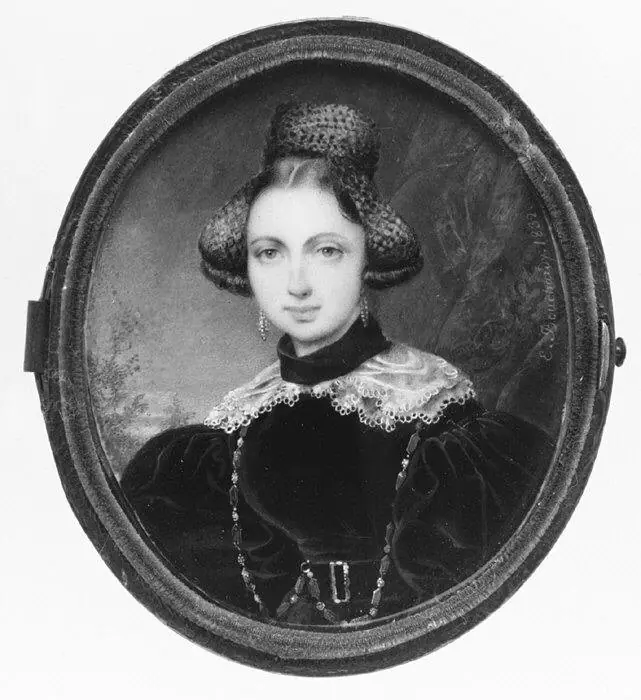 Portrait of a Woman
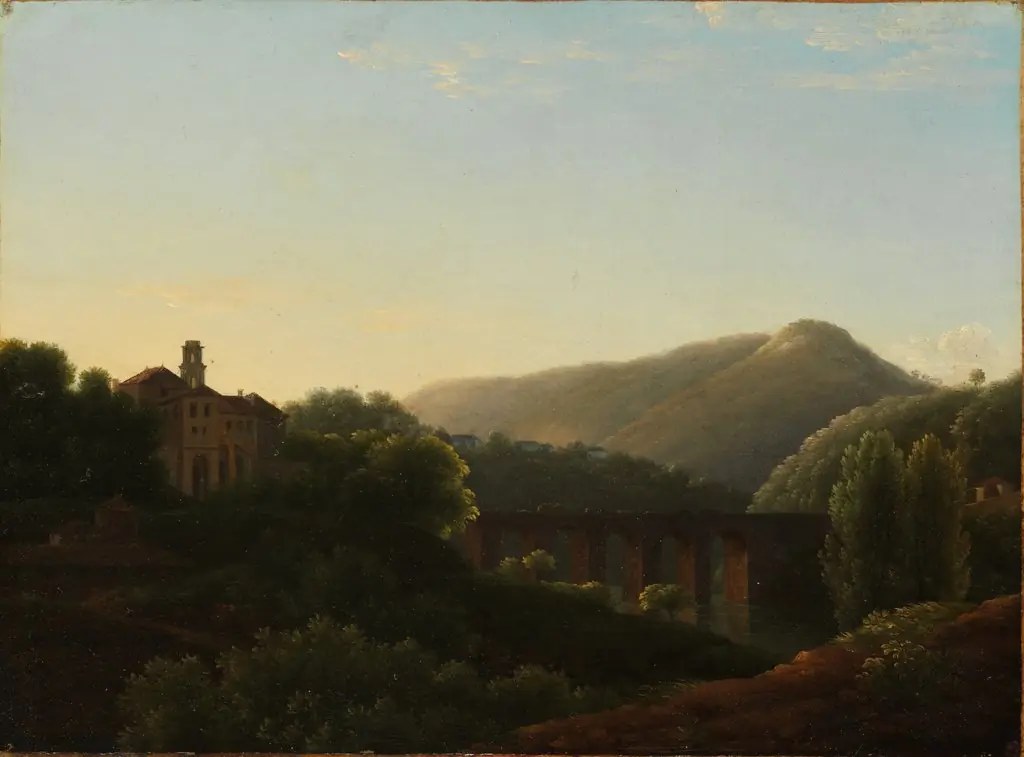 The Bridge at La Cava, Kingdom of Naples
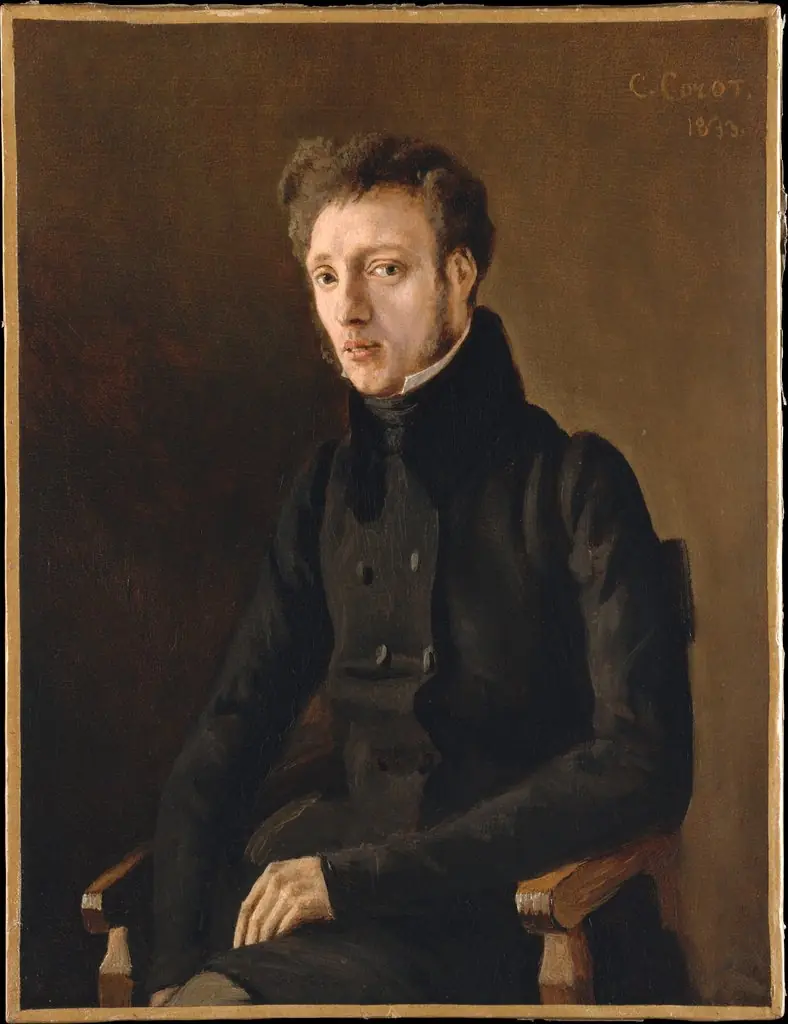 Toussaint Lemaistre (1807/8–1888)
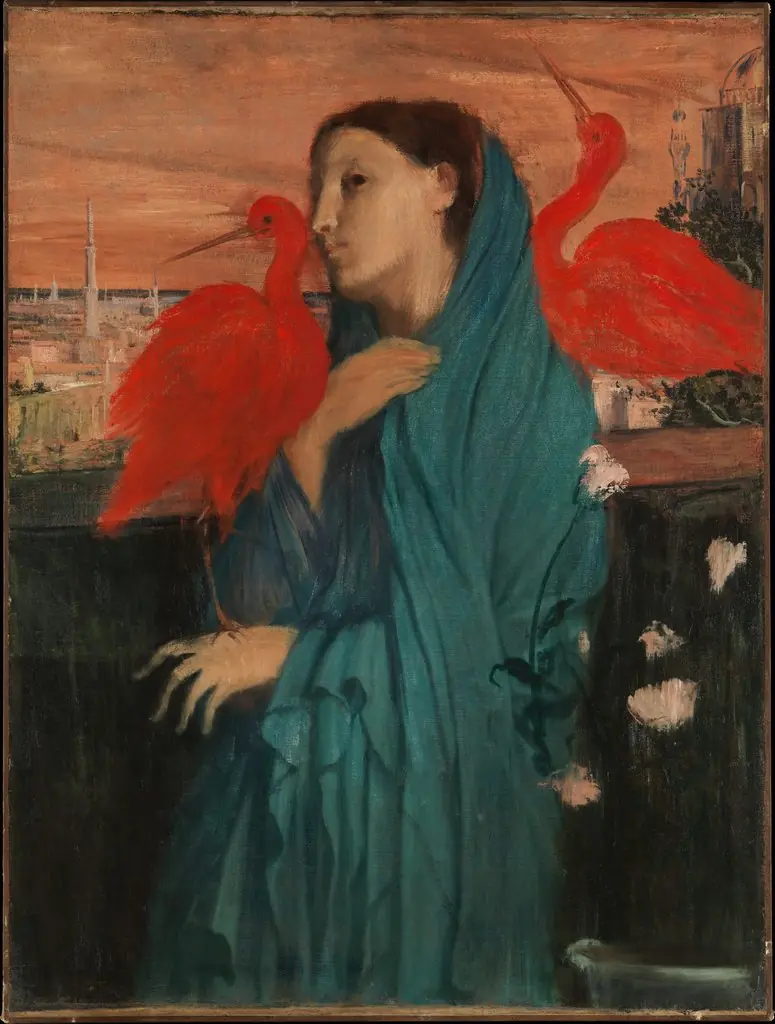 Young Woman with Ibis
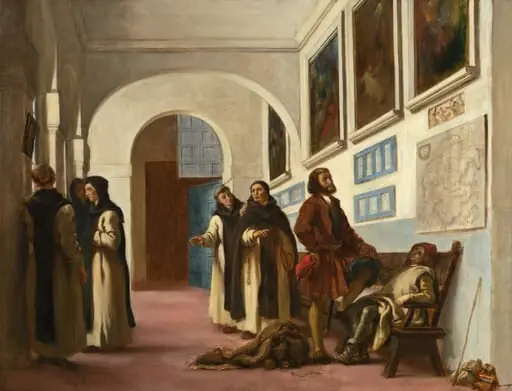 Christopher Columbus and His Son at La Rábida
 Madame Cahen
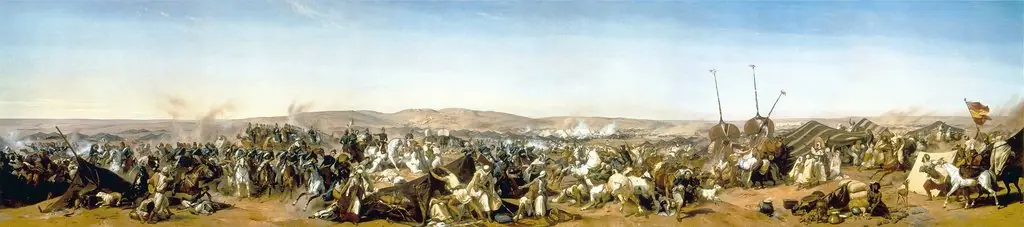 The seizure of Abd-el-Kader's camp in 1843
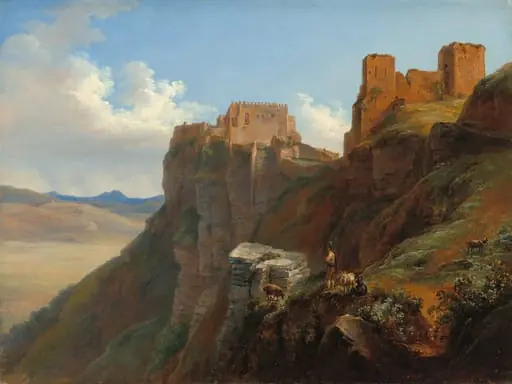 View of the Castello di San Giuliano, near Trapani, Sicily
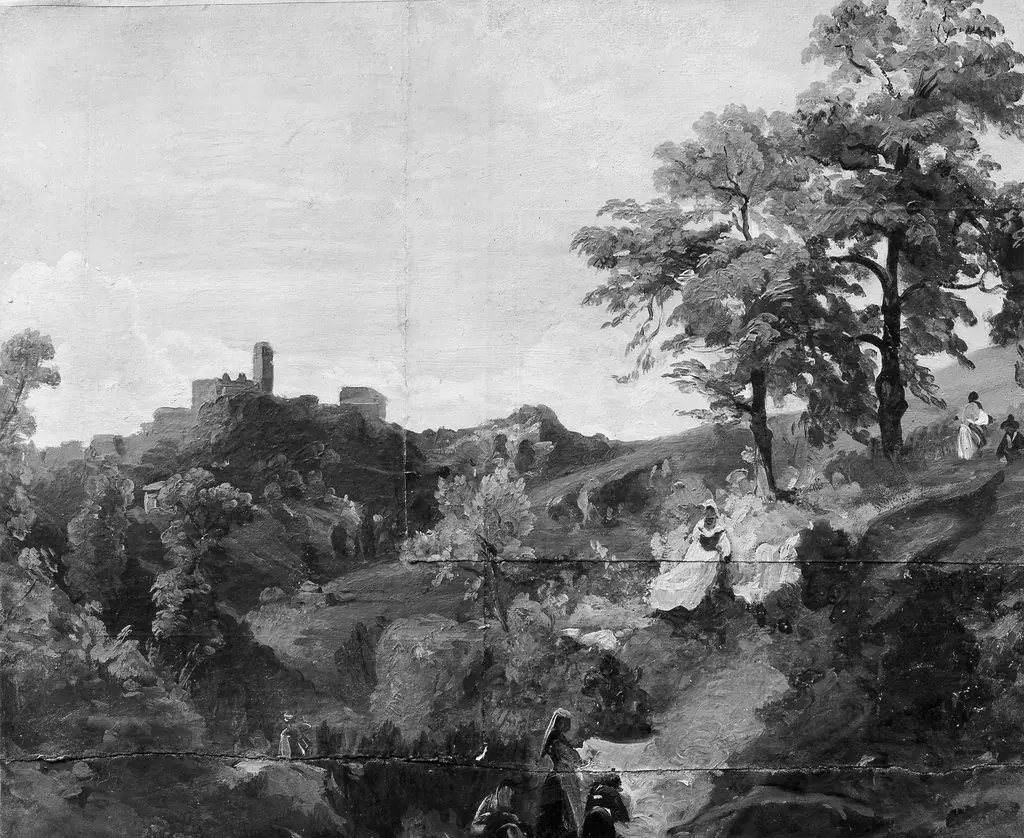 Roman Landscape
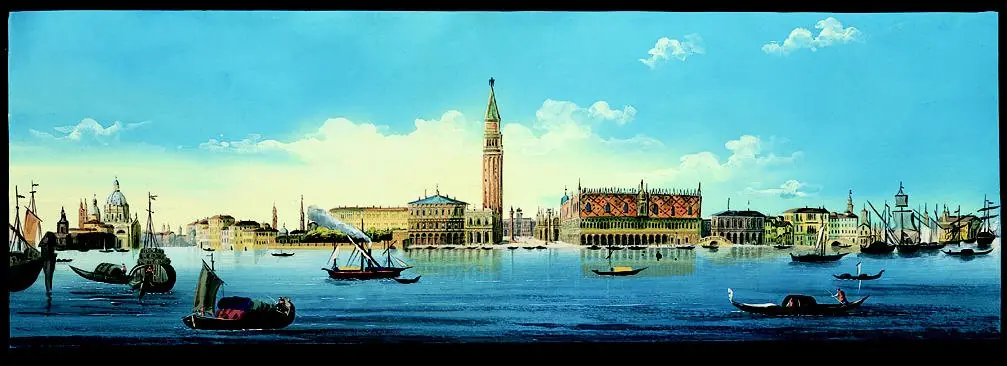 View of Venice
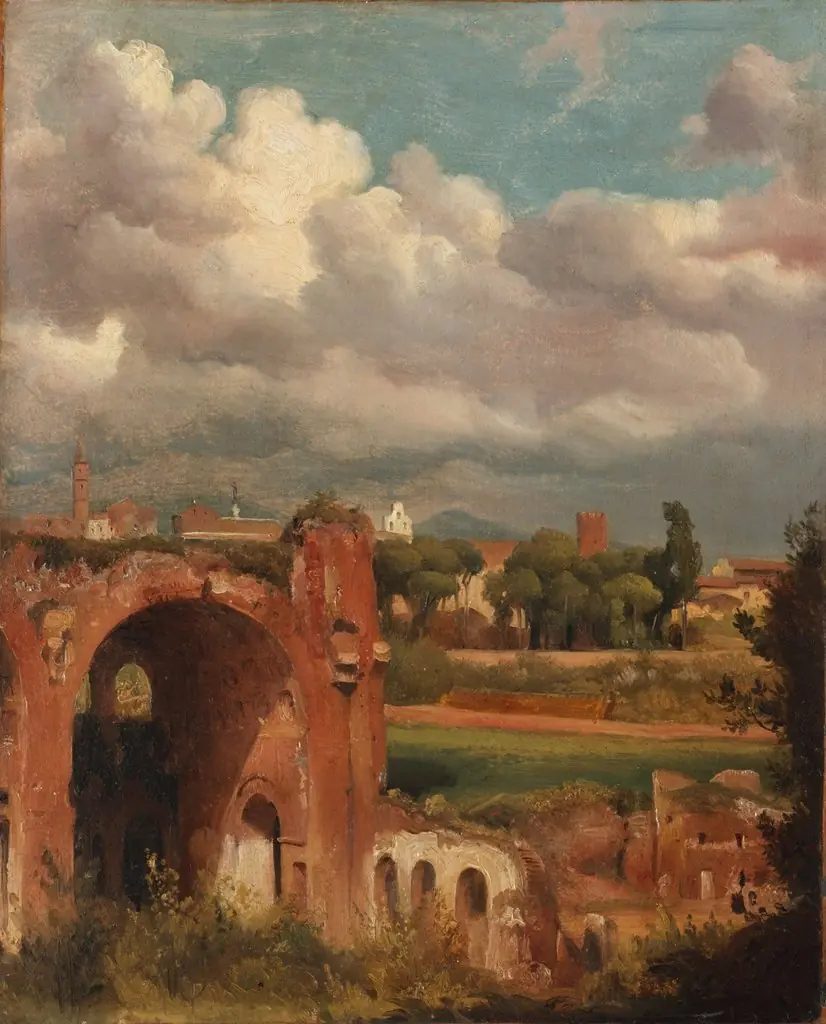 View of the Basilica of Constantine from the Palatine, Rome
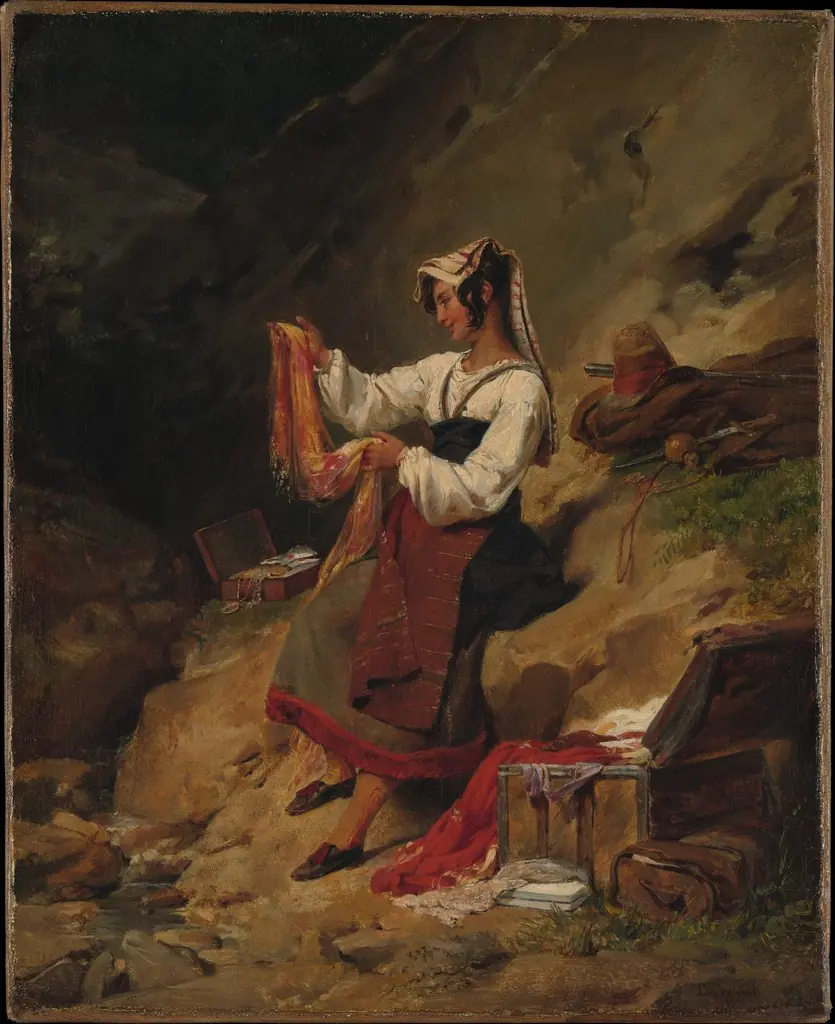 The Italian Brigand's Wife
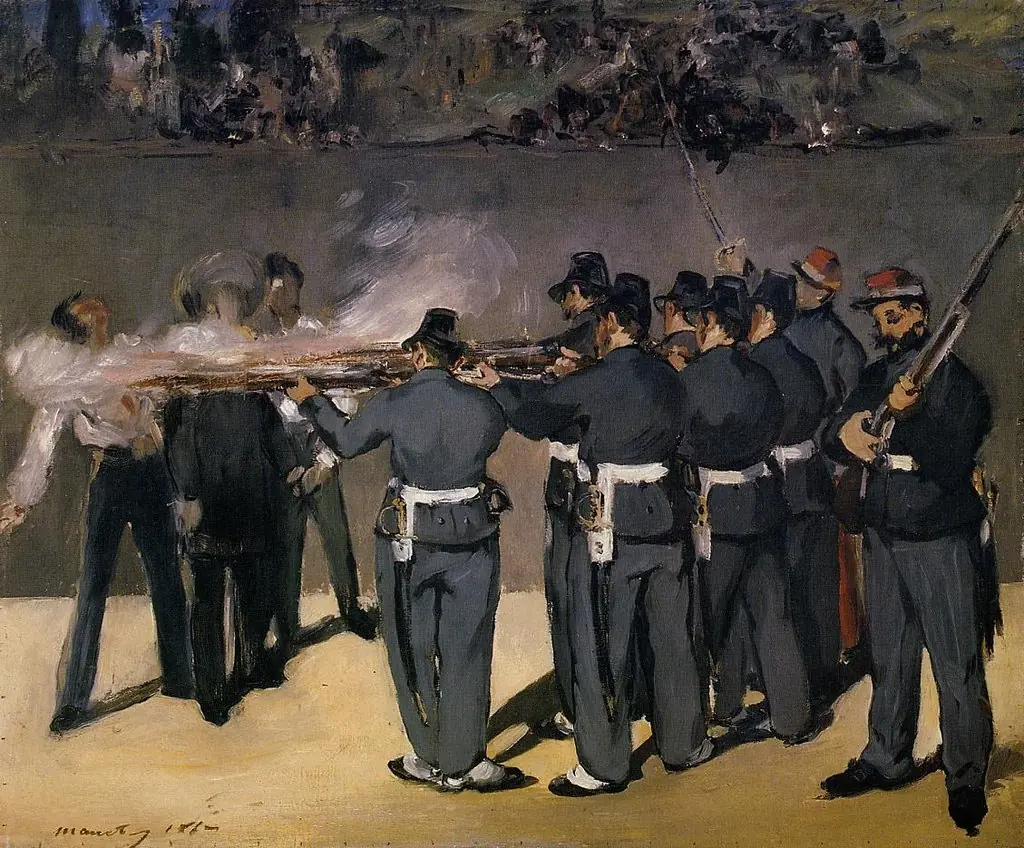 The Execution of Emperor Maximilian
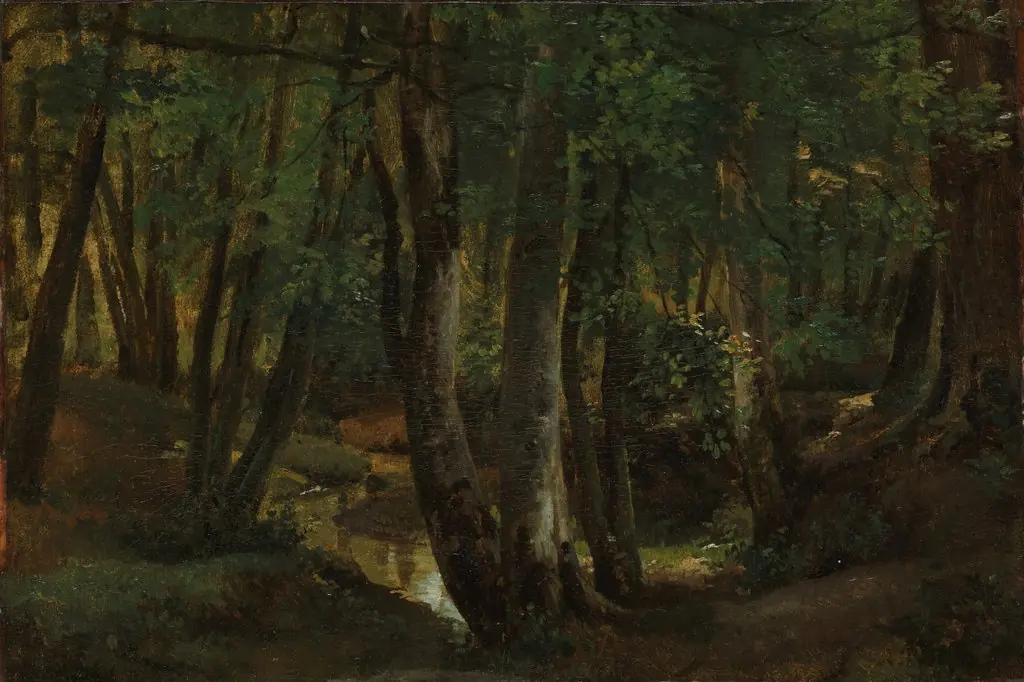 Interior of a Wood at Pierrefitte
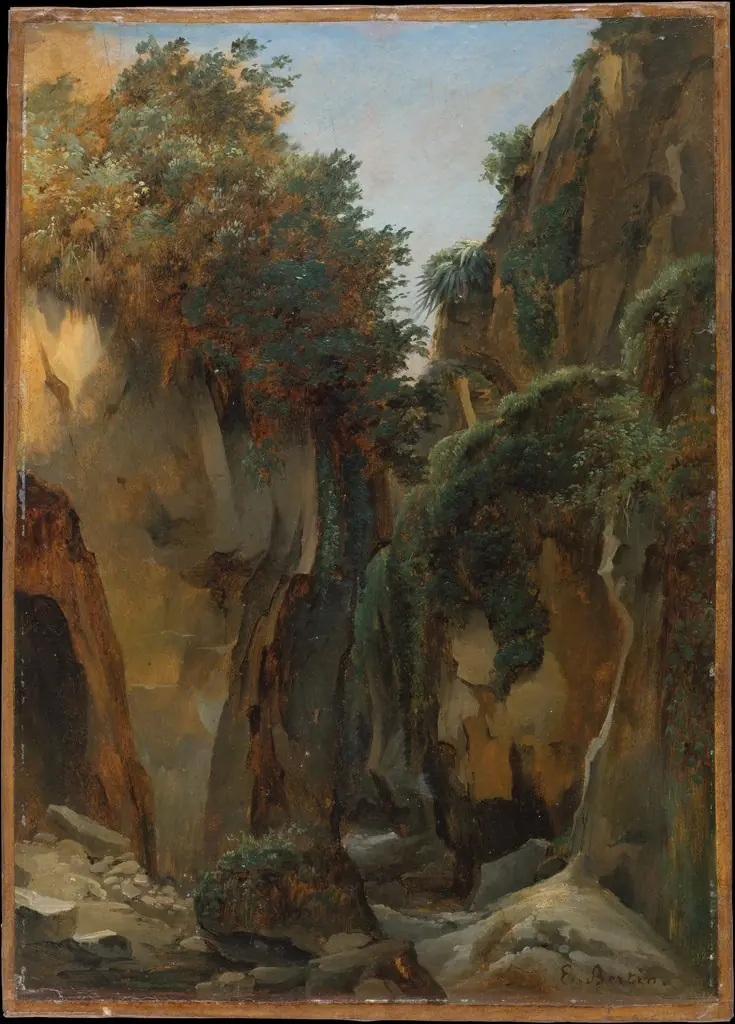 Ravine at Sorrento
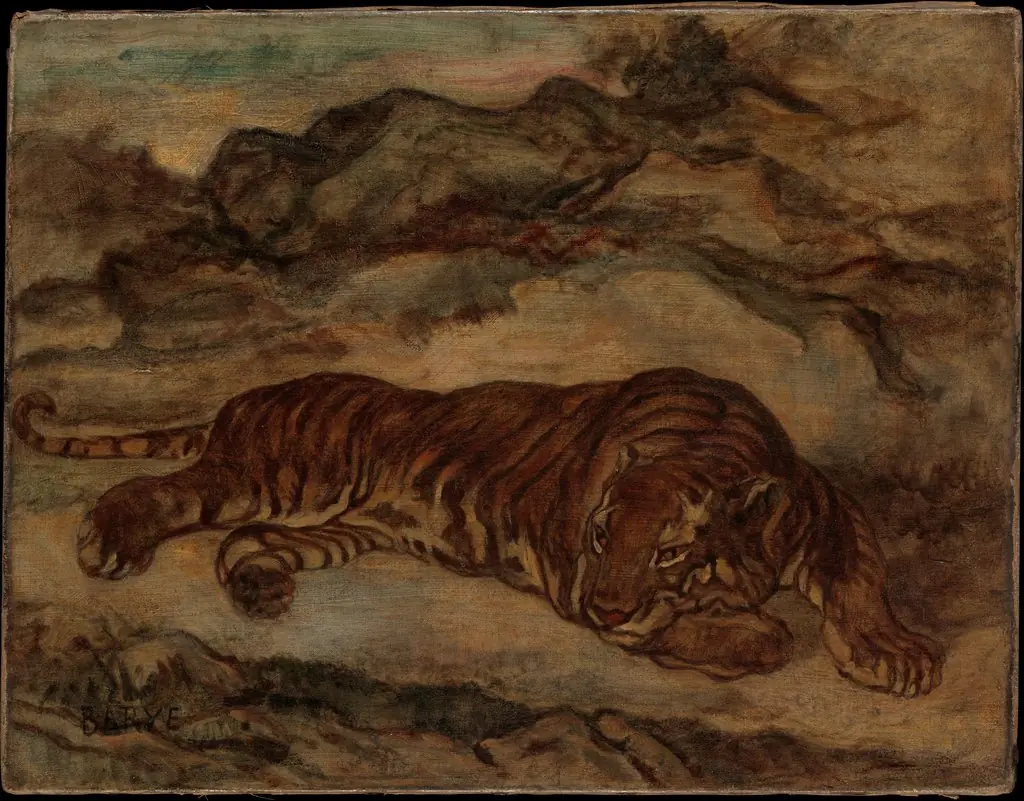 Tiger in Repose
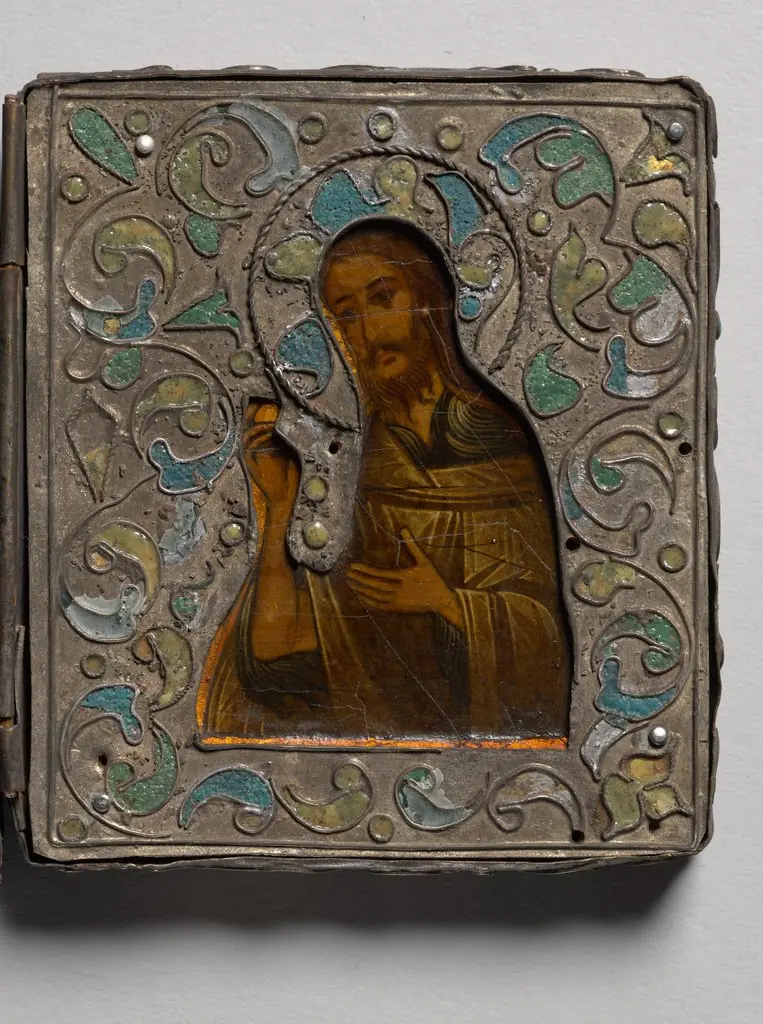 St. John the Evangelist
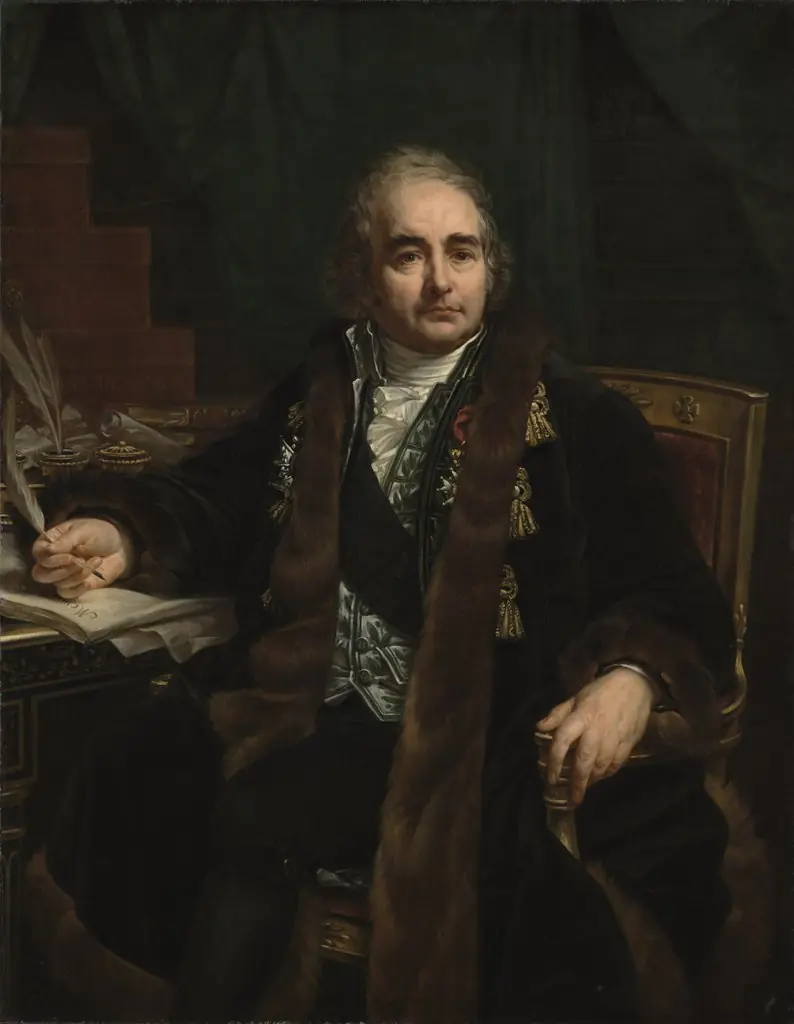 Portrait of Count Jean-Antoine Chaptal
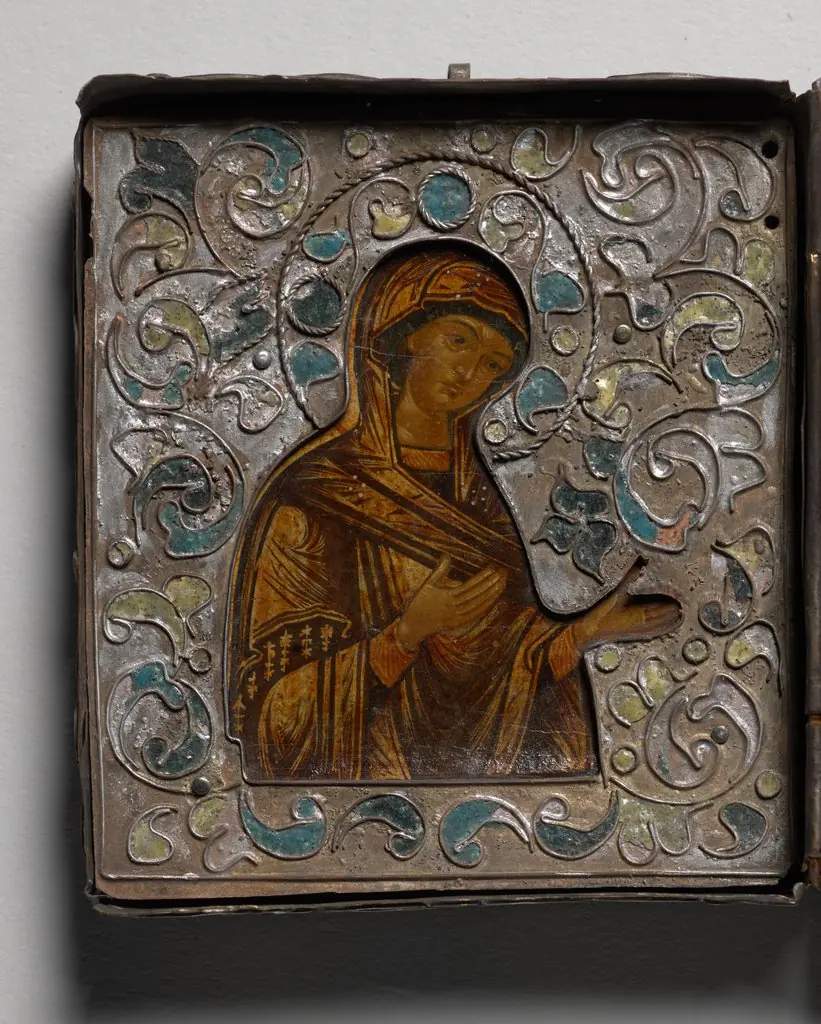 The Virgin
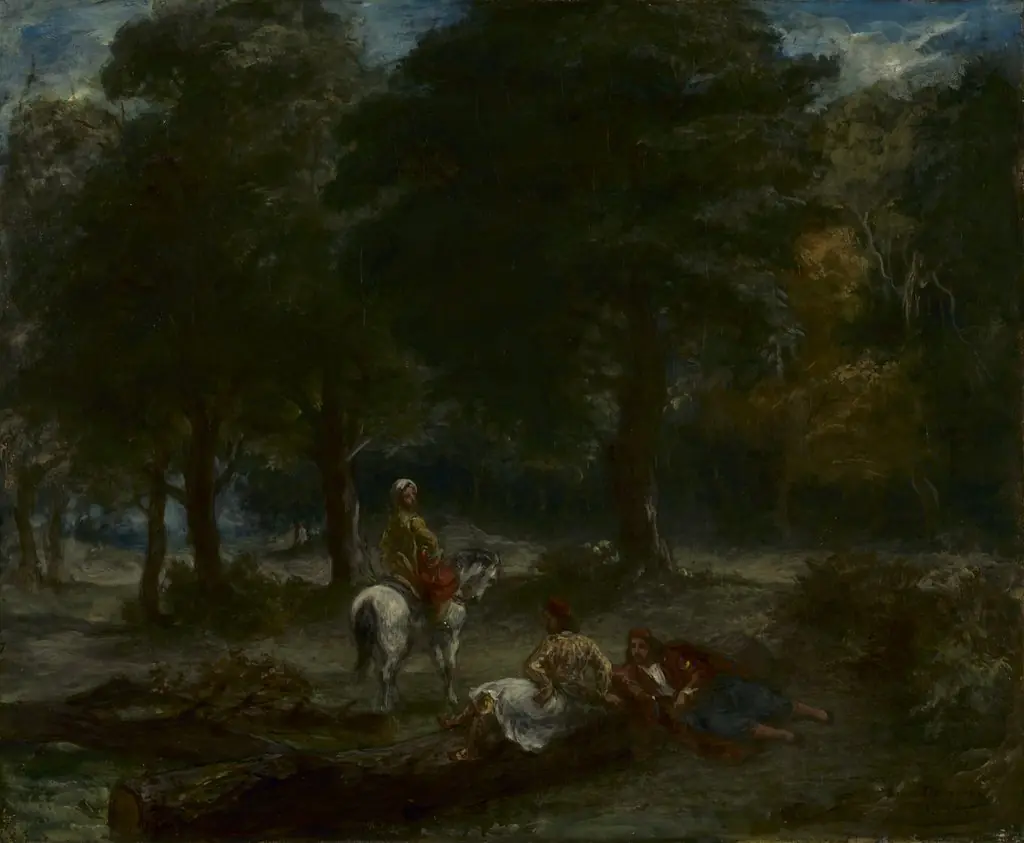 Greek Cavalry Men Resting in Forest
 The Curious One
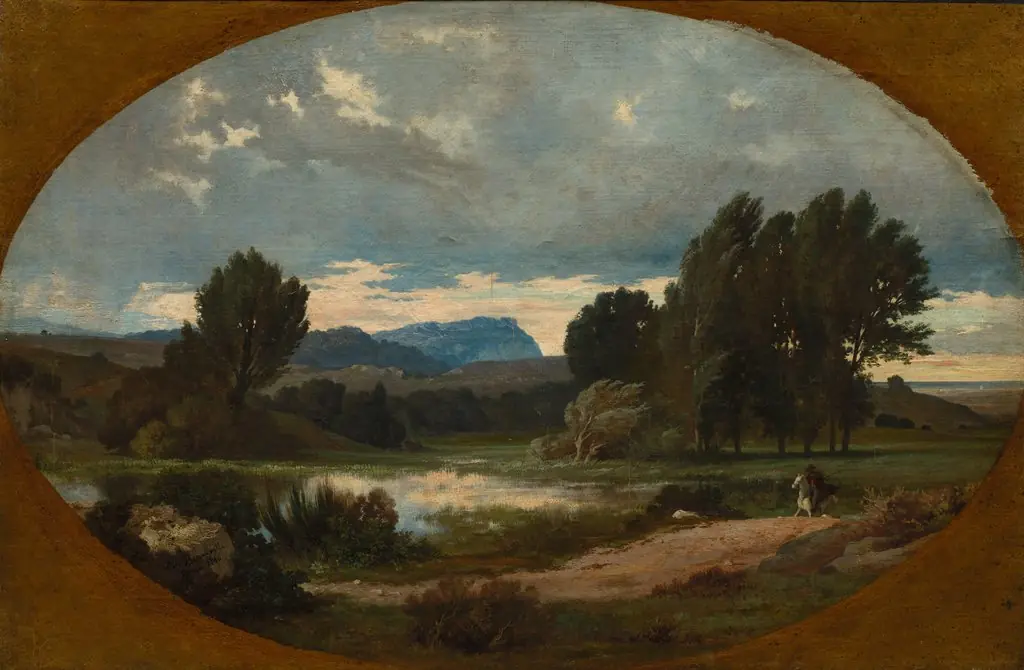 Landscape with Rider on White Horse
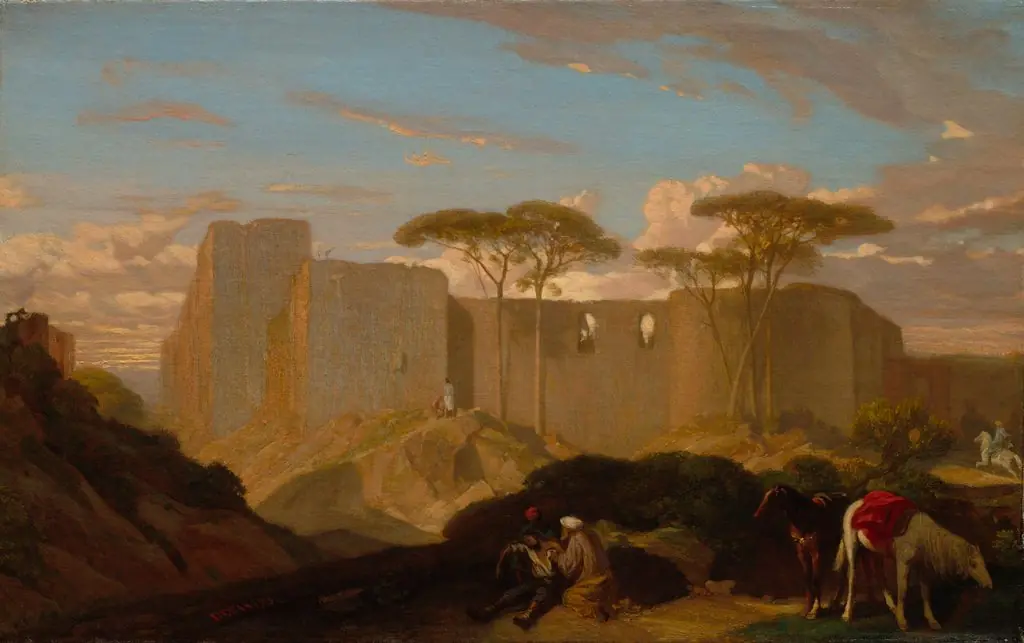 The Good Samaritan
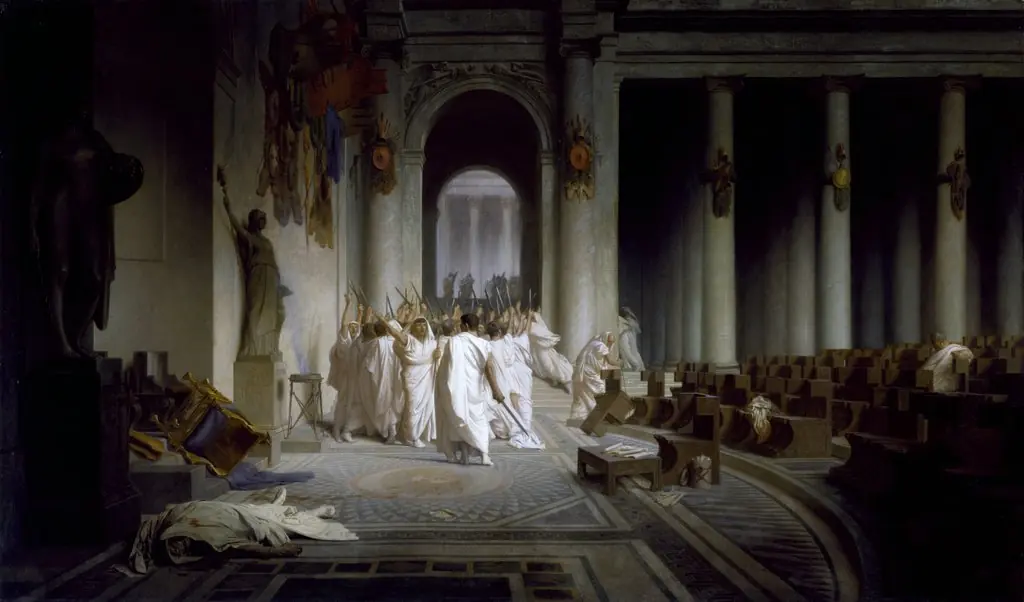 The Death of Caesar
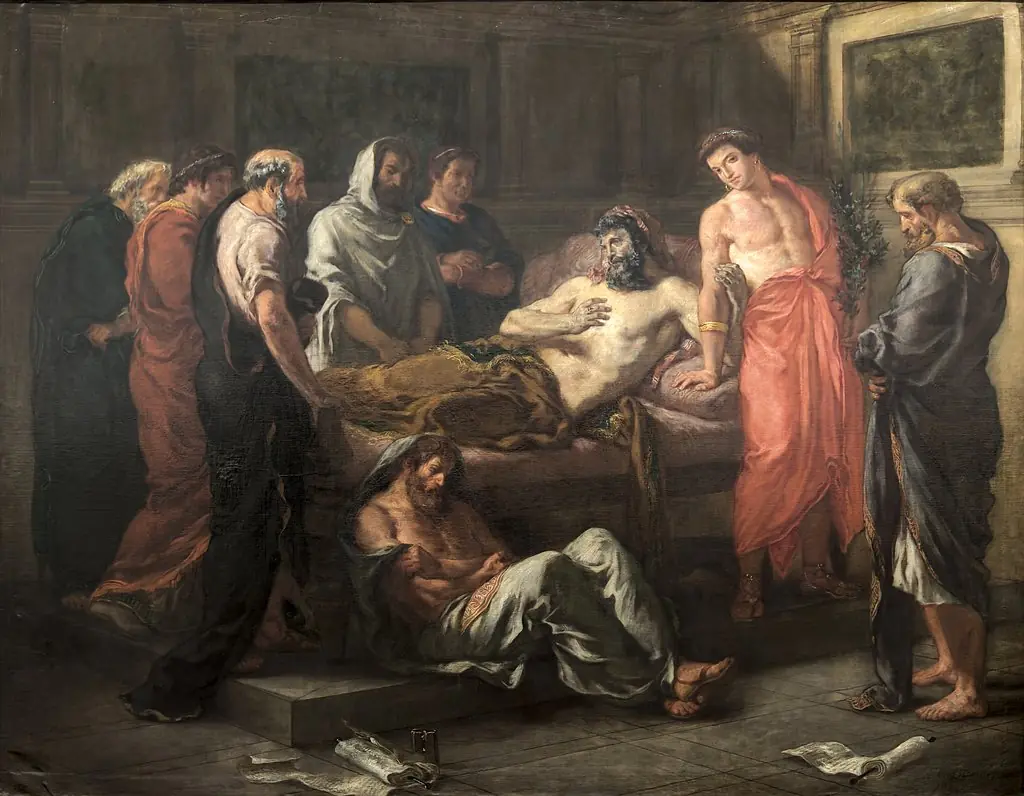 Last Words of the Emperor Marcus Aurelius
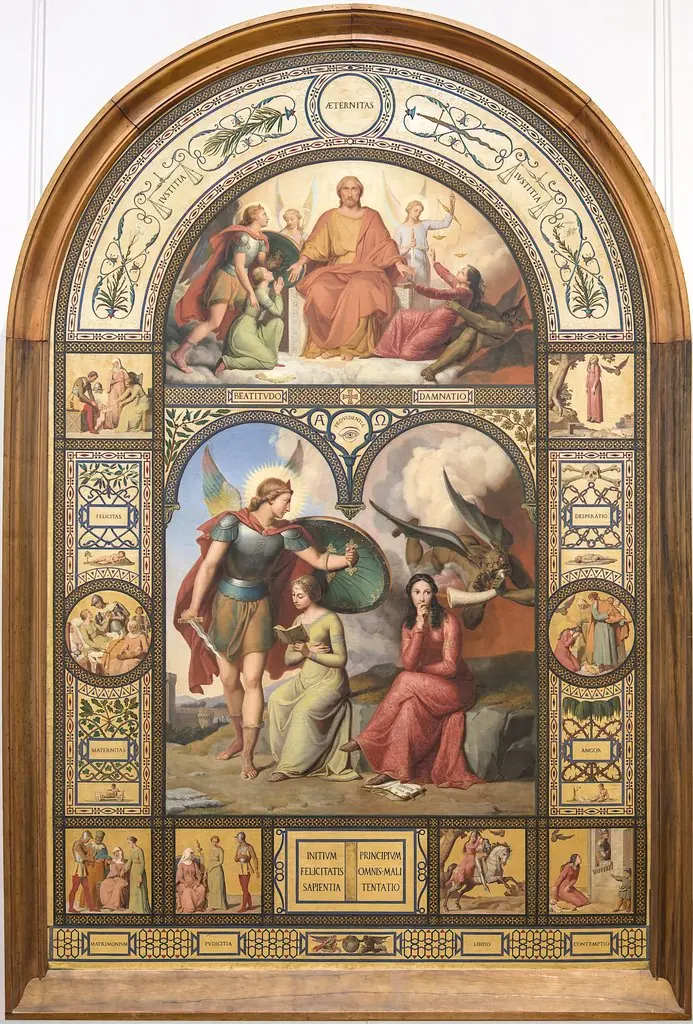 Good and Evil
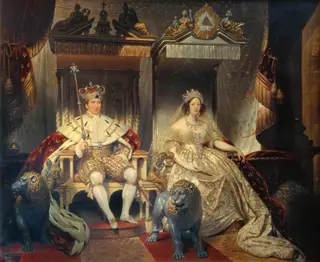 Christian VIII (1786-1848) and Queen Caroline Amalie (1796-1881) in Coronation Robes
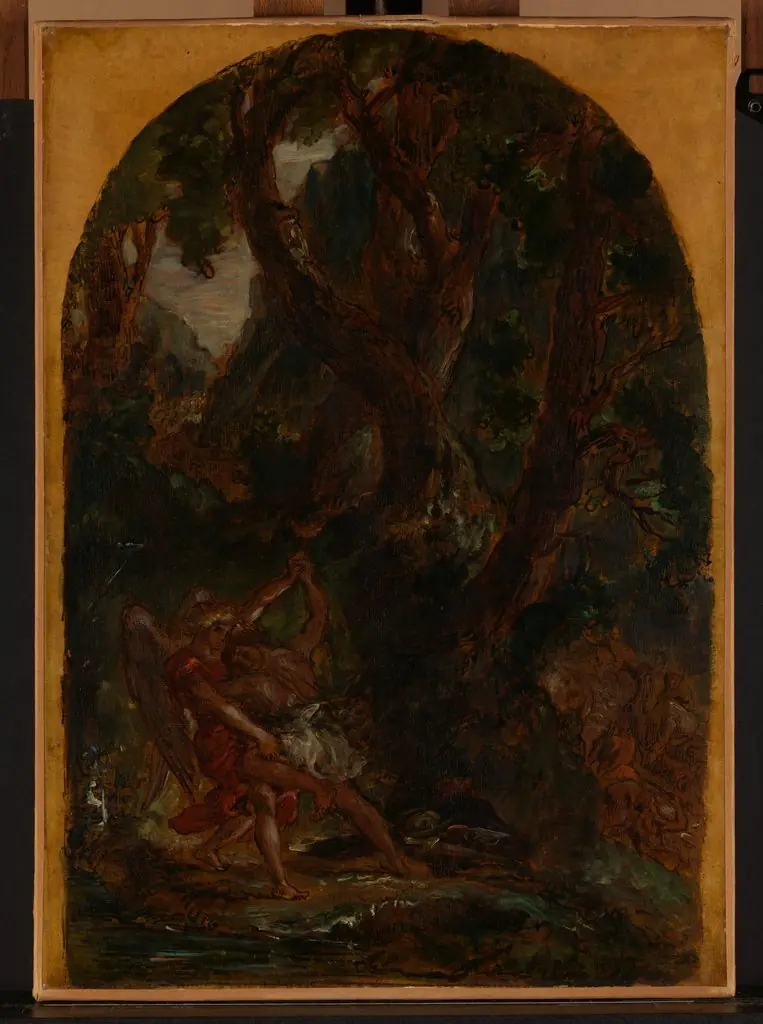 Jacob Wrestling with the Angel
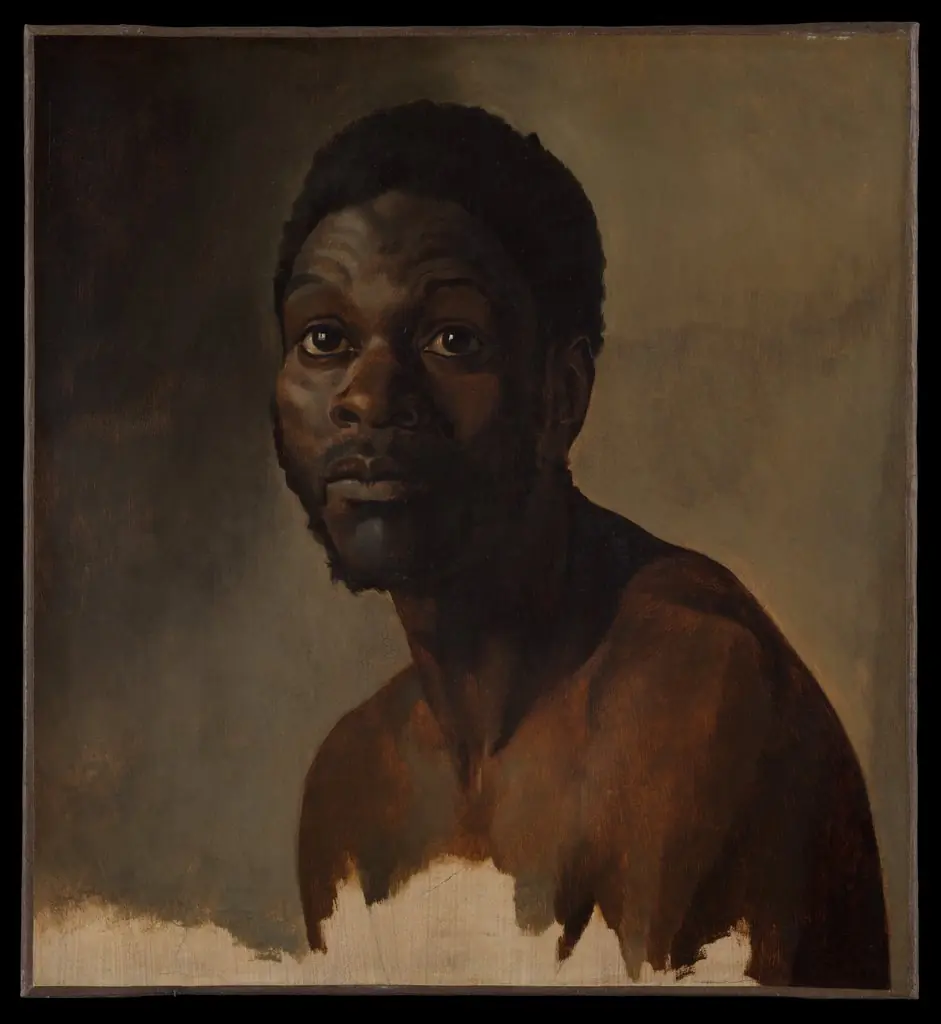 Bust-Length Study of a Man
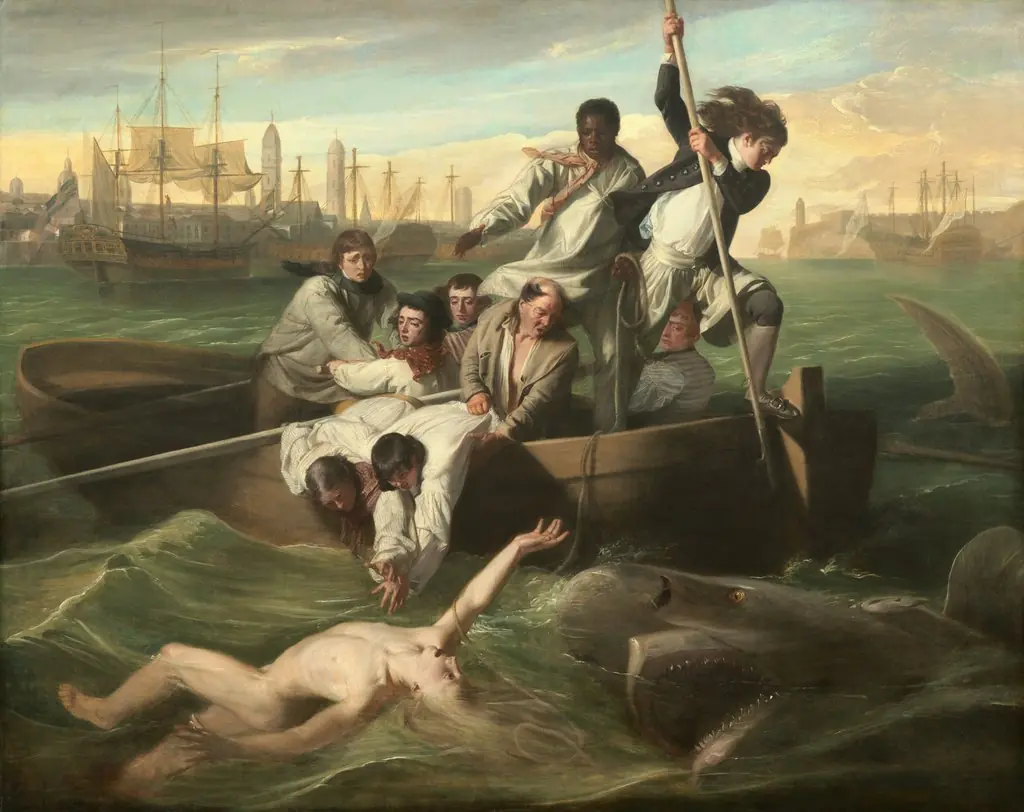 Watson and the Shark
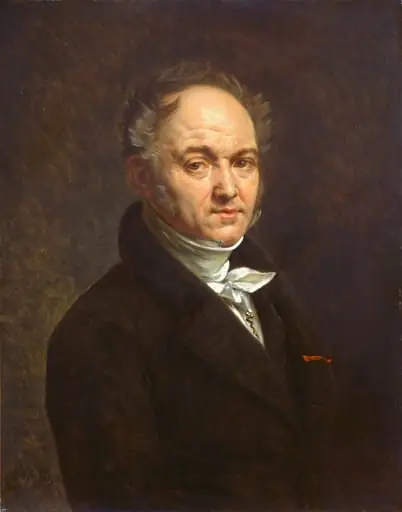 Dr. Vignardonne
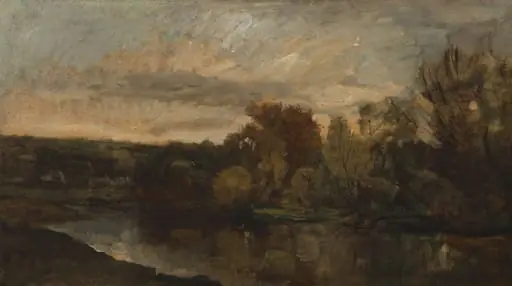 Le Bas Meudon (A Curve of the Seine near Paris)
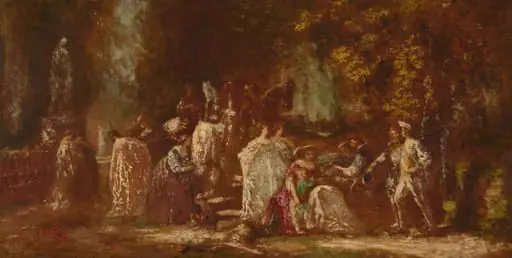 Return from the Hunt
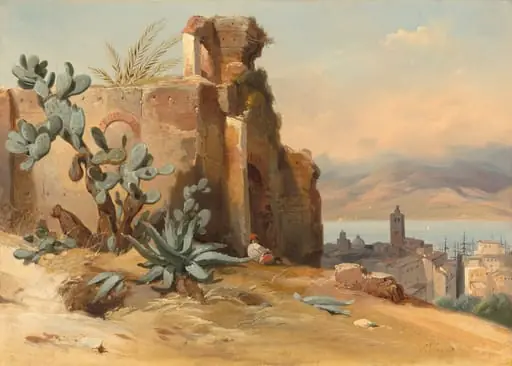 Ancient Ruins near Messina, Sicily
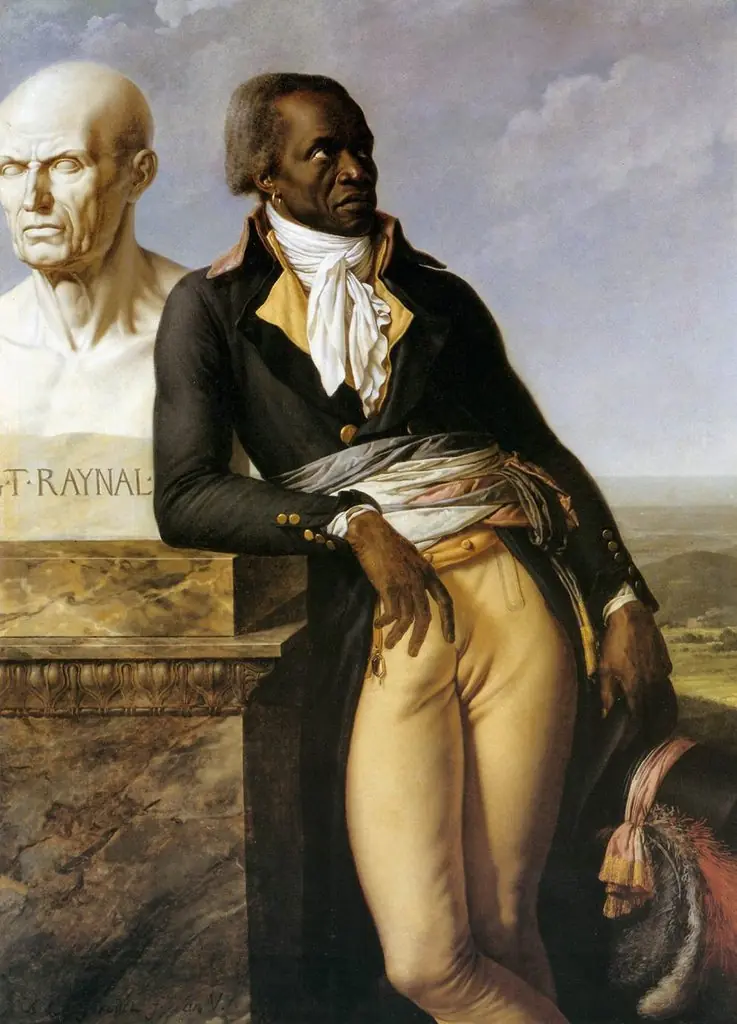 Jean-Baptiste Belley, member of the National Convention
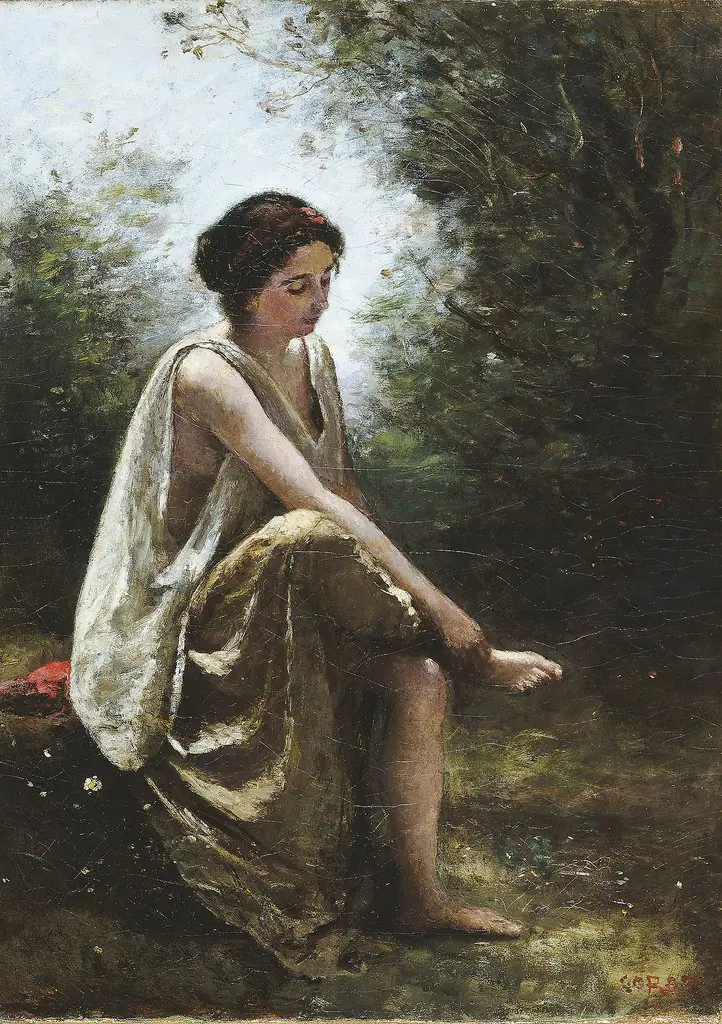 Wounded Eurydice
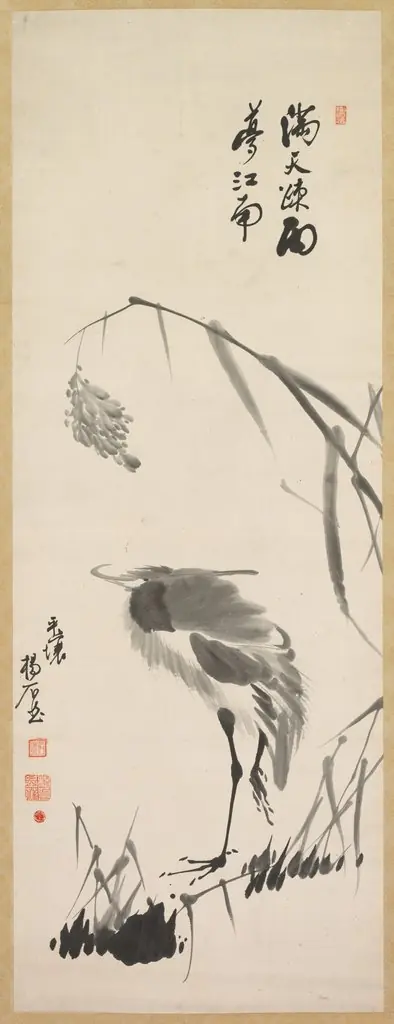 Egret and Reeds
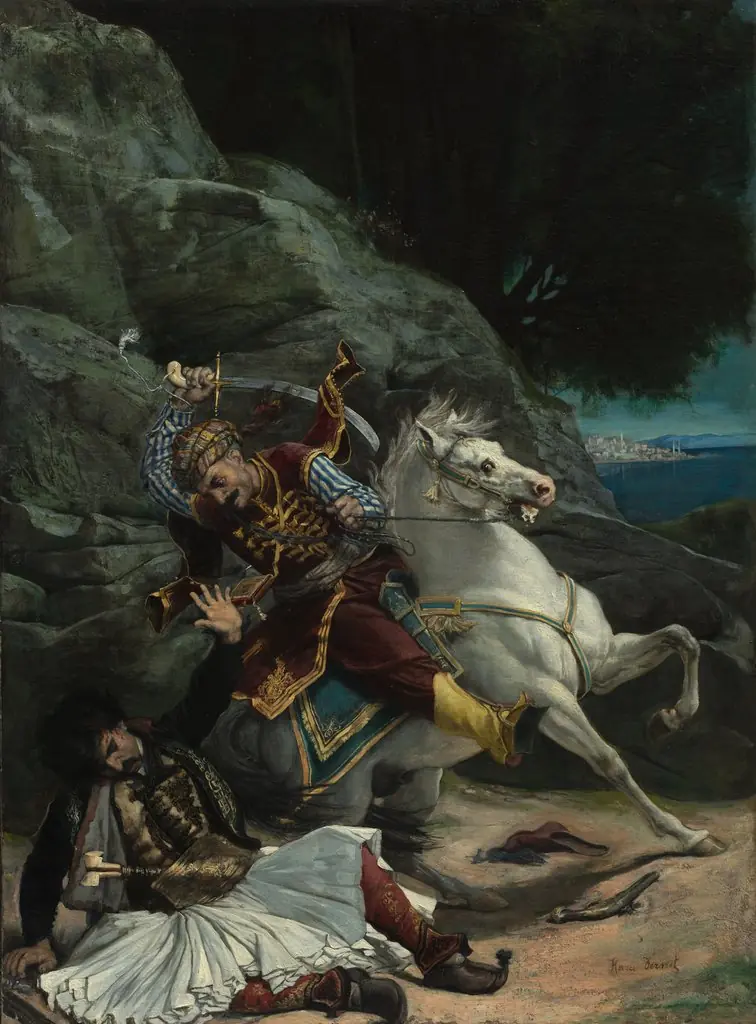 Combat of a Greek and a Turk
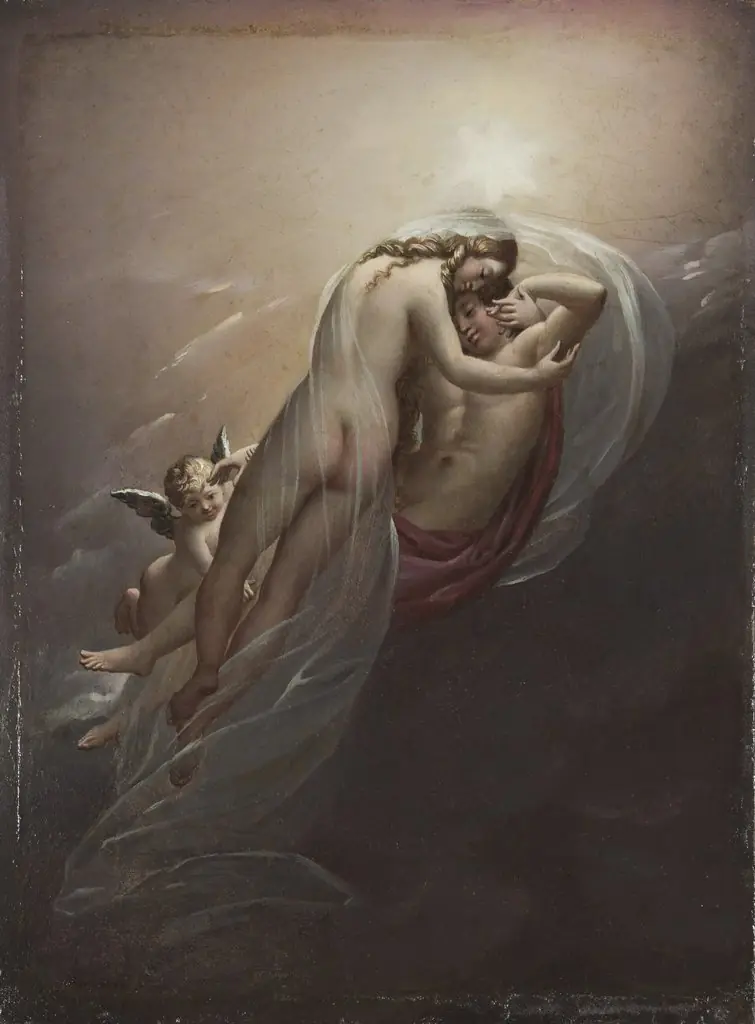 Aurora and Cephalus
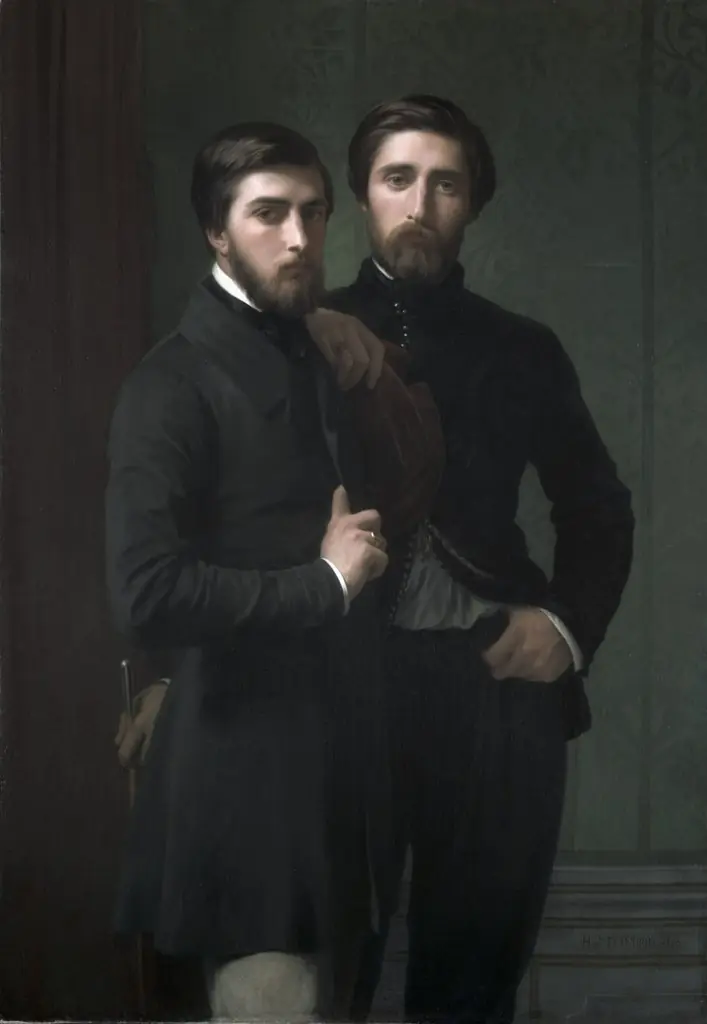 René-Charles Dassy and His Brother Jean-Baptiste-Claude-Amédé Dassy
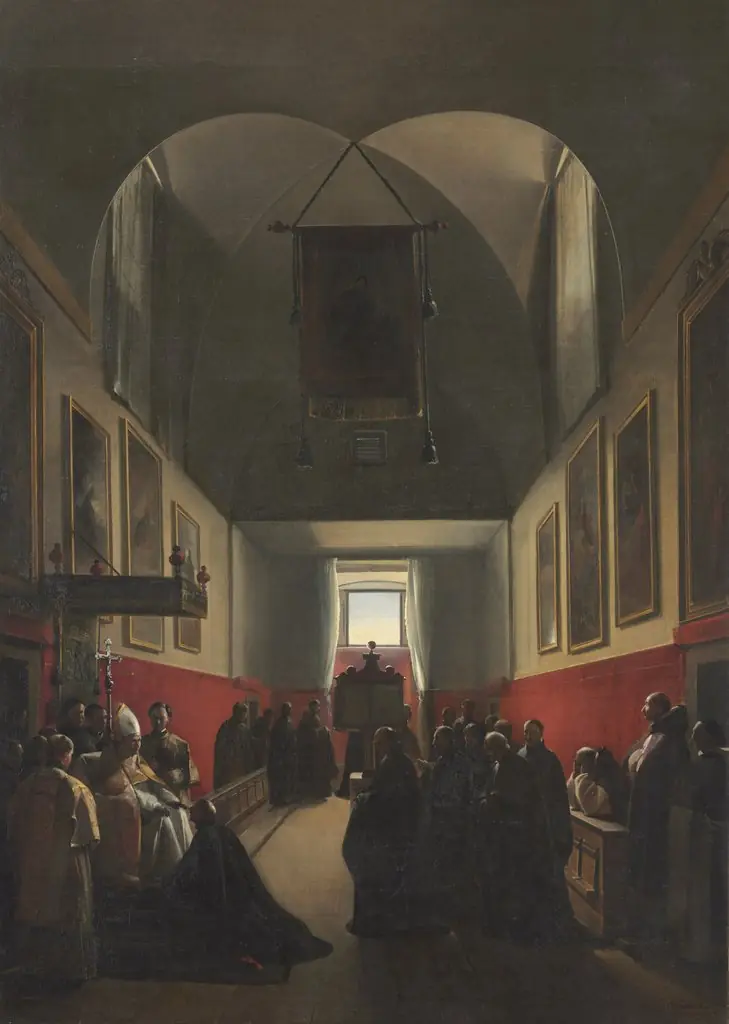 Homage to a Bishop
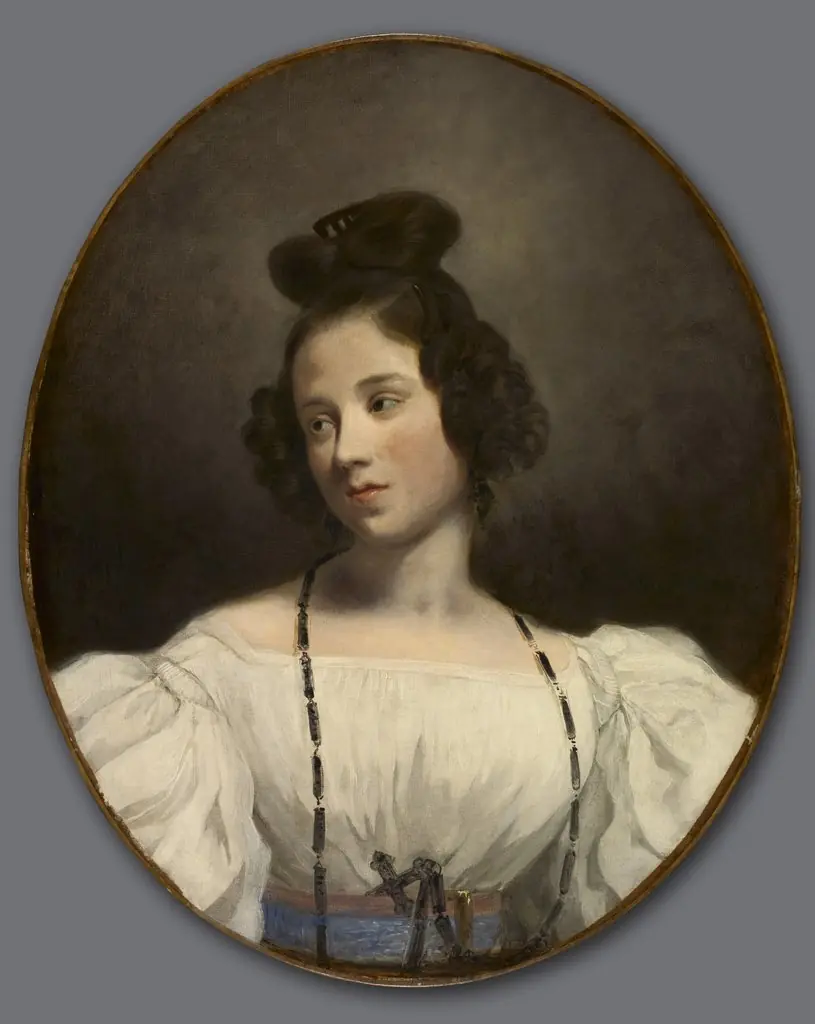 Mlle. Alexandrine-Julie de la Boutraye
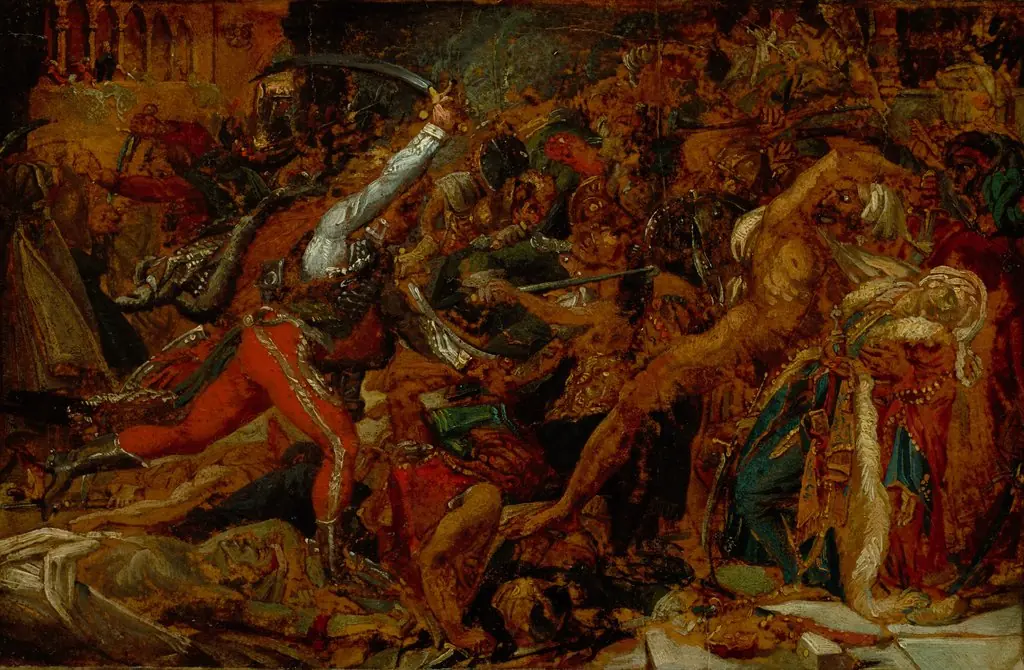 Sketch for "The Revolt at Cairo"
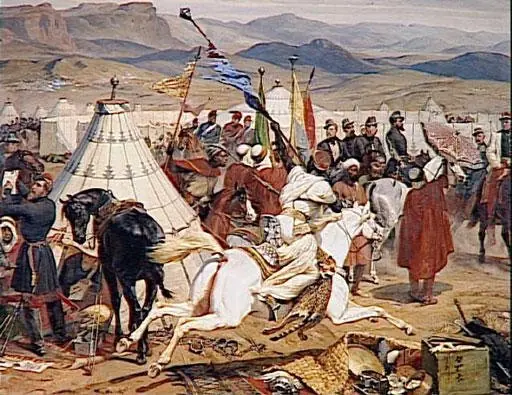 Battle of Isly, August 14, 1844
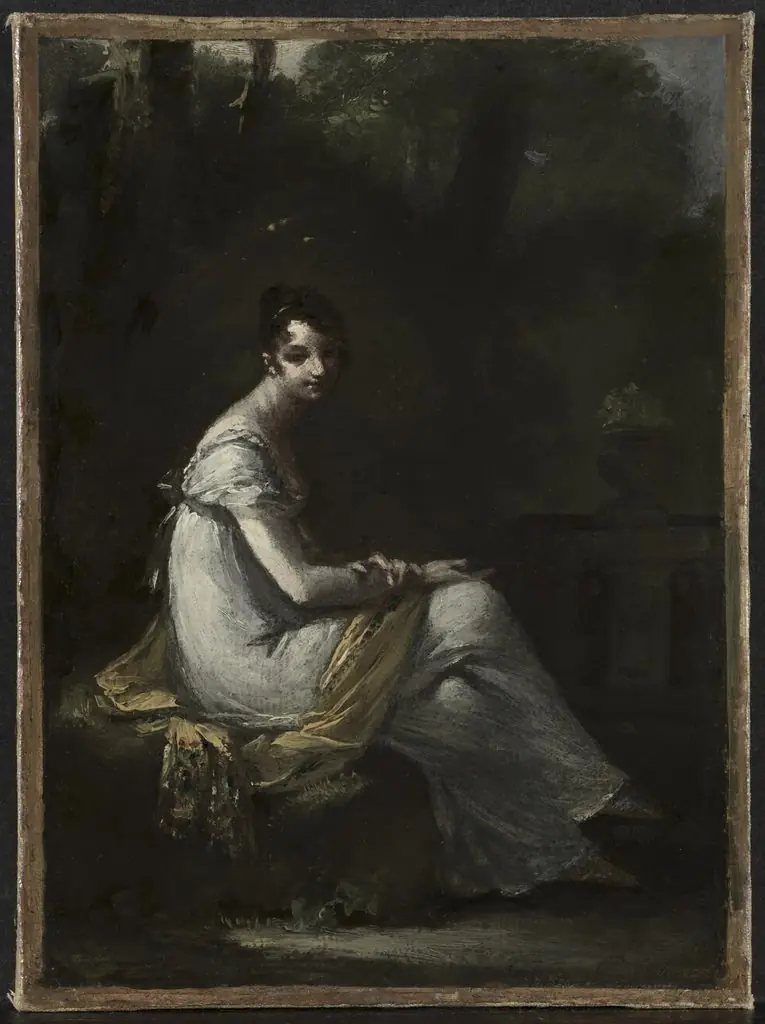 Mme. Dufresne
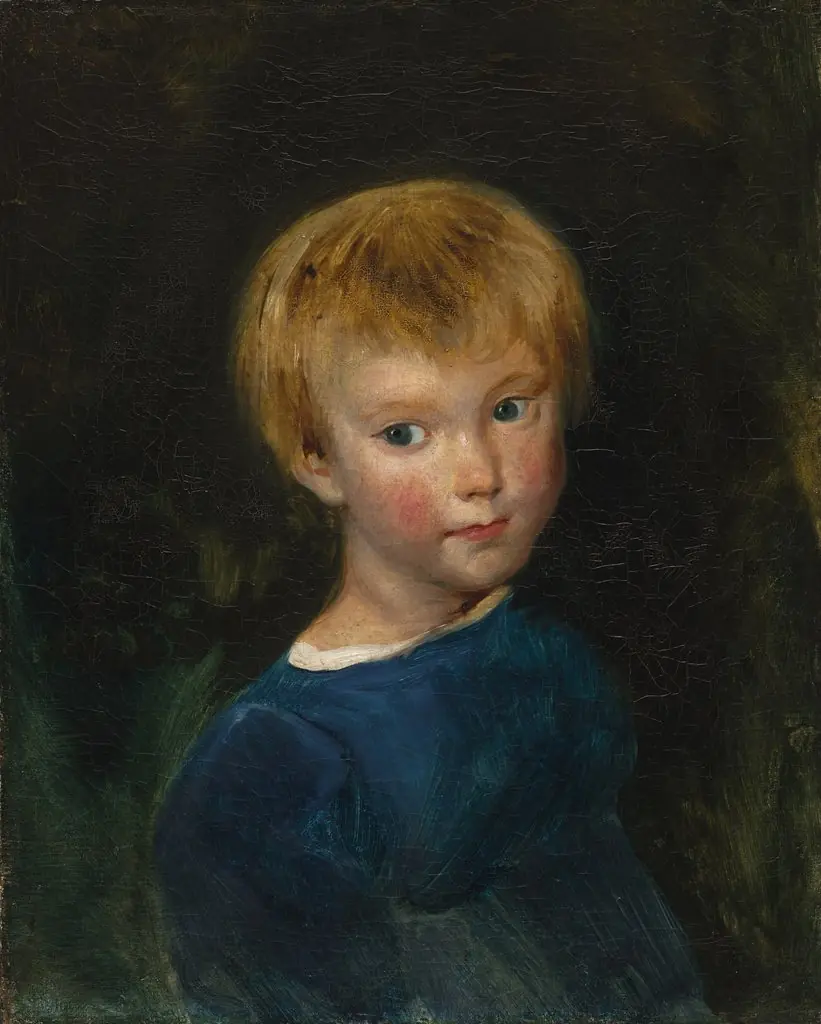 Marguerite-Juliette Pierret
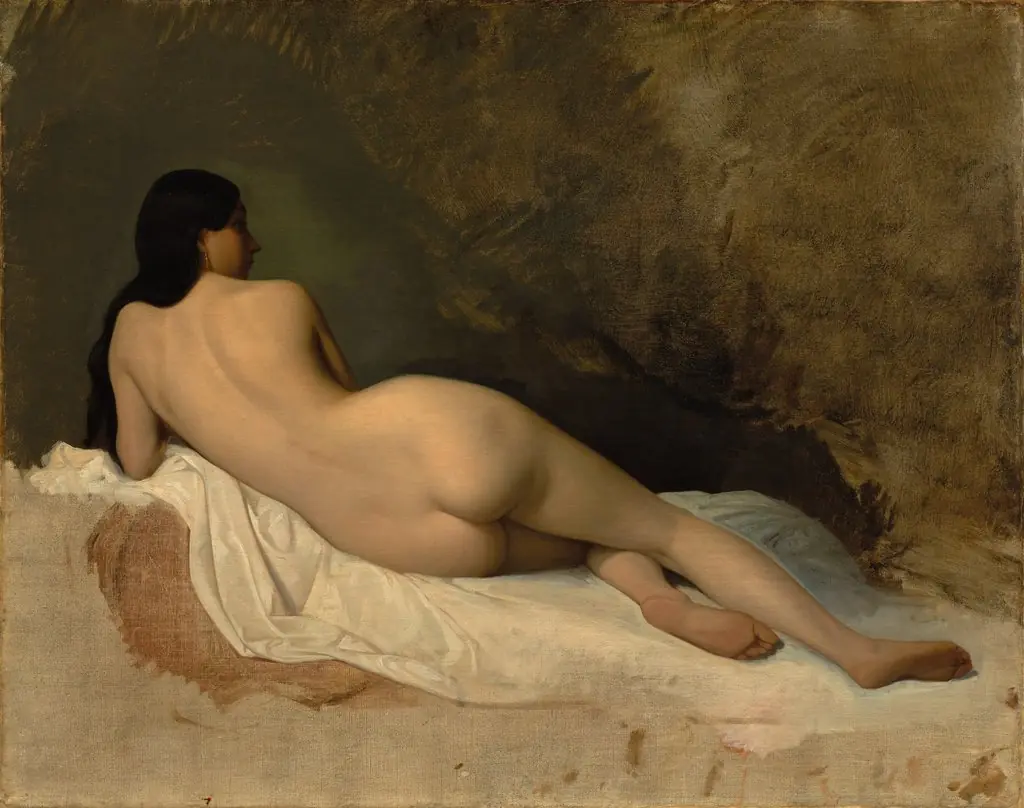 Study of a Reclining Nude
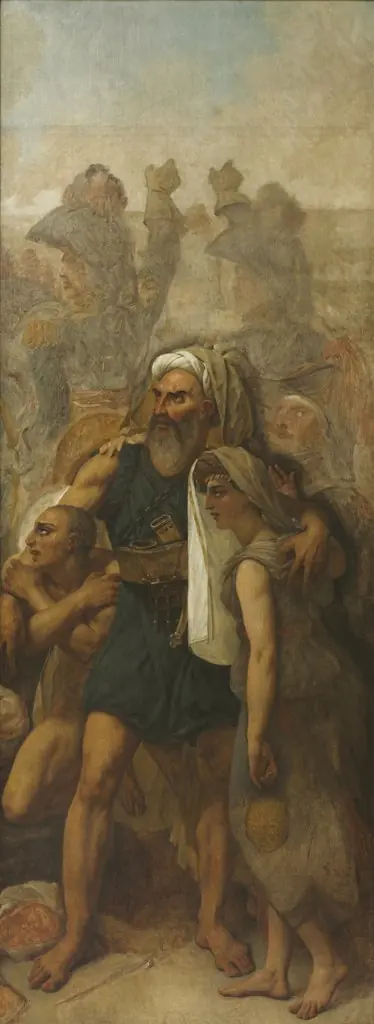 Egyptian Family (Sketch for "The Battle of the Pyramids")
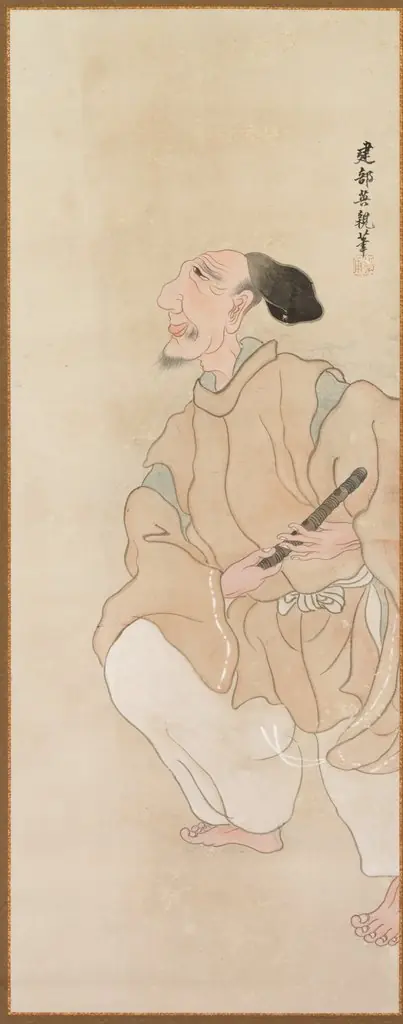 Genre Figures
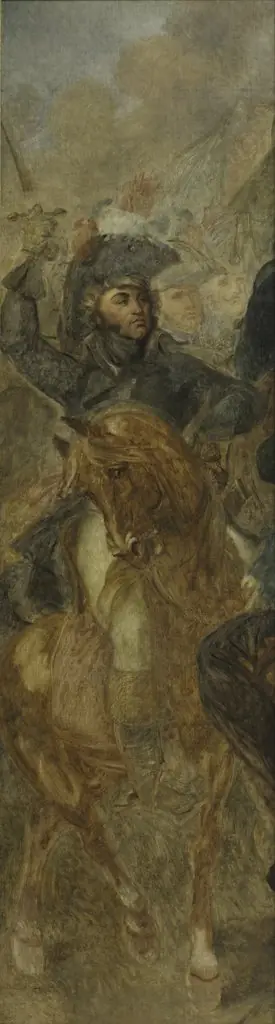 General Jean-Baptiste Kléber (Sketch for "The Battle of the Pyramids")
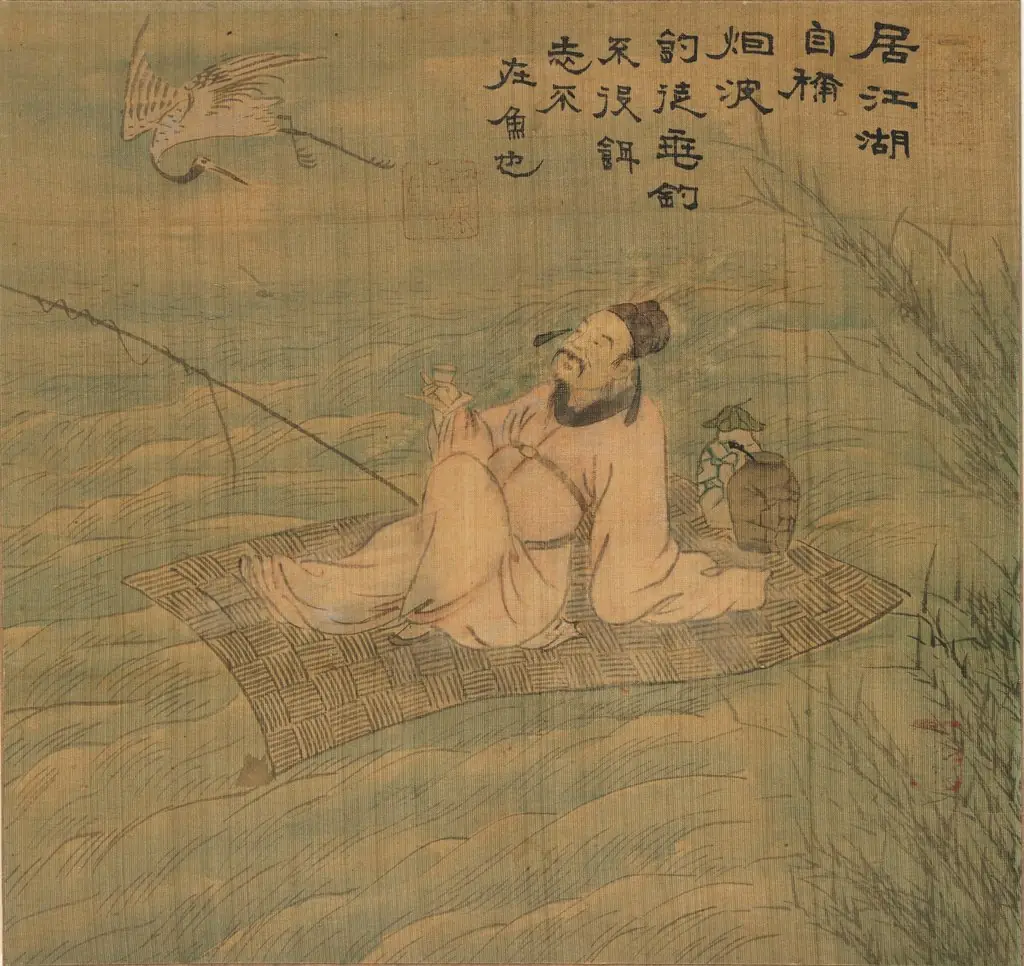 Poet Fisherman
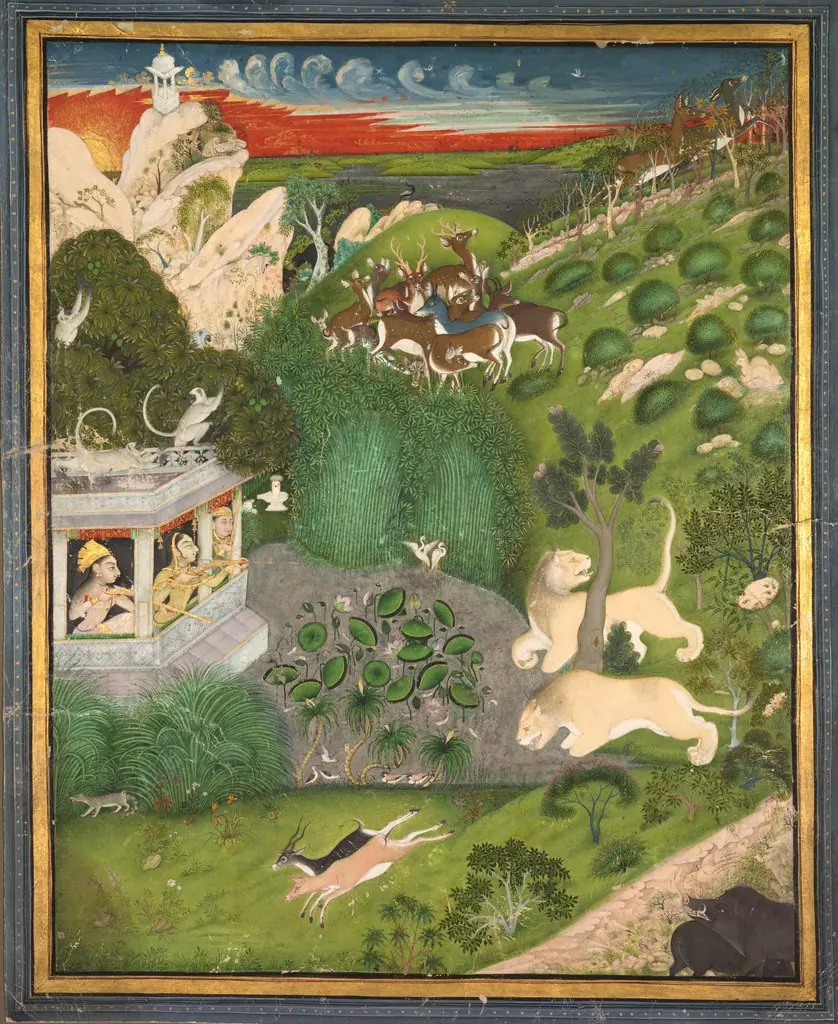 Royal women shooting from a pavilion
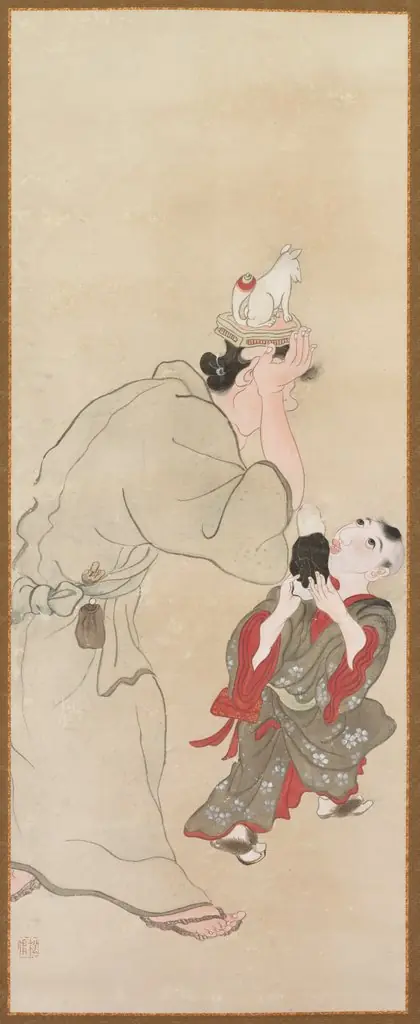 Genre Figures
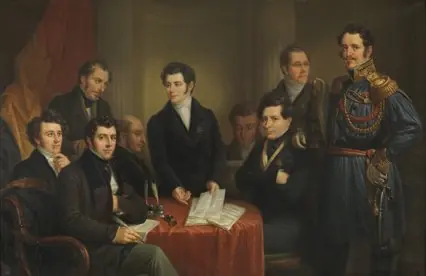 Le gouvernement provisoire de la Belgique en 1830
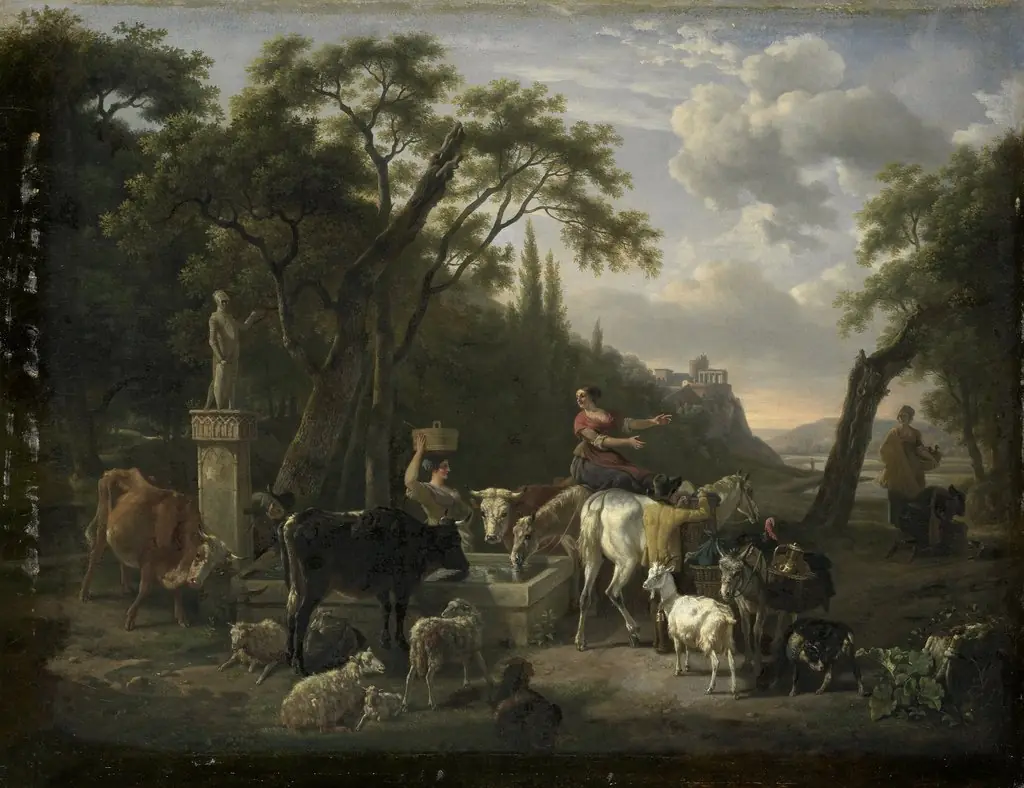 Italian Landscape with Shepherds and Animals at a Fountain
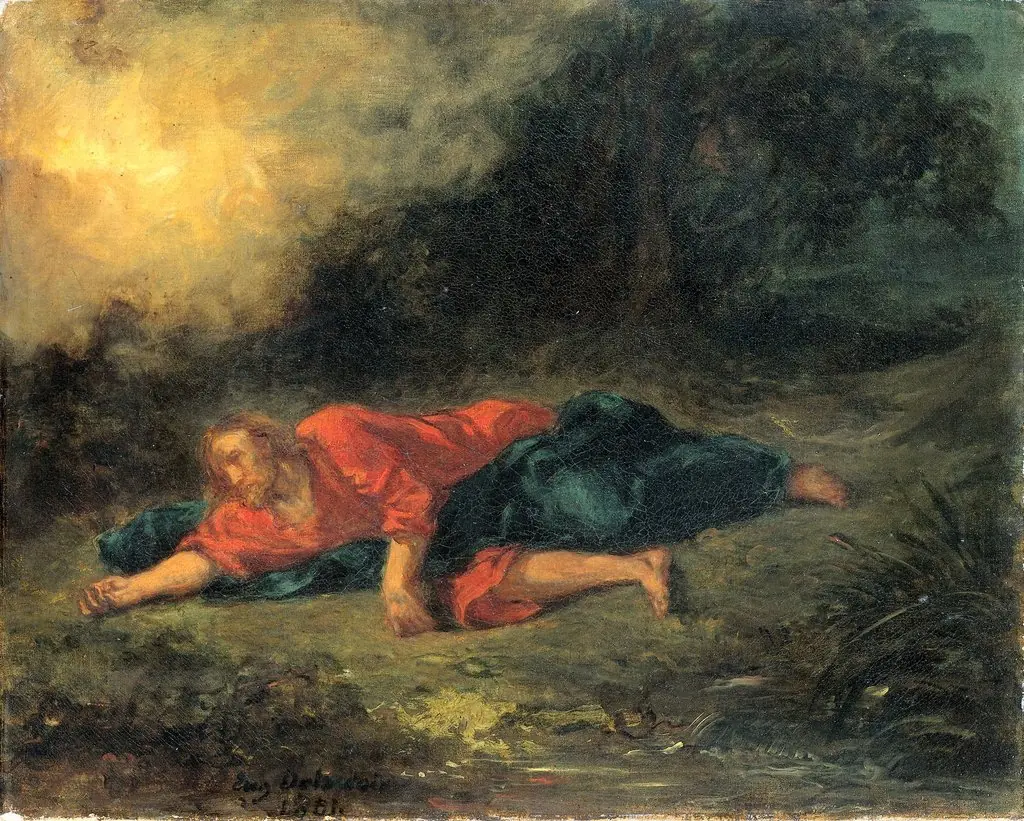 The Agony in the Garden
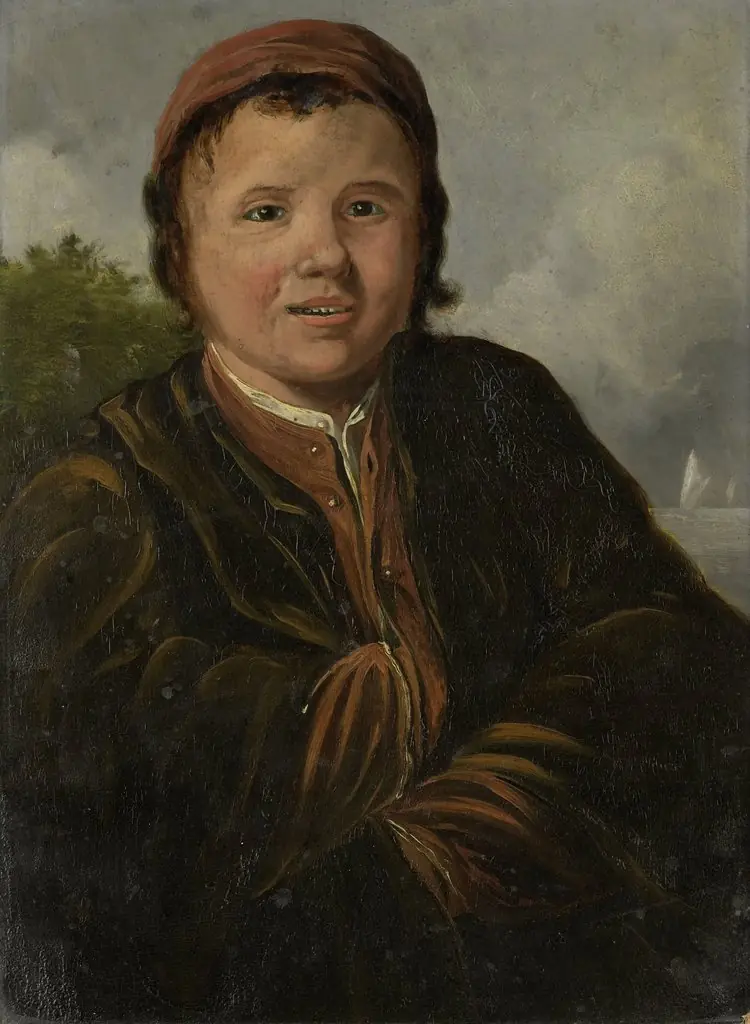 Fisherboy
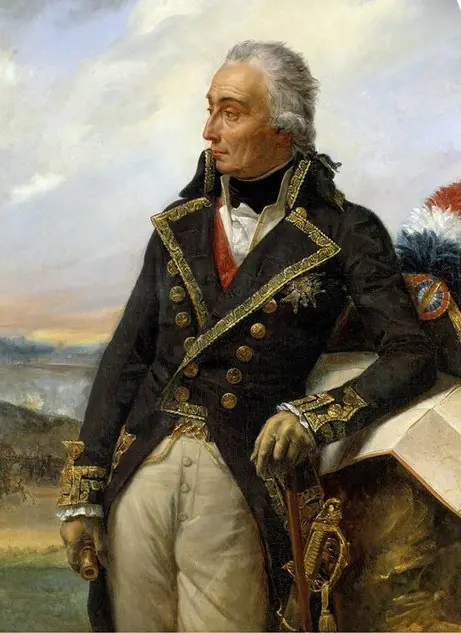 Nicolas, Baron de Luckner, Marshal of France
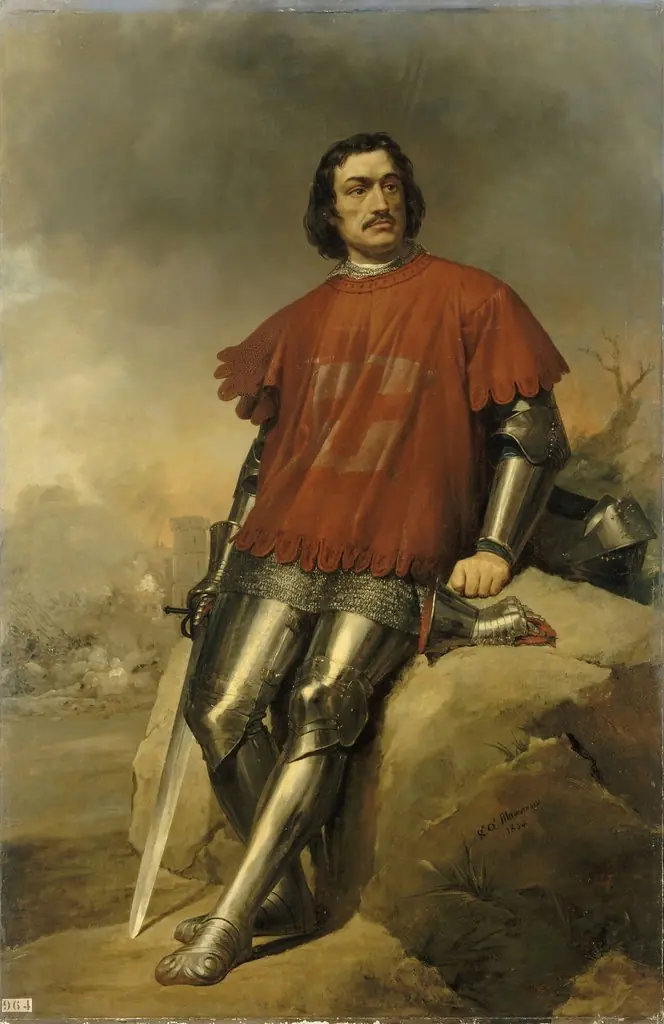 Jean, dit Poton, seigneur de Xaintrailles (?-1461)
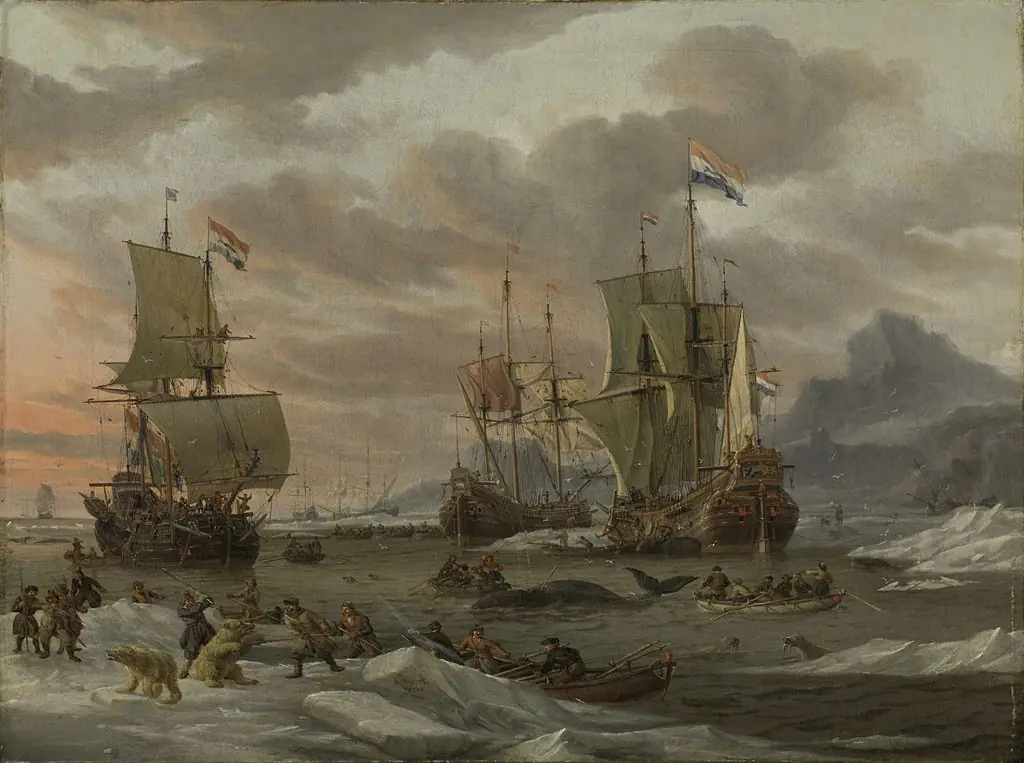 Rough Sea with Sailing Vessels
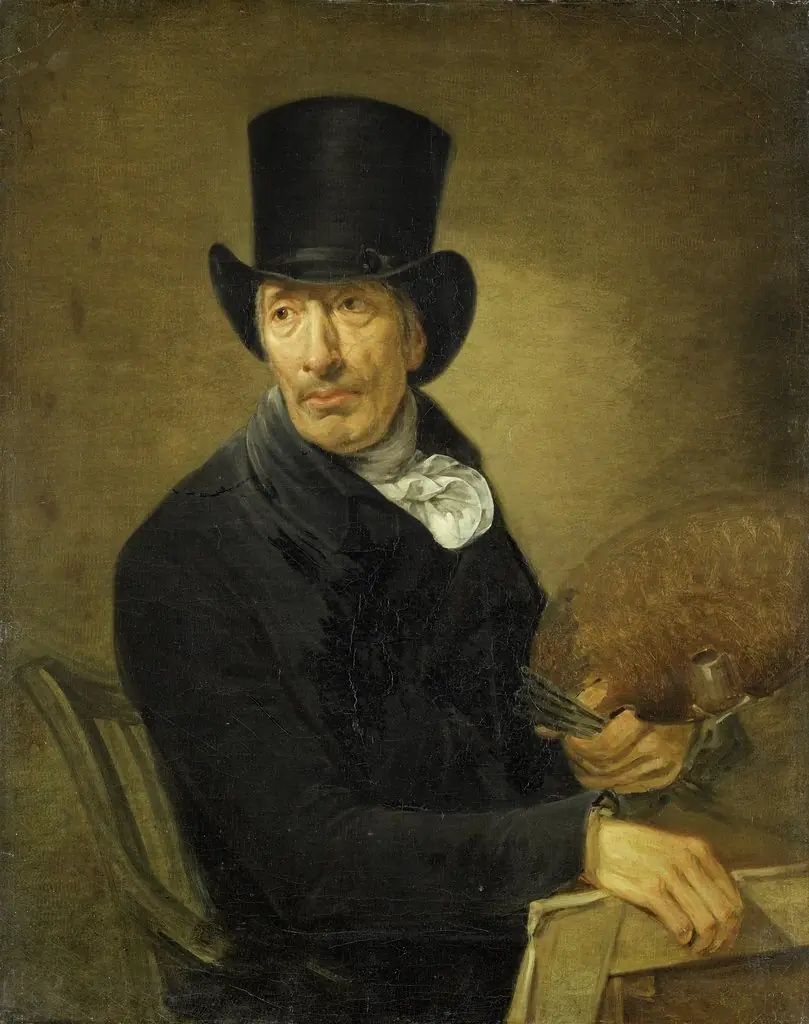 Pieter Barbiers II, Painter
 The Defense of Paris
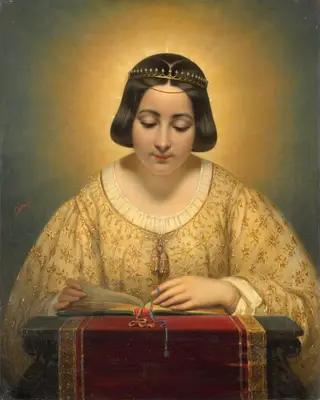 Countess de Pagès, née de Cornellan, as St Catherine
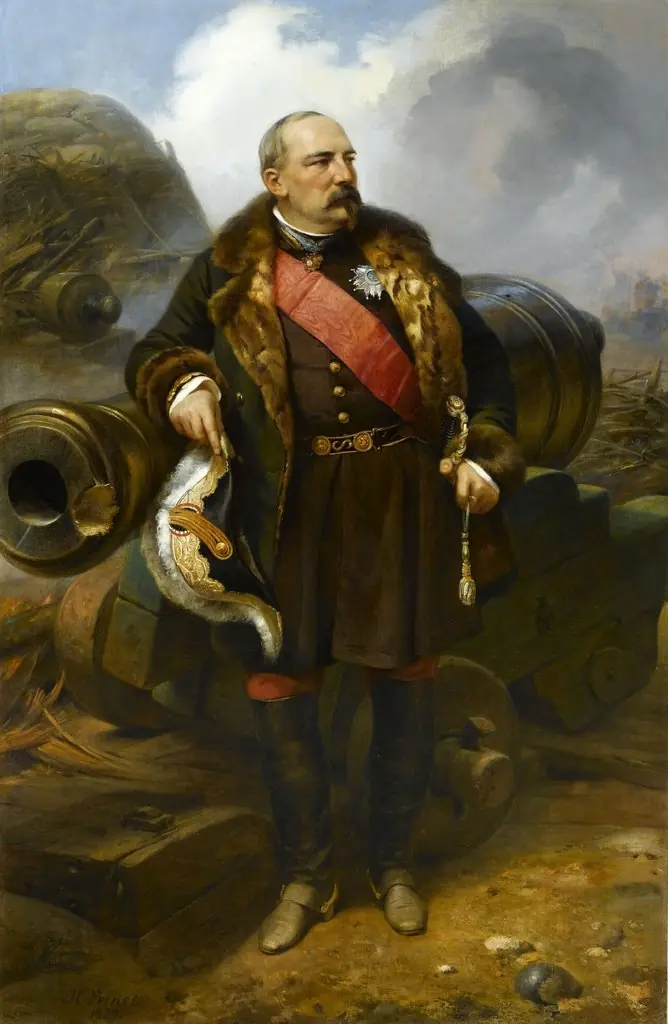 Pierre-Joseph-François Bosquet, Marshal of France (1810-1861)
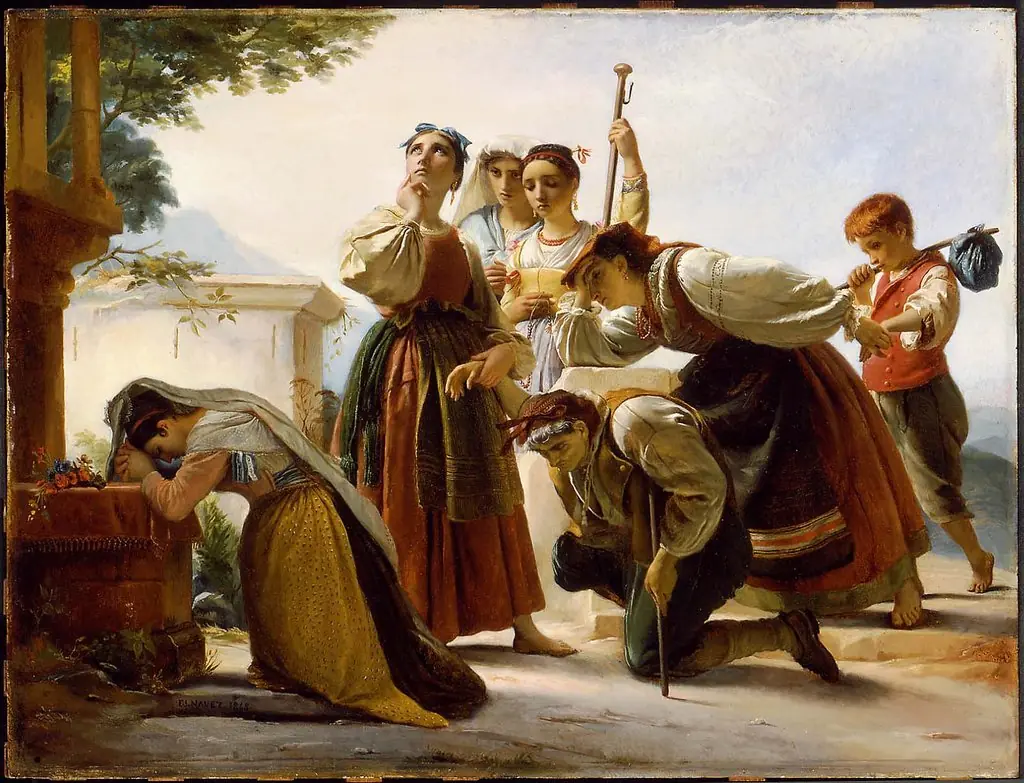 Pilgrimage in the Roman Campagna
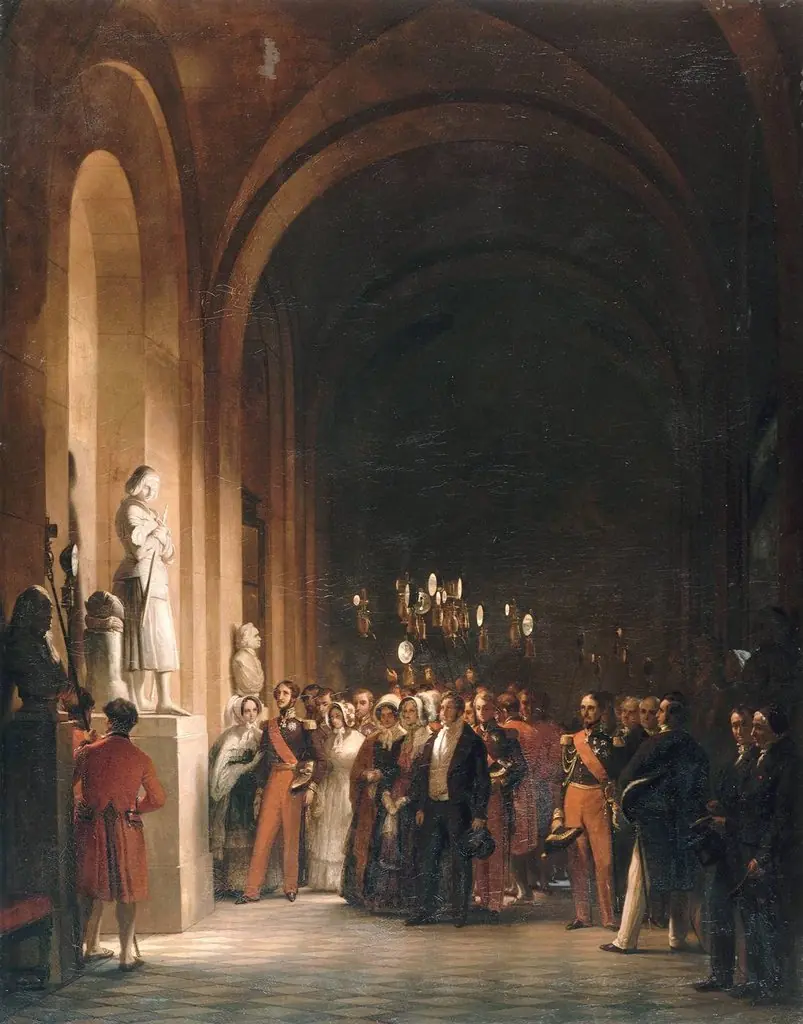 Louis-Philippe and the royal family visit the Historic Galleries of Versailles
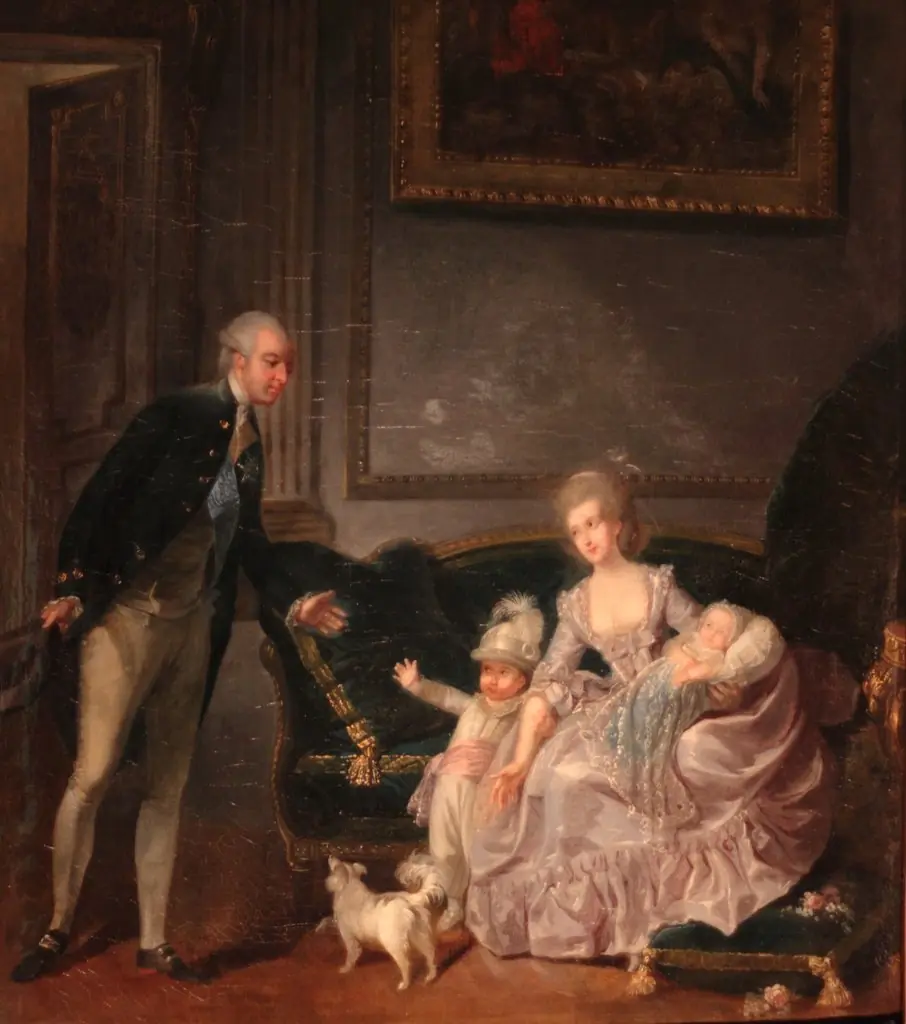 The Duke of Chartres and his Family at the Palais Royal
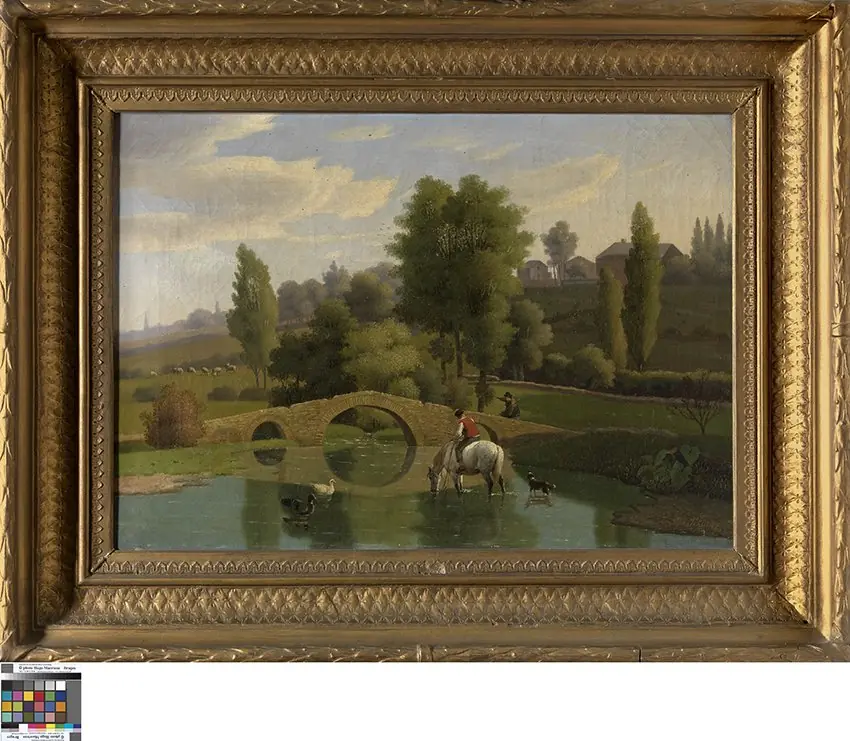 Landschap met brug
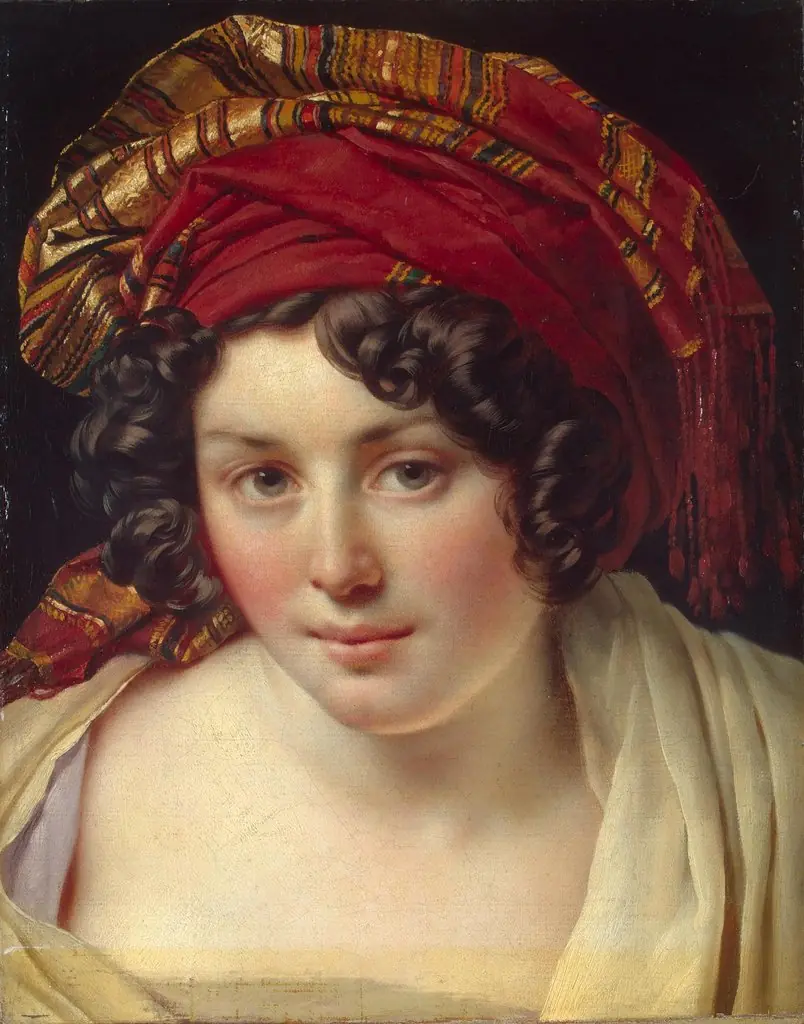 Head of a Woman in a Turban
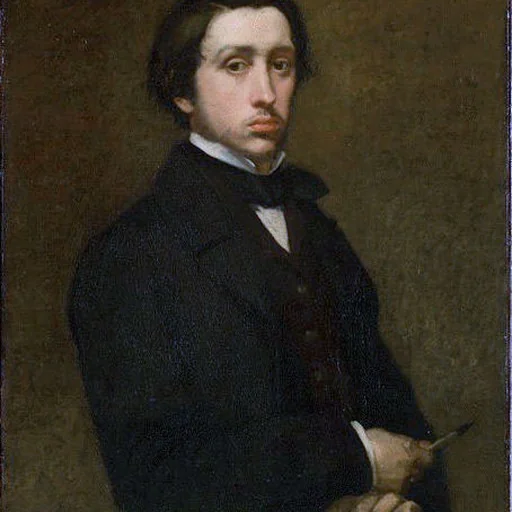
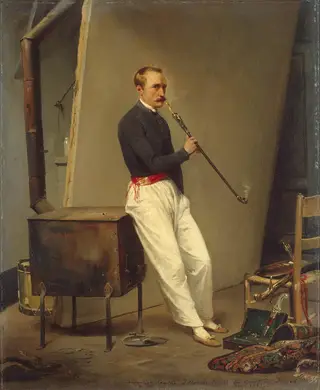 Self-Portrait
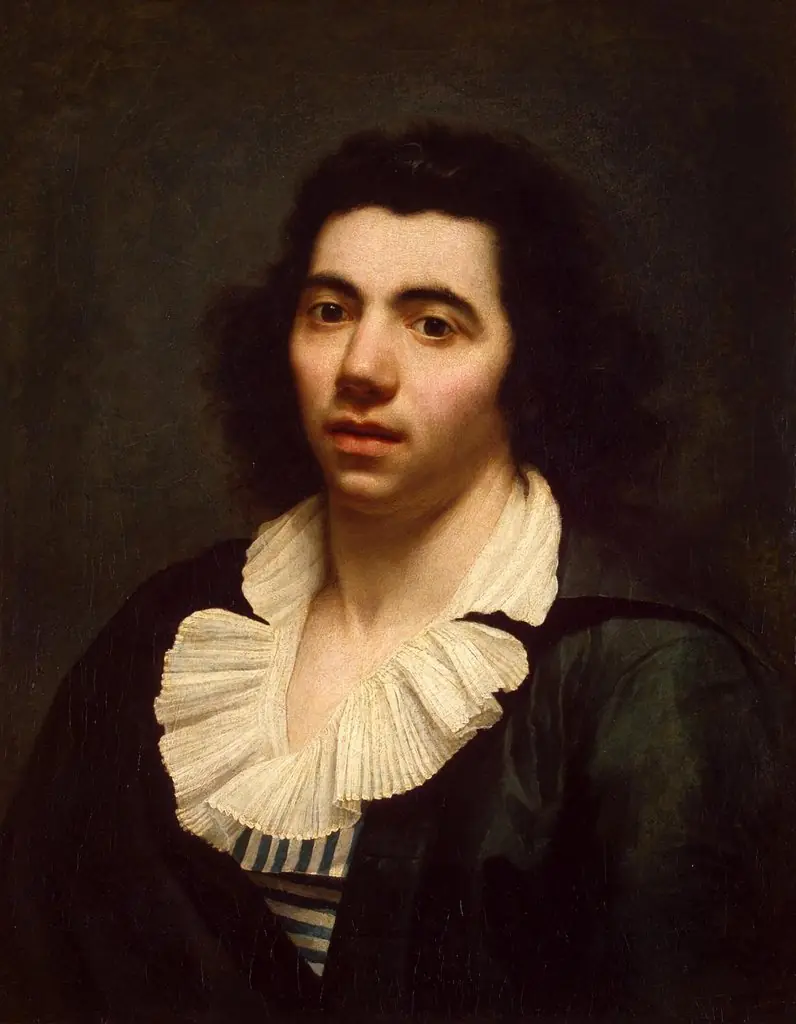 Self-Portrait
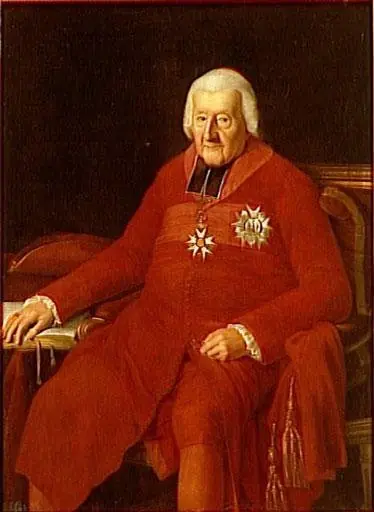 Jean-Baptiste de Belloy, cardinal
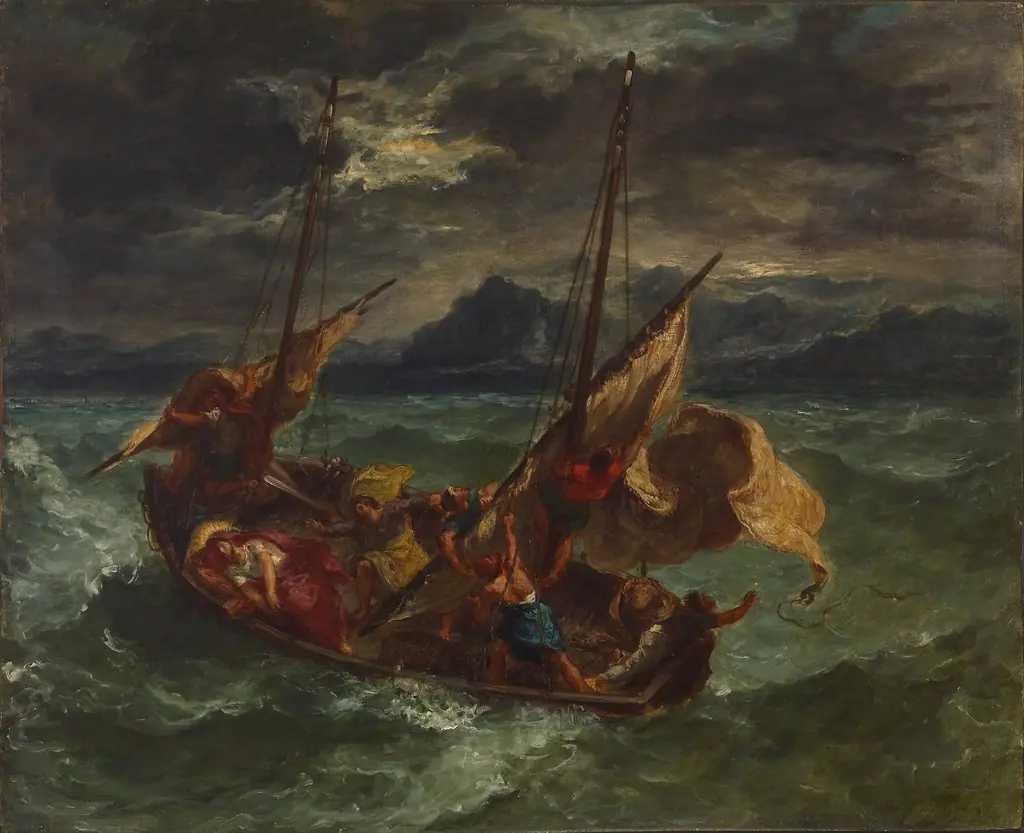 Christ on the Sea of Galilee
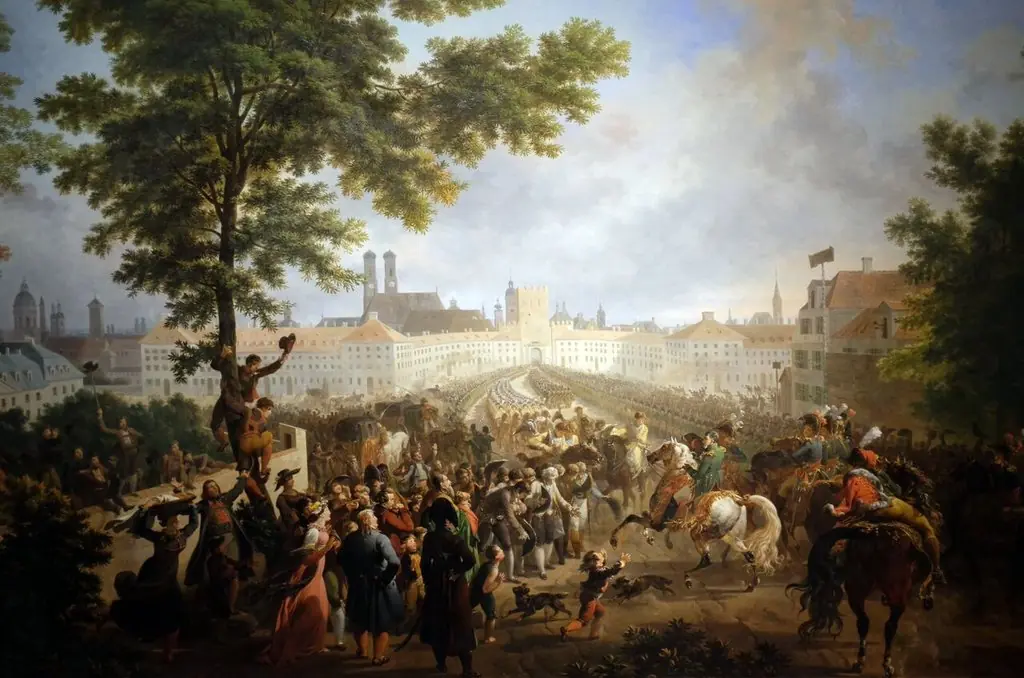 Entry of the French army in Munich
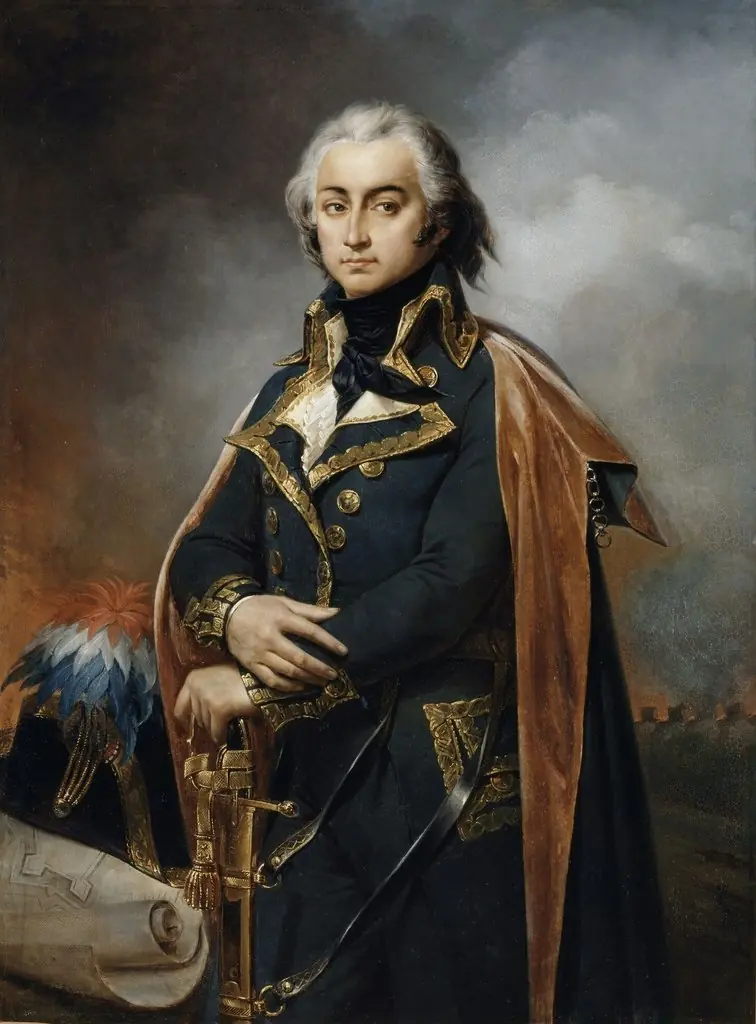 Cyrus-Marie-Adélaïde de Timbrune, Count of Valence, General-in-Chief of the Army of the Ardennes
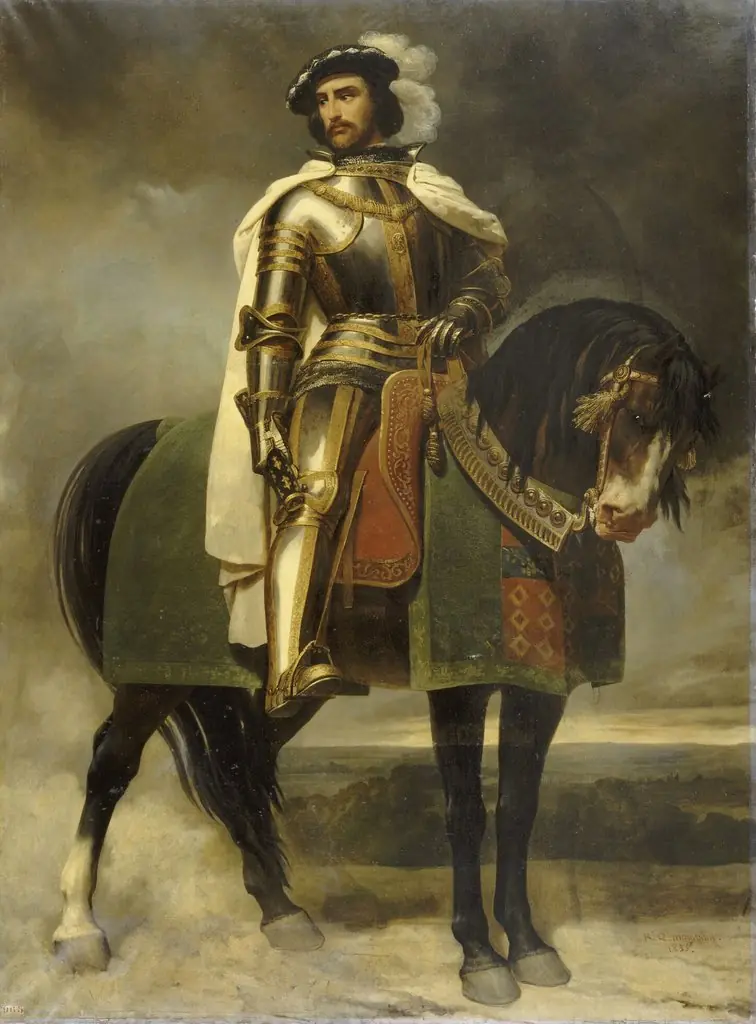 Pierre de Rohan, seigneur de Gye
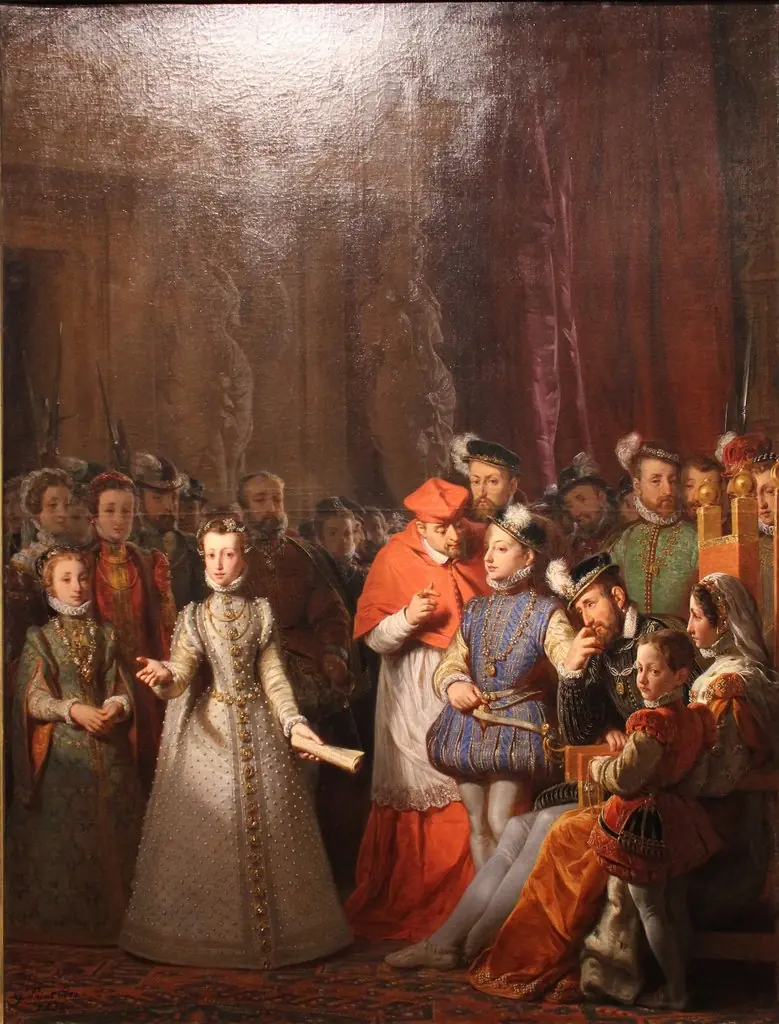 L’Éducation de Marie Stuart à la cour de François II by Gillot Saint-Evre
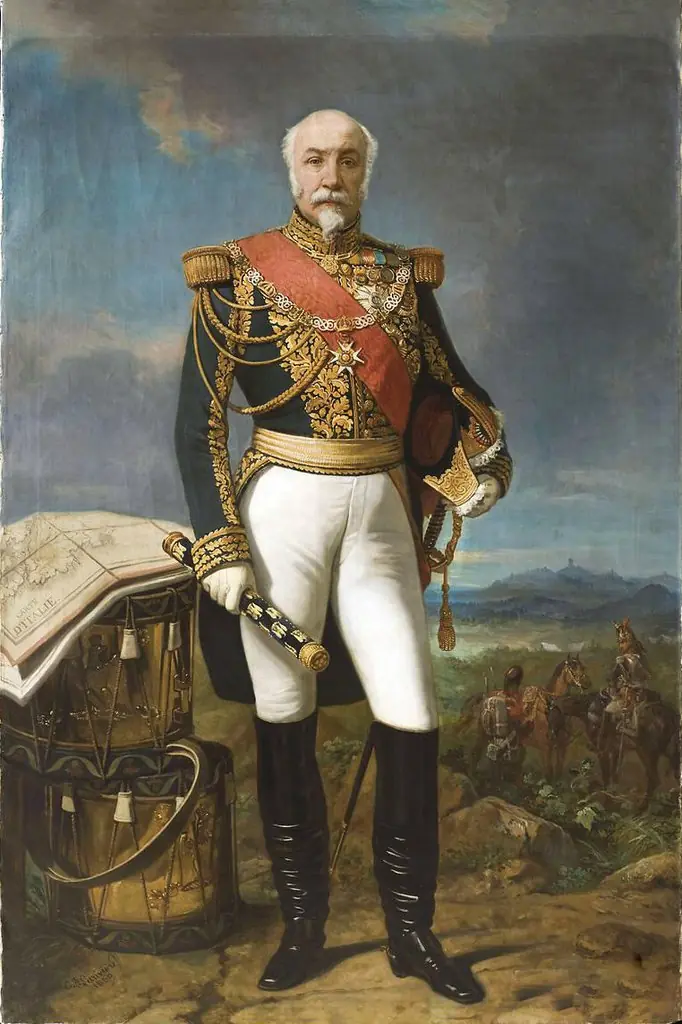 Auguste-Etienne Regnaud de Saint-Jean d'Angély, maréchal de France
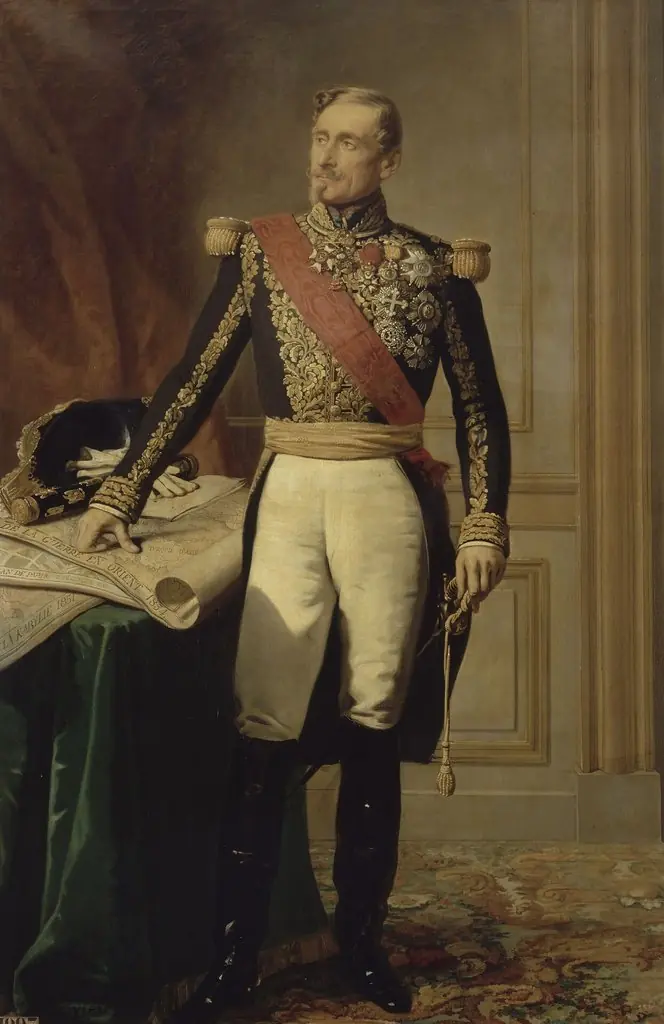 Armand-Jacques Leroy de Saint-Arnaud, Marshal of France
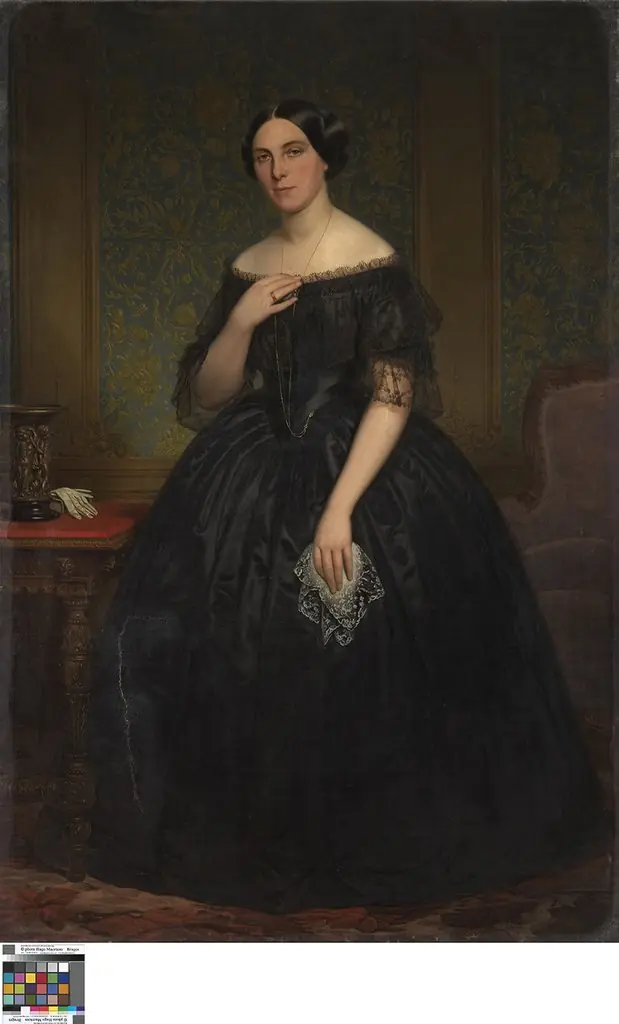 Portret van Beatrix van Herreweghe
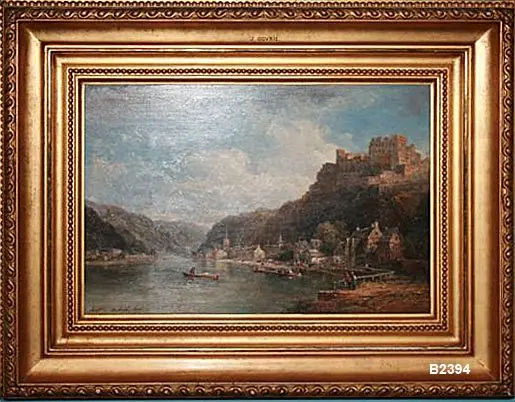 Het stadje Sankt Goar aan de Rijn
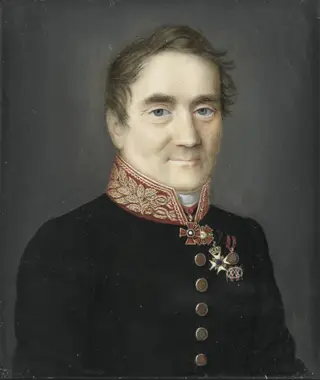 Portrait of Jean Casimir de Brunet ( -1861)
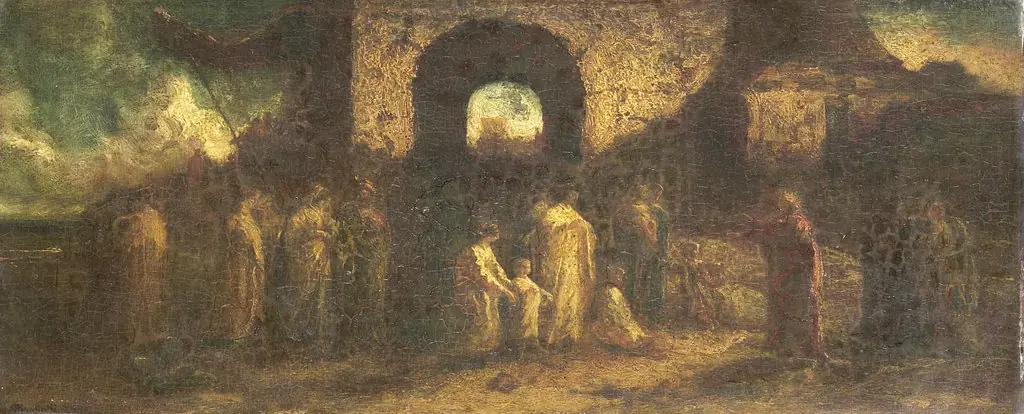 Christ Blessing the Children
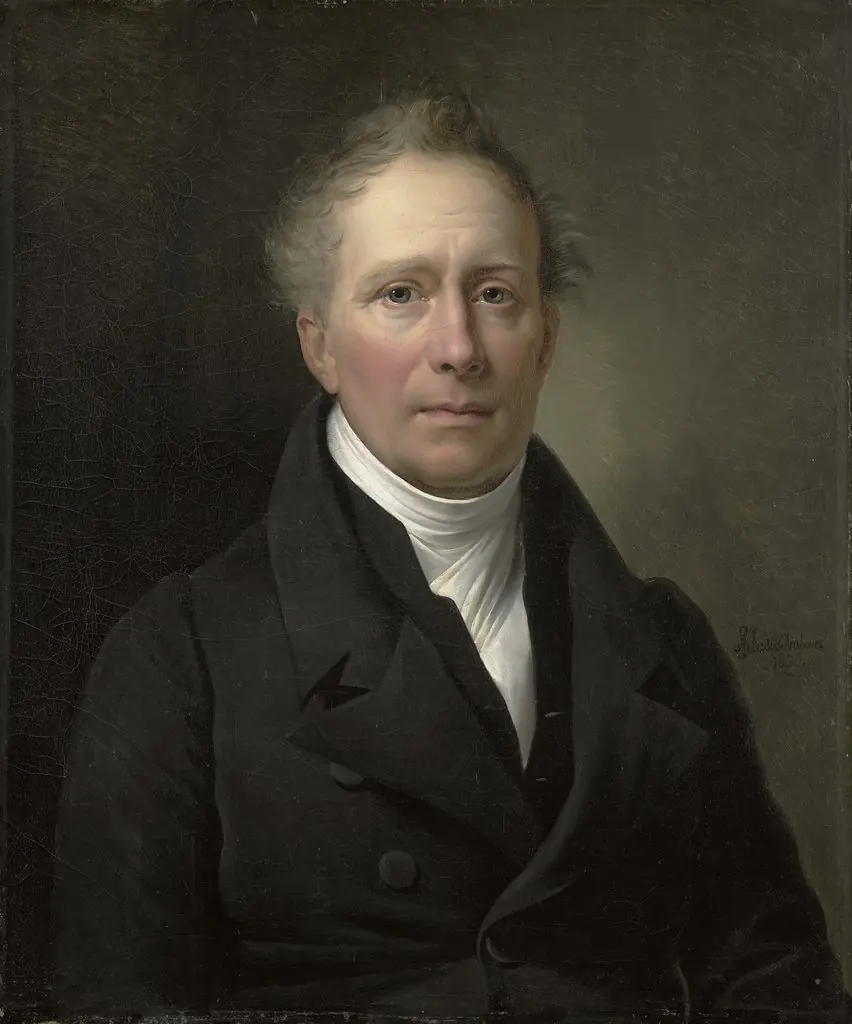 Portrait of Daniel Francis Schas, from 1814 to 1820 Member of the Board of Commerce for the Colonies
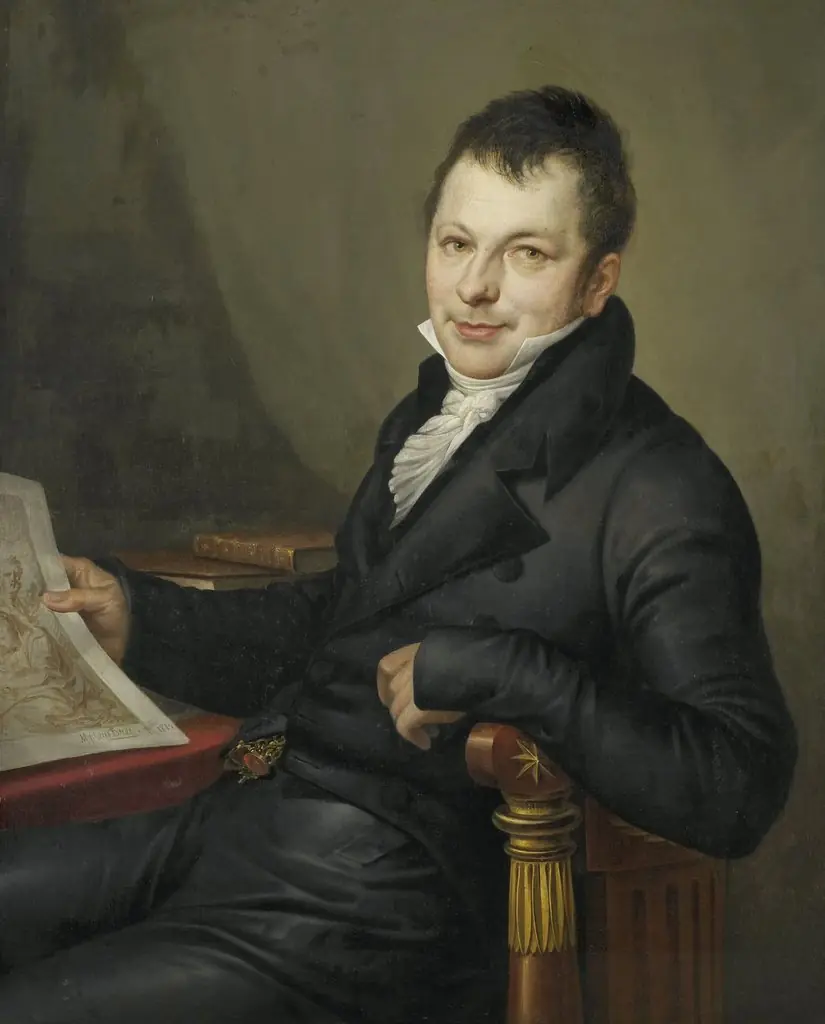 Johannes Hermanus Molkenboer(1773-1834). Art Collector
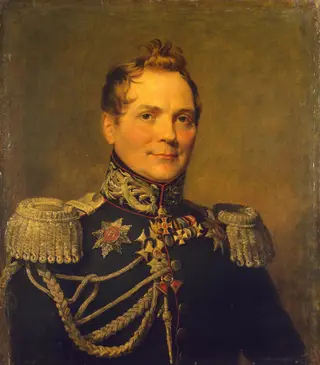 Portrait of Karl F. Toll (1777-1842)
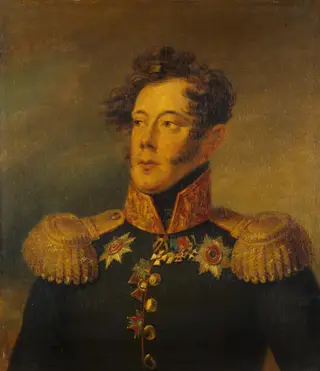 Portrait of Alexander I. Albrecht (1788-1828)
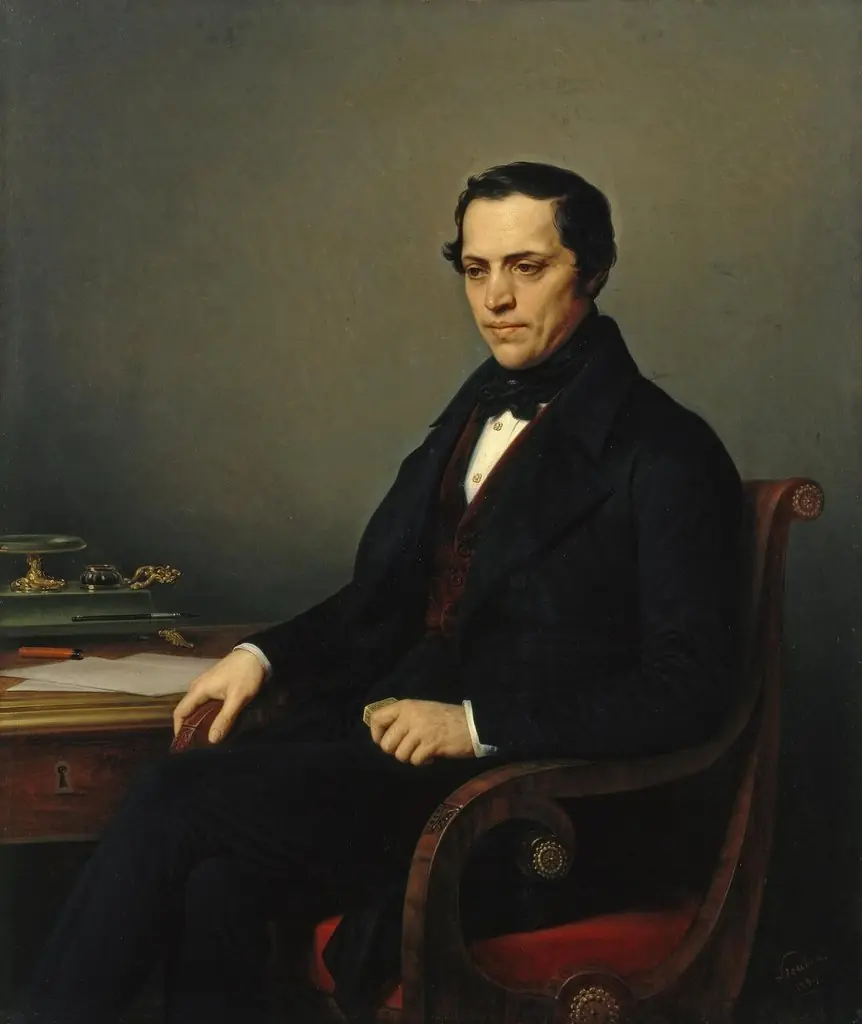 Portrait of D.E. Benardaki
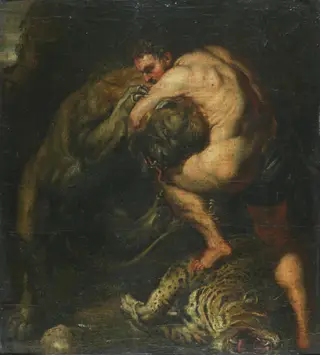 Hercules and the Nemean lion
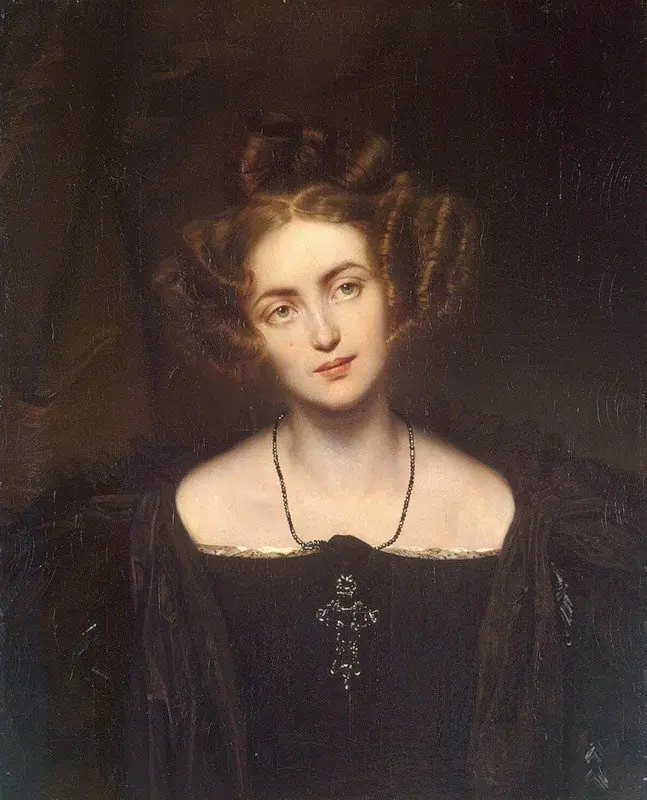 Portrait of Henriette Sontag
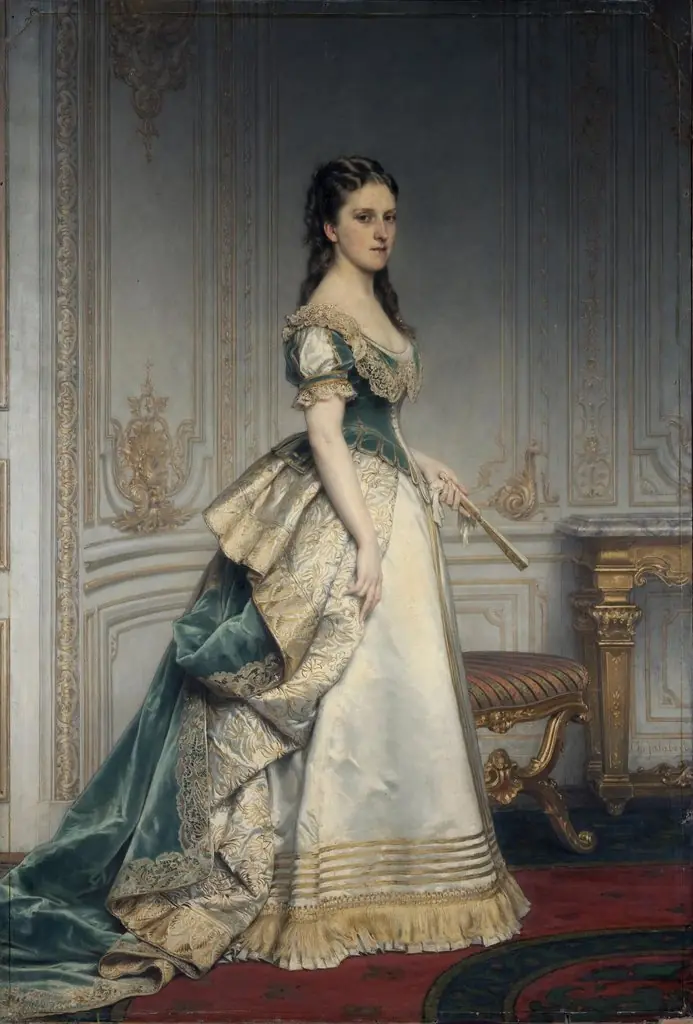 Portrait of Nadezhda Polovtseva
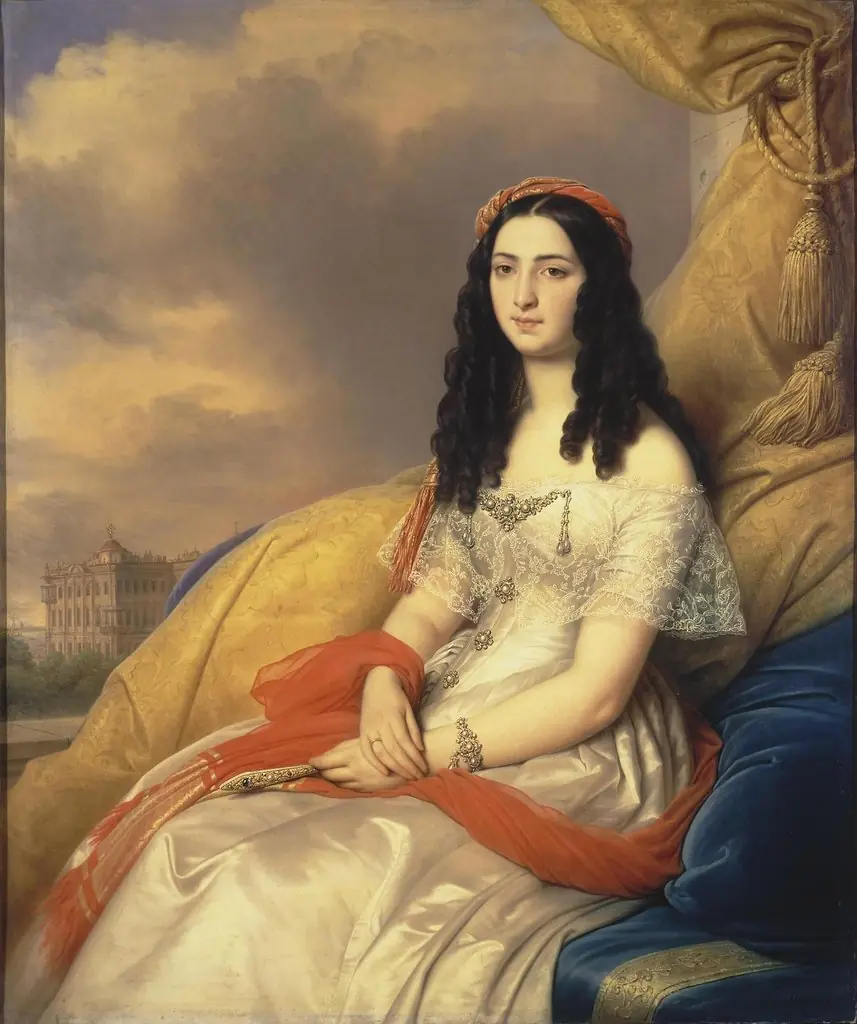 Portrait of Countess d'Ash
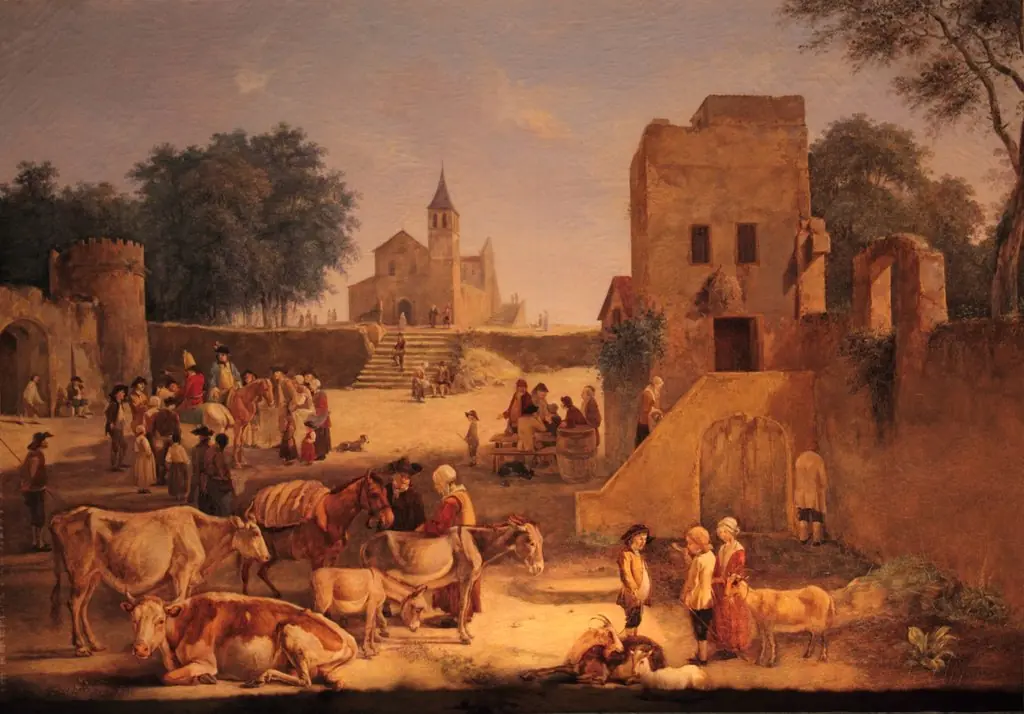 Animal market
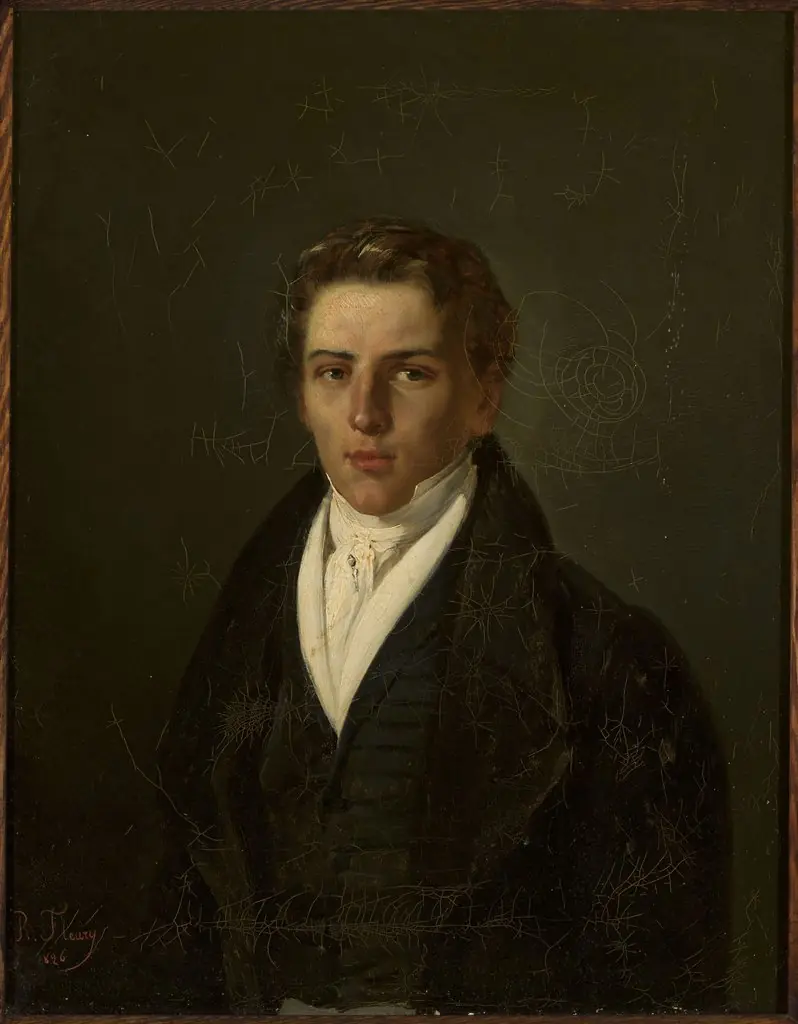 Portrait of a young man
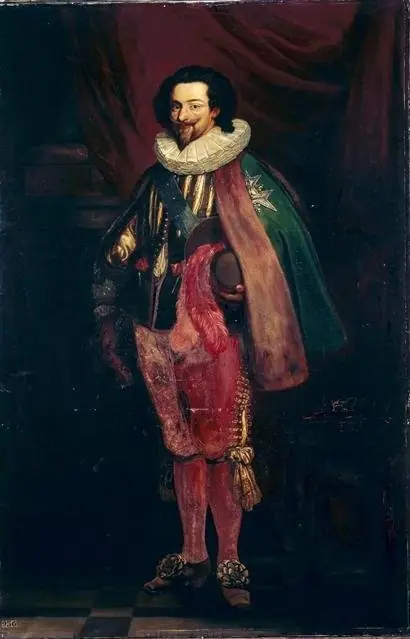 Charles d'Albert, duc de Luynes, connétable de France (1578-1621)
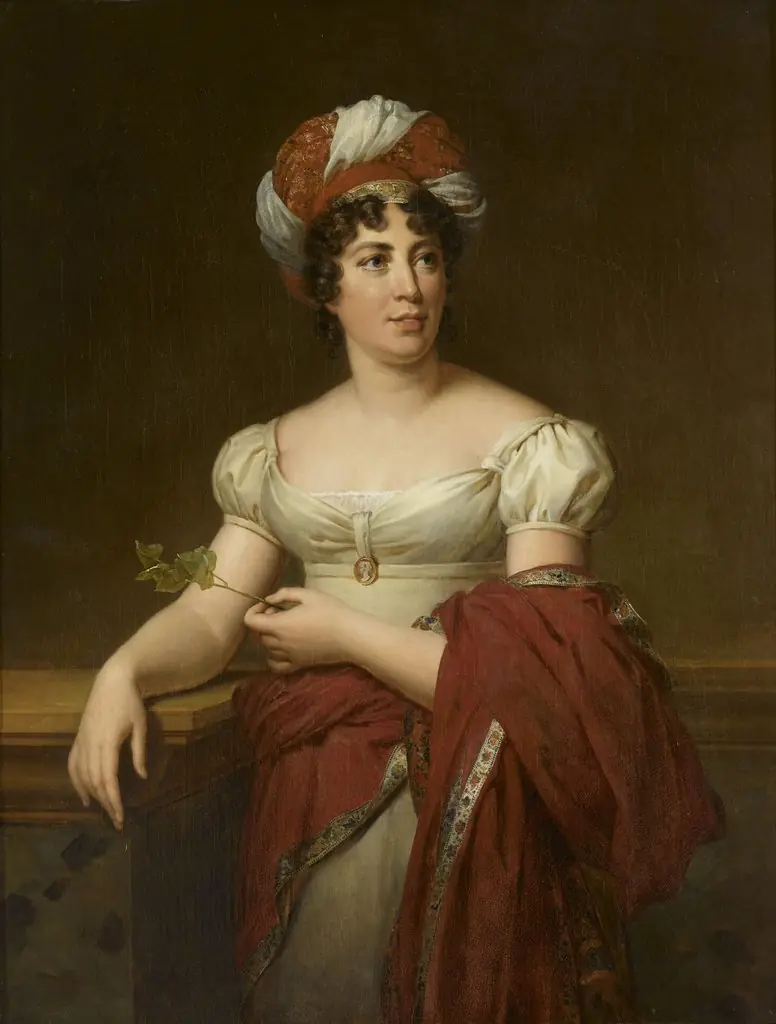 Portrait of Mme de Staël
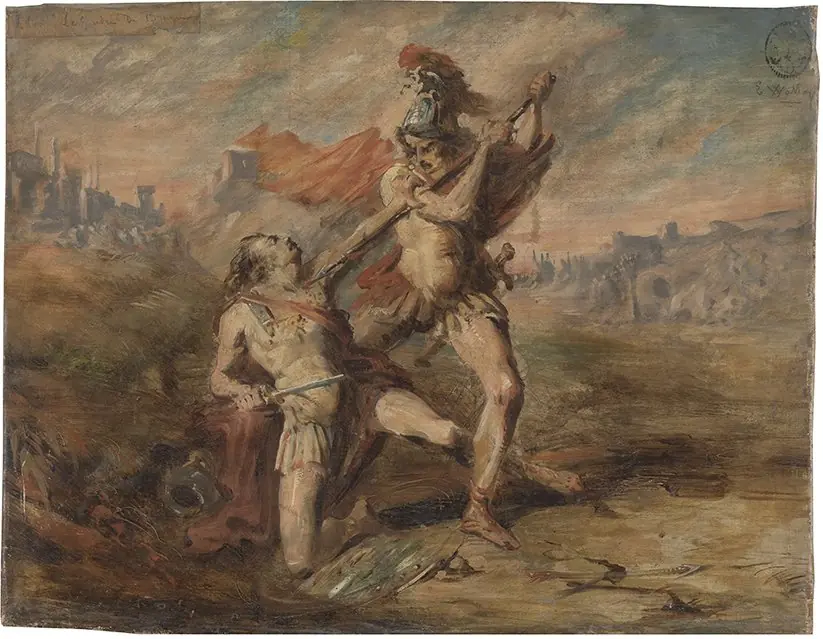 Achilles doodt Hector
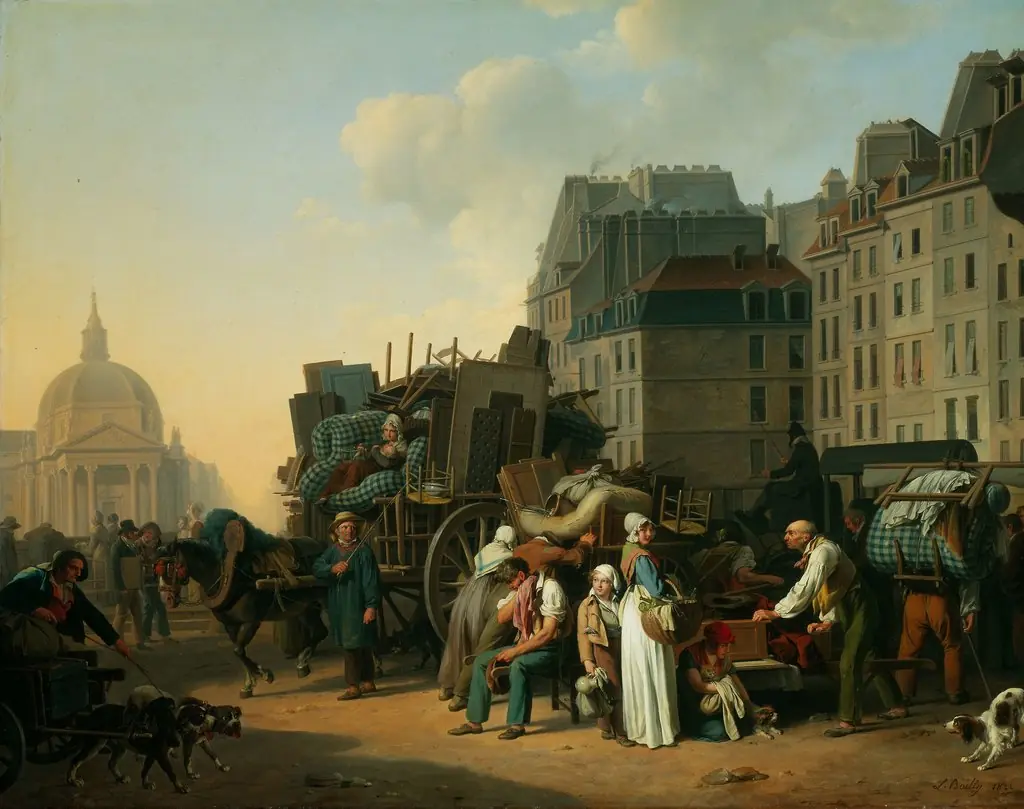 The Movings
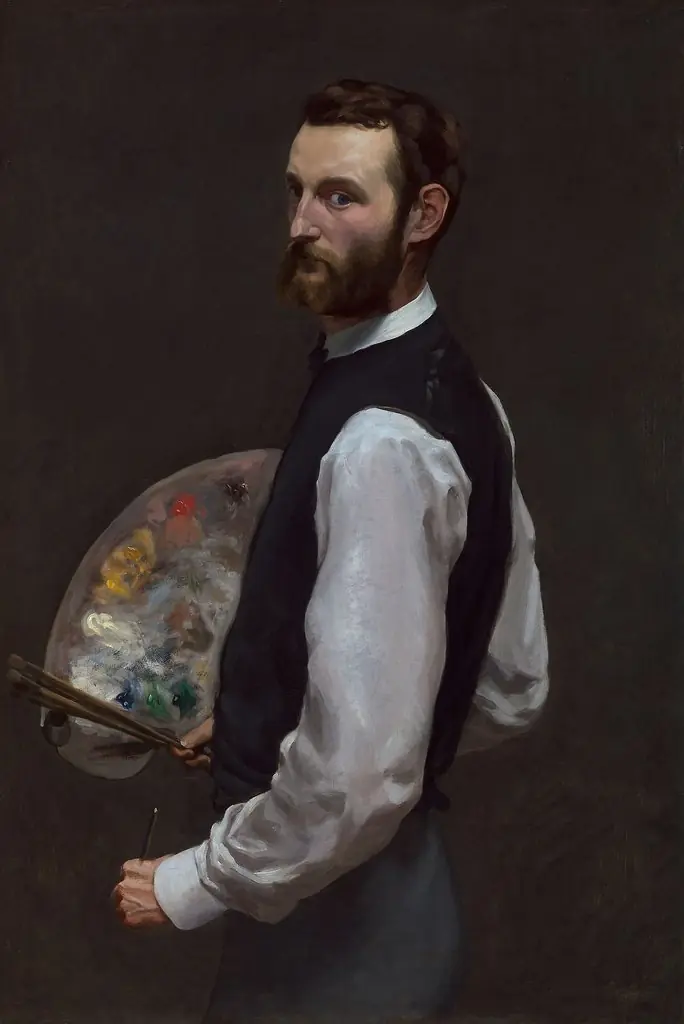 Self-Portrait
 Hercules hos Omphale, omgivet af hendes veninder
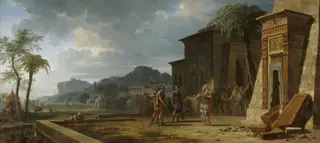 Alexander at the Tomb of Cyrus the Great
 The Good Samaritan
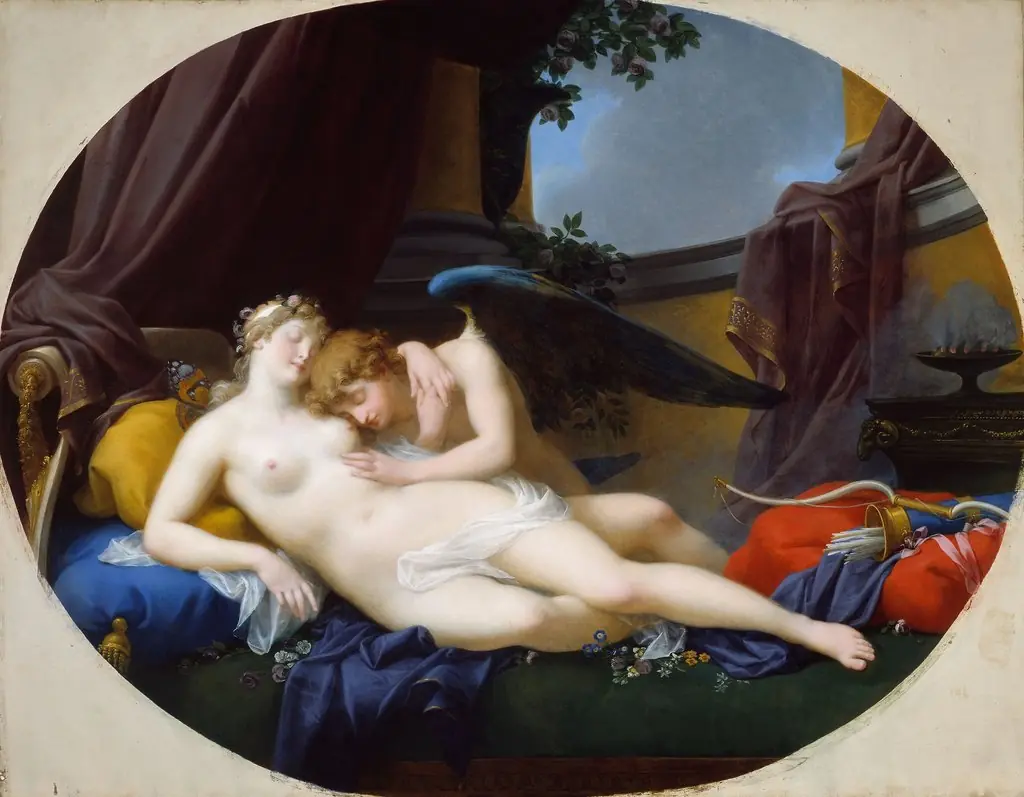 Cupid and Psyche
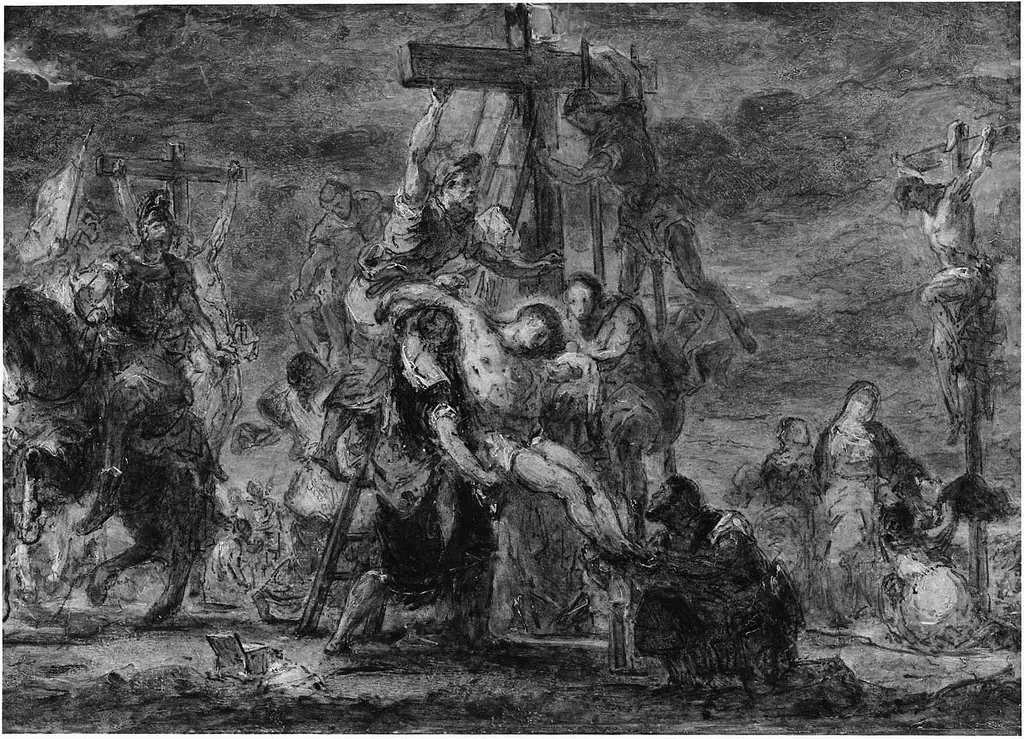 The Descent from the Cross
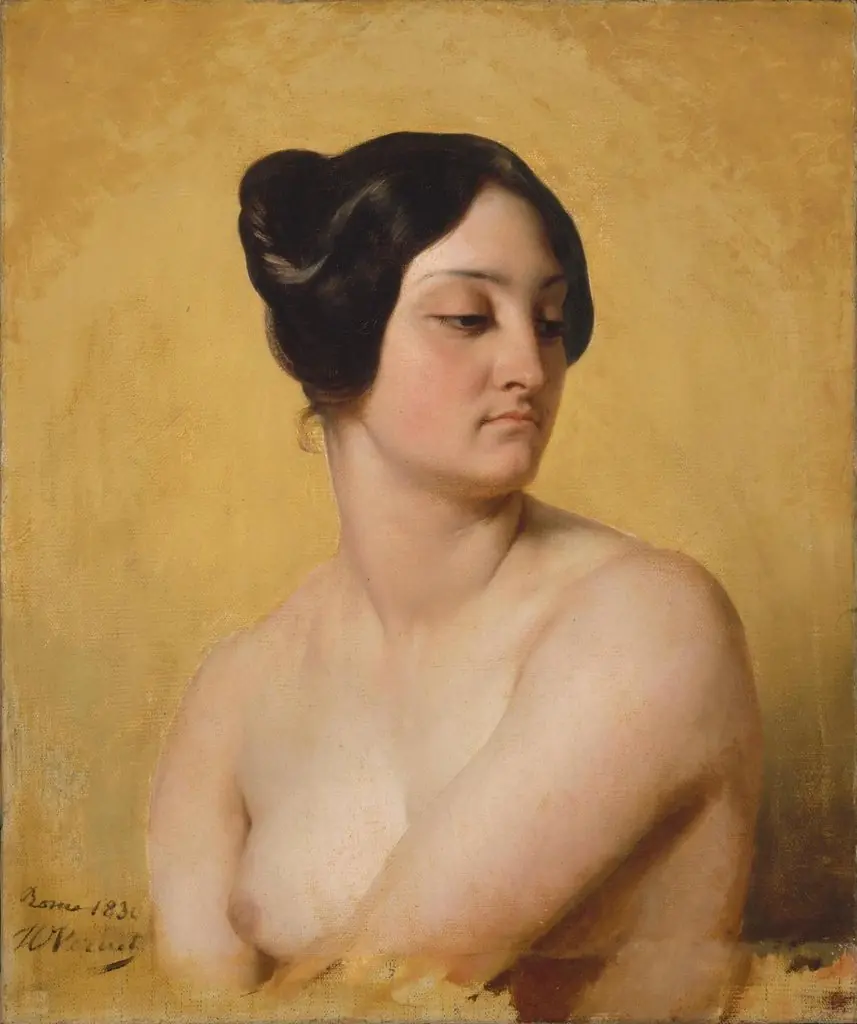 Study of Olympe Pelissier as Judith
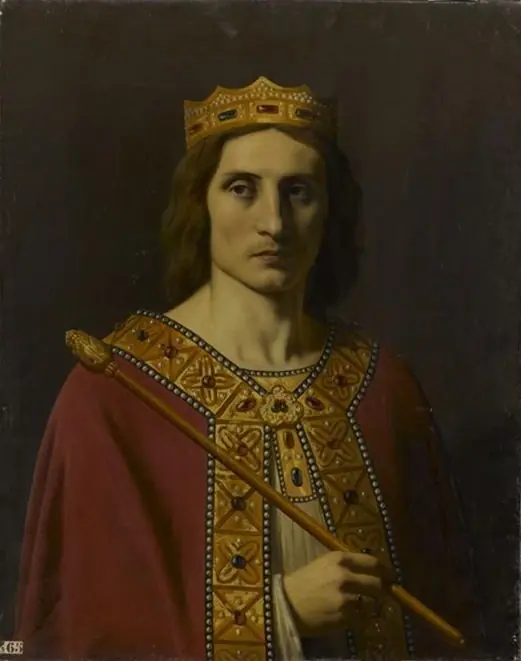 Childéric II (vers 653-675), roi d'Austrasie, de Neustrie et de Bourgogne
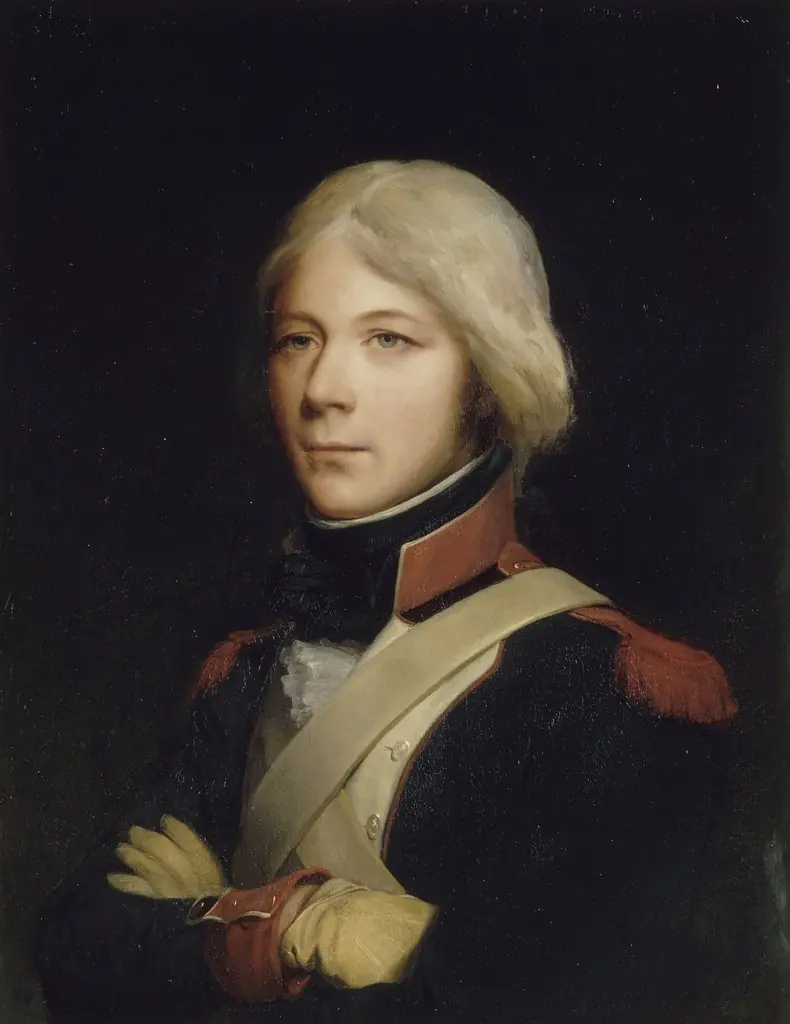 Nicolas-Joseph Maison, Marshal of France
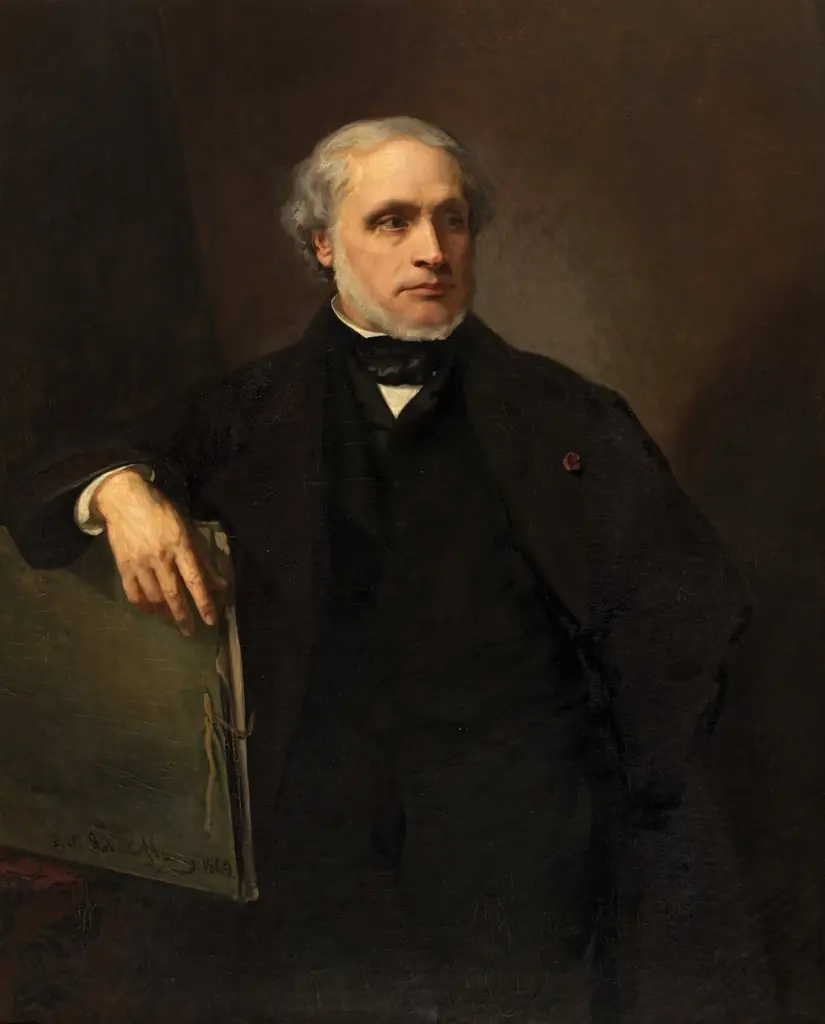 Self Portrait
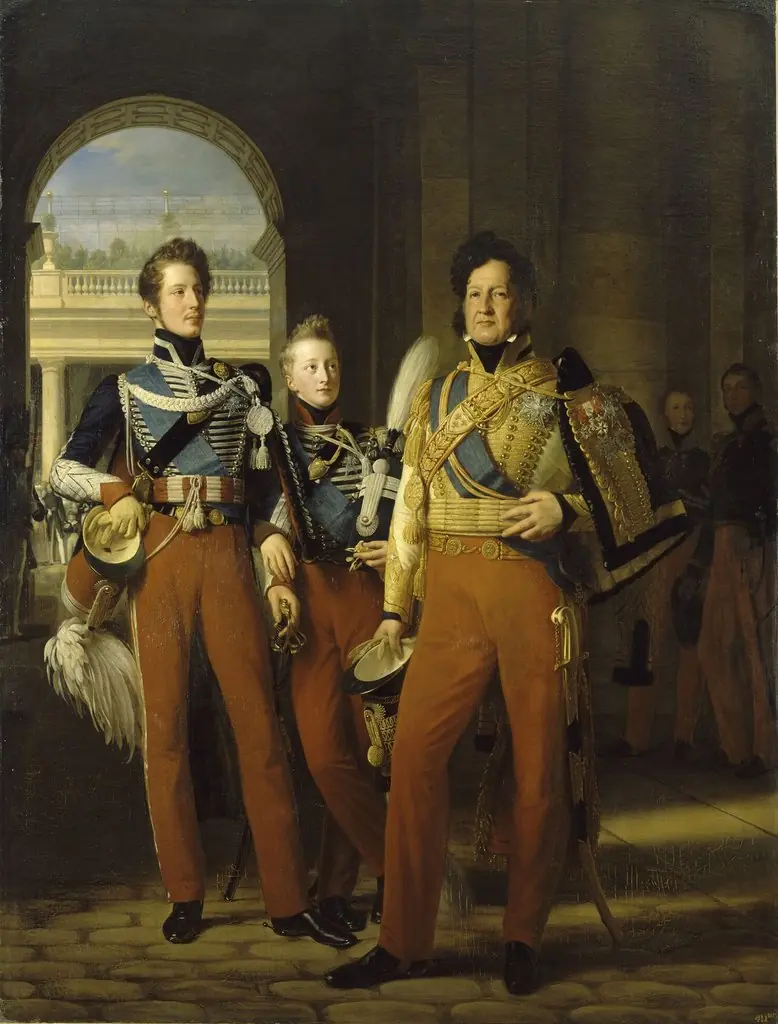 Le duc d'Orléans, les ducs de Chartres et de Nemours. 1830.
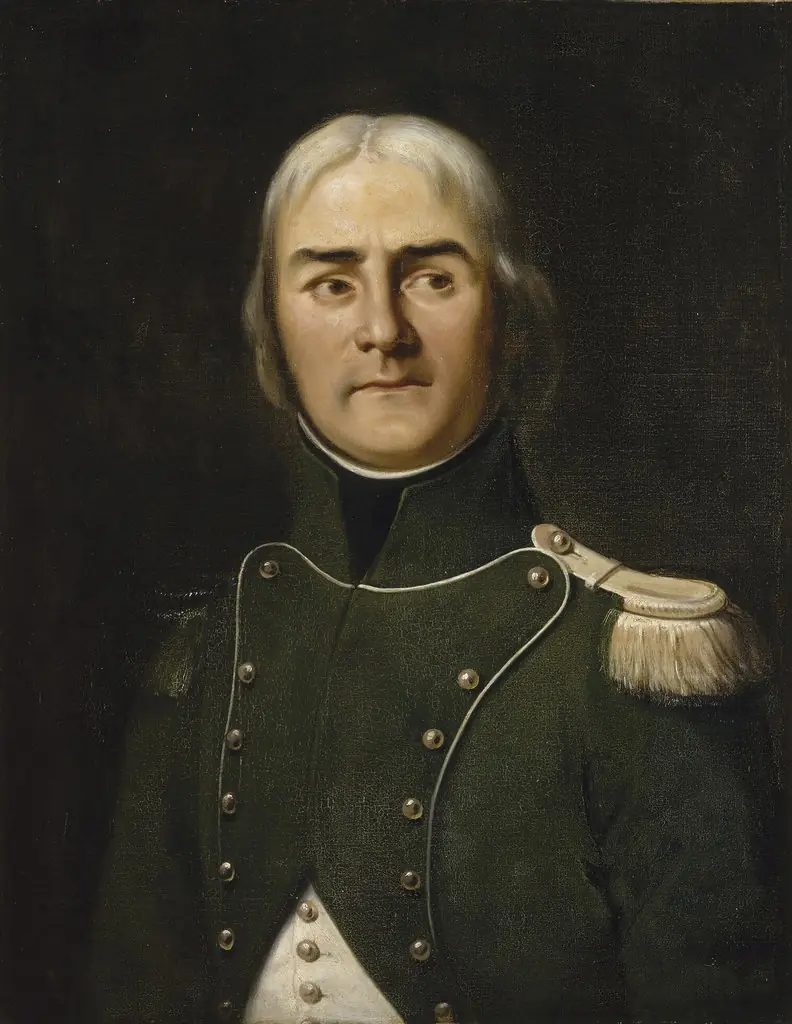 Francois-Joseph Lefèbvre
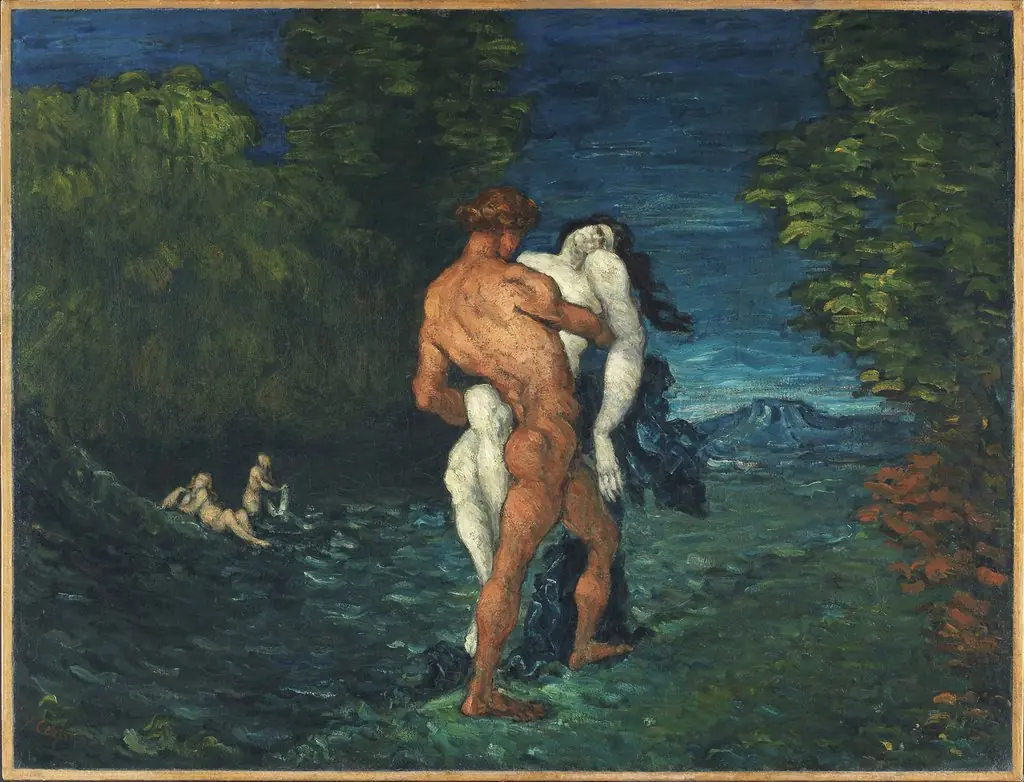 L'Enlèvement (The Abduction)
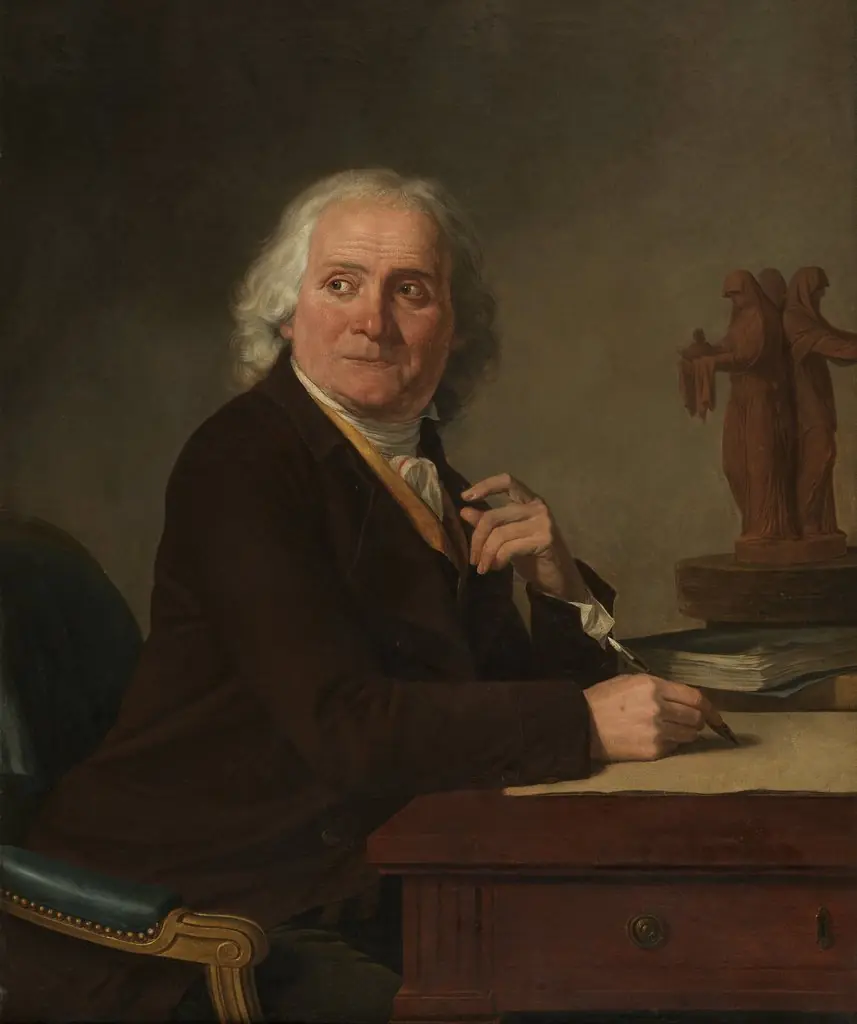 Portrait of Jean Rameau
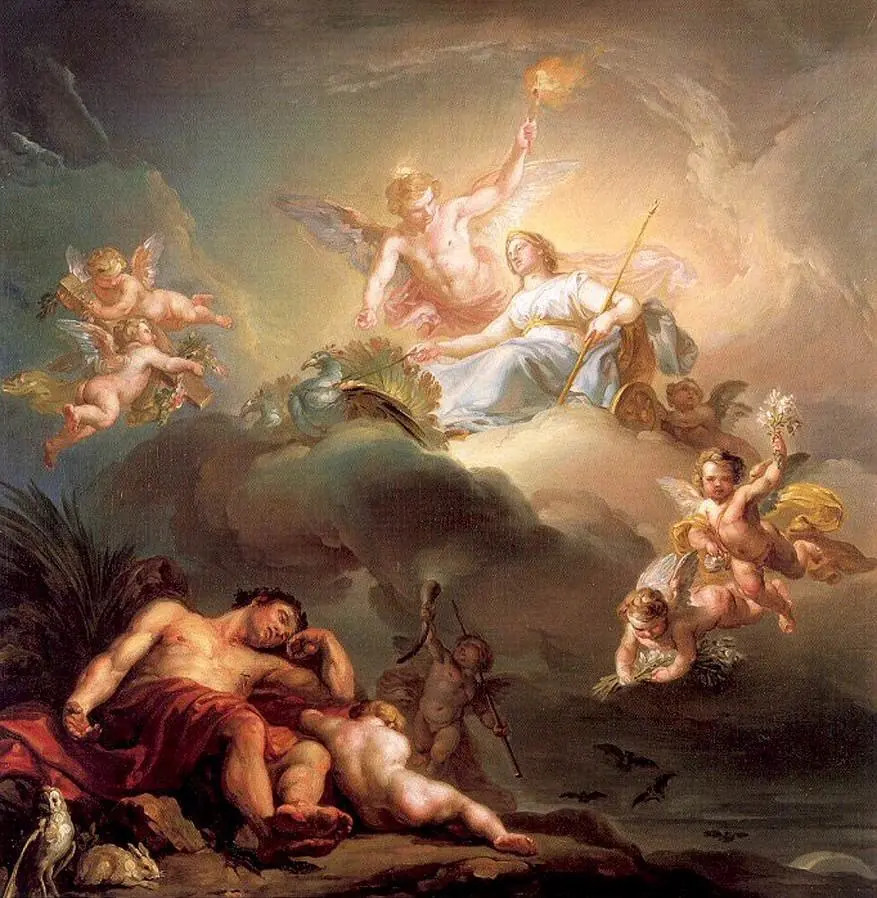 The Goddess Juno entering the Mansion of Sleep
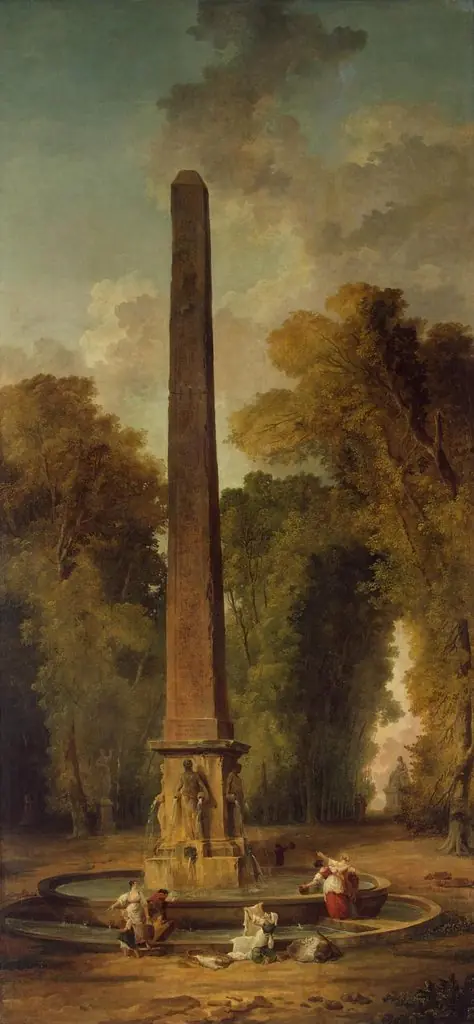 Landscape with an Obelisk
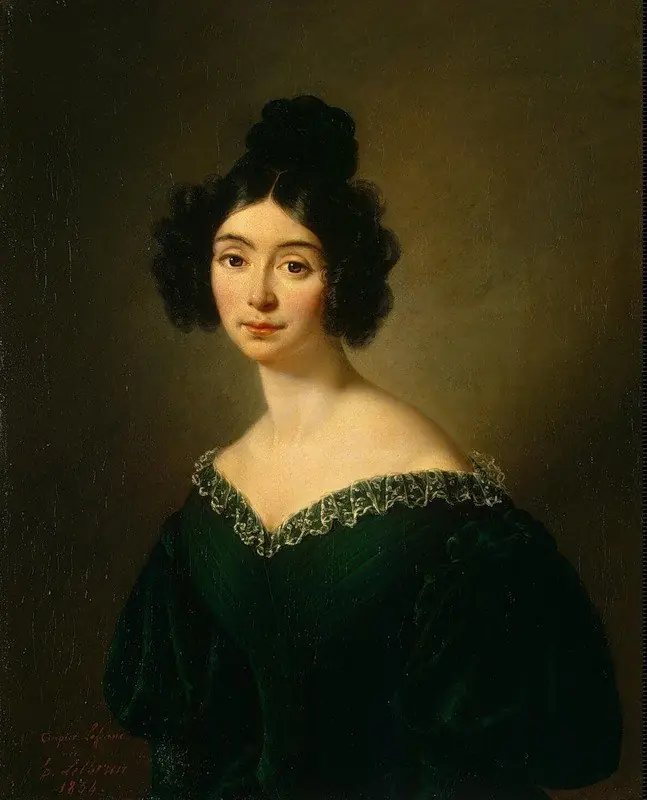 Portrait of Mademoiselle Riviere
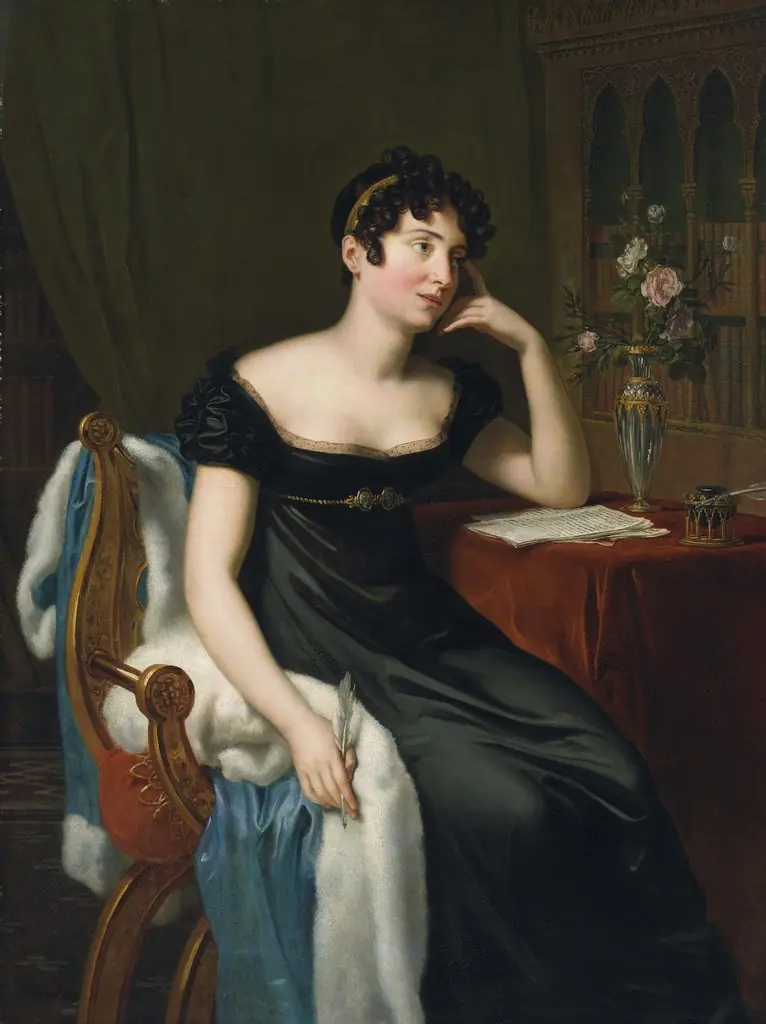 Portrait of Lady Morgan (Sydney Owenson) (1776-1859), Writer
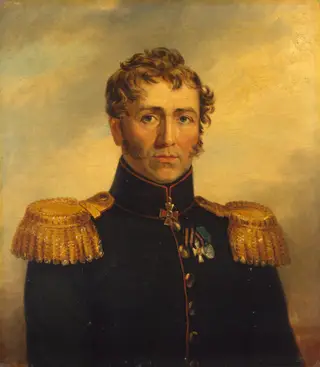 Portrait of Yakov Ye. Guine (1769-1813)
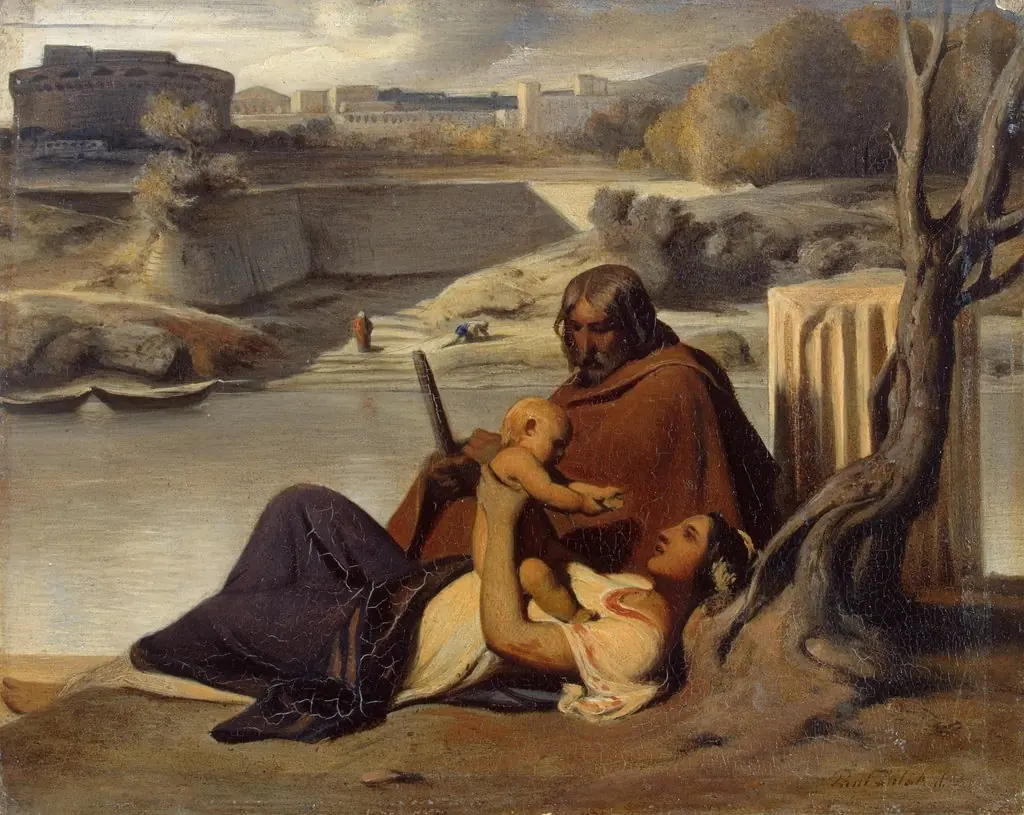 Resting on the Banks of the Tiber
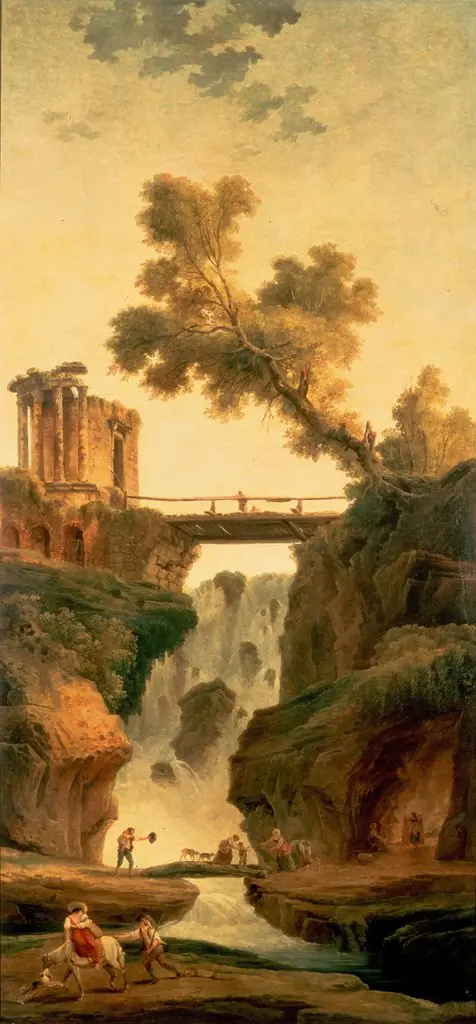 Landscape with a Waterfall
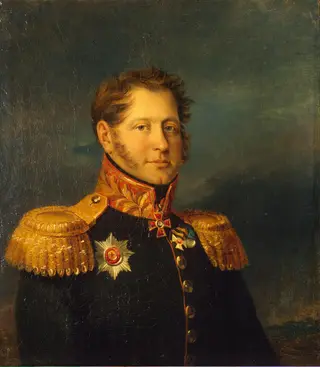 Portrait of Alexander I. Gressor (1772-1822)
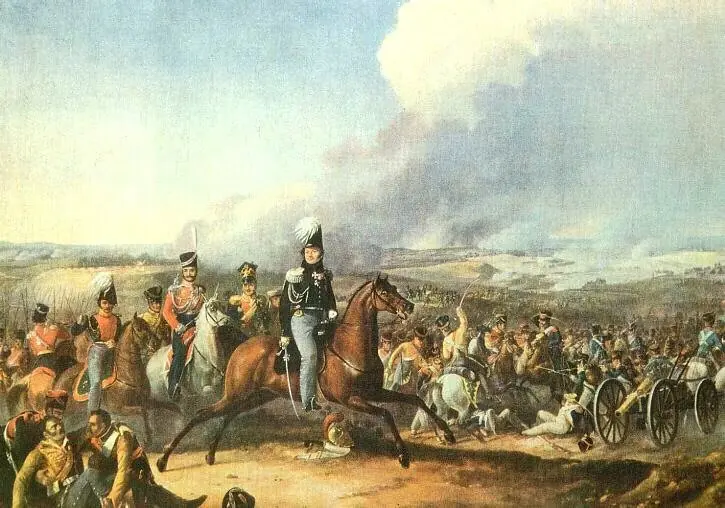 Attack of the Uvarov Cavalry at Borodino
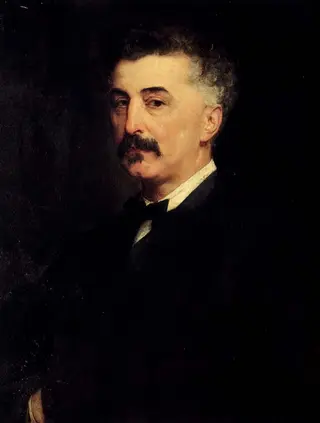 Portrait of Platon Chikhachov
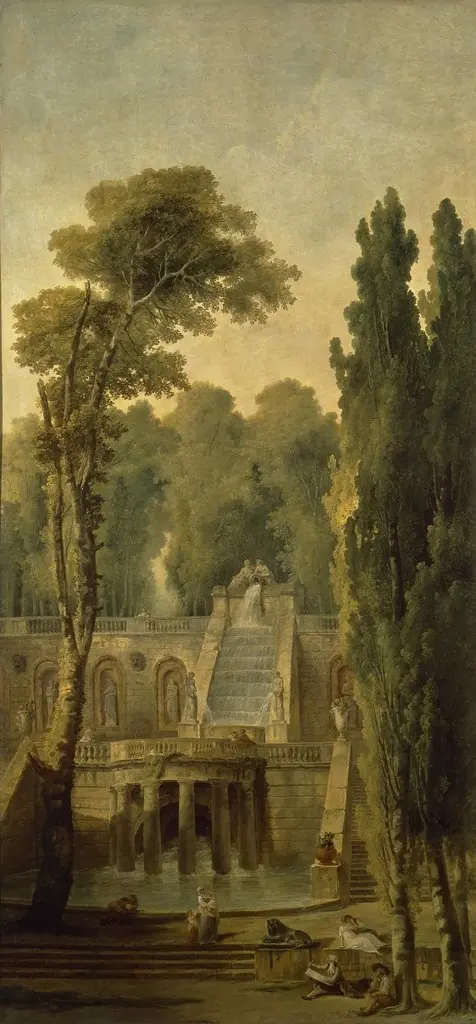 Landscape with a Terrace and Cascade
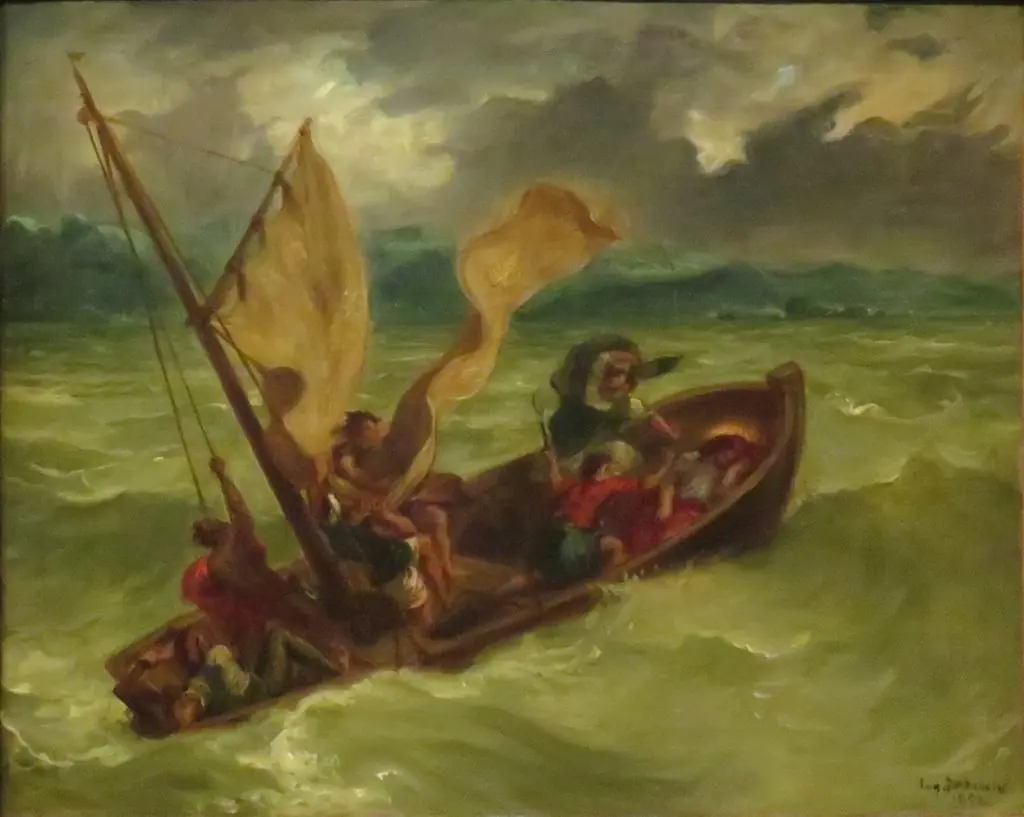 Christ on the Sea of Galilee
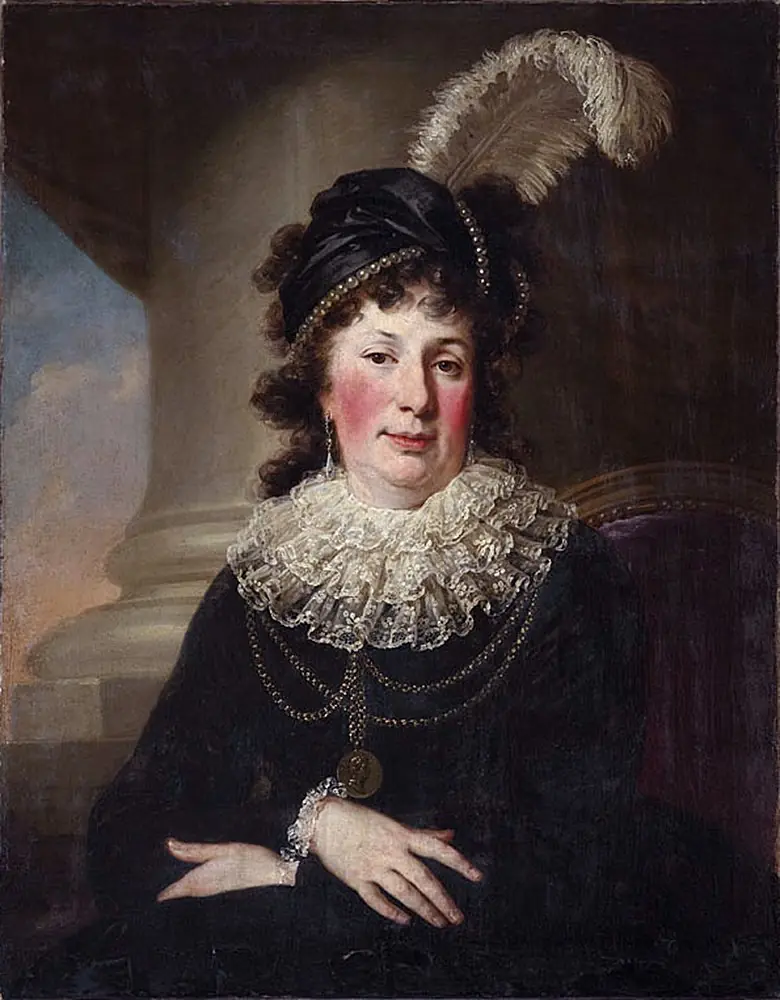 Portrait of Karolina née Sapieha 1.v.Potocka 2.v.Sołtyk
 Portrait of general Stanisław Aleksander Małachowski (1770–1849)
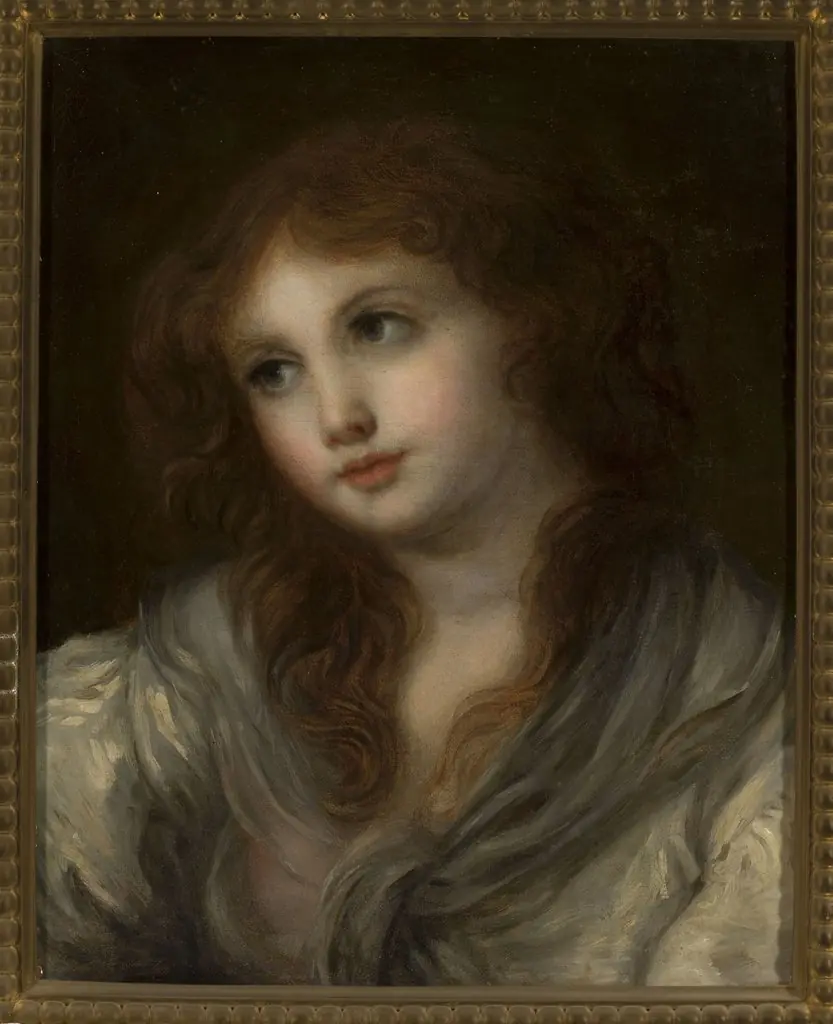 Bust of a girl
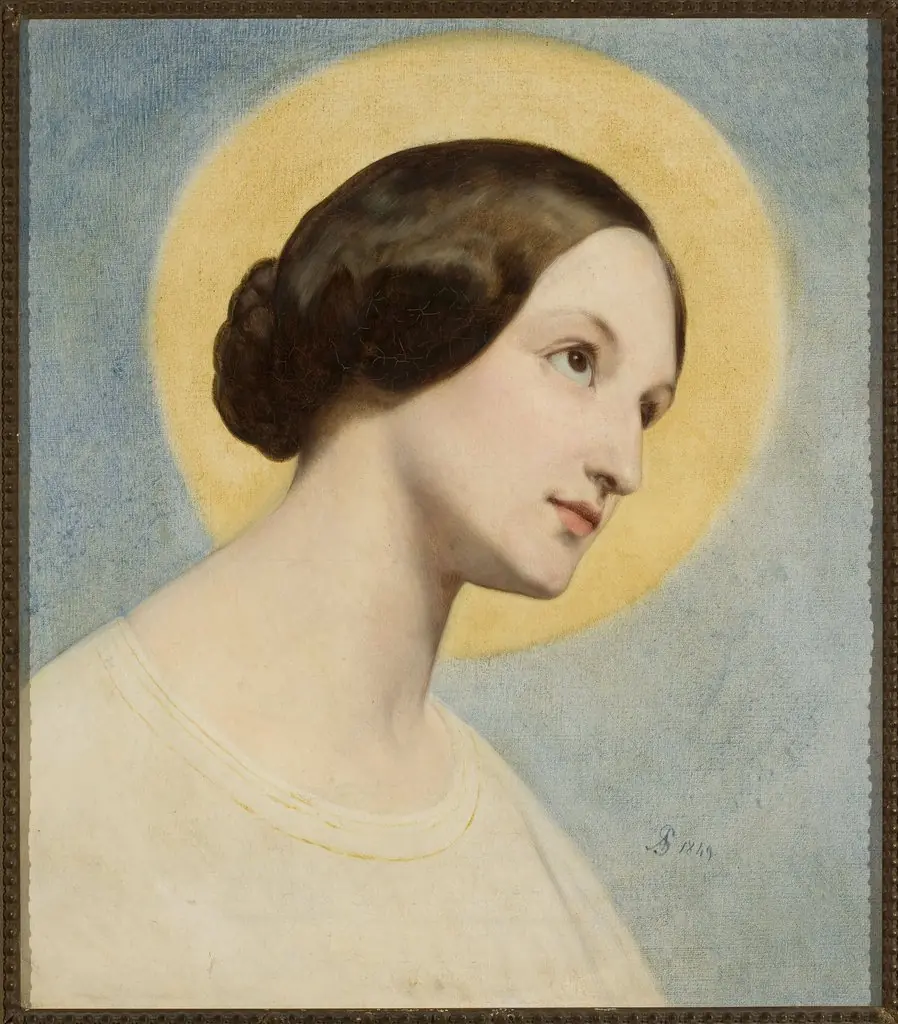 Portrait of Eliza Krasińska
 Portrait of Geronimo Savoini (1766–1836)
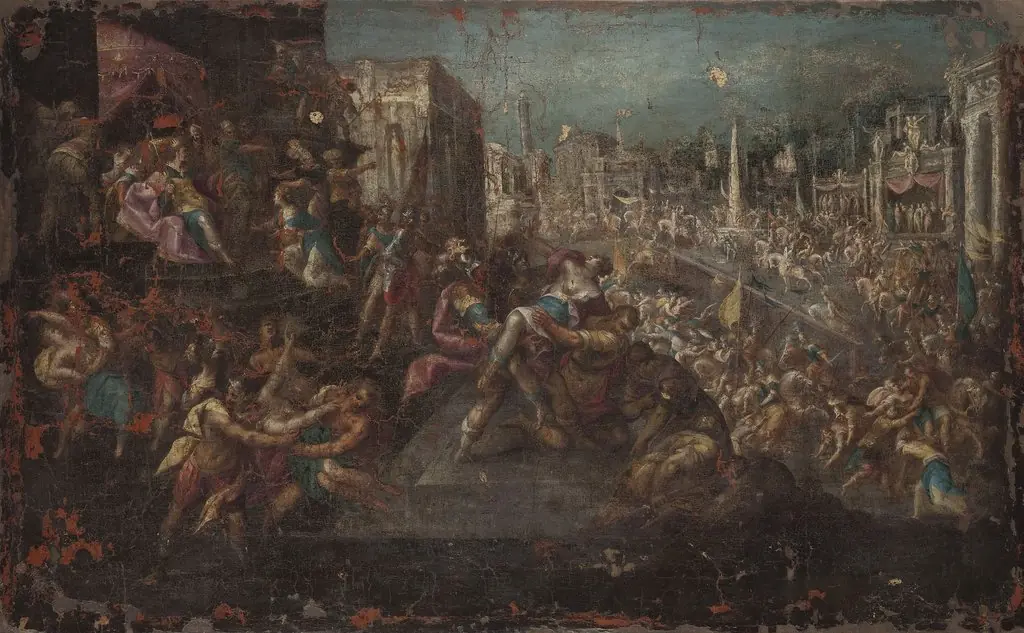 Abduction of the Sabine women
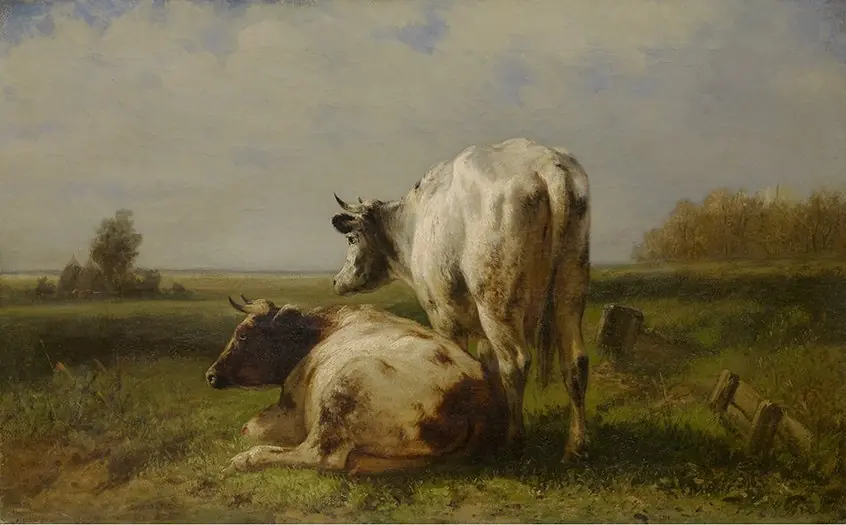 Koeien in de weide
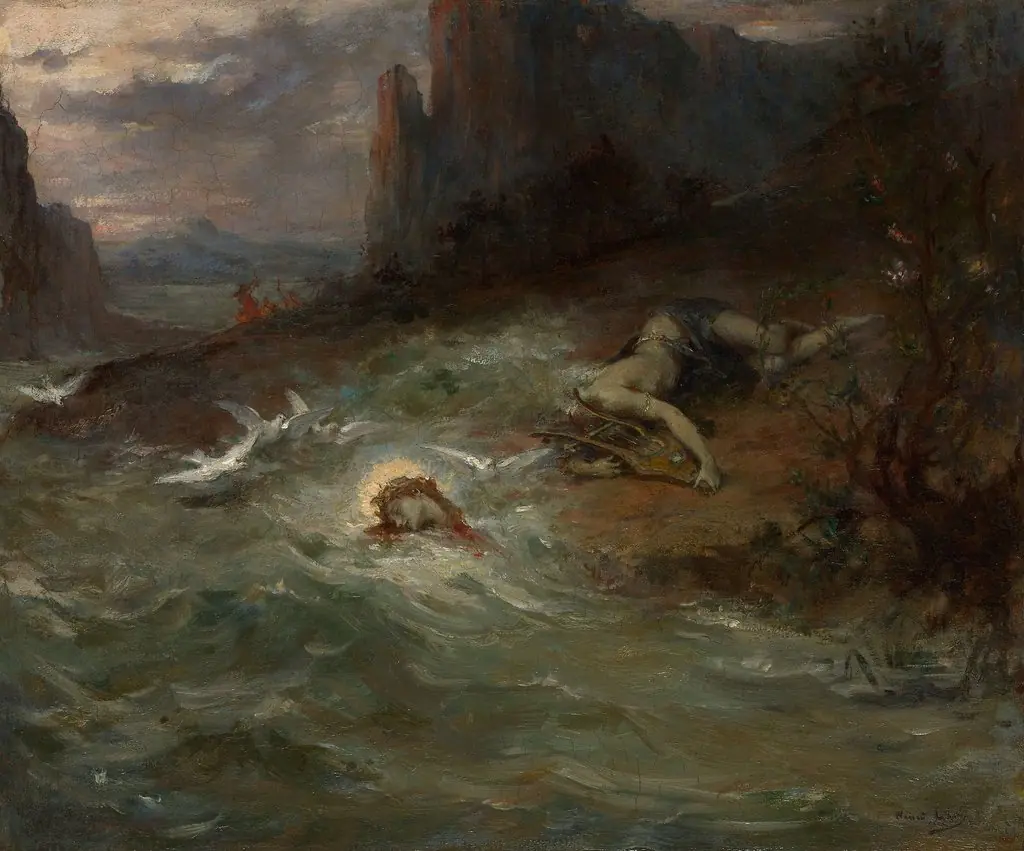 The Death of Orpheus
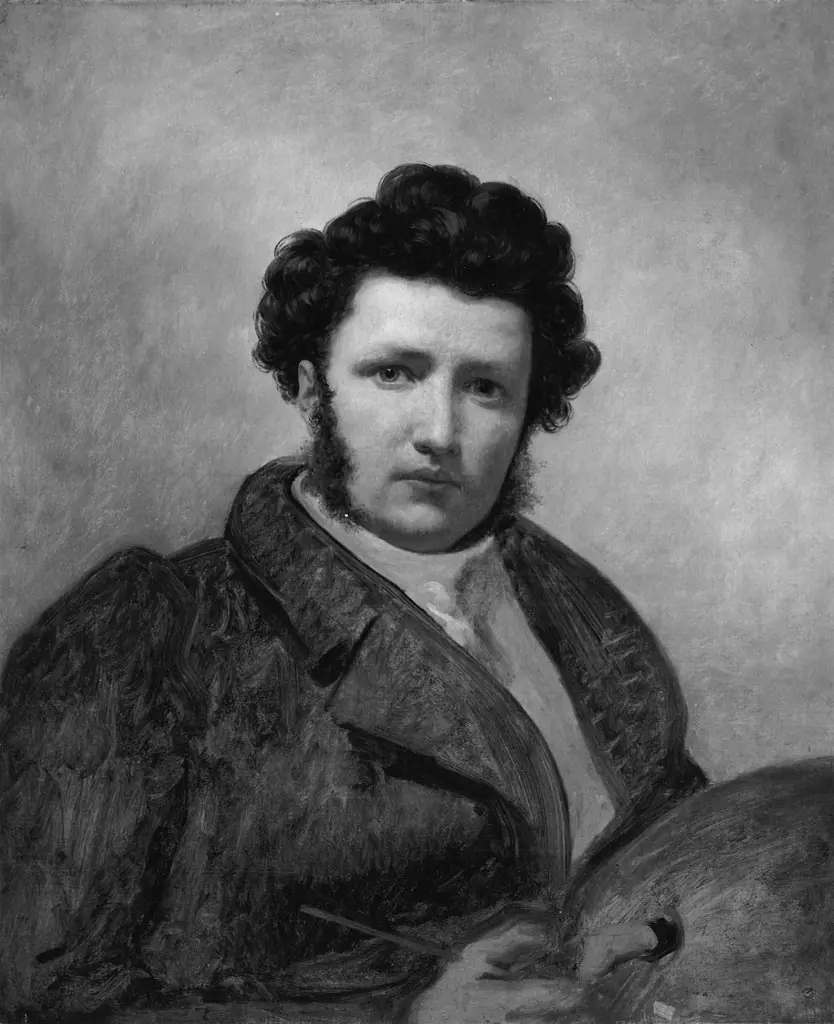 Portrait of an Artist
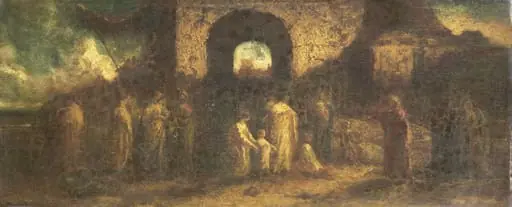 Untitled
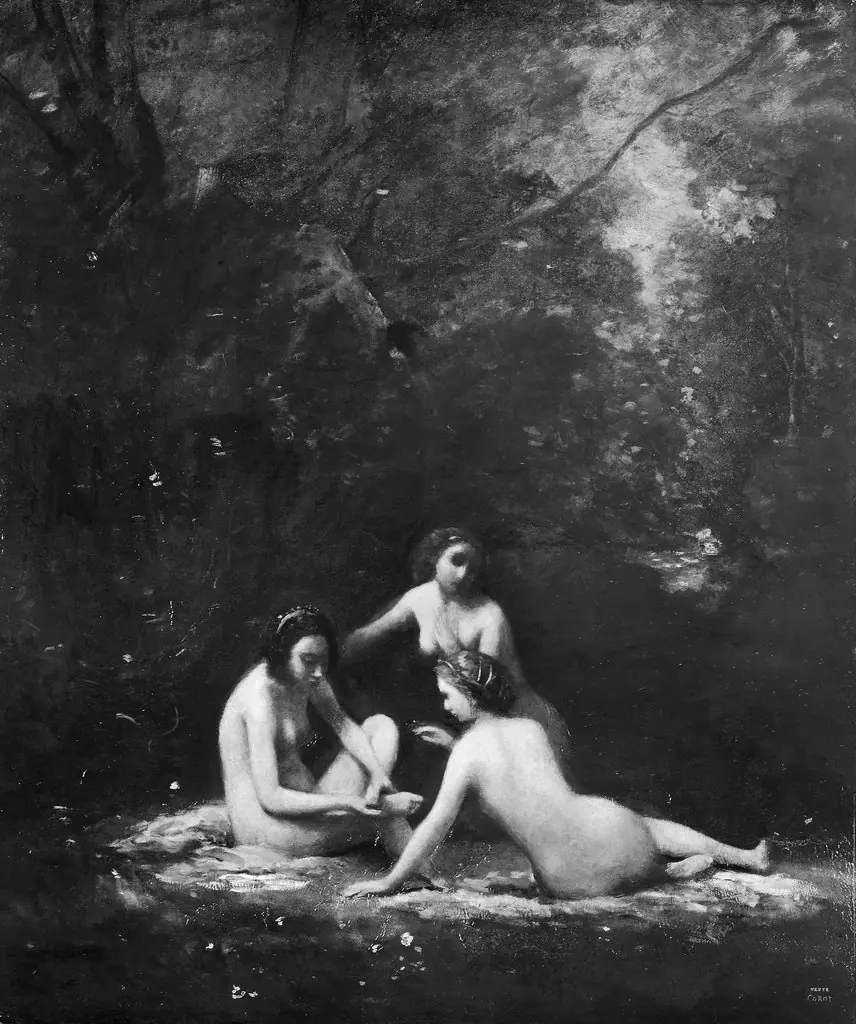 Nymphs Leaving the Bath
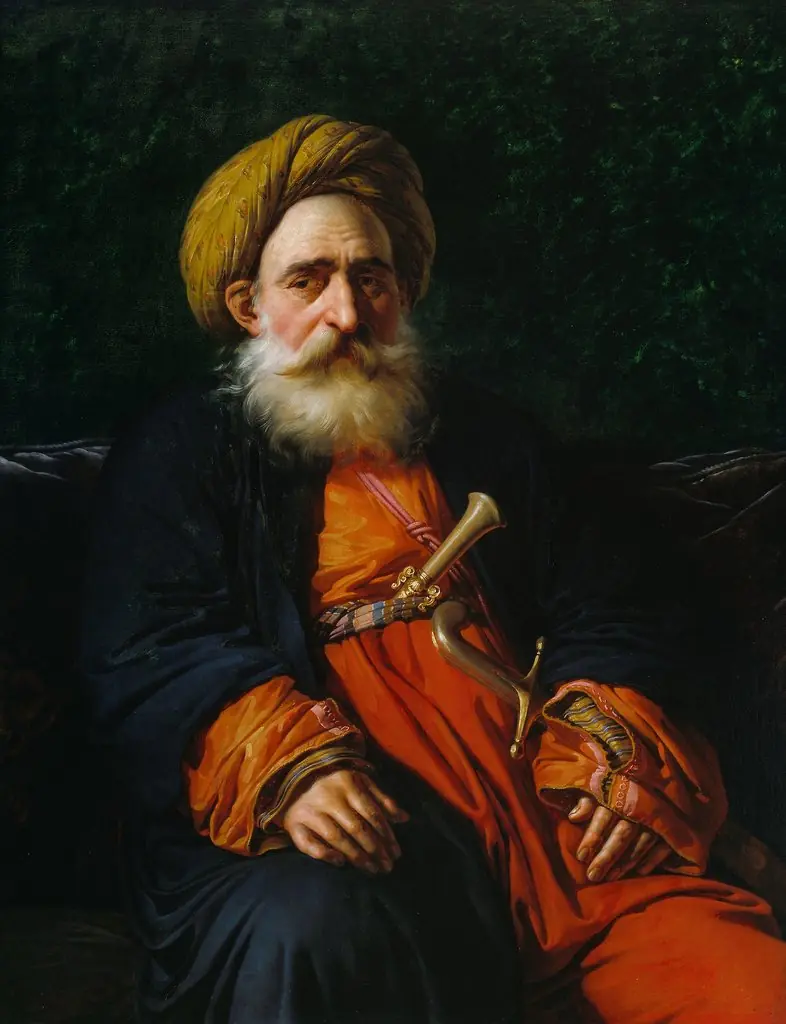 Portrait of the Katchef Dahouth, Christian Mameluke
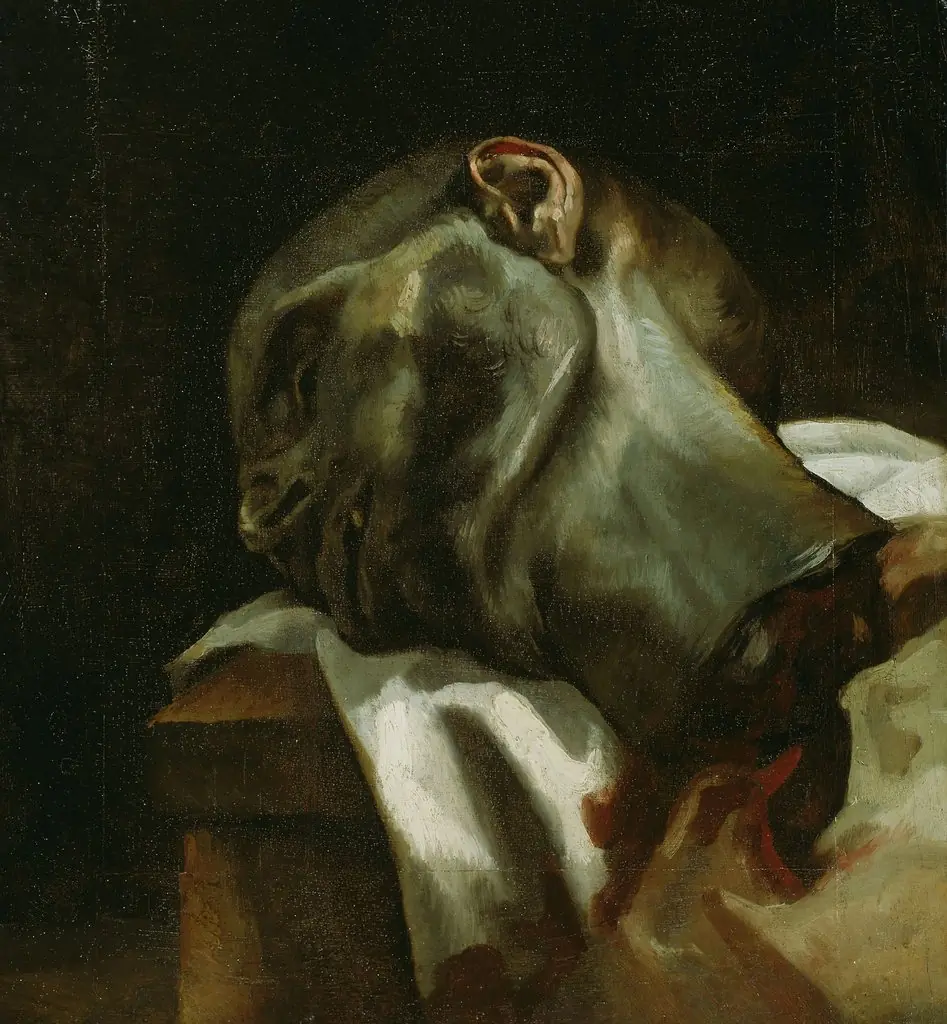 Head of a Guillotined Man
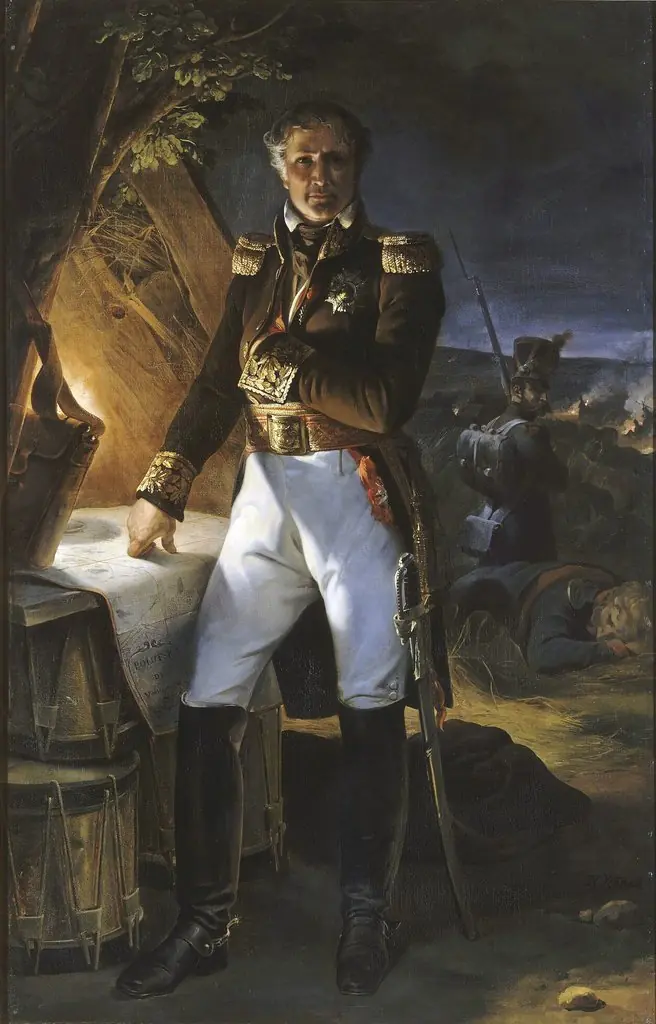 Laurent, Marquis of Gouvion Saint-Cyr
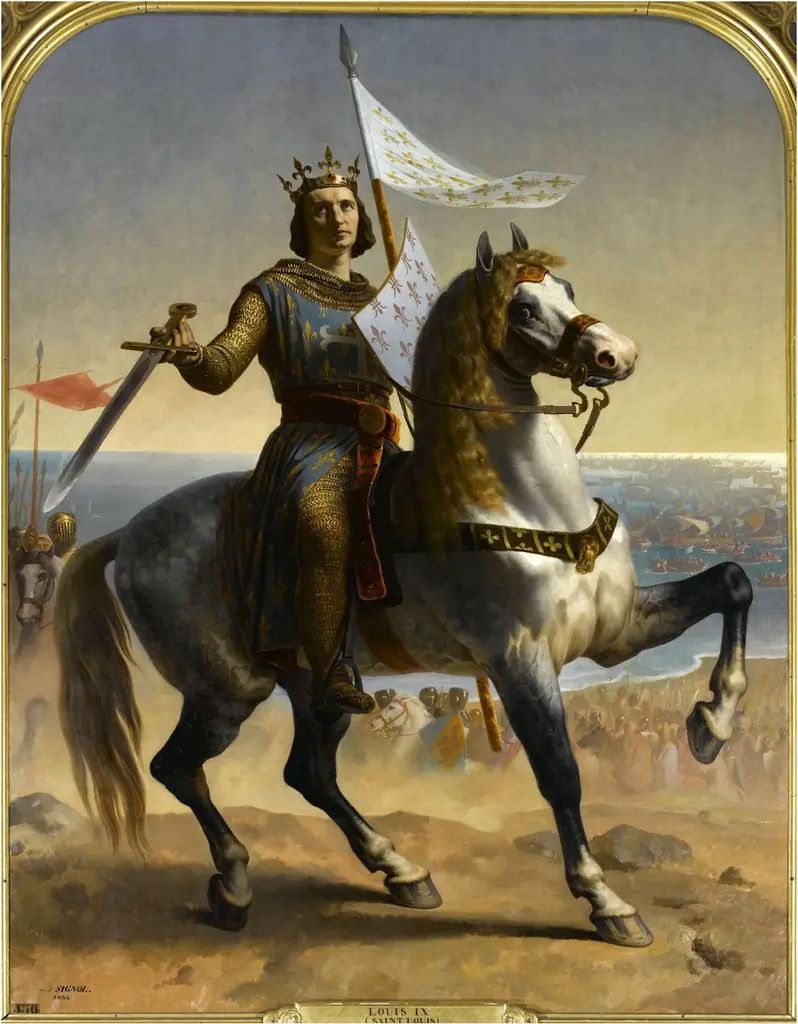 Louis IX, dit Saint Louis, Roi de France (1215-1270)
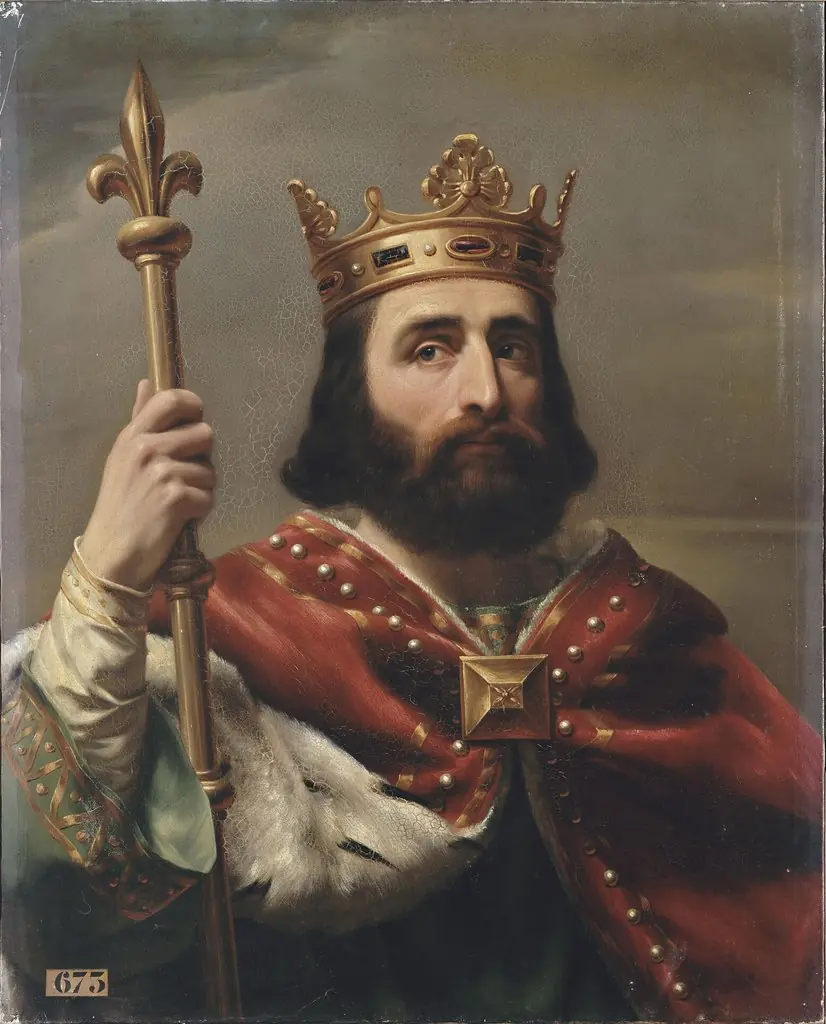 Pépin III, dit le Bref, roi des Francs (714-768)
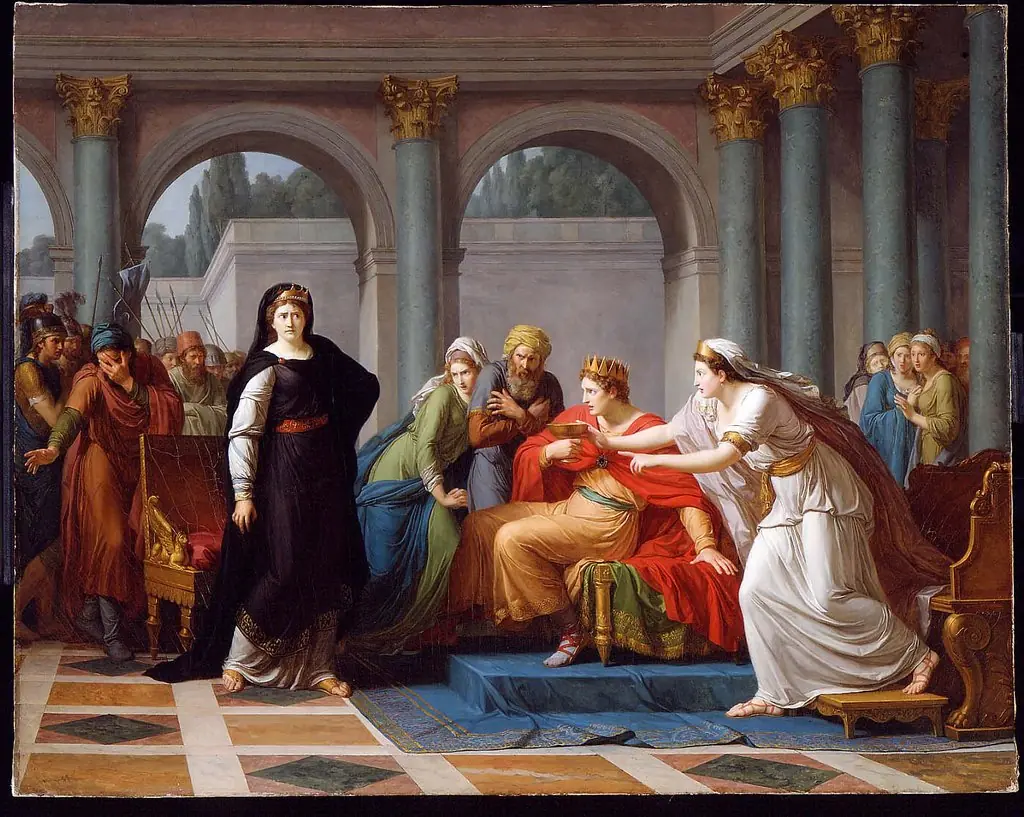 "Seigneur! Voyez ces yeux" (Cleopatra Discovered by Rodogune to Have Poisoned the Nuptial Cup)
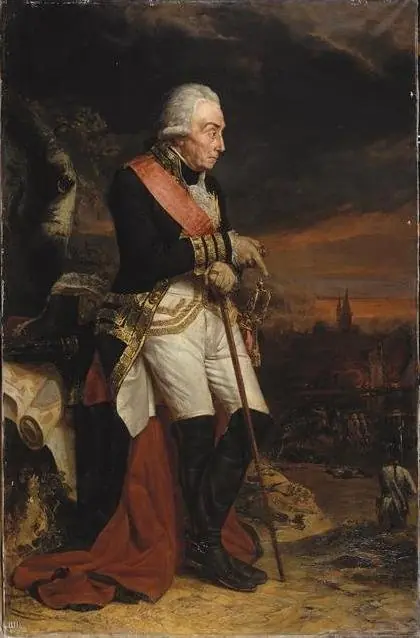 Nicolas, baron de Luckner, maréchal de France (1722-1794)
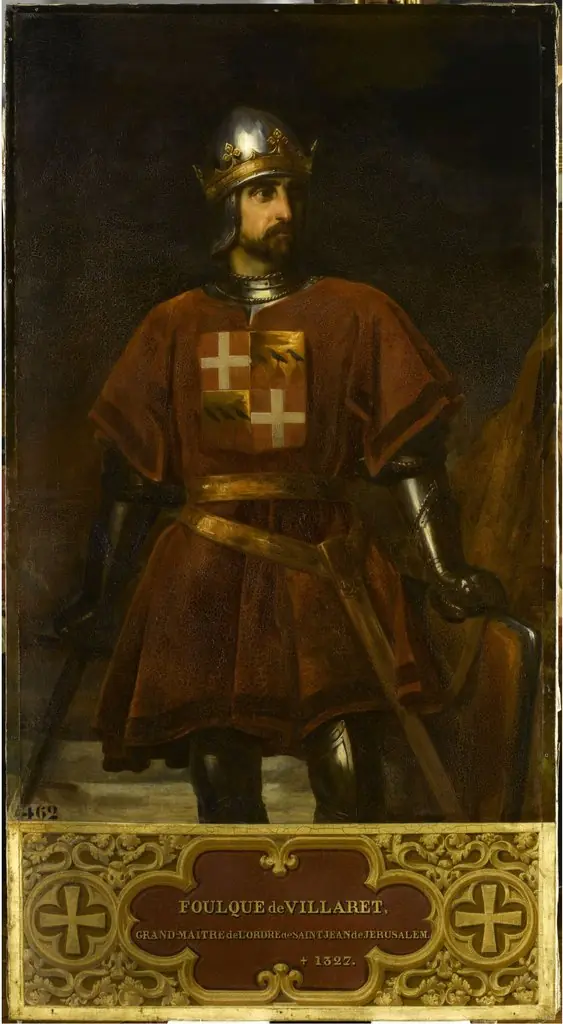 Foulques de Villaret
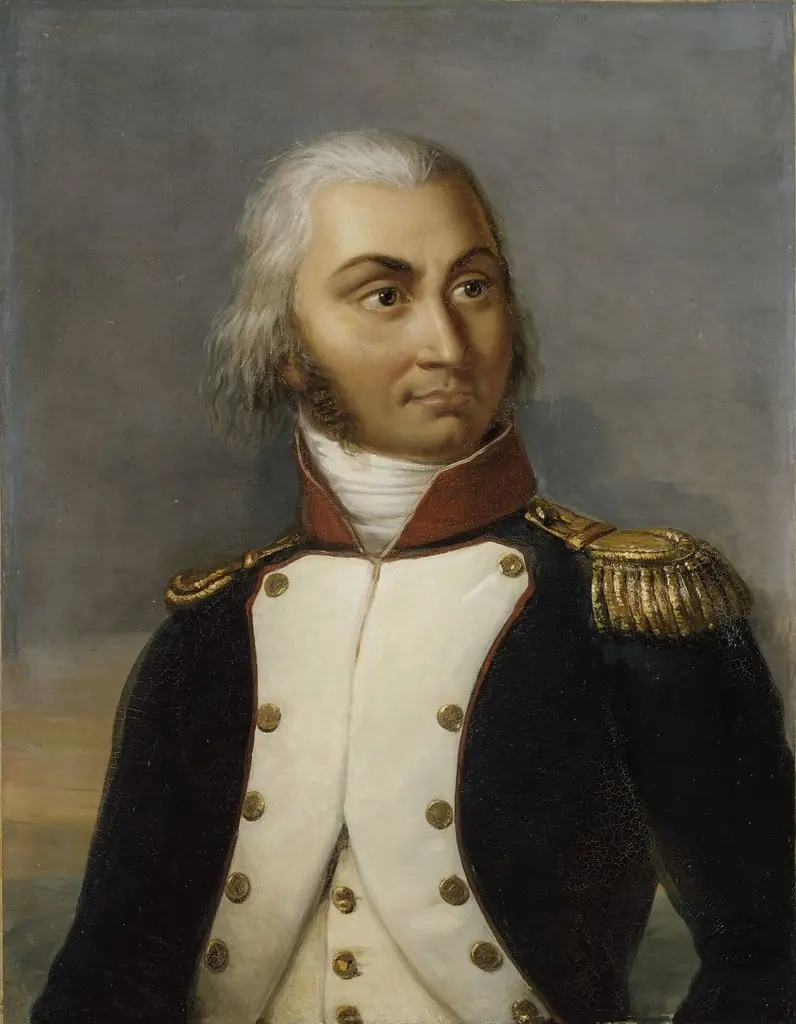 Jean-Baptiste Jourdan
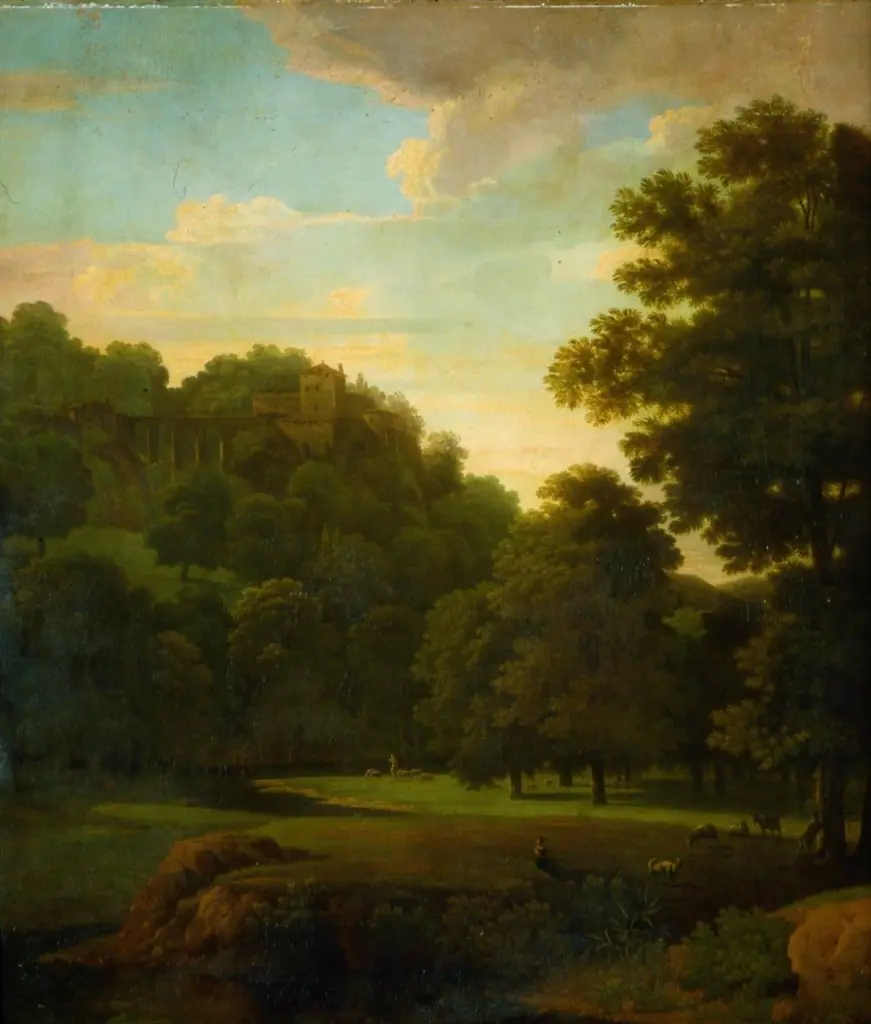 Landscape with Bathers and Shepherds
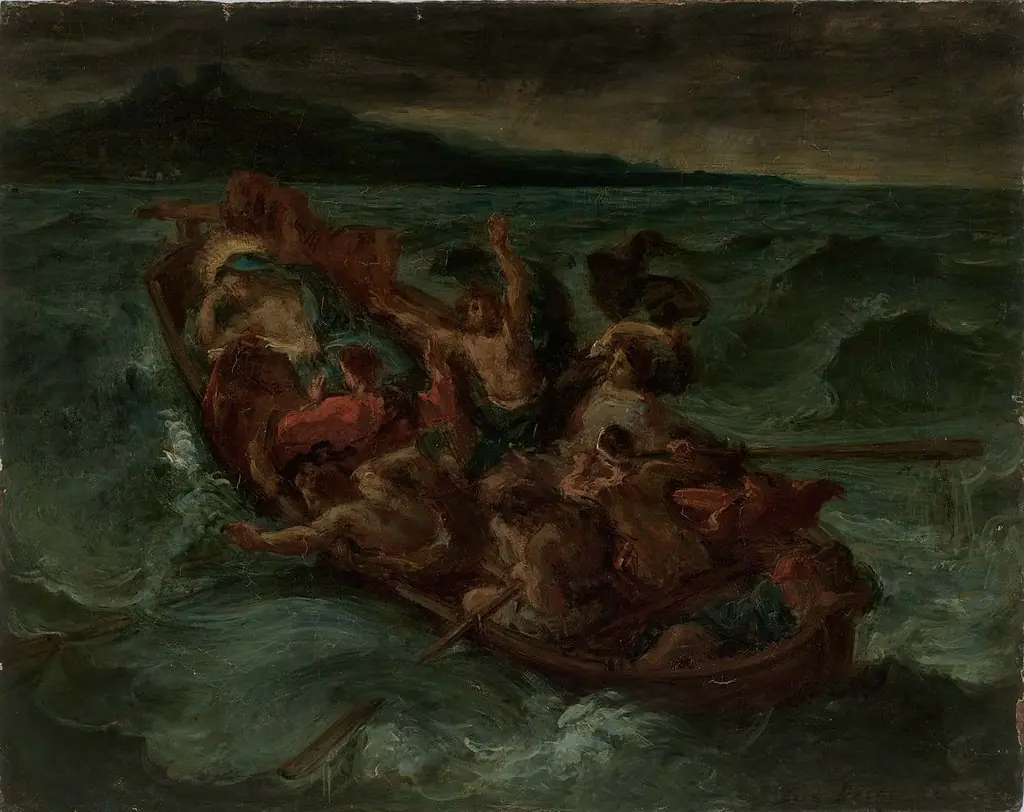 Christ on the Lake of Gennesaret
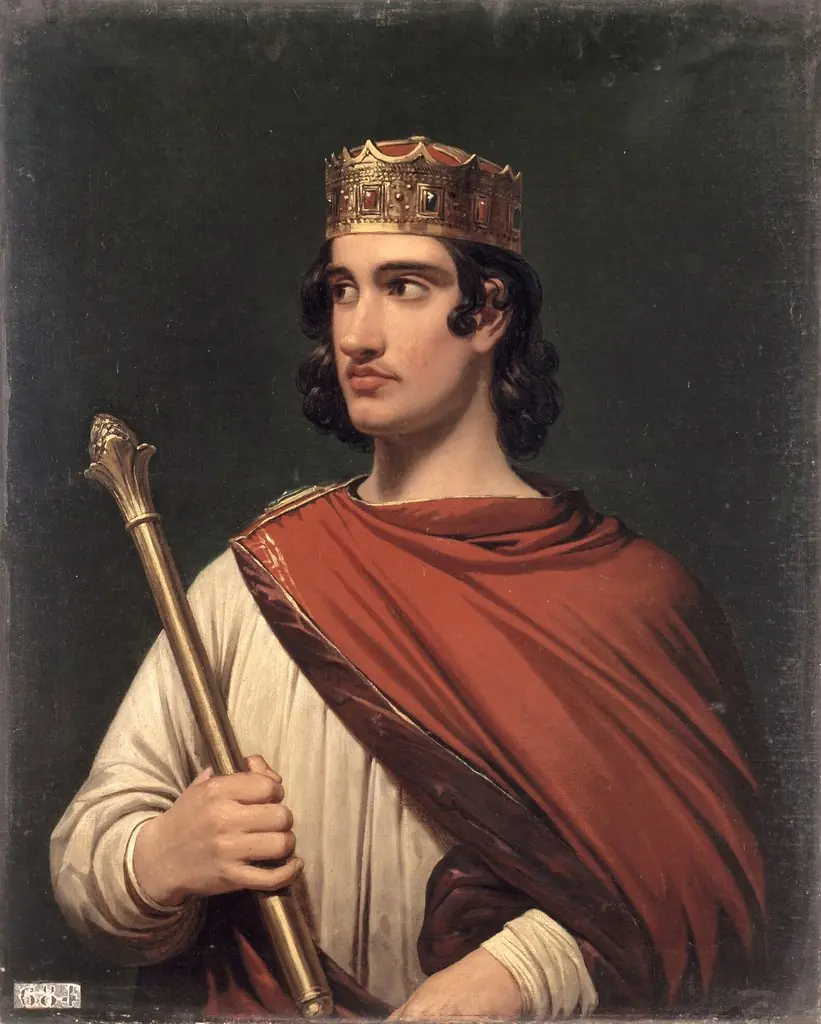 Lothair of France
Frequently asked questions
What is French Romanticism?
French Romanticism is an art movement. The French strand of Romanticism, peaking in the 1820s–1840s and centered on the battle between the classicists and romantics in the Salon.
How many French Romanticism works does Artifact World Gallery have?
Artifact World Gallery holds 564 public-domain French Romanticism works, all free to view and download.
Who are the key French Romanticism artists?
Key French Romanticism artists in the collection include Jean Baptiste Camille Corot, Edgar Degas and Édouard Manet.
When did French Romanticism take place?
French Romanticism dates from 1800–1850.
Where can I see French Romanticism works?
French Romanticism works in the collection are held by Palace of Versailles, Cleveland Museum of Art and Metropolitan Museum of Art.