Artwork
Fray Feliz Ortensio Palaucino
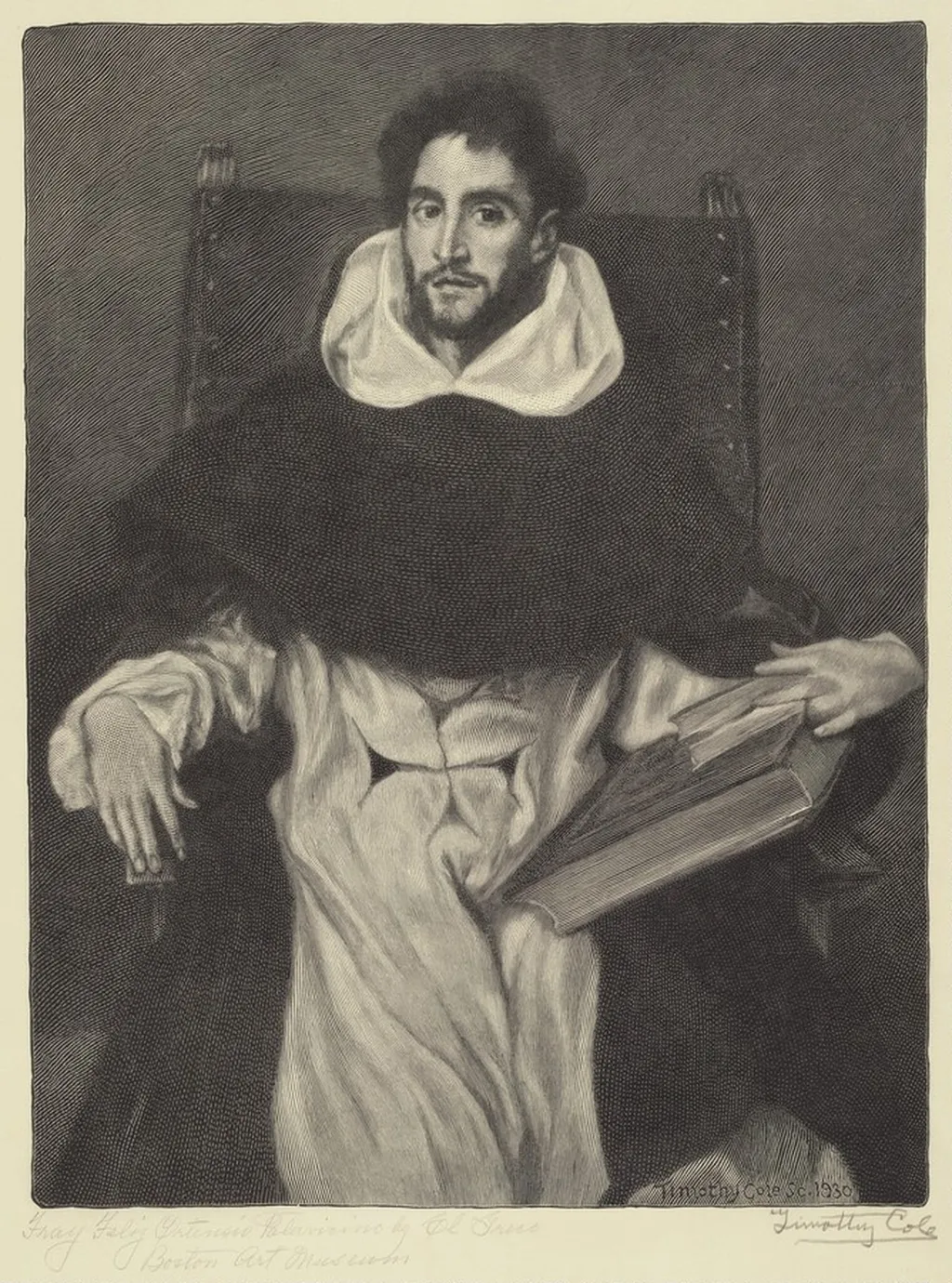
Fray Feliz Ortensio Palaucino is an ink print by Timothy Cole. It dates from 1930 and is held in the collection of the National Gallery of Art.
About this work
Overview
The image is rendered in stark monochrome, with the figure emerging from a deep black background through finely carved white lines.
Timothy Cole created this wood engraving in 1930, depicting a solitary monk in contemplative stillness. The image is rendered in stark monochrome, with the figure emerging from a deep black background through finely carved white lines. Cole’s precision in carving captures subtle textures and forms, emphasizing quietude over narrative action. The work belongs to the tradition of American printmaking that valued technical control and emotional restraint.
Subject & Meaning
The figure is a monk, dressed in a simple, hooded robe, kneeling on stone steps with hands clasped and head bowed. His posture suggests deep prayer or inward reflection, devoid of overt symbolism or context. The absence of environmental detail focuses attention on the individual’s spiritual posture. The image conveys solemnity through minimalism, inviting quiet contemplation rather than storytelling.
Technique & Style
Cole employed wood engraving, a method requiring meticulous carving into the end grain of hardwood. Fine lines and dense cross-hatching define the monk’s robe and the steps, creating tonal variation without grayscale. The contrast between the white figure and black background enhances the sense of isolation. The technique’s precision allows for intricate detail, yet the composition remains restrained, prioritizing mood over ornamentation.
History & Provenance
Created in 1930, the print reflects Cole’s later career focus on intimate, finely detailed engravings. Though not widely exhibited, it aligns with his broader body of work in book illustration and portrait prints. The piece likely originated as a standalone print, possibly intended for private collectors interested in religious or meditative imagery. Its provenance remains largely undocumented beyond its creation date and artist.
Context
In the early 20th century, American artists revisited traditional printmaking techniques as a counterpoint to modernist abstraction. Cole, known for his reproductive engravings, turned toward original compositions with spiritual themes during this period. This work reflects a broader interest in quiet, devotional subjects among artists seeking emotional depth outside of industrial or urban subjects.
Legacy
Though not among Cole’s most widely recognized works, this engraving exemplifies his mastery of wood engraving and his ability to evoke introspection through minimal means. It remains a quiet example of early 20th-century American printmaking that values craftsmanship and stillness. The piece continues to be studied for its technical discipline and its understated spiritual resonance.
Own this work as a print
Artist & collection

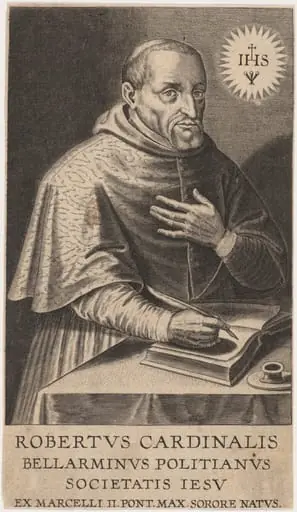
- Roberto, Cardinal Bellarminus
 Portrait of a Carmelite Friar
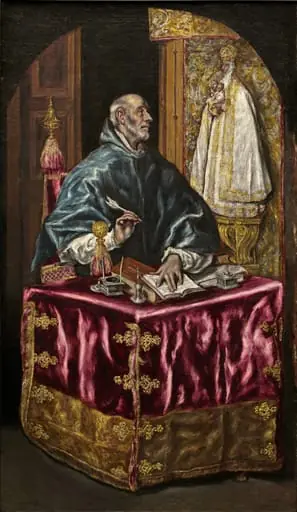 Saint Ildefonso
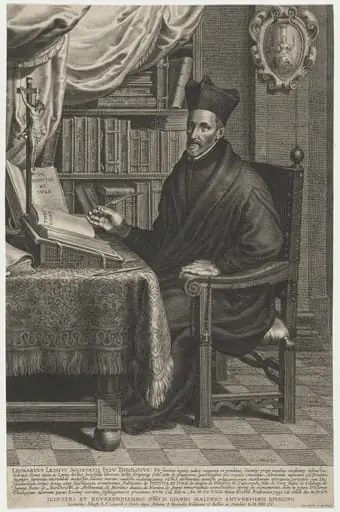 Leonard Lessius, Jesuit
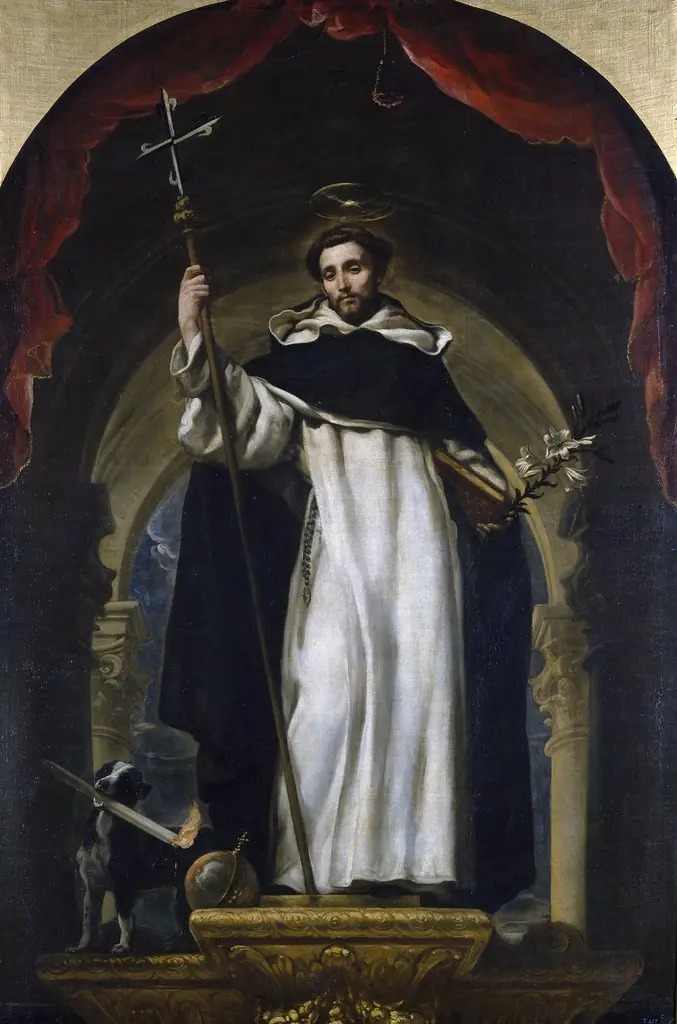 Saint Dominic of Guzmán
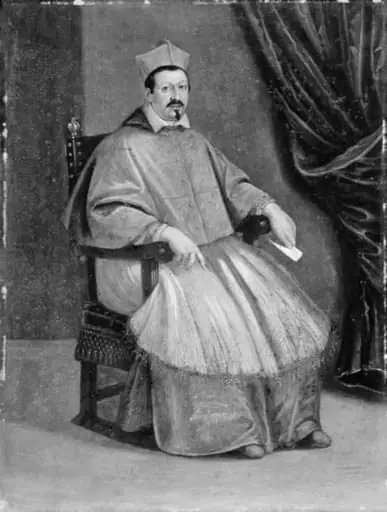 Portrait of Cardinal Borghese
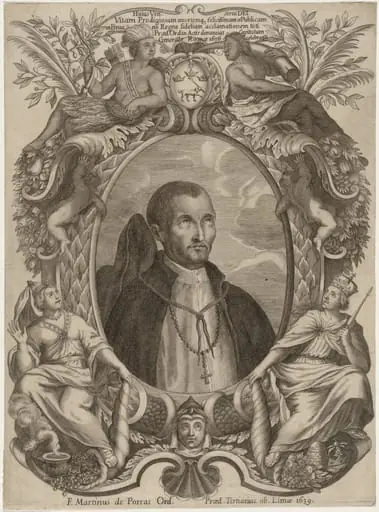 Friar Martinus de Porras
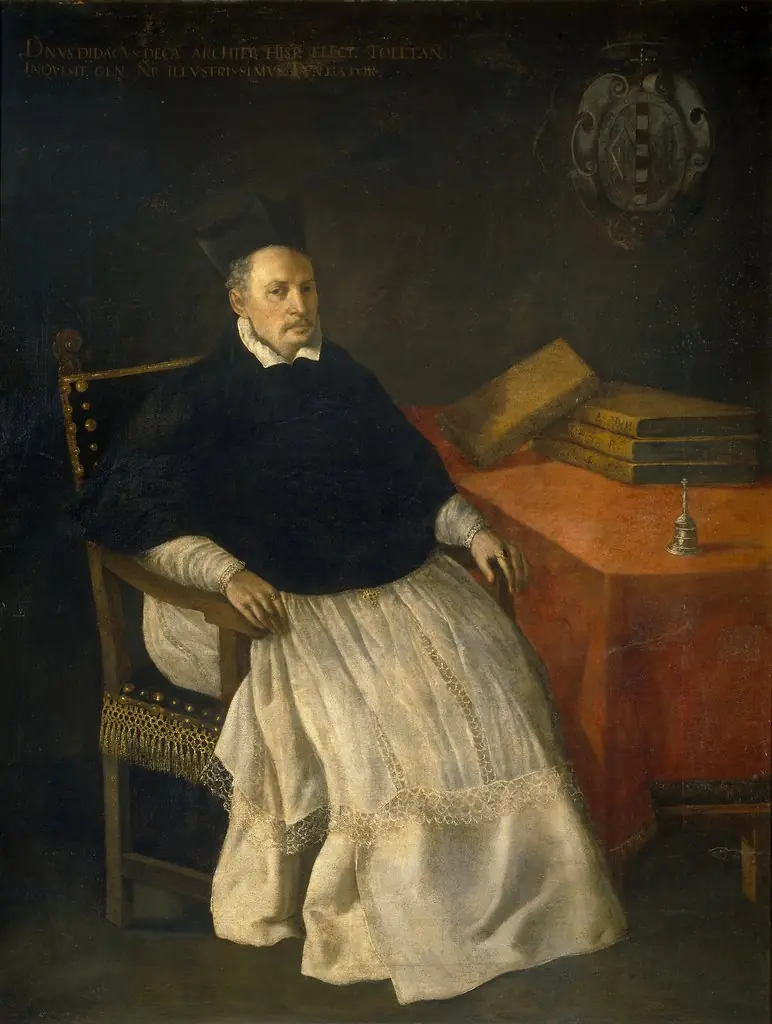 Fray Diego de Deza y Tavera arzobispo de Sevilla
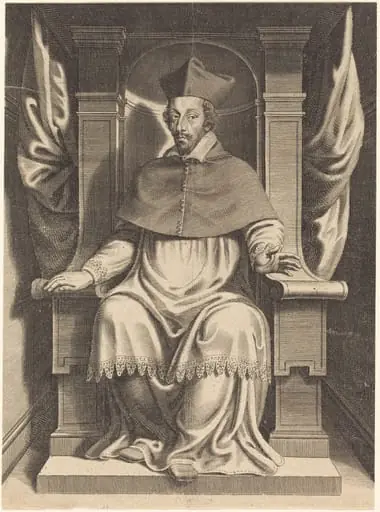 Armand Jean du Plessis, Cardinal Richelieu
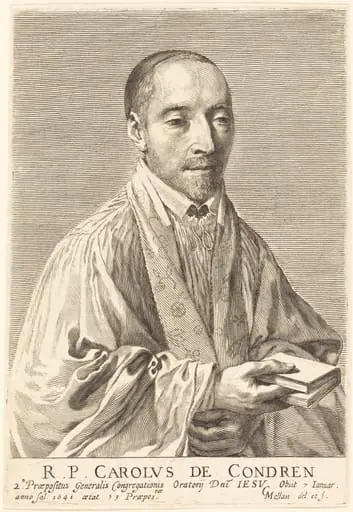 Charles de Condren
 William Fich of Canfield, Essex
 Frans Francken II