Artwork
Saint Dominic of Guzmán
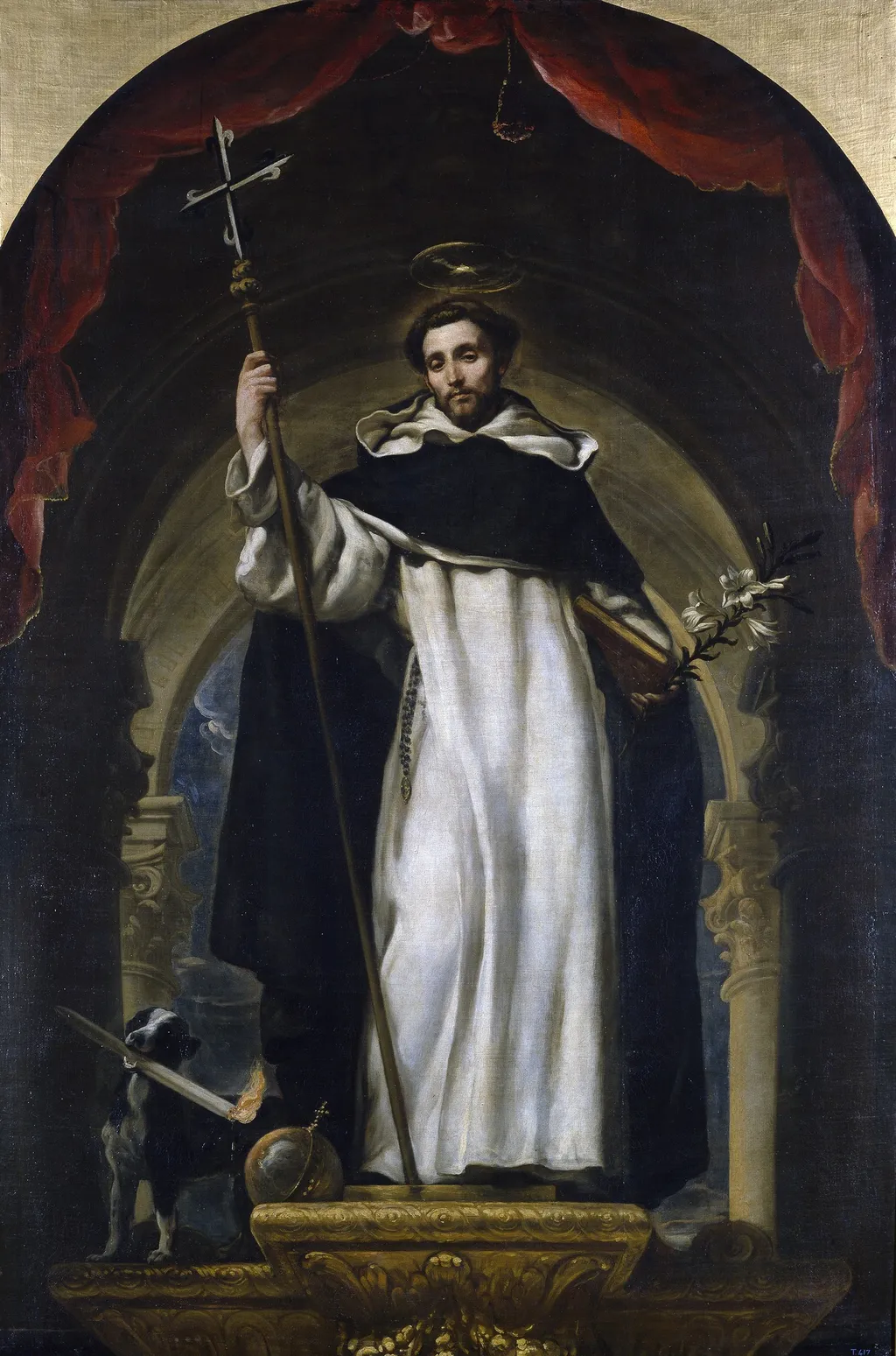
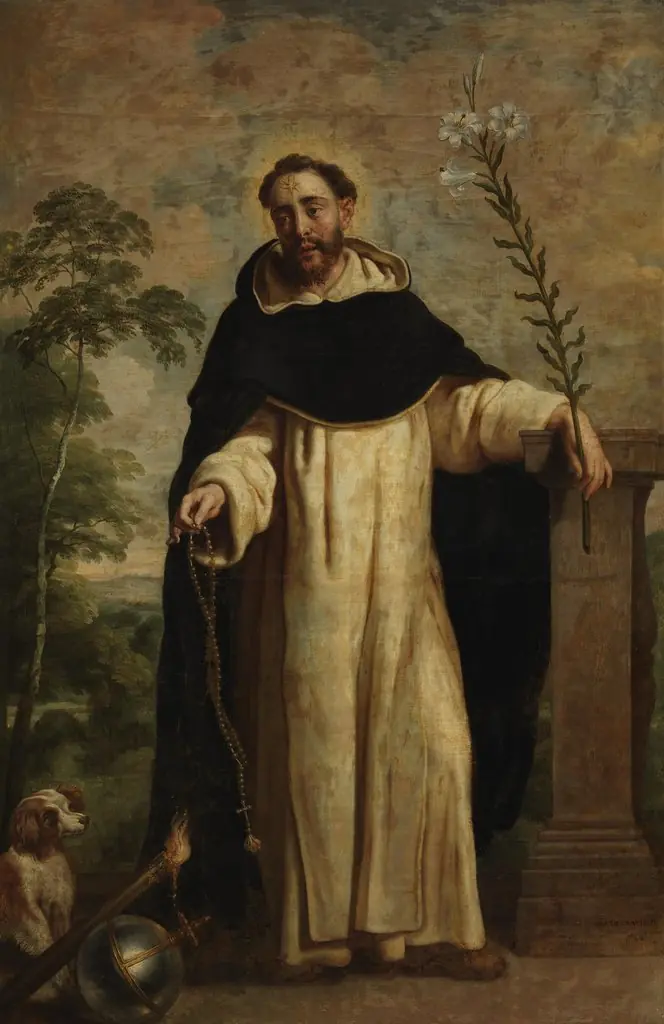
Saint Dominic of Guzmán is an oil painting by the Spanish Baroque Tenebrist artist Claudio Coello. It dates from 1693 and is held in the collection of the Museo del Prado.
About this work
Technique & Style
The work measures 240 cm in height and 160 cm in width, presenting a substantial scale typical of religious art of the period.
Claudio Coello executed Saint Dominic of Guzmán in 1685 using oil paint applied to a canvas support. The work measures 240 cm in height and 160 cm in width, presenting a substantial scale typical of religious art of the period. As a religious painting, the piece focuses on the depiction of Saint Dominic within a formal composition.
The medium and dimensions reflect the standard practices for major altarpieces or devotional images of the late 17th century.
History & Provenance
Claudio Coello executed the oil painting Saint Dominic of Guzmán in 1685. The work was created on canvas and depicts the religious figure Saint Dominic. Historically, the painting entered the collection of the Museo de la Trinidad before becoming part of the holdings at the Museo del Prado, where it remains located.
Overview
Completed in 1693, this oil painting by Claudio Coello portrays Saint Dominic of Guzmán. The figure stands within a gilded arch, clutching a cross‑topped staff in one hand and a book in the other, while a small dog rests at his feet. A globe on a golden base lies beneath him, and a dark, cloud‑filled backdrop frames the scene. The work is part of the Museo del Prado’s collection in Madrid.
Subject & Meaning
The central figure, robed in white with a dark brown mantle and a halo, is identified as Saint Dominic, founder of the Dominican Order. The cross‑topped staff signifies his ecclesiastical authority, the book suggests theological learning, and the globe may allude to the universal reach of his preaching. The attentive dog, a common symbol of fidelity, reinforces the saint’s moral virtues.
Context
Coello, son of Portuguese sculptor Faustino Coello, was active in Madrid’s ecclesiastical and royal circles, contributing to numerous altarpieces and decorative programs. His work reflects the Counter‑Reformation emphasis on clear, emotionally resonant religious imagery, aligning with the broader Spanish Baroque tendency to combine theatrical lighting with didactic content.
Own this work as a print
Artist & collection
Artist
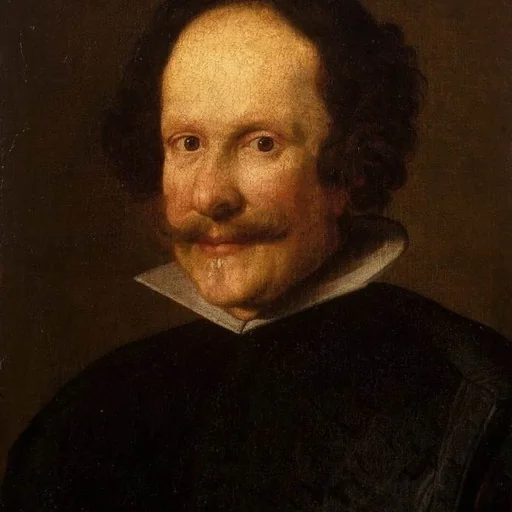
Claudio Coello (2 March 1642 – 20 April 1693) was a Spanish-Portuguese Baroque painter.

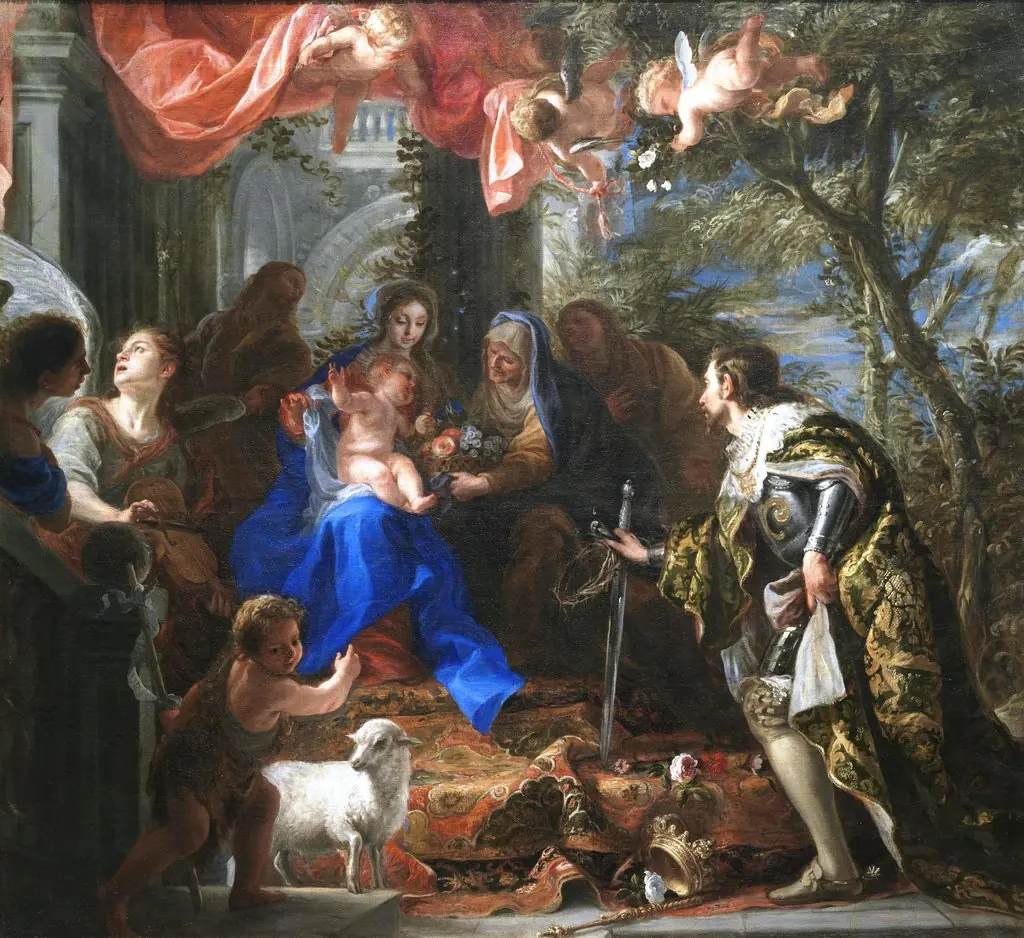 The Virgin and Child adored by Saint Louis, King of France
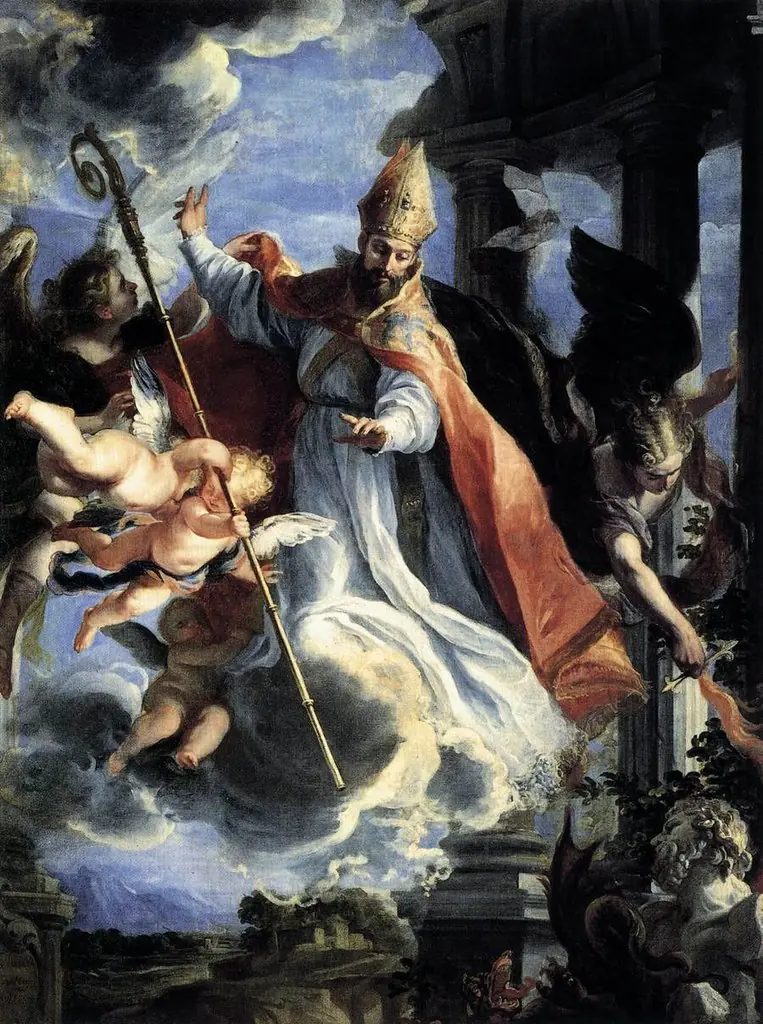 The Triumph of Saint Augustine
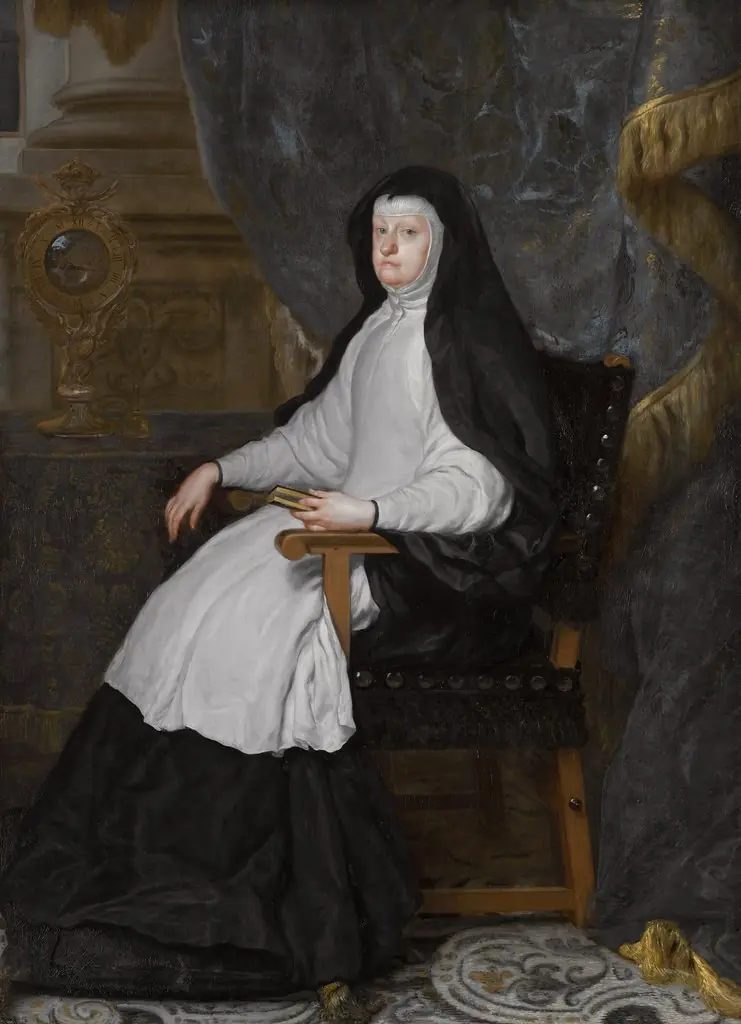 Mariana of Austria, Consort of King Philip IV of Spain, as a Widow
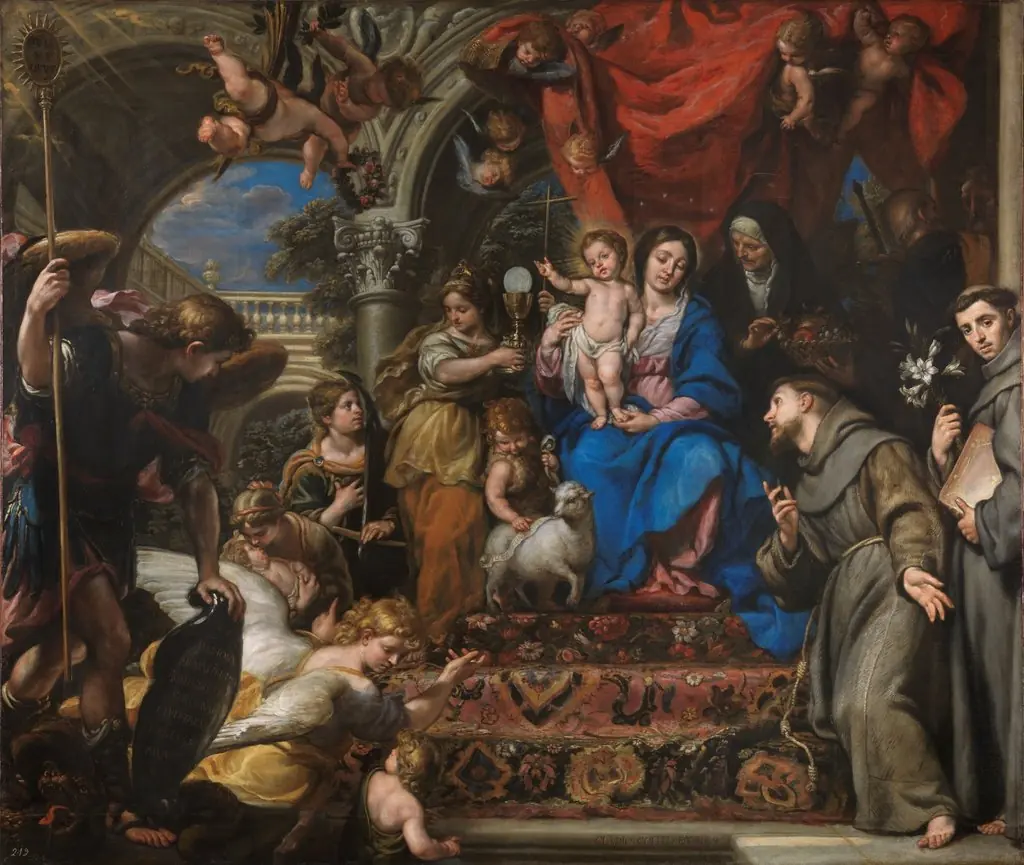 The Virgin and Child between the Theological Virtues and Saints
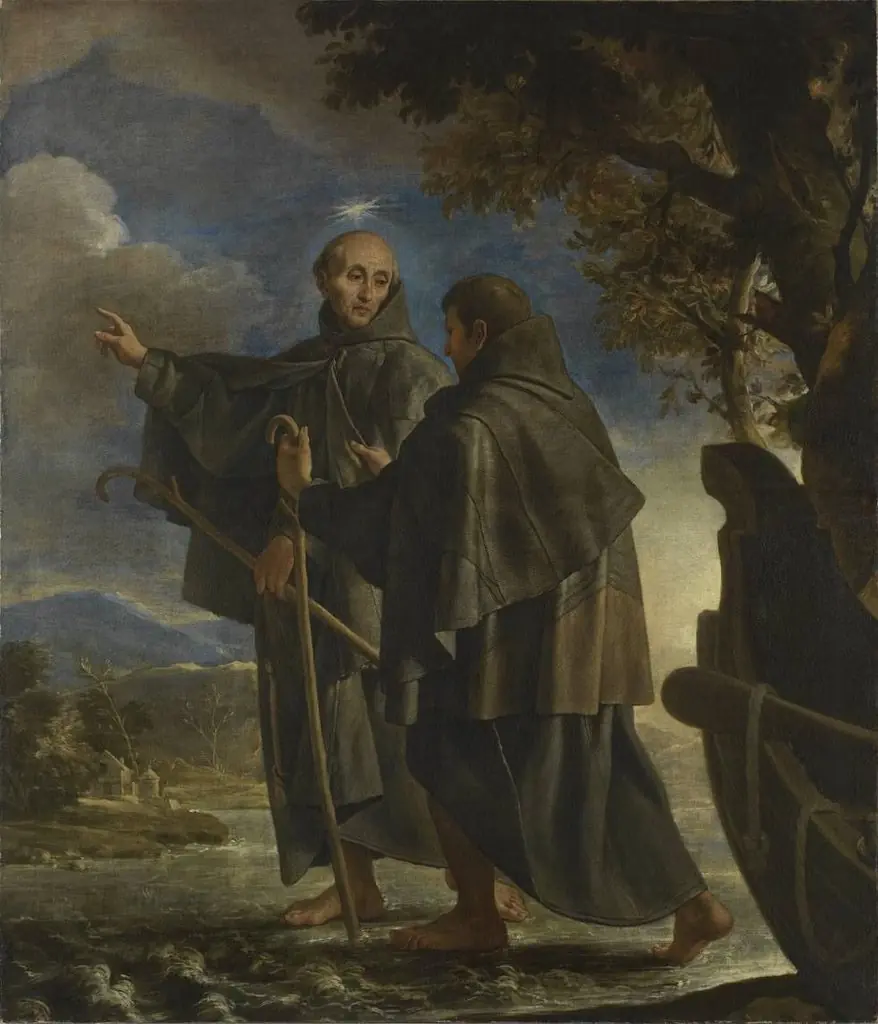 Der hl. Petrus von Alcántara wandelt über den Fluss Quadiana
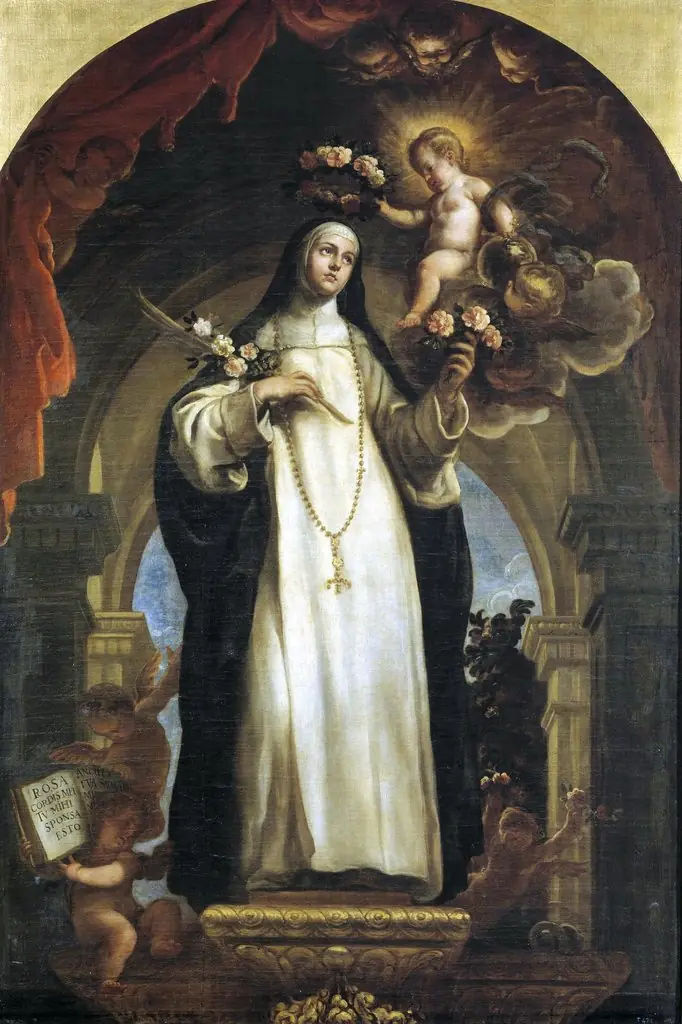 Santa Rosa de Lima
 Saint Anthony of Padua
 Maria, die unbefleckt Empfangene (und Werkstatt)