Artwork
Ordoño I
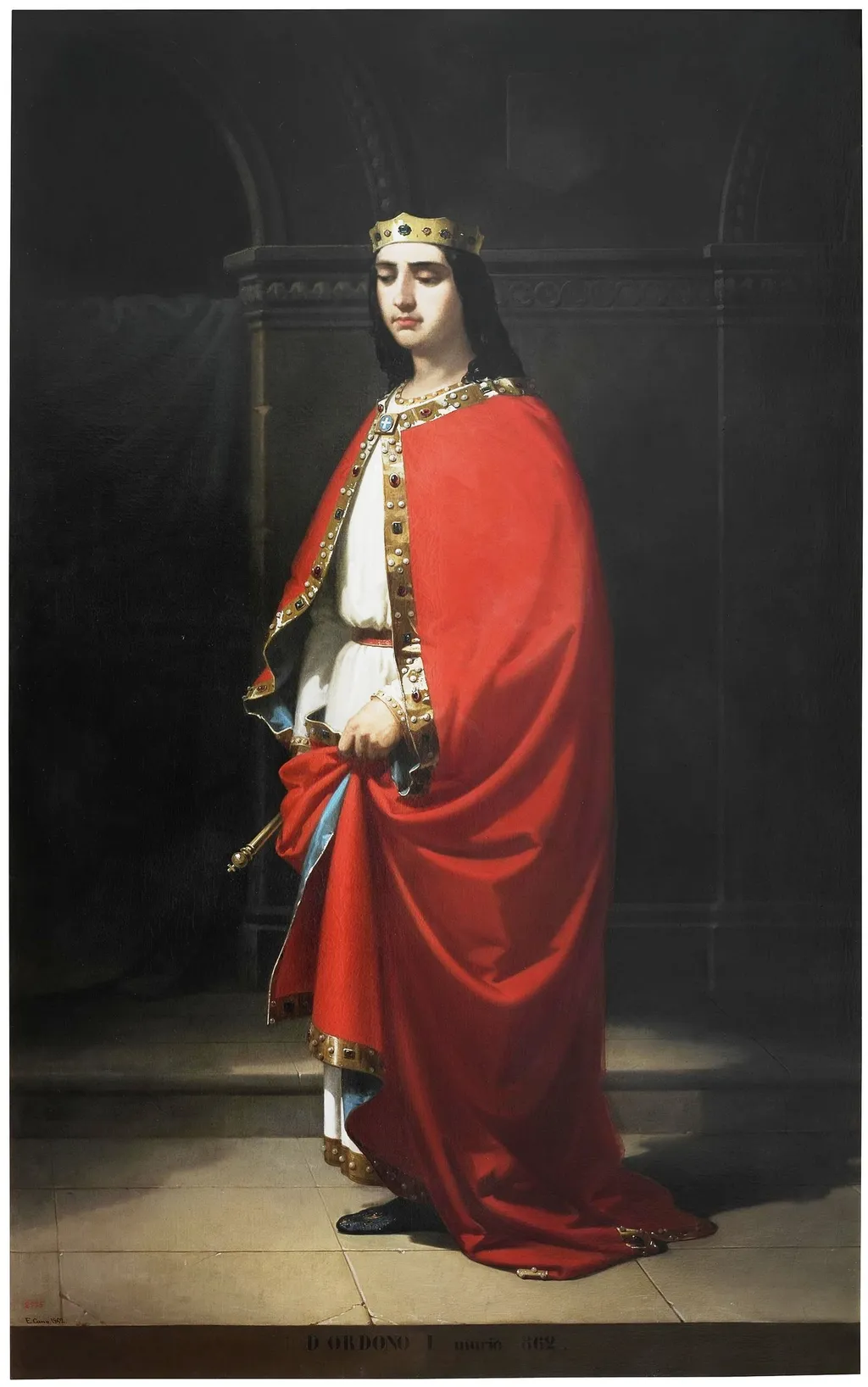
Ordoño I is an oil painting by Eduardo Cano. It dates from 1852 and is held in the collection of the Museo del Prado.
About this work
Subject & Meaning
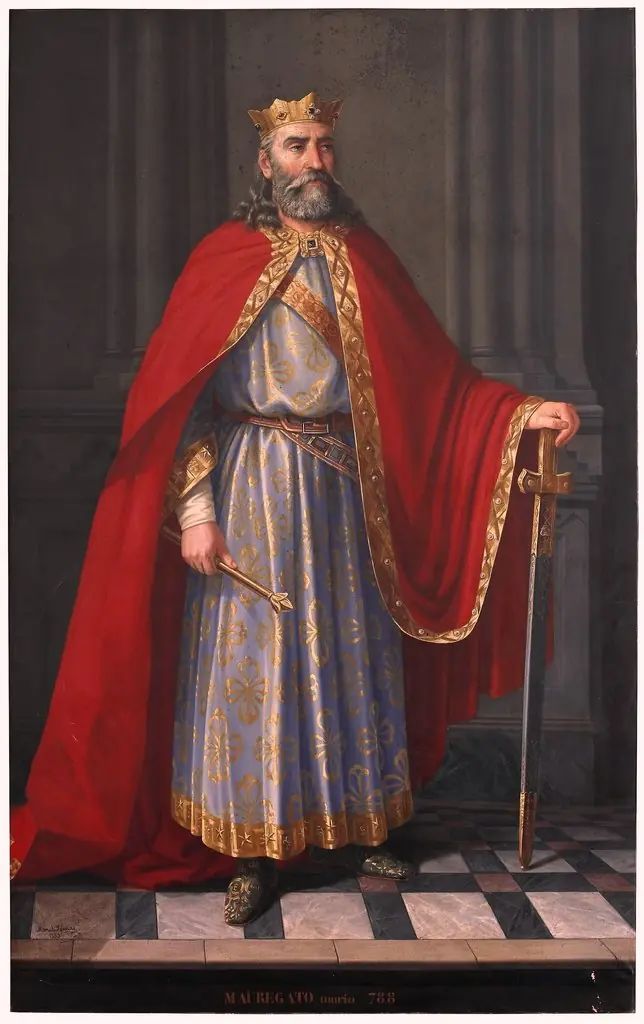
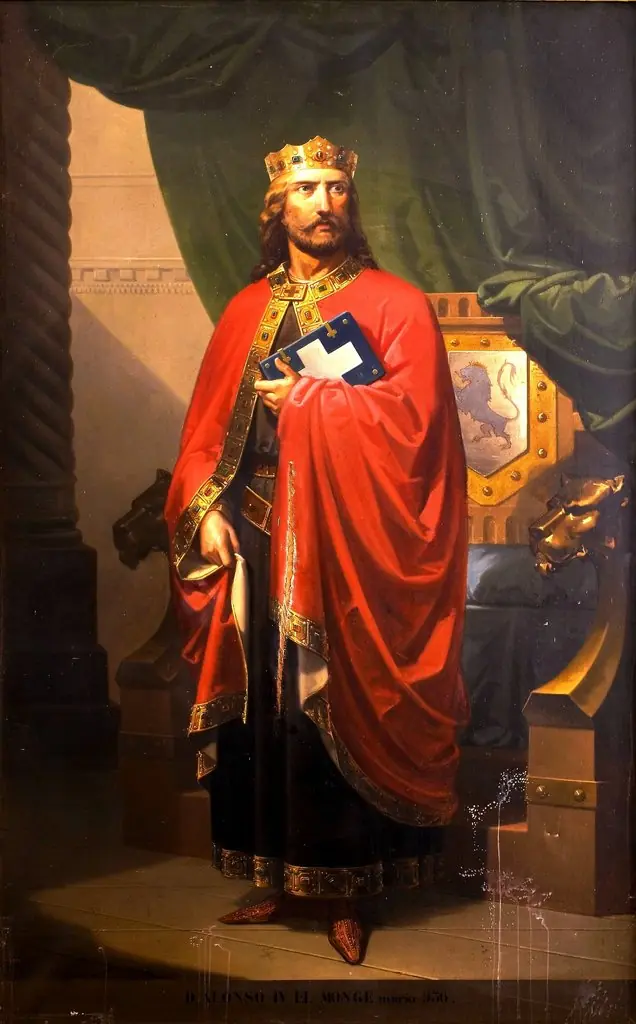
The composition explicitly depicts a sceptre, a royal mantle, and a crown, serving as the primary iconographic elements that define the subject's status.
Eduardo Cano's 1852 oil painting portrays the historical figure Ordoño I through specific royal regalia that signify his monarchical authority. The composition explicitly depicts a sceptre, a royal mantle, and a crown, serving as the primary iconographic elements that define the subject's status. These attributes function as traditional symbols of sovereignty, visually representing the king's power and legitimacy within the context of the work.
By focusing on these items of state, the painting establishes a formal representation of the ruler's office rather than a narrative scene.
Technique & Style
Executed in 1852 by Eduardo Cano, this work is an oil painting on canvas. The composition measures 225 cm in height and 140 cm in width. Visually, the piece focuses on royal iconography, depicting a figure adorned with a crown, a royal mantle, and a sceptre. These elements establish the formal subject matter through traditional regal attributes rendered in oil.
History & Provenance
Eduardo Cano created Ordoño I in 1852 as an oil painting on canvas. The work entered the collection of the Museo del Prado, where it remains on display.
The painting depicts a sceptre, royal mantle, and crown, reflecting its royal subject. Its dimensions are 225 cm in height and 140 cm in width.
The artwork was commissioned to commemorate King Ordoño I of Asturias and was completed in the same year it was begun, 1852.
The painting is held in the collection of the Museo del Prado, Madrid. It is inventoried as Ordoño I by Eduardo Cano, painted in 1852 in oil on canvas with dimensions of 225 cm in height and 140 cm in width.
No exhibition history is documented in the provided sources.
Overview
Eduardo Cano’s oil painting Ordoño I was executed in 1852. The work portrays the ninth‑century Asturian monarch in regal attire, set against a dark interior that emphasizes his figure. Measuring a modest size, the canvas is part of the Museo del Prado’s collection in Madrid, where it is displayed among other 19th‑century Spanish historicist works.
Own this work as a print
Artist & collection
Artist
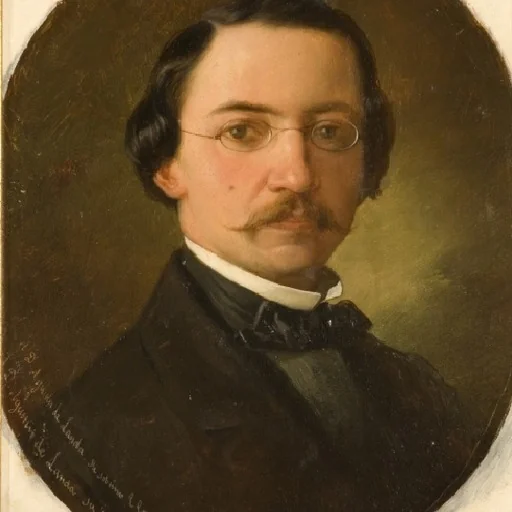
Eduardo Cano de la Peña (1823, Madrid - 4 April 1897, Seville) was a Spanish painter in the Romantic style; specializing in historical scenes.

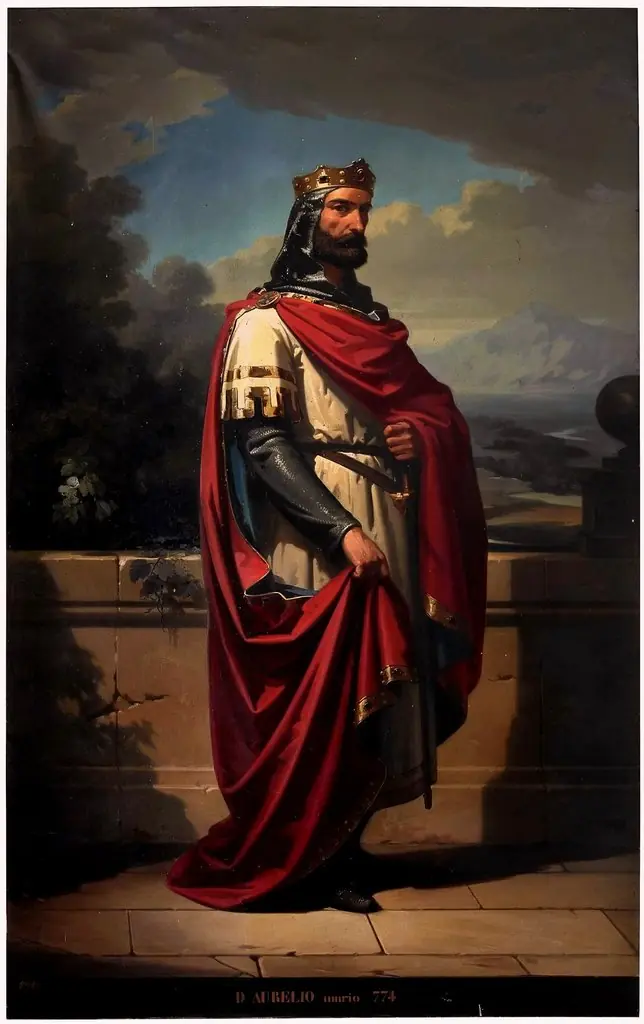 Aurelio
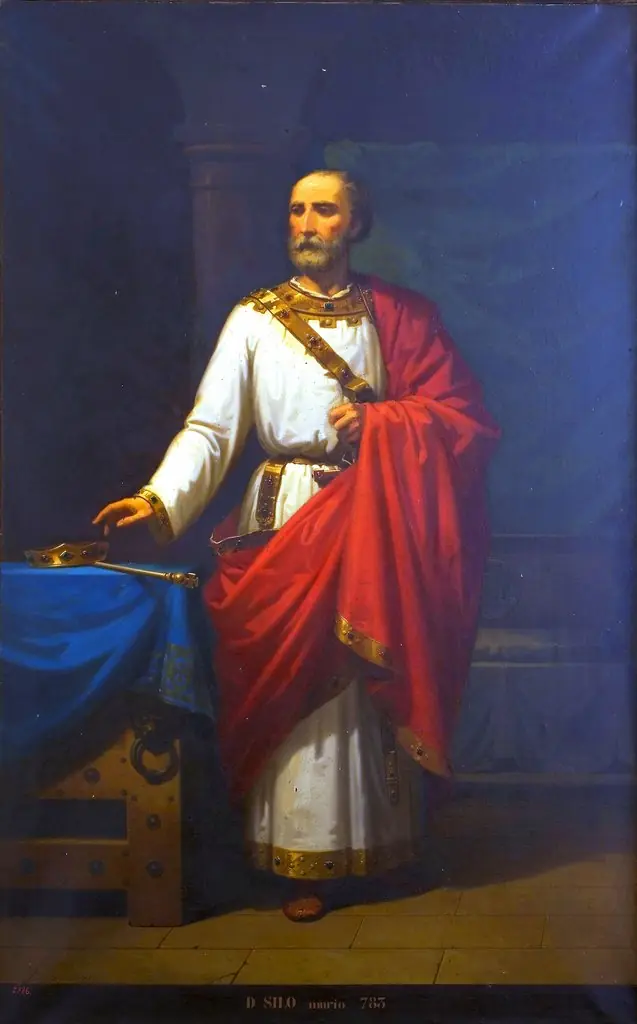 Silo
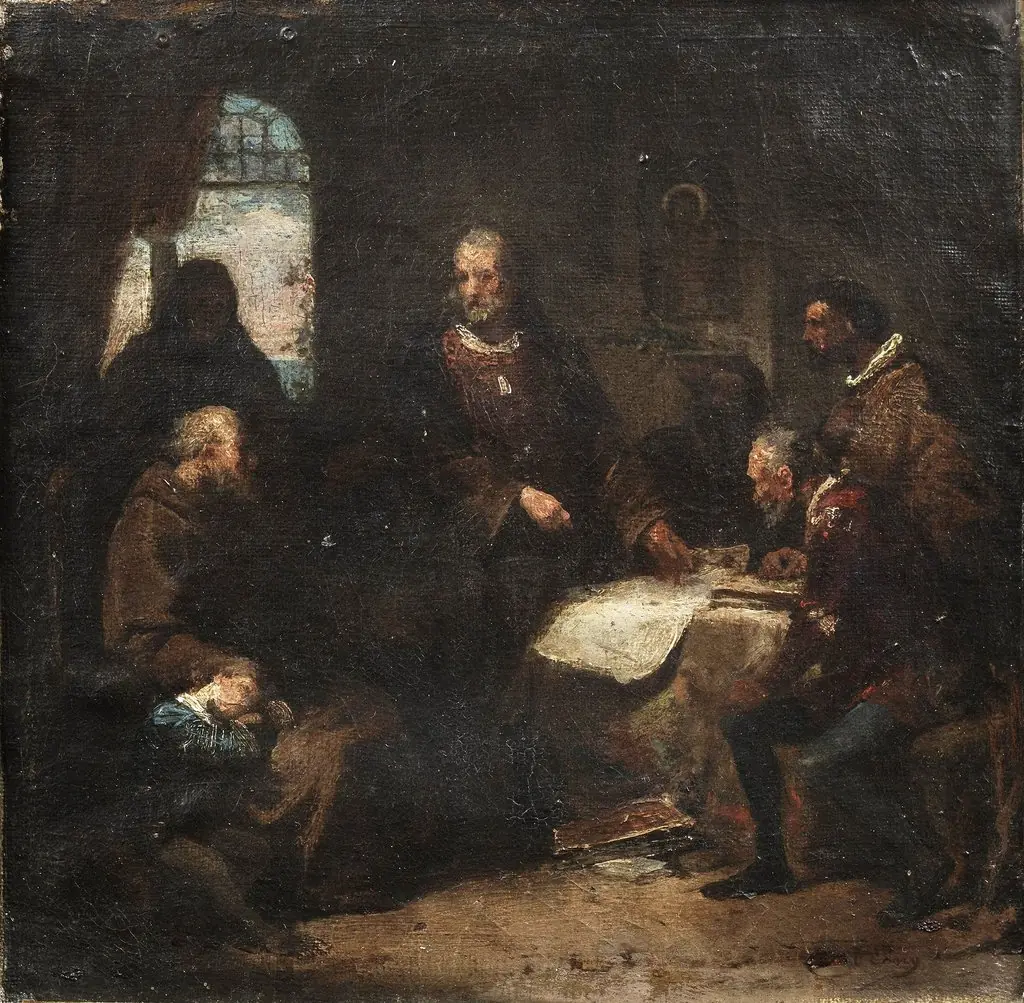
Silo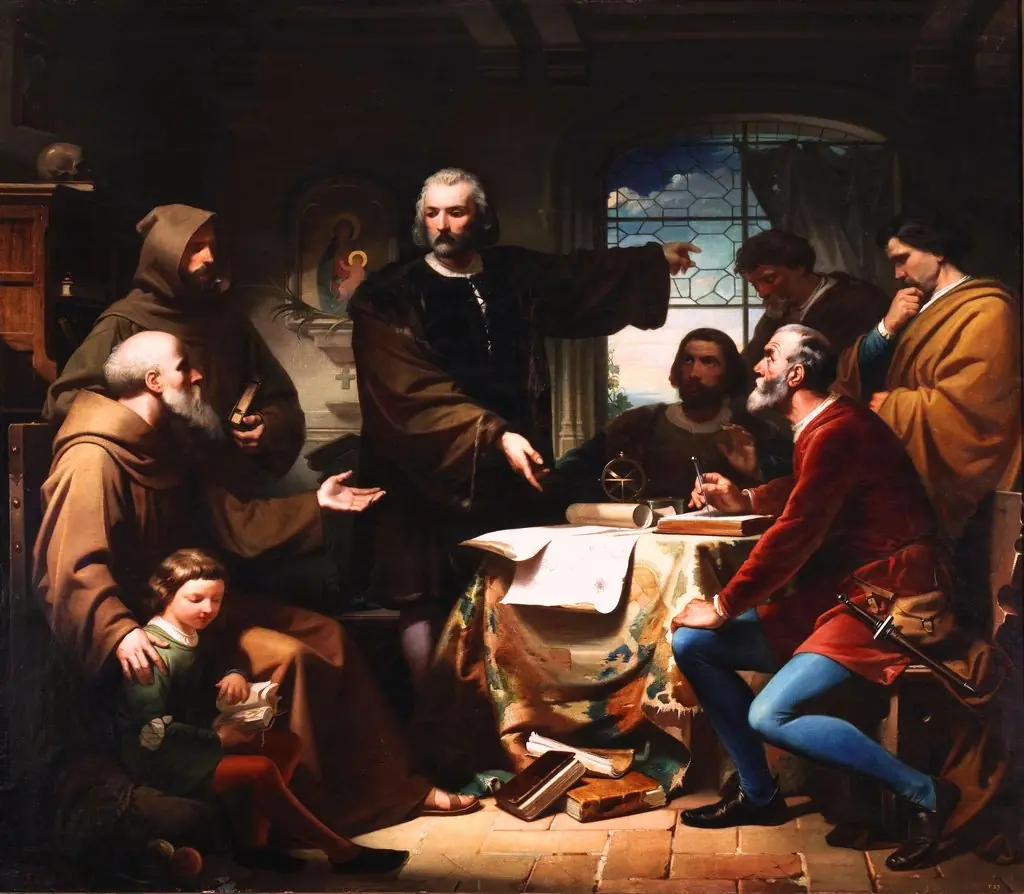 Christopher Columbus in the Convent of La Rábida
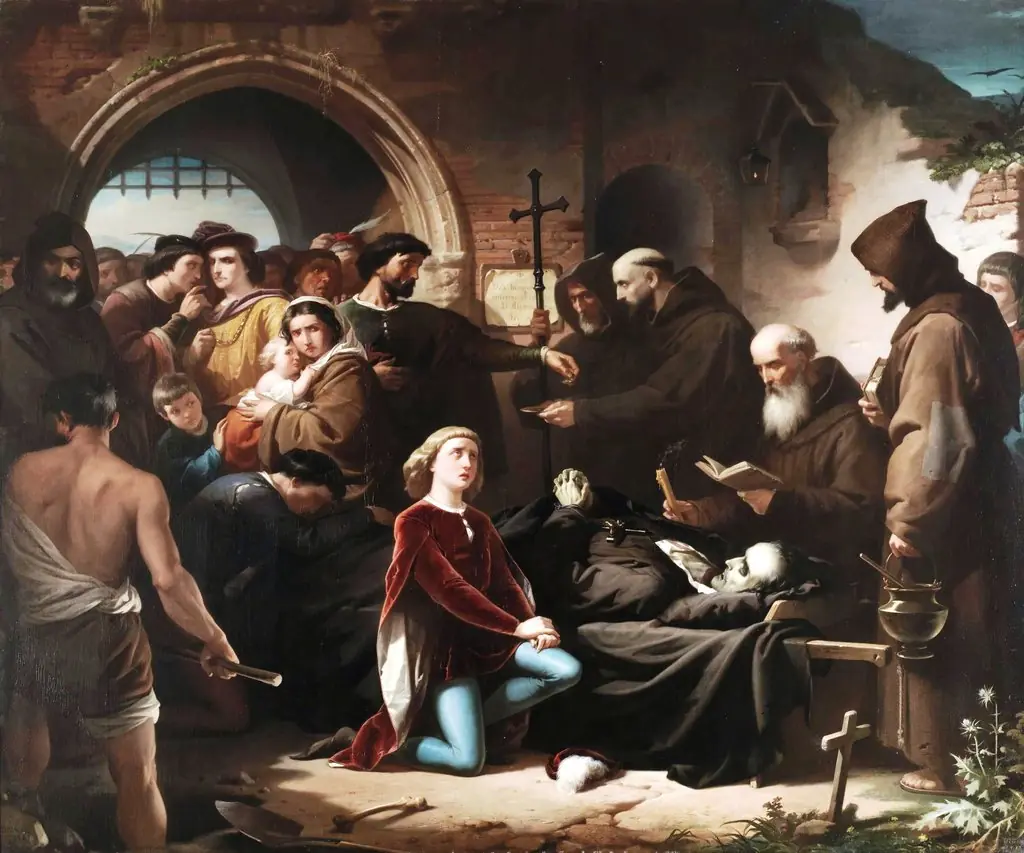 Don Álvaro de Luna condestable y favorito del rey D. Juan II de Castilla decapitado públicamente en la Plaza Mayor de Valladolid el 2 de junio de 1453 es enterrado de limosna en el cementerio de los ajusticiados extramuros de dicha ciudad
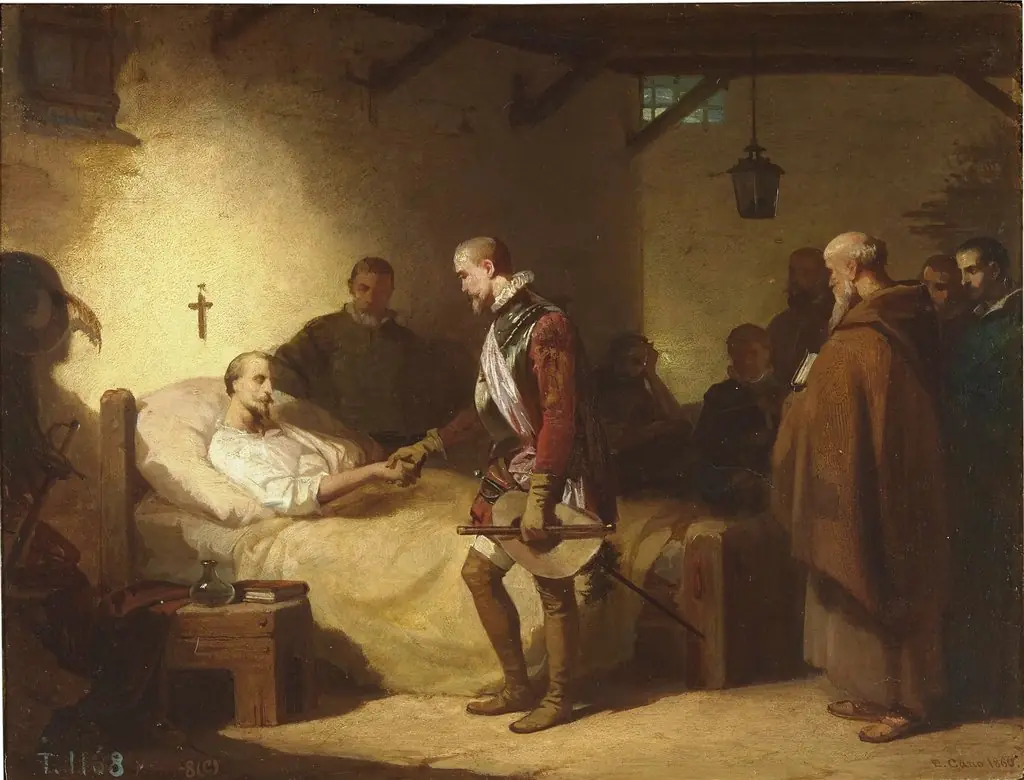 Cervantes y don Juan de Austria
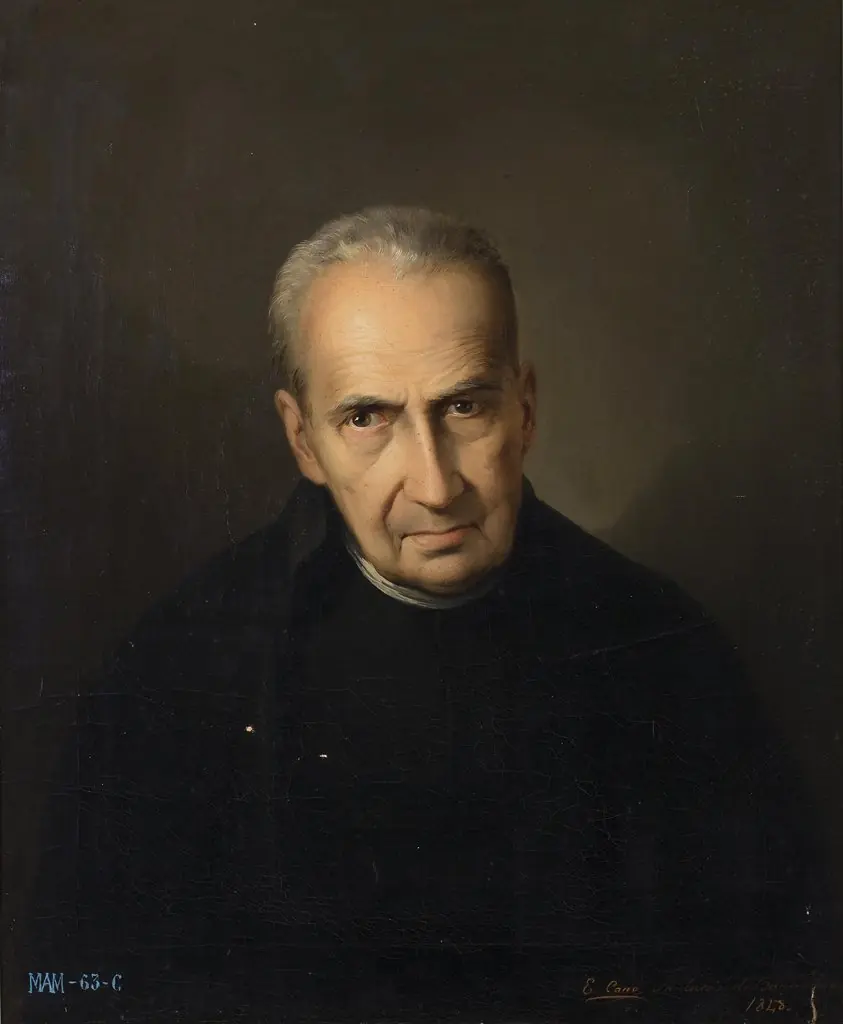 Rafael Colón y Borrego
 Alfonso IV el Monje, rey de León
 Cristóbal Colón en el convento de la Rábida (boceto)