Artwork
Servir (To Serve)
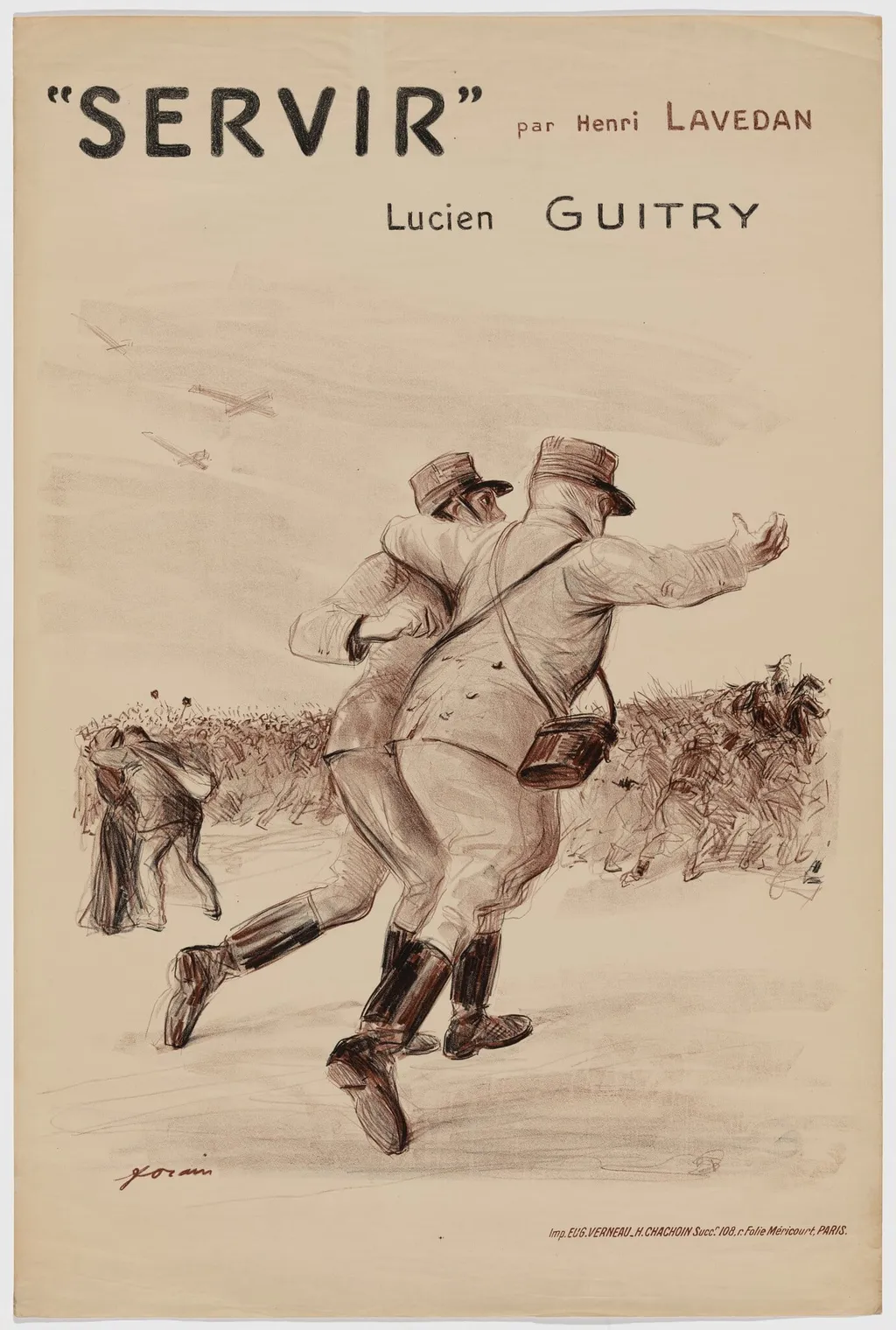
Servir (To Serve) is an ink print by Jean-Louis Forain. It dates from 1913 and is held in the collection of the National Gallery of Art.
- Inscription
- Inscribed:"forain" lower left composition, brown ink. Not dated. ""SERVIR" par Henri LAVEDAN / Lucien GUITRY" upper margin, black and brown ink. "Imp.EUG.VERNEAU_ H.CHACHOINSuccr.108,r.FolieMéricourt,PARIS." lower right margin, brown ink. Verso: none.
- Markings
- Marked:"National Gallery of Art" verso, black stamped ink, (Lugt 1932d).
About this work
Overview
Though Forain was widely recognized in his time, his later critical standing diminished compared to peers like Degas or Toulouse-Lautrec.
Created in 1913, Servir (To Serve) is a lithographic poster by French artist Jean-Louis Forain. Executed in black and brown ink on wove paper, it belongs to a body of graphic work that complemented his paintings in oils and pastel. Though Forain was widely recognized in his time, his later critical standing diminished compared to peers like Degas or Toulouse-Lautrec. This piece exemplifies his sustained interest in printmaking as a medium for capturing contemporary urban life.
Subject & Meaning
The image depicts a formal waiter in a dark suit attending to diners at a table, their expressions subtly conveying quiet satisfaction. The scene is unremarkable in its routine, a moment from Parisian café culture, yet Forain’s focus on gesture and posture lends it quiet narrative weight. The waiter’s poised stance and the patrons’ restrained reactions suggest an unspoken social contract, emphasizing service as both labor and performance.
Technique & Style
Forain employed lithography, a process allowing fluid tonal transitions through stone-based drawing. The poster uses only black and brown inks, creating depth through layered hatching and soft gradations rather than color. His line work is precise yet economical, capturing movement in the waiter’s arms and the slump of seated figures. The absence of background detail directs attention to the figures’ interaction, characteristic of his graphic economy.
History & Provenance
The poster was produced during a period when Forain was actively engaged in commercial printmaking, often creating advertisements or promotional graphics. Servir likely served as a poster for a restaurant or café, though its original commission remains undocumented. It entered public collections decades later, preserved as an example of early 20th-century French graphic design rather than as a standalone artistic statement.
Context
In early 1910s Paris, lithographic posters were ubiquitous in public spaces, blending art and commerce. Forain, though trained in academic painting, aligned with the broader movement of artists who turned to printmaking to depict modern life. His work shares affinities with contemporaries like Steinlen and Grasset, yet avoids overt stylization, favoring observational realism over decorative flourish.
Legacy
While Forain’s name is less prominent today, Servir endures as a representative example of French graphic art from the Belle Époque. It reflects a moment when artists sought dignity in everyday labor, capturing social rituals with nuance rather than satire. The poster is studied more for its technical restraint and social observation than for its original commercial function.
Own this work as a print
Artist & collection

Artist
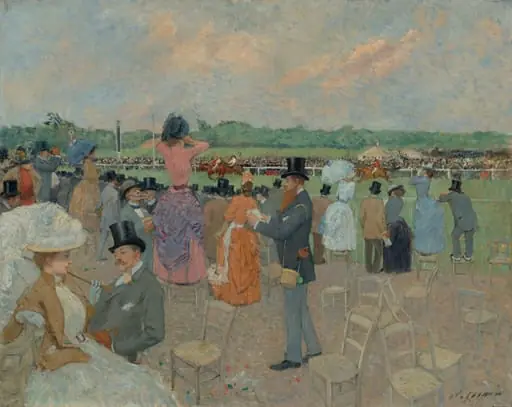
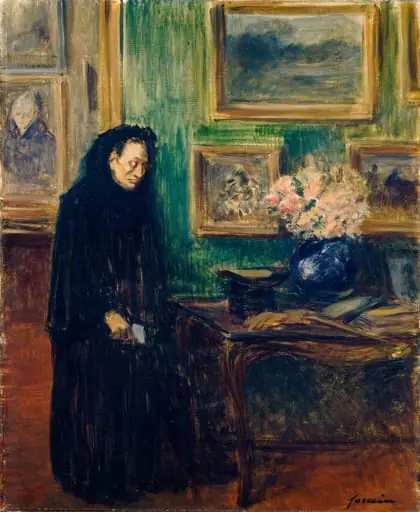
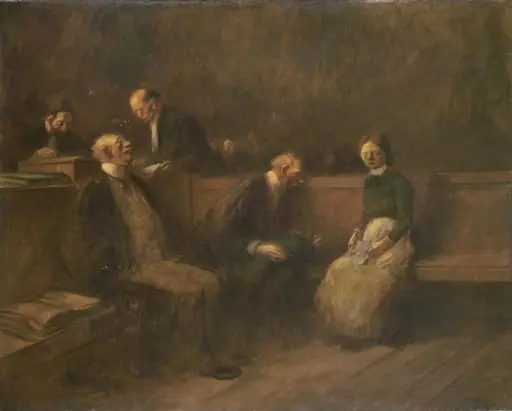
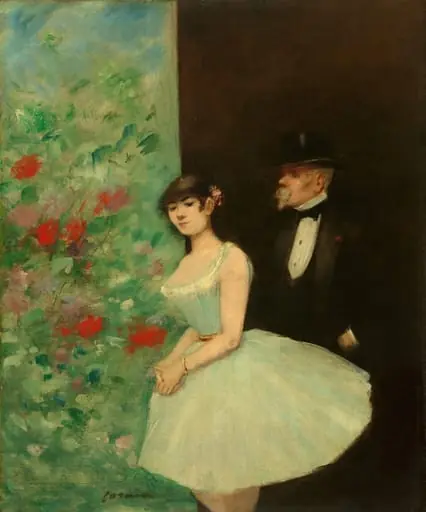
Jean-Louis Forain (French pronunciation:; 23 October 1852 – 11 July 1931) was a French Impressionist painter and printmaker, working in media including oils, watercolour, pastel, etching and lithograph.

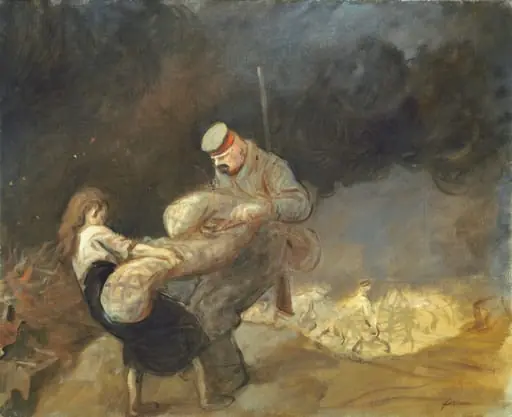
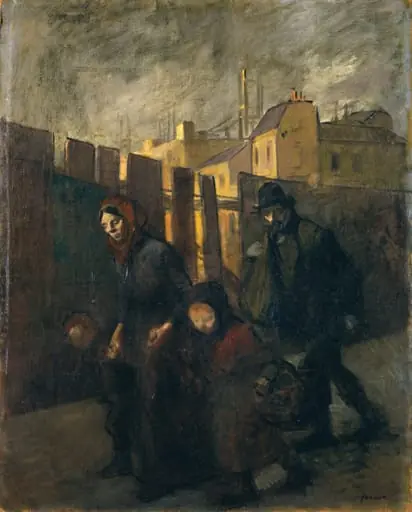
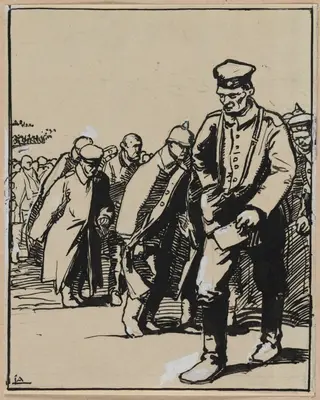 Marche d'un groupe de prisonniers allemands
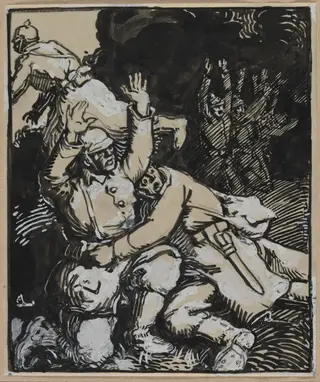 Dans une tranchée, des soldats allemands se rendent
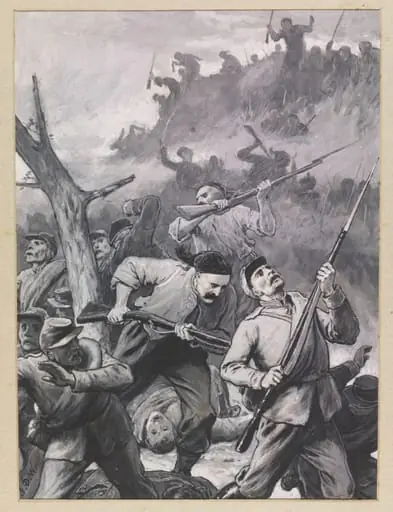 With the Turks at Shipka - Allah! Allah! A Turkish charge after an unsuccessful assault by the Russians
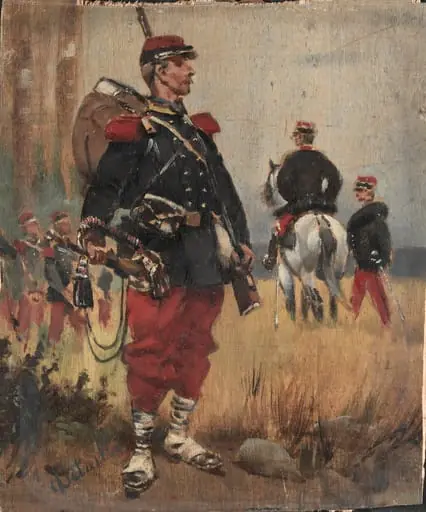 Soldiers
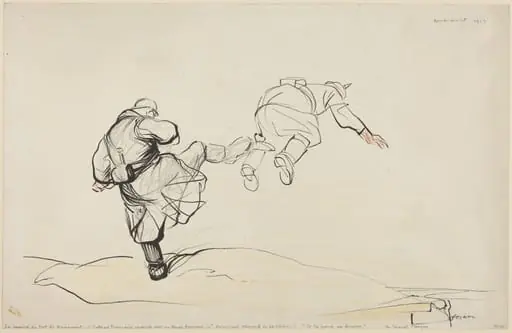 The Taking of Fort Douaumont
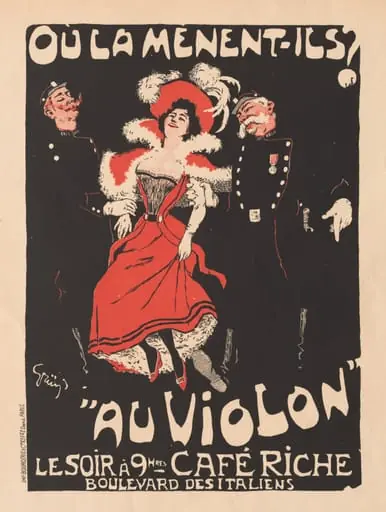 Les Maitres de L'Affiche: Pl. 103 Café Reche
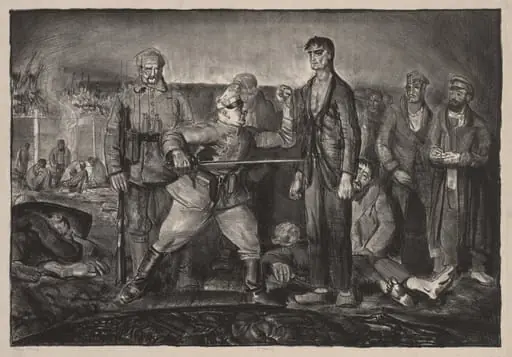 The Case of Sergeant Delaney
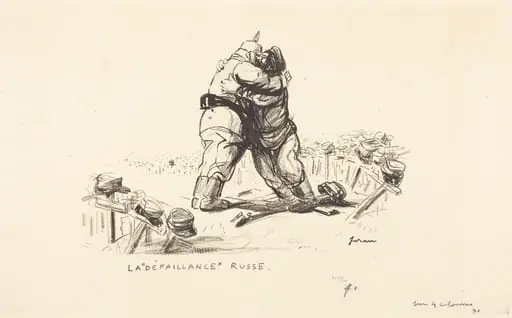 La Defaillance Russe
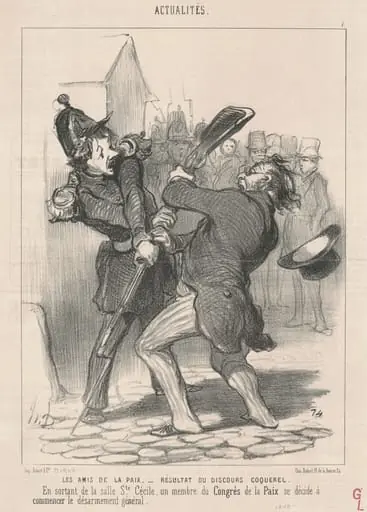 Les amis de la paix ...
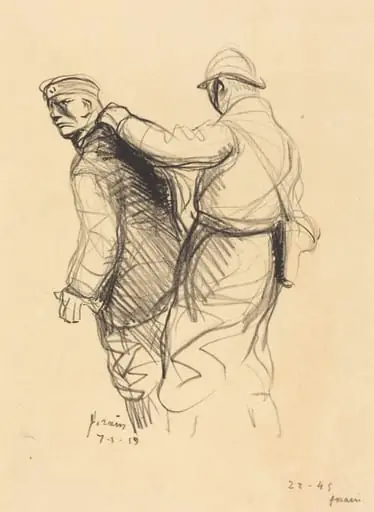 L'Allemand expulsé (The German Expelled)
 Rifolard is more delighted than ever...
- Servir (To Serve)