Artwork
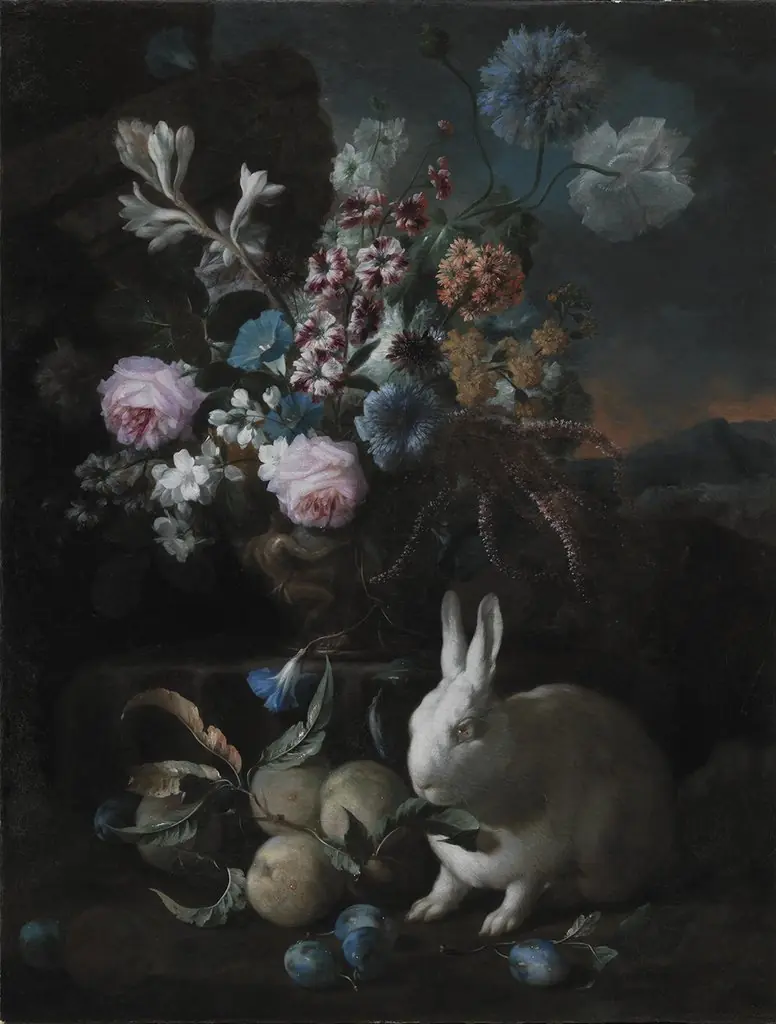
Flower Piece with Guinea Pigs
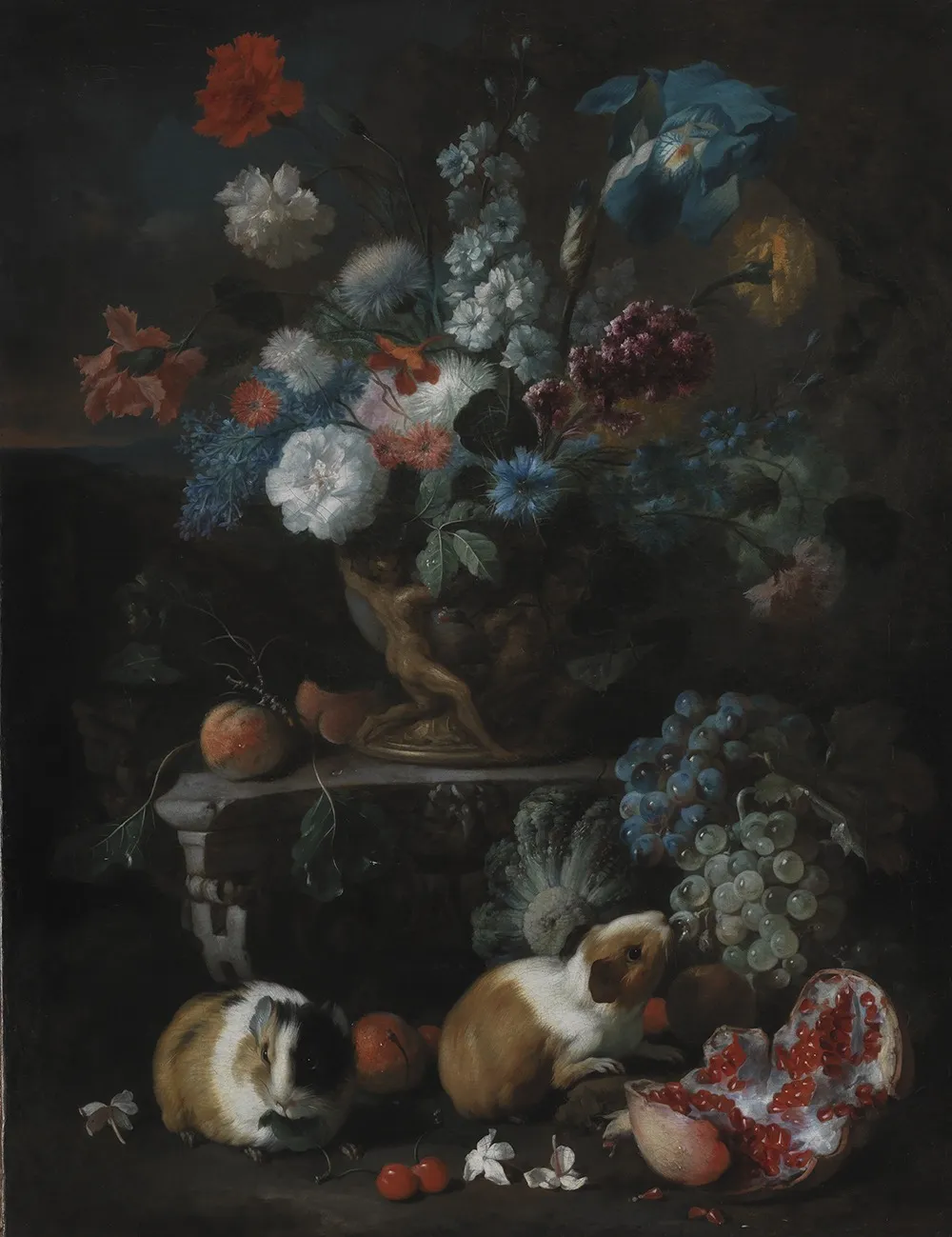
Flower Piece with Guinea Pigs is an oil painting by the Dutch Golden Age artist Franz Werner Tamm. It dates from 1700 and is held in the collection of the Statens Museum for Kunst.
About this work
Technique & Style
Franz Werner Tamm executed Flower Piece with Guinea Pigs in 1698 using oil paint on a canvas support. The artwork is a still life measuring 835.0 cm in height and 640.0 cm in width. Stylistically, the painting falls within the still life genre, formally depicting floral elements alongside the titular guinea pigs.
History & Provenance
No earlier ownership records or commission details are provided in the available sources, so the known provenance begins with its acquisition by the museum.
Flower Piece with Guinea Pigs is an oil-on-canvas still life painted by Franz Werner Tamm in 1698, as indicated by the work's inception date. The painting depicts a floral arrangement accompanied by guinea pigs, exemplifying the artist's Baroque still‑life practice. It entered the collection of the Statens Museum for Kunst in Copenhagen, where it is currently housed and displayed.
No earlier ownership records or commission details are provided in the available sources, so the known provenance begins with its acquisition by the museum.
The painting is held by the Statens Museum for Kunst, Copenhagen. Its inventory/accession is recorded with dimensions of 83.5 cm in height and 64 cm in width.
It has been exhibited at the Statens Museum for Kunst as part of its permanent holdings of works by Franz Werner Tamm.
Overview
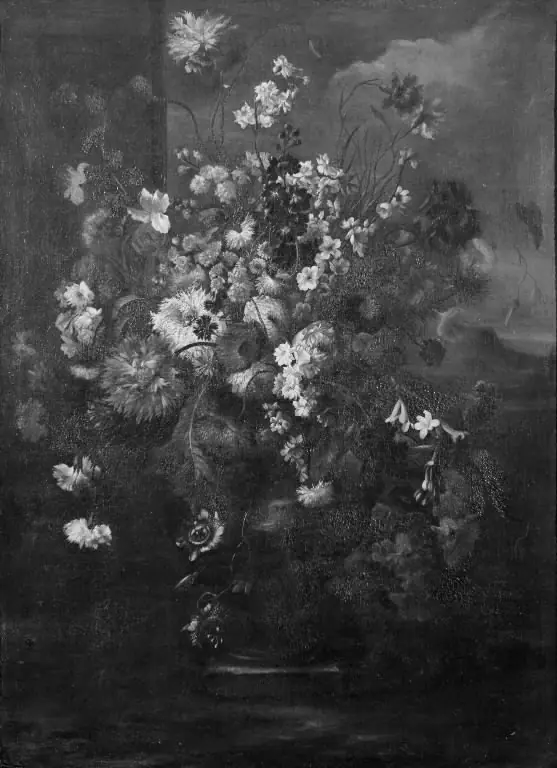
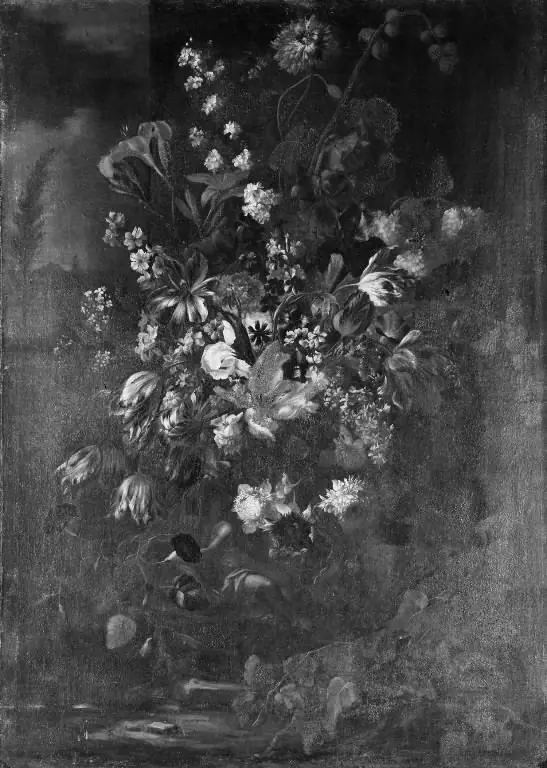
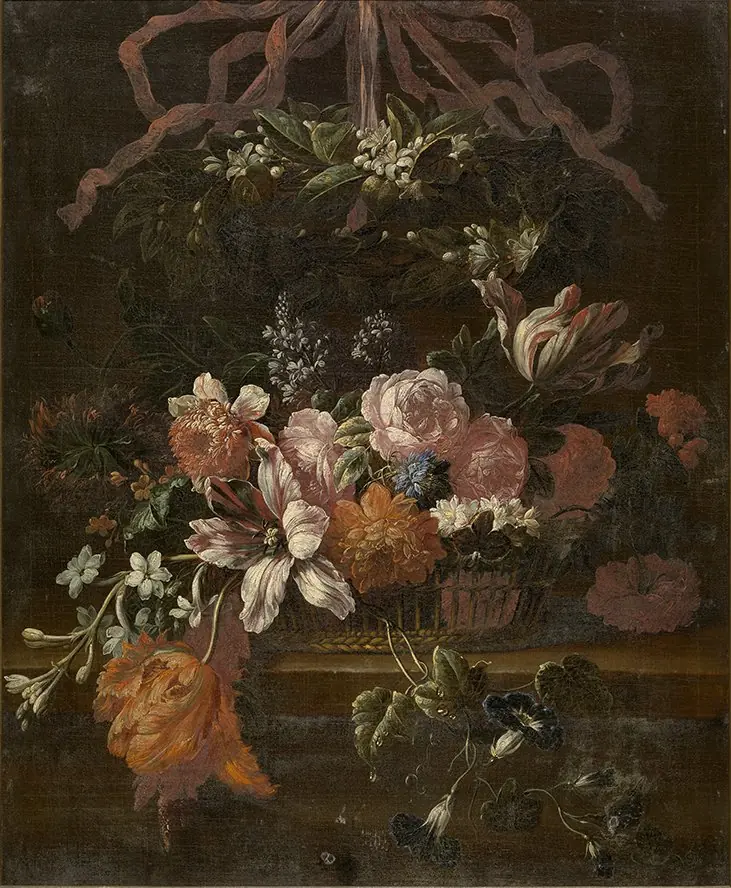
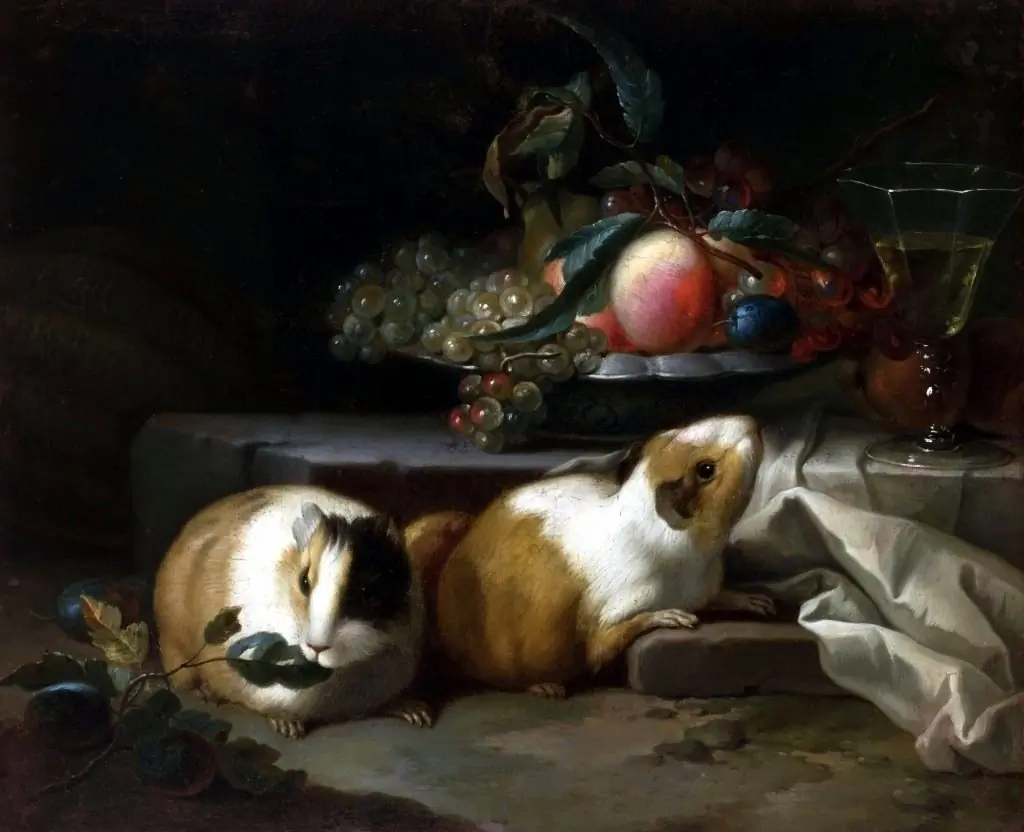
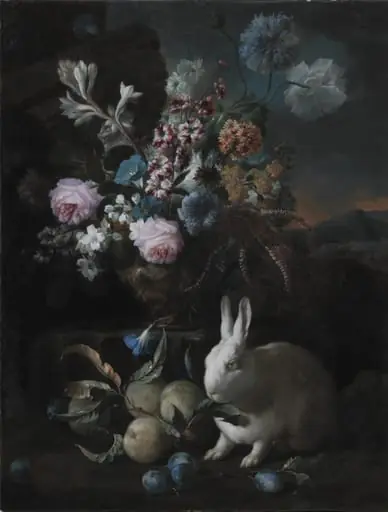
Franz Werner Tamm’s oil painting Flower Piece with Guinea Pigs, executed in 1700, presents a carefully arranged still life. A darkened backdrop frames a tabletop laden with a bouquet of white, pink, blue and purple blossoms, a modest figurative statue, and two small guinea pigs positioned at either side. The composition balances naturalistic detail with a calm, contemplative mood.
Subject & Meaning
The work juxtaposes botanical and animal elements, inviting a quiet observation of everyday life. The central statue, though modest, serves as a focal point that anchors the floral display, while the guinea pigs add a touch of domestic intimacy. Together the subjects suggest a harmonious coexistence of nature and the cultivated environment, reflecting the period’s interest in the study of flora and fauna.
Artist & collection