Movement
Dutch Golden Age
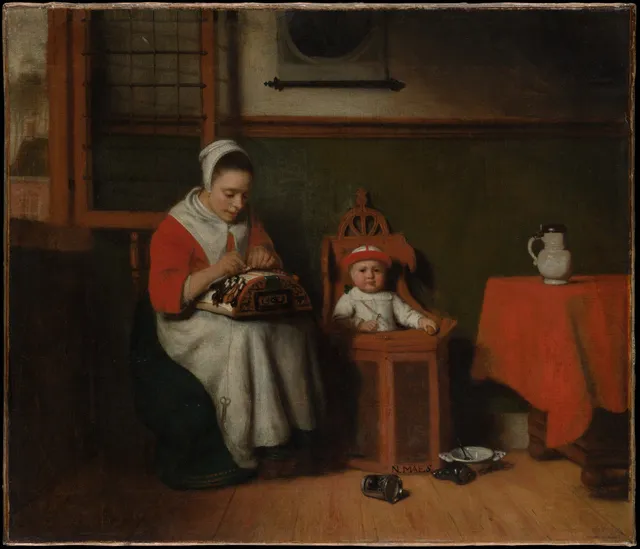
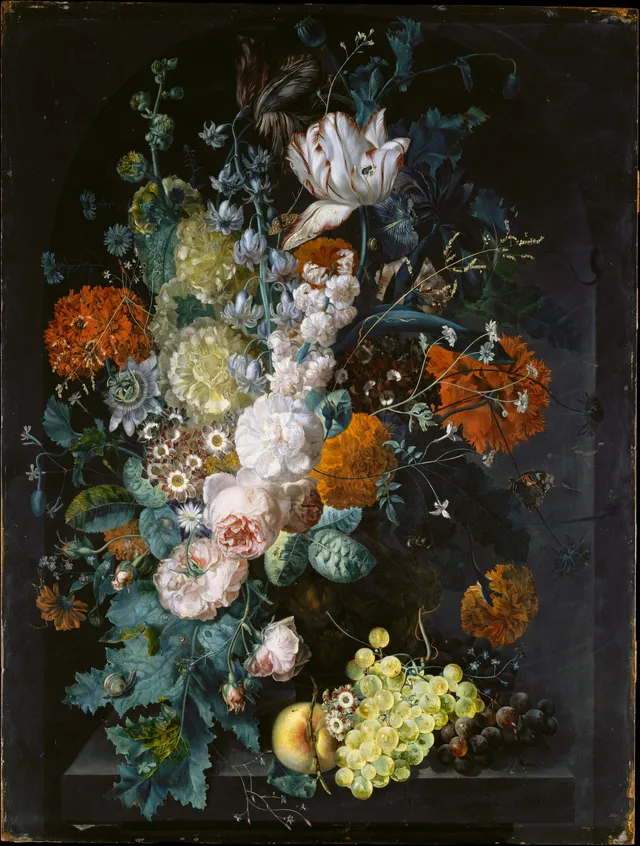
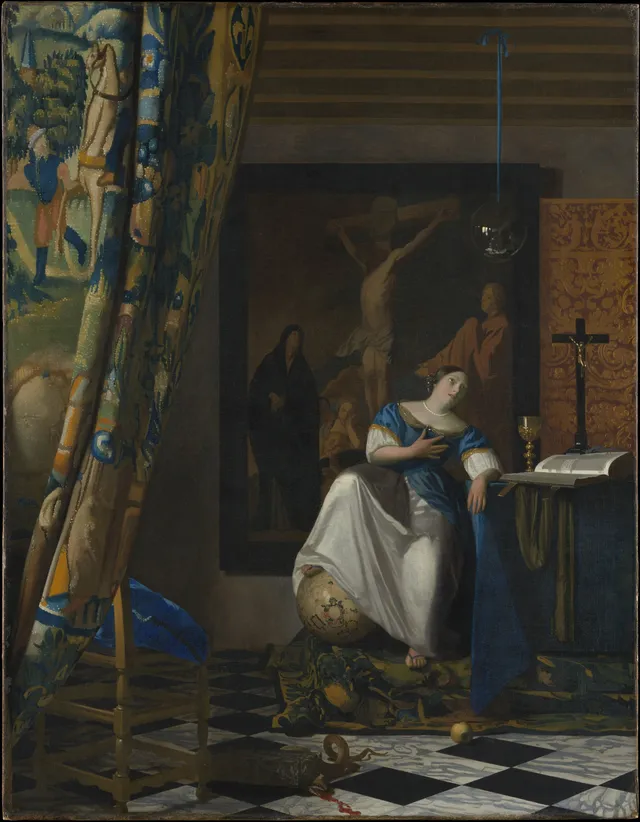
Dutch Golden Age is an art movement of the 1580–1700 period. The gallery holds 8,656 works in this movement, including works by Johannes Vermeer, Margaretha Haverman and Nicolaes Maes. Browse Dutch Golden Age paintings, portraits, pictures and artworks from the world's public-domain museum collections.
The Dutch Golden Age was the explosion of painting that accompanied the Dutch Republic's rise to wealth and independence across the seventeenth century. As the northern Netherlands fought free of Habsburg Spain in the Eighty Years' War (1568–1648), formally recognized at the Peace of Münster in 1648, the young Protestant republic became Europe's foremost trading power, its merchant fleets and the Dutch East India Company pouring riches into cities like Amsterdam, Haarlem, Delft, Leiden, and Utrecht. Calvinism had stripped the churches of religious imagery, removing the old ecclesiastical patron; in its place rose an open commercial art market in which painters sold ready-made pictures to a prosperous urban middle class. To compete, artists specialized, and demand turned not to kings and saints but to merchants, housemaids, landscapes, and laden tables.
Stylistically the period belongs to the Baroque, yet it largely shuns Baroque grandeur and idealization, extending instead the meticulous realism inherited from Early Netherlandish painting. Its hallmarks are luminous, closely observed light, restrained color, and an almost forensic attention to surface and texture. Work divided into sharply defined categories — portraiture, genre scenes of everyday life, landscape and seascape, architectural interiors, and still life, from lavish banquet pieces to somber vanitas meditations on mortality. Italian influence entered chiefly through the Utrecht Caravaggisti, such as Gerard van Honthorst, who brought Caravaggio's dramatic chiaroscuro north after sojourns in Rome.
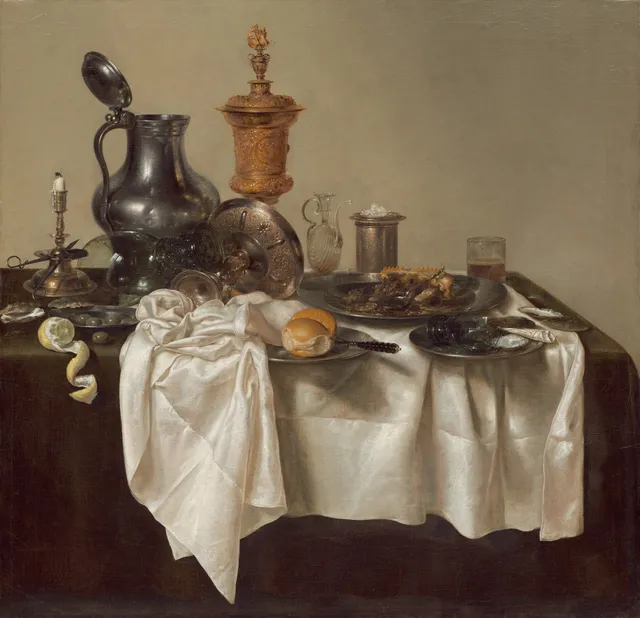
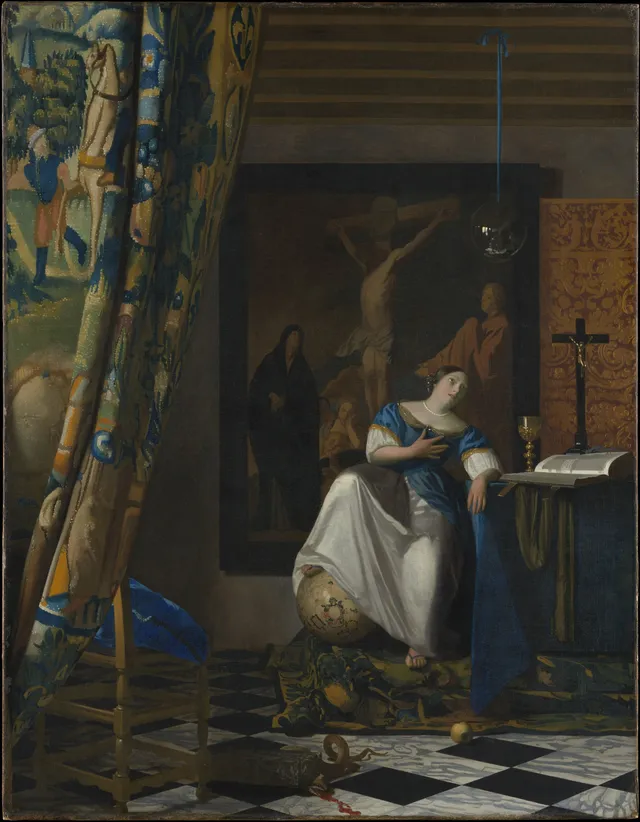
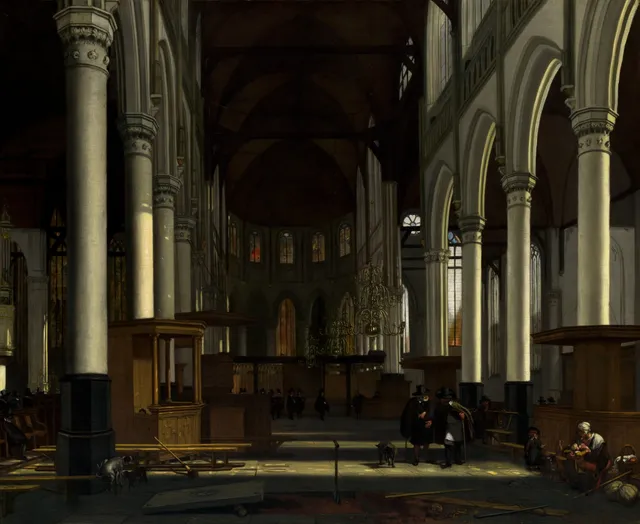
The canon is led by Rembrandt van Rijn, whose group portrait The Night Watch (1642) and intimate works like Flora demonstrate his command of shadow and human feeling, and by Johannes Vermeer, who in barely thirty-five surviving paintings — among them Girl with a Pearl Earring and the Allegory of the Catholic Faith — distilled domestic light to perfection. Around them flourished Frans Hals's vivacious portraits, the genre scenes of Jan Steen, Pieter de Hooch, Judith Leyster, and Nicolaes Maes (The Lacemaker), Jacob van Ruisdael's landscapes, Emanuel de Witte's church interiors, and the still lifes of Willem Claesz Heda (Banquet Piece with Mince Pie) and Pieter Claesz.
The age waned after the catastrophic French invasion of 1672, though its decorative flower-piece tradition continued into the eighteenth century with Jan van Huysum and Margaretha Haverman. Distinct from the courtly Flemish Baroque of Rubens to the south, Dutch realism would later inspire the Realists and Impressionists who prized its honest, light-filled observation.
Key artists
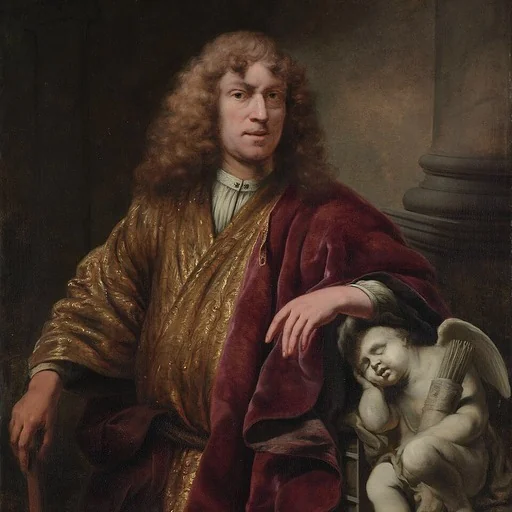
Works
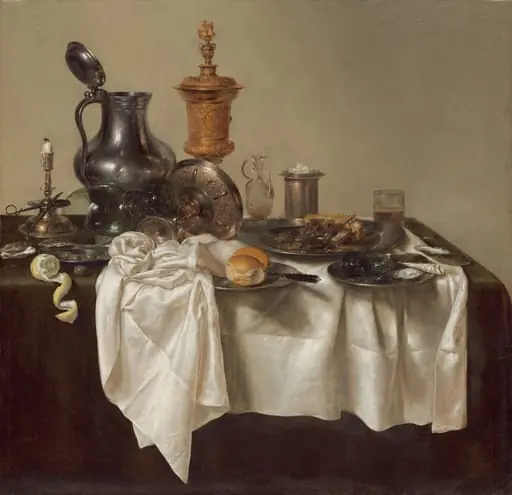 Banquet Piece with Mince Pie
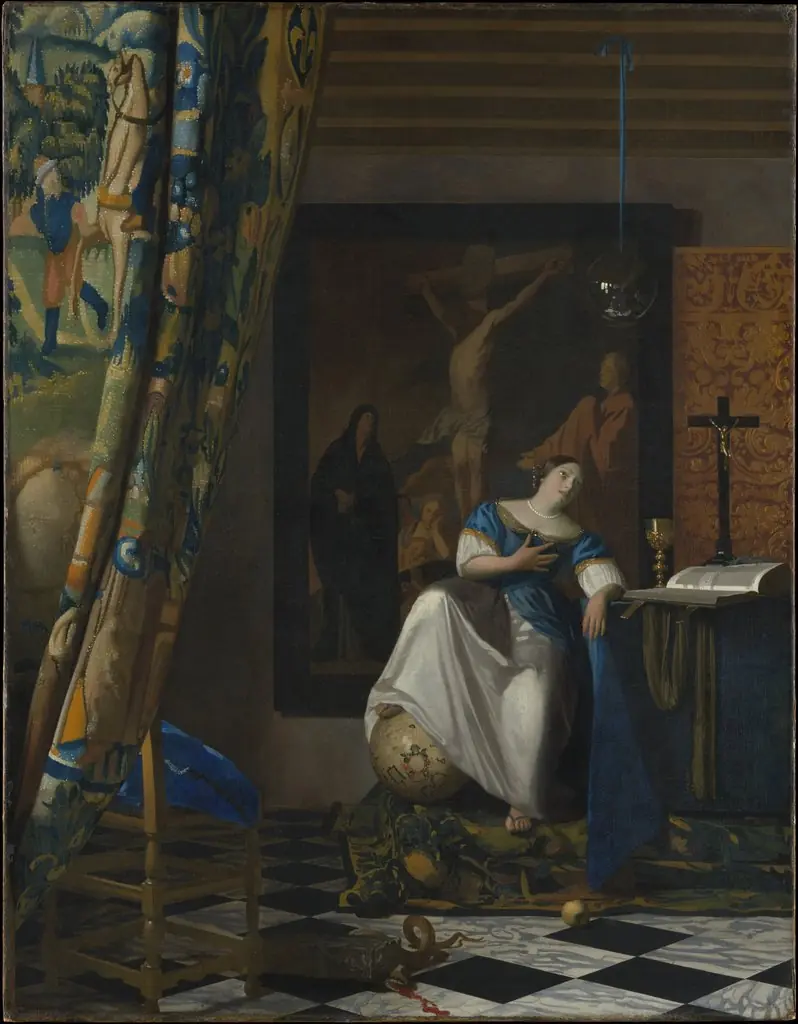 Allegory of the Catholic Faith
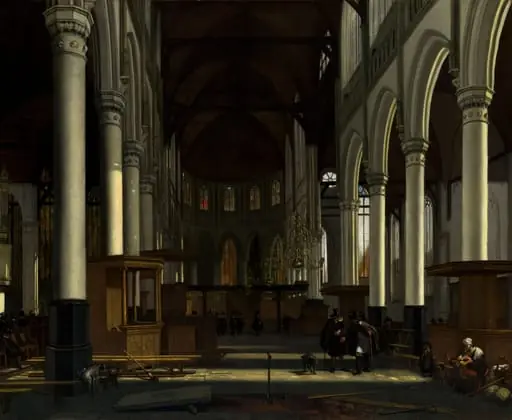 The Interior of the Oude Kerk, Amsterdam
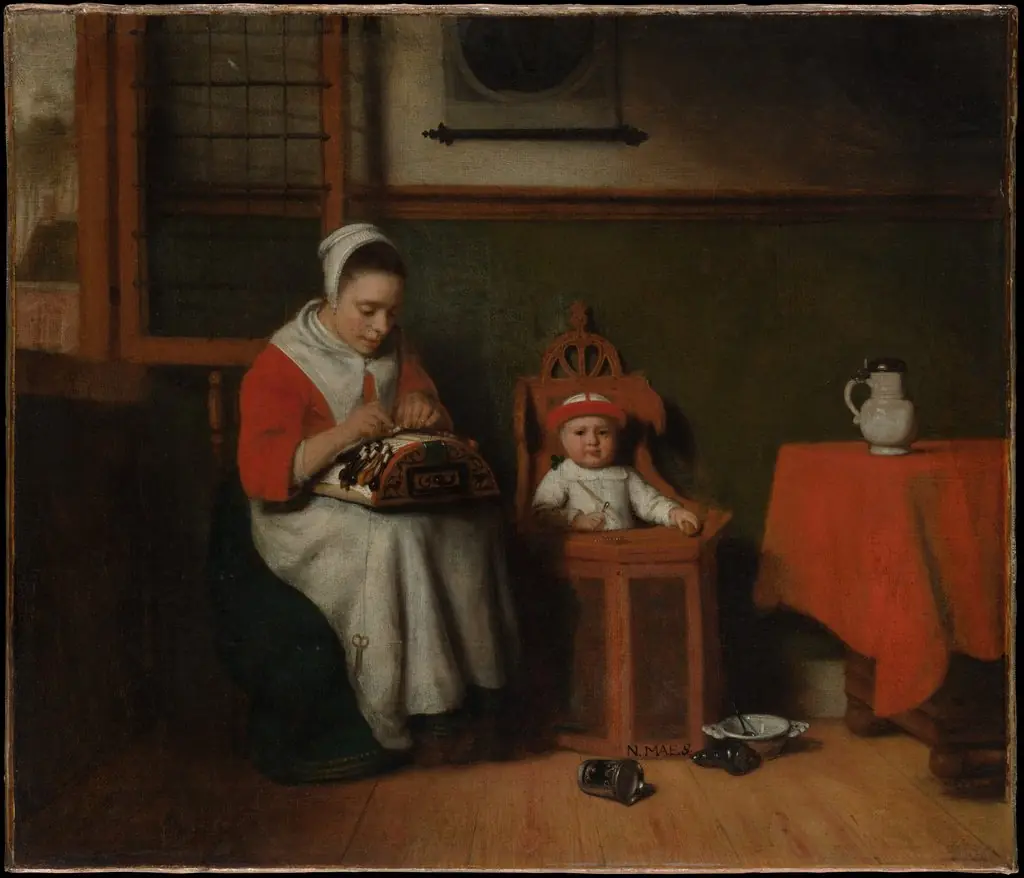 The Lacemaker
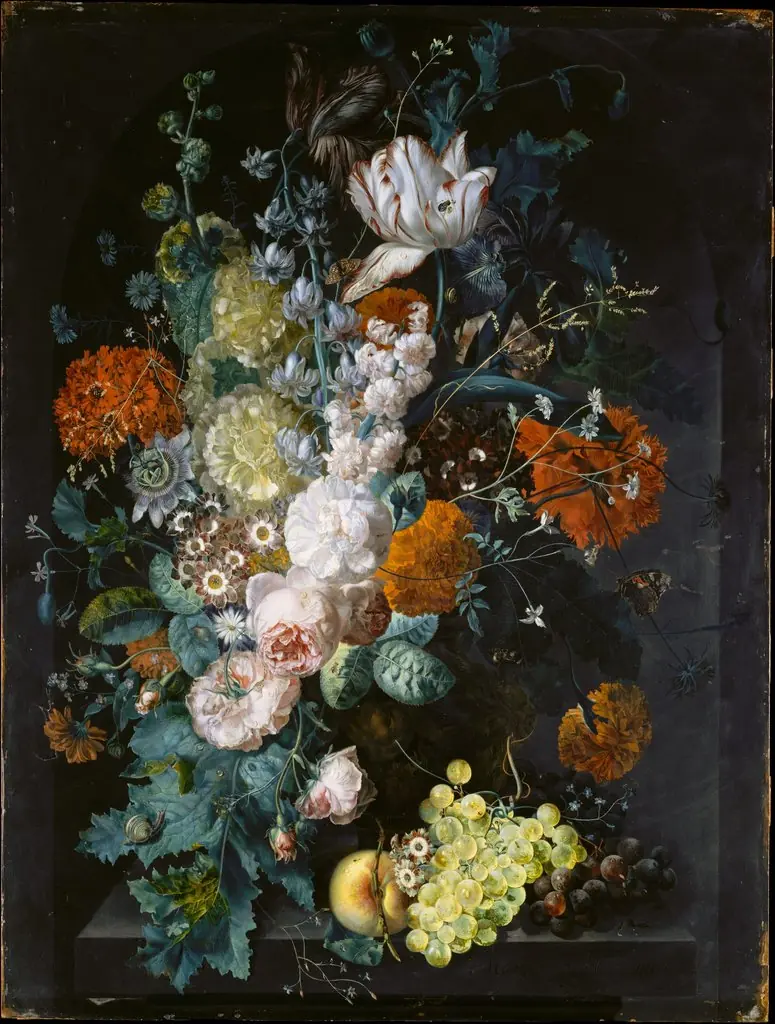 A Vase of Flowers
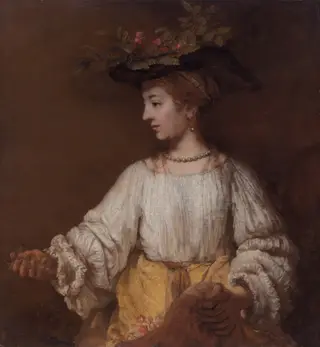 Flora
Flora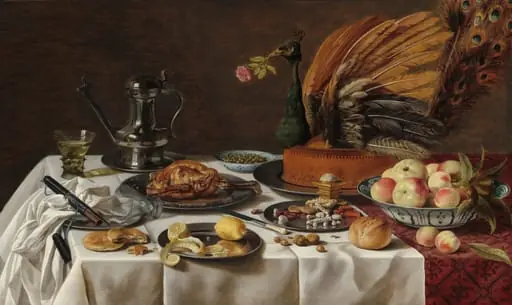 Still Life with Peacock Pie
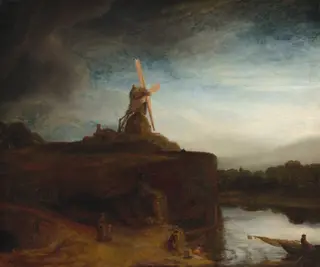 The Mill
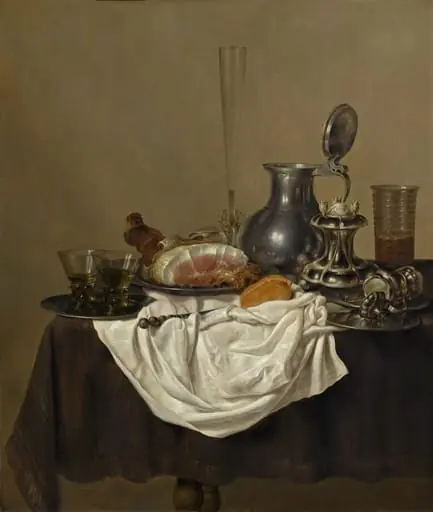 Still Life with Ham
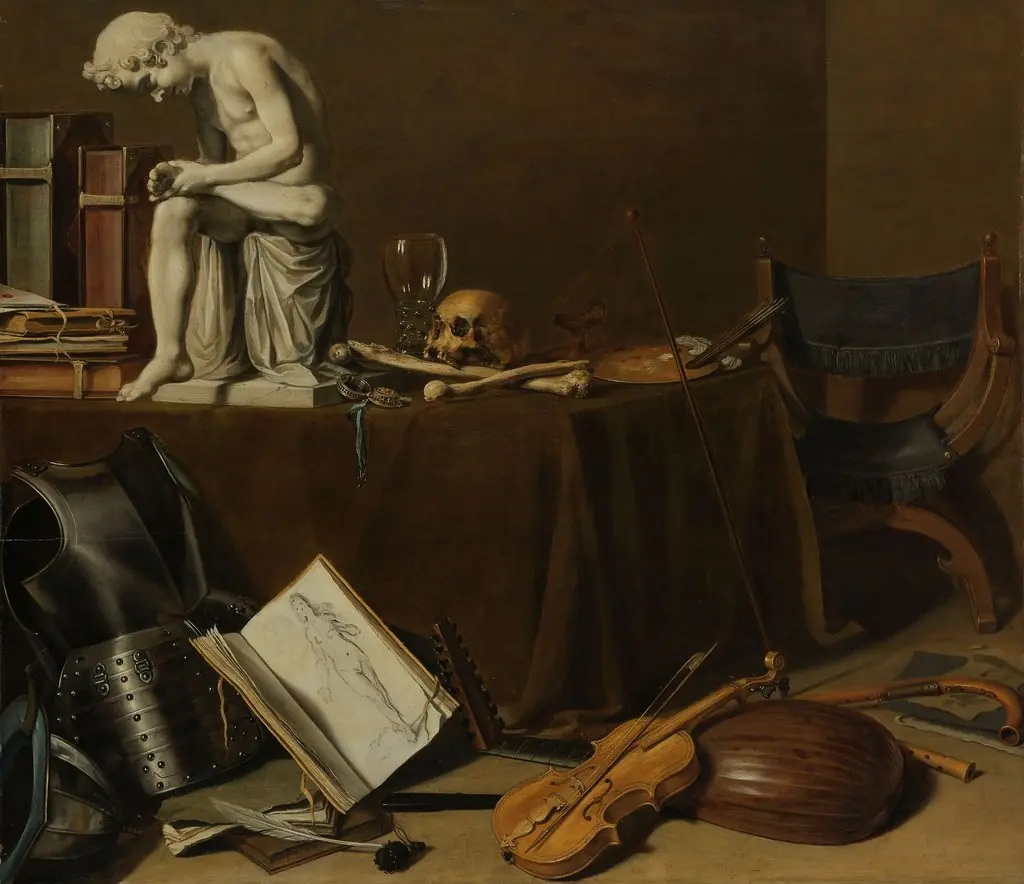 Vanitas Still Life with the Spinario
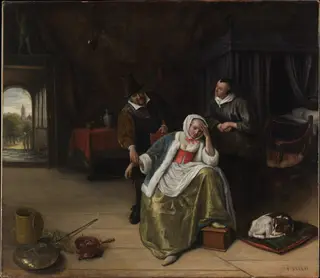
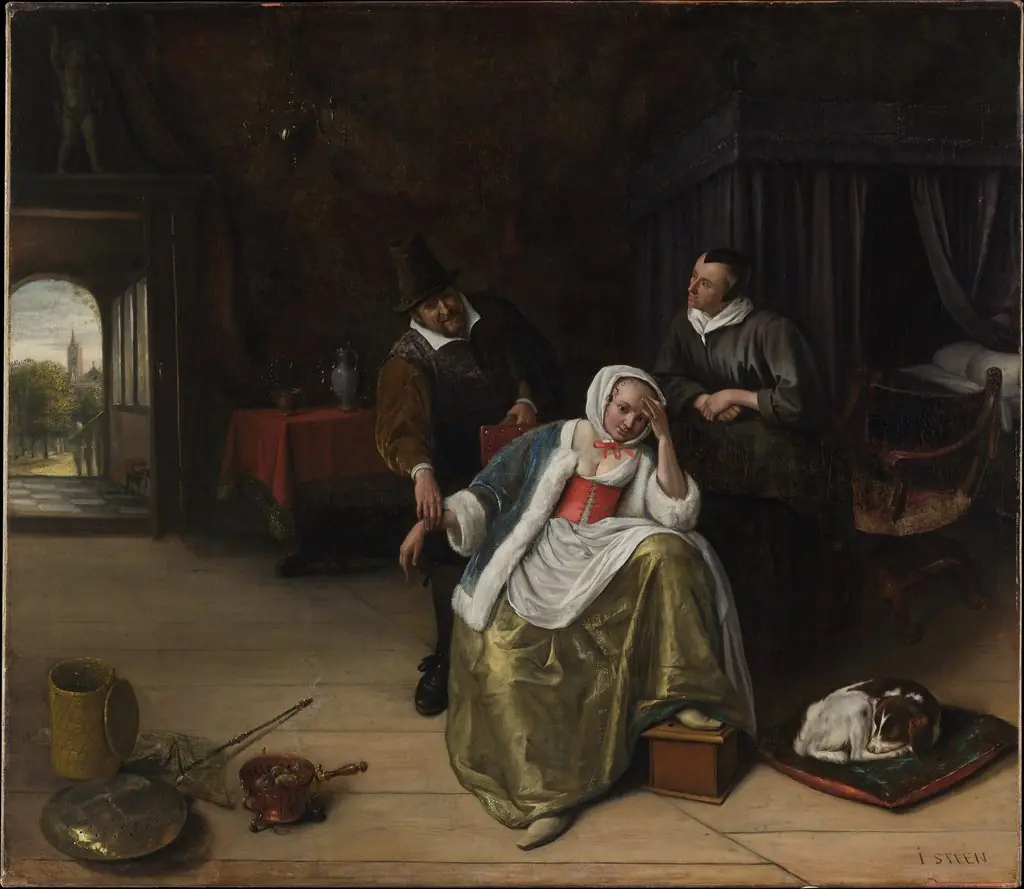 Paintings of physicians by Jan Steen
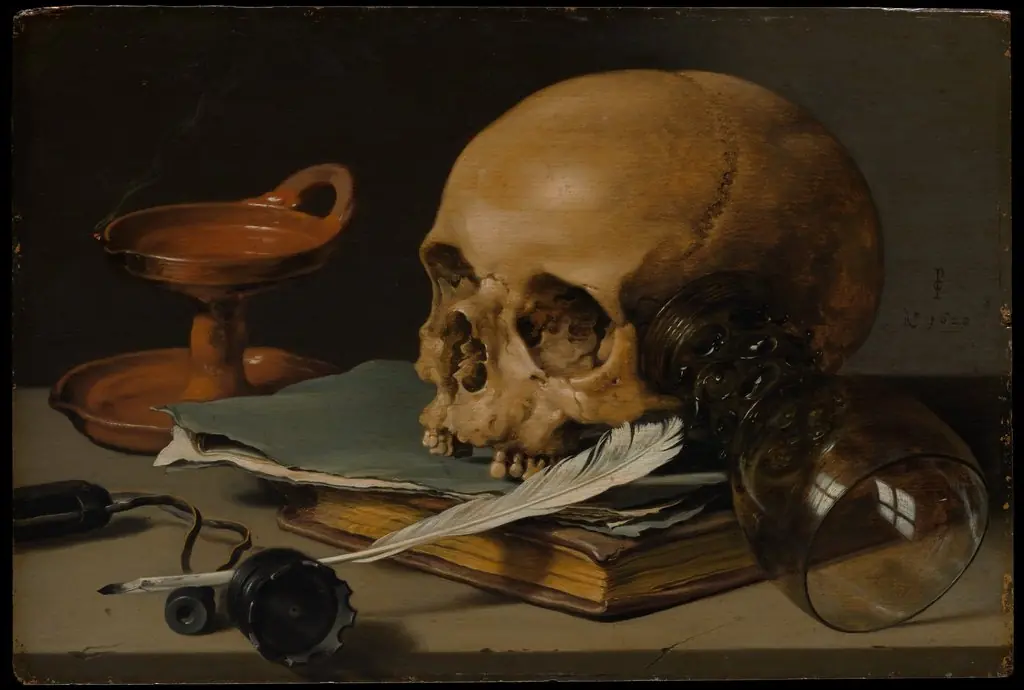 Still Life with a Skull and a Writing Quill
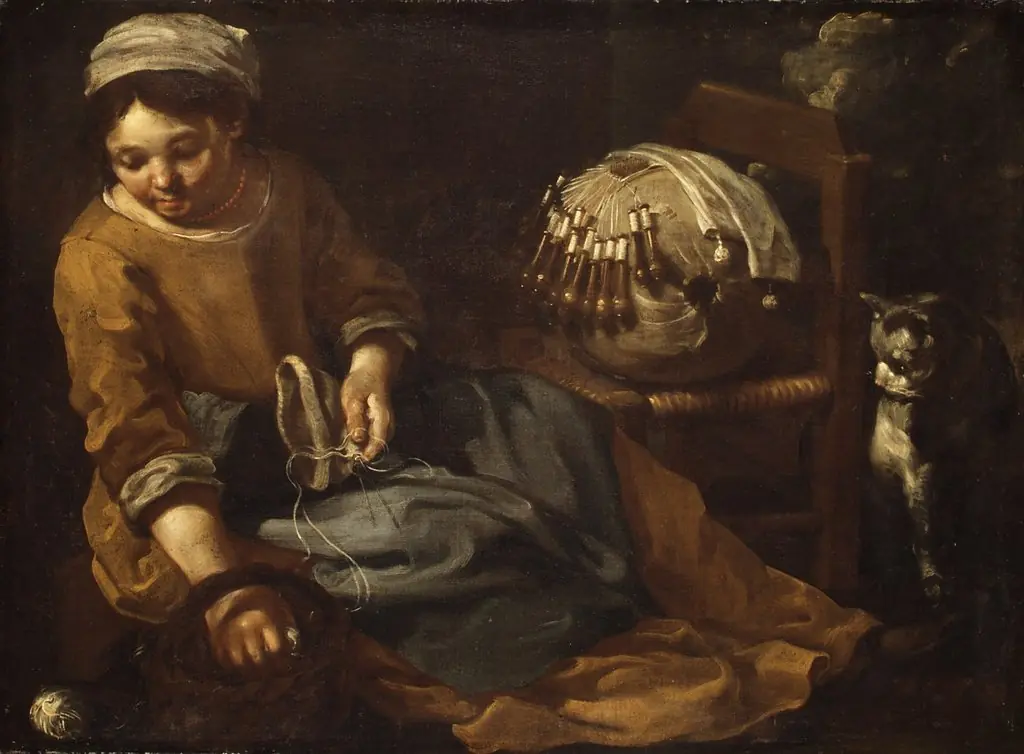 The Lacemaker
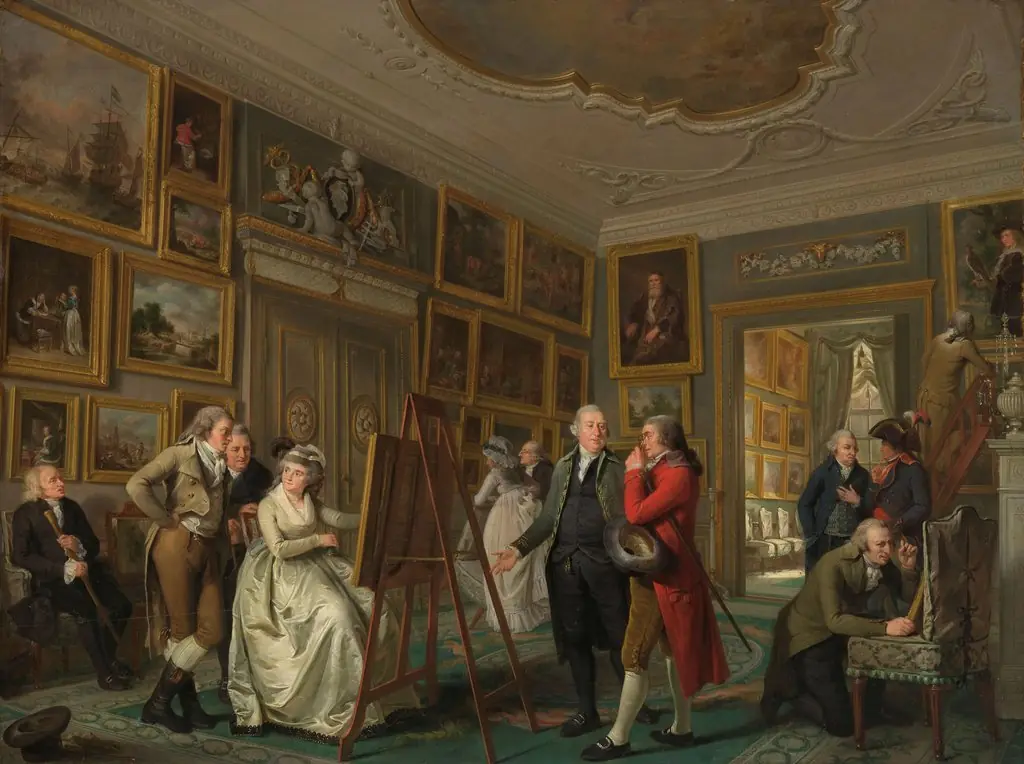 The Art Gallery of Jan Gildemeester Jansz
 Philemon and Baucis
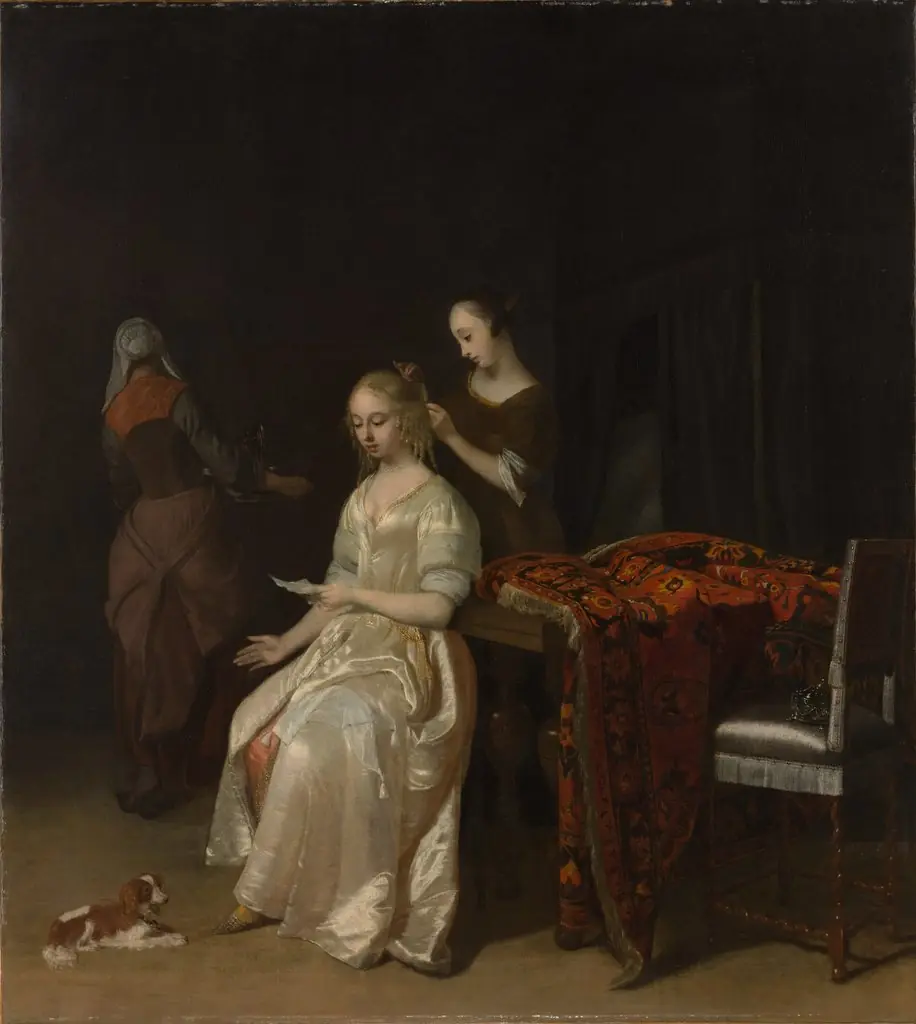 The Love Letter
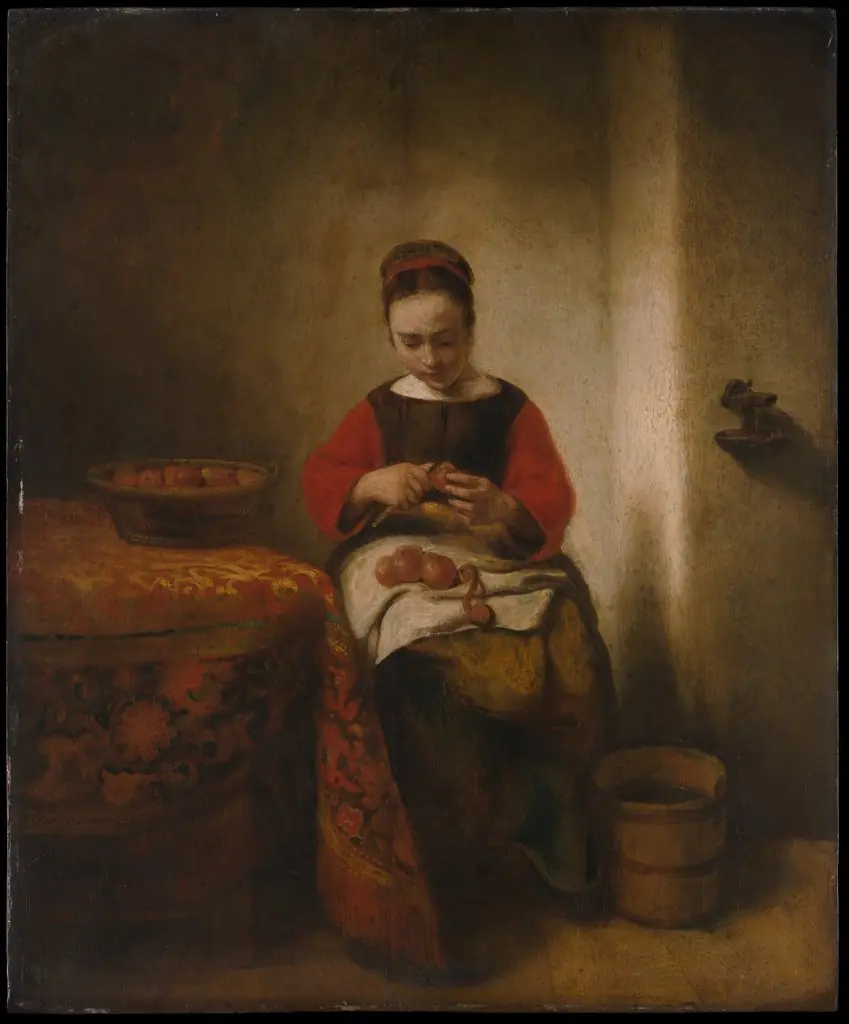 Young Woman Peeling Apples
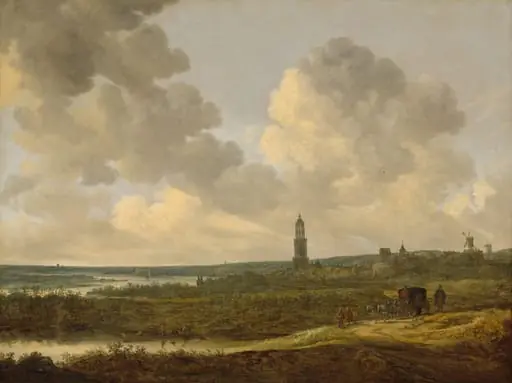 View of Rhenen
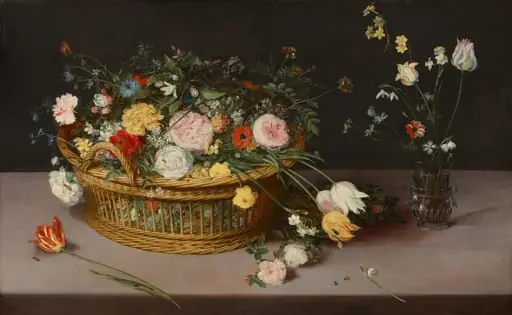 Flowers in a Basket and a Vase
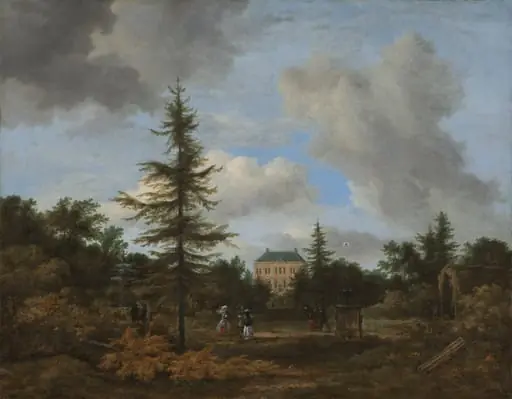 Country House in a Park
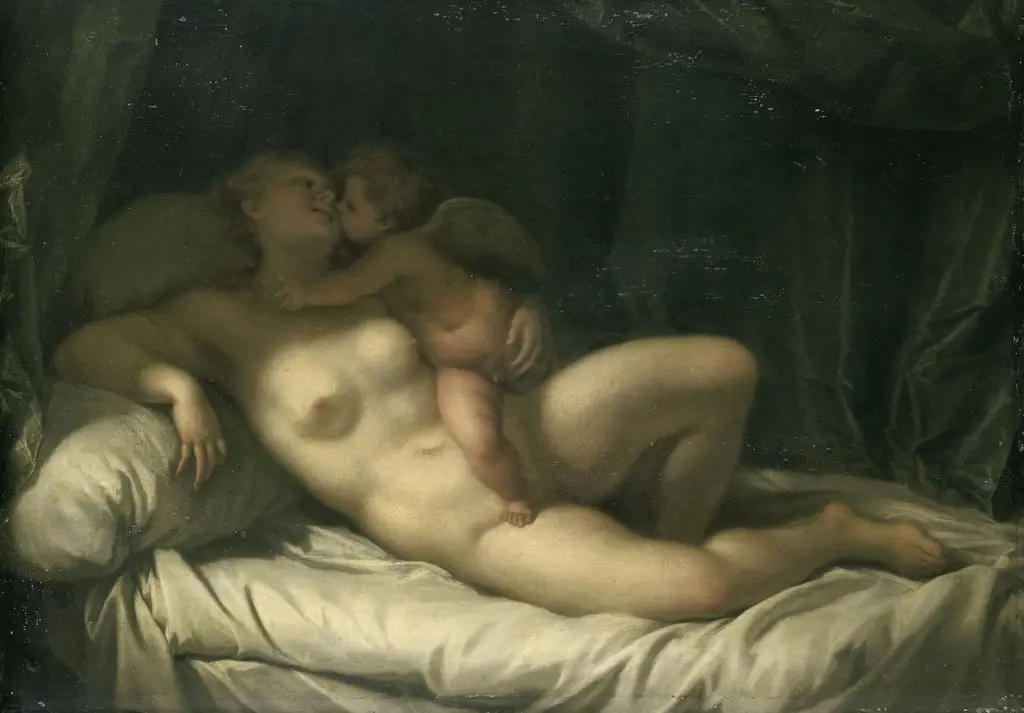 Cupid Kissing Venus (Venus Kissed by Amor)
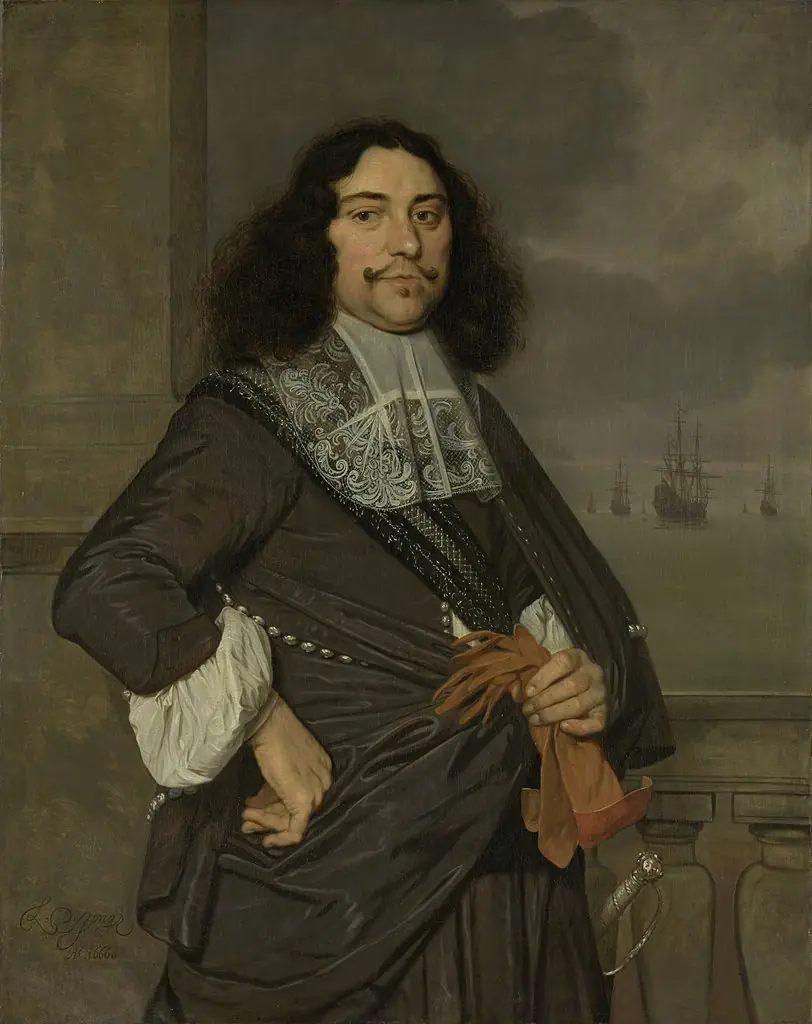 Portrait of Jan van Nes (1631-80). Vice admiral of Holland and West-Friesland
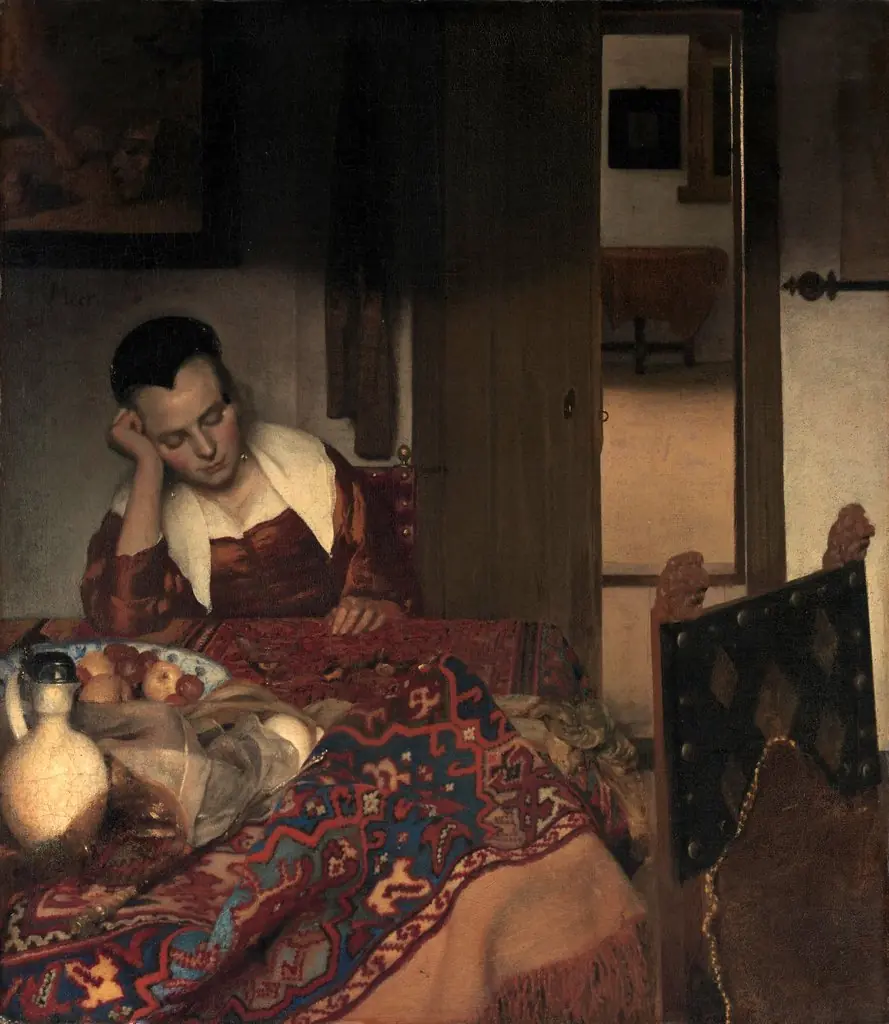 A Girl Asleep
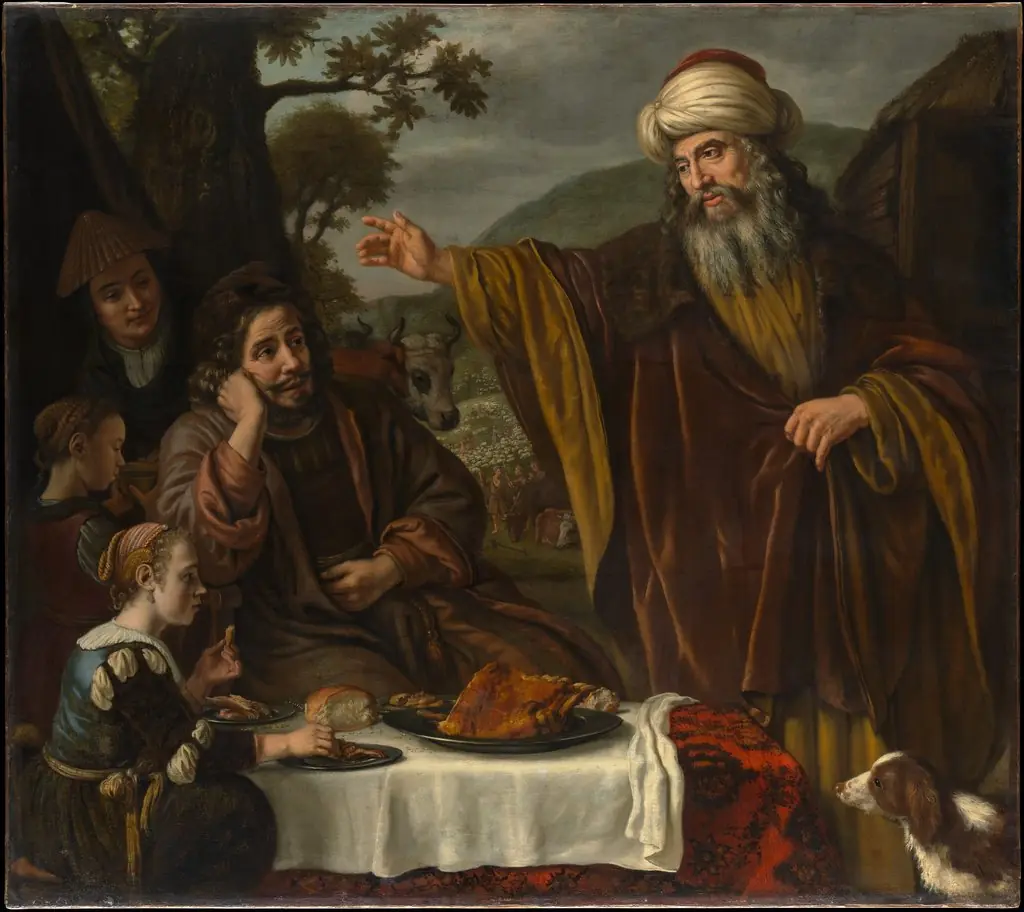 Abraham's Parting from the Family of Lot
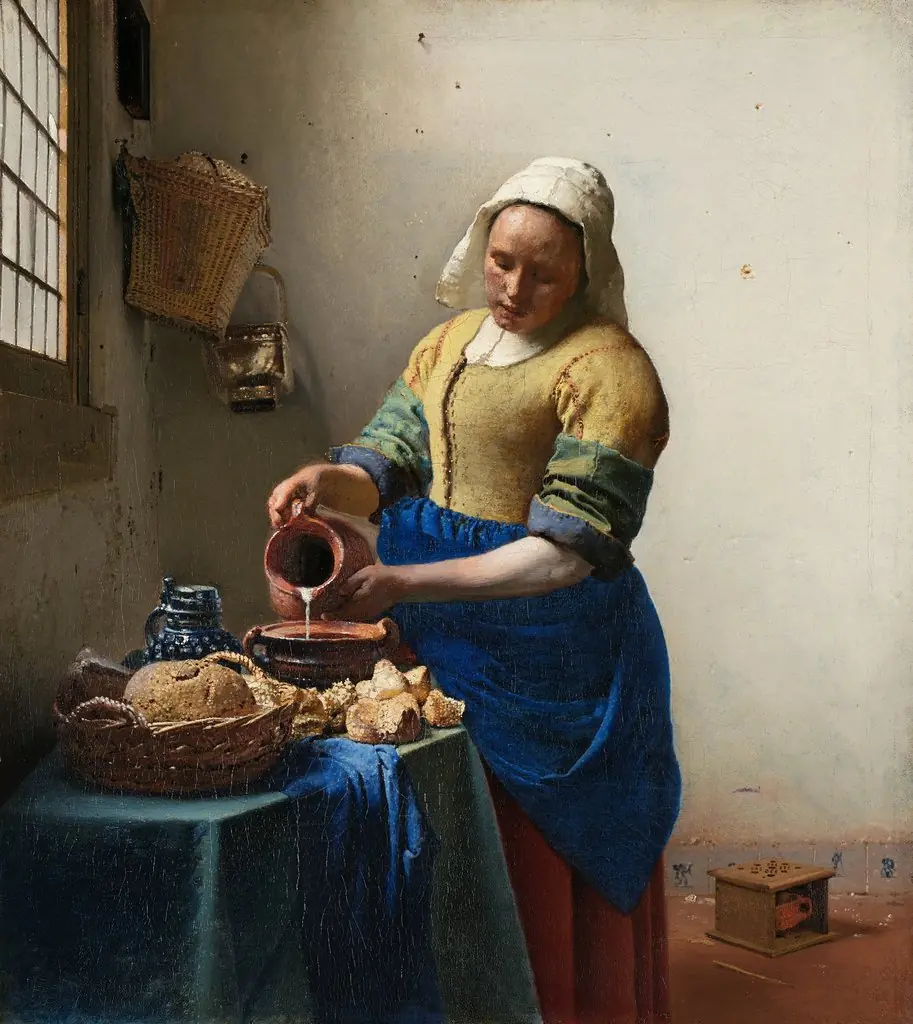 The Milkmaid
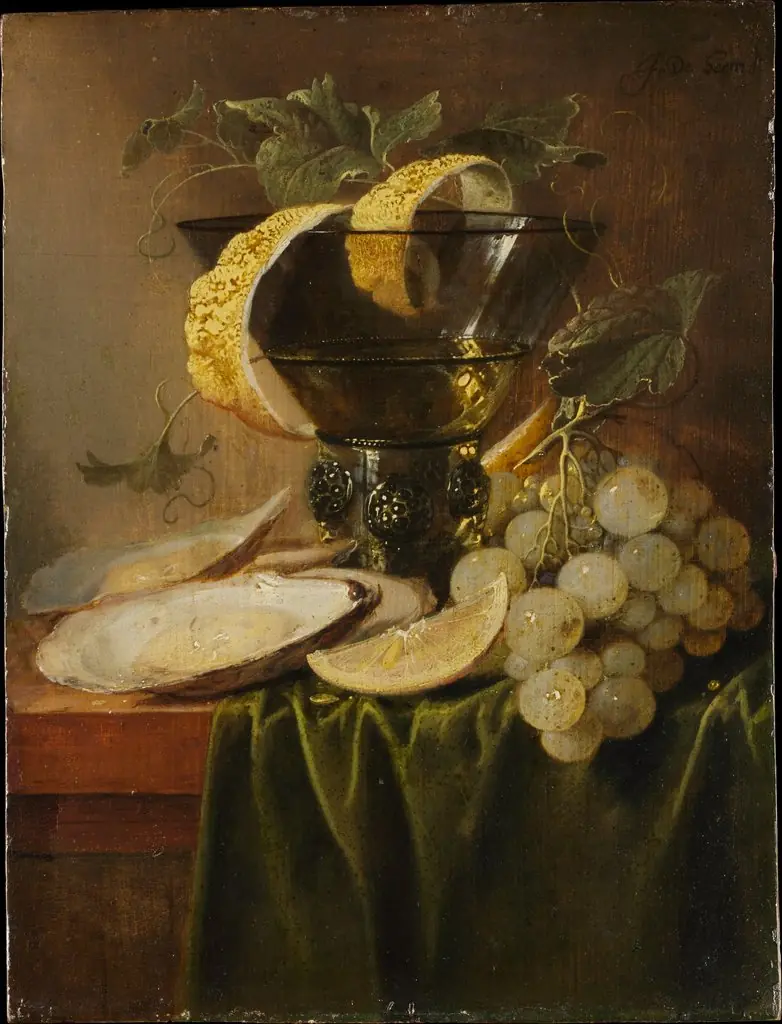 Still Life with a Glass and Oysters
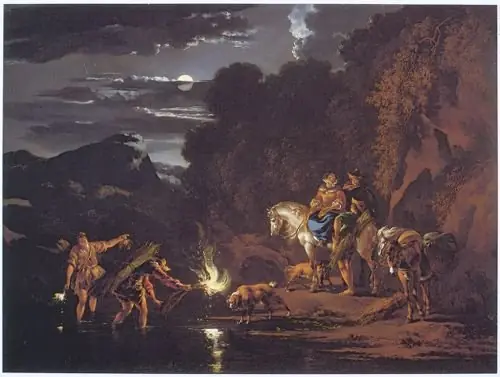 Moonlight Landscape with Crab Fishermen
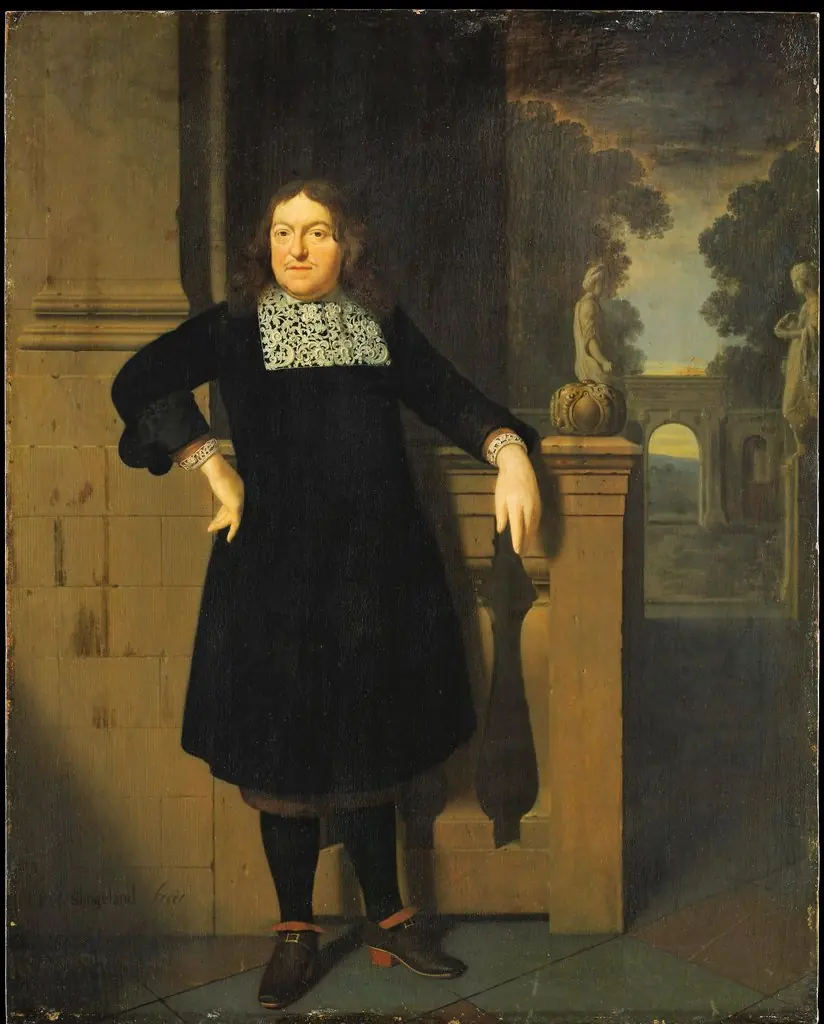 Portrait of Johan Hulshout (1623–1687)
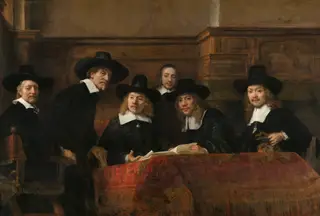 Syndics of the Drapers' Guild
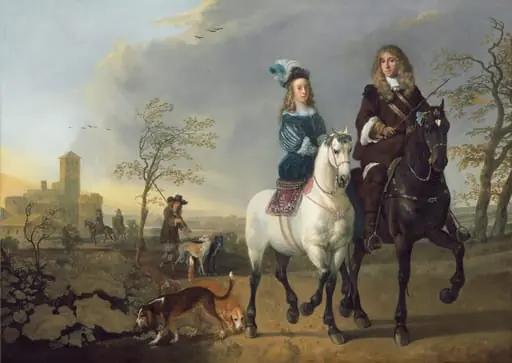 Lady and Gentleman on Horseback
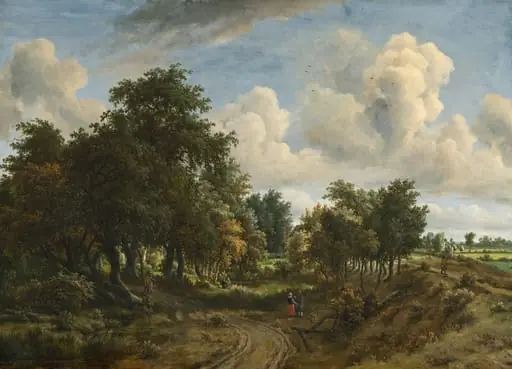 A Wooded Landscape
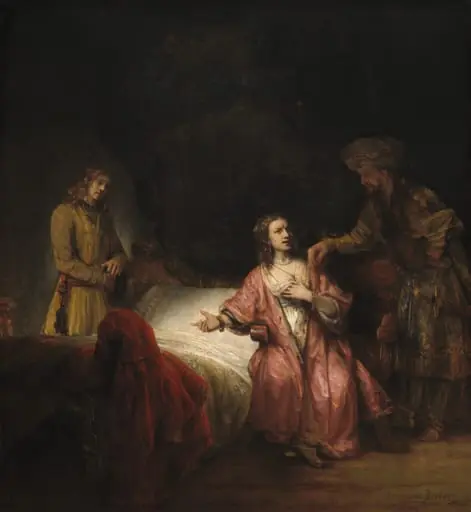 Joseph Accused by Potiphar's Wife
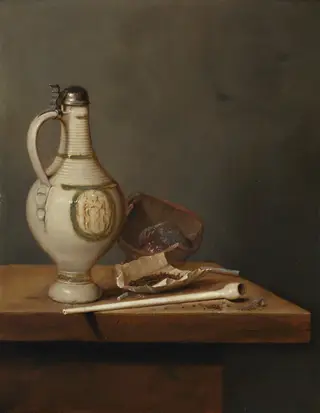 Still Life with Stoneware Jug and Pipe
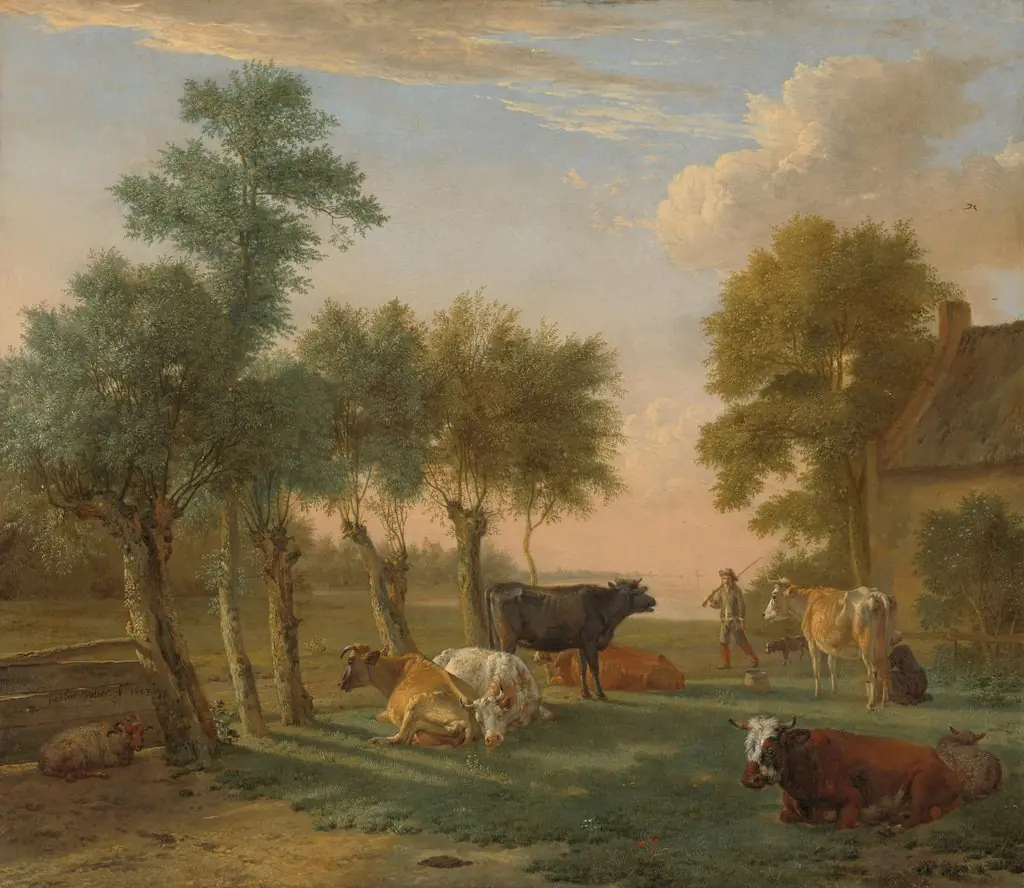 Cows in a Meadow near a Farm
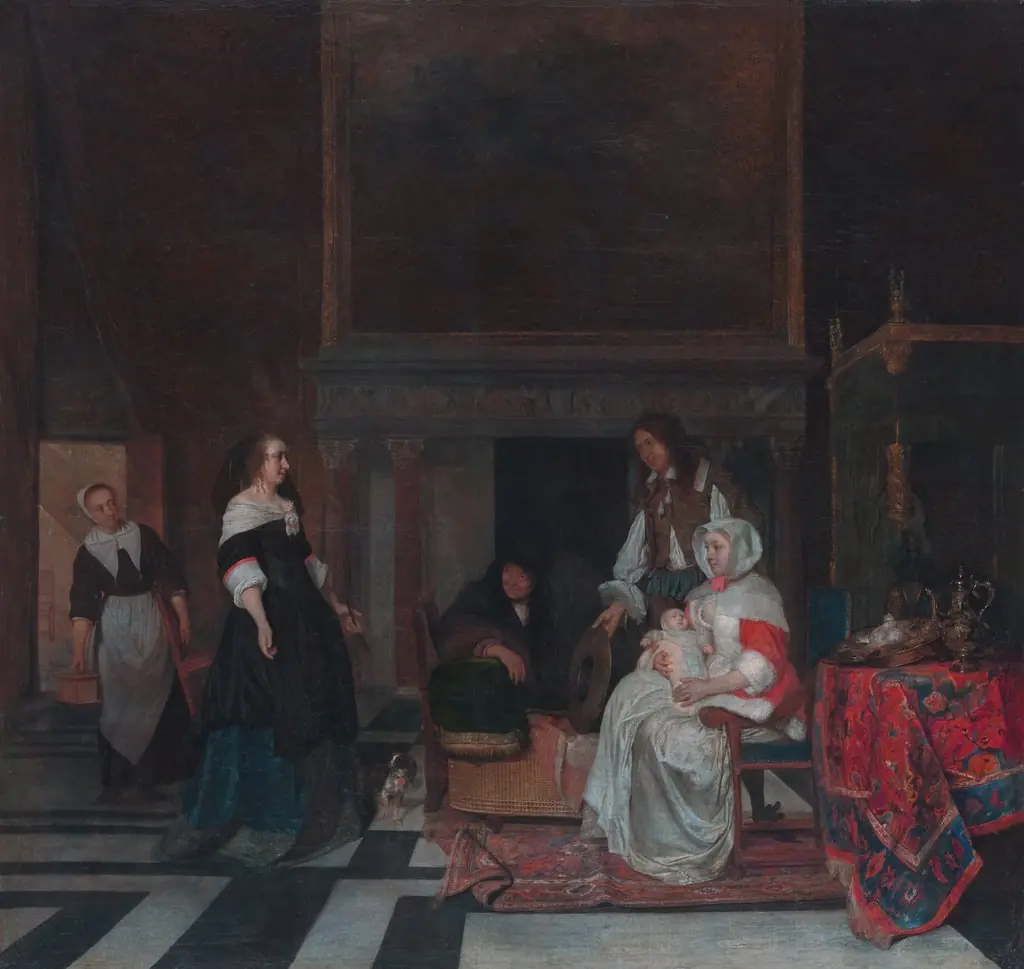 The Visit to the Nursery
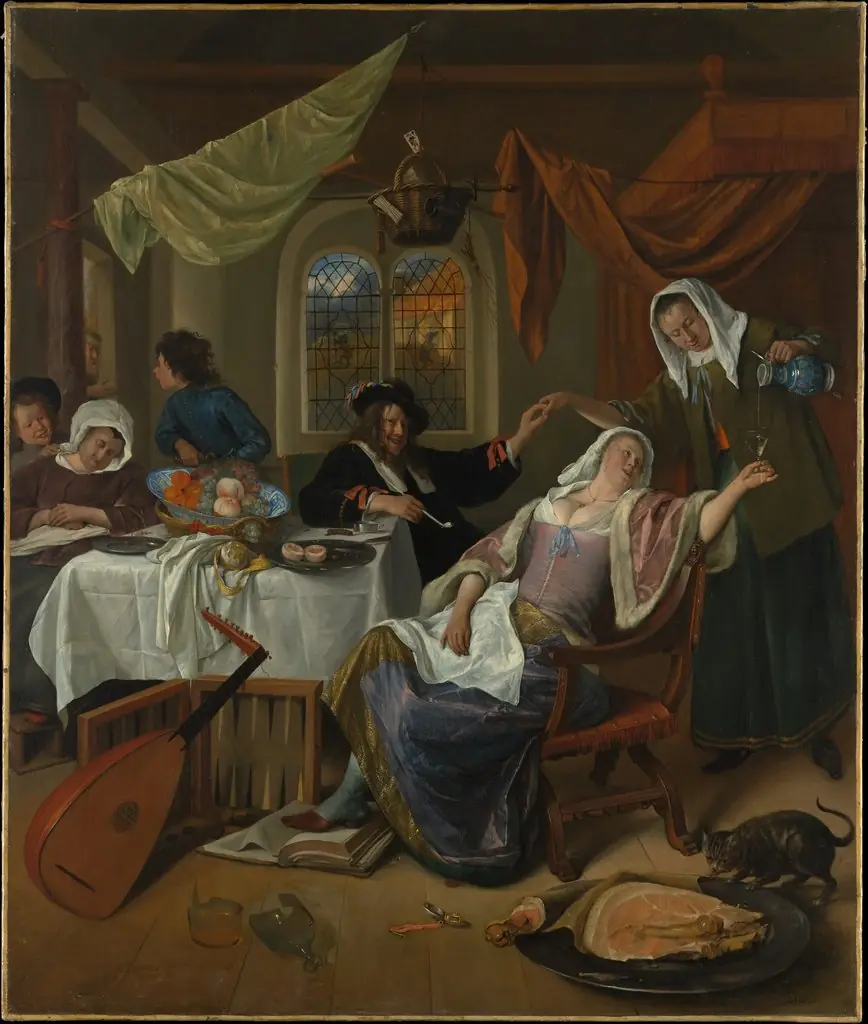 The Dissolute Household
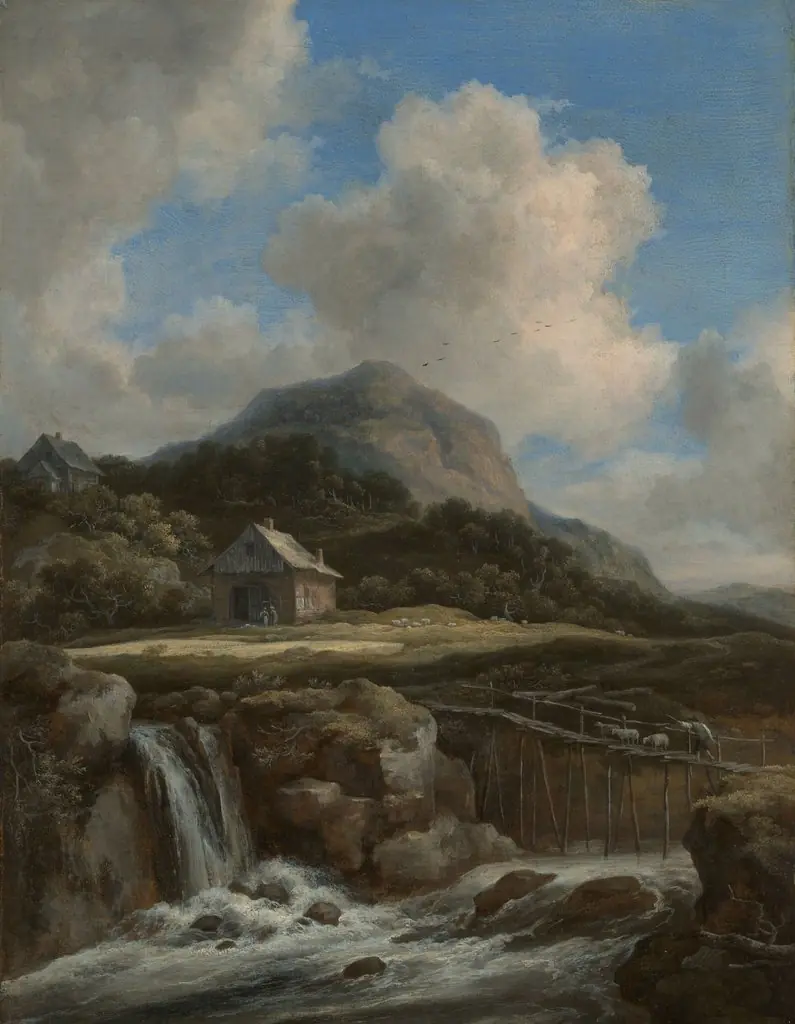 Mountain Torrent
 Aristotle with a Bust of Homer
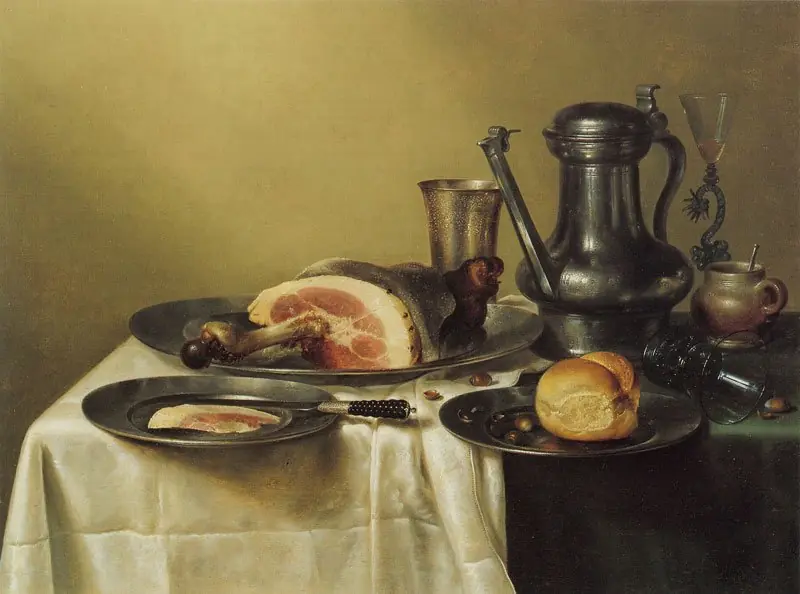 Laid Table with Ham and a Roll
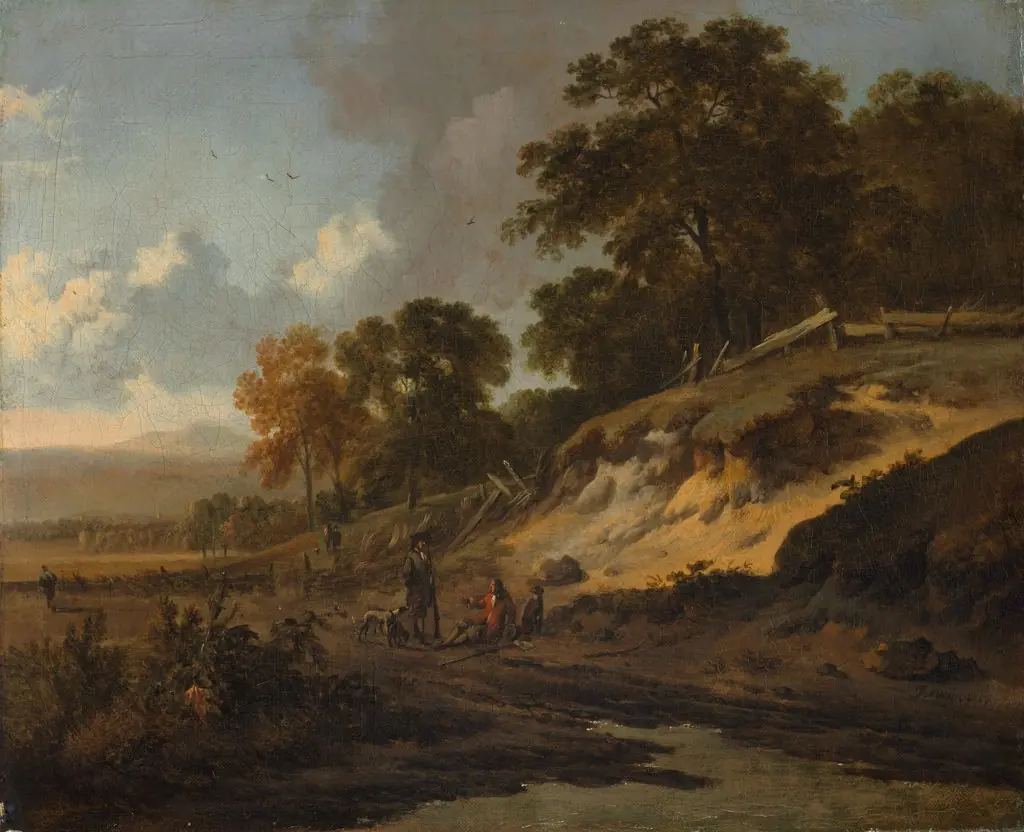 Landscape with Hunters
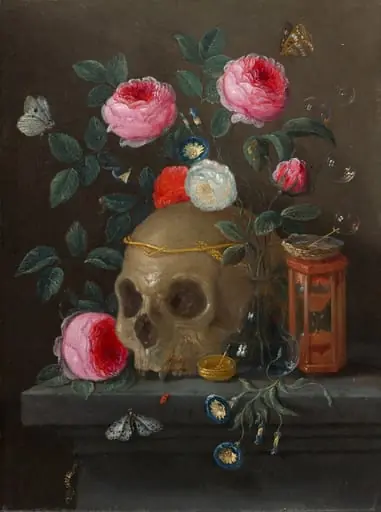 Vanitas Still Life
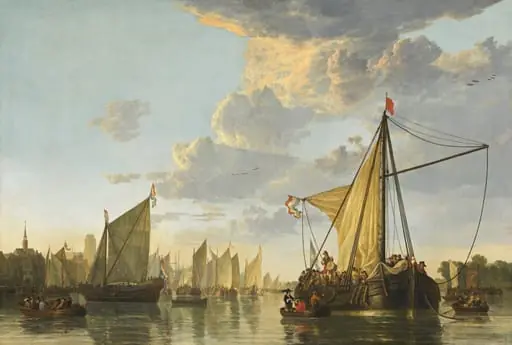 The Maas at Dordrecht
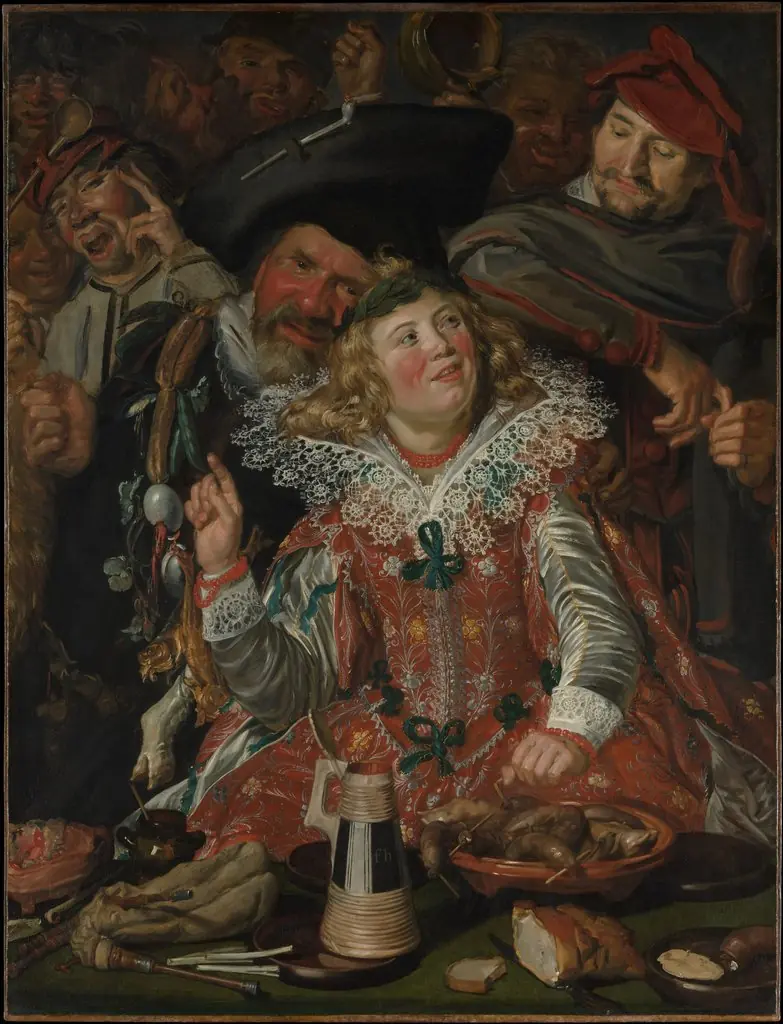 Merrymakers at Shrovetide
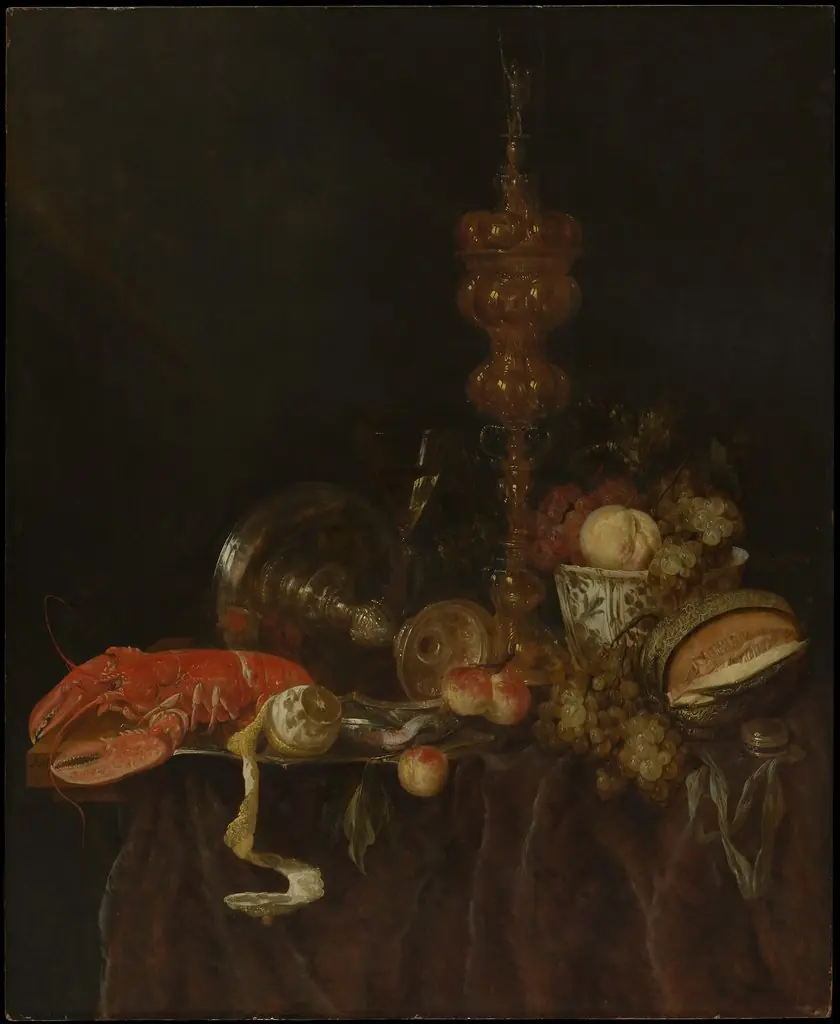 Still Life with Lobster and Fruit
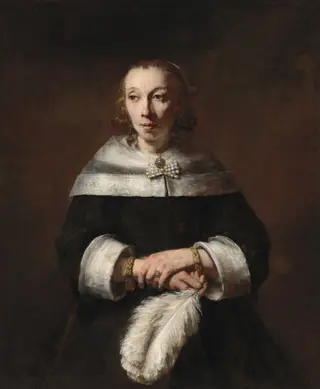 Portrait of a Lady with an Ostrich-Feather Fan
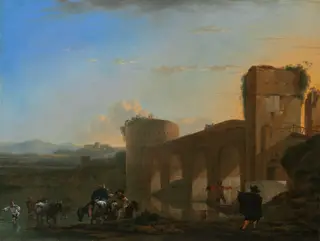
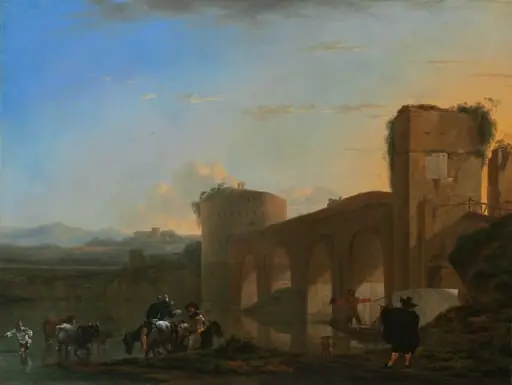 The Tiber River with the Ponte Molle at Sunset
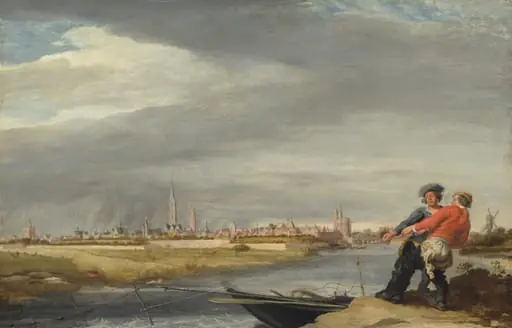 Hauling the Net
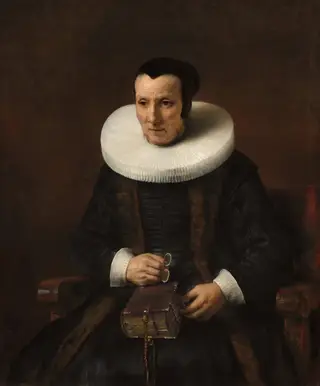 An Old Lady with a Book
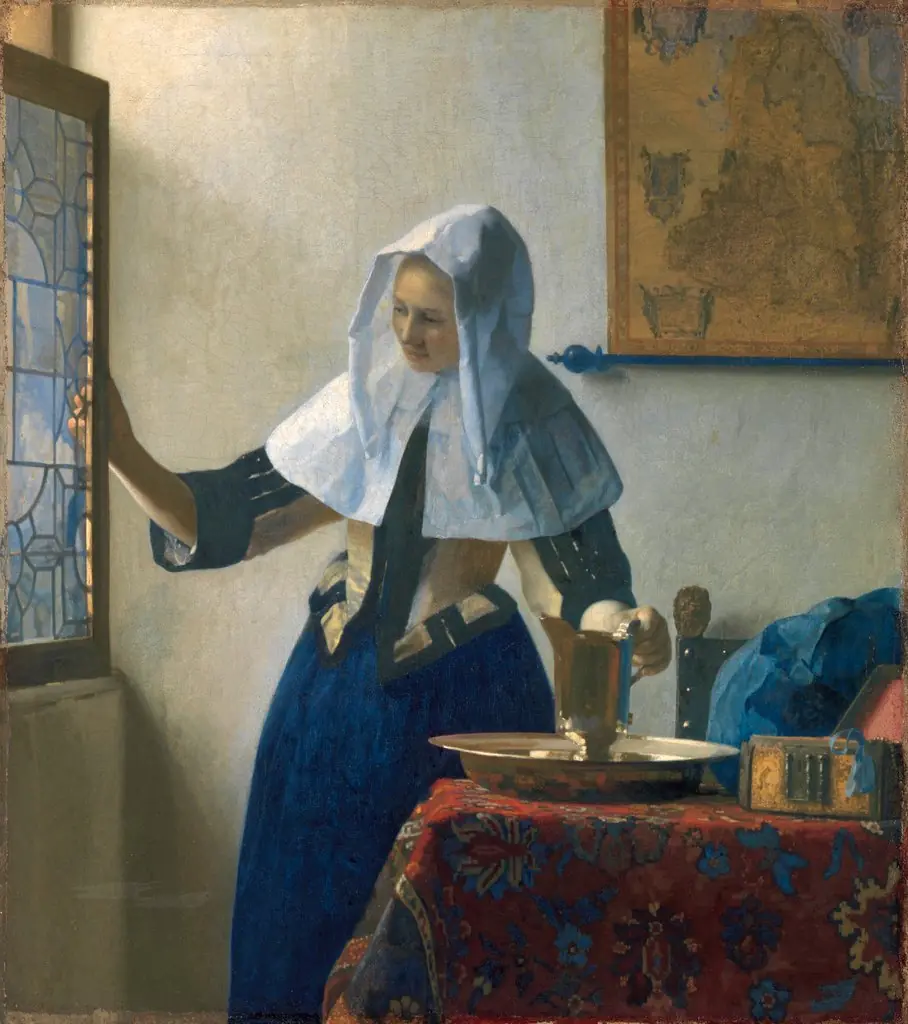 Woman with a Water Jug
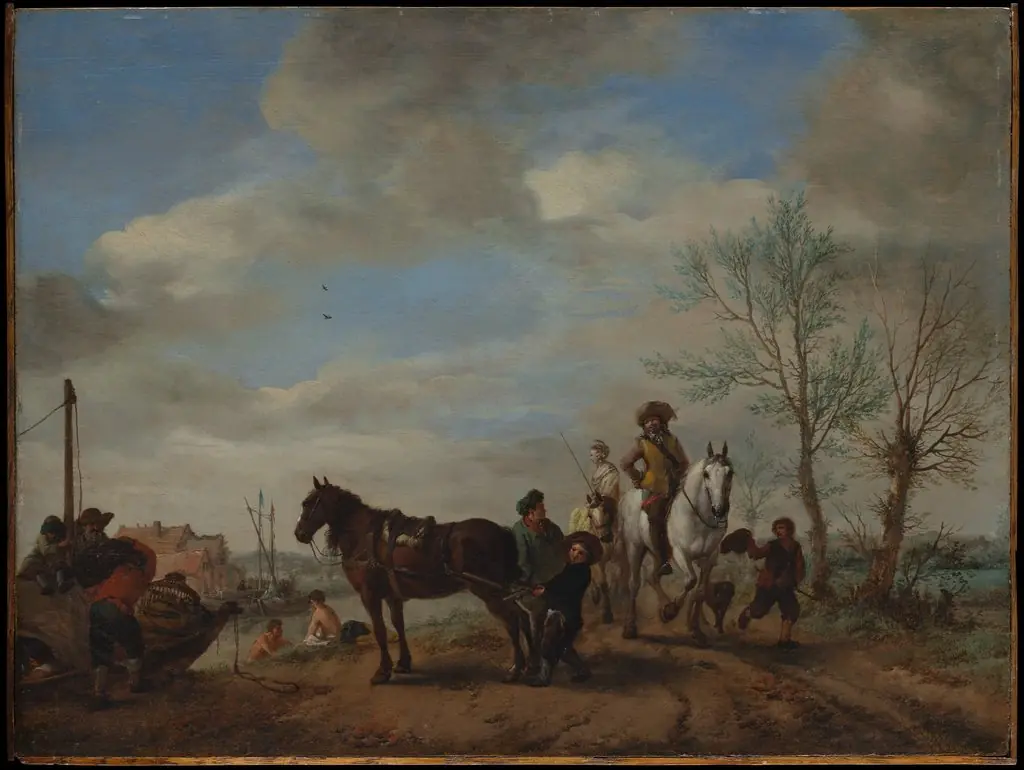 A Man and a Woman on Horseback
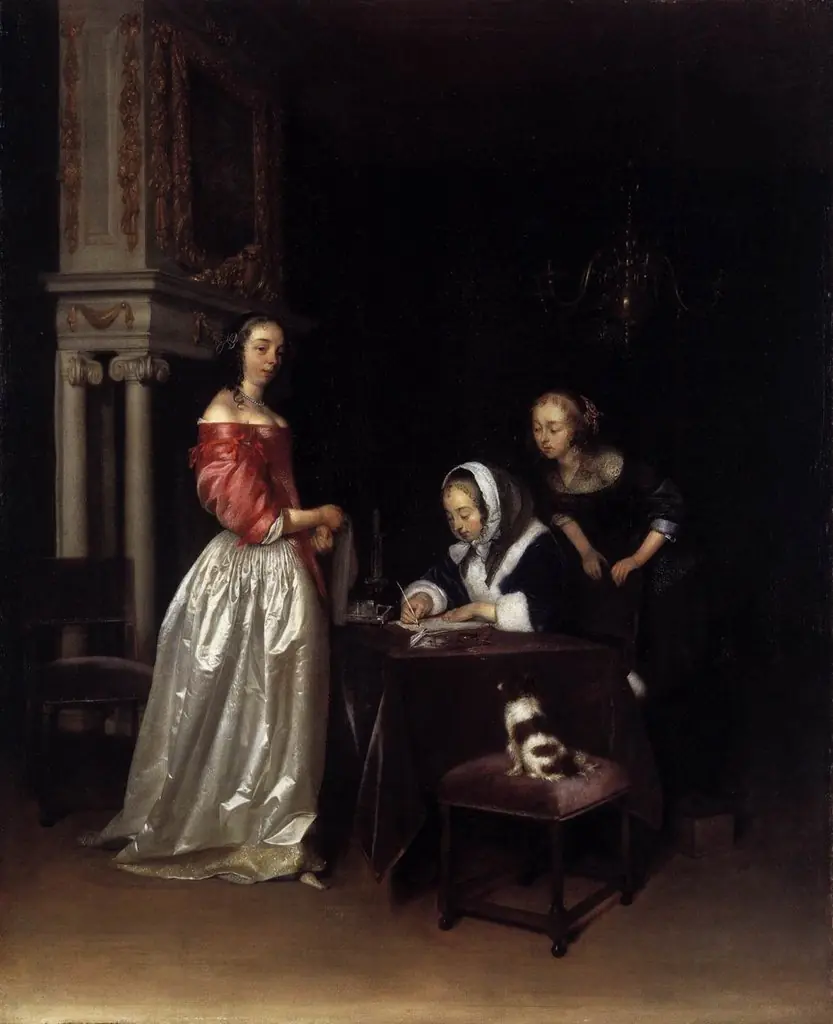 The Curious
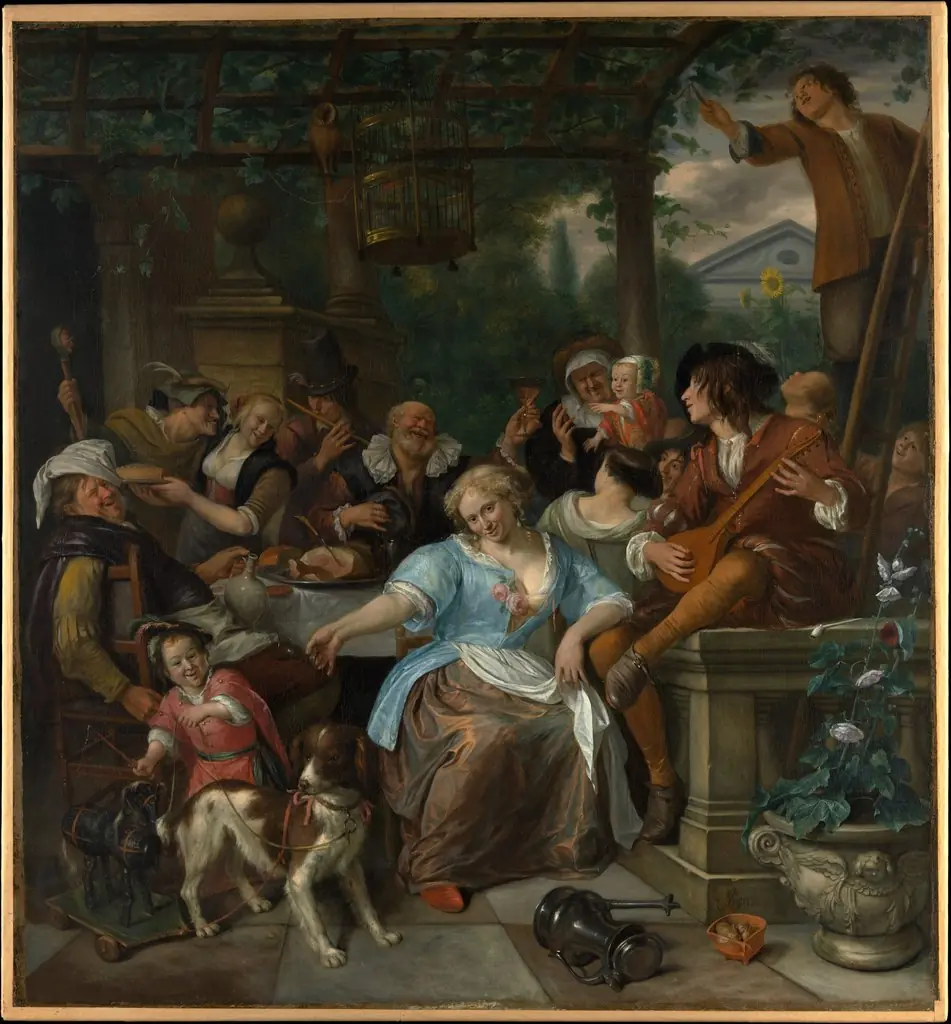 Merry Company on a Terrace
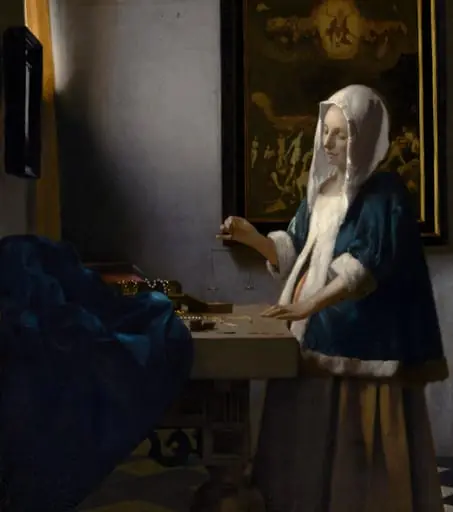 Woman Holding a Balance
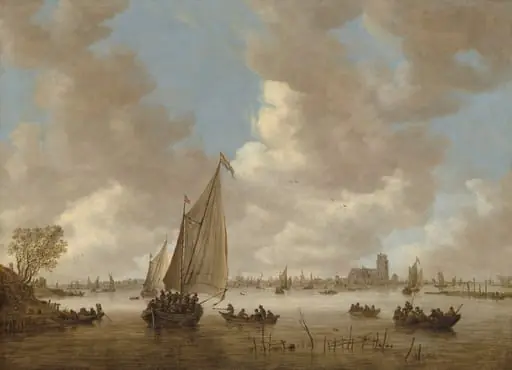 View of Dordrecht from the North
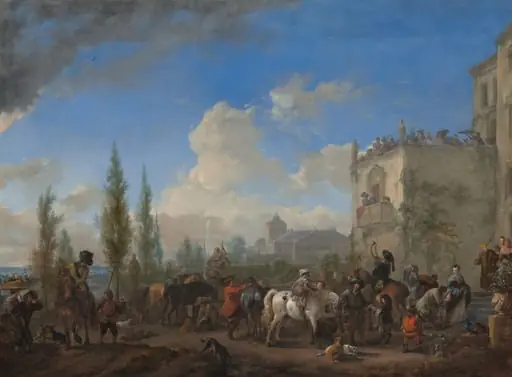 The Departure for the Hunt
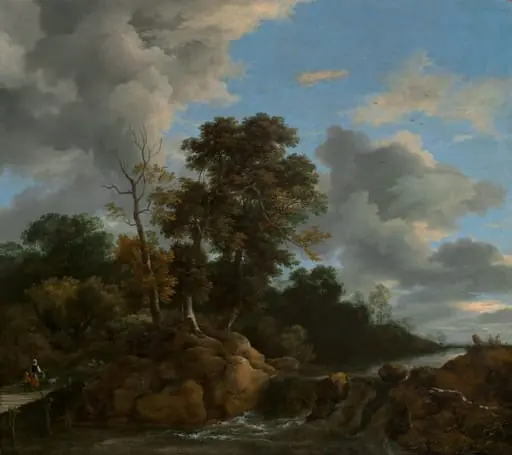 Landscape
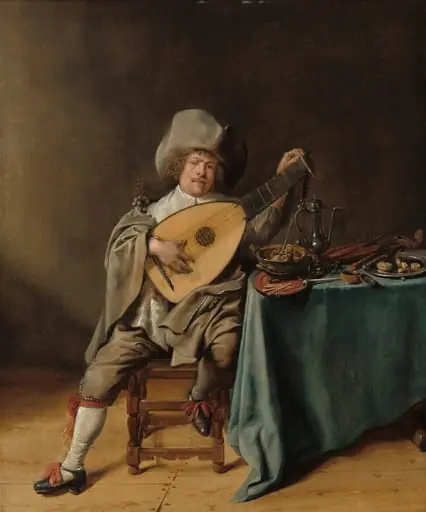 Self-Portrait as a Lute Player
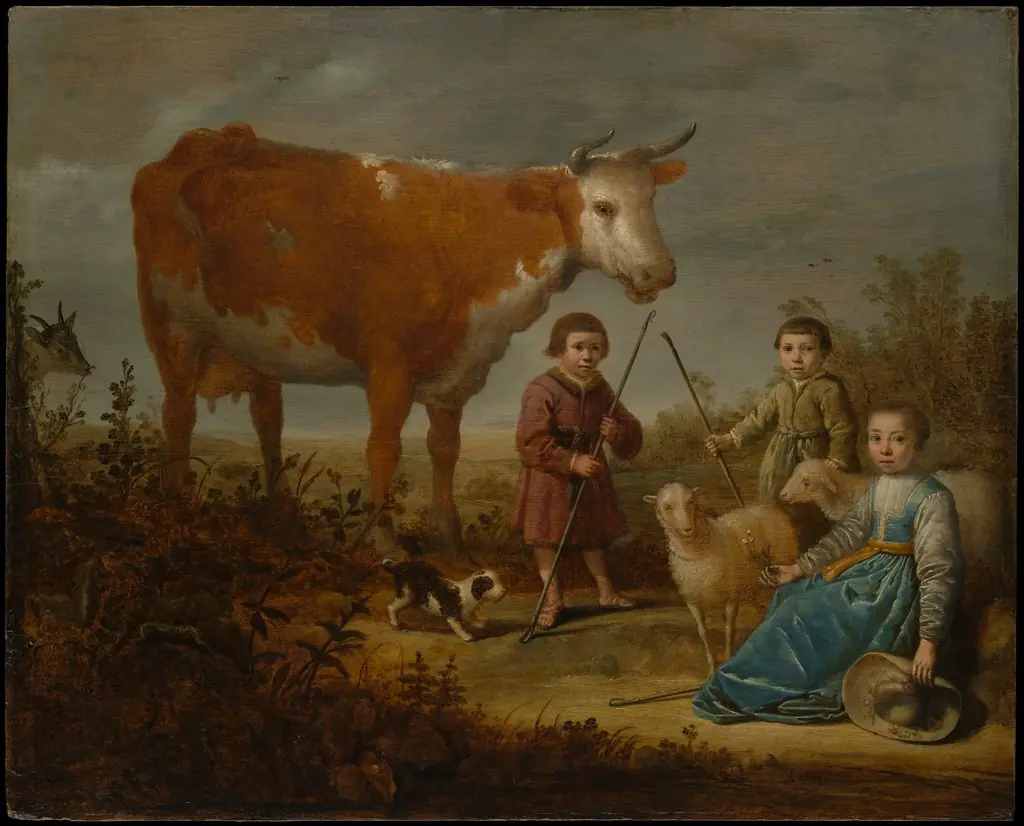 Children and a Cow
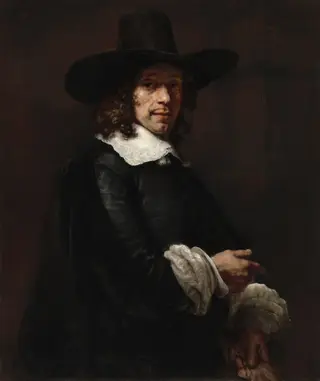 Portrait of a Gentleman with a Tall Hat and Gloves
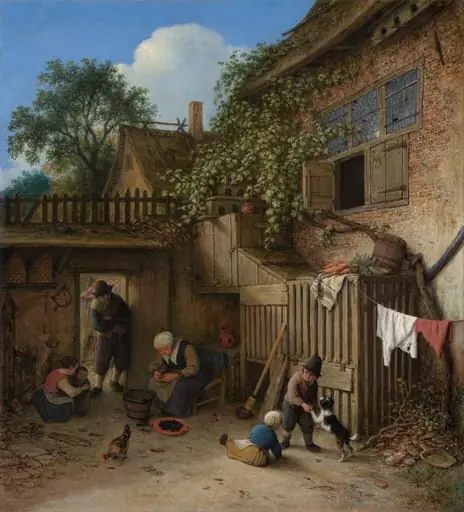 The Cottage Dooryard
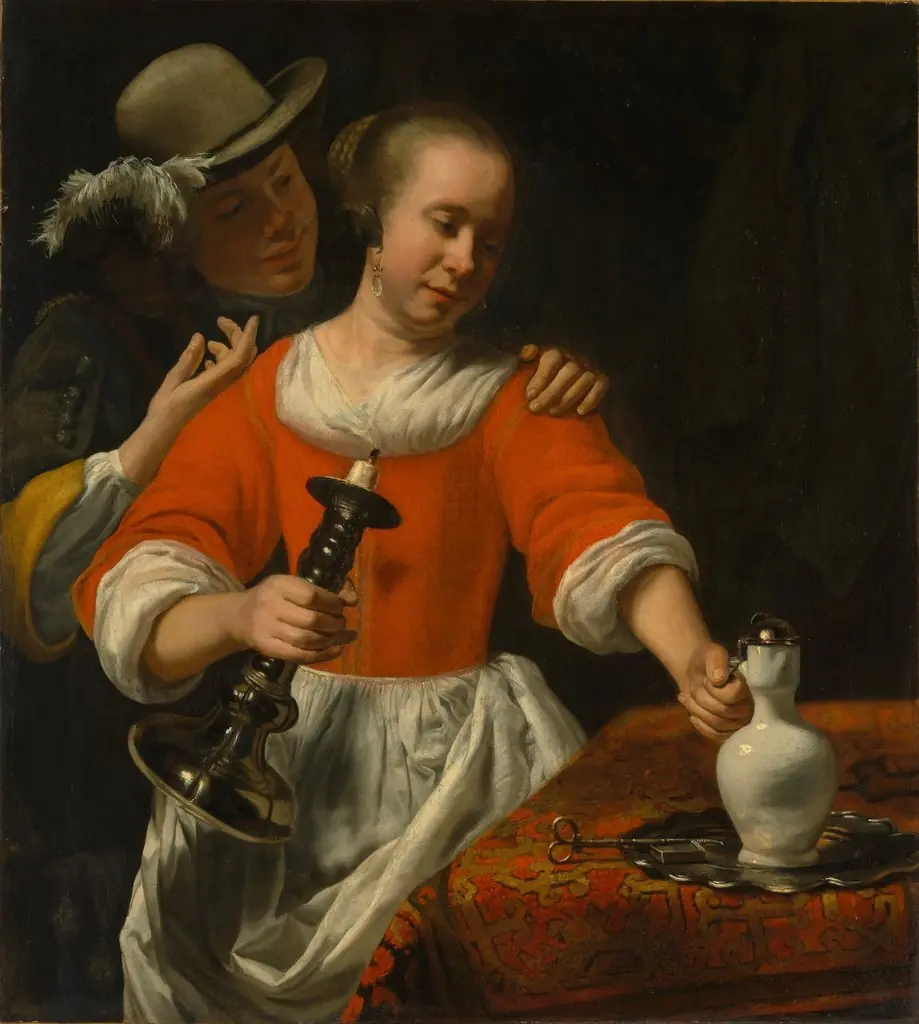 A Young Woman and a Cavalier
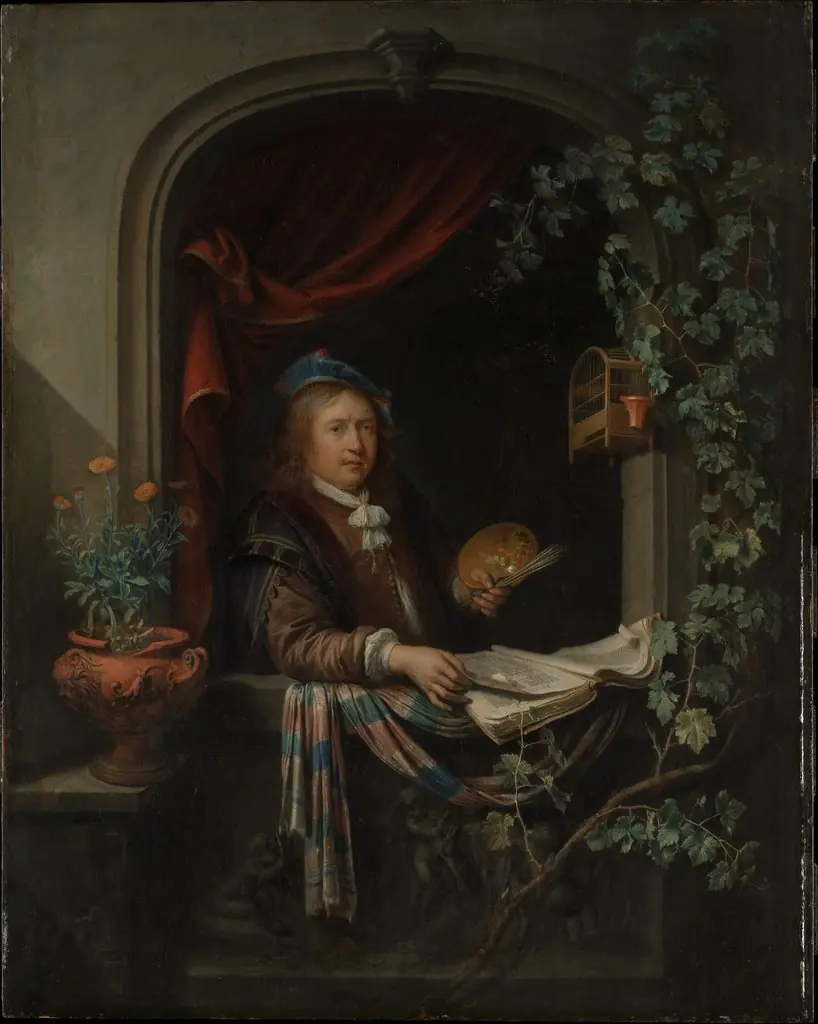 Self-Portrait
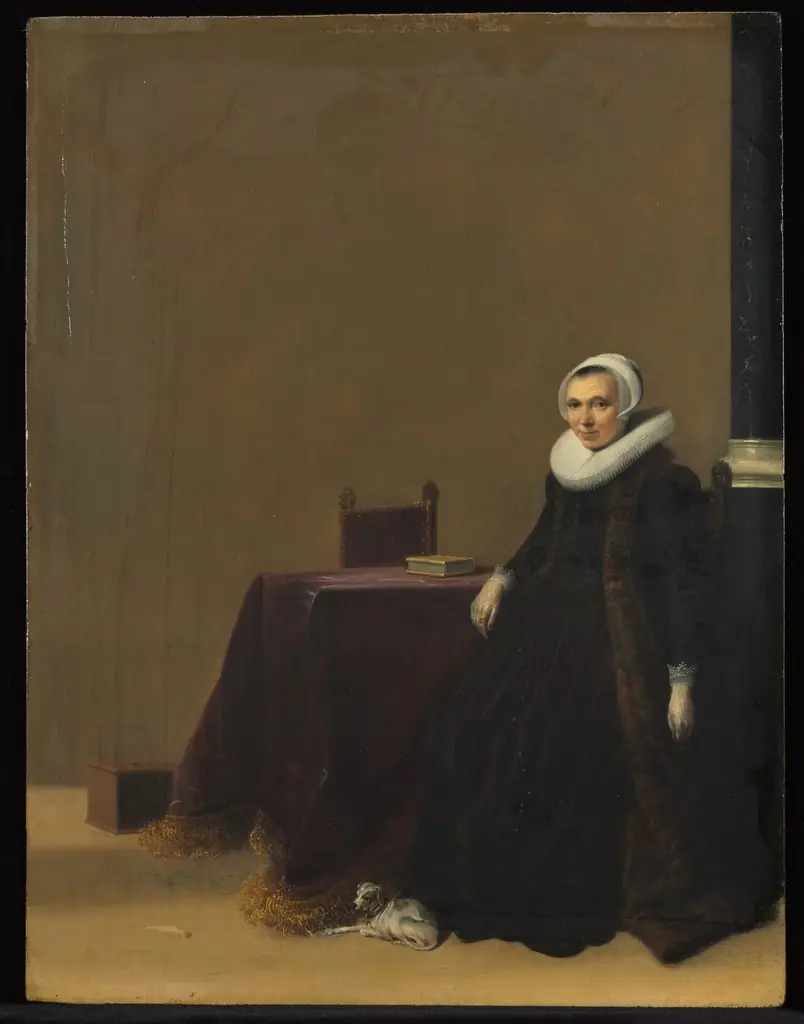 Portrait of a Woman with a Dog
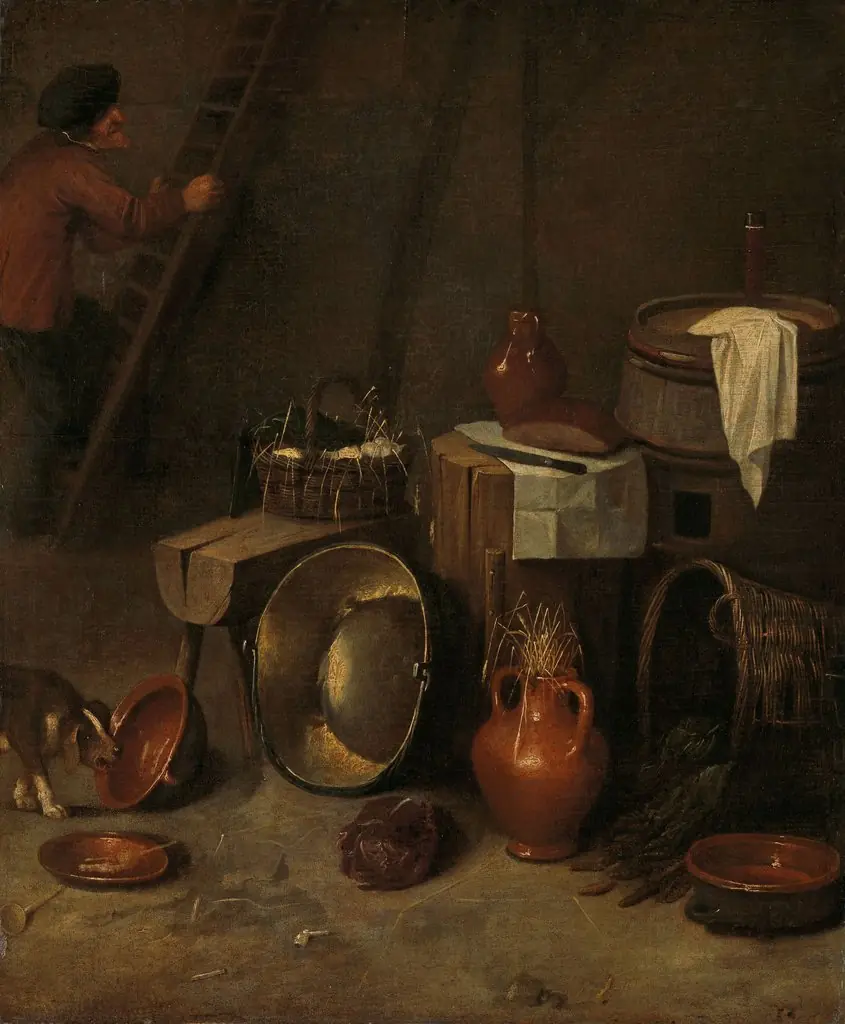 Still life in a stable
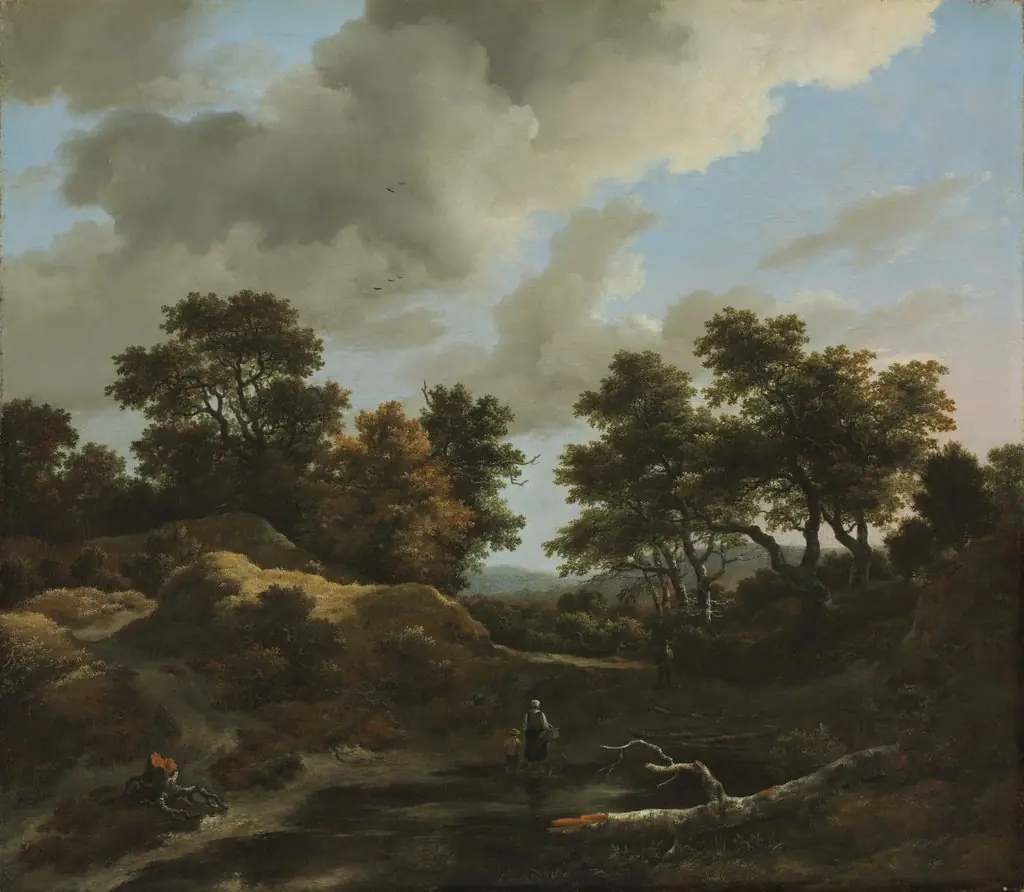 Wooded and Hilly Landscape
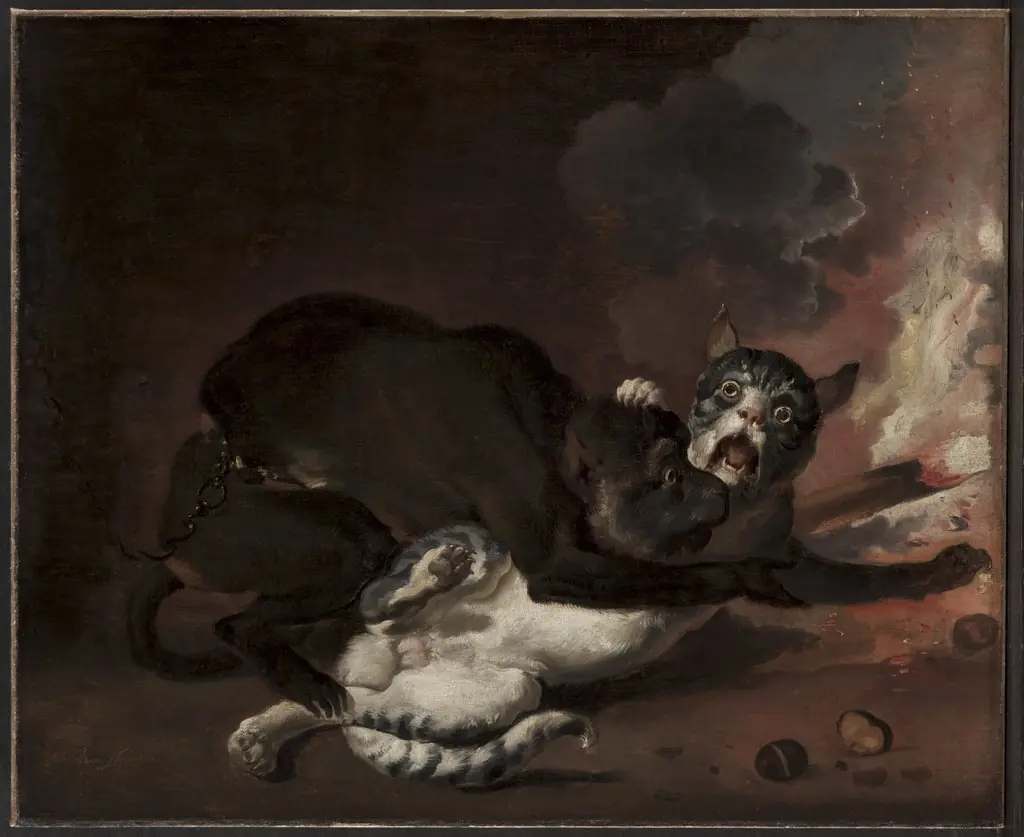 The Monkey and the Cat
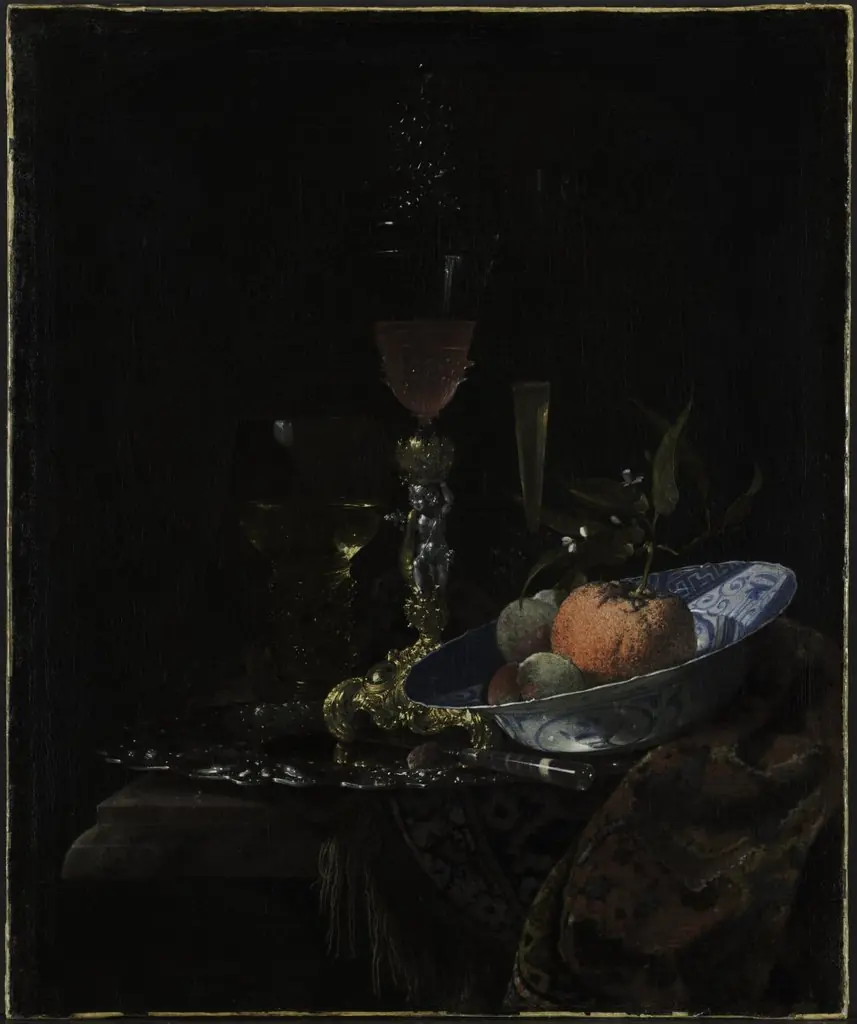 Wineglass and a Bowl of Fruit
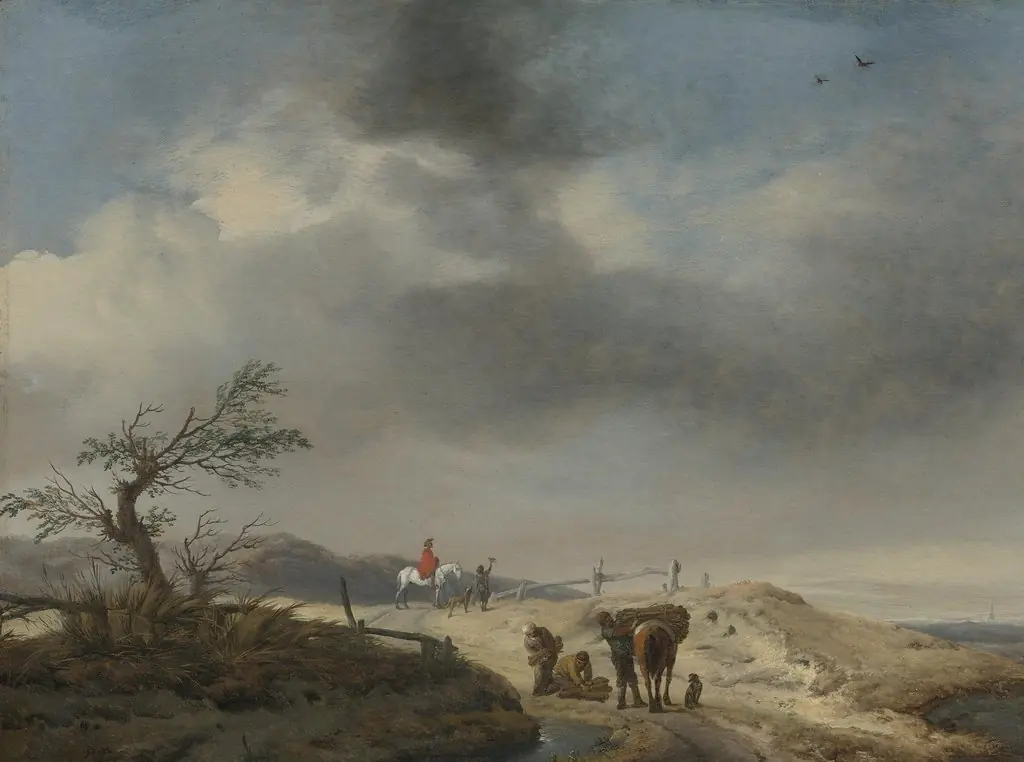 Dune Landscape with Figures
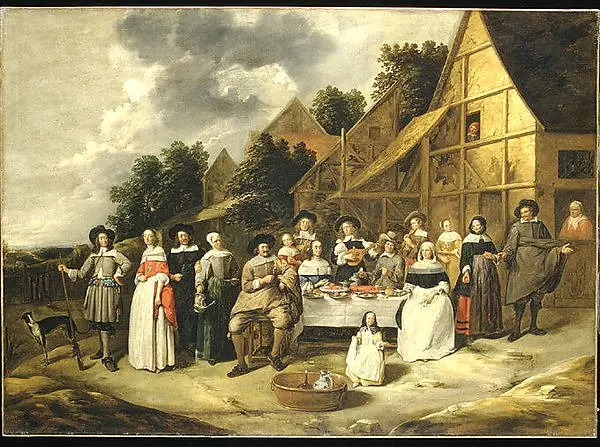 Group Portrait: A Wedding Celebration
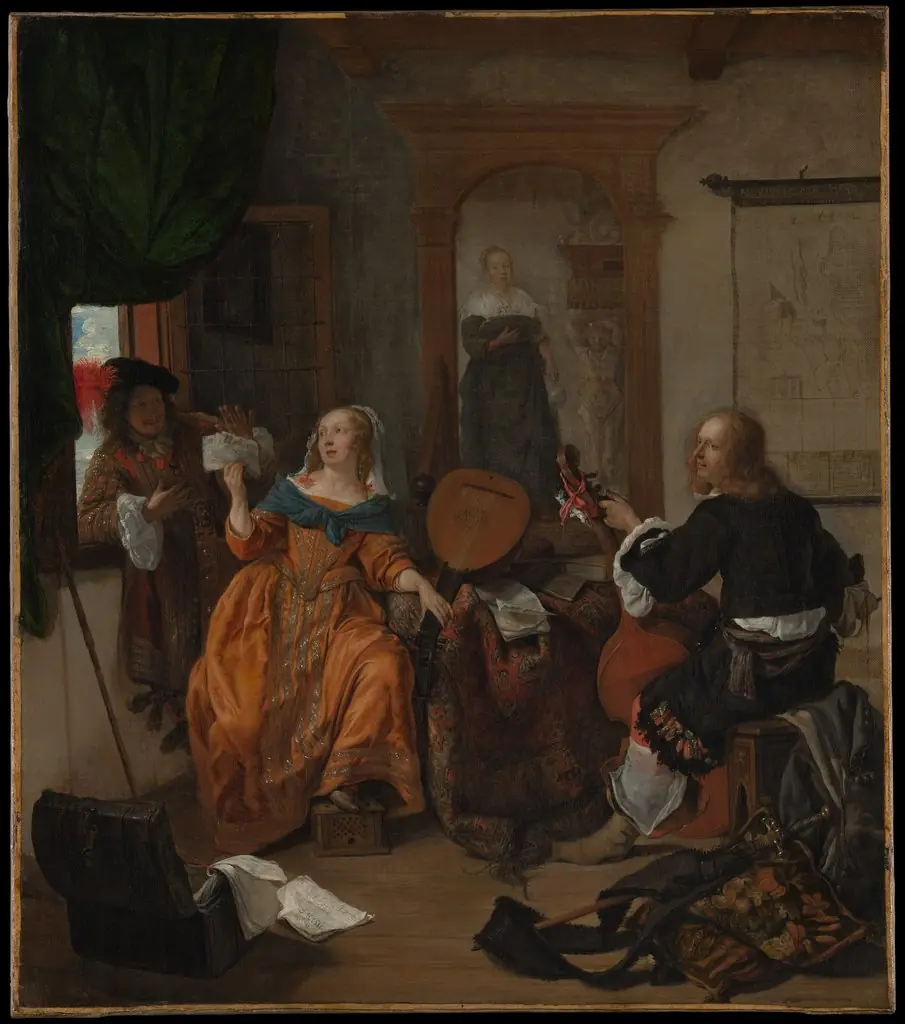 A Musical Party
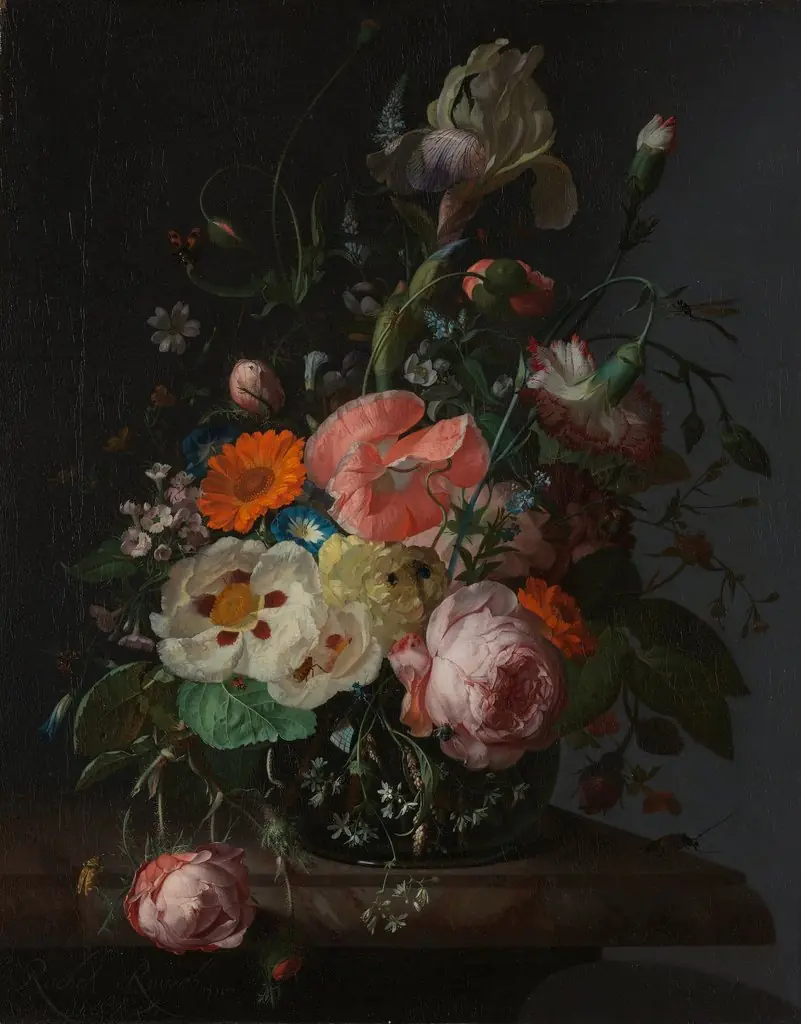 Still Life with Flowers on a Marble Slab
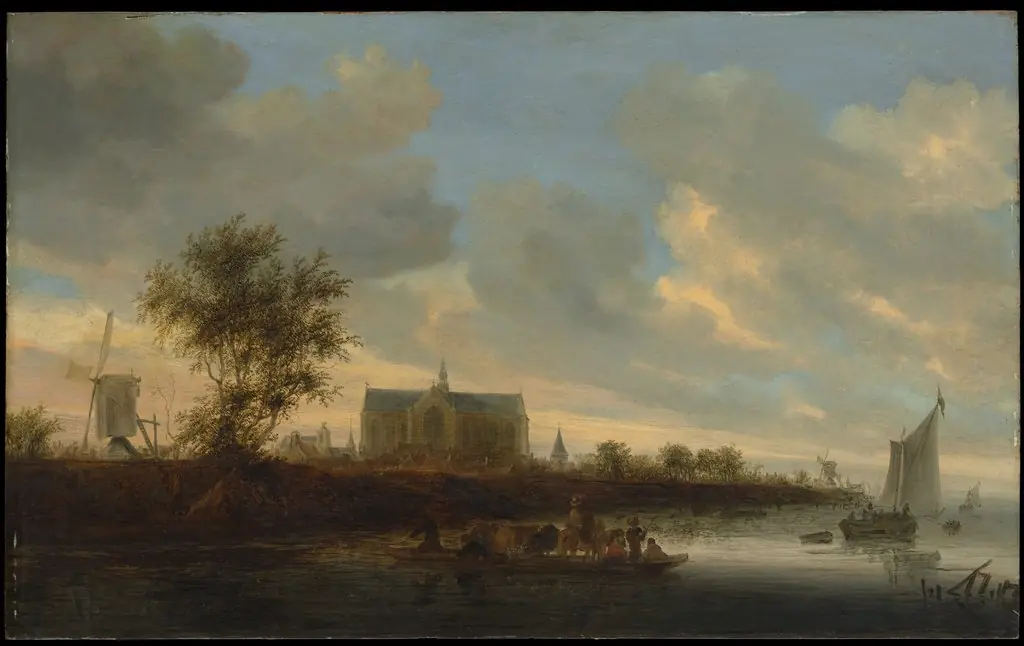 View of the Town of Alkmaar
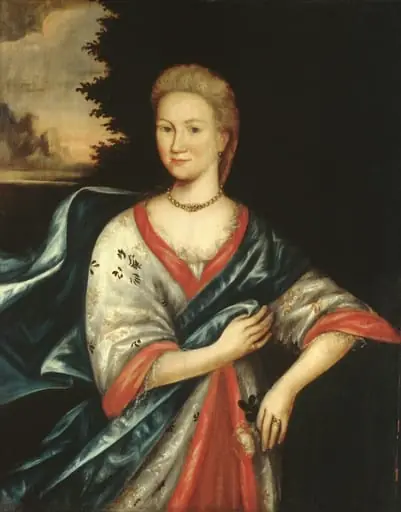 Portrait of a Lady
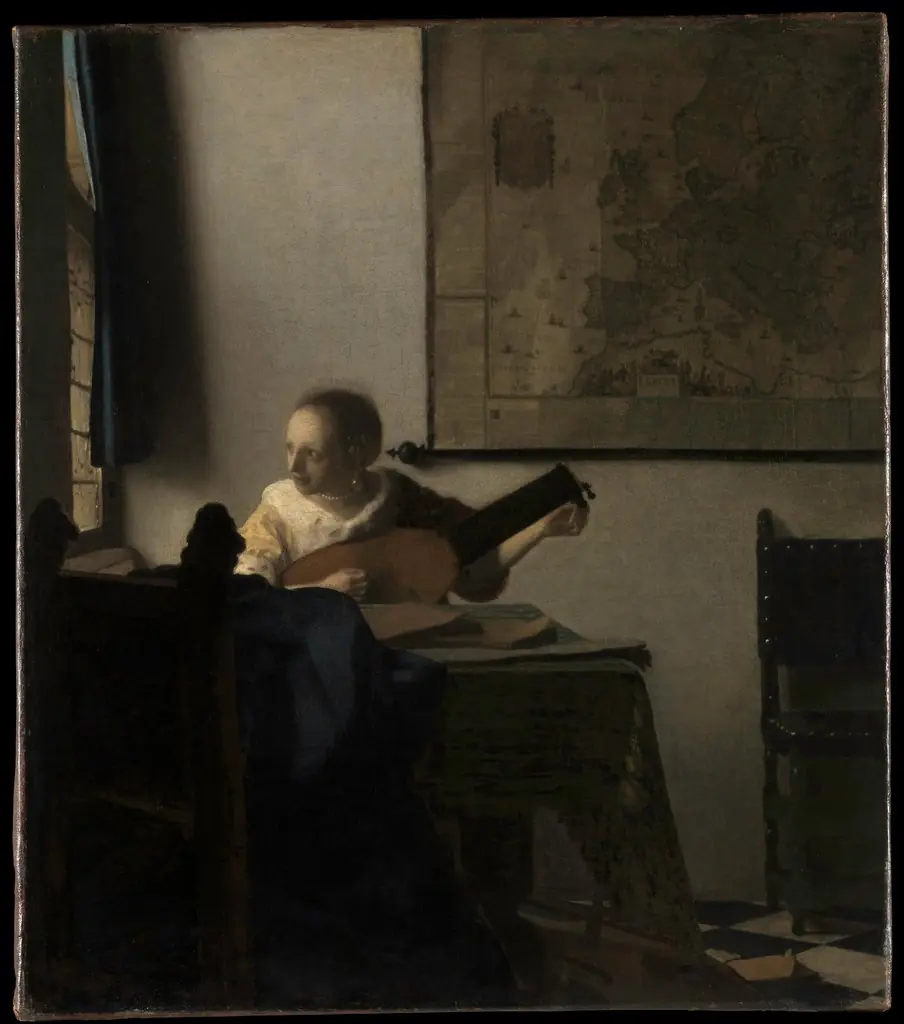 Woman with a Lute
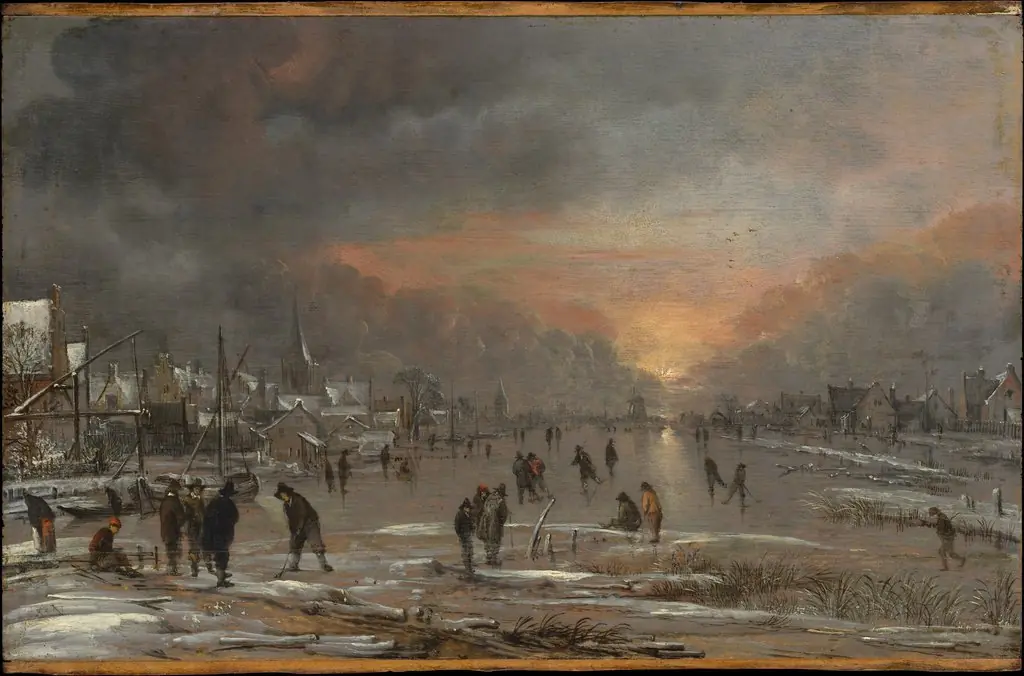 Sports on a Frozen River
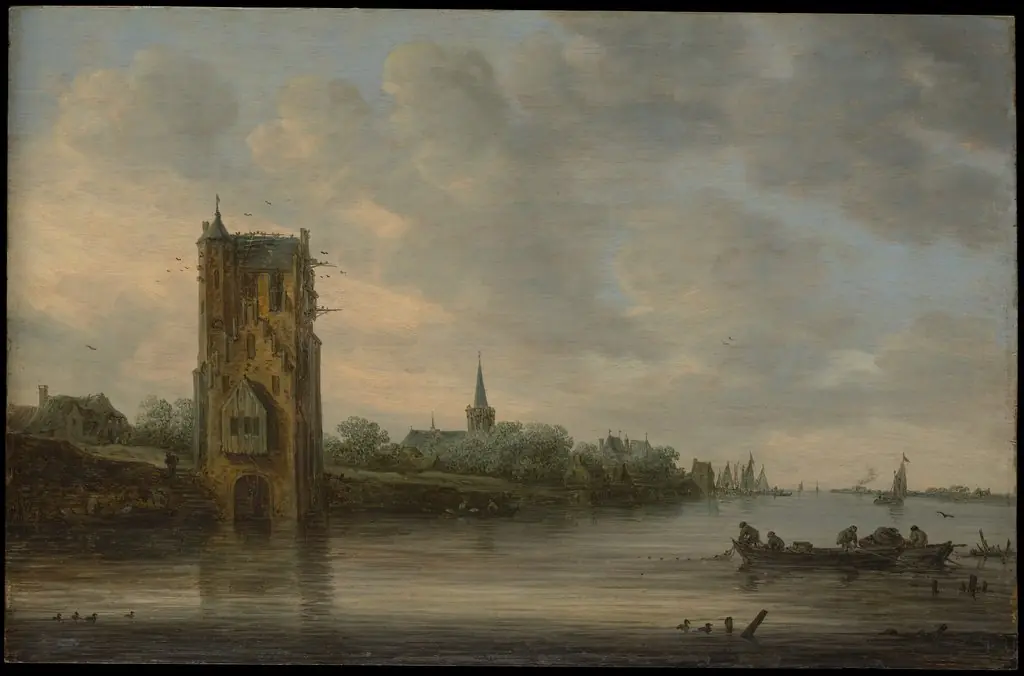 The Pelkus Gate near Utrecht
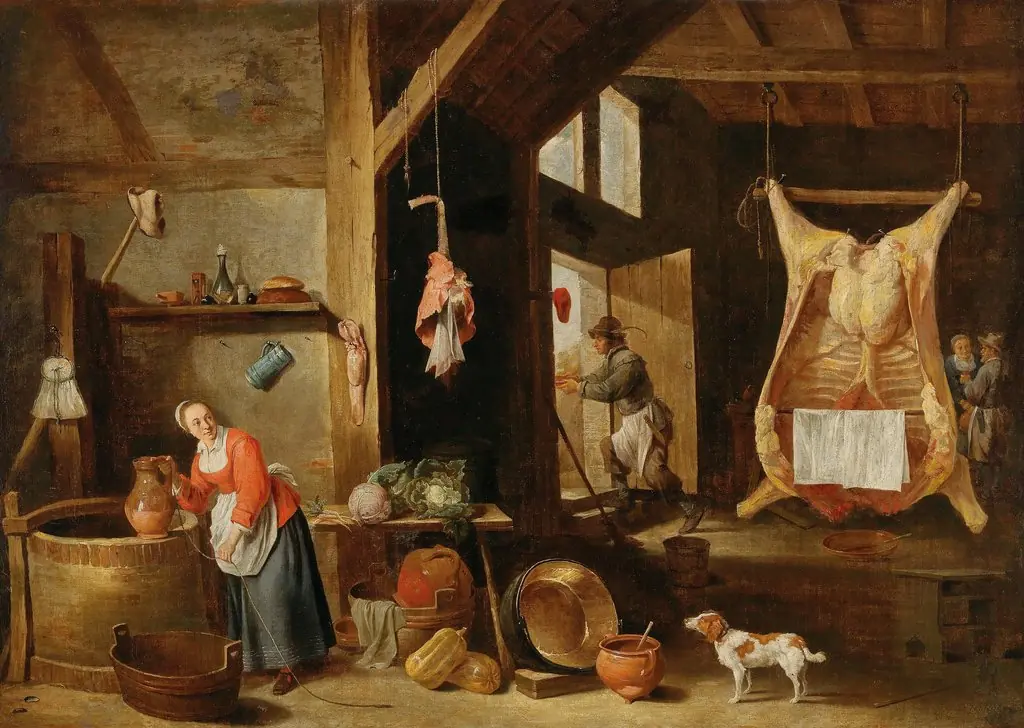 An interior of a barn with a scullery maid at a well
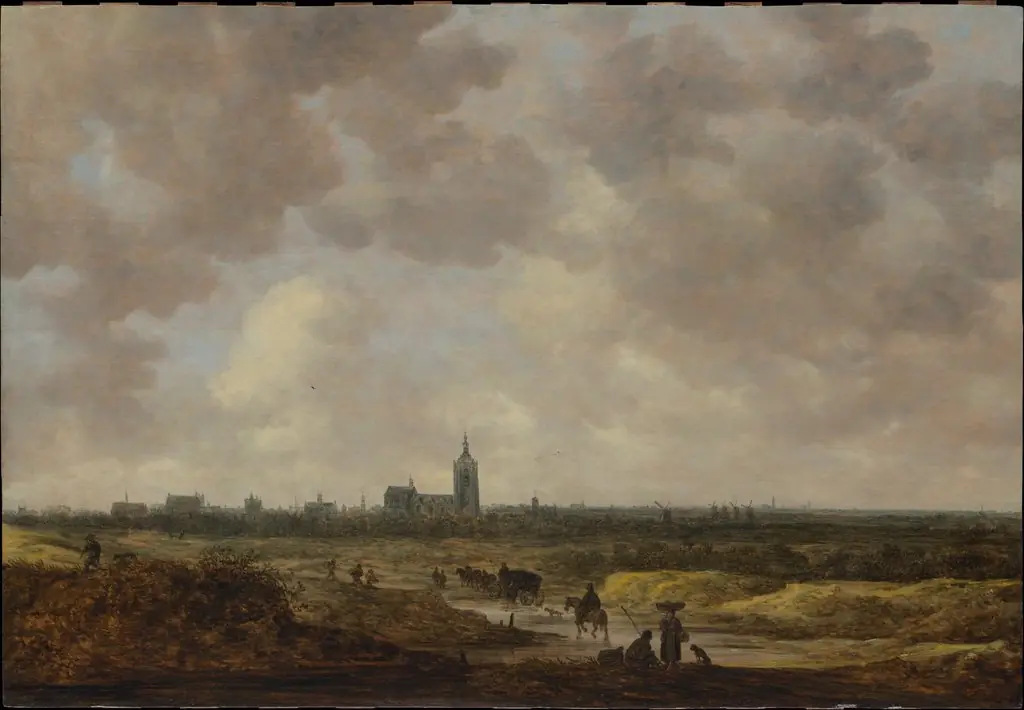 A View of The Hague from the Northwest
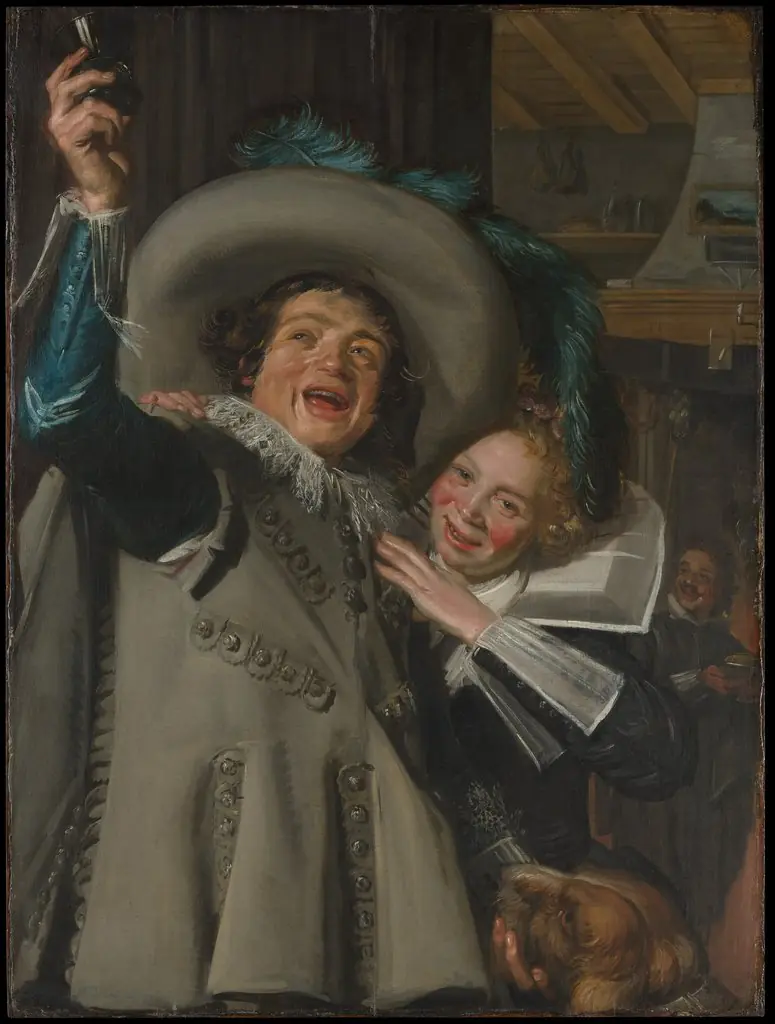 Young Man and Woman in an Inn
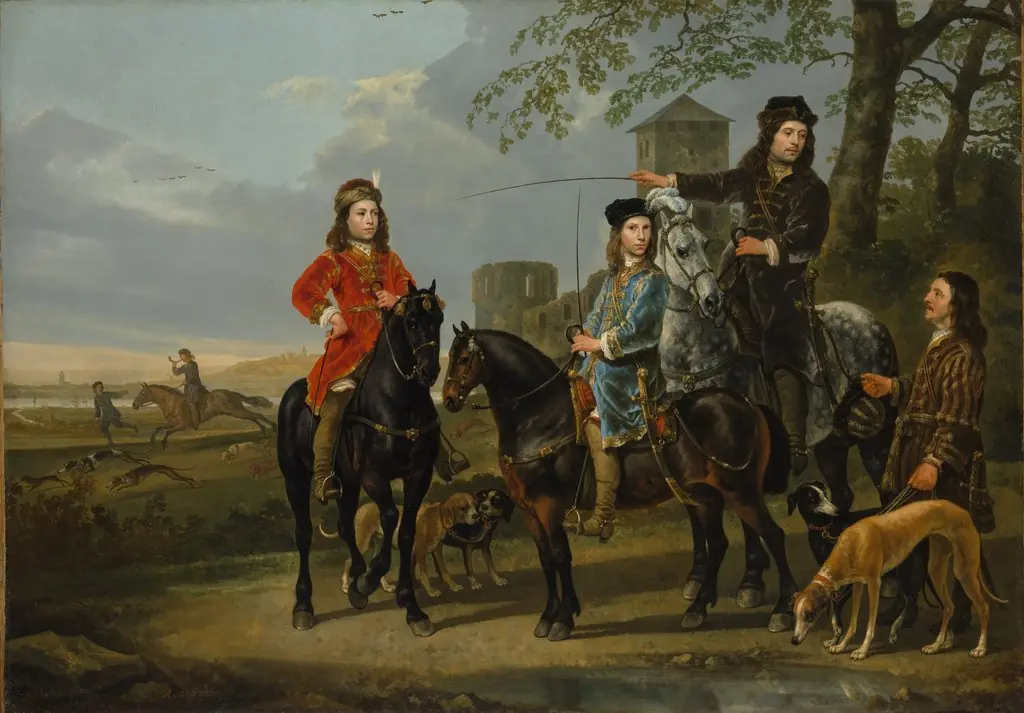 Equestrian Portrait of Cornelis (1639–1680) and Michiel Pompe van Meerdervoort (1638–1653) with Their Tutor and Coachman ("Starting for the Hunt")
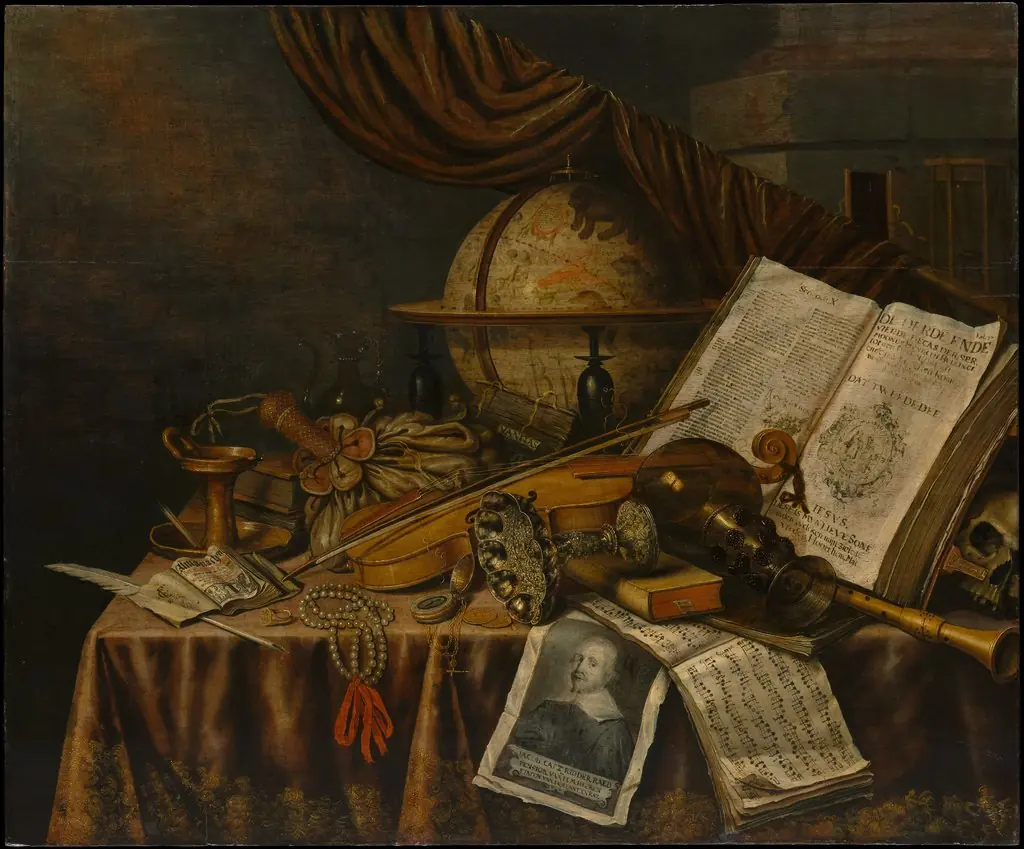 Vanitas Still Life
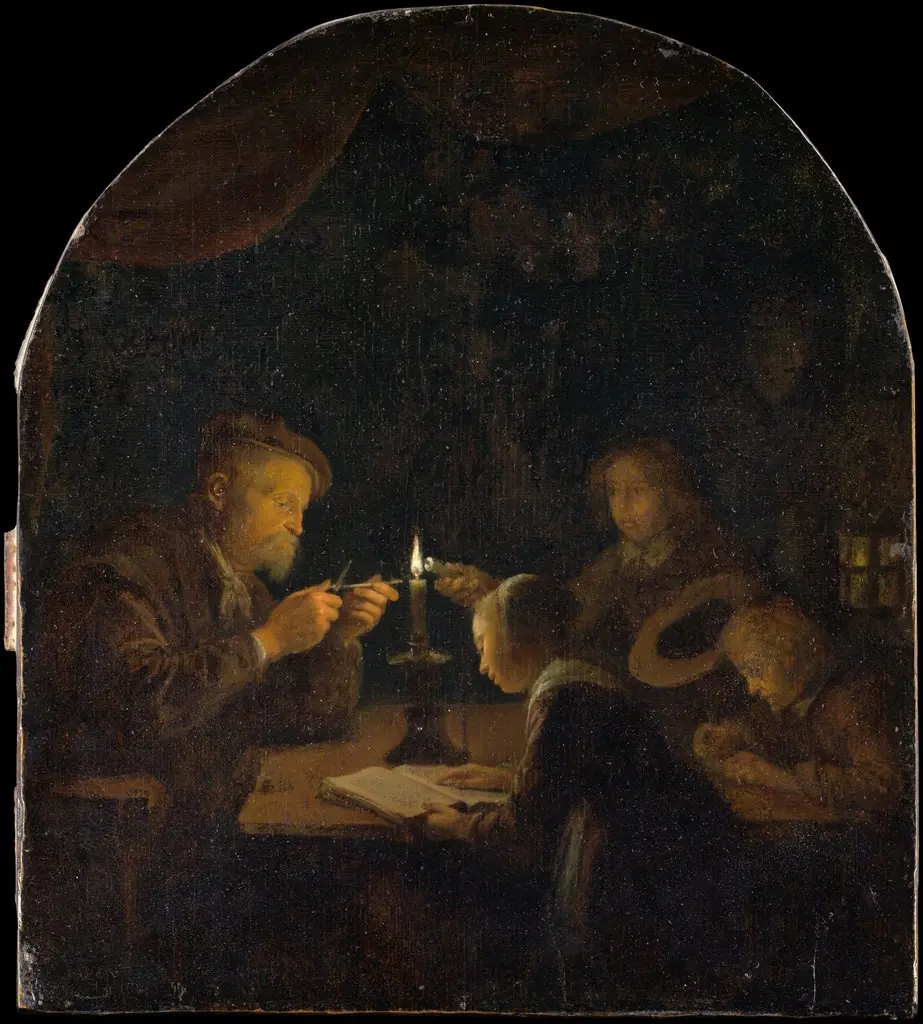 An Evening School
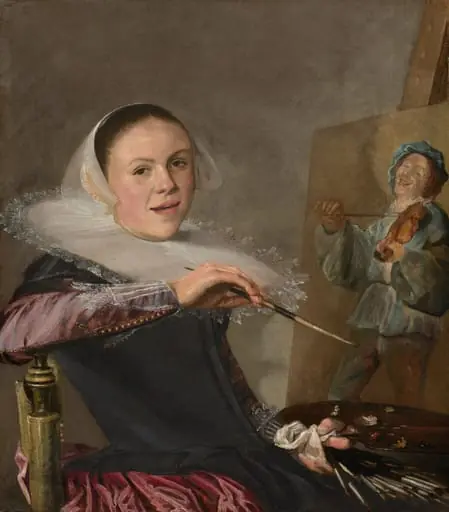 Self-Portrait
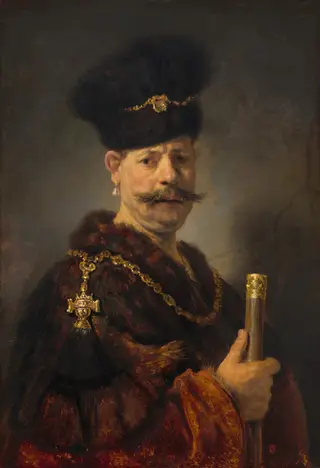 A Polish Nobleman
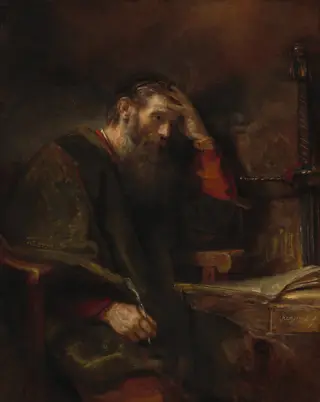 The Apostle Paul
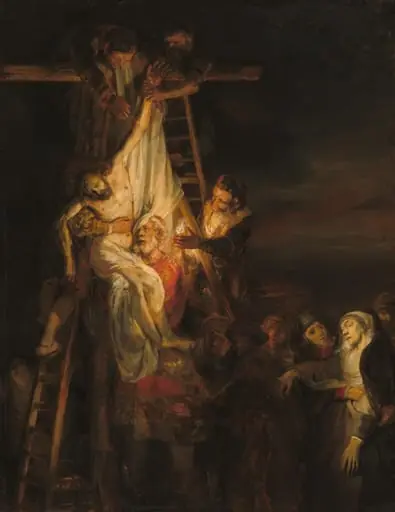 The Descent from the Cross
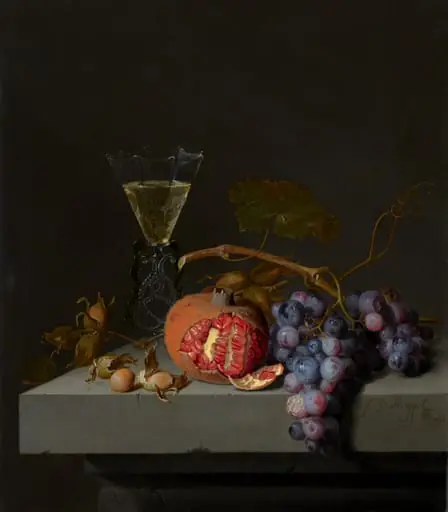 Still Life with Fruit
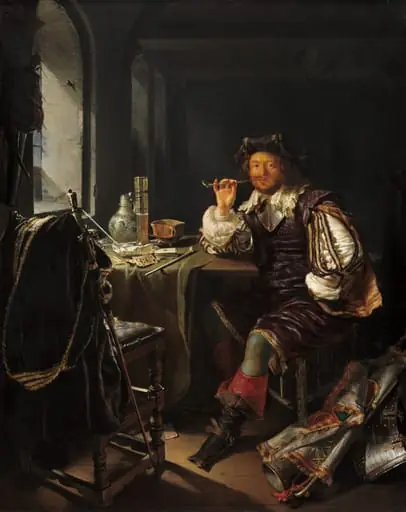 A Soldier Smoking a Pipe
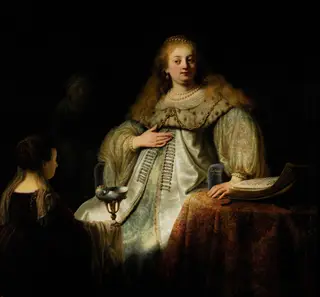 Judith at the Banquet of Holofernes
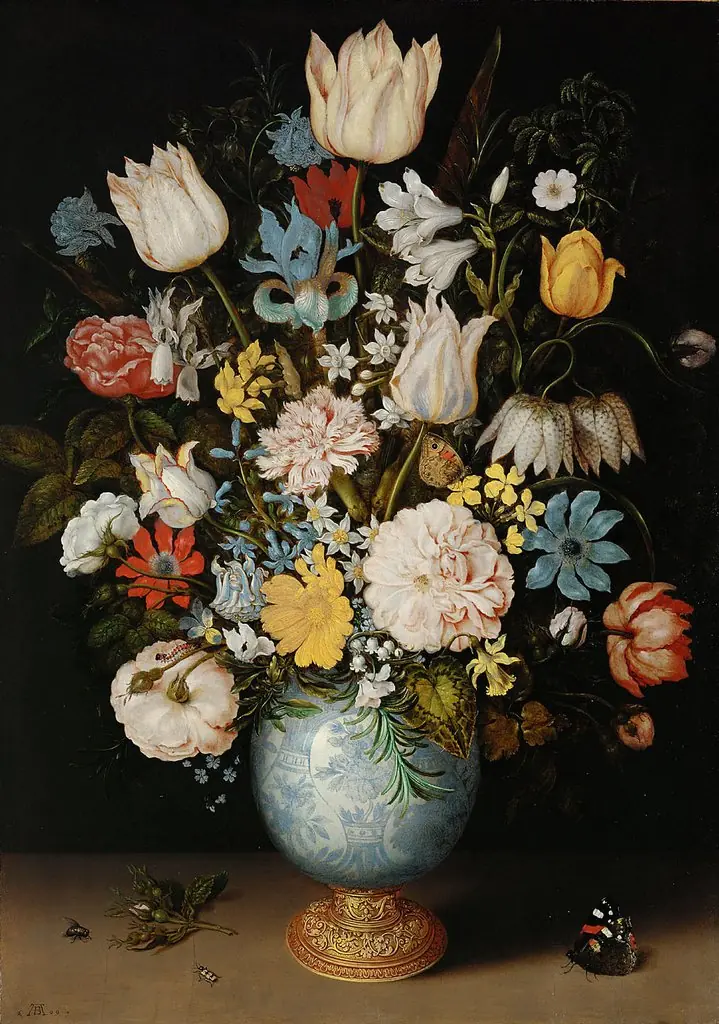 Flowers in a blue and white porcelain vase
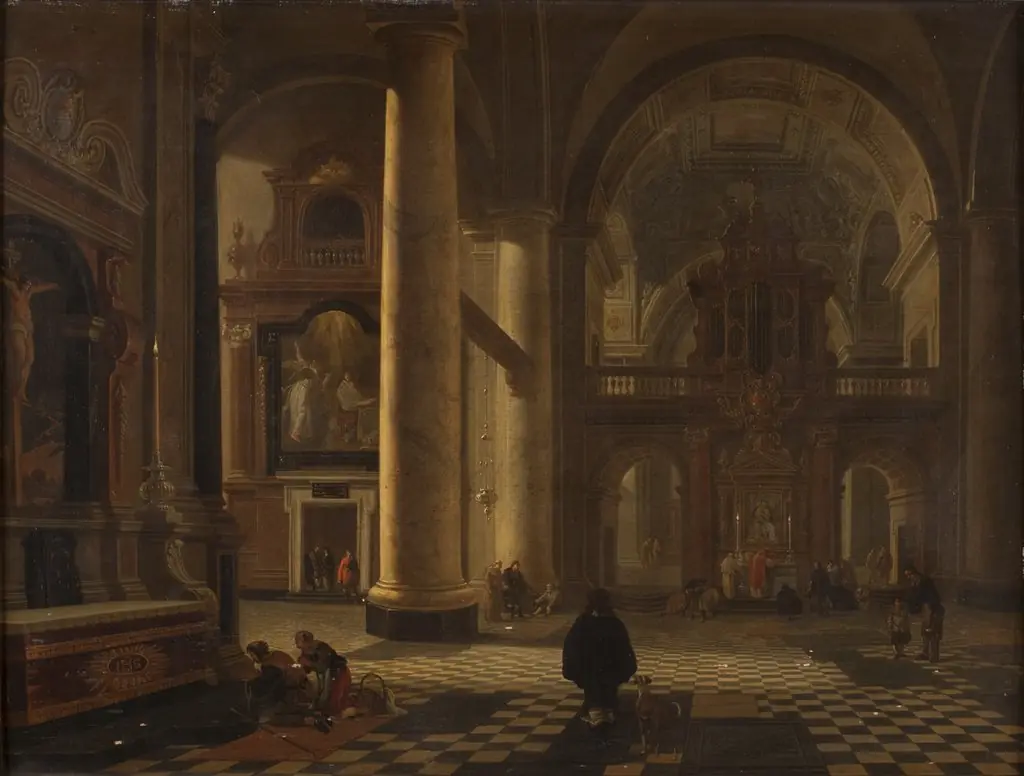 Interior of a Catholic Church
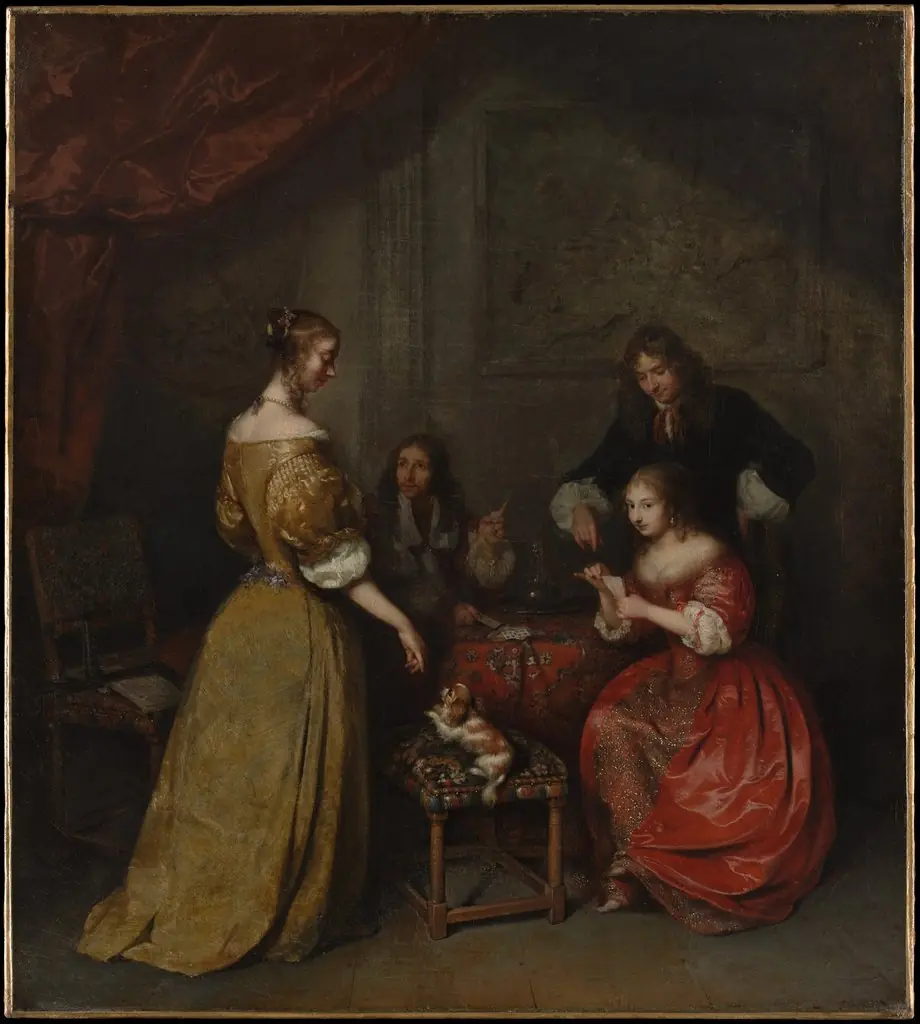 The Card Party
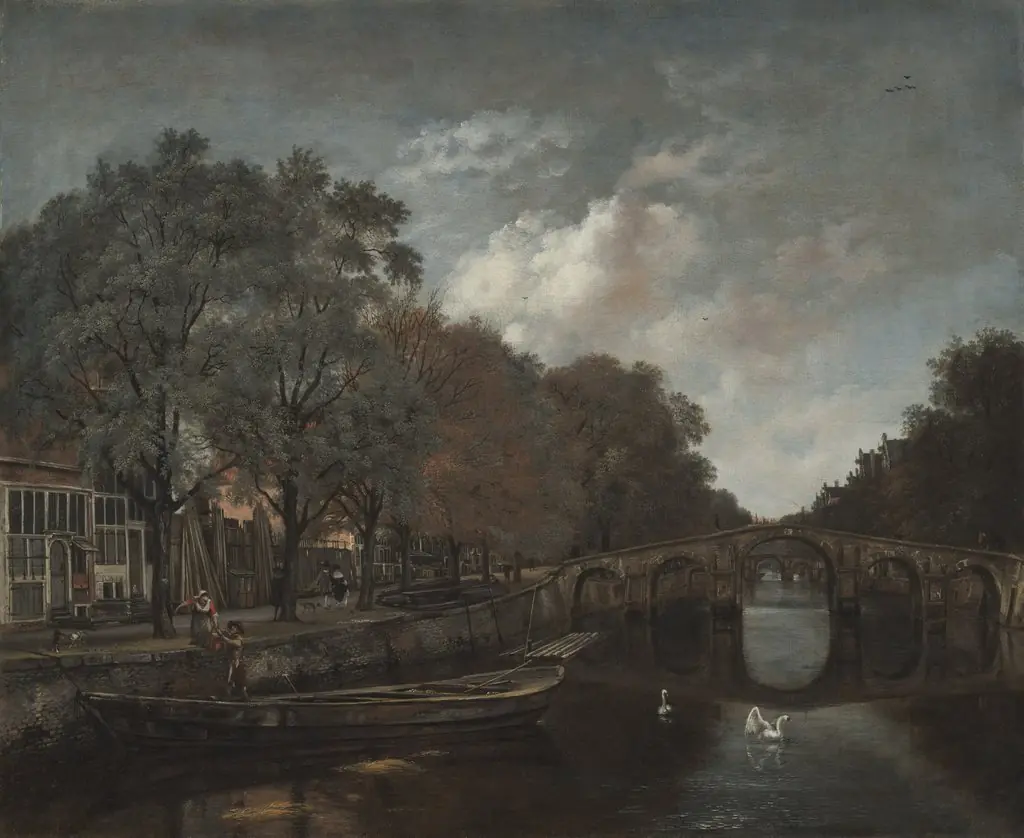 Herengracht, Amsterdam
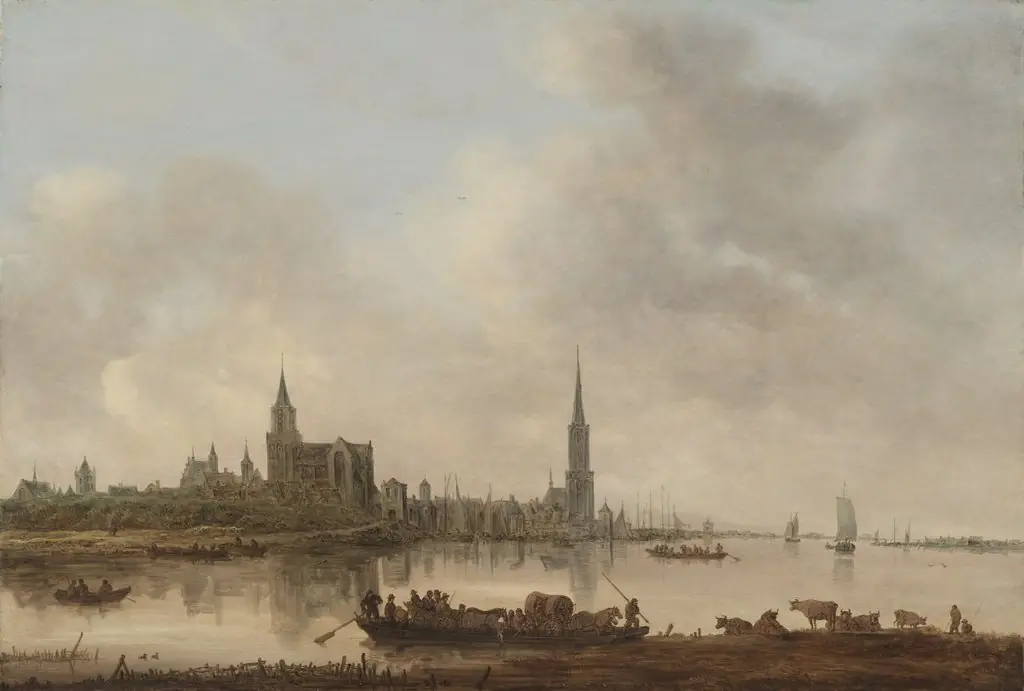 View of Emmerich
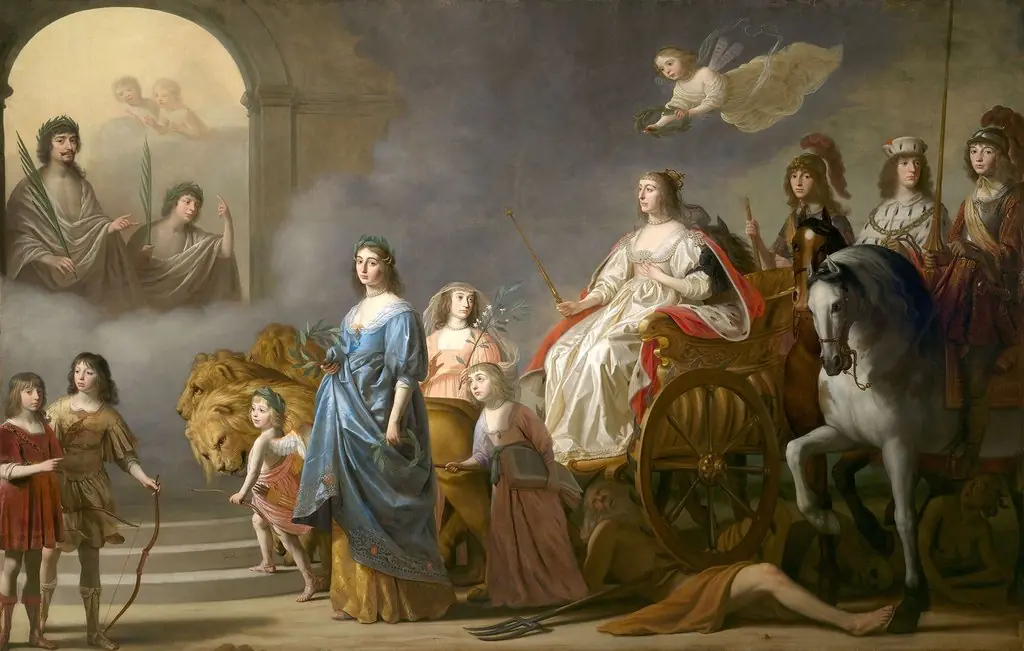 The Triumph of the Winter Queen: Allegory of the Just
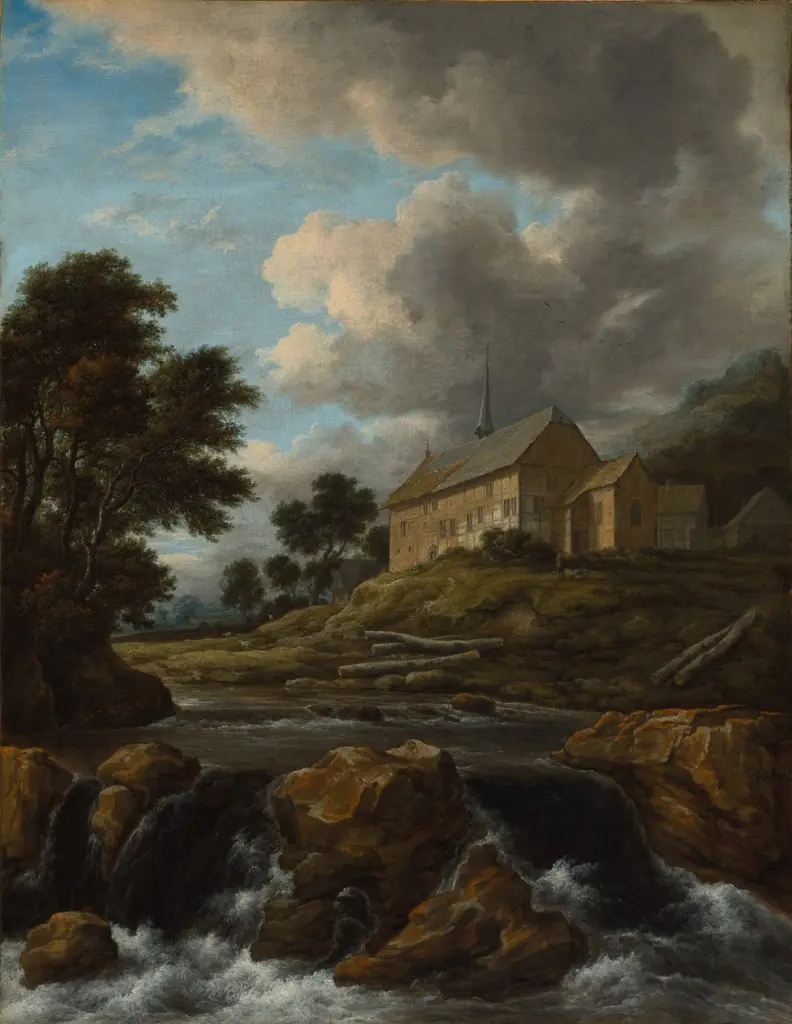 Landscape with a Church by a Torrent
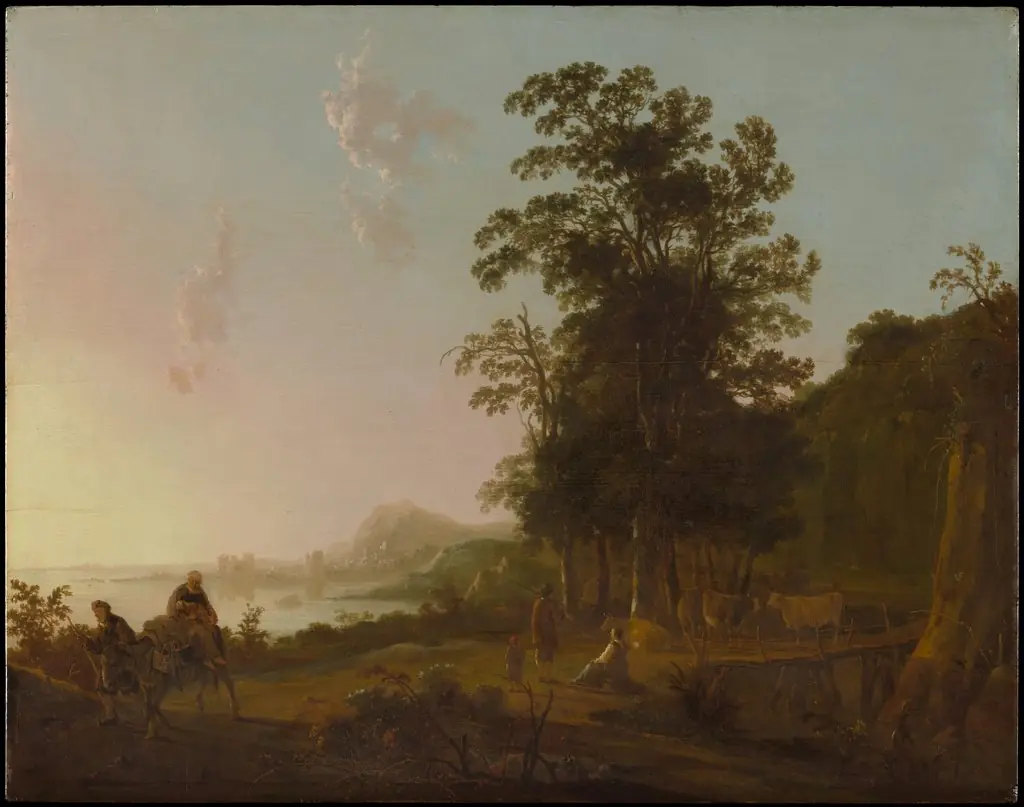 Landscape with the Flight into Egypt
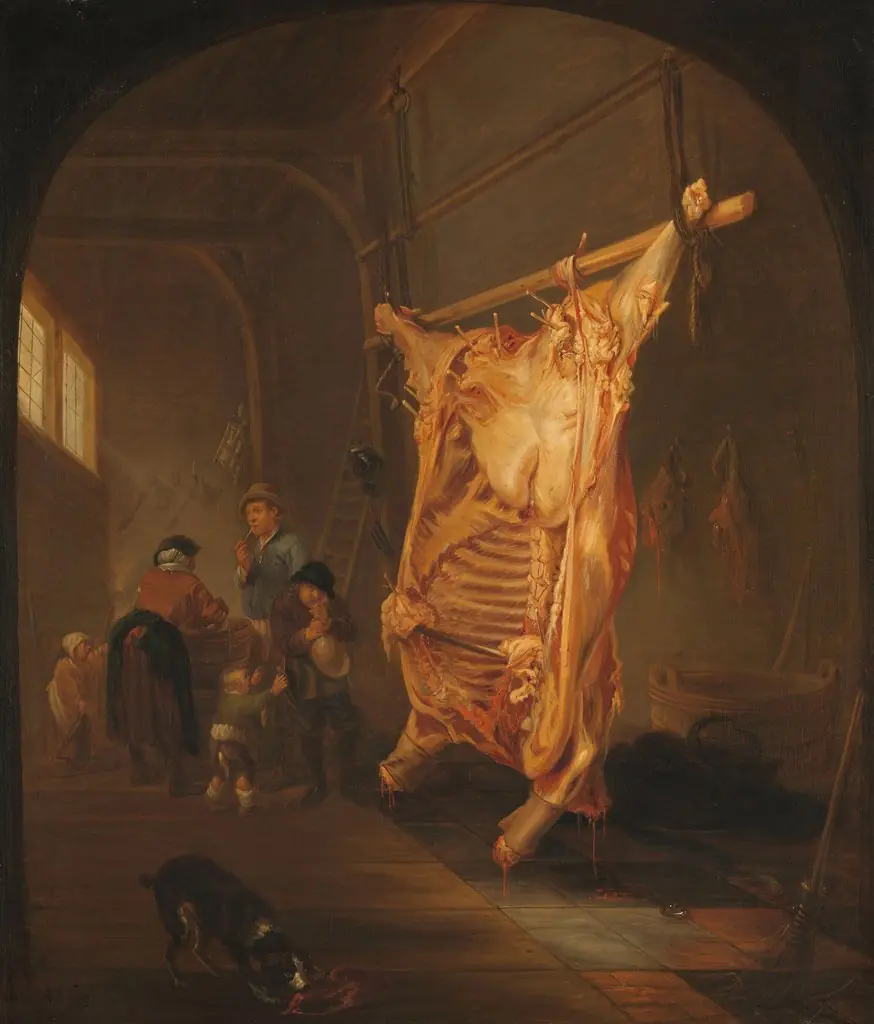 The slaughtered ox
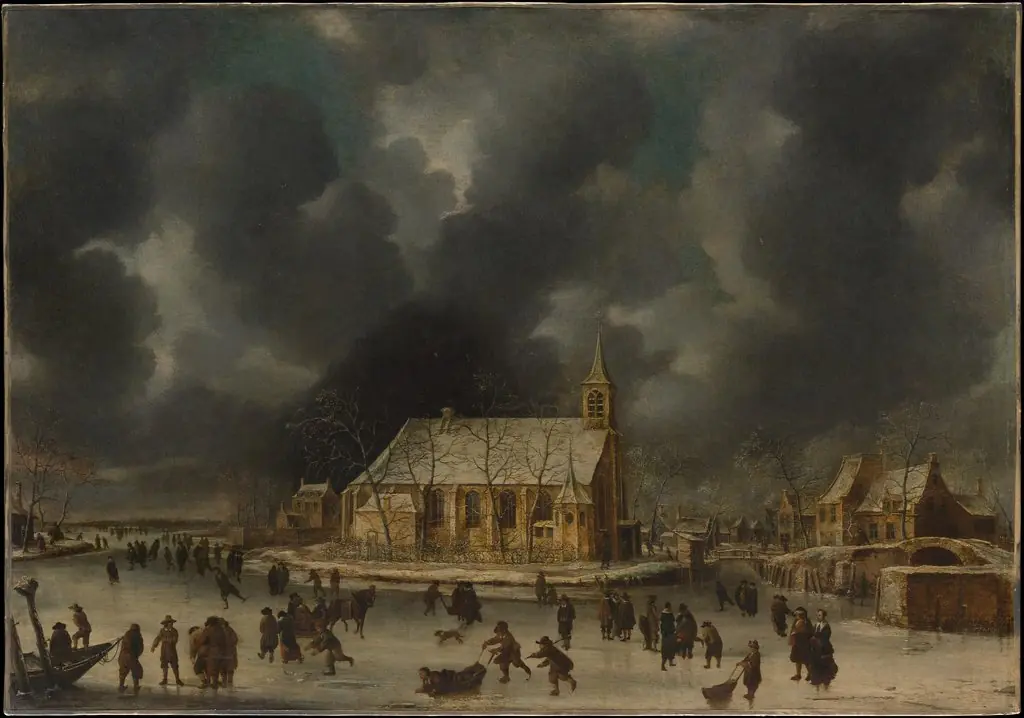 Skating at Sloten, near Amsterdam
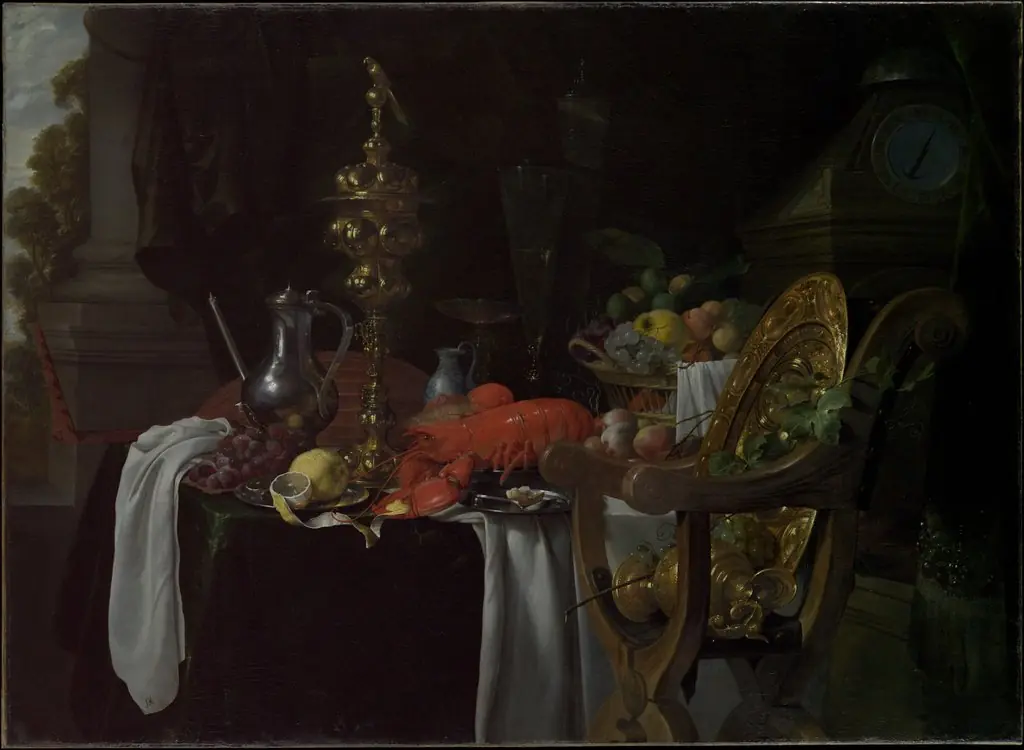 Still Life: A Banqueting Scene
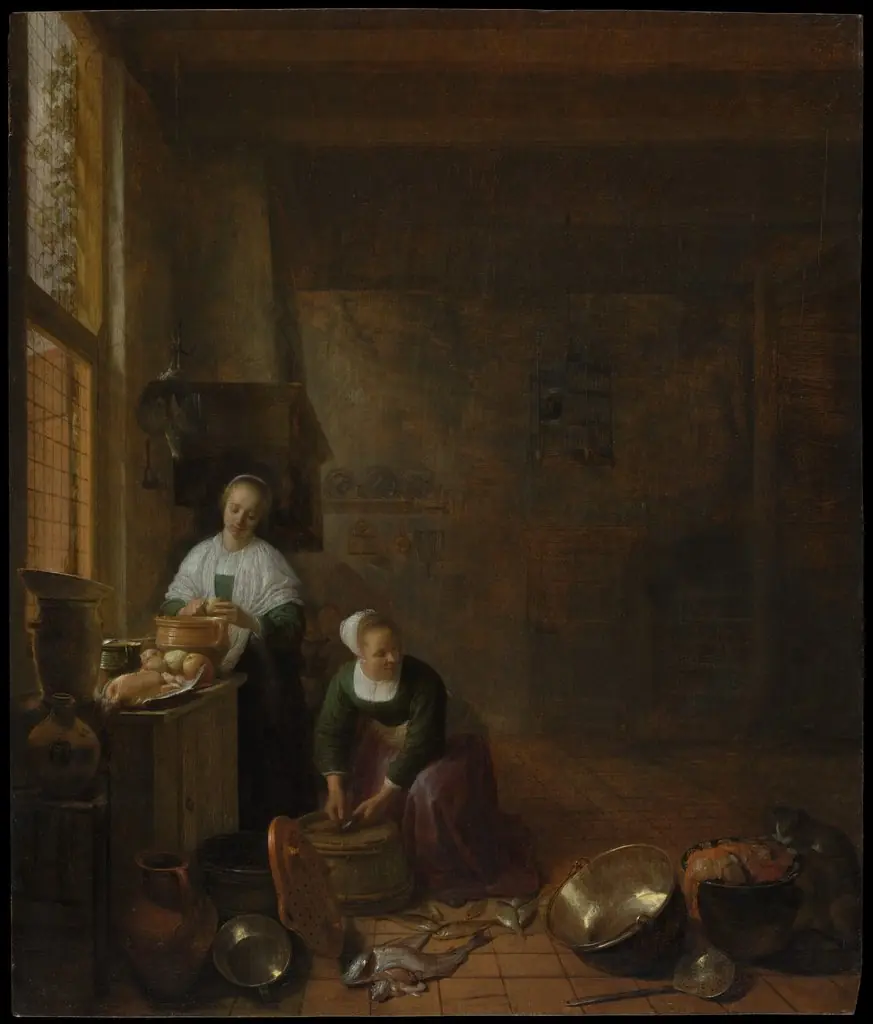 A Kitchen
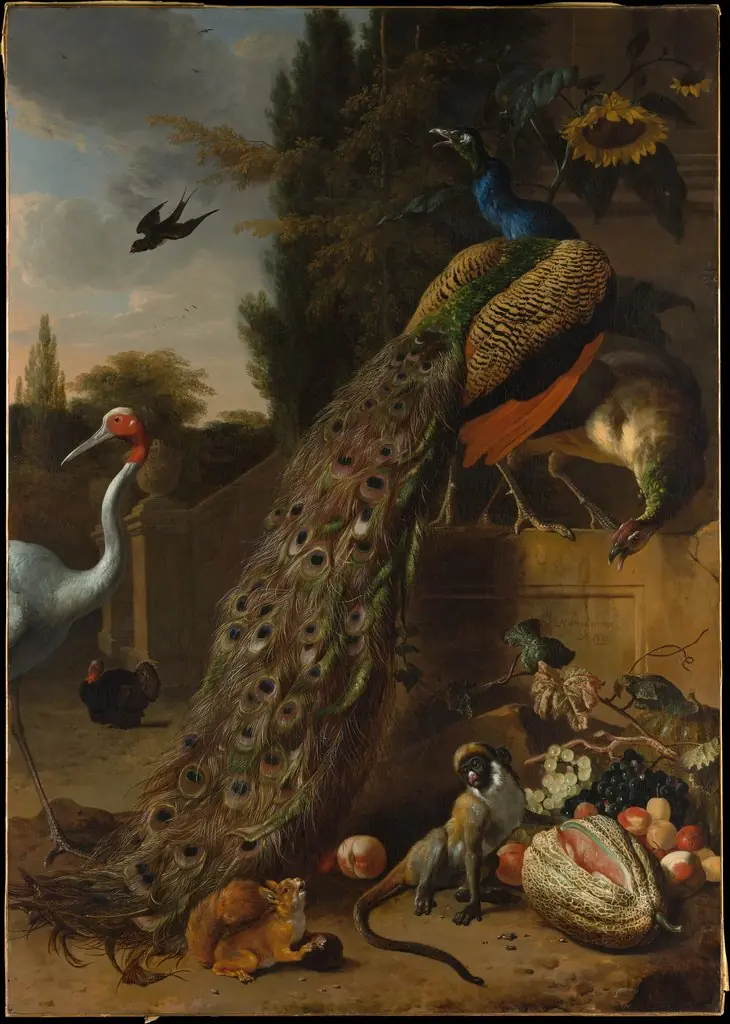 Peacocks
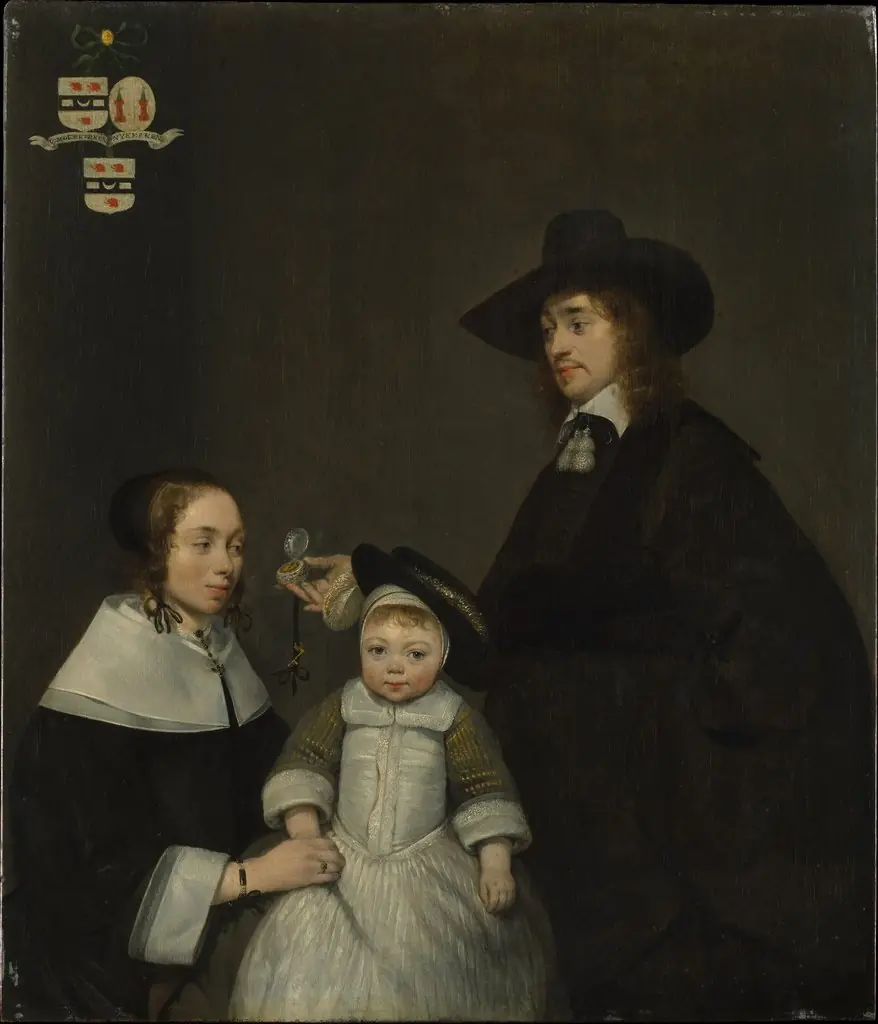 The Van Moerkerken Family
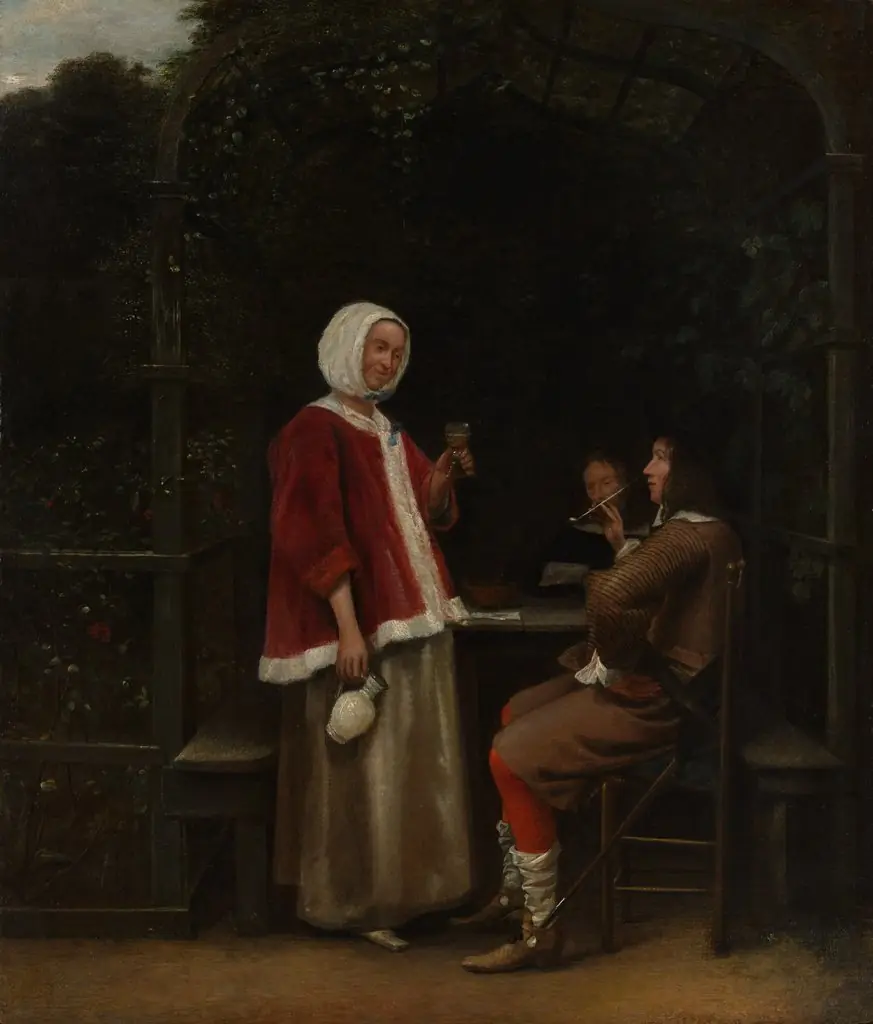 A Woman and Two Men in an Arbor
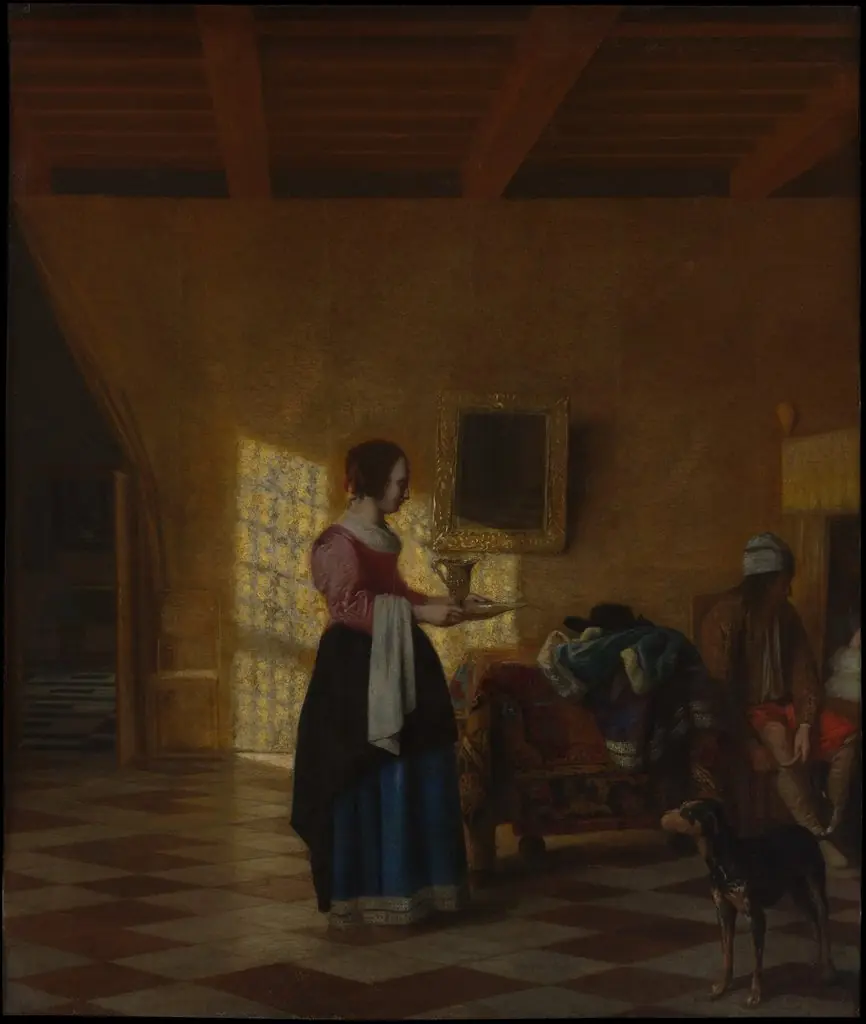 Woman with a Water Pitcher, and a Man by a Bed ("The Maidservant")
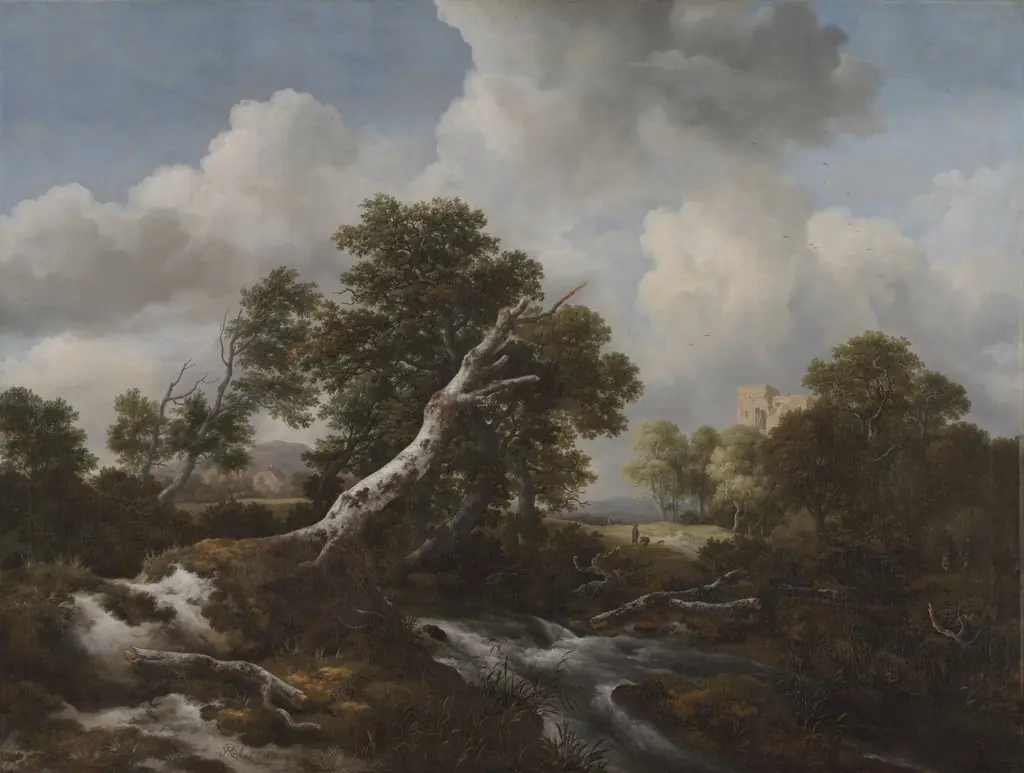 Low Waterfall in a Wooded Landscape with a Dead Beech Tree
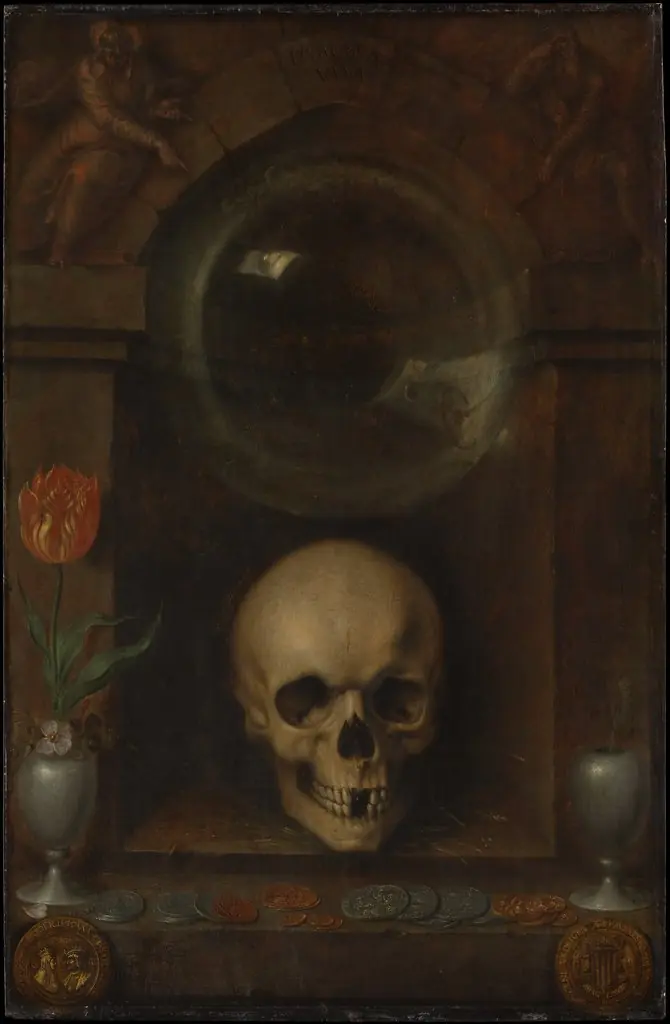 Vanitas Still Life
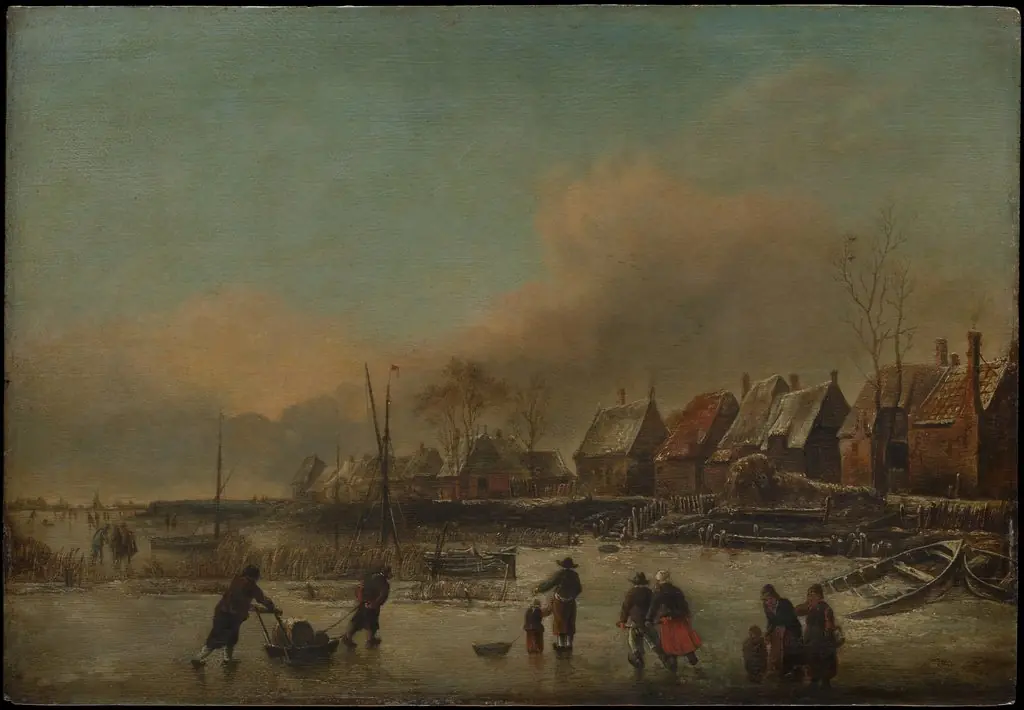 Winter Scene
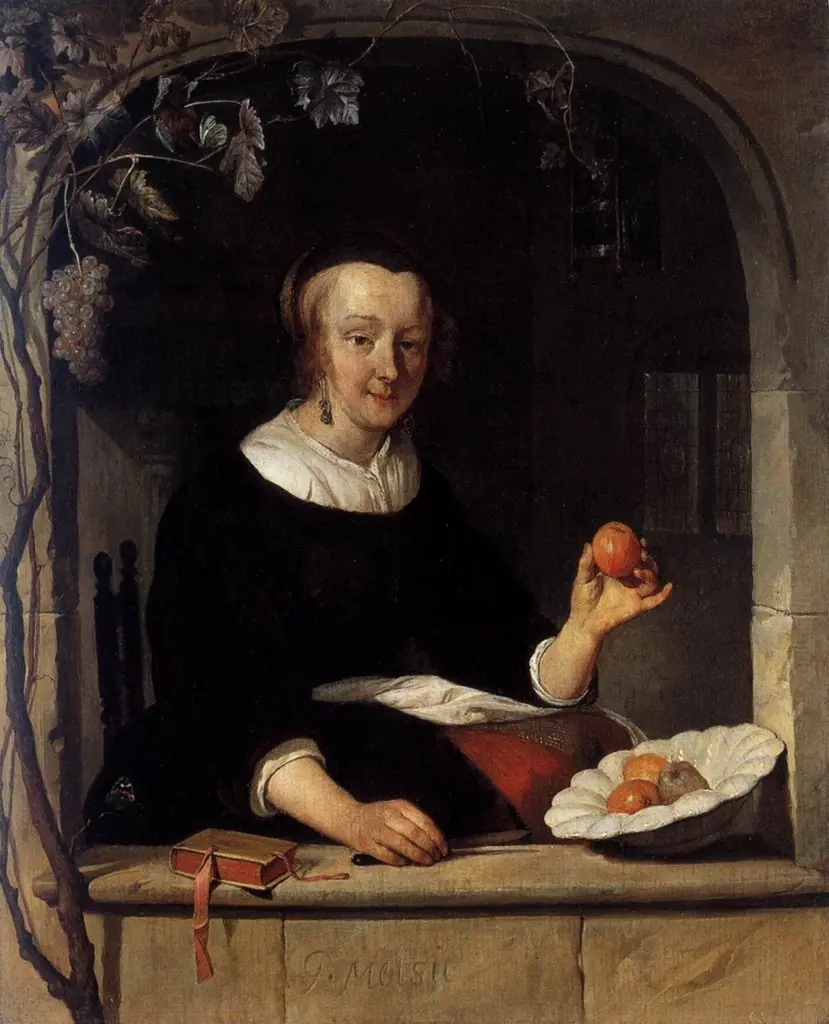 A Woman Seated at a Window
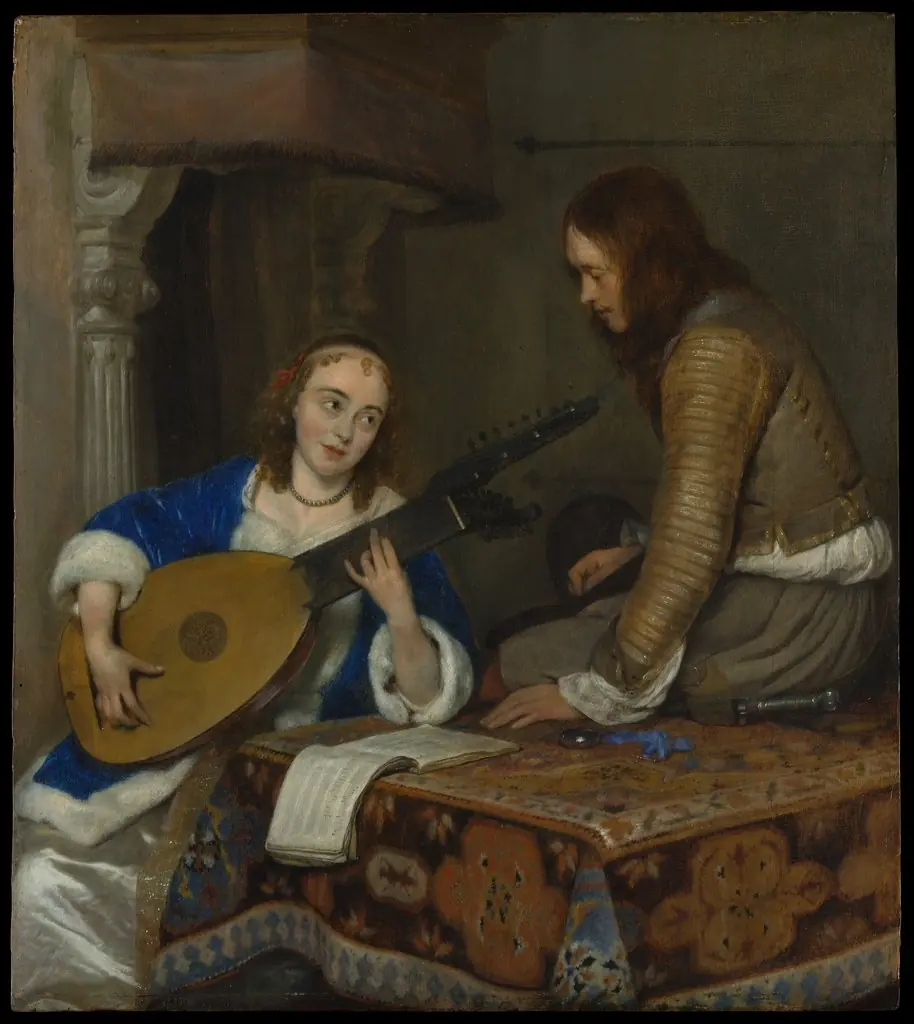 A Woman Playing the Theorbo-Lute and a Cavalier
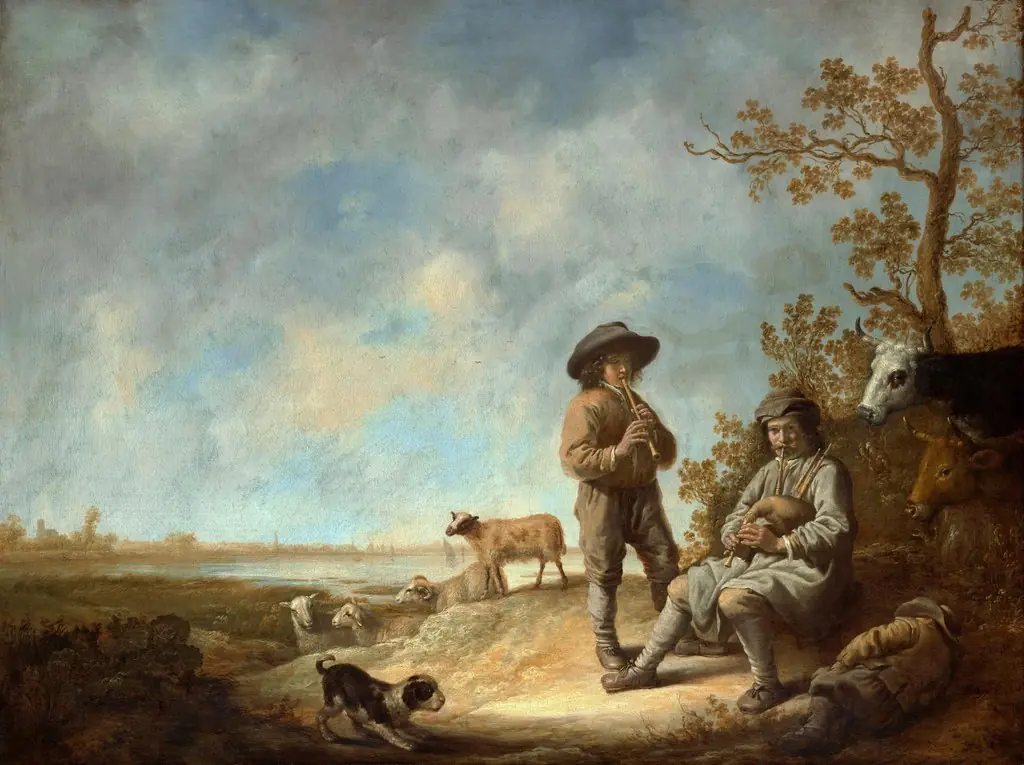 Piping Shepherds
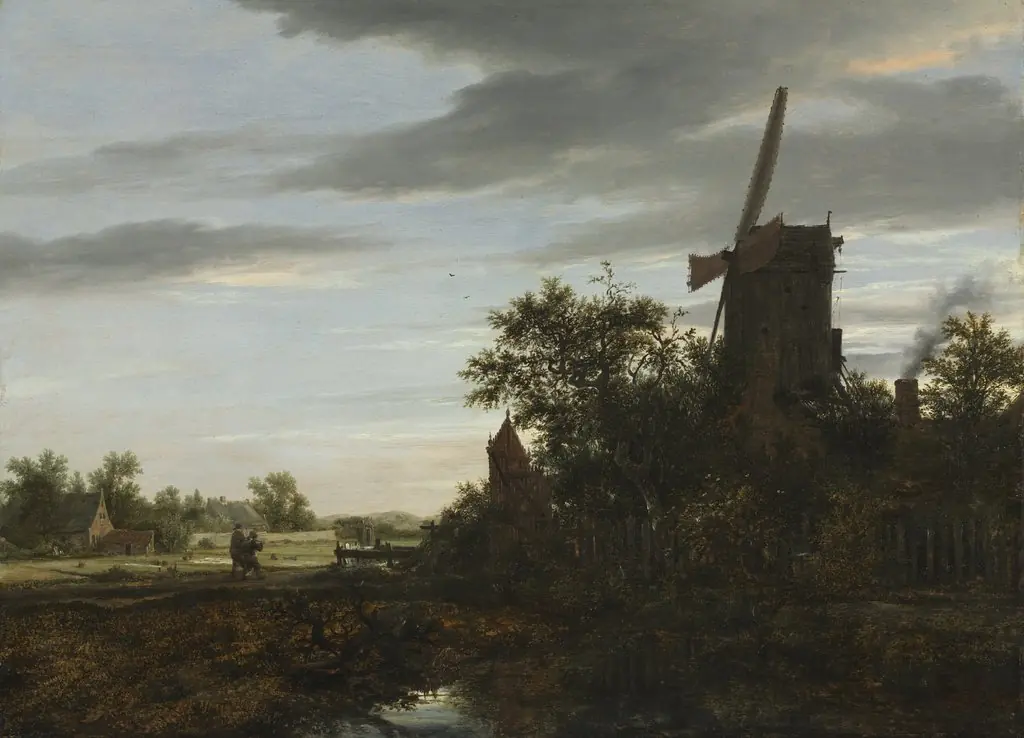 Landscape with a Windmill
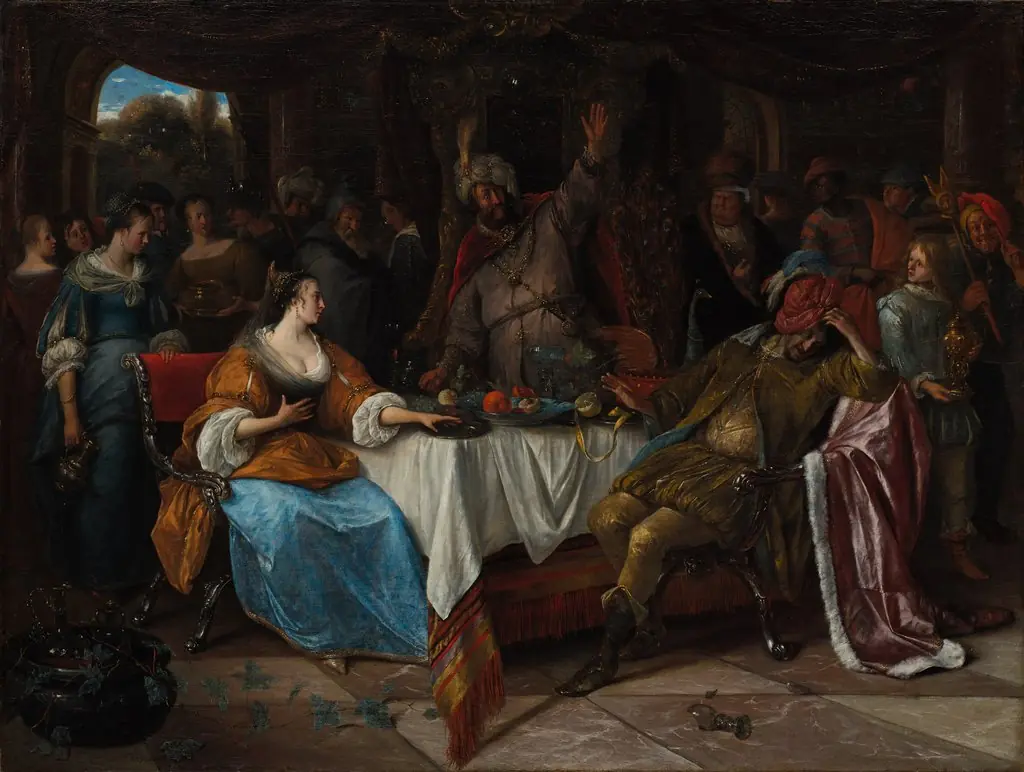 Esther, Ahasuerus, and Haman
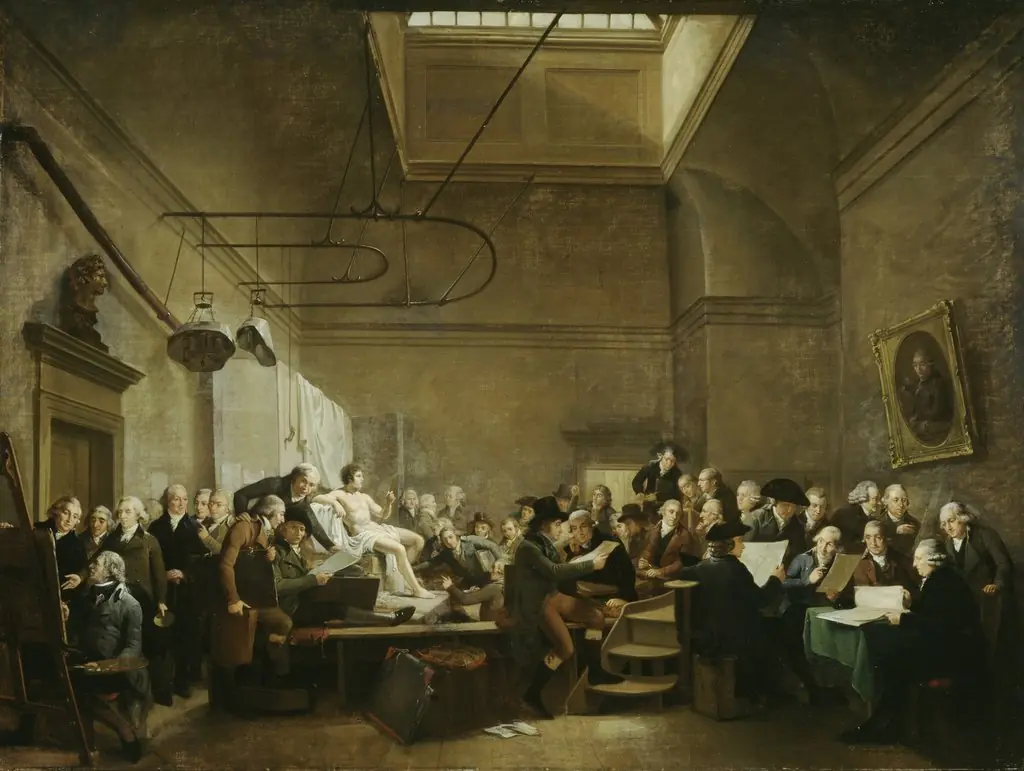 The Drawing Gallery of the Felix Meritis Society
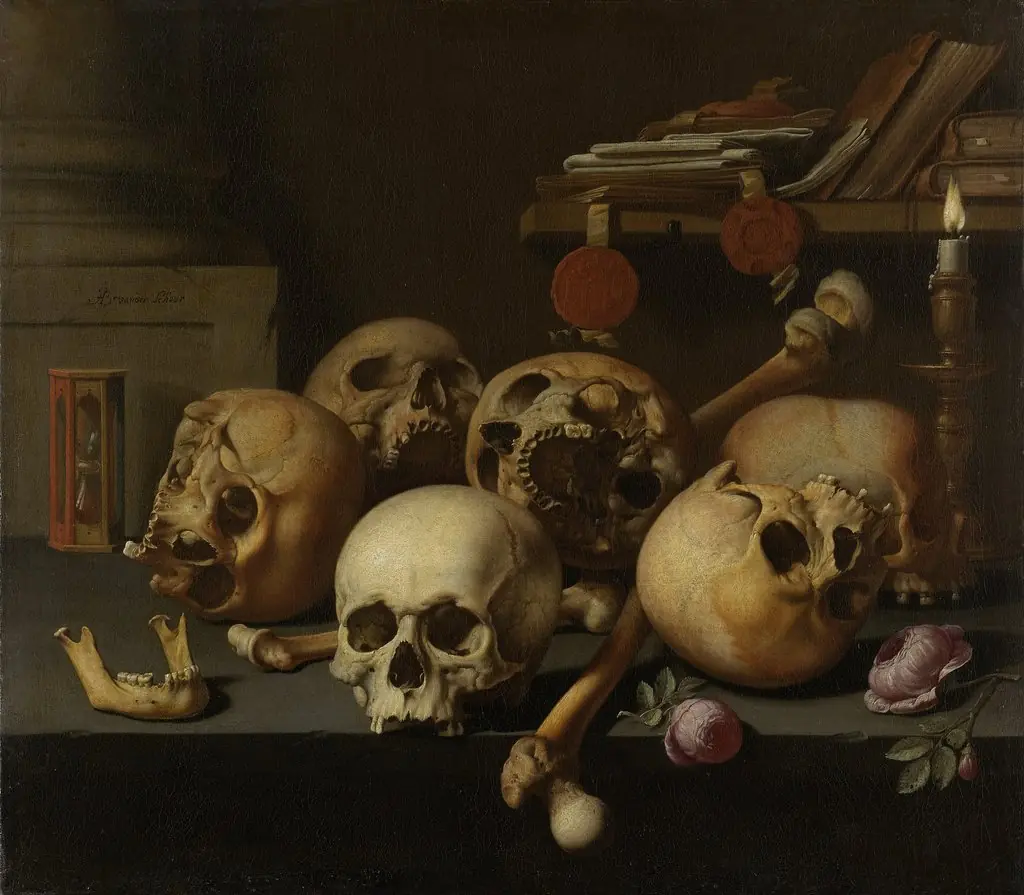 Vanits still life
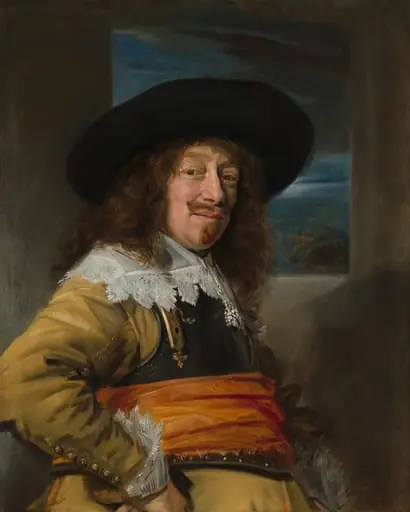 Portrait of a Member of the Haarlem Civic Guard
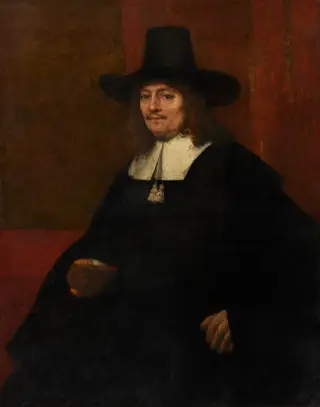 Portrait of a Man in a Tall Hat
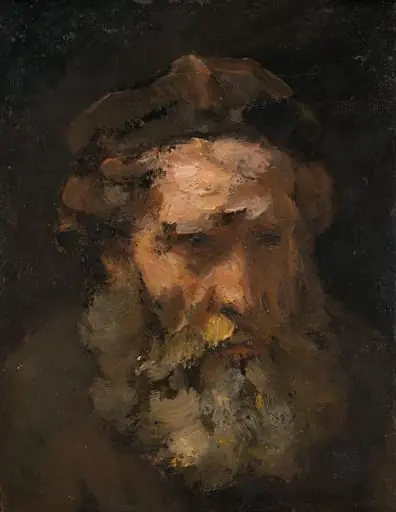 Head of Saint Matthew
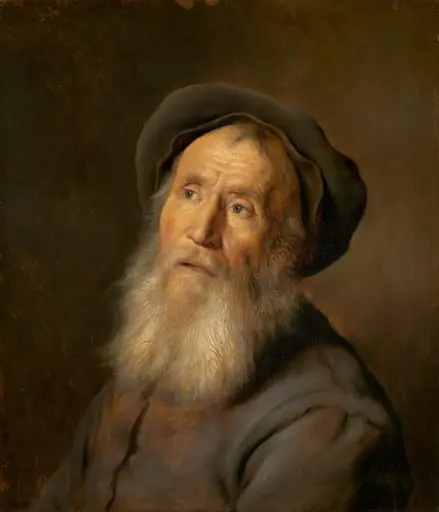 Bearded Man with a Beret
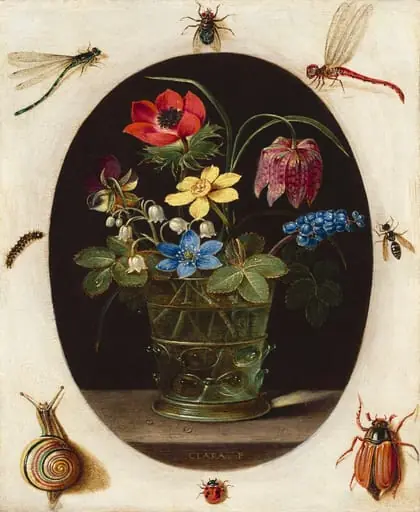 Still Life with Flowers Surrounded by Insects and a Snail
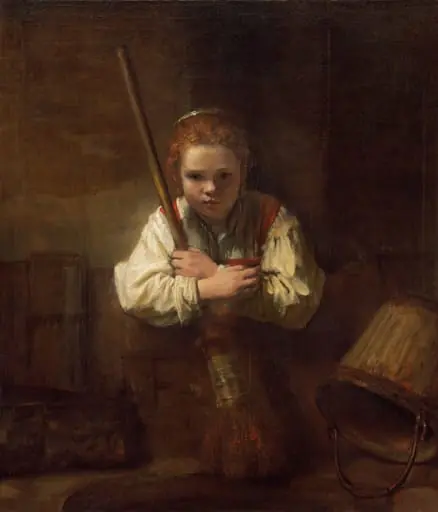 A Girl with a Broom
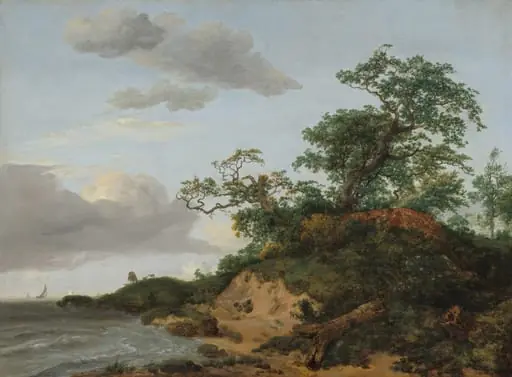 Dunes by the Sea
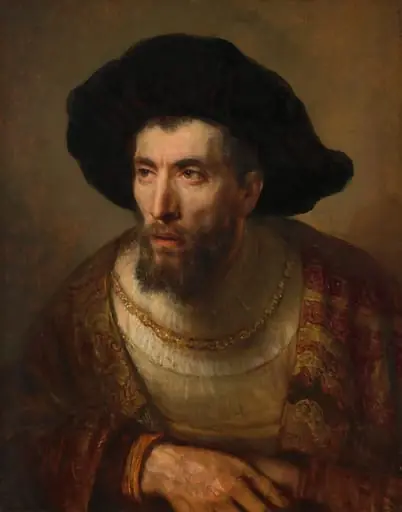 The Philosopher
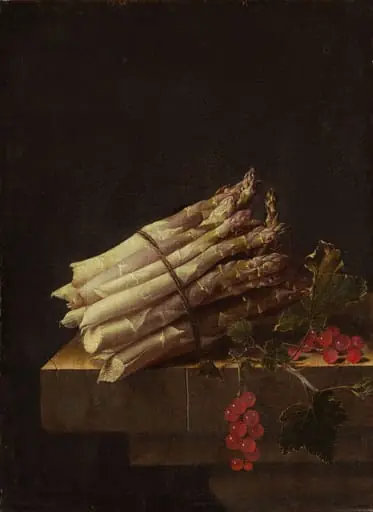 Still Life with Asparagus and Red Currants
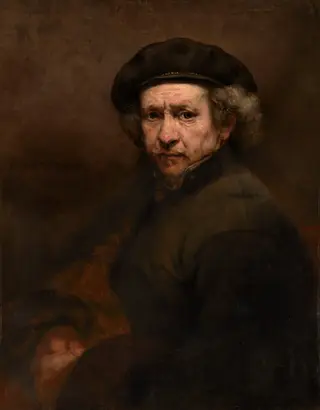 Self-Portrait
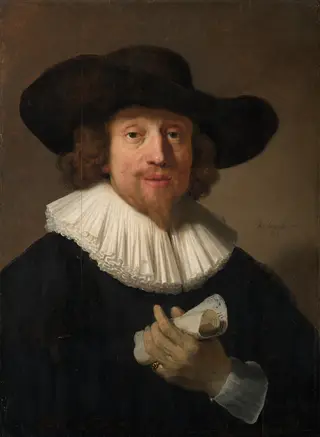 Man with a Sheet of Music
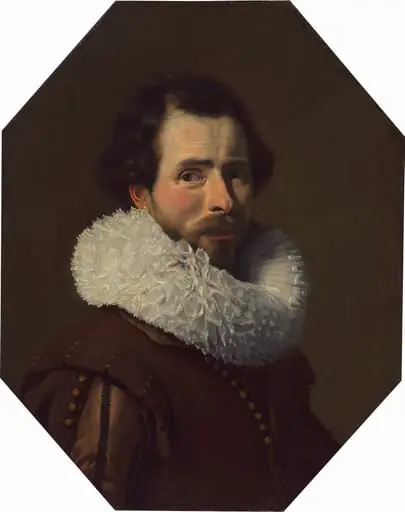 Portrait of a Gentleman Wearing a Fancy Ruff
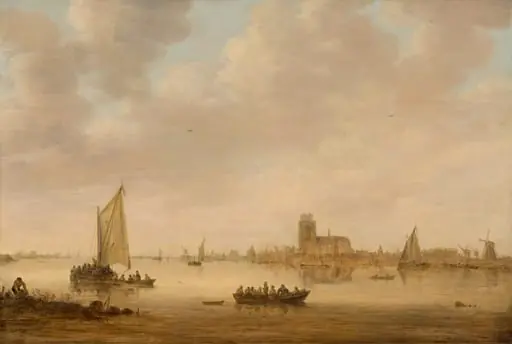 View of Dordrecht from the Dordtse Kil
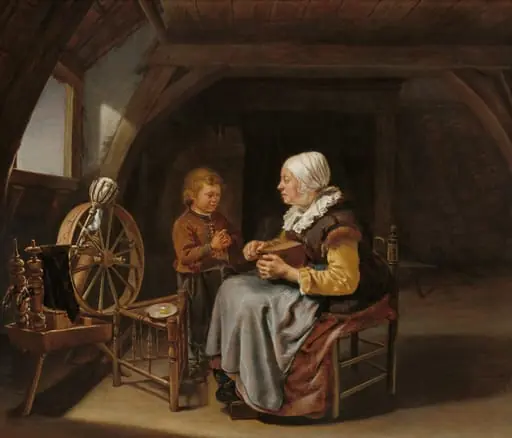 Saying Grace
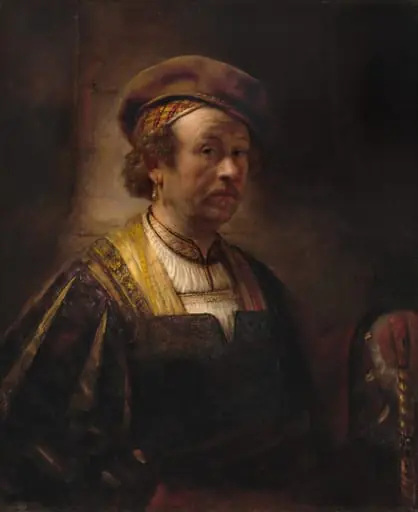 Portrait of Rembrandt
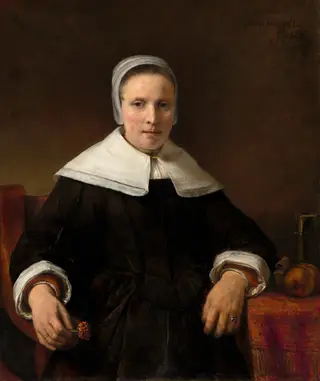 A Woman Holding a Pink
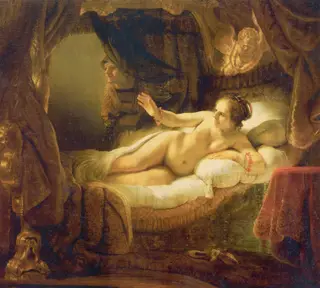 Danaë
Danaë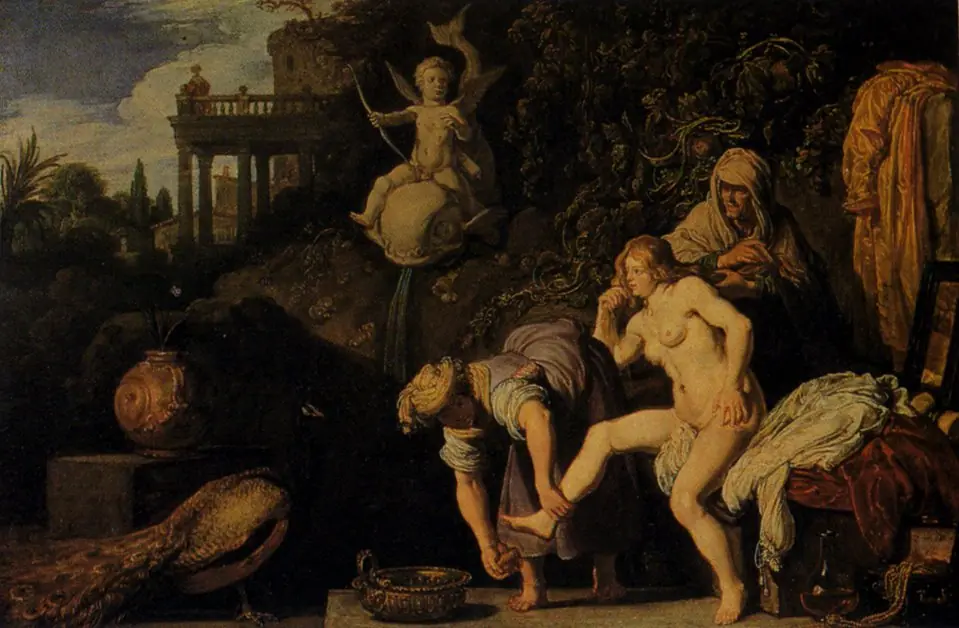 Bathsheba at her Toilette
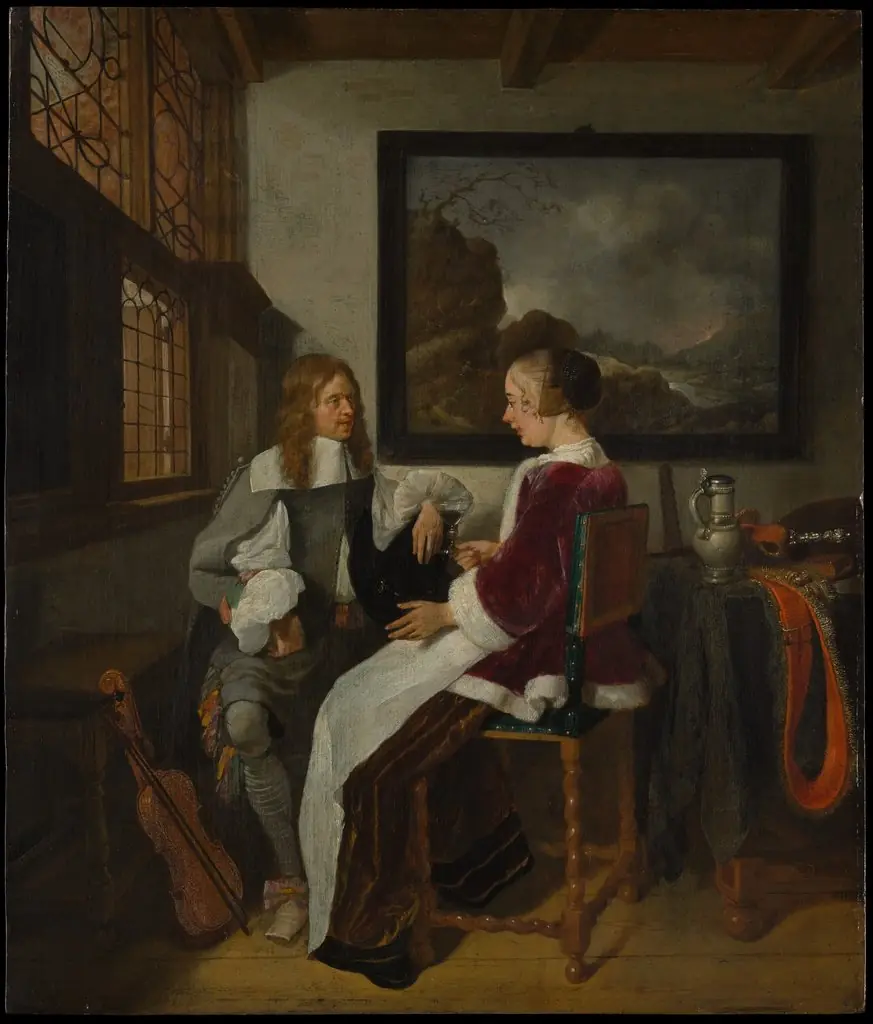 Sentimental Conversation
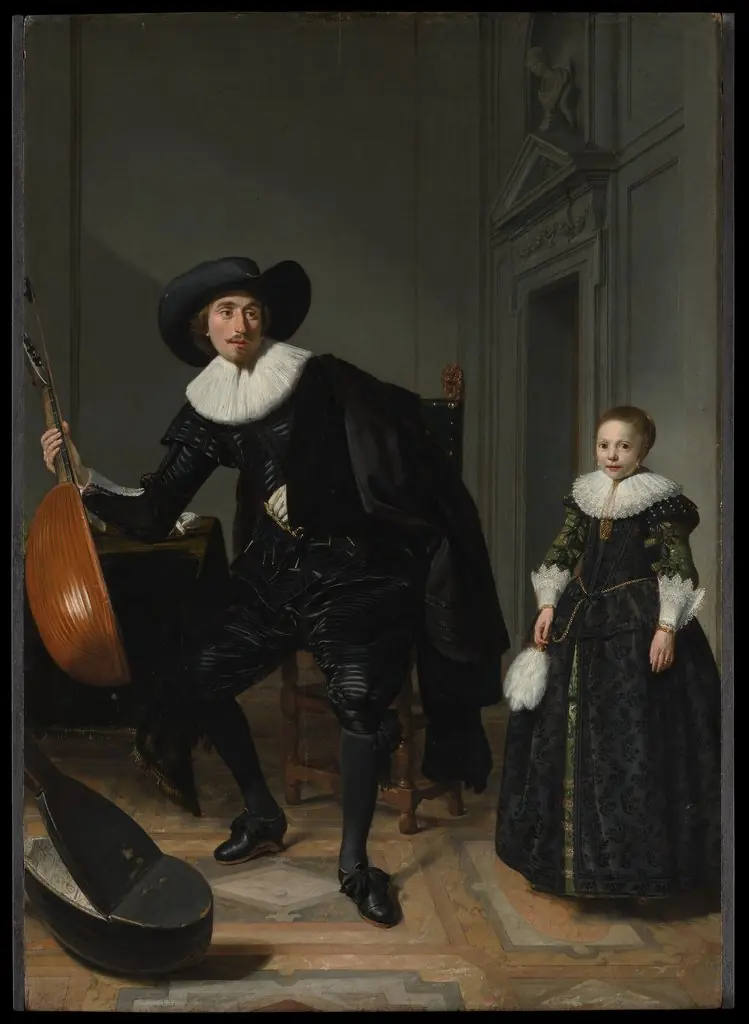 A Musician and His Daughter
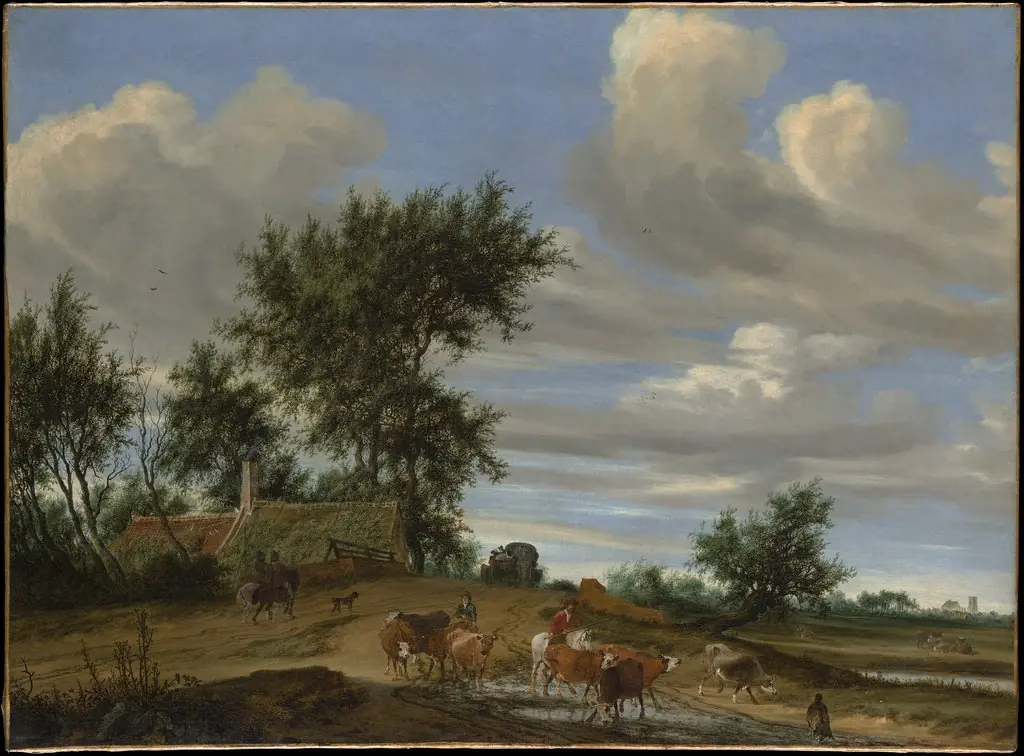 A Country Road
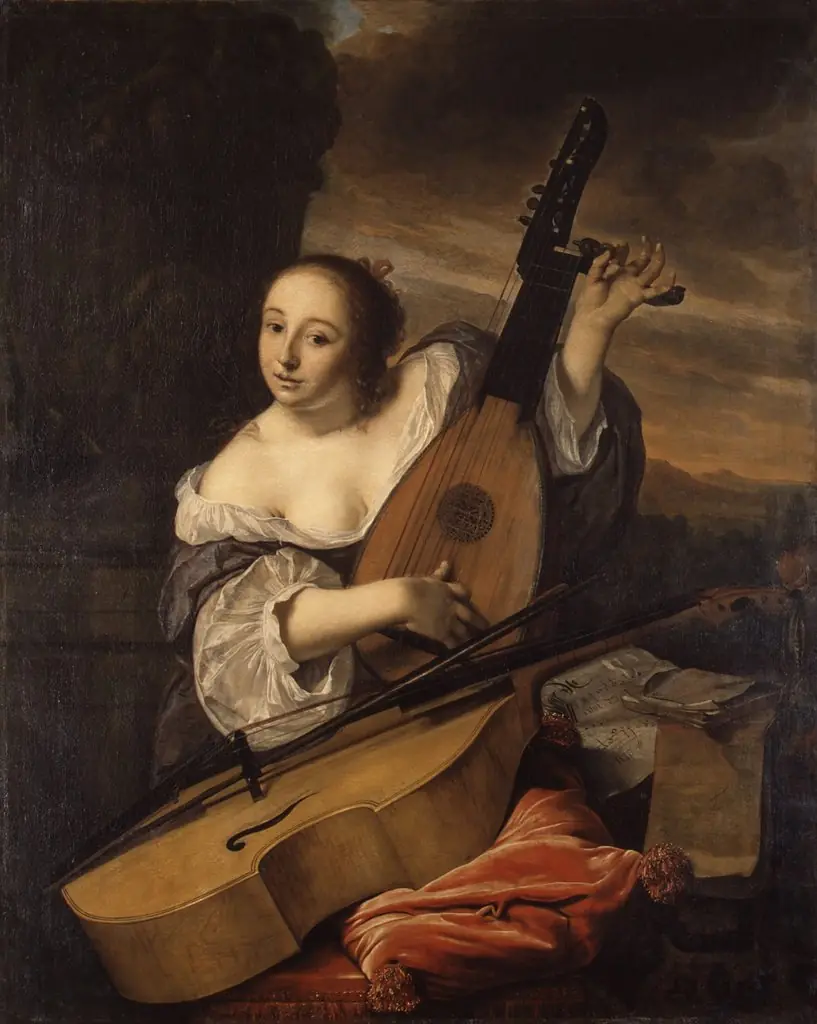 The Musician
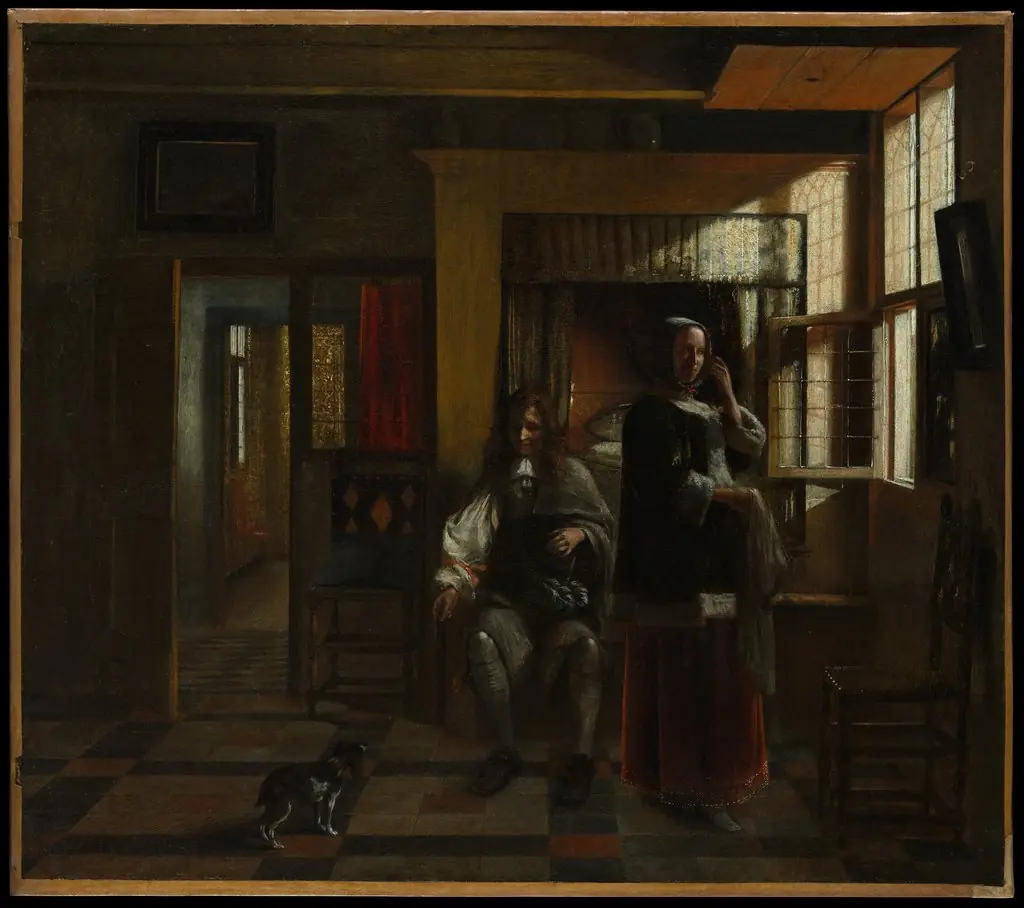 Interior with a Young Couple
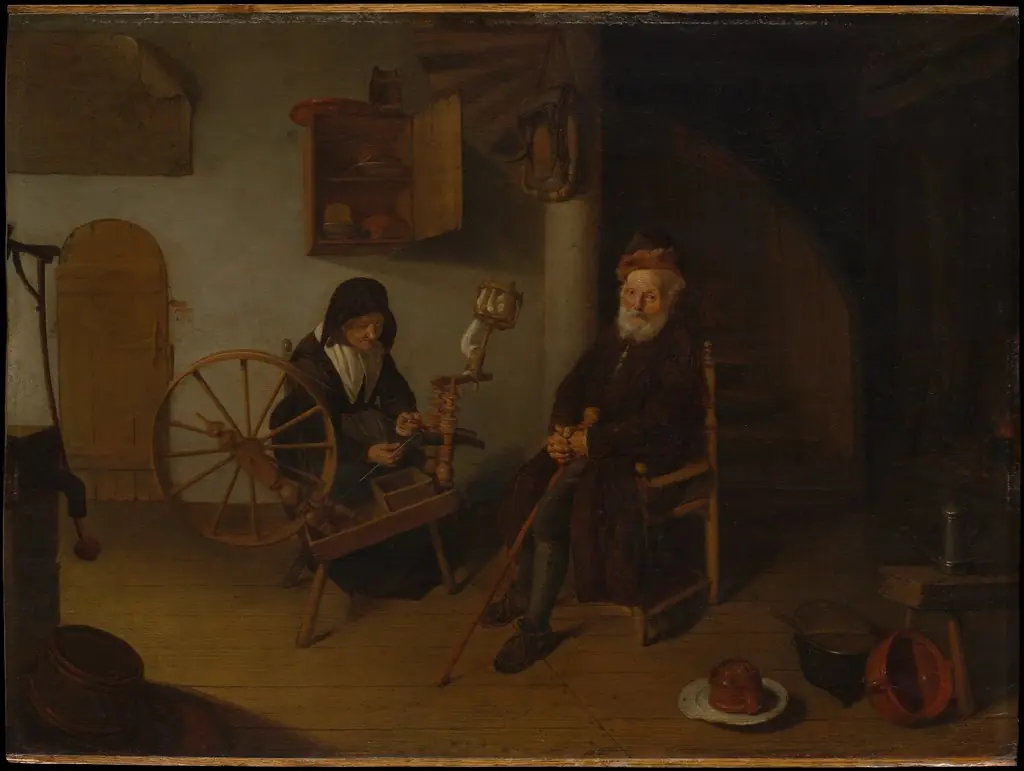 The Spinner
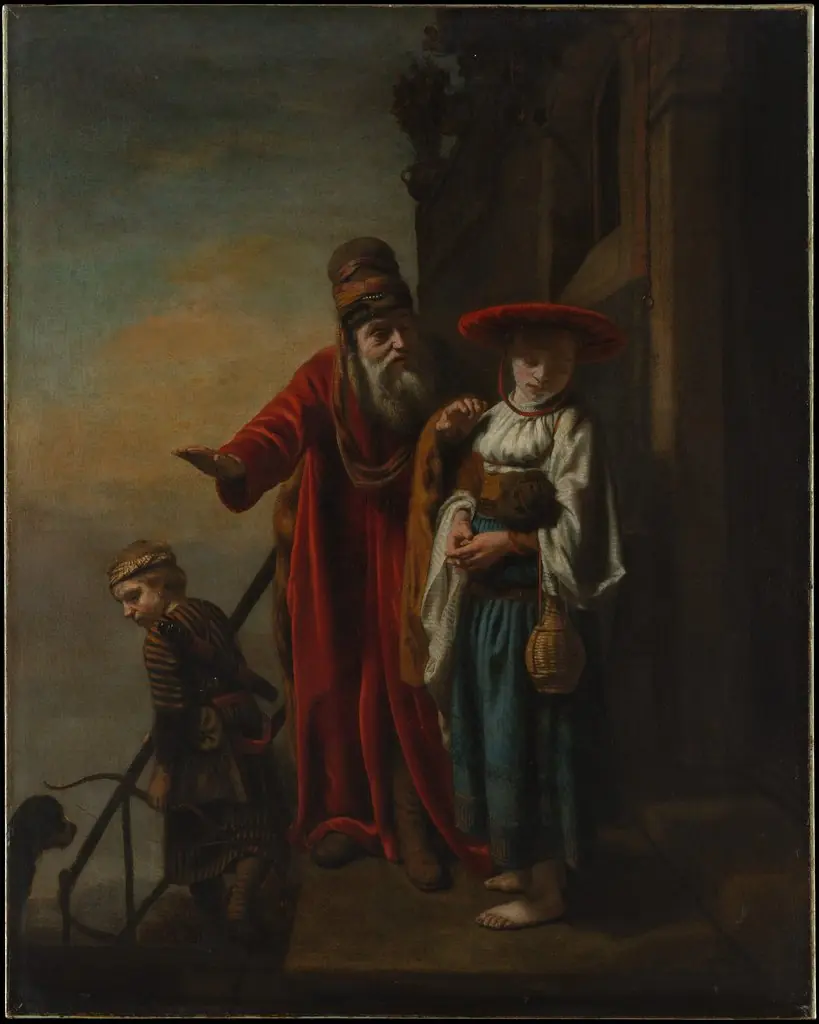 Abraham Dismissing Hagar and Ishmael
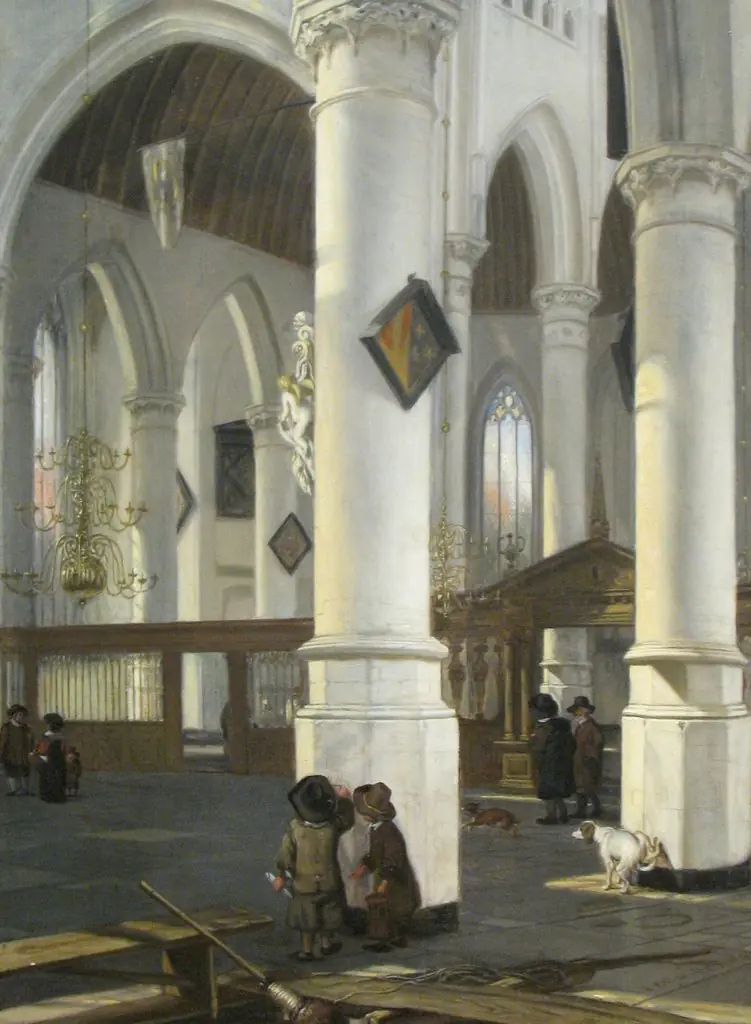 Interior of the Oude Kerk, Delft
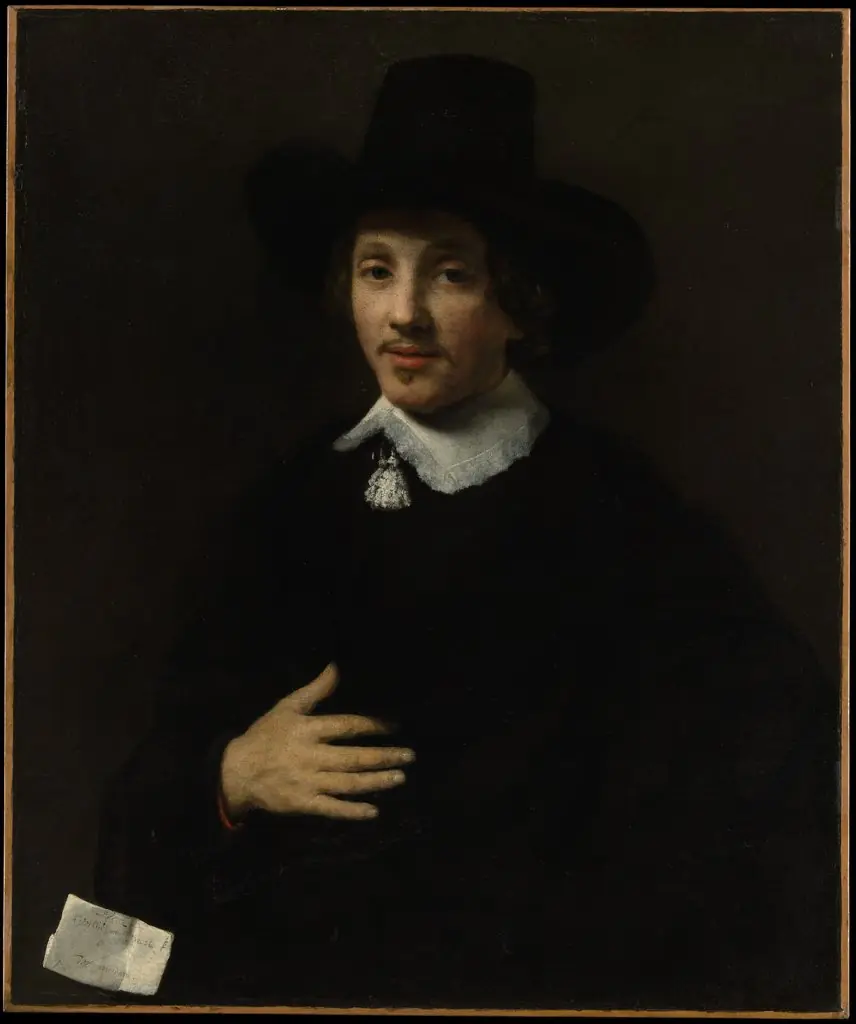 Portrait of a Man (Self-Portrait?)
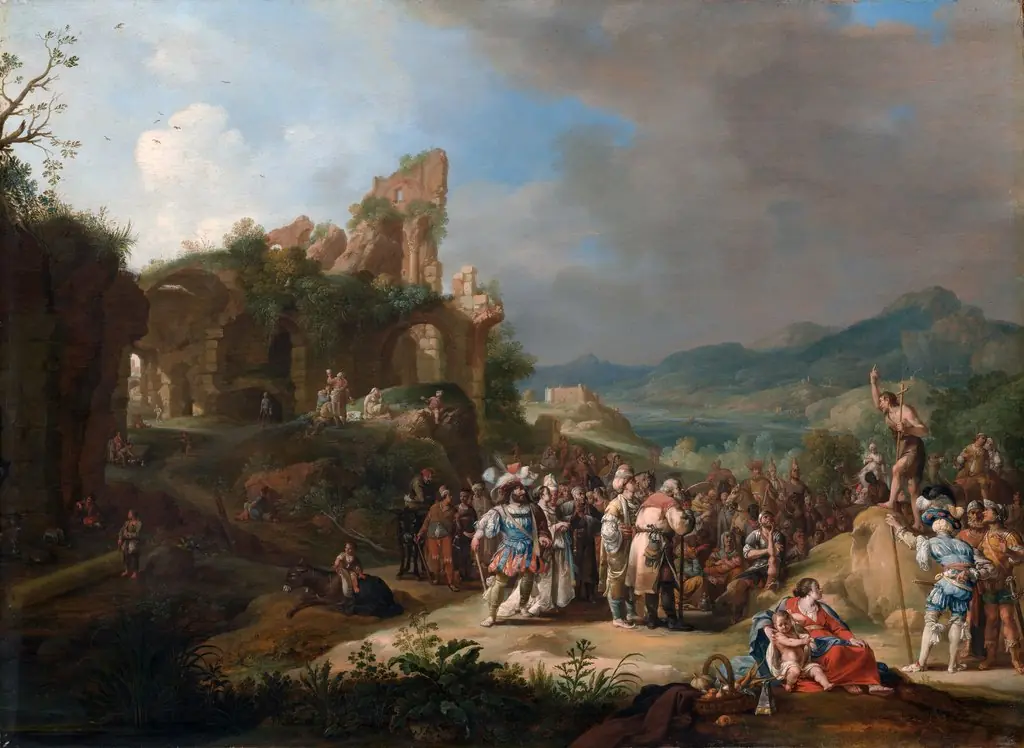 The Preaching of John the Baptist
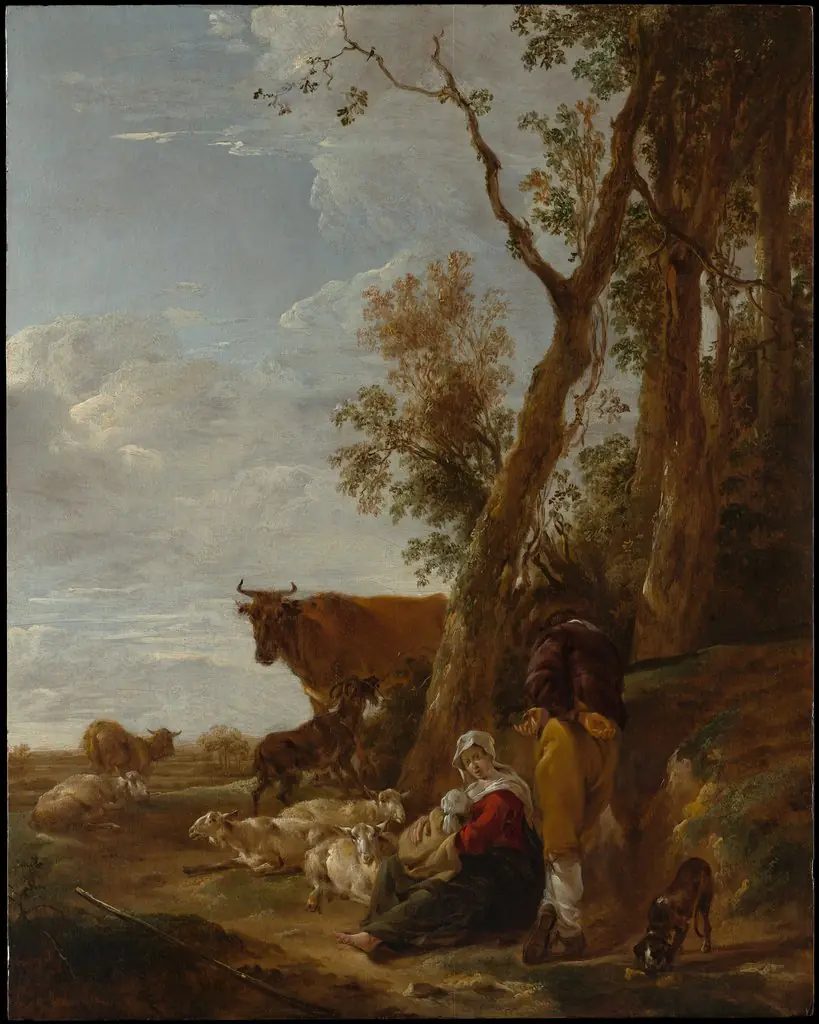 Rest
Rest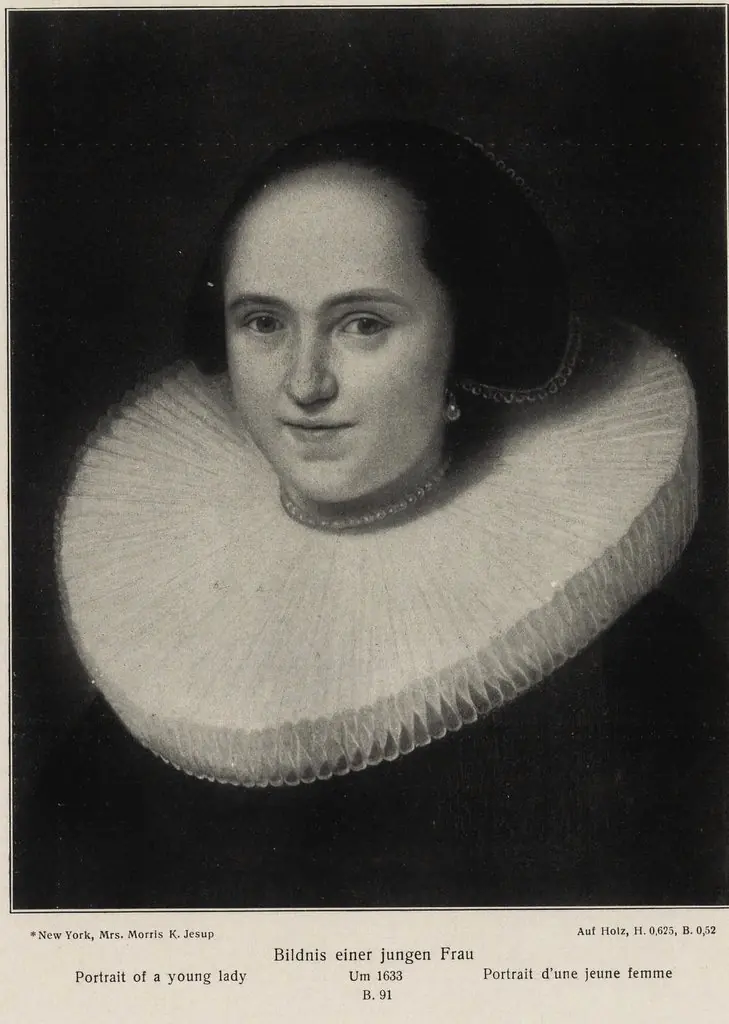 Portrait of a Young Woman wrongly called Wife of Burgomaster Six
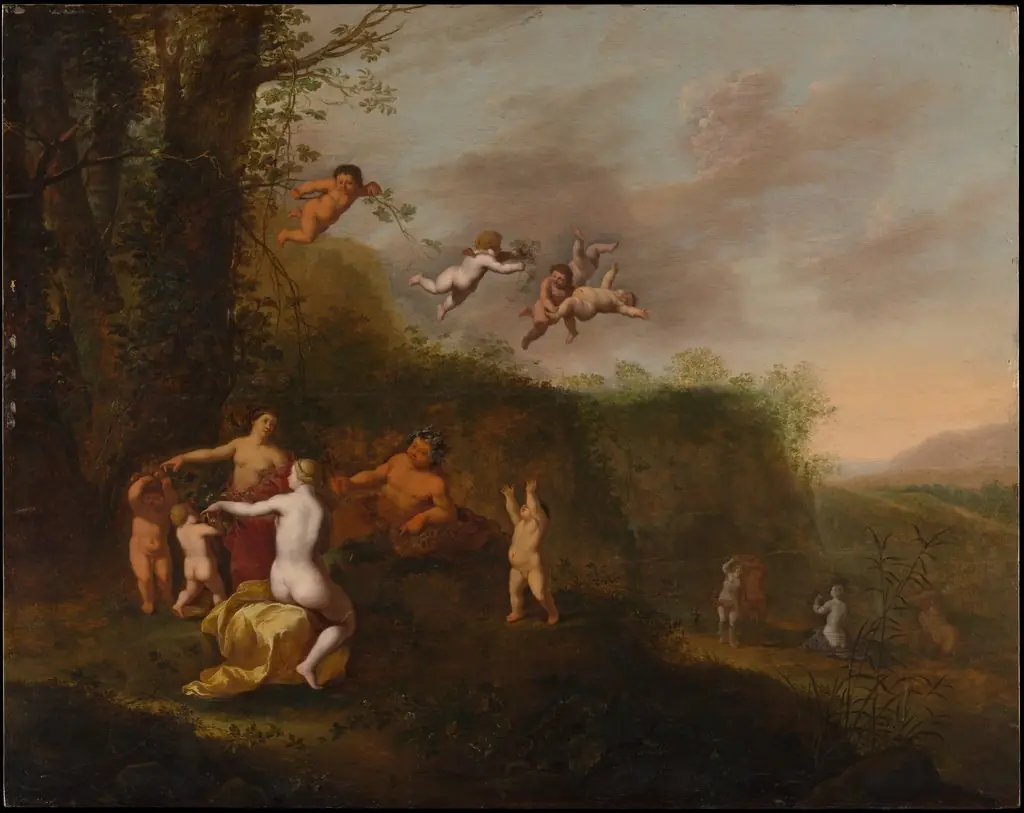 Bacchus and Nymphs in a Landscape
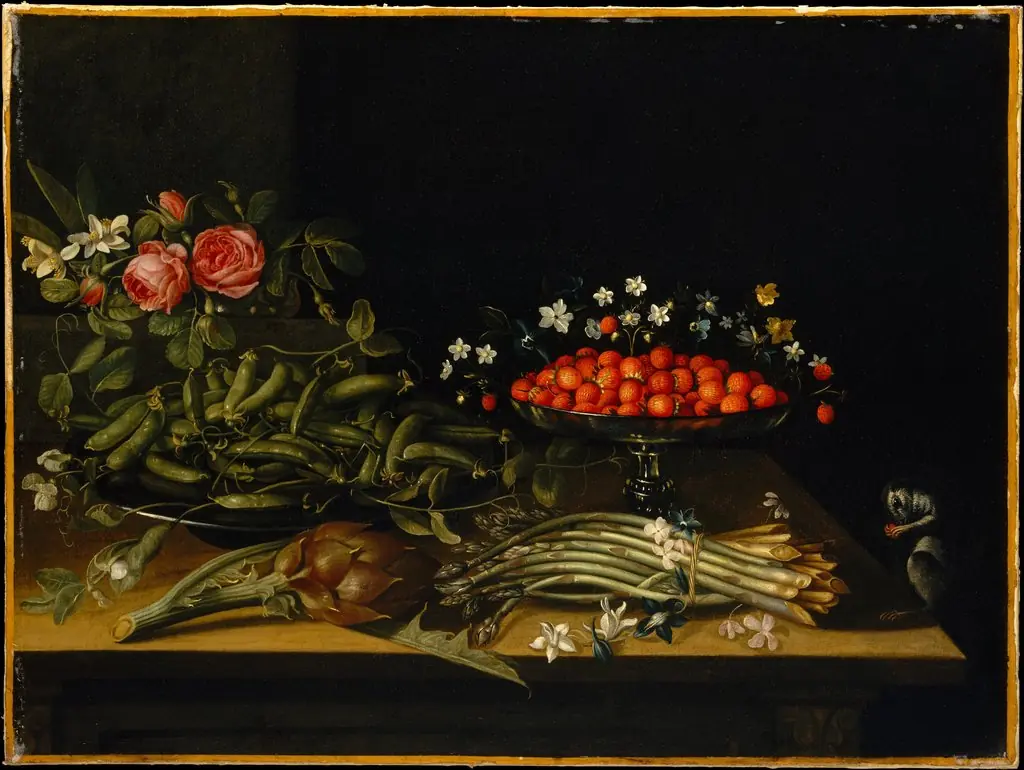 Still Life with Strawberries
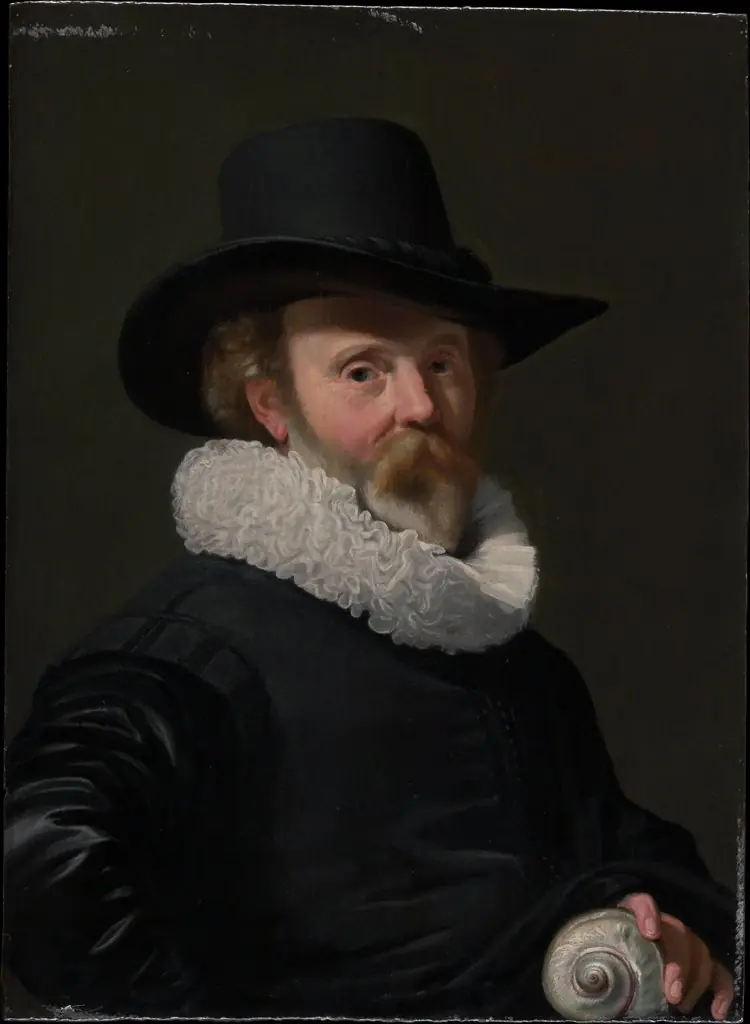 Portrait of a Man with a Shell
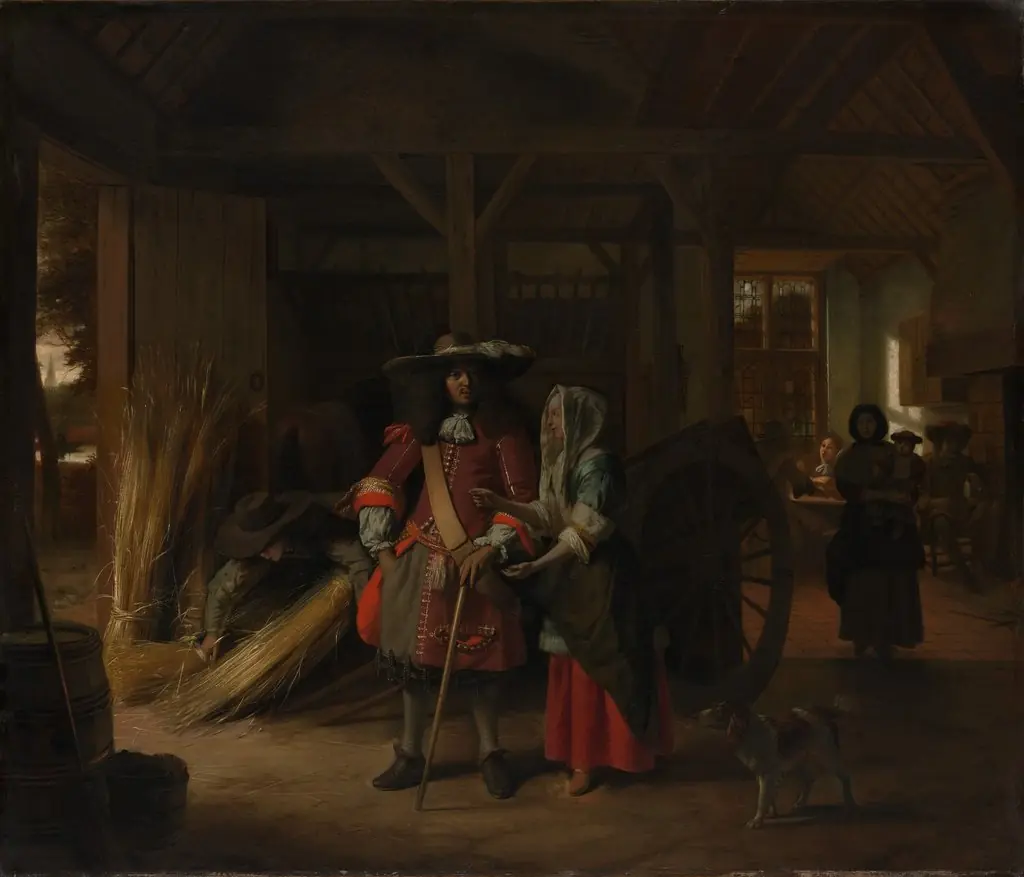 Officer paying a woman in a stable
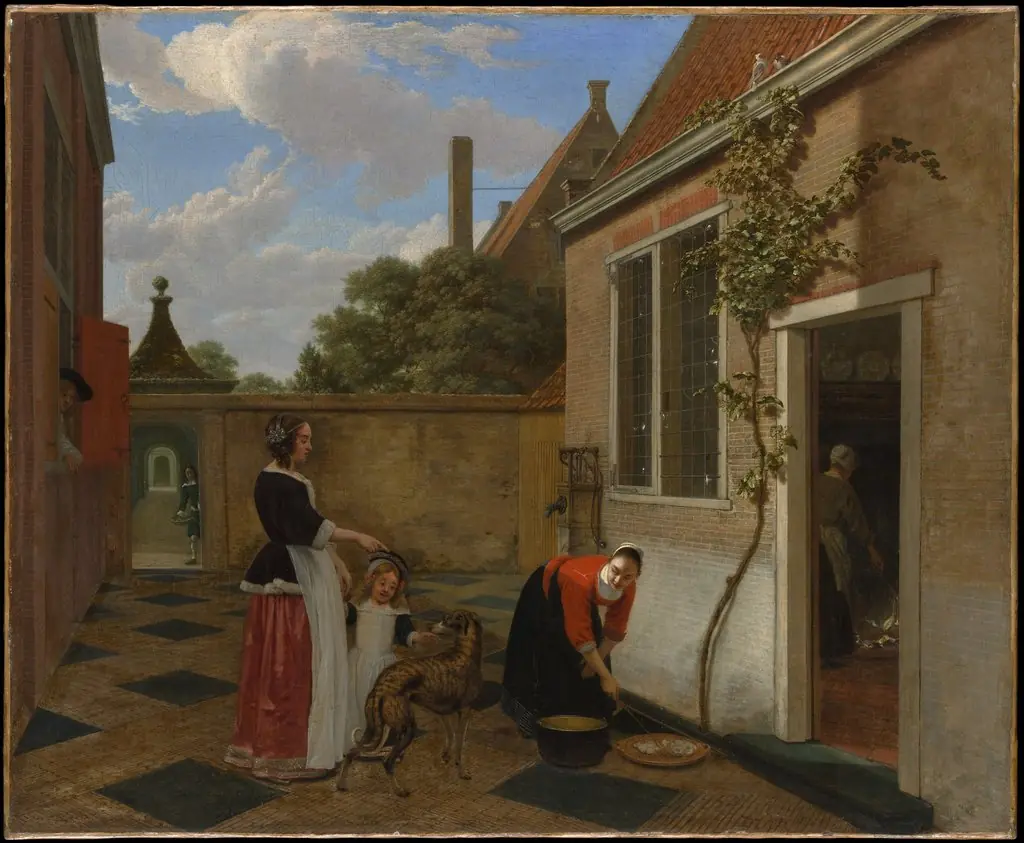 Scene in a Courtyard
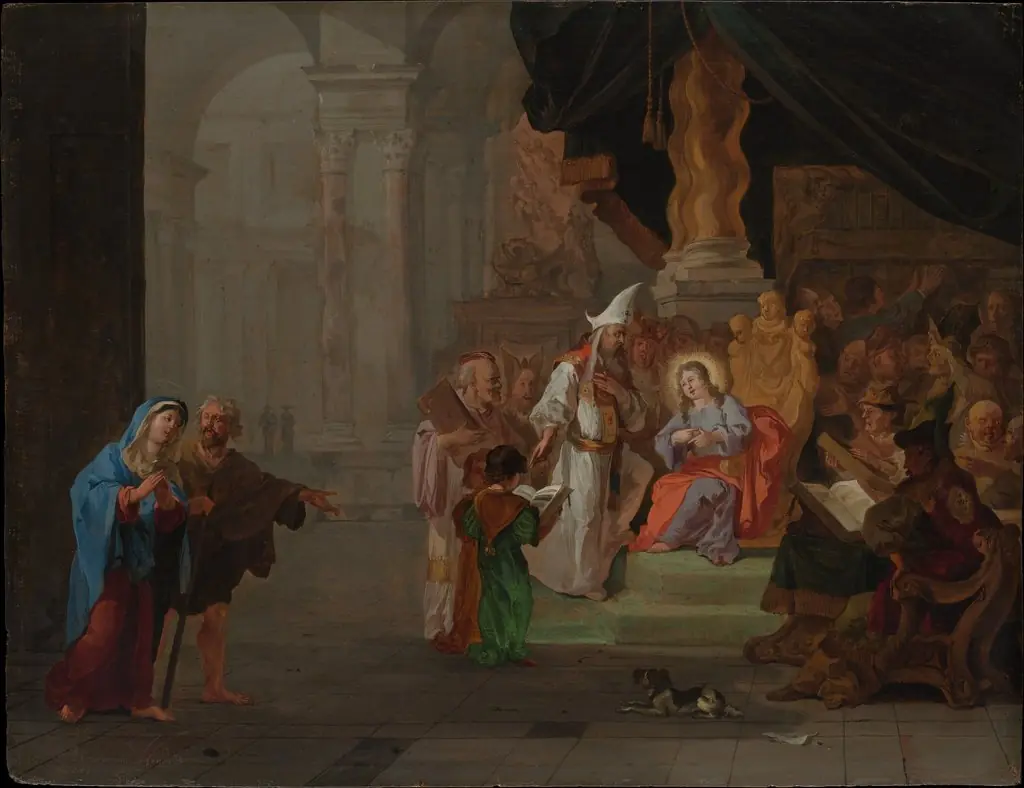 Christ among the Doctors
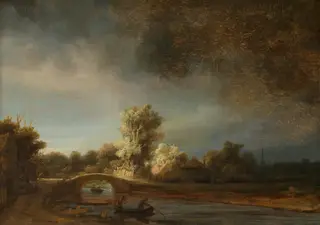 Landscape with a Stone Bridge
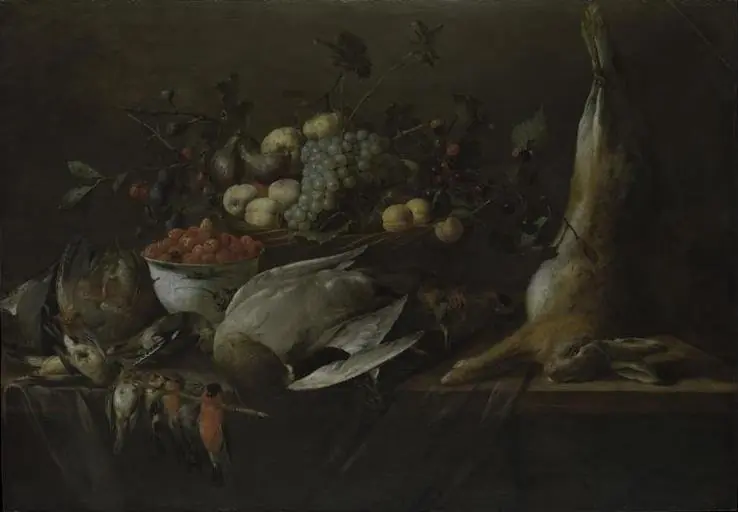 Still Life of Fruit and Game
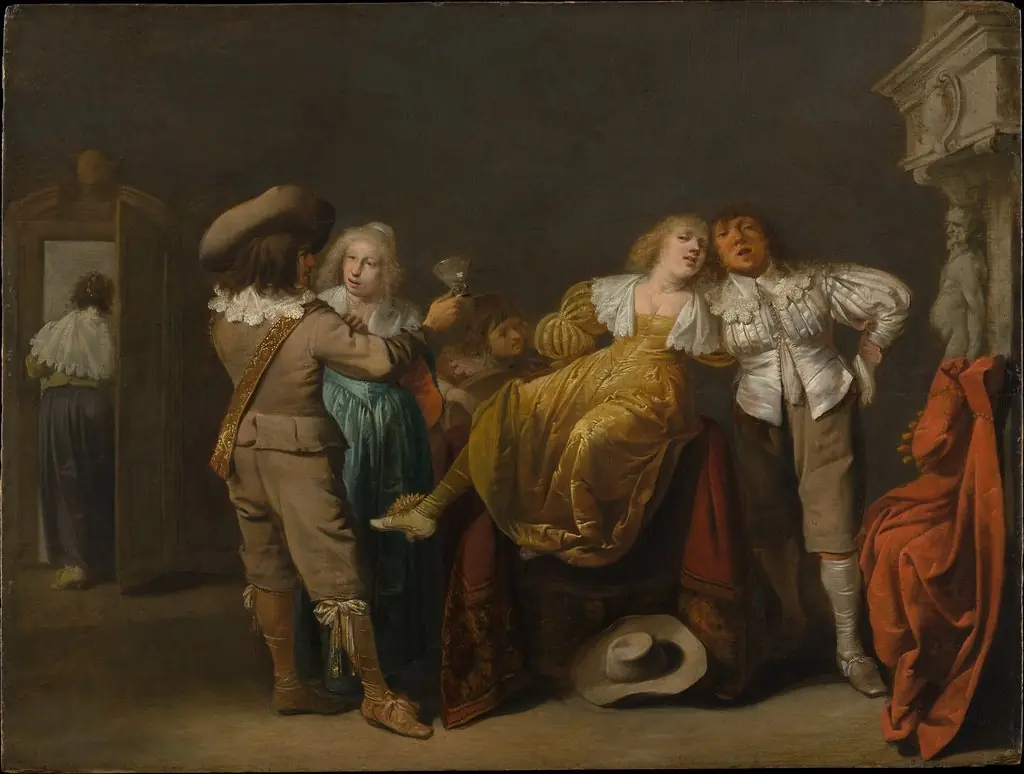 A Party of Merrymakers
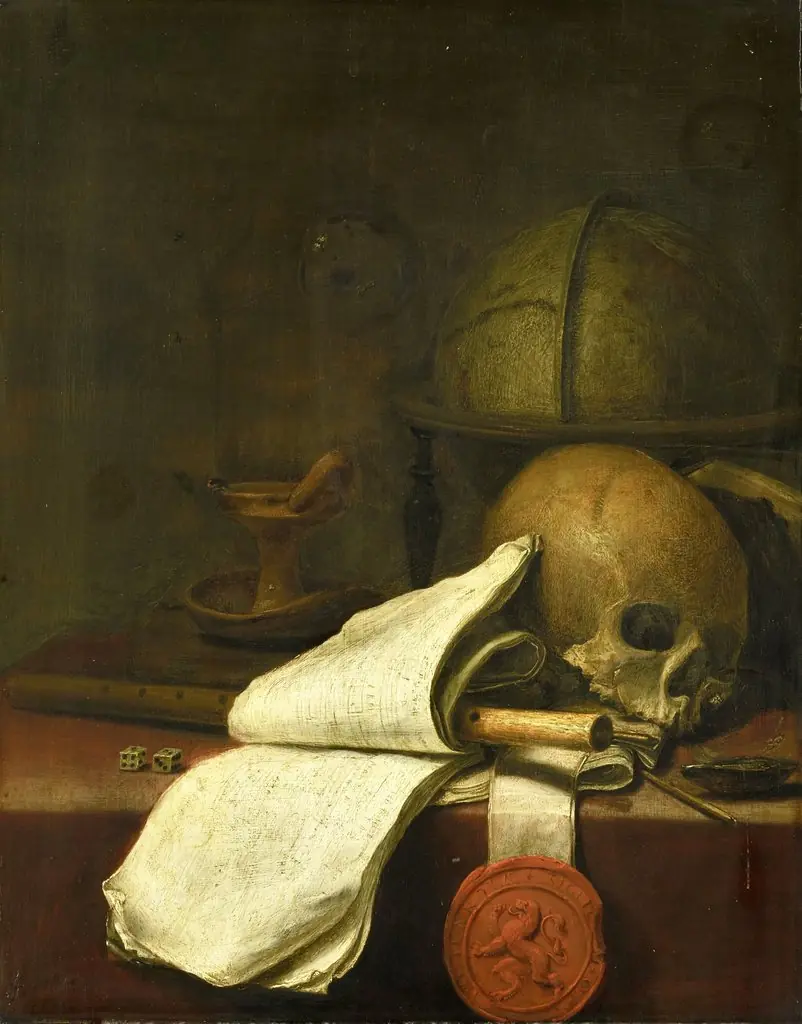 Vanitas still life
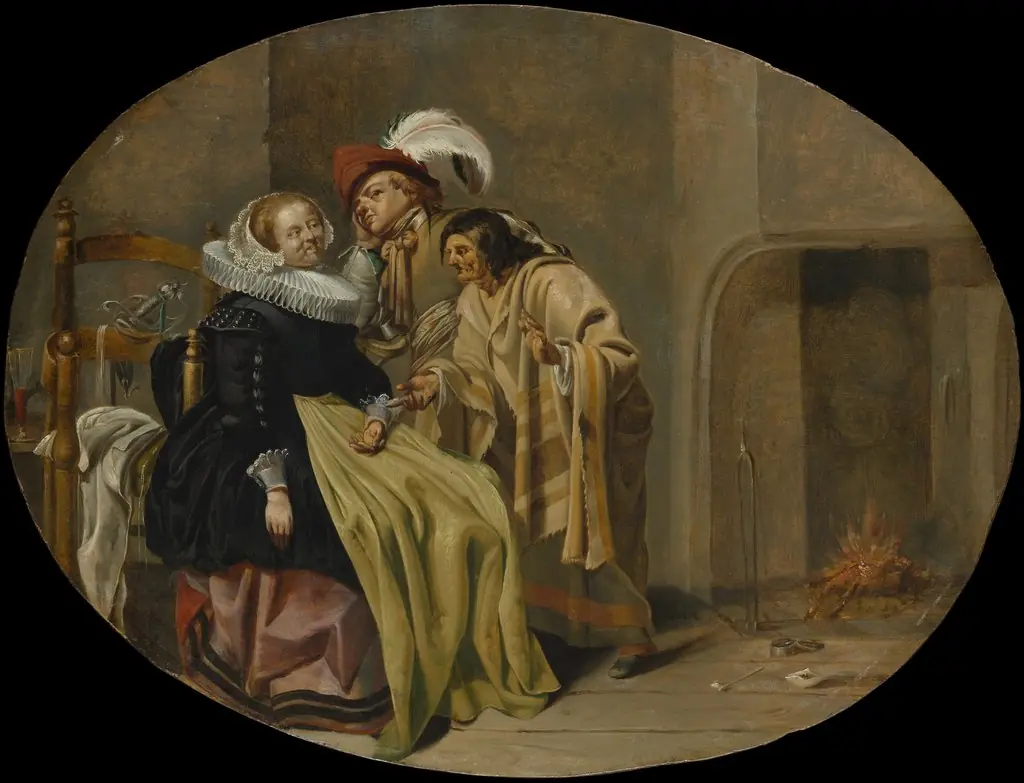 A Couple in an Interior with a Gypsy Fortune-Teller
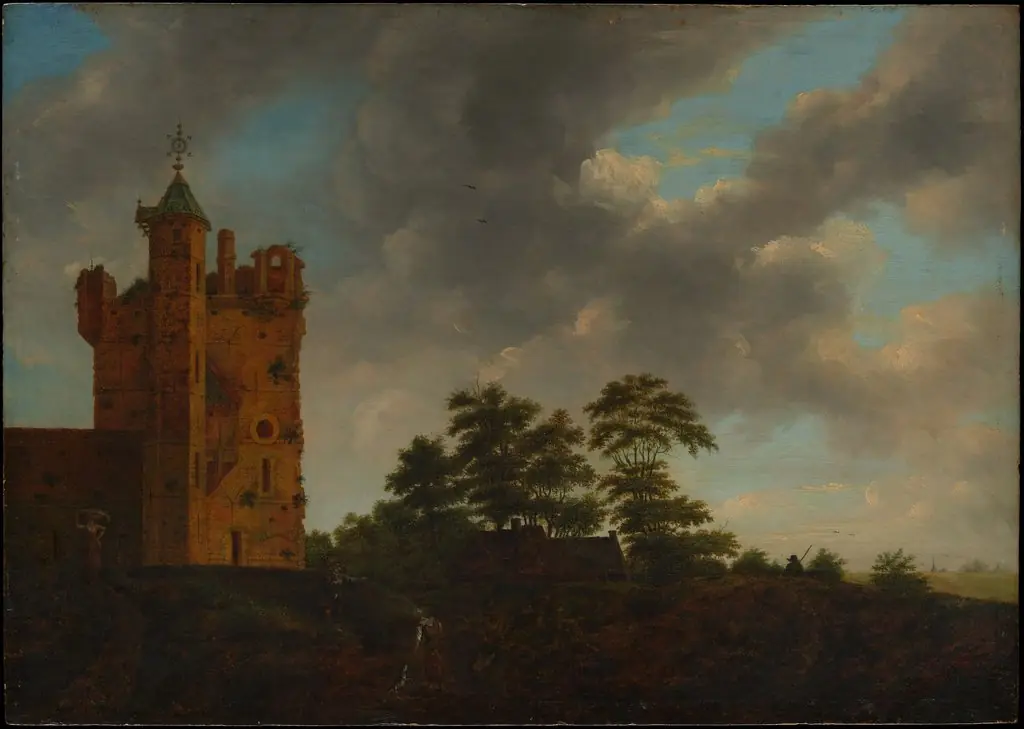 The Old Castle
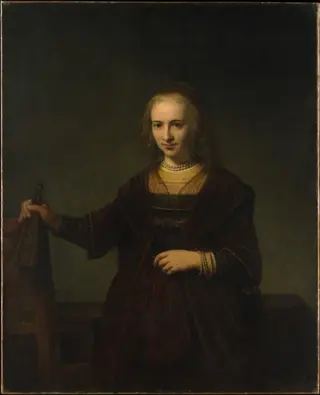 Portrait of a Woman
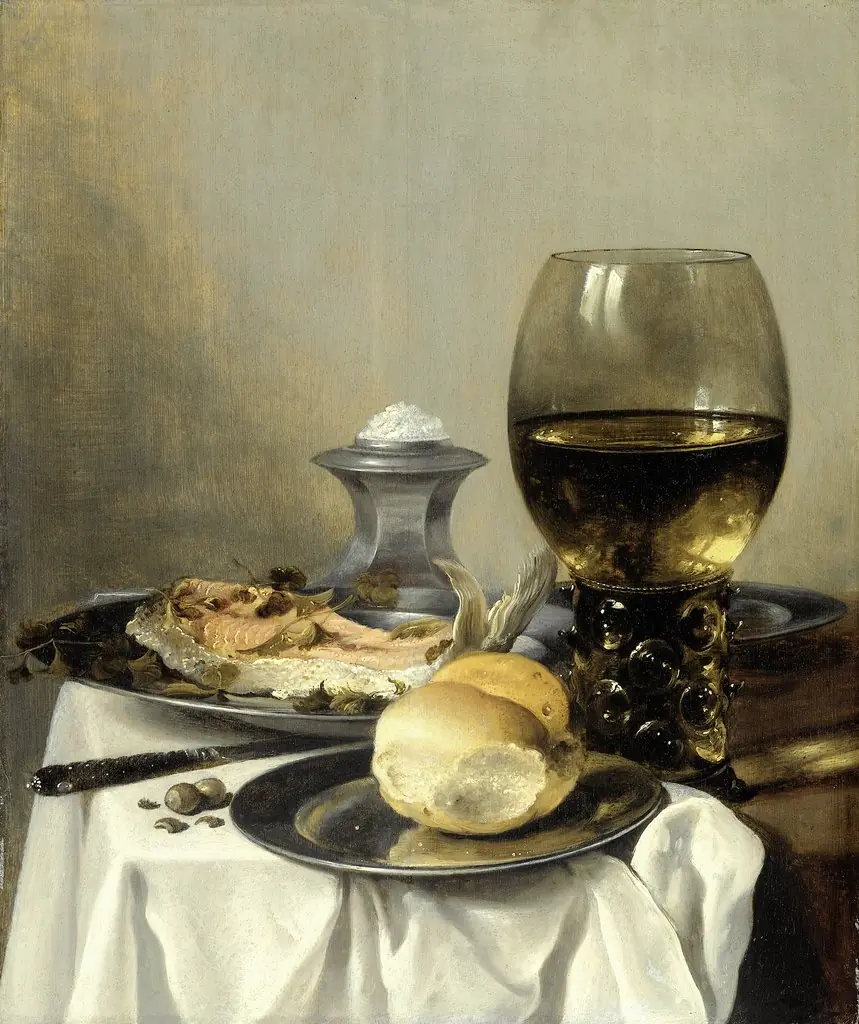 Still life with a salt cellar
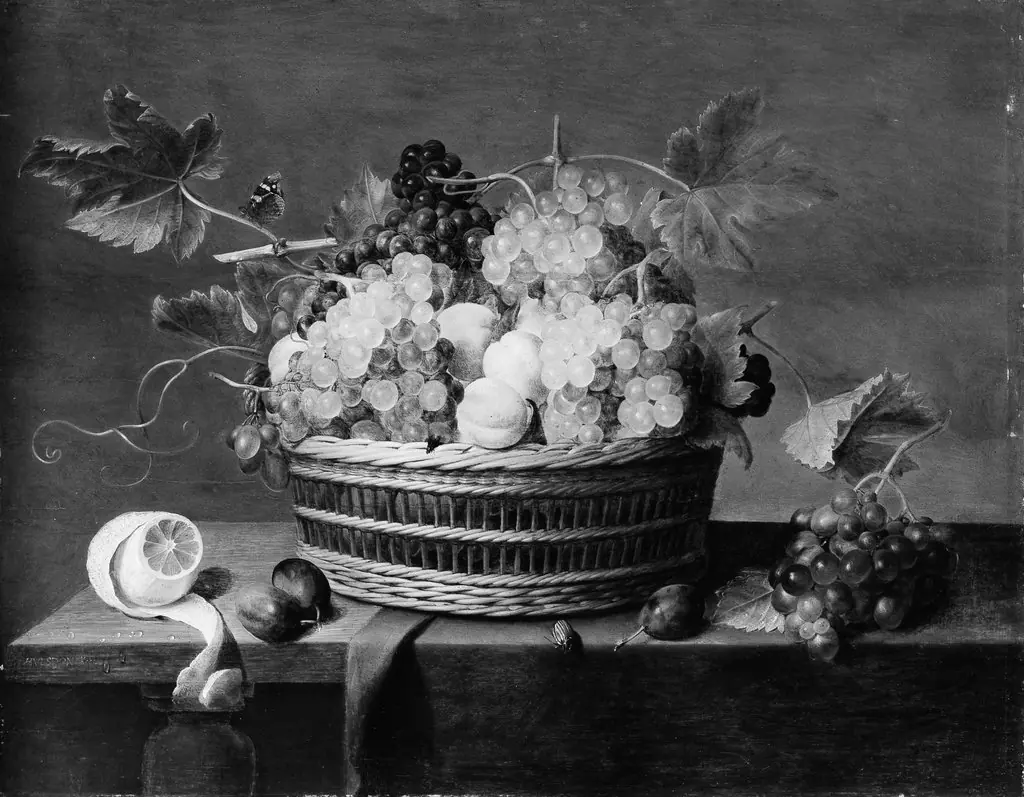 Still Life: A Basket of Grapes and Other Fruit
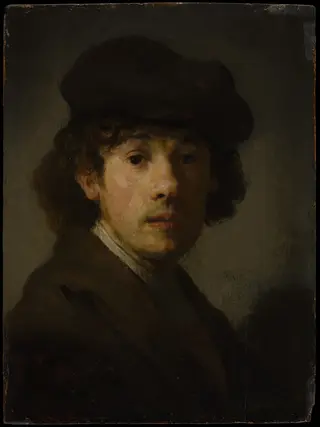 Rembrandt (1606–1669) as a Young Man
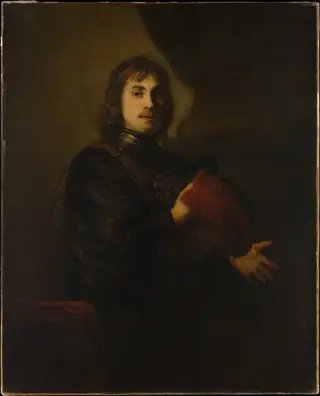 Portrait of a Man with a Breastplate and Plumed Hat
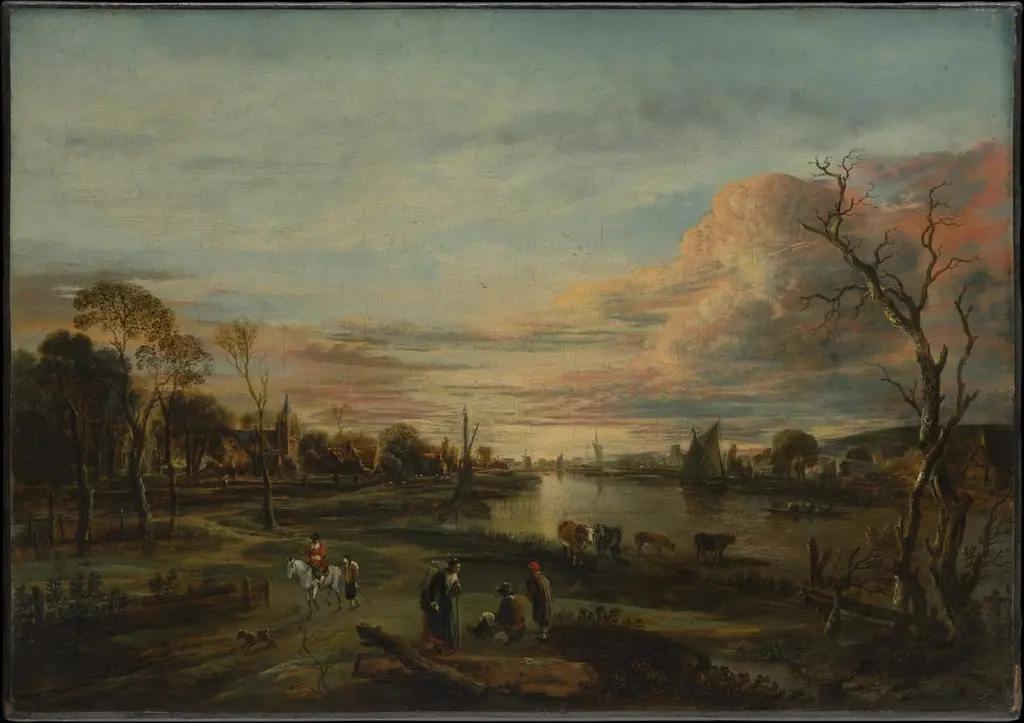 Landscape at Sunset
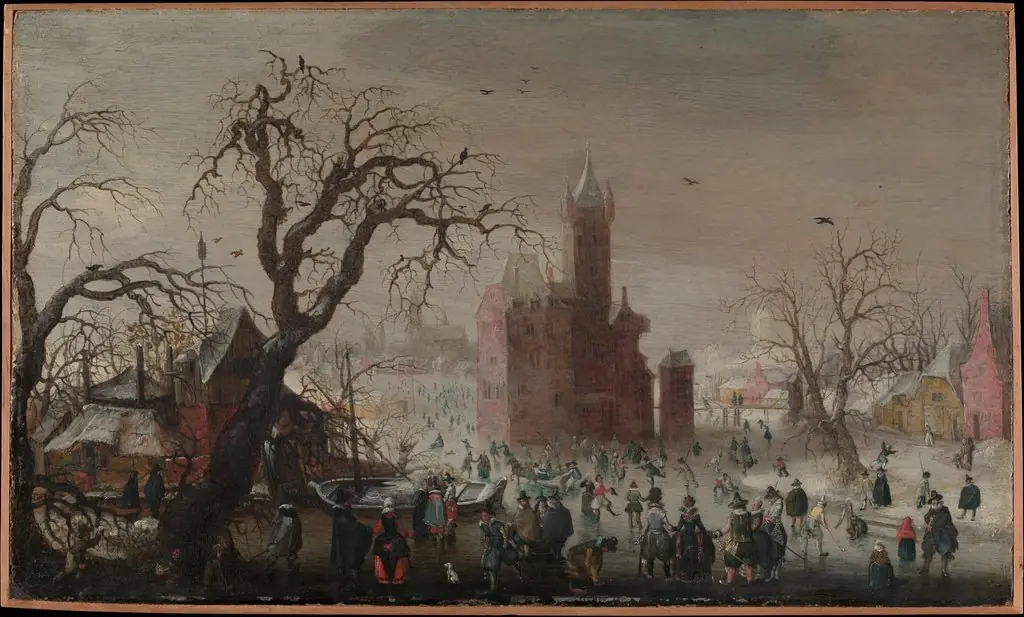 A Winter Landscape with Ice Skaters and an Imaginary Castle
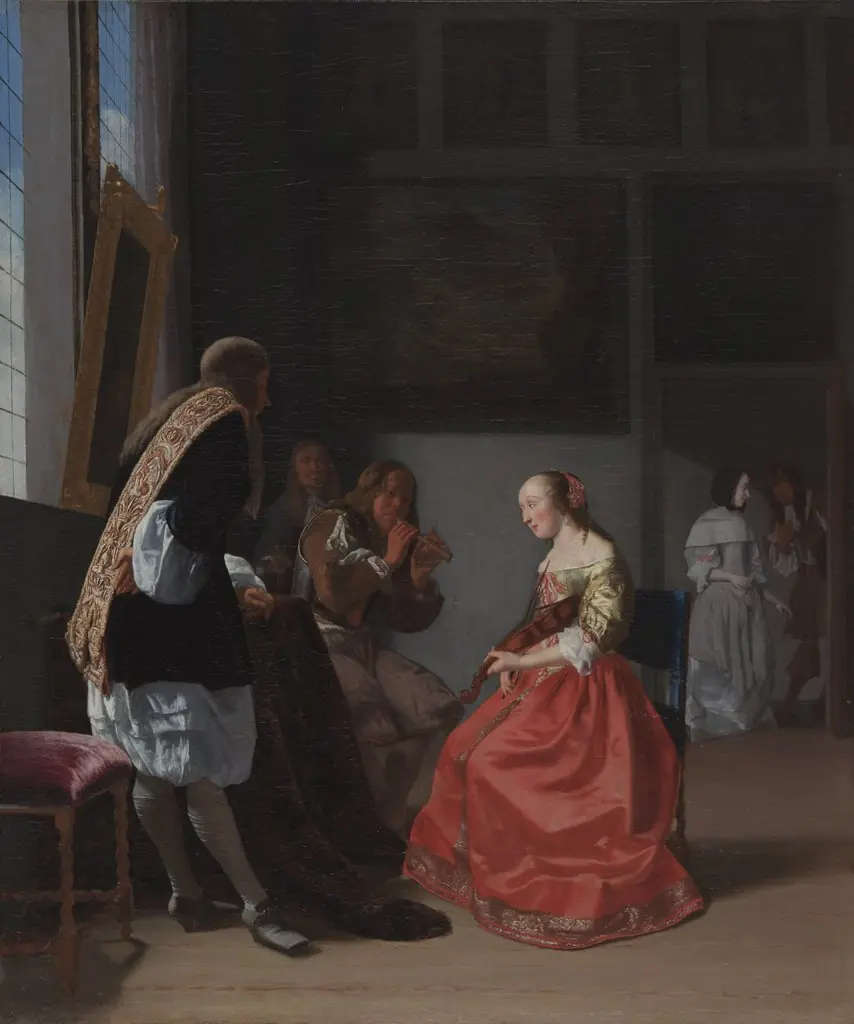 A Musical Company
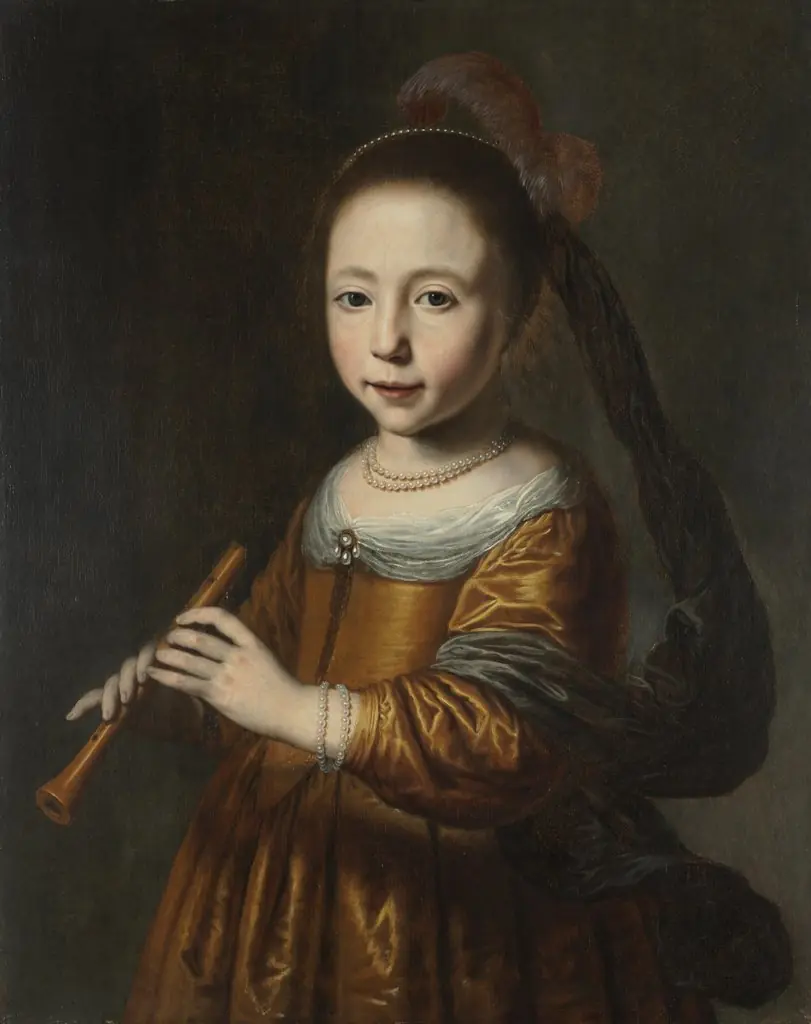 Portrait of Elizabeth Spiegel
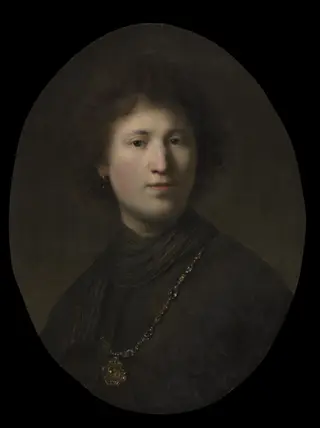 A Young Man with a Chain
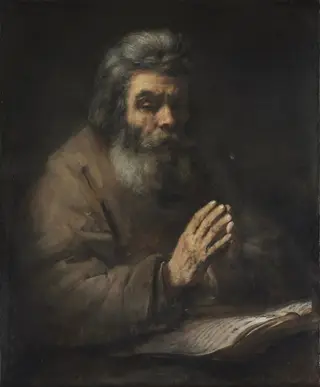 An Elderly Man in Prayer
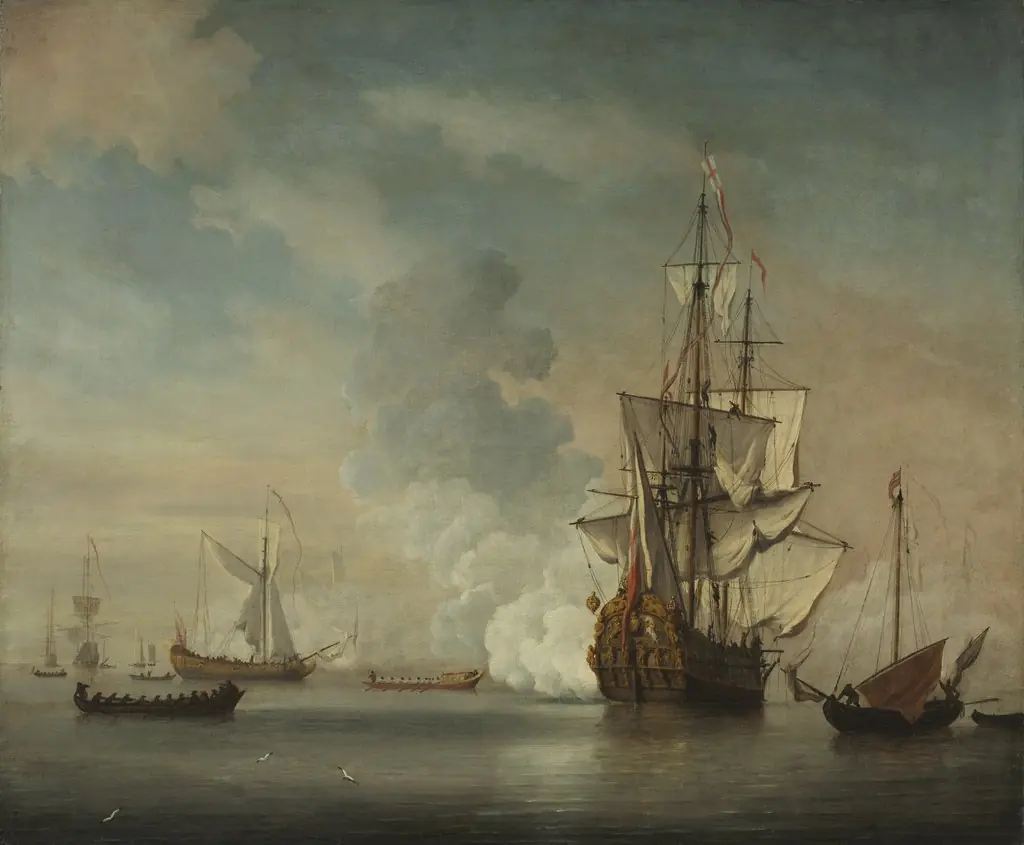 English Warship Firing a Salute
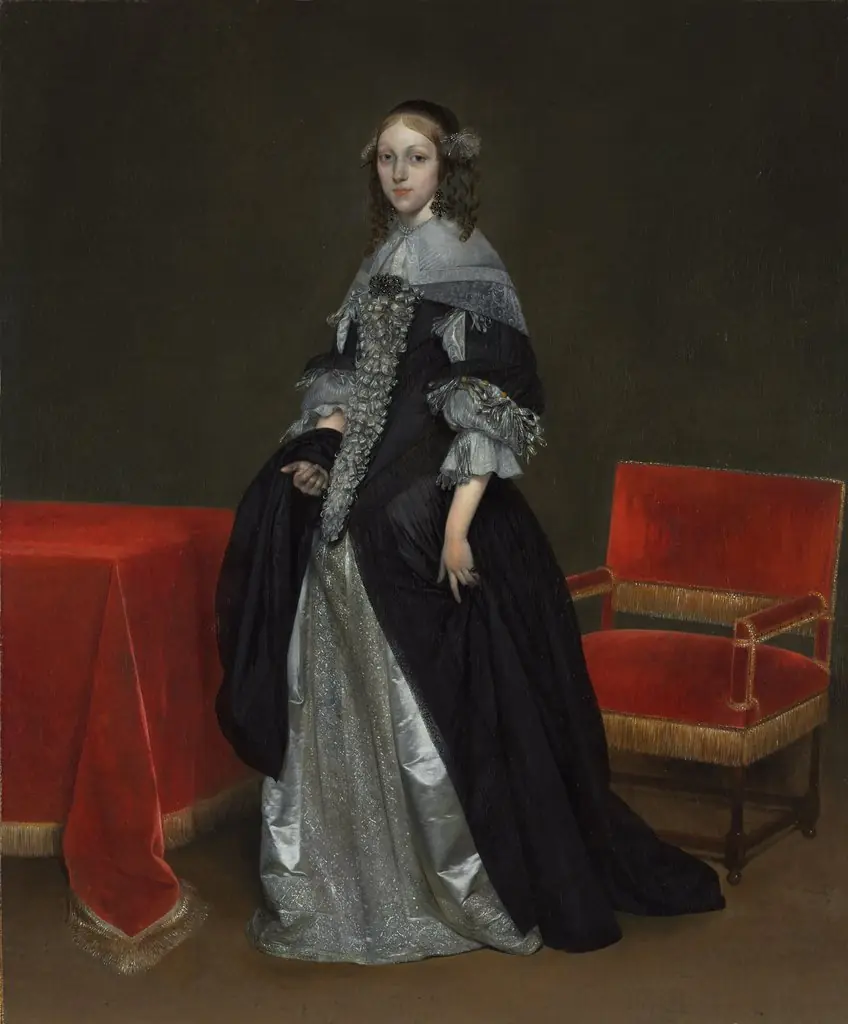 Portrait of a Woman
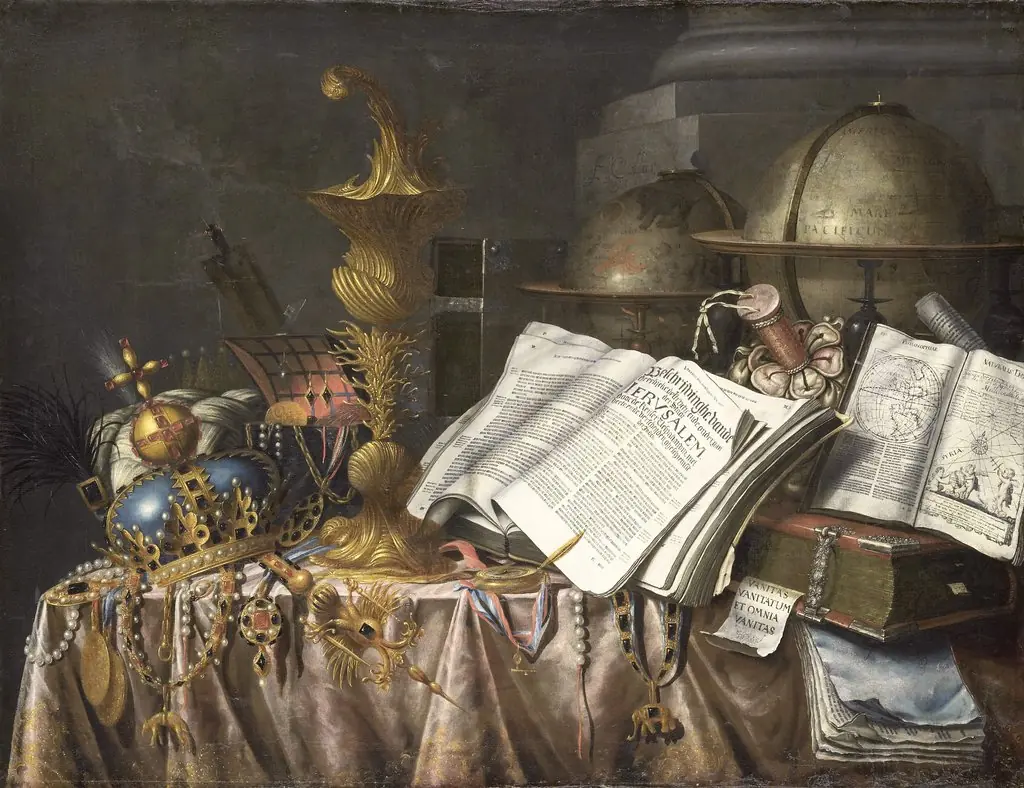 Vanitas still life
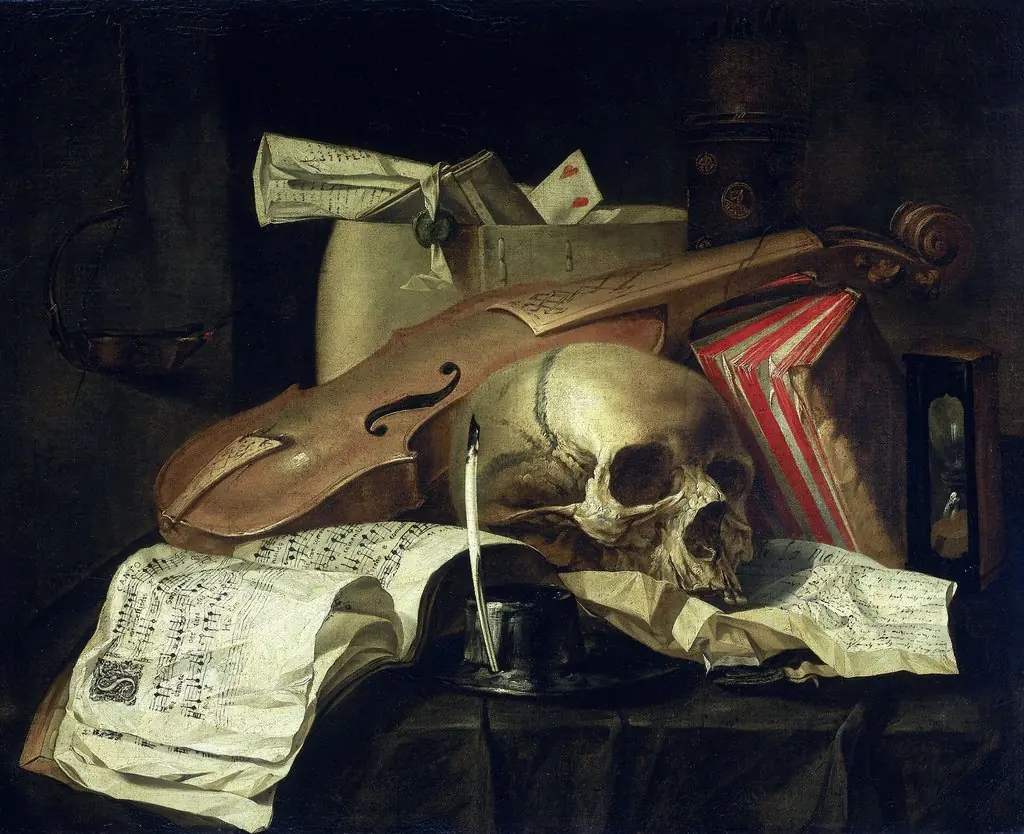 Vanitas still life
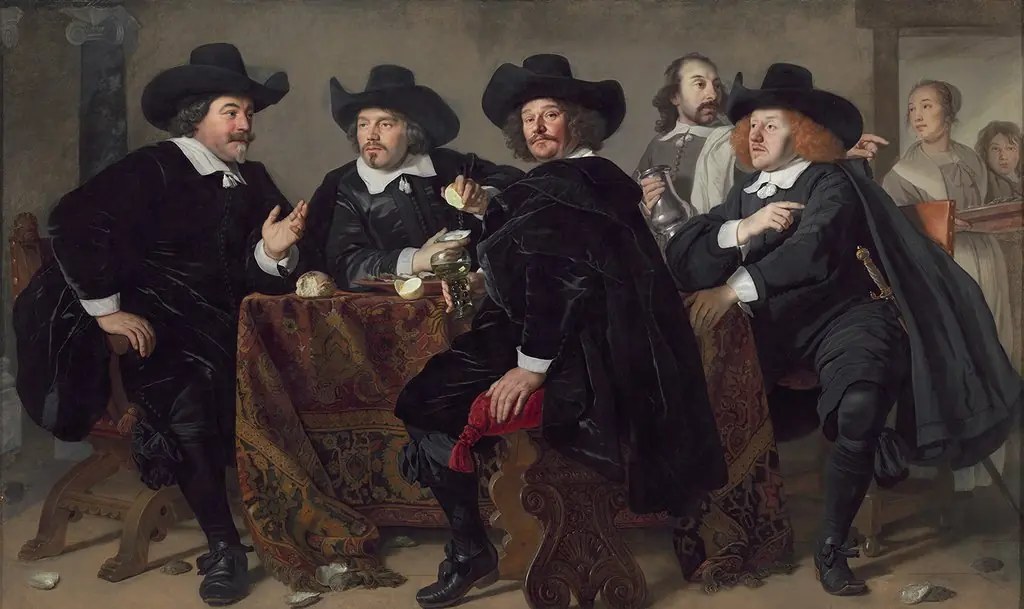 Four directors of the arquebusier's guild, Amsterdam, 1655
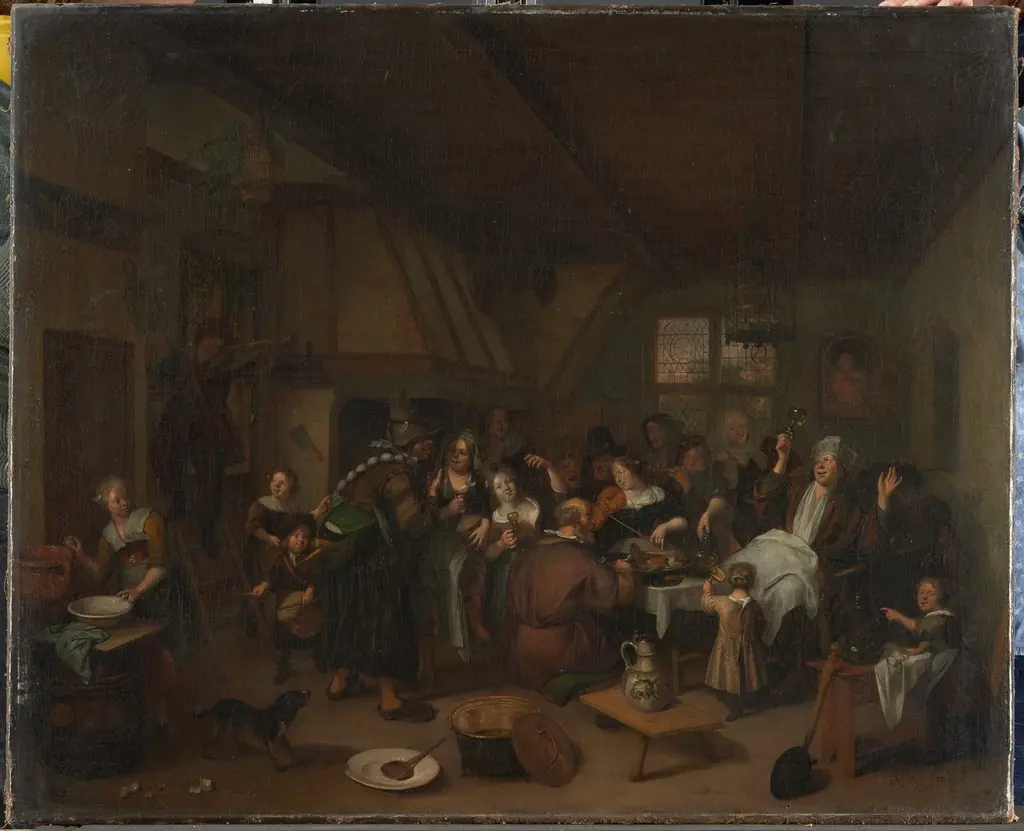 Interior with a company celebrating Twelfth Night, the Feast of Epiphany
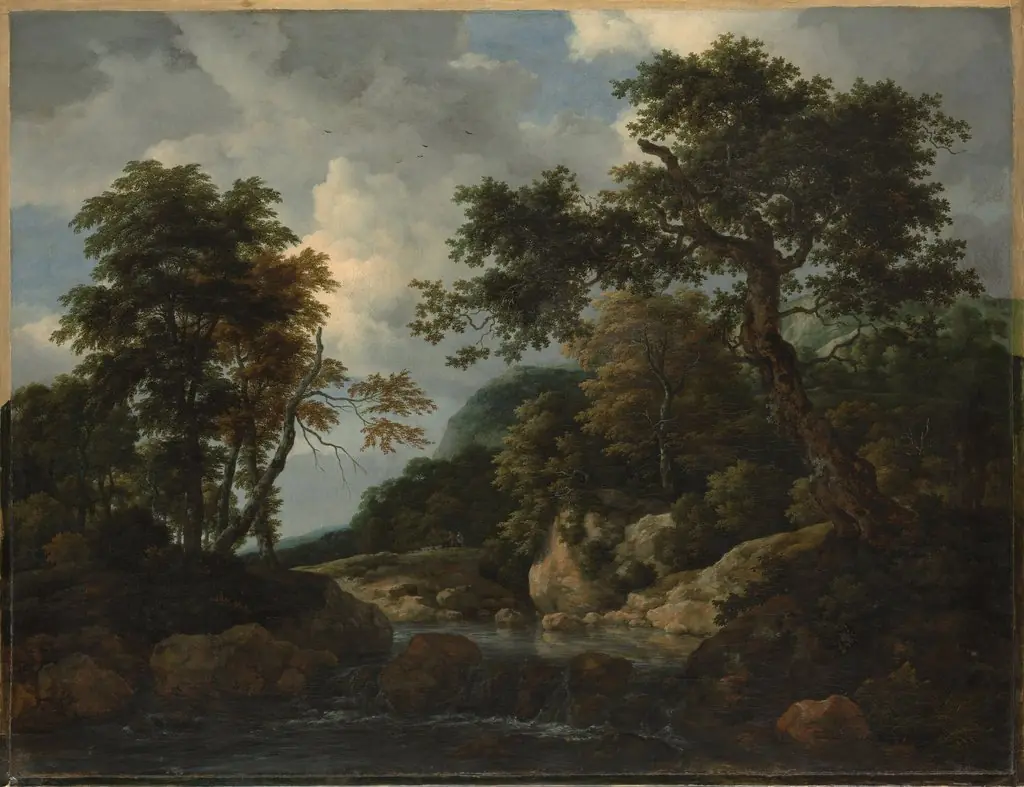 The Forest Stream
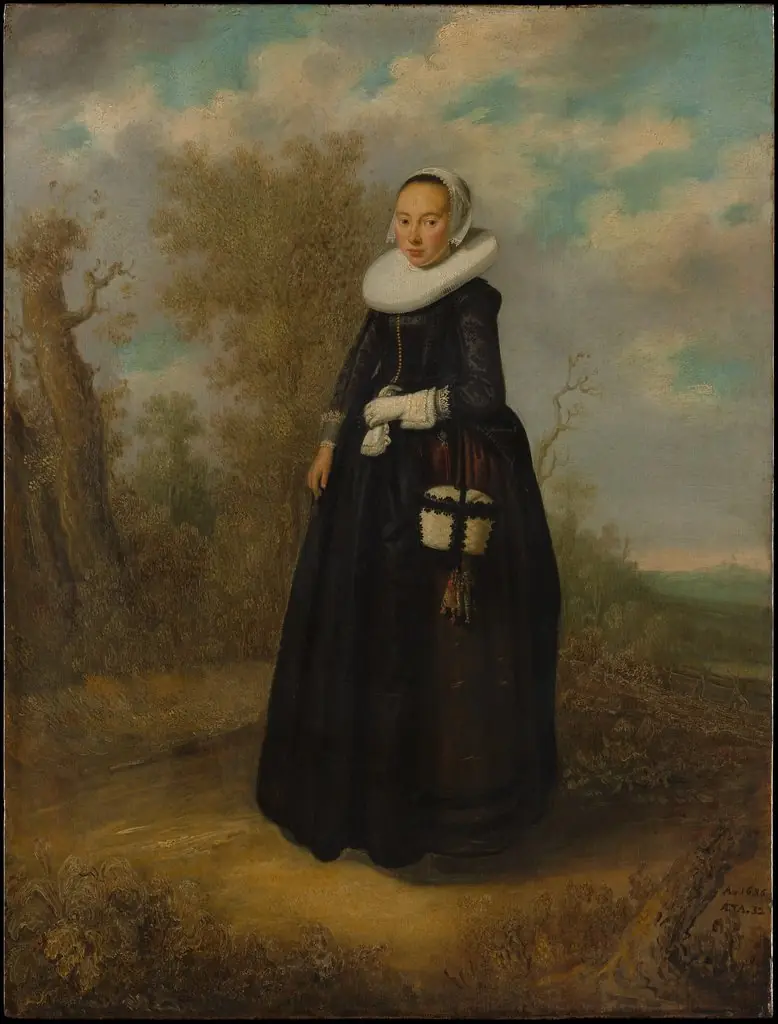 A Young Woman in a Landscape
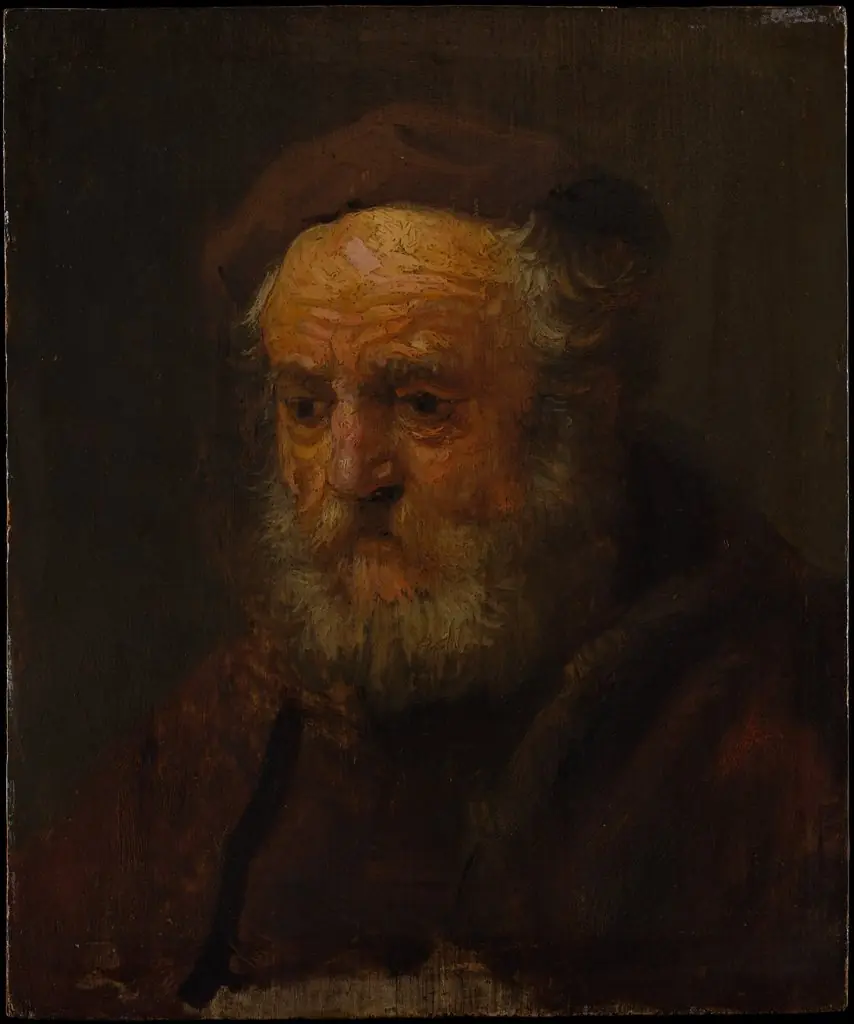 Study Head of an Old Man
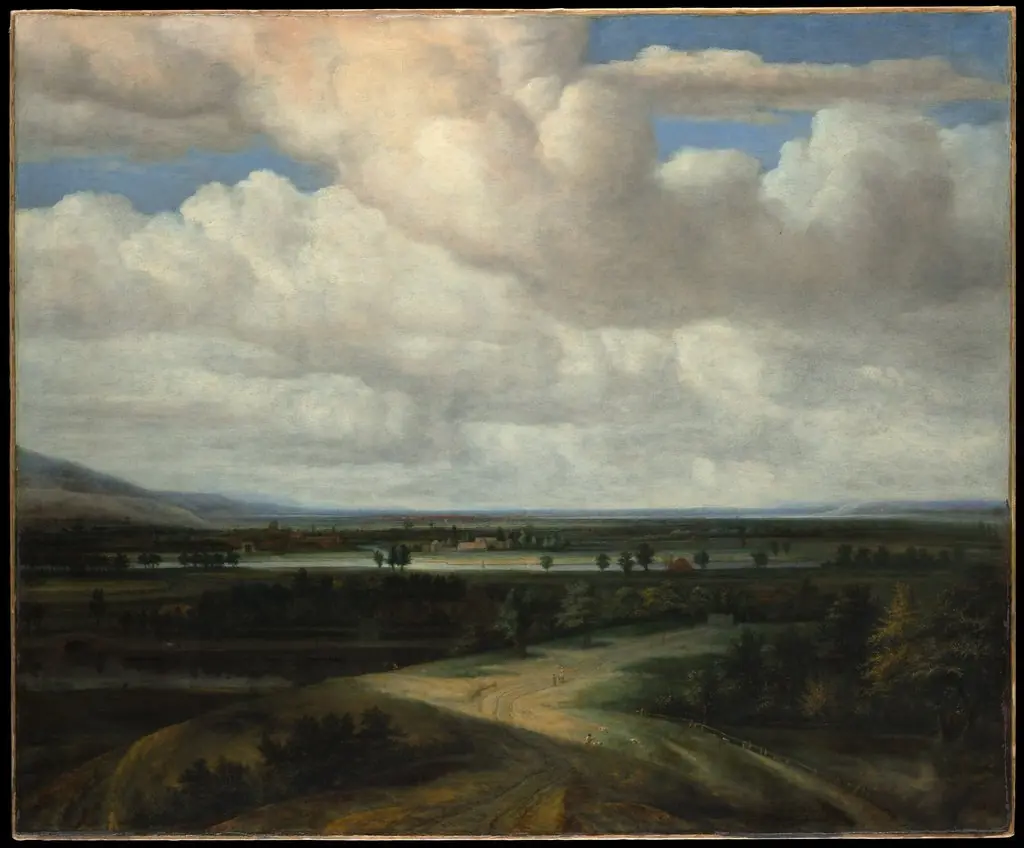 A Panoramic Landscape with a Country Estate
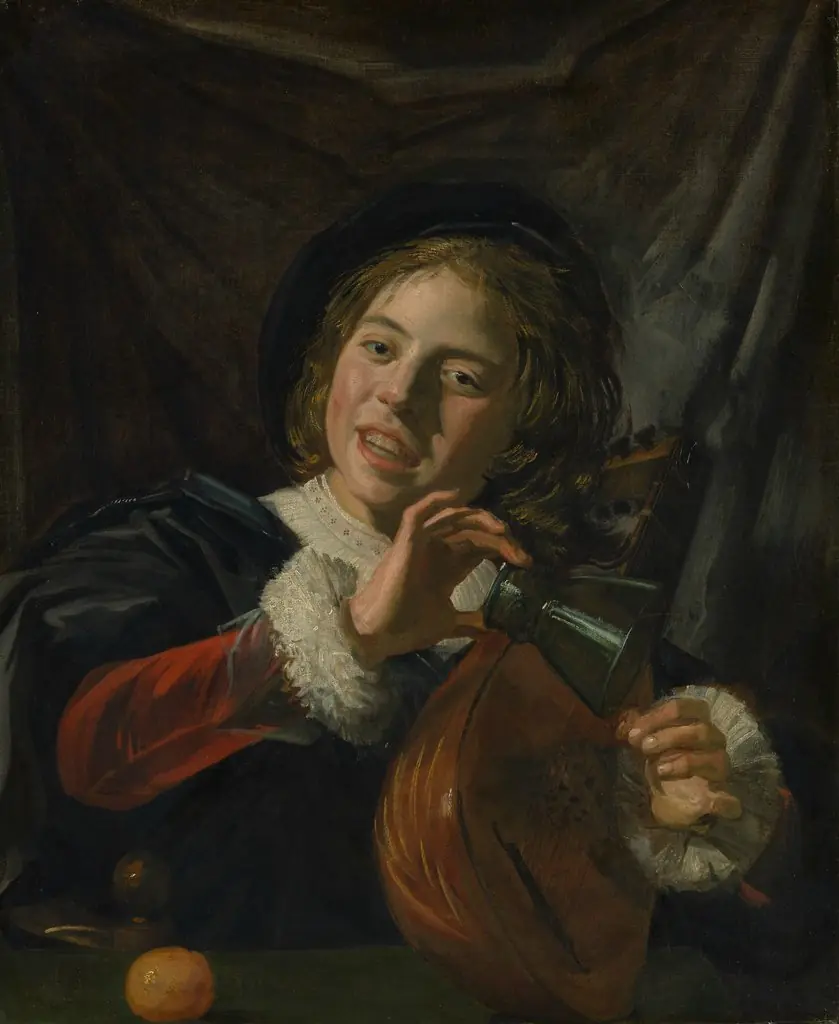 Boy with a Lute
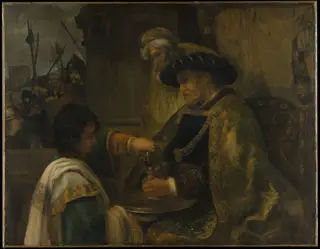 Pilate Washing His Hands
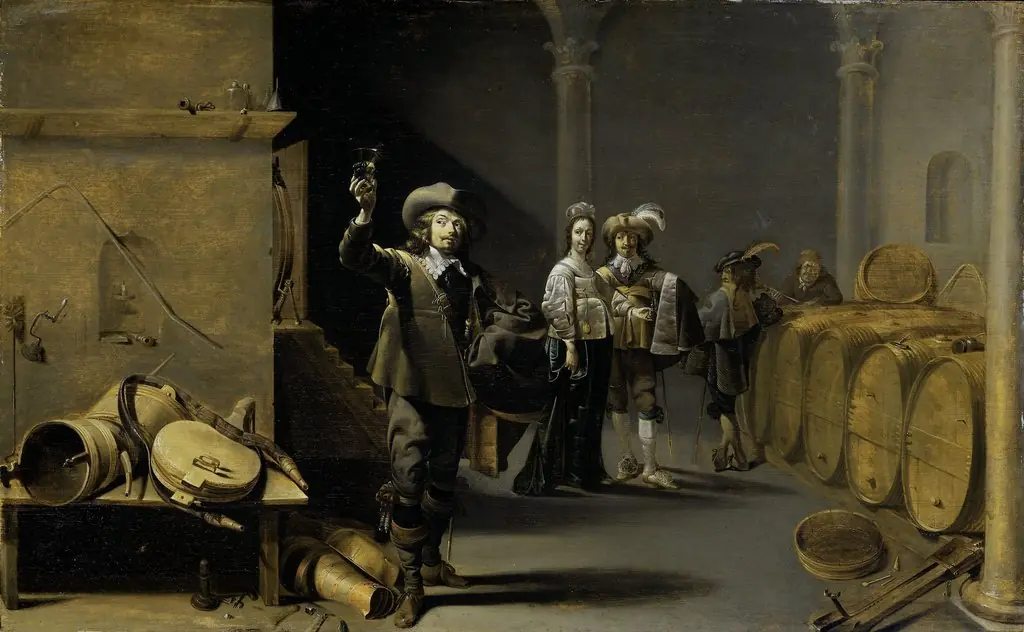 The wine connoisseurs
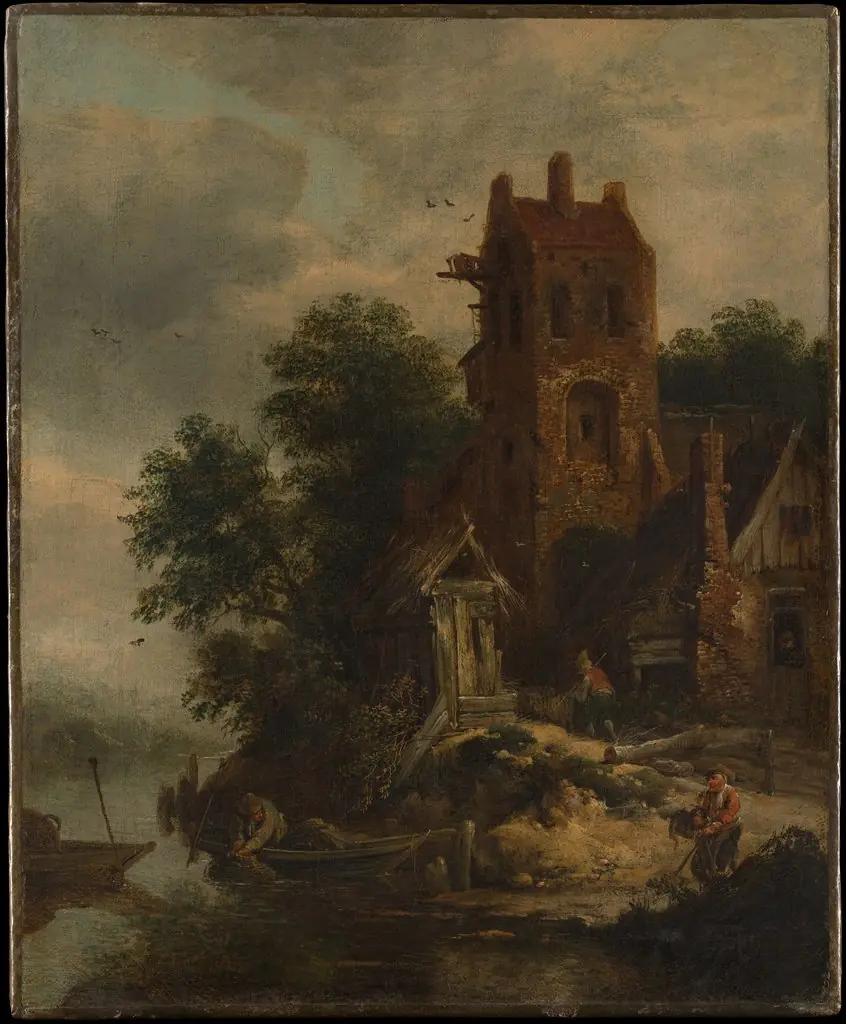 The Pigeon House
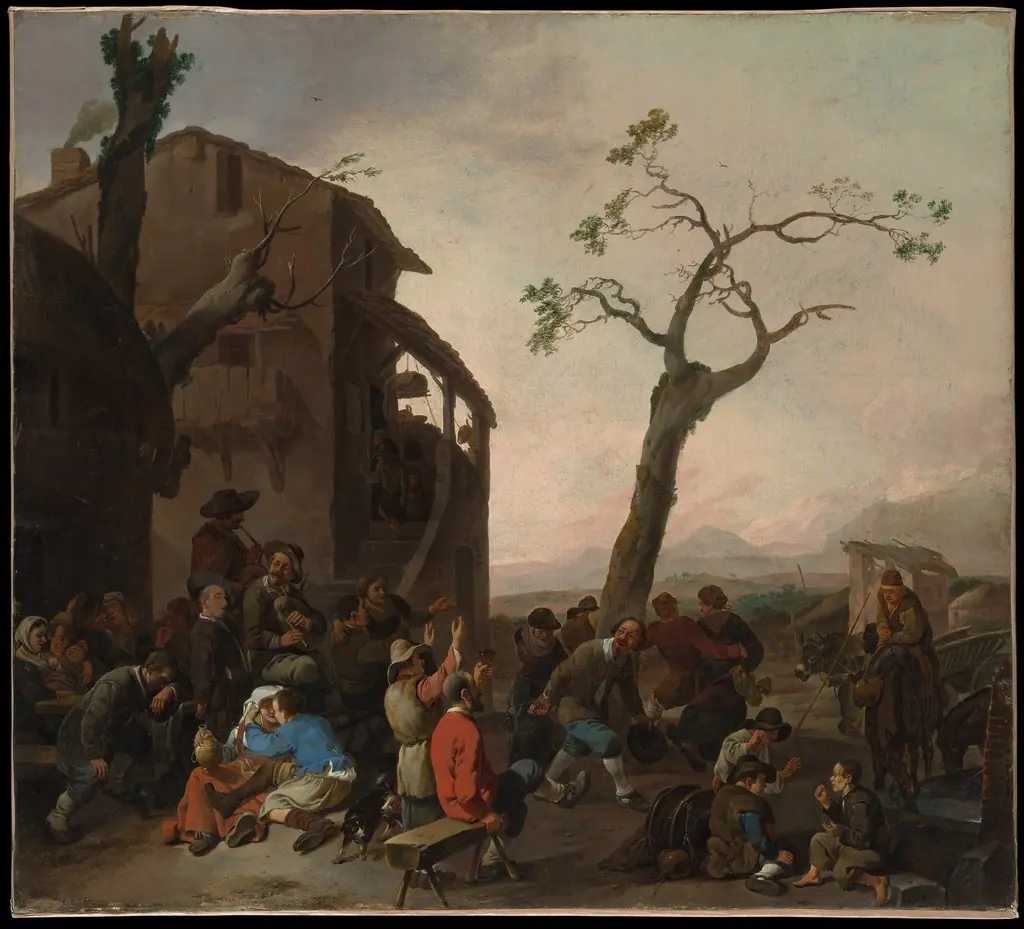 Peasants Dancing
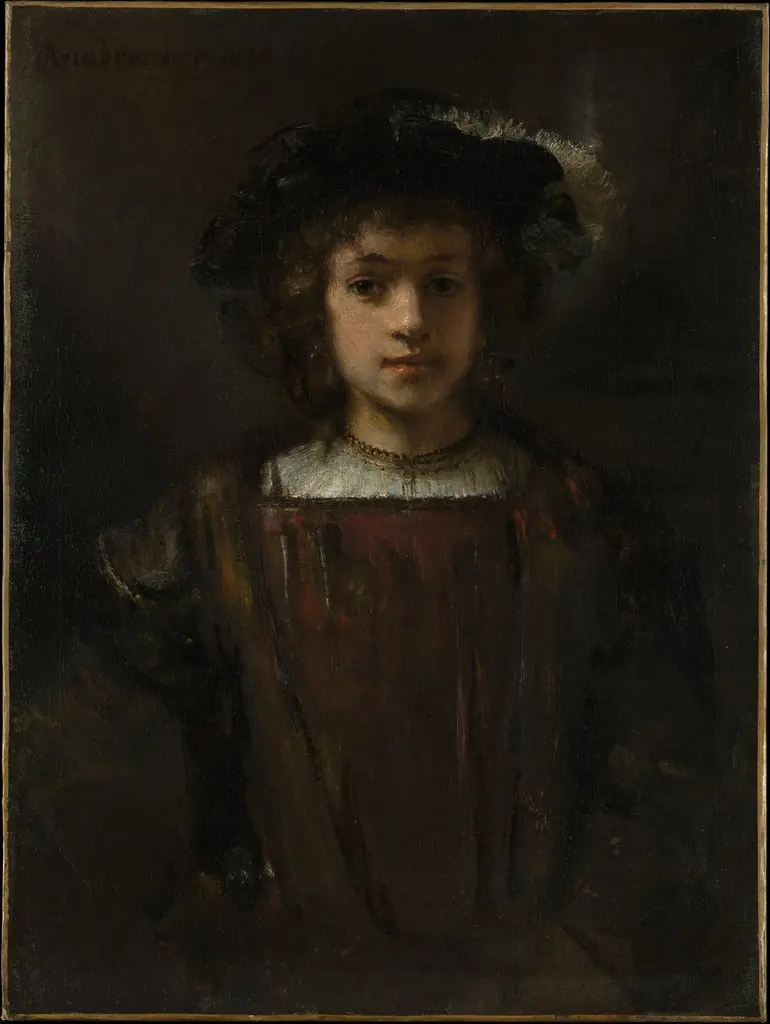 Rembrandt's Son Titus
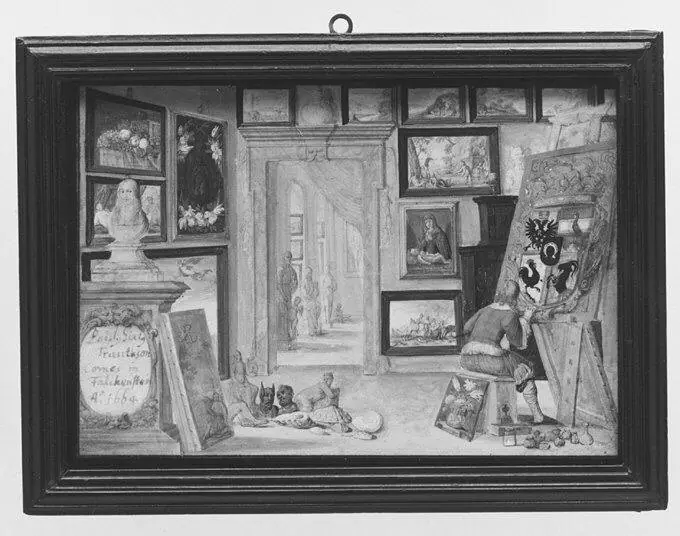 An Artist Painting a Heraldic Shield in a Cabinet of Curiosities
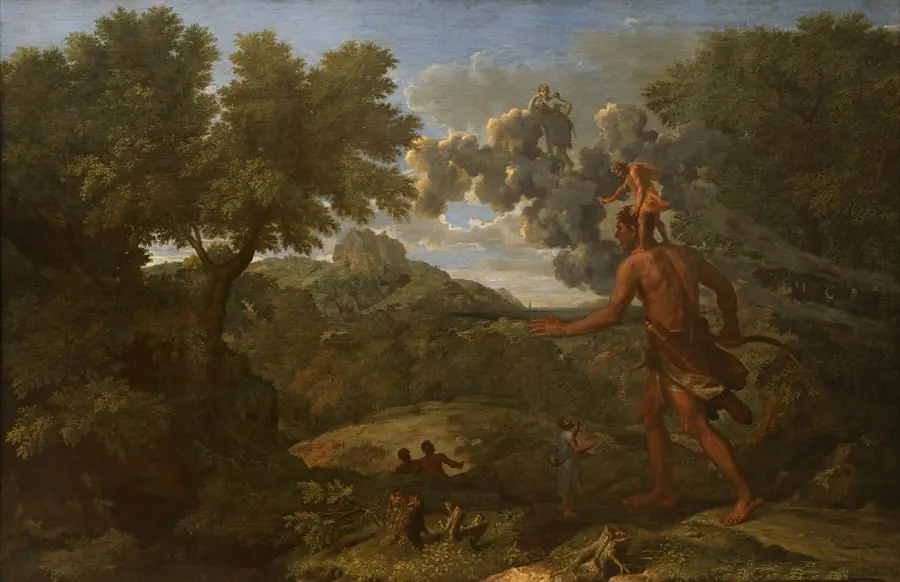 Blind Orion Searching for the Rising Sun
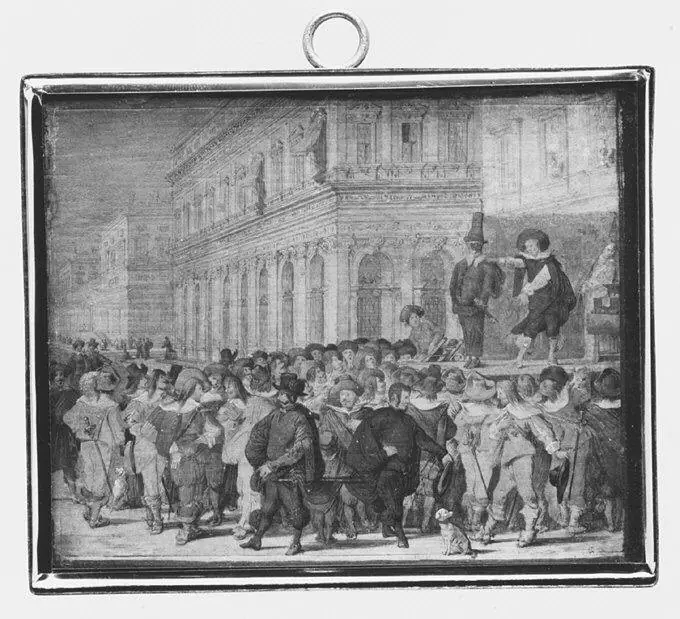 Traveling Players
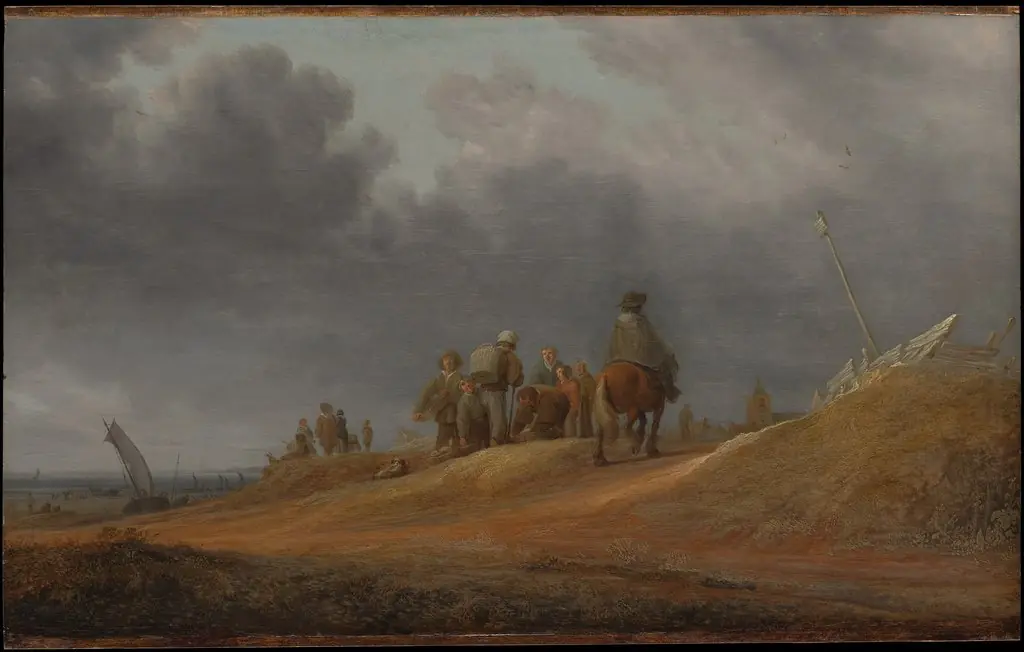 Market by the Seashore
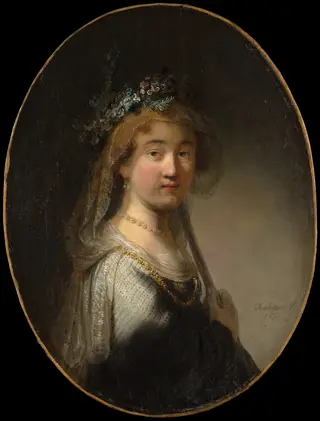 A Young Woman as a Shepherdess ("Saskia as Flora")
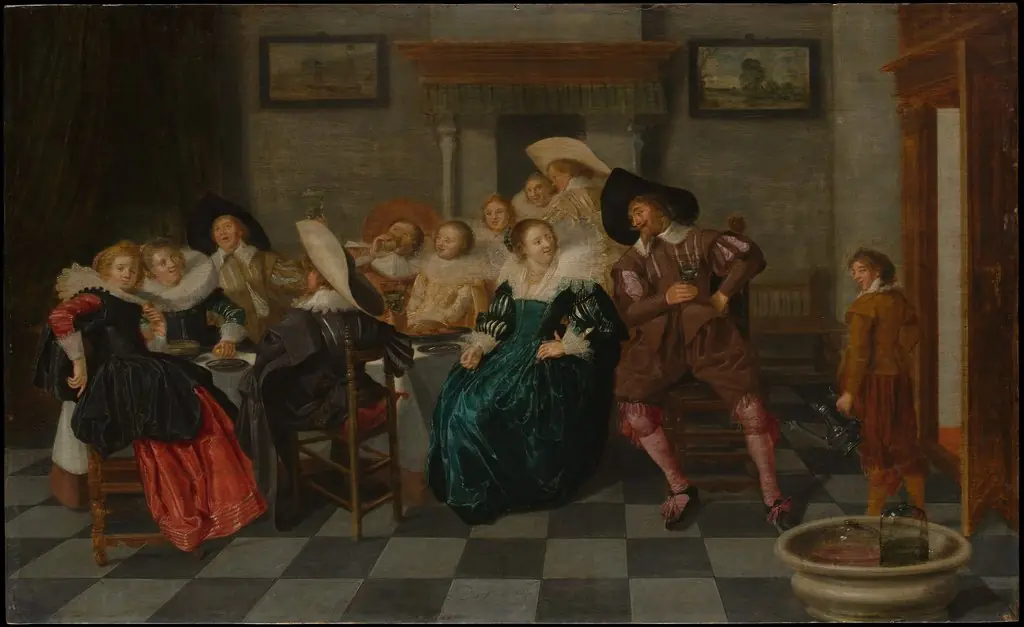 A Banquet
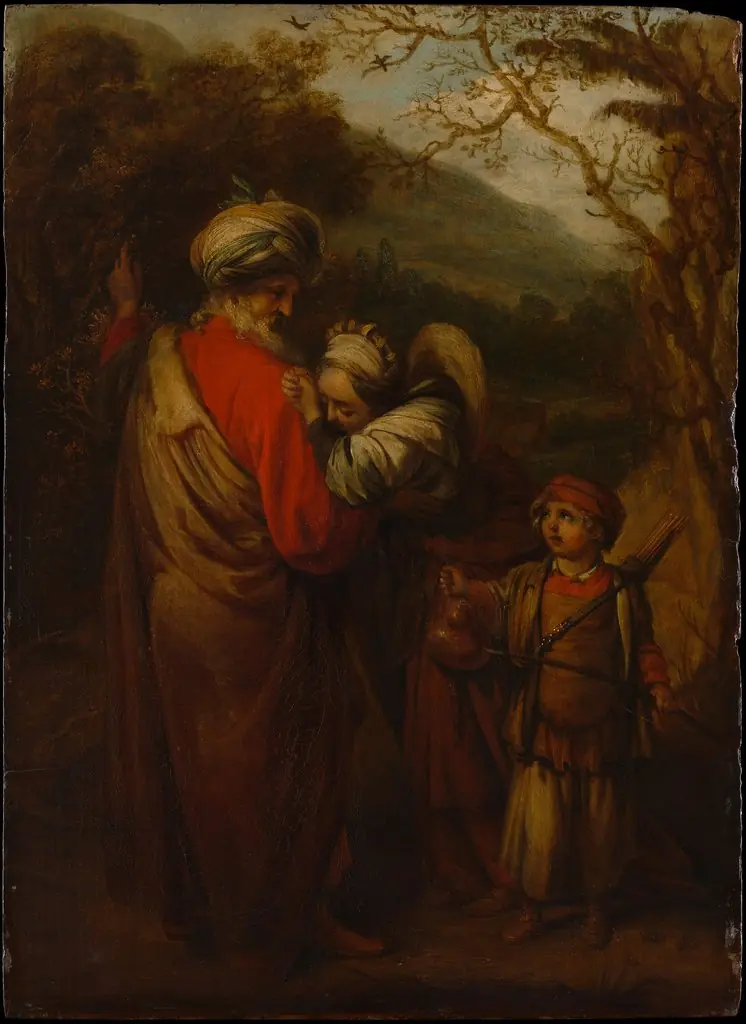 Abraham Dismissing Hagar and Ishmael
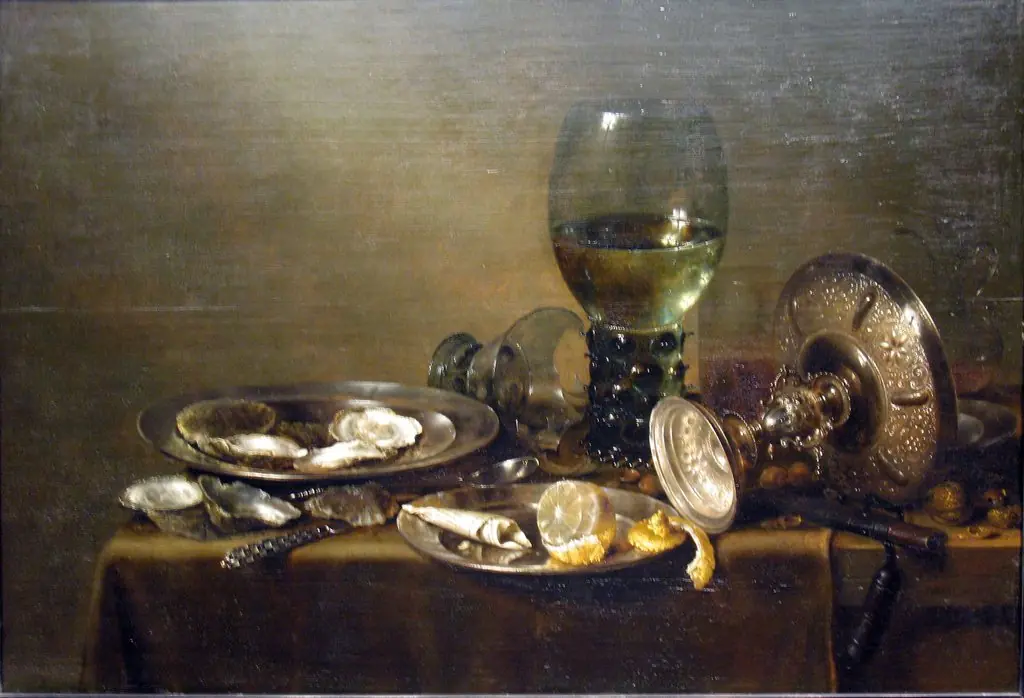 Still Life with Oysters, a Silver Tazza, and Glassware
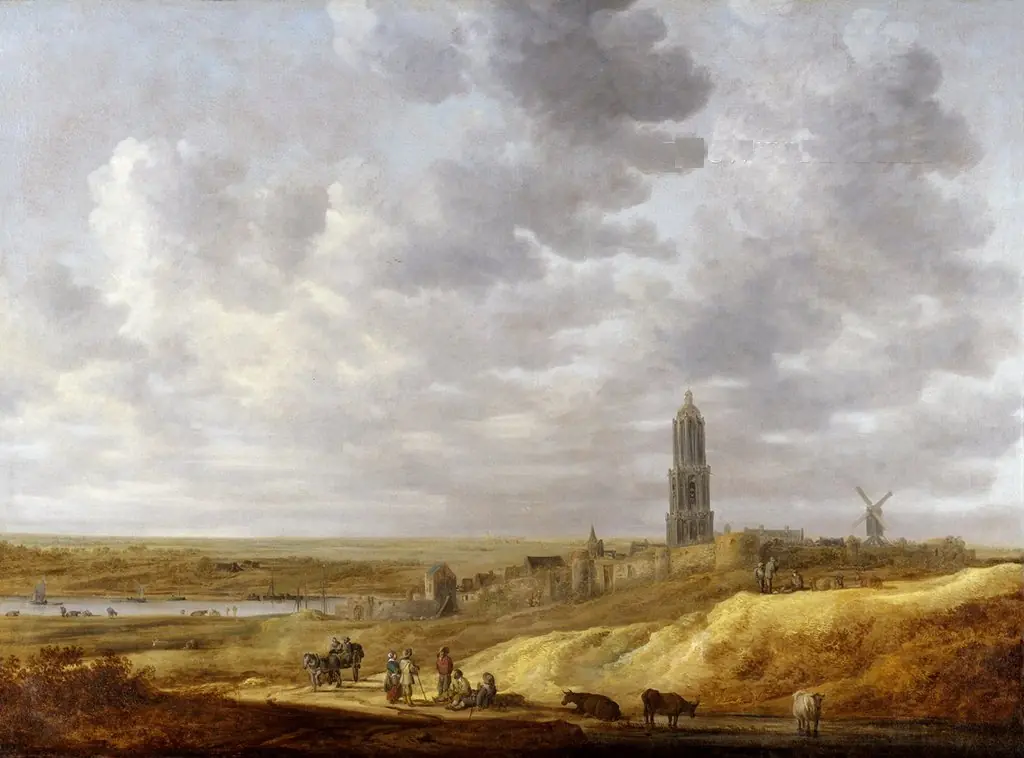 A panoramic view of Rhenen, seen from the North-East
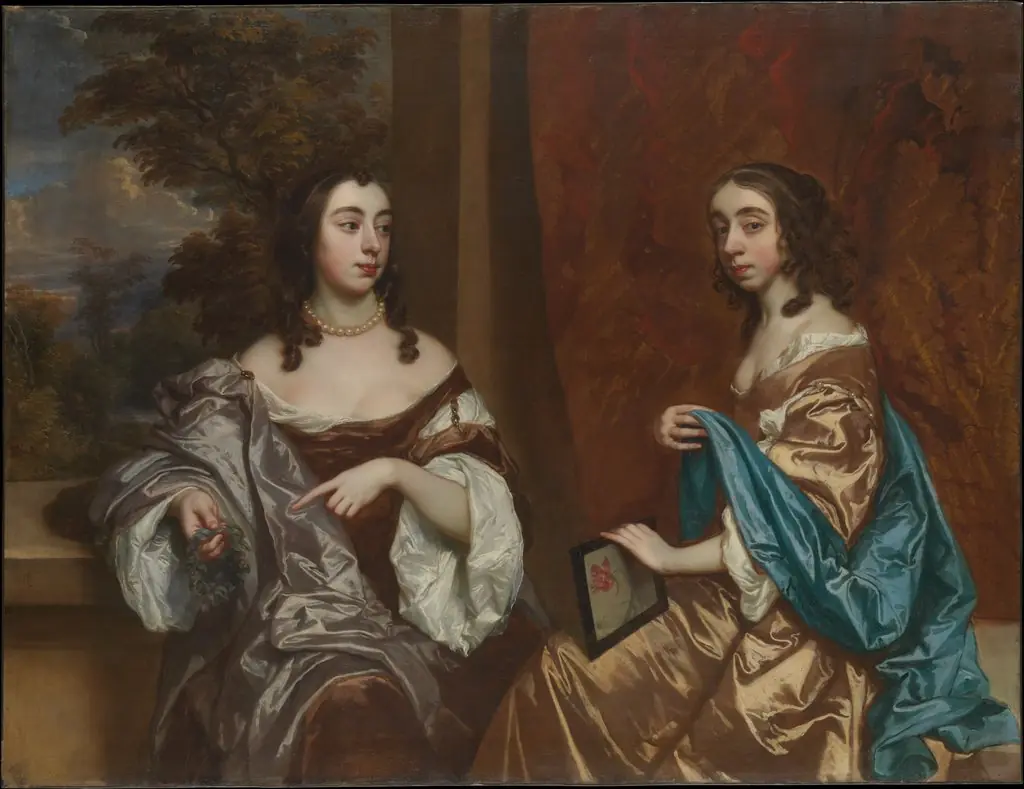 Mary Capel (1630–1715), Later Duchess of Beaufort, and Her Sister Elizabeth (1633–1678), Countess of Carnarvon
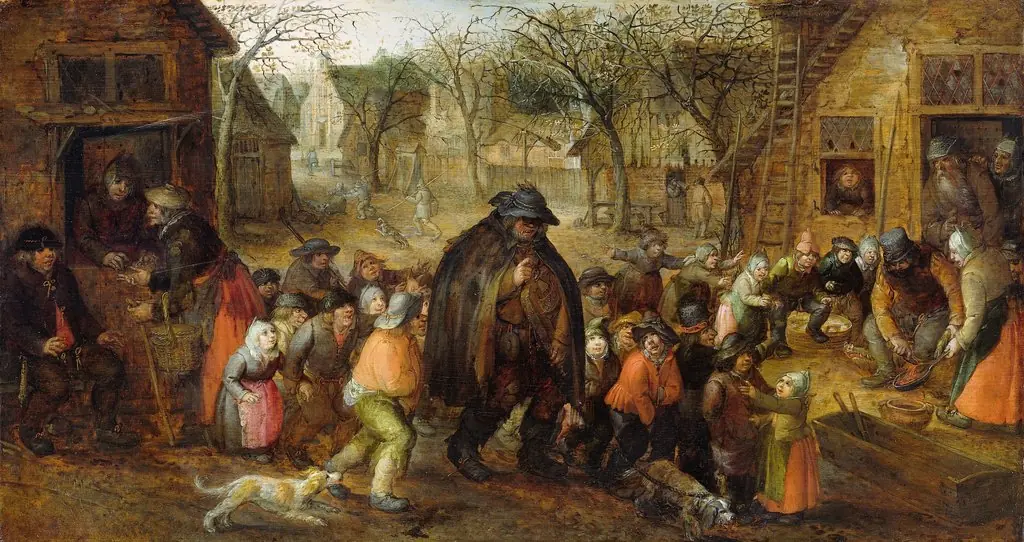 The hurdy-gurdy player
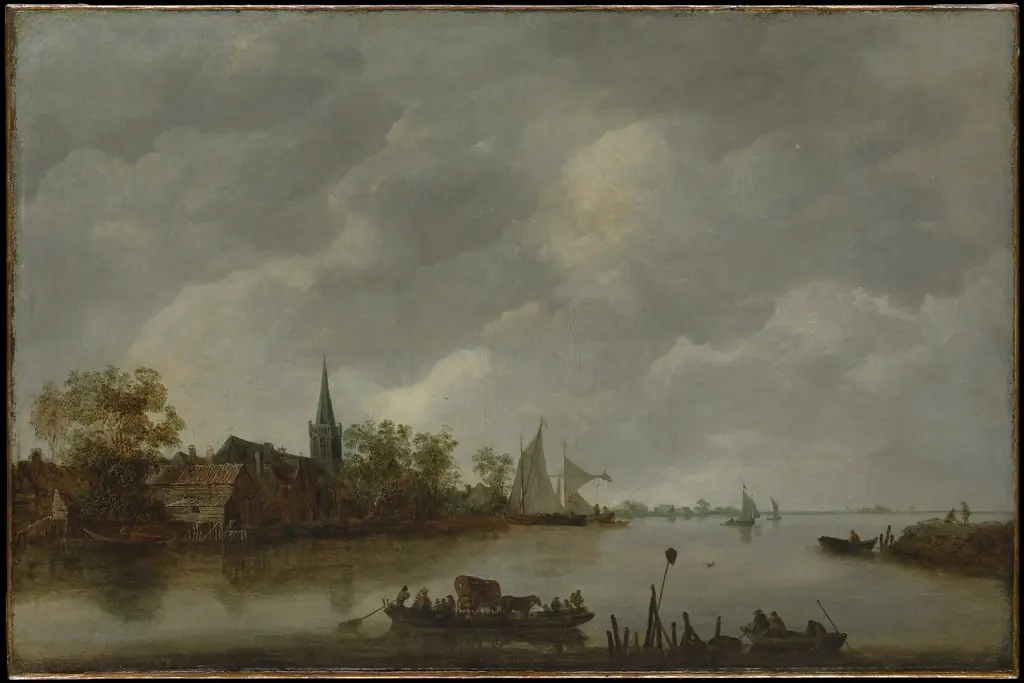 River View with a Village Church
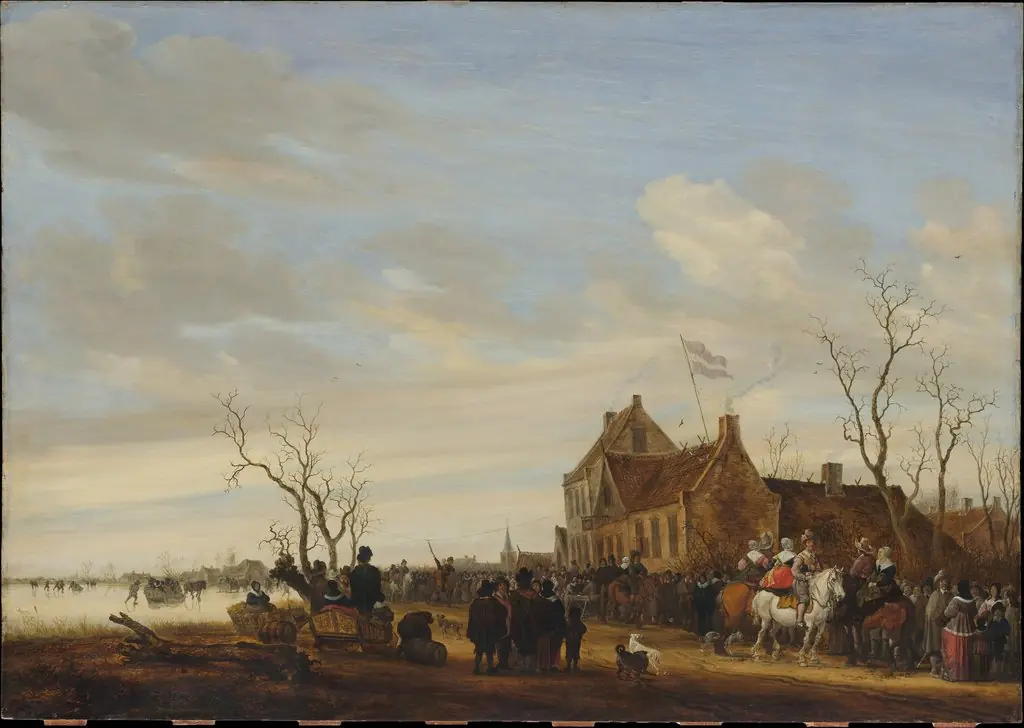 Drawing the Eel
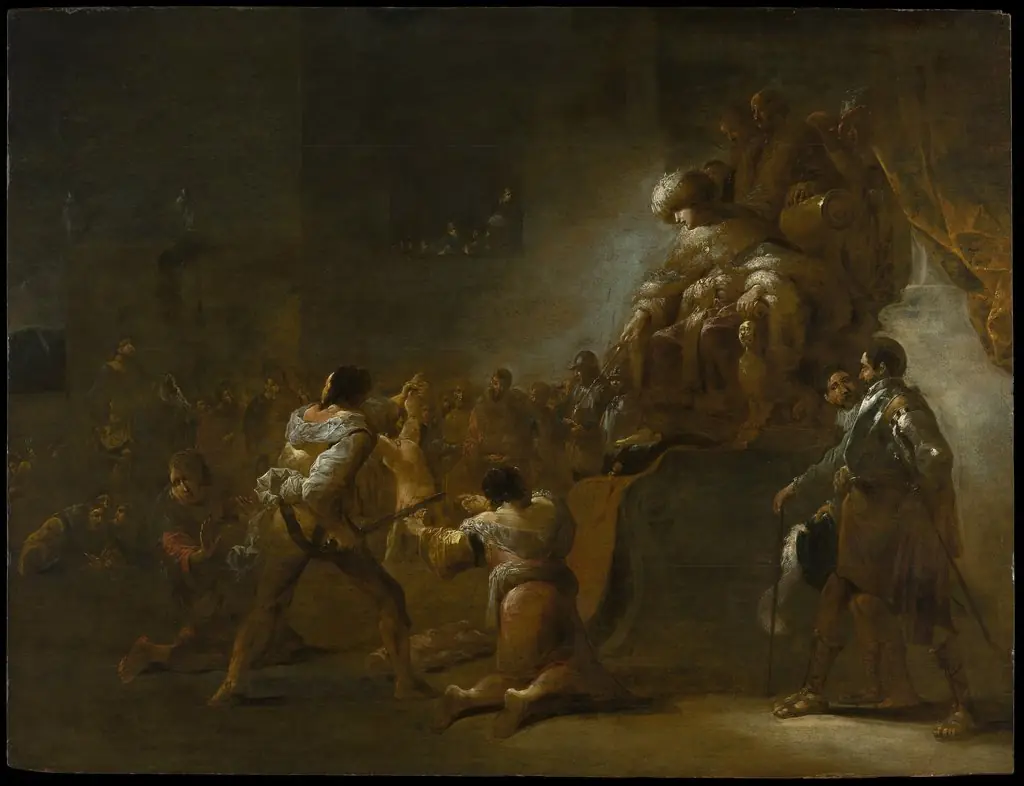 The Judgment of Solomon
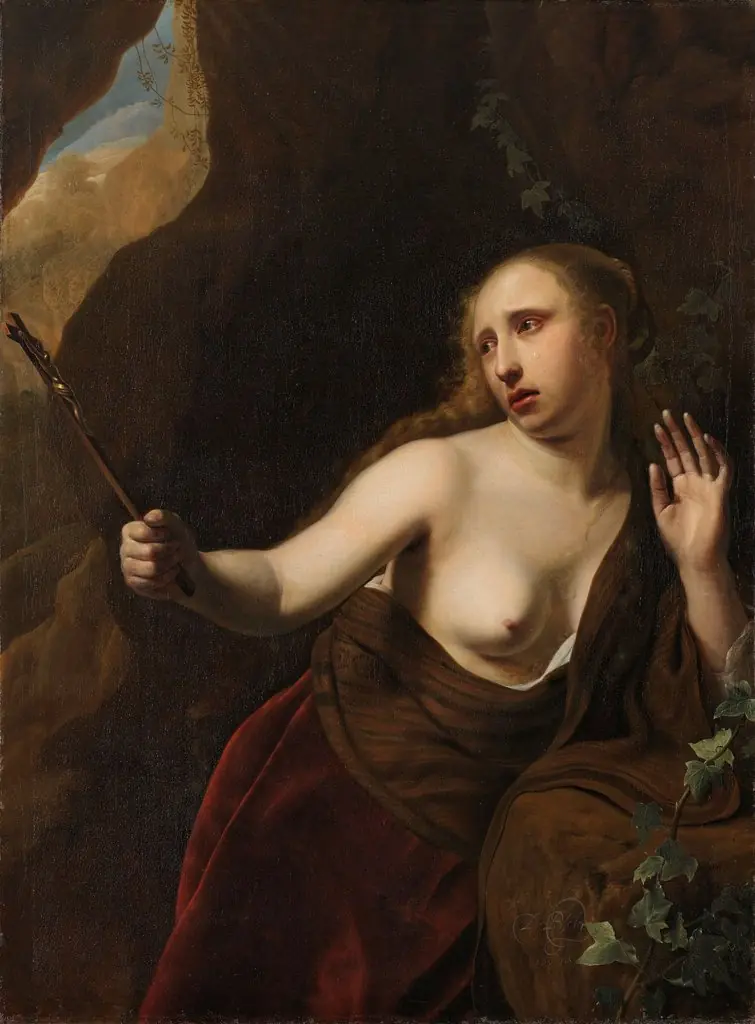 The penitent Mary Magdalene
 Separation of David and Jonathan
Groups & collectives
Learn this movement
-
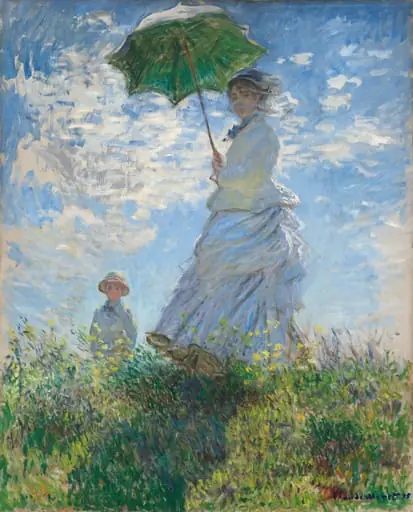 Featured in the course How to Look at a Painting Six timeless ways to see what is actually on the canvas.
 -
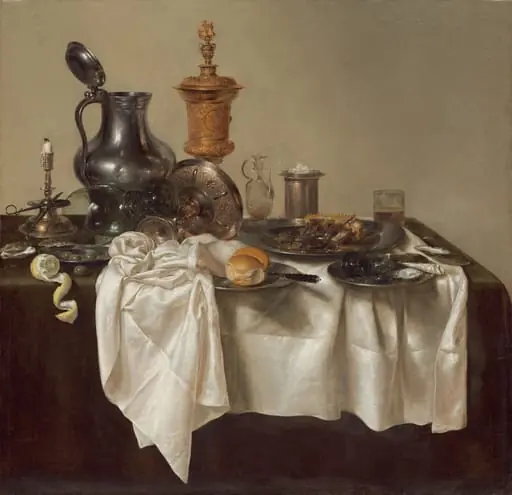 Featured in the course Dutch Golden Age A republic of merchants, a canvas of ordinary miracles, seen through the lens of Western collections.
 -
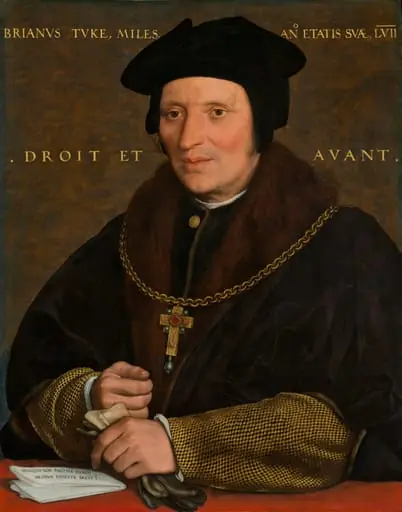 Featured in the course Portraiture Across Time From diplomatic precision to society's shimmer: five centuries of faces deciding how they want to be seen.
Frequently asked questions
What is Dutch Golden Age?
Dutch Golden Age is an art movement. The 17th-century explosion of Dutch painting that followed the country's independence and trading wealth.
How many Dutch Golden Age works does Artifact World Gallery have?
Artifact World Gallery holds 8,656 public-domain Dutch Golden Age works, all free to view and download.
Who are the key Dutch Golden Age artists?
Key Dutch Golden Age artists in the collection include Johannes Vermeer, Margaretha Haverman and Nicolaes Maes.
When did Dutch Golden Age take place?
Dutch Golden Age dates from 1580–1700.
Where can I see Dutch Golden Age works?
Dutch Golden Age works in the collection are held by Rijksmuseum, Statens Museum for Kunst and Bavarian State Painting Collections.