Artwork
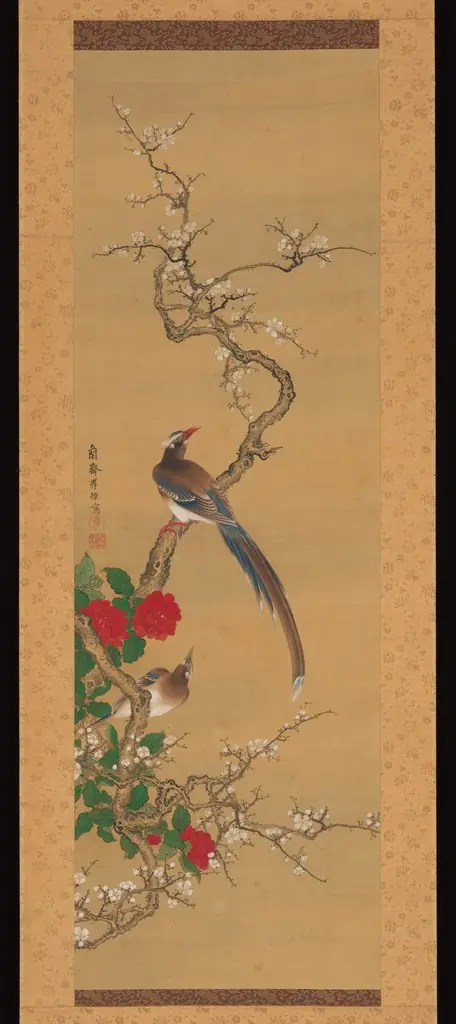
元賀筆 ガマズミ属に山鵲図|Magpie on Viburnum Branch
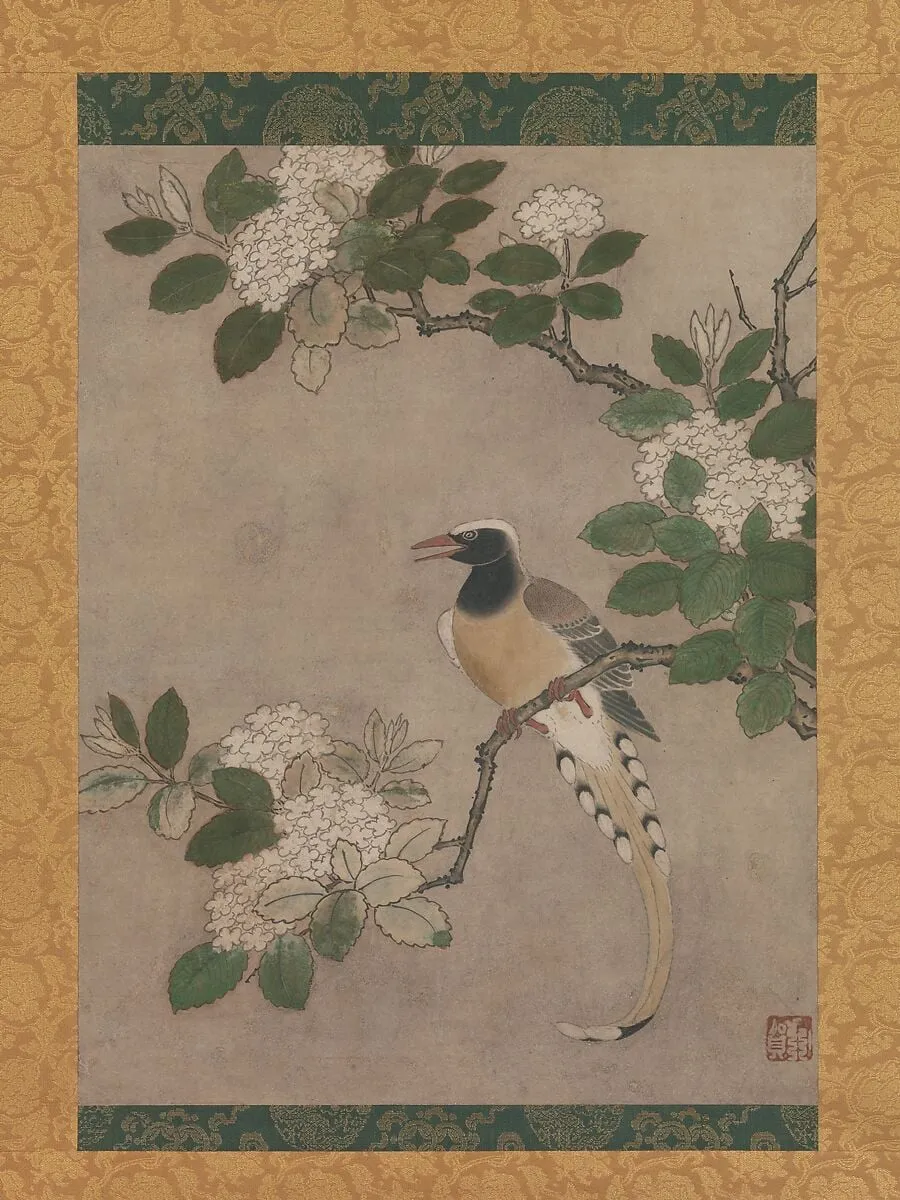
元賀筆 ガマズミ属に山鵲図|Magpie on Viburnum Branch is an ink painting by the Renaissance artist Genga. It dates from 1516 and is held in the collection of the Metropolitan Museum of Art.
About this work
Subject & Meaning
The work thus operates both as a naturalistic observation of a bird among blossoms and as an emblematic composition expressing hope and good fortune.
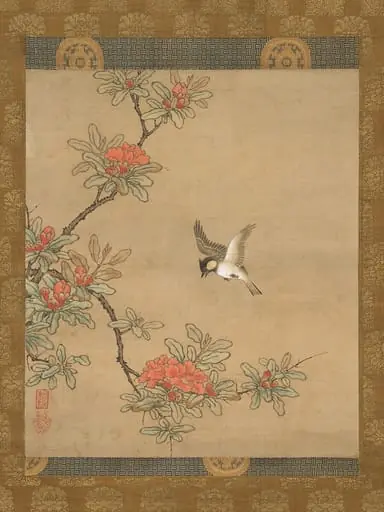
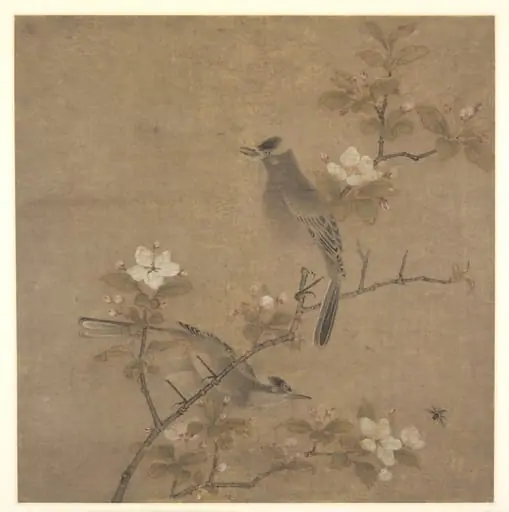
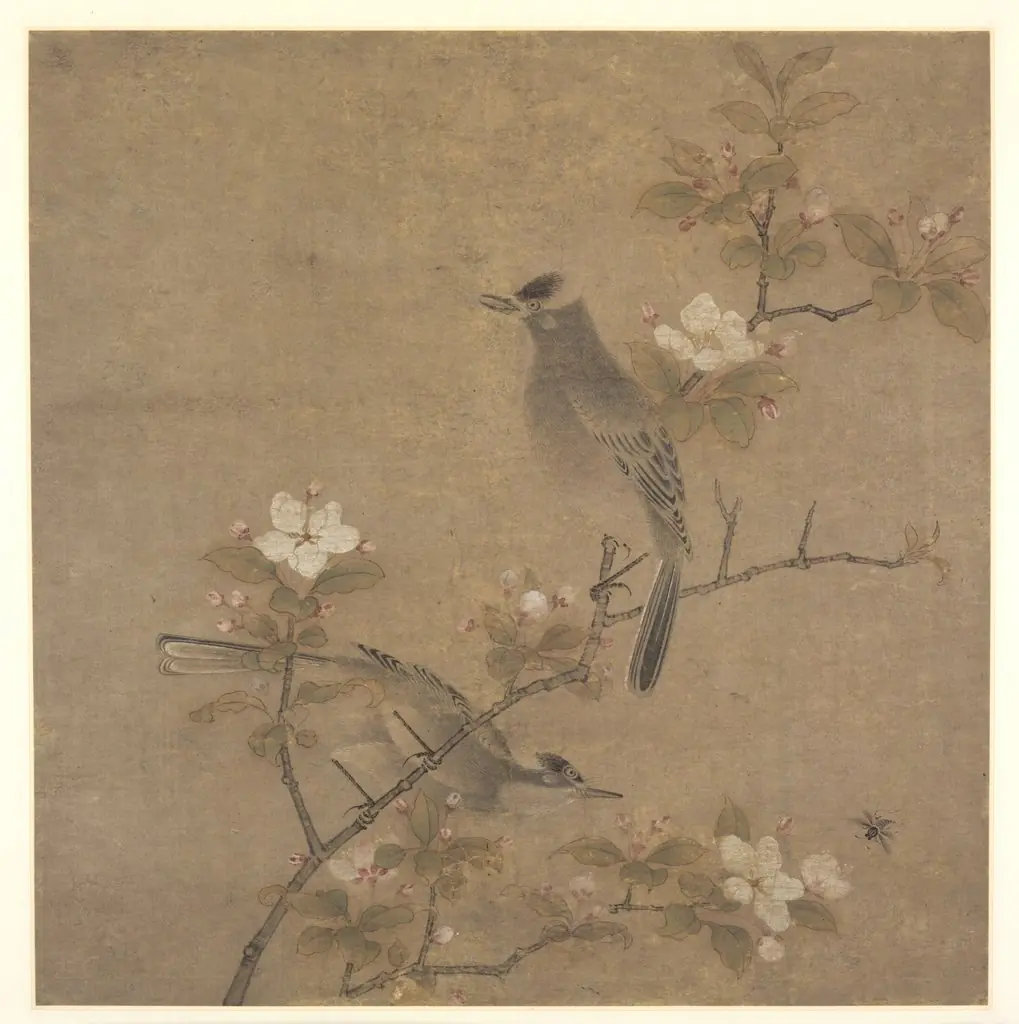
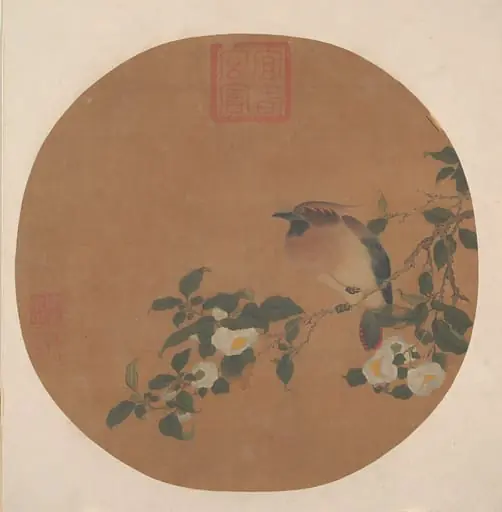
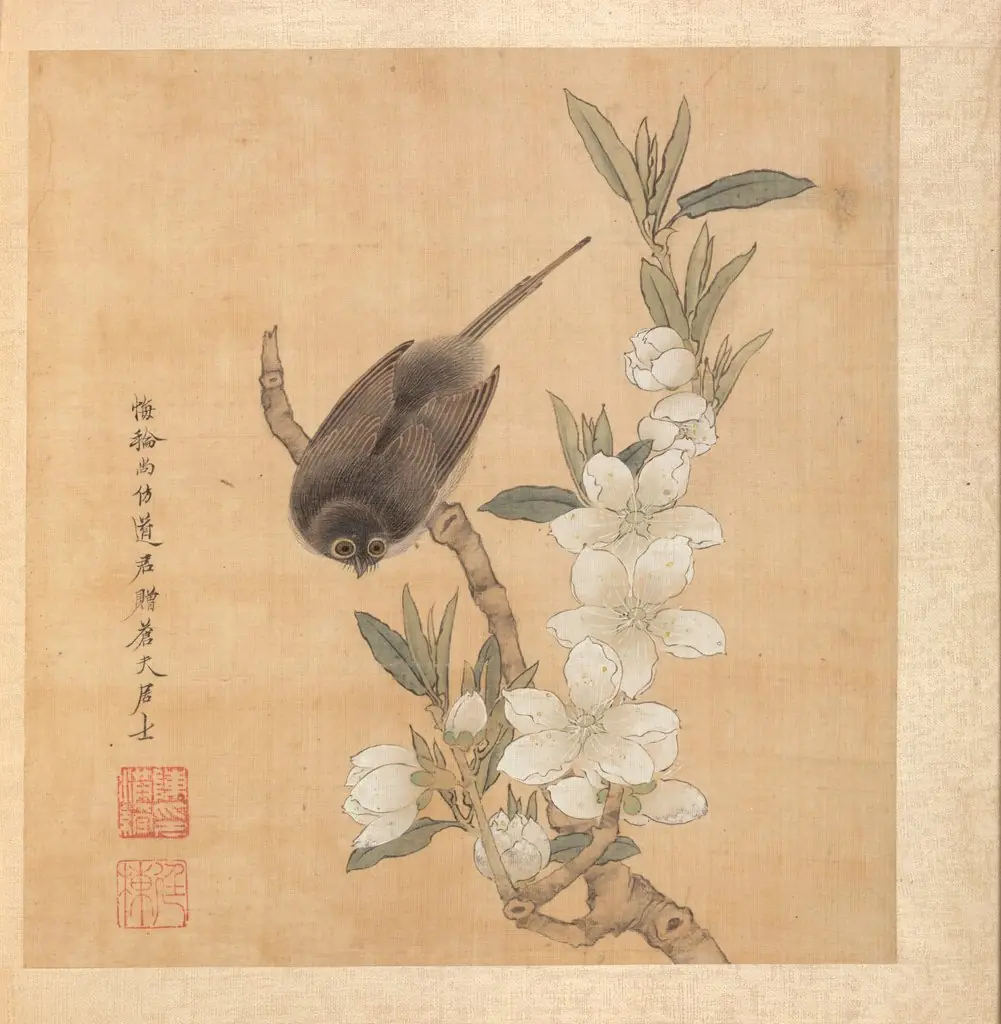
The painting depicts a bird perched on a viburnum branch, a pairing that carries layered meaning within East Asian pictorial tradition. The magpie, rendered in ink and color on paper, is a longstanding auspicious motif associated with good tidings and celebration, while viburnum branches, shown in flower, evoke the arrival of spring and renewal. Together, the magpie and flowering branch form a visual symbol of joyful news and seasonal rebirth, a combination frequently used in literati painting to convey auspicious wishes.
The work thus operates both as a naturalistic observation of a bird among blossoms and as an emblematic composition expressing hope and good fortune.
The viburnum's spring blossoms and the magpie's traditional role as a messenger of joy combine to give the image its auspicious symbolism.
Technique & Style
The work is executed as a hanging scroll on paper, utilizing ink and color as its primary media. Created in 1516 by the Japanese artist Genga, the piece belongs to the landscape genre. Visually, it depicts a magpie perched on a viburnum branch, integrating floral and avian subjects within a single composition.
The handling of ink and pigment on the paper support defines its formal character as a traditional East Asian painting.
History & Provenance
The painting titled “Magpie on Viburnum Branch” was executed by the Japanese artist Genga in 1516 as a hanging scroll employing ink and color on paper. It portrays a magpie perched on a branch of a viburnum and is categorized as a landscape within the bird‑and‑flower genre. The work was created in Japan and subsequently entered the collection of the Metropolitan Museum of Art in New York, where it remains part of the museum’s holdings.
Magpie on Viburnum Branch by Genga, dated 1516, is held in the collection of the Metropolitan Museum of Art. The work is catalogued as a hanging scroll executed in ink and color on paper, classified within the museum's paintings holdings.
The painting's association with the Metropolitan Museum of Art is documented in structured data identifying it as part of that institution's collection and located there. No specific accession number, acquisition date, or prior provenance details are recorded in the available sources.
Similarly, no exhibition history is documented for the work in the sources provided. Details of any loans, displays, or inclusion in past exhibitions at the Metropolitan Museum of Art or other institutions are not available.
Overview
Genga's painting, Magpie on Viburnum Branch (元賀筆 ガマズミ属に山鵲図), created in 1516, is rendered in ink and color on a hanging scroll. This work portrays a vibrant moment from nature, focusing on a single magpie perched amidst the foliage of a viburnum plant. The composition exemplifies a common theme in East Asian art, capturing a specific instance of natural beauty with detailed observation and delicate execution.
Artist & collection