Artwork
Bamboo in Rain
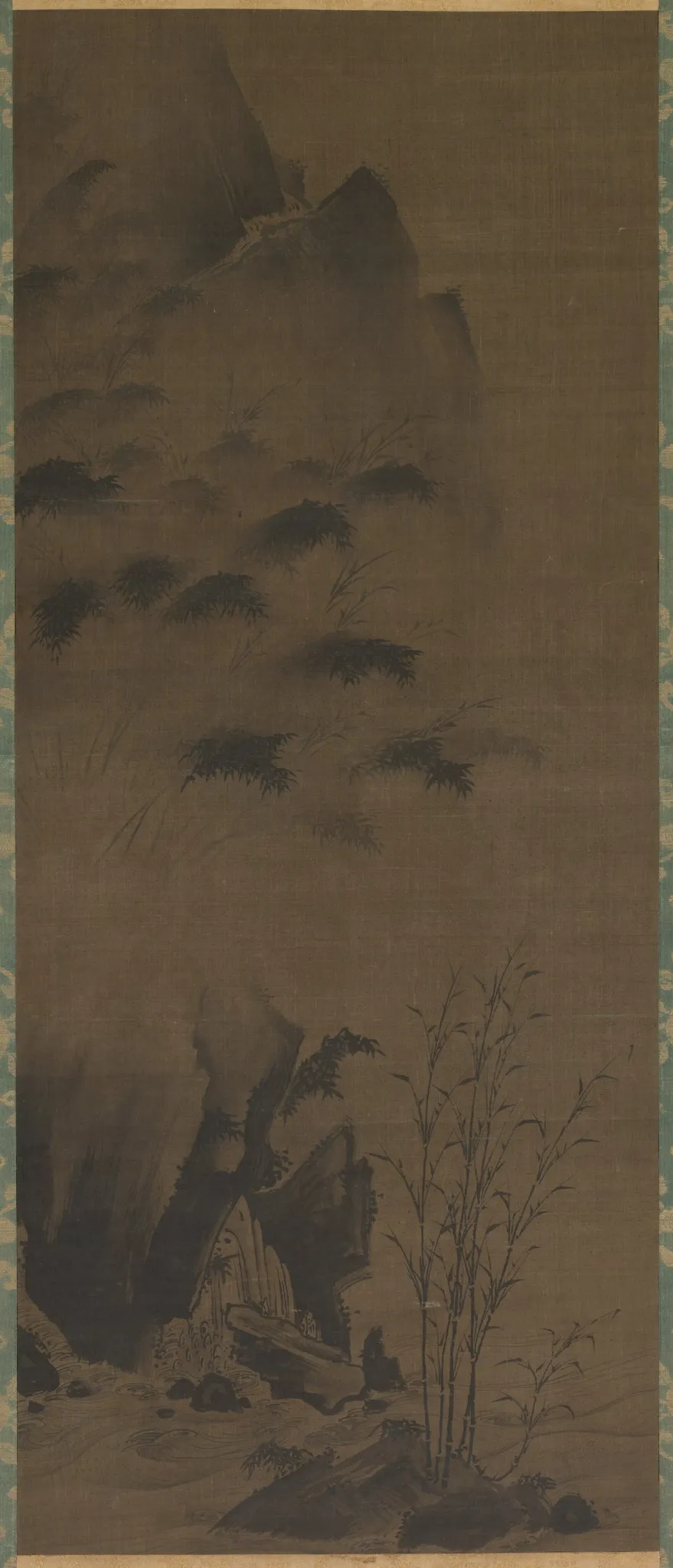
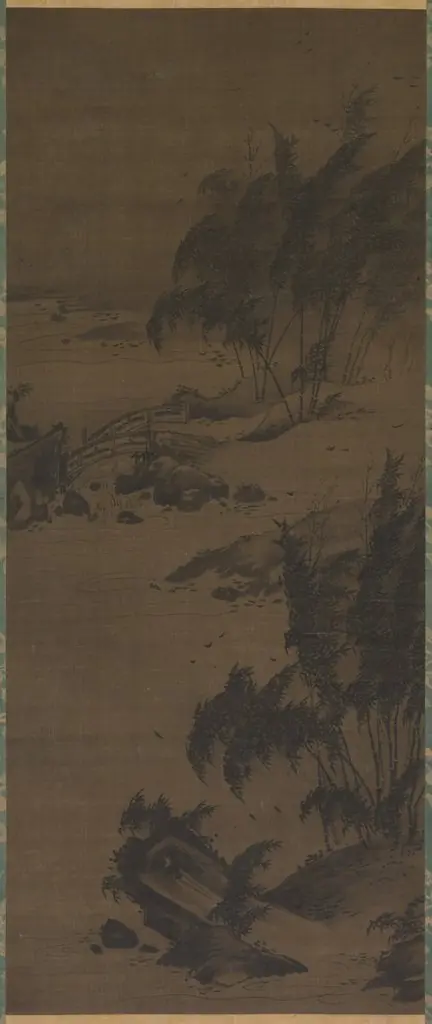
Bamboo in Rain is an unspecified painting by the Tosa School artist Genga. It dates from 1525 and is held in the collection of the Cleveland Museum of Art.
About this work
Technique & Style
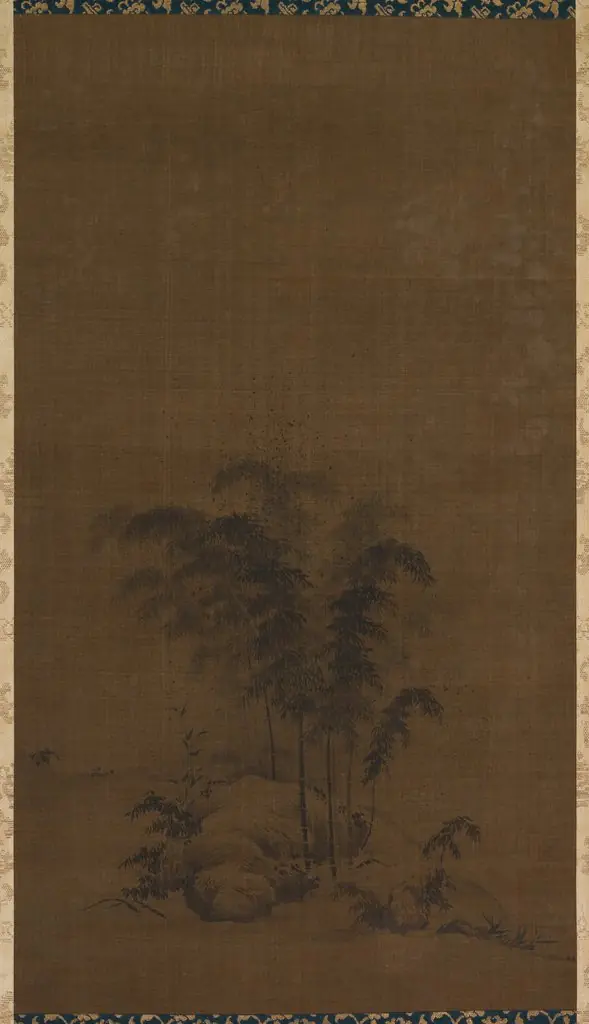
Rendered in monochrome ink on silk, it employs subtle gradations of wash to suggest falling droplets and the bending of stalks under wind pressure.
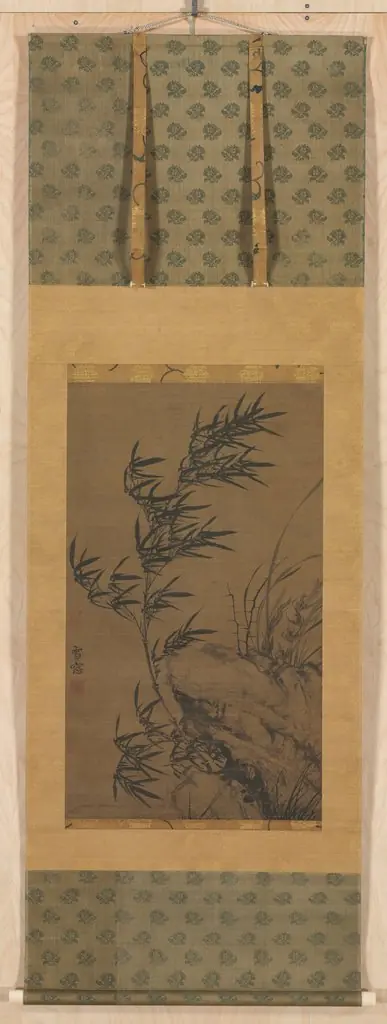
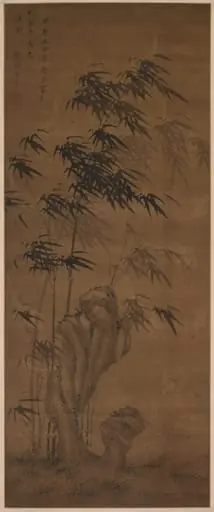
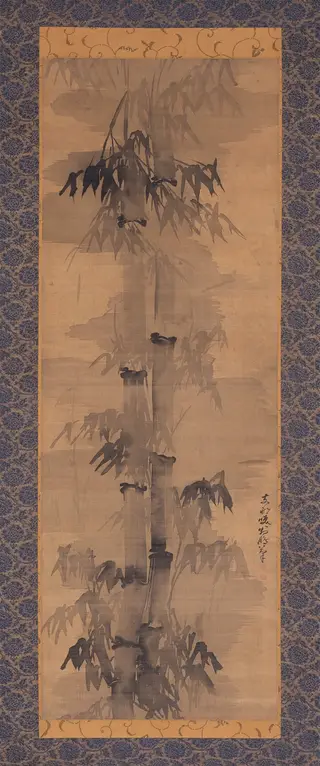
The work is a hand-painted scroll depicting bamboo in rain, characteristic of early 16th-century Japanese ink wash technique. Rendered in monochrome ink on silk, it employs subtle gradations of wash to suggest falling droplets and the bending of stalks under wind pressure. The composition emphasizes linearity and asymmetrical balance, with negative space guiding the viewer's eye through vertical rhythm.
Executed with controlled brushwork, the piece demonstrates mastery of ink density and moisture control on a flexible support.
History & Provenance
The painting Bamboo in Rain was created by the Japanese artist Genga in 1525. Originating in Japan, the work is currently held in the collection of the Cleveland Museum of Art. The available records establish the inception date as January 1, 1525, and classify the piece as a painting.
No further details regarding the specific commission, original patron, or the chain of ownership prior to its acquisition by the museum are provided in the current sources.
Bamboo in Rain is held in the collection of the Cleveland Museum of Art. The work is accessioned under the inventory number 1975.123. It was first exhibited in the museum's 1976 survey of Japanese painting. The piece was included in the 1998 exhibition "Japanese Masterpieces of the Edo Period" at the same institution.
Overview
Created in 1525 by the Japanese painter Genga, this ink painting titled Bamboo in Rain is part of the collection at the Cleveland Museum of Art. The work presents a quiet landscape where slender bamboo shoots rise through a misty, rain‑filled atmosphere, inviting quiet reflection.
Subject & Meaning
The composition centers on a handful of bamboo stalks that dominate the foreground, their leaves rendered with fine, delicate strokes. Beyond them, additional bamboo and a modest architectural element, interpreted as a bridge or small pavilion, emerge from a backdrop of rocks, suggesting a secluded, contemplative garden space.
Artist & collection