Artwork
St. James the Less
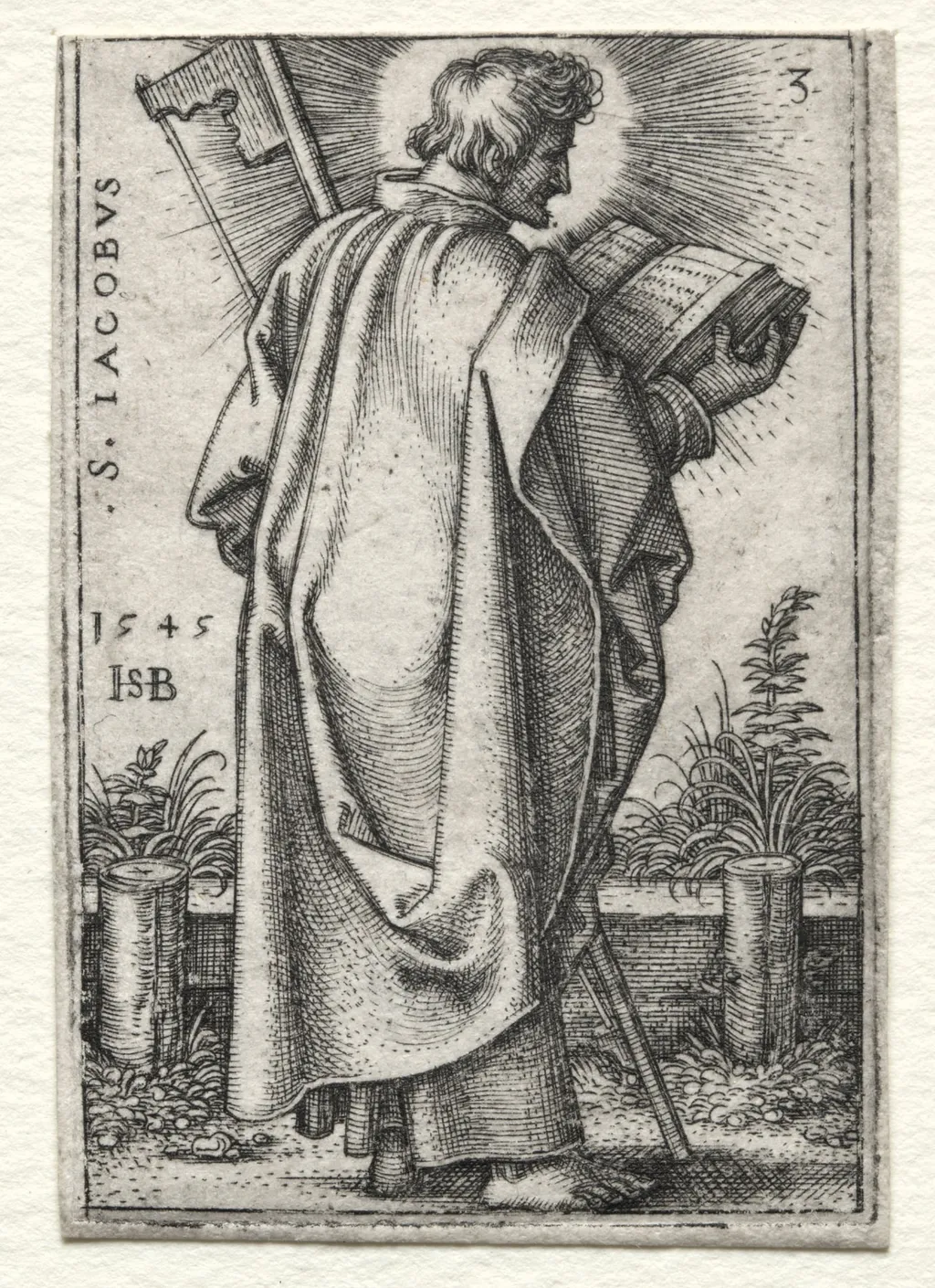
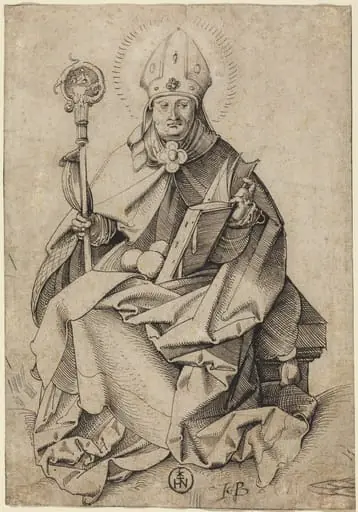
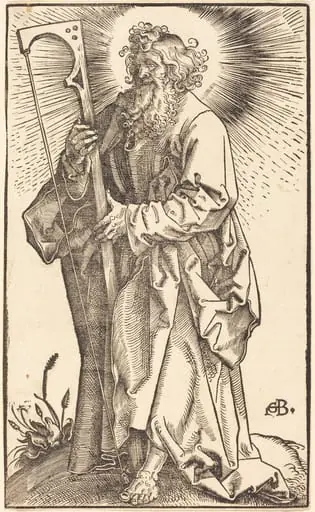
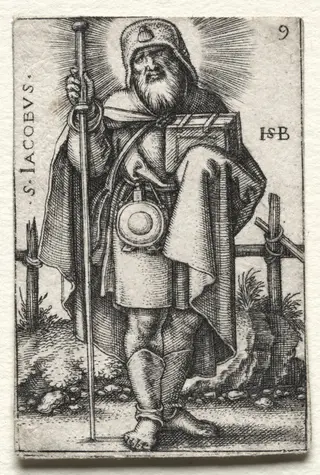
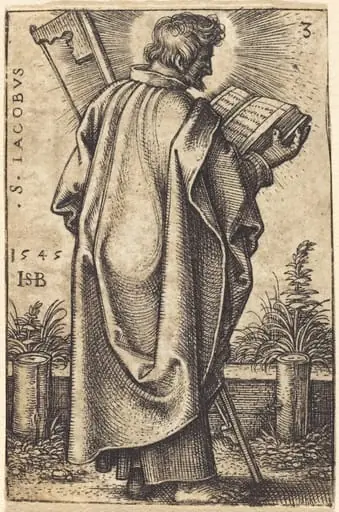
St. James the Less is a print by the Renaissance artist Sebald Beham. It dates from 1546 and is held in the collection of the Cleveland Museum of Art.
- Accession no.
- 1987.110
About this work
The background is plain, which makes the saint stand out more.
This painting shows a saint, St. James the Less. He's dressed in old clothes and has a simple look. The artist likely chose this subject for a reason, maybe to show humility or simplicity, and this choice makes the painting interesting because it gives us a glimpse into the artist's values.
The saint is the main focus of the painting. The background is plain, which makes the saint stand out more.
You can learn more about this style by looking at the work of artist: Hans Sebald Beham (German, 1500–1550)
Overview
Created in 1546 by Hans Sebald Beham, St. James the Less is a copper engraving produced during the height of the Northern Renaissance. Beham, a Nuremberg-based artist associated with the group known as the Little Masters, specialized in small-scale, finely detailed prints. This work is part of the Cleveland Museum of Art’s collection and exemplifies the precision and introspective tone characteristic of his graphic output.
Subject & Meaning
The print depicts St. James the Less, one of the twelve apostles, portrayed without ornate regalia or celestial symbolism. His modest attire and unadorned demeanor reflect themes of humility and quiet devotion. By stripping away traditional markers of sainthood, Beham emphasizes spiritual simplicity over grandeur, aligning with Protestant ideals of personal piety that were gaining ground in 16th-century Germany.
Technique & Style
Beham employed fine-line engraving to render minute textures in fabric, hair, and facial features with remarkable clarity. The background is deliberately neutral, allowing the figure to dominate the composition. His technique, inherited from Dürer’s tradition, prioritizes controlled line work over tonal variation, resulting in a crisp, intimate portrait that invites close observation rather than distant admiration.
History & Provenance
The engraving was produced in Nuremberg during a period of religious and artistic transformation. Though its early ownership is undocumented, it entered the Cleveland Museum of Art’s collection in the 20th century as part of a broader acquisition of German Renaissance prints. Its preservation reflects sustained scholarly interest in the Little Masters’ contributions to printmaking beyond the dominant figures of the era.
Context
In mid-16th century Germany, religious reform reshaped artistic patronage, shifting focus from elaborate altarpieces to portable, devotional imagery. Beham’s prints catered to private contemplation, often depicting saints in unidealized forms. St. James the Less fits within this trend, offering a quiet alternative to the theatricality of Catholic iconography while retaining religious significance for Protestant audiences.
Legacy
Beham’s work, including this engraving, helped define the aesthetic of the Little Masters, artists who elevated small-format prints to a refined, intellectual level. Though overshadowed by Dürer in popular memory, his precise technique and restrained symbolism influenced later generations of printmakers. St. James the Less remains a testament to the power of understated imagery in conveying spiritual depth.
Own this work as a print
Artist & collection
Artist
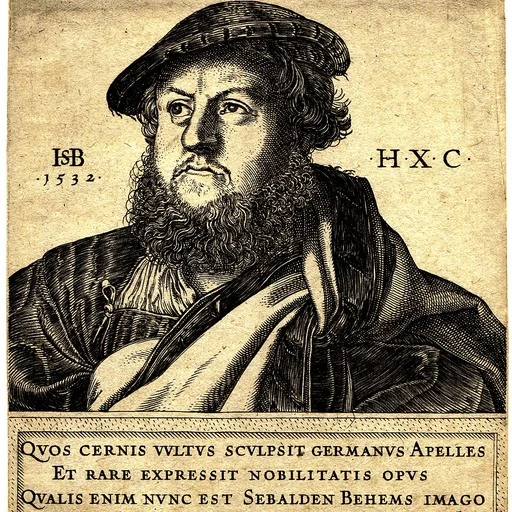
Sebald Beham (1500–1550) was a German painter and printmaker, mainly known for his very small engravings.