Movement
Northern Renaissance
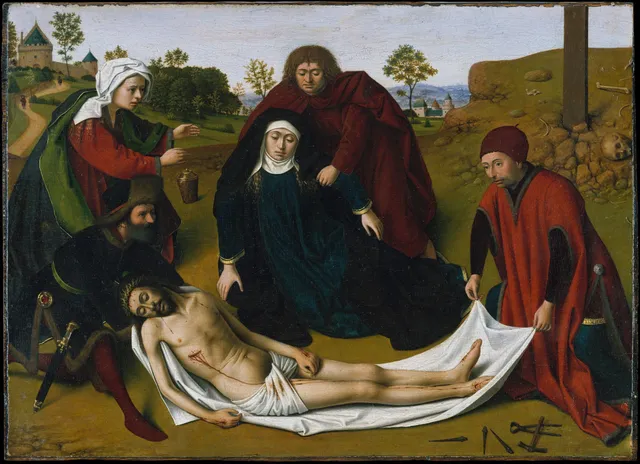
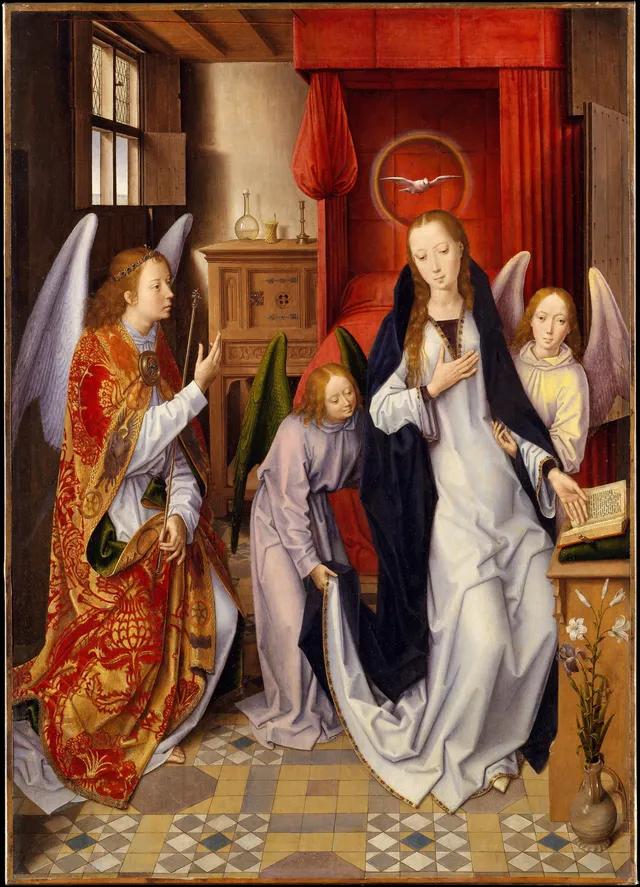
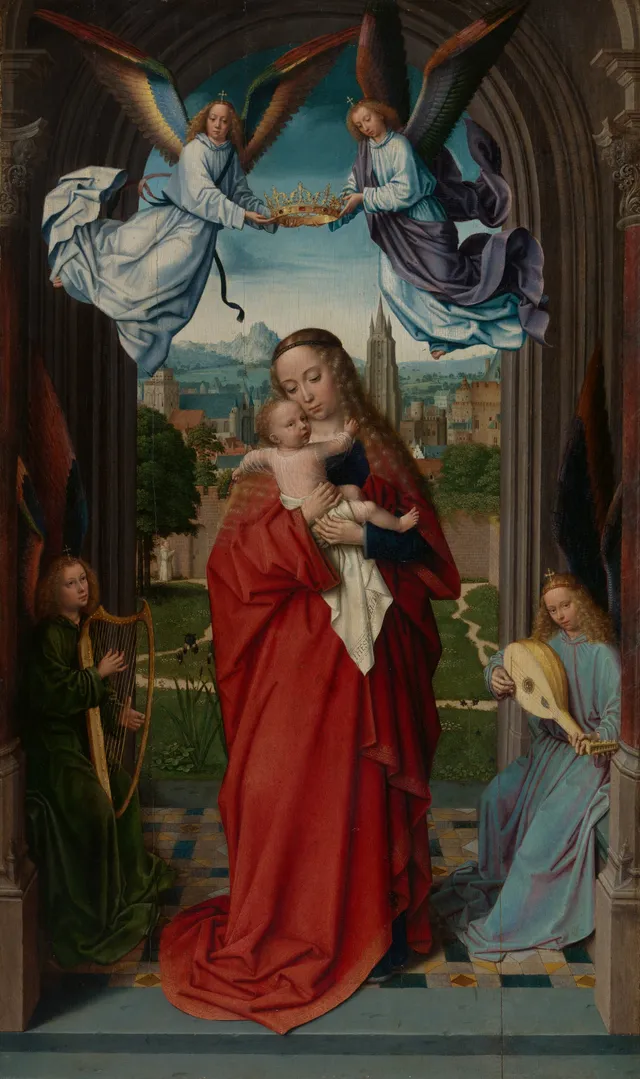
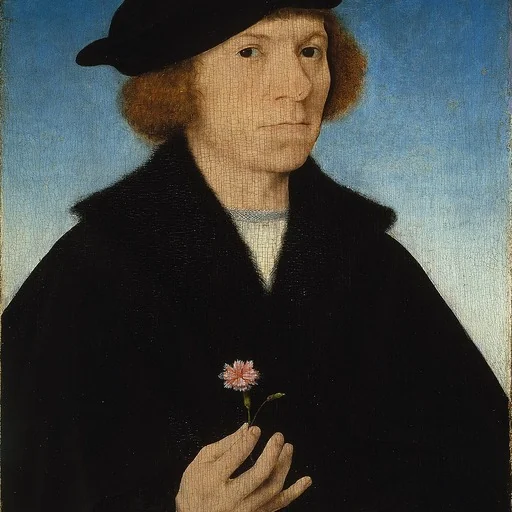
Northern Renaissance is an art movement. The gallery holds 3,744 works in this movement, including works by Joos van Cleve, Petrus Christus and Hans Memling. Browse Northern Renaissance paintings, portraits, pictures and artworks from the world's public-domain museum collections.
The Northern Renaissance describes the flowering of art and learning that took place in the European lands north of the Alps—chiefly the Burgundian Netherlands (modern Belgium and the Netherlands), Germany, France, and England—from the early fifteenth through the sixteenth century. Its first and most brilliant center was Flanders rather than Florence: the wool and banking wealth that flowed through Bruges and later Antwerp supported a sophisticated court and merchant clientele. Where the Italian Renaissance revived classical antiquity, the Northern movement grew more directly out of the late Gothic, and from the 1490s onward it absorbed Italian ideas of perspective, proportion, and classical subject matter as artists traveled south, producing distinctive hybrid styles.
Technically, the period is defined by the perfection of oil painting, an innovation closely associated with Jan van Eyck. Slow-drying oils let painters build translucent, luminous glazes and render light, texture, and surface with a precision tempera could not match. The result is an art of microscopic detail and naturalistic illumination, often charged with "disguised symbolism" in which ordinary domestic objects carry religious meaning. Northern artists favored close observation of the everyday—faces, fabrics, interiors, and expansive landscapes—over the idealized classical bodies prized in Italy.
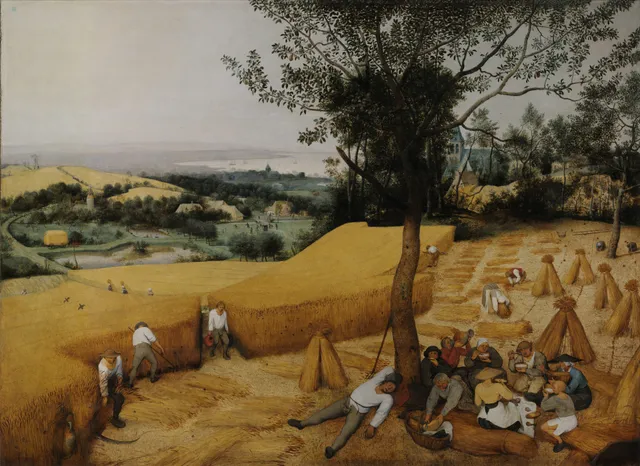
The foundational generation included Robert Campin, Jan van Eyck (the Ghent Altarpiece, completed 1432; the Arnolfini Portrait, 1434), and Rogier van der Weyden, all masters of illusionism. They were succeeded by Petrus Christus and, at Bruges, Hans Memling, while Hieronymus Bosch produced his teeming moral allegories such as The Garden of Earthly Delights (c. 1490–1500). The tradition culminated with Pieter Bruegel the Elder, whose The Harvesters (1565) reframed peasant life and the seasons as monumental subjects. In Germany, Albrecht Dürer (1471–1528) fused Northern detail with Italian theory.
The movement's reach was magnified by print. Using the German printing press developed around 1450, Dürer disseminated his woodcuts and engravings across Europe and raised printmaking to an independent art, a circulation entangled with the Protestant Reformation and Martin Luther. A later "Romanist" current—Jan Gossaert, Jan van Scorel, Joos van Cleve—and Dürer's pupil Hans Baldung Grien carried Italianate form northward. This legacy of meticulous naturalism and portraiture fed directly into the Dutch Golden Age of the seventeenth century.
Key artists
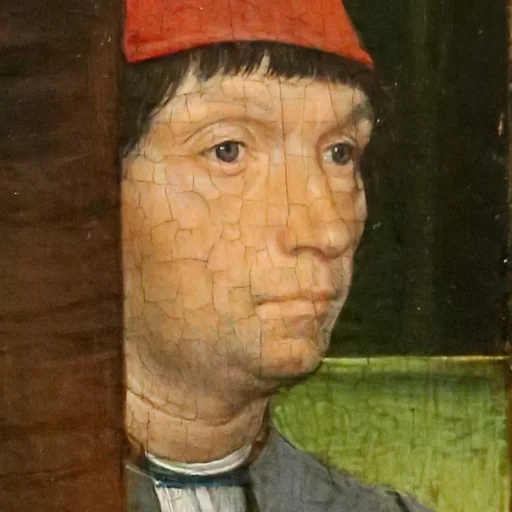

Works
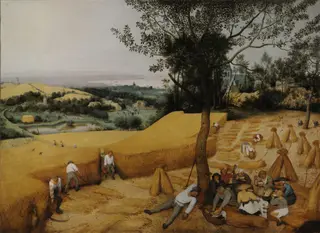 The Harvesters
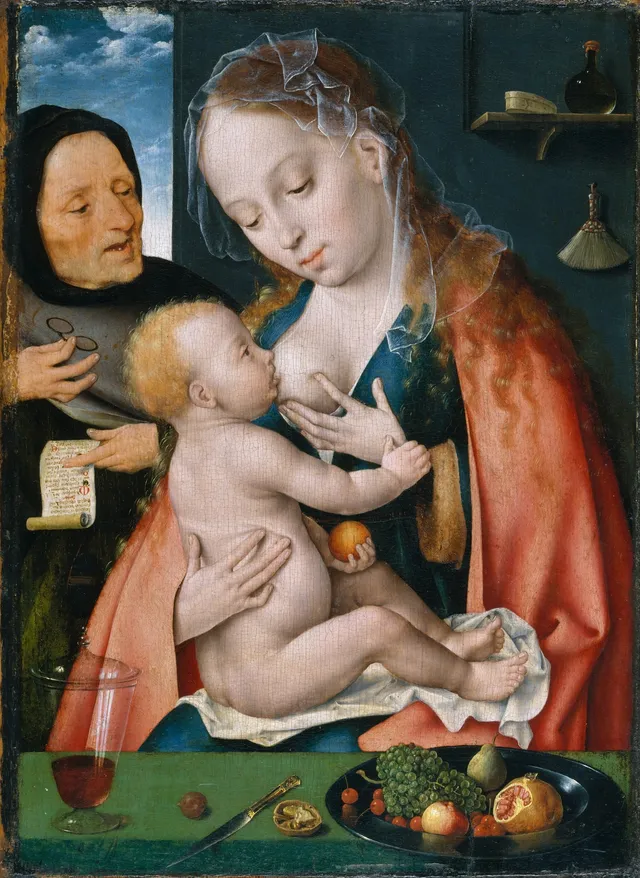
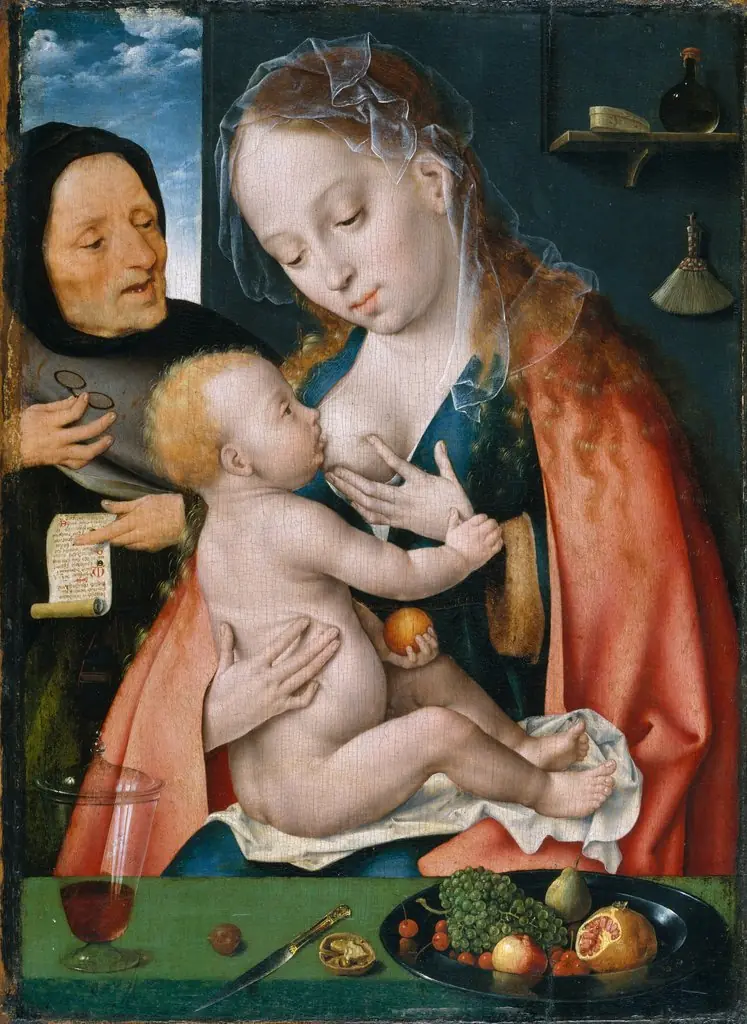 The Holy Family
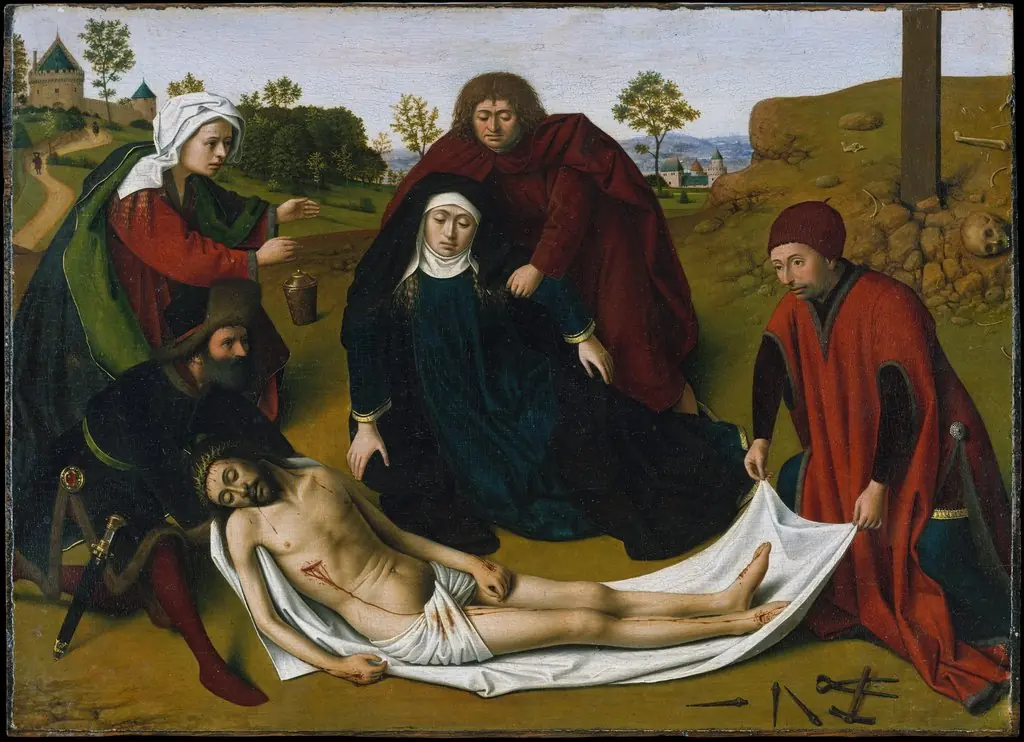 The Lamentation
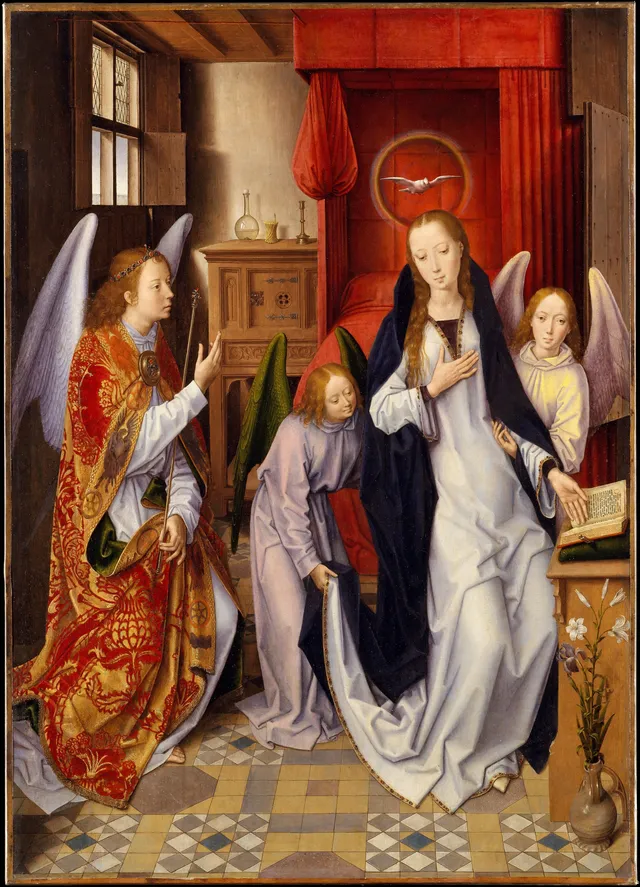
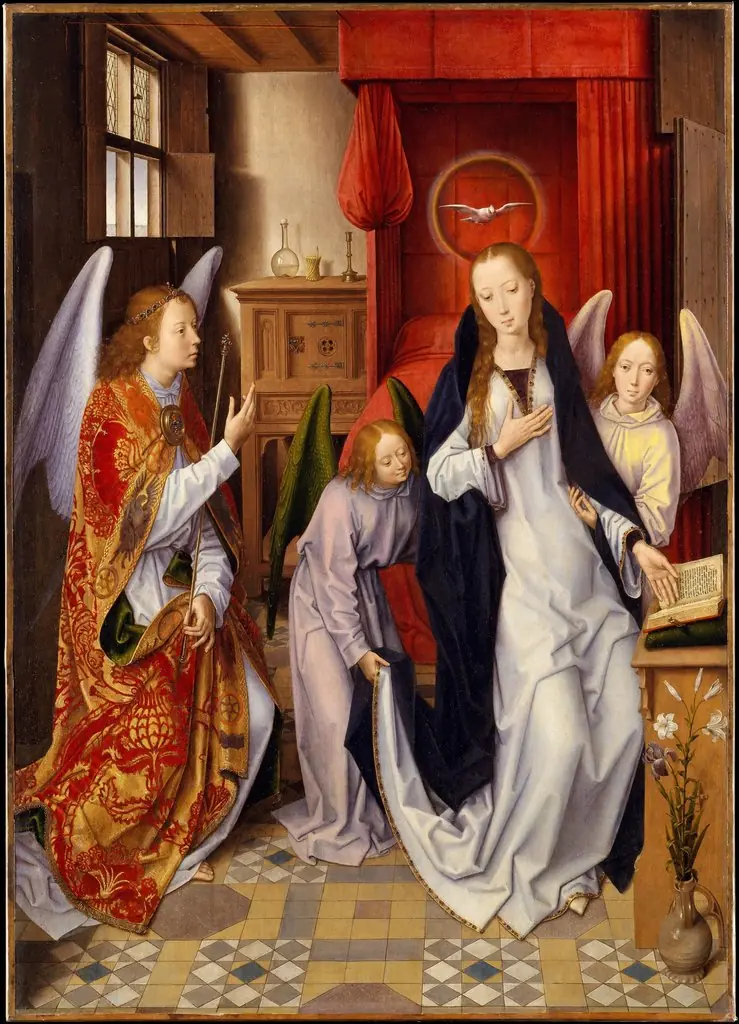 Annunciation
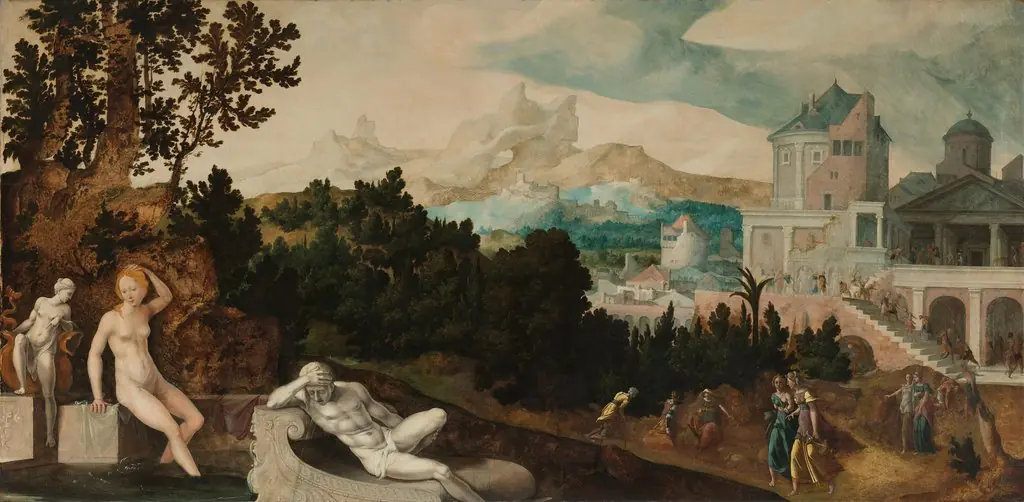 Landscape with Bathsheba
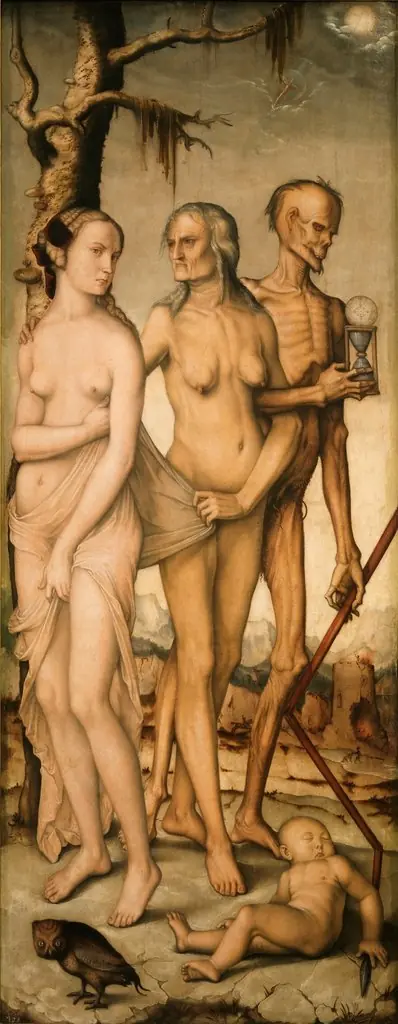 The Ages and Death
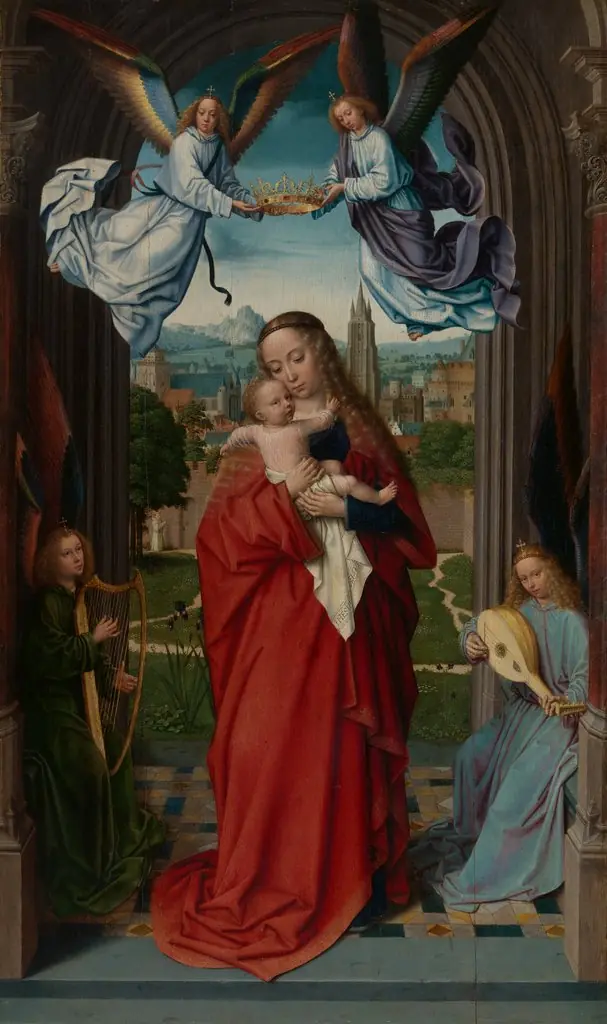 Virgin and Child with Four Angels
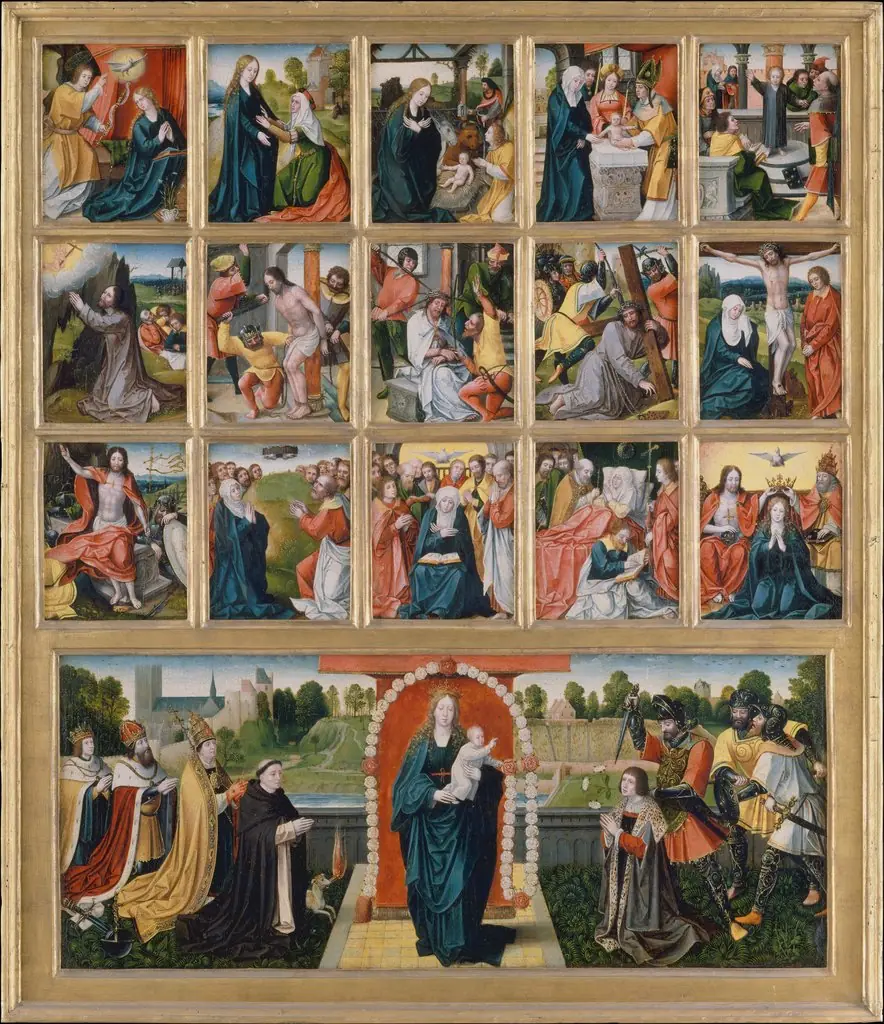 The Fifteen Mysteries and the Virgin of the Rosary
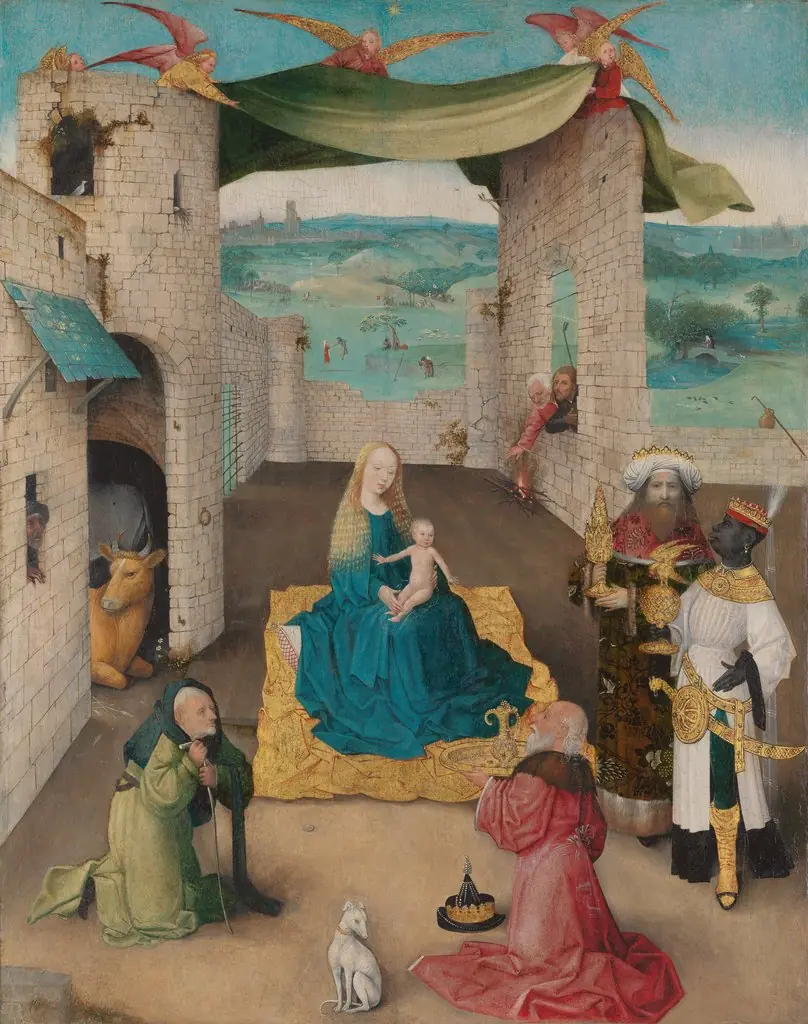 The Adoration of the Magi
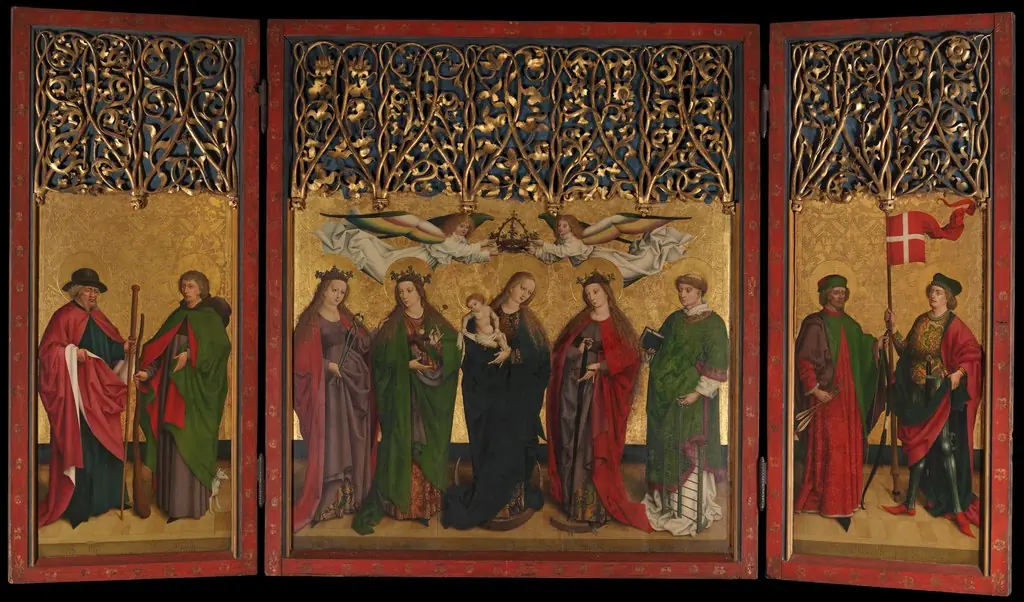 Burg Weiler Altar Triptych
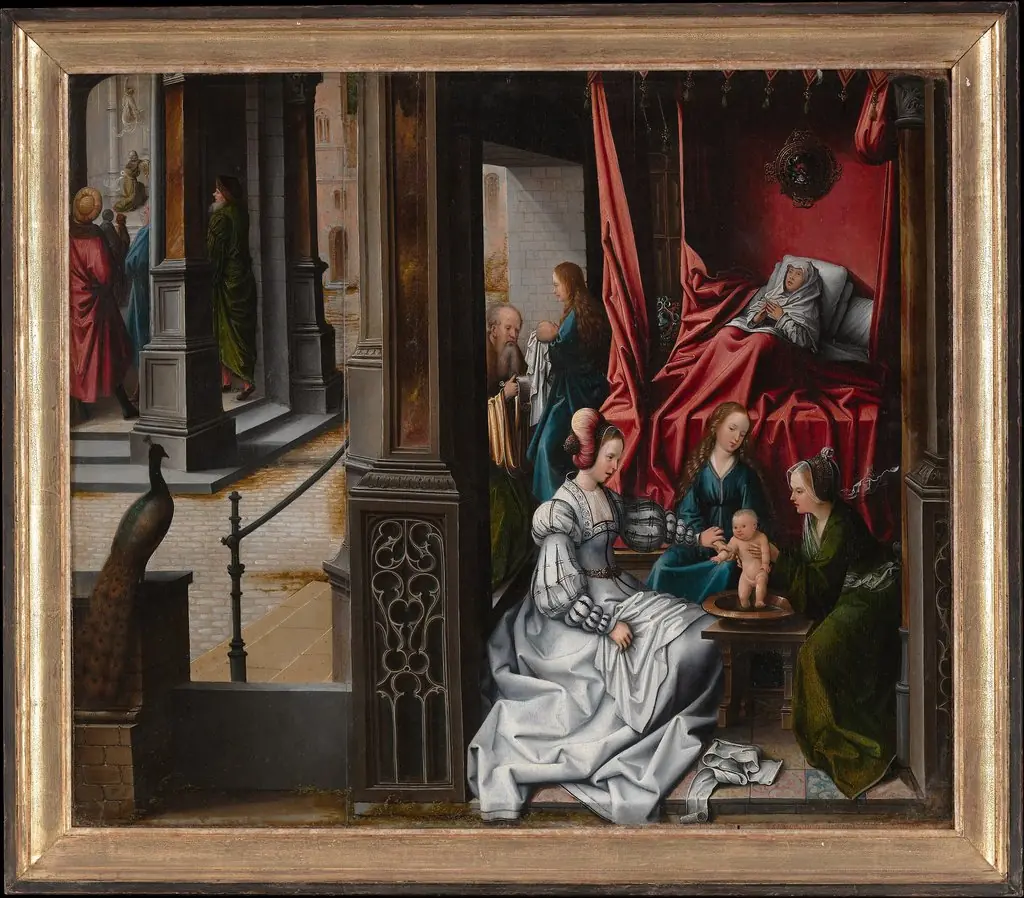 The Birth and Naming of Saint John the Baptist; (reverse) Trompe-l'oeil with Painting of The Man of Sorrows
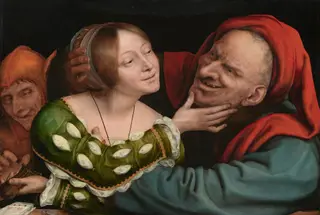 Ill-Matched Lovers
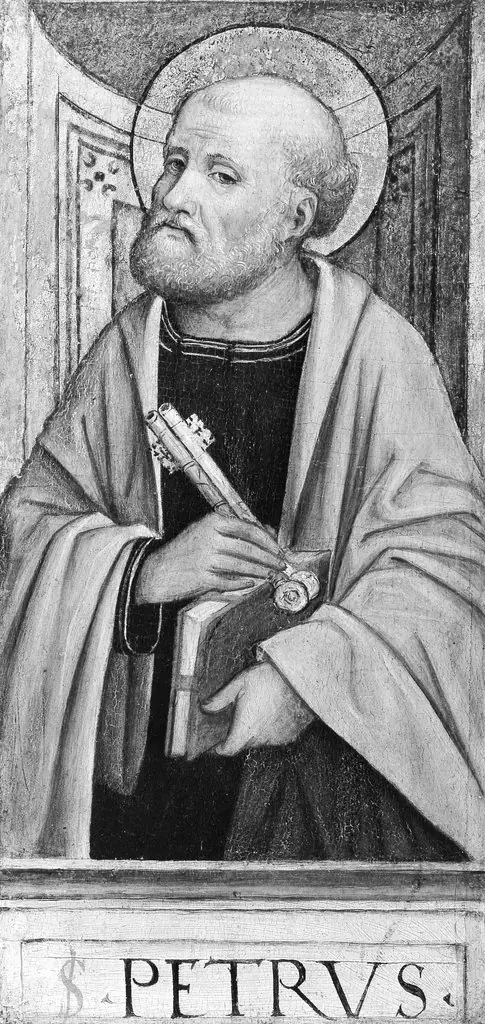 The Twelve Apostles: Saints Bartholomew, Andrew, Matthew, James the Greater, Thaddeus, Philip, James the Lesser, Simon, Peter, Paul, Thomas, and John
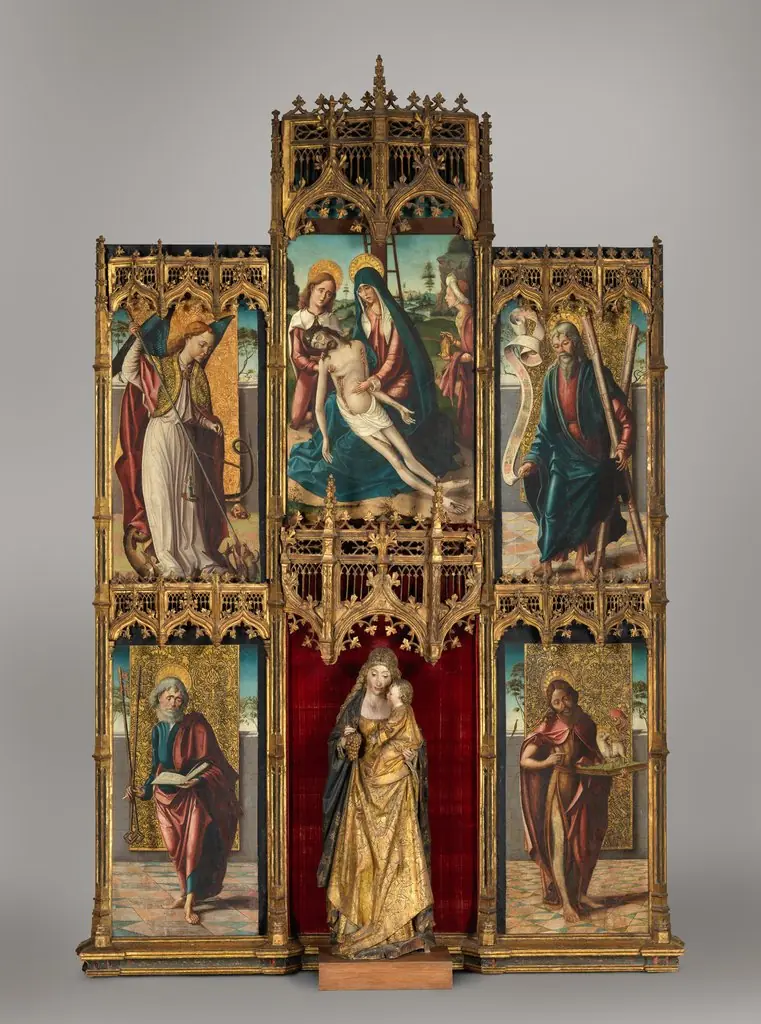 Virgin and Child with the Pietà and Saints
![Madonna and Child [obverse], by Albrecht Dürer, 1498](https://artifactworldgallery.com/img/albrecht-durer--madonna-and-child-obverse--d7b8ebf05d22ebe5-w320.webp) Madonna and Child [obverse]
Madonna and Child [obverse]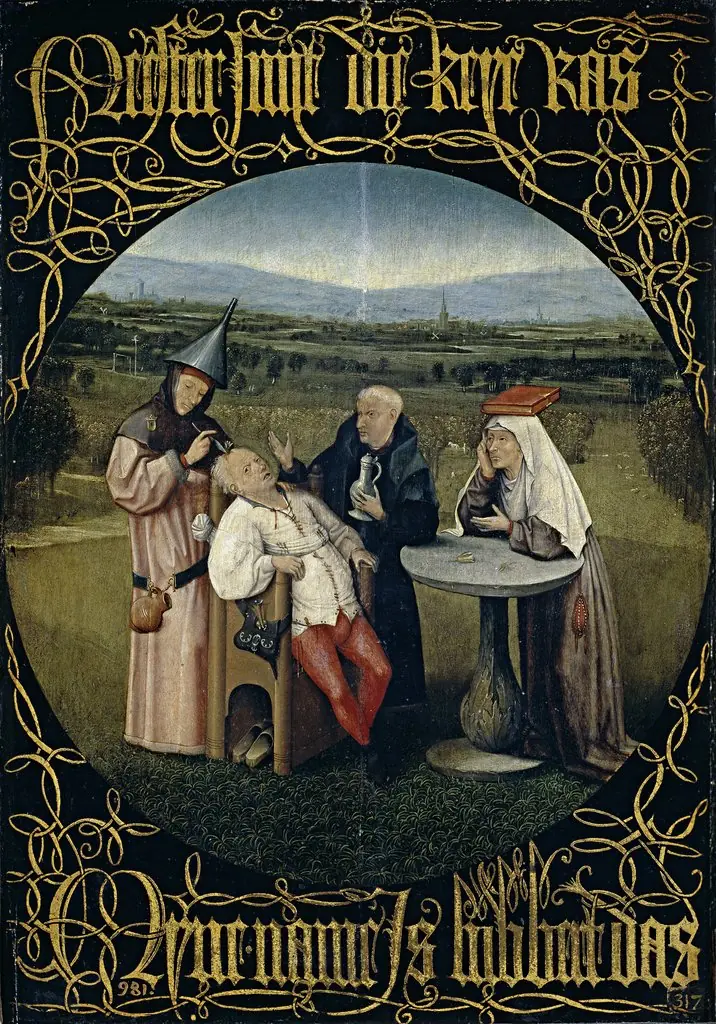 Cutting the Stone
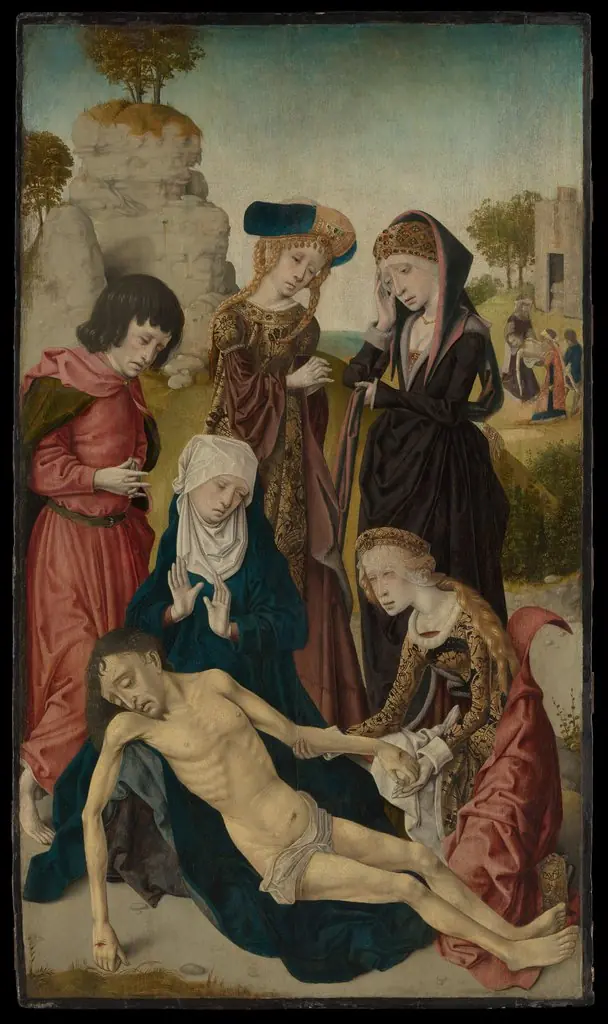 The Lamentation
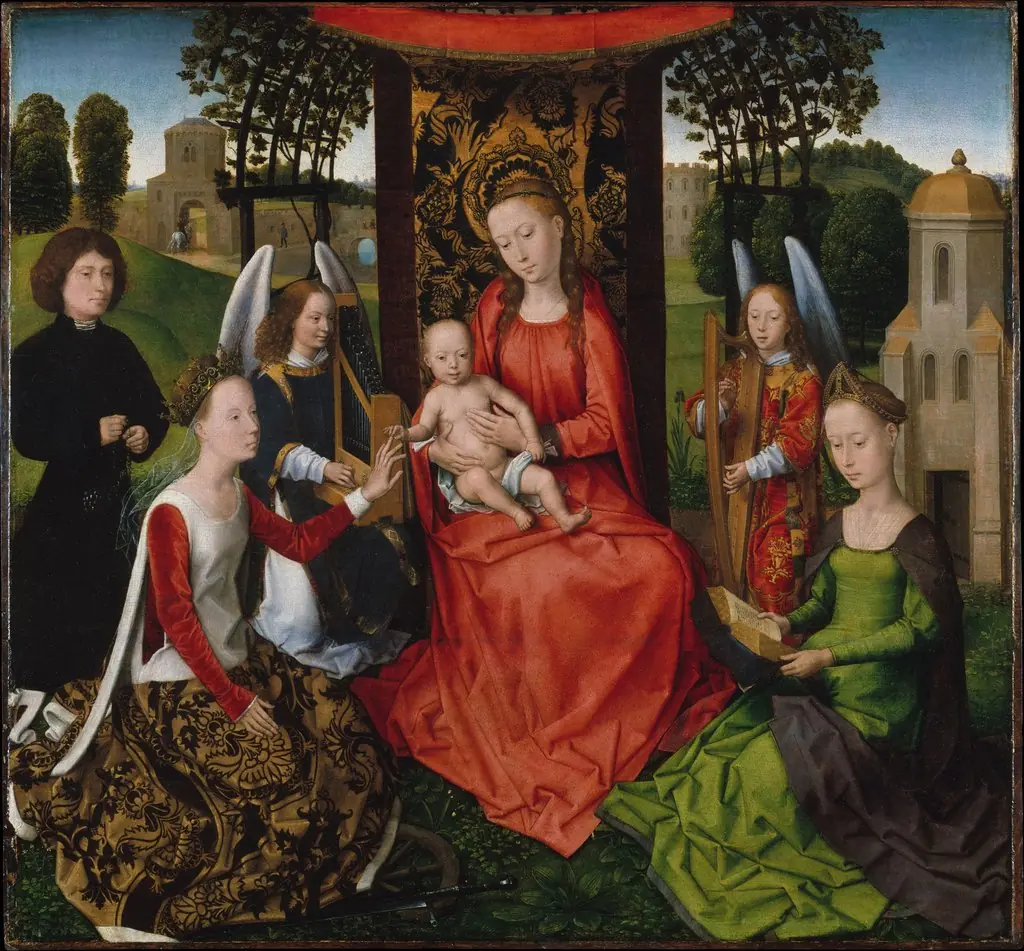 Virgin and Child with Saints Catherine of Alexandria and Barbara
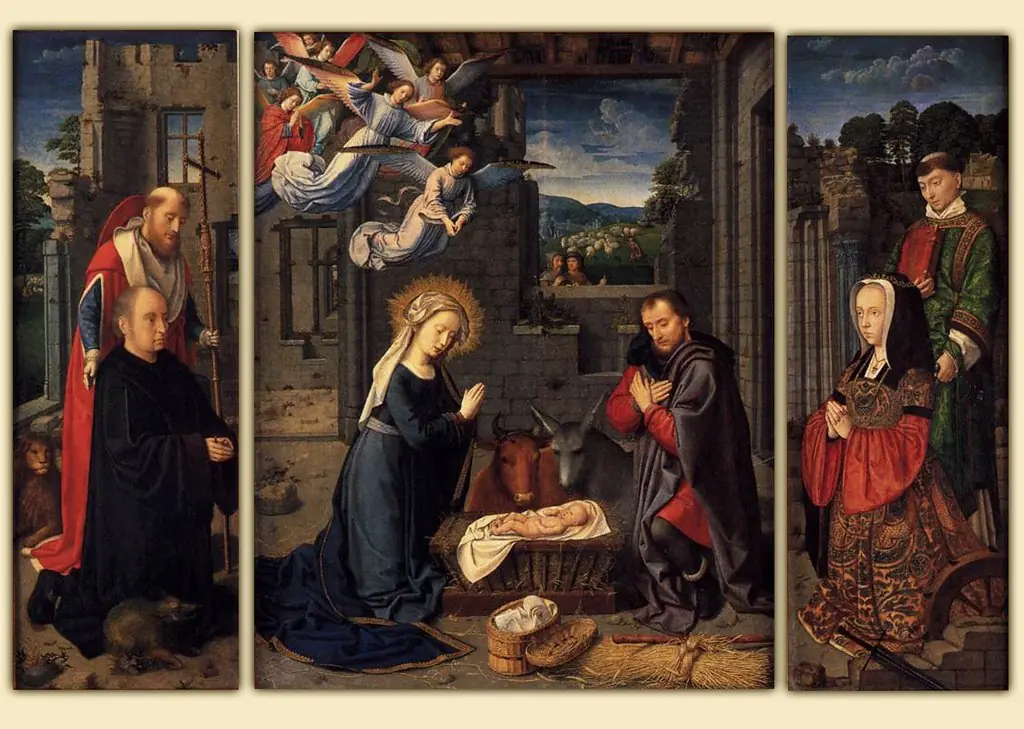 The Nativity with Donors and Saints Jerome and Leonard
 The Hunters in the Snow
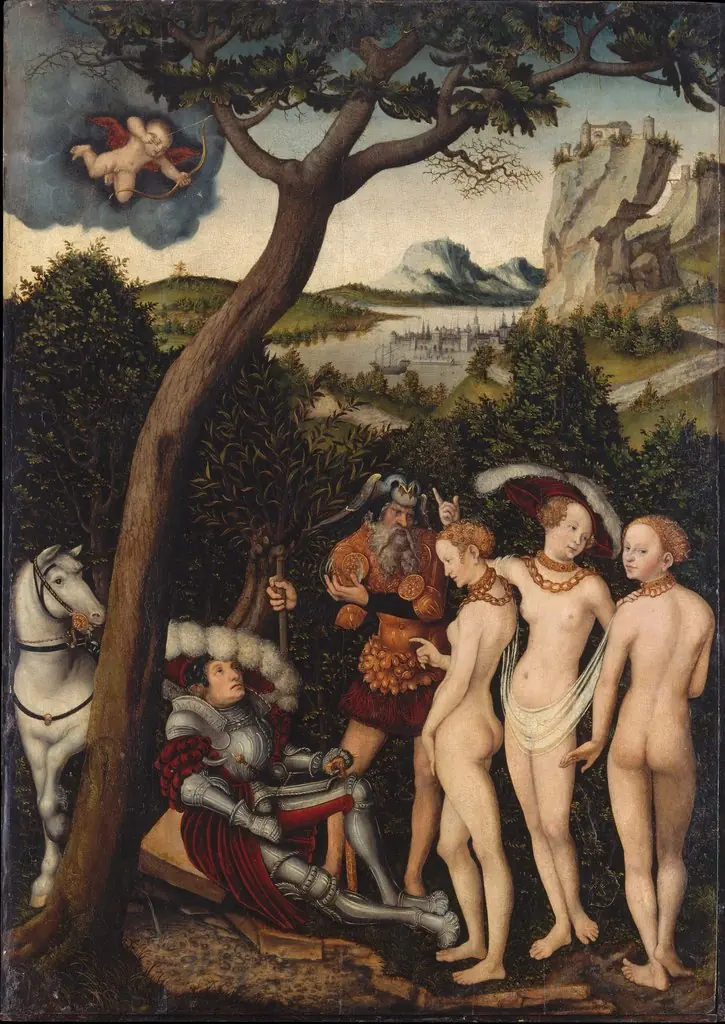 The Judgment of Paris
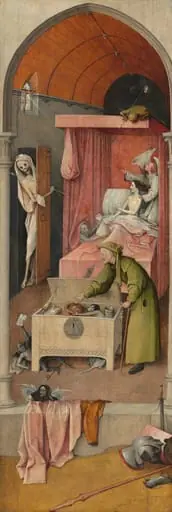 Death and the Miser
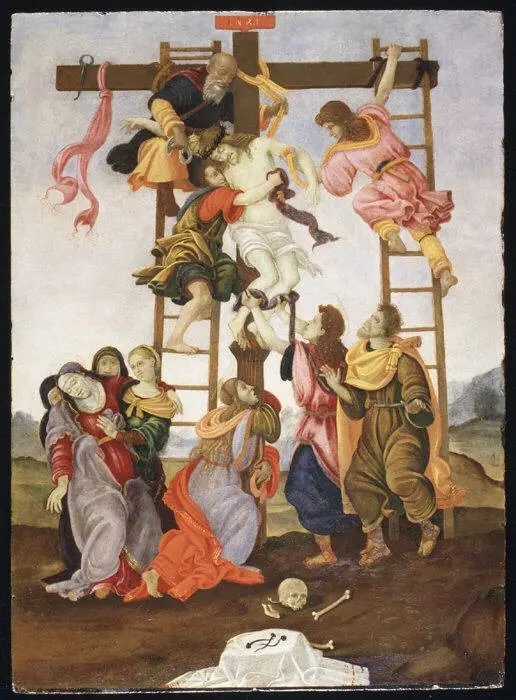 The Descent from the Cross
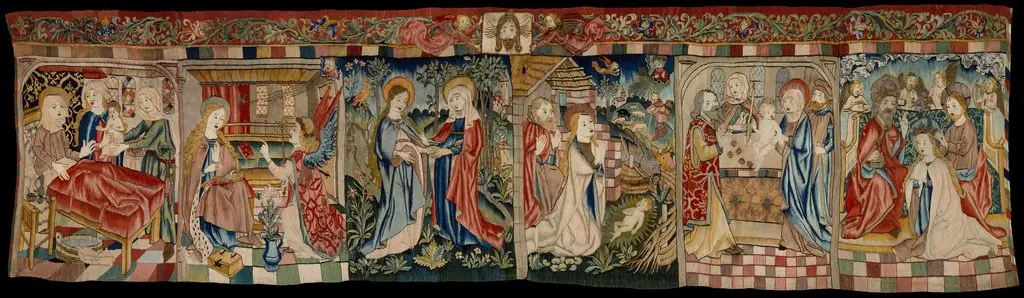 Scenes from the Life of the Virgin
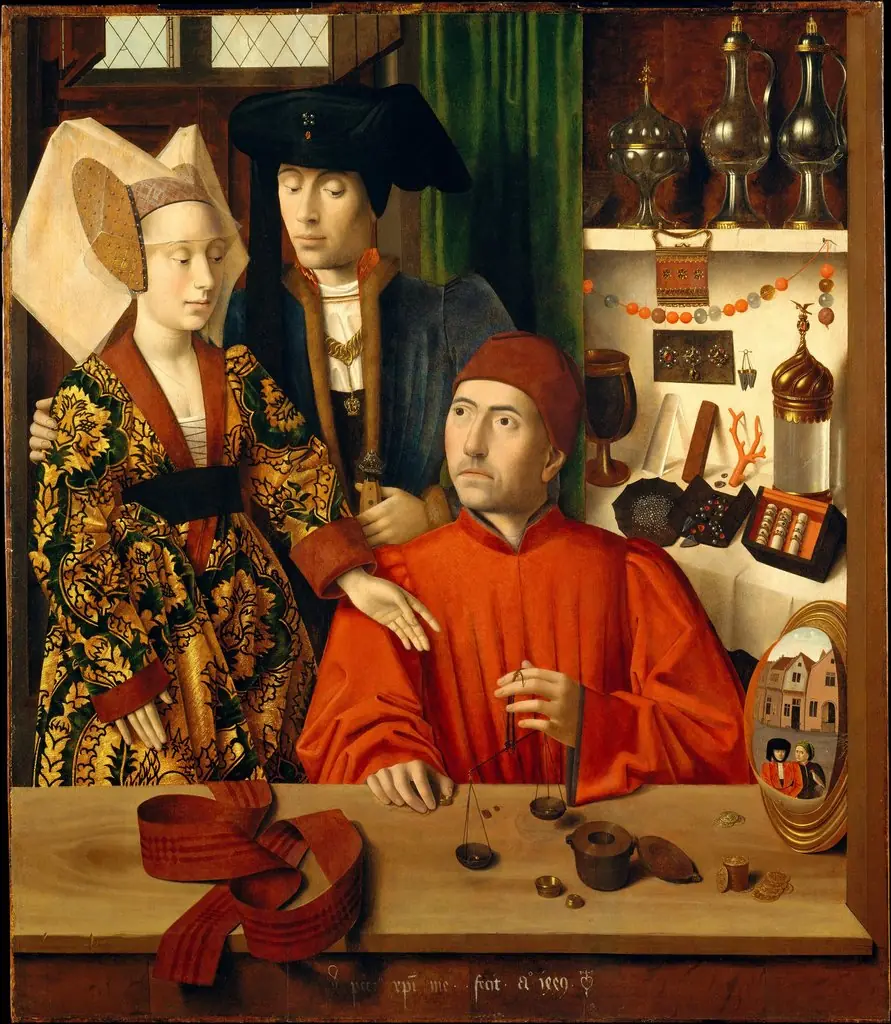 A Goldsmith in His Shop
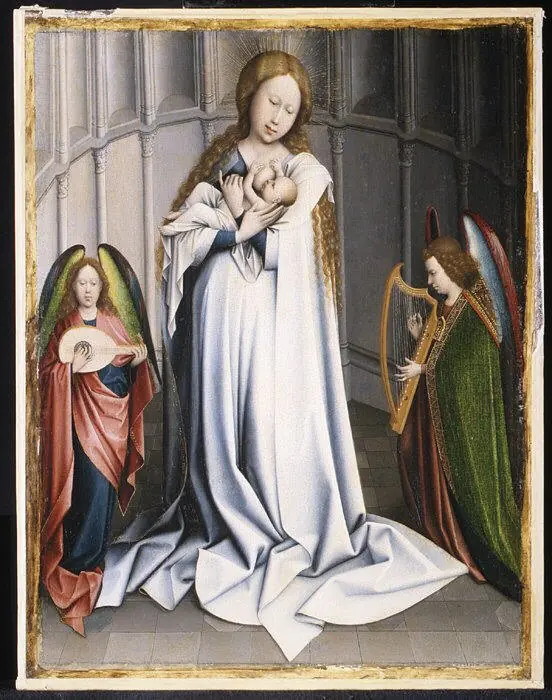 Virgin and Child in an Apse
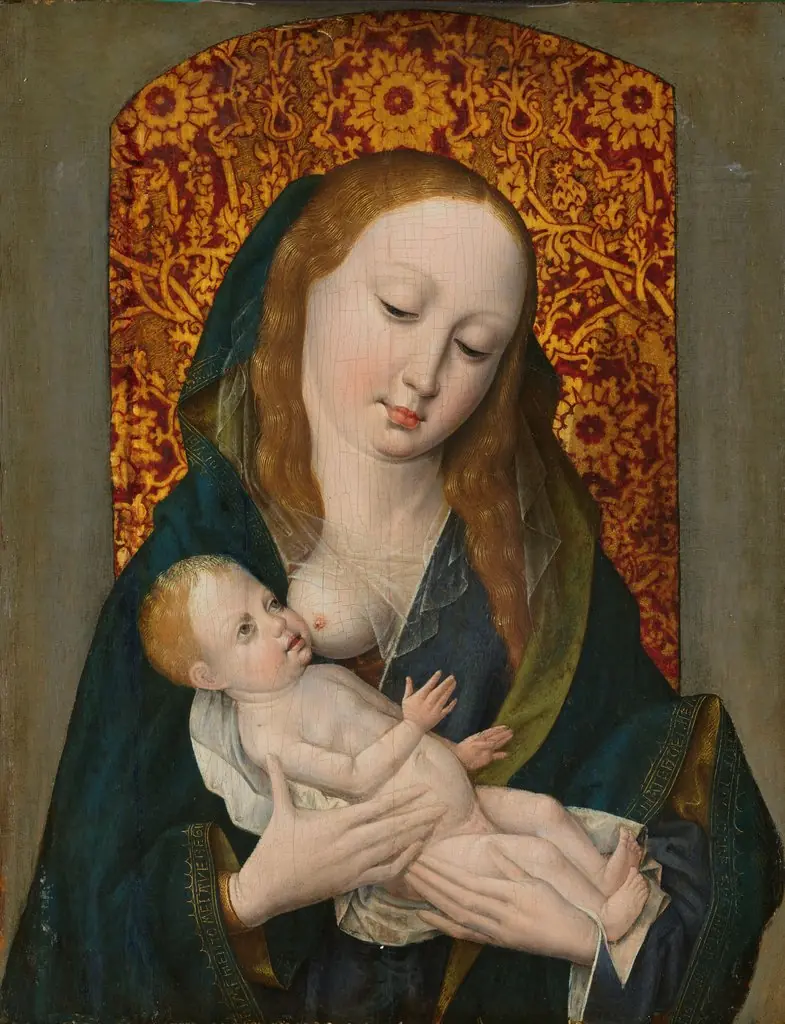 The Virgin and Child
 The Triumph of Death
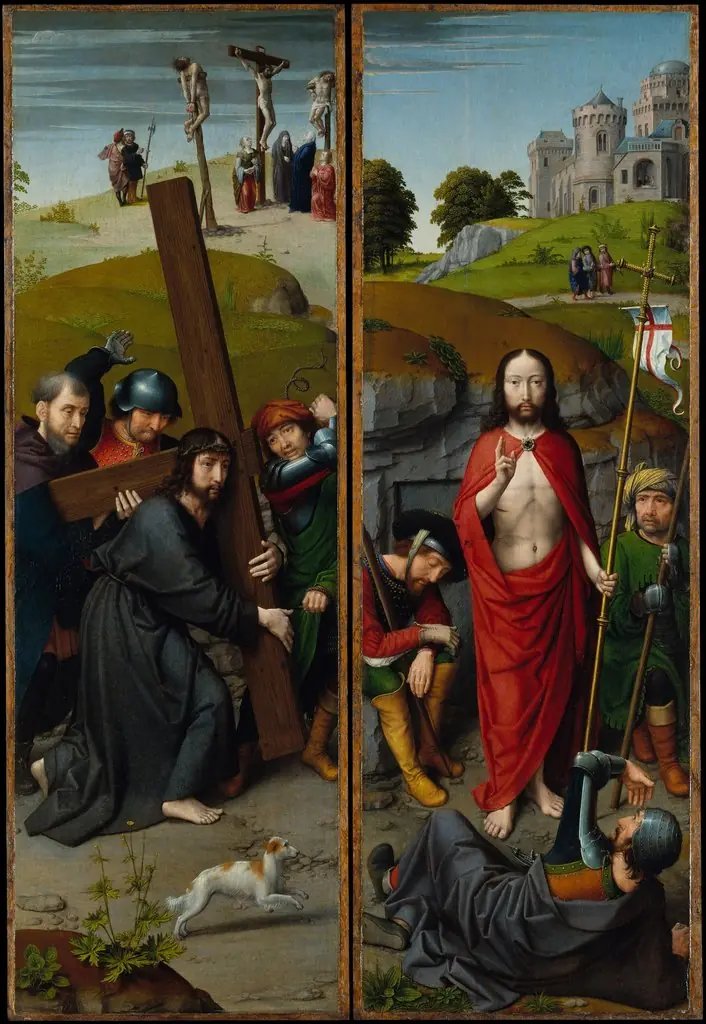 Christ Carrying the Cross, with the Crucifixion; The Resurrection, with the Pilgrims of Emmaus
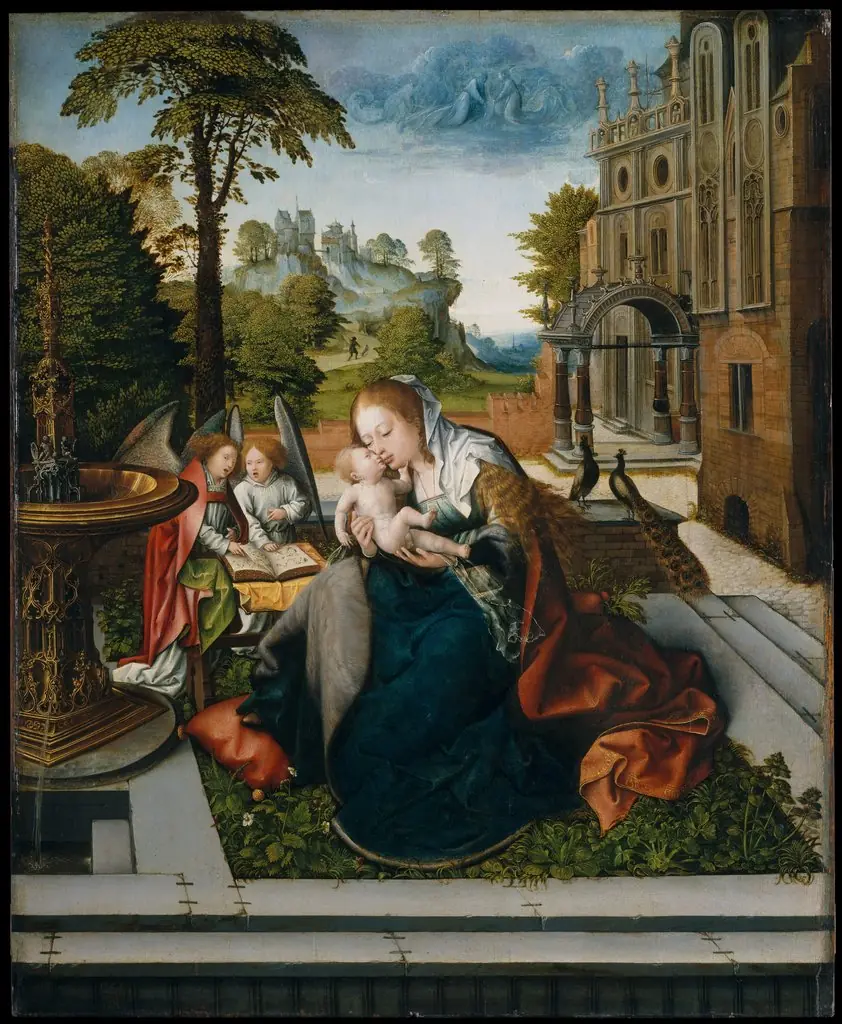 Virgin and Child with Angels
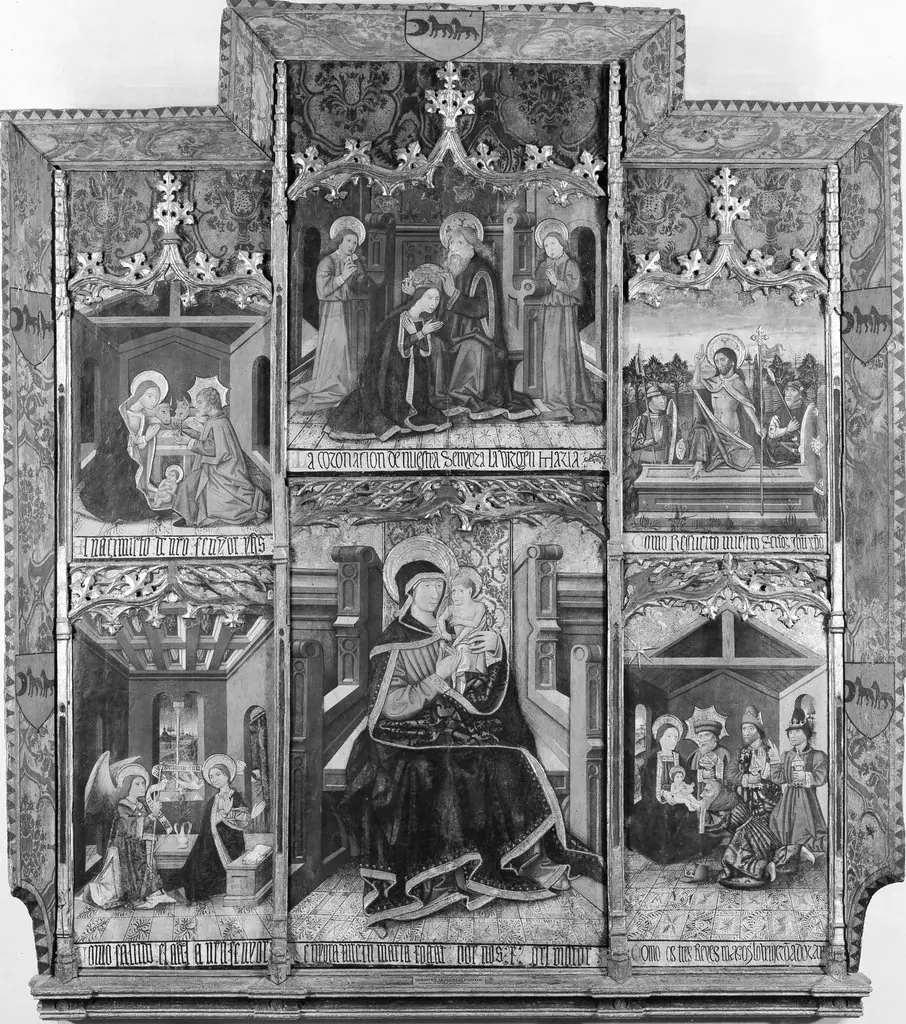 Virgin and Child Enthroned with Scenes from the Life of the Virgin
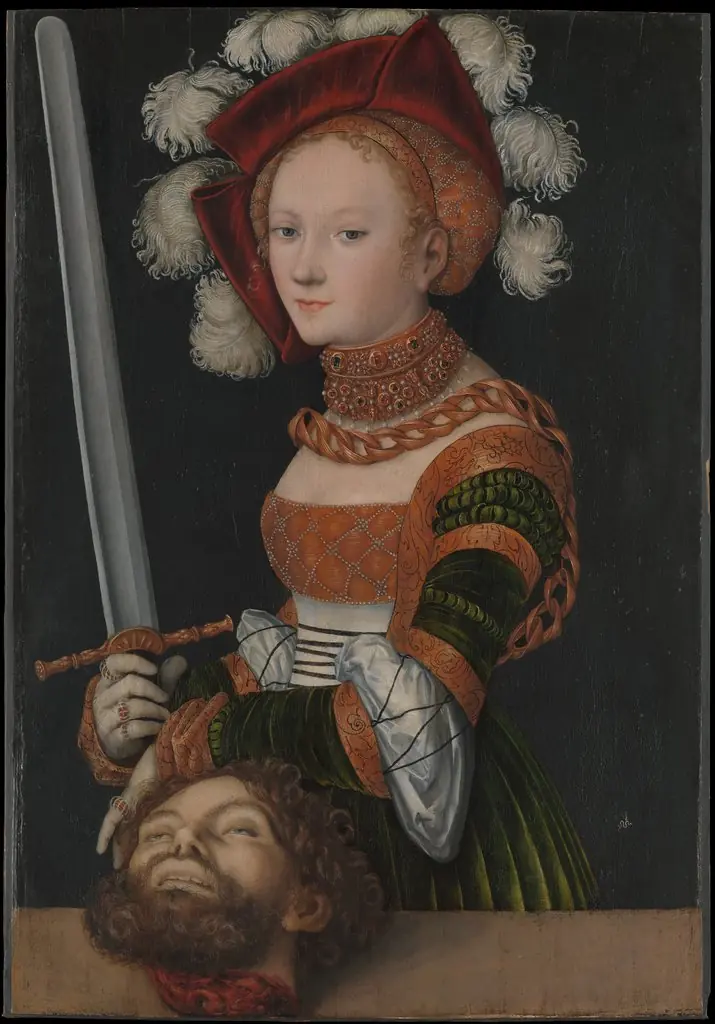 Judith with the Head of Holofernes
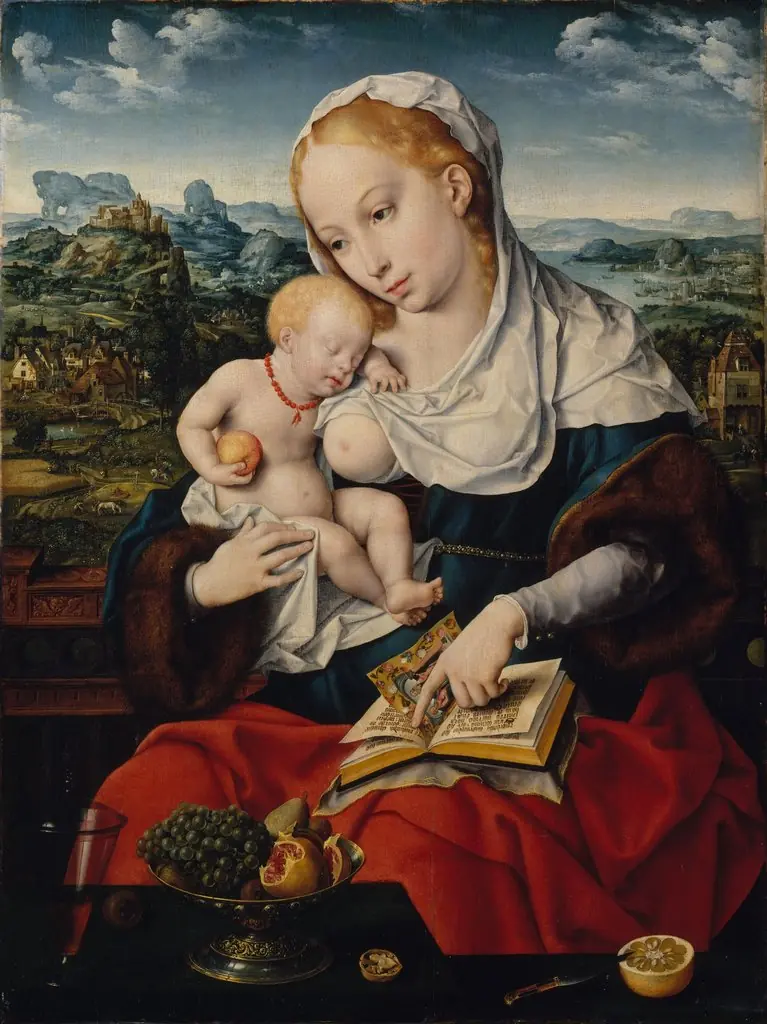 Virgin and Child
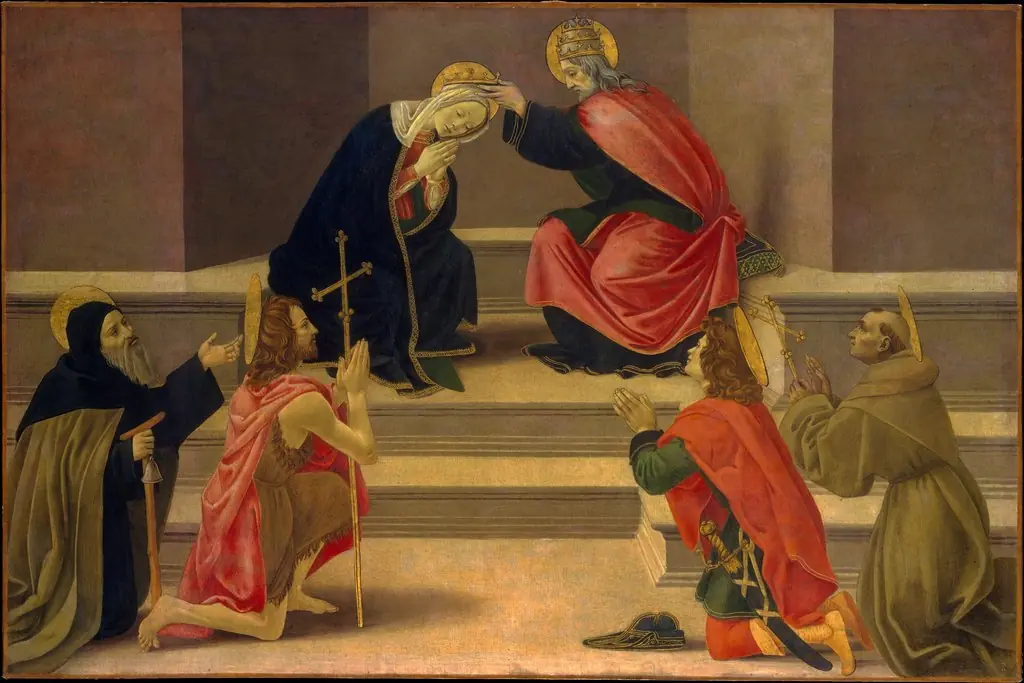 The Coronation of the Virgin
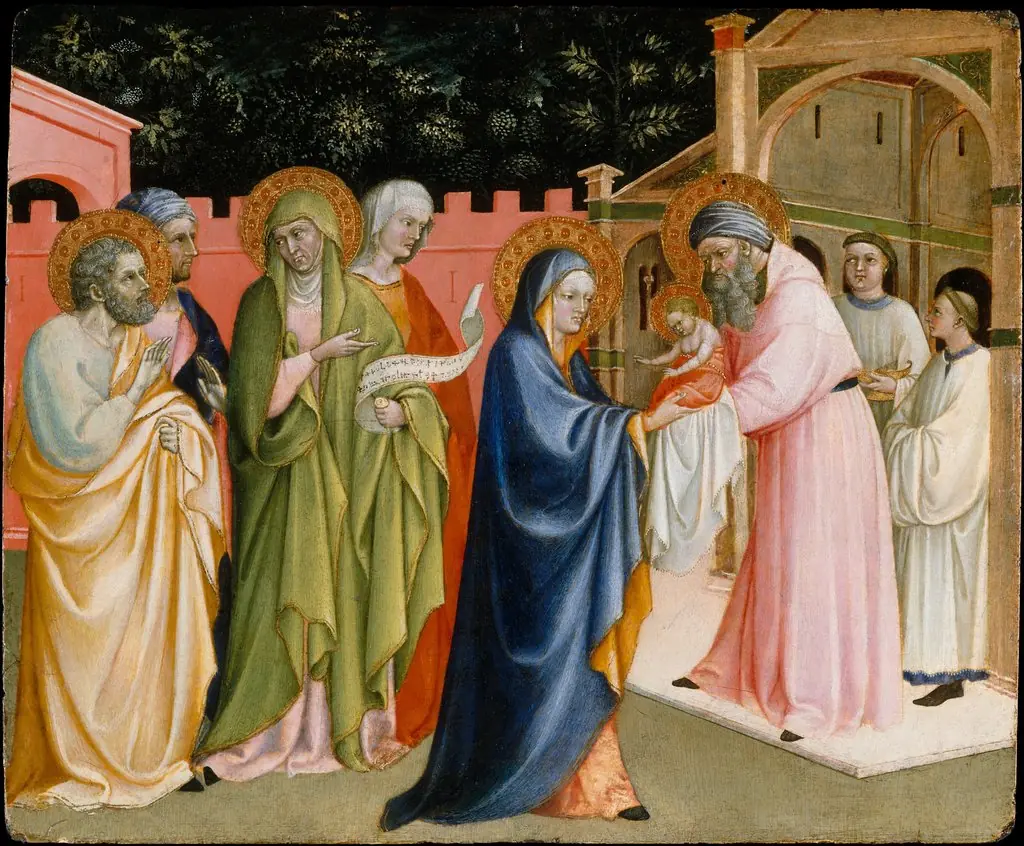 The Presentation in the Temple
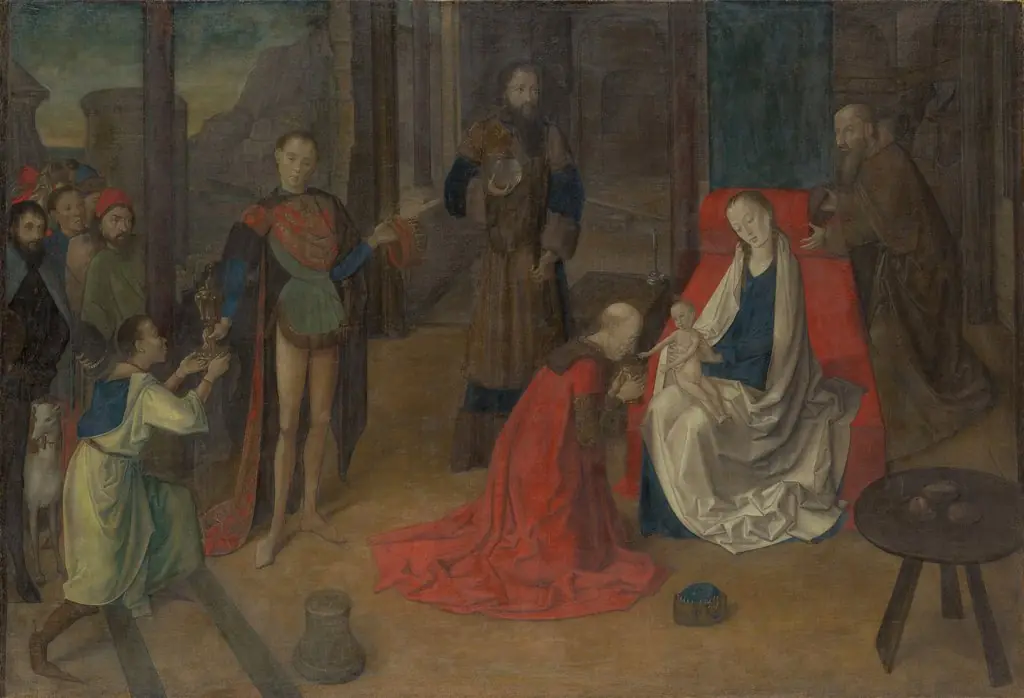 The Adoration of the Magi
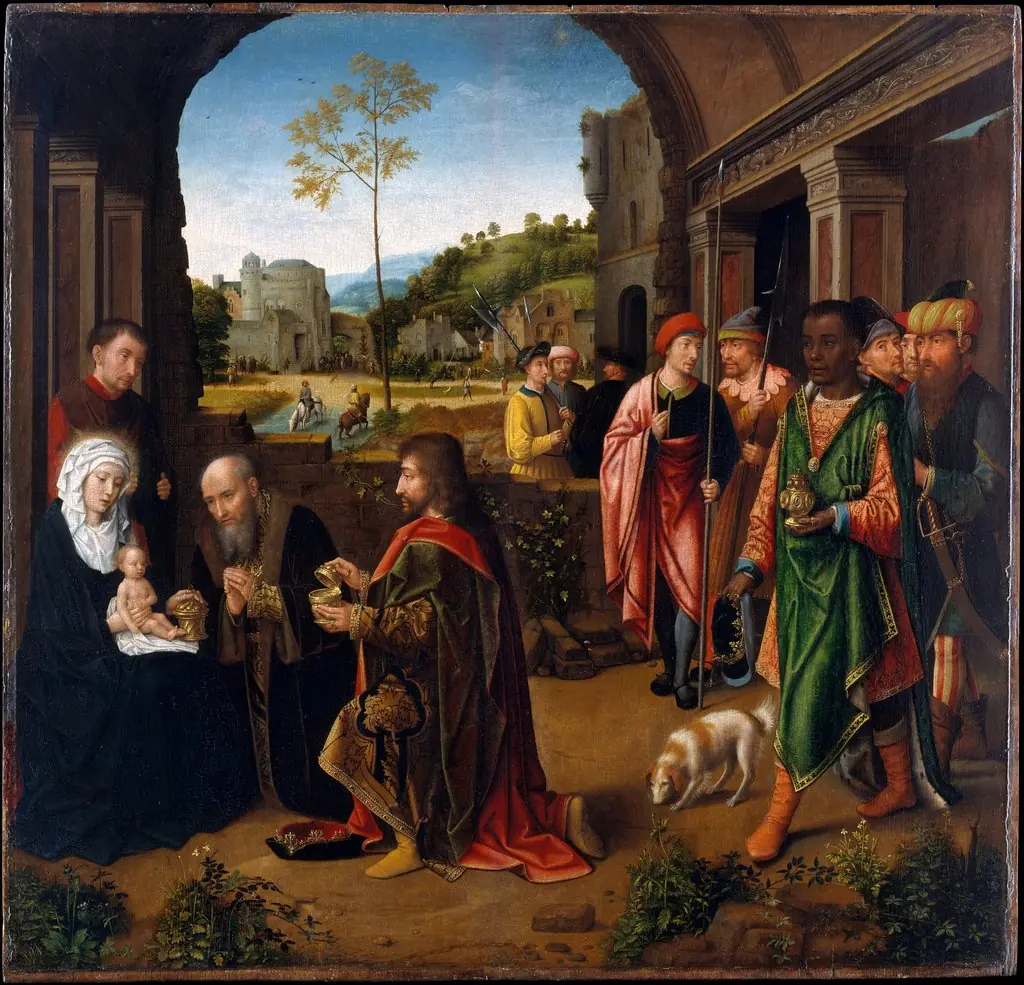 The Adoration of the Magi
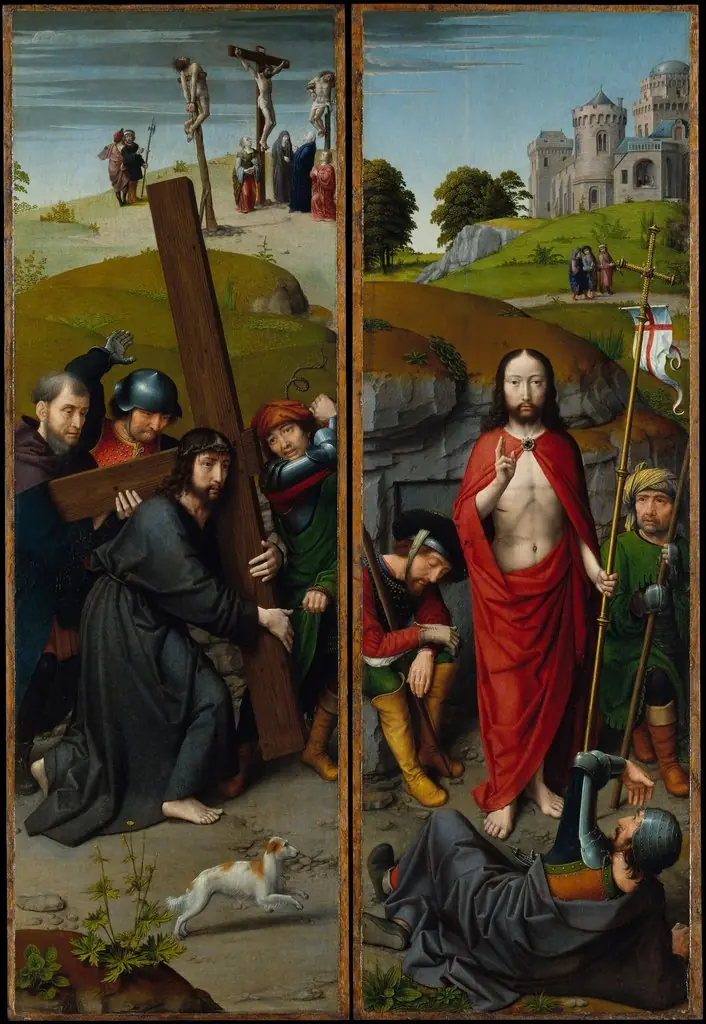 Christ Carrying the Cross, with the Crucifixion; The Resurrection, with the Pilgrims of Emmaus
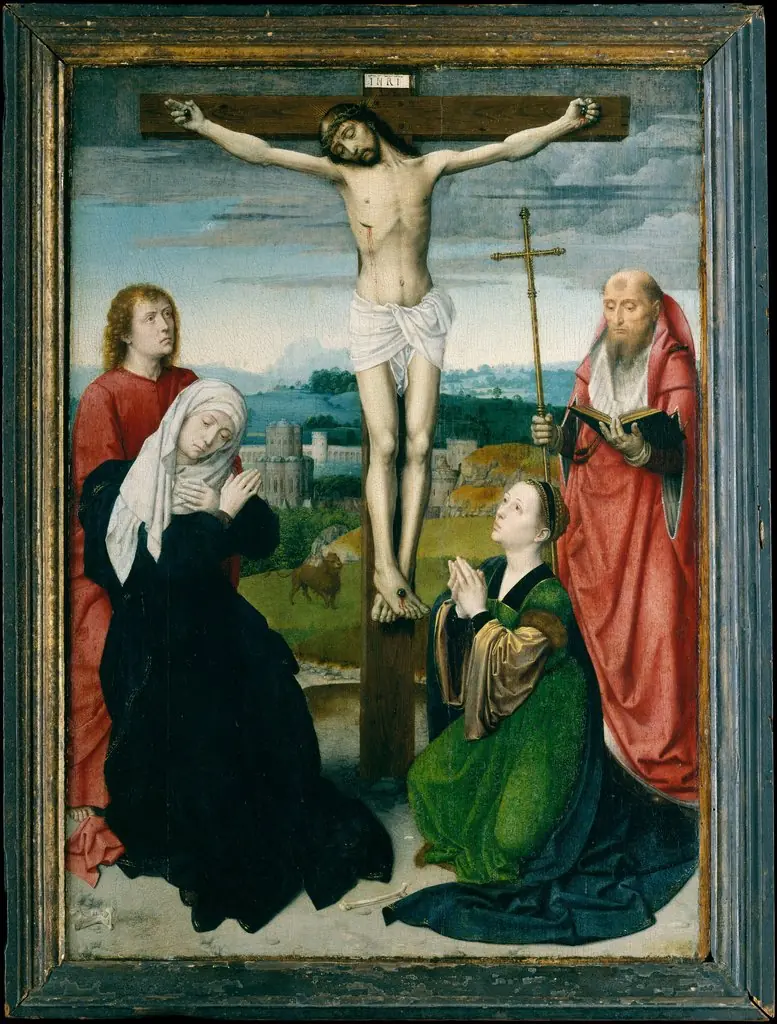 The Crucifixion
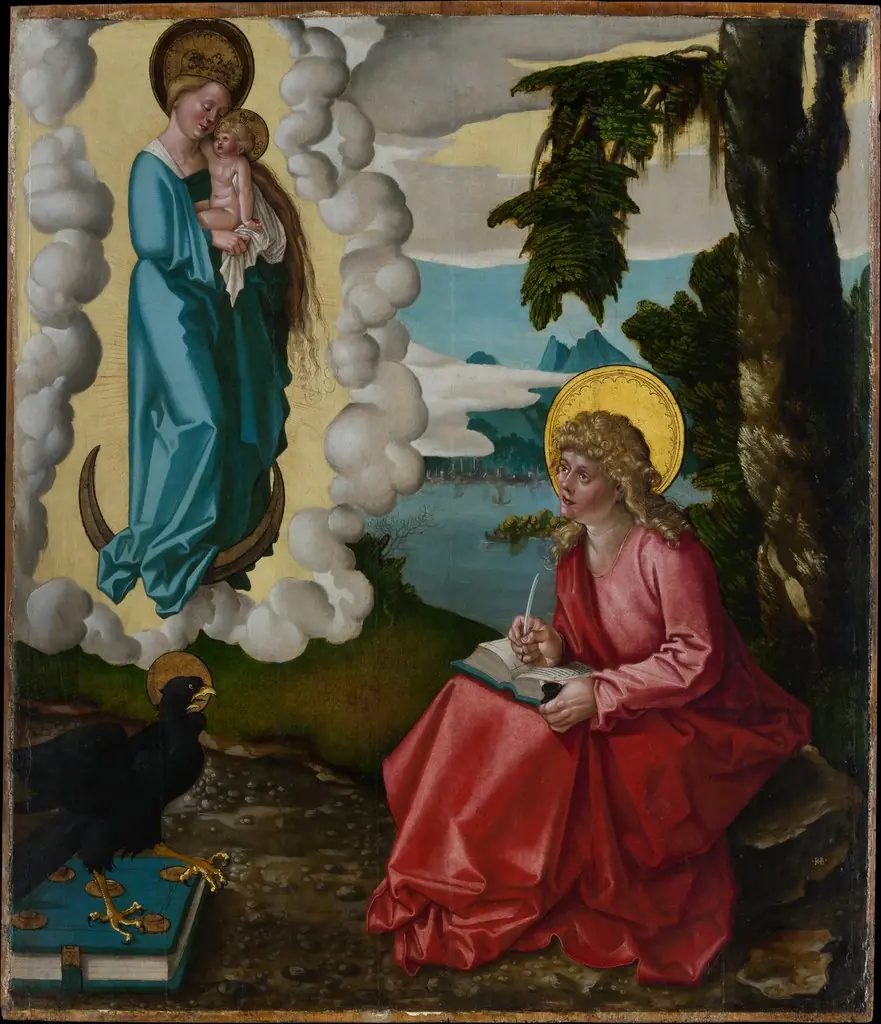 Saint John on Patmos
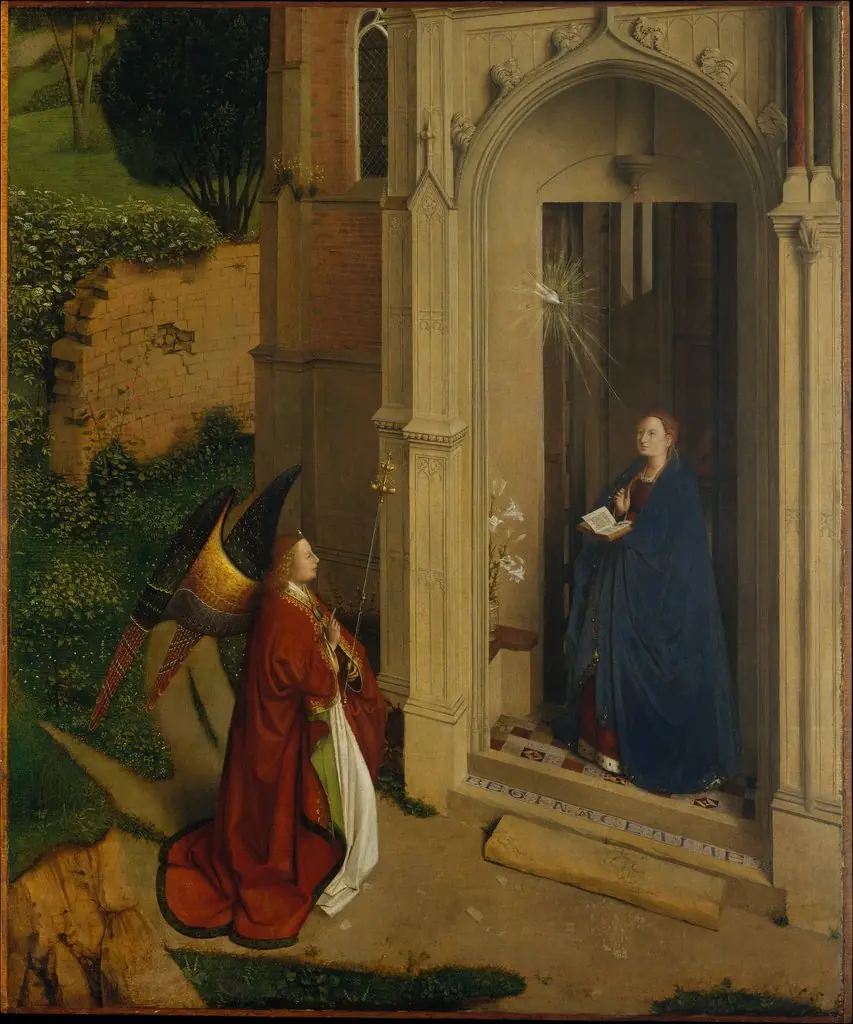 The Annunciation
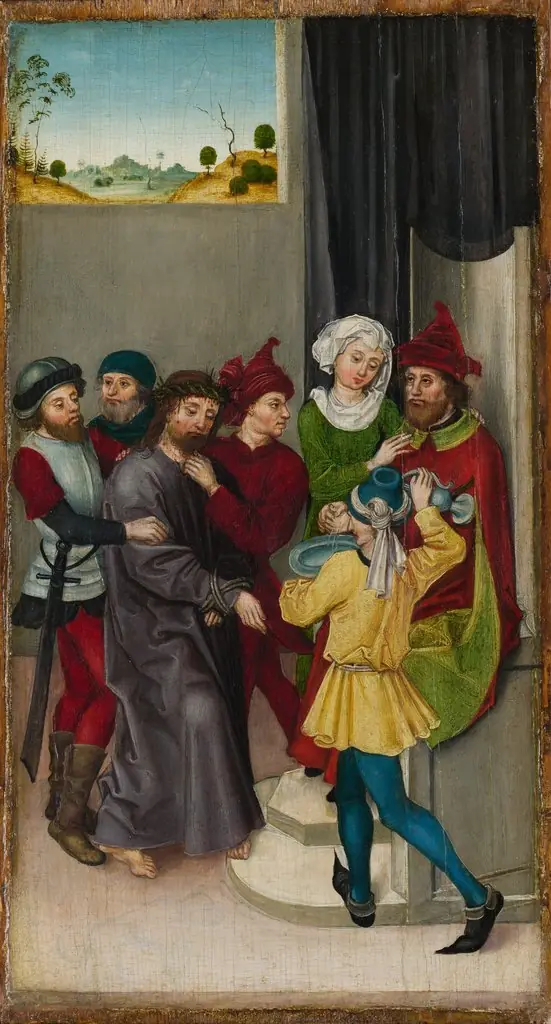 Christ before Pilate; The Resurrection
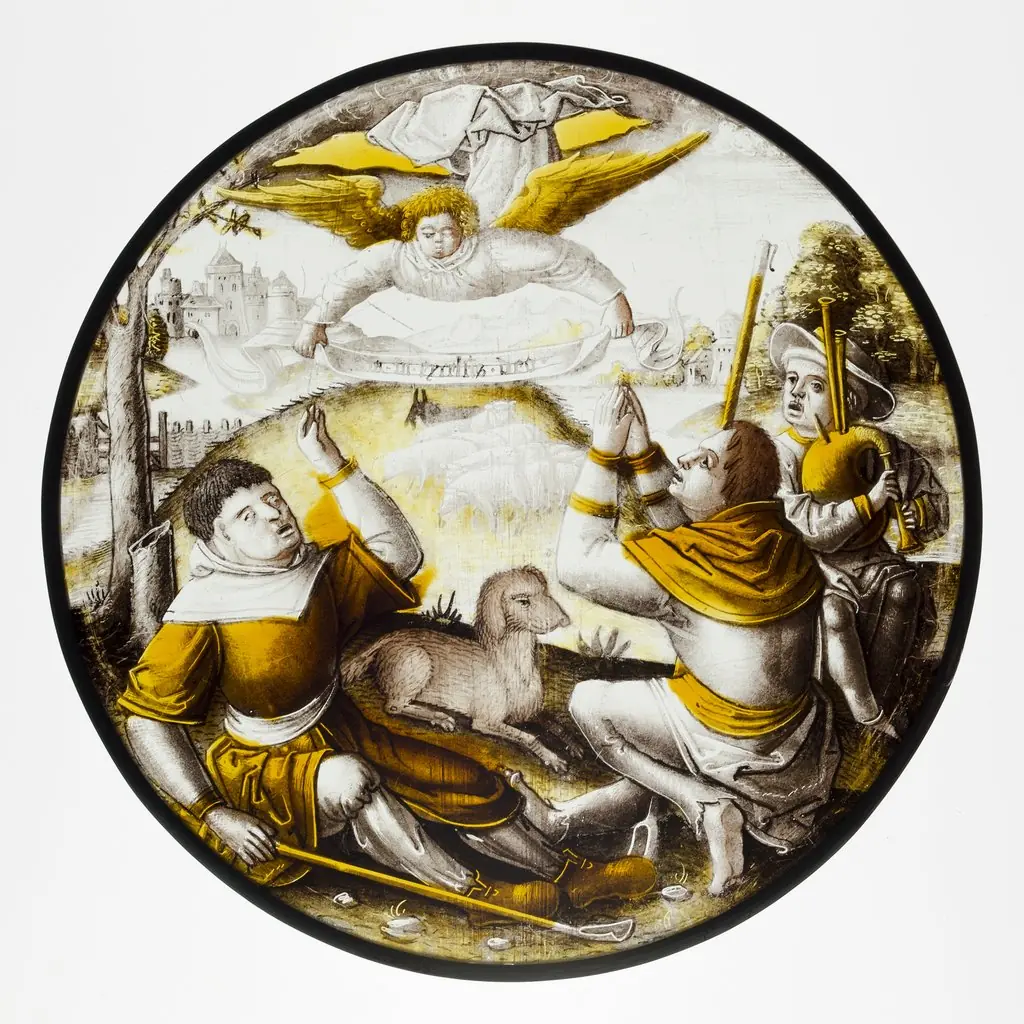 Roundel with Annunciation to the Shepherds
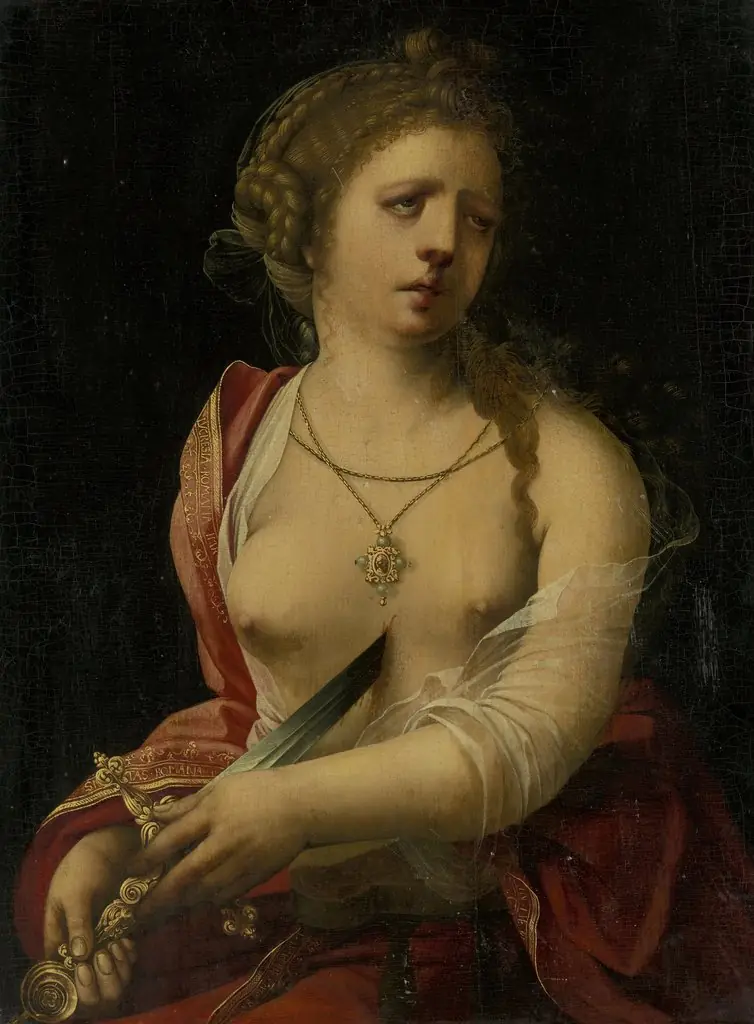 The suicide of Lucretia
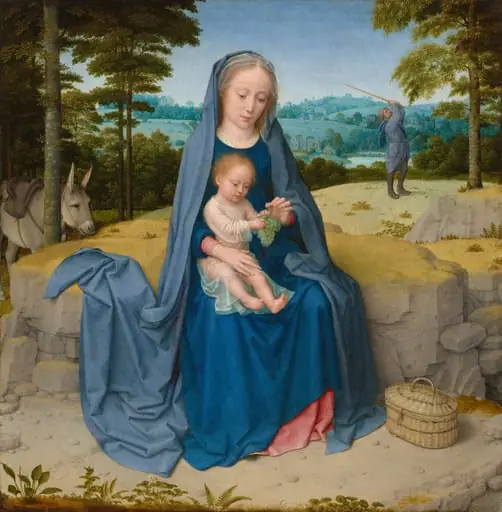 The Rest on the Flight into Egypt
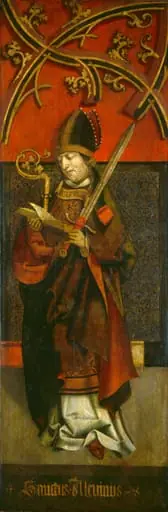 Saint Alcuin
![Saint Veronica [obverse], by Hans Memling, 1472](https://artifactworldgallery.com/img/hans-memling--saint-veronica-obverse--5a649fd8b09c96b9-w320.webp) Saint Veronica [obverse]
Saint Veronica [obverse]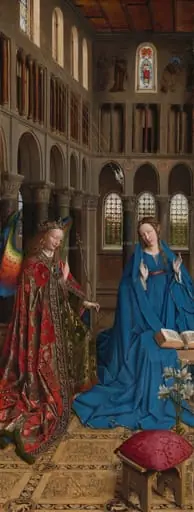 The Annunciation
![The Saint Anne Altarpiece: Saint Anne with the Virgin and Child [middle panel], by Gerard David, 1510](https://artifactworldgallery.com/img/gerard-david--the-saint-anne-altarpiece-saint-anne-with-the-virgin-and-chi--781e919f9012a004-w320.webp) The Saint Anne Altarpiece: Saint Anne with the Virgin and Child [middle panel]
The Saint Anne Altarpiece: Saint Anne with the Virgin and Child [middle panel]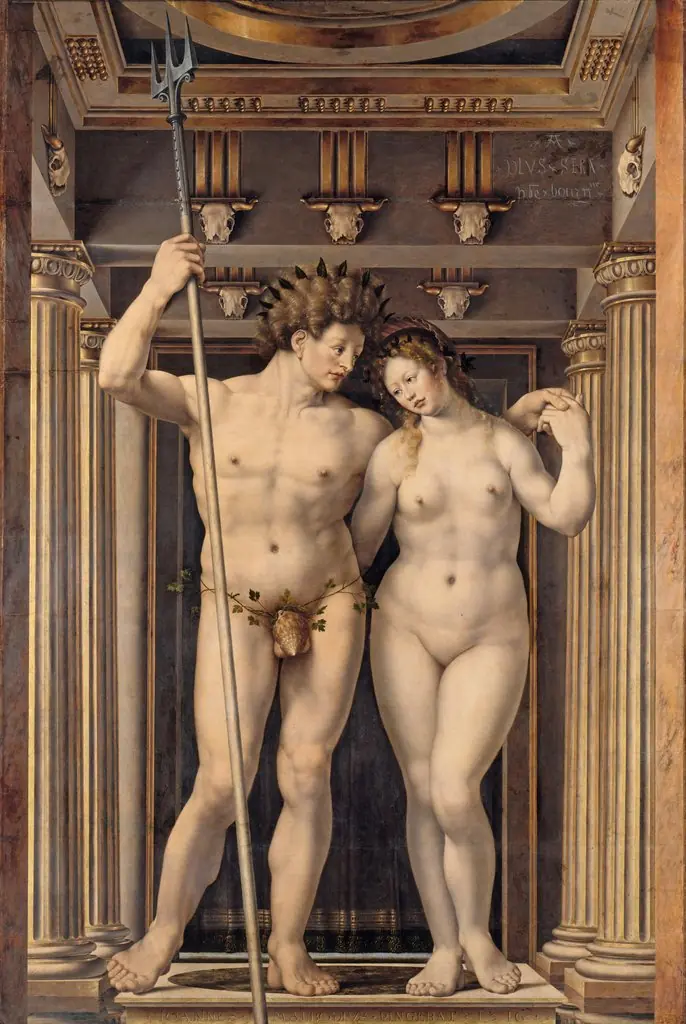 Neptune and Amphitrite
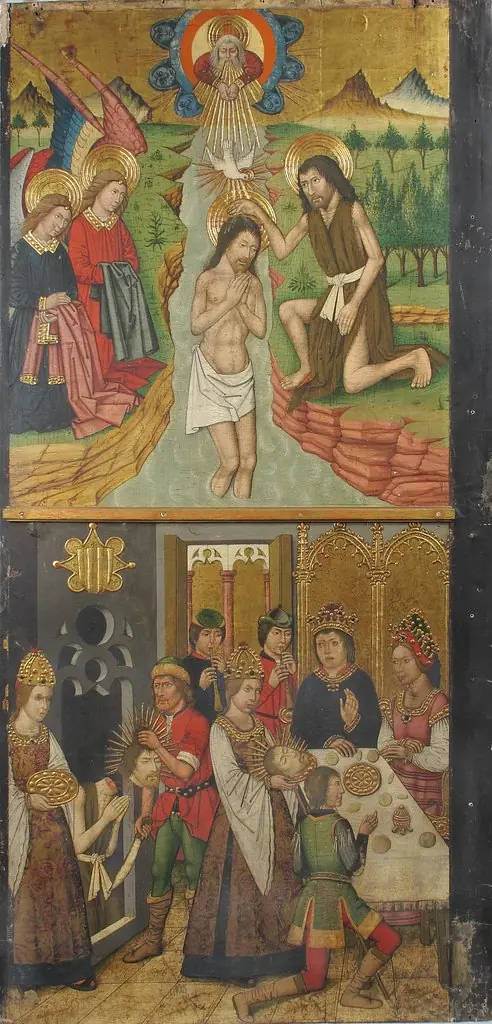 Panel from Saint John Retable
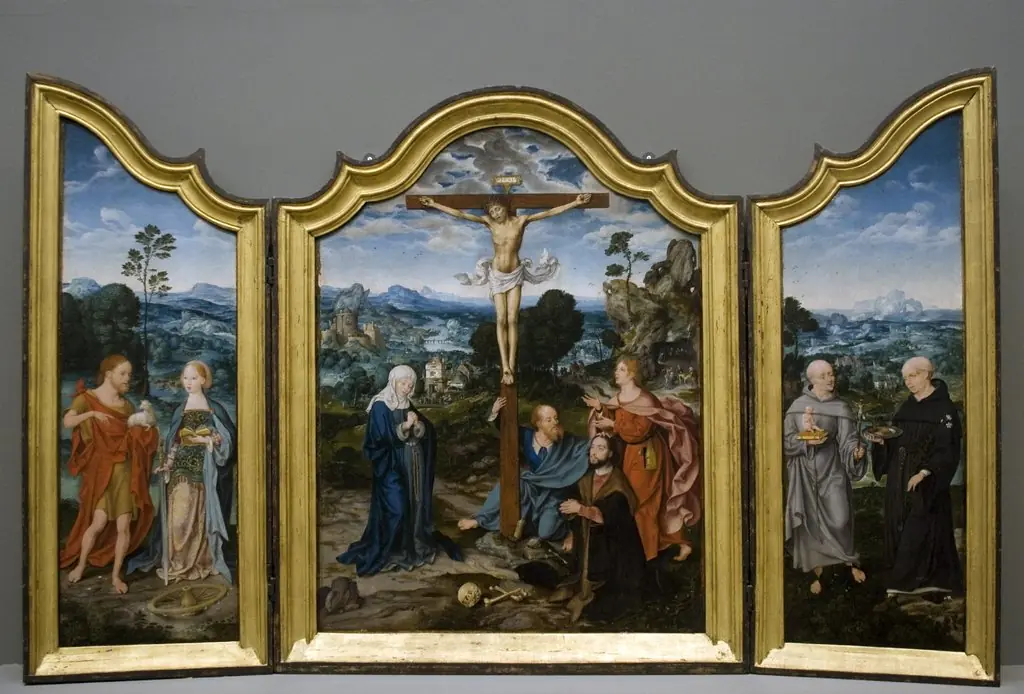 The Crucifixion with Saints and a Donor
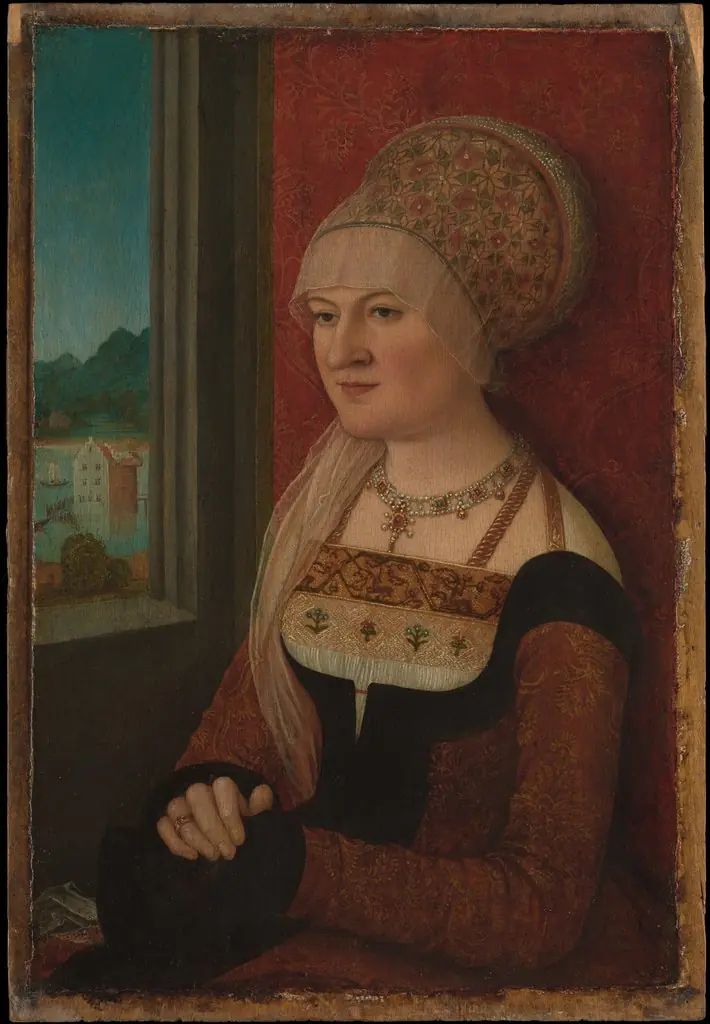 Portrait of a Woman
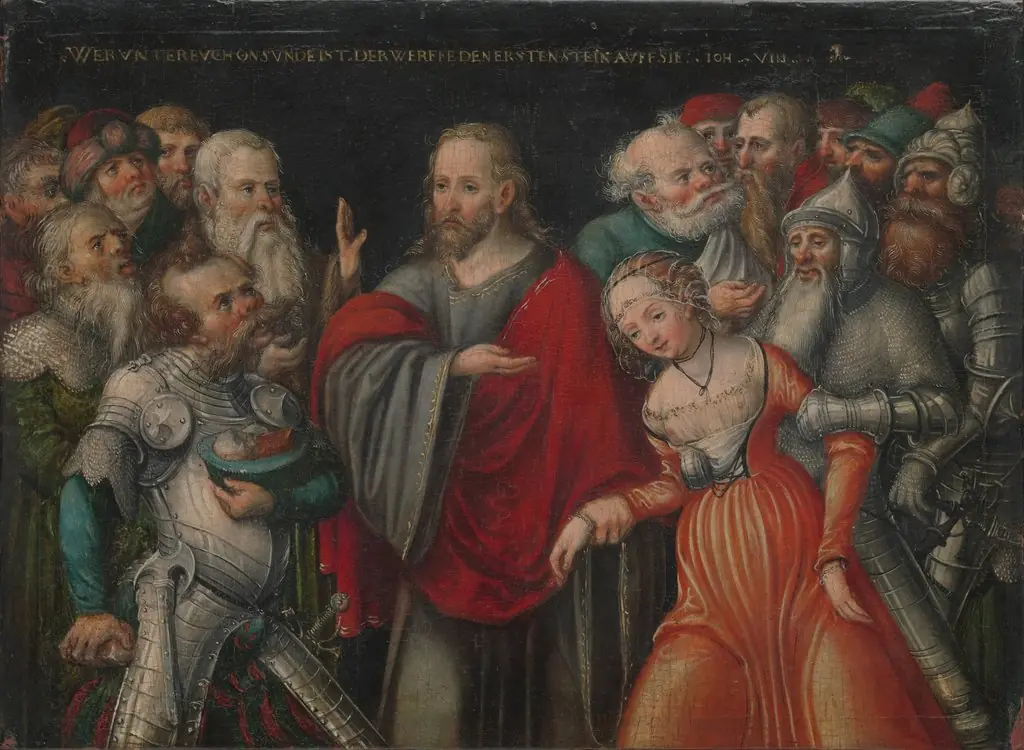 Christ and the Adulteress
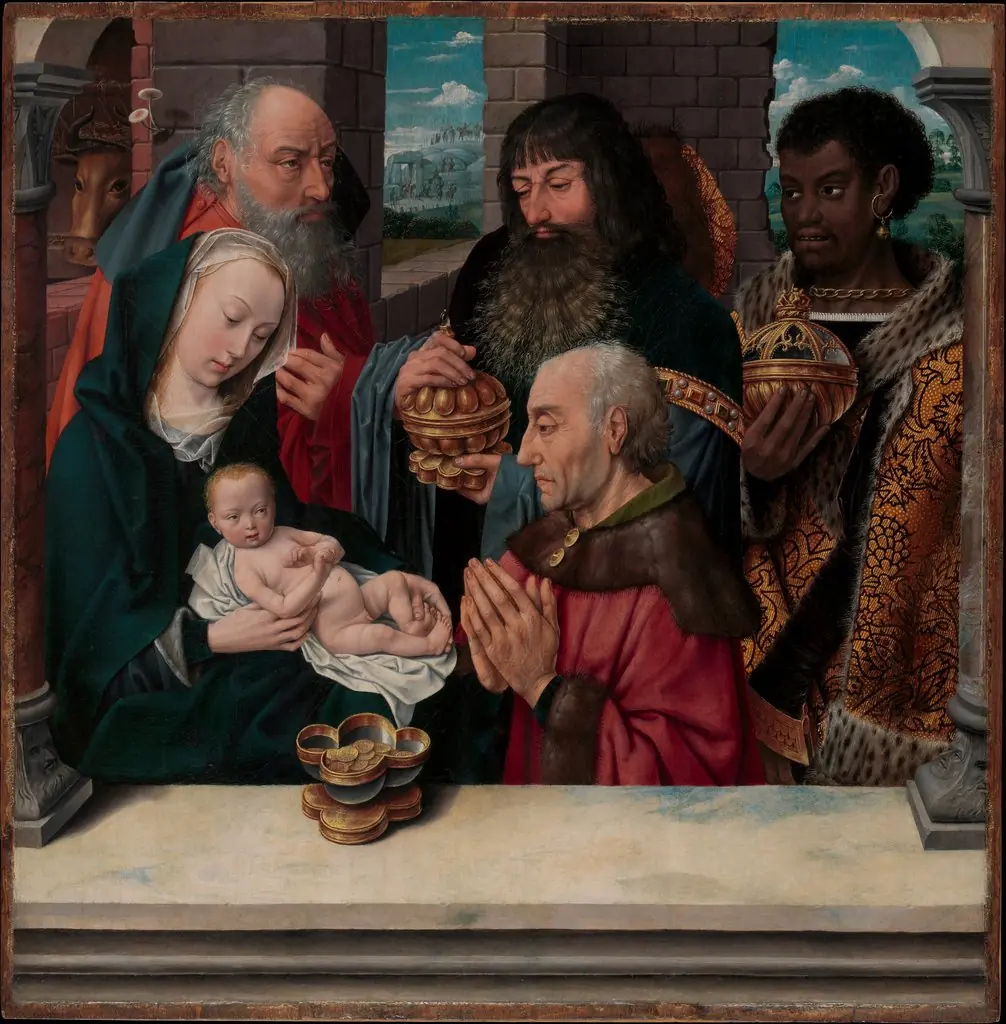 The Adoration of the Magi
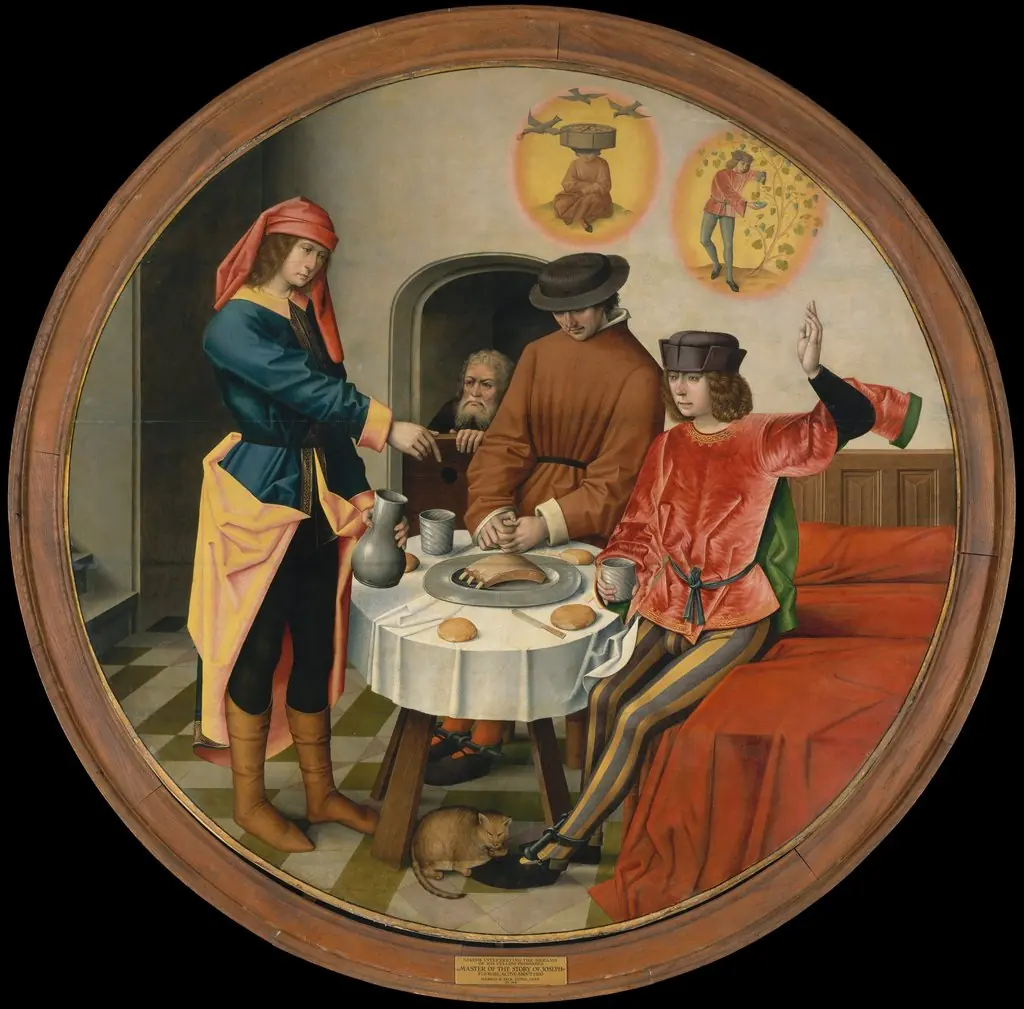 Joseph Interpreting the Dreams of His Fellow Prisoners
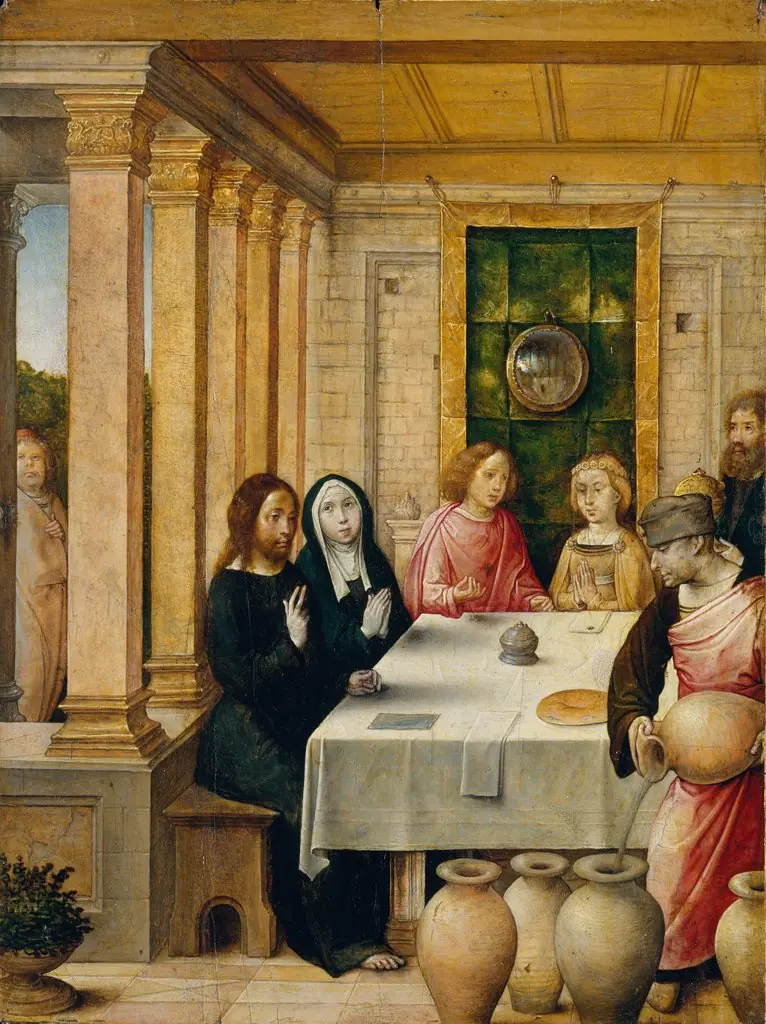 The Marriage Feast at Cana
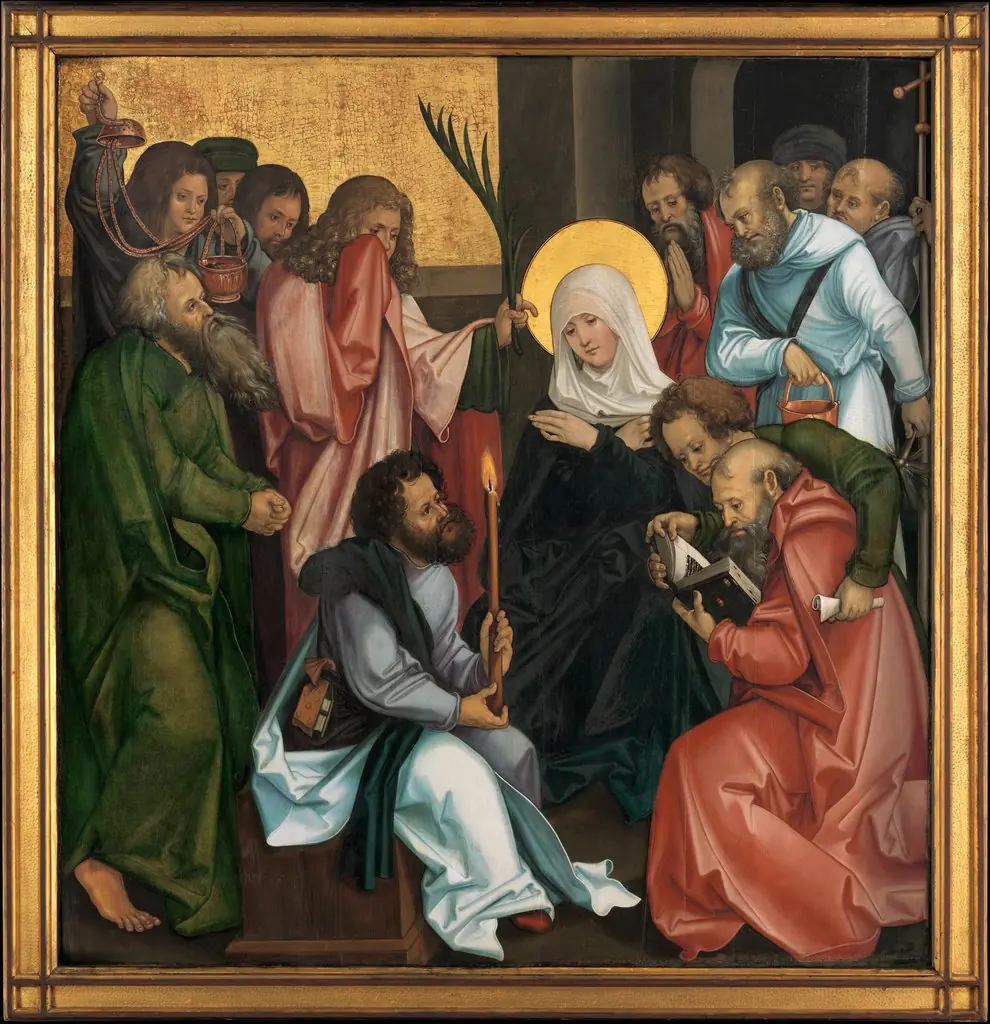 The Dormition of the Virgin; (reverse) Christ Carrying the Cross
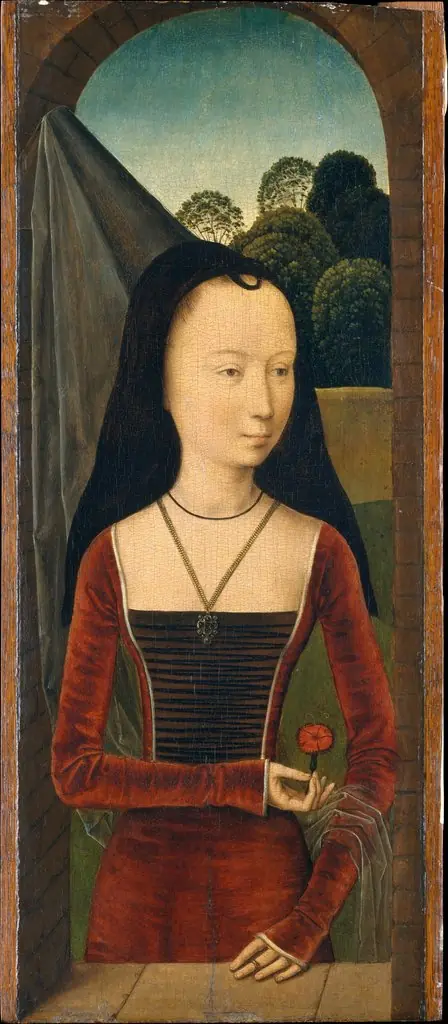 Young Woman with a Pink
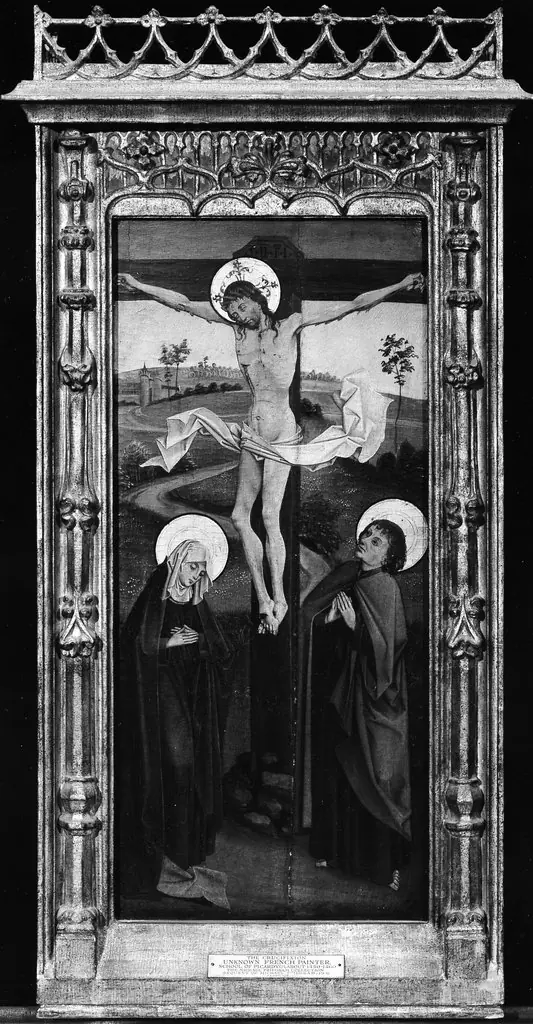 The Crucifixion, (reverse) Saint Francis of Assisi; The Resurrection, (reverse) An Abbot Saint, Possibly Saint Benedict
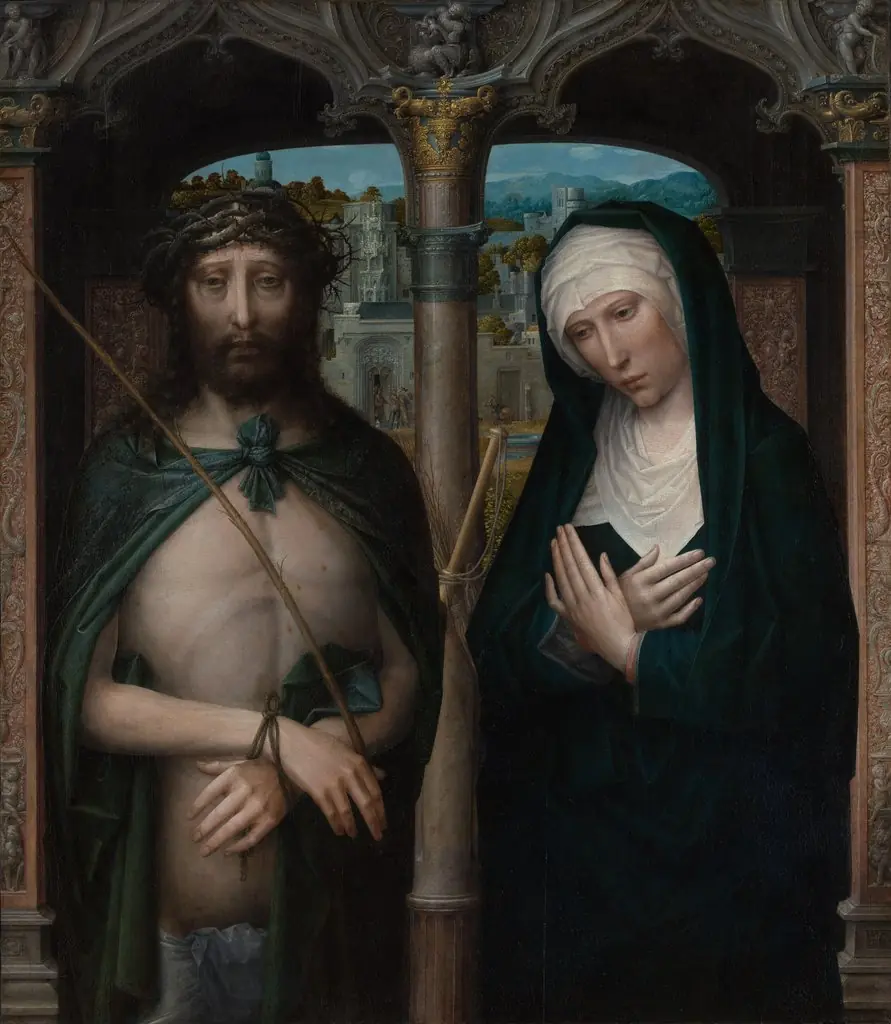 Christ Crowned with Thorns (Ecce Homo), and the Mourning Virgin
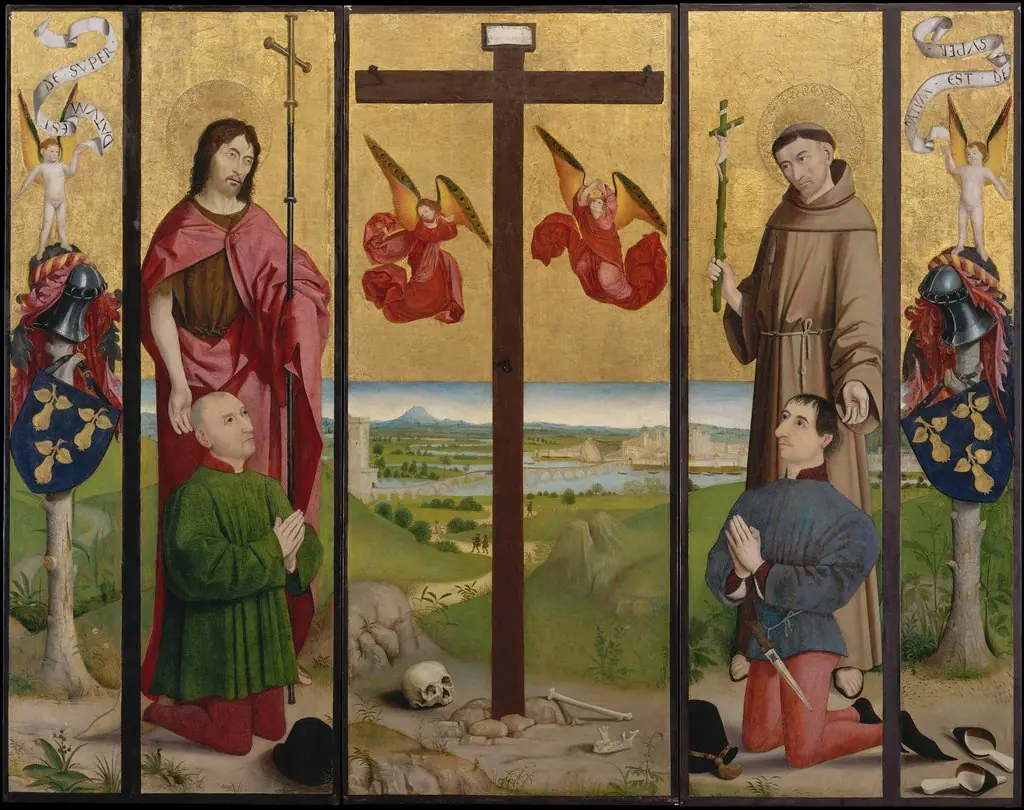 The Pérussis Altarpiece
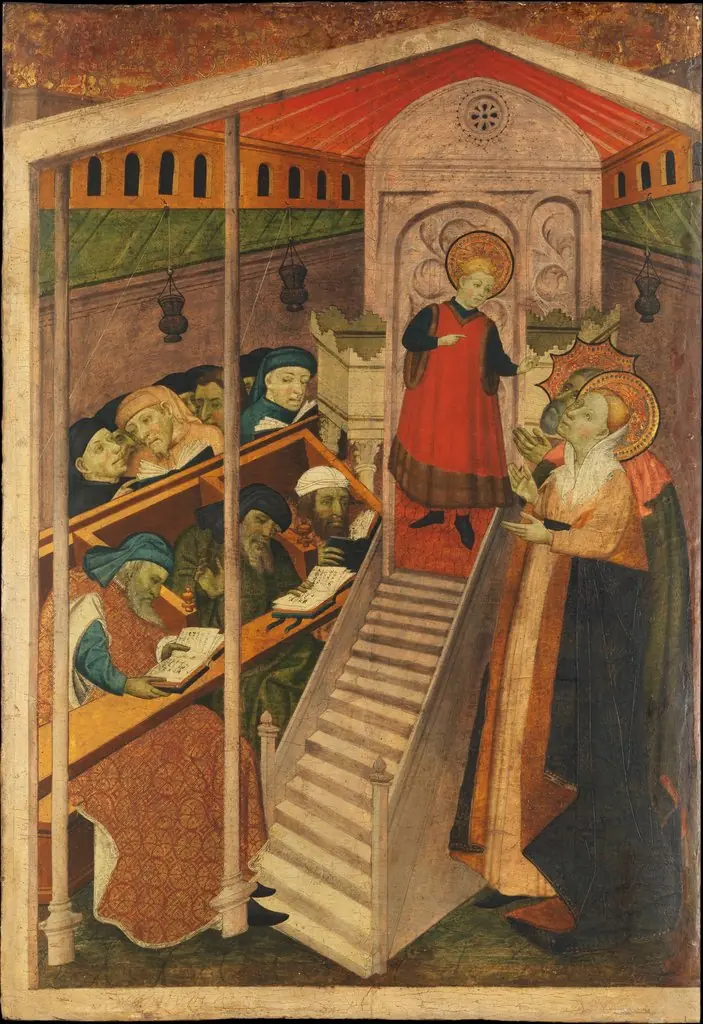 Christ among the Doctors
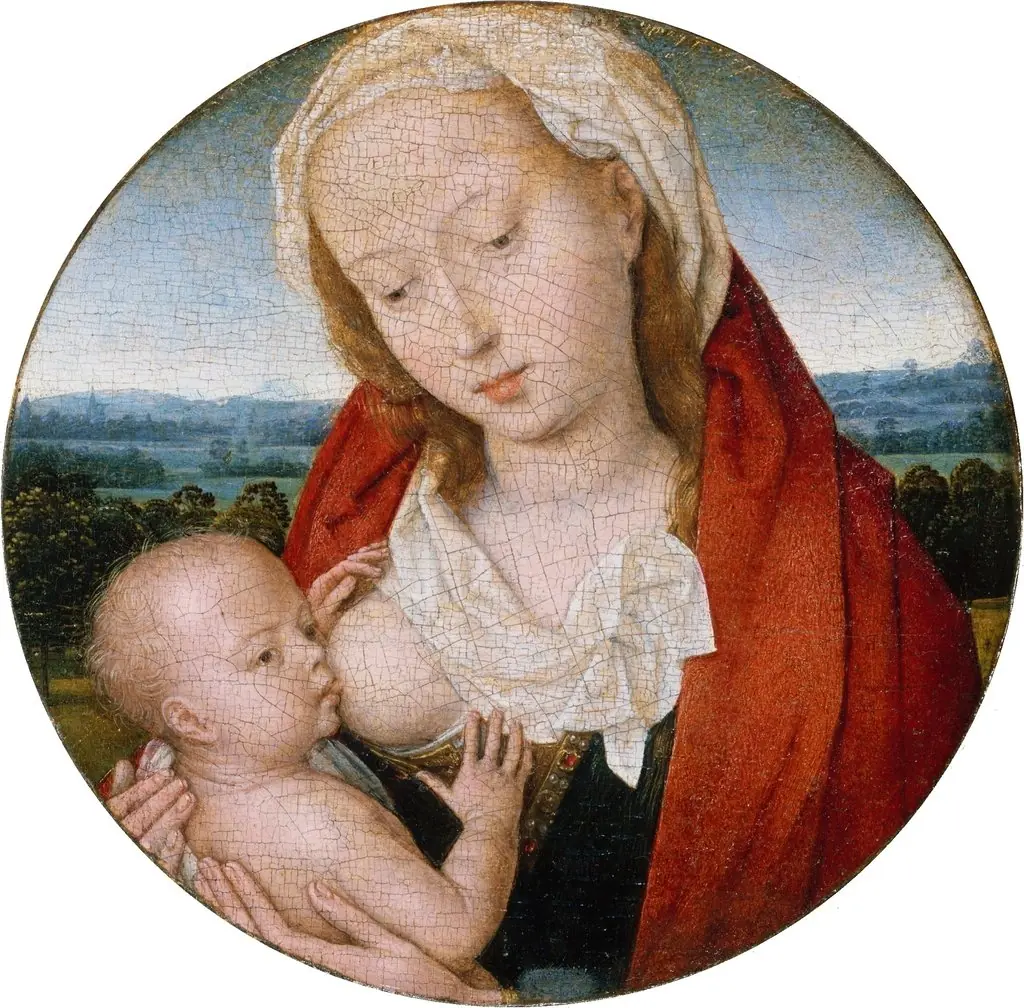 Virgin and Child
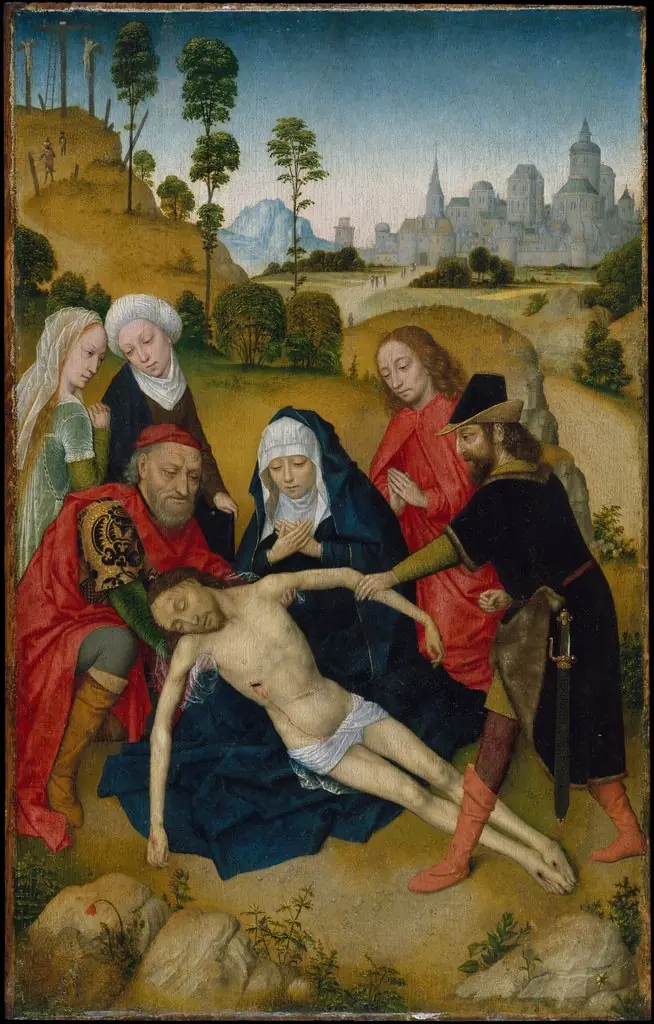 The Lamentation of Christ
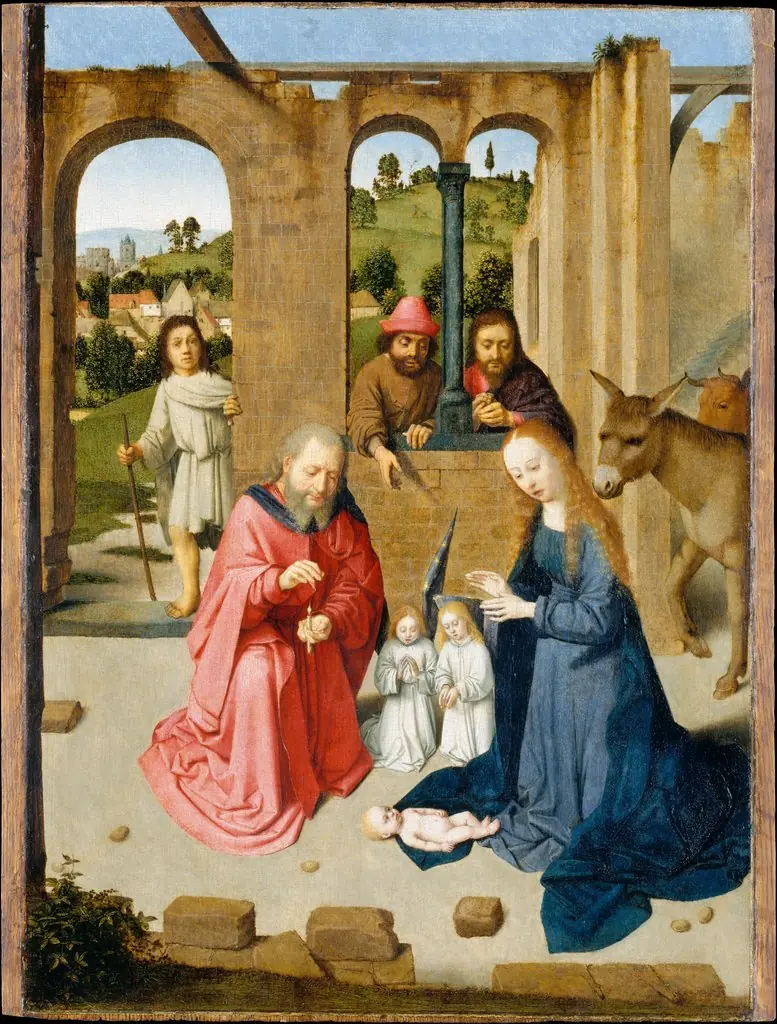 The Nativity
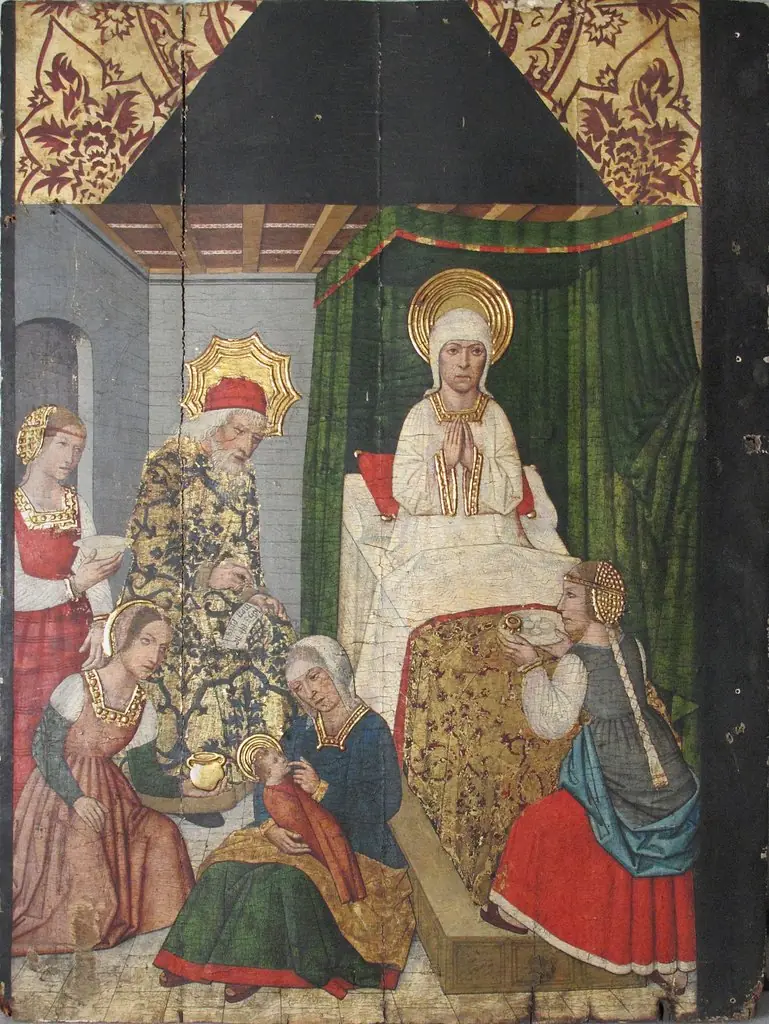 Panel with the Birth of St. John the Baptist from Retable
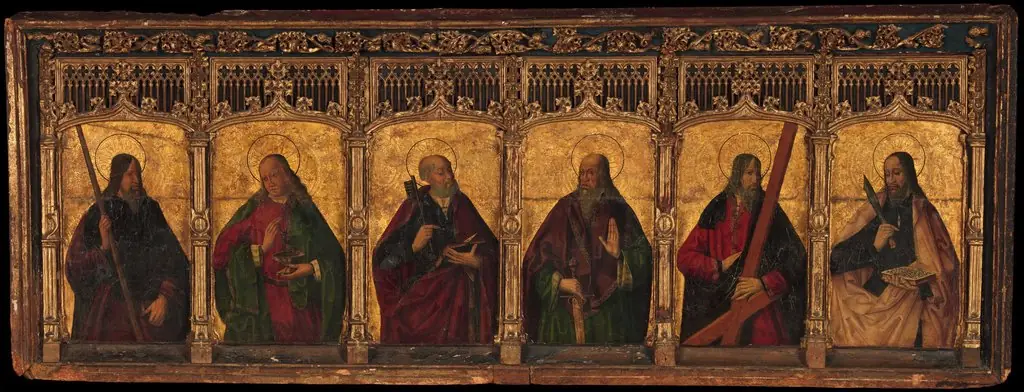 Six Apostles
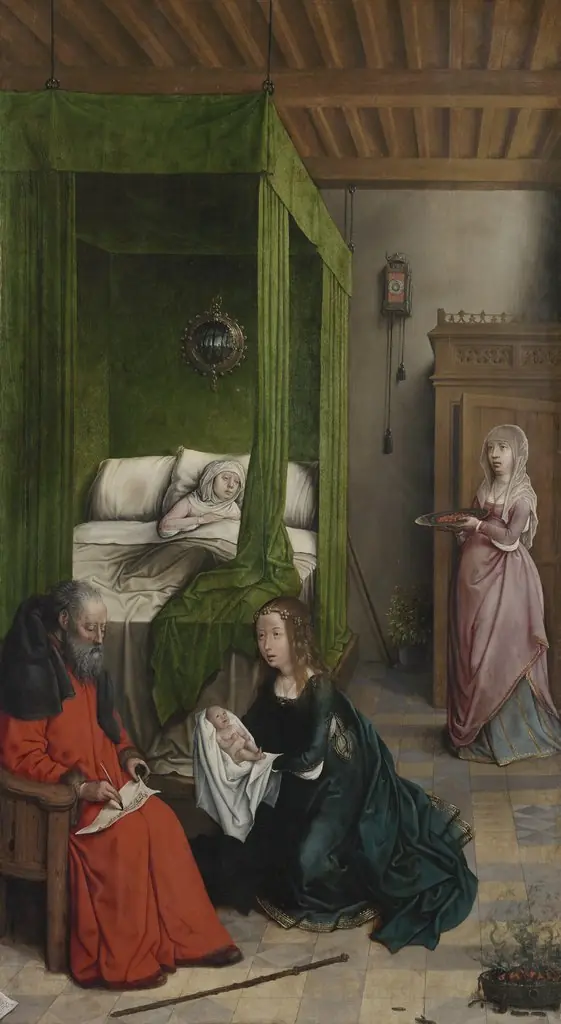 The Birth and Naming of John the Baptist
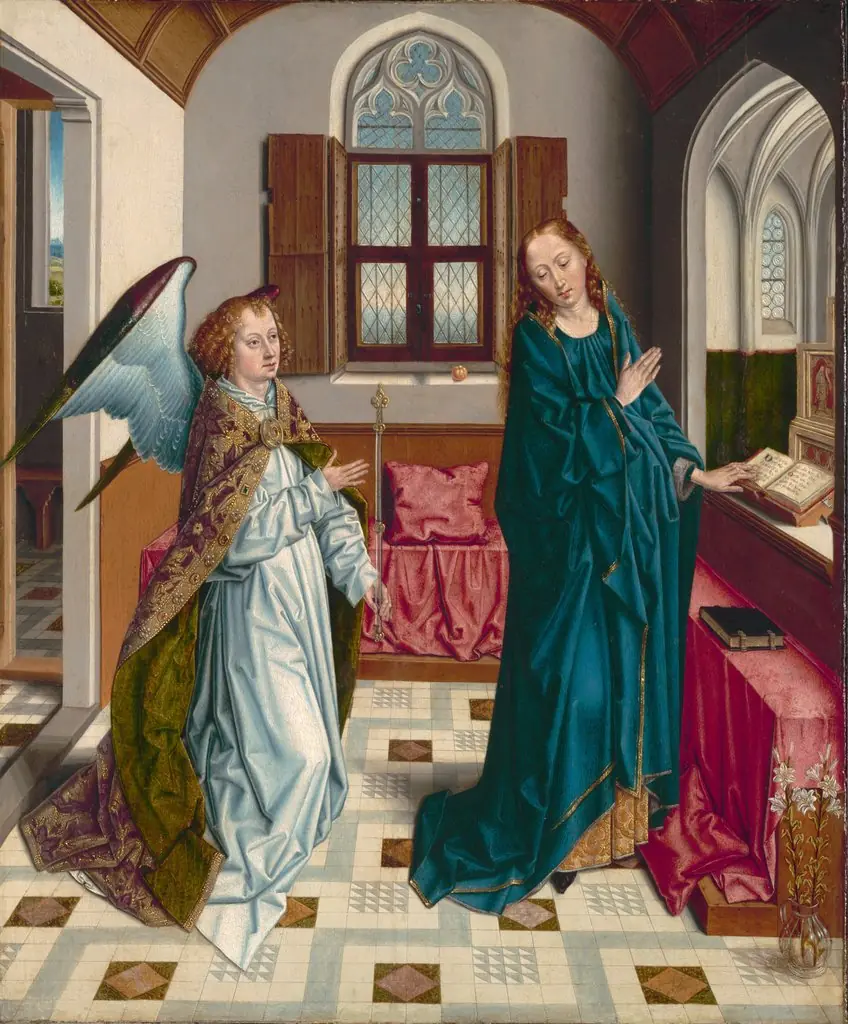 The Annunciation
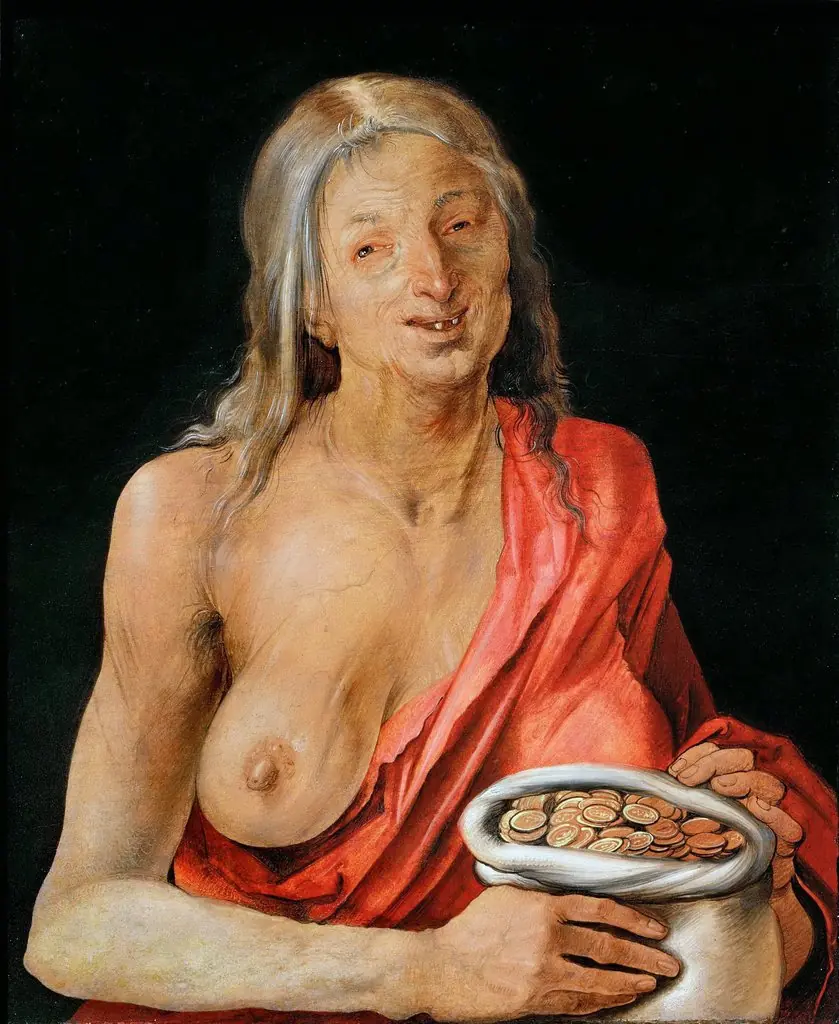 Avarice
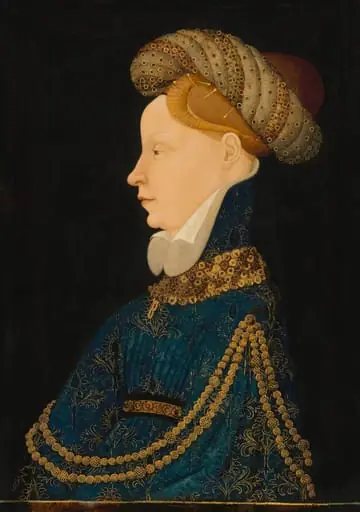 Profile Portrait of a Lady
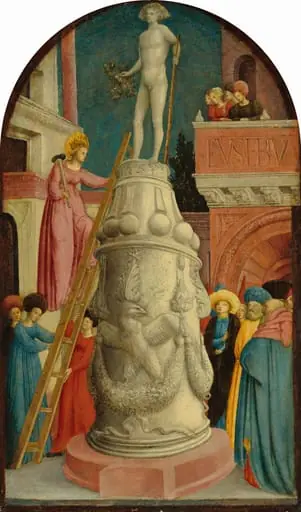 Saint Apollonia Destroys a Pagan Idol
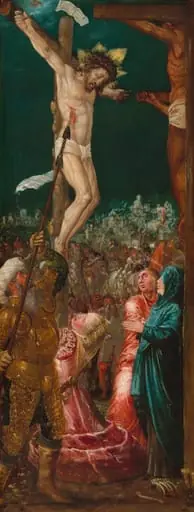 The Crucifixion
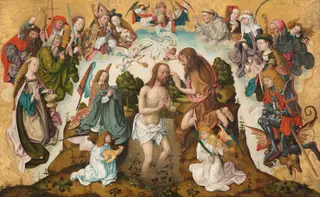 The Baptism of Christ
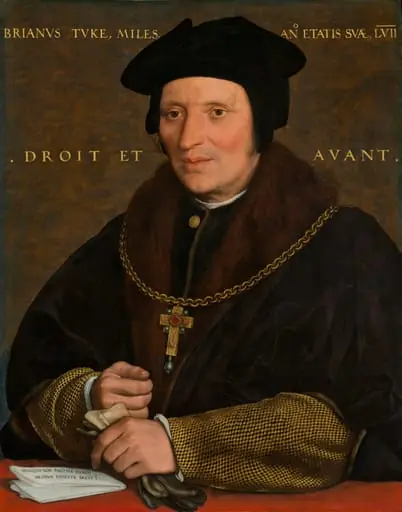
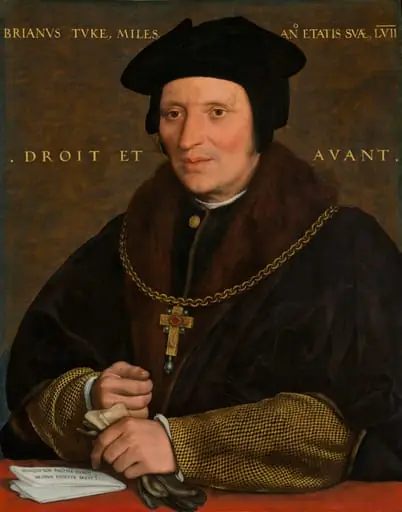 Sir Brian Tuke
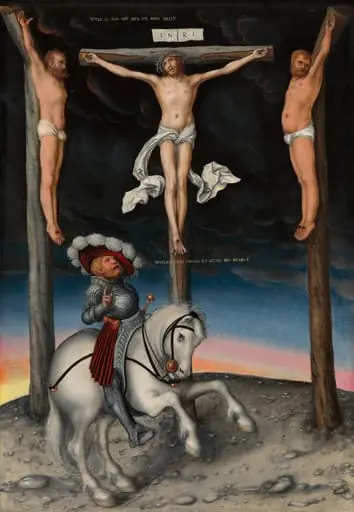 The Crucifixion with the Converted Centurion
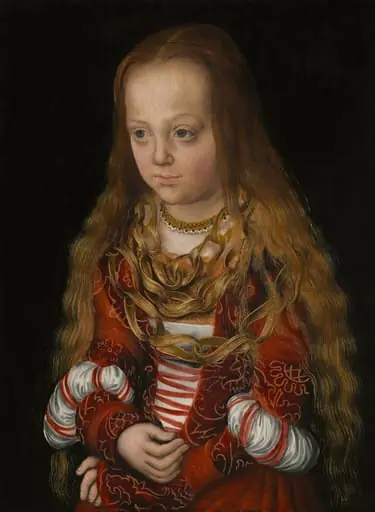 A Princess of Saxony
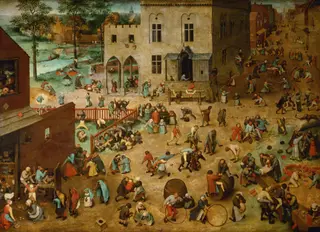 Children's Games
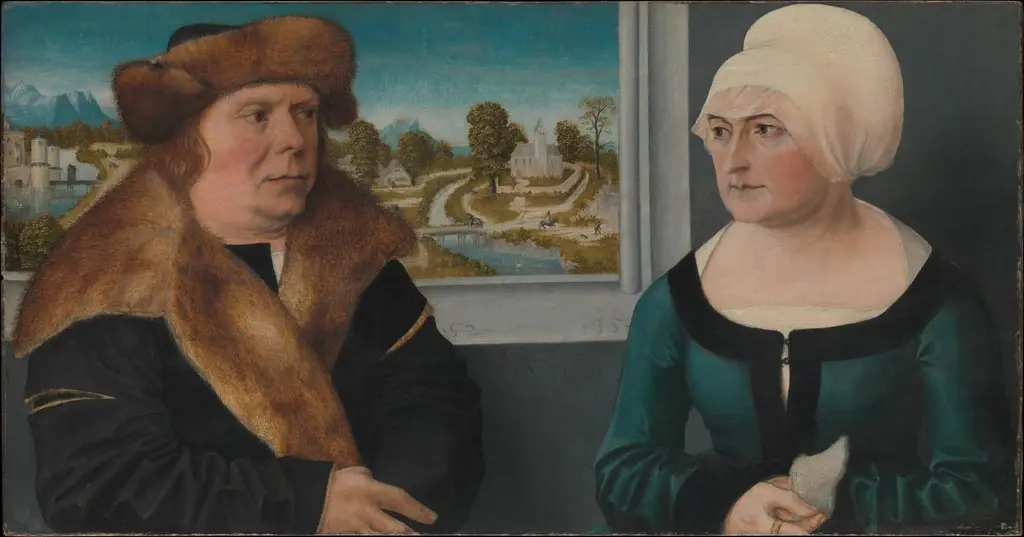 Portrait of a Married Couple (Lorenz Kraffter and Honesta Merz?)
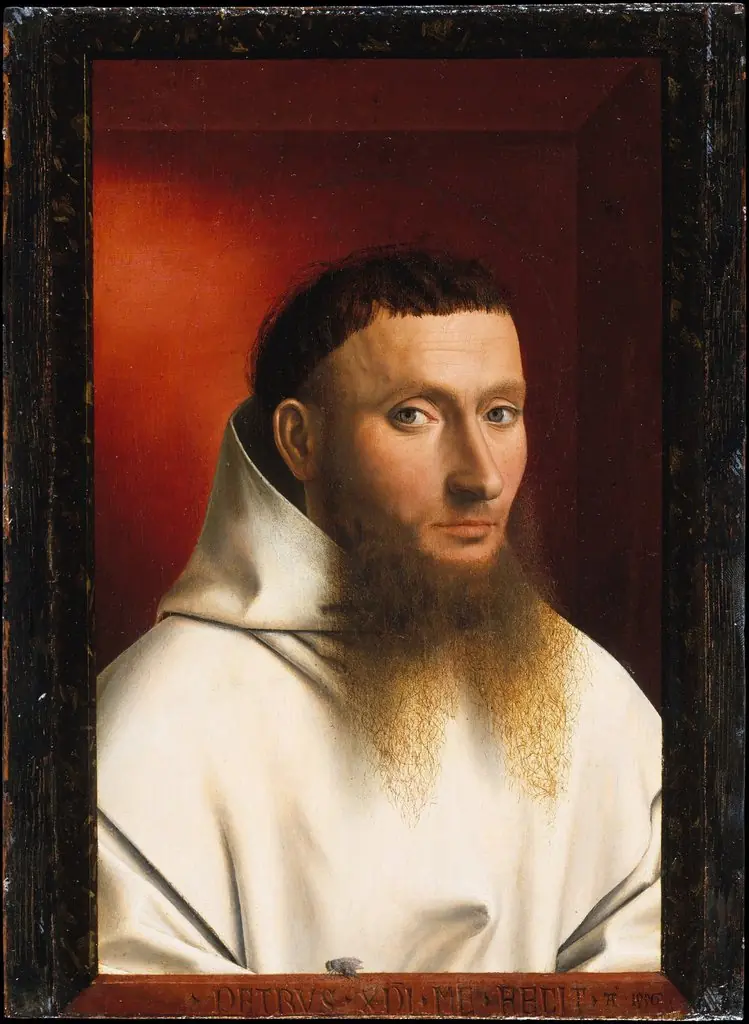 Portrait of a Carthusian
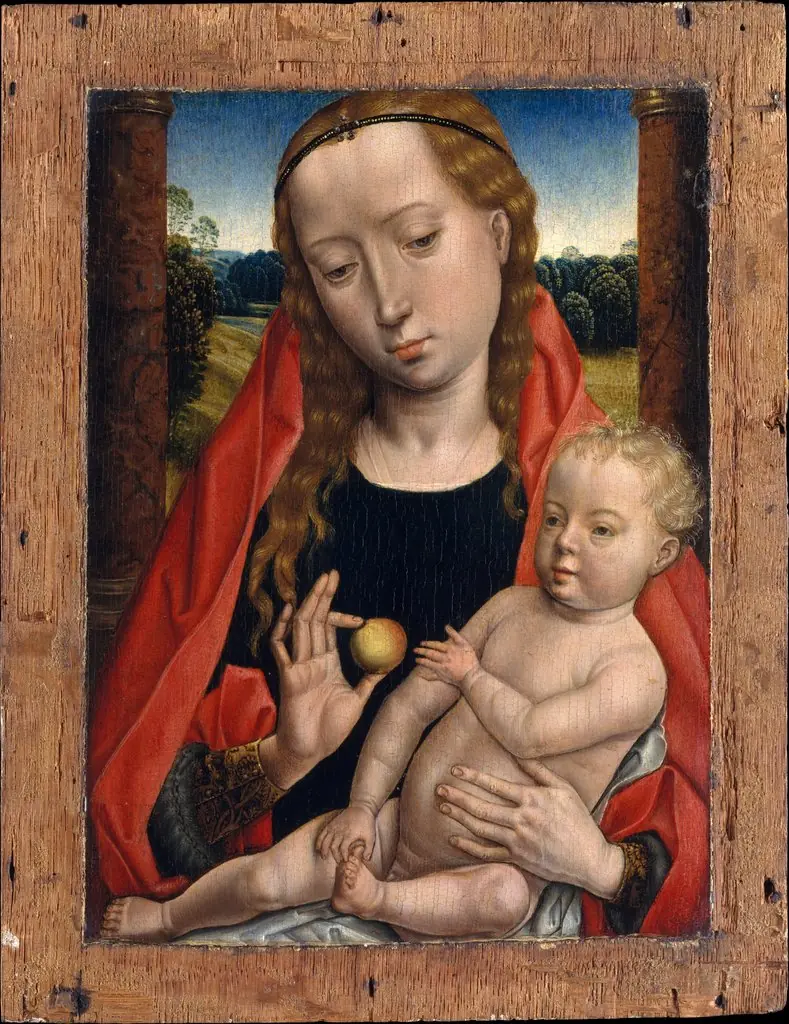 Virgin and Child
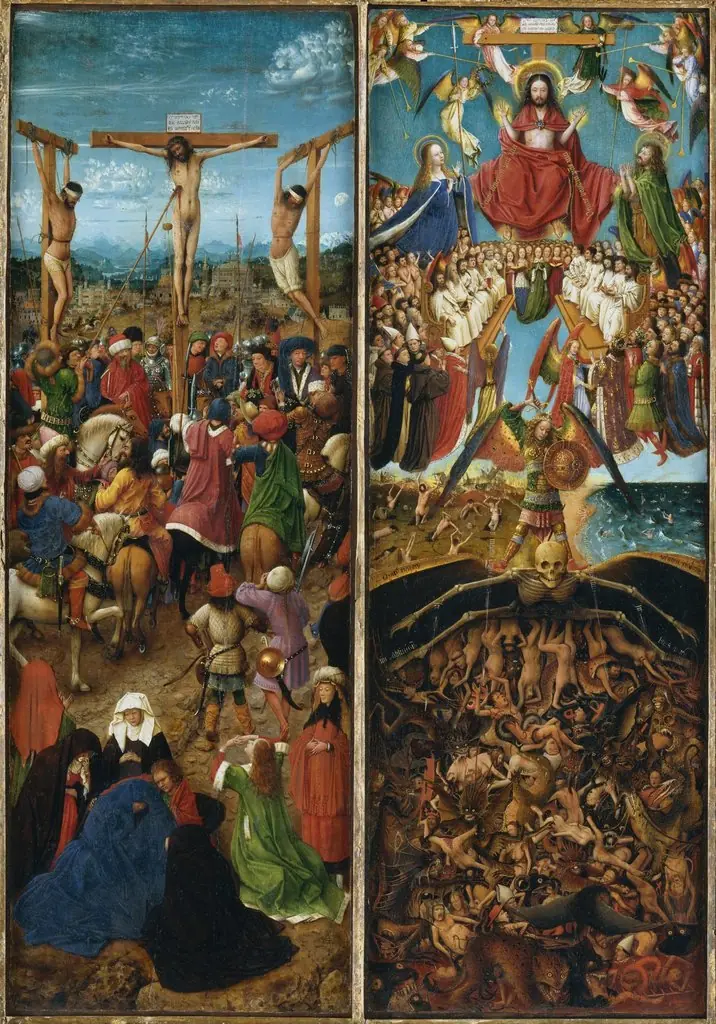 Crucifixion and Last Judgement diptych
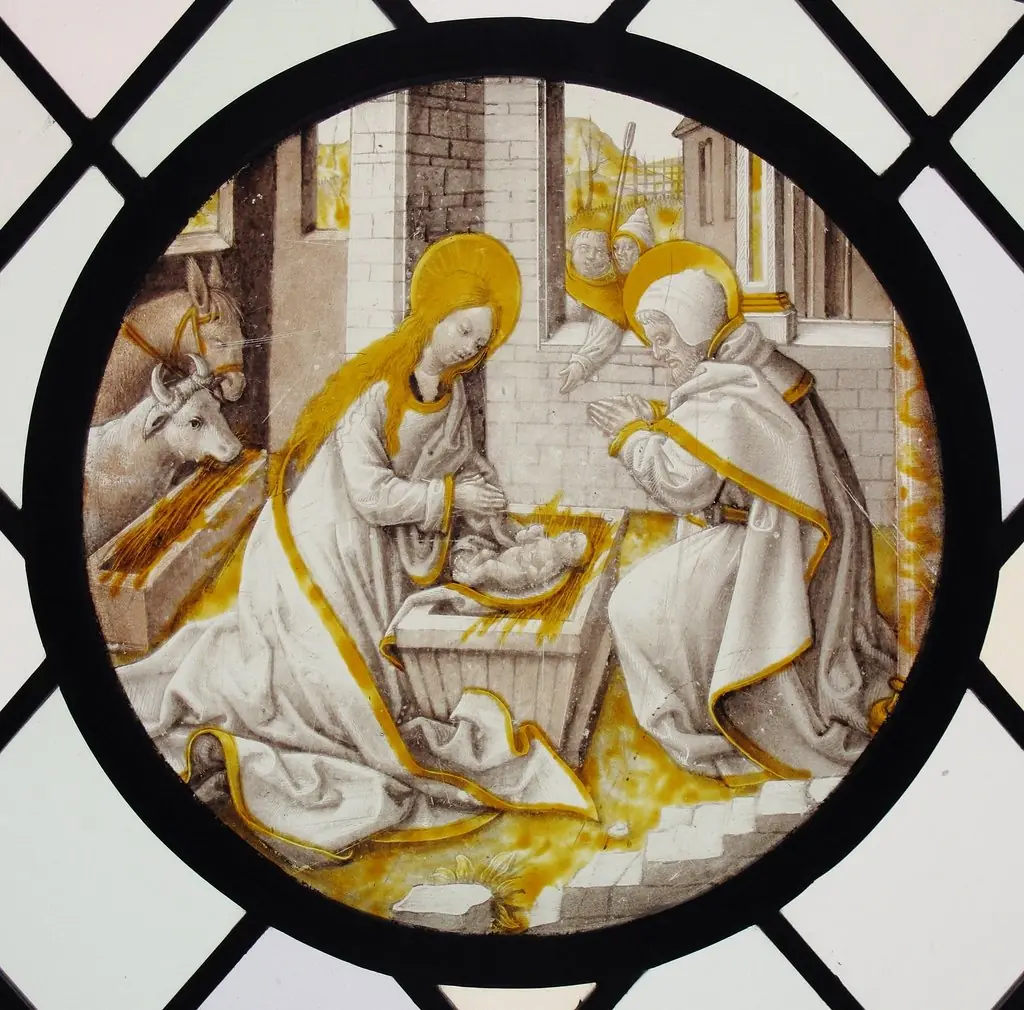 Roundel with the Nativity
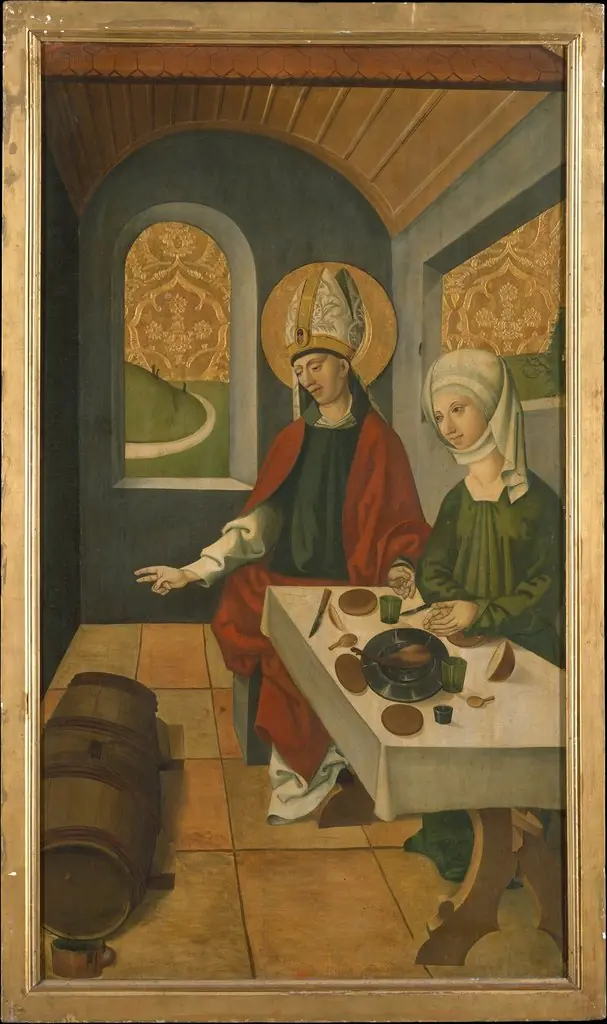 Saint Remigius Replenishing the Barrel of Wine; (interior) Saint Remigius and the Burning Wheat
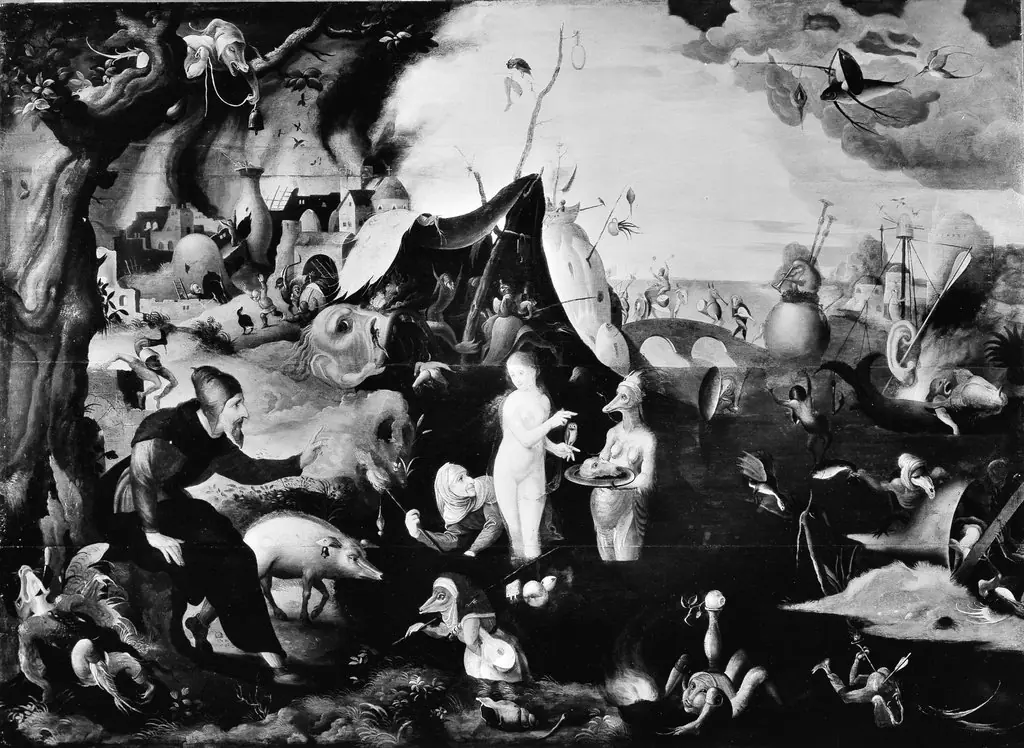 The Temptation of Saint Anthony
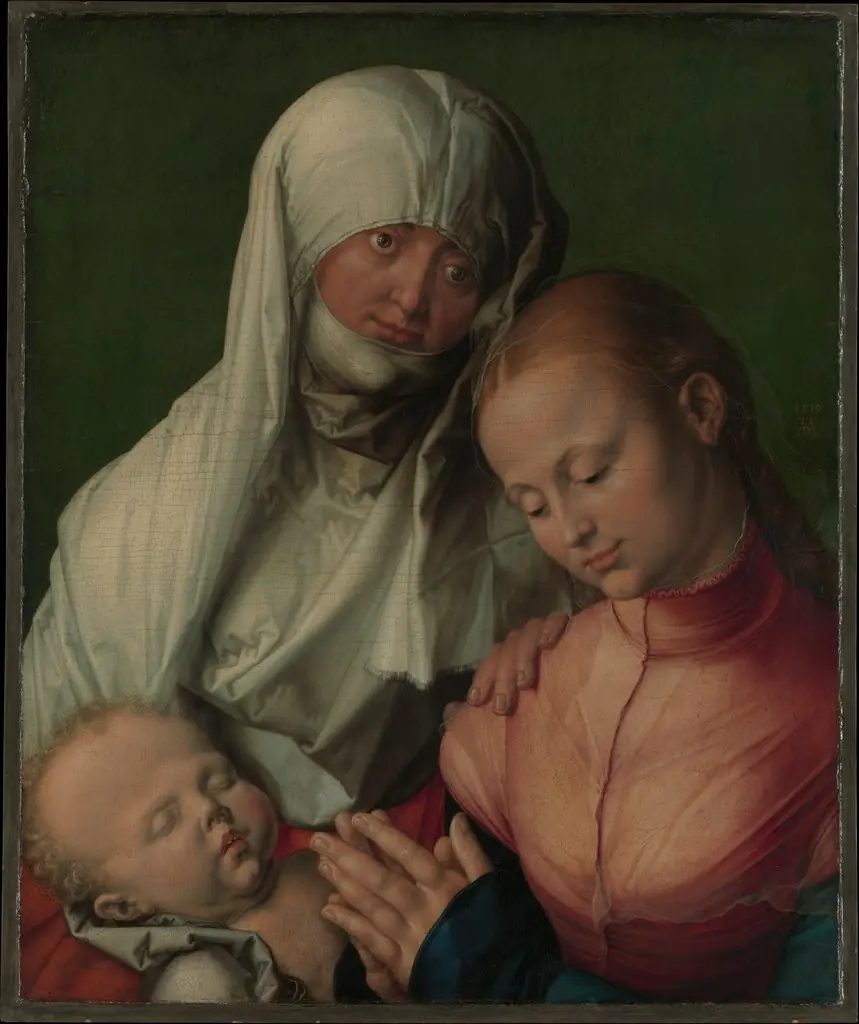 Virgin and Child with Saint Anne
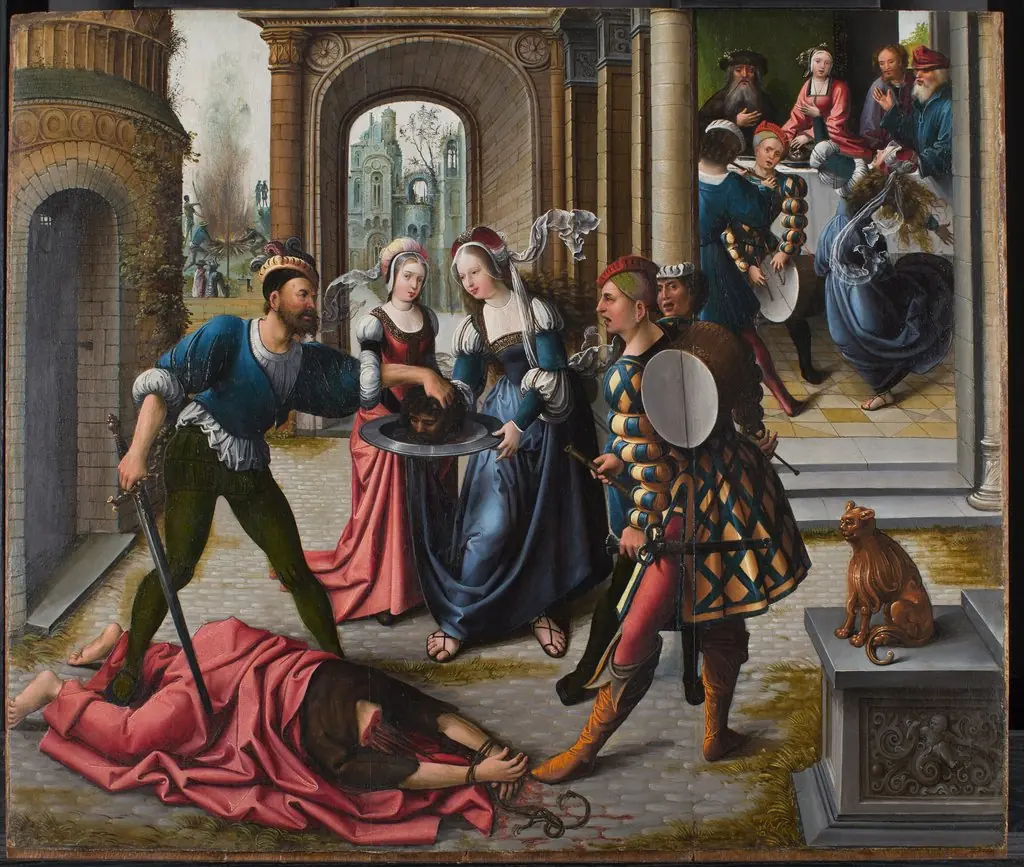 The Martyrdom of Saint John the Baptist
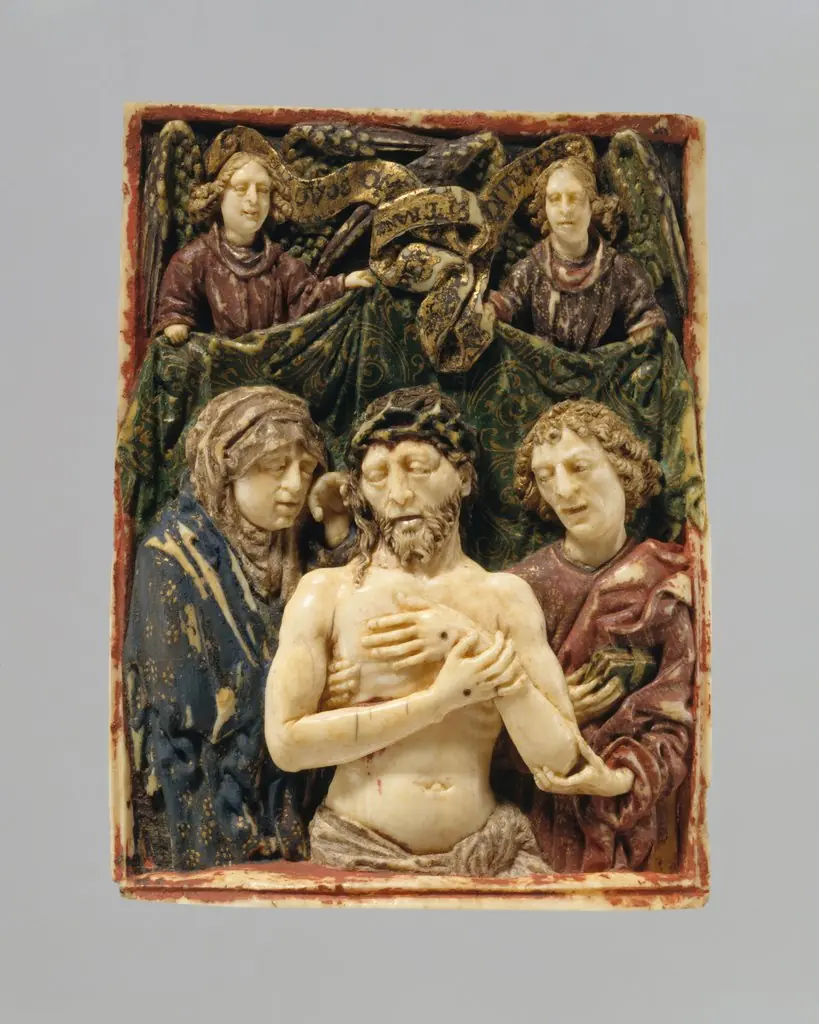 Man of Sorrows
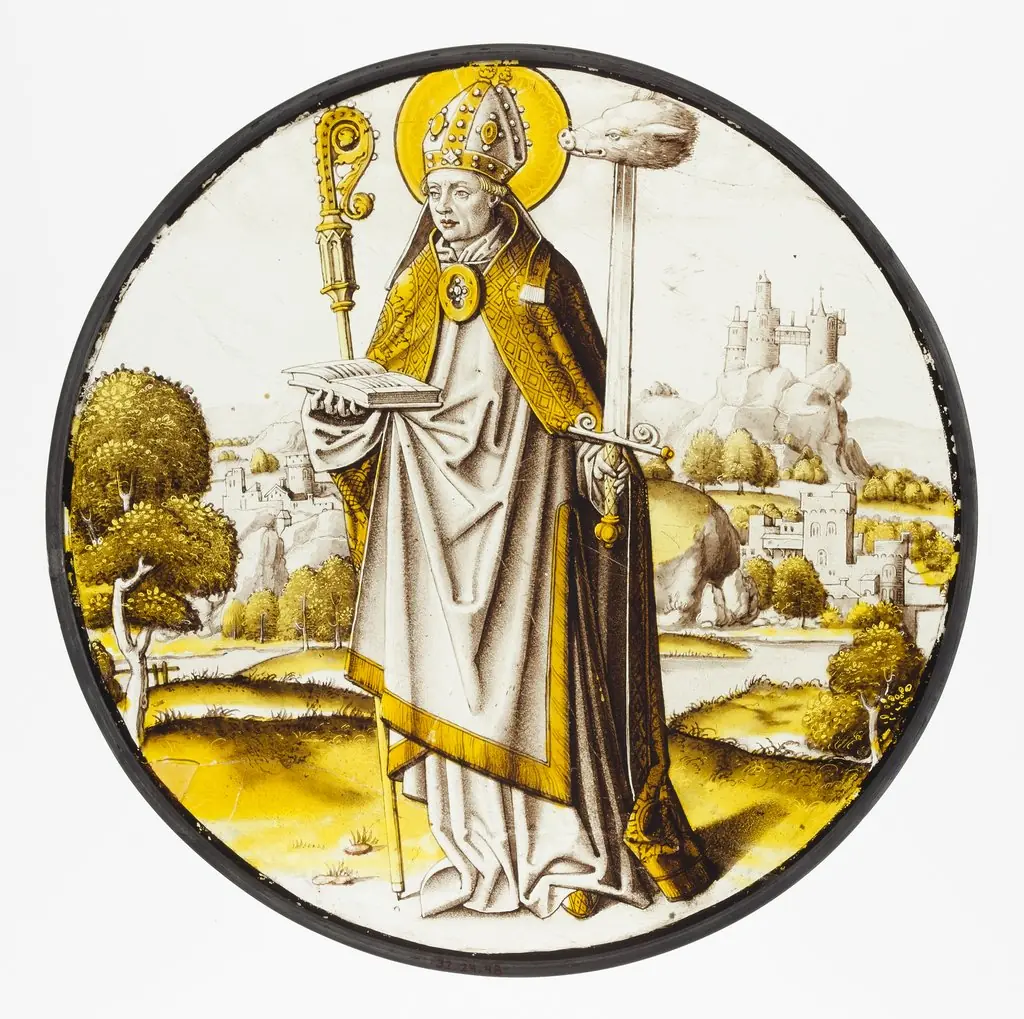 Roundel with Saint Lambrecht of Maastricht
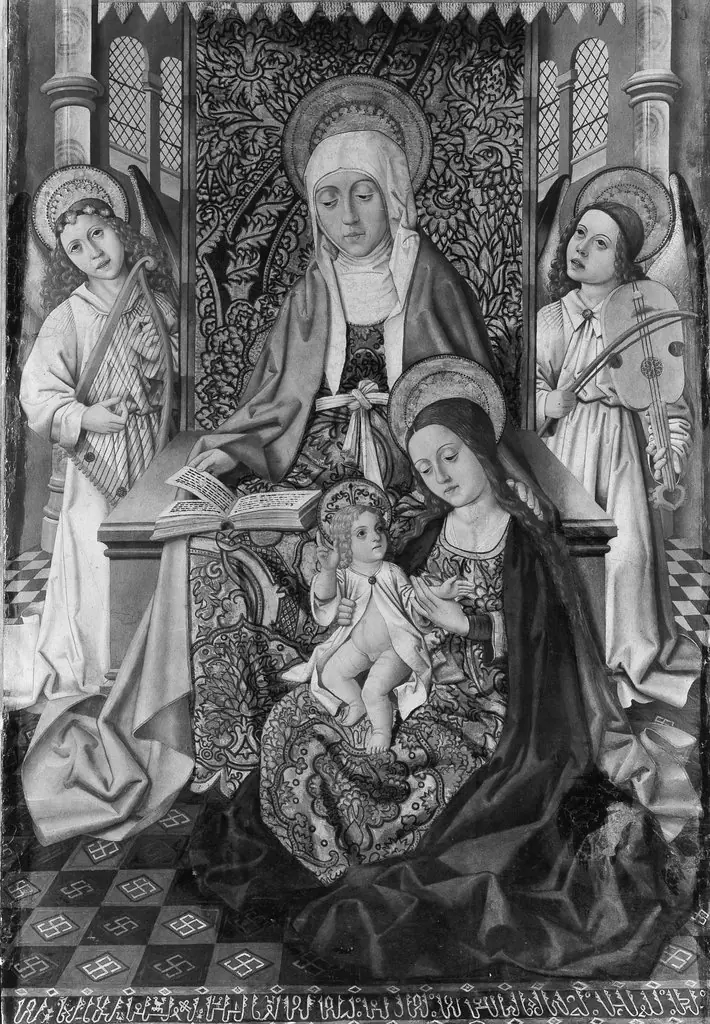 Saint Anne Enthroned with the Virgin and Child
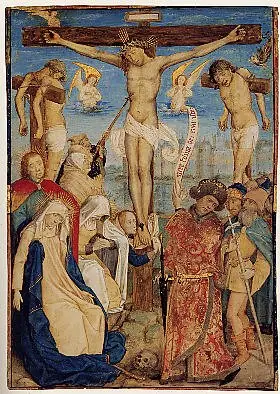 The Crucifixion
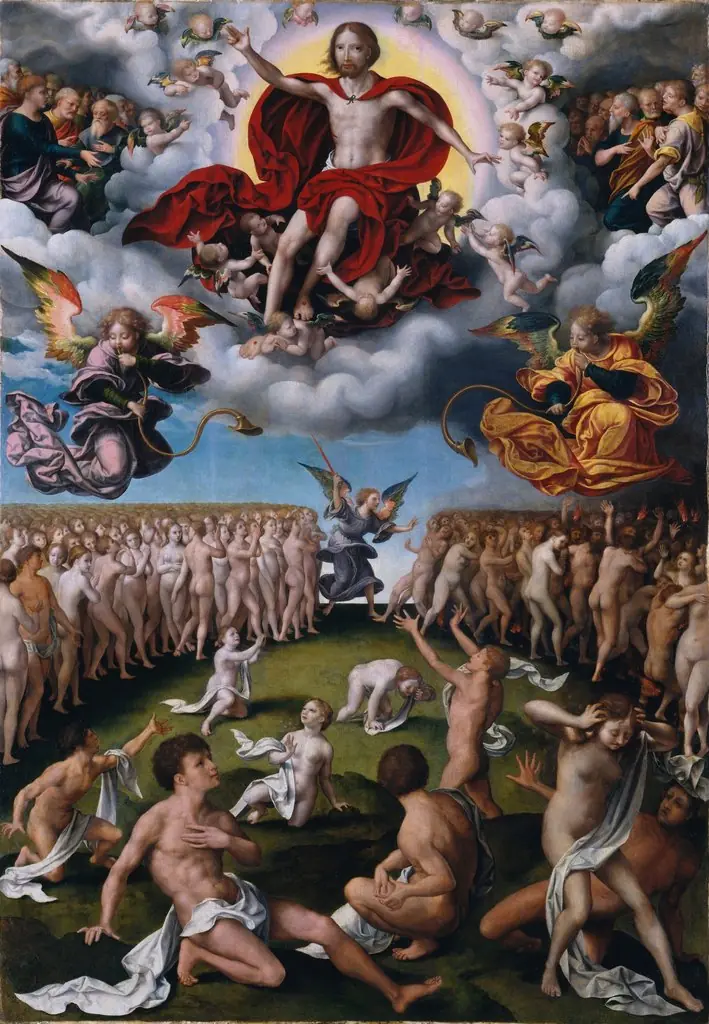 The Last Judgment
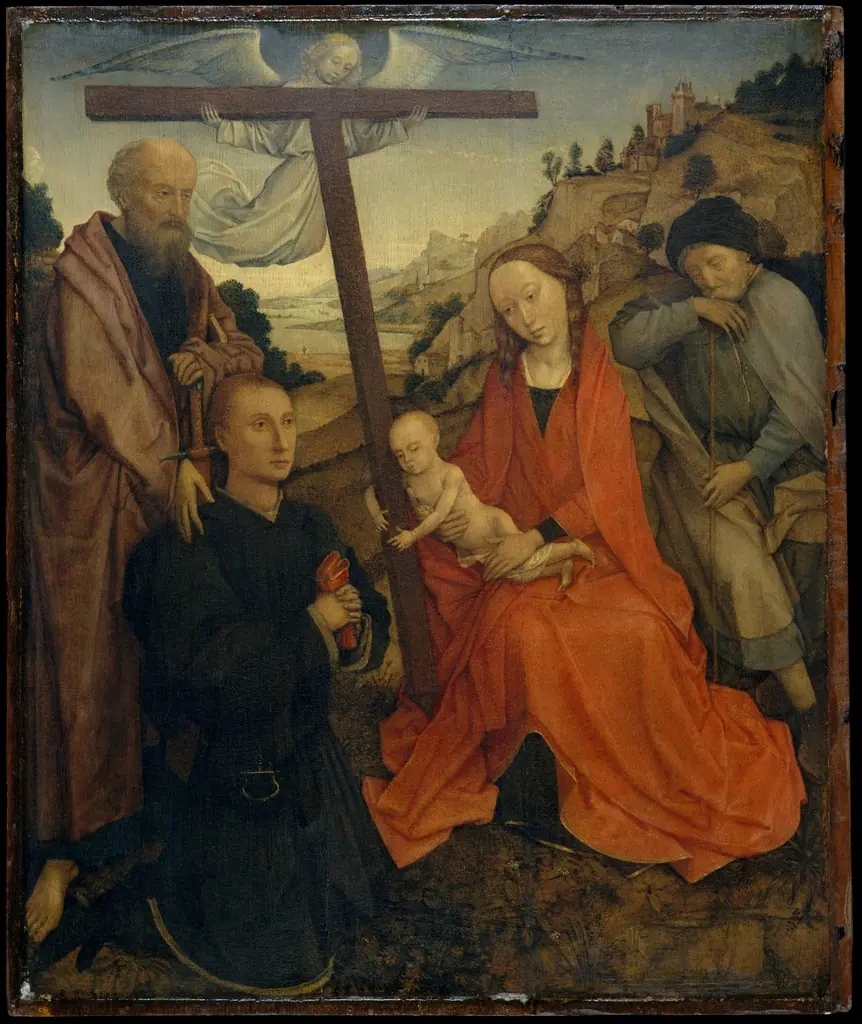 The Holy Family with Saint Paul and a Donor
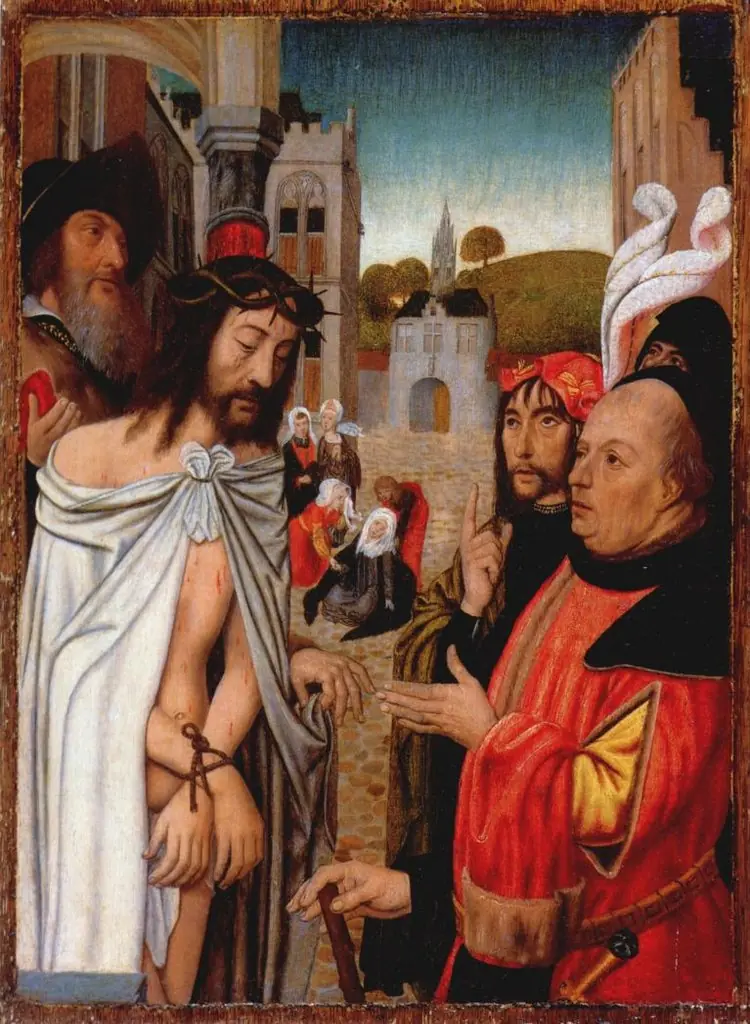 Christ Shown to the People
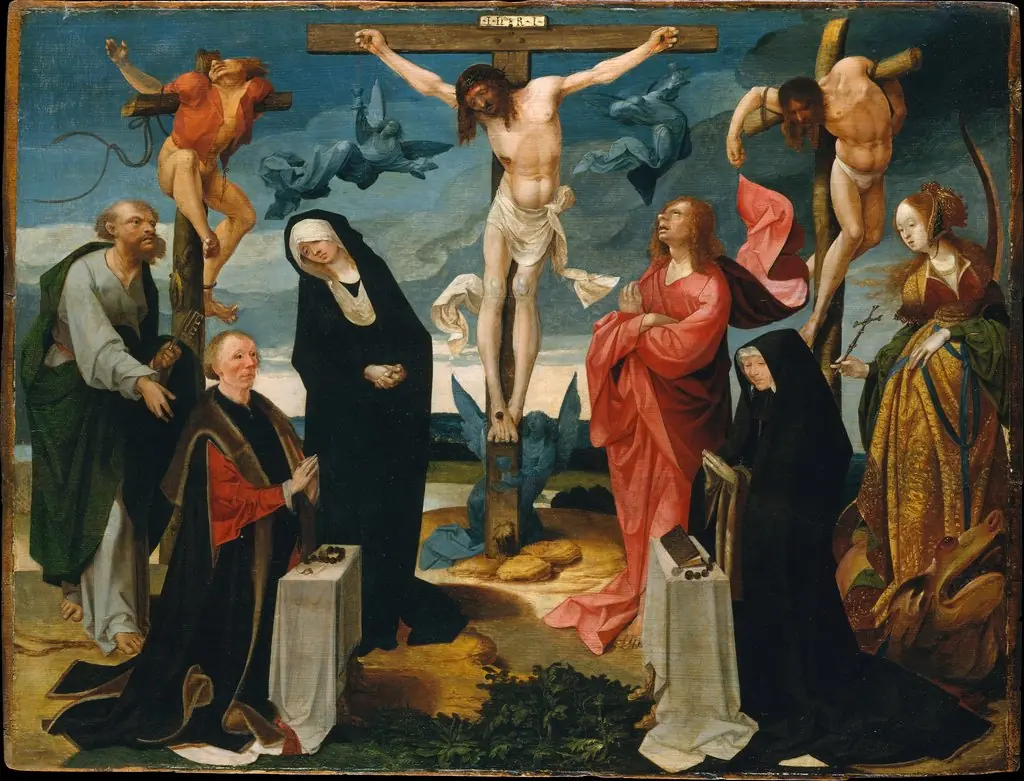 The Crucifixion with Donors and Saints Peter and Margaret
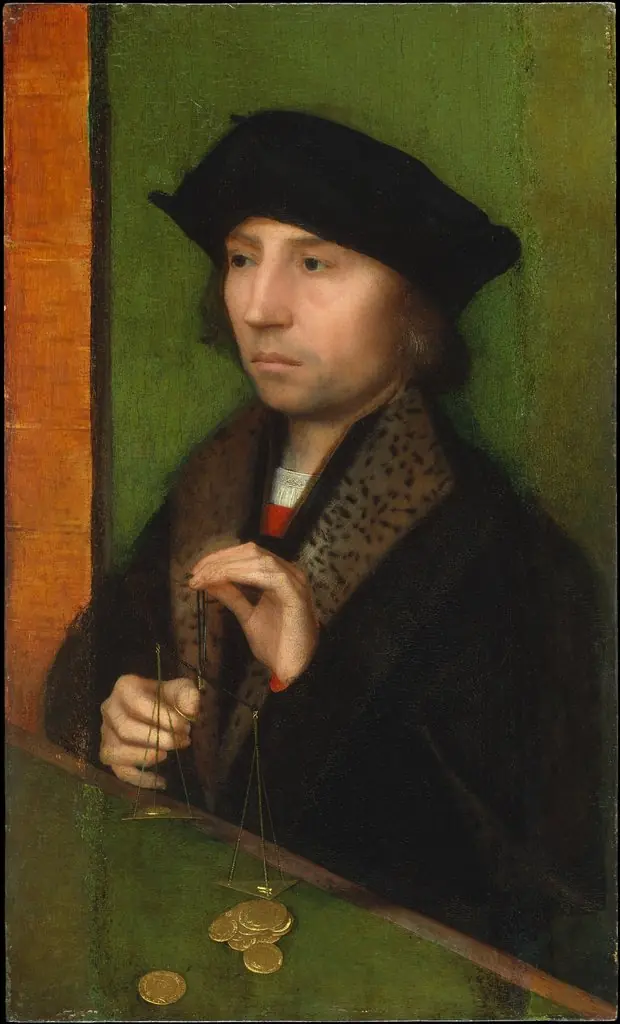 Man Weighing Gold
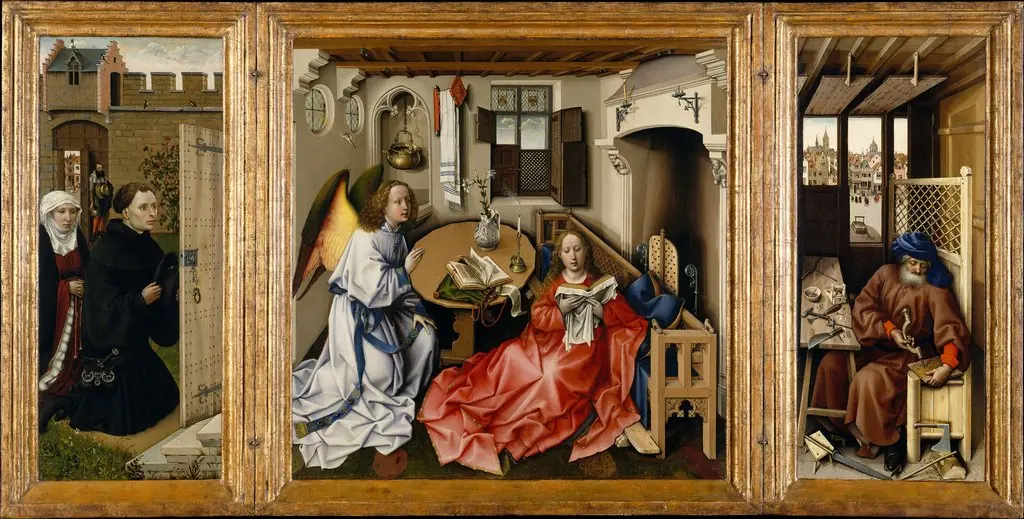 Mérode Altarpiece
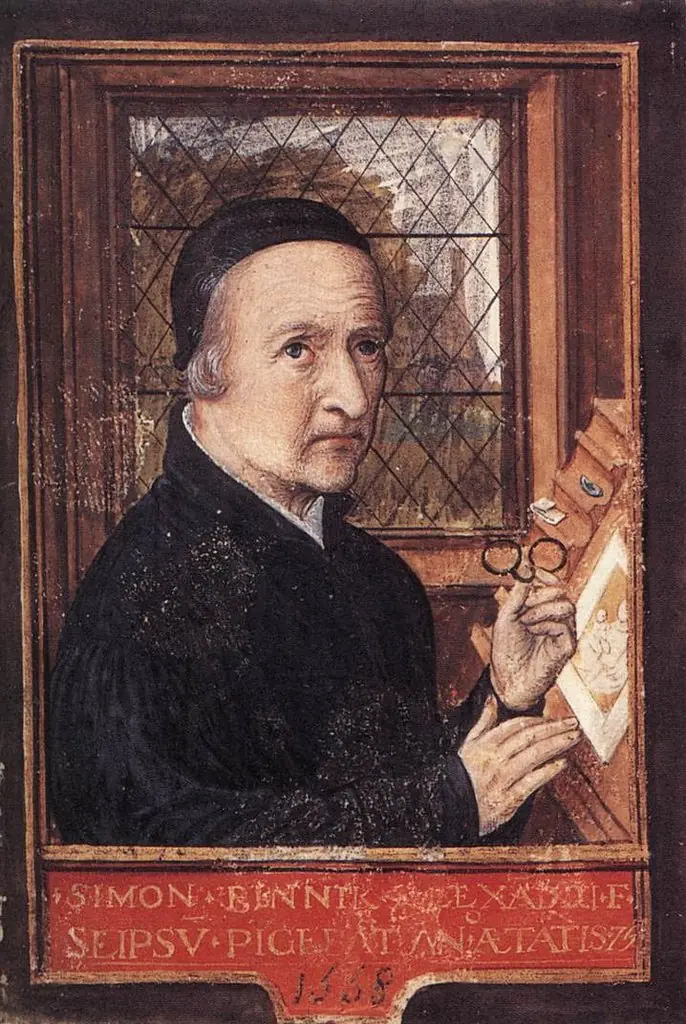 Self-portrait
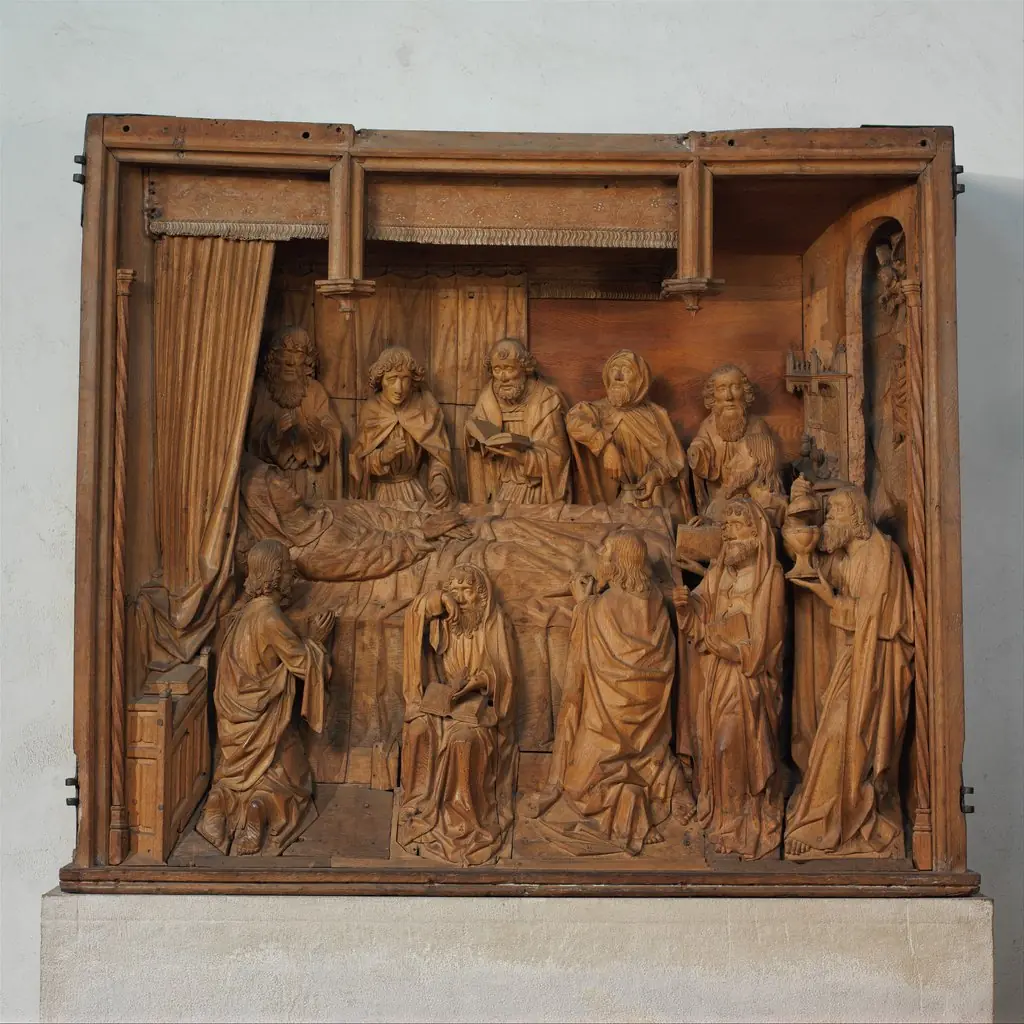 The Death of the Virgin (The Dormition)
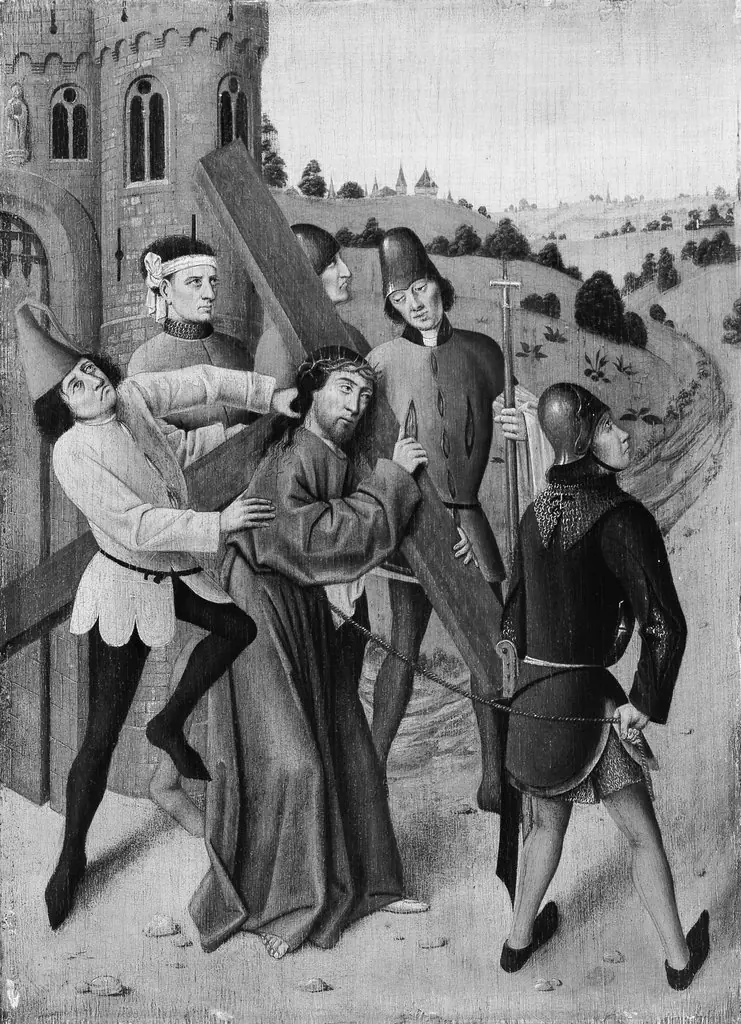 Christ Bearing the Cross
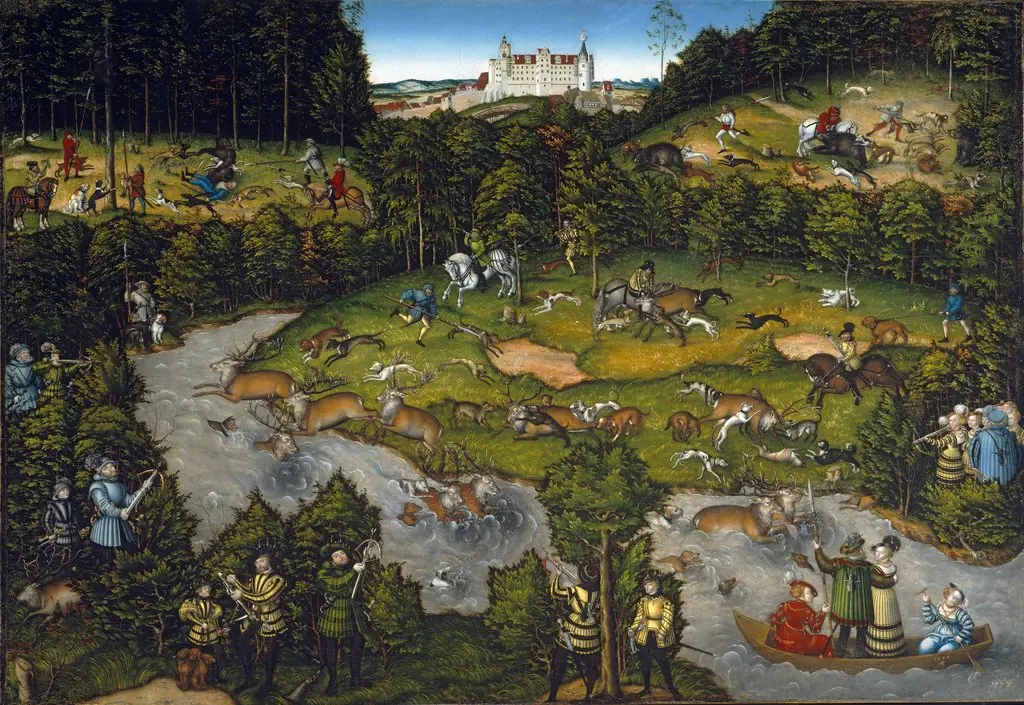 Hunting near Hartenfels Castle
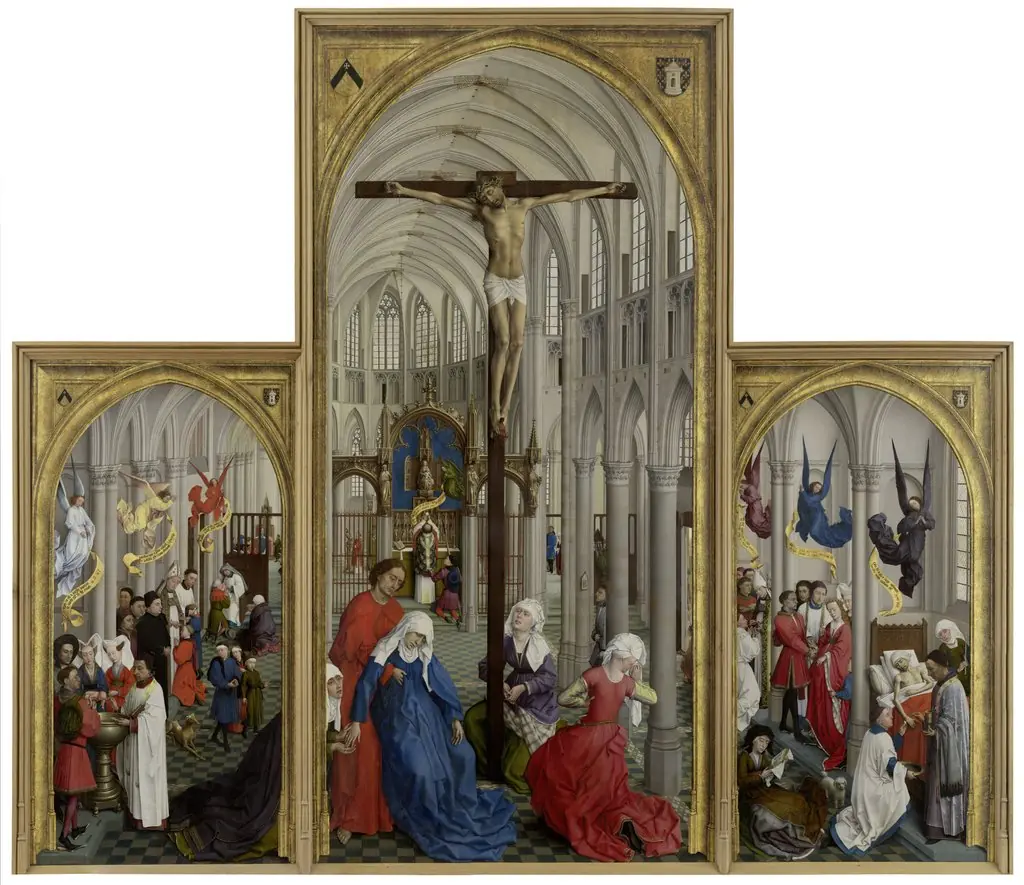 The Seven Sacraments
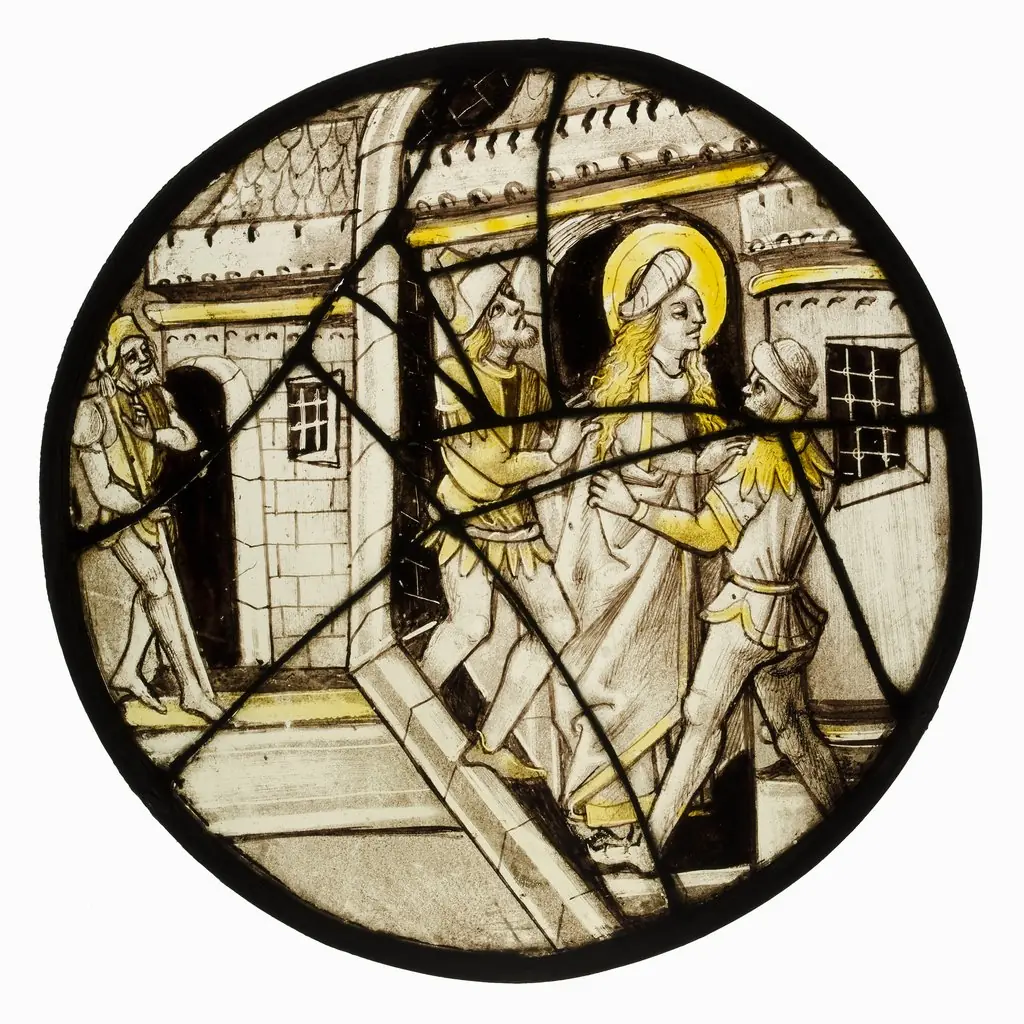 Roundel with Saint Barbara or Saint Catherine Thrown into Prison
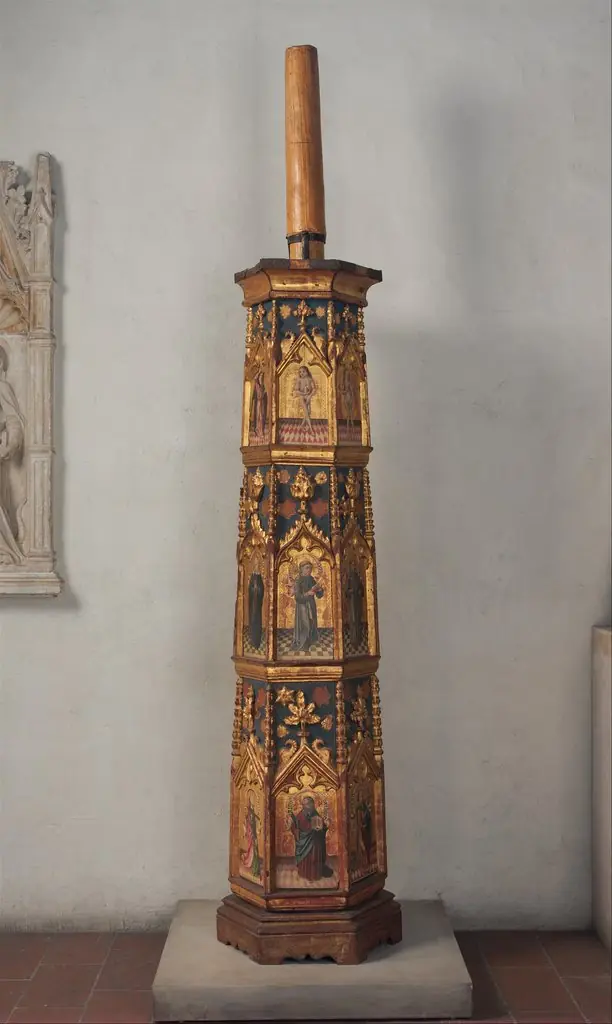 Paschal Candlestick
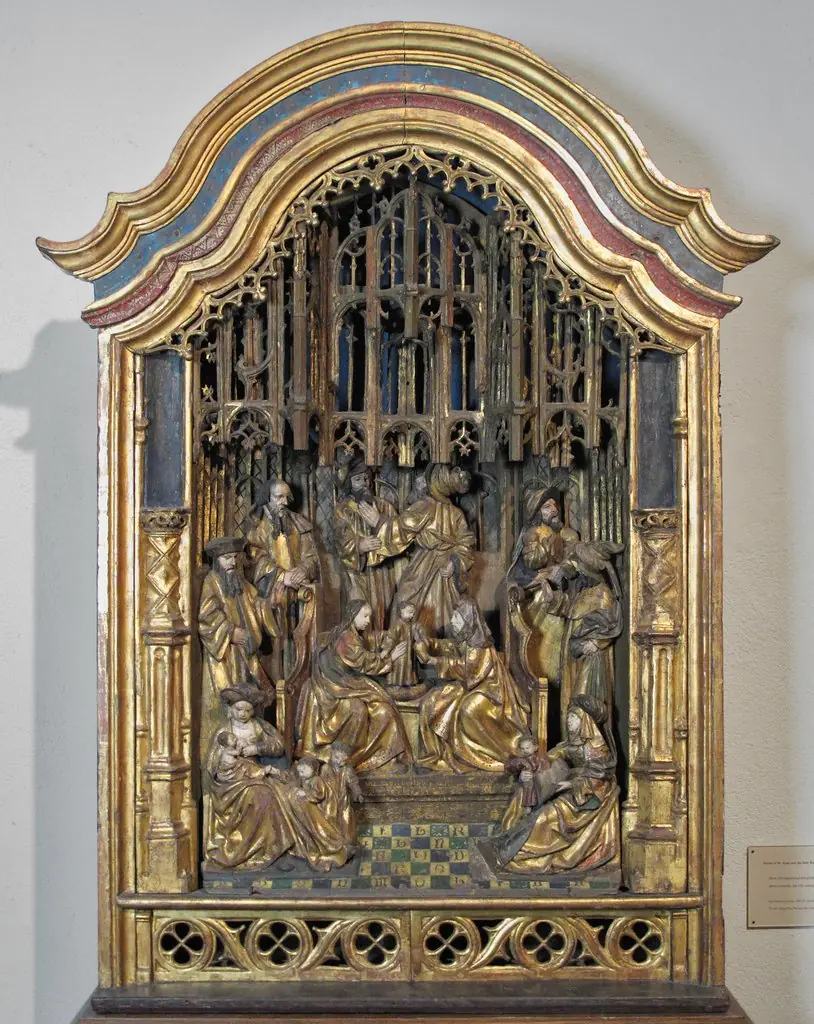 Shrine of Saint Anne and the Holy Kinship
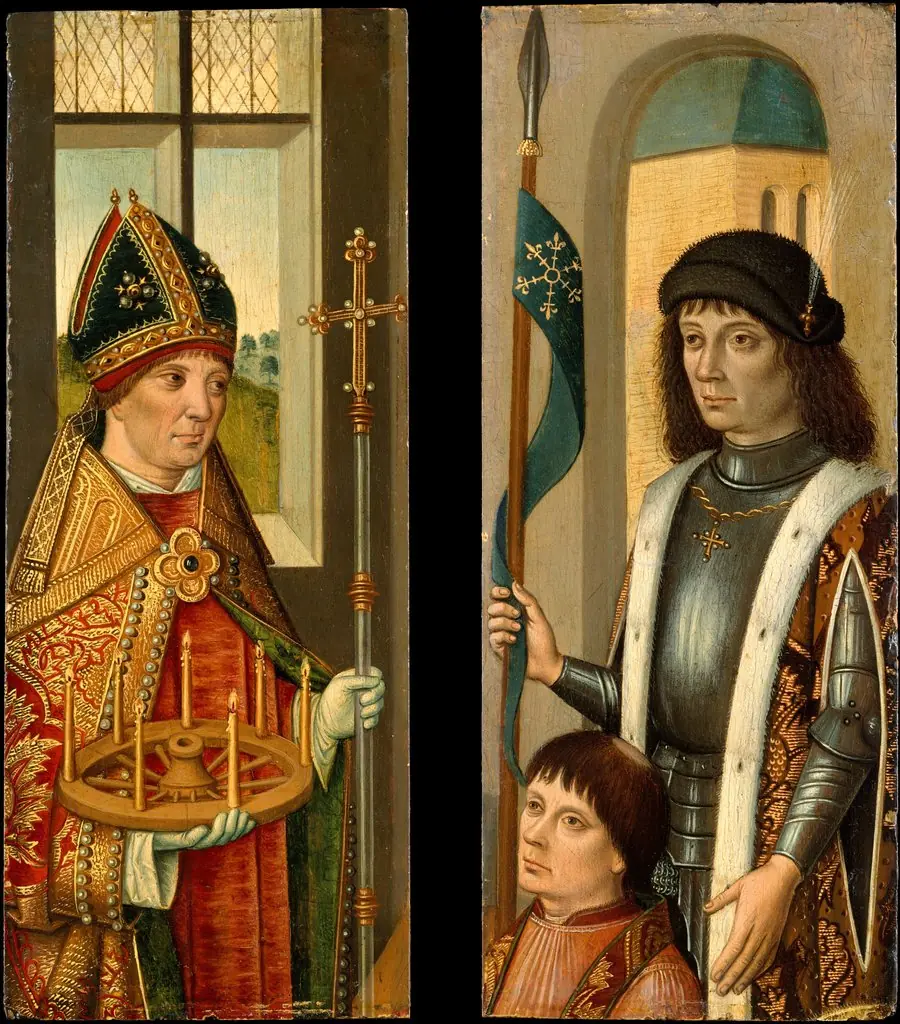 Saint Donatian; Saint Victor Presenting a Donor
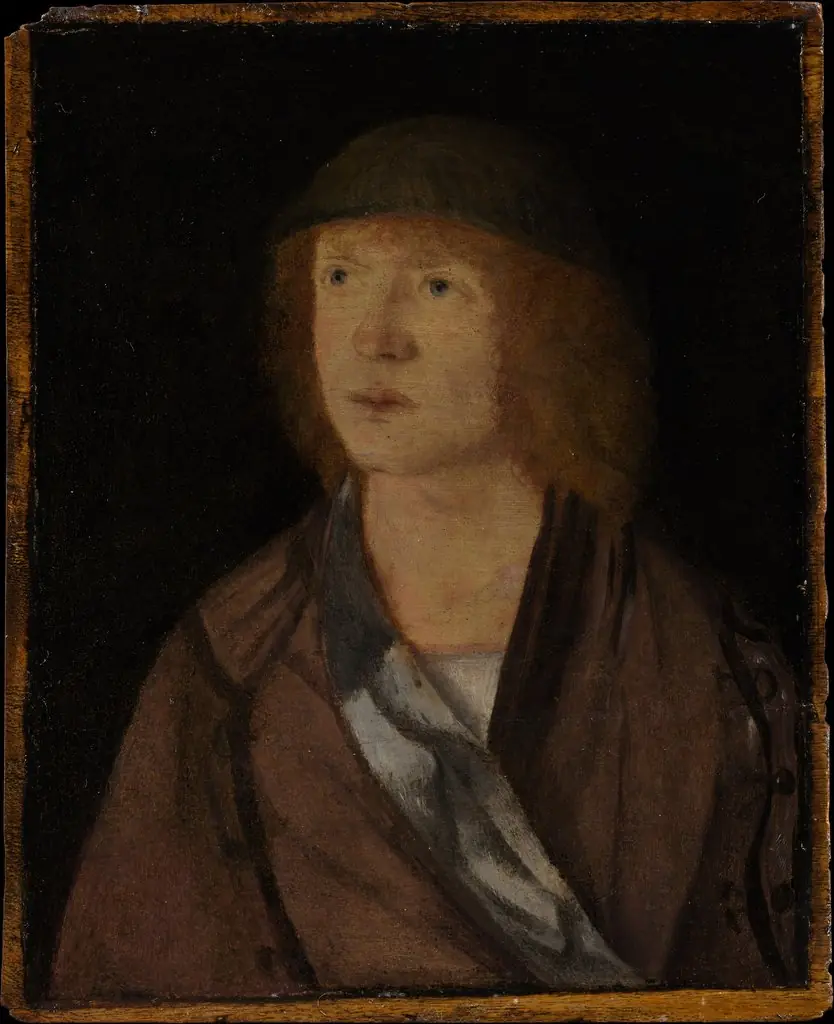 Portrait of a Young Man; (reverse) Girl Making a Garland
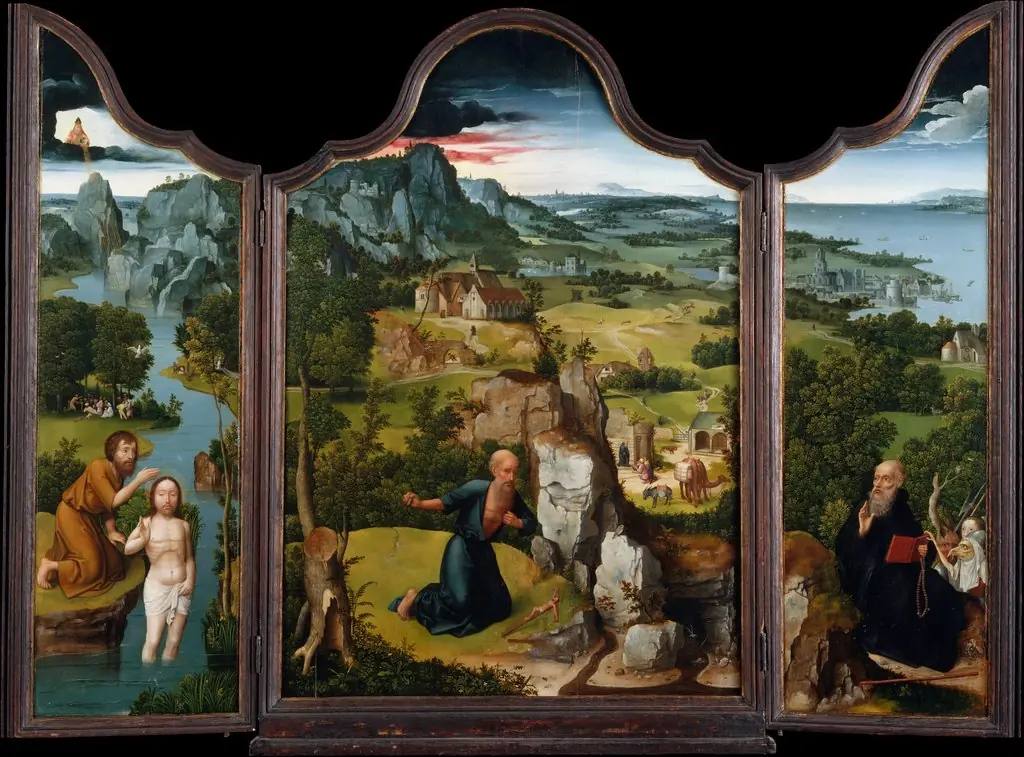 The Penitence of Saint Jerome
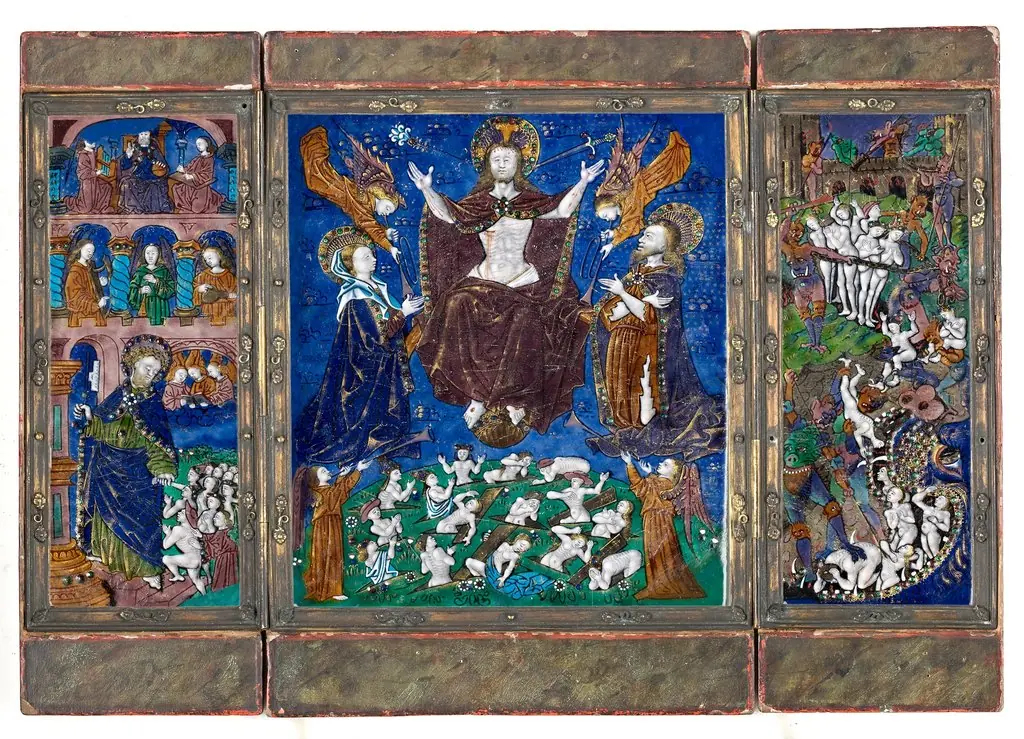 Triptych: The Last Judgment
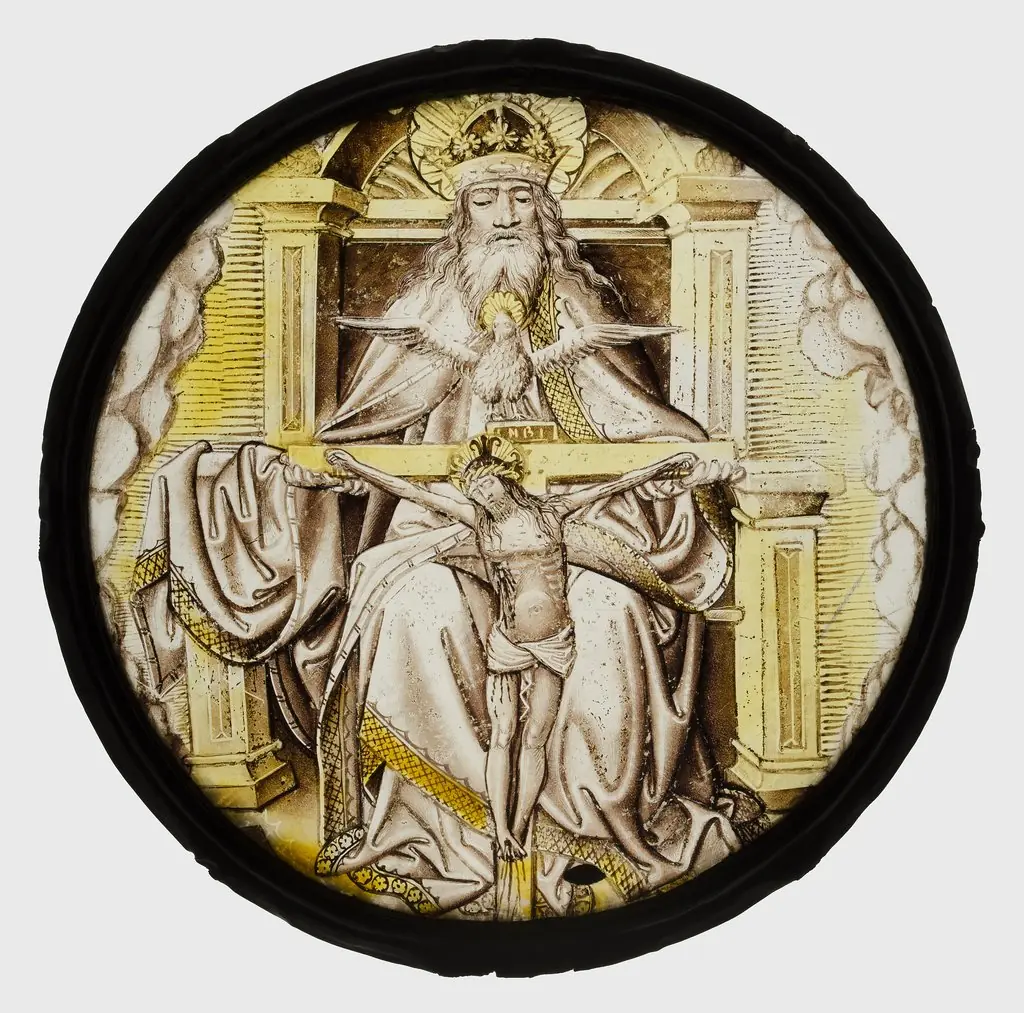 Roundel with the Holy Trinity
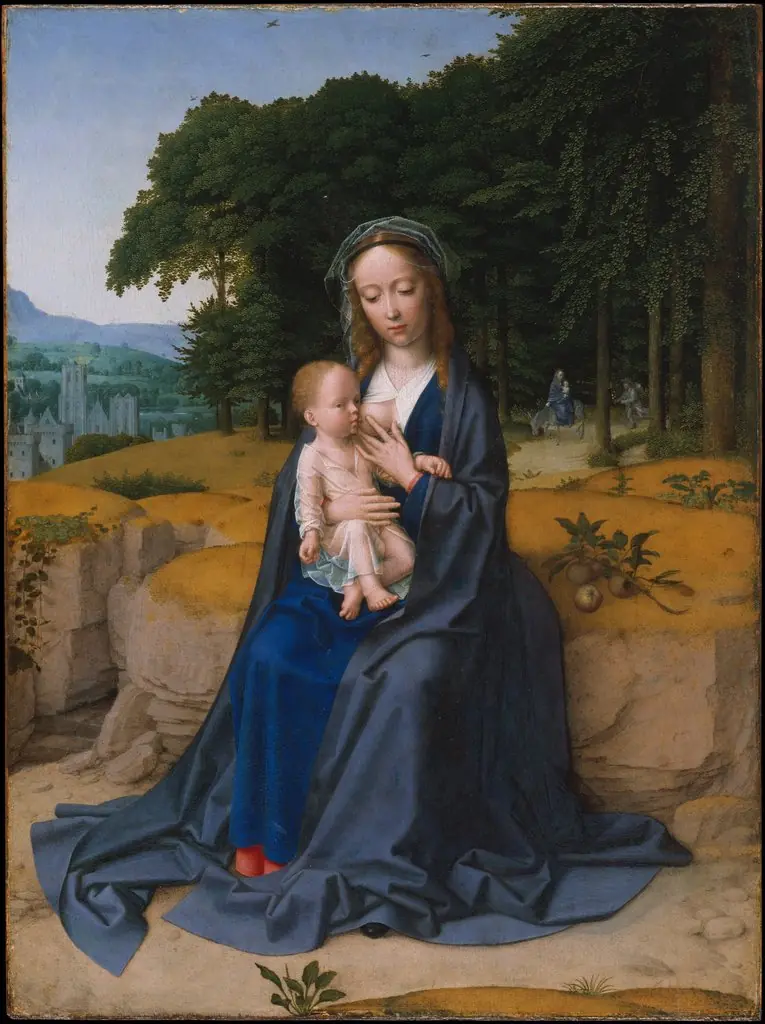 Rest on the Flight into Egypt
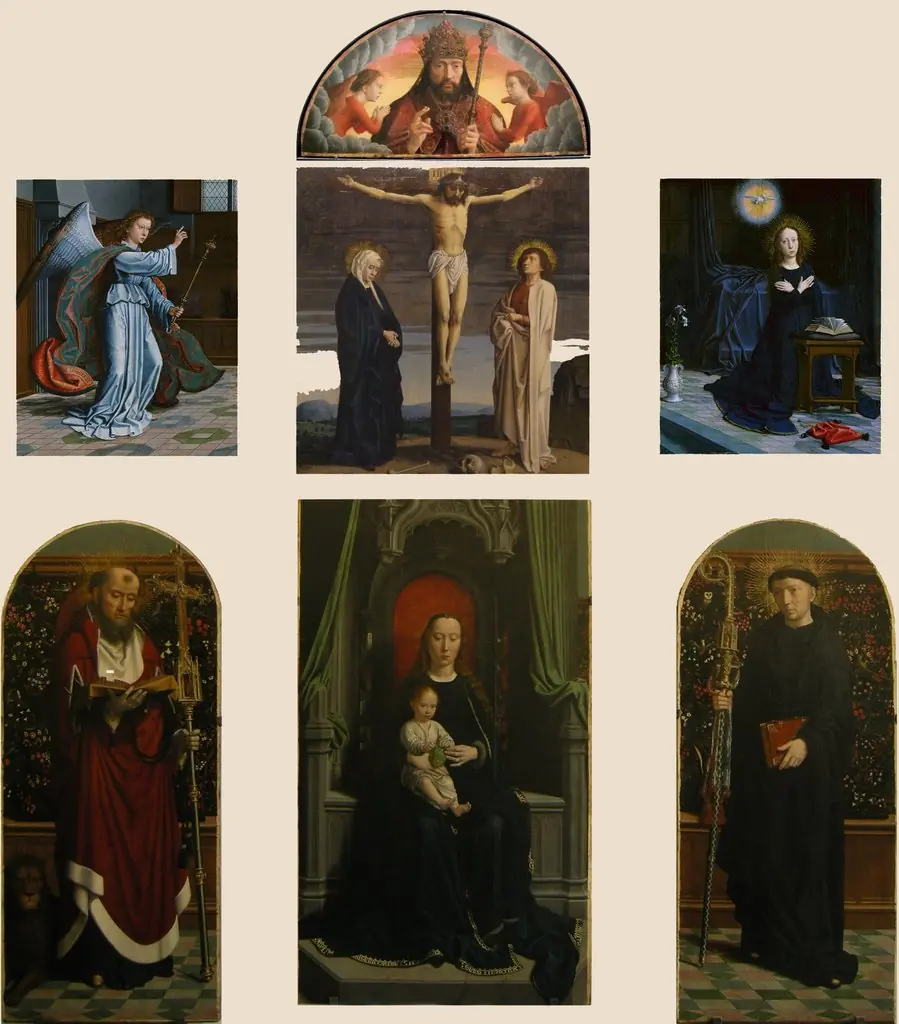 Cervara Polyptych
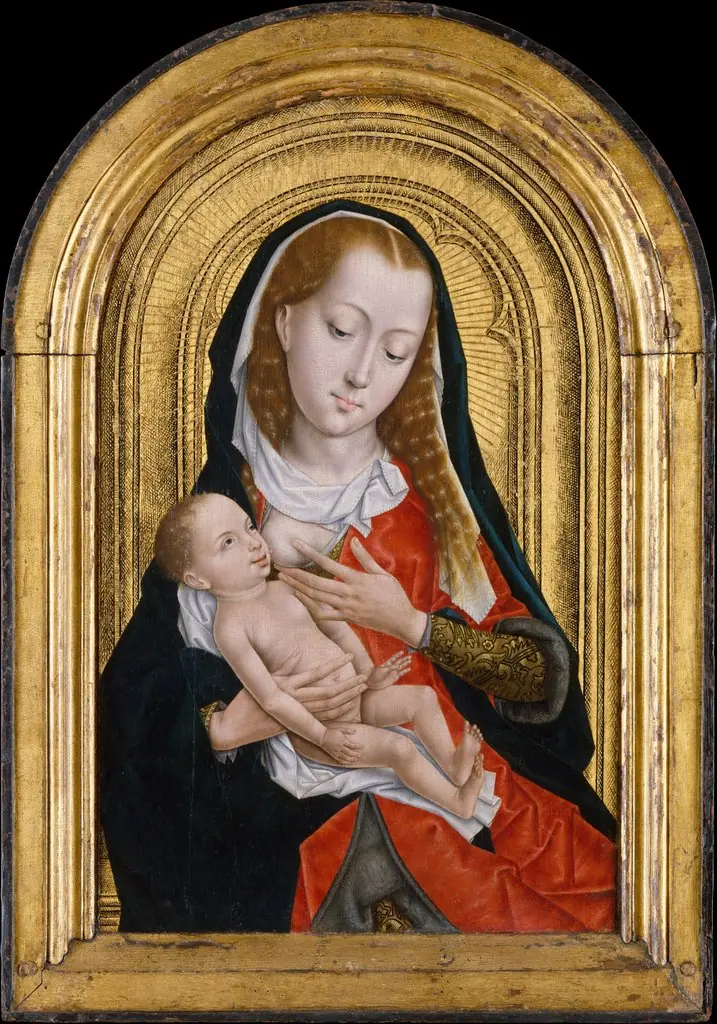 Virgin and Child
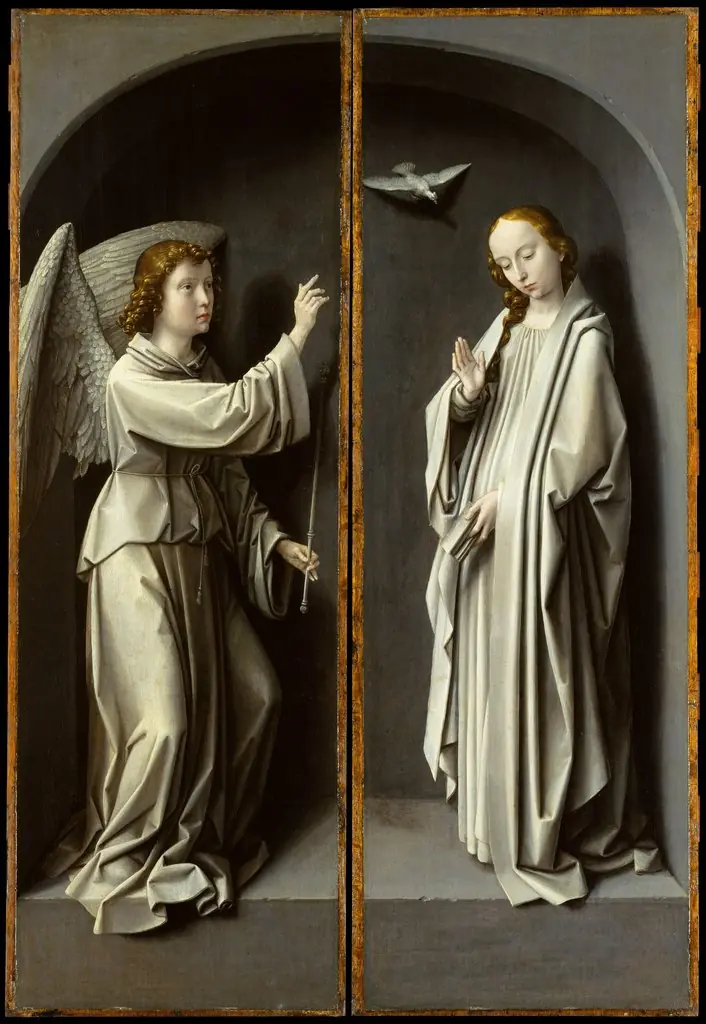 Archangel Gabriel; The Virgin Annunciate
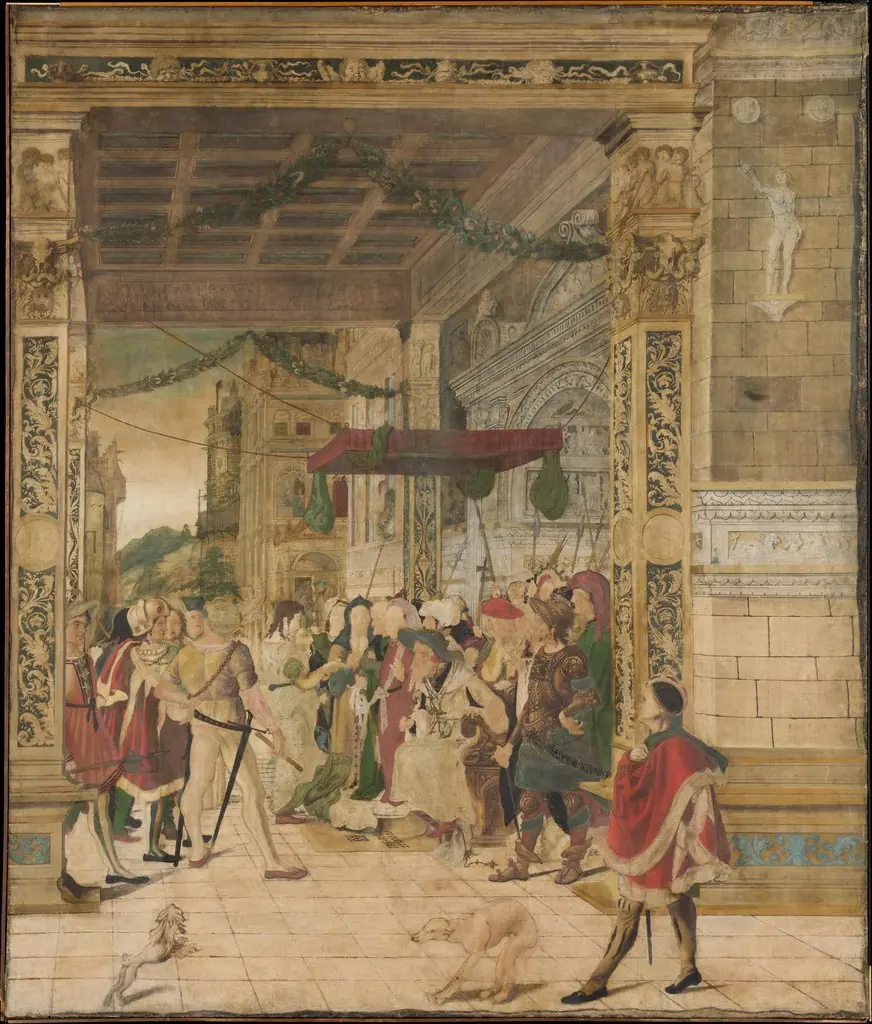 Joseph Interpreting the Dreams of Pharaoh
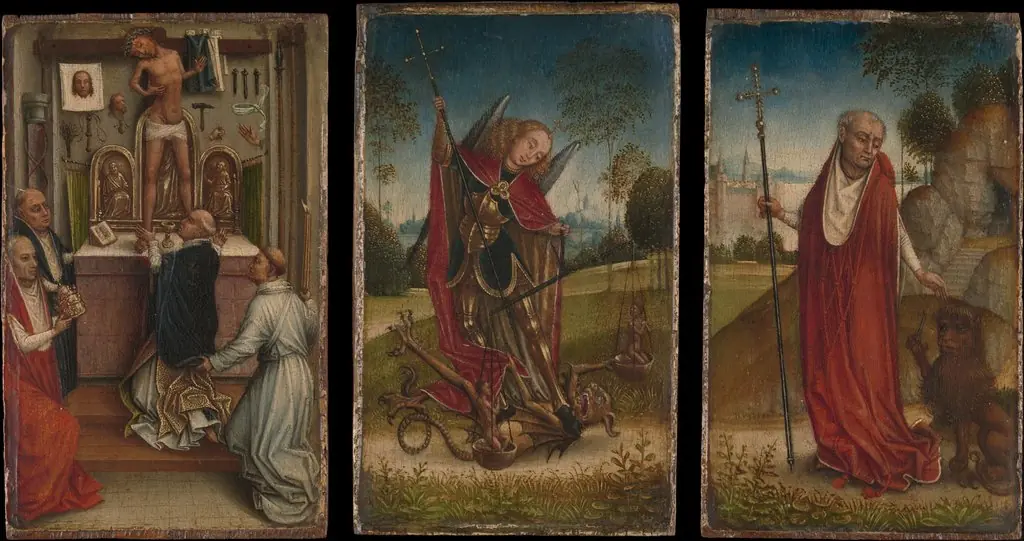 Saint Michael; The Mass of Saint Gregory; Saint Jerome
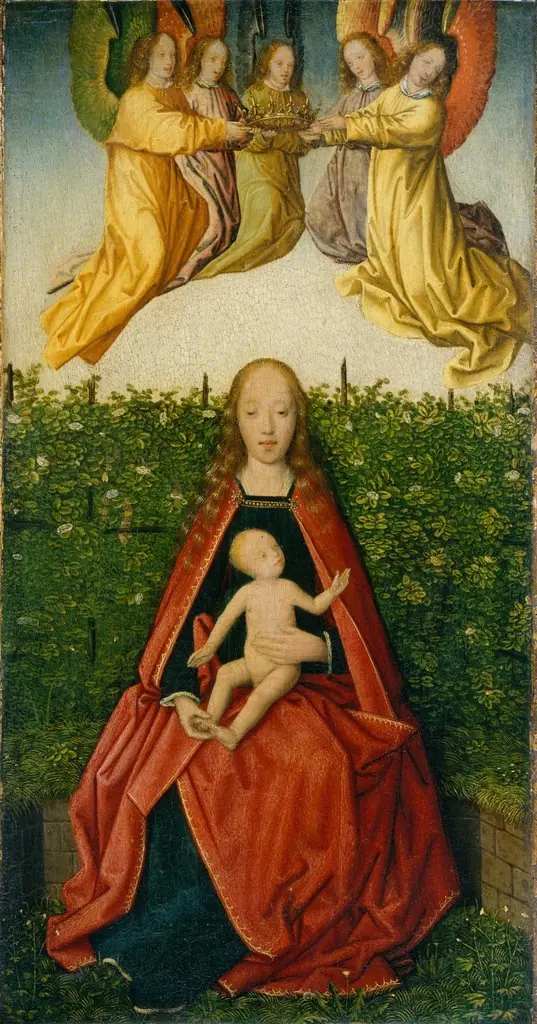 Virgin and Child
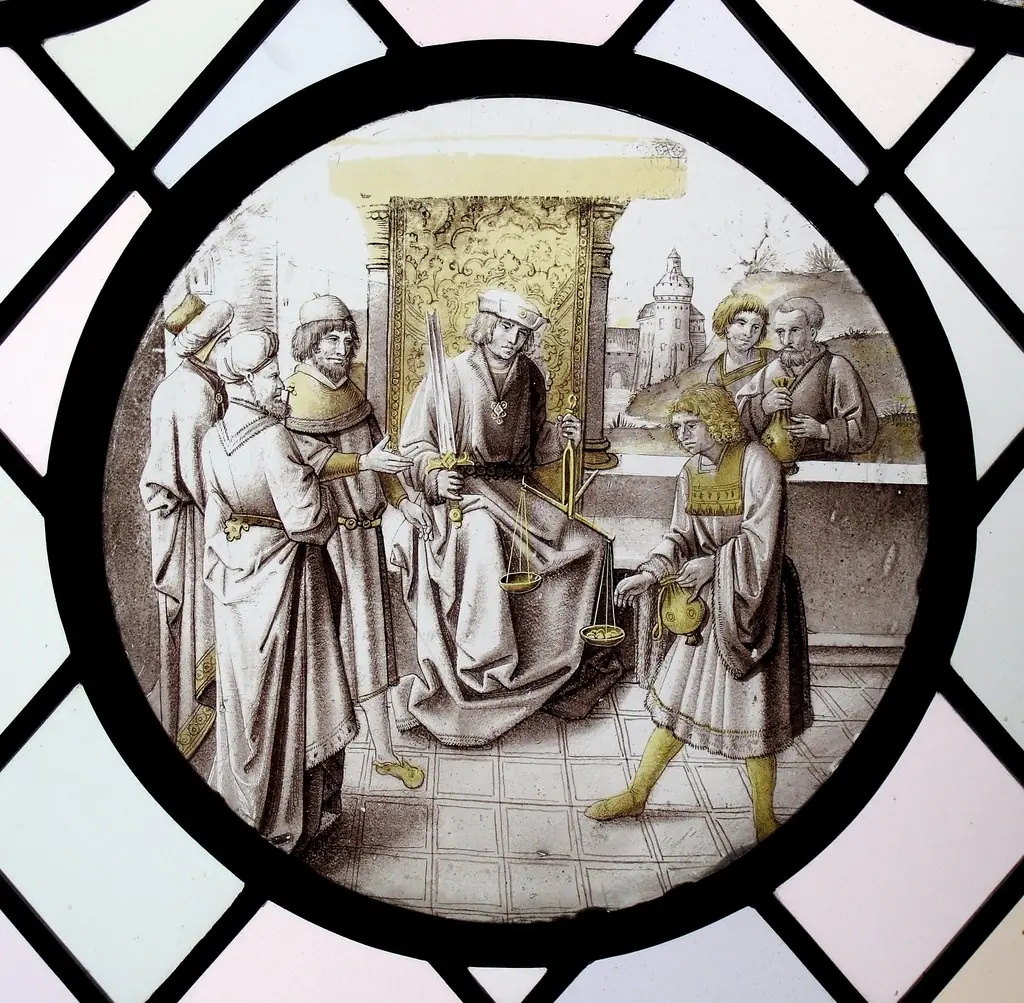 Roundel with Judgment or Allegorical Scene
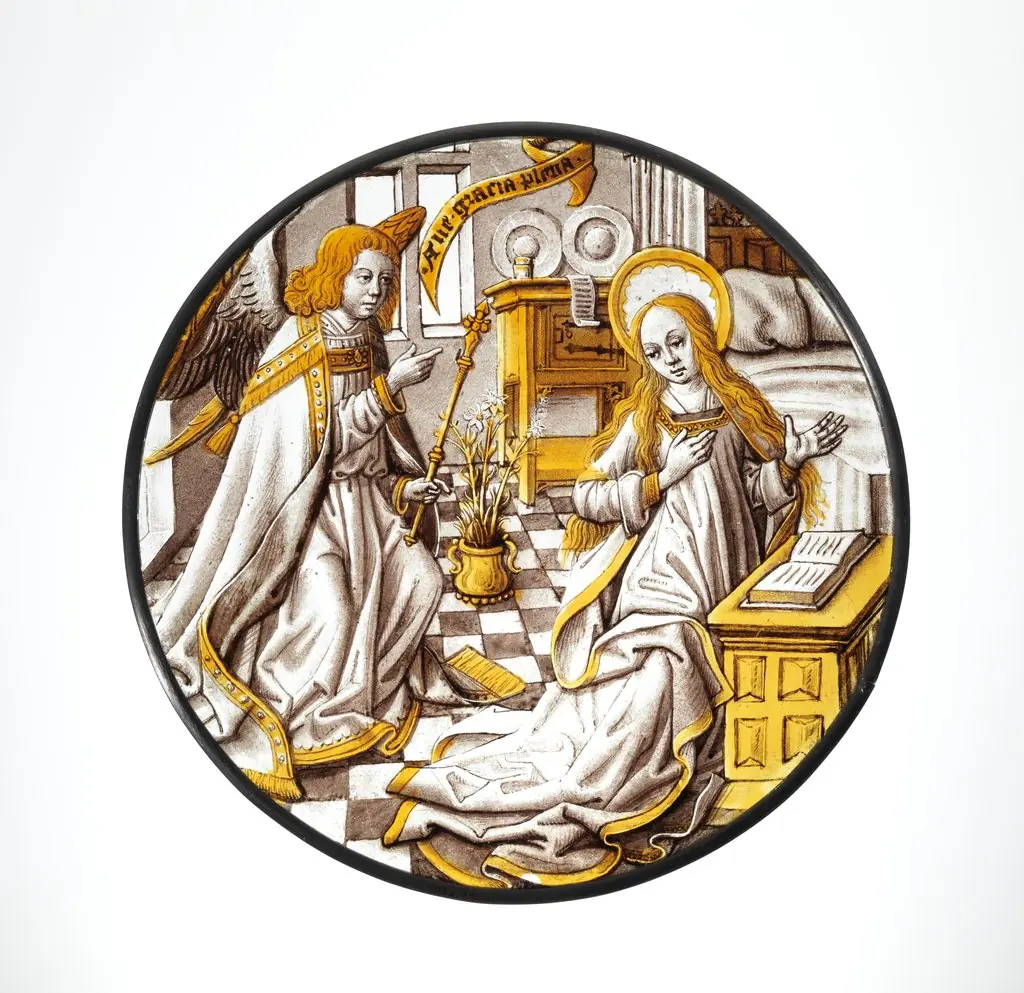 Roundel with Annunciation to the Virgin
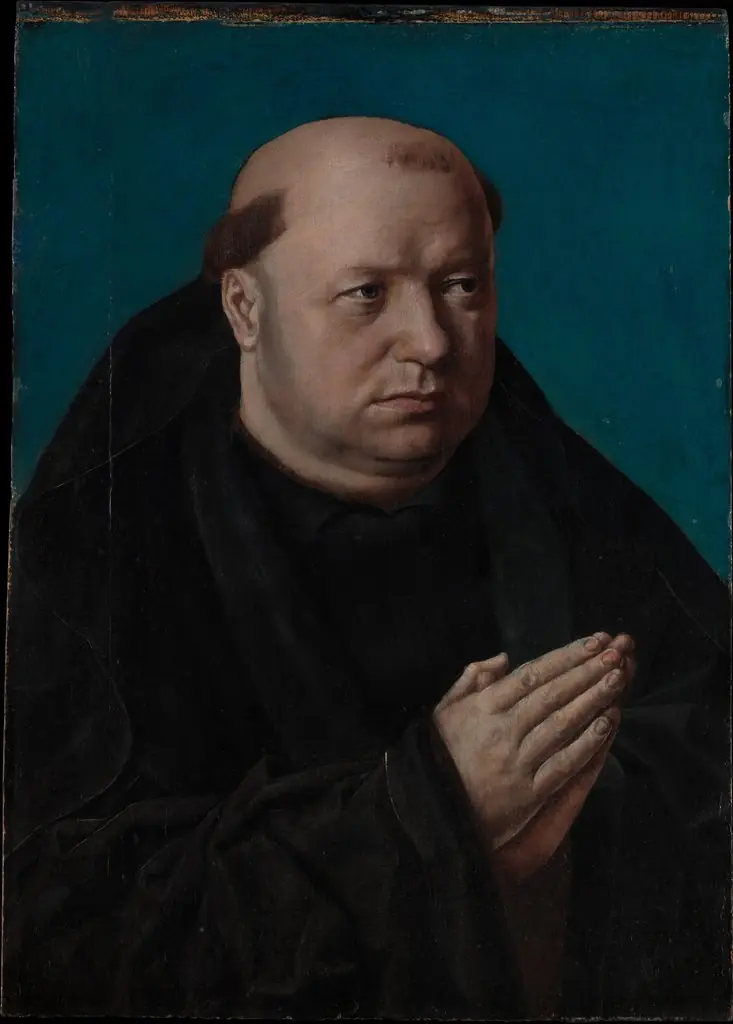 Portrait of a Monk in Prayer
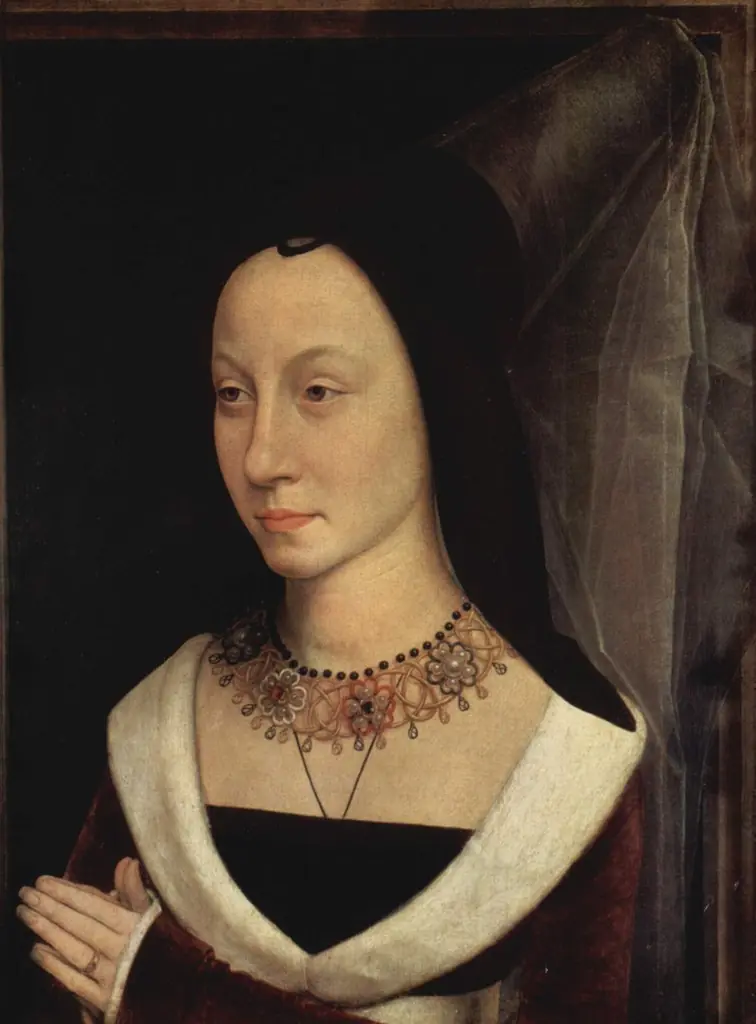 Portrait of Maria Portinari
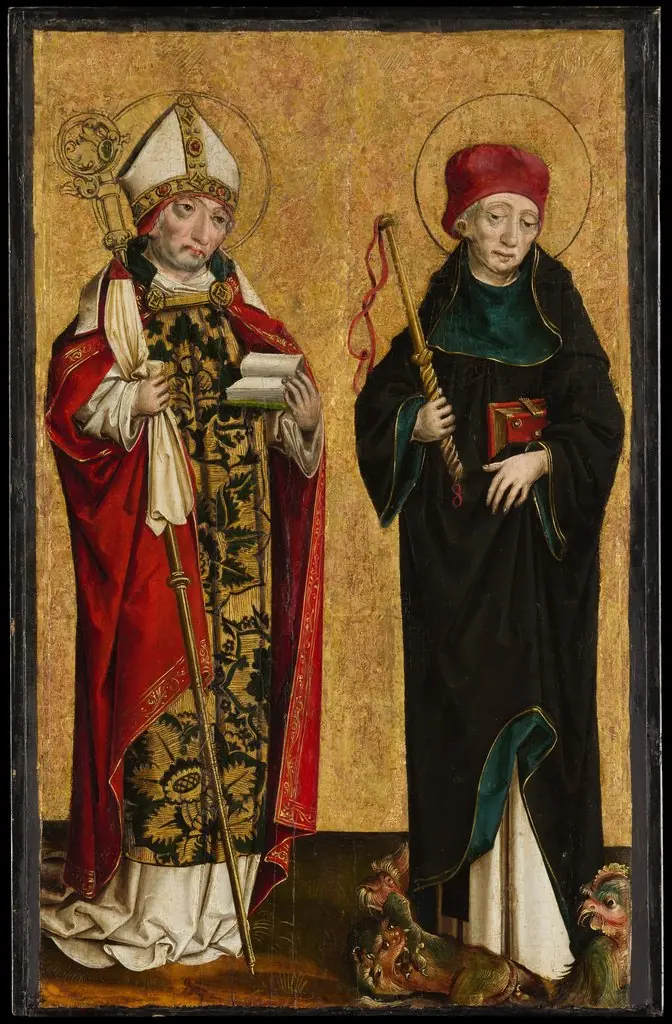 Saint Adalbert and Saint Procopius
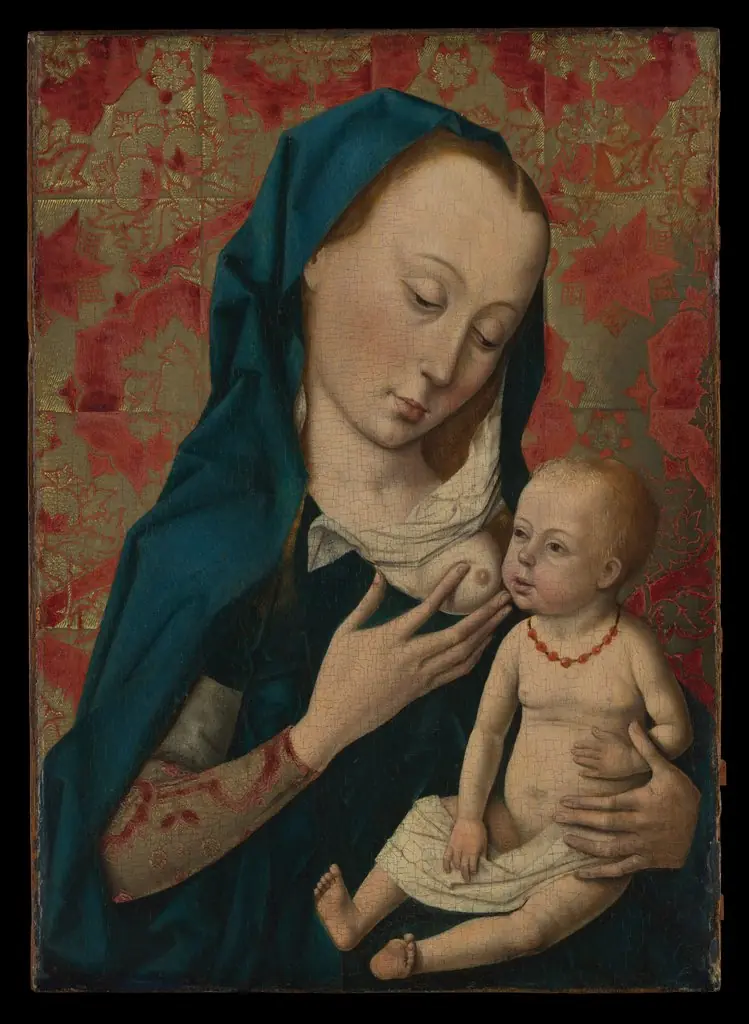 Virgin and Child
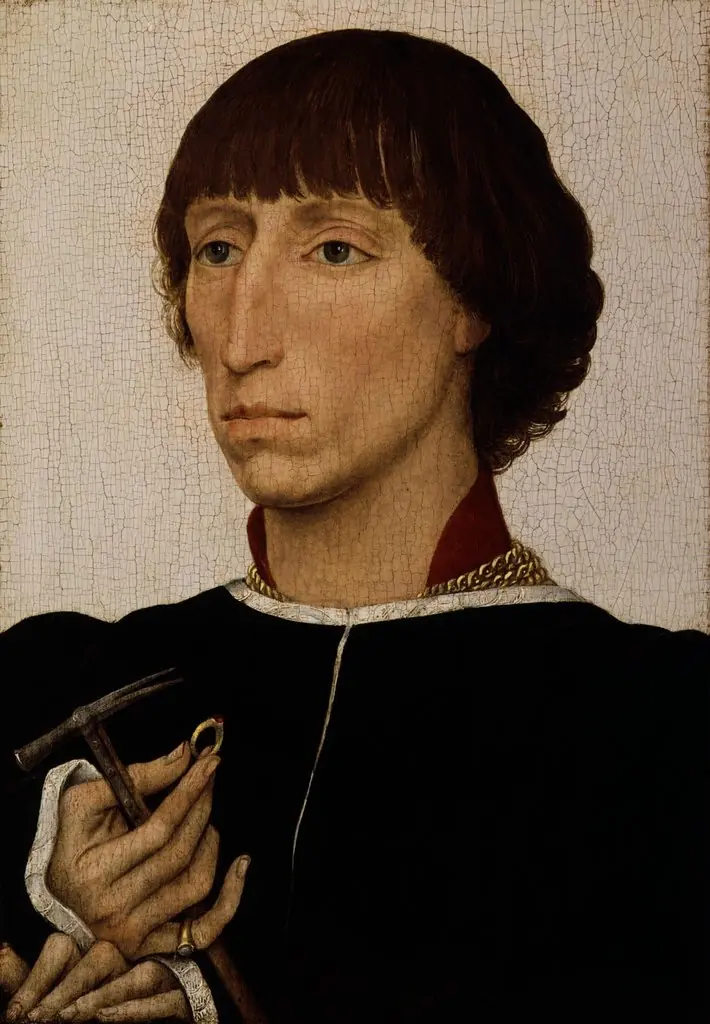 Portrait of Francesco d'Este
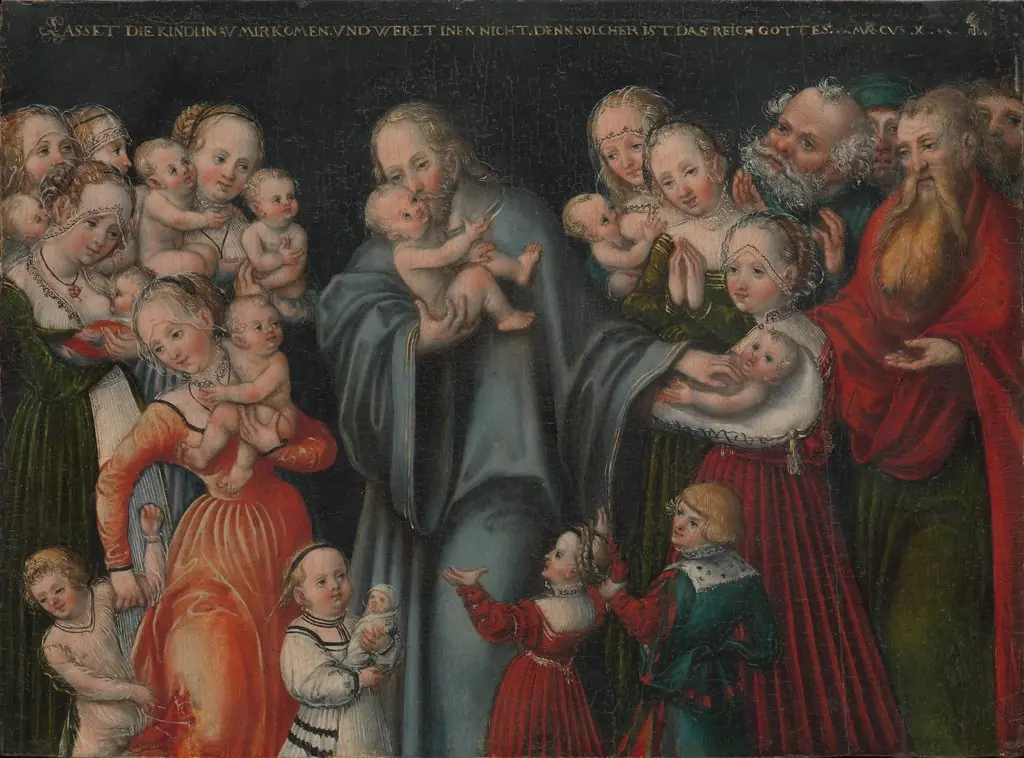 Christ Blessing the Children
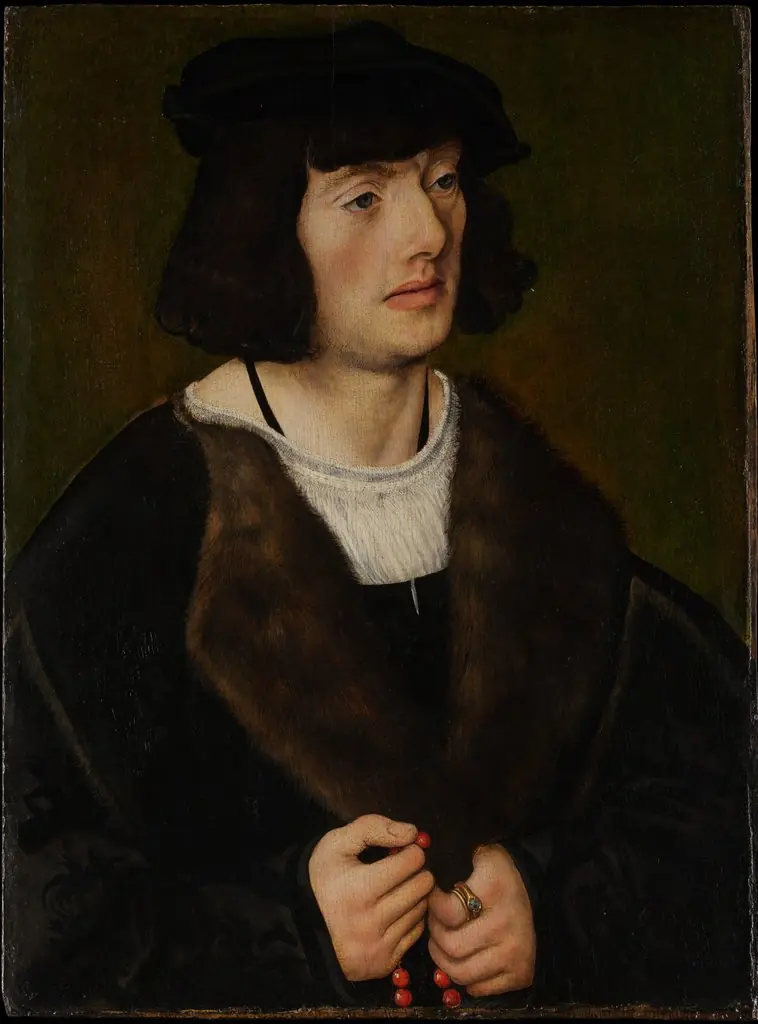 Portrait of a Man with a Rosary
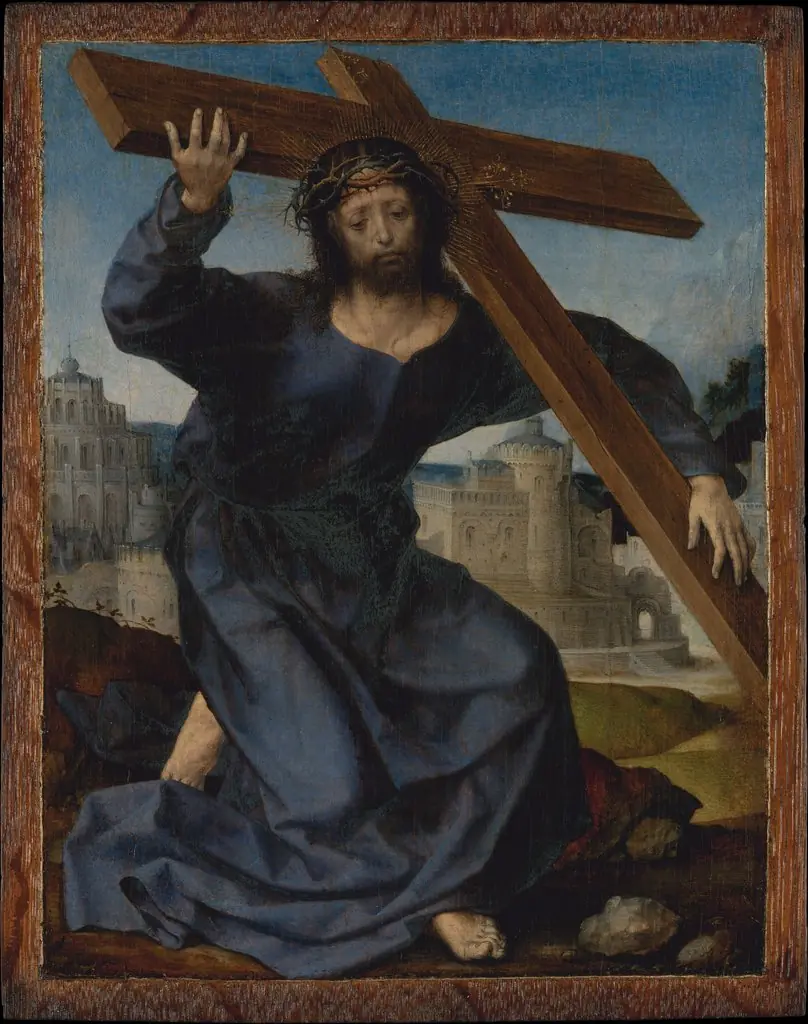 Christ Carrying the Cross
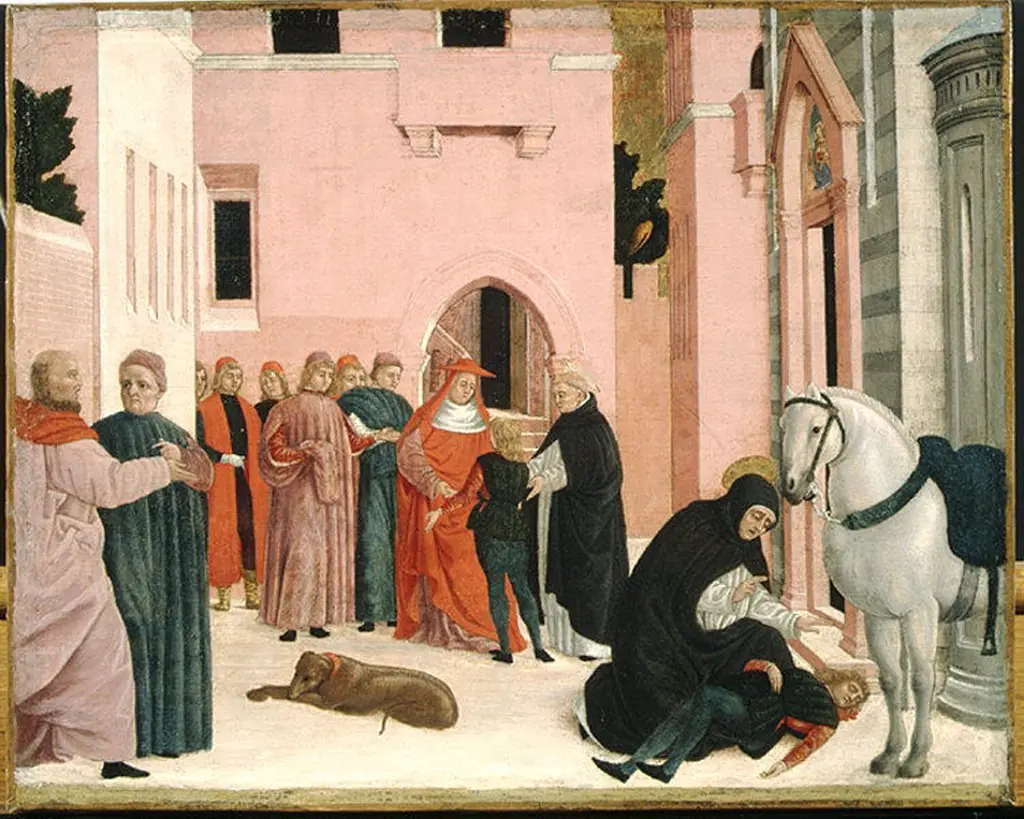 Saint Dominic Resuscitating Napoleone Orsini
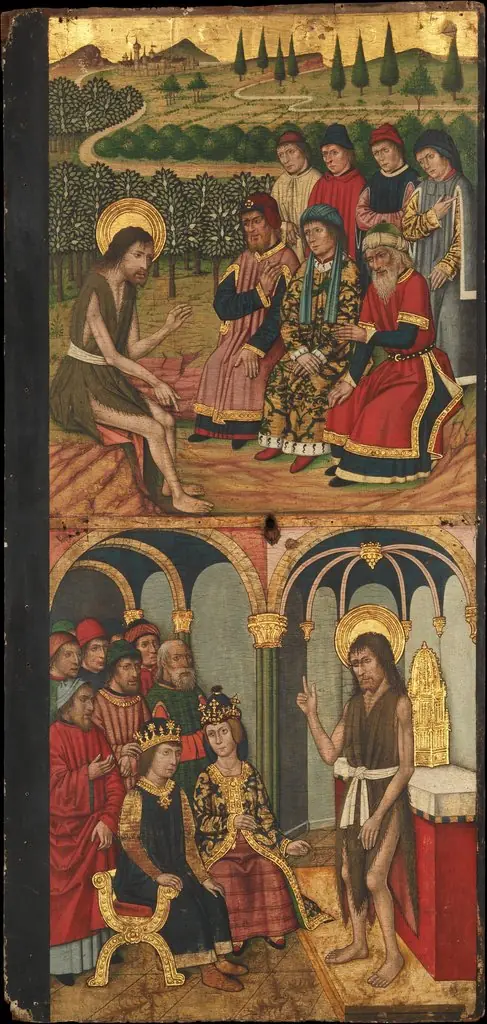 Panel of Saint John the Baptist with Scenes from His Life
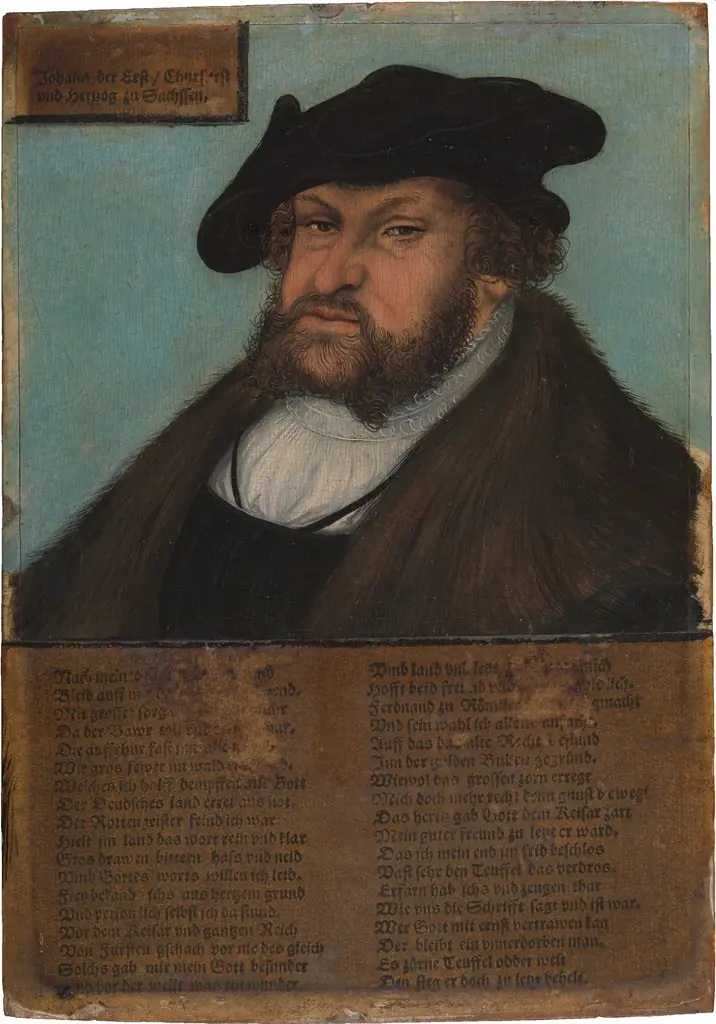 Johann I (1468–1532), the Constant, Elector of Saxony
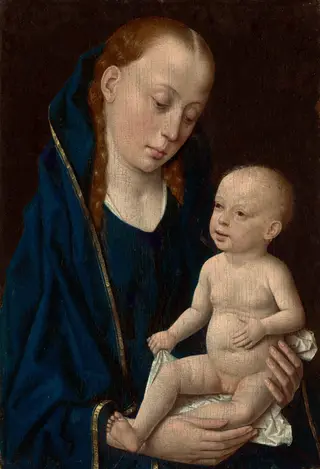 Madonna and Child
![The Saint Anne Altarpiece: Saint Anthony of Padua [right panel], by Gerard David, 1510](https://artifactworldgallery.com/img/gerard-david--the-saint-anne-altarpiece-saint-anthony-of-padua-right-panel--124c5dfd1de29e92-w320.webp) The Saint Anne Altarpiece: Saint Anthony of Padua [right panel]
The Saint Anne Altarpiece: Saint Anthony of Padua [right panel]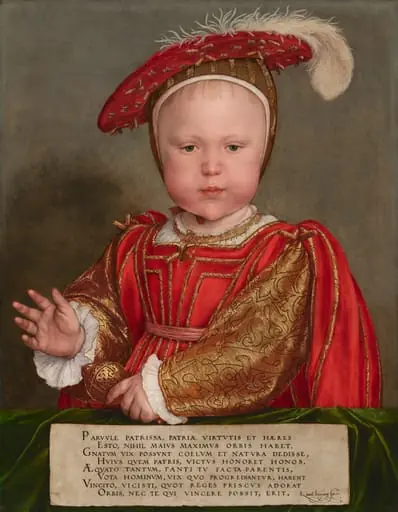 Edward VI as a Child
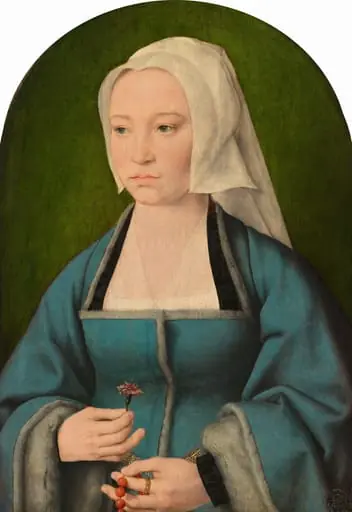 Margaretha Boghe
![The Saint Anne Altarpiece: Saint Nicholas [left panel], by Gerard David, 1510](https://artifactworldgallery.com/img/gerard-david--the-saint-anne-altarpiece-saint-nicholas-left-panel--46b600bff8ce44bb-w320.webp) The Saint Anne Altarpiece: Saint Nicholas [left panel]
The Saint Anne Altarpiece: Saint Nicholas [left panel]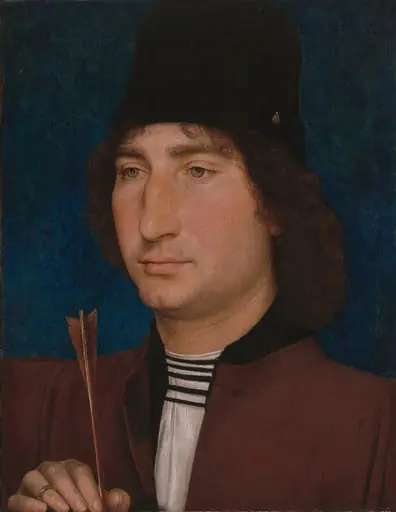 Portrait of a Man with an Arrow
![The Fall of Man [middle panel], 1535](https://artifactworldgallery.com/img/the-fall-of-man-middle-panel--51048cc74e2325c7-w320.webp) The Fall of Man [middle panel]
The Fall of Man [middle panel]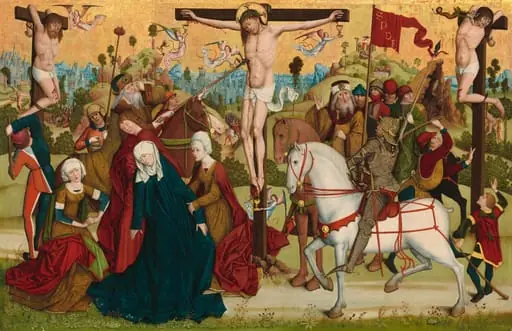 Calvary
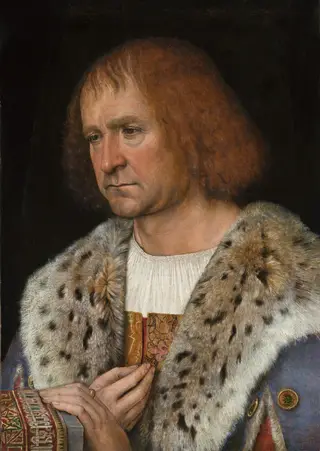 Portrait of Diego de Guevara (?)
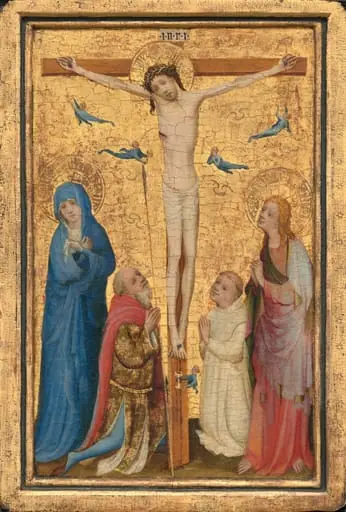 The Crucifixion
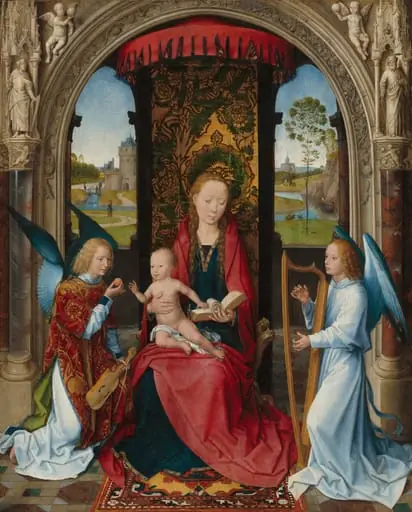 Madonna and Child with Angels
![Lot and His Daughters [reverse], by Albrecht Dürer, 1498](https://artifactworldgallery.com/img/albrecht-durer--lot-and-his-daughters-reverse--b4ebf9b282faa17a-w320.webp) Lot and His Daughters [reverse]
Lot and His Daughters [reverse]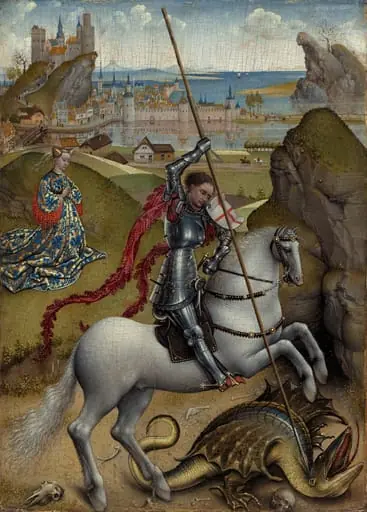 Saint George and the Dragon
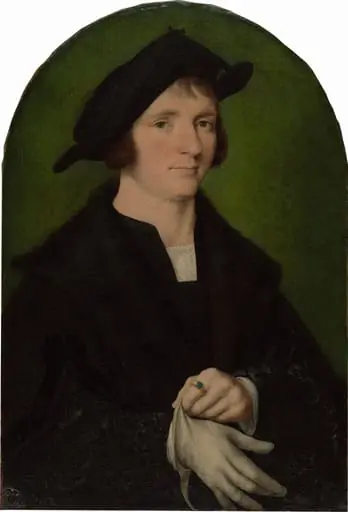 Joris Vezeleer
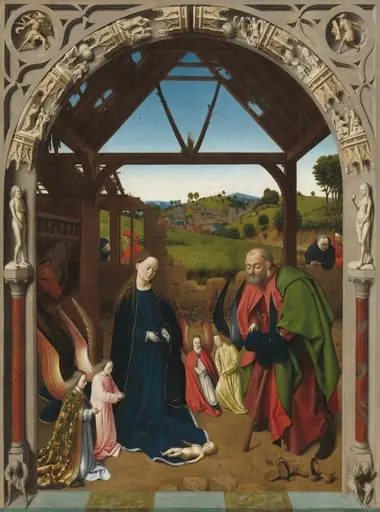 The Nativity
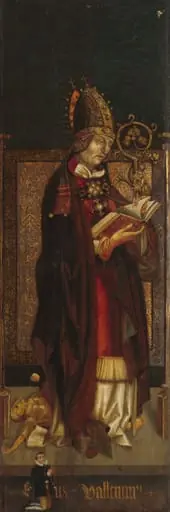 Saint Valentine
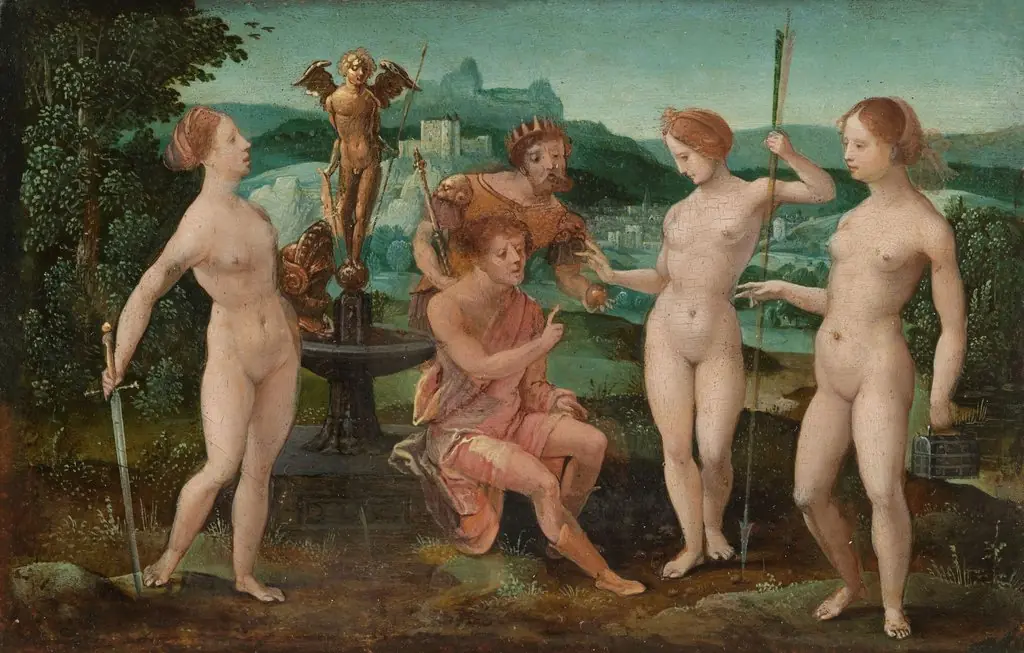 The judgement of Paris
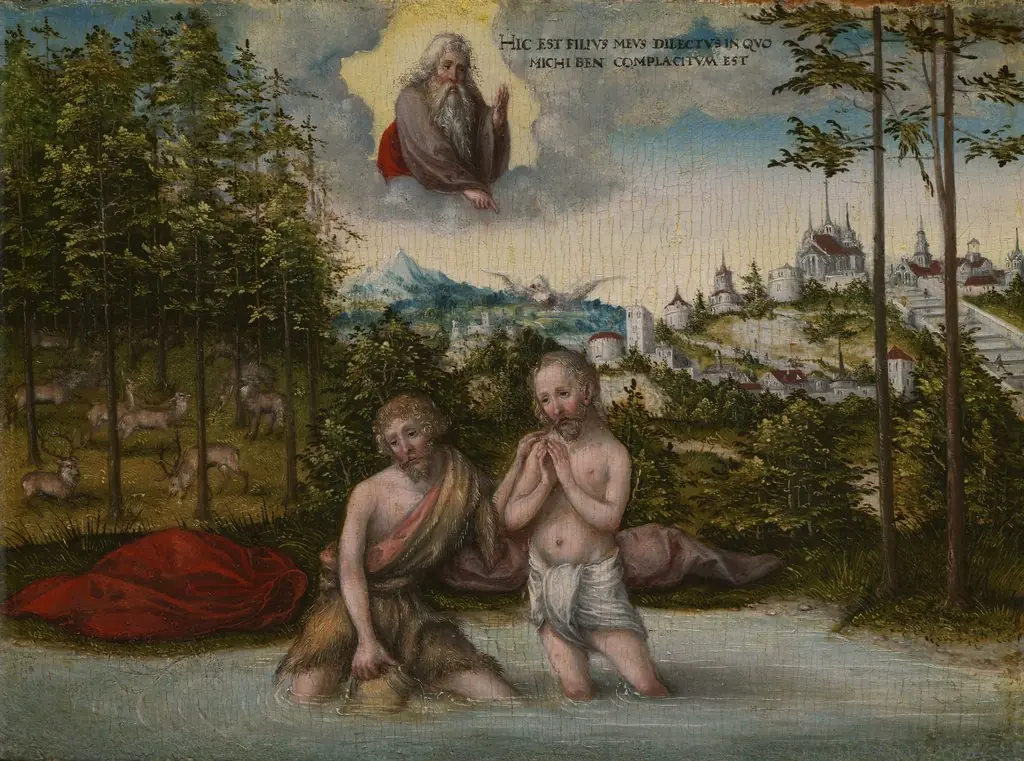 The Baptism of Christ
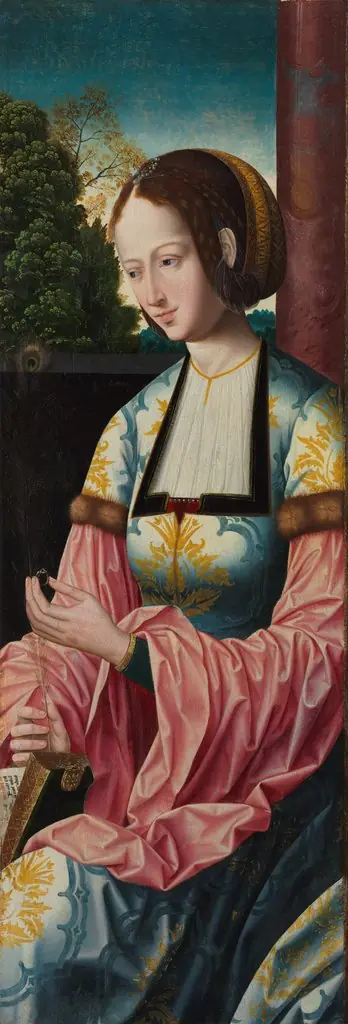 Saint Barbara
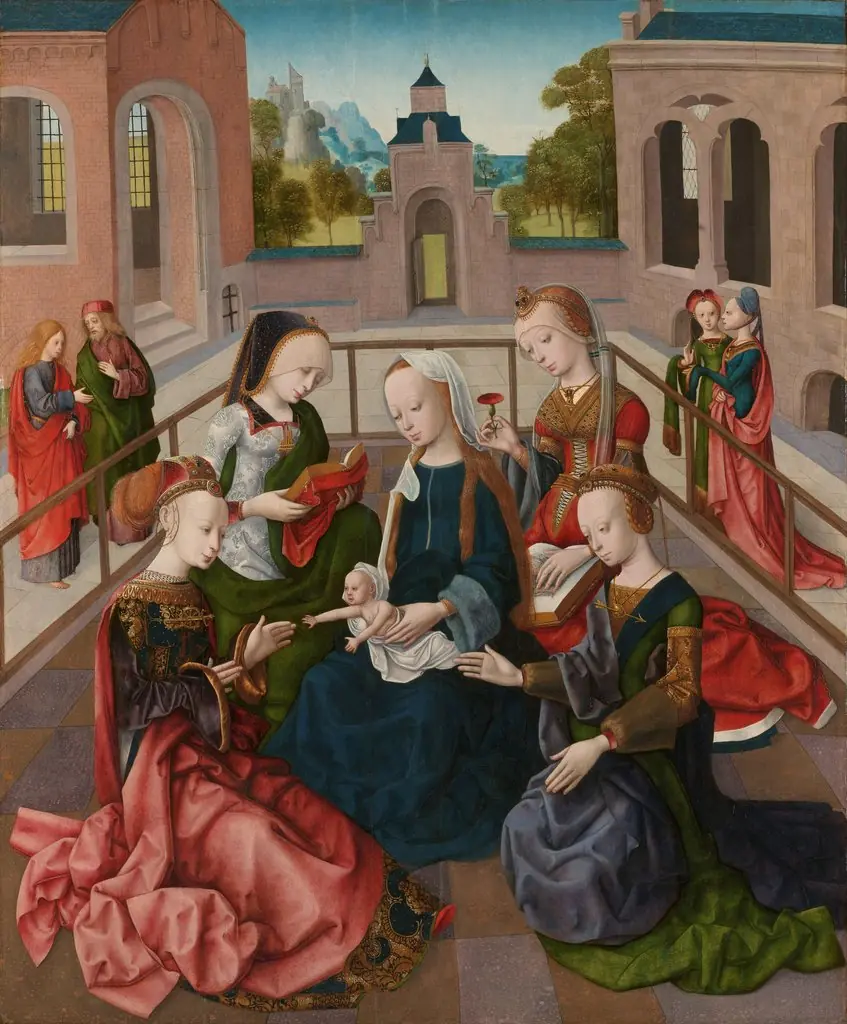 The Virgin and Child with Four Holy Virgins
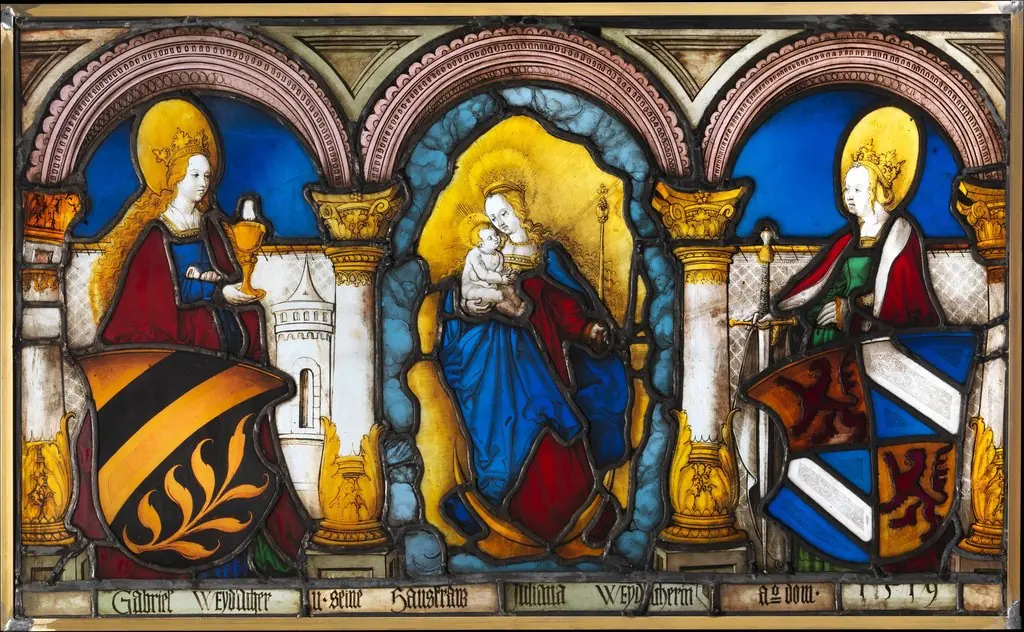 Marriage Panel of Gabriel Weydacher and his wife Juliana Wemis with the Virgin and Child and Saints Barbara and Catherine
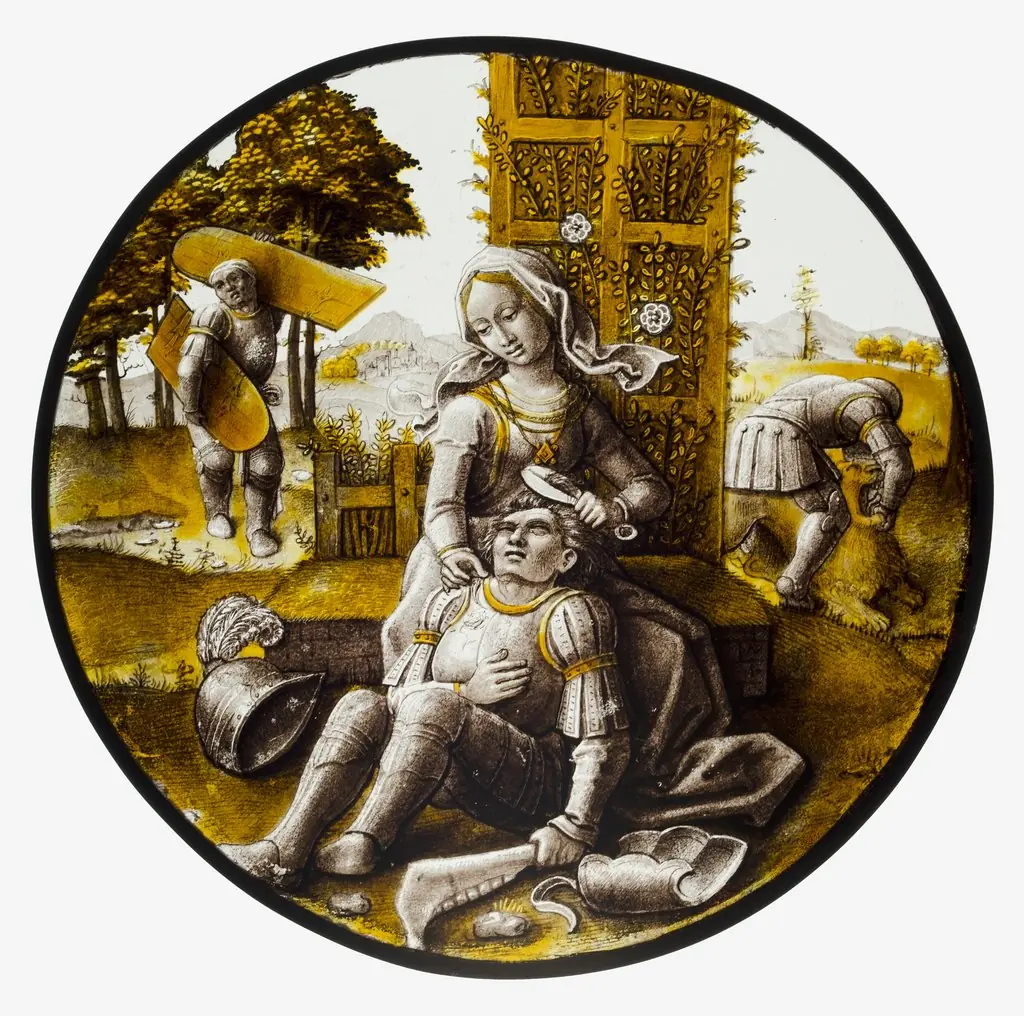 Roundel with Delilah Cutting the Hair of Samson
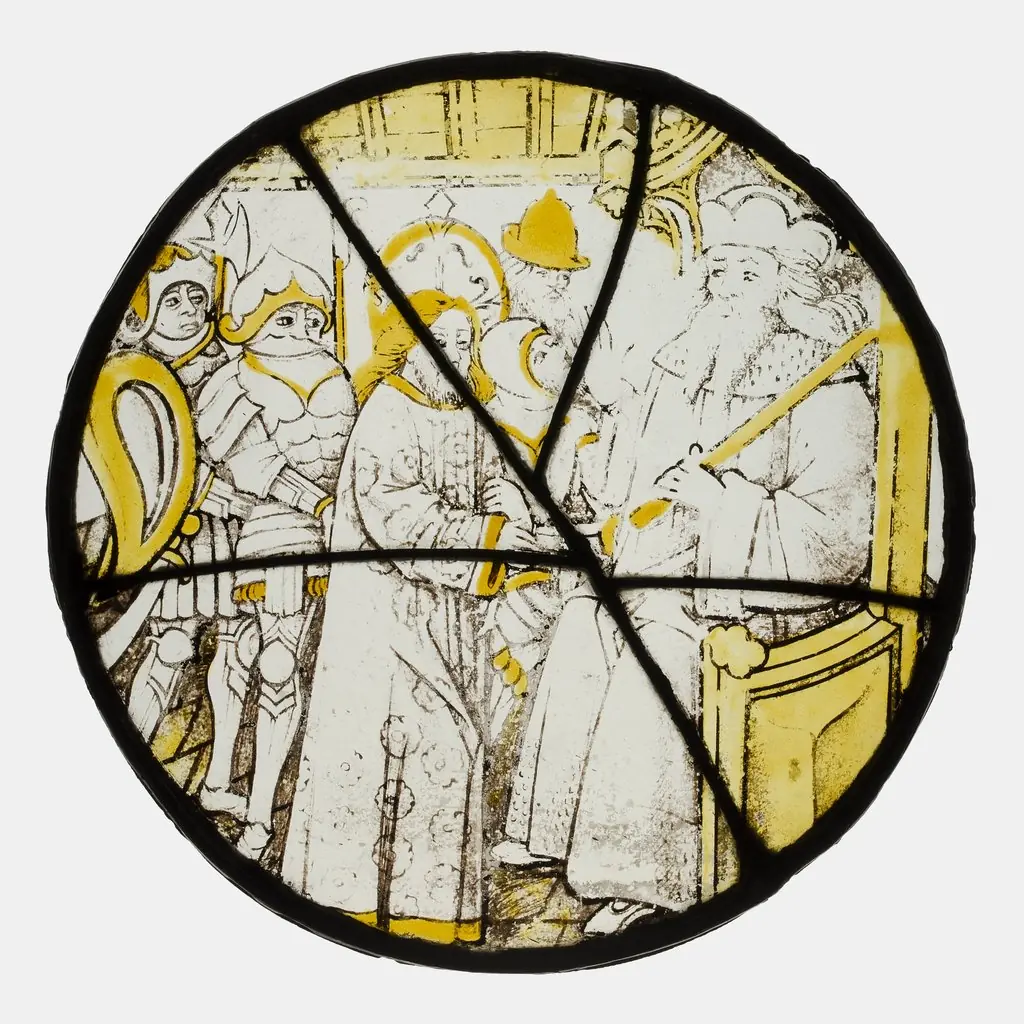 Roundel with Christ before Pilate
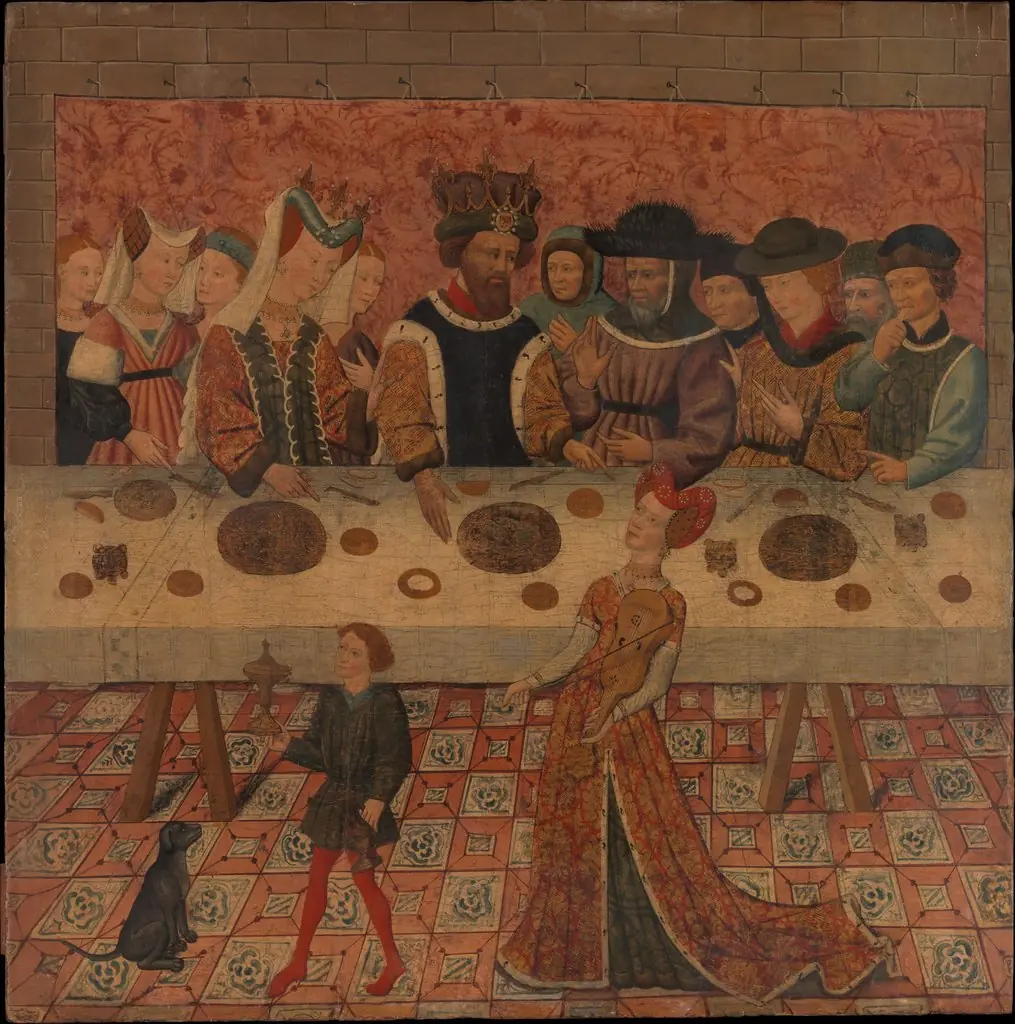 Salome Dancing before Herod
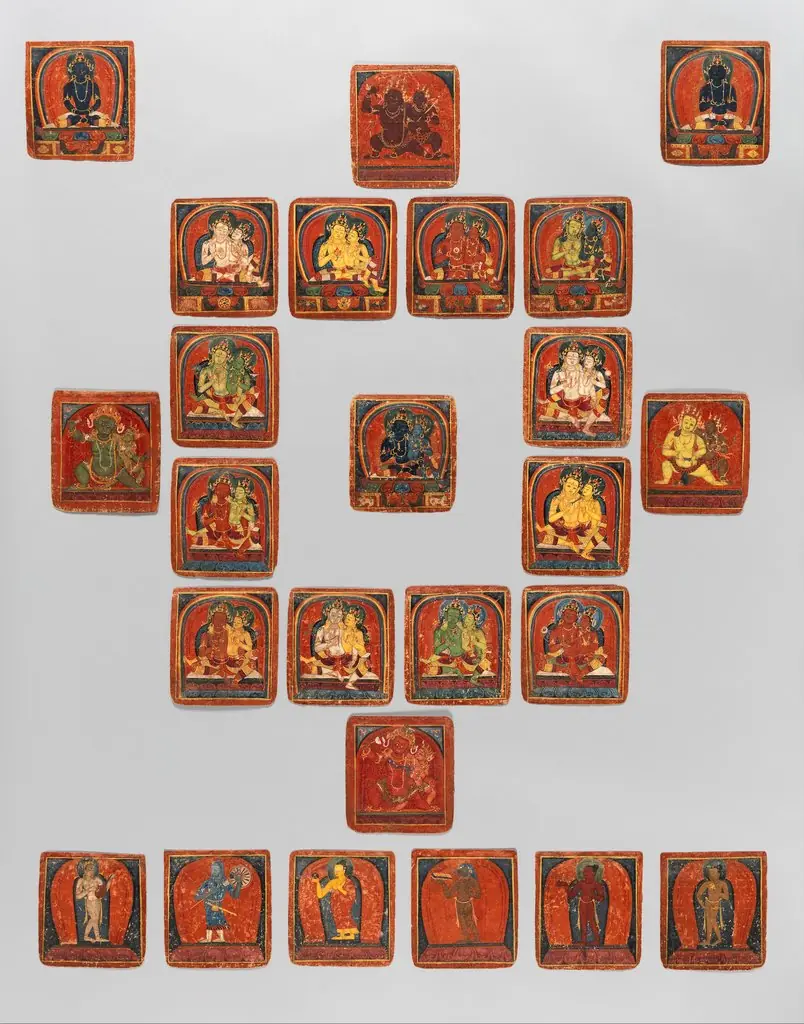 Initiation Cards (Tsakalis)
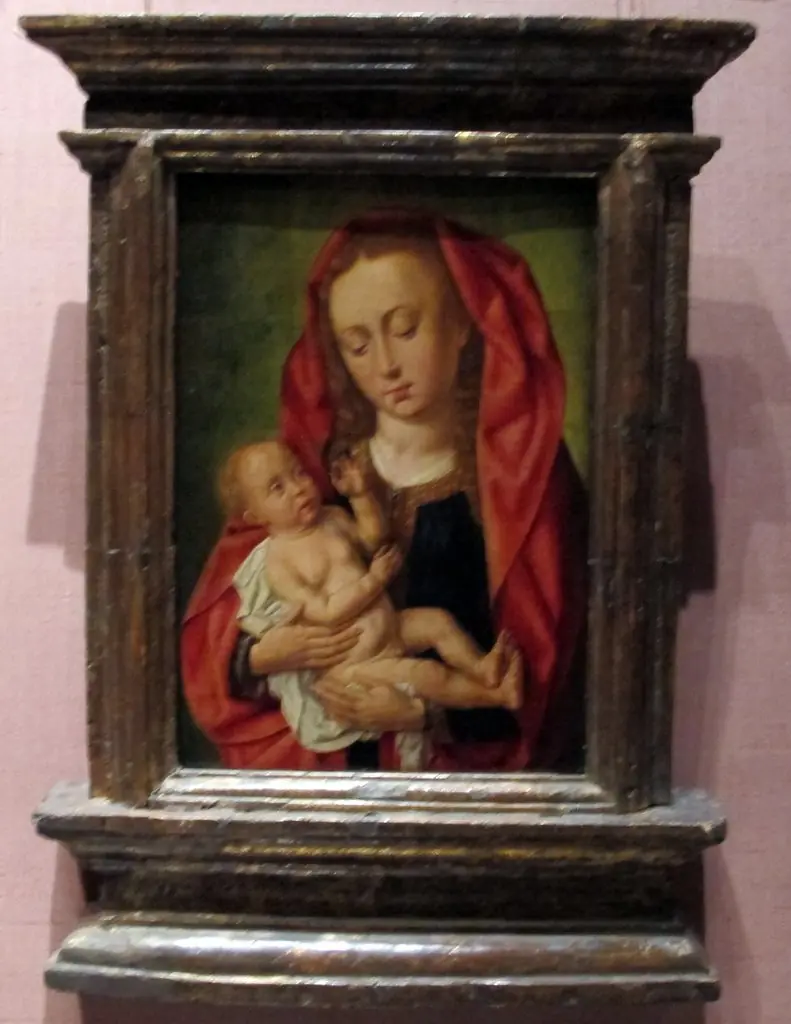 Virgin and Child with a Dragonfly
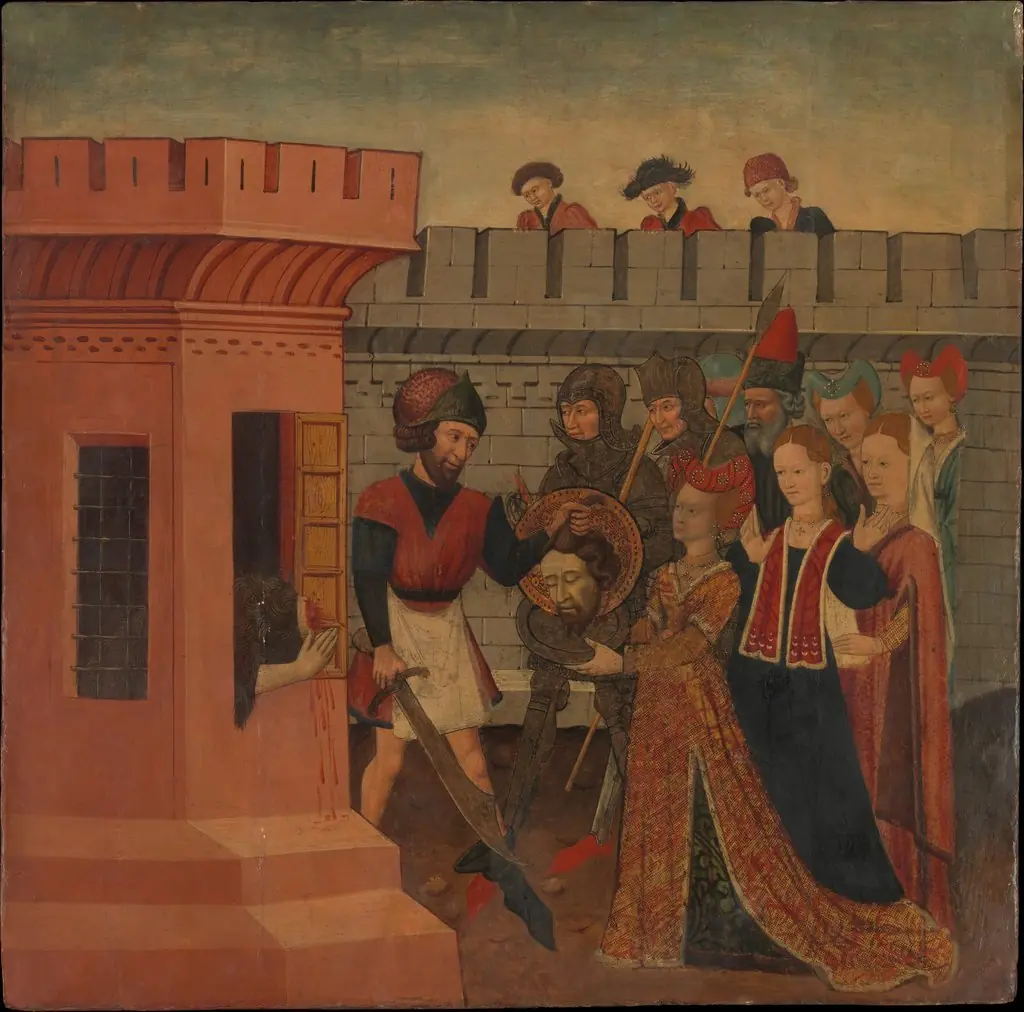 The Beheading of Saint John the Baptist
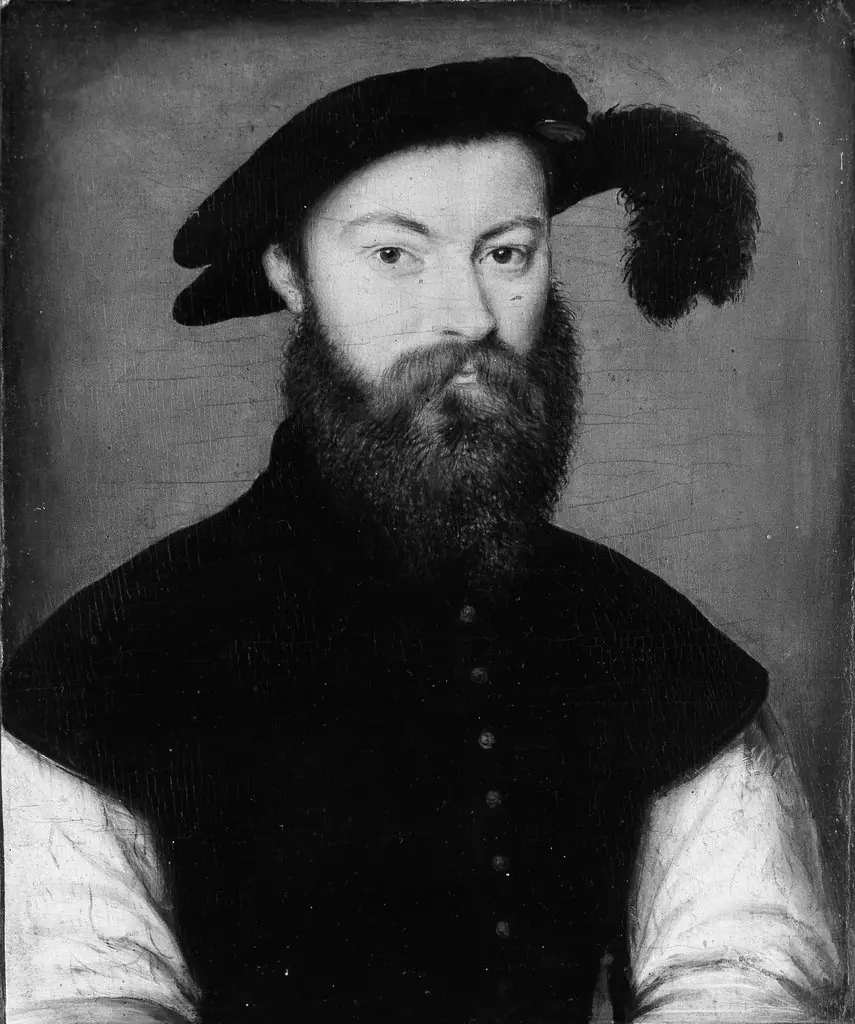 Portrait of a Man with a Black-Plumed Hat
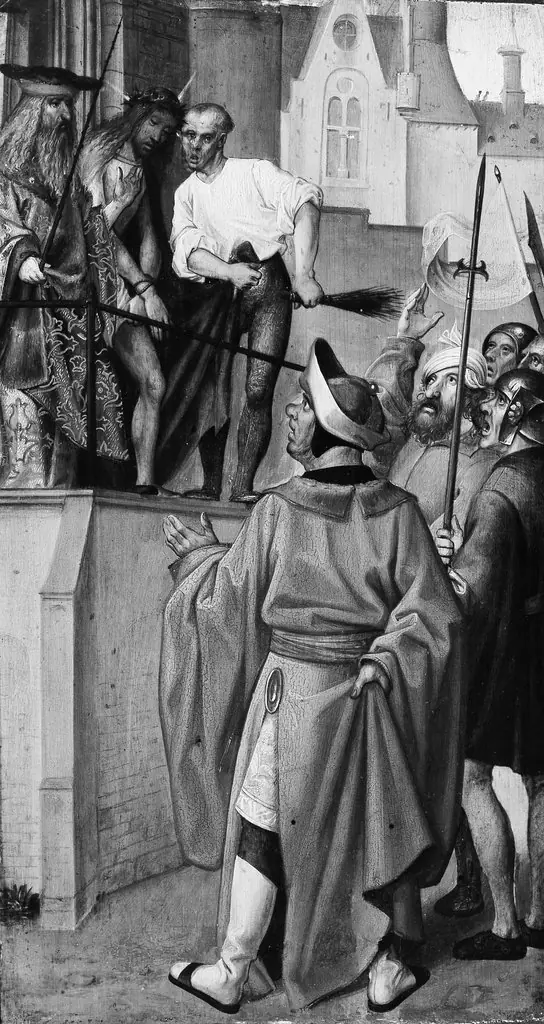 Ecce Homo, (reverse) Christ Blessing; The Disrobing of Christ, (reverse) Saint John the Baptist
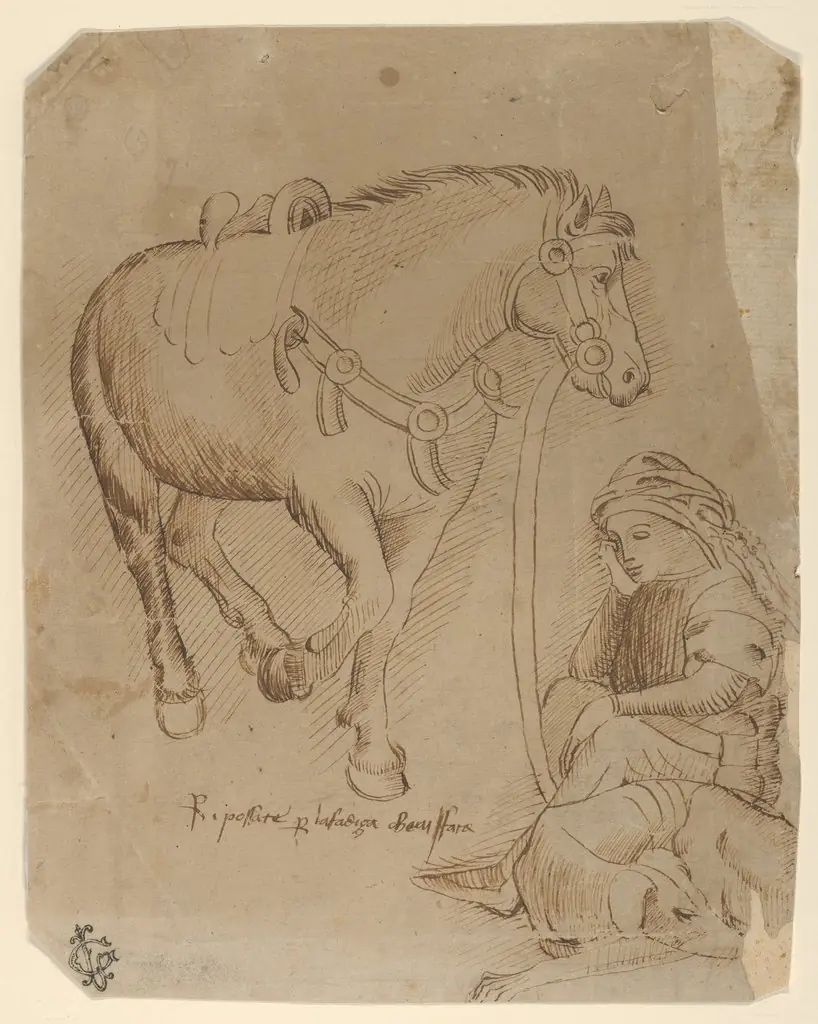 A Man Asleep Alongside a Dog and a Horse
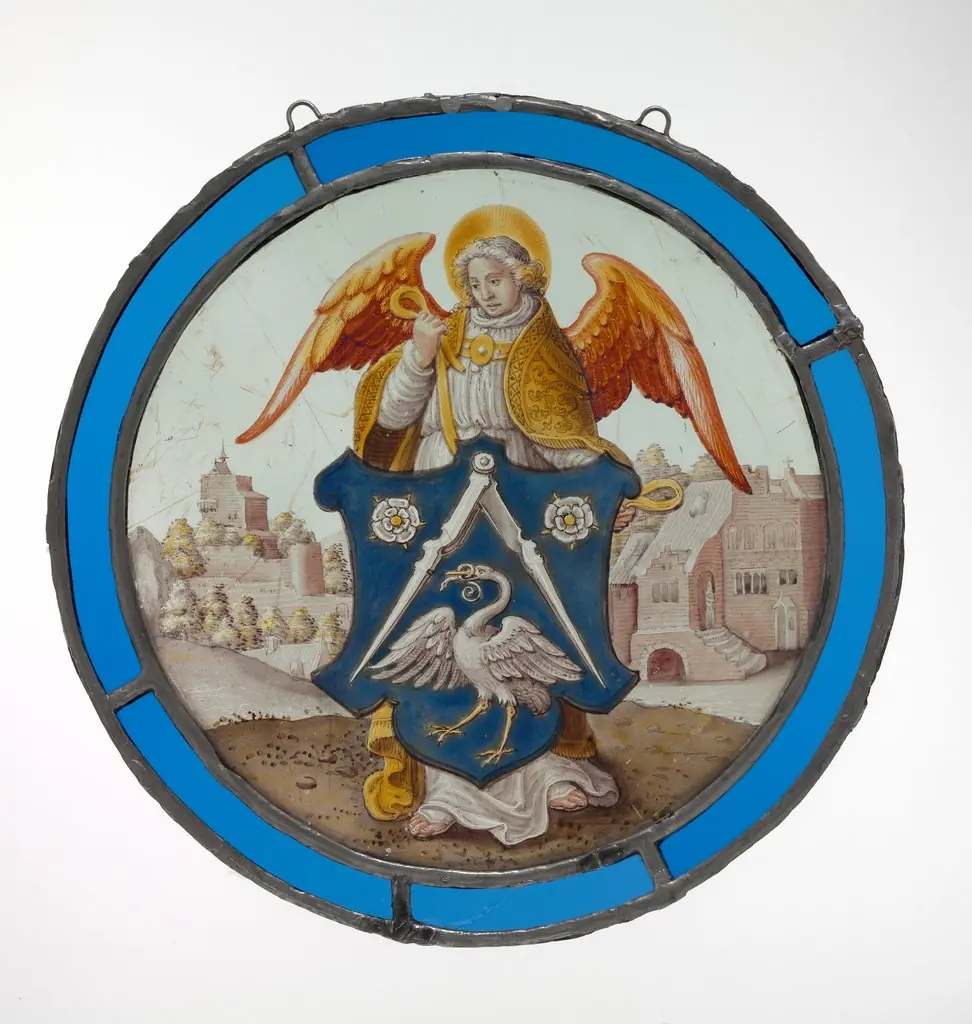 Angel Supporting a Heraldic Shield
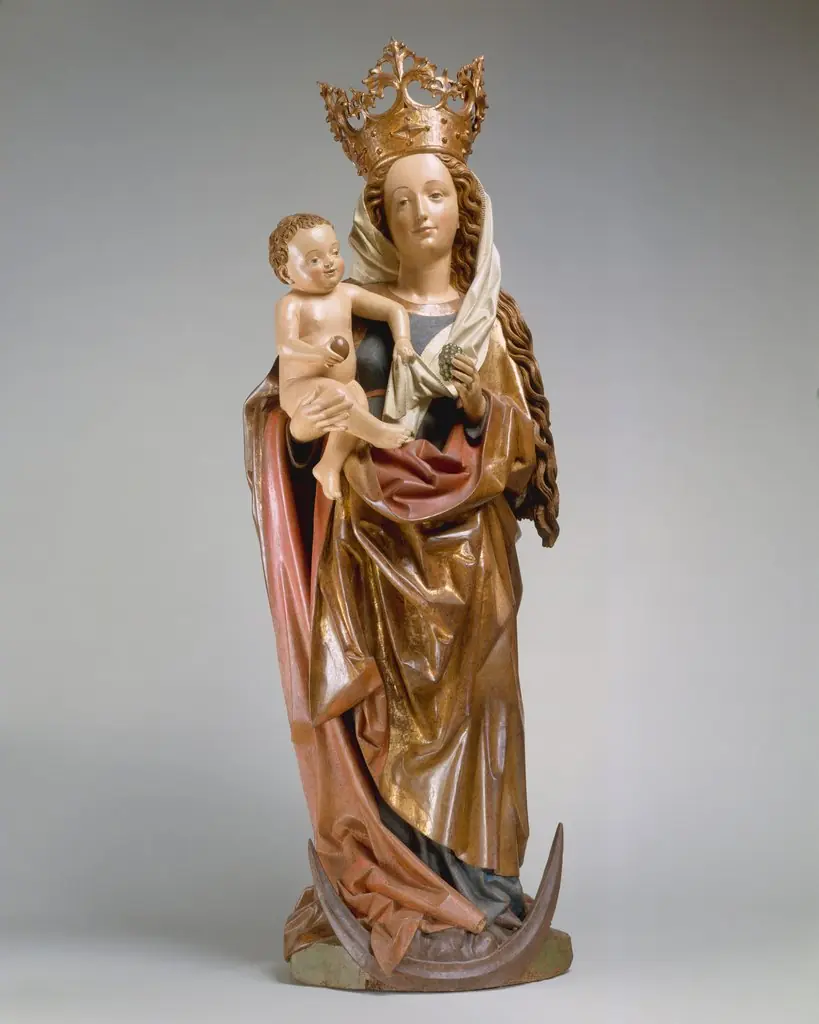 Virgin and Child on a Crescent Moon
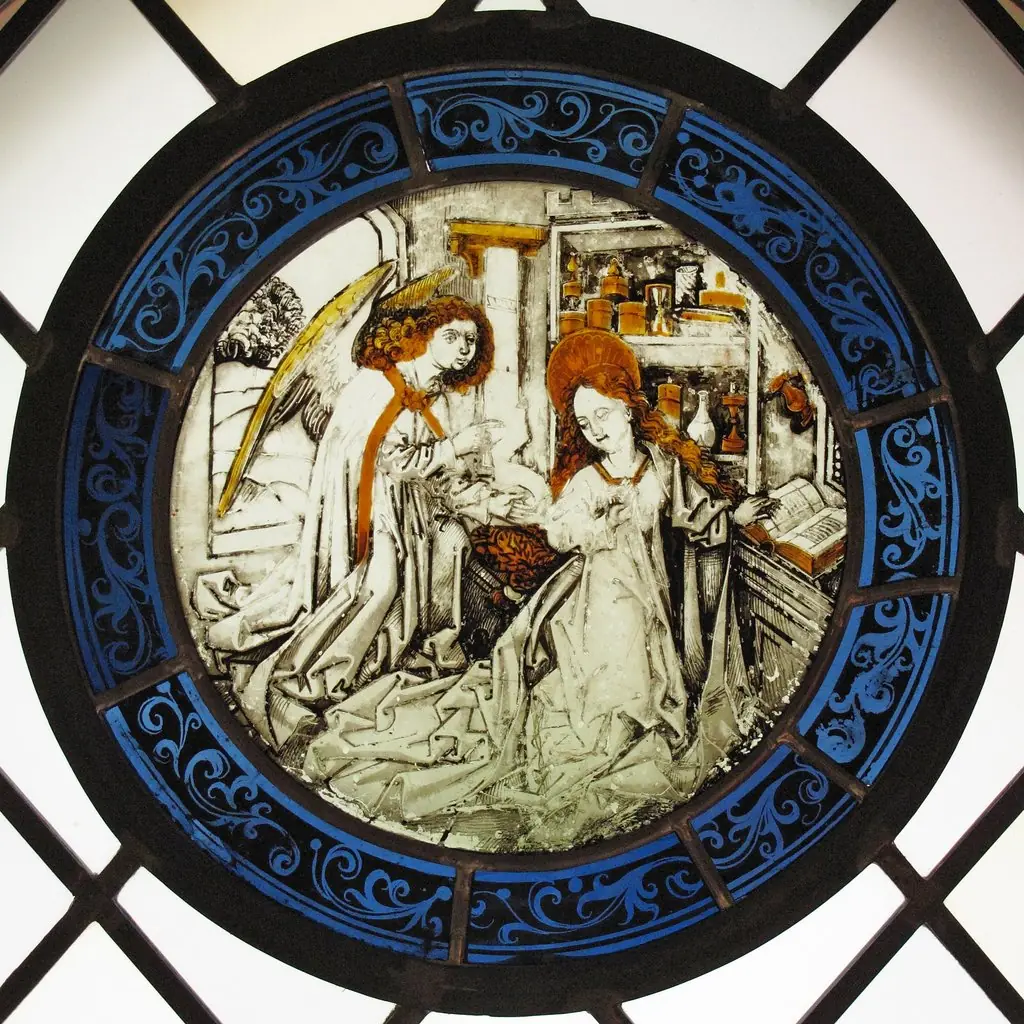 Roundel with the Annunciation
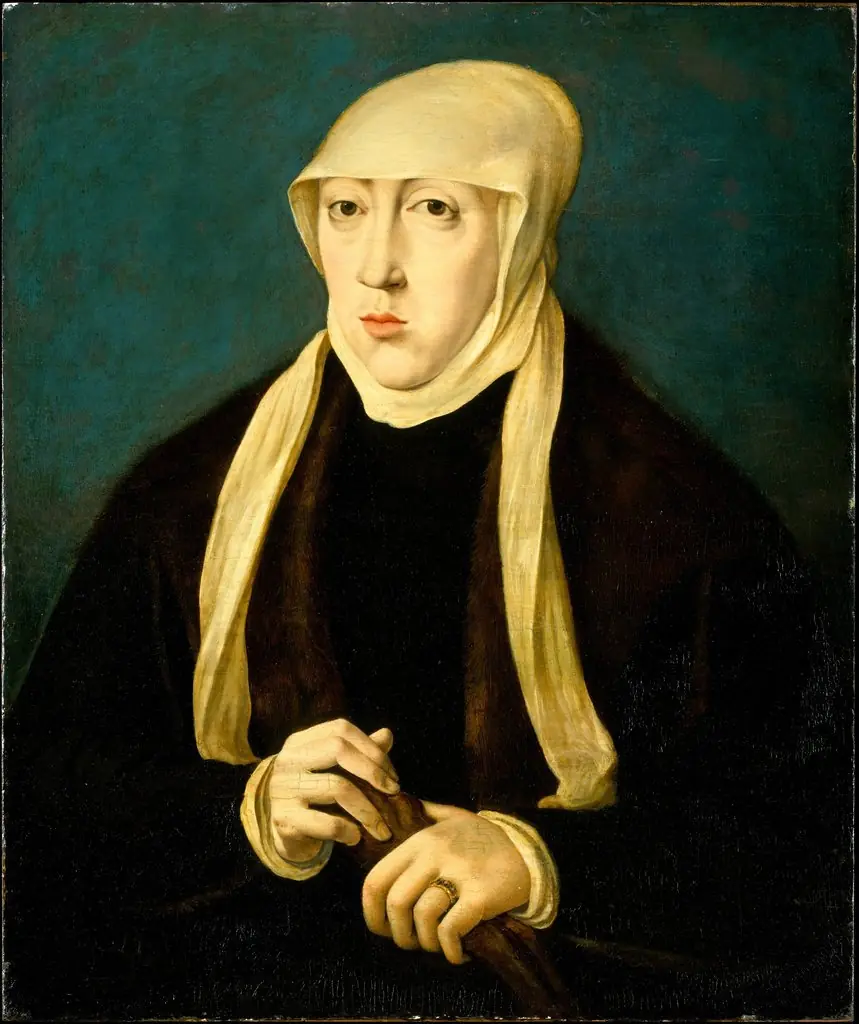 Mary (1505–1558), Queen of Hungary
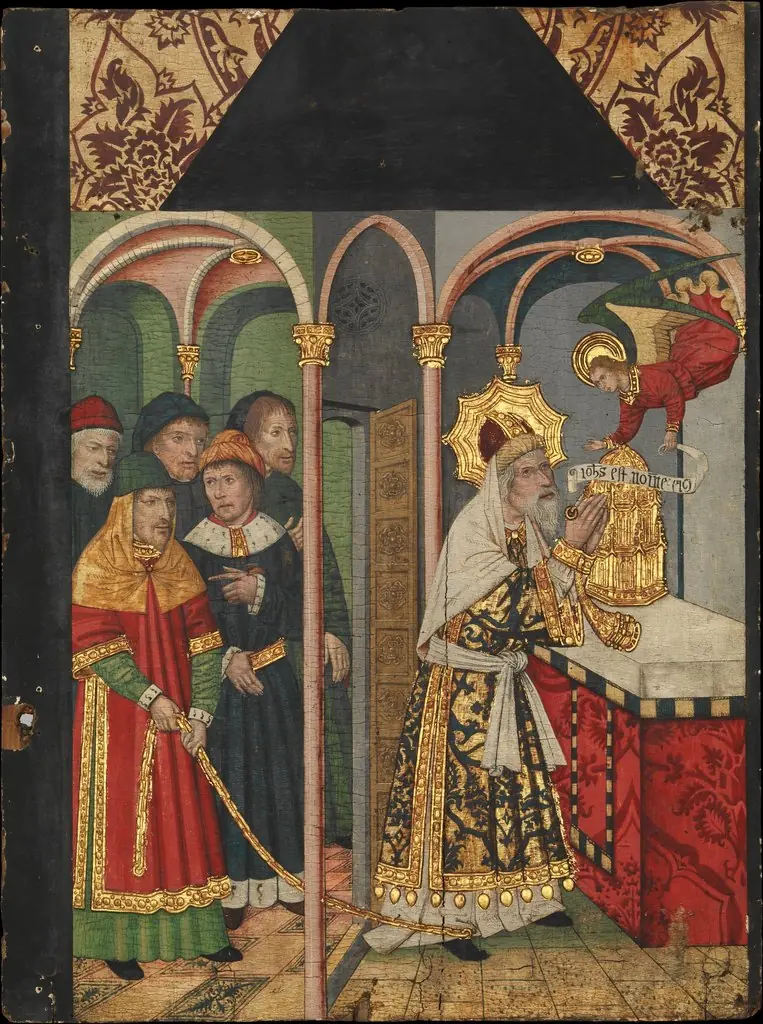 Panel with the Angel Appearing to Zacharias (from a Retable depicting Saint John the Baptist and scenes from his life)
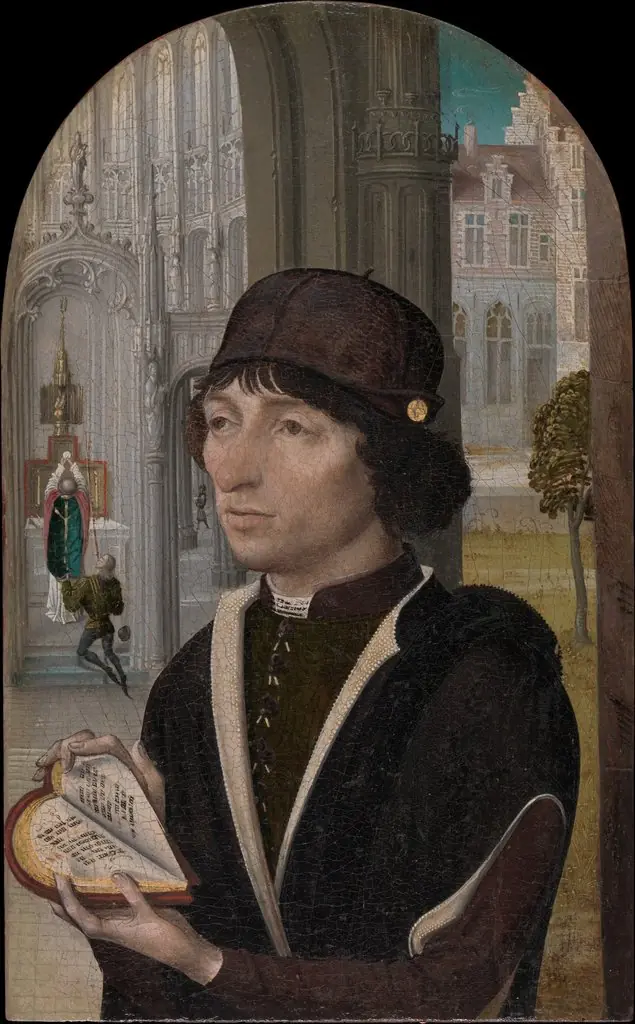 Young Man Holding a Book
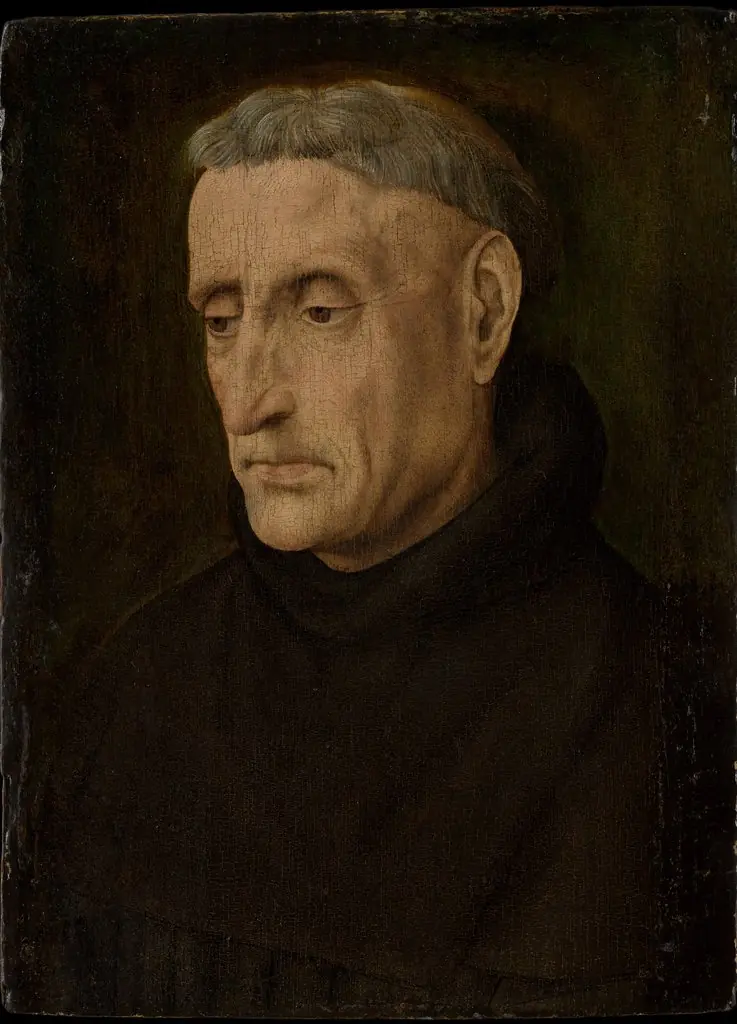 A Benedictine Monk
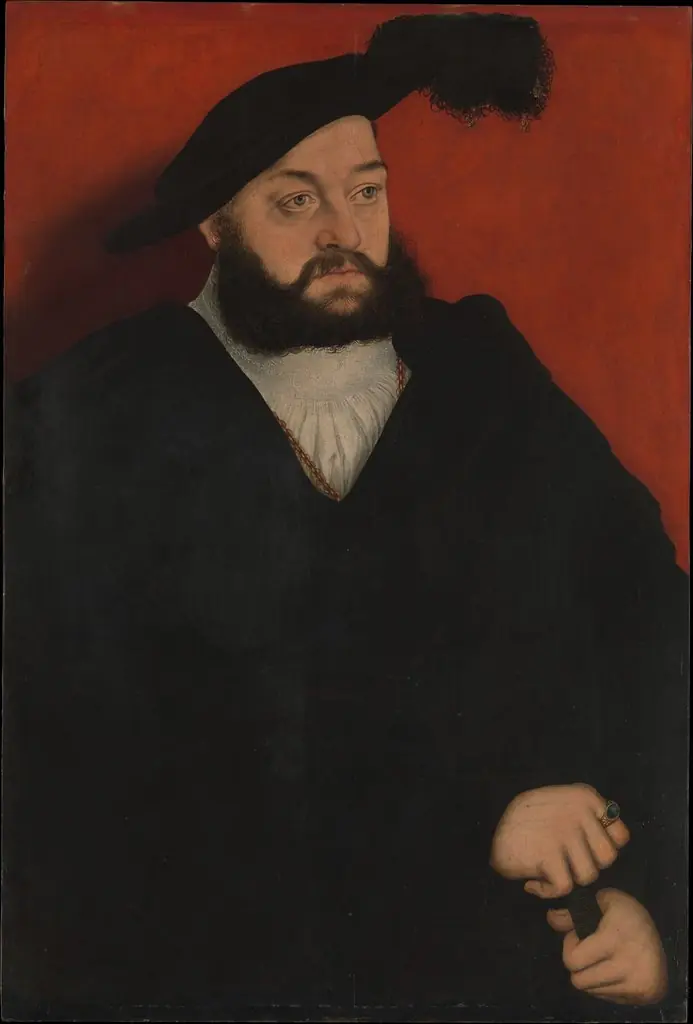 Johann (1498–1537), Duke of Saxony
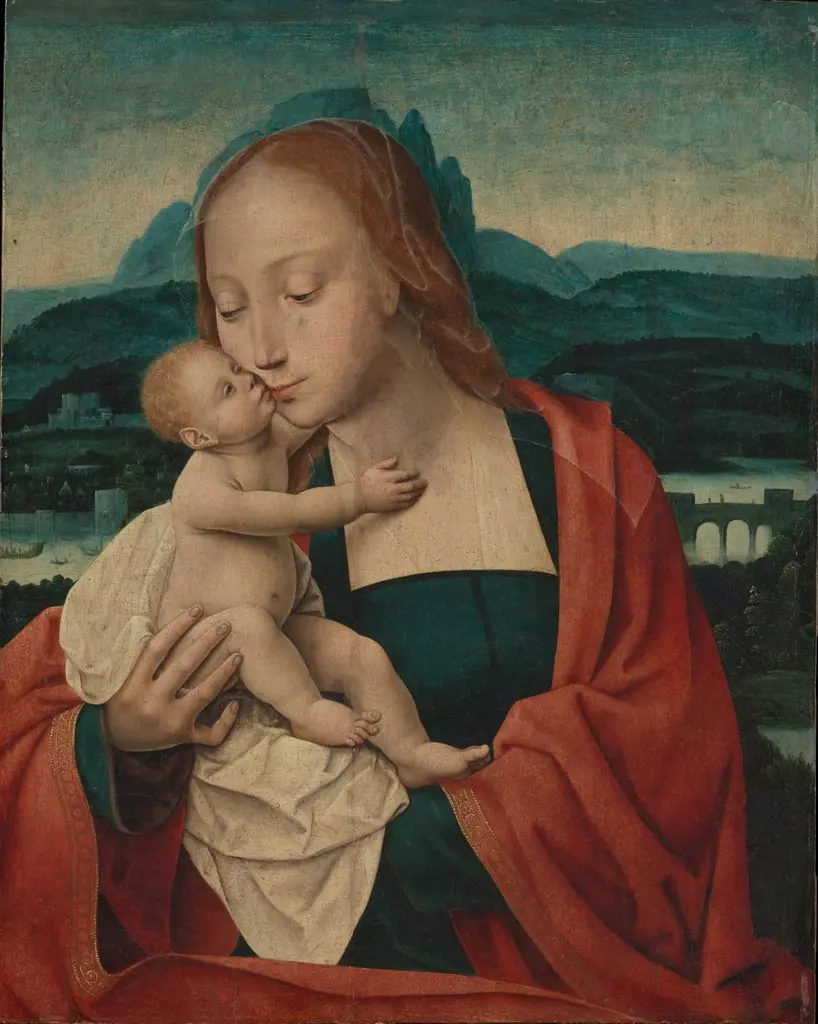 Virgin and Child
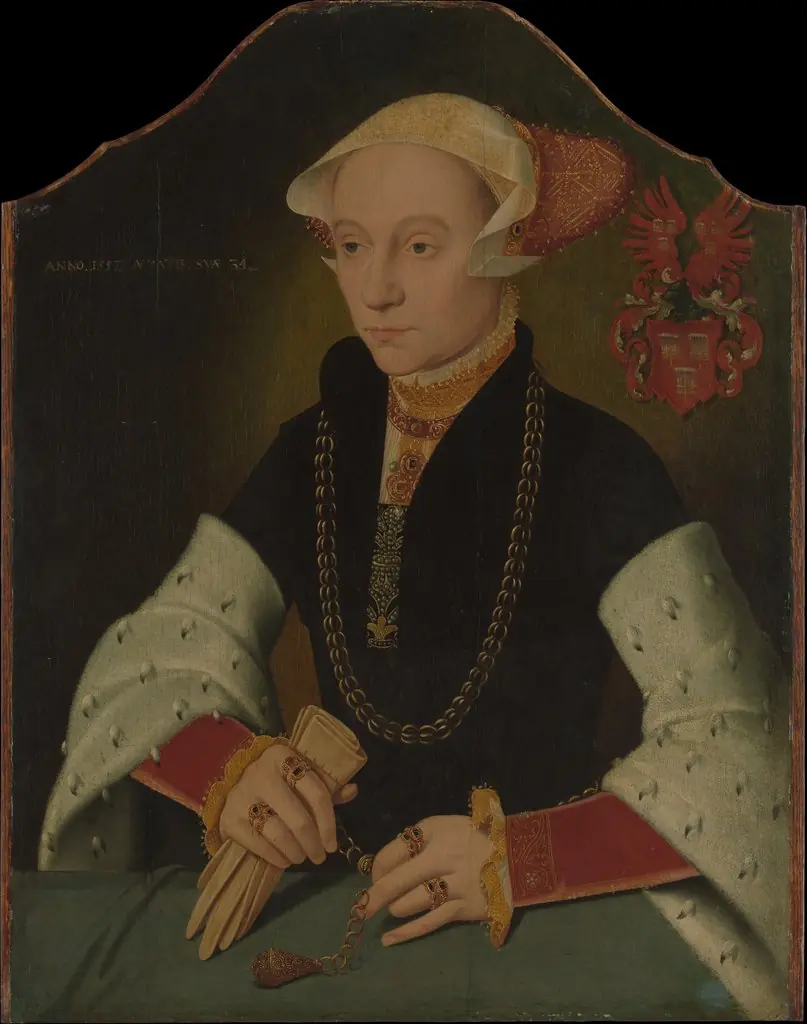 Portrait of a Woman of the Slosgin Family of Cologne
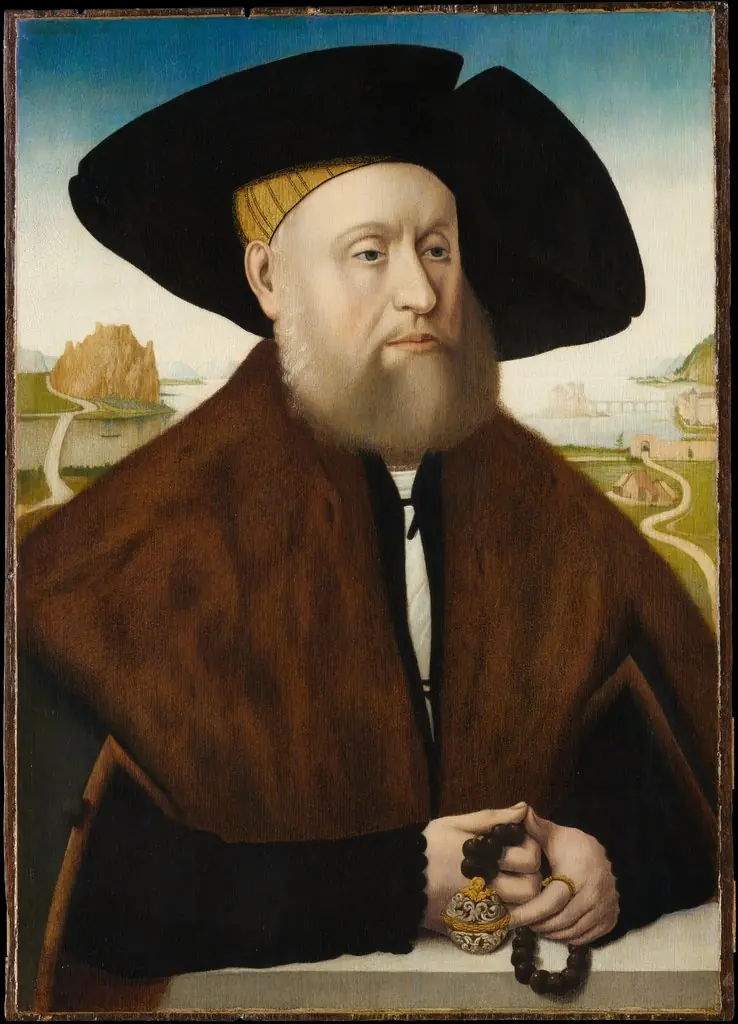 Heinrich(?) vom Rhein zum Mohren (1477–1536)
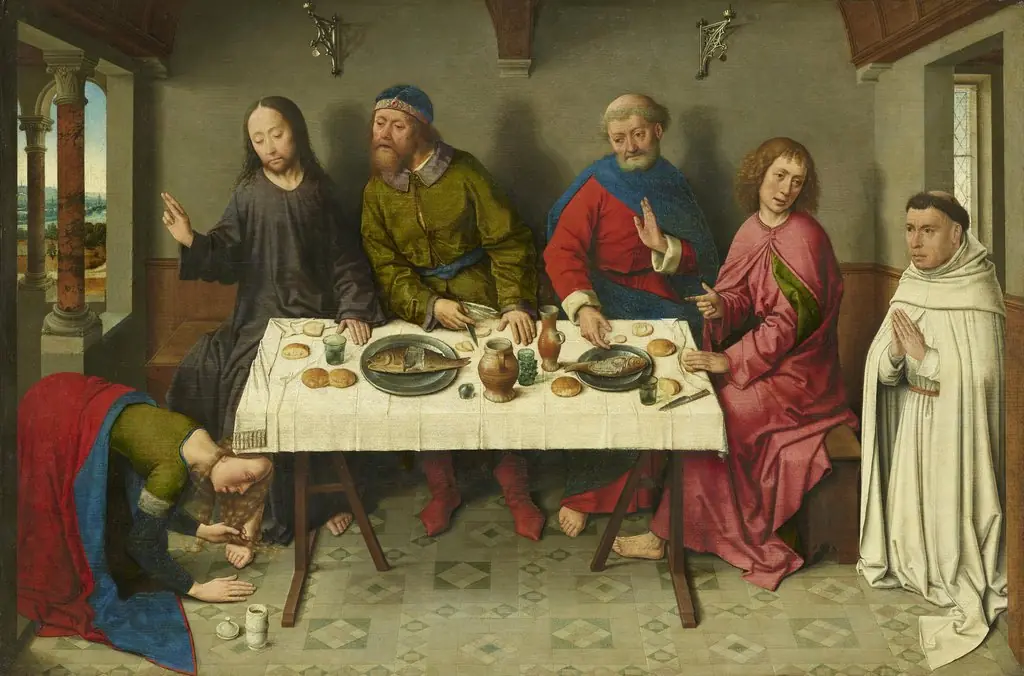 Christ in the house of the Pharisee Simon
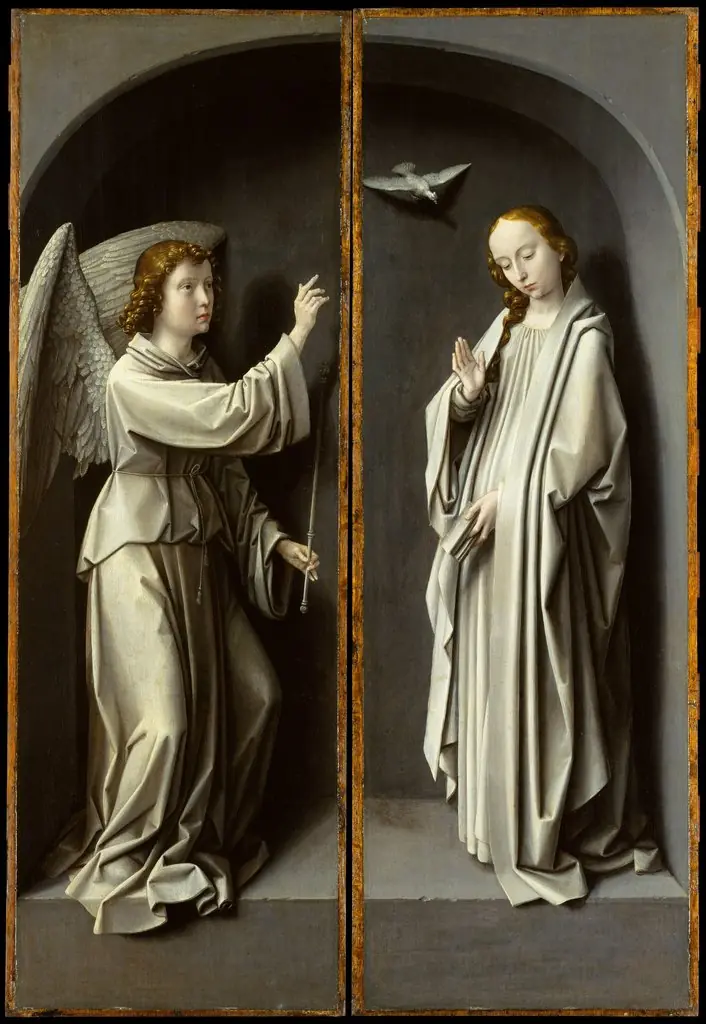 Archangel Gabriel; The Virgin Annunciate
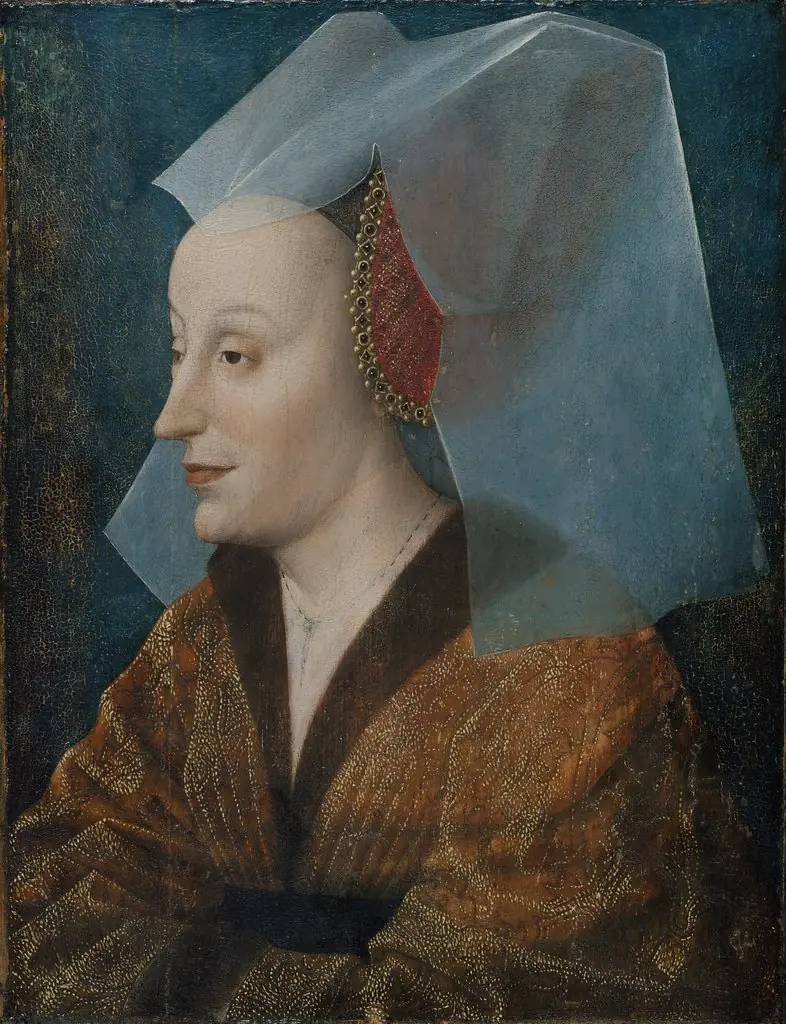 Portrait of a Noblewoman, Probably Isabella of Portugal (1397–1472)
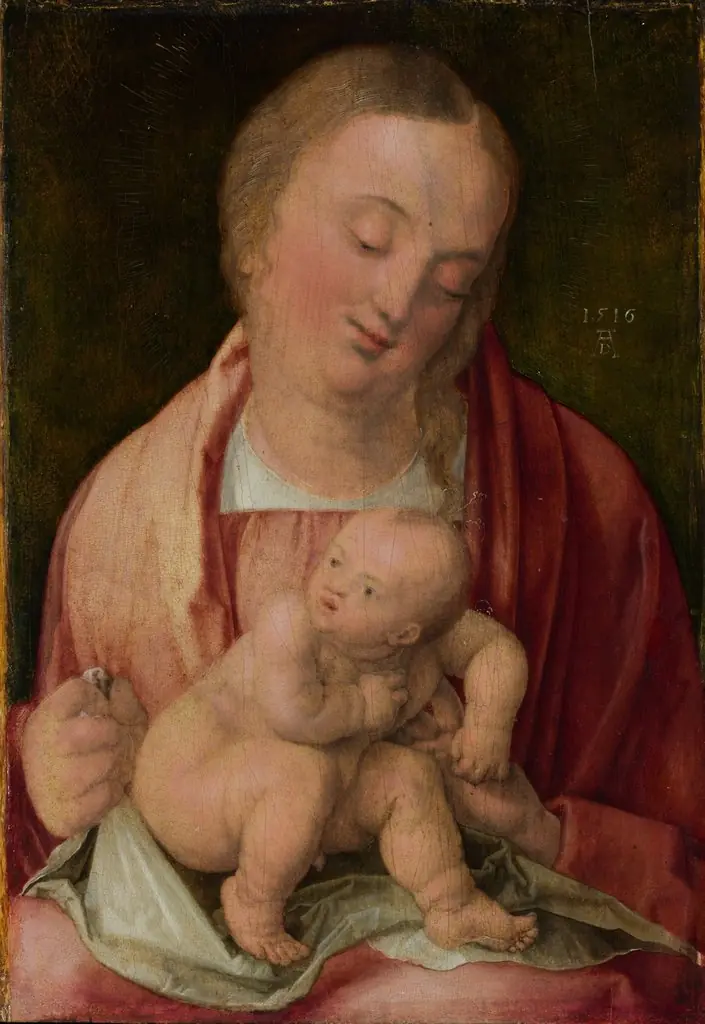 Virgin and Child
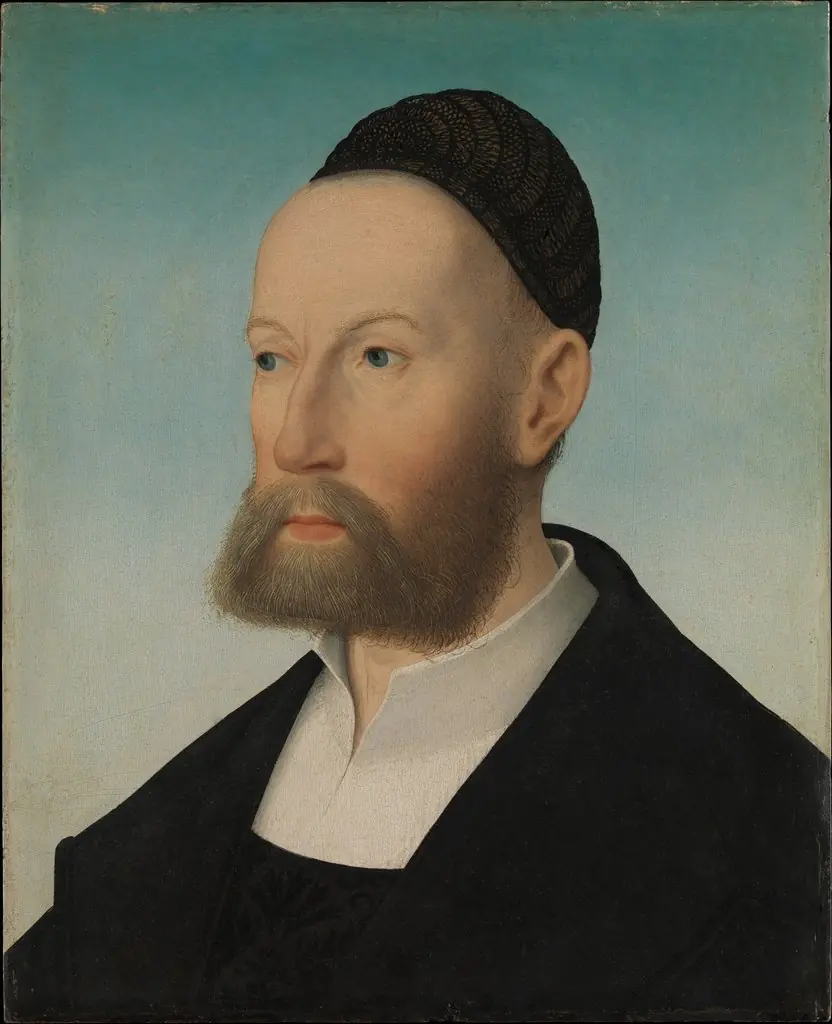 Ulrich Fugger (1490–1525)
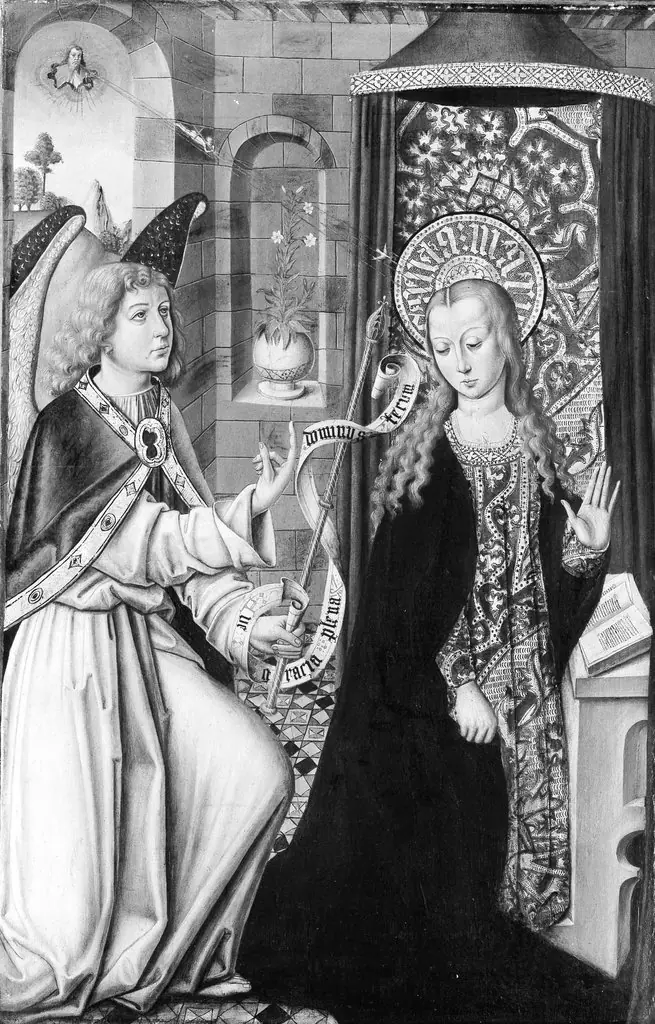 The Annunciation
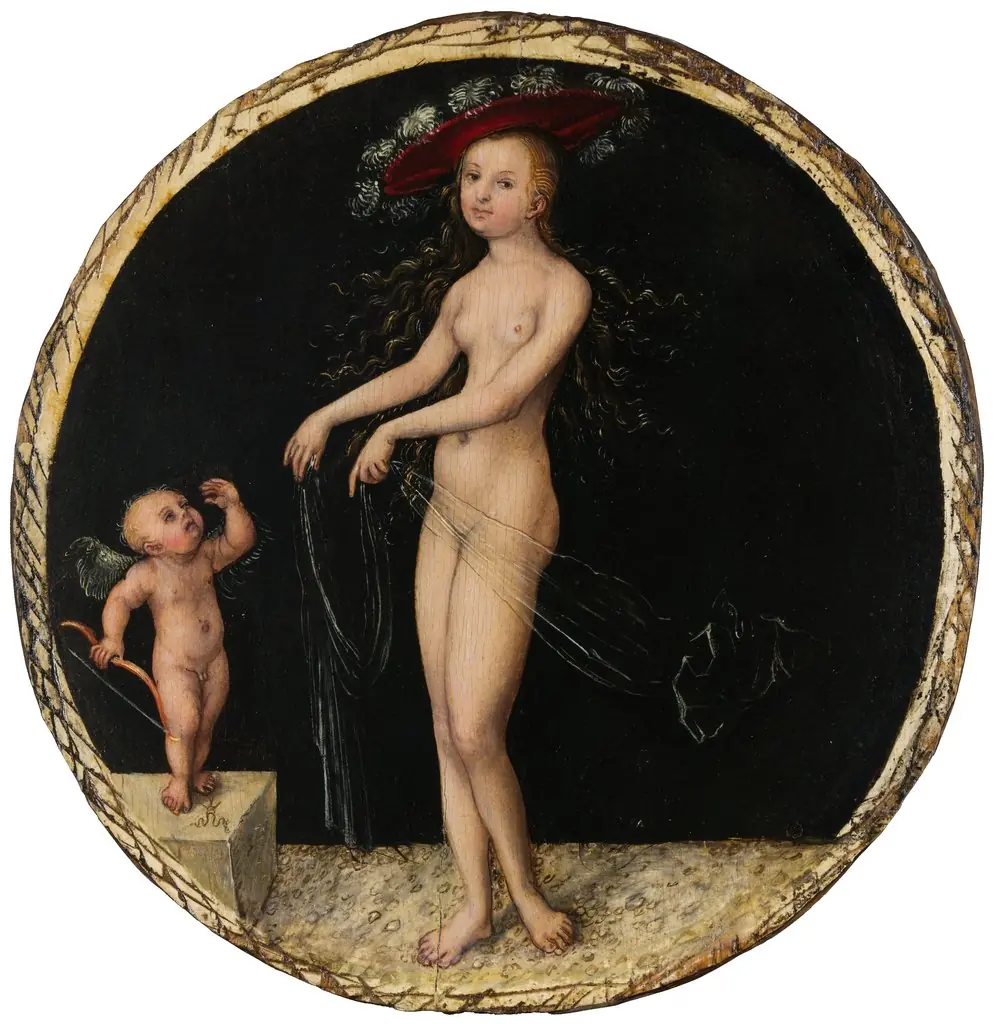 Venus and Cupid
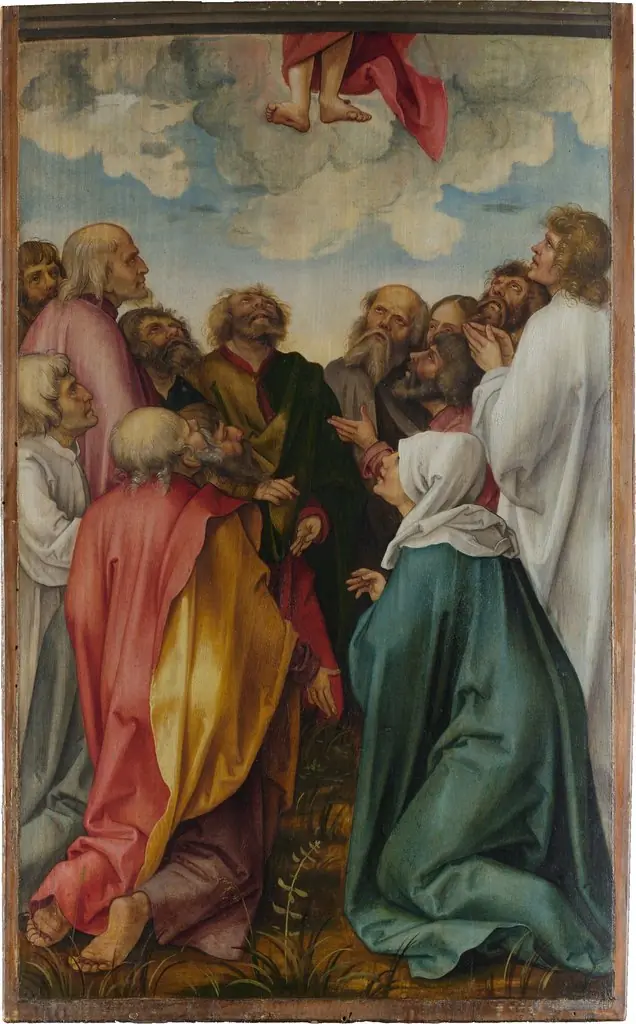 The Ascension of Christ
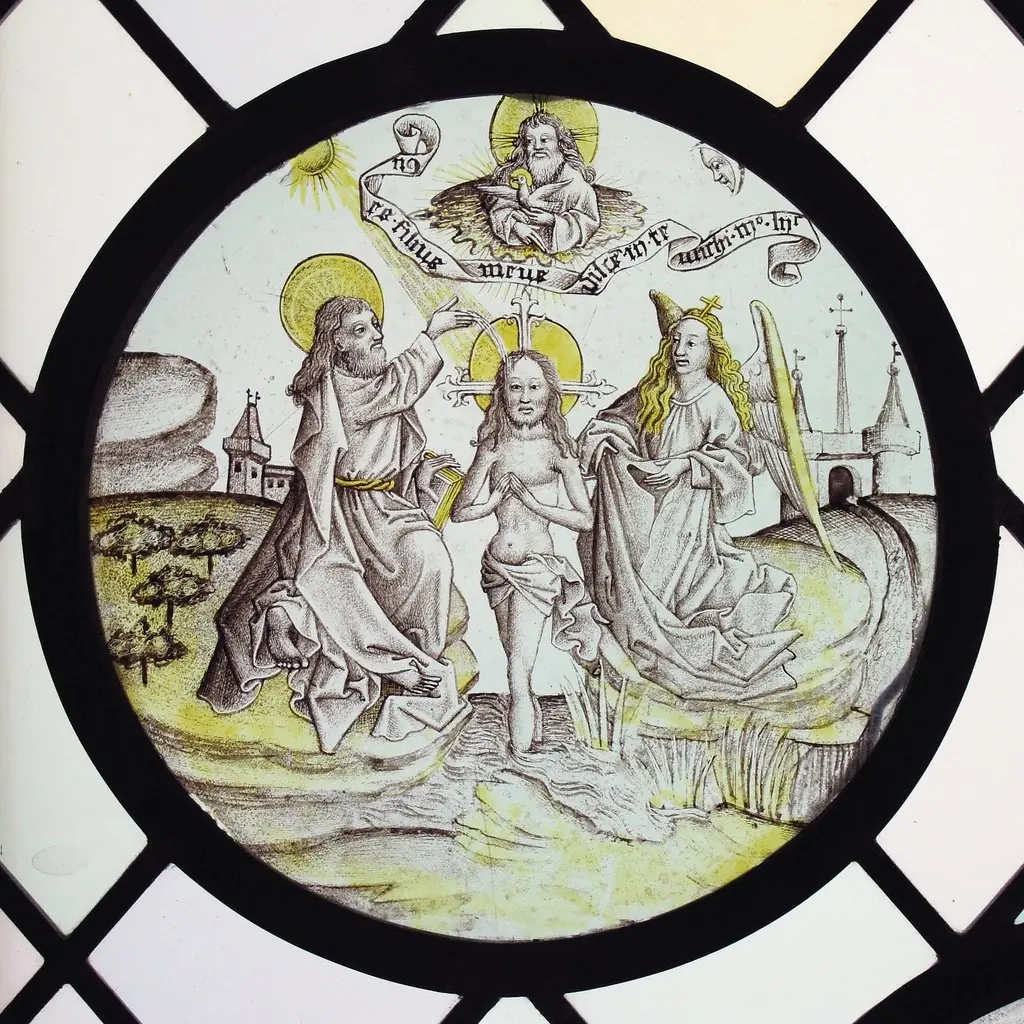 Roundel with the Baptism of Christ
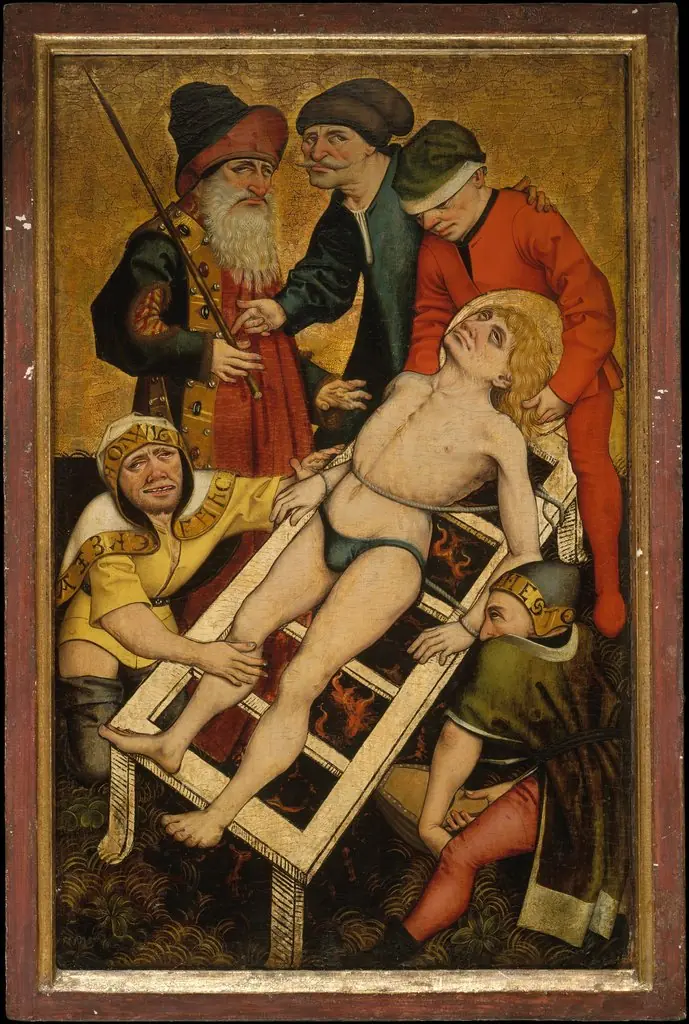 The Martyrdom of Saint Lawrence; (reverse) Giving Drink to the Thirsty
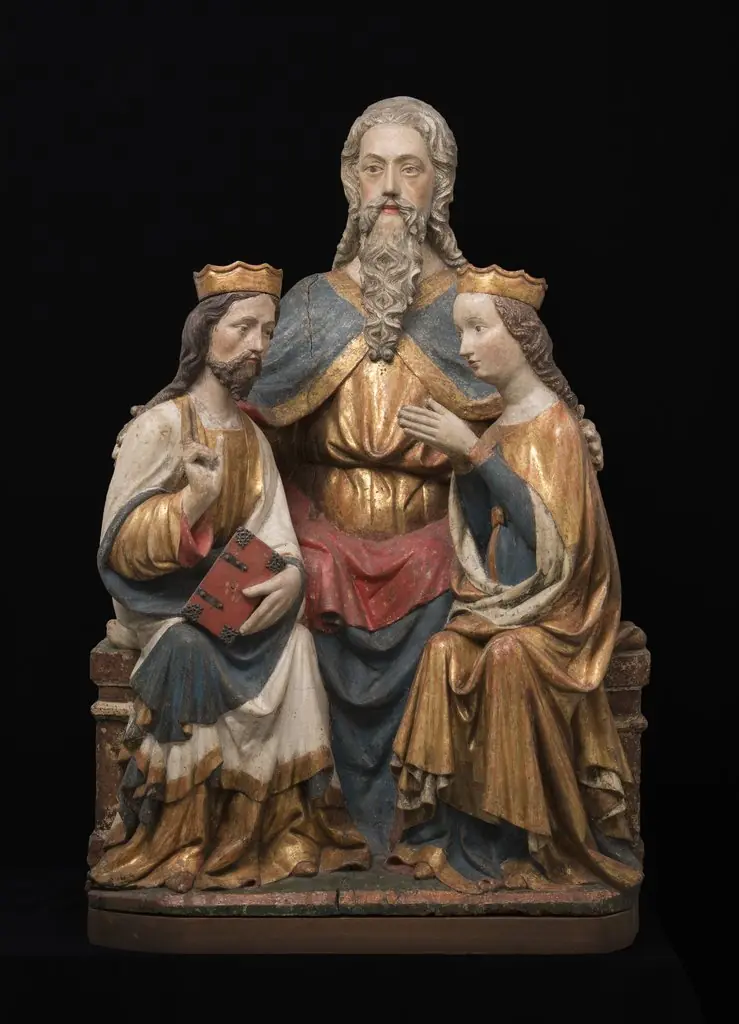 Coronation of the Virgin
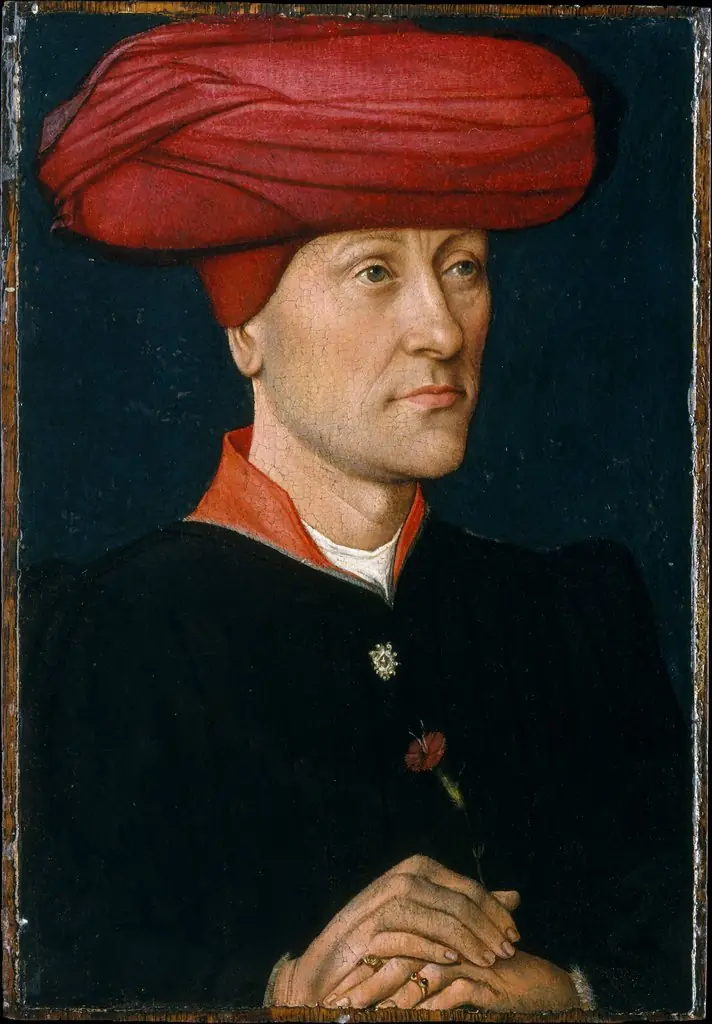 Portrait of a Man in a Turban
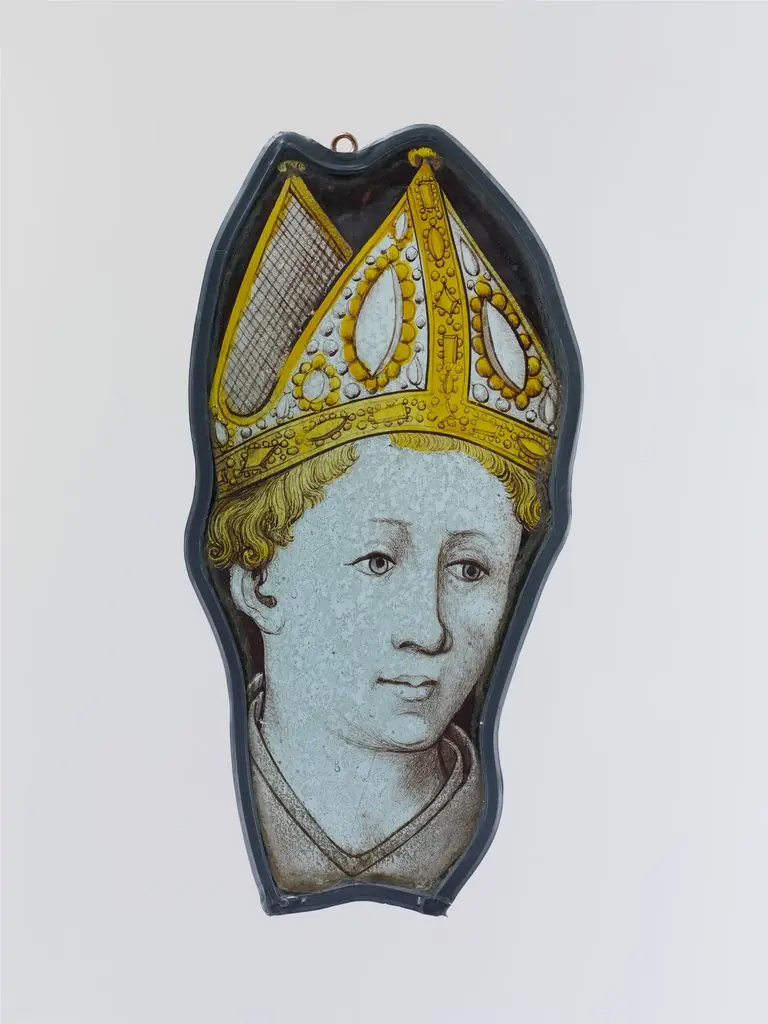 Panel with the Head of a Bishop
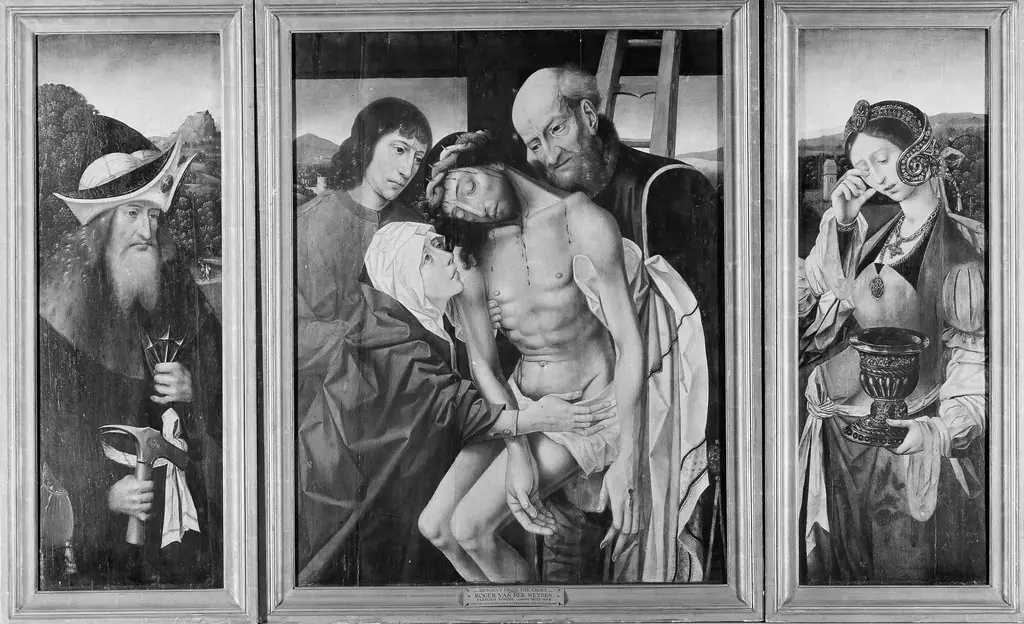 The Descent from the Cross
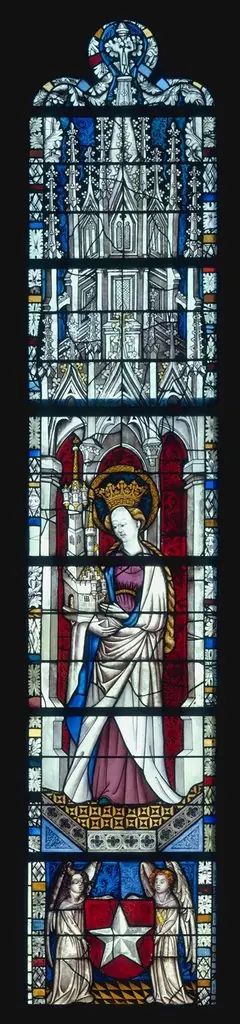 The Virgin Mary and Five Standing Saints above Predella Panels
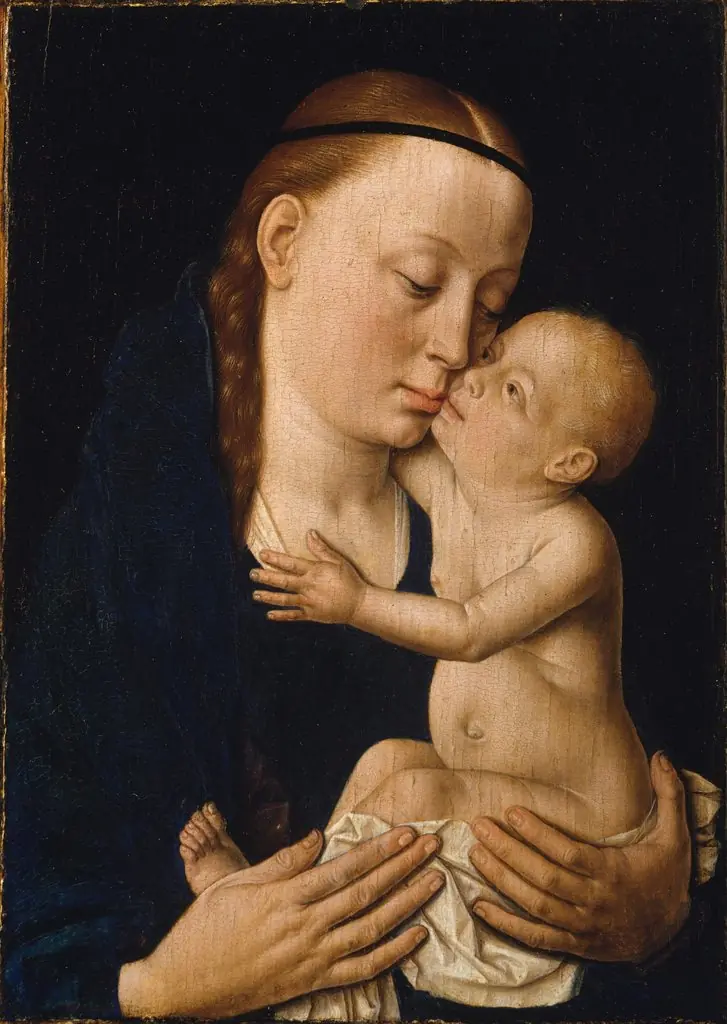 Virgin and Child
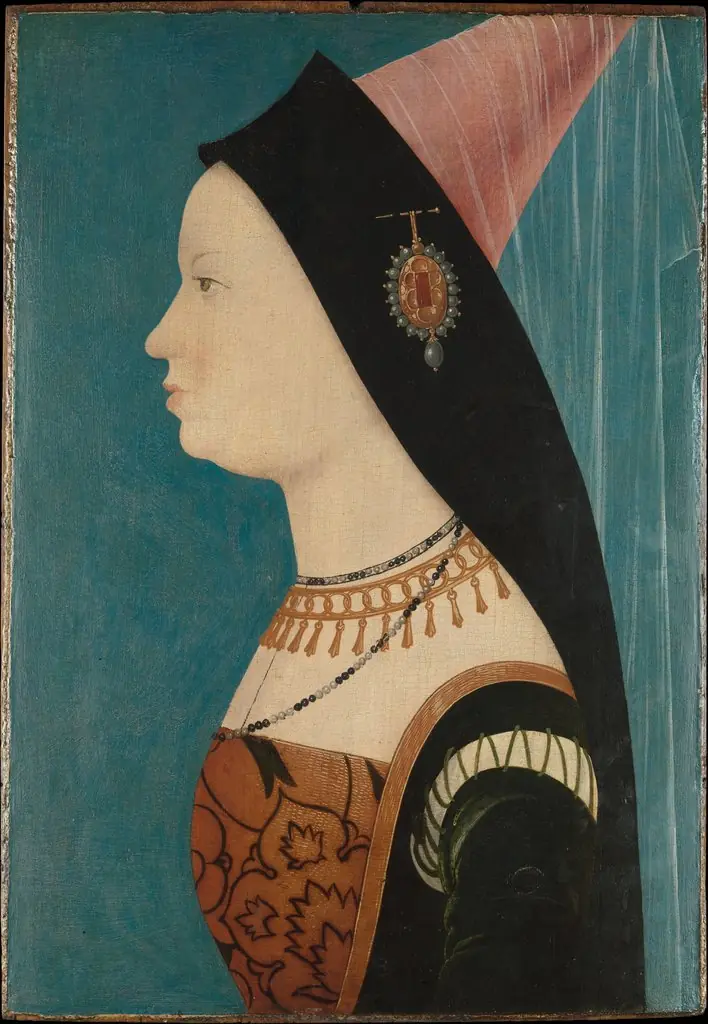 Mary of Burgundy
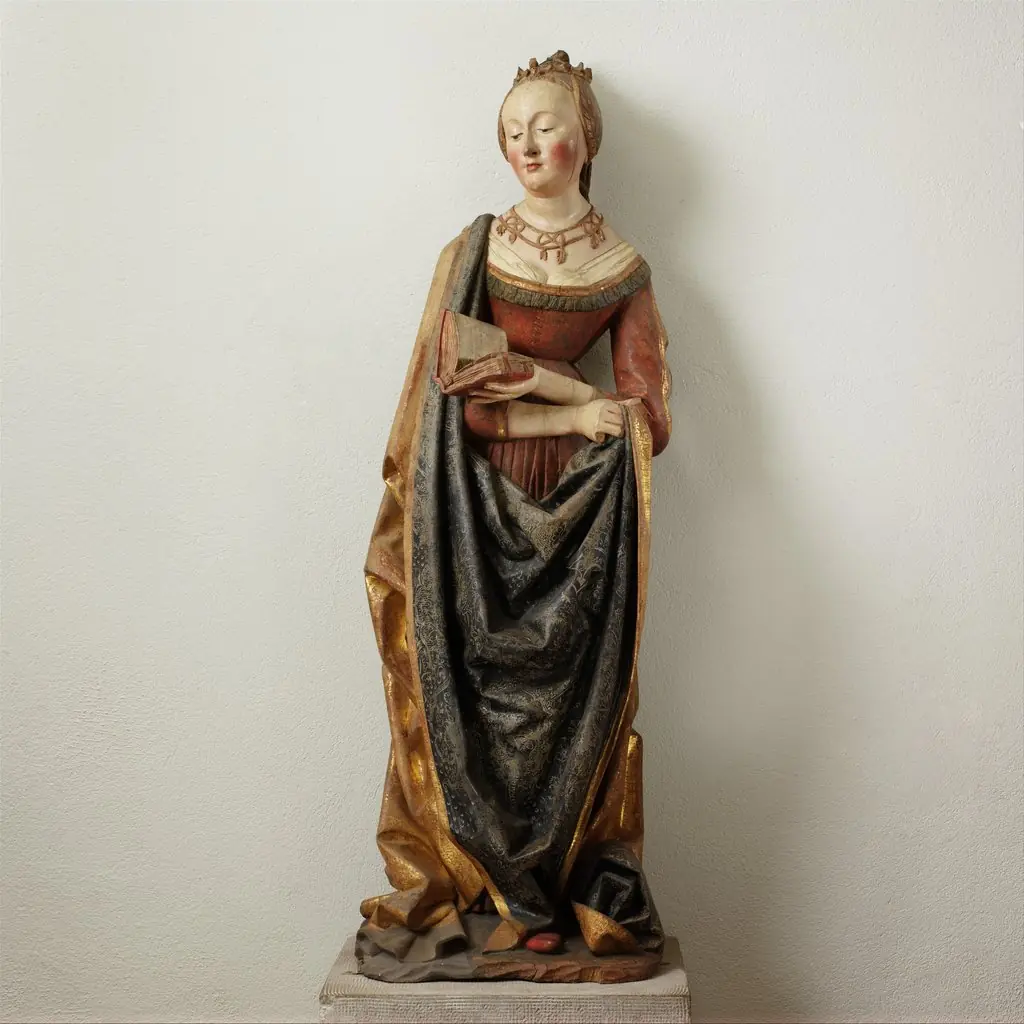 Saint Barbara
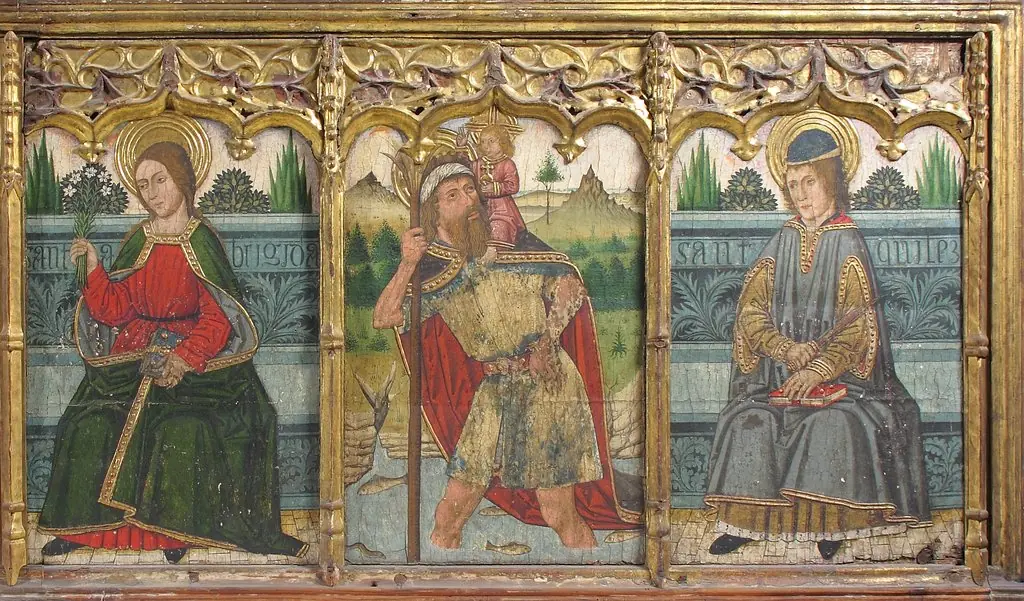 Predella pane with Saint Bridget, Saint Christopher, and Saint Kilian from Retable
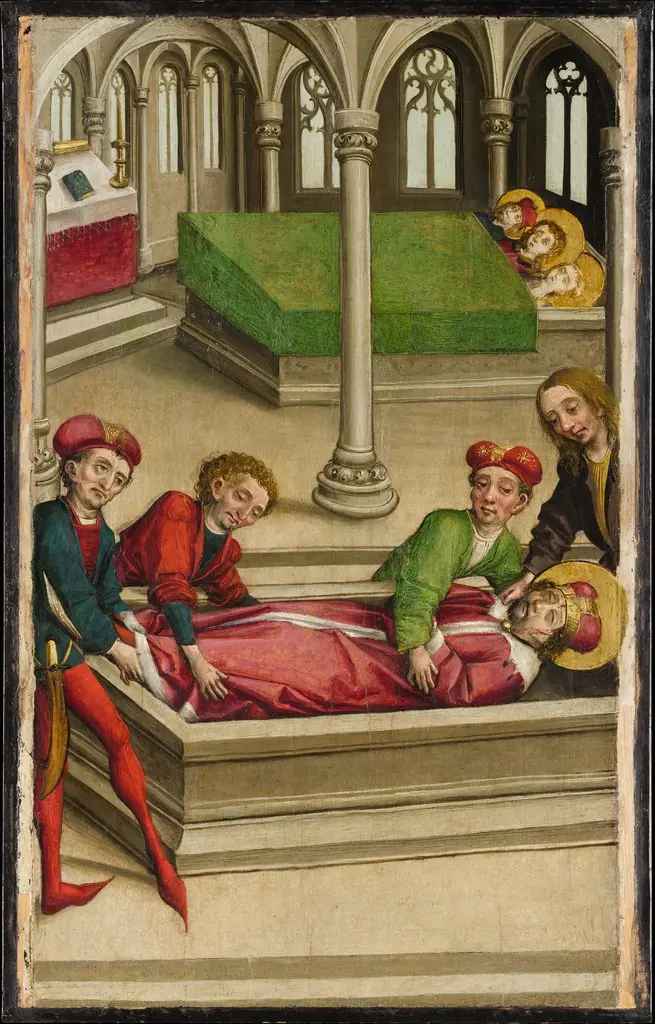 The Burial of Saint Wenceslas
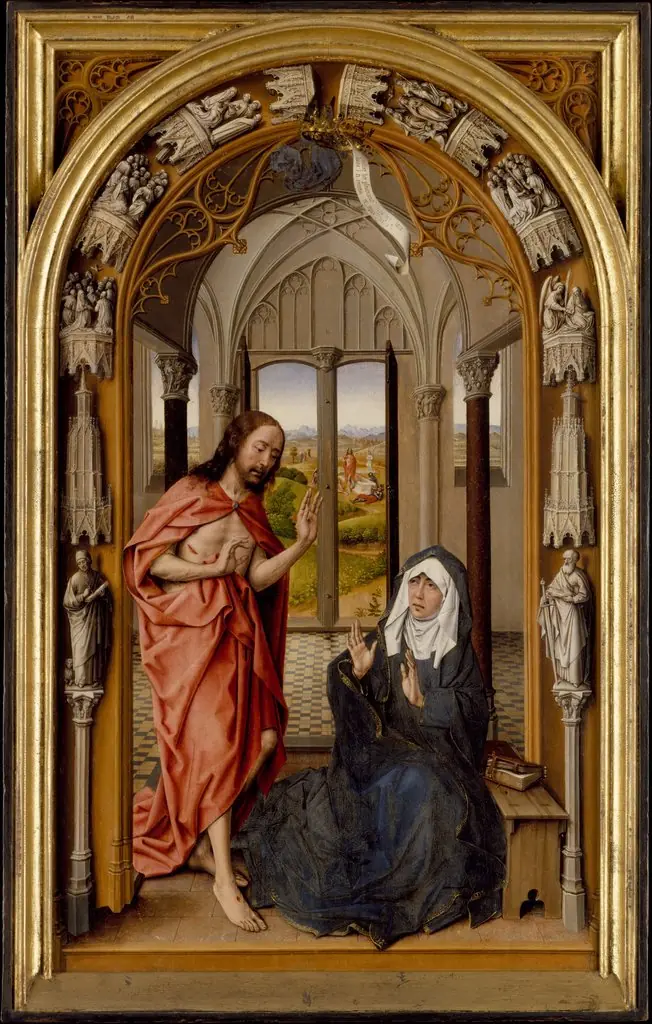 Christ Appearing to His Mother
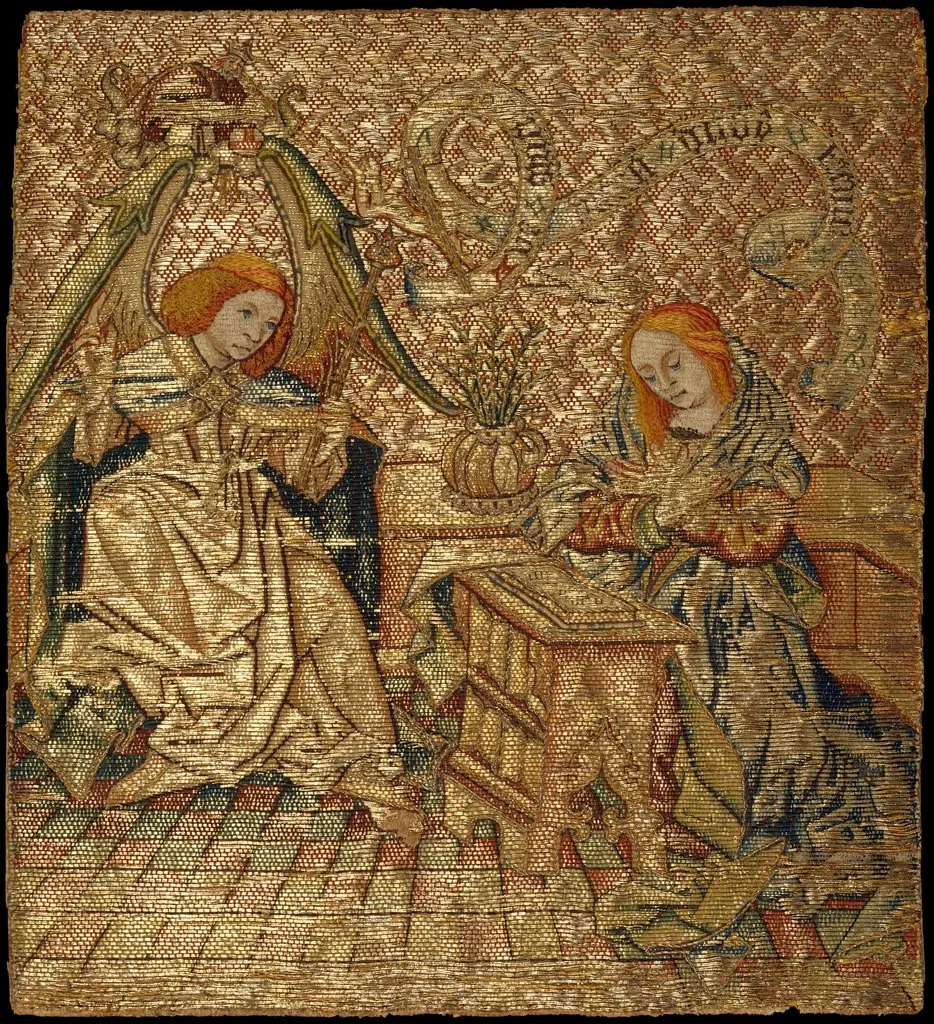 Embroidery with the Annunciation
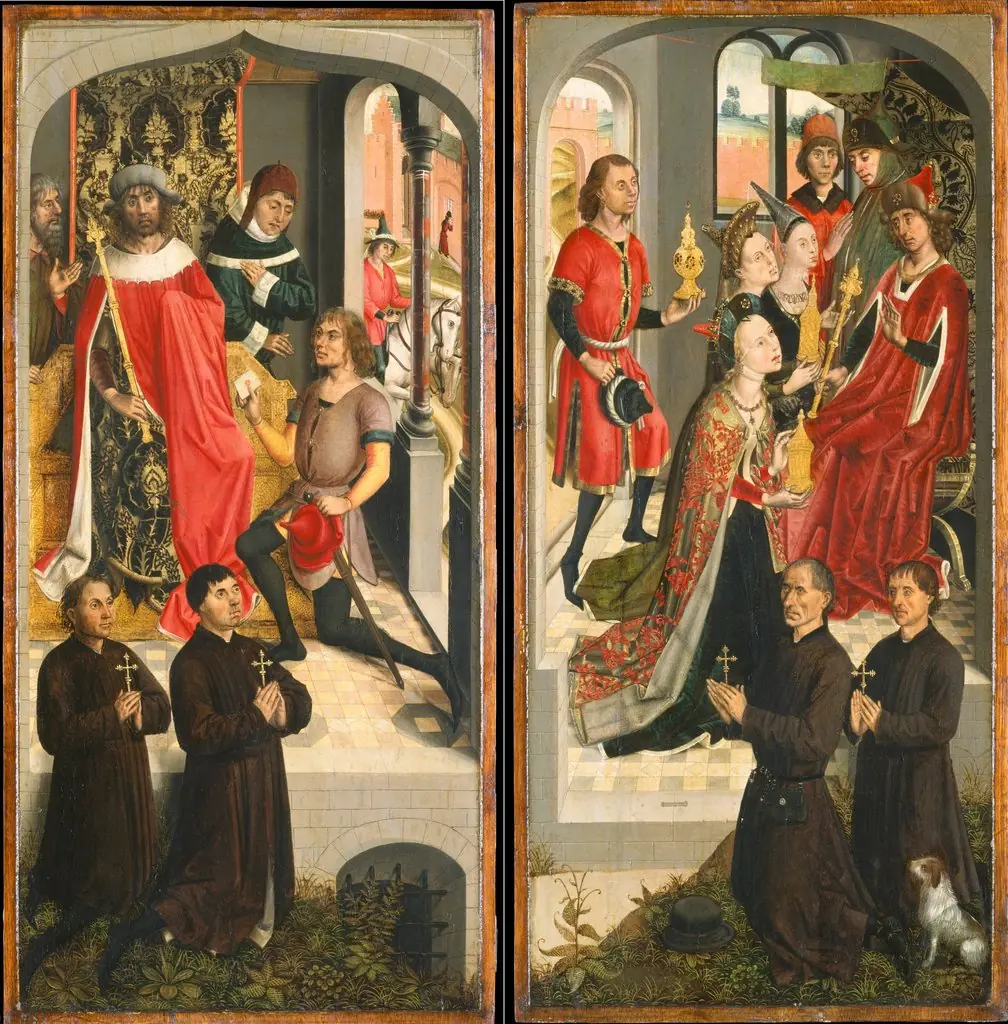 Abner's Messenger before David (?); The Queen of Sheba Bringing Gifts to Solomon; (The Annunciation, on the reverse)
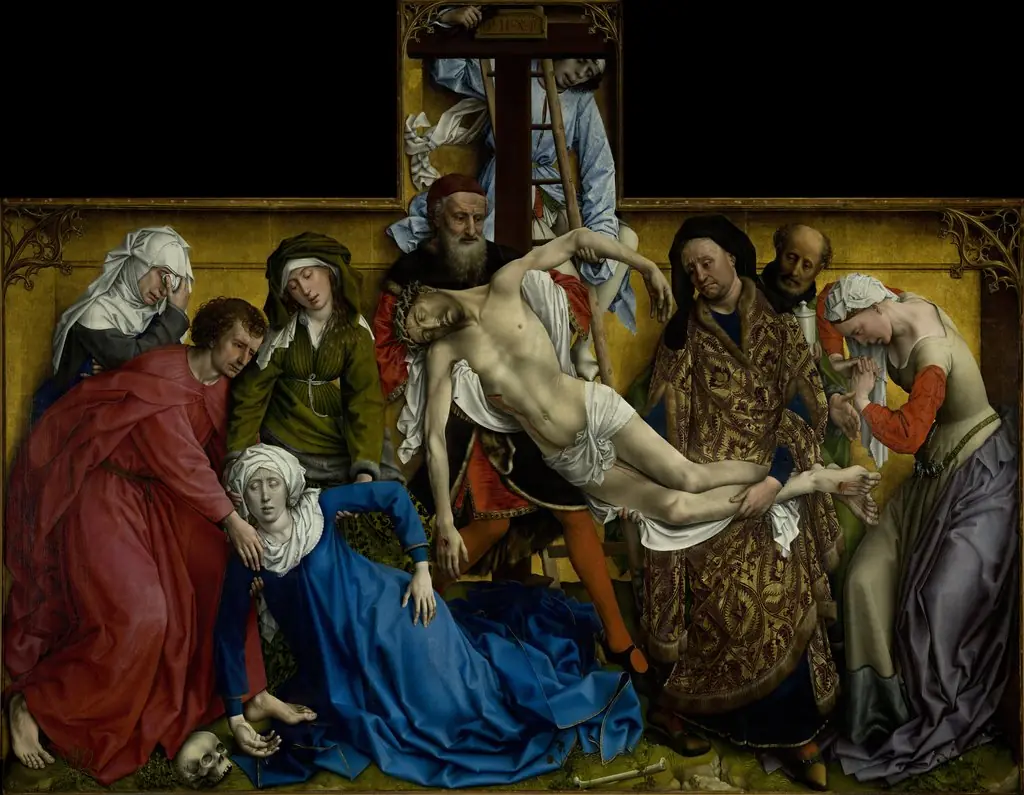 The Descent from the Cross
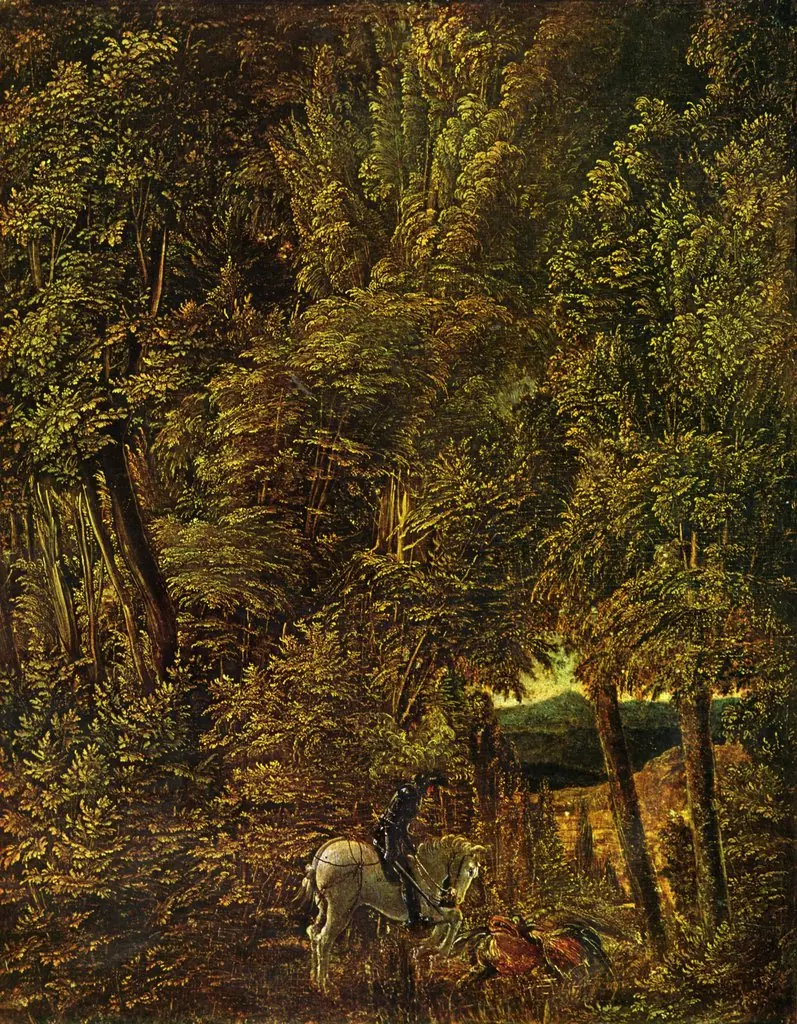 Countryside of Wood With Saint George Fighting the Dragon
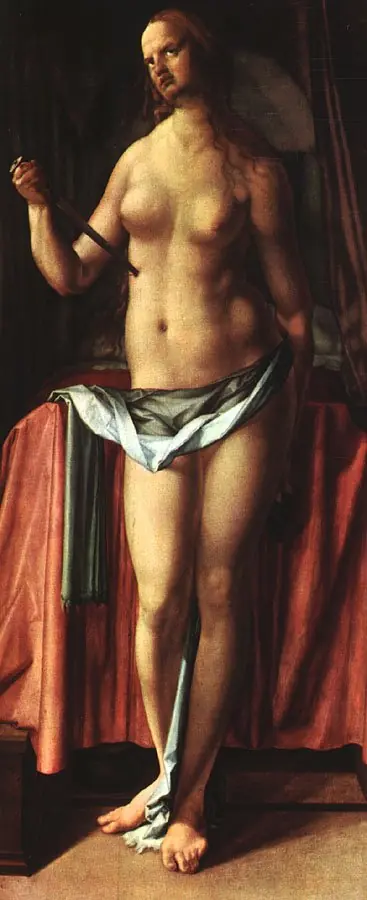 The Suicide of Lucretia
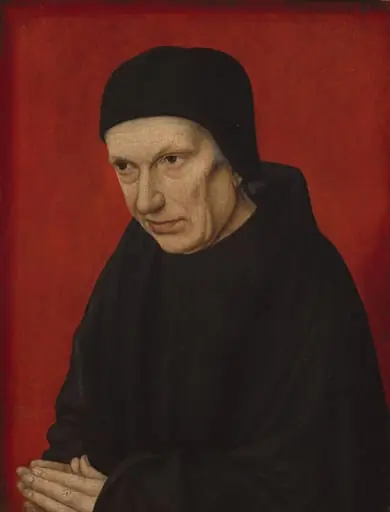 Portrait of an Ecclesiastic
![Saint Jerome Penitent [right panel], by Jan Gossaert, 1510](https://artifactworldgallery.com/img/jan-gossaert--saint-jerome-penitent-right-panel--0d4ac14f44de87b1-w320.webp) Saint Jerome Penitent [right panel]
Saint Jerome Penitent [right panel]
Groups & collectives
Learn this movement
Frequently asked questions
What is Northern Renaissance?
Northern Renaissance is an art movement. The Renaissance as it developed in the Netherlands, Germany, and France from the early 15th century — driven by its own distinct logic rather than simply absorbing Italian ideas.
How many Northern Renaissance works does Artifact World Gallery have?
Artifact World Gallery holds 3,744 public-domain Northern Renaissance works, all free to view and download.
Who are the key Northern Renaissance artists?
Key Northern Renaissance artists in the collection include Joos van Cleve, Petrus Christus and Hans Memling.
Where can I see Northern Renaissance works?
Northern Renaissance works in the collection are held by Metropolitan Museum of Art, National Gallery of Art and Kunsthistorisches Museum.