Artwork
The Outer Harbor of Brest
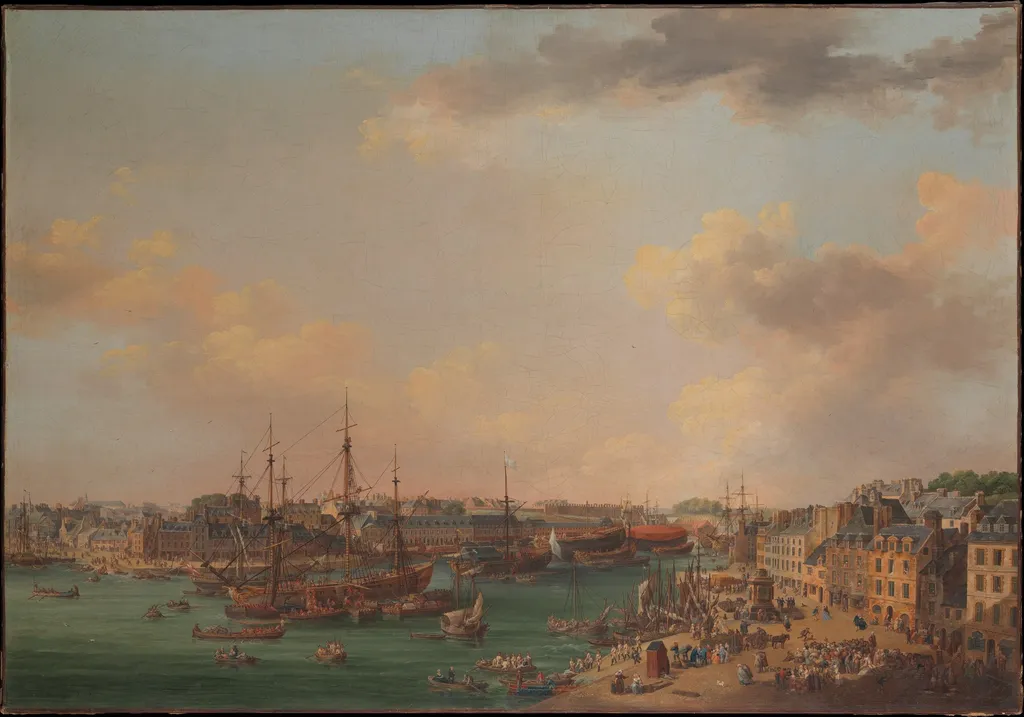
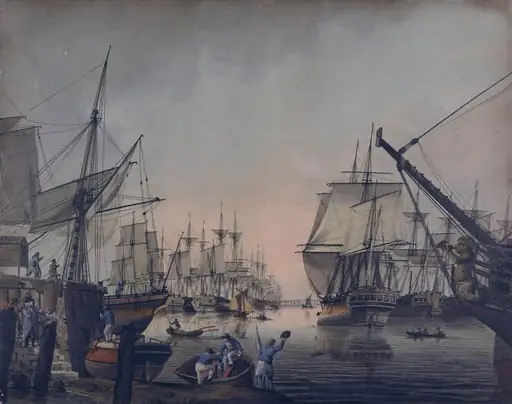
The Outer Harbor of Brest is an oil painting by the Rococo painting artist Henri-Joseph Van Blarenberghe. It dates from 1773 and is held in the collection of the Metropolitan Museum of Art.
About this work
Subject & Meaning
The composition emphasizes the presence of vessels and the fortified city, symbolizing France’s maritime strength and the recent reconstruction of the port.
The Outer Harbor of Brest portrays the bustling harbor of Brest, a major French naval base, featuring ships and the cityscape that signal active maritime commerce. The composition emphasizes the presence of vessels and the fortified city, symbolizing France’s maritime strength and the recent reconstruction of the port. Commissioned by the French secretary of the navy, the painting was intended to demonstrate the successful rebuilding of Brest to the king, serving as visual propaganda for state prestige and naval power.
Executed in oil on canvas in 1773, the work forms part of a series of six government‑ordered studies that celebrated the revitalization of French naval infrastructure.
Technique & Style
The Outer Harbor of Brest is executed in oil paint on canvas, a standard support for 18th-century European easel painting. The canvas measures 74.3 cm in height by 107 cm in width, yielding a horizontal format suited to the panoramic depiction of the port. Van Blarenberghe's handling is consistent with the topographical marine tradition practiced by the Blarenberghe family of Flemish painters, who were repeatedly engaged to record French naval installations.
The composition addresses the harbor through a combination of architectural, urban, and maritime motifs, depicting ships, boats, the city, and the harbor itself. Produced in 1773 as one of six canvases commissioned by the French secretary of state for the navy, the work belongs to a documentary cycle intended to demonstrate the rebuilt French naval station at Brest to the king, a purpose that shaped its descriptive, reportorial style rather than a freely expressive one. No condition notes are recorded in the available sources.
History & Provenance
Commissioned in the 1760s, this work originated from a directive by the French secretary of state for the navy to Henri-Joseph Van Blarenberghe and his son, Nicolas. The project aimed to document the recently rebuilt naval station at Brest for the French king, reviving an earlier government initiative from the 1750s that had not covered this specific port. Executed in 1773, the painting is one of six studies produced by the artists for this state-sponsored series.
While the initial commission targeted various French ports, this specific depiction of naval activity was created a decade later to fulfill the updated mandate. The work currently resides in the collection of the Metropolitan Museum of Art.
The painting is held by the Metropolitan Museum of Art, as recorded in its collection data. Its oil-on-canvas support measures 74.3 cm in height by 107 cm in width. The work was produced in 1773 as part of a commission from the French secretary of state for the navy, undertaken by Henri-Joseph Van Blarenberghe and his son Nicolas to depict the recently rebuilt port of Brest.
The Outer Harbor of Brest is one of six studies produced under this commission, intended to show the French king the successful reconstruction of the naval station. No further exhibition history beyond its current placement in the Metropolitan Museum of Art is documented in the available sources.
Context
The Outer Harbor of Brest occupies a specific place within 18th-century French naval documentation, created by Henri-Joseph Van Blarenberghe, a prominent member of the influential Blarenberghe family of Flemish painters. Executed in 1773, the work is one of six studies produced by the artist and his son, Nicolas, under a direct commission from the French secretary of state for the navy. This project was initiated to visually demonstrate the successful reconstruction of the Brest naval station to the French king, following an earlier, incomplete government commission in the 1750s.
The painting serves as a historical record of the port's revitalization, depicting active naval scenes within the rebuilt infrastructure. Its creation reflects the intersection of artistic production and state propaganda during the period, as the government utilized the Van Blarenberghe workshop to celebrate military and maritime achievements.
Overview
Henri Joseph van Blarenberghe, an 18th-century Flemish painter from the notable Blarenberghe family, created The Outer Harbor of Brest using oil on canvas. This painting captures a vibrant scene within the French port of Brest, showcasing the extensive naval operations and daily life characteristic of such a significant maritime hub during the period. It offers a detailed glimpse into a bustling European harbor.
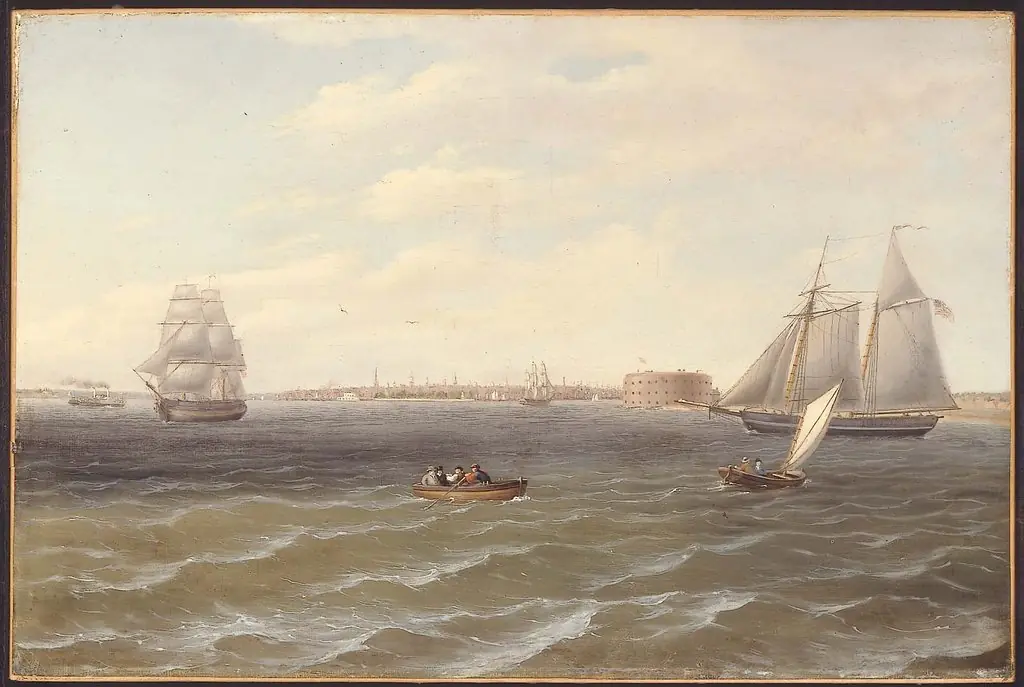
Own this work as a print
Artist & collection
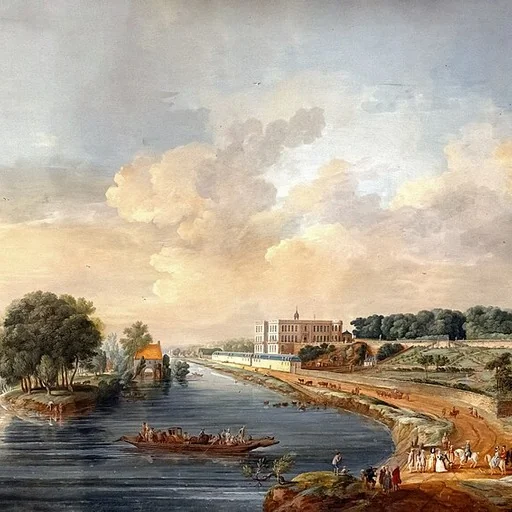
Artist
Henri-Joseph Van Blarenberghe (1741–1826) was an artist, born in Lille.

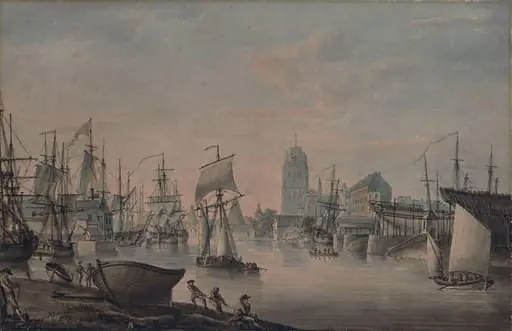 View of Bristol
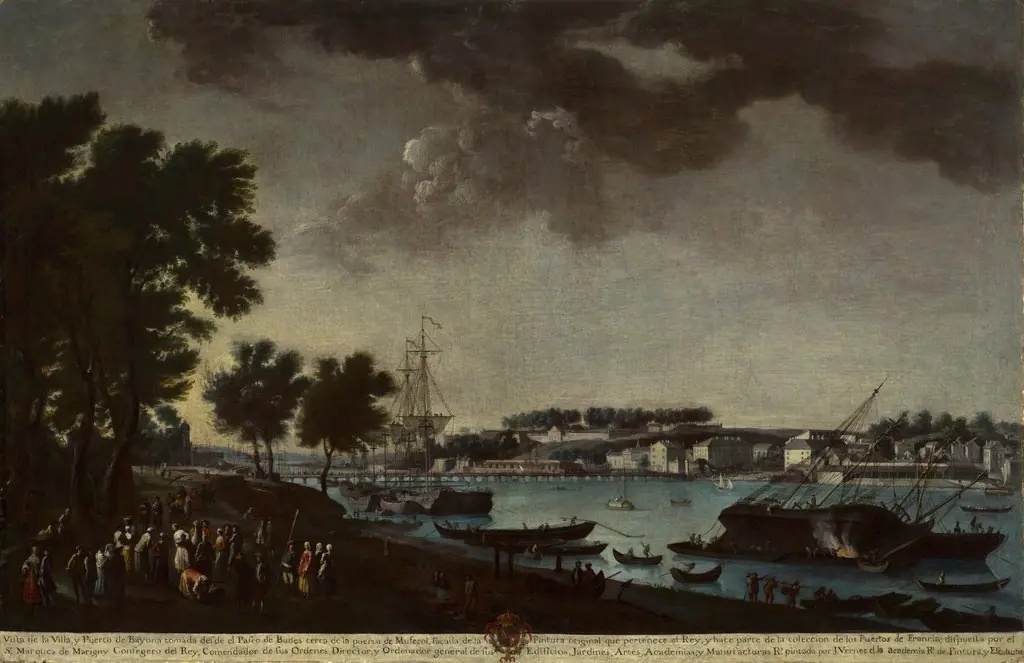 View of the Town and Port of Bayonne from the Pathways of Boufflers (La villa y puerto de Bayona tomada desde el paseo de Boufflers)
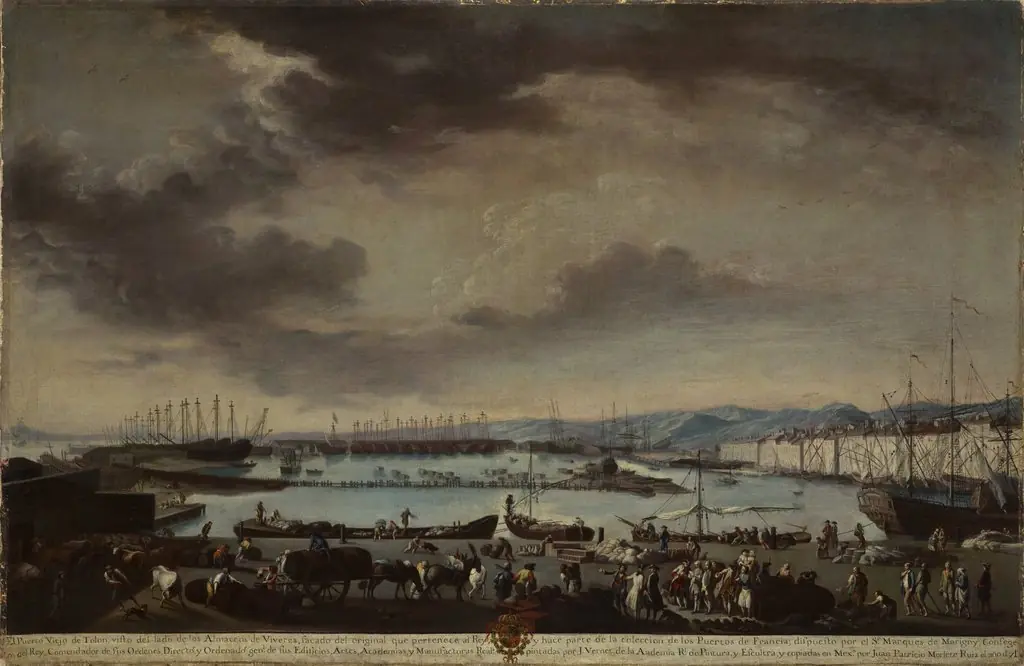 View of the Old Port of Toulon (El puerto viejo de Tolón)
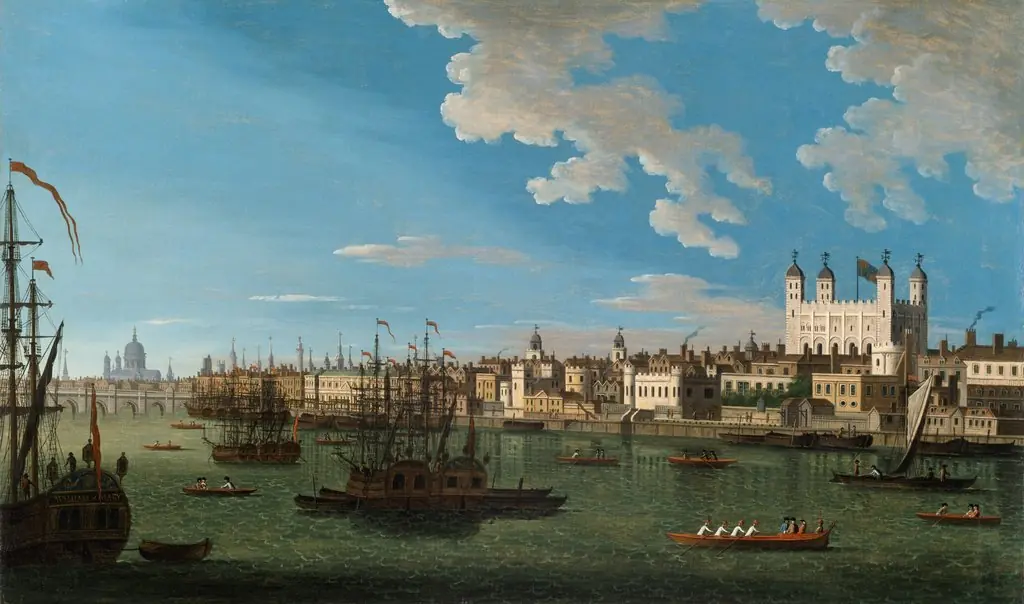 The Thames at the Tower of London with London Bridge and St. Paul's in the Distance
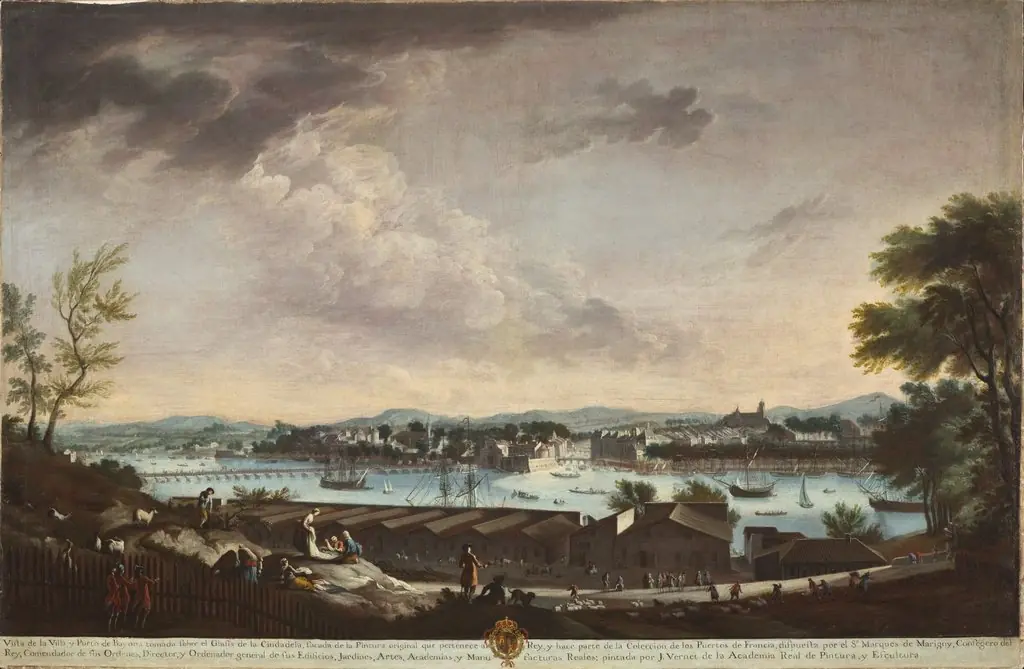 View of the Town and Port of Bayonne (La villa y puerto de Bayona)
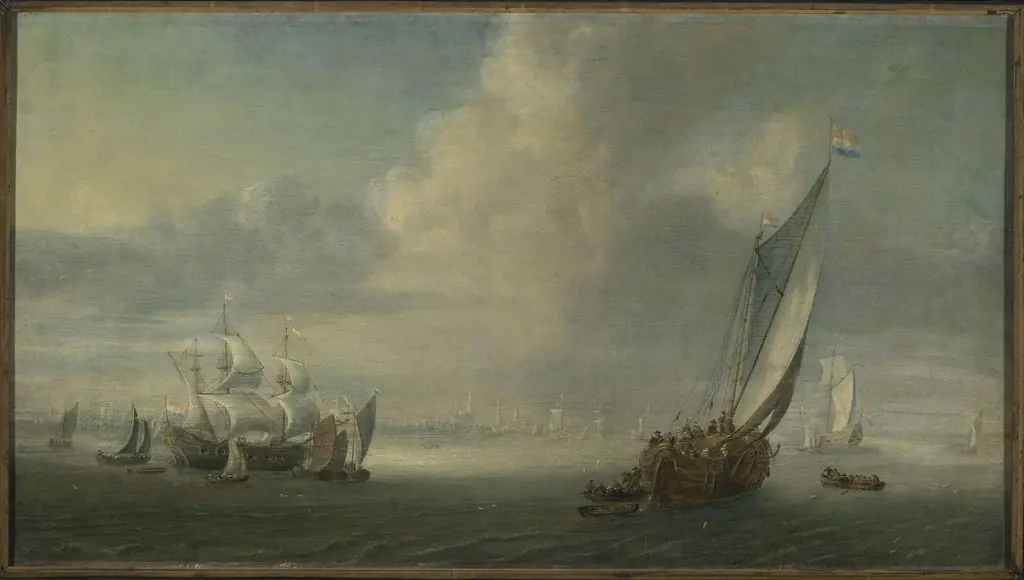 Marine view with a port in the background
 A view of the Pool, below London Bridge.
 View of the Strada Nuova against the Giardini Pubblici in Venice