Artwork
H Beard Print Collection
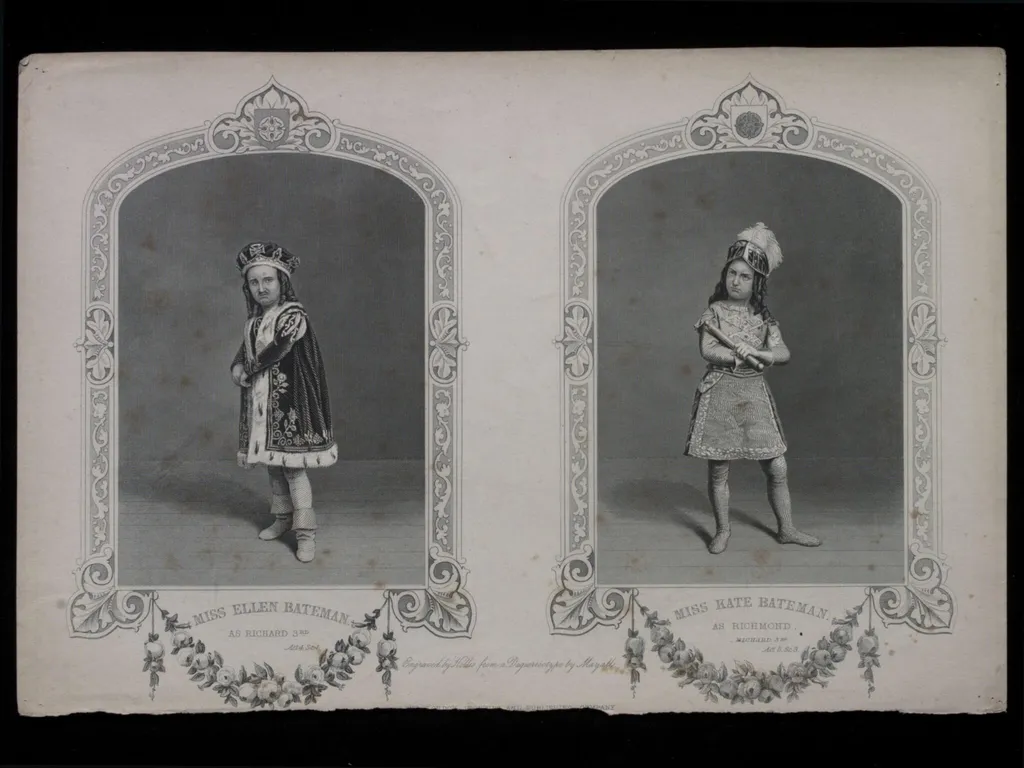
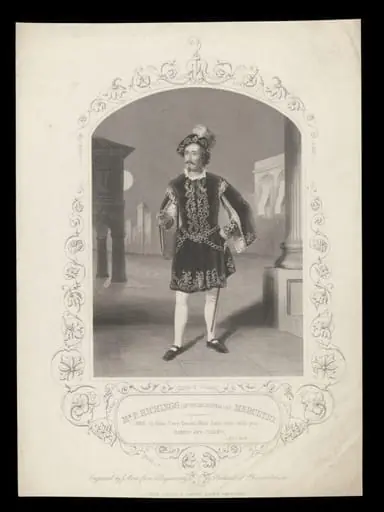
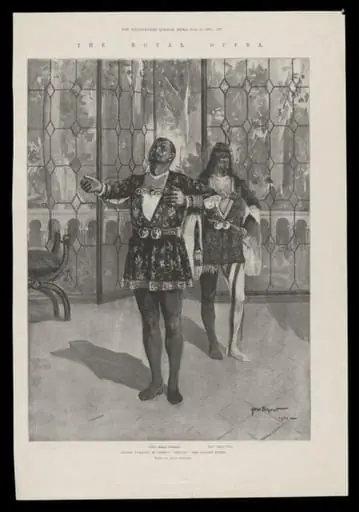
H Beard Print Collection is a print by Thomas Hollis. It dates from 1850 and is held in the collection of the Victoria and Albert Museum. This print captures a theatrical moment from Shakespeare’s Richard III, featuring sisters Ellen and Kate Bateman in dual roles.
About this work
Overview
Produced by the London Printing and Publishing Company in the mid-19th century, it was created as a reproductive print, not an original painting.
This print captures a theatrical moment from Shakespeare’s Richard III, featuring sisters Ellen and Kate Bateman in dual roles. Produced by the London Printing and Publishing Company in the mid-19th century, it was created as a reproductive print, not an original painting. The image relies on sharp, defined lines typical of printmaking techniques of the era, intended for wide distribution among theater enthusiasts.
Subject & Meaning
Ellen Bateman portrays the villainous King Richard, while her sister Kate plays Richmond, the noble challenger. The casting of young female siblings in these adult, gendered roles reflects 19th-century theatrical conventions where children sometimes performed parts traditionally held by adults. The print immortalizes a moment of staged conflict, emphasizing dramatic contrast between the two characters through posture and costume.
Technique & Style
Executed as a printed image, the work employs bold, clean linework to define figures and drapery, typical of commercial printmaking of the period. The absence of color and the emphasis on contour suggest it was likely produced via engraving or lithography. The composition is staged for clarity, prioritizing recognizable character types over naturalistic detail, aligning with popular theatrical imagery of the time.
History & Provenance
The print was produced around the mid-1800s by the London Printing and Publishing Company, a known publisher of theatrical ephemera. It documents a specific performance involving the Bateman sisters, whose stage appearances were noted in contemporary accounts. While the exact date and venue are unconfirmed, the print’s existence suggests a demand for visual records of popular stage productions among middle-class audiences.
Context
In Victorian England, Shakespearean drama remained central to public culture, and prints like this served as affordable souvenirs for theatergoers. Child performers in adult roles were not uncommon, particularly in family-led troupes. This image reflects both the popularity of Richard III on stage and the commercialization of theatrical imagery, bridging live performance and domestic visual culture.
Legacy
The print survives as a historical artifact of 19th-century theater practice, illustrating how gender and age were fluid in performance before modern casting norms. It contributes to the archive of theatrical documentation held in institutions like the Victoria and Albert Museum, offering insight into how Shakespeare was visually interpreted and consumed by the public during the Victorian era.
Own this work as a print
Artist & collection
Artist
Thomas Hollis made prints around the mid-1800s, a time when finely detailed images traveled faster than photographs.

 As You Like It
 Guy Little Theatrical Photograph
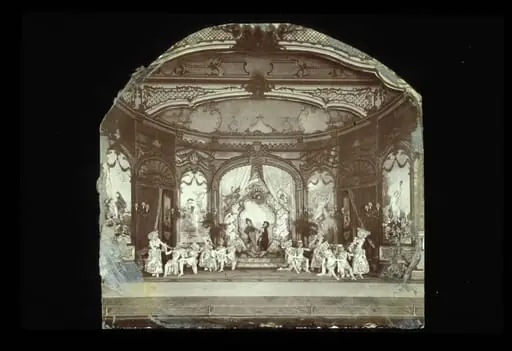 All the Year Round
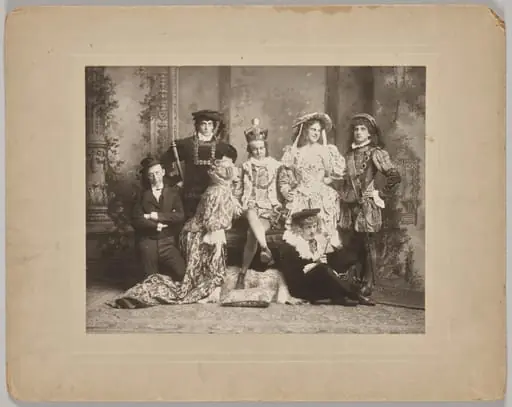 Untitled (theatrical scene with seven costumed figures)
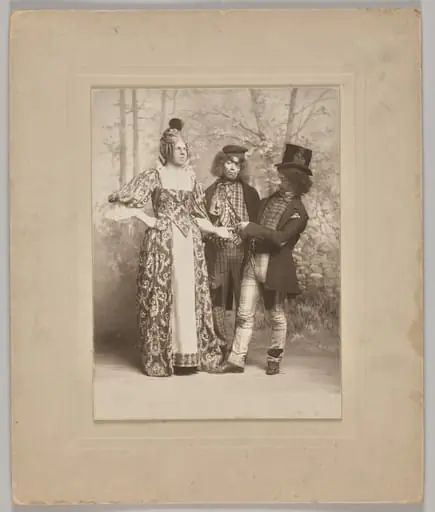 Untitled (theatrical scene with 3 figures: the palm reader)
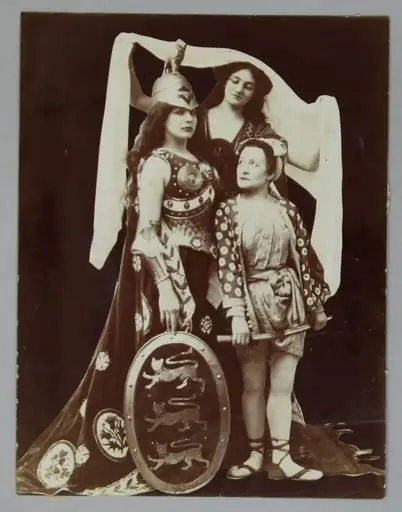 The Entent Cordiale
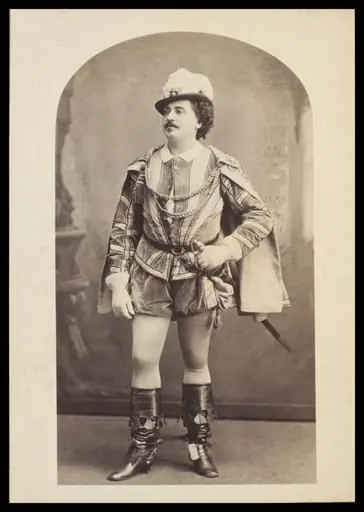 Guy Little Theatrical Photograph
 H Beard Print Collection
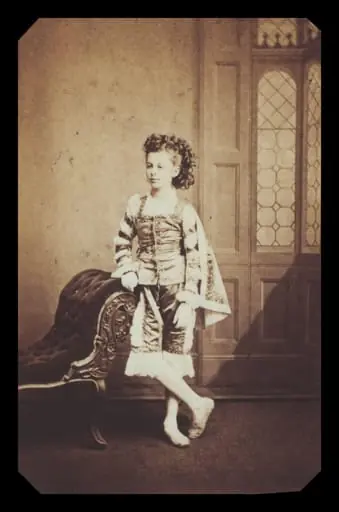 Guy Little Theatrical Photograph
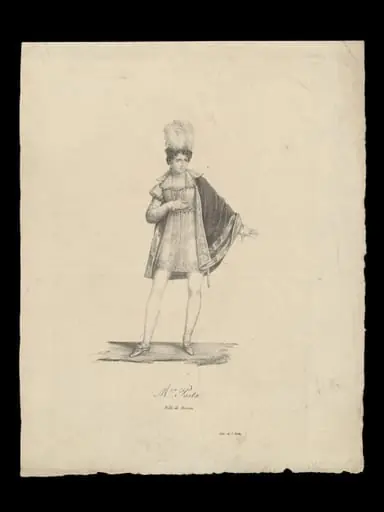 H Beard Print Collection
- H Beard Print Collection
 H Beard Print Collection