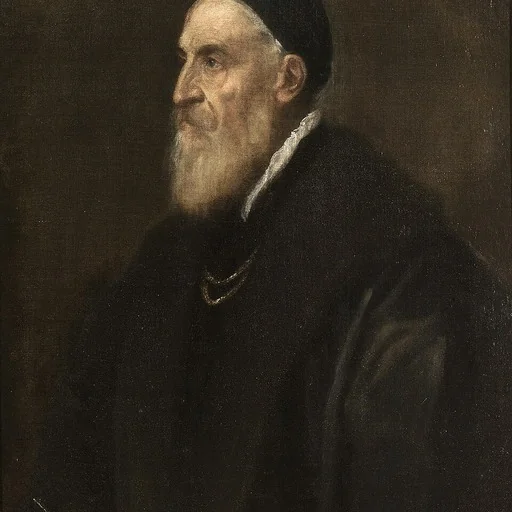
Subject
Portrait
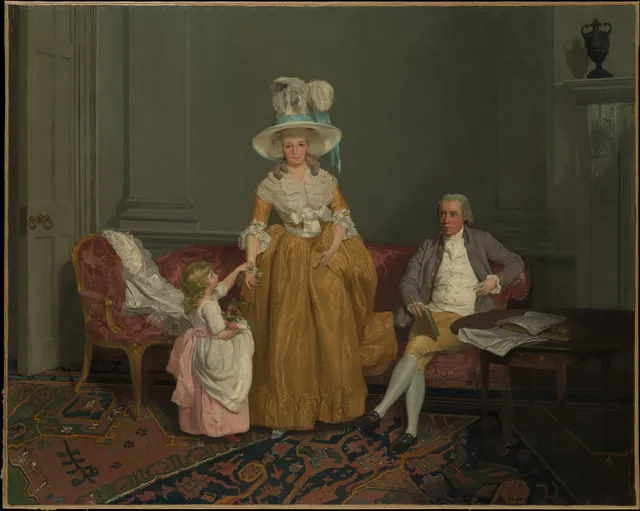
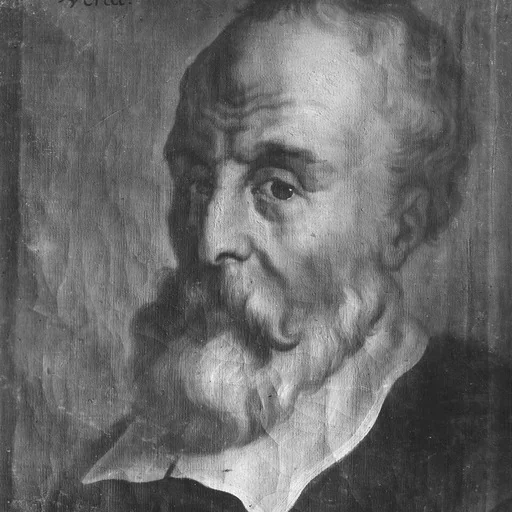
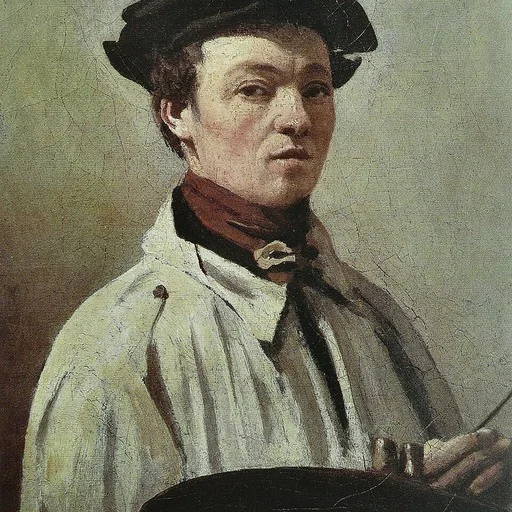
Portrait is a subject in art. The gallery holds 200 works in this subject in art, including works by Titian, Thomas Eakins and Paolo Veronese.
Portraiture is among the oldest and most enduring ambitions in art: the attempt to fix a particular human likeness against the erasure of time. While funerary masks and idealised rulers' heads reach back to antiquity, the earliest large body of naturalistic painted portraits to survive is the group of roughly 900 Fayum mummy portraits produced in Roman Egypt from the late first century BC onward. Painted in encaustic and tempera on wooden panels and bound into the wrappings of the dead, they fused Egyptian burial custom with the Greco-Roman valuation of family likeness, and remain the only substantial survival of the classical panel-painting tradition that ancient writers regarded as the summit of the art.
The genre's defining problem is the balance between resemblance and meaning. A portrait must record a recognisable face—always the predominant element—while also conveying status, character, or inner life, whether in bust, half-length, or full-length format. Renaissance and Baroque portraits served social and diplomatic ends: miniatures were exchanged as tokens of intimacy, while state portraits asserted a ruler's majesty in their absence. Jan van Eyck (c. 1390–1441) brought unprecedented realism to the form, exploiting oil glazes for depth and luminosity in works such as the Arnolfini Portrait, whose mirror device later echoed in Velázquez's Las Meninas.
The seventeenth century deepened psychological presence. Rembrandt's searching likenesses and self-portraits, and Diego Velázquez's portrait of his assistant Juan de Pareja, found personality even in unexalted sitters. In eighteenth-century Britain, Anthony van Dyck's example was refined into the idealising "Grand Manner" by Sir Joshua Reynolds, whose Royal Academy Discourses shaped English art, and by the more lyrical, fluid Thomas Gainsborough.
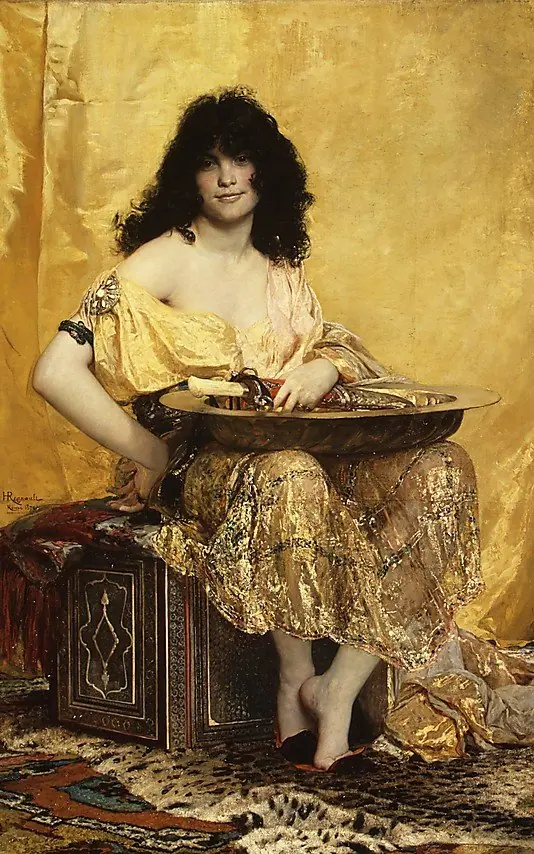
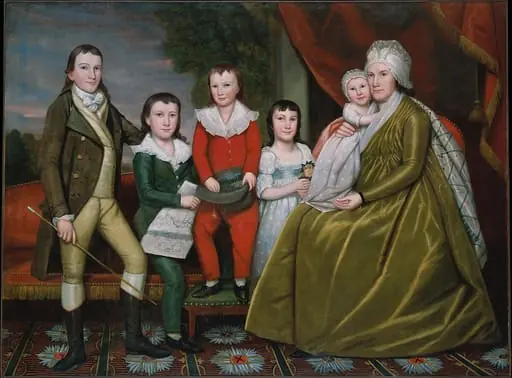
Our collection traces this lineage across periods and modes: the intimate British likenesses of Richard Cosway's Portrait of Marianne Dorothy Harland and the family groups of Ralph Earl (Mrs. Noah Smith and Her Children) and Francis Wheatley (The Saithwaite Family), the folk directness of John Bradley's Emma Homan, and the modern reworking of the genre in Édouard Manet's Young Man in Mayo Costume and Henri Regnault's theatrical Salome. Portraiture's conventions would in turn shape genre painting, the conversation piece, and, after photography, every subsequent reinvention of how art represents the self.
Key artists
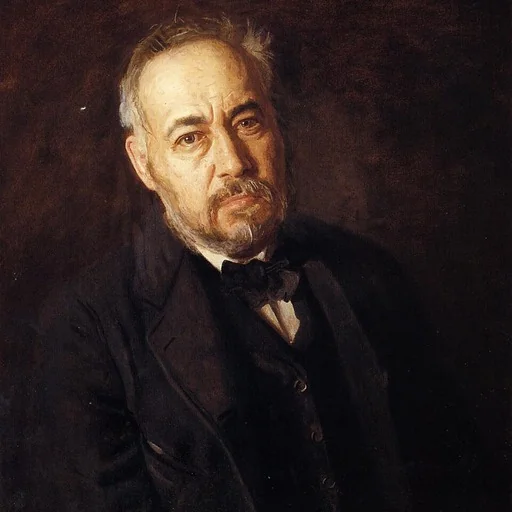
Overview
A portrait is an artistic representation of a person or group of persons in which the face is predominant, though the depiction may extend to half-length, three-quarter-length, or full-body presentation. The genre encompasses painting, sculpture, drawing, printmaking, photography, and digital media, with the fundamental intent of displaying likeness, personality, and mood. Portraiture ranks among the oldest and most persistent genres in art history, serving functions that range from private remembrance to public political statement. The word derives from the French portrait, which traces back through Old French portraire to the Latin pro-trahere, meaning to bring forth or draw out into light, suggesting the genre's purpose of revealing the subject's presence and character.
Iconography & meaning
Portraits communicate through a complex vocabulary of pose, scope, setting, and attribute. The angle of the head carries distinct significance: frontal views convey directness and formality, three-quarter views model three-dimensional presence and became the European default, while profile views echo ancient coins and medals. The scope of the body shown, from bust to full-length, historically correlated with social status, full-length being reserved for monarchs and the powerful. Beyond mere likeness, portraiture aims to reveal inner essence, personality, and social position, whether through flattering idealization or unsparing realism. In official contexts, portraits accumulate symbolic weight, incorporating flags, coats of arms, or institutional settings to represent state authority. The portrait miniature, often worn as jewelry, compressed these functions into intimate objects signaling love, allegiance, or mourning. Group portraits, whether of families, guilds, or institutions, construct social hierarchies and collective identity through spatial arrangement and interaction.
Across movements & periods
The earliest sculptural portraiture includes plastered human skulls from the Pre-Pottery Neolithic B period in the ancient Levant, dating 9000 to 6000 BC. Ancient Near Eastern and Egyptian rulers were depicted through idealizing conventions, though some pharaohs such as Akhenaten show distinctive features. The Greco-Roman world produced individualized portraits in sculpture, with funeral portraits from Egypt's Faiyum district representing rare surviving painted examples from the classical period. The Moche culture of Peru developed remarkably detailed anatomical portraiture of elites. After a period of generalized representation in the Early Middle Ages, true portraiture re-emerged in late medieval tomb monuments, donor portraits, and illuminated manuscripts. The Renaissance in Flanders and Italy established the demand for living resemblance and psychological presence, with Jan van Eyck and the Limbourg brothers pioneering new standards. The French Academy's hierarchy of genres placed portrait second only to history painting in the seventeenth century. The French Revolution expanded portraiture's social base as the bourgeoisie commissioned their own images. Photography's invention in the mid-nineteenth century immediately found application in portraiture, initially replacing the miniature and eventually becoming the dominant form. The twentieth century saw portraiture expand into film, video, and digital media, with contemporary practitioners such as Bo Gehring employing video and sound.
Notable depictions
Among the most recognized portraits in Western art, Leonardo da Vinci's Mona Lisa, depicting Lisa del Giocondo, has achieved unparalleled cultural prominence. The so-called Lansdowne portrait of George Washington by Gilbert Stuart serves as a foundational image of American presidential iconography. Jan van Eyck's Arnolfini Portrait (1434) stands as a landmark of Northern Renaissance double portraiture. In the realm of self-portraiture, identifiable examples multiply from the late Middle Ages, with the French artist Jean Fouquet producing an early painted self-portrait around 1450. The Dutch Golden Age generated the tronie, a study of facial expression that occupies a border territory with true portraiture. Modern and contemporary contributions include Kehinde Wiley's portrait of Barack Obama and Amy Sherald's portrait of Michelle Obama, both from 2018, which redefined official presidential portraiture. Chuck Close's monumental portrait paintings, Elaine de Kooning's portrait of John F. Kennedy (1963), and Anders Zorn's portrait of Frances Cleveland represent significant twentieth-century interventions in the genre.
Legacy
Portraiture's legacy extends across institutional, technological, and cultural domains. The National Portrait Gallery in Washington, D.C., founded by Congress in 1962 and opened in 1968, exemplifies the genre's role in national narrative construction, collecting images of individuals who have shaped American history and culture. Its collection grew from 285 portraits to more than 26,000 objects, expanding from paintings, prints, drawings, and engravings to embrace photography, sculpture, video, and time-based media. The Outwin Boochever Portrait Competition, inaugurated in 2006 and held triennially, has become a prestigious platform for contemporary portraiture, with the 2013 winner Bo Gehring recognized for a video and sound portrait of jazz musician Esperanza Spalding. The National Portrait Gallery in London, opened in 1859, provided a model for such institutions and maintains extensive collections. Portrait miniatures, once intimate personal objects, have become significant museum holdings, with the Nelson-Atkins Museum of Art's Starr Collection representing major scholarly attention to the form. The genre's persistence across media transformations, from plastered skulls to digital video, attests to its fundamental role in human efforts to preserve presence, construct identity, and negotiate social relations through visual representation.
Works
 Salome
 Mrs. Noah Smith and Her Children
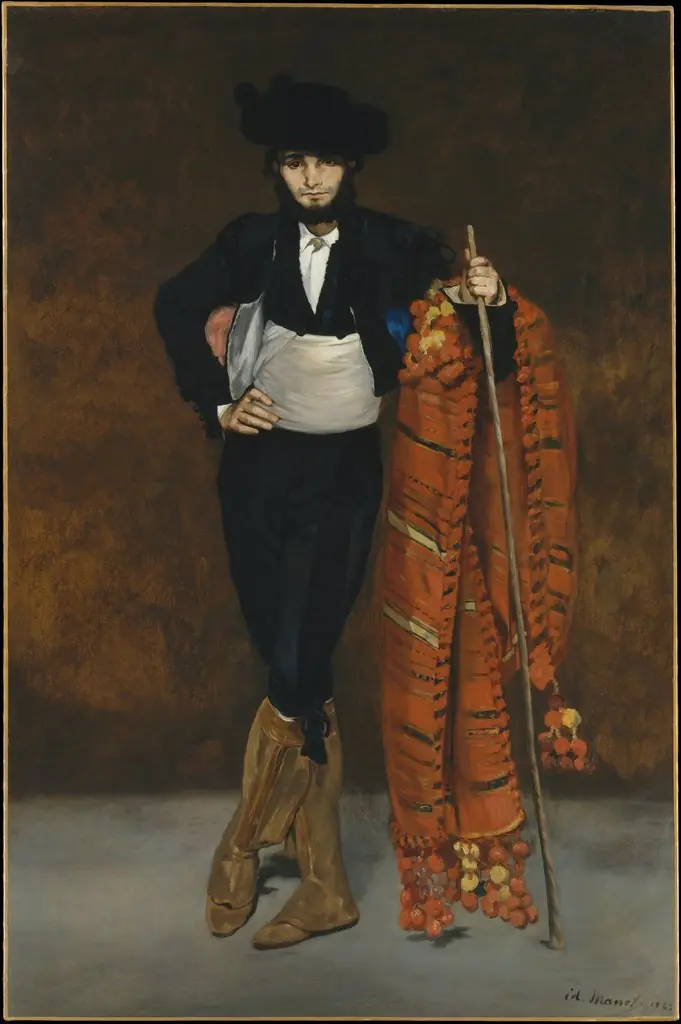 Young man in Mayo costume
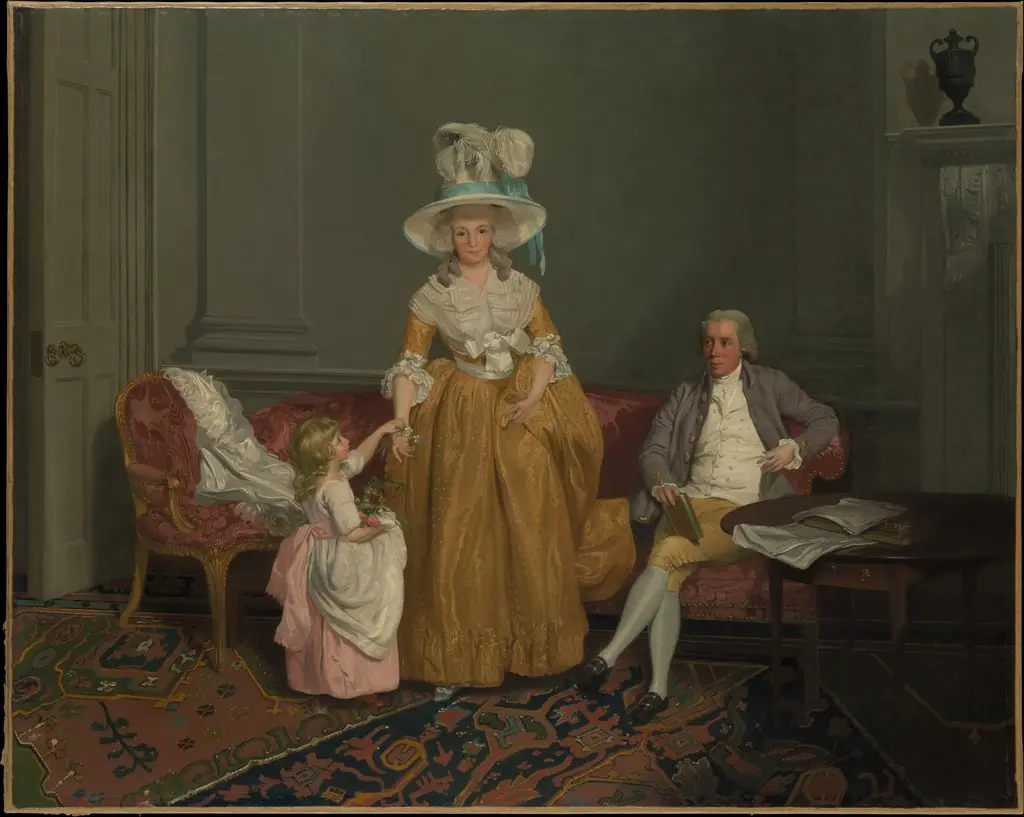 The Saithwaite Family
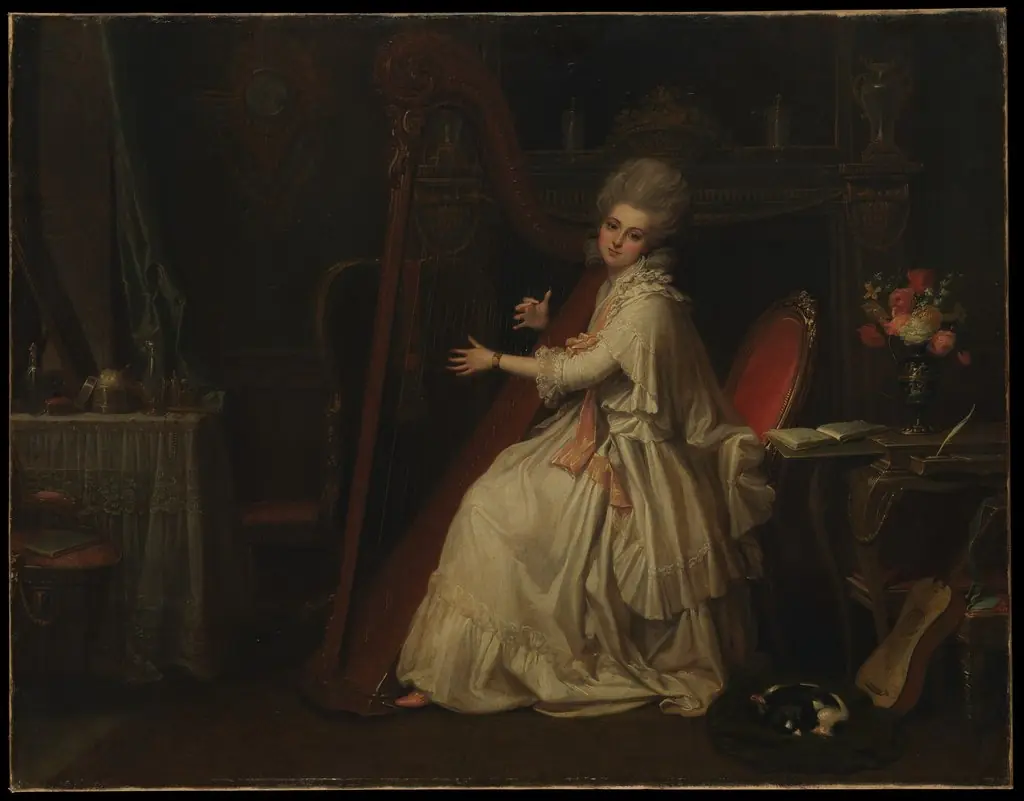 Portrait of Marianne Dorothy Harland (1759–1785), Later Mrs. William Dalrymple
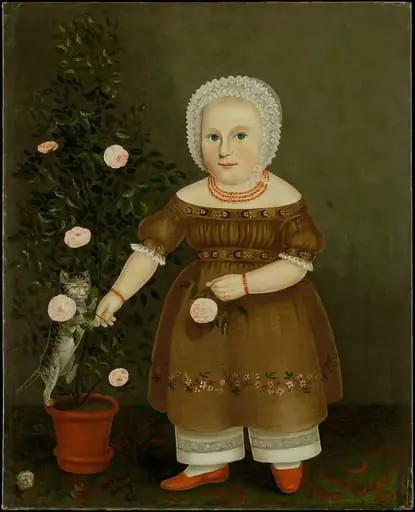 Emma Homan
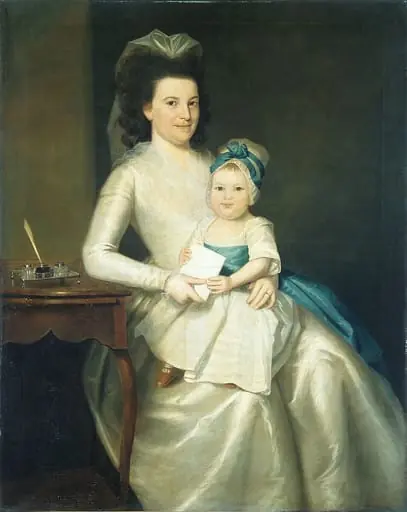 Lady Williams and Child
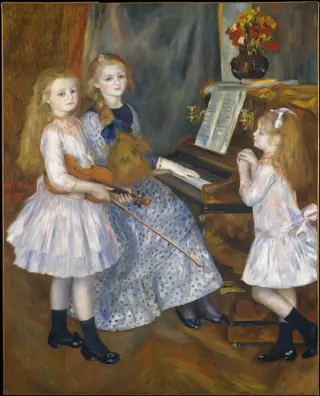 The Daughters of Catulle Mendès
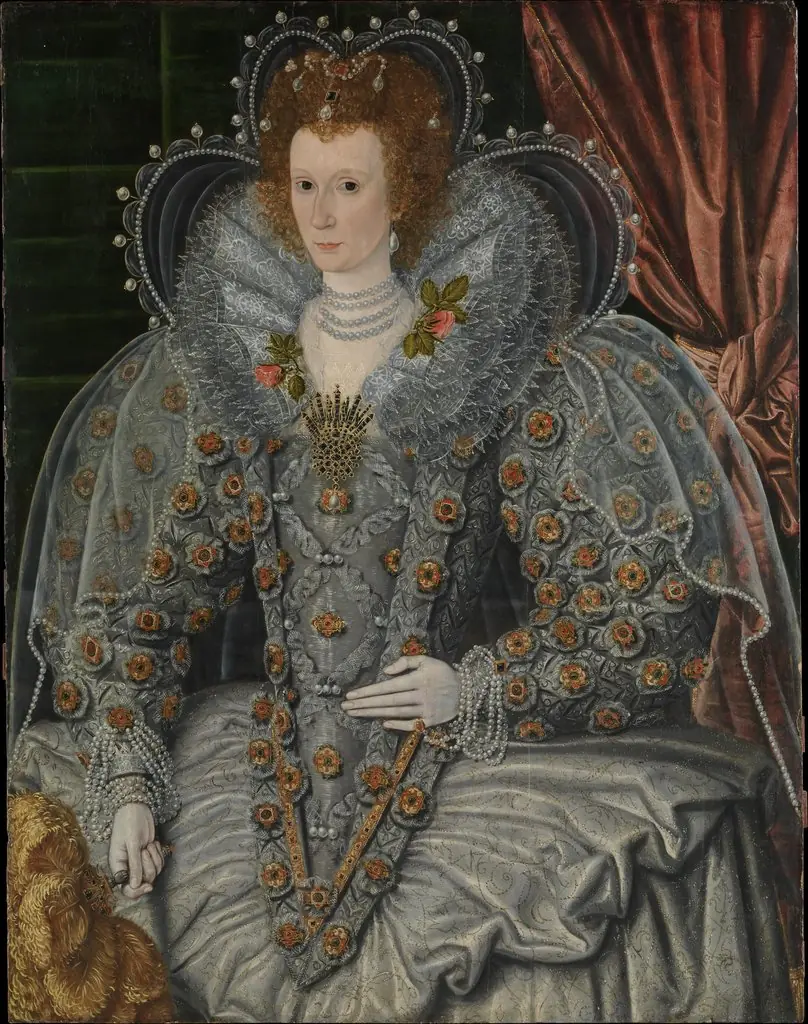 Portrait of a Woman
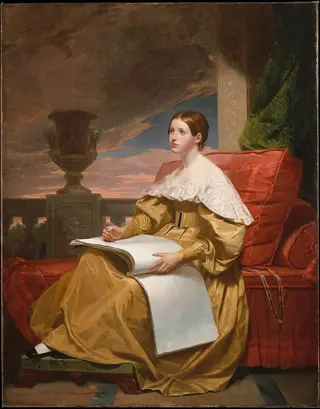 Susan Walker Morse (The Muse)
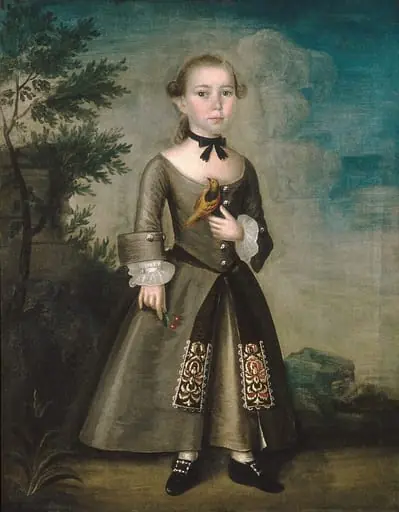 James Badger
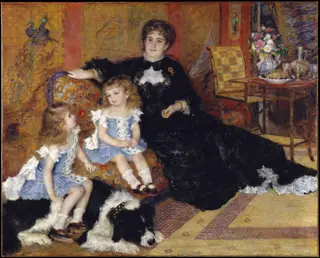 Madame Georges Charpentier and her Children
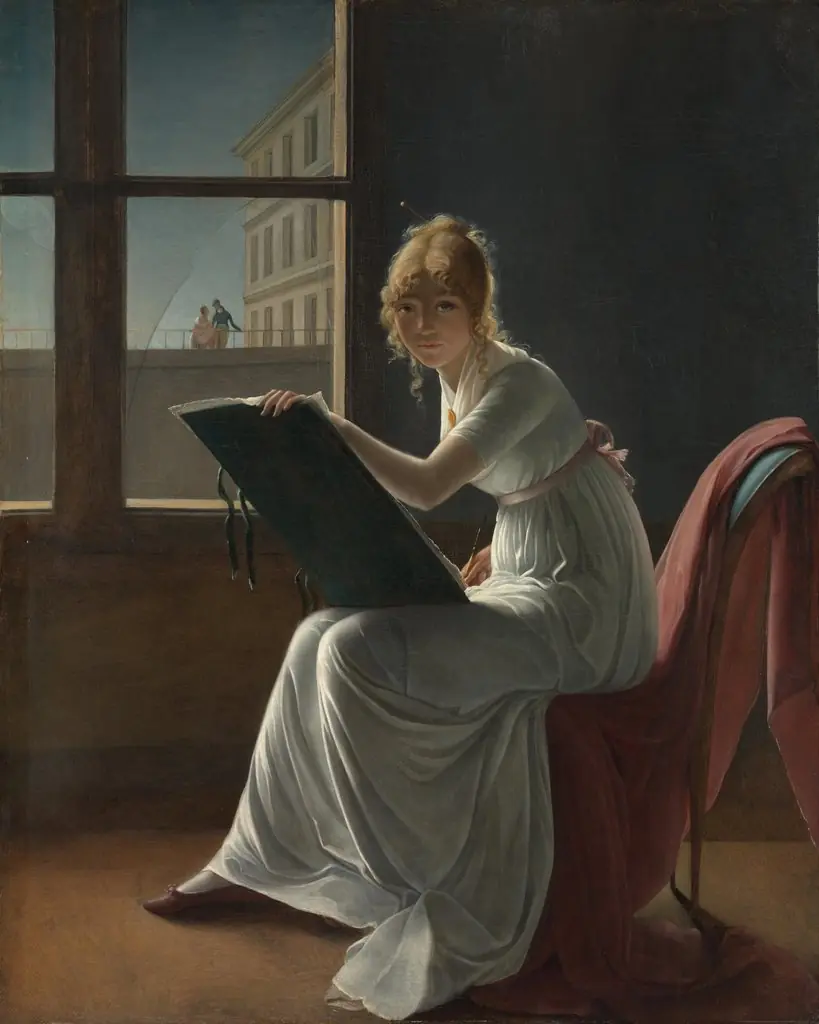 Portrait of Charlotte du Val d'Ognes
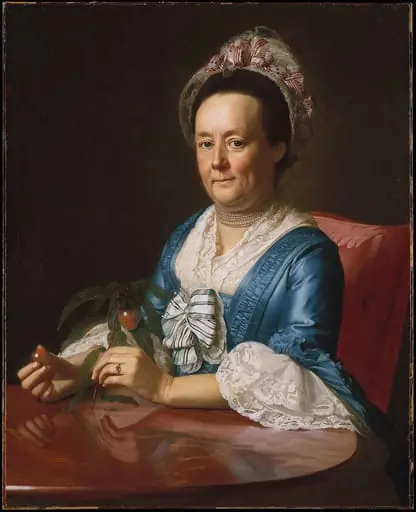 Mrs. John Winthrop
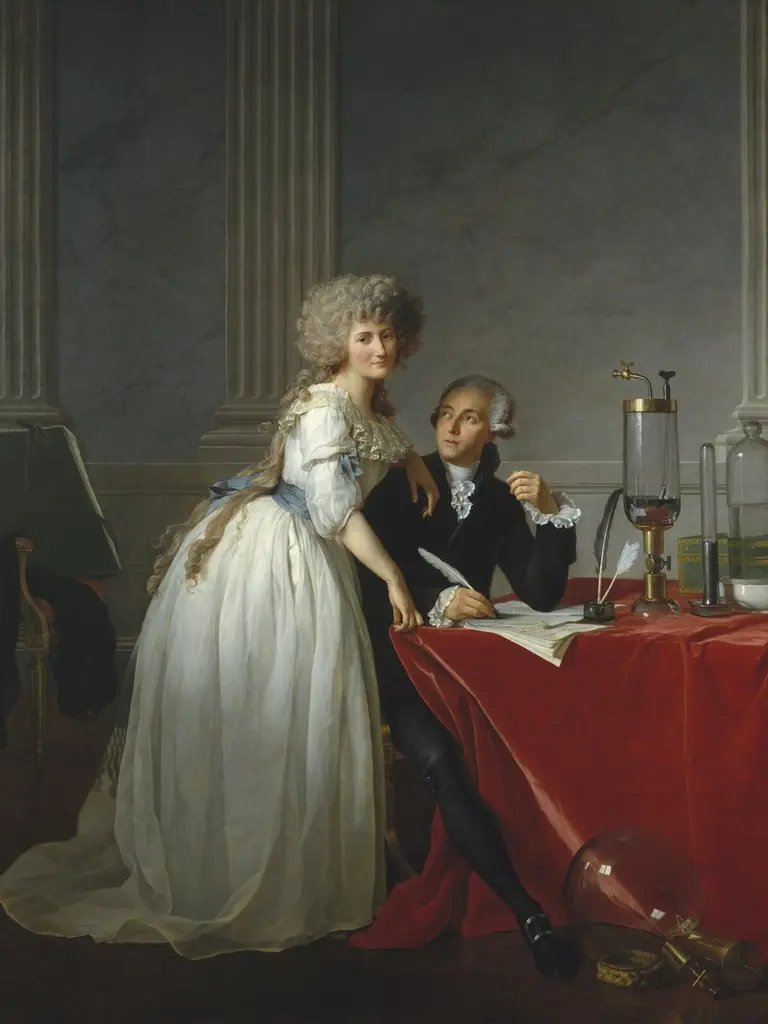 Portrait of Antoine-Laurent Lavoisier and his wife
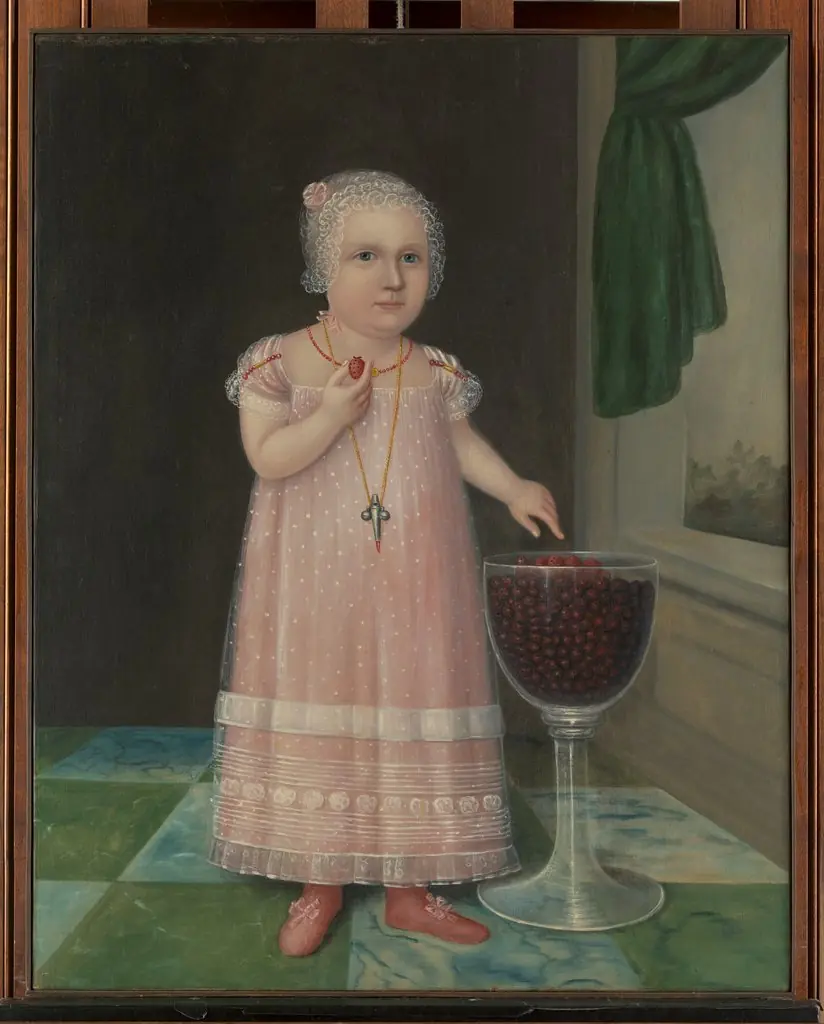 Emma Van Name
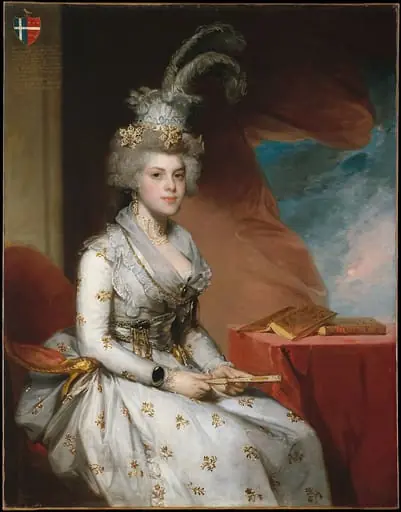 Matilda Stoughton de Jaudenes
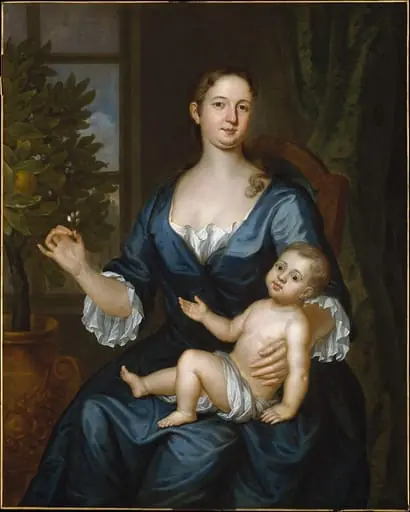 Mrs. Francis Brinley and Her Son Francis
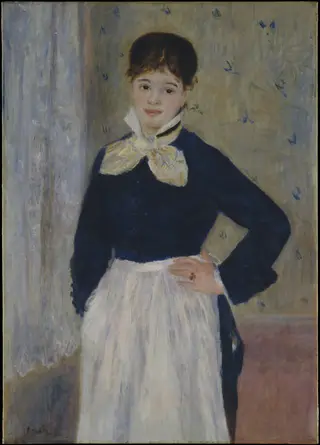 A Waitress at Duval's Restaurant
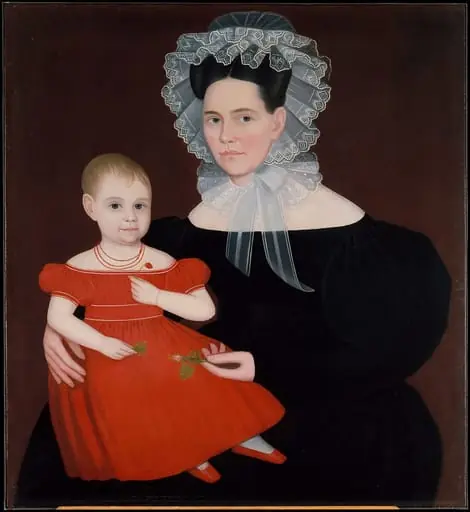 Mrs. Mayer and Daughter
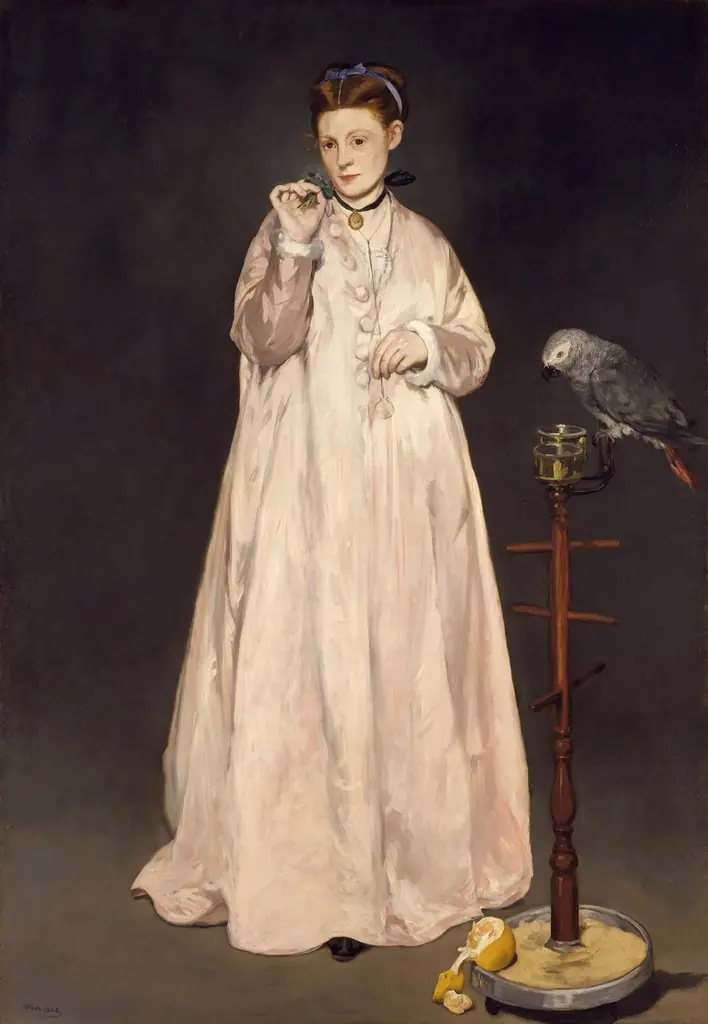 Young Lady in 1866
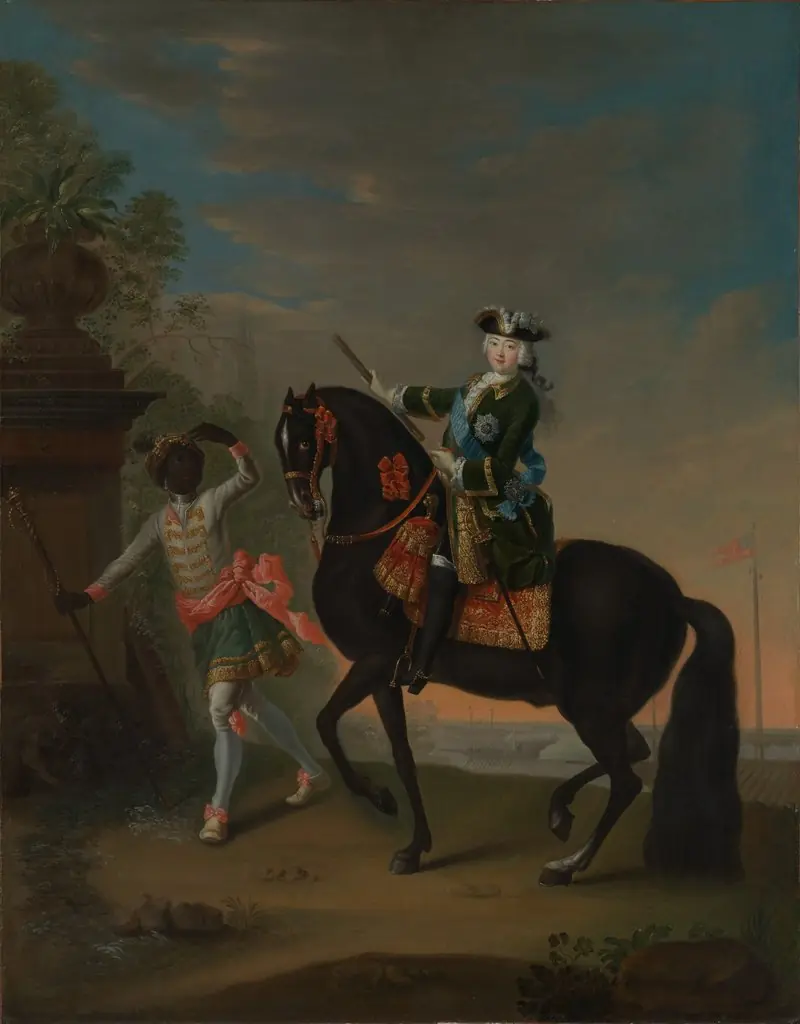 The Empress Elizabeth of Russia (1709–1762) on Horseback, Attended by a Page
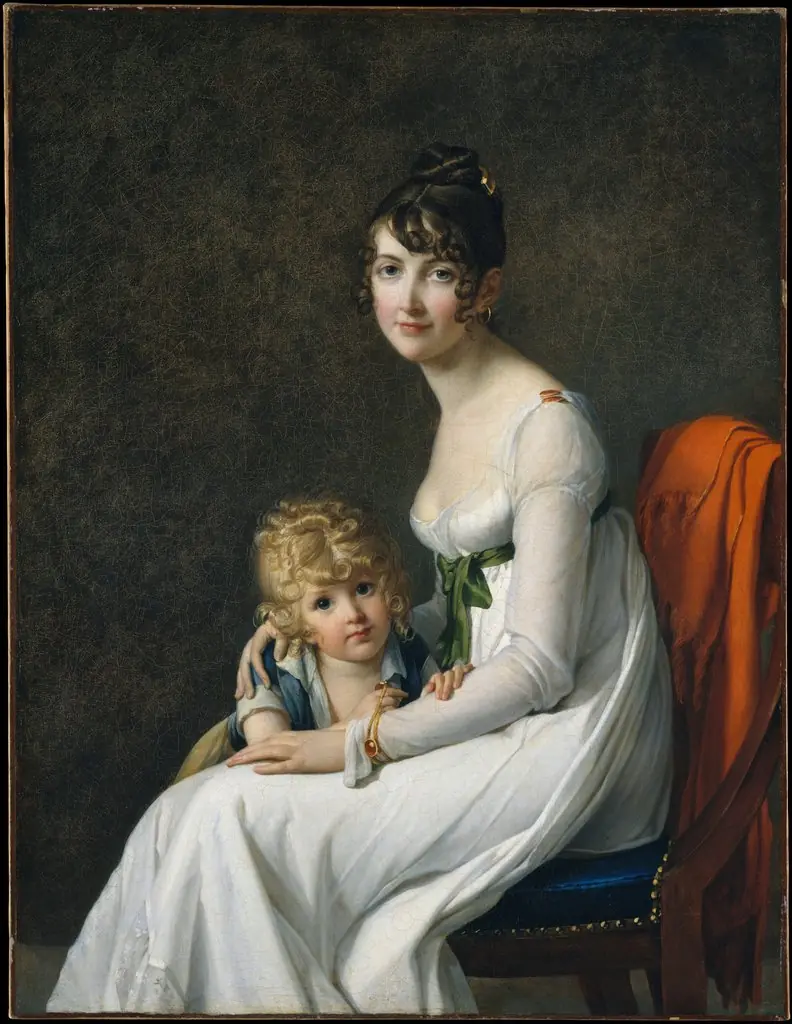 Madame Philippe Panon Desbassayns de Richemont (Jeanne Eglé Mourgue, 1778–1855) and Her Son, Eugène (1800–1859)
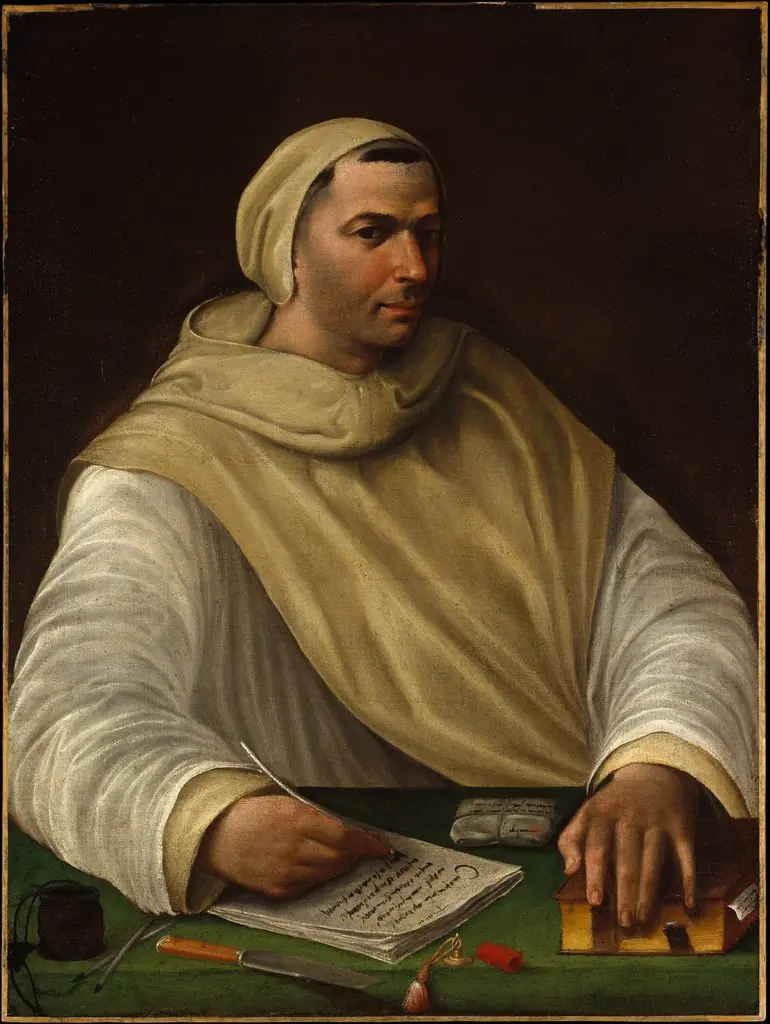 Portrait of an Olivetan Monk
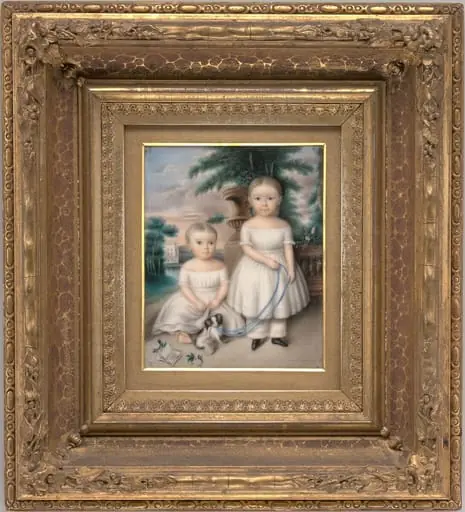 Watson Van Benthuysen II and Thomas Van Benthuysen
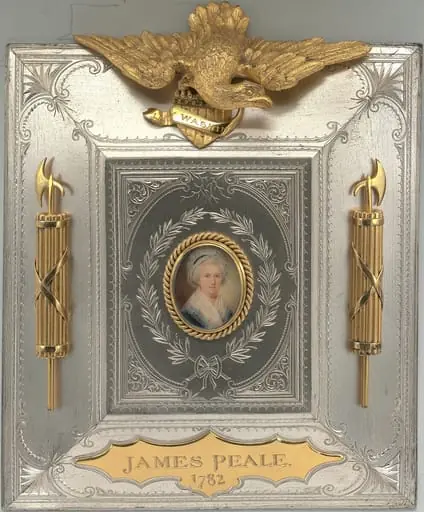 Martha Washington
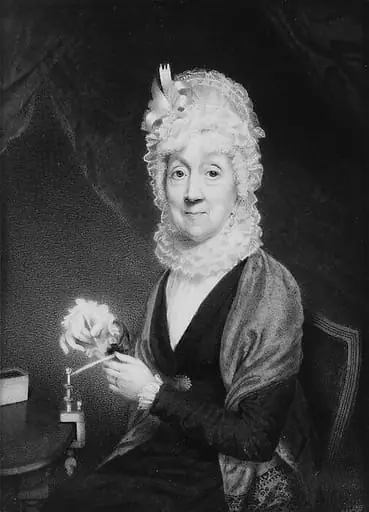 Portrait of a Lady
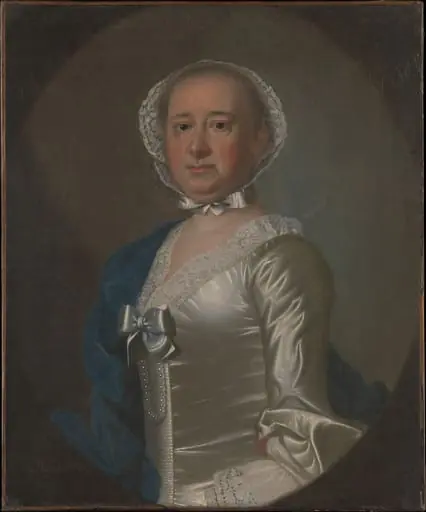 Mrs. Gabriel Manigault
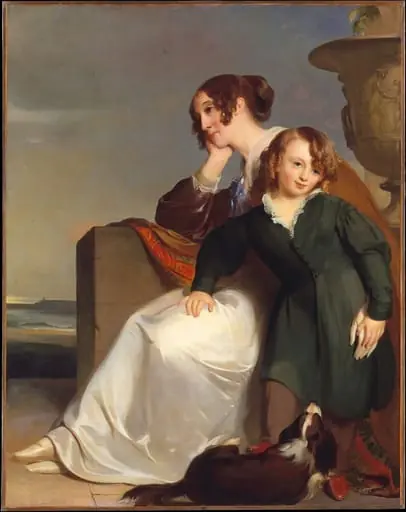 Mother and Son
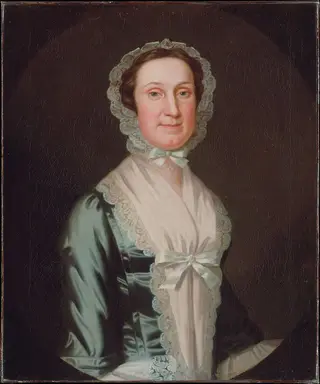 Mrs. Joseph Reade
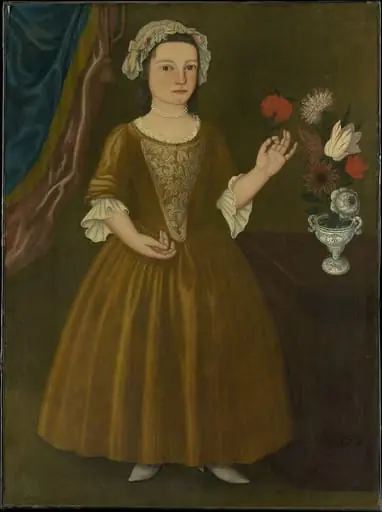 Catherina Elmendorf
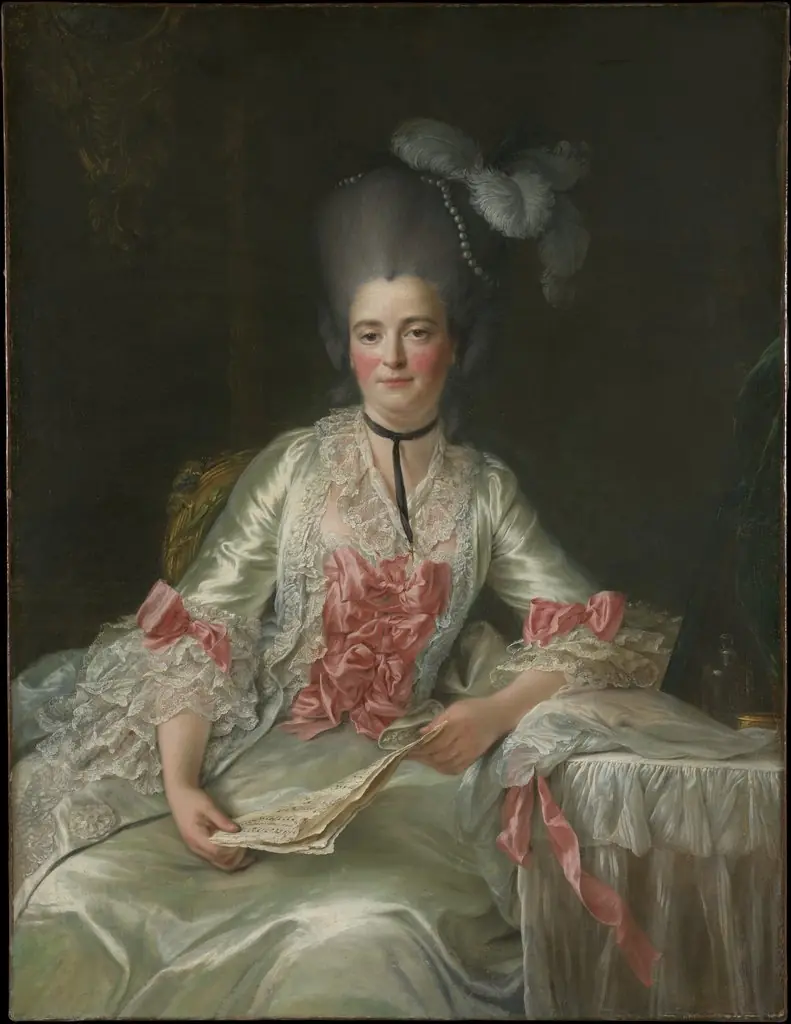 Marie Rinteau, called Mademoiselle de Verrières
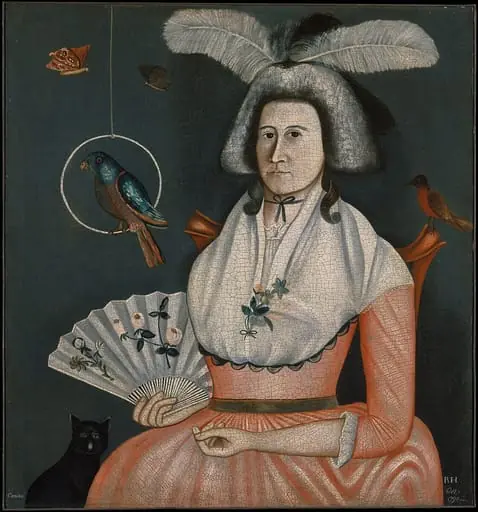 Molly Wales Fobes
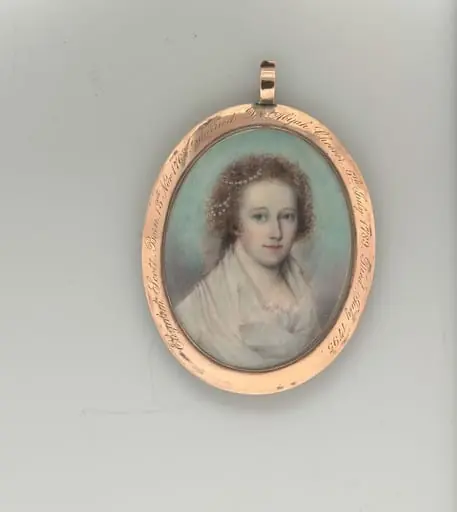 Mrs. Abijah Cheever (Elizabeth Scott)
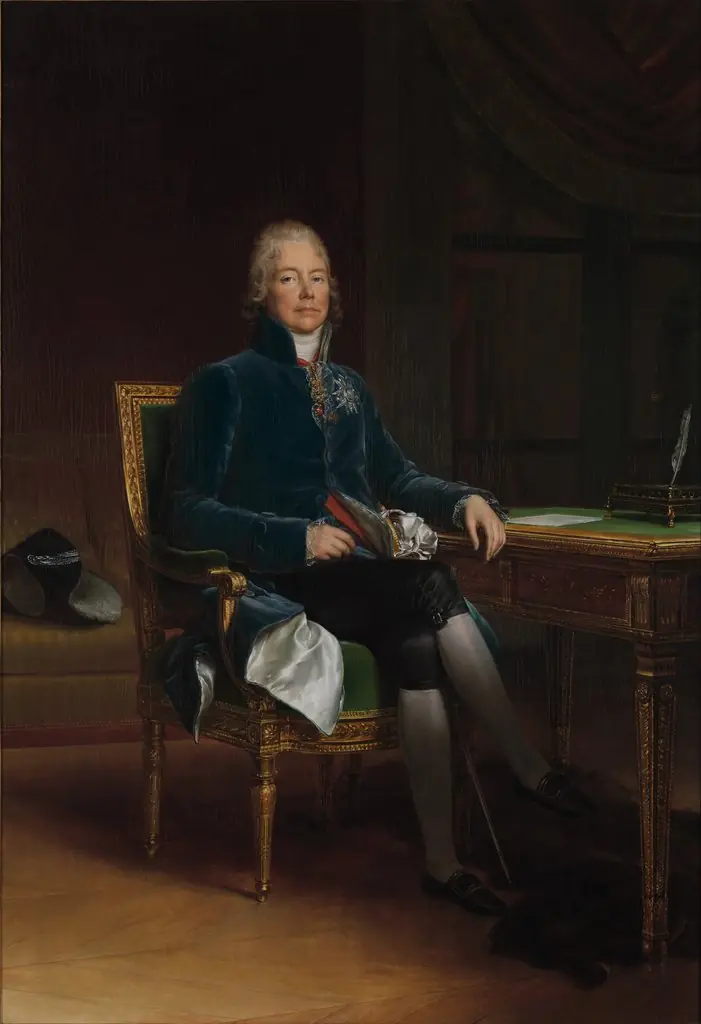 Charles Maurice de Talleyrand Périgord (1754–1838), Prince de Bénévent
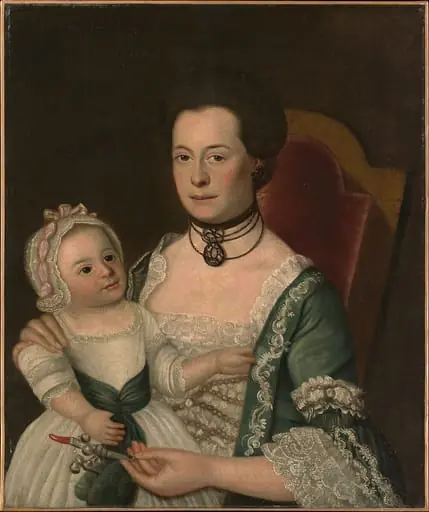 Mrs. Jacob Hurd and Child
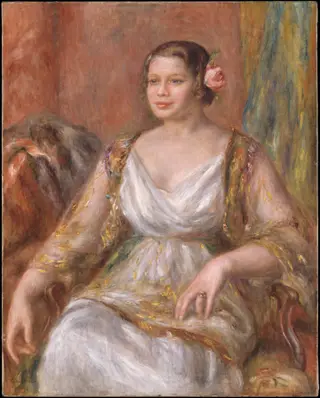 Tilla Durieux
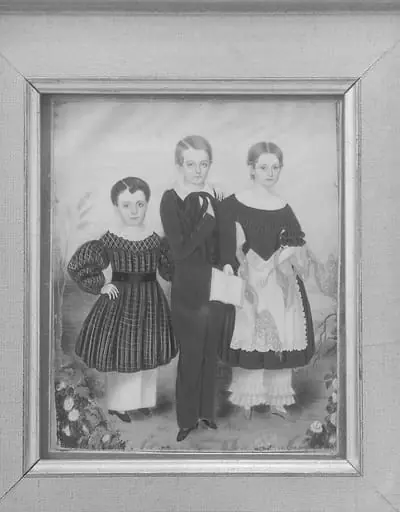 The Starbird Children
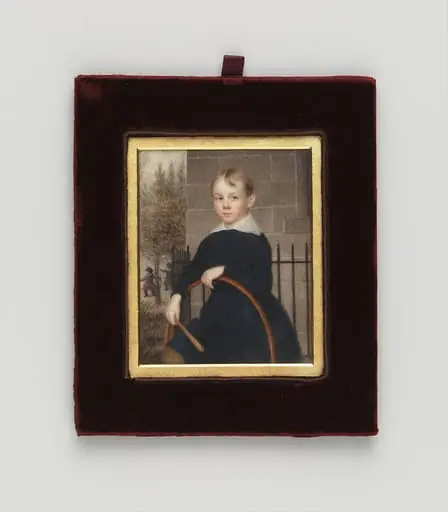 Paul Joseph Revere
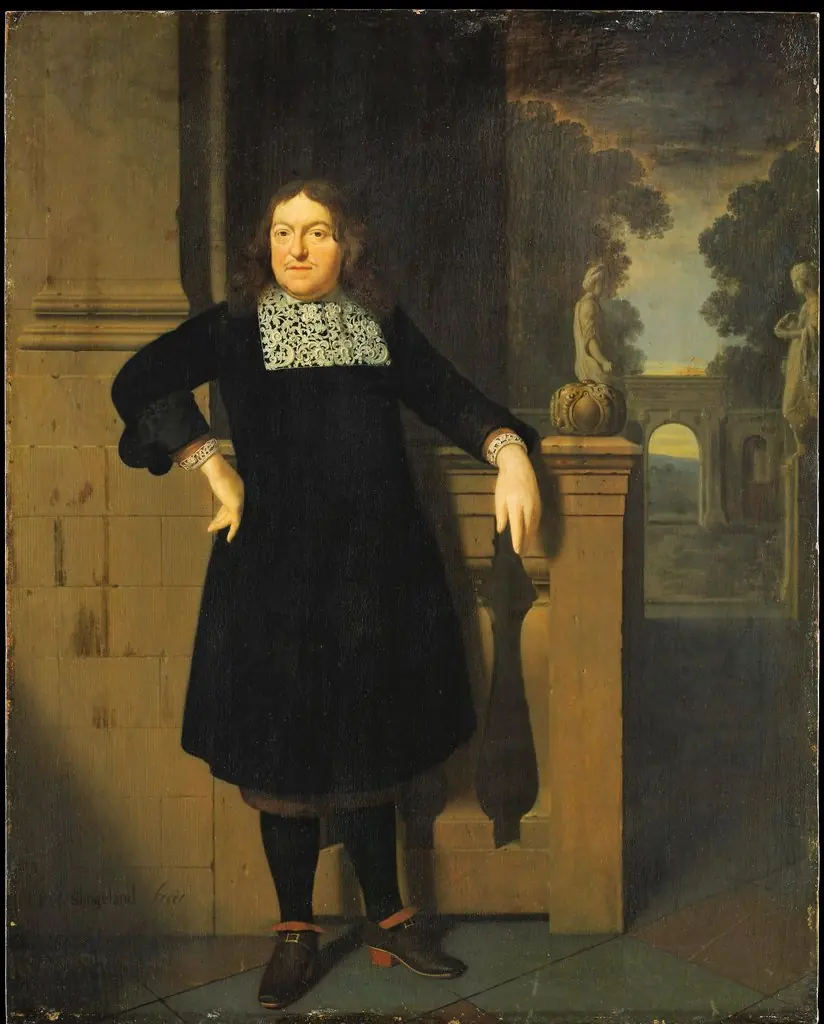 Portrait of Johan Hulshout (1623–1687)
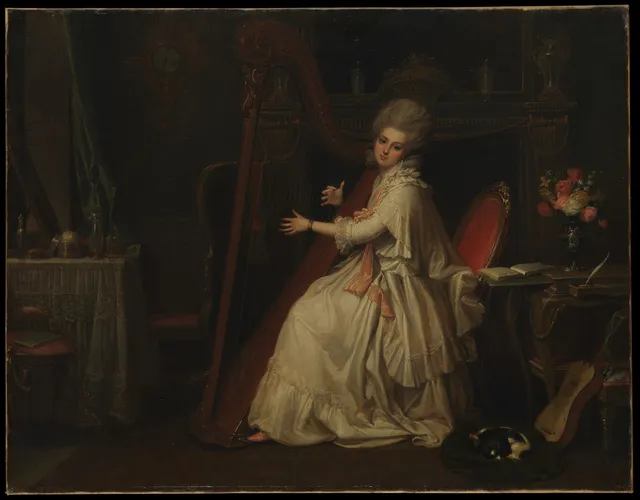
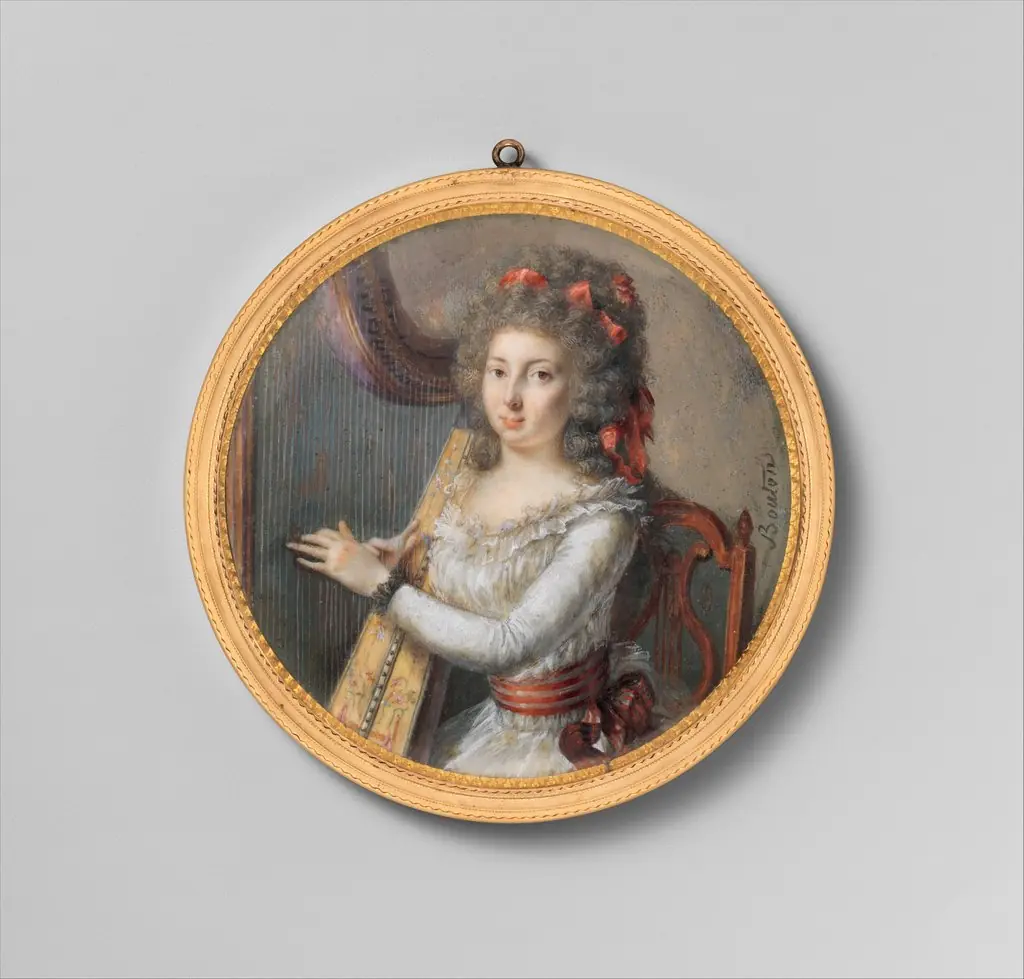 A Woman Playing a Harp
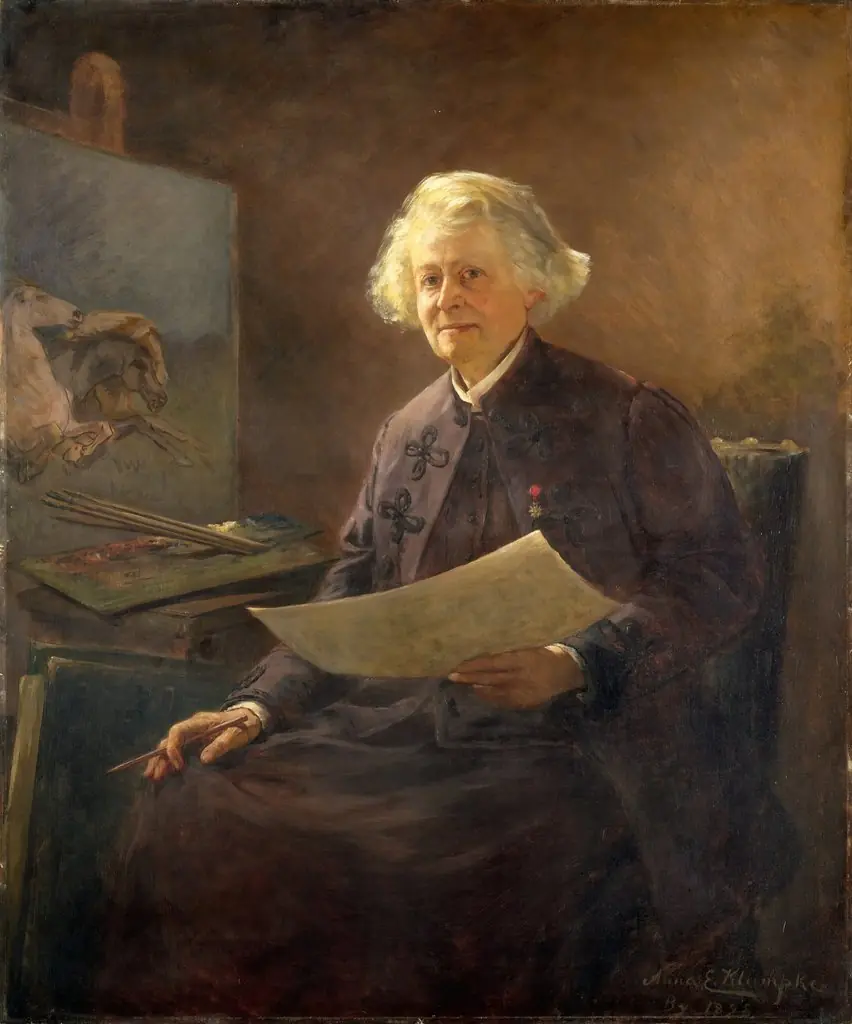 Rosa Bonheur
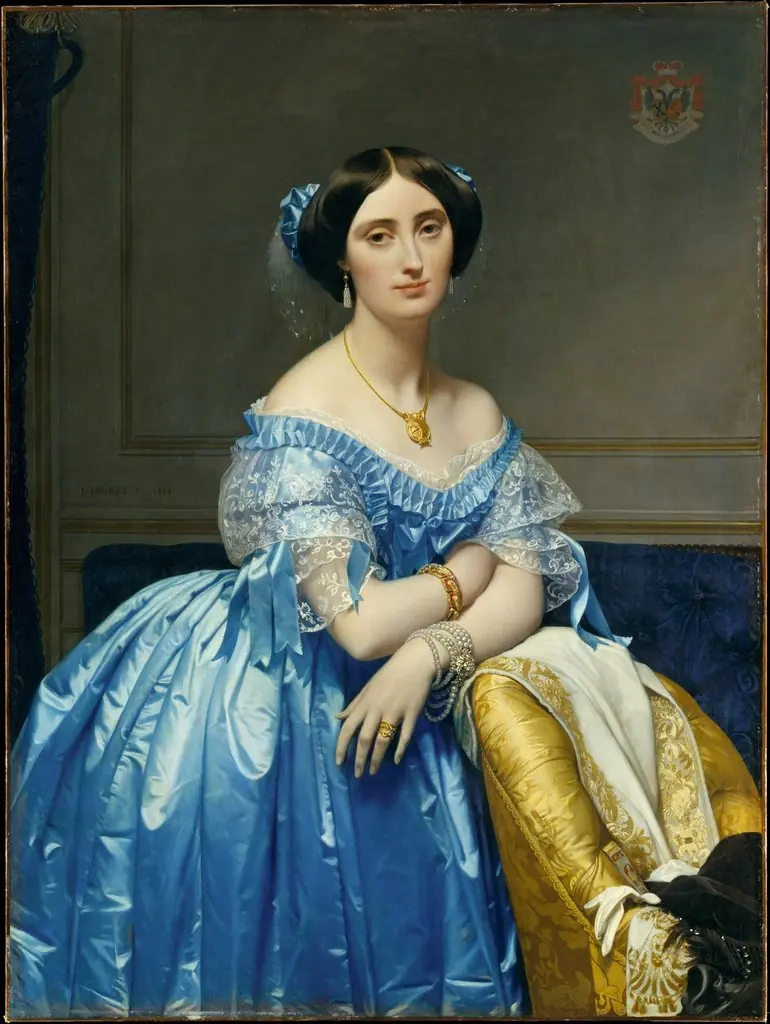 Joséphine-Éléonore-Marie-Pauline de Galard de Brassac de Béarn (1825–1860), Princesse de Broglie
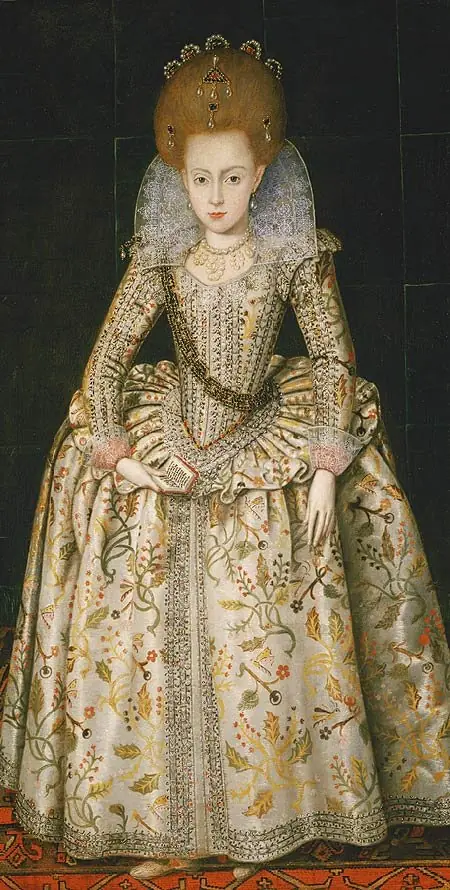 Princess Elizabeth (1596–1662), Later Queen of Bohemia
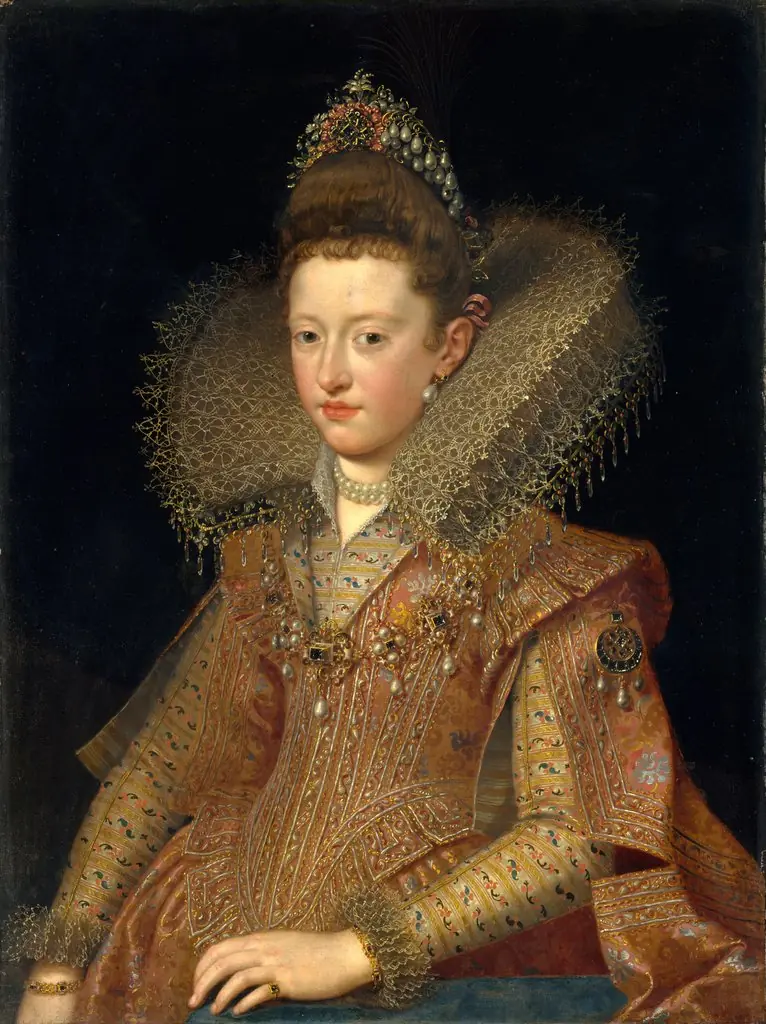 Margherita Gonzaga (1591–1632), Princess of Mantua
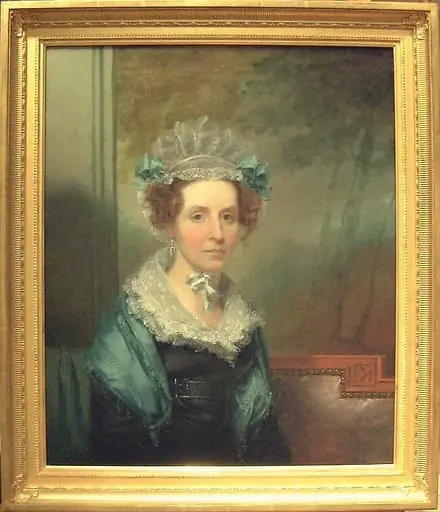 Mrs. Charles Cummings (Rebecca Pittard)
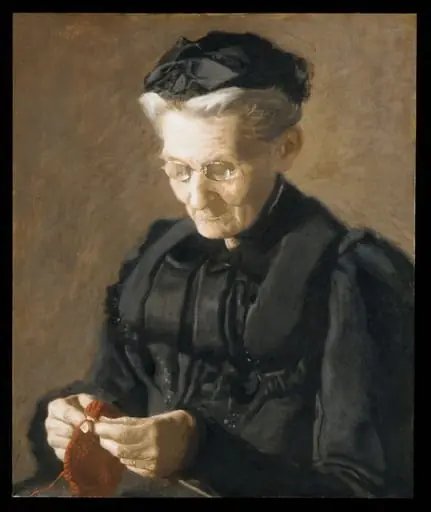 Mrs. Mary Arthur
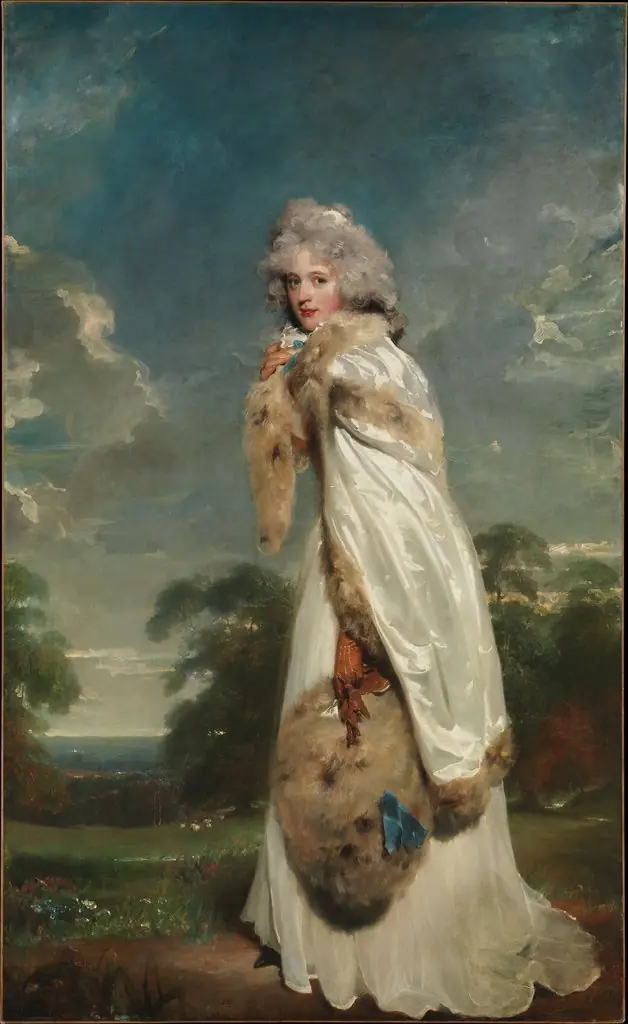 Elizabeth Farren (born about 1759, died 1829), Later Countess of Derby
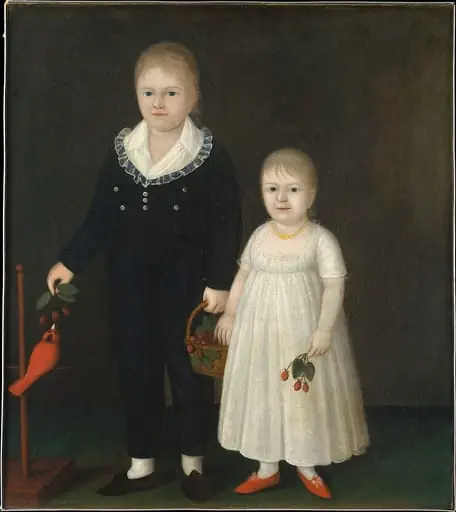 Edward and Sarah Rutter
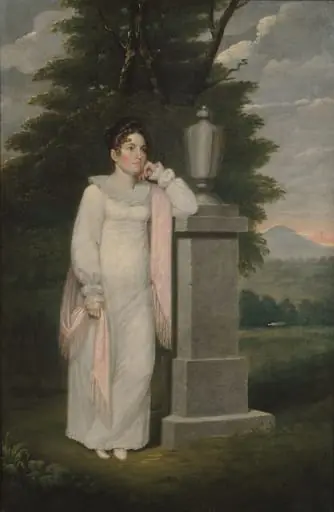 Mrs. Cephas Thompson (Olivia Leonard)
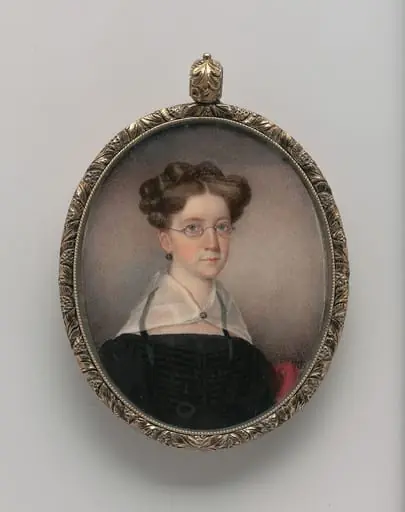 Portrait of a Lady
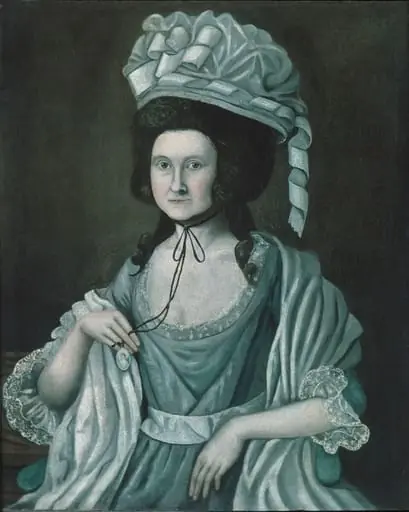 Sally Sanford Perit
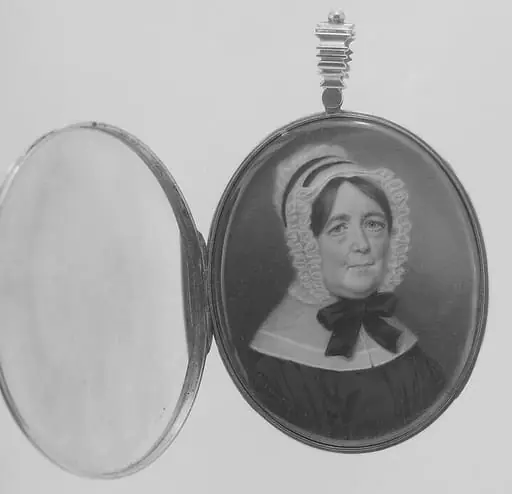 Mrs. A. Otis
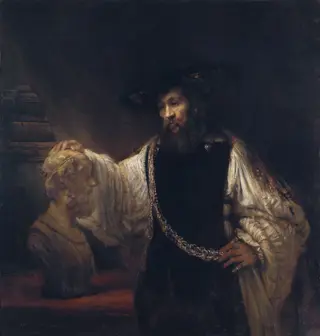 Aristotle with a Bust of Homer
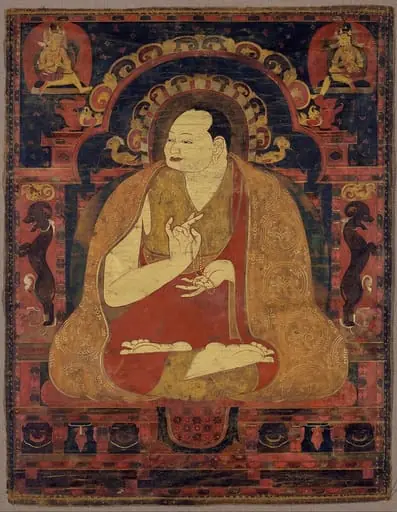 Untitled
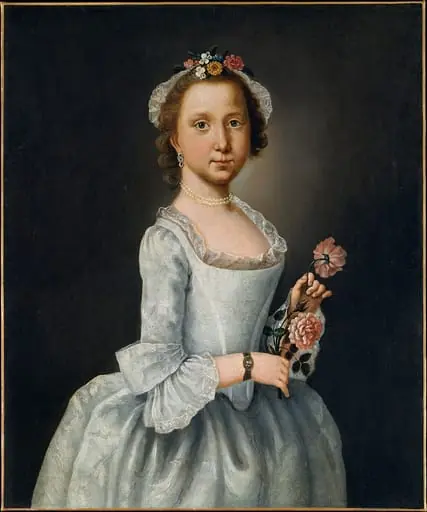 Portrait of a Lady
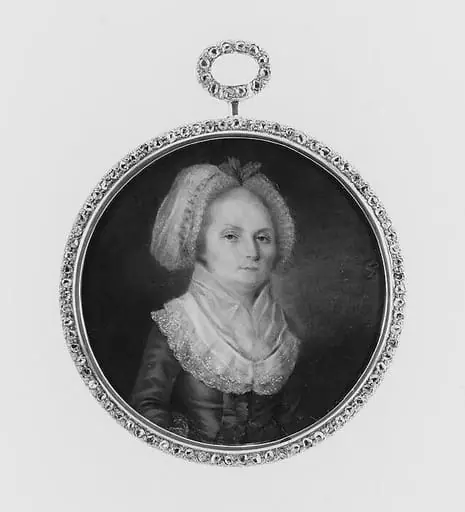 Portrait of a Lady
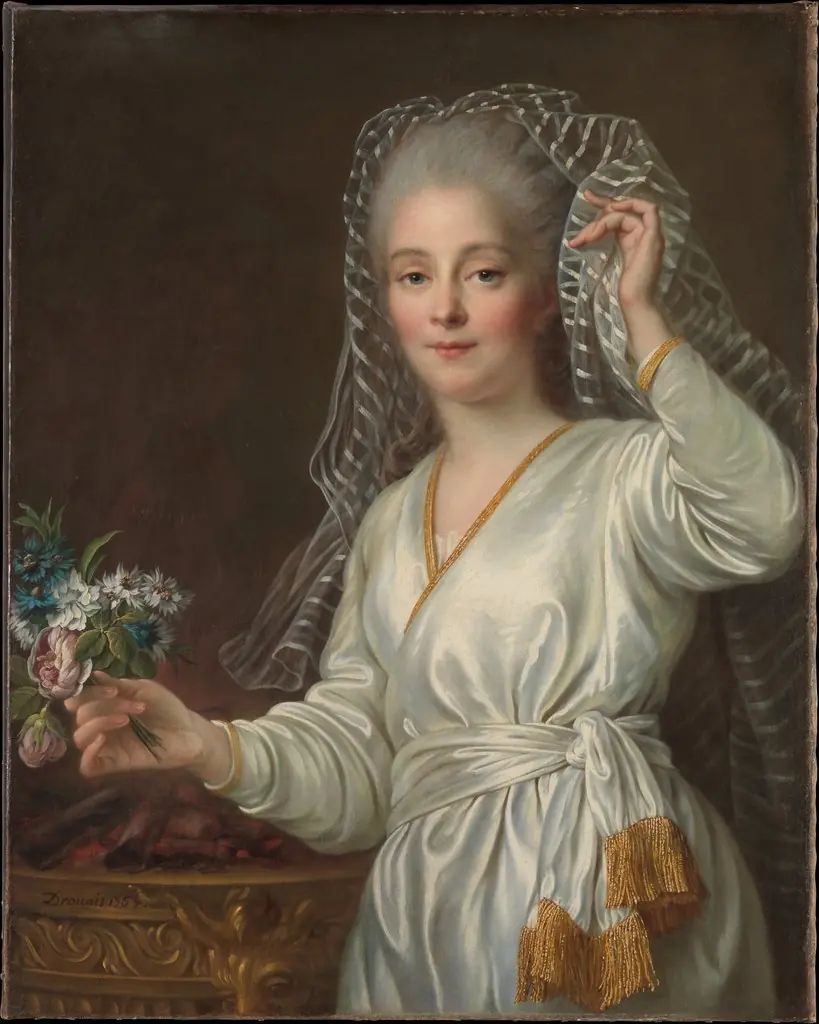 Portrait of a Young Woman as a Vestal Virgin
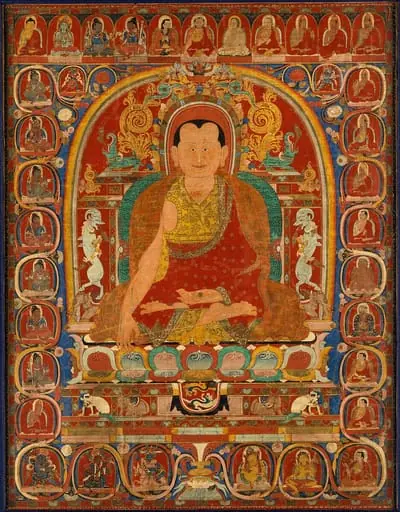 Untitled
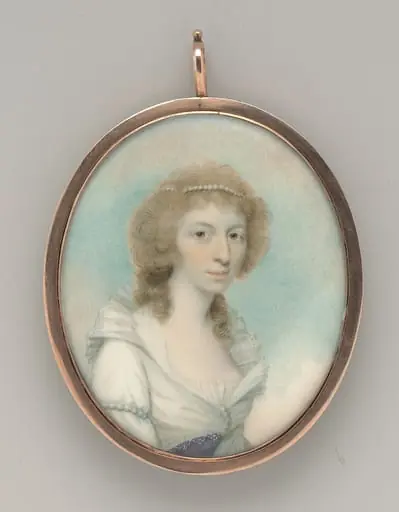 Mrs. Gabriel Manigault (Margaret Izard)
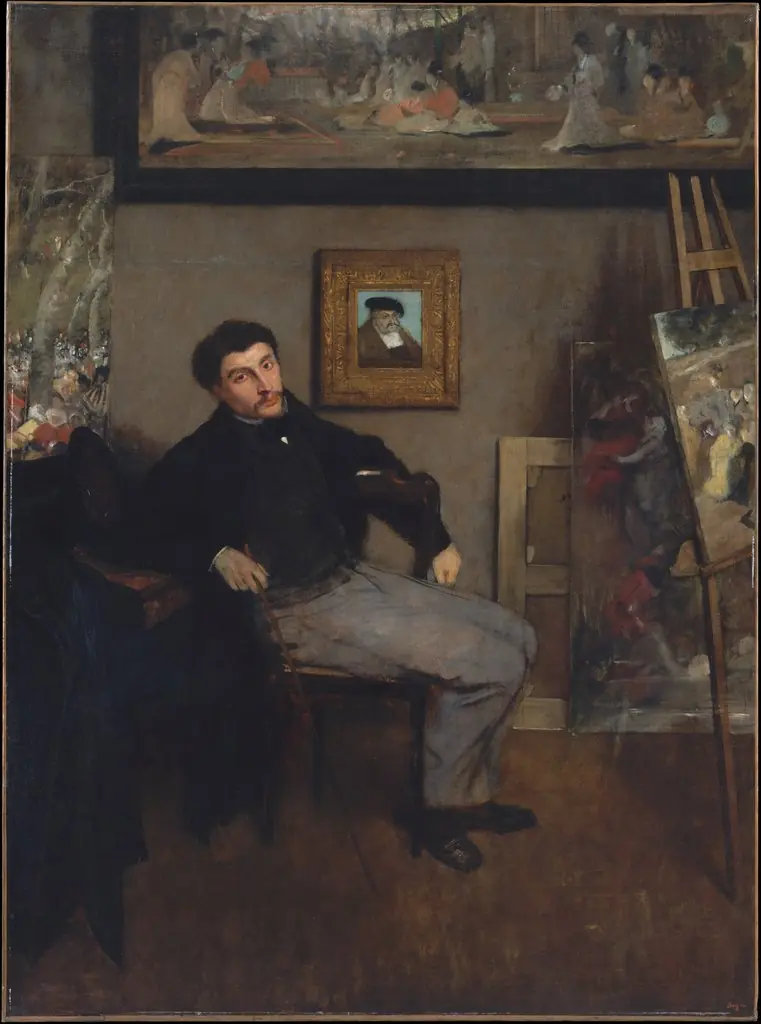 James-Jacques-Joseph Tissot (1836–1902)
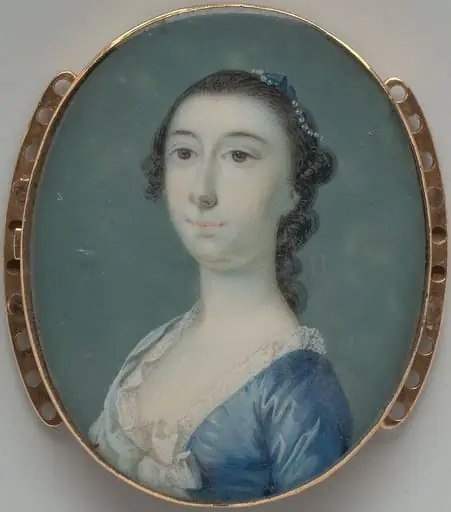 Mrs. Jacob Motte (Rebecca Brewton)
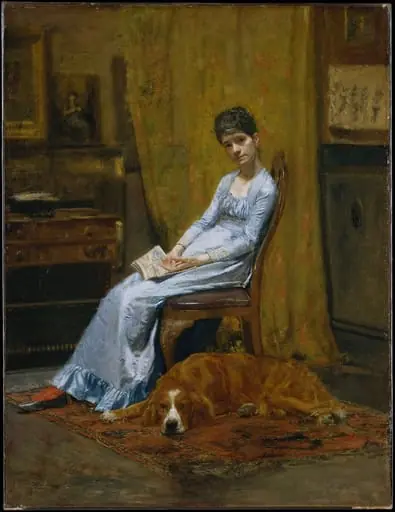 The Artist's Wife and His Setter Dog
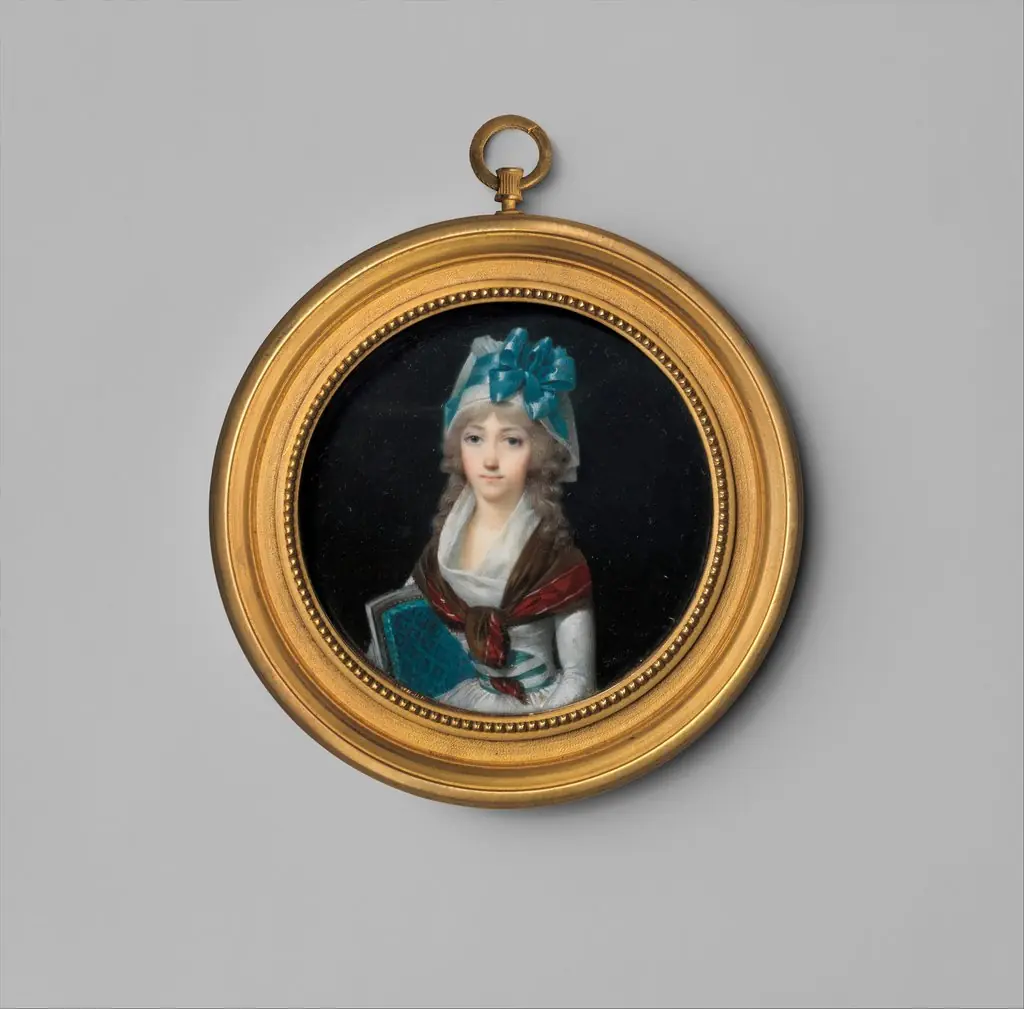 Portrait of a Woman
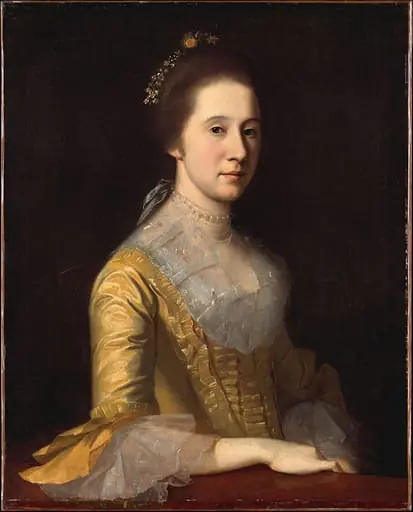 Margaret Strachan (Mrs. Thomas Harwood)
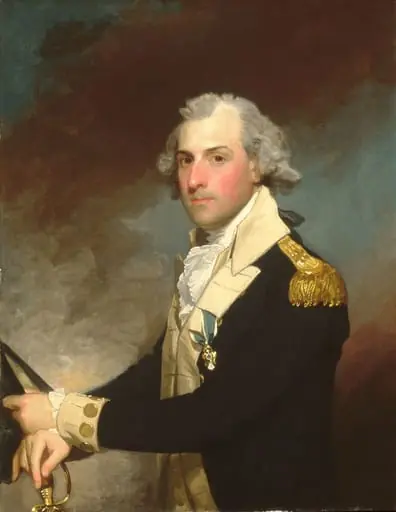 Matthew Clarkson
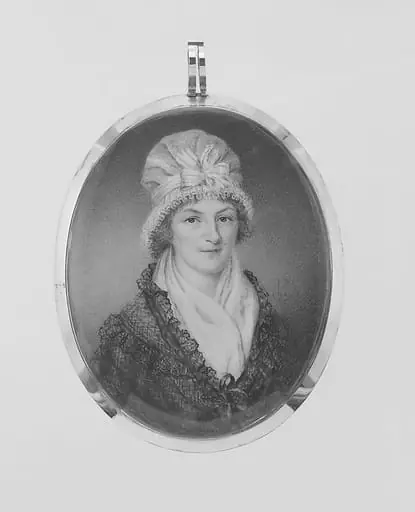 Mrs. Joseph Cooper (Mary Justice)
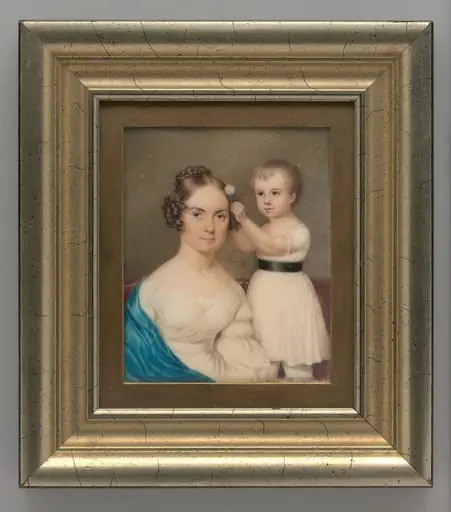 Mrs. William Gordon Ver Planck and Her Son Samuel Hopkins Ver Planck
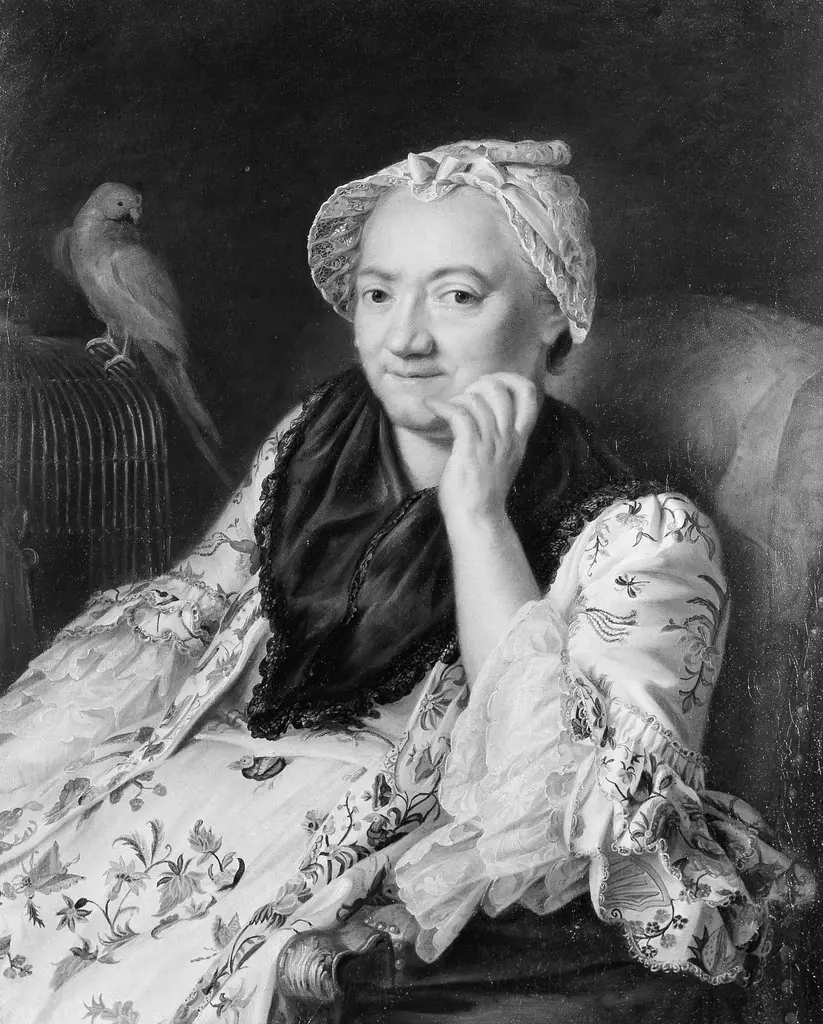 Portrait of a Woman
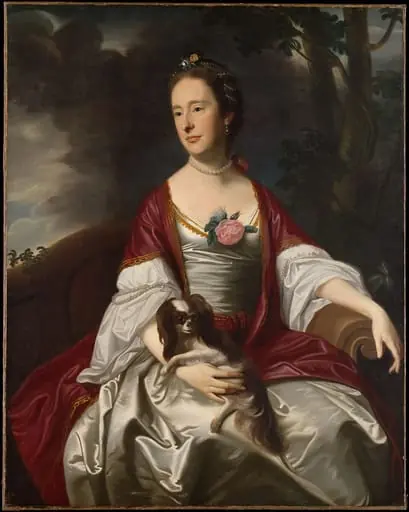 Mrs. Jerathmael Bowers
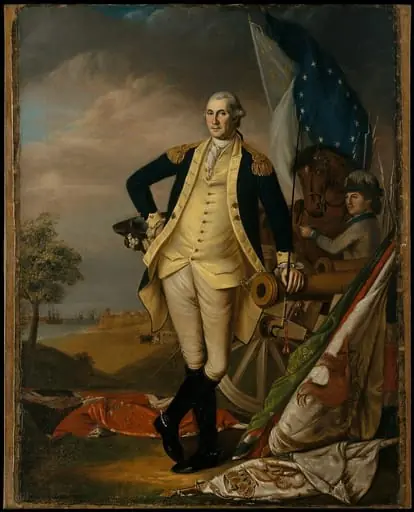 George Washington
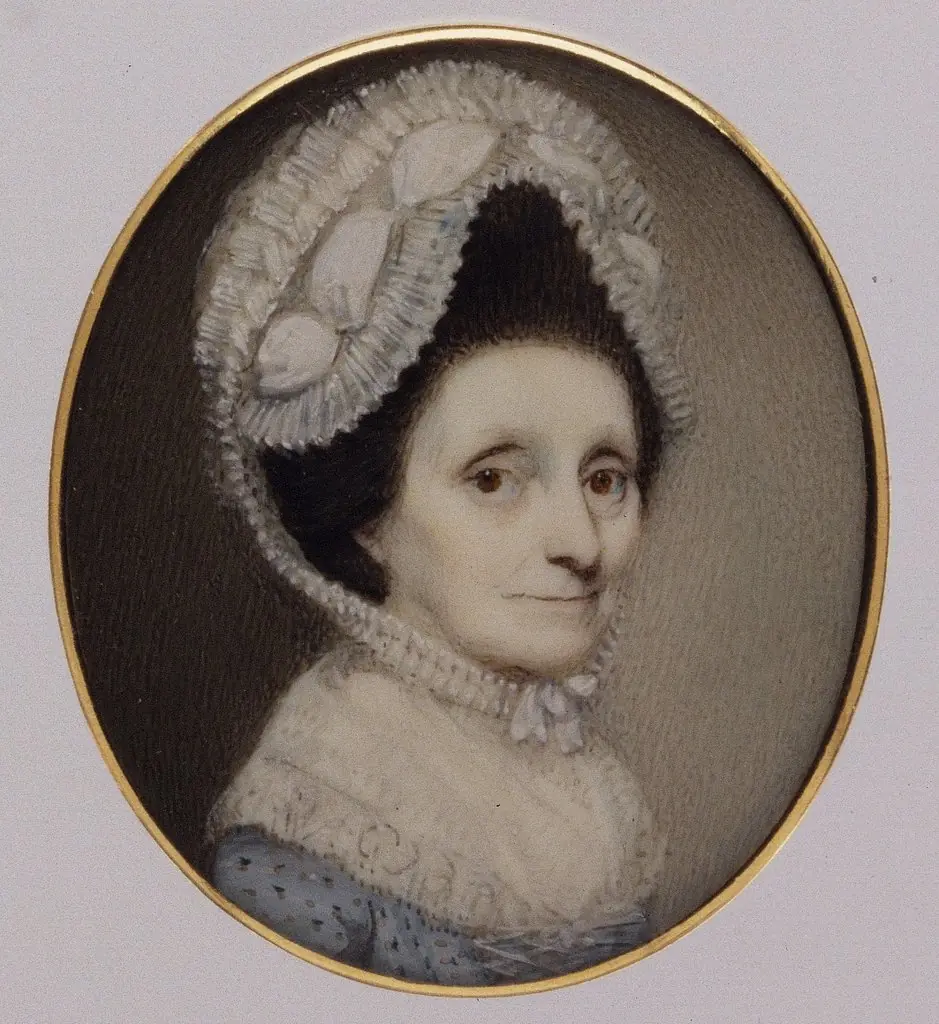 Mrs. Peter De Lancey (Elizabeth Colden, 1720–1784)
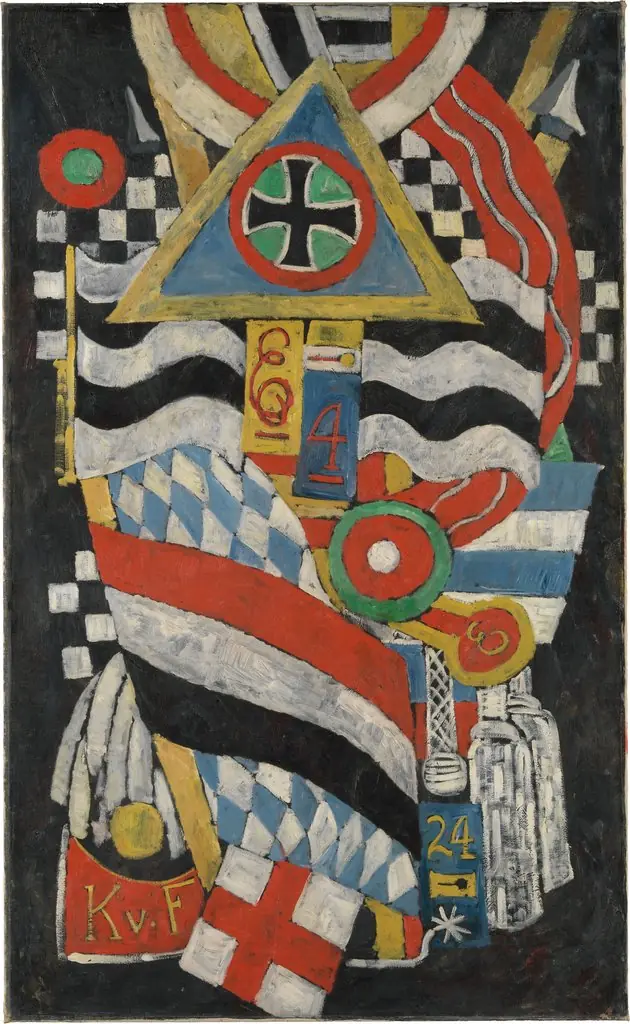 Portrait of a German Officer
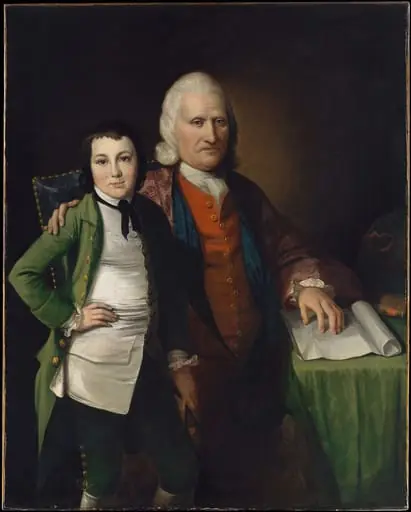 Cadwallader Colden and His Grandson Warren De Lancey
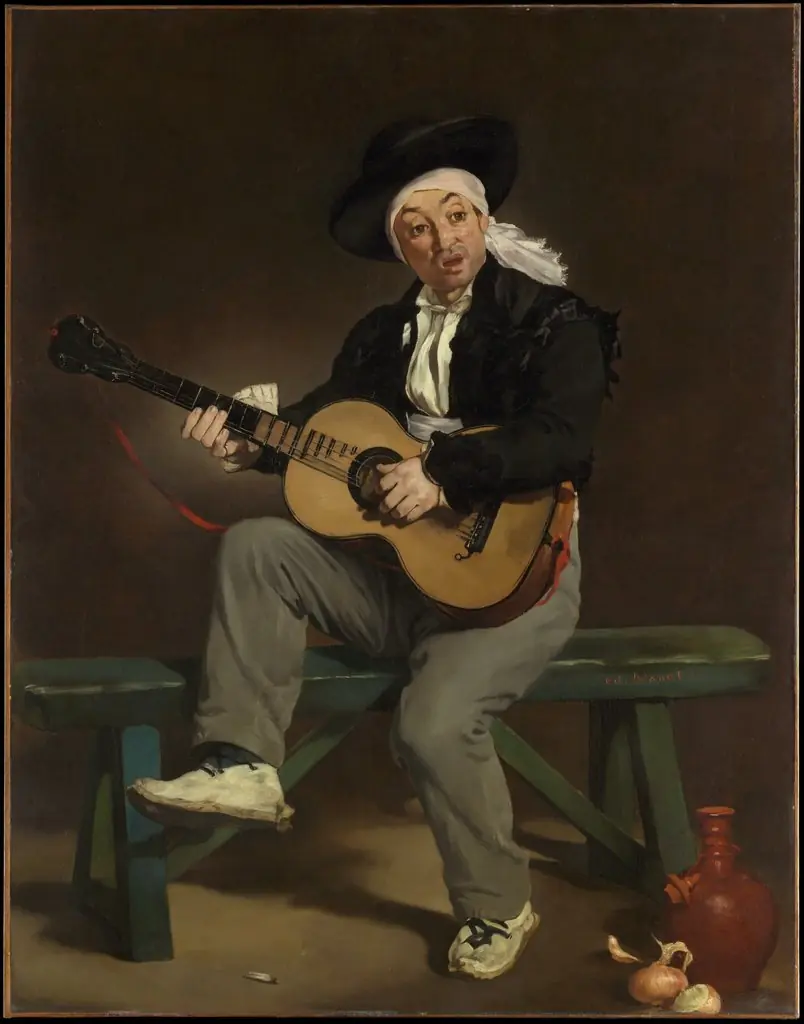 The Spanish Singer
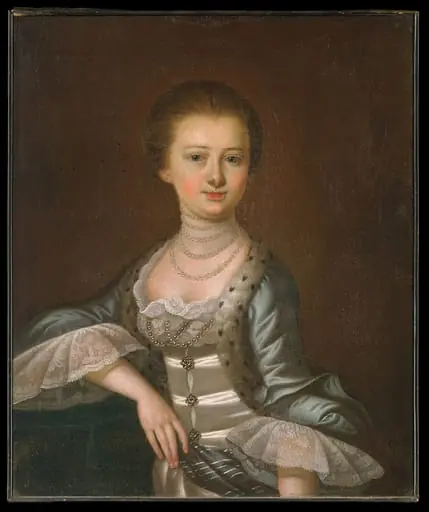 Mrs. John Dart
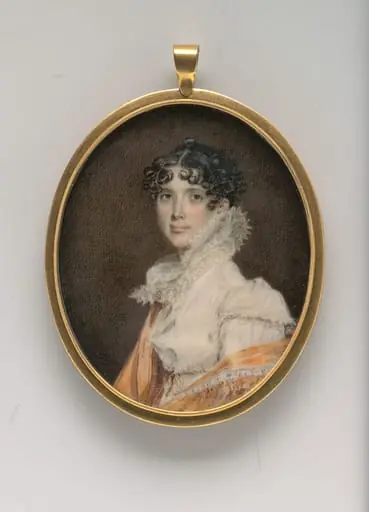 Mrs. Nathaniel Chapman (Rebekah Biddle)
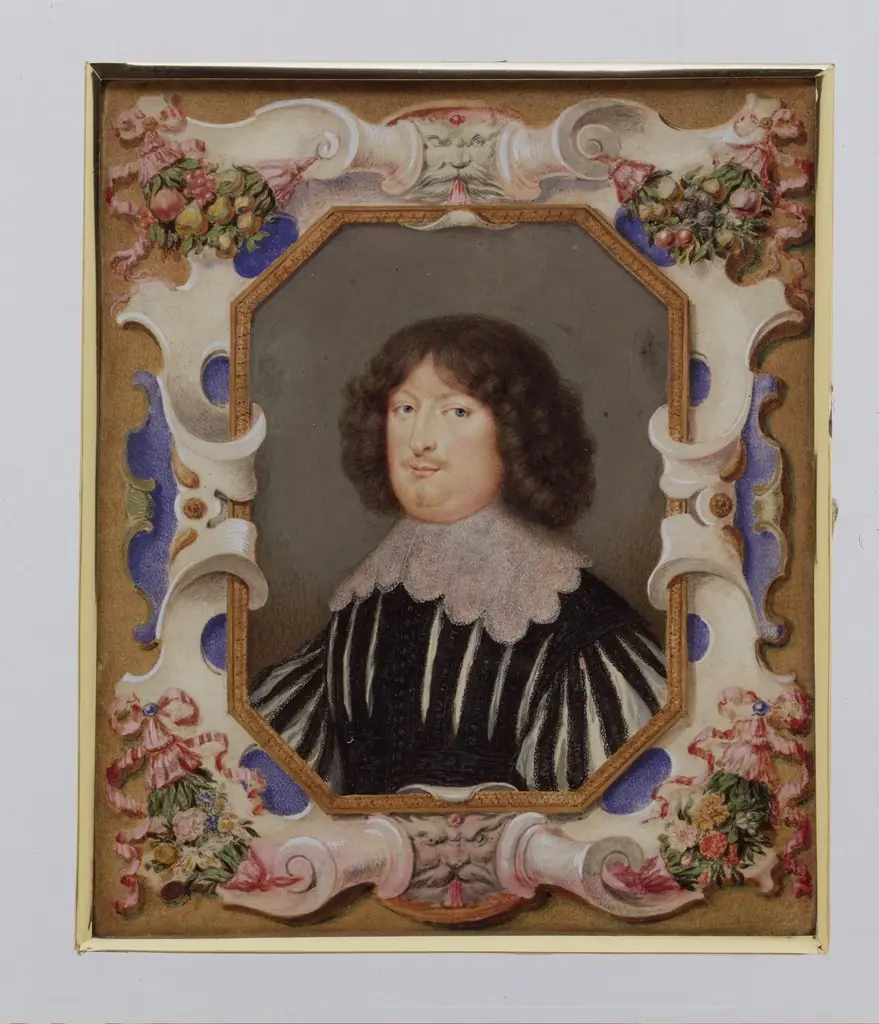 Portrait of a Man
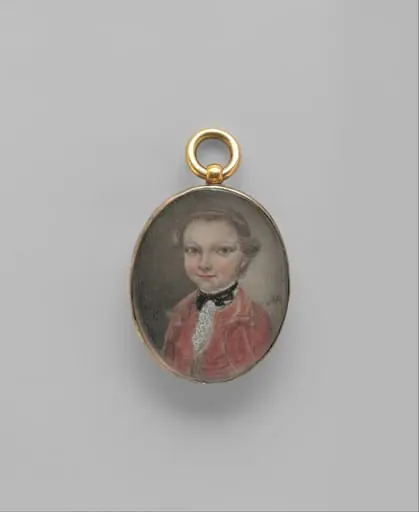 William Middleton
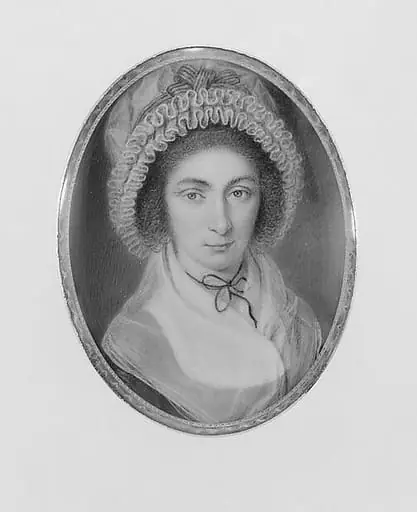 Mrs. John McAllister (Frances Wardale)
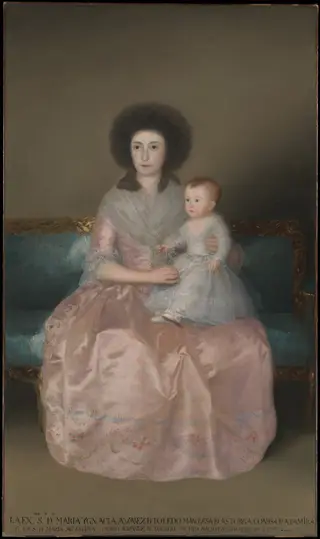 Condesa de Altamira and Her Daughter, María Agustina
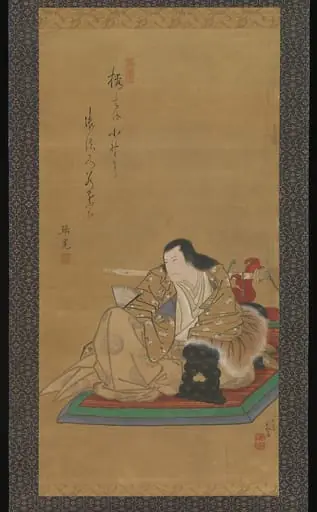 初代嵐橘三郎 (二代目嵐吉三郎) の惟高親王|The Actor Arashi Kitsusaburō I (Kichisaburō II) as Prince Koretaka
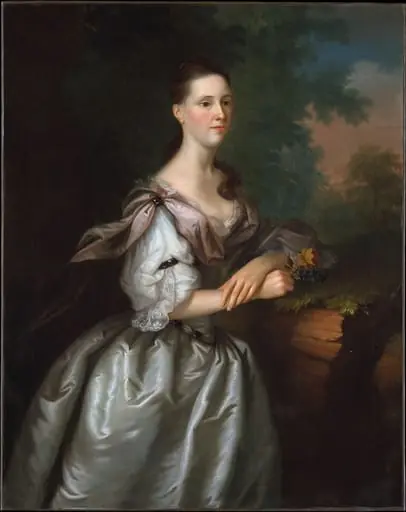 Mrs. Samuel Cutts
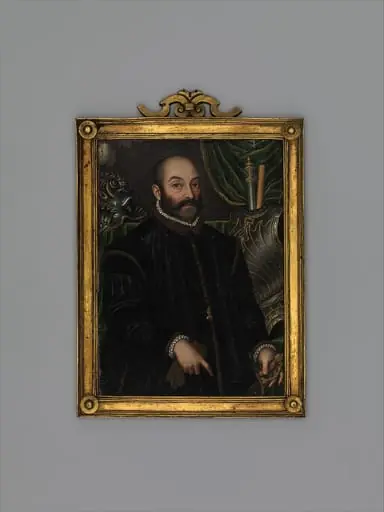 Guidobaldo II della Rovere, Duke of Urbino (1514–1574), With his Armor by Filippo Negroli
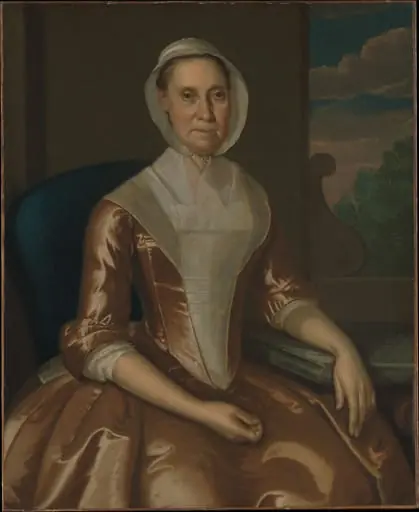 Mrs. Richard Galloway
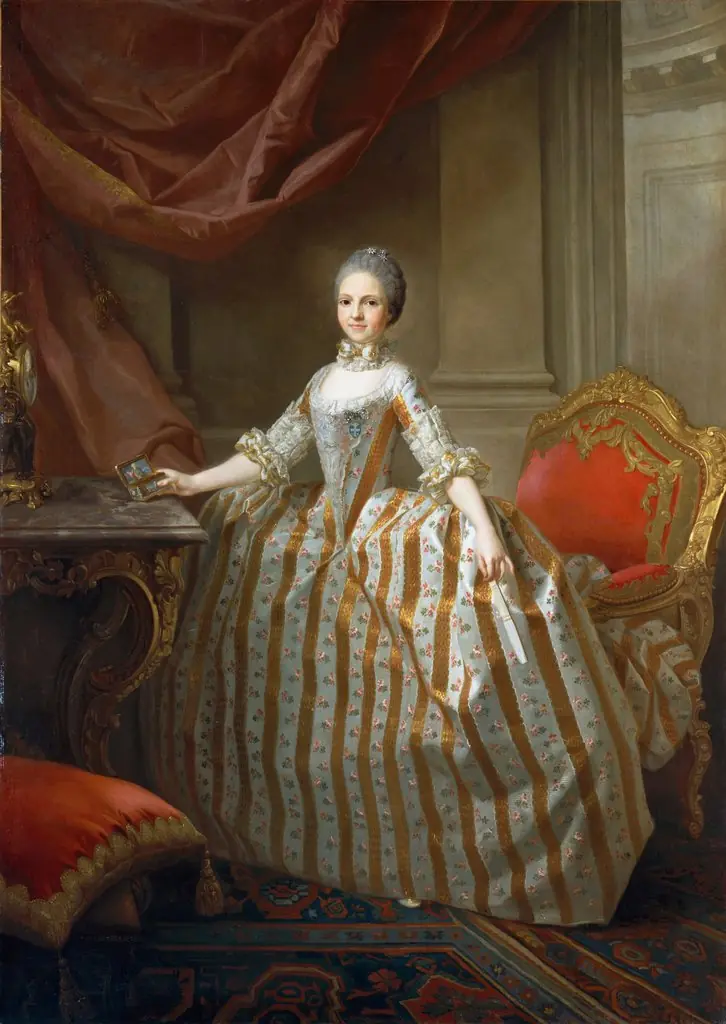 Maria Luisa of Parma (1751–1819), Later Queen of Spain
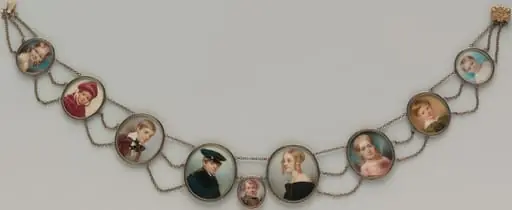 A Mother's Pearls
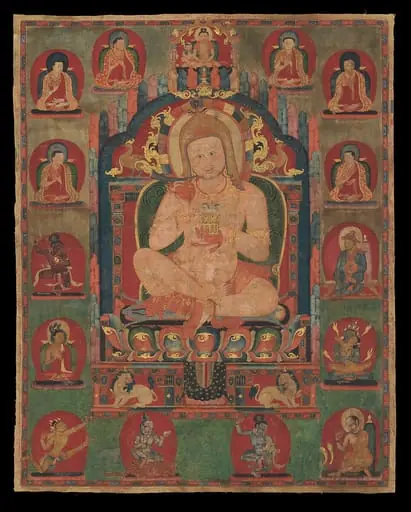 Untitled
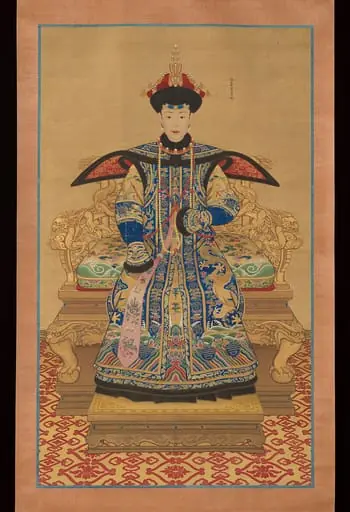 Untitled
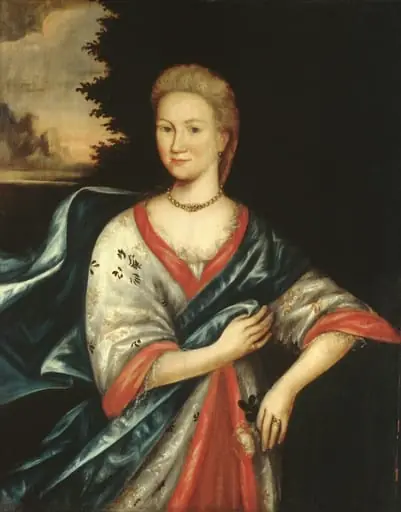 Portrait of a Lady
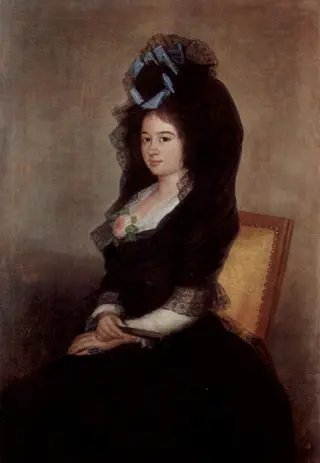 Narcisa Barañana de Goicoechea
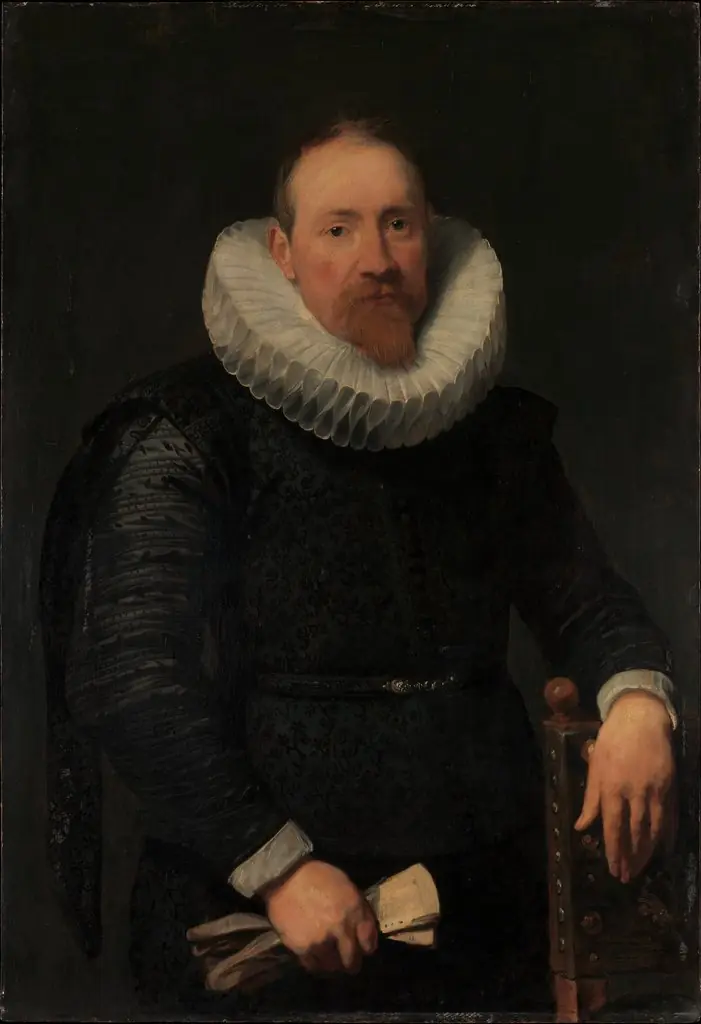 Portrait of a Man
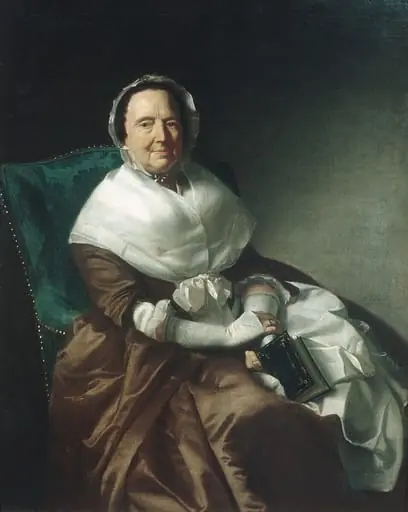 Mrs. Sylvanus Bourne
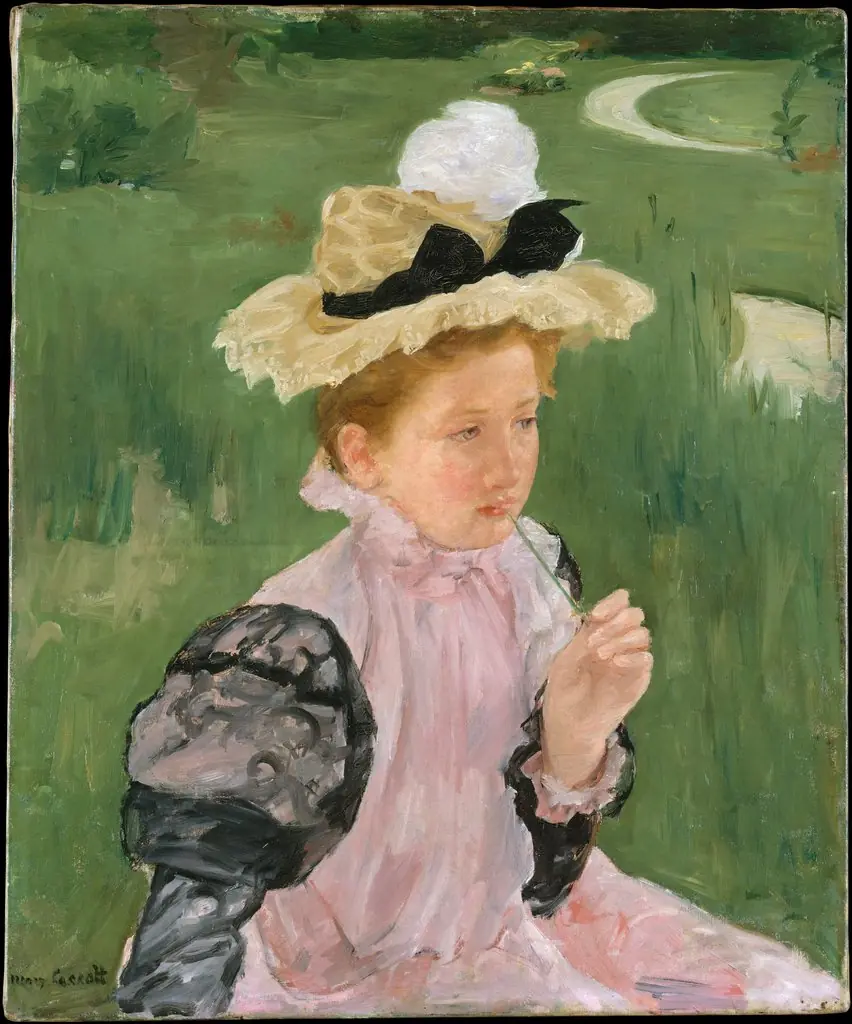 Portrait of a Young Girl
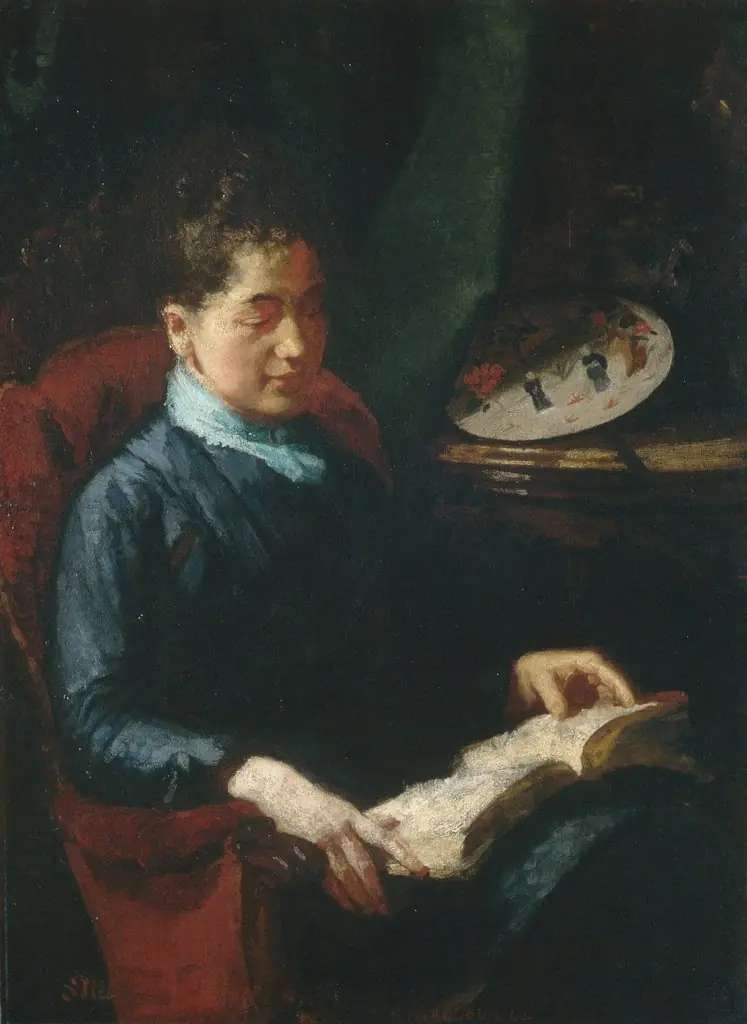 Woman Reading
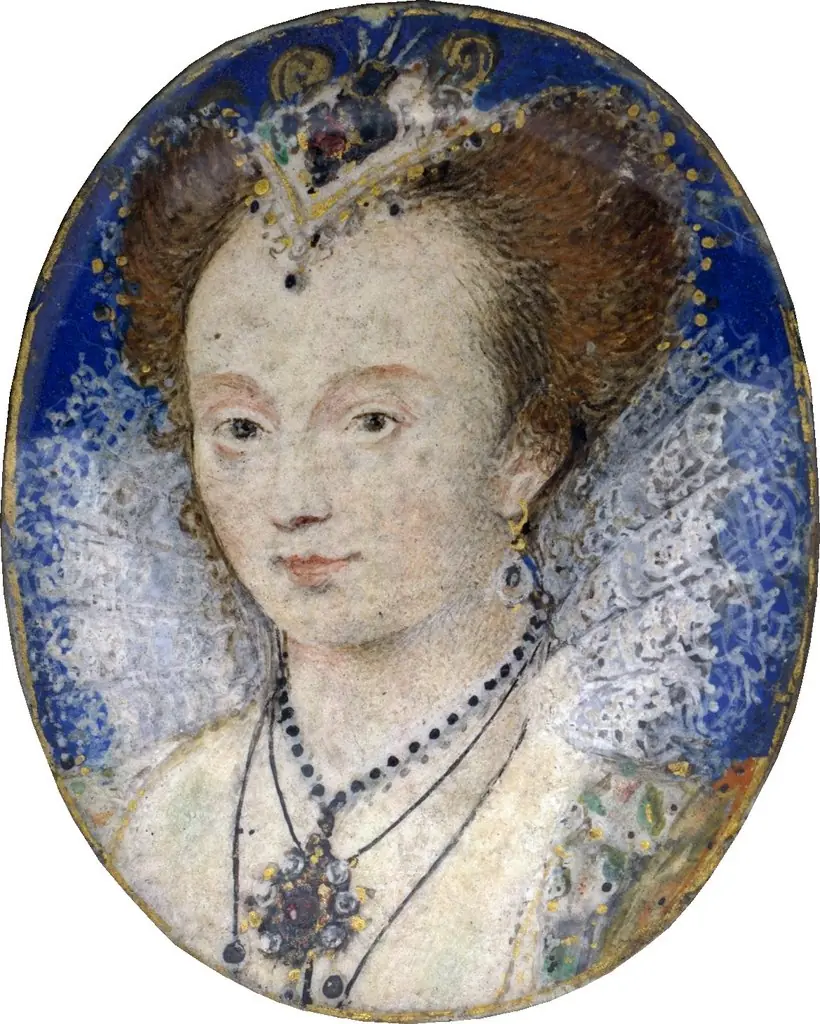 Portrait of a Woman
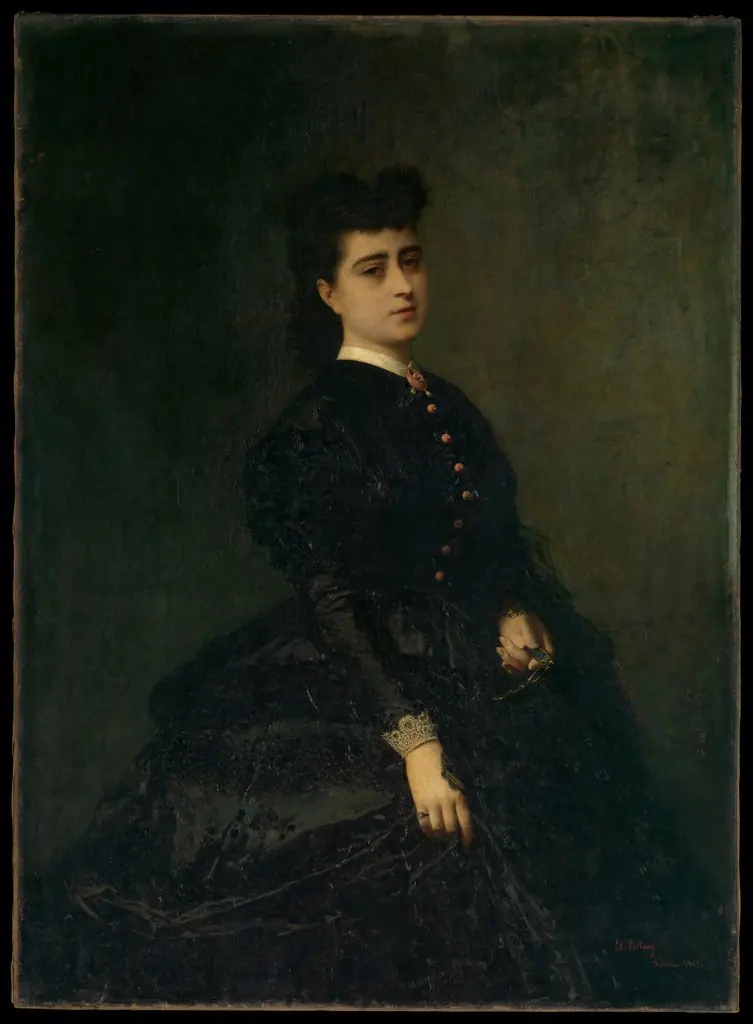 Madame Gaye
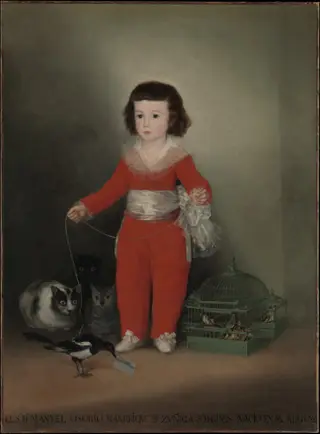 Don Manuel Osorio de Zuniga
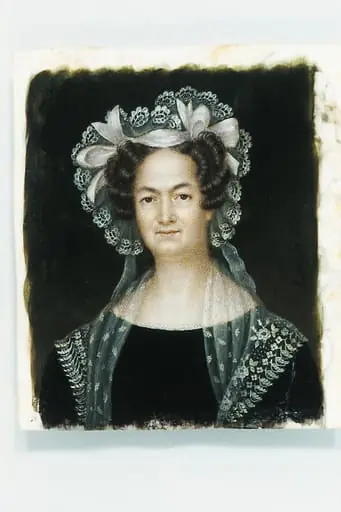 Mrs. Jacob Gerard Koch (Jane Griffith)
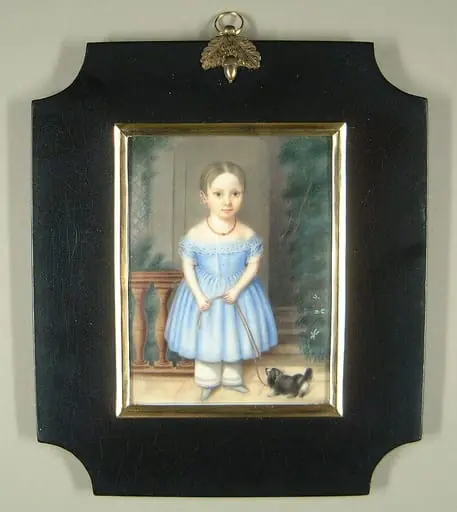 Mary R. Whitlock
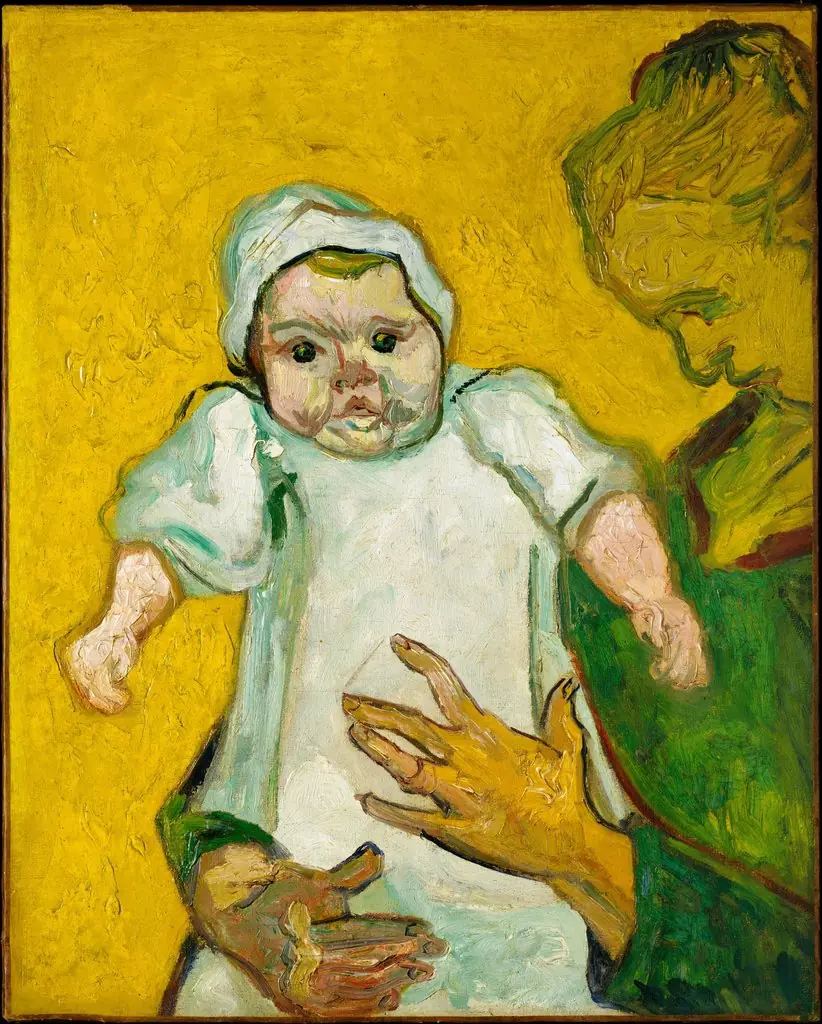 Madame Augustine Roulin with Baby
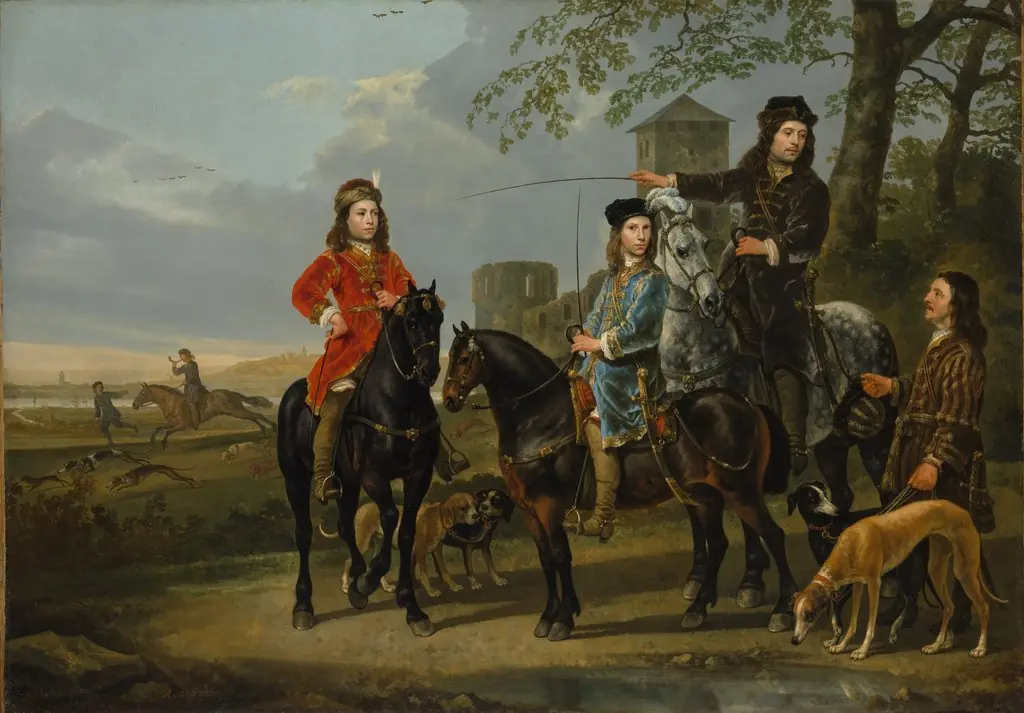 Equestrian Portrait of Cornelis (1639–1680) and Michiel Pompe van Meerdervoort (1638–1653) with Their Tutor and Coachman ("Starting for the Hunt")
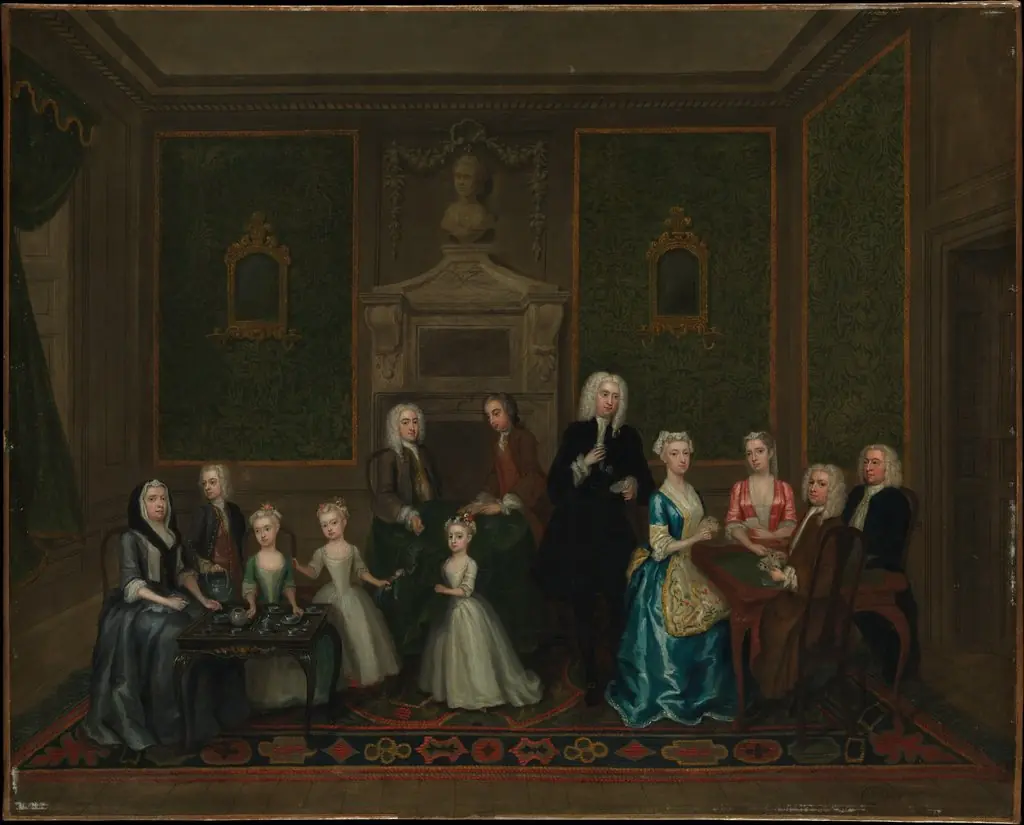 The Strong Family
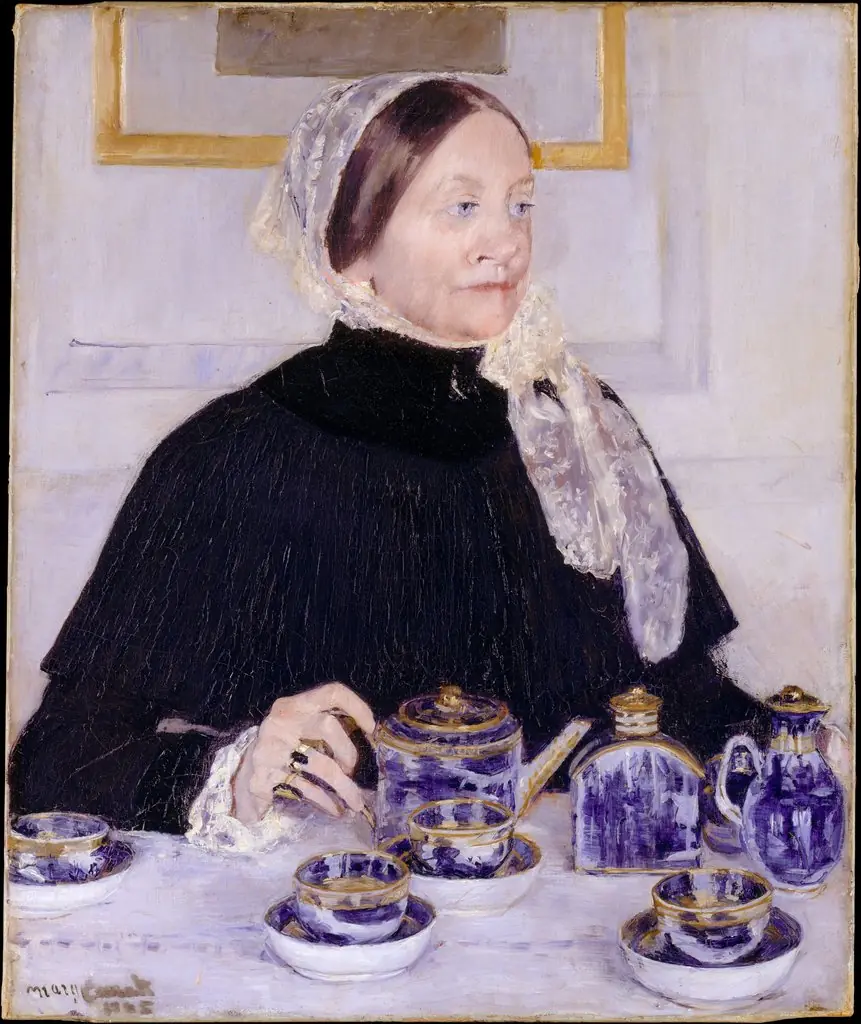 Lady at the Tea Table
 Portrait of a Lady
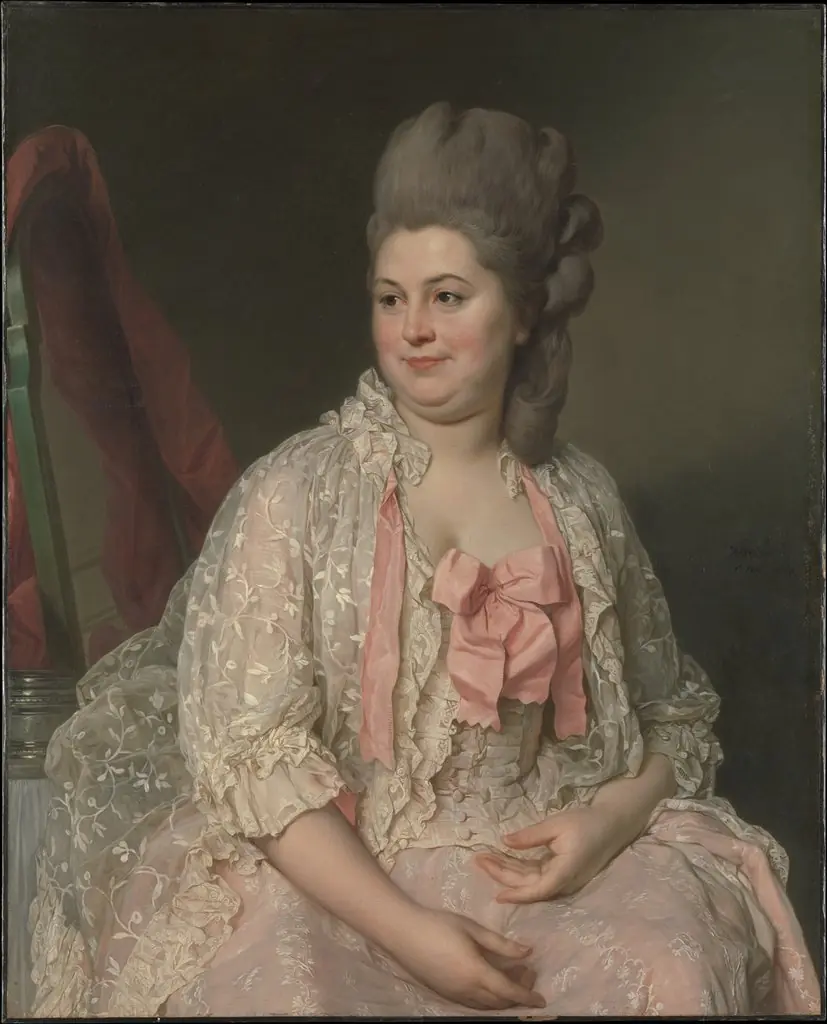 Madame de Saint-Maurice
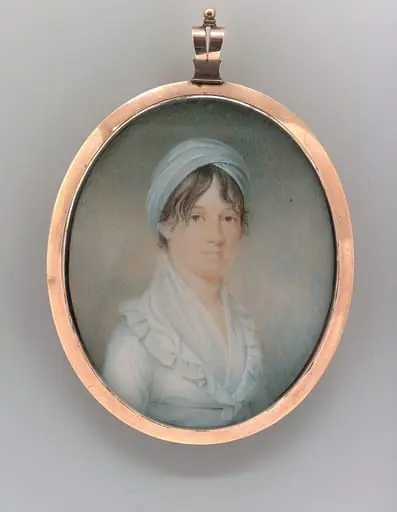 Mrs. Jonathan Pinkney, Jr. (Elizabeth Munroe)
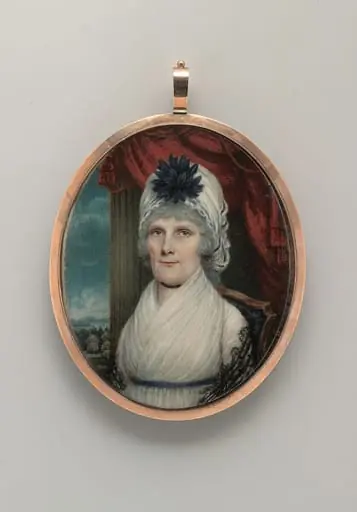 Portrait of a Lady
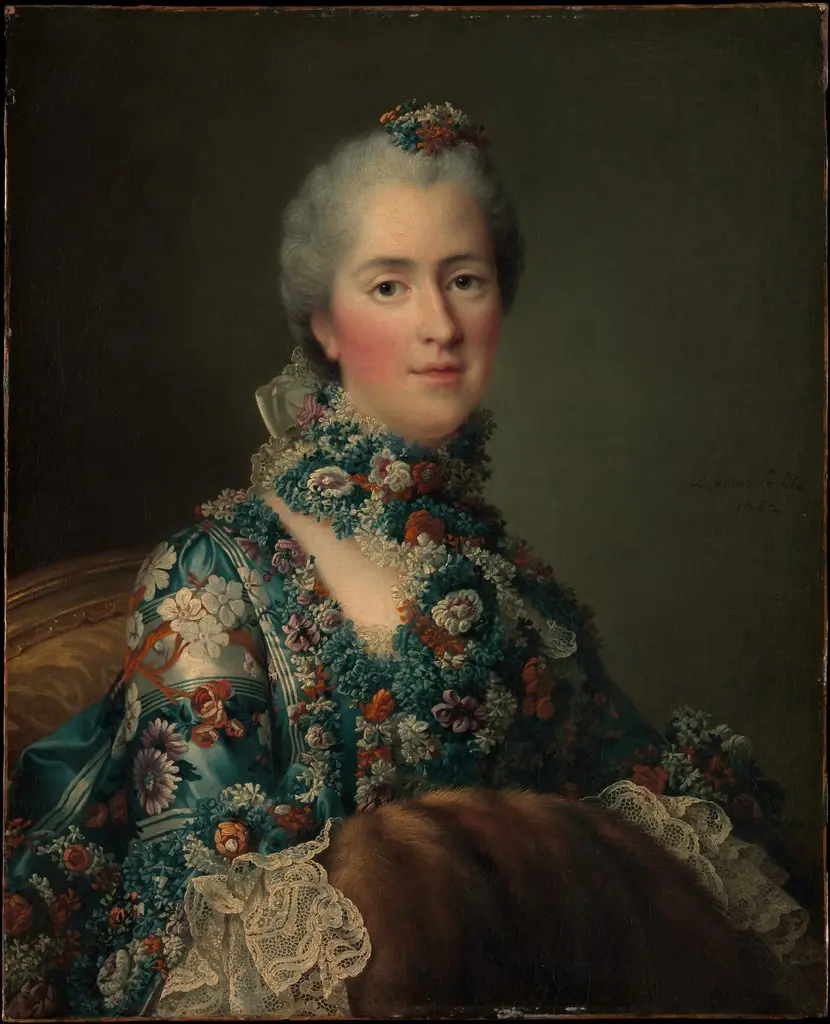 Madame Sophie de France (1734–1782)
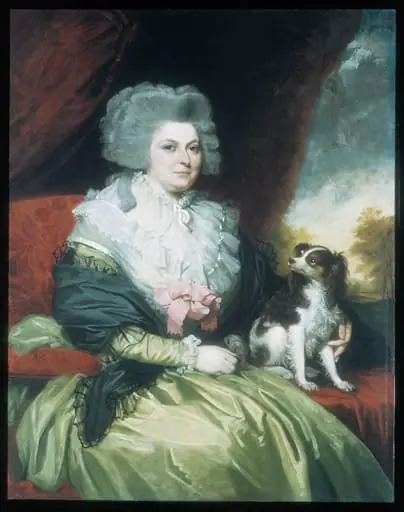 Lady with a Dog
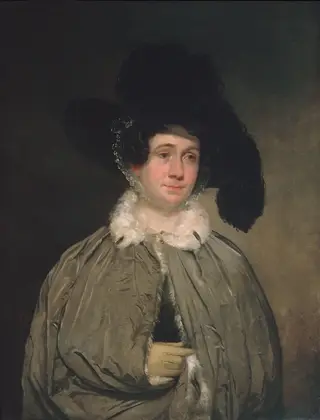 Mrs. Thomas Brewster Coolidge
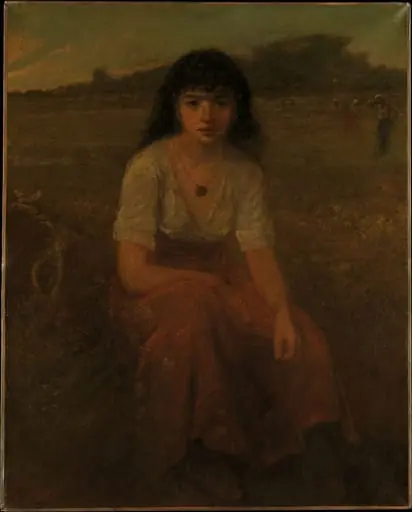 The Quadroon
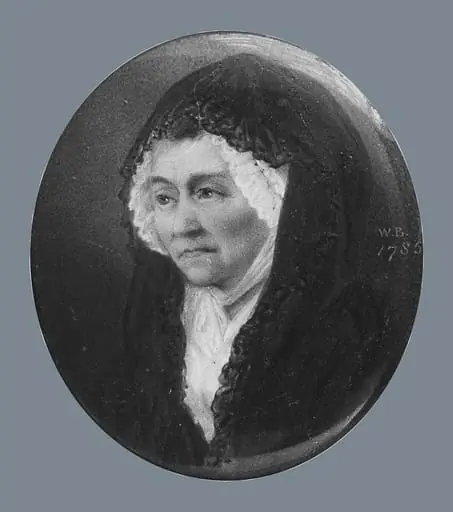 Mary Birch
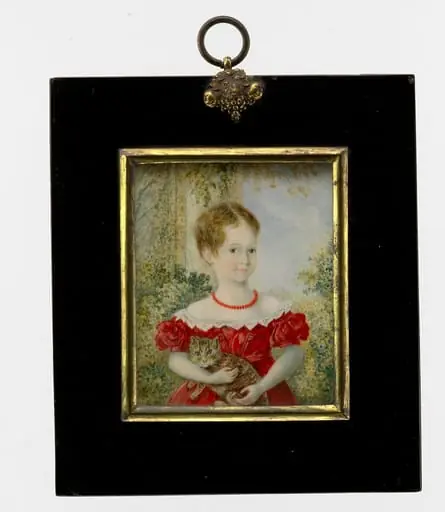 Mrs. Edward Loyd (C. Louisa Foster)
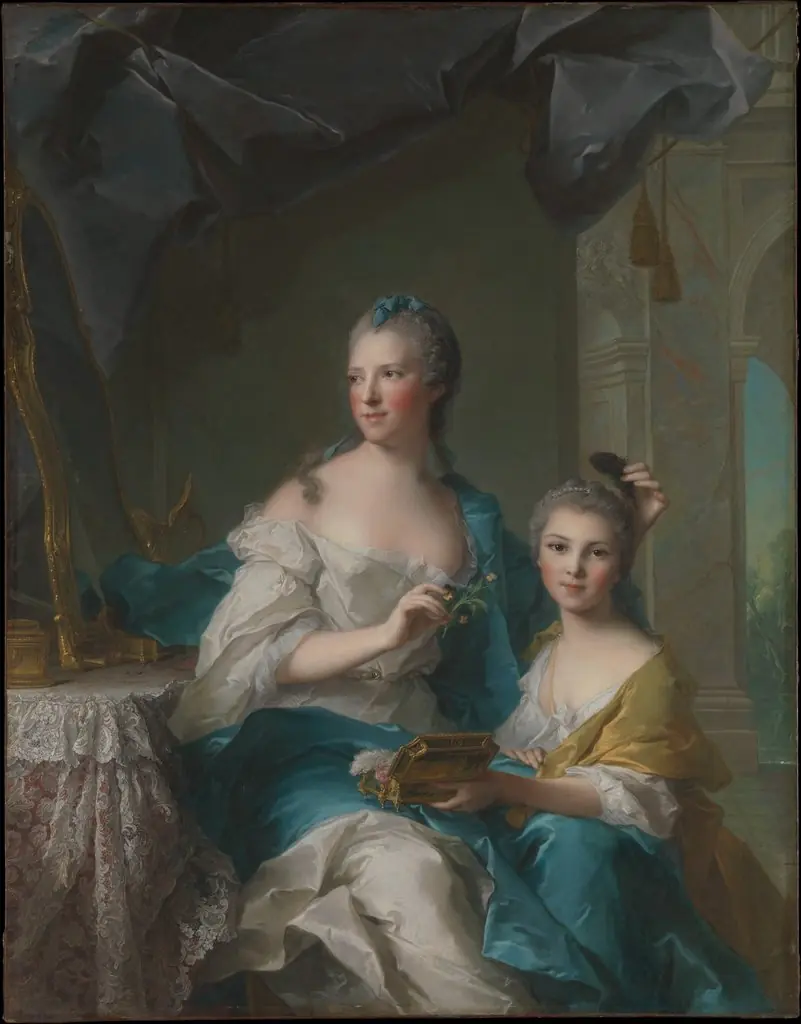 Madame Marsollier and Her Daughter
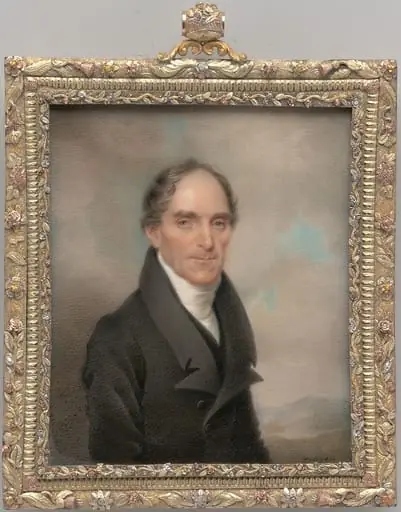 Dr. Francis Kinloch Huger
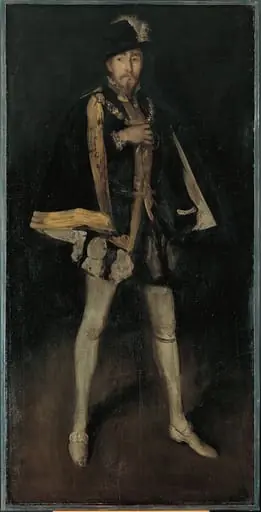 Arrangement in Black, No. 3: Sir Henry Irving as Philip II of Spain
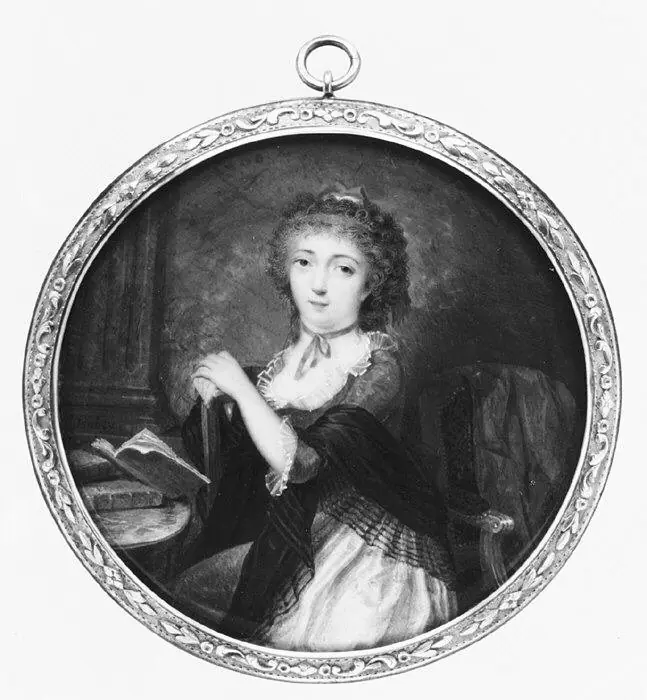 The Reader
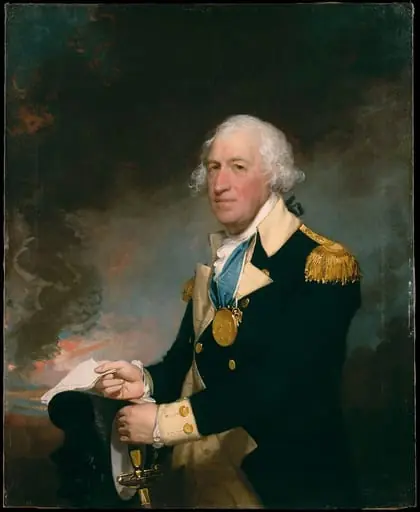 Horatio Gates
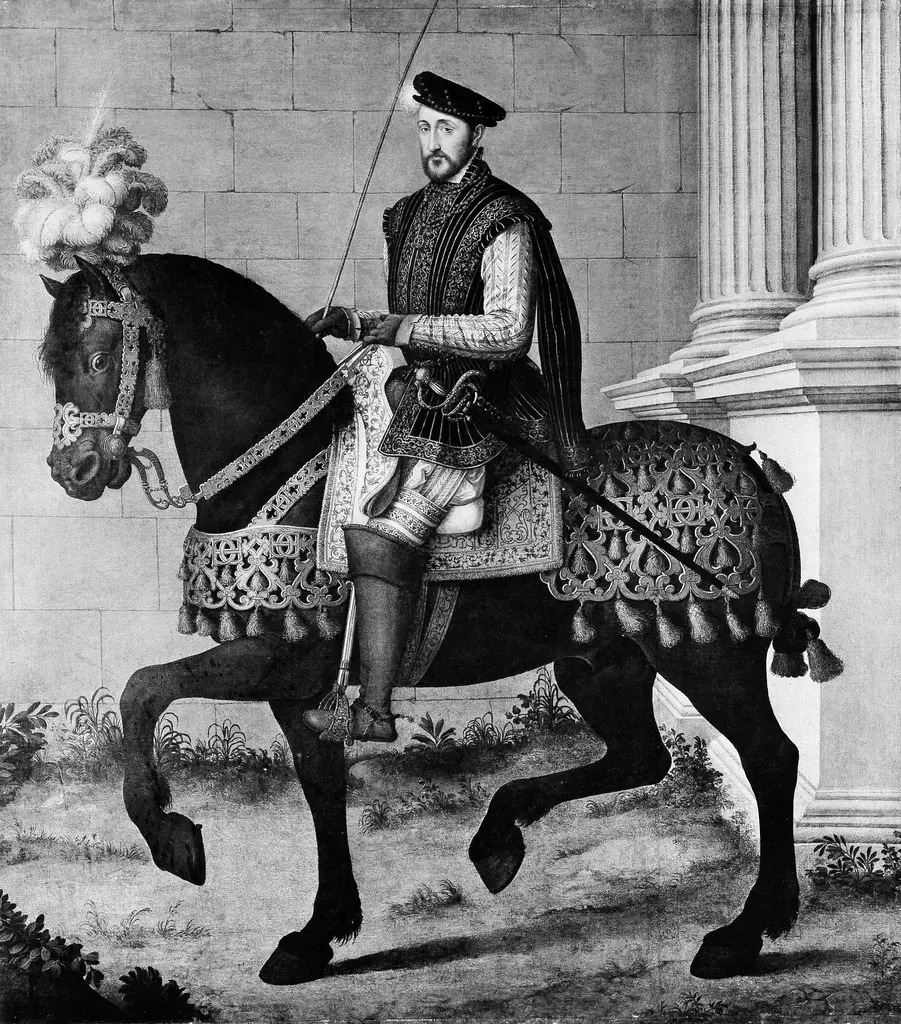 Henry II (1519–1559), King of France
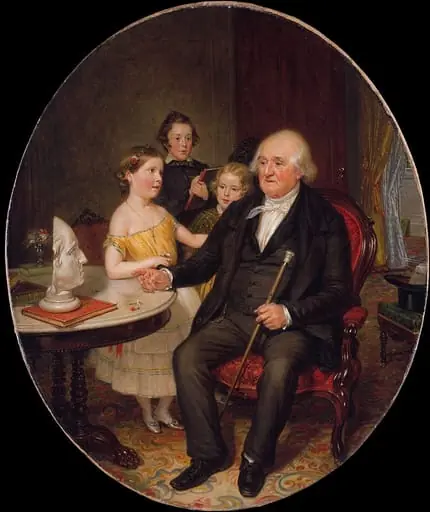 Great-Grand-Father's Tale of the Revolution—A Portrait of Reverend Zachariah Greene
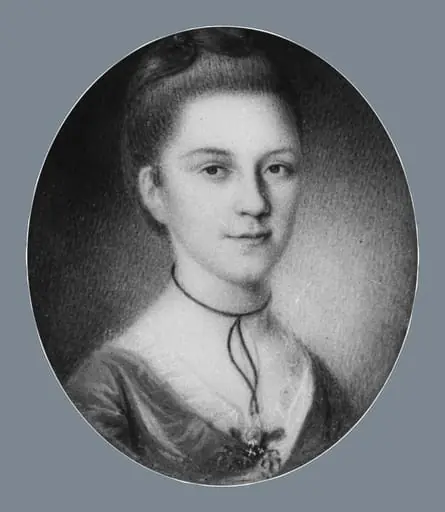 Mrs. Michael Taney (Monica Brooke)
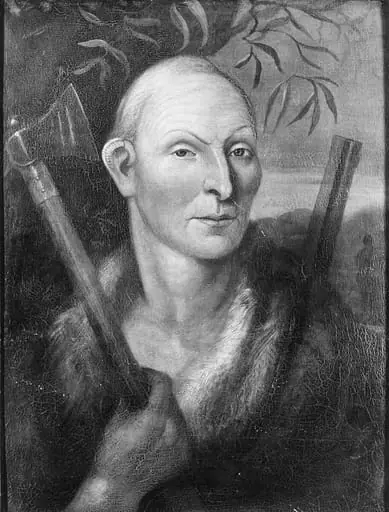 Black Hawk
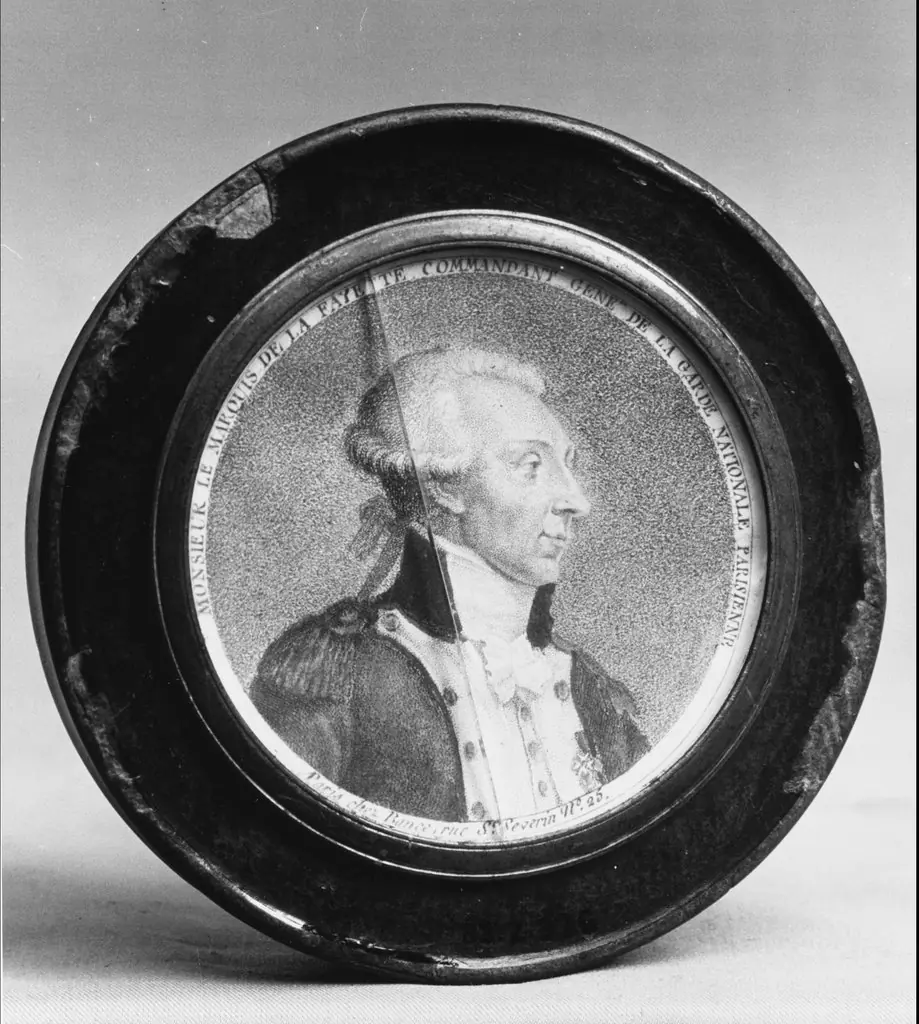 Portrait Miniature of the Marquis de Lafayette
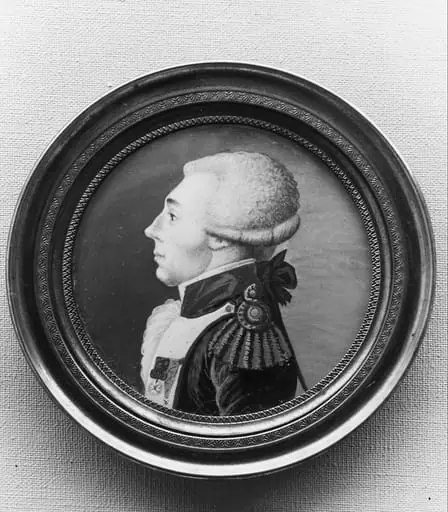 Portrait Miniature of the Marquis de Lafayette
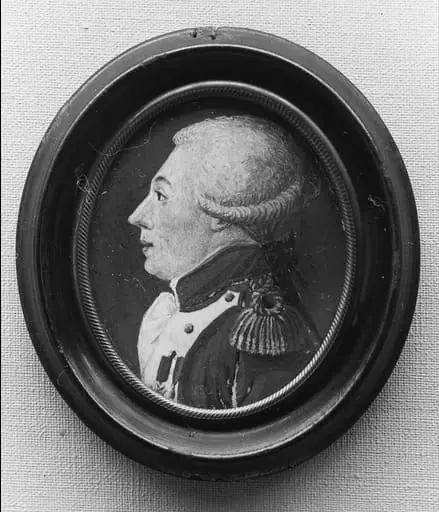 Portrait Miniature of the Marquis de Lafayette
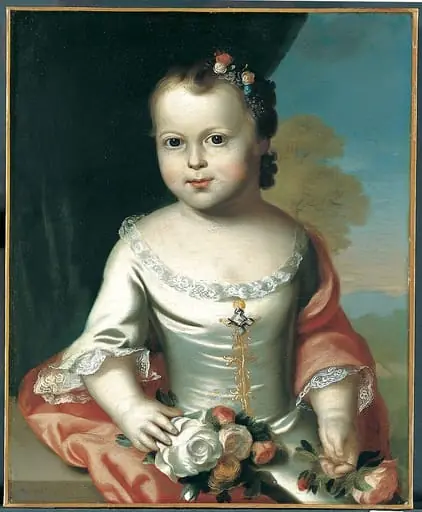 Elizabeth Greenleaf
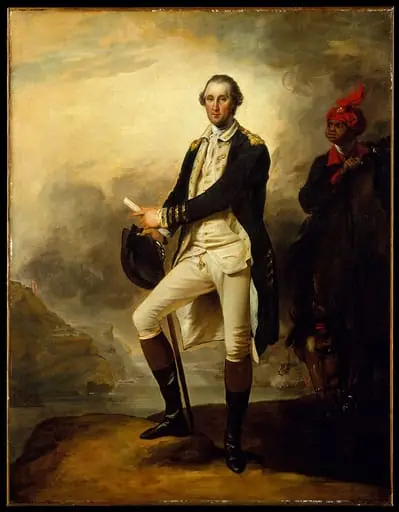 George Washington and William Lee
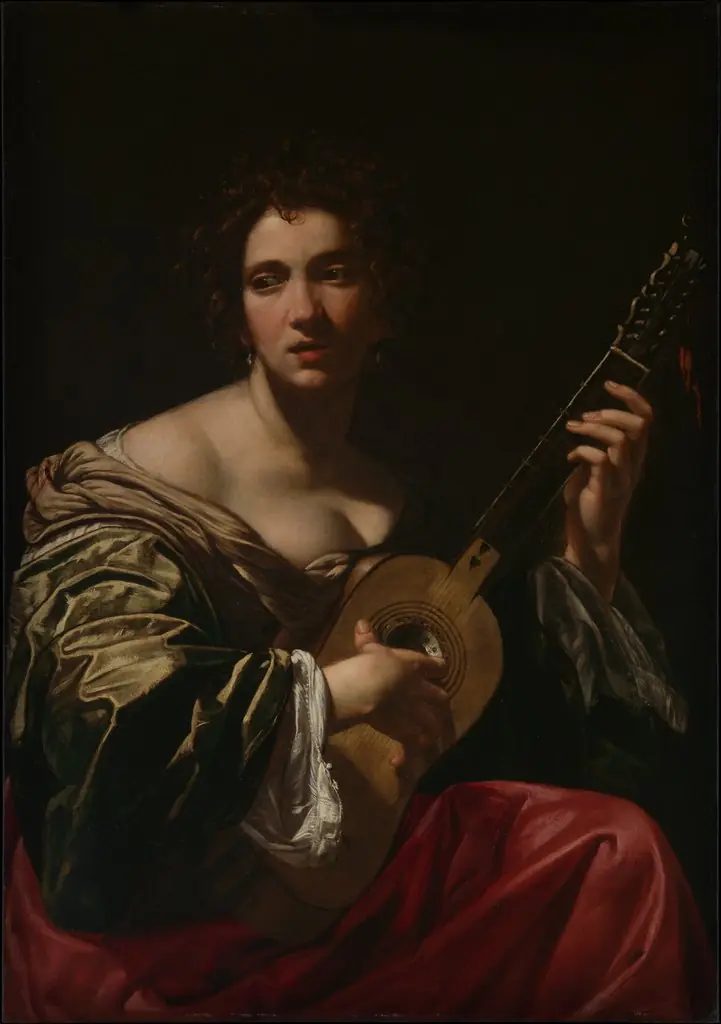 Woman Playing a Guitar
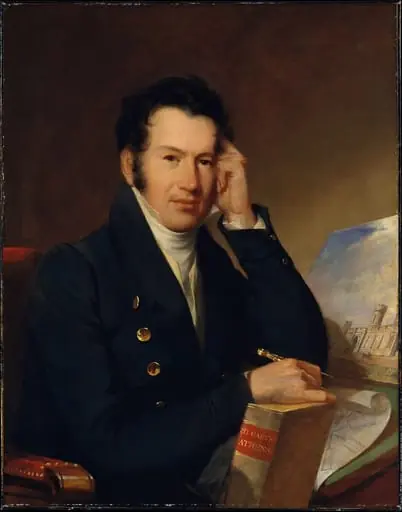 John Haviland
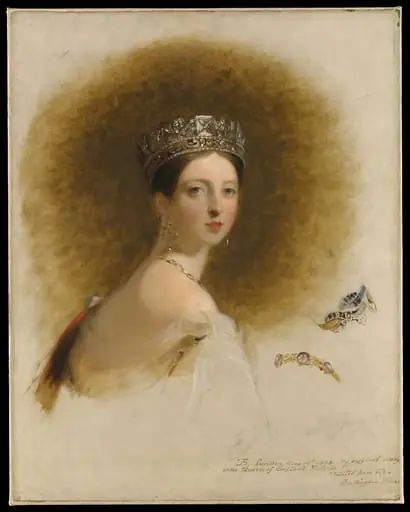 Queen Victoria
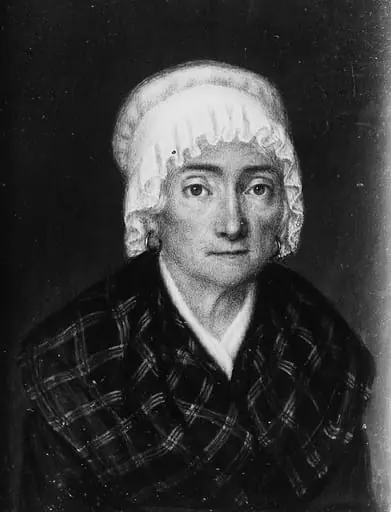 Mrs. Daniel Strobel Jr. (Anna Church)
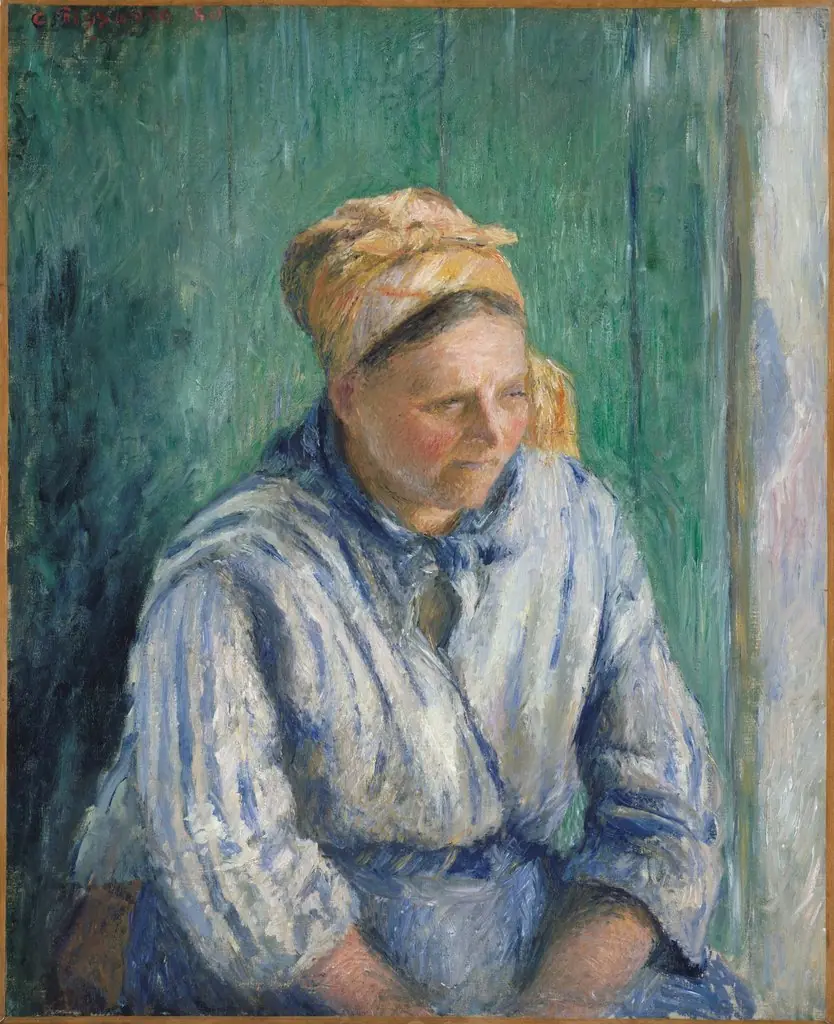 Washerwoman, Study
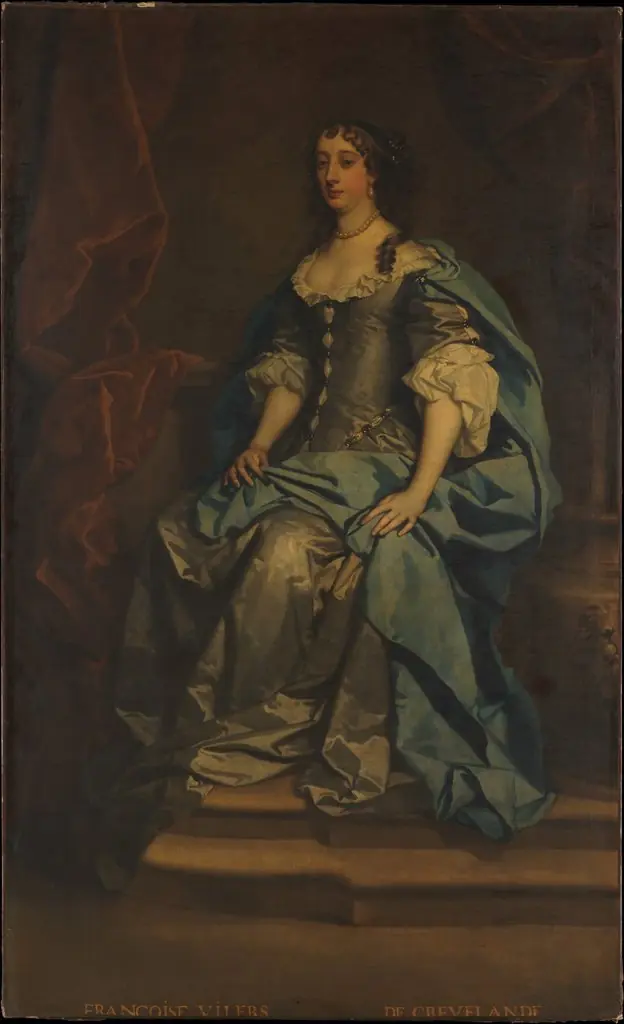 Barbara Villiers (1640–1709), Duchess of Cleveland
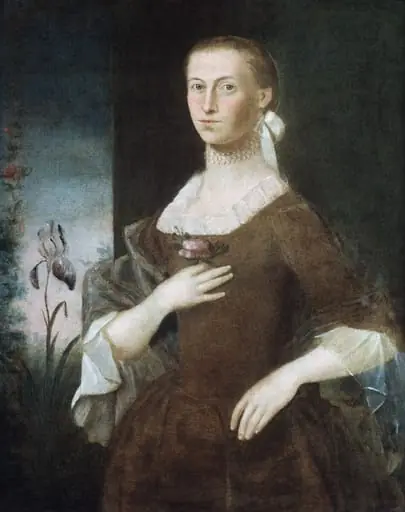 Mrs. Samuel Gardiner
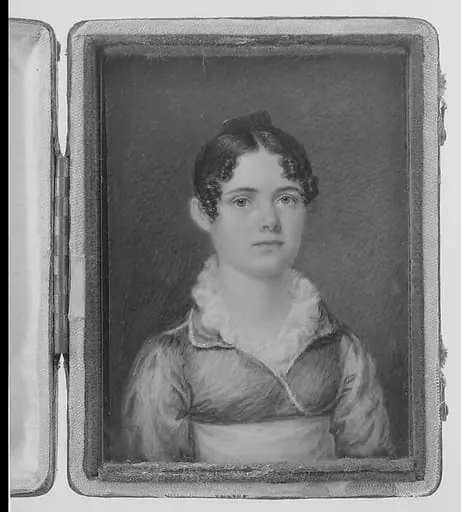 Portrait of a Lady
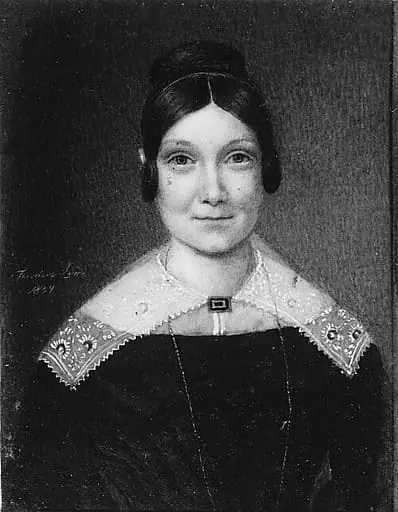 Mrs. Warren Rogers (Julie Francoise Gabrielle d'Anterroches)
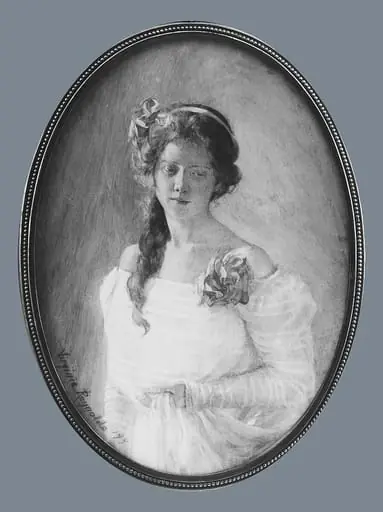 Bessie Moore
 Untitled
 Portrait of a Boy
 George Washington before the Battle of Trenton
 Mrs. John Adams Conant
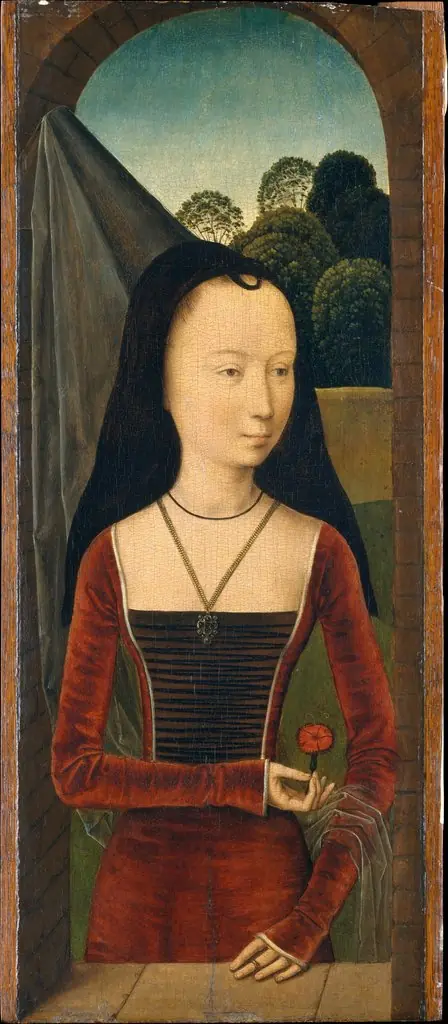 Young Woman with a Pink
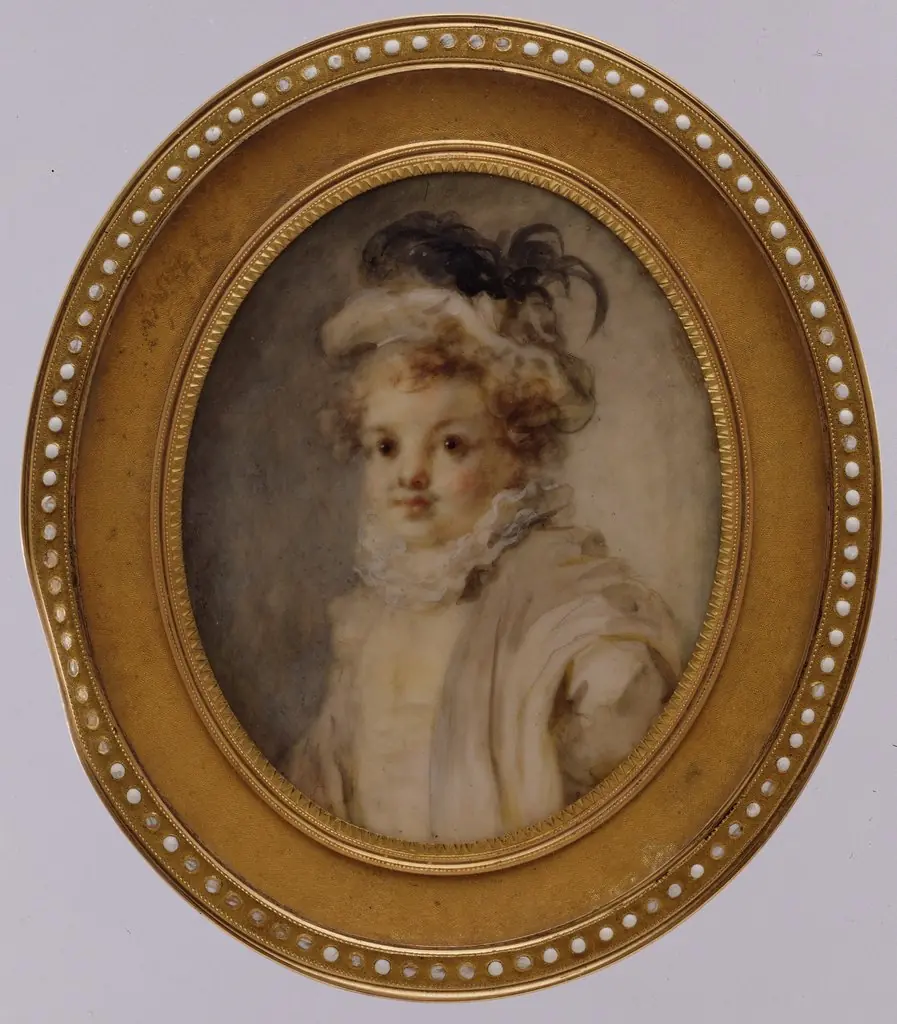 Portrait of a Boy
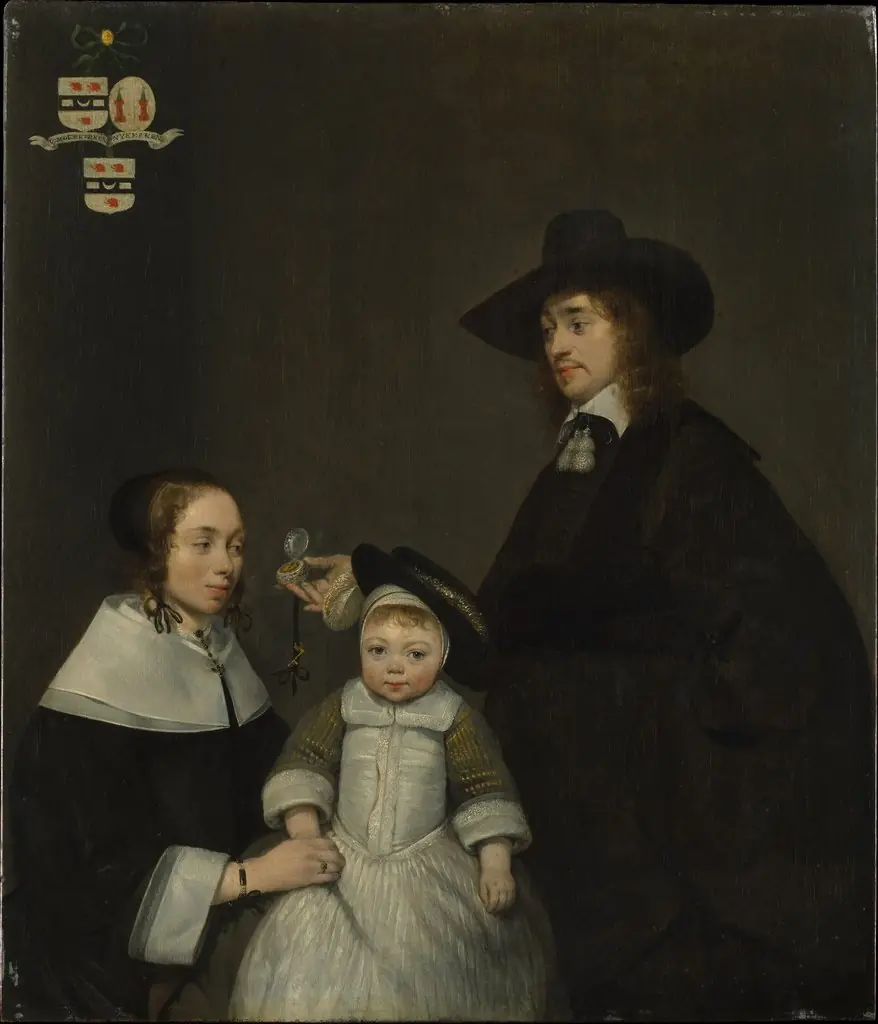 The Van Moerkerken Family
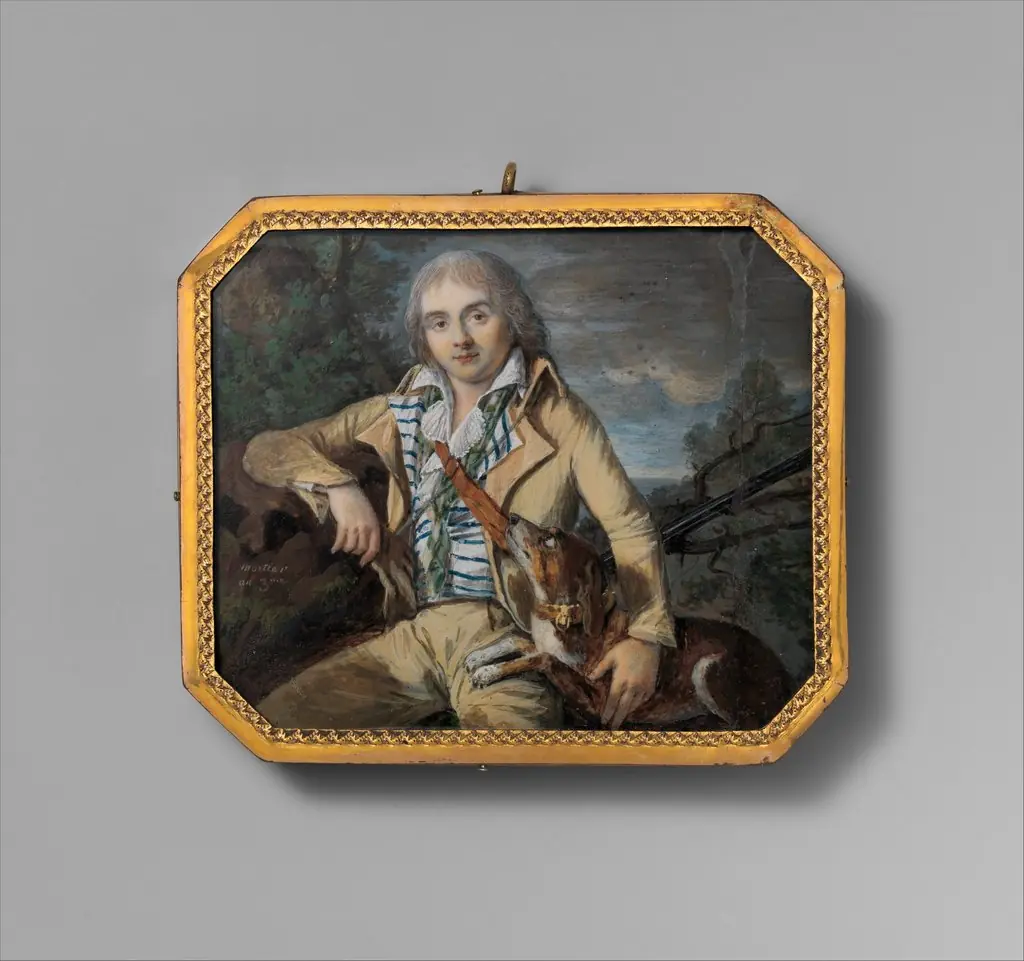 A Hunter with a Dog
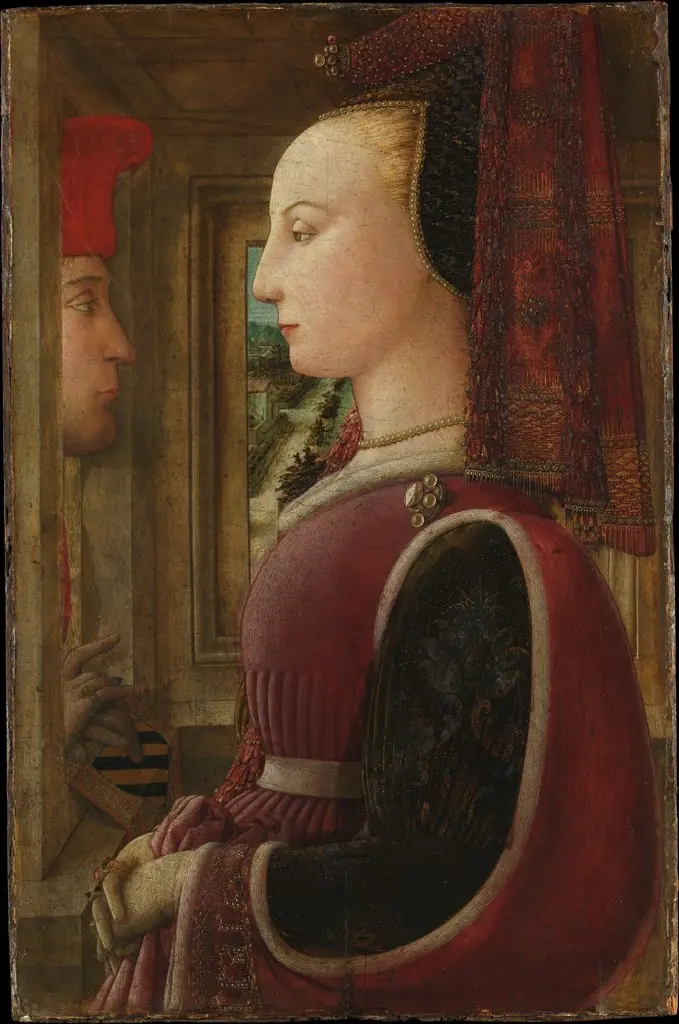 Portrait of a Woman with a Man at a Casement
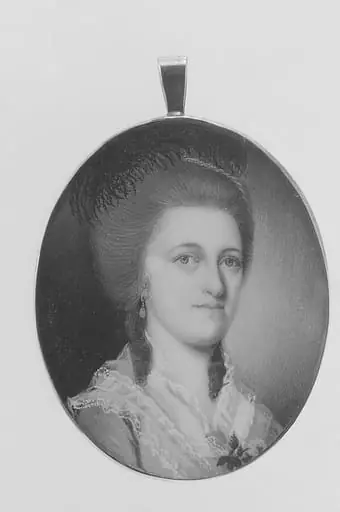 Portrait of a Lady
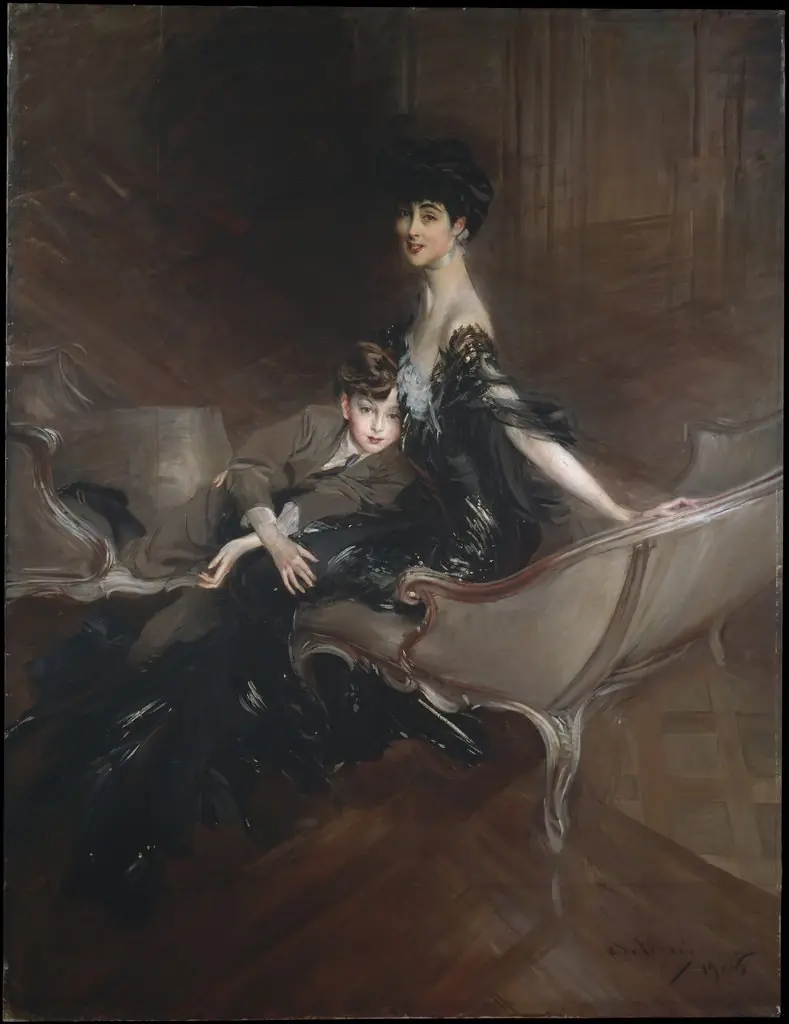 Consuelo Vanderbilt (1876–1964), Duchess of Marlborough, and Her Son, Lord Ivor Spencer-Churchill (1898–1956)
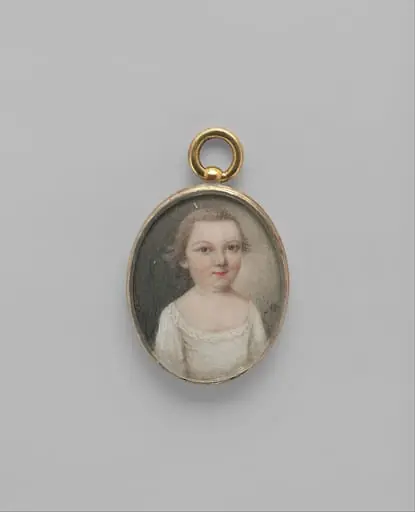 Thomas Middleton
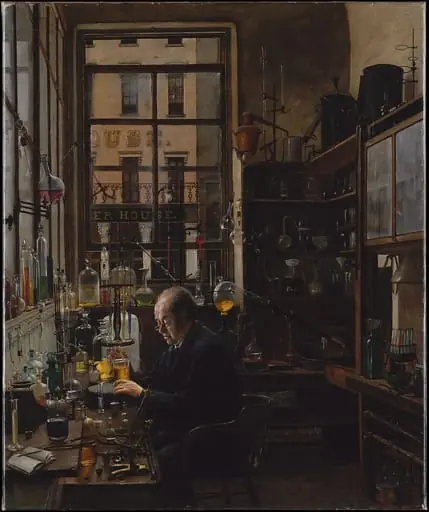 In the Laboratory
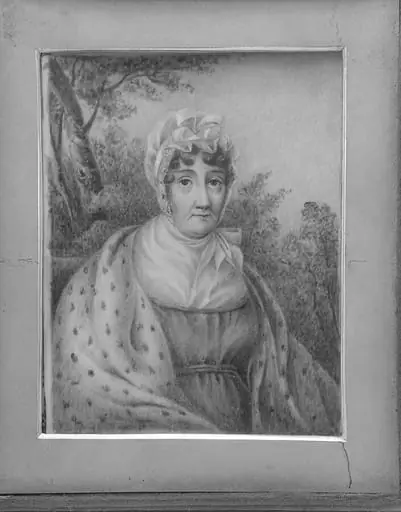 Mrs. Teakes
 Caroline Maria Therese of Parma (1770–1804)
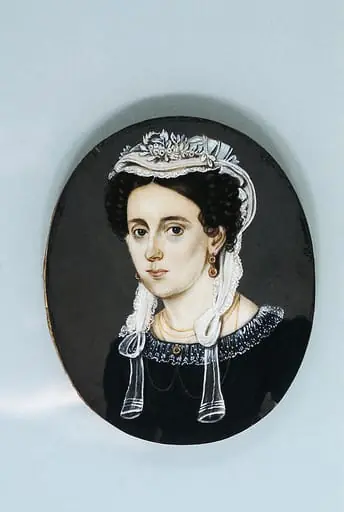 Portrait of a Lady
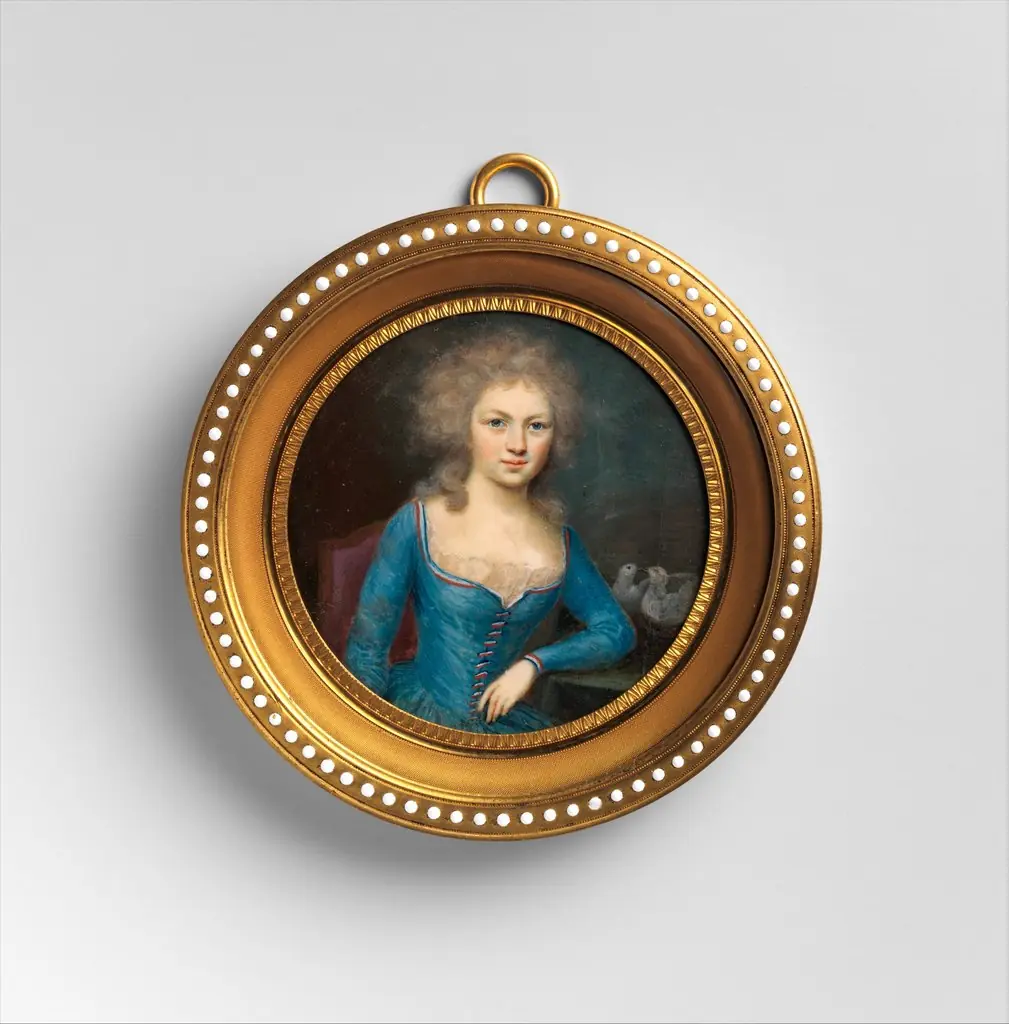 Portrait of a Woman
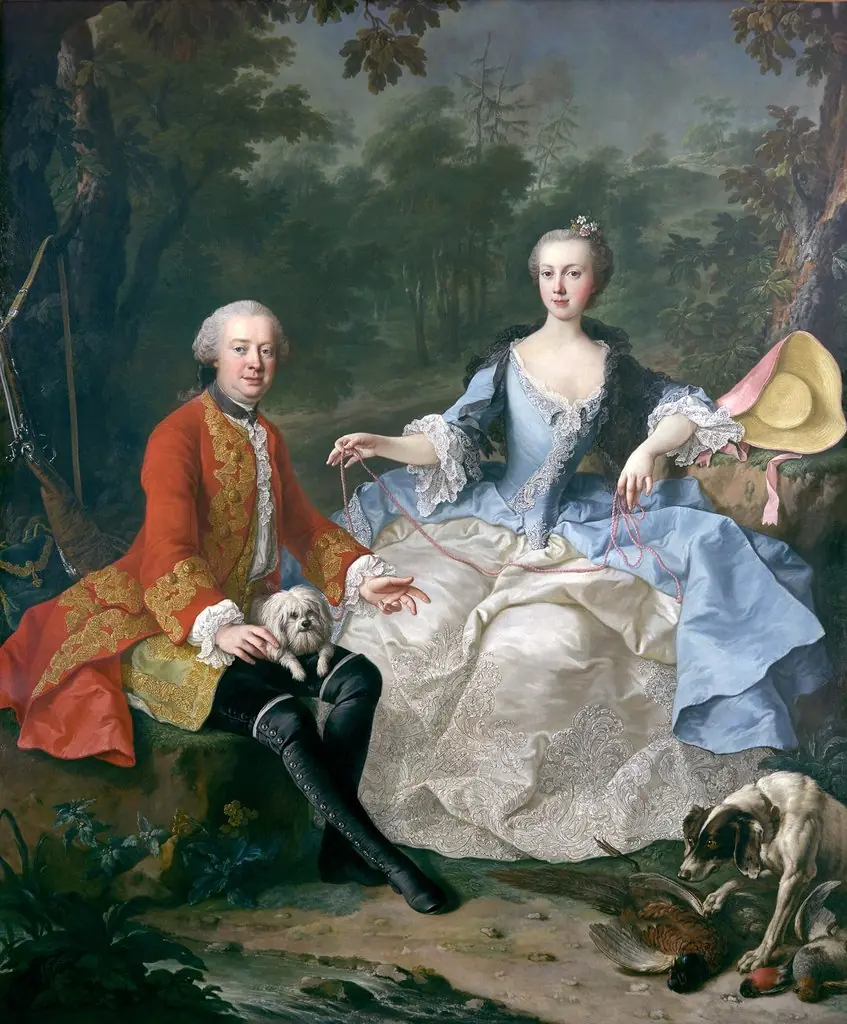 Count Giacomo Durazzo in the Guise of a Huntsman with His Wife
 Portrait of a Woman
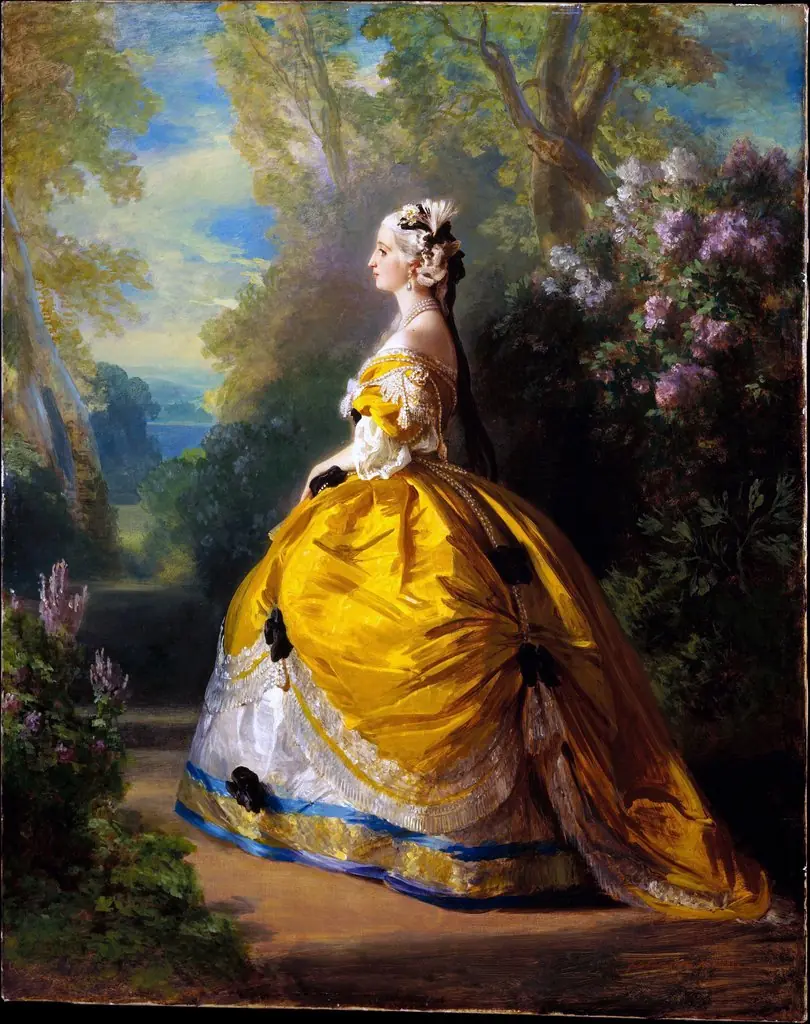 Portrait of Empress Eugénie de Montijo
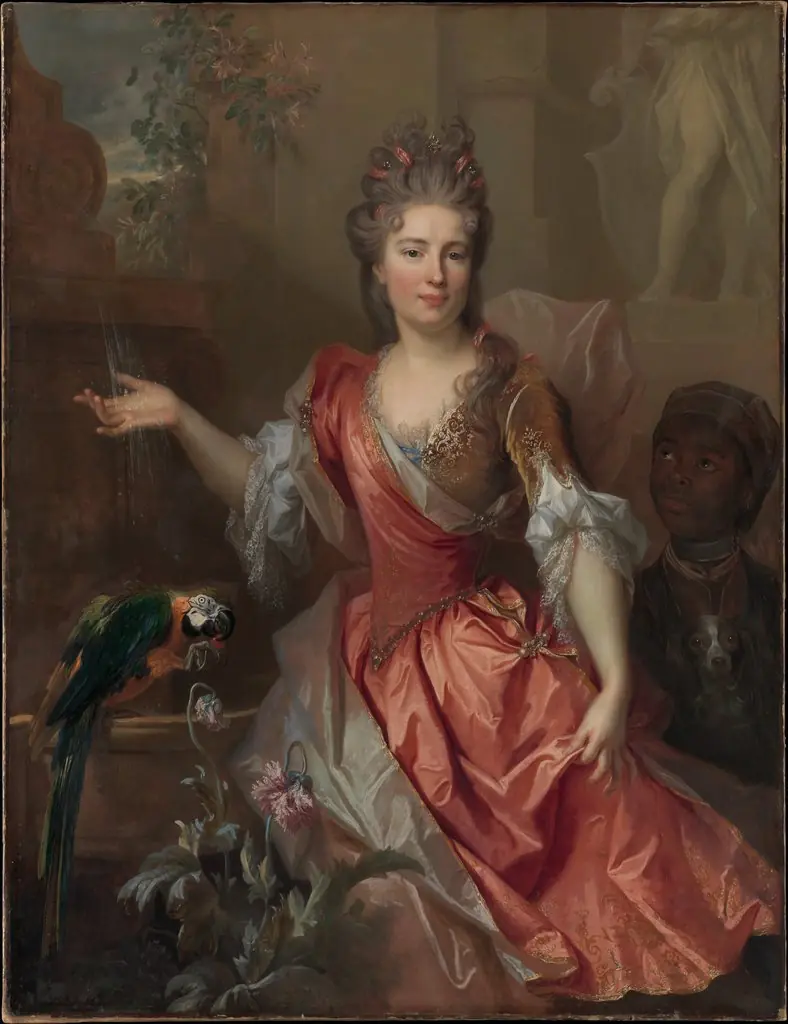 Portrait of a Woman, Possibly Madame Claude Lambert de Thorigny (Marie Marguerite Bontemps, 1668–1701)
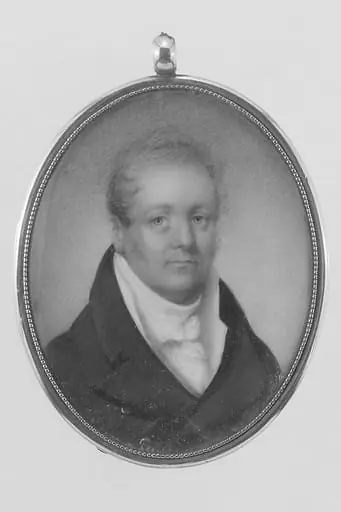 Charles Henry Hall
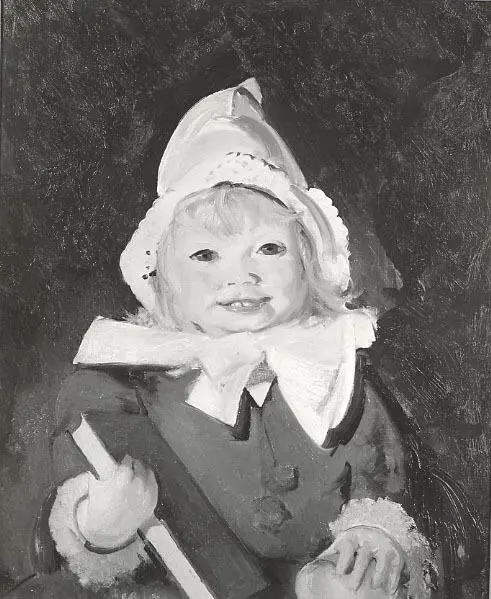 Jean with Blue Book and Apple
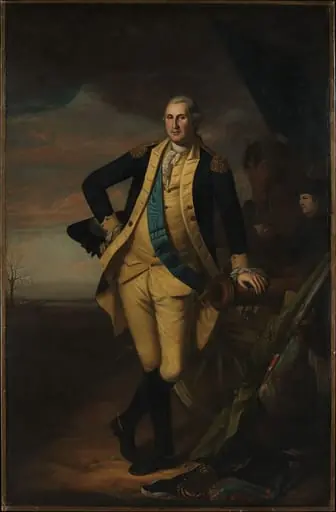 George Washington
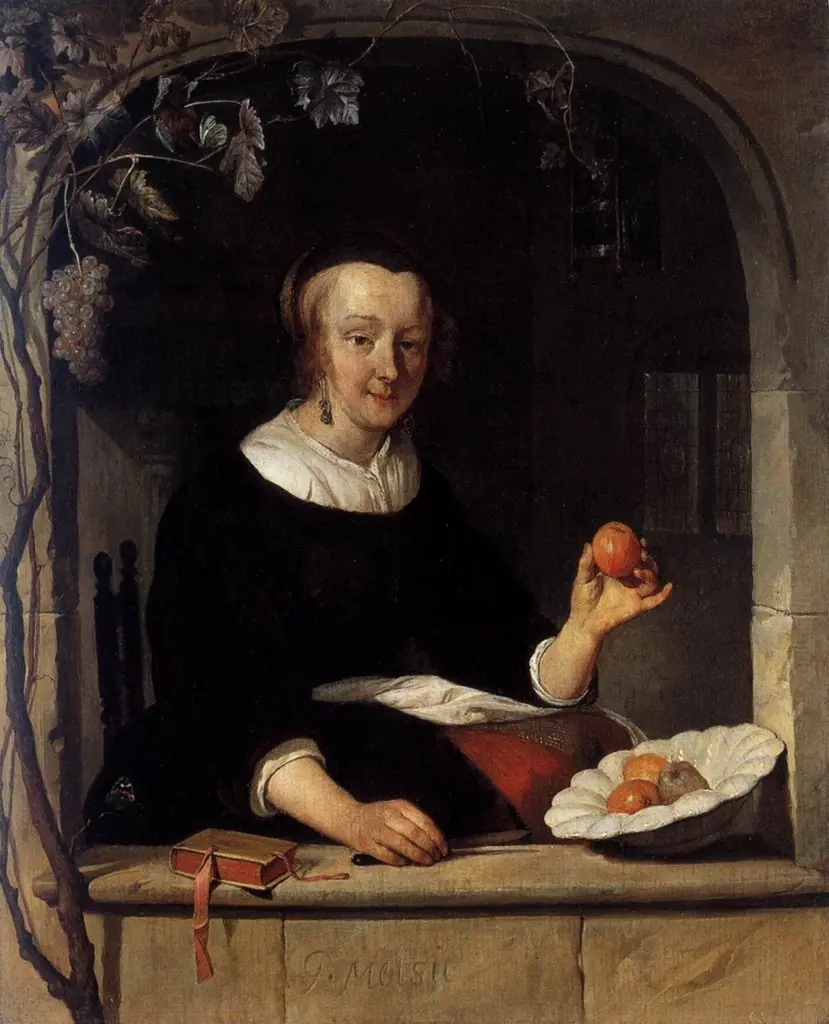 A Woman Seated at a Window
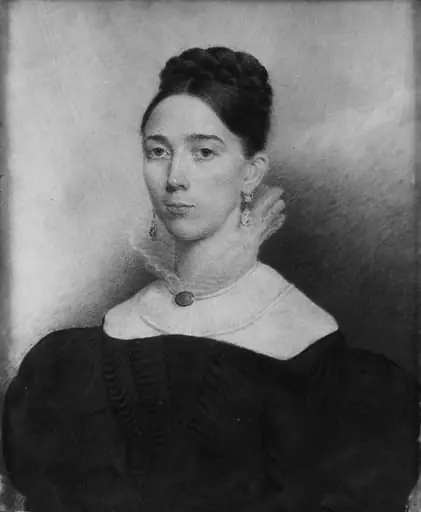 Alice Goudry
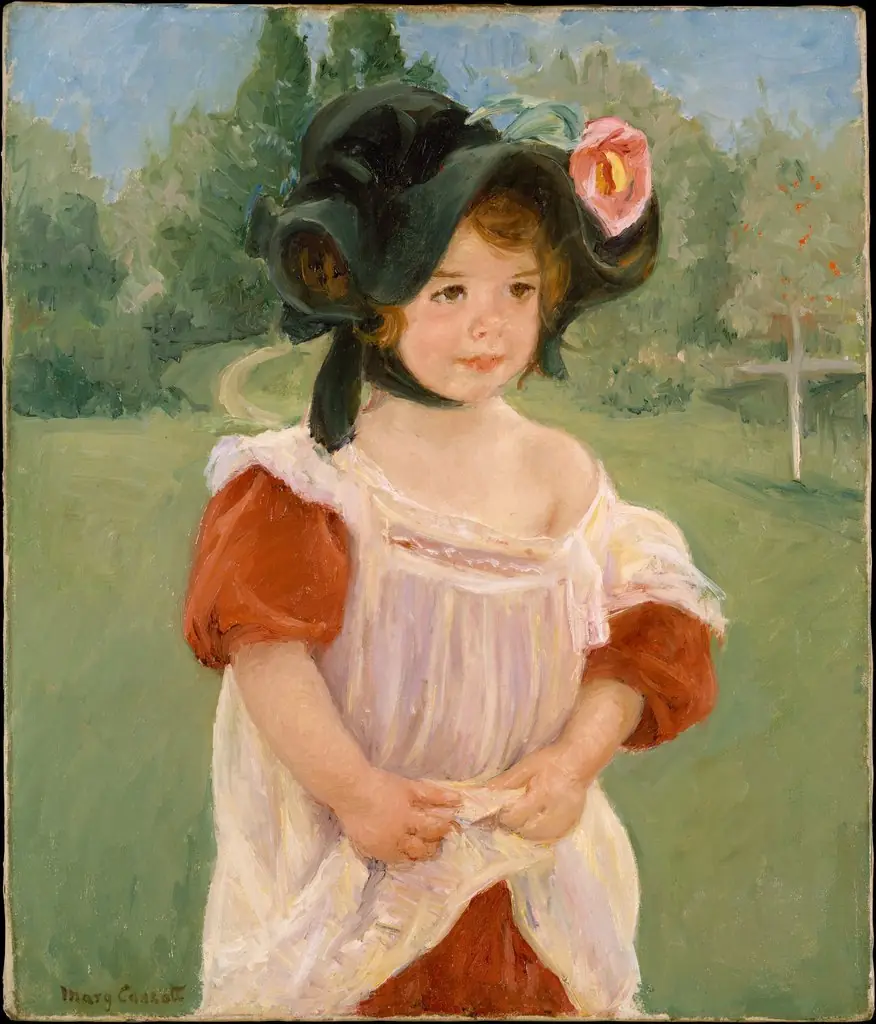 Spring: Margot Standing in a Garden (Fillette dans un jardin)
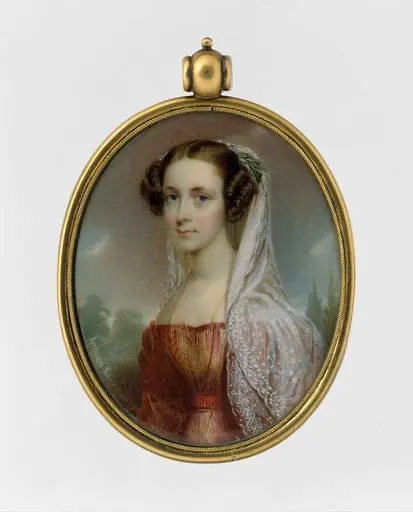 Portrait of a Lady
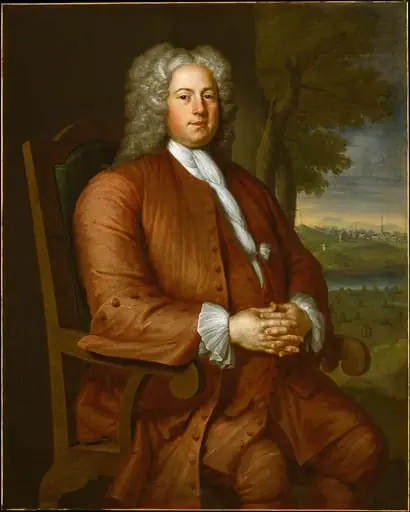 Francis Brinley
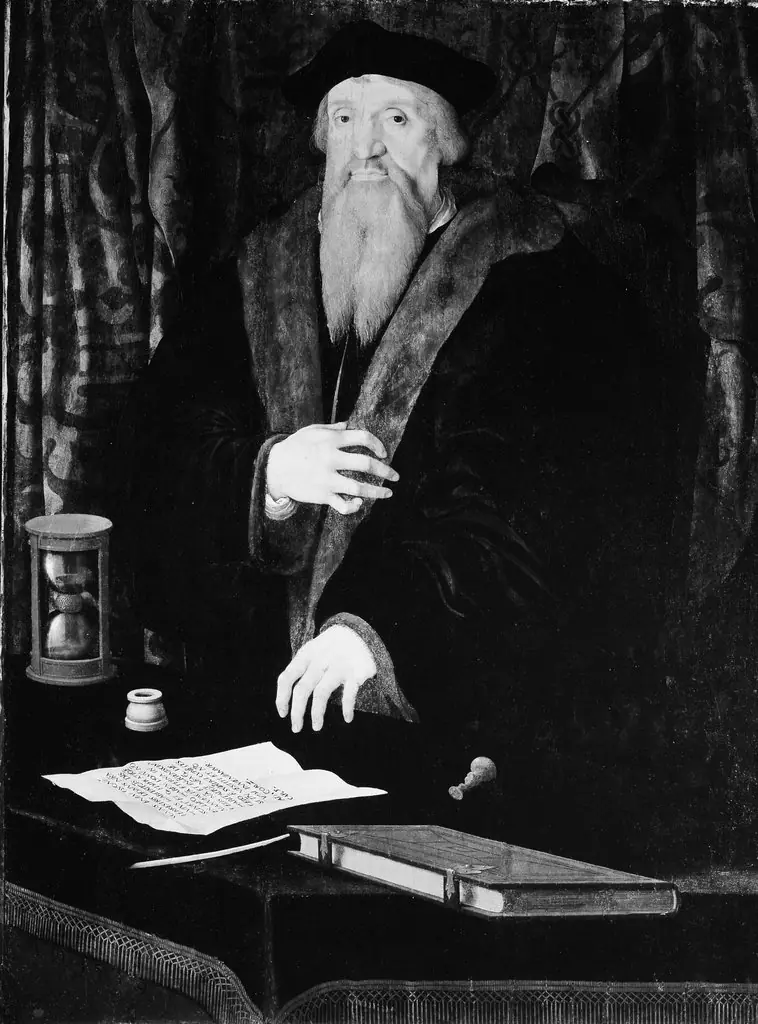 Portrait of a Man, Possibly Jean de Langeac (died 1541), Bishop of Limoges
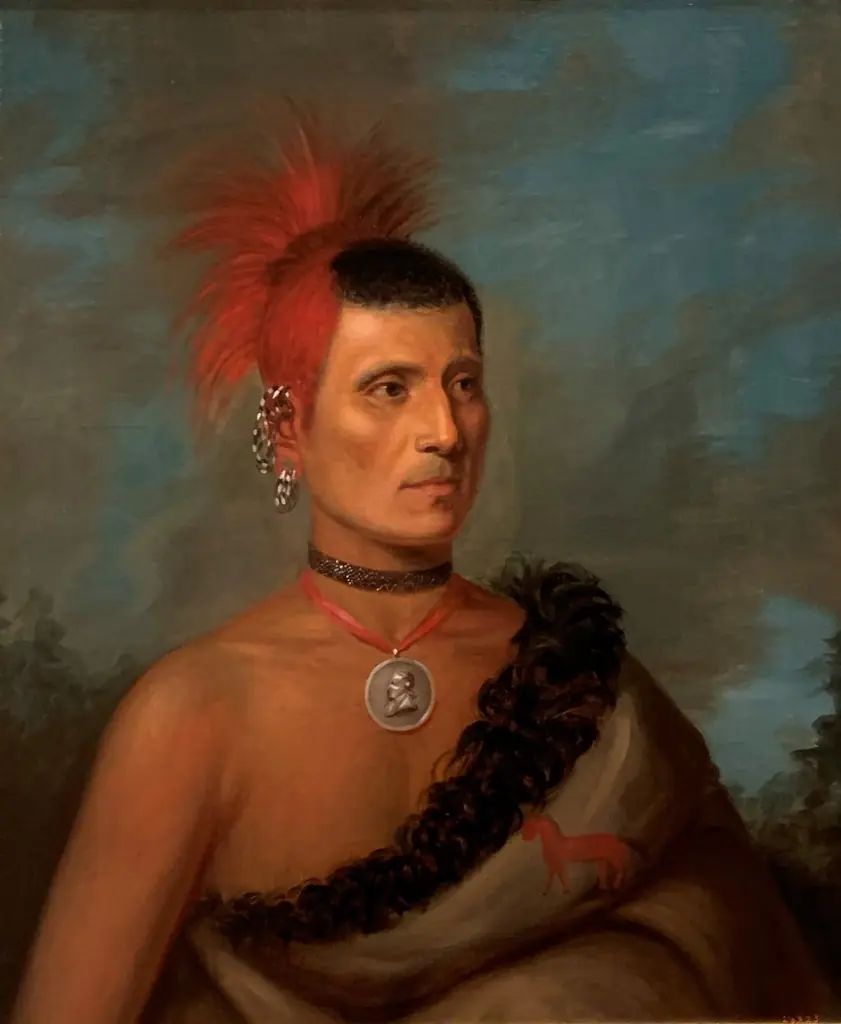 Pes-Ke-Le-Cha-Co
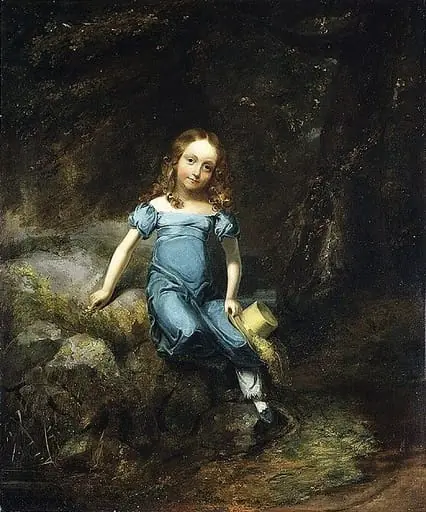 Janet Halleck Drake
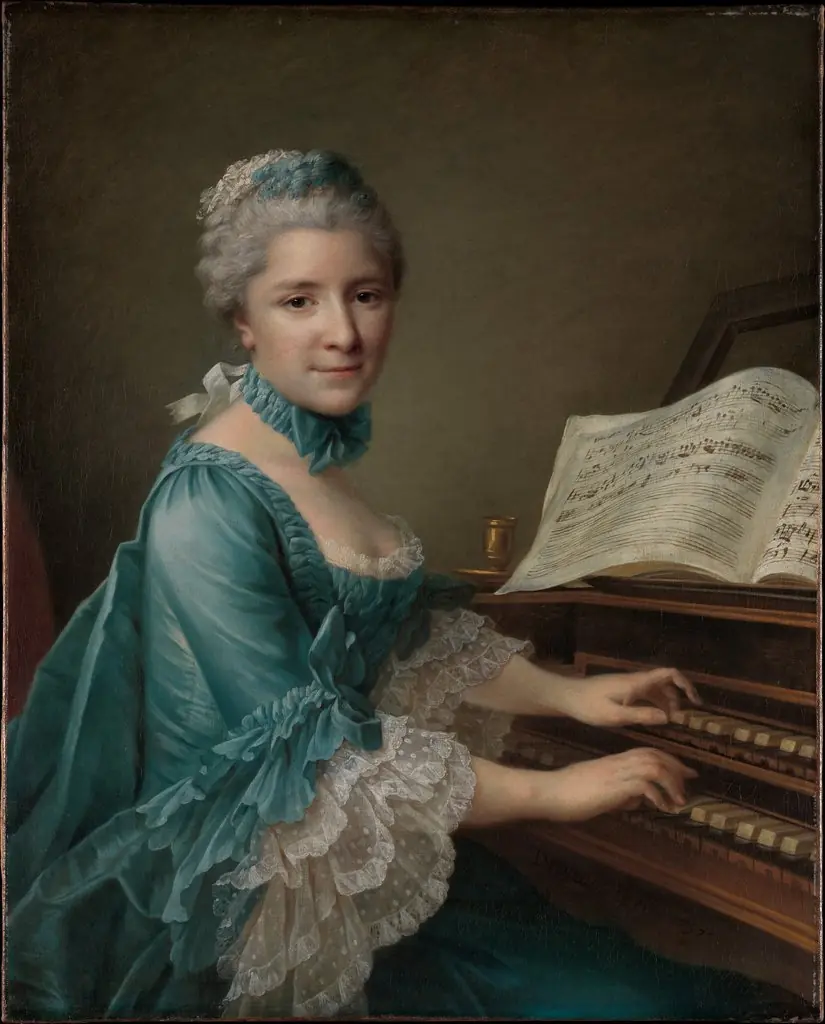 Portrait of a Woman, Said to be Madame Charles Simon Favart (Marie Justine Benoîte Duronceray, 1727–1772)
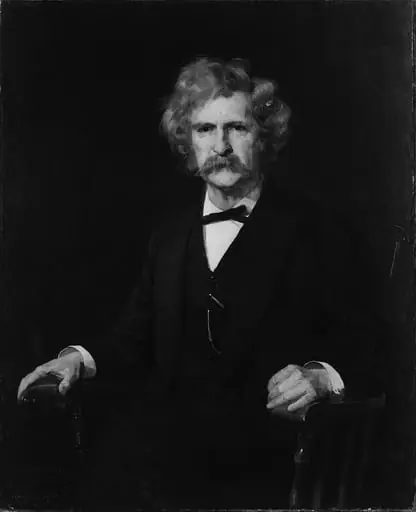 Mark Twain
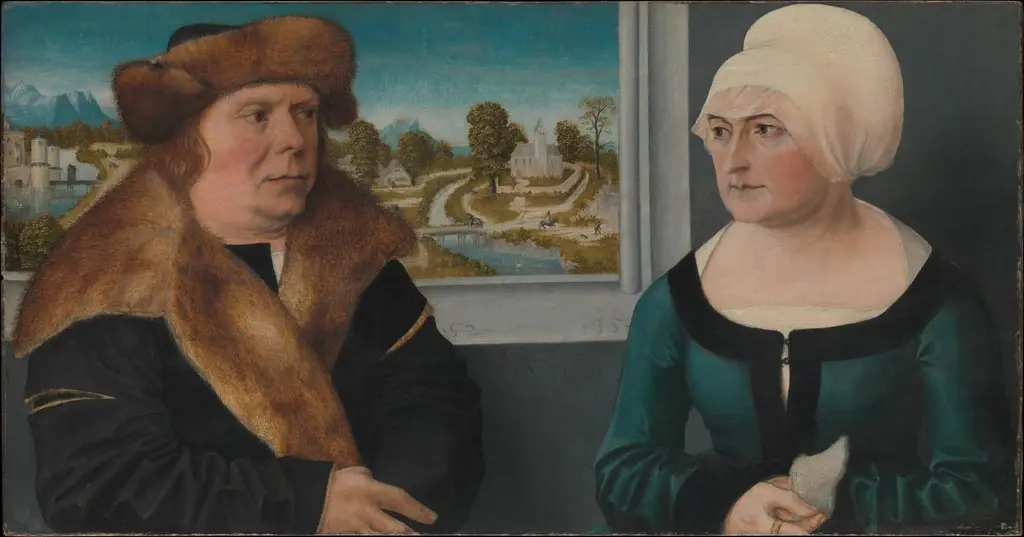 Portrait of a Married Couple (Lorenz Kraffter and Honesta Merz?)
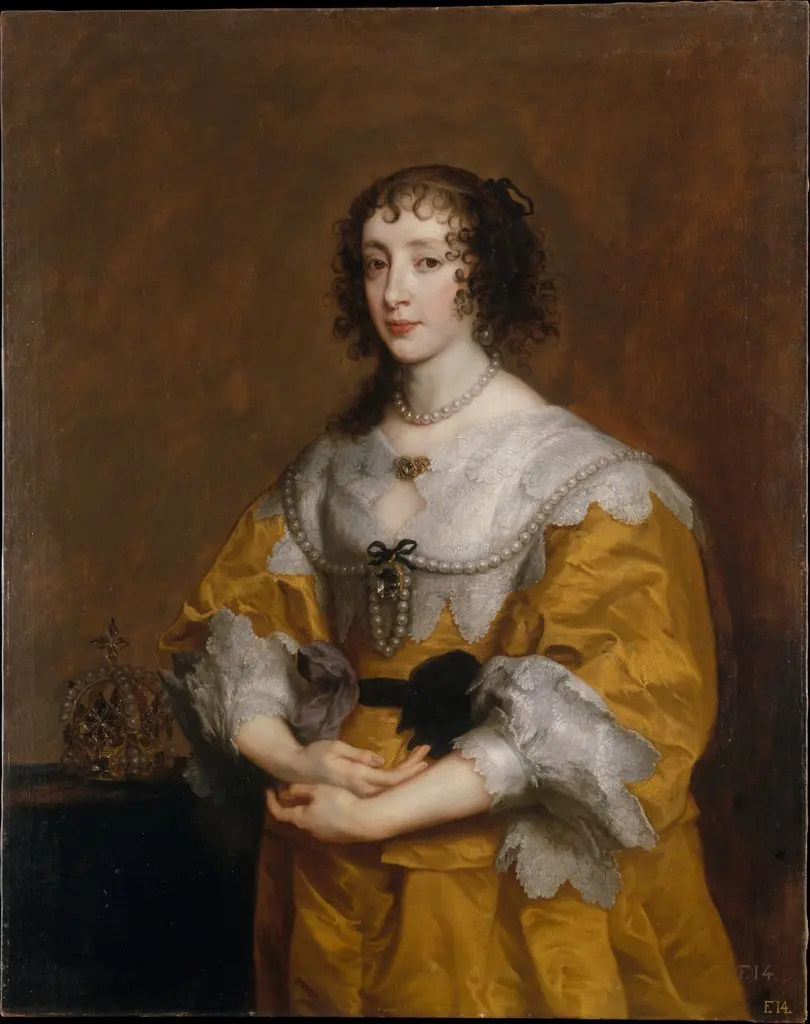 Queen Henrietta Maria
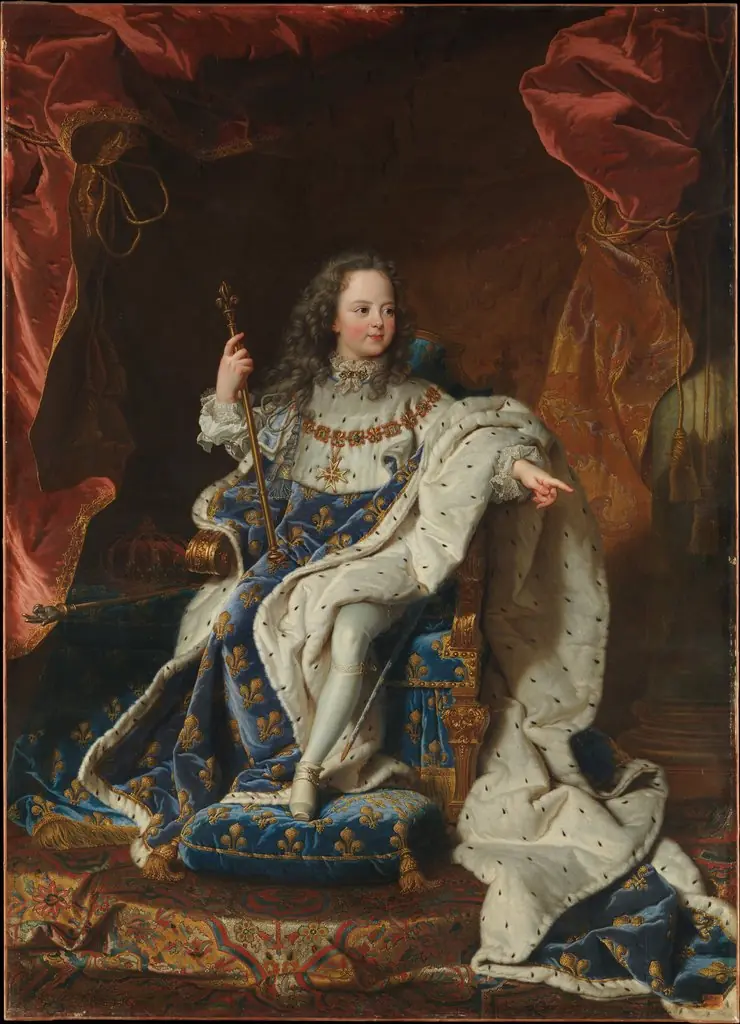 Louis XV at the Age of Five in the Costume of the Sacre
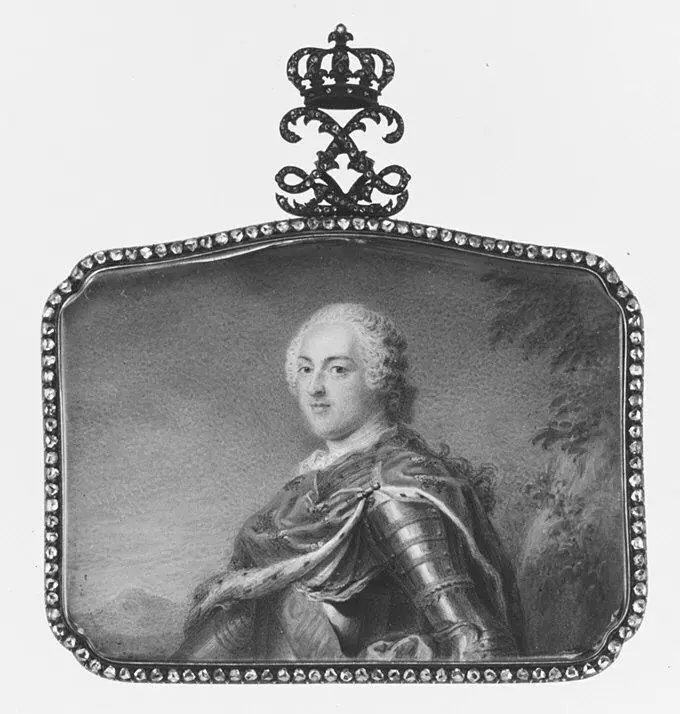 Louis XV (1710–1774), King of France
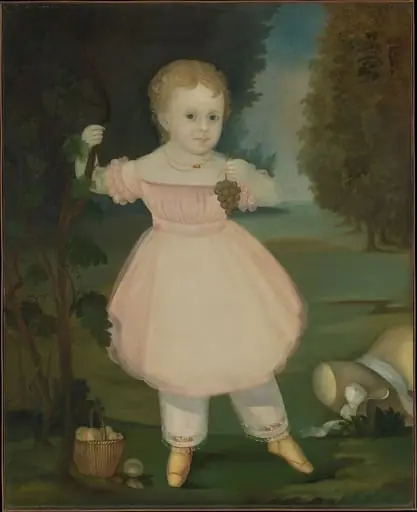 Portrait of a Little Girl Picking Grapes
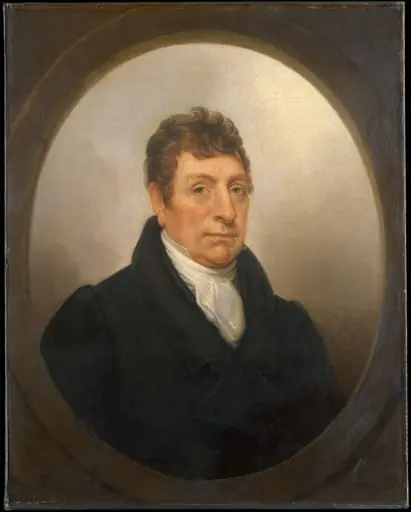 The Marquis de Lafayette
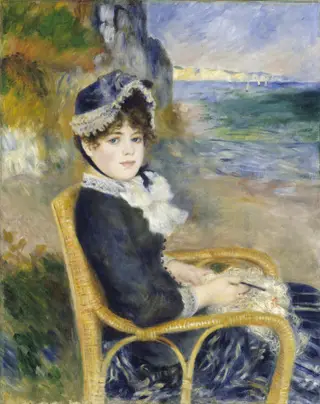 By the Seashore
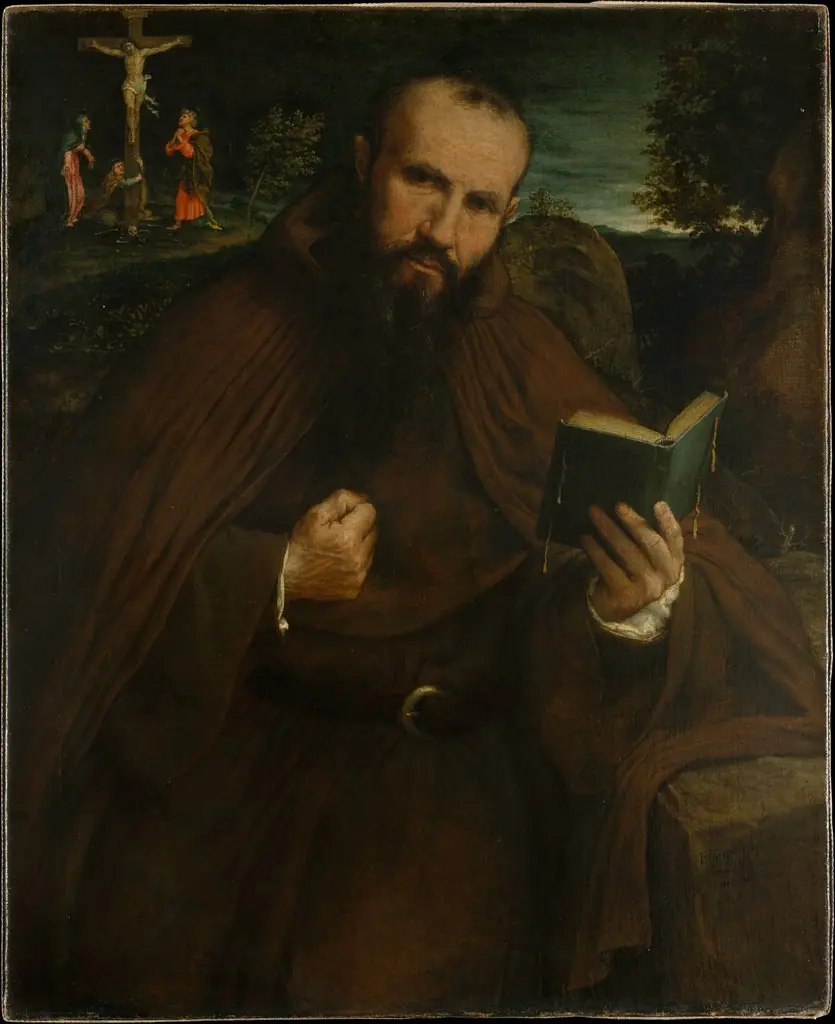 Brother Gregorio Belo of Vicenza
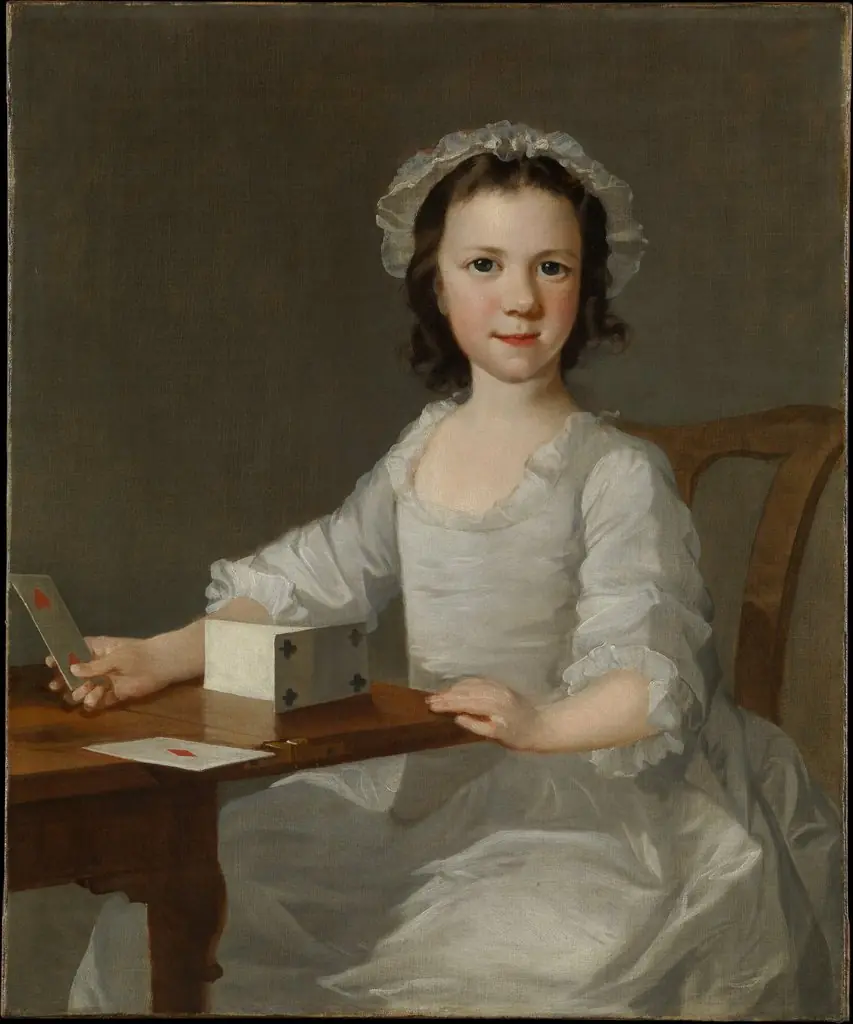 Girl Building a House of Cards
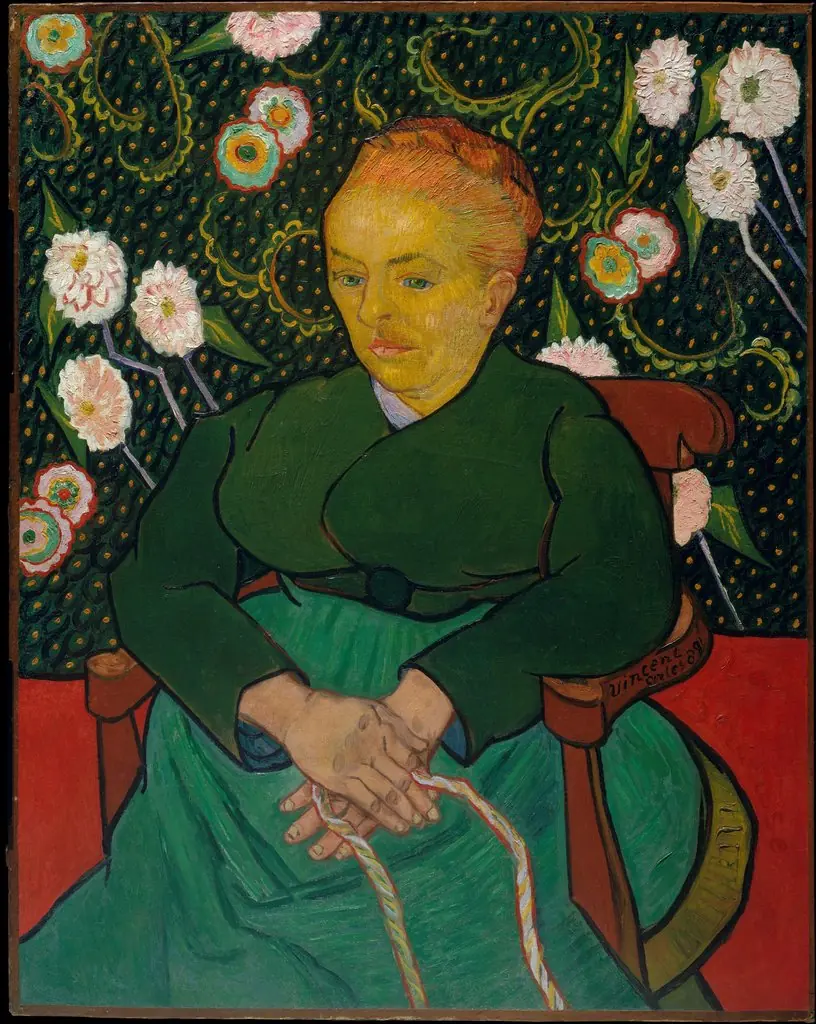 La Berceuse (Woman Rocking a Cradle; Augustine-Alix Pellicot Roulin, 1851–1930)
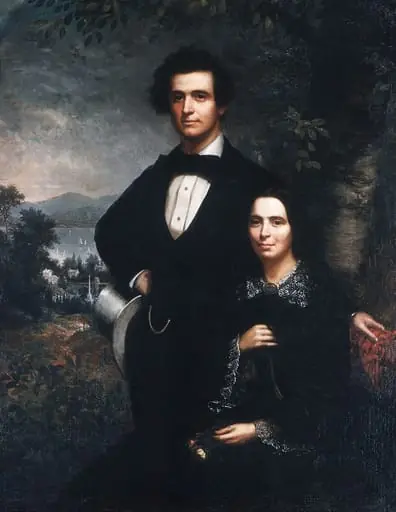 Mr. and Mrs. Daniel T. MacFarlan
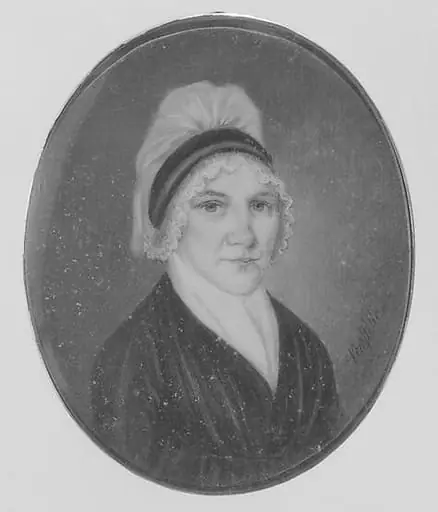 Mrs. Anstis Stone
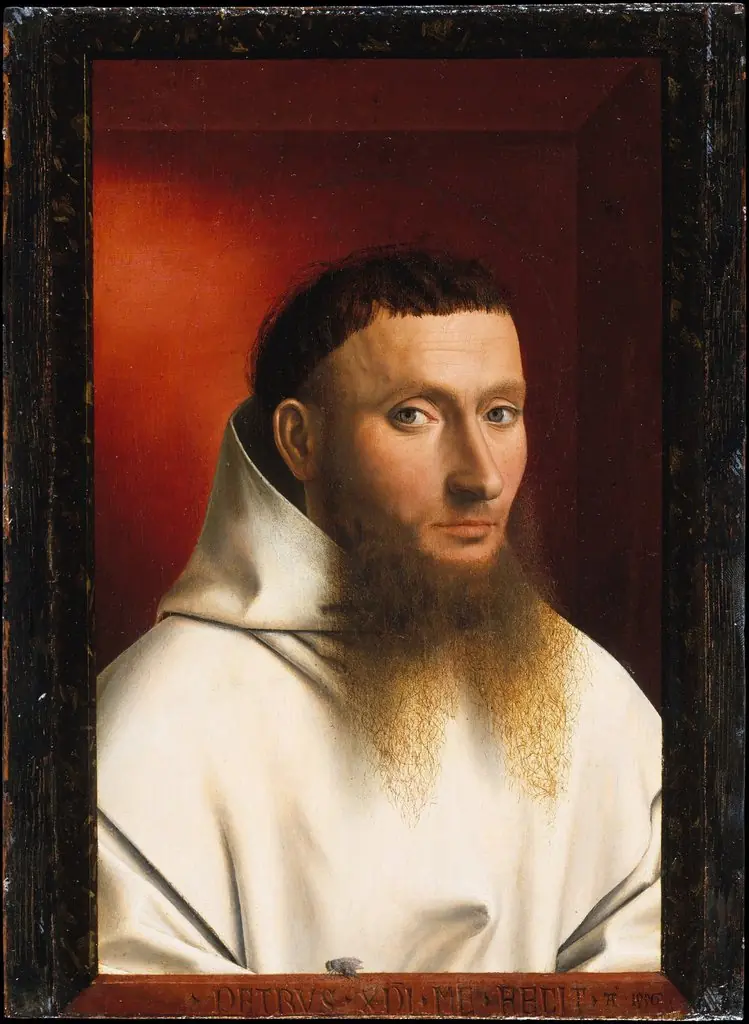 Portrait of a Carthusian
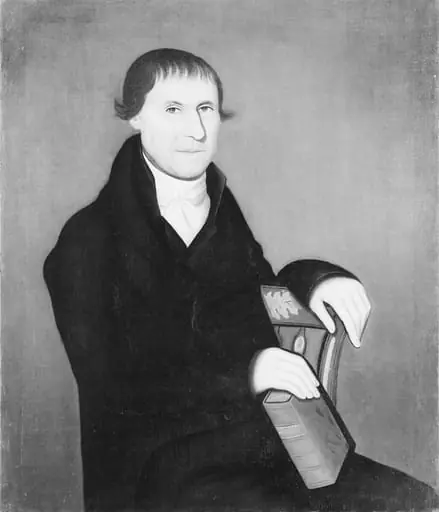 Philip Slade
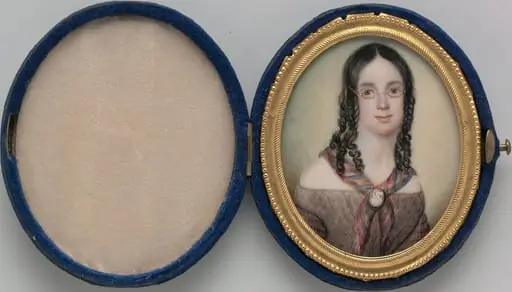 Portrait of a Lady
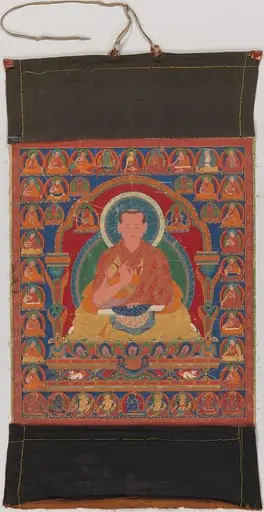 Untitled
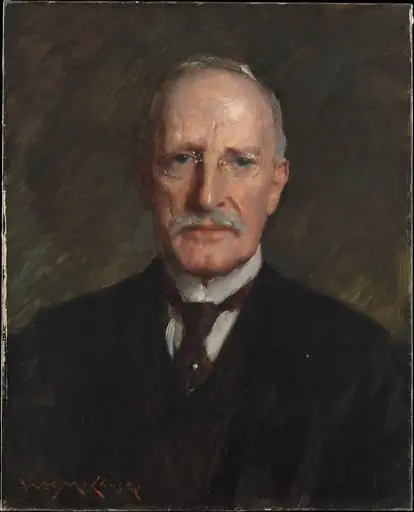 Edward Guthrie Kennedy
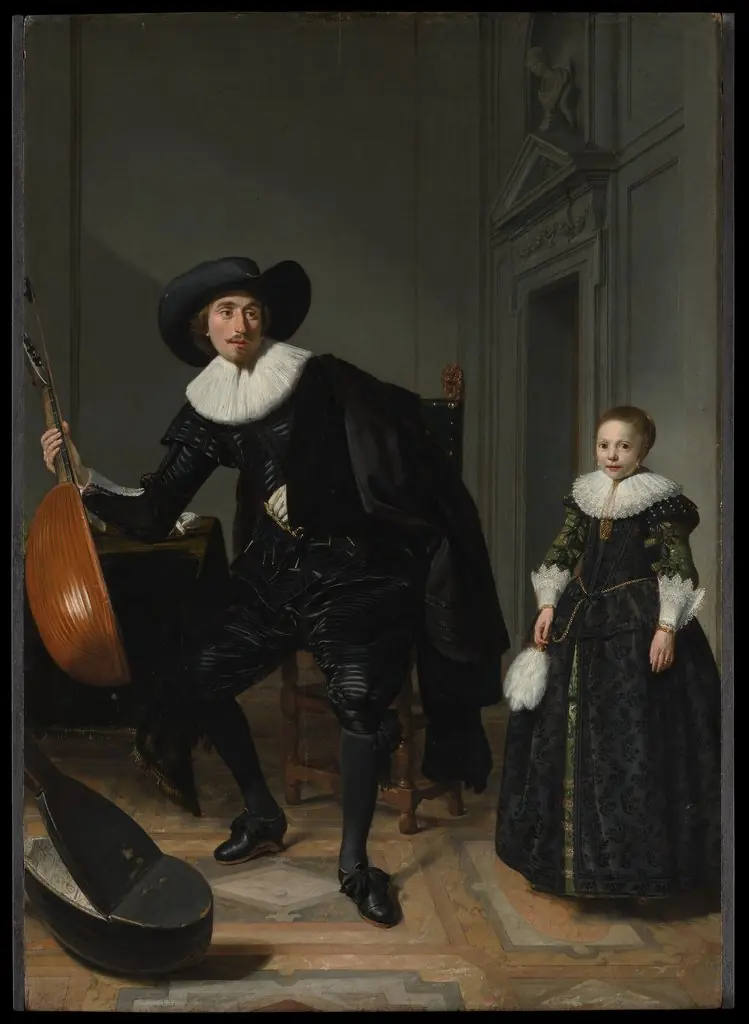 A Musician and His Daughter
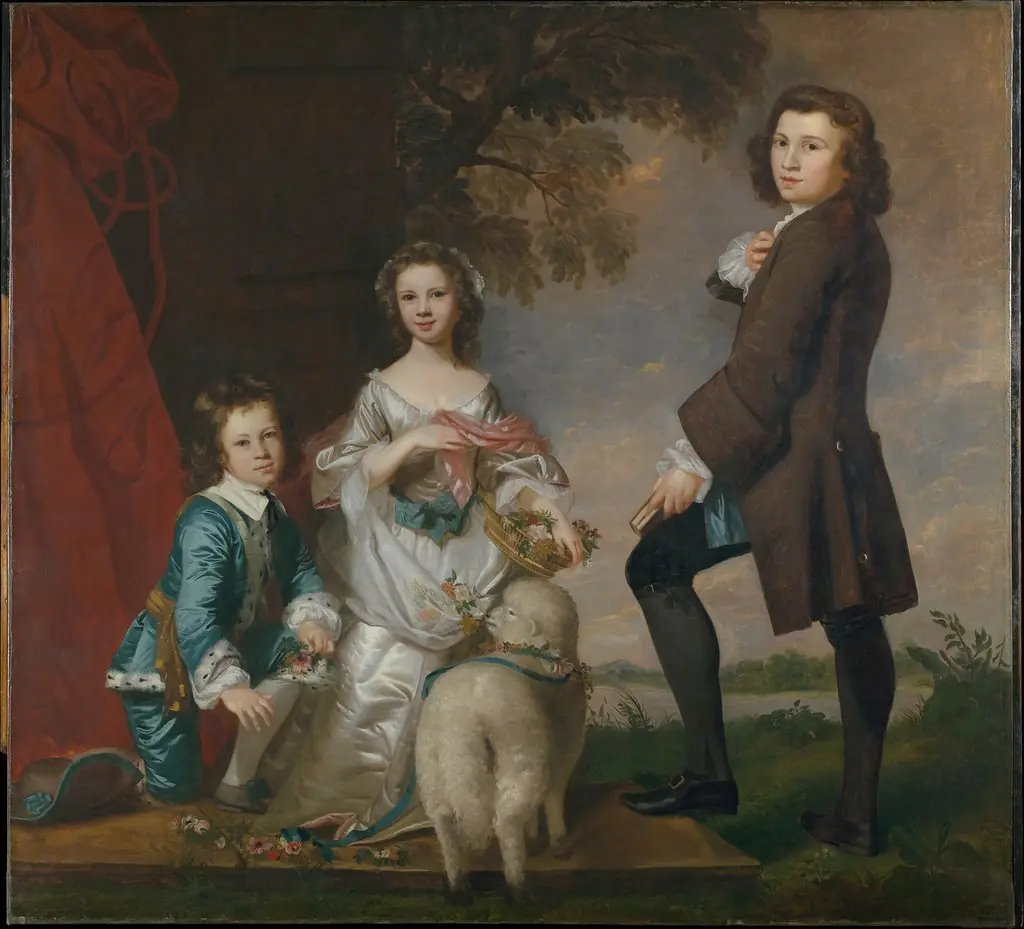 Thomas (1740–1825) and Martha Neate (1741–after 1795) with His Tutor, Thomas Needham
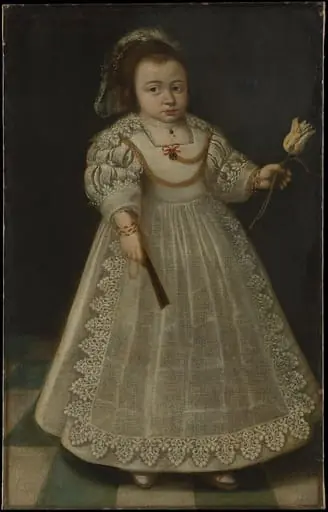 Sarra de Peyster
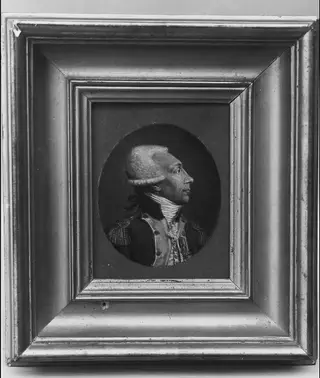 Portrait of the Marquis de Lafayette
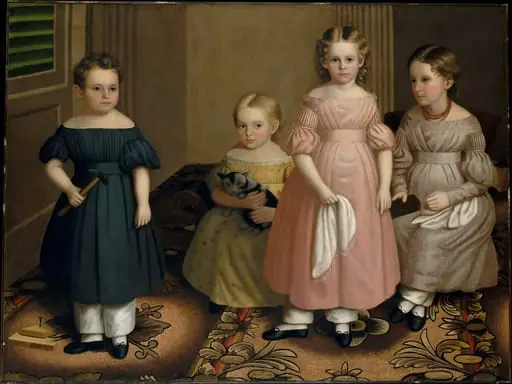 The Alling Children
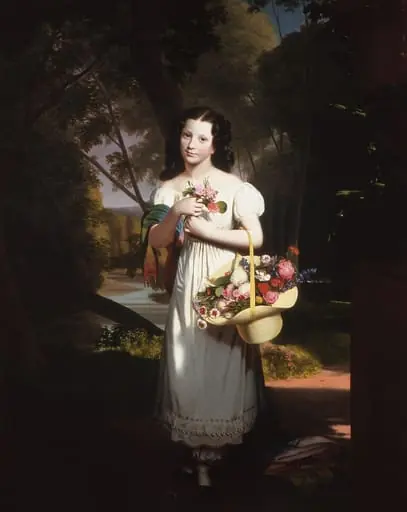 Little Girl with Flowers (Amelia Palmer)
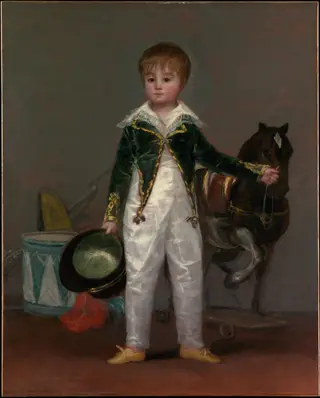 José Costa y Bonells, Called Pepito
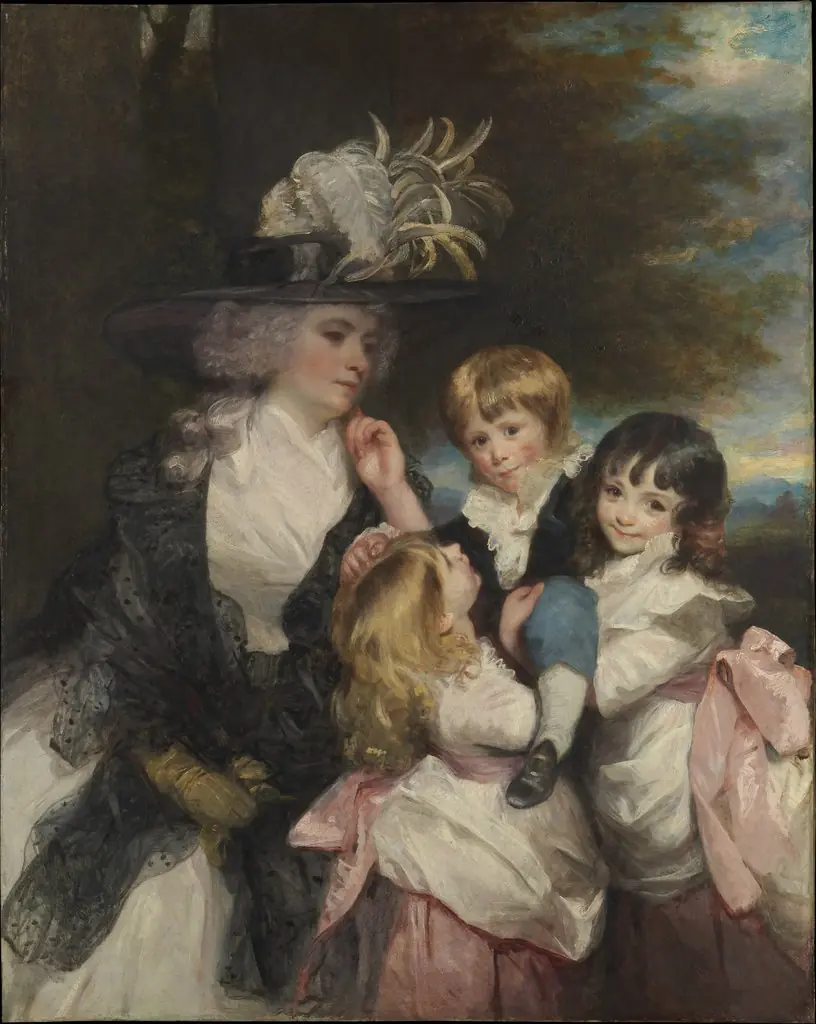 Lady Smith (Charlotte Delaval) and Her Children (George Henry, Louisa, and Charlotte)
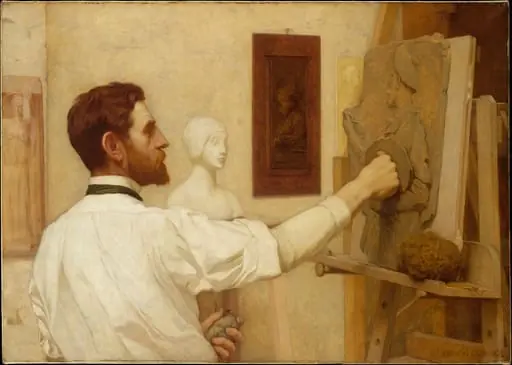 Augustus Saint-Gaudens
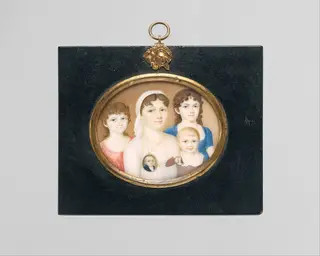 The Artist's Family
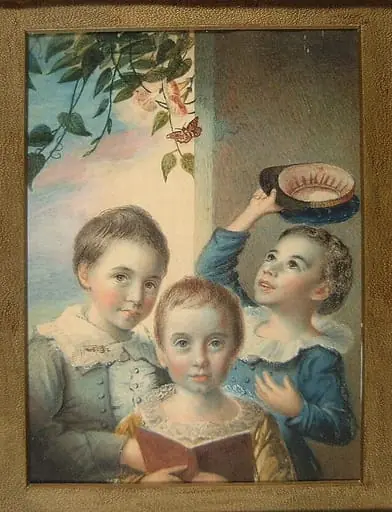 Portrait of Three Boys
Frequently asked questions
What is Portrait?
Portrait is a subject in art. A portrait is a painting, photograph, sculpture, or other artistic representation of a person, in which the face is always predominant.
How many Portrait works does Artifact World Gallery have?
Artifact World Gallery holds 200 public-domain Portrait works, all free to view and download.
Who are the key Portrait artists?
Key Portrait artists in the collection include Titian, Thomas Eakins and Paolo Veronese.
Where can I see Portrait works?
Portrait works in the collection are held by Metropolitan Museum of Art, Moldova National Museum Complex and National Museum of Art of Romania.