Artwork
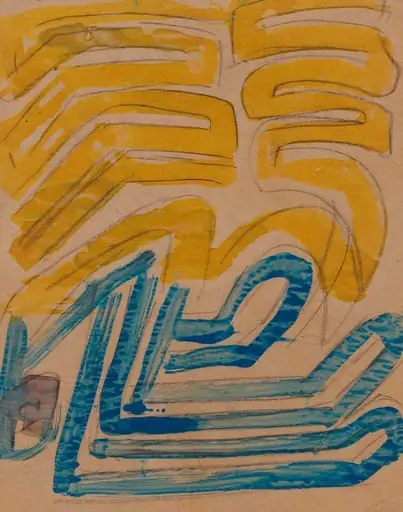
Semne- Document I
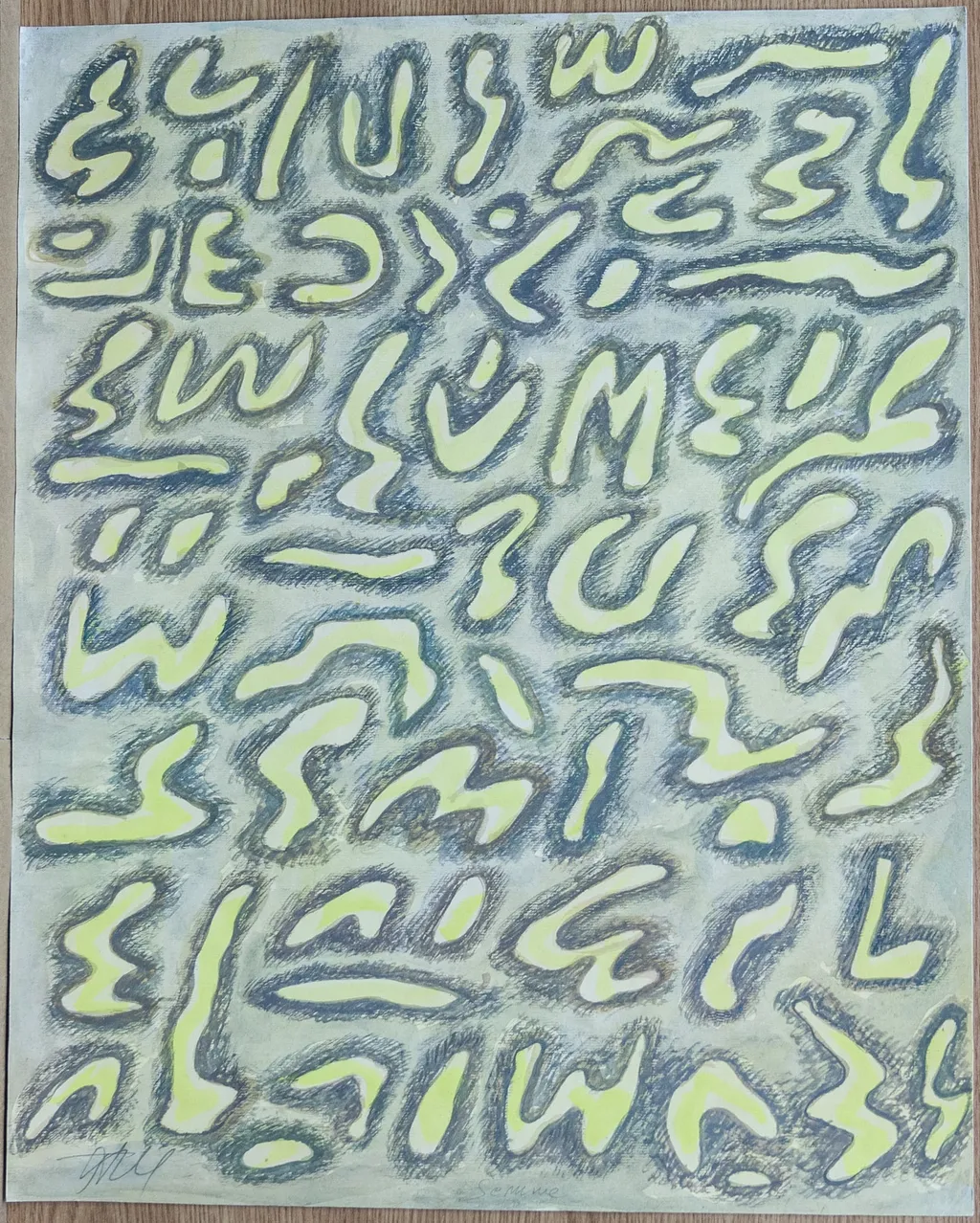
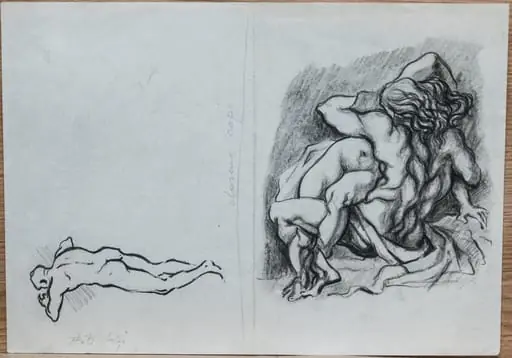
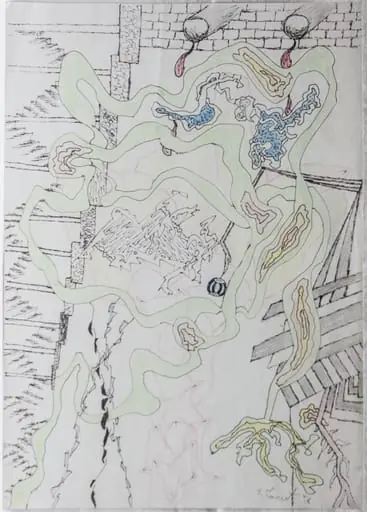
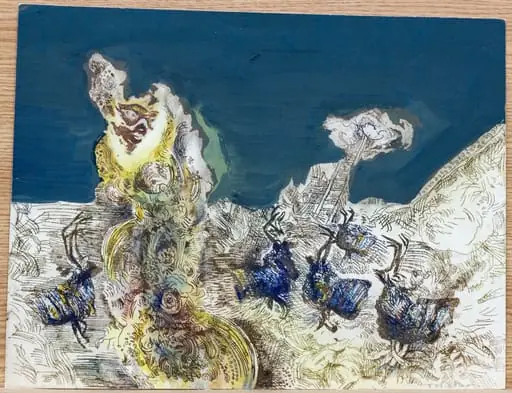
Semne- Document I is a print by Teodor Hrib. It dates from 1950 and is held in the collection of the Gavrila Simion Eco-Museum Research Institute Tulcea.
About this work
Overview
Semne- Document I, created circa 1950 by Teodor Hrib, is a mixed-media print characterized by contrasting visual elements. It is part of the collection at the Museum of Ethnography.
Subject & Meaning
The subject of Semne- Document I is not explicitly representational, focusing instead on abstract symbols and marks. The composition suggests a dynamic interplay of expression and restraint, with densely marked areas juxtaposed with open spaces.
Technique & Style
Hrib employed a loose, sketchy technique, combining bright yellow shapes resembling scribbles or symbols with dark, rough textures on a grayish background. This approach imbues the work with a sense of liveliness and spontaneity.
History & Provenance
Created around 1950, Semne- Document I is now held in the permanent collection of the Museum of Ethnography, providing context to Hrib's practice within the broader scope of the museum's holdings.
Context
Understanding Semne- Document I within the context of Teodor Hrib's broader oeuvre (see related works) offers insight into the artist's exploration of abstract expression and symbolic form.
Legacy
The legacy of Semne- Document I is intertwined with Hrib's overall contribution to abstract and symbolic art movements of his time, though specific influences or notable exhibitions featuring this work are not detailed here.
Artist & collection
Artist
Teodor Hrib shaped small plaster figures and ink drawings in the 1800s academic tradition.
Museum
Gavrila Simion Eco-Museum Research Institute Tulcea
Continue through works from the same source collection.