Artwork
Țăran francez la vatră
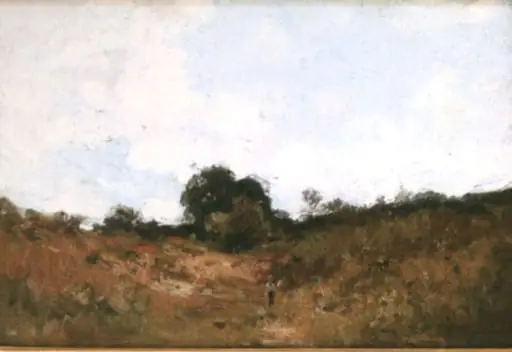
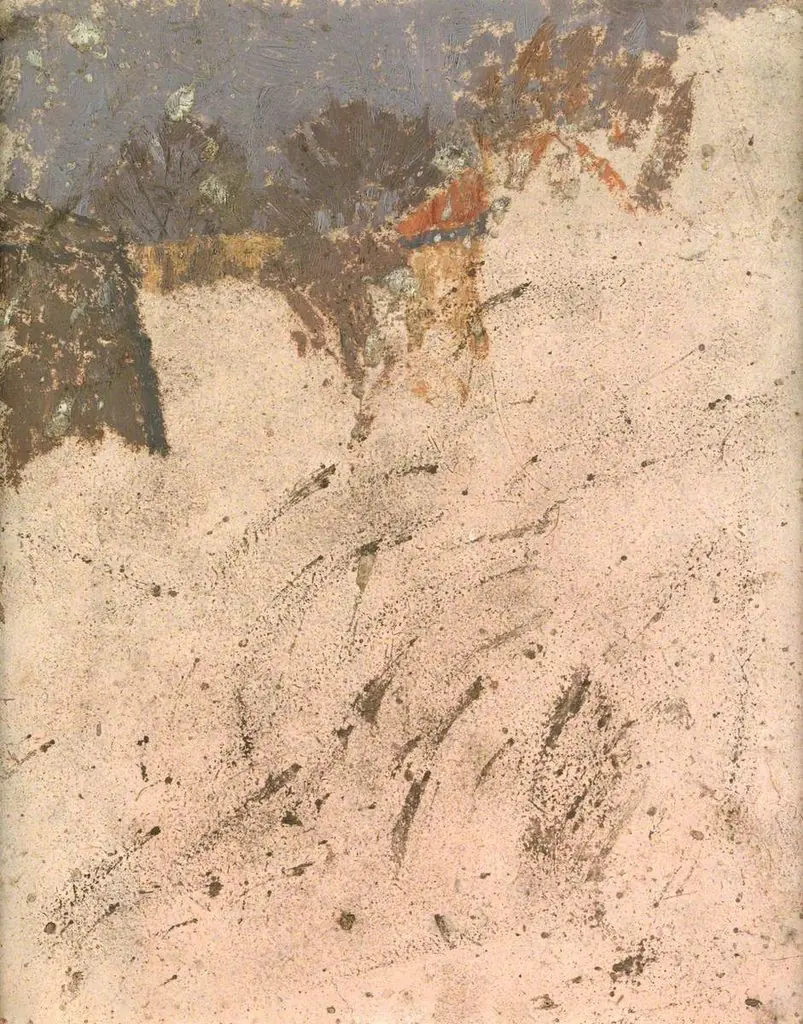
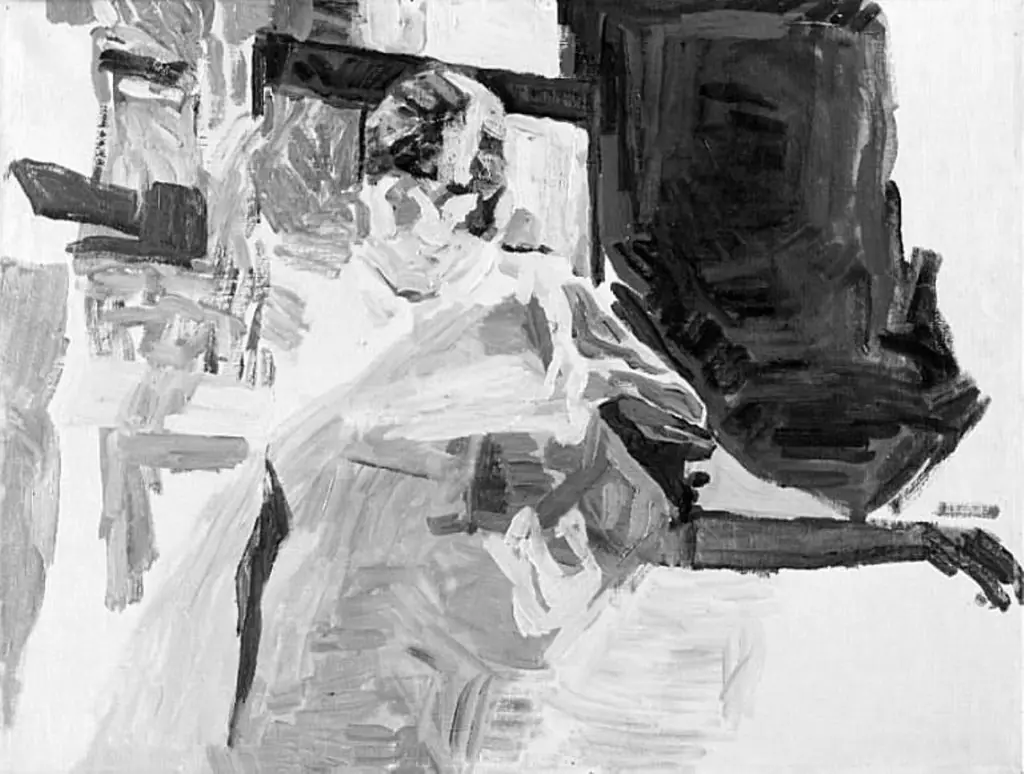
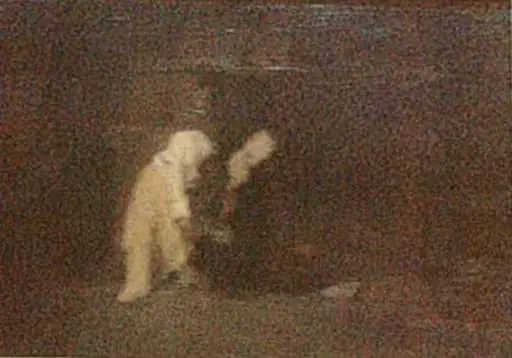
Țăran francez la vatră is an unspecified painting by Nicolae Grigorescu. It dates from 1850 and is held in the collection of the National Museum of Art of Romania.
About this work
Overview
The painting reflects an early interest in everyday rural life, a theme that would define much of Grigorescu’s later work.
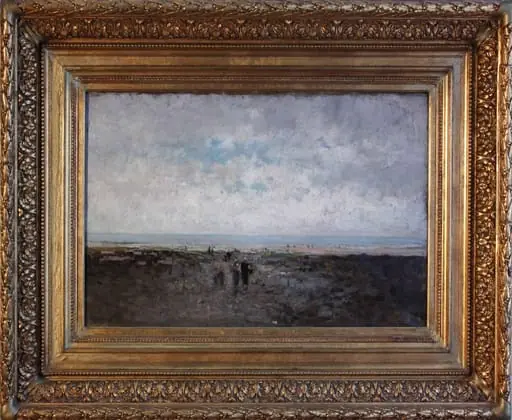
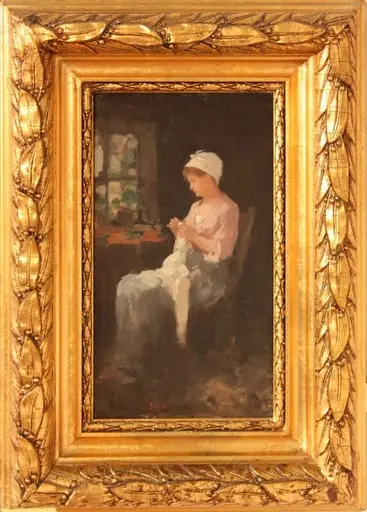
Painted around 1850 by Nicolae Grigorescu, this work depicts a solitary French peasant seated near a hearth. The scene is rendered in muted earth tones, with the only significant illumination coming from the embers of a low fire. The composition focuses on stillness and solitude, avoiding narrative detail in favor of atmospheric presence. The painting reflects an early interest in everyday rural life, a theme that would define much of Grigorescu’s later work.
Subject & Meaning
The figure is a laborer, worn and still, caught in a moment of rest. His posture suggests exhaustion, yet there is no overt suffering—only quiet endurance. The absence of facial detail universalizes the figure, transforming him into a symbol of rural toil rather than an individual. The hearth, the only source of warmth and light, implies shelter and resilience, grounding the scene in the quiet dignity of domestic routine.
Technique & Style
Grigorescu employs chiaroscuro to model form through stark contrasts between shadow and firelight. The dark walls recede, while the glow from the hearth defines the contours of a stool, a pot, and the figure’s hunched silhouette. Brushwork is restrained, with no decorative flourishes; texture is suggested rather than detailed. The palette—dominated by ochres, umbers, and灰—enhances the somber, introspective mood, aligning the work with early realist tendencies in European painting.
History & Provenance
Created during Grigorescu’s formative years, likely while he was studying in France, the painting reflects his exposure to French rural realism. It predates his mature Romanian subjects but reveals his early fascination with light and labor. The work remained in private hands for much of the 19th century and entered a public collection in the early 20th, where it is now recognized as an important early example of his observational approach.
Context
In the mid-19th century, European artists increasingly turned to peasant life as a subject worthy of serious depiction, moving away from idealized historical or mythological themes. Grigorescu’s painting aligns with this shift, echoing the quiet realism of French painters like Jules Breton. Unlike many contemporaries, however, he avoids sentimentality, favoring a restrained, almost austere portrayal that emphasizes atmosphere over moralizing.
Legacy
Though lesser known than his later Romanian landscapes, this early work demonstrates Grigorescu’s foundational skill in capturing light and mood. It foreshadows his commitment to truthful representation and his sensitivity to the quiet rhythms of rural existence. The painting remains a quiet testament to his early artistic development and his enduring interest in the dignity of ordinary life.
Artist & collection
Artist
Romanian painter Nicolae Grigorescu made quiet, honest scenes of everyday life and country roads around 1900.