Artwork
Peisaj cu casă (Chioggia - Italia)
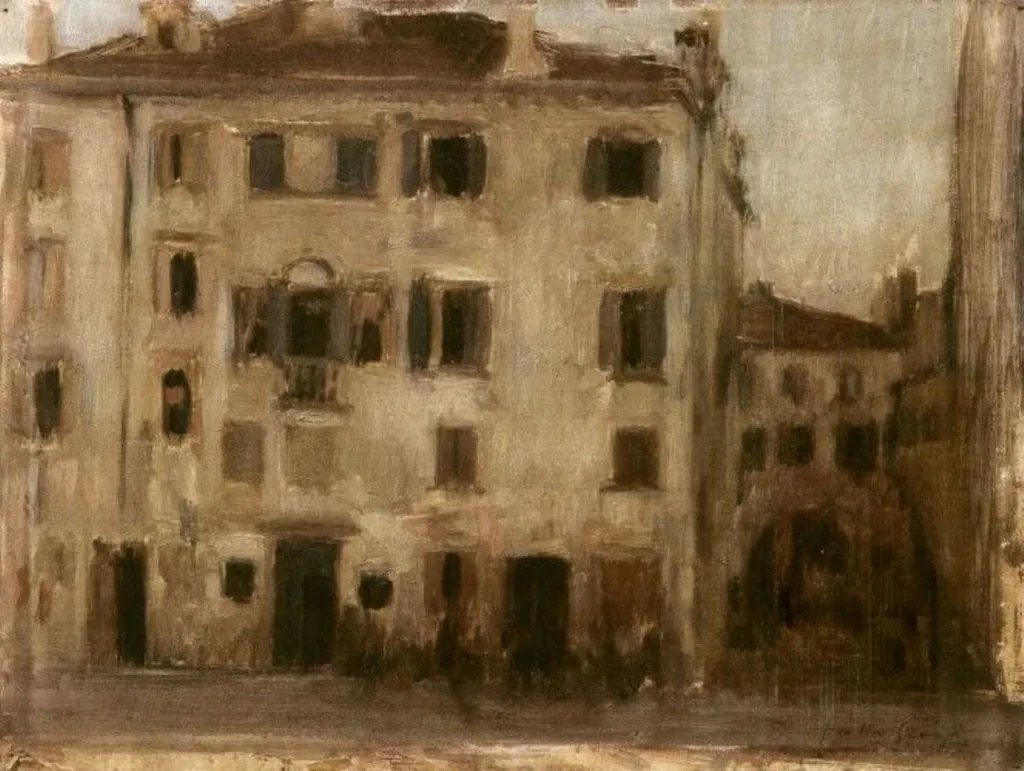
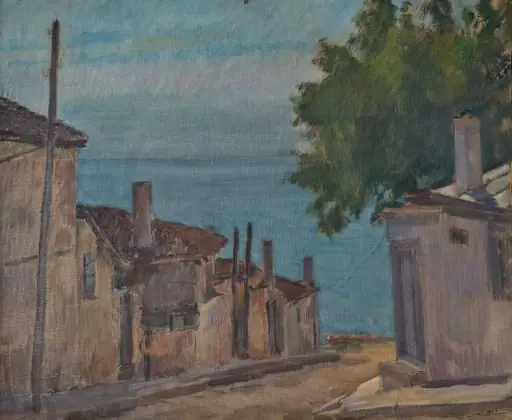
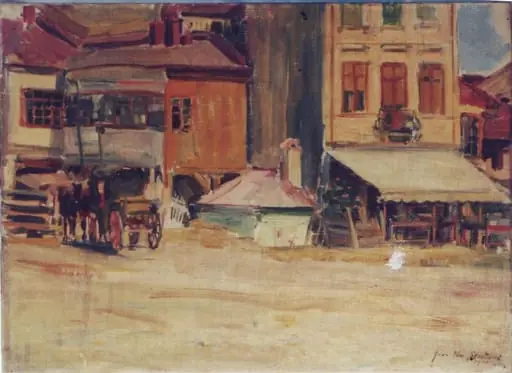
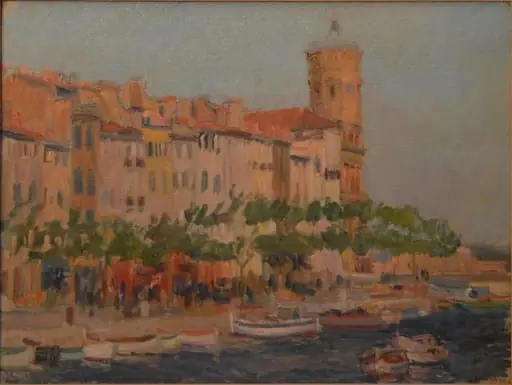
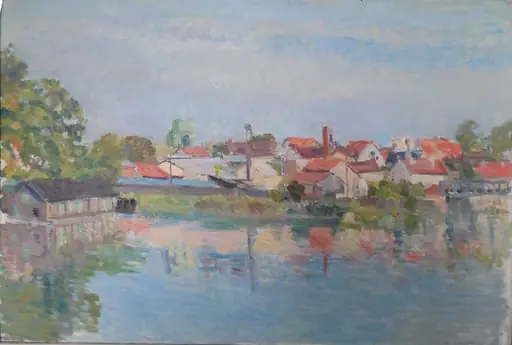
Peisaj cu casă (Chioggia - Italia) is an unspecified painting by Jean Alexandru Steriadi. It dates from 1906 and is held in the collection of the National Museum of Art of Romania.
About this work
Overview
The technique prioritizes tactile surface over precise detail, suggesting a focus on material presence rather than narrative.
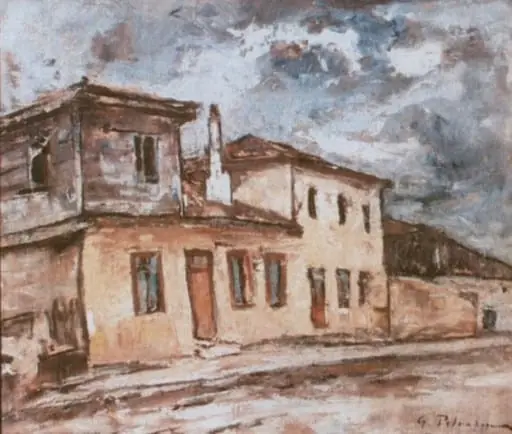
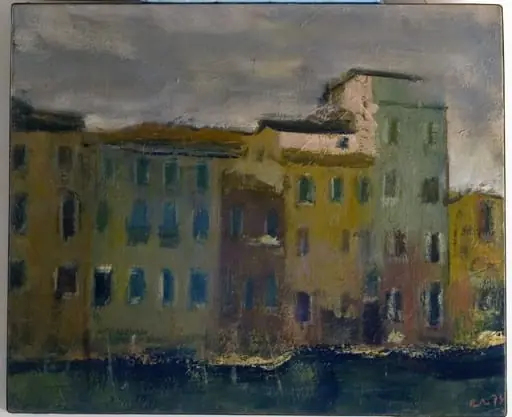
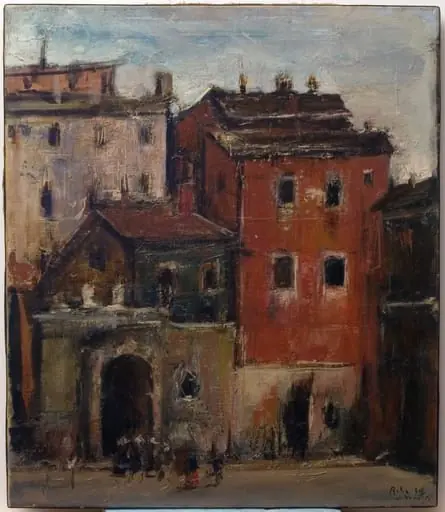
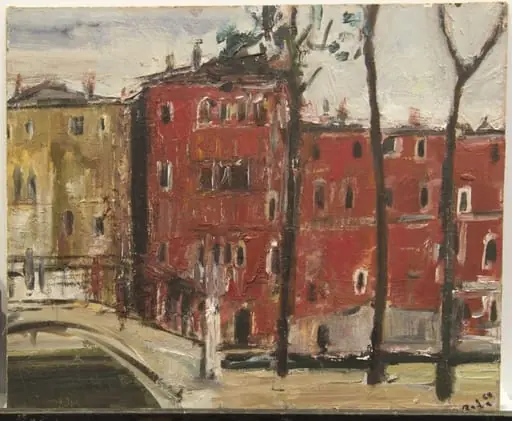
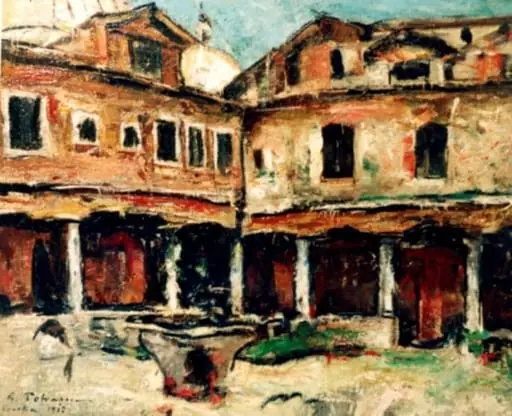
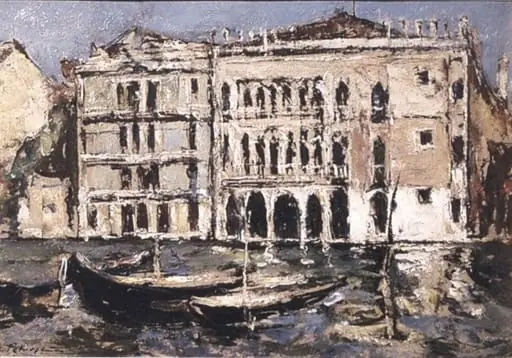
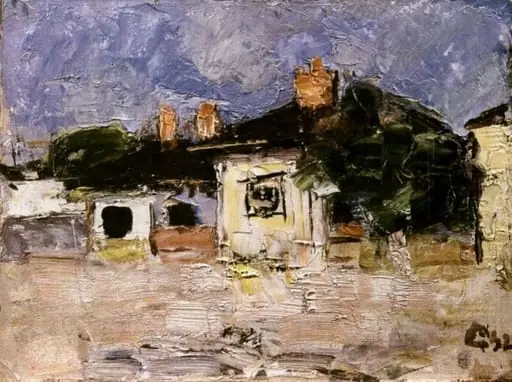
Painted in 1906 by Jean Alexandru Steriadi, this work depicts a modest urban structure in Chioggia, Italy. The composition centers on a five-story building rendered with visible, heavy brushwork. The scene is quiet and unpopulated, emphasizing the building’s weathered presence against a subdued sky. The technique prioritizes tactile surface over precise detail, suggesting a focus on material presence rather than narrative.
Subject & Meaning
The building, worn and unadorned, stands as a quiet witness to time. Its closed and open shutters hint at lived-in rhythms, while the empty street below reinforces solitude. Steriadi avoids romanticizing the scene; instead, he presents architecture as a record of endurance. The absence of human figures shifts attention to the structure’s physicality, inviting contemplation of daily life’s quiet persistence.
Technique & Style
Steriadi employs thick, uneven impasto to build the building’s façade, creating a textured surface that catches light unevenly. Beige and brown pigments are layered with deliberate irregularity, enhancing the sense of aged plaster. Dark square windows contrast with the glowing walls, while soft, diffused lighting avoids harsh shadows. The brushwork is expressive but controlled, prioritizing material sensation over realism.
History & Provenance
Created during Steriadi’s time in northern Italy, the painting reflects his engagement with regional architecture and light. It was likely painted en plein air, as its observational tone and atmospheric nuance suggest direct study. The work remained in private hands for much of the 20th century, with limited public exposure until recent scholarly interest in Romanian Impressionist practitioners brought it into broader view.
Context
Steriadi worked alongside European artists exploring everyday scenes with heightened material awareness. While not aligned with major movements, his approach resonates with late 19th-century tendencies toward tonal realism and textured surface. Chioggia, a quiet Adriatic town, offered a counterpoint to urban grandeur—its modest buildings became subjects of quiet dignity in his oeuvre.
Legacy
The painting contributes to a lesser-known strand of Romanian art that engaged deeply with Italian landscapes and light. Its emphasis on texture and atmosphere influenced later generations interested in the emotional weight of ordinary architecture. Though not widely exhibited, it remains a significant example of early 20th-century regional realism outside mainstream centers.
Artist & collection
Artist
Romanian painter Jean Alexandru Steriadi left scenes of everyday life and ports in the early 1900s.