Artwork
Băiat cu bască
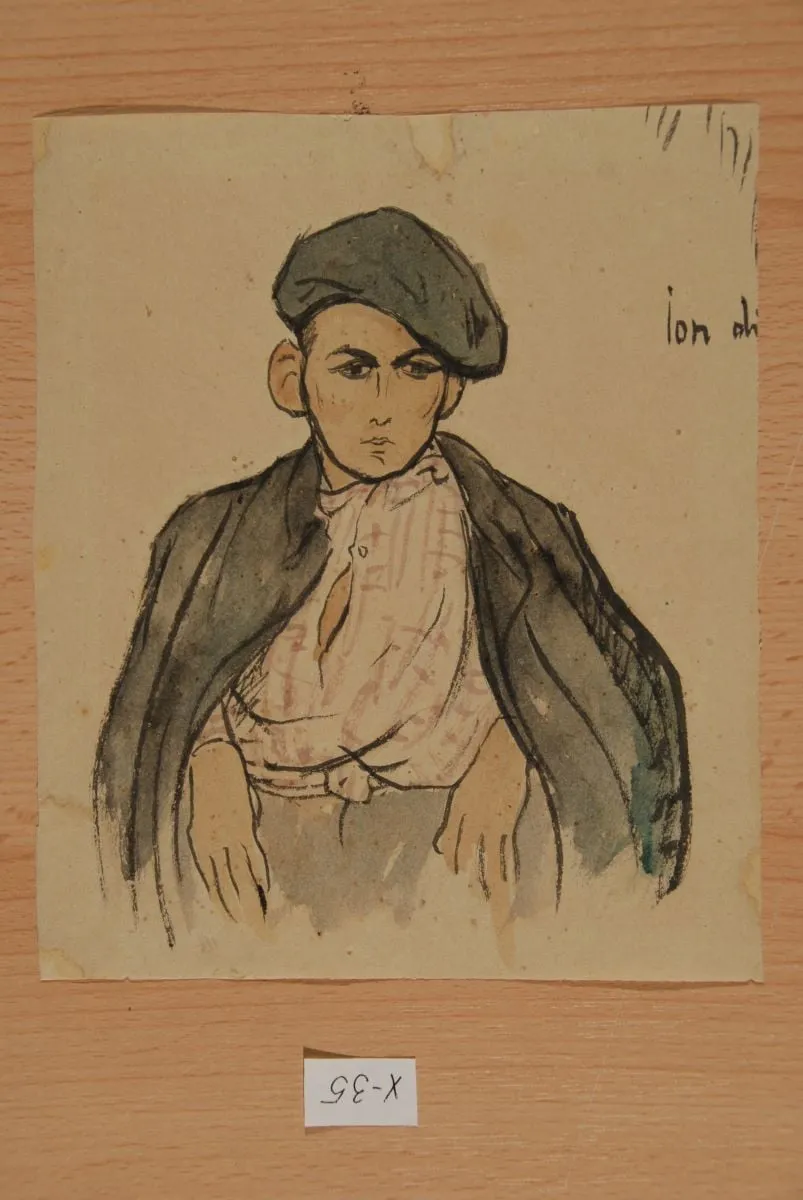
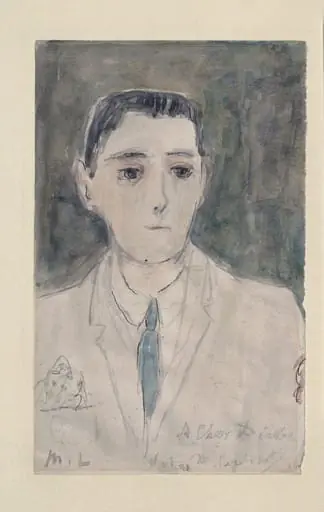
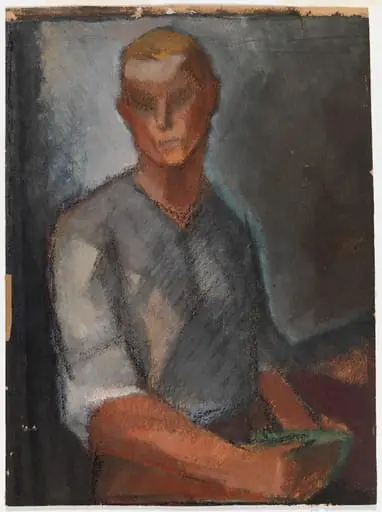
Băiat cu bască is an unspecified painting by Nicolae Tonitza. It is held in the collection of the Brukenthal National Museum. This portrait captures a young boy in a simple, dark beret and jacket, standing against a pale beige background.
About this work
If you're interested in learning more about the artist behind this portrait, you might want to explore the works of Nicolae Tonitza.
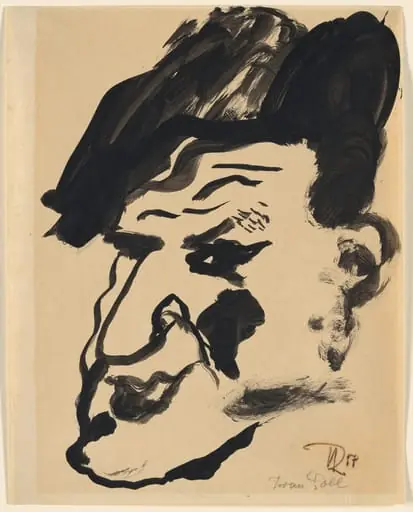
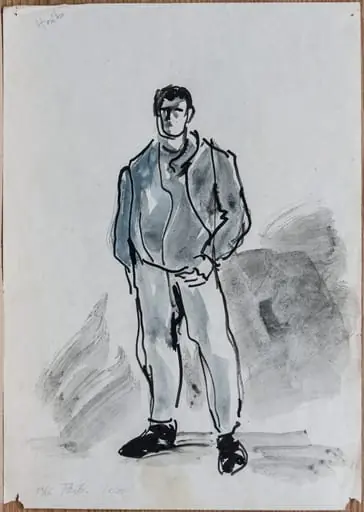
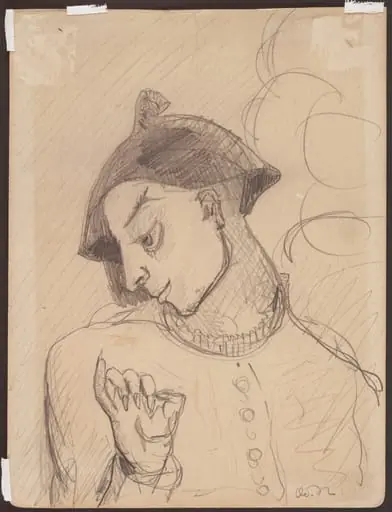
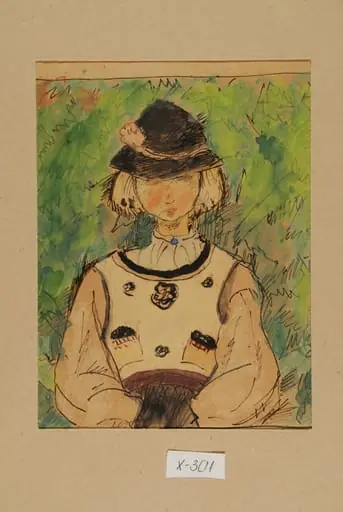
The painting depicts a young boy wearing a dark-colored beret and a dark jacket over a white shirt. The boy is looking directly at the viewer with a neutral expression. The background of the painting is a light beige color.
The boy's clothing and hairstyle suggest that the painting may have been created in the early 20th century. The artist's use of bold brushstrokes and vivid colors adds to the overall sense of energy and movement in the painting.
If you're interested in learning more about the artist behind this portrait, you might want to explore the works of Nicolae Tonitza.
Overview
This portrait captures a young boy in a simple, dark beret and jacket, standing against a pale beige background. His direct gaze and calm expression create an intimate yet unembellished encounter with the viewer. The work’s composition emphasizes the figure without distraction, focusing attention on the subject’s presence and attire, which reflect early 20th-century rural or modest urban dress.
Subject & Meaning
The boy’s neutral expression and plain clothing suggest an emphasis on everyday realism rather than idealization. His direct gaze invites a quiet connection, avoiding sentimentality. The portrait does not convey narrative or social commentary but instead presents a moment of stillness, possibly reflecting a broader interest in ordinary individuals during a period of social change in Romania.
Technique & Style
Bold, expressive brushwork defines the contours of the boy’s clothing and beret, lending texture and motion to the form. The palette is restrained—dark tones against a light background—yet the application of paint is energetic, avoiding smooth blending. This approach prioritizes emotional resonance over精细 detail, aligning with modernist tendencies of the time that valued gesture and presence over realism.
History & Provenance
The painting is attributed to Nicolae Tonitza, a Romanian artist active in the early 1900s known for his portraits and genre scenes. While specific acquisition or exhibition history is not documented here, Tonitza’s body of work frequently featured children and peasants, often painted with psychological depth and simplified forms, situating this piece within his broader oeuvre.
Context
Created during a period of national identity formation in Romania, Tonitza’s portraits often depicted common people with dignity, countering academic traditions that favored aristocratic subjects. This work reflects a shift toward modernist realism, where everyday life became worthy of artistic attention, influenced by European trends but grounded in local cultural observation.
Legacy
Tonitza’s portraits, including this one, contributed to a Romanian modernist movement that valued emotional authenticity over ornamental style. His depictions of children and rural figures remain significant for their unidealized humanity. This work continues to be referenced in studies of early 20th-century Romanian art as an example of quiet, introspective portraiture.
Artist & collection
Artist
Nicolae Tonitza painted quiet still lifes and village scenes, often showing colorful vegetables on a table or blooming flowers in simple pots.