Artwork
Holy Family with bird
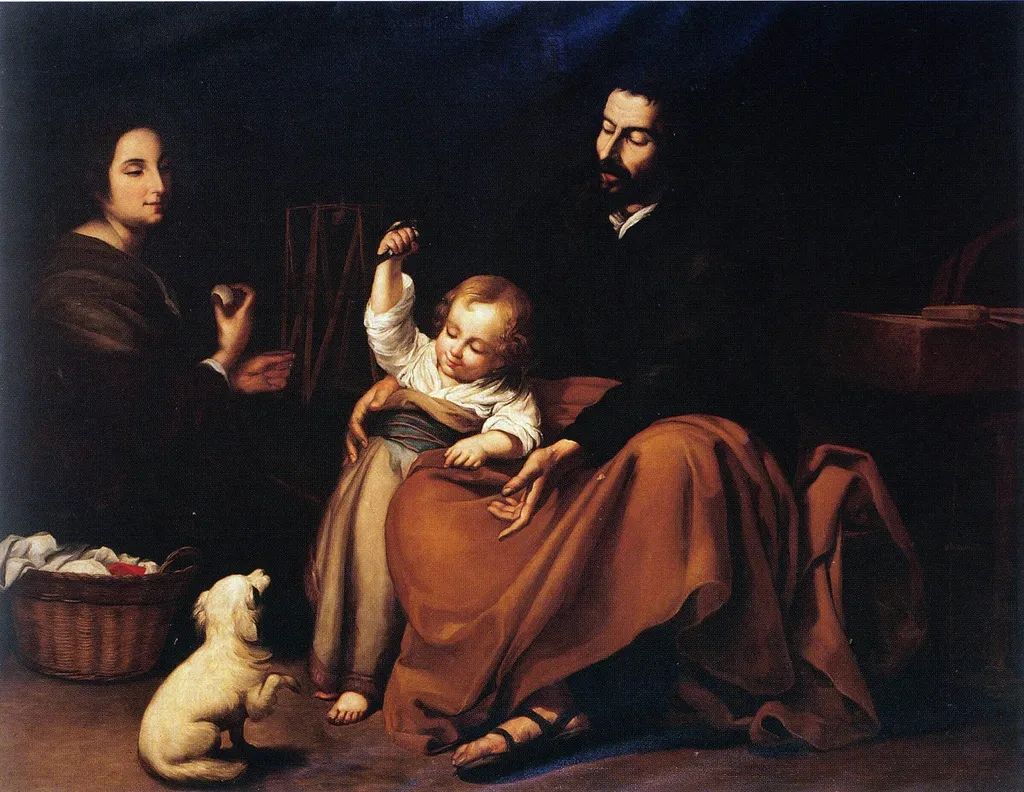
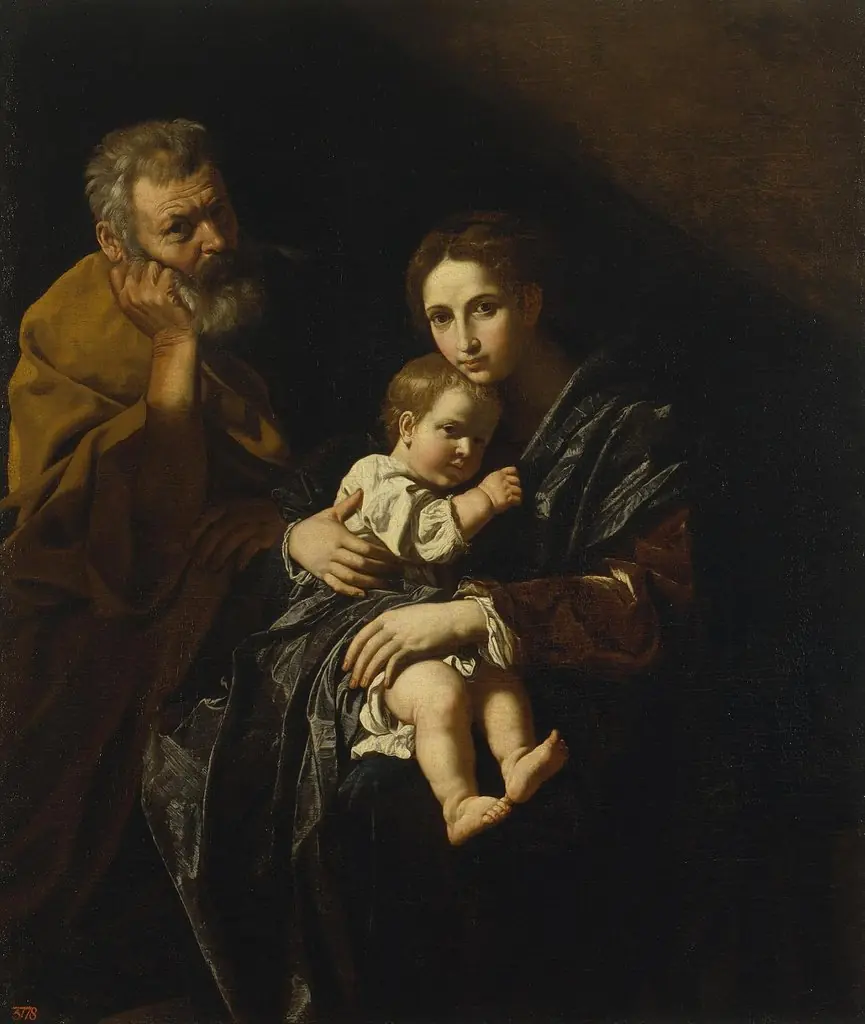
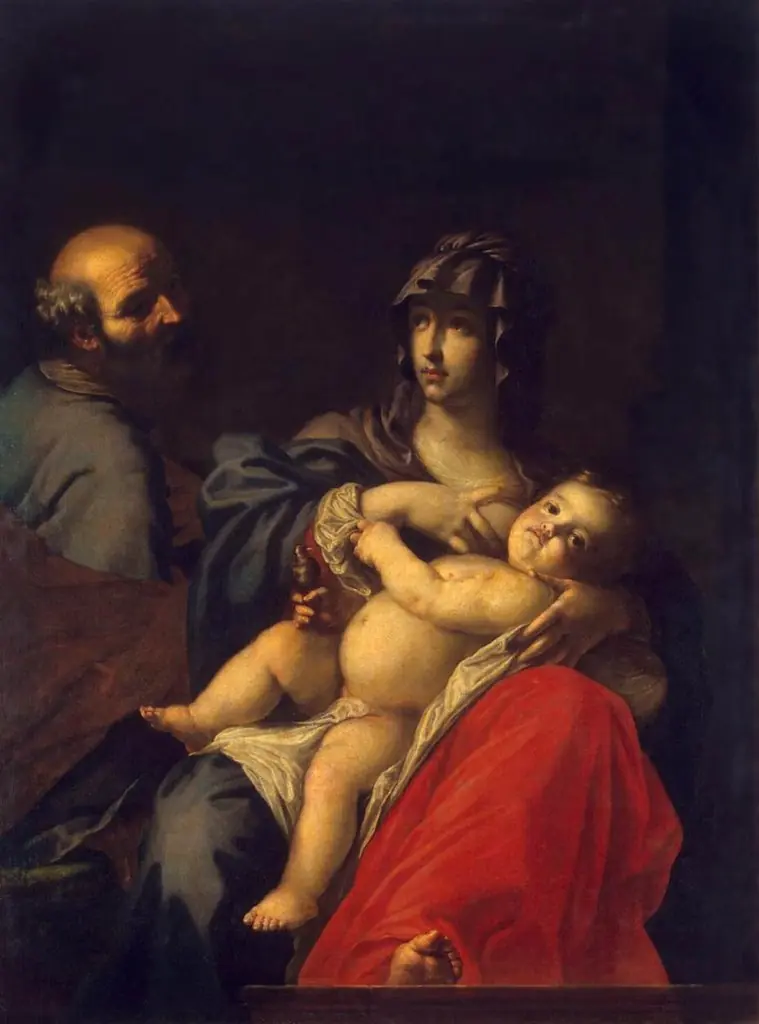
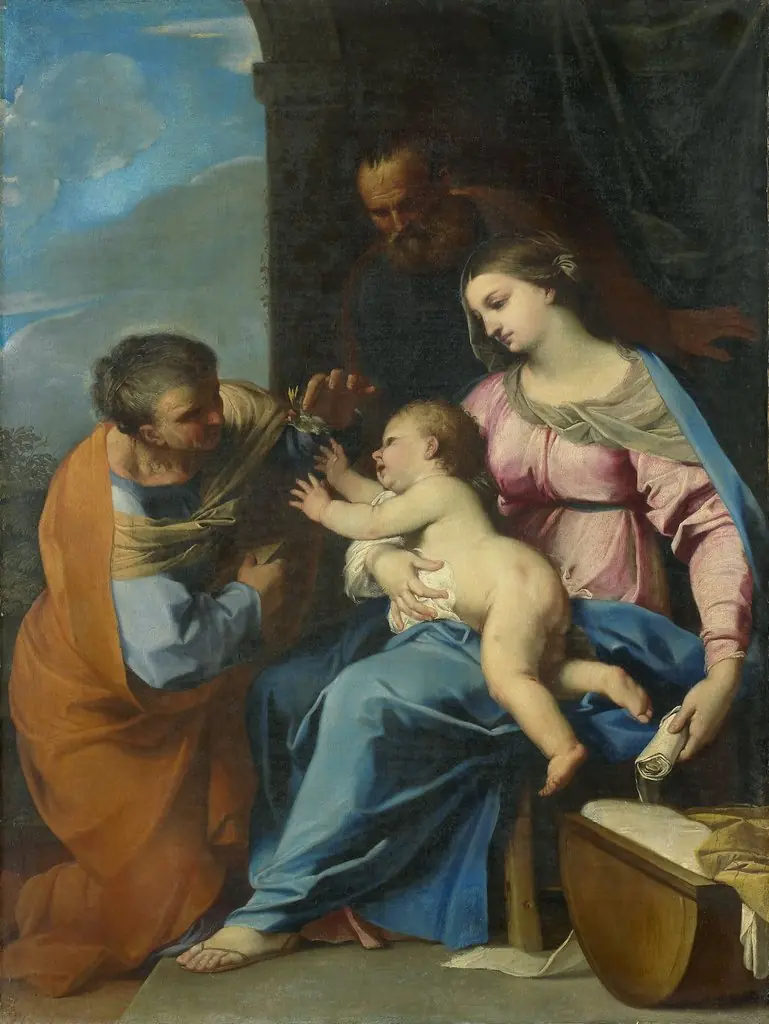
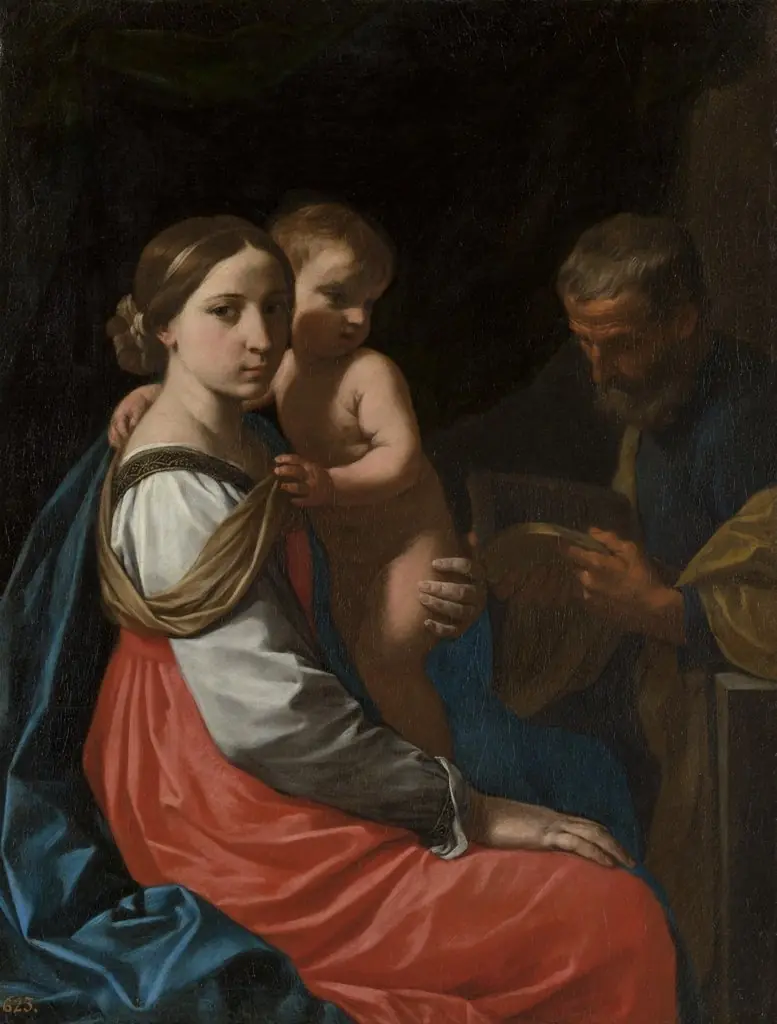
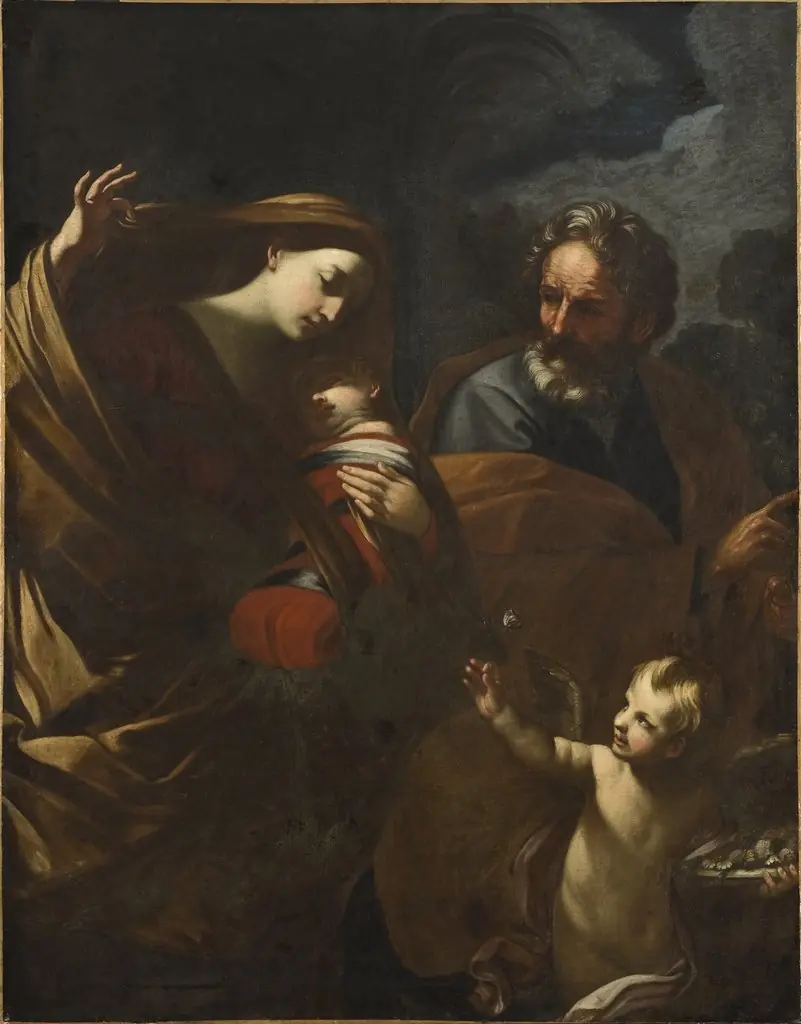
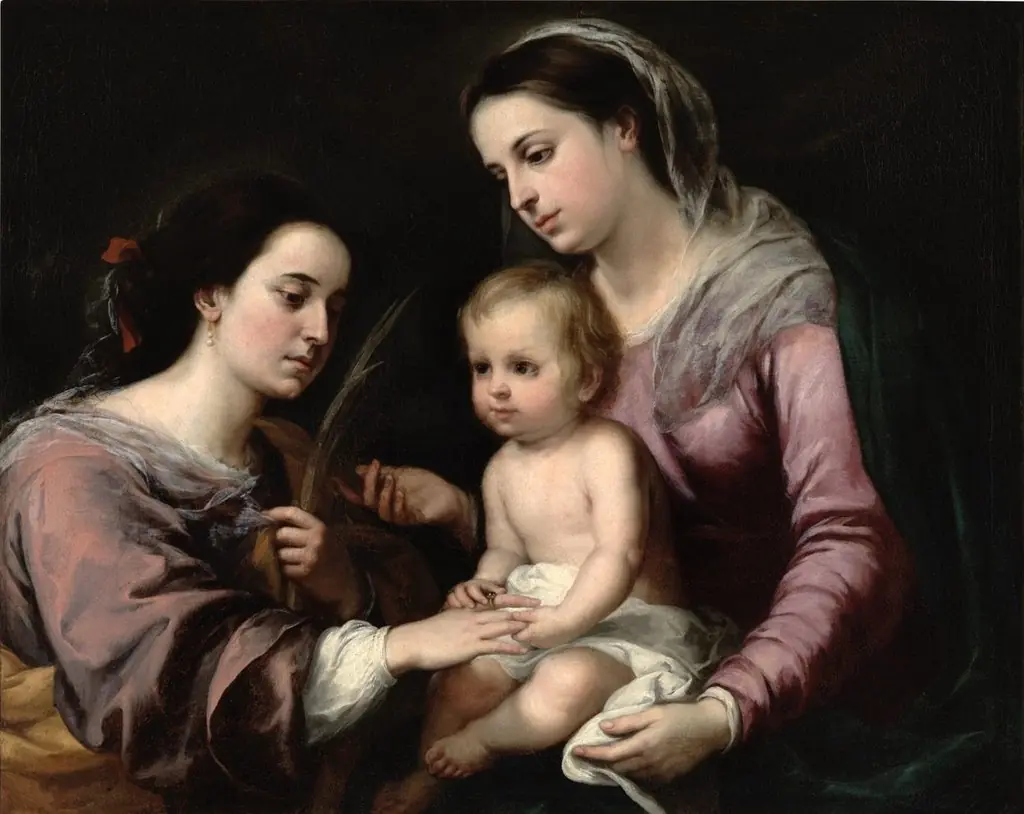
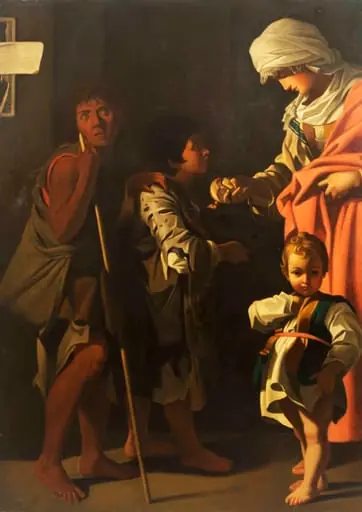
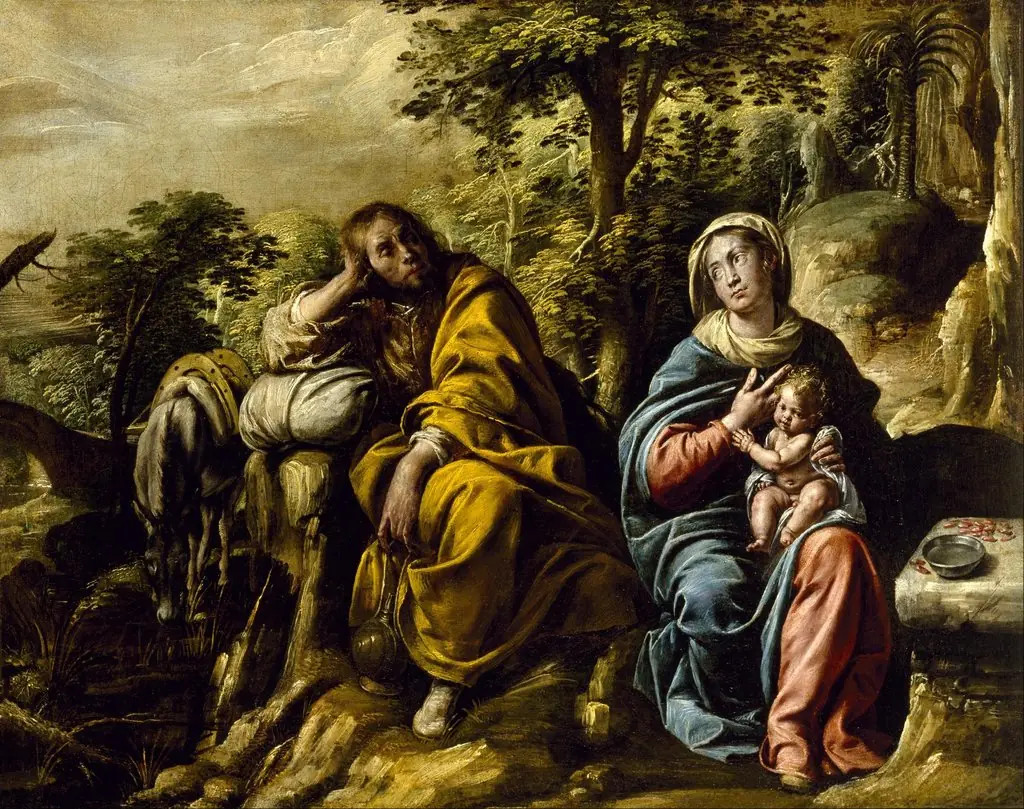
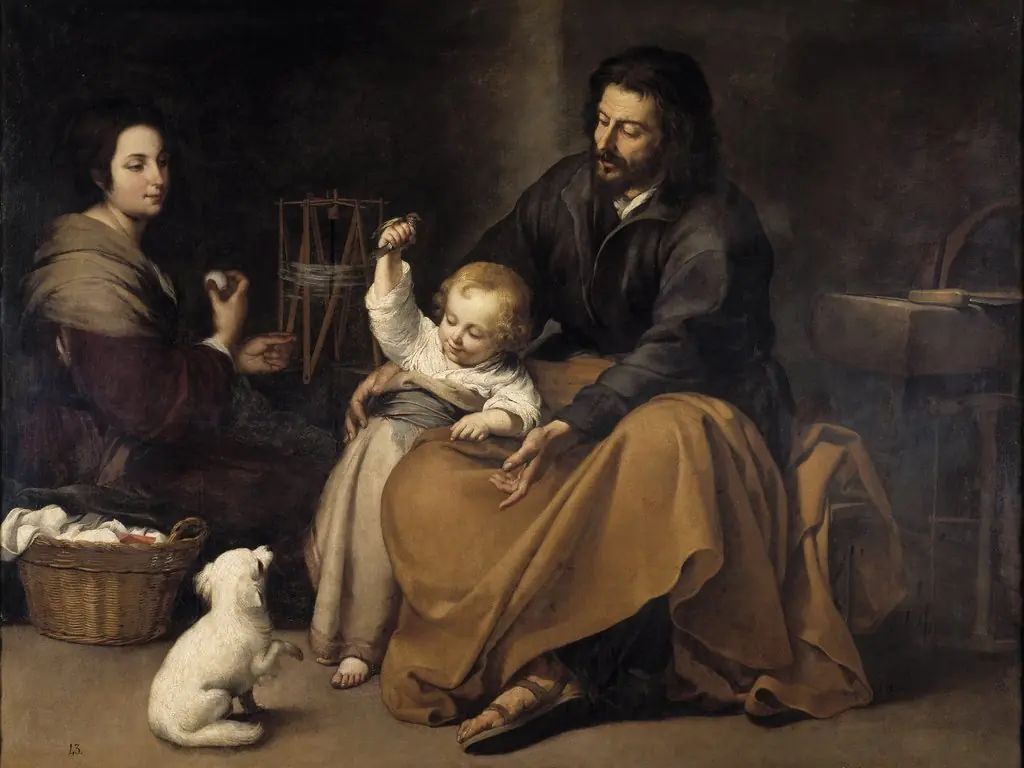
Holy Family with bird is an oil painting by Unknown. It dates from 1850 and is held in the collection of the National Museum of Fine Arts, Argentina. This oil painting depicts a quiet domestic moment involving the Holy Family, centered around a small bird held by the woman.
About this work
Overview
This oil painting depicts a quiet domestic moment involving the Holy Family, centered around a small bird held by the woman. The figures are arranged in a close-knit group against a dark, unobtrusive background, emphasizing their intimacy. The composition draws attention to the child’s reaching gesture and the bird as a focal point, suggesting a narrative of tenderness and shared attention.
Subject & Meaning
The scene portrays Mary, Joseph, and the infant Jesus in a moment of quiet interaction. The bird, likely a symbol of the soul or divine presence, becomes a point of connection between the child and the adults. Its presence introduces a subtle spiritual dimension, framing the ordinary act of handling a bird as an occasion for contemplation and familial bond.
Technique & Style
The artist employs chiaroscuro to model the figures with strong contrasts between light and shadow, giving them tangible volume and presence. The dark background enhances the three-dimensionality of the forms, while the muted palette of browns and dark tones grounds the scene in realism. Brushwork is restrained, favoring clarity over ornamentation.
History & Provenance
The painting’s origin and early ownership are not documented in available records. It lacks a signed attribution or known commission history, placing it within a broader tradition of devotional works produced in the late medieval or early Renaissance period, likely for private contemplation rather than public display.
Context
During the period when such works were made, domestic scenes of the Holy Family were increasingly popular in private devotion. The inclusion of everyday elements—like a bird—reflected a growing interest in humanizing sacred figures, aligning with broader devotional trends that emphasized emotional connection over grandeur.
Legacy
Though not widely exhibited or studied, the painting contributes to the understanding of how religious themes were rendered in intimate, human terms during the transition from medieval to early modern art. Its quiet composition reflects a shift toward personal piety and the value of ordinary moments in spiritual life.
Artist & collection

Museum
National Museum of Fine Arts, Argentina
Continue through works from the same source collection.
 Domestic Scene
 Giacomo and Cardinal Marco, investing Andrea, Abbot of San Zeno, with his Benefice
 The Nymph of Fontainebleau
 Portrait of a Woman
 Madonna and Child with Saints in the Enclosed Garden
 Venus and Minerva
 Family Group of Four on Sofa
 Wall painting from Room H of the Villa of P. Fannius Synistor at Boscoreale