Artwork
Satul nou
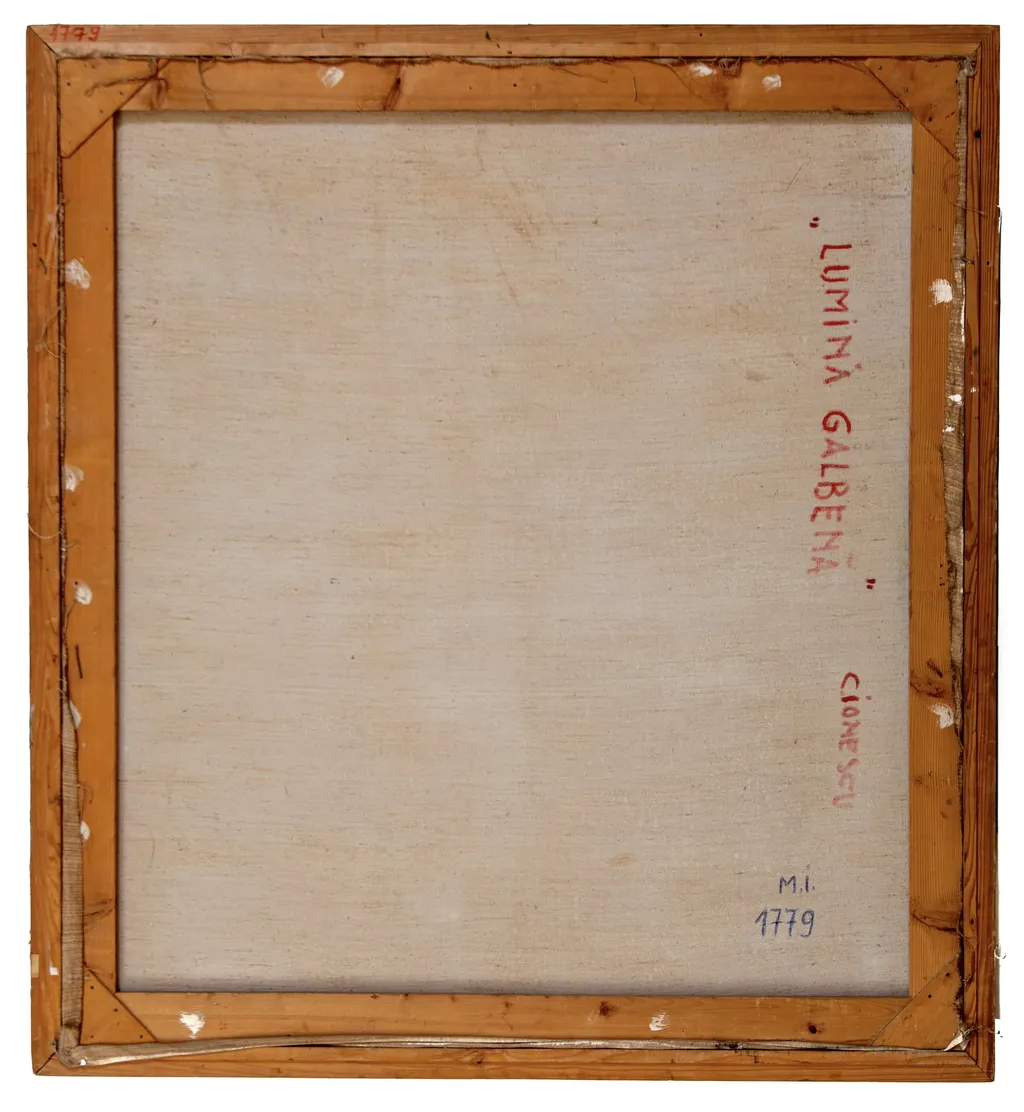
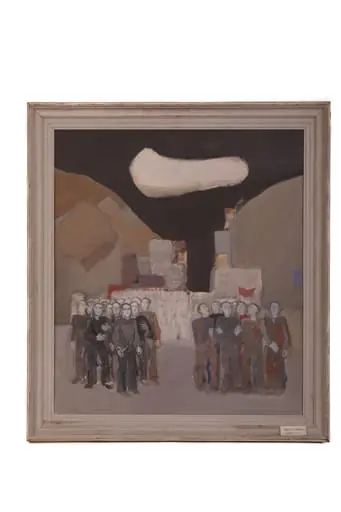
Satul nou is an unspecified painting by the Social Realist artist Ionescu Corneliu. It dates from 1938 and is held in the collection of the Moldova National Museum Complex.
About this work
Overview
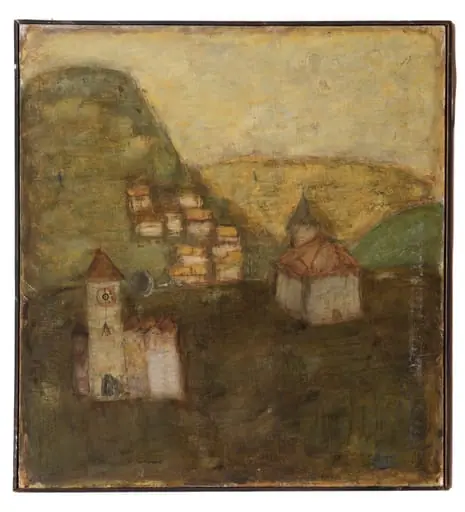
Painted in 1938 by Ionescu Corneliu, Satul nou is a small-scale work depicting a solitary rural dwelling. Executed in oil or tempera, the piece captures a modest home surrounded by open land, rendered without idealization. Its quiet composition and restrained palette reflect an interest in everyday rural existence, avoiding grand narrative in favor of intimate observation.
Subject & Meaning
The subject is a single vernacular house, likely drawn from the artist’s observations of Romanian village life. The structure, with its thatched roof and simple form, stands as a symbol of enduring local tradition. There is no human presence, yet the building implies habitation and continuity. The work suggests reverence for quiet, unadorned existence rather than romanticizing rural life.
Technique & Style
Corneliu employed thick, deliberate brushwork to define the house and surrounding landscape, favoring texture over fine detail.
Corneliu employed thick, deliberate brushwork to define the house and surrounding landscape, favoring texture over fine detail. Colors are subdued, earthy browns, muted greens, and soft beiges, creating a harmonious, grounded atmosphere. The style leans toward folk-inspired simplification, with forms flattened and contours bold, suggesting influence from regional decorative traditions rather than academic realism.
History & Provenance
Created in 1938, the painting emerged during a period of renewed interest in Romanian rural identity among artists and intellectuals. While specific ownership history is not widely documented, it likely remained within the artist’s circle or local collections before entering institutional or private hands. Its survival reflects its modest but persistent cultural resonance.
Context
In late 1930s Romania, many artists turned to rural themes as a counterpoint to urban modernization. Satul nou aligns with this movement, participating in a broader cultural effort to document and preserve folk architecture and agrarian life. It avoids political messaging, instead offering a quiet, personal meditation on place and permanence amid social change.
Legacy
Though not widely exhibited, Satul nou remains a representative example of Corneliu’s engagement with vernacular subjects. It contributes to a lesser-known but significant strand of interwar Romanian art that valued authenticity over spectacle. The work continues to be referenced in studies of regional painting, valued for its unembellished vision of rural Romania.
Artist & collection
Artist
Ionescu Corneliu’s small bundle leans on the late-1930s Romanian scene, where painters traded in thick pigment and bold lines to show work and workers.