Movement
Social Realism
Social Realism is an art movement of the 1930–1960 period. The gallery holds 343 works in this movement, including works by Charles Demuth, F. A. Mead and Joaquín Sorolla. Browse Social Realism paintings, portraits, pictures and artworks from the world's public-domain museum collections.
Social Realism is the artistic practice of depicting the lives, labor, and hardships of ordinary and working-class people—often with the express aim of exposing injustice and prompting social change. While its roots reach back to nineteenth-century France and to artists such as Gustave Courbet and Honoré Daumier, the movement crystallized as a defining force in the United States around 1930, in the shadow of the Great Depression and the years between the two world wars. Its immediate American forerunner was the Ashcan School of the early 1900s, whose painters—John Sloan and George Luks among them—turned away from genteel subjects to capture the gritty texture of working-class New York neighborhoods.
Visually, Social Realism favors a naturalistic, sometimes quasi-expressionist idiom over abstraction: legible figures, urban and industrial settings, and an unsentimental eye trained on poverty, unemployment, manual toil, and political struggle. Artists deployed easel painting, prints, photography, and large public murals to reach a broad audience, and much of the work was deliberately, openly political. The subject was the dignity and suffering of the common person, rendered with documentary directness rather than romantic gloss.
The movement's central American figures include Ben Shahn, Reginald Marsh, Raphael Soyer, Isabel Bishop, and Jacob Lawrence. Shahn's series of gouaches *The Passion of Sacco and Vanzetti* (1931–32), now at the Whitney Museum, indicted a notorious miscarriage of justice; Marsh chronicled Coney Island crowds and Bowery down-and-outs; and Lawrence's sixty-panel *The Migration Series* (1940–41) narrated the Great Migration of African Americans from the rural South. In Mexico, Diego Rivera and his fellow muralists Orozco and Siqueiros gave the impulse monumental public form in frescoes celebrating labor and revolution.
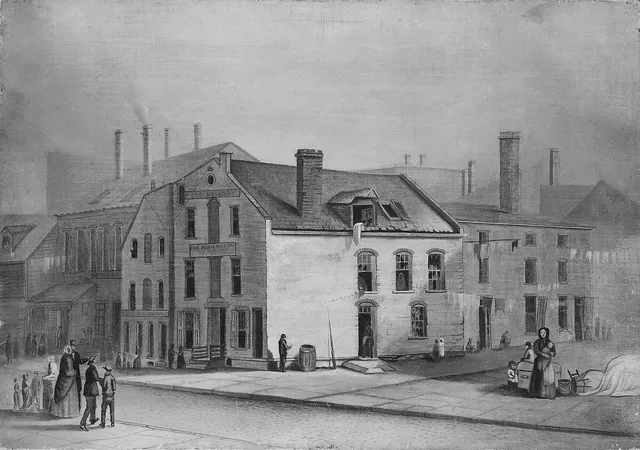
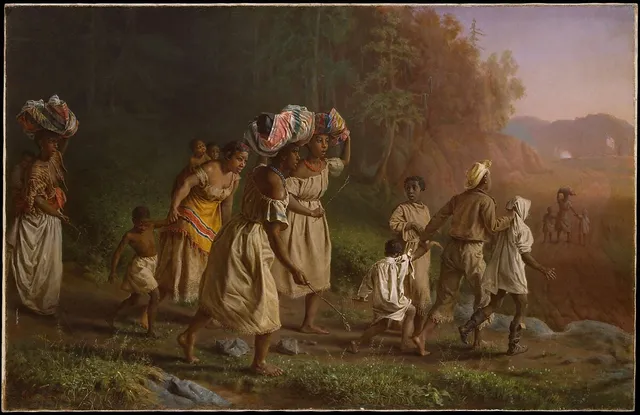
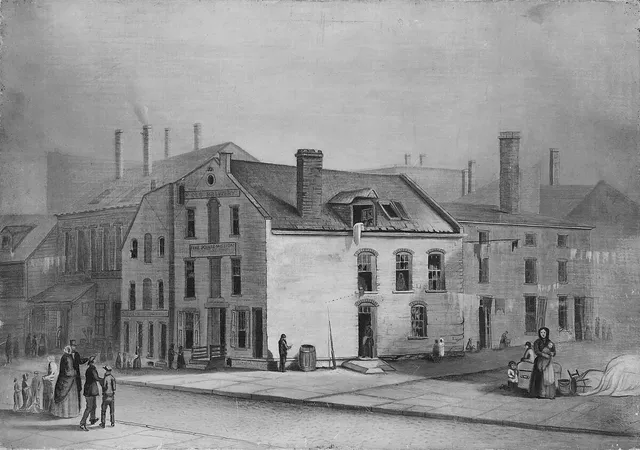
Social Realism should be distinguished from Soviet Socialist Realism, which served state ideology and barred pessimism or criticism; the Western strain remained free to protest. It overlapped with American Regionalism—both grounded in recognizable, native subject matter—though Regionalists like Grant Wood and Thomas Hart Benton leaned toward rural celebration rather than urban critique. By the late 1940s, the rise of Abstract Expressionism eclipsed Social Realism as the dominant current, but its concern with art as social witness endures in documentary photography and politically engaged figuration. Our collection holds related depictions of common life, including F. A. Mead's *Old Brewery, Five Points Mission, New York* and Theodor Kaufmann's *On to Liberty*.
Key artists
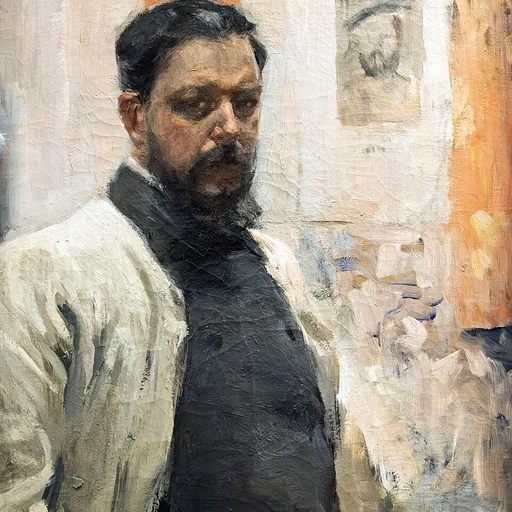
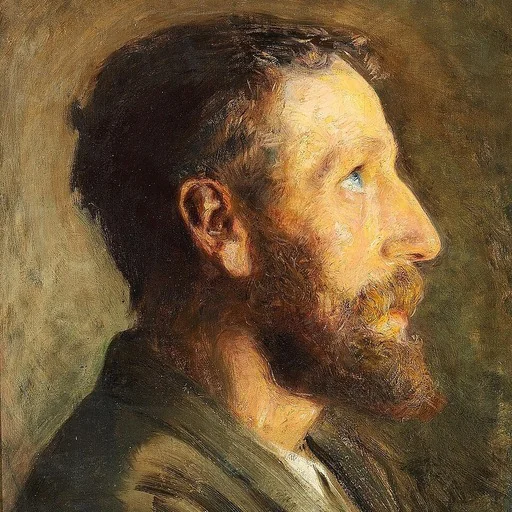
Works
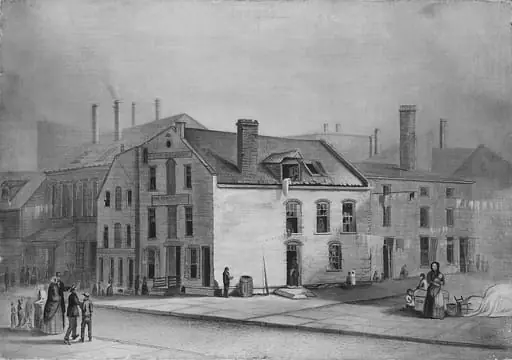 Old Brewery, Five Points Mission, New York
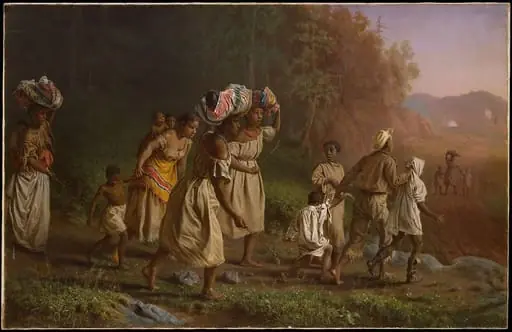 On to Liberty
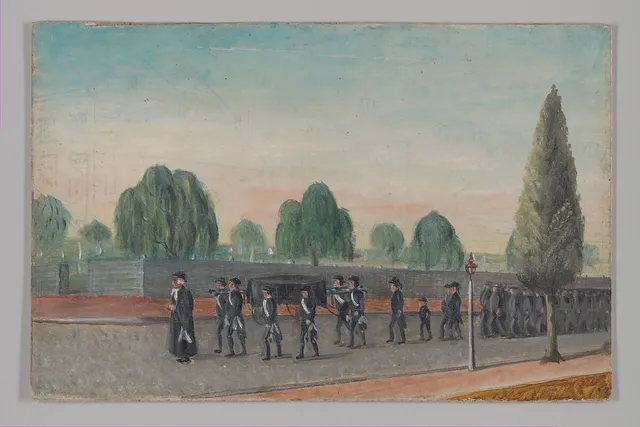
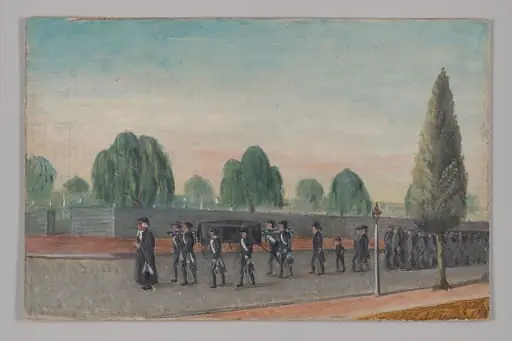 Adult Funeral Procession
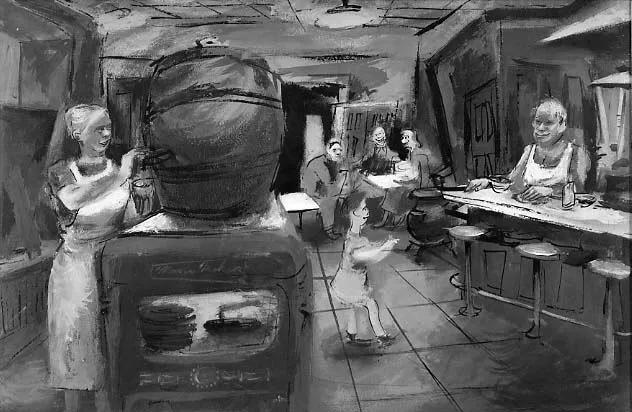
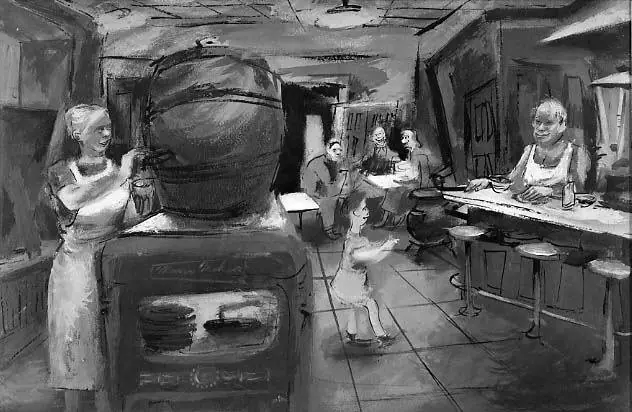 Saturday Night
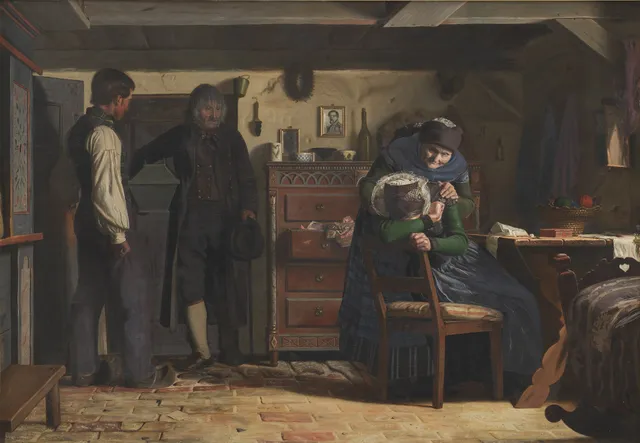
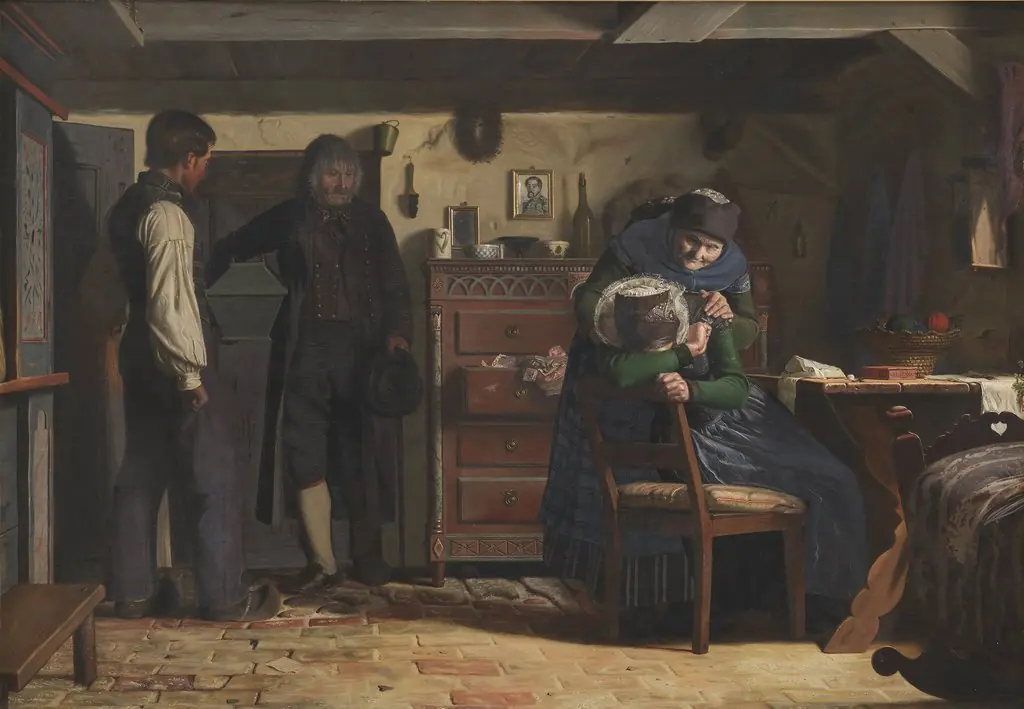 The Village Carpenter Bringing a Coffin for a Dead Child
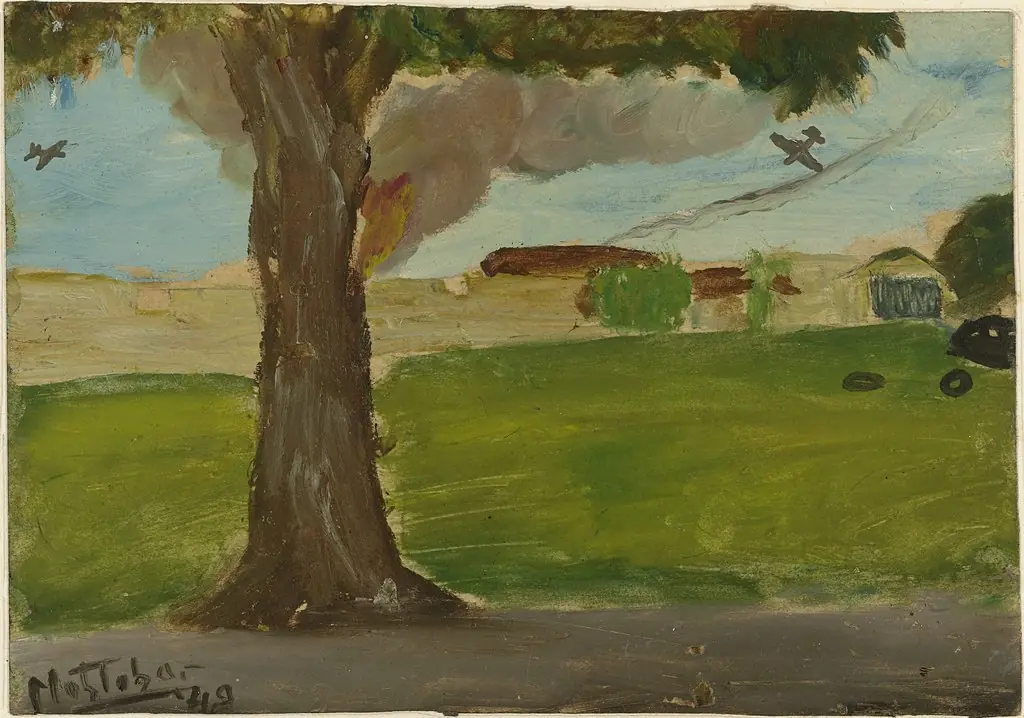 A Dutch Bomber Bombing the Fort in the Center of the City of Jogyakarta
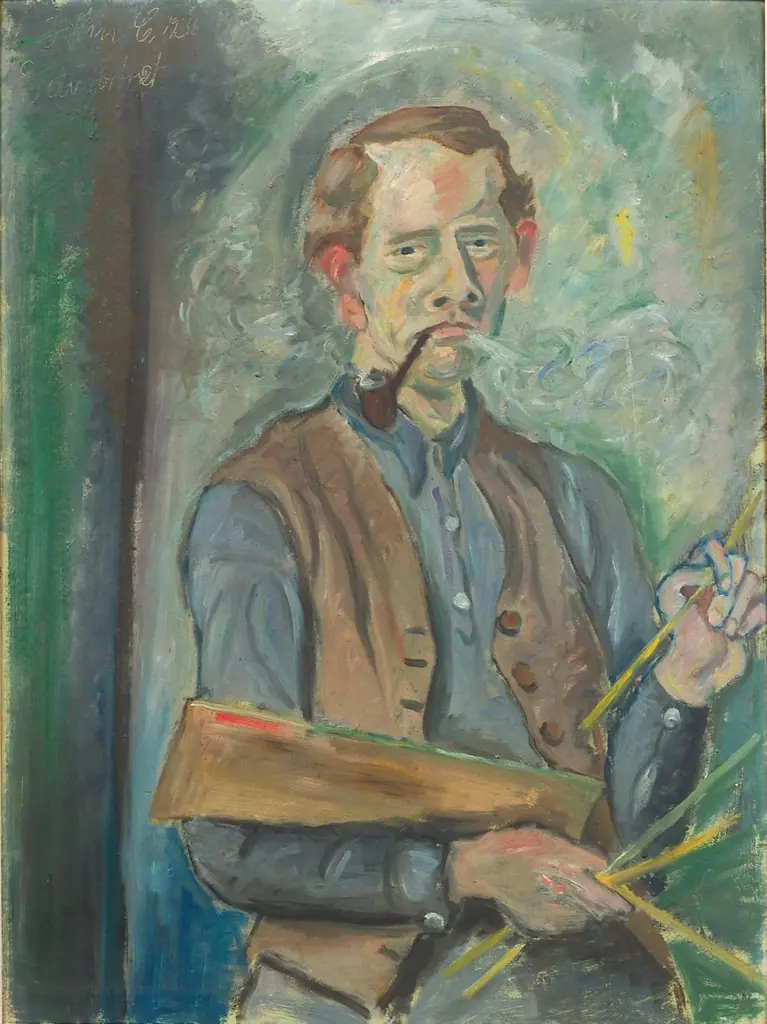 Self-Portrait
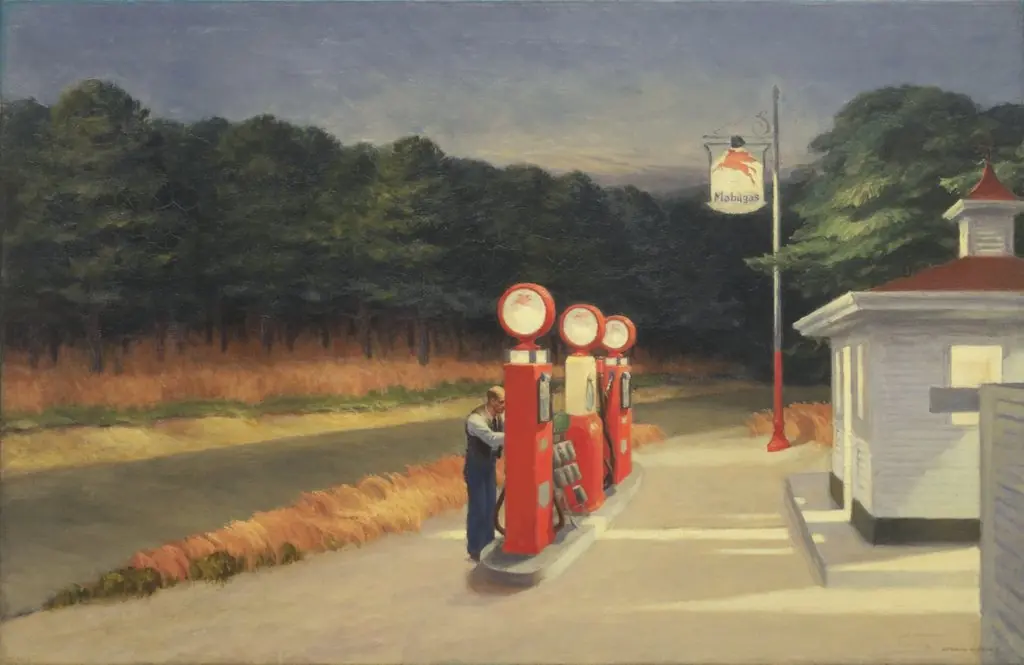 Gas
Gas Portrait of Composer Gara Garayev
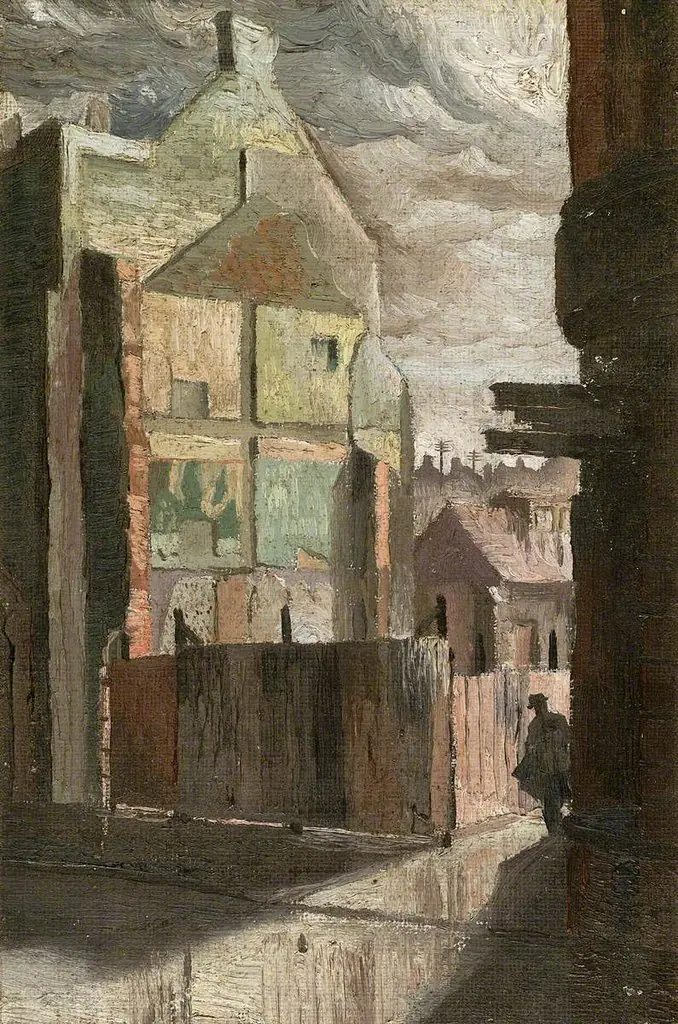 Cleared Site with Hoarding and a Figure
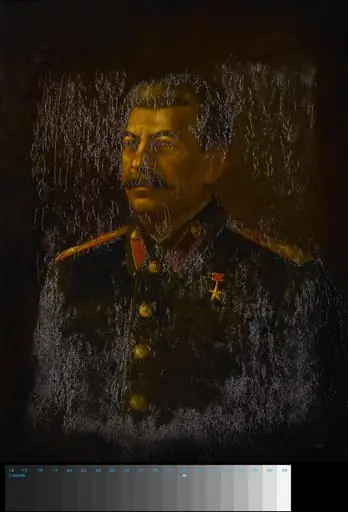 Untitled
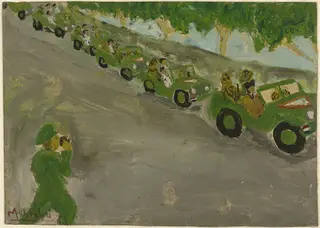 The President, the Vice President and Other Leaders are Banished to Sumatra
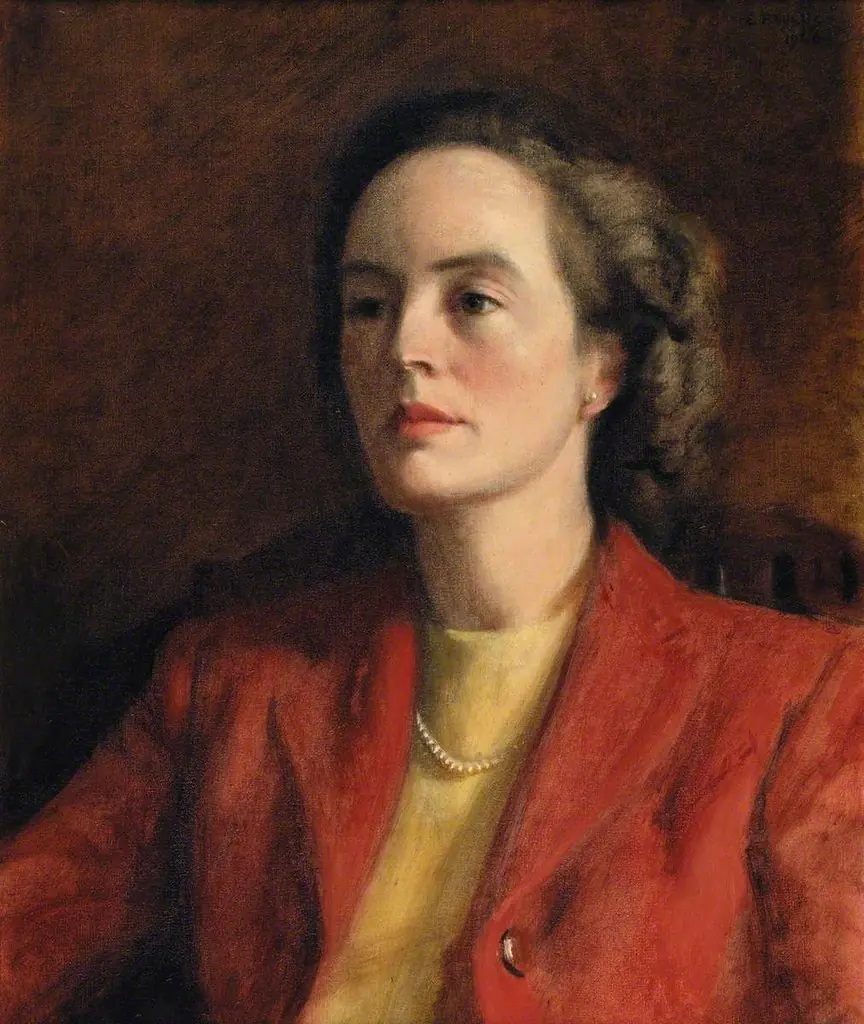 The Honourable Jane Walsh (1910–1996)
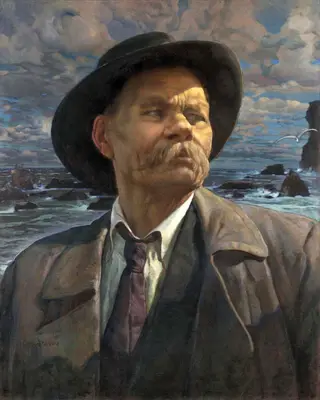 Maxim Gorky
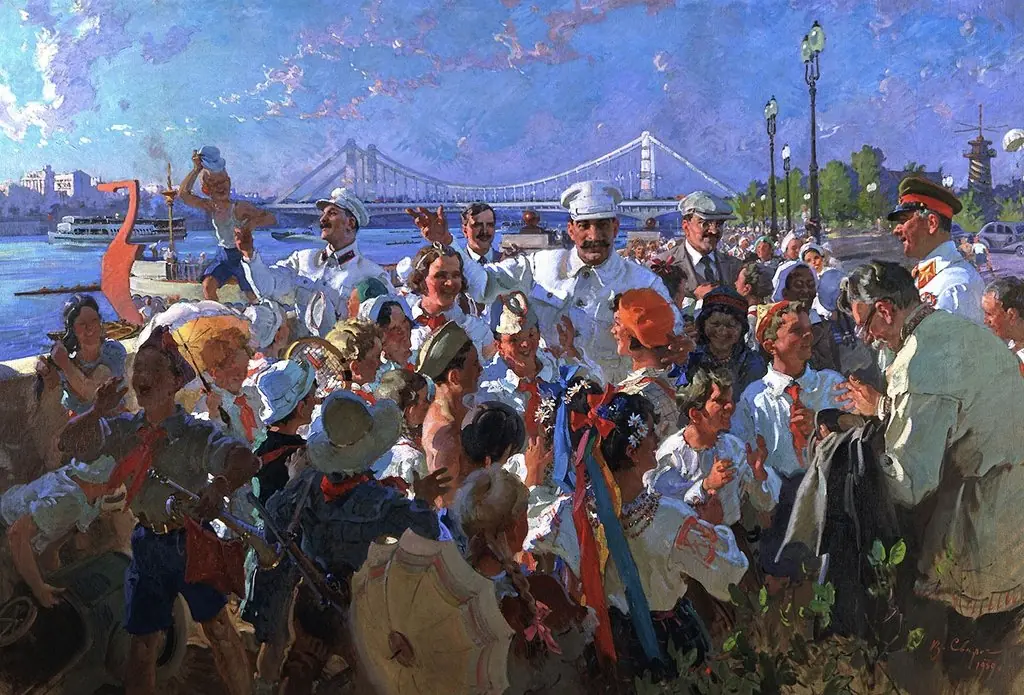 J. Stalin and members of the Politburo of the Central Committee of the Communist Party of the USSR among children in Gorky Park
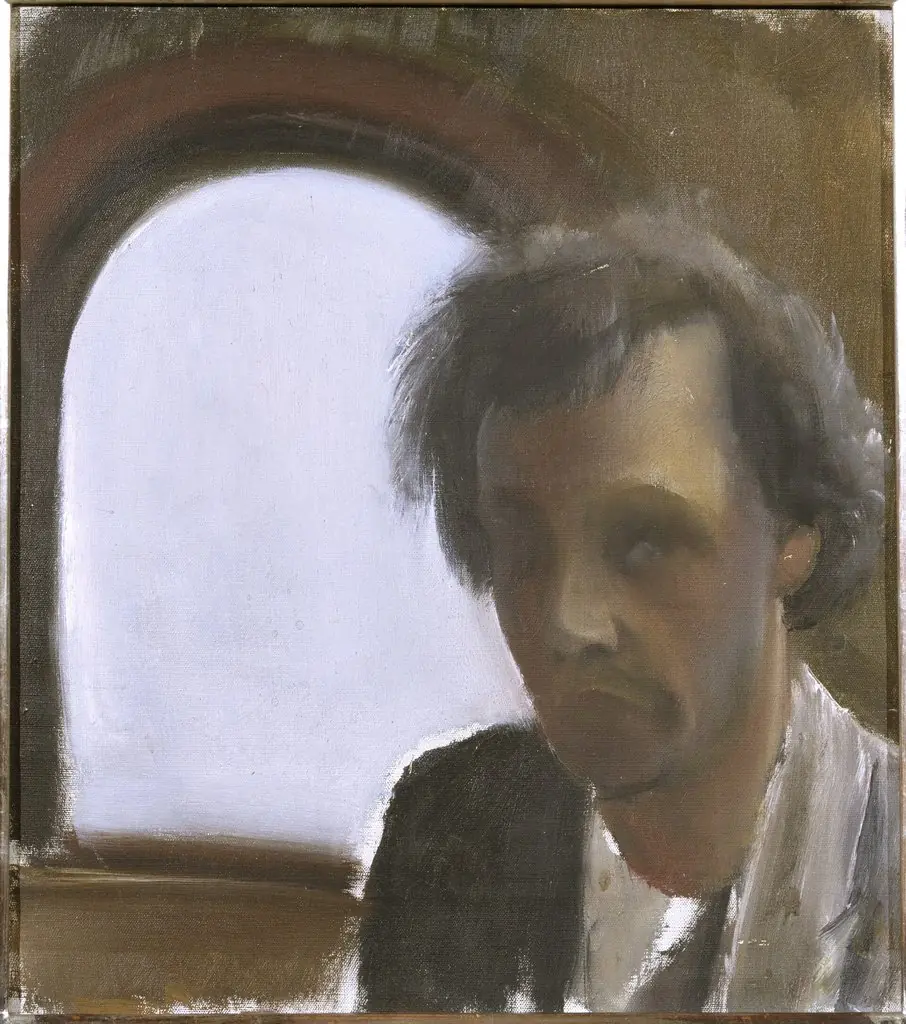 Martin Åberg, 1888-1946
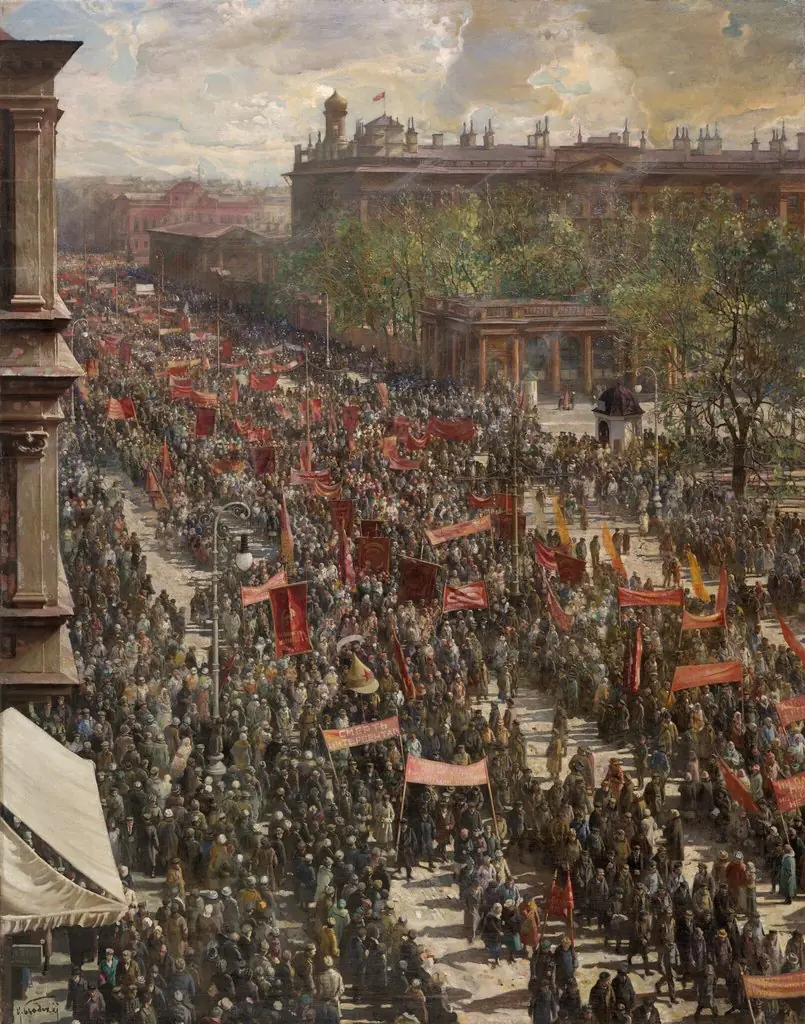 A Demonstration on 25 October Prospect
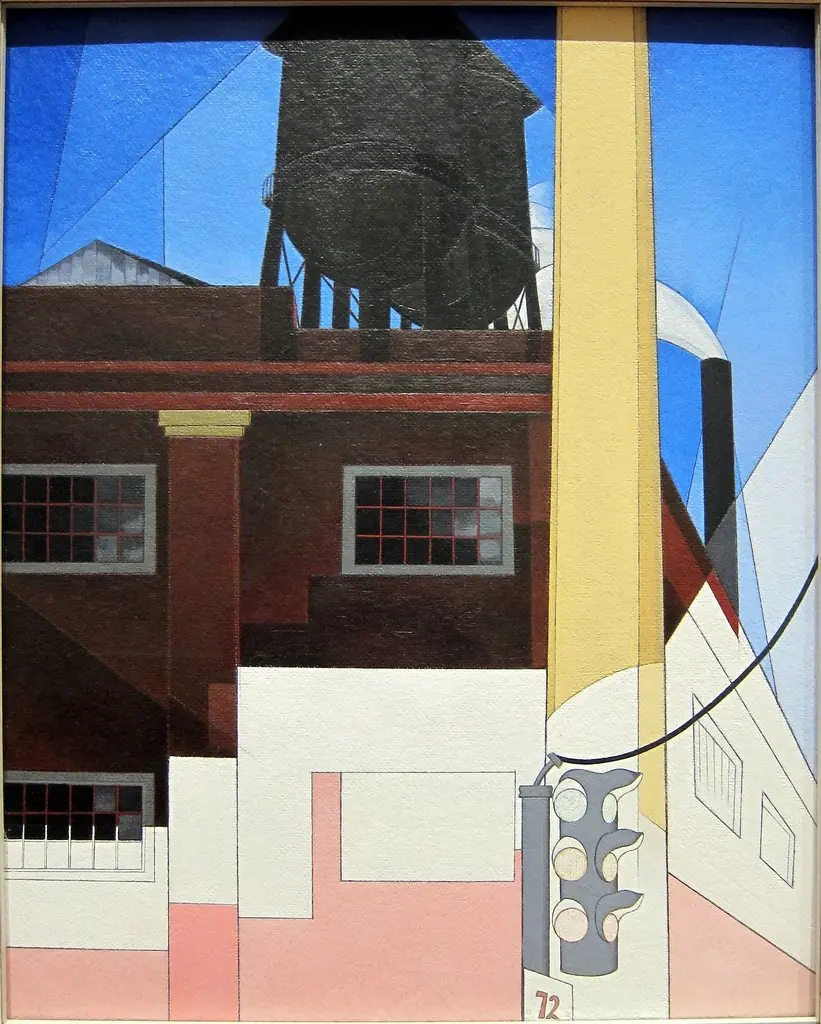 ...And the Home of the Brave
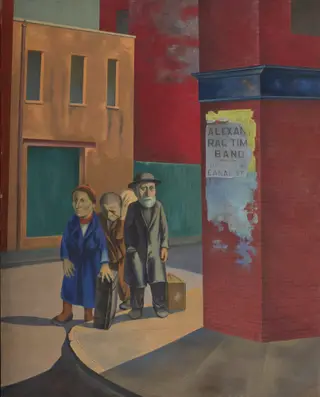 Refugees
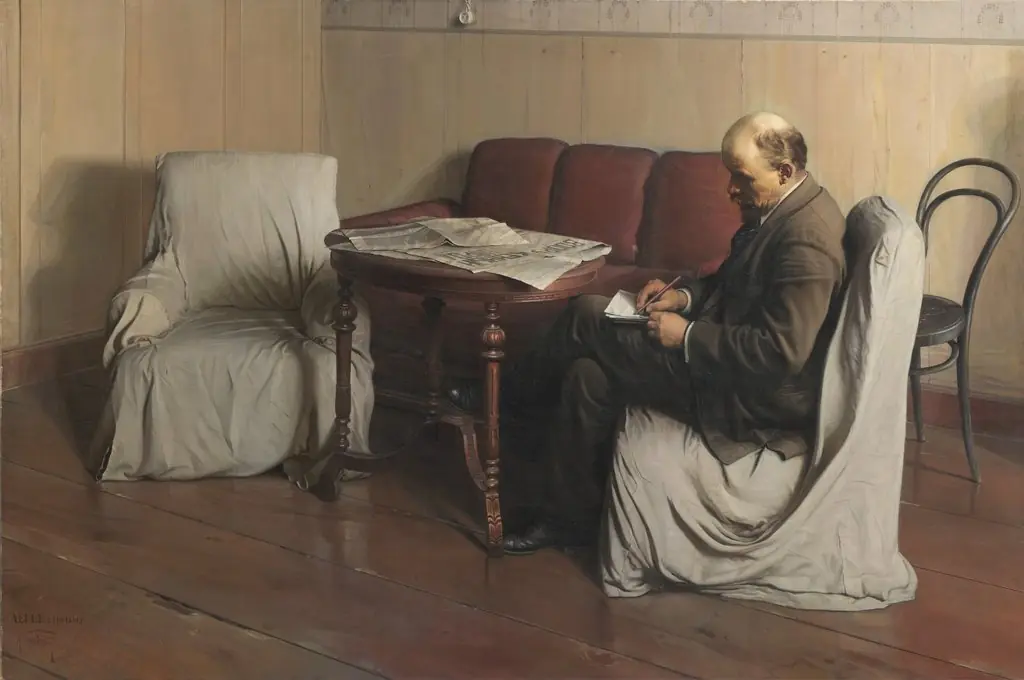 Vladimir Lenin in Smolny
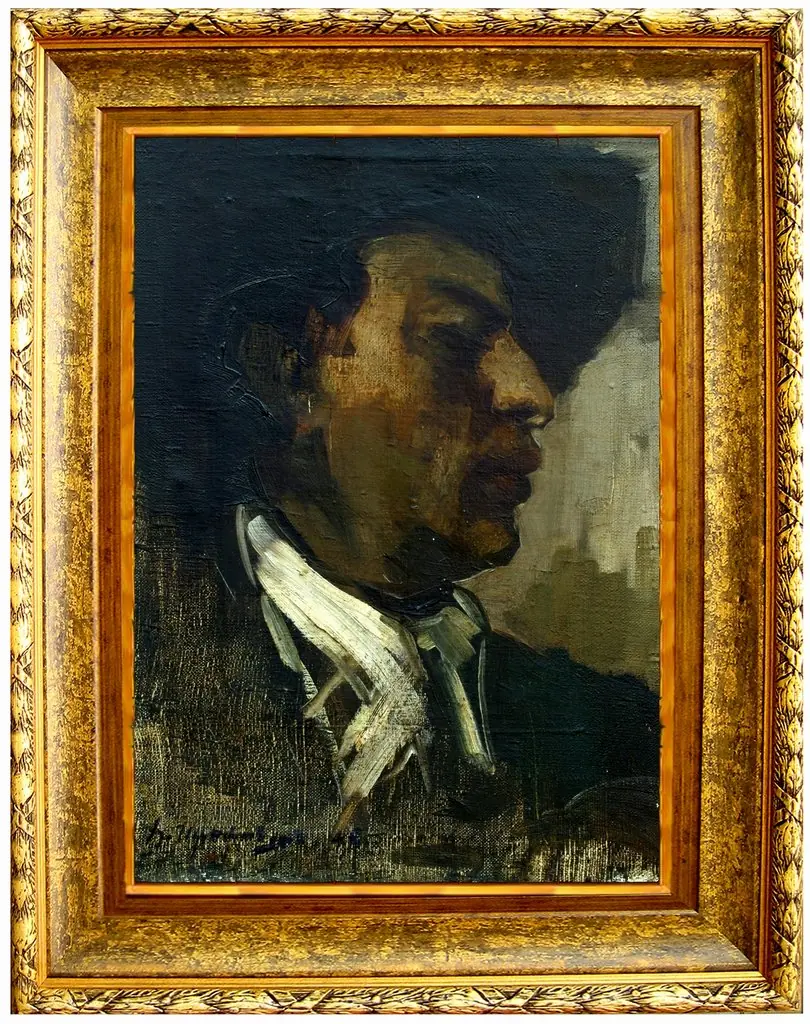 Self-portrait
 Young David
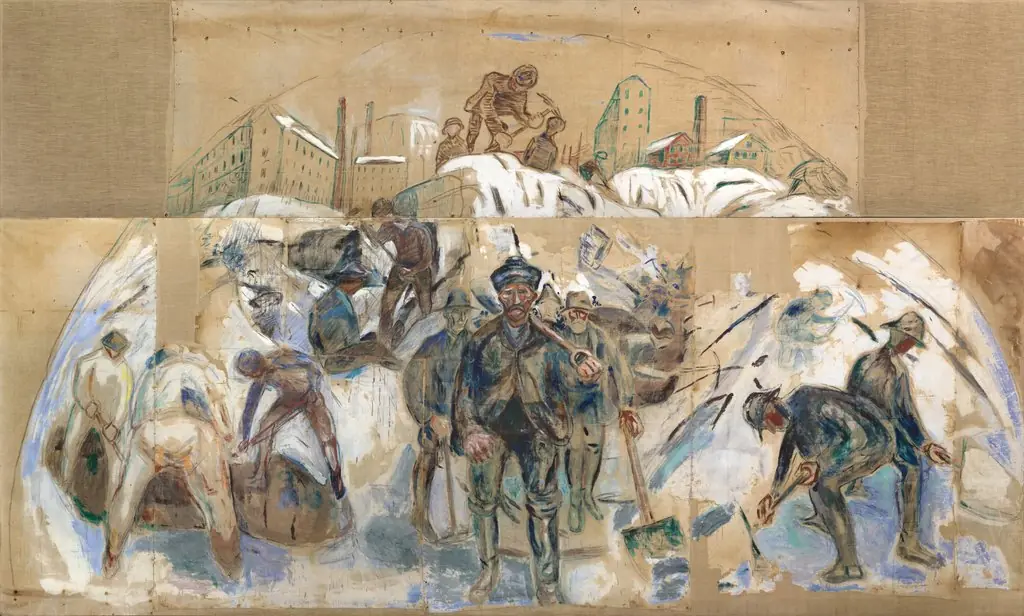 Workers on the Building Site. Draft for a Decoration of Oslo City Hall
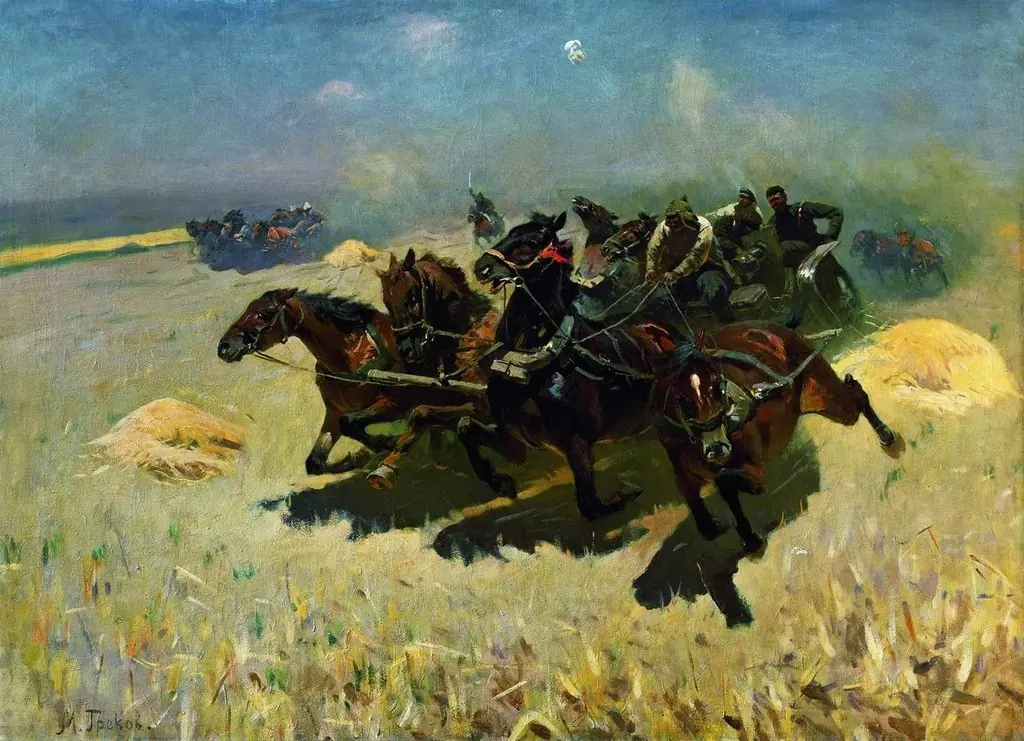 Tuchanka.
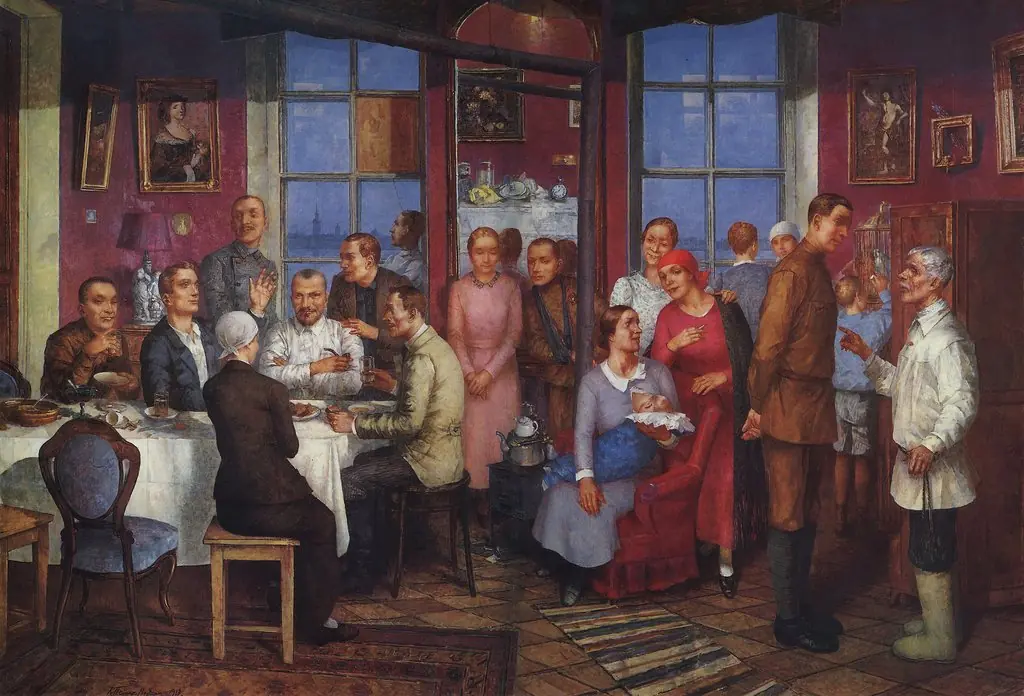 Moving party
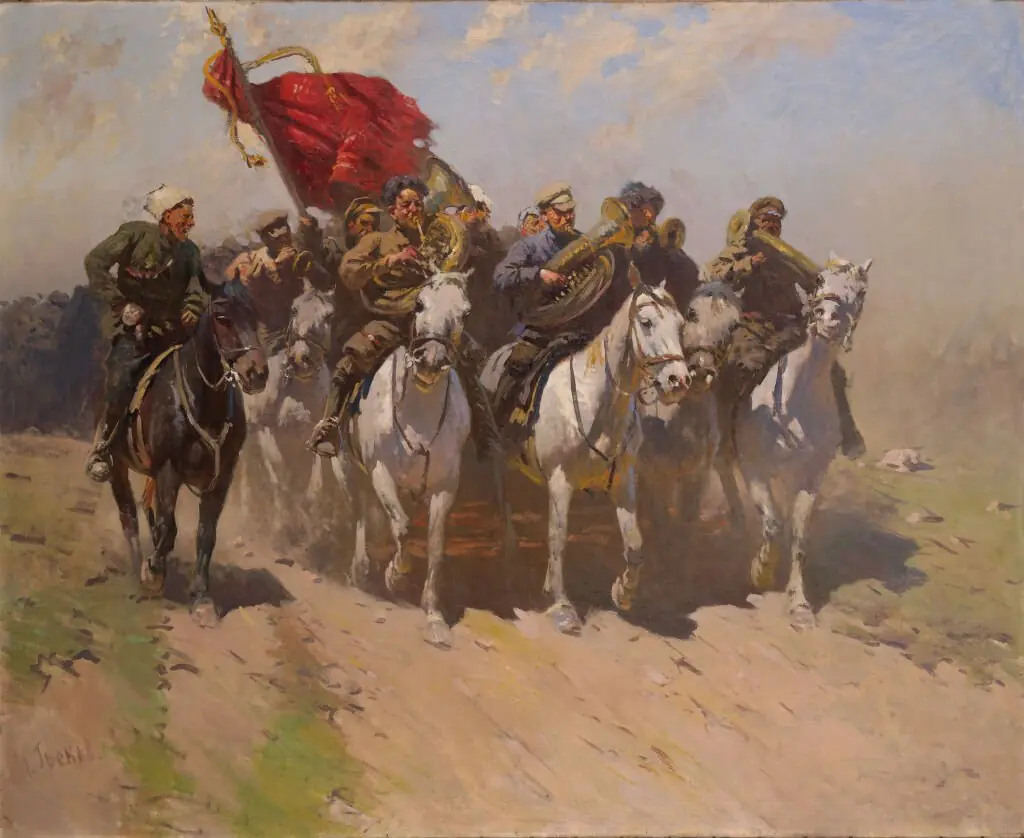 Трубачи Первой Конной армии
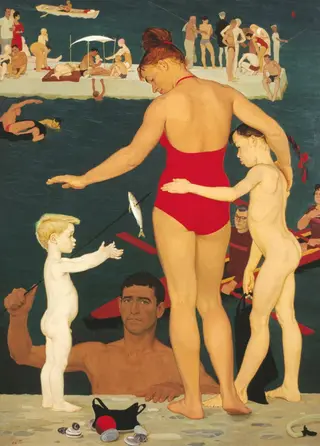 Family at the Sea
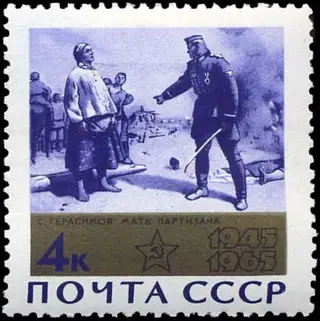 Мать партизана
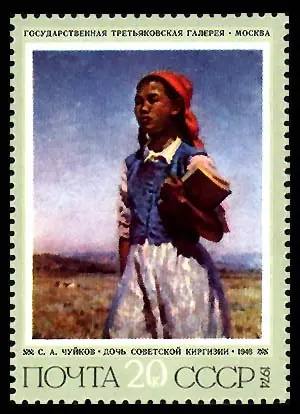 Daughter of Soviet Kirgizia
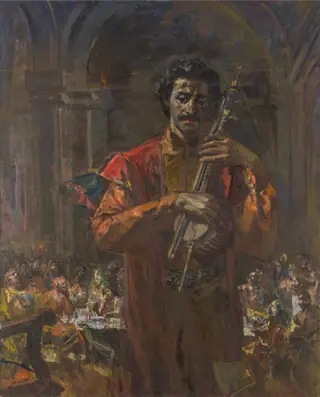 Sayat Nova
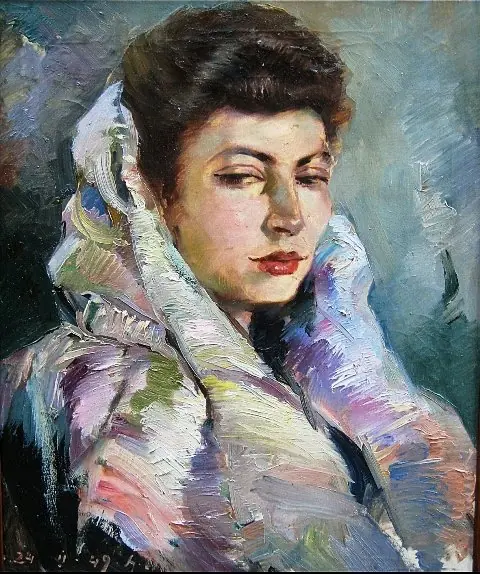 Portrait of painter's wife Olimpia Sargsyan
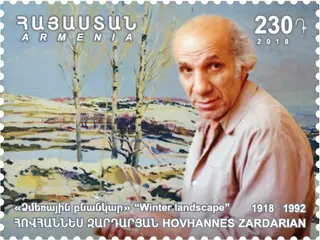 Winter Landscape
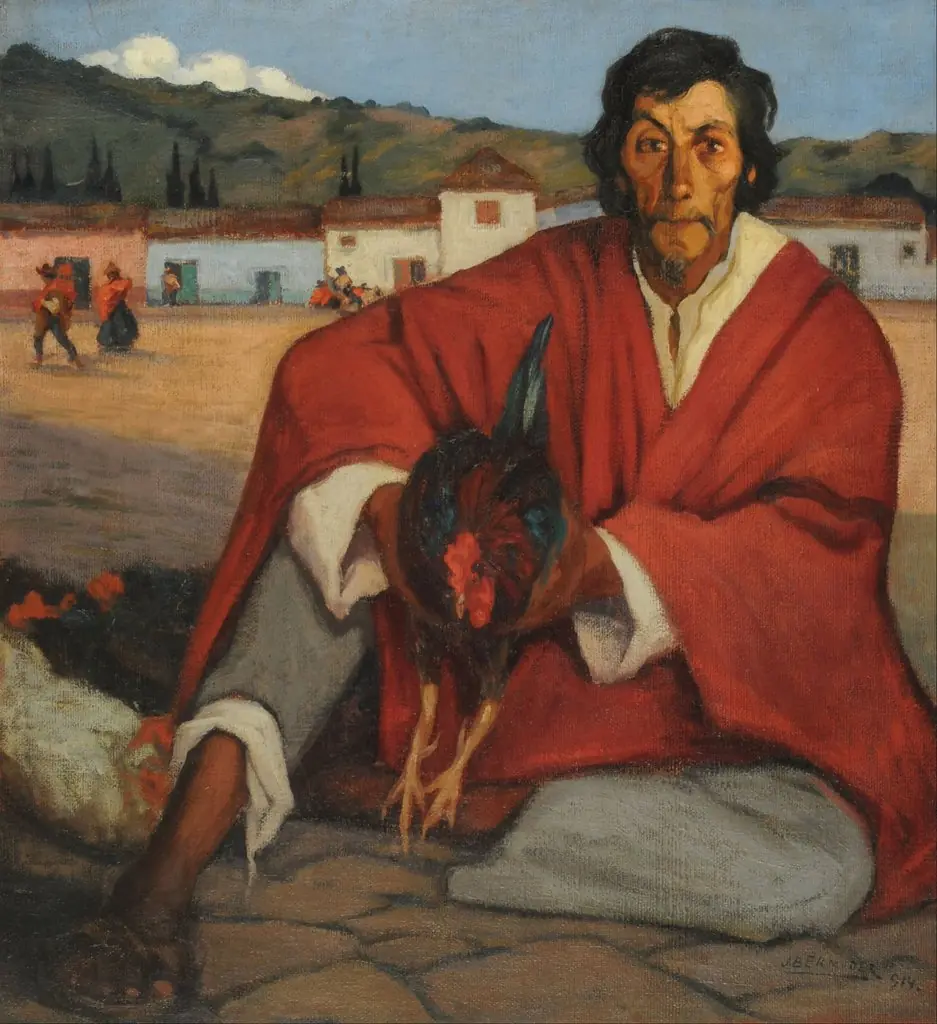 Old Galler
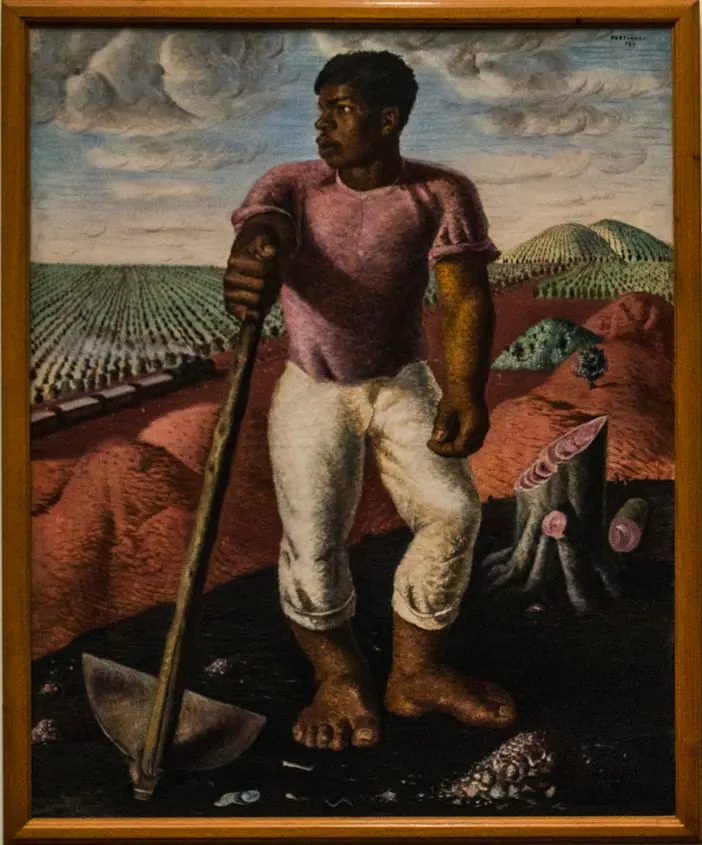 Coffee Agricultural Worker
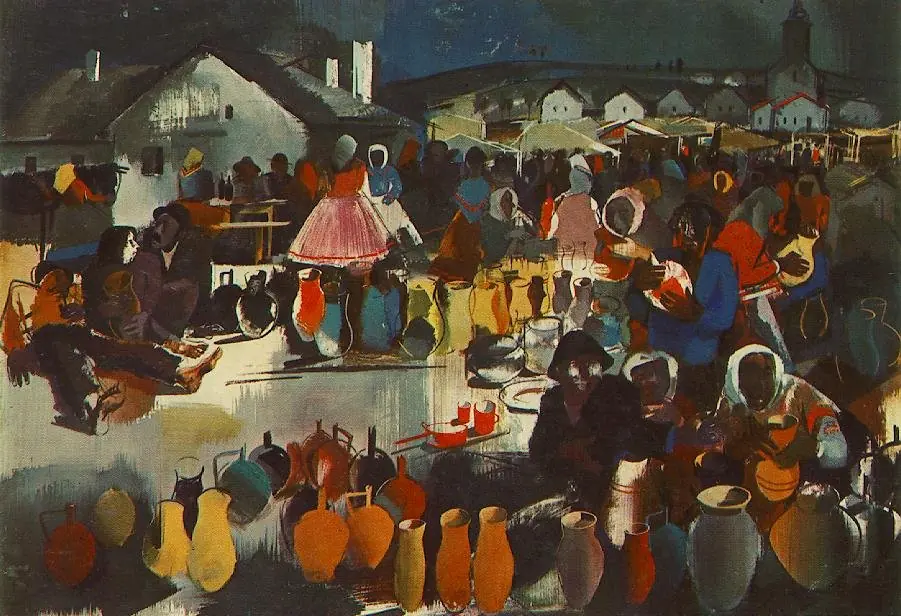 Szekler Market
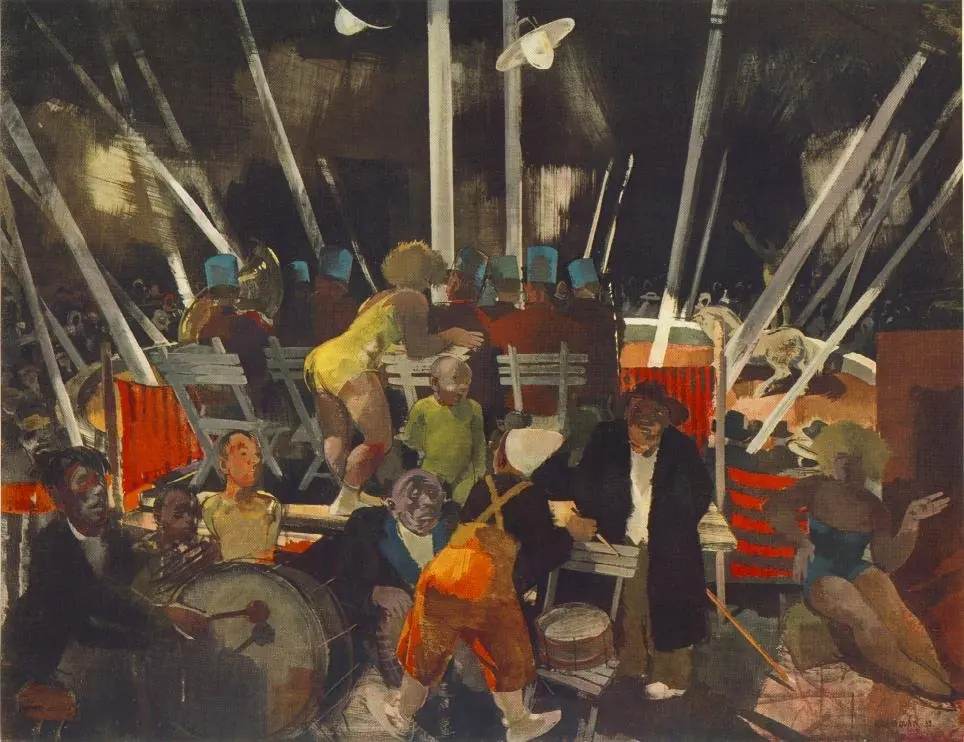 Circus (1935)
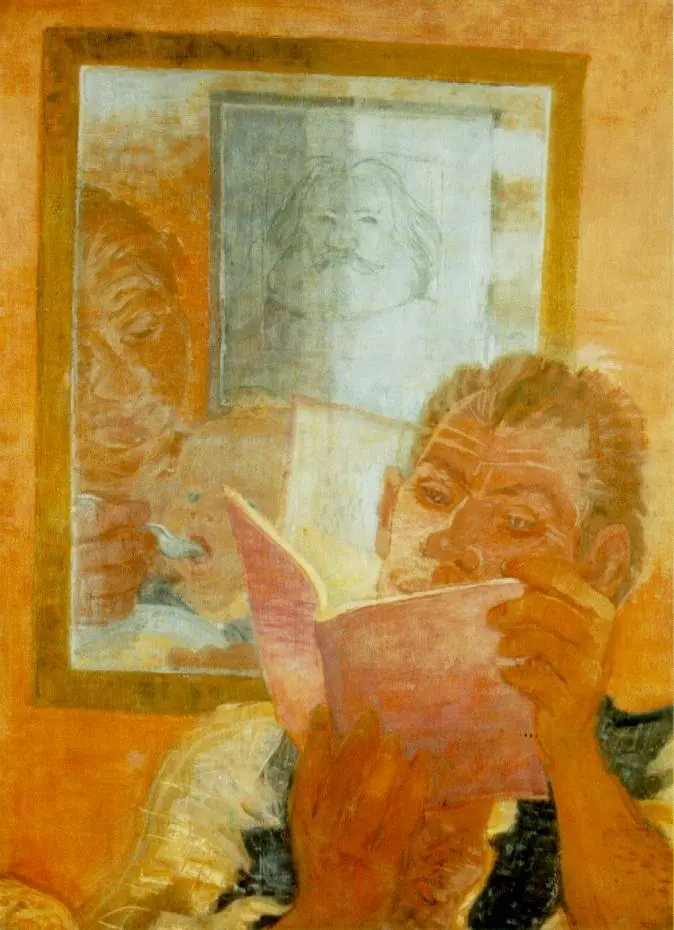 Generations (Three Generations)
 Reply to Hazkert
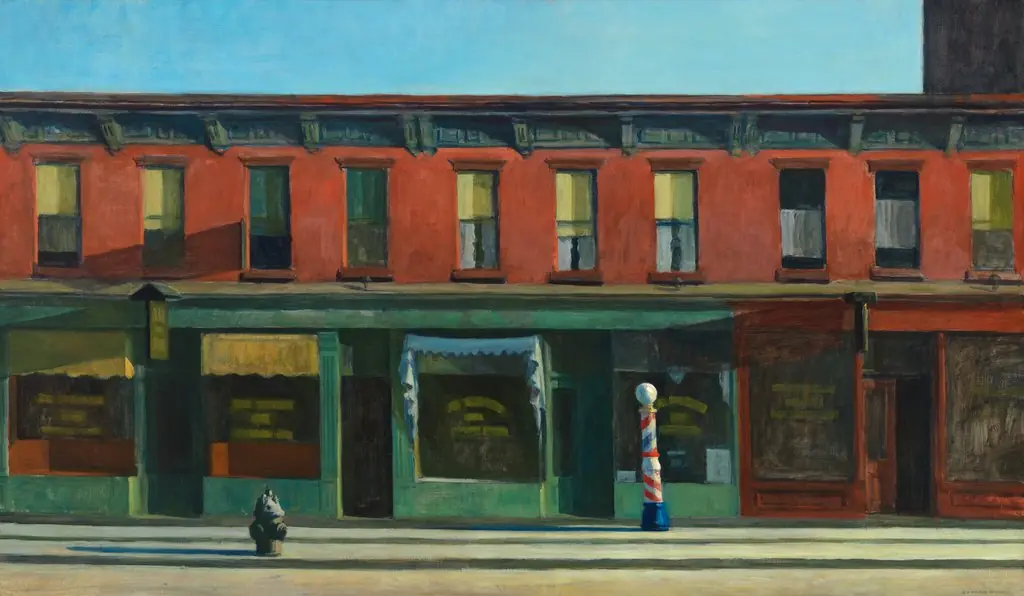 Early Sunday Morning
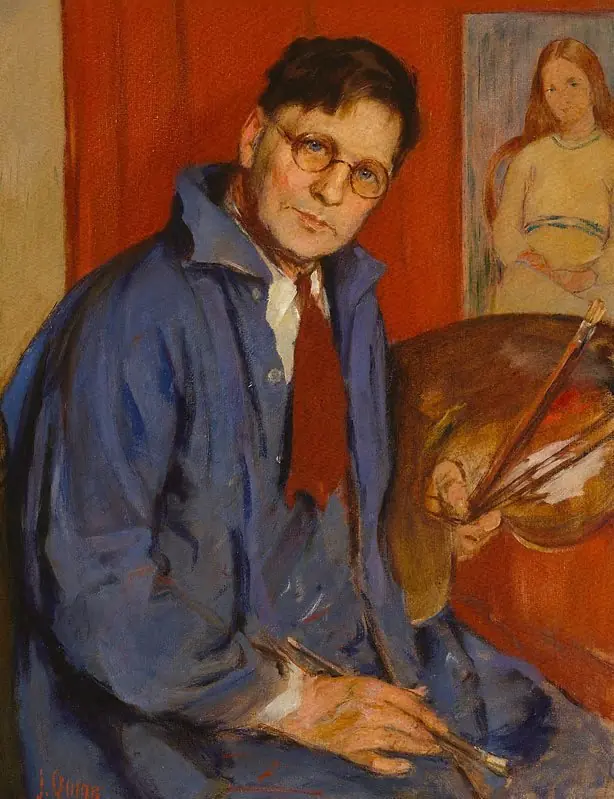 George Bell (artist and critic)
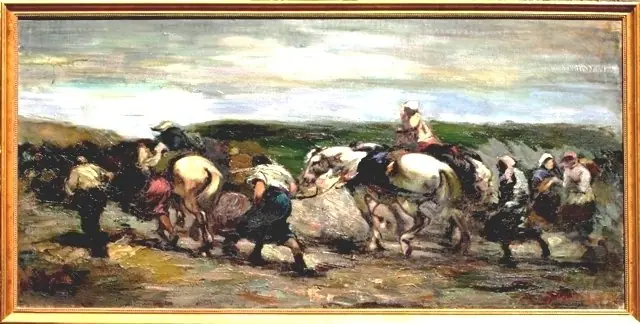 Migration of Armenians
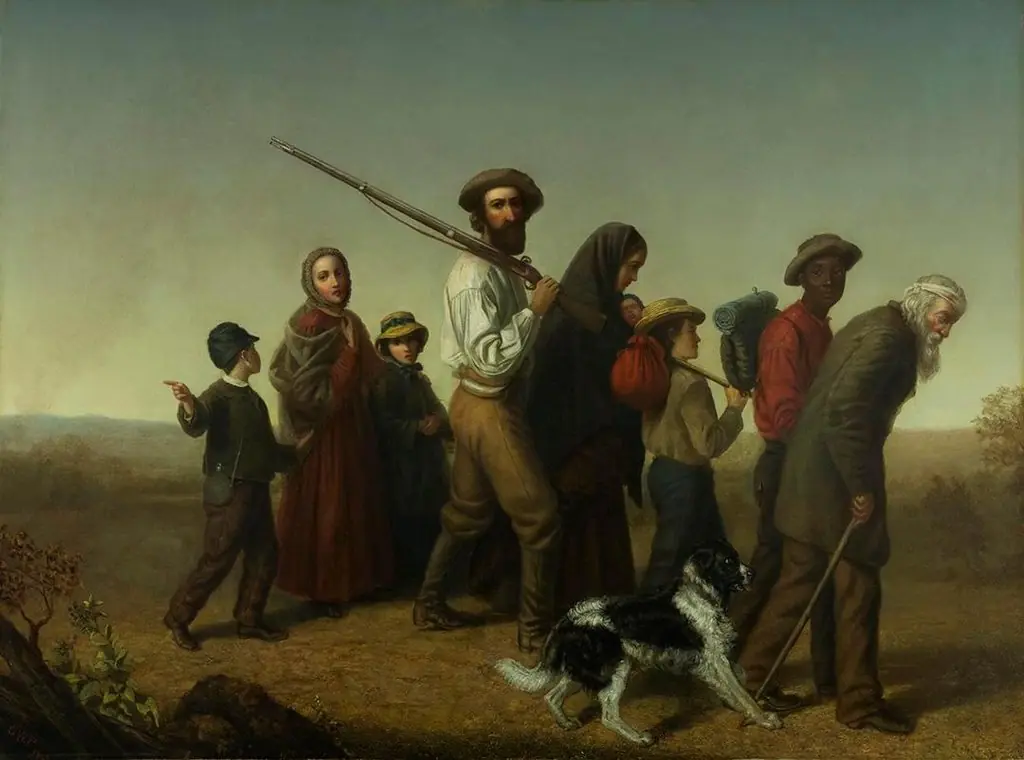 Union Refugees
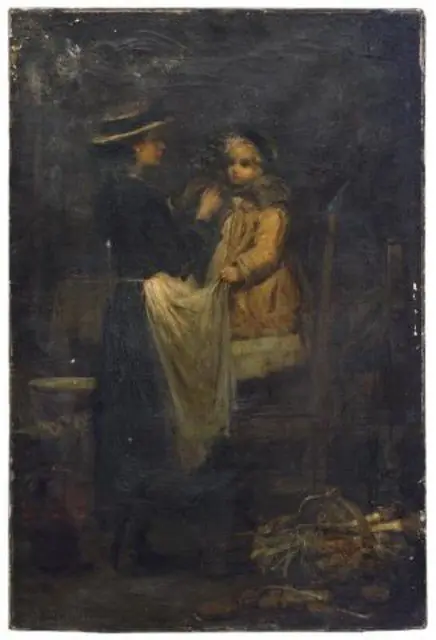 Poor motherless bairns
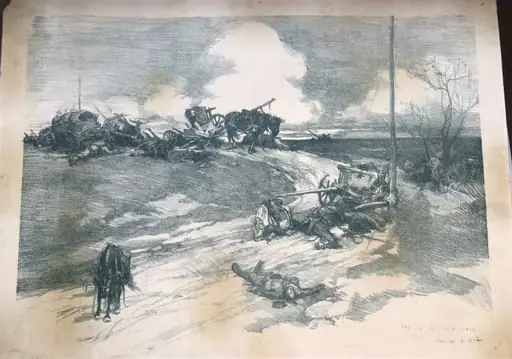 Luptele românești din 1917
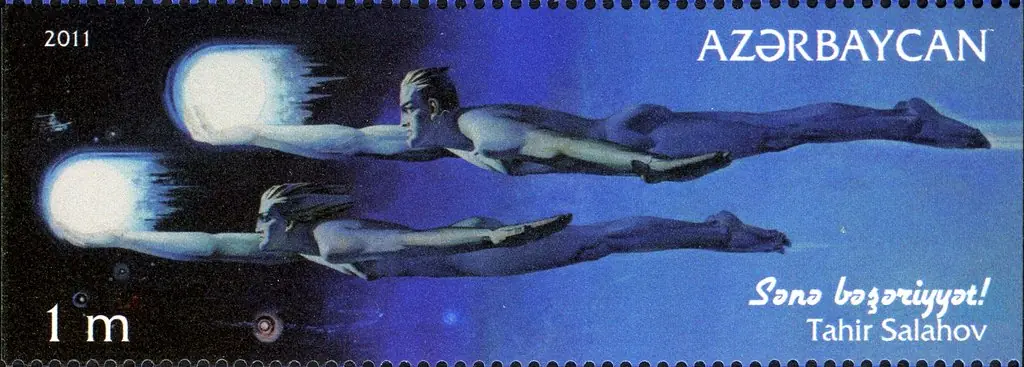 For You
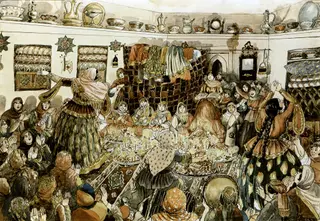 Women wedding
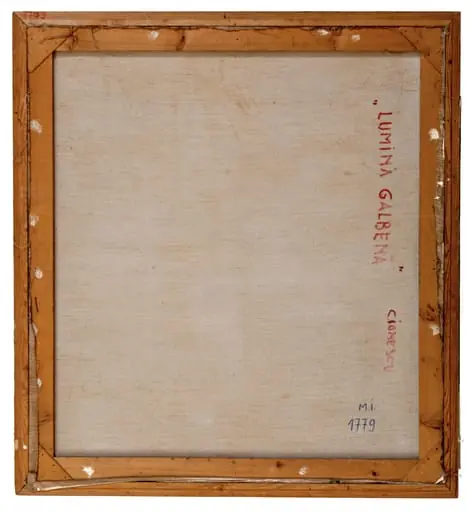 Satul nou
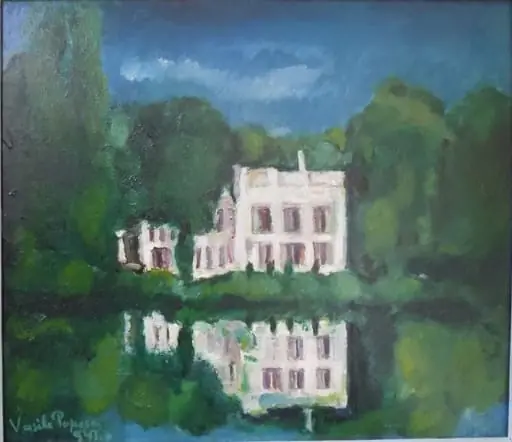 Istoria desenului
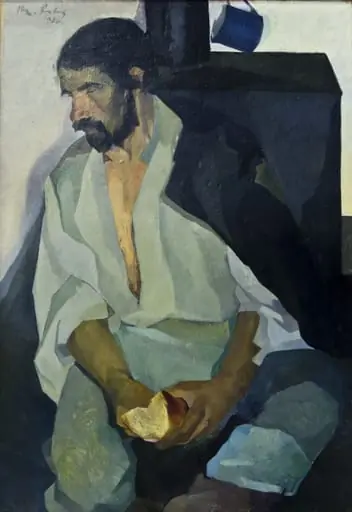 Proletarul (Țăran cu pâine în mână)
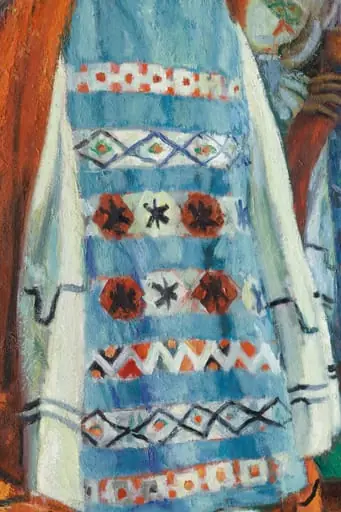 Dans românesc
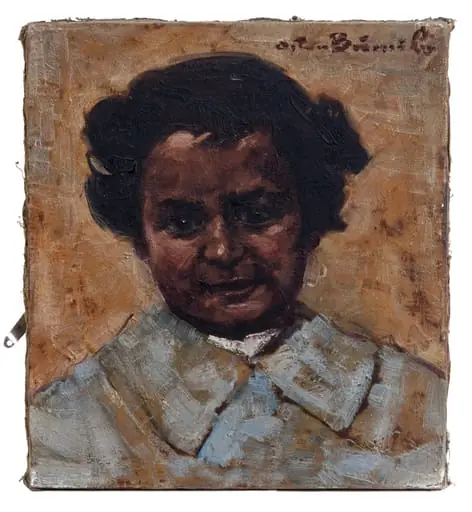 Cap de copil
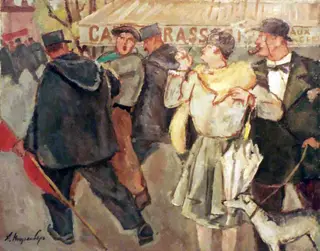 Bourgeois swines
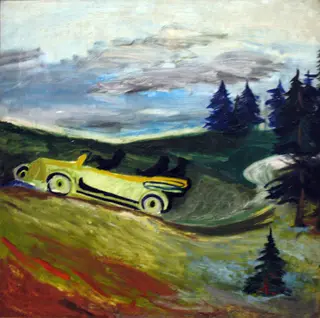 Automobile
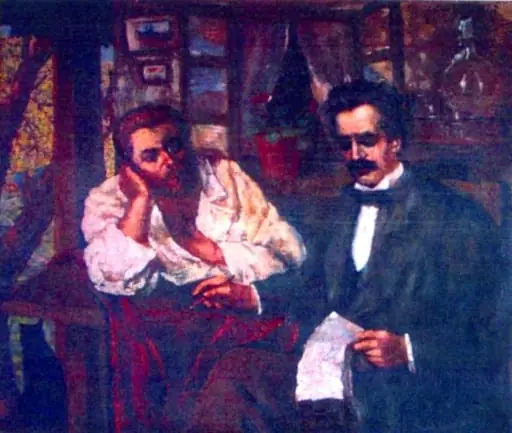 Eminescu și Creangă
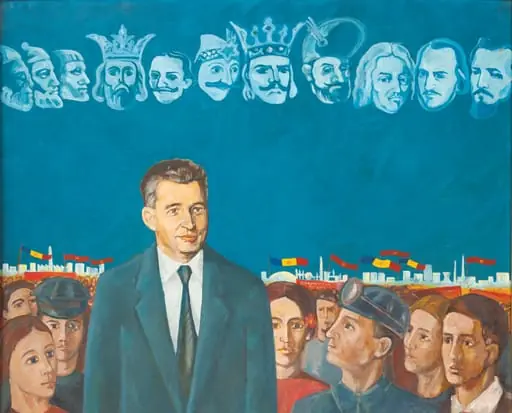 Tablou, ulei pe pânză, „Omagiu”, nesemnat. Nicolae Ceaușescu este prezentat în mijlocul oamenilor muncii vegheat de ”fantomele” eroilor neamului : Burebista, Decebal, Traian, Mircea cel Bătrân, Iancu de Hunedoara, Vlad Țepeș, Ștefan cel Mare, Mihai Viteazul, Dimitrie Cantemir, Nicolae Bălcescu, Alexandru Ioan Cuza (de la stânga la dreapta). Comandat și oferit de Comitetul Județean de Partid Tulcea, 22 ianuarie 1978.
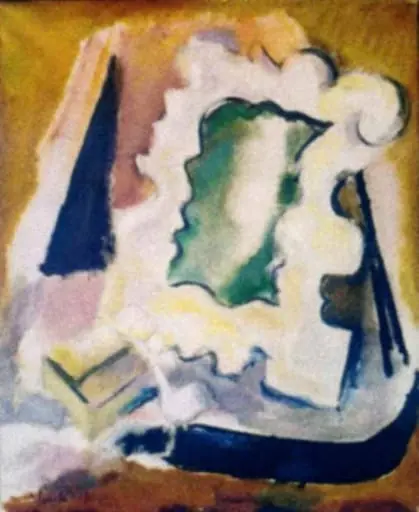 Oglinda Alba
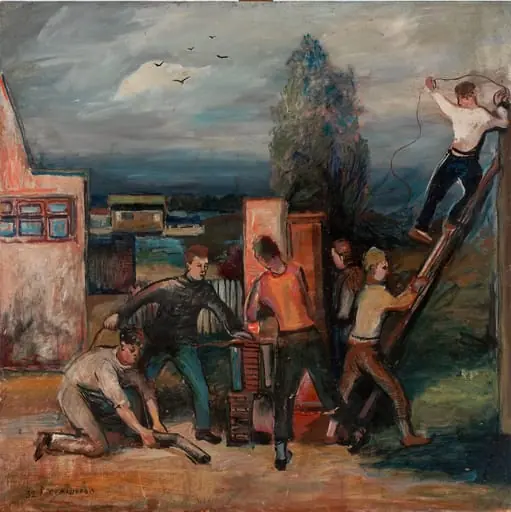 Χωρίς τίτλο
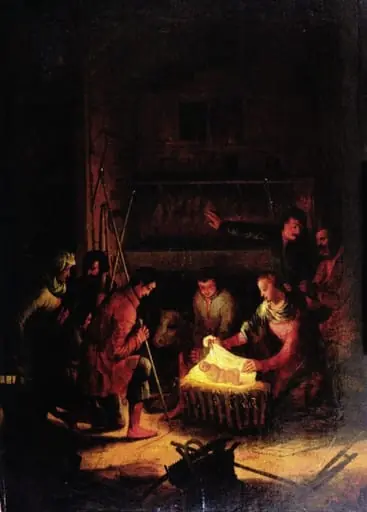 Profesorul Vasile Filip
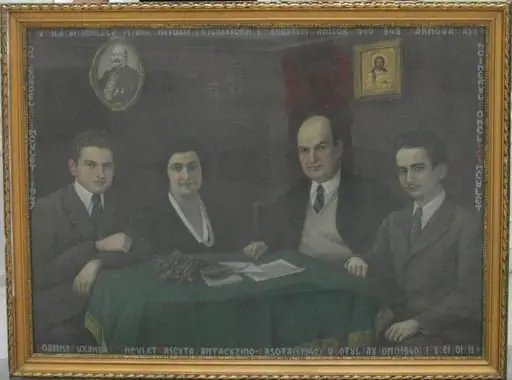 Familia Ion C Inculeț
 Reproducere pe lemn, reprezentând pe Taras Sevcenko (1814-1861), poetul național al Ucrainei, Moscova, 1985
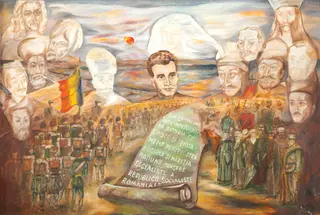 Tablou, ulei pe pânză, executat de Cercul Pionerilor din Drăgănești. A fost realizat, probabil, pentru aniversarea centenarului Independenței (1977). În parte inferioară este reprezentată trercerea Dunării de către armatele române (inspirat dintr-o coromolitografie a Institutuli de Arte Grafice București). În centrul tabloului este figura lui Nicolae Ceaușescu și un pergament pe care este notat jurământul rostit la investitură ”Jur că îmi voi face întodeauna datoria cu cinste și devotament pentru strălucirea și măreția națiunii noastre socialiste a Republicii Socialiste România”. Pe fundal chipurile eroilor neamului ce-l veghează pe ”marele erou” : Dimitrie Cantemir, Ioan Vodă cel Cumplit, Alexandru cel Bun, Avram Iancu, Constantin Brâncoveanu, Matei Basarab, Neagoe Basarab, Iancu de Hunedoara, Vlad Țepeș, Mihai Viteazul, Alexandru Ioan Cuza, Tudor Vladimirescu. Comandat și oferit de Comitetul Județean de Partid Olt, 24 ianuarie 1978.
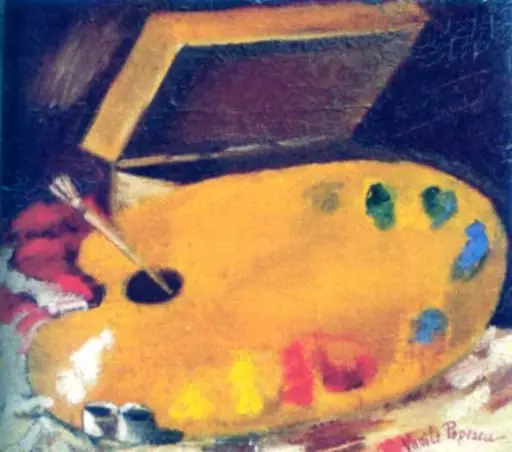 Paleta pictorului
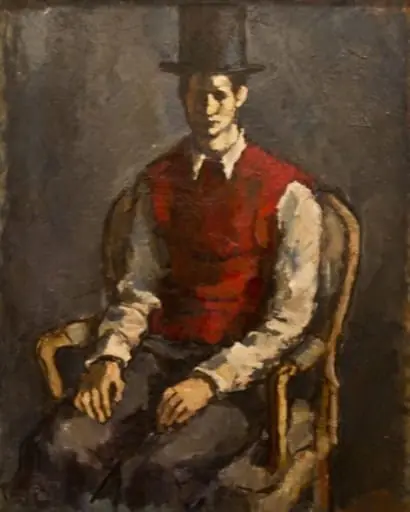 Model cu vestă roșie
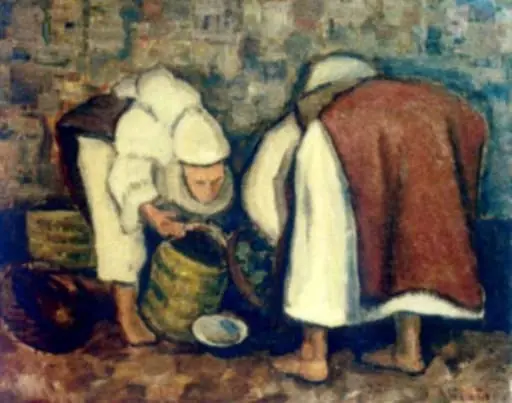 Două țărănci la piață
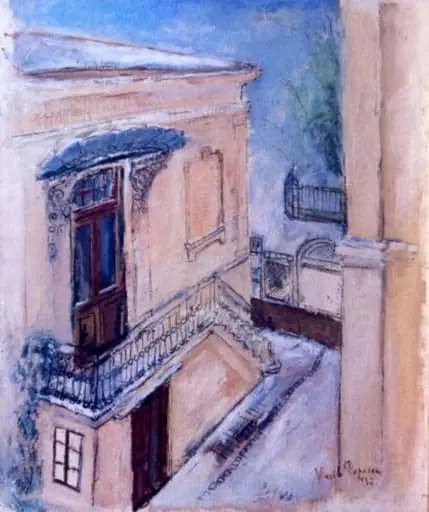 Case din București, iarna
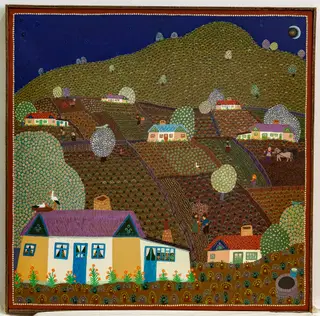 Primăvara la Agighiol
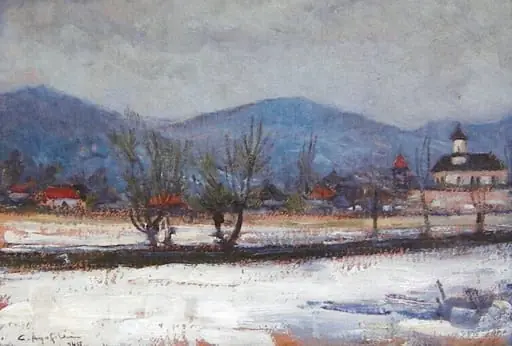 Pesaj sătesc cu biserică
 Cap de bătrână
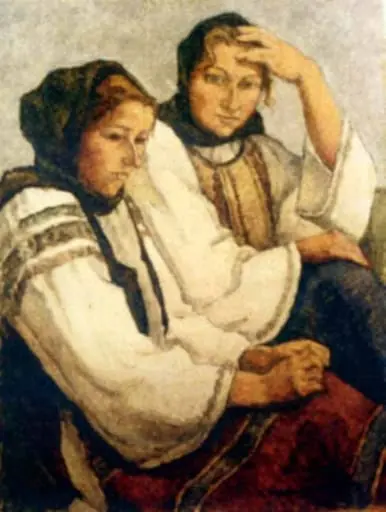 Țărănci (Două țărănci)
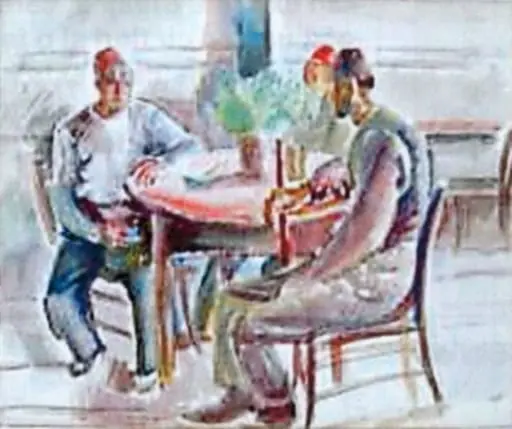 Turci la cafenea
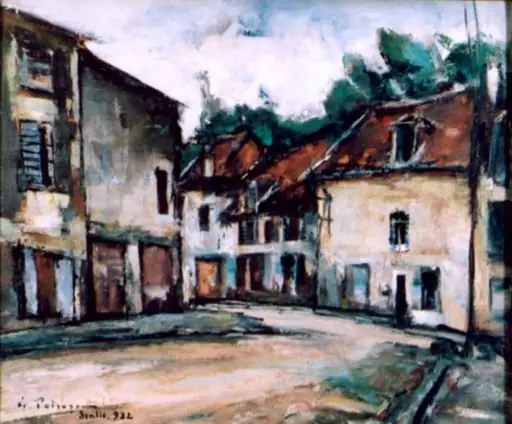 Peisaj citadin (Stradă din Senlis)
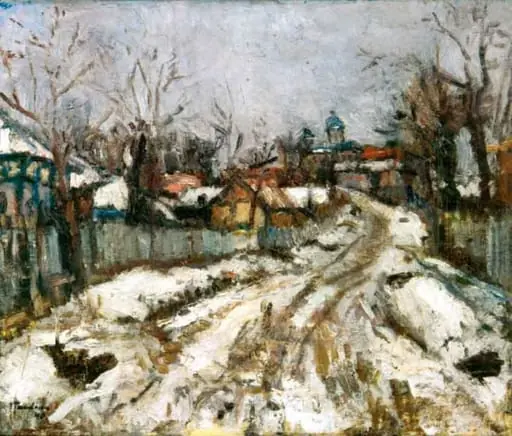 Iarnă
Iarnă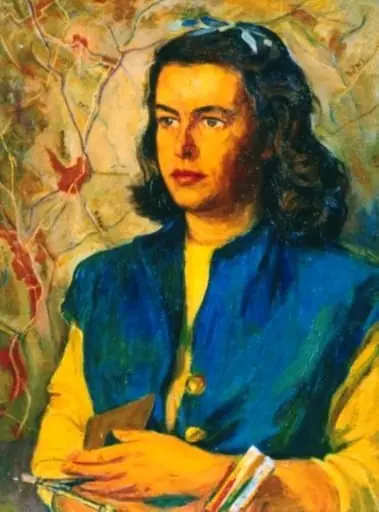 Fiica mea, Gabriela
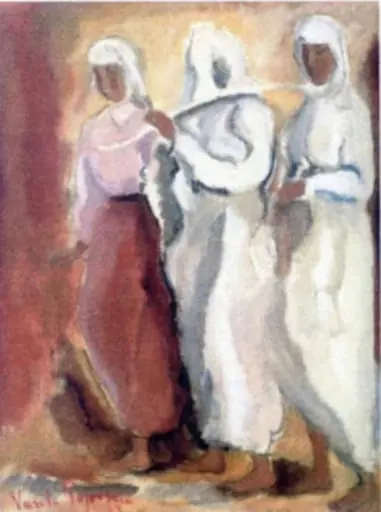 Turcoaice
 Portul Constanța
 Case
Case Câmpul de rapiță
 Curse de cai în Dobrogea (Scenă de gen în peisaj)
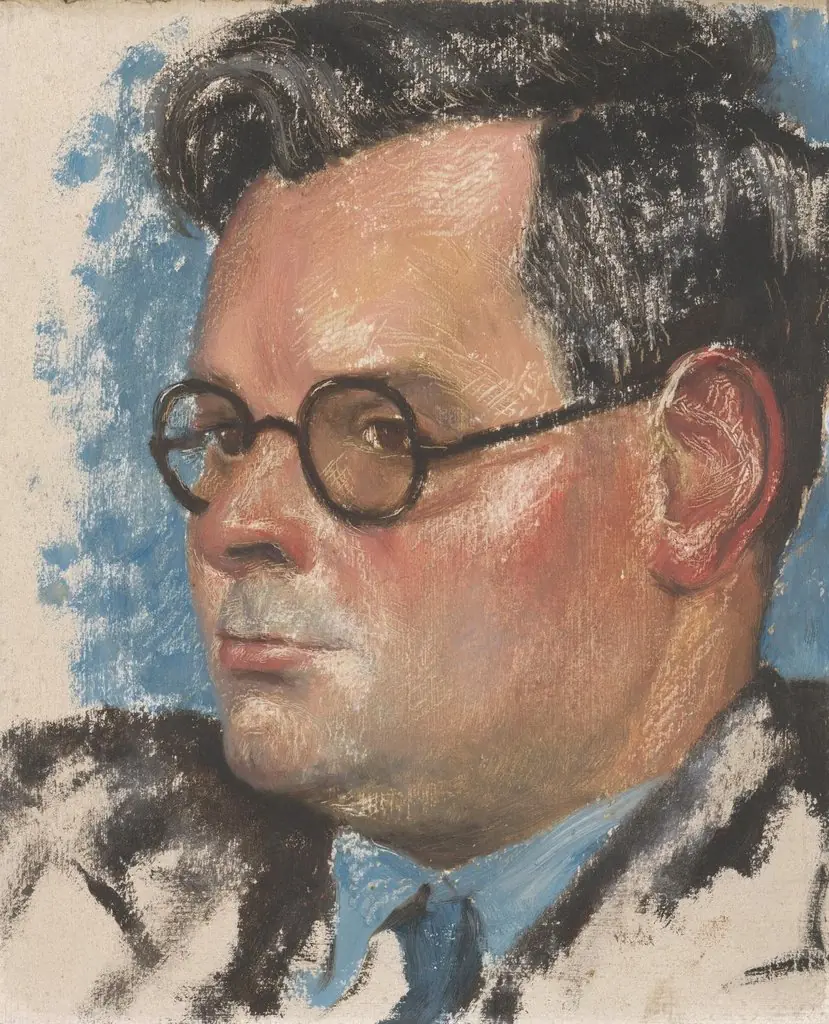 Raymond Postgate
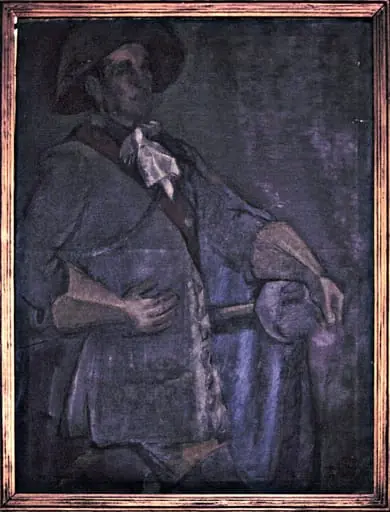 Nicolae Băltățeanu în „Don Juan” de Molière
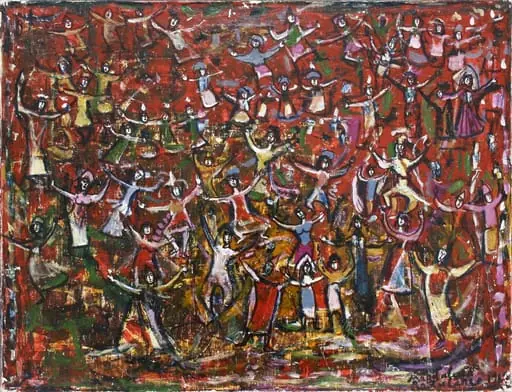 Dans popular
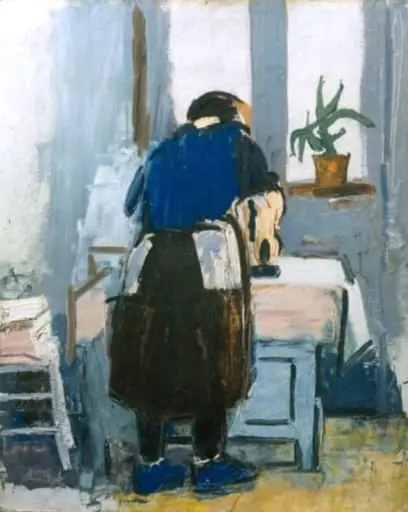 Călcătoreasă
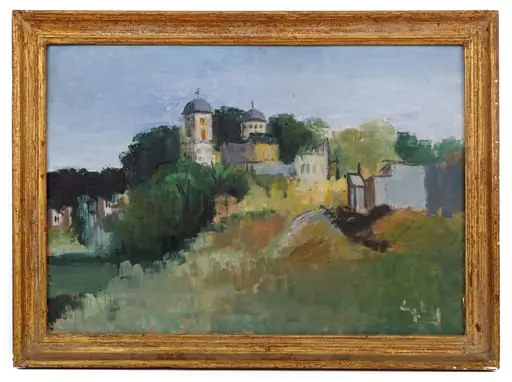 Peisaj Mănăstirea Plumbuita
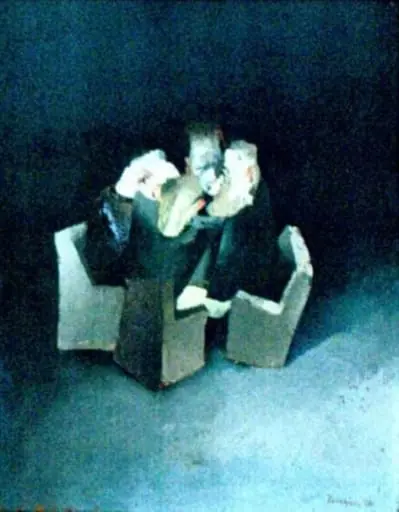 Consiliul de administrație
 Bărci la Popina
 Peisaj lângă Brașov
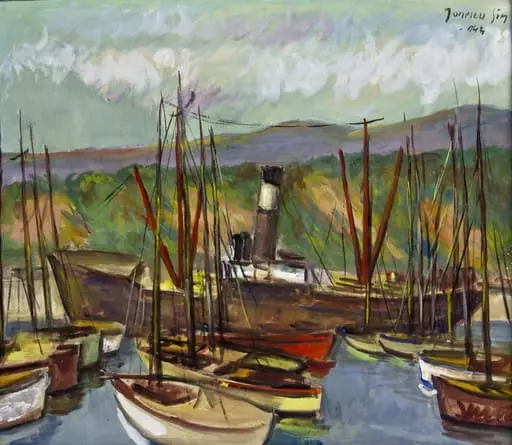 Bărci la Villefranche
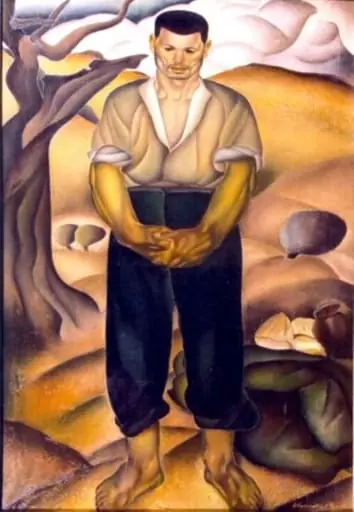 Muncitor (Agricultura)
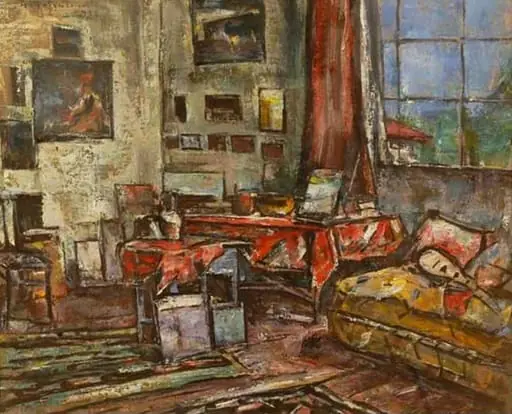 Atelierul artistului
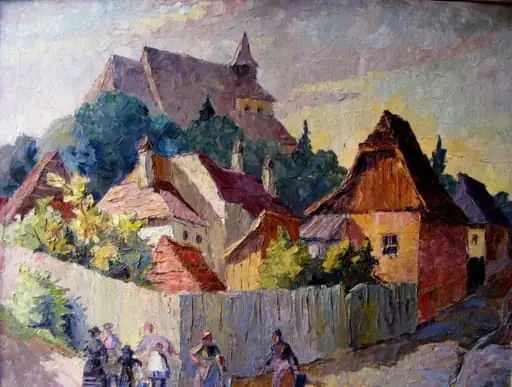 Case din Sighișoara
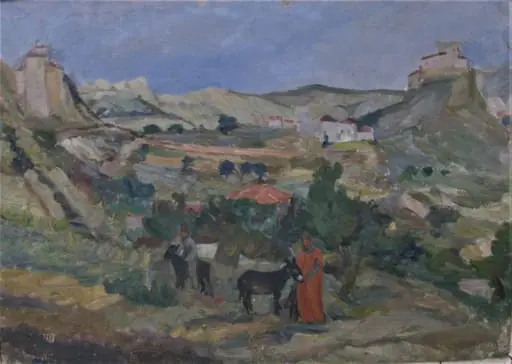 Vale la Balcic
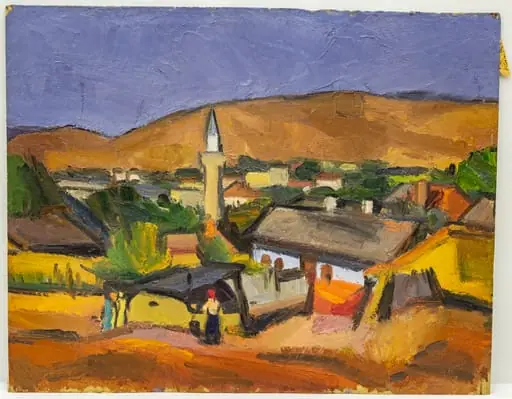 Peisaj din Babadag
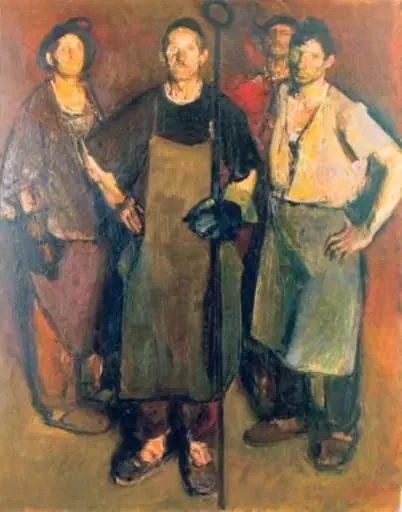 Oțelari
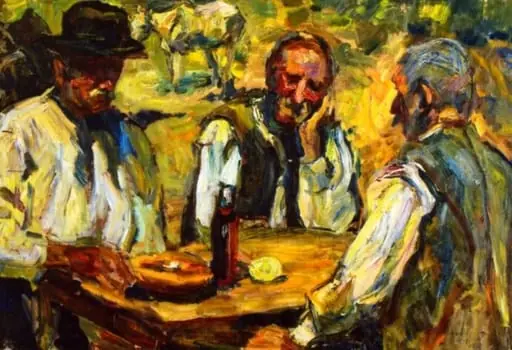 Prânz țărănesc
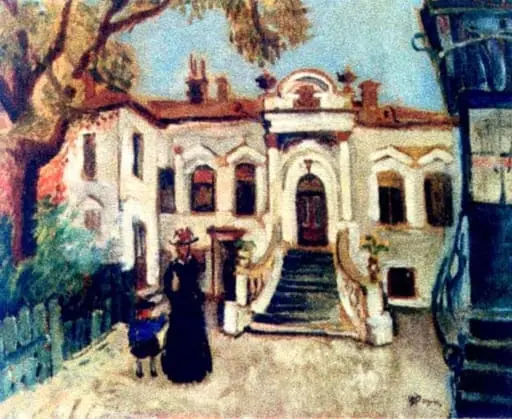 Casă veche din București
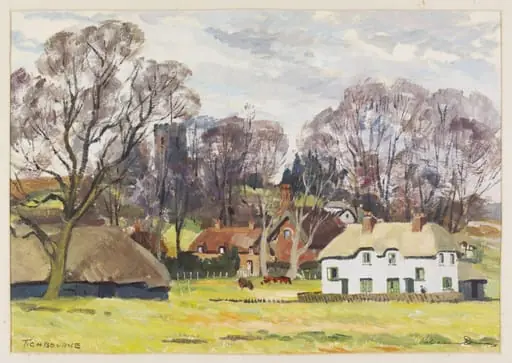 Tichbourne
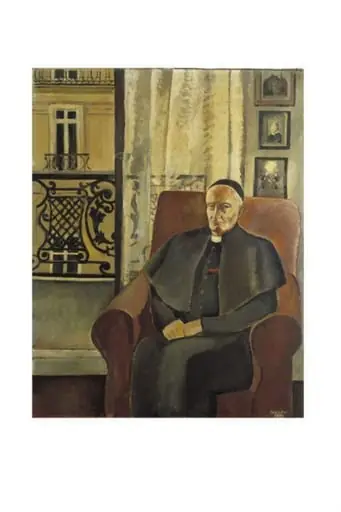 A Cleric
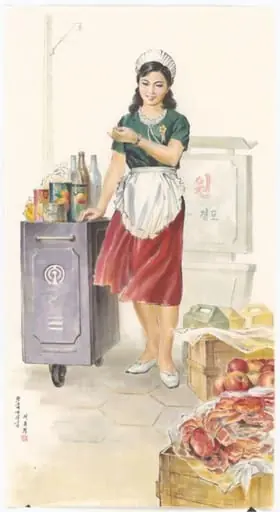 Female train attendant with a trolley
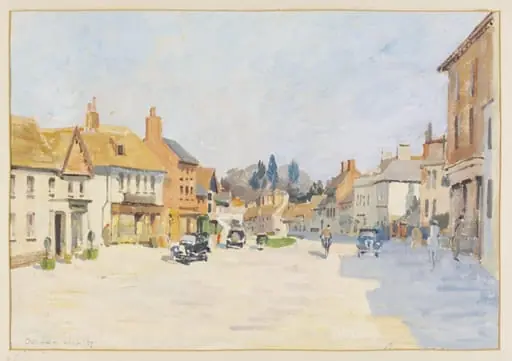 Odiham High Street
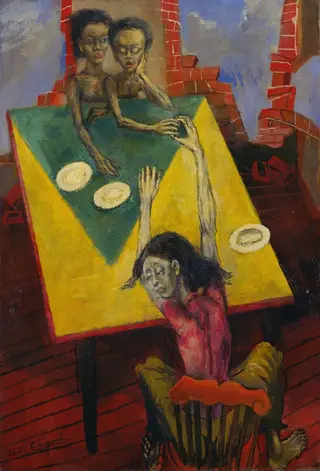 Untitled
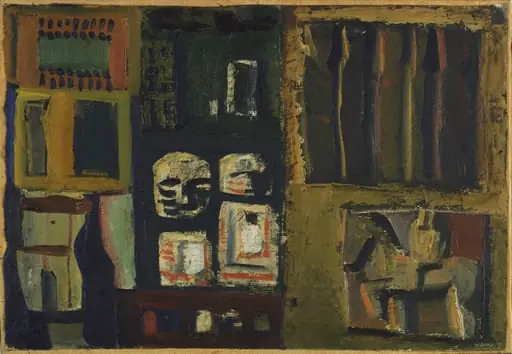 Untitled
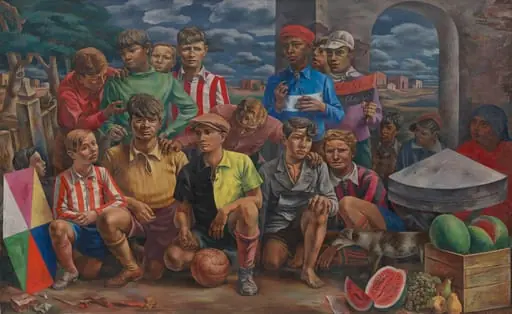 Untitled
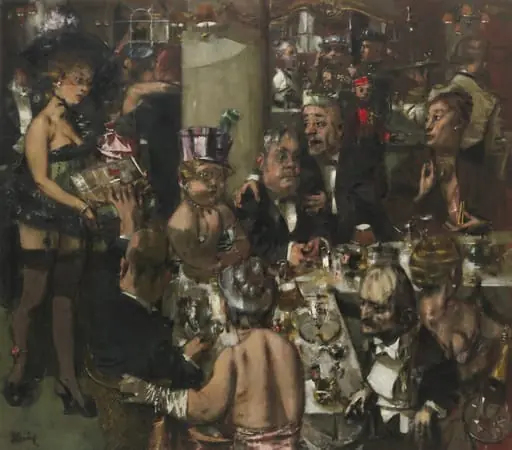 Untitled
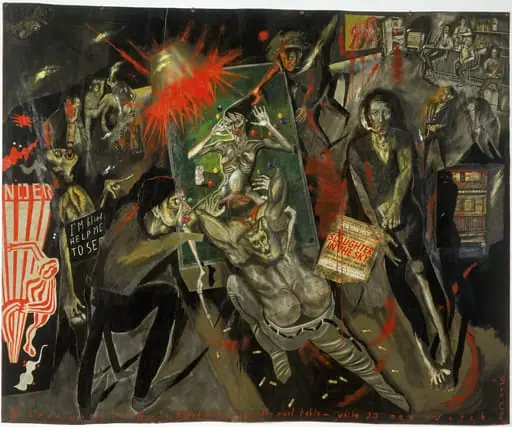 Untitled
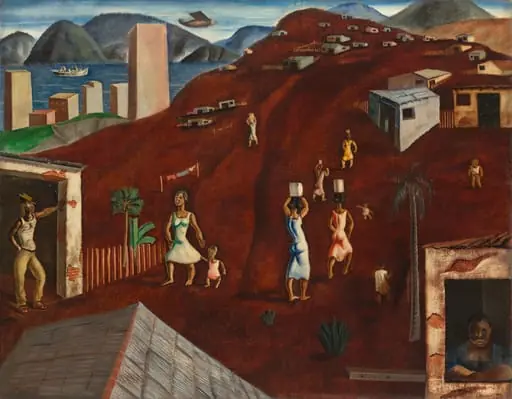 Untitled
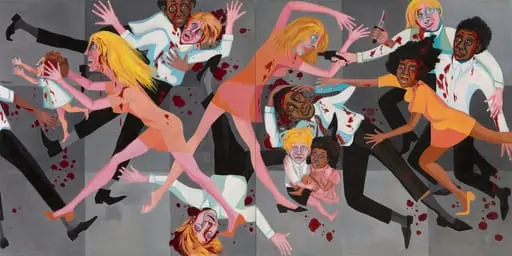 Untitled
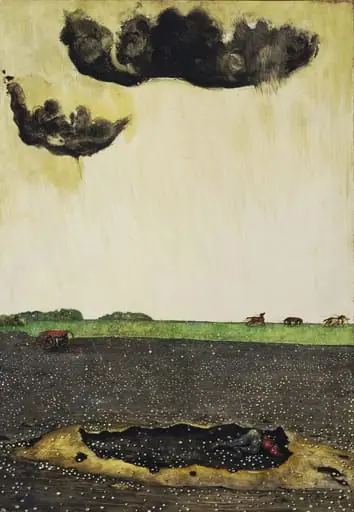 Untitled
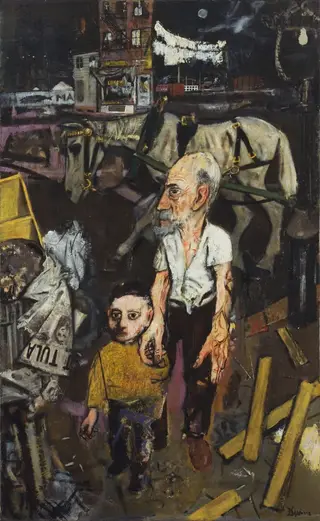 Untitled
 Untitled
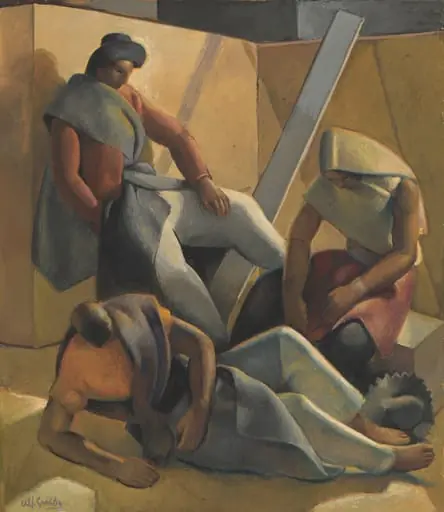 Untitled
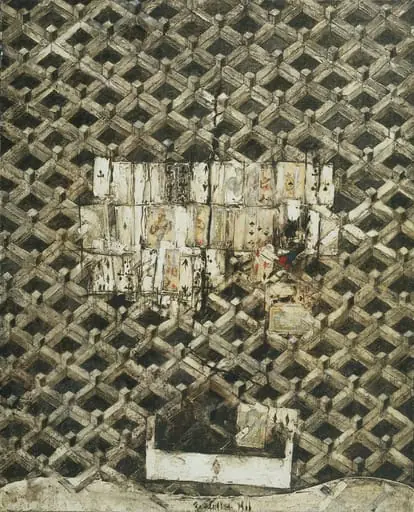 Untitled
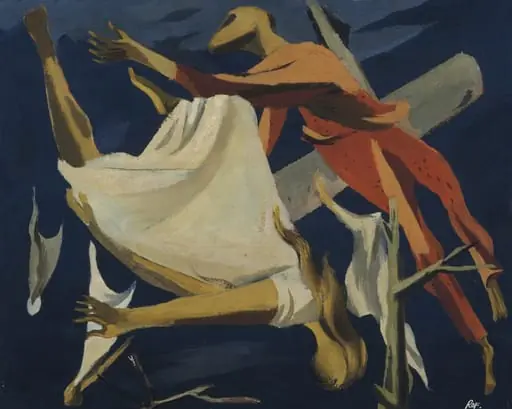 Untitled
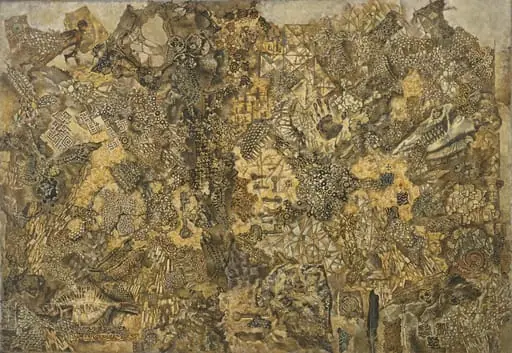 Untitled
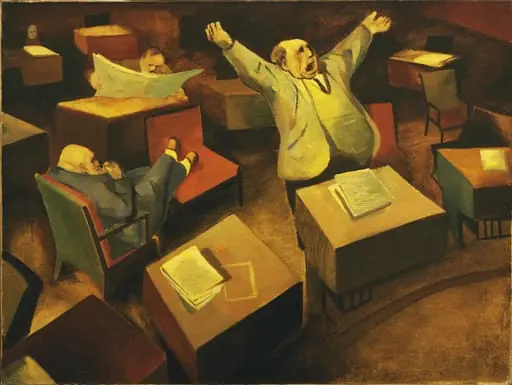 Untitled
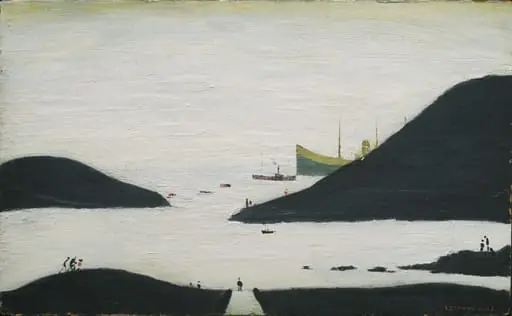 Untitled
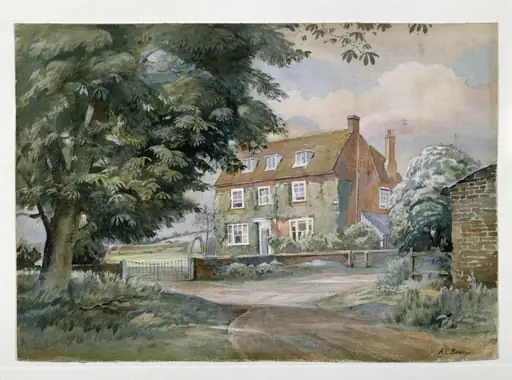 Amery Farm, Alton
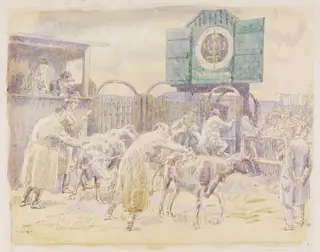 The Cattle Market, Braintree
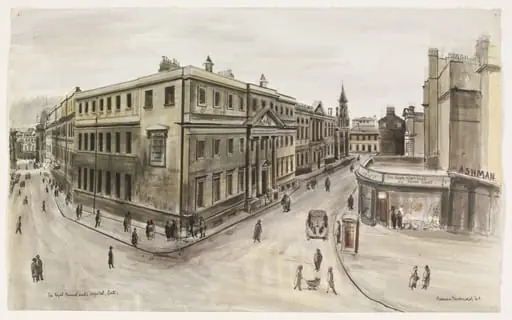 The Royal Mineral Water Hospital, Bath
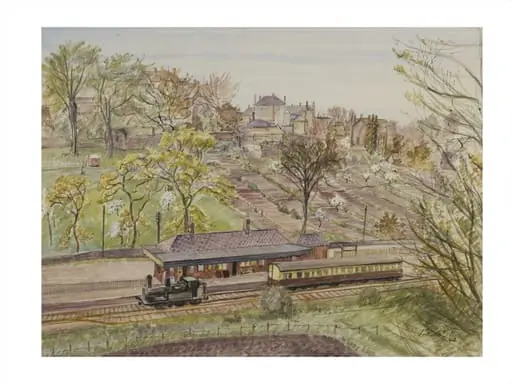 The Railway Station at Tetbury
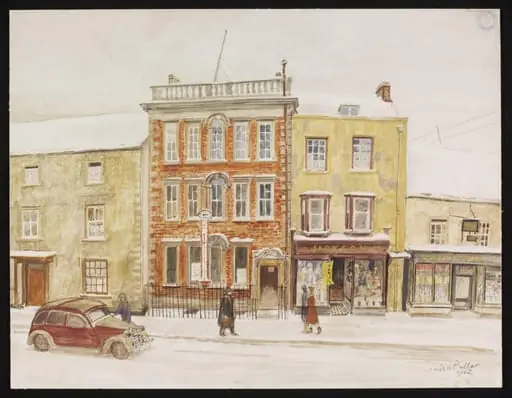 Rural District Council Office and Shops, High Street, Malmesbury
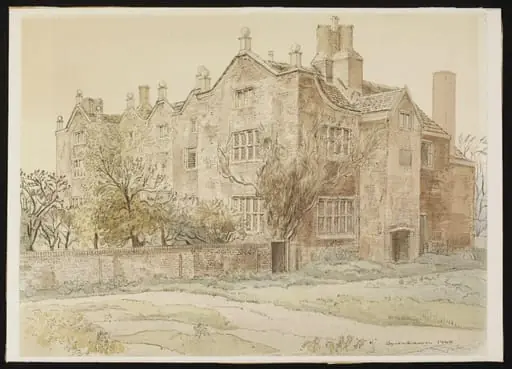 Hough End Hall, Manchester
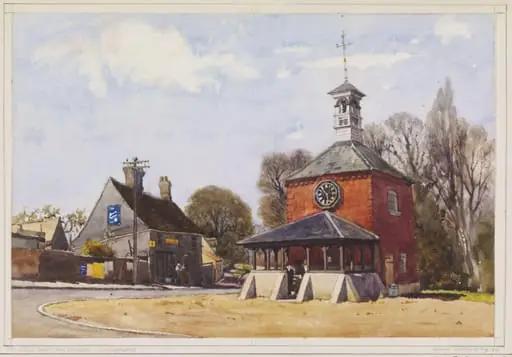 The Clock Tower, Fen Stanton
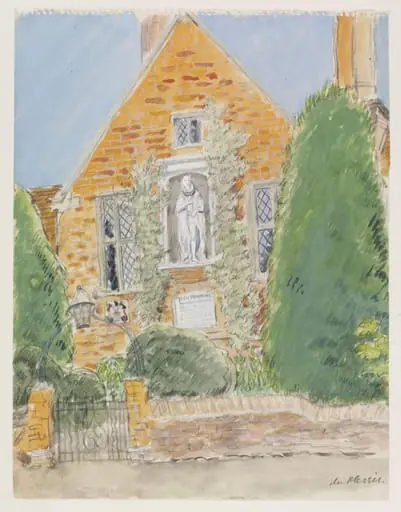 Jesus Hospital, Bray
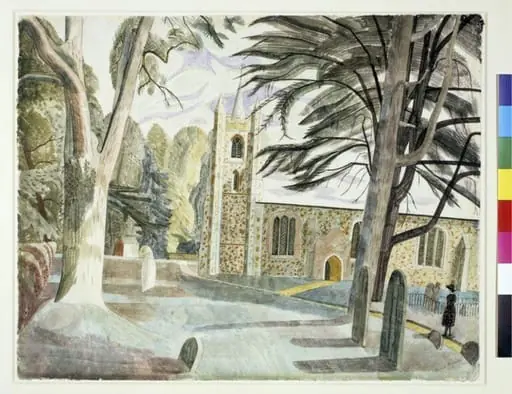 'Christ! I have been many times to church!'
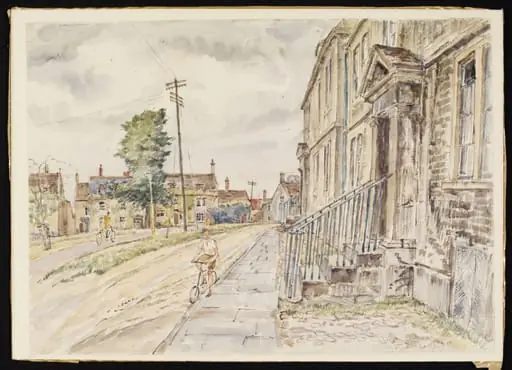 Houses on the Green, Calne
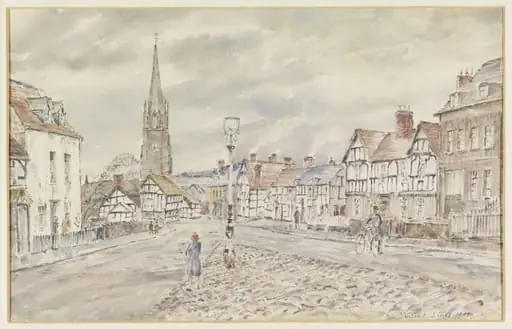 Broad Street, Weobley
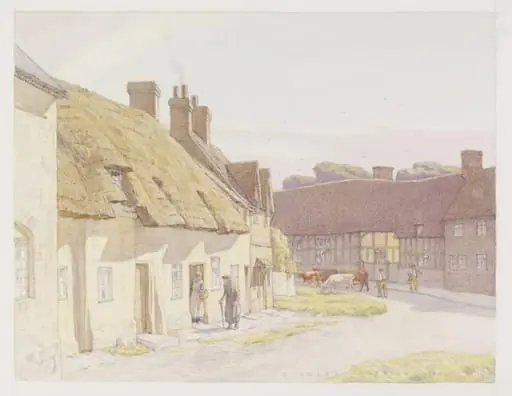 Old Cottages, Long Crendon
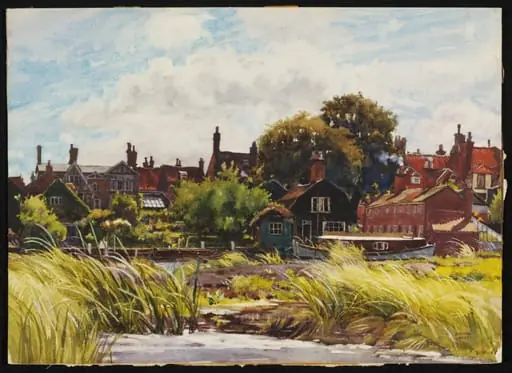 Riverside, Beccles
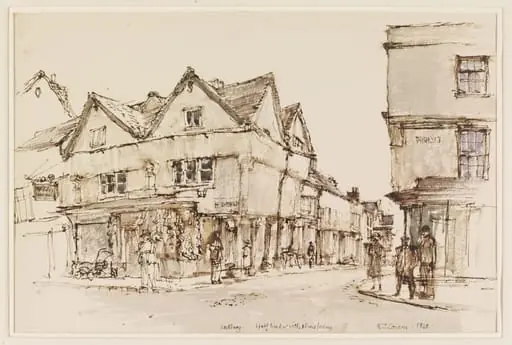 Entrance to New Street, Ledbury
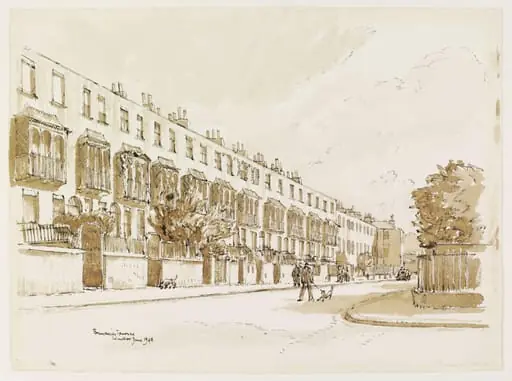 Brunswick Terrace, Windsor
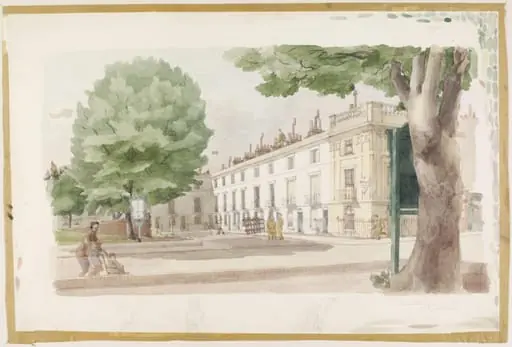 Munster Square, off Euston Road, N.W.1.
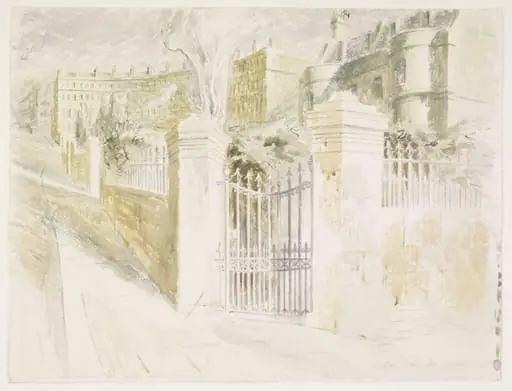 Gateway, Cavendish Villa, Middle Common, Bath
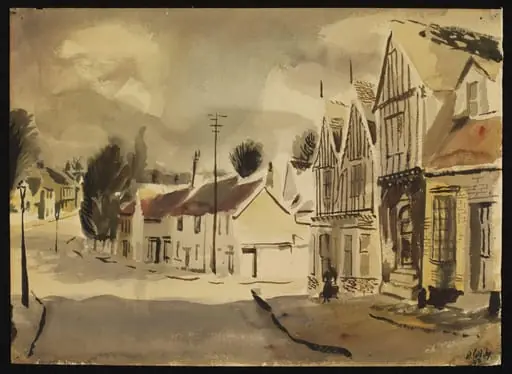 High Street, Lavenham
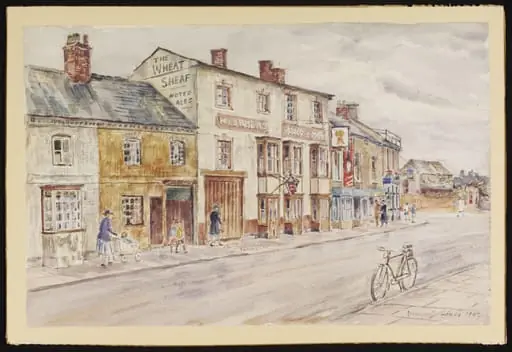 The Wheatsheaf Inn and Cottages, Newport Road, Swindon
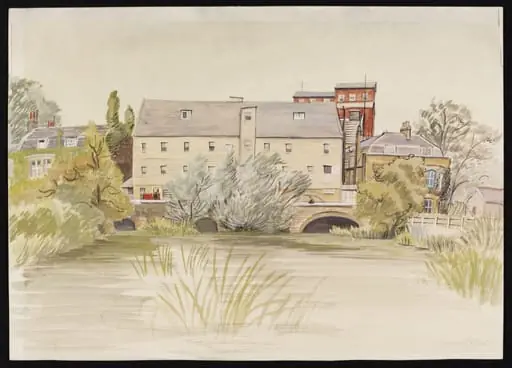 The Mill, Ponders End
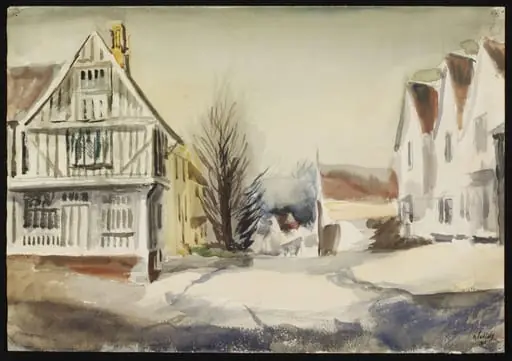 Lady Street, with the Guildhall, Lavenham
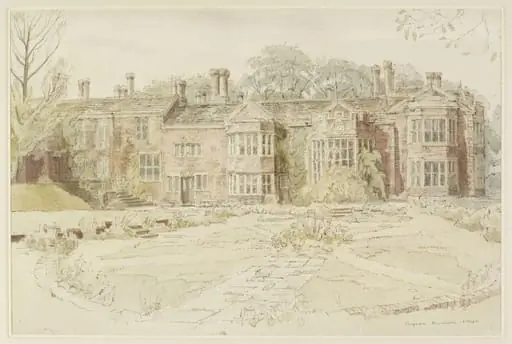 Hopwood Hall, Middleton
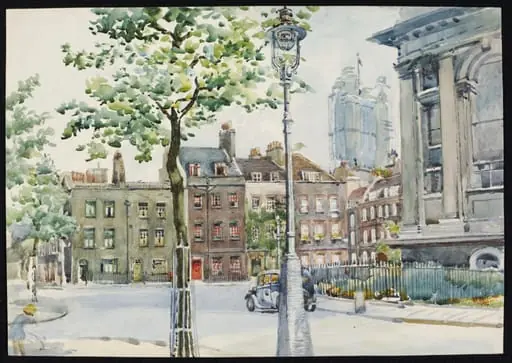 Smith Square, Westminster
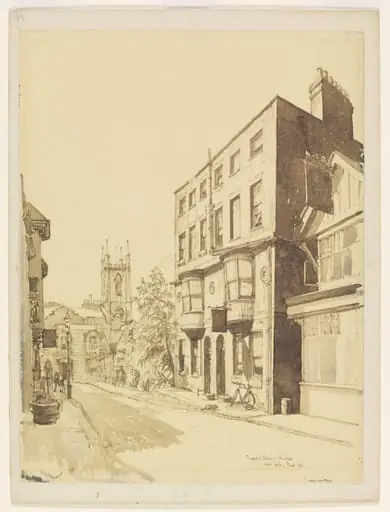 Church Street, (west side) Windsor
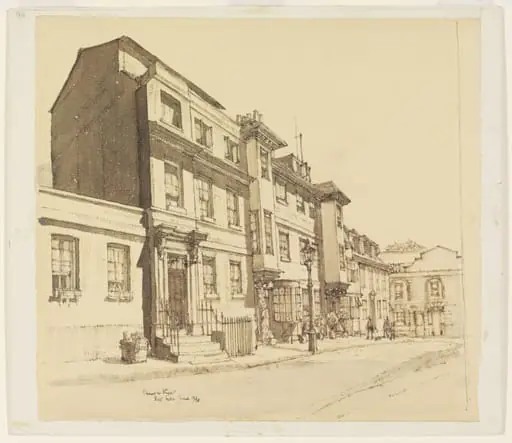 Church Street, (east side) Windsor
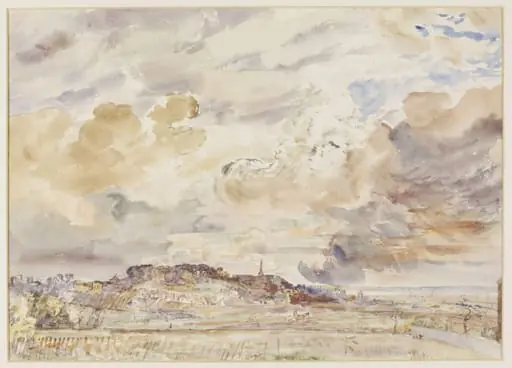 Gadshill, from the Three Crutches on the Gravesend - Rochester Road
 The Post Office, Hurley
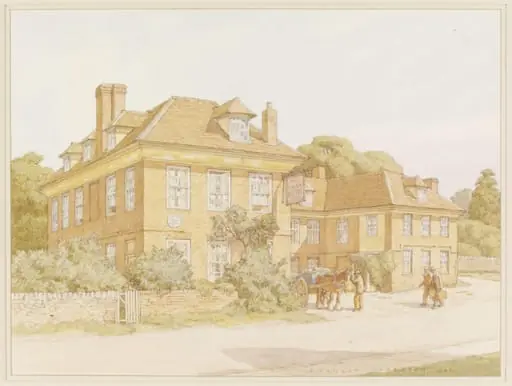 The Swan Hotel, Tetsworth
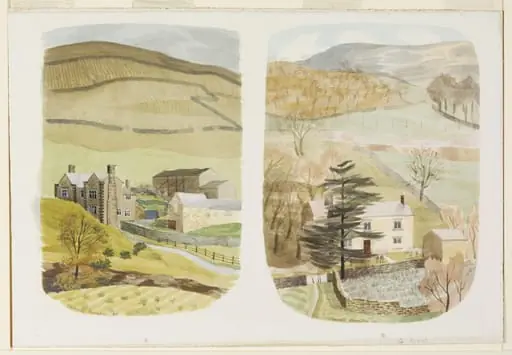 Cox's Farm, and White House, Ashopton
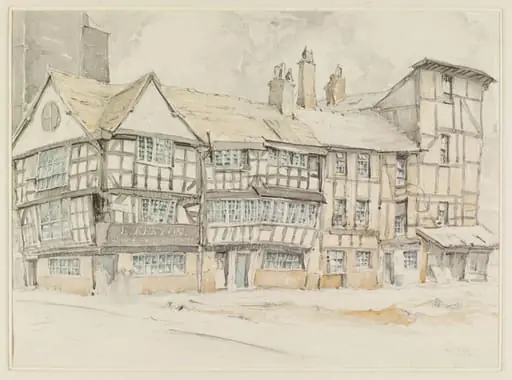 The Old Shambles, Manchester, Lancashire
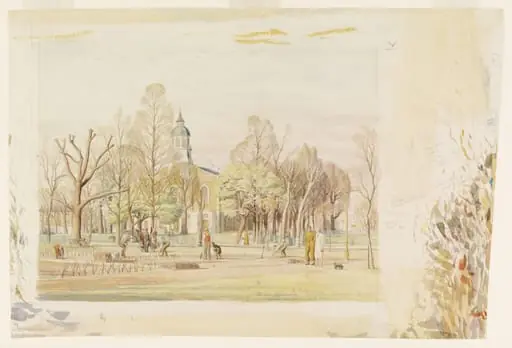 Holy Trinity Church and the new Allotments, Clapham Common, London
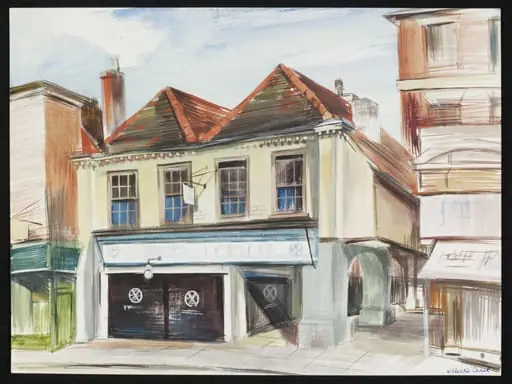 An old shop in the Market Place, St. Albans
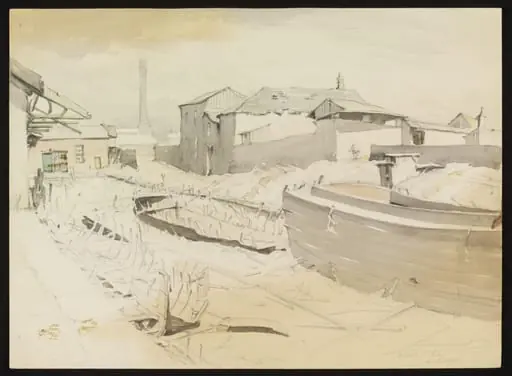 An old part of the Ship Canal, Quay Street, Manchester
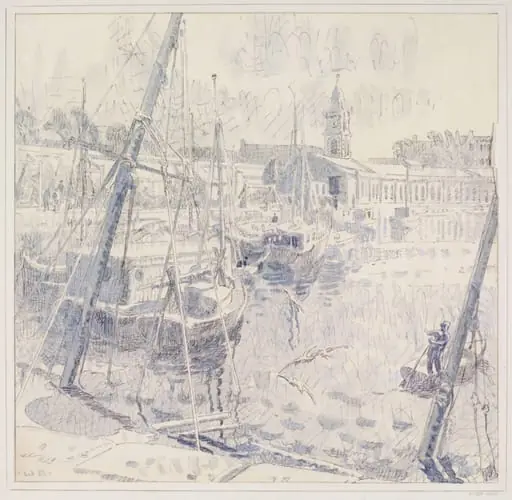 London Dock, Wapping
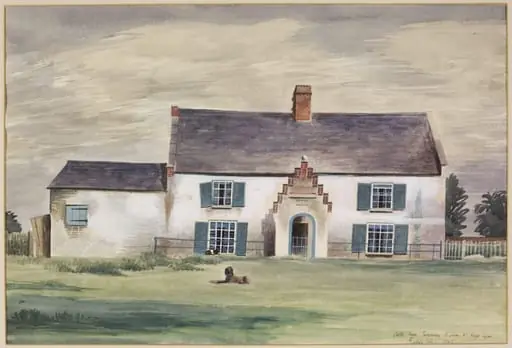 Castle Farm, Terrington St John, near King's Lynn
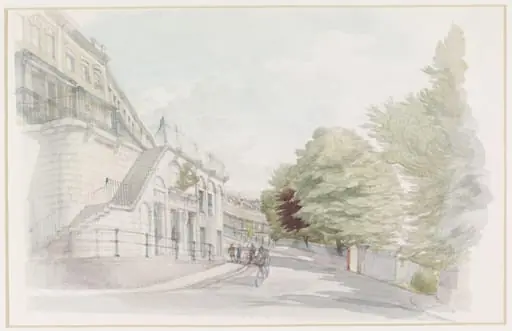 Royal York Crescent, Bristol
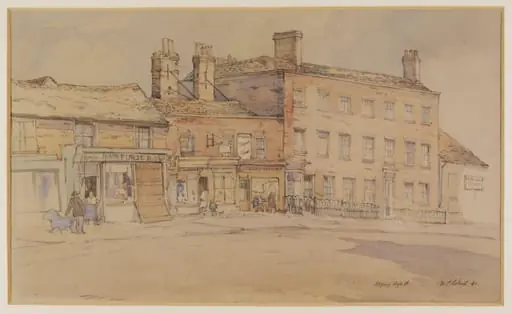 Epping High Street
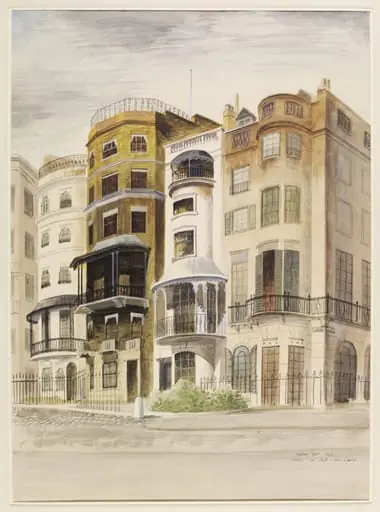 93 to 97 Park Lane, W.1.
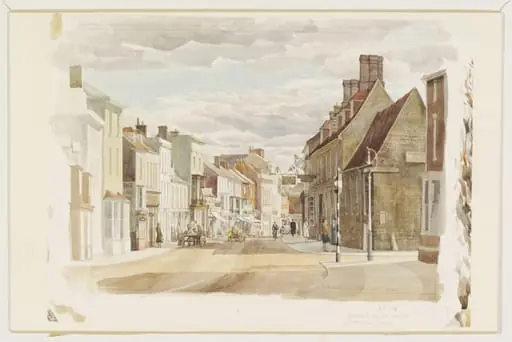 Towcester High Street from the Pomfret Arms Corner, Northamptonshire
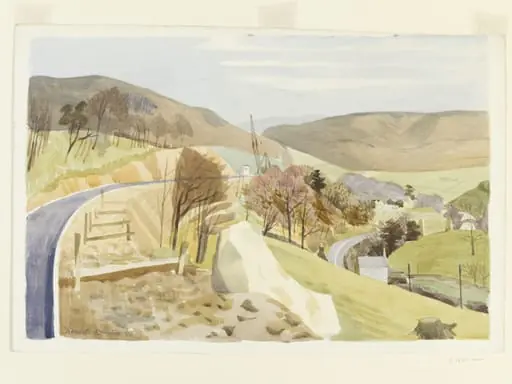 Ashopton, from the New Road
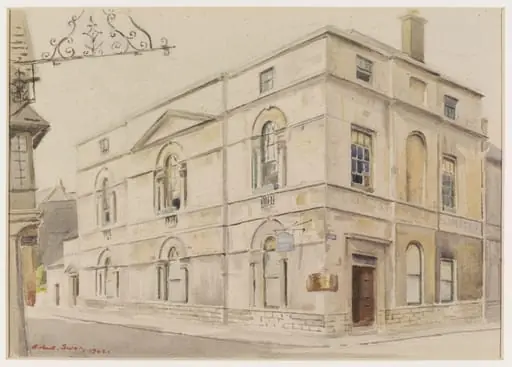 Lloyd's Bank, Cirencester
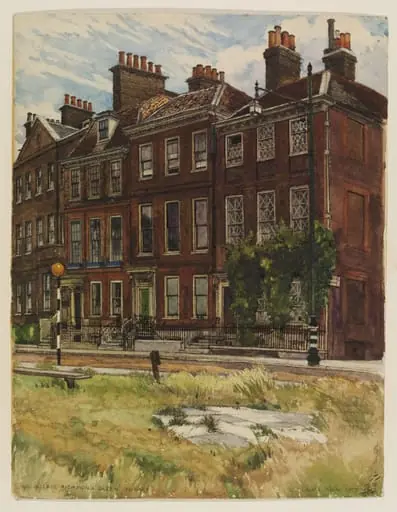 Nos 10, 11 & 12 Richmond Green, Surrey
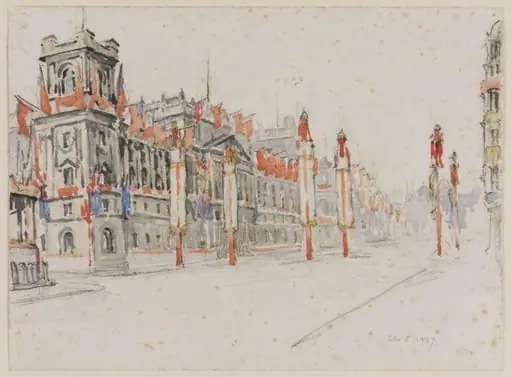 The Foriegn Office looking up Whitehall
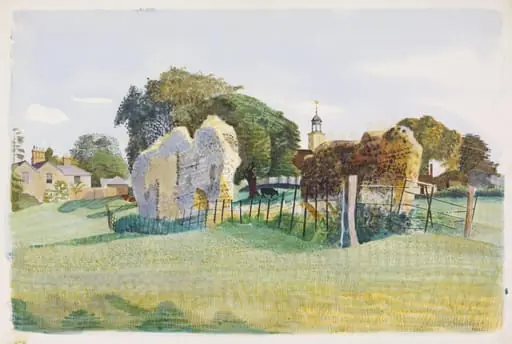 View of the Ruins of the Cloister, the Belfry of St. Mary's Church, and the Vicarage, Tilty
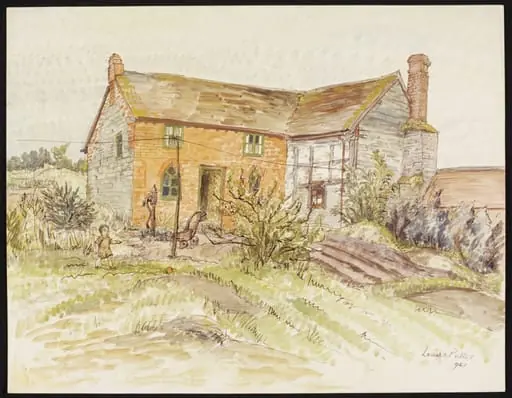 Cottages near Hopton
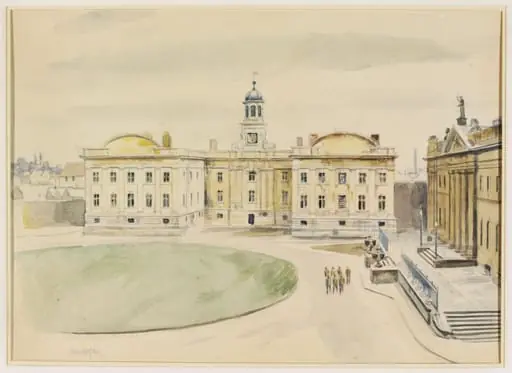 Old Prison, York
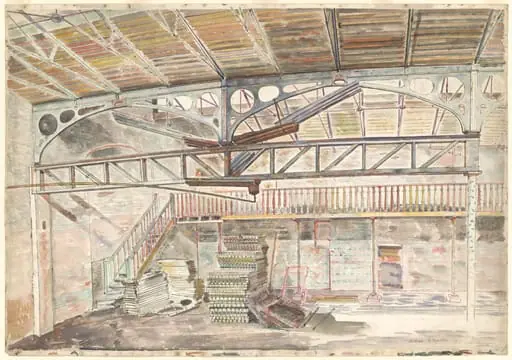 Lower Market, Newcastle-under-Lyme
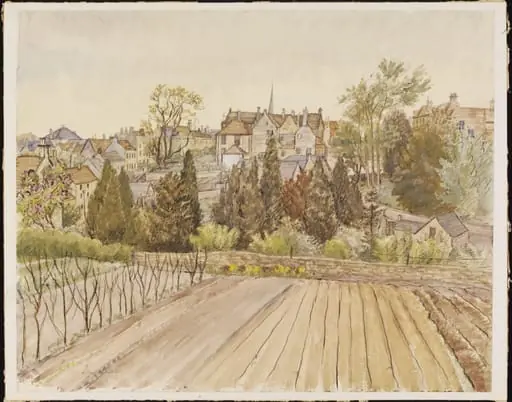 View from near Love Lane, Tetbury
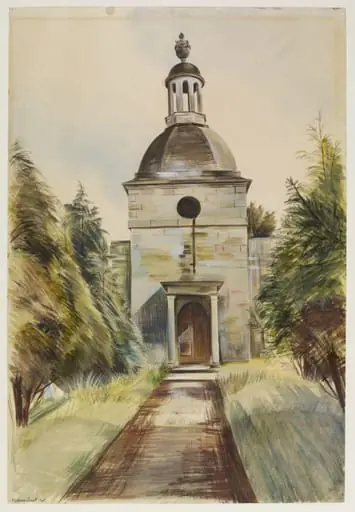 St. Mary's Church, Mappleton (or Mapleton)
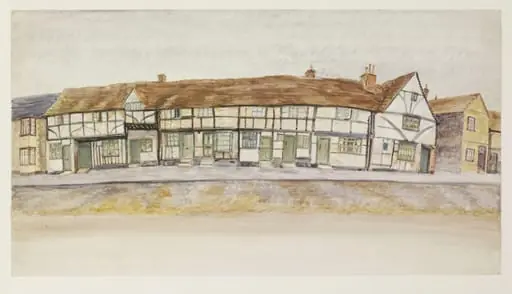 Houses in Rose Street, Wokingham
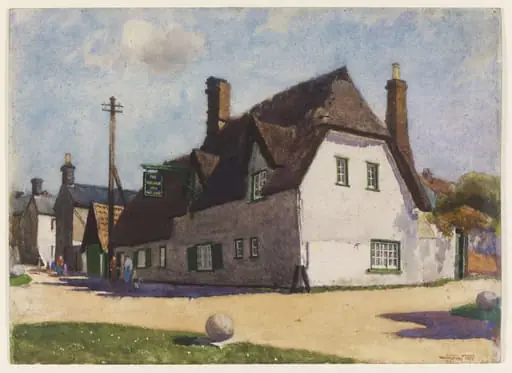 The Anchor Inn, Hemingford Grey
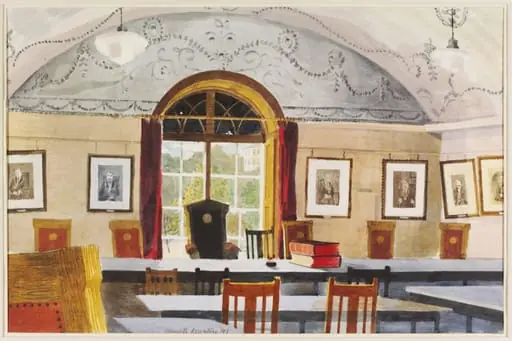 Council Chamber, Municipal Offices, Bangor, Caernarvonshire
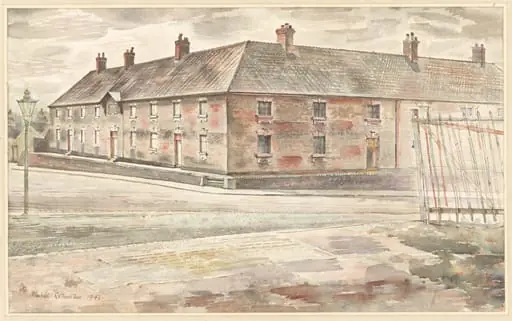 The Almshouses, Newcastle-under-Lyme
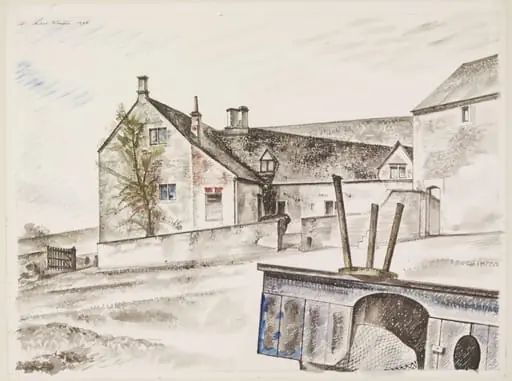 Manor Farm, Edge
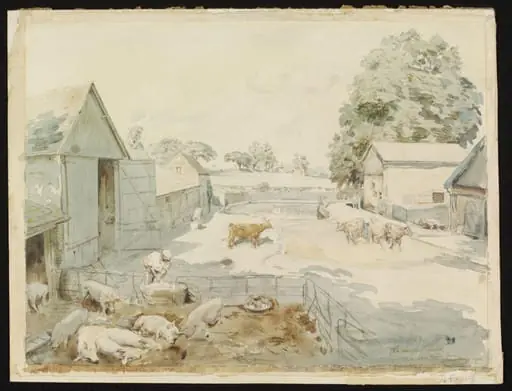 Red House Farm, Sproughton, near Ipswich
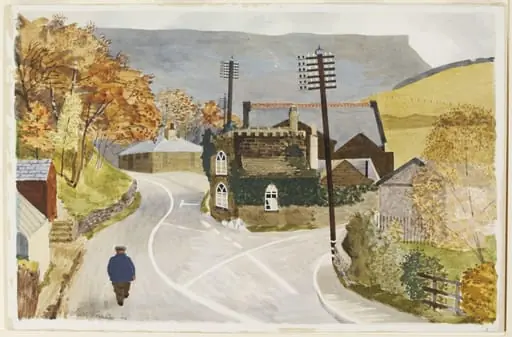 Old Toll Bar House, Ashopton
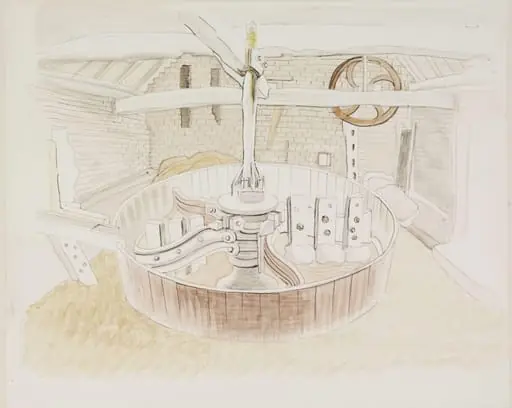 Inside a Mill;- grinding bone" near Modishall
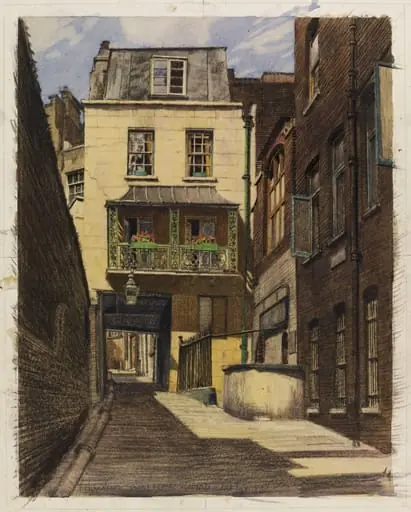 The Watch House, Strand Lane, W.C.2.
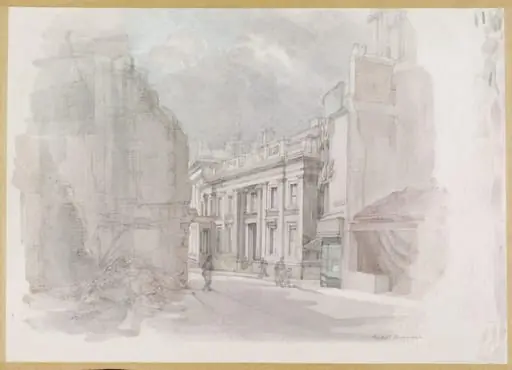 Council House, Bristol
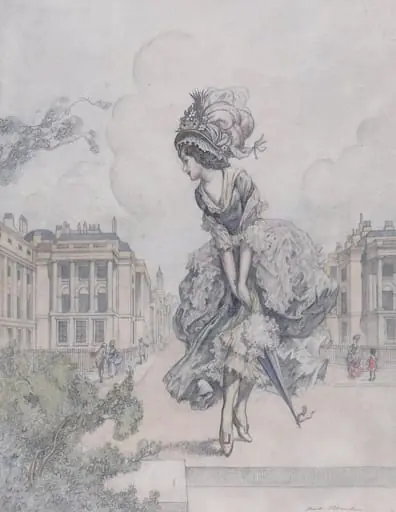 Miss Joyce Ellen Robinson
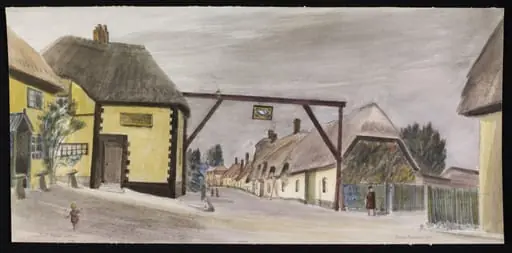 Longstreet, Enford
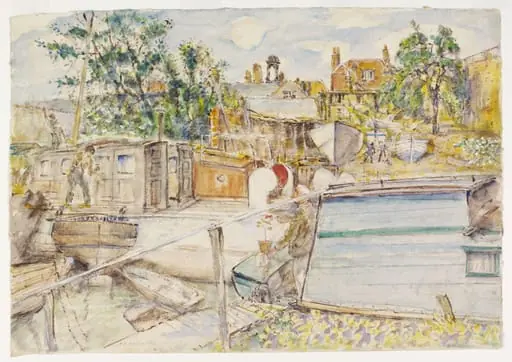 Dock of the Grand Union Canal Co., Brentford
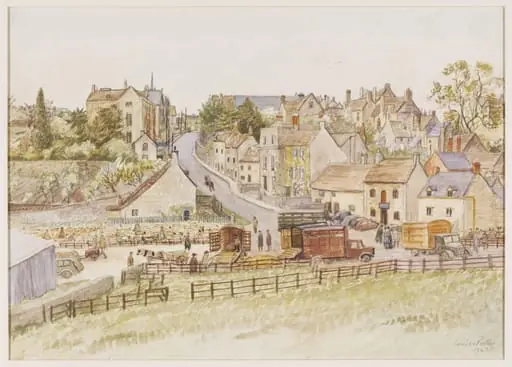 The Market, Tetbury
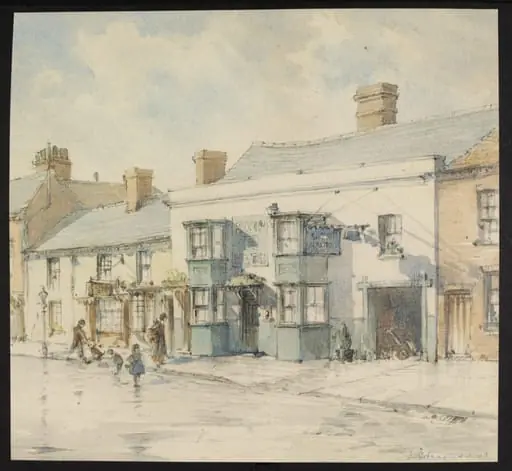 The Ship Inn, Tenbury Wells
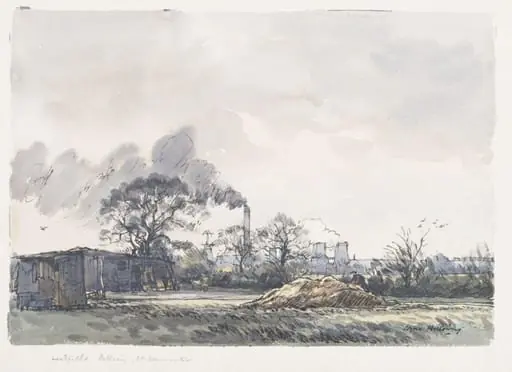 Thorne Colliery
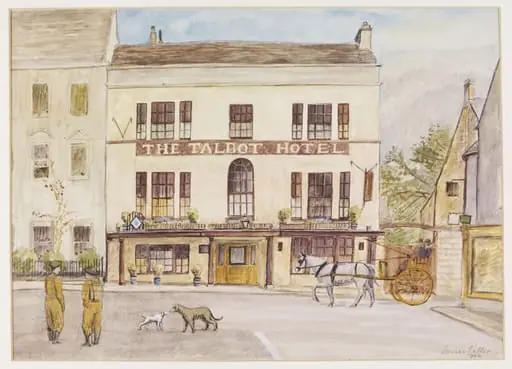 Talbot Hotel, Tetbury
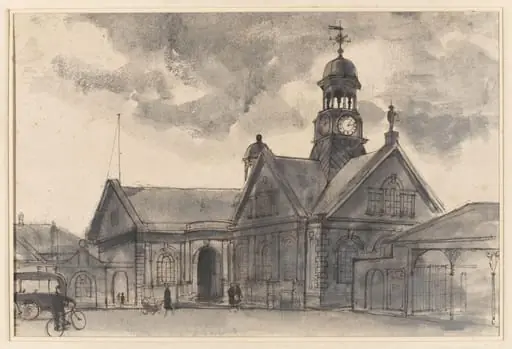 The Town Hall, Thetford
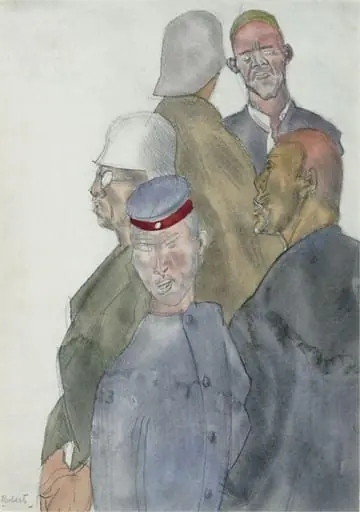 Prisoners
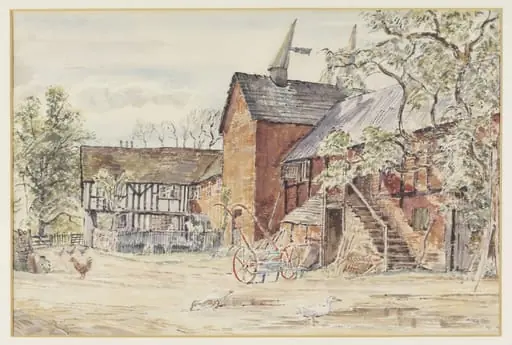 Blackhall Farm, King's Pyon
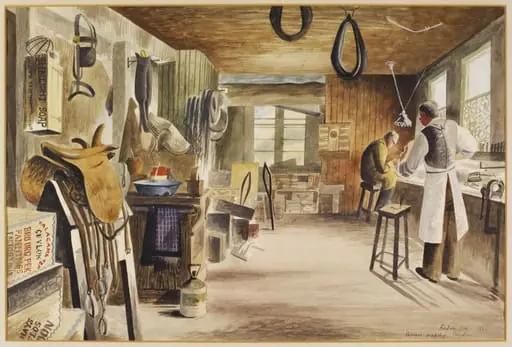 Saddler's Workshop, 70, High Street, Croydon
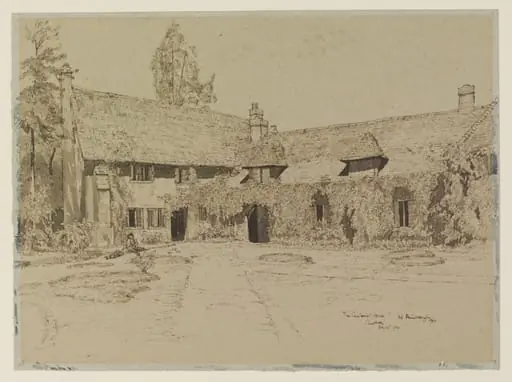 The Cantorist House, Childrey
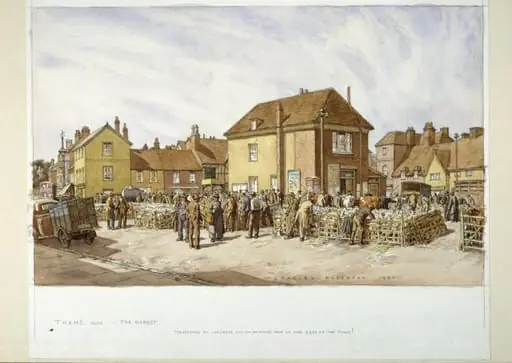 The Market, Thame
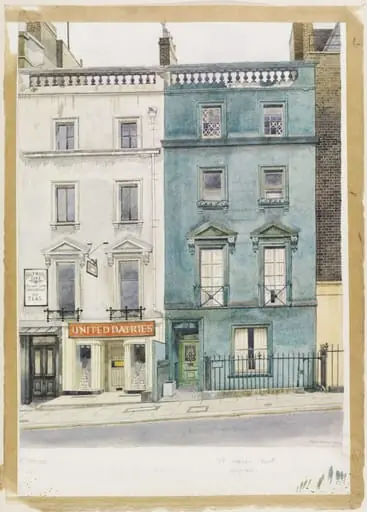 39 & 40 Curzon Street, Mayfair
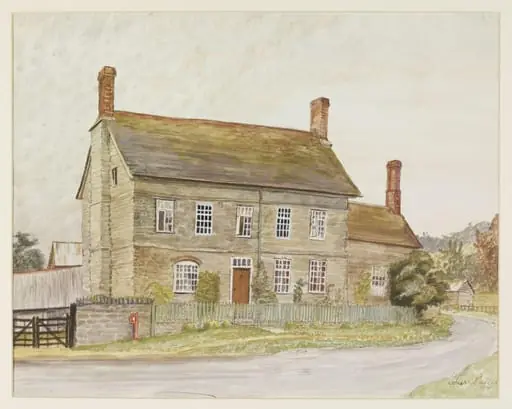 Hall Farm, Leinthall Earls
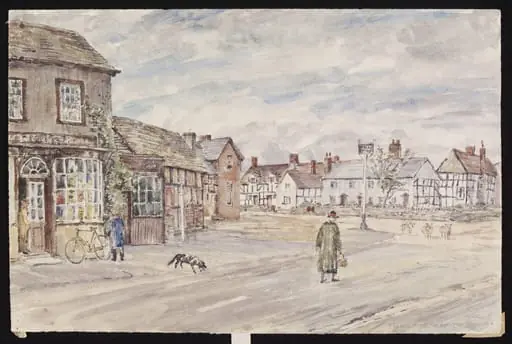 Tram Square, Eardisley
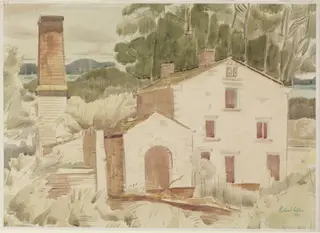 Disused Mill in the Porter Valley
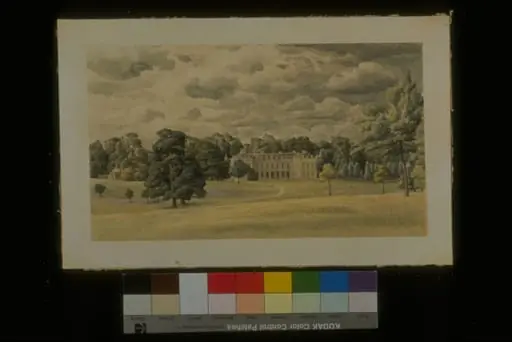 Boughton House, near Kettering
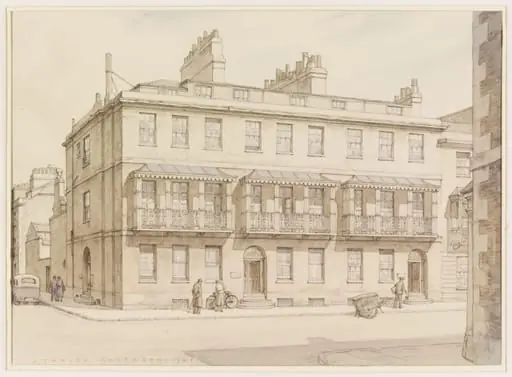 35, Beaumont Street, Oxford
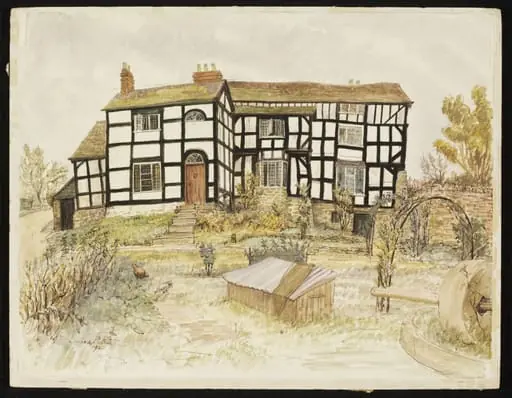 Paytoe Hall, Leintwardine
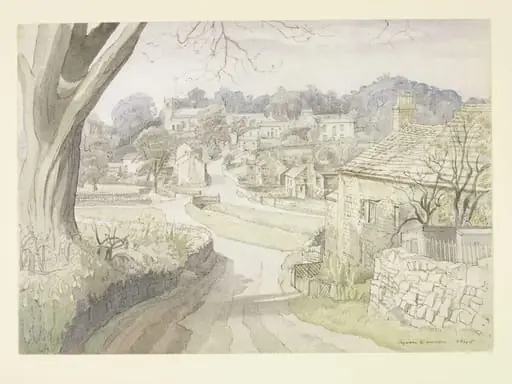 Downham Village, near Clitheroe, Lancashire
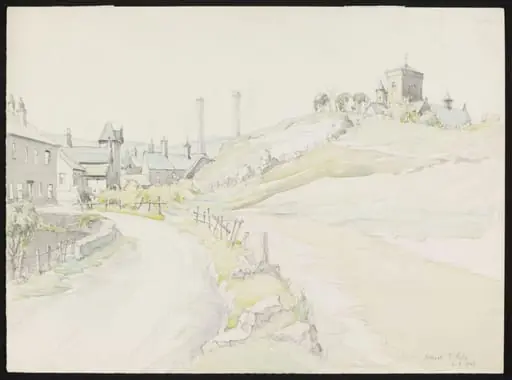 The church and village of Lumb
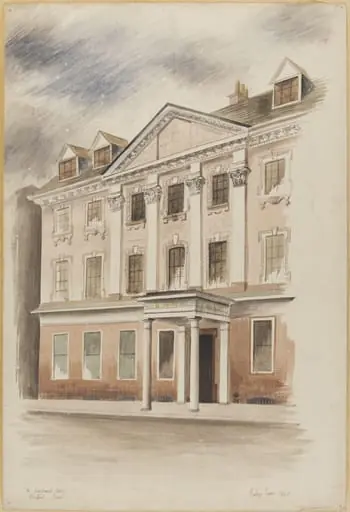 The Greyhound Hotel, Blandford
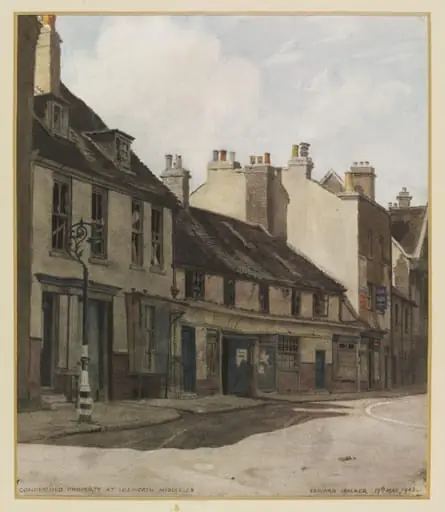 Condemned Property at Isleworth
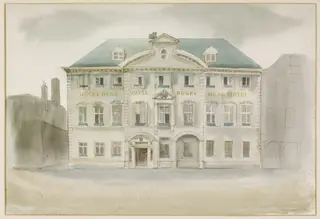 Duke's Head Hotel, Market Place, King's Lynn
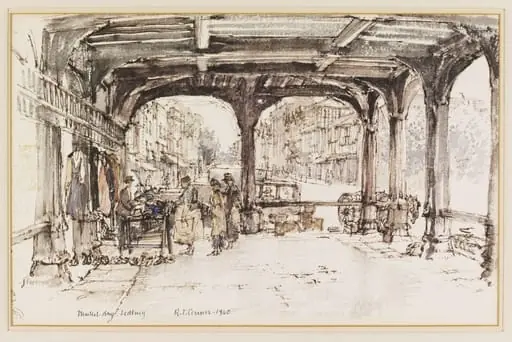 Market Day, Ledbury
Frequently asked questions
What is Social Realism?
Social Realism is an art movement. Art that depicts the realities of working-class and underprivileged life with documentary directness and political sympathy.
How many Social Realism works does Artifact World Gallery have?
Artifact World Gallery holds 343 public-domain Social Realism works, all free to view and download.
Who are the key Social Realism artists?
Key Social Realism artists in the collection include Charles Demuth, F. A. Mead and Joaquín Sorolla.
When did Social Realism take place?
Social Realism dates from 1930–1960.
Where can I see Social Realism works?
Social Realism works in the collection are held by Victoria and Albert Museum, Museum of Modern Art and Tretyakov Gallery.