Artwork
Mountains in the Dauphiné
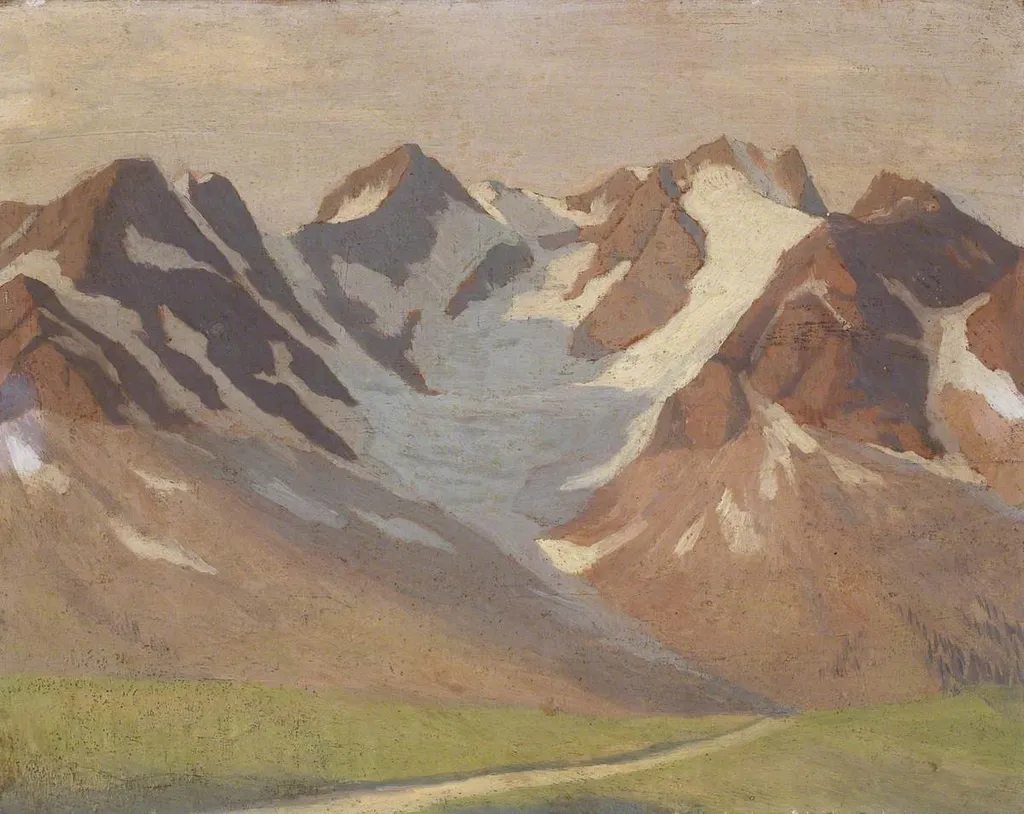
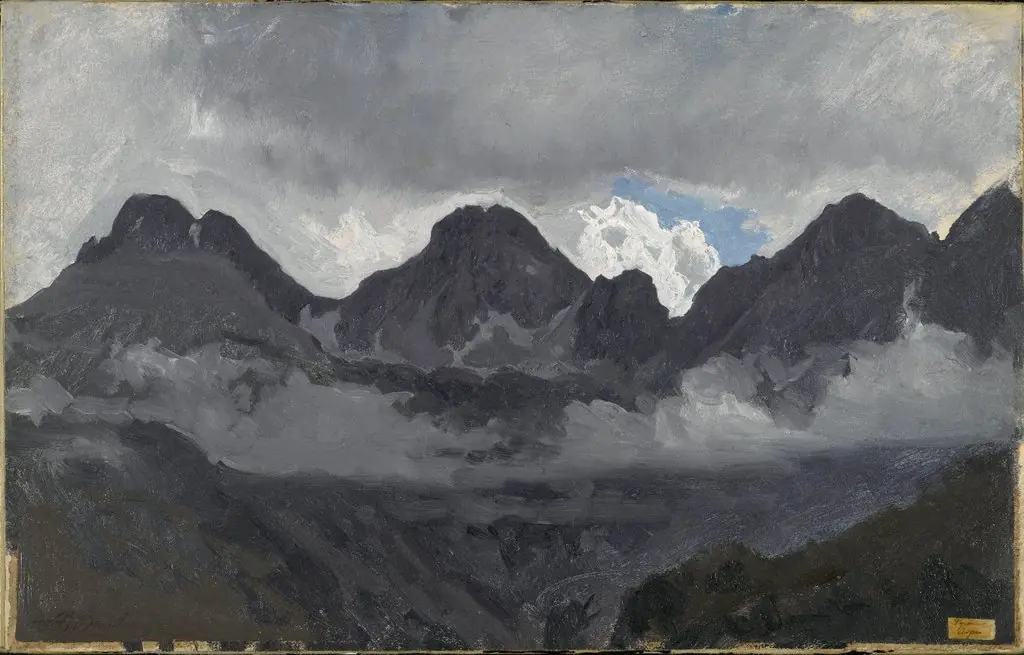
Mountains in the Dauphiné is an unspecified painting by the Fauvist artist Jacques Raverat. It dates from 1913 and is held in the collection of the Fitzwilliam Museum.
About this work
Overview
Jacques Raverat’s 1913 canvas Mountains in the Dauphiné presents a tranquil Alpine scene rendered in the vivid, non‑naturalistic palette of early twentieth‑century Fauvism. The composition leads the eye from a green foreground through a pale brown sky toward rugged, snow‑capped peaks, suggesting depth while maintaining a calm atmosphere.
Subject & Meaning
The work depicts the mountainous terrain of France’s Dauphiné region, emphasizing the stark contrast between rocky ridges and the soft, grassy foreground. The limited color scheme and simplified forms focus attention on the landscape’s inherent serenity rather than narrative detail.
Technique & Style
Raverat employs the Fauvist hallmark of bold, unmodulated color, applying flat areas of hue to define form rather than relying on chiaroscuro. The brushwork is loose, and the composition is organized into broad planes that convey spatial recession without intricate modeling.
History & Provenance
Created during Raverat’s brief engagement with Fauvism, the painting entered the Fitzwilliam Museum’s collection, where it remains on view. The artist, born in Paris in 1885, later studied in England and married fellow artist Gwen Darwin in 1911, linking him to both French and British artistic circles.
Context
Raverat’s French origins and English education placed him at a crossroads of artistic influences during a period when Fauvism was spreading beyond Paris. Mountains in the Dauphiné reflects this cross‑cultural exchange, marrying French landscape tradition with the avant‑garde color experiments of the early 1900s.
Artist & collection
Artist
Jacques Pierre Paul Raverat (pronounced Rav-er-ah) (20 March 1885 – 6 March 1925) was a French painter; Raverat was the son of Georges Pierre Raverat and Helena Lorena Raverat, née Caron; he was born in Paris, France, in 1885.

- In the Alps
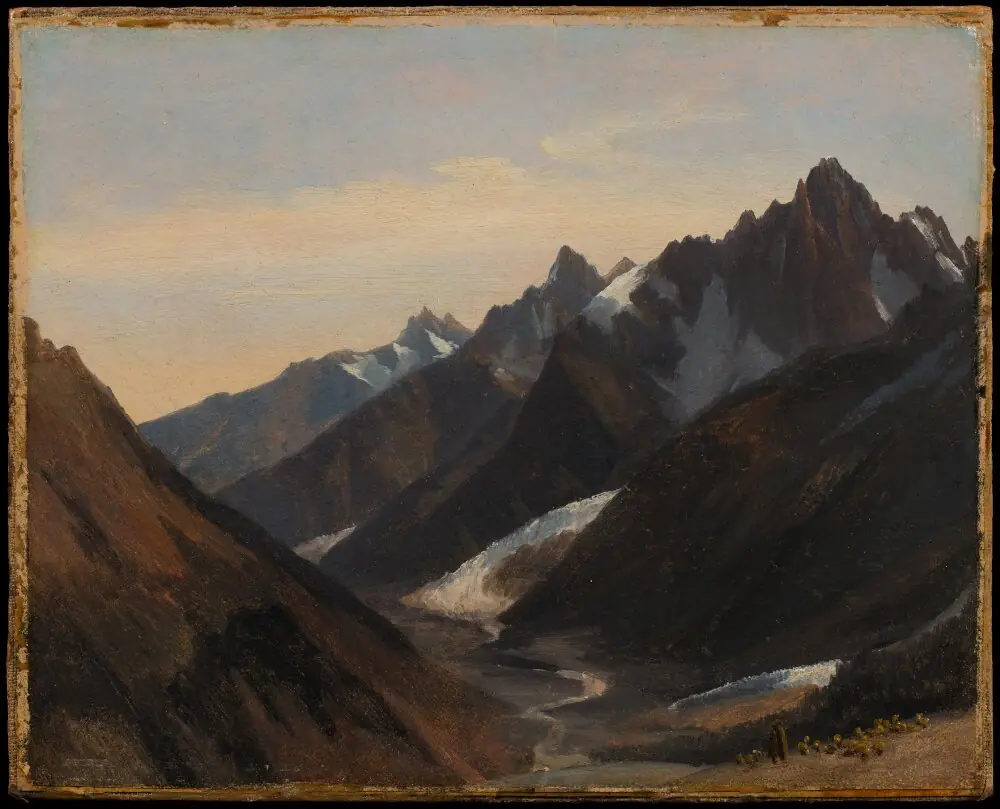 View of The Chamonix Valley. Study
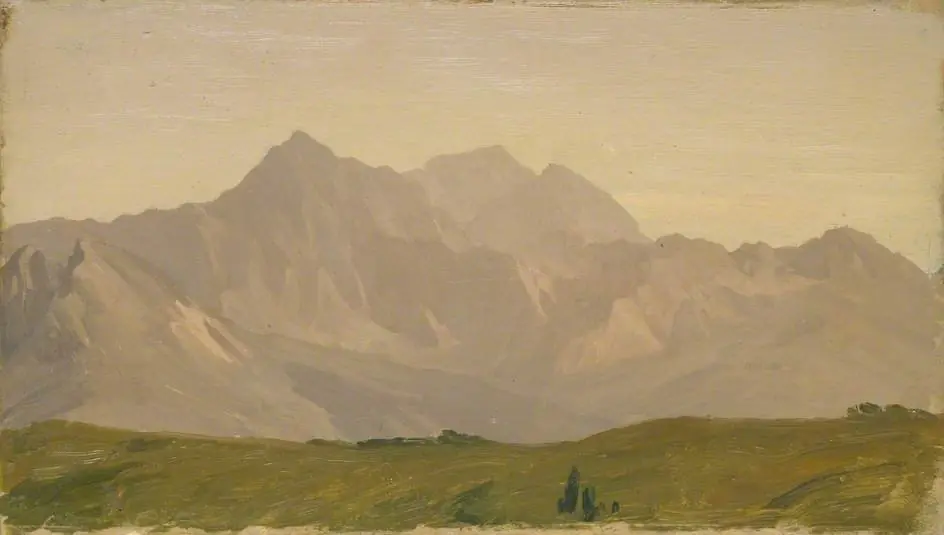 Monte Croce
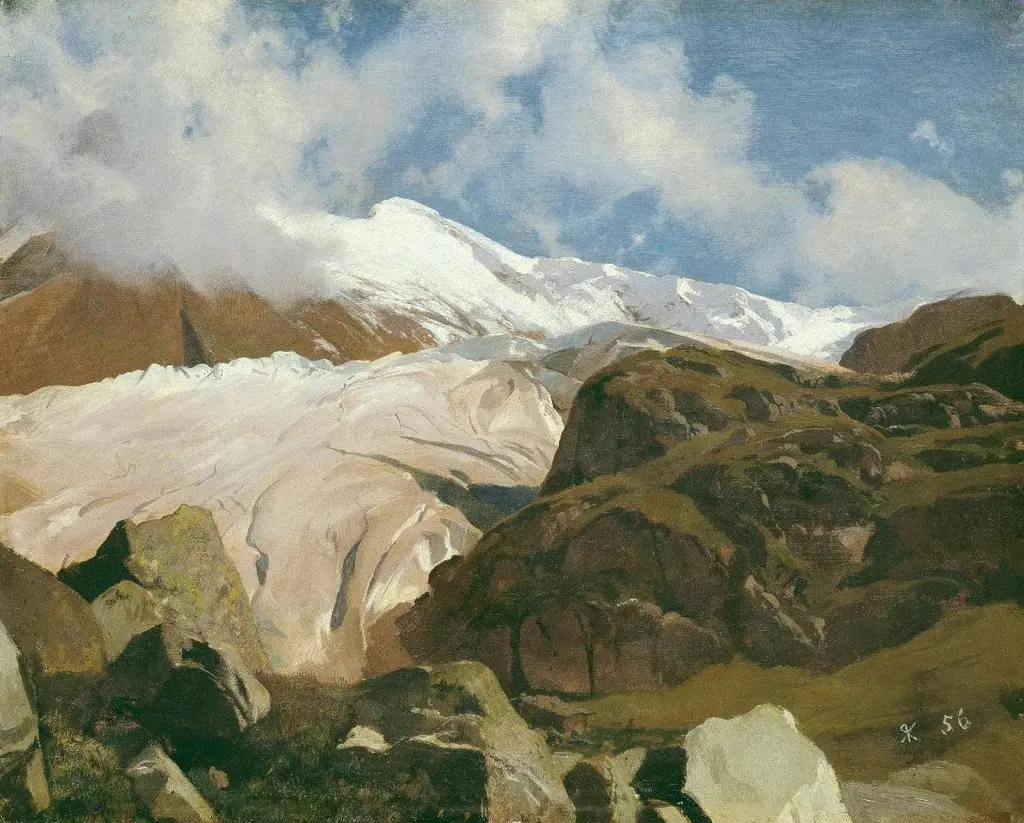 Gletscher am Sustenpass
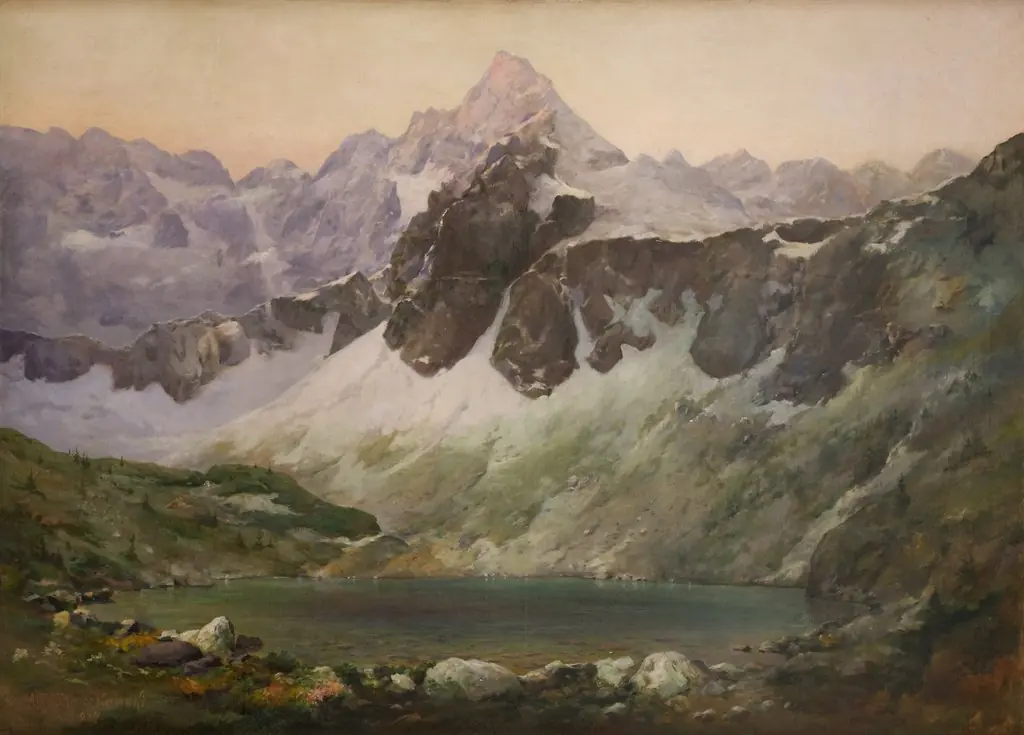 The Morskie Oko Lake
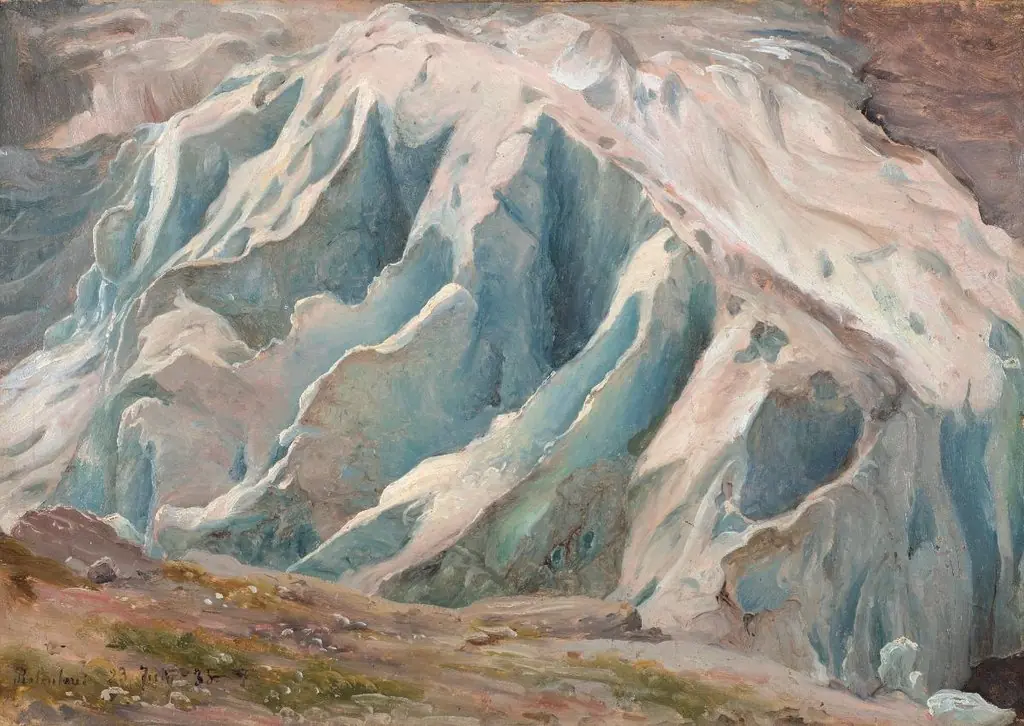 Studie zum Rosenlauigletscher
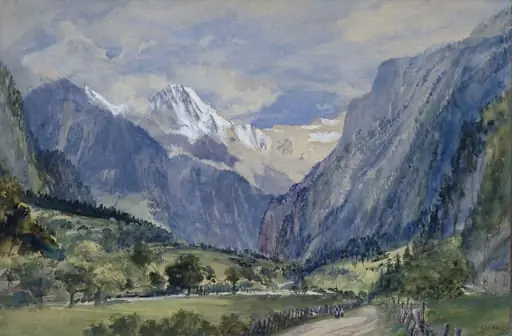 The Jungfrau from Interlaken in Switzerland
 Mountain Landscape in Venosta with the Castle Coira and the Mountain Ortles
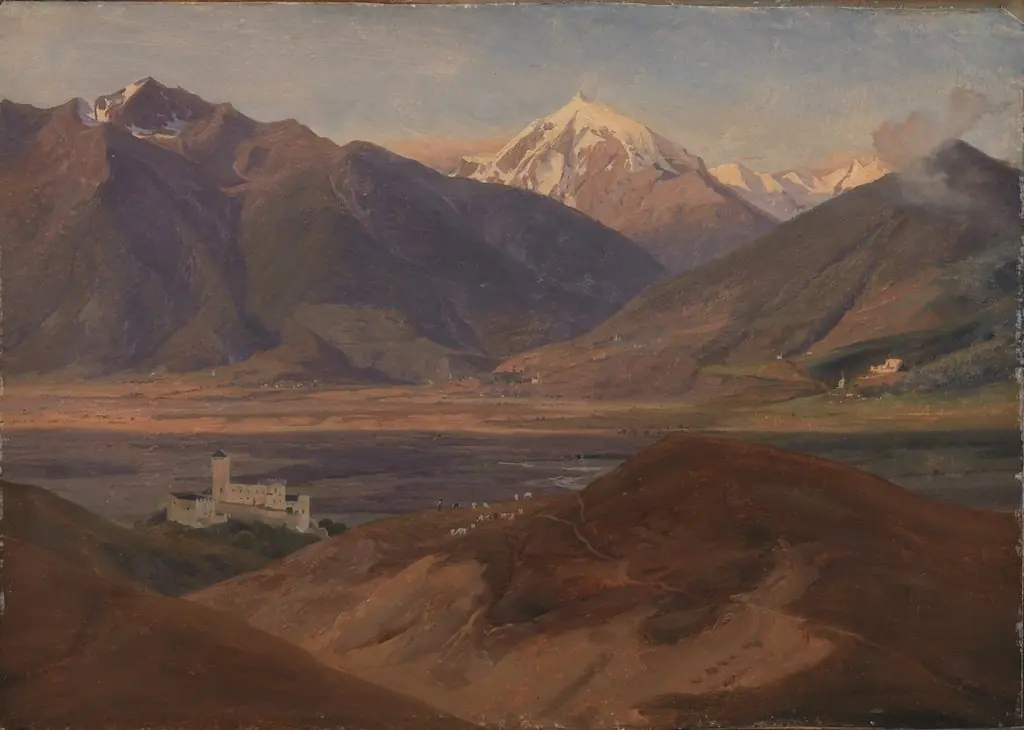 Mountain Landscape in Venosta with the Castle Coira and the Mountain Ortles
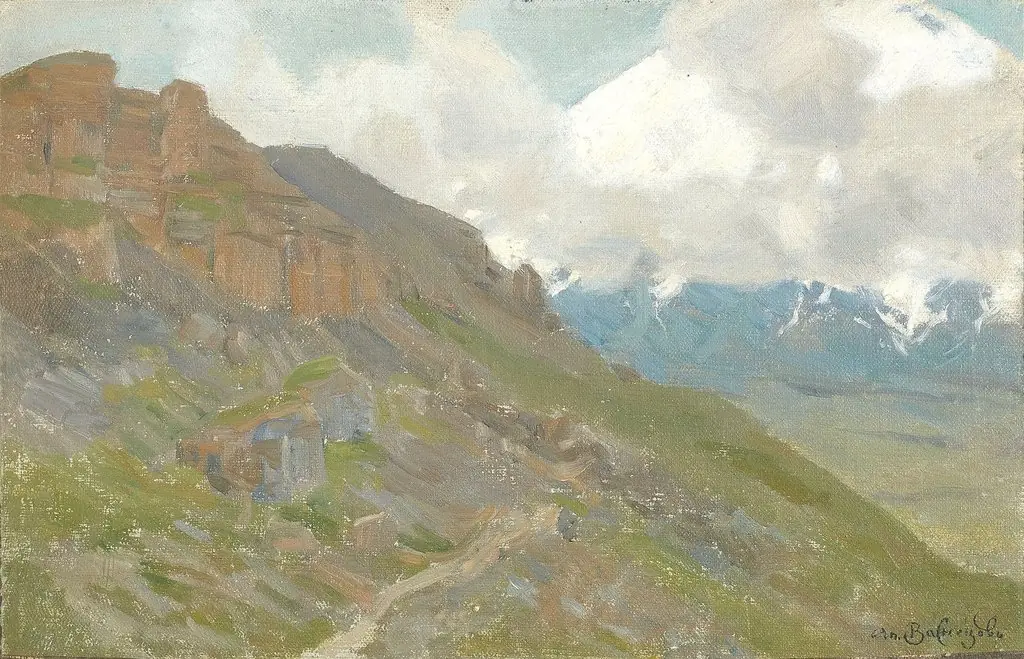 Elbrus Bermomut
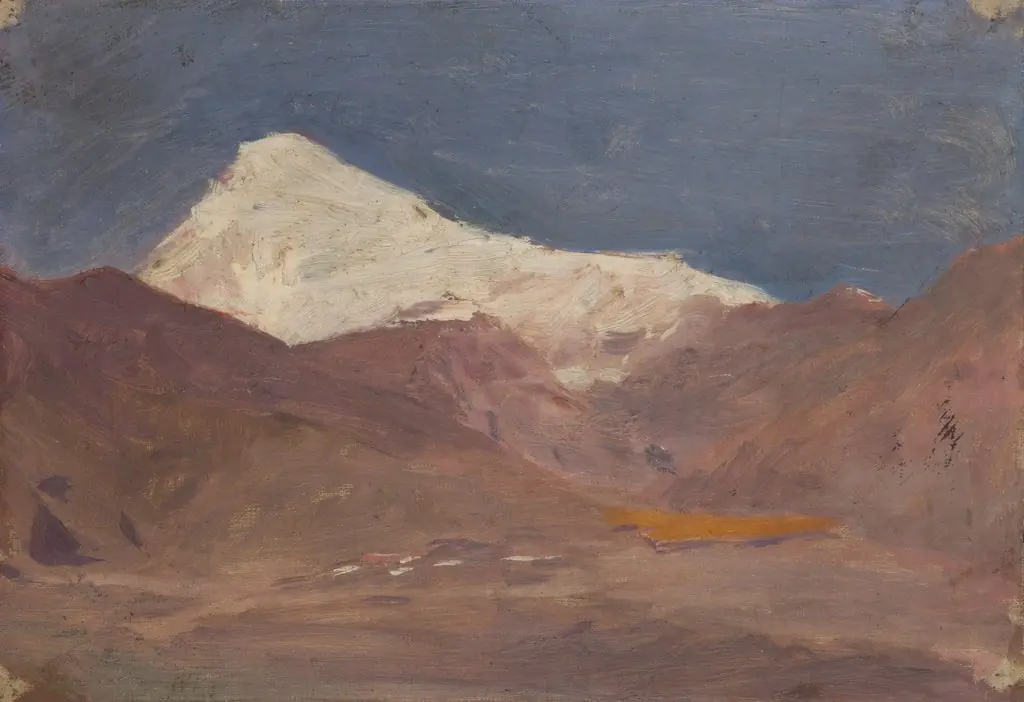 The Caucasus (Mount Kazbek)
 Mountains with Mist