Movement
Fauvism
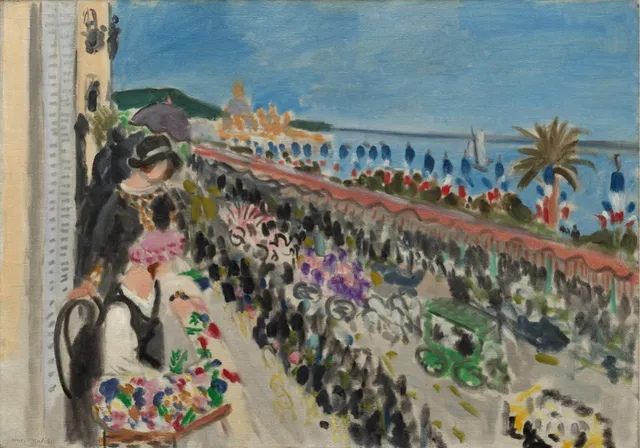
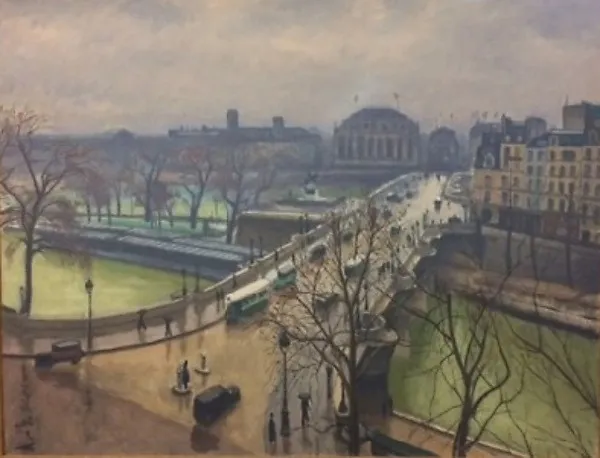
Fauvism is an art movement dating from 1904. The gallery holds 162 works in this movement, including works by Henri Matisse, Albert Marquet and Othon Friesz. Browse Fauvism paintings, portraits, pictures and artworks from the world's public-domain museum collections.
Fauvism was the first avant-garde movement of the twentieth century, a brief but incendiary episode that erupted in France around 1905 and had largely dissolved by 1908. Its roots lay in Post-Impressionism: the saturated, emotive color of Vincent van Gogh and Paul Gauguin and the divided brushwork of Georges Seurat's Neo-Impressionism gave a younger generation license to treat color as an autonomous expressive force rather than a tool for describing nature. In the summer of 1905, Henri Matisse and André Derain painted side by side in the Mediterranean fishing port of Collioure, pushing their palettes toward an unprecedented intensity and laying the foundations of the style.
The movement was christened by accident. At the 1905 Salon d'Automne in Paris, the brilliantly colored canvases hung together in one gallery scandalized visitors, and the critic Louis Vauxcelles, writing in the November issue of L'Illustration, dubbed the painters "les fauves"—the wild beasts. The name stuck. Fauvist painting is defined by non-naturalistic, often arbitrary color applied in bold, flattened patches, vigorous and visibly loose brushwork, strong outlines, and a deliberately "unfinished" surface in which color itself becomes the true subject of the work.
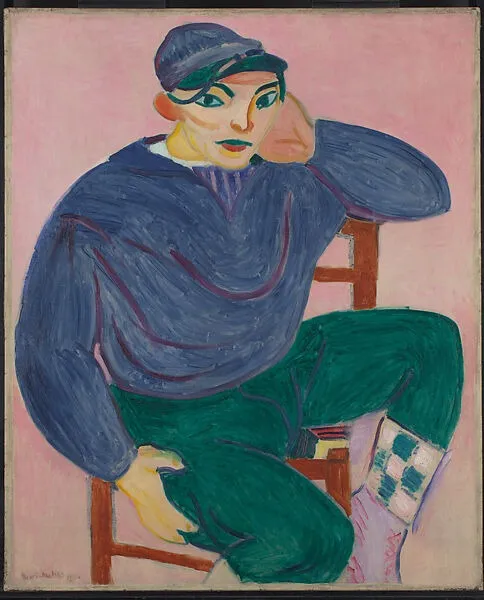
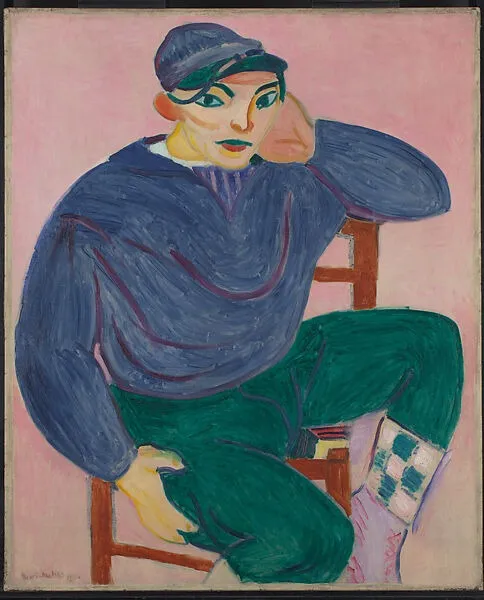
Matisse was the movement's acknowledged leader, and his Woman with a Hat (1905) and the monumental Le Bonheur de vivre (1905–06) remain its touchstones. Derain occupied a middle ground between Matisse's control and the impetuous Maurice de Vlaminck; his blazing views of London Bridge and Charing Cross Bridge, commissioned by the dealer Ambroise Vollard, are among Fauvism's signature images. The wider circle included Albert Marquet, Raoul Dufy, Othon Friesz, Henri Manguin, Charles Camoin, Kees van Dongen, and the young Georges Braque. Matisse's Mediterranean canvases such as Olive Trees at Collioure and The Young Sailor II distill the Fauve fusion of southern light and pure pigment.
Fauvism was less a school than a shared moment, and by 1908 its members had scattered—Braque toward the analytical structure of Cubism, others returning to Cézanne's sense of order. Yet its liberation of color proved enormously consequential, feeding directly into German Expressionism, whose artists deployed a similarly aggressive palette to convey inner sensation, and securing color's place as a primary language of modern art.
Key artists
Works
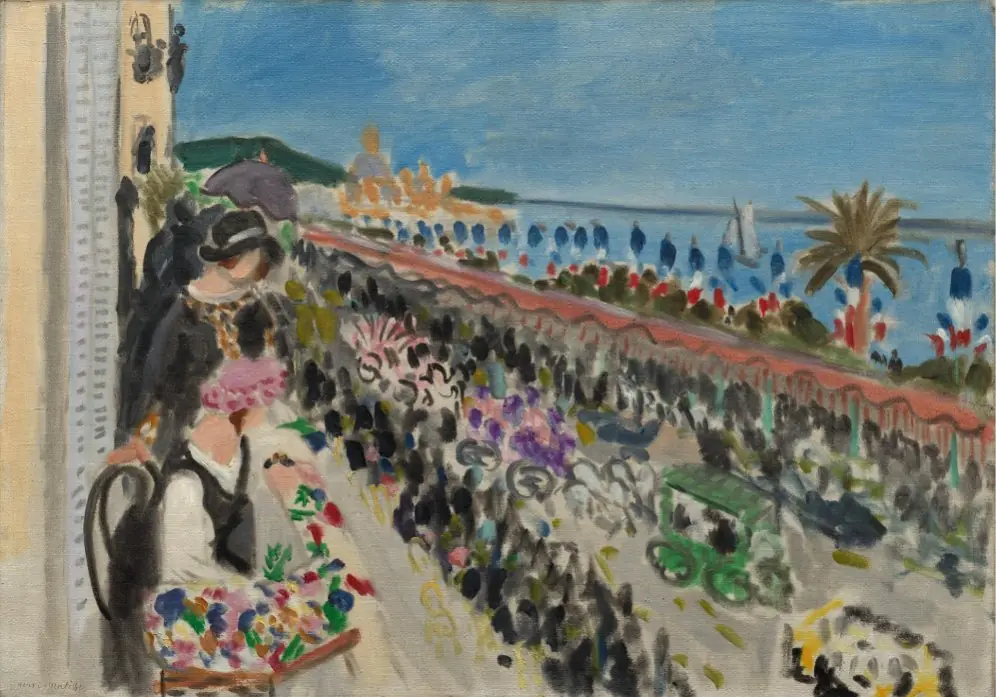 Festival of Flowers, Nice (Fête des fleurs)
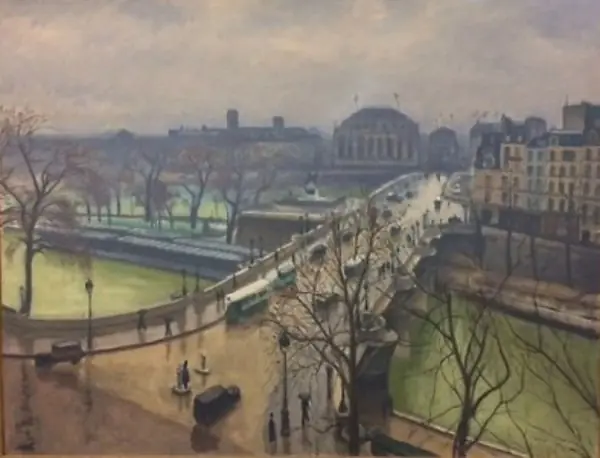 The Pont Neuf, Paris
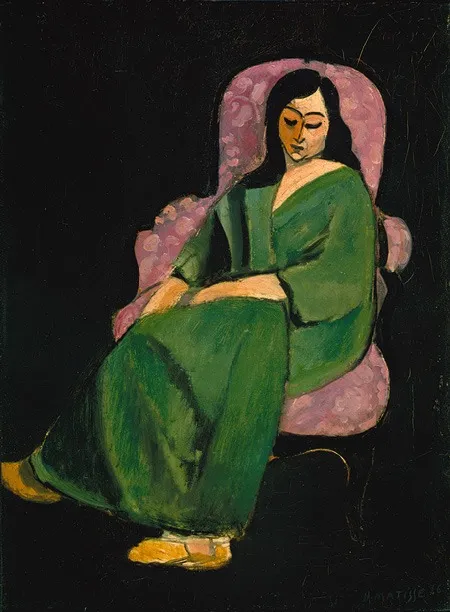
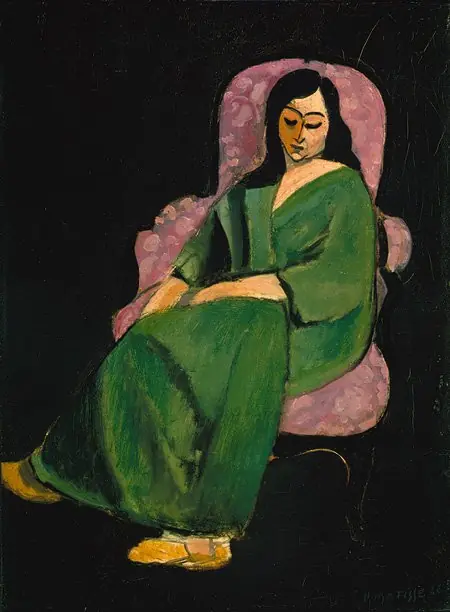 Laurette in a Green Robe, Black Background
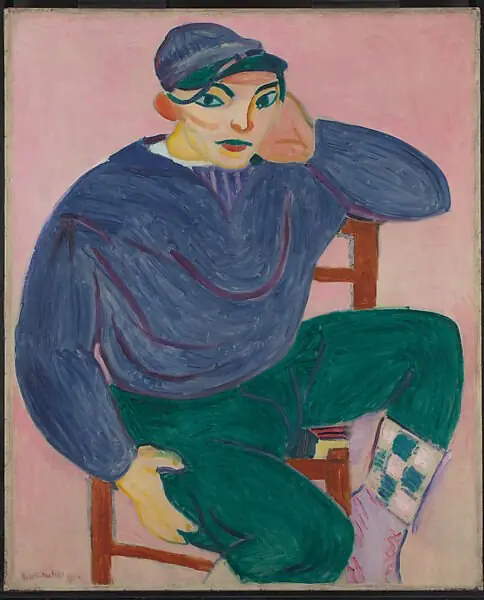 The Young Sailor II
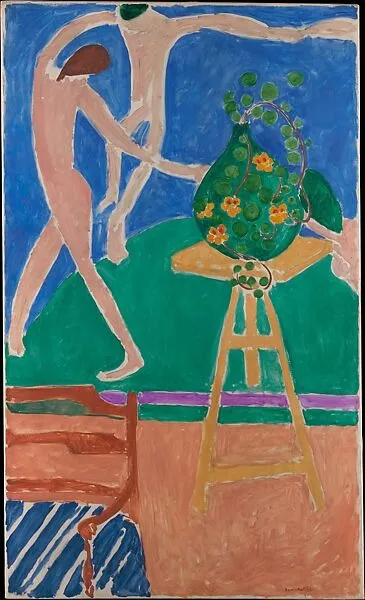
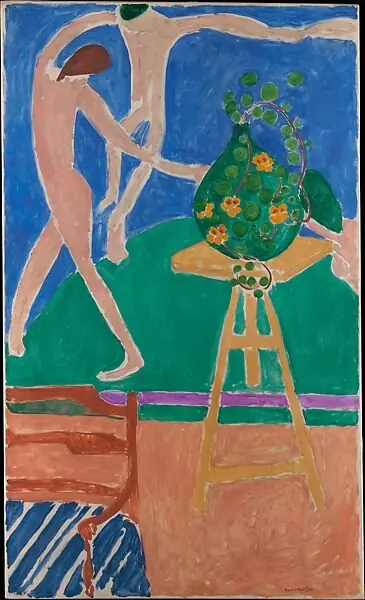 Nasturtiums with the Painting "Dance" I
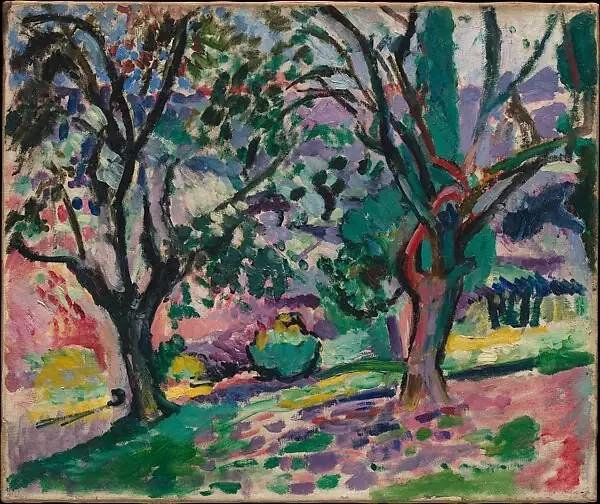 Olive Trees at Collioure
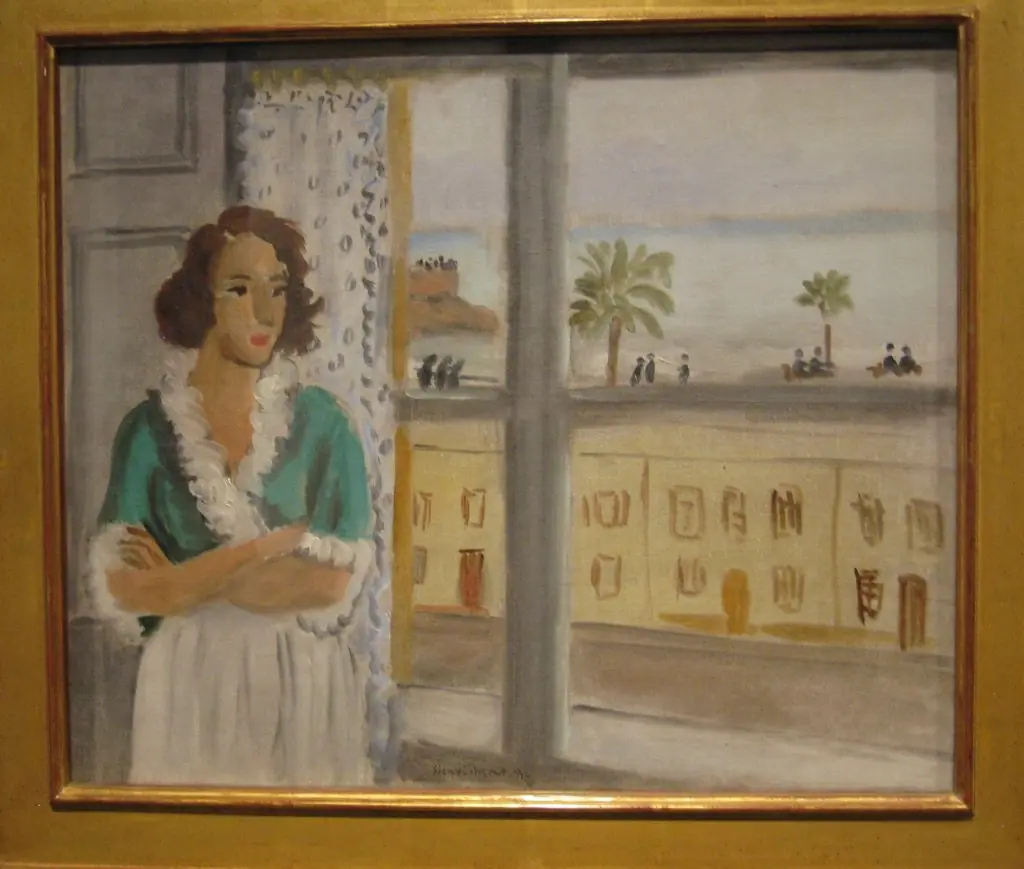 Girl by a Window
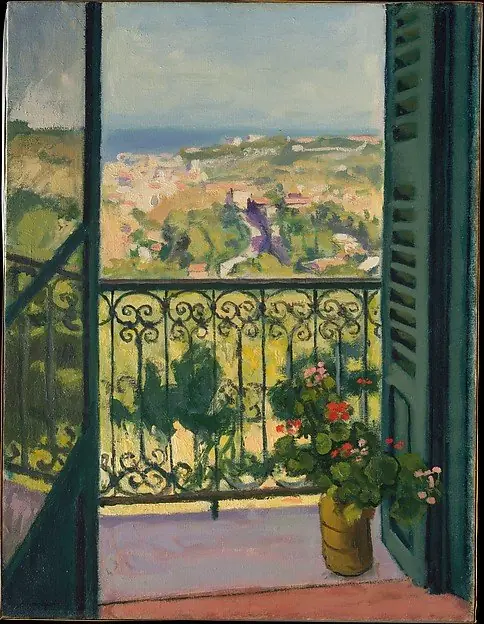 View from a Balcony
 Still Life with Vegetables
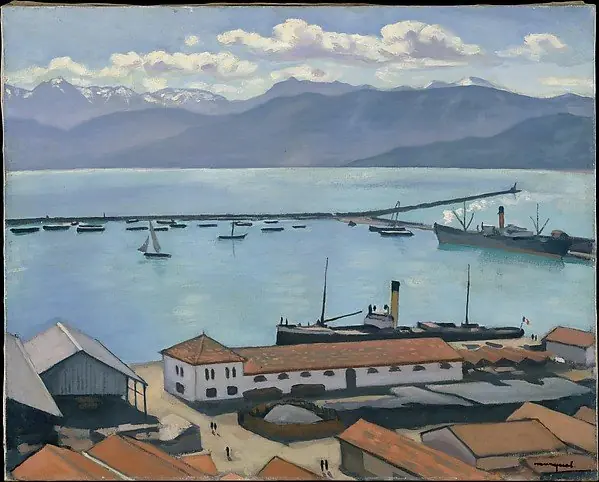 The Port de Bougie, Algiers, in Sunlight
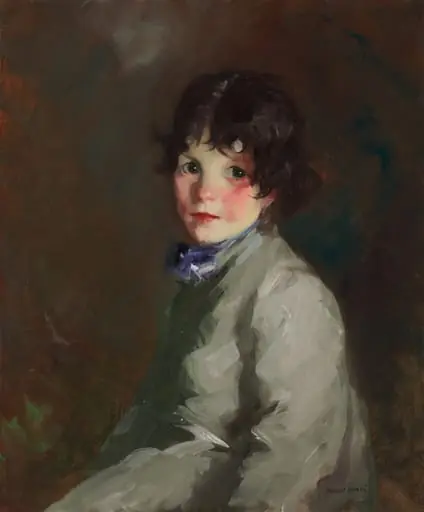 Catharine
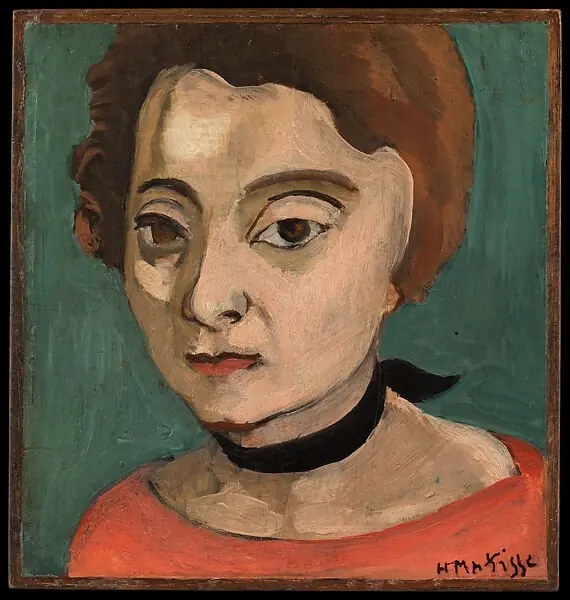 Marguerite with Black Velvet Ribbon
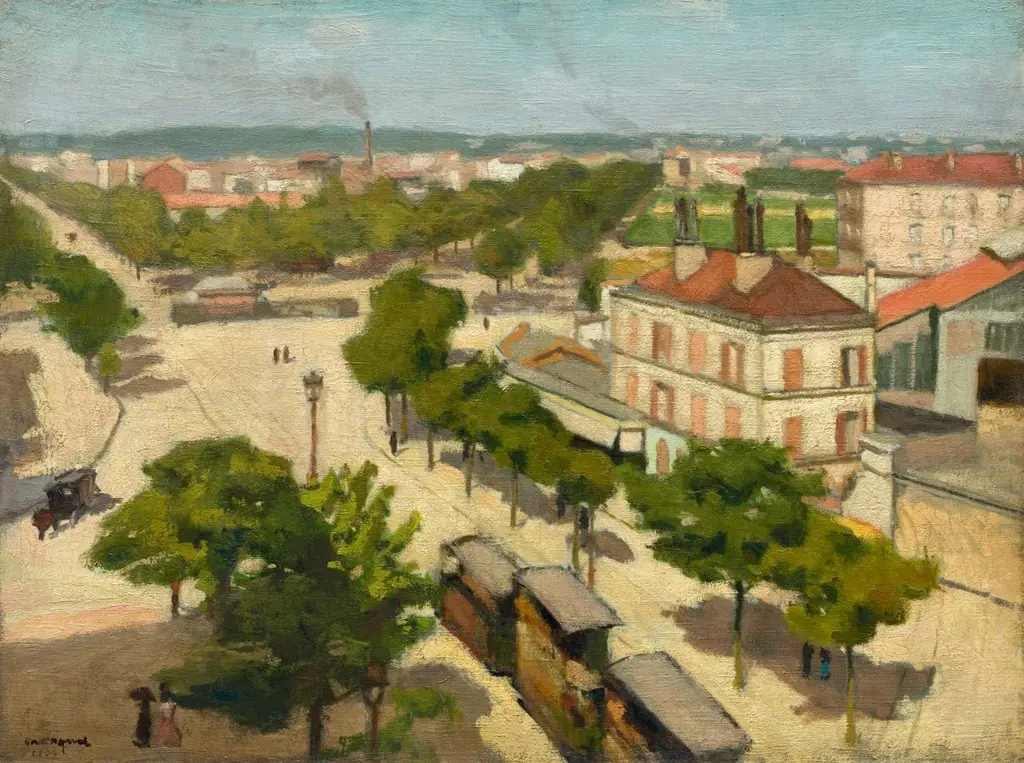 The Gate of St. Cloud, Paris
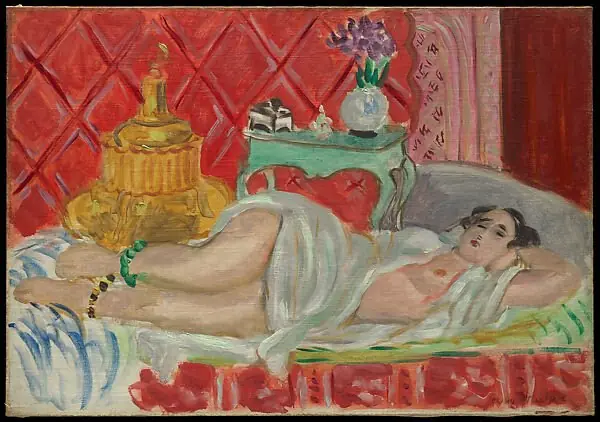 Odalisque, Harmony in Red
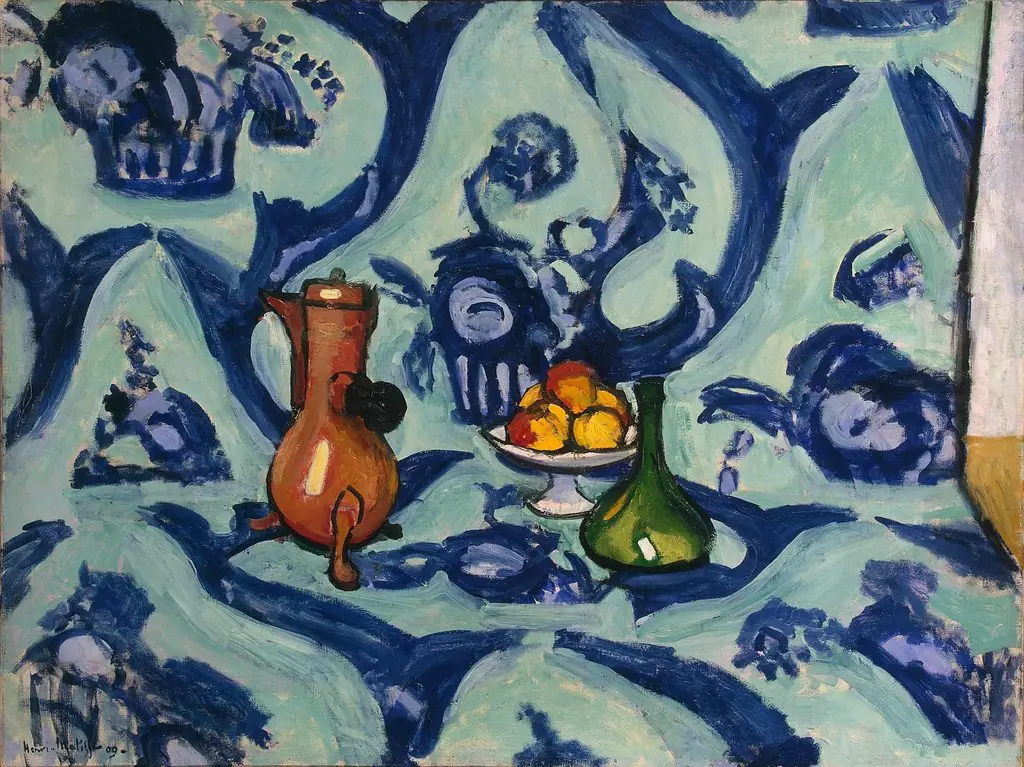 Still Life with Blue Tablecloth
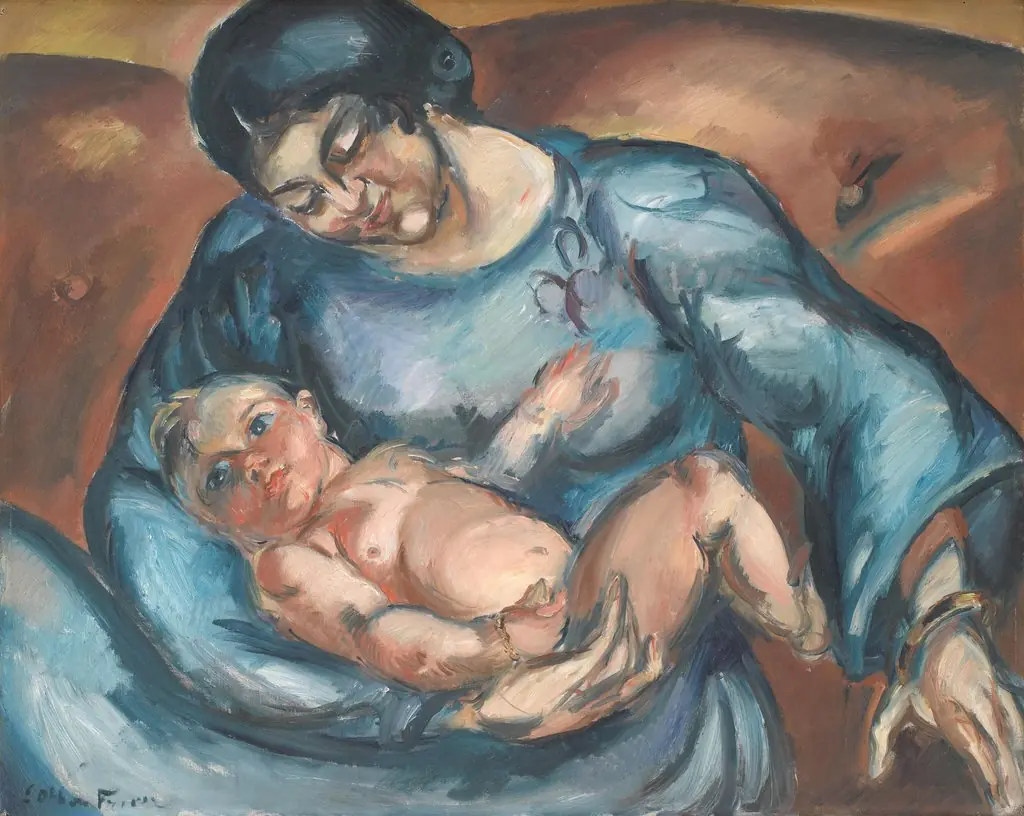 Mother's Love
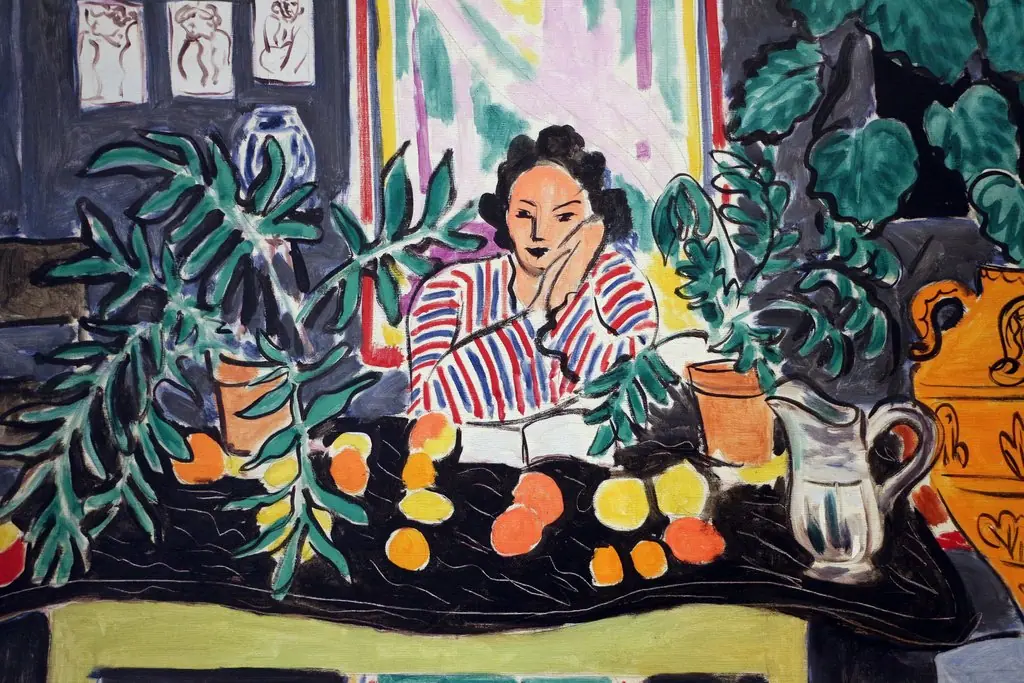 Interior with an Etruscan Vase (Intérieur au vase étrusque)
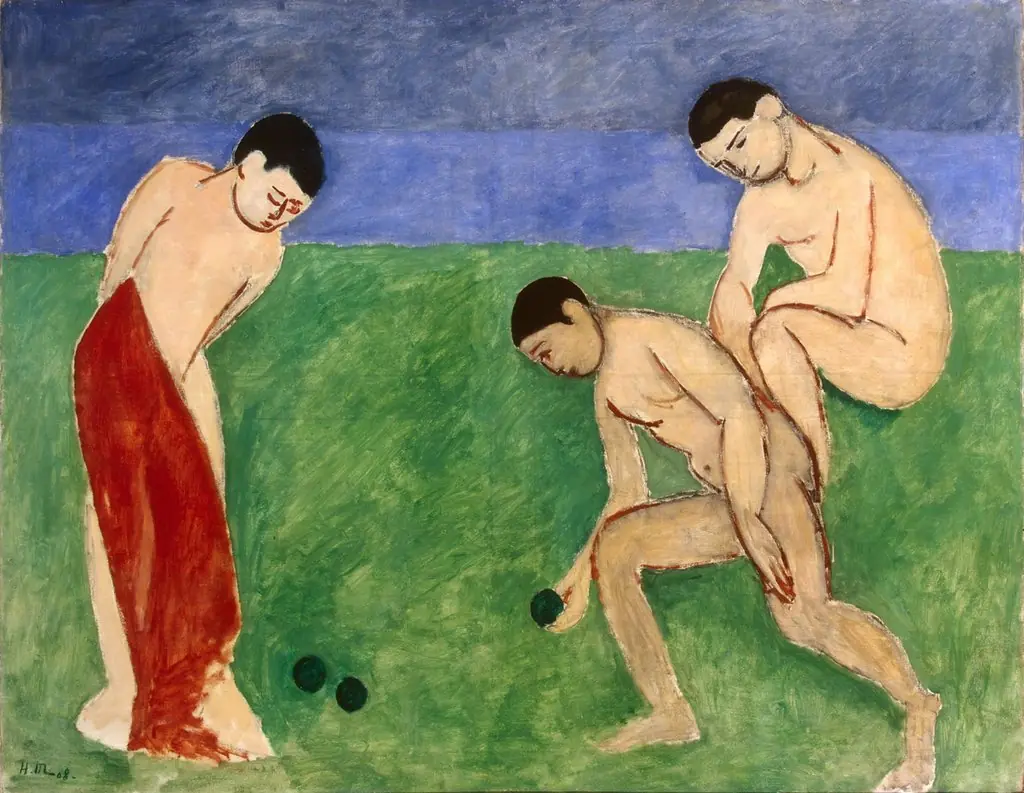 Game of Bowls
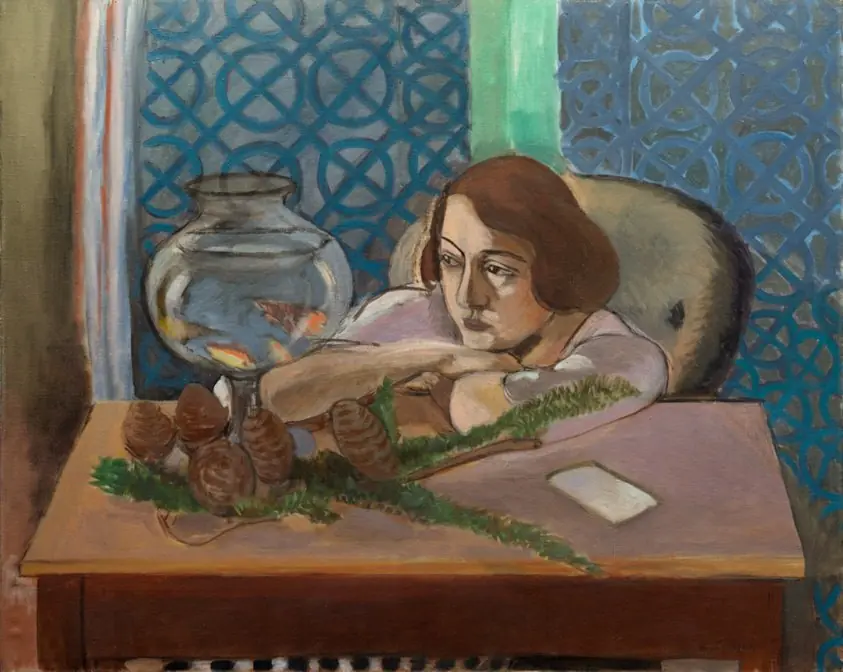 Woman Before an Aquarium
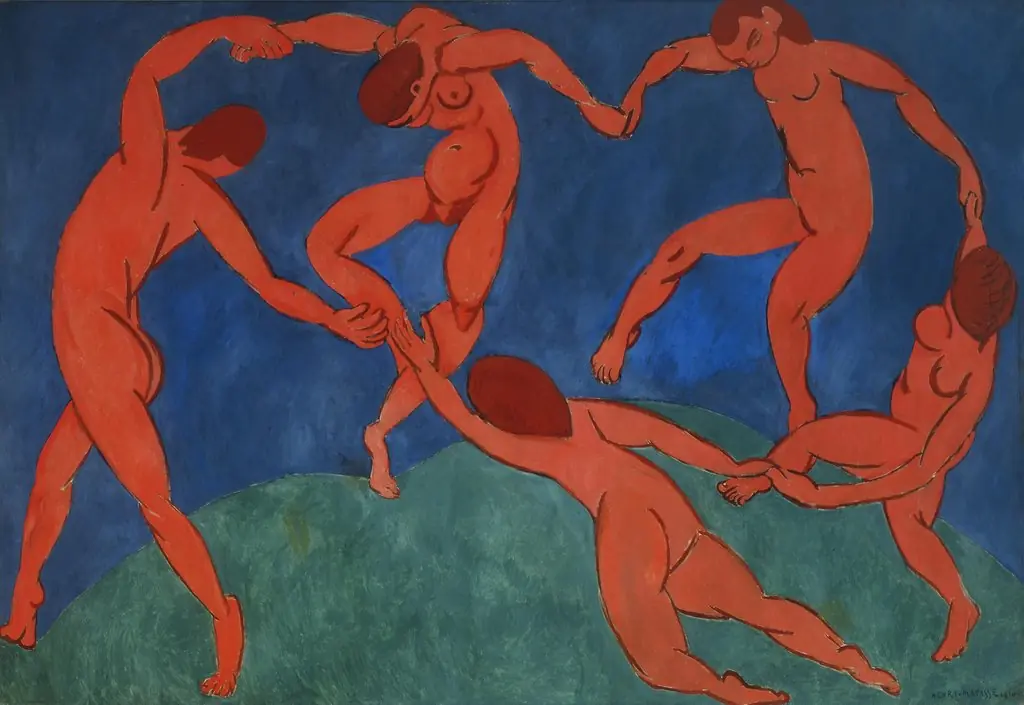 Dance II
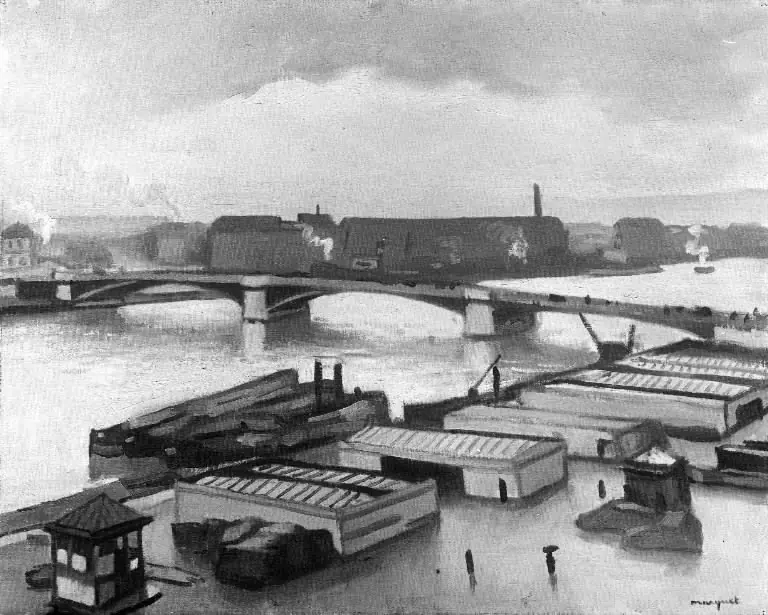 Quai de Paris at Rouen. Rainy Weather
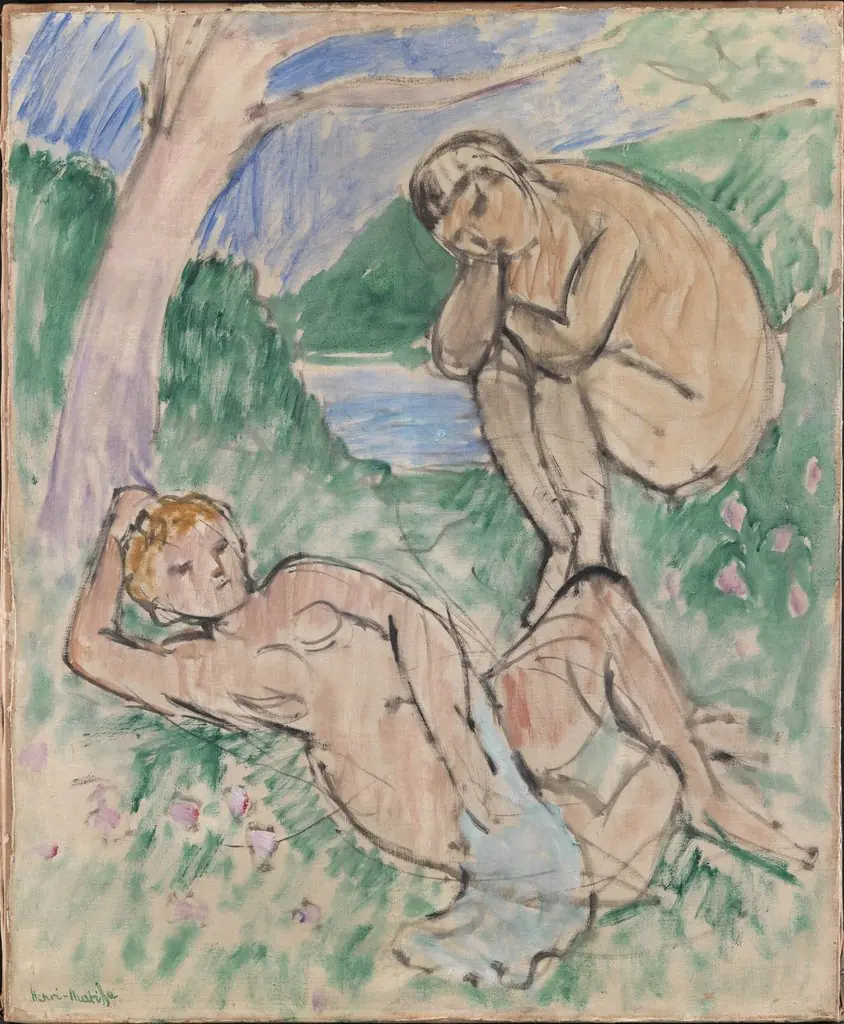 Nymph and Faun
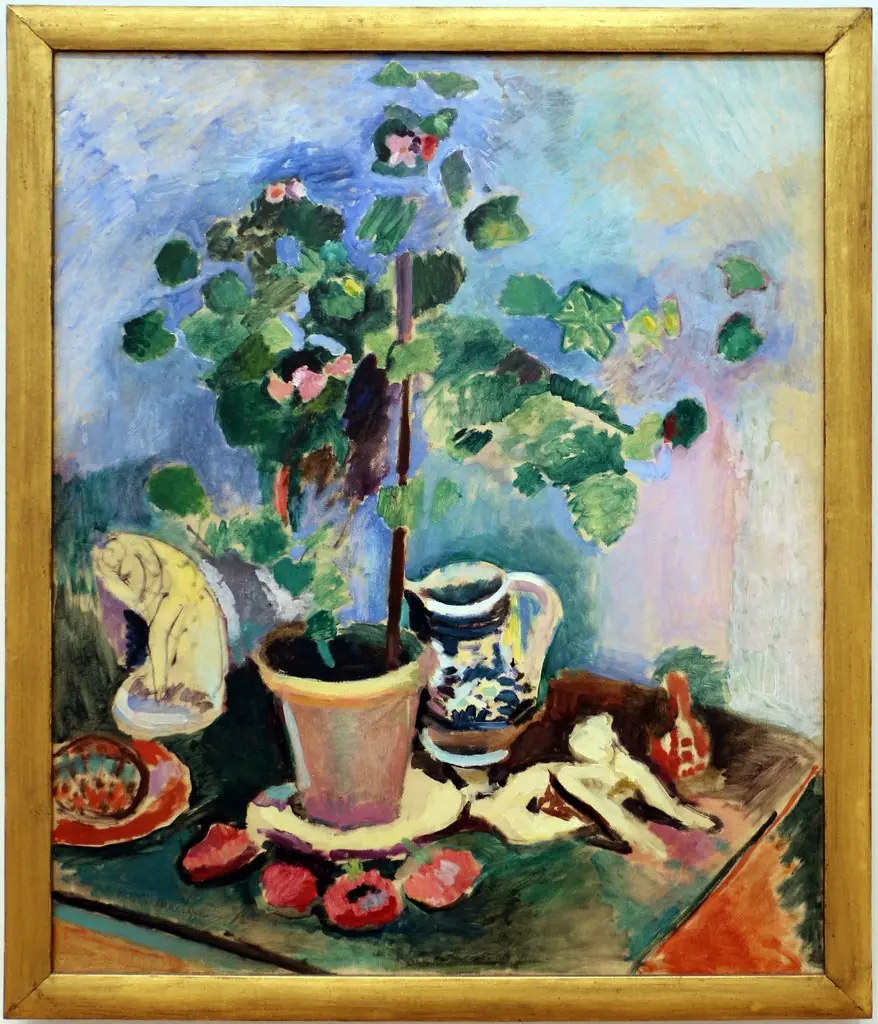 The Geranium
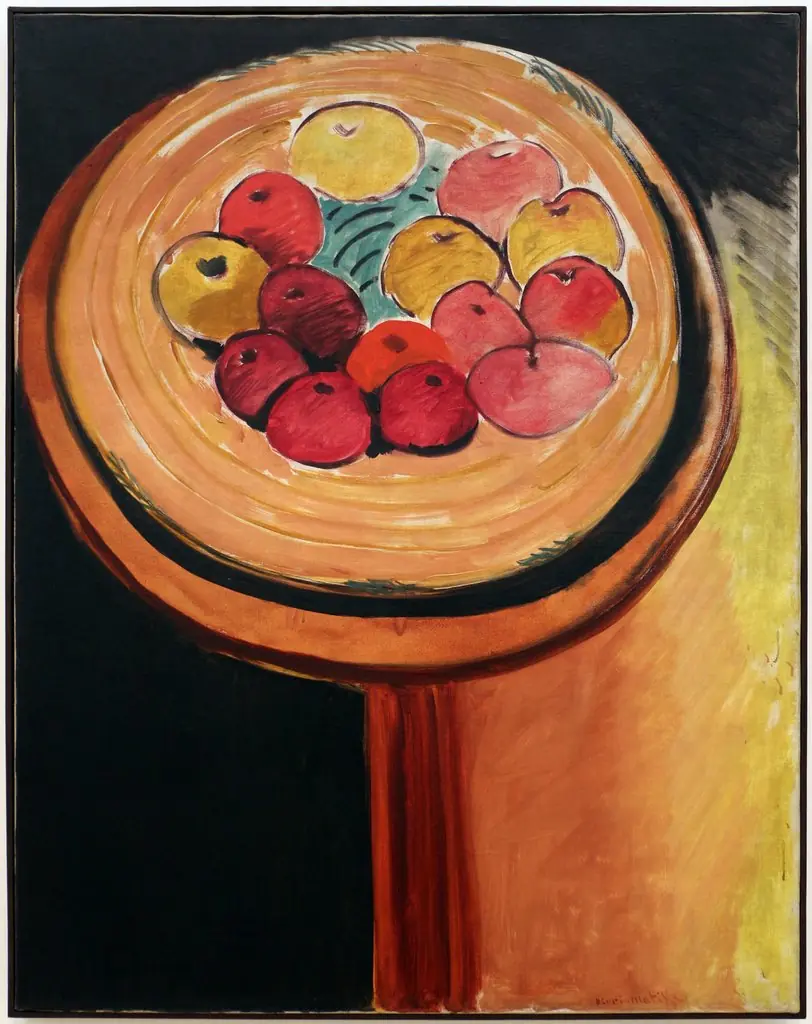 Apples
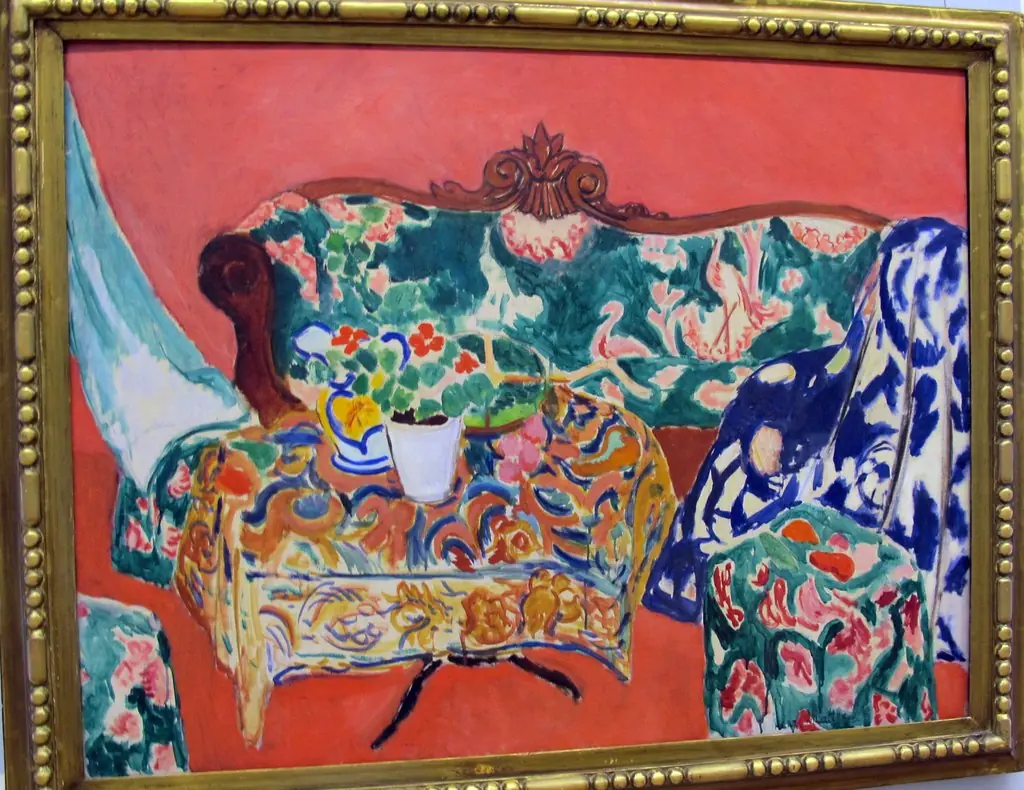 Seville Still Life
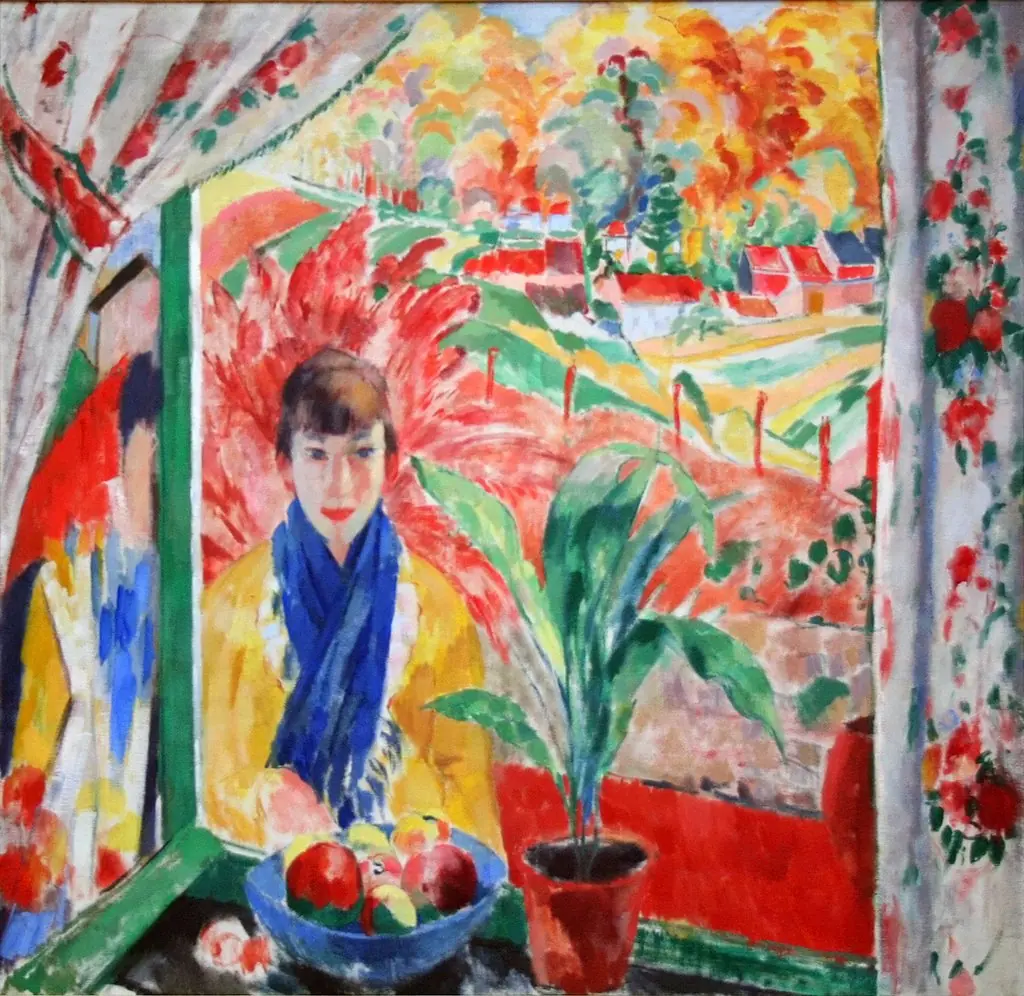 Autumn
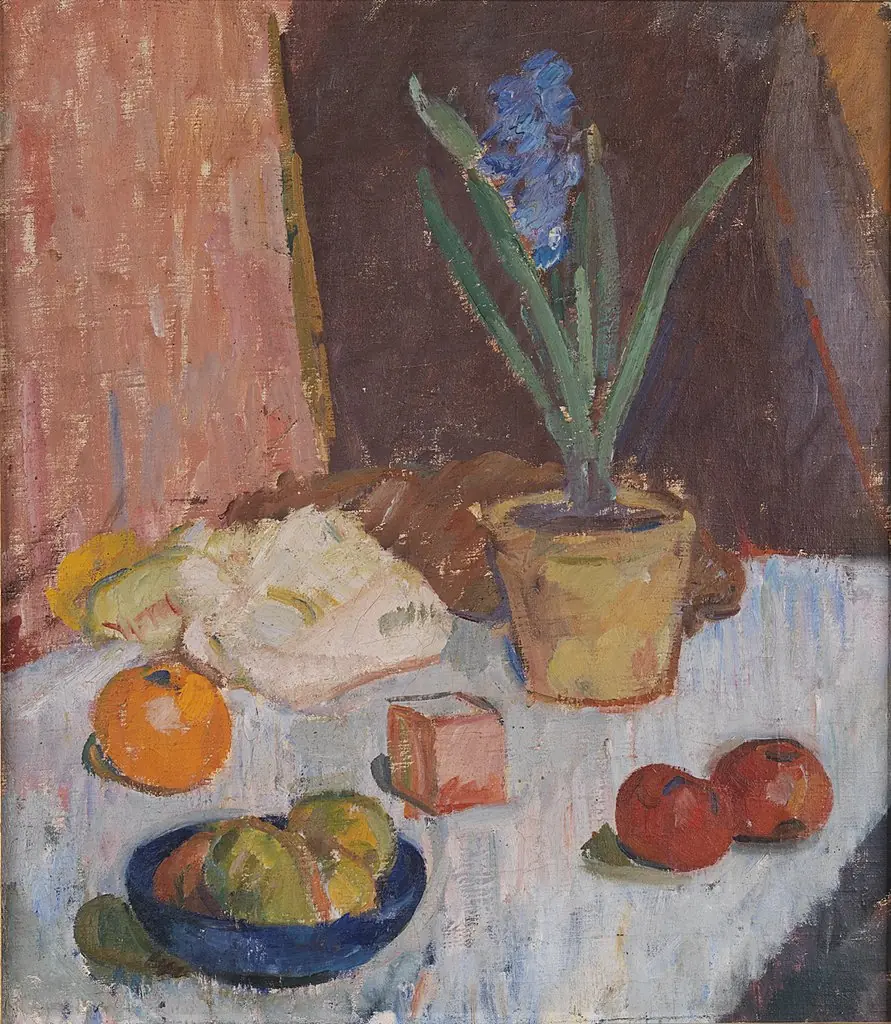 Composition with Hyacinth, Fruits and Blue Bowl
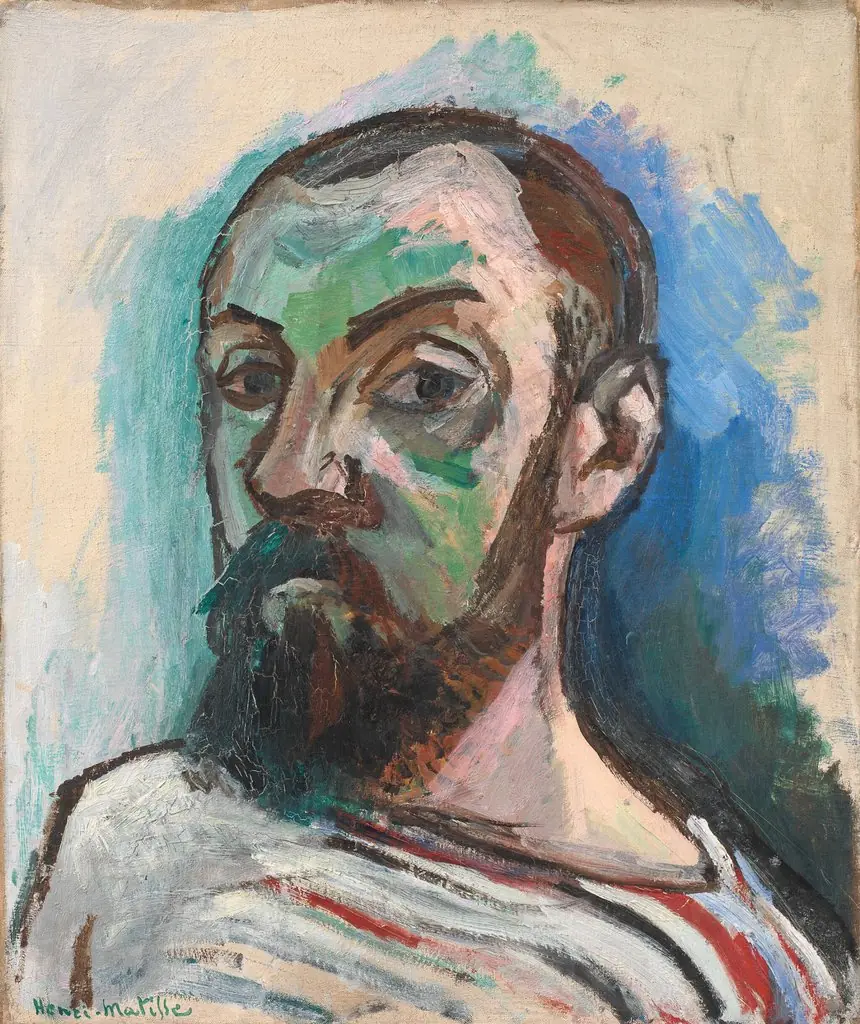 Self-Portrait in a Striped T-shirt
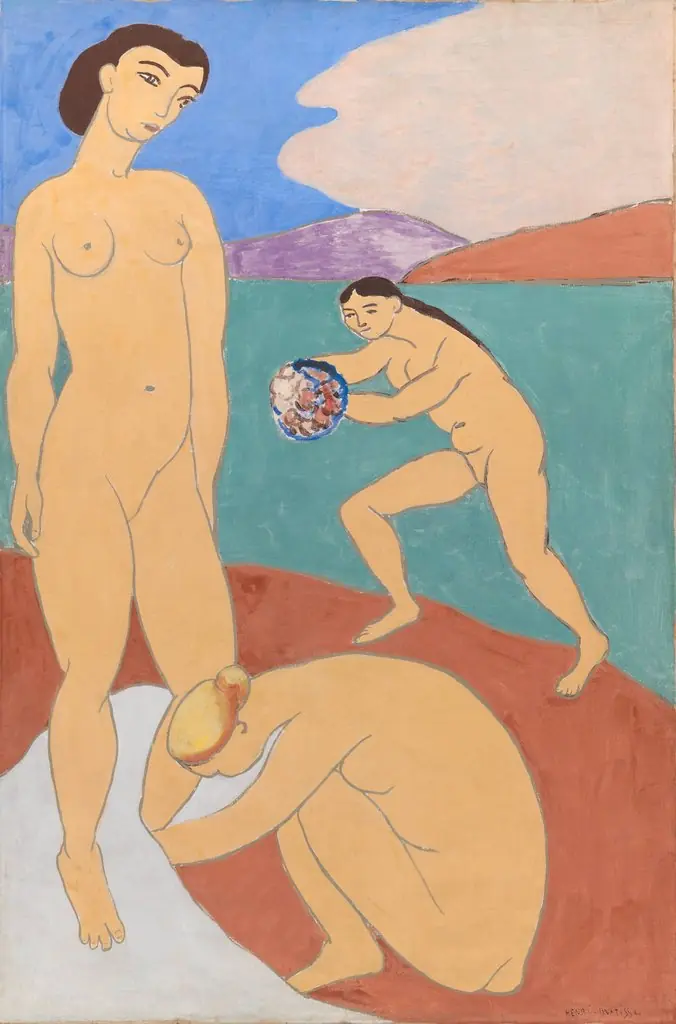 Le Luxe II
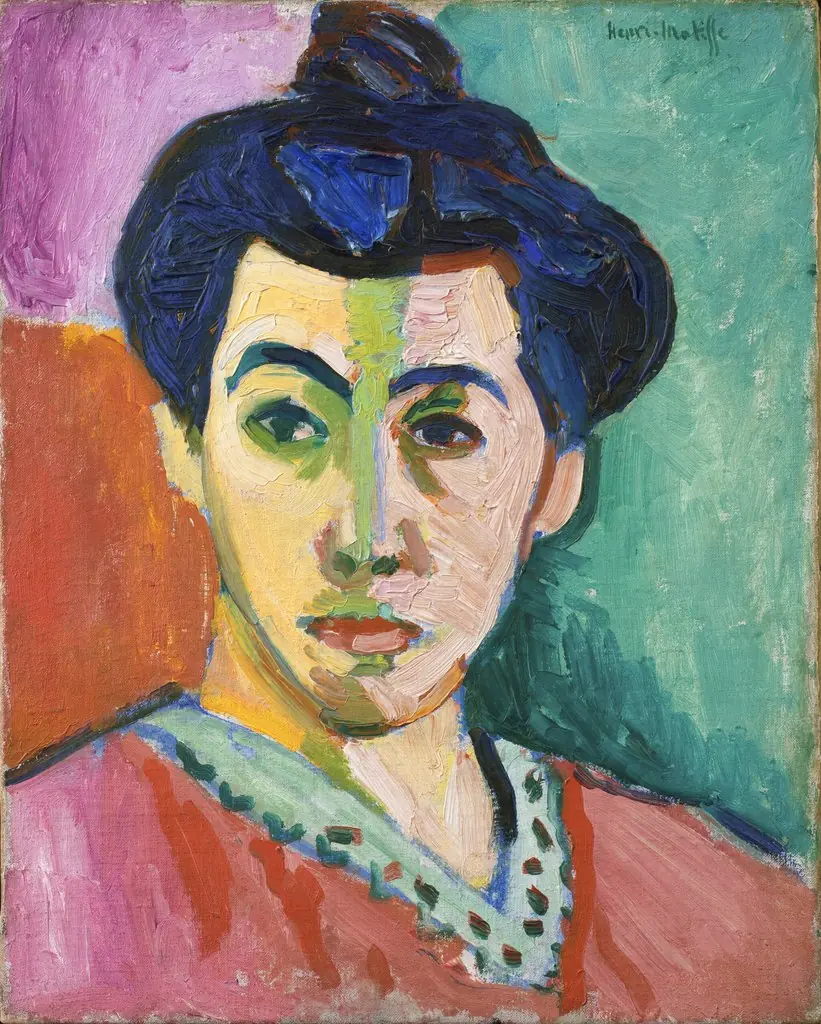 Green Stripe
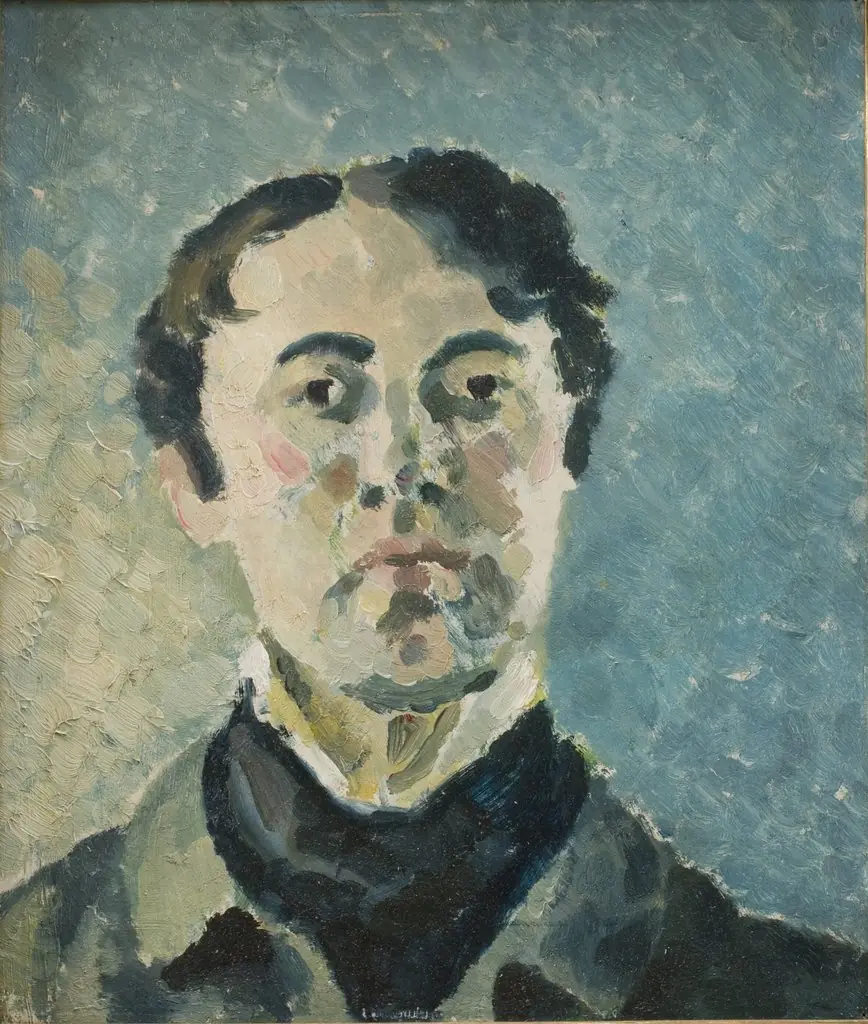 Self-Portrait
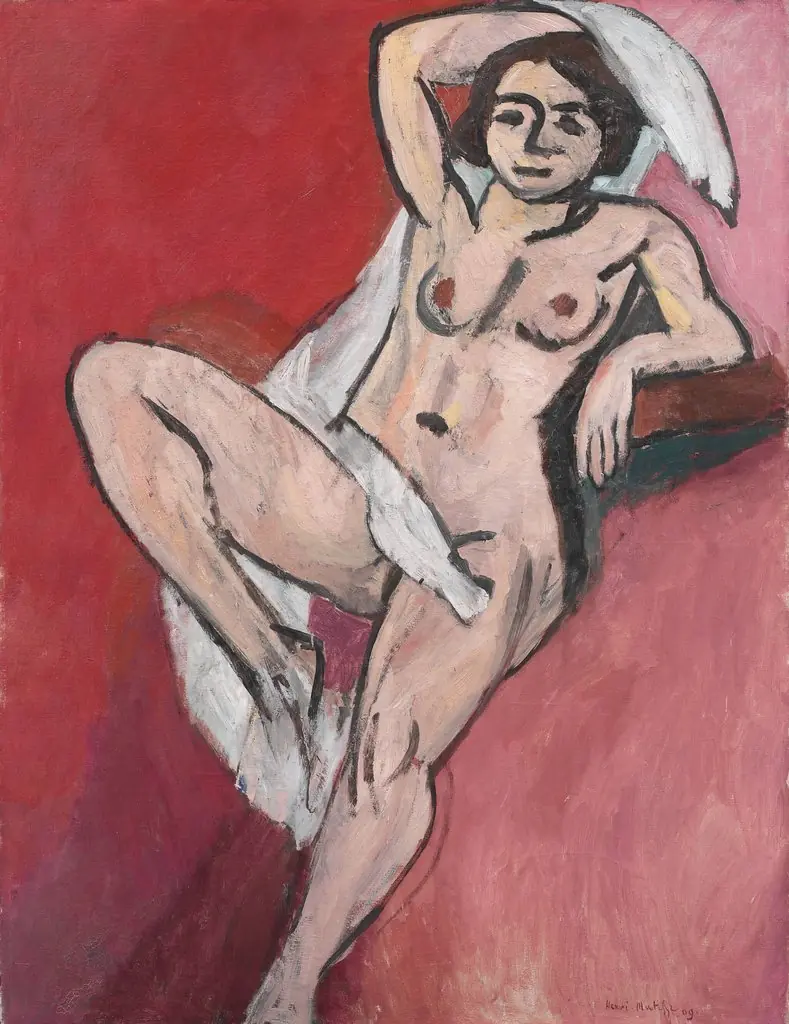 Nude with a White Scarf
 Zulma
Zulma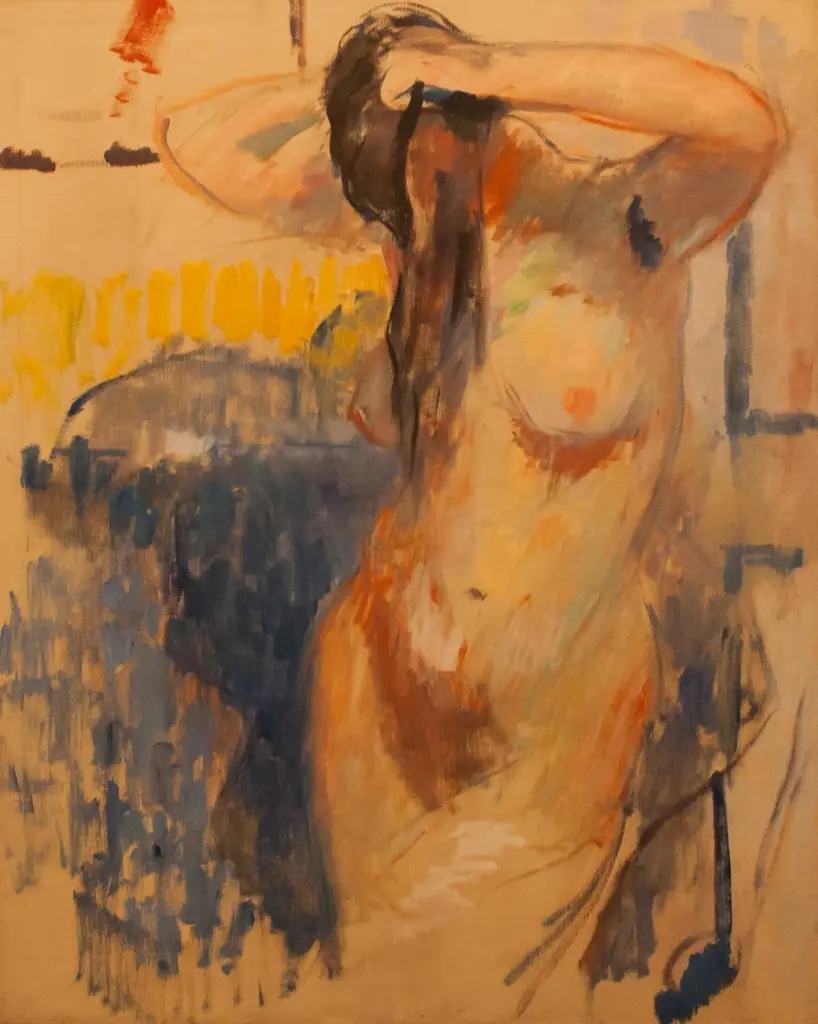 Nude Study
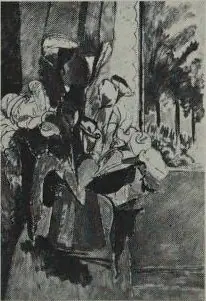 Bouquet of Flowers on a Veranda
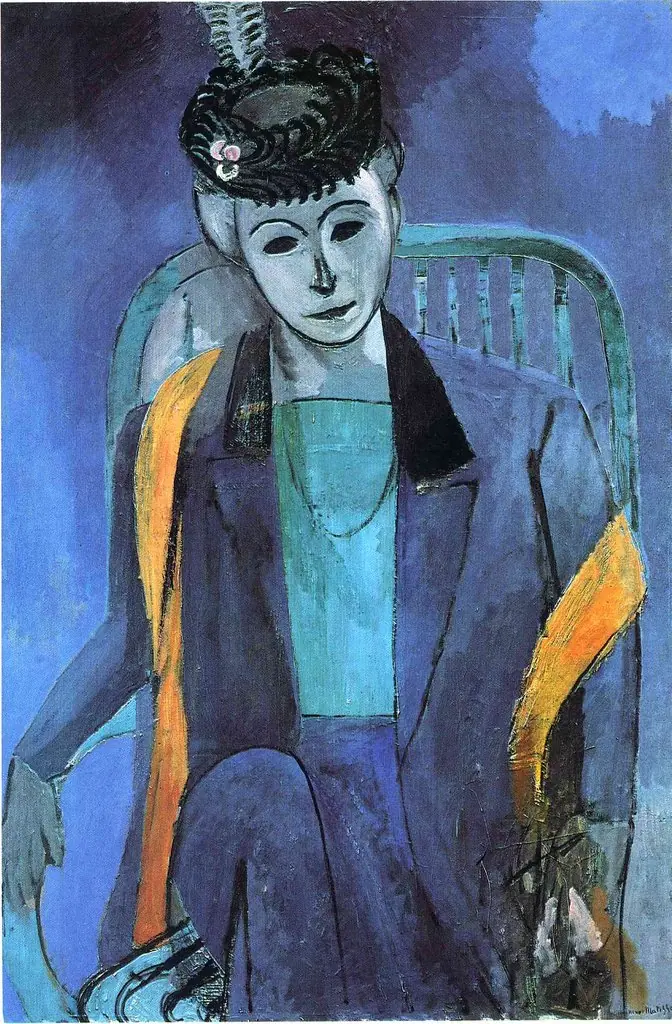 Portrait of the Artist's Wife
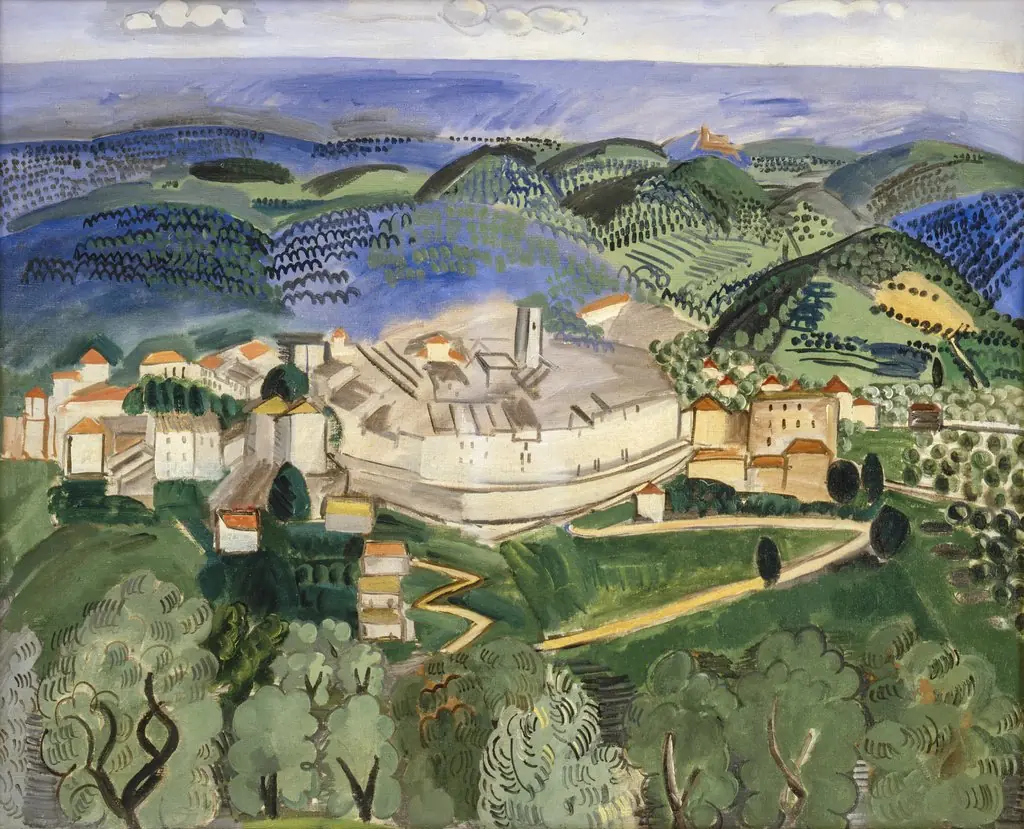 Landscape near Vence in Provence
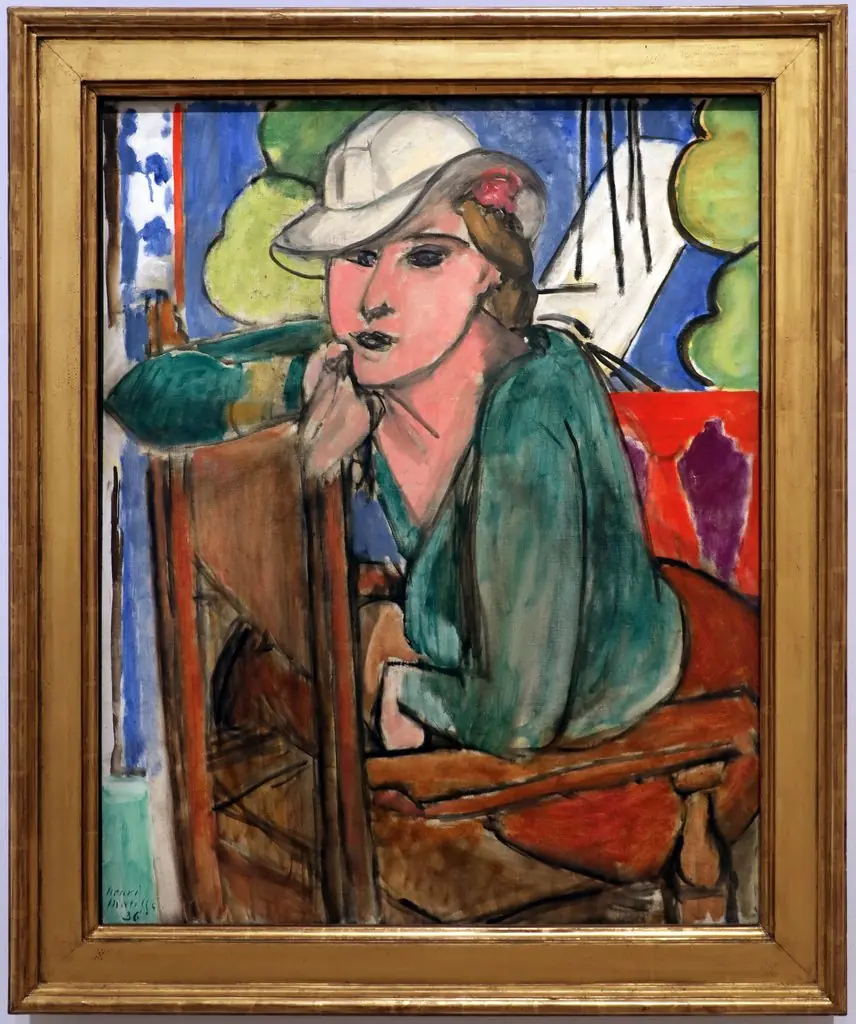 The Green Blouse
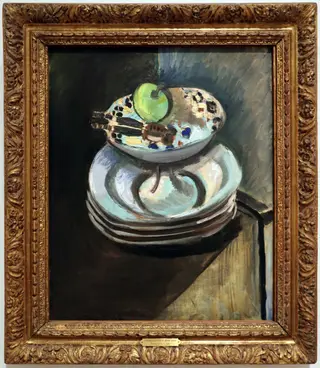 Still Life with Nutcracker
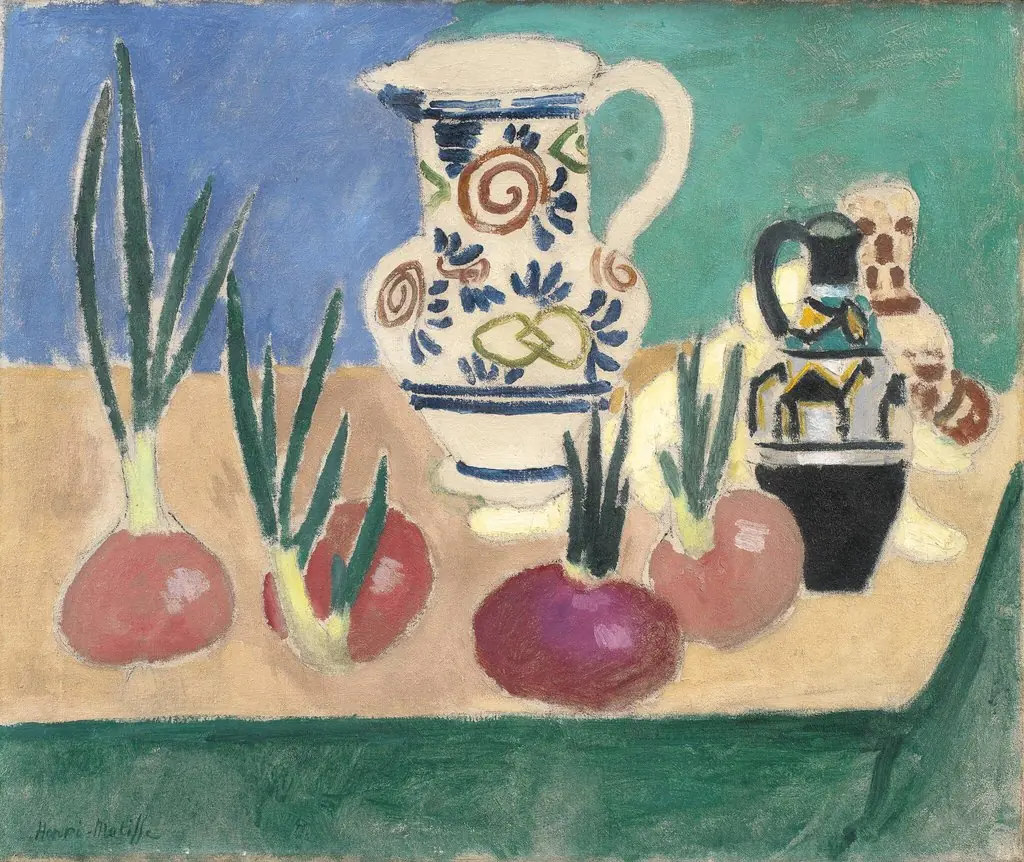 Pink Onions
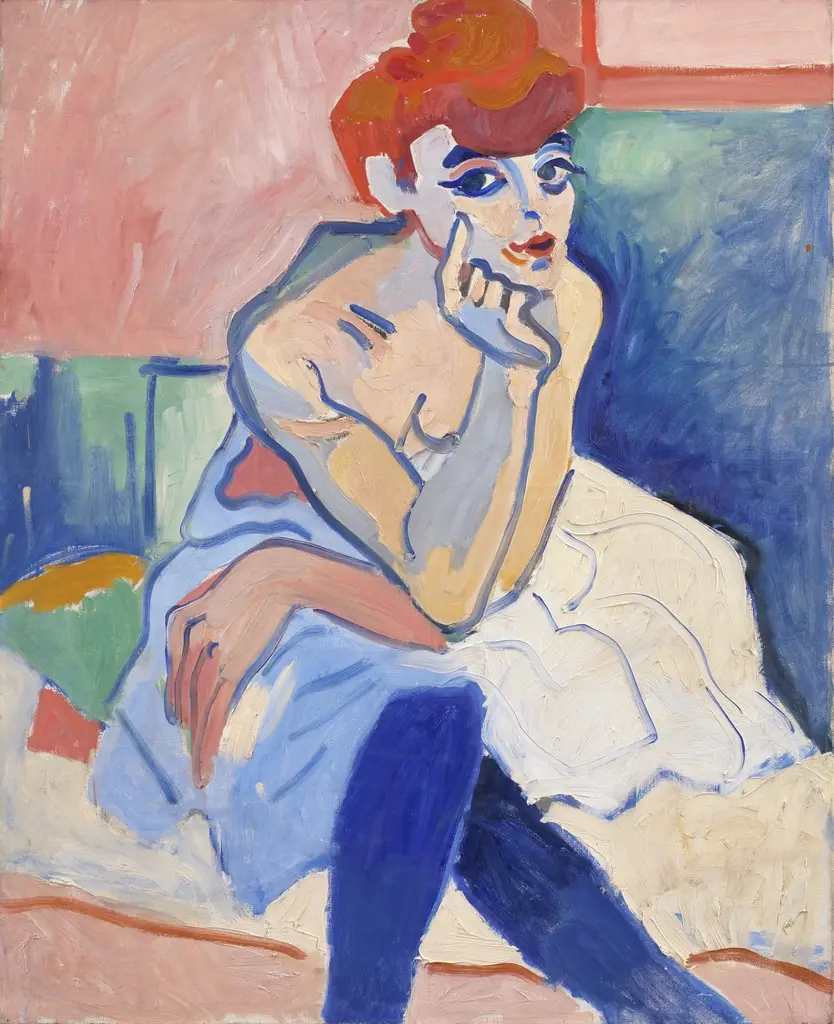 Woman in a Chemise
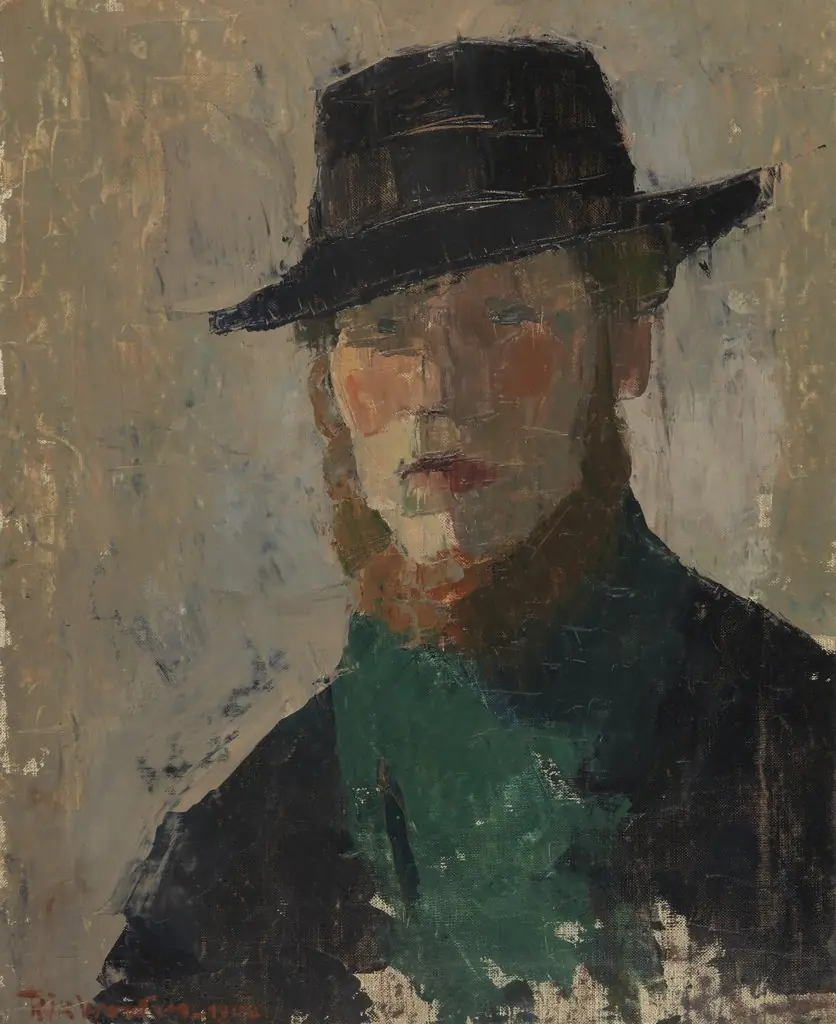 Self Portrait in Black Hat
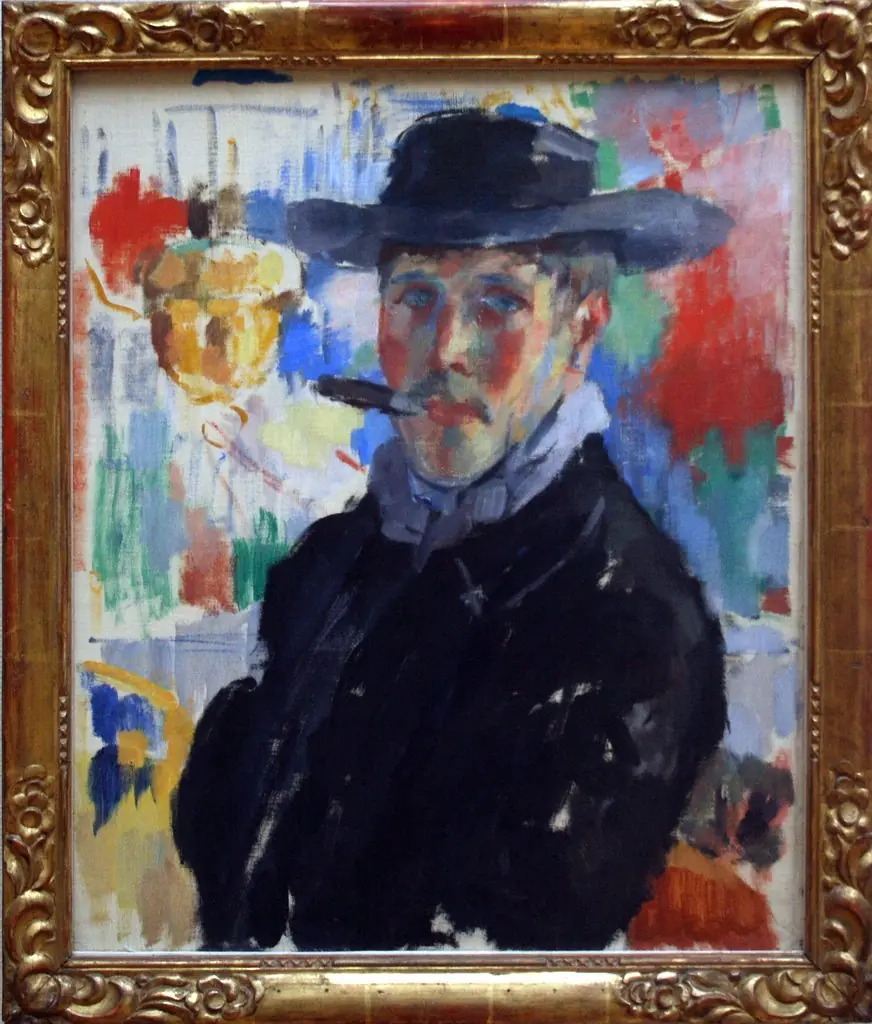 Self-portrait with cigar
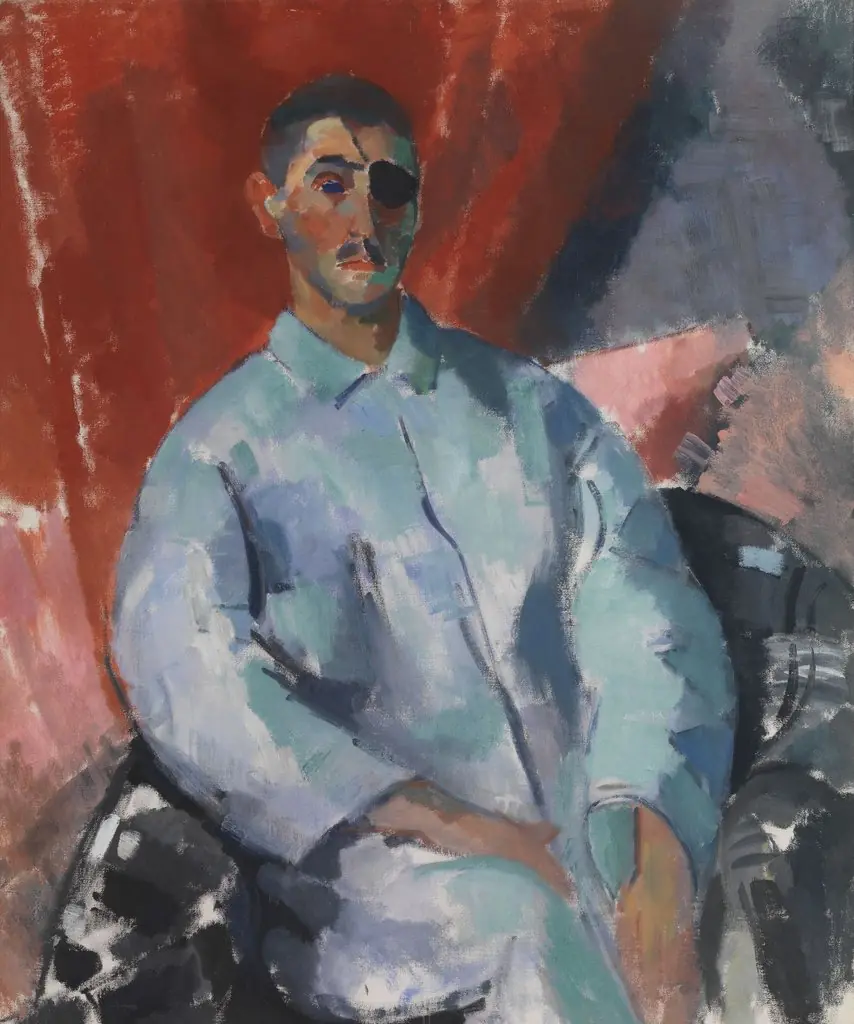 Self-Portrait in a Black Eyepatch
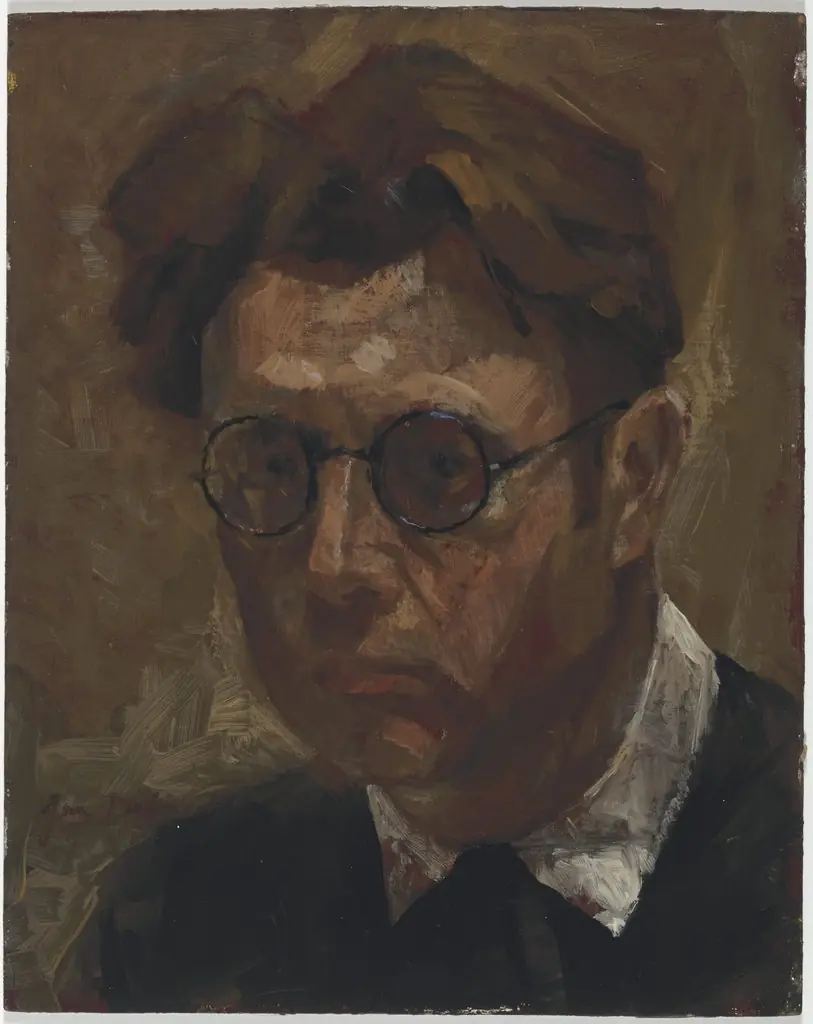 Zelfportret met witte hemdskraag
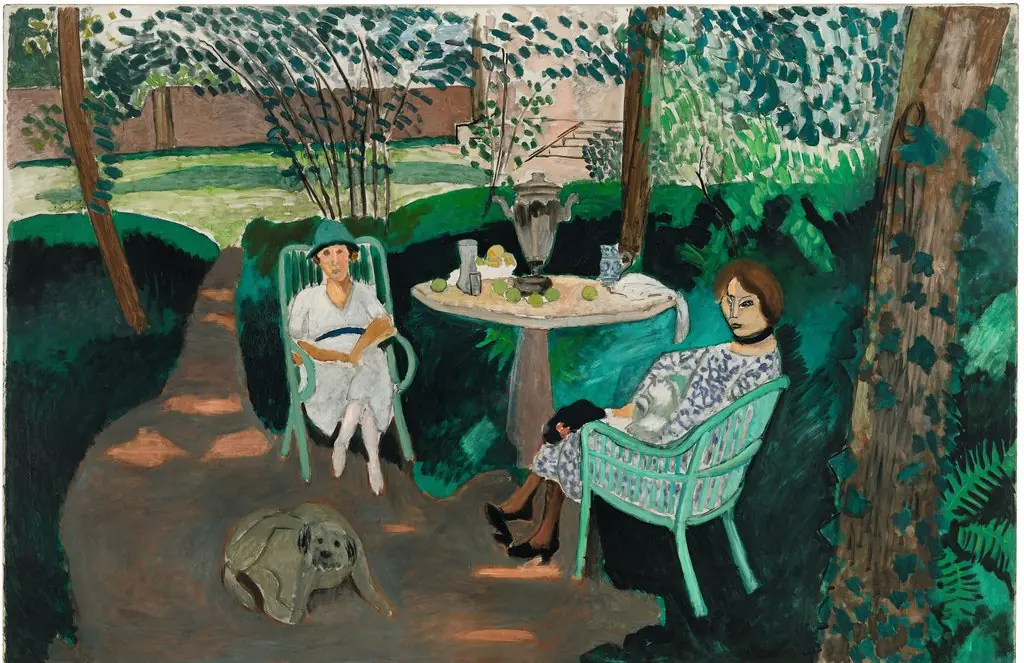 Tea
Tea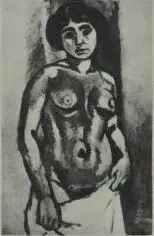 Nude. Black and Gold
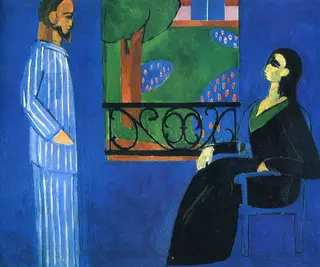 The Conversation
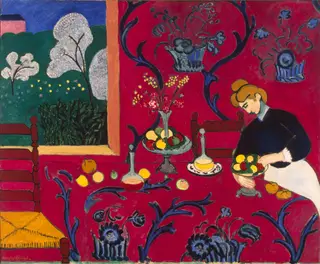 The Dessert: Harmony in Red (The Red Room)
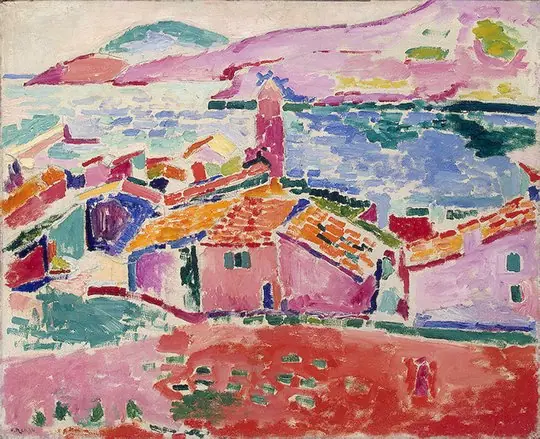 Les toits de Collioure
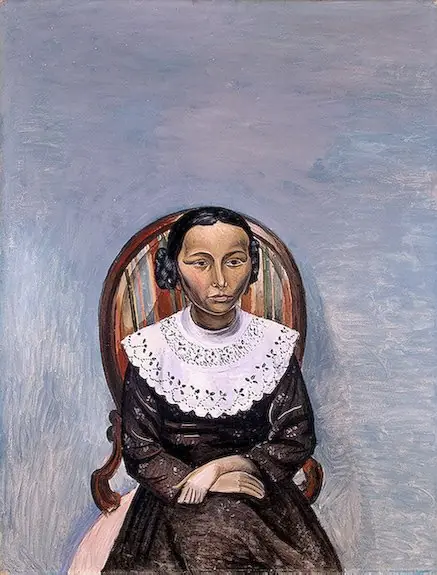 Portrait of a Girl in Black
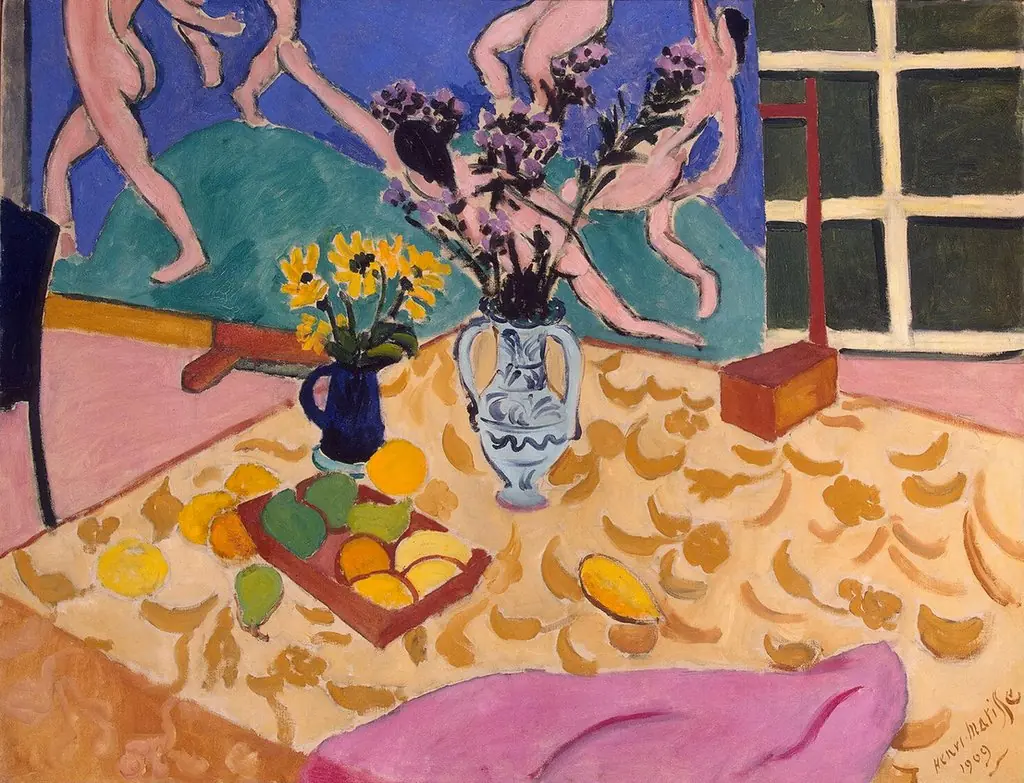 Still Life with The Dance
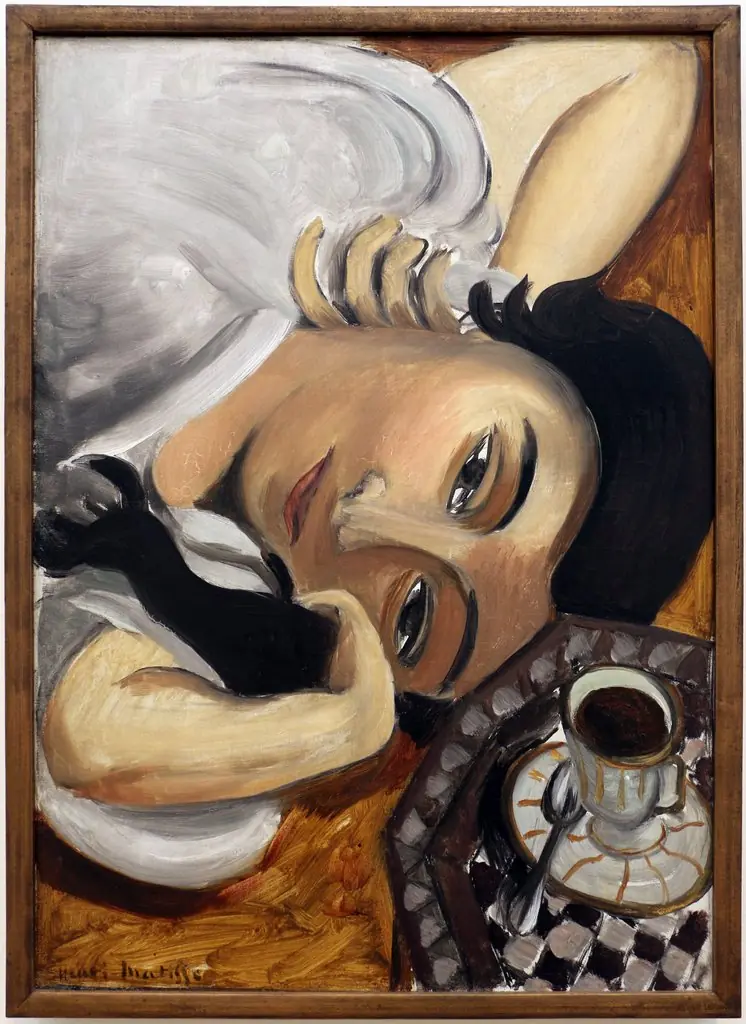 Lorette with Cup of Coffee
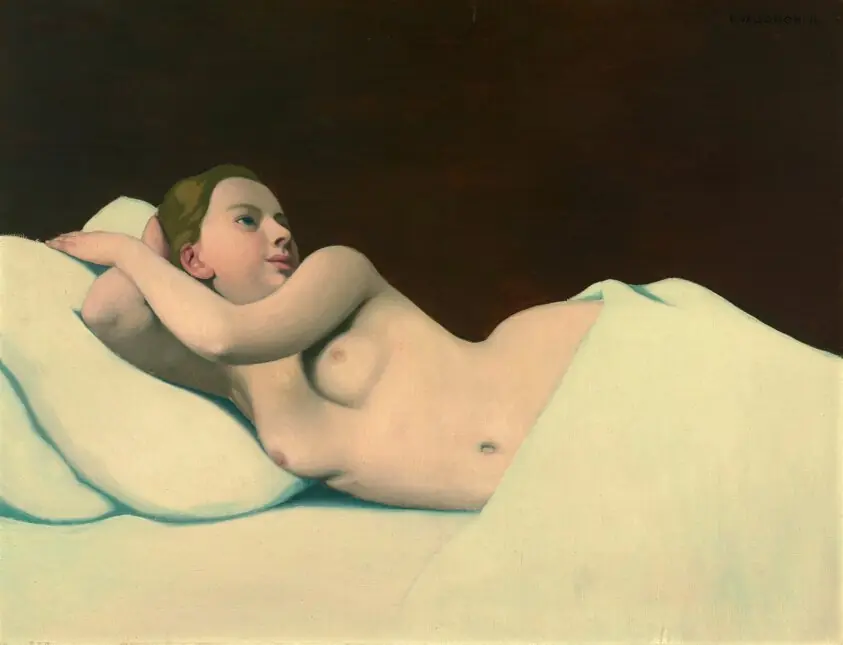 Nude
Nude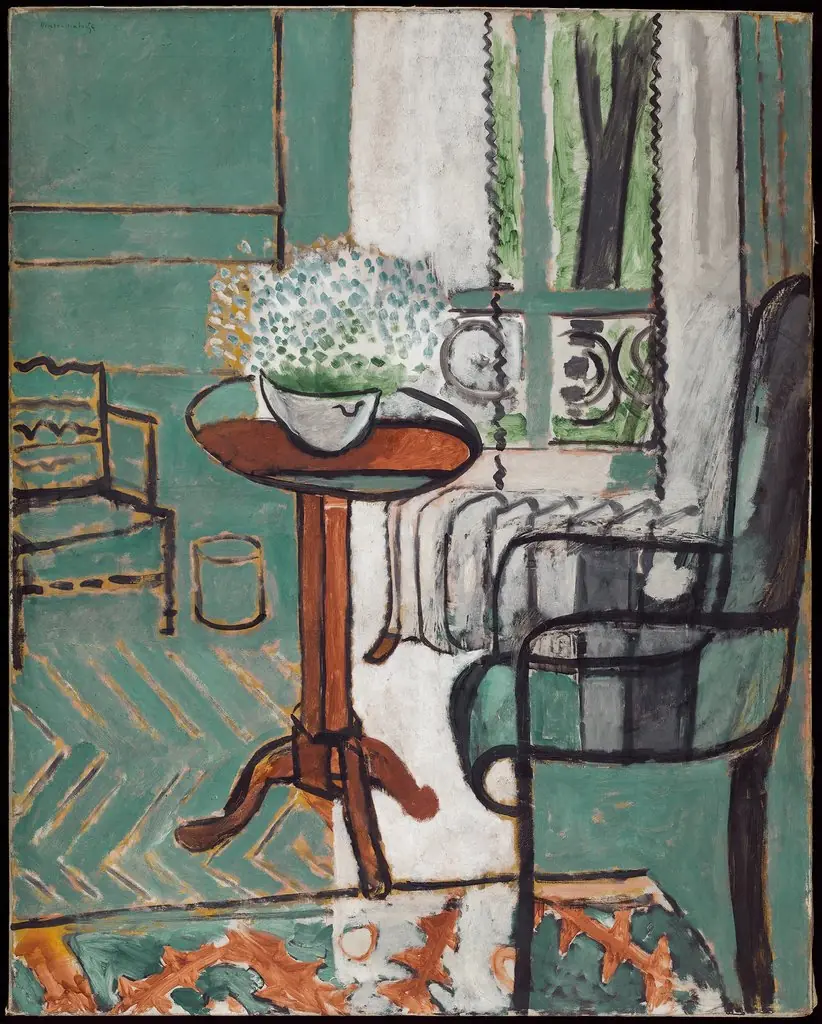 The Window
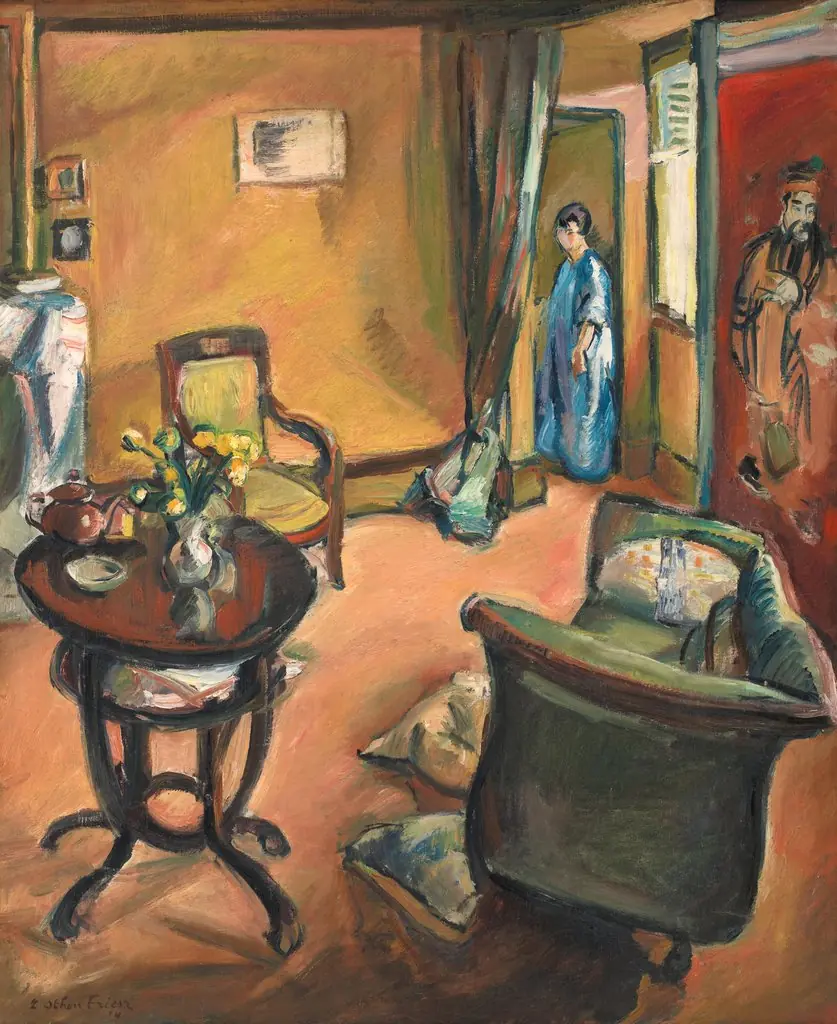 Interior
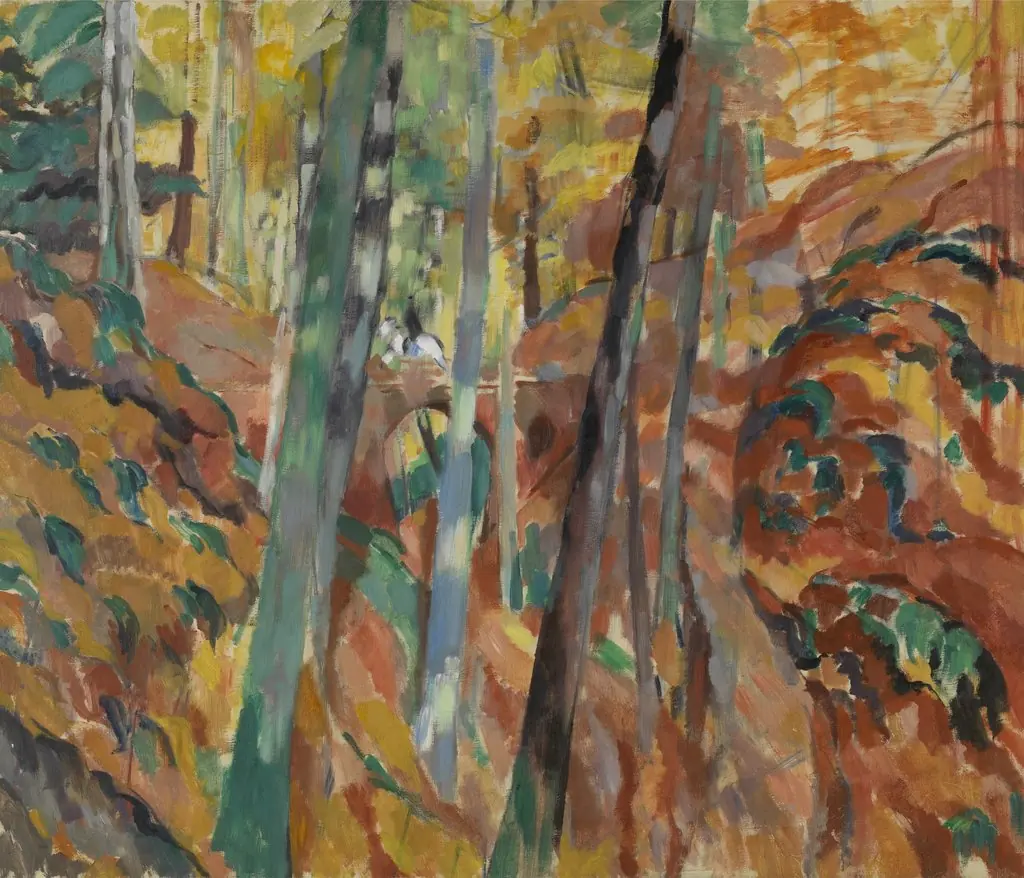 The Ravine A
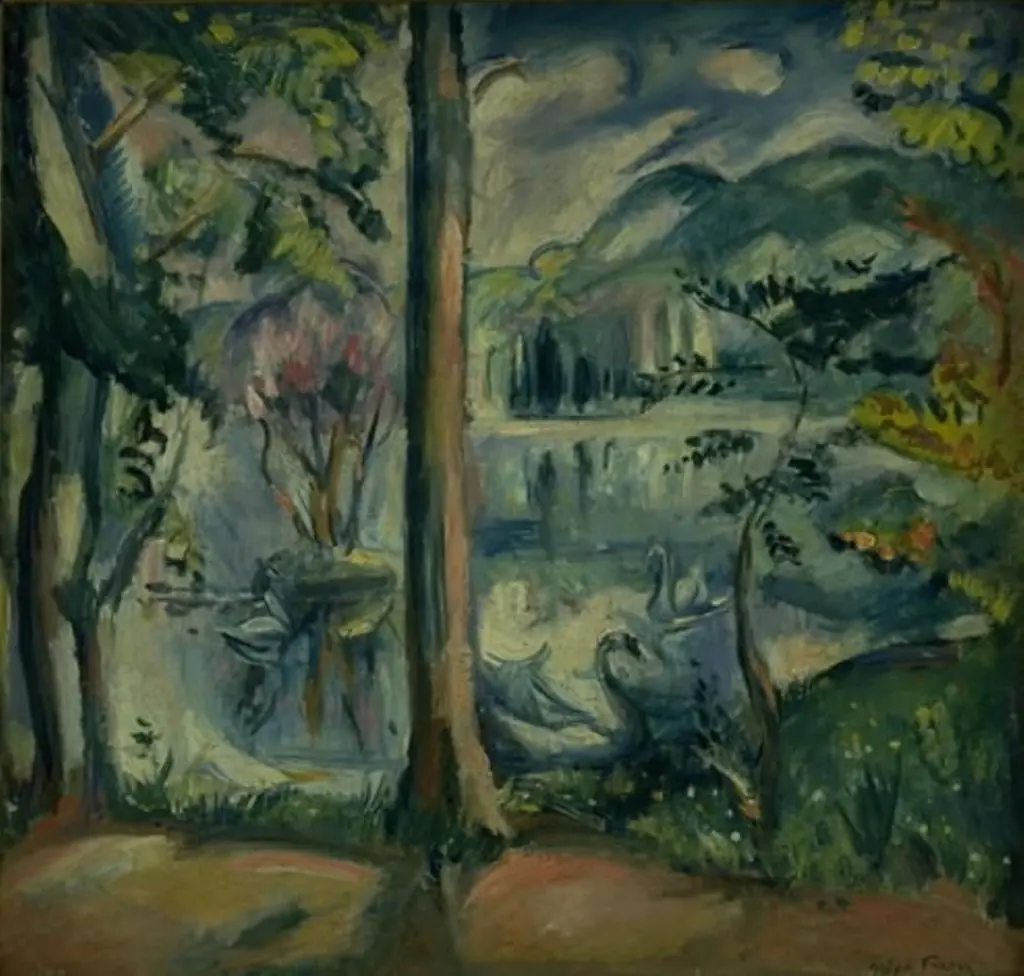 Spring
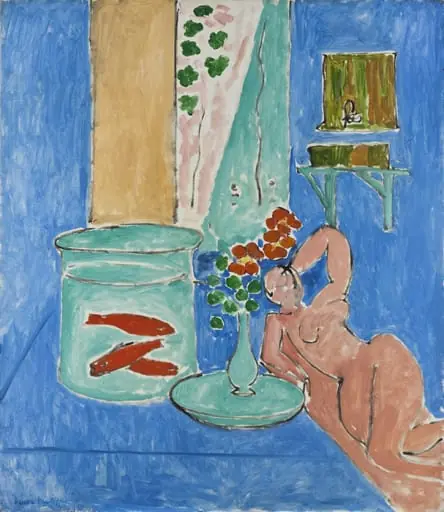
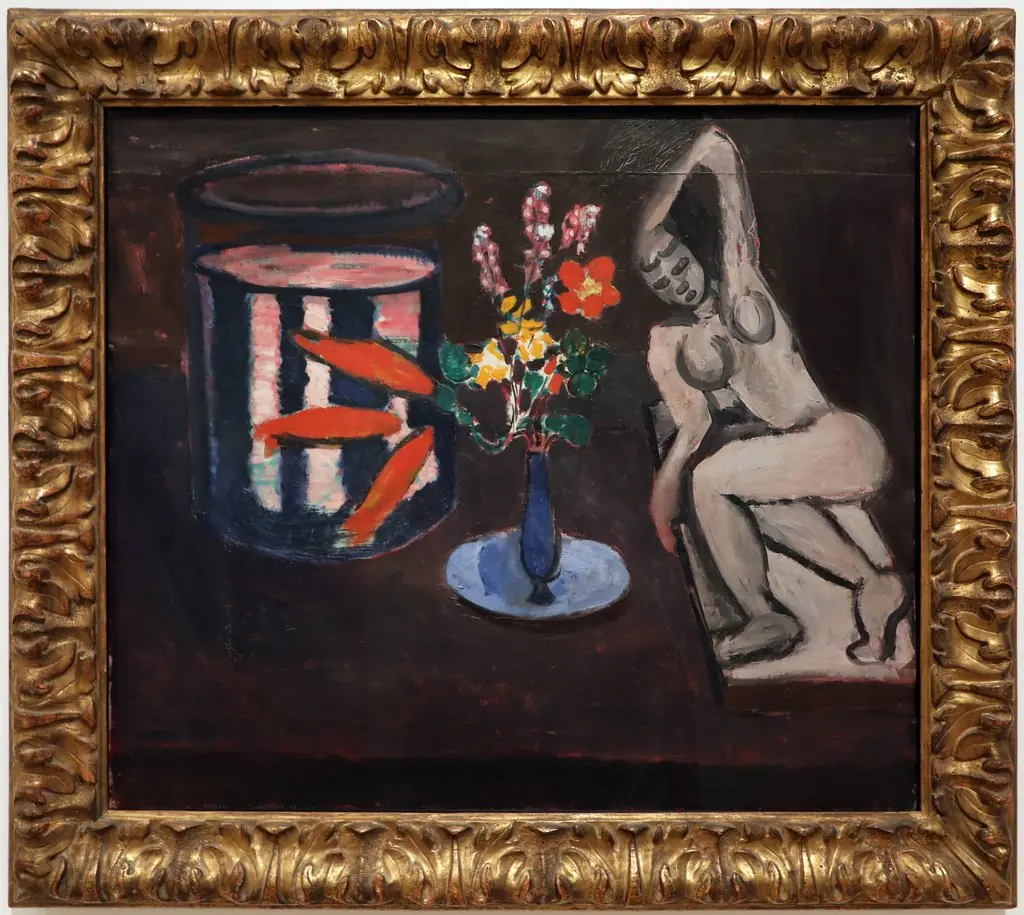 Goldfish
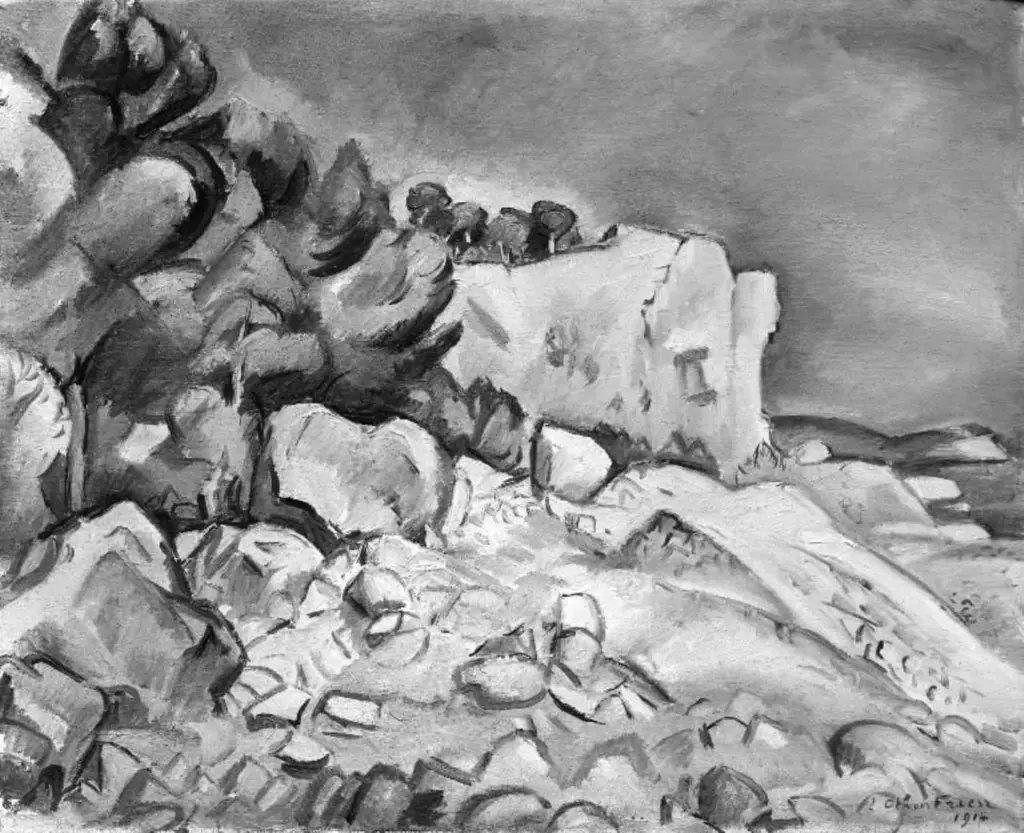 The Cliff at Sainte Marguerite
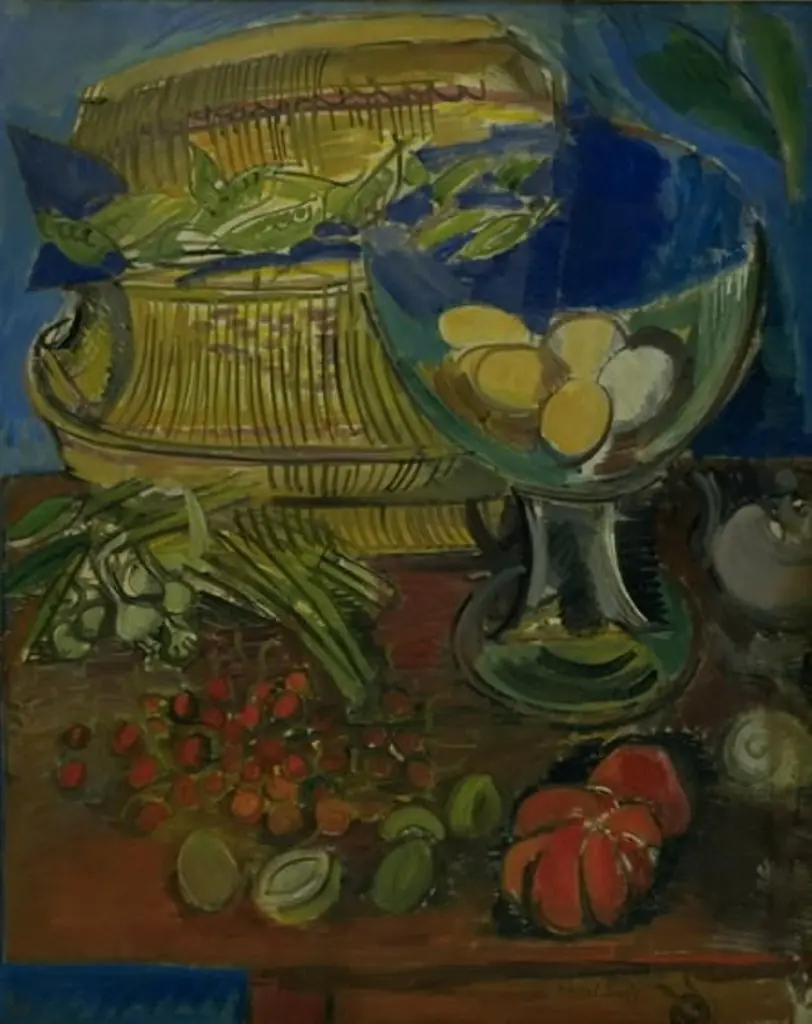 Opstilling
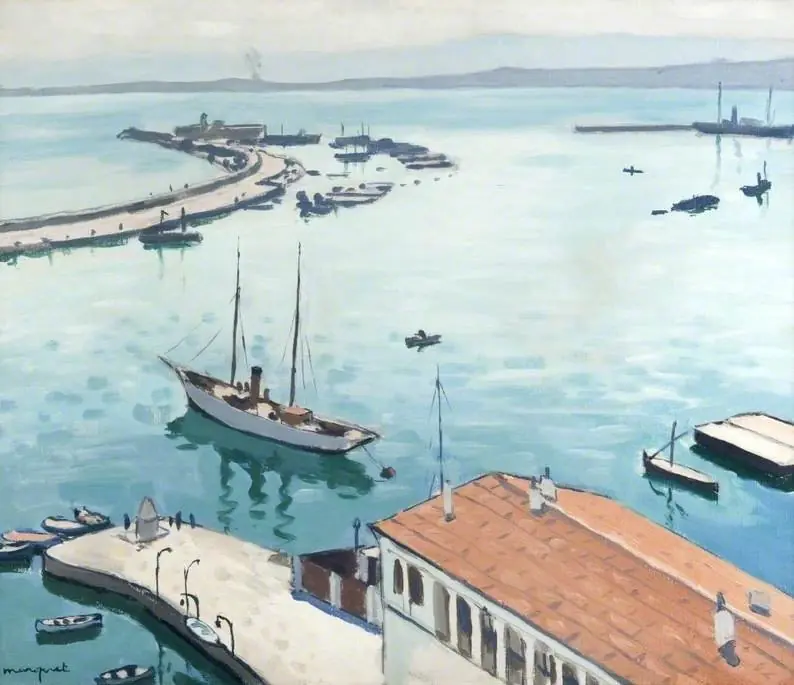 The Port of Algiers
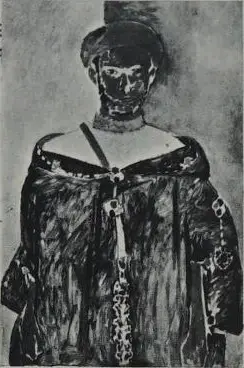 Moroccan in Green
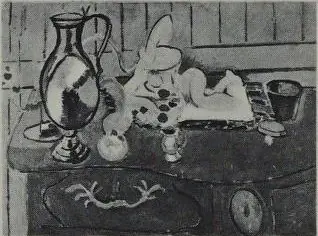 Pink Statuette and Jug on a Red Chest of Drawers
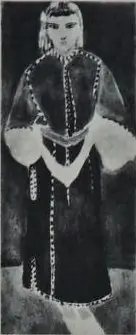 Zorah Standing
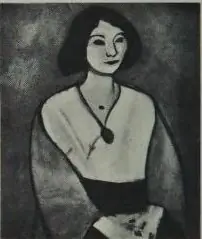 Woman in Green
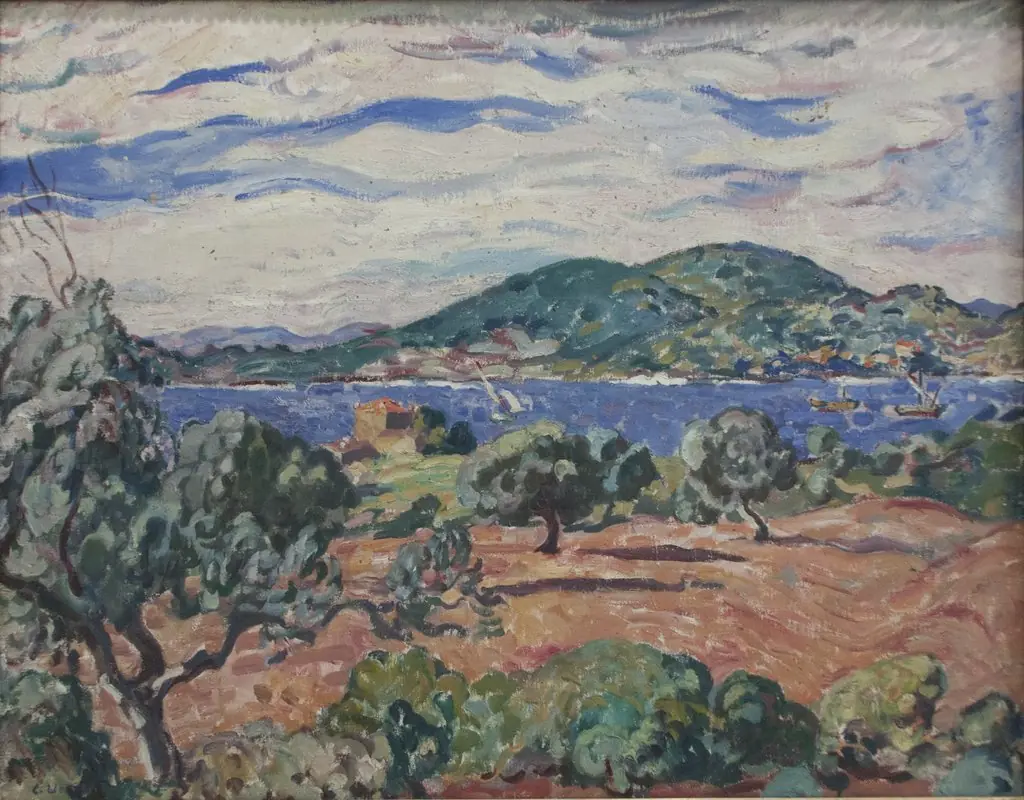 Antheor Bay
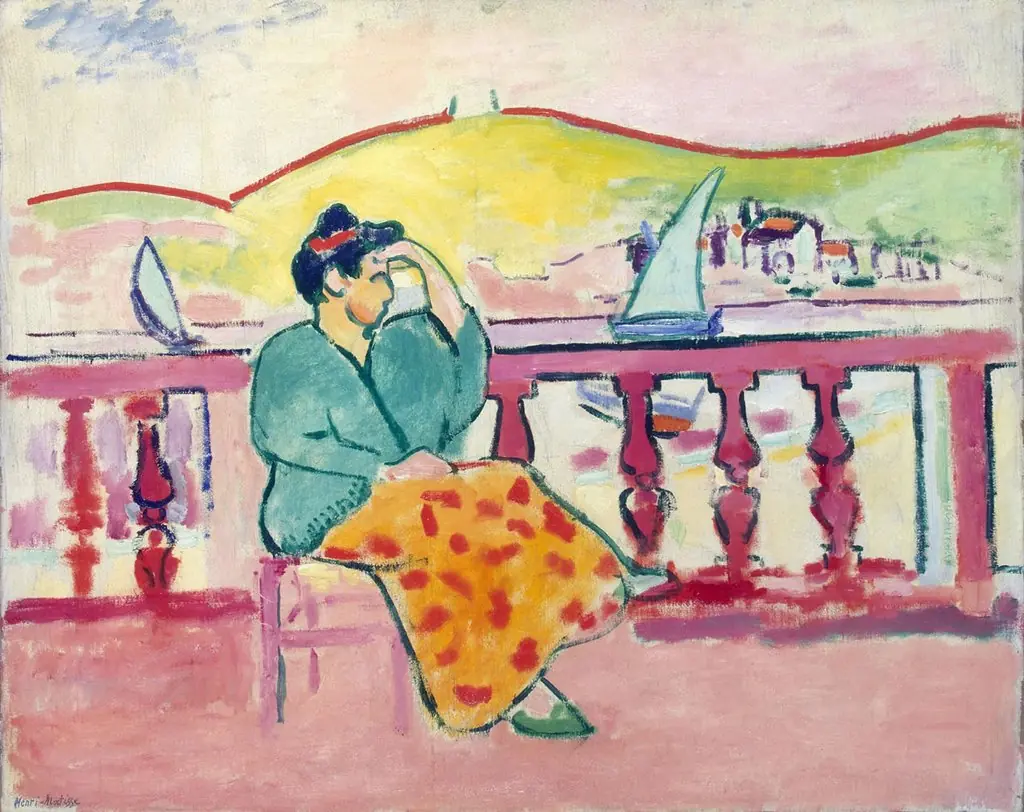 Woman on a Terrace
 Moroccan Amido
 Dishes and Fruit on a Red and Black Carpet (Le Tapis Rouge)
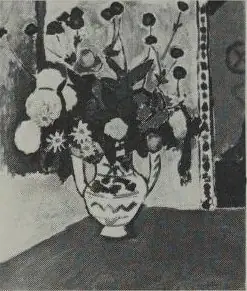 Bouquet (Vase with Two Handles)
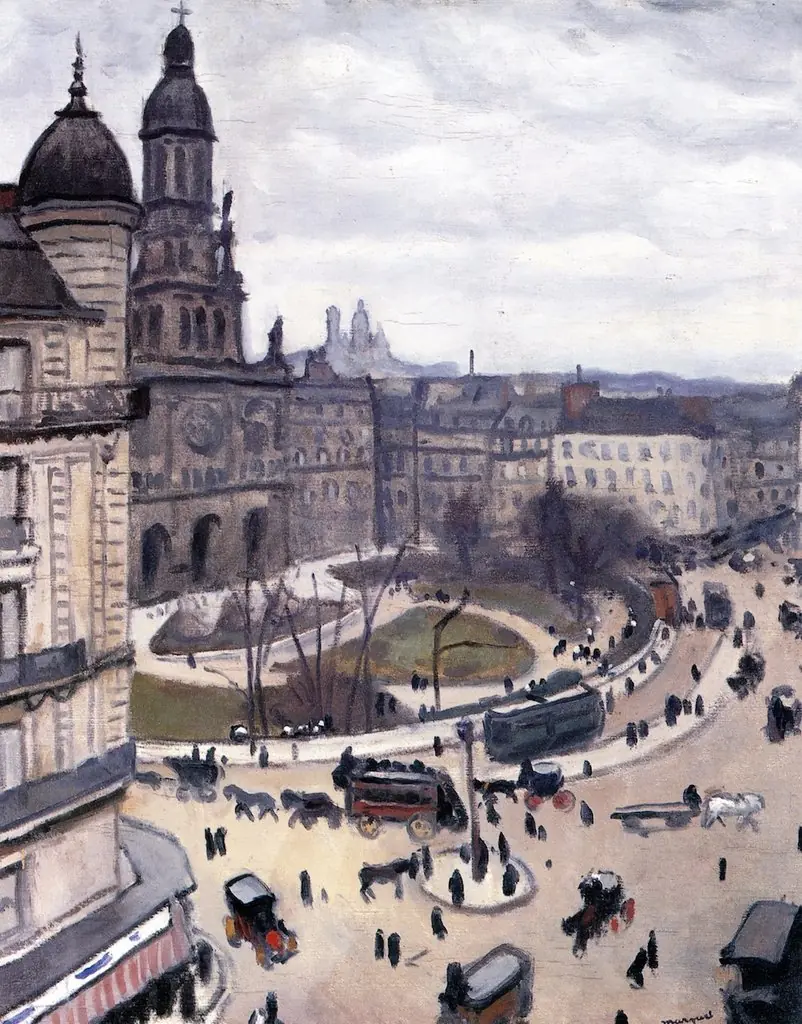 Place de la Trinity in Paris
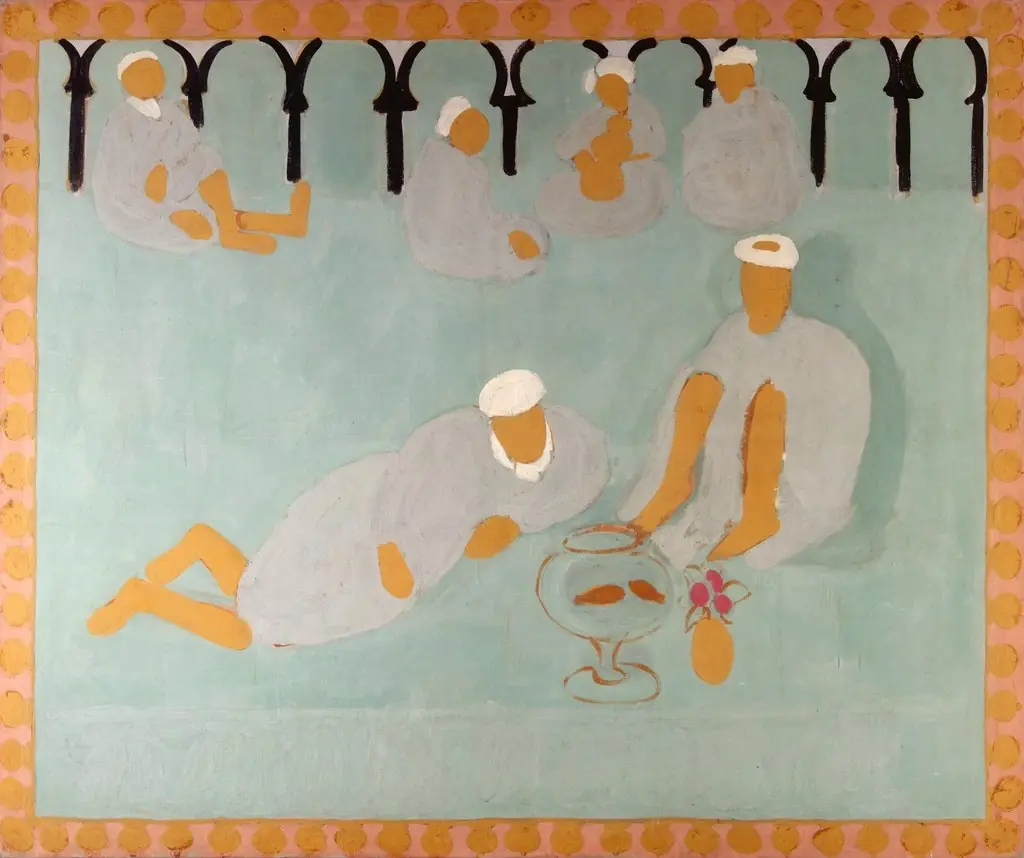 Arab Coffeehouse
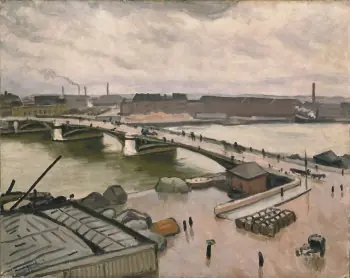 Rouen, quay of Paris
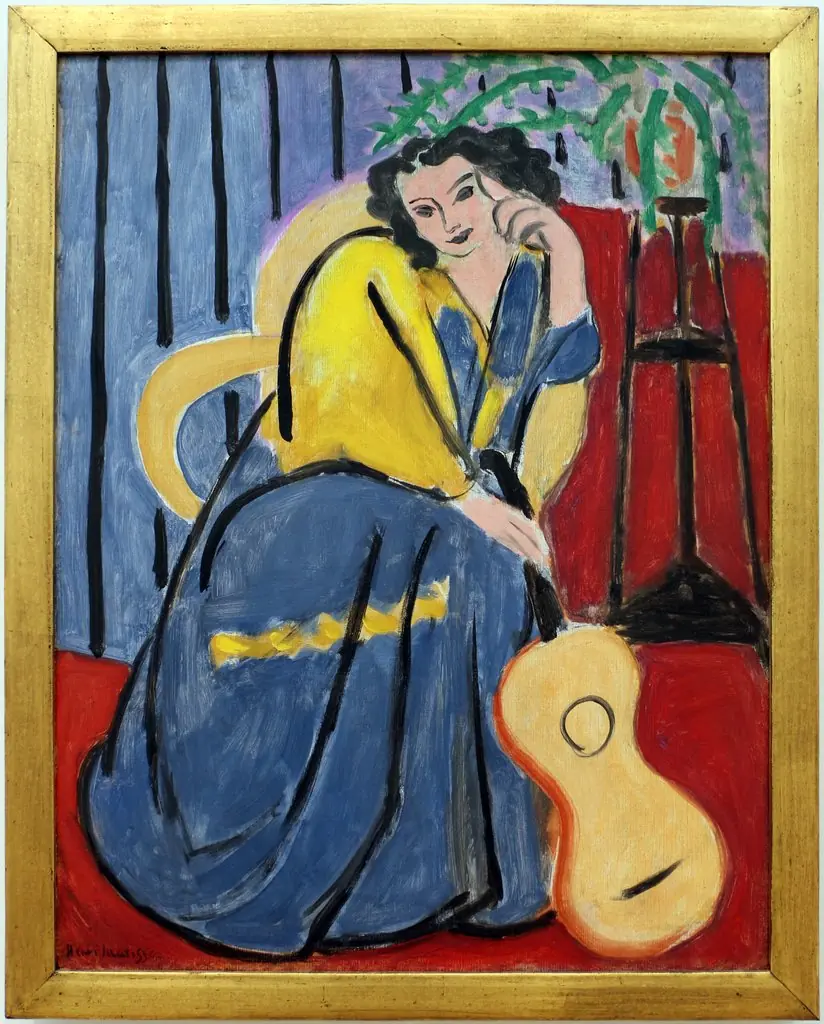 Girl in Yellow and Blue with Guitar
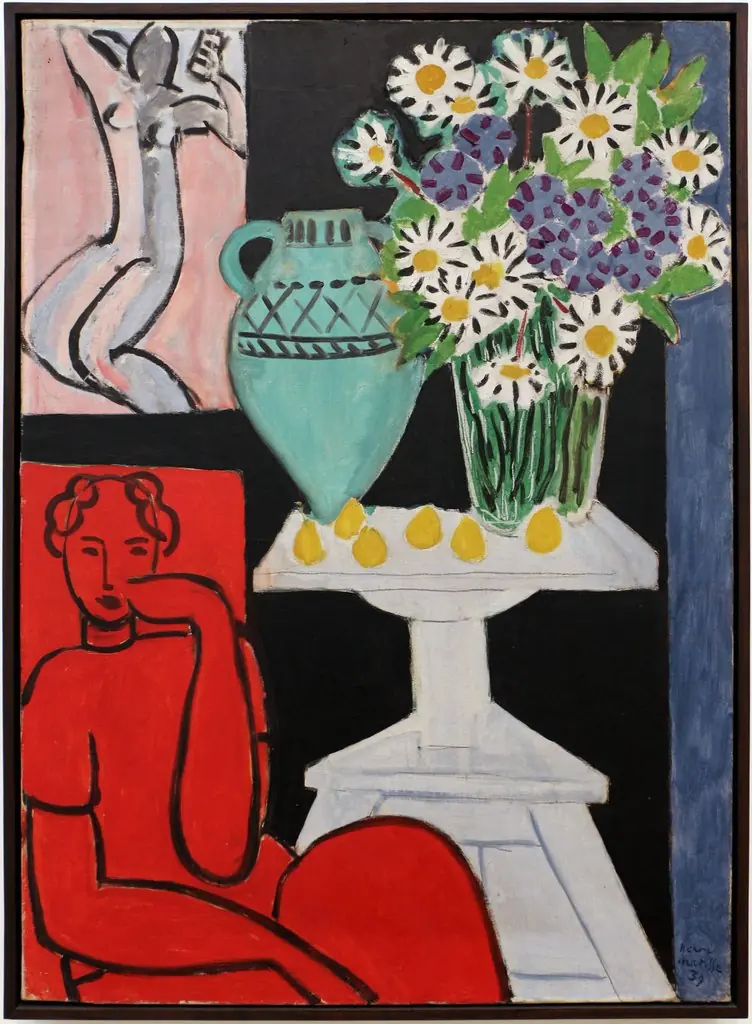 Daisies
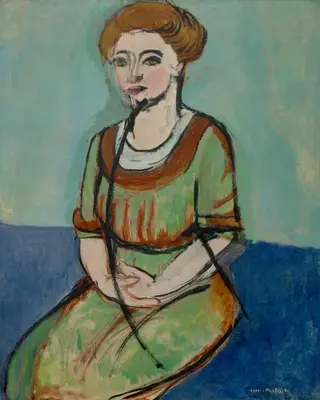 Olga Merson
 Vase of Flowers
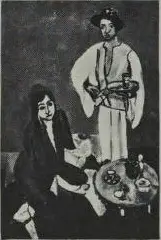 Coffee
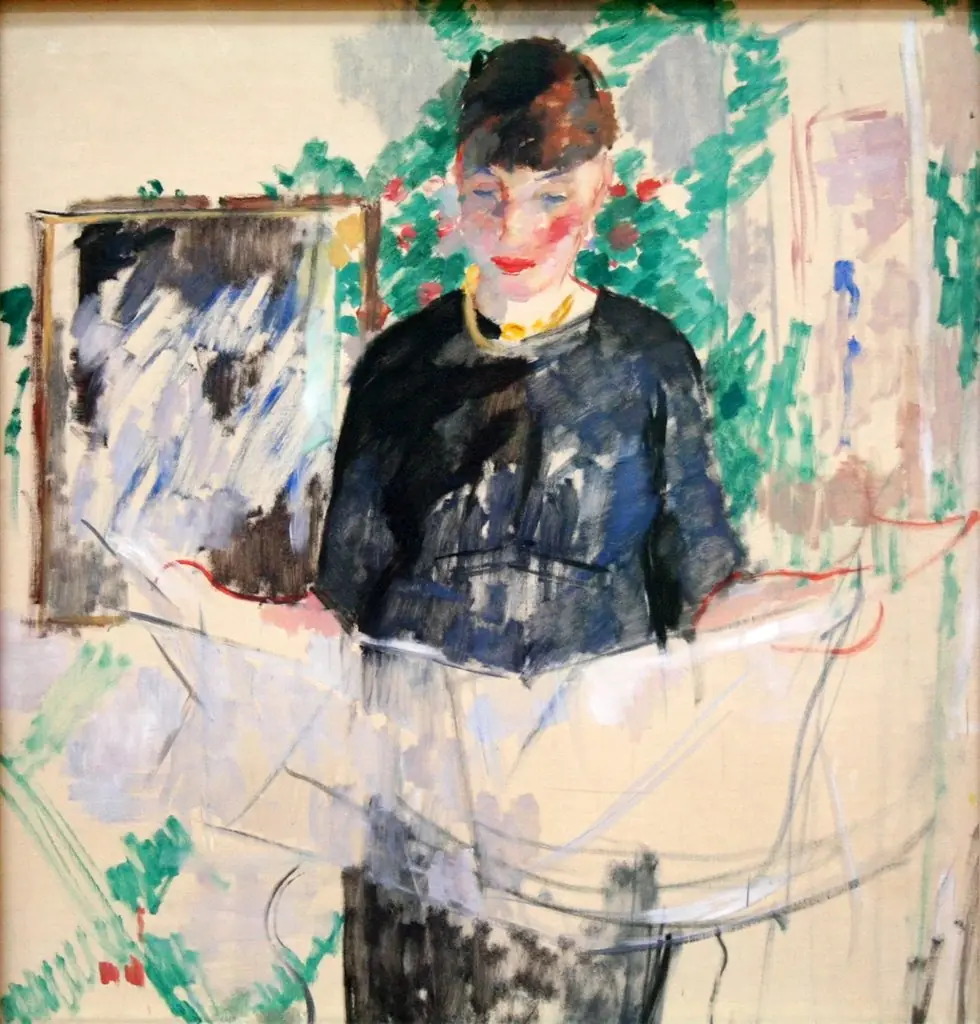 Woman in Black Reading a Newspaper
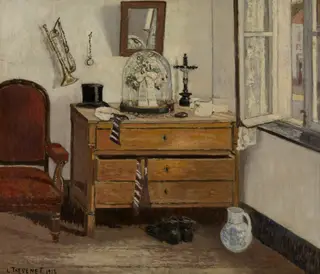 Silver Wedding
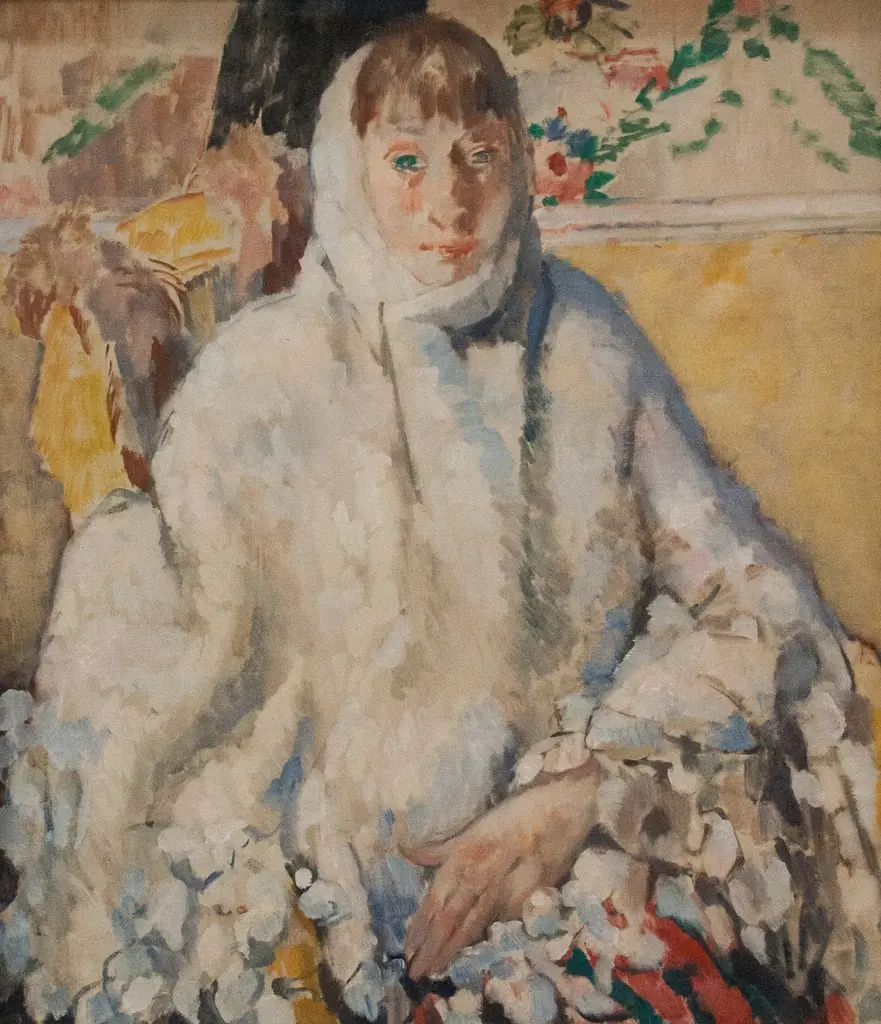 The Sick Woman with the White Shawl
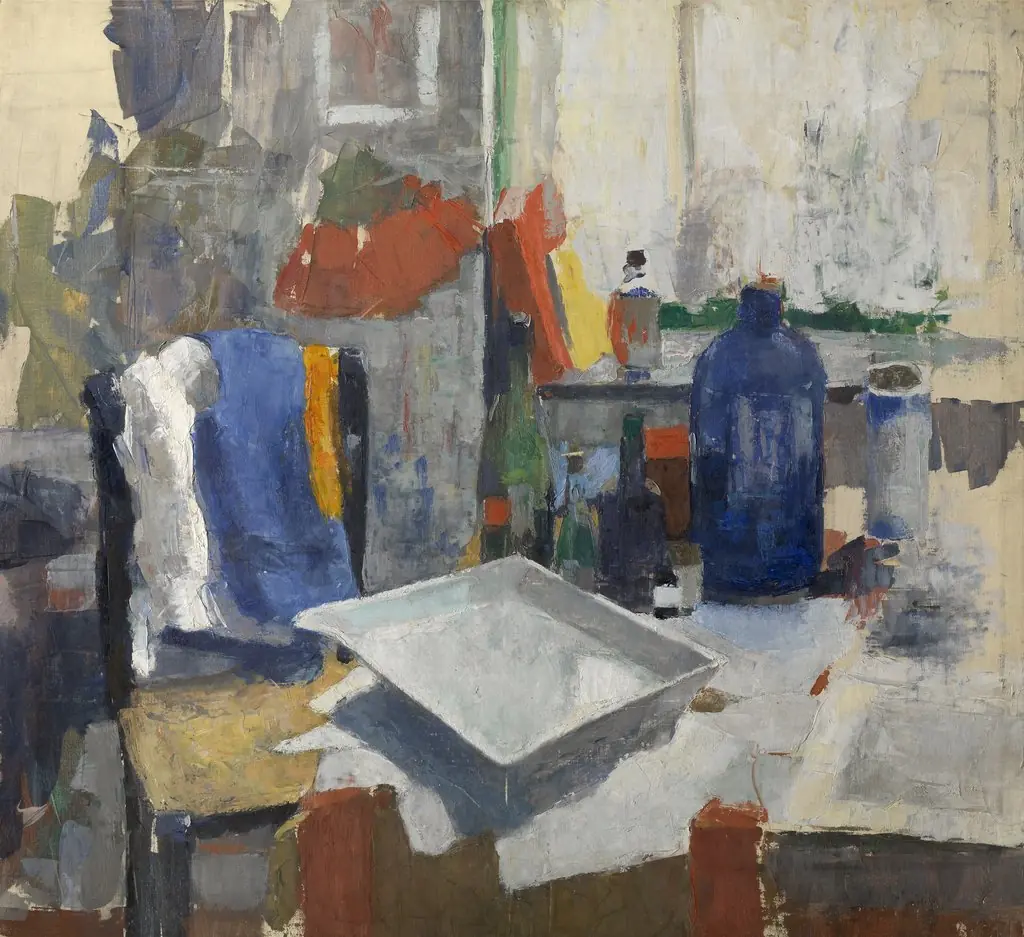 Etching Table
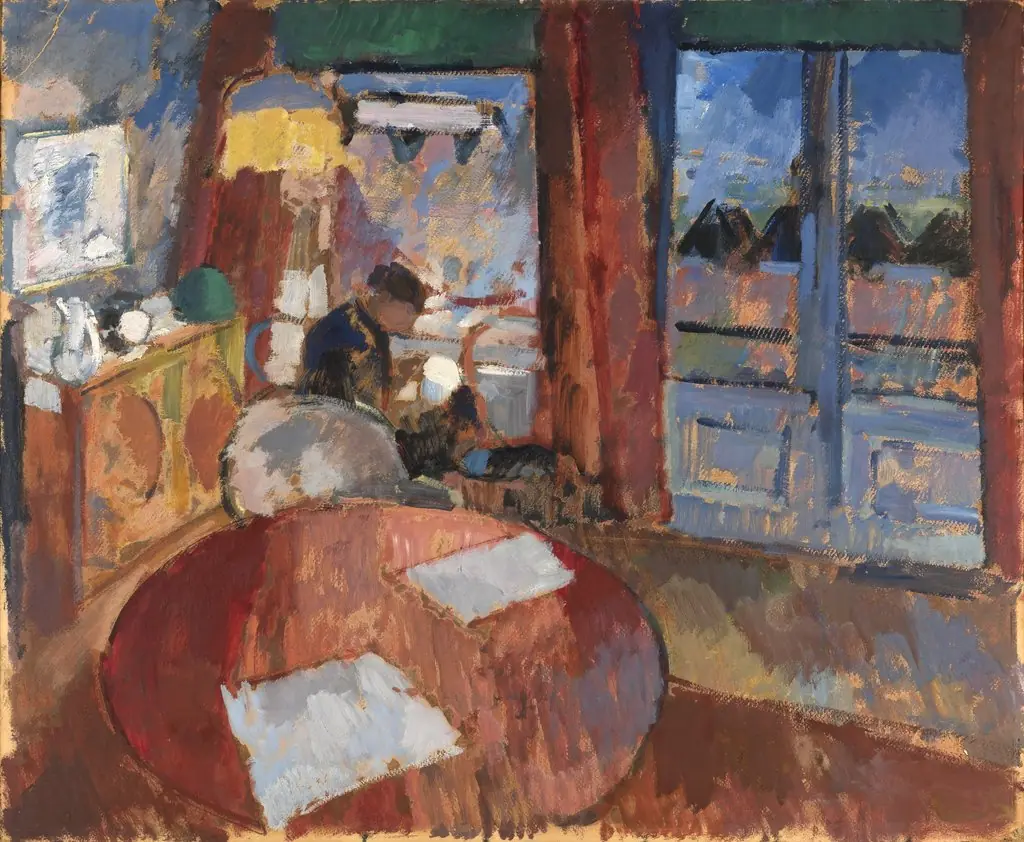 Interior with Embroiderer
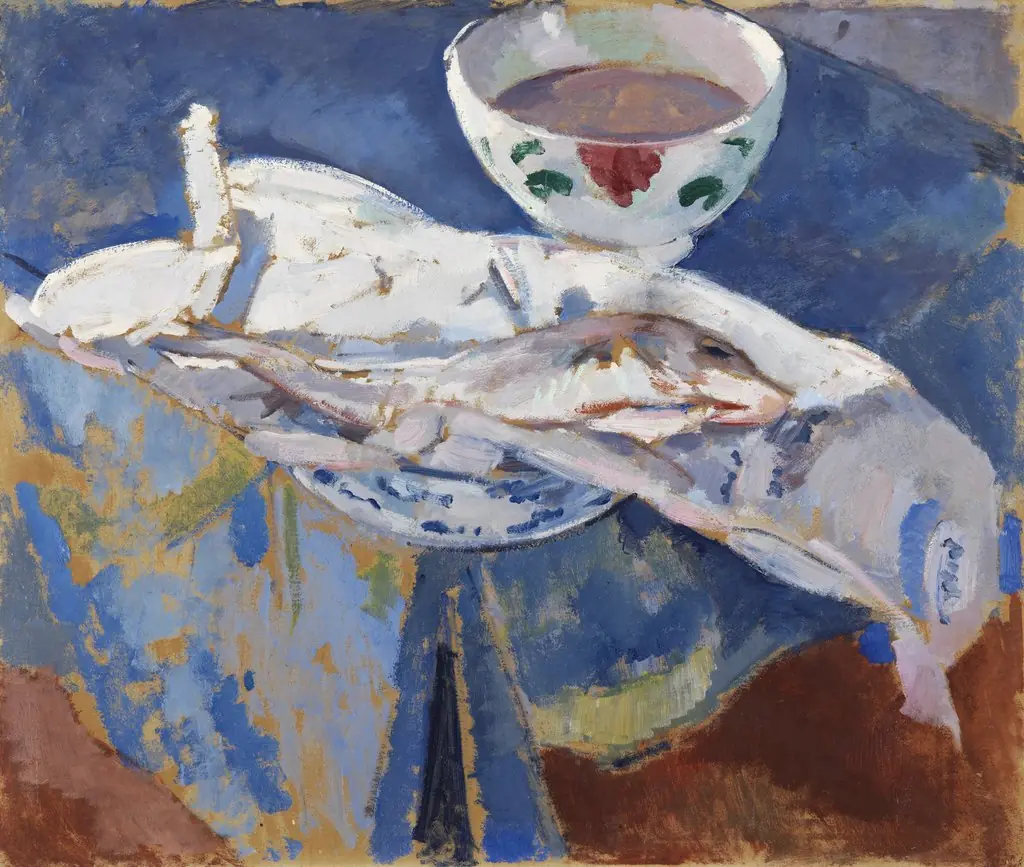 Haddock
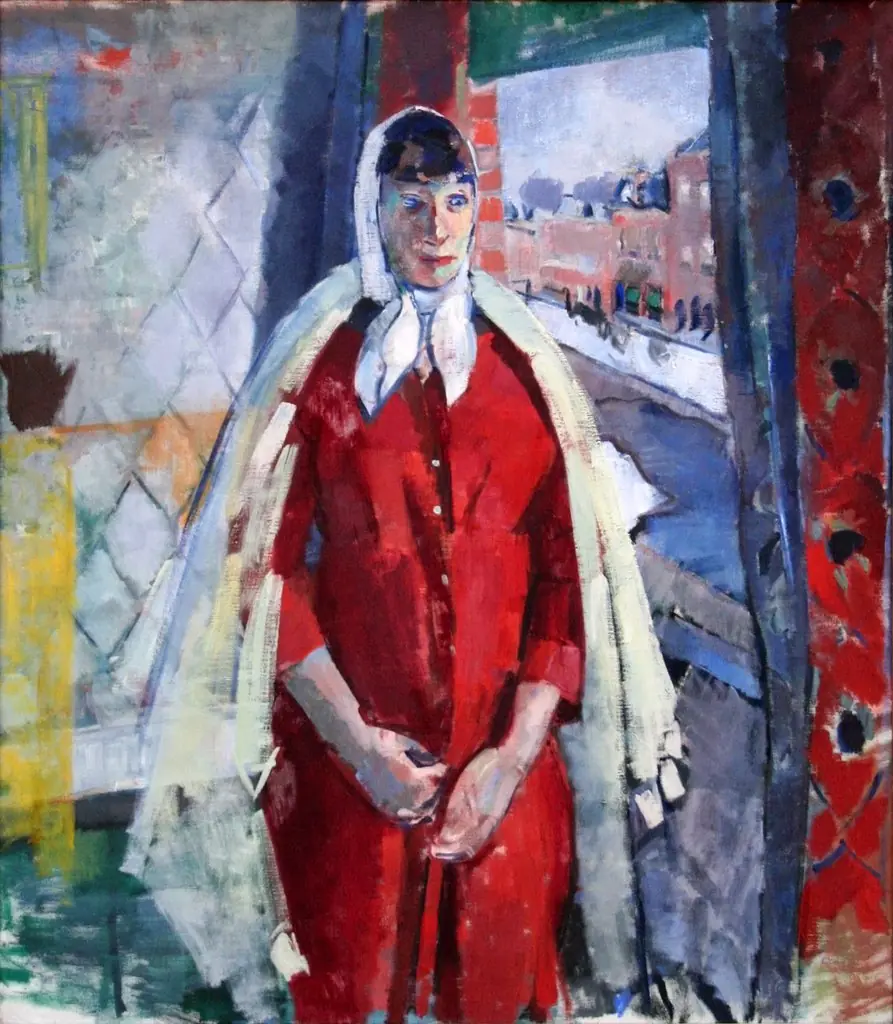 Woman at the Window
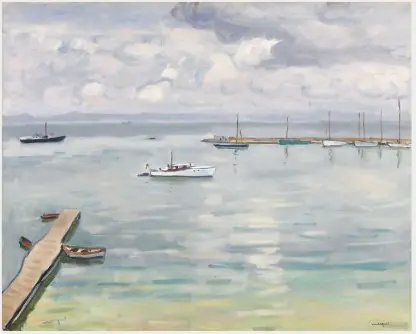 Porquerolles
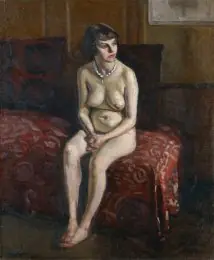 Sitting Nude
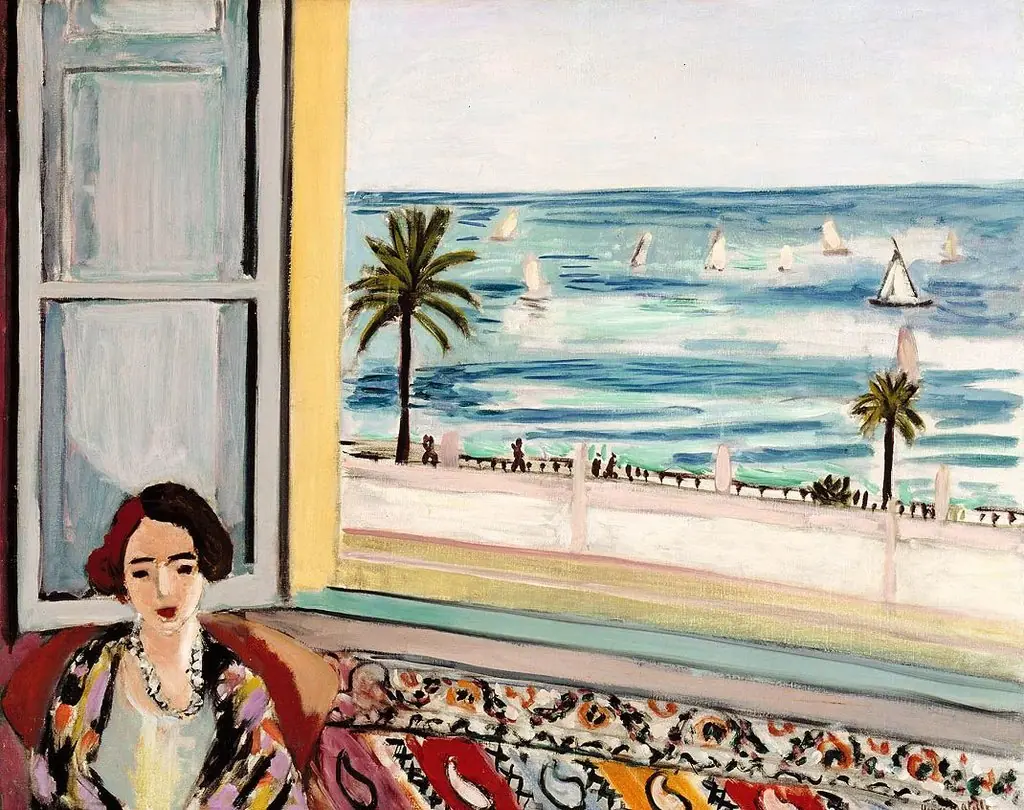 Seated Woman, Back Turned to the Open Window
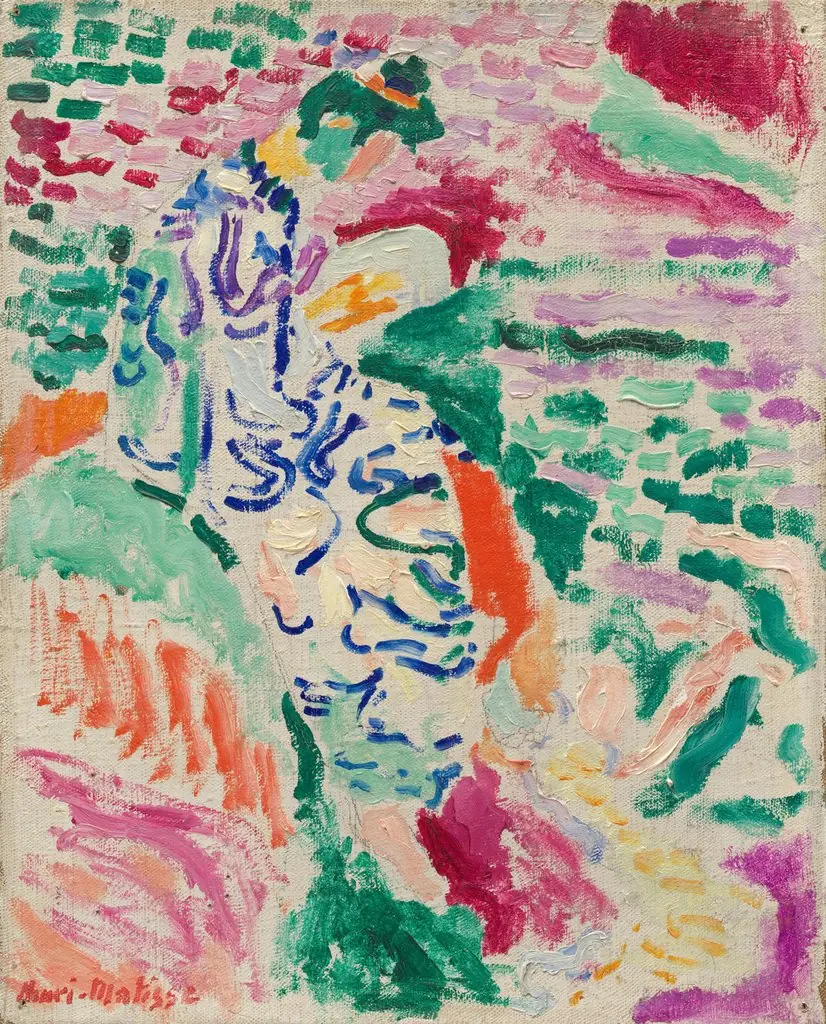 Japonaise: Woman beside the Water
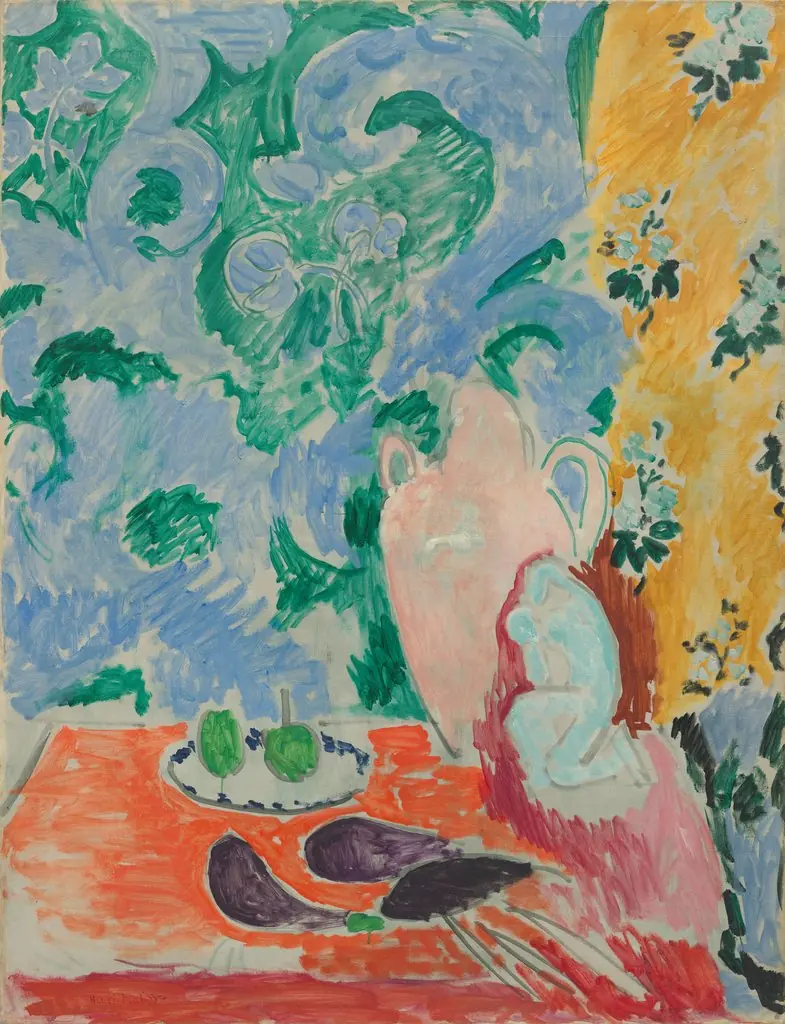 Still Life with Aubergines
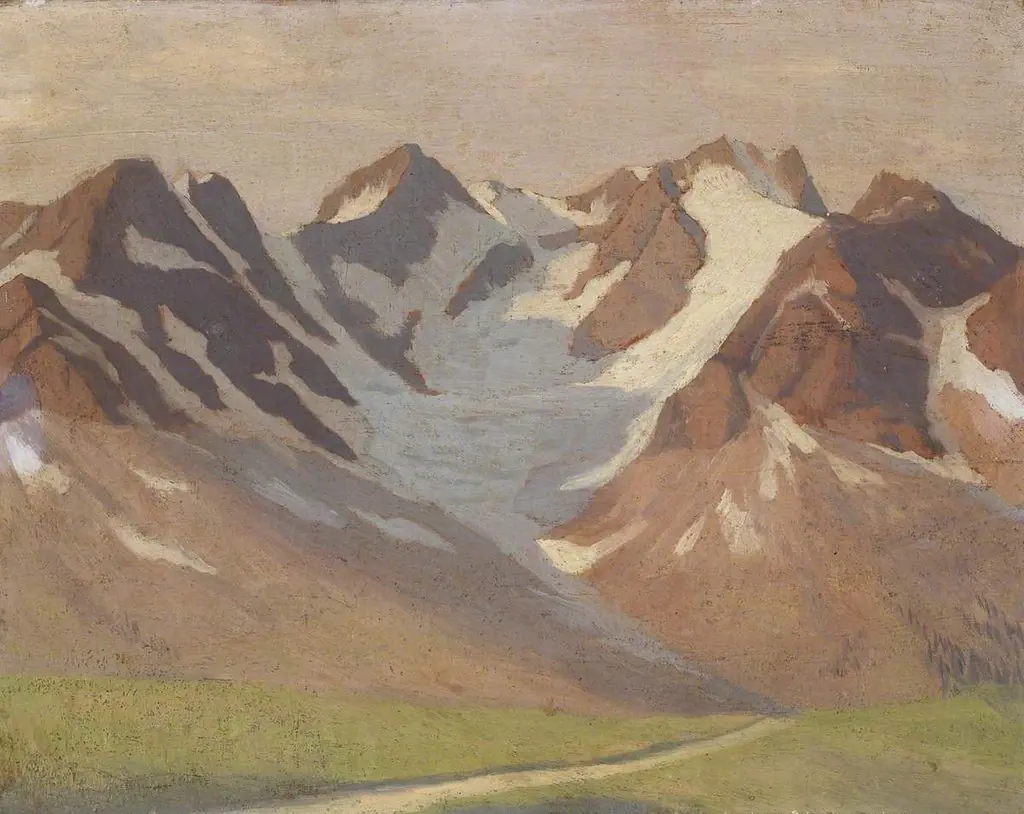 Mountains in the Dauphiné
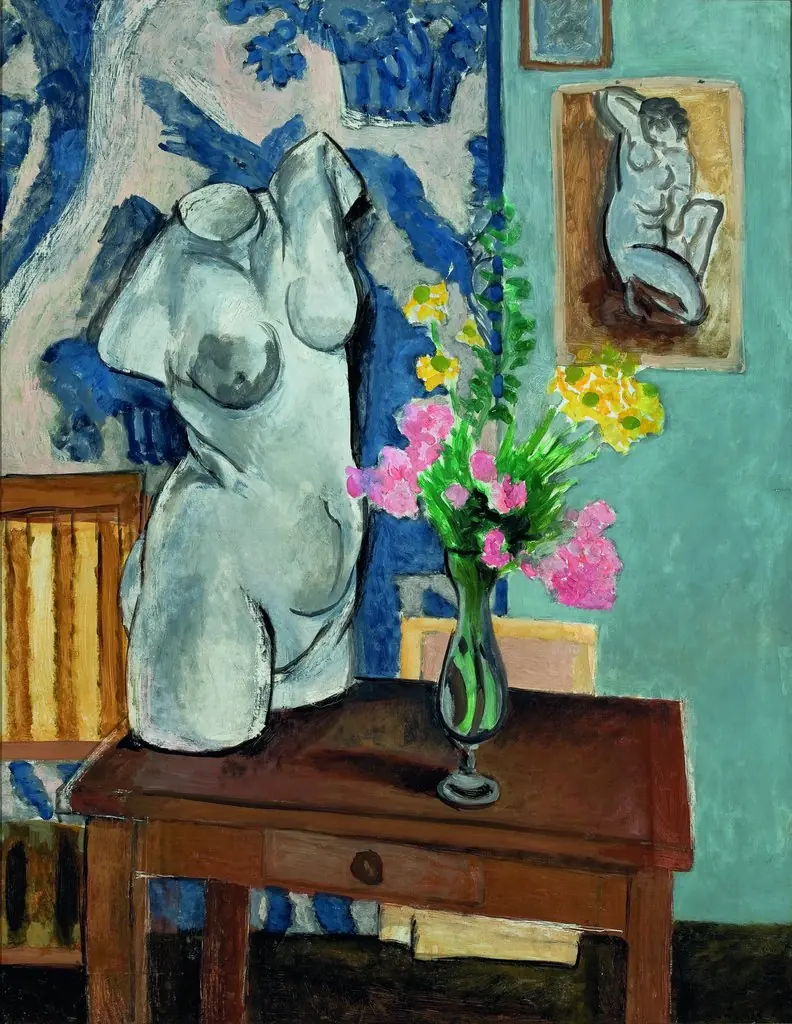 The Plaster Torso
 Branche de lierre
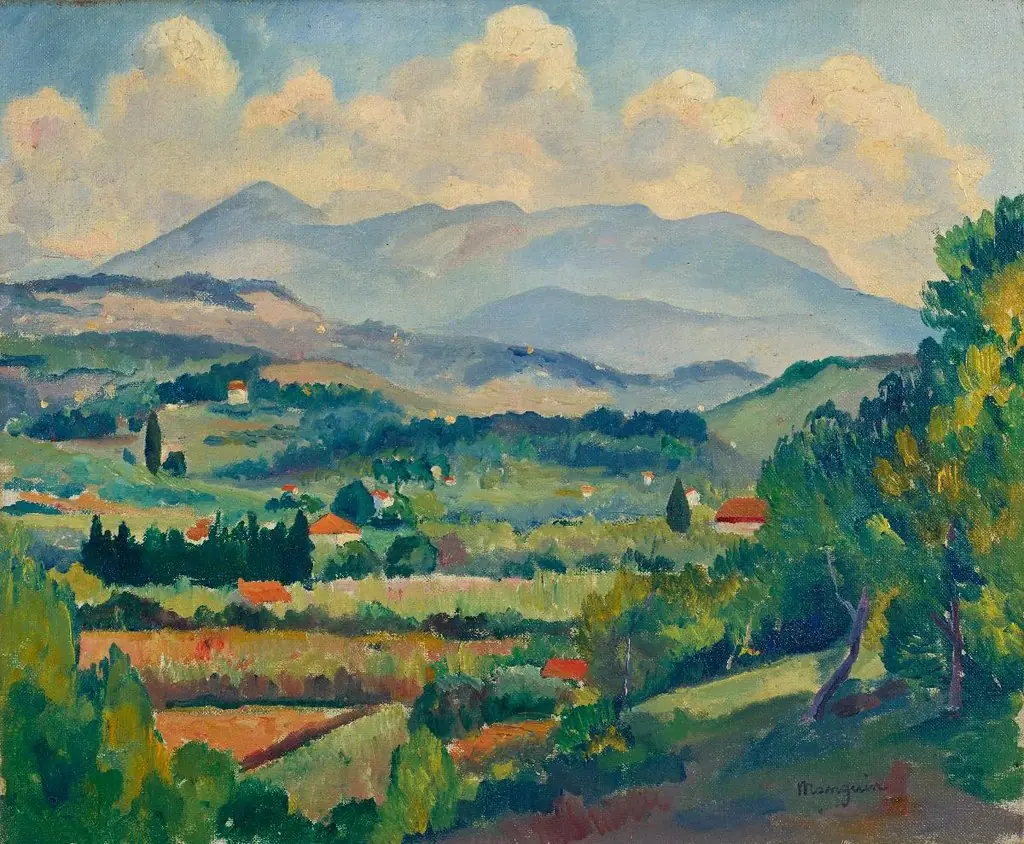 Paysage à Sanary
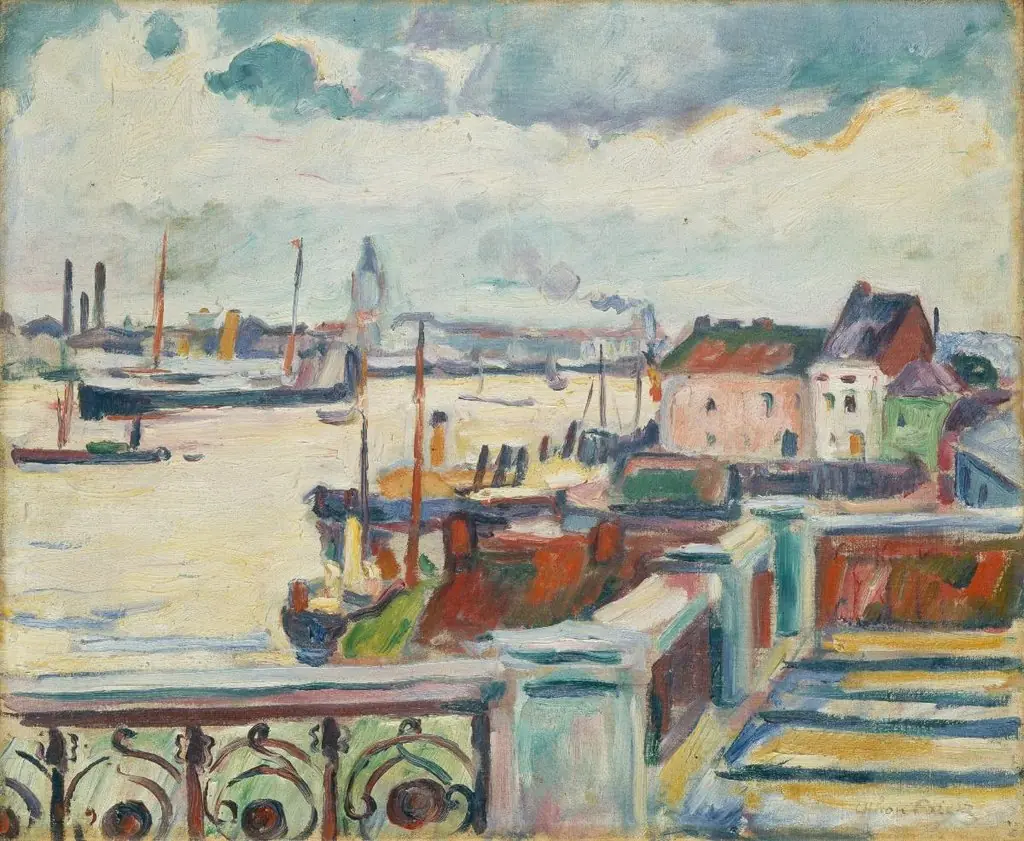 Port d'Anvers
 La promenade
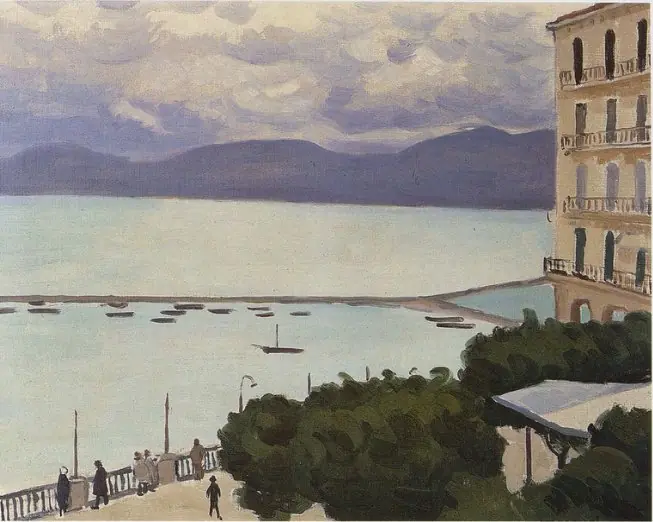 La baie de Bougie
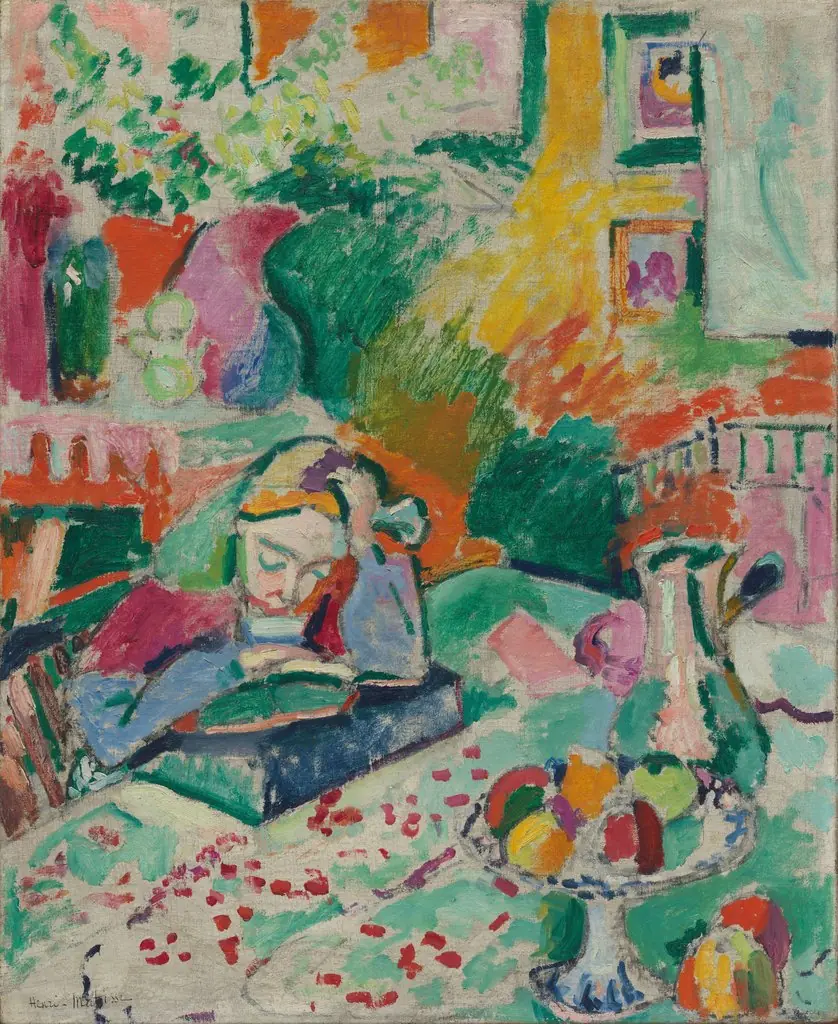 Interior with a Young Girl (Girl Reading)
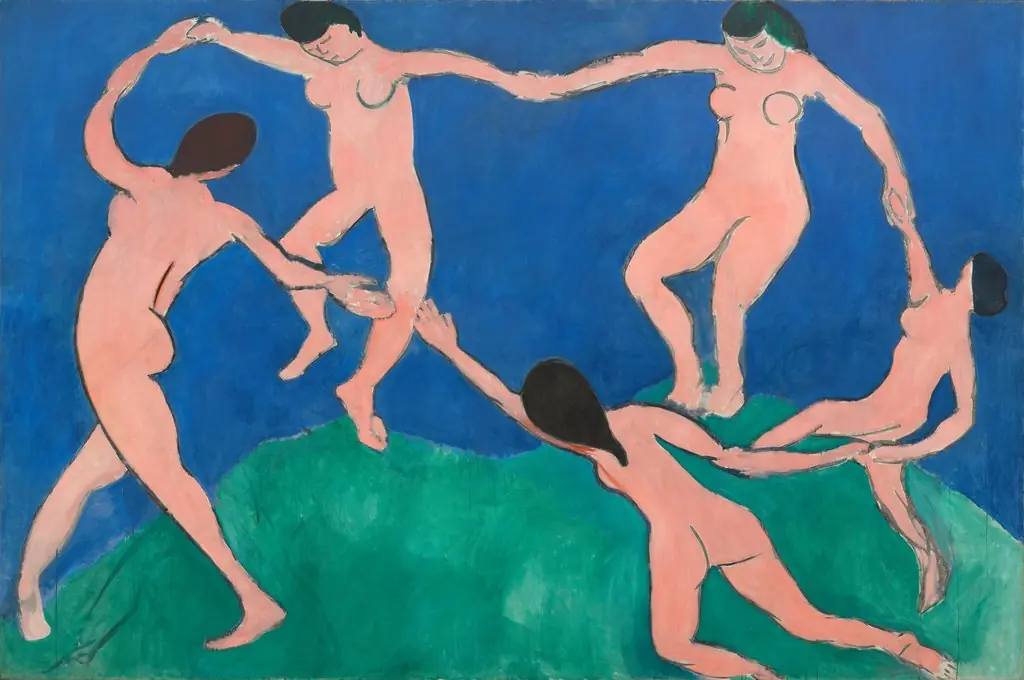 Dance (I)
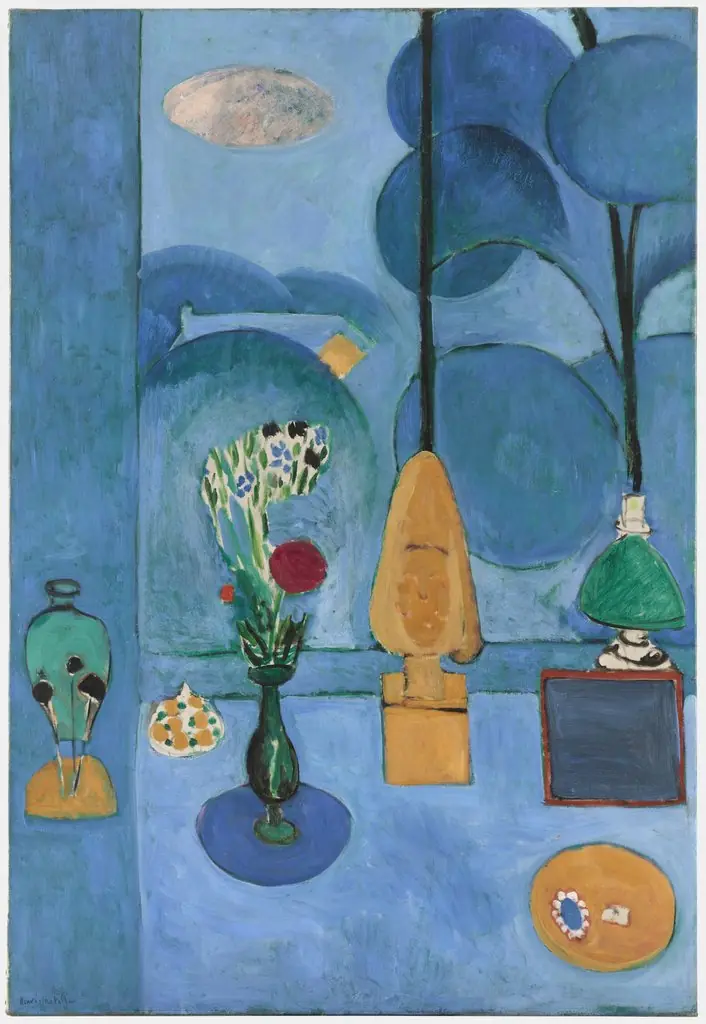 Blue Window
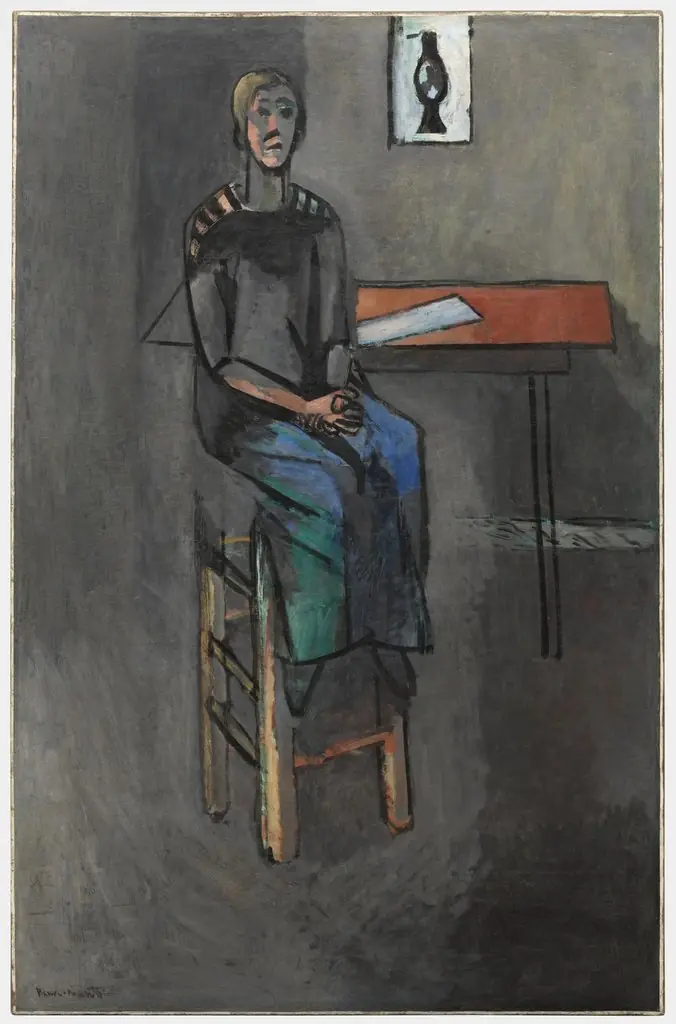 Woman on a High Stool
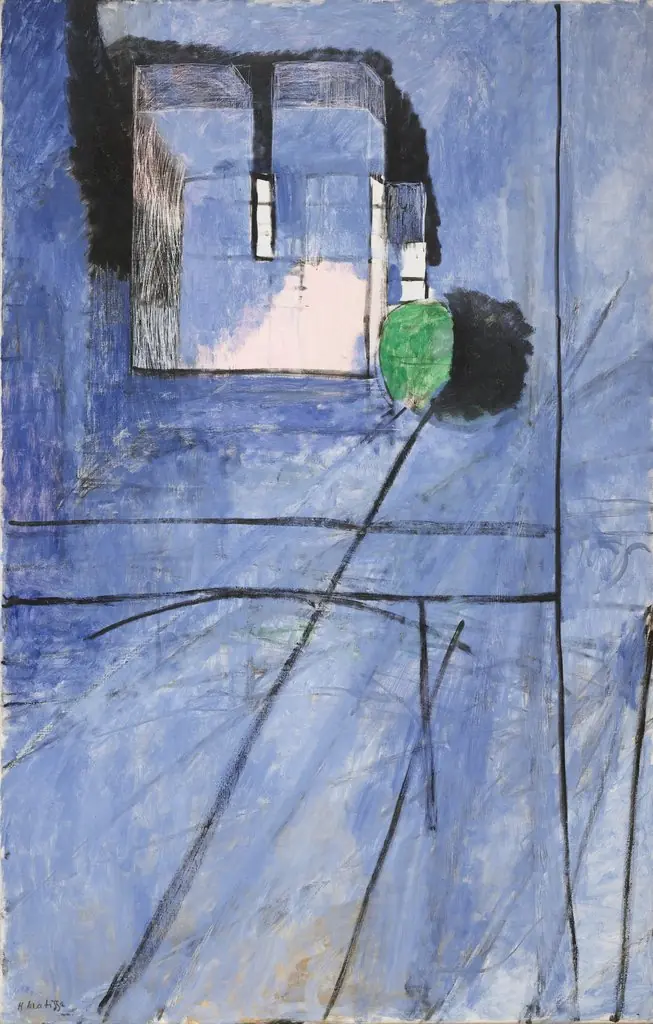 View of Notre-Dame
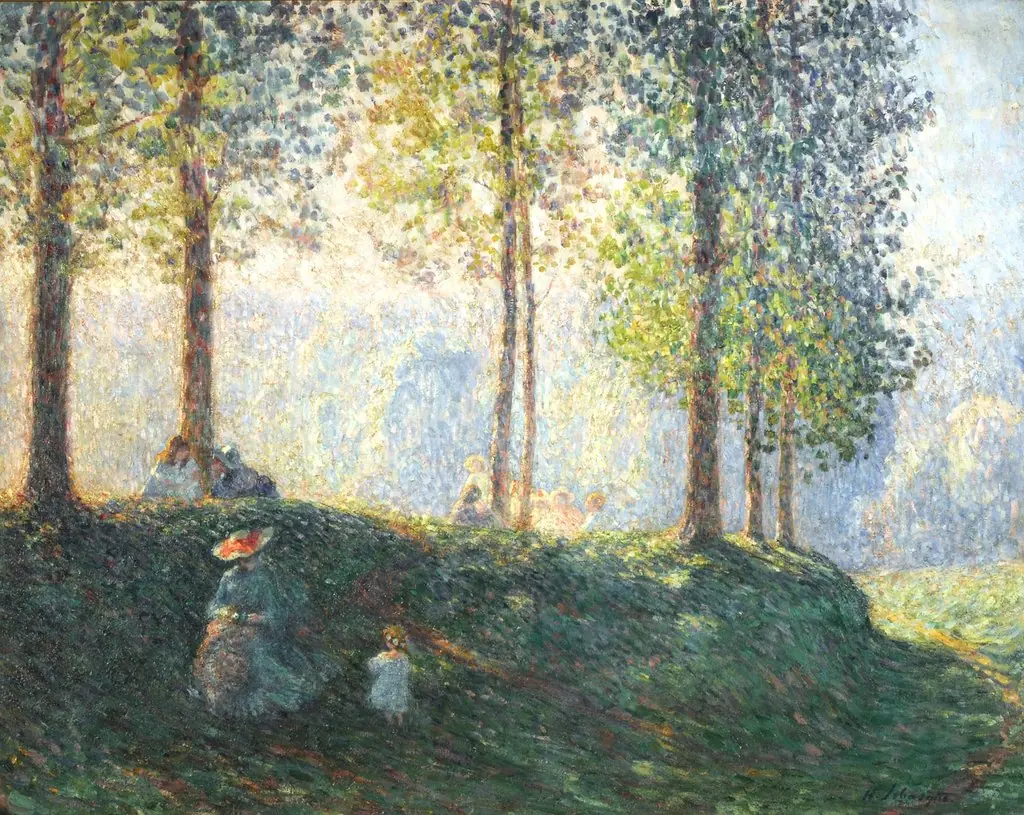 Paisaje
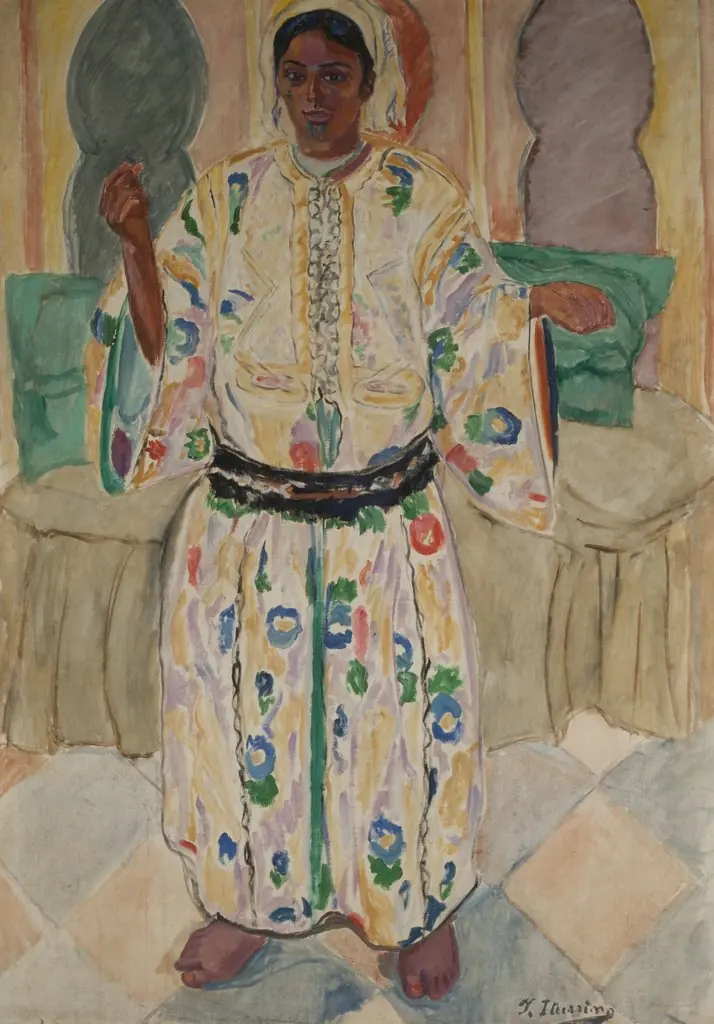 Woman dwells
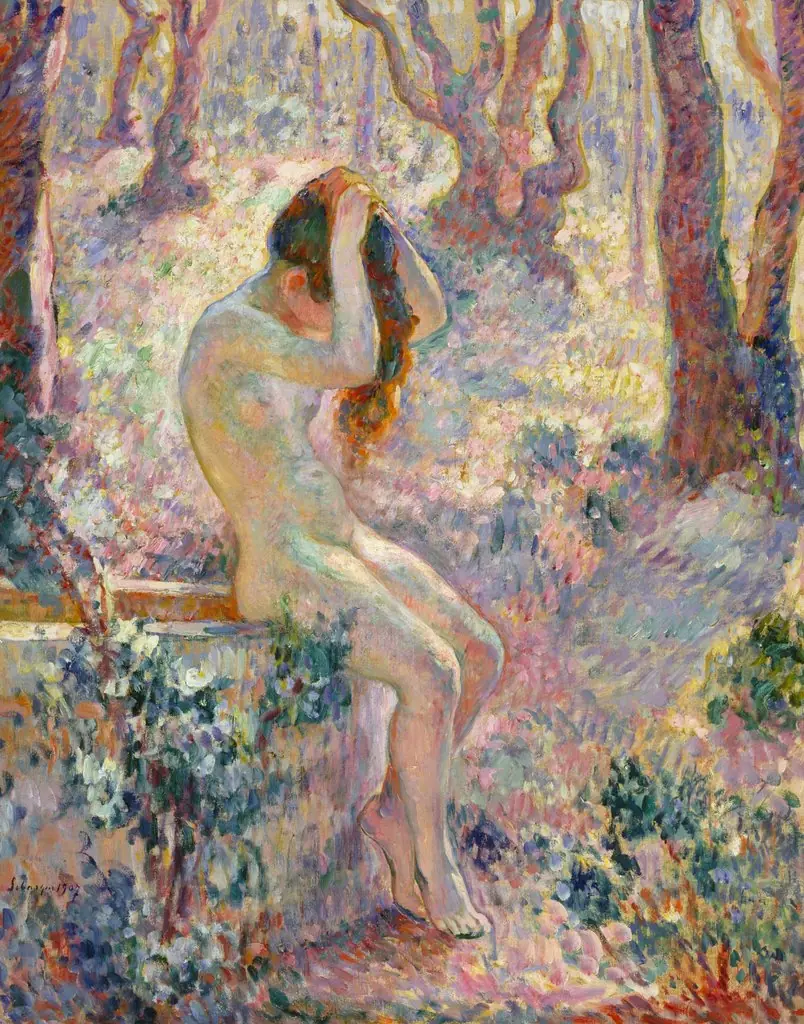 Young Nude Seated on the Edge of a Well
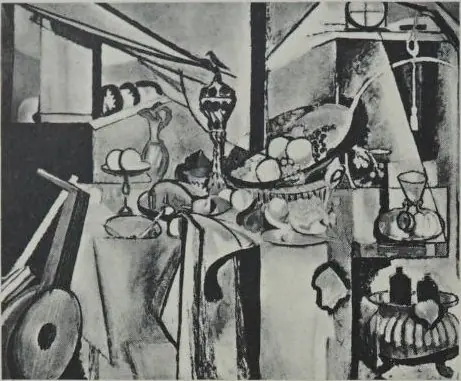 Still Life after Jan Davidsz. de Heem's "La Desserte"
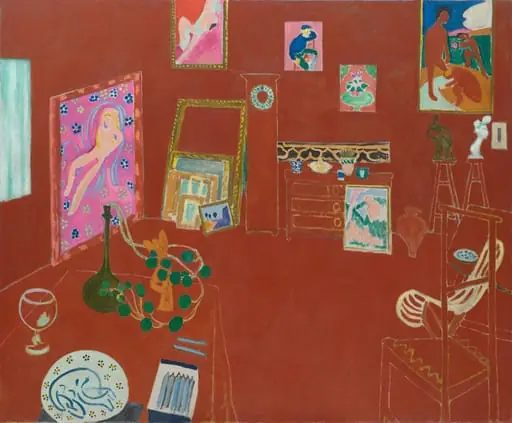
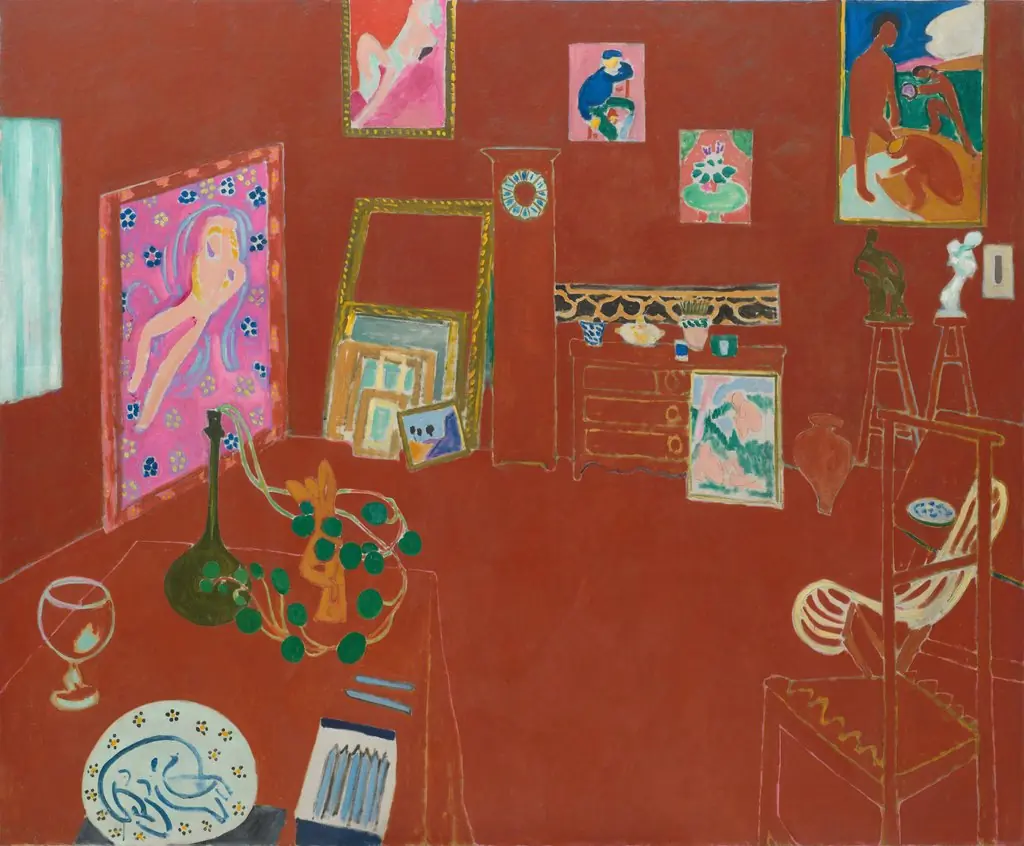 L'Atelier Rouge
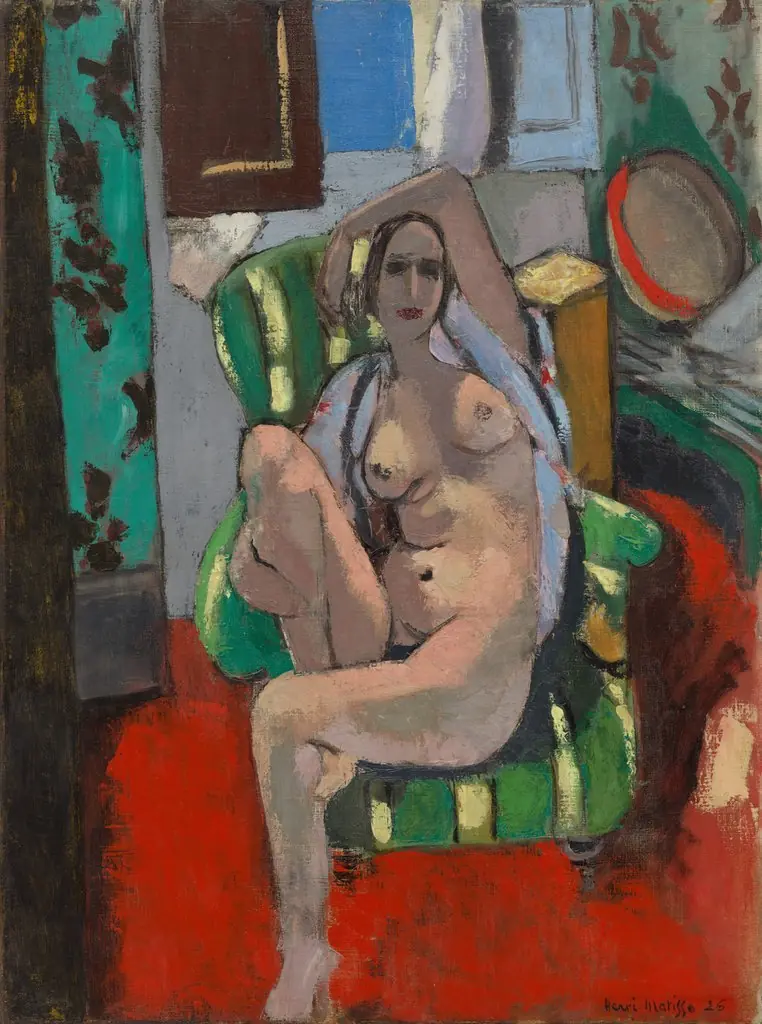 Odalisque with a Tambourine
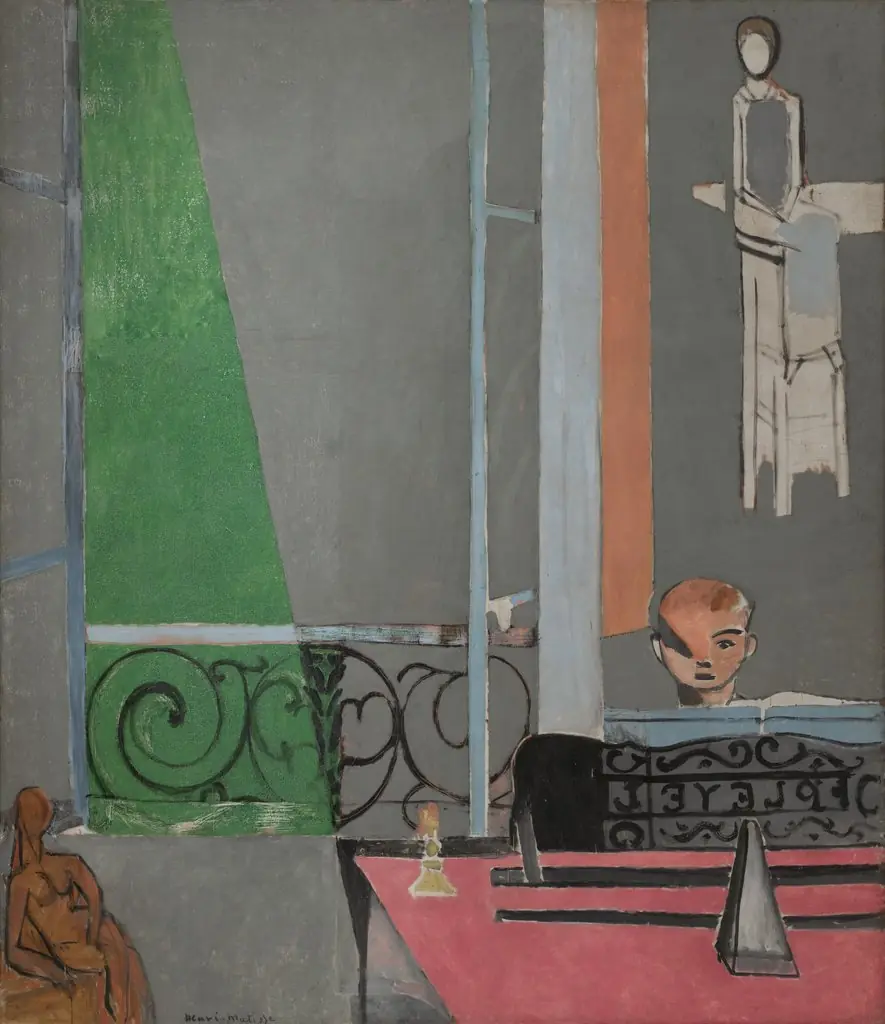 Piano Lesson
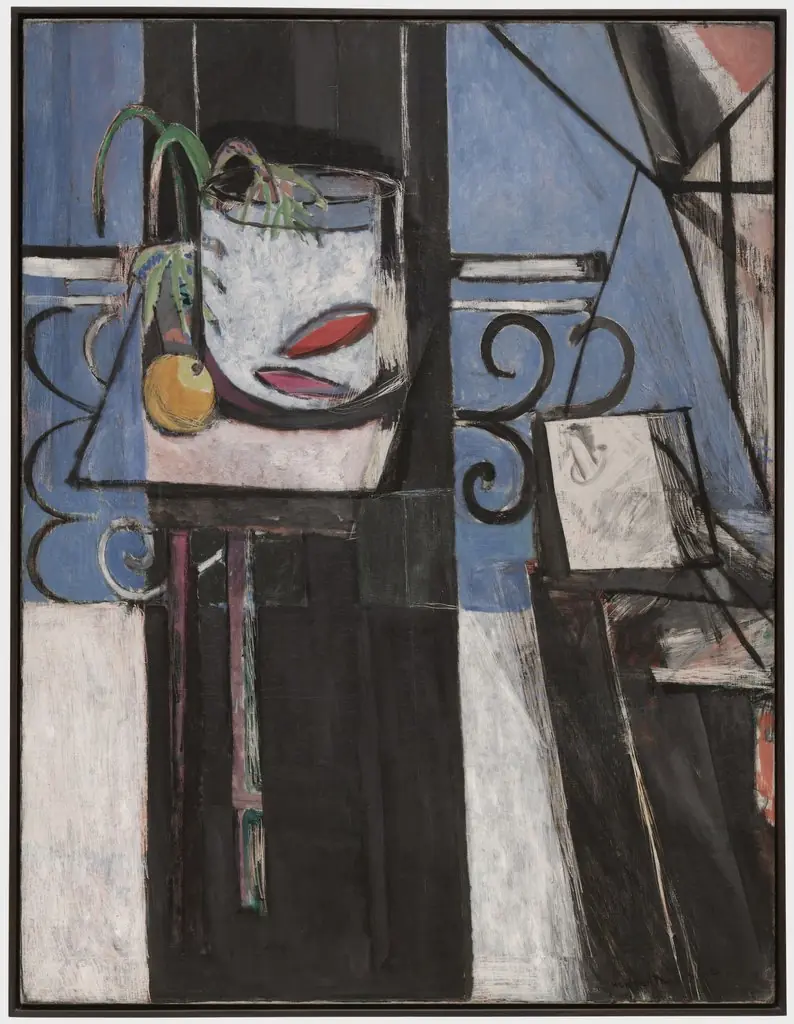 Goldfish and Palette
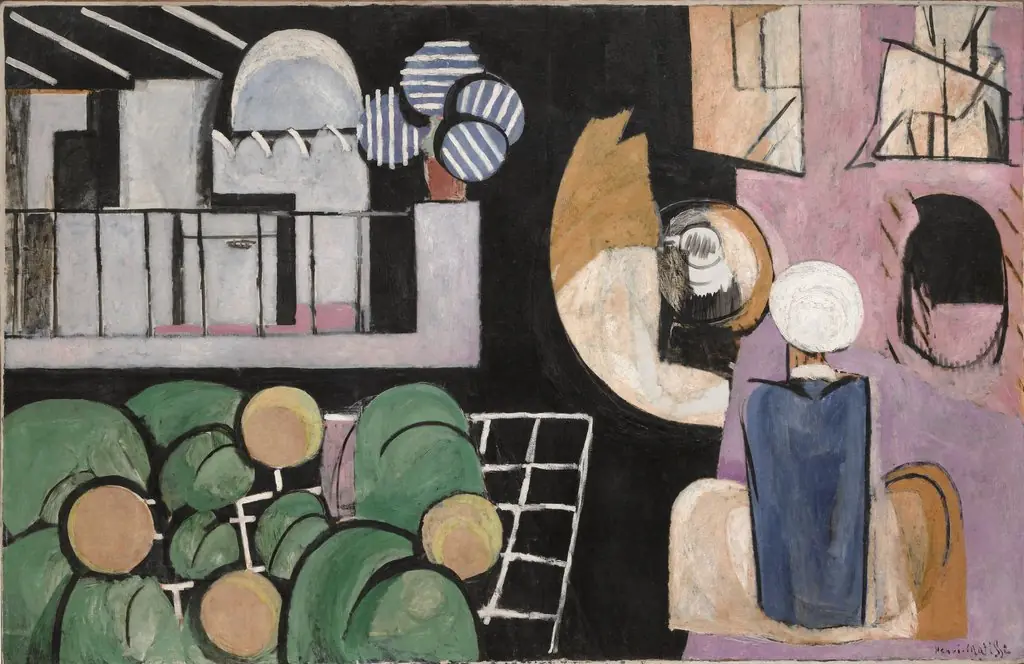 Moroccans
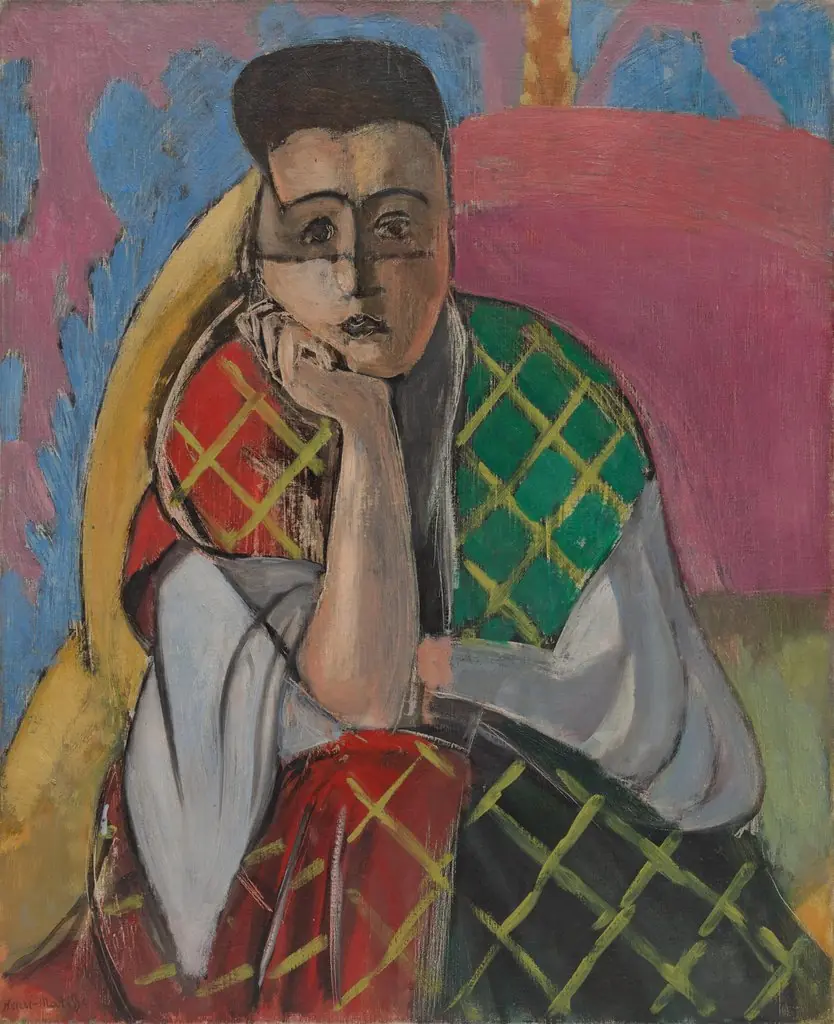 Woman with a Veil
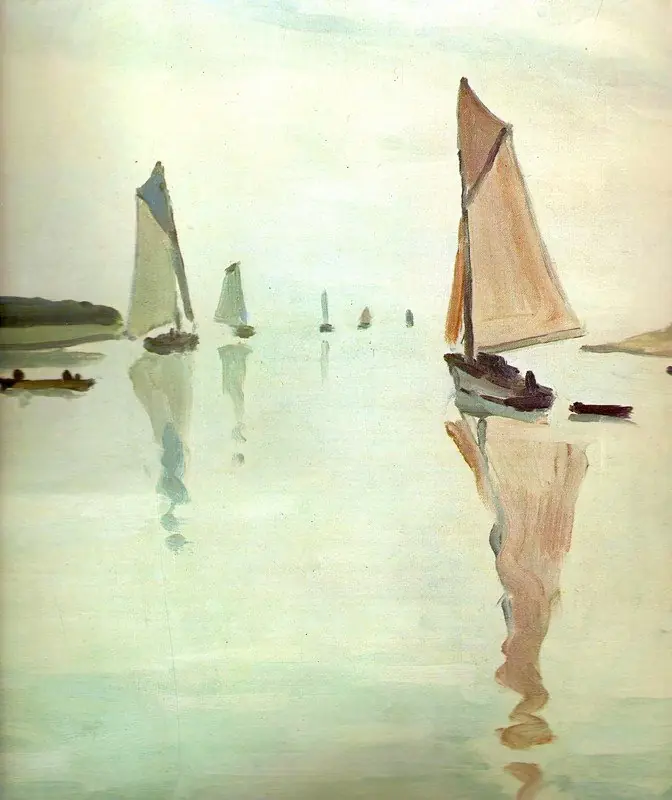 Marine, 1920
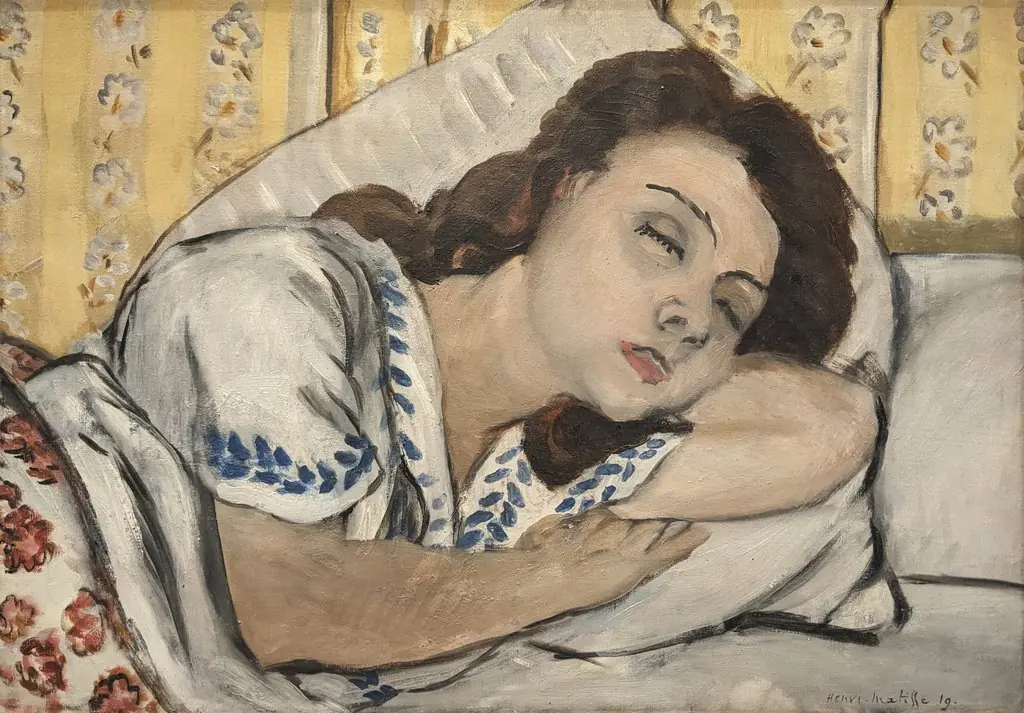 Marguerite Asleep
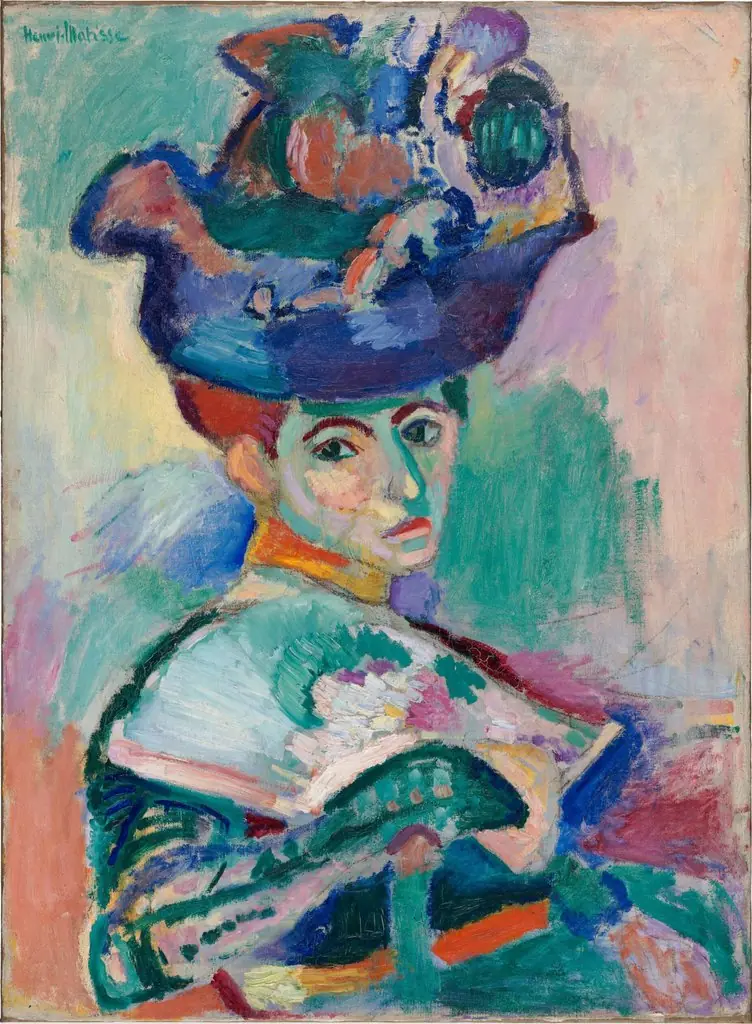 Woman with a hat
 Music (Sketch)
 Periwinkles
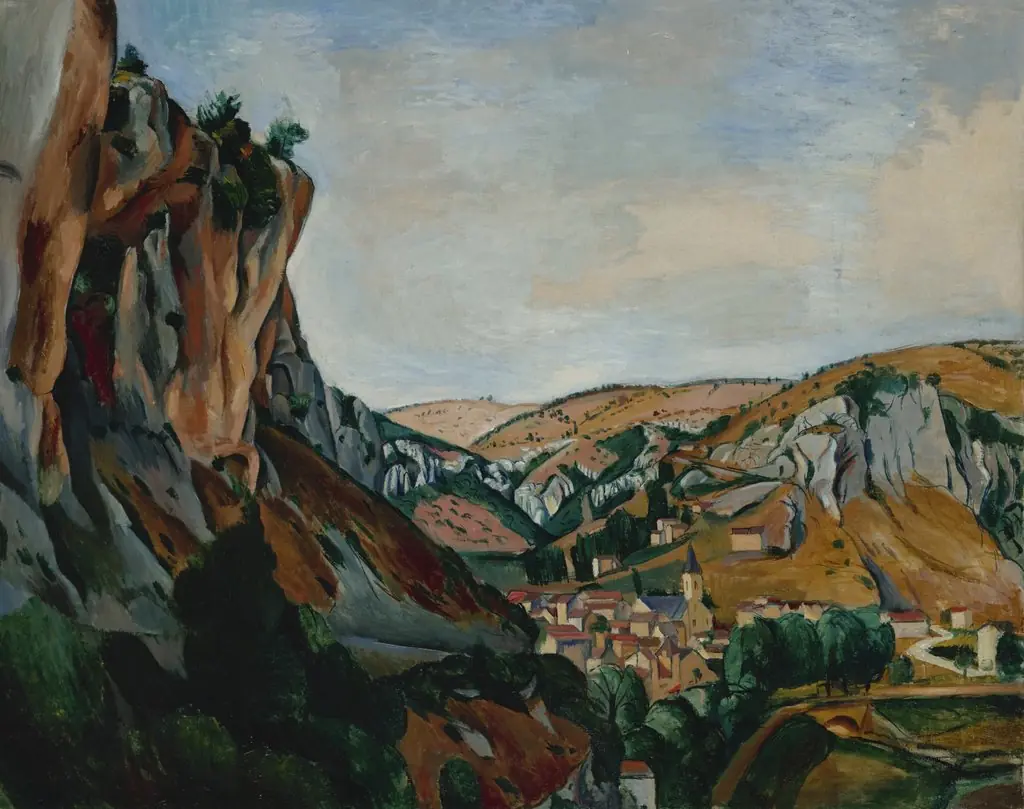 Valley of the Lot at Vers
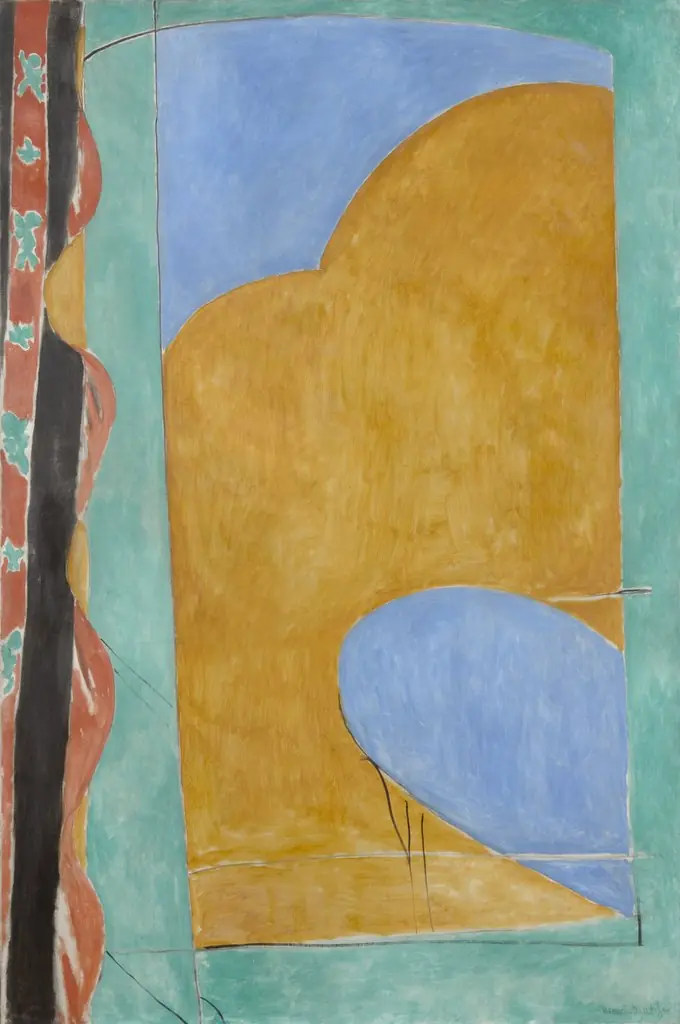 Le rideau jaune
 Gourds
 Reclining nude on a pink couch
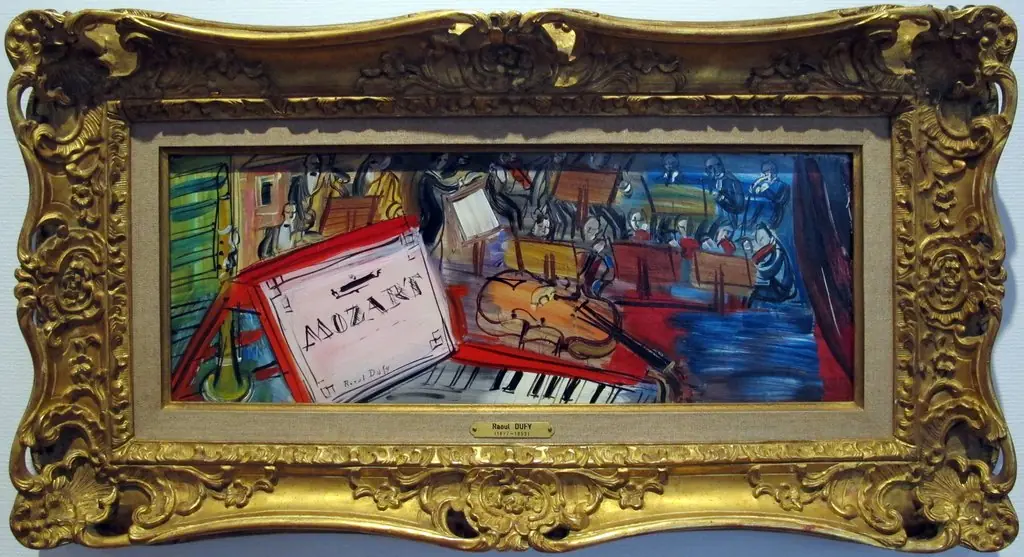 Mozart
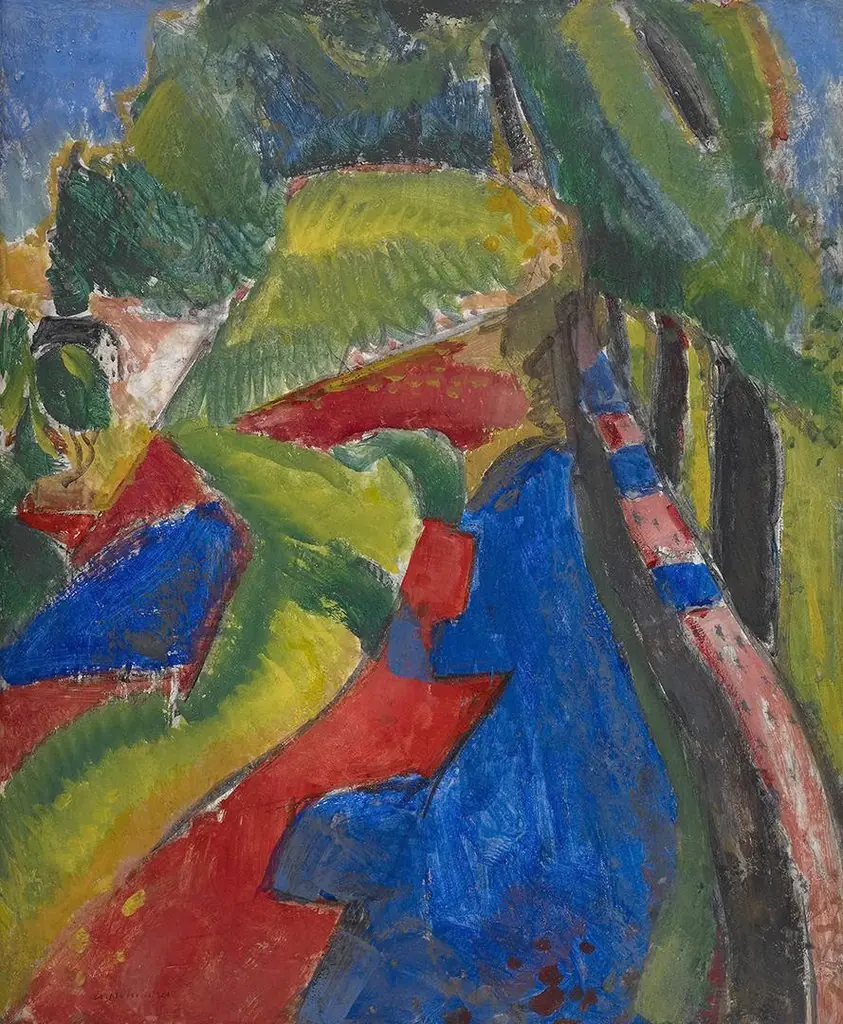 Fauve Landscape with Red and Blue
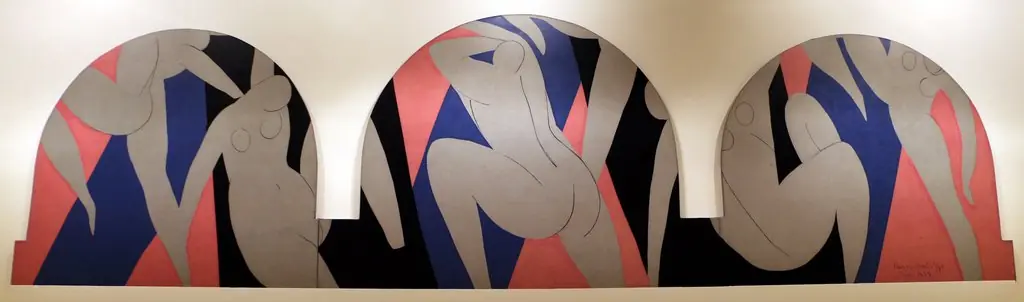 The Dance
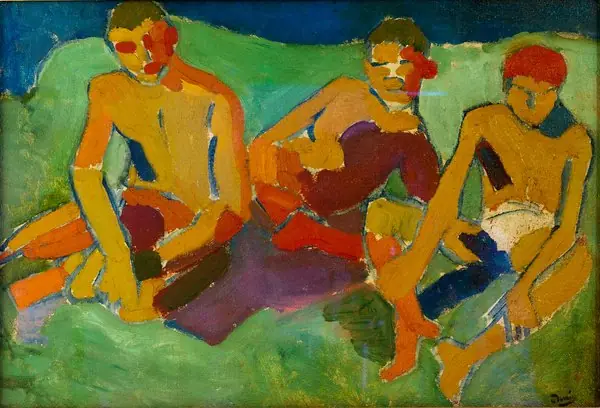 Trois Personnages assis dans l'herbe
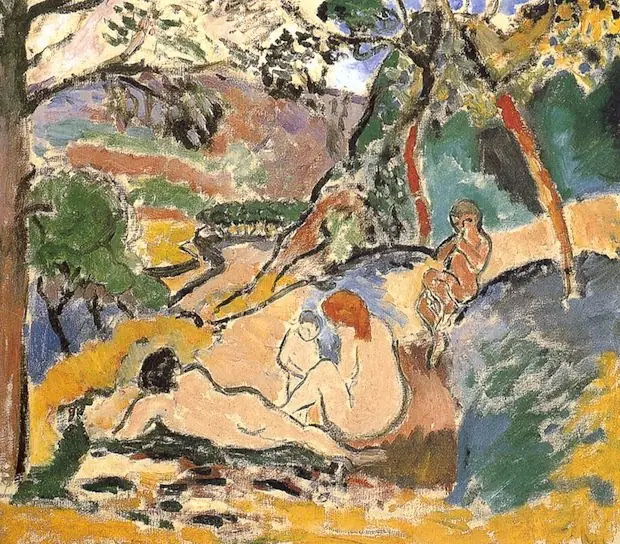 Pastorale
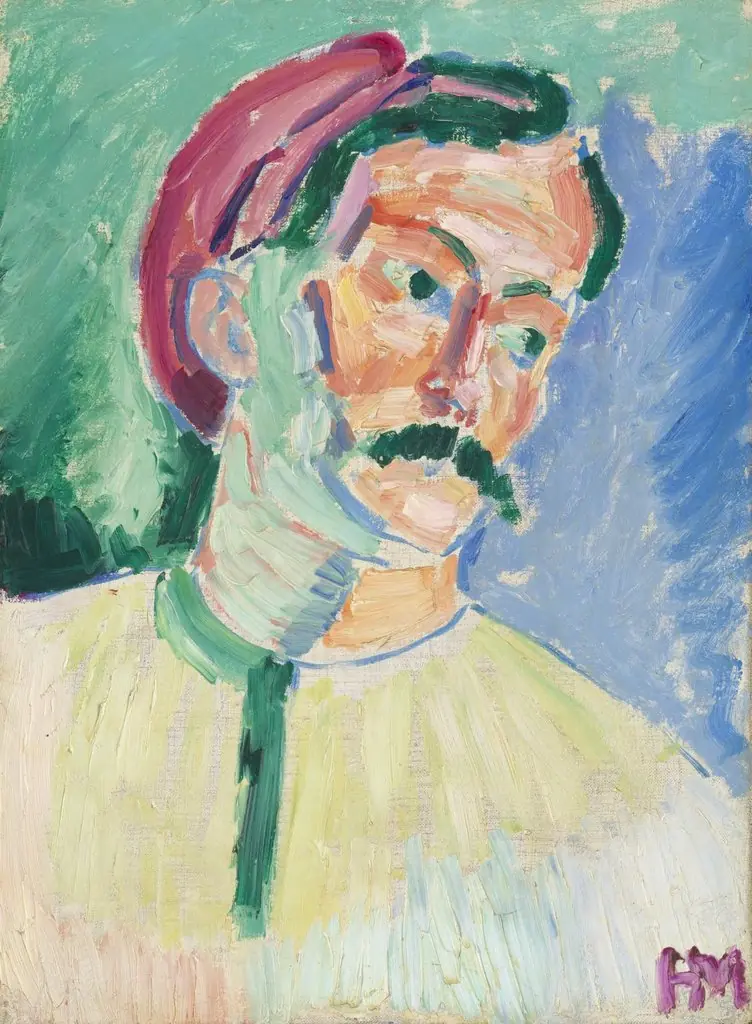 André Derain
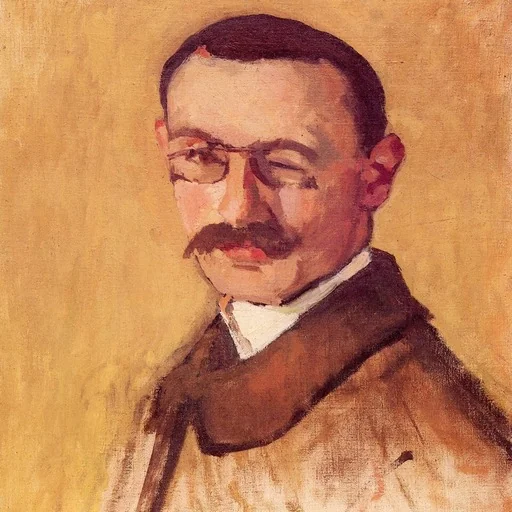
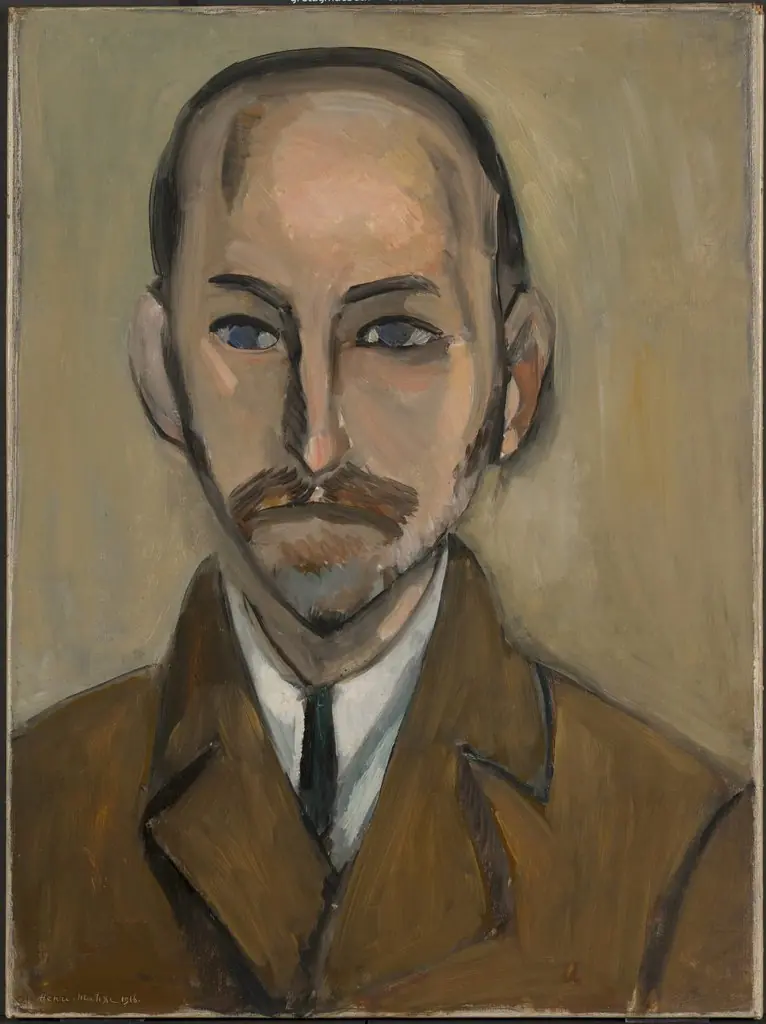 Michael Stein
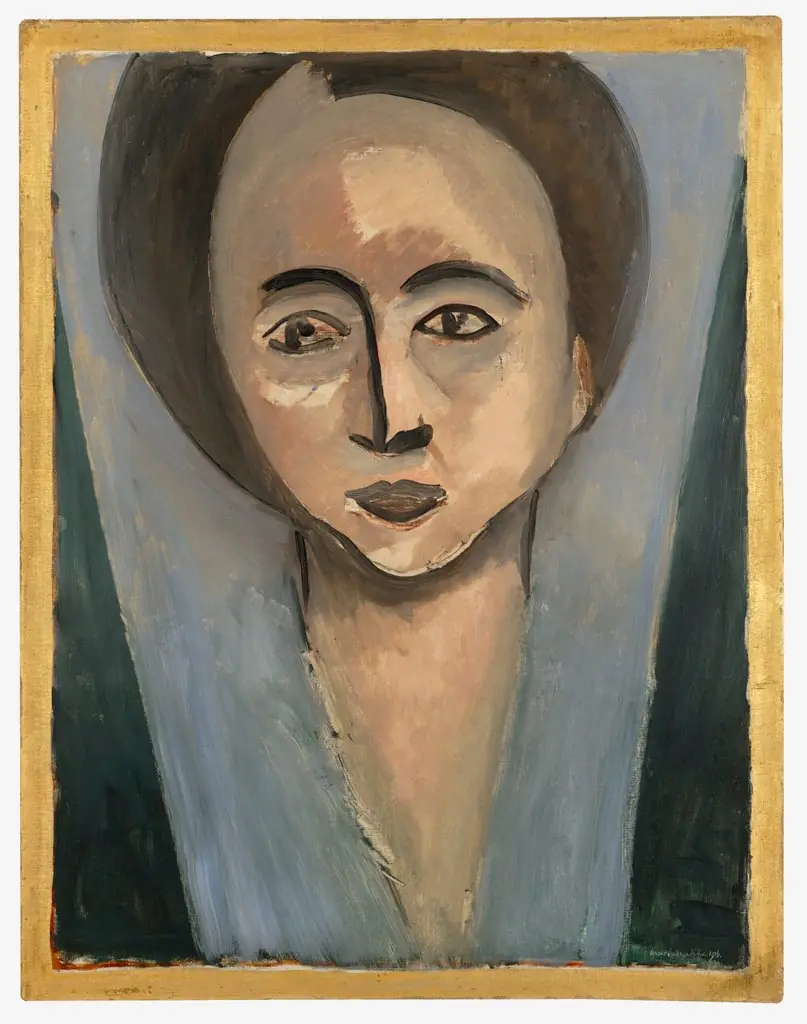 Sarah Stein
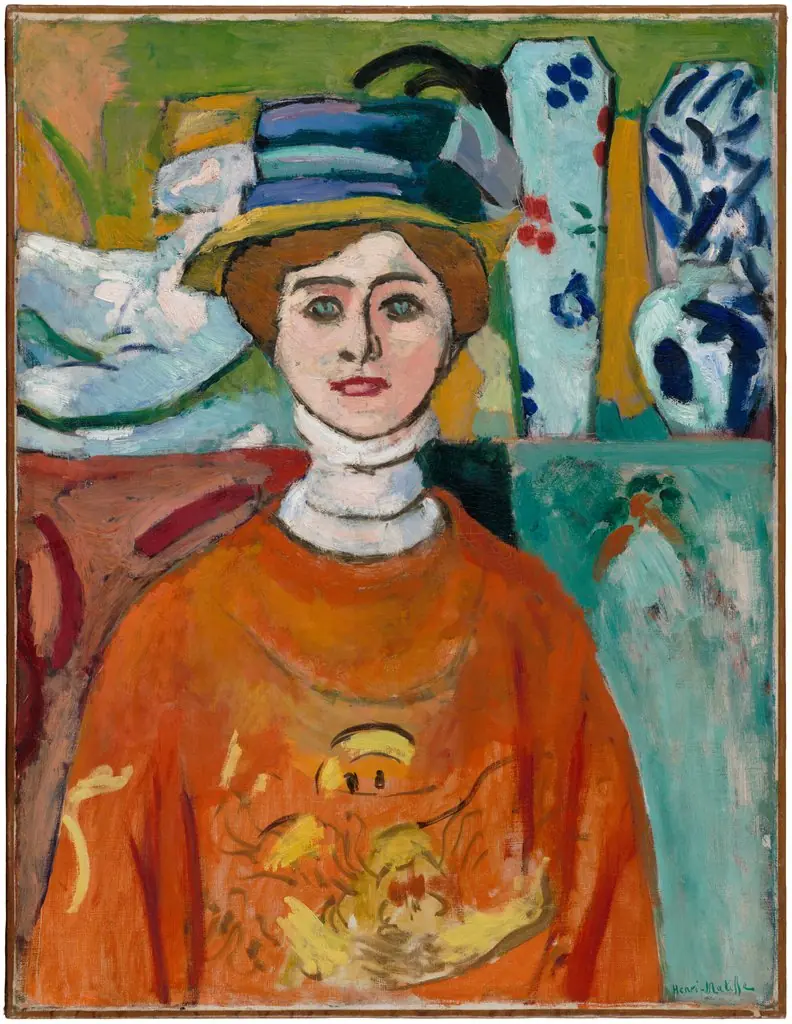 La fille aux yeux verts
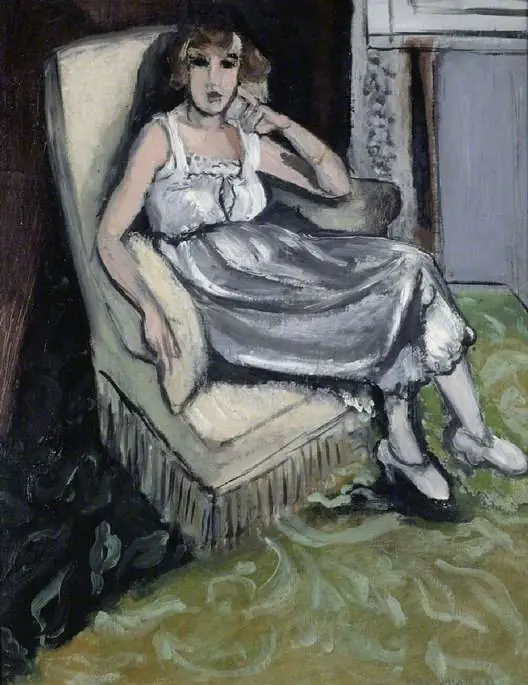 Woman Seated in an Armchair
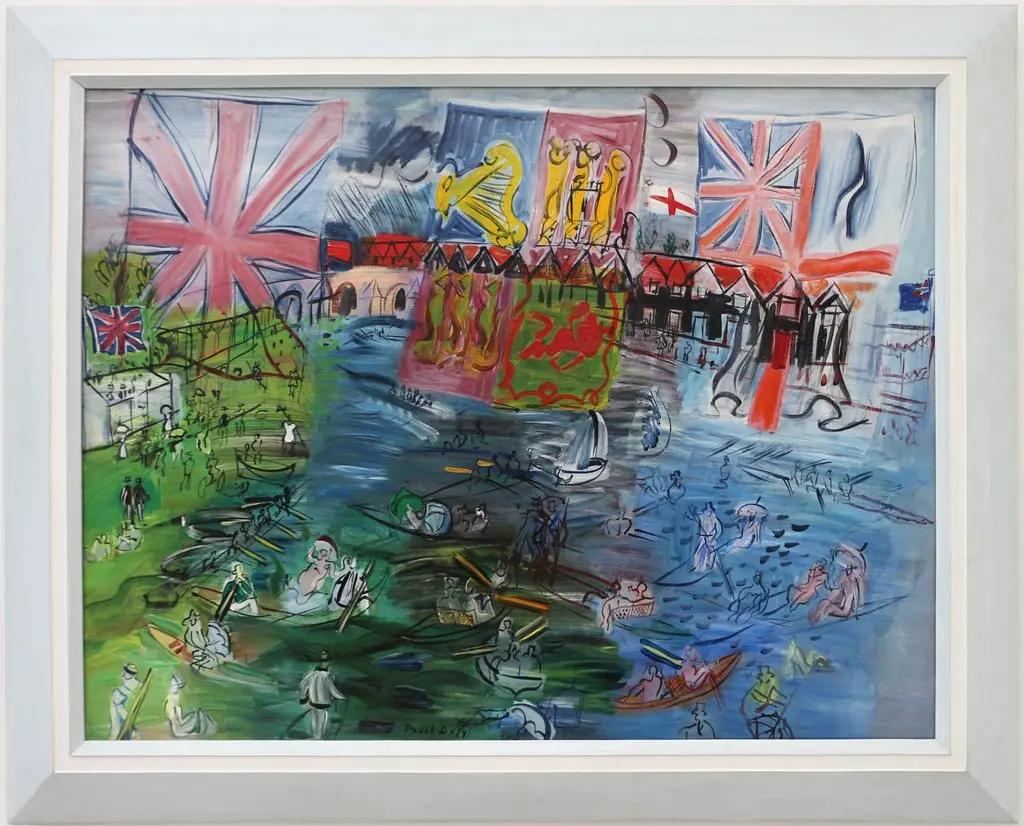 Henley, régates aux drapeaux
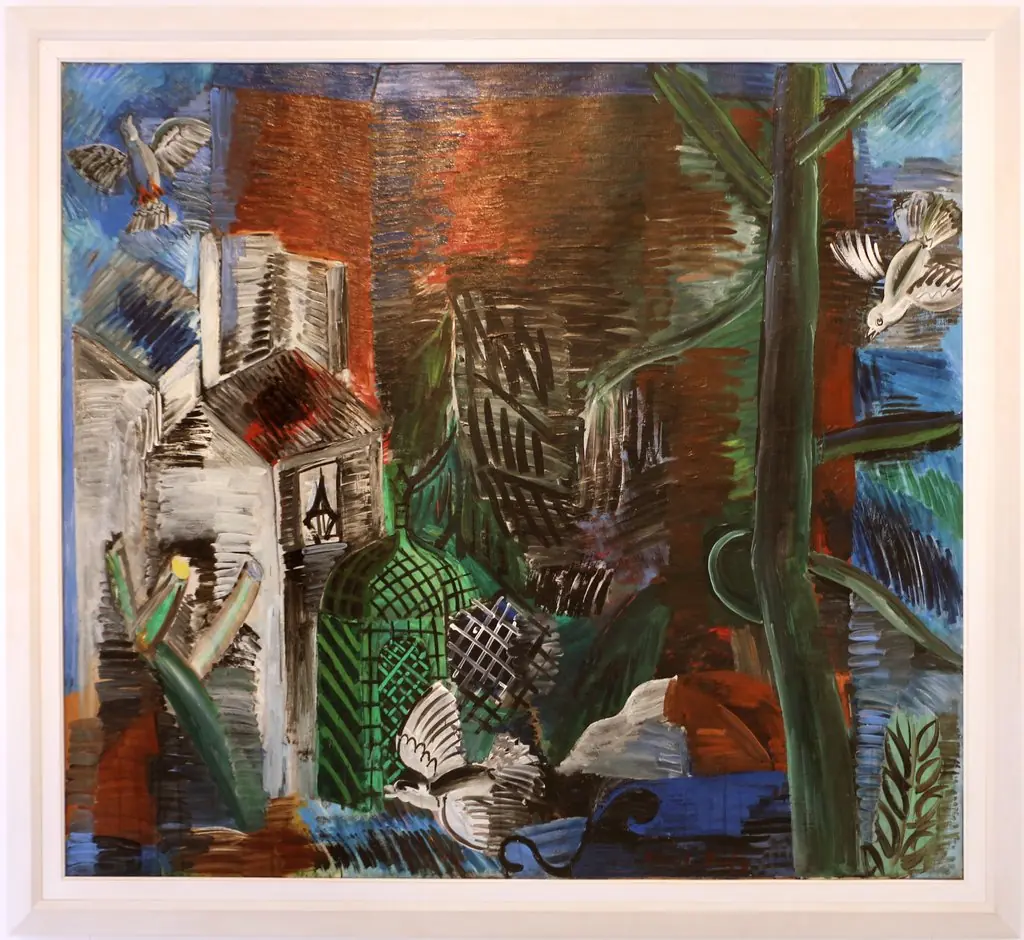 Le jardin abandonné
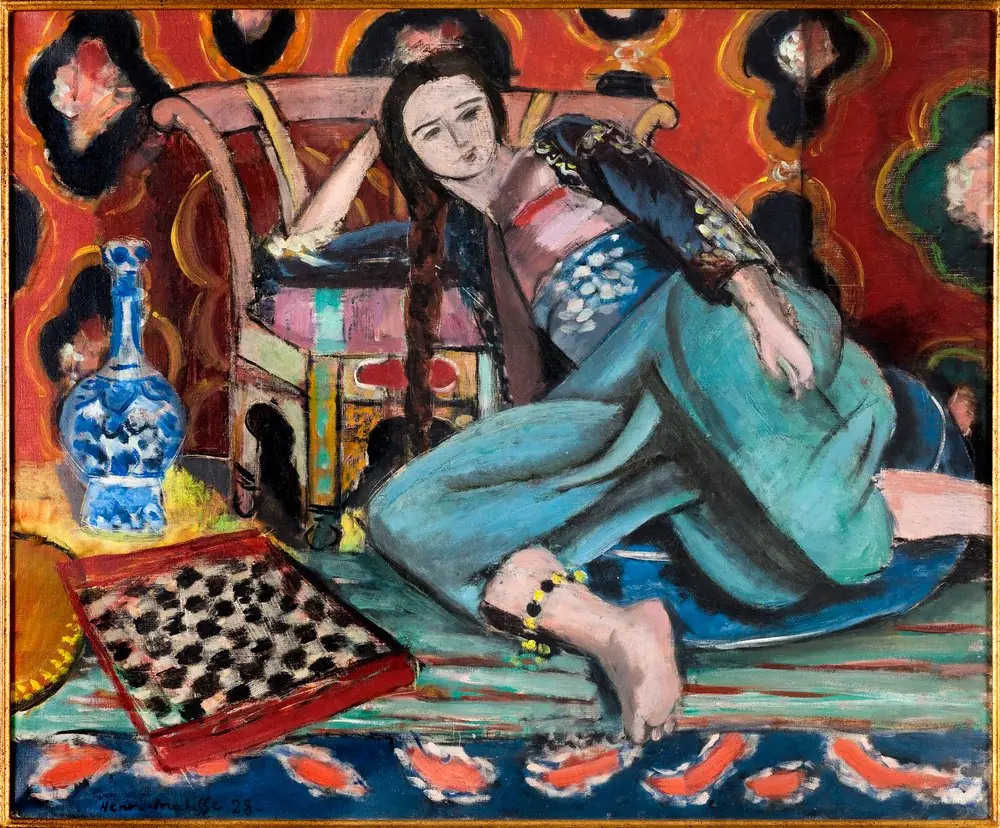 Odalisque au fauteuil
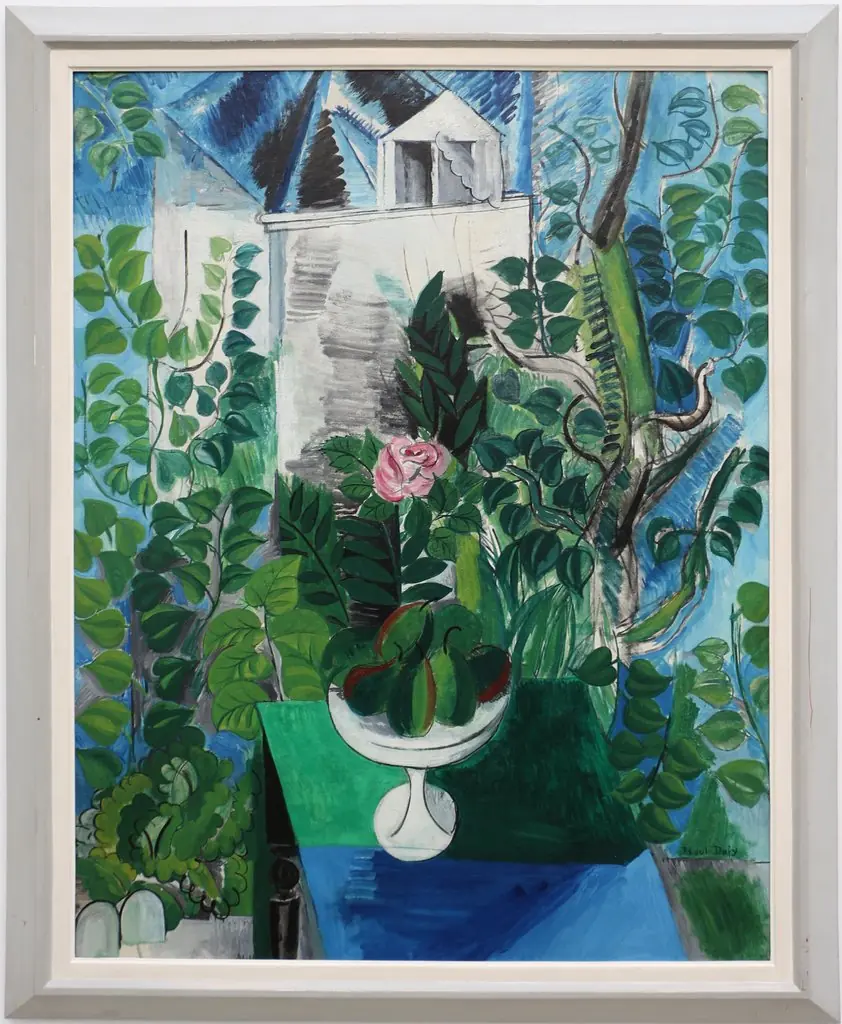 Maison et jardin
 Notre-Dame de Paris sous la neige
 Courses à Epsom
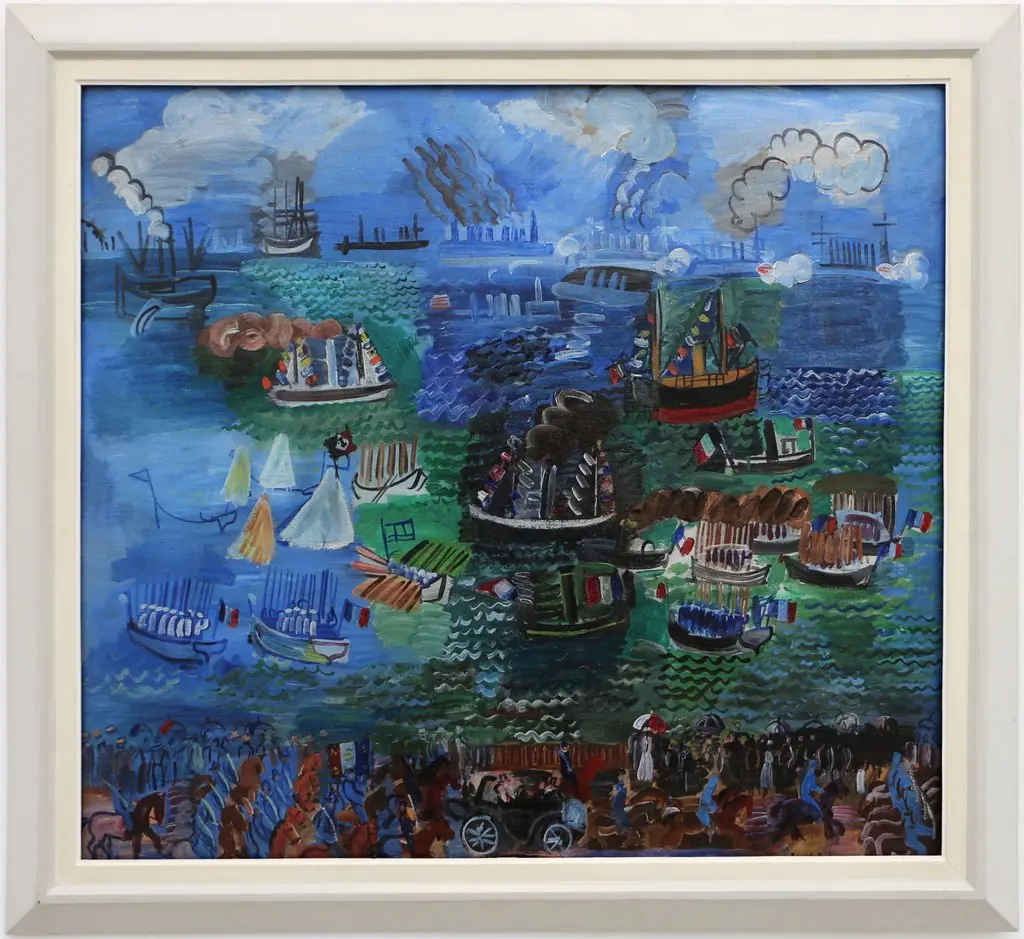 Fête nautique au Havre
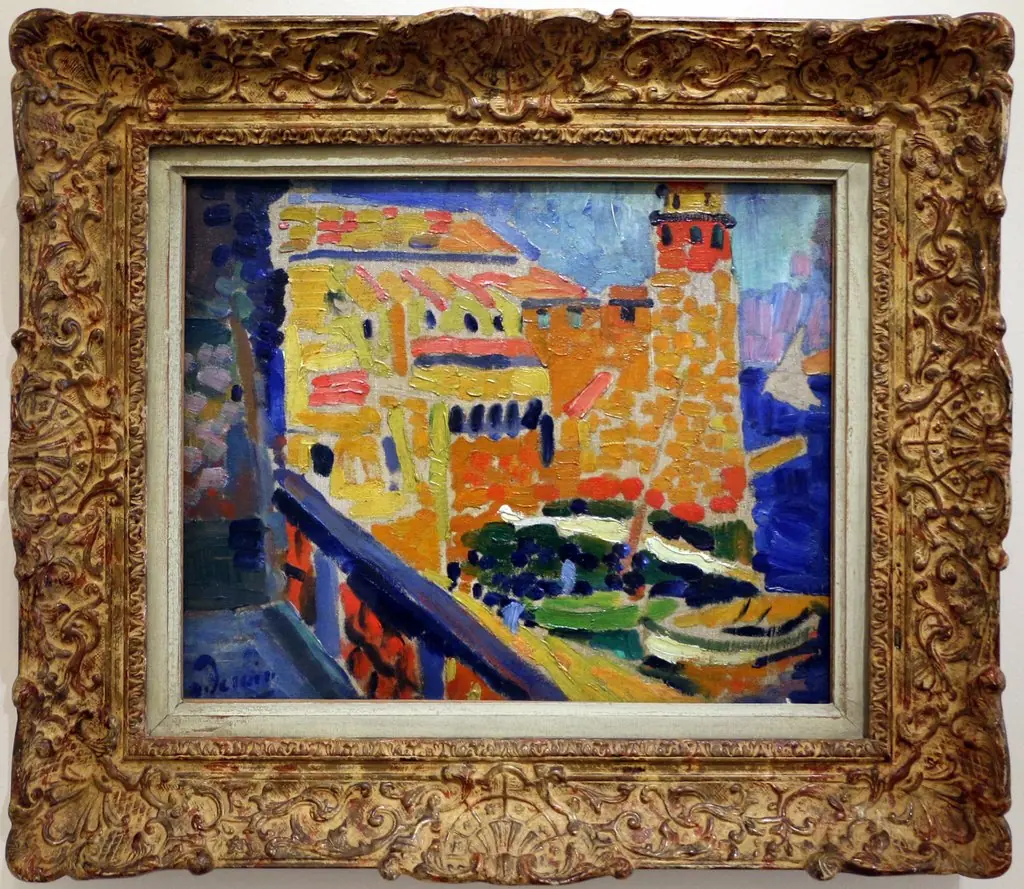 Le phare de Collioure
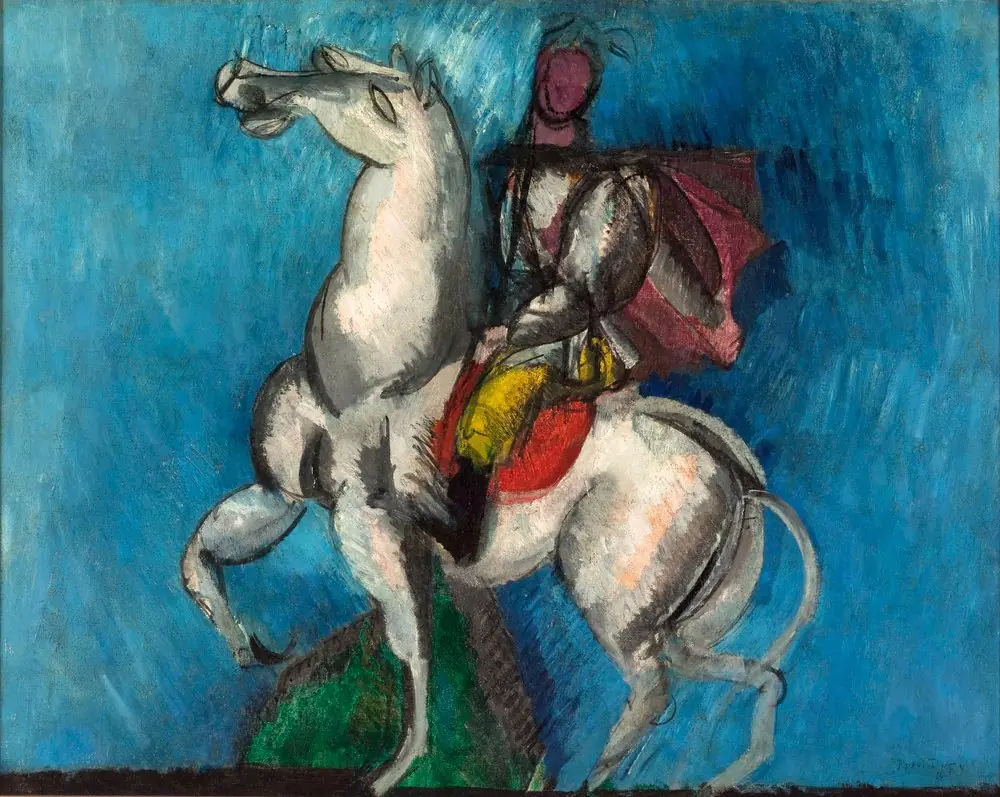 Le cavalier
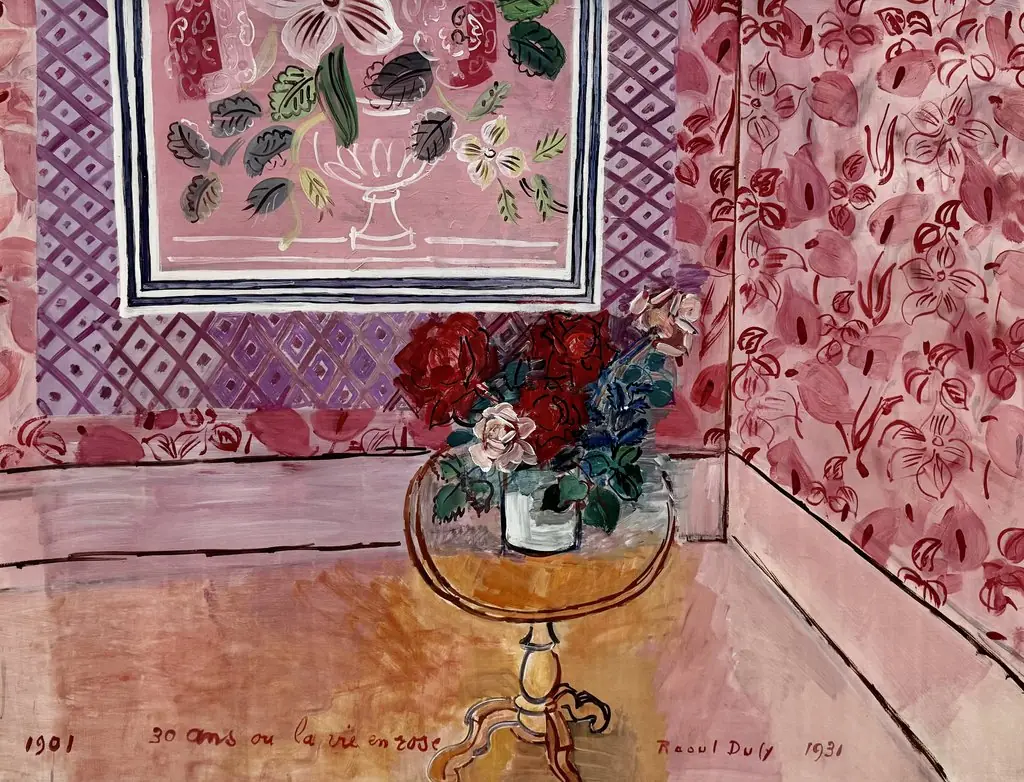 30 ans ou la vie en rose
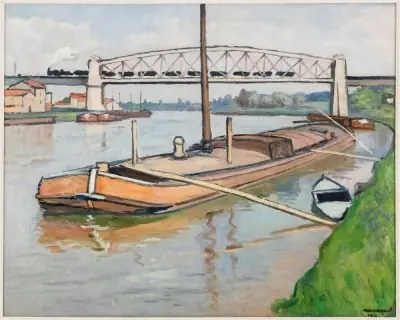 Paysage au chaland
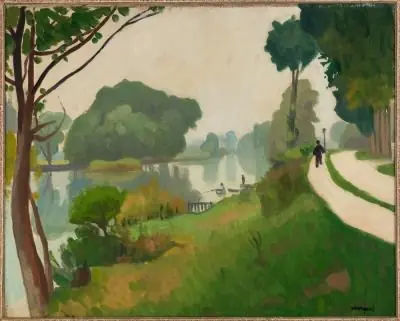 La Marne à la Varenne St Hilaire
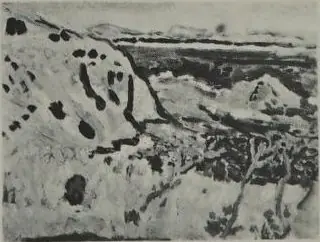 Marine (La Moulade)
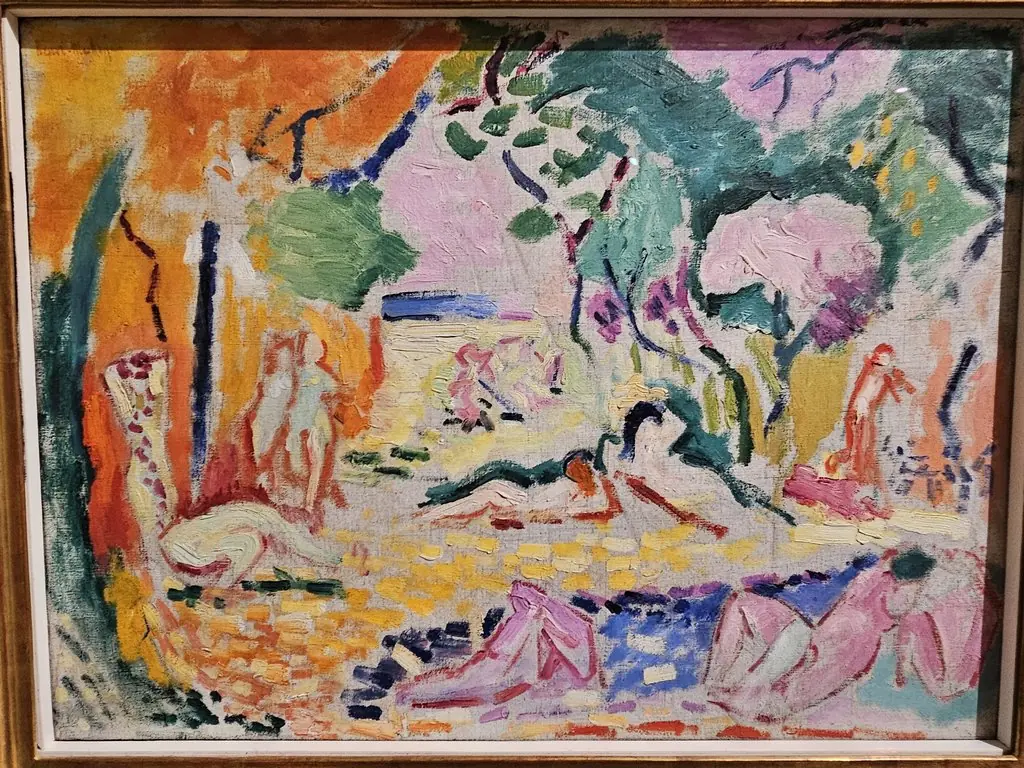 Sketch for "joy of living"
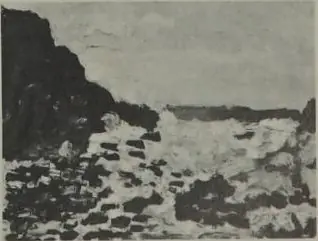 Marine (Bord de mer)
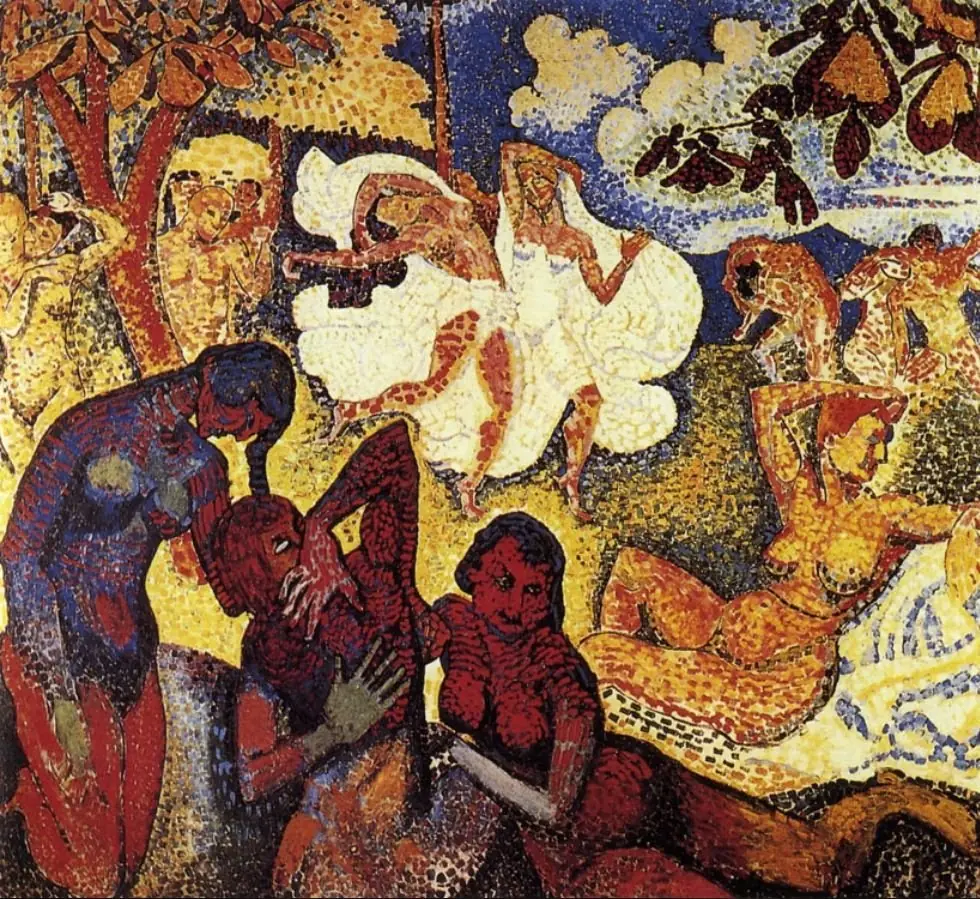 The Golden Age
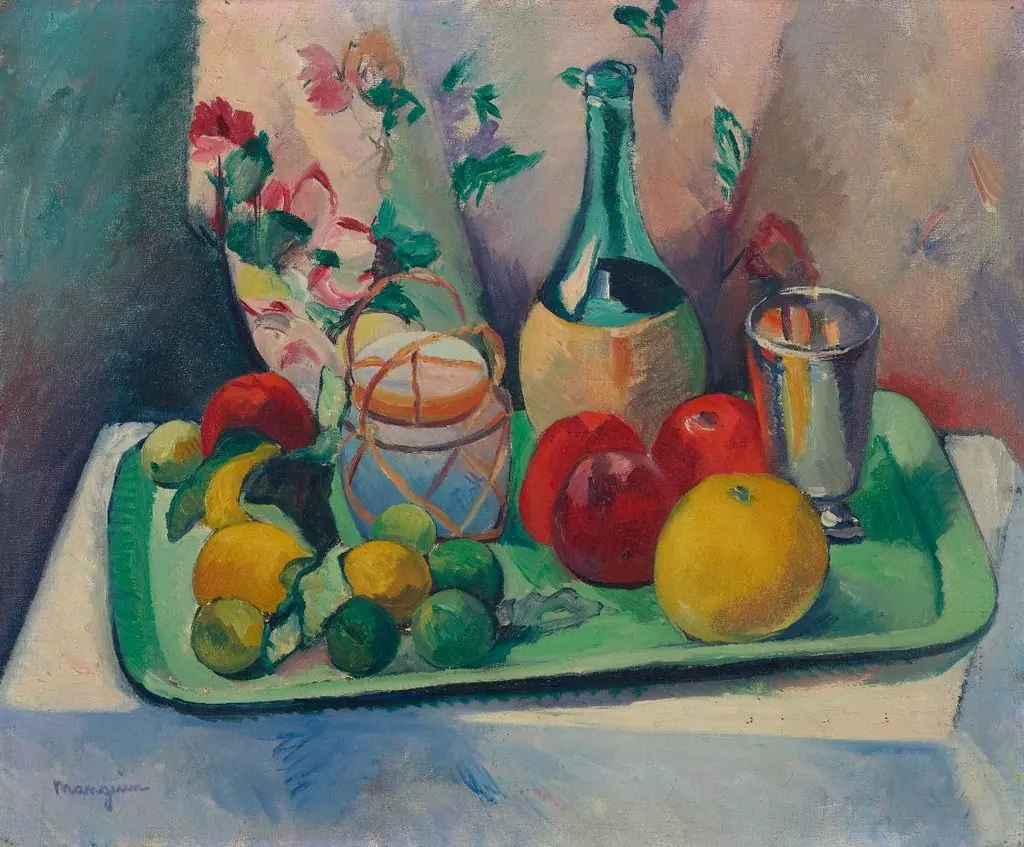 Le plateau vert
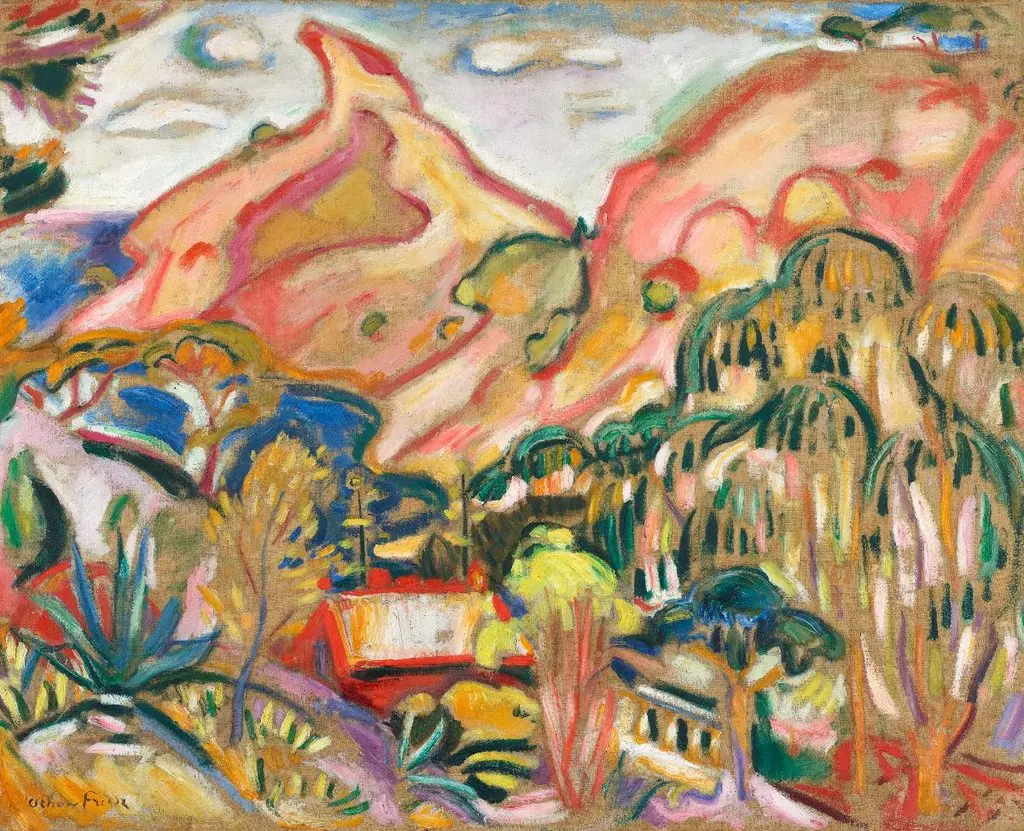 Le Bec de L'Aigle, La Ciotat
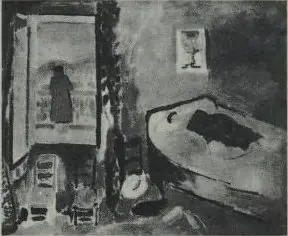 Intérieur à Collioure (La Sieste)
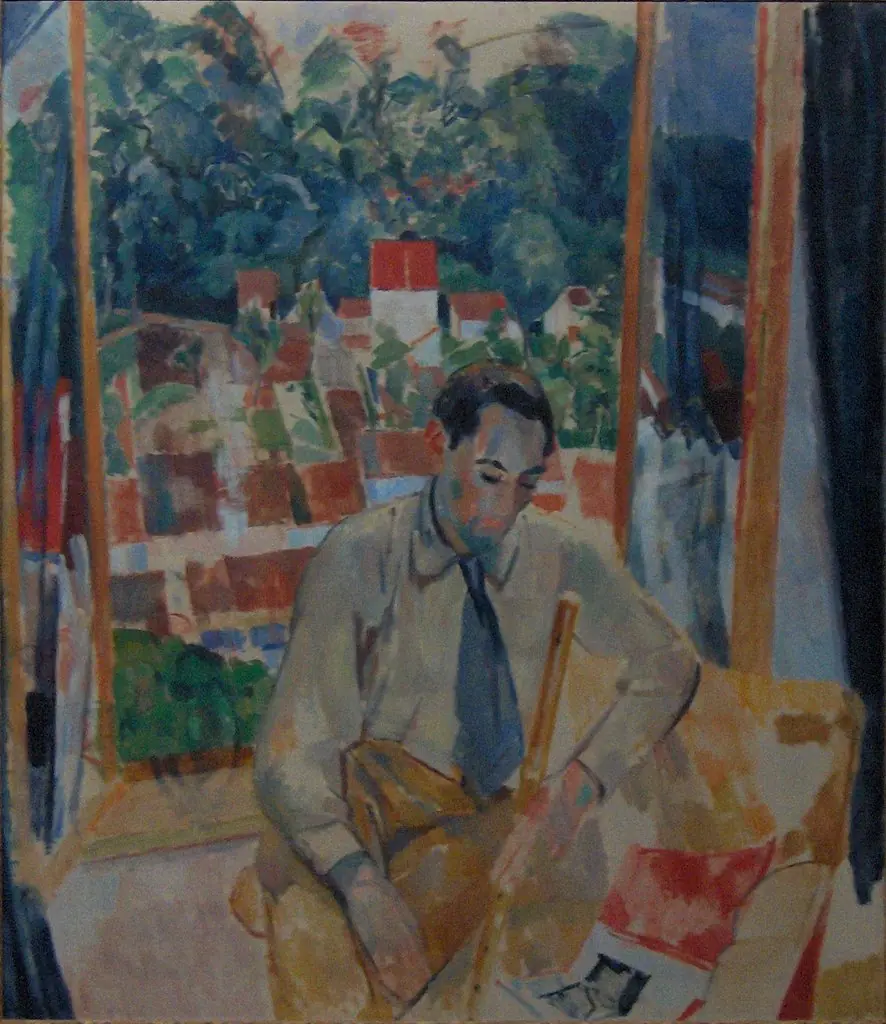 The flute player
 Untitled
 Untitled
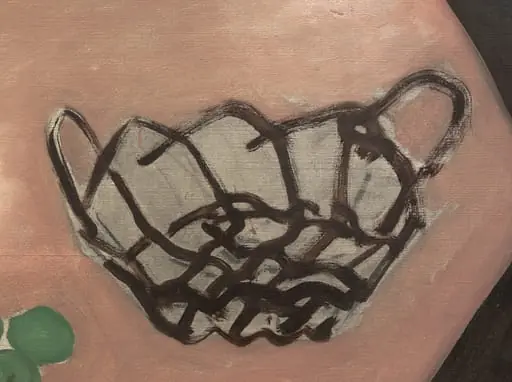 Untitled
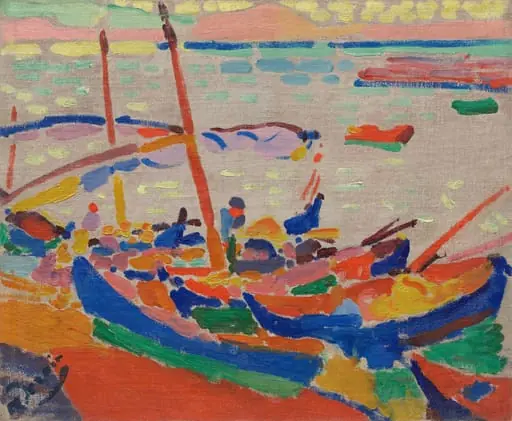 Untitled
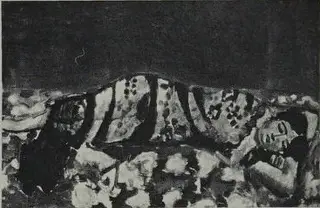 The Black Shawl
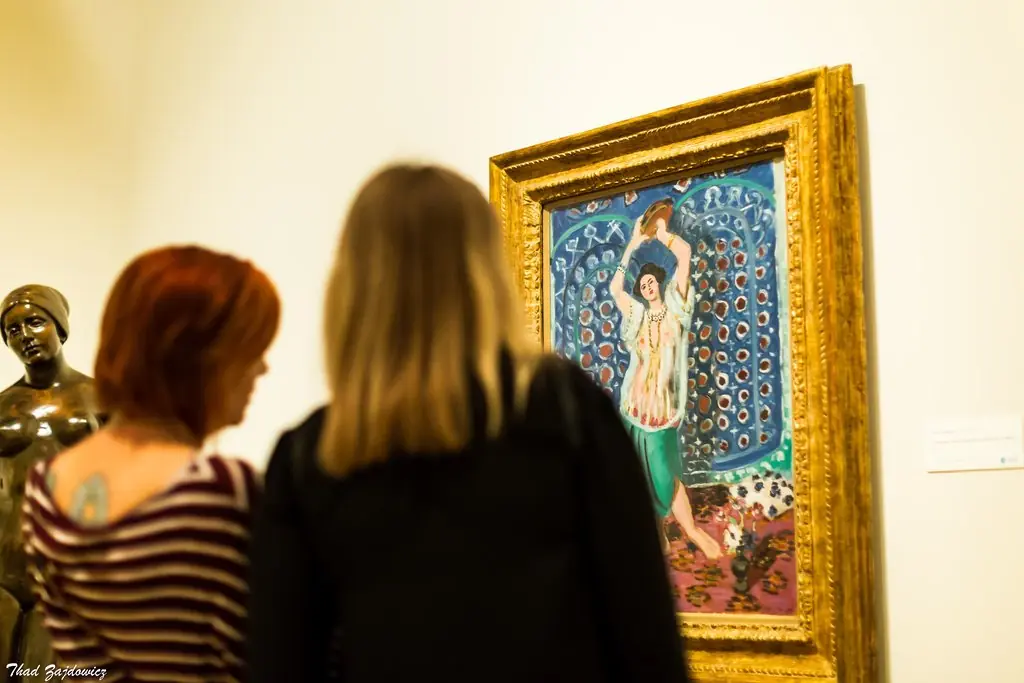 Odalisque with Tambourine (Harmony in Blue)
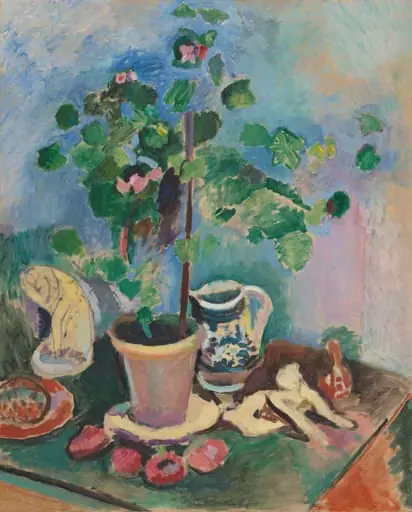 Still Life with Geranium
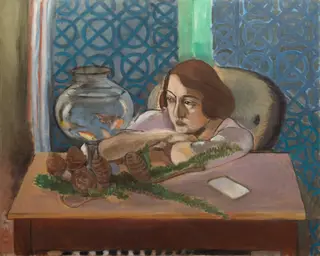 Woman before an Aquarium
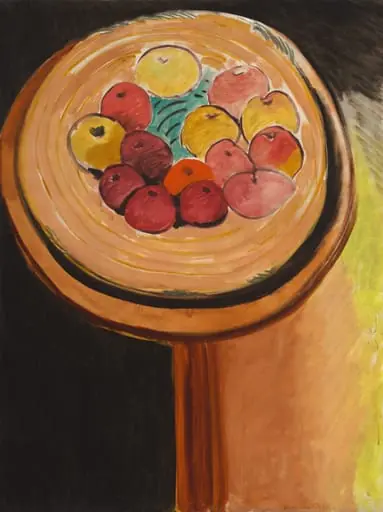 Apples
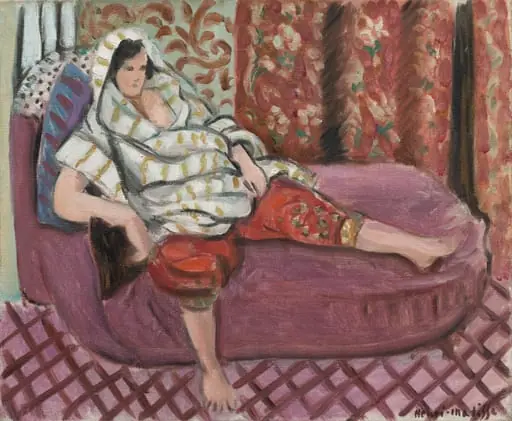 Woman on Rose Divan
Groups & collectives
Learn this movement
Frequently asked questions
What is Fauvism?
Fauvism is an art movement. The first of the 20th-century avant-garde 'isms,' briefly dominant in Paris from 1905 to 1907.
How many Fauvism works does Artifact World Gallery have?
Artifact World Gallery holds 162 public-domain Fauvism works, all free to view and download.
Who are the key Fauvism artists?
Key Fauvism artists in the collection include Henri Matisse, Albert Marquet and Othon Friesz.
When did Fauvism take place?
Fauvism dates from around 1904.
Where can I see Fauvism works?
Fauvism works in the collection are held by Hermitage Museum, Museum of Modern Art and Statens Museum for Kunst.