Artwork
Surrender of Tortosa, January 2, 1811
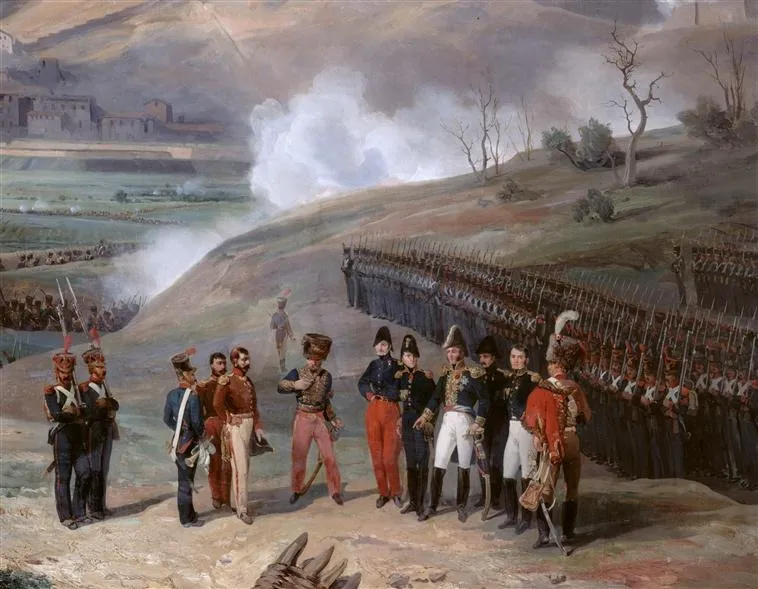
Surrender of Tortosa, January 2, 1811 is an oil painting by Jean-Charles-Joseph Rémond. It dates from 1837 and is held in the collection of the Palace of Versailles.
About this work
Subject & Meaning
The painting depicts the historic capitulation of the city of Tortosa on January 2, 1811, a significant event of the Peninsular War.
The painting depicts the historic capitulation of the city of Tortosa on January 2, 1811, a significant event of the Peninsular War. As a work of history painting, the composition illustrates the aftermath of military conflict, featuring specific iconography such as fortifications, trenches, and the presence of infantry and general staff. The scene captures the major trauma of the siege, incorporating elements like cannons and the mountainous terrain surrounding the city to emphasize the gravity of the surrender.
By focusing on these details of warfare and the specific moment of the city's fall, the artwork serves as a visual record of the military campaign and the suffering associated with the conflict.
Technique & Style
Jean-Charles-Joseph Rémond’s Surrender of Tortosa, January 2, 1811 is executed in oil paint on canvas, a standard support for large-scale history paintings of the period. Measuring 185.5 cm in height and 236.2 cm in width, the work employs a smooth, finely layered application typical of academic technique, prioritizing precise detail over visible brushwork.
The composition balances meticulous topographical accuracy, evident in the depiction of fortifications, trenches, and the mountainous terrain of Tortosa, with dramatic figural groupings, including infantry, general staff, and cannon placements. The handling reflects Rémond’s training in the French academic tradition, emphasizing clarity of narrative and idealized representation of military events while maintaining a controlled, almost polished surface texture.
History & Provenance
Jean-Charles-Joseph Rémond painted Surrender of Tortosa, January 2, 1811 in 1837 using oil on canvas. The work was exhibited at the Salon of 1837. It is held in the collection of the Museum of the History of France at the Palace of Versailles, with its current specific location listed as the Versailles military hospital. The painting carries multiple inventory numbers: MV 1758, INV 7411, and LP 2793.
The painting is held in the collection of the Museum of the History of France, located within the Palace of Versailles. It is registered under the inventory numbers MV 1758, INV 7411, and LP 2793. Historical records indicate the work was exhibited at the Salon of 1837, the same year of its creation.
While primarily associated with the Versailles museum, documentation also notes a location context involving a military hospital in Versailles.
Legacy
The Surrender of Tortosa, January 2, 1811, was exhibited at the Salon of 1837 and has been recognized as a significant historical painting within French art history. Its depiction of major trauma, cannon, general staff, fortification, trench warfare, infantry, mountain, Tortosa, and city has contributed to its lasting reputation as a vivid record of military conflict. The work is part of the collection at the Museum of the History of France at the Palace of Versailles, where it remains on display in the hospital militaire wing.
Overview
Jean‑Charles‑Joseph Rémond’s oil painting Surrender of Tortosa, January 2, 1811 was completed in 1837. The canvas records a moment from the Napoleonic wars when the fortified Spanish city of Tortosa capitulated. The work is part of the collection displayed at the Palace of Versailles, illustrating the artist’s interest in combining landscape with historical narrative.
Context
The surrender depicted occurred during the Peninsular War, when French forces secured Tortosa after a protracted siege. Rémond’s choice to portray the event reflects contemporary French interest in celebrating military victories and the orderly conduct of troops. The painting also mirrors the period’s fascination with precise, documentary‑style representations of recent history.
Artist & collection
Artist
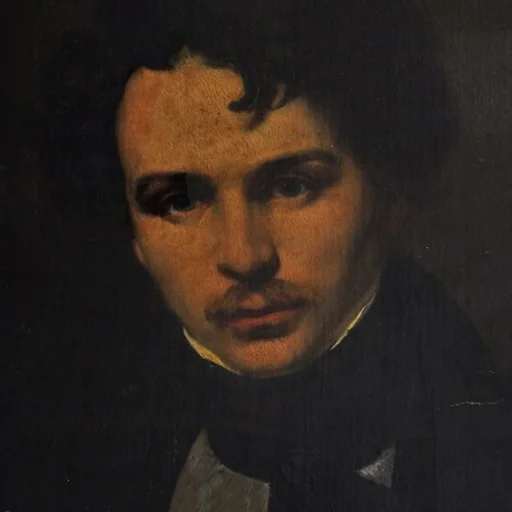
Jean-Charles-Joseph Rémond (born in Paris in 1795 and died in Paris in 1875) was a French painter, pupil of Jean-Victor Bertin and Jean-Baptiste Regnault.

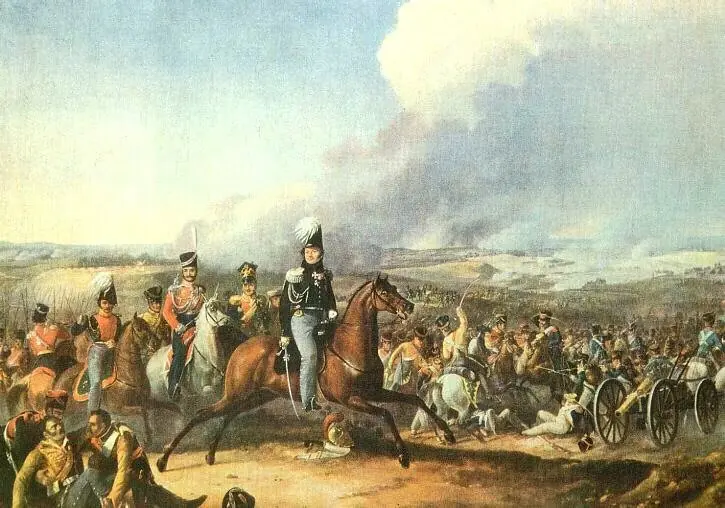 Attack of the Uvarov Cavalry at Borodino
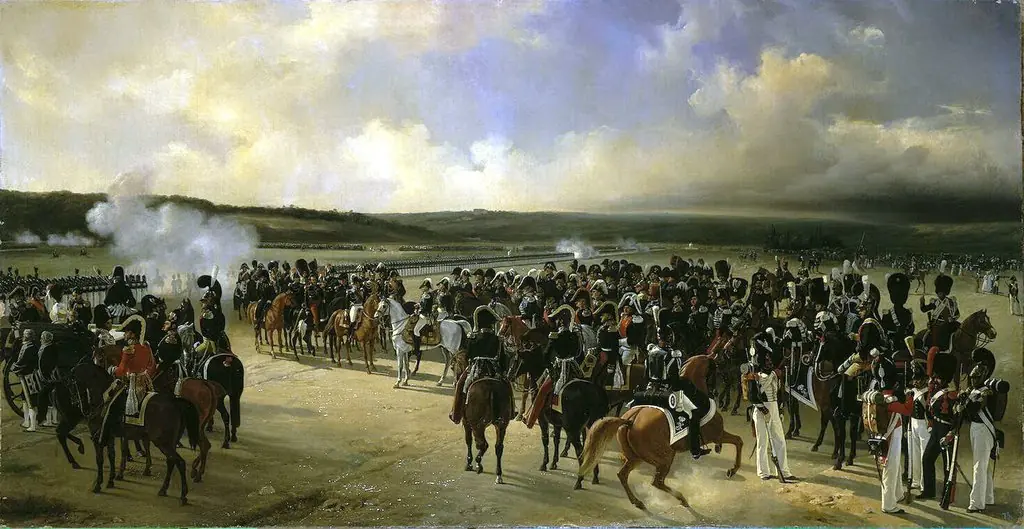 Review of the French Guards in the Presence of Charles X
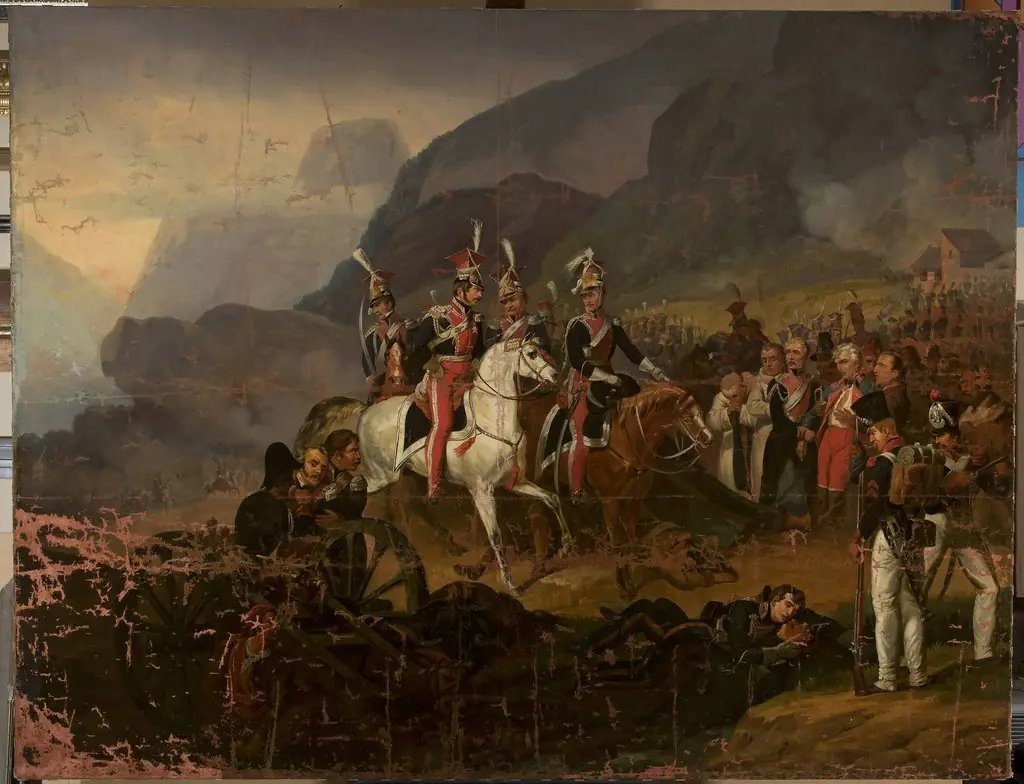 Battle scene: Wincenty Krasiński receives the report from Kozietulski after the battle of Somosierra (copy, after Horace Vernet)
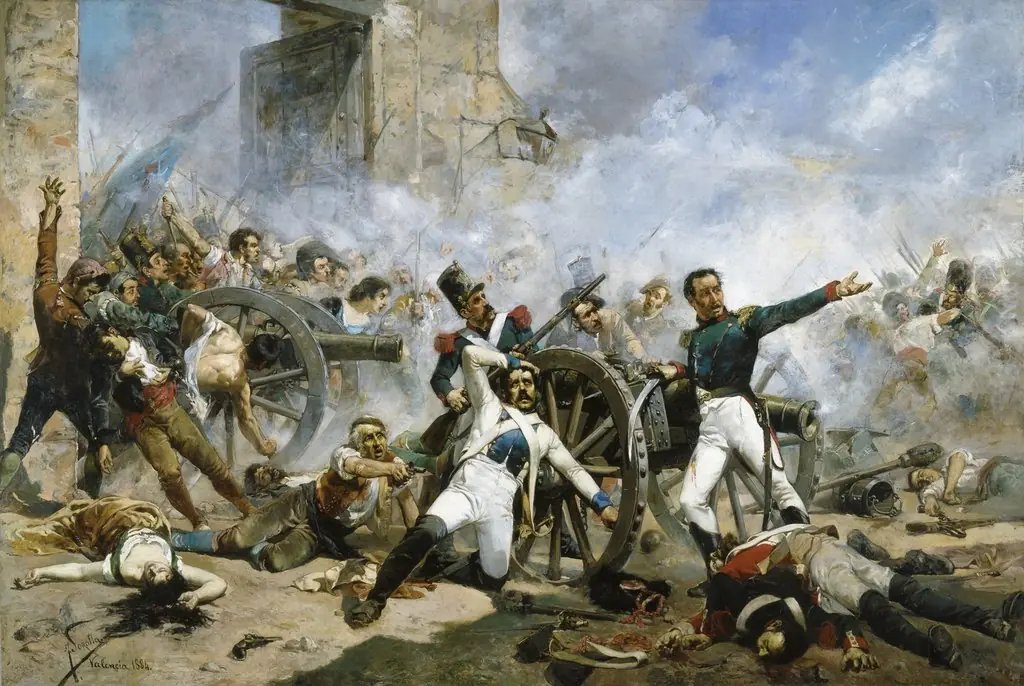 The death of Pedro Velarde y Santillán during the defence of the Monteleon Artillery Barracks.
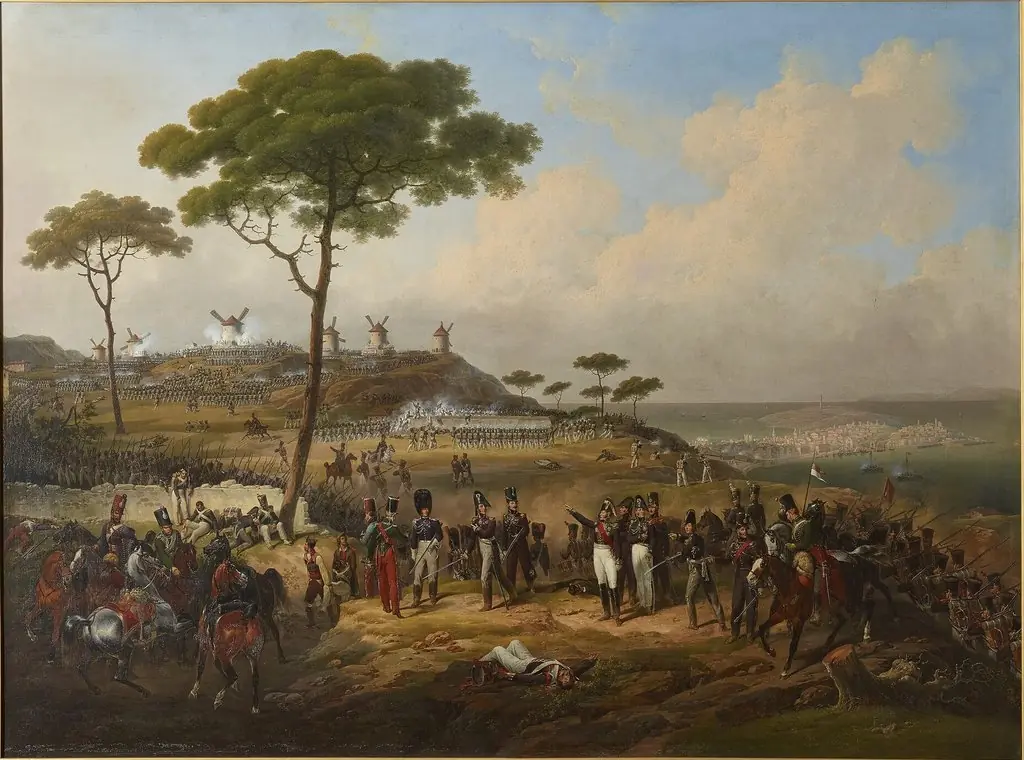 Attaque et prise des retranchements devant La Corogne par la division Bourke, 15 juillet 1823
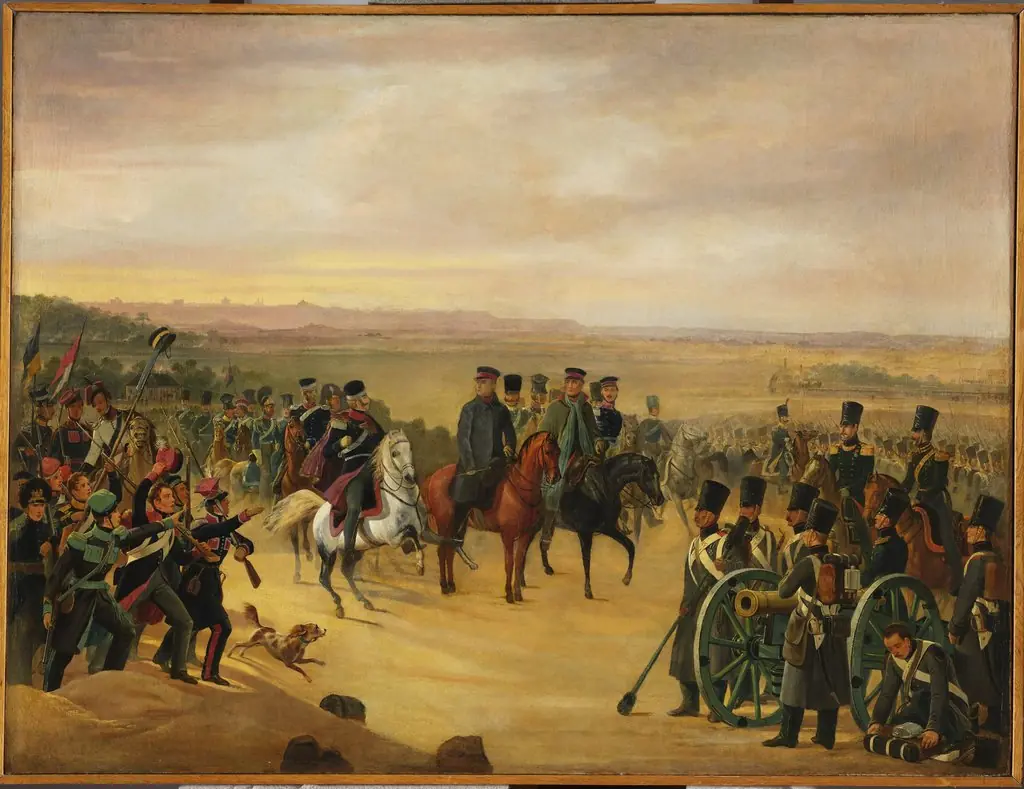 General Józef Chłopicki and Skrzynecki among soldiers
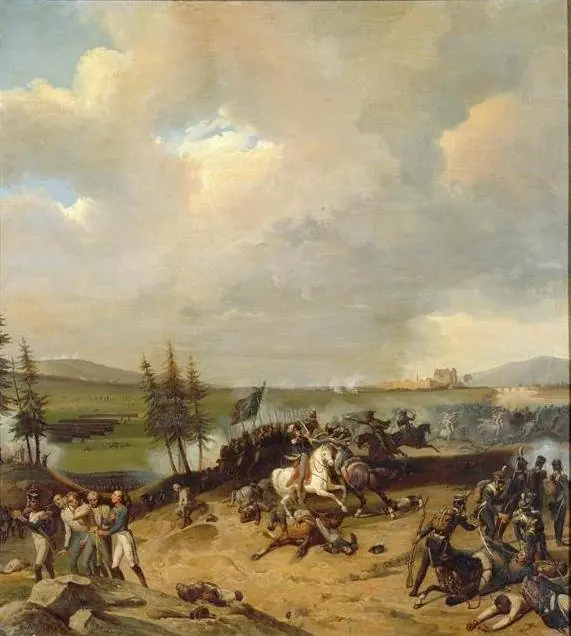 Combat de Saalfeld, 10 octobre 1806
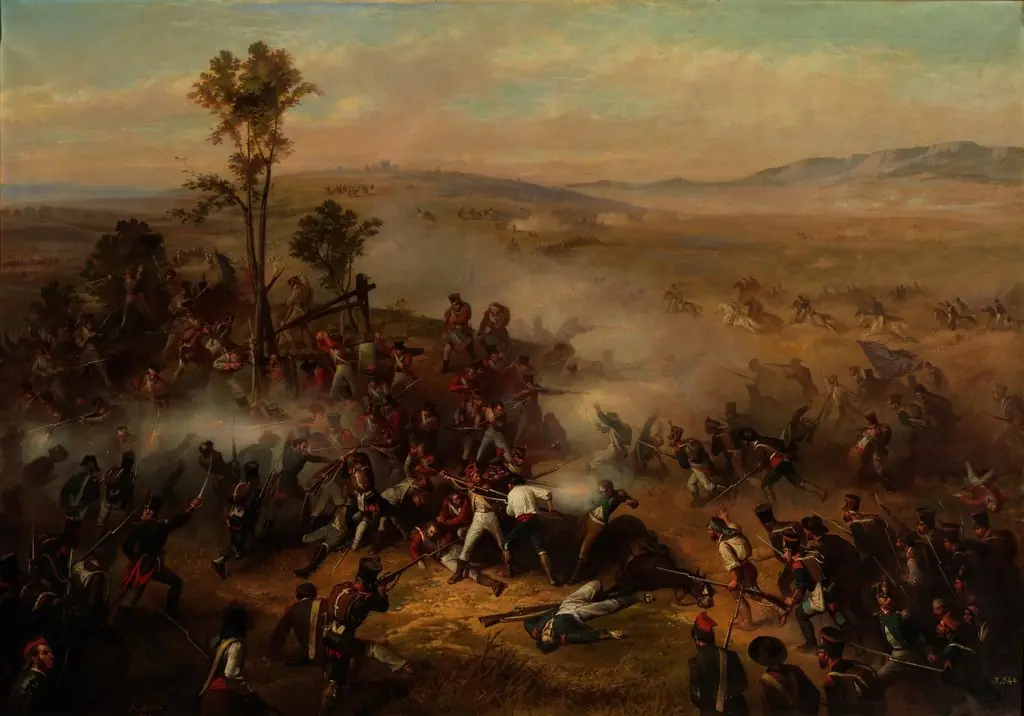 Episodio de la batalla de Bailén
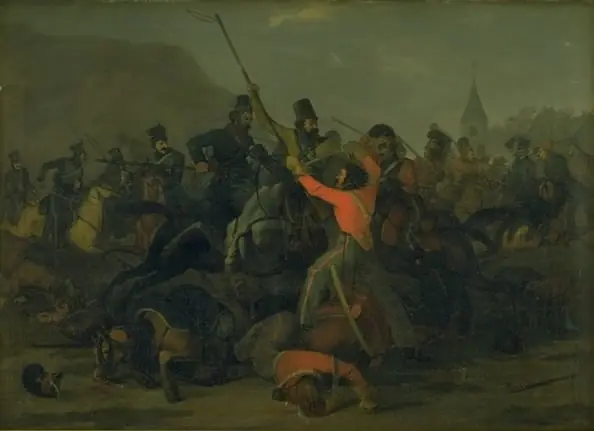 Oberst Boncke Bönnichsens fald den 6. december 1813 under en fægtning mellem jyske dragoner og kosakker