Genre
History Painting
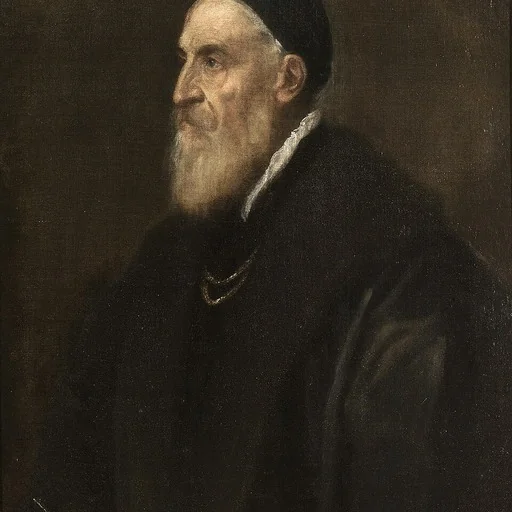
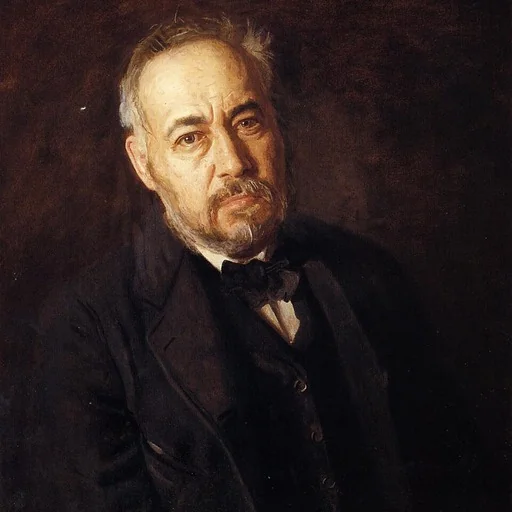
History Painting is an art genre. The gallery holds 2,044 works in this genre, including works by Titian, Thomas Eakins and Paolo Veronese.
History painting is the genre defined not by its medium or scale but by its subject: the depiction of significant human events drawn from history, the Bible, classical mythology, and allegory. Codified by the theorist André Félibien, secretary to France's Académie royale de peinture et de sculpture, in his lectures of 1667–1669, it stood at the summit of the academic "hierarchy of genres," ranked above portraiture, genre scenes, landscape, and still life. The reasoning was moral and intellectual: only the multi-figure narrative — la grande peinture — could combine ideal beauty, learned invention, and an ethically elevating message. Its roots lay in the Italian Renaissance, in the istoria championed by Leon Battista Alberti and realized in Raphael's Vatican frescoes, and it remained the genre against which serious ambition was measured for some three centuries.
The genre carried formal expectations as well as thematic ones. A history painting was meant to be large, theatrical, and legible, organizing many figures into a clear dramatic action through disciplined composition, expressive gesture, and idealized anatomy. Nicolas Poussin became its intellectual standard-bearer in the seventeenth century, favoring clarity, line, and ordered design over color and incident — an approach that shaped academic teaching across Europe.
Neoclassicism gave the genre its most disciplined expression. Jacques-Louis David's The Death of Socrates (1787), commissioned by Charles-Michel Trudaine de la Sablière and now in the Metropolitan Museum of Art, distills a story from Plato's Phaedo into a sparse, friezelike composition praised for its precise draughtsmanship and stoic moral force on the eve of the French Revolution. Earlier, Benjamin West had broken with convention in The Death of General Wolfe (1770) by rendering a near-contemporary event in modern dress, expanding the genre toward current history.
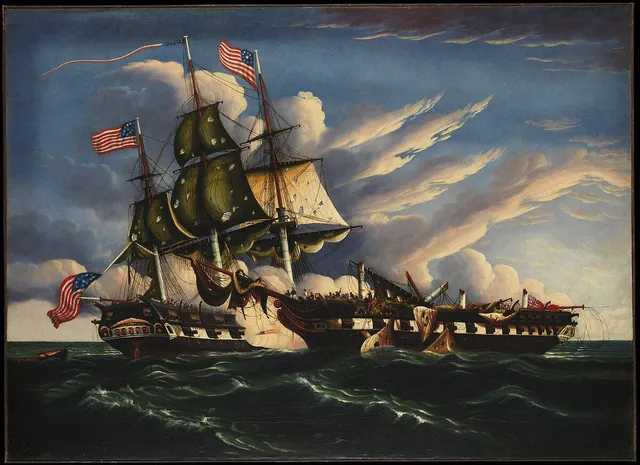
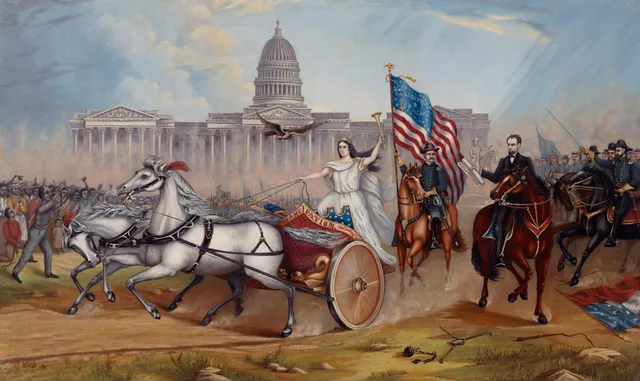
That widening continued into the nineteenth century, especially in the service of national myth. Emanuel Leutze's monumental Washington Crossing the Delaware (1851), also at the Met, drew 50,000 paying viewers in New York within months of its arrival — a patriotic icon born of European revolutionary fervor. The catalogue's American examples — A.A. Lamb's Emancipation Proclamation, Thomas Chambers's naval The Constitution and the Guerriere, and Thomas Pritchard Rossiter's Washington and Lafayette at Mount Vernon — extend this commemorative impulse, while Apollonio di Giovanni's cassone panel of the Conquest of Trebizond reaches back to its Florentine origins. Though the genre's academic supremacy collapsed as Realism, Impressionism, and modernism dissolved the hierarchy, its ambitions endure in religious and mythological painting and in public monumental art.
Key artists
Works
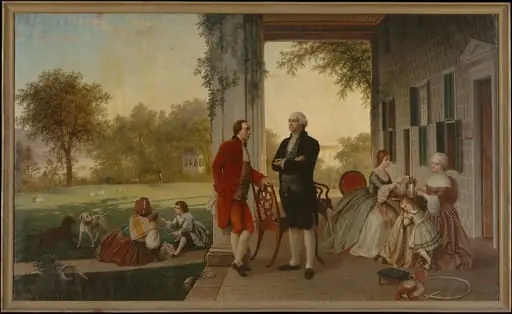 Washington and Lafayette at Mount Vernon, 1784 (The Home of Washington after the War)
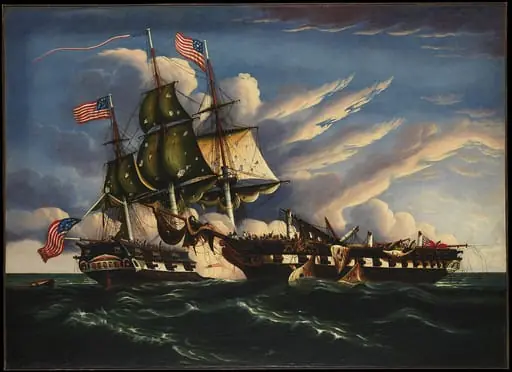 The Constitution and the Guerriere
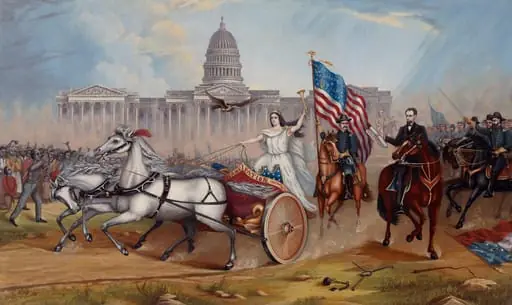 Emancipation Proclamation
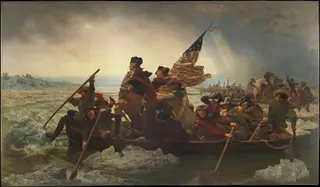 Washington Crossing the Delaware
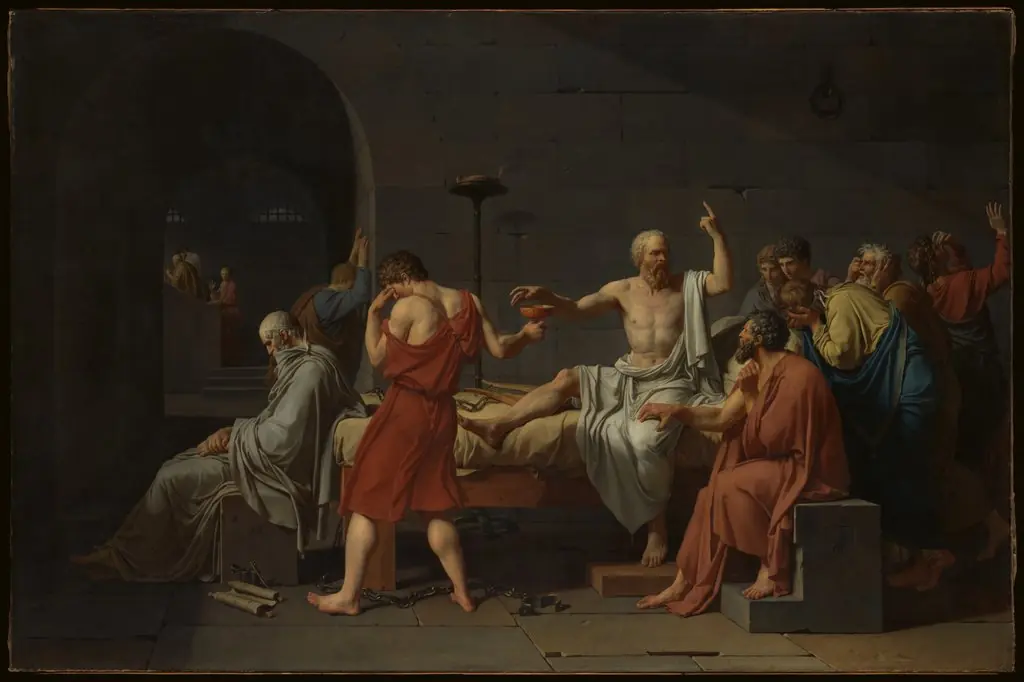 The Death of Socrates
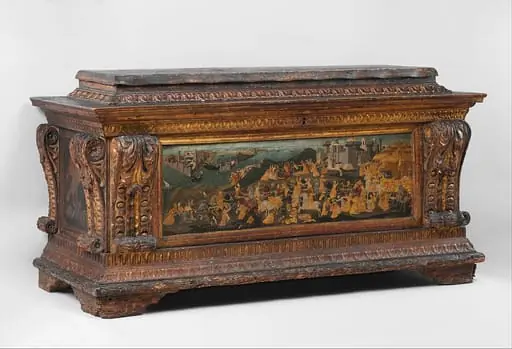 Cassone with painted front panel depicting the Conquest of Trebizond
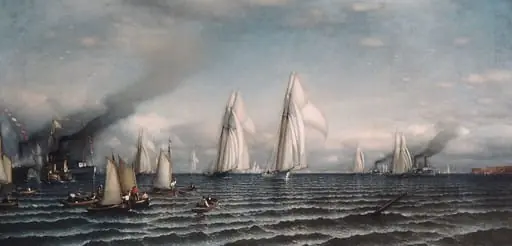 Finish—First International Race for America's Cup, August 8, 1870
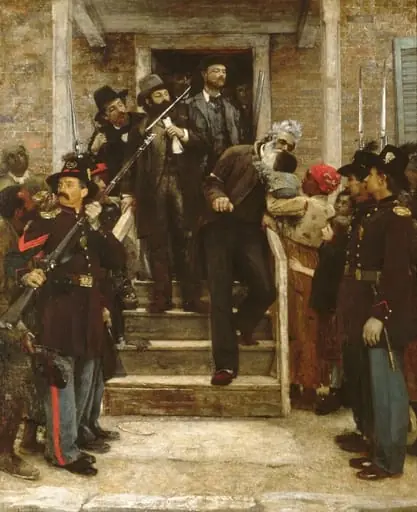 The Last Moments of John Brown
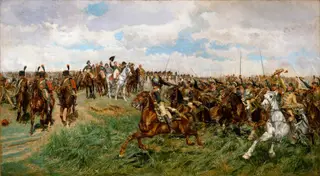 1807, Friedland
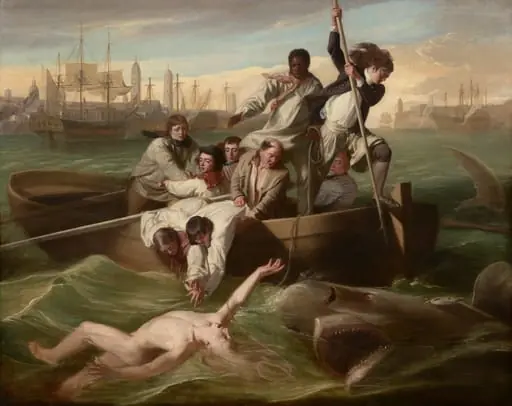 Watson and the Shark
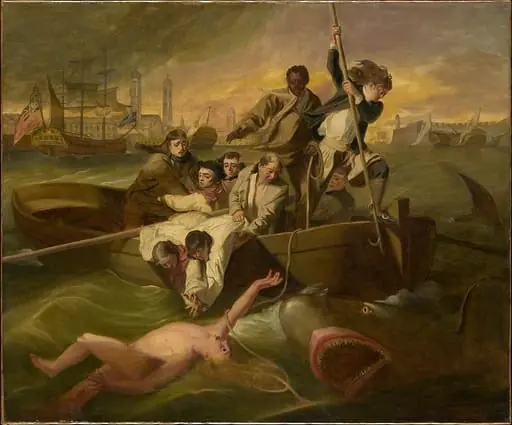 Watson and the Shark
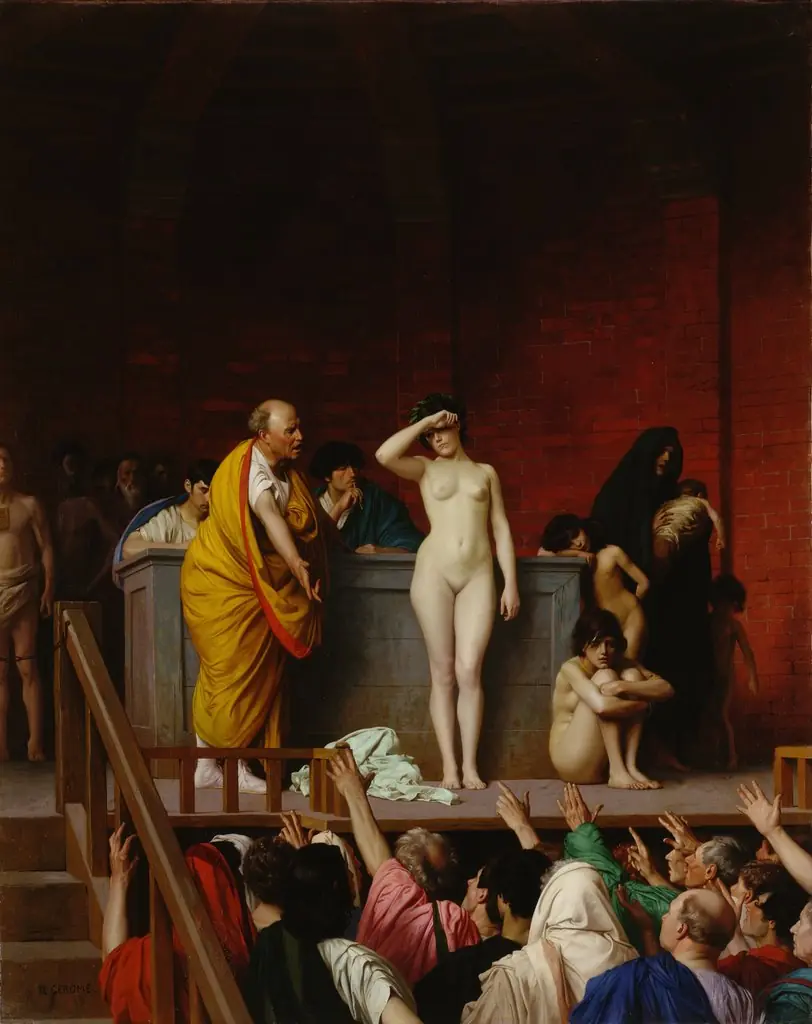 Slave Market in Rome
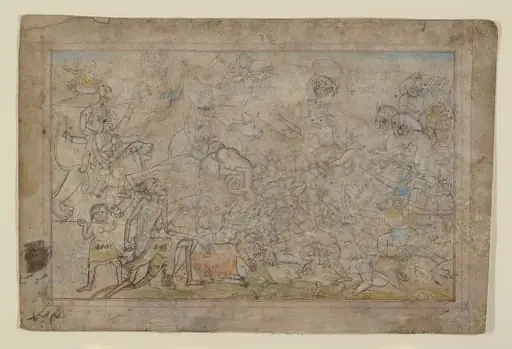 Untitled
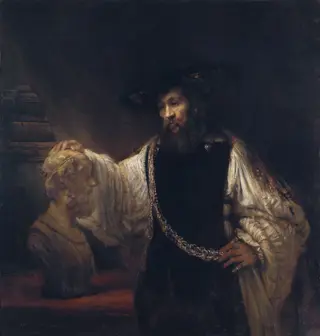 Aristotle with a Bust of Homer
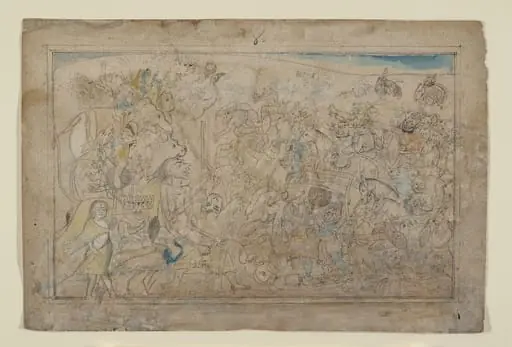 Untitled
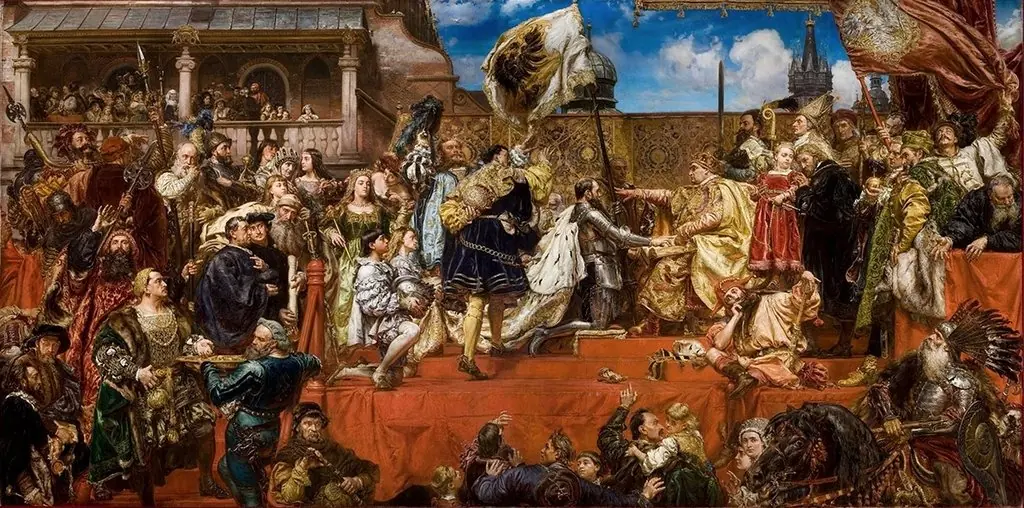 Prussian Homage
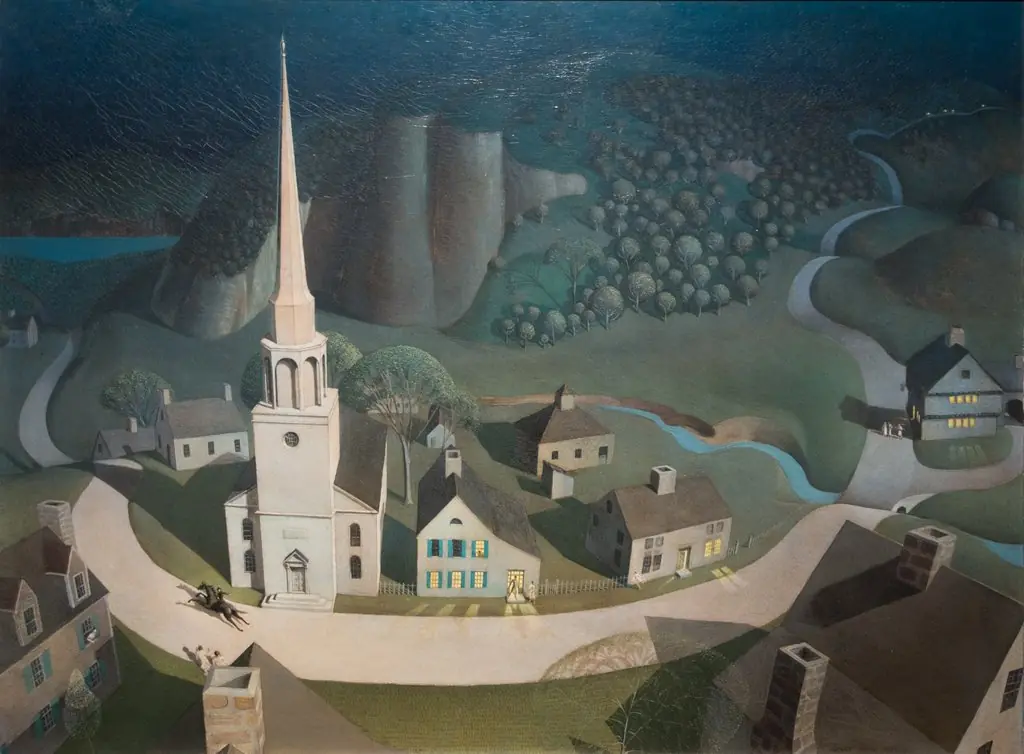 The Midnight Ride of Paul Revere
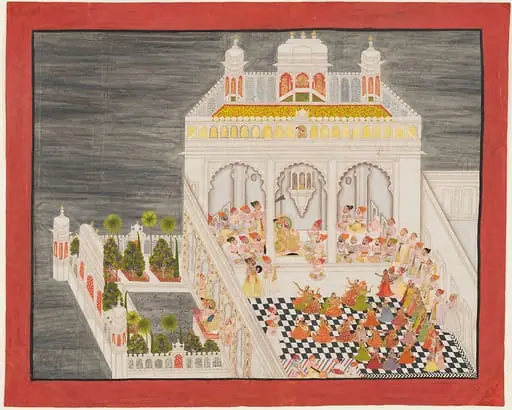 Untitled
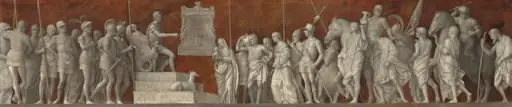 An Episode from the Life of Publius Cornelius Scipio
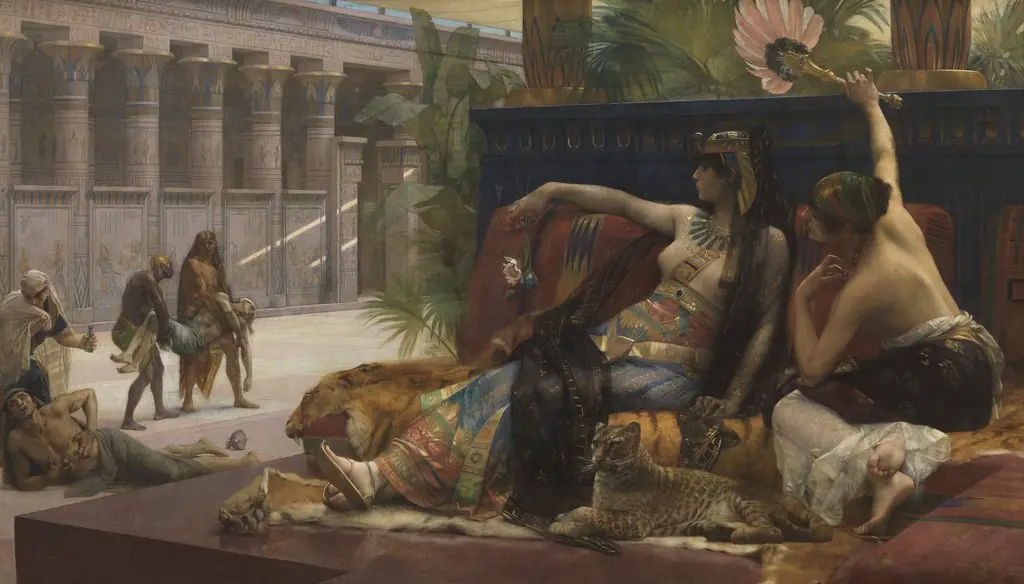 Cleopatra Testing Poisons on Condemned Prisoners
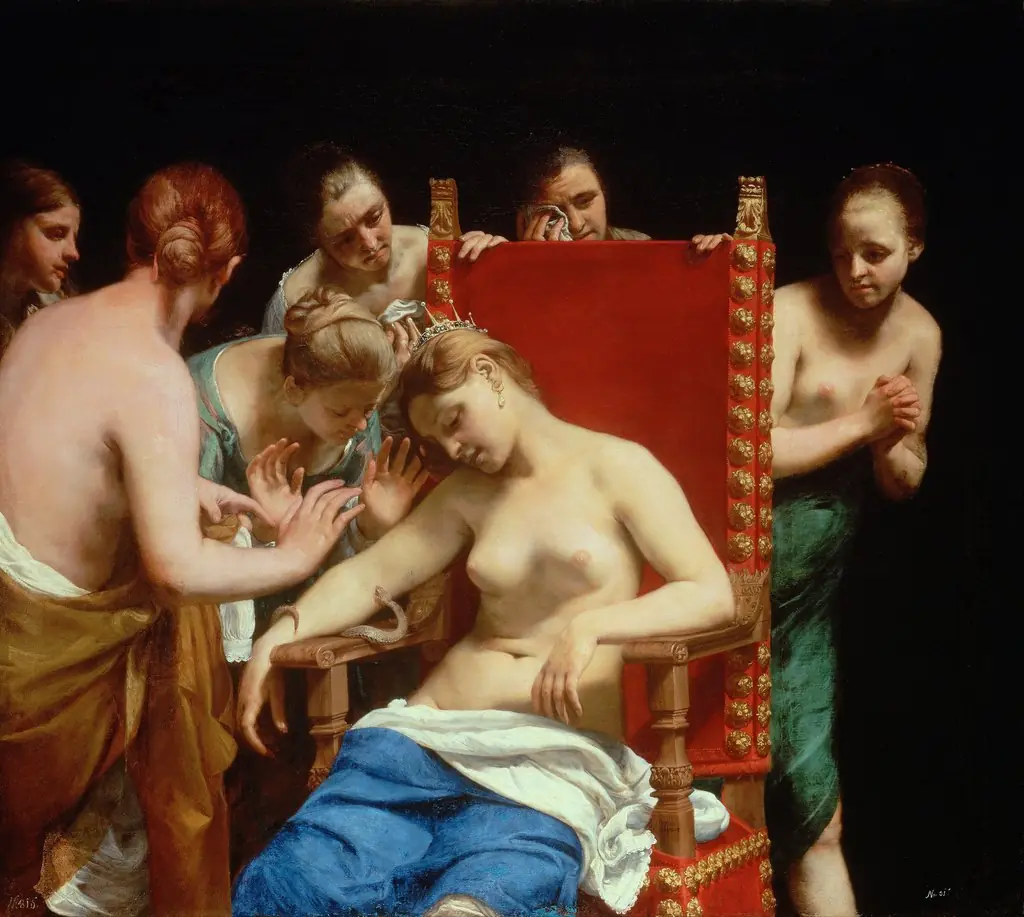 The Death of Cleopatra
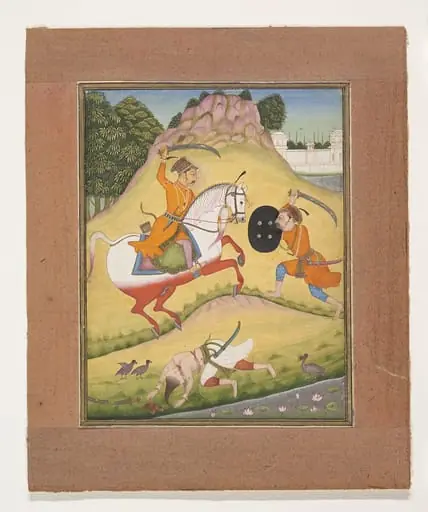 Untitled
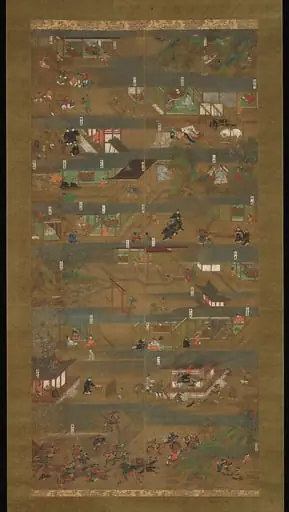 聖徳太子絵伝図|Illustrated Biography of Prince Shōtoku (Shōtoku Taishi e-den)
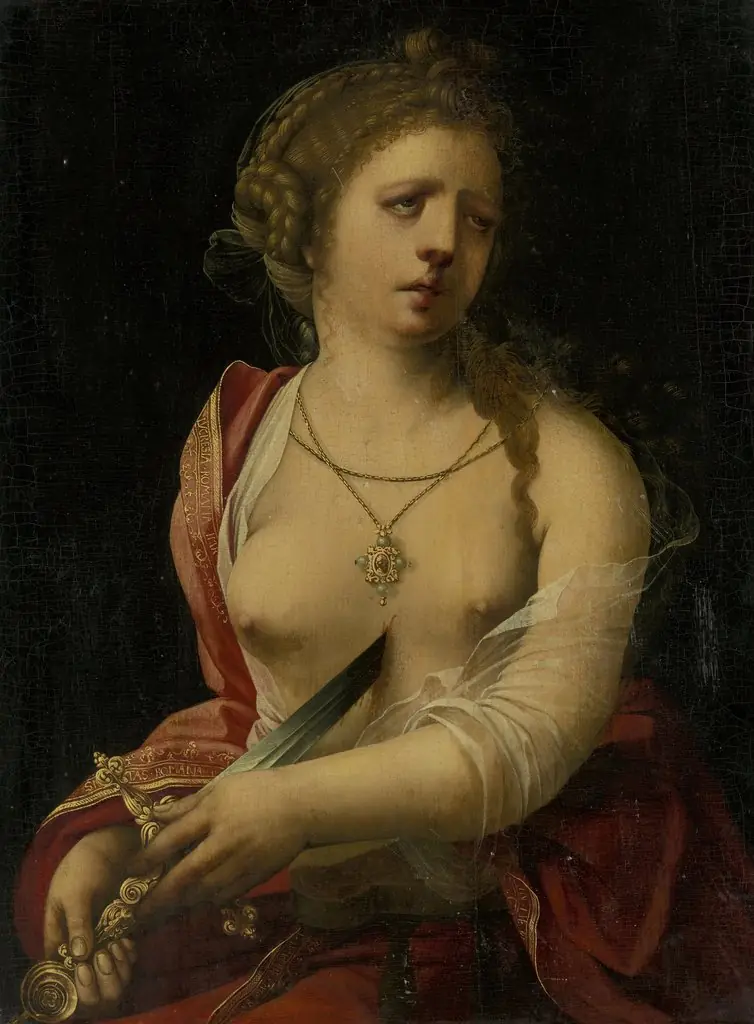 The suicide of Lucretia
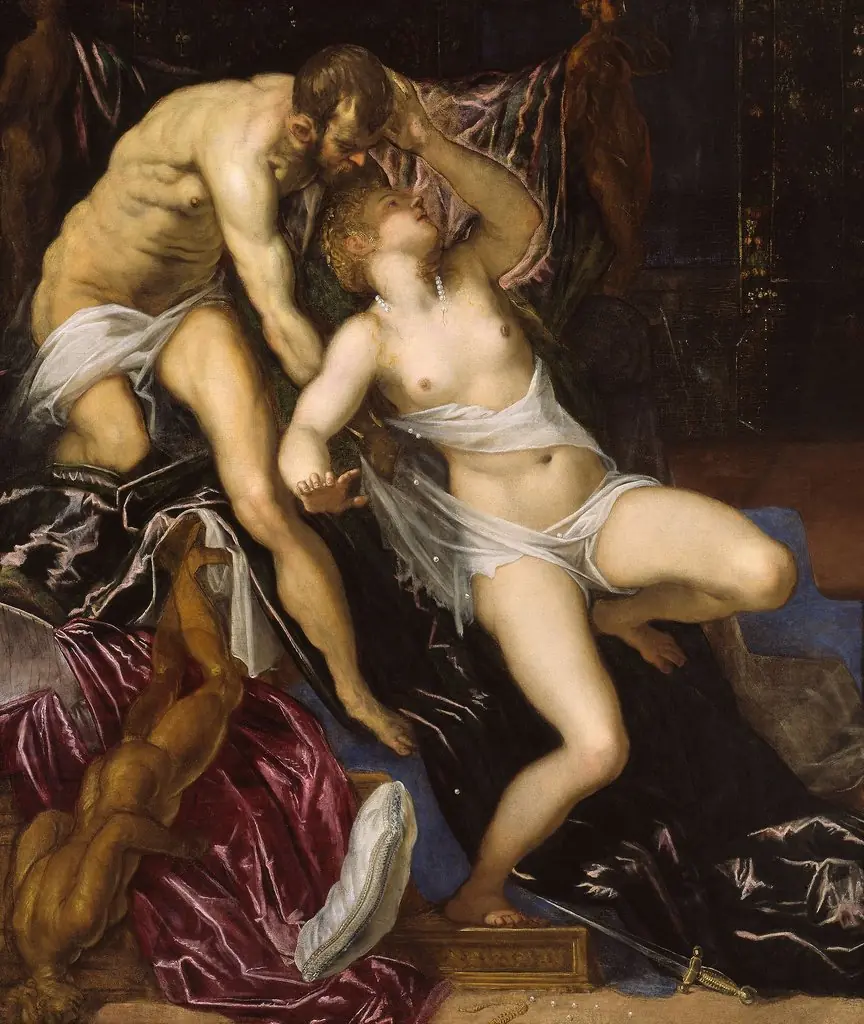 Tarquin and Lucretia
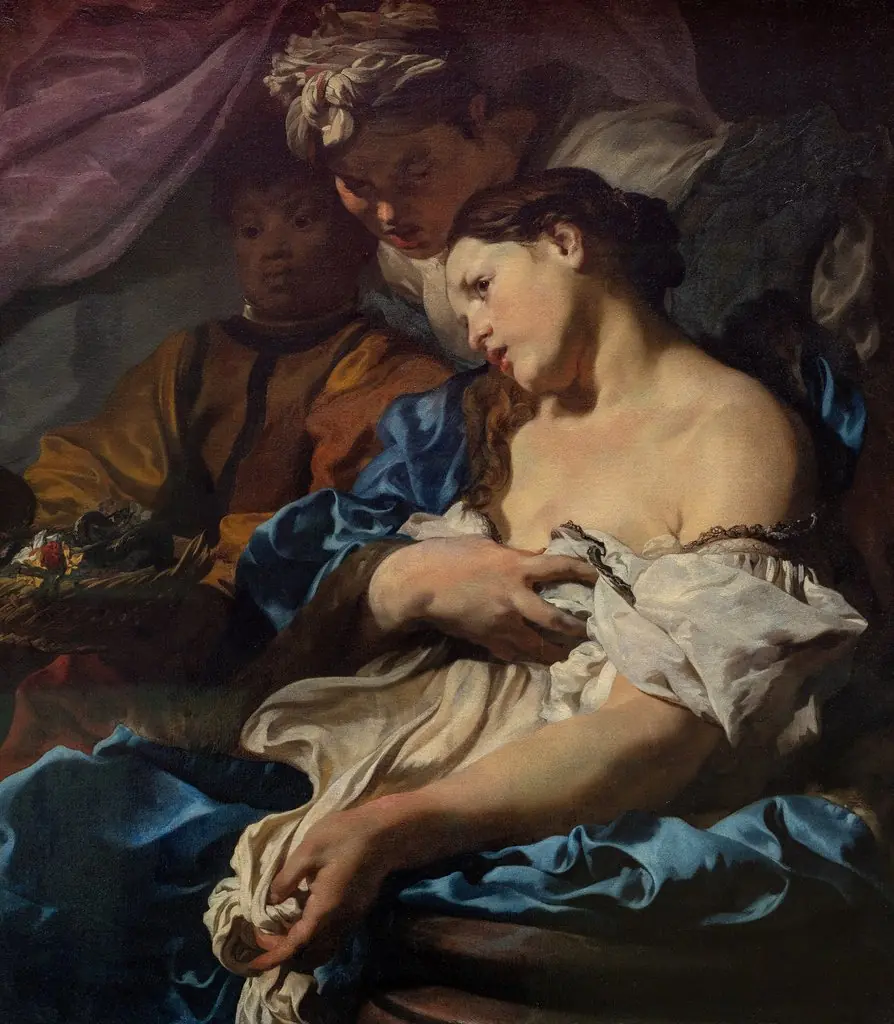 The Death of Cleopatra
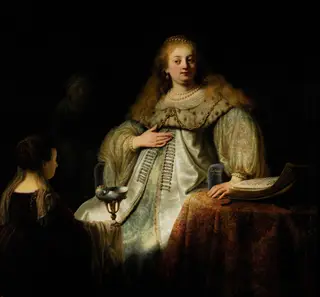 Judith at the Banquet of Holofernes
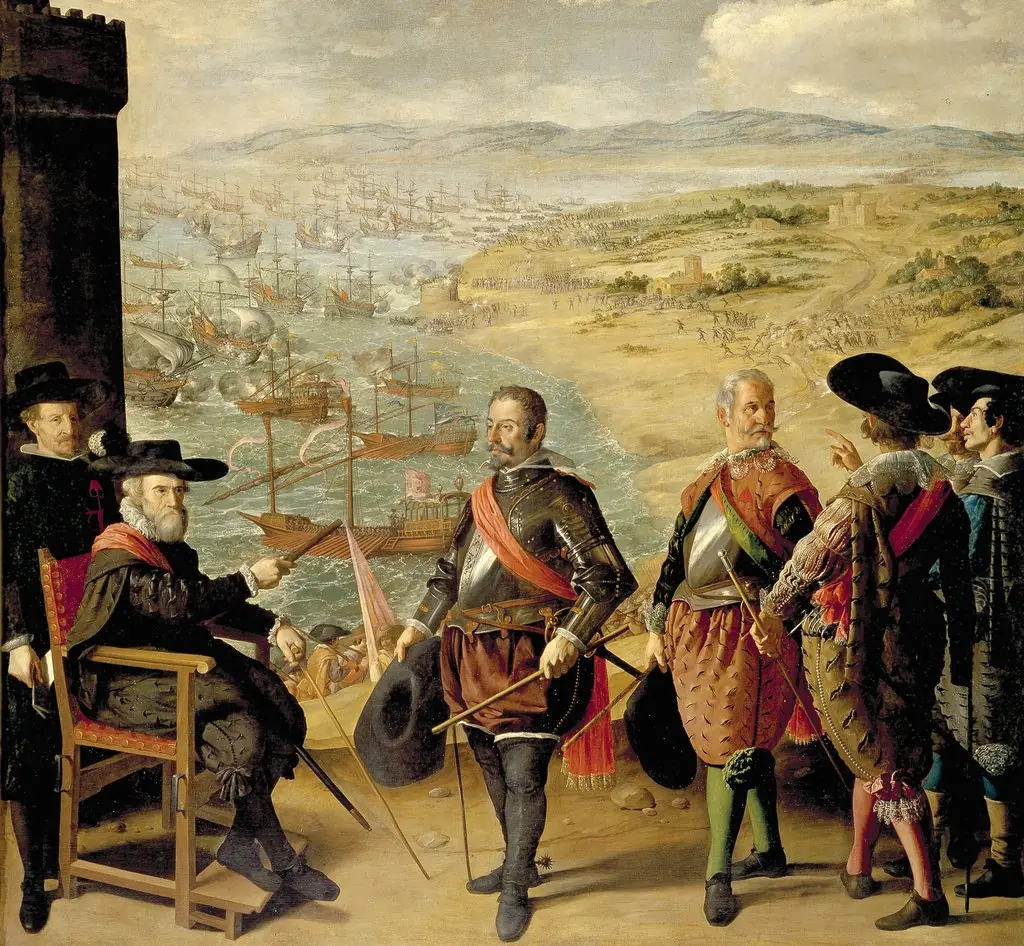 The Defense of Cadiz Against the English
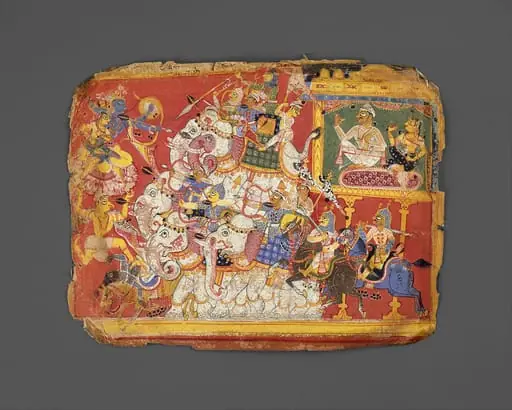 Untitled
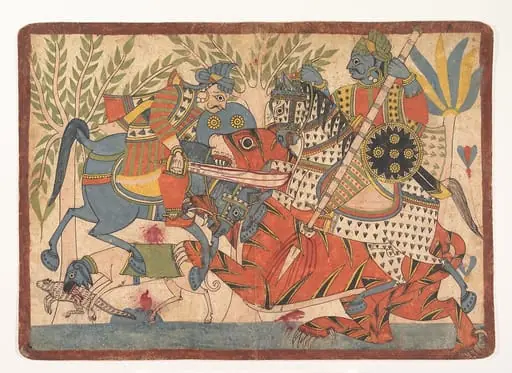 Untitled
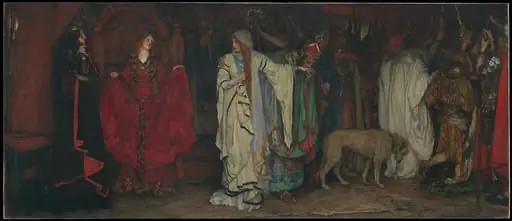 "King Lear," Act I, Scene I
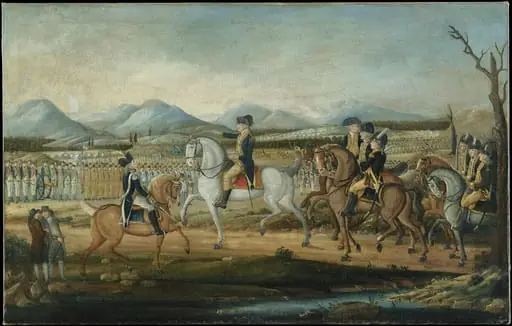 Washington Reviewing the Western Army at Fort Cumberland, Maryland
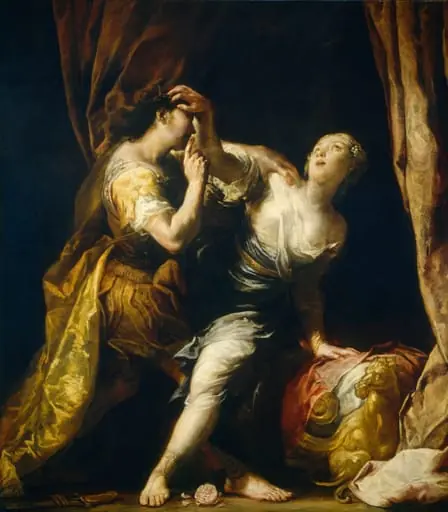 Tarquin and Lucretia
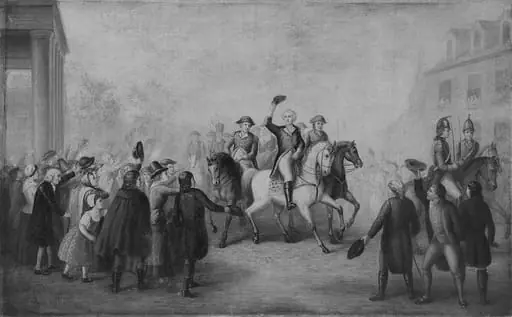 Washington's Triumphal Entry into New York
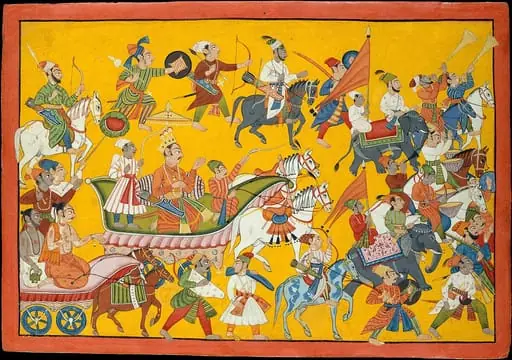 Untitled
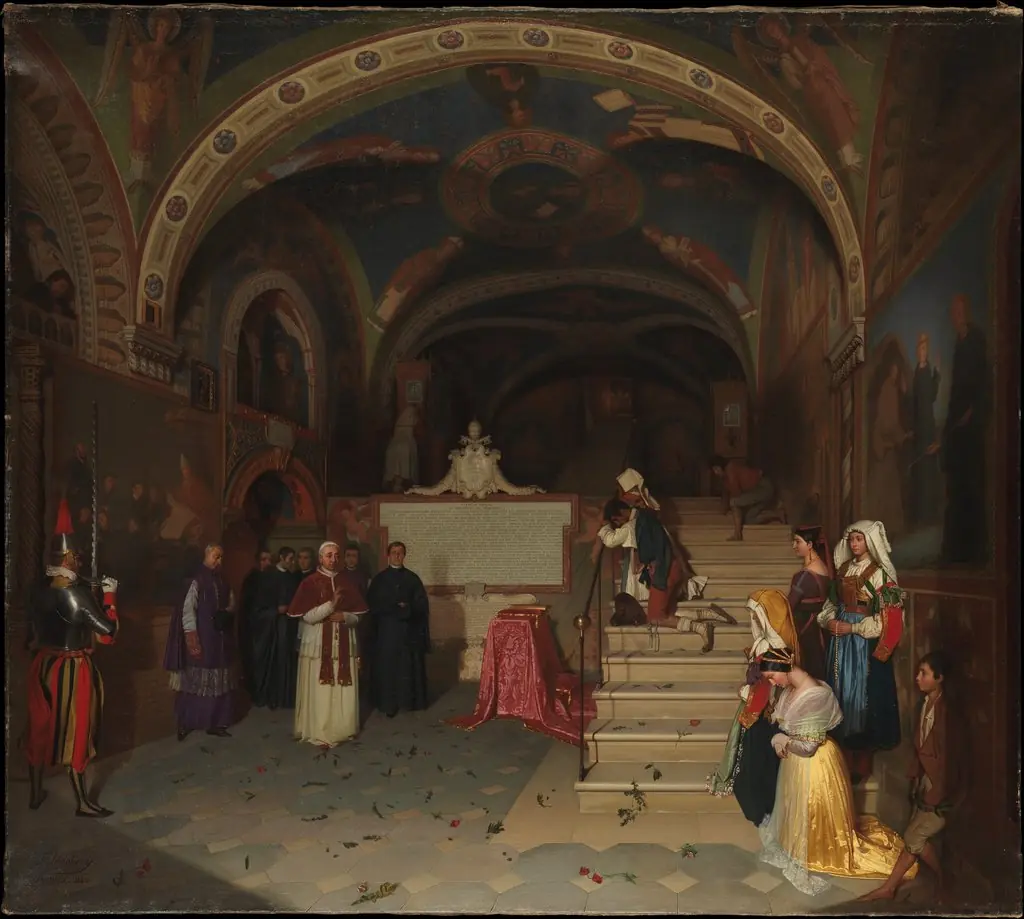 Pope Gregory XVI Visiting the Church of San Benedetto at Subiaco
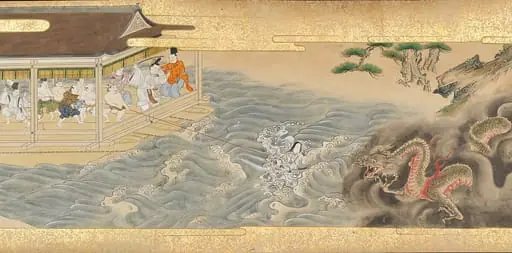 『大織冠』|The Great Woven Cap (Taishokkan)
 Landscape with a Stone Bridge
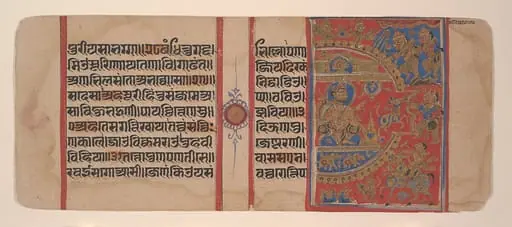 Untitled
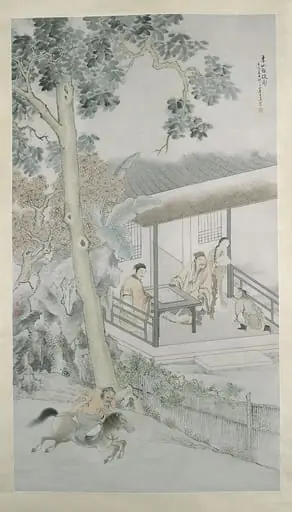 清 王素 東山報捷圖 軸|Bringing the Message of Victory to Dongshan
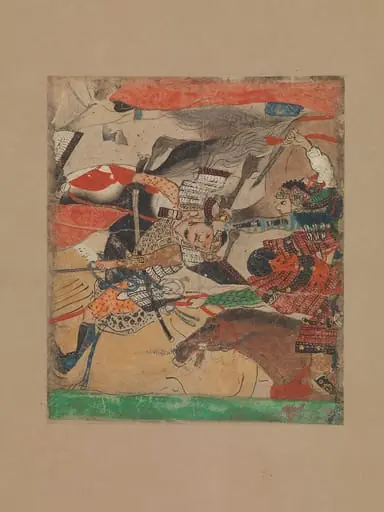 六波羅合戦 平治物語絵巻 断簡|Battle at Rokuhara, from The Tale of the Heiji Rebellion
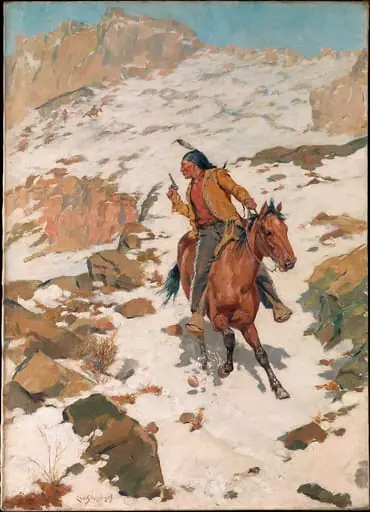 In Hot Pursuit
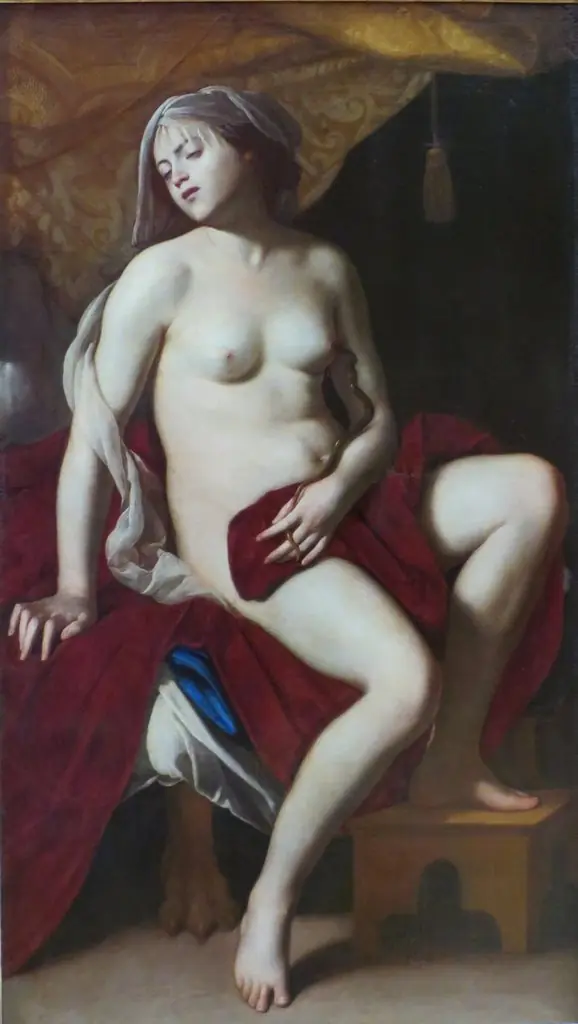 The Death of Cleopatra
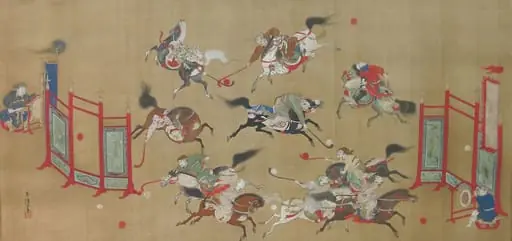 Untitled
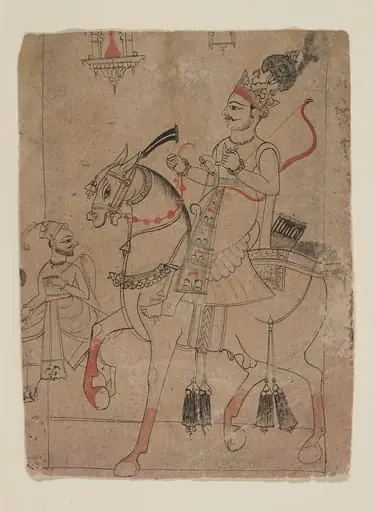
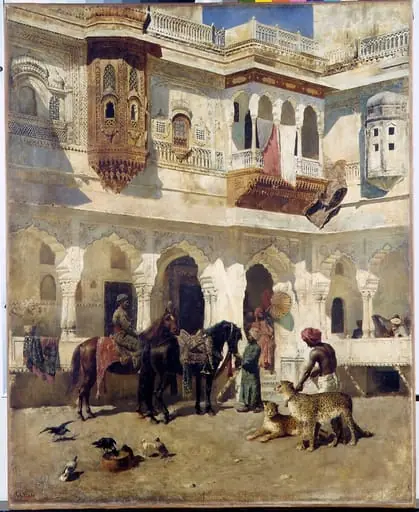 The Rajah Starting on a Hunt
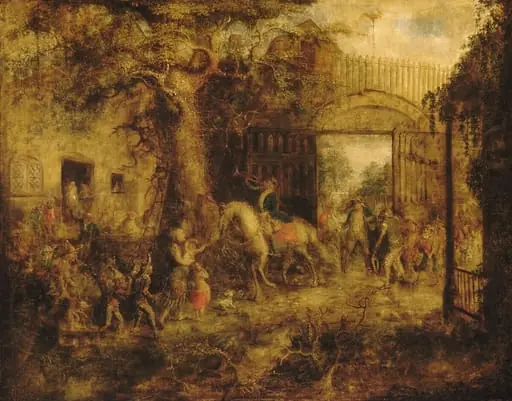 The Vigilant Stuyvesant's Wall Street Gate
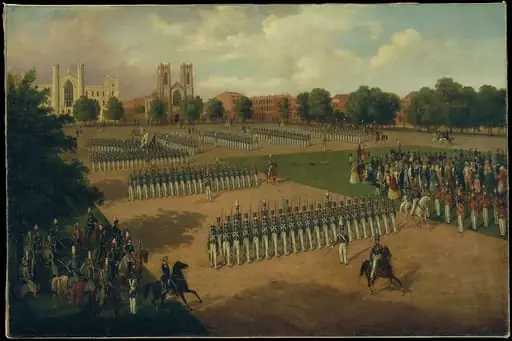 Seventh Regiment on Review, Washington Square, New York
 Untitled
 Untitled
 Untitled
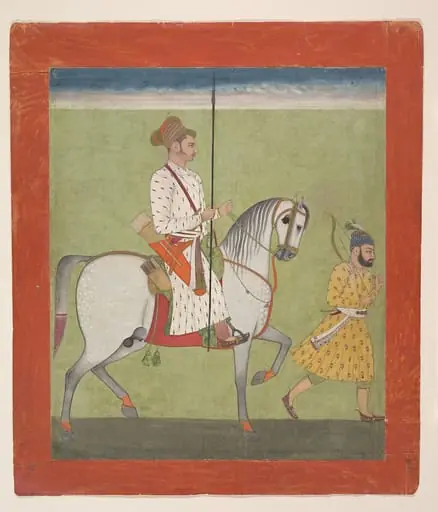 Untitled
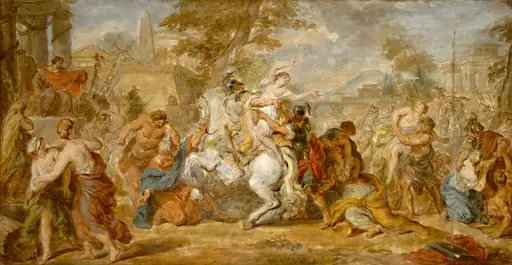 The Rape of the Sabine Women
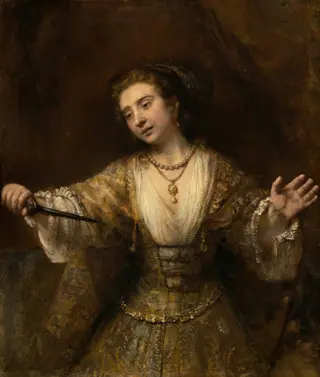 Lucretia
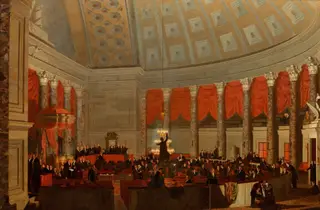 The House of Representatives
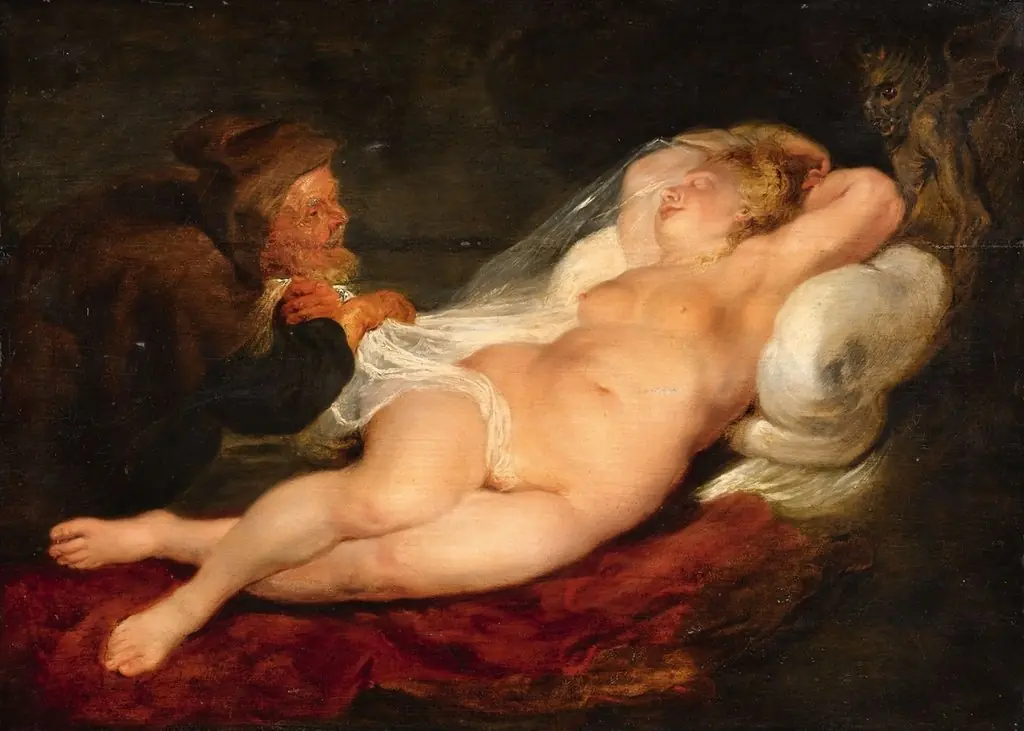 Angelica and the Hermit
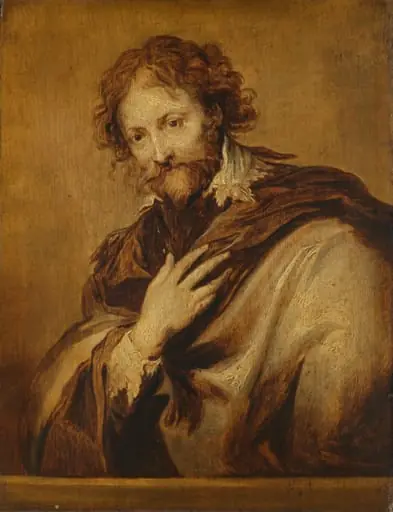 Portrait of Peter Paul Rubens (1577-1640)
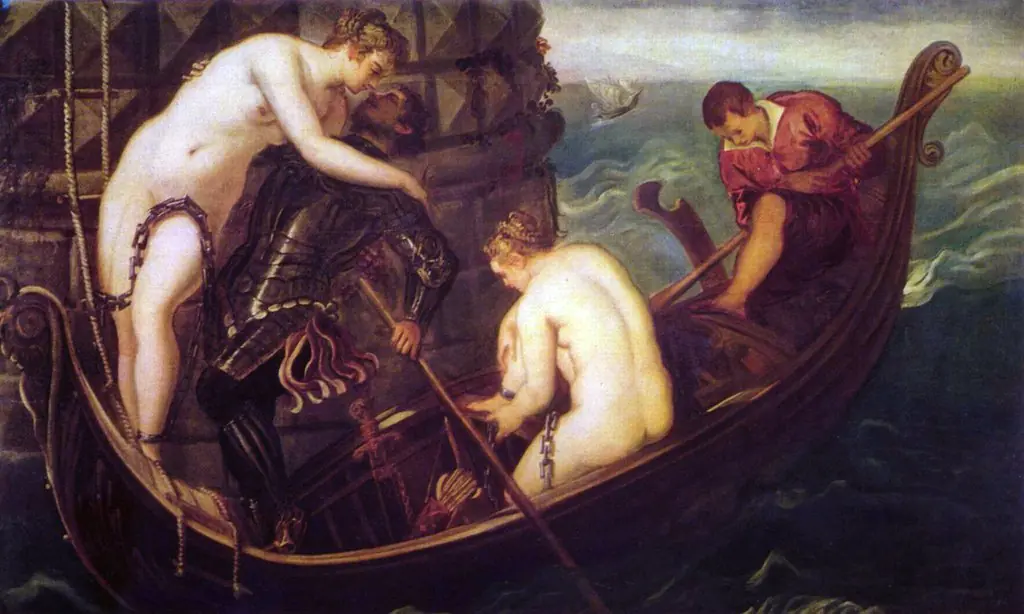 The Deliverance of Arsinoe
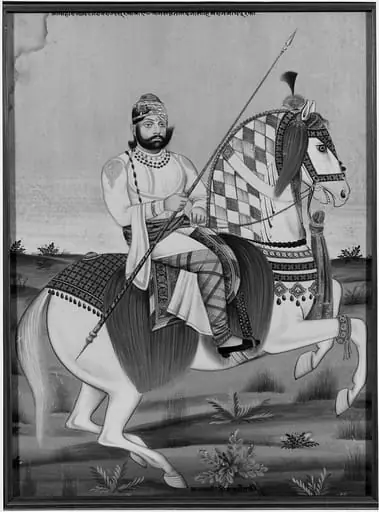 Untitled
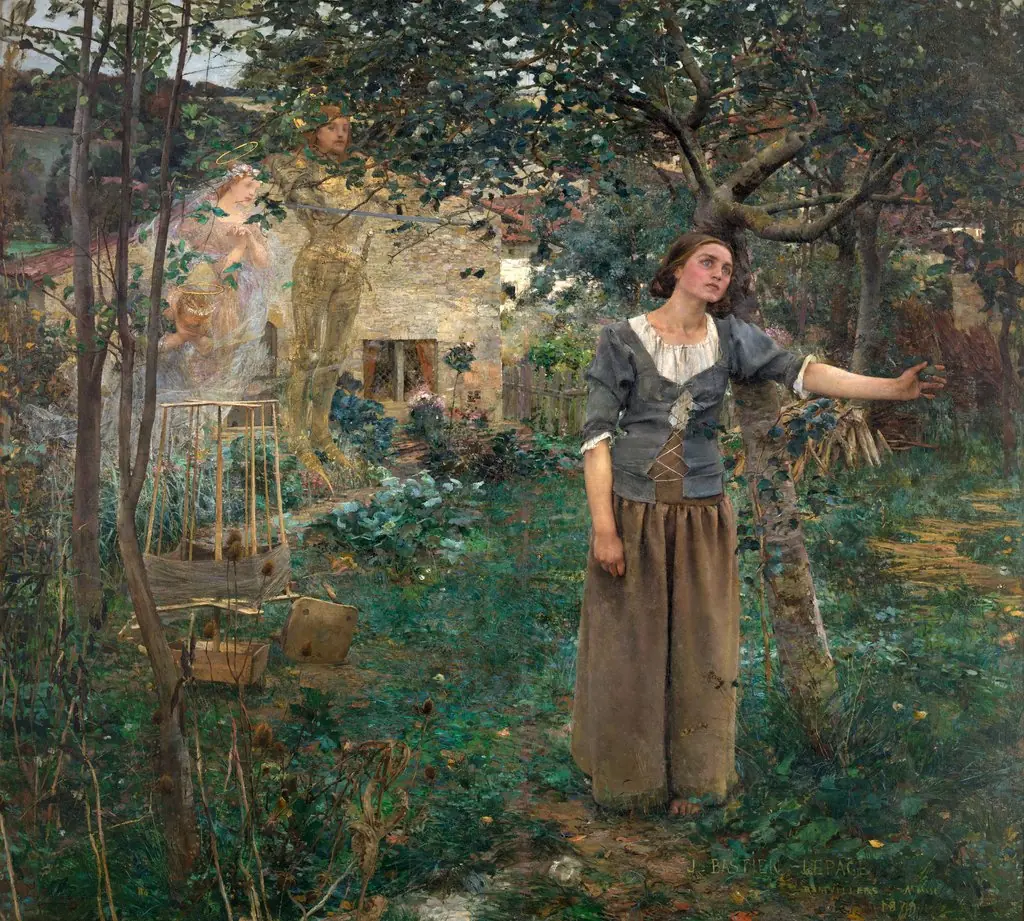 Joan of Arc
 Untitled
 Untitled
 Untitled
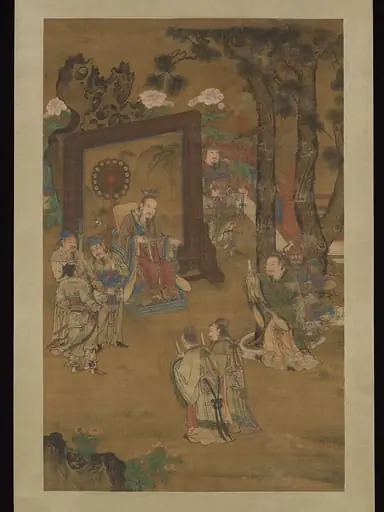 明 劉俊 納諫圖 軸|Remonstrating with the emperor
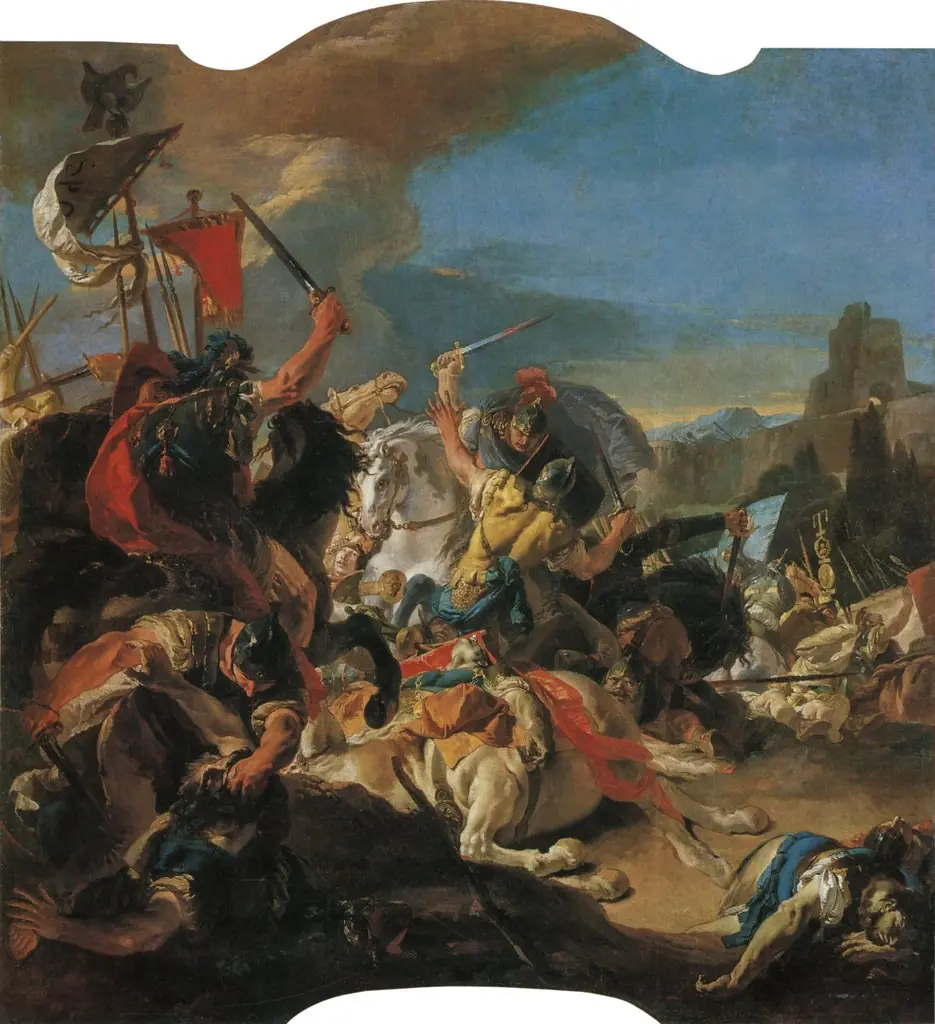 The Battle of Vercellae
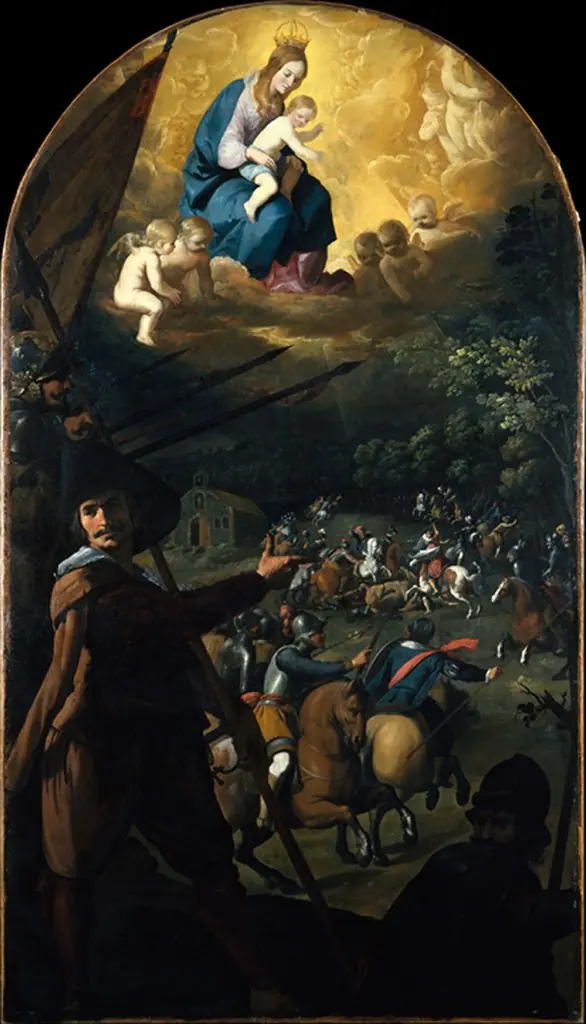 The Battle between Christians and Moors at El Sotillo
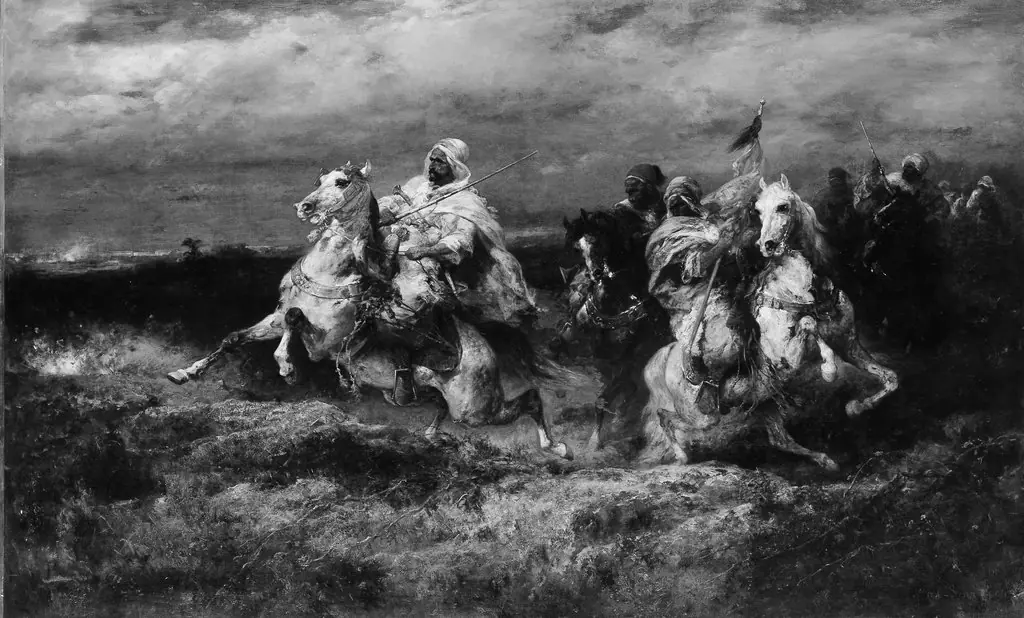 Battle Scene: Arabs Making a Detour
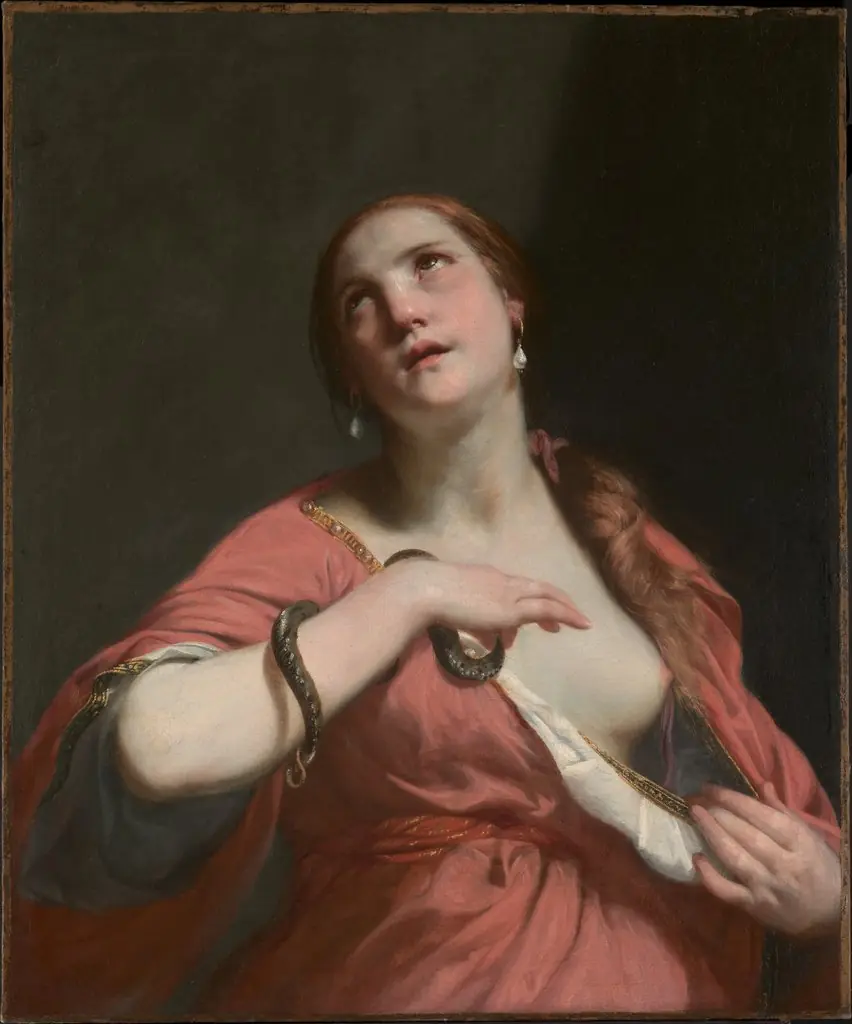 The Death of Cleopatra
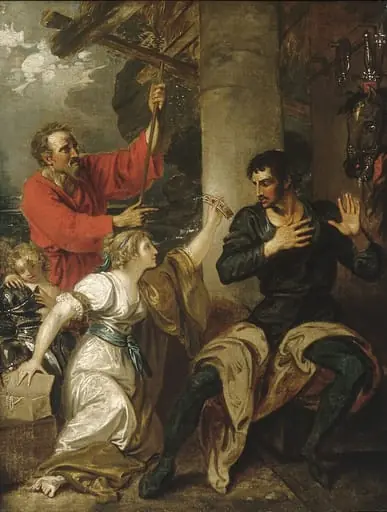 The Damsel and Orlando
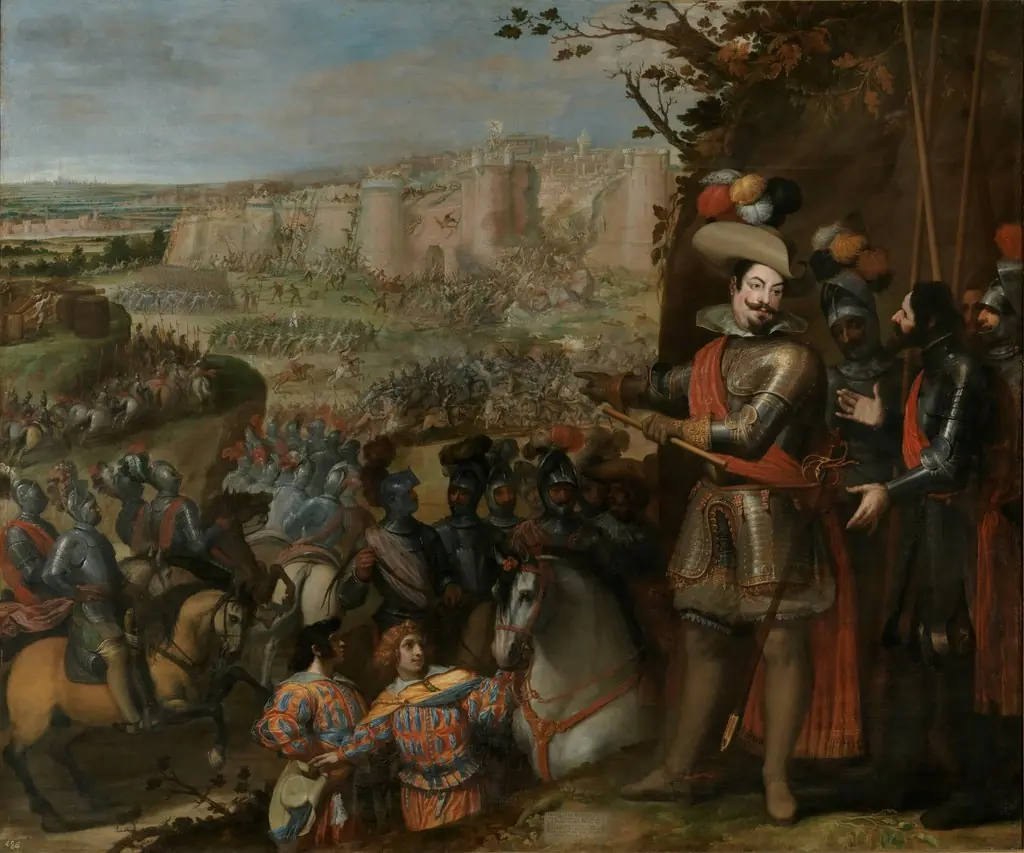 The Storming of Rheinfelden
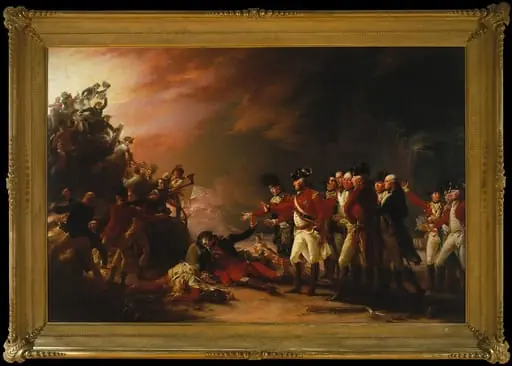 The Sortie Made by the Garrison of Gibraltar
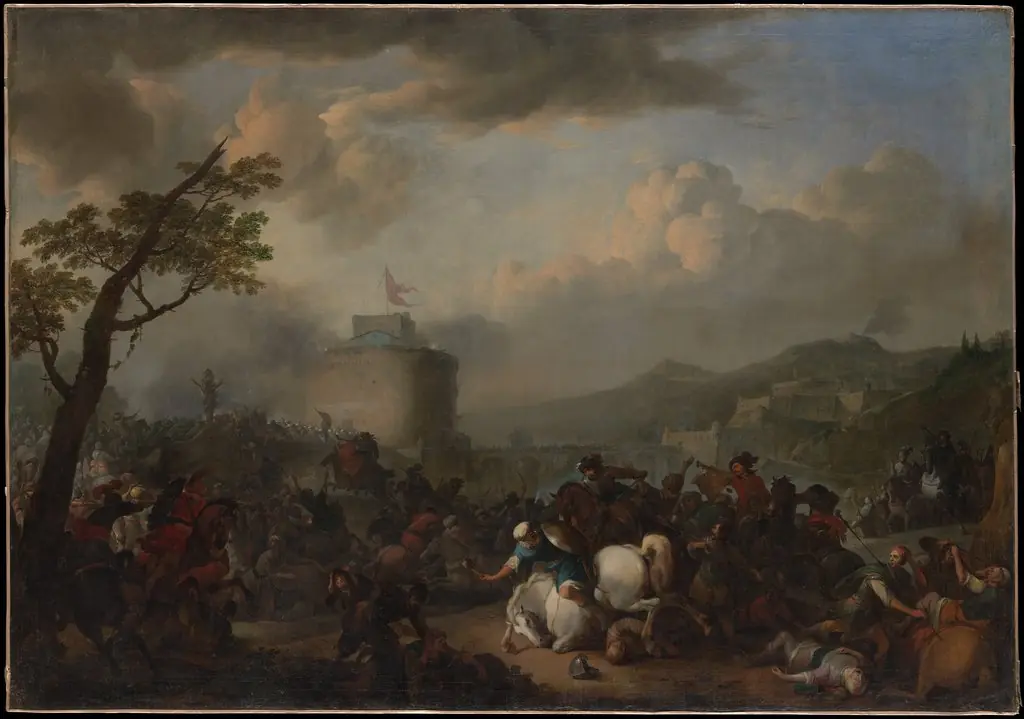 Battle Scene
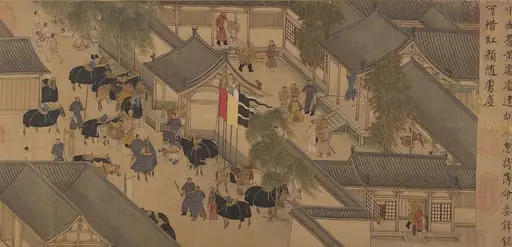 明 佚名 胡笳十八拍圖 卷|Eighteen Songs of a Nomad Flute: The Story of Lady Wenji
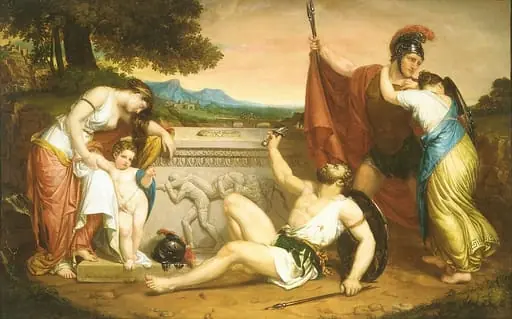 The Wages of War
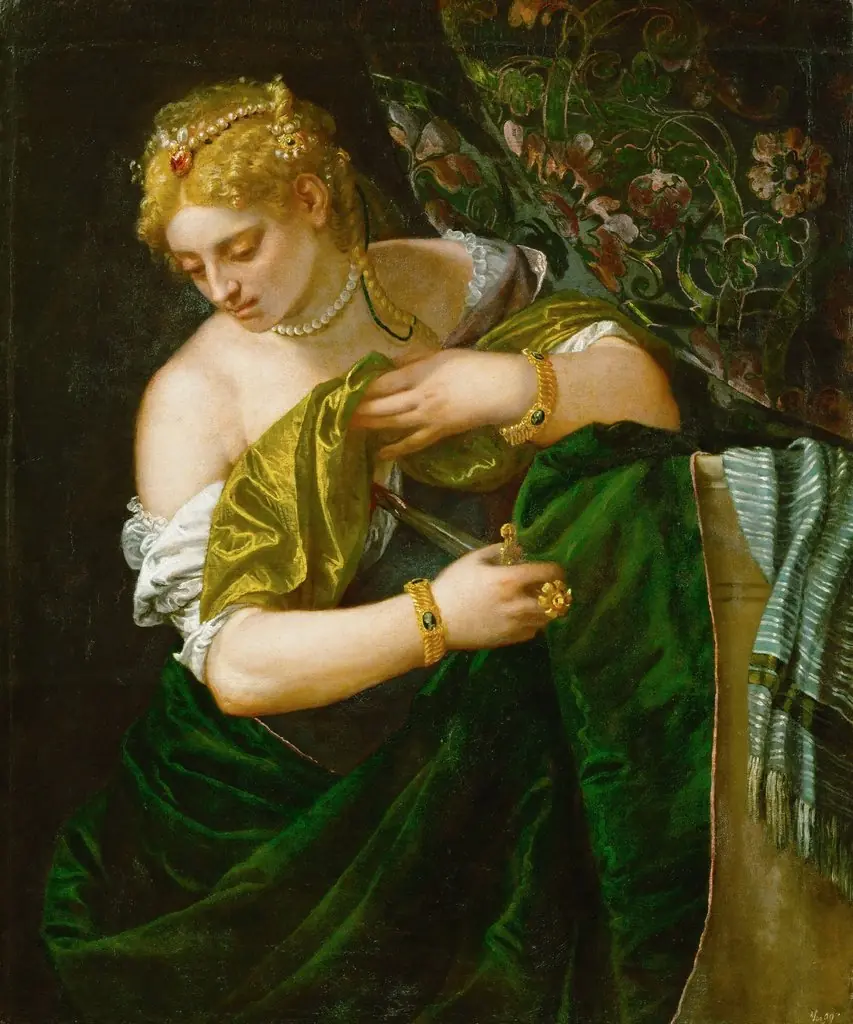 Lucretia
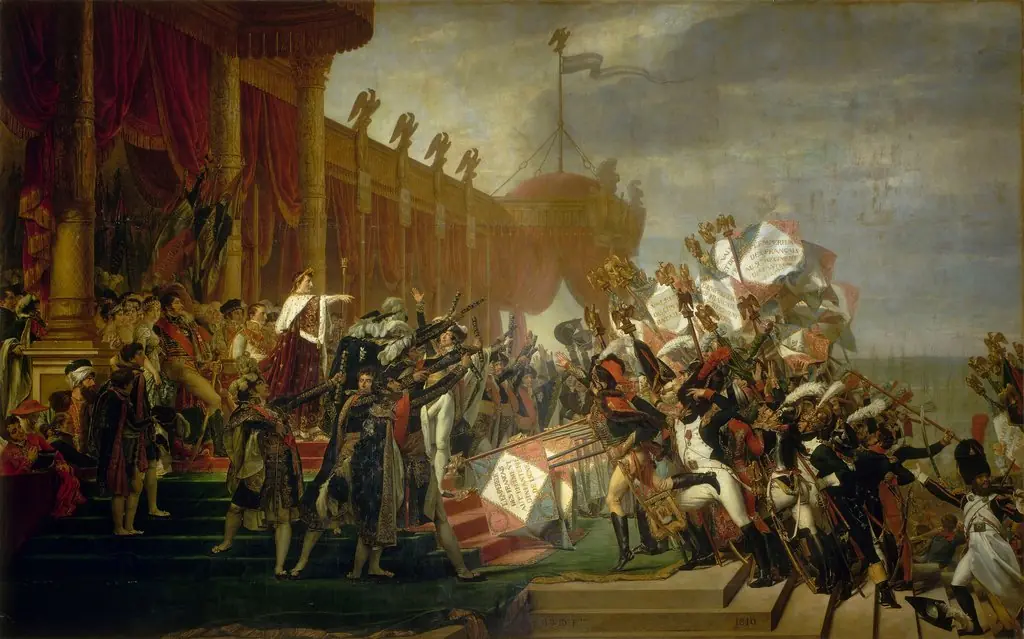 The Distribution of the Eagle Standards
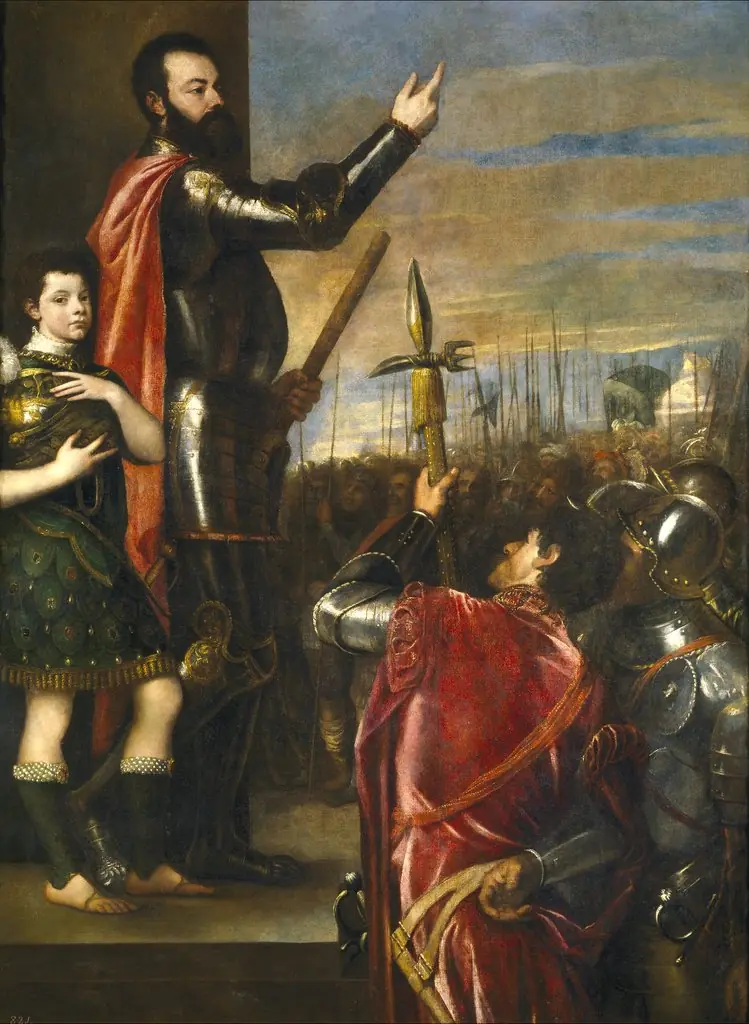 Alfonso d'Avalos Addressing his Troops
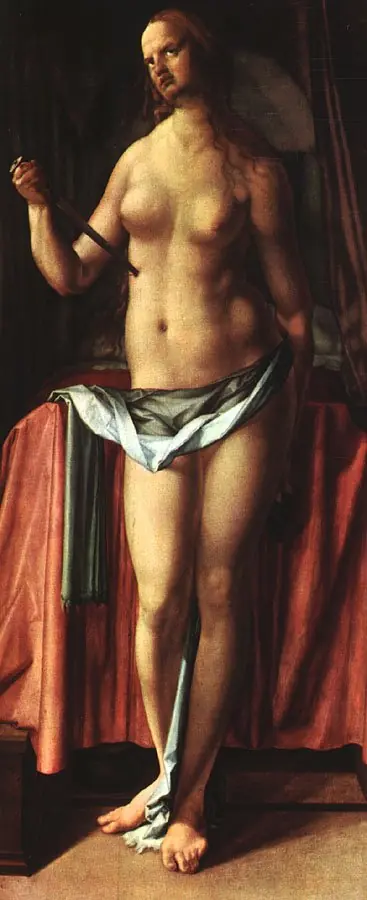 The Suicide of Lucretia
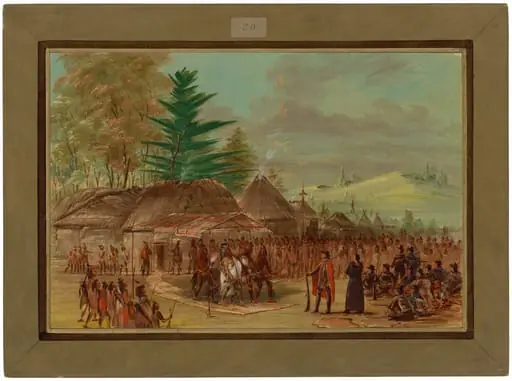 Chief of the Taensa Indians Receiving La Salle. March 20, 1682
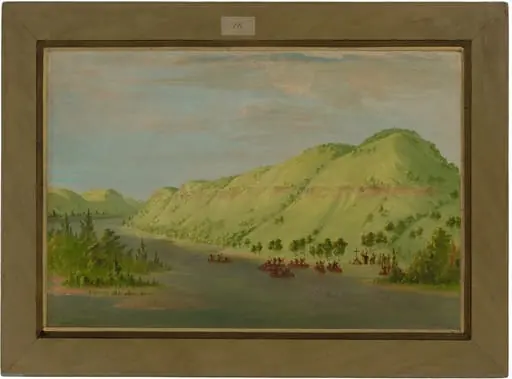 Father Hennepin Leaving the Mississippi to Join La Salle. May 8, 1680
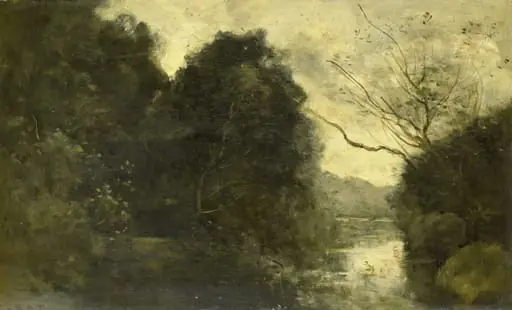 Pond in the Woods
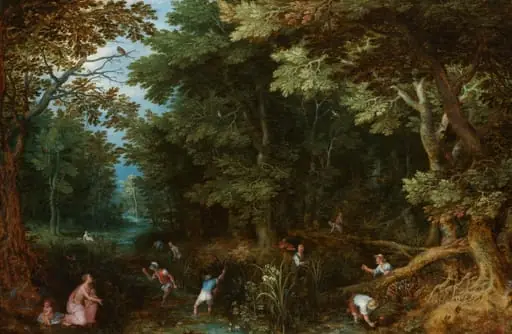 Latona and the Lycian Peasants
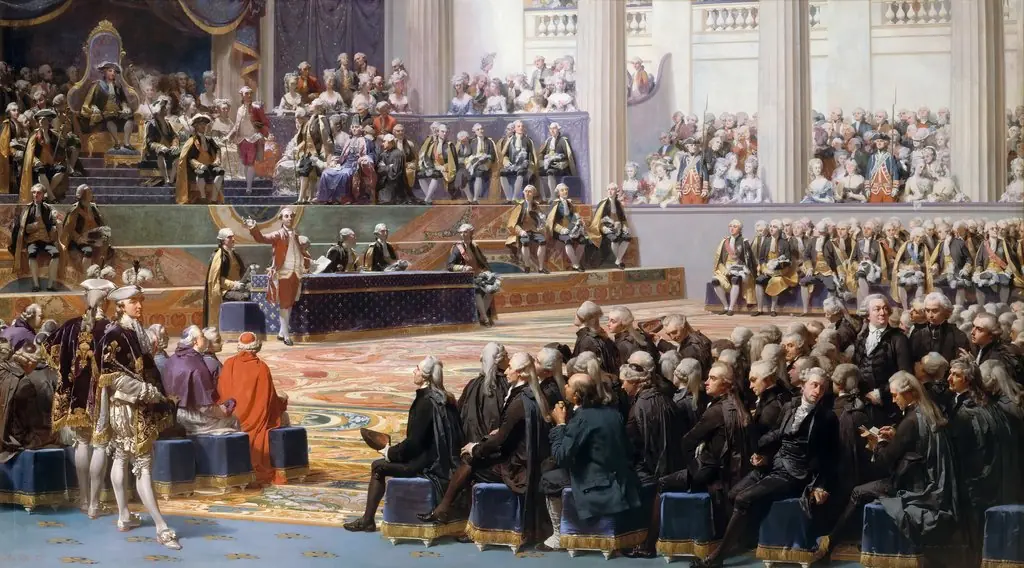 Opening session of the General Assembly, 5 May 1789
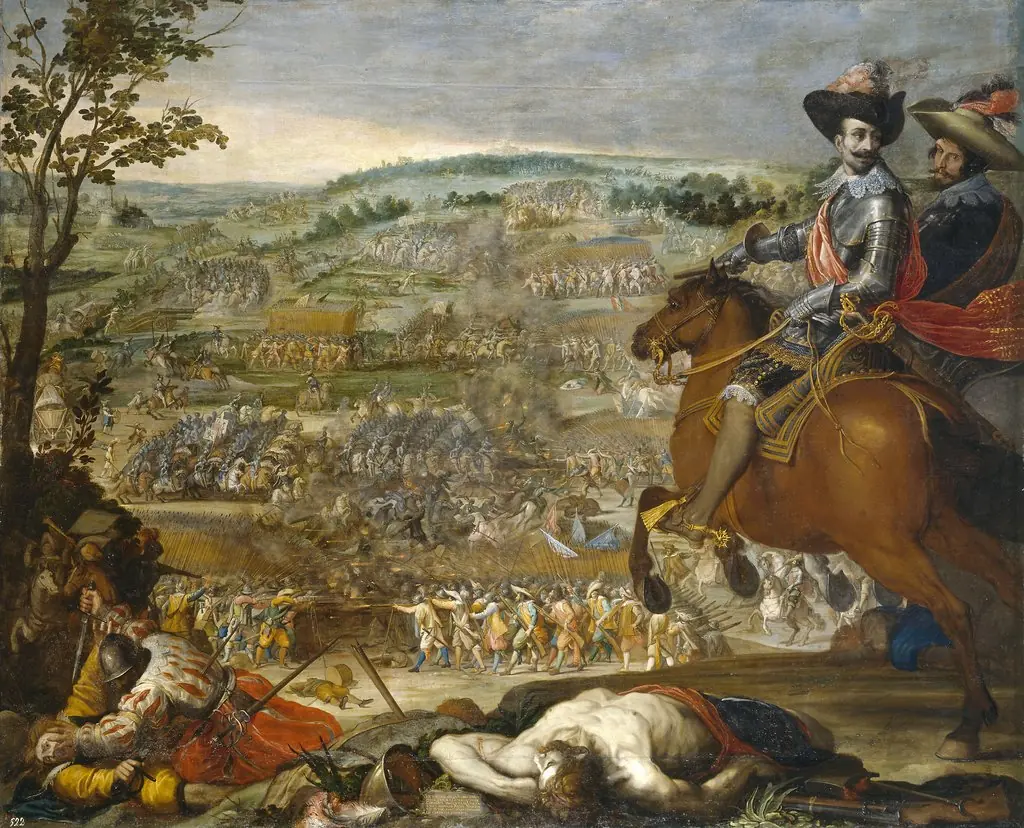 The Victory of Fleurus
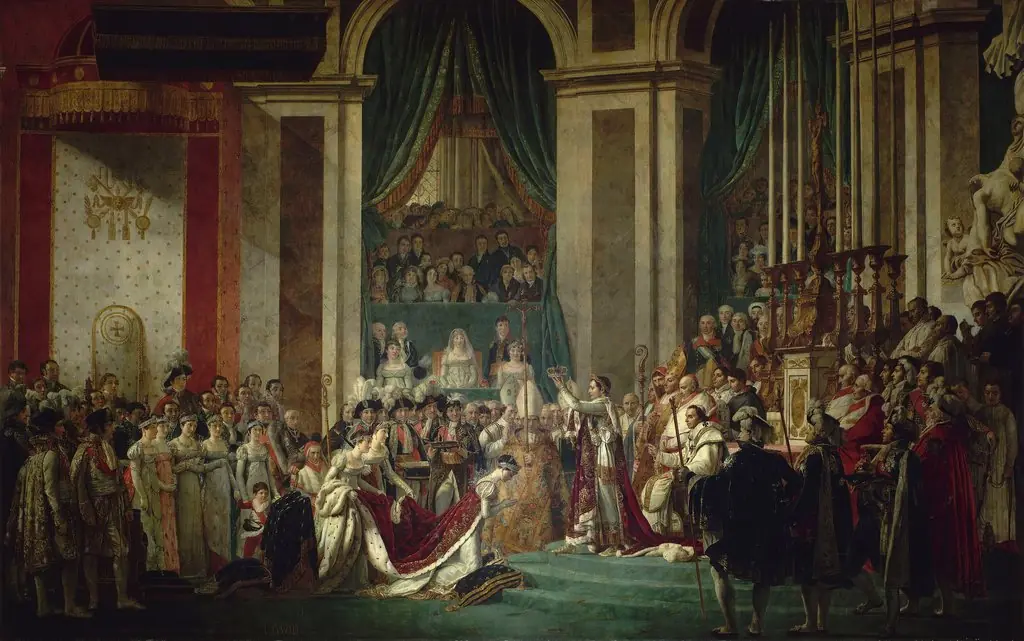 Coronation of Emperor Napoleon I and Coronation of the Empress Josephine
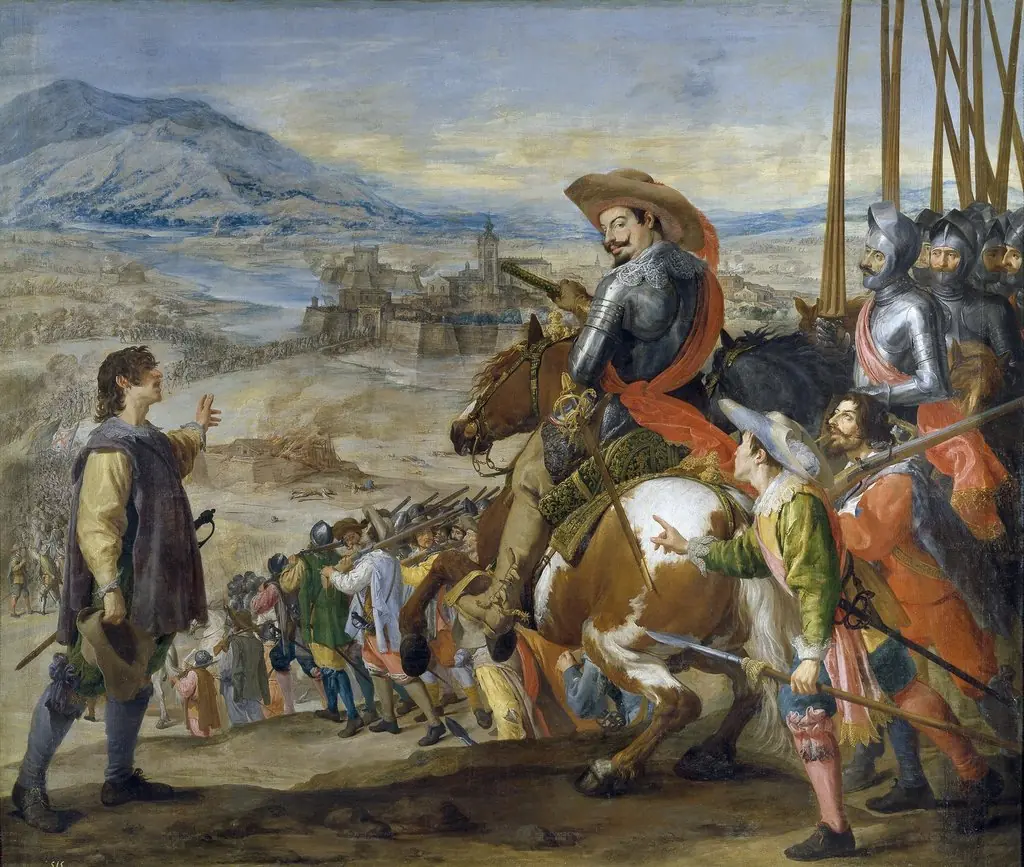 The Liberation of Brisach
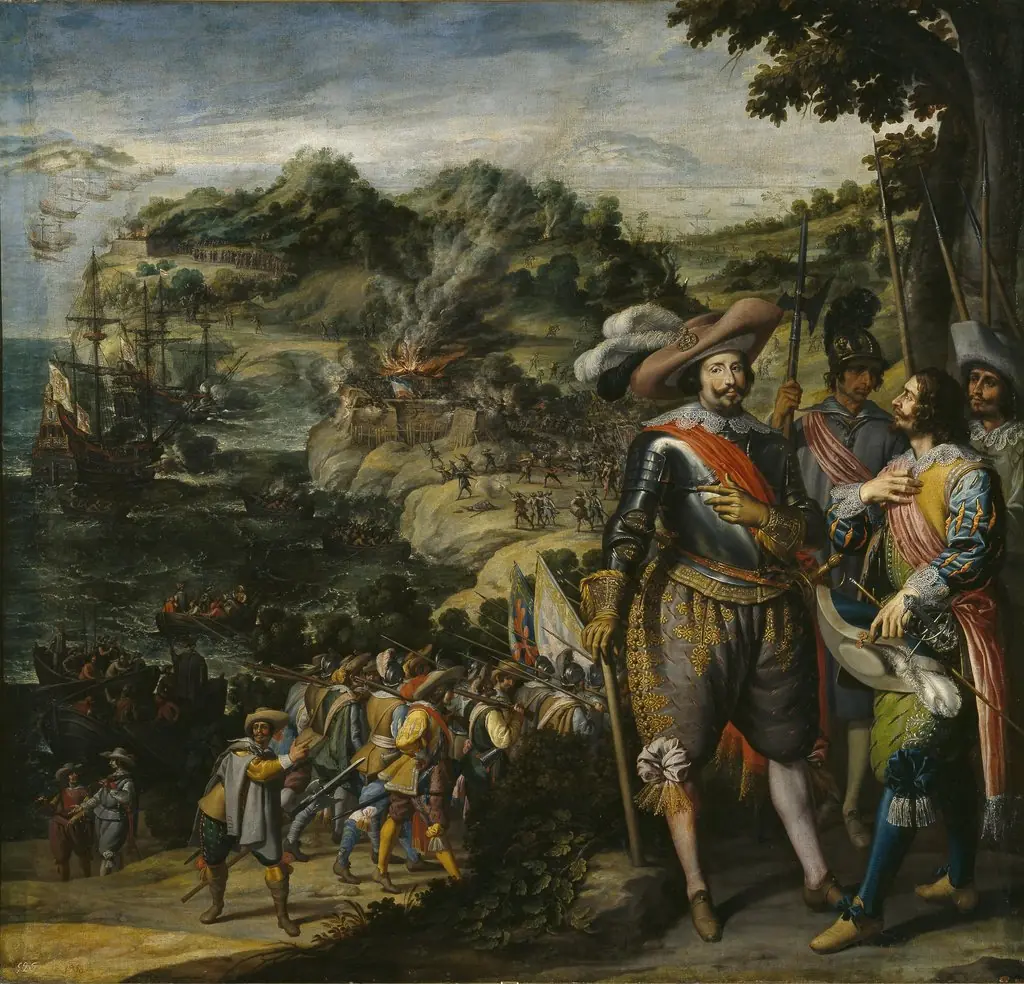 The recovery of the island of San Cristobal by Don Frederic of Toledo
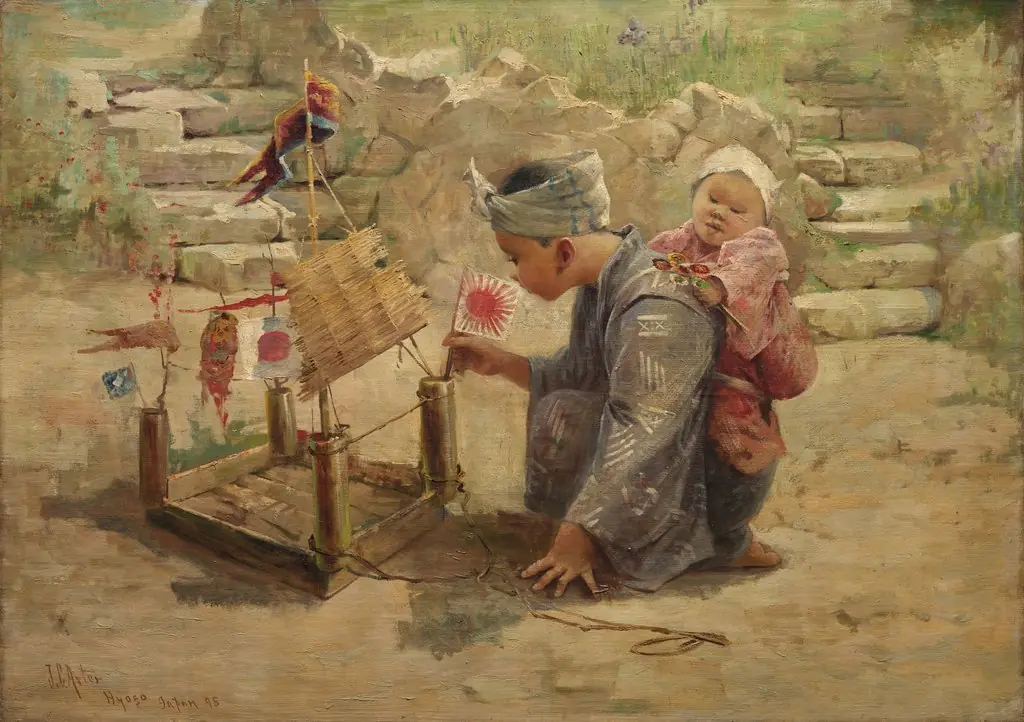 Japanese Boy Building a Man-of-War
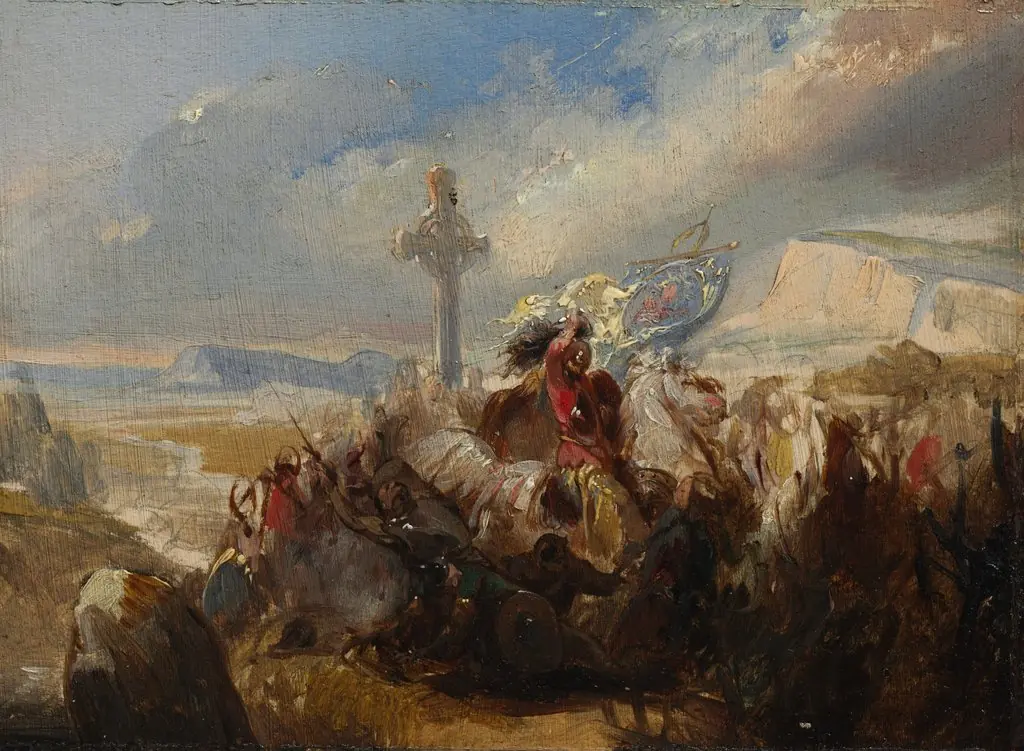 Battle of Poitiers, 25 October 732
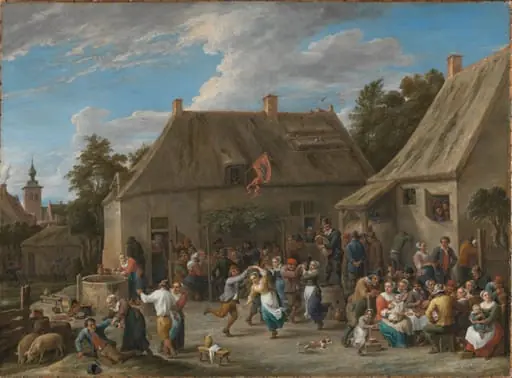 Boerenkermis
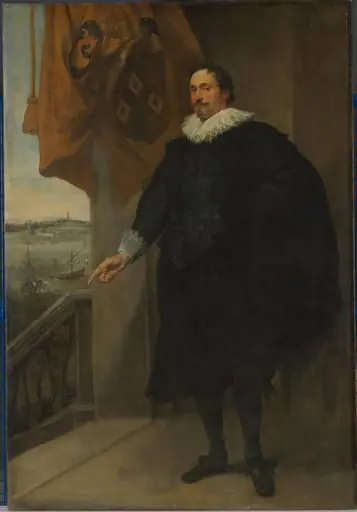 Untitled
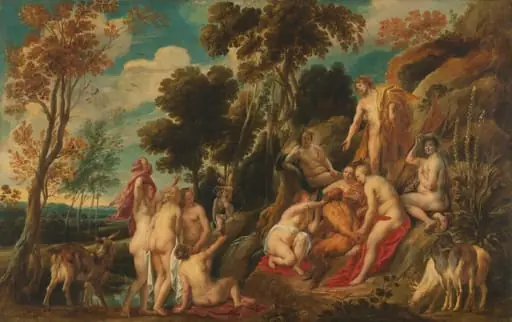 Untitled
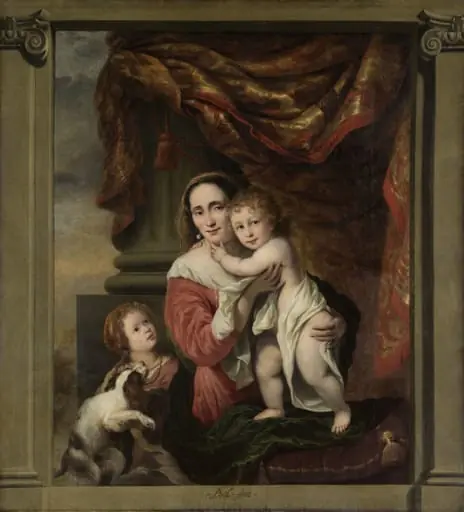 Caritas: Joanna de Geer (1629-1691) with her Children Cecilia Trip (1660-1728) and Laurens Trip (b. 1662)
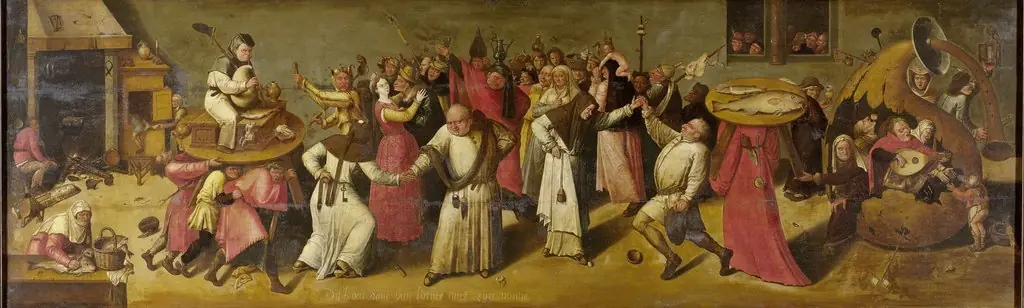 The battle between Carnival and Lent
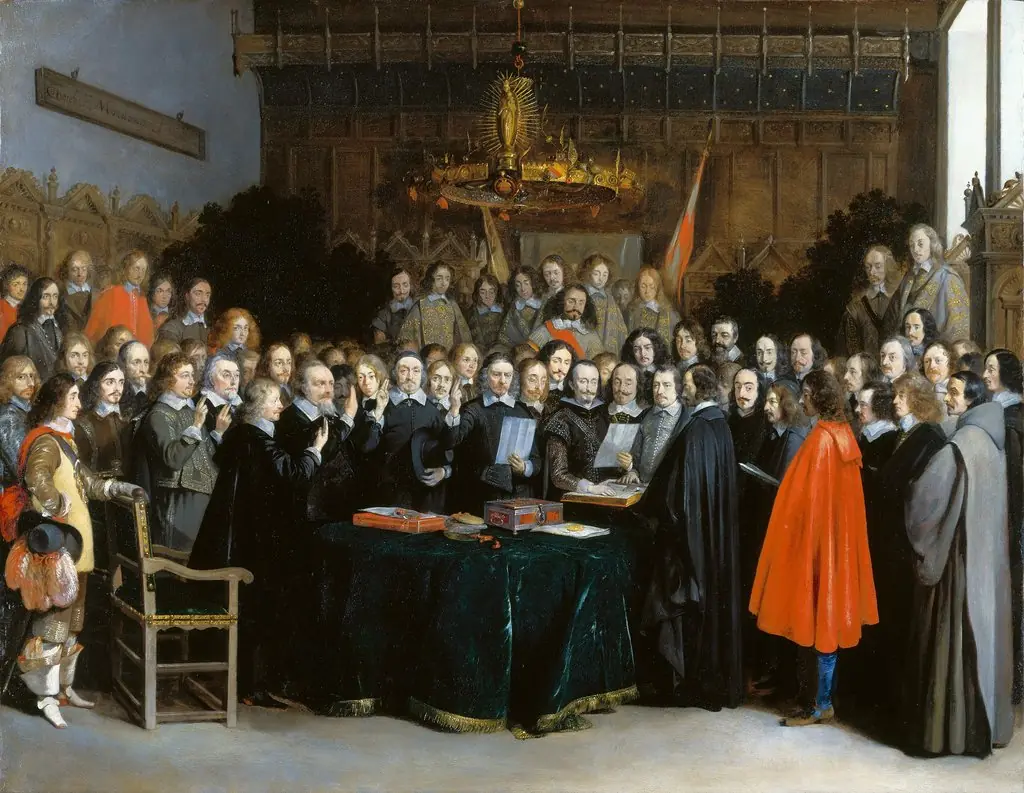 The Ratification of the Treaty of Münster
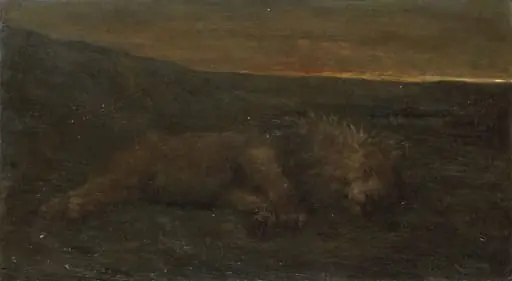 Sleeping Lion by Night
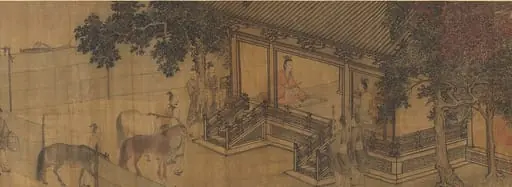 南宋 傳 李唐 晉文公復國圖 卷|Duke Wen of Jin Recovering His State
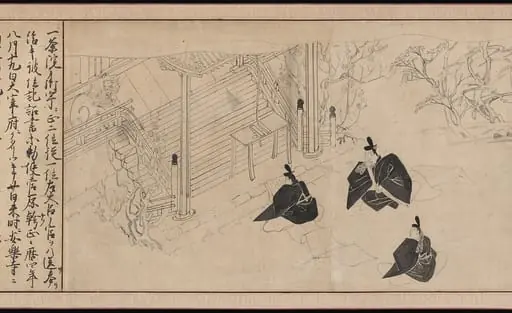 太宰府安楽寺 北野天神縁起絵巻 断簡 (Dazaifu Anrakuji, Kitano Tenjin engi emaki dankan)|Courtiers Visit Sugawara no Michizane’s Mortuary Temple, from Illustrated Legends of the Kitano Tenjin Shrine
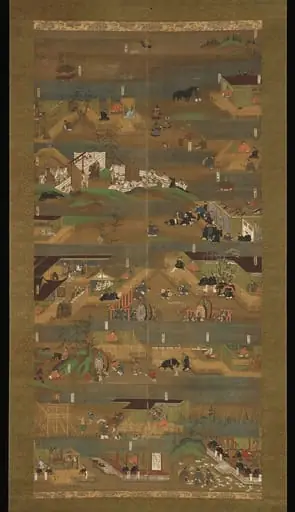 聖徳太子絵伝図|Illustrated Biography of Prince Shōtoku (Shōtoku Taishi e-den)
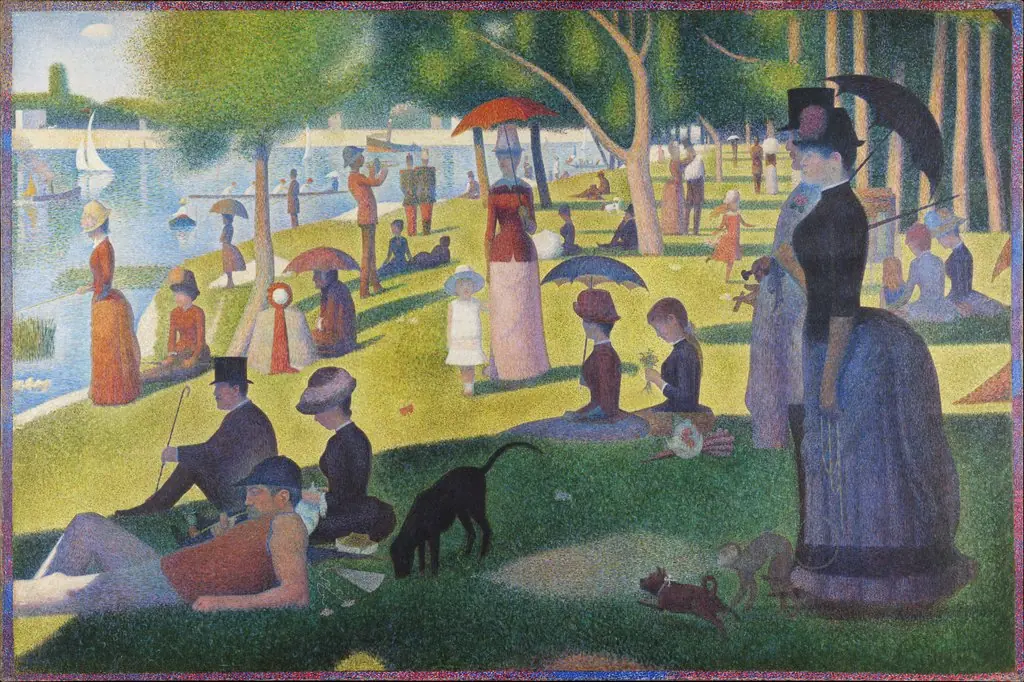 A Sunday Afternoon on the Island of La Grande Jatte
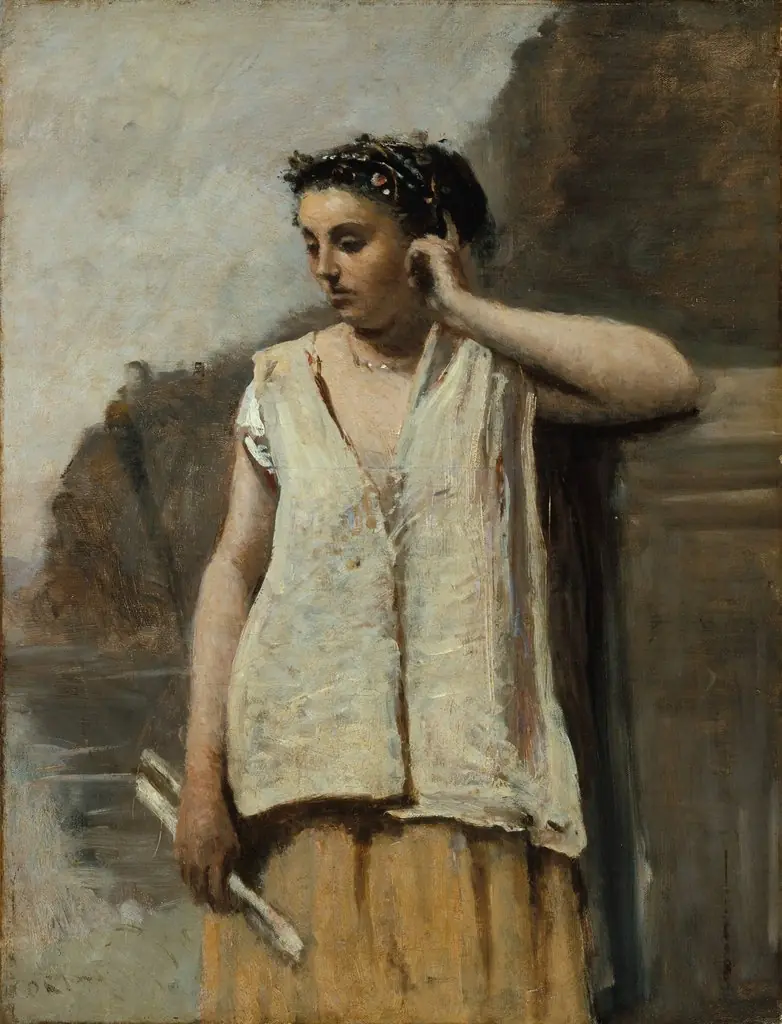 The Muse: History
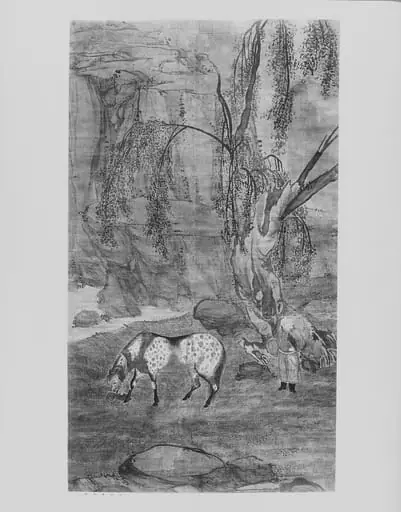 Untitled
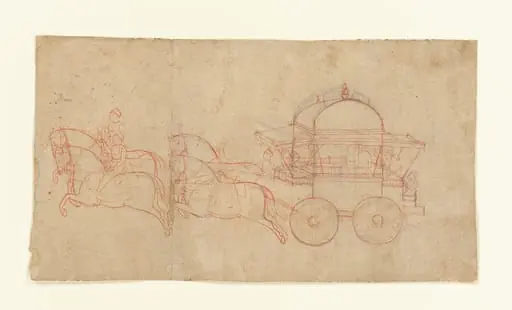 Untitled
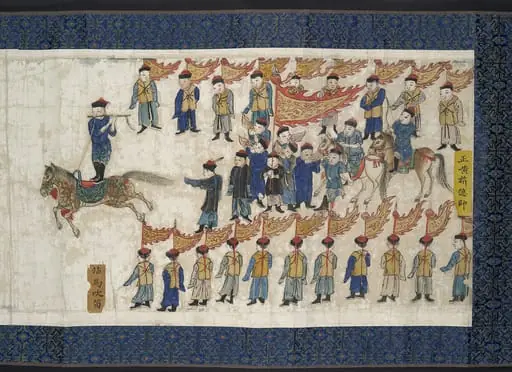 清 那爾敦布 順治皇帝進京之隊伍賽馬全圖 卷|Horsemanship Competition for the Shunzhi Emperor
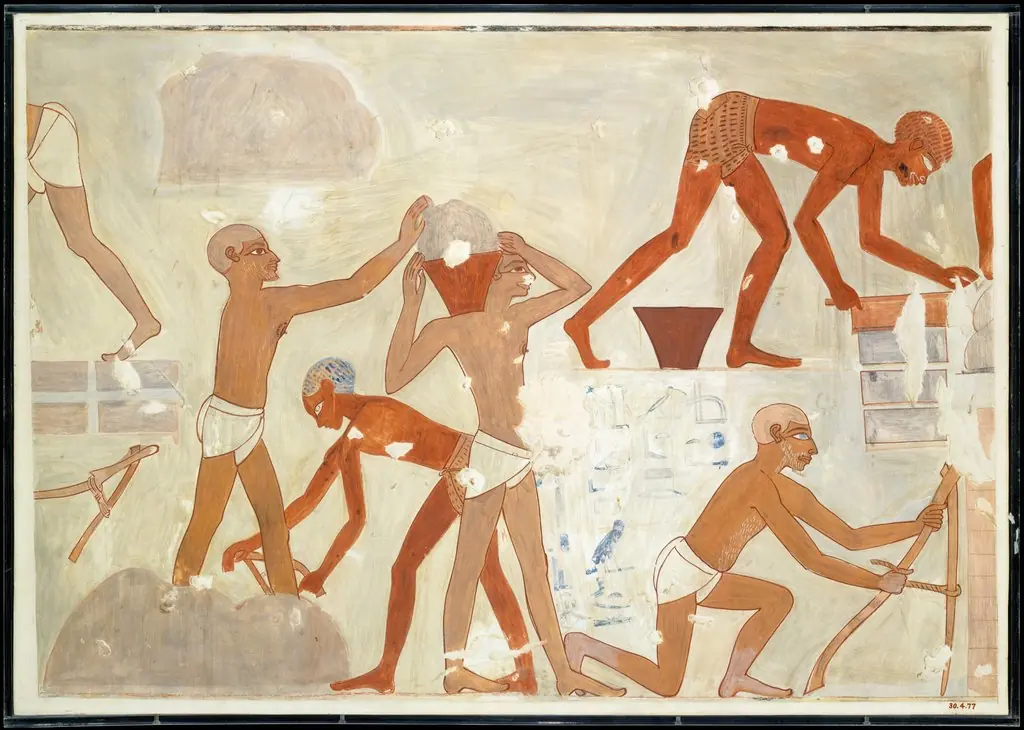 Brickmakers, Tomb of Rekhmire
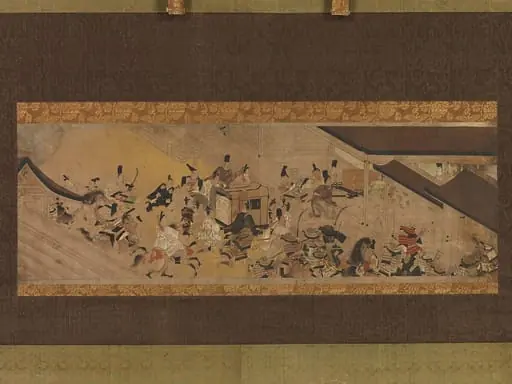 「六波羅行幸」 平治物語絵巻 断簡|Scene from “Imperial Visit to Rokuhara,” from The Tale of the Heiji Rebellion (Heiji monogatari)
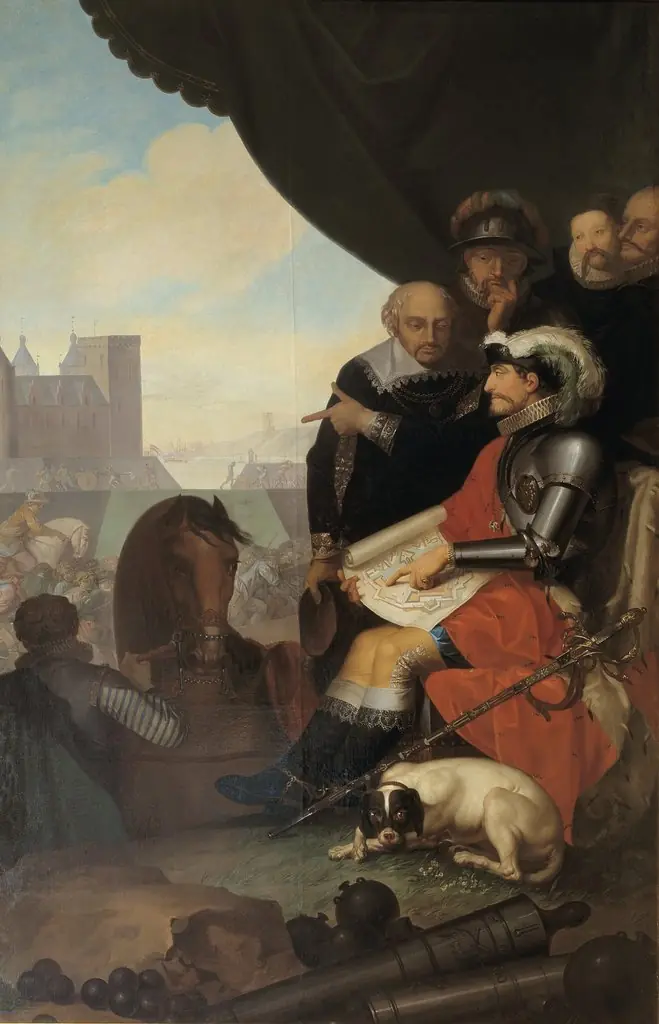 Frederik II Builds Kronborg Castle at Elsinore
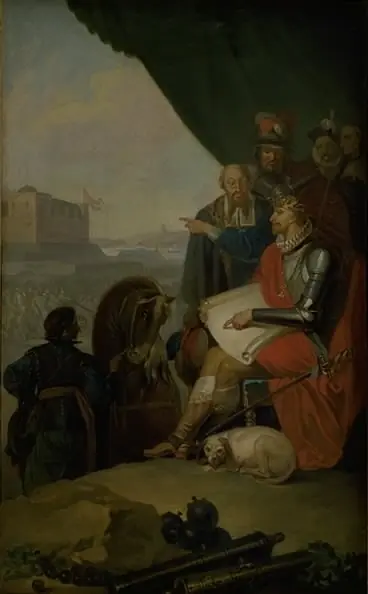 Frederik II Builds Kronborg Castle at Elsinore
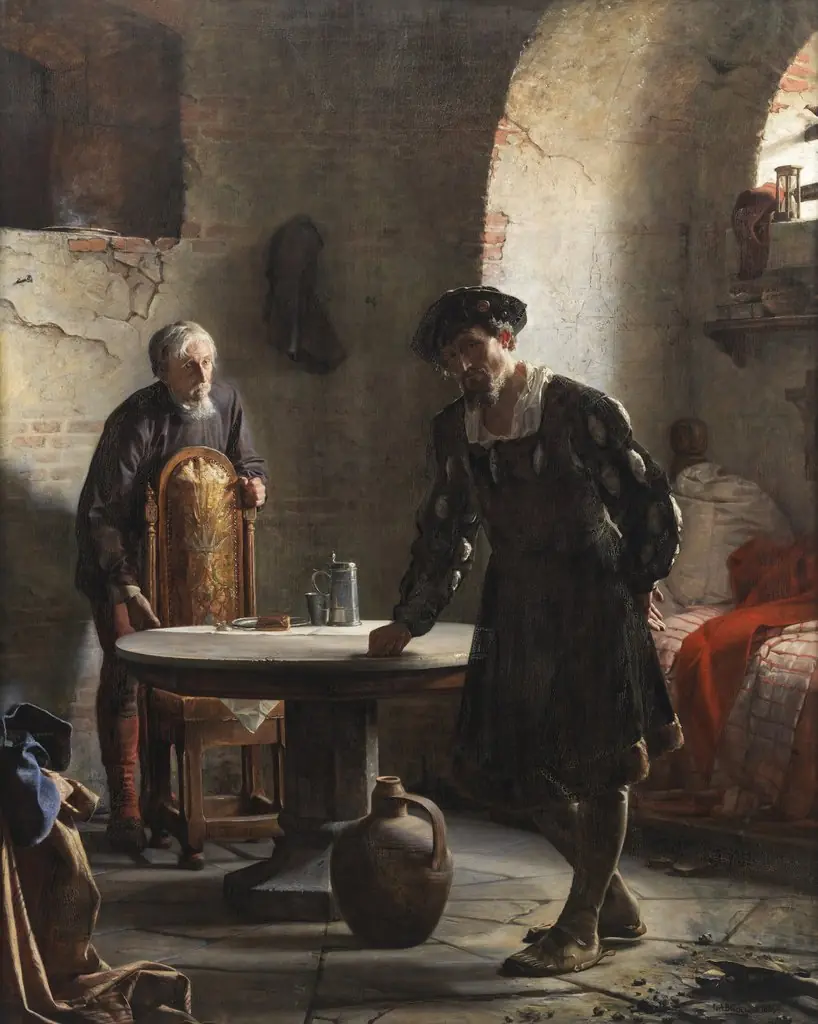 Christian II i fængslet på Sønderborg Slot
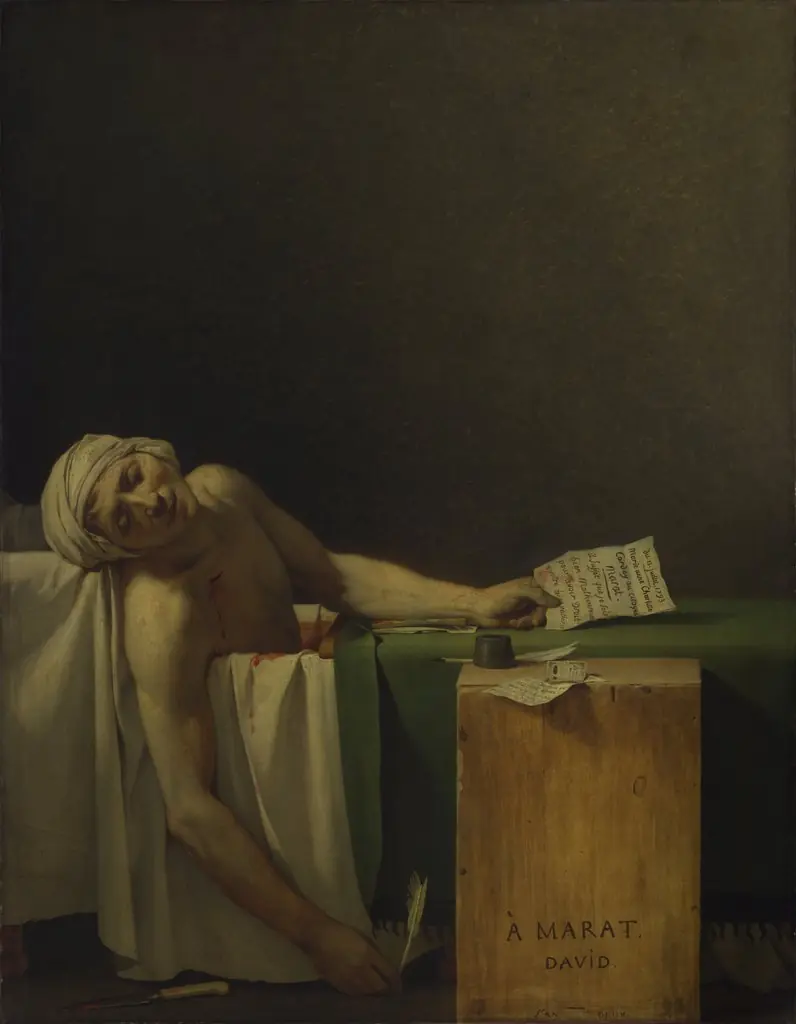 The Death of Marat
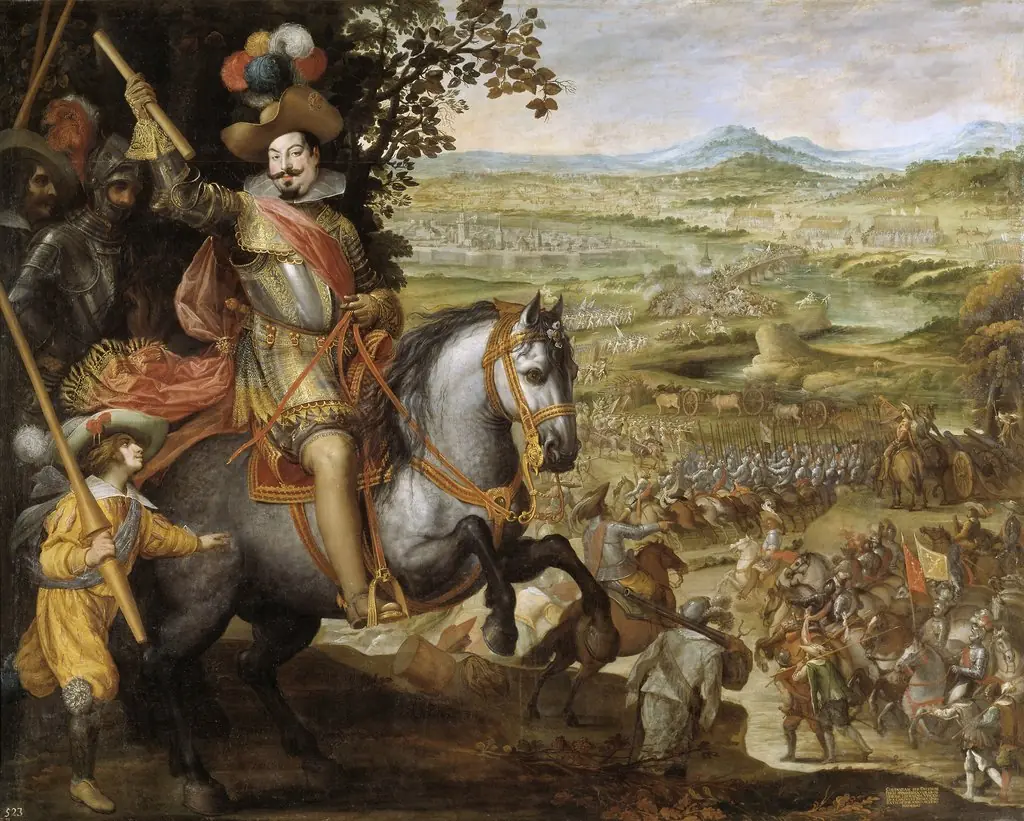 The Relief of Constance
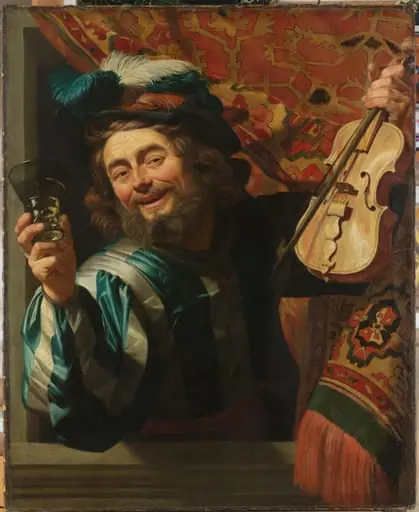 Een vrolijke vioolspeler
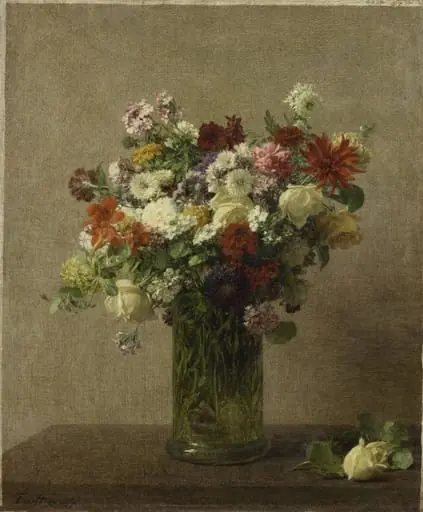 Flowers from Normandy
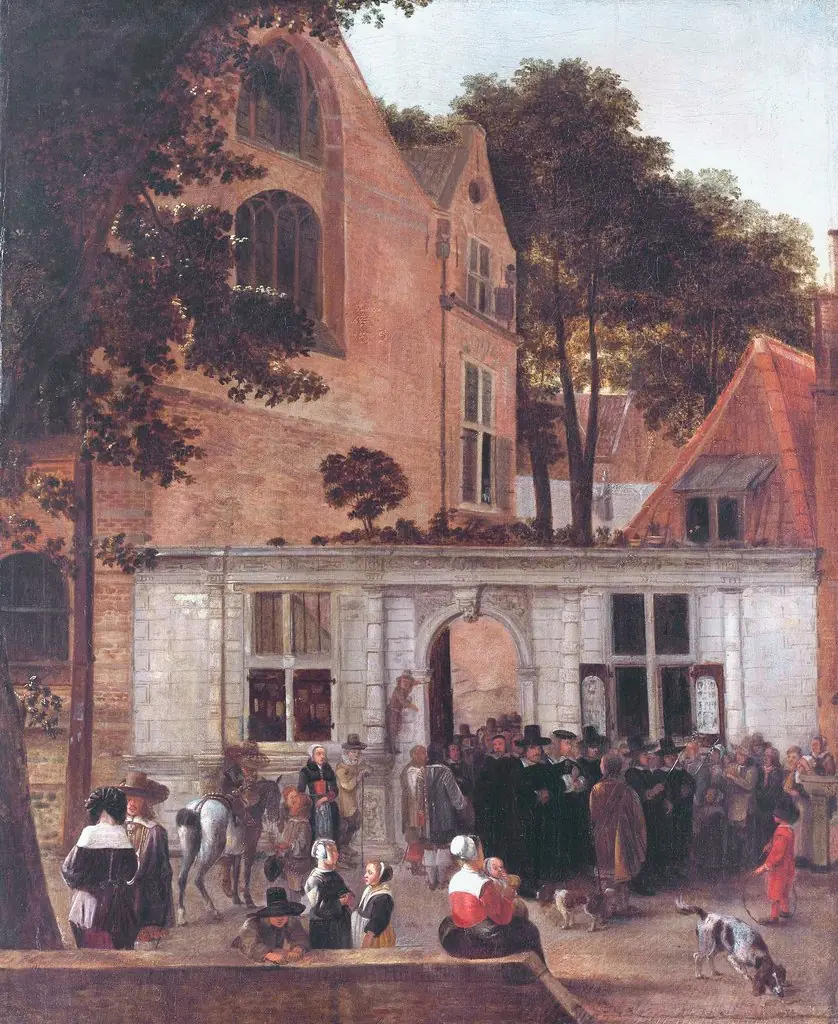 The conferring of a degree at the University of Leiden around 1650
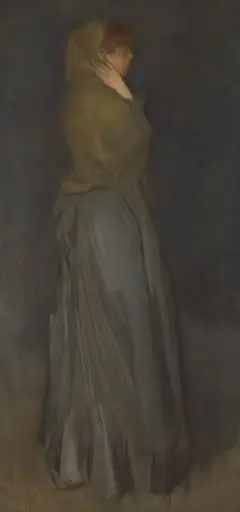 ‘Arrangement in Yellow and Gray’: Effie Deans
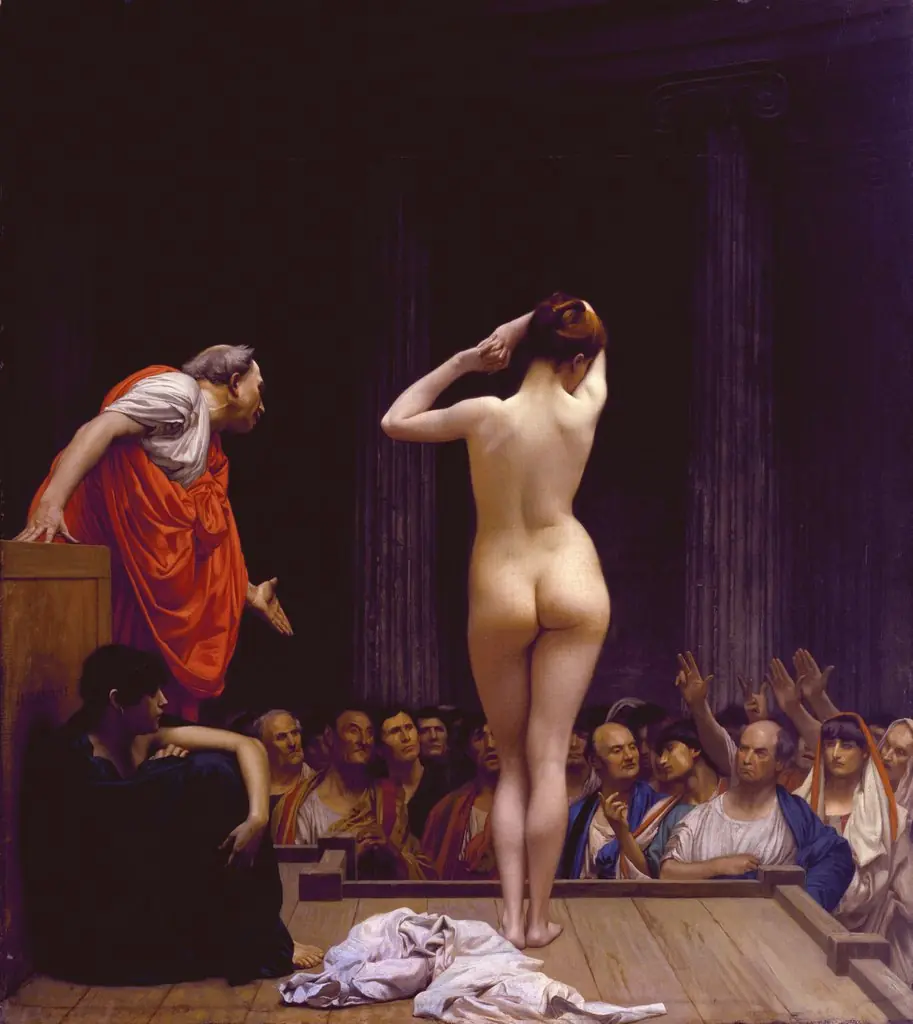 A Roman Slave Market
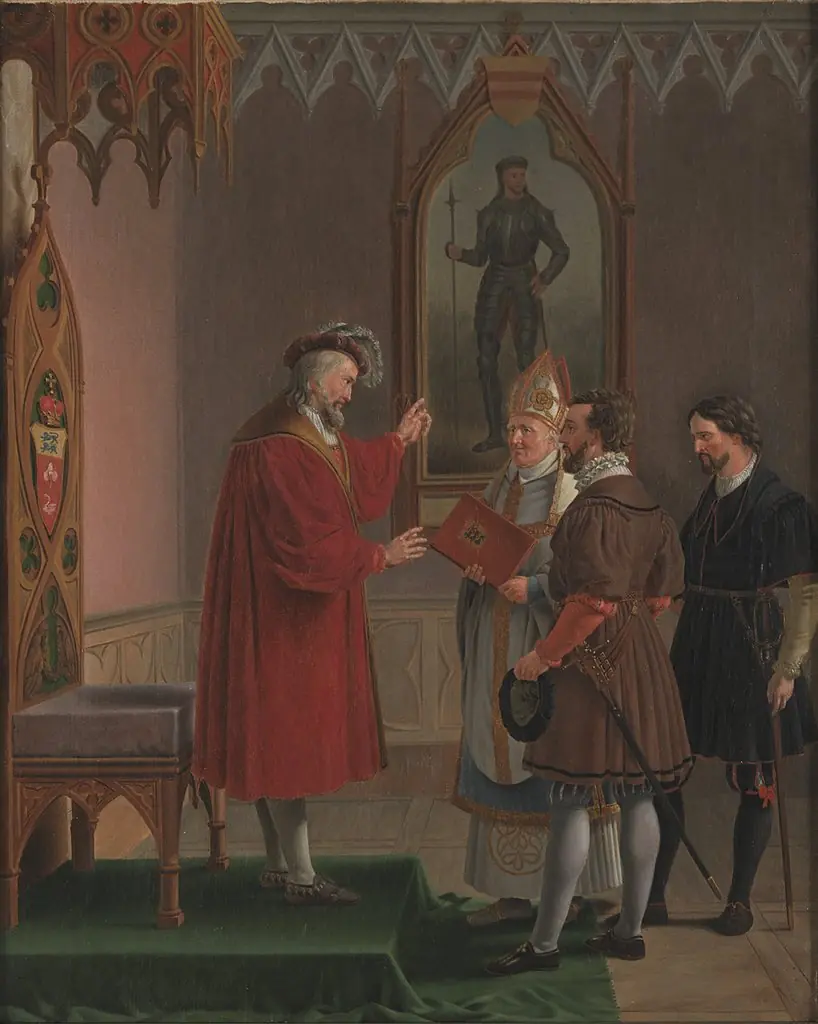 Adolf, Duke of Schleswig-Holstein, Declines the Offer to Accede to the Danish Throne. Copy after C. W. Eckersberg
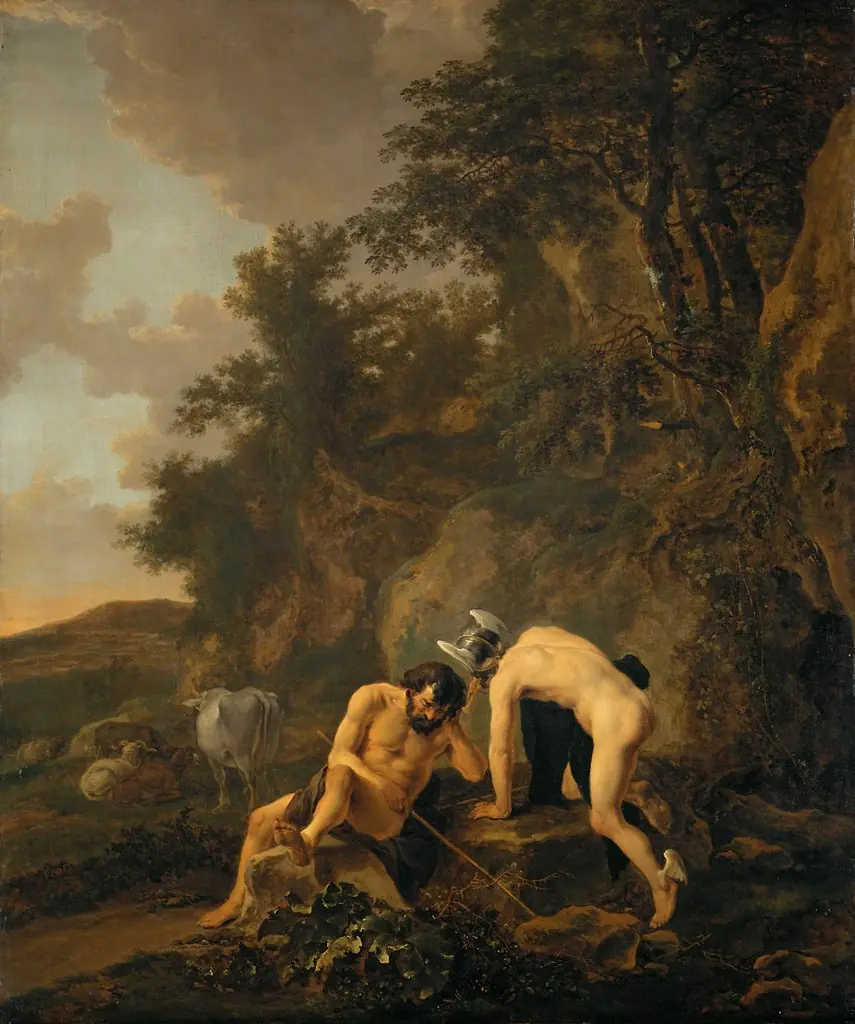 Southern rocky landscape with Mercury and Argus
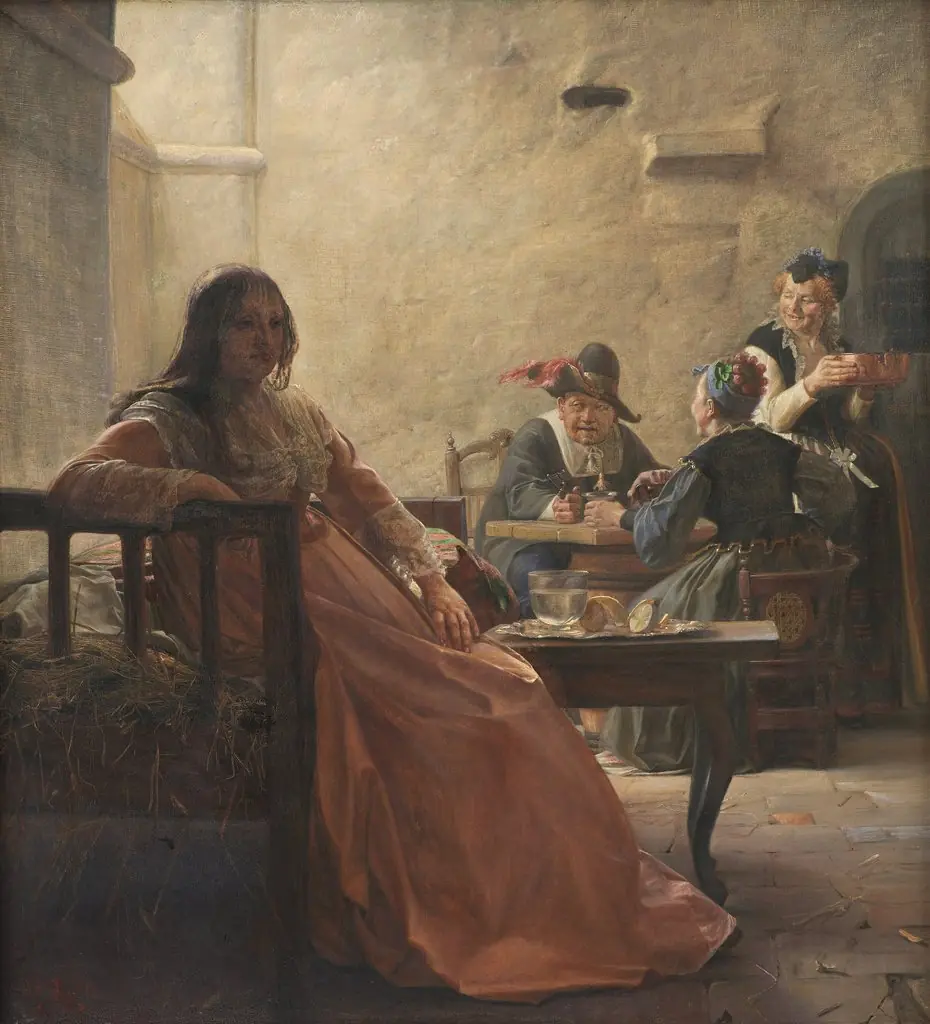 Leonora Christina in Prison
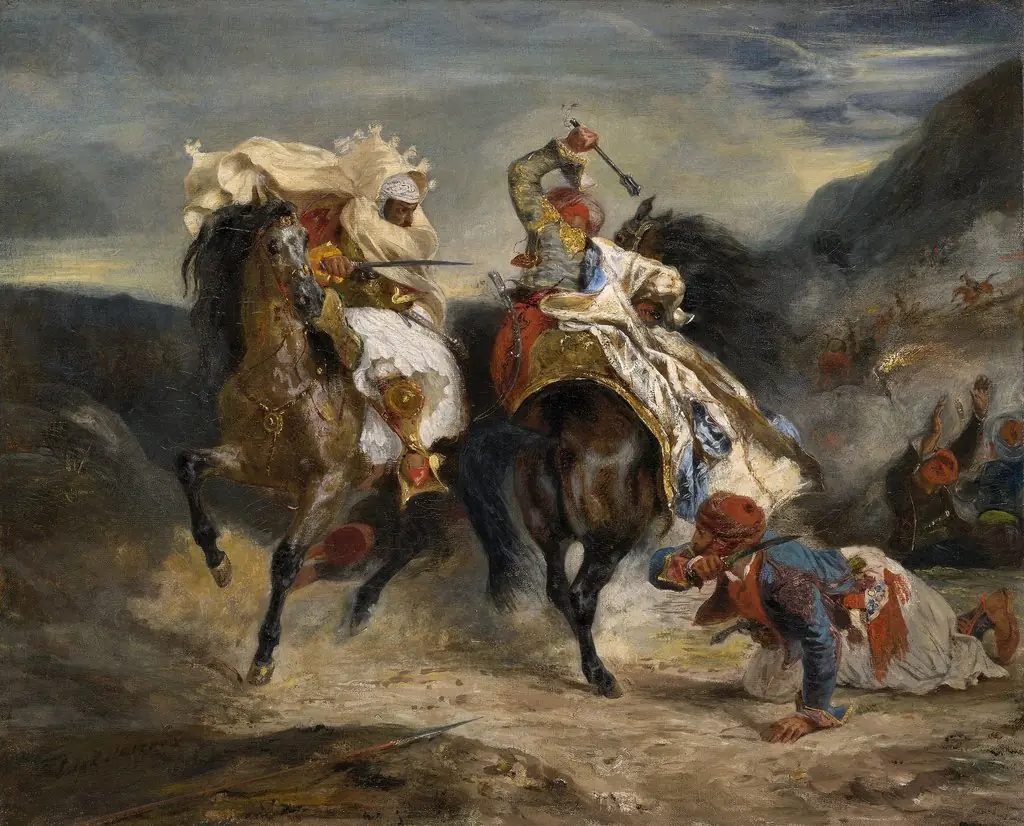 The Combat of the Giaour and Hassan
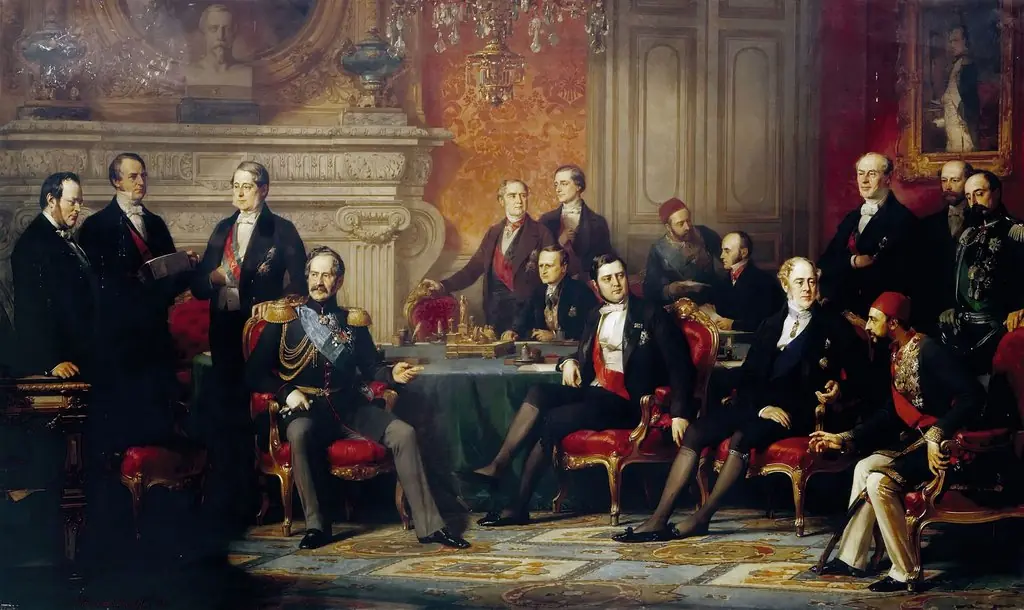 The Congress of Paris
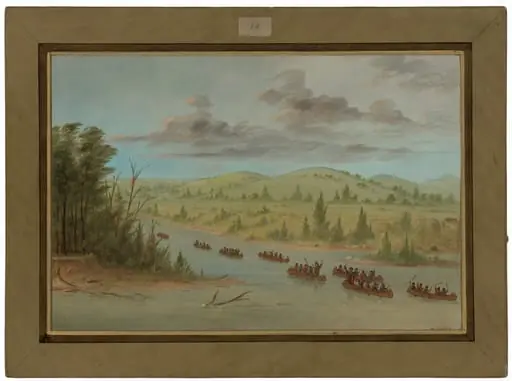 La Salle's Party Entering the Mississippi in Canoes. February 6, 1682
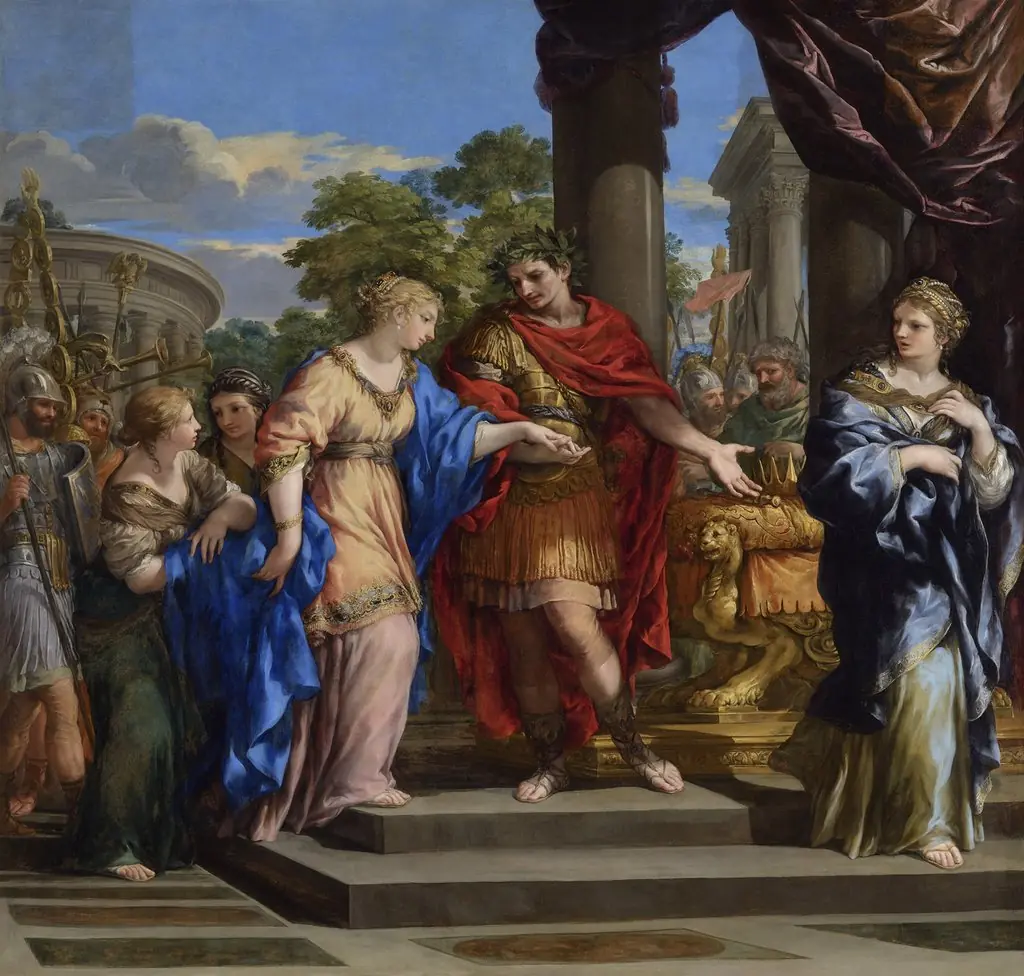 Caesar Giving Cleopatra the Throne of Egypt
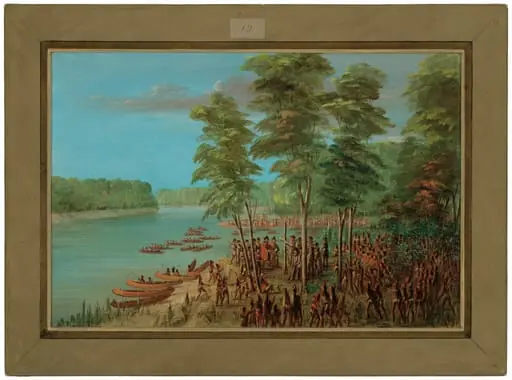 La Salle Taking Possession of the Land at the Mouth of the Arkansas. March 10, 1682
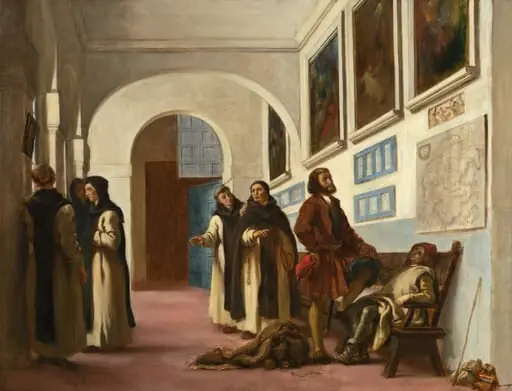 Christopher Columbus and His Son at La Rábida
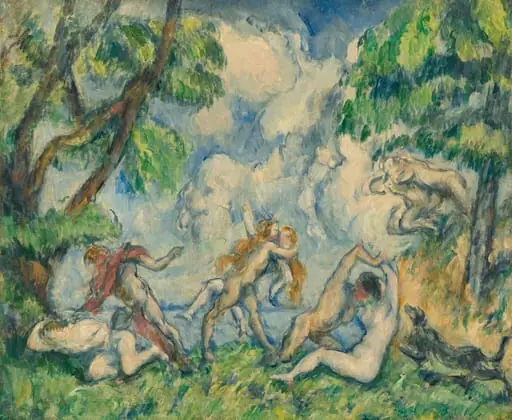 The Battle of Love
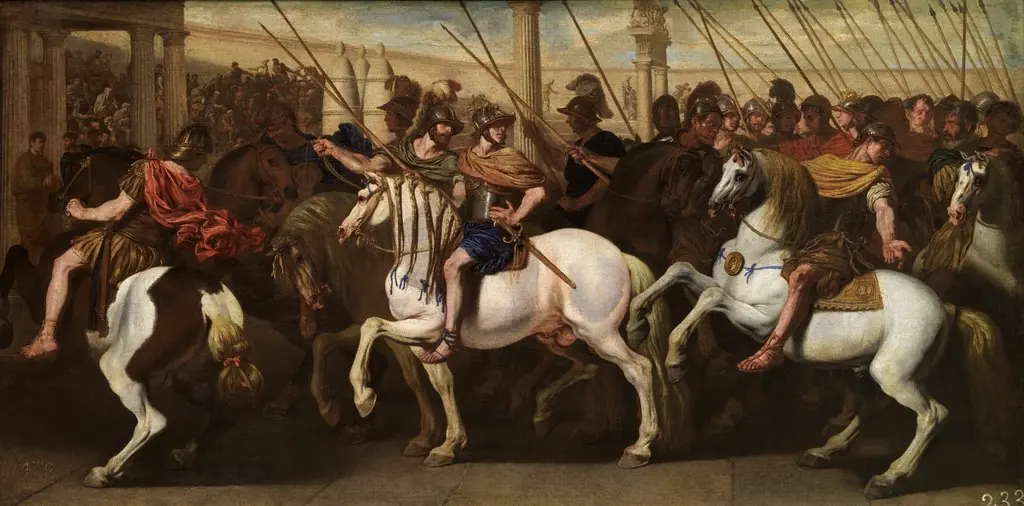 Roman Soldiers in the Circus
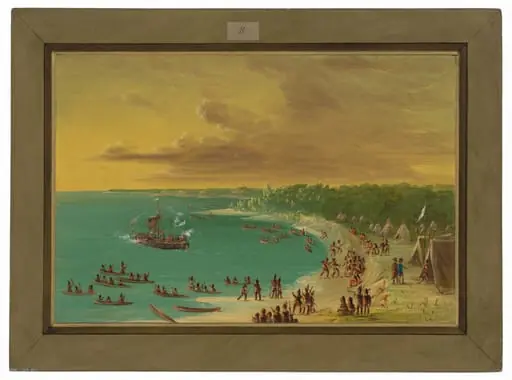 First Sailing of the Griffin on Lake Erie. August 7, 1679
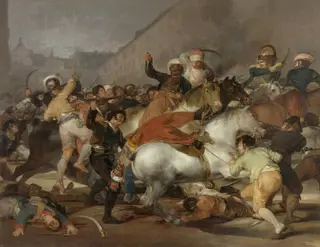 The Second of May 1808
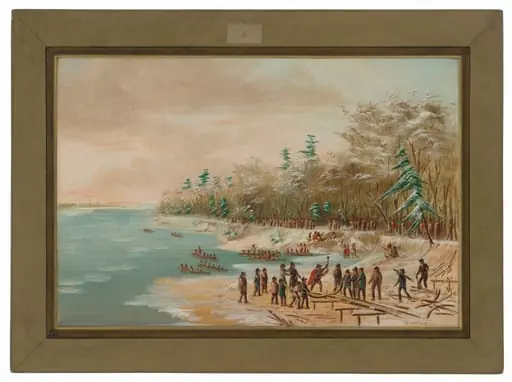 La Salle Driving the First Bolt for the Griffin. January 26, 1679
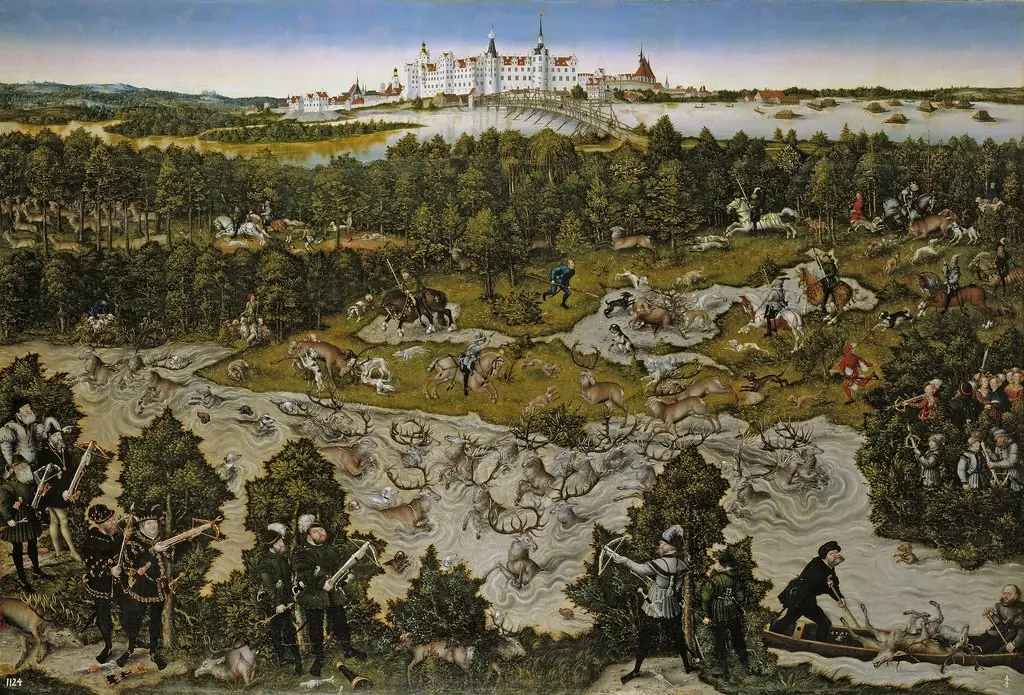 Hunt at the Castle of Torgau in honour of Ferdinand I
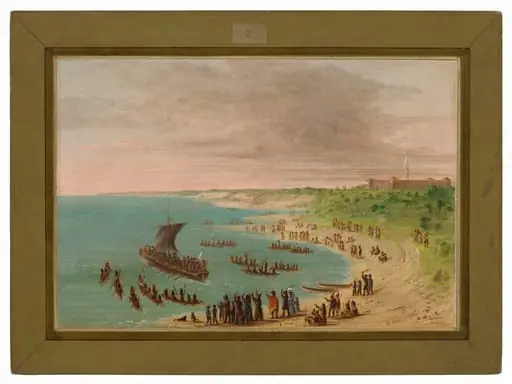 The Expedition Leaving Fort Frontenac on Lake Ontario. November 18, 1678
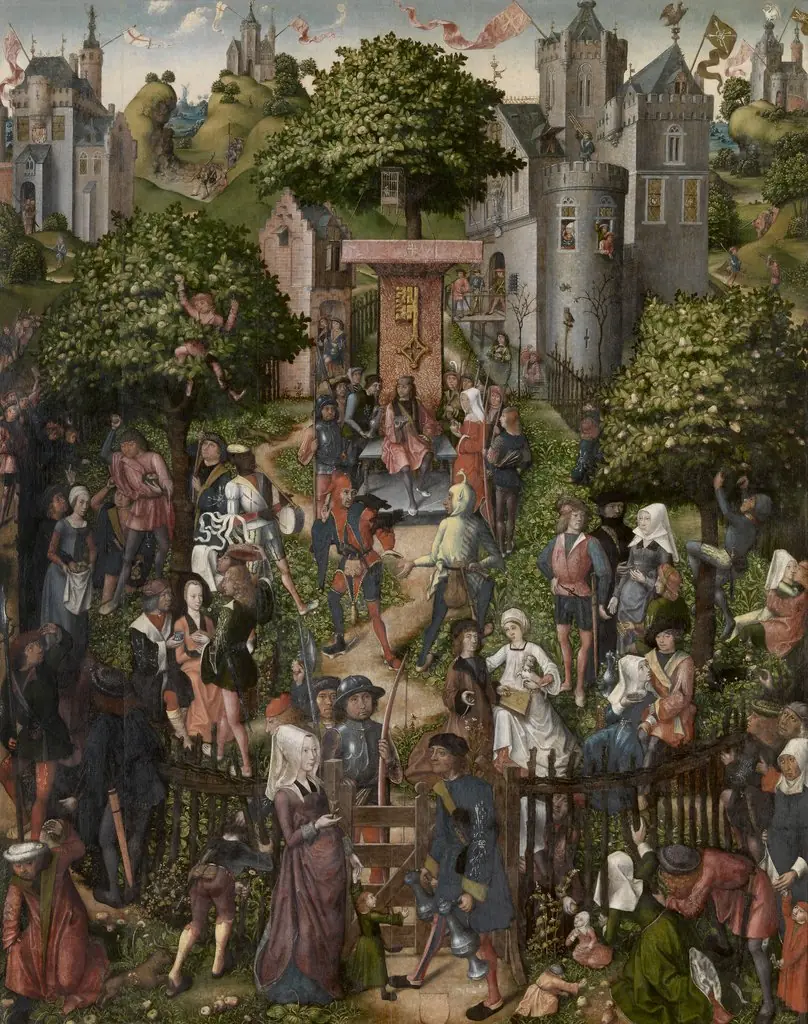 Festival of the Archers
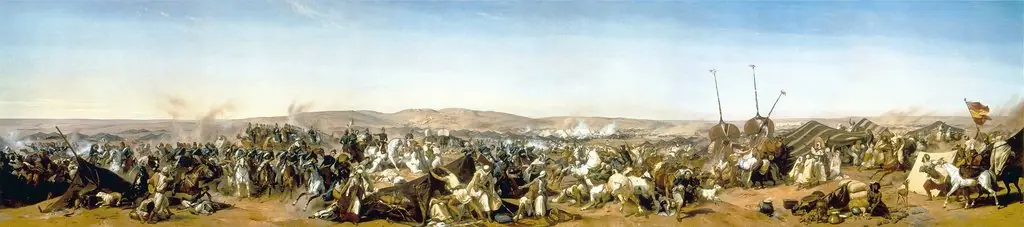 The seizure of Abd-el-Kader's camp in 1843
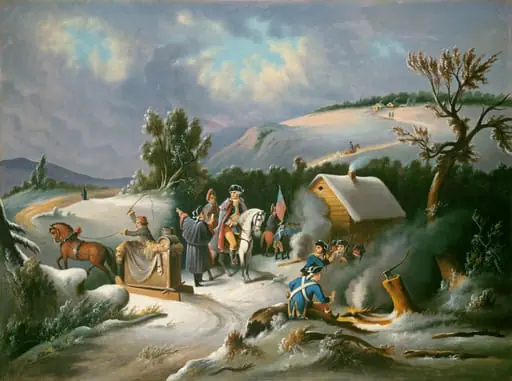 Washington at Valley Forge
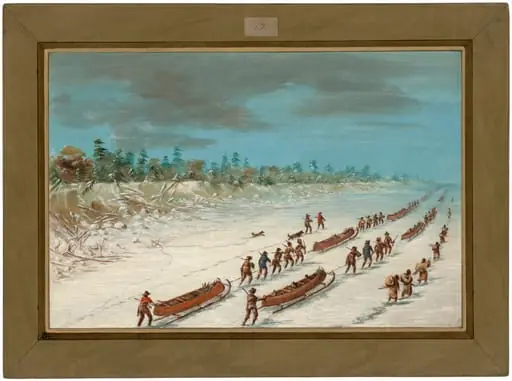 La Salle Crossing Lake Michigan on the Ice. December 8, 1681
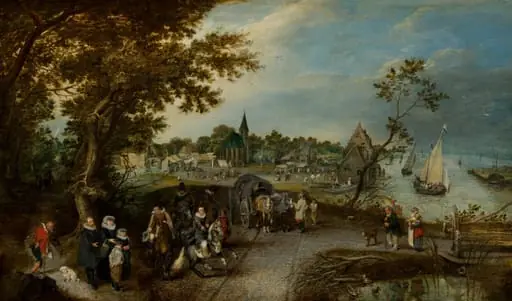 Untitled
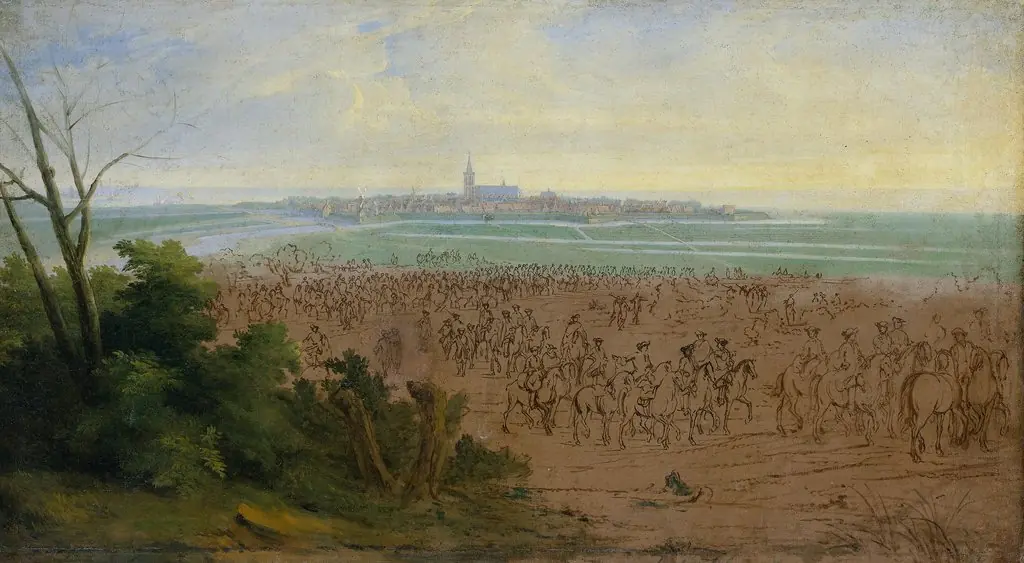 The French army at Naarden, 20 July 1672
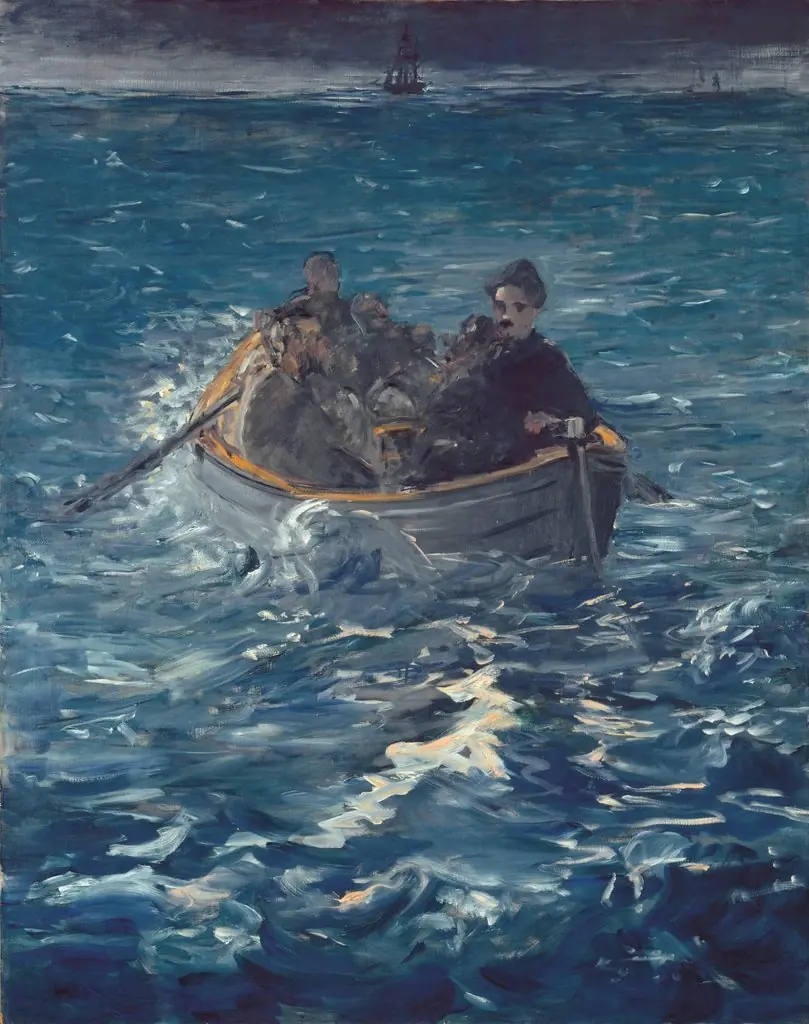 Rochefort's Escape
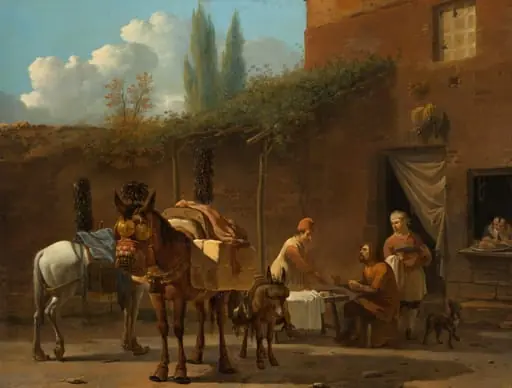 Muilezeldrijvers bij een herberg
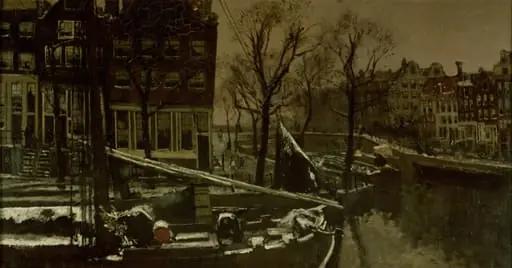 Winter in Amsterdam
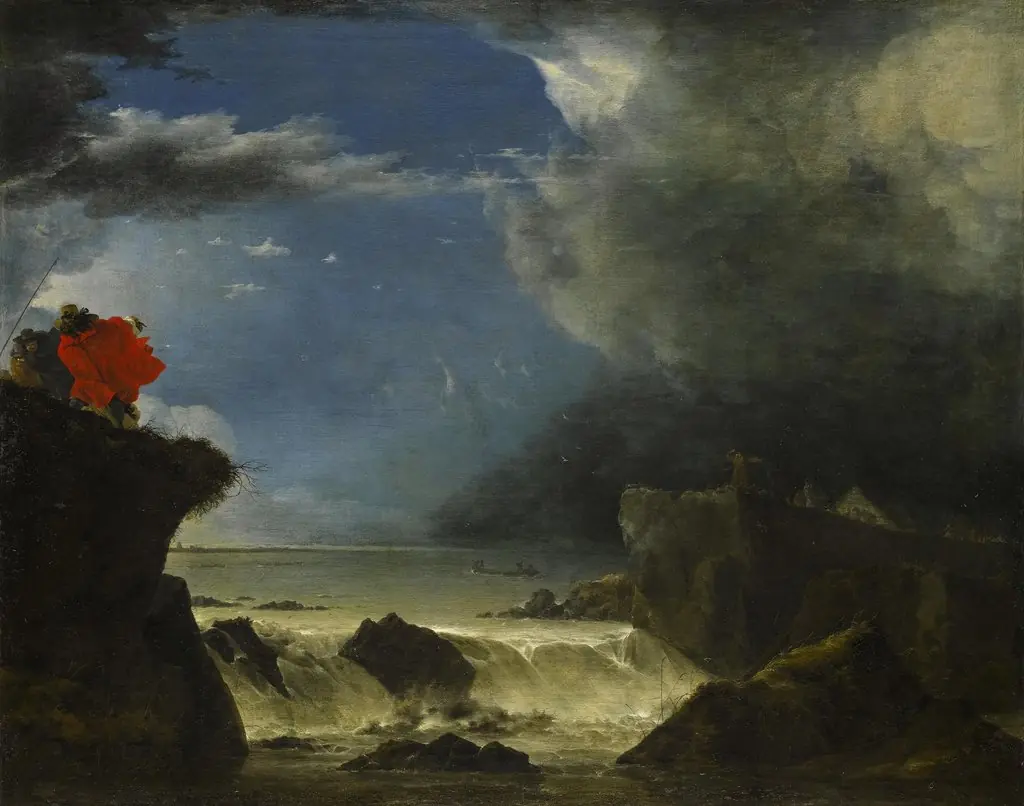 The Breach of the Sint Anthonisdijk on the Night of 5–6 March 1651
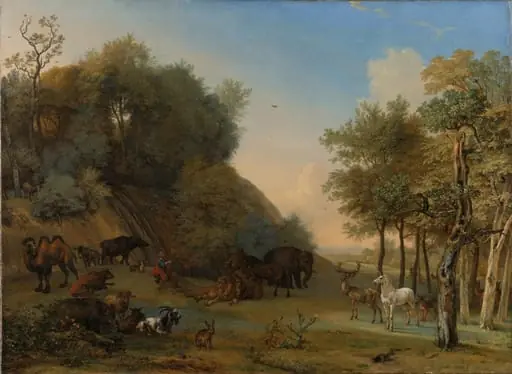 Orpheus and the Animals
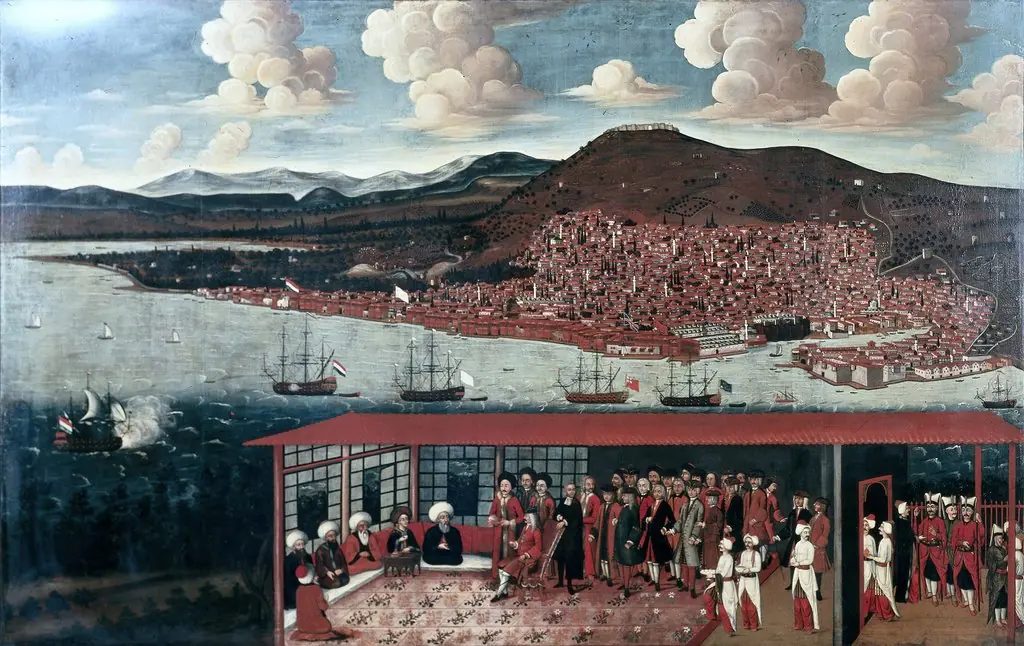 View of Smyrna (Izmir) and the Reception Given to Consul de Hochepied in the Council Chamber
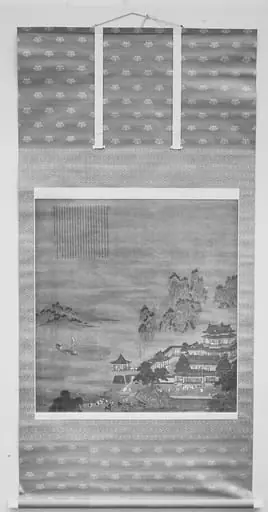 明 佚名 傳仇英 唐宫圖 軸|A Tang Palace
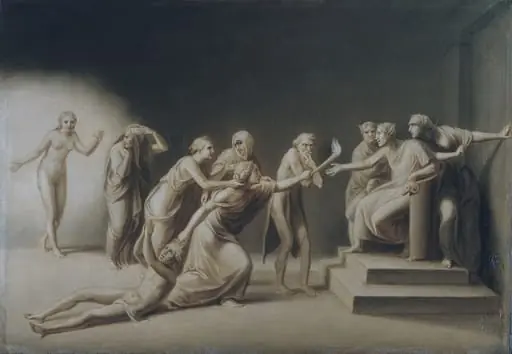 The Calumny of Apelles
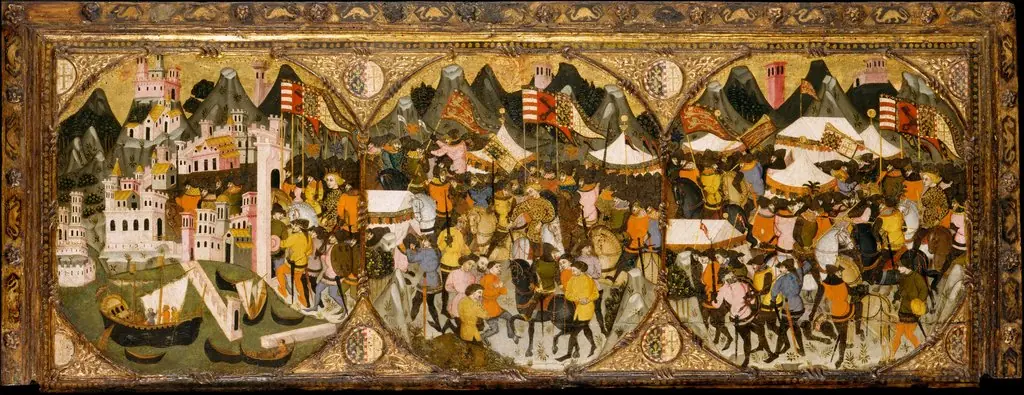 The Conquest of Naples by Charles of Durazzo
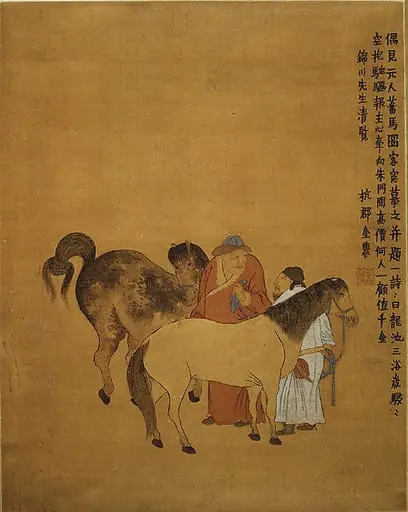 清 傳金農 番馬圖 軸|Grooms and Foreign Horses
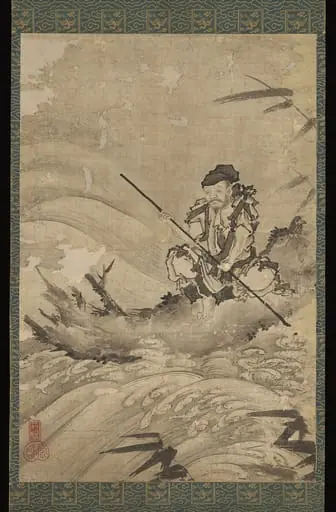 張騫図|The Chinese Explorer Zhang Qian on a Raft
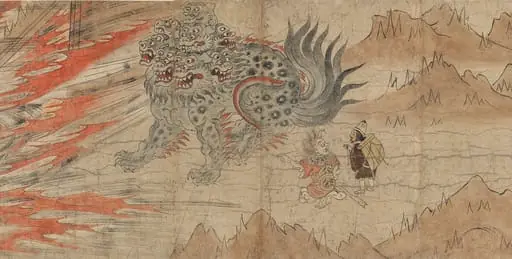 北野天神縁起絵巻|Illustrated Legends of the Kitano Tenjin Shrine (Kitano Tenjin engi emaki)
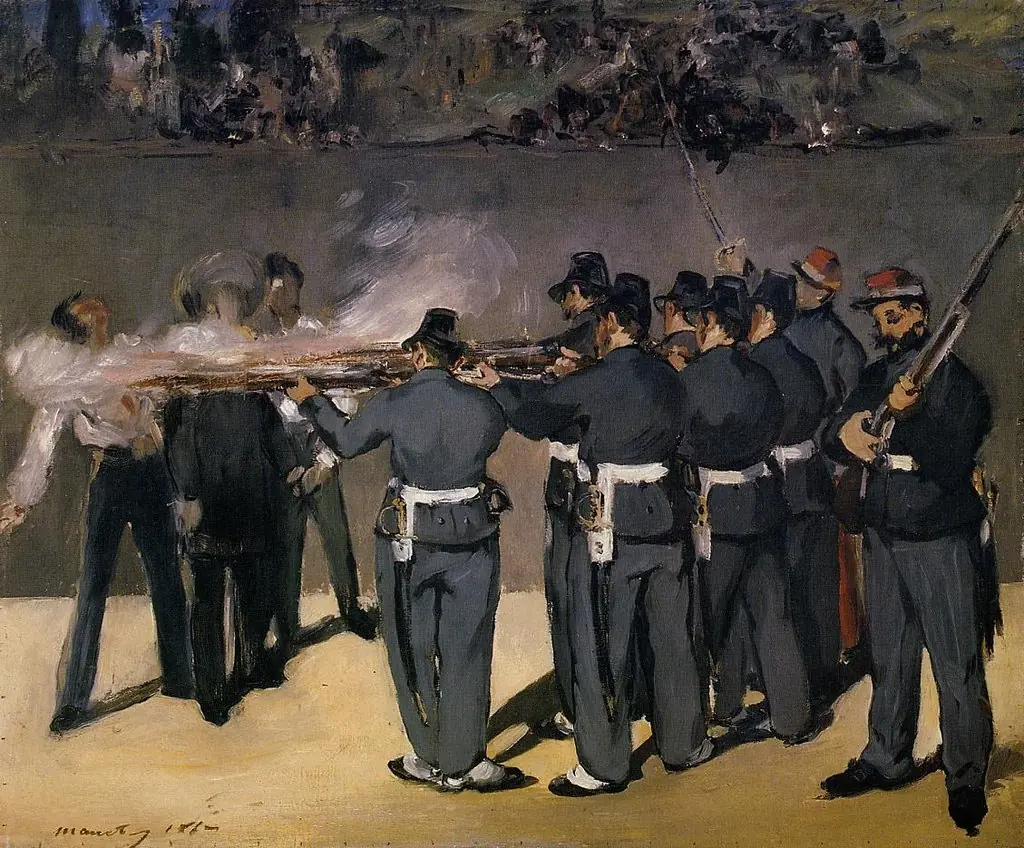 The Execution of Emperor Maximilian
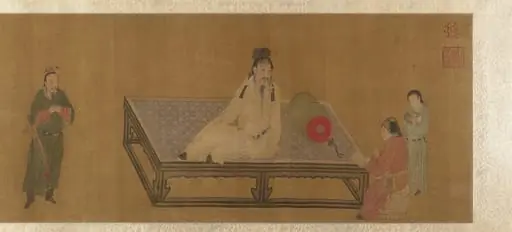 明/清 佚名 倣宋徽宗 明皇訓儲圖摹本 卷|Copy of Tang Ming Huang Instructing the Prince
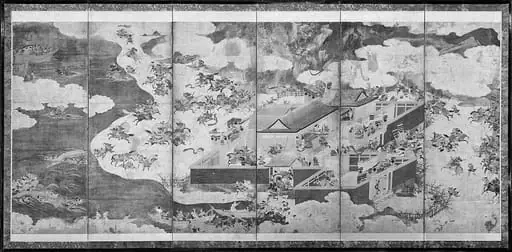 一の谷合戦図屏風|The Battle at Ichinotani, from The Tale of the Heike (Heike monogatari)
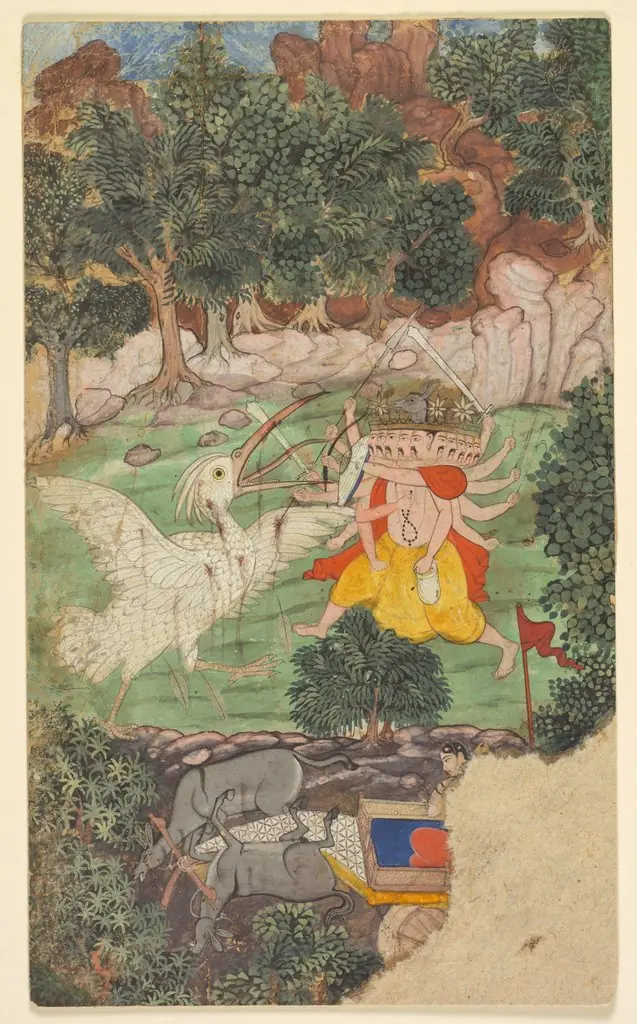 Battle of Ravana and Jatayu, from Chapters 50 and 51 of the Aranya Kanda (Book of the Forest) of Valmiki's Ramayana (Rama’s Journey); folio from the "Burnt" Ramayana
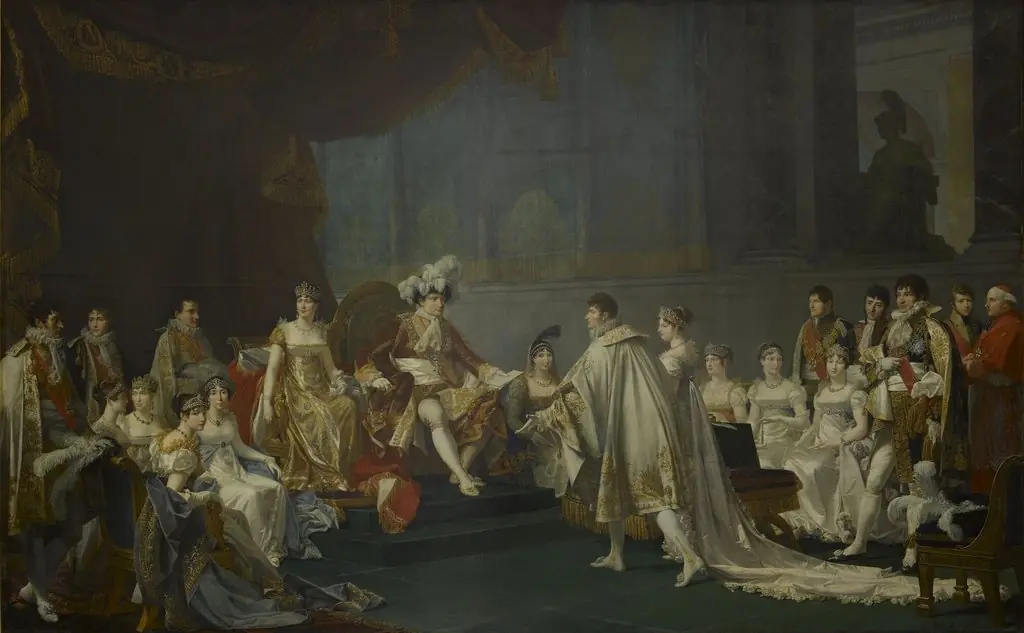 Wedding of Prince Jérôme Bonaparte and Princess Frédérique-Catherine of Wurtemberg, August 22, 1807
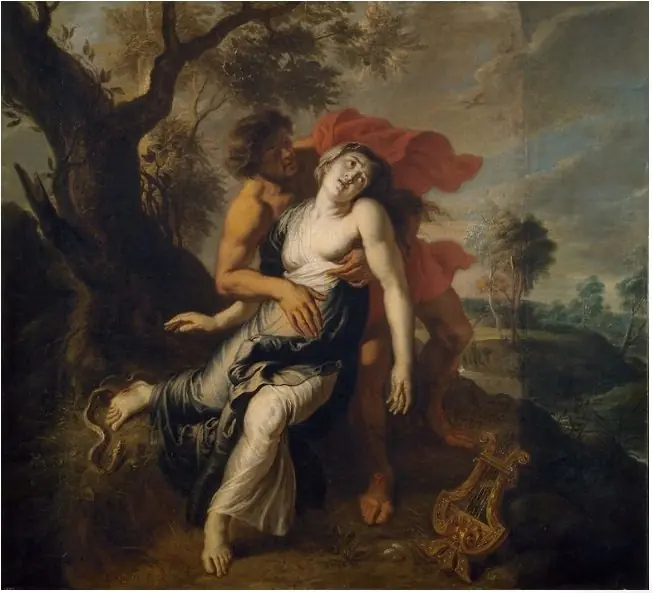 The Death of Eurydice
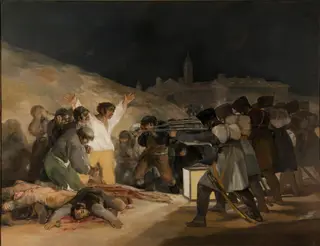 The Third of May 1808
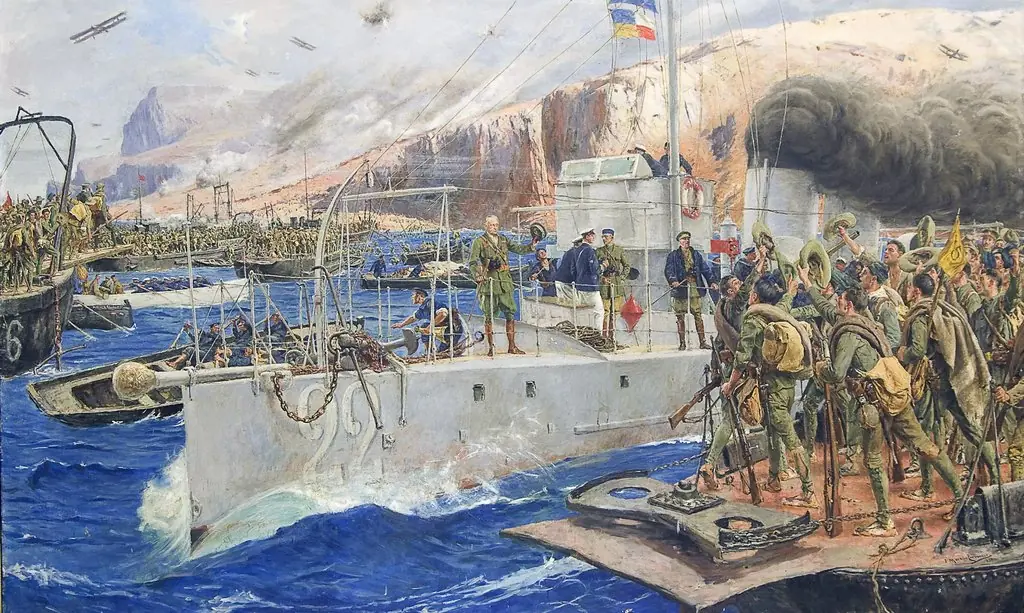 Alhucemas Landing
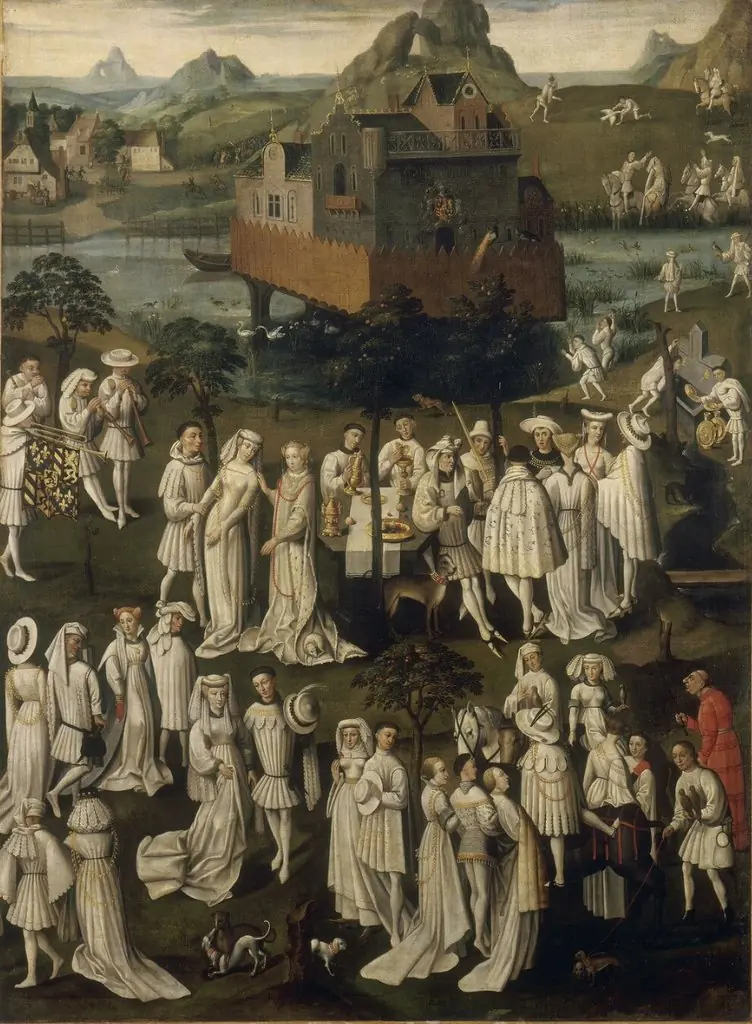 Garden of love at the court of Philippe the Good, Duke of Burgundy
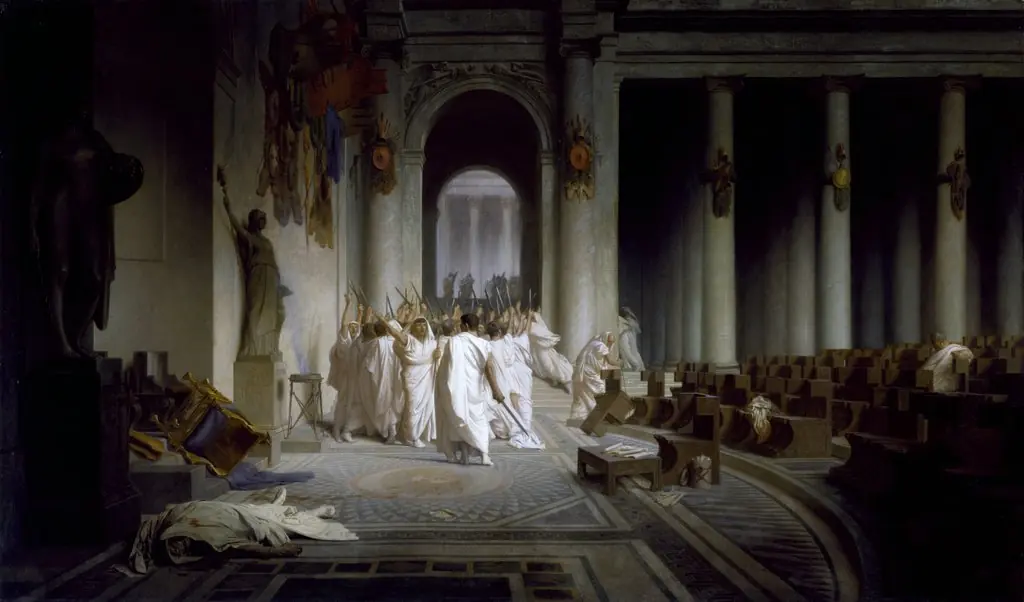 The Death of Caesar
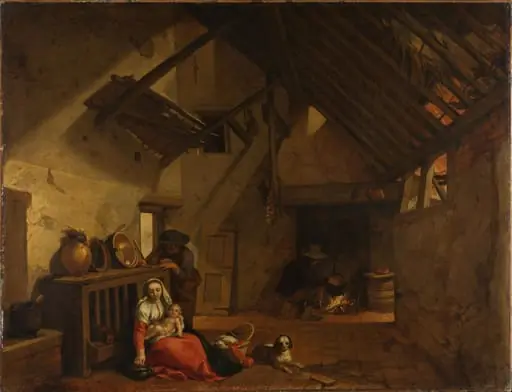 The Rest on the Flight into Egypt
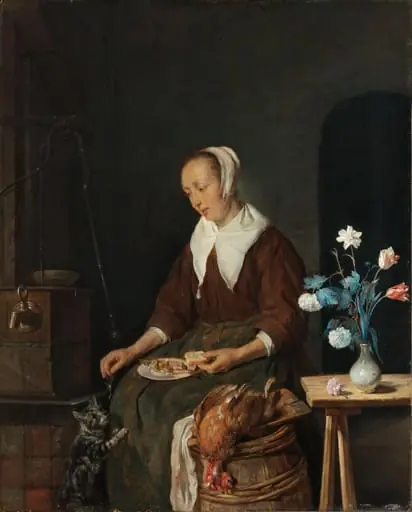 Vrouw aan de maaltijd, bekend als ‘Het ontbijt van de kat’
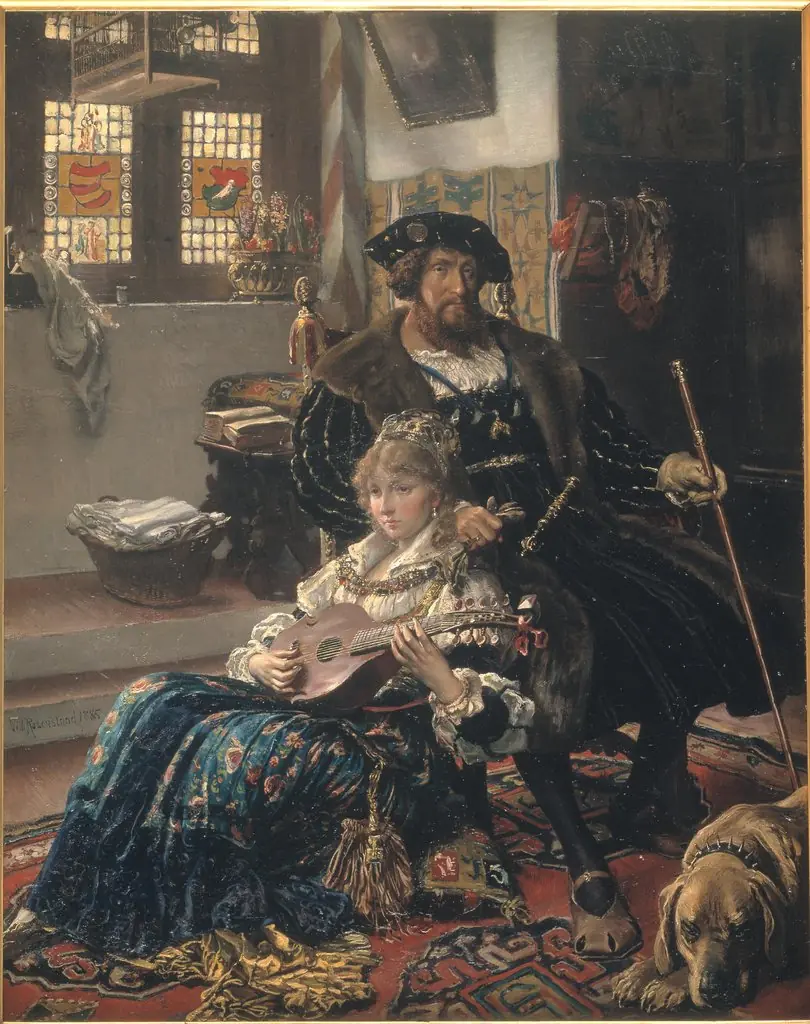 Christian II og Dyveke
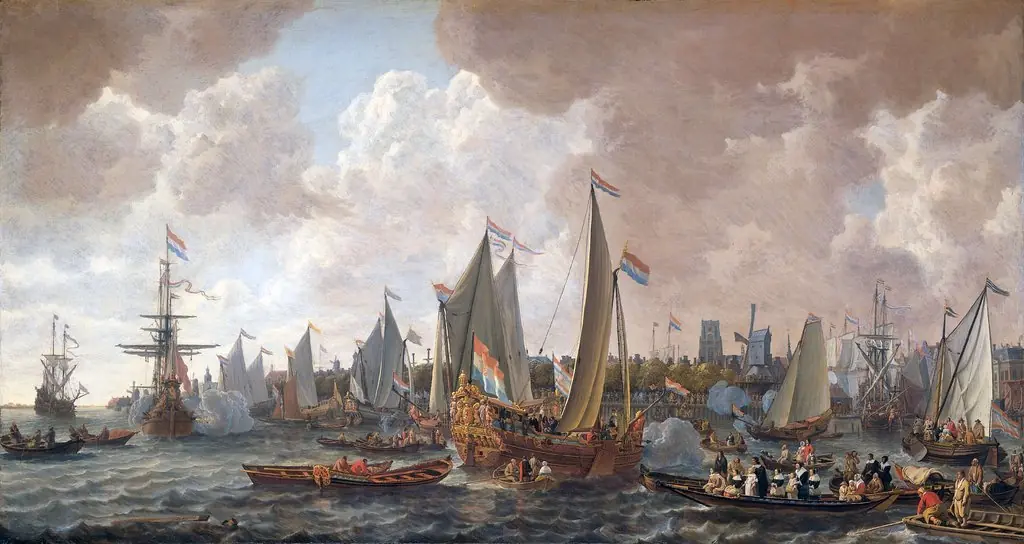 The arrival of King Charles II of England in Rotterdam, 24 May 1660
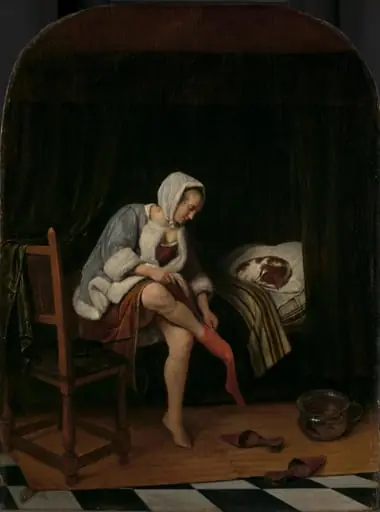 Het toilet
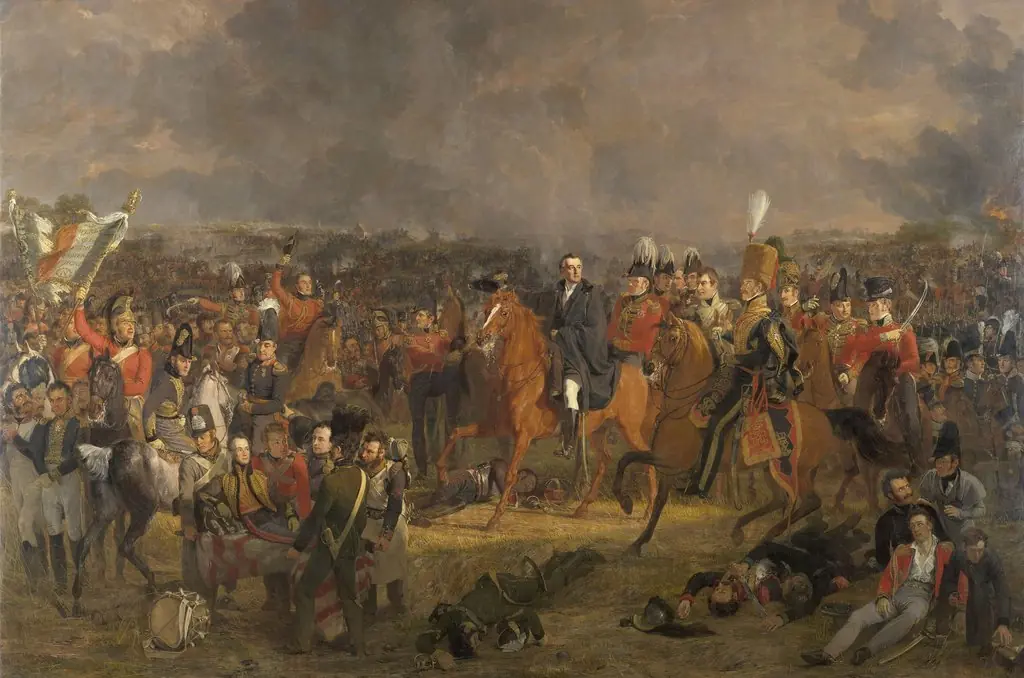 The Battle of Waterloo
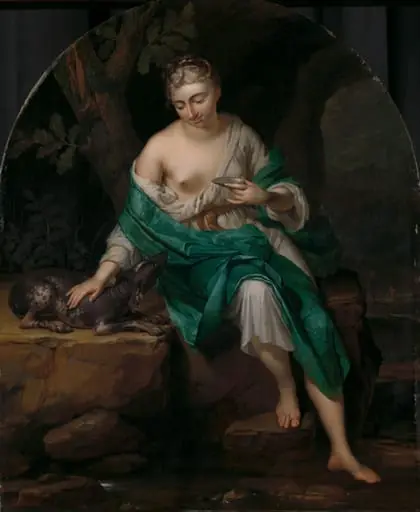 A Woman with a Dog
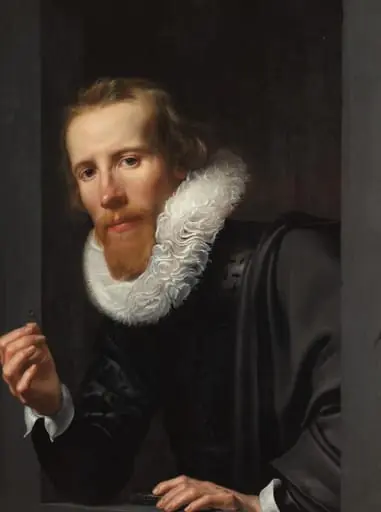 Portrait of a Goldsmith, Probably Bartholomeus Jansz van Assendelft
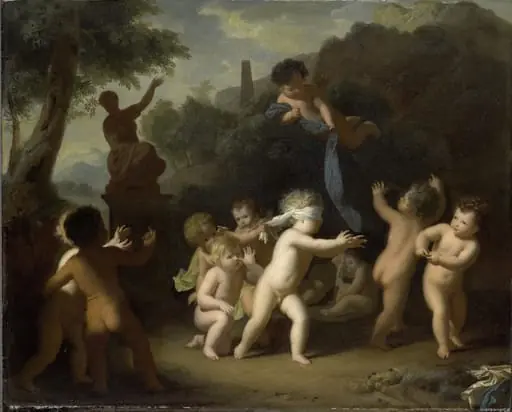 Putti Playing
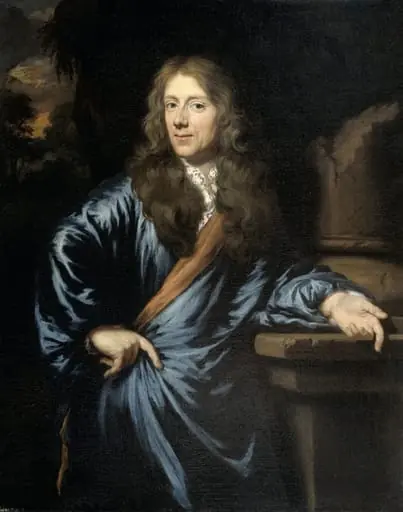 Portrait of Willem Pottey, Lawyer and Accountant-General of Flushing
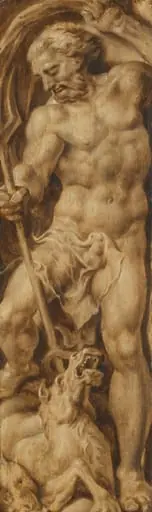 Triomf van het geloof: Neptunus
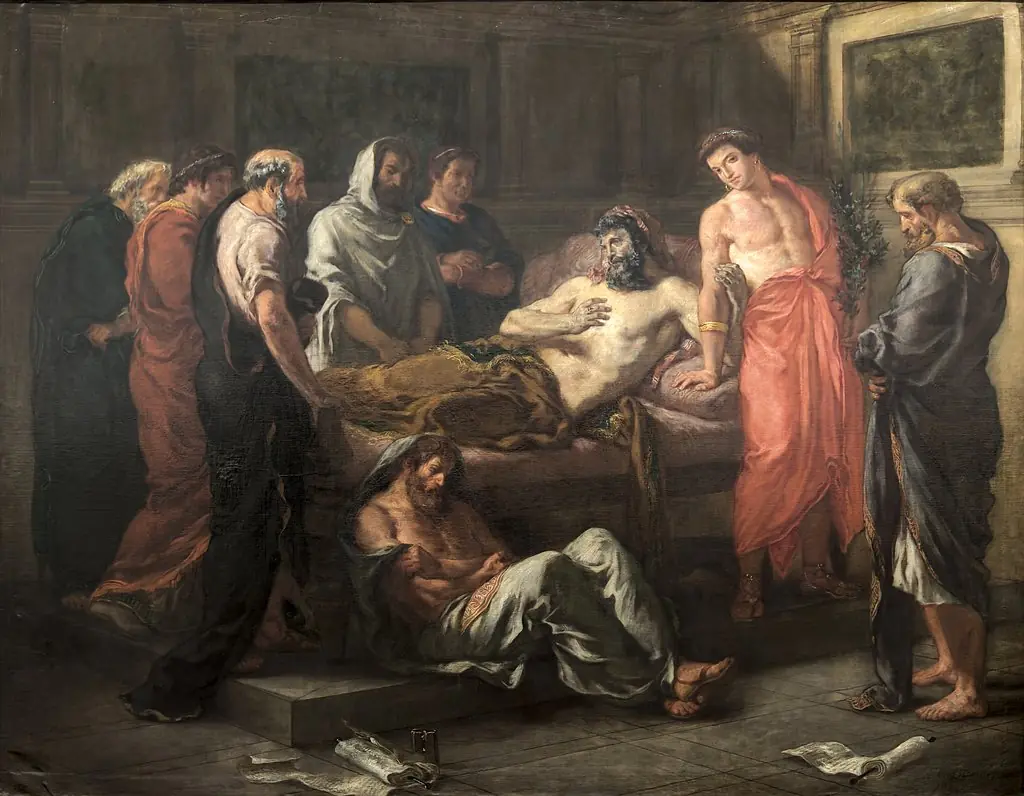 Last Words of the Emperor Marcus Aurelius
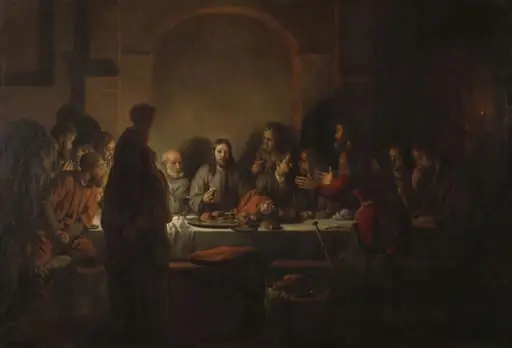 The Last Supper
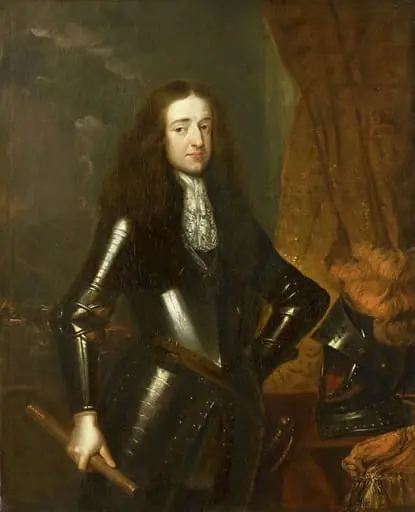 Portrait of Willem III (1650-1702), Prince of Orange and since 1689, King of England
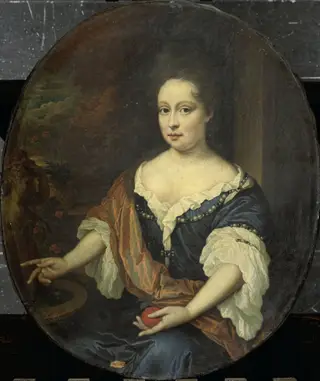 Judith Allijn (d 1702), Wife of Harmen Lijnslager
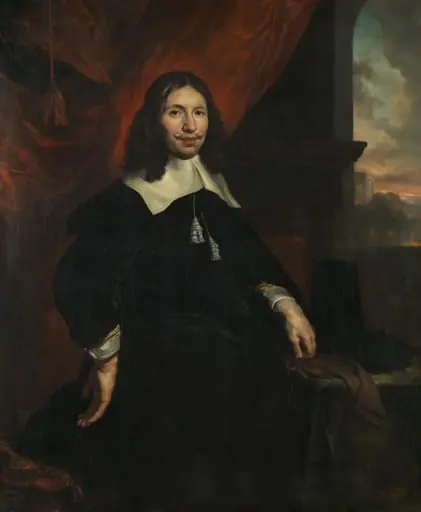 Dionijs Wijnands (1628-73). Amsterdam merchant, son of Hendrick Wijnands and Aeltje Denijs
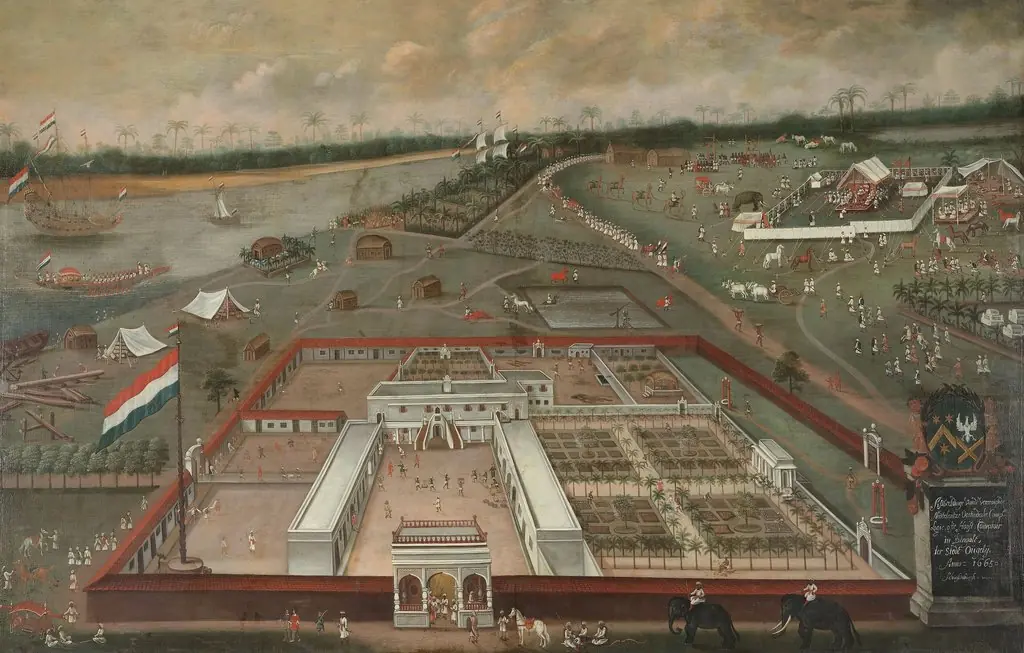 The Trading Post of the Dutch East India Company in Hooghly, Bengal
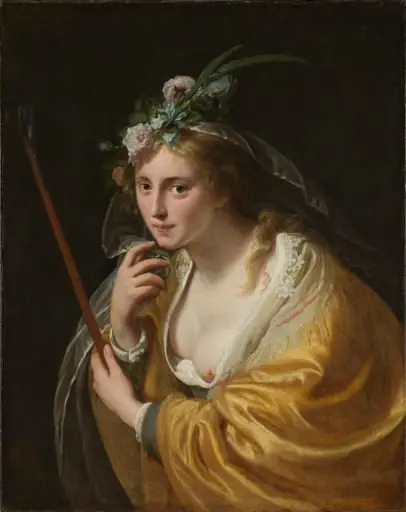 A Shepherdess
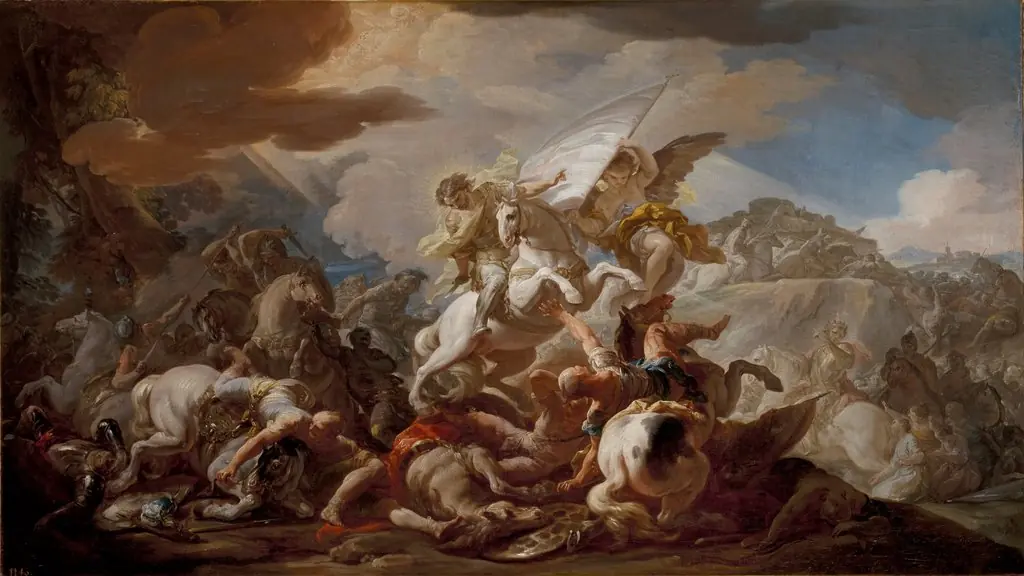 Battle of Clavijo
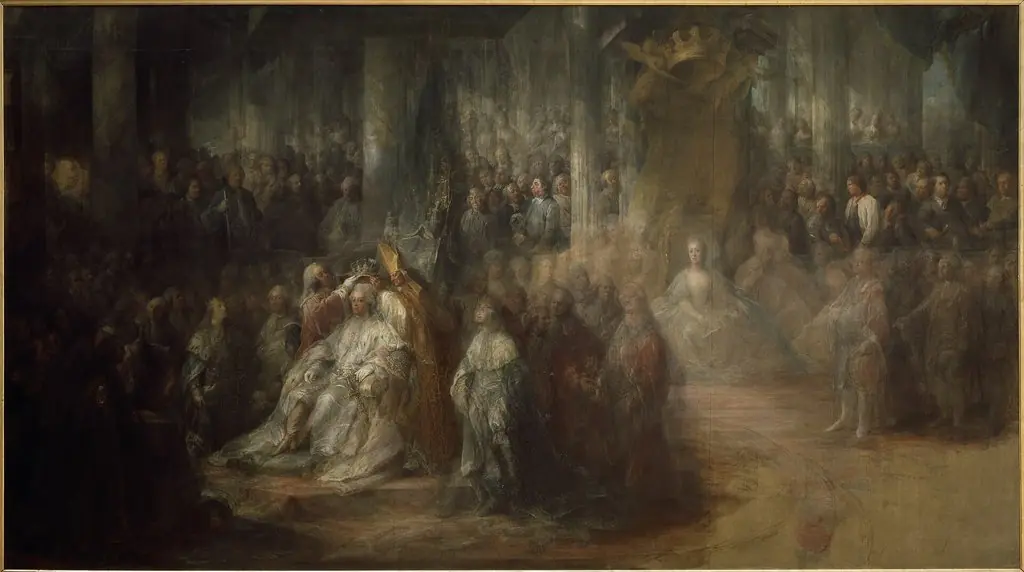 Coronation of Gustav III.
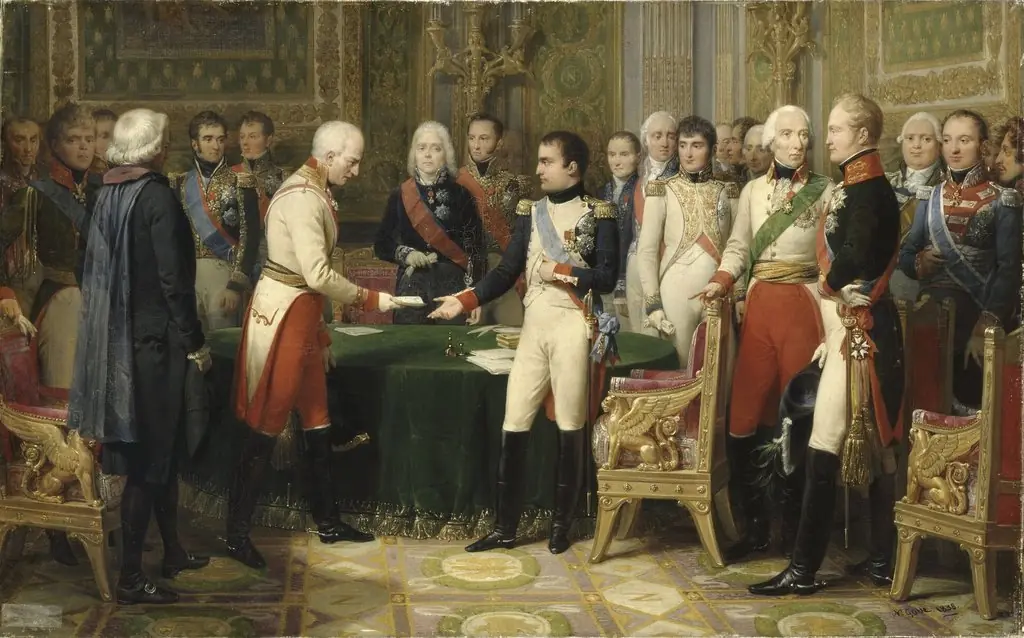 Napoleon I receiving Baron Vincent, the Austrian Ambassador, at Erfurt, 1808
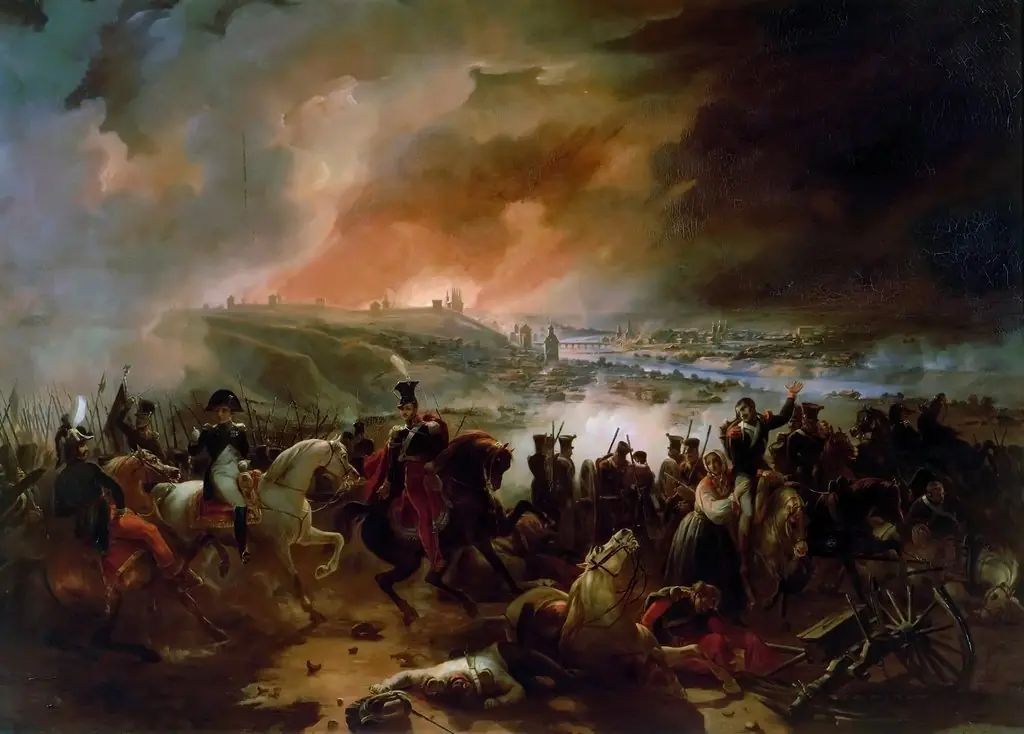 The Battle of Smolensk, 17th August 1812
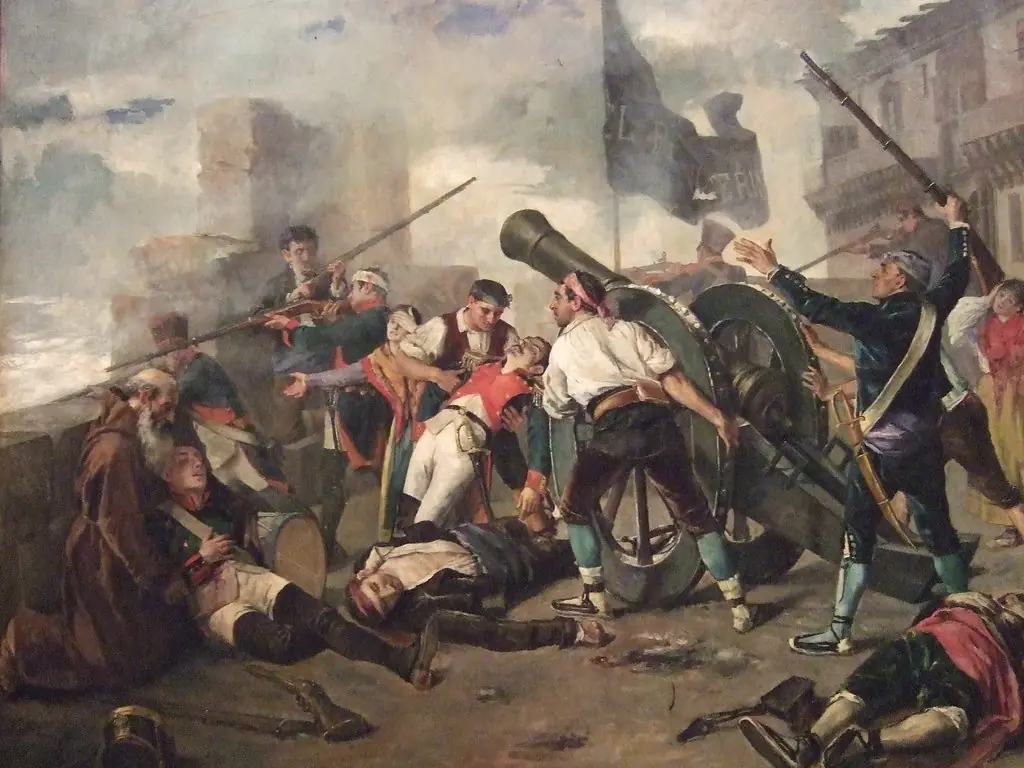 El Pilar no se rinde
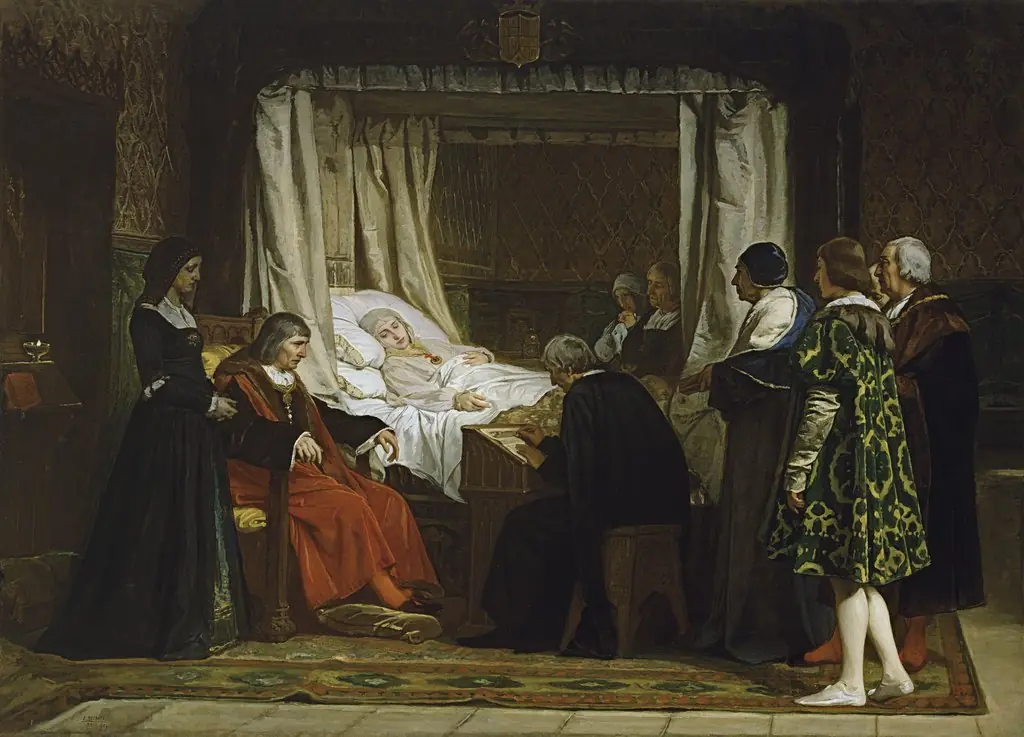 Queen Isabel la Católica dictating her last will and testament
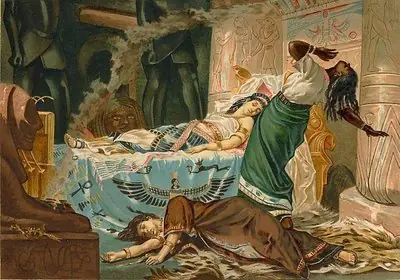 The Death of Cleopatra
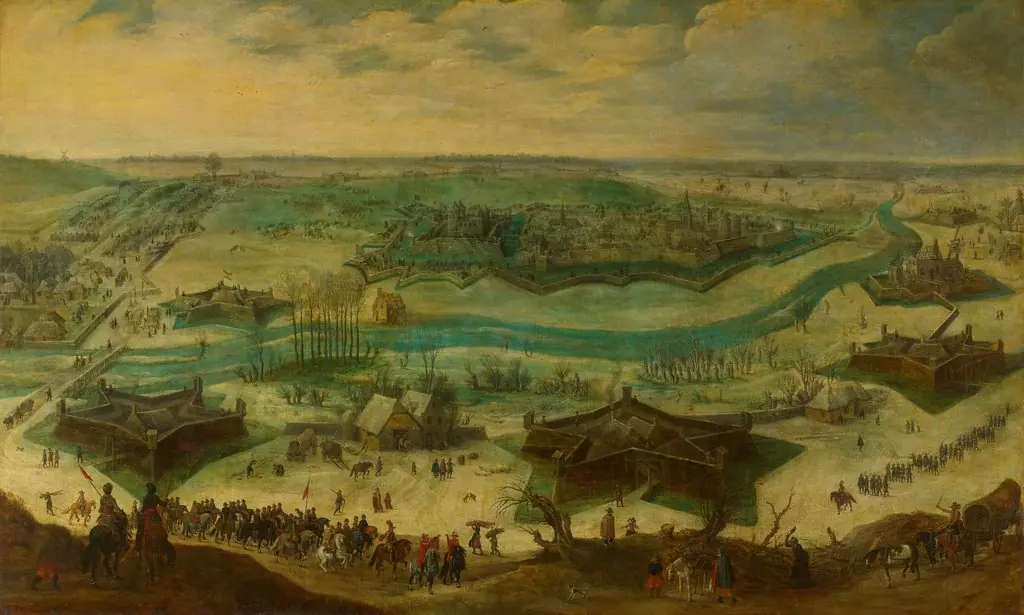 A siege of a city, thought to be the siege of Gulik by the Spanish under the command of Hendrik van den Bergh, 5 September 1621-3 February 1622
 Nydia
Nydia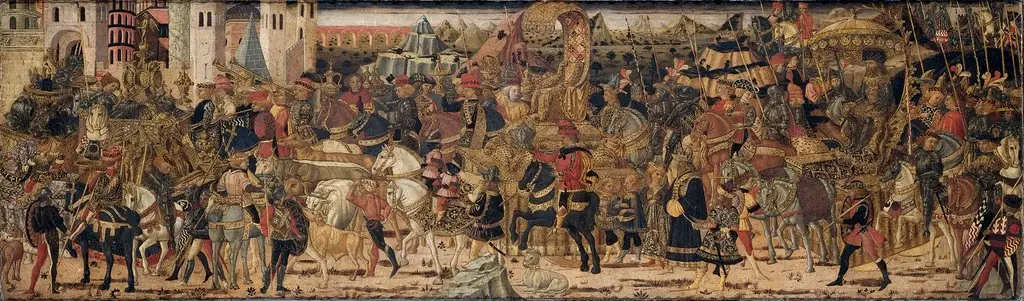 The Triumph of Aemilius Paulus after the Battle of Pydna
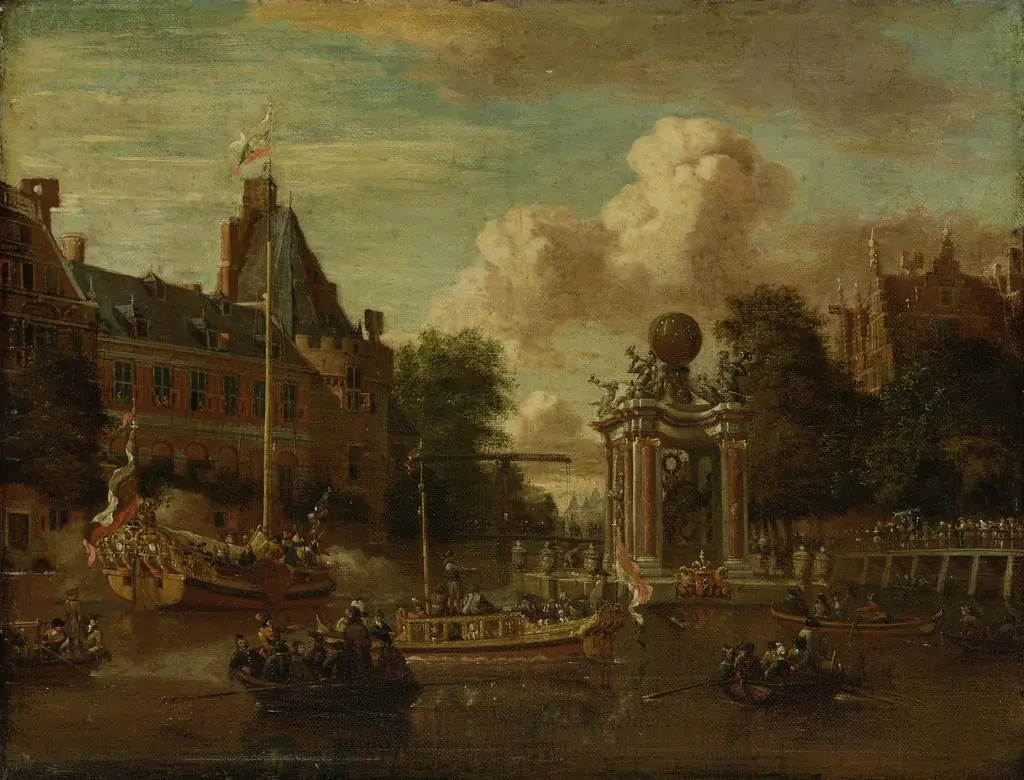 The arrival of the Russian embassy in Amsterdam, 29 August 1697
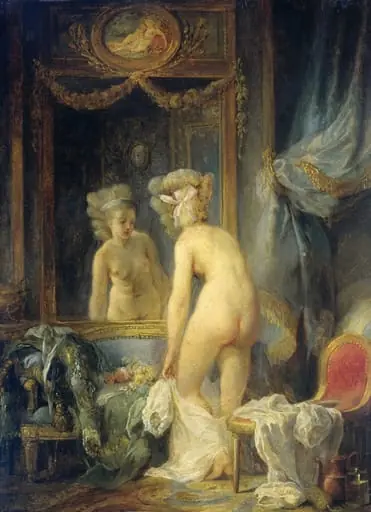 Untitled
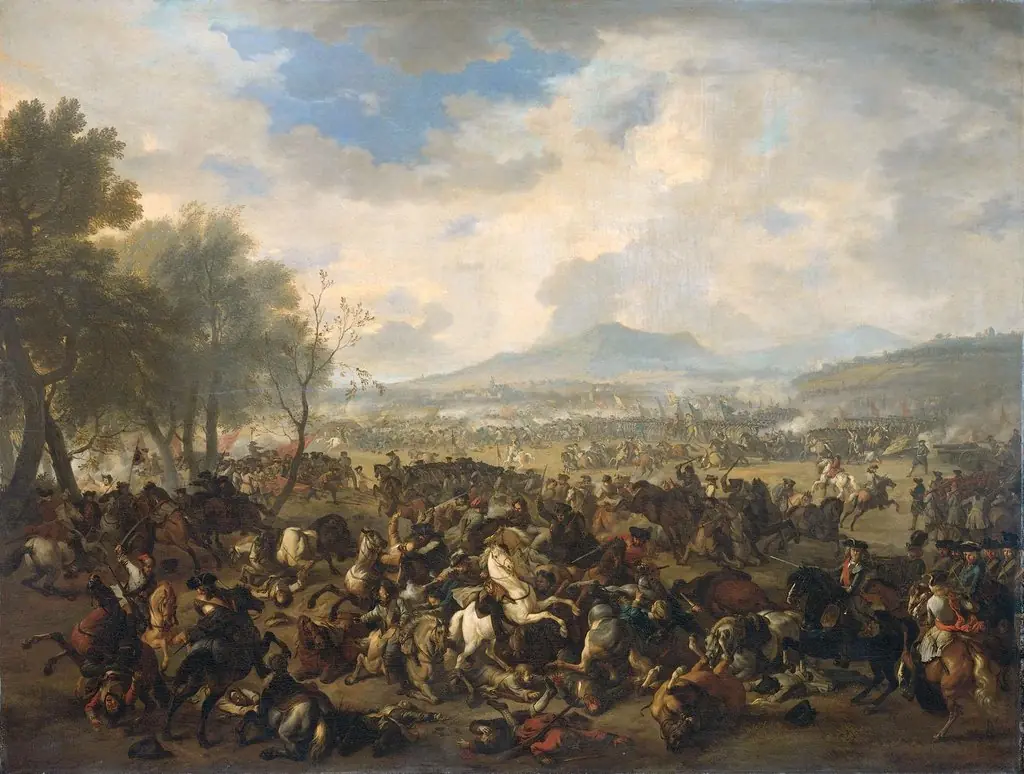 The Battle of Ramillies betwwen the French and the English, 23 May 1706
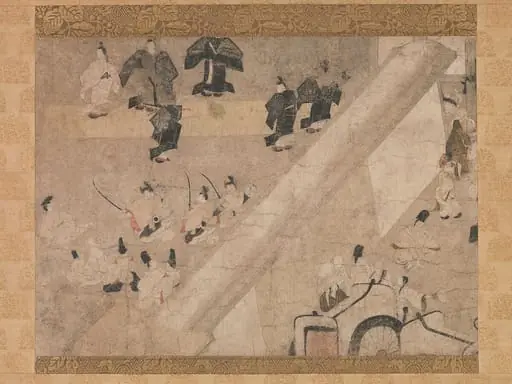 「高陽院駒競行幸絵巻」『栄花物語』 断簡|"Imperial Visit to the Great Horse Race at the Kaya-no-in Mansion" from the Tale of Flowering Fortunes
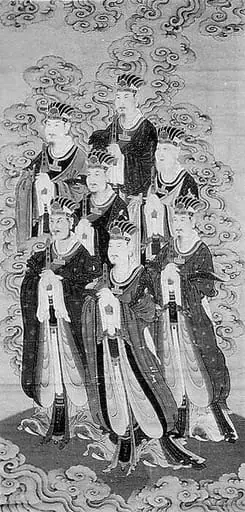 Untitled
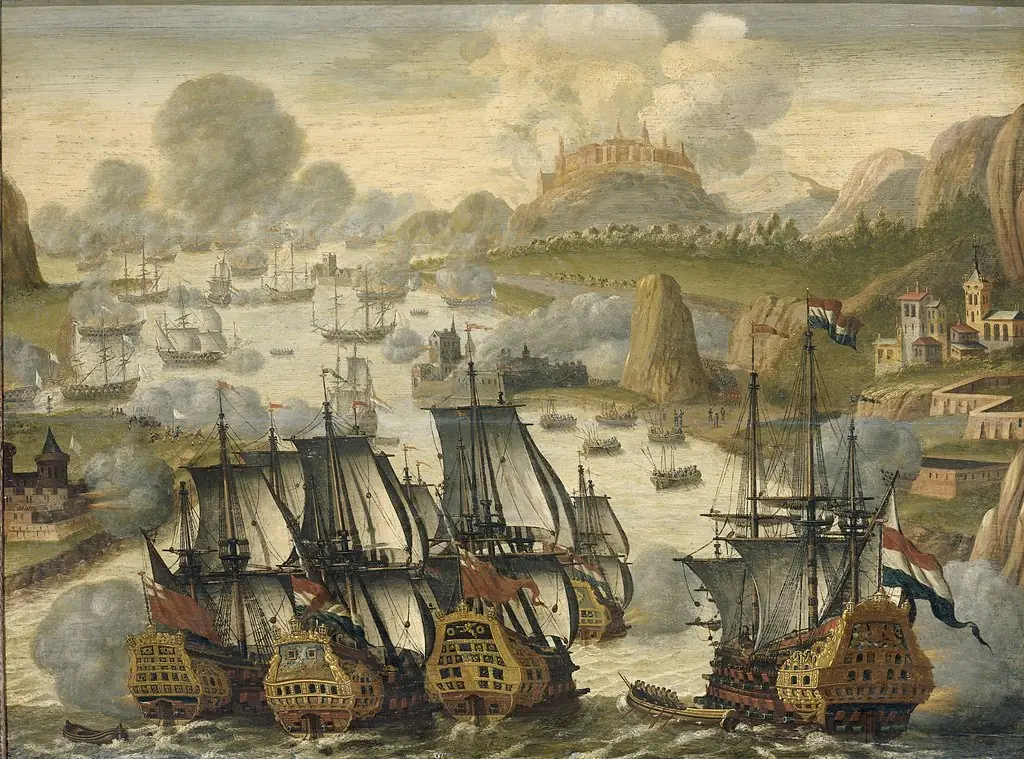 Naval Battle of Vigo Bay, 23 October 1702. Episode from the War of the Spanish Succession
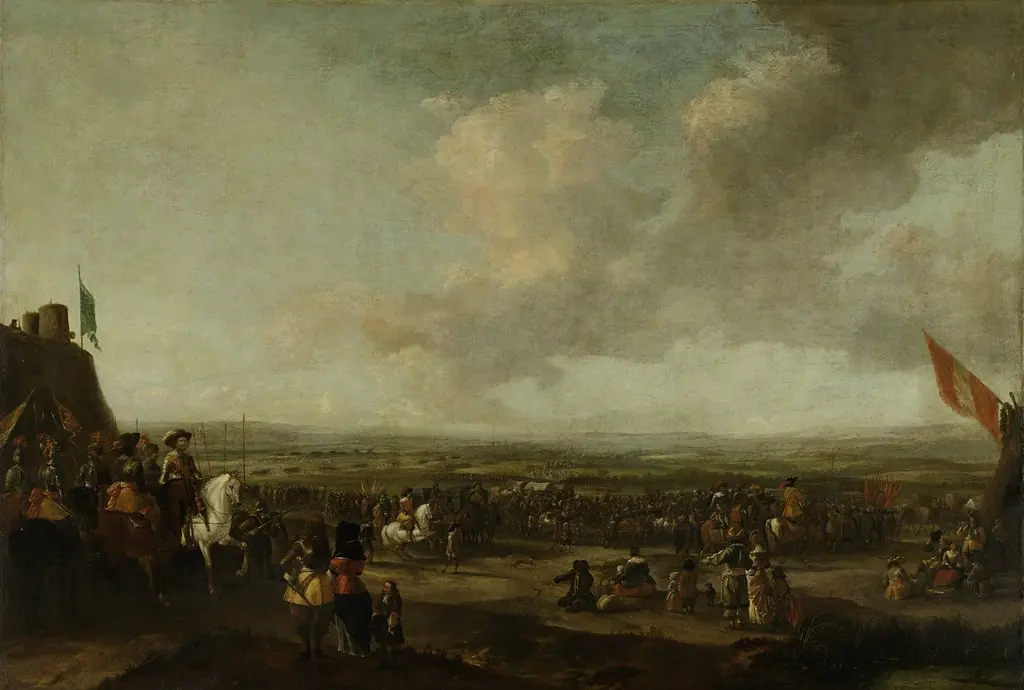 Frederik Hendrik at the surrender of Maastricht, 22 August 1632
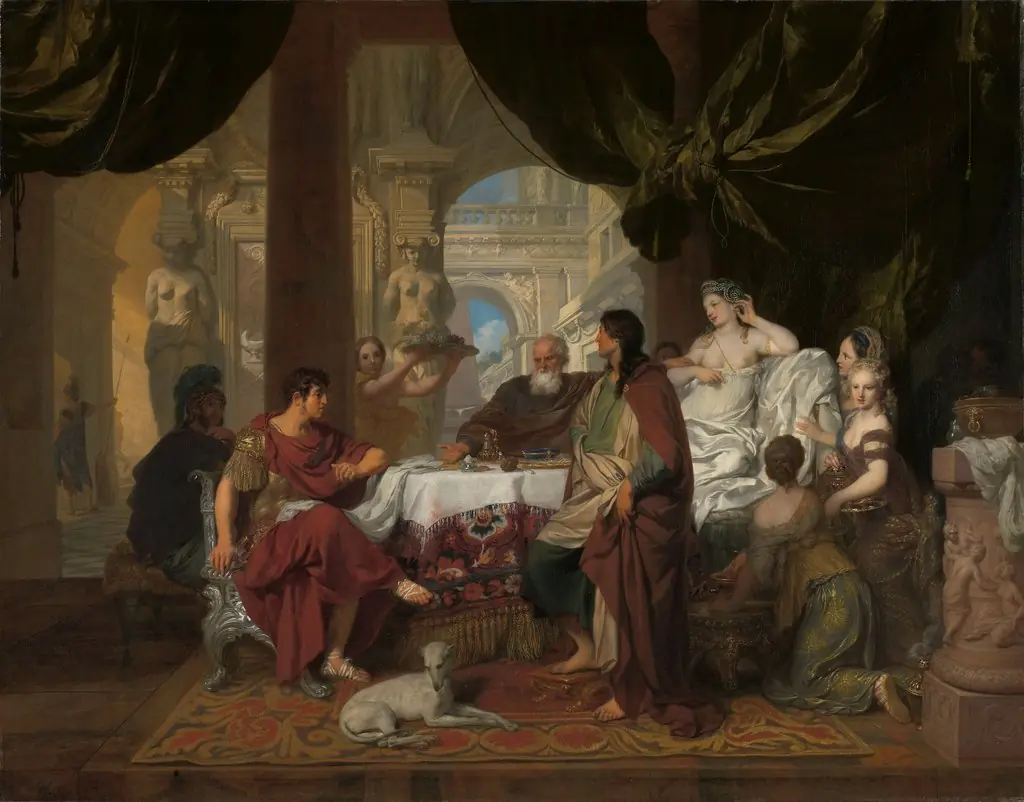 The Banquet of Cleopatra
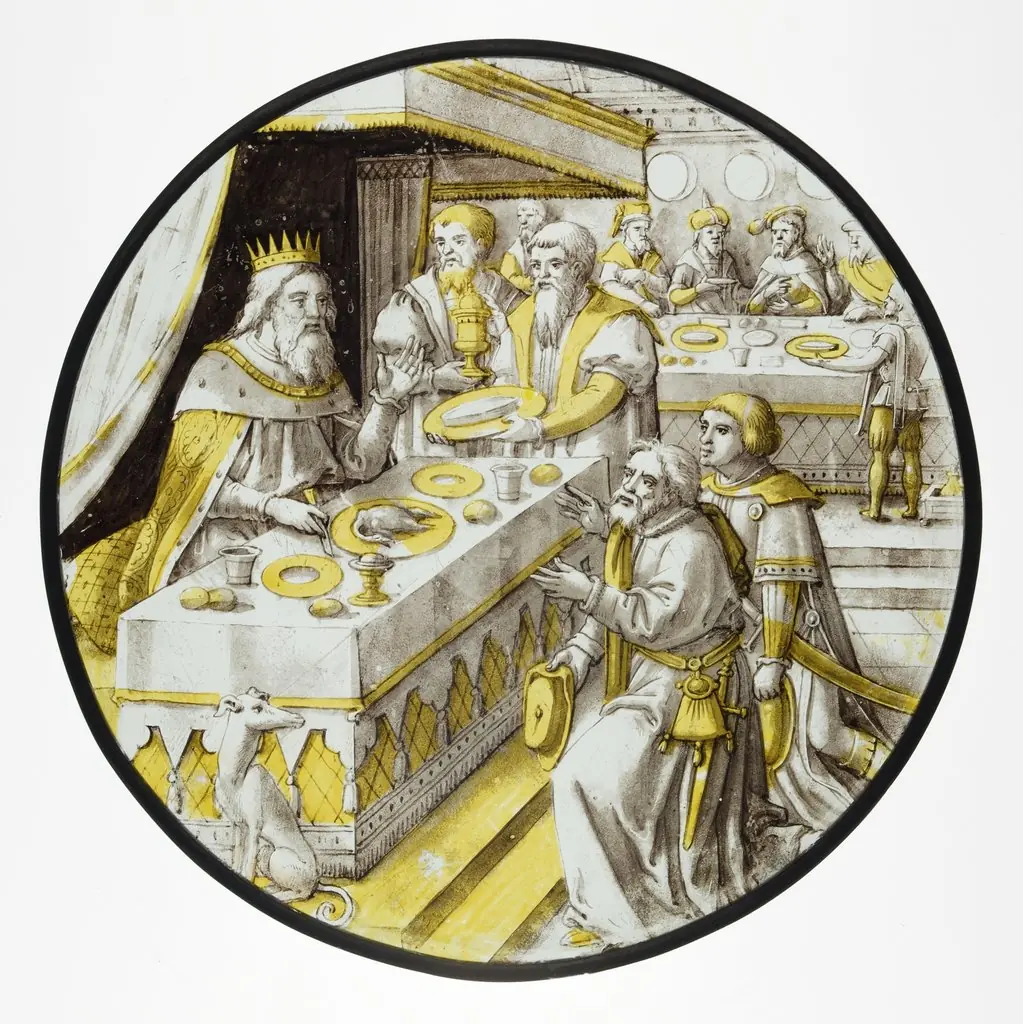 Roundel with Joseph Presenting his father, Jacob, to the Pharoah (from a Series of the History of Joshua)
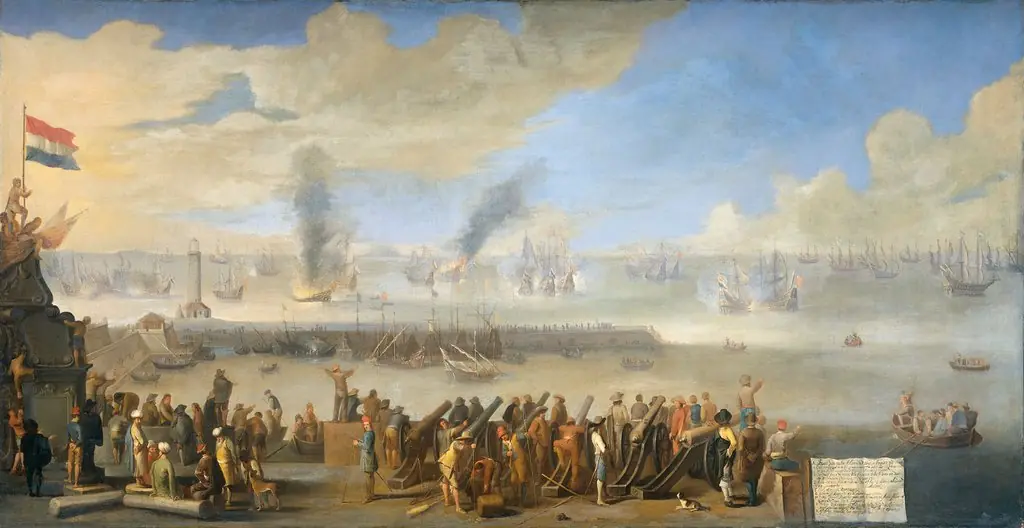 The naval battle near Livorno, 14 March 1653: incident of the first Anglo-Dutch War
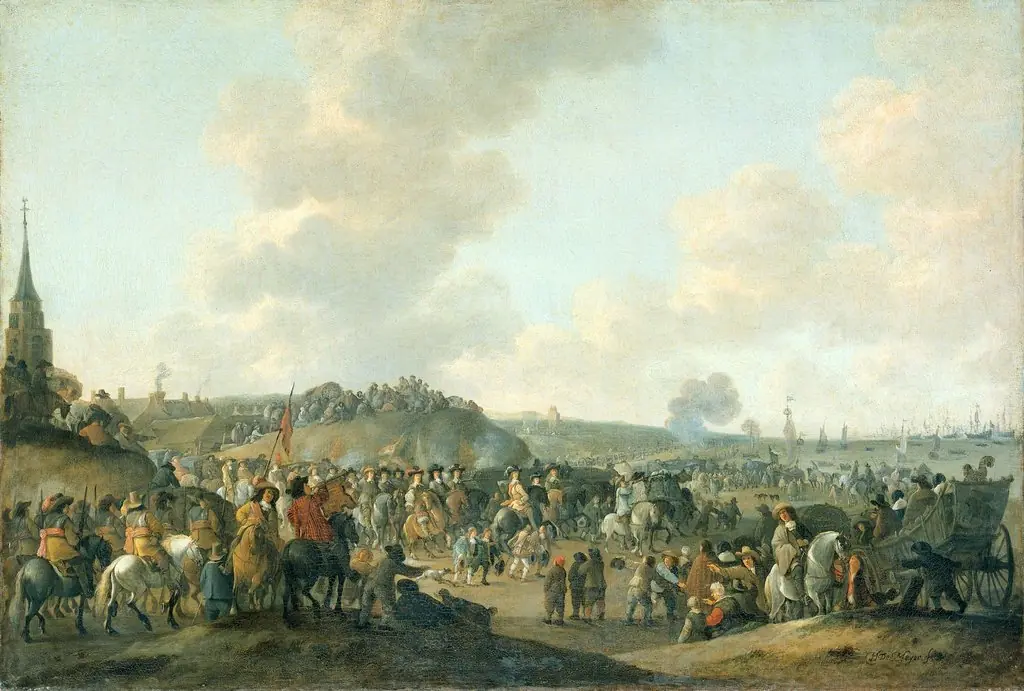 Departure of Charles II of England at Scheveningen, June 2, 1660
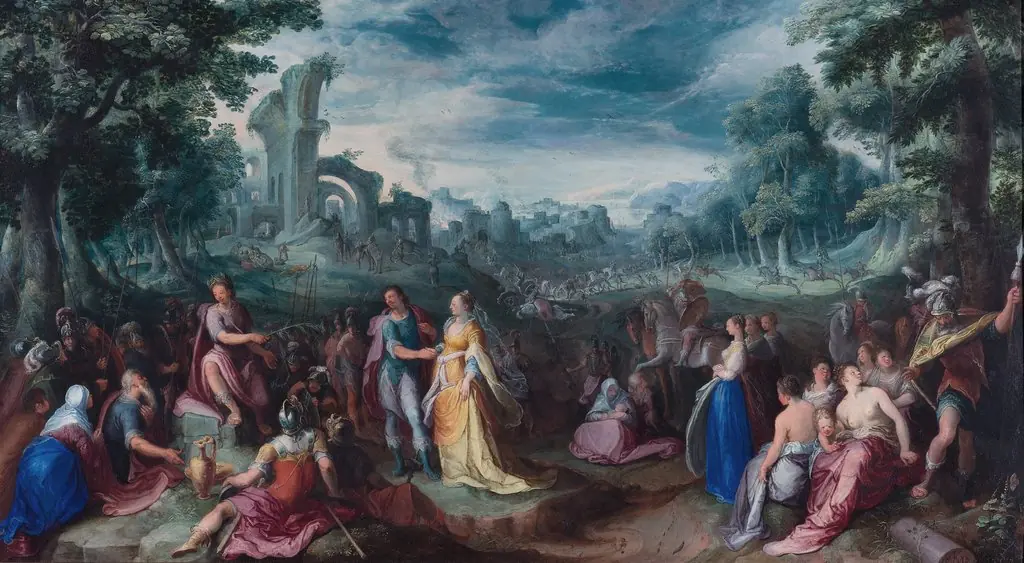 The Continence of Scipio
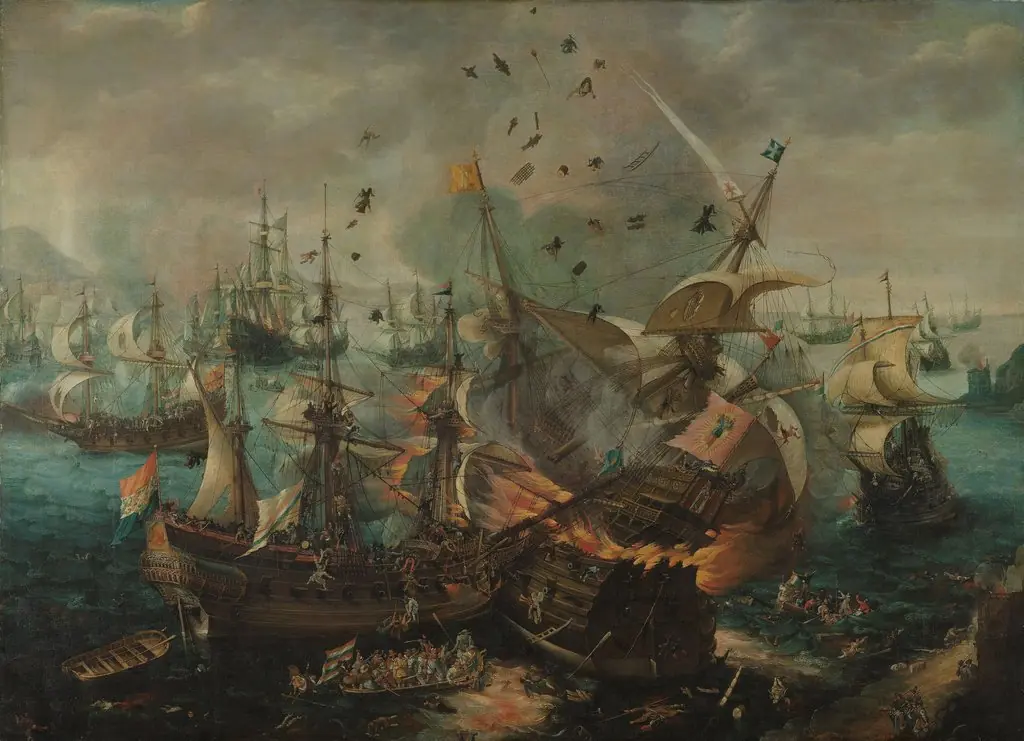 The Explosion of the Spanish Flagship during the Battle of Gibraltar
Frequently asked questions
What is History Painting?
History Painting is an art genre. Traditionally the highest of the academic genres, depicting momentous events from history, scripture, or mythology that carried moral and civic significance.
How many History Painting works does Artifact World Gallery have?
Artifact World Gallery holds 2,044 public-domain History Painting works, all free to view and download.
Who are the key History Painting artists?
Key History Painting artists in the collection include Titian, Thomas Eakins and Paolo Veronese.
Where can I see History Painting works?
History Painting works in the collection are held by Cleveland Museum of Art, National Gallery of Art and Rijksmuseum.