Artwork
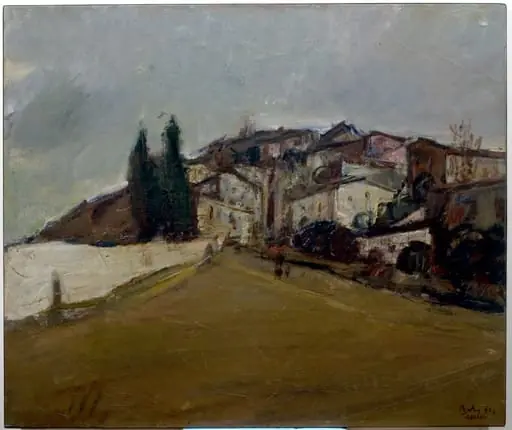
Paisaje
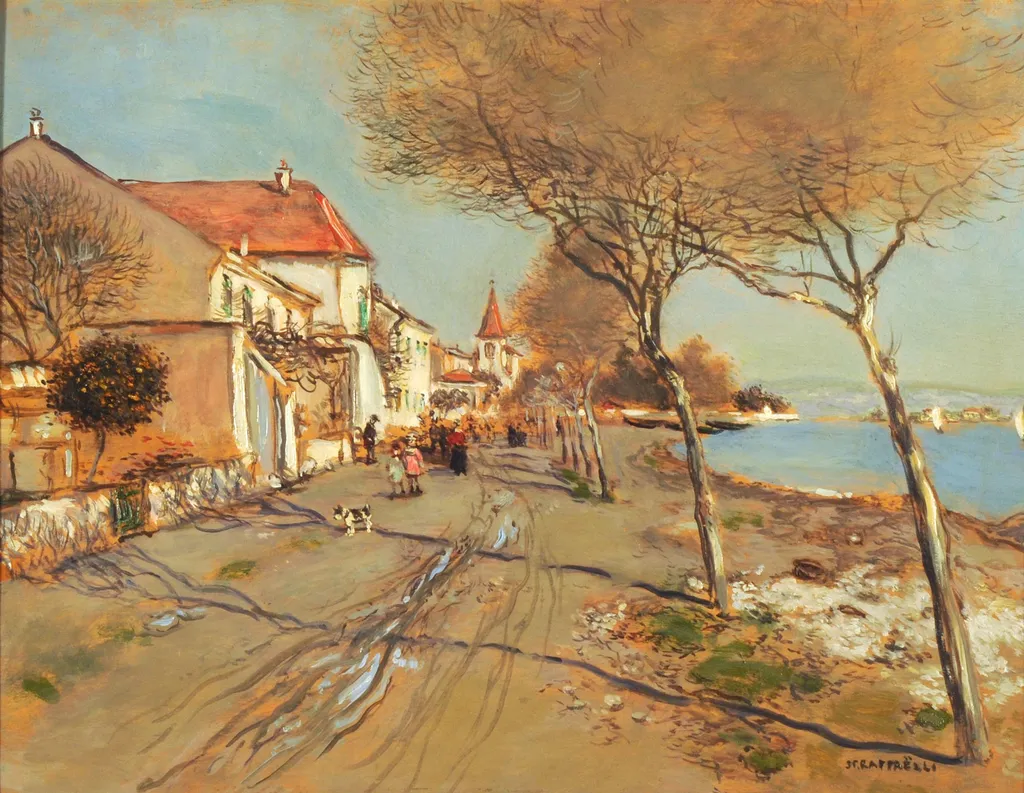
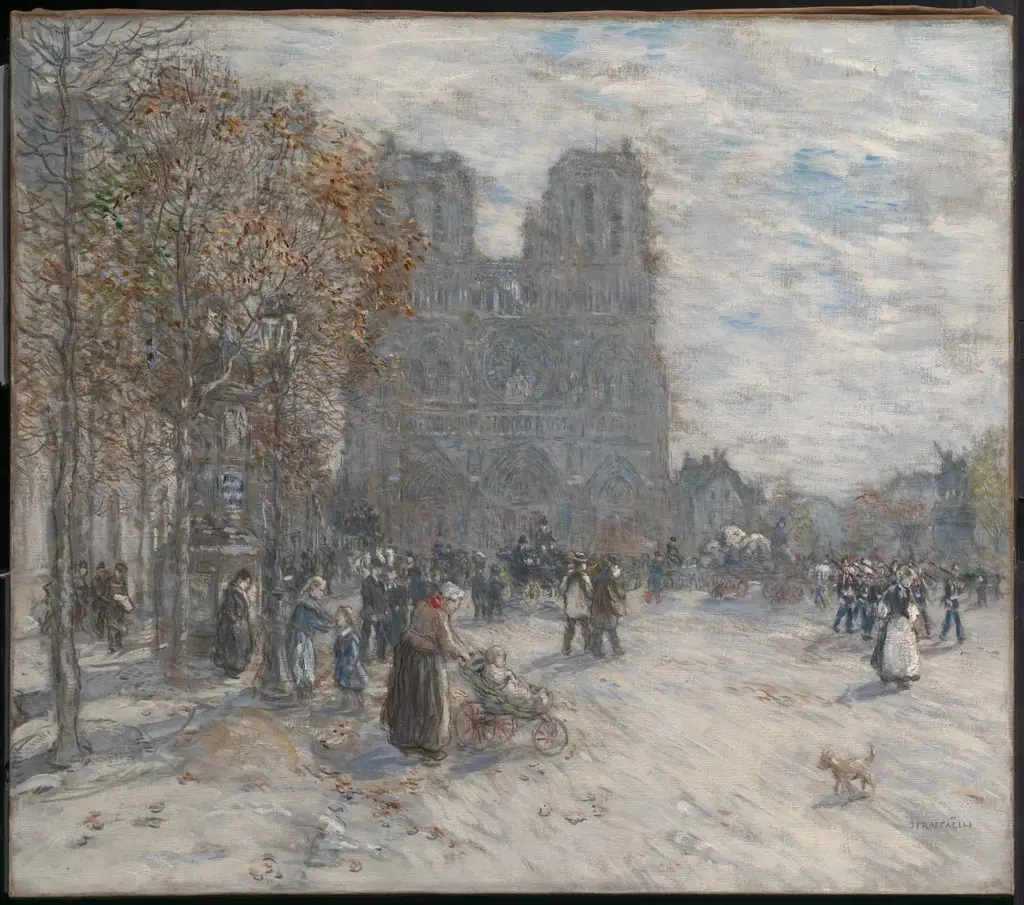
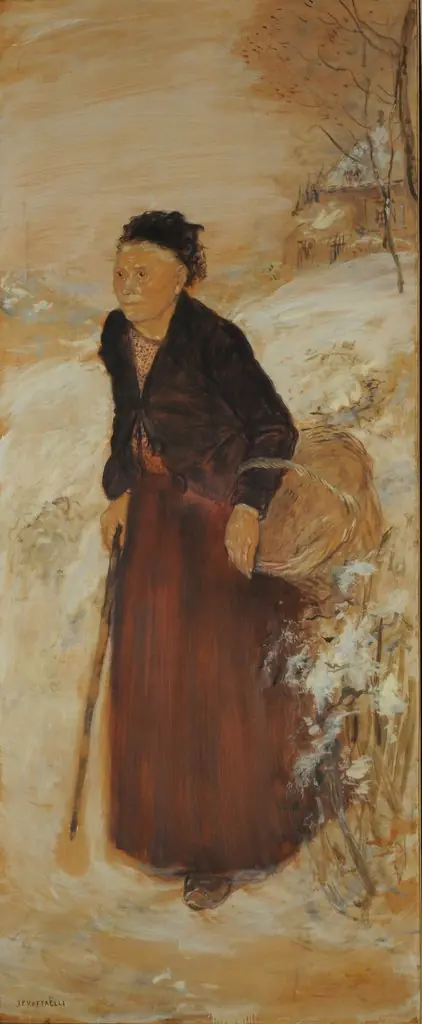
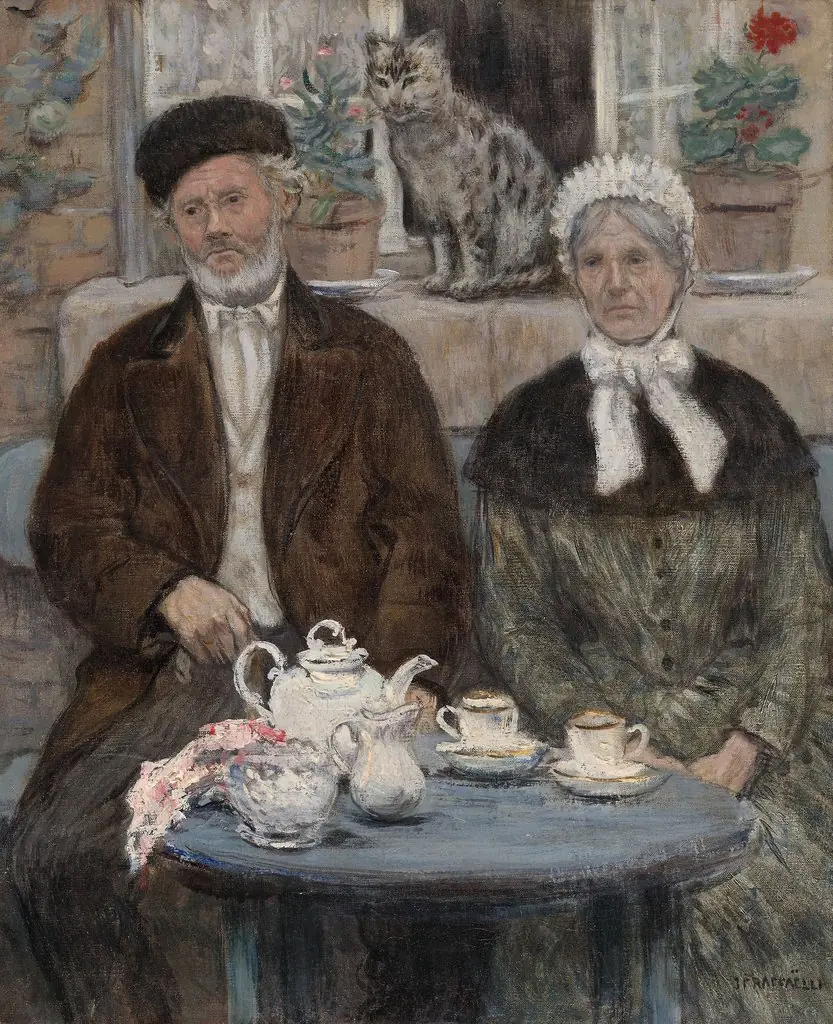
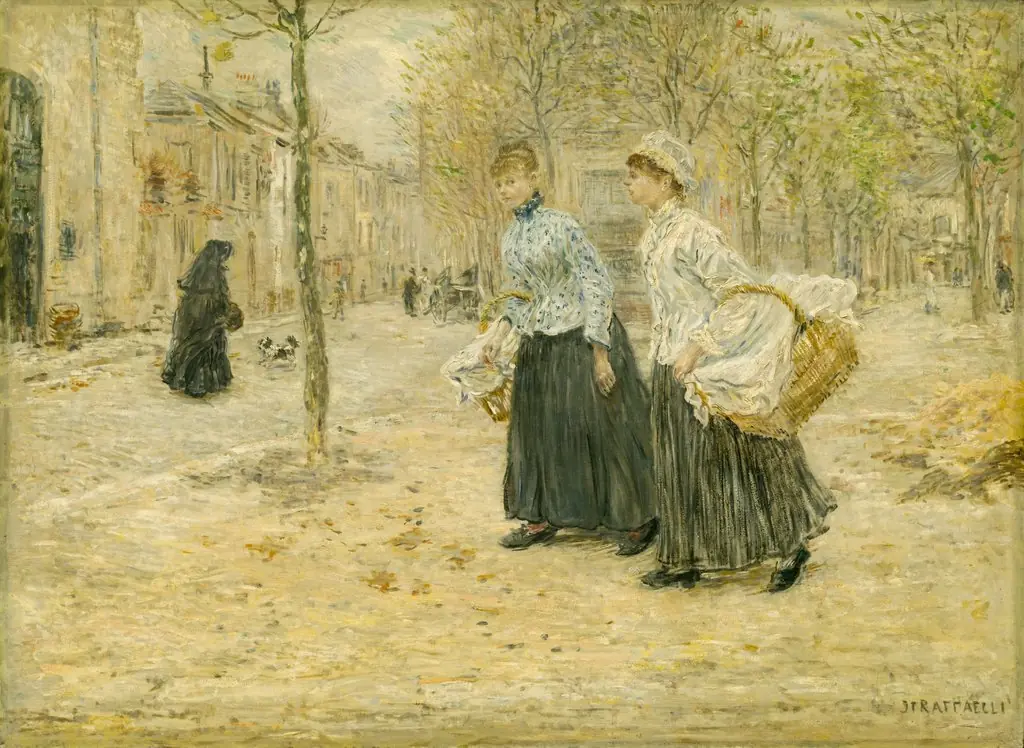
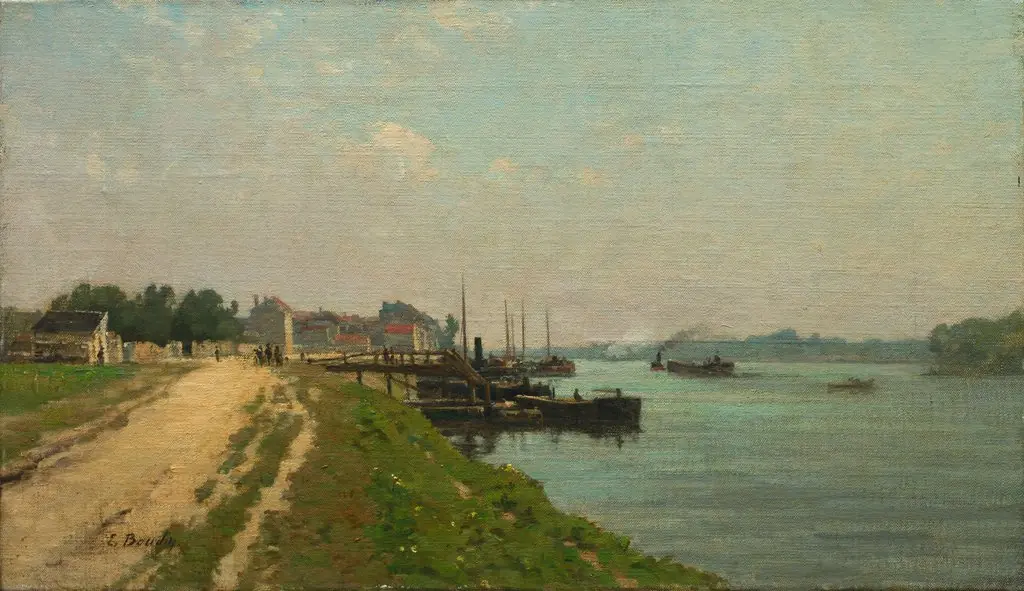
Paisaje is an unspecified painting by the Impressionist artist Jean-François Raffaëlli. It dates from 1897 and is held in the collection of the National Museum of Fine Arts, Argentina.
About this work
Overview
The work resides today in the National Museum of Fine Arts in Buenos Aires, part of a broader international circulation of European art during the period.
Jean-François Raffaëlli painted *Paisaje* circa 1897, a landscape that reflects his engagement with the visual language of late 19th-century French art. Though often linked to Realism, Raffaëlli participated in exhibitions alongside Impressionist peers, indicating a stylistic openness. The work resides today in the National Museum of Fine Arts in Buenos Aires, part of a broader international circulation of European art during the period.
Subject & Meaning
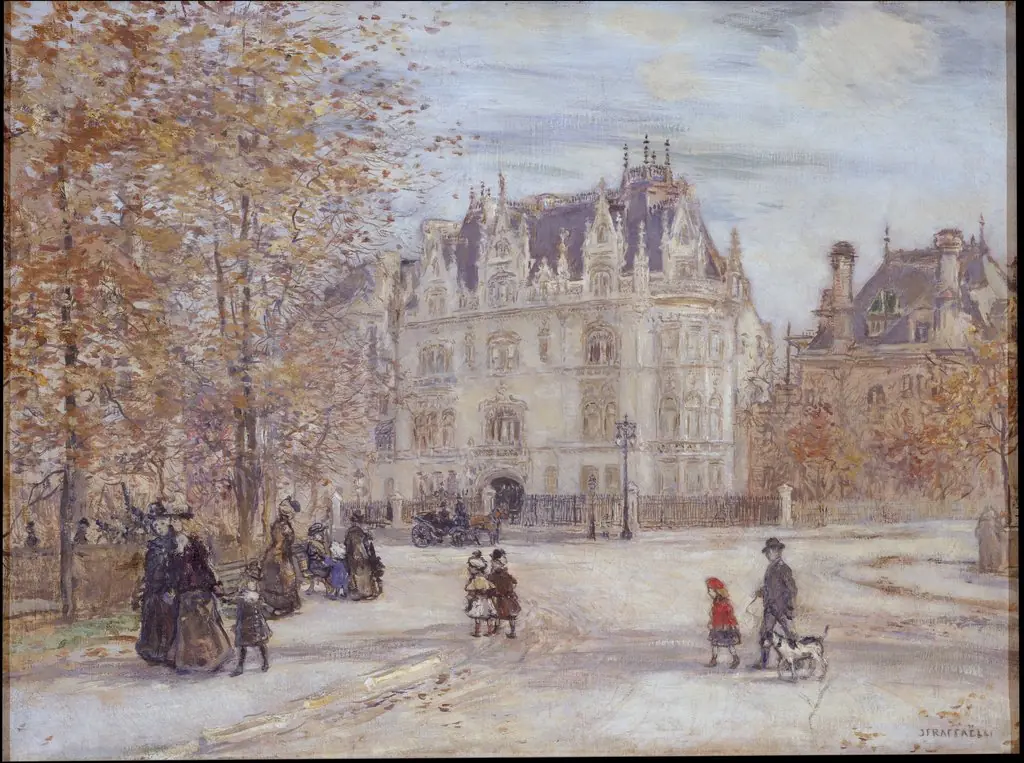
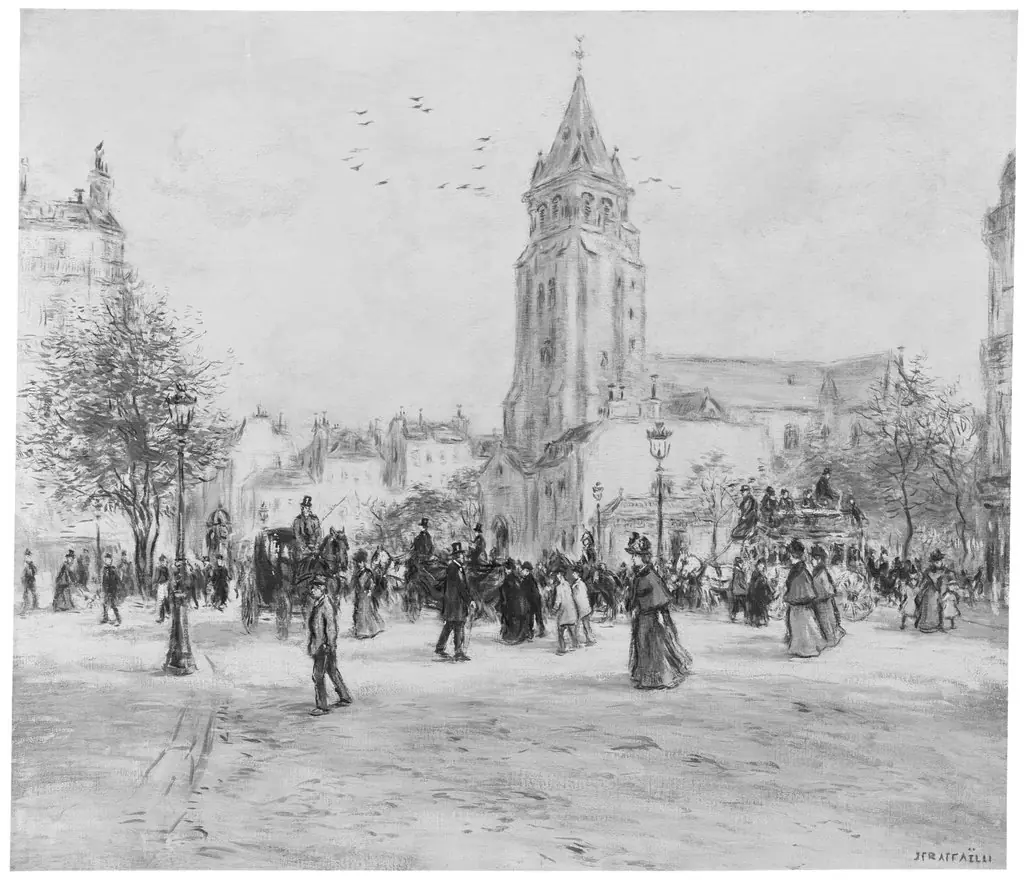
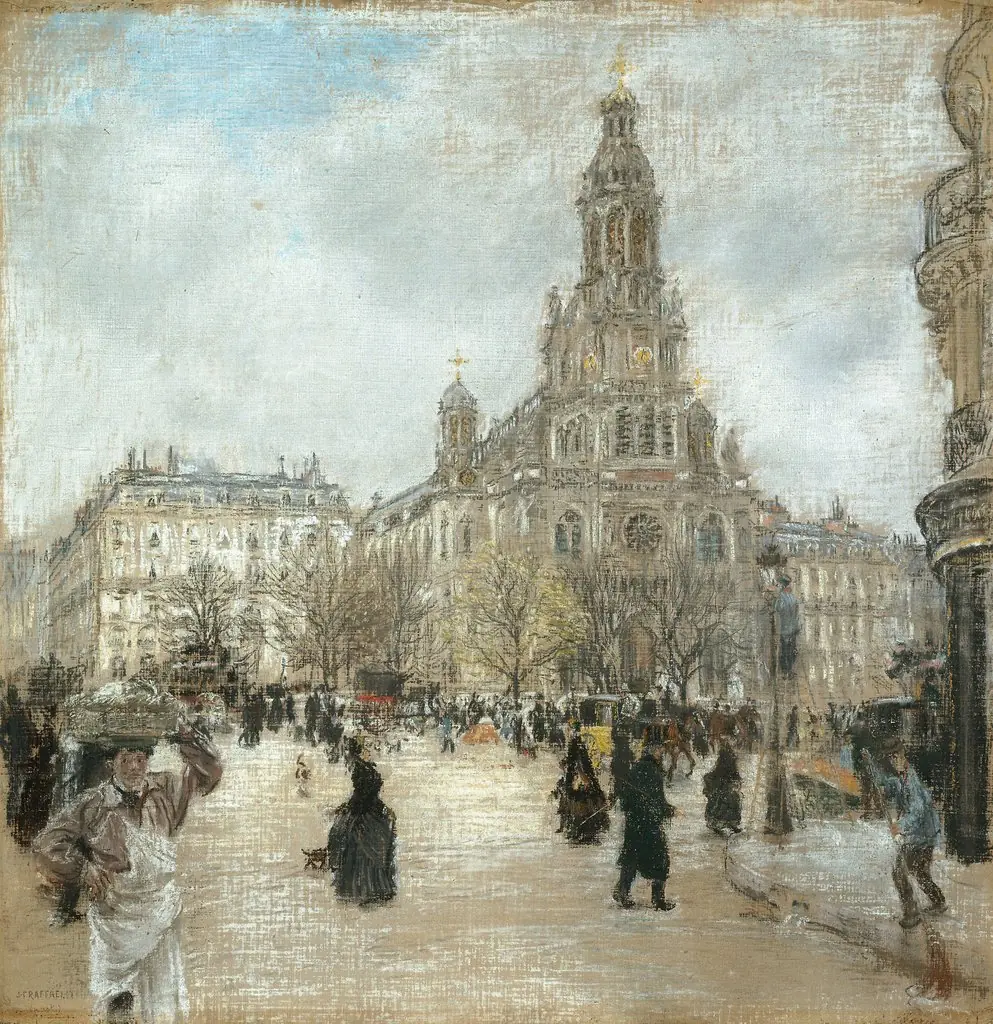
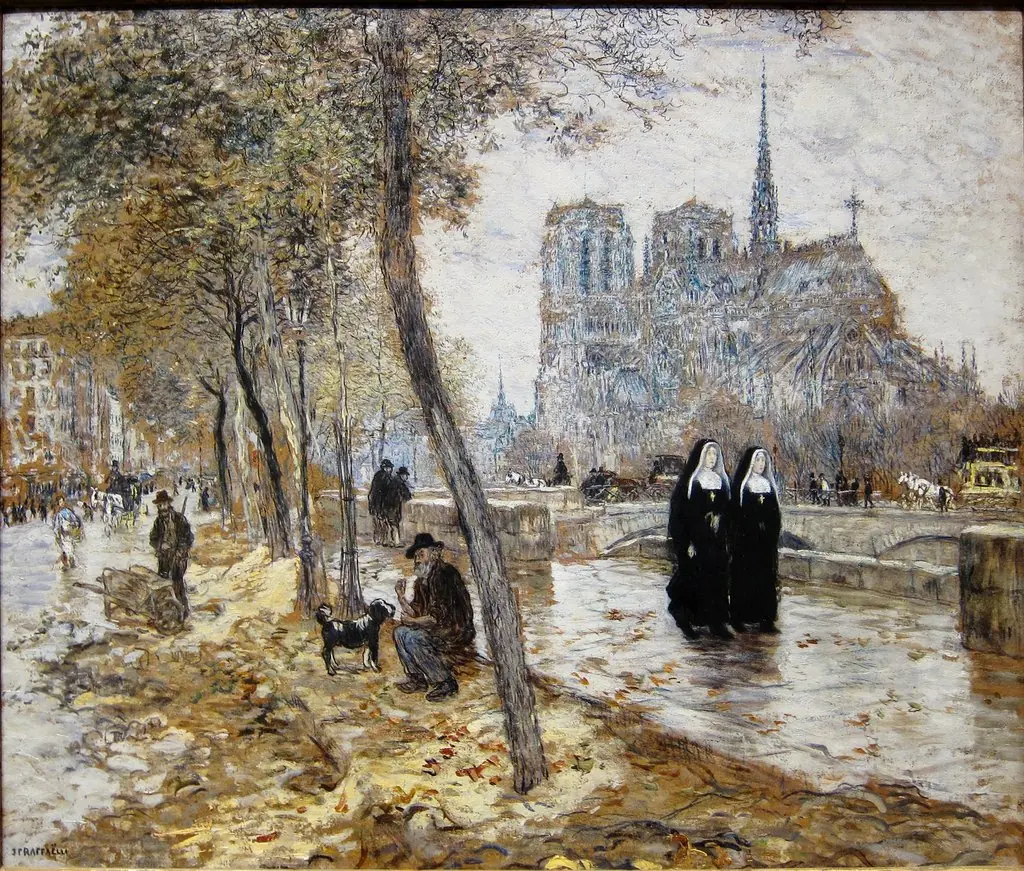
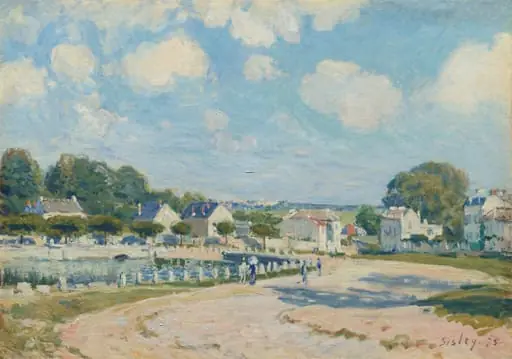
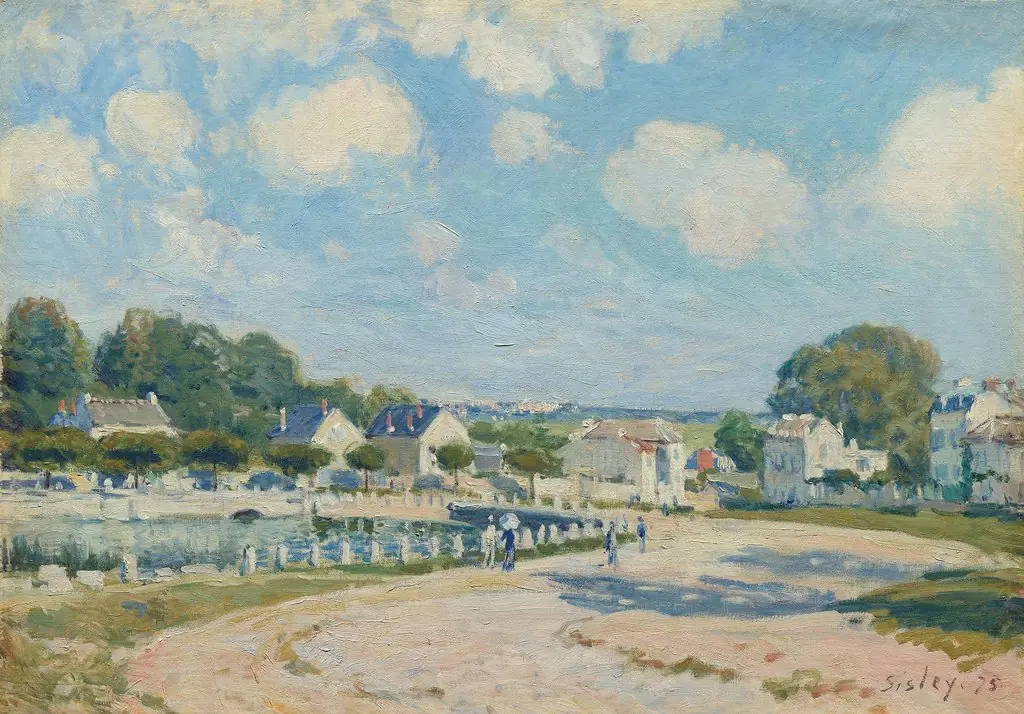
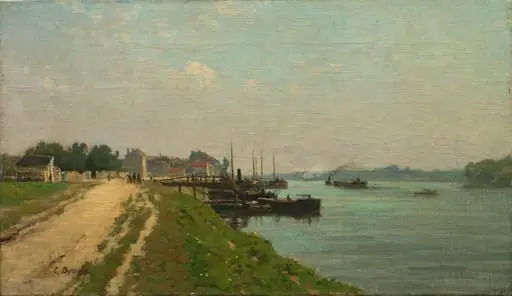
The painting presents a quiet rural scene: a winding path leads toward a body of water, flanked by trees and distant structures. Figures move along the road, their presence subtle and unobtrusive. Rather than dramatizing action, Raffaëlli emphasizes stillness and the rhythm of everyday movement. The composition invites contemplation, framing nature and human activity as coexisting elements within a calm, unidealized environment.
Technique & Style
Raffaëlli employs loose brushwork and a muted palette to suggest atmosphere rather than define form with precision. Light is rendered through soft transitions of tone, particularly in the reflection on water, where brief strokes imply movement without literal detail. The handling of foliage and architecture avoids sharp outlines, aligning with Impressionist concerns for optical effect, while retaining a structural clarity rooted in Realist observation.
History & Provenance
Created in the late 1890s, *Paisaje* emerged during a period when Raffaëlli’s reputation was established in France but his works were also reaching international collectors. The painting entered the collection of the National Museum of Fine Arts in Buenos Aires in the early 20th century, likely through acquisition or donation, reflecting Argentina’s growing interest in European art during that era.
Context
In the 1890s, the distinction between Realism and Impressionism was increasingly blurred among artists who prioritized direct observation over academic convention. Raffaëlli, though not a core Impressionist, exhibited with them and shared their interest in modern life and natural light. *Paisaje* exemplifies this hybrid approach, capturing a moment of ordinary leisure without romanticizing it.
Legacy
Raffaëlli’s work, including *Paisaje*, remains a quiet testament to the diversity of French painting at the turn of the century. While less prominent than his contemporaries, his integration of Realist structure with Impressionist light effects contributed to a broader evolution in landscape representation. The painting’s presence in Buenos Aires underscores the global reach of European artistic currents beyond their origin.
Own this work as a print
Artist & collection
Artist
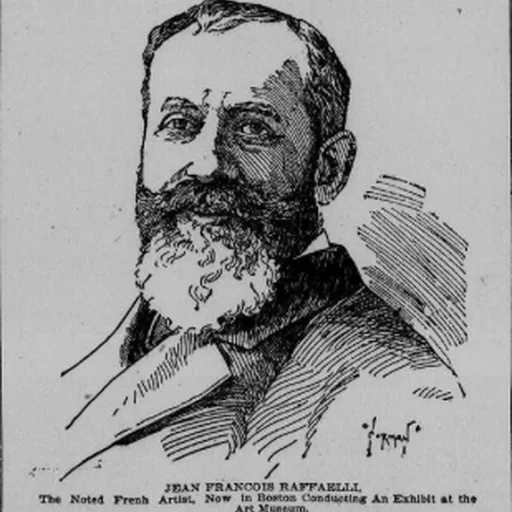
Jean-François Raffaëlli (April 20, 1850 – February 11, 1924) was a French realist painter, sculptor, and printmaker who exhibited with the Impressionists. He was also active as an actor and writer.

Museum
National Museum of Fine Arts, Argentina
Continue through works from the same source collection.