Artwork
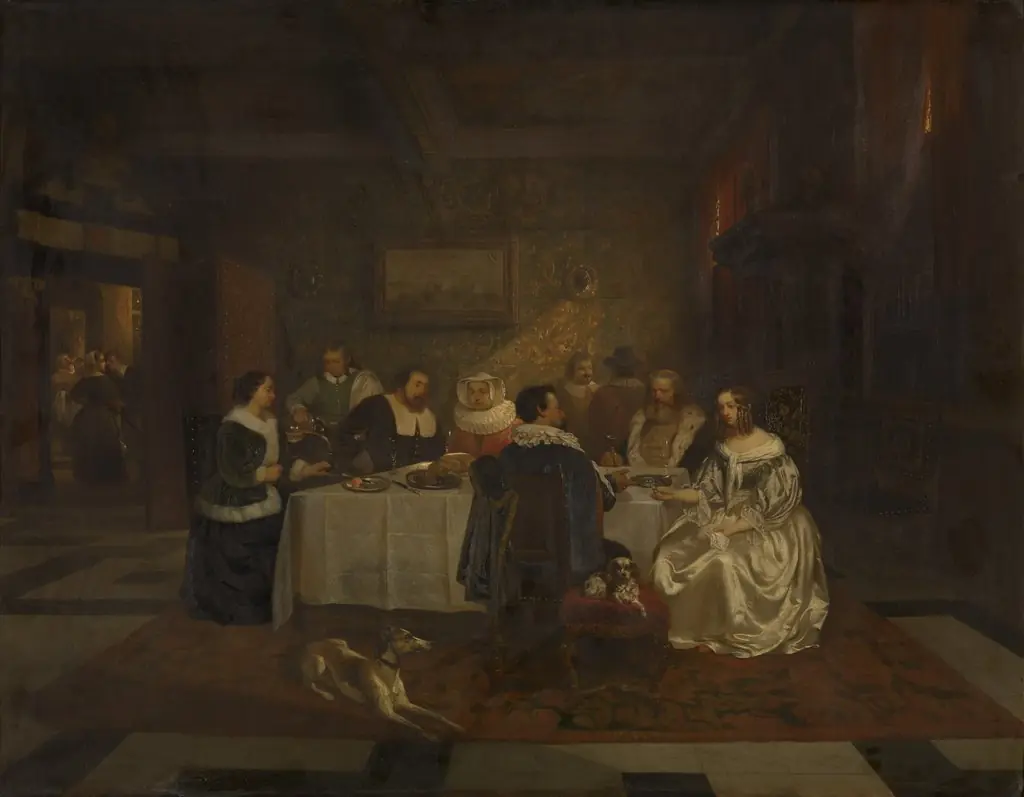
Gezelschap in 17e-eeuwse dracht bij een tafel waarop een Nautilusbeker
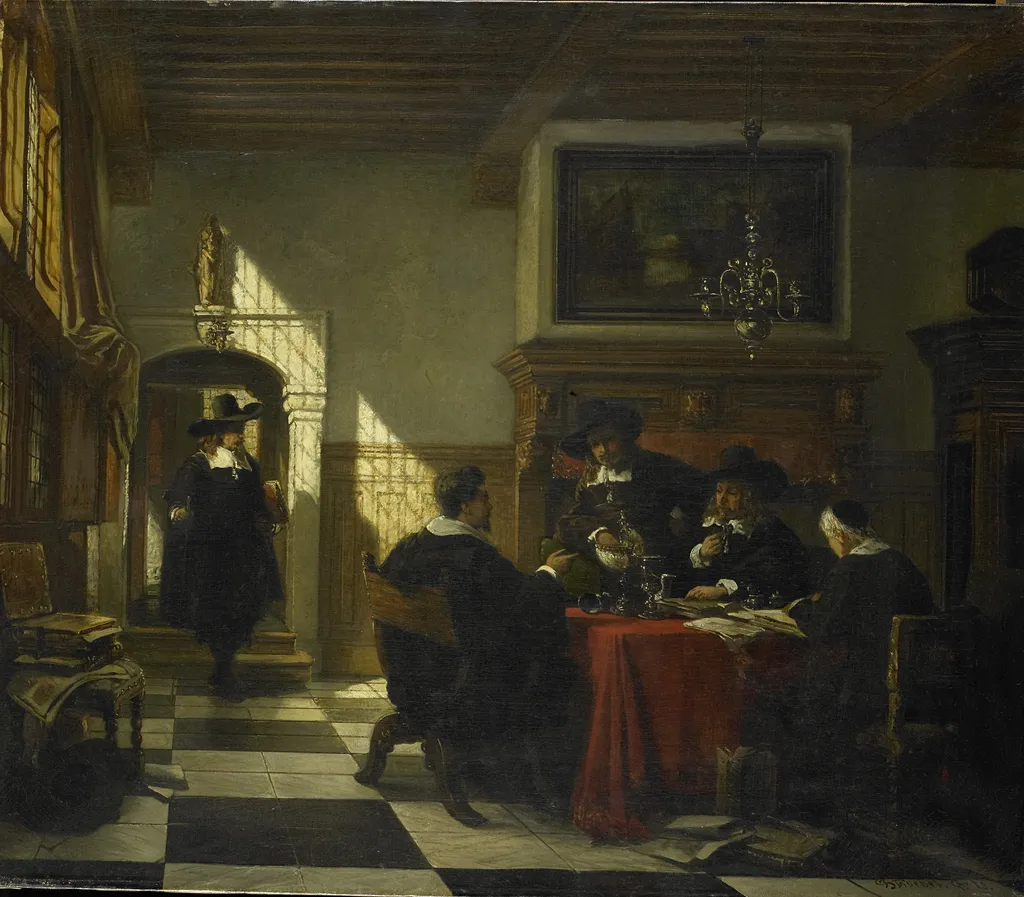
Gezelschap in 17e-eeuwse dracht bij een tafel waarop een Nautilusbeker is an oil painting by the Dutch Golden Age artist Johannes Anthonie Balthasar Stroebel. It dates from 1873 and is held in the collection of the Rijksmuseum.
About this work
Subject & Meaning
The painting depicts a group of figures dressed in 17th-century attire gathered around a table. Central to the composition is a nautilus cup resting on the table surface. The work presents a scene of historical costume, focusing on the interaction of the company with this specific ornate vessel.
Technique & Style
The composition presents a group in historical dress gathered around a table, with the nautilus cup as a central still-life element within a genre-like setting.
The work is an oil painting on canvas, measuring 61 by 71 cm. Stroebel executed the scene in oil paint, a medium that allowed him to render the textures and surfaces of the 17th-century costumes and the nautilus cup with precision. The composition presents a group in historical dress gathered around a table, with the nautilus cup as a central still-life element within a genre-like setting. The handling suggests a 19th-century academic approach to historical recreation, blending meticulous detail in objects and fabrics with a staged, narrative arrangement.
History & Provenance
The work was created in 1873 by Johannes Anthonie Balthasar Stroebel as an oil painting on canvas. It entered the collection of the Rijksmuseum, where it remains on display.
The painting depicts a group in 17th-century dress gathered around a table that holds a nautilus cup, a subject rendered with careful attention to historical costume and still‑life detail. Its dimensions are 61 cm in height and 71 cm in width, matching the recorded size of the canvas.
Context
The work was created during the late nineteenth century, reflecting the period's continued interest in Dutch Golden Age motifs while incorporating contemporary realist techniques. Its depiction of a nautilus cup situates it within the broader discourse on still-life symbolism in Dutch painting, a tradition the artist engaged with through his training at the Rijksakademie. The painting's technical execution and compositional choices have been discussed in relation to the artist's broader oeuvre, particularly his focus on meticulous detail and historical references.
Overview
Gezelschap in 17e-eeuwse dracht bij een tafel waarop een Nautilusbeker is an 1873 oil painting by Johannes Anthonie Balthasar Stroebel, depicting a scene of four men in 17th-century attire gathered around a table, with a fifth man standing nearby, set within a dimly lit, cozy interior.
Legacy
While the painting's impact on the broader art historical canon is not detailed, it remains a notable example of Stroebel's work and a testament to late 19th-century fascination with the Dutch Golden Age, preserved for public viewing at the Rijksmuseum.
Own this work as a print
Artist & collection
Artist
Johannes Anthonie Balthasar Stroebel
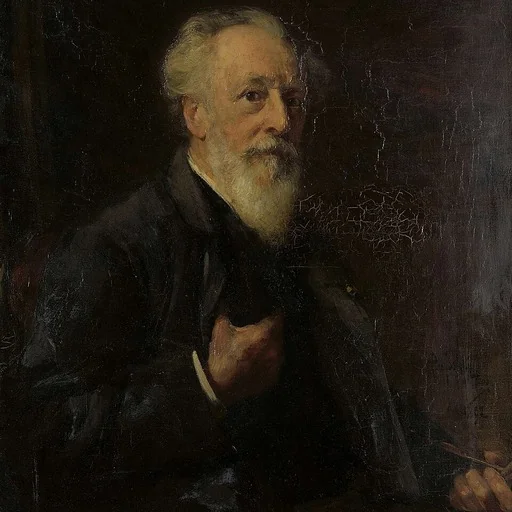
Johannes Anthonie Balthasar Stroebel (1821–1905) was an artist, born in The Hague.

 Banquet
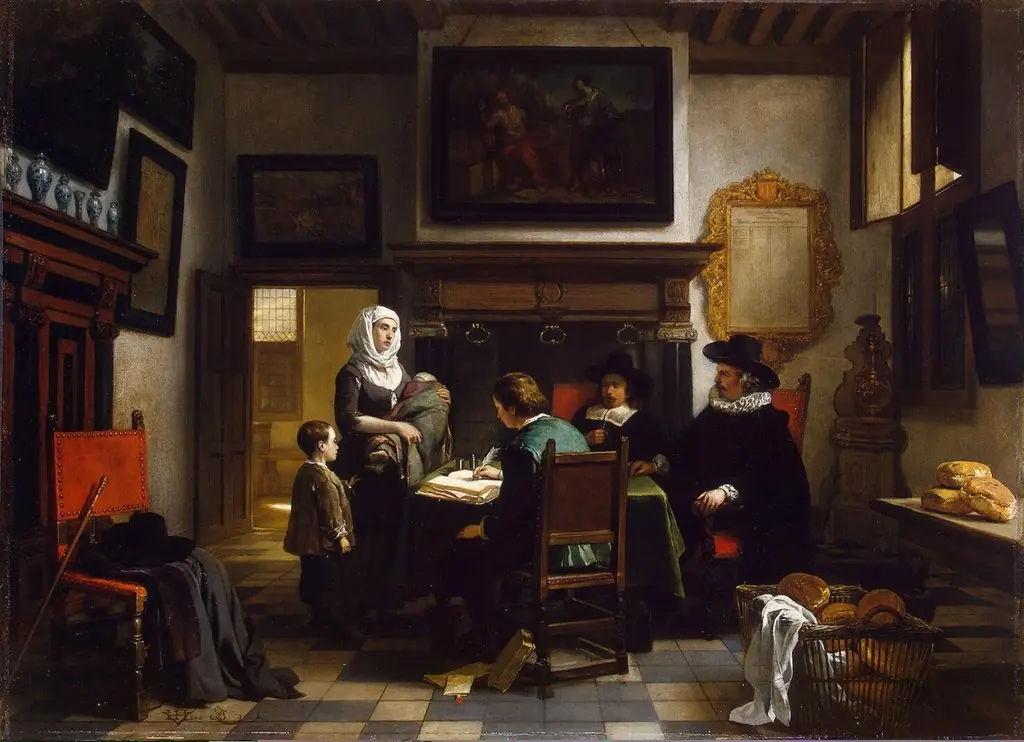 Distribution of Charity in the Alms-House
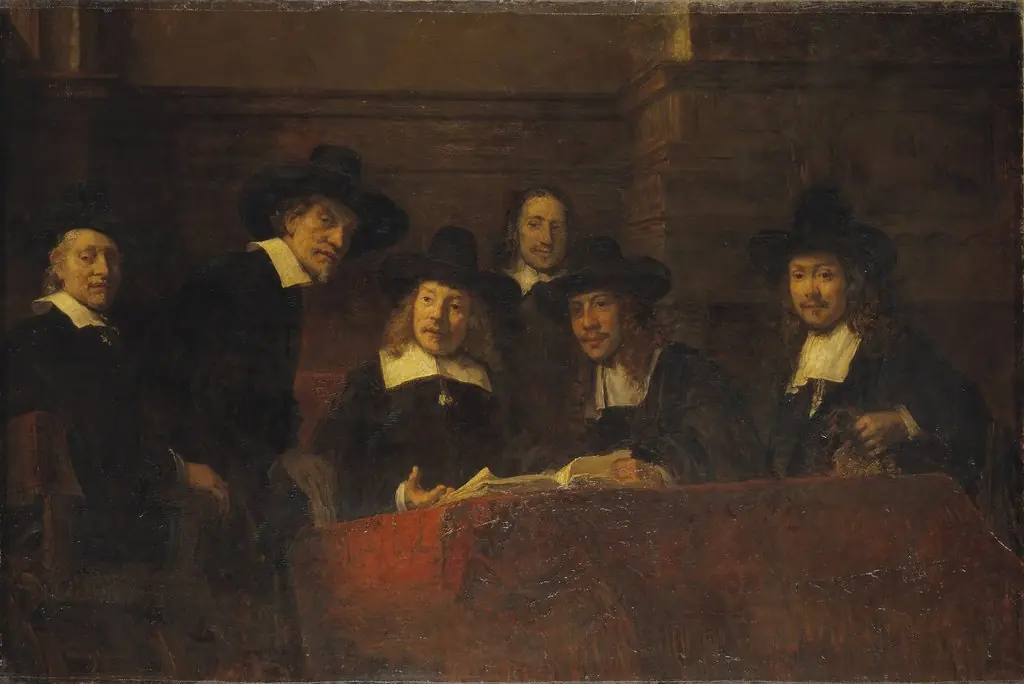 Staalmeesters. After Rembrandt
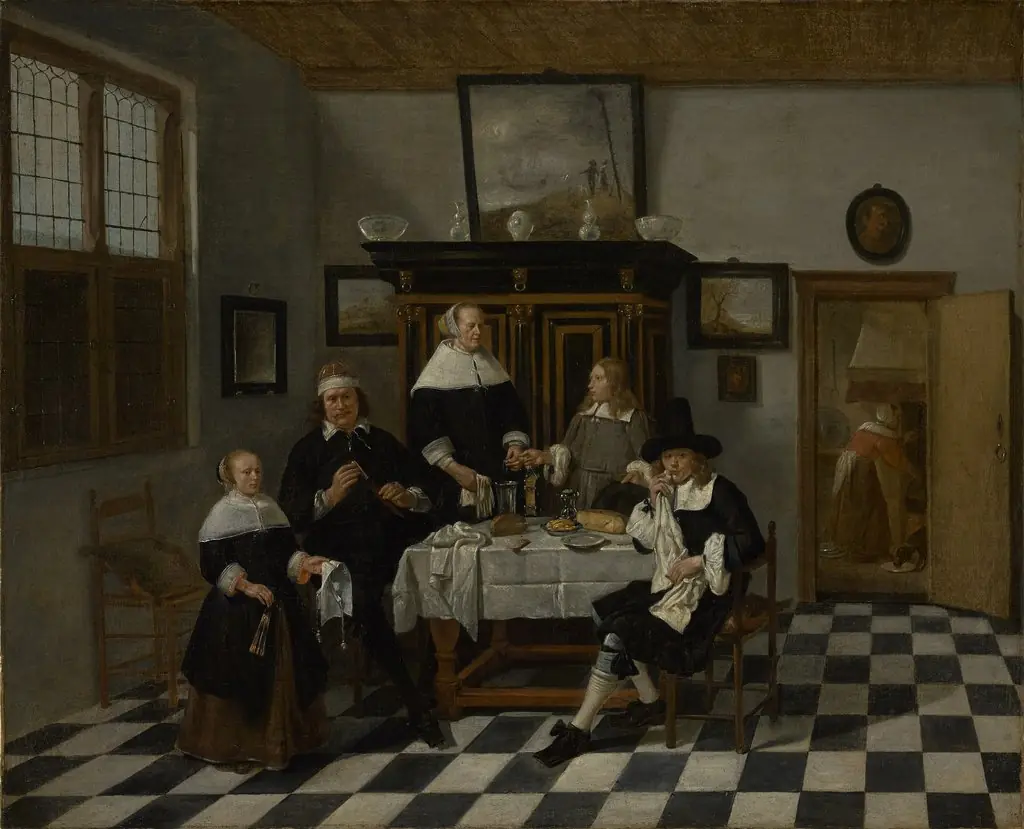 Family Group in an Interior
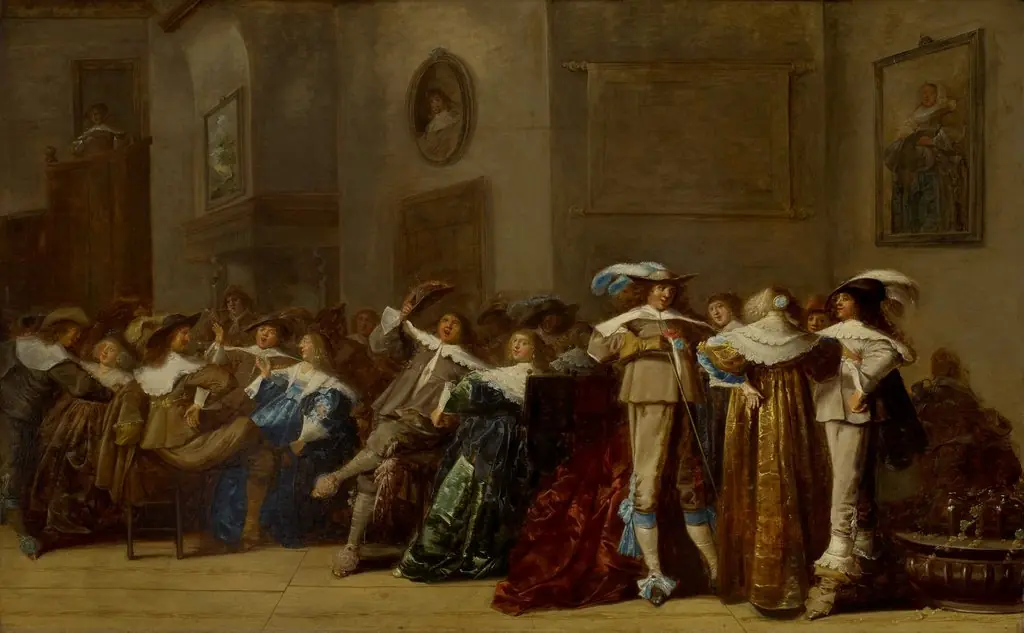 The Merry Company
 An Elegant Company
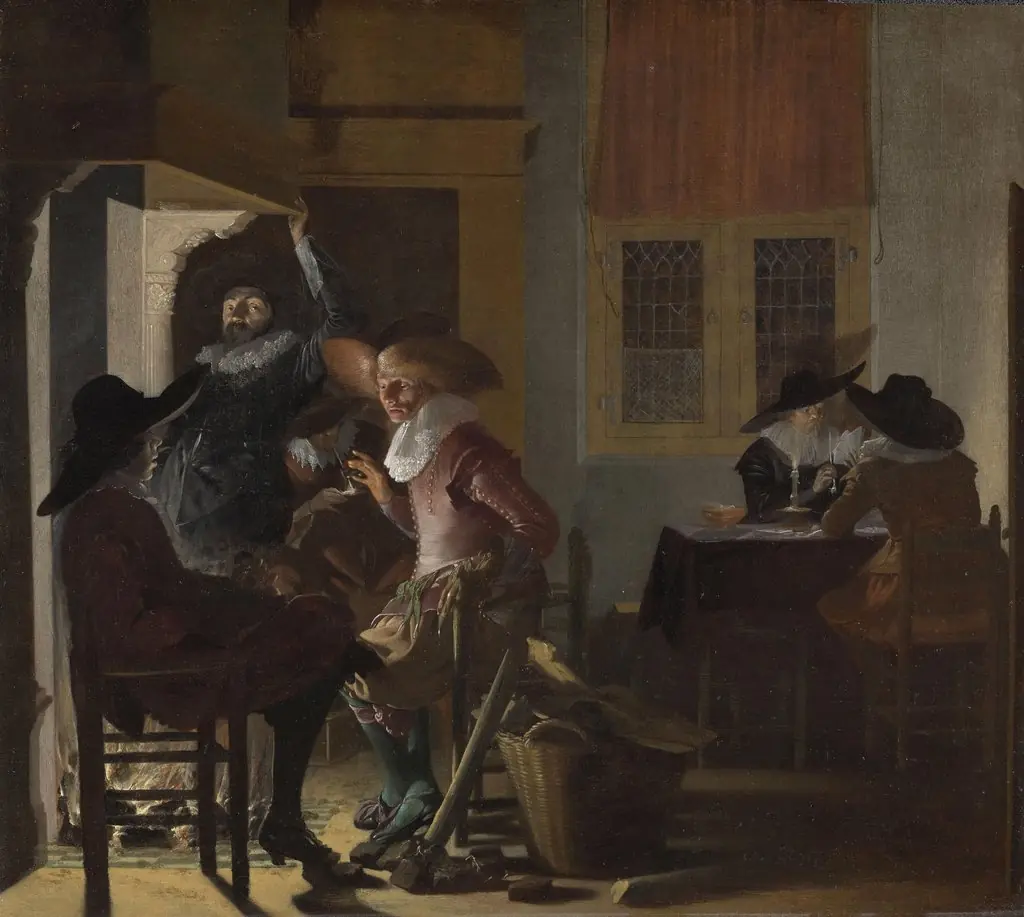 Soldiers beside a Fireplace
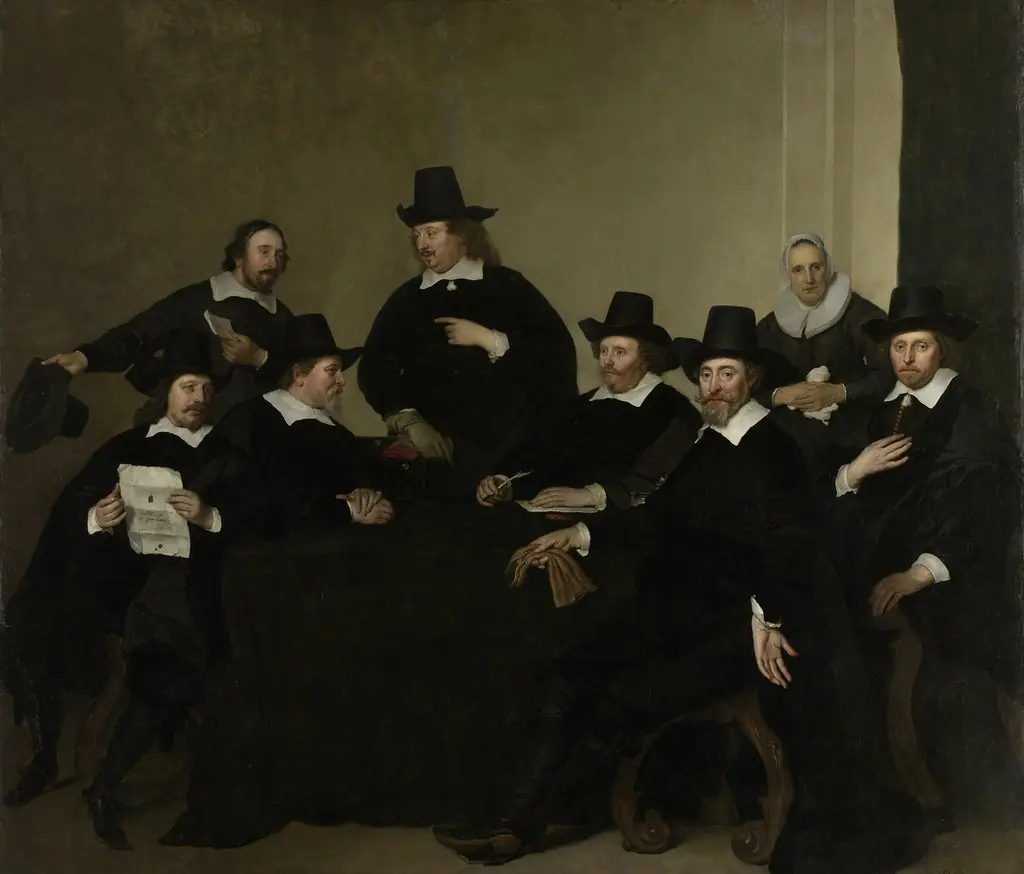 The regents of the Nieuwe Zijds institute for the outdoor relief of the poor, Amsterdam, ca 1650
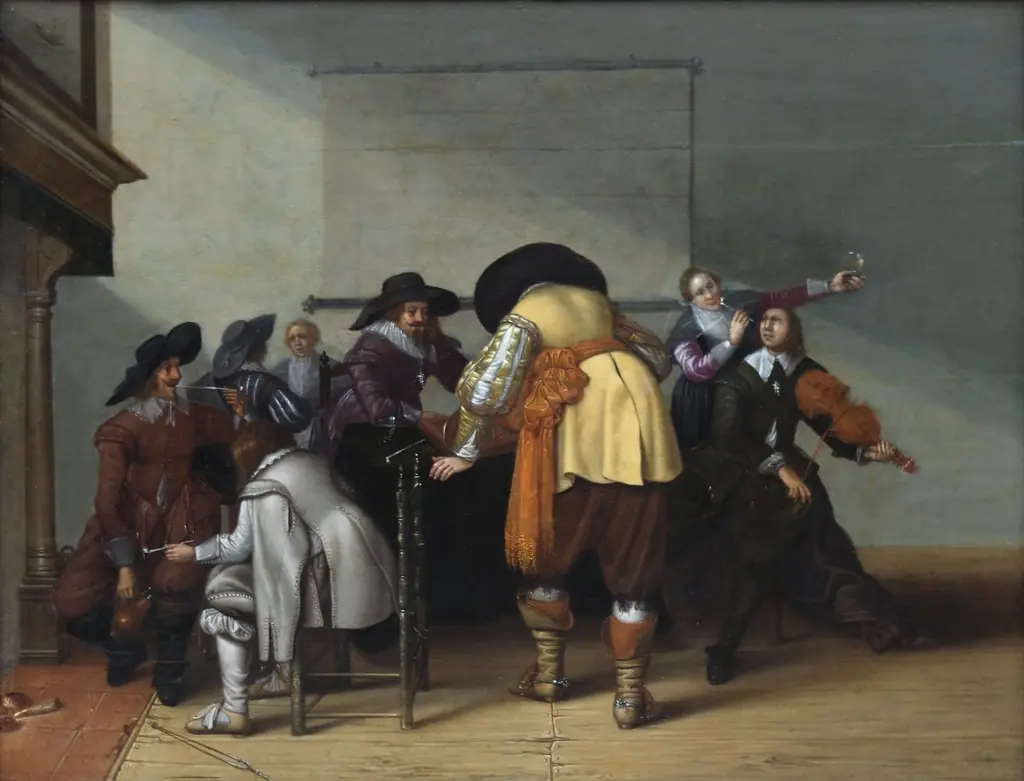 Merry Company
- Distinguished Company in a Room