Artwork
Portrait of Wilhelmina van Pruisen (1751-1820)
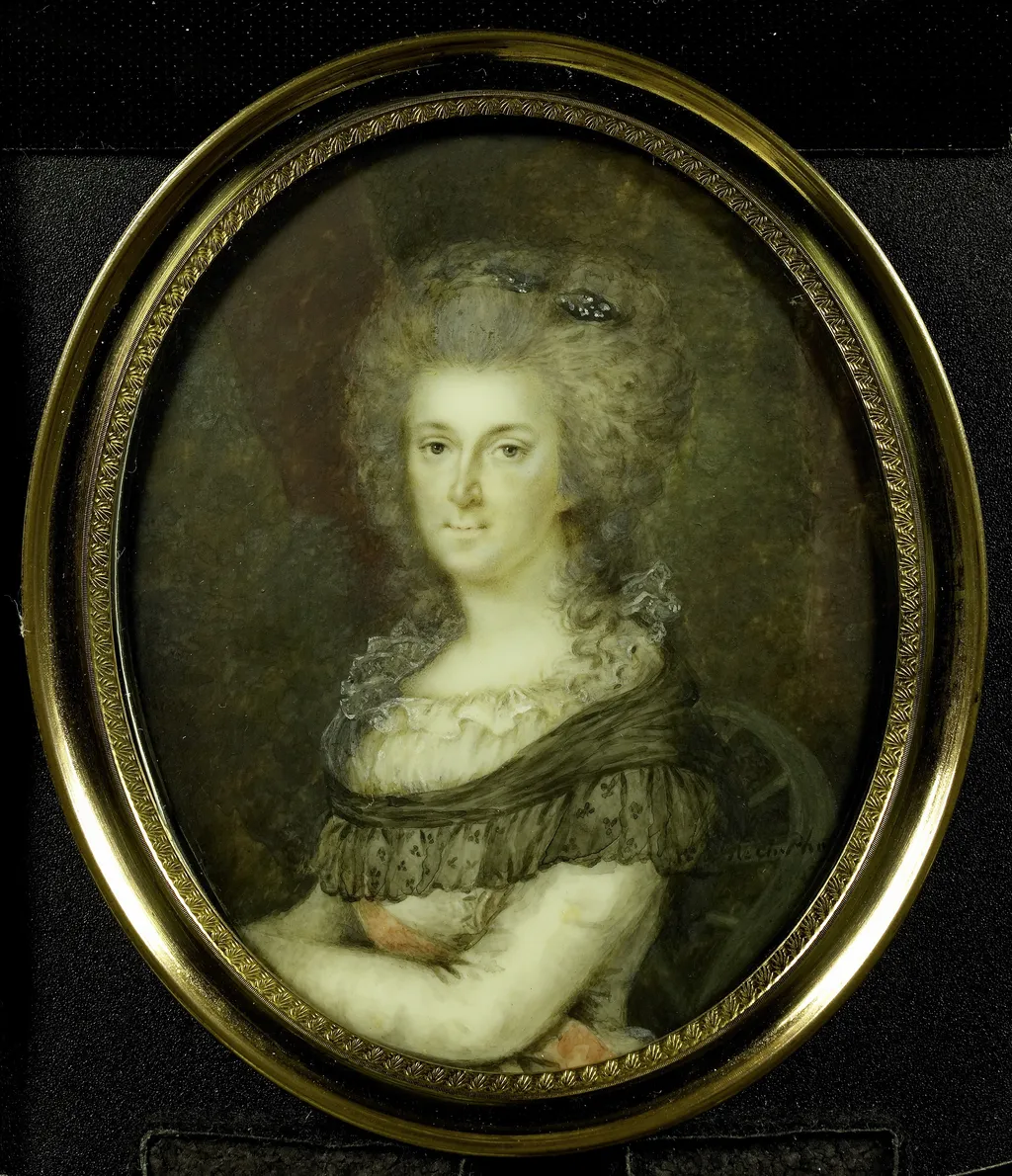
Portrait of Wilhelmina van Pruisen (1751-1820) is an ivory painting by the Neoclassicist artist Johannes Emilius Phaff. It dates from 1797 and is held in the collection of the Rijksmuseum.
About this work
Subject & Meaning
Executed on ivory by Johannes Emilius Phaff in 1793, the piece functions as a formal representation of the subject's royal status and identity.
The work depicts Wilhelmina of Prussia, also known as the Princess of Orange, captured in a miniature portrait format. Executed on ivory by Johannes Emilius Phaff in 1793, the piece functions as a formal representation of the subject's royal status and identity. As a miniature, the artwork likely served as a personal object of remembrance or a diplomatic token, emphasizing the intimate scale of the depiction alongside the high rank of the sitter.
History & Provenance
The miniature portrait of Wilhelmina of Prussia, Princess of Orange, was created in 1793 by the artist Johannes Emilius Phaff. Executed on an ivory support, the work measures 10 cm in height and 7.8 cm in width. The piece is currently held in the collection of the Rijksmuseum, where it is classified as a painting within the genre of miniature portraiture.
Legacy
The portrait of Wilhelmina van Pruisen, painted by Johannes Emilius Phaff in 1793, remains housed in the Rijksmuseum where it continues to be studied as an example of late 18th-century miniature portraiture. Its presence in the museum's collection underscores its historical significance within Dutch artistic traditions and supports ongoing scholarly interest in Prussian royal imagery.
Overview
Created in 1797 by the Dutch artist Johannes Emilius Phaff, this intimate portrait presents Wilhelmina of Prussia, later Princess of Orange. Rendered on a single piece of ivory rather than the usual canvas, the work measures a modest size and is part of the Rijksmuseum’s collection, offering a glimpse into late‑18th‑century portraiture.
Technique & Style
Phaff employed delicate brushwork to achieve a smooth, muted palette, allowing subtle tonal transitions across the ivory surface. The oval format and plain background draw attention to the sitter’s face, while the light, wavy hair and lace‑trimmed white dress are rendered with fine, almost translucent shading that exploits the luminous quality of the material.
Own this work as a print
Artist & collection

 Portrait of a Noblewoman
 Portrait of a woman
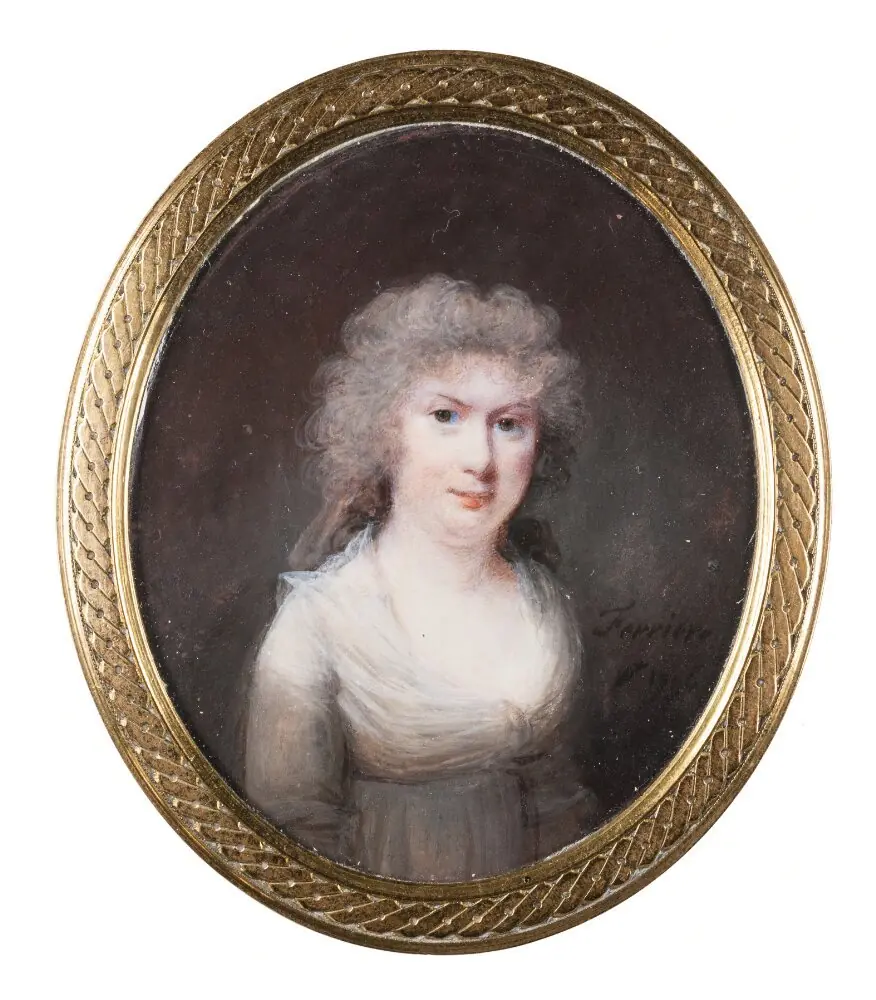 Unknown Lady
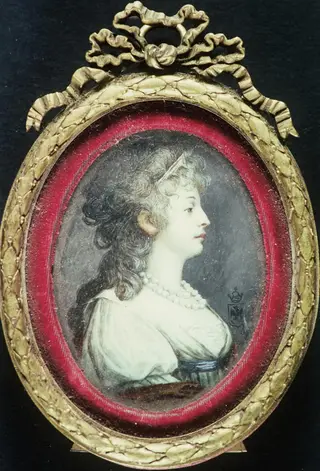 Portrait of lady in pale green dress
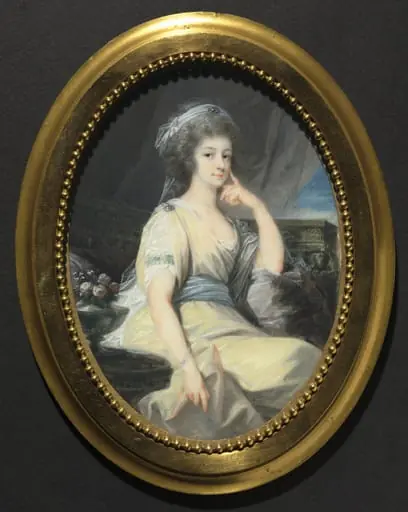 Portrait of Marie Karolina Anna, Countess Thun
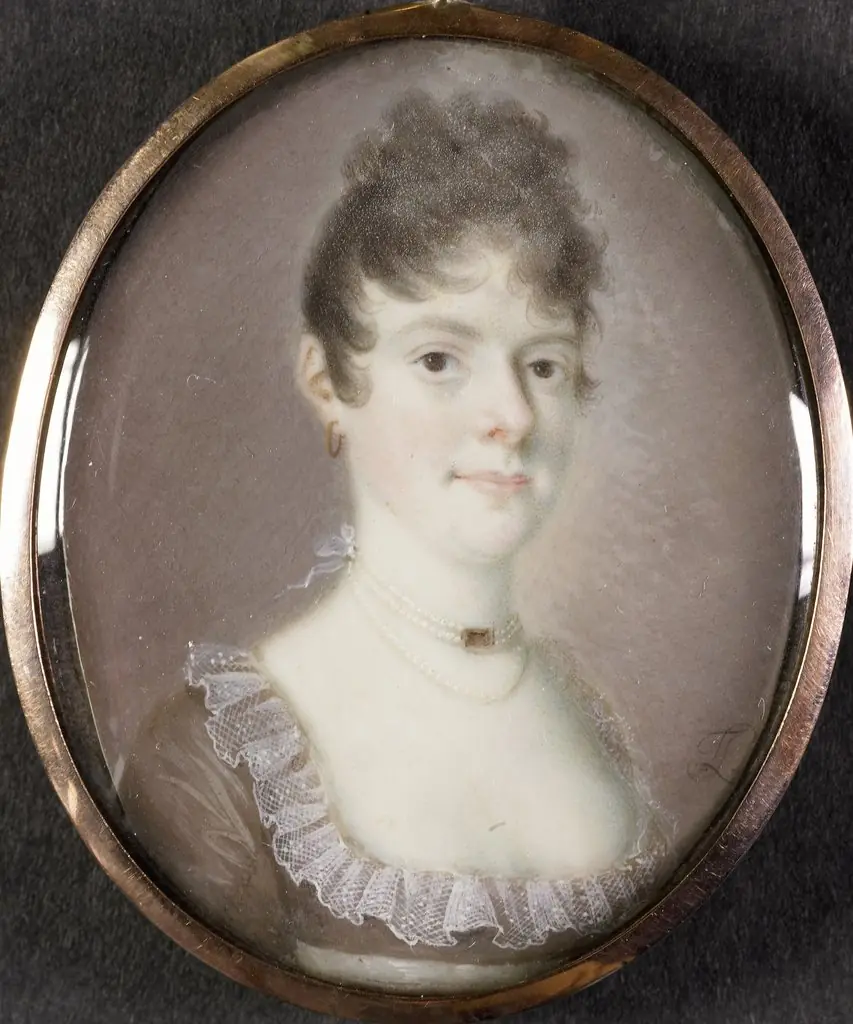 Portret van een vrouw met een parelcollier
 Portrait of a Woman, called Mrs. Close
 Frederika Sophia Wilhelmina (1751-1820), prinses van Pruisen. Echtgenote van prins Willem V
 Äbtissin Auguste Dorothea von Braunschweig-Wolfenbüttel
 Portrait of a woman