Movement
Neoclassicism
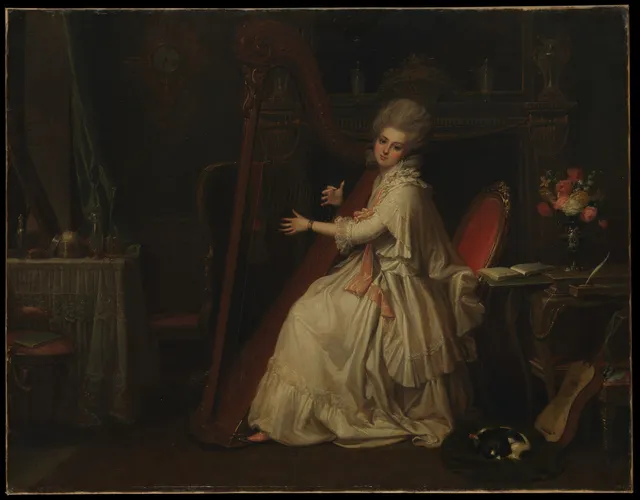
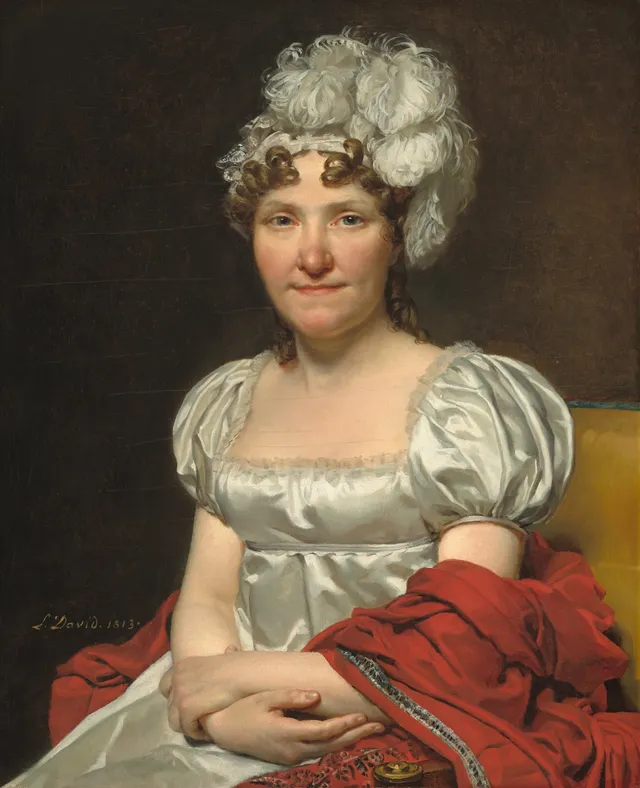
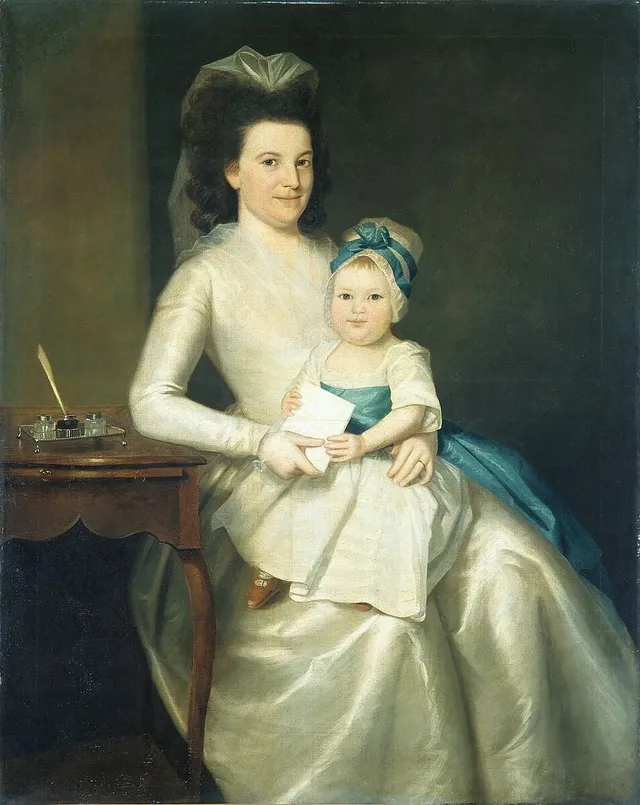
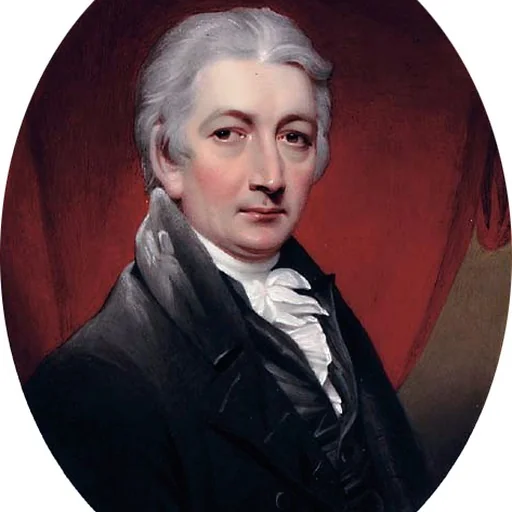
Neoclassicism is an art movement dating from 1750. The gallery holds 1,186 works in this movement, including works by Henry Bone, Jacques-Louis David and Ralph Earl. Browse Neoclassicism paintings, portraits, pictures and artworks from the world's public-domain museum collections.
Neoclassicism emerged in Rome around the middle of the eighteenth century as a deliberate return to the order, restraint, and moral seriousness of Greek and Roman antiquity. Its rise was driven by archaeology and by theory in equal measure: the excavation of Herculaneum from 1738 and of Pompeii and Paestum from 1748 exposed the texture of ancient daily life, while the German scholar Johann Joachim Winckelmann supplied the movement's intellectual creed. His Thoughts on the Imitation of Greek Works (1750) and History of Ancient Art (1764) urged artists to seek the "noble simplicity and calm grandeur" of the ancients. Spread through the Grand Tour and the print trade, the style hardened into a reaction against the frivolity and decorative excess of the Rococo.
Neoclassical art prizes clarity of line over painterly bravura, balanced and often friezelike composition, sober colour, and sculptural figures set in shallow, stagelike space. Subjects were drawn from classical history, mythology, and texts such as Plutarch and Homer, and were meant to instruct: themes of civic virtue, sacrifice, and stoic duty carried a charge that suited an age moving toward revolution. In architecture the same impulse produced a classical revivalist idiom of columns, pediments, and geometric calm that reshaped public building across Europe and America.
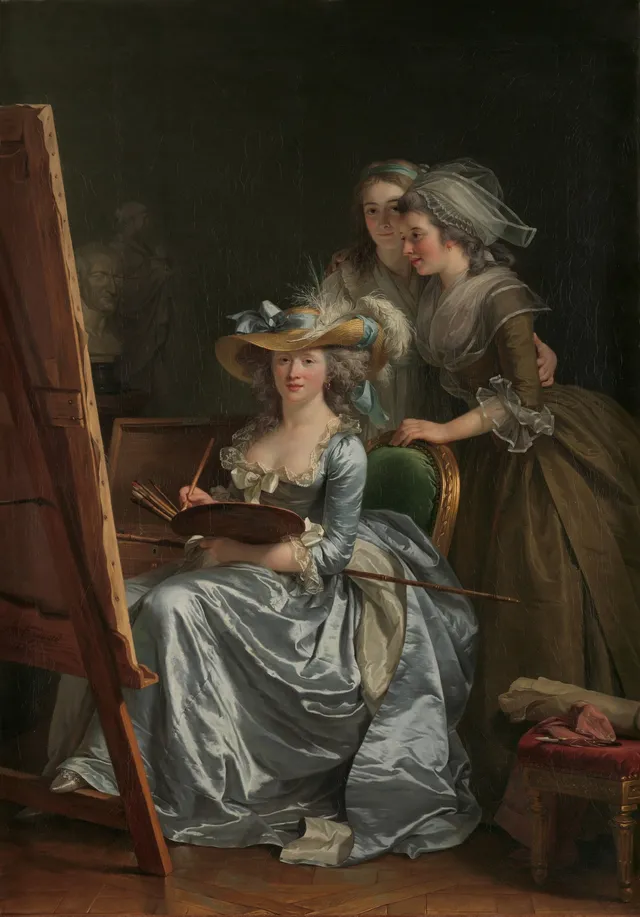
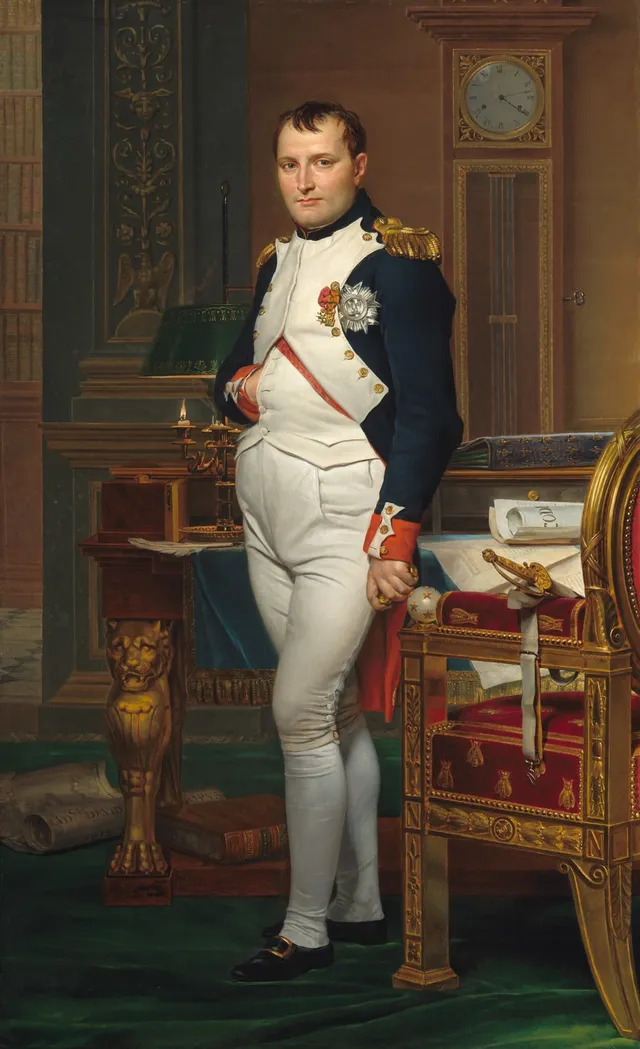
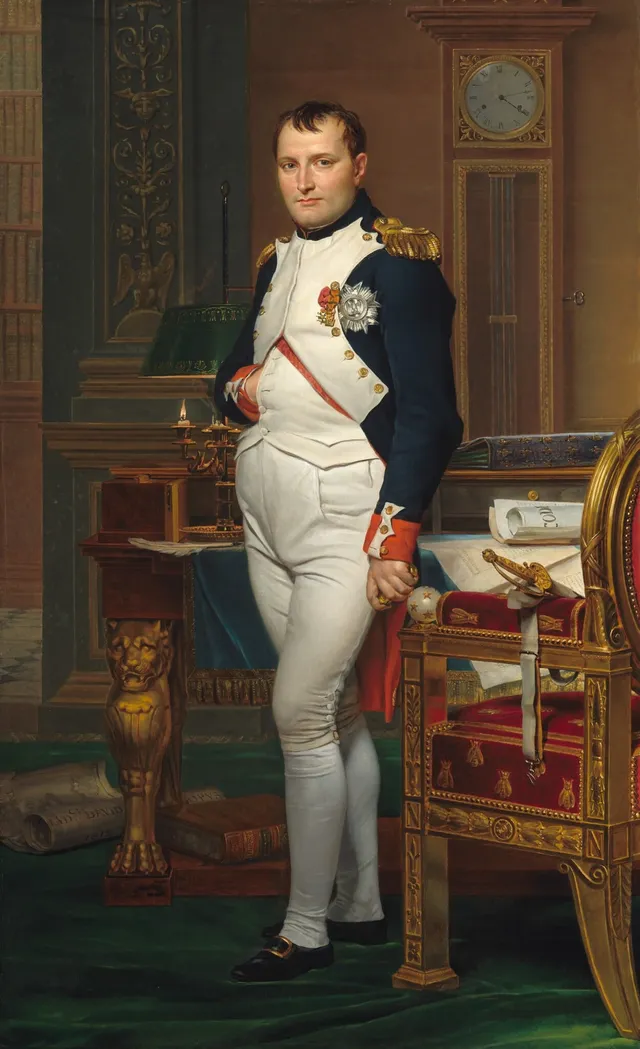
The presiding figure in painting was Jacques-Louis David, whose Oath of the Horatii (1784, Louvre) and The Death of Marat (1793) became defining images; under Napoleon he turned to grand state portraiture, as in The Emperor Napoleon in His Study at the Tuileries. Around him worked the Swiss-born Angelica Kauffmann, a founding member of London's Royal Academy, and a notable circle of women including Adélaïde Labille-Guiard, whose Self-Portrait with Two Pupils asserts a woman's claim to the academic tradition, and David's pupil Marie-Guillemine Benoist. In sculpture Antonio Canova achieved a marblelike ideal of grace, while Jean-Auguste-Dominique Ingres carried the cult of pure line into the next century with works such as The Apotheosis of Homer (1827).
Neoclassicism dominated European taste from roughly the 1760s to the 1830s, shaping the Empire style and the visual language of new republics. Defined against the Rococo it displaced, it in turn provoked Romanticism, whose taste for emotion, colour, and the irrational rejected its measured rationalism—even as Ingres kept the classical line alive in opposition.
Key artists
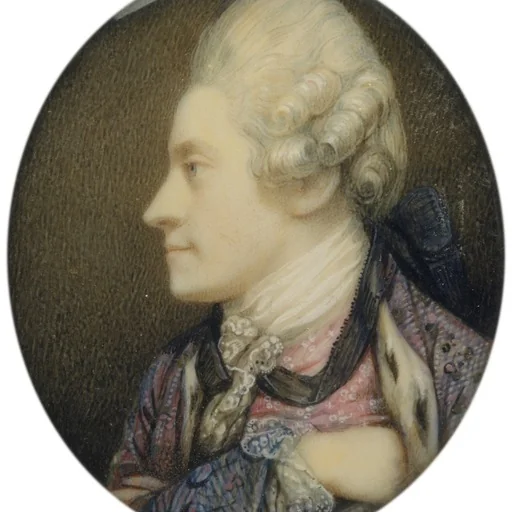
Works
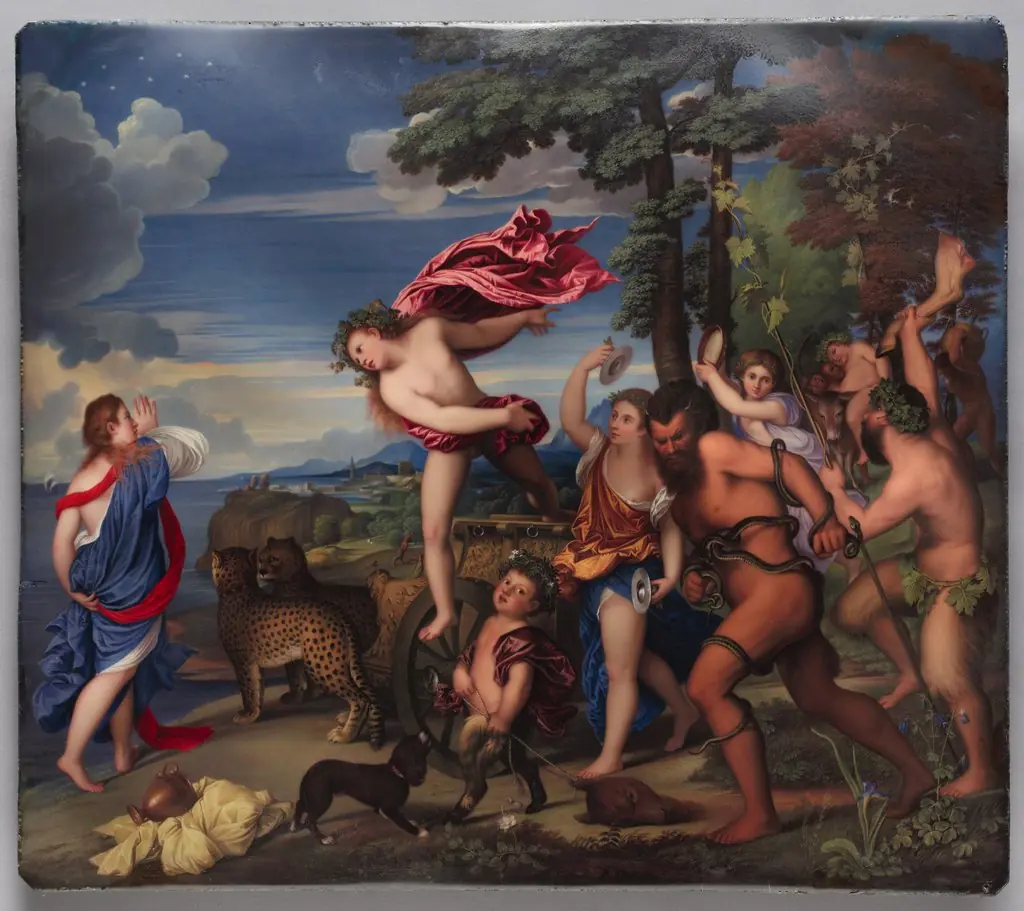 Bacchus and Ariadne
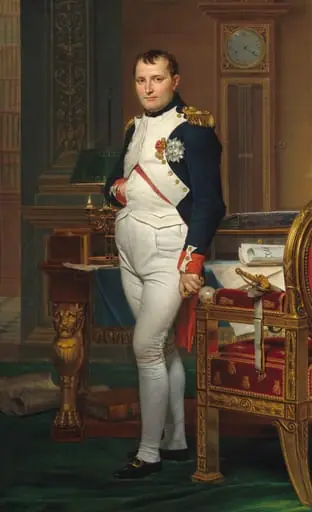 The Emperor Napoleon in His Study at the Tuileries
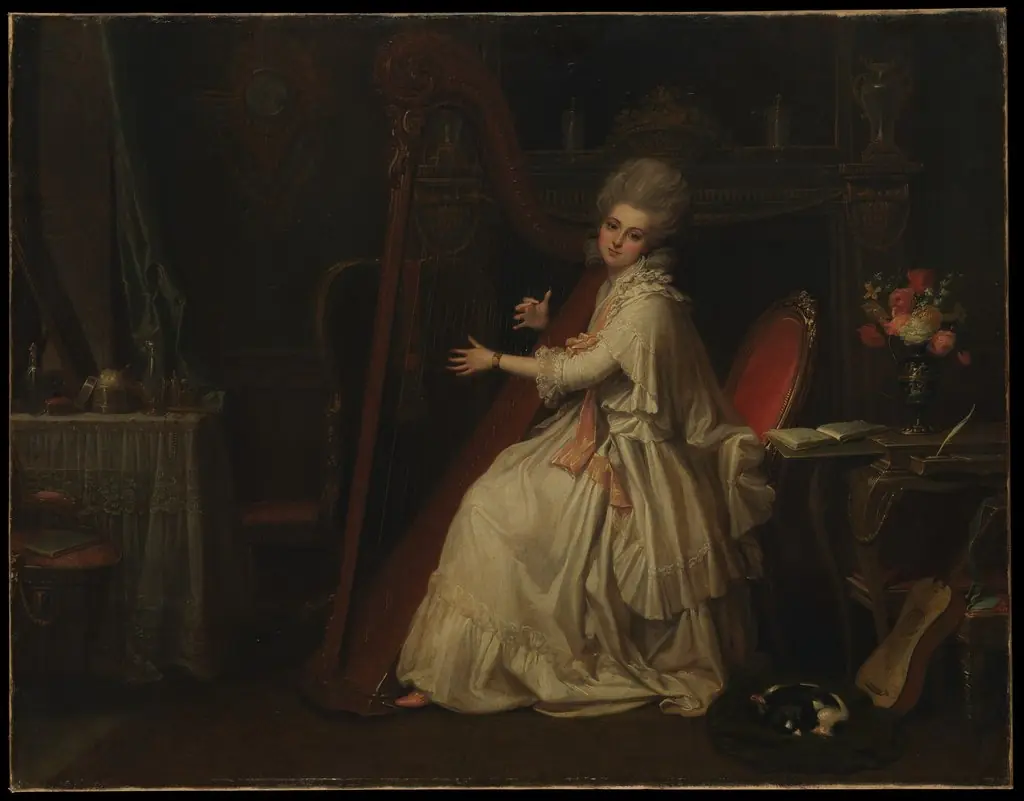 Portrait of Marianne Dorothy Harland (1759–1785), Later Mrs. William Dalrymple
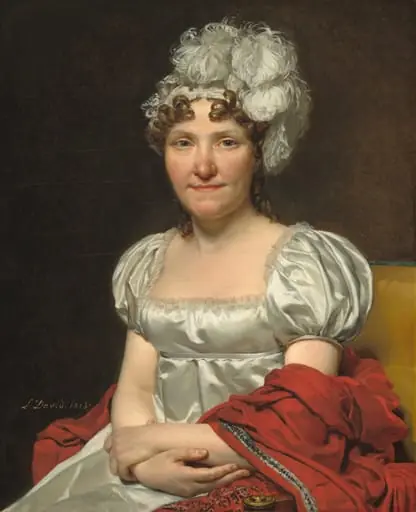 Madame David
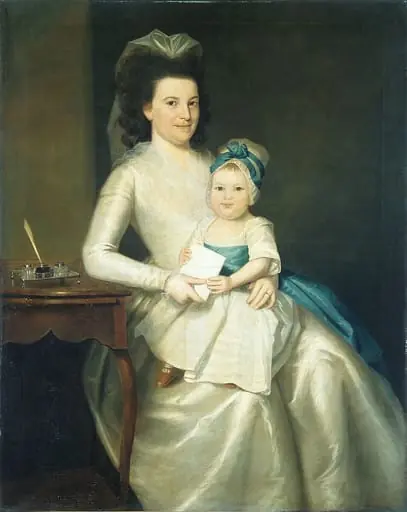 Lady Williams and Child
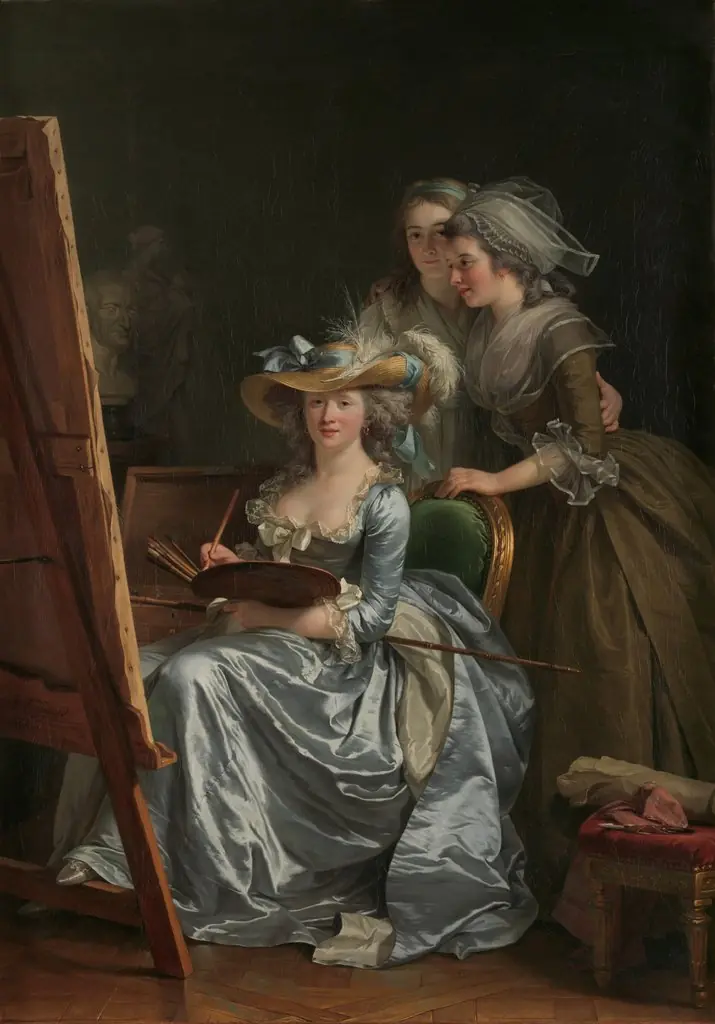 Self-Portrait with Two Pupils
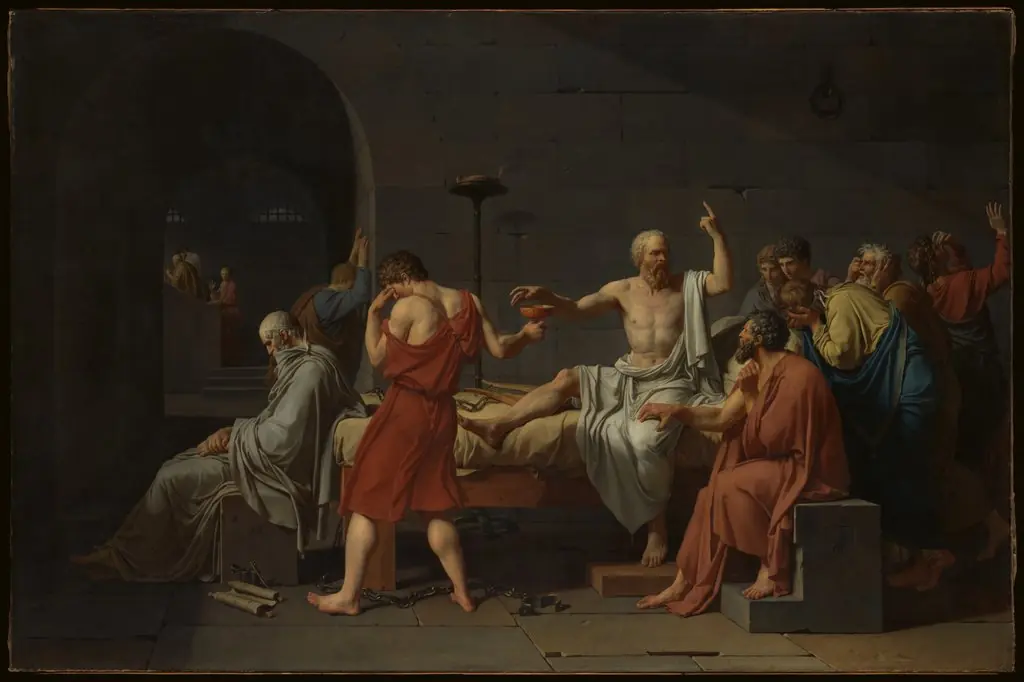 The Death of Socrates
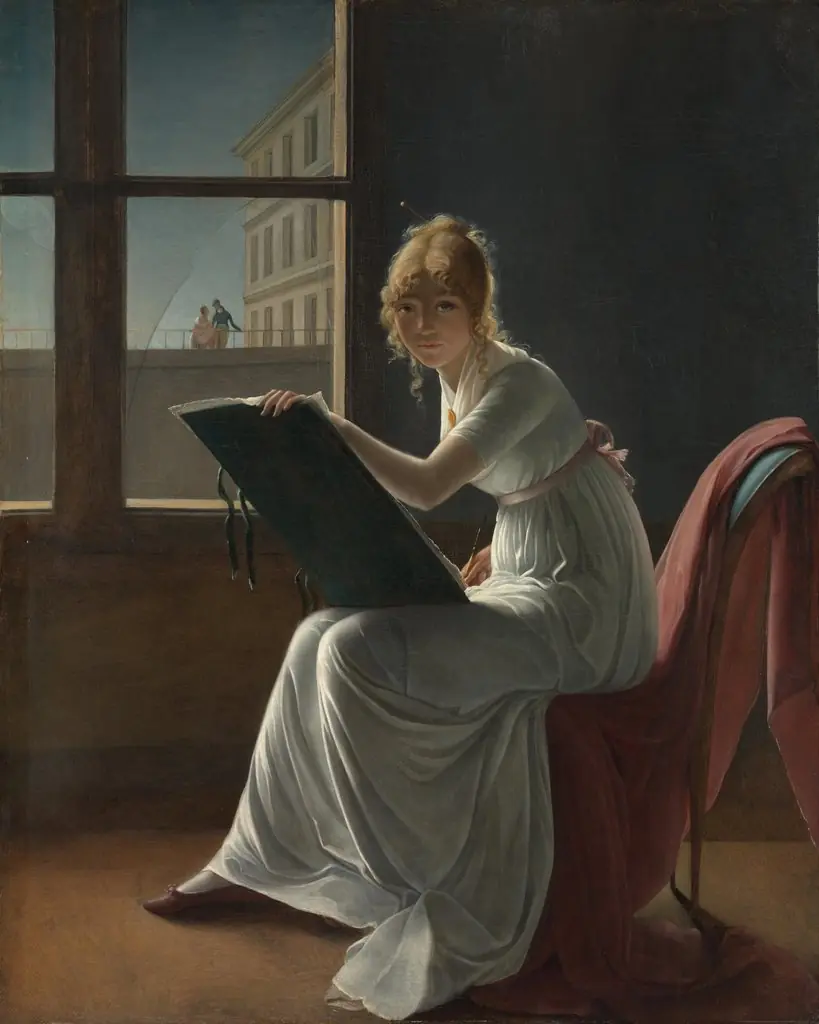 Portrait of Charlotte du Val d'Ognes
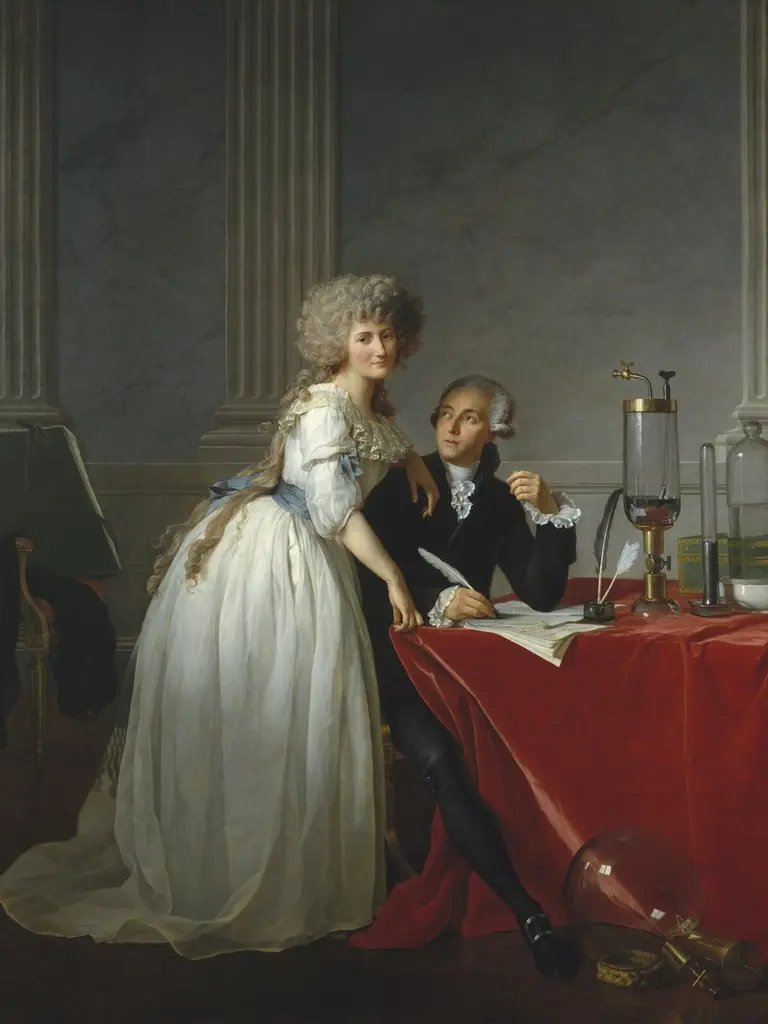 Portrait of Antoine-Laurent Lavoisier and his wife
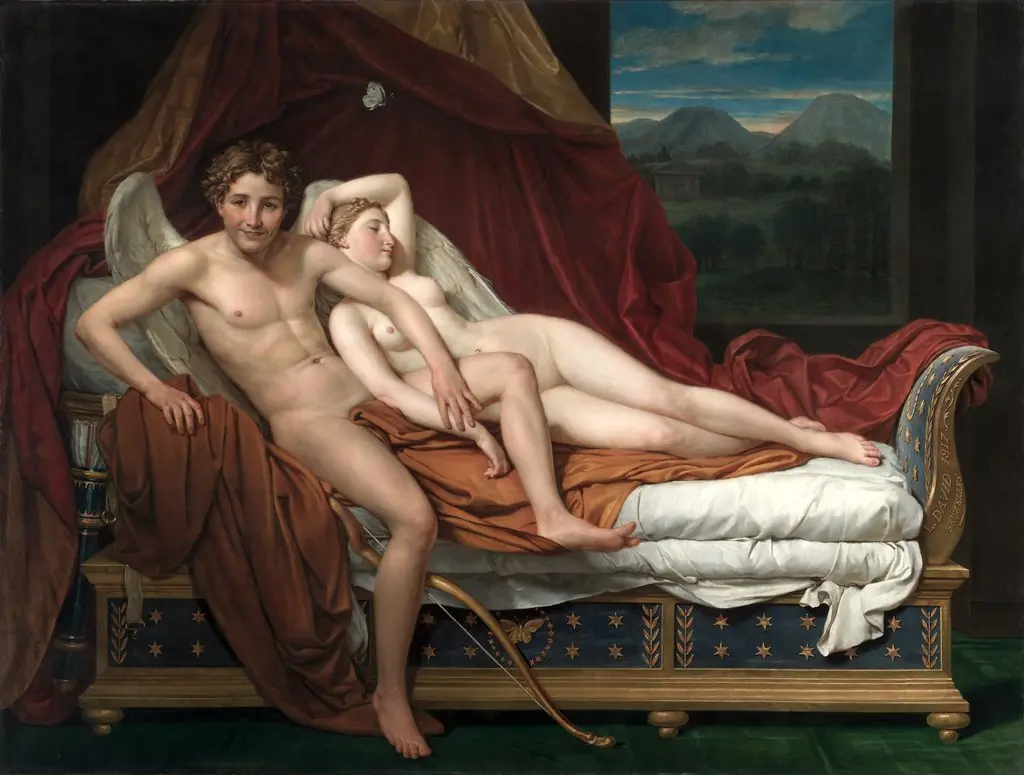 Cupid and Psyche
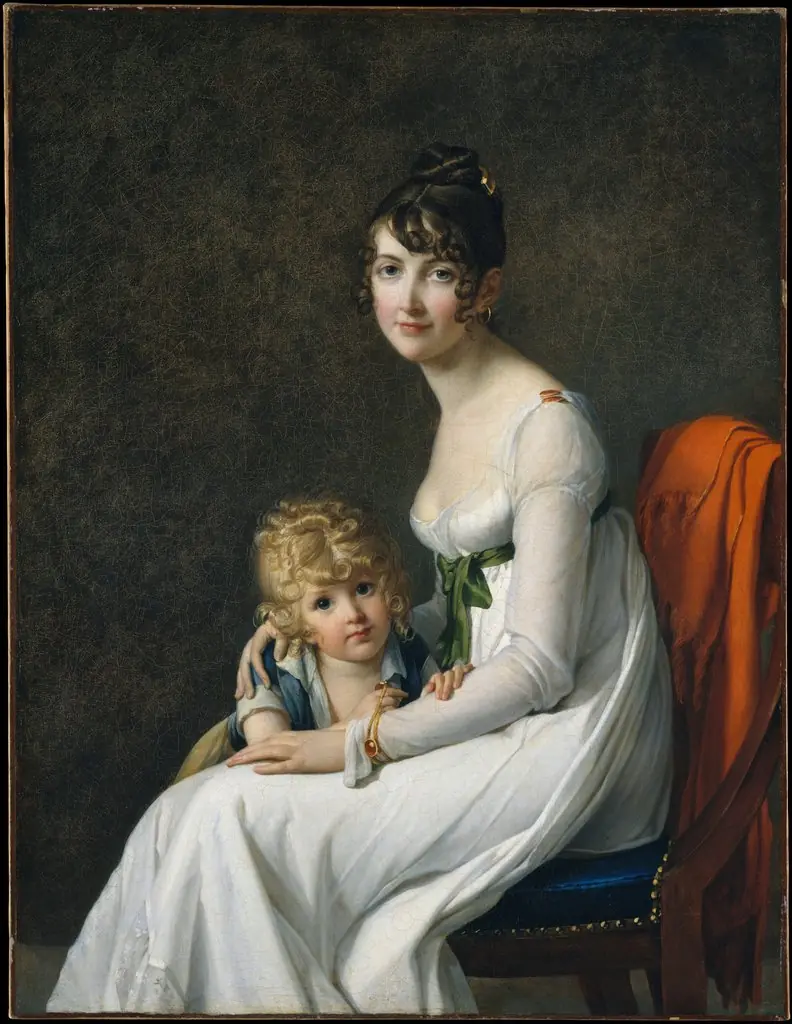 Madame Philippe Panon Desbassayns de Richemont (Jeanne Eglé Mourgue, 1778–1855) and Her Son, Eugène (1800–1859)
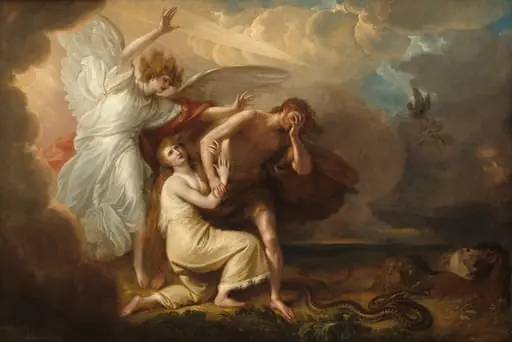 The Expulsion of Adam and Eve from Paradise
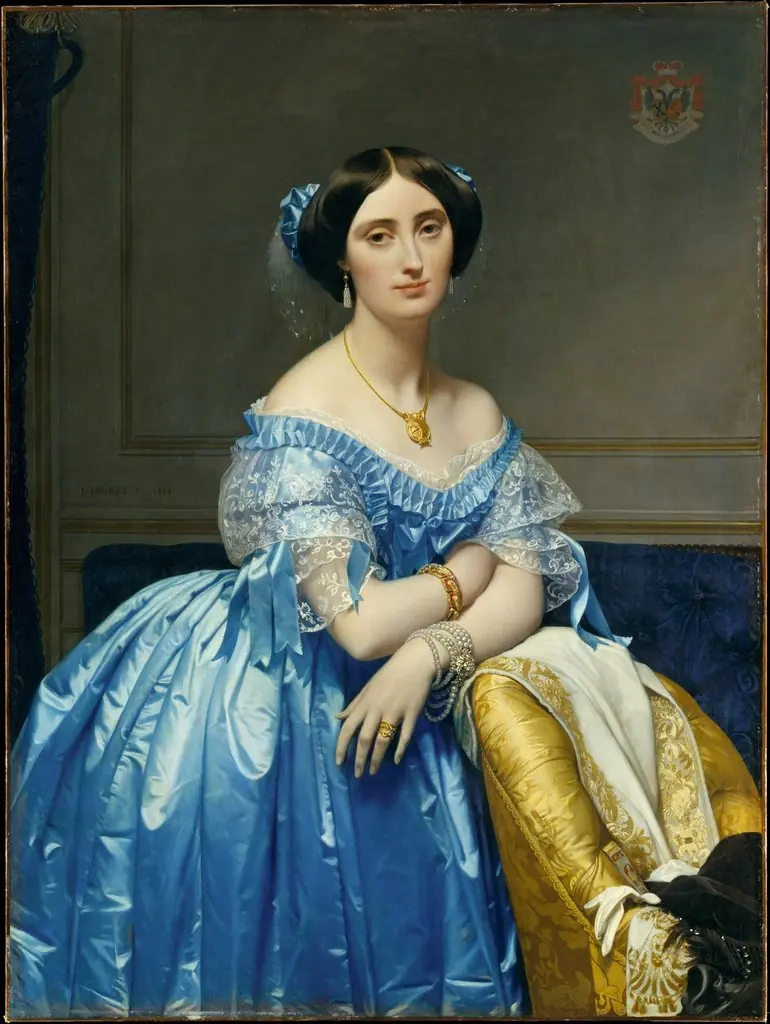 Joséphine-Éléonore-Marie-Pauline de Galard de Brassac de Béarn (1825–1860), Princesse de Broglie
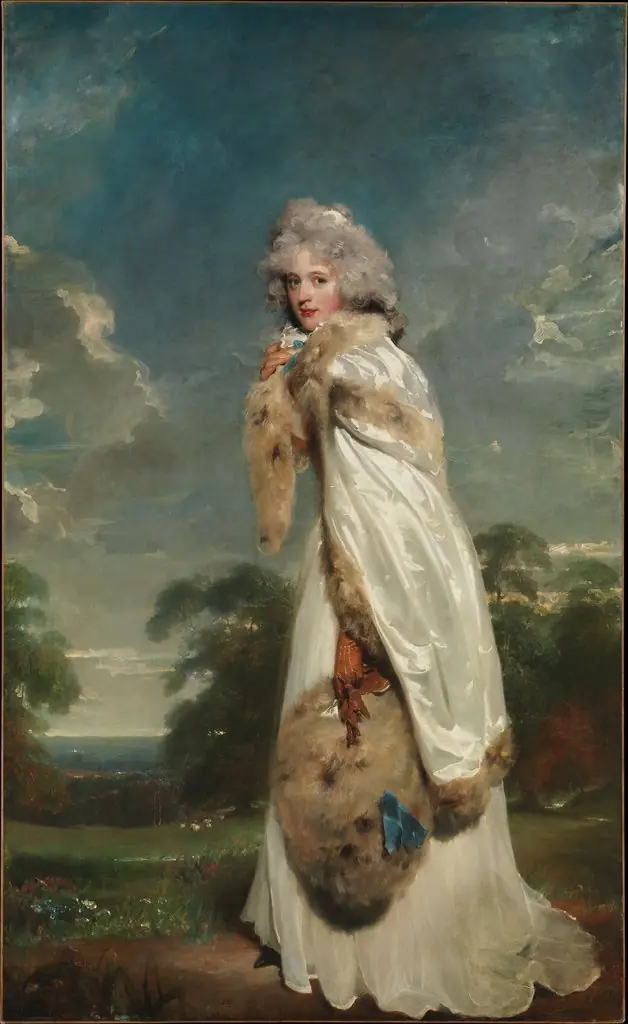 Elizabeth Farren (born about 1759, died 1829), Later Countess of Derby
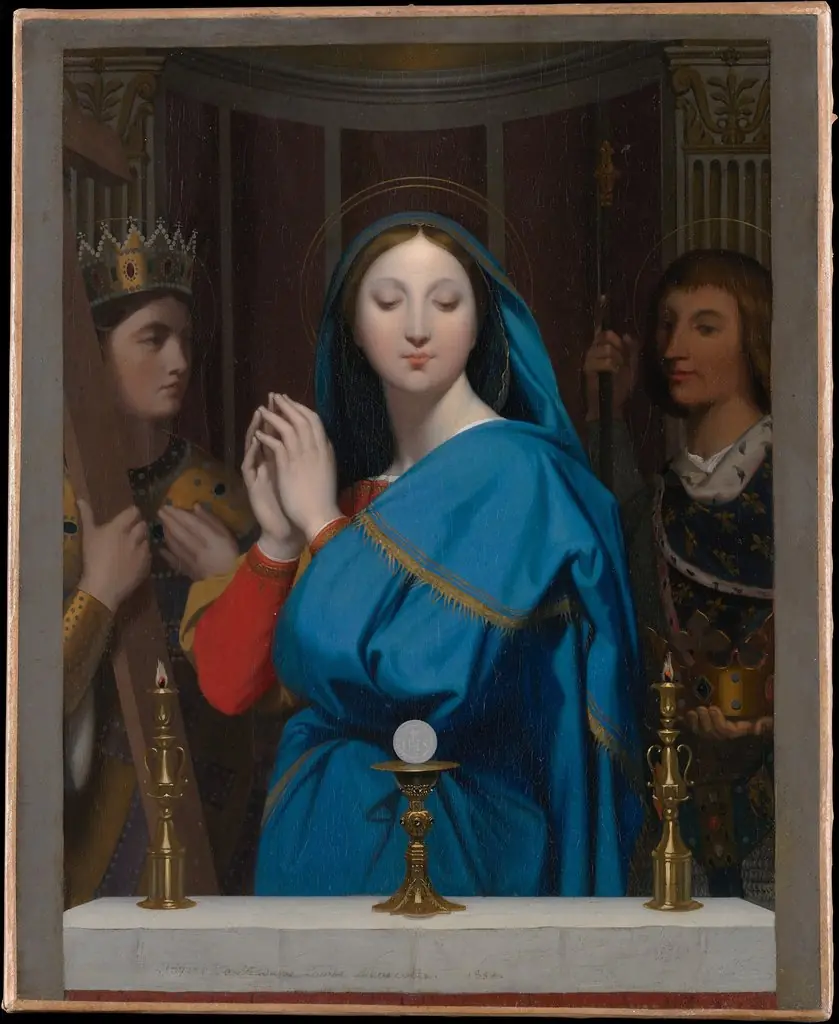 The Virgin Adoring the Host
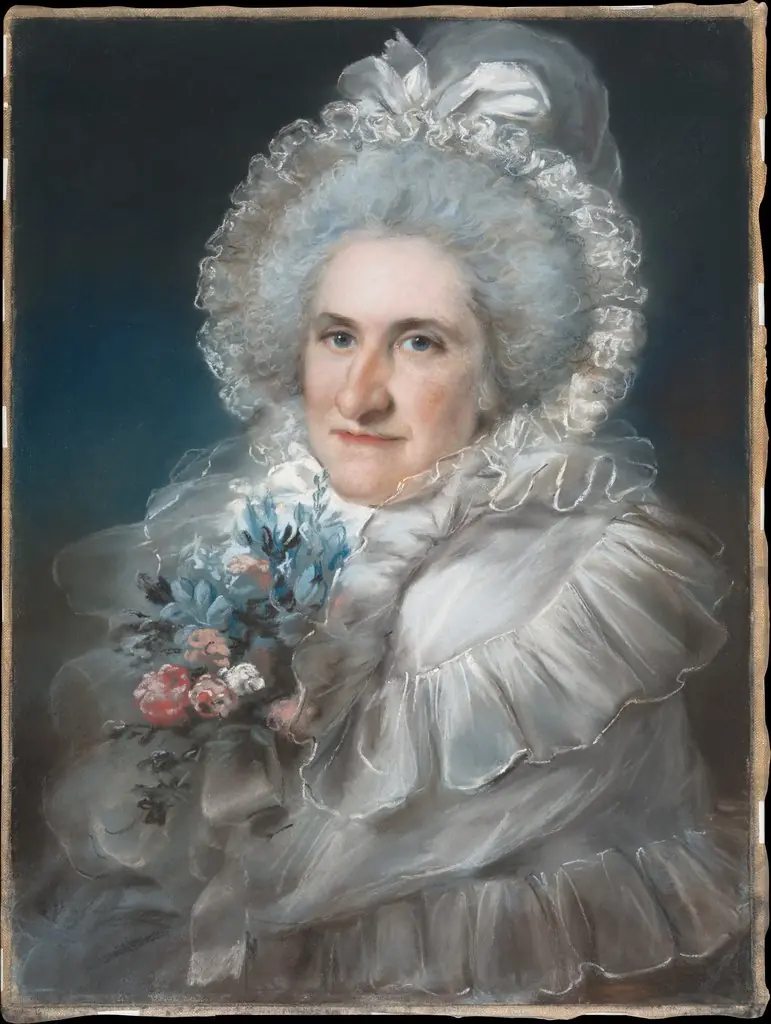 Mrs. William Man Godschall (Sarah Godschall, 1730–1795)
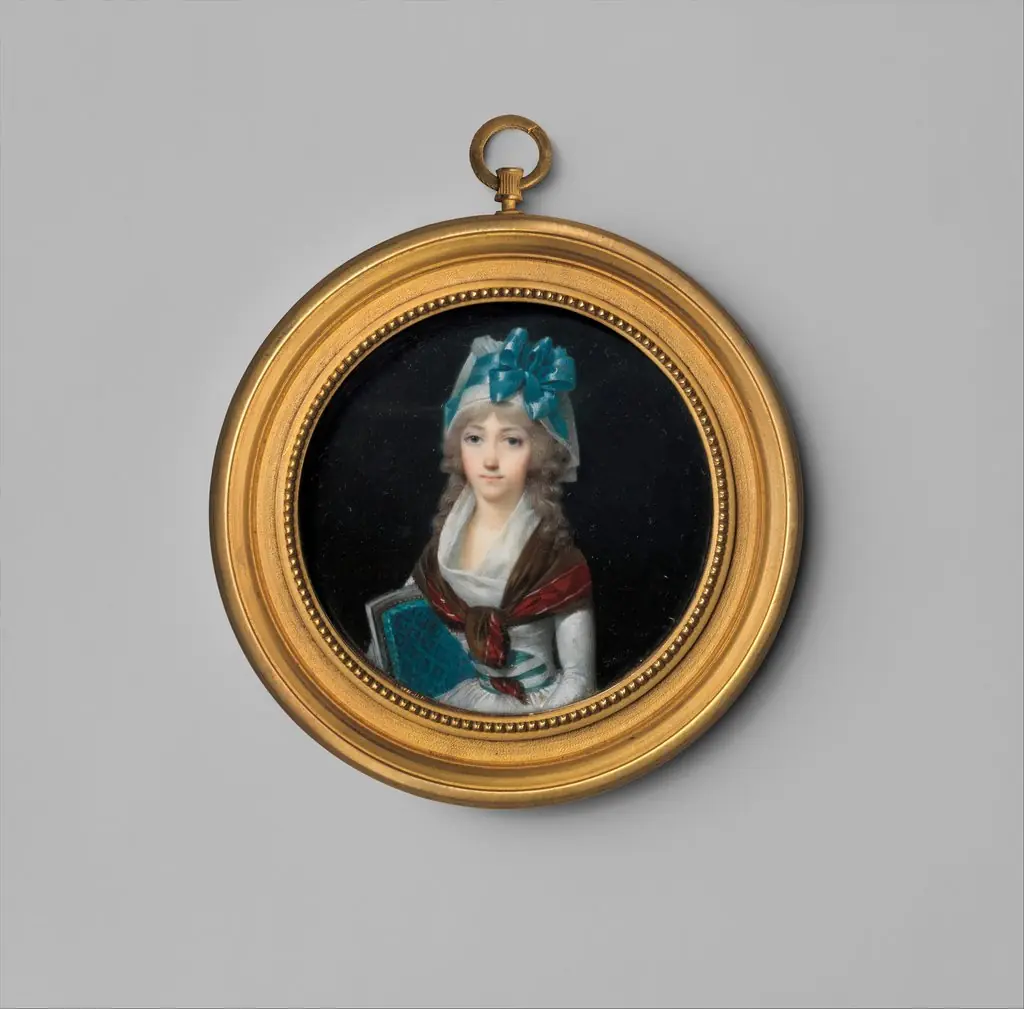 Portrait of a Woman
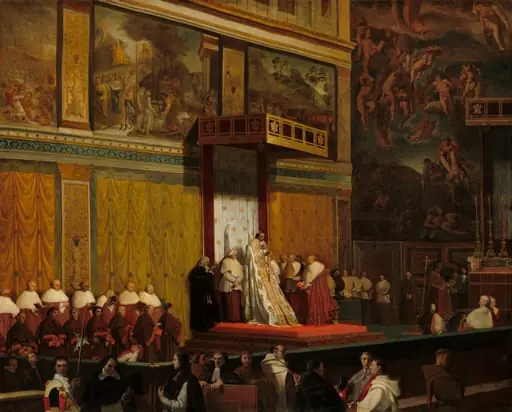 Pope Pius VII in the Sistine Chapel
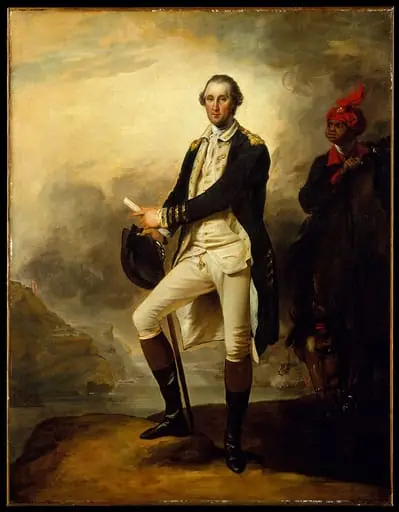 George Washington and William Lee
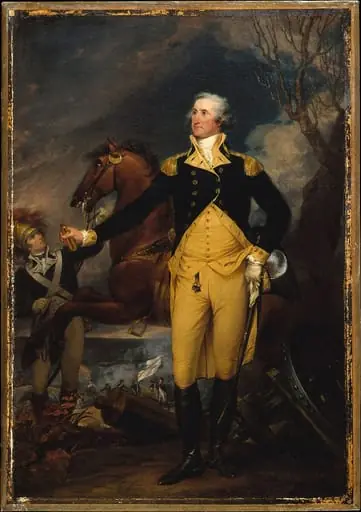 George Washington before the Battle of Trenton
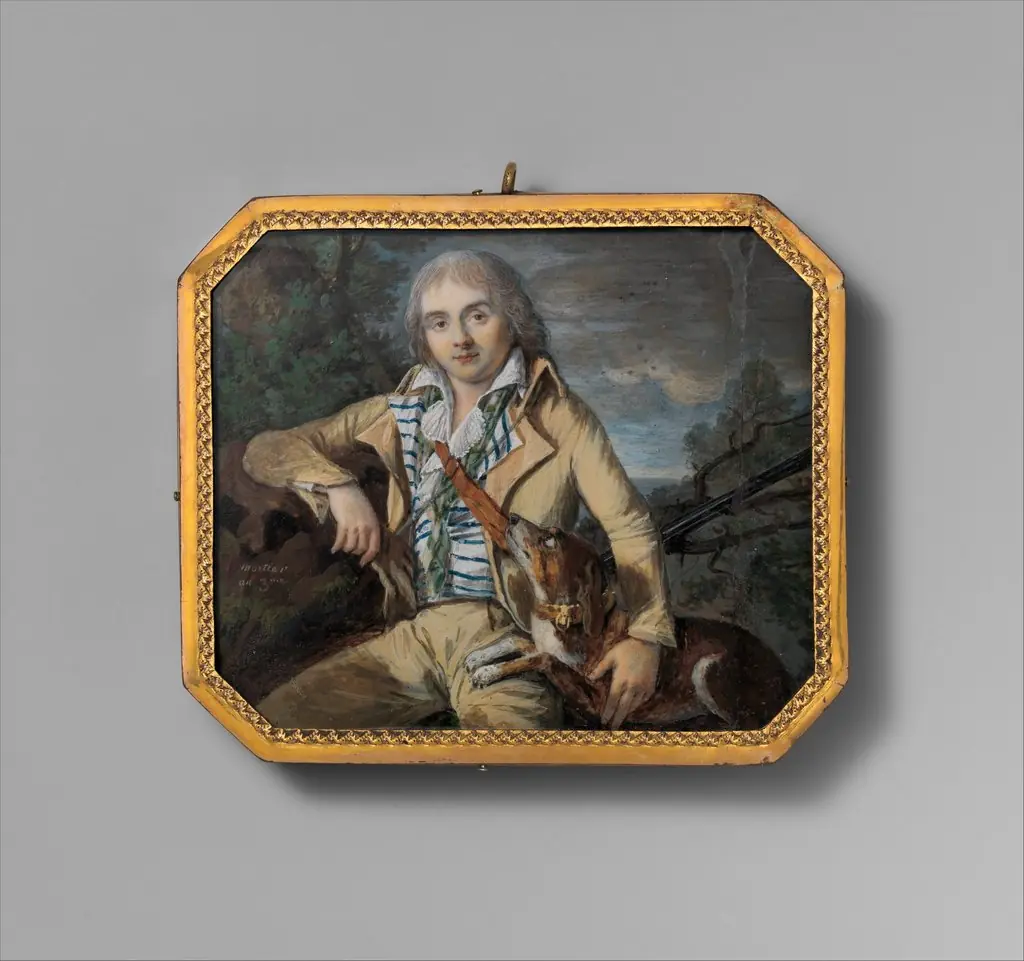 A Hunter with a Dog
 Caroline Maria Therese of Parma (1770–1804)
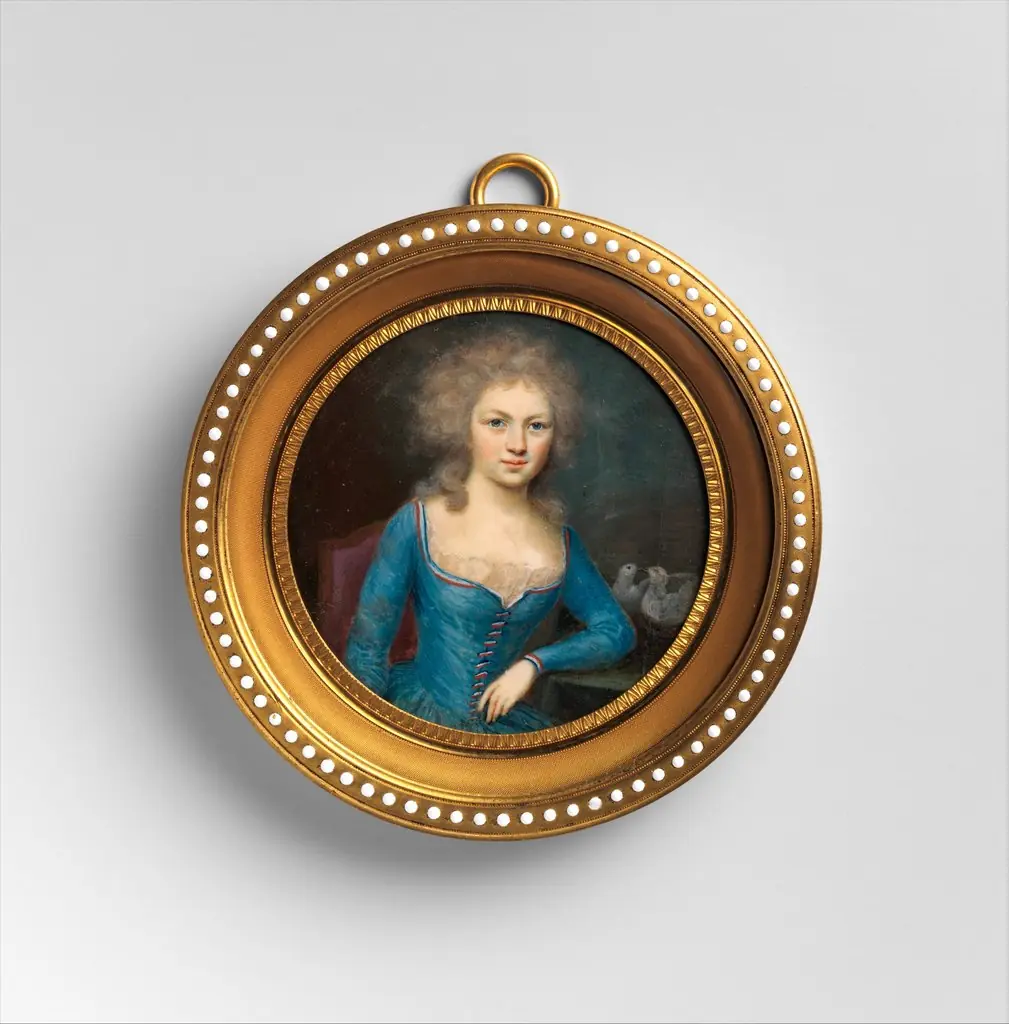 Portrait of a Woman
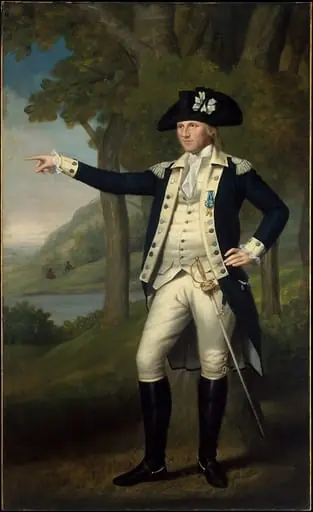 Marinus Willett
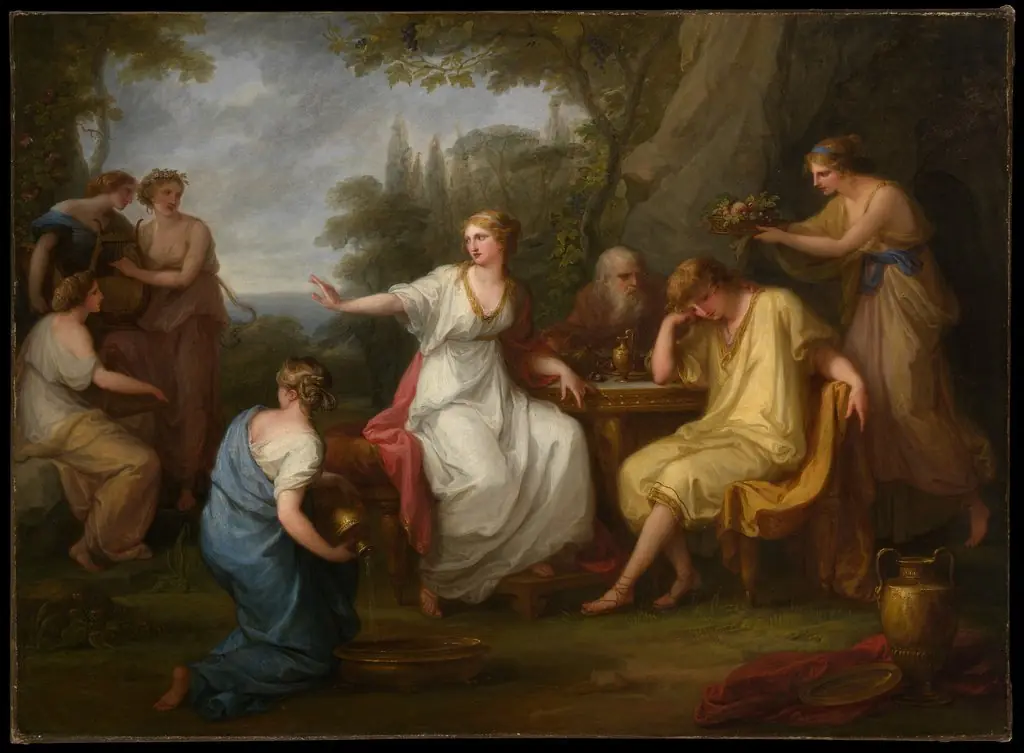 The Sorrow of Telemachus
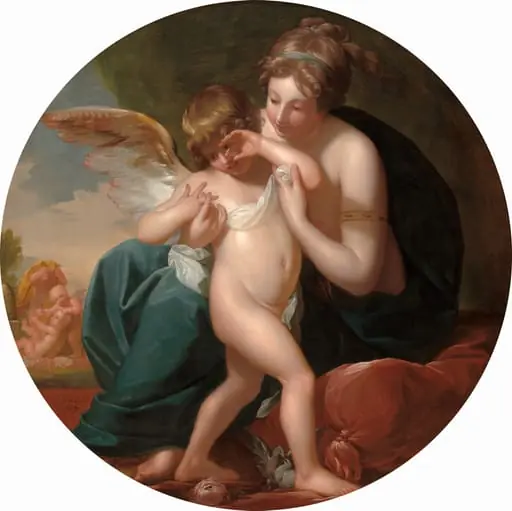 Cupid, Stung by a Bee, Is Cherished by his Mother
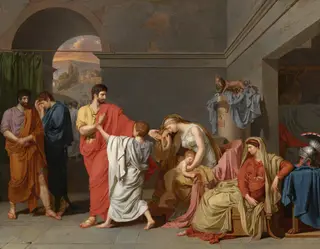 Coriolanus Taking Leave of his Family
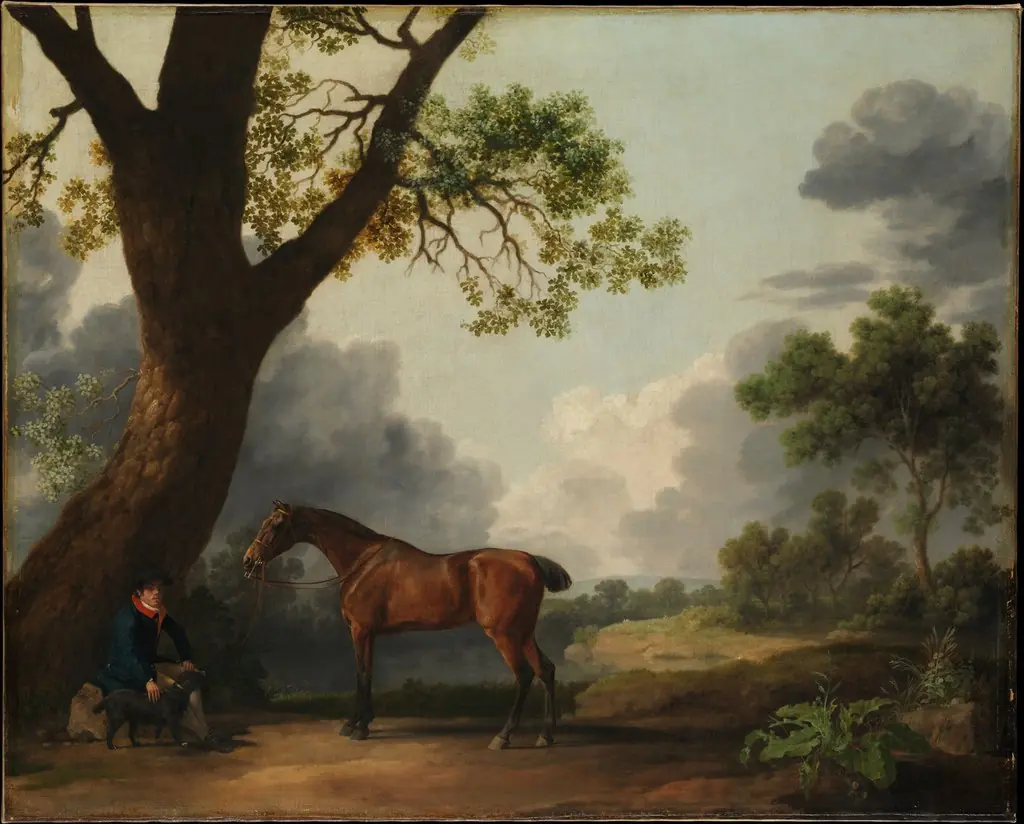 The Third Duke of Dorset's Hunter with a Groom and a Dog
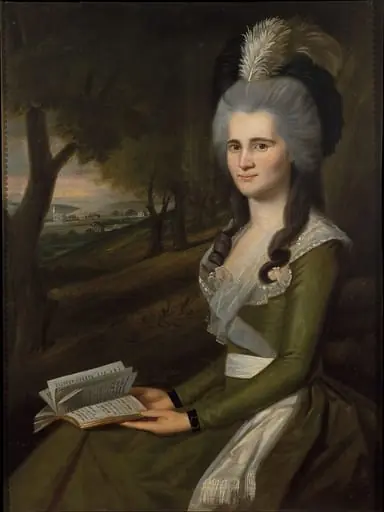 Esther Boardman
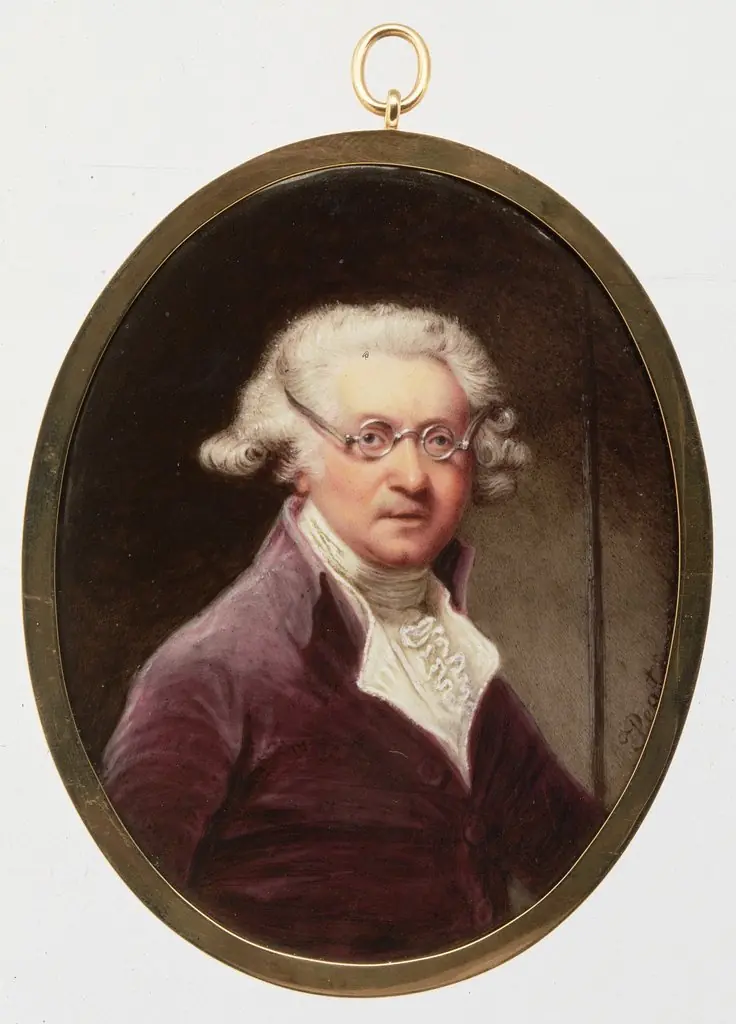 Sir Joshua Reynolds (1723–1792)
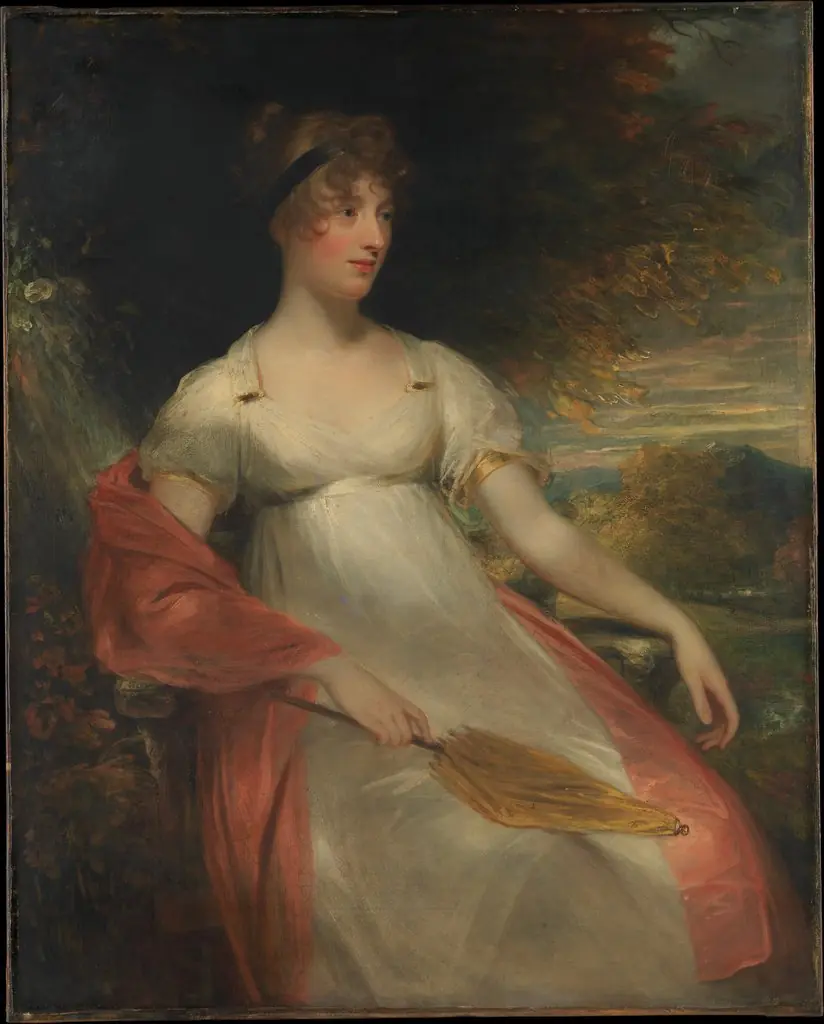 Portrait of a Woman
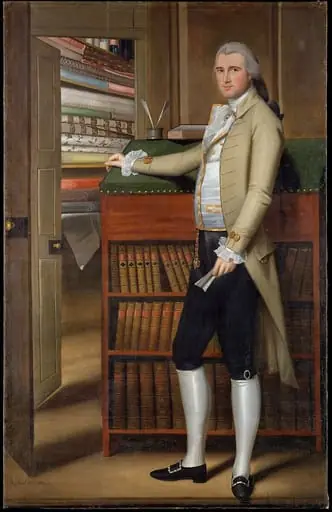 Elijah Boardman
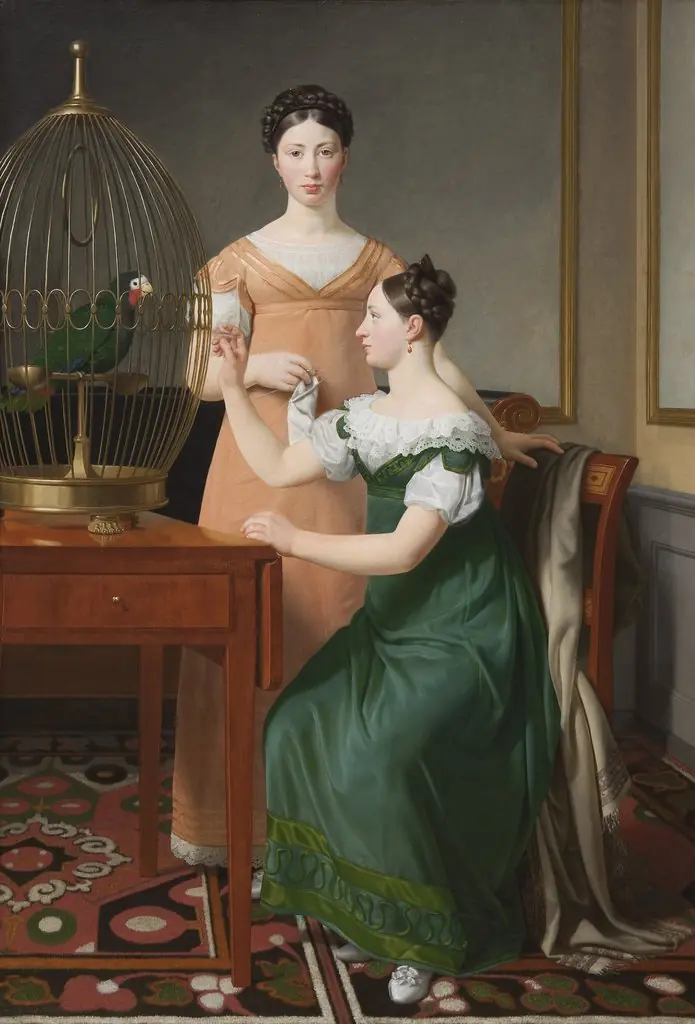 Bella and Hanna. The Eldest Daughters of M. L. Nathanson
 Portrait of a Man
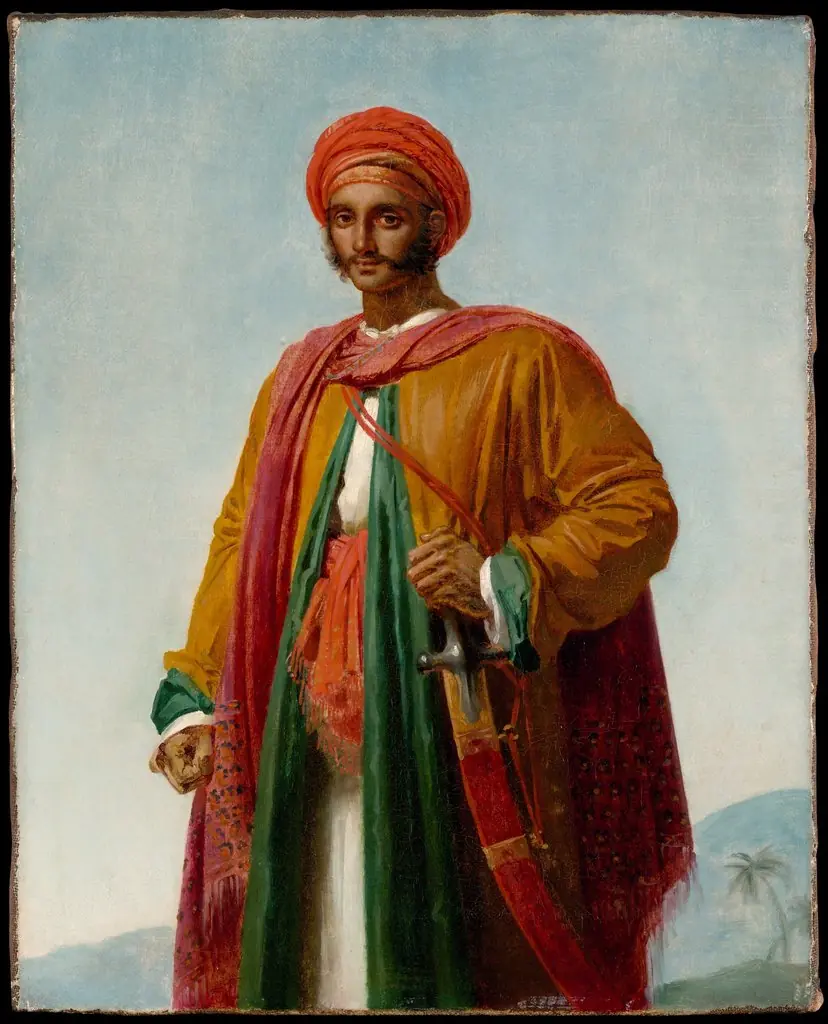 Study for "Portrait of an Indian"
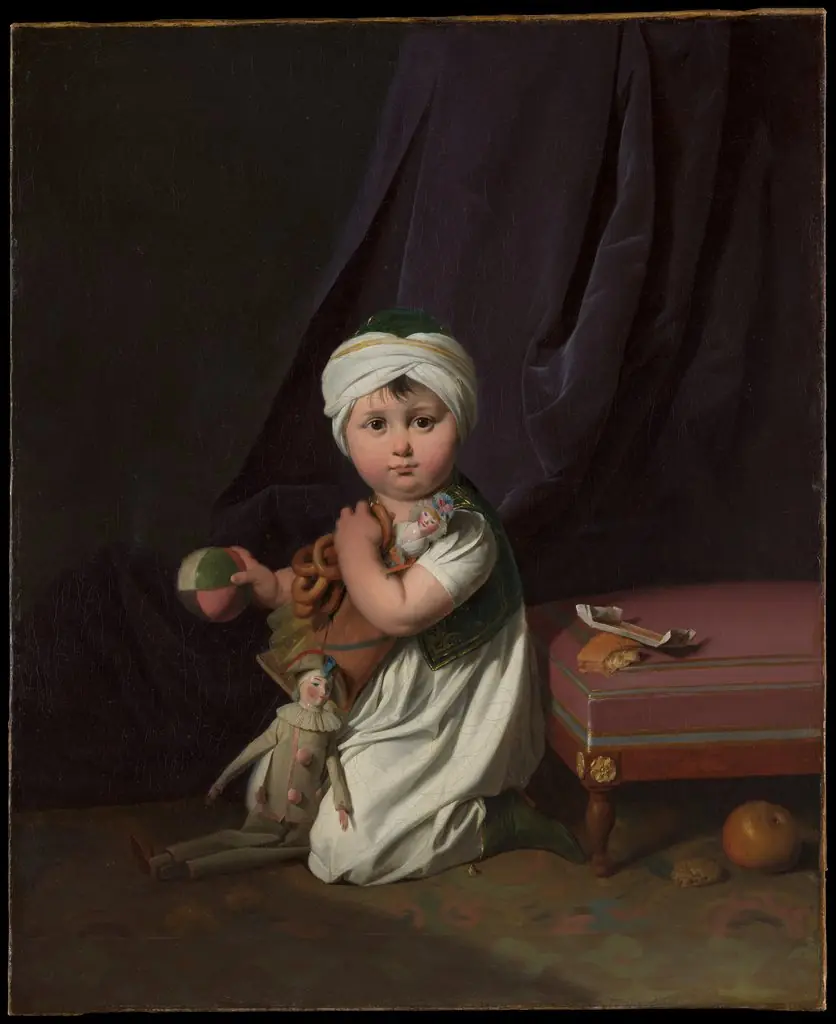 Portrait of a Boy
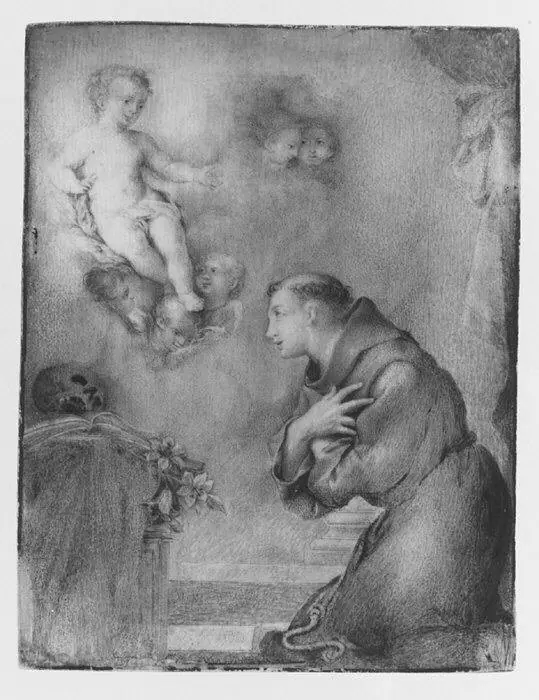 The Vision of Saint Anthony of Padua
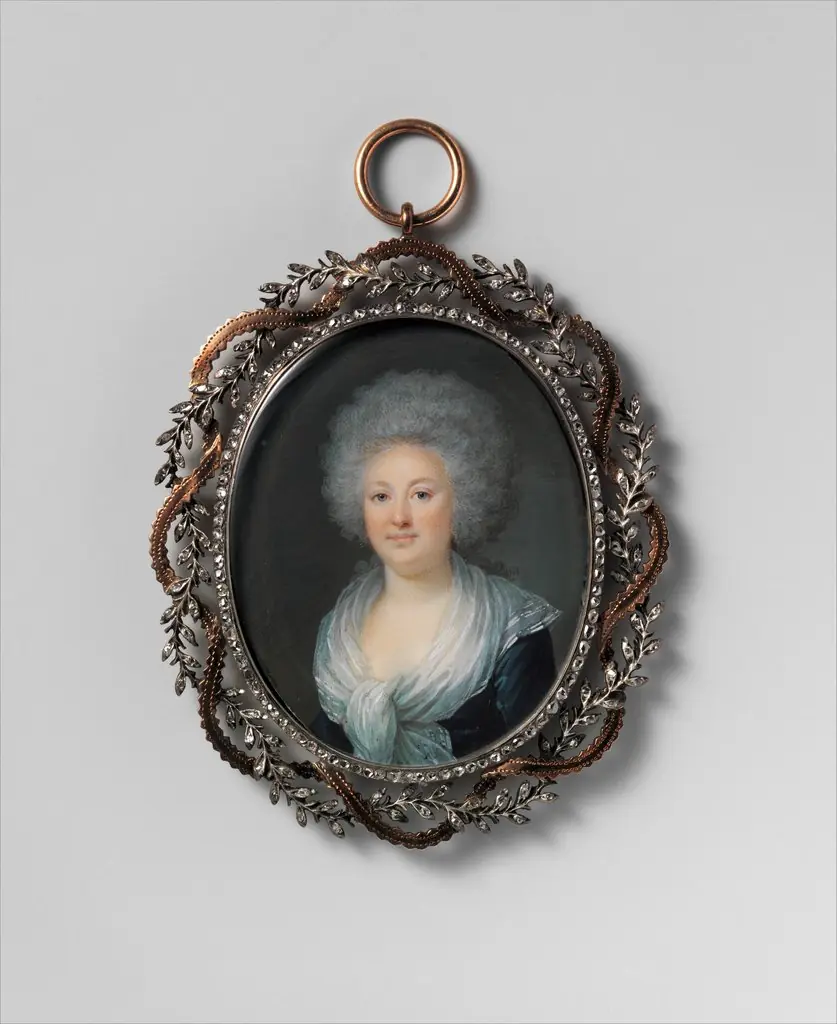 Portrait of a Woman
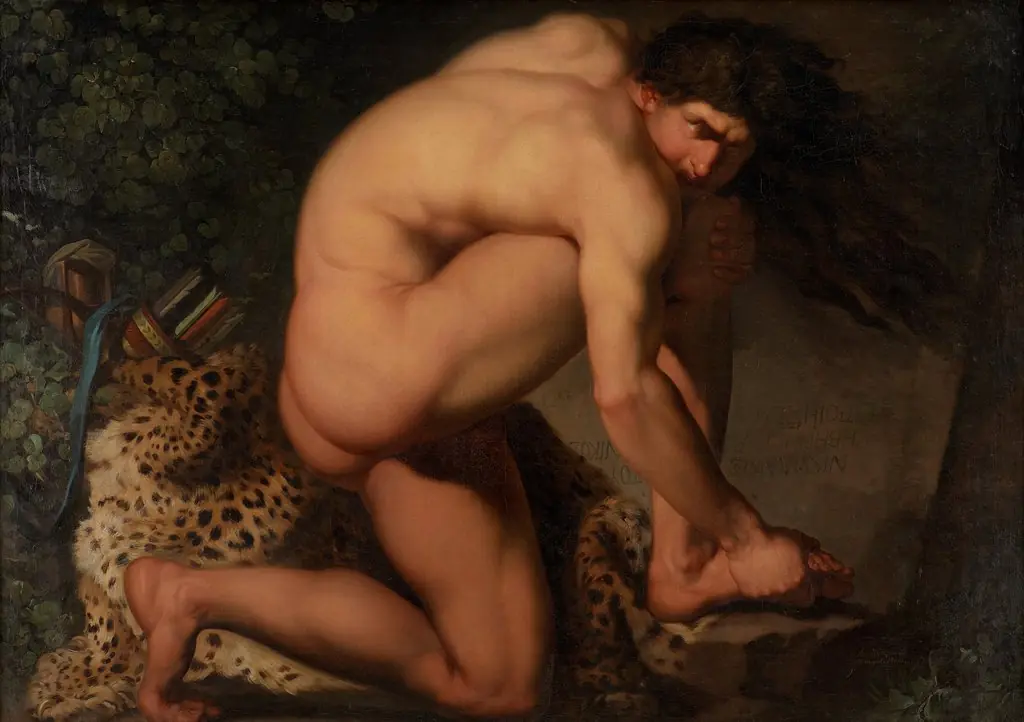 The Wounded Philoctetes
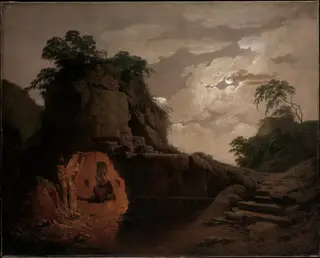 Virgil's Tomb by Moonlight, with Silius Italicus Declaiming
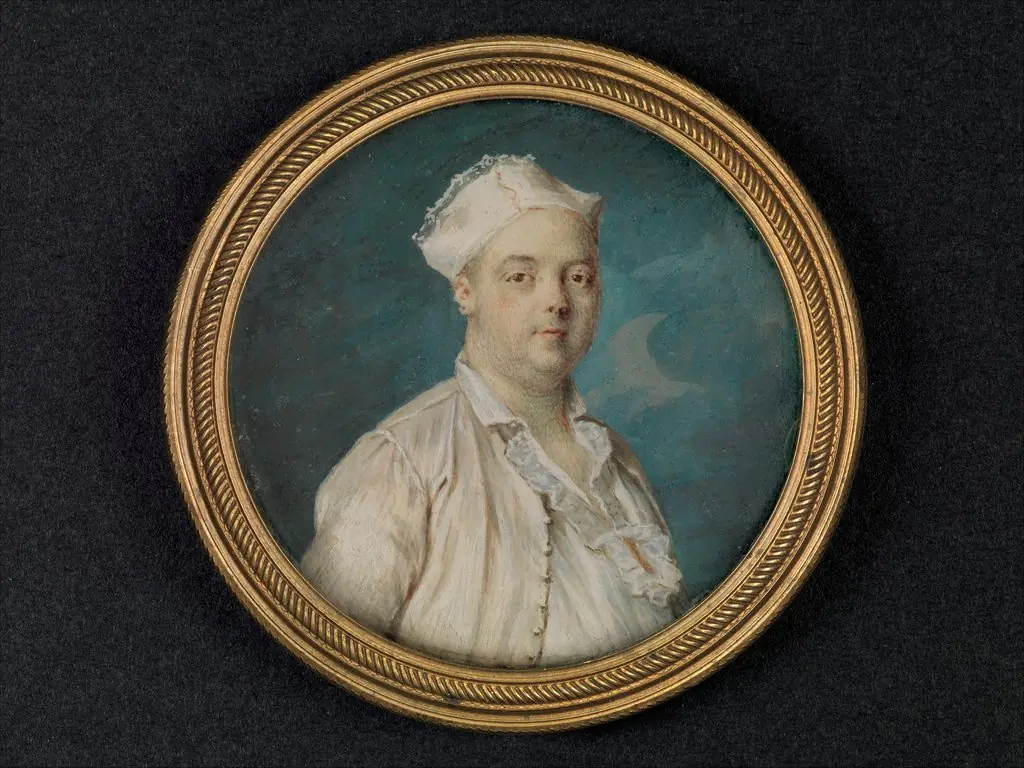 Pierre Louis Dubus (1721–1799), Called Préville, of the Comédie-Française
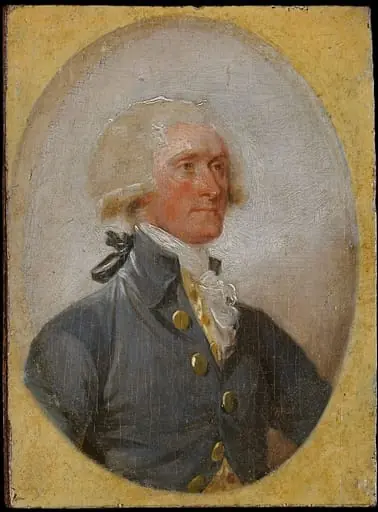 Thomas Jefferson
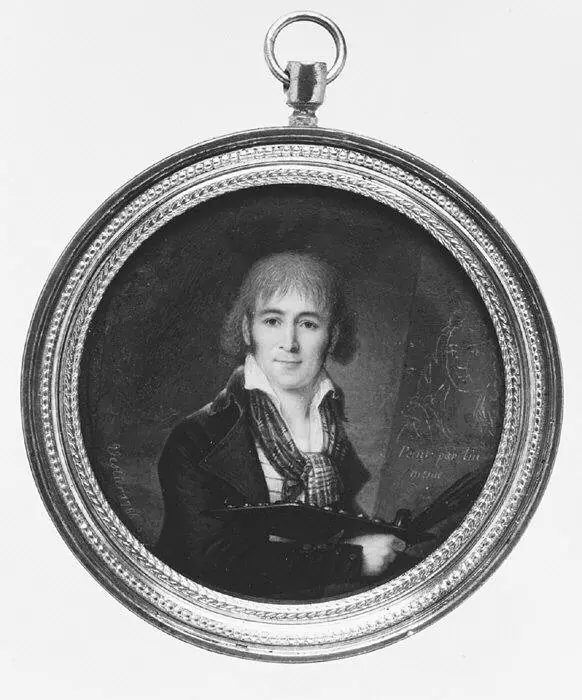 Self-Portrait of an Unidentified Artist
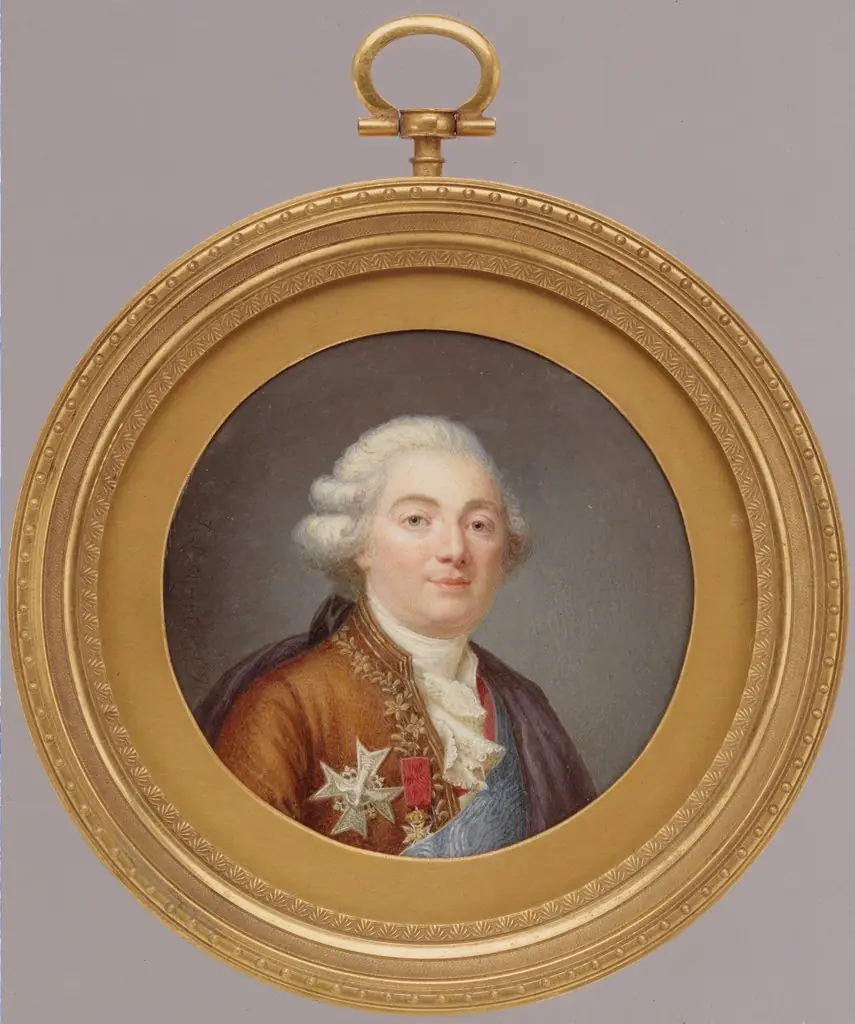 Louis XVI (1754–1793), King of France
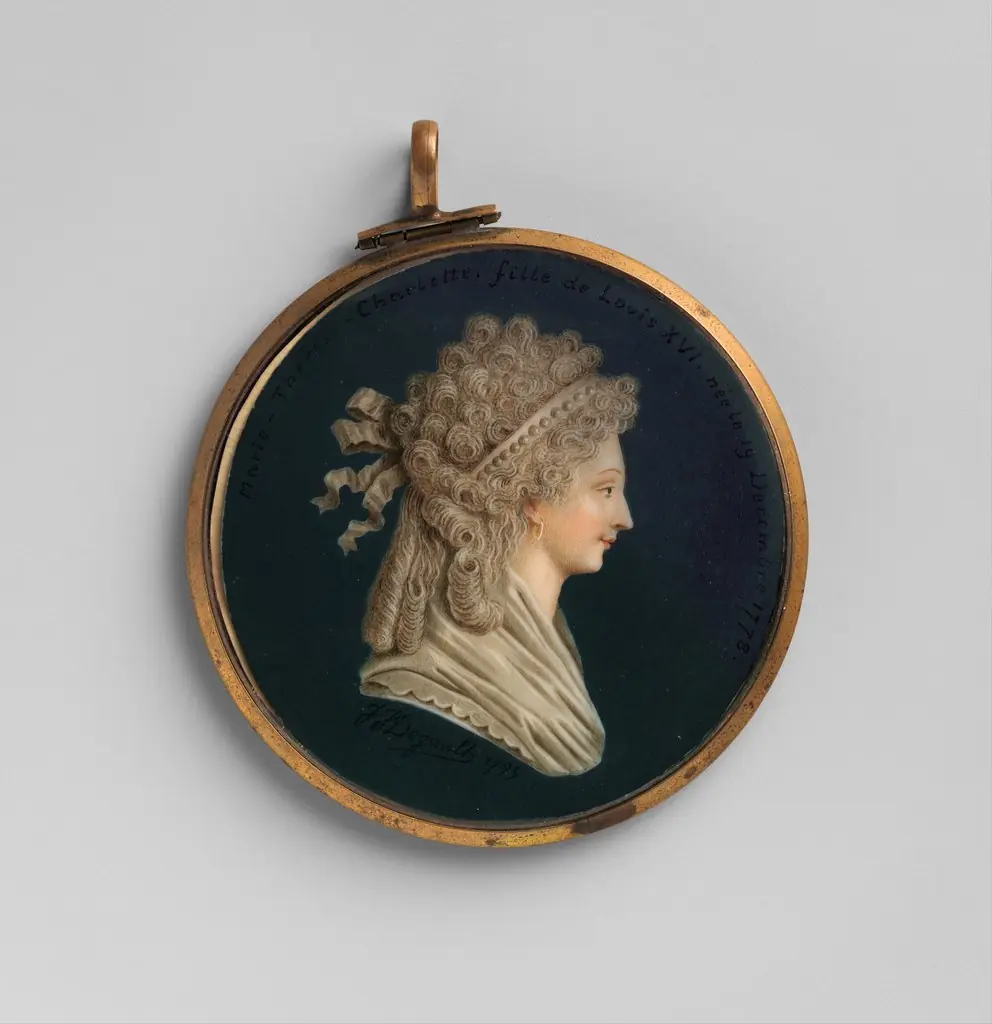 Marie-Thérèse-Charlotte (1778–1851), Daughter of Louis XVI
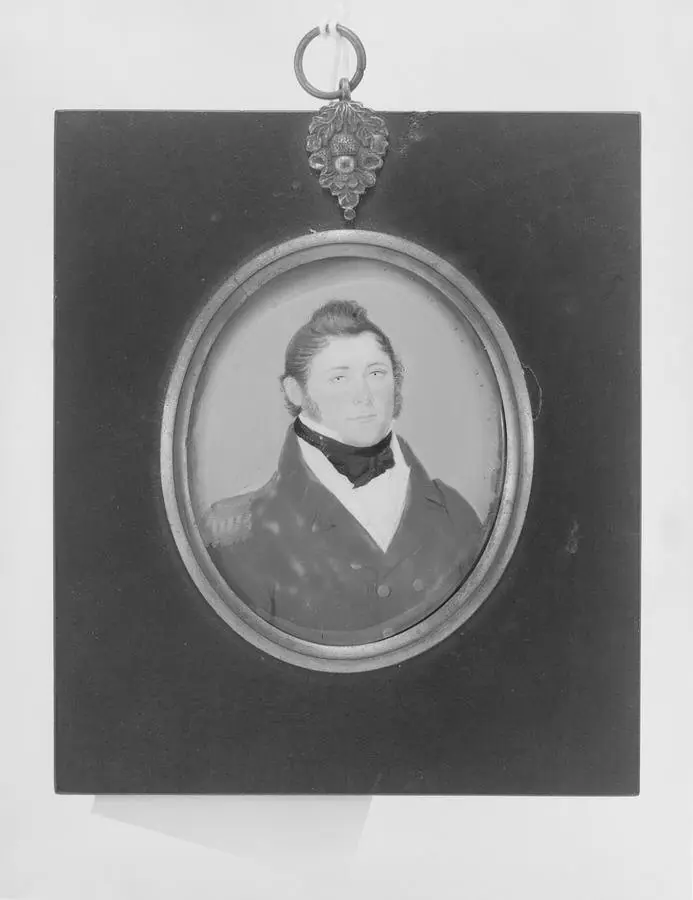 Naval Officer
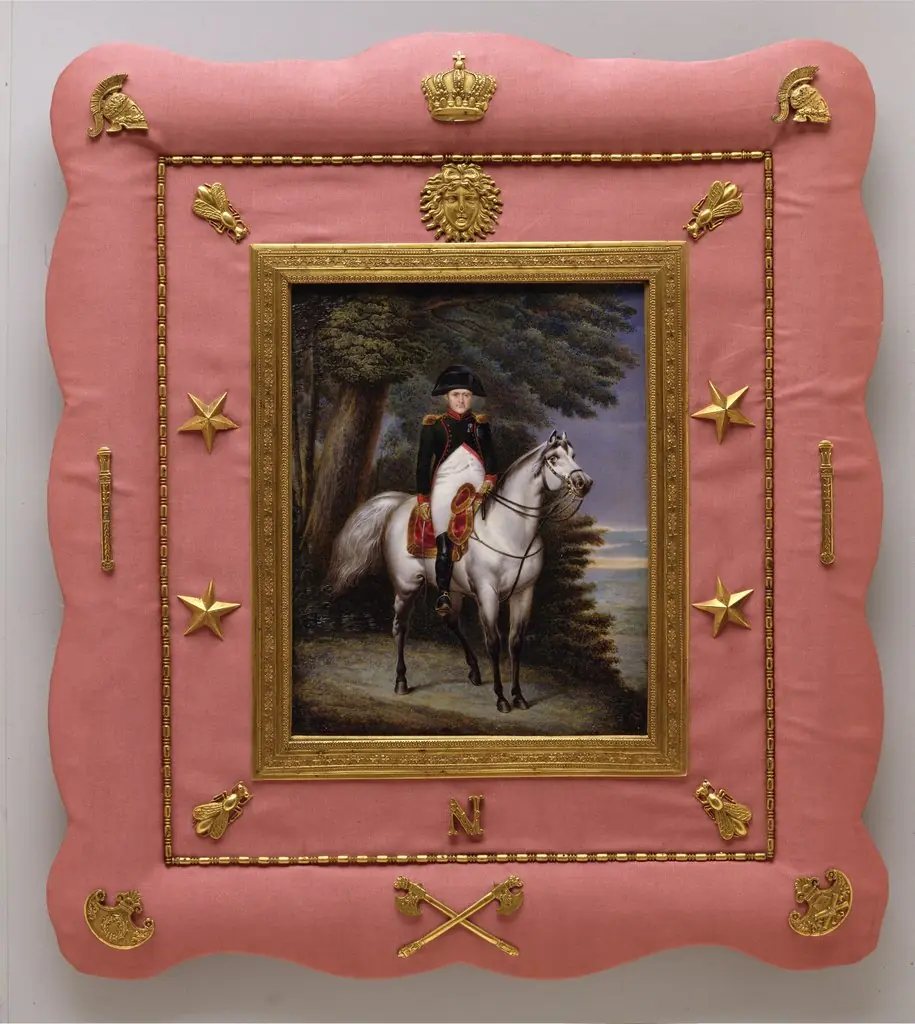 Napoléon I (1769–1821) on Horseback
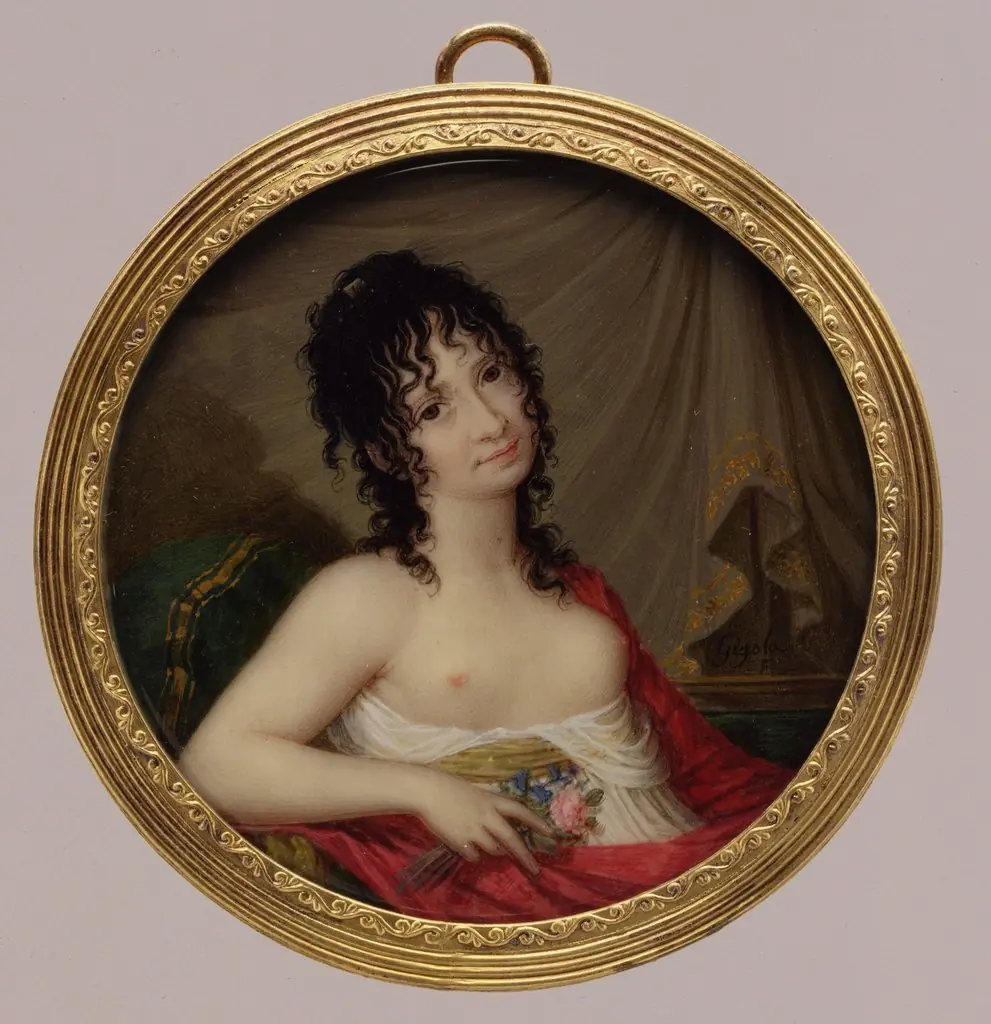 Francesca Ghirardi Lechi
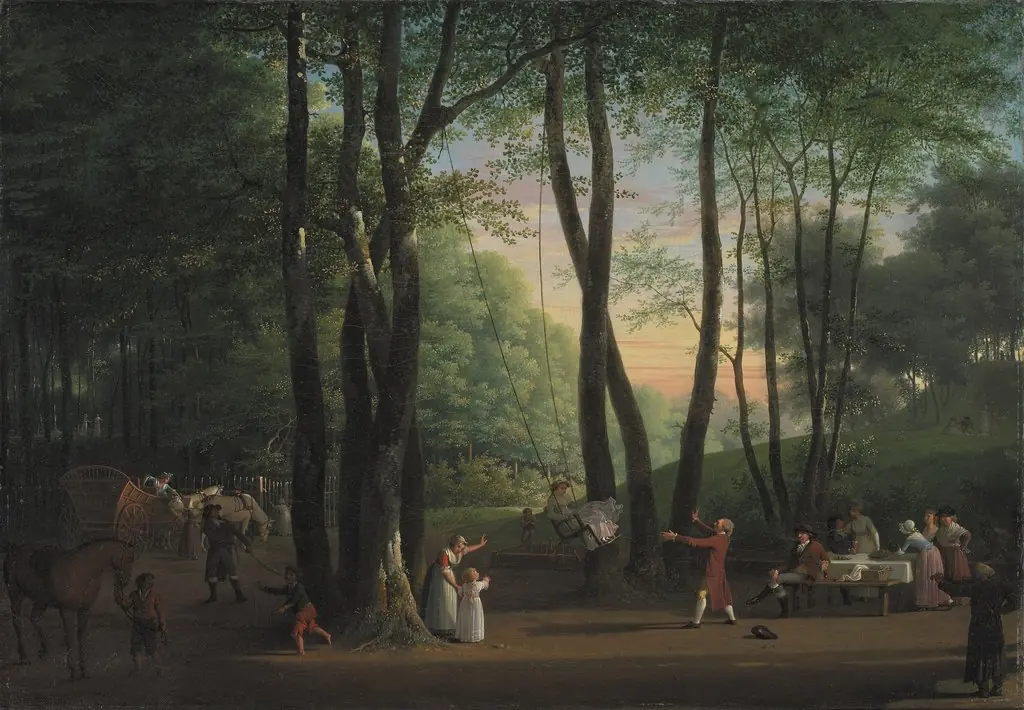 The Dancing Glade at Sorgenfri
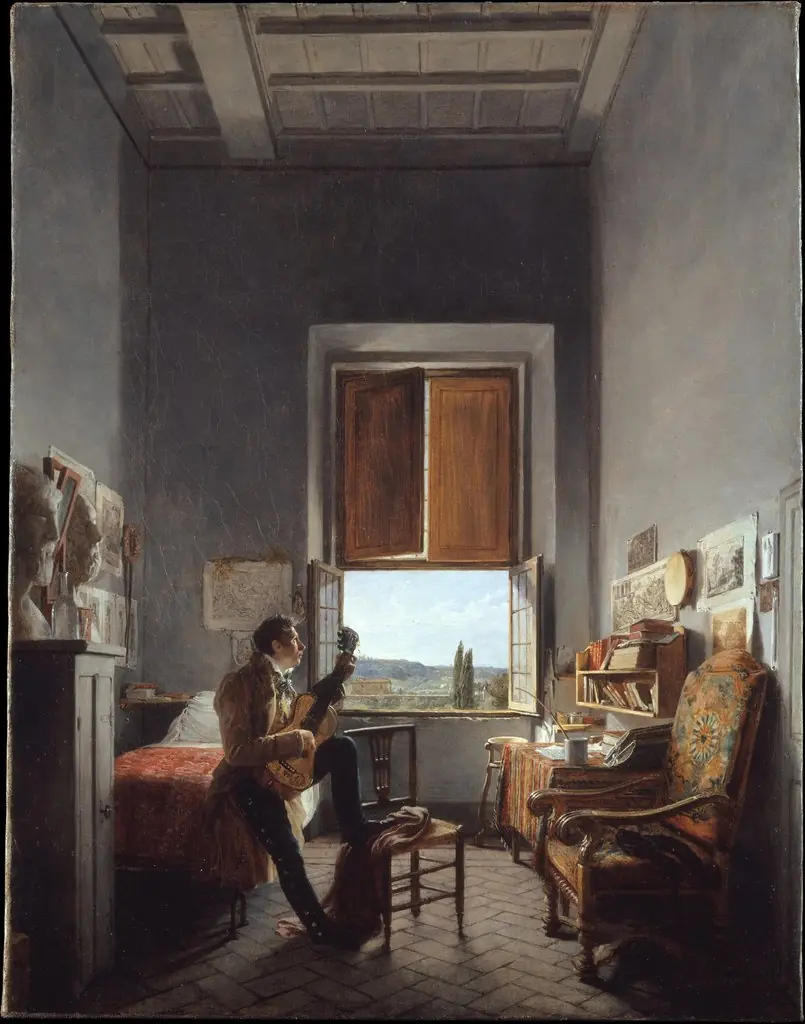 Léon Pallière (1787–1820) in His Room at the Villa Medici, Rome
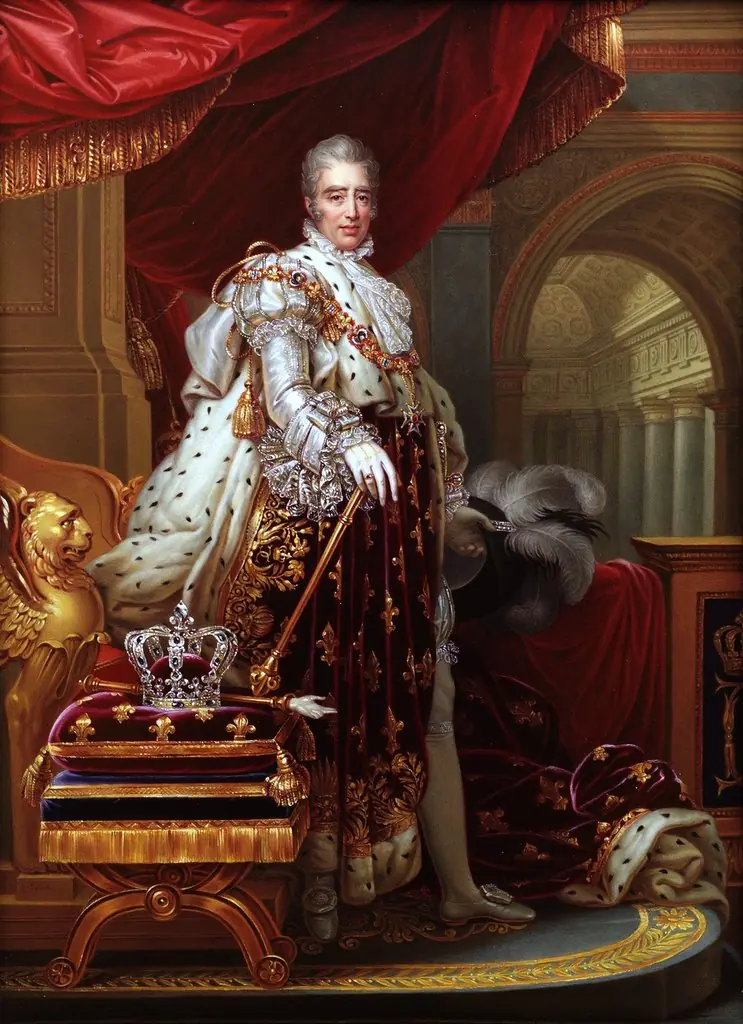 Charles X (1757–1836), King of France, after Gérard
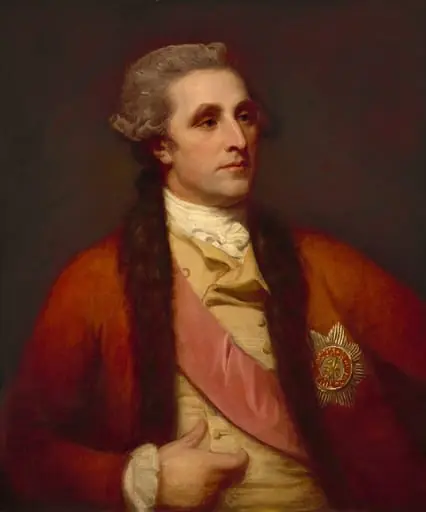 Sir William Hamilton
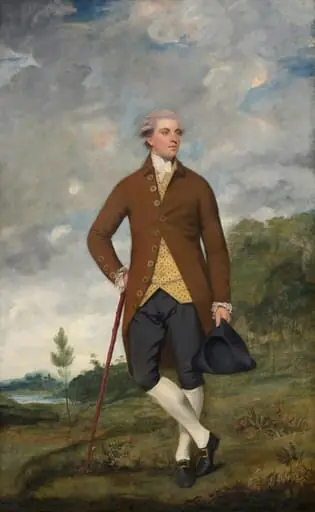 John Musters
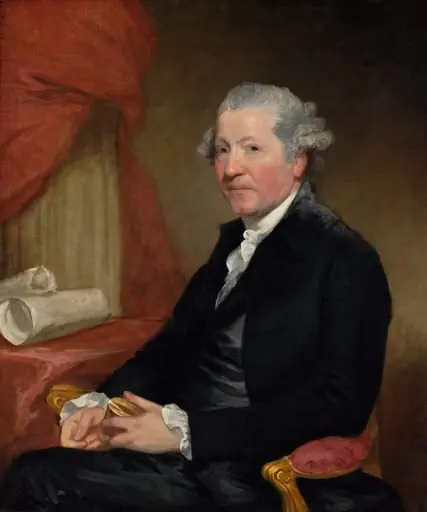 Sir Joshua Reynolds
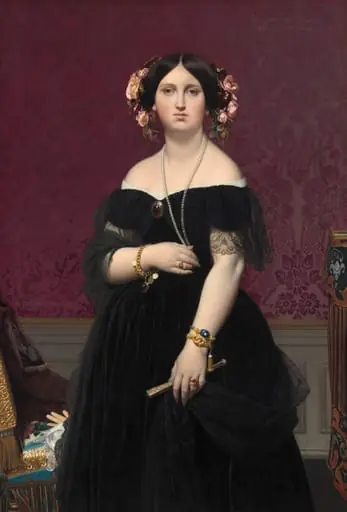 Madame Moitessier
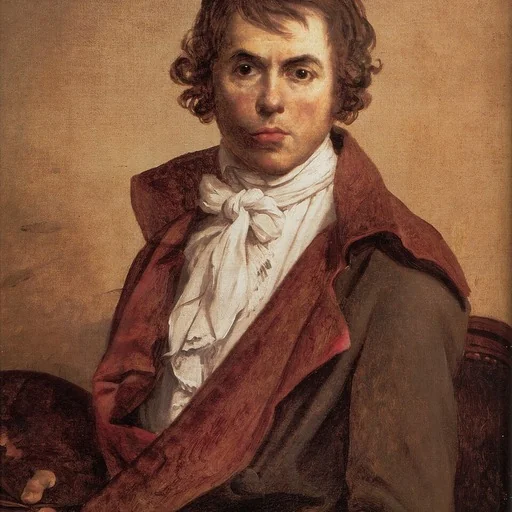
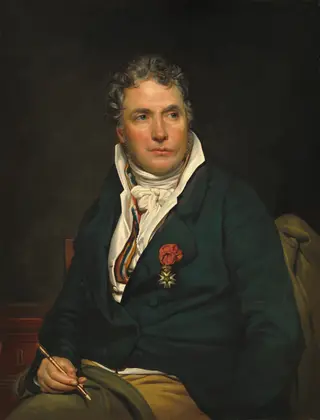 Jacques-Louis David
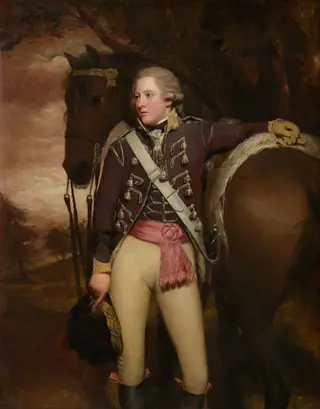 Captain Patrick Miller
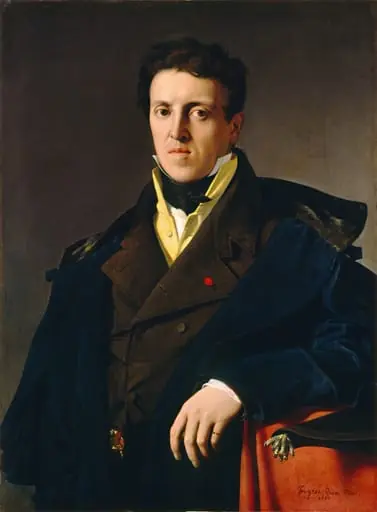 Marcotte d'Argenteuil
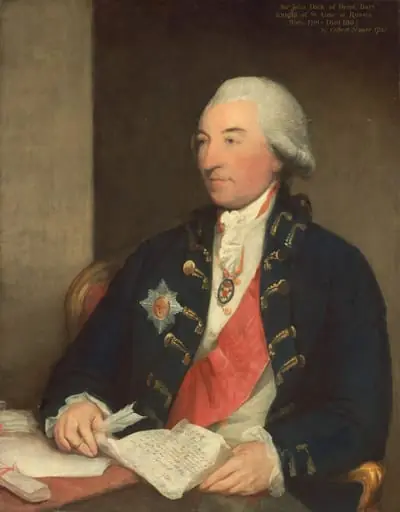 Sir John Dick
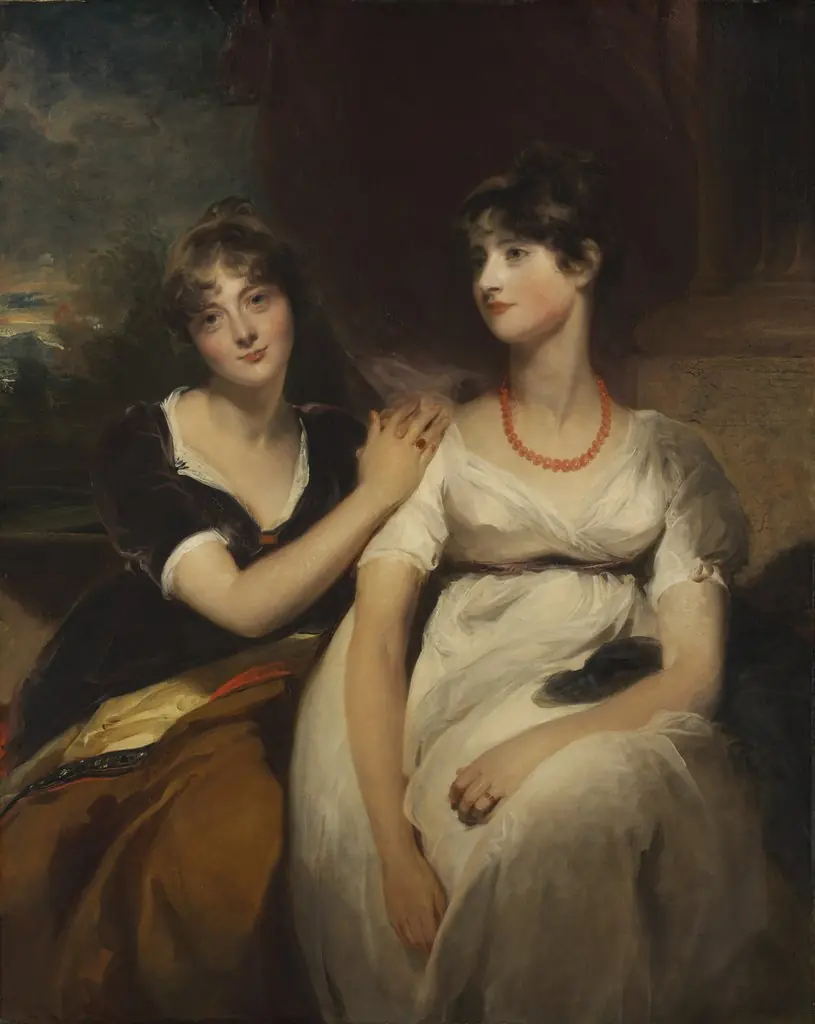 Portrait of Charlotte and Sarah Carteret-Hardy
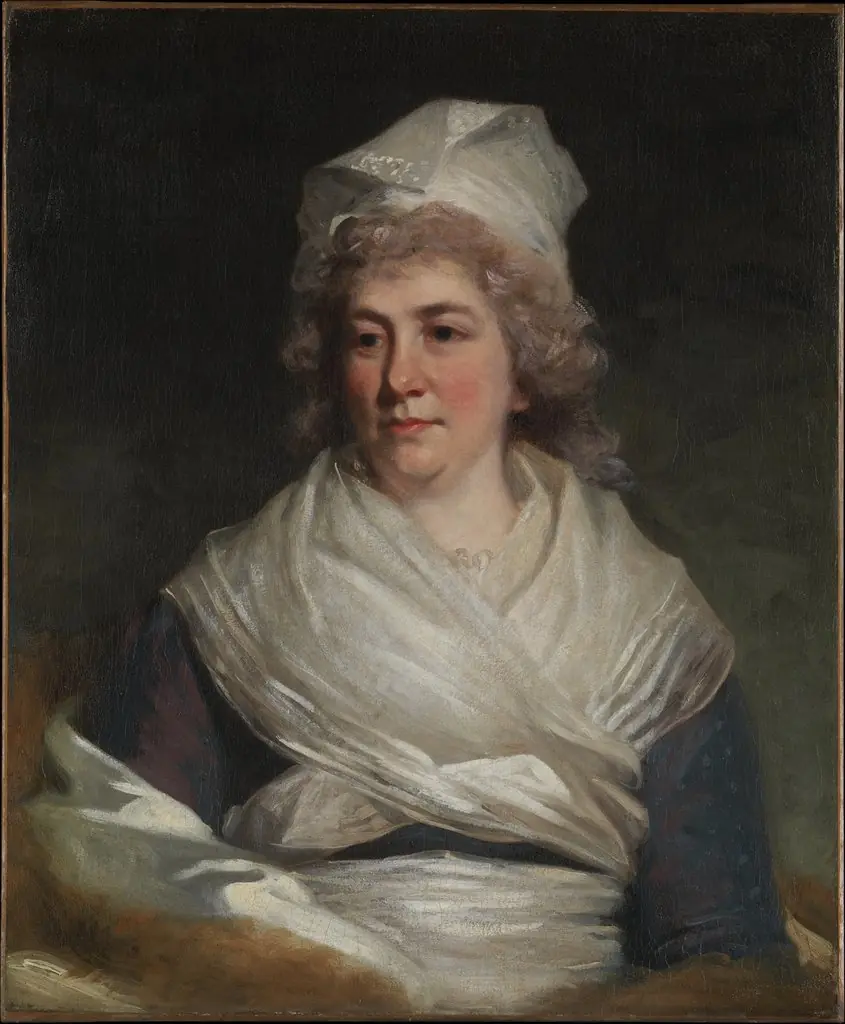 Mrs. Richard Bache (Sarah Franklin, 1743–1808)
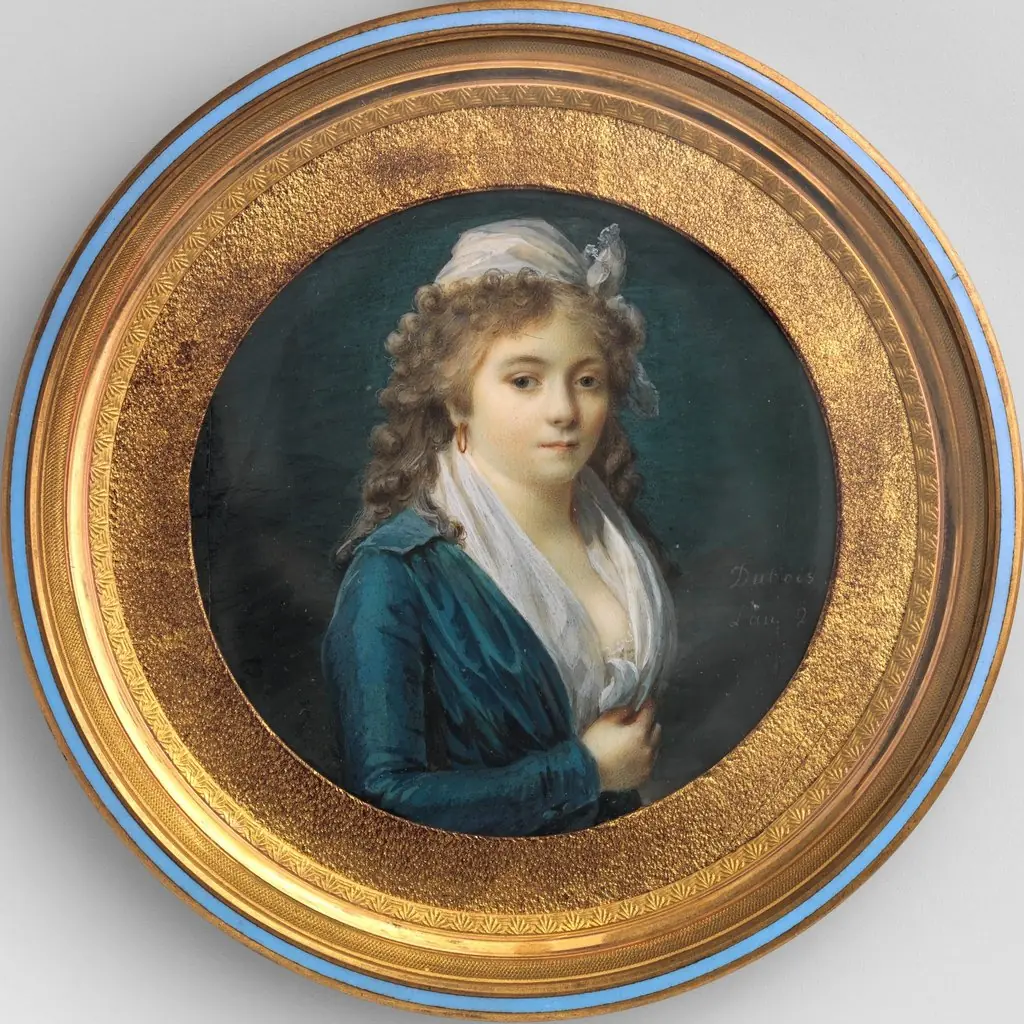 Portrait of a Woman
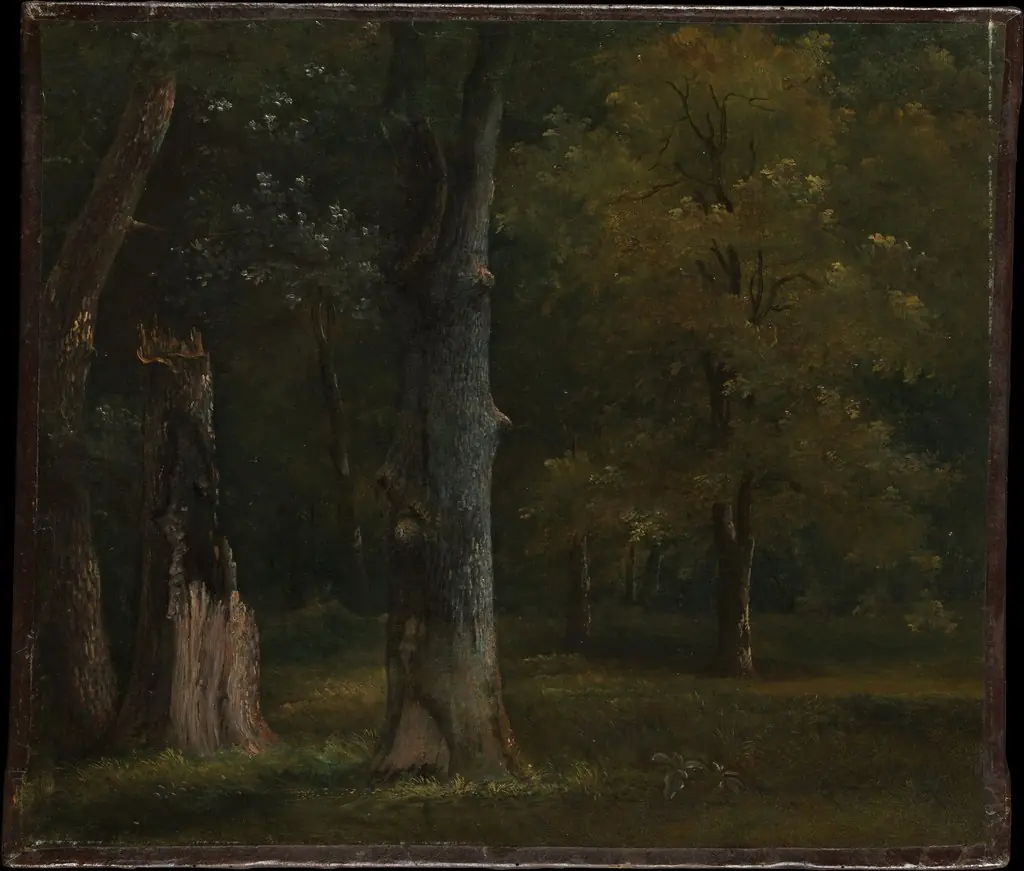 Trees in the Bois de Boulogne, Paris
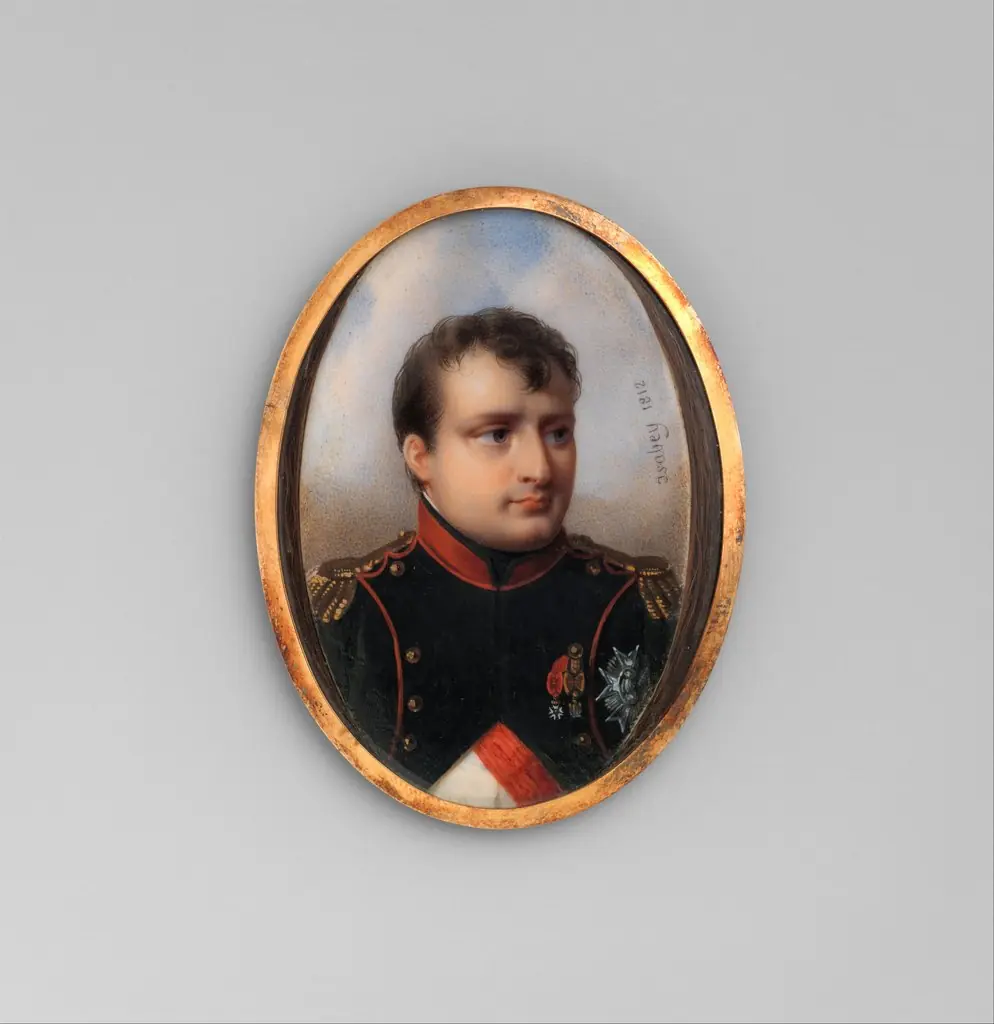 Napoléon I (1769–1821)
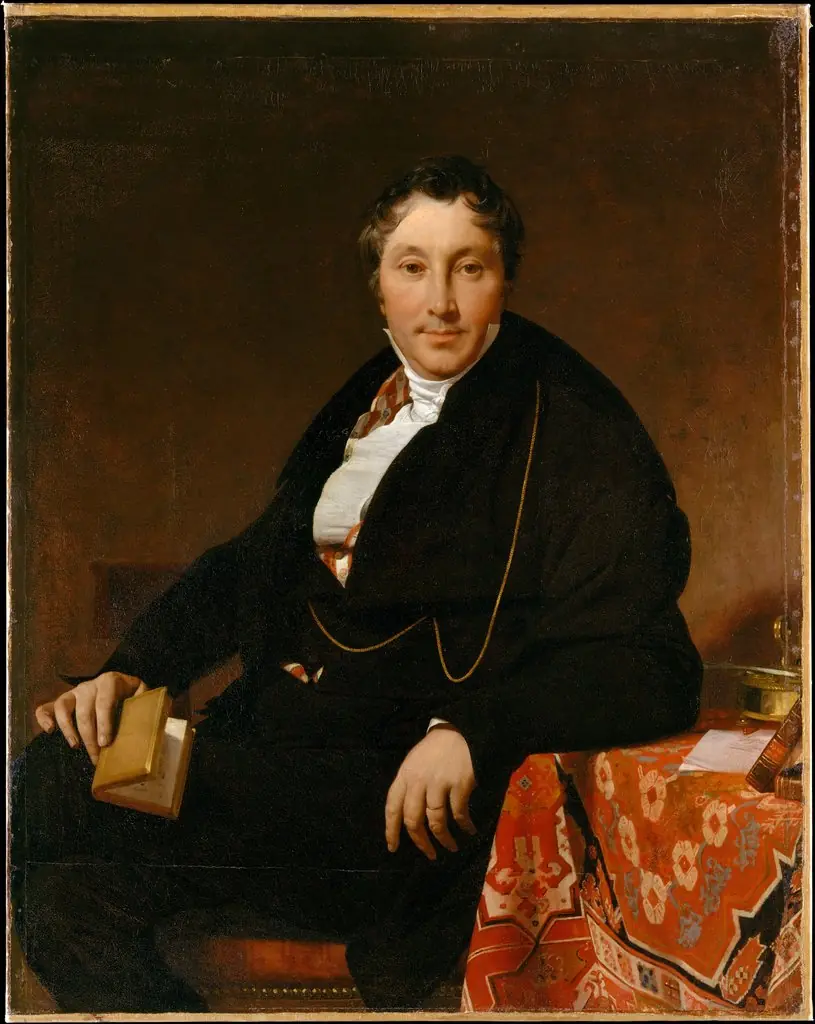 Jacques-Louis Leblanc (1774–1846)
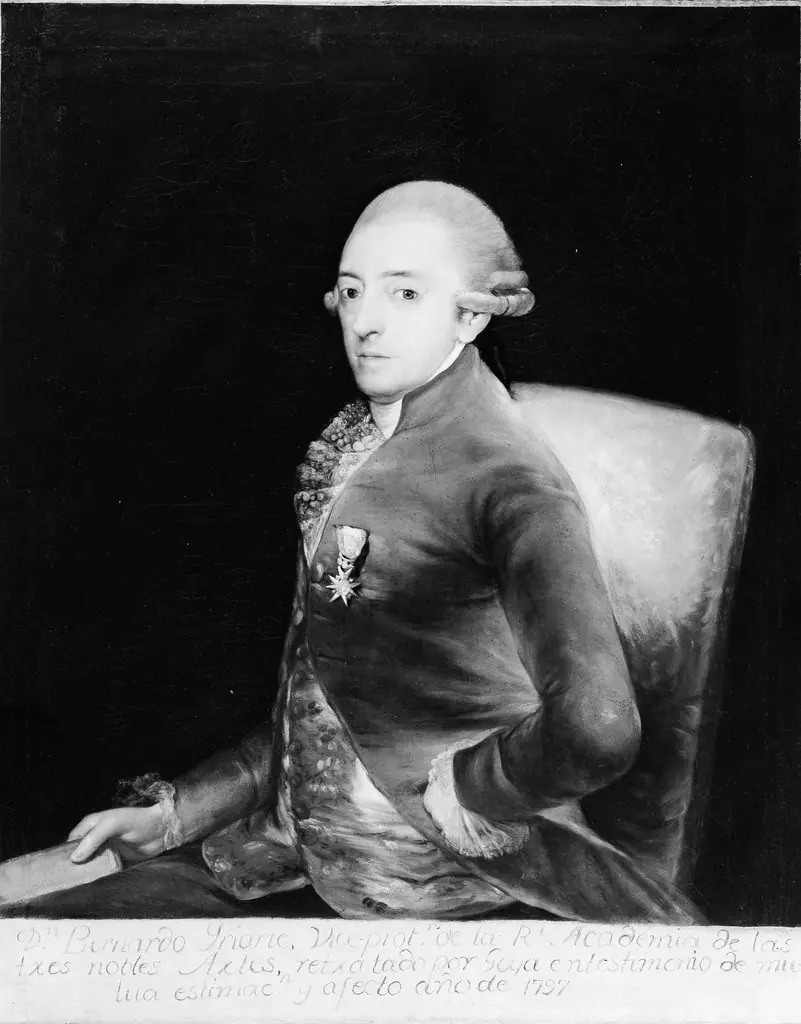 Don Bernardo de Iriarte (1735–1814)
 Portrait of a Woman
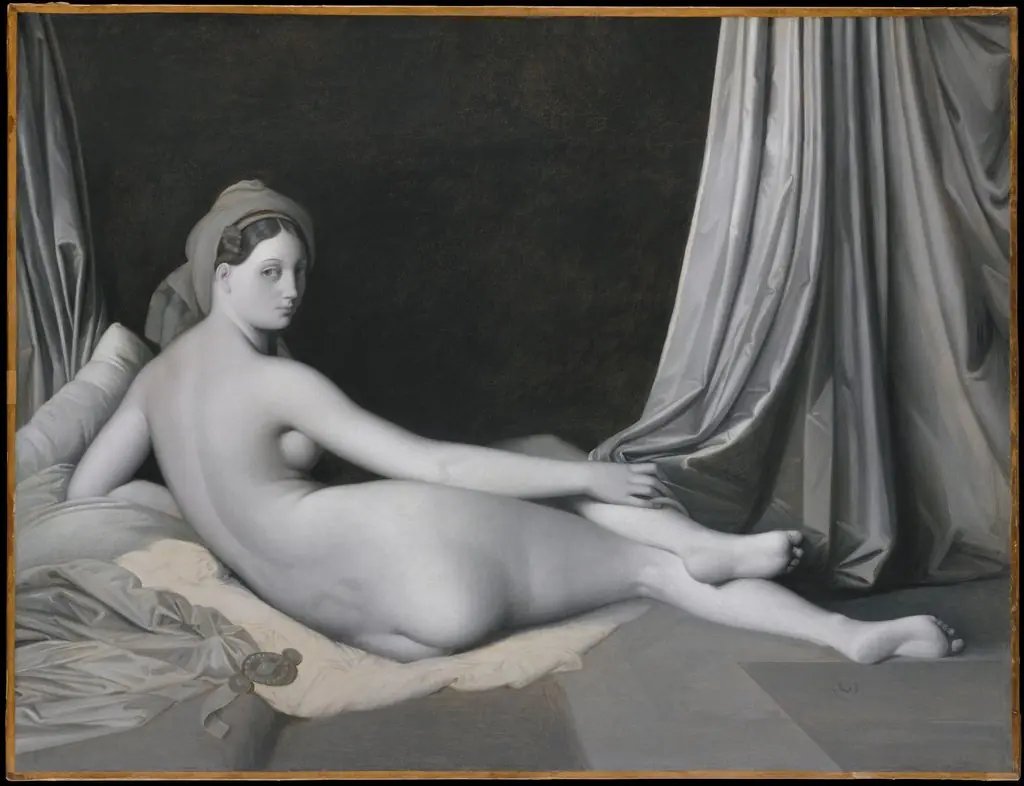 Odalisque in Grisaille
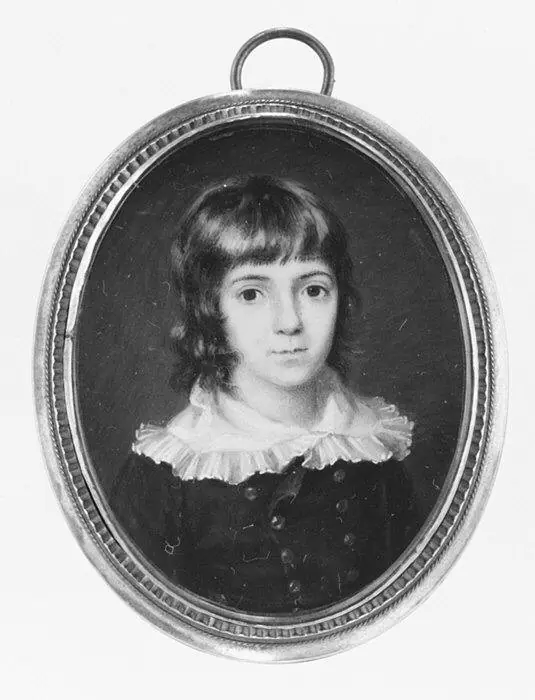 George Howard (1773–1848), Lord Morpeth
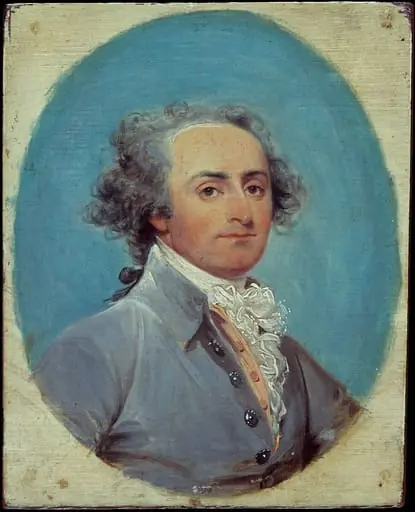 Giuseppe Ceracchi
 Portrait of a Child
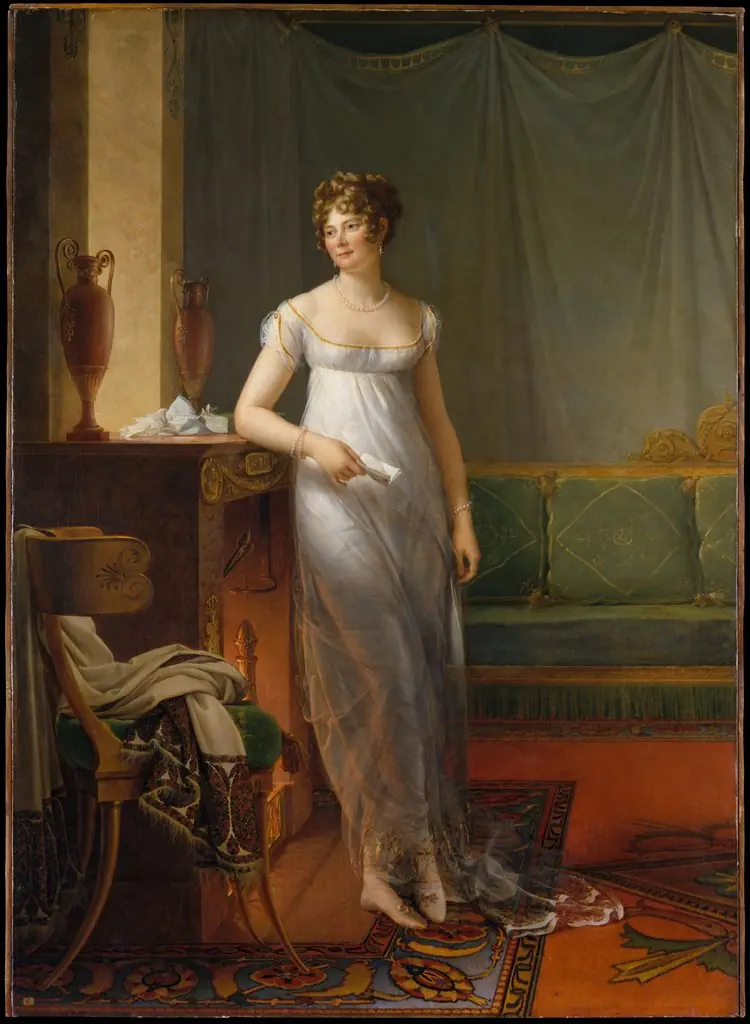 Madame Charles Maurice de Talleyrand Périgord (1761–1835)
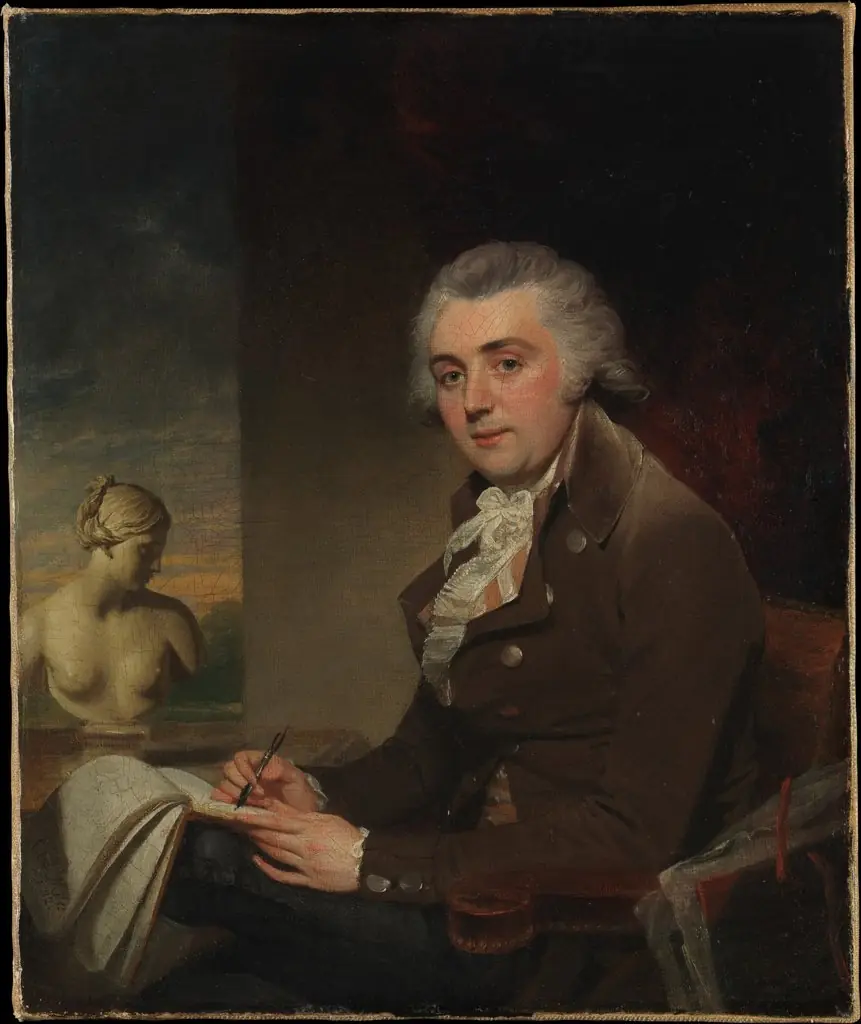 Edward Miles (1752–1828)
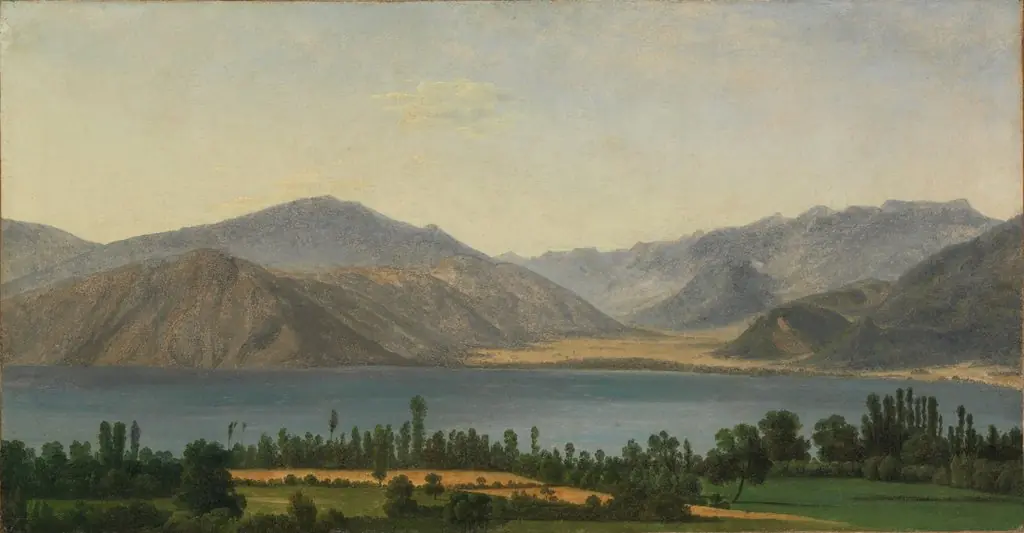 Lake Fucino and the Abruzzi Mountains
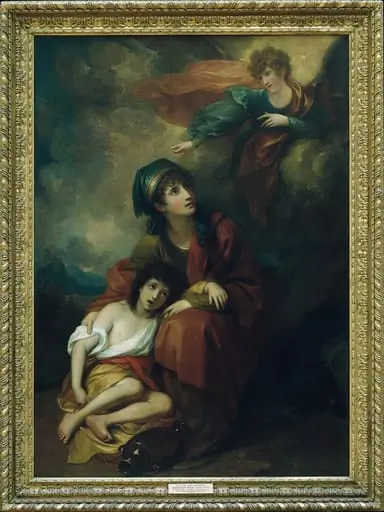 Hagar and Ishmael
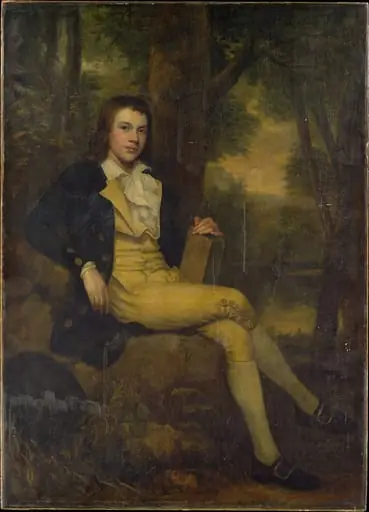 Master Rees Goring Thomas
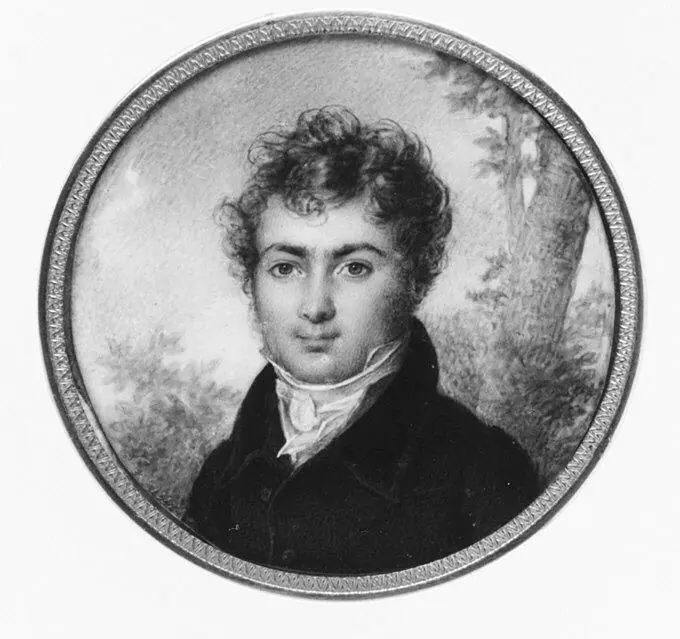 Portrait of a Man
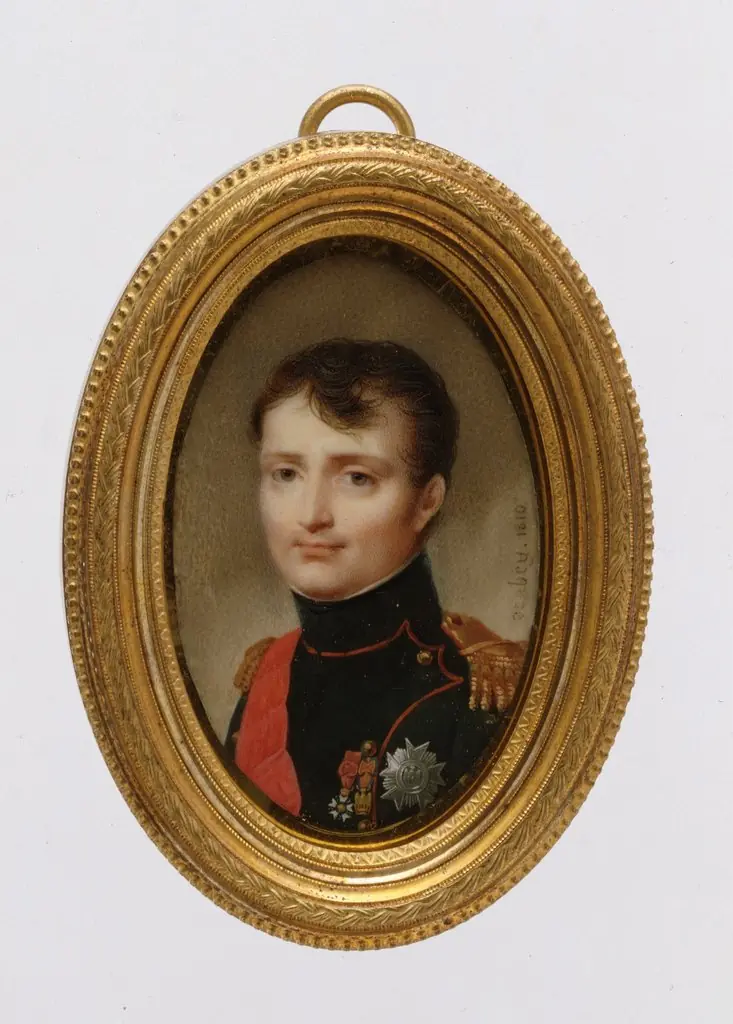 Napoléon I (1769–1821)
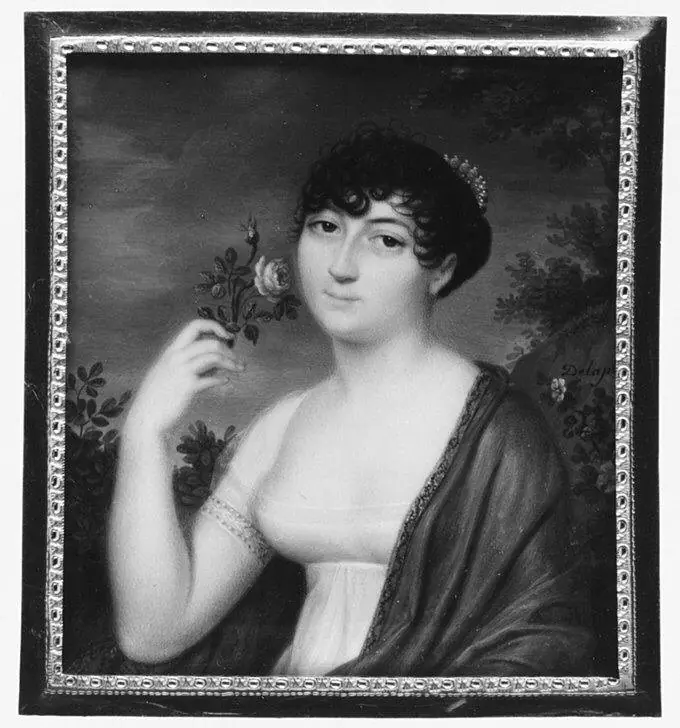 Portrait of a Woman
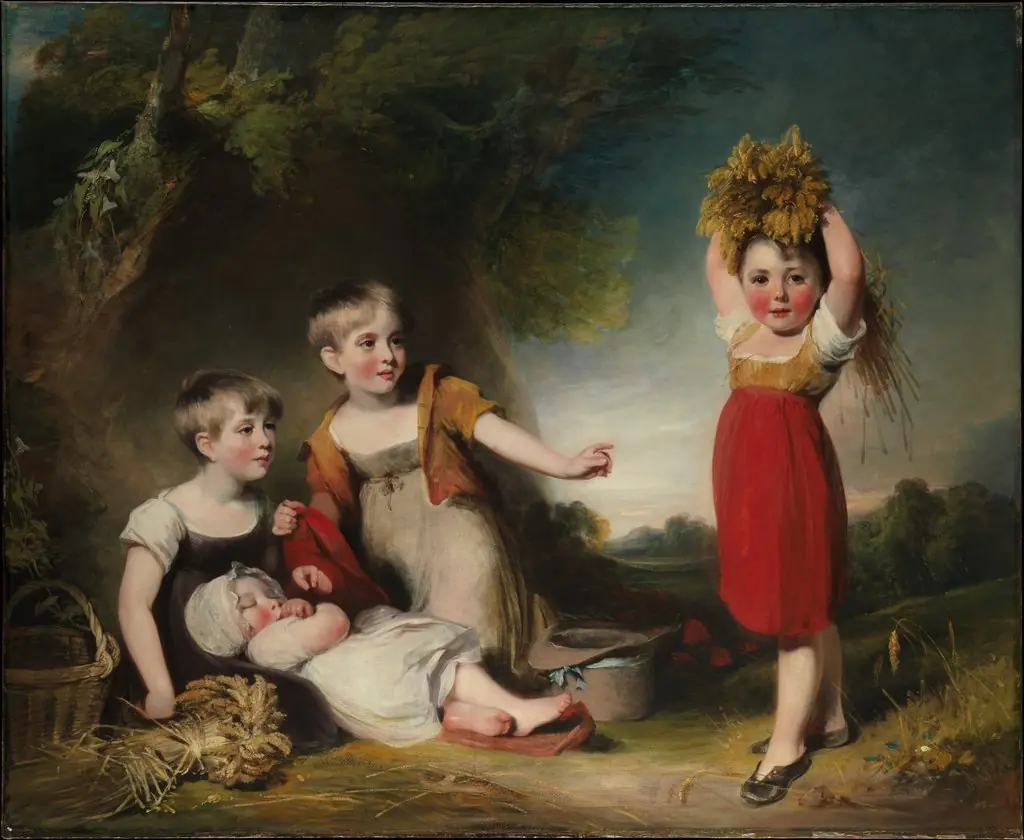 The Grandchildren of Sir William Heathcote, 3rd Baronet
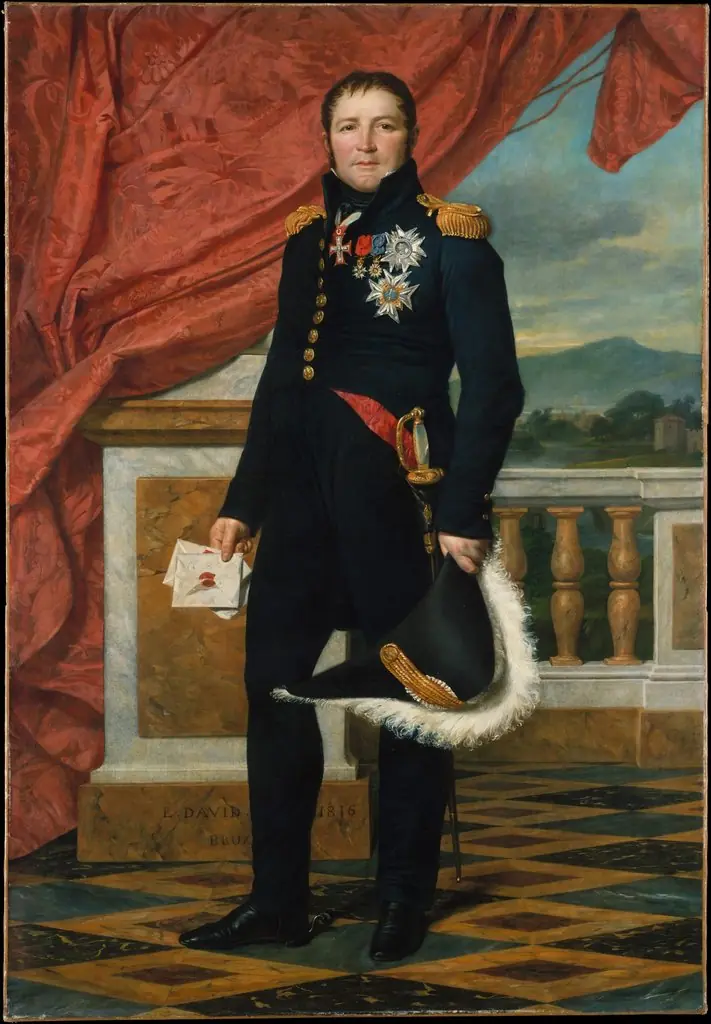 General Étienne-Maurice Gérard (1773–1852), Marshal of France
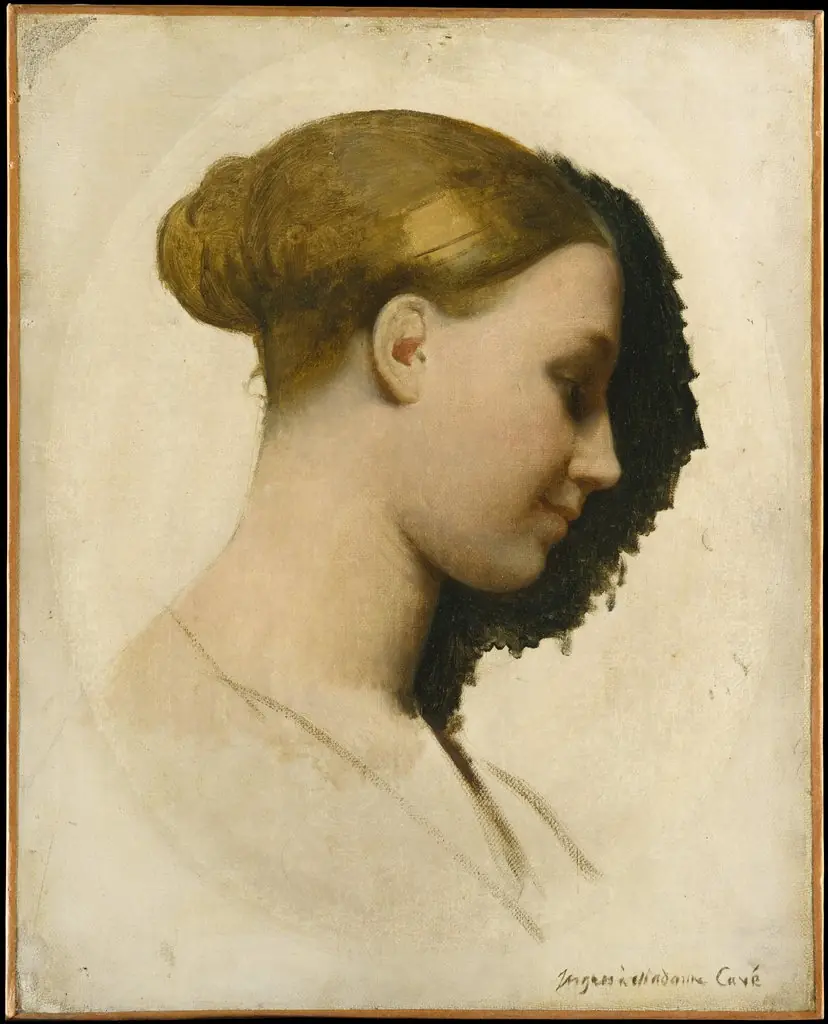 Madame Edmond Cavé (Marie-Élisabeth Blavot, born 1810)
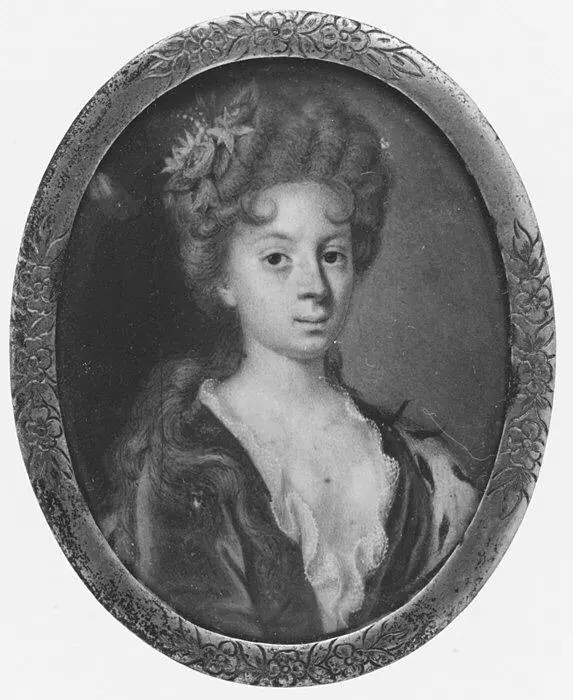 Caroline of Ansbach (1683–1737), Consort of George II of Great Britain and Ireland
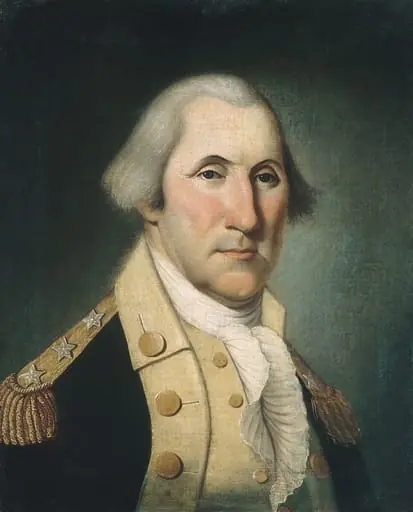 George Washington
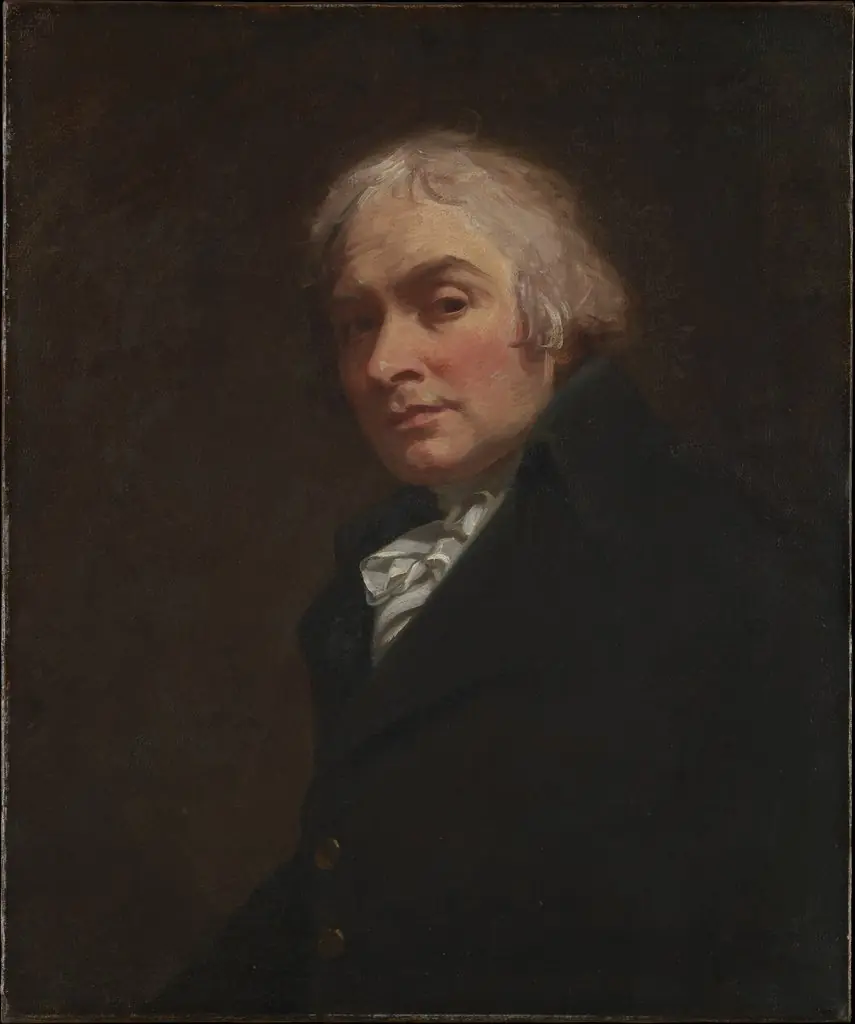 Self-Portrait
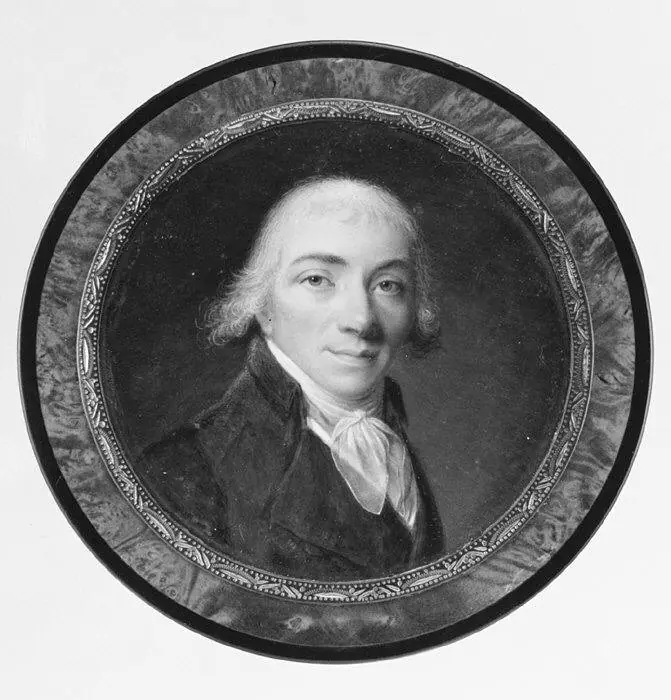 Portrait of a Man
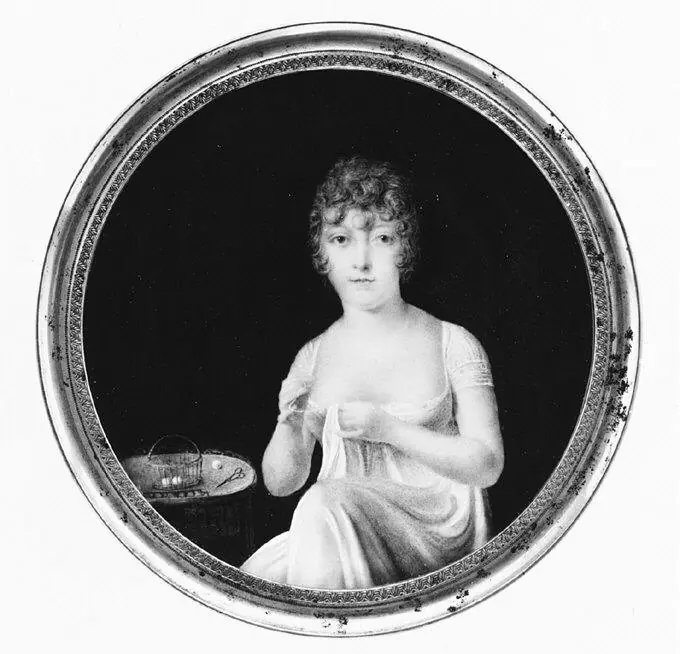 Madame Jean-Baptiste Isabey (Jeanne Laurice de Salienne, died 1829)
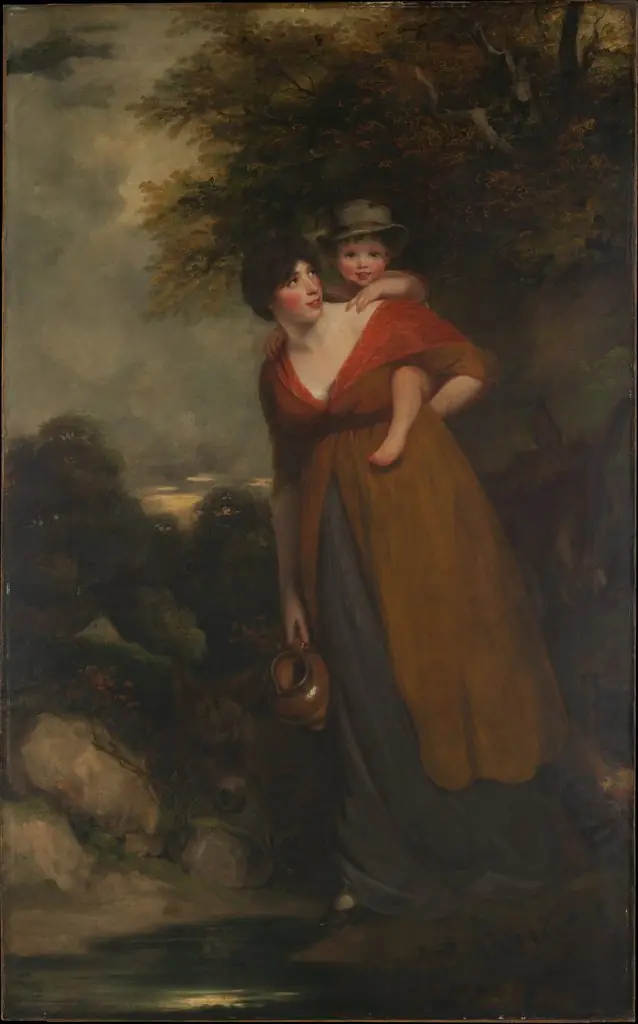 Mrs. Richard Brinsley Sheridan (Hester Jane Ogle, 1775/76–1817) and Her Son (Charles Brinsley Sheridan, 1796–1843)
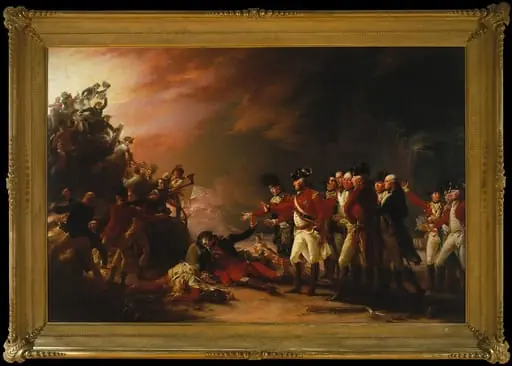 The Sortie Made by the Garrison of Gibraltar
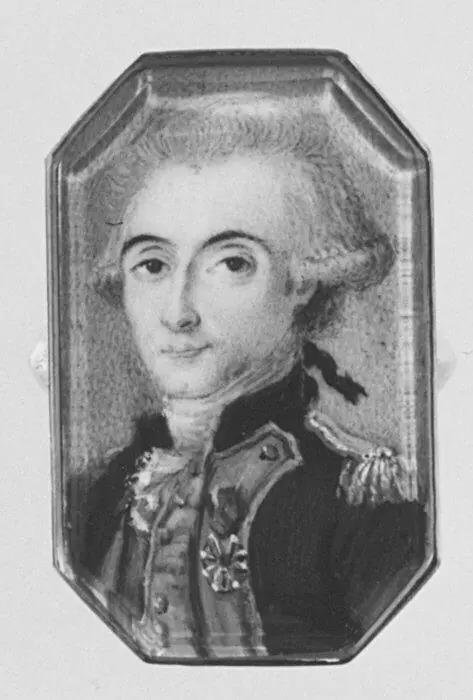 Marquis de Lafayette (1757–1834)
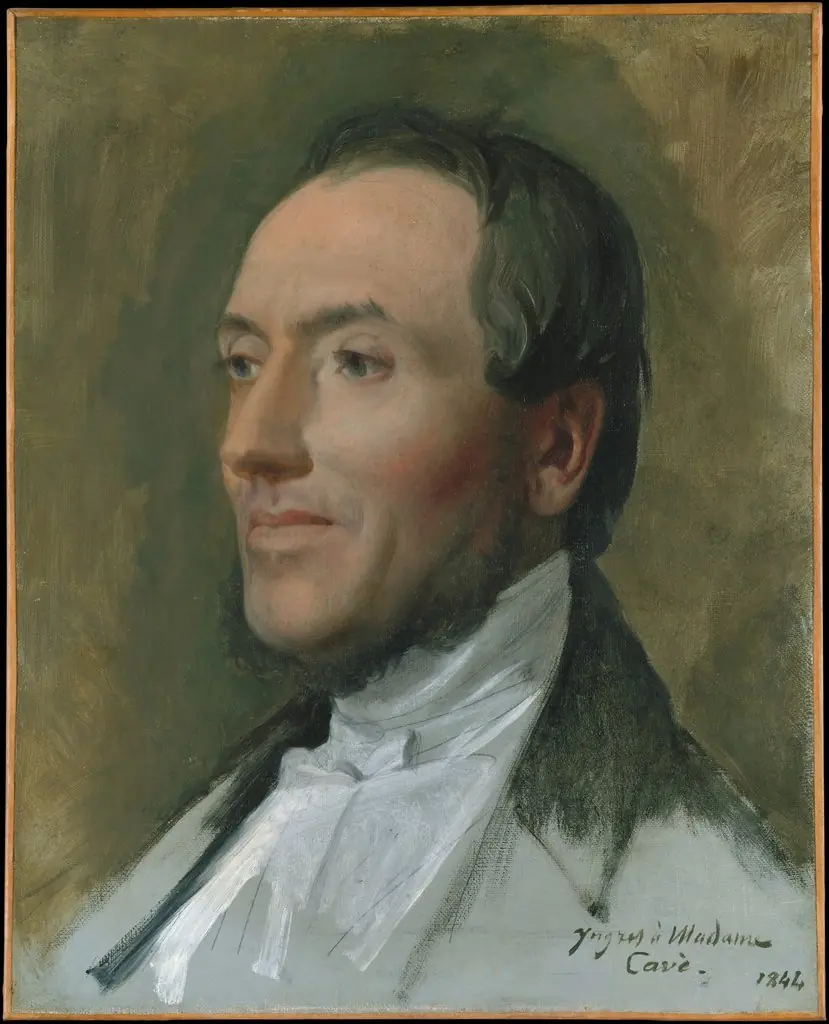 Edmond Cavé (1794–1852)
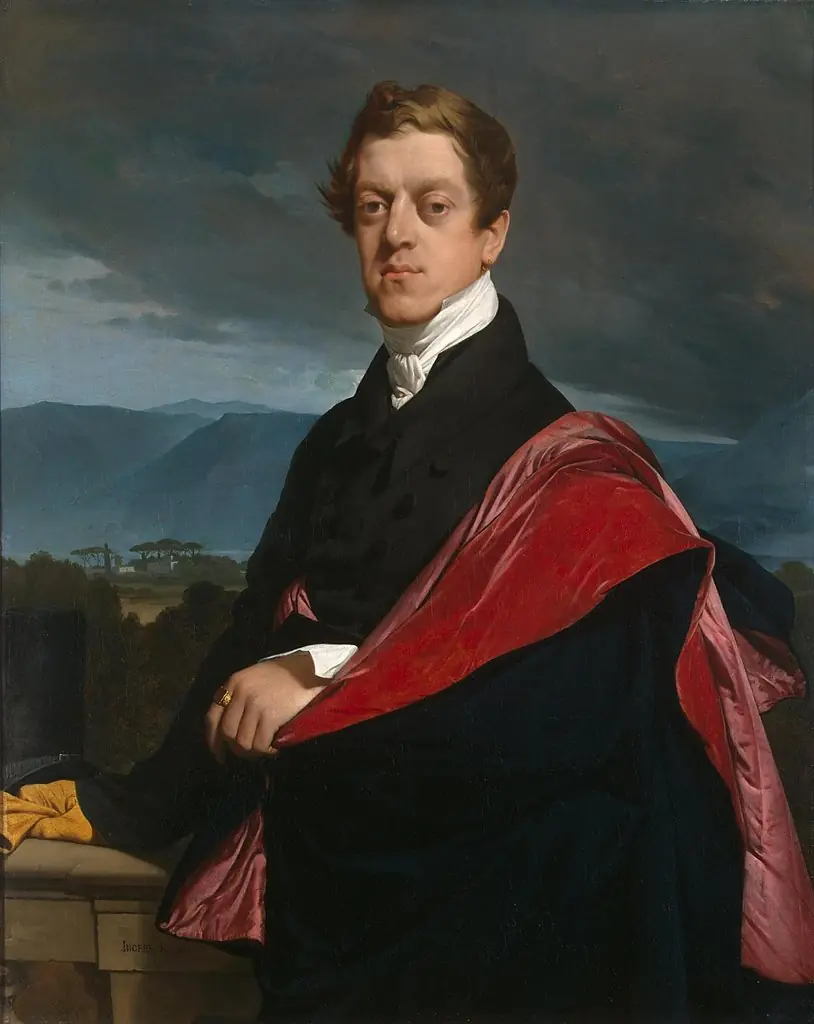 Portrait of Count Nikolay Guryev
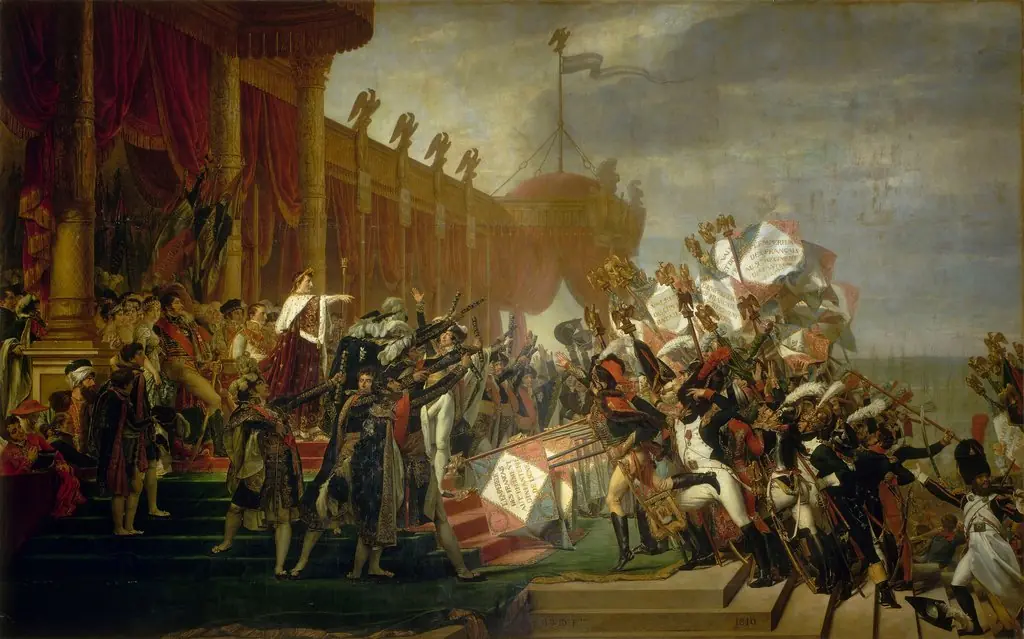 The Distribution of the Eagle Standards
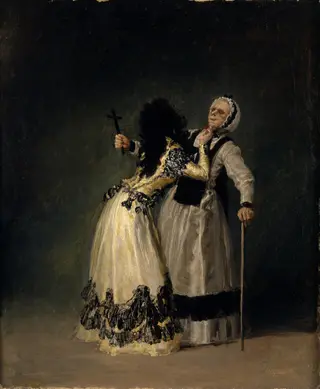 The Duchess of Alba and la Beata
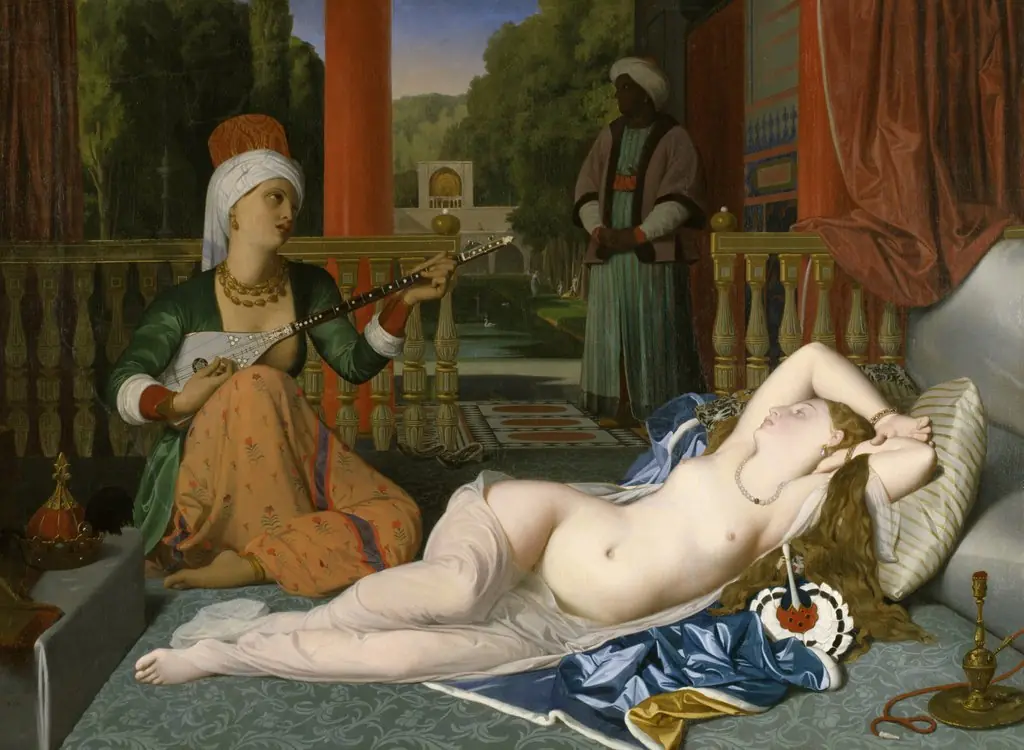 Odalisque with Slave
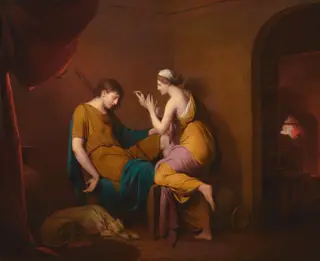 The Corinthian Maid
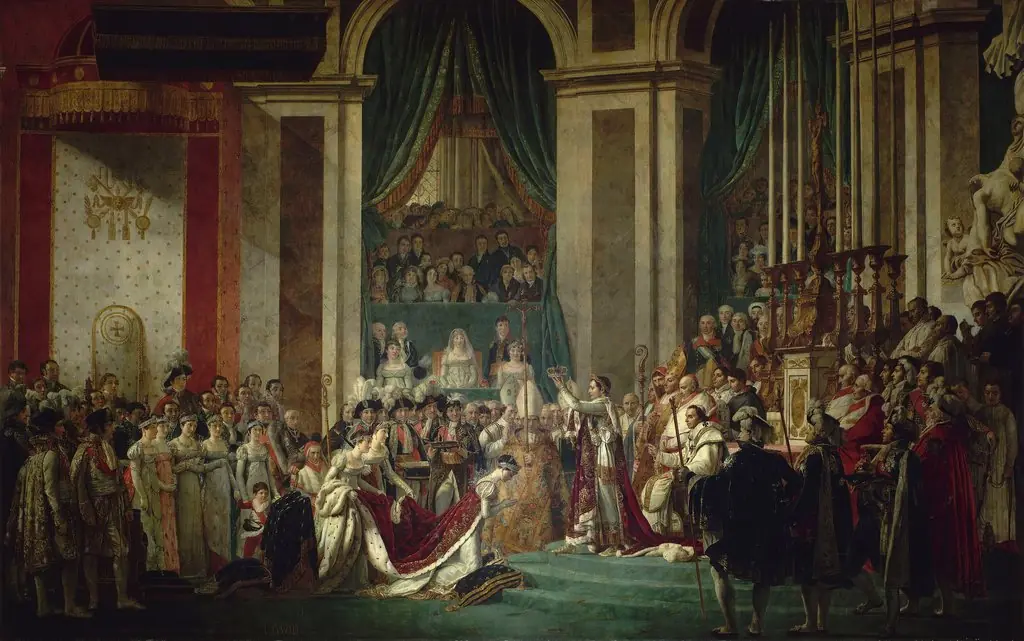 Coronation of Emperor Napoleon I and Coronation of the Empress Josephine
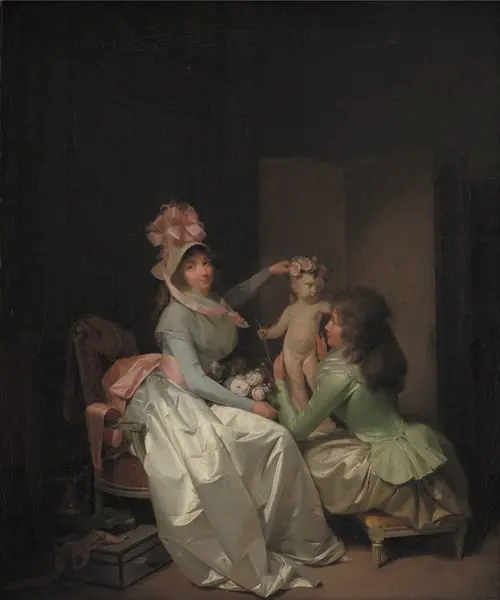 Garlanding the Statuette of Cupid
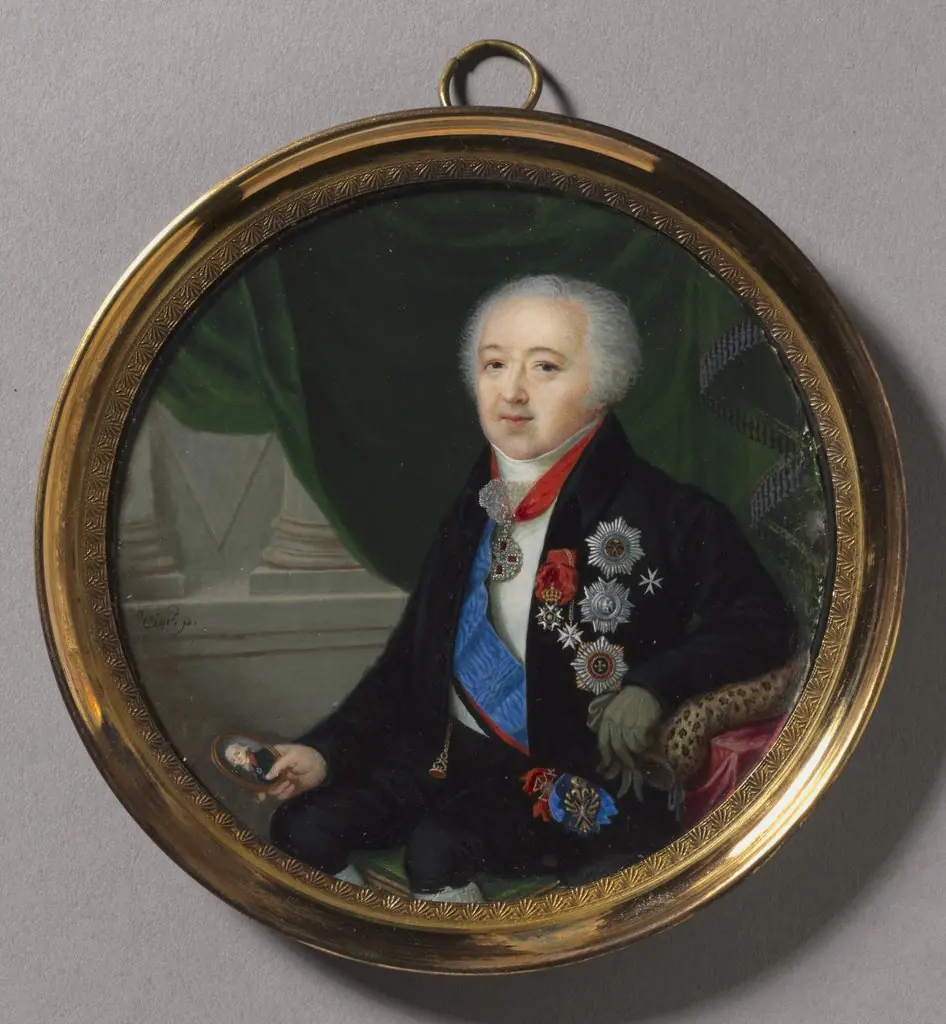 Portrait of Prince Alexander Bezborodko
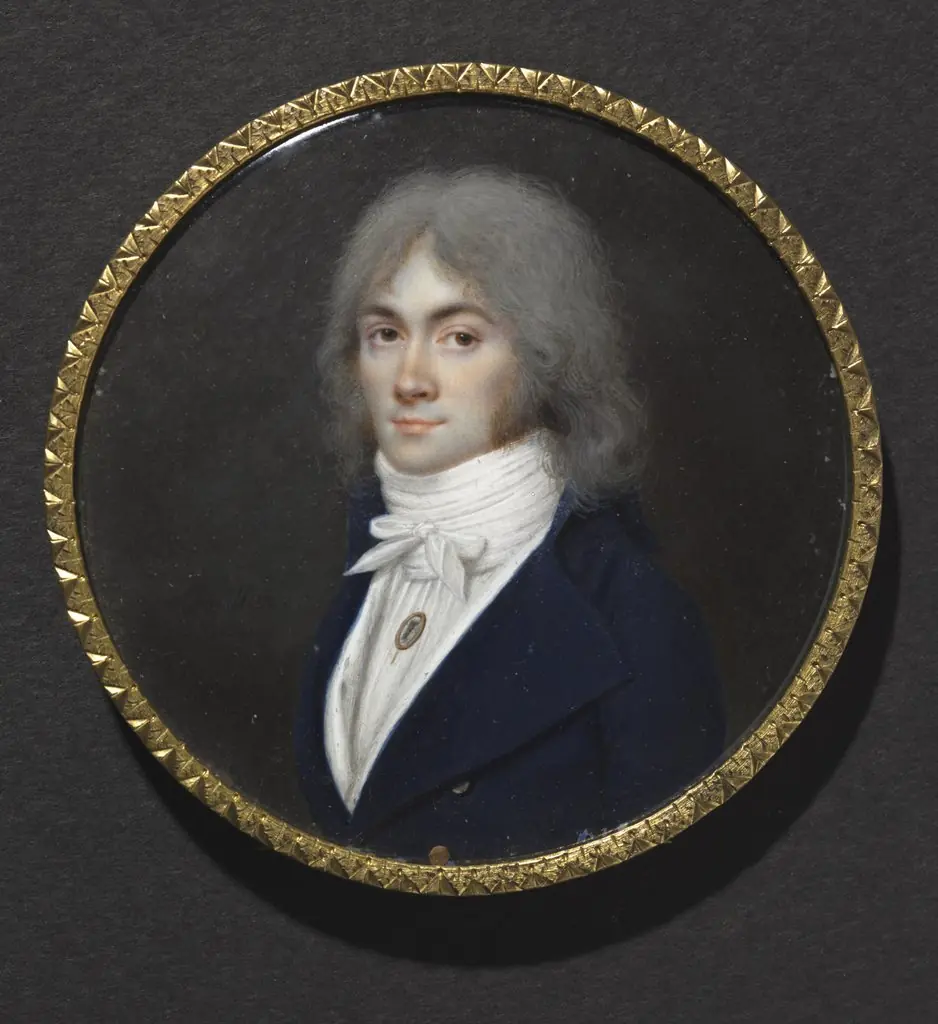 Portrait of a Man
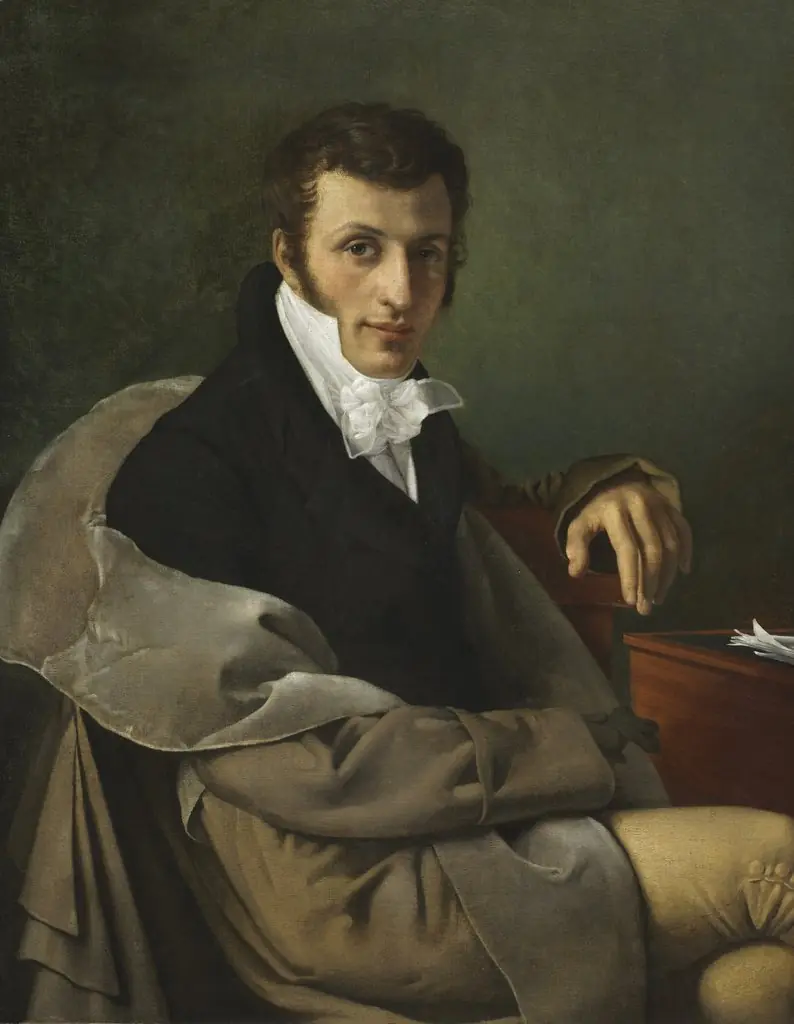 Self-Portrait
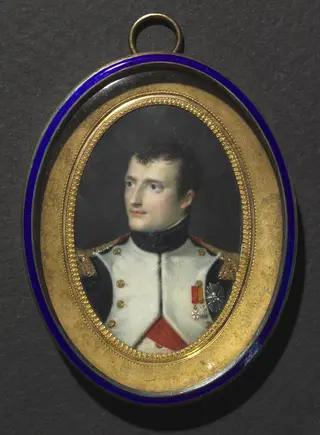 Portrait of Napoleon I, Emperor of the French
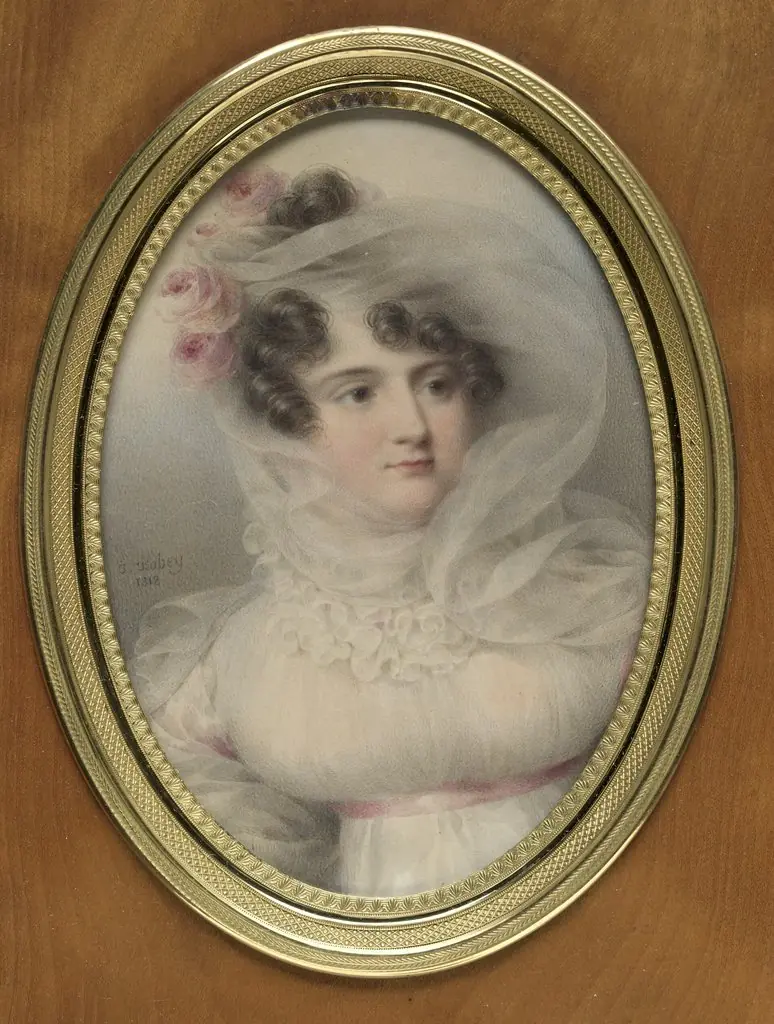 Portrait of Hortense de Perregaux, Duchess of Ragusa
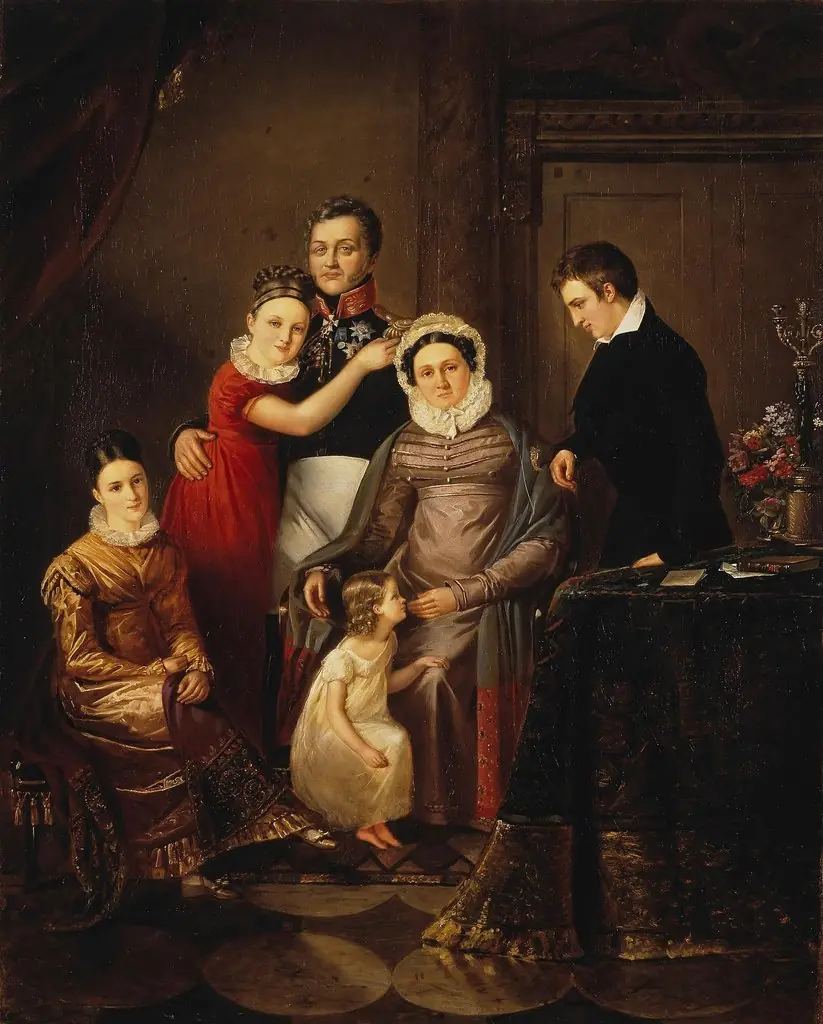 Portrait of Count Nikolai Repnin-Volkonsky with His Family
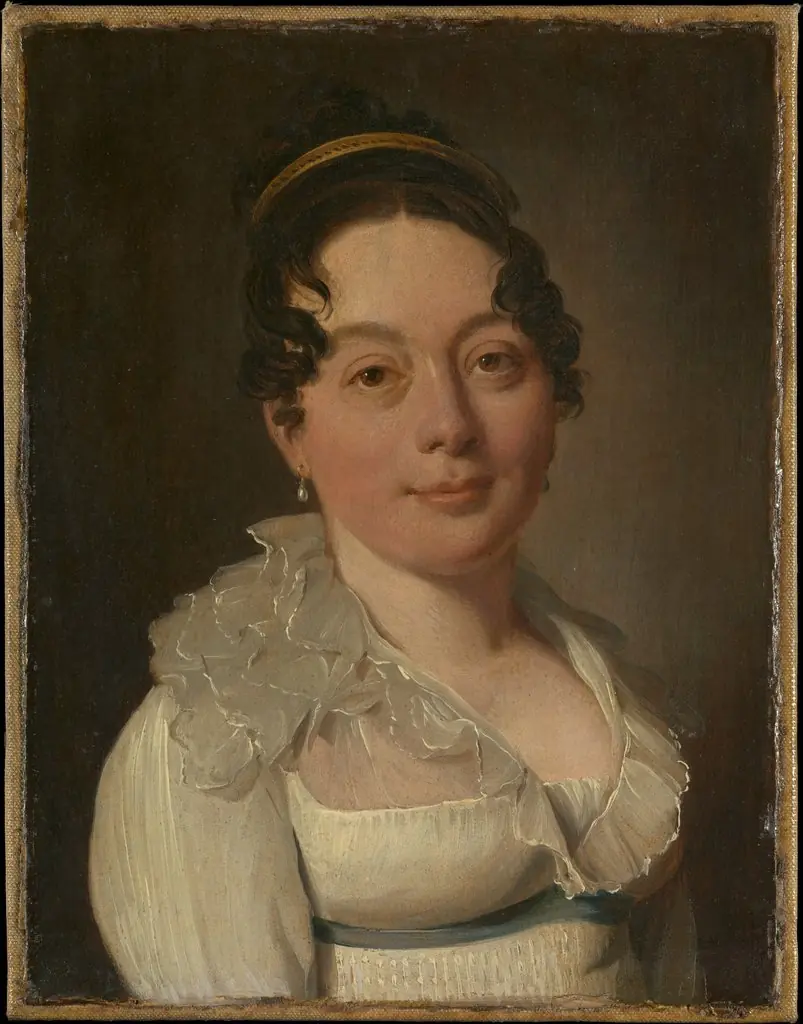 Portrait of a Woman
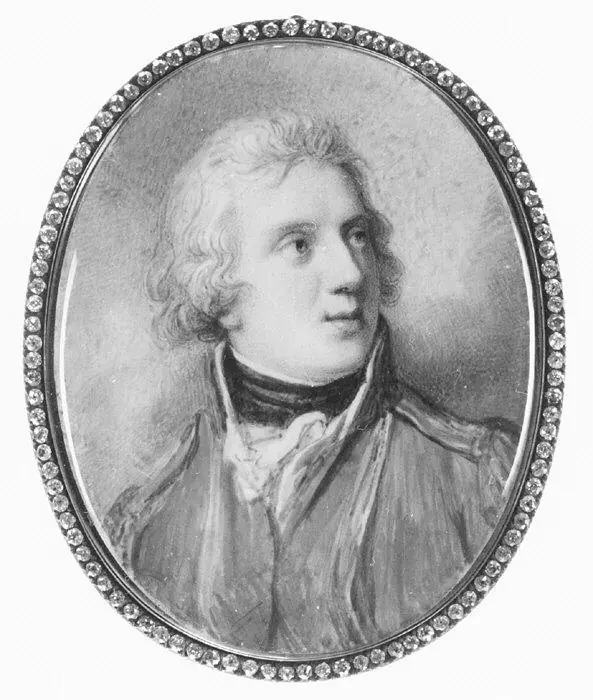 Ensign Lionel Robert Tollemache (1774–1793)
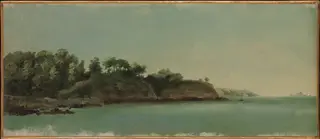 The Banks of the Rance, Brittany
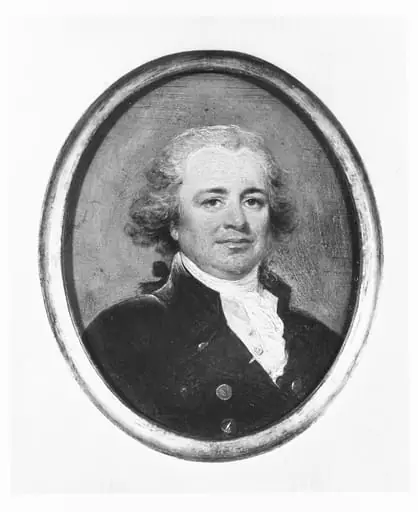 Thomas Mifflin
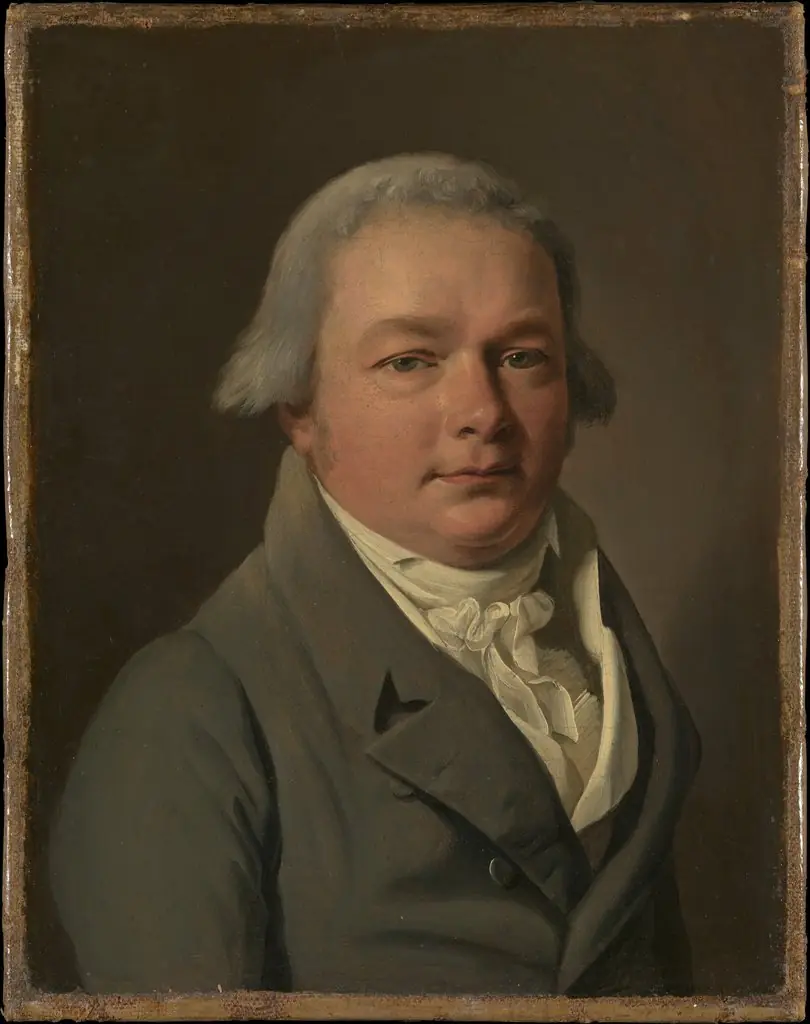 Portrait of a Man
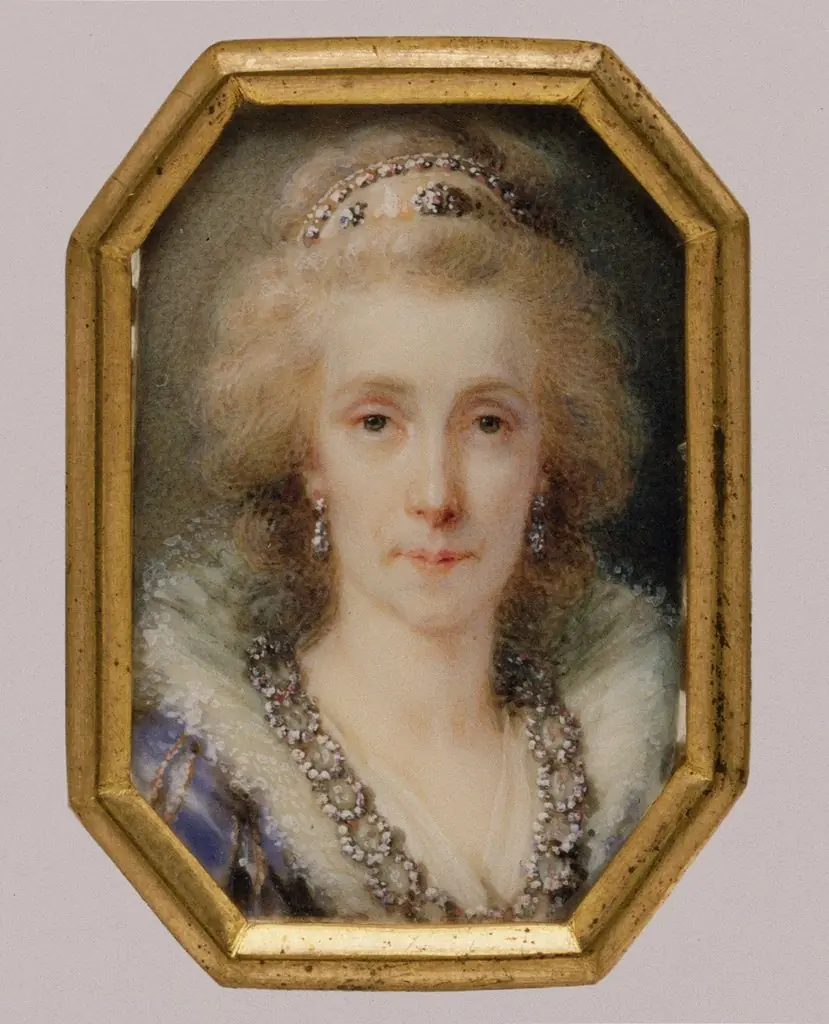 Maria Louisa (1745–1792), Empress of Austria
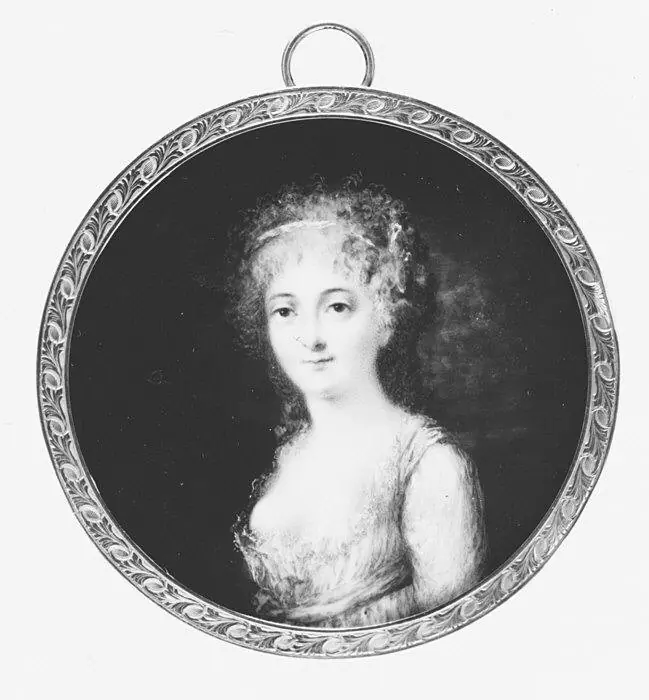 Portrait of a Woman, Said to Be the Comtesse de Guiche
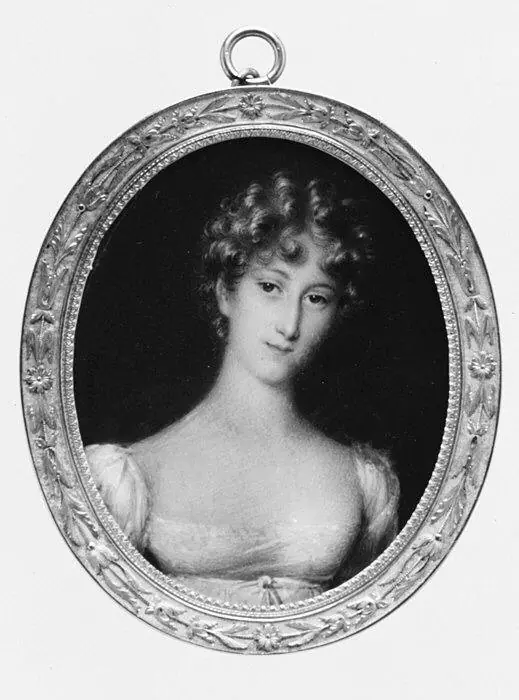 Portrait of a Woman
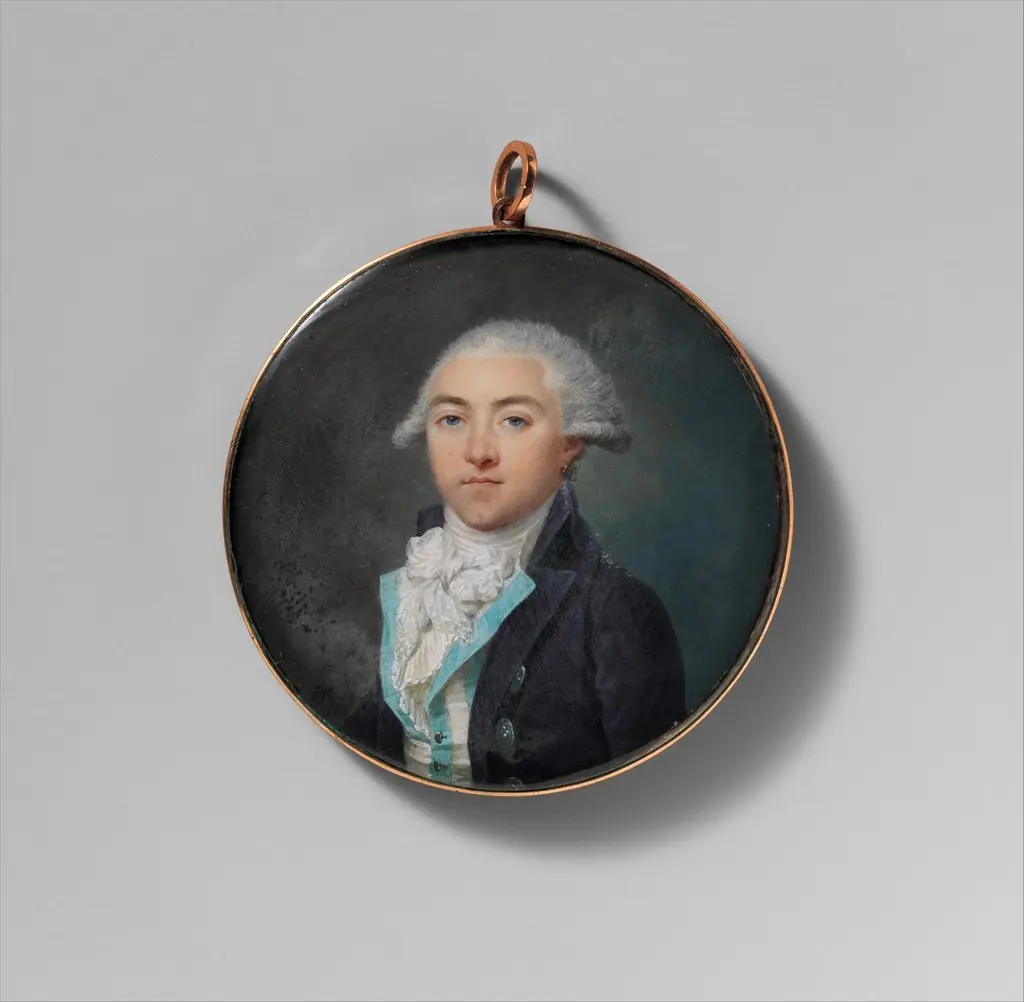 A Man with the Initials JD
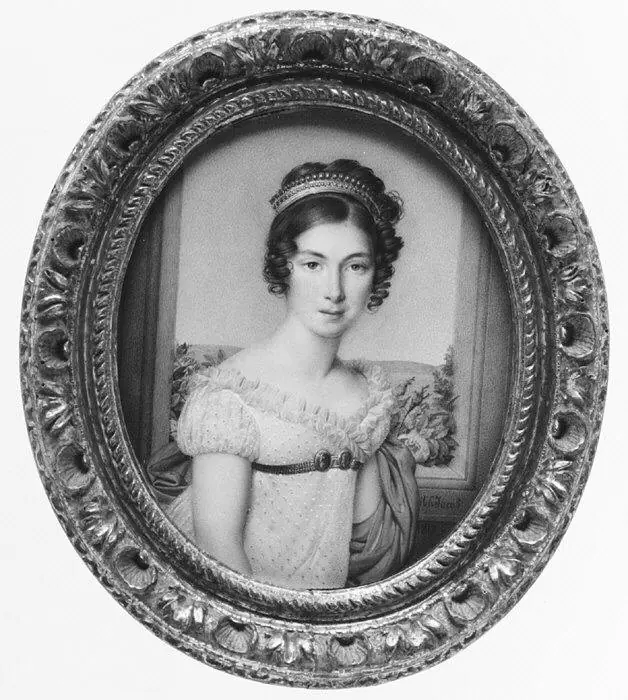 Portrait of a Woman
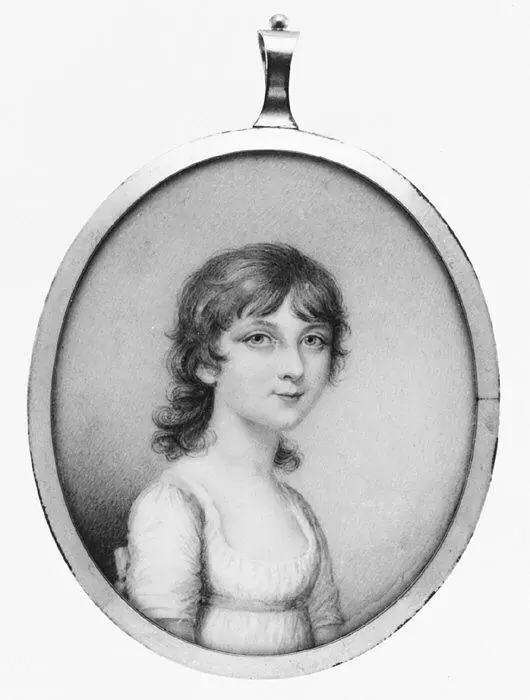 Portrait of a Girl
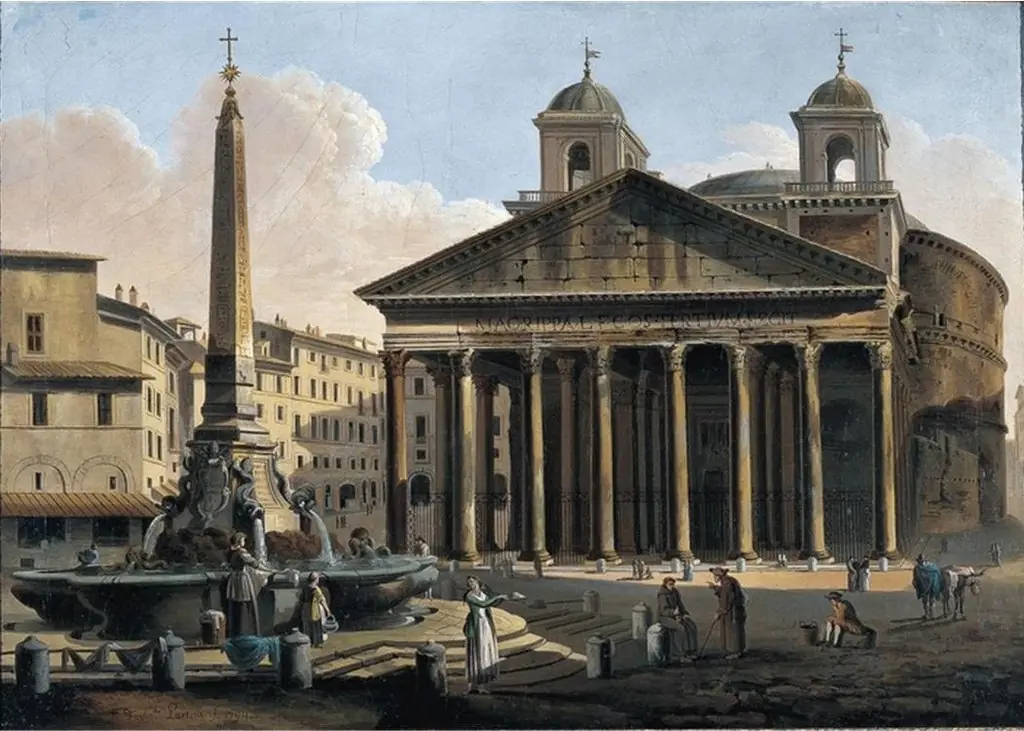 View of Pantheon
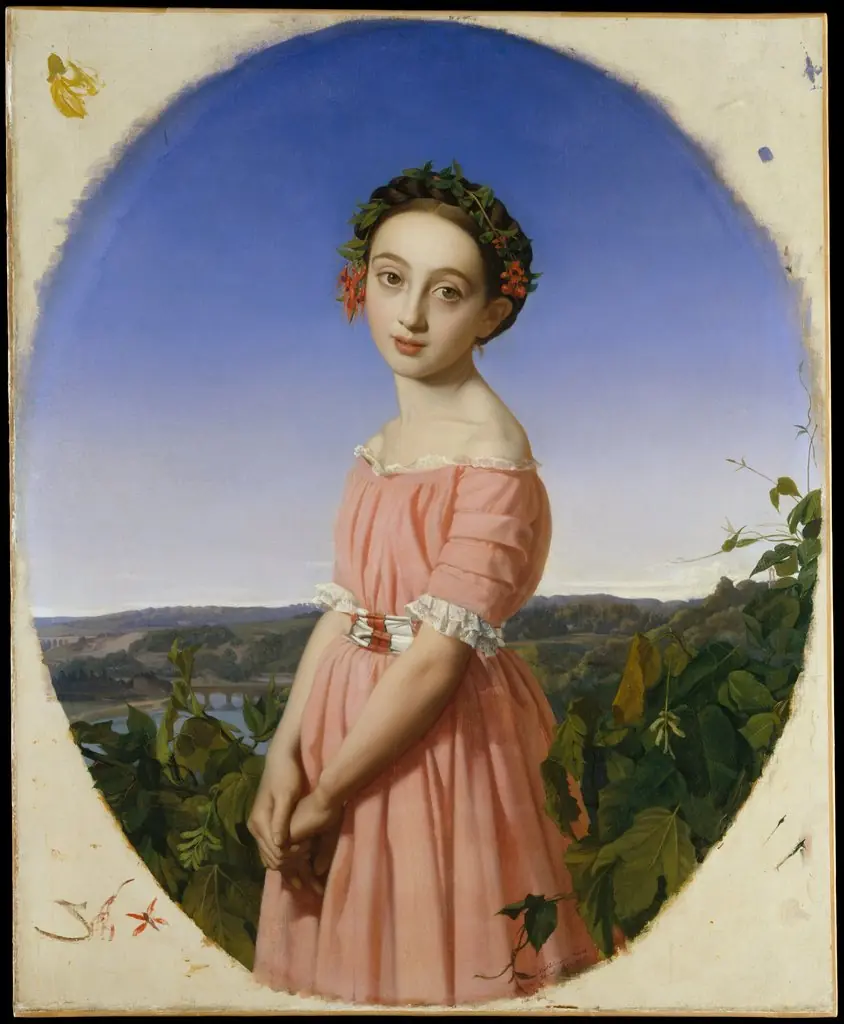 Faustine Léo (1832–1865)
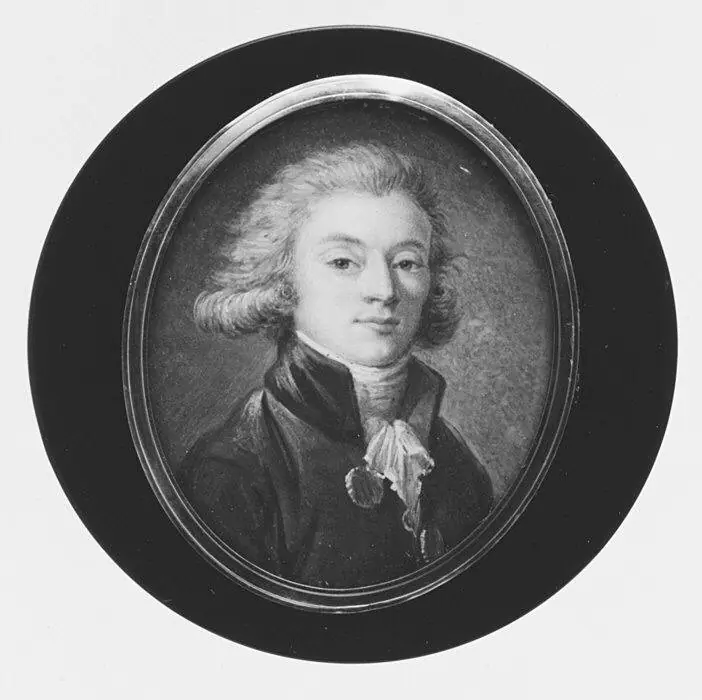 Portrait of a Man
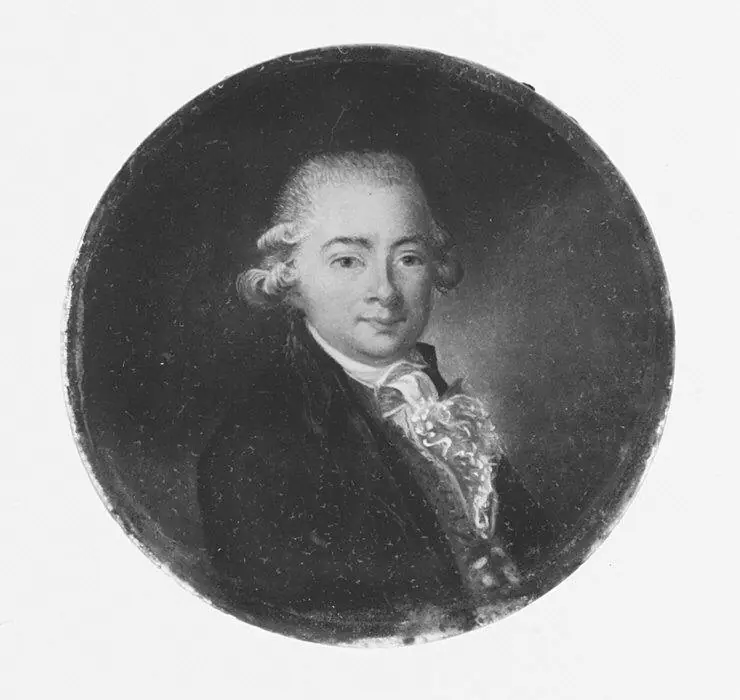 Portrait of a Man
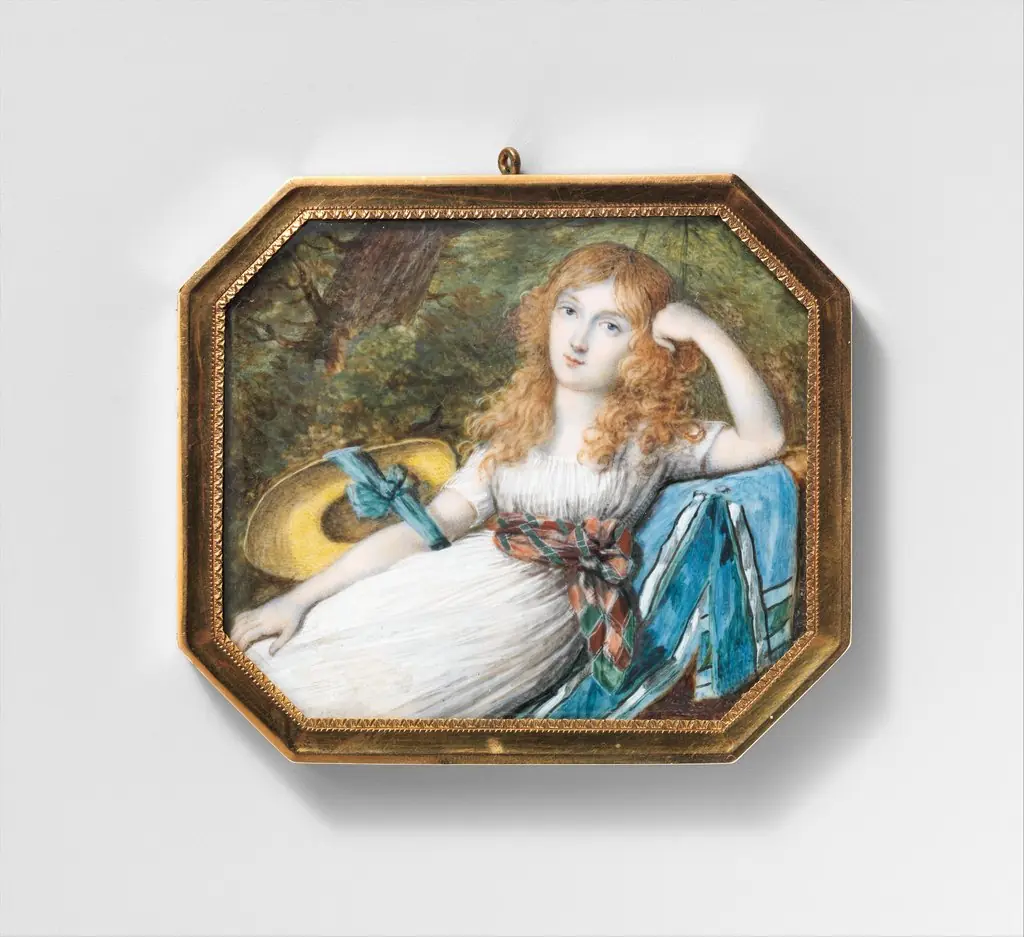 Portrait of a Young Woman
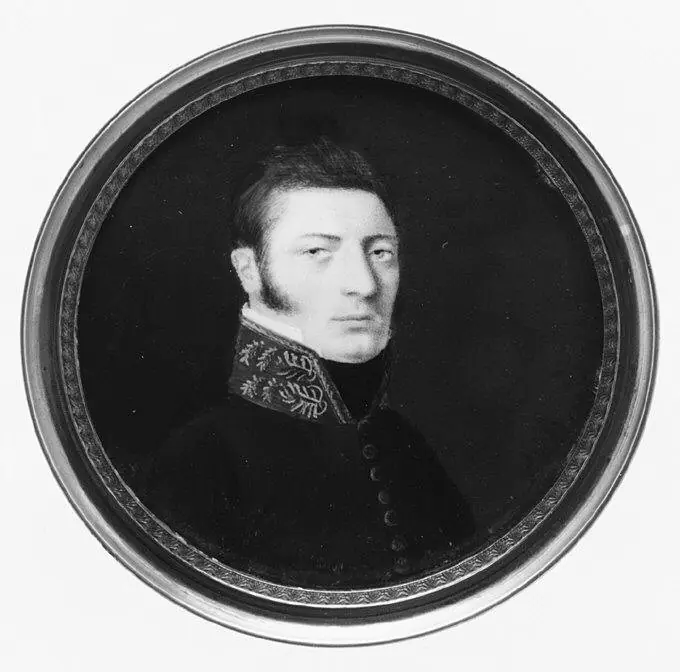 François Joseph Lefebvre (1755–1820)
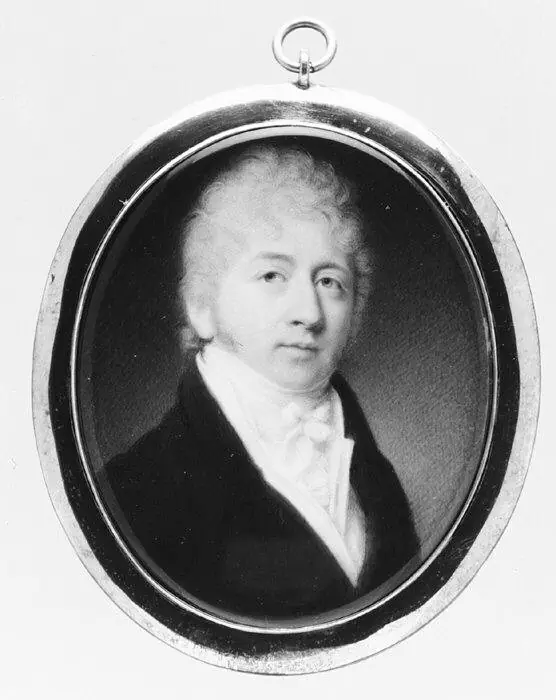 Portrait of a Man
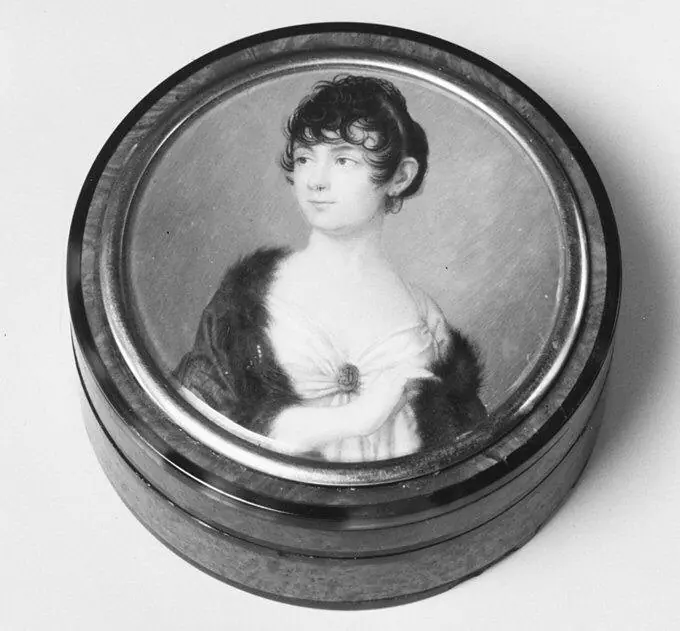 Portrait of a Woman
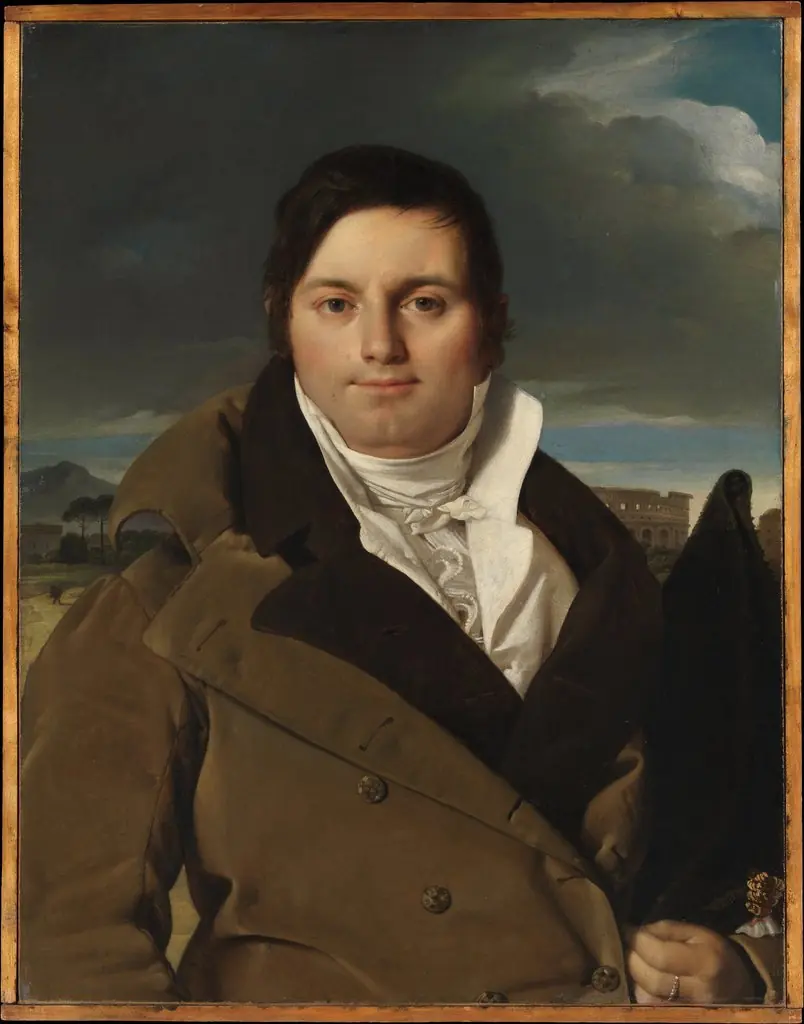 Joseph-Antoine Moltedo
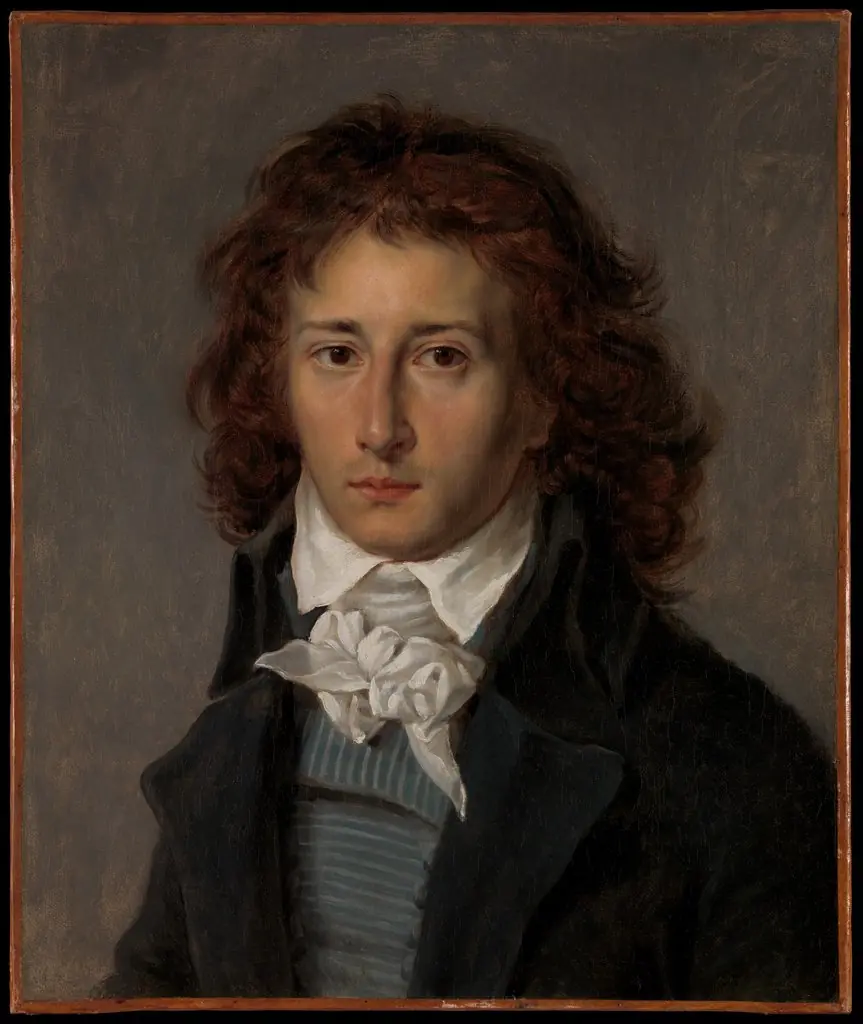 François Gérard (1770–1837), later Baron Gérard
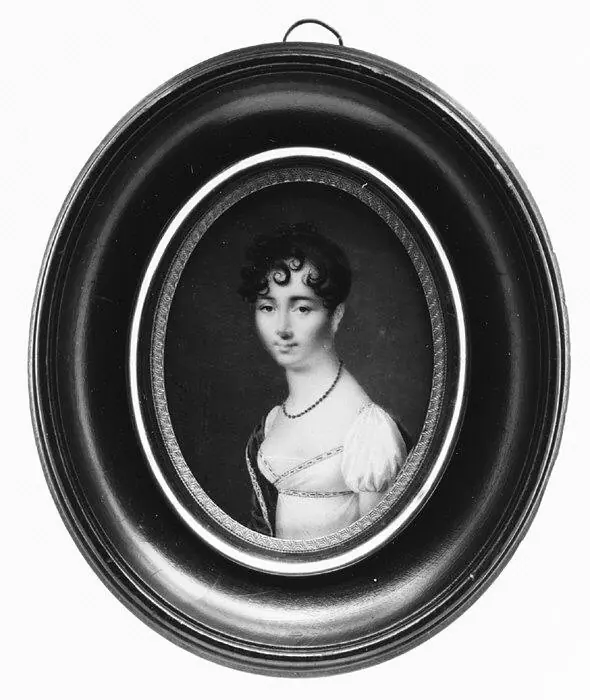 Portrait of a Woman
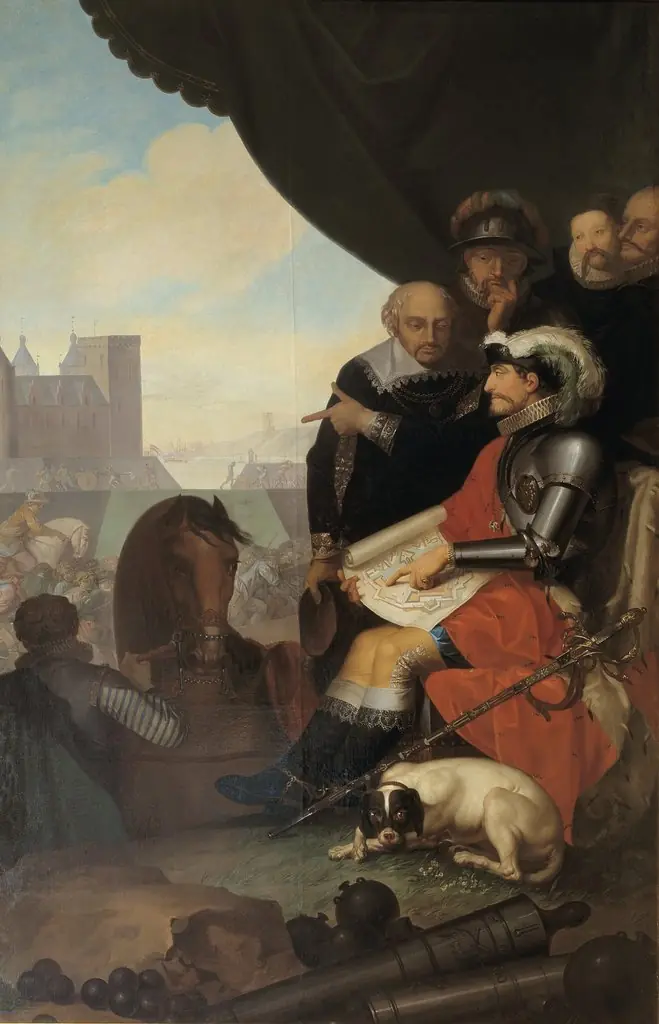 Frederik II Builds Kronborg Castle at Elsinore
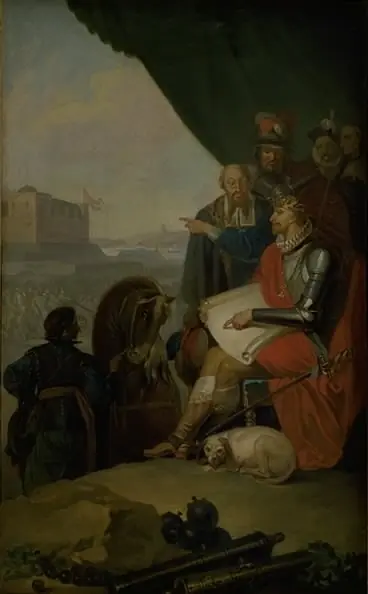 Frederik II Builds Kronborg Castle at Elsinore
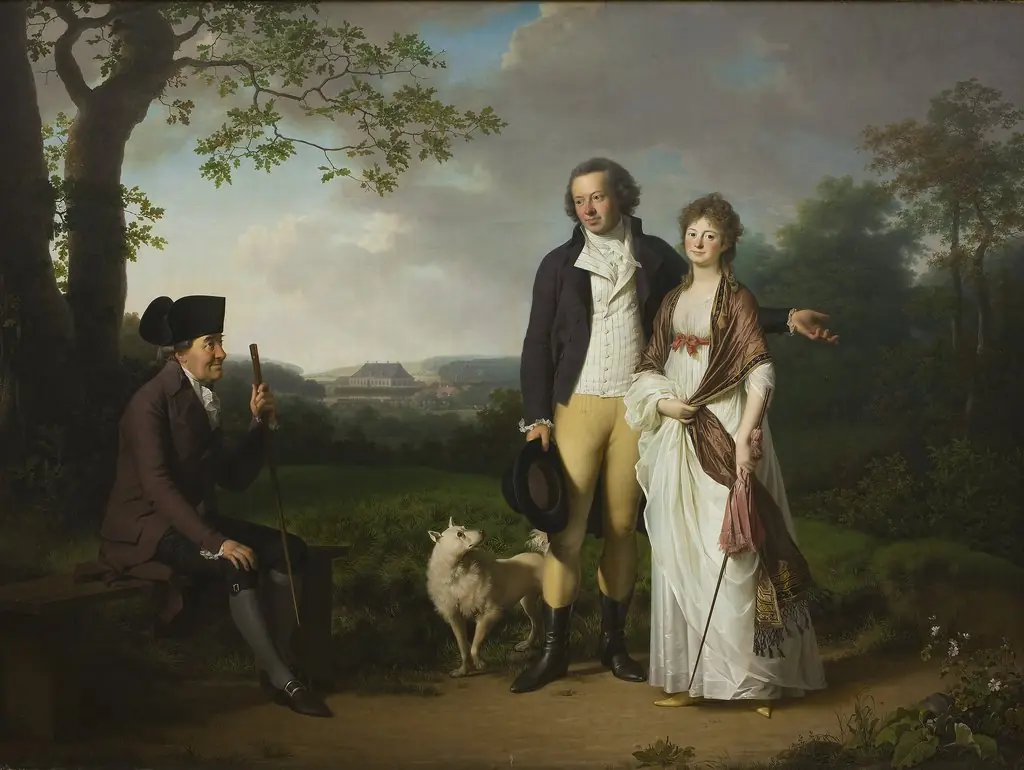 Niels Ryberg with his Son Johan Christian and his Daughter-in-Law Engelke, née Falbe
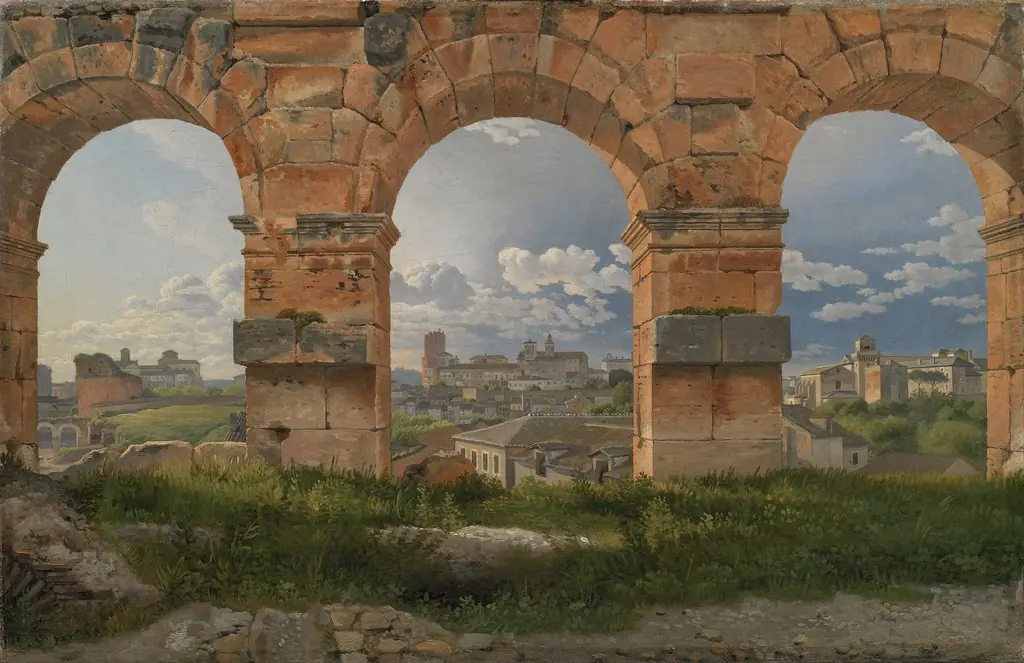 A View through Three of the North-Western Arches of the Third Storey of the Coliseum
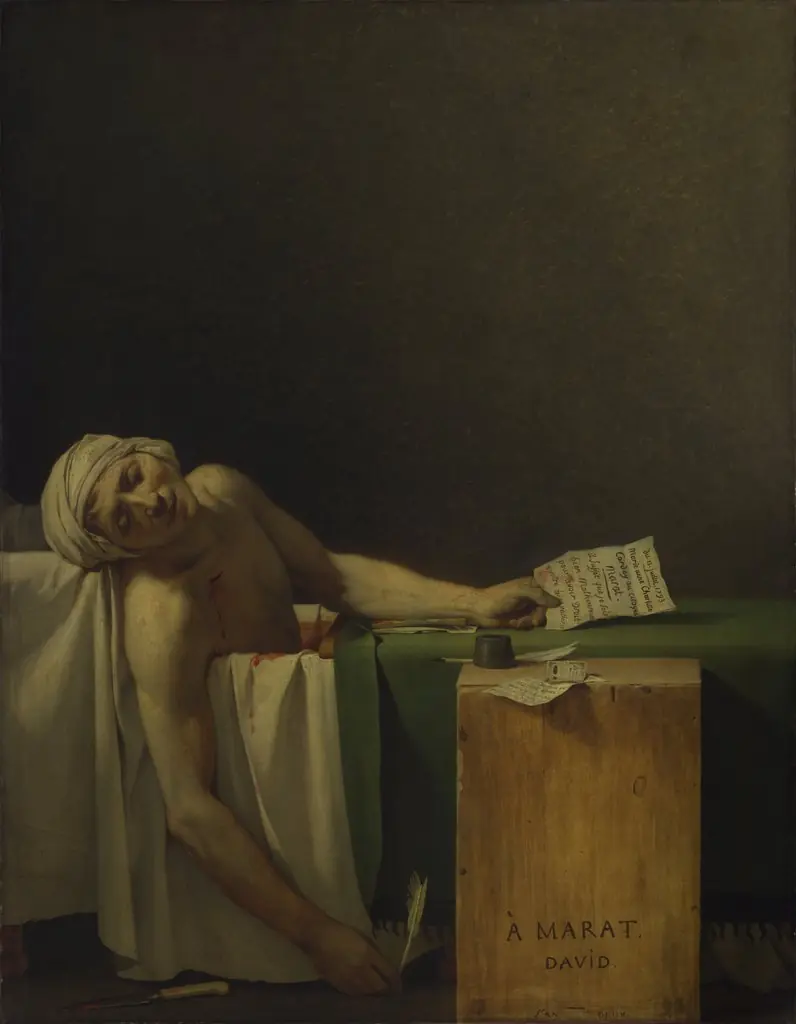 The Death of Marat
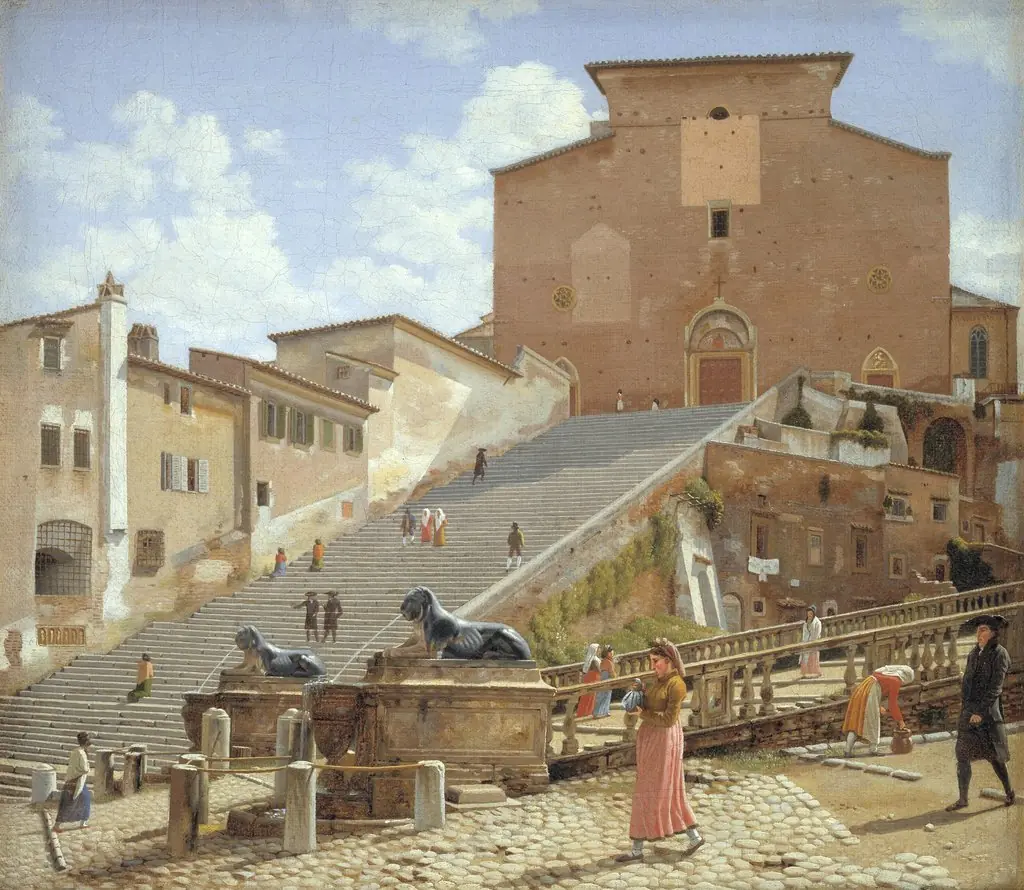 The Marble Steps Leading to the Church of Santa Maria in Aracoeli in Rome
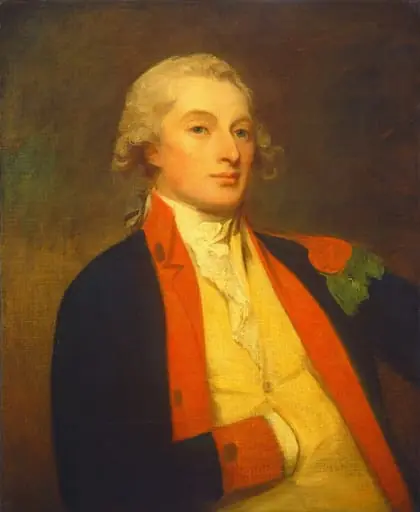 Mr. Forbes
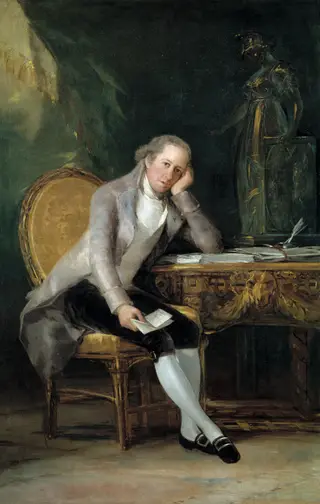 Portrait of Gaspar Melchor de Jovellanos
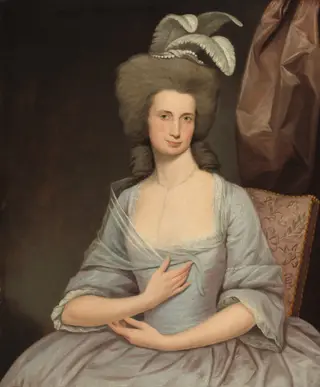 Elizabeth Stevens Carle
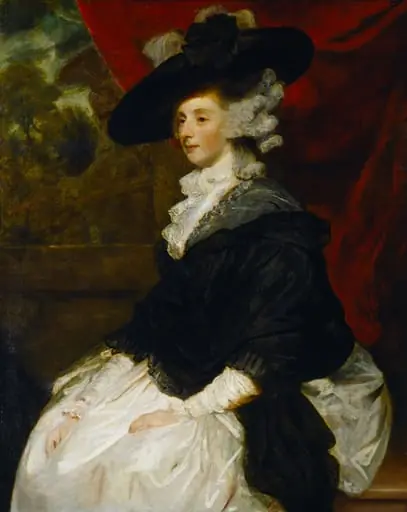 Lady Cornewall
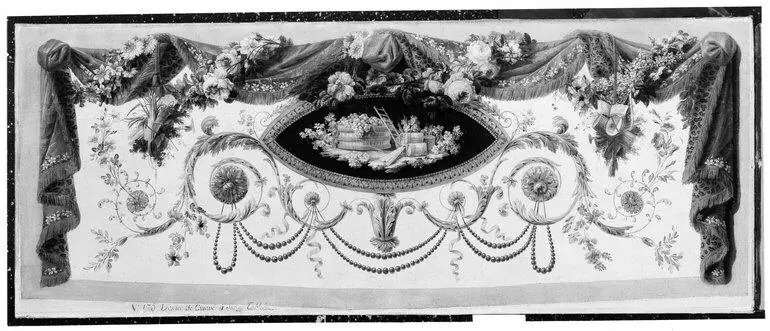 Cartoon for the Back of a Tapestry Settee
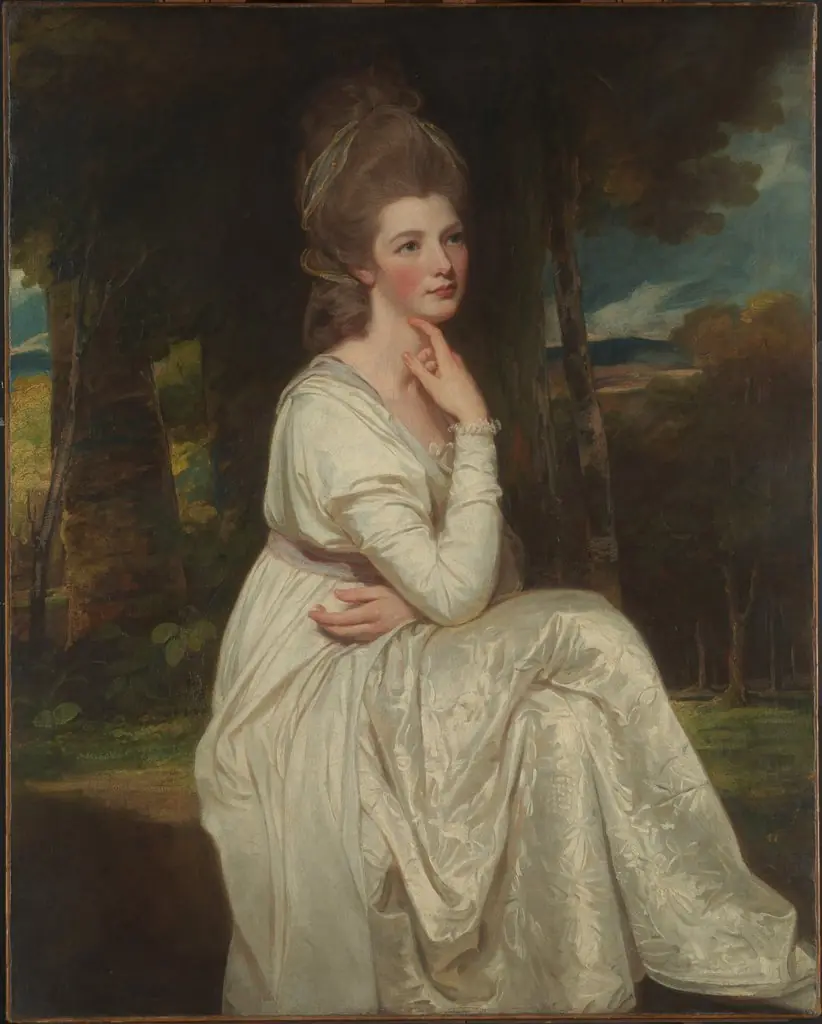 Lady Elizabeth Hamilton (1753–1797), Countess of Derby
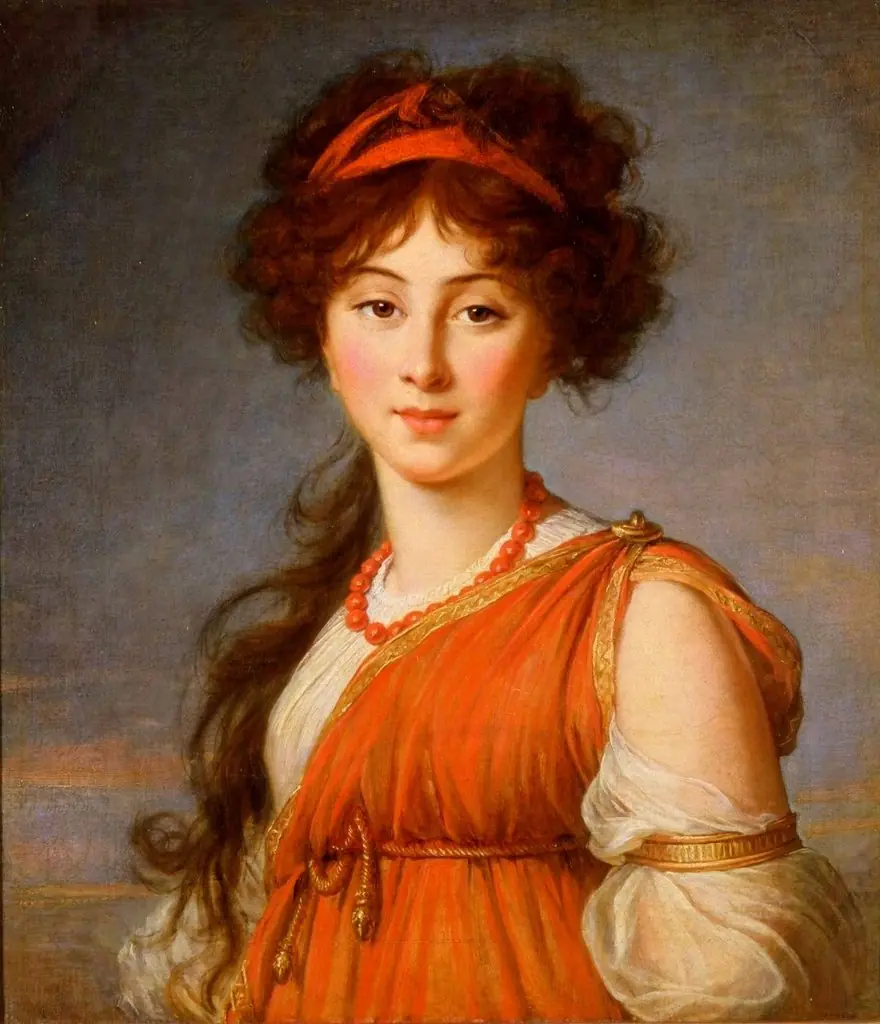 Varvara Ivanovna Ladomirsky
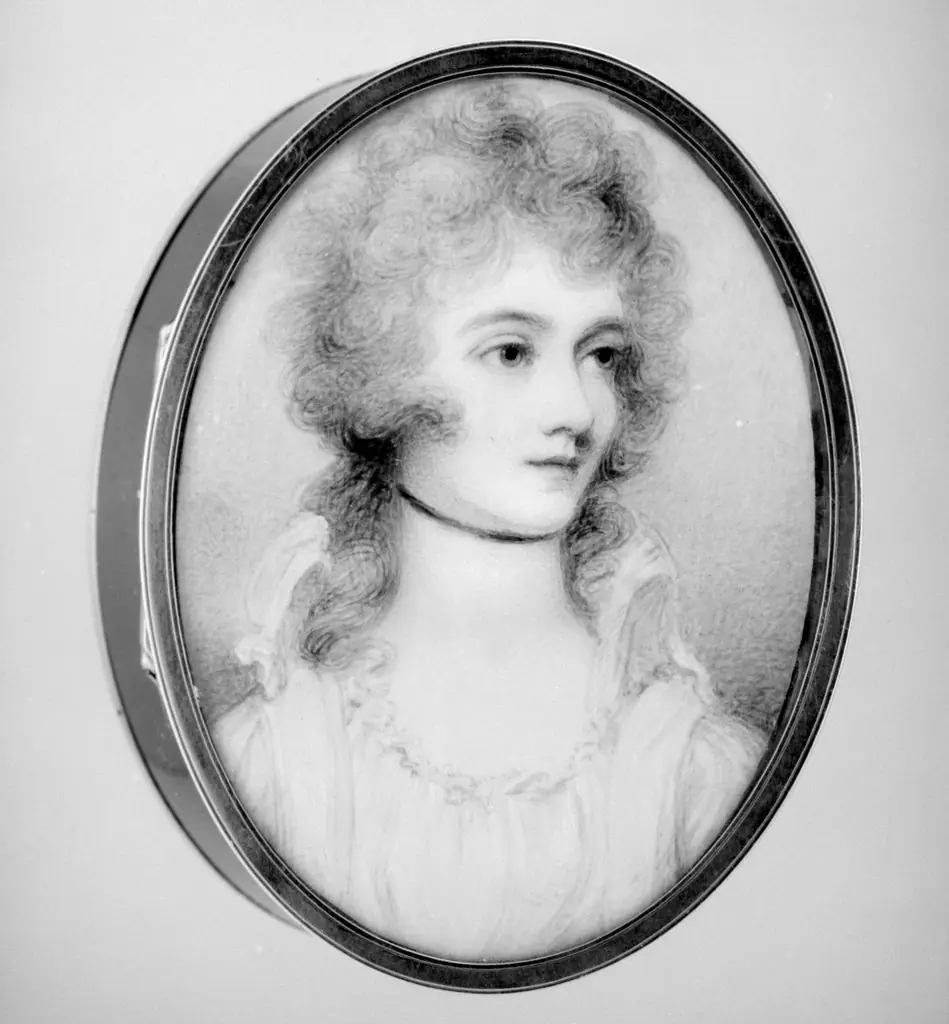 Portrait of a Woman, Possibly Barbara (1768–1829), Marchioness of Donegall
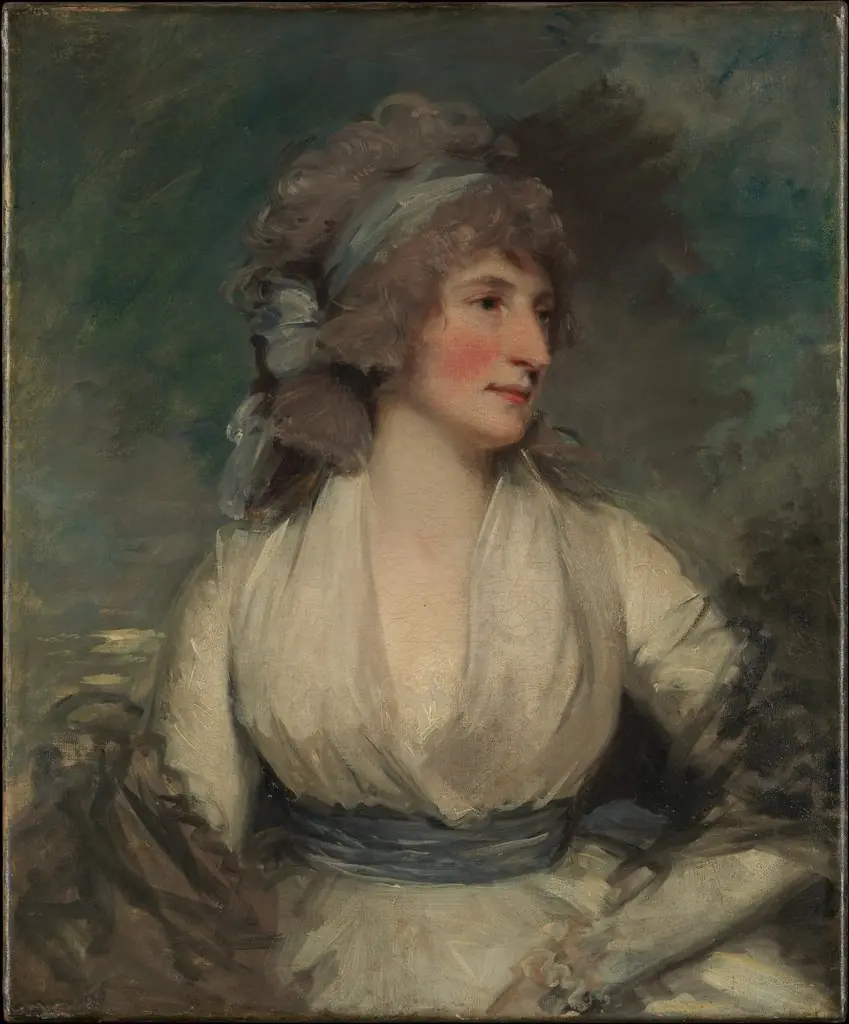 Portrait of a Woman; (reverse, now covered by relining canvas) Study of a Child's Head
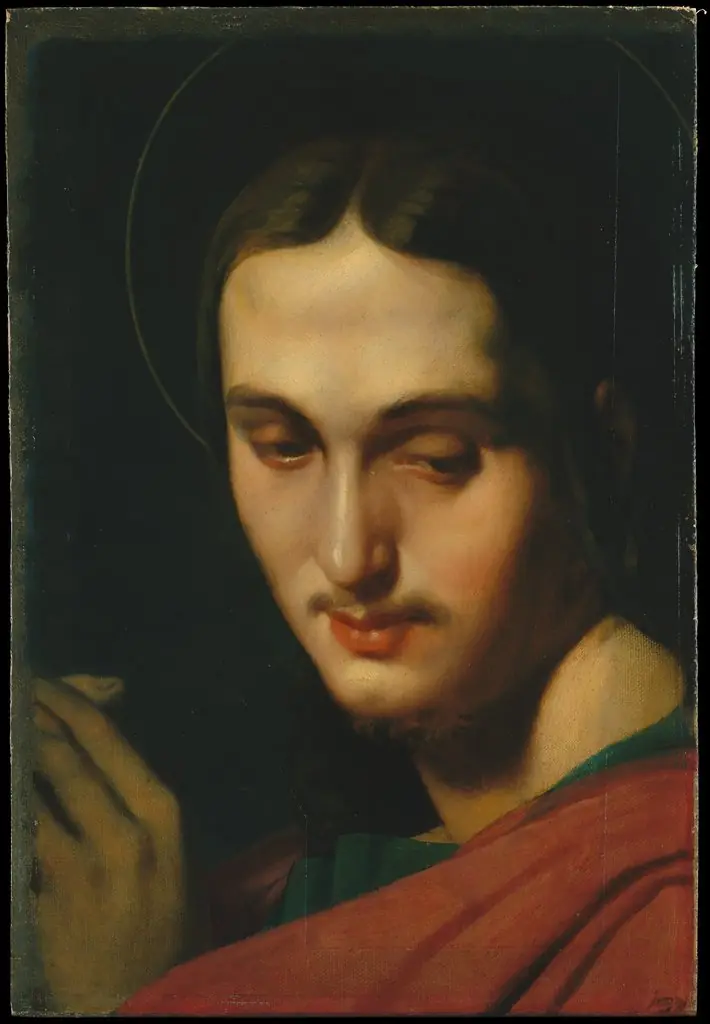 Head of Saint John the Evangelist
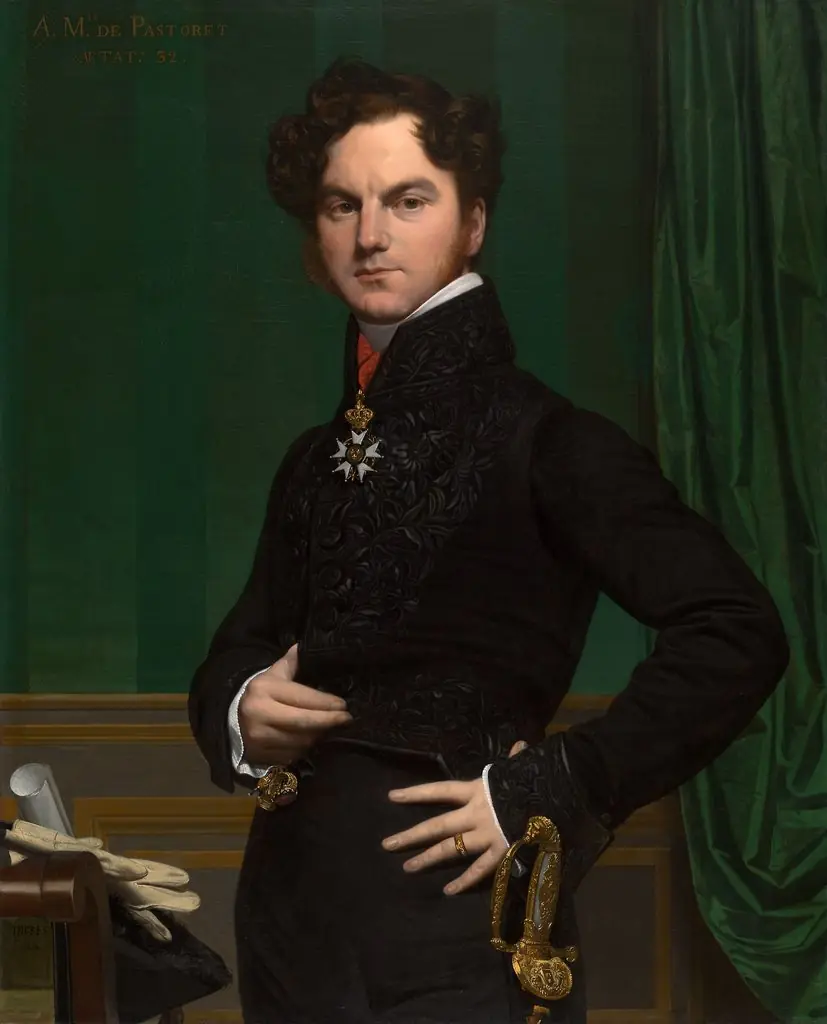 Amédée-David, the Comte de Pastoret
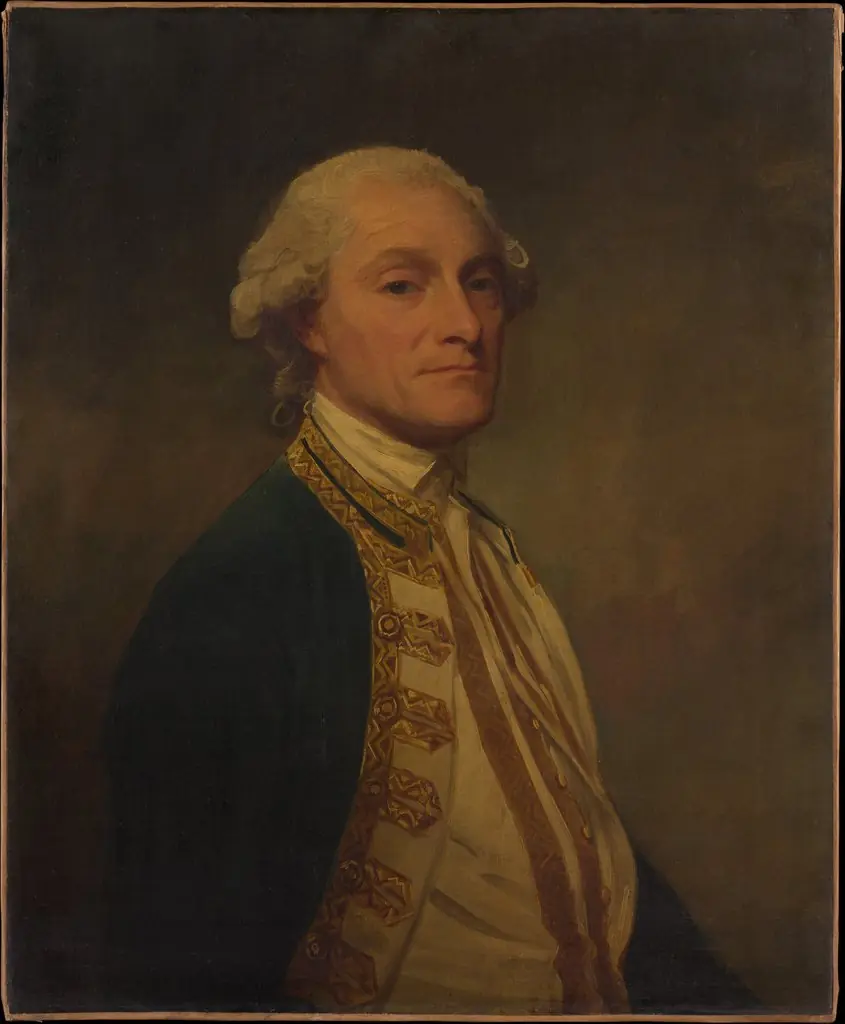 Admiral Sir Chaloner Ogle (1726–1816)
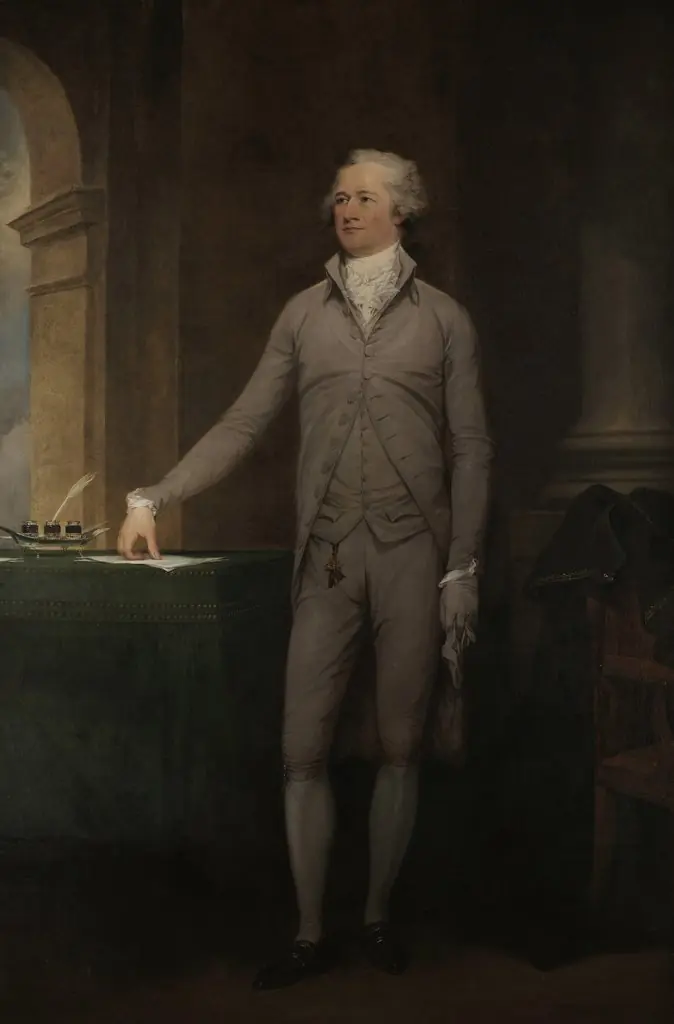 Alexander Hamilton
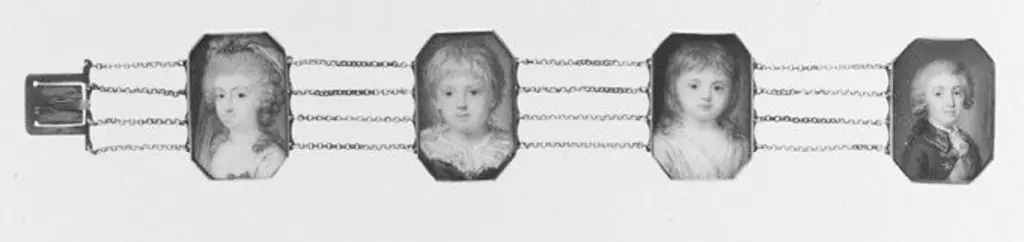 Caroline Maria Therese of Parma and family
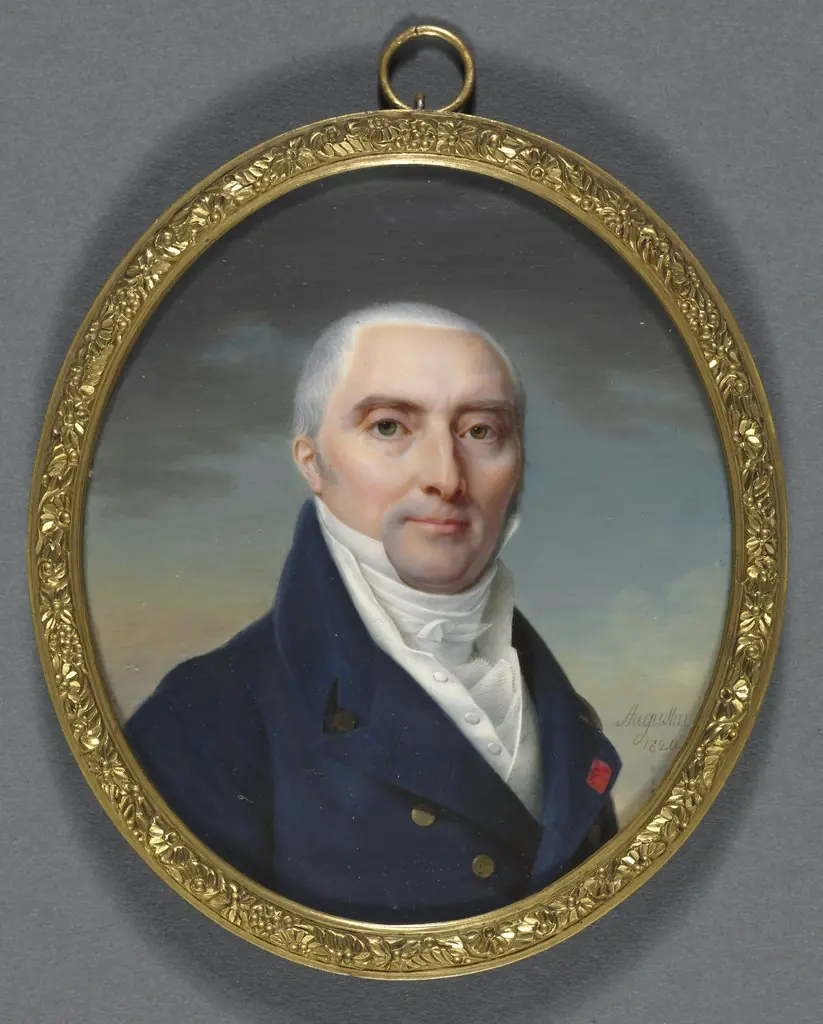 Portrait of Antoine Roy
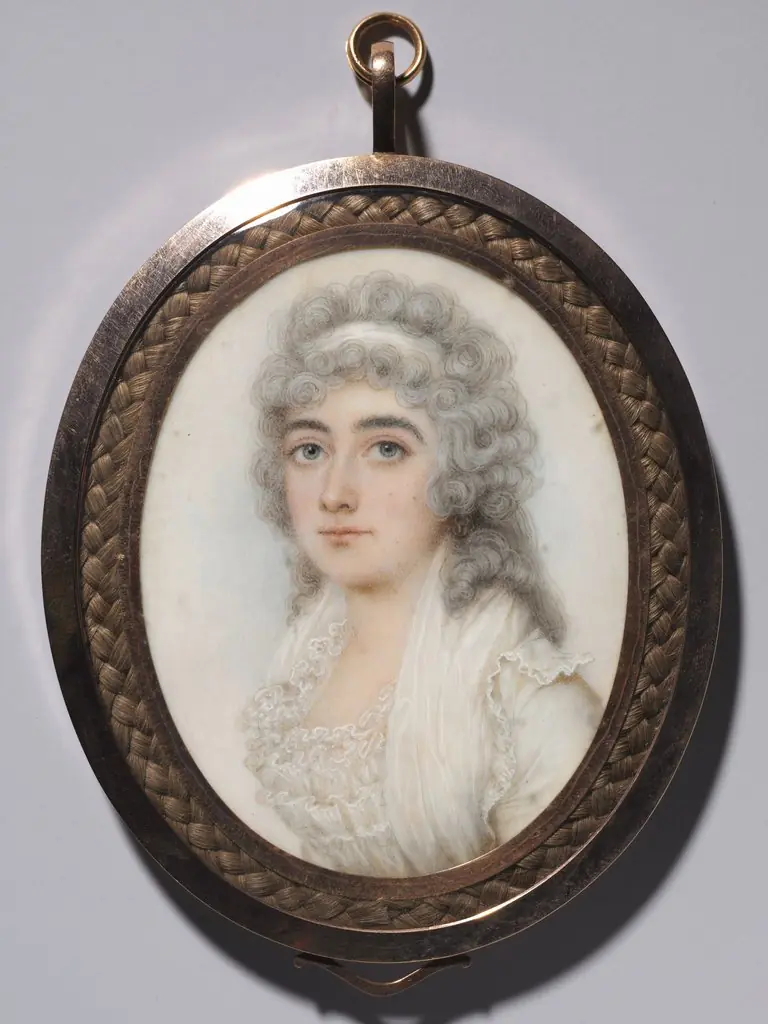 Portrait of a Woman
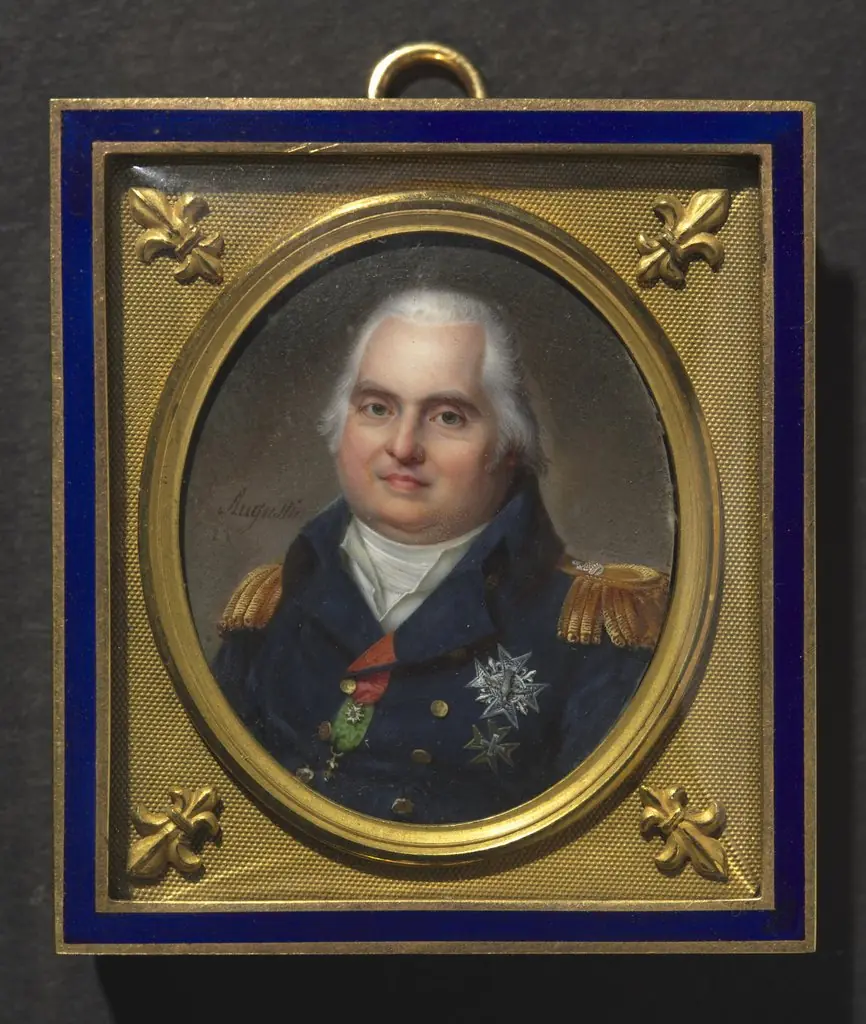 Portrait of Louis XVIII
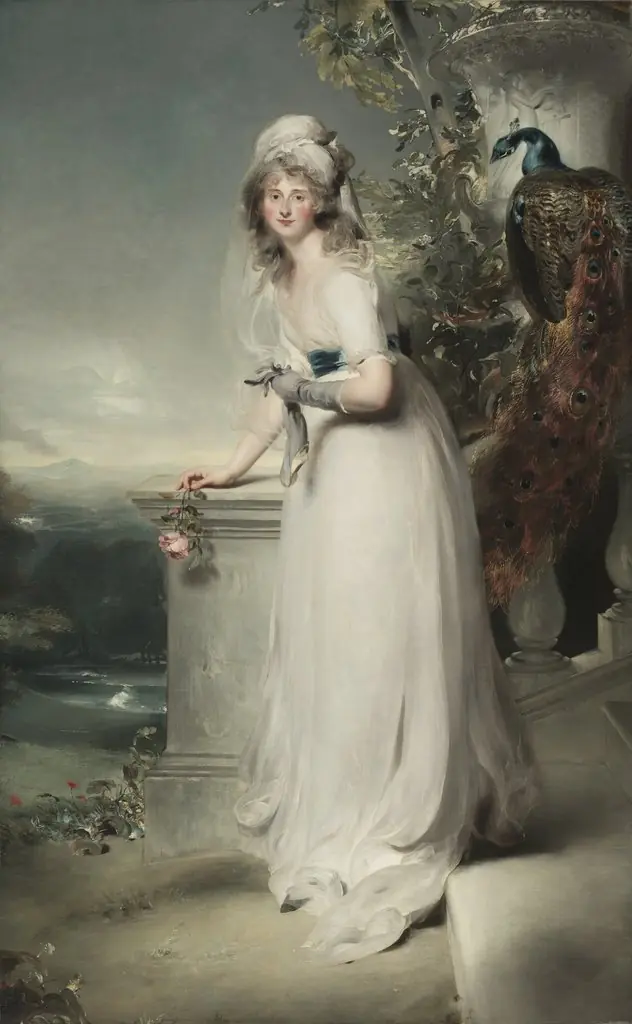 Portrait of Catherine Grey, Lady Manners
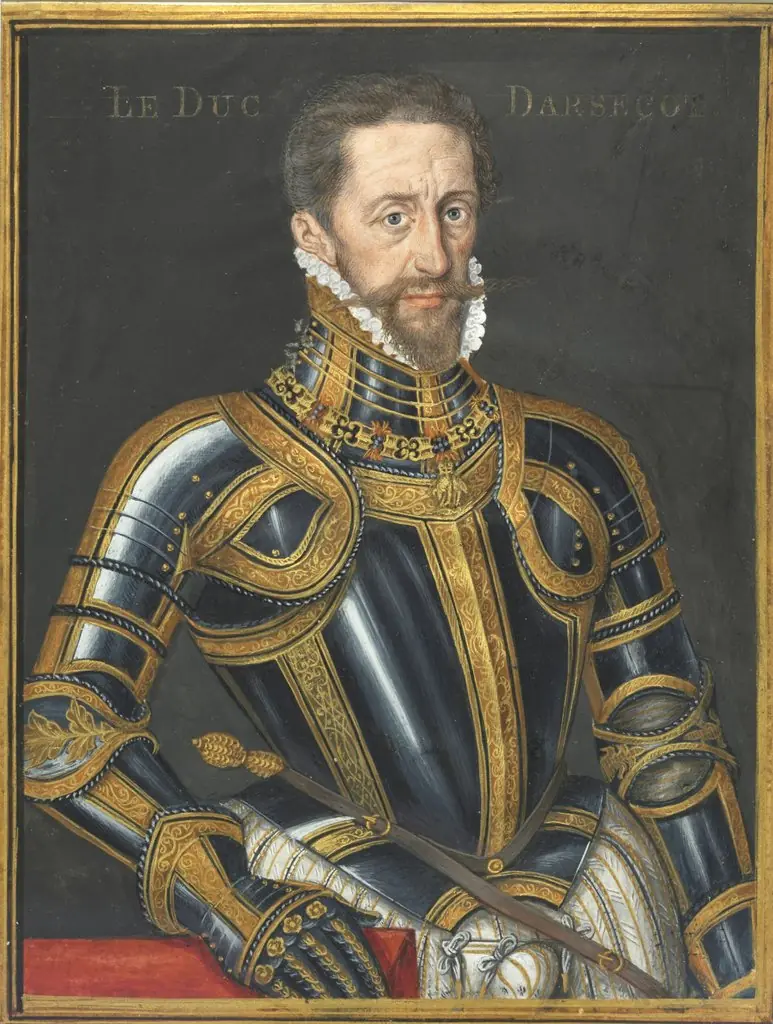 Portrait of Philippe de Croy, Duke of Aerschot
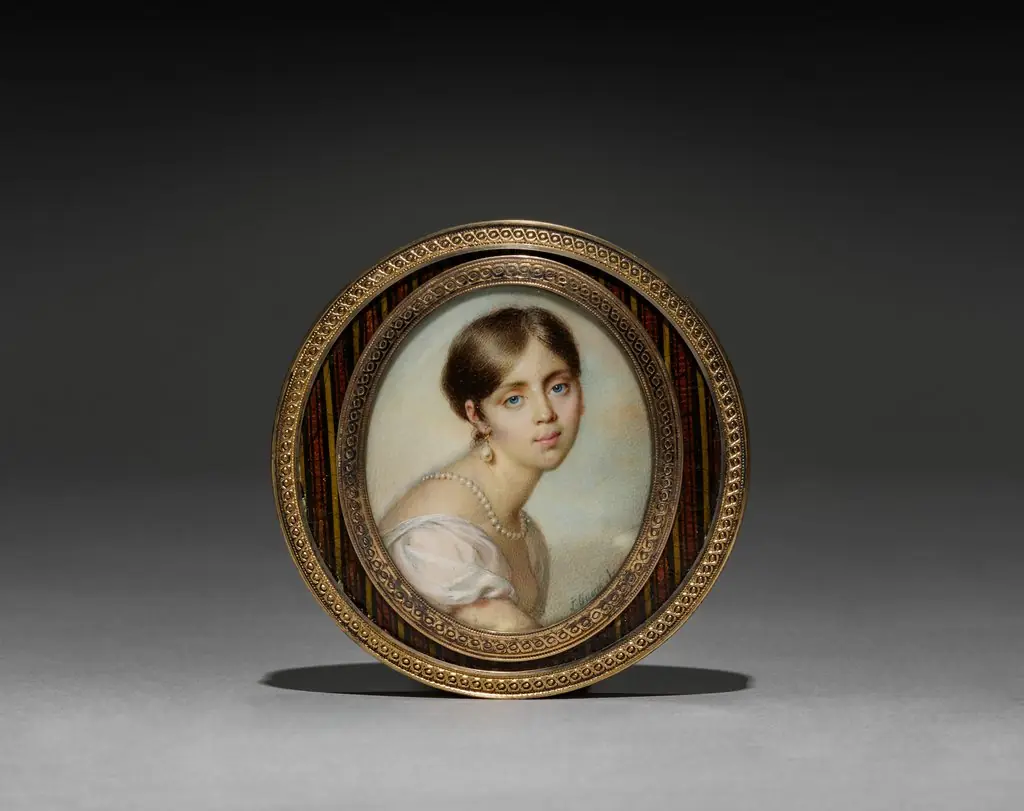 Cover for a Snuff Box with a Portrait of a Young Woman
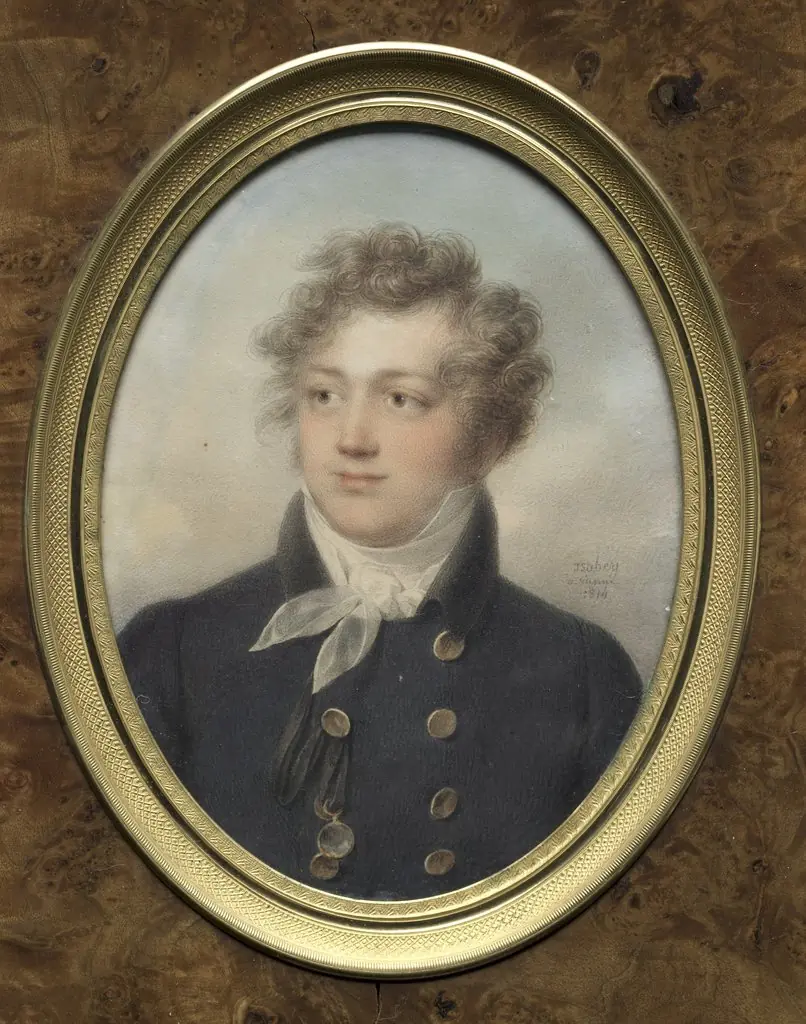 Portrait of a Man, possibly Alexander I, Emperor of Russia
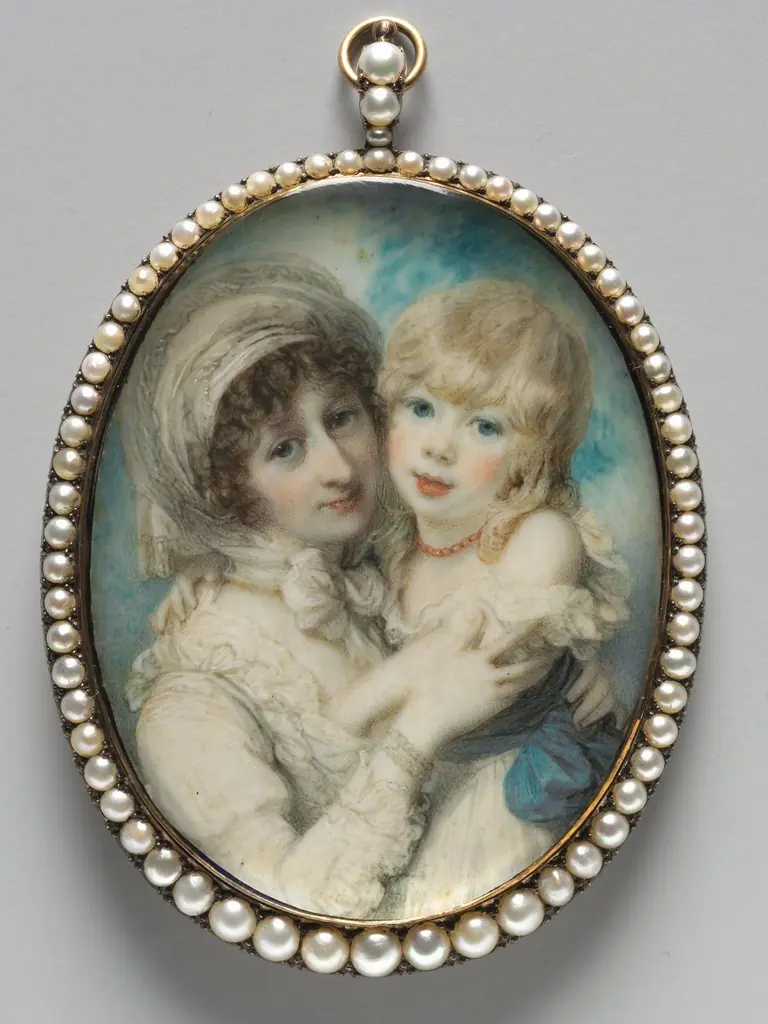 Portrait of Catherine Clemens and Her Son, John Marcus Clemens
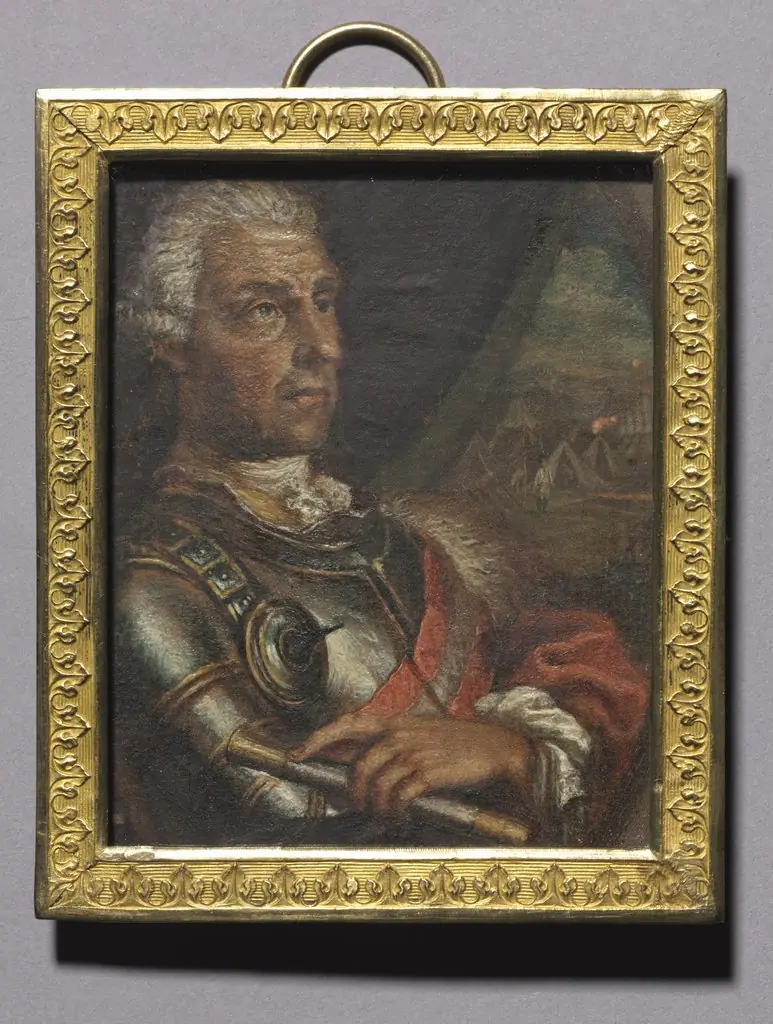 Portrait of Baron Ernst Gideon Freiherr von Laudon
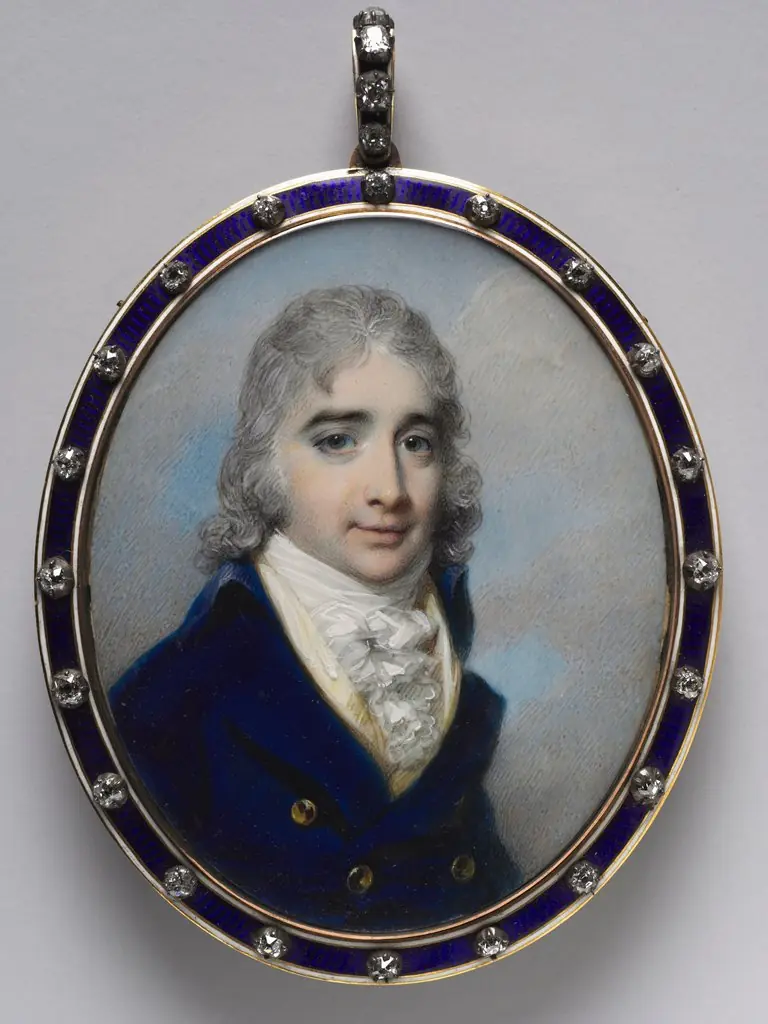 Portrait of a Man
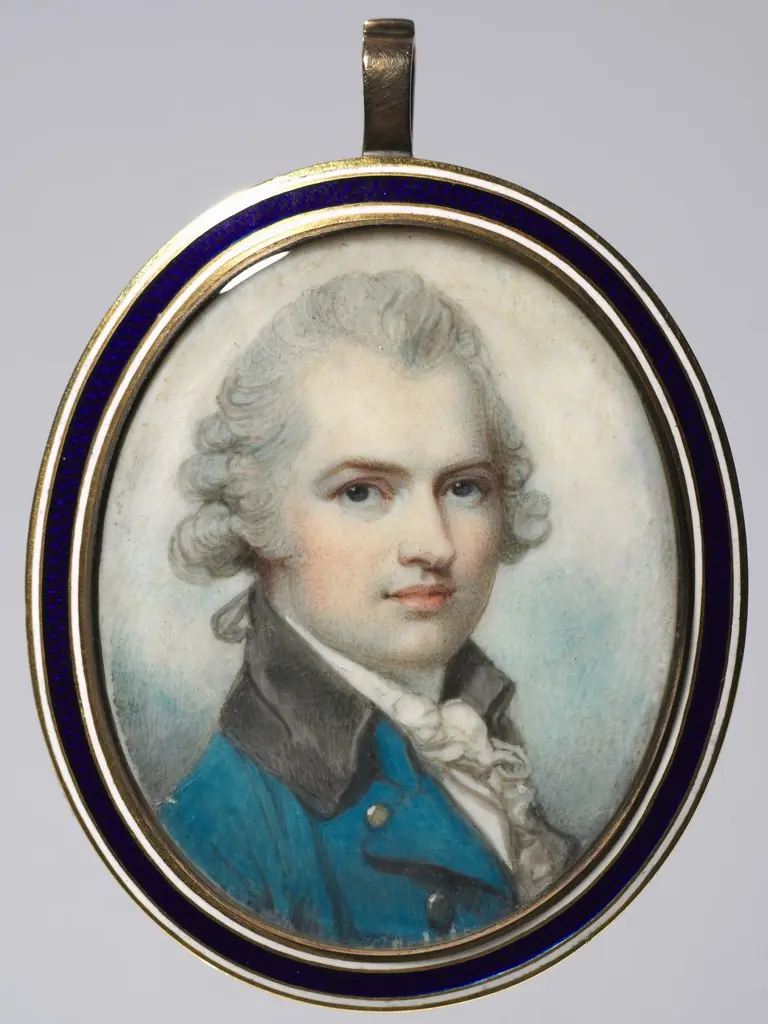 Portrait of a Man
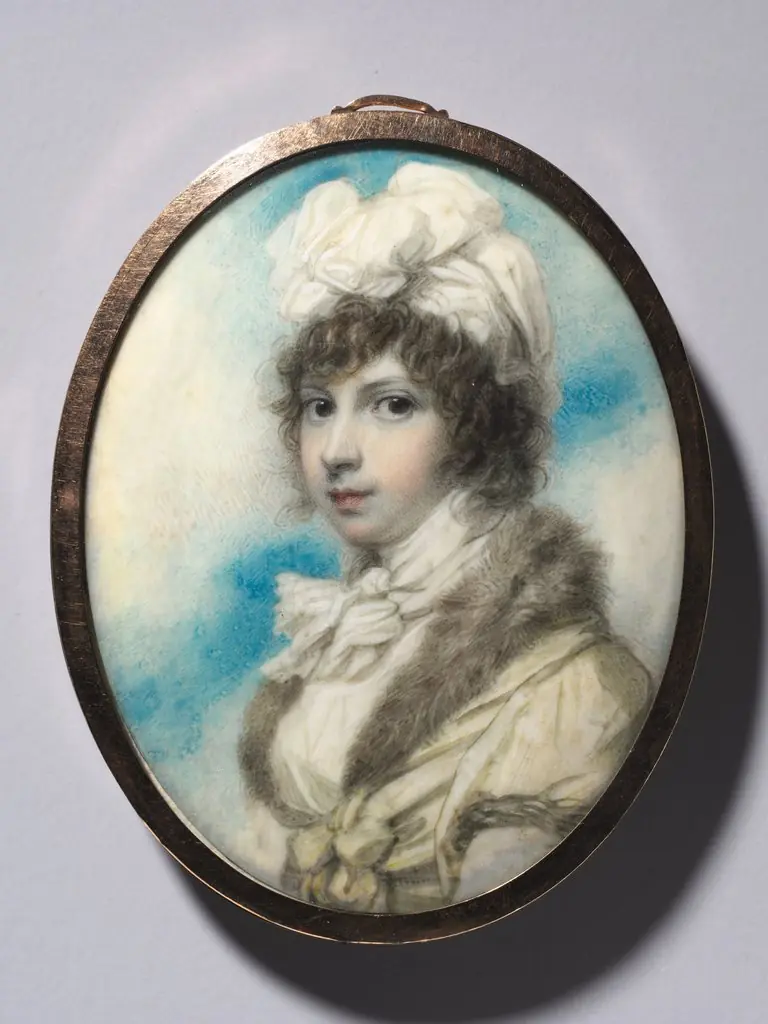 Portrait of the Hon. Anne Annesley, later Countess of Mountnorris
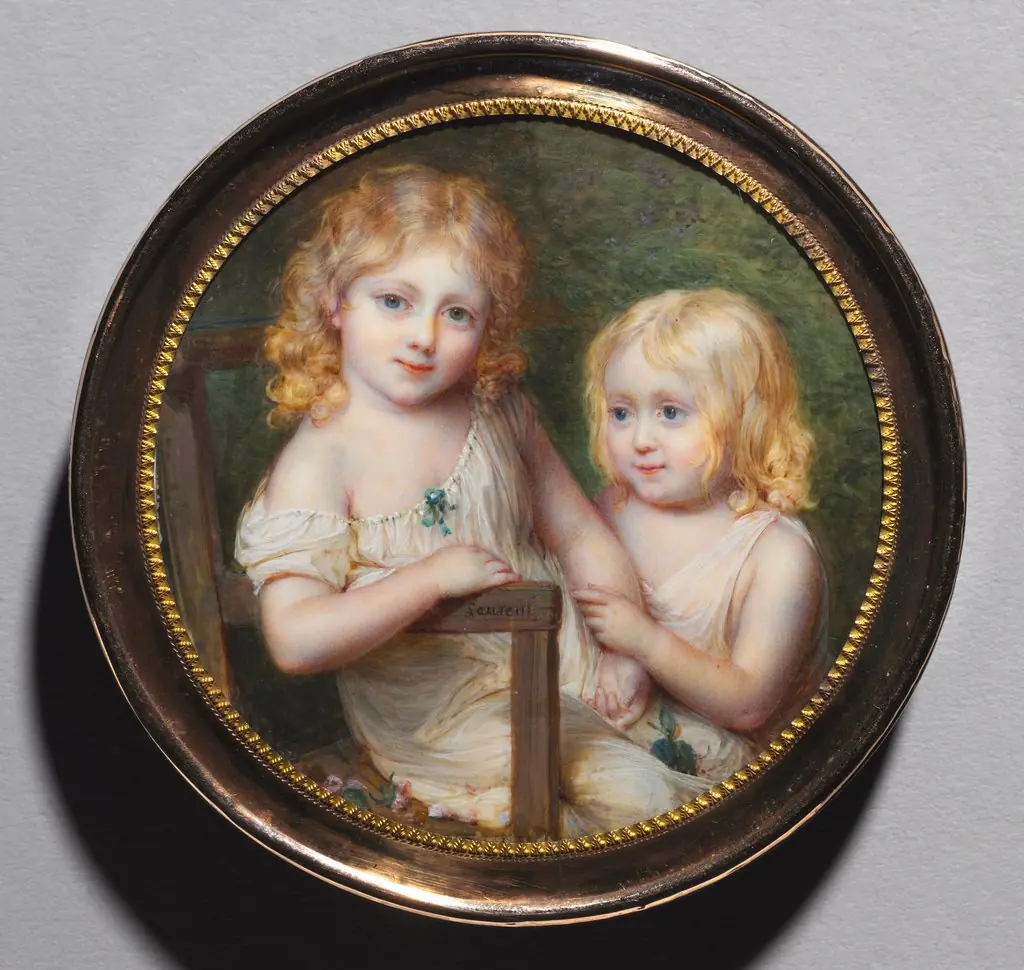 Portrait of the Artist's Children Emma and Paul
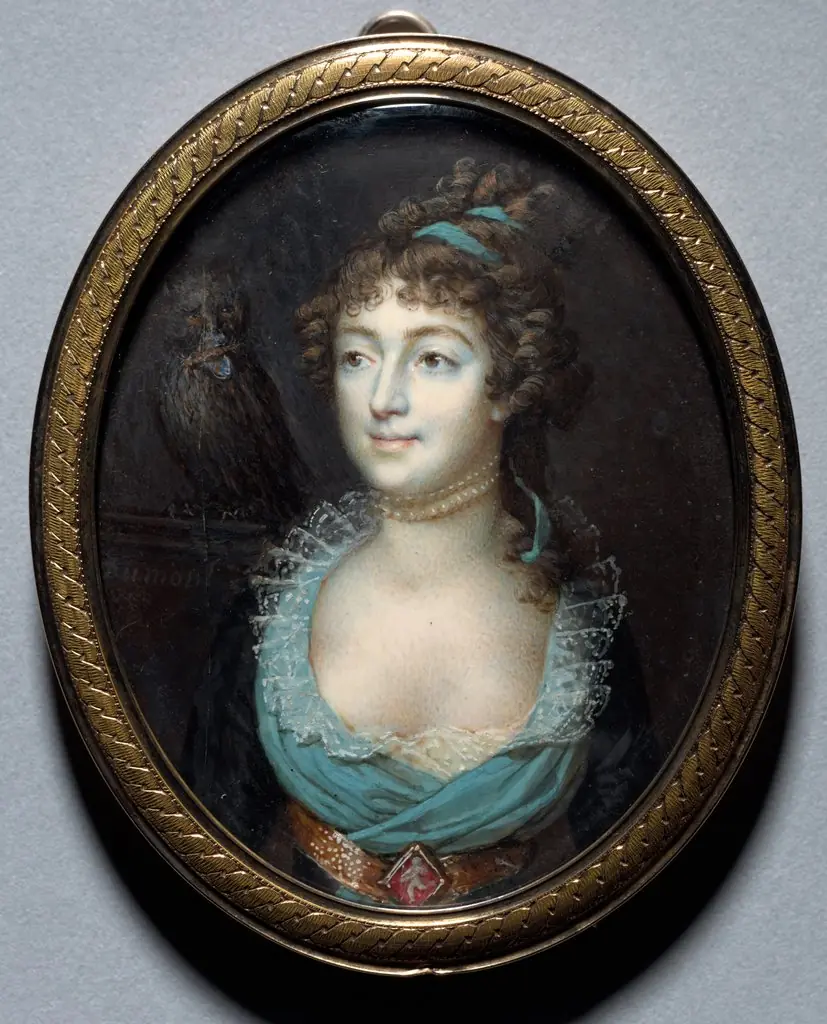 Portrait of Mademoiselle Marie-Anne Adelaide Le Normand
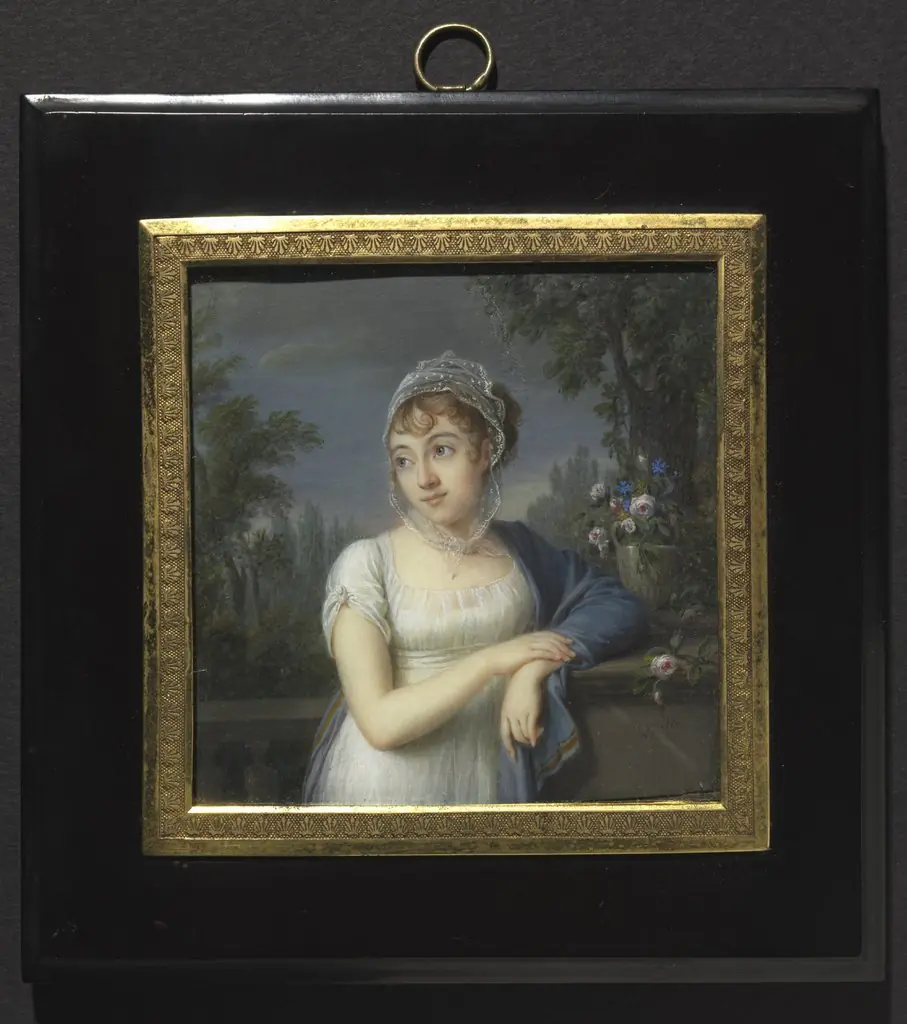 Portrait of a Woman Near a Balustrade
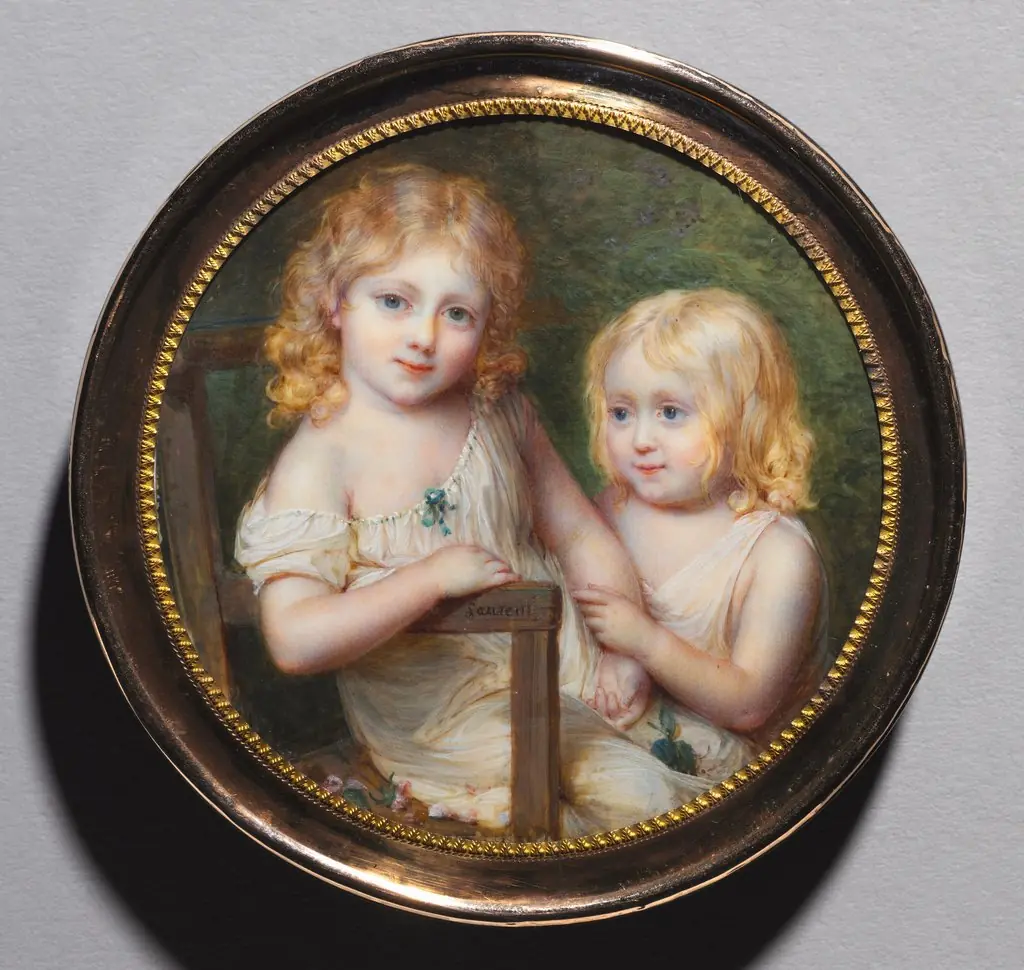 Portrait of the Artist's Children Emma and Paul
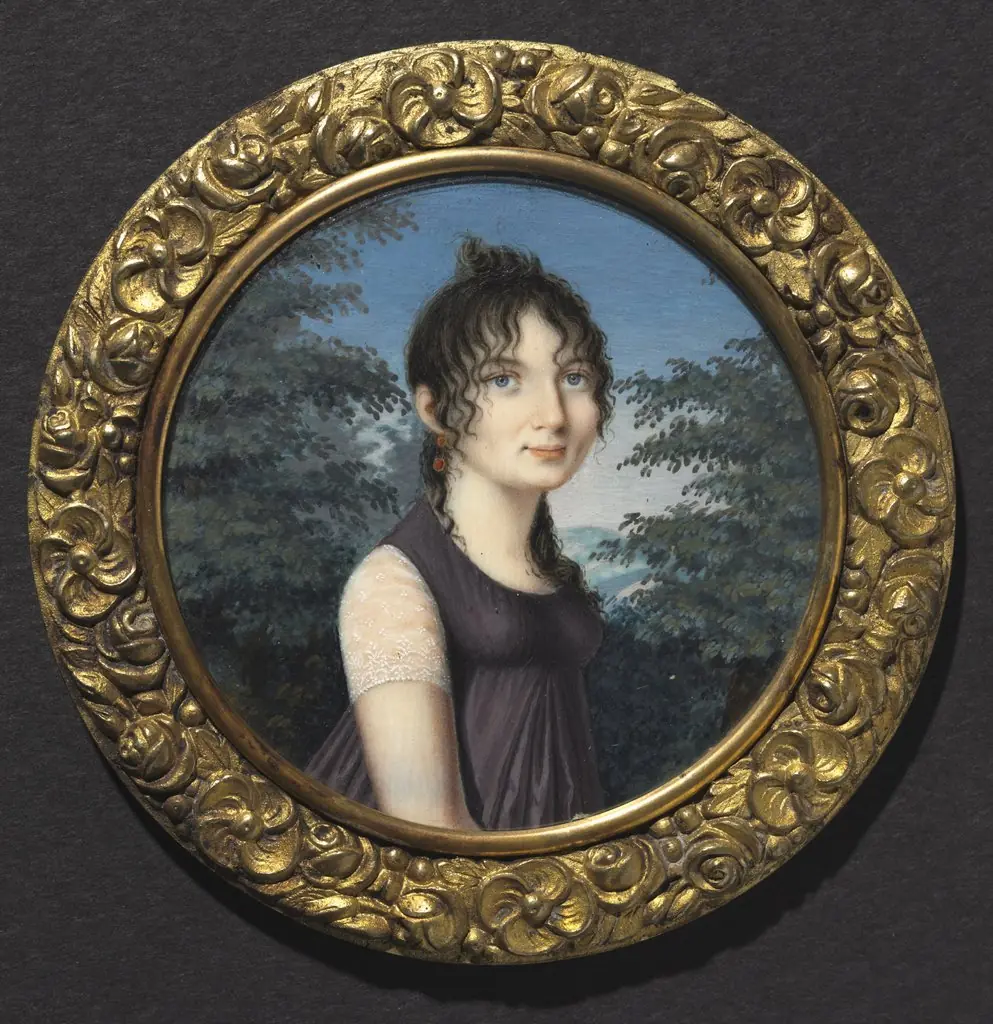 Portrait of a Woman
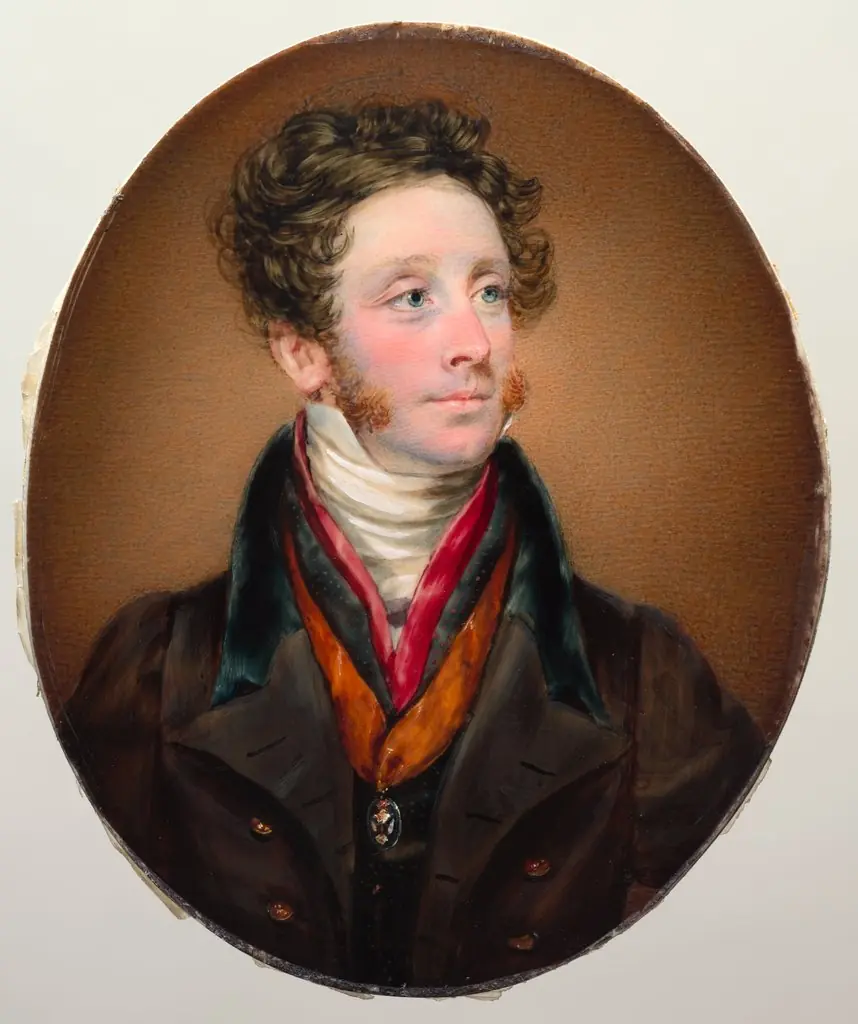 Portrait of John Francis Miller Erskine, Earl of Mar and Earl of Kellie
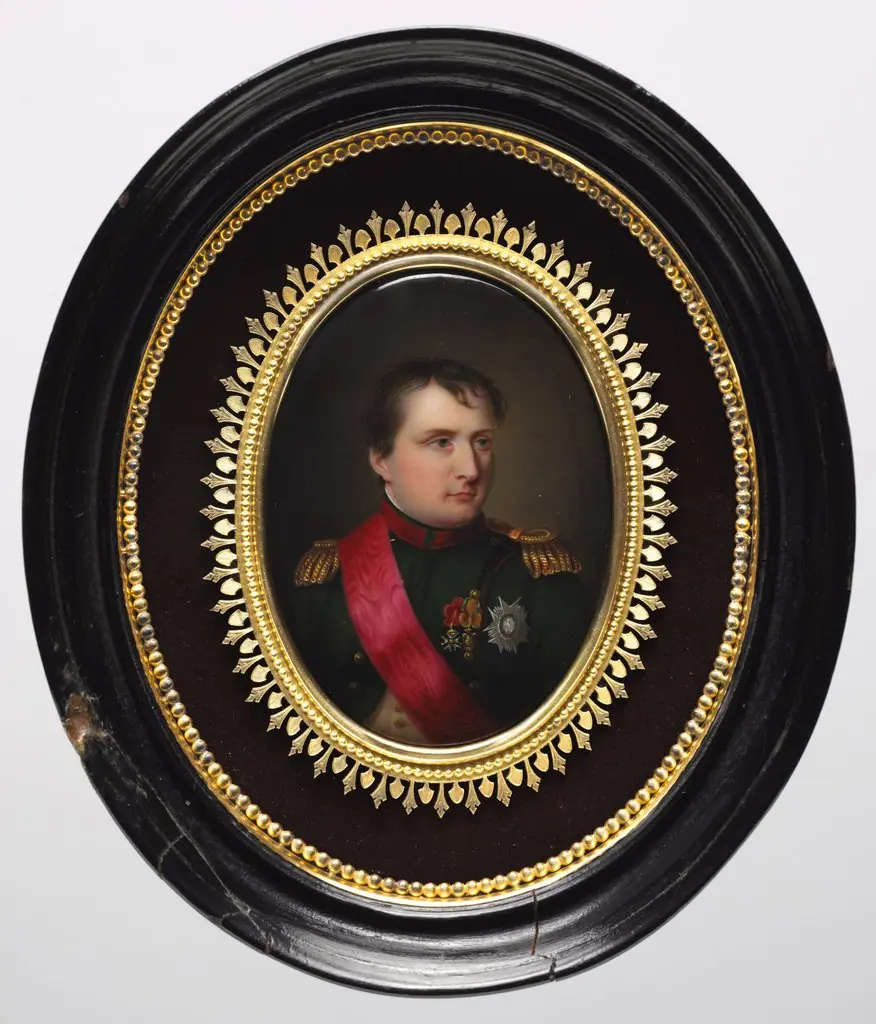 Portrait of Napoleon I, Emperor of the French
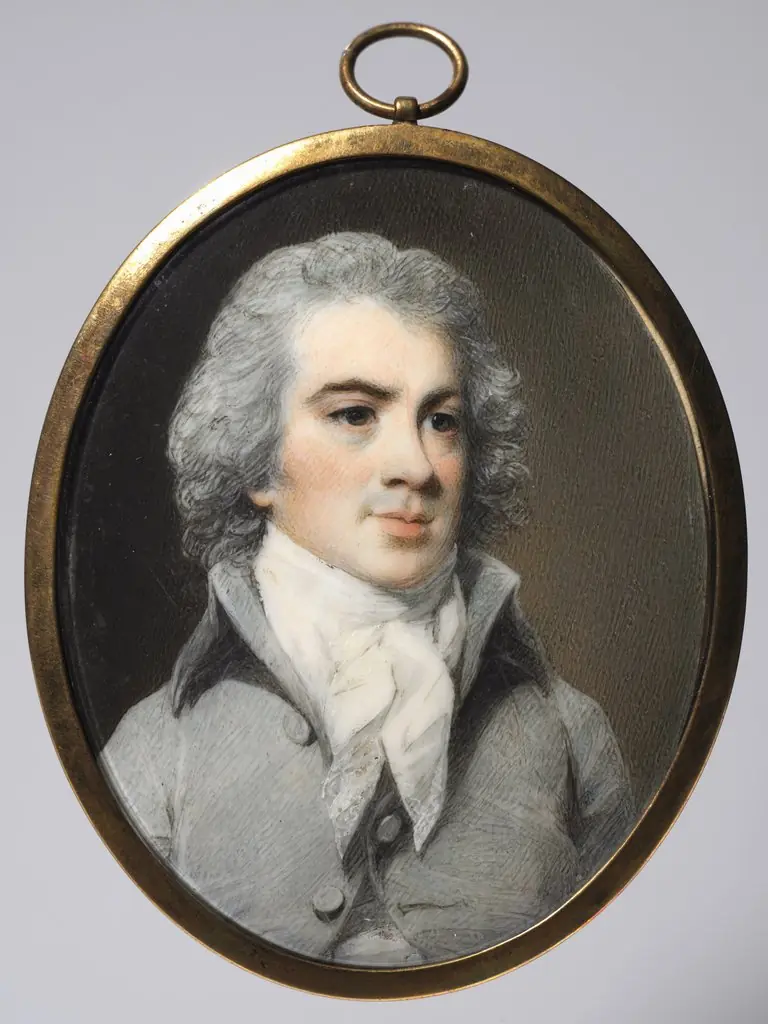 Portrait of a Man
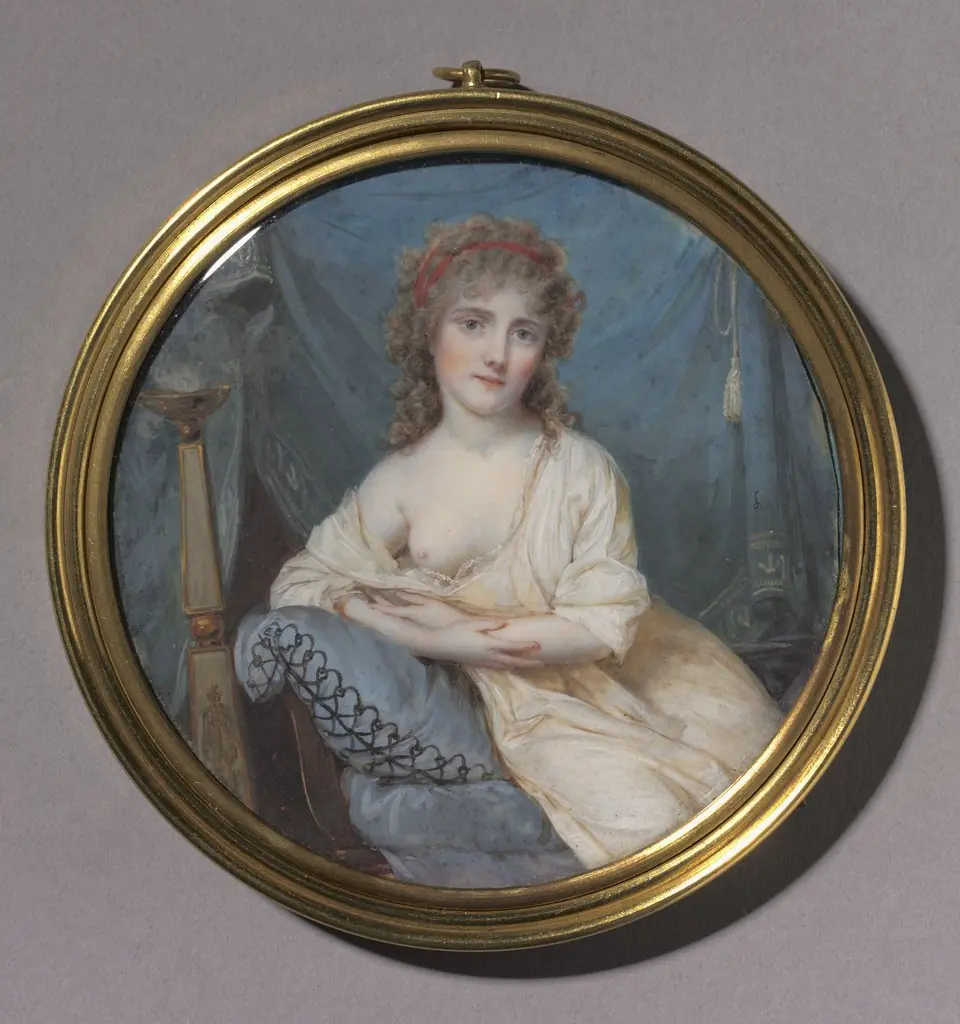 Portrait of a Woman Reclining on a Sofa
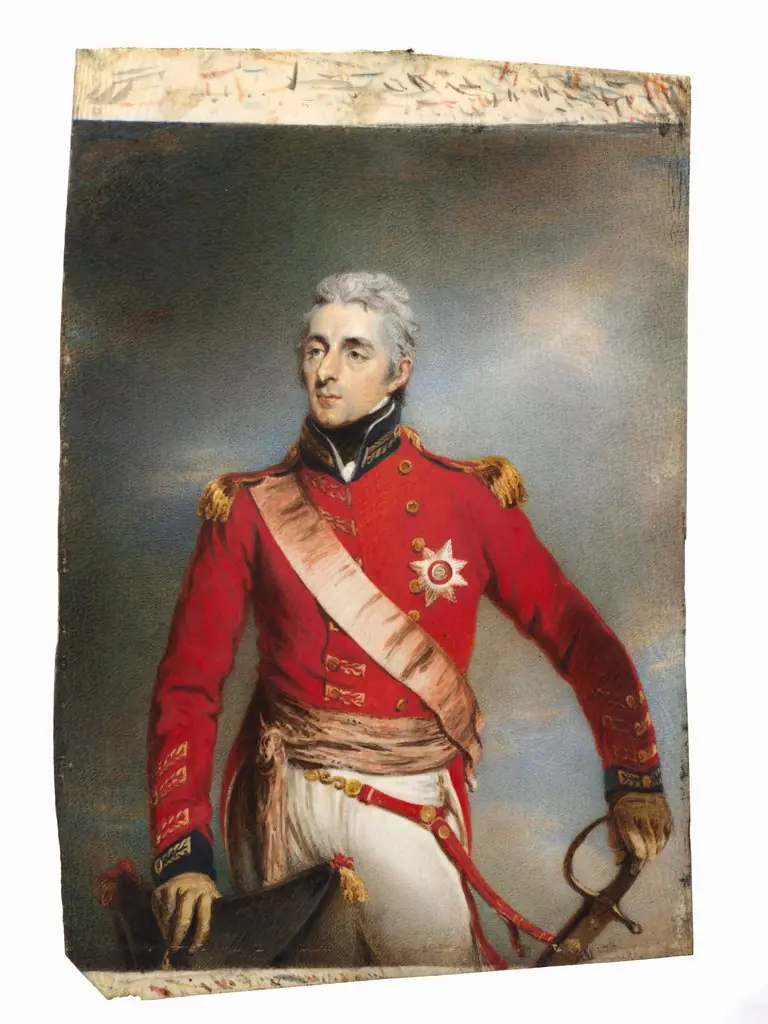 Portrait of Arthur Wellesley, later 1st Duke of Wellington
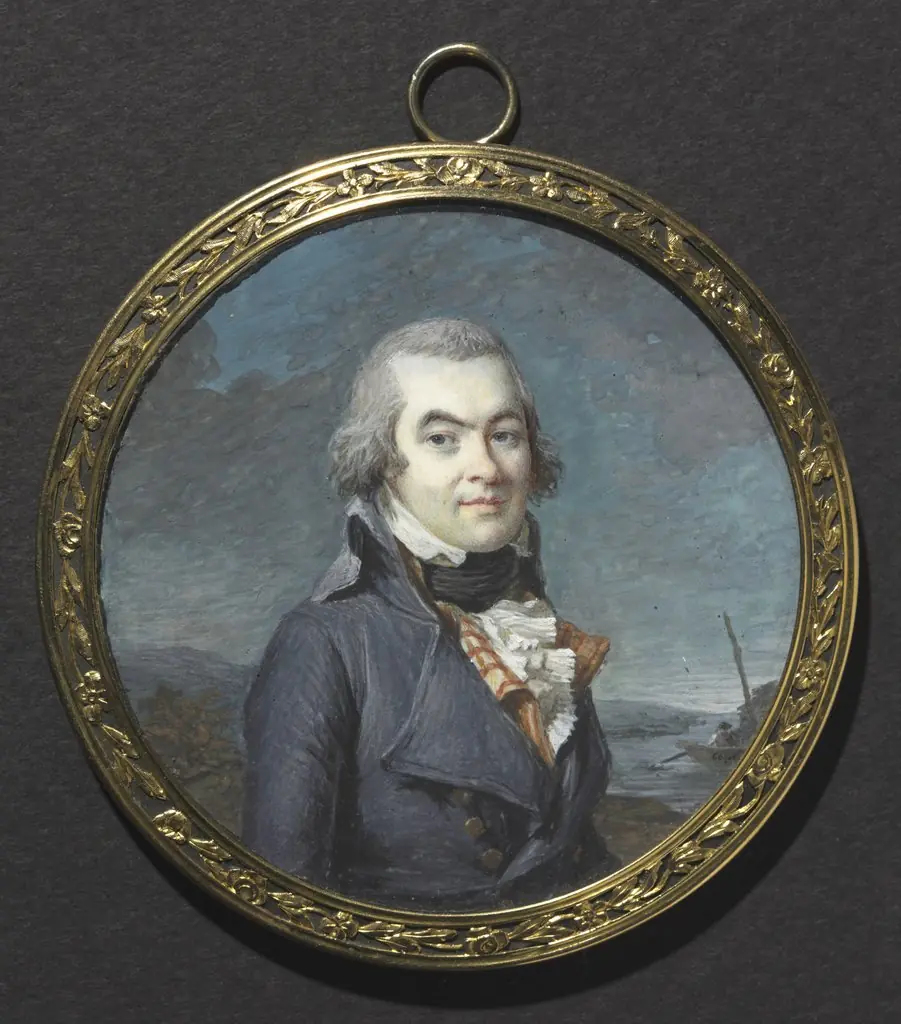 Portrait of a Man in a Landscape
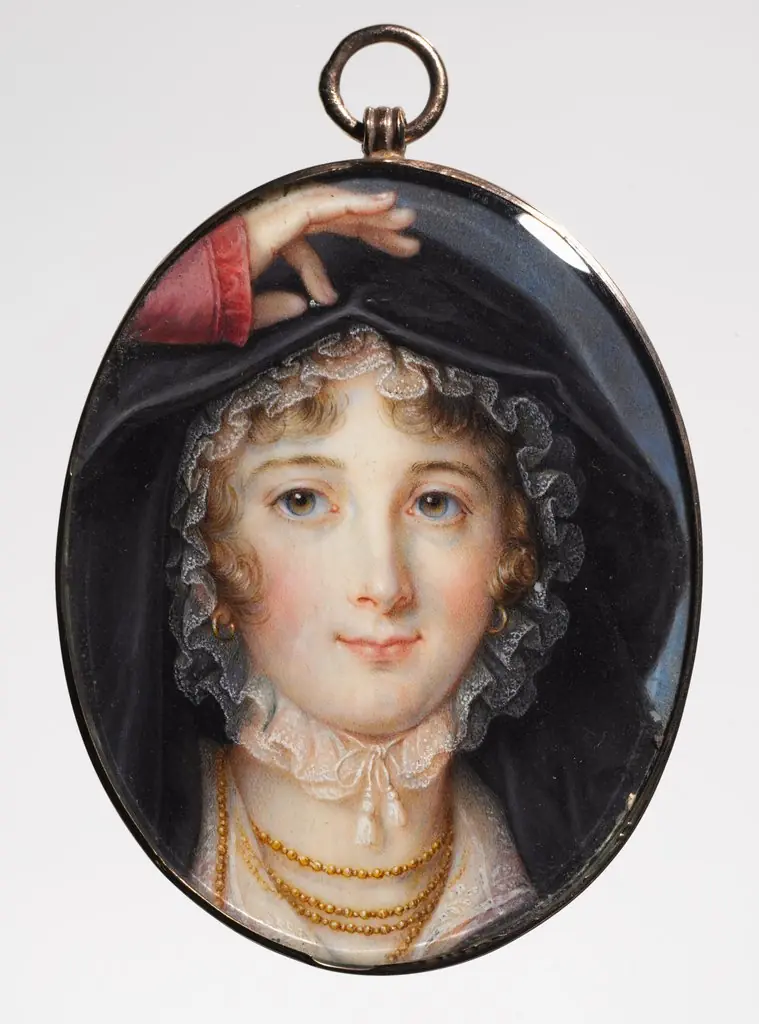 Portrait of a Woman
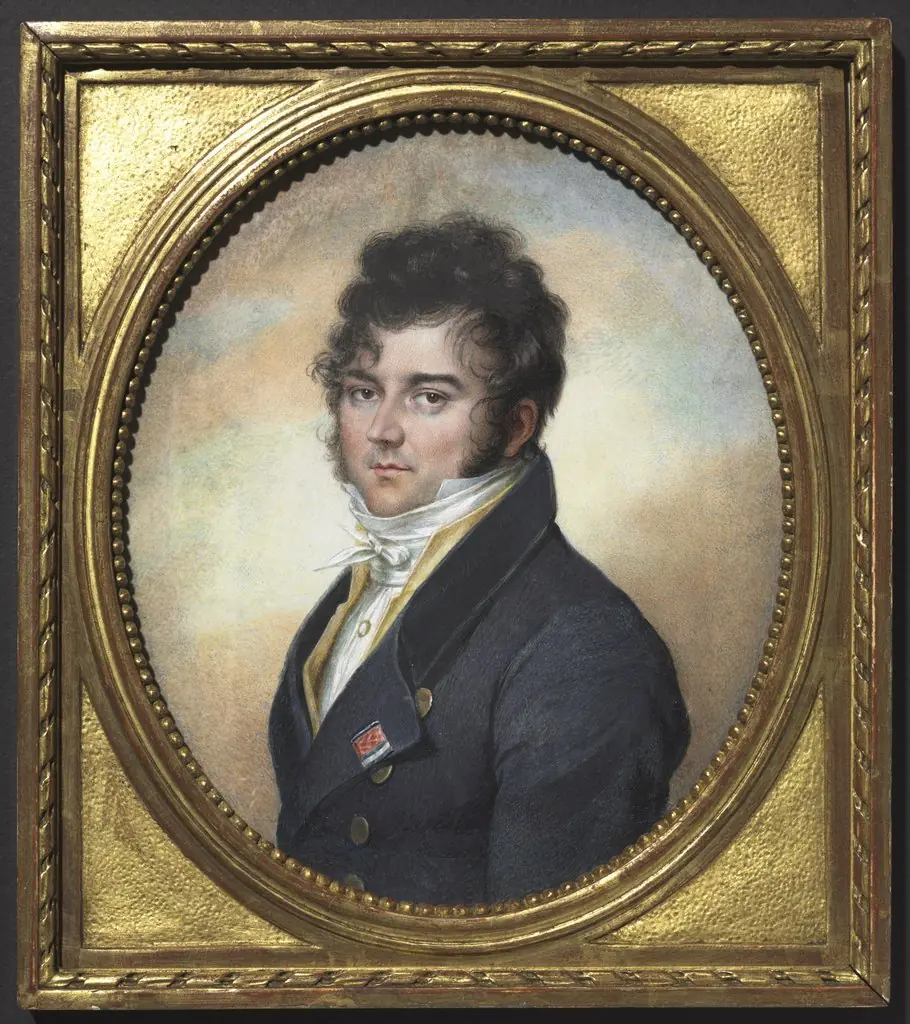 Portrait of a Man
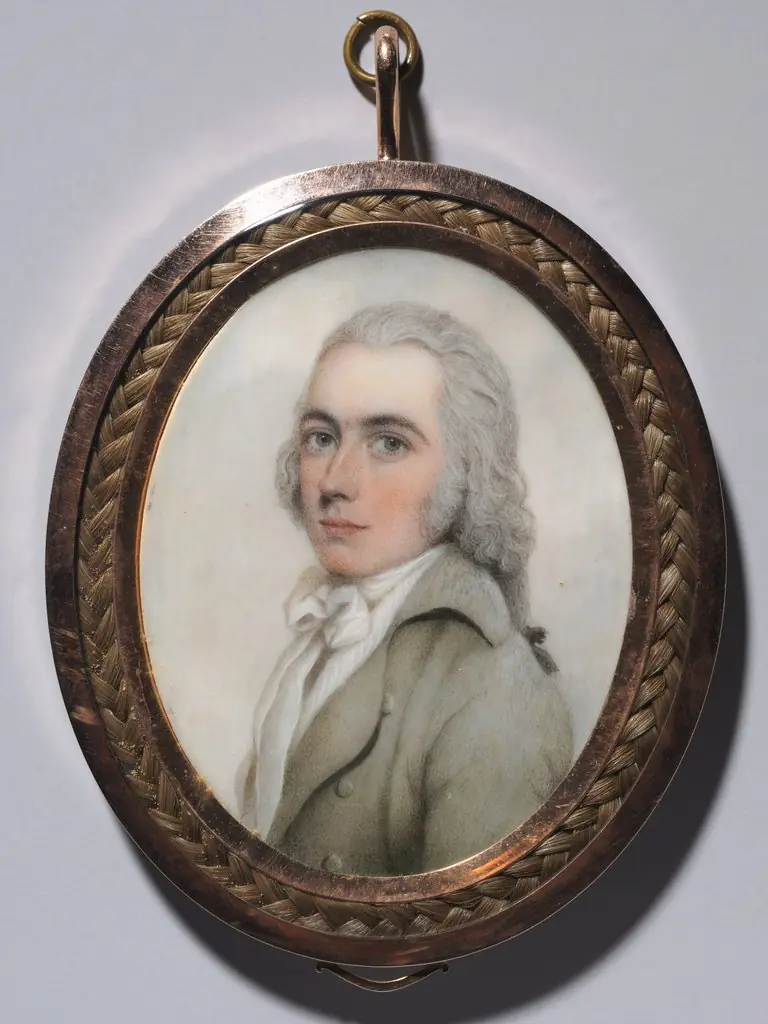 Portrait of a Man
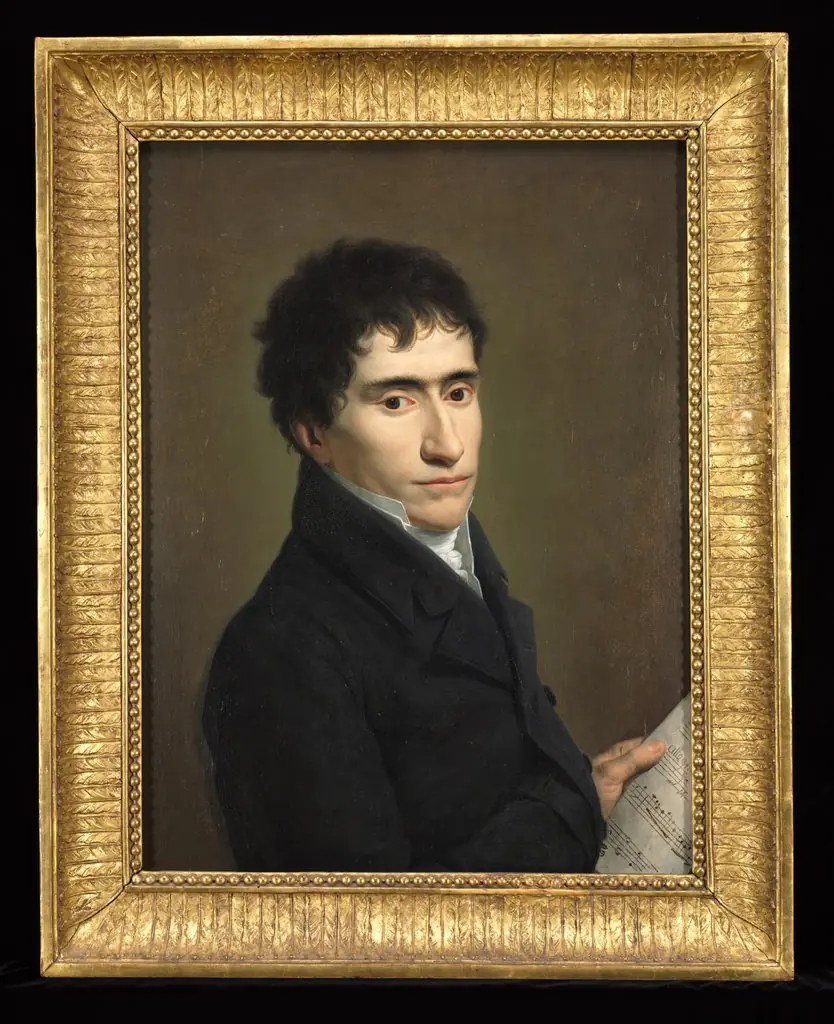 Portrait of a Musician
 The Milkmaid of Bordeaux
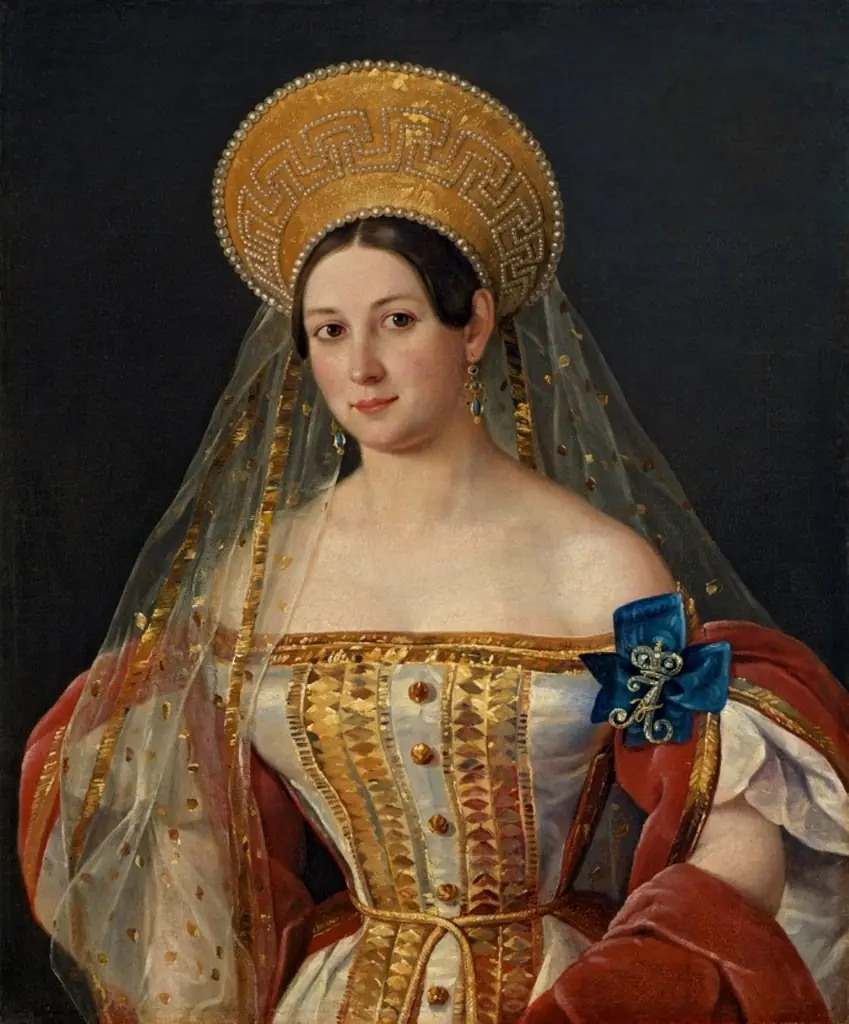 Portrait of the Lady-in-Waiting Sofia Orlova-Denisova (?)
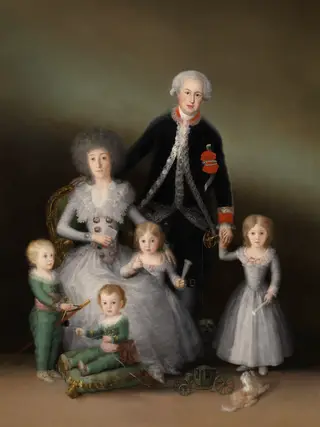 The Duke and Duchess of Osuna and their Children
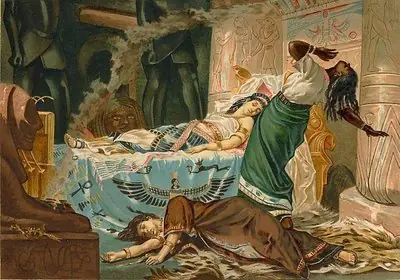 The Death of Cleopatra
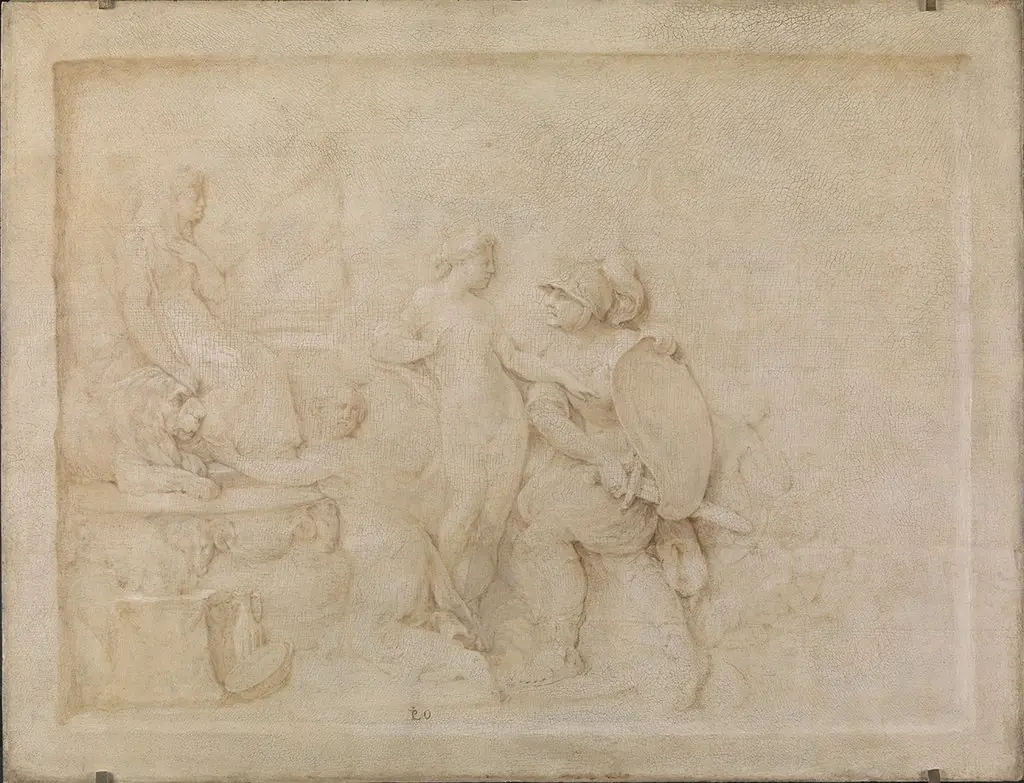 Aeneas hindres af Venus i sin hævn mod Helena, som har søgt tilflugt ved Cybeles alter
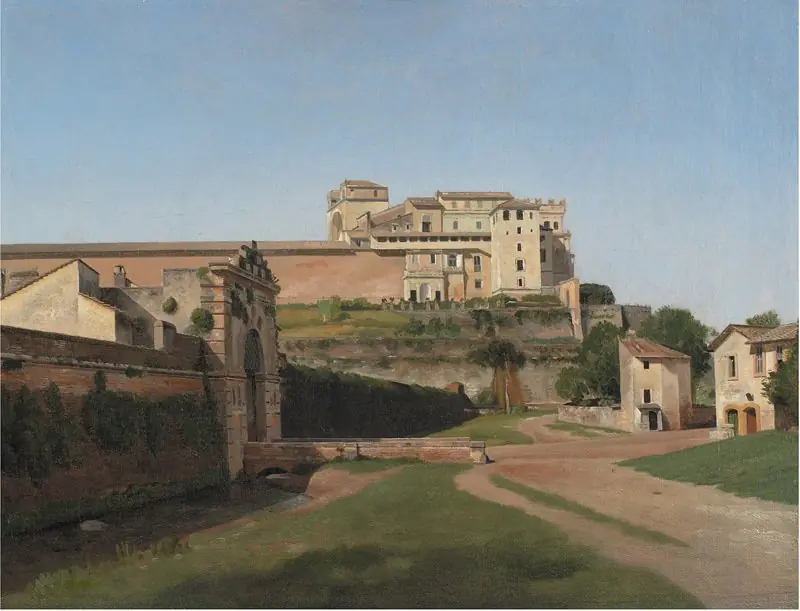 Porta Angelica and Part of the Vatican
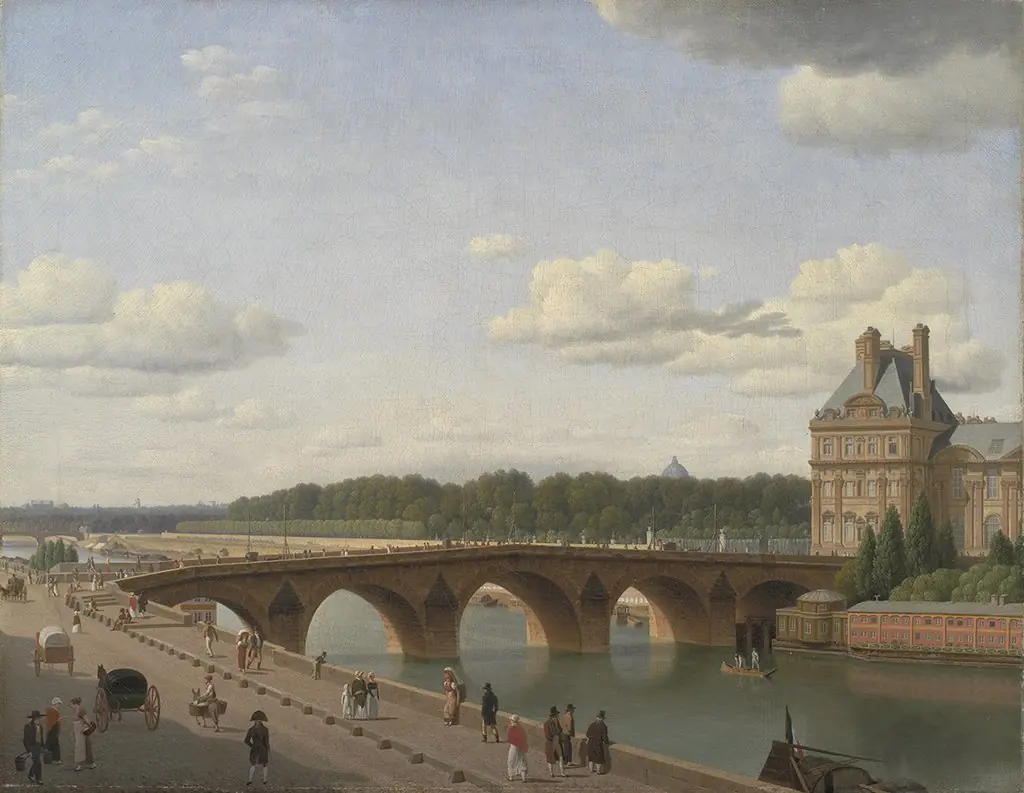 Pont Royal seen from Quai Voltaire
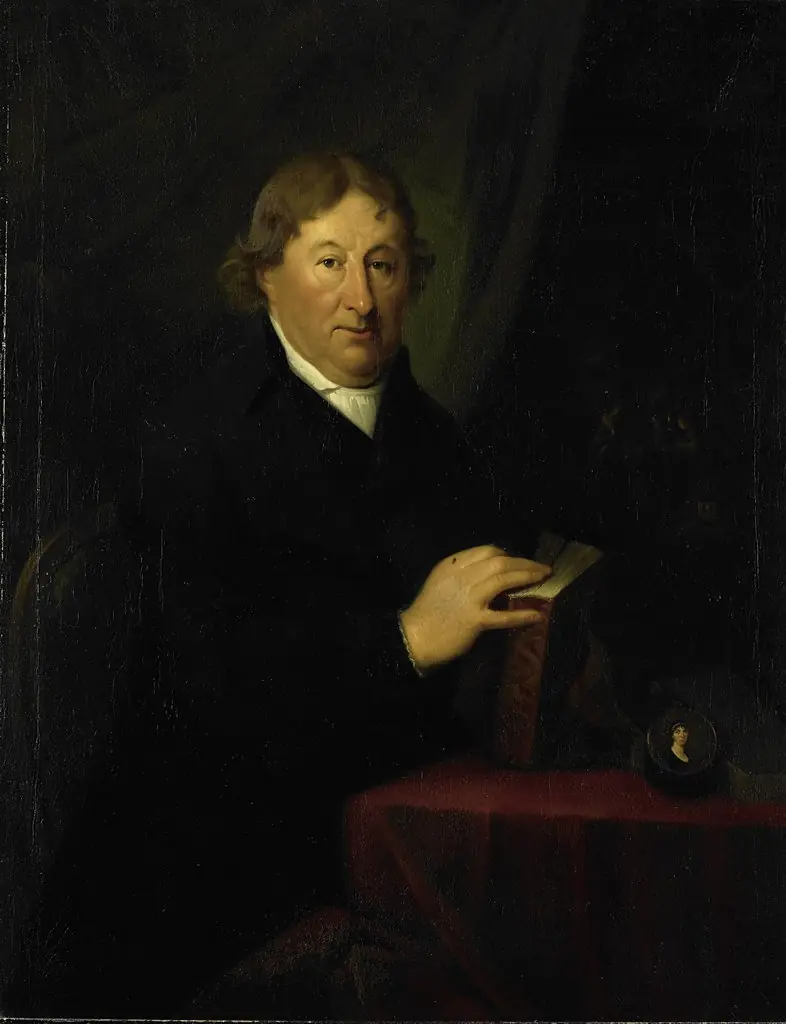 Portrait of Gerrit van der Pot, Lord of Groeneveld, Art Collector in Rotterdam
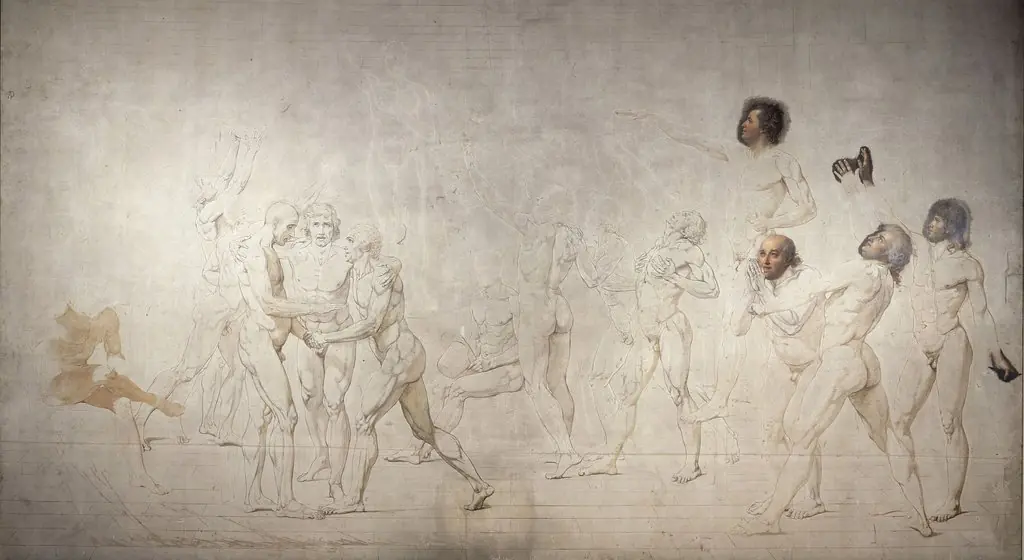 The Tennis Court Oath
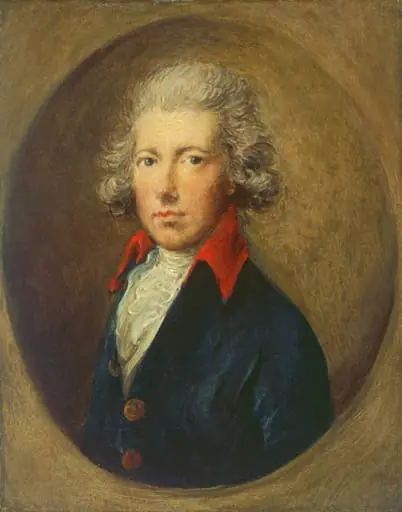 William Pitt
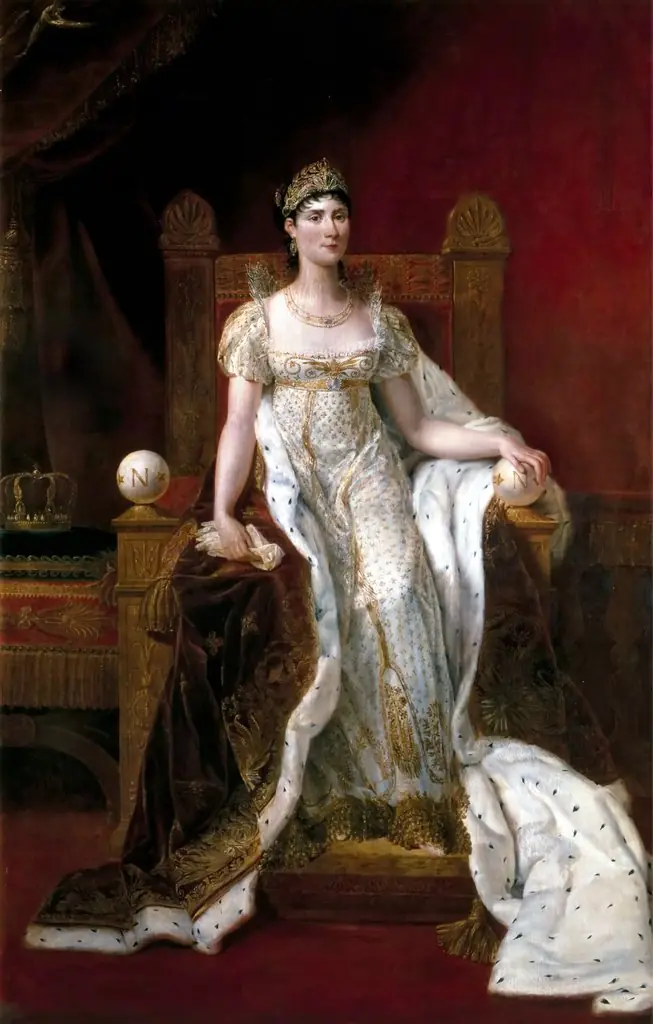 Joséphine, Empress of the French
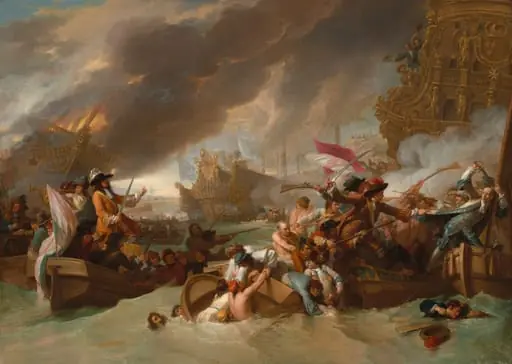 The Battle of La Hogue
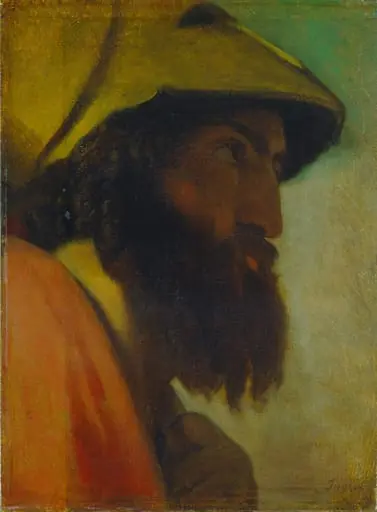 Ulysses
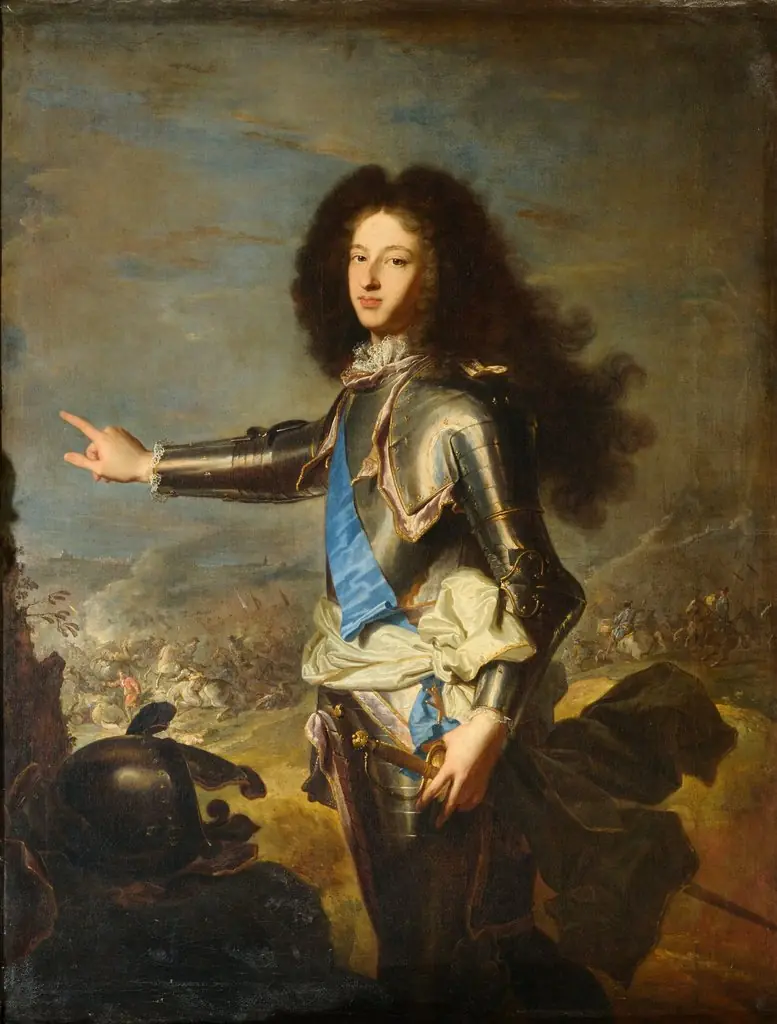 Louis de France, Duke of Burgundy
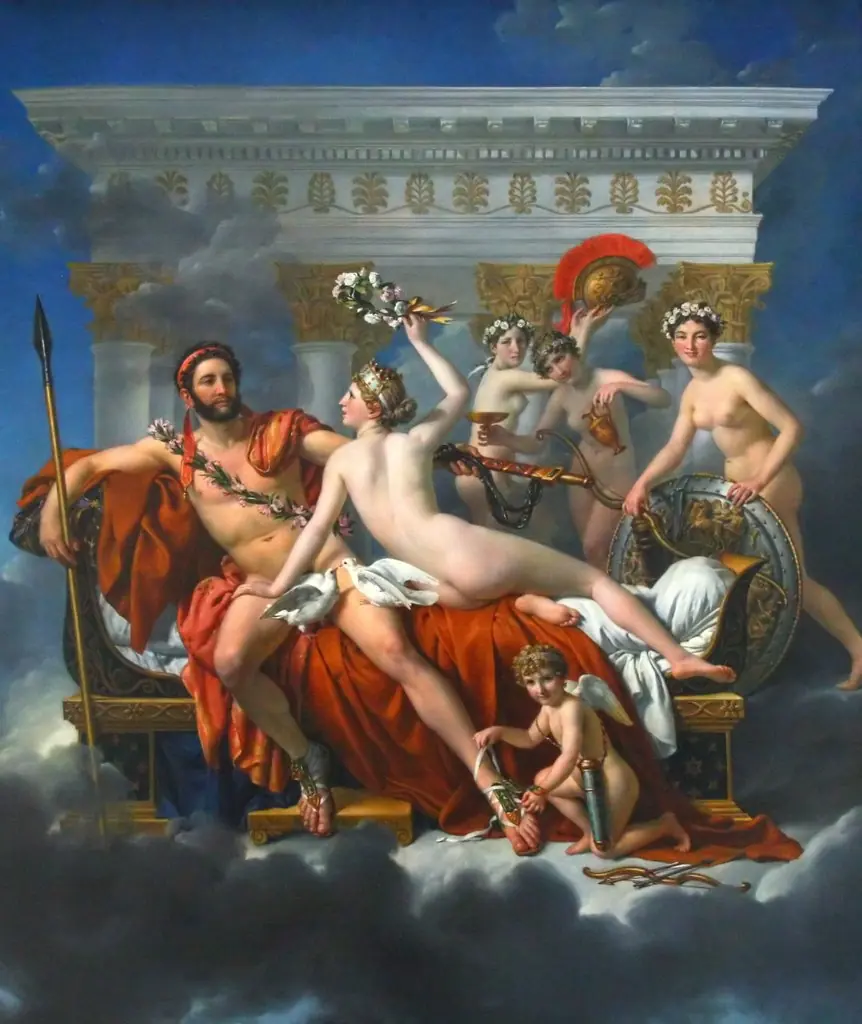 Mars Being Disarmed by Venus
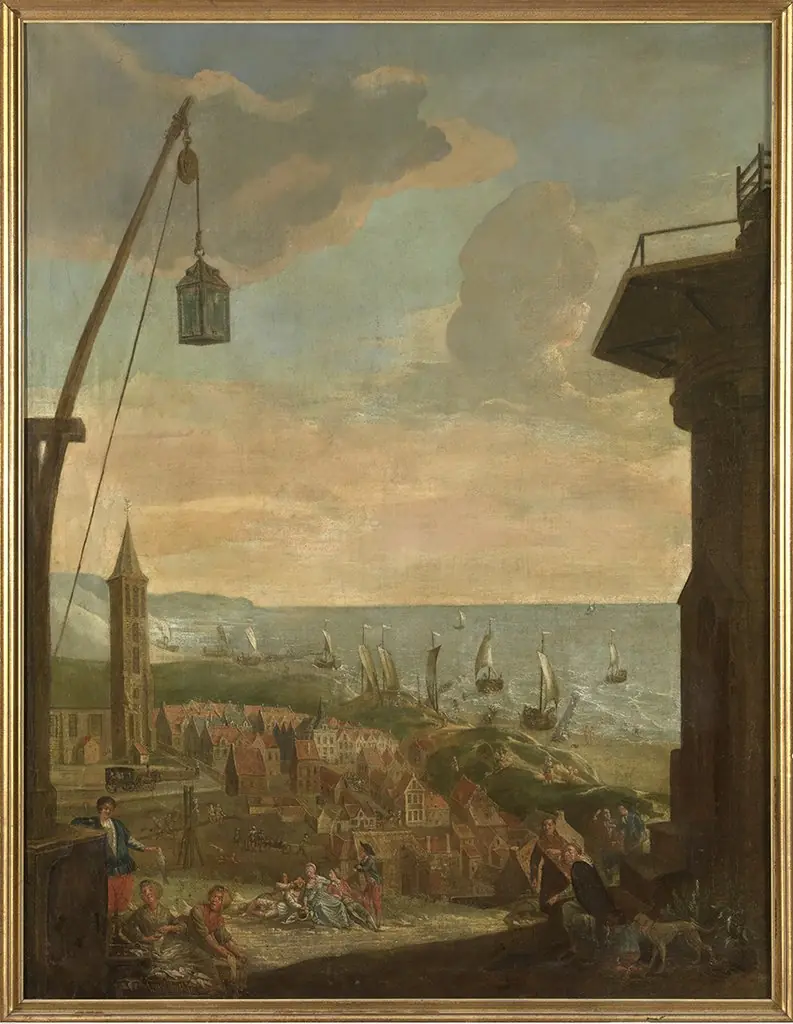 Gezicht op Blankenberghe
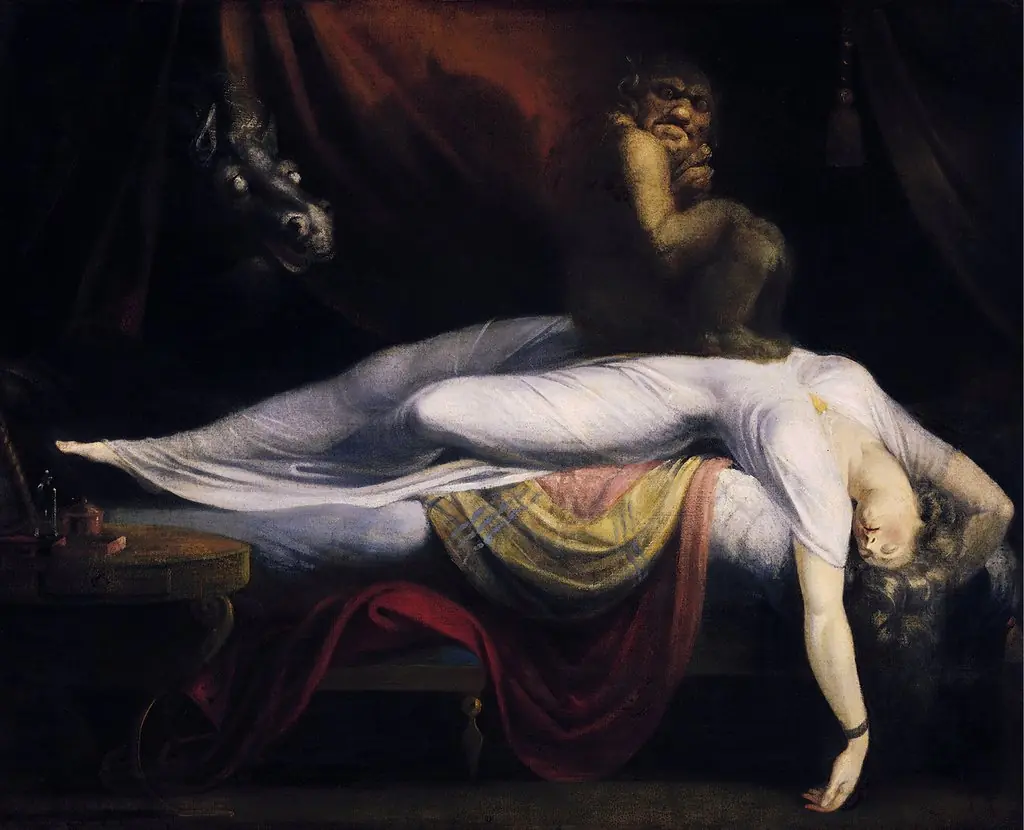 The Nightmare
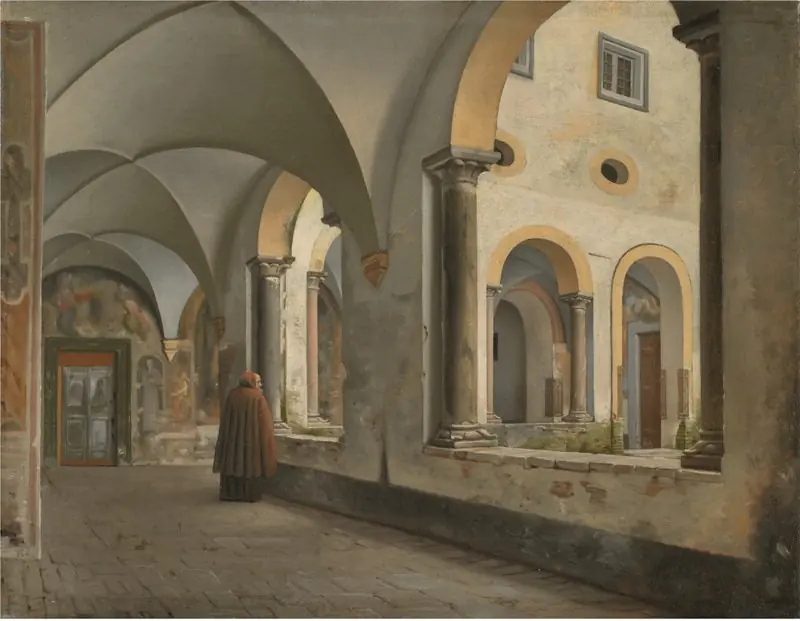 The Cloisters of the Franciscan Monastery Santa Maria in Aracoeli in Rome
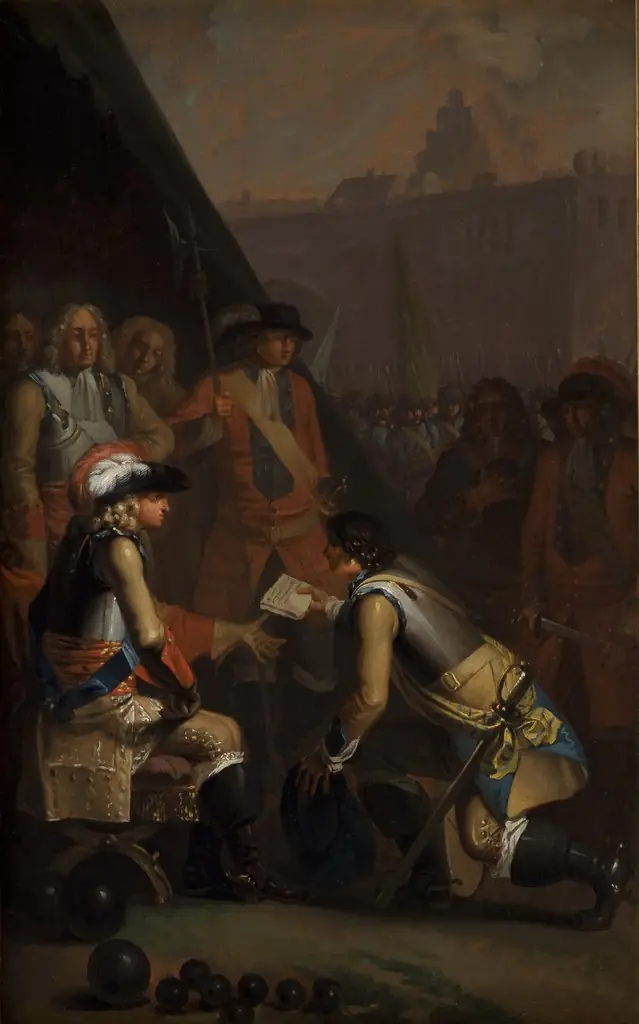 Magnus Stenbock Surrenders the Fortress of Tønningen to Frederik IV in 1714
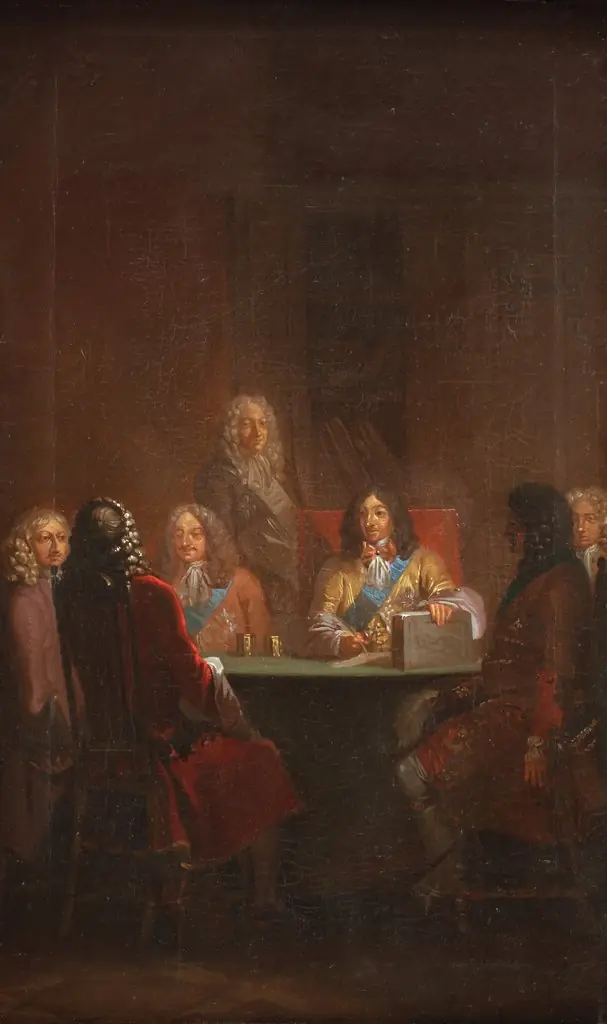 Christian V Presents Danish Law 1683
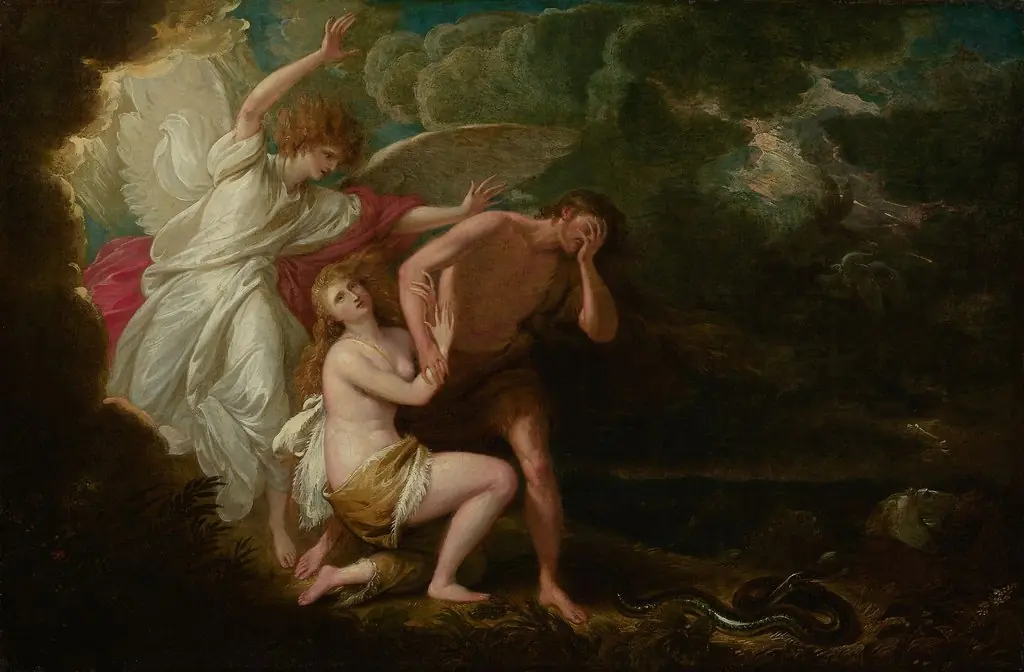 The Expulsion of Adam and Eve from Paradise
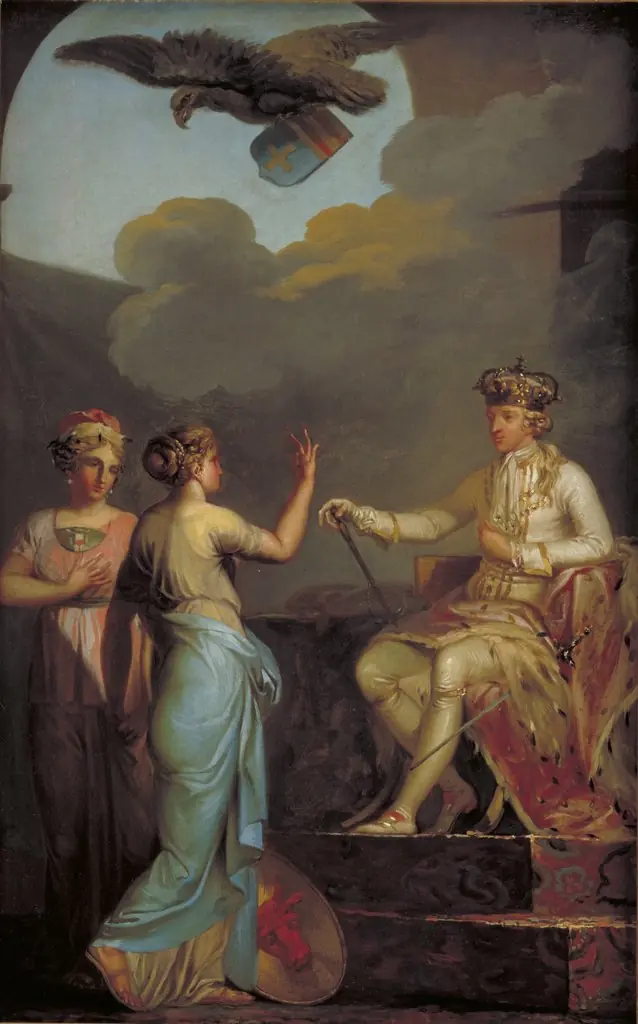 Christian VII Uniting the Ducal with the Royal Part of Holstein in 1767
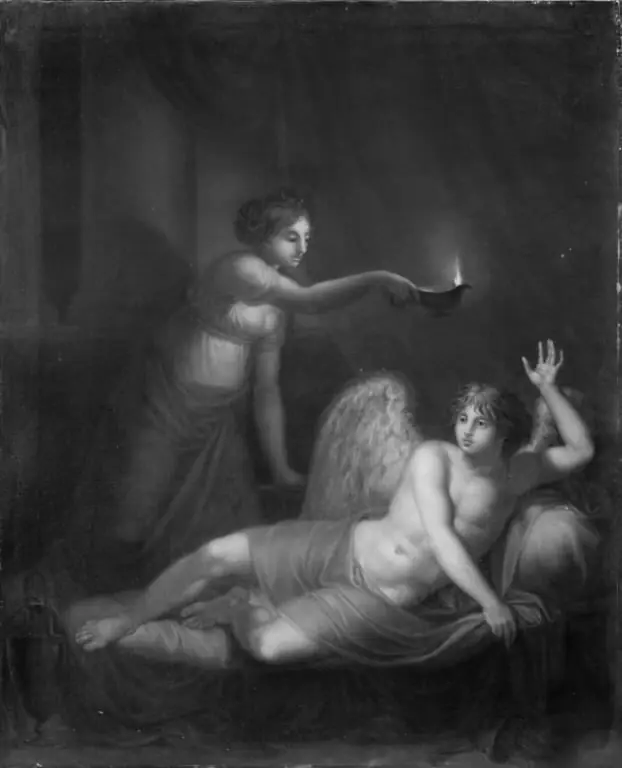 Amor, der vækkes af Psyche
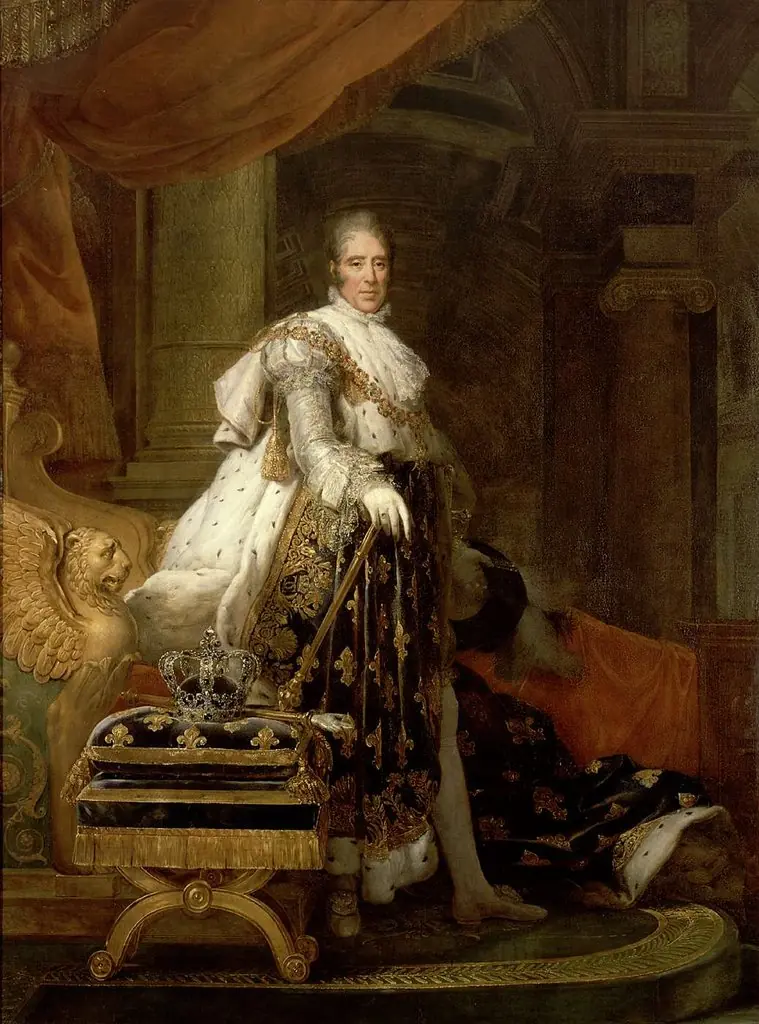 Charles X of France
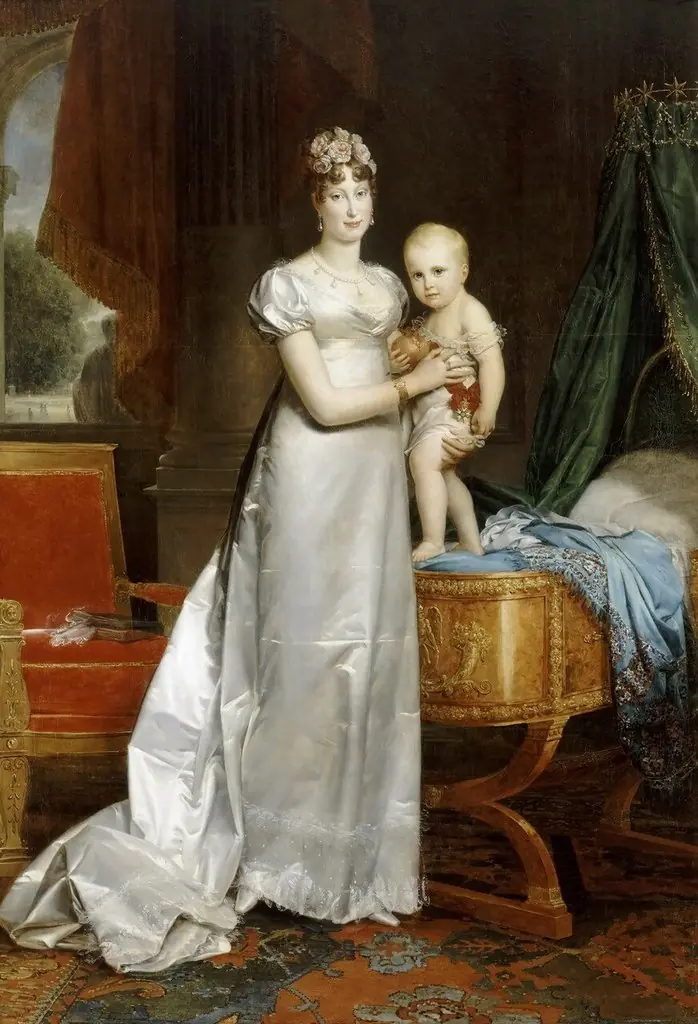 Marie-Louise, Empress of the French, and the Roi de Rome
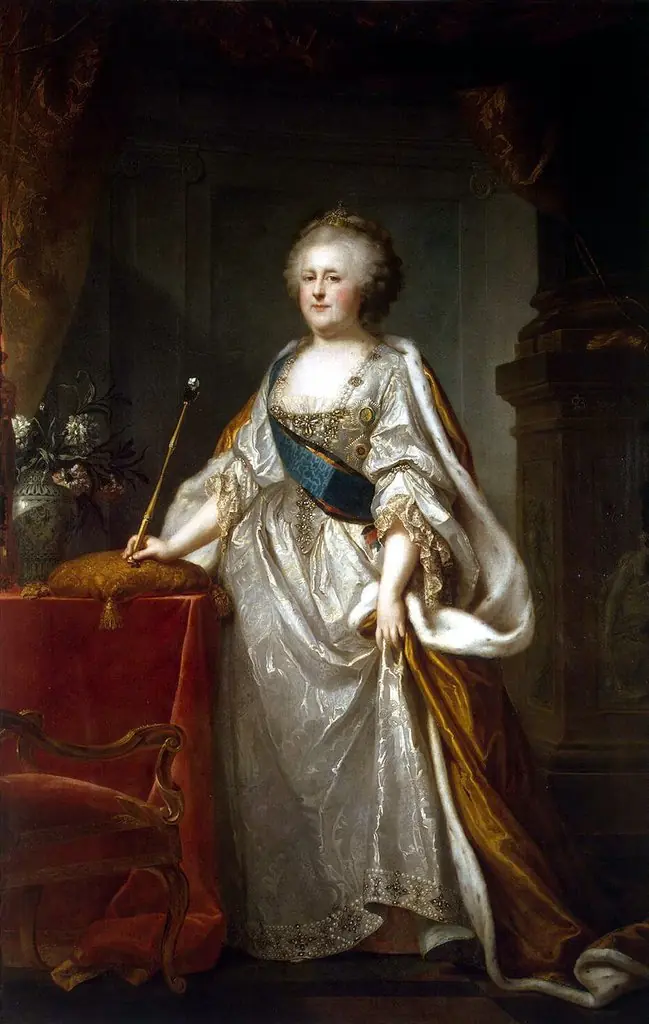 Portrait of Catherine II
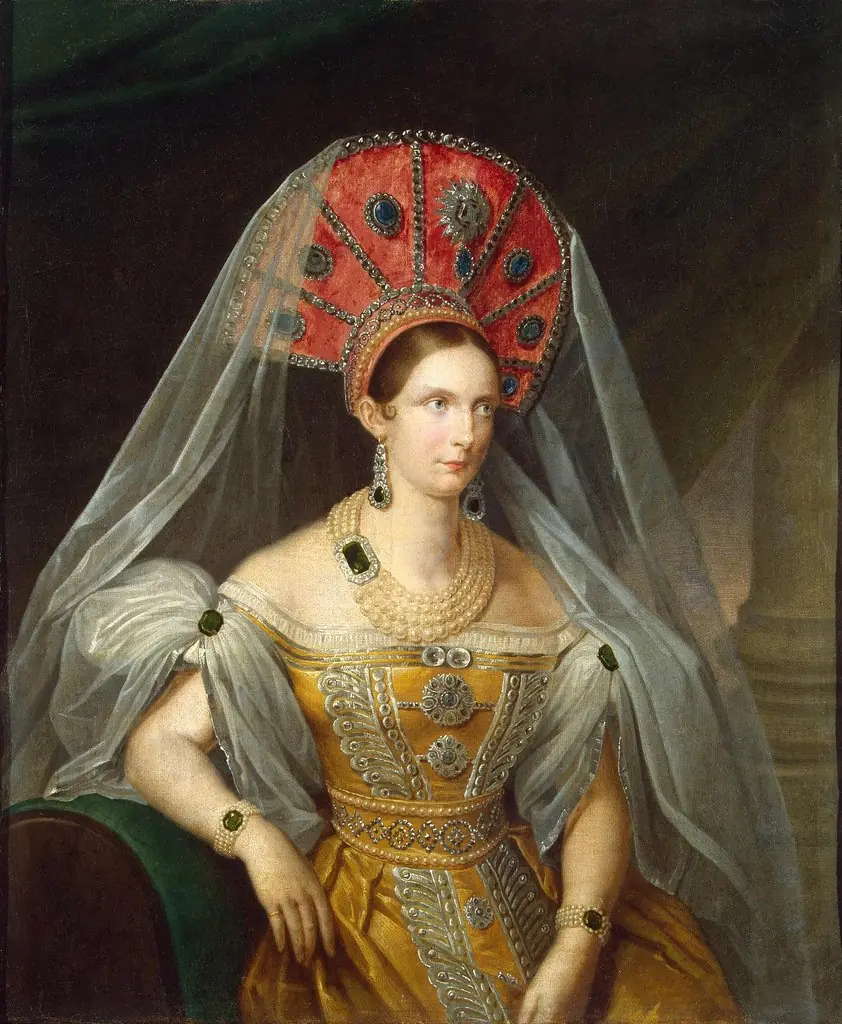 Portrait of Empress Alexandra Feodorovna
Learn this movement
Frequently asked questions
What is Neoclassicism?
Neoclassicism is an art movement. A European revival of ancient Greek and Roman art and values, reaching its peak in the late 18th and early 19th centuries as a reaction against Baroque and Rococo excess.
How many Neoclassicism works does Artifact World Gallery have?
Artifact World Gallery holds 1,186 public-domain Neoclassicism works, all free to view and download.
Who are the key Neoclassicism artists?
Key Neoclassicism artists in the collection include Henry Bone, Jacques-Louis David and Ralph Earl.
When did Neoclassicism take place?
Neoclassicism dates from around 1750.
Where can I see Neoclassicism works?
Neoclassicism works in the collection are held by Hermitage Museum, Statens Museum for Kunst and National Gallery of Art.