Artwork
Portrait of Marquis Bernard-François de Chauvelin
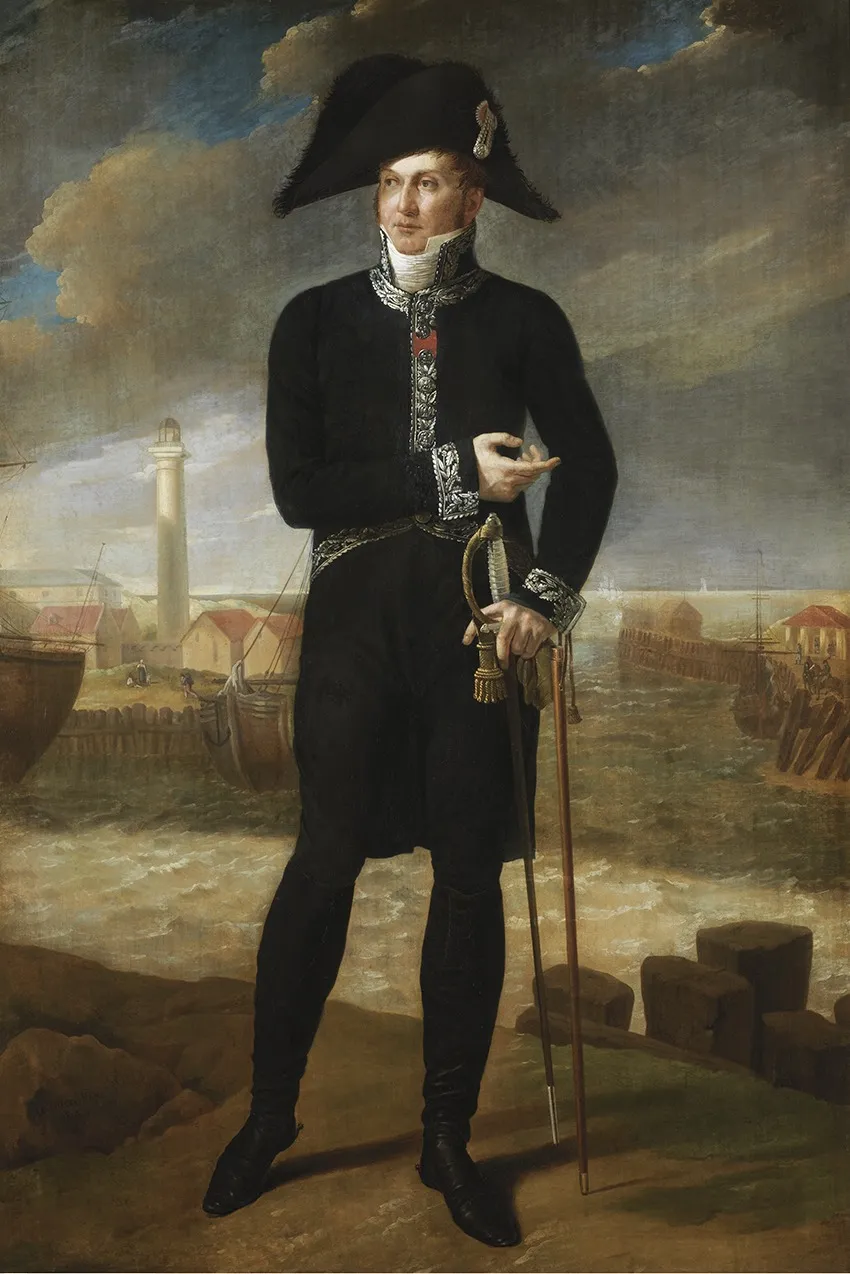
Portrait of Marquis Bernard-François de Chauvelin is an oil painting by the Neoclassicist artist Joseph-Denis Odevaere. It dates from 1805 and is held in the collection of the Groeningemuseum. Created in 1805, this oil painting by Joseph‑Denis Odevaere presents the Marquis Bernard‑François de Chauvelin in a formal pose.
About this work
Subject & Meaning
Symbolic motifs such as the lighthouse and ship highlight his stewardship of navigation and trade, reflecting Enlightenment ideals of progress and statecraft.
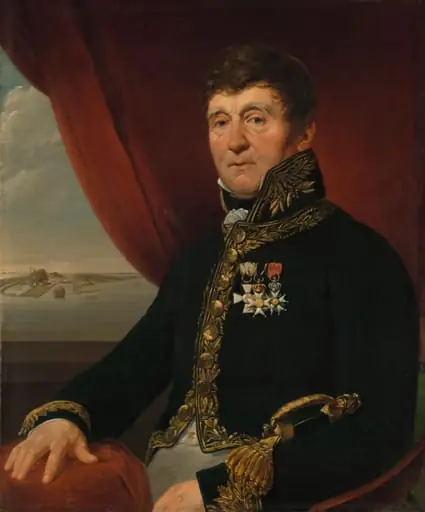
The painting depicts Bernard-François, marquis de Chauvelin, rendered within a symbolic maritime setting that underscores his roles as a naval administrator and diplomat. The inclusion of a sea, ship, lighthouse, warehouse, and port references his oversight of maritime commerce and coastal defenses, while the horse and house suggest his aristocratic status and domestic authority. Together these elements convey the subject’s political and economic responsibilities in the late‑Napoleonic era.
The work measures 217 cm in height and 141.5 cm in width, executed in oil on canvas in 1805 for the Groeningemuseum in Bruges.
Symbolic motifs such as the lighthouse and ship highlight his stewardship of navigation and trade, reflecting Enlightenment ideals of progress and statecraft.
Technique & Style
Executed in 1805 by Joseph-Denis Odevaere, this portrait is an oil painting on canvas. The work measures 217 cm in height and 141.5 cm in width. Stylistically, the composition extends beyond a standard likeness to include a detailed background featuring maritime and industrial elements, specifically depicting a sea, ships, a lighthouse, warehouses, and a port. A horse is also present within the scene alongside the primary subject, Bernard-François, Marquis de Chauvelin.
History & Provenance
The portrait was painted in 1805 by Joseph-Denis Odevaere, as indicated by the work’s inscription and the artist’s records.
It entered the collection of the Groeningemuseum in Bruges, where it has remained in the public holdings. The canvas depicts the Marquis Bernard-François de Chauvelin against a maritime background, aligning with the early nineteenth-century vogue for portraiture that emphasized sitters’ social identity and surroundings.
Legacy
The painting's legacy is anchored in its continued presence at the Groeningemuseum where it is part of the permanent collection and frequently cited in scholarly studies of Neoclassical portraiture. Its detailed depiction of aristocratic attire and maritime symbolism has informed later examinations of status representation in early nineteenth-century European art, influencing curatorial narratives that link portraiture to colonial and mercantile networks. The work's technical execution in oil on canvas, noted for its precise rendering of texture and light, remains a reference point for conservation assessments of Odevaere's oeuvre.
Overview
Created in 1805, this oil painting by Joseph‑Denis Odevaere presents the Marquis Bernard‑François de Chauvelin in a formal pose. The figure stands before a coastal scene that includes a harbor, a lighthouse and a rocky shoreline, combining portraiture with a landscape backdrop. The work exemplifies the neoclassical taste for clear composition and dignified representation.
Context
Odevaere, a native of the Southern Netherlands, worked during a period when neoclassical ideals dominated European art, emphasizing order, clarity and moral seriousness. Portraits of aristocrats often incorporated symbolic elements such as military regalia and architectural landmarks to convey rank and civic responsibility, a practice evident in this depiction of the Marquis.
Artist & collection
Artist
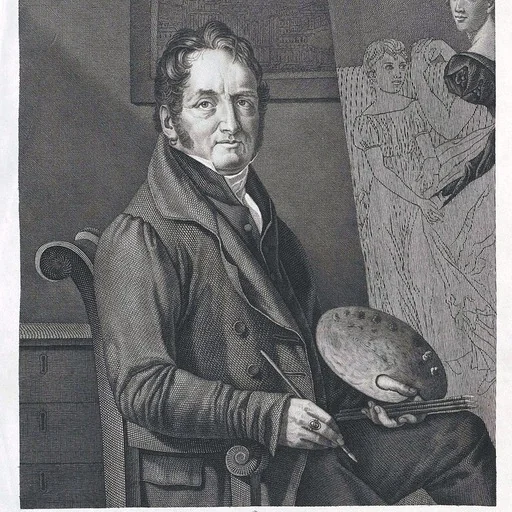
Joseph Denis Odevaere, or Joseph-Désiré Odevaere (2 December 1775, in Bruges – 26 February 1830, in Brussels), was a Neo-Classical painter from the Southern Netherlands (now Belgium). He served as court painter to King William I.

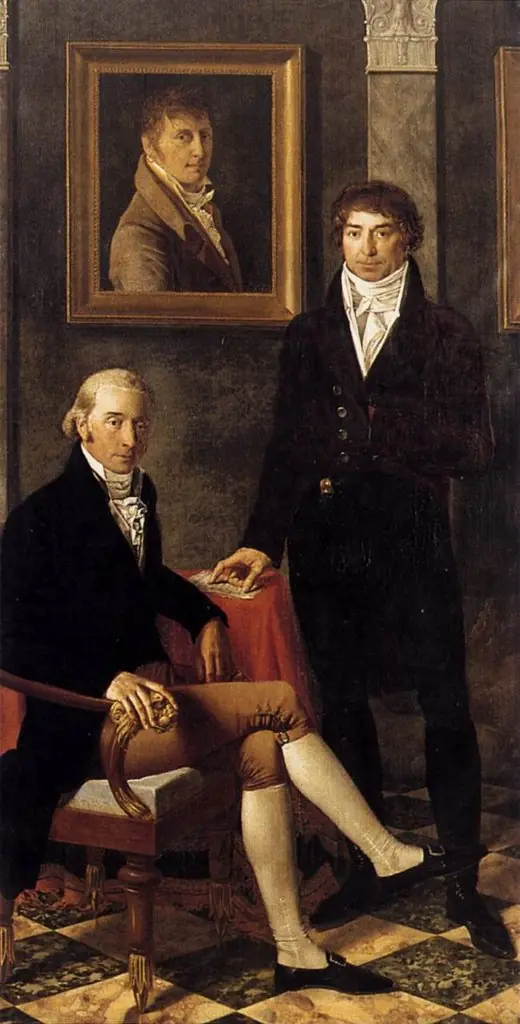 Friendship portrait of the artists François Wynckelman, François van der Donckt and Joseph Odevaere
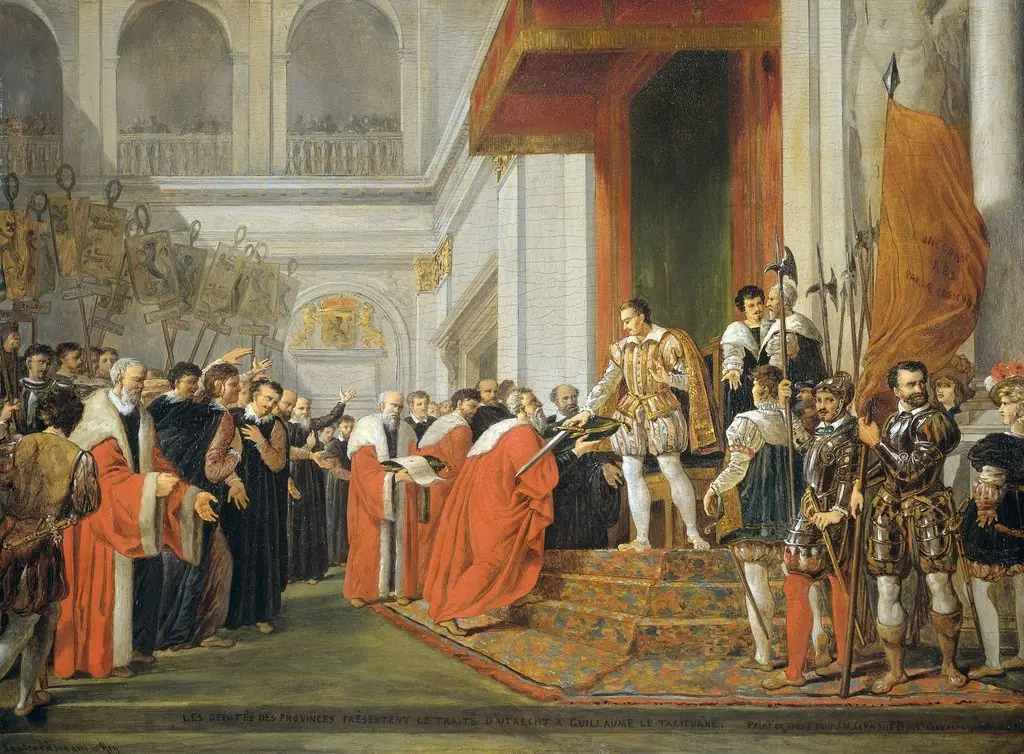 The Union of Utrecht
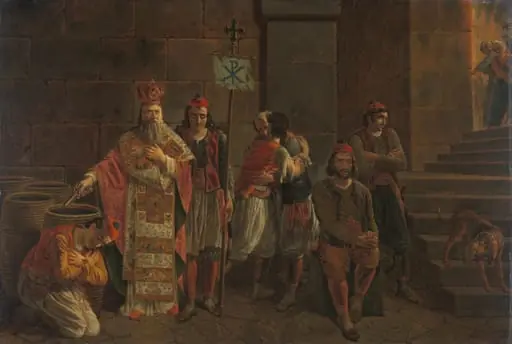 The Last Defenders of Missolonghi, 22 April 1826: an episode from the Greek War of Independence
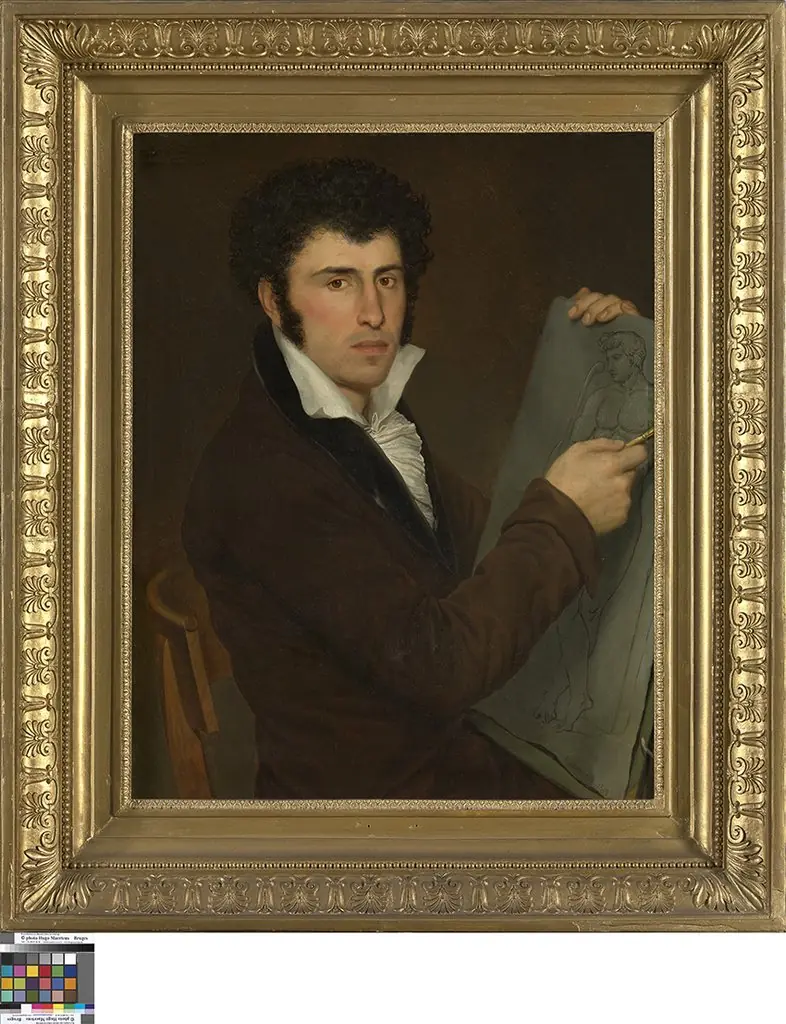 Portret van Filips Jacob Van Houtte
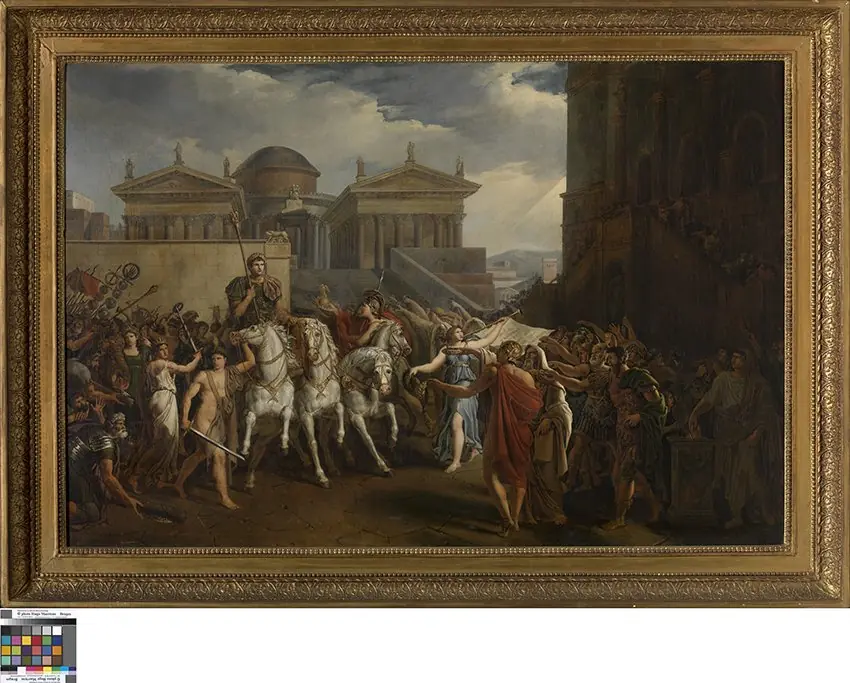 Triomftocht van keizer Trajanus
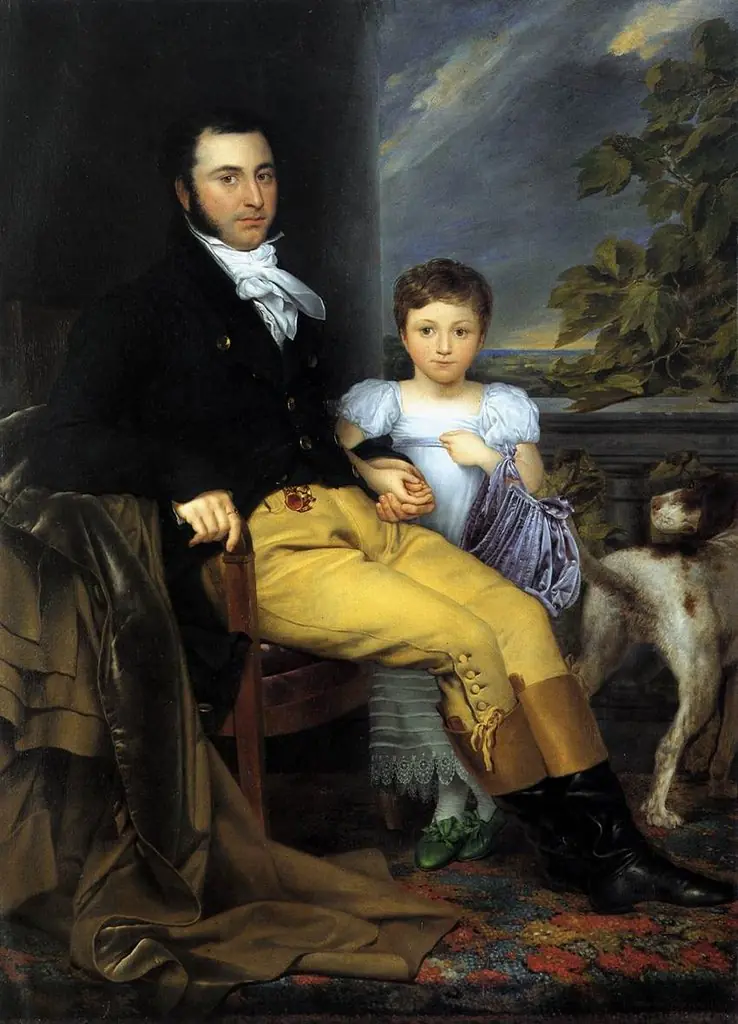 Portret van een voornaam man met zijn dochter en een jachthond
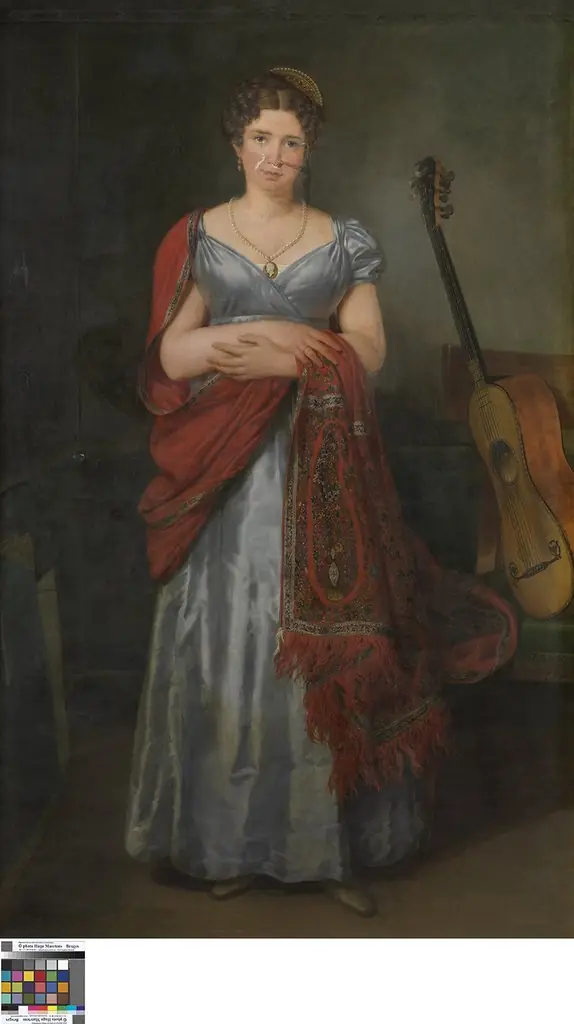 Portret van Sylvie de la Rue
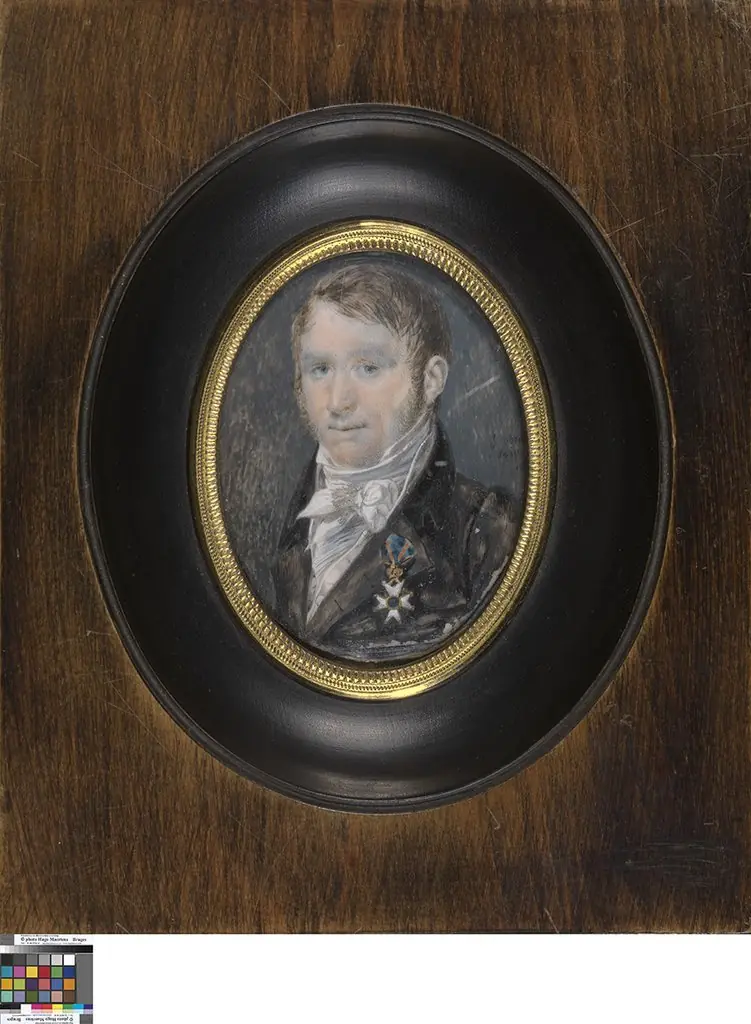 Zelfportret
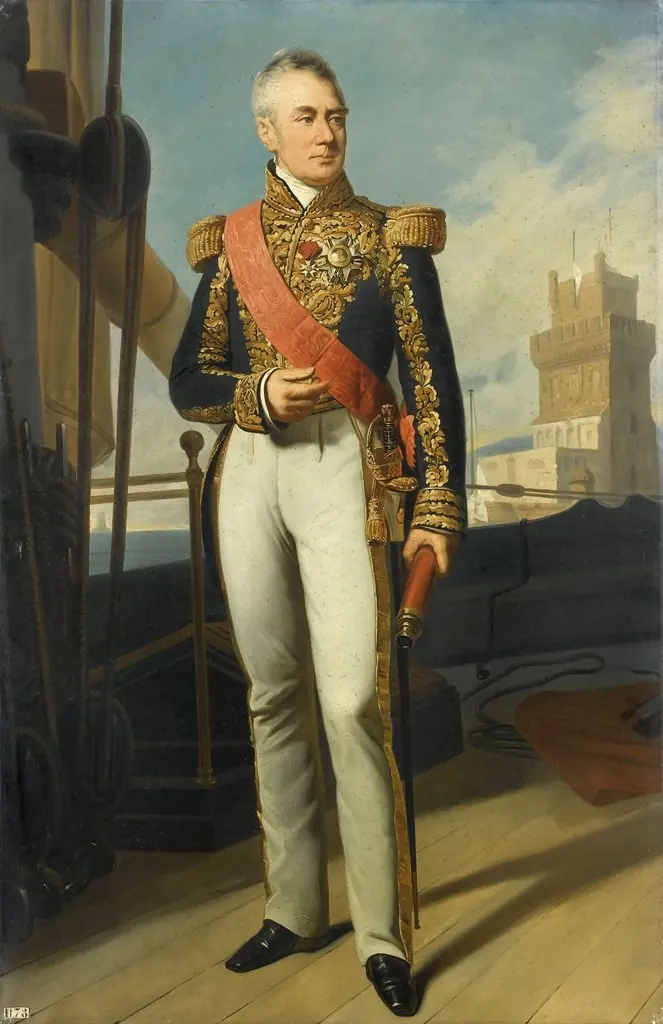
- Albin-Reine, baron Roussin, admiral of France
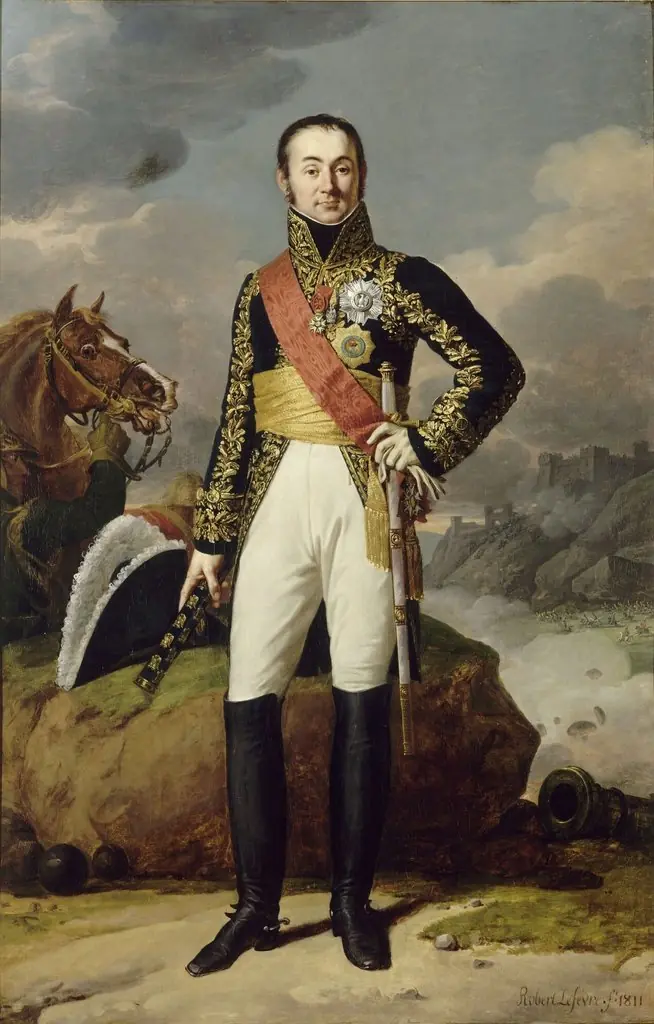 Nicolas-Charles Oudinot, Duke of Reggio, Marshal of France (1767-1847)
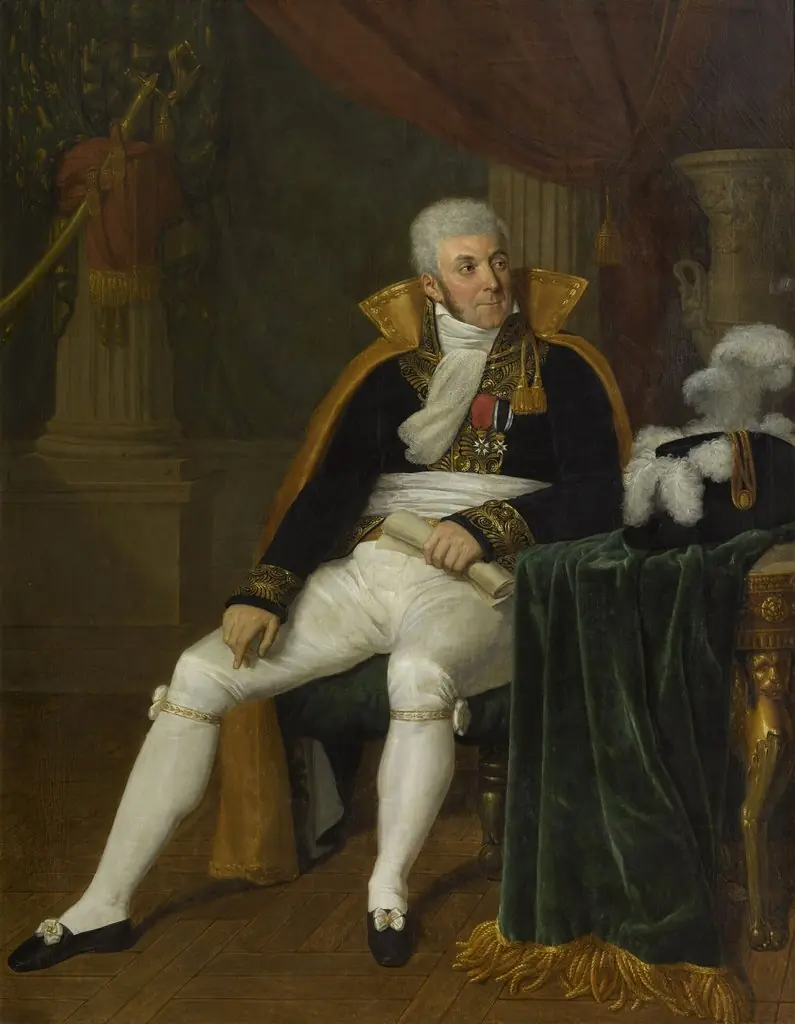 Jérôme, count Soulès, lieutenant-general (1760-1833)
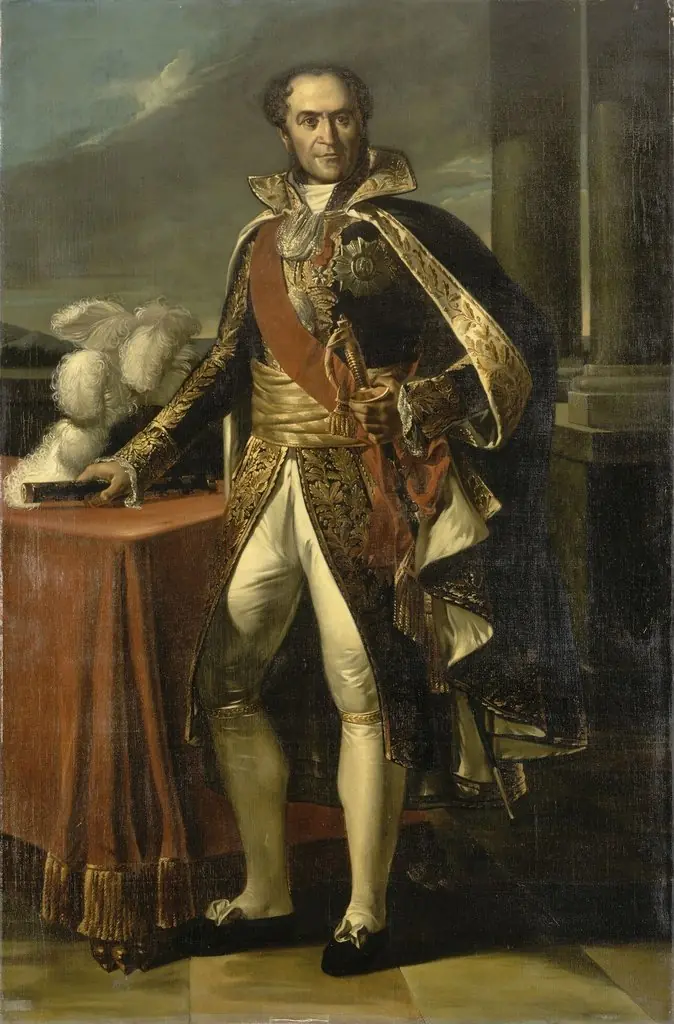 Guillaume-Marie-Anne, maréchal Brune
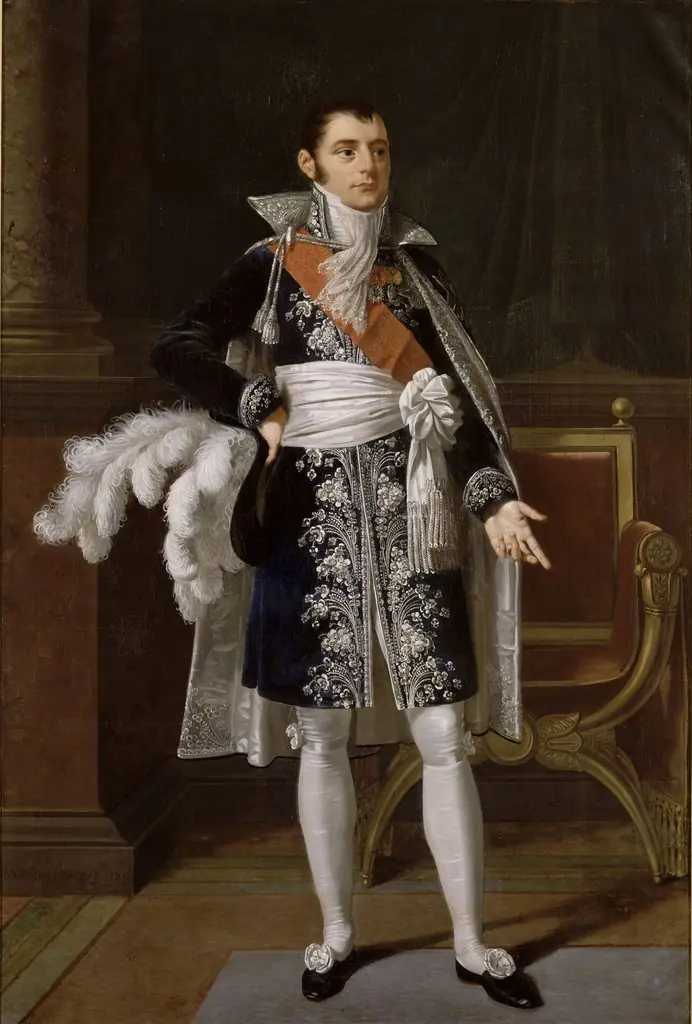 Portrait of Anne-Jean-Marie-René Savary, Duke of Rovigo (1774-1833)
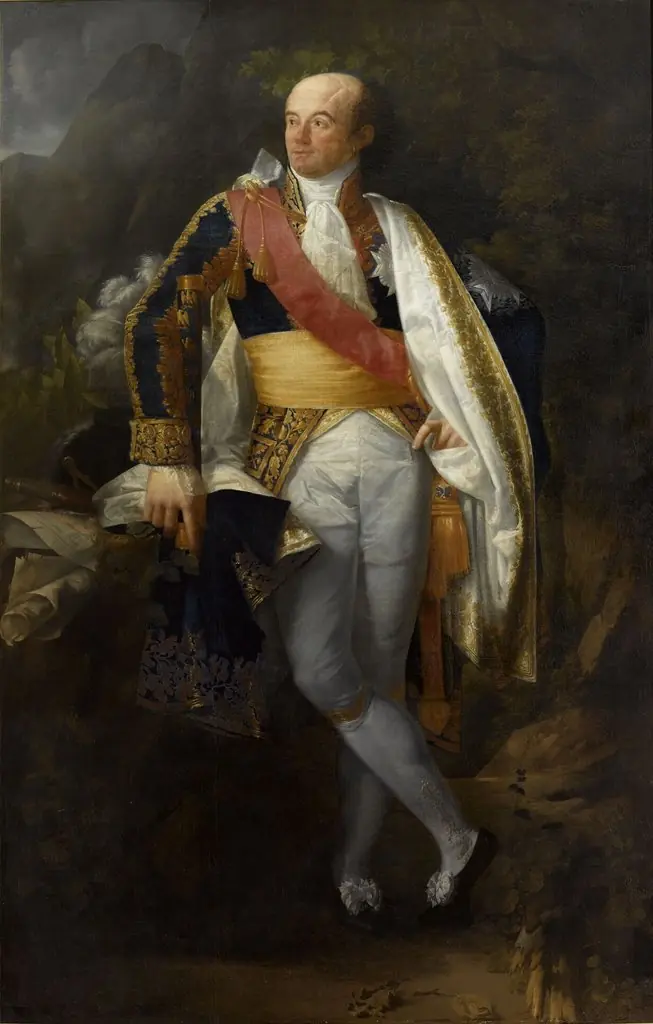 Dominique-Catherine, marquis Pérignon, maréchal de France (1754-1818)
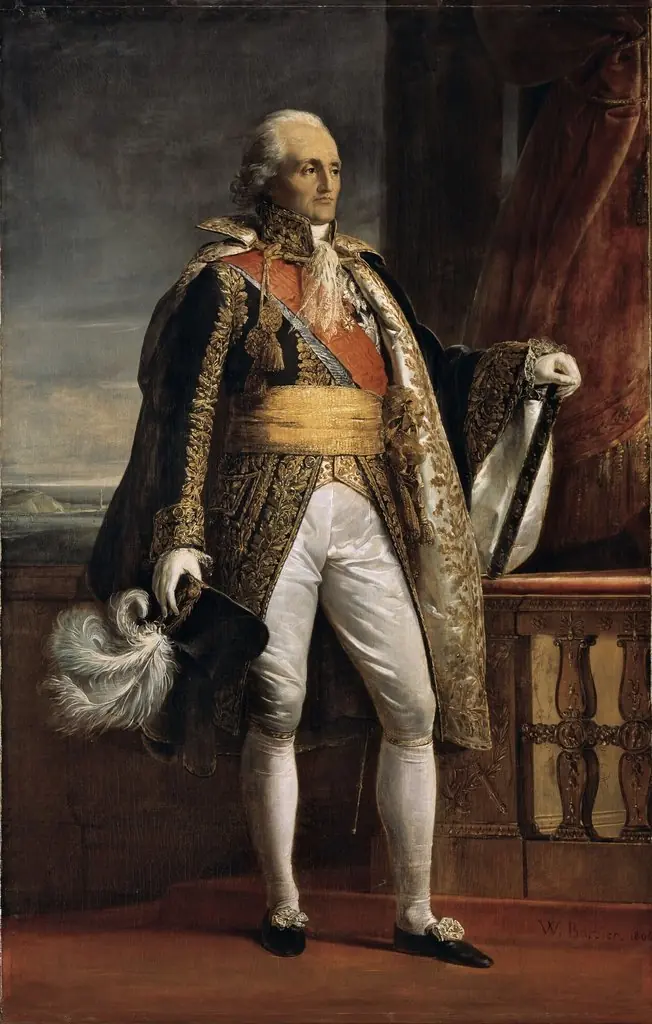 Bon Adrien Jeannot de Moncey, Duc de Conegliano, Marshal of France
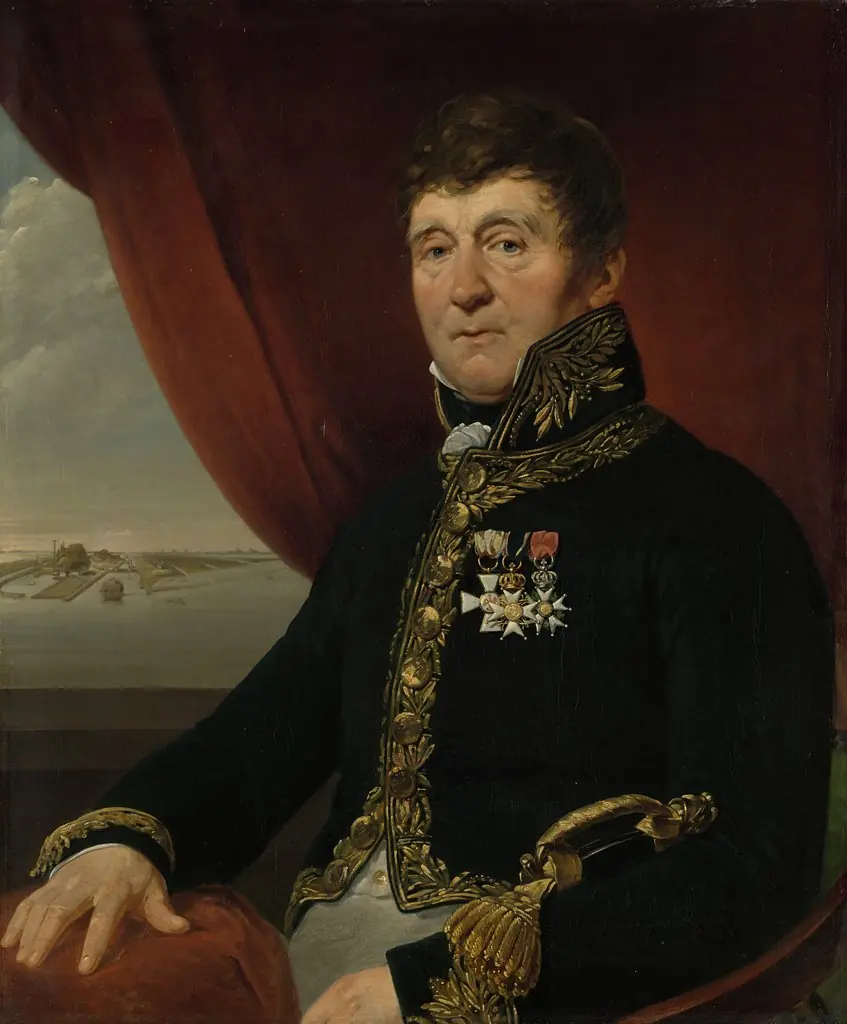 Jan Blanken, Hydraulic engineer involved in the development of the Dutch water system
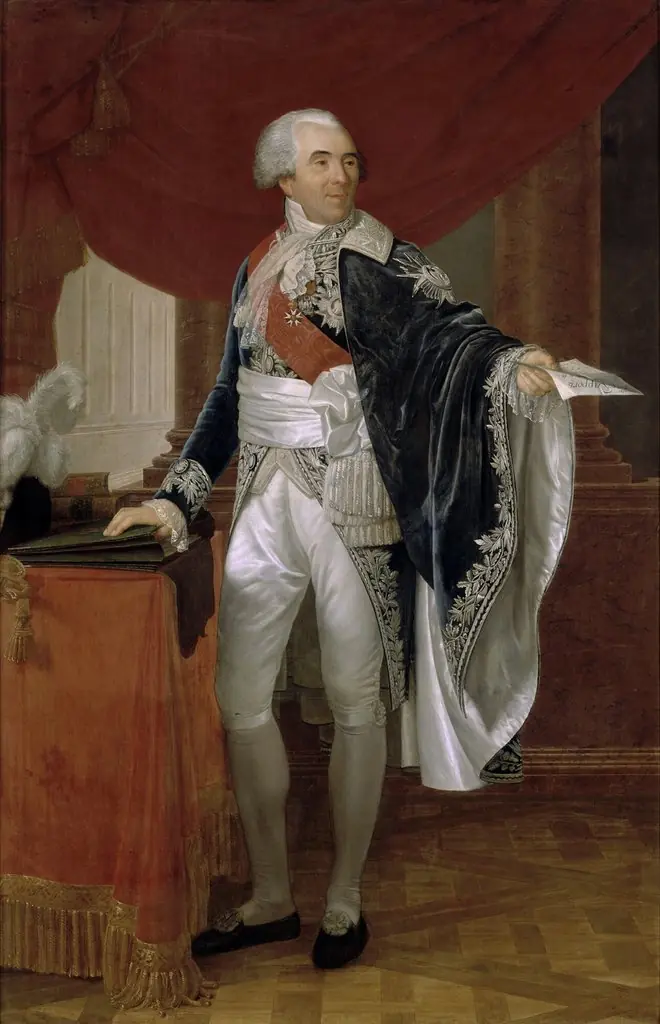 Jean-Gérard Lacués, count of Cessac (1752-1841)
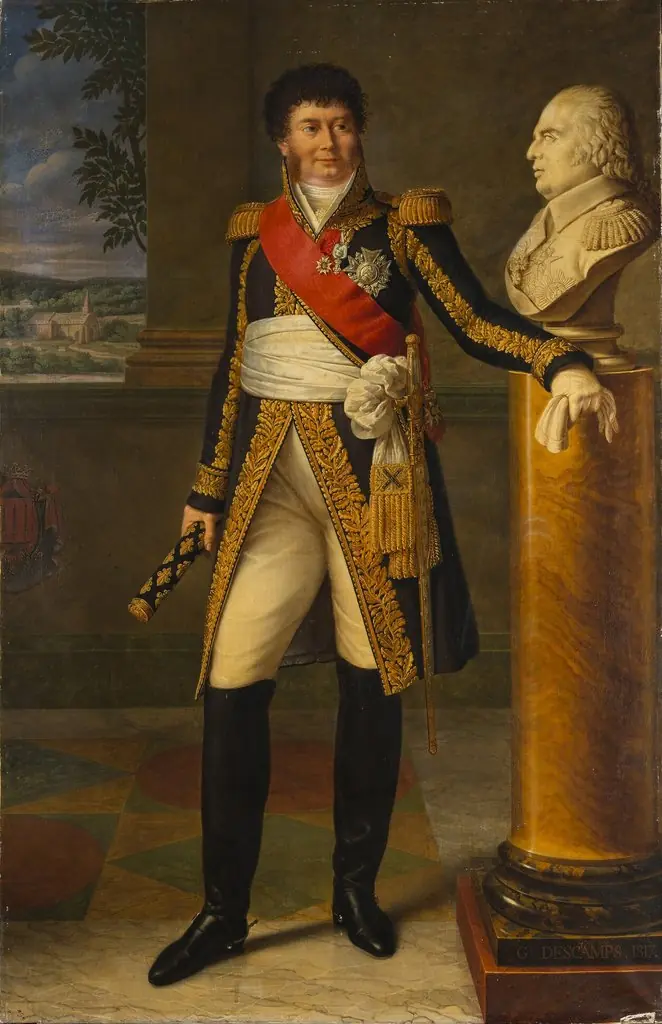 Henri-Jacques-Guillaume Clarke, Count of Hunebourg, Duke of Feltre, Marshal of France (1765-1818)
 Jean-Victor Moreau (1763-1813), général en chef de l'armée du Rhin
 Untitled