Artwork
Untitled
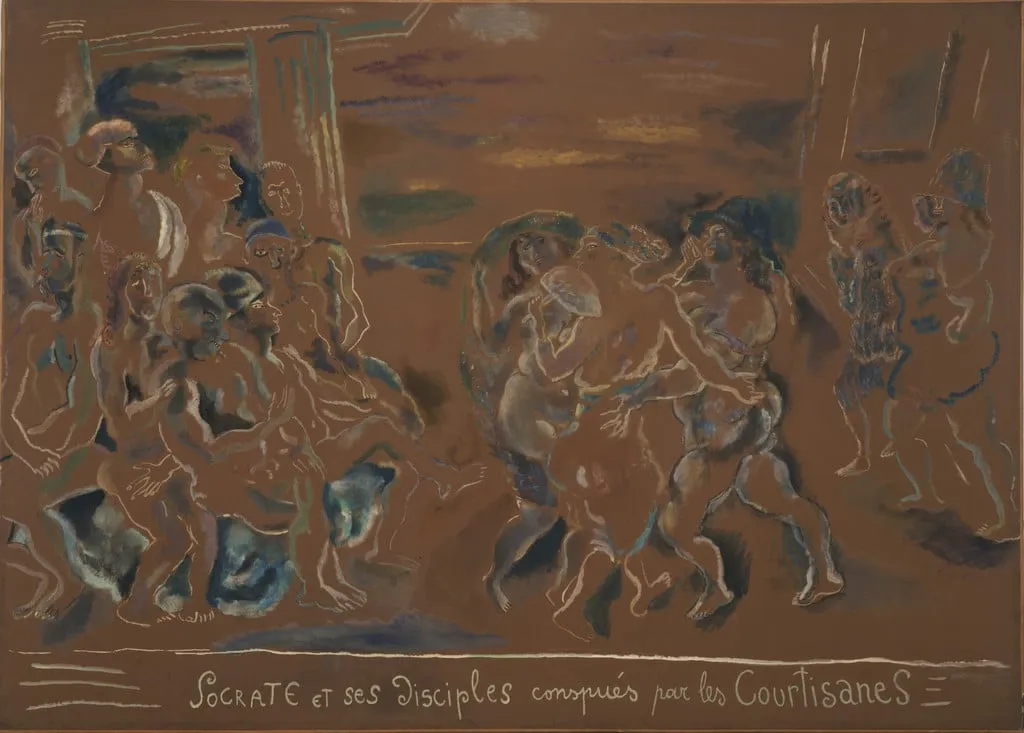
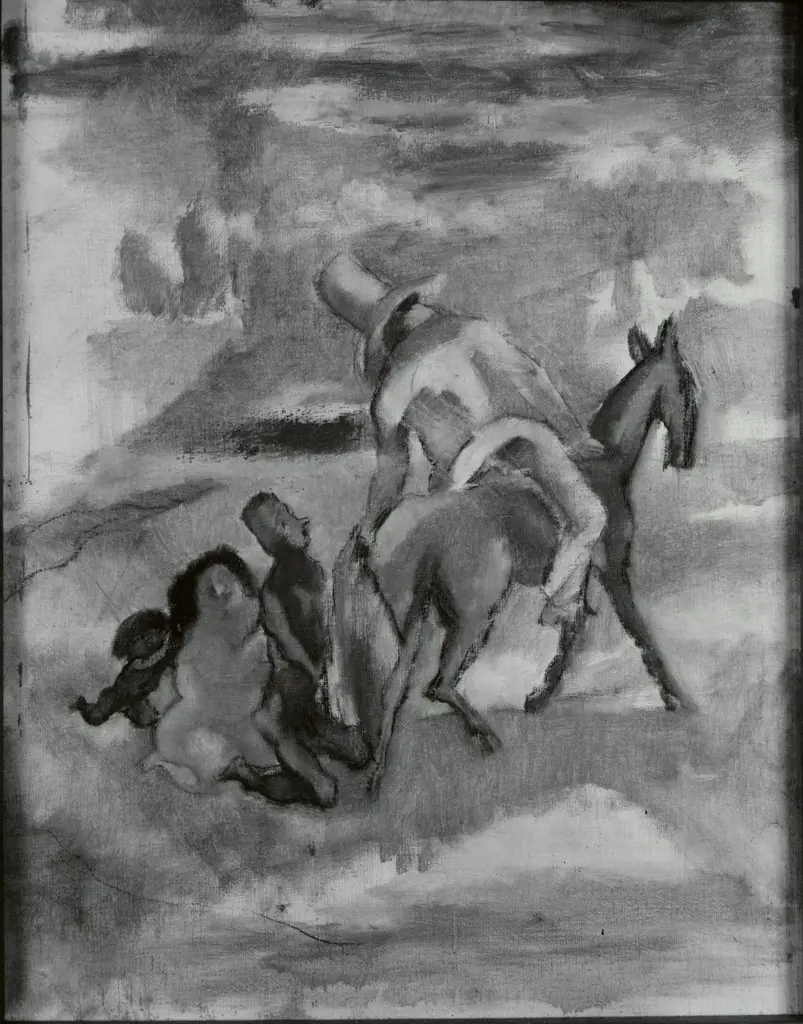
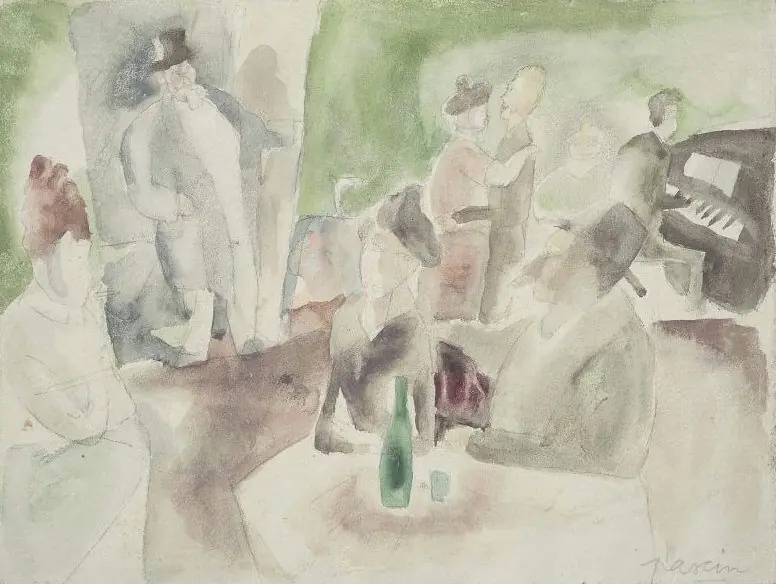
Untitled is an oil drawing by Jules Pascin. It dates from 1921 and is held in the collection of the Museum of Modern Art.
About this work
Overview
Though labeled a drawing, its layered materials and scale suggest a hybrid approach between painting and sketch.
Created around 1921, this work by Jules Pascin combines oil, gouache, and crayon on paper mounted to canvas. Though labeled a drawing, its layered materials and scale suggest a hybrid approach between painting and sketch. Pascin, a Bulgarian-born artist active in early 20th-century Paris, often worked in intimate, expressive modes that blurred boundaries between medium and subject. The piece resides in The Museum of Modern Art’s collection.
Subject & Meaning
The composition depicts a group of figures in disarray—some entangled in movement, others reclining or observing. Though the title references Socrates and courtesans, the scene evokes a boisterous gathering rather than a philosophical dialogue. Pascin’s interest in human vulnerability and social intimacy overrides literal narrative, transforming mythic allusion into a visceral portrayal of shared, unguarded moments.
Technique & Style
Pascin employed rapid, gestural strokes in crayon and gouache, layered with thin oil washes to create texture and depth. The palette is muted—dominated by earthy browns and cool blues—with no clear focal point. The loose handling and unfinished quality convey immediacy, as if the scene were captured mid-motion. The paper support, mounted on canvas, enhances the work’s tactile, provisional character.
History & Provenance
Pascin produced this work during his most prolific period in Montparnasse, where he was known for his intimate portrayals of artists, dancers, and courtesans. The piece remained in private hands until acquired by The Museum of Modern Art, which recognized its significance as an example of expressive figuration within the School of Paris. Its journey reflects broader postwar interest in non-traditional modernist drawing.
Context
In early 1920s Paris, artists like Pascin responded to the fragmentation of traditional forms with emotionally charged, informal compositions. His work emerged alongside Expressionist and Post-Impressionist currents, yet retained a distinctly personal tone. The chaotic energy of this piece mirrors the social fluidity of Montparnasse’s nightlife, where boundaries of class, gender, and artistic discipline were frequently renegotiated.
Legacy
Pascin’s approach influenced later generations of figurative artists who valued emotional honesty over technical polish. This work exemplifies his ability to convey psychological depth through spontaneity. Though less widely known than his contemporaries, his integration of drawing and painting techniques helped redefine the possibilities of modern figuration in the interwar period.
Artist & collection
Artist
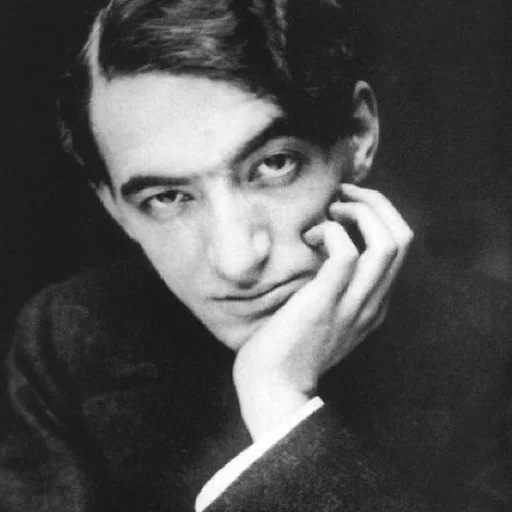
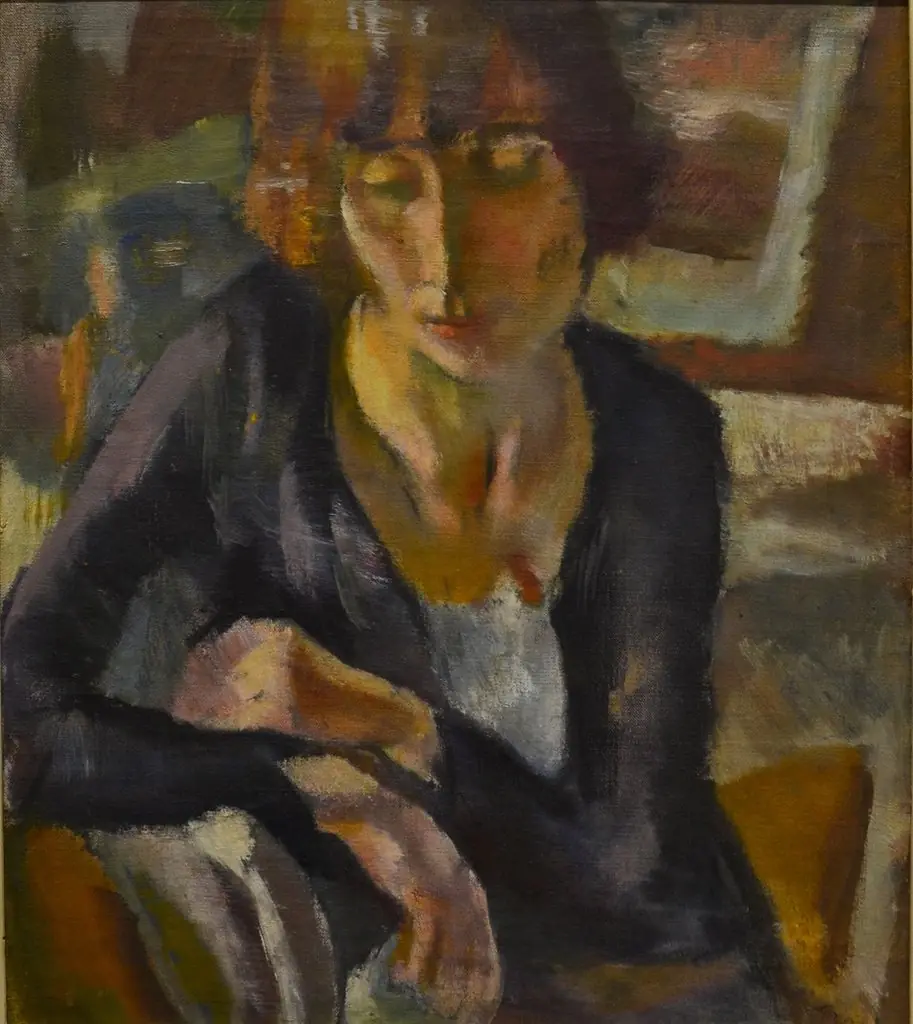
Julius Mordecai Pincas (March 31, 1885 – June 2, 1930), known as Pascin (French: , erroneously or ), Jules Pascin, also known as the "Prince of Montparnasse", was a Bulgarian artist of the School of Paris, known for his paintings and…

 Copy of a Pompeii fresco in Naples
 A seated figure receiving an offering
 Study after Domenichino
 Untitled
 Apollo endeavouring to raise the walls of Troy by the music of his harp
 Design for a screen
 Feast of the Gods
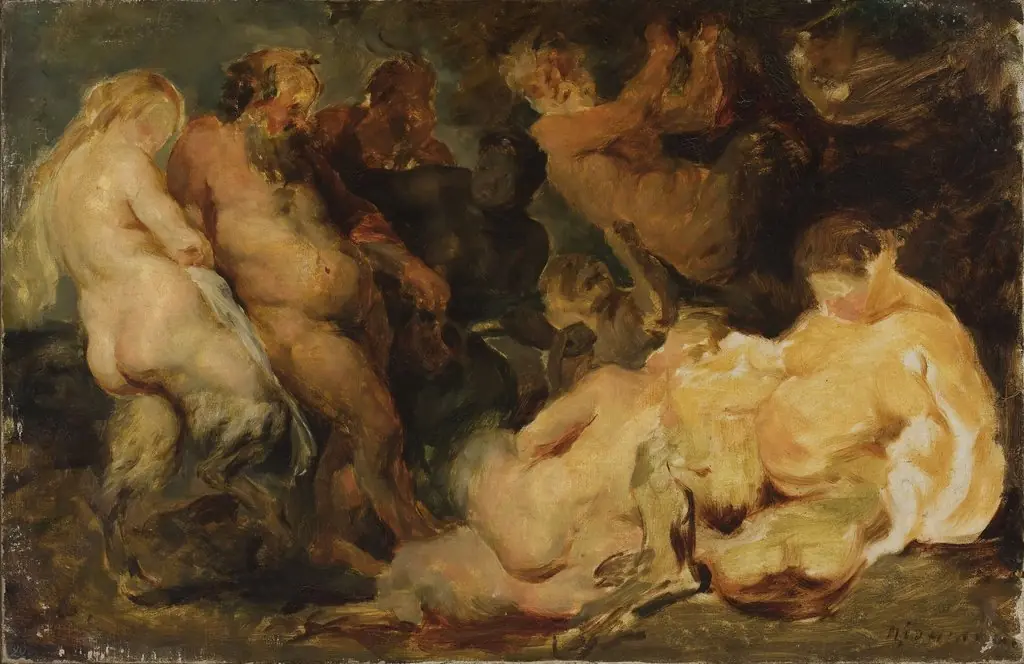 Bacchanalia
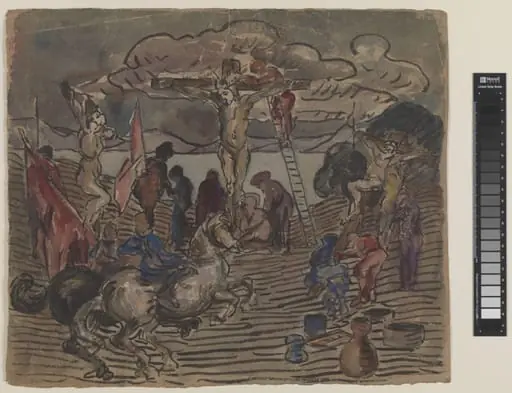 Korsfæstelsen I
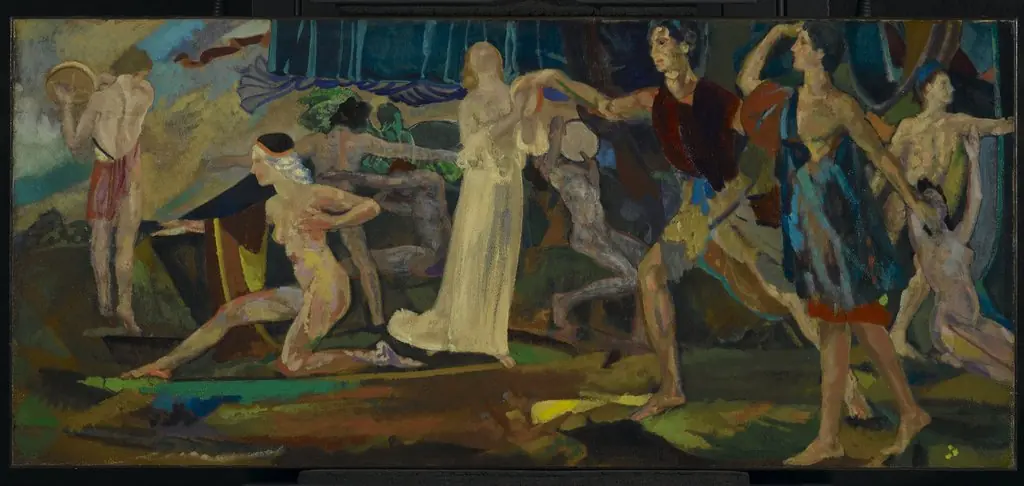 Freshness of the Wounded
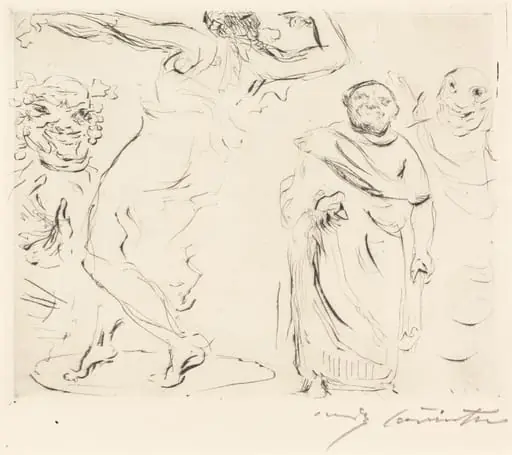 Das Gastmahl des Trimalchio: pl. XI (The Banquet of Trimalchio: pl. XI)
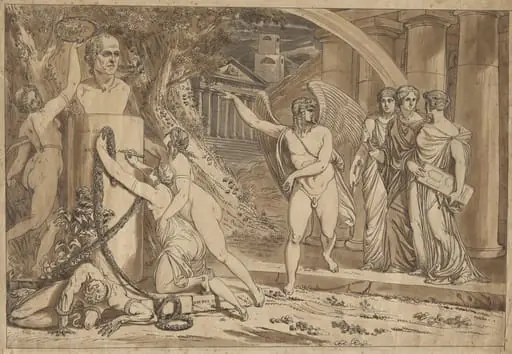 Virtues Crowning the Bust of Canova