Artwork
Untitled
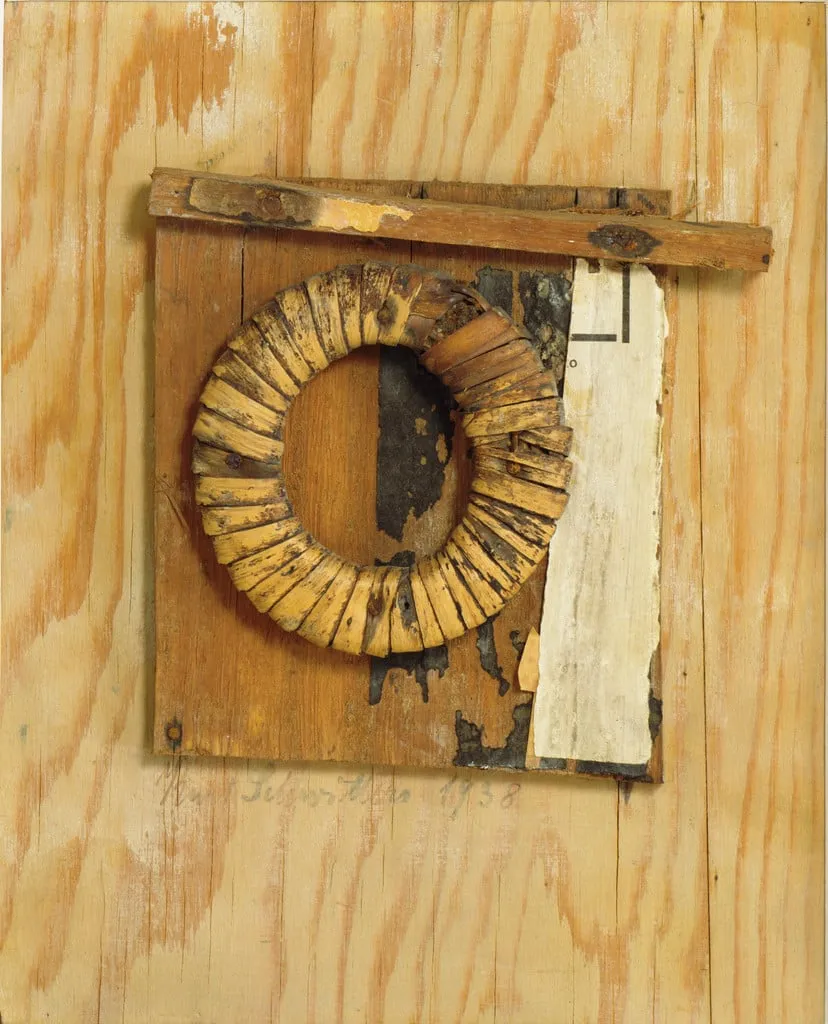
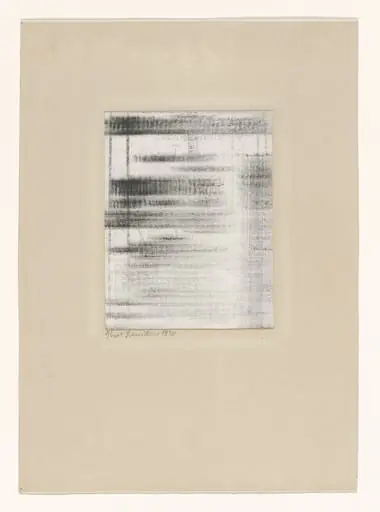
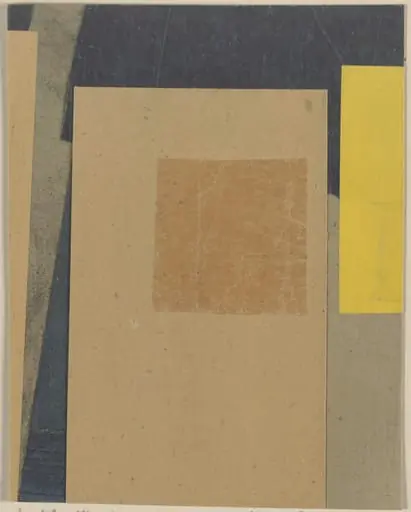
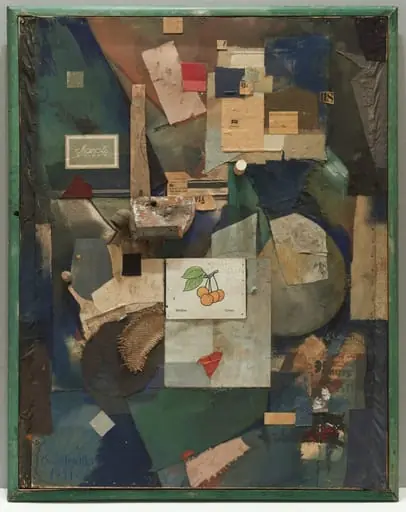
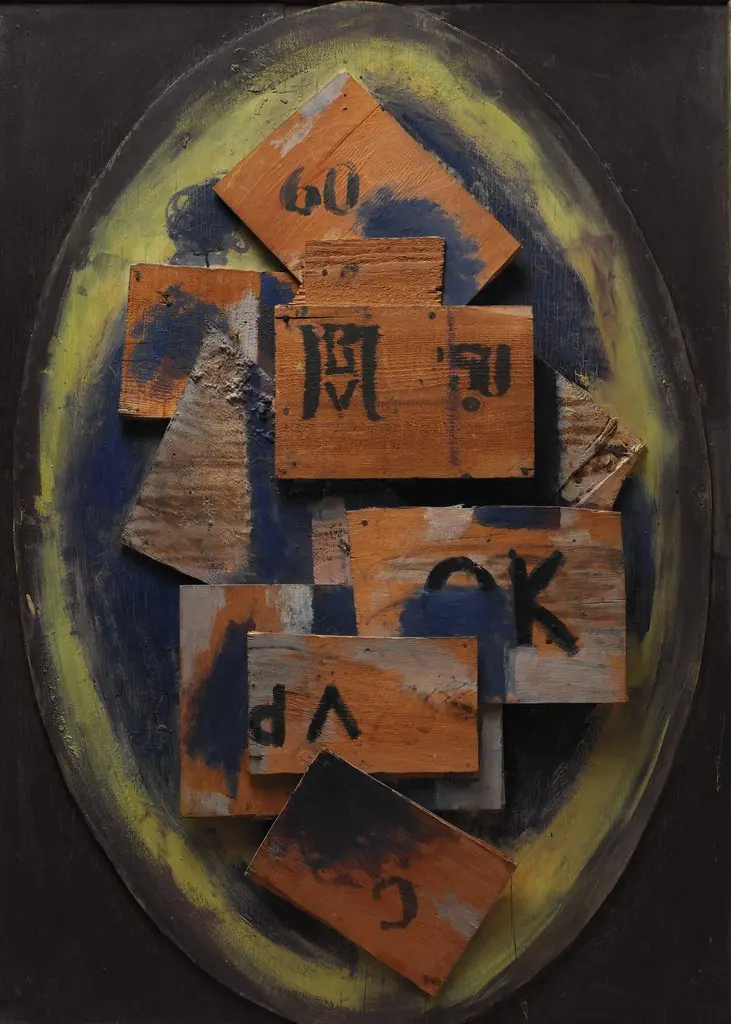
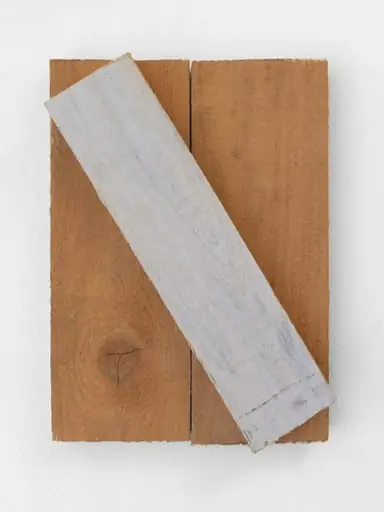
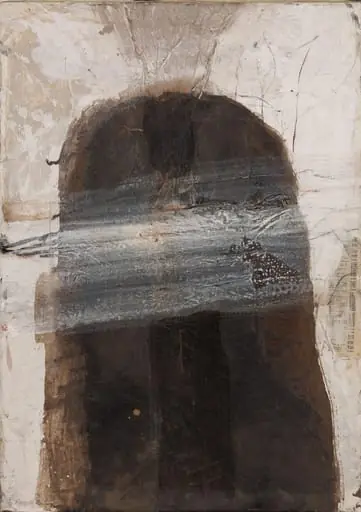
Untitled is a wood painting by the Art Brut artist Kurt Schwitters. It dates from 1938 and is held in the collection of the Museum of Modern Art. Created in 1938, this assemblage consists of a weathered wooden panel pierced by a central aperture that contains a light‑brown rattan ring.
About this work
A strip of white paper is taped over one side, and the whole thing is mounted on a faded wall.
This piece is a rough wooden square with a hole in the center. Inside the hole sits a ring made of thin, light-brown strips of rattan. The wood around it looks worn, with patches of peeling paint and a few nails sticking out.
A strip of white paper is taped over one side, and the whole thing is mounted on a faded wall.
The rattan ring is the only smooth, finished part, everything else is raw or damaged. The date "1938" is scrawled in the corner, but the rest feels like it was found, not made new.
Next, check out The Museum of Modern Art to see more work like this.
Overview
Created in 1938, this assemblage consists of a weathered wooden panel pierced by a central aperture that contains a light‑brown rattan ring. The surrounding surface bears flaking paint, protruding nails, and a strip of white paper affixed with tape. A handwritten date marks the work’s corner, while the overall appearance suggests a composition assembled from found, utilitarian objects rather than freshly manufactured materials.
Subject & Meaning
The piece juxtaposes the smooth, circular rattan element against the rough, deteriorated wood and metal, highlighting a contrast between order and decay. By positioning a pristine ring within a damaged frame, the work invites contemplation of stability amid disruption, echoing the artist’s interest in recontextualizing everyday debris as carriers of visual and conceptual tension.
Technique & Style
Constructed through a collage‑like process, the artist combined disparate materials, wood, rattan, paper, iron and steel nails, using simple fastening methods such as nailing and taping. The assemblage reflects the principles of the art brut movement, emphasizing raw, unrefined surfaces and the incorporation of found objects to generate abstract, non‑representational forms.
History & Provenance
The work was produced by a German artist who had been living in exile since 1937. After its creation, it entered the collection of the Museum of Modern Art, where it remains part of the institution’s holdings of early twentieth‑century experimental assemblages.
Context
Emerging during a period of political upheaval, the piece aligns with the creator’s broader series of Merz works, which repurposed discarded materials into new visual configurations. This approach resonated with contemporary avant‑garde efforts to challenge traditional media and to reflect the fragmented reality of the era through the reuse of everyday objects.
Artist & collection
Artist
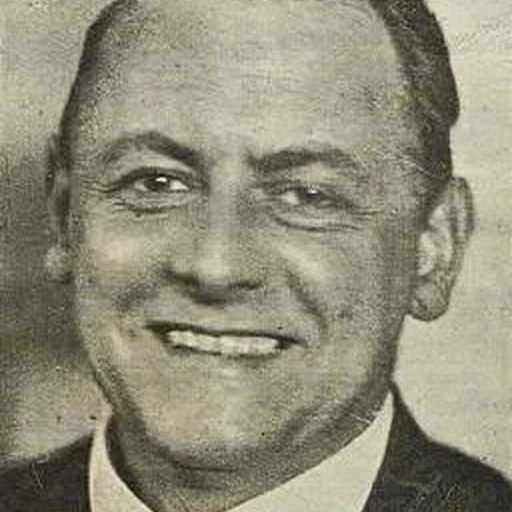
Kurt Hermann Eduard Karl Julius Schwitters (20 June 1887 – 8 January 1948) was a German artist.

- Compoziție complexă, (13 scene), centrată pe scena Învierii redată în varianta coborârii lui Iisus la Iad, episod biblic cunoscut și sub denumirea de Anastasis sau Învierea.Mântuitorul încadrat de o mandorlă îl scoate pe Adam și pe alți drepți(sfinți, prooroci) din gura gheenei. Deasupra este pictată scena ridicării din mormânt a Mântuitorului, lângă piatra mormântului, îngerul. În celelalte casete sunt reprezentate scene din viața lui Iisus Hristos și a Maicii Domnului, cu un număr redus de personaje (3 – 4, maxim 5): „Sfânta Treime”(ospitalitatea lui Avraam), Nașterea Fecioarei Maria”, „Intrarea Maicii Domnului în biserică(Ovidenia), „Buna Vestire”, „Nașterea lui Iisus Hristos”, Întâmpinarea Domnului(Stretenia), „Botezul lui Hristos” „Schimbarea la față” „Intrarea Domnului în Ierusalim”, , „Înălțarea Domnului, Adormirea Maicii Domnului, „Înălțarea Sfintei Cruci”. Toate personajele au nimburi trasate cu alb.Desen schematic, trasat cu finețe, ușor dezordonat, ca și inscripțiile. Cromatica specifică, tonuri calde, brun, galben, roșu în contrast cu verde, albastru, negru, valorate de foița de aur. Chenarul lat, roșu(tipul de icoană krasnushka)
 Compmeseaica
 Icoasemn
 Komposition 2
 Icoae jo
 Reproducere pe lemn, reprezentând pe Taras Sevcenko (1814-1861), poetul național al Ucrainei, Moscova, 1985
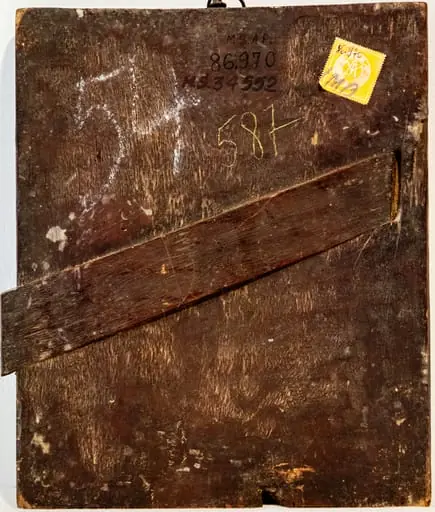 Icoana îi redă 1/1 pe sfinții Nicolae și pe arhidiaconul Ștefan, în picioare, ușor semiprofil. Asocierea celor doi sfinți nu are o motivație iconografică, probabil a fost dorința comanditarului. Sfântul Nicoale este reprezentat în veșminte arhierești, fără mitră pe cap(ipostaza de vară), binecuvântând cu mâna dreaptă, în stânga ținând Evanghelia închisă. Are părul și barba cărunte, ondulate, fruntea înaltă, trăsăturile fine. Înveșmântat cu sacos auriu tivit cu galon cu șir de perle și pietre scumpe, mânecuțe și galon la gât . Epitrahil alb, cu cruci drepte și motiv scalariform în partea de jos.Omoforul mare, de culoare roșie și bedernița romboidală atârnată de mâna stângă. Aureole trasate cu o linie albă îngustă. În pandant, arhidiaconul Ștefan, primul dintre martiri, ușor întors către sfântul Nicoale, cădelnițând cu o mână, cu cealaltă ținând la piept o biserică având trei turle înalte. Redat tânăr, fără barbă, în veșminte diaconești:stihar lung, bogat ornamentat cu motive florale mari, pe fond alb-albăstrui. Fondul icoanei auriu pal, cu irizări. Median, pe latura de sus, soarele?(sau mandorla de raze a Duhului Sfânt) Paleta cromatică dominată de nuanțele de auriu, restul culorilor(verde, cafeniu, negru, alb, fiind în armonie cu acest fond. Desenul este fin, proporțiile bizantine respectate, compoziția echilibrată, armonioasă. Inscripția în partea de sus, cu chirilice cu caractere specifice Munteniei.
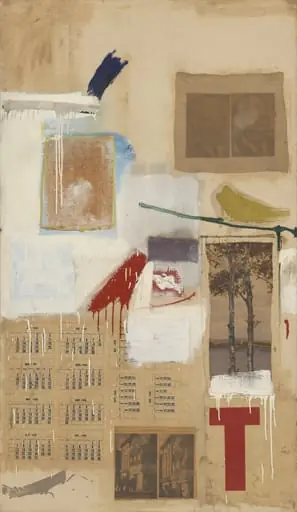 Untitled
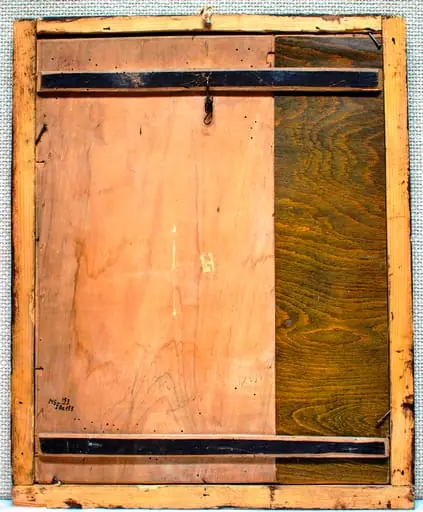 Icoana este pictată în tehnica "în oglindă", pe un suport de sticlă dreptunghiular, (în ax vertical). Tema indicată de inscripție reprezintă aducerea la templu a Fecioarei Maria copilă (la trei ani), așteptată fiind de arhiereul Zaharia și însoțită de Sfinții Ei Părinți, Imaginea este simplificată, aparând doar Maria flancată de Ioachim și Ana.. Zugravul redă scena într-o manieră naivă, stângace. Ioachim și Ana în veșminte lungi, de culoare roșie și albă, o țin de câte o mână pe Fecioara Maria, care poartă o fustă lungă bleumarin, și o ie albă cu mâneci verzi. Fețele sunt pătrățoase, dar expresive, ochii umbriți. În jurul capului au trasate aureole. Câmp bicolor, ocru în jumătatea inferioară, bleu în cea superioară, decorat pe cu o ghirlandă de flori roșii(ruje). Un element florale imprecis (stea, floare, soare?) și două lalele, central, sub inscripția cu majuscule stângace. Rama îngustă, înlocuită recent. "Prezentarea Mariei la templu" este cunoscută din frescele de la Studenița, pictate în 1314, mai des fiind utilizată din secolul XVI, odată cu constituirea iconostasului.
 Göttin, Daniel - Malerei, o.T. 10
 Ερωτικό.
 Icoațiun