Movement
Art Brut
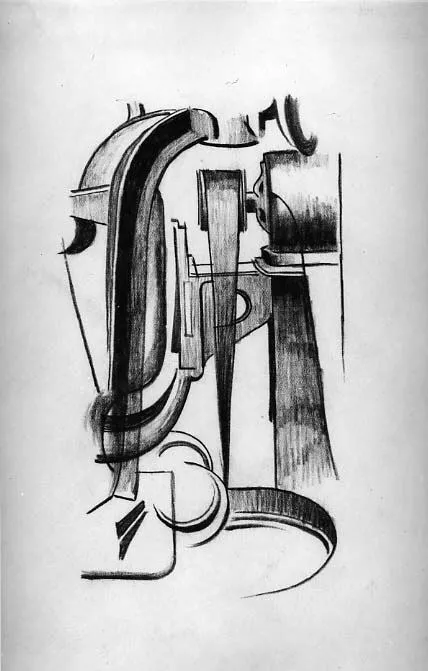
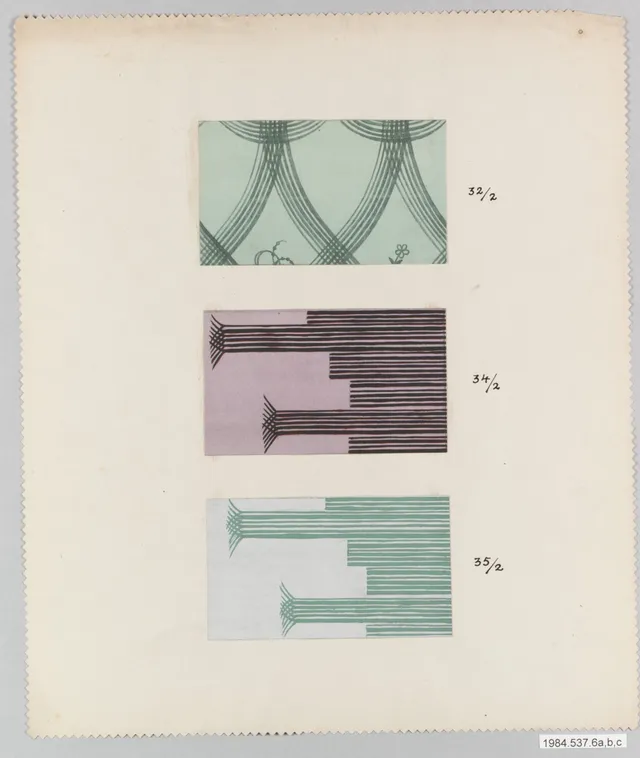
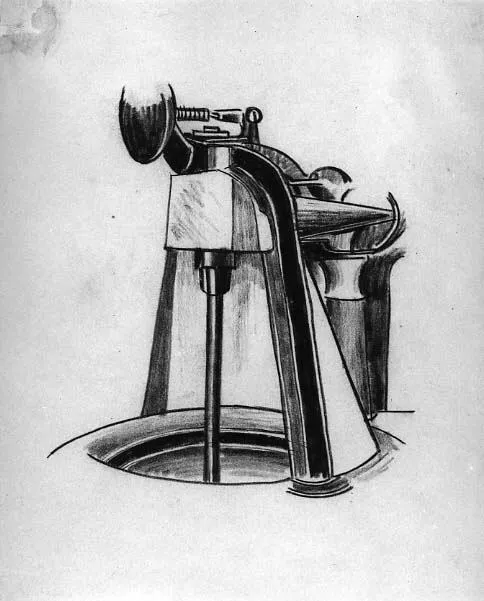
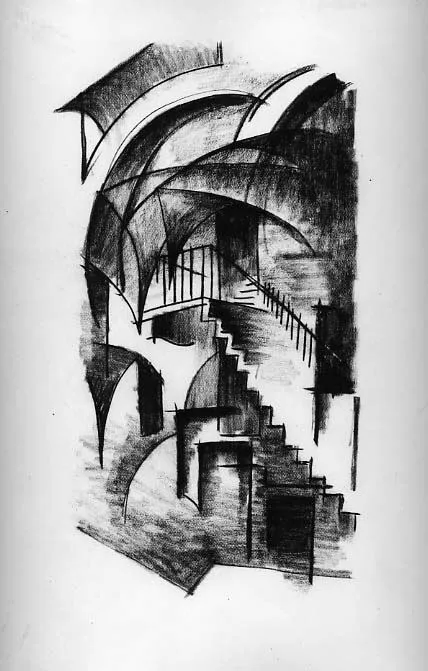
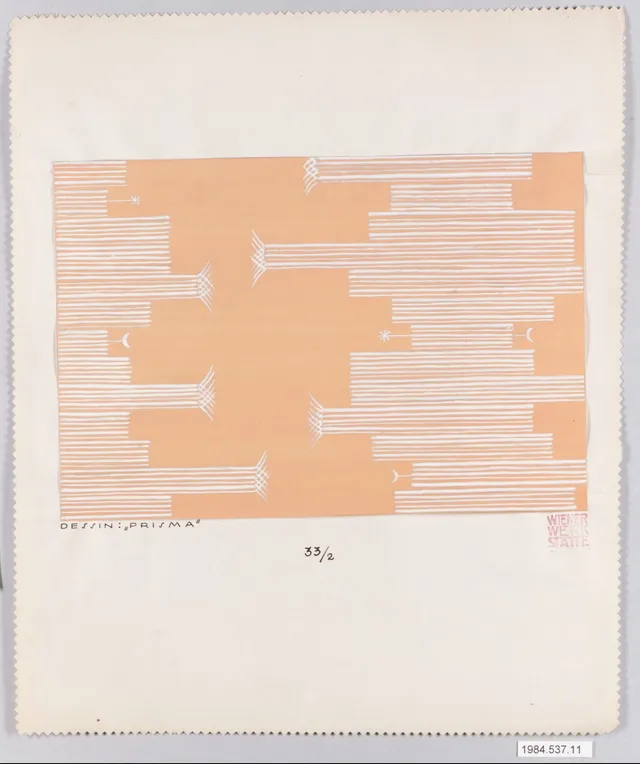
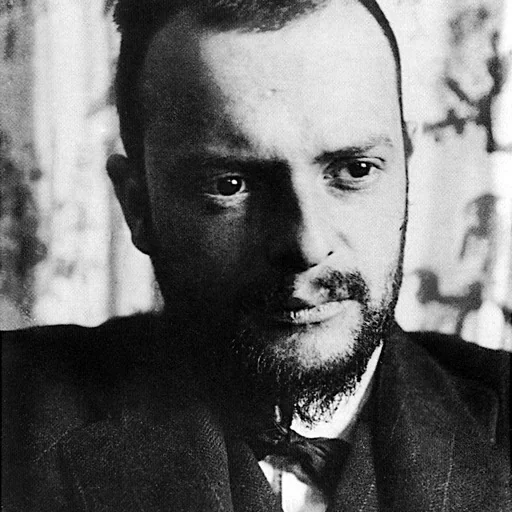
Art Brut is an art movement of the 1940–1970 period. The gallery holds 135 works in this movement, including works by Paul Klee, Morton Livingston Schamberg and Dagobert Peche. Browse Art Brut paintings, portraits, pictures and artworks from the world's public-domain museum collections.
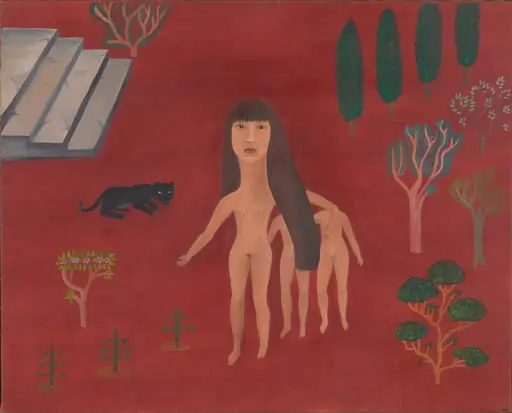
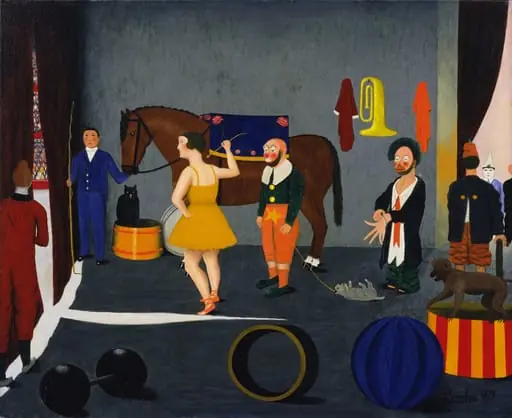
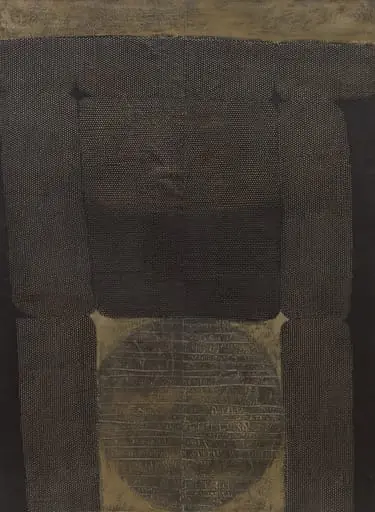
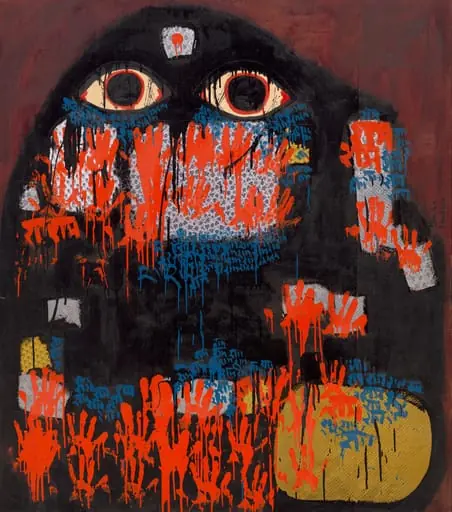
Art Brut—French for "raw art"—was named in 1945 by the French painter Jean Dubuffet to describe work made entirely outside official culture by people with no academic training: psychiatric patients, reclusive self-taught makers, spiritualist mediums, and other figures untouched by the conventions of the fine-art world. Dubuffet, repelled by what he called the "asphyxiating culture" of the Parisian avant-garde, travelled through Switzerland in 1945 with the writer Jean Paulhan and the architect Le Corbusier, visiting psychiatric hospitals and conducting interviews with doctors and curators. He prized this art as the purest, least mediated form of human invention—creation springing from inner necessity rather than from the marketplace or the museum.
Visually, Art Brut resists a single style, but recurring traits bind it: dense, horror-vacui surfaces that leave no empty space; private symbolic systems and invented scripts; flattened, frontal figures; and obsessive repetition of pattern, often in cheap or improvised materials. The work is typically unsigned by any school and indifferent to perspective, anatomy, or finish—qualities Dubuffet saw not as deficiencies but as liberations.
The canon centres on a handful of extraordinary figures. The Swiss psychiatric patient Adolf Wölfli (1864–1930) produced a vast illustrated mythology of his own life, complete with musical notation and text; Aloïse Corbaz (1886–1964), also institutionalised in Switzerland, painted operatic lovers in saturated wax crayon. The French medium Augustin Lesage and the British spiritualist Madge Gill made their work under claimed supernatural dictation, while the American recluse Henry Darger left thousands of pages of watercolour epics discovered only after his death.
Dubuffet formalised the field by founding the Compagnie de l'Art Brut in 1948—with André Breton, Jean Paulhan, Michel Tapié and others—to collect and study such works. His holdings ultimately became the Collection de l'Art Brut in Lausanne, opened in 1976 and today numbering some 70,000 works. The English critic Roger Cardinal coined "Outsider Art" as a translation in 1972, broadening the term's reach. Art Brut's influence runs deep through postwar painting: its anti-academic rawness fed directly into Dubuffet's own practice and, by the 1980s, into the graffiti-inflected Neo-Expressionism of Jean-Michel Basquiat, who absorbed Dubuffet's techniques after seeing his work in New York.
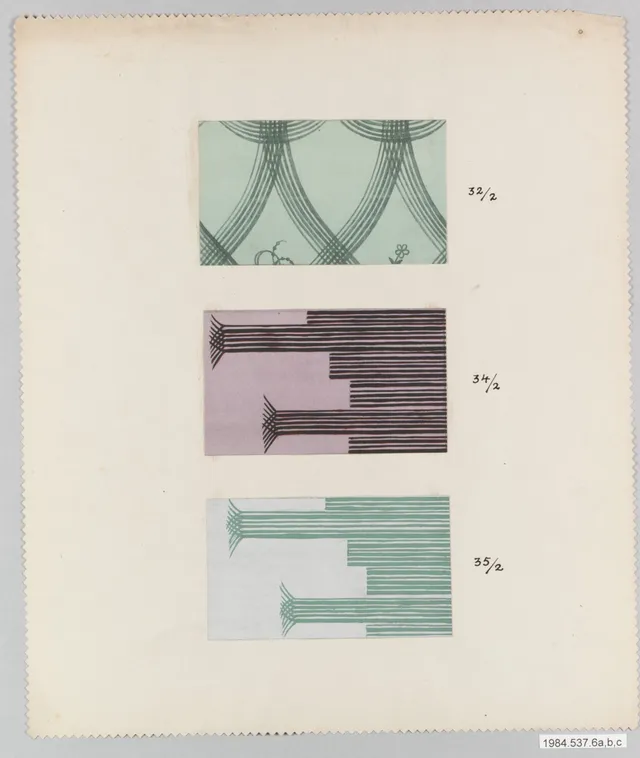
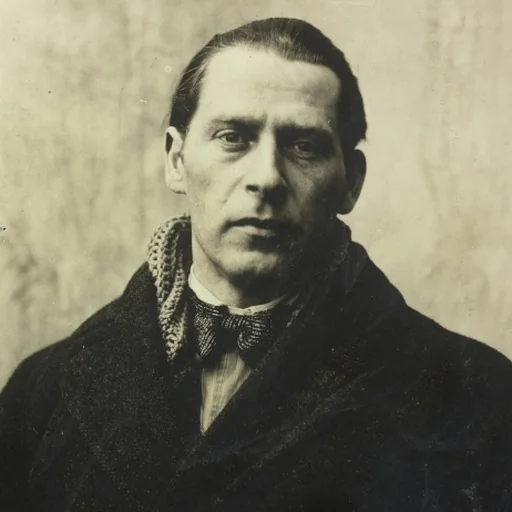
Key artists

Works
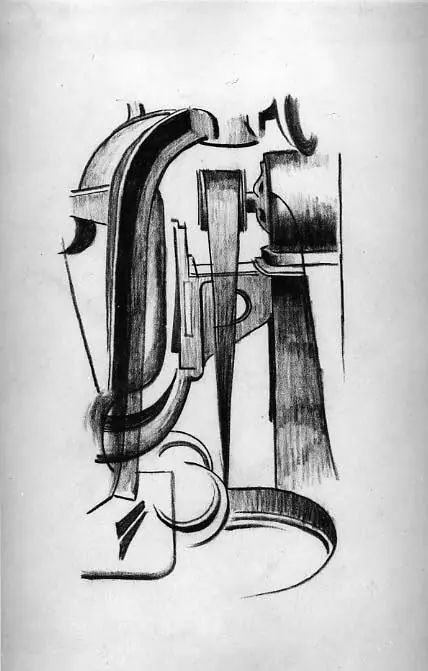 Untitled
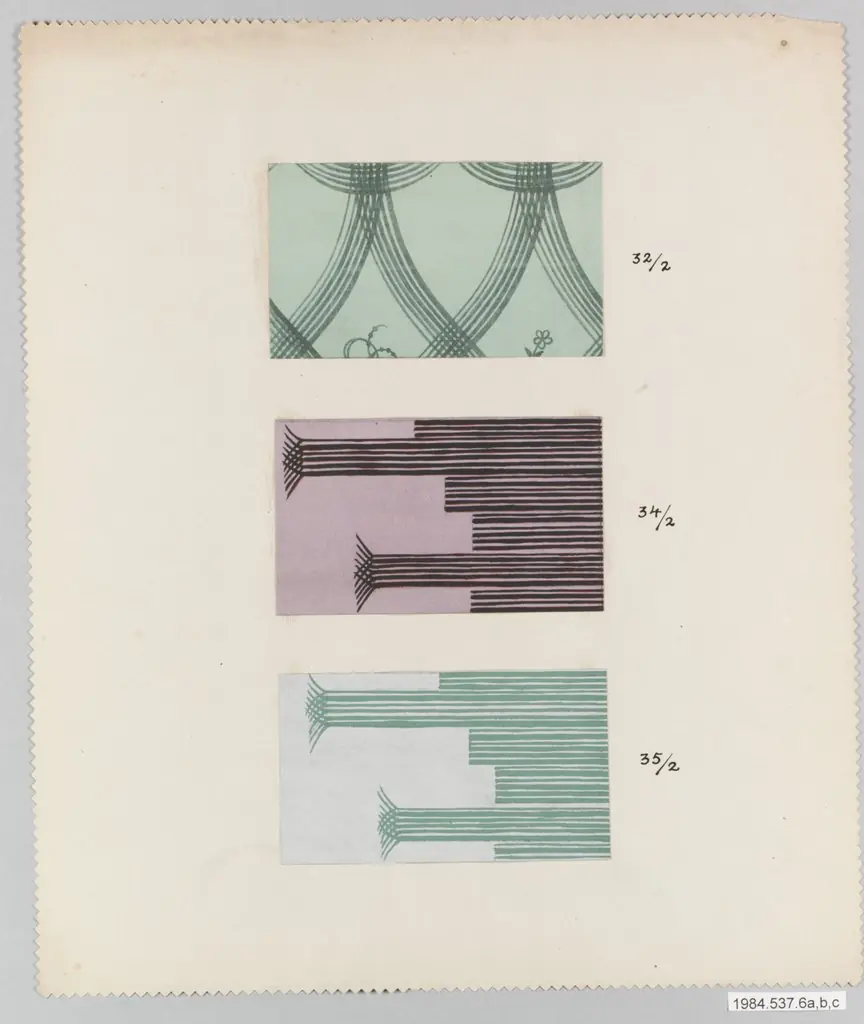 PRISM
PRISM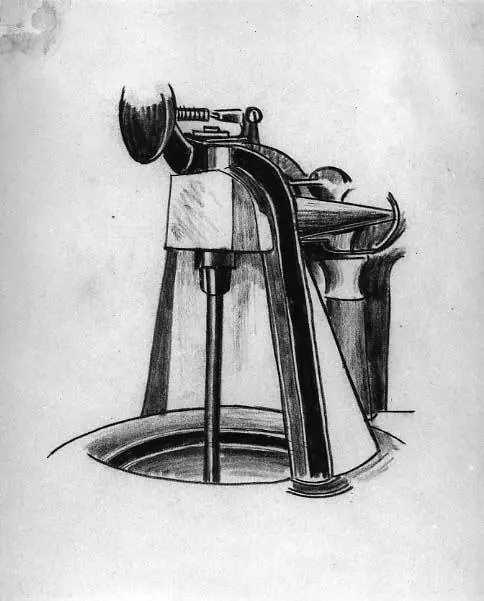 Study for "The Well"
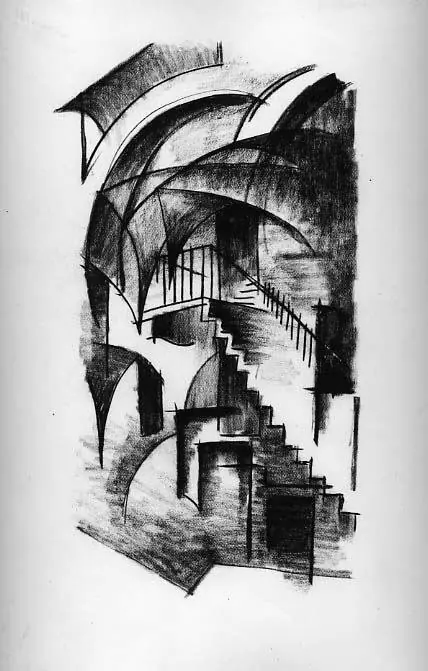 Untitled
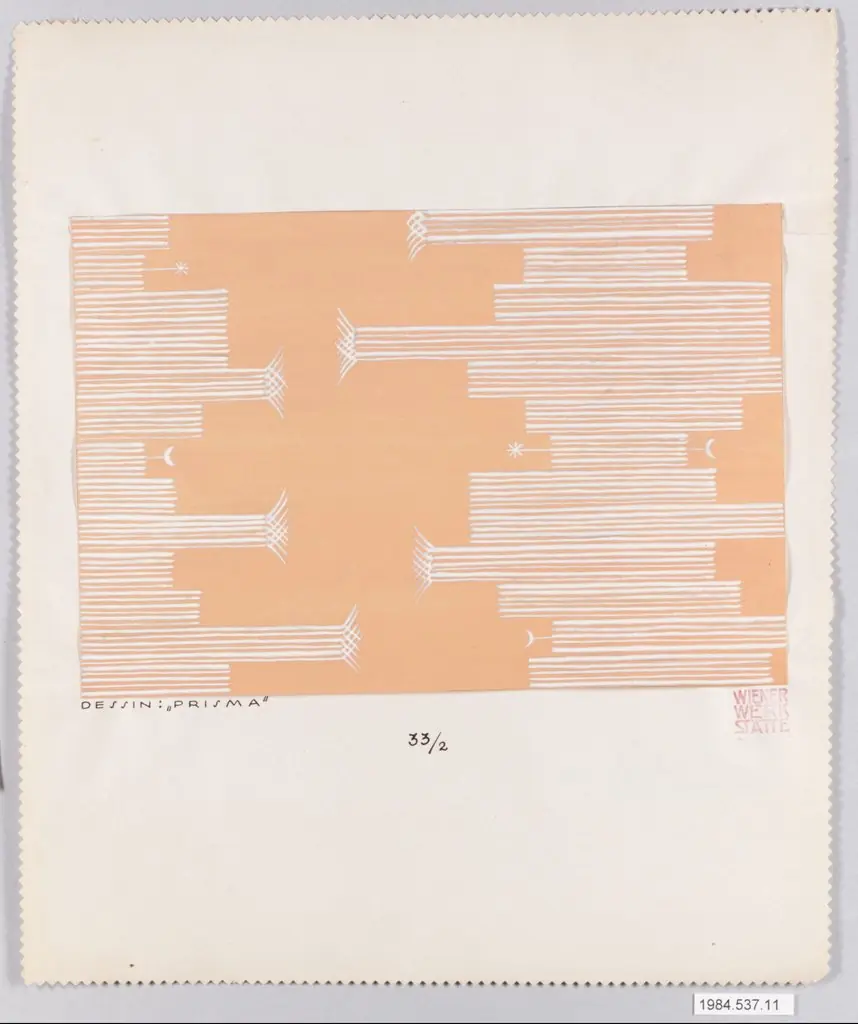 PRISM
PRISM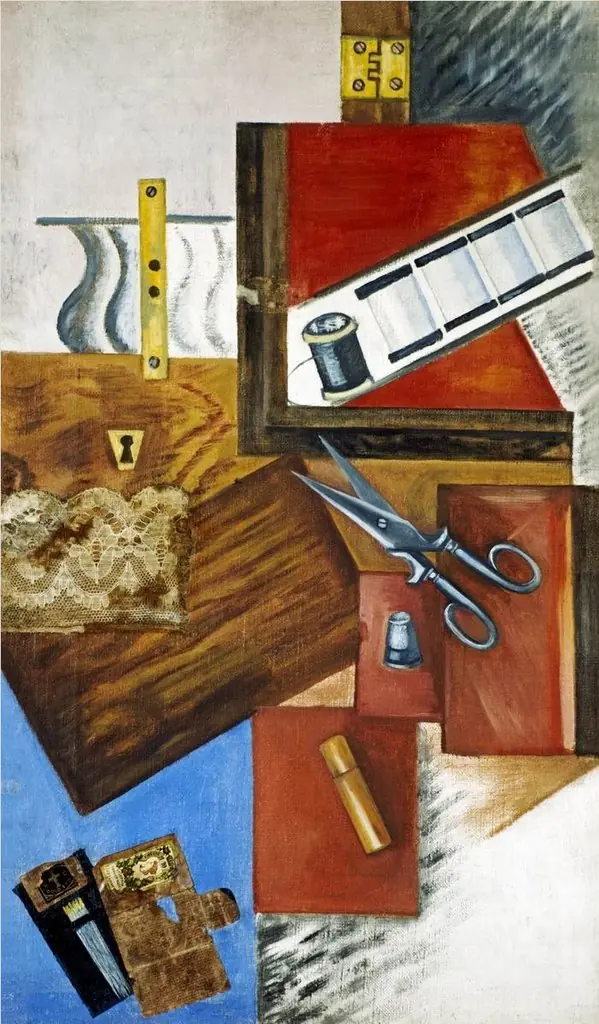 Working Casket
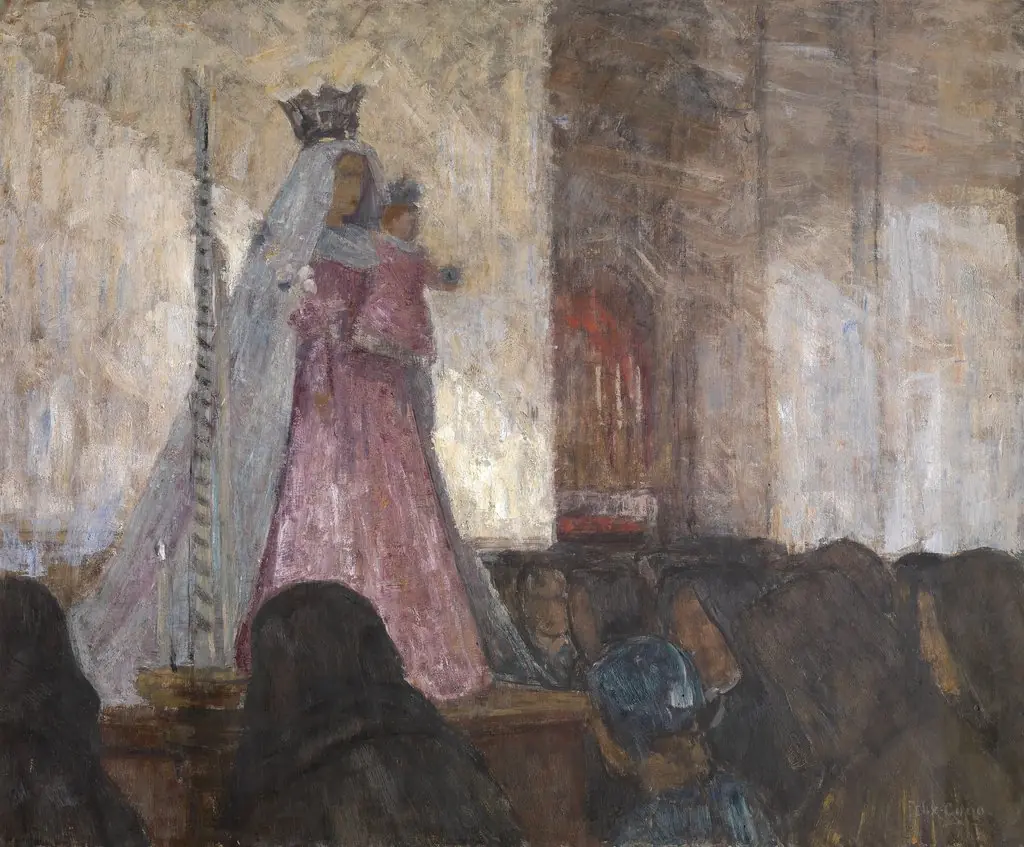 The Virgin
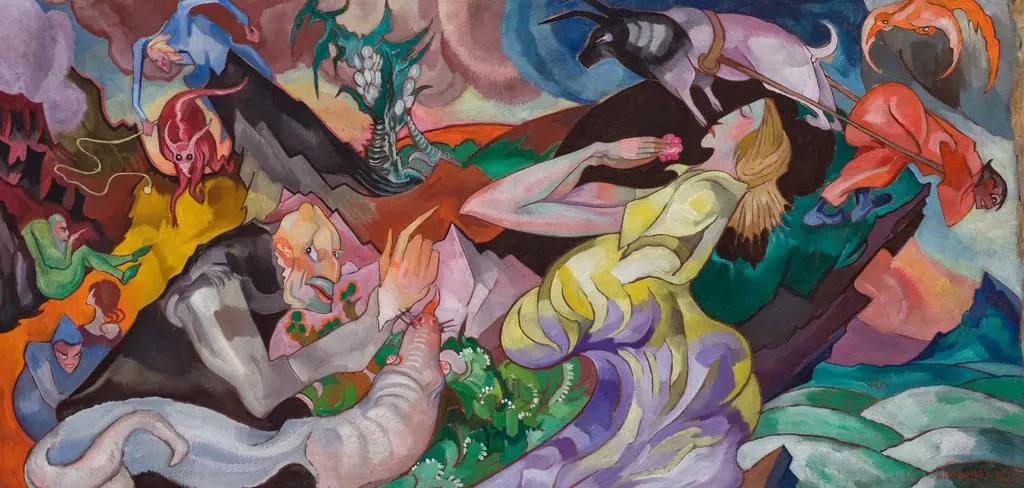 Temptation of St. Antony 2
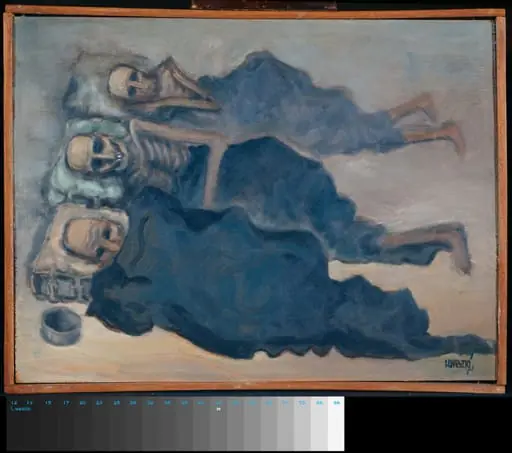 Untitled
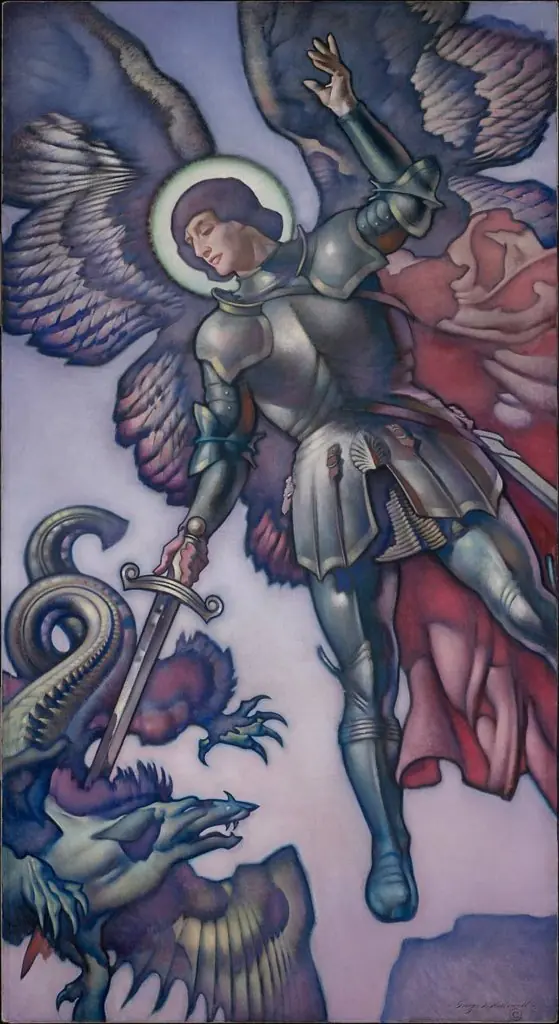 St. Michael Slaying the Dragon
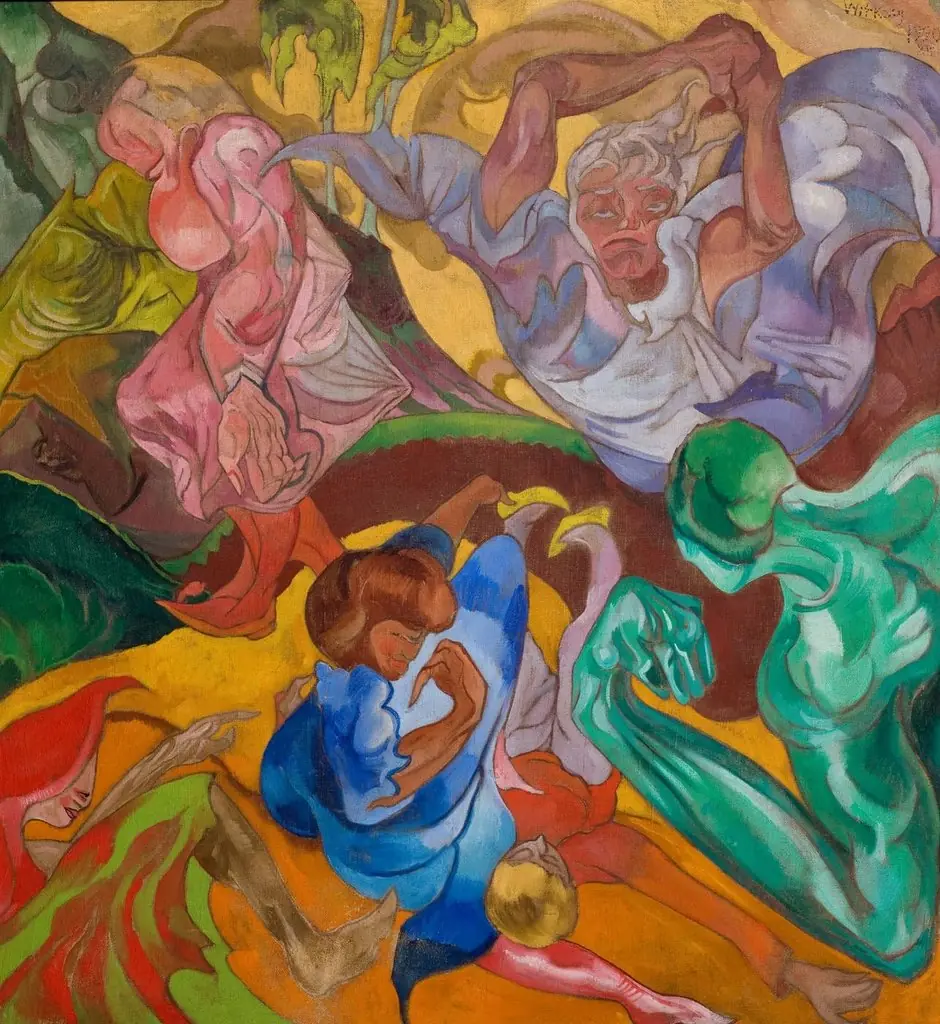 General Confusion
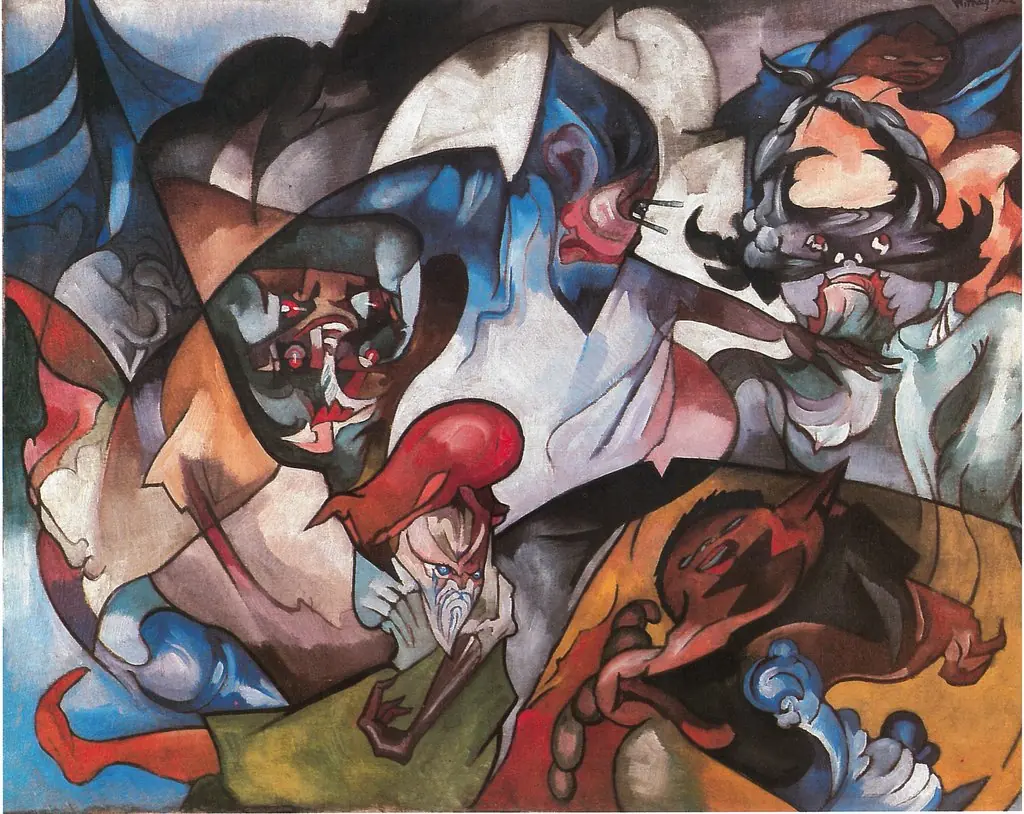 Composition
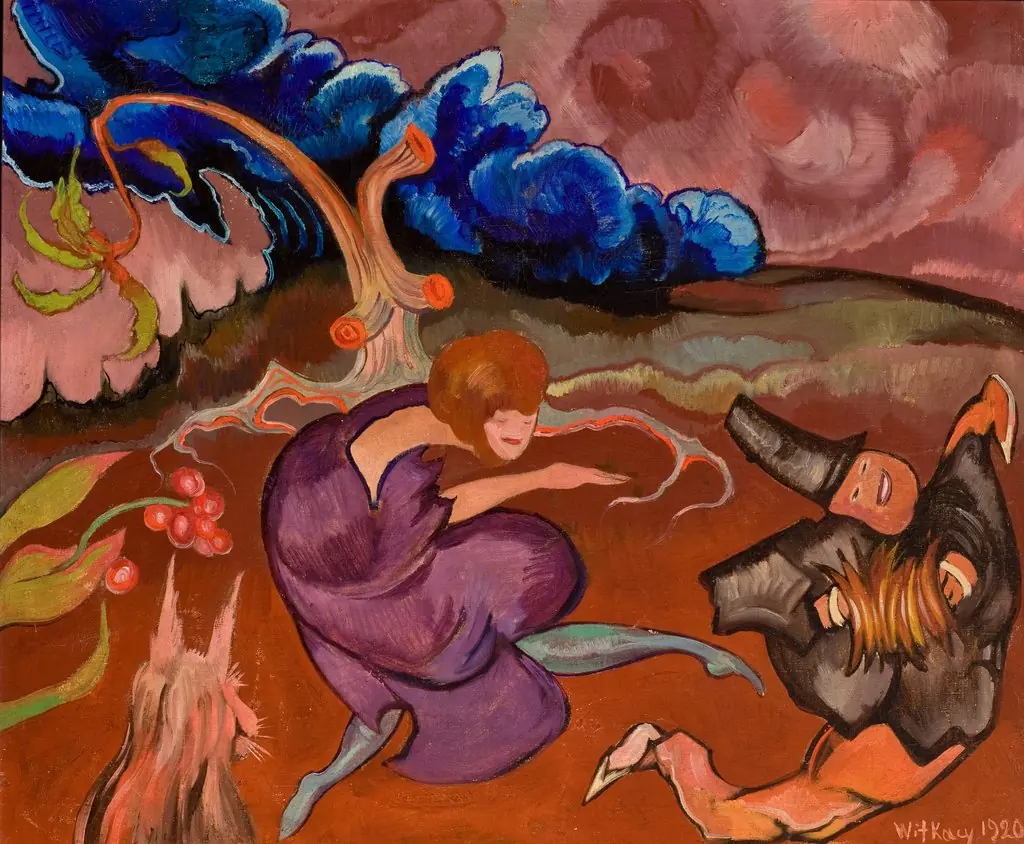 Composition with a dancer
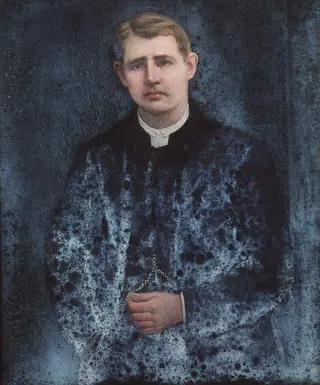 Portrait of a Young Minister of Religion
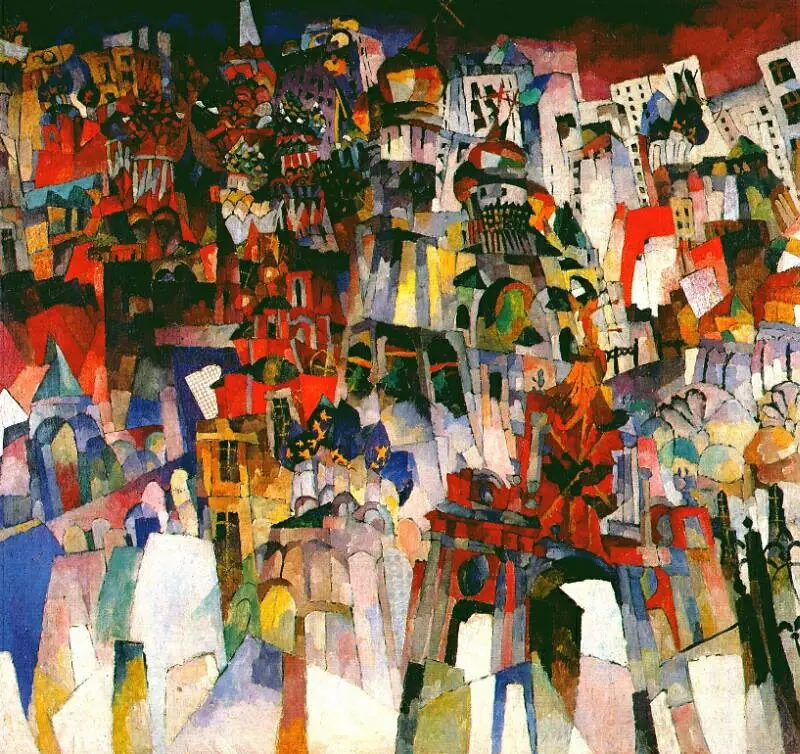 Moscow
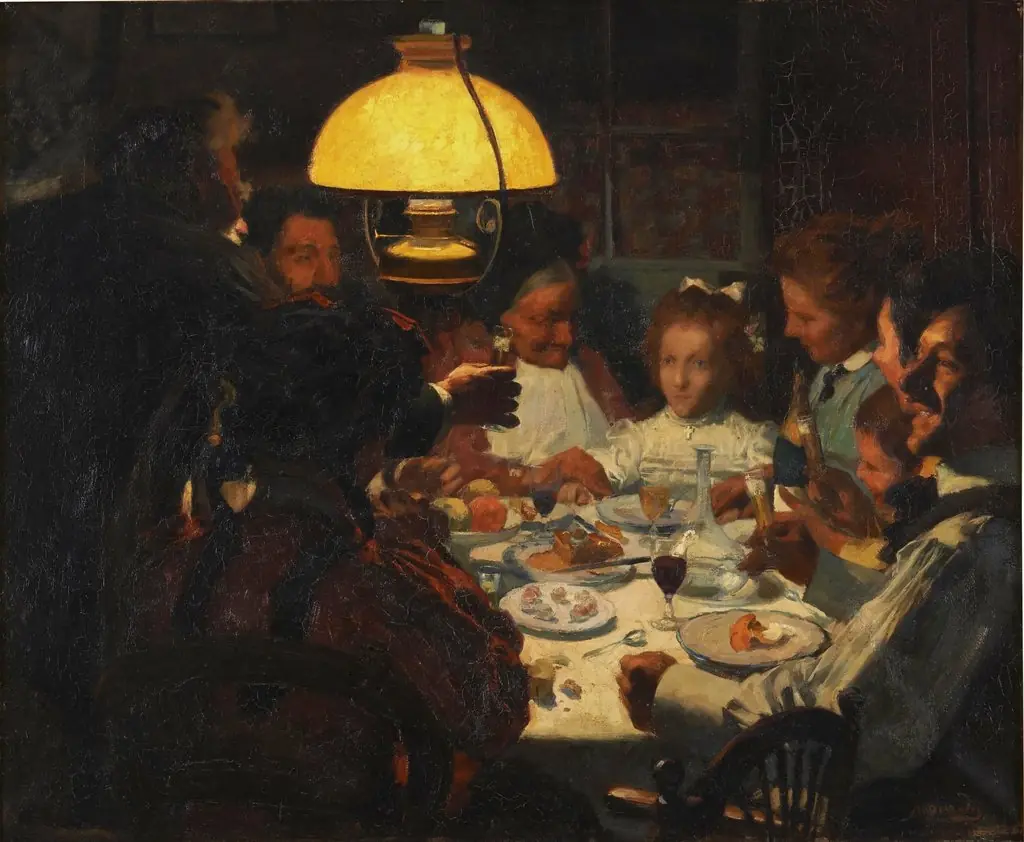 La cena de primera comunión de la pequeña portera
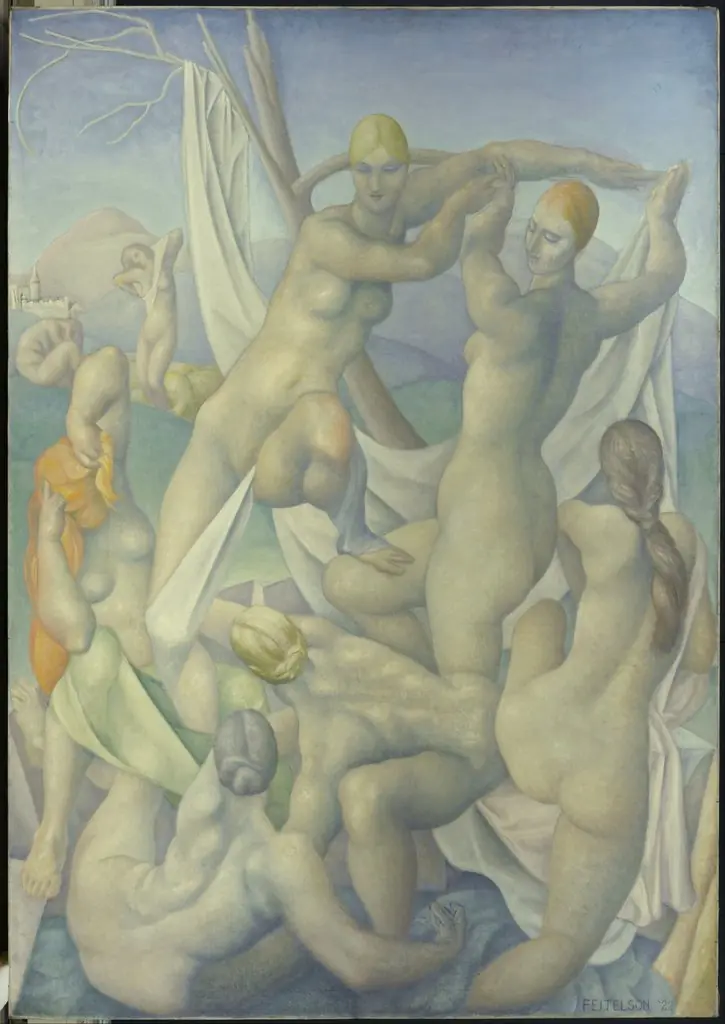 Diana at the Bath
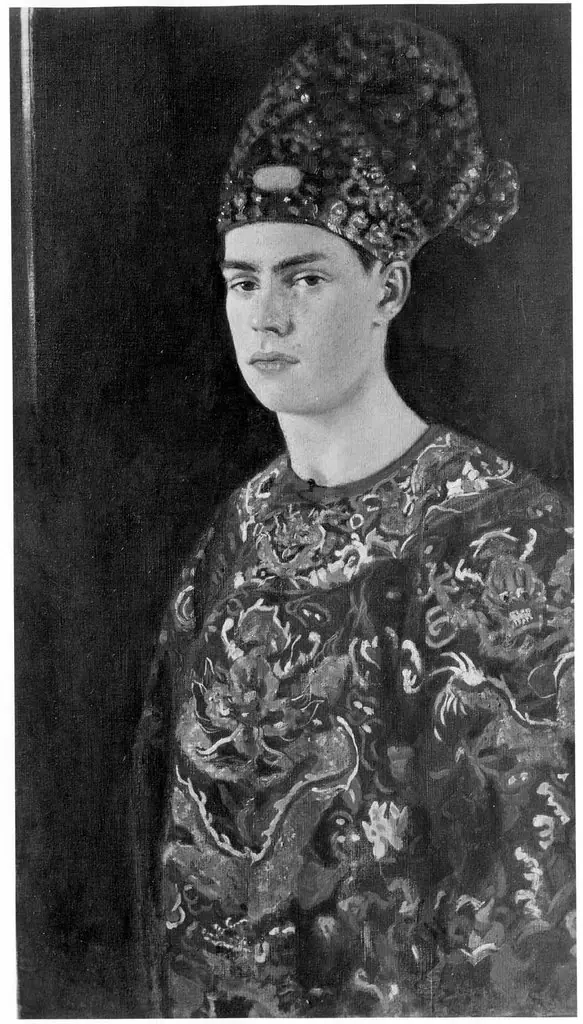 A Translation into Chinese
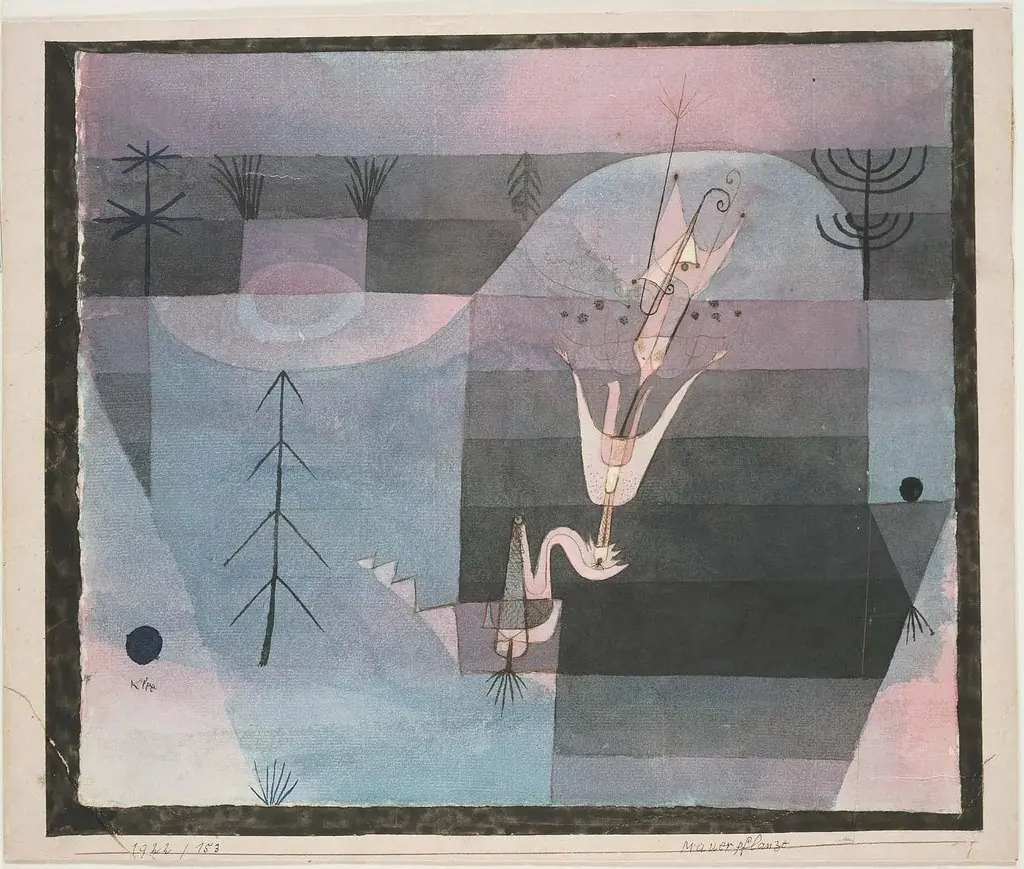 Wallflower
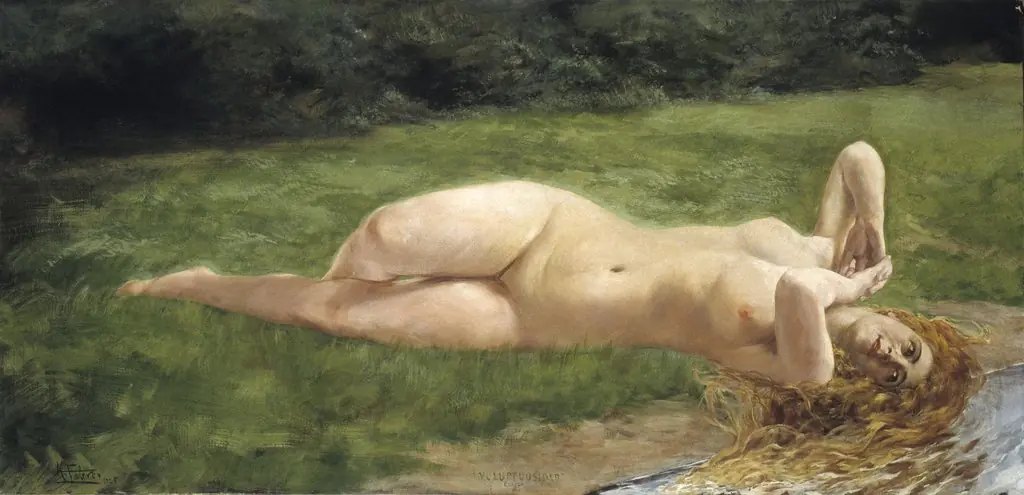 Voluptuousness
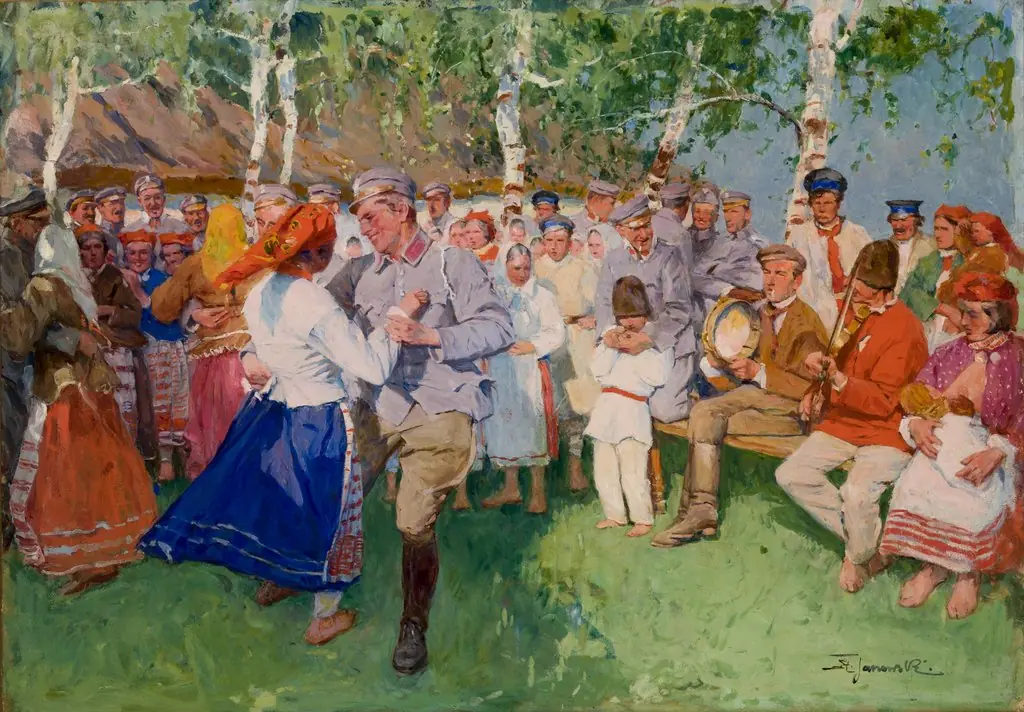 "Uhlans, Uhlans, the Boys Pretty a Picture..."
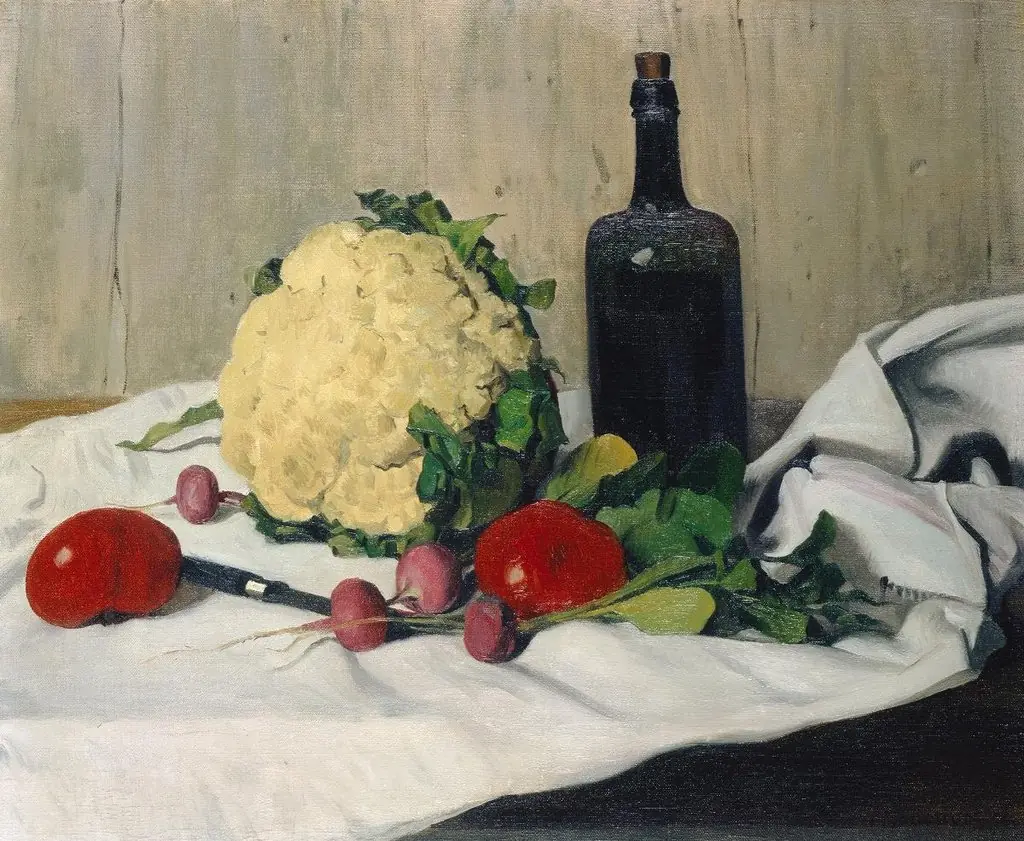 Le Chou-fleur
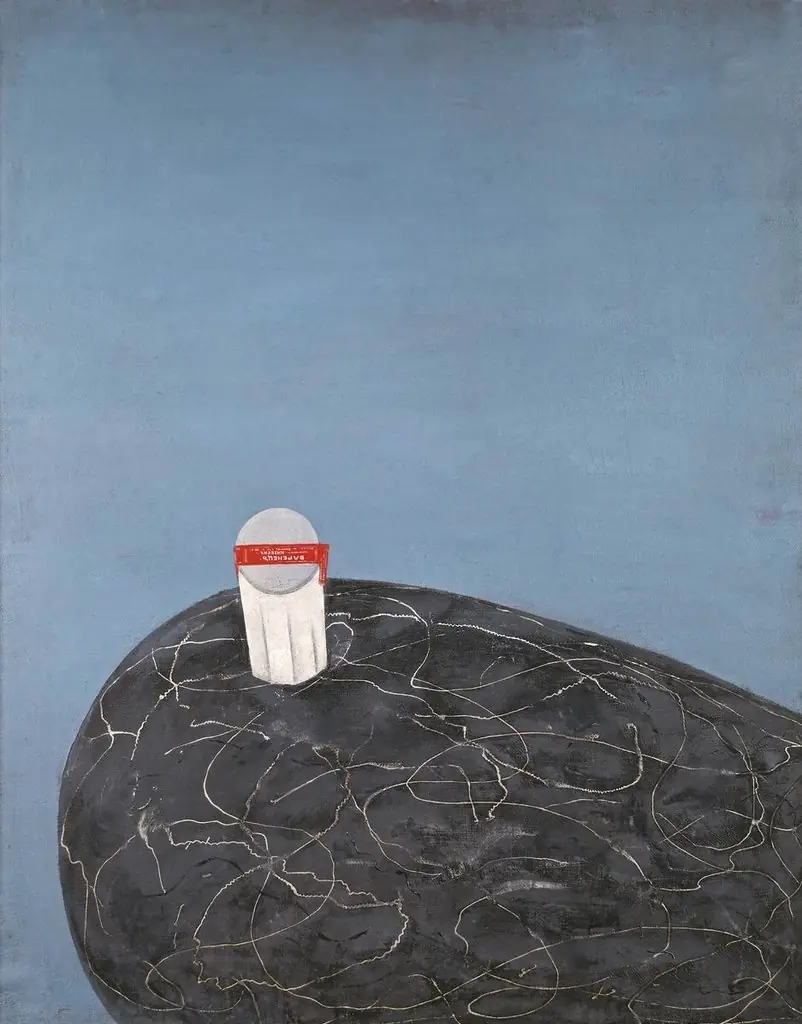 Prostokvasha (Sour Milk)
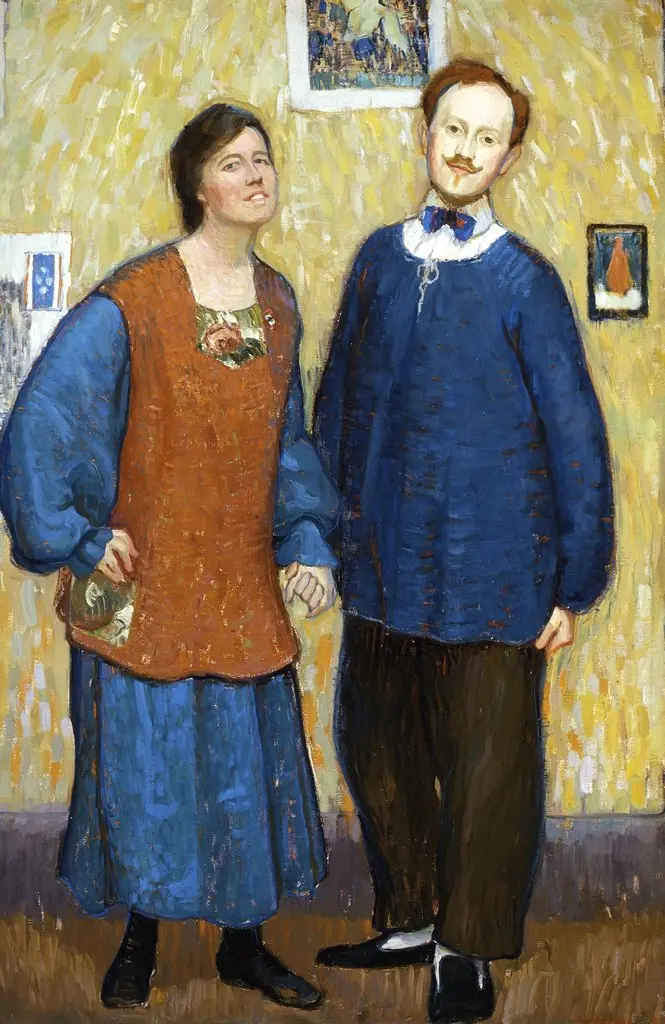 We Don't Know Where We're Going, But We're On The Way
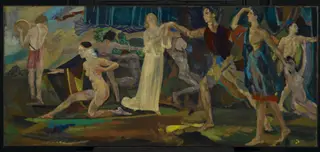 Freshness of the Wounded
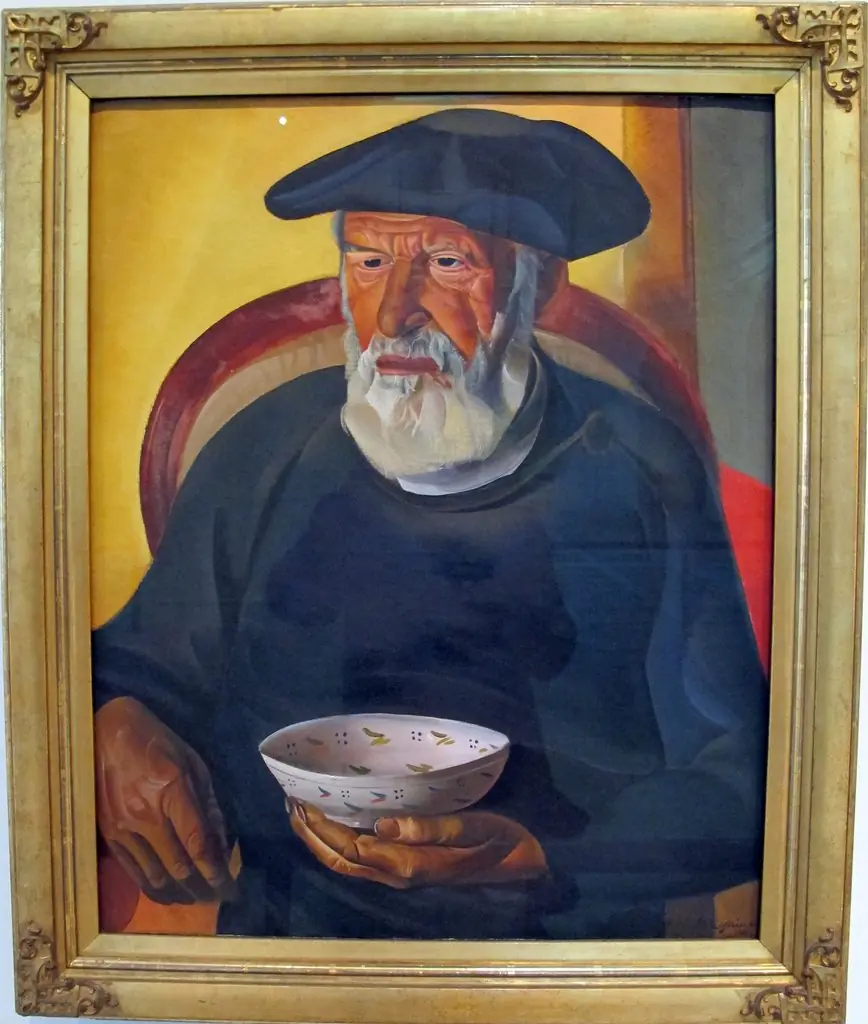 vecchio trombola
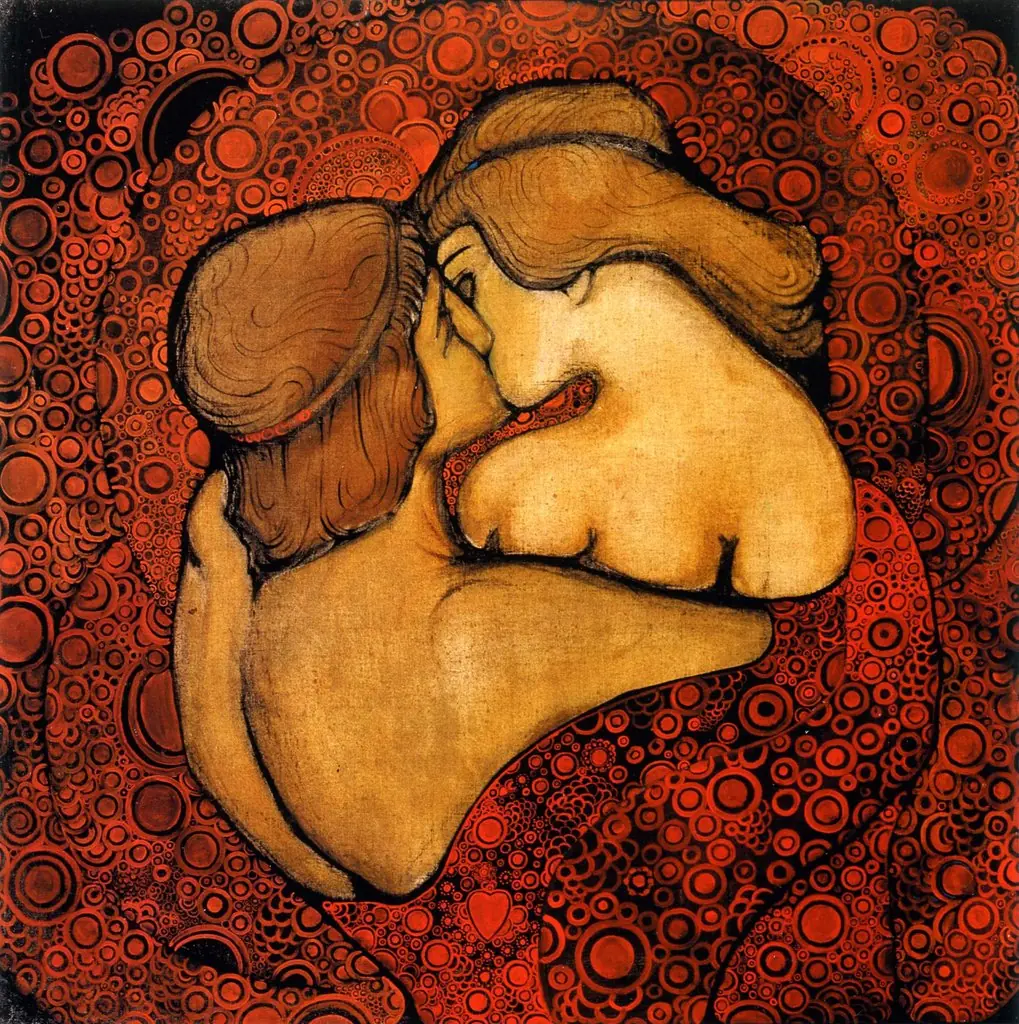 The Kiss
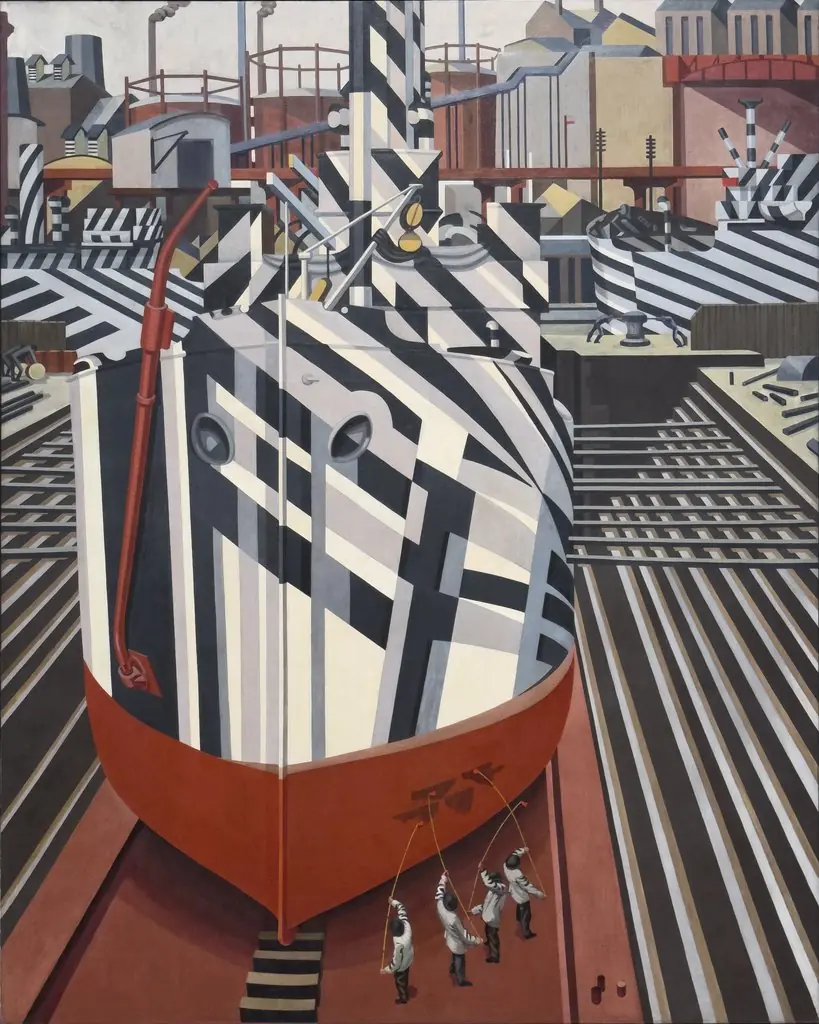 Dazzle-ships in Drydock at Liverpool
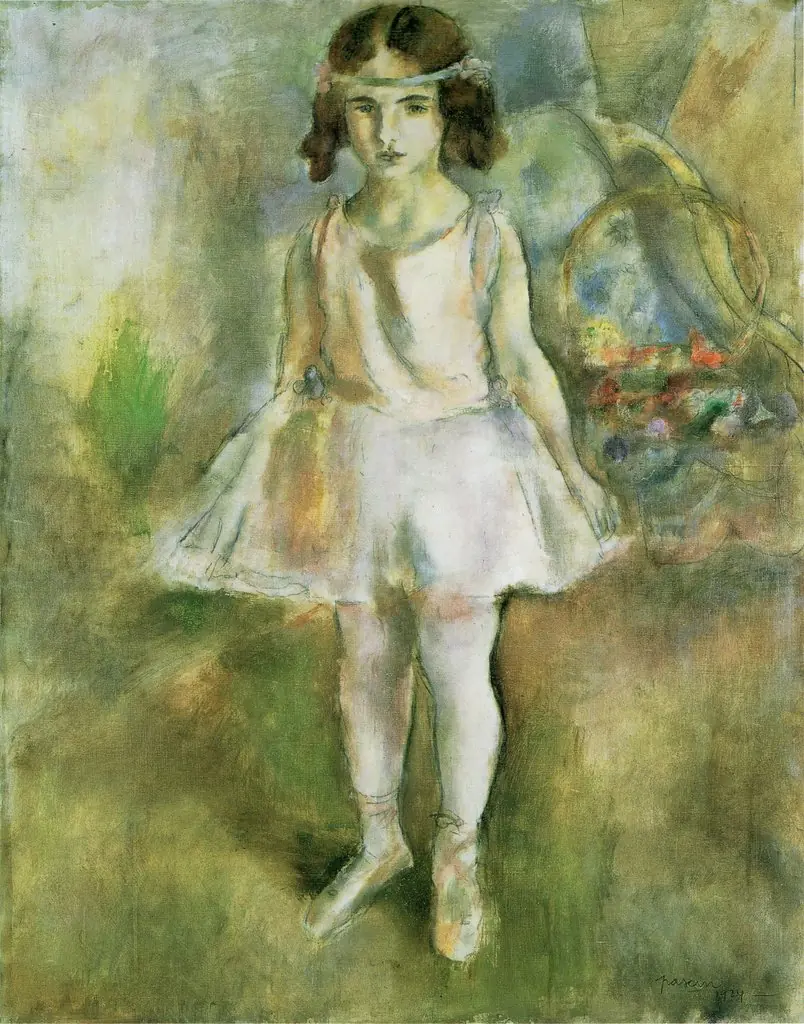 Petite danseuse
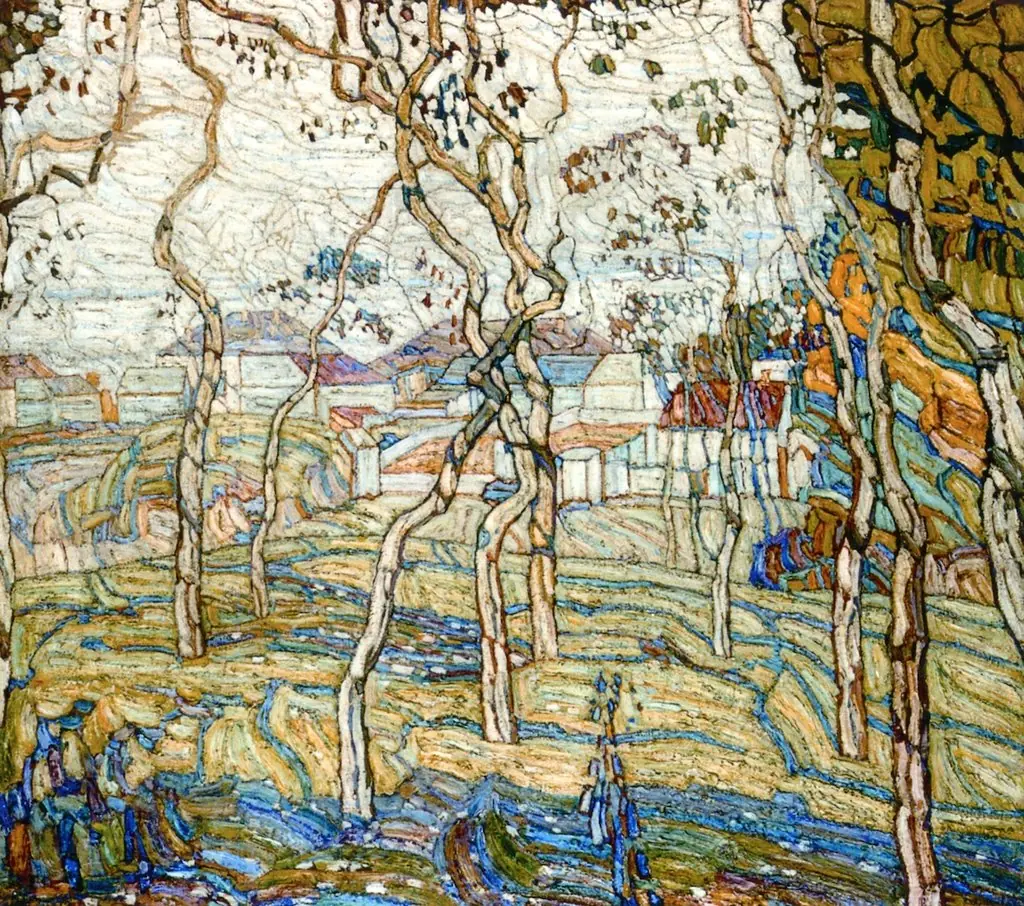 Springtime at Kurenivka
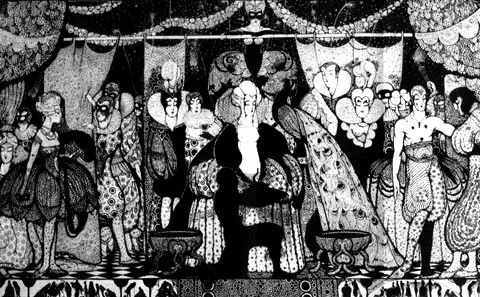 Carnival
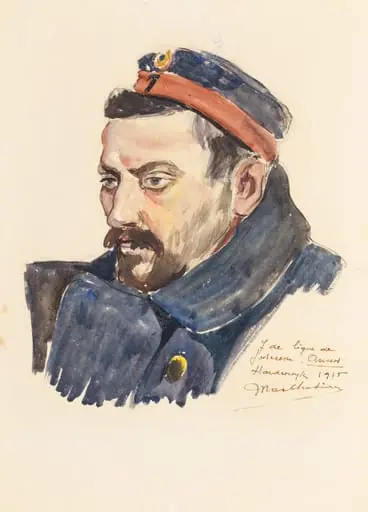 Soldat
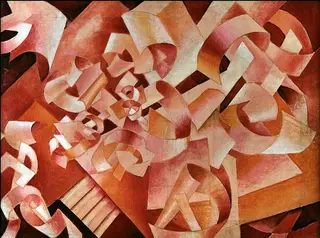 Pink Colour
 Erou necunoscut (Noul Crist)
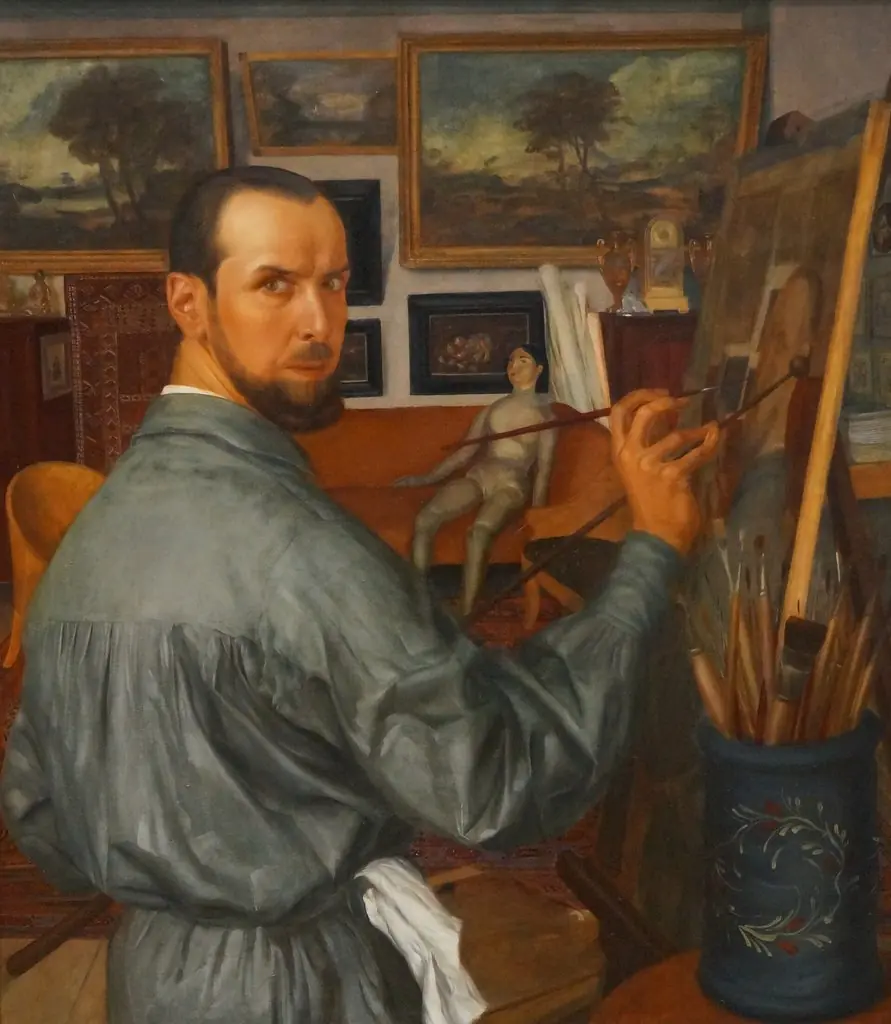 Self-Portrait
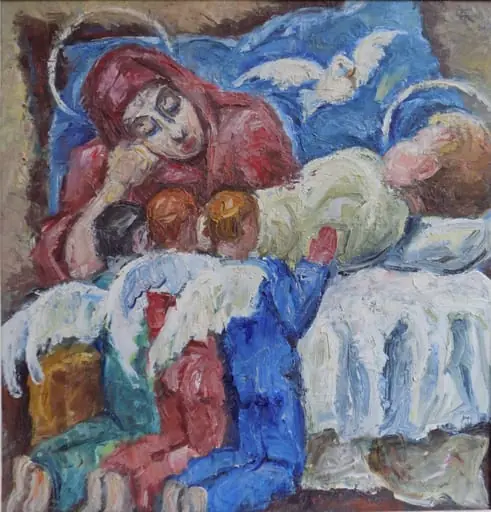 Trei ingeri
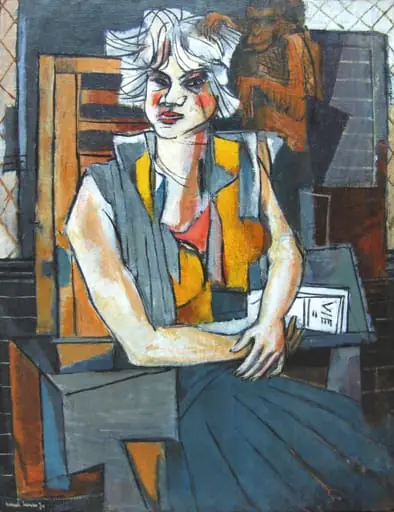 Girl Portrait
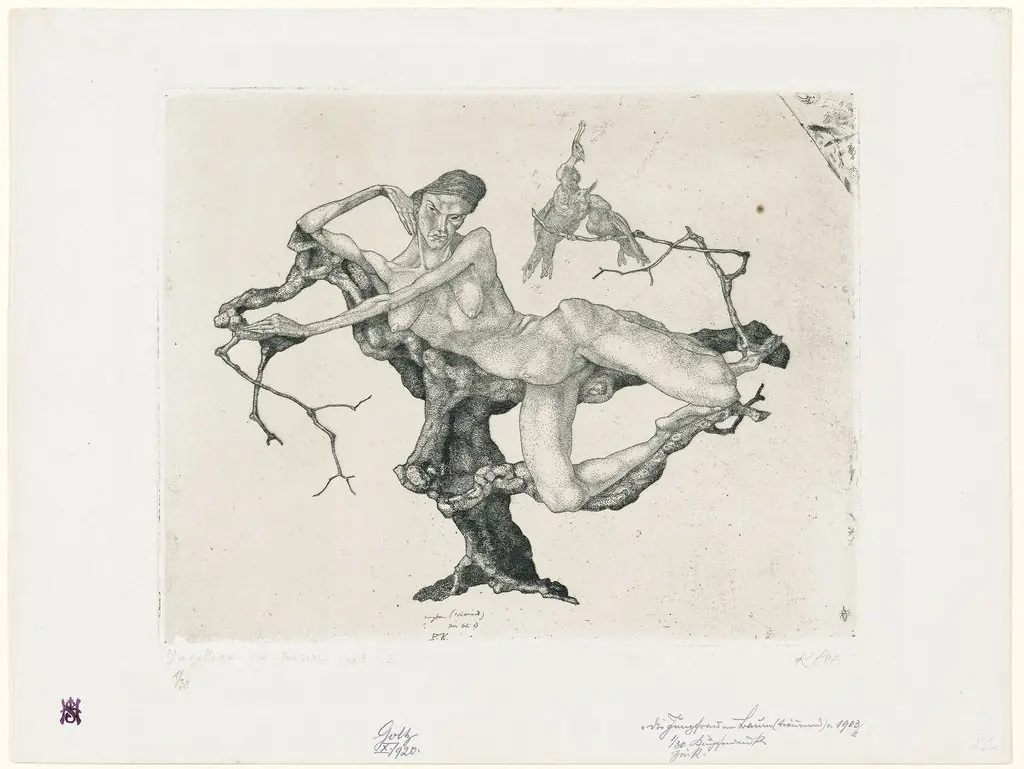 Virgin (dreaming)
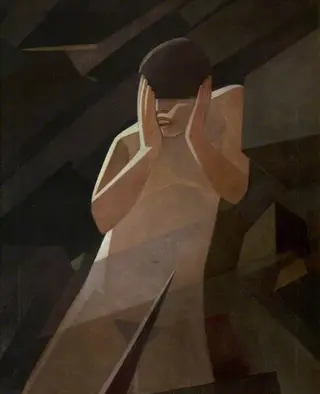 Despair
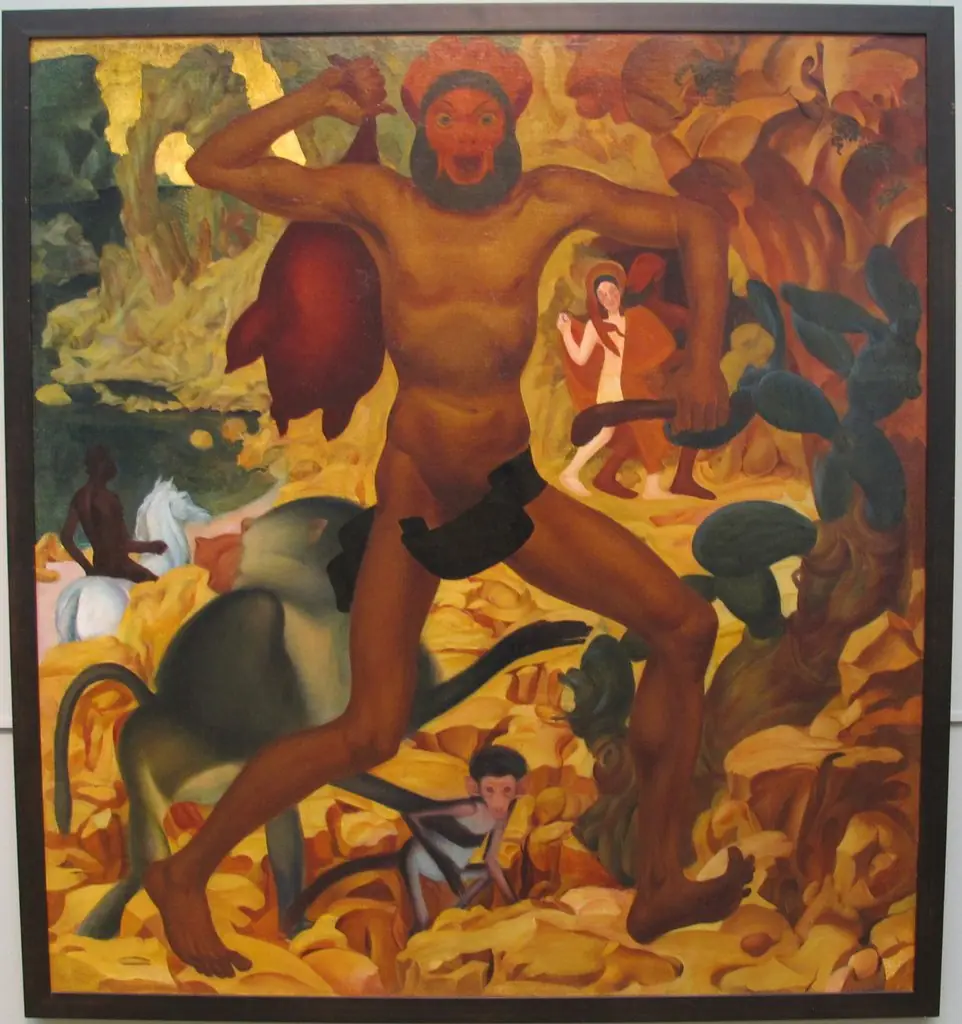 Uomo con un babbuino
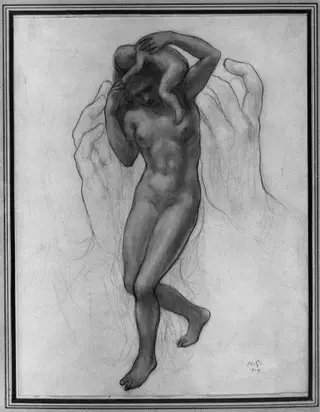 Hands, Female, Nude, Baby
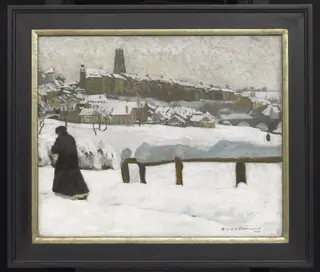 Freiburg in the Snow
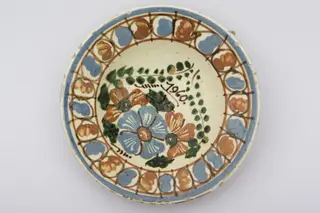 Recipient ceramic smălțuit, de formă tronconică, cu baza plată, pereții ușor ridicați și buza profilată. Peste stratul alb de angobă au fost realizate două registre ornamentate cu motive geometrizante și fitomorfe stilizate. Primul registru, situat pe fundul vasului este format din trei flori: una, centrală cu mijlocul maro și petalele albastre, celelalte două de culoare maro roșcat. Crenguțelor, pe care sunt poziționate florile, li se unesc vârfurile, deasupra cărora a fost trecută datare: „1960”. Marginal a fost realizat cel de-al doilea registru, format din boboci de culoare albastru și maro roșcat, despărțiți de linii verticale drepte. Două linii circulare drepte încadrează ultimul registru. Farfuria era utilizată în gospodărie pentru decorarea interioarelor. Prezintă uzură funcțională. Cromatică: fond: alb; motive: albastru; maro roșcat; verde.
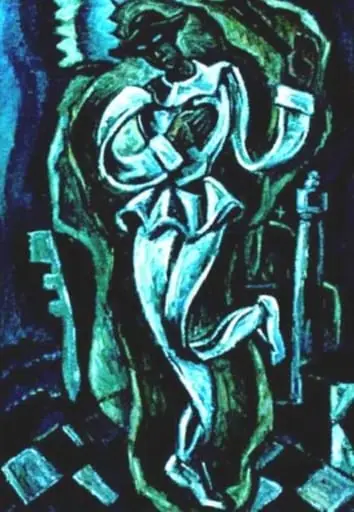 Arlechin
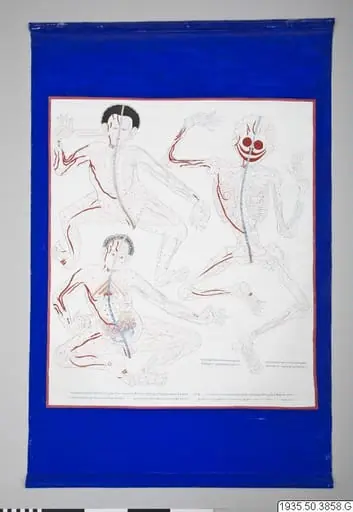 Painting, Rolling Painting
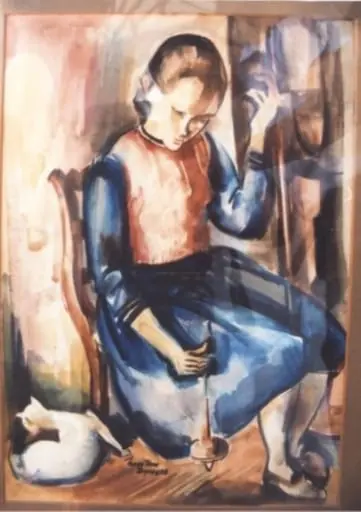 Fată torcând
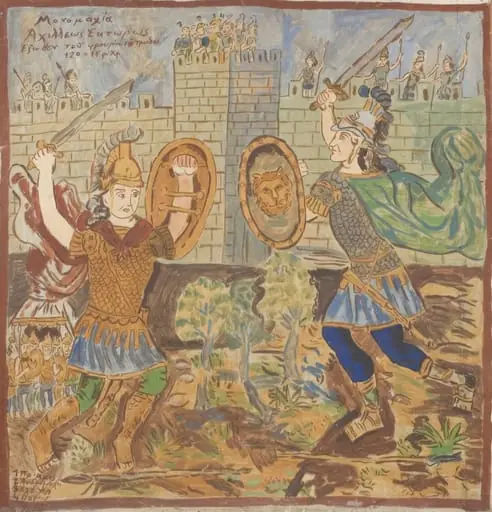 Duel of Hector and Achilles
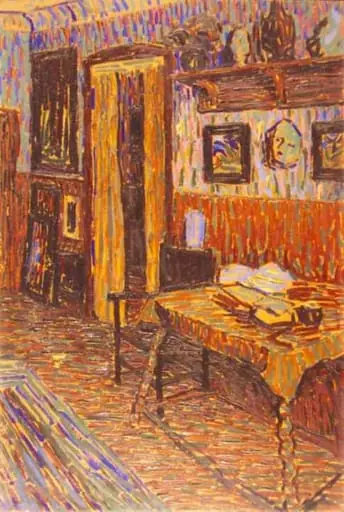 Interior de cameră
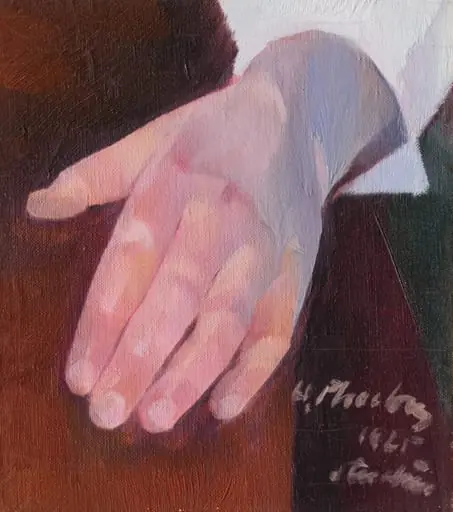 STUDIU DE MÂNĂ
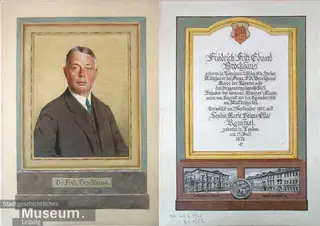 Painting
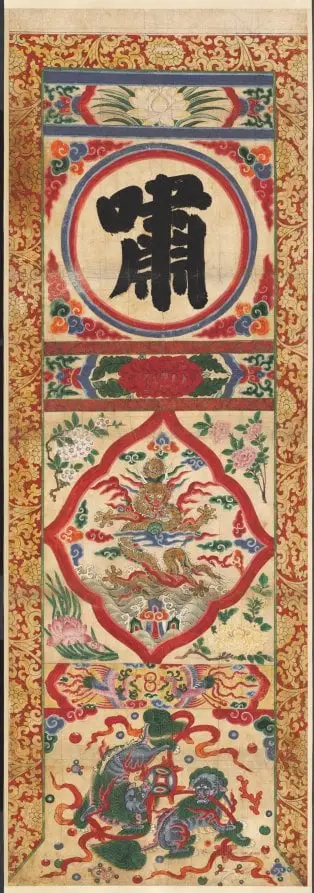 Painted Panel of Character "Whistle"
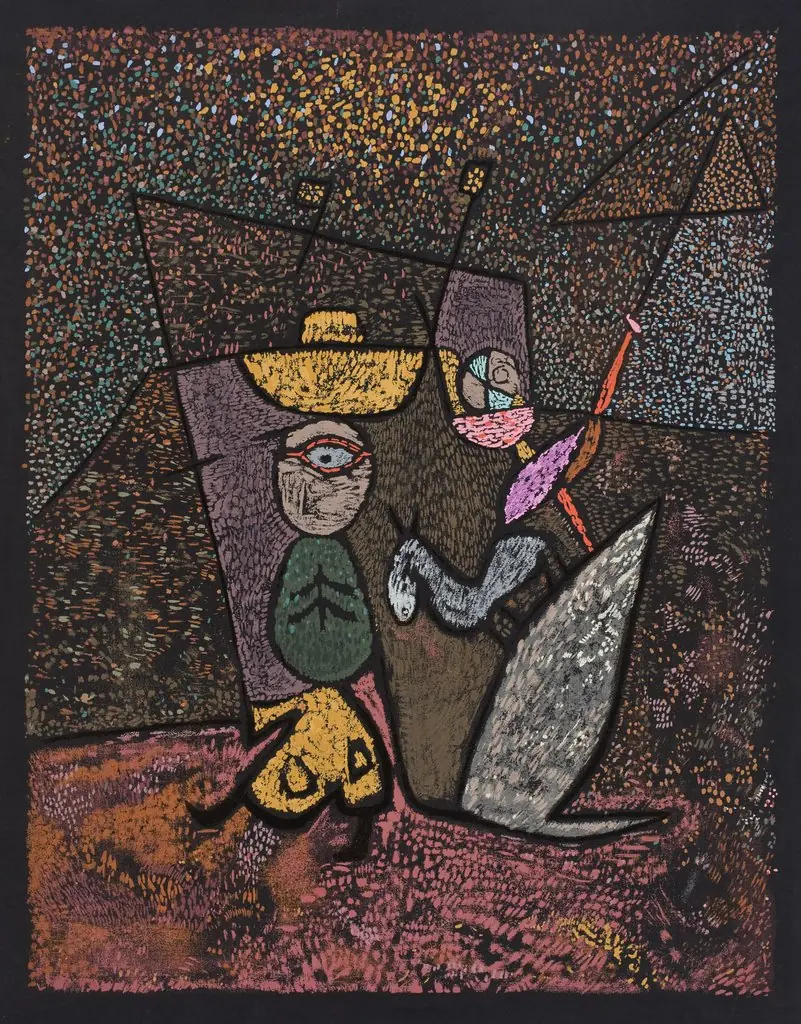 The Travelling Circus
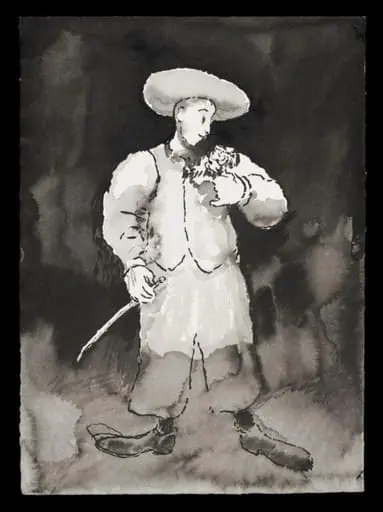 Untitled
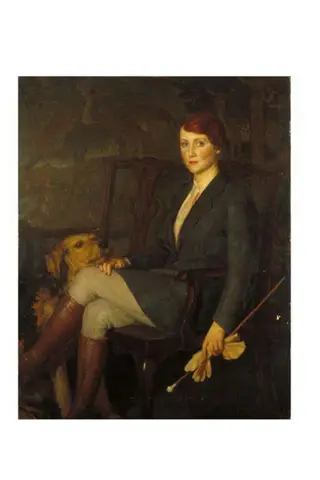 Fay Compton (possibly as Crawford in <i>This Woman Business</i> by Benn W. Levy)
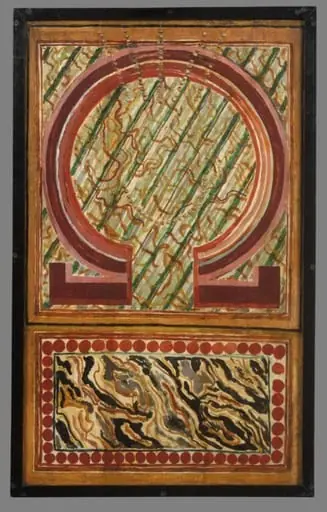 Signboard for the Omega Workshops
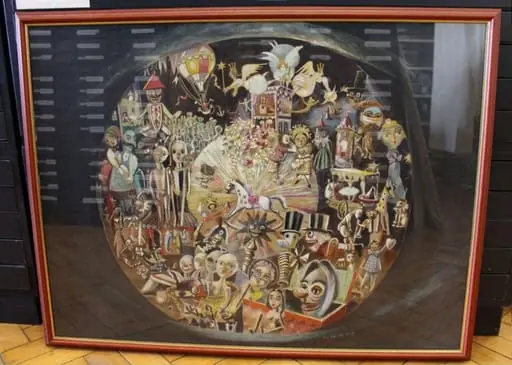 Cricket on the Hearth
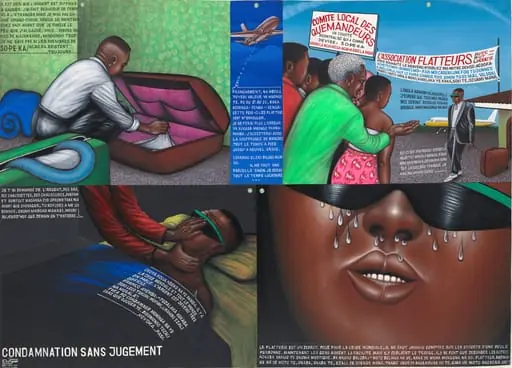 Untitled
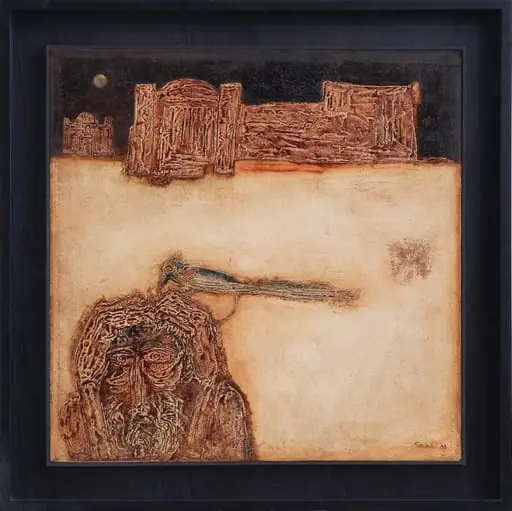 Untitled
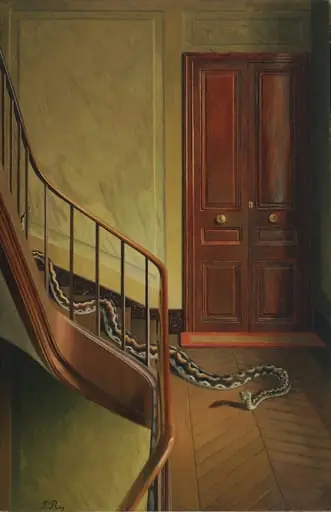 Untitled
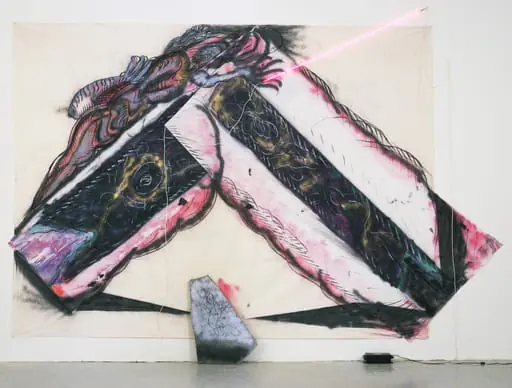 Untitled
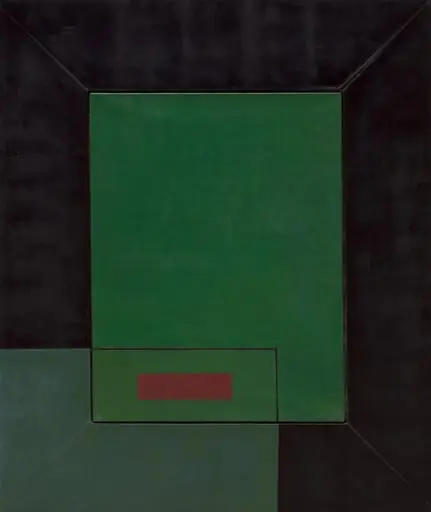 Untitled
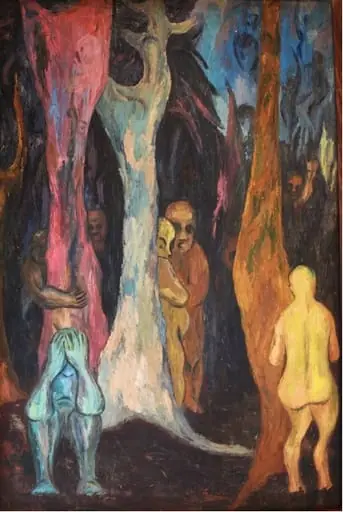 Untitled
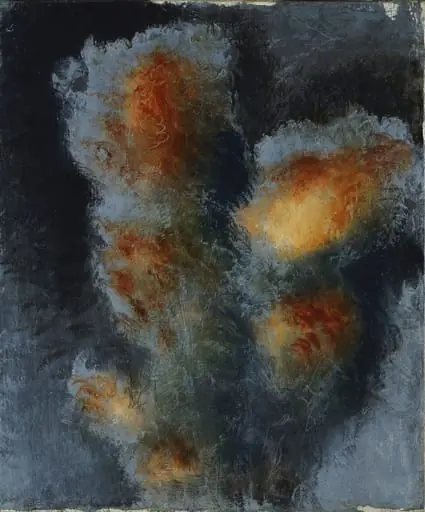 Untitled
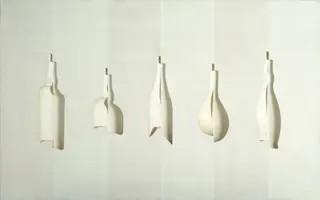 Untitled
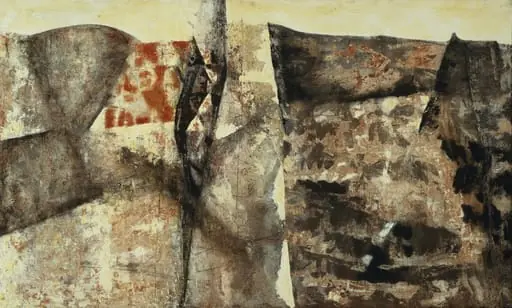 Untitled
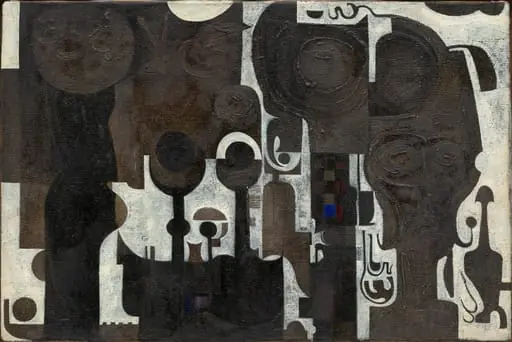 Untitled
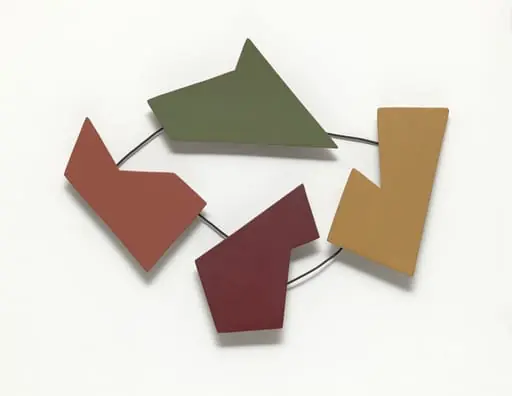 Untitled
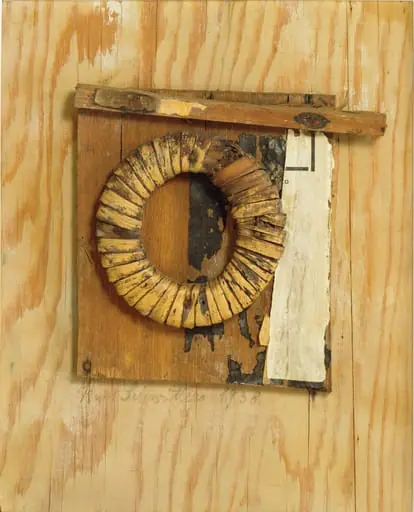 Untitled
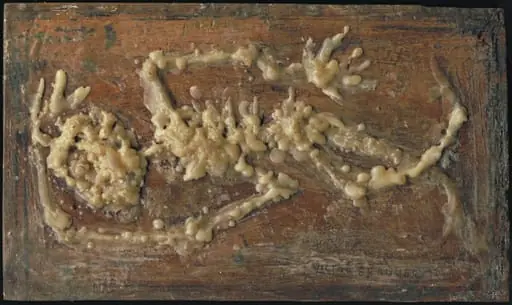 Untitled
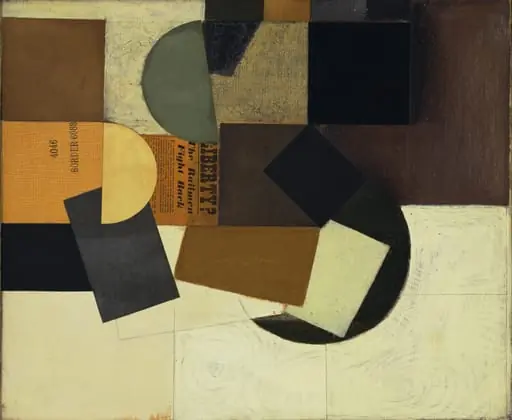 Untitled
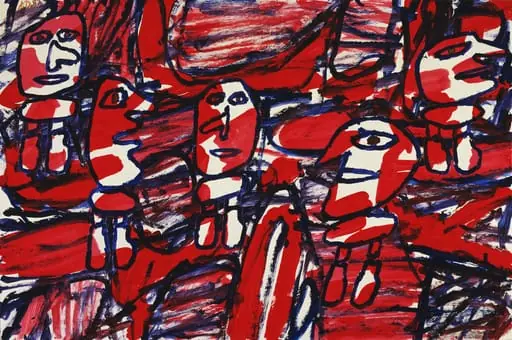 Untitled
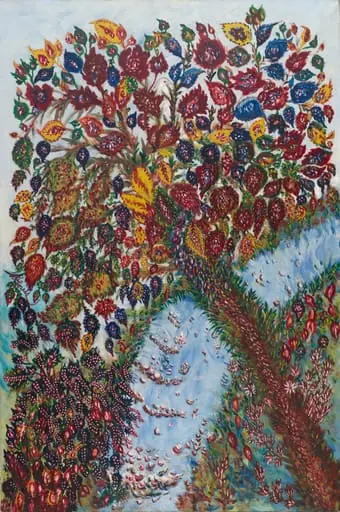 Untitled
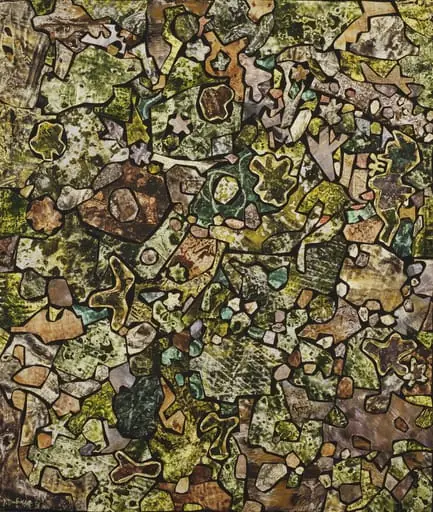 Untitled
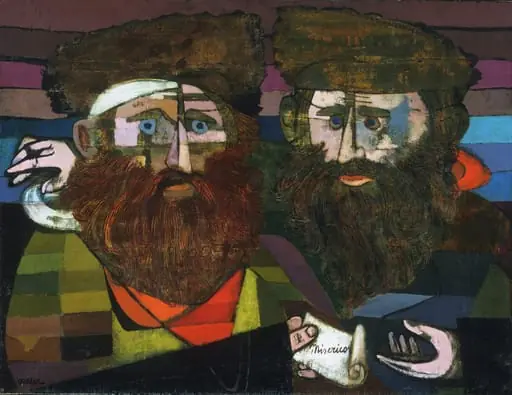 Untitled
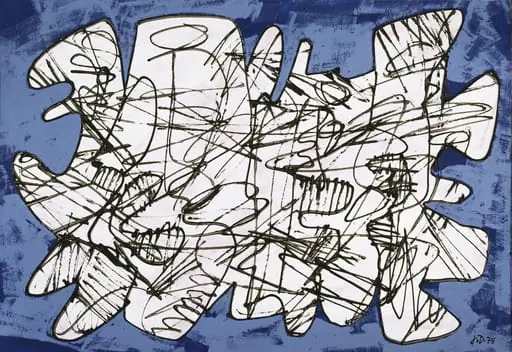 Untitled
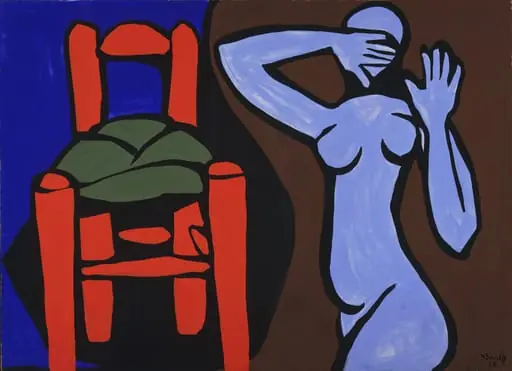 Untitled
 Untitled
 Untitled
 Untitled
 Untitled
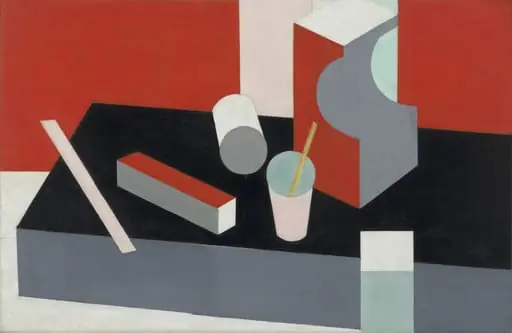 Untitled
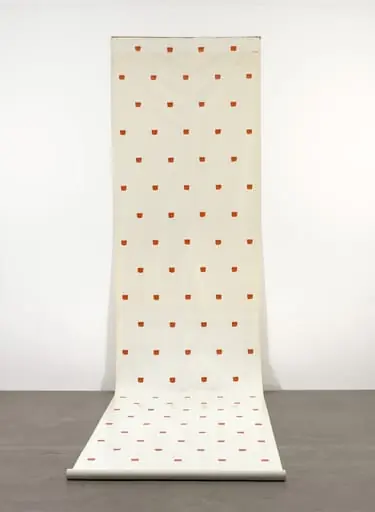 Untitled
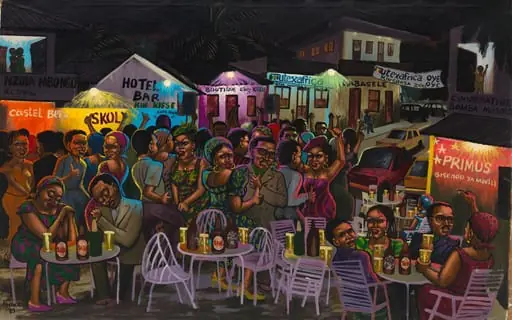 Untitled
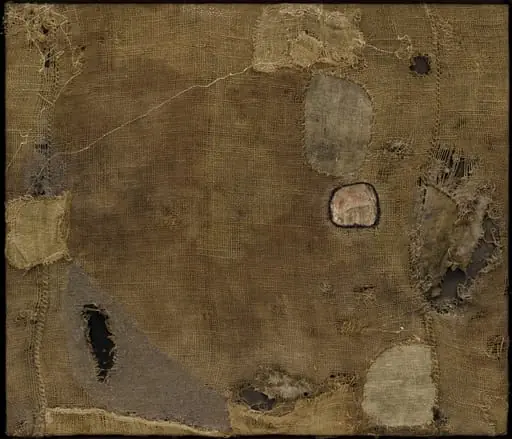 Untitled
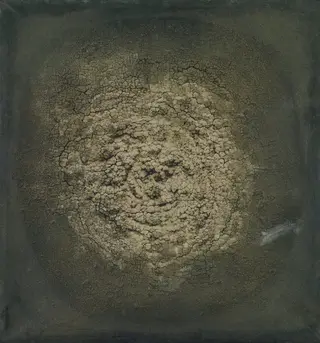 Untitled
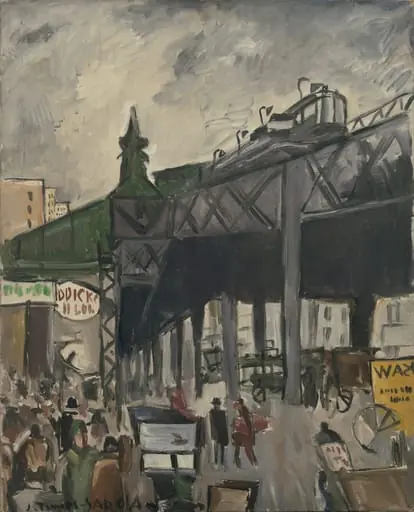 Untitled
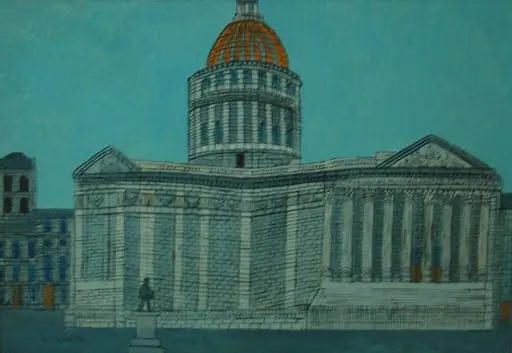 Untitled
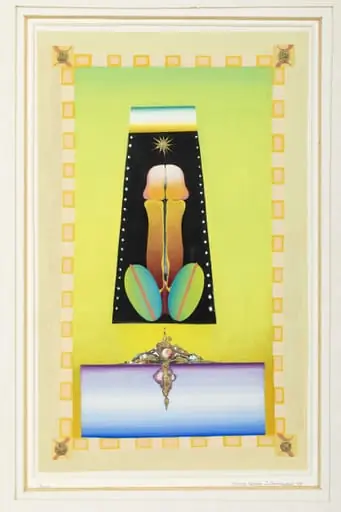 Penis (Πέος)
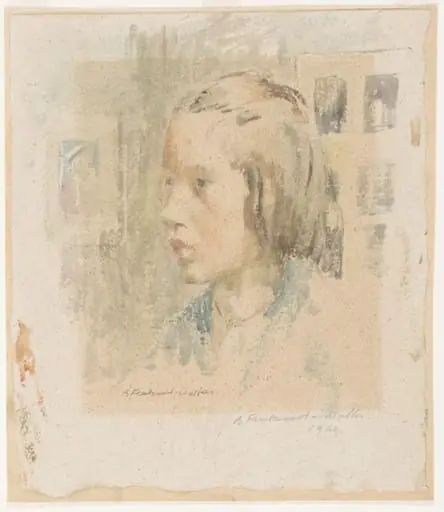 Head of a Girl
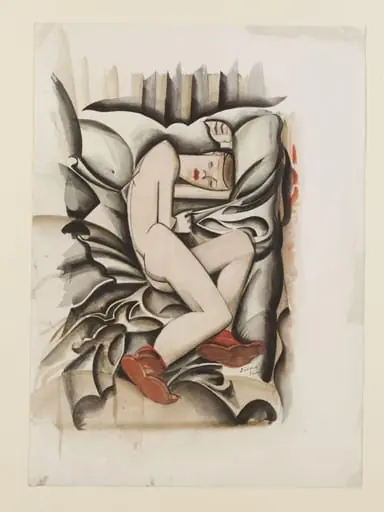 Nude reclining on a bed
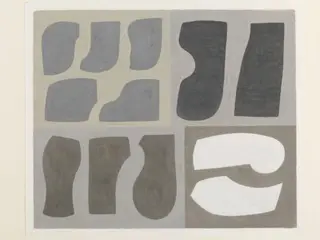 Related Forms
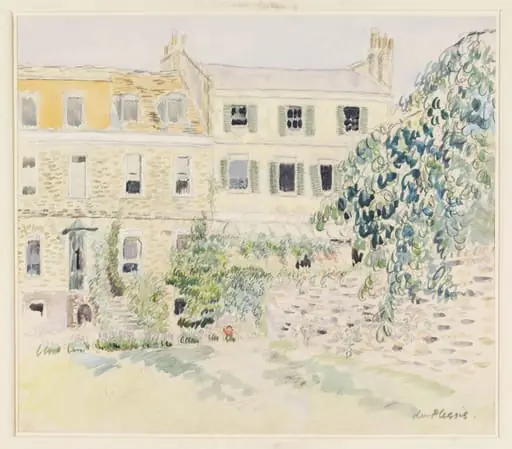 No. 3, (Coleridge's House) & No.4, The Grove, Highgate.
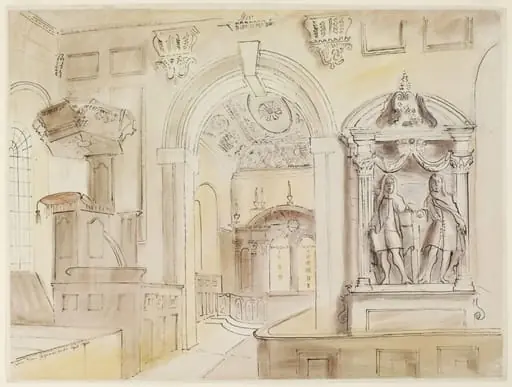 Interior of St. Peter's Church, Gayhurst
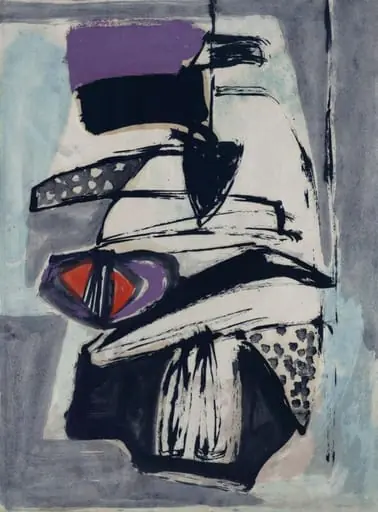 Composition
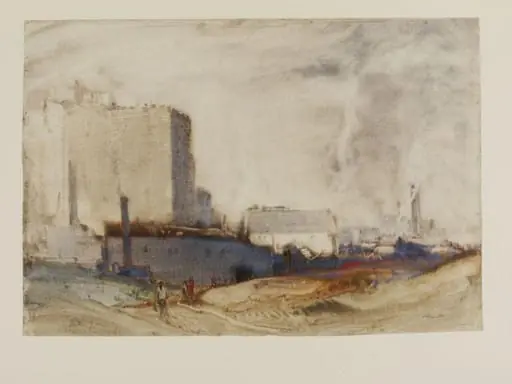 The White Factory
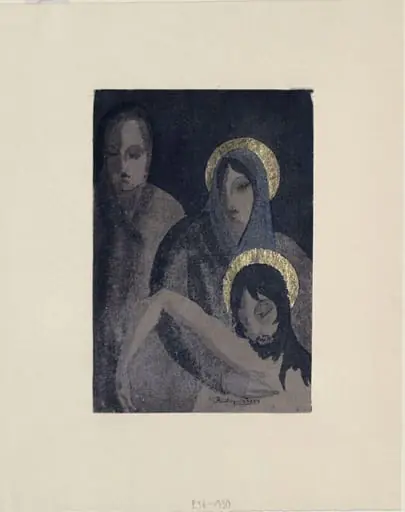 It is Finished
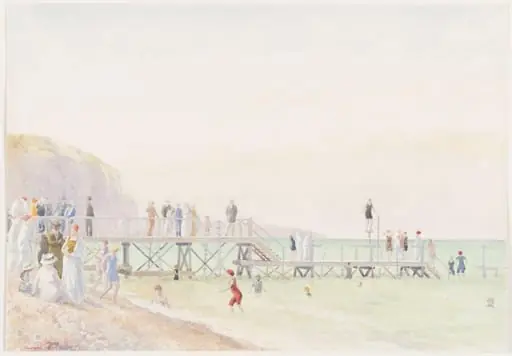 Untitled
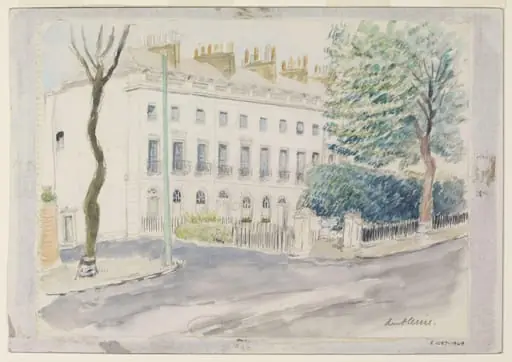 Albion Place, Reading
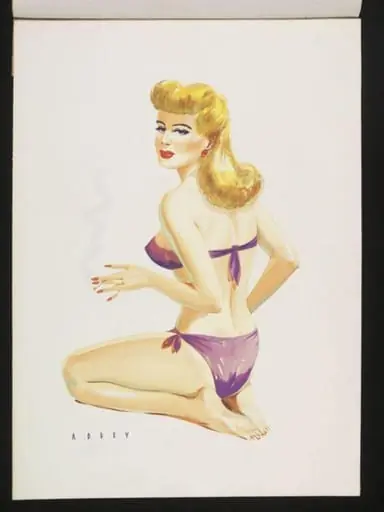 'Pin-up' wearing a purple bikini and smoking a cigarette
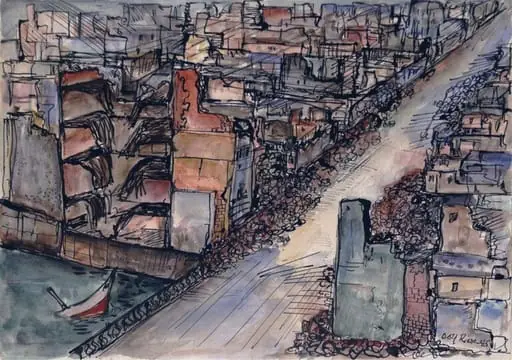 Hamburg Bombed
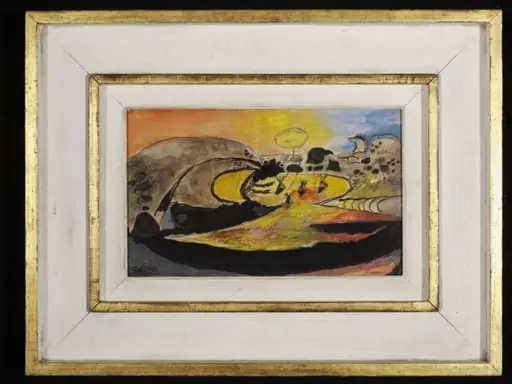 The Wanderer I
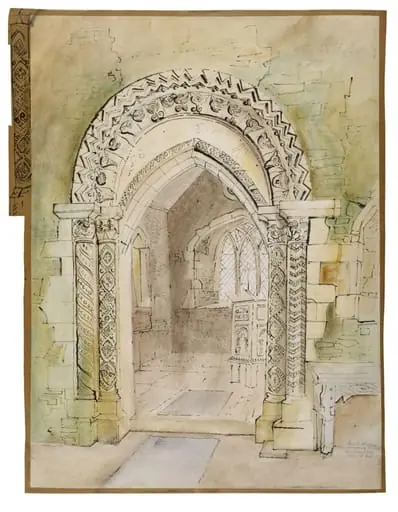 Chancel Arch, St. Peter's, Stanton Low, Buckinghamshire
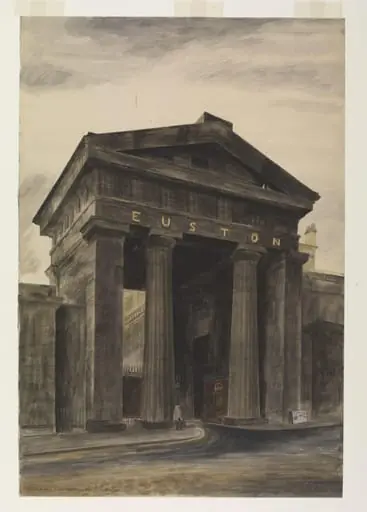 Doric arch, Euston Station, London, NW1
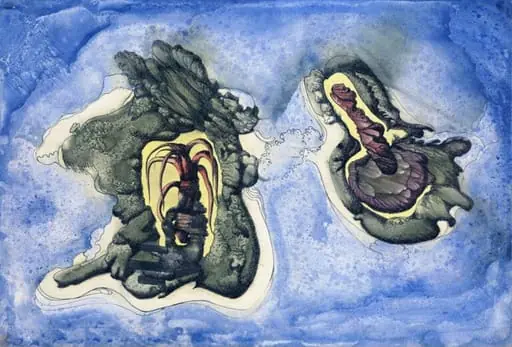 Linked Islands
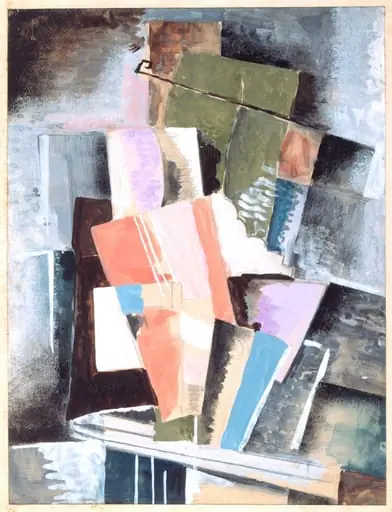 Still Life
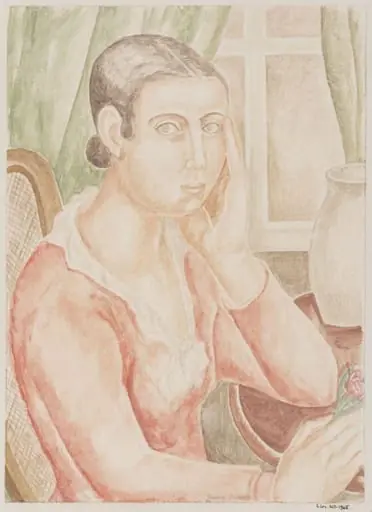 Self portrait
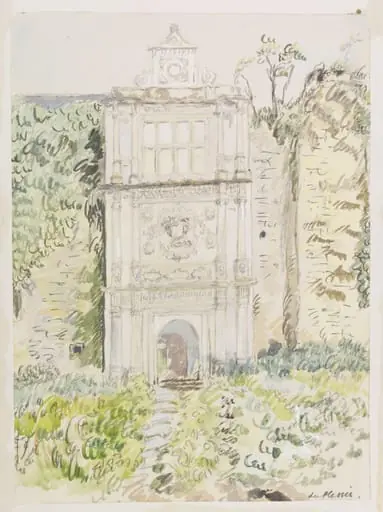 Gateway, Beaupre, Glamorganshire
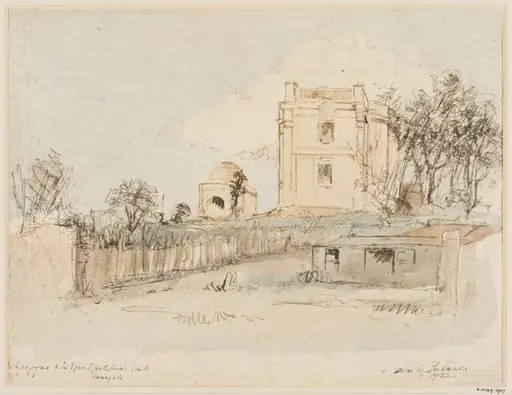 The Synagogue and Sir Moses Montefiore's Tomb, Ramsgate
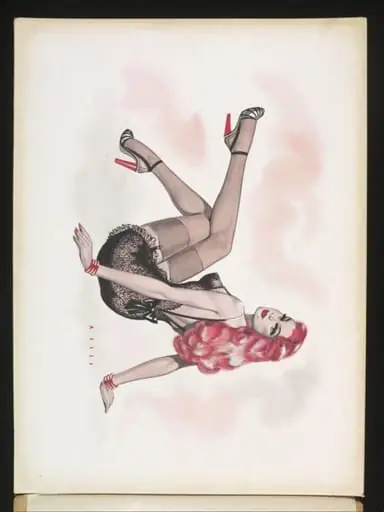 'Pin-up' girl with pink hair wearing a black lace slip
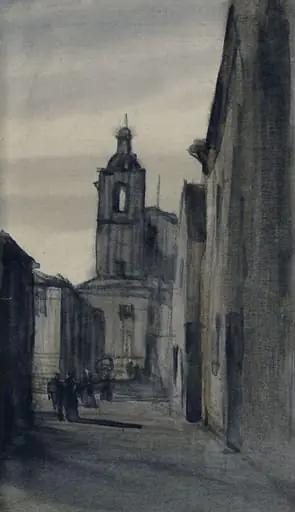 Street Scene
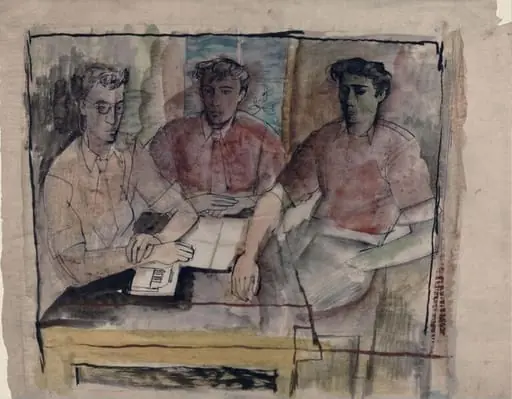 Three men seated at a table
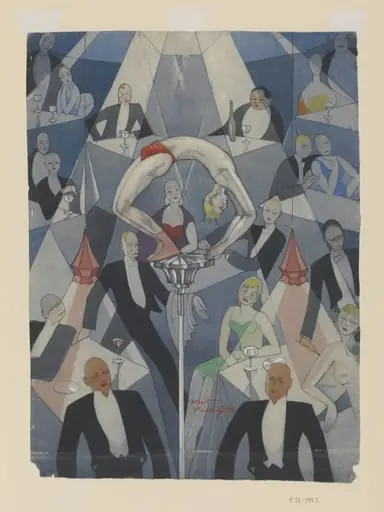 A Contortionist in a Cabaret
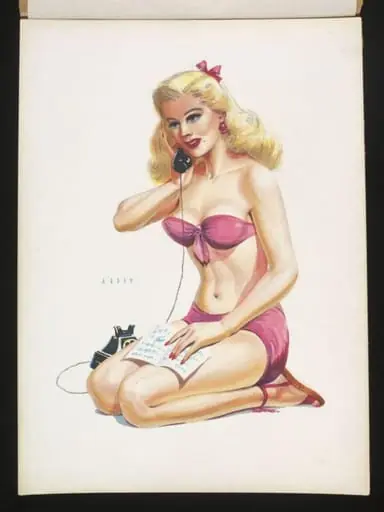 'Pin-up' girl speaking on the telephone with a letter in her hand
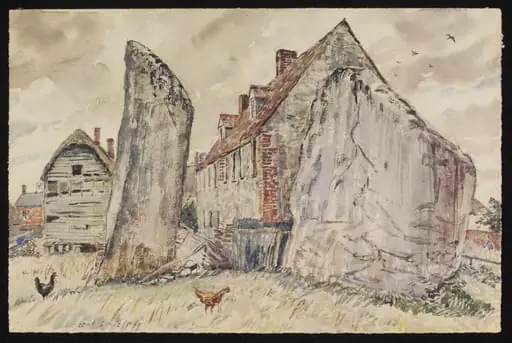 "Adam and Eve," Monoliths, Avebury
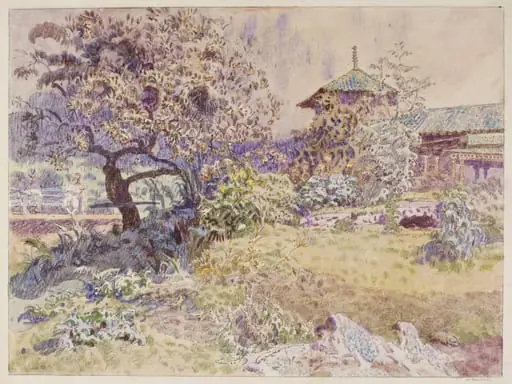 Reptiliary and Main Entrance
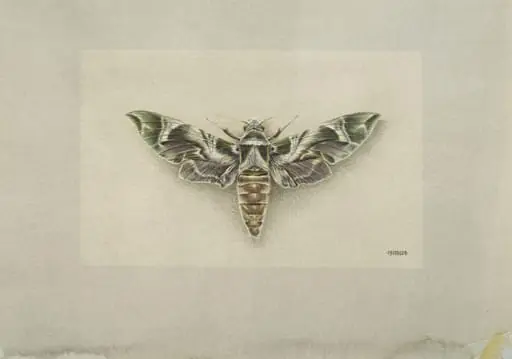 The Oleander Moth
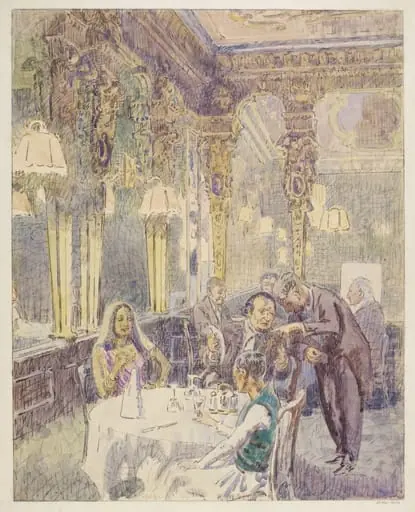 Café Royal
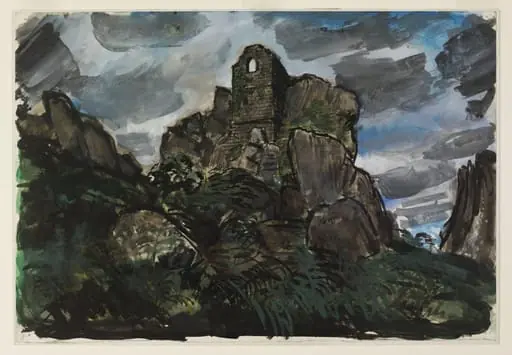 The Rock Roche
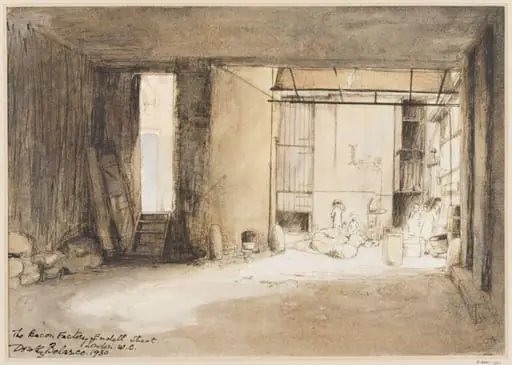 The Bacon Factory, Endell Street, London
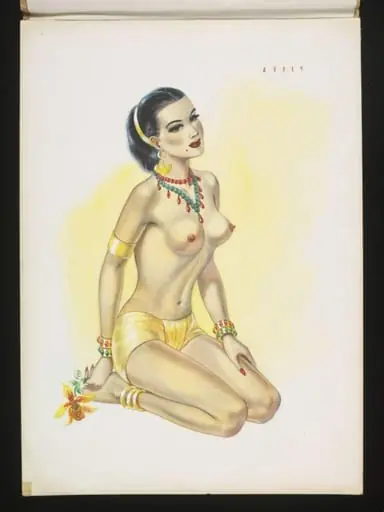 'Pin-up' wearing a loin cloth and jewellery
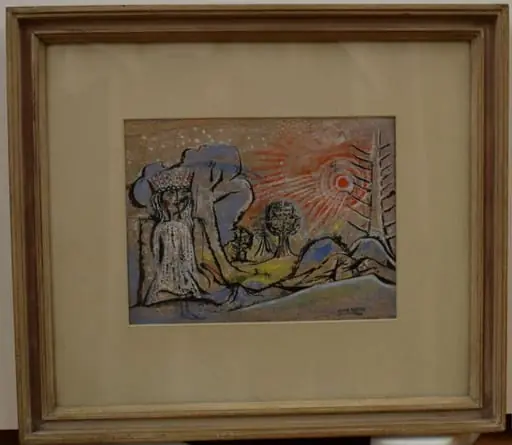 The King
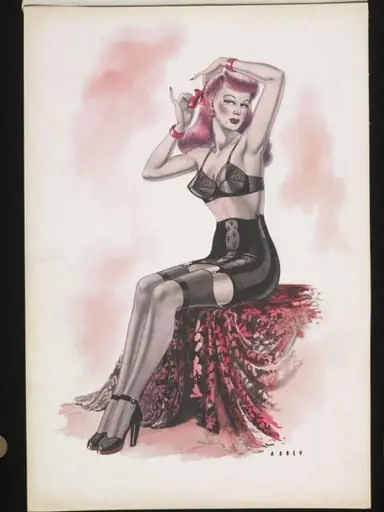 'Pin-up' with pink hair in brassiere, corset and black stockings
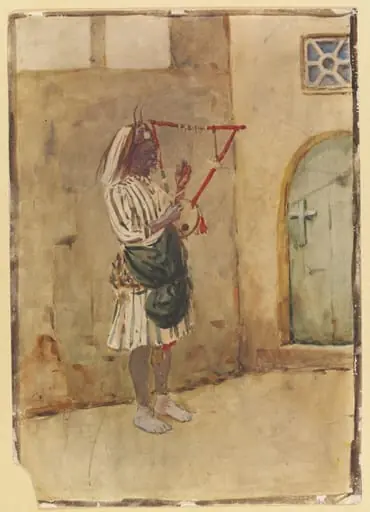 Dancing Negro
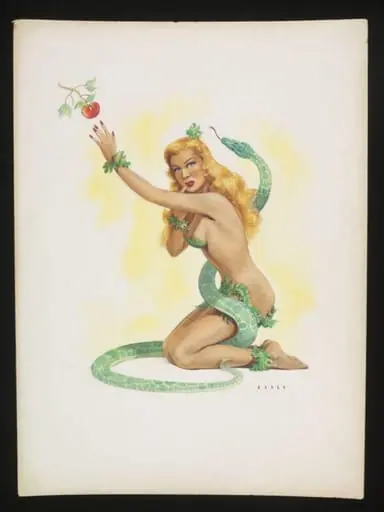 'Pin-up' girl as Eve with the serpent
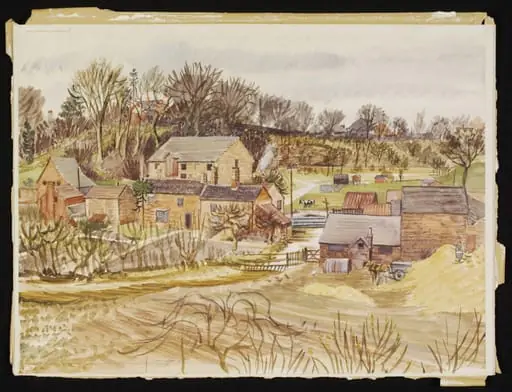 The Mill, Stone
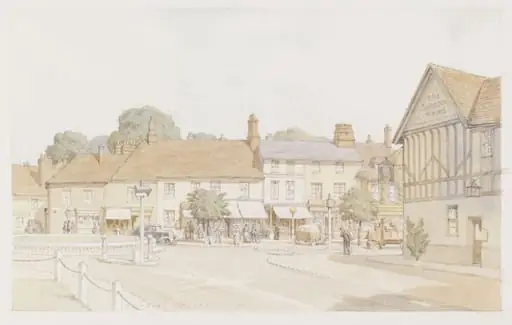 Beaconsfield
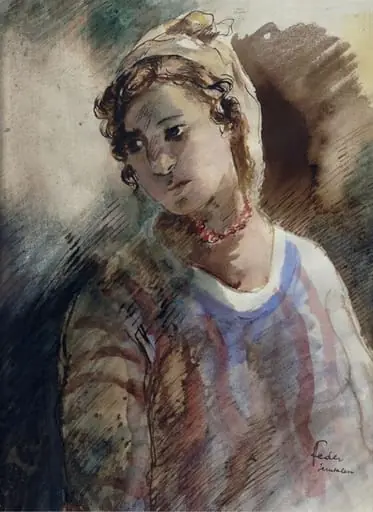 Jerusalem Girl
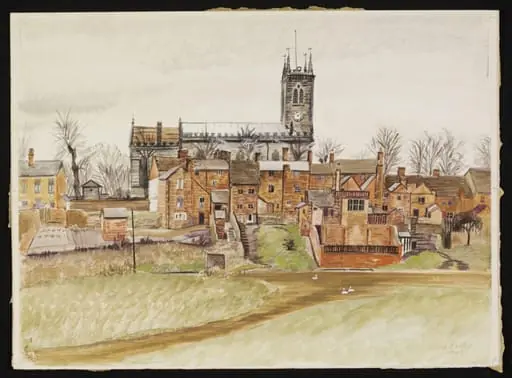 St. Michael's Church, Stone
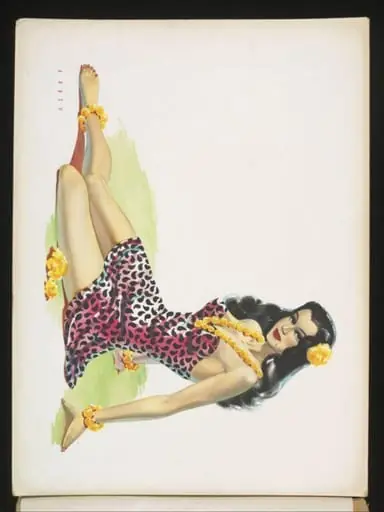 'Pin-up' in Hawaiian costume
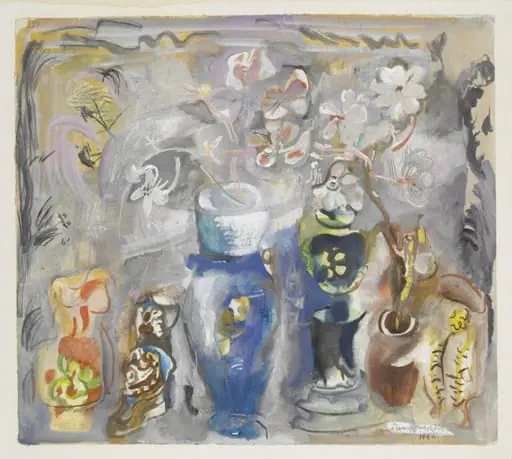 Ornaments with Flowers
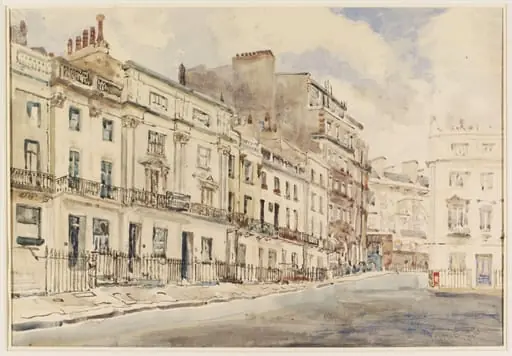 Victoria Square S.W.1.
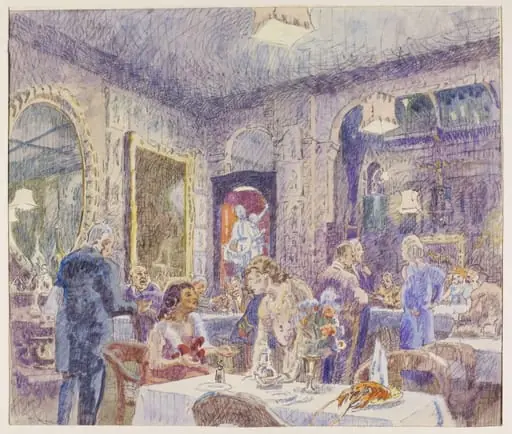 Rule's, 35 Maiden Lane, W.C.2.
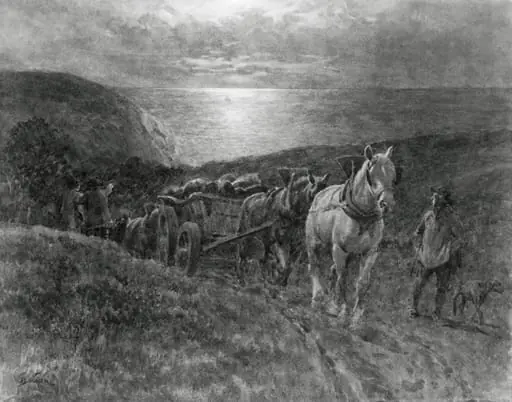 The Smugglers
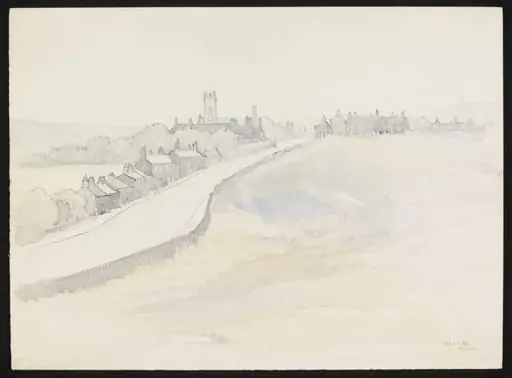 Church and Pigs Lee, Walmersley
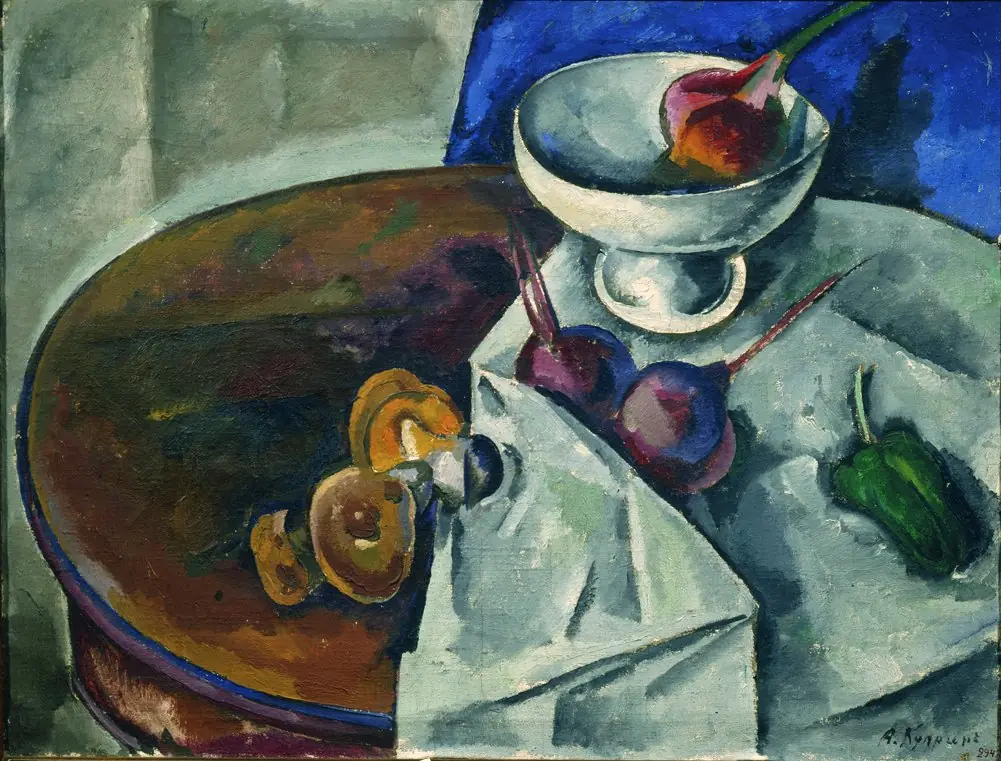 A Round Table
Frequently asked questions
What is Art Brut?
Art Brut is an art movement. Raw or 'outsider' art made outside mainstream culture — by psychiatric patients, prisoners, mediums, and untrained visionaries — collected and named by Jean Dubuffet from the 1940s.
How many Art Brut works does Artifact World Gallery have?
Artifact World Gallery holds 135 public-domain Art Brut works, all free to view and download.
Who are the key Art Brut artists?
Key Art Brut artists in the collection include Paul Klee, Morton Livingston Schamberg and Dagobert Peche.
When did Art Brut take place?
Art Brut dates from 1940–1970.
Where can I see Art Brut works?
Art Brut works in the collection are held by Victoria and Albert Museum, Museum of Modern Art and Brooklyn Museum.